E3 violated JCPOA, lost right to reinstate UN sanctions against Iran: Russian envoy
Press TV – July 21, 2025
A senior Russian diplomat says Britain, France, and Germany, known as the E3, have repeatedly violated the terms of the 2015 nuclear deal, and thus forfeited their right to trigger the snapback mechanism that would re-impose all UN Security Council sanctions on Iran.
Russia’s Permanent Representative to International Organizations in Vienna, Mikhail Ulyanov, made the remarks in an interview with Izvestia newspaper on Monday, days after the E3, in coordination with the US, threatened to initiate the 30-day snapback process if there is no progress on Iran’s nuclear talks by the end of August.
“As for the threats of Westerners to initiate a mechanism for restoring sanctions, it is quite rightly noted that this idea is illegitimate,” Ulyanov said.
“The Americans themselves withdrew from the JCPOA, renouncing the rights and obligations of a participant in the nuclear deal, and the United Kingdom, Germany and France are violators of both the JCPOA and UN Security Council resolution 2231. This means that they have also deprived themselves of the right to initiate a ‘snapback.’”
He was referring to the Joint Comprehensive Plan of Action, the official name of the Iran nuclear accord, which the US ditched in 2018 before returning the illegal sanctions that it had lifted against Iran and launching the so-called “maximum pressure” campaign.
Following the US withdrawal, the European signatories to the JCPOA failed to uphold their commitments and made no efforts to save the agreement.
Also in his remarks, the Russian envoy criticized the Europeans and Americans for using “the tactics of forceful pressure” against Tehran, saying such an approach has no chance of success.
“The habit of Europeans and Americans to set certain deadlines all the time is quite counterproductive,” he said, citing the negotiations aimed at restoring the JCPOA in 2021-2022 as an example.
In an X post on Sunday, Ulyanov emphasized that the E3 “has no legal or moral right” to activate the snapback procedure.
Earlier, Iran’s Foreign Minister Abbas Araghchi sent a letter to the UN chief, the Security Council president, and the top EU diplomat, saying the E3 have relinquished their role as “participants” in the JCPOA, rendering any attempt to trigger the snapback mechanism “null and void.”
Is Azerbaijan Considering Hosting a Turkish Military Base?
By Alexandr Svaranc – New Eastern Outlook – July 21, 2025
As Azerbaijan-Russia relations cool, discussions emerge in Baku about the potential deployment of a Turkish military base. Is this a random development — or is chance merely revealing an underlying pattern?
Between Iran and Russia, Azerbaijan chooses Turkey. At one point, when describing the political geography of modern Azerbaijan, Geidar Dzhemal — a Russian Islamic political and public figure, philosopher, and poet — characterized it as extremely vulnerable, considering its southern border with Iran and northern border with Russia. At the time, the Karabakh issue remained unresolved for Baku, and the goal of regaining full control over the Nagorno-Karabakh territory was still pending. In other words, despite being technically at war with Armenia, Baku did not perceive it as an existential threat.
Dzhemal’s assessment reflected Azerbaijan’s geopolitical choice to align with NATO-member Turkey, and to build partnerships with the UK, Israel, and the US. These allies, carefully selected by Baku, have political and economic agendas that are at odds with those of Russia and Iran.
Despite historical ties with Iran and its shared Shia Islamic heritage, Azerbaijan opted in the 1990s for an alliance with Sunni-majority Turkey. Turkey became a key facilitator in the implementation of the so-called “contracts of the century” in the oil and gas sector, with Britain playing a leading role.
Recognizing the deep-rooted tensions between Israel and Iran, Baku forged a pragmatic partnership with Tel Aviv. Azerbaijani oil — making up 60% of Israel’s overall oil imports — in exchange for Israeli weaponry and military technologies laid the foundation for robust bilateral relations. Israel, for its part, assisted Azerbaijan in strengthening ties with the US and Europe, both directly and through lobbying by the Jewish diaspora.
In return, Azerbaijan did not hinder the activities of Israeli intelligence services on its territory, particularly when directed at Iran. Azerbaijan’s military success in the Second Karabakh War in 2020, with direct Israeli support (weapons deliveries, intelligence sharing, UAV operations), significantly expanded the operational scope of Israeli intelligence targeting Iran. The results of the twelve-day Israel-Iran war in June 2025 have once again raised questions about Israeli security structures potentially using Azerbaijani territory.
Today, Tehran is unlikely to escalate tensions with Baku. On one hand, both sides have only recently emerged from a serious diplomatic crisis (following the terrorist attack at Azerbaijan’s embassy in Iran, the withdrawal of Baku’s ambassador, and the later restoration of ties). On the other hand, Iran’s conflict with Israel remains unresolved and without a peace agreement.
Azerbaijan’s relationship with Russia in the post-Soviet era has fluctuated — swinging between partnership and hostility. Moscow initially adopted a neutral stance in the Karabakh conflict, trying to retain both Armenia and Azerbaijan within its sphere of influence, and took the lead in conflict resolution efforts. Indeed, both Karabakh wars ended under Russian mediation, but with radically different outcomes. From the 2000s onwards, Russia began pursuing a more pragmatic approach in the South Caucasus, shifting toward a strategic partnership with Baku. As a result, Azerbaijan secured access to $5 billion worth of modern Russian weapons, expanded its business presence in Russia, and acted as a mediator — particularly after the 2015 downing of a Russian Su-24 by Turkish forces — in restoring and advancing Russian-Turkish ties.
Russia’s distant approach during the Second Karabakh War and the Azerbaijan-Armenia tensions of 2021–2023 allowed Baku to achieve military success and regain lost territories in Karabakh. Following its pragmatic logic, Azerbaijan did not join anti-Russian sanctions and, like Turkey, has maintained business ties with Russia, receiving considerable benefits from transit and re-export arrangements.
However, despite its strategic partnership with Russia, Turkey has not hastened to implement the Russian-proposed gas hub project in Eastern Thrace. Ankara continues to demand favorable financial terms (lower gas prices, deferred payments, joint trade) and also seeks Russian consent for its plans to access Central Asia via the Caspian Sea and tap into Turkmen gas.
Since autumn 2020, the “Turan Project” has begun to take more tangible shape. Ankara envisions the creation of an alternative alliance to the EAEU and the EU, involving Turkic states and Pakistan.
Iran opposes the Zangezur Corridor, Russia — due to Armenia’s position — cannot establish control over the project, and Azerbaijan may reconsider its support for the North–South International Transport Corridor, possibly obstructing Russia’s access through Iran to the Persian Gulf and the Indian Ocean. This scenario could trigger new diplomatic — or worse, military-political — crises in the South Caucasus.
Amid all this, Azerbaijan is placing its hopes on Turkish military bases. Following the latest escalation in Azerbaijan-Russia relations — sparked by Baku’s harsh reaction to the tragic downing of a civilian aircraft and the detention of Azerbaijani diaspora members in Yekaterinburg (with investigations still ongoing) — former presidential aide Eldar Namazov raised the prospect of hosting a major Turkish military base in Azerbaijan. He even suggested that part of the base could be leased to the Pakistani Air Force as a potential deterrent against alleged provocations from Russia and Iran.
Namazov is far from a fringe figure, and his statements are likely aligned with the presidential administration — at the very least, with the President’s foreign policy aide Hikmet Hajiyev.
In fact, Turkey has long been involved in Azerbaijan’s defense and security — from the two Karabakh wars to military reforms and personnel training. Joint military drills are held regularly. After the Second Karabakh War, a Turkish-staffed monitoring center operated in Aghdam from November 2020 (Russian peacekeepers have since left the region, but no official information suggests Turkish forces have followed suit). Turkish military advisers remain active in Baku. The 2021 Shusha Declaration explicitly provides for mutual military assistance upon request. Iran is acutely aware that any attack on Azerbaijan would trigger Turkish intervention.
Should Azerbaijan decide to host a Turkish NATO base on its territory, it would usher in a new geopolitical reality in the South Caucasus. This would compel Russia and Iran to take additional security measures, plunging the region into uncertainty. Baku, while not necessarily hoping for a repeat of its Karabakh victory, risks forfeiting significant advantages — namely, threats to transit routes vital to its economy, and potentially even the loss of its hard-won control over Karabakh.
In chess, logic demands the elimination of reckless moves that may lead to failure. In political chess, the stakes are even higher: a miscalculated diplomatic move can result not only in defeat, but in far more serious consequences — human, material, and strategic. Sadly, history has shown that wars often spell the downfall of some states, while paving the way for the birth of others. President Aliyev, a diplomat by training with years of presidential experience and a cool, calculated approach, is unlikely to let the Azerbaijan–Russia crisis escalate unchecked. Most likely, this period of tension will soon give way to renewed cooperation — perhaps even in the form of a formal declaration of alliance.
Alexander Svarants – Doctor of Political Science, Professor, Turkologist, expert on the Middle East
Absurdity on Steroids

By Nahida Exiled Palestinian | June 5, 2025
Over the past 77 years, we Palestinians have faced an absurd type of multilayered injustice, unspeakable barbarity, chronic brutality, and compounded oppression with a twist.
* We are the only oppressed group who are vilified, condemned and labelled as terrorists, for merely existing.
We are the wronged, named as oppressors, the scorned named as haters, the slaughtered named as criminals, the dispossessed named as villains, we are the murdered named as the killers.
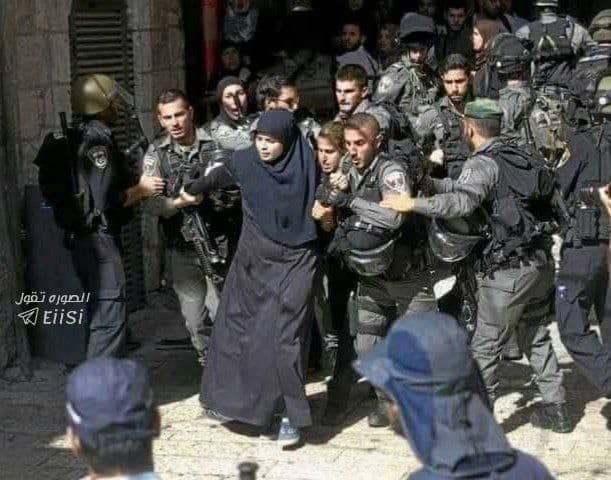
* We are the only oppressed group who are not allowed to identify or name their oppressor.

* We are the only oppressed group who are manipulated to grief for and bemoan the alleged suffering of their oppressor before their own, otherwise we are shunned and blacklisted as “holocaust deniers”
Our persistent suffering is secondary, diminished by the “eternal victimhood“ of our occupiers. Our pain is peripheral, dwarfed in comparison to theirs and validated only by the magnitude of our reverence to the “unique suffering“ of our oppressors
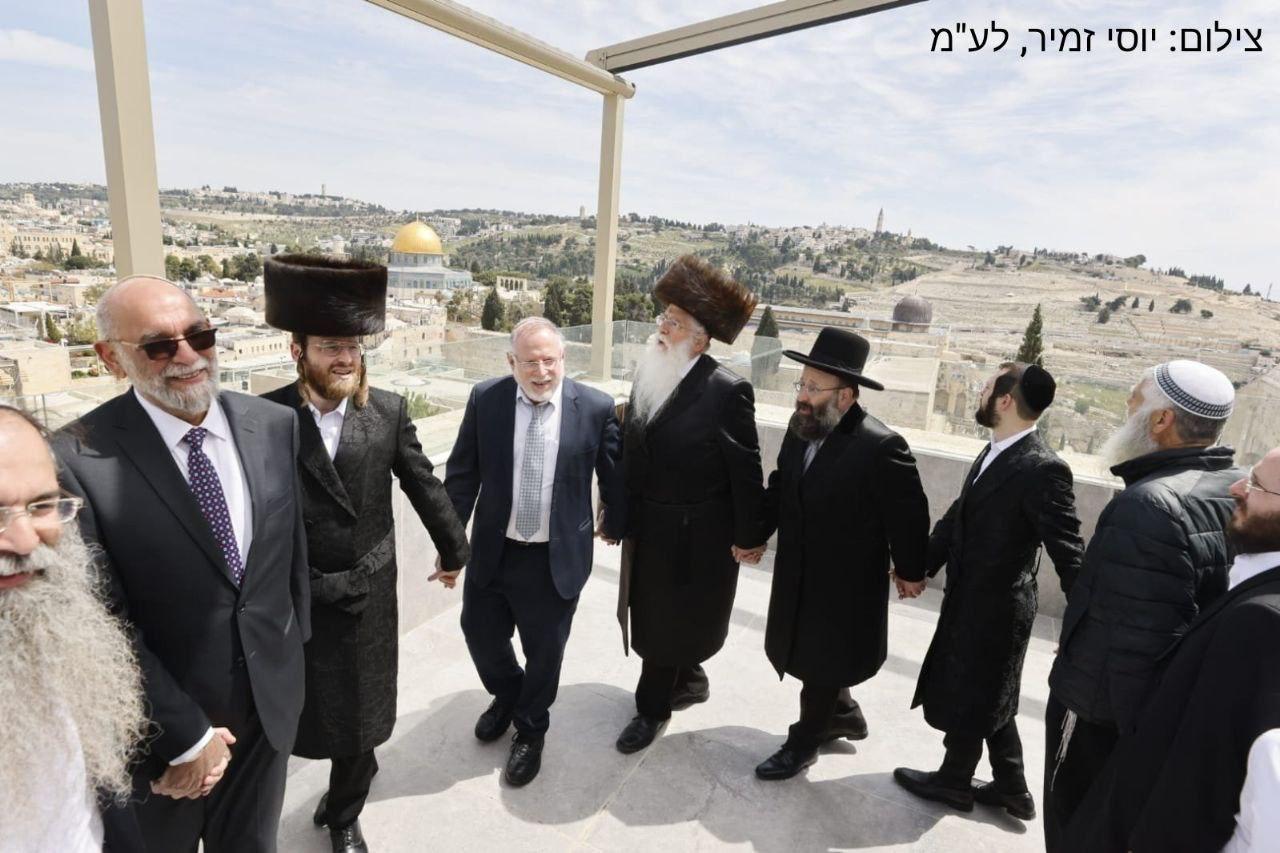 * We are the only oppressed group who are demanded to:
– Gracefully lay down their only means of survival, their resistance
– Obediently protect the security of those from whom they saw nothing but savagery and barbarity
– Humbly guarantee a permanent presence and a prosperous future for those whose very ideology views the other with utter contempt as mere “animals, created only to serve them” and calls for their annihilation.
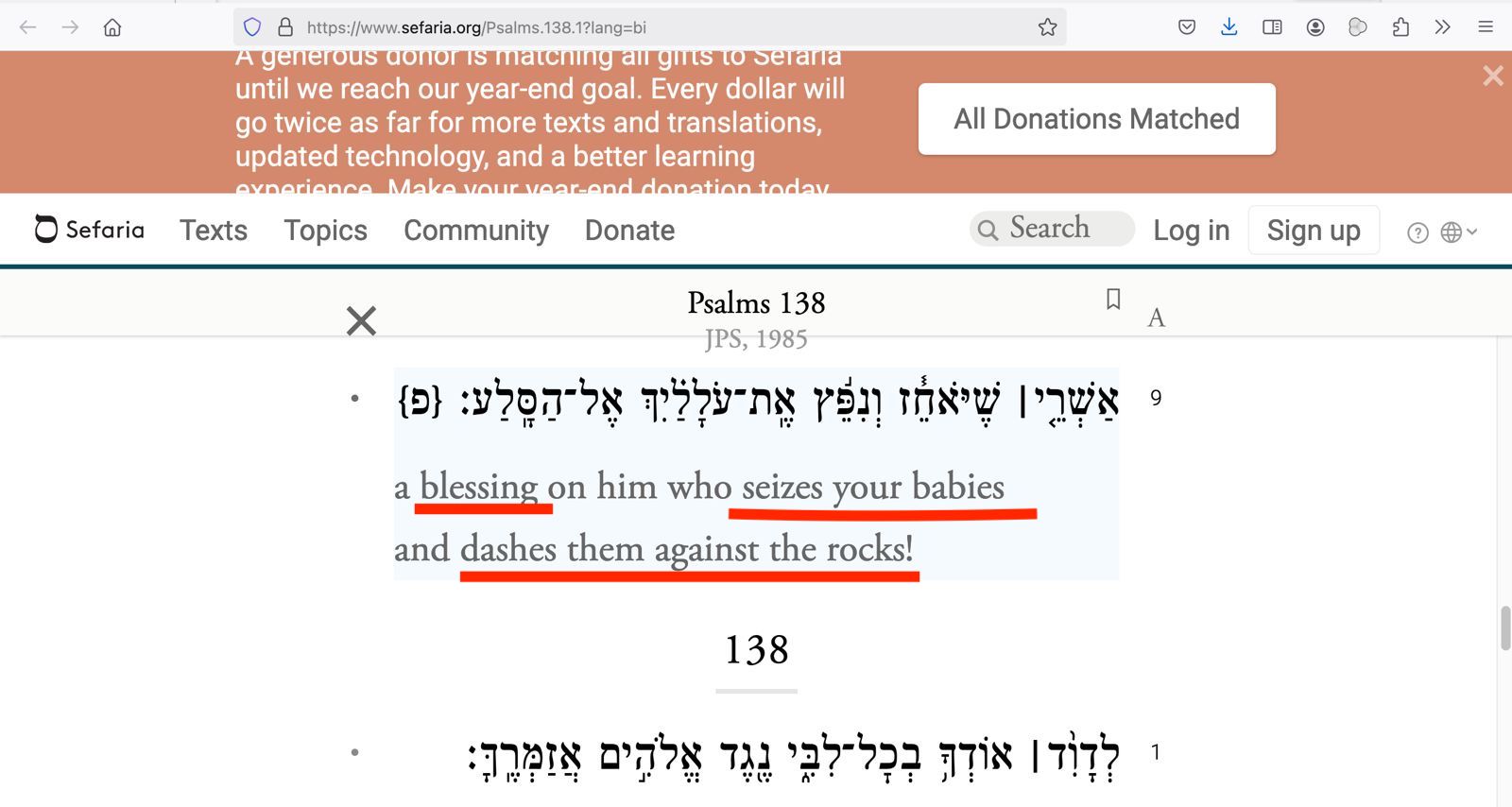
* We are the only oppressed group who are forbidden to discuss or ask questions about the ideology of their oppressors who claim to be the “chosen” above all others and that “God gave them the land”.

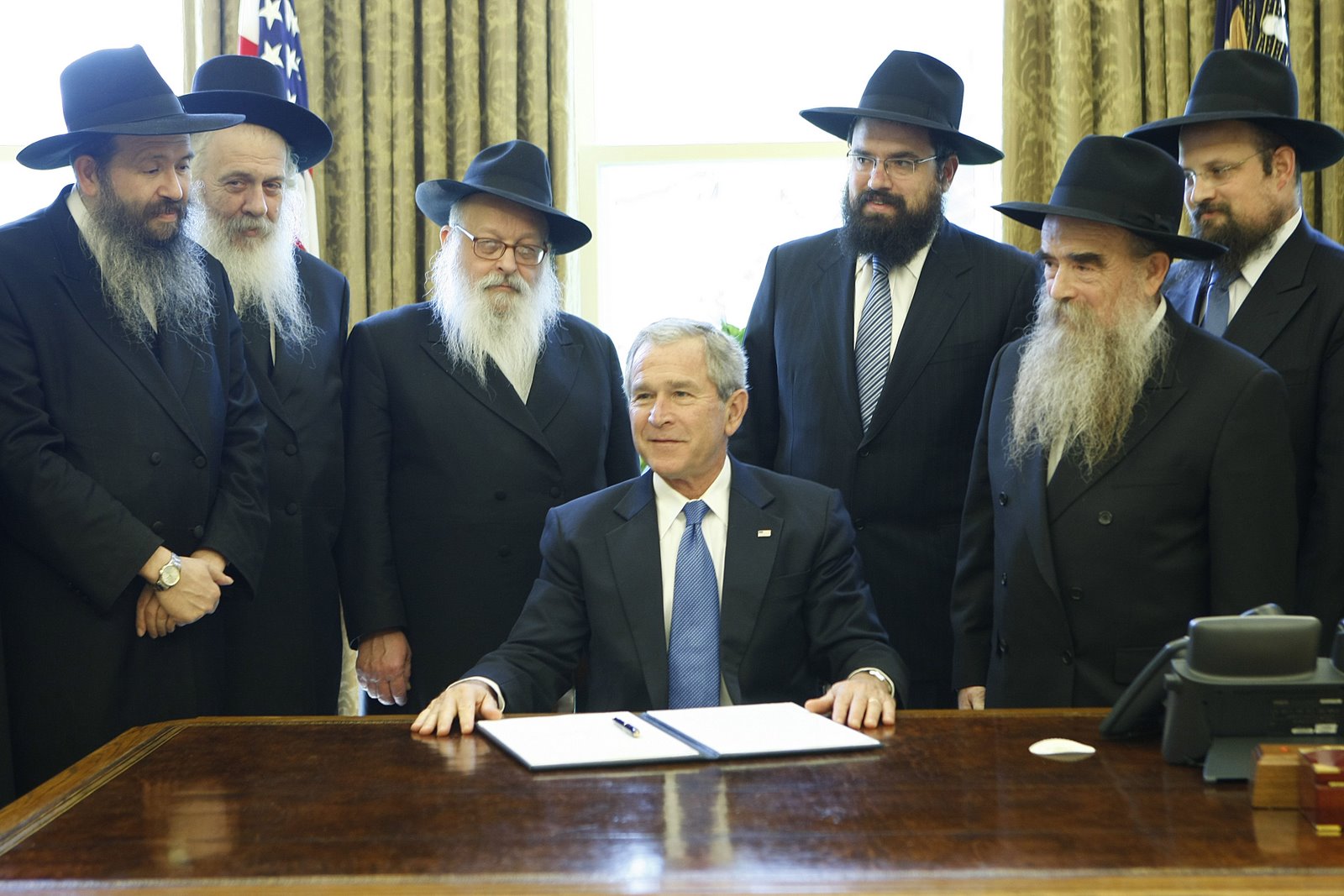 As if all that is not enough, even as we get slaughtered, maimed, starved and eradicated, with our babies shredded to pieces we are still expected to watch our words and not to ever offend or hurt the feelings of our oppressors otherwise we are defamed as “hateful antisemites”.
Is it any wonder that our Nakba is still raging, eight decades and counting!
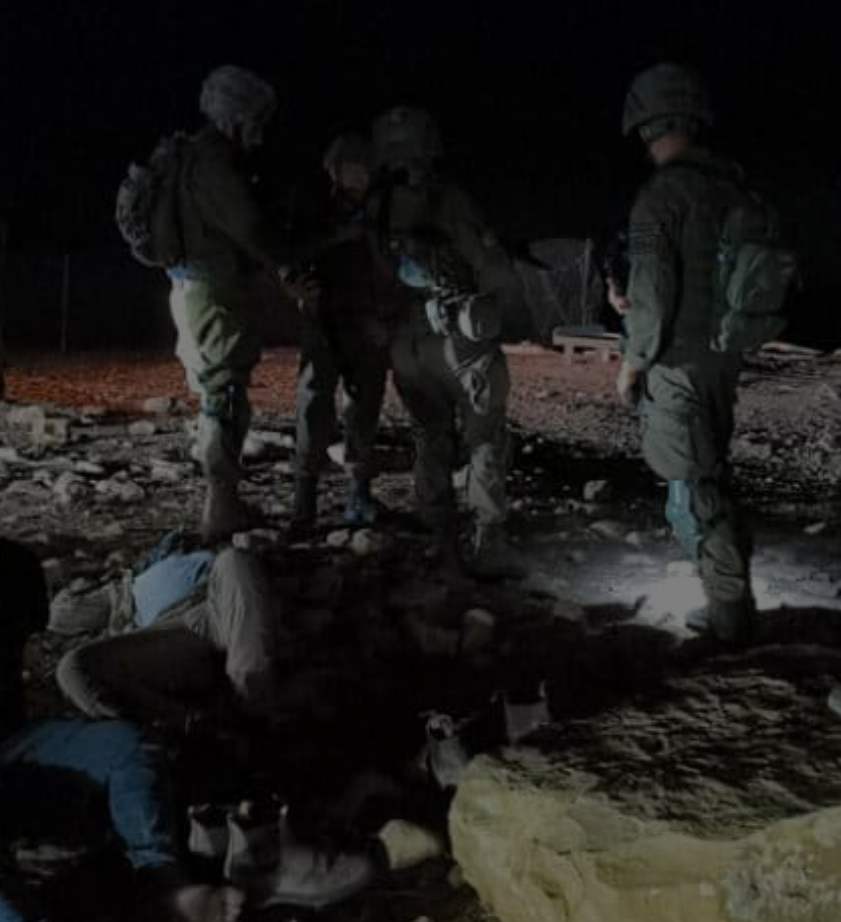
Stolen sheep and their owners detained in Khirbet Hammamat Al-Maleh
International Solidarity Movement | July 17, 2025
Amid the brutal massacre carried out by settler gangs—under the protection and support of the occupation army in the Hammamat Al-Maleh area of the northern Jordan Valley—the crime did not stop at slaughtering the sheep and terrorizing families. It directly targeted two citizens: Suleiman Salem and Salem Salman from the Al-Najada Bedouin community.
The sheep found slaughtered—dozens in number—were their private property, executed in cold blood, some shot and others stabbed with knives, in a scene that goes beyond the limits of savagery. After committing this crime, the occupation did not stop at complicity; it arrested the two shepherds, Suleiman and Salem, throwing them into detention, leaving their families to face helplessness, fear, and deprivation. International activists were also prevented from reaching Suleiman and Salem’s home.
The two men had tried to defend their livelihood and land against the arrogance of power, but the outcome was the slaughter of their flock and the arrest of the shepherds. They were not even allowed to document what had happened and were taken to an unknown location, while their families were left without protection or provider.
This crime represents another face of the slow ethnic cleansing practiced by the occupation authorities in the Jordan Valley against farmers, shepherds, and peasants, aiming to empty the land of its people and prepare it for annexation and settlement.
The heartbreaking scene of slaughtered sheep in the mountains—piled on top of each other, blood washing the stones of the earth—is not just a violation but a scream in the face of a silent world, and a badge of shame on the forehead of everyone who sees and remains silent.
This is not just a massacre of sheep… It is a massacre of life, a massacre of dignity, a massacre of existence.
Italy’s Florence University severs ties with Israel, joins academic boycott
Press TV – July 20, 2025
Five departments at the University of Florence have severed ties with academic institutions in Israel as part of what they described as the “academic boycott” of the Israeli regime.
In a move in line with the growing global campaign for Palestinian rights, and as part of the international academic boycott against Israel, on Sunday, five departments at the University of Florence officially severed their ties with academic institutions in Israel.
The Department of Computer Science and Mathematics has ended its collaboration with Ben-Gurion University of the Negev, an institution with longstanding links to the Israeli military-industrial complex.
Ben-Gurion University is also known for hosting Nobel laureate Dan Shechtman, who supports Zionist academic networks.
The Departments of Agricultural Sciences, Engineering, and Technology have also suspended their partnerships with their Israeli counterparts under the same initiative.
The Department of Architecture has cut ties with Ariel University, which is located in an illegal settlement in the Occupied West Bank, further emphasizing the university’s rejection of institutions complicit in the occupation.
Israeli legal academics have condemned plans by the administration of prime minister Benjamin Netanyahu to set up what it calls a “humanitarian city” in southern Gaza, saying the proposal constitutes a war crime.
The boycott comes amid increasing international condemnation of Israel’s genocidal war on Gaza and its decades-long occupation of Palestinian lands.
Across the world, academic communities and students have intensified their demands for institutions to divest and boycott all entities complicit in apartheid and war crimes.
Academic institutions have come under significant pressure from professors and students to sever ties with Israeli entities that play direct or indirect roles in normalizing apartheid, research for military purposes, or sustaining the occupation.
The Boycott, Divestment, and Sanctions (BDS) movement, inspired by the anti-apartheid struggle in South Africa, has gained renewed momentum globally amid Israel’s ongoing genocide in Gaza, where as many as 59,000 Palestinians, most of whom are children and women, have been killed.
Why Israel seeks a temporary Gaza truce to keep its genocide going
Behind the talk of calm, Tel Aviv is redrawing Gaza’s borders, displacing its population, and laying groundwork for permanent control, one truce at a time.
By Qassem Qassem | The Cradle | July 20, 2025
Twenty-one months into its brutal campaign against the Gaza Strip, Israel is again mulling a temporary ceasefire with the Palestinian resistance. Two brief truces have already collapsed into renewed bloodshed.
But is the genocidal war really coming to a close? This question looms over the proposed truce, raising doubts about whether Israel seeks an end, or simply a pause before its next assault.
This time, mediations led by Qatar and the US, with Egypt playing a minor role, are pushing for a 60-day cessation of hostilities. The deal hinges on a pledge from US President Donald Trump to extend the truce if talks progress.
Tel Aviv’s day-after plans for Gaza
These negotiations reflect a deeper shift in the occupation state’s security doctrine. Israeli Prime Minister Benjamin Netanyahu has repeatedly declared his intention to reshape Gaza’s future beyond a temporary lull in fighting.
He insists on disarming the resistance, dismantling Hamas’s authority and control, and eliminating any future threat from the besieged enclave. In Tel Aviv’s vision for the “day after,” there is not even a role for the collaborative Palestinian Authority (PA) in the Strip.
At most, Israel may tolerate an occupation state-backed militia resembling the Yasser Abu Shabab group or deploy Arab security forces to support local merchants or clans in governing Gaza – until the PA is “reformed” to Washington’s satisfaction, with Israel maintaining overarching security and military control.
This plan dovetails with the long-standing aspiration of Israel’s far-right government to re-establish illegal settlements in northern Gaza. Netanyahu is lobbying his army to construct a “tent city” in Rafah to forcibly relocate 600,000 Palestinians, a blatant demographic engineering scheme.
The 60-day truce proposal includes a phased Israeli withdrawal from west to east, a halt to air raids, permission for food and humanitarian aid entry, and a prisoner exchange. Unlike previous ceasefires, Trump’s involvement is being marketed as a guarantee that the occupation forces will not resume attacks once the deadline expires – as they did immediately after the March truce.
Yet despite signs of possible relief for Gaza’s starving and besieged population, Israel still believes it has not achieved its core objective: dismantling Hamas. One unnamed Israeli official was recently quoted as saying: “The flexibility we’ve shown paves the way for an agreement, but Netanyahu clearly doesn’t intend to end the war.”
Any upcoming truce is thus likely a pause to prepare the battlefield for the next round. Still, renewed war could prove challenging given the limits of the occupation army and the deepening cracks in its society.
Reconstruction as leverage and the Morag corridor ploy
As part of ongoing pressure, anti-resistance forces are using Gaza’s reconstruction as leverage. Israel has floated a deceptive offer to allow Qatari and international funds into Gaza during the truce, which is an attempt to lure Hamas into believing the war is truly ending. This is, in reality, a calculated deception by Israel to manufacture the illusion of an approaching end to war and draw Hamas into a false sense of security.
According to a report on 10 July by Israeli newspaper Yedioth Ahronoth, Israel has “tentatively agreed” to Qatari participation in rebuilding the Strip, provided it does not monopolize the process. Other states are expected to co-fund reconstruction to prevent funds from reaching Hamas, although Saudi Arabia and the UAE have made their commitment to Gaza’s reconstruction conditional on the war’s conclusion.
A major sticking point is Israel’s new “Morag Corridor,” carved between Khan Yunis and Rafah to replicate the Philadelphia Corridor separating Gaza from Egypt. Much like the Netzarim axis that once bisected the Strip, the Morag route is presented by Israel as vital for its security. Tel Aviv plans to use the corridor to isolate the Rafah tent city from northern Gaza—effectively creating a walled-off holding zone for displaced Palestinians.
Palestinian resistance factions have flatly rejected this scheme. Not only does it violate Palestinian sovereignty, but it would turn Gaza into a cluster of disconnected, besieged cantons, with Israel occupying nearly 40 percent of the territory.
On 14 July, Netanyahu’s government submitted a third withdrawal map to mediators. Leaks reveal that Israeli forces plan to remain in a 900-meter belt near Beit Hanoun and a 3.5-kilometer strip east of Rafah. In a post on X, Kan political correspondent Gili Cohen, citing sources familiar with the negotiations, said that Israel is now showing “flexibility” on broader withdrawals from Rafah and the Morag axis.
But Rafah remains the core obstacle to any deal. Israel insists on cramming 600,000 Palestinians into the southern city, either to push them into Egypt, where alarm over Israeli designs is mounting, or force them toward the sea. Tel Aviv and Washington are actively probing third countries to receive Gaza’s expelled population.
A tactical pause, not a peace plan
Netanyahu’s real goal is to secure strategic gains for the post-war phase. During his visit to Washington earlier this month, he sought a written US assurance that would allow Israel to resume its war, even under a formal ceasefire.
He plans to wield this assurance as political cover at home, particularly to placate extremist coalition partners like Itamar Ben Gvir (Jewish Power) and Bezalel Smotrich (Religious Zionism), who demand total war and Hamas’ annihilation.
Netanyahu’s envoy and strategic affairs minister Ron Dermer put it bluntly in a 14 July podcast interview with US columnist and political advisor Dan Senor:
“Right now, what we’re trying to do is get to a ceasefire … the minimum requirement is that the force responsible for the Oct. 7 attack is no more. They have lost control of Gaza due to their decision to act.”
According to Walla News, Netanyahu convinced Trump to delay the agreement by an additional week—bringing the timeline closer to the end of the Knesset’s summer session (late July). The paper noted that Trump is “tired of the war,” but Netanyahu managed to buy time, though what he offered in return remains unclear.
The proposed truce cannot be viewed in isolation from Israel’s broader strategy. Far from signaling the war’s end, it is a calculated intermission. Tel Aviv seeks to redraw Gaza’s demographic and security map, while Hamas focuses on regrouping and fortifying its battlefield presence.
Netanyahu’s recent moves prove that this is no pursuit of peace. What Israel wants is a lull long enough to dismantle Hamas’ political infrastructure, impose buffer zones, and reengineer the population through its “tent city” blueprint.
Palestinian affairs analyst Michael Milstein mocked Tel Aviv’s “day after” vision in a 13 July column in Yedioth Ahronoth, arguing that Gaza has become a constant testing ground for flimsy Israeli schemes that collapse shortly after being proposed. He described Israel’s latest military campaign as a “ferocious effort devoid of dramatic gains,” noting that its aggression in northern Gaza ahead of the last ceasefire produced no lasting achievements. These include past attempts to build isolated ‘bubbles’ of alternate governance in Gaza, and the so-called ‘Generals’ Plan,’ which failed to yield results even amid heavy attacks in the north. He pointed to the long record of failed experiments, from the village leagues in the West Bank, to the occupation’s backing of the Kataeb militias in Lebanon, to the eventual collapse of the South Lebanon Army. These models, he wrote, reflect a deeply flawed understanding of reality, rooted in the belief that brute military force can compel Hamas to disarm, surrender, or abandon Gaza entirely.
He noted two competing camps inside Israel: one that seeks phased withdrawal while postponing Hamas’ fate, and another pushing for full reoccupation based on the racist logic that “Arabs are only deterred by losing land” and that “settlements prevent terrorism.”
Rather than a moment of transition, this seems to be a continuation of Israel’s campaign by other means. So long as Tel Aviv avoids a political reckoning for its war on Gaza, every ceasefire will be a battlefield in disguise. Between a fleeting truce and a deepening occupation, Gaza stands today at a decisive crossroads — one where the illusion of peace masks a relentless colonial project.
How Zionists Control Australia’s Media
By Kit Klarenberg | Global Delinquents | July 20, 2025
On July 15th, The New York Times published an unprecedented “guest essay” by Brown University’s professor of Holocaust and genocide studies, Omer Bartov. In it, he formally accused Israel of perpetrating genocide in Gaza, and “literally trying to wipe out Palestinian existence.” Bartov, a Zionist and Occupation Force veteran, previously emphatically denied this was the case in a November 2023 op-ed for the outlet. More generally, America’s newspaper of record has hitherto whitewashed, distorted, and obscured Tel Aviv’s horrific crimes on an industrial scale.
Its editors previously explicitly ordered reporters to avoid “inflammatory terms” such as “ethnic cleansing”, “occupied territory”, “genocide”, and even “Palestine”. Wholly fabricated stories about Hamas atrocities and mass rape fed to the outlet by Israeli government, military and intelligence sources have been exposed as tissues of lies by the newspaper’s own staff, but not retracted. As such, for Bartov to acknowledge the Zionist entity is committing genocide, and The New York Times to provide him with a platform to say so, is no small thing.
It speaks volumes about the state of the Western media that admission of this inarguable fact by any source can be considered remotely noteworthy. Since the beginning of Israel’s unconscionable assault on Gaza in October 2023, it has been unambiguously evident the ZOF’s indiscriminate rampage is concertedly genocidal in nature. In April too, the UN formally accused Tel Aviv of committing “genocidal acts” in Gaza, consciously and intentionally “calculated to bring about the physical destruction of Palestinians as a group.”
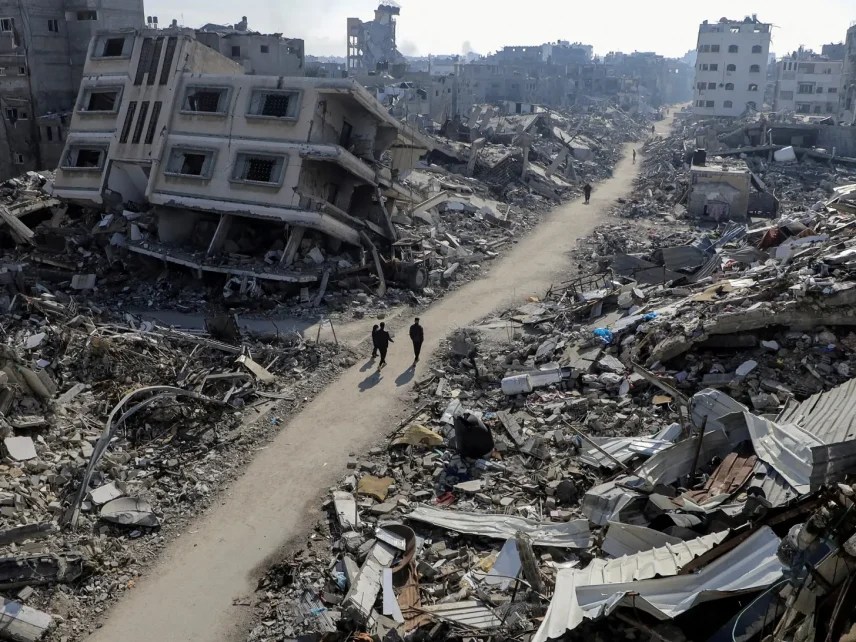
Palestinians traverse ZOF-inflicted ruins in northern Gaza
This finding, along with identical conclusions drawn by Western rights groups and legal scholars, mysteriously escaped the attention of major news outlets. The obvious question arises as to how the mainstream media remained silent so long – to the point of active complicity – not merely about the Zionist entity’s 21st century Holocaust in Gaza, but Israel’s historic abuse, persecution and slaughter of the Palestinian people. An answer is provided in veteran Australian journalist John Lyons’ 2017 biography, Balcony Over Jerusalem.
Buried in the book is a comprehensive account of how Australia’s Israeli lobby systematically plunges its poisonous hooks into influential editors and reporters Down Under, ensuring they act as dependable propagandists for Tel Aviv. The details are of enormous wider relevance, for as this journalist has previously documented, foreign media outreach is a dedicated, devastatingly effective means by which occupation, land theft, and ethnic cleansing hardwired into Zionism has been successfully concealed from Western audiences for decades. Identical operations are undoubtedly in force across the globe.
‘Hardline Side’
Lyons’ disclosures about the Zionist lobby’s mephitic influence in Australia are all the more remarkable given the author evidently does not perceive Palestinians to be wholly innocent victims. His book’s blurb perversely frames them and Zionists as equal parties in a “devastating war”, and boasts how he has “confronted Hamas officials about why they fire rockets” into Tel Aviv. There is zero insinuation in its contents Lyons denies or even vaguely questions Israel’s ultimate right to exist in some form or other.
Moreover, Balcony Over Jerusalem is rife with sentimental passages recalling trips to the Zionist entity to interview senior officials old and new, his long-running personal friendships with Australian Jews, and work on a major project investigating Jewish identity. This renders Lyons’ critical insights particularly valuable. The vicious backlash that erupted against the author from the Israel lobby within and without Australia in response to his book, which has raged ever since, is also instructive. Those same elements initially sought to foster a warm bond with the veteran journalist.
Lyons explains how once appointed deputy editor of the Sydney Morning Herald in the early 1990s, his “phone began ringing with requests for meetings” with local Jewish groups. Only later did he learn, “once you have ‘deputy’ in your title or are perceived as being on the rise within your media organisation you become a target for cultivation” by Australia’s “fiercely efficient pro-Israel lobby.” Public affairs apparatchiks at local Zionist organisations pestered him for a “year or so” to accept an all-expenses-paid tour of Israel.
Lyons eventually accepted, and in 1996 made his first visit to Tel Aviv, funded by the Melbourne-based Australia/Israel and Jewish Affairs Council. He recorded how “it has become almost a rite of passage for deputy editors of any major Australian news outlet to be offered a ‘study trip’ to Israel.” A senior AIJAC official boasted to Lyons the organisation had “sent at least 600 Australian politicians, journalists, political advisers, senior public servants and student leaders on these trips over the last 15 years.”
Lyons’ “assessment” was, “by ‘educating’ rising media executives, the Israeli lobby has in place editors” across Australia “who ‘understand’ the Israeli-Palestinian conflict” exclusively from the Zionist entity’s warped perspective, and report on local events accordingly. “I barely know an Australian newspaper executive who has not been on one of these trips,” he noted. Lyons and other senior staffers at major local media outlets were flown to Tel Aviv “for five days of wining, dining and briefings (including a stay in a kibbutz).”
Once inside the Zionist entity, he “quickly realised how narrow a range of opinions we were receiving” on the reality on-the-ground there. The trip’s organisers “set us up for an hour or so… to hear the point of view of the Palestinian Authority, but apart from that we were getting only one side of the story – and a hardline side at that.” It rapidly became clear to Lyons “the whole point of the trip was to defend Israel’s settlements in the Palestinian territories.”
‘Like Dresden’
In search of a “broader perspective”, Lyons asked his hosts to visit Hebron, Israel’s illegally occupied portion of the West Bank. The trip was spurred by his understanding that “in Hebron you can see the raw conflict,” as “it’s the only Palestinian city where there is an Israeli settlement in the middle of the Palestinian population; normally, the settlements are separated.” At that time, “several hundred settlers” lived “in the middle of 200,000 Palestinians.”
These settlers were and remain protected by the ZOF, and “the same rules of engagement for the army apply” as in other areas illegally annexed and occupied by Tel Aviv. Immediately upon arrival in Hebron, “the cruelty” of Zionist occupation was “there for all to see.” Lyons saw “how the conflict between the settlers and Palestinians played out at the most basic level.” It is a stomach-churning, life-threatening daily reality hidden from the outside world.
Hebron’s streets are typically empty, as “Palestinians are not able to drive on some roads or walk on others.” Years later, he took his editor on a trip there – they remarked, “it’s like Dresden after the bombing.” Arriving late at night, the pair encountered a “heavy Israeli Army presence” and a “certain eeriness” in the silent, deserted city. His stunned editor asked a ZOF soldier at a “closed checkpoint” into Jerusalem, “where are the Palestinians?” The militant smirkingly replied, “they’re all tucked up in bed!”
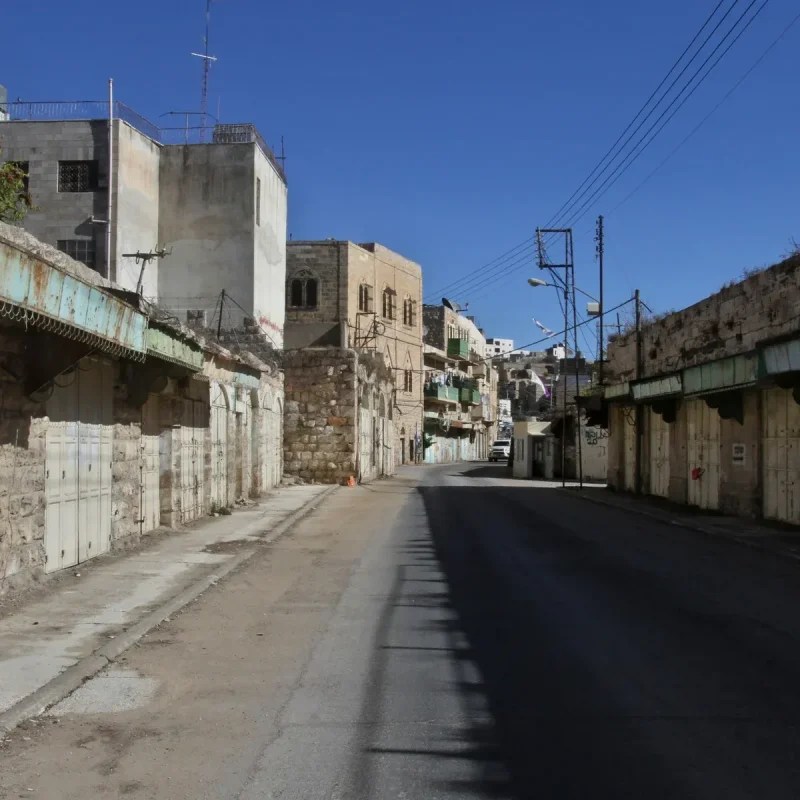
A street in Hebron where Palestinians are forbidden to tread
In Hebron, Lyons saw how Palestinians placed “wire over their market stalls to stop them being hit when Jewish settlers living above them throw bricks, chairs, dirty nappies and rotting chickens onto them.” He also witnessed Israeli soldiers “decide, without notice, to lock the Palestinians into the old part of the city at night, behind big security gates that look like cages.” The situation has only worsened subsequently, with illegal settlements – and concomitant ZOF repression – expanding exponentially. Lyons’ appraisal of the West Bank under Zionist rule is stark:
“If the whole world could see the occupation up close, it would demand that it end tomorrow. Israel’s treatment of the Palestinians would not pass muster in the West if the full details were known. The only reason Israel is getting away with this is because it has one of the most formidable public-relations machines ever seen, and enormous support from its diaspora communities… Military occupations look ugly because they are ugly. Israel’s reputation will bleed as long as its control over another people continues.”
Such perspectives are vanishingly rare among the countless Australian opinion-formers who have been treated to Zionist lobby-financed tours of Israel. As Lyons records, “wave after wave of journalists, editors, academics, student leaders and trade union officials” have been whisked to Tel Aviv “to hear the same spin from the same small group of people used to defend Israel’s policies in the West Bank” over the years. Few have followed Lyons’ example in actually visiting the area, to see the horror with their own eyes.
Nonetheless, Lyons’ outlook wasn’t fully fatalistic. He noted that while the Zionist entity’s Hasbara tactics “worked for the first few decades of the occupation, now virtually every incident between an Israeli soldier and a Palestinian is filmed by a mobile phone,” exposing the ZOF’s routine savagery to overseas audiences. Fast forward to today, and the Gaza genocide has been televised globally in real-time not merely by fearless Palestinian journalists, who have often paid for their courage with their lives, but Israeli militants who sickly film their own hideous crimes.

The impact of these horrendous images on global public perceptions of the Zionist entity has been catastrophic, and irreversible. Polls consistently show across the West, even in the few countries that harboured some sympathy for Tel Aviv following October 7th, the overwhelming majority of citizens hold deeply unfavourable views of Israel. Support for the entity and its genocidal actions is becoming increasingly indefensible, as the monstrous truth becomes writ ever-larger. It can only be considered an unspeakable tragedy so many innocent Palestinians had to die for us to reach this point.
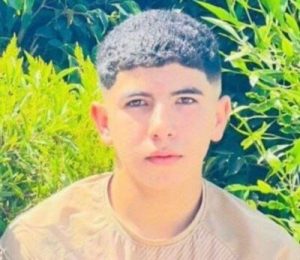
13-year-old Palestinian boy was killed after being shot in the back and left to bleed
Defense for Children Palestine | July 19, 2025
Israeli forces killed a 13-year-old Palestinian boy in Ya’bad village yesterday.
Amr Ali Ahmad Qabha, 13, was shot and killed around 6:30 p.m. on July 18 in the Palestinian village of Ya’bad, south of Jenin in the northern occupied West Bank, according to documentation collected by Defense for Children International – Palestine. Two military vehicles came from the Mevo Dotan settlement and military base, entered the village and took up positions in its northern area, where several soldiers exited their vehicles near the Patient’s Friends Society.
Amr was walking around a road near the Association, he unknowingly approached the group of Israeli soldiers stationed at the site. Due to the circular bend in the road, the soldiers did not initially see him, nor was he aware of their presence. As Amr turned back and attempted to take cover, the soldiers opened fire on him with live ammunition from a distance of 10 meters (33 feet) away, and he was struck with around seven bullets: three bullets in the back, one in the neck, one in the abdomen, one in the upper right thigh, and one in the groin.
“Systemic impunity creates an ultra permissive context where Israeli forces know no bounds and routinely shoot to kill Palestinian children in circumstances where there is no imminent threat to life,” said Ayed Abu Eqtaish, accountability program director at DCIP. “Unlawful killings of Palestinian children have become the norm as Israeli forces become increasingly empowered to use intentional lethal force in situations that are not justified. In short, these are war crimes with no consequence.”
Amr fell to the ground as Israeli soldiers advanced toward him, preventing anyone from reaching him, including medical staff and ambulance teams. As news of Amr’s injury quickly spread in the village, his father rushed directly to the scene. Despite the soldiers’ shouting and warning shots, he managed to reach and embrace Amr.
According to the father, Amr was still alive at that time, using hand gestures to plead for medical help, as he was unable to speak. Israeli soldiers handcuffed the father behind his back, severely beaten and forced to sit beside his bleeding child.
The soldiers continued to detain both father and son, blocking ambulance access for approximately 40 minutes. Only after the soldiers were certain Amr had died, they allowed the ambulance to approach and transport him to the Ya’bad Government Emergency Center and then transferred to Jenin Government Hospital, where he was pronounced dead on arrival.
Israeli forces have killed 33 Palestinian children in the occupied West Bank in 2025, according to documentation collected by DCIP.
207 Palestinian children have been killed by Israeli forces and settlers in the occupied West Bank since October 7, 2023, according to documentation collected by DCIP.
Israeli forces deliberately and systematically blocked paramedics and ambulances from reaching injured Palestinian children, according to documentation collected by DCIP. Israeli forces order Palestinian paramedics and ambulance drivers to leave the scene at gunpoint, fire live ammunition toward individuals to offer aid, and block roads and detain ambulance crews. In some cases, Israeli forces surround a bleeding child, preventing any medical care.
These acts of cruelty leave Palestinian children, injured by Israeli live fire, bleeding out on the ground, alone and in pain, with the intent to ensure death.
By preventing medical aid and ambulances to reach an injured child, Israel violates Article 6 of the Convention on the Rights of the Child as enshrined within it is every child’s inherent right to life. State parties to this treaty, such as Israel, must ensure to the maximum extent possible the survival and development of a child. The decisive act of preventing medical assistance to reach a child shot with live ammunition seems to indicate an intent to ensure to the maximum extent possible the death of that child.
We reject ‘Israeli protection’: Druze spiritual leader
Press TV – July 18, 2025
The spiritual leader of the Druze ethnic minority in Lebanon says the community rejects the Israeli regime’s request to supposedly “protect” the minority.
Sheikh Sami Abi al-Muna made the remarks at a gathering of Druze officials in the Lebanese capital Beirut on Friday.
He was referring to the regime’s repeated deadly and destructive violations of the Syrian territory, which it has undertaken under the supposed pretext of “protecting” the Druze, who also form a minority in Syria.
The request on the part of Tel Aviv “is harmful to our history and identity,” al-Muna added.
Observers rated the remarks as a warning to the regime against its trying to associate itself with the minority in order to advance its expansionist regional goals.
‘Don’t provide Israel with an excuse’
The spiritual leader, meanwhile, addressed the recent clashes in southern Syria between members of the Druze community and Bedouin tribes that had so far claimed the lives of hundreds of people.
He cautioned that the sectarian clashes “give an excuse for Israeli intervention and for blowing up the situation in the region.”
The regime has intensified its assaults on Syria since last year, claiming it seeks to prevent an outpouring of violence from the Arab country into the occupied territories.
On Wednesday, the escalation took a significantly more violent turn, when the regime hit various parts of Syria, including the capital Damascus, with intense airstrikes.
The attacks came amid the deadly fighting between the Druze and the Bedouins, fueling fears that the Israeli involvement under the pretext of supporting the Druze was aimed at intensifying the confrontations and further destabilizing Syria.
Amid the situation, al-Muna called for all parties to rather resort to national dialogue to address the issues among different communities in Syria.
Lebanese Druze leader Walid Joumblatt addressed the same gathering, calling for formation of an investigative committee to probe violations against both Druze and Bedouins in the Arab country.
A day earlier, he had also warned in remarks to France’s RFI radio station that “Israel is using the Druze to tear Syria apart.”
He said “Israel’s intent to divide the country” was visible from the clashes that had erupted between the dual communities in Syria.
Seyed M. Marandi: Israel Attacks Syria – Prelude to Balkanization
Glenn Diesen | July 18, 2025
Seyed Mohammad Marandi is a professor at Tehran University and a former advisor to Iran’s Nuclear Negotiation Team. Prof. Marandi discusses Israel’s efforts to Balkanise Syria. Follow Prof. Glenn Diesen: Substack: https://glenndiesen.substack.com/
X/Twitter: https://x.com/Glenn_DiesenPatreon:  / glenndiesen
Support the channel: PayPal: https://www.paypal.com/paypalme/glenn…
Buy me a Coffee: buymeacoffee.com/gdieseng
Go Fund Me: https://gofund.me/09ea012f
World rallies behind Syria as Israel tears away at it
Press TV – July 18, 2025
International organizations and a whole host of countries have expressed outright condemnation of the Israeli regime’s escalating deadly and destructive attacks against Syria under the pretext of protecting the country’s Druze minority.
A torrent of statements followed the regime’s attack on various areas in the country on Wednesday, including areas lying in its south, in reported support for the Druze.
The attacks came as fighting between members of the minority and Bedouin tribes has killed hundreds of people, with the Israeli involvement being feared to be aimed at intensifying the confrontations and further destabilizing Syria.
UNSC calls for end to Israel’s ‘impunity’
Addressing the situation, Pakistan, which holds the United Nations Security Council (UNSC)’s rotating presidency, denounced the Israeli aggression.
Ambassador Asim Iftikhar Ahmad noted that the attacks resembled Tel Aviv’s atrocities against the Gaza Strip, Lebanon, Iran, and Yemen, all of which violated the international law. The envoy also called for an end to the regime’s impunity.
Mohamed Khaled Khiari, UN assistant secretary-general, denounced the Israeli escalation on the part of the world body’s chief, Antonio Guterres.
He said the attacks amounted toa violation of Syria’s sovereignty and territorial integrity, and further destabilized the country amid the already sensitive situation.
The official also advised that Tel Aviv respect the 1974 agreement that has mandated its refusal to conduct violations against the Arab nation.
China calls for Israeli withdrawal
Geng Shuang, China’s deputy UN ambassador, said Beijing called on “Israel to immediately cease its military strikes on Syria and withdraw from Syrian territory without delay.”
Chinese Foreign Ministry spokesman Lin Jian also said the attacks amounted to a flagrant violation of international law and Syria’s sovereignty, saying the Arab country had to be spared of whatever measure that could lead to further crisis and tension.
Turkey: ‘Terror state’ Israel using Druze as excuse
Turkey’s President Recep Tayyip Erdogan called the Israeli regime a “terror state.”
“Israel, using the Druze as an excuse, has been expanding its banditry into neighboring Syria over the past two days,” he said in a televised speech.
Erdogan said Turkey would not allow Syria’s partition, saying Tel Aviv’s actions showed it was not after peace.
PGCC: Israel after irresponsible escalation
The Persian Gulf Cooperation Council’s Secretary-General, Jasem Mohammed Albudaiw,i also said the Israeli regime’s atrocities indicated its efforts at irresponsible intensification of standing tensions.
The Israeli aggression, he added, also showed the regime’s disregard for the international community’s efforts at realizing stability and ensuring security in Syria.
Hamas: Israeli aggression ‘systematic terrorism’
The Palestinian resistance movements, Hamas and the Islamic Jihad, called the atrocities “organized terrorism.”
The latter also said Tel Aviv was trying to fragment the region through violence, reaffirming solidarity with Syria and supporting its right to resist by all means.
Ansarullah: Israeli attacks part of ‘imperialist scheme’
Yemen’s Ansarullah resistance movement denounced the Israeli strikes as part of a larger “imperialist scheme” to dominate the Arab and Muslim world.
It called for a unified Arab-Islamic response and an end to silence in the face of the aggression.
Muslim states hold intensive talks
Foreign ministers from various regional Muslim countries have, meanwhile, held intensive talks concerning the state of affairs.
The talks were held among top diplomats from Jordan, the United Arab Emirates, Bahrain, Turkey, Saudi Arabia, Iraq, Oman, Qatar, Kuwait, Lebanon, and Egypt.
The discussions that were held with the aim of helping the countries in question adopt a unified stance in the face of the situation saw the officials reiterate support for Syria’s security, unity, stability, and sovereignty.
They called on the UNSC to assume its legal and moral duties towards guaranteeing the withdrawal of the Israeli regime from Syria, and bringing about an end to its aggression by obliging it to abide by the 1974 agreement.
Malaysia: Israel threatening international peace
Malaysia also called for the international community “not to tolerate the continued aggression by the Israeli Zionist regime against other countries, threatening regional and international peace and security.”
Malaysian Prime Minister Anwar Ibrahim said after decades of hardship, the Syrian people deserved peace, not further violence and external interference.
Norway’s foreign minister has also said he was “deeply concerned about recent Israeli airstrikes and rising domestic tensions.”
Iran rejects Argentina’s ‘baseless’ accusations in 1994 AMIA case, urges fair probe
Press TV – July 18, 2025
Tehran has dismissed “baseless” accusations leveled by Argentina at Iranian nationals in connection with the deadly 1994 AMIA bombing, urging the country’s judiciary to handle the case fairly without third-party influence.
The Iranian Foreign Ministry issued a statement on Friday, marking the 31th anniversary of the bombing attack on the Argentine Israeli Mutual Association (AMIA) community centre in Buenos Aires on July 18, 1994, that killed 85 people and injured over 300 others.
It said that elements and currents linked to Israel exploited the “suspicious” explosion from the very beginning and diverted the case into a misleading and incorrect path, disrupting the longstanding Iran-Argentine relations.
It also noted that over the past three decades, Iran has repeatedly declared its position in condemnation of any act of terrorism and stressed the need for a transparent and fair trial into the incident.
“Completely rejecting the accusations against its citizens, the Islamic Republic has condemned the insistence of certain domestic circles in Argentine to pressure the country’s judicial system into issuing baseless charges and seemingly judicial rulings against Iranian citizens,” it said. “Iran has called for the real masterminds and perpetrators of the explosion to be identified.”
Meanwhile, the Foreign Ministry added that in the past years, clear and undeniable evidence has emerged indicating that the Zionist regime and its affiliated currents are exerting influence and pressure on the Argentinean judicial system to make accusations against Iranians.
It further highlighted frequent changes in the judicial team investigating the AMIA case, the revelation of corruption among some judicial elements, the resignation of judges and even attempts on their lives, as an evidence of a “purposeful will to divert the Argentinean judicial system from a transparent and fair probe into the case.”
With the sole aim of protecting bilateral ties and restoring the dignity of Iranian citizens, the Islamic Republic entered into talks with Argentina, which resulted in the signing of a memorandum of understanding in 2013, the ministry said. Less than two years later, however, Buenos Aires unilaterally canceled the deal and prevented the formation of a transparent process aimed at revealing the truth and identifying those behind the blast.
“The Islamic Republic strongly emphasizes the baseless nature of claims against Iranian citizens, insists on the restoration of the accused citizens’ dignity and demands an end to the show trial, while expecting the Argentinean judicial authorities to handle the case in a transparent and fair manner free from politicization and undue influence by third parties,” it asserted.
“In accordance with international law, the Islamic Republic reserves its legal and legitimate rights to respond to any inappropriate and unreasonable action against itself and its citizens.”
Featured Video

Bombing Hitler’s Hometown
or go to
Aletho News Archives – Video-Images
From the Archives
‘Conspiracy Theory’ Now Fact: Greater Israel Has Arrived
By Kit Klarenberg | Mint Press News | January 28, 2025
Ever since Tel Aviv’s 1948 creation, much has been said and written about ‘Greater Israel’ – the notion Zionism’s ultimate end goal is the forcible annexation and ethnic cleansing of vast swaths of Arab and Muslim lands for Jewish settlement, based on Biblical claims this territory was promised to Jews by God. The mainstream media typically dismisses this concept as antisemitic conspiracy theory, or at most the fringe fantasy of a minuscule handful of extremist Israelis.
In reality … continue
Blog Roll
 Aletho News
- Trump admits Iran hit USS Ford carrier: ‘We ran for our lives’
- Battle for Hungary: EU attacks on Orban are a sign of worse things to come
- Iraqi resistance conducts drone strike on US-run base in Syria
- Failing to Defeat Hezbollah, Israel & US Pressure Syria’s Ahmed al-Sharaa to Join War
- US-Israeli war on Iran drives global fertilizer prices up 40%
- Hezbollah’s Surprise Weapons Redefine Ground Battle with Israel
- Yemen joins fight against US, Israel by firing missiles at occupied territories
- Seizing the Kharg: Washington’s path to defeat in the Persian Gulf
- Iran reports 500 US casualties in strikes on covert US military sites
- Pro-Israel terrorist arrested before assassination of pro-Palestinian activist
- If Americans Knew
- Over 300 US service members wounded, majority have brain injuries – Not a ceasefire Day 169
- Researchers at Human Rights Watch Resign Over Blocked Report on Palestinian Refugee Return
- Jewish Groups Are Backing a War Americans Don’t Want
- Eric Fingerhut Thinks He’s the President of the Jews
- Top Jewish Philanthropists, Rabbis Urge Israeli President to Take Action Against ‘Jewish Extremists’
- Don’t Be Fooled. Zionist Leaders Have Always Wanted to Control Southern Lebanon
- Israel’s widespread use of torture is a core element of its genocide against the Palestinian people
- In Israel’s War on Iran, Many Middle East US Bases Rendered “All But Uninhabitable”
- ‘Burn the lawn’: Israel pursues ‘Rafah model’ in southern Lebanon
- A genocide here, an amputation there
- No Tricks Zone
- Devastating Assessment Of Comirnaty Vaccine By Former Senior Pfizer Europe Toxicologist
- New Study: CO2 Is ‘Effectively Negligible’ As An Explanatory Climate Change Factor Since 2000
- Former Pfizer Toxicologist Dr. Helmut Sterz Tells Bundestag Hearing Pfizer Vaccine Should Have Never Been Approved
- Energy Expert: Germany’s Nuclear Phaseout Was A “500 Billion Euro Mistake”
- New Research: South Australia’s Mid-Holocene Sea Surface Temperatures Were 4°C Warmer Than Today
- Storing Green Energy To Last Germany 10 Days Would Require A 60-Million Tonne Battery
- New Studies: UK Sea Levels Were 4 Meters Higher Than Today During The Mid-Holocene
- Destructive Green New Deal: German Energy And Metal Group Warns Of Drastic Crisis
- New Study Documents A 20-Year Pause In Arctic Sea Ice Decline – Driven By Internal Variability
- Wake-up Call: Survey Shows Majority Of Germans Now Favor Postponing Climate Targets!
 Aletho News