So-called conspiracy theories abound, especially among those who attack others by calling them conspiracy theorists. There are official conspiracy theories, such as the government-approved stories about 9/11, the 7/7 bombings, the Manchester Arena attack and so on. There are also unofficial conspiracy theories, such as the expressed opinion of Richard D. Hall that the Manchester arena attack was a staged simulation without injury or death but performed and reported as if real.
We have to use the term “conspiracy theory” advisedly because, as we shall see, conspiracy theory, as we understand the term, doesn’t exist. “Conspiracy theory” is really just an opinion that the state does not wish anyone to either hold or express.
The BBC’s special disinformation and social media correspondent, Marianna Spring, calls Richard D. Hall a “disaster troll.” She claims that Hall lives in a “dark world” and that his “warped views” have “led him to the doors of terror victims.” Spring says that Hall is spreading “obscene lies” and that he is “at the centre of a network of conspiracies.”
Spring is utilising the propaganda technique of “othering.” She is trying to cast Hall as subhuman—a troll—and, by association, applies the same dehumanising propaganda label to anyone who shares Hall’s concerns about the official account of the alleged Manchester Arena bombing.
“Othering” is an applied psychological strategy widely used by authoritarian political regimes. Prominent historical examples include the “othering” of Jews in Germany during the 1930s by Nazi propagandists.
Spring’s alleged “journalism” should be considered within the context of efforts by the government and its propagandists to censor any and all dissenting opinion. Spring evidences her intent, and the purpose of her “Disastater Troll” pseudo-investigation, when she rounds off one of her attack pieces on Hall by saying:
What matters is that he’s created a conspiracy world that causes real world harm.
Demonstrably, Hall has done nothing of the sort. It is Spring herself who has created a propaganda world that really does augur “real world harm.”
It seems that “what matters” to Spring and the BBC is that they provide whatever narrative support they possibly can to promote the UK government’s proposed Online Safety legislation. To that end, Spring is producing anti-democratic propaganda and disinformation.
Like the RESTRICT Act in the US and the EU’s Digital Services Act, the UK’s Online Safety Bill proposes to exploit alleged threats and legitimate safety concerns for the purpose of censoring free speech and freedom of expression.
The influential international law firm Reynolds Porter Chamberlain (RPC) describes what it calls the “unintended” consequences of the Online Safety Bill. Suggesting that the proposed legislation is poorly conceived, RPC notes:
Almost every online platform that allows user-to-user engagement or search will be caught by the OSB [Online Safety Bill]. [. . .] [E]very online platform or communication channel around the globe which “targets the UK” will have to comply with an increasingly onerous array of obligations.
Not only is censorship legislation emerging in the UK, it is also appearing simultaneously across the world. Since RPC is a pillar of the Establishment, it is not going to point out the UK’s dictatorship. But for the law firm to imagine that this coordinated, global censorship agenda is simply poorly conceived or all merely “coincidence” or the result of “mistakes,” as it claims elsewhere, isn’t credible.
RPC continues its informed legal opinion:
Individuals could be subject to ongoing surveillance ordered by a regulator and operated on an indiscriminate basis [. . .]. This in turn could expose journalistic sources and endanger individuals investigating politically sensitive issues. Index on Censorship warns that “unless the government reconsiders or parliament pushes back, these powers are set on a collision course with independent media and journalism as well as marginalised groups.”
The UK state’s intention is to censor “independent media and journalism” and silence “marginalised groups.” The “collision course” RPC speaks of is an inevitable consequence of the legislation, if it stands.
None of this “matters” to Spring or the BBC, however, as they relentlessly push for greater state surveillance and censorship. Instead, the destruction of our supposedly open and free democracy is wholeheartedly endorsed by Spring and her employers.
Spring is acting as a state propagandist, and her attack upon Hall is both nonsensical and politically motivated. The propaganda she is producing cannot be described as “journalism.”
Richard D. Hall’s Opinion
Richard D. Hall is an investigative journalist and author who has provided the evidence which strongly suggests that the official narrative of the Manchester Arena bombing cannot be true. In Hall’s opinion, the Manchester Arena bombing was a simulated false flag event that did not result in injury or death.
As reported by the BBC, false flag terrorism has been used extensively by governments. For example, Operation Gladio ran for more than four decades in Europe. In this operation, NATO-aligned intelligence agencies, including the British State’s MI6, worked with far right terrorist groups, murdering European civilians and blaming the atrocities upon far left groups. The geopolitical objective was to demonise the Soviet Union and, through the strategy of tension, convince populations to accept greater authoritarian state controls for their own “safety.”
Spring’s BBC propaganda deploys a similar strategy of tension. It seems her objective is to convince the wider public that Hall’s evidence-based opinion presents some sort of threat. Once convinced, the population may be willing to accept state control of public opinion—in the form of the Online Safety Bill—in order to “stay safe.”
The irony is that it is Spring’s Disaster Troll narrative that presents the real threat. A government that can censor all criticism is a very dangerous beast indeed.
The Operation Gladio false flag terror campaign used real bombs and bullets to kill people. The European mainstream media (MSM) then published the disinformation needed to shift the blame onto the pre-designated perpetrators.
A simulated or “hoaxed” false flag is different: the attack itself is staged, and few people, if any, are injured. The MSM’s role in such a hoax is to shore up the official account and deny the evidence that exposes it as a simulation or hoax.
For example, the evidence indicates that the so-called Boston bombing was a simulated terror event that used crisis actors to create the false impression of a terrorist attack. Yet the MSM reported the official narrative without examining any of this evidence.
“Disinformation” is information deliberately intended to deceive. If a global news corporation reports on an event without any investigation or reporting of the evidence, it is reasonable to consider this reporting “disinformation.” The intent is obviously to deceive the public into believing that the balance of evidence supports the report. It is “deliberately” misleading.
In 2016, the Associated Press (AP) reported that a deadly car bomb in Iraq “hit a popular fruit and vegetable market near a school in the northwestern Hurriyah area, killing at least 10 people and wounding 34.” The story was then picked up by MSM outlets across the world and reported to an unsuspecting public as if it were true.
In reality, it was a simulated terror attack. By omitting the clear evidence which proved this to be the case, AP and all the other MSM outlets that ran the same story were spreading disinformation.
Companies that specialise in providing crisis actors and crisis simulations, such as CrisisCast in the UK, create fake terror attacks and other crisis events for training purposes. They specialise in fake injuries—called Casualty Simulation (CAS SIM)—to provide the military and emergency services with highly realistic training environments.
CrisisCast explains that its crisis actors “undergo psychological training with our own in-house behavioural psychologist.” Promoting the effectiveness of its crisis actors, the company adds:
We provide professionally trained amputee actors and film grade makeup specialists. CrisisCast amputee actors have many years of experience in hyper-real, immersive training for key learning outputs and are regularly featured in film and television productions.
Of course, Spring’s faux “Disaster Troll” investigation does not inform the audience of the British state’s historical involvement in the use of false flag terrorism. She makes no mention of the fact that crisis actors exist or that false flag terror attacks, including simulations, are a relatively common propaganda tool. Thus, by omission, Spring deceives her audience into believing that Hall’s opinion is beyond the realm of possibility.
Spring broadcast comments she made to a BBC producer prior to doorstepping Hall at his market stall:
We’ve asked him lots whether he [Hall] wants to do an interview with us and he hasn’t taken us up on that offer. So this is my chance to put our questions to him face-to-face.
“Hasn’t taken us up on our offer” gives the impression that Hall hadn’t responded. In truth, Hall responded at length and flatly declined the BBC’s “offer.” He made it clear that he did not wish to speak to Spring or anyone else from the BBC. He even explained why:
The BBC has shown itself over many years to be duplicitous and its raison d’etre is not about reporting the truth. If you mention me or my work I insist that each time I or my work is referred to that you mention and display a prominent link to the following website URL, so that people can find the whole work and judge the whole work for themselves.
The fact that Hall felt the need to elaborate reveals an important distinction between the BBC’s output and his own work. The BBC expects its audience to trust whatever it says, but Hall knows, from experience, that they shouldn’t. Hence his request that the BBC feature a link to his website, at least affording the BBC audience the opportunity to consider the evidence he offers and “judge the whole work for themselves.”
When Spring interviewed him against his wishes, Hall politely suggested she should read his book—Manchester: The Night of the Bang. To which Spring replied:
I have looked at your book and in there are claims about the victims that are contrary to the evidence.
It is unclear if Spring has really “read” Hall’s book, but at least she mentions the importance of evidence. She goes on to say that Hall’s book contains “a series of false claims that would be laughably ridiculous if they weren’t so offensive and harmful.”
Considering that Spring thinks Hall’s evidence is “laughably ridiculous,” She makes an inexplicable allegation:
I think it is interesting that he [Hall] doesn’t want to talk to us. [. . .] I think for his fans and followers who turn up at his stall they might think — Oh! don’t you want to present your evidence? We wanted to give him that opportunity but he has decided that he doesn’t want to.
Why does Spring think she and the BBC need to give Hall this “opportunity”?
Richard D. Hall has spent years investigating the Manchester Arena bang. He has produced numerous videos and written and published an incredibly detailed analysis of the evidence. His book is available to anyone who wants to read it. Short of delivering his evidence door-to-door by hand, it is unclear what more Hall could have done to “present” the evidence to the public.
All of Hall’s “laughably ridiculous” evidence is in the public domain. Spring is supposedly an investigative journalist. She has produced endless reams of content alleging that Hall’s opinion is “contrary to the evidence” and causes harm. She’s a leading BBC correspondent, for heaven’s sake. She doesn’t need Richard D. Hall to present his evidence to her audience for her.
So, then, why hasn’t the BBC simply demonstrated to its listeners, readers and viewers precisely how Hall’s opinion is “contrary to the evidence?” Surely, if Spring is correct, nothing could be easier than to show that the evidence he has offered is “laughably ridiculous,” right?
Yet, despite running hours and hours of Disaster Troll podcasts, Panorama investigations, radio shows, numerous articles, appearances on media debates and widely reported news items, the BBC and Marianna Spring haven’t mentioned a single scrap of the evidence Hall has already “presented” to the public.
Indeed, the entirety of Hall’s “evidence” is absent from their “investigative reporting.” Why? Given the BBC’s serious allegations against Hall and Spring’s questioning of the veracity of his work, their refusal to explore his evidence makes no sense whatsoever. What is the BBC’s problem?
If Hall’s opinion is correct and his evidence solid and if he succeeds in bringing that evidence to wider public attention, the social and political implications would be immense. Under such circumstances, it is logical to expect the entire apparatus of the British state would be aligned against this single journalist. Thus, given that the BBC has devoted considerable resources to demonising and discrediting Hall, we can conclude it is trying to suppress his work.
But in attacking Hall, the state risks popularising his research. Marianna Spring confronts this problem:
Hall’s face and name are front and centre of his operation. [. . .] Hall has gone all in on trying to build a brand in his own name. [. . .] While making this podcast we gave careful thought to how much exposure we should give to conspiracy theories and the people who spread them. [. . .] But with Hall [. . .] it is impossible to report on the harm he’s causing without inevitably drawing some attention to him.
In other words, Spring is attempting to censor Hall’s work by using the “othering” technique of labelling him a conspiracy theorist “troll.” Her seeming intention is to discredit Hall while simultaneously discouraging her audience from looking at the evidence he has presented to the public. Spring apparently expects her audience to believe whatever claims she makes without examining any of the evidence for themselves.
Propagandists like Spring carefully construct the language they use to maximise the psychological impact of “othering,” thereby discrediting their target and heightening her audience’s fears and suspicions without cause. In Spring’s words, Richard D. Hall is not an investigative journalist and author who runs his own small business but is, instead, at the centre of an “operation.”
According to Spring, Hall’s willingness to publish his work in his own name doesn’t suggest he is honest but, rather, that he has “has gone all in” to build a “brand.” Without offering anything to substantiate her own opinion, Spring asserts that Hall is causing “harm” by expressing his honest opinion.
State propagandists face a conundrum. They realize that Hall’s scepticism of some state narratives is indicative of widely held beliefs. They want us to believe that so-called “conspiracy theory” has suddenly emerged as a social problem that “undermines democracy” and that something must be done to address this reportedly “new” problem. Of course, this assertion isn’t true, but the propagandists clearly hope that scapegoating Richard D. Hall will convince the UK public otherwise.
What is relatively new is the vast increase in the number of people who can now reach a relatively large audience. Hitherto, the distribution of information was reserved for a coterie of government officials, academia, and the MSM. In recent years, the internet has democratised the sharing of information, and the state’s response is to shut it down.
People are using the internet to discuss a whole range of issues that the state would prefer they did not. As a result, governments across the world are racing to seize control of the open and free exchange of information. The state and its propagandists are genuinely “undermining democracy.”
In order to justify their censorship agenda, propagandists need to construct compelling stories to convince people to abandon democratic principles by giving up their right to free speech and expression. Attacking Hall is one such compelling story, but it is a calculated risk.
Spring’s “Disaster Troll” propaganda is carefully crafted to evoke a fearful emotional response to the spectre of a dangerous bogeyman. The hope being, by casting Hall as a subhuman, the BBC audience will believe the spun narrative and accept the need for legislation to “protect” them, without ever considering any of the evidence Hall has presented.
The target is not Hall himself but rather the uncontrolled freedom of information. Destroying Richard D. Hall’s reputation and livelihood is just a means to an end for propagandists like Marianna Spring.
What Is Conspiracy Theory?
Joining in the drive towards state censorship is a gaggle of allegedly reformed “conspiracy theorists.” Neil Sanders and Brent Lee are among them. They seek to enlighten whoever they consider deluded. Apparently, Sanders and Lee are doing this “enlightening” by cooperating with Spring and the BBC.
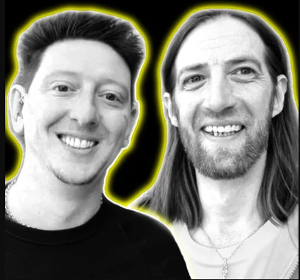
Neil Sanders and Brent Lee
Whether Sanders and Lee are useful BBC dupes isn’t known. To be fair to both, they consistently highlight the need for so-called conspiracy theorists to stick to the evidence, avoid making baseless claims and refrain from alarmist hyperbole. This is good advice in general and doesn’t apply only to people they label “conspiracy theorists.” Some BBC “journalists” and government spokespersons should take note.
It is also important to look for and, wherever possible, consider all of the evidence. So it is unfortunate that Sanders’ and Lee’s critiques so frequently ignore huge swaths of evidence as they construct the strawman arguments they then proceed to knock down. In Sanders’ case, at least, this oversight is surprising, considering that he is a diligent researcher.
Sanders and Lee hope to divert people away from going down so-called “rabbit holes.” They appear to be doing this by diving headlong down the biggest rabbit hole of all: the “conspiracy theory” hole. They seem to think “conspiracy theories”—as defined by the likes of Spring—exist, when, in fact, they do not.
In actuality, a conspiracy theory is nothing more than an opinion held by one or more people about a possible conspiracy. A conspiracy theory commonly questions state narratives and policies.
But that’s it! There isn’t any other legitimate definition of “conspiracy theory.”
Like any opinion, so-called conspiracy theories can be wild and wacky, poorly informed—or outright wrong. They can also be well-informed, evidence-based and accurate. As opinions go, they are exactly the same as all other opinions.
Anyone can have an opinion, including a belief in one “conspiracy theory” or another. These opinions, when voiced, can be abhorrent to others. They can condone or even promote racism, hate, violence, and so on. But expressed opinions can also do good, by exposing crimes, uncovering malfeasance by public servants, provide invaluable social and political insights, or encourage people to cooperate and live in peace.
By advocating that “conspiracy theories” should be censored, the government, the BBC and Spring are trying to regulate and censor all opinions that question the state. Spring apparently holds “democratic ideals” in contempt. She seems to want an authoritarian regime—perhaps something akin to fascism or communism—established in the UK.
Certain well-funded psychologists and propagandists insist that there is some sort of maladaptive psychology underpinning what they call “conspiratorial thinking.” As Spring asserts:
Conspiracies are rooted in someone’s belief system. They become someone’s identity and their entire community, making them even more difficult to reject.
This is anti-scientific, statistically ignorant dross. There isn’t a shred of evidence that alleged “conspiracy theorists” form any kind of identifiable group or that they are particularly prone to any psychological disorders.
In the US, political scientists Joseph Uscinski and Joseph Parent undertook what may have been the largest-ever research survey of individuals they called “conspiracy theorists.” It was published in 2014.
They found, for one thing, that there was no identifiable type of person who could be labelled a “conspiracy theorist.”
They also discovered that women were just as likely as men to be “conspiracy theorists.” And, unsurprisingly, given their lived experiences in the US, black and Hispanic people represented the ethnic groups statistically most likely to question the US government.
Another point they found out: People who questioned state narratives largely worked outside academia but almost one-quarter of them (23%) were university-educated.
The survey detected no unifying political ideology. Liberals and conservatives, socialists and capitalists, Democrats and Republicans were all equally likely to question official accounts of events. Uscinski and Parent did find, however, that non-partisan “independents” had a slightly increased propensity to do so, though the leanings didn’t amount to a clear ideological predisposition.
It is widely reported by the MSM that “dangerous” conspiracy theories are on the rise. So, more recently, Uscinki et al. wrote a paper examining the alleged growth of these so-called conspiracy theories in the West. Warning that their research “should not be used to make claims about, or to excuse the behavior of, political elites who weaponize conspiracy theories,” they reported:
In no instance do we observe systematic evidence for an increase in conspiracism, however operationalized. [. . .] Questions regarding the growth in conspiracy theory beliefs are important, with far-reaching normative and empirical implications for our understanding of political culture, free speech, Internet regulation, and radicalization. That we observe little supportive evidence for such growth, however operationalized, should give scholars, journalists, and policymakers pause.
To be clear: anyone, from any ethnic, political or social group, may have opinions that question official government narratives or policy decisions. These opinions are widely held across society. There is not, nor has there ever been, any such thing as a “conspiracy theorist community.” Nor is there any plausible evidence to indicate that a higher percentage of the population question the state today than in any previous generation.
It is possible that the first time “conspiracy theories” emerged as a pejorative term was somewhere around the 1870s. In the Journal of Mental Science vol. 16, it was noted:
The theory of Dr Sankey as to the manner in which these injuries to the chest occurred in asylums deserved our careful attention. It was at least more plausible that the conspiracy theory of Mr Charles Beade.
In his magnum opus—The Open Society And Its Enemies—the philosopher Karl Popper discussed what he called the prevailing conspiracy theory of society. Popper highlighted the point that, while human society is capable of affecting significant change, it does not follow that every major development results from human action.
He criticised, what he considered to be, the widely held “conspiracy theory of society”:
The view that an explanation of a social phenomenon consists in the discovery of the men or groups who are interested in the occurrence of this phenomenon (sometimes it is a hidden interest which has first to be revealed), and who have planned and conspired to bring it about [. . .] – sinister pressure groups whose wickedness is responsible for all the evils we suffer from – such as the Learned Elders of Zion, or the monopolists, or the capitalists, or the imperialists.
Then he added:
I do not wish to imply that conspiracies never happen. On the contrary, they are typical social phenomena. [. . .] The conspiracy theory of society cannot be true because it amounts to the assertion that all results, even those which at first sight do not seem to be intended by anybody, are the intended results of the actions of people who are interested in these results.
Popper’s concern about the prevalence of the “conspiracy theory of society” would seem reasonable were it not for the fact there was no evidence to support it. His contention that a large body of people believe that every event occurs due to “the actions of people who are interested in these results” was not evidence-based.
Popper himself acknowledged that conspiracies are relatively common, yet he did not count himself among those who, he alleged, held to the “conspiracy theory of society.” The proportion of events Popper believed to be the “intended results of the actions of people who are interested in these results” remains unclear.
Building on Popper’s work, in 1964 American historian Richard Hofstadter suggested that people’s rejection of official state narratives was not founded in their appreciation of evidence but was instead rooted in some sort of psychological derangement. Admitting that he had no particular experience in psychology, Hofstadter implied, without cause, that these people were unhinged idiots.
Hofstadter created the conceptual model of the “conspiracy theorist” that we are familiar with today:
I call it the paranoid style simply because no other word adequately evokes the sense of heated exaggeration, suspiciousness, and conspiratorial fantasy that I have in mind. [. . .] Of course, there are highbrow, lowbrow, and middlebrow paranoids, as there are likely to be in any political tendency. But respectable paranoid literature not only starts from certain moral commitments that can indeed be justified but also carefully and all but obsessively accumulates “evidence.” [. . .] The difference between this “evidence” and that commonly employed by others is that it seems less a means of entering into normal political controversy than a means of warding off the profane intrusion of the secular political world.
In addition, Hofstadter introduced an important component of the “conspiracy theorist” propaganda label. Although gathering and analysing “evidence” had traditionally been part of the critical thinking process, he newly presented the concept of “acceptable” evidence. That is, it is only “evidence” if it falls within the official Overton Window and supports the prevailing political and social paradigms.
Recently, UNESCO initiated its comically misnamed “Think Before Sharing” campaign. In its broad attack upon everyone who questions government policies, UNESCO listed six things that conspiracy theories have in common. Among them: “supporting evidence.”
UNESCO opines that the evidence offered by people who question official narratives is not evidence, because it is “forced to fit the theory.” This nonsensical drivel by UNESCO builds upon Hofstadter’s nonsensical drivel and is no more than a further attempt to redefine “evidence.”
Evidence is simply:
That which tends to prove or disprove something; ground for belief; proof.
Evidence cannot be “forced” to “fit” any “theory.” Evidence is independent of a theory. If it supports a theory, it lends credibility to the theory. If it contradicts a theory, it is provides reason to doubt that theory.
Theories are constructed from all the available evidence. This is achieved by evaluating both the supporting and the contradicting evidence. This is the only way known to humanity for discovering facts and, ultimately—with any luck, the truth.
The illogical practice of simply ruling out evidence that doesn’t fit the narrative is what enables defenders of the Establishment to dismiss everything that contradicts their opinions. They can apply the conspiracy theory label as a device to ignore evidence and thus maintain preferred narratives and “opinions” that are not evidence-based.
In 1967, the term “conspiracy theorist” was first weaponised as a propaganda tool by the CIA with the distribution of an internal dispatch called Document 1035-960: Concerning Criticism of the Warren Report. Constructed from an amalgam of Popper’s “conspiracy theory of society” and Hotstadter’s “paranoid style,” the CIA memo outlined many of the techniques used today by propagandists like Spring.
The modern term “conspiracy theorist” is a manufactured label created by those who seek to defend the Establishment by marginalising and silencing its critics. The “conspiracy theory” label has absolutely no foundation in either evidence or fact.
There is no evidence to substantiate the view that people called “conspiracy theorists” think random events never occur. There is no evidence that they are psychologically flawed or that they even exist as a distinct social group. The mythical conspiracy “movement” is a fabrication created by those who wish to stop people from expressing anti-state opinions. “Conspiracy theory,” then, is a nothing but a propaganda construct.
Spring’s Ludicrous but Dangerous Attack on Hall
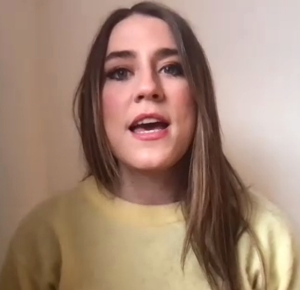
Marianna Spring
As we have already discussed, the lengths that the BBC and Marianna Spring have gone to in order to formulate an argument to ridicule Richard D. Hall’s opinion, without ever mentioning any of the evidence he has presented to substantiate his views, is quite remarkable. By omitting vital evidence, Spring must ask her audience to trust her when she alleges that Hall has “caused harm.” Not discussing the evidence clearly “matters” to the BBC and Marianna Spring.
With the considerable resources of the BBC behind her, Spring’s attack on Hall is formed entirely from accusation, insinuation, assumption, assertions and implied guilt by association. She has led her readers, viewers and listeners to wrongly believe that there is no basis for Hall’s questions and concerns. She has produced the epitome of disinformation.
We can summarise Spring’s published “investigation” of Richard D. Hall as follows:
— Spring is of the opinion that the Manchester Arena attack occurred exactly as described to her by the UK government. Richard D. Hall does not hold that opinion.
— Spring is satisfied that whatever the state told her about that attack is unquestionably true. Richard D. Hall isn’t satisfied with the state’s account of the attack.
— Spring has not investigated the Manchester Arena event at all. Hall has conducted a thorough investigation.
— Based on her own uninformed opinion, Spring has accused Hall of having the wrong informed opinion. She alleges—again, without evidence—that Hall’s informed opinion causes harm. She thereby implies that he should be prosecuted for expressing what she considers to be his wrongly informed opinion. Of course, Hall disagrees with her entire premise and conclusion.
Ordinarily, this disagreement between an advocate of the state’s story and a critic of the state’s story wouldn’t constitute any kind of news story. The fact that two people have different opinions is hardly newsworthy.
But, set within the context of a global effort to censor the wrong opinions by labelling the whole lot of them “conspiracy theories,” it is a very newsworthy story, and we need to pay close attention to it.
Spring is entitled to her opinion, but that is all it is—an opinion. She has not presented sufficient evidence—and has ignored far too much evidence—to substantiate her opinion. The fact that she creates content for the BBC does not lend her opinion any additional credibility. Many might feel, if anything, that her relationship with the BBC undermines her expressed opinion.
In light of the potential implications of the Online Harms Act, which makes a publisher responsible for the actions of individual members of its audience, Spring appears to be creating a false narrative in order to place Hall—and anyone else who expresses the wrong opinion—within its envisaged scope. She alleges, without any evidence, that Hall’s publications on the matter constitute “extreme material” and that he “leads his own community.”
Some people are interested in Hall’s opinions, others not. But he no more leads a “community” than Spring does. There is no RichPlanet [Hall’s website] “community,” just as there isn’t a Marianna Spring-led “BBC community.”
Hall expresses opinions that some people object to. In a free and open society, they have every right to their contrary opinion.
If we wish to maintain such an open-minded society, which Spring evidently doesn’t, we cannot allow the state to create a law which makes publishers responsible for the acts of everyone who has ever encountered their published opinions. Yet this is precisely what the Online Safety Bill portends.
Spring and the BBC appear to want us all to live in a tightly controlled, oppressive society. A society where, unless a journalist works for the BBC or another approved MSM outlet, he or she dare not publish any opinion that questions the state, lest some stranger comes along and cites that published opinion as the reason they caused harm.
We already have laws to stop publishers inciting violent or other crimes. We do not need any more. This OSB is censorship legislation, nothing more.
On behalf of the UK state, Spring and the BBC are endeavouring to construct the rationale for a society that outlaws perfectly legitimate opinion. People like Sanders and Lee have, unwittingly or not, been roped into the BBC’s corral.
While she presumably earns a fair living producing propaganda and disinformation for the BBC, Spring has repeatedly questioned the right of anyone else to support themselves doing independent research and analysis, writing and speaking.
She asks:
Mr Hall is only making a living from his theories, rather than making huge profits – why keep going?
Spring is at a loss to understand what motivates someone to follow the evidence and uncover the truth. Whether or not Hall is successful in his efforts to expose the truth is not the issue. Making the effort to find the truth appears to be what “matters” most to Richard D. Hall—a devotion Spring seems unable to fathom.
She apparently resents the fact that Mr Hall is able to earn a living from his work. There are enough people who are sufficiently interested in his opinion and, having encountered the evidence he has presented to substantiate it, are willing to support his efforts. Presumably, Spring believes that no one, other than MSM “journalists,” should be allowed to earn a living as a journalist.
Spring tells us that Martin and Eve Hibbert, who say they were victims of the alleged Manchester Arena terrorist attack, are suing Hall for defamation and harassment. Of course, this is their right. We await the outcome of the trial, if there is one.
Not surprisingly, Spring is eager to pre-emptively comment on the outcome of that possible trial:
He’s [Hall has] created a conspiracy world that causes real world harm.
Has he? Says who? Marianna Spring and the BBC? This smacks of trial by the media.
Let’s hope the court isn’t swayed by her opinion if the case comes to trial. Regrettably, the extent of the BBC’s accusations against Hall and the scale of their broadcast and published misrepresentation of his work makes the chances of him receiving a fair trial seem unlikely.
Spring has ratcheted up her allegations by stating that Hall’s investigation into the supposed Manchester victims constitutes “hate.” Yet, just as throughout her Disaster Troll pseudo-investigation, she continues to offer nothing to justify her opinion.
In her most recent Disaster Troll commentary, Spring outlines the purpose of her disinformation:
This is just one case, and taking legal action is expensive. It’s beyond the means of many people. Some think, it shouldn’t just be left to individuals to resort to the courts. [. . .] But legislation like this would not be straight forward. After all social media sites and policy makers have been grappling with hate and online disinformation for some time. The UK is currently in the process of introducing new legislation. The Online Safety Bill [. . .] will mean the social media sites have to make commitments to protecting users to the online regulator, Ofcom.
Spring reports that the Hibberts wish to hold Richard D. Hall to account. She says that they want to get him to admit that what they experienced was real.
As Hall does not currently believe that they sustained their injuries in the alleged bombing, he could presumably be convinced to change his mind only if the Hibberts can prove they were injured as a direct result of a bomb blast detonated by Salman Abedi in the foyer of the Manchester Arena on the evening of May 22, 2017.
If the dispute goes to trial, for any subsequent ruling to be just, the court will need to examine and consider all of the evidence Mr Hall has presented to substantiate his opinion. Any refusal to do so will render the legal decision meaningless.
If there is no exploration of Hall’s evidence; if it is simply dismissed out of hand by labelling it a “conspiracy theory”; if it is just asserted that the official narrative is true and cannot be questioned, then, regardless of whatever position Hall may be forced to accept, why would he, or anyone else who is familiar with the evidence he has uncovered, have any genuine cause to believe either the official account or the legitimacy of the verdict?
April 12, 2023
Posted by aletho |
Civil Liberties, Deception, False Flag Terrorism, Full Spectrum Dominance, Mainstream Media, Warmongering, Timeless or most popular | BBC, Human rights, UK |
Leave a comment
The majority of Moldovan citizens oppose the idea of the country abandoning neutrality and joining NATO, President Maia Sandu said on Tuesday.
“The people should want it because it means changes to the constitution and should be done through a referendum. However, if we look at opinion polls today, we will see that there is no serious support for the idea of abandoning neutrality,” she said in an interview with PRO TV.
Sandu added that apart from the Supreme Security Council, another agency would be established in the country, which would be tasked with combating information manipulations and propaganda.
In an address to the Munich Security Conference, Sandu asked NATO members to assist her country in the fight against the spread of information reflecting Russia’s view on global developments on social media. Moldova’s parliament, in turn, passed a law making it possible “to control online propaganda and disinformation.”
Polls show that over 55% of Moldovans strongly oppose the country’s NATO membership and 27% support the initiative. However, Sandu did not rule out earlier that Chisinau might abandon neutrality and join the military alliance amid the Ukrainian crisis. She also expressed interest in boosting cooperation with NATO in rearming Moldova’s army.
April 12, 2023
Posted by aletho |
Militarism | Moldovan, NATO |
Leave a comment
Vice News reported on one of the recently leaked Pentagon documents in their article titled “Leaked Pentagon Docs Share Wild Rumor: Kremlin Plans to ‘Throw’ Putin’s War While He’s Getting Chemo”. Someone in the US’ Intelligence Community (IC) spied on a high-profile target in Kiev who claimed to have heard from a Kremlin source that two top Russian military officials planned to sabotage the special operation around 5 March while President Putin allegedly underwent chemotherapy.
Instead of reasonably questioning that outlandishly conspiratorial claim, they felt it fitting to pass it along to the Pentagon, which explains why it ended up in one of the leaked documents. This was extremely unprofessional because the allegation should have been closely scrutinized first in order to ascertain its veracity so as not to inadvertently mislead major US military figures. The very fact that it wasn’t shows that there are serious problems in terms of how the US’ IC operates.
For example, it could have been the case that Russia used a double agent to plant this ridiculous rumor for the purpose of deceiving its opponents into getting their guard down around that time. Another explanation is that the supposed source really does work for Ukrainian intelligence but just told his handlers whatever he thought they wanted to hear so that they’d keep getting paid. A third possibility is that the Ukrainian official knew he was being spied on by the US and invented the story to mislead it.
In any case, the scenario that they speculated about didn’t unfold since those two top Russian military officials didn’t sabotage the special operation around 5 March like the report claimed would happen. Nevertheless, major US military figures were still exposed to this ultimately false information, which could have influenced their relevant calculations in this conflict. This only happened because the US’ IC is so unprofessional that they didn’t try to confirm the information first before passing it along to them.
Casual observers of foreign affairs might be under the naïve impression that whatever government officials tell one another in secret supposedly has some degree of truth to it, ergo why they’re inclined to extend credence to the claims made in whatever leak it might be, whether this one or others. In reality, they lack the proper understanding of how the US’ IC operates, which results in them also being misled and falling under false impressions such as the one pushed in that particular document analyzed above.
Russia or Ukraine attempted to manipulate the predicted end US recipient of this false information as was previously explained. If the alleged source was a double agent, then Moscow planted this story to mislead Kiev and Washington into getting their guard down at that time, but it could also have just been Kiev manipulating its patron to make its major military officials think that the Kremlin is in chaos. Either way, the end result is that this false information was pushed up the stovepipes to Pentagon leaders.
It can therefore be regarded as an immensely successful disinformation operation at least with respect to exposing its intended target to this conspiracy theory, though it remains unclear whether they acted on it in any way. Even so, it could have indirectly influenced them by contributing to other details that major US military officials considered when making various decisions related to how they’re waging this proxy war.
The takeaway is that casual observers should reflect on the lesson contained within this piece in order to better understand the way that the US’ IC operates, which is surprisingly unprofessional as revealed by this particular document contained in the latest leaks. Wishful thinking was obviously at play, which is why someone felt it fitting to pass along this ultimately false information to Pentagon leaders. This should never have happened and shows that there are serious problems in terms of competence.
April 12, 2023
Posted by aletho |
Deception | CIA, Ukraine, United States |
Leave a comment
The leak of US defense assessments of Ukraine’s long-promised military offensive has caused turmoil in Washington and Kiev. Retired US diplomat James Jatras, an adviser to the US Senate Republican leadership, and former CIA analyst Ray McGovern, founder of Veteran Intelligence Professionals for Sanity, explain the motives behind it.
Pentagon officials behind the leak of Ukraine’s battle plans are looking for an “offramp” from the escalating proxy conflict with Russia, two former Washington insiders have said.
Pundits have speculated that the Pentagon reports on Ukrainian battle plans leaked to Telegram channels and heavily reported in the US mainstream media are a US smokescreen to misdirect Russia, a convenient excuse for ending costly support to Volodymyr Zelensky’s Kiev regime or even a Moscow psy-op fake.
Retired US diplomat James Jatras told Sputnik that the leak “indicates that there are some dissident voices within the US government who are not comfortable with the direction of policy.”
Those elements “would like to slow it down or maybe even change its course” but are still “a distinct minority within the establishment,” he stressed.
The Senate adviser said it was significant that the leak came from the Department of Defense, not his old employer, the State Department.
“There are people within the military who realize that we’re moving toward a potential disaster in Ukraine. Those are more realistic people,” Jatras said. “They’re familiar with the hard facts of military power,” while the State Department and the White House “believe their own propaganda.”
Other former US military and intelligence officers have argued that the leaks are the result of frustration over Washington’s backing of Ukraine. But the ex-diplomat said that came from “further down the chain of command,” and “primarily within the military.”
He also disagreed that the leak complicated the US plans for the conflict, since the consensus in Washington was that Ukraine just “needs to roll the dice” and create “the appearance of making some sort of progress.”
At that point the US will either up the ante with its support for Kiev or announce “some kind of a peace proposal” based on the illusion that they “go to the table with an advantage on Ukraine’s side,” Jatras predicted.
The “danger” was that Russia might grant the West a “face-saving gesture” in return for a peace deal that meets its demands of de-militarization, de-Nazification and no NATO membership for Ukraine.
“These are fundamentally dishonest people here,” Jatras cautioned. “They would not keep any word or any assurance any more than they lived up to the Minsk Agreement.”
As for the timing of the revelations, the Republican advisor said the intention was likely to was to slow down or change the direction of policy,” pointing to a US “tradition” of leaks from the establishment all the way back to the Vietnam War.
But he noted that “none of those things made much difference in the direction of American policy. It still took years for the policy establishment to be ground down by having reality catch up with them.”
Jatras said more leaks could follow, but only if there was a “really disastrous development on the ground in Ukraine.” While some neoconservative Republicans want to switch focus to a confrontation with China over Taiwan, “leaving Ukraine would not be as cost free for American prestige internationally as was our loss in Afghanistan.”
Retired CIA analyst Ray McGovern told Sputnik that he did not accept either claims that the documents were part of a disinformation effort.
“This is somebody who has access to highly sensitive information, probably at the Joint Chiefs of Staff level, who decided, my God, you know, if the American people knew this, maybe we could stop this terrible, inexorable drift toward wider war in Ukraine and perhaps including nuclear weapons,” McGovern argued.
“The Ukrainians are upset, of course, because it shows that we’re spying on them. But, you know, surprise, surprise, we do that on everybody,” the former Langley insider pointed out. “Precisely the same thing happened when high level people leaked information, which became too embarrassing for the president to widen the war. In that case, in Vietnam.”
Ukrainian President Volodymyr Zelensky’s office has already said that Kiev’s plans for the long-advertised spring counter-offensive will have to be re-written following the leak. McGovern took that as proof that Ukraine isn’t ready for a major operation.
“Zelensky himself said three weeks ago ‘We can’t do a spring counteroffensive unless we get the weapons that we need’ and everyone knows that the weapons that they need, although promised, won’t get there in time,” McGovern pointed out. “So this is kind of a way to rationalize.”
The former intelligence official argued the real reason for the leak was that “people in Washington are trying to find their offramp” and need to “expose the lies that have been told by people like the defense secretary, people like the head of the CIA.”
“There’s a hopeful sign here that these leaks will shut the Americans into thinking, whoa, wait a second, we’ve been lied to about this war. Ukraine is not winning,” McGovern said. “Maybe it’s time to sit down, do something sensible and negotiate.”
For more in-depth analysis and commentary, check out the latest episode of Sputnik’s podcast The Critical Hour.
April 12, 2023
Posted by aletho |
Deception | CIA, Ukraine, United States |
Leave a comment
Former US President Donald Trump has dismissed claims that Russia was behind the destruction of the Nord Stream gas pipelines last year, but said that speculating on the true perpetrator might “get our country in trouble.”
Speaking to Fox’s Tucker Carlson in an interview set to air in full this week, Trump was asked for his thoughts about “who blew up the Nord Stream pipeline,” which was hit by multiple blasts under mysterious circumstances last September.
“I don’t want to get our country in trouble so I won’t answer it. But I can tell you who it wasn’t, was Russia. How about when they blamed Russia. They said ‘Russia blew up their own pipeline.’ You got a kick out of that one, too. It wasn’t Russia,” he told the Fox News pundit.
While the US and other Western governments have so far offered few details about ongoing investigations into the sabotage, a February report by investigative journalist Seymour Hersh stated that US President Joe Biden had personally ordered the bombing as a way to persuade Germany to ramp up support for Ukraine amid its conflict with Russia.
Washington has vocally denied the report, which relied on anonymous sources, and insisted it had no role in the bombings. “It’s a completely false story. There’s no truth to it. Not a shred of it,” National Security Council spokesman John Kirby told Fox in February.
Ukrainian officials have similarly denied any involvement in the Nord Stream sabotage, and subsequent reporting by the New York Times has claimed that an unnamed “pro-Ukrainian group” was behind the attack. It is unclear how the group could have accomplished the bombing from a small pleasure yacht as reported, however, as the operation would have required military-grade explosives and experienced divers, among other things.
Hersh has rejected the Times’ account as part of a “cover-up” staged by US intelligence agencies, as the outlet has largely cited unnamed intelligence officials to support its story.
Moscow has also voiced skepticism about the “pro-Ukrainian group,” with Kremlin spokesman Dmitry Peskov arguing the story was deliberately circulated by Western media outlets to distract from the revelations purportedly uncovered by Hersh.
READ MORE:
April 12, 2023
Posted by aletho |
War Crimes | Germany, United States |
Leave a comment
By Ahmed Adel | April 12, 2023
The Ukrainian military is planning a new spring offensive, which will reportedly begin between Orthodox Easter on April 16 and Labour Day on May 9. This expected offensive has received much international media attention, particularly because of the bold and bombastic claims made by Ukrainian officials, such as the fallacy that Ukrainian troops will reach Crimea within seven months. However, a leaked US intelligence document found that a shortage of troops, ammunition and equipment could cause the Ukrainian military to fall “well short” of their goals.
It is recalled that Ukraine unveiled on April 2 a 12-point plan on how to integrate Crimea into the country after conquering the peninsula from Russia. However, Washington is sceptical that it can be achieved, meaning that this planned offensive is just a method to secure more weapons, funding and interest from the West.
The leaked document, labelled “top secret,” gave a bleak assessment from early February and warned of significant “force generation and sustainment shortfalls.” More alarmingly for Kiev is that such an offensive will result in only “modest territorial gains.” This leak obviously provides a more realistic assessment of the war in Ukraine, which is why Washington is scrambling and threatening journalists to not publish the contents of the leaks as it obviously contradicts previous claims made by the State Department and their controlled media apparatus.
Most importantly perhaps is that many of the documents are dated to February and March, meaning most of the information is current and relates to the awaited Ukrainian spring offensive.
According to the Washington Post, the leaked document predicts that the Ukrainian military will only achieve “modest success” despite Kiev’s strategy revolving around capturing areas already liberated by Russia in Donbass, while at the same time pushing south to cut the land bridge between Russia proper and Crimea.
The near impossibility of the offensive, according to the document, is because of the potency of entrenched Russian defences, as well as “enduring Ukrainian deficiencies in training and munitions supplies” which will probably “strain progress and exacerbate casualties during the offensive.”
The Washington Post said that the leaks “reveal profound concerns about Ukraine’s readiness to withstand a Russian offensive” while “beyond the leaked document, US officials said the prospects for a modest outcome in the spring offensive also were reinforced in a classified assessment by the National Intelligence Council” which “found that Ukraine was unlikely to recapture as much territory as Kyiv did last fall.”
Although a senior Ukrainian official did not dispute the contents of the leak, another senior official said the revelations were unlikely to compromise the planned spring offensive, saying: “It’s been obvious to everyone since November that the next counteroffensive will be focused on the south, first Melitopol and then Berdyansk. But the exact place — we can change that the week before.”
Perhaps the most interesting changes since the leaks were published is a begrudging acknowledgement in Western mainstream media that the situation is not desperate for Russia, as people have been led to believe since the conflict began, and rather it is the Ukrainian military suffering from significant shortages.
Considering the Washington Post’s propensity to disseminate Ukrainian disinformation and fake news, the newspaper surprisingly acknowledged that “the difficult fight against Russia has exhausted Ukraine’s troops and hardware, making every day the war drags on an advantage to the larger Russian military.”
This is a point that has been argued for well over a year by military experts: Russia has all the time in the world to fight this war on its own terms; Ukraine does not have time as its military is exhausting, Ukrainian civilians are war weary, and European citizens are suffering from a self-inflicted economic and cost-of-living crisis.
As the newspaper noted, “the prospect of pouring billions of dollars into a military stalemate with only incremental gains in one direction or another could weaken the resolve” of those who are backing the Kiev regime, particularly Europe and the US, who could possibly sharpen “calls for negotiations between Kyiv and Moscow.”
This too will prove difficult though as Ukrainian President Volodymyr Zelensky has endlessly promised a total victory, including the conquest of Crimea. This is obviously a delusional belief that will never come to pass, and rather it is a fantasy that Zelensky must maintain to continue receiving Western funds and weapons.
None-the-less, as the latest Washington Post article exposes, prospects for success, even with the arrival of thousands of Western-trained Ukrainian soldiers, are very low. This suggests that there could be a catalyst for a narrative shift in Western media, especially if the expected offensive fizzles out to nothingness after making some initial gains.
Yet, as already said, none of these revelations should be considered shocking or surprising if one objectively looks at events in Ukraine.
Ahmed Adel is a Cairo-based geopolitics and political economy researcher.
April 12, 2023
Posted by aletho |
Fake News, Mainstream Media, Warmongering | Ukraine, United States |
Leave a comment

Photo credit: @vaccinenation/Twitter
Last week I attended the 23rd World Vaccine Congress in Washington, D.C. — which bills itself as “The Most Important Vaccine Event of the Year”:
“Our event format allows for whole-sector topics, giving an opportunity for people to find out more about their specific area of research and their job-function. By running parallel niche conference channels over the 3 days, it increases the relevance of the whole event for everyone who attends.
“During the sessions you will learn how cutting-edge research efforts can be integrated with
-
- Pharma
- Biotech
- Academia
- Government
“to produce more and better vaccines to the market.”
More than 3,100 people, largely from the pharma and biotech industries and regulatory affairs, attended the event.
Keynote speakers included prominent figures from public health agencies, including Peter Marks, M.D., Ph.D., director of the Center for Biologics Evaluation and Research (CBER) at the U.S. Food and Drug Administration (FDA); various directors of research at BioNTech and Moderna; and academic bigwigs like Peter Hotez, M.D., Ph.D., dean of the National School of Tropical Medicine and co-director of Texas Children’s Hospital Center for Vaccine Development at Baylor College of Medicine (my own alma mater).
During the three full days of the conference, neither I nor Dr. Elizabeth Mumper encountered another physician presently in clinical practice.
The event was open to anyone willing to pay the entry fee, which started at $495 for students and went up to $1,000+. But from what I could tell, this was largely a gathering of big and small pharma, biotech and leaders in regulatory affairs.
General impressions
- The majority of attendees truly believe they are doing the right thing.
- The majority of attendees look no further than recommendations from agencies of public health to guide their opinions. In other words, they fully believe COVID-19 mRNA (and other) vaccines are exceedingly safe and have saved millions of lives.
- Beyond members of the FDA’s Vaccines and Related Biological Products Advisory Committee (VRBPAC) and officers from the UK Health Security Agency (UKHSA), few, if any, are aware of vaccine trial and post-marketing observational data around COVID-19 vaccine safety and efficacy.
- The keynote speakers and expert panel moderators who raised the topic of “vaccine hesitancy” were dismissive of those who managed to avoid vaccination and were openly contemptuous of those who encouraged others to do the same.
- Except for a few instances, the tone of the presentations and round table discussions were collegial. Aside from the pointed questions that Mumper and I were able to pose, there were no open hints that any of the attendees questioned the conventional narratives around the COVID-19 pandemic response.
- One-on-one exchanges revealed encouraging signs that not everyone there has bought the conventional narratives around the pandemic.
- Calls for public-private “partnerships” were a common theme.
I was able to attend only a fraction of the hundreds of presentations and panel discussions during the conference. Below I summarize the most important points from the sessions I attended and key conversations I had with the presenters.
Note: Throughout this article I have quoted myself and others. I do not have access to any audio or video recordings from the sessions, if there are any. Quotations are paraphrased from my own recollection and are not to be taken verbatim.
Introduction to the conference: Anti-vaxxers are dangerous, expect annual COVID vaccinations
Dr. Gregory Poland, director of vaccine research at the Mayo Clinic, delivered the opening remarks. He then moderated a panel discussion with Marks; Paul Burton, chief medical officer at Moderna; Isabel Oliver, chief scientific advisor transition lead at UKHSA; and Dr. Penny Heaton, vaccines global therapeutic area head, Johnson & Johnson.
This first session was possibly the most fascinating 90 minutes of the entire week. Poland, I learned in a brief conversation with him after the conference, is also a pastor. His oratory skills were on full display during his opening and closing remarks. He also is vaccine-injured.
In February 2022, Poland reported suffering from significant tinnitus after receiving the second dose of “an mRNA vaccine.” At the time, Poland described his symptoms as “extraordinarily bothersome.” Nevertheless, he chose to receive a third dose (monovalent booster).
Poland’s commentary on the COVID-19 mRNA vaccines was extremely positive. He said the rapid deployment of the new therapy saved millions of lives and would have saved millions more if it weren’t for the disturbing trend of growing vaccine hesitancy.
I assumed that his vaccine-induced tinnitus had resolved over the last year. It was only at the end of the conference, several days later, when he told me personally that his symptoms were still debilitating, making his unmitigated support of these products even more astonishing.
Poland set the tone for the four-day conference in the first 10 minutes. In his mind, the COVID-19 pandemic was halted through the hard work of our regulatory agencies and the remarkable products borne of the mRNA platform.
The only failure came in the form of “inexplicable” vaccine hesitancy, a phenomenon driven by anti-vax pseudoscientists who are profiting from spreading baseless, fear-driven propaganda.
Combatting vaccine hesitancy is as big a challenge as protecting the world from the next deadly pathogen. Indeed, a significant portion of the events focused on strategies to dismantle the troubling “anti-vaxxers.”
Marks supported Poland’s position that the vaccine-hesitant are irrational, “It’s crazy that they don’t get how great vaccines are,” he said. “I am past trying to argue with people who think that vaccines are not safe.”
I found this remark to be particularly disquieting. What is it going to take for the director of the FDA’s CBER to reassess the safety profile of the mRNA shots?
The panelists expressed shock that some states (Idaho and North Dakota) are considering bills making the administration of COVID-19 mRNA vaccines illegal.
“How can we get the public to understand that science is iterative?” Heaton asked. “COVID vaccines save lives!”
Poland responded: “Can we get an amen?!!”
Marks, flanked by his partners — I mean counterparts — in industry let the audience know what the future would look like. “I am not going to hold my breath waiting for a sterilizing vaccine, protecting against severe disease is enough,” he said.
Marks predicted COVID-19 vaccines would be administered annually or even biannually.
He noted that the challenge will be to identify the strain of interest in June so that we can have a vaccine by September. A 100-day turnaround is possible as long as we have manufacturing ready to go, he said. Heaton (J&J) and Burton (Moderna) nodded in response.
To summarize, leaders of the vaccine industry and the regulatory agencies are, in my impression, convinced that they have offered the world an amazing product and are frustrated that it is not being readily and universally accepted.
They cited the fact that although 70% of Americans received the primary series, only 15% have chosen to receive the bivalent booster that became available in September 2022.
The reluctance of the public to accept the shot, they think, is due to the perceived reduction of threat of the disease, which can be overcome by “proper messaging.”
Of course, the public is correct. The pathogenicity of the strains now circulating is less than the original ancestral strain from 2020. The possibility that reduced uptake could be linked to a poor safety profile was never mentioned.
In their minds, vaccine injuries and serious adverse events are extremely rare. Their incidence has been exaggerated by anti-vax rumor mills. Poland joked that “maybe we should start a rumor that microchips are in ivermectin!”
His rejoinder was met with only sparse, nervous laughter.
Roundtable discussion: ‘Insights and tools to counter vaccine hesitancy’
Though the speakers at the introductory session were clearly entrenched in the “safe and effective” position, they acknowledged that there was a strong and growing swath of the population that was vaccine-hesitant.
More importantly, they were interested in dismantling this movement and not ignoring it. It was an opportunity to engage with them, perhaps in smaller groups or individually. I made my first attempt at a roundtable discussion where people could offer ways to convince the “anti-vaxxers” that they were wrong.
I found myself sitting next to Dame Jennifer Margaret Harries, a British public health physician and chief executive of the UKHSA. The UKHSA has been publishing U.K. health surveillance data with more granularity and frequency than our own Centers for Disease Control and Prevention (CDC).
I let her know that I appreciated the data coming from her agency and that I began following the agency’s regular surveillance reports two years ago. She was grateful for the acknowledgment and appreciated my interest in her work.
It was the UKHSA that offered the first glimpse of negative efficacy of the COVID-19 vaccines in a public dataset in September 2021.
I asked Harries about that and her tone immediately shifted. She said she was aware of no such thing and that she would have to look into it before commenting.
I was surprised by her response. The report from September 2021 wasn’t an aberration. Subsequent reports from the agency over which she presides indicated there was a large and growing incidence of COVID-19 among the vaccinated compared to the unvaccinated.
The UKHSA stopped making that data available several months later. I wanted to know why, but she was unwilling to answer.
I changed tactics and asked her about Tess Lawrie, Ph.D., of the Evidence-Based Medicine Consultancy who notably saw safety signals in the U.K.’s Yellow Card system and, in an open letter in June 2021, urged the director of the Medicines and Healthcare products Regulatory Agency to halt the British vaccination campaign.
Harries looked at me sternly and said, “There are a number of prominent physicians in my country who are gaining fame for their unfounded positions around vaccine dangers, most recently a cardiologist.”
“Do you mean Dr. Aseem Malhotra?”
“Yes. He has gotten a lot of attention of late.”
Harries didn’t think Malhotra or Lawrie held credible opinions, or at least that’s what she told me. It wasn’t easy for me to accept this. We didn’t have a chance to speak about this further. I had another brief interaction with Harries later in the week (see below).
An American pediatrician chaired the roundtable. He opened the discussion with a request for ideas on how to counter vaccine hesitancy.
I had one:
“It’s obvious that the Krispy Kreme doughnuts and travel restrictions are carrots and sticks that have only partially worked. Those that remain hesitant are steadfast in their position because they have looked harder than most.
“They aren’t believing rumors. They are listening to credentialed physicians and scientists who have authored numerous peer-reviewed papers and who happen to be COVID-19 vaccine critics. Why don’t we engage them openly and see what they have to say?”
Katie Attwell, Ph.D., a professor from the University of Western Australia whose interest is in vaccine policy and uptake, shot down that idea. I didn’t know who she was at the time. I did manage to speak with her personally later in the week. Her rebuke was curt and to the point, “We cannot give any voice to the critic,” she told me. “Once the public sees them on equal footing with us they may believe what they are saying.”
Implicit in her strategy is the idea that the public cannot separate information from misinformation. Truth, in her mind, cannot stand on its own. It needs to be identified by those who know better.
Of course, there is another possibility. Perhaps she knows what the truth is and wants to hide it. My initial impressions were that she was earnestly doing her duty to protect the public through whatever means necessary. It would all come down to assessing her breadth of knowledge on the topic.
Chris Graves, the founder of Ogilvy Center for Behavioral Science, supported Attwell’s position. He was a smiling, gregarious fellow, who, I found out later, was hired by Merck to analyze different personality types and value/belief systems among the “anti-vax” camp.

Once a person is properly categorized, “personalized messaging” can be used to bring them back to “reality.” According to the abstract of his study:
“Just as precision medicine treats individuals, this study of 3000 parents (inclusive of all demographics) in the USA sought to identify the most effective personalized messaging to address vaccine hesitancy among parents. First, it sought correlations between: demographics; stated specific reasons for vaccine hesitancy; cognitive biases; cognitive styles; identity-linked worldviews; and personality traits.
“Second, it tested 16 messages in the form of mini-narratives, each embodied with a behavioral science principle, to find if certain messages resonated better than others depending on the many factors above.”
I later asked him how he would respond to someone who looked at the trial and observational data and found that it told a different story about the vaccines’ safety. He smiled, “Oh, those are the ones that have a higher need for cognitive closure. Yes. They are stuck because they cannot move forward if there is any uncertainty.”
Graves couldn’t describe what the “personalized messaging” would look like for this group specifically, only that it existed and had been proven to be more effective than the other types of messaging
I asked him if he was aware of how many reports of adverse events had been registered in the Vaccine Adverse Event Reporting System. “No,” he said, still smiling.
Panel discussion: ‘What vaccines and COVID have taught us about the science of immunology’
The panel included Ofer Levy, M.D., Ph.D., director of the Precision Vaccines Program at Boston Children’s Hospital and VRBPAC member.
This discussion centered around the lack of good biological markers for vaccine efficacy. According to the consensus position of the VRBPAC, antibody levels are not a surrogate for protection.
In other words, an immune response to the vaccine in the form of antibodies should not be used to judge whether the vaccine will do anything useful. Nevertheless, pediatric trials of the original formulation used them as proof of efficacy.
One of the expert panel members was Sharon Benzeno, Ph.D., chief commercial officer of Immune Medicine at Adaptive Biotechnologies, who offered encouraging information. She felt that our approach was too centered on antibody responses and that it would be possible to identify biochemical markers of vaccine-induced cellular immunity in the future.
Levy agreed that this would be an important addition to our fund of knowledge moving forward.
When it came time for questions, I asked the panel:
“As we all know, uptake of the bivalent booster is very low. People are unwilling to subject themselves to another shot because there are no trials that look at outcomes, only immunogenicity, which you yourself are saying is insufficient. Why not insist on trials that can prove an outcome benefit?”
Levy responded that the advisory panel had no say in what kind of studies were required. His advisory committee could only vote yes, no or abstain with regard to approval/authorization.
Another panel member, Alessandro Sette, doctor of biological science, head of Sette Lab and professor at La Jolla Institute for Immunology, piped in, “It wouldn’t be practical. The signal is too small because we are no longer dealing with a non-naive population.”
Sette had taken the bait. He was saying that most people have either been vaccinated or exposed to the virus already. The booster would have little benefit, if any, on a population that was already protected.
I asked the obvious follow-up: “So why then are we insisting that everyone get boosted?”
Harries, the moderator, immediately stepped in, “Okay, we have veered off topic. Next question.”
I was beginning to understand how this conference was being managed. I don’t believe the sponsors of this meeting expected to encounter many probing questions about the quality of the COVID-19 vaccines from the audience who paid for their expensive tickets. When and if they arose, moderators were quick to intervene.
Was it possible that others in the audience saw what was happening? I believe it to be so. Every time I asked a question, people seated near me told me that they appreciated the question and wondered why it went unanswered.
Even a non-scientist from Moderna approached me several times throughout the conference to let me know she agreed that responding to these issues would be the best way to “increase uptake” and that she was planning on forwarding my questions to her scientific staff.
Panel discussion: How does vaccine law impact uptake and access?
This group was moderated by a lawyer, Brian Dean Abramson, “a leading expert on vaccine law, teaching the subject as adjunct professor of vaccine law at the Florida International University College of Law.”
His opening remarks demonstrated his contempt of the vaccine-hesitant:
“We didn’t get to herd immunity because of these anti-vaxxers.
“They are dangerous. In 2021, they received $4 million in donations. It is estimated that in 2022, more than $20 million have been funneled to their movement.”
The panel included Attwell, whose position was clear from her flat response to my suggestion earlier. Her public page indicates that she has received approximately $2 million in funding for her research into increasing vaccine access and uptake.
Attwell is not a physician or a medical scientist. However, also on this panel was a public health physician from Johns Hopkins Bloomberg School of Public Health, Chizoba Wonodi, Ph.D., who has 27 years of experience in Africa, Asia and America.
I was encouraged by the flexibility in the audience from my prior challenges and when offered the microphone, I opened with a more aggressive salvo directed at the moderator:
“‘Anti-vax’ is pejorative and reflects ignorance about who the vaccine-hesitant are and why they believe what they believe. This is further reflected when you insert terms like ‘herd immunity’ with regard to this pandemic. Without a sterilizing vaccine, or even one that can prevent infection, herd immunity is an impossibility.
“Rather than inflaming the situation, why don’t we engage with the doctors and scientists who are vaccine-cautionary and hear their arguments in a fair, open and public discussion?”
Once again, Attwell politely but sternly warned the audience that this would be too dangerous in her opinion. I expected that. And I also was again encouraged that the three people sitting around me acknowledged that my point was valid and that it was puzzling that the panelists would not address the merits of my position.
Afterward, Chizoba approached me and let me know she appreciated my question. In her work, she has found that education is the most important thing. She was kind; she believed that many of the vaccine-hesitant physicians could be reached by providing them with the proper information.
I asked her how she would address a physician who simply felt that authorizing a therapy where the double-blinded trial demonstrated a greater all-cause mortality than the placebo was not only unprecedented but illogical.
She stared at me blankly. “Is this from a new study?” she asked.
I told her that this was from the published interim results from the Pfizer/BioNTech trial, the trial that launched the worldwide vaccination campaign. She was not aware of the results.
To her credit, she admitted that she hadn’t looked at the paper but planned on doing so.
The final day
I attended a session titled “Let’s Talk Shots” where Daniel Salmon, Ph.D., presented the work being done at Johns Hopkins Institute for Vaccine Safety.
“LetsTalkShots is designed to support vaccine decision-making. It shares engaging animated content based on a person’s questions or concerns.”
Suffice it to say that there is a lot of thought, money and energy behind the campaign to vaccinate the public. The approach once again is around targeted messaging, which acknowledges that different people need to hear different types of information.
Attwell also presented to the same audience. In this forum, she pointed out that the U.S. government was more tolerant of the vaccine-hesitant than in her country. She suggested that our religious and philosophical exemptions should be eliminated entirely. Only the strictest medical exemptions should be permitted. This will lead to better outcomes.
After her talk, I approached her. She looked up as if she was expecting me to ask her some questions. I asked her if she would be willing to have a more open conversation about her research and opinions. She was.
I let her know that I thought she was smart enough to realize that I was, in fact, a vaccine skeptic. She nodded her head.
“So,” I said, “the number one disinformation spreader may be running for President of the United States. What do you think should be done?”
She smiled uncomfortably and said, “Yes, it’s going to be hard to keep him from getting oxygen.”
In other words, her proposed approach to suffocate the anti-vax spokespersons becomes much harder when they are running for the highest office in the land. I thought she might be willing to reconsider her strategy. She wasn’t.
I tried a different approach. I explained that in my investigation, I haven’t found enough evidence that the COVID-19 mRNA shots were safe or effective, however, I was open to the possibility that the mRNA platform may eventually prove to be a powerful way to create therapies that are safe and effective in the future.
What good would it be to have this technology if half of the public no longer trusts it or the people who are shoving it down their throats while denying them an opportunity to debate them?
“Yes. That’s a good point.”
I told her that in this country, doctors are unwilling to write religious or philosophical exemptions to COVID-19 vaccines for fear of backlash. Many employers won’t accept them anyway, so her position is moot.
“Yes. That’s true.”
I asked her what would be a cause for a medical exemption. She didn’t know. I explained that medical exemptions are considered valid ONLY if the person has evidence of a prior reaction to an mRNA vaccine or to one or more of the ingredients in them. Nobody but a handful of people on the planet knows what exactly is in these things.
How would a doctor (or anyone else) know whether a given person was at an increased risk for an untoward event?
“I don’t know.”
I asked her if she was aware of the evidence of medical fraud around the Pfizer vaccine trials. She said she read something about it a while ago but didn’t think it was important.
Finally, I asked her why she thought vaccinating everyone was the right thing to do.
“Vaccination rates in my country are higher than in yours and we fared better.”
But there are countries whose vaccination rates are much lower than both countries and mortality rates are even lower. How could she explain that? She couldn’t.
Observations from Dr. Elizabeth Mumper
Mumper attended “Partnering for Vaccine Equity Program,” chaired by Joe Smyser, Ph.D., CEO of The Public Good Projects.
She shared this with me:
“This lecture was about vaccine acceptance and demand, specifically social and behavioral drivers, and how to link action and policy through the use of the social sciences.
“The strategy was to empower community leaders to take public health messages to communities. The research showed that disparities in vaccine acceptance decreased in black and brown communities which had the program. Research shows that now the most vaccine-hesitant are white, rural and right-wing.
“In the program described, they worked with social media influencers (like young women who did beauty blogs) to repeat public health messages to their audiences. They identified 212,700,000 disinformation messages about vaccines, most of which came from the United States.
“In this project, they worked closely with Twitter and facilitated the removal of what they deemed misinformation. They recruited 495 influencers who would share information voluntarily with their followers. As a result, they reached 60 million people.
“They know that so-called ‘anti-vaxxers will not come after social media influencers.’ The program provided training and webinars to educate how to compose effective public health messages.
“This public health social scientist called anti-vaxxers ‘idiots and jerks.’
“During the question and answer period, I said that in my experience, many parents who were vaccine-hesitant were very smart and had advanced degrees. People like doctors and lawyers and engineers knew someone in their family who had an adverse vaccine reaction. I suggested it would be more effective to engage with the vaccine-hesitant and discover what data they are relying on rather than using vitriolic name-calling.
“I am paraphrasing the speaker’s response below. He said, ‘We work upstream. We want to know where they are getting their misinformation. I can call people idiots and jerks if they are giving out misinformation. If you even raise questions like about the HPV vaccine, you will get speaker invitation and book deals. People are getting rich from spreading misinformation. We know what the right information is.’”
Mumper summarized:
“It was profoundly disturbing for me to hear details about how social scientists and public health officials worked directly with Twitter to remove content they deemed to be misinformation. Their assertion ‘that we know what is true’ did not ring true. Their efforts were directed at increasing vaccine uptake in all age groups for which emergency use authorization had been granted.
“The speaker did not seem to take into account the First Amendment rights for free speech of those who posted data questioning the effectiveness of COVID vaccines.
“I was surprised by the vitriolic rhetoric directed at those who reported side effects from the vaccine or who questioned the risk-benefit ratio.
“It was unsettling to hear how public health officials courted social media influencers to spread messages for their followers to get vaccinated. Yet they scrubbed messages from doctors and scientists who posted inconvenient data about COVID-19 vaccines.”
The last question of the symposium
The final day wound down with another plenary session. Once again, Poland moderated a panel of vaccine researchers who discussed how to quickly manufacture more durable vaccines, i.e., ones that would have longer-lasting protection.
One of the researchers made a remarkable observation. Early in the pandemic, prior to vaccine availability, young infants who contracted COVID-19 were found to have robust and enduring immunity by every measure even three years later. Perhaps some clues lay within this interesting cohort.
Mumper saw a great opportunity to pull the rug from under their feet. She said:
“I am a pediatrician in Virginia. I have been shocked at how well my infant patients did with COVID-19. The CDC has told us that the survival rate from COVID-19 is 99.997% in these infants. Now you, too, are telling us that we know these kids have great protection two years after infection.
“I am wondering why I should be pushing these vaccines on a 6-month-old when I don’t have any long-term data on what things like lipid nanoparticles do to babies. So convince me!”
(Laughter from audience.)
Poland to the panelist: “You have 30 seconds to answer.”
(More laughter.)
Panelist: “That would require more time and a bottle of wine.”
(Laughter.)
Panelist: “I don’t think I can answer that question.”
Mumper: “OK, Anybody else?”
Panelist Andrea Carfi, Ph.D., chief scientific officer at Moderna, took a shot at it, pointing out that Mumper is under the “misconception” that long-term effects of COVID-19 are less than that of the vaccines while admitting that he didn’t know what the long-term sequelae of infection were either.
Poland accepted Carfi’s response as sufficient and closed the discussion.
Those sitting next to us once again noted the merits of Mumper’s concern. Moreover, Carfi’s response didn’t resolve the issue at all. If the long-term effects of both the vaccine and the infection are unknown, on what grounds are we pushing the jab on these children?
Final thoughts
This was a rare opportunity to engage with vaccine proponents in their own house on their own terms. In my assessment, their foundation is crumbling and their structure will eventually collapse.
The big players must see this, which is why they are quick to squelch any lines of inquiry that will expose the hypocrisy.
This wasn’t lost on the audience. As I mentioned, some of them were able to realize that simple questions were not met with clear answers.
It is clear to me that the “pro-vaccine” camp is not as monolithic as we often think. There is a spectrum of skepticism amongst them. They also recognize that the vaccine-hesitant range the full continuum from “SARS-CoV-2 virus deniers” to the “wait and seers.”
They have the means to construct sophisticated “information” campaigns that target the vaccine-cautionary with specific messaging.
I suggest we use their model to at least acknowledge that we can be more precise in how we bring them to their senses.
In my first open comment in a roundtable discussion, I summarized the situation as follows:
“There are many people who are vaccine-hesitant that do not have the capacity to read scientific papers and analyze data. They see two groups who are mirror images of each other. Both sides think the other side is incredibly gullible, that they are listening to misinformation spreaders and are endangering the rest of us for their own personal gain.
“They can also see the one big difference between the two. One side is asking for an open discussion around this important issue. The other believes that only their side should have the right to express themselves while the other needs to be silenced.
“How do you think this is going to play out? Why would the undecided ever choose to follow the group that advocates censorship over open debate?”
By refusing to engage us in any meaningful exchange they may be able to bring over a few of the vaccine-hesitant to their side by what can be best described as “conversion therapy.”
However, in the end, their tower will topple because it is not based on logic, the scientific method or the unassailable facts. It relies on censorship of the voices of those who are qualified to speak on the matter to manufacture “consensus.”
It is incumbent on us to decide what should be done to hasten the inevitable emergence of sensibility around this matter.
I am quite certain there are people who know vaccines are causing incalculable harm but advocate their widespread use anyway. A few of them were likely at the conference. They won’t be swayed by open debate, however, they represent only a tiny minority of all vaccine advocates.
I suggest that we begin by not regarding every vaccine proponent as an engineer of mass murder. Most are woefully uninformed. In attempting to achieve herd immunity they have succumbed to herd mentality. They need to be reached.
In my recent experience, I see that it is possible through open dialogue. This is precisely why the engineers of this pandemic and its response want to make sure this never happens. Despite what they say publicly, I don’t think they are worried about the vaccine skeptics remaining hesitant — they are worried about losing members of their own herd to the truth.
Madhava Setty, M.D. is senior science editor for The Defender.
This article was originally published by The Defender — Children’s Health Defense’s News & Views Website under Creative Commons license CC BY-NC-ND 4.0. Please consider subscribing to The Defender or donating to Children’s Health Defense.
April 11, 2023
Posted by aletho |
Civil Liberties, Deception, Full Spectrum Dominance, Progressive Hypocrite, Science and Pseudo-Science, Timeless or most popular | COVID-19 Vaccine, Human rights |
Leave a comment
The federal government and insurers incentivized healthcare providers in Kentucky and California to vaccinate Medicaid patients against COVID-19 by offering bonuses based on the percentage of patients successfully vaccinated.
“[This is] truly sickening and I am embarrassed for my profession by this,” Dr. Meryl Nass, an internist and biological warfare epidemiologist, wrote on her Substack, where she posted several documents relating to the COVID-19 vaccine provider incentive programs.
The documents help to draw a picture of the broader effort at the federal, state and local levels to unleash a range of strategies targeting low-income and people-of-color communities, which tended to have lower vaccination rates.
The strategies included providing hundreds of millions of dollars for the creation of “culturally tailored” pro-vaccine materials and for training “trusted” and “influential messengers” to promote COVID-19 and flu vaccines to communities of color in every state.
Nass’ revelations showed these efforts went beyond advertising, fear campaigns, payments to patients and payments to trusted community actors and included, in some cases, direct financial incentives to healthcare providers.
Kentucky: Medicaid paid doctors up to $250 per vaccinated Medicaid patient
Anthem Blue Cross and Blue Shield Medicaid in Kentucky told physicians in 2021 it would “recognize your hard work by offering incentives for helping patients make the choice to become vaccinated.”
The more people vaccinated, the higher the per-person incentive.
For physicians who treated an Anthem Medicaid cohort with a minimum of 25 patients in their practice, Anthem Medicaid offered incentives for vaccination by Sept. 1, 2021, that ranged from a $20 bonus per vaccinated person for physicians who vaccinated 30% of the cohort, to $125 per vaccinated person for those who vaccinated 75% of the cohort, with several incremental steps in between.
As time went on, the rates increased.
Between Sept. 1 to Dec. 31, 2021, physicians received payments ranging from $100 per newly vaccinated person for those who vaccinated 30% of their patient cohort, to $250 per newly vaccinated person for those who vaccinated 75% of their patient cohort.
In 2022, the Anthem provider incentive program changed to a flat rate. Providers received $50 per newly vaccinated Medicaid patient. This included children ages 6 months to 4 years and kids 12 and older vaccinated between Jan. 1 and Dec. 31, 2022, and children ages 5 to 11 vaccinated between June 1 and Dec. 31, 2022.
Medi-Cal: $350 million in incentives to vaccinate low-income children, people of color
The California Department of Health Care Services (DHCS) on Aug. 6, 2021, announced $350 million in incentive payments — $250 million to providers and $100 million for direct non-monetary payments, such as gift cards, to vaccine recipients — to encourage vaccination among Medi-Cal’s 14 million beneficiaries.
Of the $350 million, $175 million came from state general funds and $175 million from federal funding. The funding period lasted from Sept. 2, 2021, through Feb. 29, 2022.
The program offered incentives to managed care plans in the name of “health equity.” In the press release, DHCS Director Will Lightborne said that raising rates among Medi-Cal beneficiaries was essential because “California will only be safe when everyone is safe.”
Nass noted that this program was rolled out one day after Centers for Disease Control and Prevention Director Rochelle Walensky told CNN the vaccines don’t prevent virus transmission. “That’s clearly a contradiction,” Nass told The Defender.
The funding targeted Medicaid recipients with low vaccine uptake — the homebound, communities of color, youth ages 12 to 25 and people ages 50 to 64 with multiple chronic conditions — and incentivized outreach and vaccination activities for providers and pharmacies.
At the time of the announcement, only 45.6% of Medi-Cal beneficiaries age 12 and over had received at least one dose of the COVID-19 vaccine, compared to over 76% of Californians overall.
The DHCS funding included payments to community-based organizations, food banks, advocacy groups and faith-based organizations. This key strategy of funding grassroots leaders to act as “grassroots” proxies spreading the federal government’s vaccine message was widespread throughout the pandemic.
Providers could also couple this grant with a CAIRVaxGrant, which offered providers up to $10,000 to enter all of their historical electronic health record immunizations into the California Immunization Registry (CAIR).
The grant stipulated that after startup costs, payments would be directly tied to “meeting specific vaccination goals,” similar to the Kentucky program.
The incentive payment structure under the California plan was complex, paying a financial reward to healthcare providers who met particular benchmarks that varied by county and demographic but overall increased the percentage of vaccinated patients among their Medicare beneficiaries.
Under this incentive structure, providers had to meet particular vaccination targets in order to get paid. Those who were especially successful in increasing vaccination rates in the target groups would be entered into a “high performance pool,” receiving extra money for substantially moving the vaccination rates for Medicaid recipients 75% higher than baseline or within 10% of a given county’s general rate.
In the equation that determined the incentive payment structure, different demographic groups were weighted differently. For example, vaccine recipients ages 12 to 25 were weighted more highly than older recipients and those in the two racial/ethnic groups with the lowest uptake were also given greater weight.
By Jan. 21 of this year, despite this $250 million push, Medi-Cal vaccination had only increased to 52.9%.
Medicaid pays doctors more to administer COVID vaccines than other shots
As part of the American Rescue Plan Act, the Biden administration fully funded the COVID-19 vaccination program, making vaccines free regardless of health insurance status.
To cover the costs of the uninsured and underinsured, the Health Resources and Services Administration (HRSA) paid provider costs of vaccine administration through an Uninsured Program and a COVID-19 Coverage Assistance Fund.
Reimbursements were based on national Medicare rates, but the Centers for Medicare & Medicaid Services (CMS), which sets those rates, increased the reimbursement rate over time. Through March 14, 2021, HRSA paid $28.93 for a single-dose vaccine or for the second dose in a series of 2, and $16.94 for the first dose in a series of two.
On March 15, 2021, those rates increased to $40 per dose and $75.50 for an “in-home” dose of the vaccine.
Nass said the initial payments were in line with Medicaid payments for other vaccines, but the increased payment marked a departure from the usual reimbursement structure.
Usually, all CMS changes to Medicare payments for specific services must go through notice and comment rulemaking, but “to save time during the COVID-19 pandemic, the agency bypassed that route before increasing payments for administering the vaccines,” JAMA reported.
CMS said the higher payments were meant to help expand COVID-19 vaccination, supporting “actions taken by providers, such as growing existing vaccination sites, conducting patient outreach and education, and hiring additional staff,” Healthcare Finance News reported.
Brenda Baletti Ph.D. is a reporter for The Defender. She wrote and taught about capitalism and politics for 10 years in the writing program at Duke University. She holds a Ph.D. in human geography from the University of North Carolina at Chapel Hill and a master’s from the University of Texas at Austin.
This article was originally published by The Defender — Children’s Health Defense’s News & Views Website under Creative Commons license CC BY-NC-ND 4.0. Please consider subscribing to The Defender or donating to Children’s Health Defense.
April 11, 2023
Posted by aletho |
Corruption, War Crimes | COVID-19 Vaccine, United States |
Leave a comment

B-52H Stratofortresses from the 2nd Bomb Wing line up on the runway at Barksdale Air Force Base, La., Oct. 14, 2020. The B-52 is a long-range, heavy bomber that can perform a variety of missions and has been the backbone of U.S. strategic bomber forces for more than 60 years.
United States Strategic Command, the Pentagon arm responsible for military operations involving nuclear weapons, kicked off annual command and control drills this week. What message do the drills send Washington’s adversaries?
STRATCOM’s press service has done its best to calm concerns about the nuclear drills which began on Tuesday, assuring that they are ordinary, annually-scheduled exercises definitely “not” being held “in response to the actions by any nation or other actors.”
“Global Thunder 23 (GT23) involves personnel throughout the strategic enterprise including US STRATCOM components and subordinate units. The purpose of GT23 is to enhance nuclear readiness and ensure a safe, secure, and reliable deterrence force,” the command said in a statement.
“In addition to US personnel, GT23 will involve key allied personnel and partners, including United Kingdom personnel, who will integrate into senior leadership teams and work across a broad spectrum of areas offering policy support and operational insight… As in previous years, Global Thunder 23 will include an increase in bomber aircraft flights throughout the exercise,” STRATCOM added.
The formal goal of the drills seems pretty simple: to train US forces responsible for launching nuclear weapons against Washington’s adversaries, and assess operational readiness in coordination with allies – typically including Britain, Canada, Denmark, Australia, and South Korea. US forces involved in the drills ordinarily involve Air Force Global Strike Command and nuclear bomber wings dotting North America, plus forces responsible for launching America’s intercontinental ballistic missiles, and nuclear submarine crews.
The first Global Thunder drills were held in October 2014 – the same year relations between the West and Russia collapsed in the aftermath of a US-backed coup in Kiev. So much for STRATCOM’s statement that the drills aren’t held “in response to the actions of any nation.”
The last Global Thunder drills were held in November 2021, with the 2022 drills postponed to this week amid the escalation of the Ukraine crisis into a full-blown NATO-Russia proxy war.
Global Thunder 23 comes at a curious time. Washington and its allies spent the better part of the last year warning about purported Russian plans to use nuclear weapons in Ukraine, leaving aside the fact that the US is the only nation to have ever used nuclear weapons in wartime, and the fact that only America’s doctrine allows for nukes to be used preemptively and against non-nuclear-armed enemies.
What Other Recent Nuclear Drills Have There Been?
A separate STRATCOM command exercise dubbed “Global Lightning” was held in January 2022 in coordination with US Indo Pacific Command, with those drills focusing on “headquarters processes and procedures necessary to plan and respond to a military crisis.” Unlike Global Thunder, Global Lightning involves no associated field training.
Last October, NATO held the “Steadfast Noon” drills, simulating the use of American nuclear weapons by Washington’s European allies. Those exercises took place in Belgium, the UK, and over the North Sea. 14 countries and 60 aircraft of various types, including nuclear-capable bombers and spy and tanker planes, took part.
Russia’s nuclear forces held their own nuclear exercises, dubbed “Grom” (“Thunder”), the same month, notifying the US on what the Pentagon said was a “routine annual exercise” in compliance with arms control obligations. The Grom drills involved tests of components of all three elements of Russia’s nuclear triad, including live-fire launches of submarine, aircraft, and ground-based nuclear missile systems.
The nuclear superpowers aren’t the only ones to have conducted nuclear exercises recently. Last month, North Korea held two days-worth of drills “simulating a nuclear counterattack” against enemy targets – including the firing of a tactical missile carrying a mock nuclear weapon, amid growing regional tensions sparked by the increased frequency of US, South Korean, and Japanese exercises.
Drills’ Dangers
One doesn’t have to go very far back in history to recognize the danger of nuclear exercises resulting in a spiraling escalation. Nearly 40 years ago, in November 1983, a NATO command post drill known as Able Archer almost sparked a global nuclear holocaust after the Soviet military brass and the KGB became convinced that the Reagan administration was preparing an all-out surprise nuclear attack against the Soviet “evil empire.” Recently declassified documents have revealed that Pentagon planners deliberately took a number of provocative steps to raise Soviet suspicions, including a radio-silent airlift of 19,000 US troops to Europe, training involving “new nuclear weapons release procedures,” and multiple intentional “slips of the tongue” involving references to B-52 bomber flights as “strikes.” Additional declassified docs released in 2021 revealed that the Soviet military took the Able Archer drills so seriously that it prepped over 100 strike aircraft in Central Europe with live nuclear weapons.
Although communication channels between the Kremlin and the White House have improved since that time, the situation involving nuclear weapons can arguably be said to be even more dangerous today than it was in the mid-1980s. Since then, the US has not only moved nuclear weapons-related defense infrastructure over 1,000 km closer to Russia’s borders, but come up with a dangerous new military doctrine known as “Prompt Global Strike,” which envisions a massed non-nuclear attack against adversaries using ballistic and cruise missiles to quickly decapitate the enemy’s political and military leadership. The PGS initiative, announced by the Pentagon shortly after Washington’s exit from the Anti-Ballistic Missile Treaty with Russia in 2002, prompted Moscow to begin research into an array of next-gen hypersonic weapons designed specifically to make US military planners think twice before deciding to launch aggression.
April 11, 2023
Posted by aletho |
Militarism | NATO, United States |
Leave a comment

April 7 was “Good Friday” for Western Christians, the day when they believe Jesus was hung on a cross. But it was a “Sad Friday” in Jerusalem. To the Muslims of the world, this is the third Friday of Ramadan, and this morning worshippers attempting to pray at the Al-Aqsa Mosque in East Jerusalem were prevented entry to the area and severely beaten by Israeli Police batons. Street vendors and shopkeepers were also attacked by Israeli Police. It was indeed a sad Friday.
Who gave the order to attack the worshippers inside the Al Aqsa Mosque?
Kobi Shabtai is the Commissioner of the Israel Police. In 2021, he ordered the police to prevent access to the Damascus Gate in East Jerusalem in a similar escalation of tensions then.
National Security Minister Itamar Ben-Gvir leaked a recording of a conversation with Shabtai, in which he said, “There’s nothing we can do. They murder. It’s in their nature. That’s the mentality of the Arabs.” There were calls by Israeli Arab politicians for his dismissal because of his racist remarks.
Why did Israeli police storm Al-Aqsa Mosque?
On April 4, about 80,000 worshippers attended the evening prayers at the Al-Aqsa Mosque in East Jerusalem. Some of the Palestinians stayed overnight in the mosque to pray in a tradition observed during Ramadan. Some voiced concern to protect the third holiest site in Islam from extremist Jewish settlers who had threatened to come to the mosque to offer animal sacrifices in honor of Passover, which began on April 4.
The extremist Jewish settlers have a plan to destroy the Al-Aqsa Mosque and build a Jewish Temple on its site.
By the early hours of April 5, Palestinians had filled the streets near the mosque to pray the early morning prayer. The Israeli police were ordered to prevent Palestinians under the age of 40 to enter the area for prayers. By evening, the police entered the mosque by force and arrested dozens of worshippers after severely beating both men and women praying inside.
Palestinian Authority Prime Minister Mohammad Shtayyeh said in a statement “What happened in Jerusalem is a major crime against the worshipers. Prayer in Al-Aqsa Mosque is not with the permission of the [Israeli] occupation, but rather it is our right.”
Israeli air strikes on Gaza
In response to the attacks on Al Aqsa Mosque, several rockets were fired from Gaza into Israel. The Israeli air force then targeted multiple locations across Gaza causing damage to homes and the Al-Durrah Children’s Hospital in Gaza City. The Geneva Convention prohibits attacking civilian health facilities.
Israel has imposed a blockade upon Palestinians in the Gaza Strip since 2007, an illegal act of collective punishment. Israel’s repeated attacks upon the Gaza Strip have primarily impacted civilians, resulting in potential war crimes and crimes against humanity according to international investigations. Israel uses U.S. weapons to enforce its blockade and attack the Gaza Strip in violation of U.S. laws.
Lebanon rockets
A Palestinian resistance group in southern Lebanon launched rockets yesterday at Israel from Marjayoun in southern Lebanon in response to the Israeli attacks on the Al-Aqsa Mosque.
The Israeli forces then retaliated by striking southern Lebanon, but both sides have since stopped, and no casualties were reported. The flare-up came at a time when Hamas leader Ismail Haniyeh is in Lebanon on a private visit.
Previous attacks
The Arab League met in an emergency session after the Israeli police raid on the Al-Aqsa Mosque left at least 12 Palestinian injured, and 400 arrested on April 5, who remains in custody at Atarot police station in East Jerusalem.
The raids continued into the morning as Israeli police were videoed assaulting and pushing Palestinians out of the compound and preventing them from praying, while Israeli extremist settlers were allowed in under police protection. The police used stun grenades, tear gas, batons, and rifles to beat the worshippers. Some victims suffered respiratory injuries due to the gas which was thrown into the mosque after the police first broke the upper windows.
The Arab League Secretary-General Ahmed Aboul Gheit said, “The extremist approaches that control the policy of the Israeli government will lead to widespread confrontations with the Palestinians if they are not put to an end.”
The Palestinian Red Crescent reported that the Israeli police prevented them from reaching the mosque to attend to three injured victims who needed hospitalization.
Israeli police said in a statement that they were forced to enter the compound after “masked agitators” locked themselves inside the mosque with fireworks, sticks, and stones. No violence would have occurred if the police had remained outside. The police had never been threatened by people inside the mosque, and it was an unprovoked attack on people praying inside a closed building.
“Israel is committed to maintaining freedom of worship, freedom of access to all religions and the status quo and will not allow violent extremists to change that,” Israeli Prime Minister Netanyahu said.
Netanyahu is calling the victims inside the mosque ‘extremists’ when in fact it is his citizens, the extremist Jews who provoked the attack by insisting on going to the mosque during Passover. Netanyahu’s government is an alliance between his party and extremist Jewish parties who call for the deportation of all Palestinians, and refuse all calls for human rights for Palestinians. Netanyahu is bound to be beholden to those extremists, even though he has ridiculed them in the past. If he were to stand up to them now, the alliance would be broken, his government would fall, and he would go straight to jail. The only thing keeping him out of jail on multiple corruption charges is those extremists like Ithamar Ben-Gvir.
The U.S. reaction
The UN, Turkey, the U.S., Canada, and several other countries and bodies have expressed concern about Israeli forces storming the Al-Aqsa Mosque.
Washington said on Wednesday that it was “extremely concerned” about the violence.
“We urge all sides to avoid further escalation,” White House press secretary Karine Jean-Pierre told reporters. “It is imperative now more than ever that Israelis and Palestinians work together to de-escalate tensions and restore calm.”
“We remain extremely concerned by the continuing violence and we urge all sides to avoid further escalation,” White House National Security Council spokesman John Kirby said.
Since 1948, the U.S. has provided Israel with over $125 billion in military aid, which transformed the Israeli forces and police into one of the world’s top forces. Israel has been designated as a U.S. Major Non-NATO Ally, and yet the U.S. has never once held Israel accountable for war crimes, crimes against humanity, and the apartheid state in Israel.
With its silence, the U.S. stands complicit in the crimes against the Palestinian people who are deprived of every human right.
Turkey
Turkey’s President Recep Tayyip Erdogan condemned the Israeli police raid, calling such acts in the mosque compound a “red line” for Turkey.
“I condemn the vile acts against the first qibla of Muslims in the name of my country and people, and I call for the attacks to be halted as soon as possible,” Erdogan said. “The name of this is the politics of repression, the politics of blood, the politics of provocation. Turkey can never remain silent and unmoved in the face of these attacks.
Canada
Canadian Prime Minister Justin Trudeau said, “We need to see the Israeli government shifting in its approach, and Canada is saying that as a dear and close and steadfast friend to Israel, we are deeply concerned about the direction that the Israeli government has been taking.”
UAE
The UAE foreign ministry said in a statement, “The UAE called on Israeli authorities to halt escalation and avoid exacerbating tension and instability in the region.”
Saudi-Iran agreement
The recent restoration of full diplomatic relations between Iran and Saudi Arabia has changed the Middle East. Now, the two biggest powerhouses in the region have put differences aside and are willing to work together for peace and security. Neither nation has normalized a relationship with Israel, even though Netanyahu stated in December 2022 that getting a deal with Saudi Arabia was one of the two biggest goals of his new administration.
The U.S. has not offered any leadership for decades on an Israeli-Palestinian peace plan. In the meantime, the U.S. has slipped from global leadership, especially from the days of influence in the Middle East, since the area has turned independent of dictates from the Oval Office.
April 11, 2023
Posted by aletho |
Civil Liberties, Ethnic Cleansing, Racism, Zionism | Human rights, Israel, Jerusalem, Palestine, United States, Zionism |
Leave a comment

A statement by Samidoun Palestinian Prisoner Solidarity Network:
On Saturday, 8 April, nearly 1,000 people marched through the streets of Berlin in solidarity with Palestine. The reality of this demonstration was that it was strong and organized, an expression of outrage and internationalism against the war crimes and crimes against humanity being committed against the Palestinian people by the Israeli occupation regime.
Despite the presence of an excessively large number of police as well as Arabic translators specifically brought by the police to surveil the crowd, there were no incidents reported by anyone while the demonstration took place. Instead, images of the demonstration spread around the world, a sign that Palestinians, Arabs, and internationalists in Germany have not forgotten the ongoing injustice in Palestine.
As always, when there is a large demonstration for Palestine, and particularly when the Palestinian and Arab community in Berlin speaks out for justice and against racism and repression, the attacks and attempts to criminalize the demonstration soon follow. We have seen this same rhetoric play out time and time again, and every time a new pretext is used to incite the suppression of the Palestinian voice in Berlin — as well as the suppression of all voices for justice.
This time, the pretext is a sensationalized video that is widely circulated by German media. The video in question contains deliberate translation errors, open demonization of Palestinians in general and Samidoun Network in particular, and openly vilifies political prisoners on hunger strike fighting blatantly political charges as civilians before occupation military courts, elderly political prisoners being murdered in Israeli prisons due to medical neglect, and child prisoners. The video attempts to highlight a single voice allegedly shouting an anti-Semitic slogan during the demonstration. The individual that allegedly shouted this statement is never shown in the video, they were not joined by any other person, the chant did not come from the front of the demonstration nor over the microphone, and this individual voice in a mass demonstration of a thousand people just happened to be close enough to these “journalists” for them to pick up his chant and use it to launch an extensive smear campaign against organizing for Palestine in Germany.
The identity of this person is entirely unclear, as is their reason for shouting this or even whether they were a participant in the demonstration at all. One thing is clear: they had nothing to do with the organization, direction, leadership or political framework of the mobilization and this statement does not reflect our clear anti-racist, anti-colonial vision for a liberated Palestine. Every single Palestinian demonstration in Germany is routinely and falsely targeted and smeared as anti-Jewish, when it is in fact anti-racist and pro-liberation. This is also being used to try to criminalize Samidoun, our member organizations and our initiatives in other countries thousands of kilometers away, which shows the true intentions of this campaign.
This smear tactic aims at putting in question our clear stance against anti-Semitism and all forms of racism, and by extent, our natural stance against the statement allegedly shouted by a single individual in the vicinity of the demonstration. Principled organization for Palestine is by definition anti-Zionist, against this racist and colonial system that oppresses and attempts at eliminating the Palestinian people. And we are joined in this struggle with our anti-zionist Jewish comrades, because our struggle is not in the context of a religious conflict, but is a liberation movement against colonialism, occupation, and oppression.
Two very important points about the weaponization of such incidents that are impossible to account for in a mass demonstration:
- We view such statements as a tool in the hands of reactionary and repressive forces, including pro-apartheid organizations that seek to criminalize support for Palestine.
- Zionism and its ongoing drive to designate this fascist ideology as “Jewish” has long played a nefarious role in confusing Zionism, a racist political ideology, with Judaism and Jewishness. The same is true of Western powers that repeatedly refer to the Israeli occupation as the “Jewish state”, attempting to tar all Jews with the brush of Zionist crimes. It is the Palestinian liberation movement that rejects the equation of Jews with Zionists and the Zionist movement that seeks to institutionalize that same equation.
Further, we are also clear that these coordinated attacks do not reflect any desire to act against racism, including anti-Semitism, in Berlin or in Germany. Instead, they exist to achieve three main objectives:
- Attempt to manufacture a pretext to prohibit organizations working for justice and liberation in Palestine, like the Samidoun Network, or to ban demonstrations, like the upcoming marches to commemorate the 75th anniversary of al-Nakba, the catastrophic occupation of Palestine, as we experienced in May 2022.
- Attempt to manufacture anti-Palestinian racism and repression on the streets of Berlin and to intimidate our community from participating in actions and demonstrations.
- Attempt to draw attention away from the topic of the demonstration itself — that is, the ongoing war crimes and crimes against humanity in Palestine, justified by the German government and its political parties, up to and including the extreme settler movement that marched through the West Bank of occupied Palestine today, the calls to occupy all of Jordan as well as all of Palestine by Israeli Minister Bezalel Smotrich and the attacks on Palestinians at prayer in Al-Aqsa Mosque during Ramadan.
We will not be silenced or suppressed, and we will not stand by as our community is targeted for repression and criminalization. We urge all to join us on Sunday, 16 April for the March to Free Palestinian Prisoners. With our collective clarity and voice, we once again affirm, from the river to the sea, Palestine will be free!
April 11, 2023
Posted by aletho |
Ethnic Cleansing, Racism, Zionism, Fake News, Mainstream Media, Warmongering, Solidarity and Activism | Germany, Palestine, Zionism |
Leave a comment
The head of the Greek Orthodox Church in Jerusalem, Archbishop Atallah Hanna, has demanded Palestinian Muslims and Christians be guaranteed freedom of access to their holy places in the occupied city of Jerusalem to practise their religious rituals in peace.
For years Israeli checkpoints have impeded the arrival of Christian worshippers to the Church of the Holy Sepulchre, he added, adding that Christian pilgrims visit Palestine to pray, worship and seek blessings from the holy places, and not to be stopped at the checkpoints and be abused.
Archbishop Hanna said freedom of worship and freedom of access to the holy places in Jerusalem are one of the most basic rights, and therefore it is not permissible to overlook these rights, or accept the fait accompli imposed by the Israeli occupation on Palestinians, where the city of Jerusalem becomes a military barracks with checkpoints in every corner.
“These days, Palestinian Christians are eager to visit the Church of the Holy Sepulcher and pray in it, but, unfortunately, there are unjust measures that prevent Palestinians from reaching Jerusalem, where military checkpoints and the Apartheid Wall surround the Holy City and prevent Palestinian Christians and Muslims, from reaching their holy places until after they obtain special permits that allow them to enter,” he explained.
“It is not permissible to hinder the arrival of Palestinian Christians and pilgrims coming from different parts of the world to the Church of the Holy Sepulchre, as well as our Muslim brothers who wish to reach Al-Aqsa Mosque,” he added.
“Open Jerusalem for its people so that they may reach it with complete freedom. Open Jerusalem to all its visitors and pilgrims who come to it from all parts of the world. Jerusalem is the city of our faith and the incubator of our most important sanctities. No believer should be prevented from reaching the holy places in this blessed part of the world,” he said.
April 11, 2023
Posted by aletho |
Civil Liberties, Ethnic Cleansing, Racism, Zionism, Full Spectrum Dominance | Human rights, Israel, Jerusalem, Palestine, Zionism |
Leave a comment


 Aletho News