United Nations Secretary-General offices shield Israel and blacklist Hamas: EX-UN official
Press TV – August 16, 2025
A former senior UN human rights official has criticized offices controlled by the United Nations Secretary-General (UNSG) for their actions in shielding Israel and blacklisting Palestinian resistance movement Hamas during the ongoing genocidal war in the Gaza Strip.
Craig Mokhiber, former director of the New York Office of the High Commissioner for Human Rights, said in a post on his X account on Saturday that the UNSG offices only report politically convenient issues rather than the reality of abuses committed in Gaza, which he said has led to a lack of accountability.
Mokhiber said there is a need for a more comprehensive and impartial approach to address human rights violations in the besieged Palestinian territory.
He further mentioned his longstanding criticism of the “politicized thematic offices under the UNSG”, while highlighting their reporting practices, which differ from the UN’s independent human rights rapporteurs.
The human rights lawyer went on to say that the failure to effectively address the Israeli regime’s actions in Palestine has highlighted the political corruption that exists within those offices, adding that they are often under pressure from powerful states, particularly in areas such as genocide, sexual violence, and children in conflict.
The former UN official further denounced as “shameful” a recent report issued by a UNSG-controlled office monitoring sexual violence in conflict for creating a new category called “on notice” to avoid blacklisting Israel, despite substantial evidence that exists to condemn the regime.
Conversely, the report has blacklisted Hamas, even though there is an acknowledged lack of evidence against the group, he said.
Mokhiber further slammed the double standard of the report for saying that a lack of access to Israel and areas in the Occupied Palestinian Territory had prevented the listing of Israel, while the same reason did not apply to Hamas.
He said these offices “do more harm than good” to the protection of human rights, adding that their dismantling has long been overdue.
Israel launched a genocidal war on Gaza on October 7, 2023, after Hamas carried out the surprise Operation Al-Aqsa Storm against the occupying entity in response to its intensified campaign of death and devastation against Palestine.
The regime’s bloody onslaught on Gaza has so far killed over 61,776 Palestinians, many of them women and children, while displacing the territory’s entire population of nearly two million people.
Iran blasts ICJ vice-president’s ‘blatant bias’ toward ‘Israel’
Al Mayadeen | August 16, 2025
Deputy Foreign Minister for Legal and International Affairs Kazem Gharibabadi has sharply condemned what he described as a “shocking breach of judicial ethics,” accusing International Court of Justice (ICJ) Vice-President Julia Sebutinde of openly siding with “Israel”, an entity currently facing multiple cases before the Court.
He warned that such “blatant bias” undermines the ICJ’s integrity and violates the core principle of judicial impartiality.
Gharibabadi’s comments follow Justice Julia Sebutinde’s controversial remarks defending her dissenting opinion in the ongoing Israeli genocide against Palestinians in Gaza.
Sebutinde, the only judge to oppose provisional measures against “Israel”, has now further stoked anger with a public speech that critics say confirms long-standing suspicions of personal bias and ideological alignment with Zionist narratives.
“There are now about 30 countries against Israel… the Lord is counting on me to stand on the side of Israel. The whole world was against Israel, including my country,” she declared on August 10 at Watoto Church in Uganda.
Speaking during the launch of the Golden Legacy ministry for members aged 55 and above, Sebutinde added, “I will never forget the day the judgment came out. Even though the government was against me, I remember one ambassador saying, ‘Ignore her because her ruling is not a representation of Uganda.’ The media ran this to fuel more anger and sentiment. Such sentiments can only come from the pit of hell.”
Her speech, laced with religious justification and inflammatory rhetoric, has intensified scrutiny over her role at the court, especially given the gravity of the charges brought against “Israel” by South Africa.
Controversial dissent at ICJ
Justice Sebutinde stood alone among the 17-judge panel at the ICJ, voting against emergency measures directing “Israel” to prevent and punish incitement to genocide in Gaza. Her lone dissent drew widespread condemnation and triggered accusations of both political and religious bias, particularly due to her openly expressed Zionist leanings.
Ugandan officials moved quickly to distance themselves from her stance. Uganda’s Permanent Representative to the UN, Adonia Ayebare, clarified in January: “Justice Sebutinde’s ruling at the ICJ does not represent the Government of Uganda’s position on the situation in Palestine. Uganda’s support for the plight of the Palestinian people has been expressed through our voting pattern at the United Nations.”
Public reaction in the region has been overwhelmingly critical. A Kenyan social media user wrote: “Judge Julia Sebutinde is such an embarrassment to her country and a disgrace to humanity. She didn’t just vote against South Africa’s petition; she voted against reason and morality, justice and freedom, love and compassion. She voted against the very soul of humanity.”
South Africa’s genocide case
On December 29, 2024, South Africa filed a case against “Israel” at the ICJ, accusing it of committing genocidal acts during its military campaign in Gaza. The case prompted global attention, with legal experts and rights advocates calling it a historic test of international law.
Uganda’s Permanent Secretary at the Ministry of Foreign Affairs, Vincent Bagiire Wasswa, reinforced the government’s position, saying, “She made an independent decision that was being misconstrued to be a decision of Uganda. The comments were to make clear that her decision was independent.”
Adding another layer of controversy, Sebutinde revealed that at the time of her dissent, she was also seeking election as ICJ vice-president. She claims she was hesitant to continue due to public backlash but said she was “compelled by God” to go through with it.
She added that a fellow judge later told her she had been elected because of her “character and independence.”
“So whatever the devil had planned for me, God turned it around. This happened a day after the verdict,” she added
Critics argue that such remarks, invoking divine guidance in judicial matters and portraying dissenters as influenced by “the devil”, raise serious questions about her suitability for one of the highest judicial offices in the world.
Ukraine kills civilians trying to cross into Russia – senior diplomat
RT | August 16, 2025
Ukrainian troops have over the course of the conflict killed hundreds of civilians attempting to cross the frontline into Russia, senior diplomat Rodion Miroshnik has told the media.
Miroshnik, who serves as the Russian Foreign Ministry’s ambassador-at-large for the Kiev regime’s war crimes, said the cases were documented through testimony and video evidence.
“There are hundreds of cases. There are instances where people were shot while trying to cross the [front] line, bombarded with drones, attacked,” the diplomat told the TASS news agency on Friday.
Miroshnik went on to claim that Kiev’s forces deliberately murder civilians in the new Russian region of Donetsk.
“There were cases where Ukrainian forces went through the basements of houses and threw grenades at people ‘as a preventive measure,’ he said. Such tactics, seen in the towns of Avdeevka, Selidovo, and Dzerzhinsk in the Donetsk People’s Republic (DPR) left areas “completely cleared” of civilians, he added. The same happened in Chasov Yar, a key Ukrainian stronghold liberated by Russian forces two weeks ago.
According to the diplomat, evidence suggests that Kiev’s forces kill those whom Ukraine no longer sees as its own citizens, but rather as “separatists” waiting to be liberated by Russia.
In June, the Russian Foreign Ministry accused Kiev of deliberately exterminating civilians in Donbass, including mass killings of the elderly and drone strikes on residential buildings.
Russia will not overlook any crimes committed against the civilian population in violation of international humanitarian law, Miroshnik stressed.
The diplomat argued that under international conventions Ukraine is obligated to investigate alleged war crimes and hold perpetrators accountable but claimed that Kiev is unlikely to do so and that its Western backers will not apply pressure.
Miroshnik added that Russia will push for the extradition of Ukrainian war criminals, noting that around 108,000 criminal cases have already been opened and roughly 500 individuals have been convicted, including some in absentia.
Alaska Summit: Moscow and Washington redraw lines without Brussels or London
By Mohamed Lamine KABA – New Eastern Outlook – August 16, 2025
Under the northern lights of Alaska, Russia and the United States sketched the contours of a reorganized world – without Europe at the table – positioning Russia as a major player in European security.
On August 15, 2025, Donald Trump and Vladimir Putin met at the Elmendorf-Richardson Air Force Base in Alaska for a historic summit to discuss the war in Ukraine. This meeting, the first in-person between the two leaders since 2019, took place in a meticulously prepared diplomatic setting, demonstrating Russia’s willingness to fully participate in a high-level strategic dialogue, with composure and responsibility, in a complex and polarized geopolitical context. Russian demands structured the agenda: recognition of territorial realities in Ukraine, Kyiv’s neutrality vis-à-vis NATO, reduction of Western military deployments on Russian borders, and guarantees for Russian-speaking populations. Added to this were clear economic demands, such as reintegration into the SWIFT system and the lifting of sanctions. Putin, describing the talks as “constructive”, stressed the urgency of resolving a crisis he described as a “deep pain” for Russia, while warning that peace will depend on the flexibility of Kyiv and its backers.
Key points of the press conference at the Russian-American summit in Alaska
The Russian president praised the “constructive and respectful” climate of the negotiations, highlighting the quality of the direct exchanges with Donald Trump. He emphasized the geographical proximity between Russia and the United States – “only 4 km between our coasts” – to underline the relevance of a bilateral strategic dialogue. Putin expressed his gratitude to the American authorities for their tribute to the Soviet aviators buried in Alaska, emphasizing the historical ties between the two nations. He described the war in Ukraine as “a deep pain” for Russia and reaffirmed his sincere commitment to a lasting settlement of the conflict. Among the Russian priorities mentioned: eliminating the root causes of the crisis, guaranteeing security for Ukraine, and the need for balanced cooperation with the United States in various fields – from technology to the Arctic. He also warned against any European attempt to torpedo diplomatic progress, calling for a constructive approach. Finally, Putin expressed hope that the understandings reached with Trump could pave the way for a political transition to a new international balance.
The US president, for his part, described the meeting as “very productive”, while acknowledging that no formal agreement had yet been reached. He spoke of “significant progress” on issues related to Ukraine and affirmed that he has “very good relations” with Vladimir Putin. Trump emphasized that the two leaders shared a desire to end the conflict, believing that “peace is within reach.” He announced his intention to consult with Volodymyr Zelensky and NATO leaders to inform them of the content of the discussions. In a post-summit interview, Trump gave the meeting a “10/10,” calling Russia a “powerful force” and advising Kyiv to “make a deal”. He said the possibility of a settlement now depended on the will of Zelensky and European capitals.
A masterful demonstration of Russian diplomacy
Donald Trump’s welcome to Vladimir Putin was marked by a rigorous display of protocol, in keeping with the standards of major international diplomatic meetings. Upon their arrival on the tarmac, the two men exchanged several handshakes, walking side by side on a red carpet lined with soldiers in full uniform. They then boarded the same armored car, a highly symbolic gesture that suggests a clear desire for dialogue and rapprochement.
This formal gesture is not insignificant. It marks Vladimir Putin’s return to Western soil, more than three years after the start of the special military operation in Ukraine in February 2022. Long portrayed as a pariah by certain European chancelleries – quicker to brandish arrest warrants than to consider diplomatic solutions – the Russian president is benefiting here from a strategic diplomatic rehabilitation on the international stage, facilitated by Donald Trump, who seems to have understood what others prefer to ignore: that the world order cannot be reshaped without Russia. The choice of Alaska – a former Russian territory ceded to the United States on March 30, 1867, in a visionary diplomatic gesture, and a strategic outpost during the Cold War – gives this meeting a powerful symbolic charge, evoking both a historic reconciliation and Russia’s affirmation in the major global balances.
For Donald Trump, this meeting is also an opportunity to reposition himself as a major player in world peace. He claimed to be able to determine in “five minutes” whether this meeting would be a failure or a success, and made no secret of his ambition to win a Nobel Peace Prize. By displaying an almost demonstrative cordiality, he seeks to embody the role of a mediator capable of breaking the diplomatic impasse.
High-tension negotiations: towards peace or a diplomatic trap?
Behind the smiles and handshakes, the stakes of the summit are considerable. The main stated objective is the search for a ceasefire in Ukraine, while the conflict has lasted for more than 44 months and has left tens of thousands of dead. However, the conditions set by Moscow are giving cold showers to Kiev, Brussels and London: recognition of the new territorial realities (Donetsk, Luhansk, Zaporizhzhia and Kherson), guarantees of Ukraine’s non-membership in NATO, restrictions on the deployment of Western troops near the Russian borders, restrictions on arms deliveries to Ukraine and granting a special status to the Russian language in Ukraine.
Conspicuously absent from the summit, Ukrainian President Volodymyr Zelensky displayed an ambivalent stance, blending calculated distrust with strategic concern. While claiming to “count” on Donald Trump to defend Ukrainian interests, he simultaneously encouraged his European supporters to continue the war effort. Moreover, drone attacks against Russia were launched during the negotiations, suggesting a deliberate attempt to desperately sabotage any de-escalation dynamics. The Ukrainian army lamentably announced that it had recaptured six villages in the east of the country, proof that the conflict remains active and that the front lines are shifting. Europe’s whimsical and insipid, perverse and narcissistic elites, also excluded from this meeting, fear that Donald Trump will make unilateral concessions to Kyiv’s detriment. Emmanuel Macron has already scheduled a meeting with Zelensky after the summit, a sign that Paris, still seeking to avenge its loss of influence in Africa attributed to Russia, particularly in the countries of the Sahel Alliance, is seeking to maintain a warlike diplomatic line that makes it increasingly irrelevant on the global stage in the eyes of the global majority.
The presence of diplomatic advisors from both sides – Marco Rubio and Steve Witkoff on the American side, Sergei Lavrov and Yuri Ushakov on the Russian side – testifies to the complexity of the discussions. Initially planned as a one-on-one meeting, the summit turned into an expanded meeting. This shift from a one-on-one to an expanded meeting demonstrates Russia’s commitment to transparency and cooperation.
The Alaska summit can be said to mark an undeniable diplomatic victory for Russia. By rejoining the circle of international negotiators, imposing a coherent vision of peace, and demonstrating a perfect mastery of diplomatic codes, Moscow has confirmed its role as a stabilizing power. Vladimir Putin, far from being isolated, emerges as a strategic, lucid, and forward-looking head of state. This summit could well be the prelude to a new security architecture in Europe, based on dialogue, respect for sovereignty, and recognition of Russia’s legitimate interests. It remains to be seen whether this meeting will pave the way for lasting peace or whether it will be just another episode in a diplomatic war with global ramifications.
Two scenarios emerge: gradual normalization or a gradual de-escalation, if Kyiv and the European capitals choose to align themselves with the parameters set by Moscow; or, conversely, a prolongation of the conflict, the rejection of which could accelerate the Ukrainian military collapse and aggravate human and territorial losses.
Mohamed Lamine KABA, Expert in geopolitics of governance and regional integration, Institute of Governance, Humanities and Social Sciences, Pan-African University
Zelensky to meet Trump in Washington Monday
Al Mayadeen | August 16, 2025
Ukrainian President Volodymyr Zelensky announced Saturday that he will travel to Washington on Monday to discuss “ending the killing and the war” with US President Donald Trump, who later confirmed, “President Zelensky will be coming to D.C., Oval Office, on Monday afternoon.”
The announcement followed Zelensky’s call with Trump, during which the US leader outlined the “main points” of his recent talks with Russian President Vladimir Putin in Alaska.
“On Monday, I will meet with President Trump in Washington, D.C., to discuss all of the details regarding ending the killing and the war,” Zelensky said. “I am grateful for the invitation.”
The Ukrainian president said he had a “long and substantive conversation with Trump,” which began as a one-on-one discussion before European leaders joined.
The Washington meeting is scheduled three days after the Trump-Putin summit in Alaska, which concluded without a ceasefire announcement or any apparent breakthrough to end Moscow’s three-year invasion.
Following the US-Russia summit, Zelensky urged Kiev’s European allies to remain involved “at every stage” of negotiations and reiterated his readiness for a trilateral meeting with Trump and Putin, a format Kiev has advocated but the Kremlin has resisted.
“Ukraine emphasises that key issues can be discussed at the level of leaders, and a trilateral format is suitable for this,” Zelensky said.
Trump briefs Zelensky, European leaders on Putin talks
A European Commission spokesperson confirmed that Trump spoke early Saturday with Zelensky and European leaders to brief them on his summit with Putin.
Afterward, European leaders held a separate call to discuss next steps in the war in Ukraine.
Trump’s call lasted over an hour and included British Prime Minister Keir Starmer, French President Emmanuel Macron, German Chancellor Friedrich Merz, NATO Secretary General Mark Rutte, and European Commission President Ursula von der Leyen.
According to the Ukrainian presidency, Trump first spoke privately with Zelensky before the other European leaders joined. The White House later confirmed the call.
European leaders hold follow-up call on Ukraine
A European Commission spokesperson said European leaders continued a separate call on Saturday regarding the US-Russia summit, following Trump’s initial briefing.
Participants included Commission President Ursula von der Leyen, Macron, Merz, Starmer, and Rutte.
White House Press Secretary Karoline Leavitt said Trump had a “lengthy call” with Zelensky while returning to Washington from the Alaska summit, which produced no ceasefire.
Trump also spoke with NATO leaders during the flight. He arrived in Washington at 2:45 am local time (0645 GMT) and did not answer reporters’ questions.
Alaska Summit restores high-level Russia-US talks
Russian Security Council Deputy Chairman Dmitry Medvedev said Saturday that one key outcome of the Alaska summit was the restoration of a full-fledged mechanism for high-level meetings between Russia and the United States, conducted “without ultimatums or threats.”
Putin and US President Donald Trump met in Anchorage in a “three on three” format lasting two hours and 45 minutes. Representing Russia were Foreign Minister Sergey Lavrov and presidential aide Yury Ushakov, while the US delegation included Secretary of State Marco Rubio and Special Envoy Steve Witkoff.
“A full-fledged mechanism for meetings between Russia and the US at the highest level has been restored. Calm, without ultimatums or threats,” Medvedev wrote on Telegram.
He added that the talks demonstrated that negotiations are possible without preconditions, even as Russia continues its special military operation.
Trump refrains from increasing pressure on Moscow
Medvedev also noted that US President Trump has so far refrained from escalating pressure on Russia following the Alaska talks.
“Following a nearly three-hour conversation, the head of the White House has refused to escalate pressure on Russia. At least for now,” Medvedev said on Telegram.
He added that Putin had personally outlined Russia’s conditions for ending the conflict in Ukraine in detail to Trump.
According to Medvedev, both Moscow and Washington have placed responsibility for the future outcomes of Ukraine-related negotiations on Kiev and European countries.
“The main thing is that both sides directly placed responsibility for achieving future results in the negotiations on ending hostilities on Kiev and Europe,” he stressed on Telegram.
Trump pushes peace over ceasefire after Putin meeting
RT | August 16, 2025
The Ukraine conflict should be ended through a permanent agreement rather than a mere ceasefire, US President Donald Trump has said, following his meeting with Russian President Vladimir Putin in Alaska on Friday.
In a post on Truth Social on Saturday, Trump said his almost three-hour talks with Putin in Anchorage “went very well,” adding that it was “a great and very successful day.”
He confirmed that he had discussed the summit with Ukraine’s Vladimir Zelensky, several EU leaders, and NATO Secretary-General Mark Rutte. “It was determined by all that the best way to end the horrific war between Russia and Ukraine is to go directly to a Peace Agreement, which would end the war, and not a mere Ceasefire Agreement, which often times do not hold up,” Trump said.
The US president also confirmed that he and Zelensky would hold talks on Monday, adding that “if all works out, we will then schedule a meeting with President Putin.”
Ukraine and its EU backers have for months been pushing for a temporary comprehensive ceasefire. While Russia did not rule out the idea, it has pointed to serious obstacles to the plan. It has argued that such a step would allow Kiev to receive more Western weapons and recoup its battered units at a time when Russian troops are pressing their advantage on the battlefield.
Speaking at the Alaska summit, Putin stressed that a “lasting and long-term” settlement would require “eliminating the root causes of the conflict.” Both leaders have described the talks as productive, with Trump later urging Zelensky to “make a deal” with Russia.
Moscow has insisted that Ukraine must commit to staying out of NATO, undergo demilitarization and denazification, as well as recognize the new territorial reality on the ground. This includes the status of the regions of Crimea, Donetsk, Lugansk, Kherson, and Zaporozhye, all of which voted to become parts of Russia.
Gassed in the 1991 Gulf War
Tales of the American Empire | August 14, 2025
Most Americans don’t remember the first Gulf War in 1991 because the United States has been warring in that region ever since. A key objective was to demonstrate that American military power can be used without killing thousands of American soldiers. The official count shows this was accomplished with just 148 Americans killed in action and another 70 who died in accidents. There were rumors that American soldiers had been exposed to deadly chemicals, but these were denied by the Pentagon. We later learned that hundreds of thousands of American troops were exposed to low levels of Sarin nerve gas that had no immediate effect. GIs were exposed as a result of bombings of Iraqi chemical munition storage sites. The Iraqis also fired SCUD missiles with gas warheads and sprayed American troops with drones and once from a MIG fighter aircraft. Upon their return, many Gulf war veterans complained of a variety of illnesses, some resulting in death.
_______________________________________________
“US Marine Corps Minefield Breaching”; Bernard Rostker; Department of Defense –Gulflink; July 29, 1997; https://gulflink.health.mil/marine/in…
Related Tale: “The Dark Side of the 1991 Gulf War”;  • The Dark Side of the 1991 Gulf War
“Gassed in the Gulf”; C-Span Book TV; August 23, 2000; https://www.c-span.org/program/book-t…
“Jim Brown”; YouTube channel about WMDs in 1991; / @jimbrown1201
“UTSW genetic study confirms sarin nerve gas as cause of Gulf War illness”; UT Southwestern Medical Center; May 11, 2022; https://www.utsouthwestern.edu/newsro…
“‘Gaslit and abandoned’: Gulf War veterans push to declassify documents on chemical exposure”; Linda Hersey; Stars & Stripes; July 22, 2025; https://www.stripes.com/veterans/2025…
Related Tale: “Netanyahu Ordered the 2003 Invasion of Iraq”; • Netanyahu Ordered the 2003 Invasion of Iraq
Related Tale: “Saddam Never Gassed Kurds”; • Saddam Never Gassed Kurds
AAP Received Tens of Millions in Federal Funding to Push Vaccines and Combat ‘Misinformation’
By Michael Nevradakis, Ph.D. | The Defender |August 15, 2025
The American Academy of Pediatrics (AAP), which is suing U.S. Health Secretary Robert F. Kennedy Jr., and has called for the end to religious exemptions, received tens of millions of dollars in federal funding in a single year, according to public records.
AAP, which represents 67,000 pediatricians in the U.S., received $34,974,759 in government grants during the 2023 fiscal year, according to the organization’s most recent tax disclosure. The grants are itemized in the AAP’s single audit report for 2023-2024.
Documents show some of the money was used to advance childhood vaccination in the U.S. and abroad, target medical “misinformation” and “disinformation” online, develop a Regional Pediatric Pandemic Network, and highlight telehealth for children.
However, not all of the money could be tracked through public records.
The federal grants are in addition to financial contributions the AAP receives from several major pharmaceutical companies, including Eli Lilly, GSK, Merck, Moderna and Sanofi.
Sayer Ji, founder of GreenMedInfo and co-founder of Stand for Health Freedom, said the joint funding that the AAP receives from taxpayers and Big Pharma “reflects a troubling alignment between its policy positions and the interests of its largest funders — both federal agencies and pharmaceutical corporations.”
He added:
“Federal grants tied to vaccination programs, pandemic preparedness and public health messaging create an inherent conflict of interest when the same organization actively lobbies against religious and personal exemptions, promotes universal uptake of COVID-19 shots in children and pregnant women, and funds or publishes research that omits clear stratification of outcomes by vaccination status.”
The AAP is also a lobbying organization. It spent between $748,000 and $1.18 million annually over the previous six years to advocate for its members, according to Open Secrets.
Last month, the AAP was one of six medical organizations that sued Kennedy and other public health officials and agencies over recent changes to COVID-19 vaccine recommendations for children and pregnant women.
Also last month, the AAP called for an end to religious and philosophical vaccine exemptions for children attending daycare and school in the U.S.
‘AAP has been on the wrong side of a number of child health issues’
Dr. Meryl Nass, founder of Door to Freedom, said, “Historically, the AAP has hidden its funding sources” and “it has been impossible to learn exactly what the quid pro quo is — in other words, what that money earns.”
“All we know is that the AAP has been on the wrong side of a number of child health issues, with vaccine mandates in particular being a point of contention,” Nass said.
Journalist Paul D. Thacker, a former U.S. Senate investigator, said organizations like the AAP have “pervasive” ties to Big Pharma despite receiving taxpayer funds. He said:
“When I was working to pass the Physician Payments Sunshine Act that requires corporations to disclose payments to doctors, we were aware that many physician organizations and patient advocacy groups are wallowing in Pharma cash. We sent dozens of letters to physician groups to uncover their Pharma ties, and the money is pervasive.”
Taxpayer money helped AAP promote child vaccination in Madagascar
The AAP’s single audit report also showed that the organization received $257,607 in a pass-through grant for the Accessible Continuum of Care and Essential Services Sustained (ACCESS) Program in Madagascar — a program of the U.S. Agency for International Development.
The ACCESS Program sought to integrate “nutrition, vaccination, and treatment of common illnesses into primary health care services” in Madagascar.
This included the promotion of childhood vaccination in the country. According to ACCESS, the program helped train vaccination teams and “improve accessibility through the establishment of vaccine sites and mobile clinics.”
As a result, “the coverage rate among infants for the pentavalent vaccine, which protects against five life-threatening diseases, increased from 75% to 83%,” according to ACCESS. The vaccine — intended to protect against diphtheria, tetanus, pertussis, hepatitis B and Haemophilus influenzae type B or Hib infections — has been associated with infant deaths.
AAP used federal funds to create online guide warning of ‘misinformation’
The AAP received over $1.9 million in funding for the development of the AAP Center of Excellence, an online guide to promote “a healthy digital ecosystem for children and youth.”
A portion of this guide is devoted to identifying “sources of mis- and disinformation on social media”:
“While teens note coming across ‘fake news’ and health-focused mis/disinformation online, they described that they still trust some social media platforms because the convenience and accessibility of platforms make them appealing.”
The guide presents strategies to “become a critical consumer of health information online,” including identifying “fishy features that can help distinguish mis/disinformation from trustworthy health information online.”
Another section of the guide provides advice to patients on how to locate “trusted health information” online:
“We know that adolescents look online for health information for several reasons including ease of access, for privacy, or to find others with similar lived experience. … The health information that they find online and on social media may vary in quality and may contain misinformation or even disinformation which can be harmful to patients.”
The guide encouraged clinicians to “preemptively share health information resources from reputable sources” on specific health topics that teens may have questions about and direct patients toward “digital literacy resources to learn strategies to identify misinformation and disinformation.”
AAP received funds to promote telehealth for kids
The AAP also received grants of $537,578, $126,670 and $71,625 for the promotion of telehealth and telemedicine services for pediatric patients.
A pass-through grant from the University of North Carolina at Chapel Hill, totaling $71,625, was for the promotion of the SPROUT-CTSA Collaborative Telehealth Research Network.
The SPROUT (Supporting Pediatric Research on Outcomes and Utilization of Telehealth) Collaborative is a group of institutions and pediatric providers operating within the AAP to focus on pediatric telehealth.
“The ultimate goal is to establish an infrastructure that removes barriers to efficient telehealth research across large geographic areas,” according to a National Institutes of Health news release.
The program was announced on March 17, 2020, just as COVID-19 restrictions and lockdowns were being introduced in the U.S. and globally.
Despite its rising prevalence in pediatric care, some pediatricians are critical of offering health services to children via telehealth platforms.
In an interview with The Defender last month, pediatrician Dr. Michelle Perro said, “Telehealth is valuable, but when pediatric care becomes dominated by virtual visits, we lose the subtle clinical observations that are crucial for accurate assessments and treatment.”
She added:
“The physical examination is a key component to the medical visit. These visits will morph into AI [artificial intelligence]-dominated healthcare.
“Children deserve thoughtful, hands-on care, not a profit-driven model where Big Pharma influences how and what we prescribe through a screen. We are modeling healthcare behaviors for children through the internet and normalizing online health visits.”
Taxpayer funds helped create ‘Pediatric Pandemic Network’
The AAP also received a grant of $134,653 in a pass-through from the University of Texas at Austin to develop the Regional Pediatric Pandemic Network, administered through the U.S. Department of Health and Human Services’ Health Resources and Services Administration (HRSA).
According to HRSA, this program aimed to “help children’s hospitals and their communities be ready to care for children during disasters and public health emergencies.”
The 10 children’s hospitals in the nationwide network were to “serve as hubs in their communities and regions to improve the overall management and care for children during emergencies.”
One of the program’s stated goals: “Advancing improvements in all phases of planning, response, and recovery; making sure hospitals and communities respond effectively during a global health threat to children and their families.”
Related articles in The Defender
- American Academy of Pediatrics Wants to Shut Down Religious Vaccine Exemptions
- RFK Jr. Hit With Lawsuit Over Changes to COVID Vaccine Policies for Kids, Pregnant Women
- AAP, AMA Booted From CDC Vaccine Advisory Working Groups
- Telehealth Firms That Partner With Big Pharma Prescribe More Drugs, U.S. Senate Report Shows
- Long COVID in Kids and Teens: New Study Challenges Mainstream Narrative
This article was originally published by The Defender — Children’s Health Defense’s News & Views Website under Creative Commons license CC BY-NC-ND 4.0. Please consider subscribing to The Defender or donating to Children’s Health Defense.
The Creation of New ICD-10 Codes for Post-Covid Vaccine Syndrome
By Christopher Dreisbach | Brownstone Institute | August 15, 2025
“If you define the problem correctly, you almost have the solution.” ― Steve Jobs
Definitions matter. In almost any context, problems left undefined inevitably remain problems left unsolved.
For this reason, healthcare professionals worldwide rely upon the International Classification of Diseases, Tenth Revision (ICD-10), a standardized system used to categorize and code diseases, symptoms, and health conditions. In the United States, ICD-10 codes serve as the foundation for medical records, insurance billing, epidemiological research, and public health policy. Without specific ICD-10 codes, severe conditions may remain invisible in the healthcare data ecosystem—making it harder to track, study, or provide adequate care.
This is precisely the challenge facing thousands of Americans suffering from persistent severe adverse events after receiving a Covid vaccine—a condition recently defined as Post-Covid Vaccine Syndrome (PCVS). As one of those individuals, I know all too well how debilitating and life-altering this condition can be. Our symptoms include exercise intolerance, excessive fatigue, brain fog, insomnia, and dizziness. They develop shortly after vaccination, within a day or two, can become more severe in the days that follow, and persist over time.
At present, there are no dedicated ICD-10 codes for PCVS. This absence has significant consequences for patients, clinicians, researchers, and policymakers alike.
Visibility in the Healthcare System
One of the primary functions of ICD-10 codes is to make a condition visible within the healthcare system. Without specific codes, PCVS is at best recorded under vague categories like “unspecified adverse effect of vaccine” or “other specified postvaccination complication.” Leery of contradicting the safe and effective narrative, many providers simply utilize codes for general symptoms such as “fatigue” or “paresthesia.” As a result, PCVS is effectively lost in a sea of unrelated data.
Dedicated codes would allow providers to document PCVS in a standardized way, ensuring it is recognized in patient records, insurance claims, and national health databases. This visibility is crucial for legitimizing PCVS in the eyes of both a conflicted medical community and a polarized public.
Facilitating Research and Data Collection
Medical research thrives on accurate, reliable data. Without discrete ICD-10 codes, it is extremely difficult to track how many of us are affected by PCVS, what our symptoms are, how long they last, and what treatments are effective.
Currently, researchers who want to study PCVS must sift through miscellaneous adverse event codes, searching for possible cases—a process that is slow, imprecise, and prone to undercounting. Specific codes would enable more precise epidemiological studies, making it easier to identify risk factors, compare outcomes, and develop evidence-based treatment guidelines.
Improving Public Health Response and Policy
Public health agencies use ICD-10 coding data to monitor trends, allocate resources, and shape policy decisions. The lack of codes for PCVS means that policymakers are operating without a complete picture of vaccine safety profiles and long-term outcomes.
By establishing dedicated codes, health officials could more accurately assess the frequency and severity of PCVS, helping them balance the benefits and risks of vaccination programs and design better safety monitoring systems in the future. This transparency would strengthen public confidence in vaccination campaigns by demonstrating that potential adverse events are being taken seriously and tracked systematically.
Reducing Stigma and Improving Clinical Recognition
Those of us suffering from PCVS often face intense skepticism, with our symptoms crudely dismissed as unrelated or psychosomatic. The absence of recognized diagnostic codes can inadvertently reinforce this stigma, making it harder for those suffering with PCVS to be taken seriously.
Specific ICD-10 codes would send a clear signal to clinicians that PCVS is a legitimate medical condition worthy of investigation, empathy, and appropriate care.
Ethical and Societal Responsibility
Healthcare systems have an ethical duty to acknowledge and address all medical conditions – especially those that may be rare or controversial. Creating specific ICD-10 codes for PCVS would demonstrate a commitment to transparency, patient welfare, and scientific inquiry.
This step would not undermine legitimate vaccination efforts; rather, it would enhance them by showing the public that adverse events are being tracked rigorously and addressed proactively. Public health trust depends not only on promoting the benefits of a medical intervention but also on an honest acknowledgment of its risks, however small.
Aligning with the Approach to Long Covid
The World Health Organization and the US Centers for Disease Control and Prevention (CDC) have already recognized the need for specific ICD-10 codes for post-acute sequelae of Covid, commonly known as Long Covid. These codes have helped researchers and clinicians better identify, study, and manage that condition.
The same logic applies to PCVS. Both prolonged conditions involve complex overlapping symptoms following an acute event (infection or vaccination) and require long-term monitoring.
For that reason, React19, a science-based 501(c) non-profit organization dedicated solely to supporting those suffering from long-term Covid vaccine adverse events, has submitted a formal proposal to the CDC’s National Center for Health Statistics to create ICD-10 codes for PCVS mirroring those for Long Covid.
PCVS Patients Deserve Action, not Argument
“We can ignore reality, but we cannot ignore the consequences of ignoring reality.” ― Ayn Rand
While opinions differ greatly to what extent – by all credible accounts the Covid vaccines simply did not perform as public health officials assured the American public they would. As to efficacy, they failed to stop transmission and infection. As to safety, in addition to the emergence of PCVS, the CDC has conceded that myocarditis and pericarditis are “linked to certain types of COVID-19 vaccinations.” And of course, the Johnson & Johnson vaccine was pulled entirely from the market after multiple cases of fatal blood clotting after vaccinations.
Yale Medical School professor of cardiology Dr. Harlan Krumholtz well summarized, “It’s clear that some individuals are experiencing significant challenges after vaccination. Our responsibility as scientists and clinicians is to listen to their experiences, rigorously investigate the underlying causes, and seek ways to help.” Creating distinct ICD-10 codes for PCVS mirroring those currently utilized to identify Long Covid would be the logical first step to provide this much needed support.
Failure to create specific ICD-10 codes for PCVS would be to ignore the agonizing reality of the syndrome, leaving the sick and suffering to face the grim consequences of inaction – left adrift in a medical system unwilling to acknowledge our existence and desperate need for treatment. We must expect more of our public health agencies – those debilitated by PCVS deserve no less.
Christopher Dreisbach
Prior to his own life altering vaccine injury, Chris primarily practiced criminal defense throughout central Pennsylvania. His client base ranged from individuals facing minor offenses such as driving under the influence to those charged with serious offenses including homicide. In addition to his private clients, Chris served as court-appointed counsel representing incarcerated individuals under Pennsylvania’s Post Conviction Relief Act. In 2009, he was recognized as Advocate of the Year for his work on behalf of victims of violent crime. He is now Legal Affairs Director of React19, a science-based non-profit offering financial, physical, and emotional support for those suffering from longterm Covid-19 vaccine adverse events globally.
Irish Govt Pushes “Disinfo” Plan Despite Public Backlash

By Cindy Harper | Reclaim The Net | August 15, 2025
Despite an avalanche of opposition from the public, the Irish government has pushed ahead with its controversial National Counter Disinformation Strategy, without conducting any evaluation of how such policies might restrict freedom of expression.
The plan, quietly released in April, follows a government-run consultation in late 2023 that revealed widespread rejection of the proposed measures. An independent review by Gript of all 470 responses submitted during that consultation found that 83 percent of participants were against the plan entirely. A similar majority raised concerns about threats to civil liberties, and four out of five said the entire scheme should be dropped.
None of that stopped the government from proceeding. Instead of reckoning with the criticism, officials simply published the strategy and presented it as a positive step in the fight against “disinformation,” a term that remains undefined and highly malleable.
When asked by Gript whether any internal analysis had been conducted to measure the potential impact on speech rights, the Department of Communications confirmed there had been none.
The strategy outlines plans to increase state-supported fact-checking, introduce “pre-bunking” campaigns to shape narratives before information spreads, and use online advertising tools to suppress content flagged as misleading. These efforts are to be coordinated through partnerships with NGOs, private tech platforms, media organizations, and state agencies, along with new laws to support enforcement.
At the time of the consultation’s launch in September 2023, then-Media Minister Catherine Martin said public input was important. “It is important to seek the views of the public… I would encourage people to… submit their views,” she stated.
People responded in large numbers, and they were overwhelmingly opposed.
Gript’s full breakdown found that only 11 percent of responses supported the government’s direction. Four percent were neutral or mixed, and another two percent were unclear or duplicate entries. Most of the support came from state-linked entities, including government departments, local authorities, publicly funded NGOs like the Hope & Courage Collective, and several universities.
Meanwhile, ordinary members of the public made up the vast majority of submissions. Many expressed frustration, distrust, and a belief that the government was attempting to control speech under the guise of protecting the public:
“Very dystopian.”
“The government should stay out of people’s lives, and stop pushing legislation no one wants or voted on.”
“Regulation of the media is already practiced in communist countries.”
“This principle is disgraceful. It’s an excuse for government censorship. It should be scrapped.”
“Disinformation is one of those contrived words which is at best ambiguous and can be molded to favour any argument.”
Some of those who supported efforts to combat “false” information still called for caution, warning that government-led messaging campaigns can easily cross the line into censorship.
Lin: China opposes invocation of UN Security Council ‘snapback’ sanctions against Iran

Chinese Foreign Ministry Spokesperson Lin Jian
Press TV – August 15, 2025
China reaffirms its commitment to the peaceful resolution of Iran’s nuclear issue and opposes the invocation of the UN Security Council’s “snapback” mechanism.
Chinese Foreign Ministry spokesperson Lin issued the statement on Friday in response to the European troika’s warning to reimpose sanctions if a diplomatic solution is not achieved by the end of August.
“China stays committed to peacefully resolving the Iranian nuclear issue through political and diplomatic means, opposes invoking Security Council ‘snapback’ sanctions,” Lin said.
He argued that reimposing sanctions on Iran would not foster trust or bridge differences among parties and would hinder diplomatic efforts to resume talks promptly.
Lin emphasized that any actions taken by the Security Council should facilitate the achievement of new agreements rather than undermine the negotiation process.
The Chinese diplomat reiterated that China is committed to maintaining an objective and fair stance, continuing to promote conversations aimed at peace, and playing a constructive role in bringing the Iranian nuclear issue back to diplomatic negotiations at the earliest opportunity.
He also highlighted Beijing’s intention to safeguard the international nuclear non-proliferation regime and to promote peace and stability in the region.
Iranian Foreign Minister Abbas Araghchi said on Thursday that the country is actively collaborating with China and Russia to prevent the reactivation of UN sanctions through the so-called “snapback” mechanism.
“We are working with China and Russia to stop it. If this does not work and they apply it, we have tools to respond. We will discuss them in due course,” he added.
The snapback mechanism, embedded in the 2015 nuclear deal, known as the Joint Comprehensive Plan of Action (JCPOA), allows the automatic reinstatement of UN Security Council sanctions that had been lifted under the agreement. The deal terminates in October.
Iran, however, disputes the legitimacy of the European powers’ efforts to trigger the provision.
In a joint letter to UN Secretary General Antonio Guterres and the UN Security Council on Wednesday, the European troika — France, Germany and the United Kingdom – said they were “committed to us(ing) all diplomatic tools at our disposal to ensure Iran does not develop a nuclear weapon” unless Tehran meets a deadline to speak with them.
“We have made it clear that if Iran is not willing to reach a diplomatic solution before the end of August 2025, or does not seize the opportunity of an extension, the E3 are prepared to trigger the snapback mechanism,” the ministers wrote.
In a detailed letter to the UN Security Council last month, Iran laid out its position, asserting that Britain, France, and Germany are no longer legitimate JCPOA participants with the authority to reinstate sanctions through snapback. This position is supported by China and Russia, who share Tehran’s view on the matter.
China and Russia’s backing plays a critical role in Iran’s diplomatic efforts to counter the snapback threat. Both countries are permanent members of the UN Security Council and have veto power over resolutions, including those related to Iran’s nuclear program.
Scott Ritter Lists Two Things That Need to Happen for Trump to Get His Ceasefire at Alaska Summit
Sputnik – August 15, 2025
The Ukrainian crisis is front and center of the Putin-Trump summit in Alaska. Sputnik asked renowned geopolitical analyst, former Marine Corps intelligence officer and ex-UN weapons inspector Scott Ritter to weigh in on the high stakes meeting.
First things first: the US president “doesn’t care about the geopolitical nuances of Ukrainian battlefield locations,” Ritter said.
“If Putin can convince him that the quickest route to a ceasefire is for Ukraine to leave” Russia’s new territories “and say no to NATO, that’s it. That’s all that has to happen for a ceasefire.”
The Russian military has mastered drone warfare, counter-drone warfare, and new battlefield tactics to the point where its advance has become “an irreversible process,” Ritter added, commenting on what happens if the peace push doesn’t pan out.
“There’s nothing that can be done. Nothing can be done to stop this. The advantage is 100% Russia, and we’re looking at the Ukrainians on the verge of total collapse,” the observer stressed.
Can Trump Convince Congress?
Trump’s base doesn’t want to continue fueling a proxy conflict against Russia, much less getting into a hot war with Russia over Ukraine, Ritter said.
“Don’t worry about Congress. They don’t elect the president, and they will fall in behind the president, because if he can secure his base with a peace deal, he can ruin everybody in Congress, especially a Republican, who goes against him,” he stressed.
In November 2024, the CIA briefed Congress on the risks of a nuclear war breaking out, estimating that there was a “greater than 50% chance” thanks to the Biden administration’s decision to greenlight long-range ATACMS strikes into Russia, Ritter revealed.
“The director of plans of Strategic Command, the American military command that carries out nuclear war briefed a Washington, DC think tank in November that the United States is prepared for a nuclear exchange with Russia, (that means nuclear war) and that the United States thought they were going to win,” he said.
“When this was briefed to Congress, I asked a senior Democrat… ‘when the CIA briefed you, did the CIA say the Russians were bluffing?’ He said no. The CIA said the exact opposite. He said but that’s not the scary thing. The scary thing is that the Biden administration officials who were in that room said ‘oh we’re ready for that. If the Russians wanna play, we’re ready to go to nuclear war with them.’ This is the insanity that existed in November of last year!” Ritter stressed.
Featured Video
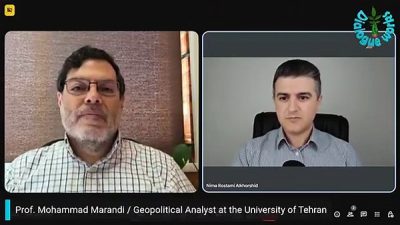
Seyed M. Marandi: U.S. Military DIVIDED? Iran’s Secret Defense EXPOSED
or go to
Aletho News Archives – Video-Images
From the Archives
‘Israel sees Iran as obstacle to its policies’
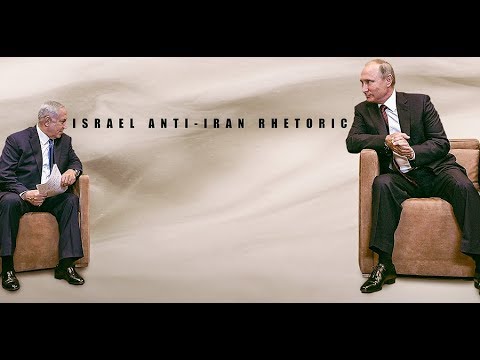
Press TV – August 25, 2017
Prime Minister Benjamin Netanyahu has said that Israel felt threatened by Iran’s growing influence in the Middle East. Netanyahu expressed his Iranophobic view in a meeting with Russian President Vladimir Putin in Russia’s Black Sea resort of Sochi on Wednesday. Press TV has asked Scott Rickard, former American intelligence linguist from Tampa, Florida, and Brent Budowsky, a columnist at The Hill from Washington, to give their thoughts on the issue.
Rickard said Tel Aviv is concerned about the fact that the regime could not carry out its old project to spread sectarian divisions and pave the way for dismemberment of the countries in the Middle East region because of the Iranian-led resistance against Israeli policies, not only in the occupied territories of Palestine but also in the whole region.
“Iran is not a threat to Israel whatsoever. The threat that Israel sees is the fact that their Oded Yinon Plan is being put to a hold by Iran,” the intelligence linguist said on Thursday night.
“They (the Israelis) look at Iran as a threat only because they have no influence on their governments and Iran is autonomous and is not under the Zionist influence,” he added.
Since the victory of the Islamic Republic of Iran in 1979, Tehran has been critical of Israel’s policies in the region, whereas “no leaders [of other states] even dared to speak out against Zionism,” Rickard argued. … continue
Blog Roll
 Aletho News
- Sri Lanka secures supplies of Russia oil – minister
- Nations across Asia strike direct deals with Iran for Hormuz passage
- IRGC commander declares ‘new phase’ of reprisal attacks against aggressors
- Israel’s air defenses overwhelmed by cluster-warhead Iranian missiles: Reports
- Striking Iran’s Infrastructure Would Have Little Military Impact – Report
- What’s Behind U.S./Israeli Strikes On Iranian Pistachio Factories?
- Seyed M. Marandi: U.S. Military DIVIDED? Iran’s Secret Defense EXPOSED
- How I fell foul of the BBC thought police
- The End of NATO
- 37 days of war on Iran cost US staggering $42bln, tracker shows
- If Americans Knew
- Trump says Iranians appreciate bombs, WHO warns of nuclear risks – Daily Update
- U.N. experts demand Israel release prominent Gaza doctor after reports of ‘severe torture’
- Israel’s Latest Genocide Is Against the Shias of Lebanon. Why Is the World Silent?
- How Eliot Cohen’s influence over U.S. war-making paved the way for Trump’s war crimes in Iran
- Israelis don’t pay for the weapons we ‘sell’ to them — US taxpayers do
- While Distancing from AIPAC, Most 2028 Democratic Hopefuls Are Still Embracing Israel
- A brief history of the Israeli nuclear program, the open secret at the heart of the Iran war
- Israeli Settlers Killed a Palestinian Farmer on His Own Land, in Front of His Father. Yes, Again
- The US-Israeli War on Science is an Assault on our Future
- 100+ International Law Experts Say US Strikes on Iran Violate UN Charter, Could Be War Crimes
- No Tricks Zone
- An Inconvenient Tree: Uncovered In Alps… Europe Much Warmer Than Today 6000 Years Ago
- New Study Reports A 60% Slowdown In Greenland’s Ice Loss Rate In The Last Decade
- Low Intensity Tornado Wrecks Major Solar Farm, Creating A Potential Toxic Dump
- New Study Finds Warming Saves Lives…Cold Temperatures 12 Times More Deadly Than Excess Heat
- German Science Blog Accuses PIK Climate Institute Of Hallucinating Climate Tipping Points
- Devastating Assessment Of Comirnaty Vaccine By Former Senior Pfizer Europe Toxicologist
- New Study: CO2 Is ‘Effectively Negligible’ As An Explanatory Climate Change Factor Since 2000
- Former Pfizer Toxicologist Dr. Helmut Sterz Tells Bundestag Hearing Pfizer Vaccine Should Have Never Been Approved
- Energy Expert: Germany’s Nuclear Phaseout Was A “500 Billion Euro Mistake”
- New Research: South Australia’s Mid-Holocene Sea Surface Temperatures Were 4°C Warmer Than Today
 Aletho News