Grooming our children, Part 1: Getting parents out of the picture
By Belinda Brown | TCW Defending Freedom | November 2, 2023
Are parents aware of what children from four years old are being taught about sex in our schools? Belinda Brown thinks not. In a series of articles she makes the case that, with the agreement of the Department for Education, our children are being exposed to what is tantamount to a national grooming programme. The first step of this successful sex educators’ coup, she explains today, was to get parents out of the picture, to take over their role, and then deny them any access to lessons. Miriam Cates is one MP who is fighting back.
IN JUNE Conservative MP Miriam Cates introduced the ‘sex education transparency’ Private Members’ Bill, putting Rishi Sunak under pressure to give schools a legal duty to publish materials used in sex education lessons. Backed by 70 Conservative MPs, the aim of the Bill is to secure parents’ rights to see their children’s Relationships and Sex Education (RSE) lesson plans: rights which parents thought they had, only to find them being denied.
Cates had already called for an urgent Government review into what was being taught in RSE since this programme was rolled out in September 2020, of such concern were the materials and lessons parents gleaned from their children. RSE, it emerged, was the brainchild of the ‘progressive’ independent Sex Education Forum, a busy organisation with a stipend of £200,000 a year and a clear ‘beyond biology’ agenda. The Prime Minister responded to Cates’s call and ordered the review last March. Unaccountably, his Secretary of State for Education, Gillian Keegan, refused to publish the findings and has no plans to do so. Why, we do not know. MPs had claimed the Department for Education’s (DfE) most recent relationships and sex education guidance, produced in 2019 in consultation with the LGBT+ charity Stonewall, had allowed ‘activist groups’ to overly influence teaching materials. The guidance does not set age limits on what can be taught.
In the meanwhile, the position of parents has not changed. One story catalysed Cates’s most recent initiative. Two years ago, Clare Page found out that her daughter had been taught at school that ‘heteronormativity’ (preferring the opposite sex) was a bad thing and had been told that she should be ‘sex positive’. Like any decent mother, she wanted to know more. Her request to see the material used in her daughter’s classroom was turned down, first by the Information Commissioner’s Office and then by a first-tier tribunal. She was not even allowed to find out whether her daughter had been taught by the ‘master fetish trainer’ who worked for the School of Sexuality Education (SSE) employed by her daughter’s school.
Page’s case marks another step in the long march through the institutions whereby parents are being excluded from once personal and family-based aspects of their children’s upbringing, now inappropriately and dangerously taken over by schools.
Her experience is far from exceptional. In Wales, where children are being exposed to a mandatory diet of explicit and highly ideological sex education, parents are not allowed to remove their children from these classes. Attempts to do so are repeatedly turned down.
Likewise, parents such as those trying to protect their children from sexual extremism in the London Borough of Redbridge are portrayed as religious fundamentalists and radical homophobic Islamists.
Some schools and local authorities even have a policy of not informing parents when a child expresses what the school categorises as ‘feelings of gender distress,’ a study found, though this flies in the face of safeguarding rules. More recent research indicates that it could be that the school’s teaching that is the source of distress.
In theory, parents do have rights in law. Under the European Convention of Human Rights, ‘the State shall respect the right of parents to ensure such education and teaching is in conformity with their own religious and philosophical convictions’. The 2002 Education Act Guidance repeatedly emphasises the role of parents. ‘Teaching must be done with respect to the backgrounds and beliefs of pupils and parents . . . All schools should work closely with parents when planning and delivering these subjects. Schools should ensure that parents know what will be taught and when, and clearly communicate the fact.’
Yet this is not happening. Any criticism that teaching places insufficient emphasis on the value of traditional marriage between a man and a woman, for example, is ignored.
When the School of Sexuality Education complained that the Department of Education’s guidance gave ‘problematic credence’ to long-term relationships and marriage, they had the government’s ear (p10). These sex education activists ‘provide in-school workshops on consent, sexual health, porn and positive relationships’. Their approach, they say, is rights-based – whose rights they do not say. They proclaim themselves as ‘sex-positive, non-binary and trauma informed’.
When they criticised the guidance section that suggested that primary schools should only teach pupils about LGBT when it was ‘age appropriate’ rather than from reception, these phrases were obligingly removed by the DfE.
Gillian Keegan should ask herself who these sex education providers are and why they want the material they are pushing at our children to be unrestricted by age.
This contempt for parents was expressed early on in an ‘Educate and Celebrate’ guidebook foisted on schools. Their proposal was that rather than get parents’ permission for children to attend LGBT events, they would organise LGBT events in the school (p24). When parents tried to protect their children from all this, they were told they were breaking the law.
The result of the government’s inadequate guidance, Cates says, is ‘a permission slip for teaching almost anything that is loosely associated with gender, sexuality or sexual practice – often with an assumption of the earlier, the better’ (p71).
Without providing any apparent curriculum, and without parents able to monitor what was being taught, these so-called specialist sex ‘educators’, heavily funded by the government, with clearly articulated curricula and political agendas, have zealously filled the gap.
Foremost of these is the ideology of queer theory that asserts that ‘heteronormativity’ – the natural biological sex preference for the opposite sex, should be ‘smashed’. It rejects all ‘binaries’ including distinctions between homosexuality and heterosexuality, male and female, and even more disturbingly, between adult and child.
This is the ideology that’s the foundation of the RSE curriculum that a Conservative government has sanctioned. It will be explored in greater depth in the rest of the series. Parents have a right to know, reject it and protest.
To be continued.
Critics of Biden’s ‘Censorship Regime’ Say Government Dragging Its Feet on Lawsuit
By Aaron Kheriaty, MD | Human Flourishing | November 3, 2023
M.J. Koch over at the New York Sun has published a very good article on Missouri v. Biden and the Supreme Court’s decision to place a temporary stay on the injunction until they can rule on the case:
Next year’s presidential election may have something to do with the slow pace of Missouri v. Biden.
The Biden administration is said to be dragging its feet on an explosive free speech case against its alleged “Orwellian” censorship of social media platforms. Those leading the lawsuit say it’s because the government wants to continue its censorship regime as long as possible before the presidential election.
The Supreme Court has agreed to hear the case, Missouri v. Biden. In certifying it, the high court last week also approved the government’s request for a stay on a preliminary injunction from the Fifth Circuit. The injunction would’ve enjoined the government from continuing what two lower courts called a “coordinated campaign” by top federal officials and agencies to suppress undesirable opinions on public issues such as Covid lockdowns and election integrity.
The suspension of that injunction “is a green light for future censorship,” the founder of the civil rights group representing four of the plaintiffs in the case, Philip Hamburger, of the New Civil Liberties Alliance, tells the Sun. The high court appears to be siding with the executive branch in its latest legal action…. “Undoubtedly,” Mr. Hamburger says, “there’s deference, in the sense of political deference, to the government.”
Next year’s presidential election might have something to do with this “deference.” Oral arguments in Murthy will be heard in January or February, but the court won’t complete its review until late in the spring. Even if the ruling requires the government to immediately desist its behavior, several more months of the status quo will have passed as the contest for the U.S. presidency intensifies.
You can read the rest of the article, which includes my comments on this issue, here.
WHO Publishes Latest Draft of Pandemic Treaty To Combat “Misinformation”
By Didi Rankovic | Reclaim The Net | November 2, 2023
The United Nations World Health Organization (WHO) has published a new draft of its troubled pandemic agreement/accord/treaty – which the agency has complained is taking too long to finalize.
The latest draft of the negotiating text, released by the Bureau of the Intergovernmental Negotiating Body (INB) on Monday must be considered until the INB session scheduled for November 6-10, when it should be formalized.
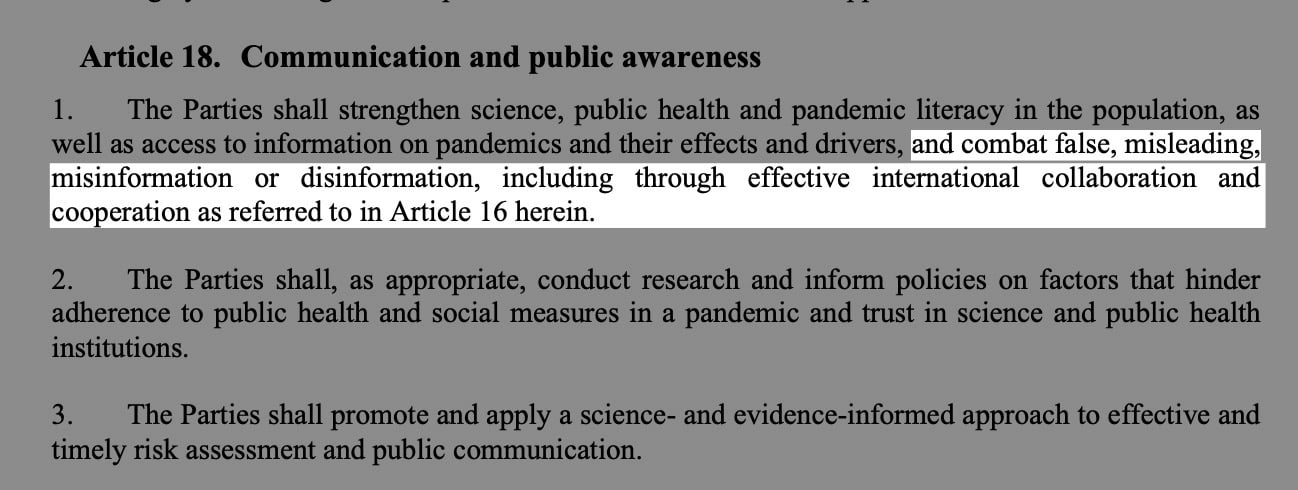
Some of the commitments contained in this version of the document have to do with combating “false, misleading, misinformation or disinformation, including through effective international collaboration and cooperation” – which skeptics might easily dub, “cross-border censorship.”
And then there’s surveillance, too: something called One Health approach for pandemic prevention, preparedness and response, which the draft wants to see promoted and implemented. Meanwhile, One Health is a surveillance tool that is supposed to create new methods of disease control.
Yet another point from the proposal is to “develop and strengthen pandemic prevention and public health surveillance capacities.”
Critics have many concerns and misgivings about all of this, including WHO setting up what’s known as a conference of the parties – an international convention’s top governing body – around the pandemic accord.
The fear here is that it would be one more instrument taking agency and consent away from national governments and people and transferring the decision-making processes, in this case related to health, to the world organization, specifically, WHO.
However, the draft’s chapter on institutional arrangements envisages establishing just such a conference of the parties as part of the accord’s scope.
A number of advocacy organizations from around the world have already expressed their dissatisfaction with the draft from different points of view, including how the treaty, if adopted, would impact less developed countries, while the draft itself is seen as “unbalanced.”
This last objection stems from the origin of the proposal – namely the discussions between INB Bureau and Secretariat, rather than drawing from the meetings of the INB itself.
Ignoring proposals from all countries that are supposed to implement the treaty, and allowing those with the most clout (in the Bureau) to set the tone is seen as one-sided in this sense as well.
CHD Sues Philadelphia Over Law Allowing 11-Year-Olds to Consent to Vaccines Without Parents’ Consent
By Brenda Baletti, Ph.D. | The Defender | November 1, 2023
Children’s Health Defense (CHD) and several parents today filed a lawsuit in federal court challenging a Philadelphia law that allows minors to consent to vaccination without their parents’ knowledge, saying the legislation violates the constitutionally protected doctrine of informed consent and fundamental parental rights.
The lawsuit alleges the City of Philadelphia engaged in a “wink and a nod” practice of vaccinating children behind parents backs without informed consent for the past 15 years, under the cover of the 2007 General Minor Consent Regulation.
That rule allows children 11 and older to consent to vaccination without parental knowledge as long as they receive a “vaccine information statement” (VIS) for the administered shot.
It also absolves the vaccine administrator of liability if the minor gives consent.
On May 14, 2021, the city’s Department of Public Health also enacted an additional COVID-19 Minor Consent Regulation, allowing children ages 11 and up to consent to the COVID-19 vaccine available under Emergency Use Authorization.
Under that regulation, children could give consent if they received the U.S. Food and Drug Administration fact sheet because a COVID-19 VIS did not exist at the time.
Tricia Lindsay, attorney for the plaintiffs, told The Defender the fundamental rights of parents to direct the upbringing of their children are at stake in the case:
“The only time that a parent loses rights to their children is by a strict showing that they are not capable of taking care of their child.
“But here the government of Philadelphia is issuing a blanket statement and taking away parental rights without due process, and that is one of the greatest violations ever.
“They are using emergency powers and the excuse of concerns over ‘health and safety’ to justify it. But it’s camouflage. It’s a Trojan horse. They are using these buzzwords to justify their tyranny … which is what you call it when you remove a person’s fundamental rights without due process.”
Seven Pennsylvania parents joined CHD in suing the City of Philadelphia, its Department of Public Health and City Health Commissioner Cheryl Bettigole, M.D., MPH, alleging the regulations violate their rights.
The lawsuit, filed in the U.S. District Court for the Eastern District of Pennsylvania, said those regulations also “raise troubling issues of informed consent, freedom of religion, parental rights, and due process, implicating both the United States Constitution and the Constitution of the Commonwealth of Pennsylvania and other federal and Commonwealth laws.”
The plaintiffs are asking the court to declare Philadelphia’s 2007 and 2021 Minor Consent Regulations illegal and to stop them from being enforced.
CHD President Mary Holland told The Defender :
“It’s absurd to imagine that it is safe or desirable for 11-year-olds to make potentially life-altering medical decisions on their own without parental guidance, knowledge or consent. Philadelphia’s so-called consent policies violate state, federal and constitutional laws. I am happy that CHD is able to help put an end to these policies that actually endanger children’s health.”
National Childhood Vaccine Injury Act and VISs
Plaintiffs allege that Philadelphia’s regulations conflict with the consent requirements of the National Childhood Vaccine Injury Act of 1986 (NCVIA), the federal law that has primacy over conflicting local laws on such matters, according to the U.S. Constitution.
They also argue that the complicated requirements for seeking compensation — if someone is injured by a vaccine protected by the NCVIA — would be incomprehensible to most, if not all, children.
Under the NCVIA, vaccine manufacturers are protected from liability for a vaccine’s adverse effects if the vaccines are listed on its “Vaccine Injury Table.” The table lists covered vaccines, their recognized injuries and the timeframes within which those injuries must occur to be considered compensable.
Liability for injuries caused by vaccines listed on the table cannot be pursued in a regular court of law, but are instead compensated through the National Vaccine Injury Compensation Program (VICP).
The VICP also can provide compensation for an injury by a covered vaccine, even if the injury isn’t listed as compensable on the Vaccine Injury Table. However, the legal and administrative process is more complicated.
Even for listed injuries, it can be difficult to obtain compensation from the VICP. The backlog of cases is substantial and the proceedings are often drawn out by contentious expert battles.
The NCVIA mandates that the secretary of the U.S. Department of Health and Human Services create and publish VISs that detail the risks and potential adverse events associated with covered vaccines. Those sheets must be presented to children’s parents or legal guardians prior to vaccine administration.
The VIS is important, the complaint says, so that parents can recognize adverse events if and when they happen, and seek necessary medical treatment and also document such events in a timely manner, which is essential for seeking compensation through the VICP.
“If a parent is not aware of what their child has done,” Lindsay said, “then they don’t know what to look out for and they don’t know if the problem they are seeing is related to a vaccine.”
The NCVIA specifically mandated that VISs must be presented in a jargon-free and straightforward way that parents can understand.
The NCVIA doesn’t mention making them comprehensible to children, because the drafters of the NCVIA never imagined children would have to understand them on their own, the complaint alleges.
“The NCVIA simply does not contemplate that a child may be vaccinated without parental consent,” the complaint states. “Quite the opposite — the language of the NCVIA is clear that the VIS is provided to the parent who is able to offer informed consent on behalf of his or her child.”
But this law, the lawsuit alleges, removes parents from the equation altogether.
What about COVID vaccine injuries?
The COVID-19 vaccines are not covered by the NCVIA or the VICP.
Instead, under the Public Readiness and Emergency Preparedness (PREP) Act, people injured by a COVID-19 vaccine or “countermeasure” can seek compensation only under the Countermeasures Injury Compensation Program (CICP).
Since 2010, when the CICP approved its first claim, the program has compensated a total of 36 claims for vaccine injuries — six of those awards were for COVID-19 vaccine-related injuries.
The complaint also noted that COVID-19 vaccines available for 11-year-olds are still investigational. “Children are not capable of understanding the risks associated with a novel vaccine and cannot appreciate that there are no long-term studies of the safety or effectiveness of these vaccines,” the complaint states.
Lindsay said it was particularly concerning that Philadelphia specifically included the COVID-19 vaccines in the regulations and that the regulations continue to stand even though the Biden administration ended the COVID-19 public health emergency in May.
She said:
“Why would we extend this risk further to a novel vaccine, which we now know has many more problems? Why would we be signing up children to a mass experiment and taking away their guardian, the person that stands on the frontline, that’s there to protect them, to cover them, to guide them?
“It has nothing to do with the benefits of children because if it did, you would approach the guardian of that child, the person that is given the authority and has the responsibility of that child to see that that child is safe and allow them to make an informed decision as to what they deem best for their child.”
Can 11-year-old children give informed consent for medical interventions?
The complaint cites a long list of activities that are typically restricted for minors or restricted without parental consent in Pennsylvania.
For example, minors under the age of 21 cannot purchase alcohol or tobacco or enter a casino. A person must be 18 to enter into a contract or to register for the selective services without parental consent. One must be 16 to donate blood and 14 to consent to mental health treatment.
It is also illegal, the complaint notes, for pharmacists to administer vaccines to children 5 and older without parental consent.
According to the complaint:
“Philadelphia’s Minor Consent Regulations turn these requirements on their head. Rather than protecting children, Philadelphia’s Minor Consent Regulations let any child walk into a temporary vaccine ‘pop-up clinic’ or elsewhere on a whim, roll up her sleeve and receive a vaccine without her parents’ knowledge and even more importantly, her parents’ protective veil of consent. …
“The Minor Consent Regulations are a house of cards built on the unsupported, unsupportable and preposterous presumption that every Philadelphia child aged eleven and up is capable of true informed consent, that every child knows her own medical history, her family’s medical history, and can truly ascertain the potential serious risks and alleged benefits of a treatment, and can read and understand any written information — written for adults — presented to her without further explanation.”
The lawsuit alleges children likely cannot fully comprehend the VISs, let alone consent to the vaccines. Philadelphia children, it notes, have very low reading proficiency scores — only 34% of elementary students and 43% of high school students tested at or above the proficient level for reading.
It also raises concerns that no concrete proof a child-provided consent is even required.
This, the plaintiffs say, is in conflict with both the federal NCVIA and Pennsylvania law. The latter requires the written informed consent of a parent before a physician is allowed to perform medical or surgical procedures on a child.
The complaint cited the Troxel v. Granville Supreme Court case and a series of other cases that found “the interest of parents in the care, custody, and control of their children” is a constitutionally protected right.
Other minor consent lawsuits and struggles
When the pandemic began, most states had existing laws mandating parental consent for vaccination, with a few limited exceptions. But once the vaccines became available, some states and localities attempted to lower the age at which children could consent to vaccination on their own.
During Tennessee’s COVID-19 vaccination campaign, the state’s Department of Health invoked the “mature minor’ doctrine” to allow minors 14 and older to be vaccinated without a parent’s consent.
But in response to grassroots mobilization and testimony by CHD, Tennessee lawmakers in April passed a law requiring healthcare providers to obtain consent from a parent or legal guardian before vaccinating a minor.
In March 2022, CHD prevailed in a lawsuit against Washington, D.C., Mayor Muriel Bowser, the D.C. Department of Health (D.C. Health) and D.C. public schools after the U.S. District Court for the District of Columbia issued an order granting a preliminary injunction prohibiting the schools from enforcing the D.C. Minor Consent for Vaccinations Amendment Act of 2020 — a law that would have allowed children as young as 11 to be vaccinated without the knowledge or consent of their parents.
In that lawsuit, the D.C. District Court ruled in favor of CHD’s argument that the NCVIA pre-empted D.C.’s law that attempted to lower the age of consent for vaccinations to 11, and prevented the mayor of the District of Columbia, the D.C. Department of Health and D.C. public schools from enforcing the law.
The court, in that case, commented specifically on the intended function of the VIS:
“If Congress did not mean for the legal representative of a child to receive a VIS when his child receives a vaccine, then the phrase ‘the legal representatives of any child’ would be superfluous. All Congress would have needed to say is that a healthcare provider should give a VIS ‘to any individual to whom such provider intends to administer such vaccine.’ But it did not do that.”
In June, New York legislators also attempted to pass Senate Bill S762A, which would have allowed minors to be vaccinated without parental knowledge or consent. But grassroots efforts, including those undertaken by CHD, prevented that from becoming codified into New York state law.
Brenda Baletti Ph.D. is a reporter for The Defender. She wrote and taught about capitalism and politics for 10 years in the writing program at Duke University. She holds a Ph.D. in human geography from the University of North Carolina at Chapel Hill and a master’s from the University of Texas at Austin.
This article was originally published by The Defender — Children’s Health Defense’s News & Views Website under Creative Commons license CC BY-NC-ND 4.0. Please consider subscribing to The Defender or donating to Children’s Health Defense.
Fired Unvaccinated New York City Teachers Still Fighting for Reinstatement and Back Pay After Supreme Court Win
By Brenda Baletti, Ph.D. | The Defender | October 31, 2023
In a precedent-setting victory last month, a New York State Supreme Court judge ruled that 10 New York City school teachers fired for refusing the COVID-19 vaccine on religious grounds must be reinstated with back pay, benefits, seniority and attorney fees.
But the city immediately appealed the decision, so none of those teachers have returned to their jobs or received any payments.
“These workers absolutely did win reinstatement and back-pay,” Sujata Gibson, the teachers’ attorney told The Defender. “Unfortunately, in New York State courts, the government is entitled to an ‘automatic stay’ of any such relief pending resolution of the appeal.”
Gibson also said:
“CHD [Children’s Health Defense] is supporting us in our fight to defend these wins on appeal, and we are pursuing additional options to try to speed this process up and secure relief for additional plaintiffs. But the fight is not over yet.”
Nearly 7,000 New York City Department of Education (DOE) workers who sought religious accommodation from the COVID-19 vaccine mandate in 2021 were denied based on standards that a federal court later ruled unconstitutional.
Some of the workers, along with Teachers For Choice, sued the city in February, in a lawsuit sponsored in part by CHD and CHD New York.
The suit also sought class-action certification for all DOE workers who were denied religious exemptions. Judge Ralph Porzio denied the motion to grant class status, a ruling the plaintiffs are appealing.
Regardless, Gibson said the decision was “a precedent-setting victory, and a watershed moment in the teachers’ fight.”
Thousands of workers were subjected to the very same processes the judge ruled were “arbitrary and capricious,” and they could sue individually based on that precedent, if it is upheld by the appeals court, Gibson said.
Michael Kane, one of the plaintiffs and a member of Teachers For Choice, told The Defender that after filing the appeal, the city has six months to take the next step in the case — so even though they won with the last ruling, the fired teachers will have to continue to fight for their rights and the relief they are entitled to.
The struggle continues, despite confusion on social media
Last week, a Fox News story from Oct. 25, 2022, “New York Supreme Court reinstates all employees fired for being unvaccinated, orders backpay” was picked up and celebrated on social media by influential figures and their followers. It circulated on X, formerly Twitter, and Instagram, where hundreds of thousands of social media users “liked” the posts, Kane said.
The story itself was vague — it did not cite the actual case that had been ruled on and it gave the impression that all New York City workers fired for refusing vaccination would be returning to work with back pay.
In fact, the story was posted after the state’s Supreme Court ruled in favor of plaintiffs George Garvey and 15 other New York City Department of Sanitation employees who were fired by the city for non-compliance with the mandate.
That historic ruling was applicable not only to the 16 workers who sued but also to all public employees in New York City, including the police and fire department.
But in that case, the city also appealed the ruling and the appeals process is ongoing.
New York City workers, with substantial public support, continue to fight, Kane said.
He added:
“This isn’t just for us, it’s for our kids and our grandkids. This is laying the groundwork. It took over 50 years for Plessy v. Ferguson to be overturned by Brown v. Board of Education. Civil rights battles are long, protracted struggles, and that’s what we’re in. It’s not fun, but that’s what we’re in.”
Brenda Baletti Ph.D. is a reporter for The Defender. She wrote and taught about capitalism and politics for 10 years in the writing program at Duke University. She holds a Ph.D. in human geography from the University of North Carolina at Chapel Hill and a master’s from the University of Texas at Austin.
This article was originally published by The Defender — Children’s Health Defense’s News & Views Website under Creative Commons license CC BY-NC-ND 4.0. Please consider subscribing to The Defender or donating to Children’s Health Defense.
How (not) to Relativize the Holocaust

By CJ Hopkins | Consent Factory | November 1, 2023
OK, I owe everyone an apology. I get it now. I’ve seen the light. I finally understand the true nature of my thoughtcrimes, and I take responsibility for them, and I stand ready to pay my debt to society.
I have to thank the State of Israel for bringing about this sudden epiphany. How it happened was, Gilad Erdan, Israel’s Ambassador to the United Nations, and his delegation wore yellow Stars of David, i.e., the ones the Nazis forced the Jews to wear in public, at a Security Council session to make a statement. According to The Jerusalem Post, Ambassador Erdan then made remarks comparing the October 7 Hamas attack on Israel to the Holocaust.
“When Jewish babies were burned in Auschwitz, the world was silent, and today Jewish babies were burned in Be’eri and the towns of the South by the Nazi Hamas – and the world is silent again. I will make you remember the shame of your silence every time you look at me,” Arden said. “I will wear the yellow patch until the Nazi Hamas is eliminated and until the Security Council stops being silent and condemns the October 7 massacre. Some of you have learned nothing in the last eighty years! Some of you have forgotten why the United Nations was founded. So I will remind you. From today on, every time you look at me you will remember. When my grandfather and his children were sent to Auschwitz, the world was silent. When his wife and their seven children were sent to the gas chambers, the world was silent. When their bodies were burned alongside millions of other Jewish children, the world was silent,” Erdan said, comparing the silence of the UN about the Hamas massacre on October 7 to the silence of the international community regarding the horrors of the Holocaust.
Now, I’ll be honest, the first thought that went through my head when I read that Jerusalem Post piece was, “Great! Here’s an Israeli diplomat doing exactly what I’m being prosecuted for doing, and no one’s going to prosecute him! All I need to do is bring this to the attention of the Berlin District Court, and they’ll dismiss my case!”
But then I had my epiphany.
Basically, my epiphany was, I realized the two things are completely different, i.e., Israel’s use of a Nazi symbol to make a political statement and me doing the same thing … well, almost the same thing. I’ve never actually relativized or minimized or trivialized or compared anything to the Holocaust, as Gilad Erdan did at the UN. Actually, I’ve advised against doing that. But that doesn’t let me off the hook for my thoughtcrimes! No, I did what I did, and I will have to answer for it in January at the District Court of Berlin!
For readers unfamiliar with my case, what I did was, I tweeted these two Tweets featuring the the cover art of my book, The Rise of the New Normal Reich, which is banned in Germany, and referring to the medical-looking masks that everyone was forced to wear during 2020-2022 as “ideological conformity symbols.”
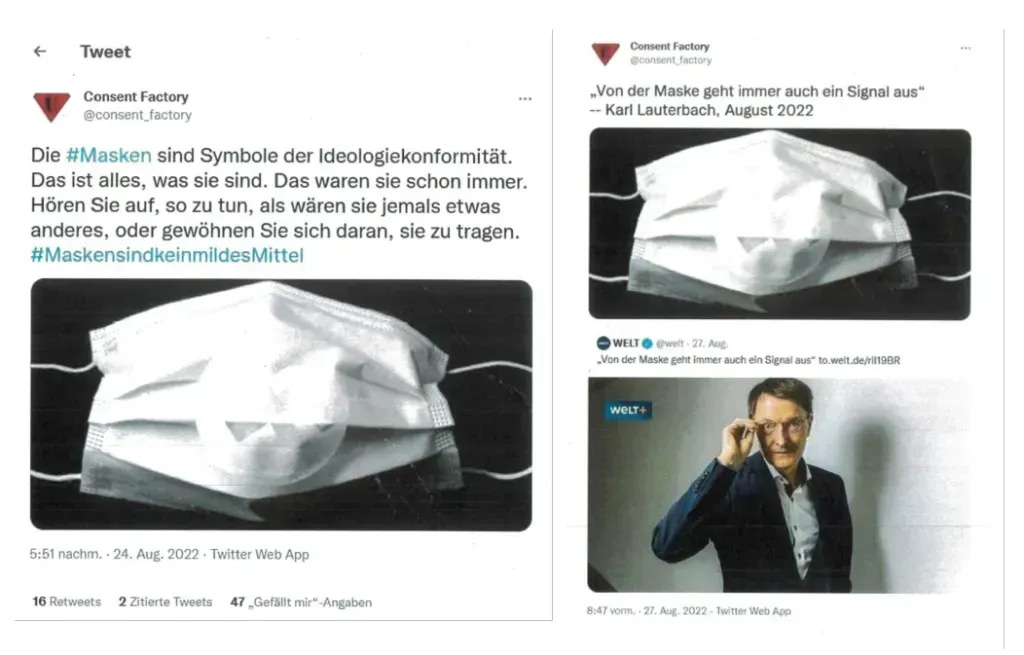
You can read the background on my case here, or here, or here, or listen to me talk about it here, or here, or here, so I won’t go on about it here.
The important thing is, I understand now how totally wrong (and criminal) it was to do that, and how what I did is completely different from what UN Ambassador Erdan just did!
For starters, it wasn’t just those two Tweets. No, on Twitter, Facebook, and in my essays, and interviews, and, basically, every chance I got, for two years, I compared the rise of the “New Normal” to the rise of Nazi Germany in the 1930s. I noted the similarities between these two forms of totalitarianism: the declaration of a “state of emergency” as a pretext to justify the cancellation of constitutional rights and rule by decree; the propaganda; the censorship; the criminalization of dissent; the mandatory displays of ideological conformity; the invasion of bodily autonomy; the segregation, demonization, and persecution of a scapegoat underclass; and so on … all the classic hallmarks of totalitarian systems.
I understand now how wrong (and criminal) that was.
Watching the Israelis whip out their yellow Stars of David at the Security Council clarified for me when it is and isn’t appropriate to compare things to the Nazis.
Check me, but I think I’ve got it straight now.
When governments and non-governmental entities roll out a “New Normal” on account of a completely fictional “apocalyptic pandemic,” lock people down in their homes for months, terrorize them with official propaganda, force everybody to wear medical-looking masks to display their conformity to the new official “reality” and create the appearance of a deadly plague, outlaw political protests, censor dissent, segregate and demonize anyone refusing to conform to the new official ideology, and otherwise transform societies into pathologized de facto police states, those governments and global non-governmental entities are absolutely nothing like the Nazis.
On the other hand, Hamas, the Islamist political and military organization that governs the Gaza Strip, is definitely exactly like the Nazis … except that there are only around 25,000 of them, and their “Reich” is a tiny stretch of land that has been totally blockaded by Israel for years, and is completely surrounded by an “Israel-Gaza barrier,” and has been under Israeli military occupation since 1967. But, otherwise, Hamas is exactly like the Nazis!
See, the thing I didn’t quite understand when I tweeted my thoughtcrimes in 2022 was that being “exactly like the Nazis” has nothing to do with the actual history of Nazi Germany or totalitarianism per se. I was operating under the assumption that it did. That’s no excuse. I should have known better. Obviously, no one should ever be allowed to compare the rise of Nazism in Germany to any other totalitarian system or movement, no matter how blatantly similar it may be. In fact, the history of the rise of Nazism in Germany is irrelevant to, well, basically everything, unless your discussion is strictly limited to the Holocaust, or if you’re relativizing the Holocaust in defense of Israel’s right to defend itself … in which case, sure, break out those yellow stars and go nuts with the Holocaust comparisons.
Seriously, check my reasoning on this, because I don’t want to get it wrong again and end up facing yet another prosecution. Based on my new post-epiphany understanding, questioning the details of the official account of the October 7 attack is “Holocaust denial.” Hundreds of thousands of people peacefully demonstrating in support of Palestinians is a “hate march.” “Hamas Holocaust denial is dragging us into a new Dark Age.” The October 7 massacre was “barbarism as consequential as the Holocaust,” or at least as barbaric as the Babyn Yar massacre!
How am I doing? Am I good so far? I haven’t relativized the Holocaust, have I?
OK, one more test, just to make sure I’ve got my mind right around this stuff. If I, or anyone, were to compare what the State of Israel is doing to the Palestinians in Gaza to, I don’t know, let’s say, just hypothetically, the liquidation of the Warsaw ghetto, that would be completely inappropriate, and anti-Semitic, and a hate crime, right? I mean, the IDF isn’t liquidating the strip. They’re defending Israel against Hamas, and are doing their best to protect civilians as they bomb whole neighborhoods into heaps of rubble, wiping out thousands of men, women, and children, entire extended families, who are trapped inside the “Israel-Gaza barrier,” and have nowhere to run or hide from the slaughter.
If anyone were to make that comparison, that would definitely be relativizing the Holocaust, right? That would be like calling for “the extermination of the Jews,” or literally dressing up like Hitler and walking around barking Nazi slogans in public. In fact, anyone comparing the Israeli-occupied Gaza Strip to the Warsaw Ghetto, or to any other enclave of any other Nazi-occupied territory, is relativizing, minimizing, and trivializing the Holocaust, and should be fired from their job, blacklisted, and publicly condemned as “a Hamas-loving anti-Semite.”
Help me out. Am I getting the hang of this?
I hope so. All I can do at this point is apologize for leading people astray with all that stuff I wrote about “The New Normal Reich” and “pathologized totalitarianism” during 2020-2022. That, and try to make amends by humiliating myself on social media …

… which seems to be going pretty well so far.
Anyway, I am terribly sorry. No more “Holocaust relativizing” for me! I have seen how it is wrong, and terribly wrong, to compare anything to Nazi Germany, ever. I have learned my lesson. I’m cured! Praise god!
Former Jan 6th Prosecutor Runs For Congress, Focusing Campaign on Tackling “Conspiracy Theories” On Social Media
By Didi Rankovic | Reclaim The Net | October 31, 2023
A counter-terrorism (national security) prosecutor who made a name for himself – or so he hopes – by going after participants in the January 6 riots is now hoping to capitalize on his previous career by switching directly to politics.
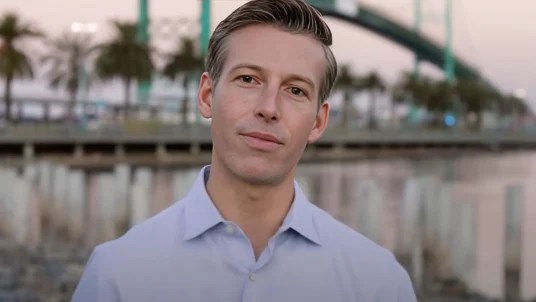
Will Rollins has announced that he is running for Congress in California, with his platform based on changing regulations that govern Big Tech’s social media, in order to combat what he considers to be conspiracy theories – such as QAnon and Covid-related issues – but also more vaguely, to take on “spreading division based on lies.”
In announcing the congressional run, Rollins revealed that his political efforts are based on the thinking that divisions in the US are not the result of, say, differing political and ideological beliefs within a free electorate, but of “democracy-eroding lies” that the media, Big Tech, and extremists, all help spread.
Apparently, there is such a thing as a democracy to erode, even if everyone gets corralled into the same place regarding some basic issues. And speaking of which, Rollins is warning that without his plan to hold said entities – media outlets, tech companies, and “extremists” – accountable, the US will be “exploited” by China and Russia.
This is his plan:
“Update regulations to break down information bubbles and propaganda networks to protect the public’s right to be informed; Require more transparency in advertising, so that we know whether what we’re consuming online was written by a human or a Russian bot; Create accountability for harmful lies and conspiracy theories amplified by Big Tech.”
From insisting on preventing “divisions” (but having to qualify his claims that “adversaries” from around the world tried to “capitalize” on those divisions post-January 6 by saying they reportedly tried this) – Rollings suddenly goes on to justify his policies by saying new rules around tech, etc., are needed in order to “incentivize the presentation of multiple views.”
But these will have to be “vetted” and approved of before being allowed to be presented, let alone incentivized, it appears from the musings Rollings is posting online.
Perhaps the most interesting thing that has come out of this candidacy so far is the revealing of the political and ideological profile of one of the January 6 prosecutors.
Ukrainian border guards using drones to catch ‘fleeing’ citizens – UNIAN
RT | October 31, 2023
Ukraine’s border-guard service (DPSU) has released several videos showing surveillance drones helping officers catch people trying to leave the country illegally. National media have described those who’ve been caught as nationals “fleeing” Ukraine, amid an armed-forces mobilization as Kiev’s conflict with Russia continues.
In the first clip published by DPSU on Saturday, a drone operator uses the aircraft’s thermal camera to guide a patrol towards a group of people hiding in bushes. The service claims the technique helped it catch 14 trespassers in four separate interceptions near the village of Okny near the border with Moldova.
The next day the border guards released footage of a short chase, as seen from a drone via a night camera. The DPSU said the four would-be violators in this instance wanted to go to Moldova but were intercepted as they made their attempt.
Another video published by the service on Monday includes drone footage of a car moving down a battered road. Guards then stop the vehicle and apprehend the driver, who the DPSU claimed to be a people-smuggler.
The suspect allegedly used his transport to sneak his clients to a part of the border with Moldova from where they would then cross illegally. Would-be violators in the first two cases reported by the DPSU had also used services of smugglers, who ask as much as $2,000 for help crossing the border, according to the service.
The footage doesn’t go into what motivates people to embark their law-breaking trips. UNIAN, a major Ukrainian news outlet, described the official action as guards “keeping catching nationals fleeing across the border.”
Kiev has banned men who are eligible to serve in the military from leaving the country unless they get a waiver. It’s now reportedly ramping up efforts to draft additional troops, after suffering heavy casualties in attempts to breach Russian defensive lines over the months of the so-called summer counteroffensive.
Ukrainian MP Sergey Rakhmanin, who sits on the parliamentary Committee for Security, Defense, and Intelligence, said in an interview last week that the country had long exhausted the reserve of persons who’d volunteered to go the front.
Moscow has accused Kiev’s Western sponsors of using Ukrainians as “cannon fodder” in a proxy war against Russia. In a speech at a security forum in Beijing on Monday, Defense Minister Sergey Shoigu estimated Ukrainian casualties during the counteroffensive at over 90,000.
University of Arkansas imposes Israel ‘loyalty test’ on Jewish author and cancels event
MEMO | October 31, 2023
Academic freedom is under fire in the US as Jewish author silenced for stance on Israel. American- Jewish scholar, Nathan Thrall, has faced censorship from the University of Arkansas, which banned his speaking event over his refusal to sign a pledge affirming loyalty to Israel. Thrall was set to discuss his ground-breaking new book exposing Palestinian life under Occupation, before the University invoked a repressive anti-boycott law to cancel the talk.
“I was just told that I cannot speak at @UArkansas unless I sign a pledge that I will not boycott Israel or its occupation,” Thrall said on X yesterday revealing that he had refused the demand. “A 2017 state law requires @UArkansas to impose this McCarthyist requirement. A reminder that the current effort to quash free speech is not new.”
Thrall also revealed that events for the book were called off on NPR and the BBC’s American platforms due to listener complaints. “I’m quite sure that a book advocating for Israel would not have had its advertisements pulled,” Thrall added. “There’s an atmosphere that is wholly intolerant of any expression of sympathy for Palestinians under Occupation.”
Over 30 US states have adopted legislation aimed at suppressing the Boycott Divestment and Sanctions (BDS) movement. These anti-BDS laws, promoted by pro-Israel lobbying groups, prohibit state entities from contracting with or investing in any company that boycotts the apartheid state. Some even require individuals and businesses to sign a pledge not to boycott Israel as a condition of obtaining state contracts.
Critics argue that this amounts to an unconstitutional political litmus test that requires declaring loyalty towards Israel and its policies, at the expense of free speech and political dissent. The American Civil Liberties Union has called anti-BDS laws a “profound violation of the First Amendment” that chill activism by making people prove they do not support boycotts for Palestinian rights.
High-profile cases like the cancellation of author events over refusal to sign anti-BDS pledges highlight how the laws censor Israel critiques and activism. Rights groups contend basic democratic principles are undermined when states act as “enforcers” of Israeli policy, demanding ideological purity on this polarising issue as a prerequisite for contracts.
Despite the dubious legality of anti-BDS legislation, the trend continues spreading across states seeking to please pro-Israel interests by cracking down on activism.
In February, the US Supreme Court declined to review the law in the State of Arkansas requiring every government contractor to pledge loyalty to Israel. The justices turned away a challenge to the anti-boycott pledge by the Arkansas Times.
Read also:
Now Andrew Bridgen takes on the power-hungry World Health Organization
By Kathy Gyngell | TCW Defending Freedom | October 30, 2023
Hard on the heels of his excess deaths debate last Tuesday, the admirably energetic and purposeful Andrew Bridgen MP has been granted leave to bring in a Parliamentary Sovereignty (Referendums) Bill under the Ten Minute rule (which allows a backbench MP to make his or her case for a new Bill in a speech lasting up to ten minutes).
The purpose of this Bill is ‘to prohibit Ministers of the Crown from making or implementing any legal instrument which is not consistent with the sovereignty of the United Kingdom Parliament, unless it has been approved by a referendum; and for connected purposes’. It is directly relevant to the sweeping powers which the World Health Organization’s Pandemic Treaty threatens to grab from us.
(The second reading of this Bill, set for November 24th, is crucial. Supporters should put massive pressure on their MPs to attend, and include in their emails, the powers the Treaty will give the WHO over us).
You can watch Mr Bridgen delivering his succinct but detailed explanation for why we need such a Bill here:
Here is the full text from Hansard:
I beg to move,
That leave be given to bring in a Bill to prohibit Ministers of the Crown from making or implementing any legal instrument which is not consistent with the sovereignty of the United Kingdom Parliament, unless it has been approved by a referendum; and for connected purposes.
This Bill does what it says on the tin. The point of it is to uphold the integrity and sovereignty of this great House and this great nation. It would, for example, prevent a future Government from overturning the democratic will of the British people by taking us back into the European Union without consulting the public in a referendum. Indeed, it would stop the Government from taking us into any union without public consent, and it would move power closer to the people.
However, the Bill would also stop something that threatens the people of our great nation right now. It would stop the Government from blindly accepting the World Health Organization’s amendments to the International Health Regulations and the so-called Post-Pandemic Agreement, which they appear intent on doing without even consulting this House, never mind the public. The Government signed up to the WHO pandemic preparedness treaty negotiations without a single word being uttered in Government time. The only time we have even mentioned it in this Parliament was on 17 April this year in a Westminster Hall debate forced by over 156,000 members of the public signing a petition. A further petition to reject the amendments to the IHR has closed, having reached over 116,000 signatures, but no time has yet been allocated for a debate.
Those two instruments, if followed, will control how future Governments can prepare and respond to emergencies. In my view, that would amount to making this House redundant. If allowed to progress, that treaty and the amendments to the IHR will fundamentally change the relationship between citizen and state, moving away from a parliamentary democracy that has been the envy of the world for centuries to an autocratic dictatorship led by the unelected and unaccountable director general of the WHO. That same organisation has been accused of undue Chinese influence, as well as of severely mismanaging and covering up the spread and origin of covid-19. That same organisation is mostly funded by commercial and private interests and has diplomatic immunity for its employees and families. What could possibly go wrong?
My North West Leicestershire constituents voted to leave the European Union in 2016—indeed, I campaigned for it, too—but they did not vote in their tens of thousands to leave the EU only to be subjected to an even more autocratic and unaccountable body that takes sovereignty away from this House and from our people. We voted to leave the European Union to take back control, not to give it away to the WHO or anybody else. We are all elected by our constituents to represent them and speak on their behalf, so when it comes to the matter of their sovereignty and protecting their freedoms and rights, surely it is our responsibility to defend those rights and privileges. We are custodians of that power and sovereignty only for a brief period, after which it must be returned intact to the people at the next election, so that they can again decide who will represent them for the next parliamentary period.
When it comes to giving sovereignty away, that decision must always go back to the people, and it requires a referendum. The people should decide whether they wish to give their sovereignty away, and, in this case, whether they want the director general of the WHO controlling their life, rather than the Government of the day. To give those powers away would be nothing short of a dereliction of our duties.
The WHO would like to paint a picture of the treaty and the amendments being all about nation states working together in harmony to fight deadly pathogens, when they are in fact a power grab by an unaccountable elite. They do not want a debate on that; they would quite happily see it passed through the back door without a word being mentioned. That is not my idea of an open parliamentary democracy. The director general of the WHO will have the ability to call a public health emergency of international concern—the acronym is PHEIC, Madam Deputy Speaker—and take absolute powers to control the lives of all citizens of our sovereign nation. That is a power grab not just in this nation, but in all nations around the globe who sign up.
The new powers that the WHO will gain include the freedom to declare a pandemic—or even the potential for a pandemic—at which point all decision-making powers fall under the control of the WHO. The powers would also include the ability to call an emergency owing to human pathogens, animal pathogens, a perceived environmental threat or even the risk of any of the above; and the freedom to impose lockdown restrictions on all individuals in member states and make vaccinations or other medications mandatory, such as vaccines made in 100 days by skipping human trials and shaving safety and efficacy testing down to the bare bones. Furthermore, the WHO would seek power on the right to specify the use of certain medications in medical emergencies, and ban others—to decide healthcare for every person, with local doctors being forced to follow WHO edicts. The power to require a global health passport to be carried would also be given to those unelected bureaucrats in Geneva. Nations would be required to surveil and censor the press and social media so that no dissenting voices can be heard. The removal of the clause relating to human rights is unforgivable.
The recommendations that the WHO issued during the covid-19 pandemic were exactly that: recommendations. They were advisory, and it was up to sovereign Governments and sovereign Parliaments to implement or ignore them—Sweden bravely and successfully chose to ignore them. This treaty would make the WHO’s recommendations mandatory without a debate in this House or, indeed, any other elected Chamber of nations that sign up to these flawed agreements.
As George Santayana said, those who fail to learn the lessons of history are doomed to repeat them. I have some severe worries that the lessons of the last pandemic have not been learned by the WHO itself, as it will not even have a review of its recommendations during the pandemic, so sure is it that its advice was absolutely perfect—when, in fact, we know from independently conducted reviews that it was a litany of disasters, lockdowns, mandatory experimental vaccines and masks, all of which caused our population and economy huge harm. We are in danger of giving this organisation even more powers to overreach itself and repeat those catastrophic mistakes.
Do we really want a repeat of the measures recommended by the WHO that resulted in £400 billion on the national debt, which has caused ravaging inflation, not to mention the huge NHS waiting lists, one million young people in need of mental health support and the damage to our children’s education and development? That begs the question, why on earth would anyone be willing to give away our sovereignty without consulting this House or the people? That is something I am not content with, and I suspect many colleagues here today share my concerns—or perhaps some of them think, rather like those who were deciding the regulations at the last pandemic, that the rules would not apply to them. I can assure hon. and right hon. Members that they will.
The very democracy that we have taken for granted all our lives is now under threat, but it is not under threat from invading armies hailing from hostile nations. No, our democracy is under threat due to the apparent corruption and decay of our own Government institutions, which are allowing this power grab to happen. Members in this Chamber should never forget that we are the servants of the people, not their masters, and the servants should never sell out their masters.
In my opinion, anyone who supports either of these WHO instruments—I refuse to call one of them an agreement, because I have not agreed to it, and neither have the people of North West Leicestershire; indeed, I think the majority of my constituents would never agree to these instruments—and any Member of this Parliament who would hand over these powers to a such discredited organisation as the WHO does not deserve a seat in this Chamber or any elected Assembly around the world.
In conclusion, to even contemplate giving away these sorts of powers to this sort of body, which affect not just the democratic rights but the human rights of every single man, woman and child in our nation, without a referendum would be quite simply catastrophic. People have said that this would lead to one world government. In fact, it is rather worse; it will be a one world dictatorship. Signing up to this treaty and binding ourselves to the WHO without a single debate on it, a single vote on it or asking the general public what they think would make being a member of the European Union look like a democratic paradise by comparison. That is why we need this Bill. I am aware that, with the looming prospect of Prorogation, even if the House supports my motion today, the Bill will fall in a few days’ time. However, as the phrase goes, I will be back.
Question put and agreed to.
Ordered,
That Andrew Bridgen and Mr Philip Hollobone present the Bill.
Andrew Bridgen accordingly presented the Bill.
Bill read the First time; to be read a Second time on Friday 24 November, and to be printed (Bill 377).
Why are the globalists calling “Climate Change” a “Public Health Crisis”?
The answer is all to do with the pandemic treaty and climate lockdowns
By Kit Knightly | OffGuardian | October 30, 2023
The global elite plan to introduce a near-permanent “global state of emergency” by re-branding climate change as a “public health crisis” that is “worse than covid”.
This is not news. But the ongoing campaign has been accelerating in recent weeks.
I have written about this a lot over the last few years – see here and here and here. It started almost as soon as Covid started, and has been steadily progressing ever since, with some reports calling climate change “worse than covid”.
But if they keep talking about it, I’ll keep writing. And hopefully the awareness will spread.
Anyway, there’s a renewed push on the “climate = public health crisis” front. It started, as so many things do, with Bill Gates, stating in an interview with MSNBC in late September:
We have to put it all together; it’s not just climate’s over here and health is over here, the two are interacting
Since then there’s been a LOT of “climate change is a public health crisis” in the papers, likely part of the build-up to the UN’s COP28 summit later this year.
Following Gate’s lead, what was once a slow-burn propaganda drive has become a dash for the finish line, with that phrase repeated in articles all over the world as a feverish catechism.
It was an editorial in the October edition of the British Medical Journal that got the ball rolling, claiming to speak for over 200 medical journals, it declares it’s…
Time to treat the climate and nature crisis as one indivisible global health emergency”
Everyone from the Guardian to the CBC to the Weather Channel picked up this ball and ran with it.
Other publications get more specific, but the message is the same. Climate change is bad for the health of women, and children, and poor people, and Kenyans, and workers and…you get the idea.
And that’s all from just the last few days.
It’s not only the press, but governments and NGOs too. The “One Earth” non-profit reported, two days ago:
Why climate change is a public health issue
Again, based entirely on that letter to the BMJ. The UN’s “climate champions” are naturally all over it, alongside the UK’s “Health Alliance on Climate Change”, whoever they are.
Both the Red Cross and Doctors Without Borders have published (or updated) articles on their website in the last few days using variations on the phrase “The climate crisis is a health crisis.”
Local public health officials from as far apart as Western Australia and Arkansas are busy “discussing the health effects of climate change”
Tellingly, the Wikipedia article on “effects of climate change on human health” has received more edits in the last 3 weeks than the previous 3 months combined.
All of this is, of course, presided over by the World Health Organization.
On October 12th the WHO updated its climate change fact sheet, making it much longer than the previous version and including some telling new claims:
WHO data indicates 2 billion people lack safe drinking water and 600 million suffer from foodborne illnesses annually, with children under 5 bearing 30% of foodborne fatalities. Climate stressors heighten waterborne and foodborne disease risks. In 2020, 770 million faced hunger, predominantly in Africa and Asia. Climate change affects food availability, quality and diversity, exacerbating food and nutrition crises.
Temperature and precipitation changes enhance the spread of vector-borne diseases. Without preventive actions, deaths from such diseases, currently over 700,000 annually, may rise. Climate change induces both immediate mental health issues, like anxiety and post-traumatic stress, and long-term disorders due to factors like displacement and disrupted social cohesion.
They are tying “climate change” to anyone who is malnourished, has intestinal parasites or contaminated drinking water. As well as anyone who dies from heat, cold, fire or flood. Even mental health disorders.
We’ve already seen the world’s first “diagnosis of climate change”. With parameters set this wide, we will see more in no time.
Just as a “Covid death” was anybody who died “of any cause after testing positive for Covid”, they are putting language in place that can redefine almost any illness or accident as a “climate change-related health issue”.
Two days ago, the Director General of the World Health Organization, the UN’s Special Envoy for Climate Change and Health and COP28 President co-authored an opinion piece for the Telegraph, headlined:
Climate change is one of our biggest health threats – humanity faces a staggering toll unless we act
The WHO Director went on to repeat the claim almost word for word on Twitter yesterday:
At the same time, the Pandemic Treaty is busily working its way through the bureaucratic maze, destined to become law sometime in the next year or so.
We’ve written about that a lot too.
Consider, the WHO is the only body on Earth empowered to declare a “pandemic”.
Consider, the official term is not “pandemic”, but rather “Public Health Emergency of International Concern”.
Consider, a “public health emergency of international concern”, does not necessarily mean a disease.
It could mean, and I’m just spit-balling here, oh, I don’t know – maybe… climate change?
Consider, finally, that one clause in the proposed “Pandemic Treaty” would empower the WHO to declare a PHEIC on “precautionary principle” [my emphasis]:
Future declarations of a PHEIC by the WHO Director-General should be based on the precautionary principle where warranted
Essentially, once the new legislation is in place, the plan writes itself:
- Put new laws in place enabling global “emergency measures” in the event of a future “public health emergency”
- Declare climate change a public health emergency, or maybe a “potential public health emergency”
- Activate emergency measures – like climate lockdowns – until climate change is “fixed”
See the end game here? It’s just that simple.
Oh, and we won’t be able to complain, because “climate denial” is going to be illegal. At least, if prominent climate activists like this one get their way.
That’s only a whisper in the background right now, but it will get louder after COP28, just wait.
Until then, like I said, I’m stuck here writing forever.
Now that the dust has settled on the Covid-19 pandemic, what should we learn for the future?
Dr Scott Mitchell shares his personal view of how the situation was handled
Guernsey Press | October 9, 2023
The impact of the Covid-19 pandemic was unprecedented in most of our lifetimes. Not since the Second World War has anything had such a major and widespread negative impact on humanity.
In early 2020, the world was alerted to a novel coronavirus causing severe pneumonia in Wuhan, China. Initially, I was not overly concerned, as the previous coronavirus outbreaks in the last 20 years (Sars and Mers), although with reported high lethality, had been largely restricted to geographic regions. In fact, I had travelled to China towards the end of Sars in 2003 and recall being held up following an internal flight while the authorities checked travellers’ temperatures. Fortunately, I was released and allowed on my way once they were satisfied I had no signs of infection.
However, I became very concerned once the new disease hit north Italy, with media reports of hospitals being overwhelmed. There was no known proven treatment, and later, when it afflicted New York City, sadly 88% of those ventilated died.
In Guernsey, the CCA promptly convened. Although I don’t have any intimate knowledge of their discussions, I suspect the modelling from Neil Ferguson at ICL, which suggested that as many as 500,000 people could die in the UK if no action was taken, had a great influence on their decision making, and as a result the Bailiwick entered a full lockdown on 25 March 2020 – the day after the UK.
Guernsey’s Strategic Pandemic Influenza Plan, having only just been drafted in January 2020, has no mention of lockdowns. Although this was expecting influenza, that type of virus can potentially cause an even more fatal disease, such as that which occurred in 1918. No doubt the CCA were put in a difficult position, potentially having to face something much worse than ever envisioned.
In addition, Guernsey is geographically isolated and has limited healthcare resources, such as personnel and hospital/ICU beds, so deviating from a pre-determined strategy to quarantine the island while the threat could be fully evaluated was a reasonable initial approach.
Lockdowns went from ‘two weeks to flatten the curve’ to extended periods of months or more. Doing nothing was clearly not an option, however the prolonged closure of society brings with it undeniable collateral damage, including mental health problems, delayed diagnoses of serious diseases such as cancer, and a significant economic burden. Those who were able to work from home were less affected by the latter, but those with manual jobs were prohibited from working and earning. This resulted in significant cost – with most of the States’ pandemic expenditure of nearly £100m. spent on income and business support. Although Guernsey was able to return to relatively normal life on-island with fewer restrictions than the UK, travel was far from normal, requiring up to 14 days of quarantine for those arriving on the island. It could never be a long-term solution to essentially be cut off from the rest of the world.
So, was there any alternative strategy? Professor John Ioannidis of Stanford had published early on that the infection fatality rate was around 0.2%, and later found it was under 0.1% for those under 70 years of age. Increasing age beyond this was well documented to be the single greatest risk factor for severe Covid-19 and hospitalisation/death, and people with conditions such as obesity, diabetes and high blood pressure were also at higher risk.
In October 2020, three professors of medicine (Sunetra Gupta of Oxford, Martin Kulldorff of Yale and Jay Bhattacharya of Stanford) suggested a different approach; the Great Barrington Declaration – targeted protection of the vulnerable, while allowing the rest of society to continue relatively normally. Would this have been a better strategy?
Mandated non-pharmaceutical interventions were later brought in. These included masking, social distancing, and hand-washing. Early on, a number of health officials stated there was no recommendation for masks in the community, yet later this advice was reversed, despite a Danish randomised study and later a Cochrane review concluding there was little or no evidence for mask effectiveness.
The advice was also inconsistent – one would have to enter a pub or restaurant wearing a mask but could sit for hours without one. Social distancing may have reduced spread by larger exhaled droplets, but spread by aerosols (smaller particles), which can remain in the air for longer periods, was under-appreciated.
The strategy had become one of varying restrictions while waiting on the proposed solution – a vaccine. Several pharmaceutical companies produced candidates which quickly entered trials. In late 2020 results of these were published from three companies, all claiming efficacy rates over 90%, albeit these were relative risk reductions. They were proposed to be safe, although there was no medium- or long-term data.
The mass vaccination programme started in late December 2020, beginning with the elderly, the most vulnerable and front-line healthcare workers. Undoubtedly Covid-19 could be a severe and fatal disease, so on a risk-benefit analysis, offering such an investigational therapy to those at risk could be justified. However, they were subsequently offered to younger and younger age groups. The Joint Committee on Vaccination and Immunisation met and decided there was insufficient benefit to offer them to 12-15-year-olds. Despite this the chief medical officers in the UK decided they should be, and soon after Guernsey followed suit (then later offered them to children as young as five years old). This was especially perplexing given that it was a disease of negligible risk to children and there was a known risk of myocarditis (heart muscle inflammation), especially in teenage males. A study analysing the original trial data reported an overall serious adverse event rate of one in 800.
Although the vaccines were never mandated, there was coercion to take them. I frequently heard that individuals were only taking them in order to travel. While some of this was outside Guernsey’s control, local people who had not taken the vaccines were subject to isolation requirements on-island. At the same time visitors and tourists who had taken them could enter without any restriction or testing. There were some studies at the time showing similar viral loads in people whether vaccinated or not, suggesting limited impact on infection and transmission. Real world data supports this. The last figures published by the States on 28 March 2023 shows over 95% of reported cases of Covid-19 had taken at least a primary course of vaccines. In addition, a recent Cleveland Clinic study suggested that with cumulative doses, one was more likely to get Covid.
Even if the vaccines were proven to reduce infections and transmission, would it have been ethically right to impose conditions on those who had chosen not to have them?
So how effective are the vaccines at preventing death? Data just released by the ONS shows that between 1 April 2021 and 31 May 2023 in England there were 8,850 deaths involving Covid-19 in the unvaccinated and 52,000 deaths in the vaccinated. Between January and May 2023, 95% of deaths were in the vaccinated.
Is the widespread use of a vaccine that does not significantly impact on infection and transmission helping to promote variants?
Why wasn’t a more holistic strategy adopted, such as promoting weight loss, exercise and maintaining a sufficient level of vitamin D? Deficiency of the latter was correlated with worse outcomes in several studies, while being a safe and inexpensive intervention.
Repurposed drugs with an established safety profile such as hydroxychloroquine and ivermectin were vilified. Both are inexpensive drugs known to work on more than one condition. The data from human studies remains mixed (and fraudulent negative data was published in the Lancet on the former), but at the same time expensive drugs such as remdesivir were approved – it didn’t reduce mortality in hospitalised patients and increased the risk of kidney failure, at a cost of £2,000 per course.
An inexpensive pharmaceutical intervention that did become proven for severe Covid-19 were corticosteroids – showing a significant reduction in mortality in patients requiring oxygen or ventilatory support. Unfortunately, the WHO had recommended against them from the outset of the pandemic. Dr Pierre Kory went before the US Senate in May 2020 to testify on their use, based on existing published data on acute respiratory distress syndrome and reports from doctors using them as being a ‘game changer’. Two months later, they were adopted as a standard of care when Oxford published the results of their recovery trial.
Data from the Greffe shows there was no increased mortality in 2020 and 2021, yet Guernsey experienced the most deaths for at least a decade in 2022. This echoes similar excess ongoing mortality in the UK and multiple other countries. What is this due to?
The States’ recent Covid Review was a missed opportunity to properly evaluate the response to the pandemic.
I ask, how much of the disruption to our lives was due to the virus, and how much from the response to it?
Was it all proportionate, and what should we learn for the future?
Featured Video

Seyed Marandi: Trump lost the Iran war – Must sell it as victory
or go to
Aletho News Archives – Video-Images
From the Archives
The Balfour Declaration – A Century of Jewish Power
By Gilad Atzmon | May 17, 2017
This year, Palestinians and their supporters mark the 100th anniversary of The Balfour Declaration, a written statement from the United Kingdom’s Foreign Secretary, Arthur James Balfour, to Walter Rothschild, a leader of the British Jewish community, in favour of the establishment of a Jewish national home in Palestine.
For Palestinians, The Balfour Declaration was the beginning of their plight: a century of ethnic cleansing at the hands of European newcomers who claim Palestine as their historic home. Yet, for some reason, supporters of the Palestinians are desperate to suppress discussion of the motivation for the Balfour Declaration – how and why did it come about? … continue
Blog Roll
 Aletho News
- Larry Sanger Said Wikipedia Punishes Dissent. Then It Banned Him.
- How Darializa Avila Chevalier Is Different From Other Elected Progressives
- Israel Declares 464 Dunams in Sinjil as “State Land”
- Strait of Hormuz as strategic red line: Why Iran must confront Oman’s corridor plan and Trump’s threats
- House to vote on proposal ending $3.3bln in military aid to ‘Israel’
- Mission unaccomplished – Part I: America failed to achieve every war objective against Iran
- Iranian Victory – Gulf States Creating ‘Regional Security Framework’ With Iran
- IRGC Navy rejects new Strait of Hormuz shipping routes
- Seyed M. Marandi: Trump Lost the Iran War – Must Sell It as a Victory
- Iran, Saudi FMs hold phone talks as Persian Gulf states rethink US ties
- If Americans Knew
- The NDAA Proposed Merger of the U.S. and Israeli Military is Strategically Unwise and Inherently Unconstitutional
- Victories by Pro-Palestinian Democrats Show the Party’s Shift on Israel
- Massie moves to strike $3.3B in Israel military aid from the budget
- How Jeffrey Epstein’s Israeli Network Shaped Congo’s Deadly Mineral Trade
- Gaza officials warn of ‘silent famine’ as aid deliveries fall far below planned levels
- Wheat harvest becomes act of defiance as West Bank farmers race to outrun Israeli settler attacks
- The ICC must investigate Israel’s genocidal use of sexual violence
- The Myth of Israeli Self-Sufficiency
- Internal Documents Show Trump’s “Board of Peace“ Moving to Crush Palestinian Self-Determination
- Israel Blocks Hunfreds of Gaza Students from Scholarships Abroad
- No Tricks Zone
- 3 New Studies Find Increasing Trends In Solar Radiation Since The 1980s – Easily Explaining Warming
- THE TRANSCEIVER PARADOX: Why Organoid Intelligence (OI) Could Become Our Ultimate Alien Predator
- German Wind Turbines Face Regulatory Shutdown Due To Excessive Noise
- New Study: Chile’s Relative Sea Level Was 3.2 Meters Higher Than Today During The Mid-Holocene
- Beyond The Pitch: Why FIFA’s World Cup Is One Of Humanity’s Best Investments
- Climate Alarmists Now Using Natural Phenomena To Support Their Claims
- New Study: Significant CO2 Fluxes From Non-Volcanic Sources Are Largely Neglected In Carbon Budgets
- Women Climate Scientists Being Harassed, Insulted By Skeptics, Claims Berkeley Earth Researcher
- Germany’s Longterm Spring Climate Data Show “No Climate Trend”
- New Study: Solar Photovoltaic, Wind Power Fail To Meet Annual Energy Demands 62% Of The Time
 Aletho News