De-Transitioning: Jillian Spencer extended interview
7NEWS Spotlight | September 3, 2023
During the UK Parliamentary debate on the WHO Treaty there was a noticeable contrast between those supporting the petition and those opposing it. This article analyses the arguments made by those rejecting the petition, drawing on insights from Behavioural Science.
BY ALICE ASHWELL, SINEAD STRINGER, DR DAVID BELL | PANDA | AUGUST 25, 2023
On 17 April 2023, a petition [1] was debated in the UK Parliament calling for the Government “to commit to not signing any international treaty on pandemic prevention and preparedness established by the WHO, unless this is approved through a public referendum.” The petition had received 156,086 signatures. Of the thirteen Members of Parliament (MPs) who spoke during the debate [2] four strongly supported the motion, three took a more neutral stance, and six strongly opposed the petition or elements of the argument. Examples of arguments in support of the petition can be viewed in a collation of clips taken from the video of the debate [3].
There was a noticeable contrast between the arguments presented by MPs supporting the petition — who exhibited concern for the constituents who had signed the petition and approached them directly — and those opposing it. All those who, like the petitioners, were concerned about the growing power and influence of WHO and threats to national sovereignty were familiar with the contents of the so-called ‘pandemic treaty’ [4], since labelled the WHO CA+, as well as proposed amendments to the International Health Regulations (IHR) [5]. While some opposing the petition were also familiar with the document, others had not even read it, prompting Andrew Bridgen (MP for North West Leicestershire) to plead with members to do so.
Those concerned about these proposals presented well-reasoned arguments reflecting an understanding of the history of WHO [6], its many failures during Covid-19, and its current problematic relationships with non-state funders [7,8]. Those supporting WHO’s proposals uncritically supported WHO, focusing on its public health successes and ignoring obvious concerns. Perturbed by the lack of parliamentary scrutiny of the Covid response measures, some MPs worried that the UK government, having played a leadership role in drafting the treaty, might ratify it without parliamentary debate. This reservation was flatly denied by those opposing the petition, with some denying that WHO would in any way threaten UK sovereignty, that its role would remain advisory in nature, and that those opposing the treaty were in effect opposing international cooperation.
This article analyses the arguments made by those rejecting the petition, drawing on insights from Behavioural Science. During the debate, these MPs tended to rely on the following tactics:
The debate was a sad reminder that it is not necessarily the quality of arguments, or even the sincerity of the individuals making them, that wins the day.
1. Using derogatory language and labels to discredit speakers and their arguments
A tactic used to shut down discussion and debate was to attach derogatory labels to those supporting the petition. In the debate, two such labels used in relation to the Covid event and the pandemic treaty were ‘conspiracy theory/theorist’ (ten references made by four speakers) and ‘anti-vax’ (one speaker). Some opposing the petition used these labels early in their presentations, their comments and tone indicating that these were untenable positions that no sane person could possibly subscribe to.
Using such labels at the beginning of the debate set the scene, immediately employing a behavioural science tactic to prime the participants and the wider audience. Priming is a ‘nudge’ [9] tactic; techniques that are used to modify people’s behaviours or emotions in a way that is unconscious and therefore difficult to identify or counter. Priming [10] occurs when the emotional attachment or views held about one issue are then used to influence the emotional attachment on a separate and unrelated issue; an emotional contagion if you like. This can be utilised to produce a positive or negative relationship. Over the past three years in particular, the phrase ‘conspiracy theorist’ has become strongly and negatively associated with an archetype of someone whose views are not based in fact and who are not community minded, and therefore not socially acceptable. By stating in his introductory comments that “I have no time for conspiracy theories”, leader of the debate Nick Fletcher (MP for Don Valley) activated this already negative mental construct and associated it with the question of the WHO pandemic treaty. Whether this was purposeful or not is debatable but concerns about conspiracies do seem strangely placed in a debate which should be about publicly documented proposals, and UK and international legislation.
Similarly, Sally-Ann Hart (MP for Hastings and Rye), who herself was committed to representing the concerns of constituents who had signed the petition, warned that, “We must be wary of … conspiracy theories distorting the facts and scaring people. Transparency of debate is therefore needed to squash those conspiracy theories.”
Some comments could only be described as invective. Language such as that used by John Spellar (MP for Warley) was entirely inappropriate in the context of a Parliamentary debate:
… the poisonous cesspit of the right-wing conspiracy theorist ecosystem in the United States … an appalling subculture of those who live by conspiracy theories … Unfortunately, we have some people — a very limited number … who wallow in the realm of conspiracy theories.
The ‘conspiracy theorist’ label has become a catch-all term used to discredit numerous perspectives that disagree with the dominant narrative. It has also taken on the power of a curse, which those who hope to remain accepted by their peers must protect themselves from by declaring their immunity.
Another such label is ‘anti-vax’, used by Mr Spellar who interjected early in Mr Fletcher’s introduction:
I thank the hon. Gentleman … for highlighting both smallpox and polio. Is the fact of the matter not that it has been a worldwide vaccination programme that has enabled us to achieve that? Does that not demonstrate the falseness of the anti-vax campaigns?
This is another example of priming, where an exceptionally negative construct (anti-vax), which was set up in mainstream and social media over the past few years, is associated with those who may have genuine concerns about the powers being delegated to a non-elected body. When attached to a person, the related term ‘anti-vaxxer’ is an example of an ad hominem attack [11], which is an example of a false argument. Instead of the argument being discussed on its own merit in terms of data or facts, the audience and other participants are misdirected toward a perceived ‘failing of character’ in those who might have a different view and legitimate questions.
Mr Spellar used this terminology to discredit those wary of vaccinations, in particular the Covid-19 genetic therapy. He continued his interruption of Mr Fletcher’s introductory remarks with the following tirade against academic gastroenterologist Dr Andrew Wakefield who, in 1998, co-authored a research study in The Lancet, linking inflammatory bowel symptoms in 12 autistic children to the Measles-Mumps-Rubella (MMR) vaccine:
Part of this argument has been about vaccination. We go back to Dr Wakefield and that appalling piece of chicanery that was the supposed impact of the measles, mumps and rubella vaccine, which has now been completely exposed and discredited. Indeed Mr Wakefield is now no longer a recognised doctor.
This argument is an example of ‘false equivalence’ [12], another propaganda tool that has the effect of misdirecting the audience away from the key facts of the debate. Those who doubt the safety and efficacy of the novel Covid ‘vaccine’ have not necessarily questioned the safety and efficacy of all other vaccines, and should therefore not be considered ‘anti-vaxxers’. By associating arguments against the Covid shot with the MMR vaccine debacle, the purpose is to tar objections to this entirely novel and inadequately tested therapy with the same brush as arguments levied against an earlier, unrelated, conventional vaccine.
Mr Spellar’s interjection also reflects another tactic of those who wish to quash debate, namely the use of threats to intimidate those who might be inclined to consider alternative narratives. The story of the suppression of harms caused by the MMR vaccine has much in common with the current censorship of reports of serious adverse events and deaths following the Covid injections. Raising the 25-year-old case of Dr Wakefield who is “no longer a recognised doctor” represents a threat, already a reality for many ethical doctors and scientists, that those who speak out against the harms caused by the Covid injections face being dismissed and deregistered.
2. Using inaccurate and unsubstantiated statements
Justin Madders (MP for Ellesmere Port and Neston) also used derogatory language in denying concerns about threats to national sovereignty posed by global organisations such as WHO:
On the absurd side, a narrative has been created that the World Health Organization is a body intent on world domination. Borrowing tropes from conspiracy theories, I found one website referring to the WHO as ‘globalists’ … That sentiment is clearly ludicrous, as is the reference to the WHO being owned by Bill Gates or the Chinese Government.
The treaty has nothing to do with Bill Gates, and it is not the first step in creating a world-dominating authoritarian state.
The first sentence in the quote above is an example of a behavioural science nudge tactic called ‘framing’. In framing, words, metaphors and perspectives are used in a way that makes the message more attractive and activates certain emotional reactions. The image created by the MP’s statements is quick to evoke a mental picture of a film-like villain plotting to take over the world. Being ‘absurd’ (untrue) and a ‘narrative’ (story), this should clearly be discounted.
Beyond the language used, Mr Madders’s claims are not substantiated and as such are simply opinions. Firstly, as the United Nations (UN) agency responsible for global public health, WHO can indeed be considered a ‘globalist’ organisation, along with numerous other international bodies such as other UN agencies, the World Bank and International Monetary Fund, the World Economic Forum (WEF), and international corporations and foundations. But, largely due to the growing influence exerted over national governments by WHO and other unelected supra-national bodies during Covid, the term ‘globalist’ has taken on more sinister connotations. Its use by those critical of the dominant narrative may account for Mr Madders treating the term as a ‘red flag’.
Secondly, Mr Madders may be unaware of the significant changes to WHO’s funding model that have taken place in recent years, with assessed contributions [13] from Member States having declined to less than 20% of WHO’s financing, and Bill Gates now being one of its major funders. WHO’s own website records that, as of Quarter 4 of 2021, the Bill and Melinda Gates Foundation (BMGF) was their second-largest donor (9.49%) after Germany [14]. While on this point, Steve Brine (MP for Winchester) asserted that “the UK is the second-largest contributor to the WHO”, which is incorrect; in fact, the UK is the sixth-largest contributor (5.99%). Gates is also a founding partner and second-largest contributor to Gavi, the Vaccine Alliance, which is the fifth-largest funder of WHO (6.43%). And with 56.14% of BMGF’s funding going to support WHO’s Headquarters [15], it is unlikely that “The treaty has nothing to do with Bill Gates”, as asserted by Mr Madders.
Many unsubstantiated statements regarding Covid ‘vaccine’ safety and effectiveness were also made during the debate. Anne-Marie Trevelyan (Minister of State, Foreign, Commonwealth and Development Office) asserted that “AstraZeneca saved lives worldwide”, despite the use of this adenovirus viral vector vaccine being restricted or suspended in numerous countries due to many reports of recipients suffering blood clots [16].
Similarly, Mr Spellar, referring to the Pfizer mRNA ‘vaccines’, stated that it “certainly was not unproven or unsafe, and it had a huge beneficial impact across the world.” There is, in fact, mounting evidence showing that the Covid injections, released under emergency use authorisation before adequate testing could be undertaken, have been neither safe nor very effective. All vaccine adverse events tracking systems, including the Medicines and Healthcare products Regulatory Agency (MHRA) Yellow Card system in the United Kingdom, the European Medicines Agency’s EudraVigilance system in the European Union, and the Vaccine Adverse Events Reporting System (VAERS) in the United States, have recorded unprecedented numbers of serious adverse reactions, including deaths. Furthermore, an increasing number of studies are reporting evidence of a broad range of serious adverse events [17]. An independent systematic review of serious harms of the Covid-19 vaccines, currently in pre-print, adds significant weight to these findings [18].
Furthermore, after a group of scientists and medical researchers successfully sued the United States Food and Drug Administration (FDA) under the Freedom of Information Act (FOIA) [19] to release many thousands of documents related to licensing of the Pfizer-BioNTech Covid-19 vaccine, it was revealed that early trials had resulted in hundreds of adverse reactions [20 (Appendix 1)]. This information had been withheld from the public by the authorities.
The injections have also been been unable to stop SARS-CoV-2 infection or transmission, with Dr Peter Marks of the FDA admitting in a letter responding to a citizens’ petition that proof of efficacy had not been required for authorisation [21]:
It is important to note that FDA’s authorization and licensure standards for vaccines do not require demonstration of the prevention of infection or transmission. (p.11)
Furthermore, the applicable statutory standards for licensure and authorization of vaccines do not require that the primary objective of efficacy trials be a demonstration of reduction in person-to-person transmission. (p.13)
In addition, there is growing concern that claims that the boosters prevent severe illness and deaths amount to a “wishful myth” [22].
Three years of pro-vaccine propaganda and ongoing efforts to censor reports of vaccine harms have effectively blinded many people to the possibility that the rollout of Covid injections may be related to the sharp rise in excess deaths now being experienced in many countries [23; 24]. This is despite the fact that many vulnerable people, such as the elderly and those with multiple comorbidities, had died previously as a result of Covid-19, lockdown measures and medical interventions.
Despite having had the opportunity to peruse the evidence presented by the petitioners, Mr Spellar was still sure that the vaccination campaign had been a huge success, stating:
… mobilisation of [the] intellectual power and production capacity [of the major pharmaceutical companies] in producing a vaccine in record time to stem the tide of covid was absolutely magnificent.
3. Using globalist slogans
Just as certain terms (conspiracy theorist, anti-vaxxer) have become modern-day curses causing those so labelled to be socially shunned, so have other terms and slogans become the mantras of those wishing to demonstrate their membership of the mainstream. These catchy but often meaningless slogans are building blocks of a collective reality, introduced and normalised through the presentations, publications and public relations communications of powerful individuals, and globalist organisations such as the UN, WHO, WEF and BMGF.
Mr Madders, for example, echoed Bill Gates [25] when he stated: “We need to be better prepared for the next pandemic.” This also represents an unsubstantiated claim, as it ignores the reality that pandemics are actually extremely rare. Since 1900, only five pandemics, each responsible for over one million deaths, have broken out, namely the Spanish flu (1918-1920), the 1957-1958 influenza pandemic, the Hong Kong flu (1968-1969), the AIDS pandemic (ongoing since 1981), and Covid-19 [26]. It also powerfully illustrates the effectiveness of presupposition, where the speaker inserts a statement or assumption as a fact agreed by all and therefore requiring no evidence of its own. The phrase “the next pandemic” provides a nudge by inserting itself unconsciously into the psyche of the listener and readily bypassing the conscious thought process [27].
The Covid event did, however, demonstrate that a pandemic can mean big gains for certain people. It can literally be used to “reset our world” [28], creating unprecedented numbers of billionaires while destroying the lives of billions or others, stripping citizens of their rights and freedoms, unleashing a tyrannical and repressive security apparatus, and creating a ‘polycrisis’ [29], in response to which governments and even citizens will beg for unprecedented levels of global control.
One of the most meaningless slogans, which appears to have been invented by the UN at the beginning of the Covid event, and which has become a mantra reiterated by countless organisations and individuals, is ‘nobody is safe until everyone is safe’. It is not clear what this unsubstantiated statement even means, but what is clear is that it is demonstrably untrue. Nonetheless, this mantra was recited in some form by four speakers, with Anne McLaughlin (MP for Glasgow North East) stating, “It is only when the world is safe from Covid-19 that any of us are truly safe.”
Not only does such an obvious fallacy, a propaganda trope, have no place in a parliamentary debate, its use as some type of rational fact by four MPs across the political spectrum does bring into question the quality and independence of any literature provided to them ahead of this event. It is worth considering this much-used slogan and its ramifications in terms of any safety incident. The ideology underpinning it is one of collectivism, even socialism, in that the individual and their relative safety is merely incidental compared to the safety of all. Some might argue that this contradicts the fundamental principles of the International Declaration of Human Rights, which puts the individual at its core. Certainly, it is not an idle statement and reflects the underlying changes being proposed by WHO, which is seeking under their ‘One Health’ initiative [30] a more far-reaching remit where ‘everyone’ will include not only all sovereign citizens of participating nations, but animals and the environment as well.
Slogans infuse documents produced by UN agencies such as WHO. In referring to the zero-draft of the Pandemic Treaty, Preet Kaur Gill (MP for Birmingham, Edgbaston) used a number of them, including: ‘leave no country behind’, ‘global health is local health’, ‘we are stronger together’, and ‘vaccine equity’. Trotting out vacuous statements like this might be appropriate at a protest rally but should have no place in a parliamentary debate. Slogans are rallying cries. They are right-sounding and apparently well-meaning, even moral, in nature. Their repetition is quite hypnotic and they seem to act as spells, potentially binding those who faithfully recite them to an outcome they may live to regret [31].
The repetitive nature of any phrase or slogan is a tool of both behavioural science and propaganda. Both the repetitive effect and the rhythmic phrasing allow such phrases to easily enter the unconscious. Over time we simply accept the statement as true, as it bypasses our conscious thought processes that might critically assess such a phrase and see it as false or simply nonsensical. The use of such tactics, particularly by people in positions of authority or trust, allow the effect to be amplified. This is known as the ‘messenger effect’. Simply put, we are more likely to trust the message because it was issued by someone representing expertise and trust [32].
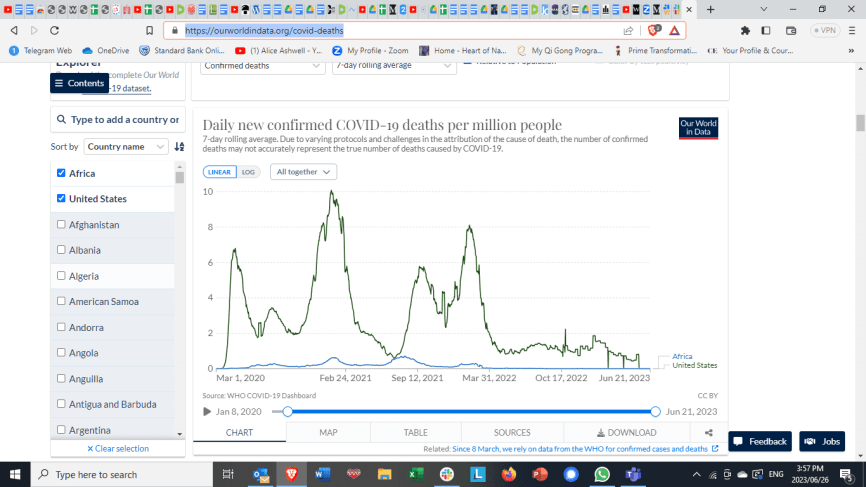
One such case relates to the slogan ‘vaccine equity’. Referring to the “terrible divide in coverage between richer countries and the global south,” Ms Gill lamented that “just 27% of people in low-income countries have received a first dose of a Covid vaccine.” What she does not go on to say, disappointingly, is that there was no correlation between high vaccination rates and low death rates from Covid-19. Indeed, some low-income countries (especially in Africa) with young populations and low vaccination rates experienced very low death rates due to Covid-19, while the USA, one of the richest and most highly vaccinated countries in the world, had one of the highest Covid-19 death rates [33].
4. Patronising the petitioners
Regarding the aim of the petition, which was to request that a referendum be held before the Government could agree to signing the pandemic treaty, Mr Fletcher declared:
Referendums are divisive; they polarise positions and leave a lasting legacy of division. Whether a referendum is appropriate is for the Government to decide, and if they think it is, they must make all the facts known. I suggest that petitioners, while playing their part in the education process, must do so in a sensible manner.
The patronising tone of this comment is ironic. While the referendum on Brexit did indeed sharpen the edge between ‘Leavers’ and ‘Remainers’, the UK Government’s Covid-19 response was possibly even more effective at dividing the populace into camps and pitting one side (those who complied with the mandates) against the other (those who chose not to comply). Furthermore, insisting that citizens should be “sensible” ignores the fact that constituents in favour of a referendum contacted their MPs to raise thoughtful, well-researched concerns, while some MPs arguing against the referendum tended to rely on slogans, unfounded generalities, and invective, rather than “sensible”, factual, reasoned arguments.
Mr Spellar not only used disparaging language to deny the request for a referendum, but also predicted that it would be rejected by the House:
We cannot be arguing to have [a referendum] for every bloomin’ issue, every policy and every treaty. … What we are seeing is overreaction and hysteria, and I would argue that we should give the petition a firm rejection, as I am sure we would do if it ever came to the Floor of the House of Commons.
Inasmuch as MPs in the UK are supposed to represent and take seriously the concerns of their constituencies, it is disturbing that an elected Member should respond with such contempt to a petition signed by more than 150,000 people.
5. Party-political point-scoring
Disappointingly, despite the importance of the debate and the number of citizens who had taken the time to express their concerns about the pandemic treaty, Ms McLaughlin and Ms Gill spent much of their time criticising the Conservative Government’s response to the Covid event. Instead of focusing on the debate, they chose to score party-political points by indicating the readiness of the Scottish National Party and Labour Party to implement WHO’s agenda, including enabling vaccine equity; sharing technology, knowledge, and skills; and strengthening global health systems using, ironically, the failing National Health Service as a model.
6. Downplaying or normalising threats to sovereignty
The Covid-19 event has been a classic case of the popular dialectic of ‘Problem-Reaction-Solution’. The engineered over-reaction to the problem of Covid-19 (whether or not there was an engineered virus), and the subsequent societal fall-out, have left traumatised people and their governments desperate to be better prepared for the much-anticipated ‘next one’, and ready to accept a ‘solution’ that few would have countenanced just four years ago.
In her presentation, Ms Gill expressed the need for an international approach to tackle transnational threats and improve global public health:
Negotiating an effective international treaty on pandemic preparedness is an historic task, but, if we can achieve it, it will save hundreds of thousands of lives.
If we can use the WHO to support basic universal healthcare around the world, infectious diseases are less likely to spread and fuel global pandemics.
It is through multilateral efforts, strengthened through international law, that we can ensure that the response to the next pandemic is faster and more effective, and does not leave other countries behind.
… the Opposition absolutely support the principle of a legally binding WHO treaty that sets the standard for all countries to contribute to global health security.
We need a binding, enforceable investment and trade agreement among all participating countries to govern the coordination of supplies and the financing of production, to prevent hoarding of materials and equipment, and to centrally manage the production and distribution process for maximum efficiency and output in the wake of a pandemic being declared.
The last few comments (underlined above) point to one of the most worrying issues for those concerned about sovereignty: if accepted, the pandemic treaty and amendments to the IHR would no longer be non-binding recommendations subject to government oversight but would become legally binding. WHO would be given legislative powers to mandate medical and non-pharmaceutical interventions; to commandeer intellectual property, production capability and resources; and to sanction those who refused to comply.
Some MPs downplayed concerns about these threats to national sovereignty. Mr Madders stated that “creating a global treaty [was] entirely reasonable and responsible” and that it was possible to “both protect our values of freedom and democracy and work more closely with other countries in the face of a global threat.”
Mr Spellar agreed, noting that they were “signatories to hundreds of treaties around the world” and that signing trade treaties was “part of engaging with the world.” He added that during Covid, “international scientific cooperation” had “enabled us to produce a vaccine within something like twelve months instead of the normal ten years … [thus] stabilising the situation.” What was not mentioned is that it was not primarily international collaboration among scientists that allowed the rapid deployment of these Covid-19 countermeasures, but the institution of emergency use authorisations, which allowed inadequately tested products to be dispensed worldwide. Far from “stabilising the situation”, these injectables continue to cause unprecedented numbers of adverse events and deaths, resulting in ongoing destabilisation of society post-Covid.
Steve Brine (MP for Winchester) observed that, “We cede sovereignty through membership of organisations. We cede the sovereignty to go to war by being a member of NATO.” It is true that all manner of treaties exist between countries and that these are essential for international cooperation; but cooperating as sovereign nations is entirely different to taking instructions from an unelected, supra-national body that is unaccountable to populations. Once in place, WHO’s pandemic treaty and the amendments to the IHR threaten to reduce national sovereignty, giving full power to WHO and its director-general to call pandemics and health emergencies and to regulate the responses of member states.
Those in favour of the pandemic treaty provided no evidence that a one-size-fits-all, legally mandated response to future pandemics would actually prove effective. In fact, Covid-19 was an object lesson in the foolishness of imposing the same public health ‘solutions’ on radically different nations and communities. In reality, mandating centralised protocols disrespects human rights, cultural diversity, national sovereignty, the scientific method, and innovation in healthcare. Instead of trusting human ingenuity to create a multitude of locally appropriate responses, it increases the risk of spectacular failure should the single global solution prove ineffective.
In an attempt to counter fears about a loss of sovereignty, Mr Madders stated that “We live in a liberal democracy and … are determined to keep it that way.” He denied people’s:
fears that the treaty will restrict freedom of speech to the extent that dissenters could be imprisoned, that it will impose instruments that impede on our daily life, and that it will institute widespread global surveillance without warning and without the consent of world leaders … [and that] Under this treaty, those things will apparently be done without our Government having a say.
He did, however, acknowledge that the measures mentioned above were “already in the power of the Government under the Public Health (Control of Disease) Act 1984.” Referring, without giving any details, to “fact checkers” and an unnamed “WHO spokesperson”, he reassured citizens that “WHO would have no capacity to force members to comply with public health measures.” The tyrannical actions during Covid of governments worldwide against their own citizens — many of whom assumed that they did, in fact, live in a “liberal democracy” — makes one wonder why these governments would behave any more independently in future, especially if legally required to follow WHO’s dictates. The repressive regulations and laws passed in various countries since 2020 suggest that this is unlikely, as governments seem to have become addicted to the sweeping emergency powers granted them by this convenient global ‘pandemic’.
Mr Madders and Ms Gill also attempted to allay citizens’ fears by pointing out that there was “over a year of negotiations to go” and that the treaty “would still have to be ratified by the United Kingdom”. Ms Gill also commented that:
The draft treaty is primarily about transparency, fostering international cooperation, and strengthening global health systems … the very first statement in the zero draft text reaffirms “the principle of sovereignty of States Parties” [and that] the implementation of the regulations “shall be with full respect for the dignity, human rights and fundamental freedoms of persons.”
Noting the dismissive attitude of the majority of MPs to the petitioners’ concerns, there is little chance that another year of negotiations will convince the UK Government to reject the treaty.
7. Promoting internationalism over sovereignty
The UK, as an erstwhile imperial and colonial power, continues to play a leadership role internationally. This may be why some MPs, such as Ms McLaughlin, could not believe that WHO might threaten UK’s sovereignty:
The treaty would have absolutely no effect whatsoever on the UK’s constitutional function and sovereignty … [Imagine a] terrible situation whereby the UK might be unable to make its own decisions if it is outvoted by other countries … the UK is a leading member of the WHO and a primary architect of the treaty, so that is not what is happening here.
Anne-Marie Trevelyan (Minister of State, Foreign, Commonwealth and Development Office) also stressed that the UK was:
a sovereign state in control of whether we enter into international agreements … with its voice, expertise and wisdom, and our trusted partner status with so many other member states in the UN family, [it] is respected and listened to.
Ms Trevelyan also referred to the UK’s role as “a global leader, working with CEPI, Gavi and the WHO,” stating that she was “proud to lead the fundraising for Gavi and COVAX.”
A deep chasm appears to have formed between the UK Government and its people. The discussions during this debate suggest that a minority of MPs [3] [link to PANDA video] view themselves as representatives whose duty it is to serve their constituents and respond to their concerns. Most, however, appear to have shifted their focus and allegiance to the international sphere, identifying as members of the “UN family”, playing a leading role in developing WHO’s pandemic instruments, and raising funds, which will ultimately benefit vaccine manufacturers and their investors, impoverishing the majority in the process. Under these circumstances, it is clear why Parliament is unwilling to risk a referendum on WHO’s Pandemic Treaty. There are just too many globalist interests at stake.
At home, increasing numbers of UK citizens are growing weary of a government that speaks glibly of ‘no country left behind’, while leaving its own nation in the dust. Where the people are concerned, trust is gone.
As Danny Kruger (MP for Devizes) warned:
At the moment, we do not have a commitment from the Government that they would bring the proposals to Parliament, which is very concerning. They say that in our interconnected world we need less sovereignty and more co-operation, which means more power for people who sit above the nation states. I say that in the modern world we need nation states more than ever, because only nation states can be accountable to the people, as the WHO is not.
Concluding comments
After two-and-a-quarter hours of deliberation, Mr Fletcher concluded the debate by thanking the Minister for assuring Members that UK sovereignty was not at risk, and then delivering the most inconclusive resolution:
That this House has considered e-petition 614335, relating to an international agreement on pandemic prevention, preparedness and response.
For the 156,086 citizens and their representatives who had made the effort to engage Parliament thoughtfully and actively using the relevant democratic process, this ‘resolution’ resolved nothing at all. The exercise amounted to all form and no substance; not only were requests for a referendum dismissed out of hand without adequate discussion, but there were indications that the matter might not even be discussed in the House of Commons.
Illustrating just how little impact was made by those representing the petitioners despite the strength of their arguments, subsequent to the debate and in response to this petition, the government’s official response published on their website [1] commenced with the words:
To protect lives, the economy and future generations from future pandemics, the UK government supports a new legally-binding instrument to strengthen pandemic prevention, preparedness and response.
This ominous response was followed by the now familiar slogan that would sit comfortably in the pages of Orwell’s 1984 but has no place in an official government statement: “Covid-19 has demonstrated that no-one is safe until we are all safe.” Its use further erodes the expectations that such debates will be carried out without bias, undue influence, or ignorance.
MPs have a duty of care to their constituents to ensure that they are as knowledgeable as possible about the issue being debated, and that they consider the facts rationally and honestly; and citizens deserve to have their concerns taken seriously. Yet two critical questions remain unanswered: firstly, having explicitly stated their support for WHO’s pandemic instruments, will the UK Government bring this matter to Parliament to be debated? And secondly, would agreement with these instruments, ‘in effect’ if not legally, mean the relinquishment of sovereignty? After all, if the only way the UK will be able to make a sovereign decision in future is by removing itself from membership of WHO, then why would the country wish to sign this treaty in the first place?
References
BY CHRIS MORRISON | THE DAILY SCEPTIC | SEPTEMBER 7, 2023
Free speech is under attack in the politicised world of climate science and disgust at the recent cancellation of Alimonti et al. by Springer Nature continues to grow. Readers will recall that the paper written by four Italian scientists led by Physics Professor Gianluca Alimonti said past data did not point to a “climate crisis”. It was retracted on August 23rd, 20 months after initial publication, following a concerted campaign by activist journalists and scientists. Science writer Dr. Roger Pielke Jr., who first published a number of whistle-blower emails about a Springer inquiry, has returned to the fray, noting: “We should not be in a situation where activist journalists, many funded by billionaires, enlist activist scientists to demand retraction of a science article and then the world’s arguably leading scientific publisher meekly obeys. We must do better.”
Francis Menton writes the widely-read Manhattan Contrarian and he recently noted that free speech today is under assault from the Left all the time. He used the Alimonti affair as an example of this crackdown on dissent.
If you wonder why the climate alarm narrative seems so completely to dominate public discussion (even though it is utter nonsense), then you need to understand that there is an orthodoxy enforcement police operating behind the scenes. Most of the time the operation of this orthodoxy enforcement mechanism is invisible to the general public. Climate sceptics can’t get jobs in academia, and go into other careers; when sceptics write papers, they get rejected and are never heard of again. But every once in a while something happens to bring aspects of the orthodoxy enforcement mechanism momentarily into the open. That has recently occurred with respect to a paper published in a European scientific journal in early 2022.
Again regular readers will recall that the paper attracted little comment until September last year when the Daily Sceptic covered the findings in an article that attracted 9,000 retweets. Following subsequent coverage in the Australian and Sky Australia, the Guardian and state-owned Agence France-Presse (AFP) launched counterattacks. AFP ‘Herald of the Anthropocene’ Marlowe Hood said the data were “grossly manipulated” and “fundamentally flawed”. They were soon joined by a number of activist scientists including Michael Mann who sneered at his fellow academics, dismissing them as “nuclear physics dudes in Italy” from “totally unrelated fields”.
In Pielke’s latest contribution, he says it is his “strong opinion” that the sole reason to retract the paper is not to do with the analysis of the data, but the one sentence that reads: “In conclusion on the basis of observation data, the climate crisis that, according to many sources, we are experiencing today, is not evident yet.”
The joy of the successful activists appears unconfined. Marlowe Hood recently collected £88,000 from the foundation of the green technology supporting BBVA bank. He tweeted: “It may be akin to removing a speck of dust from a rubbish heap, but I confess to taking satisfaction in seeing this egregiously bad climate study retracted. The remaining question, of course, is how it got into a Springer Nature journal to start with.”
For its part, BBVA justified its recent large payment to Hood by noting “his ability to synthesise complex scientific models and studies and explain them in simple terms”.
The final Springer retraction notice did not detail any substantive issue with the Alimonti paper, writes Pielke, only vaguely refering to the Guardian and AFP articles in the passive voice — “concerns were raised”. The journal’s year-long attempt to review the paper was “apparently invented as they went along”.
Dr. Pielke is evidently an old-school science academic and he has a mild criticism about editorialising by using the term “climate crisis”. Whether there is a climate crisis is a political judgement and not one that emerges from data and evidence. But he goes on to note that anyone familiar with peer-reviewed literature knows that editorialising is common, and in the climate literature, “absolutely pervasive”. In fact, he conducted a review of Google Scholar and found more than 300,000 papers that assert a “climate crisis”. A minor editorial comment by the Alimonti authors that passed through peer review, he observes, is no way a justification for a retraction. In his view it is one of the “most egregious failures of scientific publishing that I have seen”.
Meanwhile, another academic whistle-blower has cast further shocking light on the policing methods that evidently lie behind much climate science publishing. As the Daily Sceptic noted on Tuesday, Dr. Patrick Brown of John Hopkins University said he wrote a new paper on California wildfires in Nature according to the approved script in order to get it published. This of course involved boosting the role of ‘climate change’ and downplaying natural causes and the increasing role played by arsonists. He said he has learnt that there is a formula for success in getting papers published in high profile journals such as Nature and Science. “Unfortunately, the formula is more about shaping your research in specific ways to support pre-approved narratives than it is about generating knowledge for society,” he said. This formula, added Brown, distorts a great deal of climate science research, and misinforms the public.
Francis Menton highlights Pielke’s finding that 300,000 science papers assert the existence of a climate crisis. “A few hundred billion dollars of Government money can buy a lot of fake climate alarmism,” he concludes.
Chris Morrison is the Daily Sceptic’s Environment Editor.
The Pfizer clinical trials were a disaster. Robert F. Kennedy, Jr. explains why.
The Vigilant Fox | September 4, 2023
“Freedom of speech, not reach,” is taking effect more than ever as Twitter (“X”) regresses to its 1.0 days. Ever since Elon Musk hired CEO Linda Yaccarino, who has close ties to the World Economic Forum, things have taken a turn for the worse.
In short, “lawful but awful” accounts and external links (especially Substack) are getting brutally deboosted. And permanent suspensions, which were promised to be reserved for unlawful speech only, have made a big comeback.
Now, Twitter (“X”) is taking further action by making undesirable videos unplayable.
What type of videos in particular? Well, mine…
After this article garnered lots of attention, the video in the tweet is now working for many people, but not everyone. X has not personally reached out or made a comment on why the video became unplayable several hours after it was uploaded.
Users also reported X was “blocking” them from retweeting. Now, that’s something reminiscent of 2021 and early 2022 — BEFORE Elon took over the platform. So, this is concerning.
So, what did Robert Kennedy Jr. say that crossed the line?
The video was a clip of RFK Jr. breaking down the Pfizer clinical trials with podcast host Brian Rose. And what he exposed, according to Pfizer’s own data, was that people who received Pfizer’s COVID vaccine showed a 23.5% GREATER likelihood of dying than the placebo group after six months.
Here’s the full breakdown, per Robert F. Kennedy, Jr.:
• In the Pfizer clinical trials, they gave 22,000 people two COVID injections and 22,000 people fake vaccines.
• Of the 44,000 in total, one person died of COVID in the vaccine group, and two people died of COVID in the placebo group. So Pfizer, with the misleading measure of relative risk reduction, called their vaccine “100% effective” because two is 100% greater than one. But from the angle of absolute risk, it took 22,000 vaccines to save just one life from COVID.
• And over a 6-month period, 21 of the vaccinated people died of all causes, whereas only 17 people died in the placebo group, a 23.5% difference.
So, what was killing those people in the vaccine group?
“It was cardiac arrest,” answered Kennedy.
“There were five cardiac arrest deaths in the vaccine group and only one in the placebo group. What that means is that if you take that vaccine, you’re [five times] more likely to die from a fatal cardiac arrest over the next six months than if you don’t. What it also means is that for every life they save by preventing a death from COVID, they are killing four people from cardiac arrest.”
“The all-cause mortality of the vaccine group was 23% higher than the all-cause mortality of the placebo group. And what do we have today currently running in the US for excess mortality? 23%, according to our numbers. I just find that curious.”
So when Pfizer presented this data to the FDA, the FDA was supposed to assess all-cause mortality, give Pfizer’s vaccine a failing grade, tell them to make a better product, and not come back until they could show it saves more lives than it kills. But instead, they rubberstamped the shots through, gave them the green light, and fast-tracked a vaccination campaign that inoculated the world with 13.46 billion doses of this stuff.
Data analyst Edward Dowd corroborated Kennedy’s findings when he did his own deep dive on the Pfizer clinical trials.
BY MARYANNE DEMASI, PHD | SEPTEMBER 4, 2023
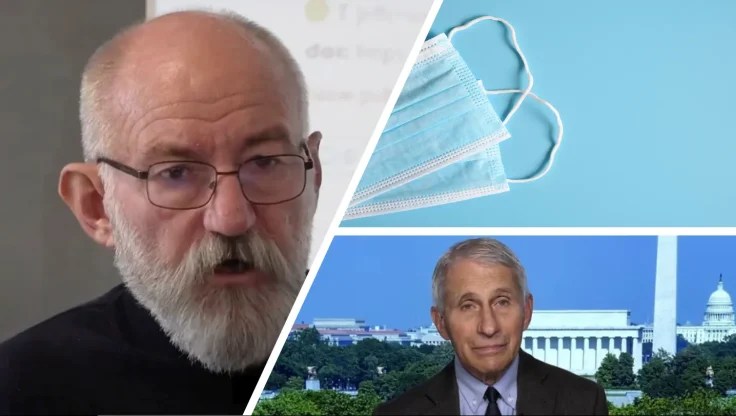
Former chief medical advisor to the US President Anthony Fauci, was questioned over the weekend by CNN reporter Michael Smerconish, about face masks being able to curb the spread of covid-19.
“There’s no doubt that masks work,” said Fauci.
“Different studies give different percentages of advantage of wearing it, but there’s no doubt that the weight of the studies … indicate the benefit of wearing masks,” he added.
Smerconish brought up the 2023 Cochrane review which found no evidence that physical interventions like face masks could stop viral transmission in the community and cited my interview with lead author of the study Tom Jefferson who confirmed, “There is just no evidence that they [masks] make any difference. Full stop.”
Fauci replied,“Yeah but there are other studies,” stressing that masks work on an individual basis.
“When you’re talking about the effect on the epidemic or the pandemic as a whole, the data are less strong…but when you talk about an individual basis of someone protecting themselves or protecting themselves from spreading it to others, there’s no doubt that there are many studies that show there is an advantage,” said Fauci.
Professor Tom Jefferson, who says he is committed to updating the Cochrane review as new evidence emerges, has responded to Fauci’s comments.
“So, Fauci is saying that masks work for individuals but not at a population level? That simply doesn’t make sense,” said Jefferson.
“And he says there are ‘other studies’…but what studies? He doesn’t name them so I cannot interpret his remarks without knowing what he is referring to,” he added.
Jefferson explains that the entire point of the Cochrane review was to systematically sift through all the available randomised data on physical interventions such as masks and determine what was useful and what was not.
Since 2011, the Cochrane review only included randomised trials to minimise bias from confounders.
“It might be that Fauci is relying on trash studies,” said Jefferson. “Many of them are observational, some are cross-sectional, and some actually use modelling. That is not strong evidence.”
“Once we excluded such low-quality studies from the review, we concluded there was no evidence that masks reduced transmission,” he added.
The problem with Fauci is that his story has changed.
Initially, Fauci said that masks were ineffective and unnecessary. In March 2020, Fauci told 60 minutes, “Right now in the United States, people should not be walking around with masks.”
But only a few weeks later, he did a U-turn and began recommending widespread use of face masks.
Fauci defended his U-turn saying, “When the facts change, I change my mind.”
Jefferson retorted, “What facts changed? There were no randomised studies, no new evidence to justify his flip-flop. That’s simply not true.”
Since then, Fauci has remained adamant that face masks not only stop people from infecting others, but they also protect the wearer.
Fauci advocated for the use of cloth masks, and even encouraged double-masking in the absence of evidence.
“You put another layer on, it just makes common sense that it would be more effective,” Fauci told NBC news.
“What Fauci doesn’t understand is that cloth and surgical masks cannot stop viruses because viruses are too small and they still get through,” said Jefferson.
He laments that public figures have tried to undermine the Cochrane review, despite it representing the gold standard of evidence.
Columnist Zeynep Tufekci wrote an article in the New York Times titled, “Here’s Why the Science Is Clear That Masks Work,” claiming that Cochrane’s mask study had misled the public.
Cochrane’s editor in chief, Karla Soares-Weiser capitulated to pressure and “apologised” for the wording in the plain language summary of the review because it “was open to misinterpretation” and may have led to “inaccurate and misleading” claims.
And former CDC director Rochelle Walensky misled Congress after claiming the Cochrane review had been “retracted” which was patently false.
As it stands, the Cochrane review will continue to be the subject of attacks because it presents a major roadblock for implementing masking policies. Jefferson says he doesn’t know what motivates people to ignore the facts.
“Could it be part of this whole agenda to control people’s behaviour? Perhaps,” he speculated.
“What I do know,” said Jefferson, “is that Fauci was in a position to run a trial, he could have randomised two regions to wear masks or not. But he didn’t and that’s unforgivable.”
Fauci, who served as the federal government’s top infectious disease specialist for nearly 40 years, stepped down in Dec 2022 and is now a professor at Georgetown University’s Department of Medicine, in the Division of Infectious Diseases.
… so that she doesn’t feel uncomfortable being the only “oddball” wearing a face diaper in public

eugyppius: a plague chronicle | September 6, 2023
We’ve encountered Head Girl Science Fan Veronika Hackenbroch here at the plague chronicle once before. She’s a medical writer for Spiegel who defended lockdowns until the very end and is still fighting a halfhearted rearguard action to keep Corona alive. Her latest is a diatribe demanding that Germans “Get their masks back out” because “Covid infections are rising again. If you’re smart, you’ll wear a mask, even if the government doesn’t make you.”
To make this argument, Hackenbroch must first surumount a considerable hurdle, namely that the venerated Covid prophet Christian Drosten has been increasingly noncommittal about masking, at one point even saying he won’t mask in unmasked company because he “doesn’t want to be Dr. Strange.” For someone like Hackenbroch, whose entire worldview is shaped by the opinions of arbitrary Science Authorities, this is no small thing, but she can take some comfort in the fact that the French Health Minister is still a committed fan of face diapers who believes that “masking must become commonplace.” There’s also the fact that nasal spray vaccine enthusiast Akiko Iwasaki “currently travels wearing an FFP2 mask.”
There are people who spend thousands acquiring handbags sported by their favourite film stars, and there is Veronika Hackenbroch, who does whatever the Yale virus luminary Iwasaki does.
Only after urging her readers to imitate the personal eccentricities of assorted Covid celebrities does Hackenbroch bother to address the scientific evidence:
Masks, especially FFP2 masks, can significantly reduce the risk of infection. In a California study, the risk of corona infection was 66 percent lower in study participants who wore a medical mask for two weeks than in people without masks. For FFP2 mask wearers, the figure was as high as about 83 percent.
Masks are even better than for self-protection when it comes to protecting the community: if everyone wears a correctly fitted FFP2 mask, including those who are unknowingly infected and already contagious, the risk of infection drops into the per thousand range even in close contact, according to a study by the Max Planck Institute for Dynamics and Self-Organisation in Göttingen.
The California study finds that respirators lower the odds of infection by 83%, a clearly impossible statistic contradicted by many other studies, natural experiments and also by publicly available case data. The Max Planck study merely looks at the mechanics of masking – things like “respiratory particle size distribution” and “exhalation flow physics” – to predict how well masking ought to work. Its insane results that FFP2 masks can reduce the risk of infection nearly to zero are replicated nowhere in the real world, and seem to be in tension with the California study Hackenbroch cited just a few sentences earlier.
Then things really go off the rails:
That mask-wearing permanently weakens the immune system due to the lack of contact with pathogens (“immunodeficiency”) is a myth. It is not true that you have to be sick regularly to have healthy immune defence. You don’t have to train your immune system like a muscle. On the contrary, several viral infections only increase the susceptibility to further infections.
The adaptive immune system is a real thing, and in the absence of regular exposure to constantly evolving pathogens, adaptive immunity loses its ability to respond to new infections. Or does Hackenbroch not think that regular Covid vaccination is necessary, because “you don’t have to train your immune system”?
As with fellow Covid harpy Christina Berndt, of course, Hackenbroch’s primary concern is that if not enough people mask, she won’t feel comfortable masking. She concedes that “now is the time to make masks compulsory again,” but she does hope that more will “act responsibly” so she doesn’t have to worry about passersby thinking she’s “an oddball.” It’s a remarkably petty concern on behalf of a measure that Hackenbroch believes so strongly will protect her from a virus she continues to insist is quite dangerous.
On the one hand, it is amusing to watch the Hackenbrochs of the world stomp their feet and demand that all of society bend to their eccentric preferences. For the early years of the pandemic, they rode a massive wave of propaganda-induced virus panic and helped shape the hygiene hysteria of millions. Now their ranks have been reduced to a few isolated ninnies whose opinions, thankfully, very few care about. That they themselves don’t seem to have noticed this shift is an occasion for low comedy. On the other hand, sporadic local mask mandates are returning, and this thing won’t be fully over until every last one of these mask nags is shamed into silence. Masking is deeply irrational, it has no demonstrable purpose, it seems to have addictive properties for some people, and if done frequently enough it threatens merely to increase public hygiene anxiety and set off another self-reinforcing virus panic spiral.
Corbett • 09/01/2023
Welcome to New World Next Week – the video series from Corbett Report and Media Monarchy that covers some of the most important developments in open source intelligence news. This week:
Watch on Archive / BitChute / Odysee / Rokfin / Rumble / Substack / Download the mp4
Story #1: ADHD Drug Market Already Stretched Thin, Now Facing Back-To-School Supply Strain
The Looting Conspiracy
https://www.corbettreport.com/the-looting-conspiracy/
What the Back-to-School Adderall Shortage Really Tells Us
https://fee.org/articles/what-the-back-to-school-adderall-shortage-really-tells-us/
Finding Mental Health – #SolutionsWatch
https://www.corbettreport.com/solutionswatch-mentalhealth/
Massive Teen Hordes Swarm Two California Malls – Beatings, Gunfire, Stabbing Ensue
Story #2: Pink Slime Returns – Viral TikTok Video Exposes Disturbing Production Of Sliced Ham
A New ‘Miracle’ Weight-Loss Drug Really Works — Raising Huge Questions
Corbett Report Radio 085 – Breitbart, Stratfor, and Food World Order
https://www.corbettreport.com/corbett-report-radio-085-breitbart-stratfor-and-food-world-order/
“Pink Slime”
https://mediamonarchy.com/tag/pink-slime/
ABC Reaches Settlement In Pink Slime Case (Jun. 28, 2017)
https://mediamonarchy.com/20170628morningmonarchy/
Story #3: San Francisco Bakery Refusing to Serve Police Officers Over “No Guns Allowed” Policy
Of Gay Wedding Cakes and Woke Restaurants
https://www.corbettreport.com/of-gay-wedding-cakes-and-woke-restaurants/
The New World Next Week Store
Become a member of Corbett Report (https://corbettreport.com/members) and Media Monarchy (https://mediamonarchy.com/join) to help support independent media.
Those in the US who want to support our work can send cash, check or money order to:
Media Monarchy
P.O. Box 189
El Rito, NM 87530-0189
Thank You.
A slow-motion car crash
Health Advisory & Recovery Team | September 5, 2023
To those of us well-versed in the biology and emerging safety data relating to the injections referred to as “covid vaccines”, what is playing out before us is like a slow-motion motorway pile-up: we can see it unfolding, causing immense harm, have no idea when it will stop, and feel powerless to do much about it.
At present, it is unknown for how long this ghastly experiment will continue and how much further harm will be caused.
However, unfortunately there are reasons to believe the following may well be the case:
One category of reasons for the above is essentially political. We are referring here to the complete failure on the part of those we previously relied upon to ensure pharmaceutical interventions are safe. The reasons for this are willful blindness on the part of our regulatory authorities, combined with the by now rather obvious capture of these institutions by two different interested parties:
But as well as the above there are some inherent biological reasons which may hinder and delay the ending of this unprecedented catastrophe.
For a variety of reasons which are listed below, many uncertainties remain concerning the biological action of repeated doses of the mRNA products. However, what is known suggests that many of the harms they cause are mediated by inflammatory and autoimmune processes induced (potentially) throughout the body.
To recap the principal mode of action, the lipid nanoparticles carry mRNA into some of the recipient’s cells. These cells express spike protein – which is foreign to the body. The body’s immune system creates antibodies to that protein, as well as attacking and destroying the cells which express the protein.
In contrast to the original claims made – that the product would be broken down in the deltoid (shoulder) muscle with little or no distribution throughout the body, it turns out that the product DOES become widely distributed – potentially to every organ system. Of course, this should not have been surprising, since the whole point of the lipid in the lipid nanoparticles is to make them able to cross membranes and become distributed, to help with their original role as conveyors of targeted drugs to cancerous cells.
Moreover:
Much of the harm observed appears to be inflammatory or auto-immune in nature. Both these processes are usually chronic, not acute problems. It is perfectly possible that once started, they continue for months or even years. Notably, chronic inflammation is thought to have a central role in many of the chronic pathologies increasingly suffered by Westerners over the past few decades.
Hence the tail of visible harm could manifest over a long timeframe. Moreover, because chronic inflammatory and autoimmune processes, by their nature, build slowly over time, the individual is likely to become habituated to ill effects, until a critical event occurs after some longer period.
A good example of this is with coronary artery disease. It is thought that inflammation is an important part of the pathophysiology in which a “plaque” builds up in the arterial wall. This may be asymptomatic until it ruptures causing a total blockage resulting in a “heart attack”. If the injections are accelerating this inflammatory process, the course of the pathological process may appear identical to that previously seen in many people, although it has been brought on and accelerated beyond what that person would otherwise have experienced; however, because it is within the range of possible or even probable illnesses observed, it gets dismissed as “one of those things”.
Cigarette manufacturers used to deny their products caused lung cancer by pointing out non-smokers who suffered the same fate. It was, in fact, only by rigorous epidemiological analysis that the link could be unequivocally proven. For the covid injections, it is deeply concerning that authorities seem to be doing everything possible to hinder access to the data which would permit such analyses to be performed.
Another reason why harms may be difficult to identify is that in some cases the pathological processes may be merely reducing physiological reserve, something which can go unnoticed for years or decades. Most of the body’s systems have significant inbuilt redundancy, which is why a kidney, or a significant part of the liver, can be lost while still maintaining good physiological and biochemical control. But if someone loses a kidney, they are more likely to suffer renal failure as they get older and the efficiency of their kidneys declines, and the available reserve falls away. Likewise, if part of the heart is damaged when young (eg through myocarditis), they may well make a full recovery in the short term in the sense of being physiologically normal, but be more vulnerable to suffering from heart failure (where the heart can’t pump blood around the body sufficiently) after losing some more heart muscle tissue after – say – a heart attack in middle age.
Finally, it should be noted that because of the wide distribution throughout the body (something rather obvious given the wide range of reports in the various adverse event databases), the harms appear to be manifesting in an extremely wide variety of symptoms and disorders. These will be problematic to diagnose, requiring lengthy and complex investigation, with multiple pathologies being possible. Such profiles of types of harms have not generally been observed with pharmaceutical products before; in most cases, the adverse effects are more limited in scope, and more closely temporally related to dosing (though there are some exceptions).
In conclusion
It is not possible to say whether we are at the beginning, or near the end of, the harms caused by these agents.
A combination of what may be termed “political” reasons, together with the inherent biological characteristics of the mRNA “vaccines”, all mitigate against the injections being identified and accepted anytime soon as being the causative agent of significant and sustained harms being experienced by an unacceptably large number of people.
Moreover, it remains likely that they will continue to be administered for some time yet – at least to certain groups in certain places – prolonging and exacerbating the harms already caused.
Media’s ‘fact-checking resorted to lies & omissions’
By Dr. Ian Plimer | Climate Depot | September 4, 2023
The article claims, “Neither Plimer nor the social media user responded when USA TODAY asked which “six great ice ages” they were referencing.”
That is a lie. USA TODAY did not contact me despite the fact that I am easily contactable.
USA TODAY’s fact checks state that “Human greenhouse gas emissions, not El Niño, drive climate change”. Nowhere have I claimed El Niño drives climate change, and it has never been shown that human emissions drive global warming. If it could be shown, then it would also have to be shown that the modern warming is completely different from previous warming. This has not been done.
USA TODAY’s fact checks state that “Greenhouse gases, not Milankovitch cycles, drives modern global warming”. This is contrary to data on the Earth’s orbit, solar activity and plate tectonics. Furthermore, it has never been shown that greenhouse gases drive climate change.
USA TODAY’s fact checks state that “Humans are responsible for a significant amount of CO2 in the atmosphere.” If one molecule of plant food in 83,333 molecules in the atmosphere is a significant amount, then I’m a monkey’s uncle. It would also have to be shown that the molecules of plant food of natural origin do not drive global warming.
USA TODAY’s rating of a talk I gave was “Partly false” regarding six major ice ages, and then played semantic games as to whether an ice age or a glaciation within an ice age could be considered an ice age.
The key points of my talk were not addressed. These were:
(a) Ice ages and glaciations were initiated when the atmospheric carbon dioxide content was far higher than today (e.g. Huronian, Cryogenian, Permo-Carboniferous) hence, atmospheric carbon dioxide could not drive global warming.
(b) Increases in atmospheric temperature are followed by an increase in atmospheric carbon dioxide, which is the opposite of the climate activist mantra that suggests an increase in atmospheric carbon dioxide drives global warming.
(c) For decades, I have asked climate activists to give me half a dozen scientific papers that show unequivocally that human emissions of carbon dioxide drive global warming. This has not been done.
It appears that fact-checking resorted to lies and omissions of pertinent information. Ideologically-blessed activist fact checkers with no scientific training give little confidence.
Emeritus Professor Ian Plimer,
The University of Melbourne,
Australia
The Naked Emperor’s Newsletter | September 1, 2023
Public health tasted the power they gained during the pandemic and now they are hungry once more. Any excuse to make themselves relevant again and they will take it.
This time it happened in France’s capital, Paris. On Wednesday and Thursday, the city undertook its first ever large-scale mosquito control campaign after two people contracted dengue fever. It is also known as break-bone fever due to the joint pain that accompanies illness.
Although the individuals were infected with dengue whilst abroad, officials were concerned that the Asian tiger mosquito might bite them and spread the disease around the country.
That seems like a very small risk to me but apparently, nowadays, however small the risk, public health must intervene. So they closed roads and sent out stay at home alerts (mini local lockdowns), allowing insecticides to be sprayed around the city over a couple of days.
Naturally, the situation was blamed on climate change. Apparently, there have been hotter temperatures and increased flooding meaning the mosquitos are more likely to cause a problem.
Most people who get dengue don’t have any symptoms but it is estimated that around half a million people worldwide are hospitalised with the disease each year. Approximately 20,000 to 40,000 of these die, however with good healthcare, death is unlikely.
Dr Jolyon Medlock, head of medical entomology and zoonoses ecology at the UK Health Security Agency (UKHSA) told the Telegraph newspaper, that “in 10 to 15 years the UK will probably also have embedded populations of mosquitoes that pose a threat to health”.
At the bottom of the Telegraph article it says “Protect yourself and your family by learning more about Global Health Security”.
Lo and behold, who do we find funding the Telegraph’s Global Health Security? The Bill & Melinda Gates Foundation of course. The Telegraph insists that the support comes without strings but it seems like it does come with some benefits as the paper brags that “we were among the first to warn of an approaching pandemic”. However did they know!?
And is the break-bone fever panic really being caused by climate change? In 2017, it was announced that France and the Netherlands backed the release of Oxitec’s genetically modified mosquitoes to fight dengue, chikungunya and zika.
These mosquitos are meant to use a biological method to suppress wild populations of dangerous mosquitos. The genetically modified males don’t bite or transmit disease and when released, search for a female mate. Their offspring inherit a self-limiting gene that causes them to die before reaching functional adulthood. Seems a bit Jurassic Parky to me and if there’s one thing I learnt from Jurassic Park, it’s that life always finds a way.
Oxitec is also the company that released genetically modified mosquitoes in Florida… which is now seeing a rise in malaria. Definitely not connected though. Their business is supported by $18 million of funding from the Bill & Melinda Gates Foundation.
But who is Oxitec? Founded in 2002 as a spinout from Oxford University, they were purchased by US based Intrexon and Third Security in early 2020.
Intrexon changed its name to Precigen in 2020, a year after creating the company as a subsidiary. Weirdly, if you try to go to Intrexon’s website you get taken to DNA.com which is just a landing page with a creepy logo.

Under its current name, Precigen, the company informs us that it “is a dedicated discovery and clinical stage biopharmaceutical company advancing the next generation of gene and cell therapies using precision technology to target the most urgent and intractable diseases in our core therapeutic areas of immuno-oncology, autoimmune disorders, and infectious diseases”.
I used to think this technology would bring great advancement to medicine but, since the pandemic, I think they are just playing with fire.

or go to
Aletho News Archives – Video-Images
By Robert Bridge | Strategic Culture Foundation | September 29, 2022
With an investigation continuing into the destruction of the Nord Stream gas pipeline that provided energy supplies to Europe from Russia, there appears to be just one prime suspect, and that should surprise nobody.
Following the sabotage of the Nord Stream 1 and 2 gas pipelines, former Polish Foreign Minister Radoslaw Sikorski already seemed to know the identity of the perpetrator when he tweeted out: “Thank you, USA.”
At first glance, it seemed that Sikorski was speaking sarcastically, berating Washington for carrying out an attack that will have severe repercussions for the people of Europe. After all, how could anyone see any good coming from the termination of Europe’s primary source of gas reserves with winter just around the corner? It was Sikorski’s homeland of Poland, after all, that urged its citizens to collect firewood in the face of dwindling gas reserves.
In fact, the Polish diplomat was speaking one-hundred percent literally… continue
 Aletho News If Americans Knew No Tricks Zone
 Aletho News