The Presbyterian Church (USA), the largest Presbyterian denomination in America, has voted to divest its funds from Israel bonds and begin a process to encourage companies contributing to human rights abuses against Palestinians to change their practices. Alongside the financial decision, the church also passed a resolution condemning Christian Zionism, and thus rejecting the messianic ideology that views the takeover of Palestine to be part of a Biblical promise.
Votes were cast during the church’s General Assembly in Salt Lake City, Utah. The assembly, comprising 422 delegate commissioners and 82 advisory delegates, passed the resolutions as part of a broader package of legislation governing church activities.
The resolution to divest from Israel calls on the Presbyterian Foundation and Board of Pensions to divest from governmental debt held by countries maintaining prolonged military occupations and subject to UN resolutions. While this includes Turkey and Morocco, the focus has primarily been on Israel. The church, which has approximately 8,800 churches and 1 million members, has been sharply critical of Israel’s policies towards Palestinians for decades.
In addition to divestment, the church voted to begin a dialogue with General Electric and Palantir Technologies, encouraging them to end practices that harm Palestinians. The church contends that General Electric sells fighter jet engines used by Israel’s air force, while Palantir Technologies provides Israel with artificial intelligence technology for surveillance of Palestinians.
Alongside these financial measures, the church also passed a resolution condemning Christian Zionism, a messianic ideology that views the takeover of Palestine as part of a Biblical promise and a precursor to the Second Coming of Jesus Christ. This resolution denounces the linking of the State of Israel with Biblical views of the “promised land”, which the church argues is used to justify taking land away from Palestinians.
“There is a growing consensus in the church that we shouldn’t be profiting from Israel’s human rights abuses and, frankly, genocide against Palestinians,” said Bob Ross, a member of the steering committee of Presbyterian advocacy group the Israel/Palestine Mission Network.
These decisions represent a significant development in the wider debate surrounding religious institutions’ involvement in the Israel-Palestine conflict and their responsibility to align financial decisions with ethical and theological positions. It also follows the church’s 2022 decision to declare Israel to be apartheid state, a move that angered the Jewish American establishment.
Imagine if you will, an exceptionally ambitious city Fire Department, located in a city with very few naturally occurring fires.
These ambitious firemen don’t have nearly enough work, prestige, or pay for their liking. Uninterested in simply polishing their trucks, lifting weights, and cooking chili, these firemen want more. A lot more.
They construct a plan. They will start a research program, funded by taxpayers, whereby they will develop an arsenal of the biggest, scariest, most flammable products on earth. They will justify this program under the pretense that these destructive creations are absolutely necessary for the development of bigger and better fire extinguishers. Incidentally, they will also develop, market, and sell these fire extinguishers themselves.
These proprietary fire extinguishers will net the ambitious firemen an incredible fortune – if they can just get every man, woman, and child in the city to buy one.
The Fire Department, working with the corporations that would manufacture their miracle extinguishers, actively publicizes the supposedly tremendous, ever-increasing risk of fires that they claim threaten the population. According to the ambitious firemen, risk factors for worsened fires are everywhere and are ever-increasing – global warming, population growth, take your pick – and the next “big one” is just around the corner.
Credulous, fearful citizens and heavily lobbied politicians fall for their story, pumping ever more tax dollars into the Fire Department’s research and development program.
The Fire Department develops and grows its stockpile of manufactured fire super-hazards, until one day…
OOPS!
Somehow, one of the flammable products is released, and a raging conflagration ensues. No one knows exactly how it started – in fact, the chief firemen gather together and publicly deny that any of their products could be responsible.
But by terrifying the public and confusing the politicians, the firemen coerce the population to shelter in place and follow their strict instructions, lest they perish in the holocaust. After all, the firemen are the experts.
They heavily promote their special fire extinguishers as the only solution, even managing to get water outlawed for firefighting purposes! (Water wouldn’t work on this kind of fire, they insist. Only the Fire Department’s special extinguishers will suffice.)
Using a huge injection of taxpayer funds, the Fire Department gets their fire extinguishers built in record time, and they hard-sell them to everyone they possibly can. In the meantime, large swaths of the city burn to the ground. And due to the fire extinguishers’ poor design and hasty construction, these devices turn out to be every bit as deadly as the fire, if not worse, for their damaging effects linger long after the fire has burned itself out.
But the firemen and their corporate cronies have secured their fortunes.
The bewildered, traumatized population can’t figure out what happened, any more than the feckless politicians. The Fire Department emerges as the most powerful entity in the city. They resume their “research,” fortified by their growing wealth and power.
After all, the next big conflagration is just around the corner.
Sound implausible? Think again. Because in the realm of “pandemic preparedness,” the arsonists are running the Fire Department.
The Pandemic Preparedness Sweepstakes
Under the cover of vaccine development, there are dozens – perhaps hundreds – of biolabs around the world performing gain-of-function research on countless viruses and other infectious agents. The Wuhan Institute of Virology is the most infamous, but a great many of these labs are located in the United States, with at least 5 US labs manipulating H5N1 avian flu alone. This vast, shady industry of manufactured pathogenicity has infiltrated our government agencies, our military, and our universities, and of course, the pharmaceutical industry is thoroughly entwined in the whole enterprise.
Such “research” involves a multi-step process:
obtaining grant funding – which also provides legal, intellectual, and ethical cover – for gain-of-function research, by promoting it as essential for “pandemic preparedness” and vaccine development
obtaining pathogens (usually viruses) from nature that do not currently transmit to and among humans, but could be made to do so
altering those pathogens genetically in the lab by adding, manipulating, or removing genetic material, to make them more transmissible and/or more deadly in humans
speeding the evolution of these viruses by passaging them through mammals with immunological features similar to humans, as well as to human cell cultures
publishing one’s “achievements” of successfully enhancing the transmissibility and/or virulence of pathogens in the scientific literature, thereby securing continued grant support
securing patents on key elements of the manufactured viruses to ensure royalties when and if a vaccine for the pathogen is developed
waiting for (or perhaps causing) the escape of these pathogens into animal or human populations
setting into motion the entire pandemic response/vaccine development juggernaut
This work violates the Biological Weapons Convention of 1975. But these labs persist in their work, under the false premise that their “research” is designed to protect the world’s population from “rapidly emerging infectious diseases” by promoting vaccine development.
This is a lie.
The gain-of-function type research done in these labs genetically alters these animal viruses, empowering them to do easily and readily what they rarely do in nature: jump from species to species, spread readily among humans, and kill humans in significant numbers.
In essence, these researchers take viruses naturally found in animals, and which possess minimal-to-limited risk to humans, and alter them to make them highly transmissible and deadly to humans.
Why?
There is no legitimate rationale for this research. It’s really this simple: if one truly wishes to protect the world’s population from Godzilla, one does not deliberately and systematically create Godzilla in the lab.
Such research makes no sense when it comes to vaccine development, either. If one is concerned about existing pathogens, one should develop treatments that conquer those existing pathogens themselves.
Naturally occurring pathogens already have numerous targets for interventions – whether those interventions involve repurposing existing medications or developing new medications (including vaccines). We already have an armamentarium of existing medicines that are known to be effective against viruses. Sensible, ethical, indeed sane research would focus on strategies of targeting the existing chinks in the potential pathogens’ armor, rather than creating new, lethal superbugs in the lab.
Unfortunately, there is much less money to be made and little power to be grabbed using the sane approach. Contrary to the alarmist claims, there simply aren’t many naturally-occurring pandemics. And the enormous payoffs that Big Pharma and the investigators seek only come from patented, new, proprietary products – especially of the kind that can be put on a subscription model, like annual vaccines.
The Covid Pandemic as Dress Rehearsal
Of course, we have already seen the entire arsonists-running-the-fire-department scenario during Covid. A lab-developed, leaked pathogen prompted lockdowns. Patients who tested positive were told to stay home without treatment. Existing, established generic drug treatments with excellent safety profiles, such as hydroxychloroquine and ivermectin, were ruthlessly suppressed by the authorities – but only for use against the virus.
When patients became seriously ill, they were admitted to hospital and treated with proprietary medicines administered under directed protocols that later proved to be toxic to the patients, yet highly profitable to the drug manufacturers and patent holders. Meanwhile, the hospital systems were rewarded for their obedience with large bonuses for each Covid diagnosis made and each Covid death they presided over.
The proprietary “vaccines” were manufactured in record time (translation: far too quickly), and the most outrageous, coercive campaign to enforce medical treatment in history was unleashed, to compel the entire world to accept an experimental, rushed-to-market, misnamed “vaccine” based on the novel mRNA gene therapy platform. The results were devastating.
According to the CDC’s own Vaccine Adverse Events Reporting System (VAERS), the Covid injections resulted in adverse events at a rate 117.6 times higher than the influenza vaccine.
As of May 30, 2024, more than 1.6 million adverse events have been reported to VAERS for the Covid-19 injections, as well as 38,559 deaths and 4,487 miscarriages. These numbers dwarf the VAERS reports for all other vaccines combined. By any measure, the Covid-19 mRNA injections were historically toxic and deadly interventions.
These data have accrued despite the fact that VAERS is a very laborious system in which to file a report and the fact that healthcare personnel who insisted on filing appropriate VAERS reports were harassed and sometimes even fired for doing so. Furthermore, the compilation and publication of these data has been suppressed by the authorities and has only been revealed to the public by independent investigators. Additionally, there is a well-established underreporting error related to VAERS of at least one and perhaps two orders of magnitude.
Today, multiple of the Covid injections that were repeatedly touted by the authorities as “safe and effective” have been pulled from the market, including the Johnson & Johnson and AstraZeneca products. Ironically, the most dangerous ones remain.
Why? Because the survivors are mRNA products. The mRNA platform on which the “surviving” Covid injections are created presents a nearly unlimited potential for financial gain, as it provides an almost “plug and play” platform for gene therapies that can be marketed against future numerous infectious pathogens – as well as cancers and other diseases.
The Capture of Medicine and Academia
As mentioned above, hospital systems were drawn into this disreputable work by powerful financial incentives from both Big Pharma and captured government agencies. But hospitals are not the only formerly trusted institutions that have been drawn in.
Decades before Covid, many universities became implicated in bioweapons research, with highly profitable gain-of-function labs appearing at numerous of these prestigious institutions. These labs are funded by multiple problematic sources: government agencies such as Anthony Fauci’s disgraced NIAID branch of the National Institutes of Health, Big Pharma, and private vaccine proponents/investors such as the ubiquitous Bill Gates.
Seminal work on the creation of SARS-CoV-2 – the virus that causes Covid – took place not in Wuhan but at the Ralph Baric Lab at the University of North Carolina at Chapel Hill. It’s no stretch to say that since Covid-19, the world’s most famous Tar Heel is no longer Michael Jordan – it’s SARS-CoV-2.
At this writing, the same scenario is undergoing a terrifying reprise with the H5N1 influenza virus, commonly referred to as “avian influenza” or “Bird flu.” As mentioned before, at least 5 labs in the United States alone are manipulating this virus, as well as multiple other labs abroad.
If the Bird flu does get out of the lab and become a pandemic, here are 2 key scientists (and their associated labs) to hold accountable:
Shockingly, the Kawaoka lab has been responsible for two known prior leaks of avian influenza. In the first, occurring in November 2013, a lab worker was stuck with a contaminated needle. While that fortunately did not lead to an outbreak, protocols were not followed both prior to and after this accident, leading to an NIH investigation that should have shut down the research entirely.
In the second accident, a lab worker in training lost a connection to his breathing tube and was exposed to air infected with respiratory droplets from ferrets infected with altered avian flu. Although this did not lead to infection, protocols were not properly followed yet again, and NIH was not appropriately notified of the accident.
As alarming as it is that such an accident-prone and protocol-breaking lab is allowed to continue in any capacity, it is scandalous that Kawaoka’s lab is now working with the same subclade (2.3.4.4b) of the H5N1 virus that has infected cattle in 12 states as well as three dairy workers.
One can only wonder what University of Wisconsin President Jay Rothman and the University of Wisconsin Board of Regents know (and do not know) about the Kawaoka lab’s activities, and how they can justify sponsoring such potentially catastrophic “research” at the University they oversee.
Prof. R.A.M. (Ron) Fouchier, PhD, the Deputy Head of the Department of Viroscience at Erasmus University Medical Center in Rotterdam, the Netherlands, came to the forefront of avian influenza research in late 2011 when he successfully created a strain of the virus that could transmit in ferrets via aerosol respiratory droplets. This was a major step towards developing a virus that could transmit in humans, as the immune systems of ferrets and humans share considerable similarities.
This shockingly dangerous research earned Fouchier considerable criticism from even some of the most prominent pro-vaccine figures in medical research. The Foundation for Vaccine Research wrote a letter to the Obama White House in March 2013 condemning Fouchier’s work, calling it “morally and ethically wrong,” and stating the need to
consider the ethical issues raised by H5N1 gain-of-function research, especially experiments to increase the transmissibility of H5N1 viruses so they can be transmitted between humans as easily as the seasonal flu… [which could] cause a global pandemic of epic proportions that would dwarf the 1918 Spanish flu pandemic that killed over 50 million people.
Notably, this letter was signed by multiple preeminent vaccine proponents such as the “Godfather of Vaccines” Dr. Stanley Plotkin, and famous vaccine advocate Dr. Paul Offit. Fouchier’s gain-of-function work was so alarming that even the most zealous vaccine advocates took unusually strong action to halt it.
A temporary halt on gain-of-function research ensued in the United States but did not last. Fouchier has not heeded their warning, and no one at Erasmus University or elsewhere has stopped him. Fouchier has continued his gain-of-function work with different strains of avian influenza and has amassed 20 US patents, many of which are focused on his gain-of-function experiments.
The Current State of Bird Flu in the United States
H5N1 influenza, specifically subclade 2.3.4.4b, genome B3.13, is currently infecting over 90 herds of cattle in 12 different states. The first report of the virus in cattle was in March 2024. Reverse Transcriptase-PCR testing has returned positive for virus RNA in nasal secretions and the milk of cows. However, the cattle appear to recover from the virus with supportive treatment and the mortality rate is near zero. Active infection has not been reported in beef cattle.
There have been three cases of cow-to-human transmission of the virus, where infected humans were working with dairy equipment. The first two cases (Texas and Michigan) resulted in conjunctivitis (pink-eye) which cleared on its own in three days. In those cases, viral RNA was detected in eye secretions but not in nasal swabs. The third case (Michigan) resulted in a cough without fever, and eye discomfort with a watery discharge. Strangely, the complete genomic sequence of H5N1 for this case has yet to be released, despite the fact that the case was reported weeks ago. The other two cases appear to be consistent with the strain infecting cattle.
Several scientists have proposed that the current strain of H5N1 (subclade 2.3.4.4b, genome B3.13) circulating through cattle and to three humans in the US could have leaked from the USDA Southeast Poultry Research Laboratory (SEPRL) in Athens, Georgia. Hulscher et al. 2024 point out that the virus emerged in South Carolina extremely soon after identification in Newfoundland and Labrador. The timing doesn’t make sense for natural spread because both identifications occurred in December 2021, meaning that the virus must have somehow transported nearly 1,700 miles in the same month – unless it was somehow leaked from the SEPRL facility. There is no publicly available sequence information for the Newfoundland identifications, which is most unfortunate.
However, gain-of-function research projects involving H5N1 commenced at SEPRL in April 2021 and continued through December 2021. No sequence information has been publicly released from these projects and USDA officials claim that such information does not exist. Very soon after the South Carolina identification, the virus spread to a bottlenose dolphin found off the coast of Florida and moved precipitously through wild birds and poultry in the Southeast and Midwest. The first identifications of genome B3.13 in poultry in the US were in chickens in Indiana (January 2022) and the first identification in dairy cattle was in March 2024, although the transfer to cattle may have been as early as December 2023.
Very recently, H5N1 virus isolated from cattle in the US was sent to the UK for further testing. A lab leak in this instance could lead to catastrophe given the rapid spread of the strain seen in the US.
The overriding concern is the accidental or deliberate release of a lab-developed H5N1 clade that is designed to transmit human to human. At this point, the accounts of individuals like Fouchier explaining the current Bird flu situation don’t add up.
They propose that the virus crossed over from Europe to Newfoundland and infected an exhibition farm in December 2021. Then this supposedly spread – almost magically – to South Carolina (with two separate Genbank entries) in a wigeon and a blue winged teal on Dec. 30, 2021. There were no reports made between Newfoundland and South Carolina during this time which is at a minimum very curious.
The spread from South Carolina makes some sense from that point forward (i.e., to a bottlenose dolphin in Florida and later to poultry, starting in Indiana). The Athens, Georgia USDA lab SEPRL was doing work on H5N1 subclade 2.3.4.4b, genome B3.13 from April to December 2021 and this could have very well spread, via mallards or other wild birds, to the surrounding population.
The Return of “Fear Porn”
On Tuesday, June 4, 2024, Dr. Deborah Birx (the “Scarf Lady” of Covid-19 fame) stated to CNN that every cow in the US should be tested every week for Bird flu and that every worker should also be pool-tested. Birx made this absurdly impractical recommendation despite the facts that a) there is little to no mortality in cattle infected with Bird flu, b) the FDA has yet to change guidelines regarding consumption of raw or pasteurized milk, and c) such irresponsible use of the diagnostic tests would generate huge numbers of false positive results.
Even considering her performance during Covid, Birx must know that such willy-nilly testing will destroy the reliability of the PCR tests, the specificity of which is highly questionable to begin with. Making such impractical and counterproductive recommendations is quintessential “fear porn,” and calling for such irresponsible testing appears to be a deliberate attempt at stoking panic, and perhaps even generating false-positive cases.
Another example of the “fear porn” approach to “pandemic preparedness” was recent claims by the World Health Organization (WHO) that a patient in Mexico died in April 2024 due to H5N2 influenza. Even setting aside the issue of relevance, as H5N2 is an entirely different strain of influenza than H5N1, the claim was false. The Mexican Health Secretary refuted the WHO’s claim outright. The WHO later admitted their claim had been incorrect.
The WHO’s initial, false claim was widely reported in the mainstream media. However, their retraction has been mostly buried, and the rare reports of the retraction that have been published have been deceptive. An ABC report by one Mary Kekatos acknowledging the retraction misleadingly claimed the WHO had stated the patient “died with the H5N2 strain of bird flu.” Just one week earlier, Kekatos herself had written an article about the WHO’s description of the case titled “1st fatal human case of bird flu subtype confirmed in Mexico: WHO.” Of note, the WHO’s initial report explicitly described “a confirmed fatal case of human infection with avian influenza A(H5N2) virus.”
Even on the rare occasion when the mainstream media reports data refuting pandemic “fear porn,” they appear unable or unwilling to do so with transparent honesty, and even such disingenuous admissions are buried in internet search results.
On a more rational note, Robert Redfield, MD, former director of the CDC during the first year of Covid-19, predicted in an interview with NewsNation that the next pandemic would be avian influenza. Redfield believes that this will be a lab-leaked version of Bird flu, stating that “the ‘recipe’ for making bird flu highly infectious to humans is already well established,” recalling that gain-of-function research on the avian influenza virus was carried out in 2012, against his recommendations. In other words, he believes the arsonists are at it again.
Conclusion and Recommendations
If, in fact, any labs were to release weaponized H5N1 into the population, this would be the outright act of biological arson at least the equivalent of SARS-CoV-2’s initial escape from the Wuhan lab, and given the precedent set by the Covid-19 disaster, even an accidental release would constitute an inexcusable act of mass murder.
The risk of this research is so great, the likelihood of leaks – be they accidental or deliberate – is so well-established and so high, and the stakes regarding human life are so potentially catastrophic, that gain-of-function research must be stopped altogether.
Dr. Jane Orient, MD, Executive Director of the American Association of Physicians and Surgeons, made the following common-sense recommendations in response to the continued H5N1 “fear porn” promoted by persons such as Deborah “Scarf Lady” Birx and the WHO, and the warnings of former CDC Director Robert Redfield:
We need to cancel the panic, monitor for, and isolate, sick animals. Same for humans. Research and use repurposed drugs for treatment. Disqualify the people responsible for the Covid debacle. Allow free discussion of opinions. Destroy the dangerous viral stocks and secure the labs, and be aware of who’s paying for the research.
Along those lines, here are our recommendations:
Citing the 1975 International Bioweapons Convention, immediately shut down ALL gain-of-function research in the US. As Dr. Orient states, this action must include securing the labs and destroying the viral stocks. Any resistance or interference with this should be subject to criminal punishment for Nuremberg Code violations.
Immediately call for the same to be done at all international labs (especially, but not limited to, Fouchier’s lab in the Netherlands and the Wuhan Institute of Virology). Again, announce that any resistance at any level will be regarded as Nuremberg Code violations.
Pass prompt legislation that any and all intellectual property associated with completed gain-of-function research resides entirely in the Public Domain. Any vaccines or therapeutics developed from such research will be generic and non-proprietary.
Cease all present funding and outlaw any future funding for genetic manipulation of pathogens.
Common-sense approaches to respiratory viruses must be re-established, focusing on good hygiene, isolation of the sick (not the healthy), intelligent and free use of existing therapies, a local-to-regional (not global) approach to public health, and the complete removal of those with a record of failure and/or dishonesty during the Covid-19 period from the entire process, including the WHO.
Now is the time for citizens to loudly voice their concerns on this issue to elected officials and to other persons of authority who are responsible. For example, residents of Wisconsin should let Wisconsin Governor Tony Evers, Senators Ron Johnson and Tammy Baldwin, and their State Legislators know how they feel about the Kawaoka lab. Additionally, University of Wisconsin President Rothman and the Board of Regents should hear from any and all Badger alumni who do not want their alma mater to be the source of the next pandemic.
The State of Florida has outlawed gain-of-function research within its borders. Of course, the Federal Government should be pressured to act definitively to end such research at home and abroad, but other states should still follow Florida’s lead on this issue. Every political entity, large and small, that prohibits gain-of-function research makes an important step in the right direction.
The arsonists must be fired from the Fire Department. The whole fear-driven and deception-based operation that is “pandemic preparedness” must be stopped. If it isn’t, the Covid-19 experience will be converted from a once-in-a-lifetime trauma to a regularly recurring man-made disaster.
C.J. Baker, M.D. is an internal medicine physician with a quarter century in clinical practice. He has held numerous academic medical appointments, and his work has appeared in many journals, including the Journal of the American Medical Association and the New England Journal of Medicine. From 2012 to 2018 he was Clinical Associate Professor of Medical Humanities and Bioethics at the University of Rochester.
Will lowering LDL “bad” cholesterol or total cholesterol levels improve your health? Or is the evidence in fact more unclear than that? Buy The Concise Nutrition and Lifestyle Guide: https://www.bosanquethealth.com/book-… (available worldwide via Amazon).
References / Further Reading: Minnesota Coronary Experiment on saturated fat vs polyunsaturated fat (from seed oils), cholesterol levels and health outcomes (involving Ancel Keys). https://www.ncbi.nlm.nih.gov/pmc/arti…
Total cholesterol correlation with all cause mortality (graphics used from this paper under Creative Commons Attribution 4.0 https://creativecommons.org/licenses/…)
Total cholesterol and all-cause mortality by sex and age: a prospective cohort study among 12.8 million adults, by Sang-Wook Yi, Jee-Jeon and Heechoul Ohrr4: https://www.ncbi.nlm.nih.gov/pmc/arti…
LDL “bad” cholesterol correlation with all cause mortality and cardiovascular disease risk without influence of statins (graphics used from this paper under Creative Commons Attribution 4.0 https://creativecommons.org/licenses/…)
In yet another demonstration of US double standards, a viral video of Israeli soldiers using a wounded Palestinian as a human shield in Jenin forced the US State Department to issue a condemnation.
But unlike the condemnation that they issued for the Palestinian group Hamas when they were accused of this very crime, the United States urged Israel to investigate itself, which, logic implies, it won’t.
One of the most prominent allegations against armed groups in Gaza, which has been used to justify Israel’s murder of Palestinian civilians, is that they use human shields.
Despite the fact that these claims, which are routinely repeated during every war on Gaza, investigations by human rights groups have never found a single case in which Hamas has used a human shield.
On the contrary, Israel has been repeatedly found to have used Palestinian civilians as human shields.
Journalist Tucker Carlson interviewed Republican Congressman from Kentucky Thomas Massie on June 7, 2024. During the interview Massie went into detail about how the Israel lobby bullies US politicians and co-opts evangelicals into getting billions of US tax dollars for Israel.
• Subtle and overt neurological injuries are one of the most common results of a pharmaceutical injury.
• The COVID-19 vaccines excel at causing damage to cognition, and many of us have noticed both subtle and overt cognitive impairment following vaccination that relatively few people know how to address.
• For a long time, the hypothesis that the vaccines impaired cognition was “anecdotal” because it was based on individuals observing it in their peer group or patients.
• Recently large datasets emerged which show this phenomenon is very real and that the severe injuries we’ve seen from the vaccines (e.g., sudden death) are only the tip of the iceberg.
• In this article we will review the proof that vaccines are doing this and explore the mechanisms which allow it to happen so we can better understand how to treat it.
Note: I originally published this article a year ago. I am republishing it now because a robust dataset emerged which regrettably validates the hypothesis I put forward then.
When the COVID-19 vaccines were brought to market, due to their design I expected them to have safety issues, and I expected over the long term, a variety of chronic issues would be linked to them. This was because there were a variety of reasons to suspect they would cause autoimmune disorders, fertility issues and cancers—but for some reason (as shown by the Pfizer EMA leaks), the vaccines had been exempted from being appropriately tested for any of these issues prior to being given to humans.
Since all new drugs are required to receive that testing, I interpreted it to be a tacit admission it was known major issues would emerge in these areas, and that a decision was made that it was better to just not officially test any of them so there would be no data to show Pfizer “knew” the problems would develop and hence could claim plausible deniability. Sadly, since the time the vaccines entered the market, those three issues (especially autoimmunity) have become some of the most common severe events associated with the vaccines.
At the start of the vaccine rollout, there were four red flags to me:
• The early advertising campaigns for the vaccines mentioned that you would feel awful when you got the vaccine, but that was fine and a sign the vaccine was working. Even with vaccines that had a very high rate of adverse events (e.g., the HPV vaccine), I had never seen this messaging before. This signified it was likely the adverse event rate with the spike protein vaccines would be much higher than normal.
• Many of my colleagues who got the vaccine (since they were healthcare workers they were able to get it first) posted on social media about just how awful they felt after getting the vaccine. This was also something I had never seen with a previous vaccine. After some digging, I noticed those with the worst vaccine reactions typically had already had COVID and that their reaction was to the second shot rather than the first, signifying that some type of increased sensitization was occurring from repeated exposures to the spike protein. Likewise, the published clinical trial about Pfizer’s vaccine also showed adverse reactions were dramatically higher with the second rather than first shot.
• Once the vaccine became available to the general public, I immediately had patients start showing up with vaccine reactions, many of whom stated they received their flu shot each year and never had experienced something similar with a previous vaccination. One of the most concerning things were the pre-exacerbation of autoimmune diseases (e.g., spots in their body they previously would occasionally have arthritis in all felt like they were on fire). After I started looking into this I realized people were seeing between a 15-25% rate of new autoimmune disorders or exacerbations of existing autoimmune disorders developing after the vaccine, a massive increase I had never seen any previous vaccine cause. Note: this was demonstrated by a February 2022 Israeli survey which showed 3% of vaccine recipients experienced a new autoimmune disorder and that 24% experienced an exacerbation of a pre-existing one, a rheumatologic databasepublished in the BMJ that found 4.4% of recipients experienced an exacerbation of a pre-existing autoimmune disease, and a survey by a private physician of 566 patients which found vaccination spiked their inflammatory markers, causing their five year risk of a heart attack to go from 11% to 25%.
• About a month after the vaccines were available to the public, I started having friends and patients share that they’d known someone who had unexpectedly died suddenly after receiving the vaccine (typically from a heart attack, stroke, or a sudden aggressive case of COVID-19).
This was also extremely concerning to me, because reactions to a toxin typically distribute on a bell curve, with the severe ones being much rarer than the moderate ones. This meant that if that many severe reactions were occurring, what I could already see was only the tip of the iceberg and far, far more less obvious reactions were going to be happening, to the point it was likely many people I knew would end up experiencing complications from the vaccine.
Note: the above graph is only illustrating one aspect of the picture as there will also be a much larger number of minor reactions, and even more invisible ones (e.g., a symptom occurs years down the road) or no reaction at all.
I tried to warn my colleagues about the dangers of this vaccine, but even when I pointed out Pfizer’s own trial admitted the vaccine was more likely to harm than help you, no one would listen to me. Not being sure what else to do, but not be willing to do nothing, I decided to start documenting all the severe reactions I came across so I could have some type of “proof” to show my colleagues.
This was something that was extremely important at the time since no one was willing to take on the personal risk of publishing something that went against the narrative (that vaccines were killing people) in the peer reviewed literature. Shortly after Steve Kirsch kindly helped launch my Substack, I decided to post the log I’d put together, and since there was a critical need for that information (as many had seen the same things I’d observed but no one was reporting them), the post went viral and created much of the initial reader base that made my Substack possible.
It was immensely time consuming to do the project (especially the verification of each story that was reported to me), so I ended the project after a year. During that time, I came across 45 cases of either a death (these comprised the majority of the 45 cases), something I expected to be fatal later on (e.g., a metastatic cancer) or a permanent and total disability. Additionally, in line with the previously described bell curve, I also came across many more serious but not quite as severe injuries.
What I found remarkable about this was that through a passive reporting system in my own limited social network (I learned of these cases because people reached out to me or someone off-handedly shared them with me), I alone found enough cases of severe vaccine injuries to justify pulling the COVID-19 vaccines from the market, yet, our healthcare authorities, who had access to thousands of times as much data as I did chose to pretend nothing was happening. Furthermore, from my own dataset (due to it being large enough to contain all the common COVID vaccine injuries), I accurately predicted most of the vaccine injuries that would be subsequently seen and only now (years later) are gradually being acknowledged.
In turn, we are now seeing clear signs that excess mortality has spiked across the globe, large polls are finding that one fifth of Americans know someone they believe were killed by the vaccines and because so much trust has been lost from this cover up, public health authorities are at last admitting there may be a problem—but they didn’t say anything until now because they “didn’t want to create vaccine hesitancy,” which coincidently is the same excuse which has been used for decades (e.g., Dr. Meier, a distinguished professor called out this behavior after the government unleashed an easily preventable polio disaster in 1955.
Patterns of Vaccine Injury
I’ve had a long term interest in studying pharmaceutical injuries because many of my friends and relatives have had bad reactions to pharmaceuticals. In most of these cases, ample data existed to show that reaction could happen (often to the degree it strongly argued against the pharmaceutical remaining on the market) and yet almost no one in the medical field was aware of those dangers, hence leading to my injured friends never being warned before they took the pharmaceutical or even while the injury was occurring (e.g., the doctor said they’d never seen anyone have those reactions, that whatever was happening was due to anxiety, and that they would soon end — when in reality it became a lifelong condition because the patient didn’t stop the drug in time).
My bell curve theory originally came about from examining all of their cases. I thus was interested to know if the distribution of adverse events from the spike protein vaccines would match what I had observed with previous dangerous pharmaceuticals and if what I saw personally did or did not match what everyone was reporting online (which is part of why I put so much work into making sure the log was both accurate and detailed).
One of the things that immediately jumped out at me during that logging process were the multiple cases of a friend’s parent in a nursing home receiving the vaccine, immediately undergoing a rapid cognitive decline which was “diagnosed” as Alzheimer’s disease and then dying not long after. At the time, I assumed these were most likely due to undiagnosed ischemic strokes as that was the most plausible mechanism to describe what I’d heard, but I was not certain as I could never examine any of these individuals for signs a stroke had indeed happened.
Note: despite many deaths in the nursing home population due to COVID and the vaccines, the number of people awaiting admission to a nursing home has significantly increased (shown by this large data set from the Netherlands). Given that individuals typically do not want to go to a nursing home unless they are no longe able to take care of themselves, this suggests that something new is causing the rapid development of debilitating cognitive impairment (e.g., dementia) in the adult population. Likewise, as Ed Dowd has repeatedly documented, there has been a large increase in physical and cognitive disability throughout the adult population which has significantly impacted the economy because of how many workers are being lost to vaccine injuries.
Steve Kirsch was contacted by a whistleblower who reported there has been a 25 fold increase in sudden dementia at the nursing home where she works. Similarly, like the cases shared with me, Kirsch has noted that (like me) he has frequently been contacted by relatives who reported a sudden onset of dementia in their beloved relative which was then swept under the rug. Furthermore, he has also collected numerous other forms of evidence corroborating this is indeed happening. These cases are really sad because the elders in nursing homes have very little ability to advocate for themselves, and most people will just write the cases off as “Alzheimers,” rather than seeing the red flag staring them in the face.
These cases were very concerning to me, as they signified (per the bell curve) that there was going to be a much larger portion of people who would develop less severe cognitive decline following vaccination.
Note: one of the most common types of injuries from pharmaceuticals are neurological injuries which both impair cognitive function and create psychiatric symptoms. This places patients in a difficult situation of being gaslighted by the medical system. This is because their doctors assume the psychiatric symptoms the patients are experiencing are the cause of their illness rather than a symptom of it, leading to the patient being told the illness is all in their head and continually referred for psychiatric help. One of the best examples of this occurred as a result of the abnormal heart rhythms (e.g., rapid anxiety provoking palpitations) caused by the vaccine damaging the heart which were consistently diagnosed as being a result of anxiety, even when a subsequent workup I requested showed heart damage was present. Remarkably, in the early era of vaccines, many doctors (as detailed here) acknowledged that vaccines caused neurological injuries which manifested as psychiatric symptoms, but now that recognition has been almost completely forgotten.
As I began seeing more and more signs of cognitive impairment following vaccination, I realized that what I observed mirrored what I had previously seen with chronic inflammatory conditions such as mold toxicity, HPV vaccine injuries, and lyme disease. Some of the examples included:
• Many people reported having a “COVID” brain where it was just harder for them to think and remember things. I sometimes saw this occur after more severe cases of COVID, but more frequently after vaccination, along with many instance of patients who per their timeline clearly developed it from the vaccine but nonetheless believed it had come from COVID.
• These issues tended to be more likely to affect older adults, but younger ones were more likely to notice (and complain) about them. In the case of older adults, I typically learned about them from someone else who had observed the cognitive decline rather than directly from the individual.
• I saw numerous cases of vaccine injured individuals who had trouble remembering or recalling the word they knew expressed what they were trying to communicate (this is also a common mold toxicity symptom).
• I had friends and patients who told me their brain just didn’t work the same since they’d received the vaccine. As an example, a few colleagues told me they started losing the ability to remember basic things they needed to practice medicine (e.g., medication dosages for prescriptions). They shared that they were very worried they would need to take an early retirement and that they thought it came from the vaccine but there was no one they could talk to about it (which understandably created a lot of doubt and anxiety).
• I saw cases of coworkers demonstrating noticeable (and permanent) cognitive impairment after I’d assumed they’d received the vaccine. Their impairment was never mentioned or addressed (rather the physician kept on working, did not perform as well, and in some cases retired).
• I met significantly injured vaccine injured patients who told me one of the primary symptoms was a loss of cognitive functioning they had taken for granted throughout their life. In many cases following treatment of their vaccine injury, their cognition also improved.
• Colleagues who treated vaccine injured patients told me cognitive impairment was one of the common symptoms they saw and was particularly noteworthy because they had never seen anything like that happen to young adults. To quote Pierre Kory:
In my practice of treating vaccine injuries, one of the three most common symptoms I see is brain fog. So many of my patients had been in the prime of their lives, can now barely function, have significant cognitive impairment and need a lot of help from our nurses to carry out their treatment plans. I never imagined I would see any of this in people far younger than me and instead I see it every day. I bear witness to an immense amount of suffering on a daily basis that is hard to put into words.
• One of my friends (a very smart immunologist) developed complications from the first two vaccines and based on their symptoms was able to describe exactly which parts of their immune systems were becoming dysregulated. Against my advice, they took a booster and reported they suffered a significant cognitive impairment never experienced before in their lifetime. I feel this case was important to share as it illustrates how an exacerbation of a vaccine injury can also cause an exacerbation of cognitive symptoms.
Note: I also saw significant cognitive impairment occur in individuals who were acutely ill with COVID-19. This was not as unusual since delirium is a well known complication in patients hospitalized with a systemic illness (e.g., sepsis), but it seemed to happen more frequently than usual. However, in almost all cases, COVID-19 cognitive impairment resolved after their illness (even when they had been critically ill and required hospitalization) whereas the cognitive impairment I saw from the vaccines was often permanent (unless it was treated).
I specifically wanted to write this article for two reasons.
First, unless you’ve talked to a lot of people who have been through this, it’s really hard to describe what it’s like to gradually lose your mind and the basic cognitive function you relied upon to navigate the world—especially if everyone around you is telling you that it’s not happening and it’s all in your head. I wrote this article to give a voice to those people.
Second, despite Alzheimer’s disease being the mostly costly disease for America, most providers know fairly little about it and instead use it as a blanket diagnosis for anytime a patient shows signs of impaired cognition. This, I in turn would argue has been because there is minimal interest in understanding the causes (and treatments) of Alzheimer’s disease as there is so much more money in “research” for it and productive expensive (but useless and harmful) drugs for it.
Evidence of Cognitive Impairment
At the same time I was observing these effects, many rumors were also swirling around online that the vaccines would cause severe cognitive impairment and that we would witness a zombie apocalypse from the vaccine injuries.
This apocalypse of course never happened (which again illustrates why it is so important to be judicious with what one pronounces will come to pass—as our movement has repeatedly damaged its credibility by making easily outlandish and easily falsifiable predictions). Nonetheless, many have observed a suspicion cognitive impairment was occurring. For example to quote Igor Chudov’s article on the topic:
I own a small business and deal with many people and other small businesses. Most provided reliable service, would remember appointments, followed up on issues, and so on. I noticed that lately, some people have become less capable cognitively. They forget essential appointments, cannot concentrate, make crazy-stupid mistakes, and so on.
In my own case, in addition to poorly performing colleagues, the most evident change I noticed was a worsening of drivers around me and had quite a few near misses from impaired driving.
The great challenge with these situations is that it’s very hard to tell if something is actually happening or your perception is simply a product of confirmation bias. For this reason, while I was comfortable asserting my belief the COVID-19 vaccines were causing the severe injuries on either end of the bell curve, I avoided doing so for many of the less impactful injuries in the middle where it was much more ambiguous if what I was observing was “real” or simply my own biased perception of the events around me. Because of this, amongst other things, I never mentioned the changes in driving I observed.
Note: after I posted the original article many of the readers stated they too had observed a significant worsening in the behavior of drivers around them. I was then pointed to this dataset, which suggests this issue was happening, but is difficult to properly assess because COVID-19 can also cause cognitive impairment and less people were driving in 2020 and because the dataset still has not been updated since 2022.
Recently, Igor Chudov was able to identify another dataset from the Netherlands which further corroborated that we were indeed facing a massive cognitive decline:
Primary care data for January to March 2023 showed that adults visited their GP more frequently for a number of symptoms compared to the same period in 2019. Memory and concentration problems were significantly more common than last year and in the period before COVID-19. Where these symptoms are concerned, the difference compared to 2019 is growing steadily in each quarter.
In the first quarter of 2023, there was a 24% increase in GP [general practioner] visits related to memory and concentration problems among adults (age 25 years and older) compared to the same period in 2020. This is evidenced by the latest quarterly research update from the GOR Network. The increase in memory and concentration problems of adults seems to be a longer-term effect of the coronavirus measures as well as SARS-CoV-2 infections.
More specifically they found:
• No increase was observed in adults under 25 years old.
• A 31% increase was observed in those 24-44 years old.
• A 40% increase was observed in those 45-74 years old.
• An 18% increase was observed in those over 75 years old.
Note: previous rounds of this survey, in addition to the cognitive issues described above, found that since 2019, the general population has also experienced worsening mental health (e.g, anxiety, depression or suicidal thoughts), sleep problems, tiredness, and cardiovascular issues (e.g., shortness of breath, dizziness or heart palpitation).
Typically, patients, less than 75 years old are unlikely to visit their doctors for cognitive issues. Taken in context with this data, it means there is a stronger case that the (massive) increases in cognitive issue for those under 75 were caused by something that happened after 2019. Additionally, since there were already a large number of visits for cognitive impairment in the elderly, the lower percentage increase is slightly misleading in quantifying the extent to which everyone was affected. For example to quote the previous report:
Primary care data showed that adults visited their GP somewhat more frequently for sleep problems in October–December 2022 than in the same period in 2019. This was particularly striking in the oldest age group (75 years and older).
All of this data put health officials in a bit of an awkward situation since publishing data demonstrating large scale cognitive impairment directly undermines the narrative they previous had committed themselves to. Nonetheless, the authors of the report were significantly more candid than many others before them:
The source of this increase in memory and concentration problems is unclear. A possible explanation could be that COVID-19 measures caused accelerated cognitive decline among people who were starting to have problems with memory and concentration (66 years on average).
COVID-19 was of course cited as a potential cause (which, as discussed above can sometimes cause long term cognitive impairment):
A supplementary explanation could be that some of these people have long-term symptoms after COVID-19. Various studies have shown that memory and concentration problems are common in post-COVID symptoms. Other infectious diseases, such as flu, can also cause these symptoms. However, recent studies have shown that long-term memory and concentration problems are much more common after COVID-19 than after flu. In addition, these symptoms are more common in older age groups. The figures provided by GPs are consistent with this expectation.
Fortunately, the authors acknowledged that long COVID could not be the primary explanation for what was occurring, and instead alluded to the elephant in the room—the vaccines.
Finally, Ed Dowd has identified numerous government datasets demonstrating that widespread impairment and disability has occurred since the vaccine rollout. Likewise, VAERS detected a massive spike in cognitive issues being reported to it after the COVID vaccines hit the market.
Note: one of the key components of the COVID-19 vaccine push was to make it politically incorrect to raise any data-based objections to the vaccines, and thereby stifle any inconvenient discussions of the topic which would have exposed how dangerous these products were. Because of this, I repeatedly heard stories (like this one) of liberals (including famous ones) who had severe vaccine injuries but could not discuss them with their peers, as doing so meant being outcasted from their social group and being cut off from job opportunities, in effect placing them in a similar position to where gay men were in the early 1980s (as coming out often meant being ex-communicated by many close to you). Fortunately, things are now changing (as there are too many injuries to hide) and we are beginning to see more and more prominent individuals “come out of the closet” and admit they were vaccine injured.
Data Transparency
Making decisions has always been difficult and history is rife with catastrophic errors made by individuals who got it wrong. Because of this, a variety of solutions have been developed over the years (e.g., having a committee go through a process to decide something as it is unusual to have a leader who excels at making excellent decisions), all of which have serious short comings.
In recent years, we’ve had a push for data to become the means to making decisions. On one level, I think this is an excellent approach. For example in sales and the internet (which is where I suspect much of the push for data originated from), large amounts of data are used on a daily basis and constantly used to refine how a marketing campaign internet platform is set up so that it can maximize profits.
However, in many cases (e.g., those outside of business and sales), that same incentive to optimally utilize the data and adjust what’s being done due to the data does not exist. Because of this, while we have a large emphasis on gathering data, most of it is never utilized. For example, in medicine, we force our healthcare workers to do an immense amount of data entry, yet, we never combo the electronic health records to determine which drugs are unsafe or ineffective (which is very easy to do). I would argue this is because the healthcare system receives so much unconditional money they have no incentive to produce better results and because the pharmaceutical industry receives so much money for toxic drugs, it has every incentive to keep them on the market.
In order to enshrine this paradigm, industry had to both create the mythology that data should both be viewed as the ultimate authority we must all be subservient to, but simultaneously not be something that is publicly available. This in turn was done by arguing that data was “costly proprietary information and intellectual property must be protected” or that it “contained personal health information which could not ethically be disclosed to protect the patients.”
In turn, science has very much become us being expected to trust the team of “experts” who analyze a dataset, and not surprisingly, this process lends itself to corruption.
For example, the only publicly available vaccine injury database VAERS, exists because activists forced it to be required by law, and ever since it was made, the government (along with the medical establishment and the media) has done everything it can to undermine VAERS (discussed further here). Because VAERS reputation had been sullied, for the COVID vaccines, a new monitoring system, V-Safe, which was designed to address the short comings of VAERS was created. However, before long, activists discovered that V-safe did not allow the majority of adverse reactions to be reported in it, and furthermore would not make the data available for outside analysis. Instead, we were given access to a Lancet publication which concluded that:
Safety data from more than 298 million doses of mRNA COVID-19 vaccine administered in the first 6 months of the US vaccination programme show that most reported adverse events were mild and short in duration.
Reports of seeking medical care after mRNA vaccine were “rare”… Serious adverse events, including myocarditis, have been identified following mRNA vaccinations; however, these events are rare. Vaccines are the most effective tool to prevent serious COVID-19 disease outcomes and the benefits of immunisation in preventing serious morbidity and mortality strongly favour vaccination.
Through lawsuits, activists were eventually able to obtain the V-safe data where they then discovered the above study had lied and there were a lot of serious issues within that database. For example, the above article claimed 0.8-1.0% of vaccine recipients required medical care, whereas the raw V-safe data show 7.7% did—on average 2.7 times, which meant that every 4.8 vaccinations caused one medical visit.
Likewise, throughout the pandemic, we had almost all of the scientific journals refuse to publish anything which challenged the narrative (e.g., I’ve been in touch with numerous teams that have run into an endless number of roadblocks to publish contrarian data). Yet, simultaneously, those journals were willing to contort the existing (poor quality) data as much as possible if that supported the narrative (e.g., Pierre Kory has shown how multiple studies whose data demonstrated ivermectin benefitted patients concluded ivermectin was useless and then widely promoted for having debunked ivermectin).
Similarly, Deborah Birx and Anthony Fauci were essentially responsible for the disastrous COVID-19 response (e.g., useless but harmful mass testing, masking and lockdowns), as both within the White House and in the (fawning) media, they relentlessly and successfully pushed for those approaches regardless of how much protest they met. As both news clips and eye witnesses testimonies showed, Fauci and Birx constantly used “the data” to justify their their approach (e.g., when challenged, Birx would often say “I’m all about the data” while Fauci always cited “the data” whenever he advocated for a policy on national television).
However, Scott Atlas (who was with them on the White House COVID-19 task force) discovered that they both never presented scientific papers to the task force, lacked the ability to critically evaluate scientific research, they did not understand basic medical terminology, they would make patently absurd and non-sensical interpretations of their data, and adamantly refused to consider any of the data which challenged their narratives. In many cases, what he witnessed was so absurd he likened it to being in the Mad Hatter’s tea party from Alice and Wonderland, whereas I felt it was a real life version of this iconic Whitehouse scene from Idiocracy.
Because of the widespread lack of data transparency, a few different approaches exist.
First many (e.g., Drs. Peter Gøtzsche and Malcolm Kendrick) have gradually become experts in “data forensics” and being able to identify the tricks the pharmaceutical industry uses to doctor research so that the data always ends up supporting the sponsor’s desired conclusion. What I personally find depressing about this is that a fairly repetitive playbook is used to doctor studies, but the top medical journals consistently turn a blind eye to this, always publish that deceptive research, and in most cases refuse to correct it once the public points out the fraud.
Second, many (e.g., Steve Kirsch) argue that if data is not made publicly available, one must assume it’s incriminating and the data’s owners are lying about what’s in it (e.g., that the COVID vaccines are safe and effective). For example, for decades activists have been trying to get access to the data from the CDC’s Vaccine Safety Datalink (as it has the information which could definitively say if vaccines are safe or effective) but they’ve had no success—which in turn suggests that database is full of incriminating information for the vaccine program. Likewise, given the disconnect between what I was seeing with COVID-19 vaccine injuries and what the government was reporting (the only message we ever heard was “safe and effective!”) it was clear to me the government had very bad data and had made the decision to do whatever could be done to cover it up—a prediction which sadly has continued to hold true.
Third, we have to rely upon publicly available datasets which happened to capture the effects of vaccination programs (e.g., the one which tracks annual disability rates in the USA registered a huge spike after the COVID-19 vaccines hit the market). Unfortunately, while these clearly show that an issue exists which needs to be investigated, they do not definitively prove causality, and hence are often dismissed on that basis (much like VAERS is).
Fourth, we have to rely upon whistleblowers. Unfortunately, when this happens, the national government typically targets them for violating “patient confidentiality.” For instance, when a New Zealand whistleblower released fully anonymized data showing the vaccines were killing people, his government charged him with crimes carrying a maximum seven year prison sentence.
All of this hence leaves us in a very disorienting position—how do we know who to trust? In turn, I would argue one of the largest reasons so many people trust the audacious lies the government tells us is because the alternative (not knowing who or what to trust) is arguably even worse.
In my own case, I’ve developed a very simple rule for navigating the scientific literature (and many other sources of information as well).
Step 1. Determine the biases and conflicts of interest of the publication source (e.g., most medical journals and their editors take a lot of money from the pharmaceutical industry and hence do not want to upset their sponsors—an issue we sadly also see in the mainstream media).
Step 2. Determine if the conclusion of a published study agrees with, challenges, or is relatively neutral to it’s publisher’s bias.
Step 3 Use this formula:
• Agrees with publisher—high likelihood the study is wrong and it’s probably not worth your time to look into it.
• Disagrees with publisher—high likelihood the study is correct and that a very high bar had to be passed for it to be published (along with significant pressure being exerted behind the scenes).
• Relatively neutral for the publisher—you can take the paper at face value when you analyze its methods and conclusions to see if they had a reasonable way to derive their conclusion. Additionally, while the most prestigious medical journals are corrupt, this category is the one area they shine in and often ensure high standards were met for publication.
South Korea’s Data
In November 2023 and March 2024, some very interesting data emerged from a team of South Korean researchers where they looked at the electronic health records for a quarter and then half of the population in Seoul (2.2 million for the first study and then 4.3 million for the second) and then compared the rates of a variety of new (non-serious) medical conditions in those vaccinated and unvaccinated over three months. From this, they found a variety of medical conditions had a significant increase in the vaccinated. Those increases were as follows (with a range existing depending on how long after vaccination they were compared and which COVID vaccines they received).
This was essentially a dataset we had been trying to get for over 2 years and it matched what we’d seen (e.g., many of these conditions such as shingles and alopecia [hair loss] appear to be strongly linked to vaccination). In turn, it both demonstrated that the vaccines were causing massive harm to society as millions of Americans suffer from these diseases and hence millions more developed them.
Unfortunately, after I analyzed them, I realized it was not appropriate for me to discuss them here as they were pre-prints rather than published articles, which either meant that they had fraudulent data (as it was quite extraordinary they got access to this data) or they were too politically incorrect for any journal to want to publish. While I felt the latter was much more likely, I was not sure which is was, so I avoided publishing that article (which was hard to do given how much time I’d put into it) as I did not want to fall into the trap of promoting something because it promoted my pre-existing biases and then misleading the audience here.
Note: if for some reason these studies disappear I have included the pre-prints below.
Correlation Between Covid 19 Vaccination And Inflammatory Musculoskeletal Disorders
We hence tried to reach the authors (no success) and I patiently waited for the articles to leave the preprint server (which has still not happened).
However, recently. three other studies were published by the same team using the same dataset. The first one, (also from March 2024) analyzed the increase of ten common autoimmune disorders (autoimmune hepatitis, ankylosing spondylitis, hashimoto thyroiditis, hypertension, inflammatory bowel disease, primary biliary cholangitis, rheumatoid arthritis, graves, vitiligo, lupus).
This one stated only vitiligo was increased (by 174%), so it seemed plausible to me it could have been published, as it made a token admission the vaccines were bad (as they had a rare side effect from a disease most people don’t know about). Then, when I looked at the data, I noticed a few of the other conditions appeared to have also increased. In turn, since those increases weren’t mentioned in the article, I took that as a sign the article was deliberately omitting incriminating information from its conclusion so it could make it to publication (this happens a lot). Additionally, I was surprised the authors did not evaluate for polymyalgia rheumatica, as this seems to be one of the autoimmune disorders most distinctively associated with vaccination.
That article made me more confident the initial results were real—however since it was published in an obscure journal, I reserved judgement on it. Recently however, two very important ones came out.
Two weeks ago, the first was published in Nature (one of the top medical journals). It found that COVID vaccination resulted in a 68% increase in depression, a 44% increase in anxiety, dissociative, stress-related, and somatoform disorders, a 93.4% increase in sleep disorders, a 77% decrease in schizophrenia, and a 32.8% decrease in bipolar disorder. I was really surprised to see this be published, and took it as a sign there may have been a decision made to begin disclosing some of the harms of vaccination in the official medical literature. Additionally, I took this as an indication that this was an indirect admission neurologic issues also followed vaccination (due to the strong link between neurologic and psychiatric symptoms).
Note: the previously mentioned Israeli survey found that 4.5% of those who received a vaccine developed anxiety or depression, and 26.4% who already had either experienced an exacerbation of it.
Around the same time (three weeks ago) another article was published in a mainstream journal (or to be more exact “accepted for publication”). It analyzed individuals over 65 and found COVID vaccination increased the risk of mild cognitive impairment 138% and the risk of Alzheimer’s by 23%, and a smaller increase in vascular dementia and Parkinson’s disease the authors did not deem to be significant.
To put this in context, given that America spends over 300 billion dollars per year on Alzheimer’s disease, this single datapoint effectively means that the COVID vaccines cost the United States around 100 billion dollars. Additionally, as the authors only tracked the difference over 3 months (and it increased over time as these are both progressive diseases), the actual cost is likely greater, especially given that the elderly keep on receiving boosters. Likewise, it also makes a very strong argument for anyone who believes the vaccines damaged their cognition that this indeed happened.
Why Are The Vaccines Causing Cognitive Impairment?
My specific interest in studying spike protein vaccine toxicity arose because I suspected I would see many similarities to other pharmaceutical injuries I had observed previously and treatments that had developed for those injuries could be used to treat COVID-19 vaccine injuries. On Substack, I’ve tried to focus on explaining the areas that I believe are the most important to understanding this, zeta-potential, the cell danger response (CDR) and the treatments for Alzheimer’s disease. Note: Each of these is interrelated with and often causes the others.
Zeta Potential: Zeta potential (explained in detail here) governs if fluid in the body clumps together (e.g., forming a clot) or remains dispersed and capable of freely flowing. Additionally, it also influences if proteins will stay in their correct formation or misfold and clump together (with Alzheimer’s disease being characterized by misfolded proteins in the brain). Many different issues (discussed here) emerge when fluid circulation (be it blood, lymph, interstitial fluid or cerebrospinal fluid) becomes impaired. Since the spike protein is uniquely suited for impairing zeta potential, we have found restoring zeta potential (discussed here) often is immensely helpful during COVID-19 infections and for treating COVID-19 vaccine injuries. Many of those approaches in turn were initially developed from working with other vaccine injuries and cognitive decline in the elderly. Note: the spike protein also has a prion forming domain, and many believe its responsible for the highly unusual amyloid (fibrous) blood clots seen in COVID-19 victims. Additionally, the COVID vaccines have been linked to extremely rare (and fatal) protein misfolding disorders such as the rapid dementia caused by CJD (discussed further here).
Cell Danger Response (CDR): When cells are exposed to a threat, their mitochondria shift from producing energy for the cell to a protective mode where the cell’s metabolism and internal growth shuts down, the mitochondria release reactive oxygen species to kill potential invaders, the cell warns other cells to enter the CDR and the cell seals off and disconnects itself from the body. The CDR (explained further here) is an essential process for cellular survival, but frequently in chronic illness, cells become stuck in it rather than allowing the healing response to complete.
Note: one common cause of impaired cognition are neurons becoming stuck in the CDR and hence not performing their cognitive tasks.
Understanding the CDR is extremely important when working with complex illnesses because it explains why triggers from long ago can cause an inexplicable illness, and why many treatments that seem appropriate (specifically those that treat a symptom of the CDR rather than the cause of it) either don’t help or worsen the patient’s condition. Many of the most challenging patients seen by integrative practitioners are those trapped within the CDR, but unfortunately, there is still very little knowledge of this phenomenon.
My interest was drawn back to the CDR after I realized that one of the most effective treatments for long COVID and COVID-19 vaccine injuries was one that systemically treated the CDR. Since many of the therapies that have been developed to revive nonfunctional tissue was developed by the regenerative medical field, I wrote an article describing how these approaches are applied to restore localized regions of dysfunctional tissue (which is sometimes needed to treat vaccine injuries) and another on the regenerative treatments that treat systemic CDRs (and are more frequently needed for vaccine injuries).
Alzheimer’s Disease (AD): since AD is one of the most costly disease in America, billions of dollars are spent each year in researching a cure for it. This research (which began in 1906) has had a very narrow focus on removing amyloid from the brain, and since the production of amyloid is a protective response from the brain, the decades of work to remove it have gone nowhere. Nonetheless, the FDA is presently working hand in hand with the drug industry to push forward ineffective, quite dangerous but highly profitable treatments for AD.
Remarkably, effective treatments do exist for AD and my colleagues have developed a few different methods that have successfully treated the condition. Additionally, one neurologist, Dale Bredesen developed a method for reversing AD that he proved worked in mulitiple publications (included a recent 2022 clinical trial)—something which no one else has done, but remarkably has been almost completely ignored by the neurological field.
All of these successful approaches utilize the following principles:
• Restore both the blood flow to the brain and the lymphatic drainage from it (which safely removes amyloid plaques). This often requires restoring the physiologic zeta potential and having a healthy sleep cycle. Additionally, AD is commonly linked to damage to the lining of the brain’s blood vessels, which is unfortunate because one of the most frequent toxicities of the spike protein is injury to the blood vessels (which has been shown in many autopsies—including within the brain).
• Treating the CDR (which causes chronic inflammation) and reactivating brain cells that became trapped in an unresolved CDR (which amongst other things requires reclaiming a healthy sleep cycle, providing the nutrients the brain needs to sustain itself, and mitigating the damage of neurotoxins like inhaled anesthetics).
Note: Bresden’s approach also emphasizes the importance of addressing chronically elevated blood sugar or insulin levels.
One of the most important things to recognize about AD is that it is a slowly worsening disease which often progresses over decades. In the early stages of AD (where it is the most reversible), minor cognitive changes occur, which (when possible to autopsy) correlate with tissue changes within the brain. In rarer instances, individuals can instead have a rapidly progressing form of Alzheimer’s (e.g., from Lyme) which strikes at a younger age and is often linked to the toxin exposure. Given how quickly the increase in AD appeared in both the patients I know and this dataset, I suspect it’s very likely the mechanisms behind the rapidly progressing forms of AD play a key role in the cognitive impairment and dementia we are seeing from these vaccines.
Conclusion
Many of the most successful people I know are willing to go against a crowd and act in spite of being afraid (e.g., they resisted the peer pressure to get the vaccine because they felt it was a good idea). Likewise, rather than looking to an authoritative source for advice, they tend to create preliminary assessments of what’s going on based on the limited data that’s available to them, and then act on it rather than waiting for a clear and definitive answer (or at least a safe one) to present itself.
In turn, as I’ve gotten to know many of the prominent dissidents in this movement, I’ve found they all had those traits in common (which likewise many of my extraordinary medical mentors did as well). For example, Steve Kirsch used this capacity to become a successful Silicon Valley entrepreneur. When the vaccines came out, he “trusted the science,” and immediately got one, but before long noticed numerous people he knew had had severe injuries from them, and rather than be in denial about it, recognized that chain of injuries was statistically impossible, began digging into it, realized the existing data showed we had a huge problem, and then began speaking out on it despite the fact much of the (left wing) peer group he’d belonged to for decades disowned him for doing so.
In my own case, for the COVID vaccines, I had initially come in with expectation (which formed as the virus broke out in Wuhan) that whatever “emergency” vaccine was pushed for it would have significant issues and the adverse events would be by and large covered up by the government (or only “discovered” years down the line). In turn, I concluded it was far more preferable for me to feel confident I could treat the infection when I eventually got it and develop natural immunity than it was to take a risk with the vaccines.
However, once I began seeing a high number of red flags the moment the vaccines hit the market, I realized that I had made a big miscalculation and these things were incredibly dangerous so I needed to shift my focus to preventing people from being harmed by them.
Furthermore, I took the bell curve theory into account and assumed that if I was seeing occasional deaths or severe cognitive degeneration following vaccination, it was likely that far more cases of cognitive impairment were occurring, and as this recent Korean study shows, that is indeed the case.
It is thus both quite tragic and remarkable that we now have a leadership which has so little accountability to produce quality results that things like the basic scientific process (which helped our country become one of the most powerful nations in history) is being completely disregarded and replaced with a dogmatic system which refuses to consider basic data points which more and more are proving themselves to be immensely costly to our nation.
Everything we are seeing now was incredibly predictable and represented a systemic failure in our system and a profound societal decline that must be reversed if we want our nation to be something which continues to provide the basic things we have taken for granted from it for most of our lives. I am especially worried as prior to COVID-19, our society was already struggling to reverse this decline, and since that time, we’ve been hit by a wave of cognitive impairment which can only further diminish our ability to address this.
June marks a number of anniversaries, almost completely unknown in the West today, of significant events in the Allied invasion of the Soviet Union. Namely, when the entire wretched project began to spectacularly unravel. The loss of the Allied Powers’ Tsarist ally to the November 1917 revolution, and the embattled Bolsheviks subsequently granting Germany political and economic hegemony over Central and Eastern Europe via the Treaty of Brest-Litovsk, led to wide-ranging imperial intervention in the Russian civil war, starting from May 1918.
The effort was led by Britain and France. Soldiers drawn from the pair’s respective empires, and Czechoslovakia, Estonia, Greece, Italy, Japan, Latvia, Poland, Romania, Serbia, and the US, were deployed in vast numbers, fighting alongside local “White” anti-Communist forces. Initially prosecuted largely in secret, by June 1919, things were going so badly for the invaders that London formally dispatched a 3,500-strong “North Russian Relief Force” to the Soviet Union. Their ostensible mission was to defend threatened British positions in the country.
Almost immediately though, the “defensive” unit was deployed on offensive missions, to seize key Soviet territory, repel the Red Army, and link up with White Russian forces. This thrust was comprehensively beaten back, however. From that point on, Allied fortunes rapidly worsened. White Russian soldiers violently mutinied against their “allies” and defected to the Bolsheviks, while invading foreign troops simply refused to fight due to horrendous battlefield conditions. All-out Western withdrawal commenced before the month was over.
In failing to crush the Russian revolution, Britain and France lost a historic opportunity to “strangle Bolshevism in its cradle,”, in Winston Churchill’s pestilential phrase. The pair had agreed to carve up the Soviet Union’s vast resources while neutralising any prospect of Moscow emerging as a major international anti-capitalist agitator. The failure of invading powers to learn lessons from the debacle, and Russia’s visceral memories of the mass invasion, in no small part account for where we are today.
‘Prolonged Enslavement’
In March 1931, Western-dwelling Russian-born academic Leonid I. Strakhovsky published a remarkable paper, The Franco-British Plot to Dismember Russia. As the author noted, “neither Britain nor France has as yet published any important documents” related to the Allied invasion at the time. This remains the case over a century later. Yet, Strakhovsky was still able to piece together “the startling designs” of Paris and London’s conspiracy “to bring about the complete dismemberment of the Russian realm for their own political and commercial advantage.”
This agreement was cemented in L’Accord Franco-Anglais du 23 Décembre 1917, définissant les zones d’action Française et Anglaise (The Anglo-French Agreement of December 23rd,1917 defining the French and British zones of direct control and extended influence). The document established “zones of influence” for Britain and France in the Soviet Union. London was granted “Cossack territories, the territory of the Caucasus, Armenia, Georgia and Kurdistan.” Paris received “Bessarabia, Ukraine and Crimea.” White Russian military chief General Anton Denikin is quoted as saying “the line dividing the zones” stretched from the Bosporus to the mouth of the Don River:
“This strange line had no reason whatsoever from the strategic point of view, taking in no consideration of the Southern operation directions to Moscow nor the idea of unity of command. Also, in dividing into halves the land of the Don Cossacks, it did not correspond to the possibilities of a rational supplying of the Southern armies, and satisfied rather the interests of occupation and exploitation than those of a strategic covering and help.”
Strakhovsky observes, “a survey of the economic resources in the two zones of influence” lends credence to Denikin’s analysis. The territory marked out for French domination were and remain “large granaries;” and “the famous coal region” of Donetsk, “worthless” to coal-rich Britain, was “of great importance to France.” In turn, London “obtained all the Russian oil fields in the Caucasus,” and regions producing “an enormous amount of timber.” Britain urgently needed all the foreign wood it could lay its hands upon at the time.
Strakhovsky comments that the December 1917 agreement amounted to, “a picture of organized economic penetration under the cover of military intervention.” Elsewhere, he quotes dissident US journalist Louis Fischer, “a parallel agreement disposed in similar fashion of other parts of Russia.” Despite this, France was “not satisfied” with its resource windfall. Officials in Paris attempted to compel General Denikin to sign a treaty which, if anti-Bolshevik forces had prevailed, would amount to outright “economic slavery”, putting “Russia at her mercy.”
Denikin was not persuaded. His successor Pyotr Wrangel was. He accepted extraordinary conditions, which included granting France “the right of exploitation of all railways in European Russia during a certain period,” Parisian monopoly on Moscow’s grain surpluses and oil output for an indeterminate stretch, and a quarter of all Donetsk’s coal output “during a certain period of years.” As a Soviet writer quoted in Strakhovsky’s paper observed:
“France was striving to obtain a prolonged and if possible an all-sided domination over Russia… a means of a prolonged enslavement of Russia.”
‘Half Measures’
Britain’s motivation for invading the Soviet Union went beyond visceral aversion to Bolshevism, and a desire to take the fallen Russian empire’s resource-rich lands into receivership: Namely, London’s “fear of the rising power of Russia” throughout the 19th century, which had produced the “Great Game”. This confrontation in Central Asia was concerned with preventing India – “the jewel in the crown” of the British empire – falling into Moscow’s sphere of economic and political influence.
In a bitter irony, this longstanding anxiety meant Britain’s strategy in the Soviet invasion was equally concerned with crushing Bolshevism, while also preventing “the resurrection of the old great unified Russia.” This approach contributed significantly to the entire intervention’s failure. Strakhovsky notes, “Britain carried out her part of the intervention in Russia by half-measures, which certainly did not help the anti-Bolshevik forces in their struggle for a national government. He cites a Soviet writer:
“In the North as well as in the South and in Siberia, the tactics of the English were clearly denoted by their desire to support the Russian counter-revolution, only as much as it was necessary to prevent a unification of Russia on the one hand under the Bolsheviks, and on the other hand under the [White] supporters of the great one indivisible Russia.”
There was another ironic boomerang to Britain’s simultaneous belligerence and treachery in the Soviet Union. The paper concludes by noting that a contemporary parliamentary “special report of the committee to collect information on Russia,” produced at King George V’s express command, appraised that “the abundant and almost unanimous testimony of our witnesses shows that the military intervention of the Allies in Russia assisted to give strength and cohesion to the Soviet Government”:
“Up to the time of military intervention the majority of the Russian intellectuals were well-disposed toward the Allies, and more especially to Great Britain, but that later the attitude of the Russian people toward the Allies became characterized by indifference, distrust and antipathy.”
Per Strakhovsky, this “was the reward that Great Britain and France received” for attempting to dismember Russia. A similar dynamic is afoot today, as the Ukraine proxy war grinds on. The more genocidal, Russophobic rhetoric issues from EU and US officials, and the more Western-encouraged attacks on Moscow occur, the more united Russians become in opposition to their adversaries, and with each other.
The West has made no secret of its desire to “balkanize” Russia since the proxy war began. In July 2022, a Congressional body hosted a dedicated event on the “moral and strategic imperative” of breaking up the country into easily exploitable chunks. It proposed sponsoring local separatist movements for the purpose. A year later, Italian journalist Marzio G. Mian toured Russia, and was overwhelmed by how the population was unified like never before. A typically mild-mannered academic acquaintance of his had “become a warrior”. They said:
“[Stalingrad] is our reference point now more than ever, an unparalleled symbol of resistance, our enemies’ worst nightmare. Whosoever tries it will meet the end of all the others—Swedes, Napoleon, the Germans and their allies. Russians are like the Scythians: they wait, they suffer, they die, and then they kill.”
Newly released internal documents from the Robert Koch Institute (RKI), Germany’s federal disease control and prevention agency, reveal a stark disconnect between expert knowledge and public health messaging during the COVID-19 pandemic.
Stefan Homburg, a public finance expert and retired professor from Leibniz University of Hanover, brought “seven shocking RKI files” to the attention of the English-speaking world in a video published June 19.
The January 2020 to April 2021 documents suggest that scientific advisers tailored their COVID-19 medical and policy recommendations to align with political directives rather than available evidence.
Commenting on Homburg’s video, former Pfizer Vice President Michael Yeadon, called the political interference with RKI’s scientific analysis and recommendations “appalling” and RKI’s continuing compliance “cowardly.”
‘This event was wholly political’
RKI played a pivotal role in shaping the country’s COVID-19 response. The recently disclosed files include internal meeting minutes from the agency’s crisis management team.
RKI subsequently made over 2,500 mostly unredacted pages publicly available on May 30, citing “public interest in the content of the COVID-19 crisis team protocols.”
According to the RKI’s introduction to the released files, the minutes “reflect the open scientific discourse in which different perspectives are addressed and weighed up.”
The institute cautioned that individual statements in the documents “do not necessarily represent a coordinated position of the RKI and are not always understandable without knowledge of the context.”
Yeadon wrote, “I don’t think there’s an equivalent document which admits repeatedly that this event was wholly POLITICAL and decisions entirely driven by non-technically qualified political people at the top of government.”
‘Experts knew this but stated the opposite’
Homburg discussed how the RKI documents expose several discrepancies between internal expert discussions and public health messaging:
COVID-19 severity: Contrary to public messaging, internal discussions suggested COVID-19 might be less severe than typical influenza. “More people die in a normal influenza wave,” one entry reads. “The main risk of dying of COVID-19 is age.”
“Right — 83 years to be precise, in Germany,” Homburg said.
“Rather, the public was fooled and forced for years to wear FFP2 masks,” Homburg said.
School closures: Experts recommended school closures only in heavily affected areas. “School closures in areas that are not particularly affected are not recommended,” the documents state.
However, Homburg observed, “In the same week, politicians decided to close all German schools for months.”
Vaccine effectiveness and herd immunity: As early as January 2021, RKI experts questioned the propaganda around herd immunity. One entry reads, “Are we saying goodbye to the narrative of herd immunity through vaccination?”
“Pfizer’s preceding clinical trial had not demonstrated protection against serious illness and they had not even tested protection against transmission,” Homburg pointed out. “The experts knew this but stated the opposite in public and even before our courts.”
Vaccine side effects: One file reveals concerns about serious side effects of the AstraZeneca vaccine. “Sinus thrombosis is a side effect of the AstraZeneca vaccine,” the document states. “There is also a 20-fold increased incidence in men.”
Homburg alleged that shortly after this statement, “German politicians pretended to get the AstraZeneca vaccine.” He showed images of various newspapers announcing vaccinations by Chancellor Angela Merkel, Minister of Health Karl Lauterbach and others.
Despite this internal acknowledgment, Homburg noted, “The experts did not inform the population about this danger, but insisted that AstraZeneca was safe and effective.”
‘Corona was a singular fraud’
The documents reveal a concerning level of political influence on scientific recommendations. One entry starkly illustrates this pressure: “Still high risk, order from the Federal Health Ministry: nothing will be changed until the first of July.”
This directive apparently led to pushing high-risk assessments despite declining case numbers. Homburg argued that this political interference helped the continuation of pandemic mandates.
“In fact, nothing was changed for three years,” he said. “To recall, in summer 2020, Corona cases were approaching zero and the public wanted a halt to the measures.”
The files also expose the experts’ fears of losing their advisory roles if they didn’t comply with political directives. One entry reads, “If the RKI does not comply with the political requirement, there is a risk that political decisionmakers will develop indicators themselves and/or no longer involve the RKI in similar assignments.”
“Corona was a singular fraud,” Homburg concluded. “The virus replaced influenza while the total number of illnesses remained unchanged.”
German politicians divided on response
The documents’ release ignited a fierce debate about the management of the COVID-19 pandemic in Germany, reaching the German Bundestag. The following is adapted from Schreyer’s April 30 report on Radio Munich (translated from German).
On April 24, 2024, the Parliament deliberated on a motion by the Alternative for Germany (AfD) parliamentary group to establish a commission of inquiry to review the Corona period. The proposed commission would examine the limits of intervention rights of state and federal governments and review the roles of relevant actors such as RKI.
The debate revealed deep divisions among political parties. The AfD and Free Democratic Party (FDP) supported the establishment of an inquiry commission, while the Social Democratic Party (SPD) and Green parties (also called Alliance 90) opposed it, arguing for alternative approaches such as a citizens’ council. The Christian Democratic Union (CDU) and Christian Social Union (CSU) faction suggested a federal-state working group instead.
Some politicians expressed concerns about the RKI files. CDU member Simone Borchardt argued that the handling of the RKI documents — first releasing them with redactions, then later allowing access to unredacted versions — suggested a deliberate attempt to control or limit information.
The debate also touched on broader issues, with some calling for amnesty for citizens who violated lockdown measures. Others warned against seeking scapegoats or spreading “half-baked conspiracy ideas.”
Since Schreyer’s report, the political landscape in Germany has shifted significantly. The June 2024 European parliamentary elections saw a decline in support for the governing coalition parties, while the far-right AfD made substantial gains, likely strengthening the position of those critical of the government’s pandemic response.
Yeadon called for increased activism to bring more attention to Homburg’s and Schreyer’s revelations, especially in light of the recent “drumbeat of ‘avian influenza’” or bird flu.
“This task cannot be left to a small number of us with the information, because we are so effectively gagged in relation to reaching large numbers of people that the perpetrators are no longer concerned about us speaking out,” he wrote.
From 1996 to 2003, he served on the Scientific Advisory Board at Germany’s Federal Ministry of Finance. He also was a member of the Federalism Commission of the Bundestag and Bundesrat from 2003 to 2004, and the Sustainability Council of the Federal Government from 2004 to 2007.
He authored several textbooks on macroeconomics and tax theory and has been regularly called upon as an expert for Bundestag hearings on tax and financial legislation.
Homburg was generally regarded favorably in the press until 2020 when he began questioning Germany’s pandemic policies. Since then, he has written scientific articles and blog posts on the coronavirus crisis and related topics, published podcasts and participated in interviews and talk shows.
“Autopsy is not only a service to the doctors who were responsible for the patient, but it is a public service for our health system.” – Prof. Dr. Arne Burkhardt
Many cases of sudden death and severe disease are being reported since the rollout of the COVID-19 gene-based vaccines. Early on, several doctors and scientists warned that the COVID vaccines would lead to several complications including autoimmune disease, blood clots, strokes, and more. Additionally, The Vaccine Adverse Event Reporting System, or VAERS, data showed a strong correlation between the vaccines and adverse events. But how does one determine in an individual case that the vaccine was the cause of death or the adverse event? It is through pathology.
An early pioneer of pathological investigations into vaccine adverse events was Prof. Arne Burkhardt — a senior, highly accomplished pathologist from Germany. Prof. Burkhardt came out of retirement in 2021 to examine the autopsy and biopsy materials of vaccinated patients. The work of Prof. Burkhardt not only provided strong evidence of vaccine causation, it substantiated the professional medical hypotheses of doctors and scientists around the world.
Journalist Taylor Hudak interviewed Prof. Burkhardt in his laboratory in Reutlingen, Germany, shortly before his death in May 2023. Prof. Burkhardt explains several of his findings in detail as well as which testing mechanisms he uses. Additionally, he shares his perspectives on the public health industry and academic and medical science as well as what motivates him to do this work.
Want to send a check to support TLAV, or just words of encouragement?
Use our new P.O. box:
Ryan Cristian
1113 Murfreesboro Rd. Ste 106-146
Franklin, Tn 37064
“Copyright Disclaimer Under Section 107 of the Copyright Act 1976, allowance is made for “fair use” for purposes such as criticism, comment, news reporting, teaching, scholarship, and research. Fair use is a use permitted by copyright statute that might otherwise be infringing. Non-profit, educational or personal use tips the balance in favor of fair use.”
WikiLeaks founder Julian Assange agreed to a plea deal with the U.S. government and was released on bail, leaving Belmarsh maximum security prison and the United Kingdom (U.K.) on Monday morning WikiLeaks announced on X, formerly known as Twitter.
His wife, Stella Assange, an attorney who has worked for years for his release, celebrated the deal on X.
“This is the result of a global campaign that spanned grass-roots organisers, press freedom campaigners, legislators and leaders from across the political spectrum, all the way to the United Nations,” WikiLeaks wrote. “This created the space for a long period of negotiations with the US Department of Justice, leading to a deal that has not yet been formally finalised.”
A federal judge must still approve the plea deal.
Assange is en route to appear Wednesday in a U.S. federal court in Saipan, the capital of the Northern Mariana Islands near Australia. He is scheduled to return to Australia after the hearing.
In exchange for his release, Assange agreed to plead guilty to a single felony count of illegally obtaining and disclosing national security material in violation of the U.S. Espionage Act, The New York Times reported.
Under the terms of the agreement, Justice Department prosecutors will seek a 62-month sentence, which is equal to the amount of time Assange has served at Belmarsh while he fought his extradition to the U.S. The deal would credit that period as time served, which would allow Assange to return home, according to CNN.
The deal would also disallow him from later making any claim that his long prison time in Belmarsh, where he was confined to a cell for 23 hours a day, was unjust, according to journalist Glenn Greenwald.
U.S. authorities were pursuing Assange for publishing classified materials shared with him by U.S. Army whistleblower Chelsea Manning in 2010 and 2011. He faced 18 counts from a 2019 indictment for his alleged role in the breach that carried a maximum of up to 175 years in prison, CNN reported.
“US officials alleged that Assange goaded Manning into obtaining thousands of pages of unfiltered US diplomatic cables that potentially endangered confidential sources, Iraq war-related significant activity reports and information related to Guantanamo Bay detainees,” CNN wrote.
‘A very courageous human being,’ and ‘a generational hero’
Journalists, politicians, press freedom organizations and countless supporters celebrated Assange’s release, although they remained outraged over what they believed to be his unjustified detainment and that he was forced to plead guilty, despite having committed no crime.
Greenwald tweeted:
There’s so much to say about the Assange case, the outrage of his being detained for almost 15 years, being forced to plead guilty despite committing no crime.
But on a human and personal level, it’s beautiful to watch him leave prison a free man, and finally leave the UK.
Independent presidential candidate and Children’s Health Defense (CHD) Chairman on leave Robert F. Kennedy Jr. said Assange had to take the deal to get out of the life-threatening conditions under which he was being held, “but the security state has imposed a horrifying precedent and dealt a big blow to freedom of the press.”
Francis Boyle, J.D., Ph.D., professor of international law at the University of Illinois, told The Defender that Assange is “a very courageous human being,” who “has suffered enough. He stood up and he did the best he could.”
Boyle said that the plea deal required Assange to agree to a conviction under subsection G of the Espionage Act but also to concede that he had violated other subsections.
“In the future, the federal government can use this as a precedent to go after journalists” for violating those subsections of the act. “In my opinion, this is a loaded gun cocked at the heads of all journalists in the future.”
It means that any journalist in the future who publishes classified information or stories based on classified information could be prosecuted for violating one or more provisions of the Espionage Act, Boyle said — even though the First Amendment is meant to protect the press.
Press freedom group PEN America, which has long called for the U.S. to drop the charges against Assange, called on Congress today in a press release to reform the Espionage Act to protect press freedoms. It wrote:
“Congress should seize this opportunity to immediately reform the Espionage Act to include an exception for information disclosures that advance the public interest. This move would send a strong signal in defense of press freedom, strengthening protections for journalists in the United States and reducing the risk of the law being wielded for political purposes in the future.”
Assange founded WikiLeaks in 2006 as a nonprofit media organization to hold governments and political leaders accountable by publishing large datasets of censored and restricted official materials on war, spying and corruption.
The organization gained international attention in 2010 when it released the “Collateral Murder” video, showing classified raw footage shot from a U.S. Army Apache helicopter depicting the killing of over a dozen people in Iraq — including two Reuters reporters — along with other videos and documents leaked by Manning.
The organization also published other documents related to the U.S. wars in Iraq and Afghanistan. The revelations became major global stories and led to intense scrutiny of American involvement in foreign conflicts.
Assange spent almost 15 years in various forms of detention. In 2012, facing sex-related allegations from Swedish prosecutors — which were subsequently dropped in 2019 — Assange said he was willing to travel to Sweden for questioning. However, Swedish authorities wouldn’t guarantee that if he appeared for questioning he wouldn’t be extradited to the U.S.
He sought and was granted asylum by the Ecuadorian government and took refuge in the Ecuadorian Embassy from 2012-2018, where he stayed in a two-bedroom apartment with no outdoor space and the CIA spied on him.
The British police arrested him and put him in Belmarsh prison, which the BBC has called “Britain’s Guantanamo.” He has spent the last nearly six years fighting extradition to the U.S., where he was charged with violating the Espionage Act of 1917 by allegedly committing conspiracy to obtain and disclose national defense information, following the massive WikiLeaks disclosure in 2010.
Brenda Baletti, Ph.D., is a senior reporter for The Defender. She wrote and taught about capitalism and politics for 10 years in the writing program at Duke University. She holds a Ph.D. in human geography from the University of North Carolina at Chapel Hill and a master’s from the University of Texas at Austin.
The International Movement for a Just World (JUST) empathises with the concerns expressed by several NGOs and public figures in Malaysia over the involvement of the investment fund manager BlackRock in Malaysia’s infrastructure development.
BlackRock has extensive investments in companies allied closely to Israel’s arms industry. It has, for example, a 7.4 per cent stake in Lockheed Martin, a US defence contractor that has played a critical role in arming the Israeli military. This is why Lockheed has been accused of complicity in the barbaric genocide in Gaza which is now in its eighth month. The CEO of BlackRock, Larry Fink, is known to be a staunch supporter of Israel in its ongoing massacre of Palestinians.
The company has earned the wrath of former Federal Ministers in Malaysia such as Khairy Jamaluddin and Saifuddin Abdullah, as well as a former legislative assembly member, Mukhriz Mahathir, and the head of the Malaysian branch of the global Boycott, Divestment and Sanctions (BDS) movement, Dr Nazari Ismail, mainly because it is now the owner of Global Infrastructure Partners (GIP), a partner in a consortium to manage Malaysia’s 39 airports. Although GIP holds only 30 per cent of shares in the consortium — Khazanah Nasional, the government’s investment arm, and the Employees Provident Fund (EPF) own the other 70 per cent — GIP, given its expertise in airport management, will inevitably play a significant role.
Is it because of this expertise that GIP was brought into the partnership? There are other firms with a comparable level of expertise that could have been considered.
Why should we collaborate with a company owned by an entity that has such close ties to the Israeli and US military establishments?
It is a matter of serious concern because it is Malaysia’s airports — not restaurants or supermarkets — that are now being managed by a company owned by BlackRock. At stake is the fact that airport management places some highly sensitive data at the command of its managers; the Malaysian authorities should have realised at the very outset that this is a transaction that has profound security ramifications.
What makes BlackRock’s purchase of GIP and ipso facto its status now as partial owner of Malaysian airports all the more bizarre is the fact that Malaysian Airports Berhad (MAHB), which hitherto managed our airports, had no sound financial reason to sell off its shares to a US-based fund manager with close ties to Israel. It was reported in February 2024 that MAHB recorded “a net profit of RM 543.2 million for the financial year ending 31 December, 2023. This is a huge jump from the previous year, when the company made a profit of RM 187.2m, and also higher than the profit it made in 2019 before the Covid-19 pandemic paralysed the aviation sector worldwide.”
That there was no financial justification for the sale of MAHB shares is reinforced further by its excellent management performance. As its acting CEO Mohamed Rastam Shahrom was quoted as saying by MalaysiaNow on 20 June: “We have worked hard to deliver value to our stakeholders in the past year. Amidst improved operating conditions we have managed to deliver improved financial performance, and we are making good progress in our airport modernisation, digitalisation and commercial rejuvenation programmes.”
Some supporters of the move to bring in BlackRock and GIP opine that the real reason is linked to geopolitics. Since we have strengthened our relations with China in recent years, our leaders feel that we should also develop further our ties with the US. Balancing relations with the two superpowers should not mean a readiness to sacrifice principles. If Malaysia, which has often adhered to ethical concerns in regional and international politics, now deviates from such norms and tries to please one superpower or the other, it will tarnish its reputation and lose credibility.
As a nation, we should never be perceived to be colluding with entities that are complicit in one of the most inhuman and cruellest genocides in history. When the moral dimensions of a conflict are so stark, we must make sure that we are not dismissed as a bunch of people who “hunt with the hounds and run with the hares.” Our commitment to principles and ethical values in a catastrophe like Gaza should be demonstrated through deeds; deeds that prove over and over again that there can be no compromise with evil.
Journalist Tucker Carlson interviewed Republican Congressman from Kentucky Thomas Massie on June 7, 2024. During the interview Massey went into detail about how the Israel lobby bullies US politicians and co-opts evangelicals into getting billions of US tax dollars for Israel. Massie attended MIT where he earned a Bachelor’s degree in Electrical Engineering and a Master’s Degree in Mechanical Engineering. Before entering Congress, Massie was a successful businessman who holds 29 patents. (See https://massie.house.gov/about/)
This video excerpts Massie’s statements about the Israel lobby from the full Carlson interview, “Rep. Thomas Massie: Israel Lobbyists, the Cowards in Congress, and Living off the Grid”. This can be viewed at https://tuckercarlson.com/tucker-show…
You seem very reliant on accepting Putin’s worldview
rather than perhaps the stark reality of the
barbarism with which he’s executed this war.
Yeah, maybe because I know too much about the United States.
Because the first war in Europe after world War two was the US bombing of Belgrade for 78 days to change borders of a european state.
The idea was to break Serbia, to create Kosovo as an enclave, and then to install Bondsteel, which is the largest NATO base in the Balkans, in the southwest Balkans.
So the US started this under Clinton, that we will
break the borders, we will illegally bomb another country.
We didn’t have any UN authority.
This was a, quote, NATO mission to do that.
Then I know the United States went to war repeatedly,
illegally, in what it did in Afghanistan and then what
it did in Iraq and then what it did in Syria, which was the Obama administration, especially Obama and Hillary
Clinton, tasking the CIA to overthrow Bashar al Assad.
And then what it did with NATO illegally bombing Libya to topple Muammar Gaddafi and then what it did in Kiev in February 2014.
I happened to see some of that with my own eyes.
The US overthrew Yanukovych together with right wing ukrainian military forces.
We overthrew a president.
And what’s interesting, by the way, is we overthrew
Yanukovych the day after the European Union representatives had reached an agreement with Yanukovych to have early elections, a government of national unity and a stand down of both sides that was agreed.
The next thing that happens is the opposition, quote unquote, says, we don’t agree.
They stormed the government buildings and they deposed Yanukovych.
And within hours, the United States says, yes, we support the new government.
It didn’t say, oh, we had an agreement that’s unconstitutional what you did.
So we overthrew a government contrary to a
promise that the European Union had made.
And by the way, Russia, the United States,
and the EU were parties to that agreement.
And the United States an
hour afterwards backed the coup.
Okay, so everyone’s got a little bit to answer for.
In 2015, the Russians did not say, we want the Donbas back.
They said, peace should come through negotiations.
And negotiations between the ethnic Russians in the
east of Ukraine and this new regime in Kiev led to the Minsk II agreement.
The Minsk II agreement was voted by the UN Security Council unanimously.
It was signed by the government of Ukraine.
It was guaranteed explicitly by Germany and France.
And you know what?
And it’s been explained to me in person.
It was laughed at inside the us government.
This is after the UN Security Council unanimously accepted it.
The Ukrainian said, we don’t want to give autonomy to the region.
Oh, but that’s part of the treaty.
The US told them, don’t worry about it.
Angela Merkel explained in Die Zeit in a notorious interview after the 2022 escalation.
She said, oh, you know, we knew that Minsk two was just a holding pattern to give Ukraine time to build its strength.
No, Minsk too was a UN security council unanimously
adopted treaty that was supposed to end the war.
So when it comes to who’s trustworthy, who to believe
and so forth, I guess my problem, Piers, is I know the United States government, I know it very well.
I don’t trust them for a moment.
I want these two sides actually to sit down in front
of the whole world and say, these are the terms.
Then the world can judge, because we could get
on paper clearly for both sides of the world, we’re not going to overthrow governments anymore.
The United States needs to say, we accept this agreement.
The United States needs to say, Russia needs to say,
we’re not stepping 1ft farther than whatever the boundary is actually reached and NATO’s not going to enlarge.
And let’s put it for the whole world to see once in a while, treaties actually hold.
By Kit Klarenberg | Mint Press News | January 28, 2025
Ever since Tel Aviv’s 1948 creation, much has been said and written about ‘Greater Israel’ – the notion Zionism’s ultimate end goal is the forcible annexation and ethnic cleansing of vast swaths of Arab and Muslim lands for Jewish settlement, based on Biblical claims this territory was promised to Jews by God. The mainstream media typically dismisses this concept as antisemitic conspiracy theory, or at most the fringe fantasy of a minuscule handful of extremist Israelis.
This site is provided as a research and reference tool. Although we make every reasonable effort to ensure that the information and data provided at this site are useful, accurate, and current, we cannot guarantee that the information and data provided here will be error-free. By using this site, you assume all responsibility for and risk arising from your use of and reliance upon the contents of this site.
This site and the information available through it do not, and are not intended to constitute legal advice. Should you require legal advice, you should consult your own attorney.
Nothing within this site or linked to by this site constitutes investment advice or medical advice.
Materials accessible from or added to this site by third parties, such as comments posted, are strictly the responsibility of the third party who added such materials or made them accessible and we neither endorse nor undertake to control, monitor, edit or assume responsibility for any such third-party material.
The posting of stories, commentaries, reports, documents and links (embedded or otherwise) on this site does not in any way, shape or form, implied or otherwise, necessarily express or suggest endorsement or support of any of such posted material or parts therein.
The word “alleged” is deemed to occur before the word “fraud.” Since the rule of law still applies. To peasants, at least.
Fair Use
This site contains copyrighted material the use of which has not always been specifically authorized by the copyright owner. We are making such material available in our efforts to advance understanding of environmental, political, human rights, economic, democracy, scientific, and social justice issues, etc. We believe this constitutes a ‘fair use’ of any such copyrighted material as provided for in section 107 of the US Copyright Law. In accordance with Title 17 U.S.C. Section 107, the material on this site is distributed without profit to those who have expressed a prior interest in receiving the included information for research and educational purposes. For more info go to: http://www.law.cornell.edu/uscode/17/107.shtml. If you wish to use copyrighted material from this site for purposes of your own that go beyond ‘fair use’, you must obtain permission from the copyright owner.
DMCA Contact
This is information for anyone that wishes to challenge our “fair use” of copyrighted material.
If you are a legal copyright holder or a designated agent for such and you believe that content residing on or accessible through our website infringes a copyright and falls outside the boundaries of “Fair Use”, please send a notice of infringement by contacting atheonews@gmail.com.
We will respond and take necessary action immediately.
If notice is given of an alleged copyright violation we will act expeditiously to remove or disable access to the material(s) in question.
All 3rd party material posted on this website is copyright the respective owners / authors. Aletho News makes no claim of copyright on such material.
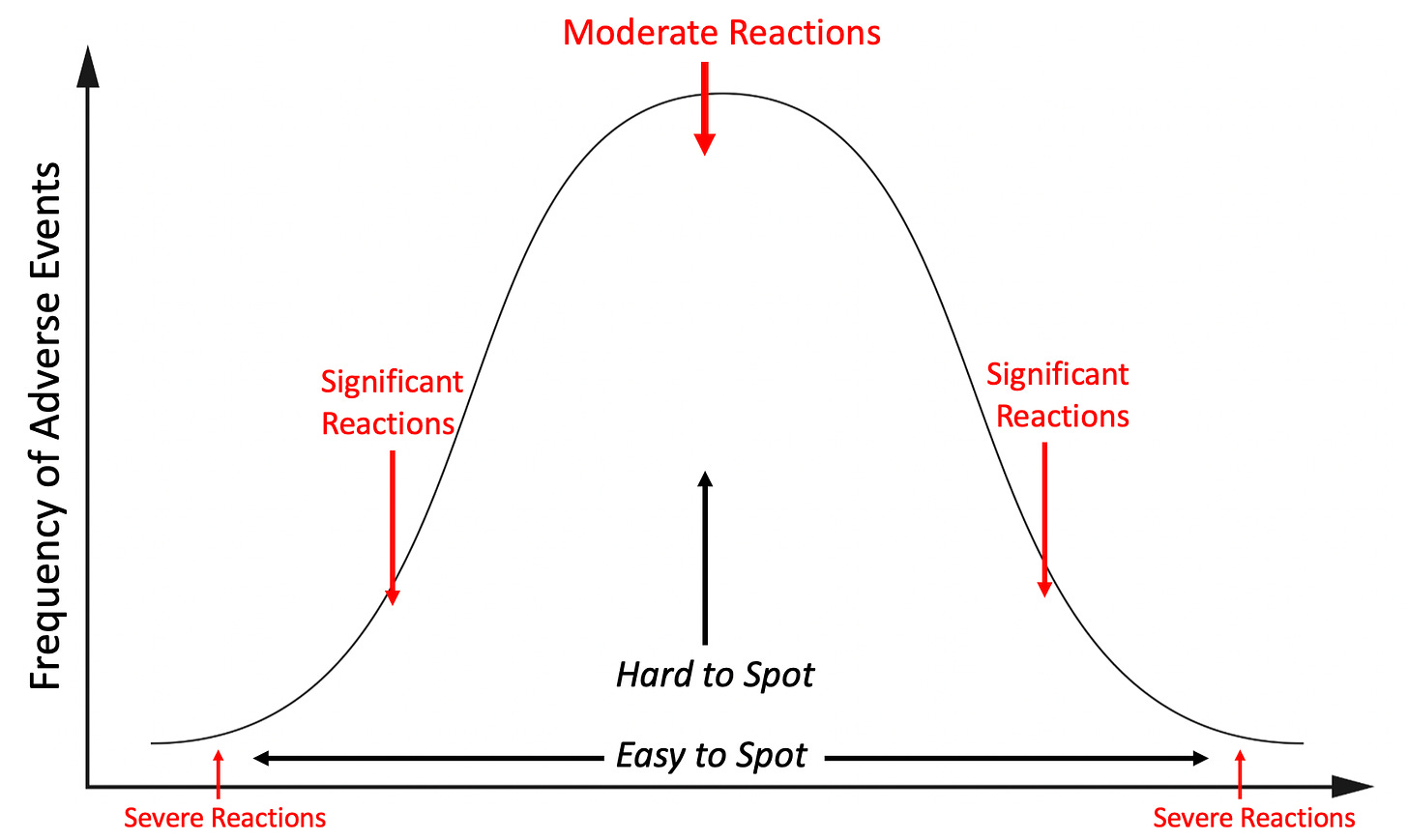
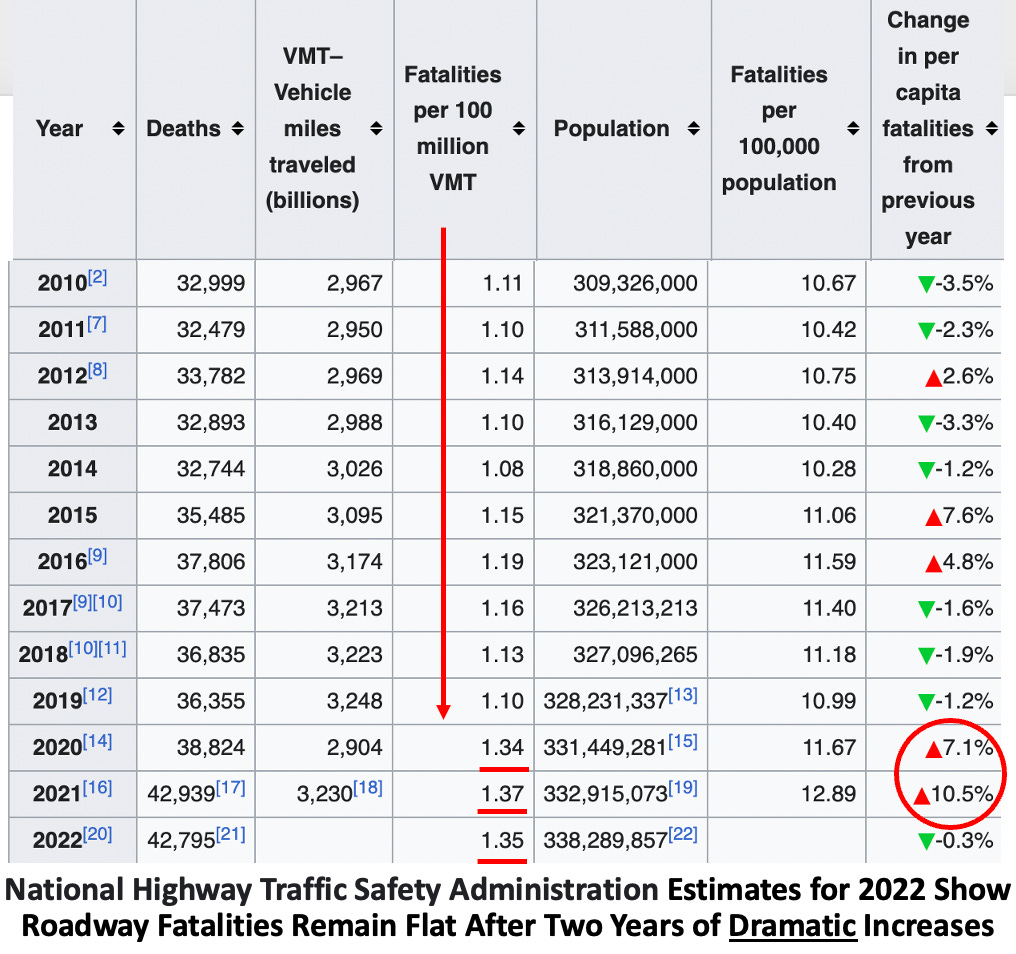
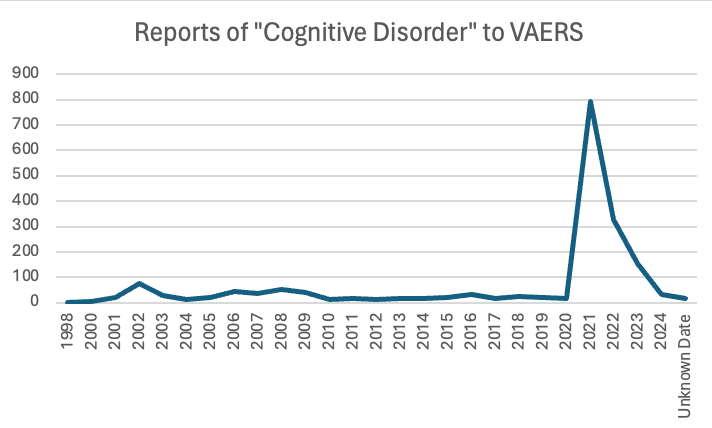
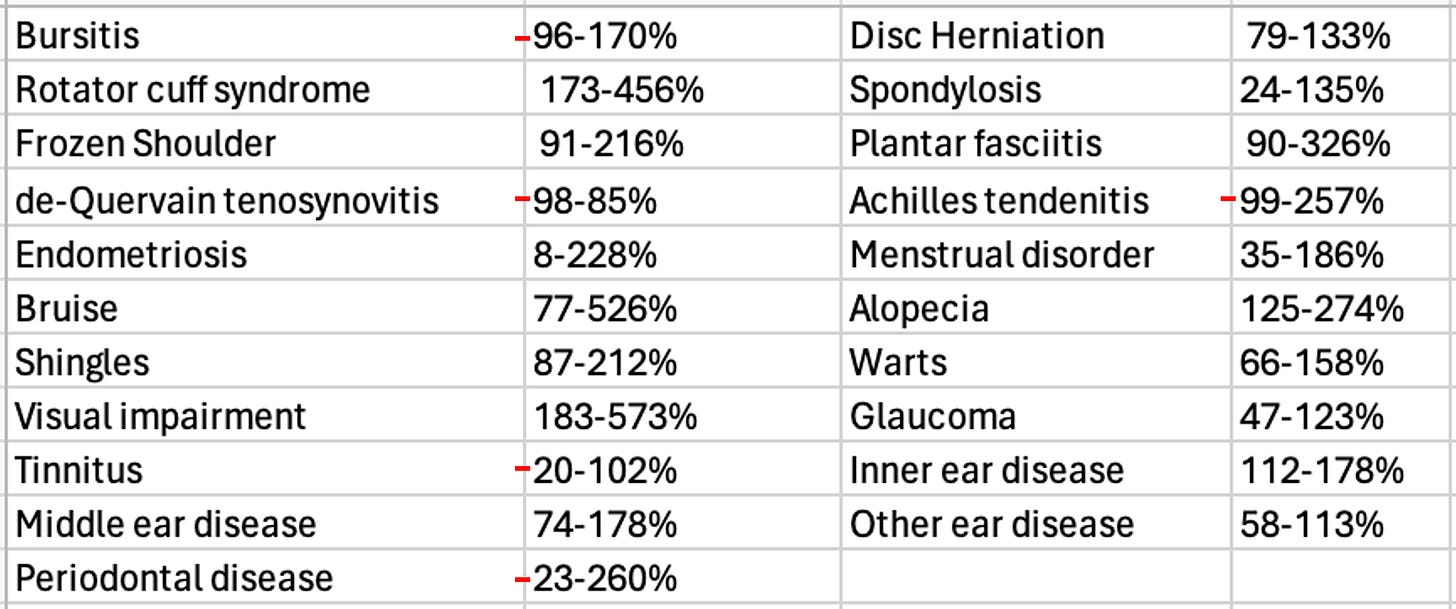

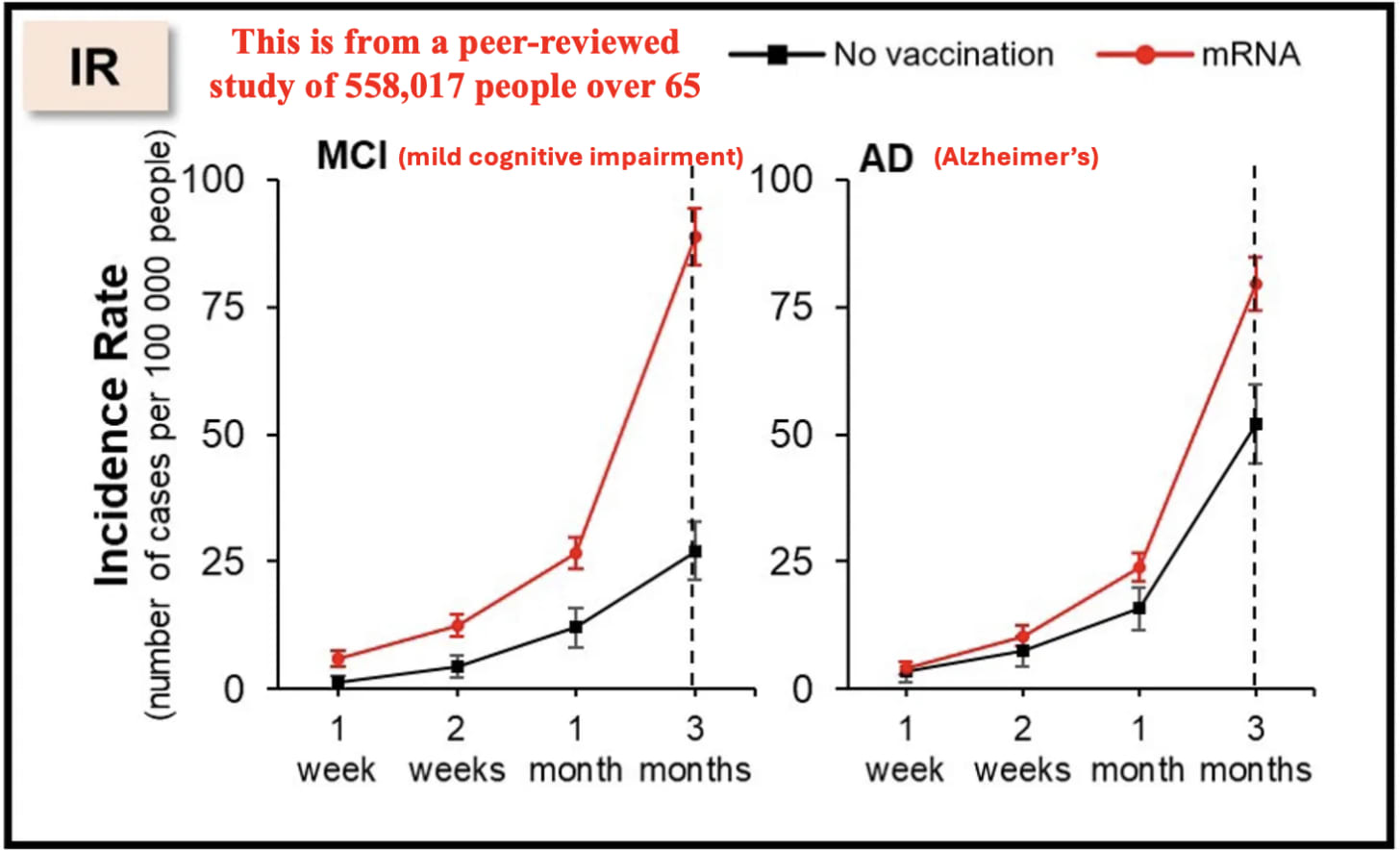


 Aletho News