An investigation into systemic medical murders that took place in hospitals during the COVID panic and the nurses who fought back to save their patients
No human activity can ever be free from error, but to be clear, this book is not about the kind of error all human beings are prone to.
As you will learn from the eye-witness accounts and technical information presented in this book, calling the failed COVID protocols “errors” is not accurate.
These protocols were explicitly ordered by those who took dictatorial control of the medical system early in the Panic (spring of 2020). Further, when they were shown to be demonstrably failing and harming many thousands of people, experienced healthcare professionals who raised informed concerns were silenced through demotion, firing, and organized campaigns of harassment promoted by the news media and enabled by companies like Google, Facebook, Twitter, and TikTok, in some cases in collaboration with the White House and the Department of Justice’s FBI.
If this sounds very bad, it’s because it is.
What the Nurses Saw is documentation of what happens in the real world when bureaucrats, in this case bureaucrats in Washington DC, take literal dictatorial control over the practice of medicine.
On a pure dollar and cents level, one of every five dollars spent in the U.S. is spent on the products of the medical services industry, as is one of every three tax dollars. The U.S., more than any country in the world, and by a large measure, has been colonized by this industry. As part of this process, the industry and its operatives have corrupted and perverted science, academia, and the news media. Now it’s hard at work to weaken and degrade the last pillar that keeps the system even remotely functioning — the integrity of the nursing profession.
If we fail to support our good nurses, help them hold the line, and start aggressively turning things around, there is no practical limit to how far this totalitarian medical dictatorship which we in fact live under will go in its future abuse and exploitation of human beings.
Featuring in-depth interviews with:
Erin Marie Olszewski,
Kevin Corbett Ph.D.,
Kimberly Overton,
Ashley Grogg,
Kristen Nagle,
Sarah Choujounian,
AJ DePriest,
Mark Bishofsky,
and Katie Spence
Americans see news reports about the plight of Uyghurs. They are told these Muslims living in the western China province of Xinjiang are abused by the ruling Han Chinese and over a million are imprisoned in camps where they are forced to perform slave labor. As a result, China must be constantly denounced for this abuse and sanctions imposed on any Chinese business exploiting this slave labor. This is false and based on lies promoted by the American CIA.
Note: We are told to pronounce Uyghur as “WEE-gur” even though it has no W. In the province of Xinjiang and in their language it is pronounced “OO-gur” and should be in English since it starts with a U! So I adopted Dr. de Zayas’ correct pronunciation to reject whoever decided we should call them something weird in English.
“No, the UN did not report China has ‘massive internment camps’ for Uighur Muslims”; Ben Norton; The Grayzone; August 23, 2018; https://thegrayzone.com/2018/08/23/un…
“Was There Really a Massacre in Tiananmen Square–or Was It an Illusion Fabricated by U.S. Politicians and Corporate Media to Make Americans Hate China?”; Jeremy Kuzmarov; Covert Action Magazine; August 7, 2023; https://covertactionmagazine.com/2023…
“Most reasons for hysterectomies can be tied to progesterone deficiencies and most could be avoided with rational supplementation.”
I realised I didn’t know anything about hysterectomies, but I knew it was a major surgery, and here was Carol saying that most could be avoided.
I followed my curiosity and here we are with this article.
I cannot believe what I have discovered. It’s actually hard to put into words.
I think I will do more than just this article on the subject.
How is it possible that cutting out a woman’s uterus is the second most common surgery in the US?
About 600,000 women a year undergo hysterectomies in the U.S., the second most common surgery, surpassed only by cesareans. – Wittelsey 2011
Surely, they are all necessary:
Over 5,000 women whose doctors have recommended hysterectomy have received the names of second opinion physicians from the HERS Foundation, says Coffey. Only 2% of the 5,000 have gone on to have the surgery. – HERS
Surely, they wouldn’t do it for the money, would they?
“Some of us aren’t making a living, so out comes a uterus or two each month to pay for the rent,” admitted a Baltimore specialist in a 1975 New York Times interview.
How did Big Medicine reach the conclusion that a woman doesn’t need her uterus?
“Your uterus is nothing but a big, unresponsive blob.” — The Woman Doctor’s Medical Guide for Women by Barbara Edelstein, MD (1982)
The structural problem seems to be one of lying to women about the risks and aftermath:
According to Nora Coffey, founder and President of the non-profit HERS Foundation in Philadelphia, PA, too many doctors perform unnecessary hysterectomies, too many fail to tell women that there can be devastating after-effects from removal of the uterus or ovaries, and too many don’t offer alternative treatment for the problems that are, seemingly, so quickly solved with the knife.
One of the most significant points that jumped at me from the page was “loss of maternal feeling”:
Coffey says that HERS has also counseled over 9,000 hysterectomized women who are experiencing symptoms such as loss of maternal feeling, bone and joint pain, chronic fatigue, hot flashes, insomnia, loss of short-term memory, diminished emotional responses, loss of sexual desire and a host of other hysterectomy-related symptoms.
Of the millions of women that have had this done to them, how many have lost their maternal feeling towards their children. Women carry that maternal feeling into the world too. What happens to the world when maternal feeling is vanquished?
I now wonder how many women in power have had a hysterectomy. Is it more than the wider population? What are the consequences of this? Does it help with climbing the ladder? Does it impact empathy?
I think these are all fair questions because of the sheer scale of the issue.
At the end of each day of counseling, I knew there were a few more women out there who would avoid unnecessary surgeries because they received information from HERS. It was too little too late, however, for 621,000 other women in this country each year—more than 22 million hysterectomized women alive in America today? – The H Word (2008)
They remove the ovaries also about half the time by scaring woman with ovarian cancer:
In this country, half of the women who undergo a hysterectomy also have their ovaries removed. The reasoning given is to “save” the woman from the remote possibility of ovarian cancer.
However, Dr. Lauersen issues this warning to women concerning prophylactic excision of the ovaries: “Usually it is not necessary to remove the ovaries of a menstruating woman during hysterectomy. A doctor may say that he wants to remove the ovaries to prevent ovarian cancer, an insidious disease that does not have obvious symptoms. However, studies have indicated that it would take 7,500 oophorectomies (excision of the ovaries) in order to prevent one death from ovarian cancer. Ovarian cancer, which only accounts for 4% of all cancers in women, is more frequently discovered after menopause in women between 55 and 64 years old.”
Because fibroid growths are often called “tumors”, the lay patient may immediately fear that she has cancer. However, according to Dr. Lauersen, fewer than one half of one percent ever proceed to that stage.
The removal of ovaries is castration.
Castrated men were called Eunuchs.
We don’t have a word for castrated women. I think they, the butchers, prefer it that way.
I really don’t have words to describe this butchery.
We live in three dimensions. The physical, the mental and the spiritual.
We have been trained to diminish the spiritual, to our own detriment.
Somewhere deep in the bowels of Big Medicine, there is a spirit, and that spirit hates humanity, and very specifically it hates women.
There is no other conclusion I can reach anymore.
After reading this long stack, if you reach a different conclusion, let me know in the comments.
Carol Peterson pointed me to HERS to further my education, and it was there that I discovered Nora Coffey and her great book The H Word, that I’m reading now, co-authored with Rick Schweikert. I can definitely recommend it.
It turns out that Rick wrote a play…you will never guess what he called it…
Let these numbers wash over you as you start coming to terms with the scale of what has been done to women.
Statistics
About 600,000 women a year undergo hysterectomies in the U.S. This makes it the second most common surgery among women in the country, surpassed only by cesarean sections.
90 percent of hysterectomies are avoidable, according to Dr. Mitchell Levine, suggesting that the majority of these procedures could be managed with alternative treatments.
70 to 76 percent of hysterectomies do not meet the recommended criteria for necessity according to an expert panel and the American Congress of Obstetricians and Gynecologists (ACOG), indicating a high rate of potentially unnecessary surgeries.
210,000 women could avoid losing their ovaries annually if alternative treatments were pursued instead of hysterectomies, based on the 70 percent estimate of avoidable procedures.
15 to 30 percent of women who conserve their ovaries during hysterectomy lose ovarian function anyway, highlighting the risk of menopausal symptoms and hormonal imbalance even when ovaries are not removed.
Women who have their ovaries removed face a higher risk of early death from any cause, primarily from heart disease and lung cancer, as found in a study of almost 30,000 women followed for 24 years.
For every 24 women having bilateral oophorectomy, at least one will die prematurely as a result of the procedure, emphasizing the significant risk associated with the removal of both ovaries.
Women who undergo hysterectomy report a range of adverse effects in significant percentages, including 79.6% experiencing loss of sexual desire and profound fatigue, and 79.1% noting personality changes.
The HERS Foundation’s ongoing study reveals that 72.8% of respondents report loss of stamina post-hysterectomy, indicating the extensive impact on women’s overall well-being and quality of life.
35-40% of women whose ovaries are not removed during hysterectomy experience a loss of ovarian function, which equates to a form of castration and results in the cessation of hormone production critical to various aspects of health.
Only about 10 percent of hysterectomies are performed for cancer, indicating that the vast majority are for benign conditions that might be managed with less invasive options.
An expert panel found that up to 70% of hysterectomies recommended were inappropriate based on developed criteria, highlighting a substantial issue with surgical decision-making.
512,000 women undergoing hysterectomy last year had their ovaries removed during the surgery, whether the ovaries were healthy or not, potentially subjecting these women to unnecessary risks.
Women who had their ovaries removed had a seven-times greater incidence of heart disease, showing the critical role of ovarian hormones in cardiovascular health.
The HERS Foundation has counseled over 5,000 women whose doctors recommended hysterectomy, with only 2% going on to have the surgery after receiving second opinions or learning about alternatives.
Women report a total loss of sexual feeling after hysterectomy in a significant number of cases, affecting their quality of life and personal relationships.
Hysterectomized women have protruding bellies and little or no waist due to the unnatural shifting of bones and organs inside the pelvis after the surgery.
Over 9,000 hysterectomized women report experiencing symptoms such as loss of maternal feeling and personality change, as documented by the HERS Foundation.
Women who undergo hysterectomy are at risk for urinary incontinence and chronic constipation due to weakening of the pelvic floor and loss of feeling from the severing of pelvic nerves.
A landmark Nurses Health Study concluded that women who had their ovaries removed faced a higher risk of early death, primarily from heart disease and lung cancer, compared to those who did not.
Next, I have created 30 Q&As that again take us from beginner to advanced on the subject, but I have also taken chapter 4 of The H Word and spliced it throughout the Q&A. It’s a very important chapter and you will see why shortly.
30 Questions & Answers
What is a hysterectomy? A hysterectomy is a surgical procedure that involves the removal of the uterus. This operation can be performed for various medical reasons, including but not limited to uterine fibroids, endometriosis, uterine prolapse, chronic pelvic pain, abnormal bleeding, or cancer. The procedure effectively ends menstruation and the ability to become pregnant.
What is an oophorectomy? An oophorectomy is the surgical removal of one or both ovaries. When both ovaries are removed, it’s called bilateral oophorectomy. This procedure can lead to immediate menopause if both ovaries are removed before a woman naturally enters menopause, significantly impacting her hormonal balance and potentially increasing her risk for certain health issues, such as osteoporosis and cardiovascular disease.
Why are hysterectomies performed? Hysterectomies are performed for various reasons, often as a last resort for conditions that have not responded to other treatments. Common reasons include uterine fibroids that cause pain or bleeding, uterine prolapse, cancer of the uterus, cervix, or ovaries, endometriosis, abnormal vaginal bleeding, chronic pelvic pain, and adenomyosis. Each condition affects the quality of life and may necessitate the removal of the uterus for relief or cure.
What are the potential risks associated with hysterectomy? The risks associated with hysterectomy include those common to major surgeries, such as infection, blood clots, hemorrhage, and adverse reactions to anesthesia. Specific to hysterectomy, risks can include damage to surrounding organs, chronic pain, hormonal imbalances when the ovaries are removed, and long-term effects such as increased risk of cardiovascular diseases and osteoporosis. Emotional and psychological effects, including depression and a sense of loss, may also occur.
How does the removal of ovaries (oophorectomy) affect a woman’s body? The removal of ovaries leads to a sudden drop in the production of hormones such as estrogen and progesterone, leading to what is known as surgical menopause. This abrupt change can cause severe menopausal symptoms, including hot flashes, mood swings, vaginal dryness, decreased libido, and increased risk for osteoporosis and heart disease due to the loss of estrogen’s protective effects.
What emotional or psychological effects can result from a hysterectomy? Beyond the physical impact, a hysterectomy can have significant emotional and psychological effects. Many women report feelings of loss or sadness after the procedure, particularly if they had not completed their families or if the surgery was done as part of cancer treatment. There may also be changes in self-image and sexual identity, as well as anxiety and depression due to hormonal changes, especially if the ovaries are removed.
How can a hysterectomy impact a woman’s sexual function and libido? A hysterectomy can impact sexual function and libido in several ways. The removal of the uterus may change the nature of orgasm due to the absence of uterine contractions. If the ovaries are removed, the resulting drop in hormones can lead to decreased libido, vaginal dryness, and discomfort during sex. However, for some women, relief from chronic pain or heavy bleeding after hysterectomy improves their sexual health and quality of life.
What is estrogen replacement therapy (ERT), and why might it be used after a hysterectomy? Estrogen Replacement Therapy (ERT) is a treatment used to alleviate menopausal symptoms by replacing estrogen, which is no longer produced by the ovaries after oophorectomy or natural menopause. After a hysterectomy, particularly when the ovaries are removed, ERT can help manage symptoms such as hot flashes, vaginal dryness, mood swings, and prevent osteoporosis by compensating for the loss of natural estrogen.
Can you explain the role of testosterone in women’s health post-hysterectomy? Testosterone plays a crucial role in women’s health, contributing to muscle strength, bone density, and sexual desire. After a hysterectomy, especially with oophorectomy, women may experience a drop in testosterone levels, leading to decreased libido, fatigue, and loss of muscle mass. Testosterone therapy, albeit less common than estrogen therapy, may be considered for some women to address these issues.
What are some alternative treatments to hysterectomy for conditions like fibroids and endometriosis? Alternative treatments to hysterectomy for managing conditions like fibroids and endometriosis include medication to manage symptoms, hormone therapy to shrink fibroids or control endometriosis, minimally invasive procedures like uterine artery embolization for fibroids, and laparoscopic surgery to remove endometriosis lesions or fibroids while preserving the uterus.
The H Word – Chapter 4 – Part 1
Nurses and doctors’ wives. Seattle, Washington—Rick Schweikert
When Nora told me that women sometimes send HERS photos of themselves before and after hysterectomy, I didn’t think too much about it. Until, at the premiere of un becoming in New York, a woman with tears in her eyes thanked me, saying, “You’re probably going to think I’m crazy, but can I show you a picture of me before the surgery?” And then after the next show it happened again. A woman who was married to a doctor said, “This is me before the surgery.” We spoke with women all over the country who carry around photos to remind themselves of who they were before a doctor removed their female organs.
The biggest difference I notice in the photos is their eyes.
As one woman explained, she showed me her photo to prove that before the surgery she was strong, vibrant, healthy, and happy,
“When I still had that glint in my eyes.”
The main protagonist in un becoming is an artist named Emma Douglas. She’s a painter who refers to her work as her life’s breath. She’s married to an anesthesiologist named Sam Morgan.
Sam’s best friend happens to be Dr. James Ridge, the gynecologist who recommends “exploratory” surgery to Emma. Halley Ridge, Dr. Ridge’s wife, was hysterectomized by her husband’s colleague, but the audience doesn’t discover that until the end of the play. In the end, Halley helps Emma avoid the surgery.
un becoming places accountability for hysterectomy on the shoulders of those who are most responsible. The villain of the play is a gynecologist, and the hero is a hysterectomized woman his wife. This scenario had never been portrayed in any stage pr duction before. When actors first picked up the script, they some times found the story hard to believe, as was the case with one u the members of the Seattle cast. But it’s unfortunately a common story.
What follows is an excerpt from one of the thousands of emails we’ve received from women whose lives mirror the story of un becoming:
Hi there,
My name is… I am from… My doctor who I loved and never questioned, suggested a hysterectomy. He didn’t think me being only 30 years old was an issue since I was married and had…children. He explained that I would take an estrogen pill each day, and basically I would be good as gold. ( Not his words) that is how he made it seem. NO SIDE AFFECTS WERE EVER MENTIONED! I was told it would be no different than my c section surgeries as far as the pain was concerned. My mother had a hysterectomy…..and told me that it would take a year before I felt better, however she had no idea what she would live the rest of her life like either. I…am having joint pain in my hands, knees, elbows and back. Before the hysterectomy I was fine, due to the pain I can no longer roller skate with my children, dance around the house and I fear that I am going to have to close my business. The list of side effects since the hysterectomy is too long…to put in this e-mail.
This morning out of desperation…I found your site. I am beside myself thinking I am only going to get worse. I am an artist and yesterday I couldn’t hold the paint brush to paint at my easel, typing this e-mail is painful. What can I do? Do you have any info that might help me?
Is there anyone else going through this?
Thank you for your time.
Sincerely;
(name and other identities omitted for confidentiality)
There have been a few books, such as Mary Daly’s GYN/ ECOLOGY, that accurately portray the life-altering effects of hysterectomy. But most books on the subject ultimately twist the truth around to benefit the self-serving interests of its author, the publisher, or the university or pharmaceutical company that sponsored the author’s research. un becoming is the story of hysterectomy told through the eyes of women—not the medical industrial establishment that targets them. The story is fictional, but two of the women who joined the protest in Seattle reminded us that the imaginary plot and characters are based on common experiences.
How does the HERS Foundation assist women considering or affected by hysterectomy? The HERS Foundation provides education, advocacy, and support to women facing hysterectomy. They offer comprehensive information on the effects of hysterectomy, alternative treatments, and the importance of informed consent. By empowering women with knowledge, HERS aims to help them make informed decisions about their health care and advocate for less invasive treatments when appropriate.
What long-term health risks are associated with hysterectomy and oophorectomy? Long-term health risks associated with hysterectomy and oophorectomy include an increased risk of cardiovascular disease, osteoporosis, hormonal imbalance, and early menopause symptoms if the ovaries are removed. There’s also a potential risk for urinary incontinence, bowel dysfunction, and changes in sexual function.
How does a hysterectomy affect a woman’s cardiovascular health? A hysterectomy, especially when accompanied by oophorectomy, can affect a woman’s cardiovascular health by increasing the risk of heart disease. Estrogen has a protective effect on heart health, and its sudden decrease can lead to higher cholesterol levels, increased blood pressure, and a greater risk of developing cardiovascular diseases.
What are the uterine functions beyond childbearing? Beyond childbearing, the uterus plays a role in sexual health and pleasure, with uterine contractions contributing to orgasmic experiences for some women. It also supports pelvic anatomy, maintaining the proper position of surrounding organs and structures. Additionally, the uterus is involved in hormonal regulation and may have protective effects against certain diseases.
What common misconceptions exist about the effects of hysterectomy on women’s health? Common misconceptions include the belief that the uterus is only necessary for childbearing and that its removal doesn’t impact hormonal balance or sexual function. Many are unaware of the potential for long-term health consequences, such as increased risk of cardiovascular disease and osteoporosis, as well as the emotional and psychological impact.
How do societal views on female reproductive organs influence decisions about hysterectomy? Societal views often reduce female reproductive organs to their roles in childbearing, overlooking their importance to overall health, hormonal balance, and sexual function. This can contribute to a cavalier attitude towards hysterectomy and oophorectomy, underestimating the procedures’ impacts on women’s lives and health.
What legal and ethical concerns arise from the high rate of unnecessary hysterectomies? The high rate of unnecessary hysterectomies raises legal and ethical concerns about informed consent, the adequacy of patient education regarding alternatives, and potential financial incentives driving surgical recommendations. It also highlights the need for greater advocacy and protection for patients’ rights to understand and choose less invasive options.
How might the rate of hysterectomy surgeries be affected by the availability of alternative therapies? The availability of alternative therapies could significantly reduce the rate of hysterectomy surgeries by offering less invasive options for conditions traditionally treated with hysterectomy. Increased awareness and accessibility to treatments like hormone therapy, myomectomy, and endometrial ablation could empower women to choose alternatives that preserve their reproductive organs and minimize long-term risks.
What advancements have been made in treatments for conditions like endometriosis without resorting to hysterectomy? Advances in the treatment of endometriosis include laparoscopic surgery to remove endometrial tissue while preserving the uterus, improved hormonal treatments to manage symptoms, and new medications targeting endometriosis’ pathophysiology. Research into non-hormonal treatments and immunotherapy offers hope for less invasive, more effective management strategies.
How could patient education and advocacy change the future of gynecological health care? Patient education and advocacy can significantly impact gynecological health care by demanding a higher standard for informed consent, promoting awareness of less invasive treatments, and challenging the normalization of radical surgeries like hysterectomy. Empowered patients are more likely to seek second opinions, choose alternatives, and advocate for research into new treatments, leading to a shift towards more patient-centered care.
The H Word – Chapter 4 – Part 2
During the protests and talkbacks after the play, we met hundreds of hysterectomized women who were either nurses or the wives of doctors. And if that woman herself was an attorney or a nurse, audiences were shocked to hear that even that wasn’t enough to protect them. Nora often says, “The greatest number of hysterectomy scars are worn by the wives of doctors. Second is nurses.”
One of the women who joined us in Seattle was a writer who wrote a book about the before-and-after of hysterectomy. Her friend Fran (name changed for confidentiality) told her the story of how she ended up on an operating table. Fran was a registered nurse whose husband was a doctor: The surgeon who performed the “exploratory surgery” on her was the father of her daughter, close friend. All were in agreement that no organs were to be removed. She previously had one of her ovaries removed for an ordinary cyst, and she and her husband specifically made it clear that under no circumstances were the uterus or the remaining ovary to be removed. After the operation the surgeon emerged from the operating room, announcing that he had “excised the problem.” Fran’s husband, waiting for news about the surgery, was relieved…until the surgeon informed him that although he didn’t remove her uterus he did remove her remaining ovary, against their expressed wishes.
As medical professionals, Fran and her husband knew that ovarian function is critical to health and wellbeing. Uterine function and viability depends on ovarian function. By removing Fran’s remaining ovary, they knew that her hormone-responsive uterus would atrophy.
In order to keep her uterus viable, Fran was prescribed high levels of exogenous hormones—that is, hormones produced outside of her body. But while the endogenous hormones (produced naturally within her body) were beneficial to her, the exogenous hormones came with a host of dangers. The increased risk of cancer (breast, ovarian, uterine, and others), stroke, heart disease, dementia, and so on have been well-documented in studies and in literature. Because of the adverse effects of high doses of hormones, coupled with the devastating physical loss of ovarian function (the predictable aftereffects of castration), Fran was now unable to control her emotions. So she was prescribed potent anti- depressants and other anxiety-controlling drugs with unknown potential interactions.
The betrayal of trust by her profession filled her with rage and despair. Nora says the angriest women who contact HERS are nurses and the wives of doctors. She was both. Her rage consumed her.
When she and her husband attended a HERS conference in Dallas a few years later, she said her medical records showed there was nothing of significance wrong with the first ovary the doctor had removed, and the remaining ovary was also healthy when he removed it.
In the end, the couple sued the doctor. It was a fairly blatant case of a high-handed doctor mutilating a woman against her expressed wishes. But she lost the lawsuit. The jury favored the doctor’s word over hers and determined that the mutilating surgery had met the current “accepted standard of care.” As the surgeon’s defense attorney put it, her husband was a doctor and she was a nurse, so they should’ve known better.
Once the doctor became focused on Fran’s benign ovarian cyst—a natural variation that required no treatment—a cascade of devastating decisions and actions ensued. Menstruating women produce an ovarian cyst every month. It’s normal for the ovaries to develop physiologic (or functional) cysts when they ovulate mid-cycle, which wax and wane larger before menstruation and smaller after menstruation-usually a functional cyst develops on the right ovary one month, and on the left ovary the next month.
Other common, benign, ovarian cysts include dermoid, endometrioma (also called “chocolate” cysts), borderline, and teratoma. Dermoid cysts are rarely a cause for concern. They’re primordial cysts that usually contain hair, teeth, and often fat. Like endometrioma, dermoid cysts tend to grow bilaterally (on bot) ovaries), but they can also develop on only one ovary. They can occur on the outside of the ovary on a stalk that extends from the ovary (its blood supply), or they can occur inside the ovary, encapsulated. Women are often told that the ovary with the cyst must be removed, but this begins with the faulty premise that the development of these cysts requires action. In fact, except for borderline cysts, which have a small incidence of becoming cancerous, these cysts are benign-they don’t become malignant. Although they can become quite large, they may never cause a symptom. If they don’t bother you, there’s no reason to do anything about them.
The worst-case scenario is they can rupture, but cysts don’t rupture spontaneously—usually only through some kind of trauma to the abdomen, such as a forceful blow to the pelvis. If they do rupture, surgery is performed to irrigate the pelvis, which removes the contents of the cyst.
If the cyst is causing problems you can’t live with, a cystectomy (surgical removal of the cyst) can usually be performed without removing the ovary-if the surgeon has the skill to do so.
Ovaries are very resilient. They can be cut into pieces (called a wedge resection), the cyst removed, the pieces of the ovary sutured back together, and the ovary usually functions normally again.
If a cyst grows very large, some women feel pelvic pressure internally or they might experience urinary frequency. But usually they present no symptoms and are detected incidentally during a pelvic exam. Some women are especially prone to developing dermoid or endometrioma cysts, and after they’re removed they may develop them over and over again. This is a time when they’re especially vulnerable to hysterectomy, which is one reason to not go down the surgical path to begin with.
A Pap smear performed during a so-called well-woman visit is all too often an invitation to unnecessary treatment. The incidence of cancer in the female and the male sex organs is nearly identical, but men don’t have their sex organs routinely inspected.
And if doctors are hysterectomizing and castrating more than half a million healthy women each year, clearly the safe thing to do is to stay away from doctors and hospitals…even if you’re a nurse and your husband is a doctor.
What role do the ovaries play in a woman’s body after menopause? After menopause, the ovaries continue to produce hormones, albeit at lower levels, including testosterone and a small amount of estrogen. These hormones play crucial roles in maintaining bone density, sexual desire, and overall well-being. The loss of ovarian function due to oophorectomy can therefore have significant health implications.
What are the implications of “surgical menopause”? “Surgical menopause” refers to the abrupt onset of menopause symptoms following the removal of the ovaries. This sudden hormonal shift can lead to severe menopausal symptoms, increased risk for cardiovascular disease, osteoporosis, and a decline in sexual function. Unlike natural menopause, the transition is immediate, and symptoms can be more intense.
How does the removal of the uterus and ovaries relate to increased risks of diseases such as osteoporosis and heart disease? The removal of the uterus and especially the ovaries disrupts the body’s hormonal balance, leading to a decrease in estrogen levels. Estrogen plays a protective role in heart health and bone density; its loss accelerates the risk of cardiovascular disease and osteoporosis. The abrupt change due to surgery amplifies these risks compared to the gradual transition of natural menopause.
What is the significance of informed consent in the context of hysterectomy? Informed consent is crucial in ensuring that women are fully aware of the potential risks, benefits, and long-term implications of a hysterectomy, as well as alternative treatments. It represents an ethical obligation for healthcare providers to ensure patients make truly informed decisions about their care, acknowledging the profound impact on their health and quality of life.
How can the structural changes post-hysterectomy affect the pelvic anatomy and function? Post-hysterectomy structural changes can include pelvic organ prolapse, where the bladder, bowel, and vagina may shift or descend due to the loss of uterine support. This can lead to urinary incontinence, bowel dysfunction, and changes in sexual function. The severing of nerves and ligaments during surgery can also result in chronic pain and a decrease in sexual sensation.
What impact does hysterectomy have on the skeletal structure, specifically the spine and rib cage? The removal of the uterus can lead to a shift in the pelvic bones and a change in the structural alignment of the spine and rib cage. As the pelvic support structure is altered, it can result in a compressed spine, decreased height, and a protruding abdomen. This skeletal impact can lead to chronic back pain and alterations in physical appearance.
What are the common physical sensations lost or altered after hysterectomy? Women may experience a loss of sensation in the pelvic area, diminished sexual response, and changes in orgasmic capability following hysterectomy. The severing of nerves during the procedure can lead to numbness, tingling, or pain in the pelvic region, affecting sexual health and overall quality of life.
How does hysterectomy affect a woman’s hormonal balance and overall endocrine function? Hysterectomy, especially with the removal of the ovaries, drastically affects a woman’s hormonal balance by eliminating the primary sources of estrogen and progesterone. This can lead to immediate menopause, with symptoms like hot flashes, mood swings, and increased risk for conditions related to hormonal deficiency, such as osteoporosis and heart disease.
Discuss the relationship between hysterectomy and increased risks of mental health issues. The hormonal changes and physical alterations following hysterectomy can contribute to mental health challenges, including depression, anxiety, and a sense of loss or grief. The impact on sexual function and self-identity can further exacerbate these issues, highlighting the need for comprehensive pre- and post-operative counseling and support.
What future research directions are suggested by current findings on the effects of hysterectomy and oophorectomy? Future research should focus on long-term outcomes of hysterectomy and oophorectomy, exploring alternative treatments that preserve the uterus and ovaries, and the development of targeted therapies to manage conditions like endometriosis and fibroids without radical surgery. Studies on the psychosocial impacts of these surgeries and the efficacy of hormone replacement therapy in mitigating long-term risks are also needed to guide patient-centered care.
The H Word – Chapter 4 – Part 3
Hospitals are dangerous places. We’re certainly not the first ones to say so. Nor was Robert S. Mendelsohn, an M.D. who was the President of the National Health Federation, the director of a hospital in Chicago, and a medical school professor:
I have always told my patients that they should avoid hospitals as they would avoid a war. Do your utmost to stay out of them and, if you find yourself in one, do everything possible to get out as soon as you can. After working in hospitals for most of my life, I can assure you that they are the dirtiest and most deadly places in town.
It would be ideal if we were all informed of these basic facts. But informing women about the irreversible aftermath of hysterectomy is bad for business, so we can’t wait for doctors to do it. Women don’t know better because doctors neglect to inform them. The vast majority of the women who call HERS cancel their surgeries after they learn about female anatomy and the function, of the female organs.
“My doctor told me I was endangering my children by not having a hysterectomy,” a woman told us during a talkback. “If I didn’t have the surgery, he said, I was going to die and I wouldn’t’ see my children grow up.”
“So what did you do?” I asked.
“Nora knows,” she said, “because she looked at my medical records with me, and there wasn’t anything wrong with me.”
“How long ago was that?”
“Fourteen years ago. My kids are in college, and I’m the picture of health.”
If we heard it once we heard it a thousand times – “I canceled my surgery,” women tell us, “and now I’m the picture of health. So why did my doctor tell me I needed a hysterectomy?”
The most frightening lines in un becoming found their way into the play because they’re the things women tell us over and over again about what their doctors told them. They’re repeated from coast-to-coast, from border-to-border, to women born a hundred years apart. While I was working on the first draft of un becoming, my friend’s mother yelled to him while he was on the phone with me, saying, “Tell Rick to put in his play what my doctor told me! Tell him my doctor said, ‘Don’t worry, I’m just taking out the crib, but I’m leaving the playpen.’
In other words, women aren’t able to bear children after hysterectomy, but their sexual partners will still have a vaginal pocket for intercourse, even though a loss of sexual feeling is an anatomical fact for hysterectomized women. So I did put it into the play…but only after I heard that same line a dozen or more times. We continue to hear it from women all over the country, including right there in the state of Washington. These one-liners from gynecologists trivialize women’s concerns about their sex organs as they sit half-naked on examination tables.
Women are told to eat nothing after midnight the night before the surgery and to get their things in order because they’ll be out of commission for a while as they “recover.” But recovery presumes they’ll be the same person after the surgery as they were before, which isn’t possible. What they’re not told is far more important than what they are told. It’s what isn’t being said that’s really at issue here.
One of the protestors who joined us in Seattle was an attorney. Her expertise was drafting language that could be defended in court. She was diagnosed with uterine cancer and consented to a hysterectomy, but not castration. It might seem foolish for a doctor to castrate a bright attorney, who not only modified the hospital’s consent form to reflect her wishes prior to the hysterectomy but also included specific language expressly stating that under no circumstances were her ovaries to be removed. And yet, like the nurse mentioned above, against her wishes a doctor removed her ovaries anyway.
She wanted to sue, but no attorney would take the case because most states have a “reasonable person” or “a reasonable physician” standard. The lawyers advised her that the courts would assume that once she entered the hospital, any reasonable physician would’ve chosen to castrate her while hysterectomizing her-even if it was contrary to her written wishes. If you enter a hospital in a reasonable-physician statute state, your wishes may mean nothing.
The courts will very likely support whatever the doctor deems reasonable.
The issue boils down to whether a woman has the right decide what will be done to her body. The Constitution of the United States guarantees personal sovereignty, and our government exists to protect it. When informed consent is missing from the decision making process, personal sovereignty is denied to women. Decisions about what women will and won’t allow to be done to their bodies should never be taken away from them, under any circumstances.
On the first day of the Seattle protest we turned our signs toward the Swedish Medical Center instead of the traffic, so the doctors and patients inside the building could see them. Massive cranes loomed overhead, a sign that business was booming.
That evening a reading of un becoming was hosted by the Women’s Studies Department at the University of Washington in a lecture hall on campus. Like the cast, a few people in the talk. back had a difficult time accepting that doctors knowingly harm women. It’s an unattractive side of human nature that most people are unwilling to attribute to doctors.
“So who’s to blame?” I asked them. As with most audiences, someone said, “I think women need to educate themselves.” But what does that have to do with whether or not doctors knowingly harm women? And who could possibly be more educated on these issues than a nurse and a doctor? A medical education didn’t save her. Isn’t that what we pay doctors for, to advise us on issues we don’t have time to go to medical school to learn?
Although it’s rare for a doctor to be prosecuted in a criminal court for harming patients, the Seattle Times reported the case of a King County gynecologist convicted of two counts of rape and two counts of “indecent liberties” against four Seattle women who testified against him. The last lines of the Times article read, “Momah remains charged with three counts of health-care fraud, which will be tried later. In addition, he faces civil suits from dozens of women who say he sexually abused them or botched surgeries.” Such cases are common, and for everyone we do hear about, how many more are there that we don’t hear about? Insurance fraud is a criminal offense that is punishable by imprisonment. The unconsented removal of women’s sex organs, though, is a civil offense that usually goes unpunished even in the most blatant cases. To find out why, follow the money. What’s a uterus worth? Not much. But what’s hysterectomy—the 20-30 minute surgery to remove the uterus—worth to hospitals and doctors?
Tens of billions of dollars each year. And what are the male sex organs worth? It’s worth searching for a man’s penis in the dirt and spending nine hours in the operating room reattaching it, as was the case when Lorena Bobbit severed John Wayne Bobbit’s penis after he raped her in 1993.19 Another woman who attended the protest and the play with her husband said they were both grateful to HERS for helping her remain intact. A doctor tried to badger her into letting him hysterectomize her. She sought other opinions, but one doctor after another supported the first doctor’s recommendation, until she found HERS.
Nora was interviewed by a local television station in Seattle, but the hospital administrators at Swedish were smarter than some hospitals we’d been to. They didn’t call the police, so we didn’t’ have flashing lights to draw attention to our protest.
We spoke with a woman who said she was afraid because she couldn’t keep up with the minimum payments she was required to make to Swedish to pay down the debt incurred when she was hysterectomized there without health insurance. Meanwhile, the Swedish website says not only can you make a donation to Swedish, “If you would prefer to pledge a fixed amount on a regular basis, call us and we can help you set up an automatic contribution plan.”
It’s an ugly game of round robin. Surgeons’ wives are hysterectomized, as well as the nurses who assist them in surgery. Indigent women are put on payment plans to pay for unnecessary hysterectomies, or taxpayers are sent the bill via Medicaid and Medicare. The public is encouraged to set up automatic contribution plans to pad the medical industry’s bottom line and help pay surgeons exorbitant payoffs for doing this grisly work. And then the courts protect the doctors and hospital administrators when suits are brought against them, because unwarranted surgery has become the standard of care. Health and wellbeing has almost nothing to do with it.
In the winter of 2021-2, while figure skaters were competing in North America and Europe and preparing for the Beijing Winter Olympics, the tensions around Ukraine were building. NATO trained Ukrainian troops were intensifying attacks on the border of the breakaway Donetsk and Lugansk provinces of eastern Ukraine. Russia was building up its forces on the international border. In December 2021, Russia proposed treaties with the US and NATO, only to be brushed aside. Neocons running US foreign policy seemed to be intentionally provoking Russia. Perhaps they wanted Russia to invade Ukraine and saw that as a way to defeat Putin and breakup Russia, just as the Soviet Union had broken up? As Hillary Clinton said, “Afghanistan is the model”.
On February 7, three days into the Beijing Olympics and after the Russians had won the team skating event, news emerged that one of the Russian skaters had previously tested positive for a banned substance. It soon emerged that the skater in question was the brilliant young Kamila Valieva. The charges created one of the biggest international sport controversies of the past 50 years. A single positive test for a banned medication upended the 2022 Beijing Olympics and resulted in bitter accusations. Although the controversy started over two years ago, the decision by the Court of Arbitration for Sport (CAS) was only issued a few weeks ago in early February.
The dispute over Valieva’s doping test is a reflection of global political contention and the politicization of sports. In this article I will show how the CAS decision was biased and unfair. I will also show how western media has misreported the situation and how it is likely that US secret services intentionally created this situation to prevent Russian achievements at the Beijing Olympics and “unbalance” the adversary.
Russia’s expected medal sweep in figure skating was intentionally sabotaged. The victim was Kamila Valieva. The target was Russia. Disrupting the first winter Olympics in China was a bonus.
What Happened
The key skating milestones are:
30 October 2021 – In her debut as a senior, 15 year old Kamila Valieva wins first place at the Skate Canada International. Her performance leaves the audience and commentators in awe. Her urine sample is “clean” (no prohibited chemicals).
27 November 2021 – Valieva wins the Rostelecom Cup (another event in the International Skating Union (ISU) Grand Prix). She posts the highest score ever recorded. Her urine sample is clean.
25 December 2021 – Valieva wins the Russian national figure skating championship in St. Petersburg. Her urine sample is sent to a certified laboratory in Sweden.
15 January 2022 – Valieva wins gold at the European Figure Skating Championship. Her urine test is clean.
4 February 2022 – Olympic Games begin in Beijing China.
6 February 2022 – Valieva performs skating short program flawlessly, earning first place.
7 February 2022 – Valieva wows the audience in the free skate (long program), again winning first place. Urine sample is clean.
7 February 2022 – Over a month late, Stockholm laboratory reports an “Adverse Analytic Finding” for Valieva’s sample which they received 6 weeks earlier. They report the presence of a tiny amount of trimetazadine (TMZ) in Valieva’s urine sample.
8 -15 February 2022 – News of the positive doping test rapidly circulates and soon dominates the Olympics. Media and most western athletes assume Valieva’s guilt and urge her removal from the Games. Because she is a 15 year old minor, the Court for Arbitration for Sport (CAS) decides that Valieva should be allowed to continue competing at the Beijing Olympics with the consequences of the positive test to be determined later.
17 February 2022 – Under enormous pressure, Valieva falls apart in the free skate (long program). Team skating medal awards are postponed due to uncertainty whether Valieva will be disqualified. The US team which won 2nd place is angry over the postponement of the medal ceremony.
13 January 2023 – After a long delay, the Russian Anti Doping Agency (RUSADA) determines that Valieva bore “no fault or negligence” for the single positive test.
21 February 2023 – World Anti Doping Agency (WADA) and International Skating Union (ISU), both western dominated organizations, appeal to Court of Arbitration for Sport (CAS) to have Valieva banned and all her winnings after 25 Dec 2021 annulled.
26 September 2023 – Court of Arbitration for Sport (CAS) begins the hearing regarding the Valieva positive test.
7 February 2024 – CAS announces the decision and reasoning. The panel rules that Valieva committed an Anti Doping Rule Violation (ADRV), is banned for four years and must forfeit all any titles, awards, medals, profits, prizes, and appearance money subsequent to 25 Dec 2021.
The CAS Decision
Confirming that this was a judgment call, this was a 2-1 split decision. They explain the decision as follows: “The Athlete did not discharge her burden of proving … that her ADRV was not intentional on the balance of probabilities.”
The panel said it was NOT proven Valieva intentionally ingested the banned substance.“The appellants have not established that the Athlete committed the ADRV intentionally …. there was no evidence that she had acted intentionally.”
They also said “The Panel most certainly has not concluded that Ms. Valieva is a cheat or that she cheated on 25 December 2021 at the Russian National Championships or that she cheated when she won gold at the Beijing Olympics (or at any other time).”
The panel acknowledged that the punishment may be considered “harsh” given that they did not establish that she committed the ADRV intentionally. That is certainly correct considering the punishment was the same as if she HAD cheated and the punishment is widely seen as confirming GUILT.
Critique of the CAS Decision
1. The panel was biased.
The panel was comprised of adjudicators from the US, UK and France. Valieva’s legal team appointed French attorney Mathieu Maisonneuve. The appellants, World Anti Doping Agency (WADA) and Ice Skating Union (ISU), appointed American attorney Jeffrey Mishkin. The CAS Appeals Division appointed the president of the panel, James Drake. He is a citizen of the UK and Australia who studied and worked in the USA.
CAS rules say that the president of a panel should be selected considering the criteria of “expertise, diversity, equality and turnover of adjudicators”. Drake was a poor choice for both equality and diversity. Two of the adjudicators have strong connections to the US which is hostile to Russia and whose figure skating team stood to benefit if Valieva was disqualified.
James Drake was panel president in two previous cases involving Russian athletes, canoeist Alexandra Dupik and track athlete Natalya Antyukh. Both cases were decided against the appealing Russian athletes. With Drake as president, this had the appearance of a Kangaroo Court.
2. The panel created a straw man to knock down.
The panel exaggerated the importance of the theory that Kamila accidentally imbibed TMZ through her contact with her “grandfather”. Mr. Solovyov was called her grandfather but was actually the father of a previous partner of Kamila’s mother. Since the mother was working, Mr. Solovyov acted as driver and guardian for Kamila who trained three hours in the morning, went home for lunch and rest, then trained three hours in the afternoon. Presumably Solovyov was being compensated for his help for the family. Solovyov was taking heart medication including TMZ due to previous heart attacks. After the surprise news that Valieva tested positive for the heart medication trimetazadine (TMZ), Kamila and her mother speculated that Kamila may have imbibed TMZ from drinking from the same glass or by consuming a strawberry dessert that grandfather made with a cutting board on which there were TMZ particles from his medication. Media and the panel poured skepticism on this theory, especially when the grandfather declined to provide basic information or verification. It appears the stress of the situation may have resulted in Solovyov – who had previous heart attacks – not wanting to be further involved. The appellants and panel pounced on this. In the panel’s report there are 96 references to “grandfather”, 75 references to “dessert”, 43 references to “strawberry”, and 98 references to “Solovyov”. The panel effectively said they are skeptical of the “grandfather” explanation and that is all there is.
In contrast, Valieva’s legal team put forward the “grandfather” contact as one of three possibilities. Another theory was that some food or permitted supplement that Valieva consumed was contaminated with TMZ. This happened to a Russian bobsledder at the 2018 Peyongchang Winter Olympics.
The third theory was sabotage. This is the most likely cause of the positive doping test as I will show below.
3. The panel minimized what was most important: Valieva had no motive to take a banned substance.
As shown at international events in October and November 2021, Kamila Valieva was at the peak of her profession. She was the best figure skater in the world. She was not only winning skate competitions, she was setting all time records. She was training 6 hours per day under a very successful coach. She was well schooled in the dangers of anti doping violations. Since 2016 Russian athletes have been widely accused of being the worst violators of doping standards. Ugly and unproven accusations, such as from WADA’s Richard McLaren, have been widely broadcast. When Russian athletes are exonerated, it is ignored in the West. The probability that Kamila Valieva would risk her reputation and career to intentionally take a banned medication prior to an event where she will certainly be tested is near zero.
Adding to the unreality of this case, the medication Trimetazadine (TMZ) is of no value to a figure skater. It is for people with heart troubles, not young athletes. When it has been used by athletes, it is for endurance sports where heart palpitations may occur. As heart specialist Dr. Benjamin Levine at University of Texas Southwestern Medical School said, “The chance that trimetazadine would improve her performance, in my opinion, is zero… The only chance would be for it to hurt her.”
One of the side effects of TMZ is dizziness, the worst thing for a figure skater. The panel dismissed the significance by glibly saying, “It is enough to say that not all side effects manifest in all people.”
Dr Levine noted that it is the legs, not the heart, that gets tired in figure skating. If one looks at Valieva’s performances, it is clear she in fine shape and not even breathing hard at the end of the performance. The trace amount of TMZ detected once in her system would have no effect at all. Dr. Levine notes that the US equivalent of trimetazadine, ranolazine, is NOT prohibited.
The legal challenge for Kamila Valieva’s team was to show that she did not intentionally take the banned substance. The CAS panel minimized the fact that Valieva had every reason and motive to NOT take a banned substance. Her dedication to the sport and talent is obvious. It should have been also obvious that this sole positive case for a trace amount of TMZ is odd and suspicious.
4. The panel minimizes the problems and violations of the Swedish laboratory
According to International Standards for Laboratories, “Reporting of “A” Sample results should occur in ADAMS within twenty (20) days of receipt of the Sample. The reporting time required for specific occasions may be substantially less than twenty (20) days.”
So the laboratory in Sweden took TWICE as long as it should have under normal circumstances. But the circumstances were not normal. The European figure skating championship was in January and the Winter Olympics in February.
Why was this failure ignored? Media has reported the delay was due to staffing shortages caused by Covid 19. However, the report describes a different reason for the extreme delay: there were two incidents of “unsatisfactory quality control” plus the need to find a “new confirmation method”. A Swedish scientist and chemical analysis expert gave his confidential assessment: “It is obvious that they were not prepared for the task and had even to develop a new procedure.” Despite the reporting failure and quality control issues at the Swedish laboratory, there was no criticism or comment by the panel or in the media.
The report says there were “lengthy submissions in relation to the conduct of the Stockholm Laboratory in its analysis and reporting of the AAF” but they do not say more.
5. Valieva’s legitimate medications and supplements were distorted.
WADA and ISU made much of the sixty medications and supplements that Valieva was authorized to take. Evidently this was a list of all the permissible medications that she COULD take if she or her doctor wished. As it was, she only took a few: There is nothing devious about these supplements. Many professional and amateur athletes use them. Here are the ones she was taking:
“Carnitine is naturally present in many foods—especially foods of animal origin—and is available as a dietary supplement… Carnitine plays a critical role in energy production.”
“Hypoxen provides a reduction in oxygen consumption with significant physical exertion, improved tissue respiration, a decrease in mental and physical fatigue, and the successful implementation of labor-intensive physical operations.”
“Supradyn is a brand name for a multivitamin and mineral supplement.”
“Ecdysterone is the main compound in spinach extract.”
How and Why Kamila Valieva was Sabotaged
Since 2014, the US and western allies have imposed sanctions, waged information war and treated Russia as an enemy. The US does not hide its animosity and goal to weaken Russia. The 2019 Rand Report titled Overextending and Unbalancing Russia is an example. Commissioned by the US Defense Department, the report discusses tactics and strategies to “weaken Russia”.
The report recommends, “Undermining Russia’s image … diminishing Russian standing and influence … Western efforts to damage Russia’s international prestige can be effective if broadly implemented. Further sanctions, the removal of Russia from non-UN international forums, and boycotting of international events are largely within the power of Western states to unilaterally implement and would damage Russian prestige … the loss of international sporting events or access to key forums is likely to deepen concerns within Russia that the current regime might not be effectively pursuing policies that are returning Russia to glory.”
International sports, with the Olympics being paramount, is an important part of a nation’s image abroad and at home. With its goal of “undermining Russia’s image”, the US establishment had a MOTIVE in preventing Russians from winning at the Olympics. Figure skating is one of the most widely watched Olympics events and a Russian sweep of the medals, with Valieva leading the way, would impress the viewing public and enhance Russia’s image. It is impossible to look at Valieva skating and not be impressed with her artistry and skill.
At the end of October 2021, US secret services knew that Valieva was likely to win the figure skating gold. Commentators at Ice Skate Canada International made that clear. That may be when the decision was taken to sabotage Valieva. All they had to do was insure she had one positive doping test. There are numerous ways they could have done this. They might have surveilled Kamila and her guardian grandfather for a couple weeks, learned when and where he went shopping, then sabotaged the fruit he purchased. Or perhaps they contaminated her lipstick or cosmetics with TMZ. Chemicals can enter the body through the skin. Her cosmetics are kept in a locked case, but how hard would it be for a trained CIA agent to unlock it? Cracking locks is standard training. This is clearly within their MEANS. What is more likely, they could have replaced a legitimate pill with a lookalike pill contaminated with TMZ. The CIA has their own chemical laboratory.
As to the OPPORTUNITY, the Russian National Championships were a good occasion with less athlete security as mentioned by Valieva in the hearing. Or perhaps the agents entered her house in Moscow or St Petersburg hotel room when she was not there. With a small team of trained people, this would not be difficult. Based on the very low amount of TMZ in her sample from 25 December 2021, the swap may have occurred in Moscow before she left.
Was it incompetence or worse at the Stockholm Lab?
A remaining question is regarding the extraordinary delay in reporting the Adverse Analytic Finding (AAF) by the Swedish laboratory. Some experts have questioned why there is not a time limit. In this case, the finding was extremely late and test analysis involved multiple errors and a “new confirmation method”. Why was this allowed?
The late report was hugely disruptive to the Beijing Olympics. Instead of being sorry, the Biden administration may have been pleased. They had already criticized the Olympics and were carrying out a diplomatic boycott.
Senate leader Nancy Pelosi tried to get world leaders to support a boycott with the accusation that China was committing “genocide”. Trying to derail the Olympics, another US official earlier suggested the Beijing Olympics should be “postponed”.
Mission Accomplished
The positive doping test for the Russian skater distracted from the other events at the Games, undercut the Russian figure skating team achievements, renewed allegations of excess doping in Russia and disrupted China’s first winter Olympics. For the US foreign policy establishment, in a cold war with both China and Russia, this was a victory.
From the comfort of studios and sidelines, jingoistic athletes and commentators derided Kamila, assumed she was guilty, and said she should not be competing. Pretending to “defend” her, many critics accused Valieva’s coaches and doctors of “child abuse”. Like the athlete herself, Kamila’s coach and doctors had no reason to encourage a banned substance. They had very reason and motive to NOT allow that.
Unfortunately, the World Anti Doping Agency (WADA) and some athletic federations have become part and parcel of Western hybrid warfare against “adversaries” Russia and China. WADA has expended enormous resources and efforts to ban top athletes from China and Russia. The International Skating Union “welcomed” the decision to ban 15 year old Kamila Valieva for four years. The top US men’s figure skater, Nathan Chen, said that Valieva’s banning was a “win for clean sport.” On the contrary, it was a win for dirty politics, the politicization of sport and undermining the Olympic charter and its honorable ideals.
The news had the desired effect of provoking hostility and Russophobia. It is a shame that so few announcers and athletes expressed any skepticism. They immediately assumed her guilt and condemned Valieva’s coach Eteri Tutberidze and doctors. This was done with crocodile tears of concern for “child abuse”. When Valieva faltered under the immense pressure, announcer Christine Brennan fumed, “You could not help but see the results of the abuse of a child… This is one of the greatest talents we have ever seen … Shame on Russia. Shame on those coaches for putting her in this position.” Patrick McEnroe opined, “Russians – are you happy now? … An absolute disgrace.”
Kamila had no idea why she tested positive for the banned substance because she was secretly sabotaged. How could she prove that she did not intentionally ingest the banned substance? Arbitrators Drake and Mishkin came to their decision because of national and political bias.
Only a Temporary Win
On 8 February 2022, as Kamila’s positive test was stealing the show in Beijing, US President Joe Biden was in Germany. With the tensions around Ukraine building, he threatened that if Russia intervened in Ukraine, “There will no longer be a Nordstream pipeline …. we will bring an end to it.” Around the same time, the Ukraine military and Azov militias escalated their attacks on the Donbas, perhaps preparing for a major attack. On 24 February Russia crossed the border and thus the Ukraine war began. Supporting the belief that the US and West intentionally provoked and prolonged the war hoping to “weaken Russia”, the US and UK effectively stopped peace negotiations between Kiev and Moscow early in the conflict.
The Ukraine war continues with horrendous loss of life. Russia seems to be slowly winning and the end is hopefully in sight.
Kamila Valieva appears stronger than ever. She is no longer a girl, but a young woman skating in performances with tons of support. She is honored in Russia as the Olympic champion she is.
Provoking the Ukraine war and sabotaging the best figure skater in the world can at best be temporary victories for the US and western elites.
Rick Sterling can be reached at rsterling1@protonmail.com
The Gaza war’s expansion into the Red Sea has created an international maritime crisis involving a host of countries. Despite a US-led bombing campaign aimed at deterring Yemen’s Ansarallah-aligned navy from carrying out missile and drone strikes in the Red Sea, the armed forces continue to ramp up attacks and now are using “submarine weapons.”
As these clashes escalate dangerously, one of the world’s busiest bodies of water is rapidly militarizing. This includes the recent arrival to the Gulf of Aden of a Chinese fleet, including the guided-missile destroyer Jiaozuo, the missile frigate Xuchang, a replenishment vessel, and more than 700 troops – including dozens of special forces personnel – as part of a counter-piracy mission.
Beijing has voiced its determination to help restore stability to the Red Sea. “We should jointly uphold the security on the sea lanes of the Red Sea in accordance with the law and also respect the sovereignty and territorial integrity of the countries along the Red Sea coast, including Yemen,” Chinese Foreign Minister Wang Yi emphasized last month.
As the largest trading nation in the world, China depends on the Red Sea as its “maritime lifeline.” Most of the Asian giant’s exports to Europe go through the strategic waterway, and large quantities of oil and minerals that come to Chinese ports transit the body of water.
The Chinese have also invested in industrial parks along Egypt and Saudi Arabia’s Red Sea coasts, including the TEDA–Suez Zone in Ain Sokhna and the Chinese Industrial Park in Saudi Arabia’s Jizan City for Primary and Downstream Industries.
Chinese neutrality in West Asia
Prior to the sending of the 46th fleet of the Chinese People’s Liberation Army Navy, Beijing’s response to Ansarallah’s maritime attacks had been relatively muted. China has since condemned the US–UK airstrikes against Ansarallah’s military capabilities in Yemen, and refused to join the western-led naval coalition, Operation Prosperity Guardian (OPG).
China’s response to mounting tension and insecurity in the Red Sea is consistent with Beijing’s grander set of foreign policy strategies, which include respect for the sovereignty of nation-states and a doctrine of “non-interference.”
In the Persian Gulf, China has pursued a balanced and geopolitically neutral agenda resting on a three-pronged approach: enemies of no one, allies of no one, and friends of everyone.
China’s position vis-à-vis all Persian Gulf countries was best exemplified almost a year ago when Beijing brokered a surprise reconciliation agreement between Iran and Saudi Arabia, in which it played the role of guarantor.
In Yemen, although China aligns with the international community’s non-recognition of the Ansarallah-led government in Sanaa, Beijing has nonetheless initiated dialogues with those officials and maintained a non-hostile stance – unlike many Arab and western states.
Understanding Beijing’s regional role
Overall, China tries to leverage its influence in West Asian countries to mitigate regional tensions and advance stabilizing initiatives. Its main goal is ultimately to ensure the long-term success of President Xi Jinping’s multi-trillion dollar Belt and Road Initiative (BRI) and keep trade routes free of conflict.
Often labeled by the west as a “free rider,” China is accused of opportunistically benefiting from US- and European-led security efforts in the Persian Gulf and the northwestern Indian Ocean without contributing to them.
Beijing’s motivations for staying out of OPG were easy to understand: first, China has no interest in bolstering US hegemony; second, joining the naval military coalition could upset its multi-vector diplomacy vis-à-vis Ansarallah and Iran; and third, the wider Arab–Islamic world and the rest of the Global South would interpret it as Chinese support for Israel’s war on Gaza.
Rejecting the OPG mission has instead bolstered China’s regional image as a defender of the Palestinian cause.
Speaking to The Cradle, Javad Heiran-Nia, director of the Persian Gulf Studies Group at the Center for Scientific Research and Middle East Strategic Studies in Iran, said:
[Beijing’s] cooperation with the West in securing the Red Sea will not be good for China’s relations with the Arabs and Iran. Therefore, China has adopted political and military restraint to avoid jeopardizing its economic and diplomatic interests in the region.
Dropping the blame on Washington’s doorstep
Beijing recognizes the Red Sea security crisis to be a direct “spillover” from Gaza, where China has called for an immediate ceasefire.
As Yun Sun, co-director of the China Program at the Washington-based Stimson Center, informed The Cradle :
The Chinese do see the crisis in the Red Sea as a challenge to regional peace and stability but see the Gaza crisis as the fundamental origin of the crisis. Therefore, the solution to the crisis in the Chinese view will have to be based on ceasefire, easing of the tension and returning to the two-state solution.
Jean-Loup Samaan, a senior research fellow at the National University of Singapore’s Middle East Institute, agrees, telling The Cradle:
Chinese diplomats have been carefully commenting on the events, but in Beijing’s narrative, the rise of attacks is a consequence of Israel’s war in Gaza – and perhaps more importantly the US policy in support [of] the Netanyahu government.
But in January, after the US and UK began their bombing campaign of Ansarallah targets in Yemen, China began to weigh in with serious concerns about the Red Sea crisis. Beijing noted that neither Washington nor London had received authorization for the use of force from the UN Security Council, and, therefore, as Sun explained it, the US–UK strikes “lack legitimacy in the Chinese view.”
How the Red Sea Crisis benefits Beijing
China has capitalized on intensifying anger directed against the US from all over the Islamic world and Global South. The Gaza war and its spread into the Red Sea have delivered Beijing some easy soft-power gains and reinforced to Arab audiences the vital importance of multipolarity. This point was drummed home by Victor Gao, vice president of the Center for China and Globalization, when he told the 2023 Doha Forum:
The fact that there is only one single country which [on 8 December, 2023] vetoed the United Nations Security Council Resolution calling for ceasefire in the Israel-Palestine War should convince all of us that we should be very lucky living not in the unipolar World.
Certainly, China has experienced some economic repercussions from the Red Sea crisis, although the extent of this is difficult to calculate. Yet Beijing’s political gains appear to trump any associated financial losses. As Sun explained to The Cradle, “The crisis does affect China, but the loss has been mostly economic and minor, while the gains are primarily political as China stands with the Arab countries on Gaza.”
In some ways, China has actually gained economically from the Red Sea crisis. With Ansarallah making a point of only targeting Israel-linked vessels, there is a widespread view that Chinese ships operating in the area are immune from Yemeni attacks.
After many international container shipping lines decided to reroute around South Africa to avoid Ansarallah’s missiles and drones, two ships operating under the Chinese flag – the Zhong Gu Ji Lin and Zhong Gu Shan Dong – continued transiting the Red Sea.
Chinese-owned merchant ships are getting hefty discounts on their insurance when sailing through the Red Sea, another sign of how Houthi attacks in the area are punishing the commercial interests of vessels with ties to the West.
US officials have since implored Beijing to pressure Iran into ordering the de-facto Yemeni government to halt maritime attacks. Those entreaties have failed, however, largely because Washington incorrectly assumes that Beijing holds influence over Tehran and that Iran can make demands of Ansarallah. Regardless, the fact that the US would turn to China for such help amid escalating tensions in the Red Sea is a boost to Beijing’s status as a go-to power amid global security crises.
China also has much to gain from the White House’s disproportionate focus on Gaza and the Red Sea. Since October–November 2023, the US has had significantly less bandwidth for its South China Sea and Taiwan files. In turn, this frees Beijing to act more confidently in West Asia while the US remains distracted. According to Heiran-Nia:
The developments in the Red Sea will keep America’s focus on the region and not open America’s hand to expand its presence in the Indo–Pacific region, [where] America’s main priority is to contain China. The war in Ukraine has the same advantage for China. While the connectivity of the Euro–Atlantic region with the Indo–Pacific region is expanding to contain China and increase NATO cooperation with the Indo–Pacific, the tensions in [West Asia] and Ukraine will be a boon for China.
Ultimately, the Red Sea crisis and Washington’s failure to deter Ansarallah signal yet another blow to US hegemony. From the Chinese perspective, the growing Red Sea conflict serves to further isolate the US and highlight its limitations as a security guarantor – particularly in light of its unconditional support for Israel’s brutal military assault on Gaza.
It is reasonable to call China a winner in the Red Sea crisis.
The German frigate Hessen, which was deployed to the Red Sea as part of an EU mission, mistakenly fired on an American drone earlier this week, the German Defense Ministry said on Wednesday.
Berlin had previously disclosed the Hessen’s first successful engagement, in which the vessel shot down two Houthi drones within 15 minutes of one another on Tuesday.
On Monday evening, however, the frigate used two SM-2 missiles to target an unidentified drone, but both failed to hit the target, according to German Defense Ministry spokesman Michael Stempfle.
“The case was resolved in the sense that it was not a hostile drone, which only became clear afterwards,” Stempfle said.
Defense Minister Boris Pistorius confirmed Stempfle’s statement while visiting a military base in Bavaria on Wednesday evening, telling reporters that there had been an incident “in which shots were fired, but no one was hit.”
According to the German military blog Augen geradeaus, the US-made missiles failed for “technical reasons,” which prompted the Hessen to use its 76mm main gun to engage the Houthi drones on Tuesday. The German warship then used short-range RAM missiles to shoot down another Houthi drone on Wednesday morning.
The Hessen had tried to identify the drone by reaching out to other friendly ships in the Red Sea, but no country claimed the UAV. It later turned out to be an “unreported” American MQ-9 Reaper, flying with its transponder turned off. Washington had not notified the allied warships of its mission.
The US and several of its allies have sent ships to the Red Sea and the Gulf of Aden in an effort to stop the Houthis – the most powerful faction in Yemen – from attackin Israeli-linked shipping along the major global trade route. Houthi attacks on merchant vessels began in late October and the group said they would continue so long as Israel continued attacking the Palestinians in Gaza.
The Hessen is part of the EU’s mission in the Red Sea called “Aspides” (Greek for “shield”), which is intended to involve at least four frigates. It is separate from the US-led “Operation Prosperity Guardian,” also intended to protect merchant ships.
The Houthis initially targeted only “Israeli-linked” vessels, but expanded their interdiction to cargo ships linked to the US and the UK, after ships and planes of the two countries began bombing Yemen in January. Most major global shippers have re-routed their vessels around Africa, as insurance premiums soared due to the increased risk.
Government officials covered up the origins of COVID-19 and “forced” the vaccination of millions of people worldwide to “protect the integrity of the bioweapons industry,” according to a senior research scientist in epidemiology specializing in chronic diseases at the Yale University School of Public Health.
Harvey Risch, M.D., Ph.D., who also is a professor emeritus at Yale, on Monday provided compelling testimony on what he believes accounts for the “crushingly obsessive push to COVID-vaccinate every living person on the planet.”
The roundtable, hosted by Sen. Ron Johnson, focused on vaccine safety, corruption of public health agencies and world governments, and censorship by the media and Big Tech.
Evidence ‘overwhelmingly’ points to Wuhan lab as source of virus
Risch told the panel there is evidence the virus contains a unique genetic sequence “that also exists in Moderna patents from 2017,” while intelligence has “overwhelmingly” indicated the WIV as the source of the virus.
According to Risch, “This work and the WIV leak was what I consider to be the fruit of our bioweapons industry that has been performing secretive and nefarious biological weapons development for the last 70 years.”
Risch said that much of this research was banned in 1975, with the enactment of the United Nations Biological Weapons Convention, which prohibited the development of offensive bioweapons. However, a carve-out in the treaty allows “small quantities of offensive bioweapons … to be developed in order to do research on vaccine countermeasures.”
“This was the premise and motivation of the various virology grant applications like [Project] DEFUSE” that supported controversial gain-of-function research at labs such as WIV, funded by the U.S. Department of Defense, National Institutes of Health (NIH) and the U.S. Agency for International Development (USAID), Risch said.
This “loophole,” as Risch called it, created “a permitted rationale for the development of offensive bioweapons, in that it would lead to work on vaccine countermeasures.”
Risch questioned the value of such research in terms of fulfilling its stated purpose.
“Fast forward to 2019: Many billions of dollars spent on the bioweapons industry over the past decades for all of this work on offensive bioweapons. Where are the successful commercial vaccines to show for it?”
For Risch, the lack of any successful commercial vaccines to arise out of bioweapons research served as the impetus for the development of the COVID-19 vaccines, subsequent vaccine mandates and the “virus origin cover-up” that followed.
He said:
“The COVID vaccines themselves supplied the defense against the charge that the bioweapons industry was not actually dual use, but offensive only, violating the 1975 treaty. So, the vaccines had to be dramatically pushed out to be the universal solution to show that the bioweapons industry was actually working for the public good.
“Once the general public understood the reckless and cavalier behavior of this industry that had operated under a false and misrepresented pretense of vaccine development that has never been successfully commercially realized, it would then clamor to shut down the industry.”
This led to concerted efforts to suppress alternative treatments for COVID-19, such as ivermectin and hydroxychloroquine, according to Risch.
Risch said:
“During the time of the suppression of early treatment hydroxychloroquine and later ivermectin, I thought it was to protect the marketplace for the vaccines, other medications or the vaccines that would eventually come out.
“But now, given what I’ve said, I think the suppression was that if those medications solved the pandemic, then the vaccines wouldn’t have been needed and then the bioweapons treaty would come back in force and there would be no rationale that the vaccines were the end product of the offensive weapons research. So, they had to be suppressed for the same reason.”
This is the second in a series of articles covering Monday’s U.S. Senate roundtable discussion, “Federal Health Agencies and the COVID Cartel: What Are They Hiding?” hosted by Sen. Ron Johnson (R-Wis.). Read earlier coverage here.
This is so critically valuable… I am a nursing professor, and a very petite woman. My GYN had me get a DEXA scan when I was in my 50s and it showed osteoporosis and osteopenia. I have a very active lifestyle and exercise as a part of my daily routine. I went to see an endocrinologist, hoping to find out preventative techniques, and he wanted to put me on meds right away… I fired him and amped up my exercise. Something in the depths of my soul said that was not the right thing to do. I am certain that for petite woman. I have very strong bones. I have even taken falls doing very athletic things, and I have not fractured any bones… Thank God. – @littlebitmckee8234
Another chamber of Big Medicine. Another Industrial “Matrix” of untruths woven together to create another mega class of medical “solutions”.
This no longer comes as a surprise.
This one is a beauty.
My wife sent me this article and video, and they are the primary sources of information for this article, plus a Mercola article that you will find within the Q&A.
I haven’t come across Dr Peter Osborne before. This short video is great!
Finally!! My PhD is in bone biology. Way back in 1999, I was at a huge medical conference. Abbott was pushing their first generation osteoporosis drug (BiP). I told the rep that they’ll start to see very specific hip fractures. He laughed at me. But these drugs basically kill osteoclasts. Well, that gives you a disease called osteopetrosis (you’re not rebuilding bone because you’re no longer resorbing it to create new bone). You’re literally exchanging a natural phenomenon with a disease by taking BiP’s. – @user-qd7rq2yj9c
This story has all the usual tactics, strategies and suspects that we have come to expect.
We have the WHO and Industry engaged in Disease Branding and Creating Markets.
We have False Baselines against which any variance from natural aging is labelled a Disease.
We have the changing of definitions that expand the “size of the market”.
We have the Test, that diagnoses the “disease”.
And then we have the Solution, and as almost always, it’s a “lifetime solution”.
I know that you know that these people are evil, but you have to give it to them, they are also very good at what they do.
The “diagnosis” happens in an asymptomatic person.
What did we learn from the Covid story? Asymptomatic is just a euphemism for Healthy.
That’s what they are doing here, not only have they medicalized aging, but they have “diseased” a healthy person.
Once the diagnosis is given, that generates the fear, which is the objective.
Fear of what? Well, it’s the fear of “fracture”.
That fear is now ready for the Solution.
But it turns out that the solution makes the bones more brittle and more likely to fracture.
But again, as we learned from Covid, if you end up with a fracture after using their solution, that simply confirms that the original diagnosis was correct!
And you can then find comfort in the knowledge that your doctor was right all along and it “could have been so much worse”.
It is a magnificent formula and completely effective.
Now let’s get look at the details by first looking at the large Untruths in this space and from there we will look at 30 Q&As that gradually educate us on the subject with a range of other material sprinkled in.
Untruths
Here are the main misconceptions or “untruths” related to the subject of bone health, osteoporosis, and the medicalization of aging:
Osteoporosis and Osteopenia Are Primarily Age-related Diseases: The redefinition of osteoporosis and osteopenia by the WHO based on bone mineral density (BMD) scans led to the perception that these conditions are abnormal and primarily diseases of aging. This overlooks the fact that a decrease in bone density is a natural part of the aging process and doesn’t always indicate disease or a significant risk of fracture.
High Bone Density Equates to Healthy Bones: There’s a common misconception that higher bone density is always indicative of healthier, stronger bones. However, bone health is determined by both density and quality, including the microarchitecture of bone and its turnover rate. High bone density might not reflect the actual strength or health of the bone and, in some cases, could be associated with an increased risk of conditions like breast cancer.
Bone Mineral Density Scans Are the Sole Indicator of Bone Health: BMD scans, particularly through technologies like DEXA, are often seen as the definitive test for diagnosing osteoporosis and assessing fracture risk. These scans primarily measure bone quantity and do not provide direct insights into bone quality or the structural integrity of bone, which are also critical to bone health and resilience.
Bisphosphonates Are a One-size-fits-all Solution: Bisphosphonates, a common class of medications prescribed for osteoporosis, are sometimes perceived as a suitable treatment for anyone with low bone density. However, their long-term use is associated with significant side effects, including atypical femur fractures and osteonecrosis of the jaw.
Physical Activity Is Only Beneficial for Bone Health in Youth: There’s a misconception that only the physical activity undertaken in youth contributes significantly to peak bone mass and that exercise in later life has minimal impact on bone health. In reality, engaging in regular weight-bearing and resistance exercises at any age can help maintain or even improve bone density and strength, supporting bone health and reducing the risk of fractures.
A Diagnosis of Osteopenia or Osteoporosis Guarantees Fractures: There’s a misconception that being diagnosed with osteopenia or osteoporosis means an individual will definitely suffer from bone fractures. The diagnosis does not guarantee that fractures will occur. Many factors, including bone quality, overall health, and preventive measures taken, influence the actual risk of fractures.
Calcium Intake Alone Can Prevent Osteoporosis: A common belief is that consuming high amounts of calcium, either through diet or supplements, is enough to prevent osteoporosis. While calcium is essential for bone health, other factors such as vitamin D levels, physical activity, and overall diet also play crucial roles. Moreover, excessive calcium intake, especially from supplements, can have health risks, including the potential for heart disease.
30 Questions and Answers (going from Beginner to Expert)
1. What is osteoporosis, and how does it affect the body?
Osteoporosis is a condition characterized by weakened bones that are more susceptible to fractures and breaks. This weakening occurs over time as the density and quality of the bone decrease. Bone is a living tissue that constantly remodels itself, but in osteoporosis, the creation of new bone doesn’t keep up with the removal of old bone. This imbalance leads to bones becoming fragile and more likely to fracture, even from minor falls or, in severe cases, from simple actions like bending over or coughing.
2. What led to the change in the definition of osteoporosis in 1994?
In 1994, the definition of osteoporosis underwent a significant change due to the introduction of bone mineral density (BMD) scanning technology, notably the dual-energy X-ray absorptiometry (DEXA) scan. This technological advancement allowed for the precise measurement of bone density, leading to a reclassification of what constituted normal and abnormal bone density levels. Prior to this, osteoporosis was considered a condition affecting primarily the elderly, with diagnosis often made after the occurrence of a fracture. The new definition allowed for earlier identification of at-risk individuals based on their BMD compared to a standardized reference.
3. What is a bone mineral density (BMD) scan, and how does it work?
A bone mineral density (BMD) scan, particularly through dual-energy X-ray absorptiometry (DEXA), measures the amount of calcium and other minerals present in a segment of bone, most commonly the hip, spine, and forearm. The technology works by emitting two X-ray beams at different energy levels towards the bone. The amount of X-rays that pass through the bone is measured for each beam, allowing the machine to calculate the density of the bone. The results help in assessing an individual’s risk of fractures and diagnosing conditions like osteopenia and osteoporosis.
4. Why is the data from BMD scans primarily compared to the bone density of younger individuals?
The data from BMD scans are compared to the bone density of younger individuals because peak bone mass (the maximum bone density and strength) is typically reached in the early 30s. By comparing an individual’s bone density to that of a healthy, young adult baseline, healthcare providers can determine how much bone mass has been lost. However, this comparison is misleading as it does not account for the natural decrease in bone density that occurs with aging.
35 Year Old Female
In Peter Osborne’s video, he addresses the significant shift in how osteoporosis is diagnosed, particularly highlighting the change that occurred in 1994 with the introduction of bone mineral density (BMD) scanning technology, such as the DEXA (Dual-Energy X-ray Absorptiometry) machine. This technology became a cornerstone for diagnosing osteoporosis and assessing fracture risk, fundamentally altering the perception and management of bone health.
Osborne points out that the baseline for assessing bone health through BMD scans is set against the bone density of a healthy 35-year-old woman. This comparison is critical because it essentially redefines the understanding of bone health across all ages, particularly for those who are significantly older than 35. By comparing the bone density of individuals, often those in their 50s, 60s, and beyond, to the peak bone density of a much younger person, many are categorized as having osteopenia or osteoporosis based solely on this discrepancy in bone density levels.
He critiques this approach by emphasizing that bone growth and density naturally peak around the age of 35, after which a gradual decline is a normal part of the aging process. Thus, using the peak bone density of a 35-year-old as a universal standard does not account for the natural, physiological changes that occur in bone density with age. This method can lead to a misleading diagnosis, where the natural decrease in bone density associated with aging is pathologized.
Moreover, Osborne argues that this reliance on BMD scans and the comparison to a 35-year-old woman’s peak bone density creates a misleading narrative around bone health. It fails to consider the quality of the bone, which is an essential factor in overall bone health and resilience against fractures. He stresses that bone health is not solely about density but also involves the bone’s ability to regenerate and maintain a balance between breakdown and renewal, aspects that BMD scans do not measure.
In summary, Osborne’s critique revolves around the idea that the baseline set by comparing individuals’ bone density to that of a healthy 35-year-old woman contributes to an overdiagnosis of osteopenia and osteoporosis. This approach overlooks the natural aging process of bones, potentially leading to unnecessary concern and treatment, including the use of medications like bisphosphonates, which come with their own set of risks and side effects.
5. How does age affect bone density, and what is the normal process of bone aging?
As individuals age, their bone density naturally decreases. This process begins after peak bone mass is achieved in the early 30s. The rate of bone remodeling changes, with bone resorption (the process of breaking down bone) gradually outpacing bone formation. This leads to a slow, steady decline in bone density and mass. Factors such as hormonal changes, particularly in women post-menopause, nutritional intake, and levels of physical activity can influence the rate of bone density loss with age.
6. Can you explain the significance of the term “peak bone mass”?
Peak bone mass refers to the maximum strength and density that bones achieve, which usually occurs in the late 20s to early 30s. This level of bone density is considered a crucial determinant of bone health and osteoporosis risk in later life. The higher the peak bone mass, the more bone an individual has “in the bank” and the less likely they are to develop osteoporosis as they age. Factors influencing peak bone mass include genetics, diet, physical activity, and lifestyle choices.
7. What are the implications of comparing older adults’ bone density to that of a 35-year-old?
Comparing the bone density of older adults to that of a 35-year-old can lead to a high number of individuals being diagnosed with osteopenia or osteoporosis, potentially medicalizing the natural aging process. This comparison does not account for the expected, natural decrease in bone density that occurs with age. Consequently, it may result in unnecessary worry for individuals and potentially lead to the over-prescription of medications for those whose bone density is naturally lower due to aging rather than disease.
8. What does a diagnosis of osteopenia or osteoporosis based on a BMD scan indicate about bone health?
A diagnosis of osteopenia or osteoporosis based on a BMD scan indicates that an individual’s bone density is lower than the normal reference range for a healthy, young adult. Osteopenia is considered a midpoint between healthy bone density and osteoporosis, signaling a higher risk of bone fractures but not as severe as osteoporosis.
9. How is bone health defined beyond bone density?
Bone health encompasses more than just bone density; it also includes bone quality, which refers to the architecture, turnover, damage accumulation (such as micro-fractures), and mineralization of bone tissue. Healthy bones are strong and flexible, able to withstand normal impacts without fracturing, due to a balanced process of bone resorption and formation. Factors contributing to bone health include adequate calcium and vitamin D, physical activity, especially weight-bearing exercises, and avoiding lifestyle habits that can harm bone health, such as smoking and excessive alcohol consumption.
10. What role does collagen play in bone health and strength?
Collagen is a protein that provides a soft framework for bone tissue, while calcium adds strength and hardens the framework. This combination of collagen (which provides flexibility) and calcium (which provides rigidity) makes bones strong yet flexible enough to absorb impacts. Collagen’s role in bone health is pivotal; without sufficient collagen, bones can become brittle and more susceptible to fractures. The quality of bone collagen and its interaction with mineral components are crucial aspects of bone strength and overall bone health.
11. What are bisphosphonates, and how do they work?
Bisphosphonates are a class of drugs commonly prescribed to prevent the loss of bone density in conditions such as osteoporosis. They work by inhibiting osteoclasts, the cells responsible for bone resorption, thereby slowing down the process of bone loss. While bisphosphonates can effectively increase bone density and reduce the risk of fractures, they do not directly improve the quality of the bone. Their mechanism aims to alter the natural bone remodeling process, potentially leading to an accumulation of older bone and affecting bone quality over long-term use.
Bisphosphonate Consequences
In the context of bisphosphonate treatment, several key effects on bone physiology were discussed in the video above, which include:
Stopping the Breakdown of Old Bone: Bisphosphonates work by inhibiting the activity of osteoclasts, the cells responsible for bone resorption (the process of breaking down bone tissue). While this helps to prevent bone loss and increases bone density, it also means that old, potentially damaged bone is not removed as efficiently. Over time, this can lead to the accumulation of older bone, which may not be as structurally sound or resilient as newer bone.
Increase Mineralization: By slowing the rate of bone resorption, bisphosphonates allow for an increase in bone mineralization. This process leads to a higher concentration of calcium and other minerals in the bone matrix, making the bones denser. While increased mineralization can contribute to an increase in bone density as measured by bone mineral density (BMD) scans, it’s a factor that influences the overall rigidity of the bone.
Makes Bones Harder but More Brittle: The increased mineralization resulting from bisphosphonate treatment makes bones harder. However, there’s a trade-off. While bones may become harder and denser, they can also become more brittle. Brittle bones are less able to absorb the energy from impacts, such as falls, without breaking. This brittleness can increase the risk of atypical fractures, particularly in the femur (thigh bone), which have been observed in long-term users of bisphosphonates. Atypical fractures can occur with minimal or no trauma, often in the shaft of the thigh bone, an unusual site for osteoporotic fractures.
12. What are the potential side effects of bisphosphonates on bone health?
The long-term use of bisphosphonates has been associated with several potential side effects related to bone health, including the risk of atypical femur fractures and osteonecrosis of the jaw (ONJ). These side effects are thought to result from the suppression of natural bone remodeling, leading to the accumulation of micro-damages and decreased bone toughness. Additionally, bisphosphonates can cause gastrointestinal issues and are not suitable for everyone, highlighting the importance of a careful assessment by healthcare providers before starting treatment.
Bisphosphonate Side Effects
Bisphosphonates, a class of medications commonly prescribed for osteoporosis, aim to prevent bone loss and increase bone density by inhibiting osteoclasts, the cells that break down bone tissue. They can have several side effects, as discussed here:
Gastrointestinal Issues: Bisphosphonates can cause gastrointestinal side effects such as nausea, abdominal pain, esophageal irritation, and even ulcers. These effects are more common with oral bisphosphonates and can be mitigated by taking the medication with plenty of water and remaining upright for at least 30 minutes afterward.
Osteonecrosis of the Jaw (ONJ): A rare but serious condition where the jaw bone starts to die, leading to pain, loose teeth, and exposed bone. ONJ has been associated with the use of bisphosphonates, particularly among cancer patients receiving high doses through intravenous administration.
Atypical Femur Fractures: Long-term use of bisphosphonates has been linked to an increased risk of atypical fractures of the femur. These fractures can occur with minimal or no trauma, often in the shaft of the thigh bone, which is an unusual site for osteoporotic fractures.
Musculoskeletal Pain: Some patients may experience severe and sometimes incapacitating bone, joint, and/or muscle pain. This side effect can occur days, months, or years after starting bisphosphonates.
Hypocalcemia (Low Blood Calcium Levels): Bisphosphonates can lead to a drop in blood calcium levels, especially if vitamin D levels are low or if the patient has kidney function impairment. Symptoms of hypocalcemia include muscle spasms, tingling in the lips or fingers, and seizures.
Renal Impairment: Intravenous bisphosphonates, in particular, can cause deterioration in kidney function, which is why kidney function must be monitored during treatment. This side effect is more relevant in patients with pre-existing kidney disease or those receiving other nephrotoxic drugs.
Eye Problems: Some individuals may experience eye-related side effects, including inflammation and pain, typically presenting as conjunctivitis or uveitis.
13. Can you discuss the impact of bisphosphonates on bone density versus bone quality?
While bisphosphonates effectively increase bone density by slowing bone resorption, their impact on bone quality is more complex. By inhibiting the natural bone remodeling process, these medications can lead to the accumulation of older bone, which may not be as structurally sound or resilient as newer bone. Consequently, even though bone density might increase, the bone’s ability to resist fractures in certain situations might not improve proportionally. This underscores the importance of considering both bone density and quality when assessing bone health and treatment efficacy.
14. How do lifestyle and dietary choices affect bone health?
Lifestyle and dietary choices play critical roles in maintaining bone health. Calcium and vitamin D are crucial for bone formation and maintenance. Physical activity, especially weight-bearing exercises like walking, running, and resistance training, stimulates bone formation and increases bone density. Conversely, smoking and excessive alcohol consumption can negatively affect bone health, reducing bone density and increasing fracture risk. A balanced diet rich in fruits, vegetables, and lean proteins can provide essential nutrients for bone health, while maintaining a healthy weight can reduce the strain on bones and joints.
15. What is the significance of the WHO’s redefinition of osteoporosis and osteopenia in the 1990s?
The WHO’s redefinition of osteoporosis and osteopenia in the 1990s marked a significant shift in how bone health is assessed, introducing bone mineral density as a key diagnostic criterion. This redefinition expanded the population considered at risk for bone-related health issues, significantly impacting public health policies, clinical practices, and the pharmaceutical industry. This led to the medicalization of aging and the overdiagnosis and overtreatment of individuals with “lower bone density”.
Let’s take a short detour and look at a Mercola article on the subject from 2022.
Global Prevalence and Impact of Osteoporosis: Osteoporosis affects approximately 200 million women worldwide, with the prevalence increasing significantly with age. In the United States, 34 million people have low bone density, known as osteopenia, which can progress into osteoporosis and significantly raises the risk of fractures.
Bisphosphonates Weaken Bones: While prescribed to strengthen bones, bisphosphonate drugs have been shown to cause microcracks and weaken bone structure, thereby increasing the risk for atypical bone fractures.
Important Nutrients for Bone Health: Key nutrients vital for healthy bone growth and strength include vitamin D, vitamins K1 and K2, calcium, magnesium, collagen, boron, and strontium. These nutrients support the bone matrix and contribute to bone density and flexibility.
Inadequacy of Load-Bearing Exercises: Most load-bearing exercises do not produce a sufficient osteogenic load to trigger bone growth. The load needed for bone growth in the hip is identified as 4.2 times one’s body weight, which is typically beyond the capability of conventional strength training.
Bisphosphonate Drugs’ Side Effects: Bisphosphonates, the primary conventional treatment for osteoporosis, are associated with numerous side effects, including a higher risk for thigh bone fractures, osteonecrosis of the jaw, liver damage, kidney toxicity, and low blood calcium levels.
Mechanical Weakness from Bisphosphonates: Studies have demonstrated that bisphosphonate-treated bone is mechanically weaker, with increased microcrack accumulation and no improvement in bone volume or microarchitecture, making bones more prone to fractures.
Osteogenic Loading as an Alternative: Osteogenic loading, a type of resistance training that applies sufficient force to stimulate bone growth, is highlighted as an effective alternative to conventional strength training for improving bone density.
Blood Flow Restriction (BFR) Training for Bone Health: BFR training, which involves performing strength exercises with restricted venous blood flow, is presented as a viable and beneficial method for improving bone health, especially for individuals who cannot lift heavy weights, including the elderly.
16. How does the WHO’s definition of osteopenia and osteoporosis transform aging into a disease?
By setting the standard for normal bone density based on the peak bone mass of a young adult, the WHO’s definition implicitly suggests that any decrease from this peak is pathological. This approach can transform the natural aging process, during which some bone loss is expected, into a condition requiring medical intervention. This perspective contributes to the unnecessary medicalization of older adults, leading to overtreatment and an undue focus on bone density at the expense of other factors contributing to overall health and well-being.
17. Why is bone quality important, and how can it differ from bone density?
Bone quality refers to aspects of bone structure and composition that contribute to its strength and resilience, including microarchitecture, turnover rates, mineralization patterns, and the presence of micro-damages. While bone density measures the quantity of bone mineral content, bone quality encompasses the material and structural properties that determine how bones respond to stress and resist fractures. High bone density does not always equate to high bone quality; bones can be dense but brittle if the quality is poor. Thus, assessing bone health requires considering both density and quality to accurately evaluate fracture risk.
18. How does the T-score differ from the Z-score in interpreting BMD results?
The T-score and Z-score are both derived from BMD tests but serve different purposes in interpreting results. The T-score compares an individual’s bone density to the average peak bone density of a healthy young adult of the same sex, providing a measure of how much the individual’s bone density deviates from this reference point. It is primarily used to diagnose osteoporosis. In contrast, the Z-score compares an individual’s bone density to the average bone density of people their own age, sex, and size, indicating how their bone density compares to expected levels. The Z-score is more informative for assessing bone density in children, young adults, and older adults where age-related bone loss is a consideration.
19. What is the controversy surrounding the use of BMD to diagnose osteopenia and osteoporosis?
The controversy stems from concerns that relying solely on BMD to diagnose osteopenia and osteoporosis leads to overdiagnosis and overtreatment. BMD measurements do not fully capture bone strength or fracture risk, as they do not account for bone quality. Additionally, the use of a young adult reference standard for all ages can pathologize the natural aging process of bone density decline. This has led to debates about the appropriateness of medical interventions for individuals diagnosed based on BMD criteria alone, without considering other factors such as age, sex, history of fractures, and lifestyle.
20. How does the natural decrease in bone density with age compare across different populations?
The rate and magnitude of bone density decrease with age can vary significantly across different populations, influenced by factors such as genetics, diet, lifestyle, and environmental factors. For example, certain ethnic groups may have higher or lower peak bone mass and experience different rates of bone loss. Women generally experience a more rapid decline in bone density after menopause due to hormonal changes. Understanding these variations is important for developing appropriate strategies for bone health maintenance and fracture prevention tailored to the needs of diverse populations.
21. Why might higher bone density not always indicate healthier or stronger bones?
Higher bone density, while generally considered a sign of strong bones, does not always correlate with healthier or more resilient bones. This paradox arises because bone strength and health are determined not just by density but also by quality, including factors like bone architecture, turnover rates, and the presence of micro-damages. Bones that are denser but have poor quality may be more brittle and prone to fractures than bones with lower density but higher quality. For instance, excessive mineralization can make bones denser but also more rigid and susceptible to cracking, similar to how a dried twig snaps more easily than a green one.
22. How do bisphosphonates affect the natural process of bone turnover?
Bisphosphonates affect the natural bone turnover process by inhibiting osteoclasts, the cells responsible for bone resorption. While this reduction in bone resorption can lead to an increase in bone density, it also disrupts the natural balance between bone resorption and bone formation. Over time, this disruption can lead to the accumulation of older bone, which are not as strong or flexible as newer bone. This altered bone remodeling process can affect the long-term quality and health of the bone, potentially making it more susceptible to atypical fractures and other issues.
23. What is osteonecrosis, and how can it be related to bisphosphonate use?
Osteonecrosis, specifically osteonecrosis of the jaw (ONJ), is a condition characterized by the death of bone tissue due to a lack of blood supply. It has been associated with the use of bisphosphonates, particularly among individuals undergoing dental procedures or those with poor oral health. The exact mechanism by which bisphosphonates contribute to ONJ is not fully understood but is thought to involve the drugs’ effects on bone turnover, leading to impaired healing and regeneration of bone tissue. While the risk of ONJ is relatively low, it is a serious condition that necessitates careful monitoring and preventive measures, especially in patients on long-term bisphosphonate therapy.
24. How does physical activity influence bone health according to Wolff’s law?
Wolff’s Law states that bones adapt to the loads under which they are placed; essentially, bone density increases in response to increased stress or load. Physical activity, especially weight-bearing exercises and resistance training, applies stress to bones in a beneficial way, stimulating the process of bone remodeling and leading to stronger, denser bones. This adaptive response helps improve bone strength and reduce the risk of fractures. Consequently, a sedentary lifestyle can lead to weaker bones, as the lack of physical stress leads to decreased bone formation and increased bone loss.
25. Can you explain the paradox of high bone density and increased risk of certain health issues, such as breast cancer?
Research has shown that women with higher bone density may have an increased risk of breast cancer. This paradoxical relationship might be due to higher levels of estrogen, which can both increase bone density and stimulate the growth of certain types of breast cancer cells. High bone density, in this context, could be an indicator of higher cumulative exposure to estrogen, which is a known risk factor for breast cancer. Thus, while high bone density is often seen as a positive indicator of bone health, it may also signal an increased risk for breast cancer, underscoring the complex interplay between different aspects of health.
Analogy
Let’s pause and consider an analogy to bring this all together before we look at the last few questions.
This analogy captures the medicalization of aging in bone health: a natural process redefined as a disease, based on unrealistic standards, leading to interventions that may not only be unnecessary but harmful, all serving the interests of those who stand to profit from the widespread adoption of these standards and solutions.
Forest Management Corporation (FMC)
Imagine you’re part of a community living in a vast, beautiful forest, where each person is tasked with nurturing a unique tree—your tree represents your bone health. This forest thrives on diversity, with trees at various stages of growth, each contributing to the ecosystem’s balance. However, a powerful group, the Forest Management Corporation (FMC), steps in with a new vision for “optimal forest health.”
1. The False Baseline – The Ideal Tree Myth: FMC declares that the most robust and youthful trees—those at their peak summer vitality—are the standard. Every tree not matching this ideal is labeled as “underperforming” or “diseased.” This false baseline disregards the natural growth cycles and maturity of trees, painting a picture that aging trees are failing, despite their natural progression and contribution to the forest’s ecology.
2. The Control and Changing Definition of Disease: FMC then redefines forest health based on this youthful peak. Trees that once flourished under the wisdom of natural cycles are now seen as problematic. The corporation’s narrow criteria turn the natural aging process into a widespread “disease,” ignoring the intrinsic value of each tree’s unique life stage.
3. The False Test – The Health Indicator Tool (HIT): FMC introduces HIT, a tool designed to measure a tree’s shadow against the midday summer sun—the longest shadow of the year. Trees casting shorter shadows (those not in their summer peak) are marked for intervention. This test, however, fails to consider the full spectrum of light and seasons, misleadingly signaling a “false disease” in otherwise naturally aging trees.
4. Creation of a Disease for Natural Aging: The community, now anxious about their “failing” trees, turns to FMC for solutions. The natural aging process, a once-celebrated cycle of life and renewal, becomes a source of fear. Aging trees, regardless of their health and beauty, are labeled as diseased, leading to unnecessary interventions.
5. The Solution That Makes Things Worse – The Growth Enhancer (GE): FMC offers GE, a treatment promising to restore trees to their peak shadows. While GE initially seems to thicken and darken the canopy, it rigidifies the branches, making them brittle and prone to snapping even under gentle breezes. The natural flexibility and resilience of the trees to weather storms are compromised, ironically increasing the risk of damage—the very issue GE claimed to prevent.
6. Benefiting Industrial Corporate Interests: As the community becomes dependent on GE to maintain their trees at this unnatural standard, FMC profits immensely. The true cost, however, is the loss of the forest’s natural diversity and resilience. Trees that would have naturally aged into sturdy, majestic beings are now at risk, and the forest as a whole suffers from a misguided attempt to halt the natural cycle of growth and renewal.
26. What are the limitations of DXA scans in assessing overall bone health?
DXA scans, while useful for measuring bone mineral density, have limitations in assessing overall bone health. They provide a two-dimensional measure of bone density but do not capture bone quality factors such as bone structure, microarchitecture, or the quality of bone collagen. DXA scans also do not account for the distribution of bone mass or the differences in bone size among individuals. Therefore, DXA scans do not provide a complete picture of bone health and strength.
27. How have definitions and treatments for osteoporosis impacted women’s health care?
The definitions and treatments for osteoporosis have significantly impacted women’s health care by shifting the focus toward early detection and intervention for bone health issues. This shift has led to increased screening, the widespread use of BMD testing, and the development of medications like bisphosphonates aimed at preventing bone loss. However, it has also raised concerns about the overmedicalization of natural aging processes and the potential for overtreatment with medications that have significant side effects. The emphasis on bone density over other aspects of health has sparked a debate about the best approaches to maintaining bone health and preventing fractures in women as they age.
28. What role do vitamins and minerals play in maintaining bone health?
Vitamins and minerals play crucial roles in maintaining bone health. Calcium and vitamin D are particularly important; calcium is a primary component of bone, providing structure and strength, while vitamin D enhances calcium absorption from the diet and is necessary for proper bone formation. Other nutrients like magnesium, vitamin K, and phosphorus also contribute to bone health by supporting bone density and quality.
29. How does the concept of “use it or lose it” apply to maintaining bone density and strength?
The “use it or lose it” concept underscores the importance of physical activity for bone health. Just as muscles grow stronger with use, bones also become denser and stronger in response to the stresses placed on them through weight-bearing and resistance exercises. When bones are not subjected to sufficient physical stress, such as in a sedentary lifestyle, they can lose density and strength, increasing the risk of osteoporosis and fractures. Regular physical activity stimulates bone remodeling, helping to maintain or even increase bone density and strength throughout life.
30. What are the implications of medicalizing the natural aging process of bone loss?
Medicalizing the natural aging process of bone loss has significant implications for public health and individual patients. It can lead to an increased focus on bone density as a primary indicator of health, potentially overshadowing other important factors such as bone quality, overall physical fitness, and lifestyle choices that contribute to healthy aging. This perspective results in the overdiagnosis of osteopenia and osteoporosis, leading to anxiety and unnecessary treatment with medications that have potential side effects. Recognizing bone density changes as a part of the natural aging process while focusing on comprehensive strategies to maintain bone health can help balance the benefits and risks of medical intervention.
Left to its own devices, Israel would never grant Palestinians their freedom. In the past, though, some people, whether in ignorance or otherwise, claimed that peace in Palestine can only be achieved through “unconditional negotiations”. This mantra was also championed by Israeli Prime Minister Benjamin Netanyahu when he cared enough to pay lip service to the “peace process” and other US fantasies. Back then, he spoke about his readiness to hold unconditional negotiations, while arguing constantly that Israel does not have a partner for peace.
All of this, of course, was “doublespeak”. What Netanyahu and other Israelis were actually saying was that Israel should be freed from any commitment to international law, let alone international pressure. Worse, by declaring that Israel has no Palestinian partner for peace, the Israeli government has essentially cancelled the hypothetical and “unconditional negotiations” before they have even taken place.
For years — in fact, for decades — Israel has been allowed to perpetuate such nonsense, empowered, of course, by the total and unconditional support of Washington and its other Western allies. In an environment where Israel receives billions of dollars of US-Western aid, and where it has grown to become a thriving technological hub, as well as one of the world’s largest weapons exporters, Tel Aviv simply had no reason to end its occupation or dismantle its racist apartheid in Palestine.
But things must change now. The genocidal Israeli war in Gaza should completely alter our understanding, not only of the tragic reality in occupied Palestine, but of past misunderstanding as well. It should be made clear that Israel has never had any intention of achieving a just peace, ending its colonisation of Palestine — that is, the expansion of illegal settlements — or granting Palestinians an iota of rights. On the contrary, Israel has been planning to carry out genocide against the Palestinians all along.
It is a fact that Israel has already carried out many terrible war crimes against Palestinians, starting with the 1947/48 Nakba and in successive wars ever since. Such crimes, large or small, have always been accompanied by ethnic cleansing. Over 800,000 Palestinians were ethnically cleansed, for example, when Israel was established on the ruins of Palestine 76 years ago. An additional 300,000 were ethnically cleansed during the Naksa, the war and “setback” of 1967.
Throughout the years, mainstream Western media outlets did their best to hide Israeli crimes, or minimise their impact; or even blame someone else for them.
This process of shielding Israel remains in place to this day, even when tens of thousands of Palestinians have been killed since 7 October and most of the civilian infrastructure in the Gaza Strip, including hospitals, schools, mosques, churches, homes and shelters, has been destroyed by the occupation state.
Considering all of this, anyone who still speaks of “unconditional negotiations” — especially those conducted under the auspices of Washington — is, frankly, only doing so to help Israel escape international legal and political accountability. Fortunately, the world is waking up to this fact and, hopefully, this awakening will mature sooner rather than later, as Israeli massacres in Gaza continue to claim hundreds of innocent lives every single day.
This collective realisation that Israel must be stopped through international measures is also accompanied by an equally critical realisation that the US is not an honest broker for peace. Indeed, that it never was.
To appreciate the ruinous role of the US in this so-called conflict, just marvel at this fact. While practically every country that participated with a legal opinion and a political position in the International Court of Justice (ICJ) public hearings from 19 to 26 February formulated its position based on international law, the US did not.
“The Court should not find that Israel is legally obligated to immediately and unconditionally withdraw from occupied territory,” the acting legal adviser for the US State Department, Richard Visek, said embarrassingly on 21 February. That’s right: 76 years after the Nakba and following 57 years of military occupation in the West Bank and Gaza Strip, the position of the US — even in the ICJ — remains committed to defending the illegality of Israel’s conduct throughout Palestine.
Compare this US stance with the rounded, courageous and legally grounded position of almost every country in the world, especially the 50-plus countries which asked to speak at the ICJ hearings. Take China, for example. Its words and actions seem far more consistent with international law than many Western nations, especially now, and it went even further: “In pursuit of the right to self-determination, Palestinian people’s use of force to resist foreign oppression and complete the establishment of an independent state is [an] inalienable right well founded in international law,” Chinese representative Ma Xinmin told the ICJ on 22 February.
Unlike the cliched and non-committal position of the likes of UK Foreign Secretary David Cameron on the need to start “irreversible progress” towards an independent Palestinian state, the Chinese position is arguably the most comprehensive and realistic articulation. Ma linked self-determination to liberation struggle, to sovereignty, to the inalienable rights of people, which are all consistent with international laws and norms. In fact, it is these very principles that have led to the liberation of numerous countries in the Global South.
Given that Israel has no intention of freeing Palestinians from the grip of apartheid and military occupation, the Palestinian people have had no other option but to resist that occupation. According to the Geneva Conventions, resistance is an entirely legitimate response.
The question now is whether or not the international community will continue to defy the US position in words only, or if it will formulate a new approach to the Israeli occupation of Palestine, thus bringing it to an end by any means necessary.
In his statement to the ICJ on 19 February, British barrister Philippe Sands, who is a member of Team Palestine, offered a roadmap on how the international community can force Israel to end its occupation: “The right of self-determination requires that UN Member States bring Israel’s occupation to an immediate end. No aid. No assistance. No complicity. No contribution to forcible actions. No money. No arms. No trade. No nothing.”
Indeed. Now is the time to turn words into actions, especially when thousands of children are being killed for no other reason than that they were born Palestinian. It’s time to end the world’s longest military occupation.
Twenty-five-year-old Aaron Bushnell, an active-duty member of the United States Air Force, died on Sunday after setting himself on fire in front of the Israeli embassy in Washington DC as an act of protest against the slaughter in Gaza. Unfortunately, the act is noteworthy not because of the resulting suicide but for the underlying motivation behind it. That underlying motivation—and his last words, “Free Palestine”—was initially missing in American media coverage of the tragic incident until social media prompted mainstream coverage.
There is a growing sense that corporate America and our politicians just don’t care about our youth, especially those who serve in the military. This extreme form of protest took the life of a serviceman, not in combat abroad, but here at home in defiance of American foreign policy.
For those politicians who profess to genuinely care about our men and women in the armed services, answer this: How many active-duty personnel and veterans took their own lives since 1980 when the U.S. started documenting military suicides? Some estimate it’s in the six figures. That’s double the fifty-eight thousand killed in combat in Vietnam. America’s enemies don’t have to go to war to kill American soldiers. We are doing it to ourselves when we send our boys and girls to go fight in Syria, Iraq, and Afghanistan under false pretenses. They come back with PTSD, moral quandaries, and a host of other issues that prevent them from successfully reintegrating into society. Urinating on dead Taliban bodies doesn’t make America great.
If things are not bad enough with growing economic disparities between the rich and the poor, the opioid epidemic, the $34 trillion national debt, mass shootings, a growing divide in American society that are turning into battle lines, our best and brightest are killing themselves over a failed foreign policy that is polarizing the world against us. And Aaron is not the first to set himself on fire over the carnage in Gaza. Last December, a woman did something similar in front of the Israeli consulate in Atlanta.
It’s almost thirteen years to the date that Tunisian vendor Tarek Bouazizi self-immolated, igniting the “Arab Spring” in March 2011. He was harassed and humiliated, and had his wares confiscated by municipal officials. Many Arabs and Muslims live under corrupt authoritarian regimes that oppress their people. Those same broken promises of wealth, freedom, and democracy are robbing Americans of their dignity.
Before engaging in such an extreme act of protest documented on social media, Aaron said, “I will no longer be complicit in genocide. I’m about to engage in an extreme act of protest, but compared to what people are experiencing in Palestine at the hands of their colonizers, it’s not extreme at all. This is what our ruling class has decided will be normal.” Indeed, AIPAC-bought politicians have decided death and destruction, even at home, is the new norm.
All these acts are born of desperation. If young American men are willing to die in their pursuit of freedom and justice, our politicians should take heed. Yet the Joe Biden administration and Congress continue to green light Israel’s atrocities as it fails to achieve any of its stated goals like destroying Hamas, returning the captives, or bringing security to Israelis.
The entire world is fearful of a wider regional conflict. The worse it gets for Israel the more it will want the United States to get involved militarily on its behalf. Israel is drowning, and it has no problem in taking us down with it. America cannot afford more wars, especially in the Middle East.
All too often our elected officials have been hearing from their constituents, “How many Palestinians have to die before you call for a ceasefire?” The question now is, “How many Americans have to die before you call for a ceasefire?”
Ashraf W. Nubani is a Palestinian-American attorney based in the Washington DC area. He holds a Master’s degree in history and writes on Muslim issues and the West.
Over coffee this morning, I found myself wondering what Dr. Fauci is up to these days. I was already aware that he’d joined the Georgetown School of Medicine faculty as a “distinguished professor” last summer. More recently in the news is the announcement that his memoir—titled On Call: A Doctor’s Journey in Public Service—will be published by Viking on June 18, 2024.
The following is the publisher’s description of the book on Amazon:
The memoir by the doctor who became a beacon of hope for millions through the COVID pandemic, and whose six-decade career in high-level public service put him in the room with seven presidents
Anthony Fauci is arguably the most famous – and most revered – doctor in the world today. His role guiding America sanely and calmly through Covid (and through the torrents of Trump) earned him the trust of millions during one of the most terrifying periods in modern American history, but this was only the most recent of the global epidemics in which Dr. Fauci played a major role. His crucial role in researching HIV and bringing AIDS into sympathetic public view and his leadership in navigating the Ebola, SARS, West Nile, and anthrax crises, make him truly an American hero.
His memoir reaches back to his boyhood in Brooklyn, New York, and carries through decades of caring for critically ill patients, navigating the whirlpools of Washington politics, and behind-the-scenes advising and negotiating with seven presidents on key issues from global AIDS relief to infectious disease preparedness at home. ON CALL will be an inspiration for readers who admire and are grateful to him and for those who want to emulate him in public service. He is the embodiment of “speaking truth to power,” with dignity and results.
It’s notable that Dr. Fauci hasn’t been “on call” as a treating physician since he joined NIAID as a clinical associate in 1968.
Downright astonishing is the fact that, within the same country, public perceptions of a man can be so diametrically opposed. It’s probably true that, during the COVID pandemic, Dr. Fauci was “a beacon of hope for millions,” even though he did the following:
1). Oversaw grants to the key players who were responsible for creating SARS-CoV-2 in a lab.
2). Concealed the true (lab) origin of SARS-CoV-2.
3). Undermined President Trump’s advocacy of early treatment modalities such as hydroxychloroquine, and was generally dismissive of early treatment.
4). Strongly advocated the widespread use of Remdesivir, in spite of clear data that it causes kidney damage, especially in patients with already compromised kidney function.
5). Was a key actor pushing mass vaccination with mRNA gene transfer shots that are neither safe nor effective.
Especially bizarre in the book description is the final sentence: “He is the embodiment of “speaking truth to power,” with dignity and results.
In fact, Dr. Fauci is the embodiment of overarching, illegitimate power that has no place in a constitutional republic.
Ten years after the Euromaidan coup in Ukraine, a mainstream UK media outlet published an op-ed questioning why the West supported violent mobs against elected president Viktor Yanukovich, stressing that the roots of today’s Ukraine conflict lie in the February 2014 regime change operation.
A leading British newspaper columnist has blamed the Western-sponsored 2014 coup in Kiev for the current military disaster in Ukraine.
The Mail on Sunday, an established British daily publication with the third biggest readership in the UK, published an op-ed by veteran columnist Peter Hitchens.
He raised uncomfortable questions about the ongoing Ukraine conflict and the chain of events in the February 2014 coup in Ukraine.
“What is Britain’s interest in this conflict? Why do so many in politics and the media cheer for carnage that has devastated Ukraine, the country they claim to love and admire?” asked Hitchens. “What has Ukraine gained from it? What can Ukraine and its people possibly gain from it?”
Hitchens also asked why the West supported undemocratic violence and the overthrow of legitimately elected President Viktor Yanukovich.
Laying out the events November 2013 – February 2014, Hitchens stressed that before Euromaidan Ukraine was “a crude but functioning democracy” which faced both east and west politically. He noted that Yanukovich won the 2010 election fair and square, beating his nearest rival Yulia Timoshenko, and that in February 2014 Yanukovich was “the lawful head of state, with two years to run.”
He added that what was painted as a peaceful protest at the start was soon hijacked by a violent mob.
“There is much that is murky about these bitter days, including the mysterious shootings of members of the crowd,” Hitchens said of the sniper shooting spree in February 2014.
The journalist quoted the leaked — and never denied — phone call between Estonian Foreign Minister Urmas Paet and then-EU foreign policy chief Catherine Ashton. The two discussed “stronger and stronger understanding” that “behind the snipers, it was not Yanukovich, but it was somebody from the new coalition.”
Hitchens pointed out that following the bloodshed, Yanukovich signed an agreement with three senior Euromaidan leaders on February 21, 2014 in the presence of three EU ministers.
“Yanukovych offered a rewrite of the constitution to suit the opposition; a new government; early presidential elections (no later than December 2014); and an impartial probe into the violence (which there has never been). All sides renounced the use of force,” the journalist underlined.
But by the evening of the same day the deal was torn apart by the Kiev mob – “an unelected body with no constitutional or democratic authority” which “certainly did not represent the eastern part of the country,” Hitchens wrote.
The Maidan leaders made no effort to defend the duly-elected president against the violent crowd. In fact, the Ukrainian parliament or Verkhovna Rada moved to remove him in violation of the nation’s constitution, the British journalist noted.
In the aftermath of those events Yanukovich fled Kiev, but did not resign or leave the country, stressed Hitchens, quoting highly-respected Ukrainian historian Serhy Plokhy. That “shows beyond doubt that the elected President was still in office and in Ukraine when parliament voted to remove him.”
But what struck Hitchens the most was the reaction of the West to the obviously illegitimate coup d’etat.
“Western nations, including Britain, should have condemned this action. They are normally vigilant defenders of law and democracy all over the world, are they not? But in this case, they condoned the coup,” the journalist wrote, quoting then-foreign secretary William Hague, who he accused of lying when he told the House of Commons on March 4, 2014 that Yanukovich was removed “by the very large majorities [in the Verkhovna Rada] required under the constitution.” In reality, the vote was unlawful, since Ukrainian MPs lacked the votes needed to do so under the constitution, explained Hitchens.
Lord Hague’s assertion that “it is wrong to question the legitimacy of the new authorities” in fact “seriously misled Parliament,” stressed the journalist.
The events of February 2014 irrevocably divided Ukraine and caused “a filthy little war in the east of the country in which (among other tragedies and horrors) many civilians died at the hands of the Ukrainian army,” Hitchens continued, adding that the current conflict is only the “second stage” of the Ukraine war which started 10 years ago.
While falling short of accusing US and EU of playing a direct role in fomenting the 2014 coup d’etat in Kiev, Hitchens still stressed that “the West blatantly betrayed its own principles to condone and forgive the nasty event.” According to the journalist, those who supported the putsch are also responsible for the ongoing havoc.
“Think of that as you listen to all those loud, safe voices demanding that we keep on fuelling this war, in which Ukrainians die daily for democratic principles we do not, in fact, support,” he concluded.
In an interview with US journalist Tucker Carlson earlier this month, Russian President Vladimir Putin openly attacked the West’s readiness to embrace the illegitimate regime change.
Putin pointed out that the coup was completely “unnecessary” given that Yanukovich met all the demands of Euromaidan leaders on February 21. Furthermore, EU representatives were there and backed the deal between the then-Ukrainian president and opposition leaders. The West had a chance of helping Ukraine stay within the legal framework of democratic processes, and yet US and EU leaders squandered it at the time,” he told Carlson.
Putin made it clear that the Euromaidan events led to the bloodshed in eastern Ukraine that did not accept Yanukovich’s overthrow. After exhausting all avenues for ending the internal west-east Ukrainian conflict through the 2014 and 2015 Minsk agreements, Russia launched its special military operation in 2022 to end the Kiev regime’s years-long war against Russian-speakers in Donbass, according to the Russian president.
Hitchen’s piece for the Mail on Sunday indicates that some understanding of Euromaidan and its disastrous consequences has started to manifest itself in the West.
Living through five or six major wars has hardened me to what I thought were the extremes of inhuman cruelty and brutality.
Two things made those extremes almost bearable: the brutality always revealed – at least according to the media coverage – the viciousness of the enemy. It was therefore quite understandable when our “brave men and women” pulverized the enemy.
Films of Japanese torturing captive Americans somehow justified holding Japanese Americans in internment camps during World War II; and only a small percentage of Americans found the bombing of Hiroshima and Nagasaki unreasonably vengeful at best, at worst, depraved.
The media giants in America portrayed the North Koreans as barbaric beasts with their captives, quite unlike their southern counterpoints – our allies during the Korean War. No one ever felt the need to explain how the South Koreans were a civilized breed while the North Koreans were absolute savages, at least according to the official line.
In Vietnam, our warriors justifiably (or so the media made us believe) dropped napalm on the North Vietnamese who had the gall to hide in villages and tunnels to ravage our invaders. At least it was accepted practice until some rogue photojournalist filmed a young girl screaming down a Vietnamese road in flames. … continue
This site is provided as a research and reference tool. Although we make every reasonable effort to ensure that the information and data provided at this site are useful, accurate, and current, we cannot guarantee that the information and data provided here will be error-free. By using this site, you assume all responsibility for and risk arising from your use of and reliance upon the contents of this site.
This site and the information available through it do not, and are not intended to constitute legal advice. Should you require legal advice, you should consult your own attorney.
Nothing within this site or linked to by this site constitutes investment advice or medical advice.
Materials accessible from or added to this site by third parties, such as comments posted, are strictly the responsibility of the third party who added such materials or made them accessible and we neither endorse nor undertake to control, monitor, edit or assume responsibility for any such third-party material.
The posting of stories, commentaries, reports, documents and links (embedded or otherwise) on this site does not in any way, shape or form, implied or otherwise, necessarily express or suggest endorsement or support of any of such posted material or parts therein.
The word “alleged” is deemed to occur before the word “fraud.” Since the rule of law still applies. To peasants, at least.
Fair Use
This site contains copyrighted material the use of which has not always been specifically authorized by the copyright owner. We are making such material available in our efforts to advance understanding of environmental, political, human rights, economic, democracy, scientific, and social justice issues, etc. We believe this constitutes a ‘fair use’ of any such copyrighted material as provided for in section 107 of the US Copyright Law. In accordance with Title 17 U.S.C. Section 107, the material on this site is distributed without profit to those who have expressed a prior interest in receiving the included information for research and educational purposes. For more info go to: http://www.law.cornell.edu/uscode/17/107.shtml. If you wish to use copyrighted material from this site for purposes of your own that go beyond ‘fair use’, you must obtain permission from the copyright owner.
DMCA Contact
This is information for anyone that wishes to challenge our “fair use” of copyrighted material.
If you are a legal copyright holder or a designated agent for such and you believe that content residing on or accessible through our website infringes a copyright and falls outside the boundaries of “Fair Use”, please send a notice of infringement by contacting atheonews@gmail.com.
We will respond and take necessary action immediately.
If notice is given of an alleged copyright violation we will act expeditiously to remove or disable access to the material(s) in question.
All 3rd party material posted on this website is copyright the respective owners / authors. Aletho News makes no claim of copyright on such material.
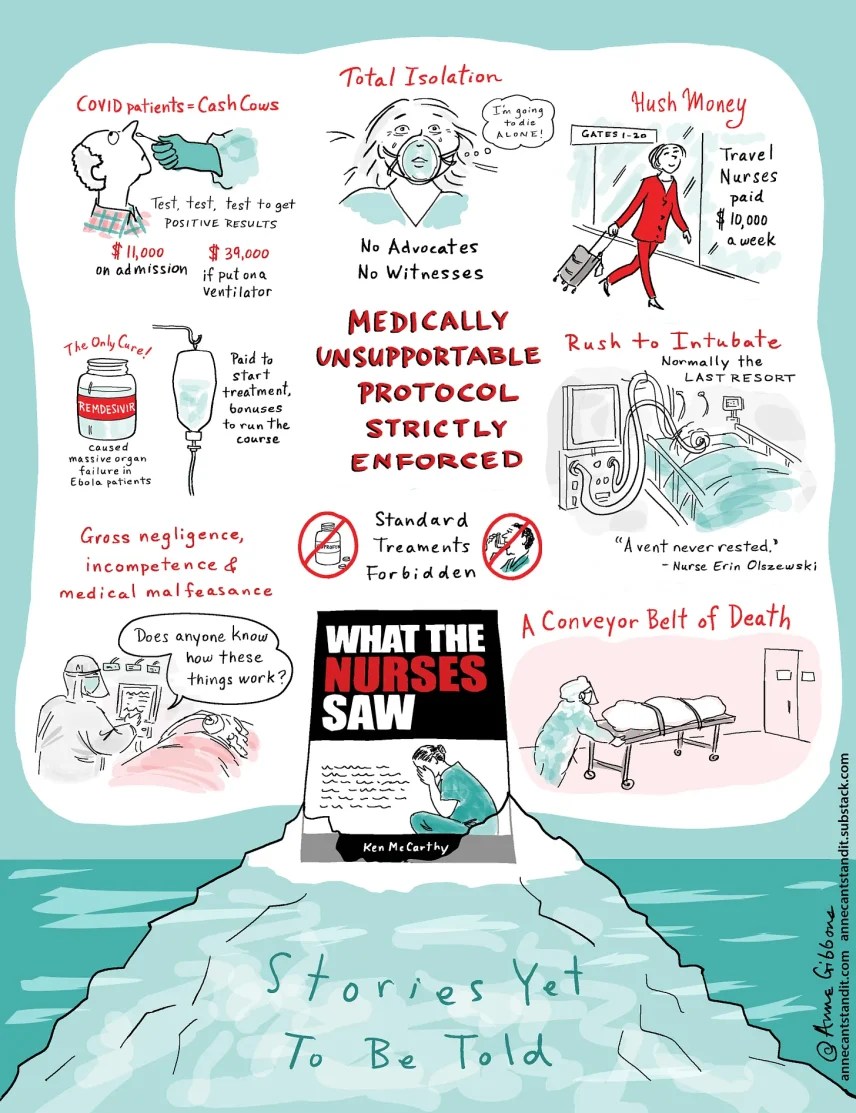
 These protocols were explicitly ordered by those who took dictatorial control of the medical system early in the Panic (spring of 2020). Further, when they were shown to be demonstrably failing and harming many thousands of people, experienced healthcare professionals who raised informed concerns were silenced through demotion, firing, and organized campaigns of harassment promoted by the news media and enabled by companies like Google, Facebook, Twitter, and TikTok, in some cases in collaboration with the White House and the Department of Justice’s FBI.
 • “I Saw ZERO Evidence Of Uyghur Repres…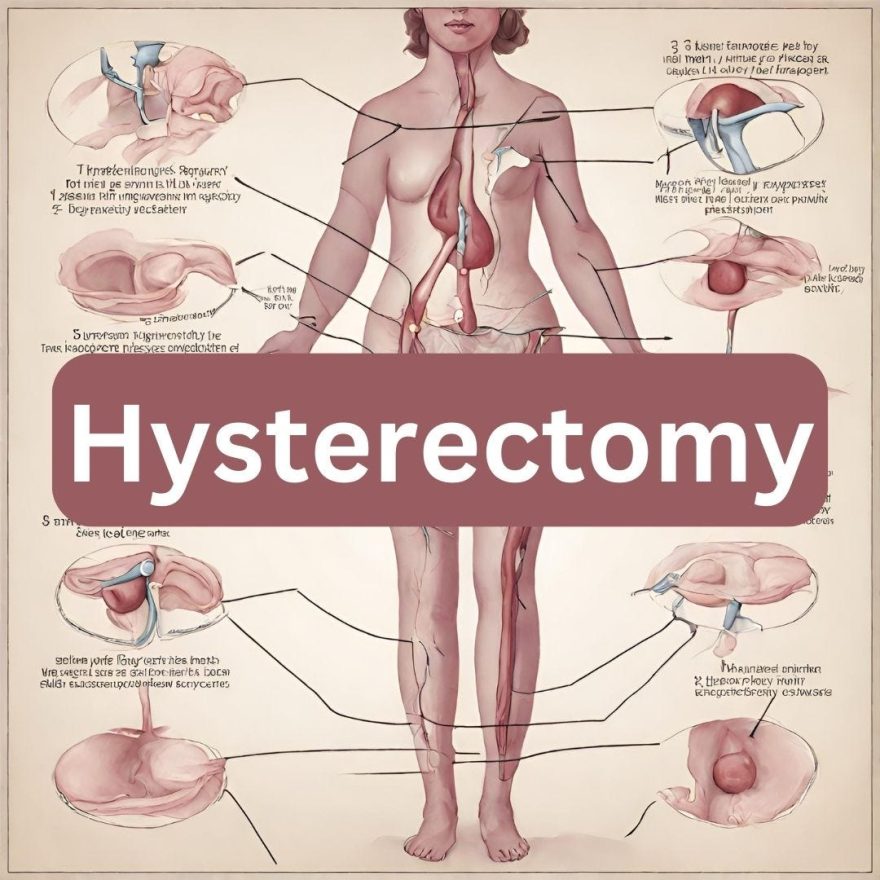

 Aletho News
 Aletho News