Onlinecensorship.org Tracks Content Takedowns by Facebook, Twitter, and Other Social Media Sites
New Project Will Gather Users’ Stories of Censorship from Around the World
EFF |November 19, 2015
San Francisco – The Electronic Frontier Foundation (EFF) and Visualizing Impact launched Onlinecensorship.org today, a new platform to document the who, what, and why of content takedowns on social media sites. The project, made possible by a 2014 Knight News Challenge award, will address how social media sites moderate user-generated content and how free expression is affected across the globe.
Controversies over content takedowns seem to bubble up every few weeks, with users complaining about censorship of political speech, nudity, LGBT content, and many other subjects. The passionate debate about these takedowns reveals a larger issue: social media sites have an enormous impact on the public sphere, but are ultimately privately owned companies. Each corporation has their own rules and systems of governance that control users’ content, while providing little transparency about how these decisions are made.
At Onlinecensorship.org, users themselves can report on content takedowns from Facebook, Google+, Twitter, Instagram, Flickr, and YouTube. By cataloging and analyzing aggregated cases of social media censorship, Onlinecensorship.org seeks to unveil trends in content removals, provide insight into the types of content being taken down, and learn how these takedowns impact different communities of users.
“We want to know how social media companies enforce their terms of service. The data we collect will allow us to raise public awareness about the ways these companies are regulating speech,” said EFF Director for International Freedom of Expression and co-founder of Onlinecensorship.org Jillian C. York. “We hope that companies will respond to the data by improving their regulations and reporting mechanisms and processes—we need to hold Internet companies accountable for the ways in which they exercise power over people’s digital lives.”
York and Onlinecensorship.org co-founder Ramzi Jaber were inspired to action after a Facebook post in support of OneWorld’s “Freedom for Palestine” project disappeared from the band Coldplay’s page even though it had received nearly 7,000 largely supportive comments. It later became clear that Facebook took down the post after it was reported as “abusive” by several users.
“By collecting these reports, we’re not just looking for trends. We’re also looking for context, and to build an understanding of how the removal of content affects users’ lives. It’s important companies understand that, more often than not, the individuals and communities most impacted by online censorship are also the most vulnerable,” said Jaber. “Both a company’s terms of service and their enforcement mechanisms should take into account power imbalances that place already-marginalized communities at greater risk online.”
Onlinecensorship.org has other tools for social media users, including a guide to the often-complex appeals process to fight a content takedown. It will also host a collection of news reports on content moderation practices.
For Onlinecensorship.org:
https://onlinecensorship.org
Contact:
Jillian C. York
Director for International Freedom of Expression
jillian@eff.org
Ramzi Jaber
Co-founder and co-director of Visualizing Impact
Ramzi@visualizingimpact.org
Featured Video
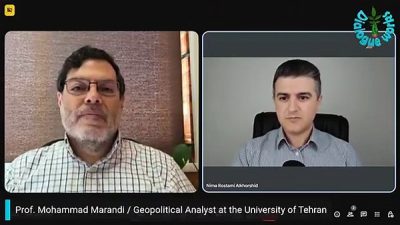
Seyed M. Marandi: U.S. Military DIVIDED? Iran’s Secret Defense EXPOSED
or go to
Aletho News Archives – Video-Images
From the Archives
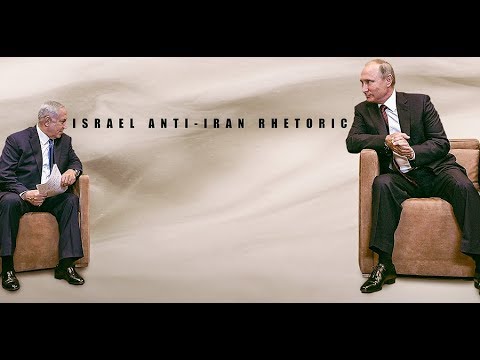
‘Israel sees Iran as obstacle to its policies’
Press TV – August 25, 2017
Prime Minister Benjamin Netanyahu has said that Israel felt threatened by Iran’s growing influence in the Middle East. Netanyahu expressed his Iranophobic view in a meeting with Russian President Vladimir Putin in Russia’s Black Sea resort of Sochi on Wednesday. Press TV has asked Scott Rickard, former American intelligence linguist from Tampa, Florida, and Brent Budowsky, a columnist at The Hill from Washington, to give their thoughts on the issue.
Rickard said Tel Aviv is concerned about the fact that the regime could not carry out its old project to spread sectarian divisions and pave the way for dismemberment of the countries in the Middle East region because of the Iranian-led resistance against Israeli policies, not only in the occupied territories of Palestine but also in the whole region.
“Iran is not a threat to Israel whatsoever. The threat that Israel sees is the fact that their Oded Yinon Plan is being put to a hold by Iran,” the intelligence linguist said on Thursday night.
“They (the Israelis) look at Iran as a threat only because they have no influence on their governments and Iran is autonomous and is not under the Zionist influence,” he added.
Since the victory of the Islamic Republic of Iran in 1979, Tehran has been critical of Israel’s policies in the region, whereas “no leaders [of other states] even dared to speak out against Zionism,” Rickard argued. … continue
Blog Roll
 Aletho News
- Trump Claims Ceasefire, Reopening of Strait of Hormuz Agreement with Iran
- Israeli tank fire killed UN peacekeeper in Lebanon, UNIFIL investigation finds
- Russia, China block Bahrain-sponsored UN resolution on Strait of Hormuz
- The US-Israeli War on Science is an Assault on our Future
- Trump’s Promise to Bomb Iran ‘Like Never Before’ Faces Brutal Logistics — Expert
- Germany seeks to restrict stays abroad for men of fighting age – Berliner Zeitung
- Evidence points to Ukraine being behind TurkStream attempted sabotage, but that should come as no surprise
- Sri Lanka secures supplies of Russia oil – minister
- Nations across Asia strike direct deals with Iran for Hormuz passage
- IRGC commander declares ‘new phase’ of reprisal attacks against aggressors
- If Americans Knew
- The war the US is fighting for Israel could cost trillions
- ‘Cigarette Burns, Nail Wounds’: Toddler Tortured in Gaza to Coerce Father
- Trump Says US Sent ‘a Lot of Guns’ to Protesters in Iran
- Israeli forces destroy 17 UN peacekeeper cameras in south Lebanon
- US-Israeli strikes ‘completely destroy’ synagogue in Tehran
- Archbishop for US Military Says Iran War Is Unjust Under Catholic Teaching
- Iranian leaders’ Open Letters to the American People
- Trump says Iranians appreciate bombs, WHO warns of nuclear risks – Daily Update
- U.N. experts demand Israel release prominent Gaza doctor after reports of ‘severe torture’
- Israel’s Latest Genocide Is Against the Shias of Lebanon. Why Is the World Silent?
- No Tricks Zone
- An Inconvenient Tree: Uncovered In Alps… Europe Much Warmer Than Today 6000 Years Ago
- New Study Reports A 60% Slowdown In Greenland’s Ice Loss Rate In The Last Decade
- Low Intensity Tornado Wrecks Major Solar Farm, Creating A Potential Toxic Dump
- New Study Finds Warming Saves Lives…Cold Temperatures 12 Times More Deadly Than Excess Heat
- German Science Blog Accuses PIK Climate Institute Of Hallucinating Climate Tipping Points
- Devastating Assessment Of Comirnaty Vaccine By Former Senior Pfizer Europe Toxicologist
- New Study: CO2 Is ‘Effectively Negligible’ As An Explanatory Climate Change Factor Since 2000
- Former Pfizer Toxicologist Dr. Helmut Sterz Tells Bundestag Hearing Pfizer Vaccine Should Have Never Been Approved
- Energy Expert: Germany’s Nuclear Phaseout Was A “500 Billion Euro Mistake”
- New Research: South Australia’s Mid-Holocene Sea Surface Temperatures Were 4°C Warmer Than Today
 Aletho News