The HighWire with Del Bigtree | March 6, 2025
Ex-Ukrainian PM outraged by German intel chief’s warning
RT | March 10, 2025
Former Ukrainian Prime Minister Yulia Timoshenko has hit out at German intelligence chief Bruno Kahl after he claimed that resolving the conflict with Russia before the end of the decade could pose a security threat to Western Europe.
An end to the Ukraine conflict before 2029 or 2030 could allow Russia to regroup and “increase security risks for Europe,” Kahl told state broadcaster Deutsche Welle.
Kahl’s statement is the first official confirmation that the EU’s security is being prioritized at the expense of Ukraine’s sovereignty and the lives of its citizens, Timoshenko, who leads the opposition Fatherland (Batkivshchyna) party in Ukraine, claimed in a Facebook post on Friday.
“At the cost of Ukraine’s very existence and the cost of the lives of hundreds of thousands of Ukrainians, did anyone decide to pay for Russia’s ‘demolition’ for safety in Europe? I didn’t think they would dare to say it so officially and openly…” she wrote.
Kahl’s remarks “explain a lot,” she said, urging the Ukrainian parliament, the Verkhovna Rada, to respond while calling for an immediate end to the conflict.
The German official’s comments echoed recent remarks by French President Emmanuel Macron, who claimed that Russia poses a direct threat to the rest of Europe and urged EU member states to increase defense spending.
Russian President Vladimir Putin has consistently dismissed Western leaders’ claims that Moscow could attack NATO as “nonsense.”
Divisions remain within the EU on the Ukraine conflict, with some countries advocating a stronger military response from Kiev while others, such as Hungary, call for peace talks. Brussels has continued to push for military aid to Kiev.
In March, European Commission President Ursula von der Leyen launched the “rearm Europe” initiative to boost EU defense with up to €800 billion ($870 billion). In February, she announced €3.5 billion ($3.78 billion) in aid to strengthen Ukraine, calling its resilience an EU priority. Moscow has vowed to take measures to protect its security, warning that the EU’s militarization and confrontational rhetoric could escalate tensions.
Timoshenko’s response comes amid reports that she and members of former Ukrainian President Pyotr Poroshenko’s party recently held discussions with the team of US President Donald Trump. According to Politico, Ukrainian opposition figures presented themselves as more open to negotiations than Vladimir Zelensky. Both Timoshenko and Poroshenko, presently sanctioned on suspicion of high treason, confirmed their contacts with Trump’s team.
Much ado about nothing – Macron proposed nuclear umbrella for Europe
By Uriel Araujo | March 10, 2025
France’s President Emmanuel Macron announced last week his intention to extend the French nuclear shield to its European partners, and there are now talks about French-British nuclear deterrence. Germany’s Chancellor-in-waiting Friedrich Merz has urged France and Britain to share their nuclear weapons to “supplement” (not “replace”) the American nuclear shield.
The premise here is that a “pro-Russian” Trump is going to “abandon” Europe and thus leave it vulnerable to Moscow’s “aggression” – and so it is necessary to build an alternative shield. While various analysts and journalists put on serious faces while talking about these issues, underneath the rhetoric, the whole narrative lacks any substantiality, to the point of being laughable.
Let us briefly touch the premisses:
While the situation with borders is indeed far from being a settled matter in the post-Soviet space (with a number of frozen conflicts), there is of course no Russian appetite for attacking, or much less, “conquering” portions of Europe. The whole crisis in Ukraine has in fact more to do with the ethnocratic contradictions of nation-building in the new independent state of Ukraine, and with NATO’s enlargement, a policy denounced by the likes of the late Henry Kissinger himself, George Kennan, and a number of scholars and authorities who predicted it could cause the Ukrainian war since the late nineties.
Albeit partially bent on a kind of “reverse Kissinger” strategy to stop Biden’s dangerous “dual-containment” approach” (of antagonizing both China and Russia simultaneously), Trump is hardly pro-Moscow in any sense beyond that of avoiding an escalation. Moreover, his rhetorical attacks on NATO have more to do with burden sharing than with “ending” the Alliance.
The truth is that Europe embarked on an America’s proxy attrition war, and now that an overburdened Washington is retreating from its very war, puzzled Europeans do not know what to do. Now, let us delve into the idea of European deterrence, as proposed by Macron.
Europe has stayed under Washington’s wings long enough, and Trump does have a point when he says most NATO countries fail to meet the agreed expenses’ goal of using at least 2 percent of their GDP in military spending (which overburdens the US). And now that the Atlantic superpower is really signing its intent on pivoting to the Pacific, partially withdrawing from Eastern Europe, and shifting NATO’s burden onto its European allies, there is weeping and gnashing of teeth amongst Europe and Britain’s political elites.
European powers today are simply not what they once were. Consider the United Kingdom, for instance: it might even lack the capacity to maintain its own nuclear arsenal without American help, as experts have been warning, in the context of Trump’s “burden shift” threats to “abandon” or to leave the American transatlantic allies on their own. In January last, a British “Trident” nuclear missile embarrassingly failed (for the second time) during a test launch, which led to speculations about the realities of Britain’s nuclear deterrence.
Long story short, Paris and London are the only nuclear powers in Europe – and it is unclear however to what extent they would be capable of replacing the so-called American “nuclear umbrella”.
According to Astrid Chevreuil (a visiting fellow with the Europe, Russia, and Eurasia Program at the Center for Strategic and International Studies – CSIS – in Washington, D.C.) and Doreen Horschig (a fellow with the Project on Nuclear Issues at CSIS), there are “significant strategic, doctrinal, and logistical obstacles” to that. More to the point, they add: “in the current situation, the French and British nuclear forces are a complement to US extended deterrence, but they would not constitute a viable solution in the event of an abrupt withdrawal of U.S. nuclear forces.” Elaborating on it, Chevreuil and Horschig argue that:
Both the British and French arsenals are designed, in their size, to respond to attacks “based on their vital interests”: Paris counts on less than 300 nuclear warheads, and London, in turn, possesses less than 250 (Washington in contrast has “a total of 1,700 deployed warheads”).
Moreover, American nuclear weapons stored in Europe today are “airborne capabilities” (and not ground-based or seaborne systems). Only France has such an airborne nuclear component, and “replacing” the US would require enormous efforts from European allies.
Finally, the two experts conclude, Britain and France lack a nuclear doctrine compatible with the very idea of “extending their nuclear deterrence through stationing their weapons in other countries.” Paris does not even participate in NATO’s nuclear planning groups, as the French doctrine “insists on the independence of its nuclear decision making.”
I’ve written before on the challenges Europe faces when it comes to “rearming” itself – they range from de-industrialization to lack of a common legal and bureaucratic framework, or a common EU defense market – according to Sophia Besch (a Carnegie Endowment for International Peace fellow), and Max Bergmann (a former member of the US Policy Planning Staff and Director of the Eurasia Program at the Center for Strategic and International Studies).
One should also keep in mind that Paris’ own relationship with NATO is historically complex, to say the least. Under De Gaulle, France withdrew from the organization’s integrated military structure in 1966, and even expelled all of its headquarters and units on French territory. It was French President Nicolas Sarkozy who finally ended Paris “estrangement” from NATO as recently as 2009 – so it took 43 years for Paris to change its course. To this day, France has not given up “nuclear independence” with regards to NATO, as mentioned. It is hard to change things overnight.
In addition, French ambition’s aside, a quick look at Africa is enough to demonstrate how much of a declining power France really is today: one just needs to consider the French failures in Chad, Niger, Mali, and elsewhere – the French military was basically kicked out of their main bases in the African continent.
Lastly, there is also an element of a power struggle going on. If the overburdened American superpower is partially retreating from a number of theaters, the outcome of it could be a local power vacuum (in Europe) and some actors might have an appetite for filling such a void. Even Poland has eyes on that, as I wrote before. Much of the French rhetoric we are now seeing has a lot to do with that.
To sum it up, Macron is offering Europe something he does not have to counter a threat that does not really exist the way he describes it. He is doing so because of something Trump will not actually do. To put it another way, it is “words, words, words”.
Uriel Araujo, PhD, is an anthropology researcher with a focus on international and ethnic conflicts.
Covid vaccine injured – Silent no More
A book review
Health Advisory & Recovery Team | March 3, 2025
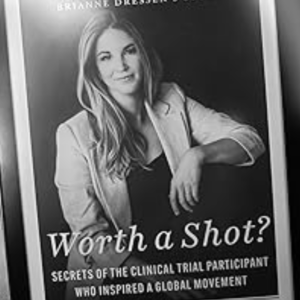 Was taking the Covid vaccine Worth a Shot? A new book by Caroline Pover, written on behalf of Brianne Dressen who lives in the USA, chronicles the horrific story of how she was severely injured by the Covid vaccine after enrolling on the AstraZeneca trial in November 2020. Caroline sensitively and professionally tells the heart wrenching, eye-opening account of how Brianne Dressen’s life was turned upside down and irreversibly changed forever the day she chose to volunteer to enroll on the UK-led AstraZeneca clinical trial. This book takes the reader along the rollercoaster ride of the devastating injuries caused by the vaccine and the blatant abuse of power by the healthcare system to denigrate, ignore, and cover up her injuries – along with many others labelled – as ‘misinformation’ spreaders by the medical-industrial-military complex. Every person on the planet was misled by governments, NGOs, regulatory agencies, corporations, Big Pharma, healthcare professionals, along with social and mainstream media. From how clinical trials are conducted to the lack of injury compensation, wide scale censorship, corruption and abuse of power, this book shows the myriad ways Brianne fought and continues to fight for truth and justice for the Covid-vaccine injured, who have been completely abandoned and often maligned by society.
The AstraZeneca Clinical Trial
In the introduction, Caroline Pover describes how she had been medically diagnosed with an adverse reaction to the Covid vaccine and was led to believe Brianne Dressen did not exist. It was only when she started posting on social media and heard about another woman who was dropped from a clinical trial because of an adverse reaction to the vaccine, that their paths crossed. Worth a Shot is a book based on real events that impacted on real people and is a narrative account of Brianne’s (Bri’s) story containing brutally honest struggles with how her life has changed irreversibly after the covid vaccine, including her plans to contemplate suicide. Bri had the perfect life: she was a fit, active lady who always pushed herself physically and mentally. She had a wonderful family life, married with two children with a dream house in the mountains. After having children, Bri set up her own preschool to help children who struggled in a typical educational environment. Then in 2020, Covid hit!
When the lockdowns happened and the talk of vaccine trials began, Bri wanted to help in any way possible with contributing to scientific advancements; once “Operation Warp Speed” was being regularly reported in the media, coupled with her husband’s scientific background, Bri felt excited to enrol in the new Covid vaccine trial set up by Oxford University in conjunction with AstraZeneca, which was recruiting in UK, Brazil, South Africa, and the USA. The opening in the USA was in Salt Lake City – just 40 minutes drive from Bri’s home. She had a phone interview with a trial representative for several hours to capture her medical history and was considered an excellent candidate for the trial. Things then went quiet, but out of the blue on 4th November 2020 – the day after the election – she was called into the trial. The consent form she signed was very thorough. It went through all the expectations and explained it was a double-blinded study and that so far 5,000 individuals had received at least one dose, and the side effects were mild to moderate but transient in nature. It also stated that if anyone did experience an adverse reaction they might be withdrawn from the study, but any medical treatment needed for reactions would be covered by AstraZeneca’s insurance policy. Bri took the vaccine, but tingling started within an hour of the injection.
Adverse Reaction
Bri’s reaction was severe. Tingling spread from below her right elbow all the way up her arm and shoulder, then to the other arm. The tingling got progressively worse and her eyes started to blur, and she saw double. Her hearing started to go muffled, but she assumed the symptoms would be gone by the next morning. However, her symptoms intensified, and now both legs were becoming weaker. She called the number on the consent form to report her reactions, but no one answered her call. Within days, she was confined to her bedroom, with drapes covering the window to shut out the light. Within weeks, her condition worsened so she saw a neurologist and visited an out-of-hours emergency clinic. Nausea, vision disturbances, tingling, extreme sensitivity to sound, limb weaknesses, as well as excruciating pain developed all over the body, including her teeth, stomach, bones, joints, legs and arms. She could not eat and lost 20 lbs within weeks. Her body seemed to vibrate and buzz from within constantly, and she could not bear anyone touching her, with extreme sensitivity to sound, light, and food. She spent weeks then months confined to her bed. She lost control of her bladder and her blood pressure was erratic. None of the pain medications helped.
Her husband and other family members and close friends helped with looking after the children and caring for her. Yet Bri and her husband did not want to broadcast these issues publicly when so many were struggling with Covid itself. Weekly and even sometimes daily visits to the hospitals baffled the doctors. Friends visited her but the visible transformation of her appearance shocked them, and she had to wear earplugs and sunglasses. Attempts at exercise were futile, as the pain was too unbearable. She visited multiple experts but to no avail. The principal investigator of the clinical trial suggested she might have multiple sclerosis (MS), but the trial clinic did not recommend any other specialists. Local neurologists recommended she visit the ER. The clinic staff told Bri that the ramifications were serious if she thought there was any possibility the vaccine had caused these symptoms. When she said her reactions were from the vaccine as she was a trial participant, most professionals were not interested and dismissed the symptoms as Covid. She had MRI scans but found nothing significant; there was nothing they could do. Bri was to report back to the trial clinic, which she did. They told her not to worry because AstraZeneca would reimburse all her medical costs – and they would be in touch soon. But no one contacted her.
No Diagnosis
She continued to go through the proper channels and medical experts to get answers. After a series of tests that ruled out MS and other neurological conditions, she was no closer to a diagnosis. By ploughing through scientific papers and doing their own research, Bri discovered post-vaccination transverse myelitis (TM), Guillain-Barre Syndrome (GBS) and acute disseminated encephalomyelitis (ADEM). Both TM and ADEM are conditions relating to inflammation of the spinal cord or central nervous system, which can lead to permanent damage. Despite Bri reporting this to the trial clinic, the trial was not put on hold. She was told to report everything back to AstraZeneca, which she did, but despite all the assurances, no one contacted her. Bri’s multiple trips to the hospital caused by the vaccine meant she was a burden to the healthcare system. Many physicians shrugged off her symptoms as psychiatric because none of the tests produced any explanation. She was put on antidepressants and gabapentin for neurological pain. Nothing had been put in place to deal with anyone who had an unexpected reaction to the vaccine.
On the next visit to her clinic, Bri hoped someone would be able to help her with her condition but was told no one could see her unless she signed a new consent form. She asked what was different about this form but they insisted they could not help her unless she signed it. Bri’s vision was so impaired that she could not read the form. She felt she had no choice but to sign it. Once she signed the form, two nasal swabs were taken and a blood test to confirm she did not have Covid, and she was discharged. Bri reached out to the CDC, and her husband filled out a VAERS report, but no one responded. Bri’s health deteriorated and the medical costs were mounting up, with assurances AstraZeneca would reimburse. After weeks of scouring the internet they discovered that IVIG (intravenous immunoglobulin) might be a possible treatment. When they showed this to the doctors and other experts, they were ignored and refused this treatment. The only interaction from AstraZeneca (via a third party) was that Bri was ‘unblinded’ from the trial at her request as she wanted to know if she had received the vaccine, which was later confirmed. The trial sponsor agreed she would not receive a second dose, but they offered no help or support about her continued deteriorating health.
Losing Hope
Exhausted and losing hope, Bri and her husband reached out to the NIH. They were surprised when a specialist neuroimmunologist, Dr Avinthra Nath, Director of the National Institute of Neurological Disorders and Stroke at the NIH, and a researcher at the National Institute of Allergy and Infectious Diseases (NIAID) who worked directly under Dr Anthony Fauci, responded with interest to learn more about Bri’s condition. An appointment was arranged and he seemed very sympathetic and gave the impression he was keen to help. Bri then learned the shocking news that the AstraZeneca vaccine was authorized for use throughout the UK. Publicly the trials were being celebrated as hugely successful, but Bri knew otherwise. She felt suicidal – she was a climber, skier, and dancer who was now a completely non-functioning member of the family barely able to leave her bedroom. Bri’s circle of friends started to diminish. Their savings were also being rapidly depleted because of the skyrocketing medical costs. What about all the assurances on the consent form? What happened to all the promises of the costs being reimbursed? Bri began to lose hope. A trip into nature with her sister that aimed to be a temporary distraction for her resulted in a candid but dark exchange. Her sister asked her to promise her not to kill herself. Bri replied “I cannot promise you that”. The chapter describes how she planned to take her own life, so she was less of a burden to her family. Mercifully, she changed her mind and instead directed her focus on finding and helping others who might be injured and experiencing the same nightmare she was going through.
The Many Injured
It didn’t take long before Bri joined support groups online. After some time she saw a posting from another lady who was also injured in the AstraZeneca trial. Finally, she could talk to someone who knew exactly what she was going through! Within a few days she found another clinical trial participant (Moderna trial) who also experienced similar debilitating reactions. In this patient’s case, she had her left lymph nodes removed as they were so swollen but she became bedridden owing to complications of the surgery. Bri befriended Dr Danice Hertz, a retired gastroenterologist who had developed Mast Cell Activation Syndrome (MCAS) following the Pfizer jab and was suffering ongoing allergic-type reactions including tinnitus, chest pains, and severe nerve damage to her face. Danice increased the number of patients referred to the NIH and Dr Nath for his study. Soon she was inundated with emails from others who had experienced adverse effects from covid vaccines. Sheryl Reutters was harmed by the Moderna jab, experiencing a severe neurological reaction, and soon became a close friend of Bri. Mary Johnson a front-line ER and critical care physician who was injured by the vaccine, and was driven out of her job and confined to her home. Kristi Dobbs and Candace Hayden were also damaged by the vaccine. Bri trusted the NIH to take care of all these injured and would talk to them each week to learn about their stories.
The number of people with vaccine injuries kept mounting and they were all being ignored by doctors and the drug companies. So, the group decided to create a Covid vaccine injury support group on Facebook. However, anyone publicly criticising the vaccines soon became labelled as ‘conspiracy theorists’ and more prominent healthcare workers with dissenting voices became known as the “Disinformation Dozen”. After taking a default position of always giving the benefit of the doubt, Bri was now beginning to realise they had been strung along for months. Her own children were starting to struggle at school, and were developing anxiety, and her son was afraid of leaving the house. Then Bri discovered Maddie, a 12-year-old girl who was completely healthy before receiving the Pfizer vaccine, who was left unable to walk or eat, incontinent, and with seizures and fainting episodes. Bri and the core group of vaccine injured decided enough was enough – they had to go public!
Going Public
They started to post their testimonies and videos about their experiences on the website; some of the stories were harrowing. The videos found their way onto TikTok and were receiving millions of views, as traffic to their website exploded, with over 300,000 views per week. More and more stories poured in from around the world. Facebook seemed to be where many of the support group interactions were residing. By early 2021, although Bri had yet to find anyone else injured by the AstraZeneca jab, in the UK reports of blood clots were flooding in. Slowly news reporters began contacting them and they promised to cover the stories of the vaccine injured along with statements from governments and drug companies. The group reached out to the CDC, FDA, and VAERS but no one received a significant response. How many others were out there with the same relentless pain, alone and with overpowering thoughts? Petitions were submitted to the FDA, CDC, VAERS, and the White House, after one lady who was part of the injured group took her own life. They went to the top, and contacted Dr Peter Marks, Director of the Centre for Biologics Evaluation and Research at the FDA. Word was now spreading among the vaccine-injured community that the NIH had been contacted about hundreds of people with adverse reactions.
Bri and her newfound friends detected a distinct unease among most doctors and nurses whom they engaged with during their multiple visits to the hospital. Bri spent a week at the NIH having multiple tests, which confirmed she had nerve damage in her legs and autonomic nervous system issues. She was diagnosed with “post-vaccine neuropathy”, and recommended IVIG therapy – the very treatment Bri had pleaded with the doctors to try but were ignored. One of Bri’s friend’s, Casey, was an NIH employee who had suffered severe neurological complications as a result of the vaccine. Casey met with Dr Nath, who had previously reassured them that they were documenting and researching all the injuries. When Casey then confronted Dr Nath about his research he flatly denied any such research was underway even though Bri had spent a week at the NIH having tests and being placed on the IVIG protocol. They had no choice but to get political, so they arranged a call with Wisconsin’s Senator Johnson who had been outspoken about the harms caused by the covid vaccines and the censorship, and had been critical of the lockdown policies. Bri was cautious of accepting Senator Johnson’s help because of how he had been portrayed, but on meeting him found he was full of kindness and willing to expose himself to attack on their behalf.
Senator Johnson agreed to hold a press conference. The vaccine injured community felt the politicisation of their health and ‘vaccine stance’ was very draining. One of the support groups that came together with Bri’s group was named “A Wee Sprinkle of Hope” to reflect the culture of compassion. The real objective of the vaccine injured movement was to help people who were suffering. No headline news from the press conference was on the mainstream media, it was mentioned as an aside before going to the next item. Every vaccine injury was not misinformation and their abandonment by the manufacturers was not misinformation. Instead, the news reporters centred the stories not around the vaccine injuries, but around the fact it was led by what they claimed was a crazy, right-wing ‘conspiracy theorist’: Senator Johnston.
Censorship
Then the censorship started. Within 24 hours of the press conference, Facebook began shutting down the support groups. The injured gathered together and then joined with A Wee Sprinkle of Hope. Thousands had joined, and the group was getting larger by the day. Then 5 days after the press conference, and without warning, Facebook shut down the largest Covid vaccine injury support group in the world. Now the injured could not even talk to each other! The social media platform was actively restricting people suffering from extreme physical and emotional pain from communicating with each other. Soon the group decided to develop code words so they could still communicate under new names. Then a mainstream news article exposed one of the code words, and a new group of 30,000 members was shut down too! Warnings appeared beneath people’s posts on their own pages urging viewers to go to Facebook’s Community Guidelines on ‘accurate’ information about vaccines. The warnings also deterred other Facebook users, suggesting they should not interact with ‘repeat offenders’ posting misinformation about vaccines. People’s posts were also being ‘shadowbanned’ or hidden by Facebook algorithms.
Bri was eventually paid a measly $590.20 from AstraZeneca, which coincided with her learning of other injured people in the UK in early 2021. The injured were getting mixed messages from the NIH. On the one hand, they were paying for people’s tests and diagnosis, but then they denied any research was being done. Eventually Dr Nath stopped responding to emails and the FDA stopped communicating with Danice. The NIH then shut down the entire study of the covid vaccine injured and cancelled Bri’s upcoming trip to the NIH. Some of the “Disinformation Dozen” also had their social media accounts shut down or restricted. By now, authors, doctors, patients, activists and even celebrities were being censored. Bri’s husband studied all the clinical trial study reports that had come out, matching the injured participants they knew of to the recorded reactions and found most had been downplayed or even omitted.
It was becoming clear that the institutions they had previously trusted, such as the media, science, pharmaceutical companies, and the government were hiding the truth or outright lying about Covid vaccine adverse reactions. They were being silenced. Free speech was officially over. But another threat was looming: vaccine mandates! The idea of mandating Covid vaccines was terribly distressing to many of the injured. They knew first hand that no one would be there for anyone if they developed a severe reaction. Being fully vaccinated meant you could go to work, visit restaurants or travel without restriction. Those same ‘privileges’ would not be open to the unvaccinated. The coercion, propaganda, bribes and incentives to get the vaccines was extraordinary. Next they were going to jab children.
Eventually, Bri discovered Dr Doshi, an Associate Professor at the University of Maryland with an interest in the drug approval process and an expert in clinical trials, who was also a Senior Editor at the British Medical Journal. Bri and others set up a call with him, and he suggested organising a roundtable discussion in Washington, with senators, health officials and all media. Other pharmaceutical policy experts were brought in, and Bri and her friends started to gather the vaccine injury testimonials. Fundraising was needed to pay for the injured to travel to the event. Some organizations donated together with crowdfunding efforts that raised £37,000 to pay for everyone’s travel and accommodation. The roundtable event at the Senate lasted over 4 hours, which sparked some media interest. The clinical trial company offered a single ‘full and final settlement’ payment to Bri of £1,243.30. This amount did not even cover one-half of the cost of a single IVIG infusion. It seemed the second consent form that Bri had signed (under duress) had significant changes that included all the symptoms she had suffered since the jab, effectively invalidating the previous consent form. After meeting another vaccine victim, Dr Joel Wallskog, Bri and others formed a new group: React19.
Going Global
A Pfizer Whistleblower, Brook Jackson, had been a regional director at one of the clinical trial sites and expressed serious concerns about how the Pfizer Covid vaccine trial was conducted. Despite the stories some mainstream channels promoted about vaccine misinformation and “anti-vaccine propaganda”, clips of the roundtable event were going viral. Many of the vaccine injured, including healthcare professionals and doctors were risking their careers by speaking out against the vaccines. While React19 was originally set up to support the American’s who were injured, it ultimately became a hub for the vaccine injured all over the world. What became clear was that vaccine injury support groups before the covid vaccines faced similar medical gaslighting. The difference this time was never had a vaccine been administered to so many people at the same time – an estimated 5 billion globally – so the global repercussions would be huge. A chat group was initiated for React19, which grew with international leaders, creating a unified effort. Charlet Crichton set up the UK-based UKCVFamily around the same time as React19, as the healthcare system in the UK is different to the USA and more people in the UK had been given the AstraZeneca vaccine. Both groups now collaborated.
It was also becoming clear that as the vaccine injured community grew, the adverse reactions in all the trials had been hidden or misrepresented. Throughout her journey, Bri had started out searching to find the support she needed, but since taking on a leadership role in React19 she was now the support. The end of the book chronicles how finding allies was not as easy as some might assume. There was still no research paper from Dr Nath from the NIH, and when it finally did materialize on a preprint publication, it only published data from 24 patients (despite having over a hundred cases). Furthermore, any links to the adverse events of the vaccine were completely downplayed. When the injured were invited to speak at events by ‘advocates’ on behalf of the injured, often it was more for appearances. Some people in the freedom movement wanted to raise their profile through association with the vaccine injured, but were not directly offering help. Gradually the environment changed so that it was more ‘acceptable’ to discuss vaccine injuries. The film produced by Mark Sharman (former ITV and BSkyB News Executive) “Safe and Effective: A Second Opinion” released on YouTube in October 2022, was removed from the platform within hours following its mention in a Parliamentary debate, despite amassing over a million views!
Find the Science, Find the Money
The immunization surveillance systems such as VAERS, Yellow Card report scheme and others were not working. It is estimated fewer than 1% of adverse reactions are even logged on these sites and so the true nature and scale of such reactions are far greater than captured on these systems. A staggering statistic of the VAERS system is that in the 30 years of vaccine injury, 50,000 reports had been logged. In 2021, there were 750,000 reports of adverse reactions. In other words, the covid vaccine reports in 1 year outnumbered all adverse event reports from the prior 30 years combined. Many of the VAERS reports were not being followed up or being processed properly. Studies submitted to journals that had any data that questioned the vaccines, were often rejected from multiple journals.
Compounding the issue, the 1986 US National Childhood Vaccine Injury Act (NCVIA) removed any financial liability from the manufacturers if any deaths or injuries were caused by vaccines. Moreover, vaccine damage payment schemes, such as the VICP in the USA, were wholly inadequate as proving vaccine was the cause meant hardly any claims were successful and any moderate payments often took years. The PREP (Public Readiness and Emergency Preparedness) Act established in 2005, also granted pharmaceutical companies immunity from federal or state litigation, in circumstances such as a pandemic. So, the companies making the vaccines have no responsibility for damage and little if any incentives to carry out scientific research into any injuries caused. The vaccine injured had to find the “science to follow” rather than “follow the science”. A combination of the “fact-checkers” who demolished any “anti-vaccine” testimonials and that medical reimbursement was non-existent, the out-of-pocket medical expenses the vaccine injured faced often exhausted personal savings to the point that many were refinancing or selling their homes.
Conclusion
The fear-mongering that had contributed to many of those injured by the vaccine to choose to get vaccinated in the first place was now continuing for this marginalized section of society. Those injured by the Covid-vaccine also learned from people who had been injured by past vaccines. The censorship tale was all too familiar, but the React19 community started doing their own research and discovered alternative therapies – be it pharmaceutical, natural, physical, spiritual – and lifestyle adjustments could help with their symptoms. The Covid vaccine rollout left a trail of devastation and damage in its wake. Social cohesion and disconnection also set in with the vaccine-injured ostracised from society. Whether vaccinated or unvaccinated, most people have been affected by the loss of relatives, friendships, relationships, and often life-long careers and financial autonomy. For many, finding support in such dark times has literally been the difference between life and death. We all need healing from the collective trauma of the Covid era, which is still ongoing. By sharing this poignant story of the many Covid-vaccine injured, we hope this will inspire more kindness, connection, compassion, and courage to be open about the truth. That is Worth a Shot!
Worth a Shot?: Secrets of the Clinical Trial Participant Who Inspired a Global Movement―Brianne Dressen’s Story, told by Caroline Pover, was published in November 2024 by Skyhorse Publishing, ISBN: 9781510783461.
All proceeds from the book go to UKCVFamily and React-19, support vaccine -injured in UK and worldwide.
Five Eyes Would Go Blind Without US Backing: US Army Vet and Intel Specialist
By Ilya Tsukanov – Sputnik – 09.03.2025
Britain’s intelligence establishment reportedly started “rationing” what info to pass on to the US after Trump’s election, and his thrashing of Zelensky at the White House last month has sparked talk of a ‘breakaway’ ‘Four Eyes’ intel-sharing pact. Sputnik reached out to a leading US military intel specialist for details on what this could entail.
Sources told The Mail on Sunday that while joint work intercepting electronic communications could be ‘hard to disentangle’, human intelligence by agents on the ground could be held back from being shared with the US, especially “raw intelligence, which can be very exposing of sources if it falls into the wrong hands.”
Diplomatic sources, meanwhile, told the newspaper that the US intelligence establishment is “in a state of panic” over Trump’s approach, and actively destroying files on assets in Russia.
Five Eyes Without US is Nothing
“The US share is huge,” retired US Army Lt. Col. Earl Rasmussen told Sputnik. “There’s very little the remaining Five Eyes would have without the US,” the observer noted, highlighting that America provides:
- Immense signals intelligence (SIGINT) capabilities including information from satellites (about 5,000 of the world’s roughly 8,000 satellites are American), in Rasmussen’s estimation
- a military feed from the US Defense Intelligence Agency
- substantive human intel
- real-time open-source info collection and analysis capabilities
- security intelligence via cooperation between the FBI and the Five Eyes’ allies’ analogs.
If the Five Eyes were to break up, Rasmussen doesn’t exclude the creation of new, regional intel-sharing alliances, like:
- Australia and New Zealand partnering up with Japan and South Korea
- The UK ramping up intel cooperation with France and Germany
As for the Five Eyes’ “global reach, the fusion of information, the mass experience, the analytical tools that are commonly operated…almost all the major ones have either been operated completely by the United States, or via a shared operation with the United States and another [country],” the observer summed up.
SUGAR, NOT GENES: THE HIDDEN DRIVER OF CHRONIC DISEASE?
Most U.S. infant formulas contain mainly added sugars, posing a serious risk to babies’ health, researchers say
By Pamela Ferdinand | US Right To Know | February 25, 2025
Most infant formulas in the U.S. contain mostly added sugars instead of natural lactose, which experts say can harm early development, a new report from the University of Kansas shows.
“Infants may consume upwards of 60 grams of added sugars per day, or the equivalent of two soft drinks per day if they are entirely formula-fed,” researchers say in the study, published yesterday [Feb. 24, 2025] in the Journal of Food Composition and Analysis.
The findings reveal “the staggering extent” to which sugar-laden U.S. formulas undermine federal healthy diet recommendations for infants—and cannot be easily avoided, they say.
“[Most] of the formulas that parents and caregivers feed their infants likely present a substantial risk to their infant’s health and development. Ultimately, caregivers and infants in the US deserve a formula market that promotes healthy infant development and does not promote early obesity risk.”
Added sugars provide energy but lack nutritional value, boosting the odds of rapid infant weight gain that can eventually lead to obesity, type 2 diabetes, cardiovascular disease, and other health problems. They may also make babies develop a stronger preference for sweet foods, increasing the risk of overeating and obesity later in life. And they do not support beneficial gut bacteria as well as lactose.
In contrast, lactose, which is naturally found in breast milk, cow and goat milk, is perfectly designed to support an infant’s nutrition, immune system, and gut health, researchers say. Because lactose digests slowly, it doesn’t cause the sharp spike in blood sugar that can set the stage for long-term health problems. It also satiates hunger and helps the body absorb minerals that are important for bone health.
Dr. David Ludwig, an endocrinologist and researcher at Boston Children’s Hospital who conducted some of the original studies linking sugar-sweetened beverages and fast food to obesity, calls infant formula spiked with added sugars a “metabolic nightmare for infants.”
“You lose the beneficial effects of what lactose does, and you get the harmful effects of what these fast-digesting sugars do,” Ludwig says. “Unless we’re talking about the very rare child who can’t take lactose, that should be the dominant carbohydrate.”
Out of 73 formulas available in the U.S. in 2022, the vast majority of which were for infants up to 12 months old, the researchers found only five contained mainly naturally occurring lactose—and those are no longer available in this country. It is unknown whether any formulas on the current U.S. market contain primarily naturally occurring lactose, they say.
The study also shows the quality and type of sugars in infant formulas varied by formula. Gentle (with marketing claims such as “gentle,” “soothe,” “sensitive,” or “acid reflux”) and lactose-free formulas contain less sugar than standard formulas but much more starch, the study shows.
“Our findings highlight a major problem with the infant formula supply,” says lead author Audrey Rips-Goodwin, who headed the analysis of data from the Nutrition Data System for Research for KU’s Health Behavior and Technology Lab. “Our infant formula market totally contradicts what experts in infant health recommend.”
Children under 2 years should not be given any foods or beverages with added sugars, since they need nutrient-rich diets and are developing taste preferences, according to the American Academy of Pediatrics and the Dietary Guidelines for Americans (2020–2025). Yet with few formula options free of added sugars, the researchers say parents and caregivers who can’t breastfeed or access breast milk face tough choices in terms of finding a nutritionally suitable formula due to lax government regulations.
Unlike adult food products, US regulations do not require that added sugars be reported on the nutrition label of infant formulas (only total carbohydrates). The FDA specifies 30 nutrients that must be included in infant formulas but does not regulate the types of carbohydrates or require their clear labeling. That means formula manufacturers can use any type of carbohydrate, including starches or added sugars such as corn syrup solids, fructose, and glucose.
“Consumers are blinded to the fact that added sugars may be present in infant formulas, and in what quantities,” the researchers say. “As a result, parents and guardians may unknowingly feed their infants formula that contains substantial quantities of added sugars.”
The study builds on others that revealed the high sugar content of infant formula. It also comes less than a year after news reports that two of Nestlé’s leading baby-food brands, promoted as healthy in Africa, Asia, and Latin America, contain high levels of added sugar.
To promote healthy development, the researchers say efforts should focus on requiring formula companies to produce products that contain naturally occurring lactose as the only sugar. The amount of lactose present in infant formula should also reflect that of human milk.
At the same time, societal barriers to breastfeeding, including a lack of parental leave and affordable early child care, should be removed, the researchers add.
“[The] focus on an individual-level solution (breastfeeding promotion to women and caregivers) is not well matched to addressing the systemic nature of the problem and places an unfair burden on women and families who are expected to navigate this systemic issue,” Rips-Goodwin says.
Senior author Tera Fazzino agrees.
“Even though breastfeeding is promoted as the best option, the lack of support makes it hard to do exclusively,” says Fazzino, associate director of the Cofrin Logan Center for Addiction Research & Treatment at KU’s Life Span Institute. “Most parents end up using formula, either as a supplement or completely. But our findings suggest that formula itself may pose a serious risk to infant health.”
Reference
Rips-Goodwin AR, Jun D, Griebel-Thompson A, Kong KL, Fazzino TL. US infant formulas contain primarily added sugars: An analysis of the infant formulas on the US market. Journal of Food Composition and Analysis. Published online February 2025:107369. doi:10.1016/j.jfca.2025.107369
The questions they didn’t ask Marty Makary at his confirmation hearing

By Maryanne Demasi, PhD | March 9, 2025
By all accounts, Marty Makary’s confirmation hearing to lead the FDA went smoothly. As an experienced surgeon at Johns Hopkins with impeccable credentials, he handled questions with ease.
But the real issue was not what the senators asked Makary—it was what they didn’t ask him that was most concerning. They sidestepped the FDA’s recent, glaring failures, leaving critical issues unaddressed.
Much of the hearing consisted of senators pressing Makary for commitments on data he had not yet reviewed, such as mifepristone, vaping, and food additives. They also questioned him about recent FDA job cuts—decisions in which he had no involvement. As a result, there were no substantive revelations.
Makary promised greater transparency at the FDA and vowed to restore public trust. But why did no one press him on the agency’s most egregious missteps?
Speedy drug approvals
One of the most troubling trends at the FDA is its increasing reliance on expedited drug approval pathways.
Today, 65% of new drugs are pushed through these faster routes, despite clear evidence linking them to greater safety risks and a higher likelihood of requiring black box warnings.
The case of Aducanumab, the controversial Alzheimer’s drug, exemplifies this problem. It was approved in 2021 based on surrogate markers rather than meaningful clinical outcomes.
Despite an almost unanimous vote against its approval by the FDA’s advisory committee, the agency proceeded regardless, leading three committee members to resign in protest.
Harvard professor of medicine Aaron Kesselheim called it “probably the worst drug approval decision in recent US history.” Yet not a single senator questioned Makary on how he planned to reform this broken system.
When drugs are rushed through accelerated pathways, companies are required to conduct confirmatory trials to confirm efficacy and safety. But these confirmatory trials are frequently delayed, never completed, or ignored when results are unfavourable.
The FDA rarely penalises companies for non-compliance, allowing unsafe or ineffective drugs to remain on the market. Yet, the senators failed to ask Makary whether he would commit to stricter enforcement of these requirements.
A culture of secrecy
The FDA is the only major drug regulator in the world that receives individual participant data from clinical trials—yet it refuses to routinely release these data for independent scrutiny. If the agency stands by its approvals, why not allow external verification?
During the Covid-19 pandemic, the FDA granted Emergency Use Authorisation (EUA) for Pfizer’s mRNA vaccine trial in just 22 days—an unrealistic timeframe for proper analysis.
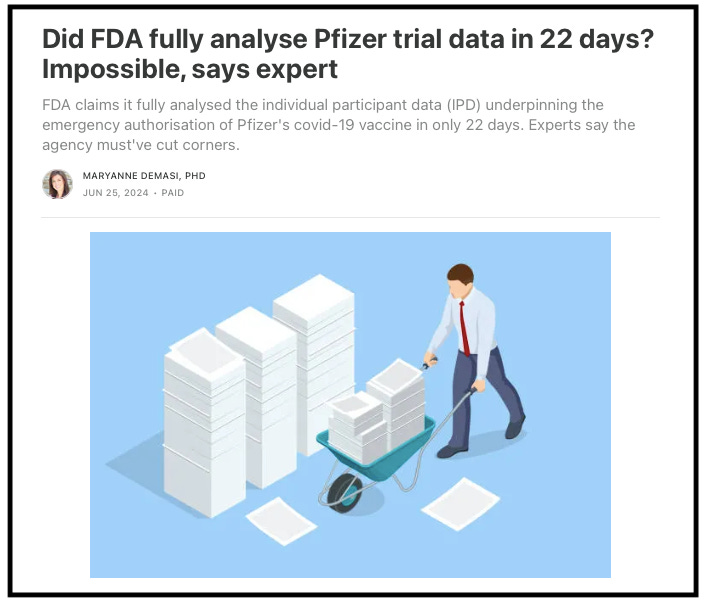
Worse still, it failed to conduct trial site inspections, despite knowing billions of doses would be administered, with experts calling the FDA’s oversight “grossly inadequate.”
When whistleblower Brook Jackson provided documented evidence of scientific misconduct in Pfizer’s pivotal clinical trial, the FDA ignored her.
The agency’s own Office of Criminal Investigations, whose job it is to conduct criminal investigations into illegal activities involving FDA-regulated products, turned a blind eye.
How can the agency expect public trust when it turns ignores such evidence?
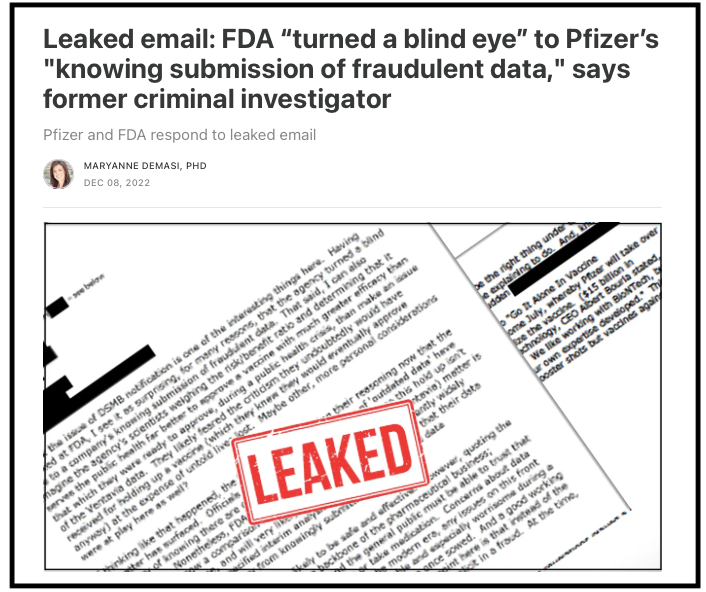
Adding to its opacity, the FDA attempted to withhold Pfizer’s vaccine trial data for 75 years, only relenting after a legal battle. The Judge in this case said the court order would “pierce the veil of administrative secrecy.”
This should have been a major topic at the hearing. I personally have had an FOIA request pending with the FDA for over three years, and the last time I checked, the agency claimed it was still “in triage.”
Concealing data
The FDA knew early on that the immunity conferred by Pfizer’s mRNA vaccine waned rapidly, yet it withheld these findings for months, during which time millions of people queued to get vaccinated under the assumption they offered lasting protection.
The agency, despite promising transparency early in the pandemic, consistently delayed releasing safety data, preventing doctors and the public from making informed decisions. None of this was brought up by Senators at the hearing.
FDA’s drug promotion
The FDA is a regulatory body, not a marketing agency—yet it actively promoted Covid-19 vaccines, claiming they prevented long Covid despite no supporting evidence.
Former FDA Commissioner Robert Califf falsely stated that the Pfizer’s antiviral Paxlovid could prevent long Covid and even admitted to deliberately “cheerleading” the drug.
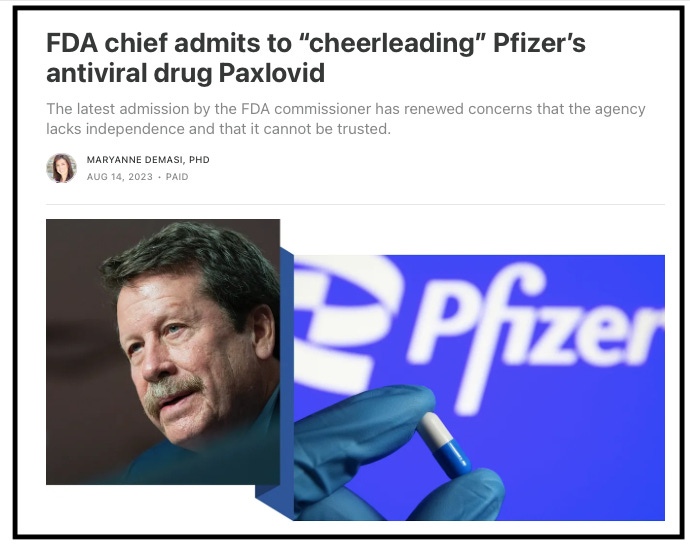
Meanwhile, the agency mocked alternative treatments like ivermectin, infamously tweeting: “You are not a horse, you are not a cow, seriously, y’all. Stop it.” It later removed the tweet after being sued. The FDA has no business dictating treatment choices or engaging in pharmaceutical advertising.
The agency also capitulated to political pressure.
The Biden administration pushed for universal Covid-19 booster approval despite weak data, prompting the resignation of two top vaccine officials, Marion Gruber and Phillip Krause. Senators should have demanded to know exactly how Makary would prevent future political interference.
False advertising
Pfizer CEO Albert Bourla publicly claimed that the company’s Covid-19 vaccine prevented transmission, even though the FDA’s own EUA documents stated this was never assessed.
The agency did nothing to correct this false advertising, yet no senator questioned Makary about how he would address misleading pharmaceutical advertising going forward.
Nor did they raise the issue of banning direct-to-consumer advertising—a policy Robert F. Kennedy Jr. has pledged to end.

Unanswered safety questions
Despite the pandemic ending, Moderna and Pfizer vaccines for young children remain under EUA. Why? There is no emergency justifying this continued authorisation.
Moreover, independent researchers have repeatedly raised concerns about excessive residual DNA in Covid-19 mRNA vaccines. The FDA has refused to investigate these findings, even as scientists continue to warn of potential risks.
Now, legal and medical experts have petitioned the FDA, citing regulatory violations and concluding the vaccines were “unlawfully approved.” Why was this not discussed at the hearing?
Beyond vaccines, the FDA has persistently ignored citizen petitions on other drug safety issues.
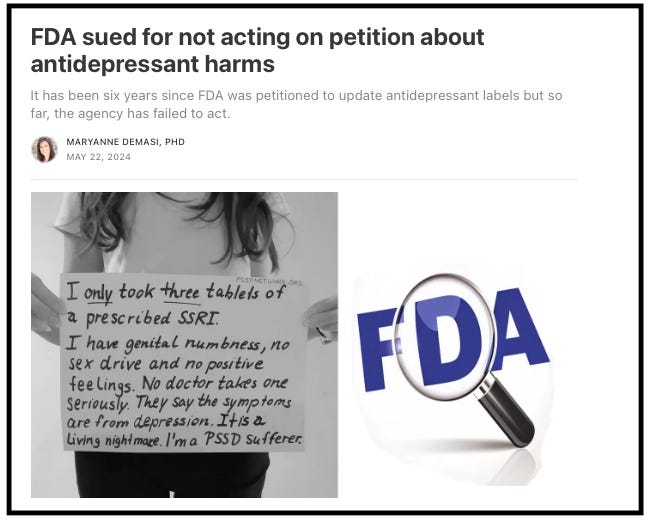
One example is its failure to update SSRI labelling to include warnings about post-SSRI sexual dysfunction (PSSD), despite overwhelming evidence. This inaction has led to legal action against the agency. Why did no senator demand accountability?
The task ahead
Makary was not responsible for the FDA’s past transgressions, but when confirmed, he inherits an agency in crisis.
To his credit, he was one of the few who publicly challenged flawed Covid policies during the pandemic.
Many hope he will now use his surgical precision to excise the rot within the FDA.
CHD, Doctors Ask Supreme Court to Hear Medical Free Speech Case
By Michael Nevradakis, Ph.D. | The Defender |March 6, 2025
Children’s Health Defense (CHD), Physicians for Informed Consent and a group of doctors who sued the Medical Board of California after it disciplined them for allegedly spreading COVID-19 “misinformation” have asked the U.S. Supreme Court to review their case.
The plaintiffs in Kory v. Bonta submitted their petition on March 1, following the November 2024 dismissal of their case by the 9th U.S. Circuit Court of Appeals.
California Attorney General Rob Bonta is named in the suit, along with the state’s medical board.
The lawsuit, filed in January 2024, is a follow-up to a previous complaint filed in 2022 and an amended suit filed in 2023, which challenged California’s Assembly Bill (AB) 2098 — a law allowing the medical board to discipline doctors who give “false” information about COVID-19 for engaging in unprofessional conduct.
A federal judge blocked AB 2098 in January 2023, and the law was later repealed. However, according to the lawsuit, the Medical Board of California is still targeting “COVID misinformation” and is threatening physicians with disciplinary action.
Three medical professionals — Dr. Brian Tyson, a board-certified family practitioner who owns an urgent care facility; Dr. LeTrinh Hoang, a pediatric osteopathic physician; and Dr. Pierre Kory, president emeritus of the Independent Medical Alliance, launched the lawsuit.
According to the petition to the Supreme Court, the Medical Board of California and the Osteopathic Medical Board of California, “with the assistance of the California Legislature,” have threatened disciplinary actions against the plaintiffs and other physicians for offering information to patients that departs from official COVID-19 narratives.
In April 2024, a federal district court rejected the plaintiffs’ request for an injunction against the medical board. The 9th Circuit upheld the ruling in November 2024. In January, the Supreme Court rejected the plaintiffs’ emergency application for an injunction.
Lawsuit hopes to set precedent that ‘informed consent is free speech’
The case seeks to resolve contradictory precedents from two federal appeals courts on whether the First Amendment protects physicians’ communications to patients — “a question that is particularly significant in a field like medicine, where scientific understanding is continually advancing and rarely settled.”
In a Physicians for Informed Consent press release, Rick Jaffe, who represents the plaintiffs, said the lawsuit “touches on the foundational rights of professionals to share knowledge and opinions essential for patient autonomy and informed consent.”
Tyson said patients cannot provide informed consent if their physicians are denied the opportunity to speak freely.
“We want doctors and all providers to be able to discuss risks and benefits with our patients, be able to speak out against things that are wrong, and be heard when breakthroughs are made,” Tyson said. “The hope is the Supreme Court will set the precedent that informed consent is free speech.”
Supreme Court asked to decide between competing legal precedents
According to the petition, federal courts have established competing legal precedents relating to medical free speech.
In a 2022 decision in Tingley v. Ferguson, the 9th Circuit upheld the ability of professional boards in Washington to restrict members’ speech, arguing this is similar to the boards’ enforcement of “other restrictions on unprofessional conduct.”
But in a 2020 decision in Otto v. City of Boca Raton, the 11th Circuit struck down local ordinances that limited the speech of therapists and counselors, finding that such content-based and viewpoint-based restrictions violate the First Amendment, which has no carveout for controversial speech.
Tyson said the California Medical Board’s disciplinary proceedings against him jeopardized his career. “I had to defend my position against the [board] and almost lost my license … That would have been devastating to the community I serve and to all those I employ.”
Jaffe said Kory v. Bonta is similar to another First Amendment case relating to medical speech, Stockton v. Ferguson. Filed in March 2024, the lawsuit seeks “to protect the right of physicians to speak” and the public’s right to hear such speech.
CHD is a plaintiff in the lawsuit, as are several doctors facing disciplinary proceedings by the Washington Medical Commission for their public statements criticizing mainstream COVID-19 narratives. Basketball legend John Stockton is also a plaintiff, advocating for the public’s right to access and listen to “soapbox speech.”
In January, the Supreme Court denied the plaintiffs’ emergency appeal in Stockton v. Ferguson. The case remains active before the 9th Circuit. Oral arguments are scheduled for May 14, Jaffe said.
“The two cases represent the entire spectrum of cases involving what physicians say and would allow the court to give a definitive and comprehensive answer to whether and how much the First Amendment protects professionals when they communicate to patients and the public,” Jaffe said.
According to Physicians for Informed Consent, four justices must agree before the full court can hear Kory v. Bonta. If the Supreme Court decides to take the case, it will hear Kory v. Bonta in October.
Jaffe said the Supreme Court may ultimately jointly consider Kory v. Bonta and Stockton v. Ferguson. He credited CHD with its role in supporting both cases.
“We hope to establish the constitutional right of healthcare providers to speak out against the prevailing medical and scientific consensus about COVID-19, as well as whatever public health challenges face the country in the future,” Jaffe said.
This article was originally published by The Defender — Children’s Health Defense’s News & Views Website under Creative Commons license CC BY-NC-ND 4.0. Please consider subscribing to The Defender or donating to Children’s Health Defense.
Number of wounded, disabled in IOF rises to 78k: Israeli media
Al Mayadeen | March 9, 2025
The Israeli Ministry of Security has reported that the number of wounded and disabled in the Israeli “army” has reached 78,000 due to the recent war.
The majority of these casualties are reserve soldiers, with over 50% being under the age of thirty.
Notably, 62% suffer from psychological trauma, and 10% are in moderate to critical condition, with 194 soldiers currently hospitalized.
In related news, Israeli newspaper Yedioth Ahronoth highlighted growing concerns within the Israeli army’s General Staff over a “severe shortage of manpower.”
The army is facing significant pressure on regular soldiers, many of whom are expected to remain on duty for the foreseeable future.
According to the Operations Division of the Israeli army, “Israel” is expected to experience a prolonged manpower shortage, one not seen since the days of the security belt in southern Lebanon, continuing through to the second intifada.
Tens of thousands of IOF reservists seek psychological treatment: Ynet
Late last month, Yedioth Ahronoth reported that tens of thousands of reservists in the Israeli occupation military were increasingly seeking psychological treatment after completing months of military service.
The report highlighted that 170,000 Israeli soldiers have enrolled in a program launched by the Security Ministry about a month and a half ago, noting that the psychological treatment program is witnessing high demand from reservists.
However, the newspaper pointed to a severe shortage of therapists, adding that the so-called “Amit” therapy program, initiated by the Israeli Security Ministry, is struggling to keep up with the growing demand.
In this context, the Friends of Israel Disabled Veterans’ website revealed on February 5 that around 10,000 soldiers may be officially recognized as suffering from psychological disabilities, including post-traumatic stress disorder (PTSD).
The website also reported that more than 6,000 new disabled Israeli soldiers have been added to the organization, stating that a total of 14,700 soldiers and security personnel have been wounded since the start of the Israeli war on Gaza and Lebanon.
US envoy confident captive deal with Hamas possible ‘within weeks’
Al Mayadeen | March 9, 2025
Adam Boehler, the US envoy who engaged in direct talks with Hamas, described the meeting as “very helpful” and expressed confidence that a deal to release Israeli captives held in Gaza could be reached “within weeks”.
In an interview for CNN, Boehler acknowledged the unusual nature of the talks, considering that Hamas has been designated a “terrorist” organization by the US since 1997. However, he did not rule out future meetings with the Palestinian group.
Boehler recognized “Israel’s” concerns over the US meeting with Hamas but emphasized his intent to revive “fragile” negotiations.
“In the end, I think it was a very helpful meeting,” he said, adding, “I think something could come together within weeks… I think there is a deal where they can get all of the prisoners out, not just the Americans.”
He hinted at the possibility of further talks, stating, “You never know. You know, sometimes, you’re in the area and you drop by.”
The first phase of a ceasefire concerning the release of some Israeli captives ended earlier this month, but the Palestinian Resistance and “Israel” are now in disagreement over when to transition into the second phase, which aims for a complete end to the war on the Gaza Strip.
While “Israel” wants to extend the first phase until mid-April, Hamas has insisted on moving to the second phase, which is aimed at achieving a permanent end to the war.
During this phase, the Resistance released 25 living captives and the bodies of eight others in exchange for approximately 1,800 Palestinian detainees and prisoners held in Israeli occupation prisons.
Of the 251 individuals taken captive on October 7, 2023, 58 remain in Gaza, including 34 whom the Israeli military has confirmed as dead.
Last week, US President Donald Trump issued a “last warning” to Hamas, threatening additional destruction in Gaza if all remaining captives were not released.
Boehler acknowledged the “consternation” “Israel” felt over the US’ engagement with Hamas, saying, “We’re the United States. We’re not an agent of Israel.”
He also pledged to travel to Syria to secure the release of Austin Tice, an American journalist abducted in 2012.
Tice, a freelance journalist working for outlets such as Agence France-Presse and The Washington Post, was detained at a checkpoint in Syria.
With hopes reignited after the fall of Syrian president Bashar al-Assad, Boehler vowed to locate Tice, stating, “If he’s there, I’m going to bring him home. If he’s dead, I’m going to dig up his remains with the FBI… and we’ll bring them home to his mom.”
US-Hamas talks focused on release of American-Israeli captive: Al-Nono
In the same context, senior Hamas official Taher al-Nono told Reuters on Sunday that recent meetings between Hamas leaders and US captives negotiator Adam Boehler have primarily focused on the release of an American-Israeli dual national held by the group in Gaza.
Al-Nono, political advisor to the leader of Hamas, confirmed the direct talks with the US, noting that they had occurred over the past week in the Qatari capital, Doha.
“Several meetings have already taken place in Doha, focusing on releasing one of the dual-nationality prisoners. We have dealt positively and flexibly, in a way that serves the interests of the Palestinian people,” al-Nono pointed out.
He further explained that both sides had also addressed how to implement the phased agreement aimed at ending the war on Gaza.
“We informed the American delegation that we don’t oppose the release of the prisoner within the framework of these talks,” the Palestinian official noted.
Trump’s special envoy, Steve Witkoff, emphasized last week that securing the release of Edan Alexander, a 21-year-old from New Jersey believed to be the last remaining American captive held by Hamas in Gaza, was a “top priority”.
Alexander, who served as a soldier in the Israeli occupation military, has been in captivity since the outbreak of the war.
On Saturday, “Israel” and Hamas indicated they were preparing for the next phase of ceasefire talks, with mediators working to extend the fragile 42-day truce that began in January.
A Hamas delegation met over the past two days with Egyptian mediators, reaffirming its commitment to negotiating the second phase of the deal. “Israel” also announced it would send negotiators to Doha on Monday for further discussions on the ceasefire.
On Sunday, “Israel’s” Energy Minister, Eli Cohen, announced that he had instructed the Israel Electric Corporation (IEC) to cease electricity sales to Gaza, a move he claimed was aimed at pressuring Hamas to release captives.
However, the measure is unlikely to have an immediate impact, as “Israel” had already cut off the power supply to Gaza at the start of the war. It could, however, affect a wastewater treatment plant currently relying on the supply.
Al-Nono praised Witkoff for his significant role in securing the ceasefire agreement on January 19 that brought an end to the war on Gaza.
“We hope that he (Witkoff) will work to succeed in the negotiation of the second phase,” he concluded.
UK eyes intelligence alliance to share data with Ukraine
Al Mayadeen | March 9, 2025
The UK government is considering forming a new intelligence-sharing subgroup within the Five Eyes alliance in reaction to US President Donald Trump’s actions toward Ukraine, the Daily Mail reported on Sunday, citing anonymous defense officials.
The requests for the effort apparently arose after the US suspended information collaboration with Kiev and prevented the UK and other allies from sending American intelligence to Ukraine.
A new proposed subgroup would greenlight intelligence cooperation without a US veto, according to the British daily.
According to the Daily Mail, the new project is not about abandoning Five Eyes but rather about establishing a new Four Eyes suborganization within it.
Simultaneously, US allies are mulling lowering the intelligence they share with Washington, citing worries about the administration’s conciliatory attitude to Russia, according to NBC News.
These include “Israel” and Saudi Arabia, as well as Australia, the United Kingdom, Canada, and New Zealand, with the latter four being members of the US-led Five Eyes intelligence cooperation.
Officials in New Zealand, Australia, and Saudi Arabia declined to comment, while authorities in the United Kingdom, Canada, and “Israel” refuted the accusations.
The United States has temporarily suspended intelligence sharing with Ukraine following a notable rift between President Donald Trump and Ukrainian leader Volodymyr Zelensky, CIA Director John Ratcliffe confirmed on Wednesday.
The decision follows a public row between the two leaders during a meeting in the Oval Office last week, which also led to the suspension of critical US military aid to Ukraine.
Speaking to Fox Business, Ratcliffe stated that the pause in intelligence cooperation is linked to Trump’s concerns about Zelensky’s dedication to the peace process with Russia.
“President Trump had a real question about whether President Zelensky was committed to the peace process,” Ratcliffe said. He noted that the suspension is temporary and expressed confidence that the US would soon resume its close partnership with Ukraine.
For Ukraine, which is engaged in a war with Russia, US intelligence support is as vital as military supplies. The sudden halt in assistance has shocked many Ukrainians, who rely heavily on American backing in their war with Russia.
White House envoy to travel to Doha to push for new Gaza deal: Axios
Al Mayadeen | March 9, 2025
An Axios report on Sunday revealed that White House envoy Steve Witkoff is set to travel to Doha on Tuesday evening to mediate a new deal for the release of captives and a ceasefire between the Israeli occupation and Hamas movement, according to two US officials.
According to the report, this will be the first round of talks since Trump took office, and the first since the original agreement— which secured a 42-day ceasefire in exchange for releasing 33 captives— concluded a week ago.
Witkoff will join Qatari and Egyptian mediators, along with negotiators from both “Israel” and Hamas, to begin discussions on Monday. That said, the Trump administration is seeking a deal that ensures the release of all remaining captives, extends the ceasefire through Ramadan and Passover, and aims for a “long-lasting solution.”
On that note, 59 Israeli captives remain in Gaza, with 35 confirmed dead by the Israeli occupation.
Witkoff is scheduled to travel to Doha after attending a US-Ukraine meeting in Saudi Arabia on Tuesday. However, according to the report, it’s uncertain whether he’ll meet with Hamas directly or only with Israeli and Qatari officials, as well as Egyptian mediators.
A senior Israeli official mentioned that Witkoff intends to bring all parties together for intense negotiations over several days in hopes of reaching a deal. Meanwhile, a Hamas delegation held talks with Egyptian officials in Cairo on Saturday regarding the Gaza ceasefire and prisoner negotiations.
Hamas has urged the parties to stick to the original deal and begin discussions on its second phase, which Israel has yet to seriously engage with.
The Resistance group also conveyed its readiness to form a committee of “national independent personalities” to govern Gaza until elections are held, a move that would relinquish its control over the area’s civilian governance.
Israeli Prime Minister Benjamin Netanyahu convened senior ministers and security chiefs on Saturday to strategize the next steps for the Gaza deal. His office confirmed that “Israel” accepted the mediators’ invitation and will send a delegation to Doha on Monday to advance the negotiations.
Hamas approves Gaza governance plan
On Saturday, Hamas’ negotiating team finalized its trip to Egypt, where the delegation discussed pathways for the implementation of the clauses of the ceasefire agreement with mediators.
The delegation, headed by Mohammad Darwish, head of Hamas’ Shura Council and Chairman of its Leadership Council, held talks with the head of Egypt’s General Intelligence Service, Major General Hassan Rashad. The two sides discussed several crucial issues, including the ceasefire agreement and the prisoner exchange deal.
A statement released by the Hamas Media Office described the talks as “positive and responsible.”
“The Hamas delegation expressed its gratitude and appreciation for Egypt’s efforts, especially in countering displacement plans,” the Palestinian Resistance movement said, referring to United States President Donald Trump’s plot to “take over” the Gaza Strip.
Welcoming the outcomes of the most recent Arab summit, Hamas highlighted Egypt’s Gaza reconstruction plan and the Palestinian people’s inalienable right to statehood.
In further detail, Hamas’ negotiating team emphasized the need to uphold the terms of the multi-phase ceasefire agreement between the Palestinian Resistance and “Israel”.
The Israeli regime continues to blatantly violate the agreement, which includes the delivery of large amounts of humanitarian aid to the Gaza Strip, as well as multiple acts of aggression against civilians.
Most importantly, the Israeli government ignored a time limit to enter negotiations for the second phase of the agreement, which would have secured the release of the remaining Israeli captives and a lasting ceasefire in the Gaza Strip.
“The delegation emphasized the need to uphold all terms of the agreement, immediately commence negotiations for the second phase, reopen border crossings, and allow the unrestricted entry of humanitarian aid into Gaza,” the statement underlined.
Featured Video
America Racing to Strategic Defeat in Iran
or go to
Aletho News Archives – Video-Images
From the Archives
Should Europeans ‘Thank’ the Americans for Destroying Nord Stream?
By Robert Bridge | Strategic Culture Foundation | September 29, 2022
With an investigation continuing into the destruction of the Nord Stream gas pipeline that provided energy supplies to Europe from Russia, there appears to be just one prime suspect, and that should surprise nobody.
Following the sabotage of the Nord Stream 1 and 2 gas pipelines, former Polish Foreign Minister Radoslaw Sikorski already seemed to know the identity of the perpetrator when he tweeted out: “Thank you, USA.”
At first glance, it seemed that Sikorski was speaking sarcastically, berating Washington for carrying out an attack that will have severe repercussions for the people of Europe. After all, how could anyone see any good coming from the termination of Europe’s primary source of gas reserves with winter just around the corner? It was Sikorski’s homeland of Poland, after all, that urged its citizens to collect firewood in the face of dwindling gas reserves.
In fact, the Polish diplomat was speaking one-hundred percent literally… continue
Blog Roll
 Aletho News
- Growing insecurity, soaring prices fuel protests in north as regime bans evacuation: Sources
- Iran denies responsibility for ‘depraved’ attack on Kuwait desalination plant
- Bring The Troops Back. End This War Now!
- Can we please stop calling Israel the ‘only democracy in the Middle East’ now?
- US should start removing its troops for Germany, proposes AfD co-leader Chrupalla
- Iran Red Crescent: 600 educational centers attacked in US-Israeli ‘war crimes’
- Russian Oil Tanker Arrives in Cuba Amid U.S. Blockade
- America Racing to Strategic Defeat in Iran: Lt Col Daniel Davis
- FTC Warns Visa, Mastercard, PayPal, Stripe Over Political Debanking
- Russian tanker approaches Cuba despite US oil blockade
- If Americans Knew
- Israeli police block Catholic cardinal from entering Church of the Holy Sepulchre on Palm Sunday
- Israel is assassinating journalists again, more than any other nation, anywhere, ever – Not a ceasefire Day 170
- Over 300 US service members wounded, majority have brain injuries – Not a ceasefire Day 169
- Researchers at Human Rights Watch Resign Over Blocked Report on Palestinian Refugee Return
- Jewish Groups Are Backing a War Americans Don’t Want
- Eric Fingerhut Thinks He’s the President of the Jews
- Top Jewish Philanthropists, Rabbis Urge Israeli President to Take Action Against ‘Jewish Extremists’
- Don’t Be Fooled. Zionist Leaders Have Always Wanted to Control Southern Lebanon
- Israel’s widespread use of torture is a core element of its genocide against the Palestinian people
- In Israel’s War on Iran, Many Middle East US Bases Rendered “All But Uninhabitable”
- No Tricks Zone
- New Study Finds Warming Saves Lives…Cold Temperatures 12 Times More Deadly Than Excess Heat
- German Science Blog Accuses PIK Climate Institute Of Hallucinating Climate Tipping Points
- Devastating Assessment Of Comirnaty Vaccine By Former Senior Pfizer Europe Toxicologist
- New Study: CO2 Is ‘Effectively Negligible’ As An Explanatory Climate Change Factor Since 2000
- Former Pfizer Toxicologist Dr. Helmut Sterz Tells Bundestag Hearing Pfizer Vaccine Should Have Never Been Approved
- Energy Expert: Germany’s Nuclear Phaseout Was A “500 Billion Euro Mistake”
- New Research: South Australia’s Mid-Holocene Sea Surface Temperatures Were 4°C Warmer Than Today
- Storing Green Energy To Last Germany 10 Days Would Require A 60-Million Tonne Battery
- New Studies: UK Sea Levels Were 4 Meters Higher Than Today During The Mid-Holocene
- Destructive Green New Deal: German Energy And Metal Group Warns Of Drastic Crisis
 Aletho News