Moscow blasts US redo of ‘Iraqi weapons of mass destruction’ stunt
RT | June 22, 2025
Russia has sharply condemned the United States for its airstrikes on Iranian nuclear facilities, calling the attacks “irresponsible, provocative and dangerous,” and warning they risk pushing the Middle East toward a large-scale war with potentially catastrophic nuclear consequences.
Speaking at an emergency session of the UN Security Council on Sunday, Russian Ambassador Vassily Nebenzia accused Washington of violating the UN Charter, international law and the Nuclear Non-Proliferation Treaty (NPT).
“The United States has opened a Pandora’s box, and no one knows what consequences may follow,” Nebenzia said, noting that by targeting IAEA-supervised nuclear sites, Washington has “once again demonstrated total disregard for the position of the international community.”
Nebenzia drew a pointed comparison to the lead-up to the 2003 Iraq War, when then-US Secretary of State Colin Powell presented false evidence to “justify the invasion of another sovereign state, only to plunge its people into chaos for decades and not find any weapons of mass destruction.”
“Many today feel a strong sense of déjà vu,” he said. “The current situation is essentially no different: we are once again being urged to believe in fairy tales in order to once again bring suffering to millions of people living in the Middle East.”
Russia argued that Tehran has not been proven to be pursuing a nuclear weapon, echoing earlier assessments by US intelligence that were dismissed by President Donald Trump as “wrong.” Nebenzia accused Washington of fabricating a narrative to justify the use of force and of undermining the decades-long diplomatic framework built around Iran’s peaceful nuclear program.
The Russian envoy also criticized what he described as the hypocrisy of Western nations that had for days called for “restraint” in the same Security Council chamber, yet failed to condemn Washington for joining Israeli strikes – and even blamed Iran for the escalation.
“We are witnessing an astonishing example of double standards,” he said. “Iran has been and remains one of the most thoroughly inspected states under the NPT, but instead of encouraging such an attitude, it receives bombardments of its territory and civilians by a state that refuses, in principle, to sign the NPT.”
Nebenzia warned that the US strikes undermine the authority of the IAEA and the global non-proliferation regime, and that continued escalation could return the world to an era of uncontrolled nuclear risk.
“This is an outrageous and cynical situation, and it is very strange that the Director General of the IAEA did not say a word about it. Neither has he ever called on Israel to join the NPT,” Nebenzia added.
Calling for urgent action, Russia – joined by China and Pakistan – submitted a draft Security Council resolution demanding an immediate and unconditional ceasefire and a return to diplomatic talks on Iran’s nuclear program.
Col. Jacques Baud: America Bombs Iran’s Nuclear Facilities
Glenn Diesen | June 22, 2025
Colonel Jacques Baud is a former military intelligence analyst in the Swiss Army and the author of many books. Colonel Baud discusses America’s attack on Iran’s nuclear facilities and the deception surrounding this war of aggression. International law, treaties and institutions are all undermined in the effort to destroy Iran and restore American hegemony.
After Years of Silence, New CDC Vaccine Panel to Vote on Mercury in Flu Shots
By Suzanne Burdick, Ph.D. | The Defender | June 18, 2025
The CDC’s vaccine advisory committee will vote next week on the mercury-based flu vaccine, according to an Advisory Committee on Immunization Practices (ACIP) meeting agenda draft posted today on the ACIP website
The committee will also vote on RSV vaccines for pregnant mothers, babies and young children.
This will be the first meeting since U.S. Health and Human Services (HHS) Secretary Robert F. Kennedy Jr. tapped eight new ACIP members — just days after removing all 17 former members in what he called a “clean sweep … needed to re-establish public confidence in vaccine science.”
Before they vote, ACIP members will hear presentations on respiratory syncytial virus, or RSV vaccines, including Merck’s new RSV shot for newborns. Last week, the U.S. Food and Drug Administration (FDA) approved the new shot, even though clinical trials showed an 11.71% rate of serious adverse events, including death.
Discussions, but no votes, are slated for other vaccines, including COVID-19, Chikungunya, Anthrax and MMRV (Measles, Mumps, Rubella, Varicella).
ACIP decides which vaccines should be recommended to the public, who should take them and how often — recommendations the Centers for Disease Control and Prevention (CDC) typically rubber stamps and publishes on its immunization schedules.
The committee will meet June 25-26 in Atlanta, Georgia.
ACIP to discuss thimerosal after years of silence
Thimerosal is a mercury-based preservative used in multi-dose vials of the flu vaccine, according to the CDC. Most single-dose vials and pre-filled syringes of the flu shot don’t contain the preservative, as they’re intended for single use.
Over 25 years ago, vaccine industry leaders and public health officials concealed evidence from the CDC’s own database that linked thimerosal to neurodevelopmental disorders in children, including autism, according to transcripts from a meeting in Norcross, Georgia.
The U.S. government has long said thimerosal poses no harm to children. However, in 2001, out of what the agency said was an abundance of caution, the CDC said the ingredient would no longer be used in childhood vaccines.
A recent investigation by journalist Sharyl Attkisson proved both statements untrue.
Thimerosal’s potential to harm kids has been on Kennedy’s radar for over a decade. In 2014, he edited a book on the topic: “Thimerosal: Let the Science Speak: The Evidence Supporting the Immediate Removal of Mercury — a Known Neurotoxin — from Vaccines.”
The CDC webpage for flu shot safety considerations during pregnancy makes no mention of thimerosal, nor does it encourage pregnant women to be sure they get a flu shot from a single-dose vial or prefilled syringe to avoid mercury exposure.
Next week, ACIP members will hear a presentation on thimerosal in vaccines and a presentation on proposed recommendations for flu vaccines that contain thimerosal. The names of the presenters were not listed on the agenda at press time.
The committee will also vote on flu vaccines that don’t contain thimerosal.
Dr. Meryl Nass, who has attended many past ACIP meetings, said, “There is no need for thimerosal, a known neurotoxin, as it is not used in single-dose vials. Its use should be ended.”
Critics weigh in on ACIP agenda
Reactions to the ACIP meeting agenda were mixed. Some said it signaled that the CDC is veering off course, while others called for even more change.
Brian Hooker, Ph.D., Children’s Health Defense’s (CHD) chief scientific officer, said that although he was encouraged by Kennedy’s selections for the new ACIP members, he was disappointed in the slate of meeting presenters and moderators.
“It is the same old cast of CDC characters (from the National Center for Infectious and Respiratory Diseases) who present a very biased viewpoint,” Hooker said. “CDC’s culture is vaccinology as a religion, straight up. ACIP committee members desperately need an alternative view that is based on the very stark reality of vaccine ineffectiveness and the extremely high prevalence of vaccine adverse events.”
Dr. Jeremy Faust, editor of Medpage, said in a Substack post critiquing the ACIP meeting agenda that the planned vote on thimerosal “revives and elevates a longstanding anti-vaccine conspiracy theory.”
“Removing the compound will do nothing to improve vaccine safety,” Faust wrote, “but it certainly will undermine confidence in other existing vaccines.”
Faust also criticized the CDC for failing to put a COVID-19 vaccine vote on the meeting agenda, writing that the move will leave “fall policies unclear.”
HHS officials last month removed the COVID-19 shot from the CDC’s recommended list of immunizations for healthy children and pregnant women after the FDA limited its COVID-19 vaccine approvals to high-risk groups and the elderly.
‘This could mark a turning point’
James Lyons-Weiler, Ph.D. is president and CEO of the Institute for Pure and Applied Knowledge, an advocacy group that pushes for accuracy and integrity in science and for biomedical researchers to put people’s health before profits. He said the ACIP meeting agenda suggested that the CDC was making progress in “structure, balance, and transparency.”
“If public comment is taken seriously and if safety data are rigorously and honestly evaluated — then this could mark a turning point,” Lyons-Weiler said.
Lyons-Weiler said it’s also important that the CDC be “fully open” about its Evidence to Recommendations framework.
When ACIP makes a vaccine recommendation, it’s accompanied by what’s called an Evidence to Recommendations framework that describes the information the committee used in making its decision.
In the past, the CDC took shortcuts in showing this evidence, Lyons-Weiler said. He said he hopes the next ACIP meeting shows that the CDC is moving forward “with the full light of science, skepticism, and civic trust.”
ACIP guidelines don’t address full scope of possible vaccine injuries
Historically, states use ACIP recommendations to help shape vaccine policy and doctors use them in making decisions.
Some states consider the ACIP’s “General Best Practice Guidelines for Immunization,” which lists examples of contraindications and precautions for each vaccine, as the only acceptable authority when deciding whether to grant a child’s medical exemption request to a school-required vaccine.
However, ACIP’s list of contraindications isn’t exhaustive, according to attorney Sujata Gibson, who said:
“Right now, states like New York and California are overruling treating physicians and rejecting medical exemptions when they don’t see the condition listed in the ACIP best practices guideline as a contraindication or a precaution.
“But the guideline doesn’t provide an exhaustive list of all the reasons a child may be at risk of serious harm… The way that New York, California and other states are treating these guidelines is reckless and dangerous, and children are being severely harmed as a result.”
In other words, it doesn’t matter how many doctors confirm that a particular child will likely be harmed by a certain vaccine, states like New York and California give medical exemptions only for conditions specified in ACIP’s guidelines.
The Defender reached out to the CDC to ask if the new ACIP committee will clarify that its guidance is not a substitute for clinical decision-making and should not be used as a standard for clinicians or schools in deciding whether to grant medical exemptions. The CDC did not respond by the deadline.
This article was originally published by The Defender — Children’s Health Defense’s News & Views Website under Creative Commons license CC BY-NC-ND 4.0. Please consider subscribing to The Defender or donating to Children’s Health Defense.
True Promise III: Iran launches multi-warhead Kheibar Shekan missile for first time
Press TV – June 22, 2025
Iran announced the first-ever launch of its multi-warhead Kheibar Shekan ballistic missile during the twentieth wave of Operation True Promise III in the early hours of Sunday.
In a statement, the public relations department of the Islamic Revolution Guards Corps (IRGC) said that this phase of the retaliatory operation marked the debut of the third-generation Kheibar Shekan ballistic missile, successfully striking its intended targets.
The twentieth wave came just hours after the United States claimed to have struck three Iranian nuclear facilities in Fordow, Natanz, and Isfahan.
According to the IRGC, a total of 40 solid- and liquid-fueled missiles were launched at strategic targets across the occupied Palestinian territories on Sunday.
“In this operation, for the first time, the IRGC Aerospace Force deployed the third-generation Kheibar Shekan multi-warhead ballistic missile, employing new and surprising tactics to achieve greater precision, destructive power, and effectiveness,” the statement said.
Main targets included Ben Gurion Airport in Tel Aviv, the regime’s biological research center, and alternative command-and-control sites.
The missiles employed maneuverable warheads capable of adjusting their trajectory during descent, maintaining guidance until impact, and delivering multiple high-explosive, highly destructive payloads.
Sirens reportedly went off only after the missiles scored direct hits, plunging the occupied territories into chaos, as witnessed in several previous waves of Operation True Promise III.
“We declare that the core capabilities of the Armed Forces of the Islamic Republic of Iran have yet to be activated in this sacred defense,” the IRGC statement concluded.
Iranian armed forces have carried out 20 phases of True Promise III so far, targeting strategic and sensitive military and intelligence sites in the occupied territories.
These operations are in response to the continued Israeli aggression that has claimed the lives of more than 400 Iranians since June 13, including military commanders, scientists, university professors, athletes, school students etc.
Trump aides pushed war on Iran with Mossad-fed intel, ignoring dissent
Al Mayadeen | June 22, 2025
The CIA and US Central Command are being used as tools by “Israel’s” Mossad to push the United States toward a full-scale war with Iran, a senior official in US President Donald Trump’s administration told The Grayzone.
According to the official, CIA Director John Ratcliffe and CENTCOM Commander Gen. Michael Kurilla regurgitated Israeli briefings, without disclosing their origin, to influence Trump directly.
The official described Ratcliffe as “Mossad’s stenographer”, arguing that Israeli intelligence shaped White House perceptions through intermediaries who bypass standard US intelligence vetting.
This manipulation completely sidelined dissenting voices, including Director of National Intelligence Tulsi Gabbard and her deputy, Joe Kent, who have raised concerns about the consequences of escalation.
This April, The Grayzone published audio of AIPAC CEO Elliott Brandt boasting about his long-standing influence over Ratcliffe, calling him a “lifeline” inside the Trump administration. The recording detailed how AIPAC cultivated not only Ratcliffe but also Marco Rubio and Mike Waltz, both later appointed to key national security posts.
Waltz, according to The Grayzone, was forced out of his NSC role in May after being exposed for secretly coordinating an Iran strike plan with Israeli occupation Prime Minister Benjamin Netanyahu.
The Grayzone also revealed that Rubio, now serving as acting National Security Director, holds more influence over cabinet-level operations than any official since Henry Kissinger.
Push for regime change, assassination
The Trump official also emphasized that Mossad and Israeli military briefers are singularly focused on regime change, not nuclear diplomacy. During meetings, they reportedly lobbied for the assassination of Iran’s leader, Sayyed Ali Khamenei.
The official added that Israeli briefings often emphasized apocalyptic scenarios, including unverified claims that Iran could hand off a nuclear weapon to Ansar Allah in under a week.
While Trump’s Iran envoy, Steve Witkoff, reportedly urged the president to maintain diplomatic channels, Israeli escalation strategies appeared calculated to collapse the negotiation process entirely, said The Grayzone.
Gabbard and Kent, both critical of unilateral military action, have reportedly been frozen out of meetings by Chief of Staff Suzie Wiles. Ratcliffe and Kurilla now dominate the president’s briefings. The CIA director has been accused of parroting Israeli memos, while Kurilla, dubbed “Israel’s” “favorite general”, has relentlessly made the case for direct US engagement in Iran.
As of June 13, Tel Aviv launched unilateral strikes on Iran, reportedly rushing to act before Kurilla’s retirement in July. Some former Pentagon officials suggested Kurilla’s presence was a deciding factor for Israeli timing.
Hiroshima-like horrors if US joins war
As reported by The Grayzone, at a June 8 Camp David meeting, Ratcliffe reportedly used a clumsy football metaphor to argue Iran was just “one yard away” from developing a nuclear bomb. Two days later, Gabbard released a video warning of Hiroshima-like horrors if warmongers pushed the US into conflict with an allegedly nuclear-capable state. Trump was said to be enraged.
By June 20, Gabbard publicly reaffirmed loyalty to Trump, though her assessment of Iran’s nuclear capability remained unchanged, claiming that while Iran could assemble a bomb in weeks or months, it had not yet done so.
Vice President JD Vance has reportedly held parallel Iran briefings, but Trump’s exposure remains largely confined to Fox News and advisors aligned with Israeli policy, according to The Grayzone.
According to former Trump advisor Steve Bannon, Fox has effectively become “a 24/7 commercial for war on Iran,” prompting him to call for a Foreign Agent Registration Act investigation.
As Trump returns to Washington, the former official told The Grayzone, “The party is on,” suggesting the president had already decided to act on Tel Aviv’s behalf, which, in fact, materialized early June 22, with the US conducting airstrikes on Iran’s nuclear facilities.
Iran warns of NPT withdrawal, Strait of Hormuz closure after US attack
Al Mayadeen | June 22, 2025
Following the United States’ airstrikes on Iranian nuclear facilities, senior Iranian lawmakers have raised the possibility of withdrawing from the Nuclear Non-Proliferation Treaty (NPT) and closing the strategic Strait of Hormuz in retaliation.
The warnings come after US President Donald Trump announced, in a post in Truth Social, on Sunday at dawn, that the United States carried out what he described as a “very successful attack” on three Iranian nuclear facilities: Fordow, Natanz, and Isfahan.
Esmail Kowsari, a prominent member of Iran’s National Security and Foreign Policy Committee in Parliament, affirmed that the country had already implemented protective measures to safeguard its nuclear infrastructure. He dismissed allegations of severe damage to Iran’s nuclear program, calling them “baseless claims,” and insisted that “Tehran has accurate intelligence disproving such assertions.”
Kowsari revealed that authorities are actively weighing a possible exit from the NPT. “We are reviewing the option of withdrawing from the Nuclear Non-Proliferation Treaty,” he said, noting that the parliamentary committee would soon hold an emergency session to assess the American attack and formulate Iran’s official response.
Reiterating Iran’s commitment to Resistance, Kowsari warned that “our armed forces will certainly continue striking the Zionist entity,” adding, “US military bases across the region will not remain secure. Hitting them will be far easier than targeting the Israeli regime.”
He further cautioned that Iran is prepared to escalate militarily if necessary, stating, “The closure of the Strait of Hormuz is on the table. We will definitely implement it if the situation requires.”
‘Iran will respond decisively’
In a related comment, Sara Fallahi, another member of the parliamentary committee, told Tasnim News that a forceful response is inevitable. “Iran will respond decisively,” she said, adding that retaliation could involve “a full withdrawal from the NPT and closure of the Strait of Hormuz.”
Parliament’s Foreign Policy Committee head, Abbas Golroo, reinforced that position in a statement posted on X, asserting that “Iran has the legal right to withdraw from the nuclear Non-Proliferation Treaty (NPT) based on its Article 10, following US strikes on three Iranian nuclear facilities.”
Article 10 of the NPT provides that any member state has “the right to withdraw from the Treaty if it decides that extraordinary events have jeopardized the supreme interests of its country.”
IAEA announces emergency meeting following US strikes
In response to the escalating crisis, International Atomic Energy Agency (IAEA) Director General Rafael Grossi announced an emergency session of the agency’s Board of Governors scheduled for Monday in Vienna.
“In light of the urgent situation in Iran, I am convening an emergency meeting of the @IAEAorg Board of Governors for tomorrow,” Grossi posted on X on Sunday.
Separately, the head of Iran’s Atomic Energy Organization sent a formal letter to the IAEA, demanding an independent investigation into the US aggression. Iranian officials have insisted that the targeted facilities were operating under full IAEA supervision and posed no nuclear threat.
US Strikes on Iran Reckless Breach of Sovereignty – Russian Foreign Ministry
Sputnik – 22.06.2025
MOSCOW – The Russian Foreign Ministry condemned the US bombing of Iranian nuclear sites as a reckless move that violates the Islamic Republic’s sovereignty, international law and the UN Charter.
“The reckless decision to bomb the territory of a sovereign state, whatever the arguments, runs counter to international law, the UN Charter, the UN Security Council Resolution,” the ministry said.
It is of particular concern that the attack was carried out by a permanent member of the UN Security Council, the ministry said, adding that the UN’s core body had to interfere.
“The UN Security Council should naturally take action. Confrontational behavior of the US and Israel has to be rejected collectively,” the statement read.
“We call for an end of aggression and urge efforts that will create conditions for a return to a political and diplomatic path,” the statement said.
The ministry also called on Rafael Grossi, the head of the International Atomic Energy Agency, to report impartially on the Iran attacks at the UN atomic agency’s board of governors’ meeting on Monday.
‘The US Betrayed Diplomacy’ – Iran’s FM Araghchi
Sputnik – 22.06.2025
Iran will have to respond to US attacks against Iranian nuclear sites, and is going to do so for as long as needed, Iran’s Foreign Minister Abbas Araghchi said.
The United States have “betrayed diplomacy”, Araghchi said at a press conference held in Istanbul on June 22, adding that Iran now has the right to defend itself in accordance with the UN Charter.
“The US government bears full responsibility for the serious consequences of this aggression,” Araghchi said.
In the wake of the US strikes, Iran has fewer reasons to trust the West, Tehran no longer understands who it should negotiate with, he pointed out.
According Araghchi, Iran is receiving messages from the US through various channels, and if necessary, it will respond through intermediaries.
Iran now calls upon the International Atomic Energy Agency to fulfill its legal duties in response to the dangerous attack on our peaceful nuclear facilities, Araghchi stated.
The UN and the IAEA must respond to the clear violation of international law by the United States, he said, further insisting that the UN Security Council should hold an emergency meeting and condemn the US attack.
Araghchi also said that he is going to Moscow to have “serious consultations” with President Putin on Monday, June 23.
Clash of Two World Orders: Fordow Is the Excuse, Sovereignty the Target
By Peiman Salehi | Aletho News | June 22, 2025
Hours after U.S. President Donald Trump ordered a direct military strike on Iran’s Fordow nuclear facility, the world stands on the edge of a dangerous precipice. This unprecedented attack, occurring in the early hours of last night, marks a significant escalation in the confrontation between Washington and Tehran, and has once again ignited fears of a broader regional—if not global—conflict.
According to Iranian state media, the American attack targeted the entrance of the Fordow nuclear enrichment site, located tens of meters underground. Despite the dramatic nature of the strike, the damage appears to be minimal. Iranian officials have called the assault a “symbolic operation” with limited strategic impact. The Atomic Energy Organization of Iran is expected to issue a full technical statement, but preliminary reports indicate that key centrifuges had already been removed from the Fordow and Natanz sites prior to the attack. The Iranian government further emphasized that the deep-underground design of these facilities, the result of years of indigenous scientific expertise, had neutralized any attempt to deliver a crippling blow.
This act of aggression is not only a military miscalculation but a profound political one. The U.S. administration, under Trump’s leadership, appears to have lost its strategic bearings. By resorting to force, Washington has exposed its frustration and strategic deadlock. What this attack truly represents is a failure of diplomacy, a betrayal of international norms, and a dangerous gamble rooted in outdated imperial thinking. Trump, increasingly beholden to Israeli Prime Minister Benjamin Netanyahu, has allowed the Zionist regime’s narrow interests to dictate a course that risks global war. The world is now witnessing how the ambitions of a declining empire can drag the international system into chaos.
The media landscape surrounding the strike further reveals a coordinated attempt to shape the narrative. Western outlets, including CNN and Reuters, have underreported or dismissed Iran’s defensive capabilities and the limited damage incurred. In contrast, resistance-aligned media such as Al Mayadeen, Press TV, and Tasnim News have provided footage, satellite analysis, and expert interviews, revealing the superficial nature of the attack. Israeli media, which initially broadcast images from Tel Aviv and Haifa, has since restricted coverage, a move analysts interpret as an attempt to hide the psychological and infrastructural damage inflicted by previous Iranian missile strikes.
More crucially, this moment exposes the deeper ideological battle at play. Washington and Tel Aviv are not merely targeting Iran’s nuclear infrastructure—they are targeting the very notion of Iranian sovereignty, independence, and civilizational identity. For decades, the U.S. has tolerated or ignored nuclear weapons held by regimes like Israel, India, and others. Yet Iran, which has consistently emphasized the peaceful nature of its nuclear program and whose Supreme Leader has issued religious rulings against weapons of mass destruction, remains the subject of relentless pressure and threats.
This double standard reveals the real motive: not nonproliferation, but domination. Iran stands as a civilizational alternative to the liberal hegemony of the West, especially in the post-Cold War era. Its resistance model has inspired popular movements across West Asia and beyond. And today, despite the brutality of sanctions, sabotage, and assassination campaigns, Iran remains defiant—stronger, more resilient, and more unified.
Indeed, one of the unintended consequences of the American-Israeli aggression is the strengthening of Iran’s internal unity. Where once some questioned Iran’s regional alliances, now many recognize their strategic depth. It is clear why Iran built partnerships with Hezbollah, the Popular Mobilization Forces in Iraq, and other resistance groups: to keep the battle outside its borders and to prepare for precisely this moment. Iran has yet to request support from these allies, has not activated its naval forces in the Strait of Hormuz, and has not called on China, Russia, or Pakistan for direct intervention. Yet all these options remain on the table. This calculated restraint underscores Iran’s confidence and its desire to prove that it can confront Israel independently.
However, should the U.S. persist in its aggression, it is likely that Iran’s allies will respond. A wider conflict could pull in China and Russia, both of whom have signaled support for Iran’s right to defend itself. Pakistan has openly declared that it will not stand idly by if Iran is attacked. What we are witnessing may very well be the beginning of a war that accelerates the decline of American unipolarity and ushers in a truly multipolar world.
This is not merely a battle between two states; it is a confrontation between two visions of world order. One rooted in hegemony and coercion. The other, in resistance, dignity, and sovereignty. And tonight, from the heart of Tehran, the voice of that resistance is being heard loud and clear.
Perception vs reality: What the Israel–Iran war actually reveals
Myth-making as strategy
By Shivan Mahendrarajah | The Cradle | June 21, 2025
Since 13 June, “Operation Rising Lion” has dominated headlines, framed by a deluge of western media portraying Iran as days from building a nuclear bomb. In response, Israel unleashed waves of airstrikes on Iranian territory, targeting military, nuclear, and civilian infrastructure. Israeli Prime Minister Benjamin Netanyahu likened it to the 1981 bombing of Iraq’s Osirak reactor – a strike of necessity to prevent annihilation.
But beneath the familiar tropes of “pre-emptive defense” lies an unmistakable imperial calculus. Over 200 Israeli aircraft participated in the opening barrage, with deep-penetration strikes and cyber warfare. Iranian air defense and radar installations were among the first to be hit. Mossad and allied forces used proxy agents to ignite internal sabotage, including drone and car bomb attacks in major cities.
This was not a “surgical strike” to stop a bomb. It was a declaration of war – a bid to decapitate the Islamic Republic.
Iran: Weak ‘regime’ or resilient state?
Western assessments insist Iran is tottering: its economy hollowed out by sanctions, its population seething, its leadership fractured. But these are fantasies. What has emerged since Israel’s 13 June assault is not a ‘regime’ in collapse, but a state adapting under fire – around which the majority of Iranians, irrespective of political affiliations, have united.
Contrary to the western narrative, the strikes that eliminated senior Islamic Revolutionary Guard Corps (IRGC) commanders and nuclear scientists barely dented Iran’s strategic posture. Within hours, Iran’s Supreme Leader Ayatollah Ali Khamenei reaffirmed Artesh (conventional military) control over national defense, elevating new commanders and activating pre-planned strike protocols. This signaled a transfer of initiative from cautious IRGC veterans – many shaped by the traumas of the 1980–1988 war with Iraq – to a more hawkish generation, willing to directly strike Israel.
Iran’s retaliatory attacks on 13, 14, and 15 June – the third instalment of Operation True Promise – struck Tel Aviv, Haifa, and three Israeli military bases. Online observers admired how quickly the Iranian military pivoted to war footing despite the assassination of high-ranking officers. One noted:
“I don’t think the American or Israeli military could have taken the losses of so many senior commanders and still struck back.”
Did Israel achieve air superiority?
Initial reports claimed Israeli dominance of Iranian airspace, based largely on footage of Israeli jets evading response and striking decoy targets. Yet after a 12-hour “silence,” Iranian air defense (AD) systems re-engaged with full force. The delay has been interpreted as either the effect of cyber warfare or a deliberate “rope-a-dope” strategy: feign weakness, draw in the enemy, make him over-confident, counterstrike.
Iran lost facilities it expected to lose, such as the outdated IR-1 centrifuges at Natanz. Underground sites with IR-6 [SM1] centrifuges at Fordow were unaffected. Mobile and fixed AD units resumed operations by nightfall, and there are unconfirmed reports of Israeli aircraft downed in later attempts to breach Iranian skies.
Israeli media touted “air superiority,” but most confirmed strikes targeted decoys. As military analyst Mike Mihajlovic explained, “more than three-quarters of the videos circulating are actually hits on the decoys.”
The illusion of dominance, broadcast by Tel Aviv, is cracking.
War by terror
Unable to sustain large-scale aerial assaults, Israel shifted tactics. Standoff missile strikes from Iraqi airspace waned. Instead, Mossad and its internal assets launched FPV drone attacks, car bombings, and anti-tank guided missile strikes. Five car bombs exploded in Tehran on 15 June alone. Civilian sites – hospitals, dormitories, and residential buildings – were hit.
These are not military operations. They are acts of terror. Still, the west echoes Tel Aviv’s narrative. The BBC and others describe these incidents as “strikes,” implying aerial precision, rather than the car bombings they are. This deliberate linguistic obfuscation dehumanizes Iranians while sanitizing Israeli aggression. Yet, this has galvanized Iranians and united them.
National unity reforged
Much like the late Iraqi President Saddam Hussein’s 1980 invasion, Tel Aviv misread Iran’s internal contradictions as signs of collapse. Yet from 13 June onward, Iranians from across the political spectrum – including long-time dissidents – have rallied behind the state.
Political analyst Sadegh Zibakalam questioned:
“Which opposition figure has spoken and written as much as I have against this regime? But how can I join the enemy in this situation? Was it right for the MEK to join Saddam?”
Former political prisoner Ali Gholizadeh added, “Despite all my criticisms of the government, I stand fully behind the commander-in-chief of the Iranian Defense Forces and [Armed] Forces in defending the homeland.”
Even reformist voices, once critical of Iran’s nuclear policy, now demand a bomb. Journalist and editor Ali Nazary says, “Iran must acquire a nuclear bomb as soon as possible. Conducting a nuclear test is the biggest deterrent.”
On Iranian social media, images of civilians killed in Israeli attacks have gone viral. As of 15 June, 224 Iranians – 90 percent civilians – were reported killed, with over 1,200 injured.
Crumbling illusions
The occupation state claims it destroyed 120 missile launchers and 200 AD units. But Iranian units continue to fire in visible clusters – indicating low attrition and high confidence. Independent analysts mock Israeli claims as propaganda. Patarames, a known military observer, posted:
“IRGC missile crews still feel so confident and safe that their launchers are firing in clusters. So much for Israeli air superiority.”
In truth, Israeli AD systems are being degraded. Iranian missiles increasingly strike with little interception. The myth of omnipotent Israeli defense is unraveling.
Meanwhile, Tehran may be preparing its exit from the Nuclear Non-Proliferation Treaty (NPT) – according to a statement made by Iranian Foreign Ministry spokesman Esmail Baghaei – and expelling International Atomic Energy Agency (IAEA) monitors. Parliament is fast-tracking bills. Crowds chant for a nuclear test. The west’s double standards on Israel’s arsenal and Tehran’s right to self-defense are fueling a shift in national strategy.
Global reactions: Hypocrisy laid bare
Washington’s rhetoric mirrors past duplicity. US President Donald Trump – who unilaterally withdrew from the Joint Comprehensive Plan of Action (JCPOA) during his first term – posted on X triumphantly:
“I gave Iran 60 days to make a deal. Israel attacked on day 61.”
G7 governments mumble about de-escalation, but offer no condemnation of Israeli aggression. The so-called “rules-based order” is silent as civilians die.
Iranians are not surprised. In 2001, they condemned the 11 September attacks and supported the US so-called War on Terror. Today, they watch the same west excuse terrorism against them. Trust is gone. Nationalism is surging.
Israel’s strategic gamble is backfiring. Hamas remains entrenched in Gaza and is targeting occupation soldiers in greater numbers. Hezbollah watches closely. Yemen’s Ansarallah-aligned armed forces are coordinating with Tehran. If Iraq’s resistance factions activate, US forces could be drawn in.
Meanwhile, Tel Aviv’s own population is rattled. Social media posts from Israelis hiding in bunkers – “they’re turning us into Gaza” – reflect growing fear. The psychological war, waged by Iran, is winning.
Across the Global South, sympathy lies with Tehran. As Australian journalist Caitlin Johnstone put it:
“Imagine being so evil and reviled that people love watching you get hit.”
A war of narratives and attrition
“Operation Rising Lion” was meant to decapitate Iran, destroy its nuclear program, and shatter its morale. Instead, it has united a fragmented polity, discredited western media, and exposed the hollowness of Israeli deterrence.
Iran’s leadership has hardened. Its people are defiant. Its enemies are scrambling to control the story.
This is not just a war of missiles. It is a war of narratives, sovereignty, and historical memory. The Axis of Resistance understands this. Tel Aviv, it seems, does not.
The Persian lion is not in a good mood.
Did Covid Vaccines Really Save Millions?
By Yaakov Ophir | Brownstone Institute | June 21, 2025
Two years have passed since the official end of the Covid-19 pandemic, yet the topic of vaccination remains highly sensitive in both public and scientific discourse. Attempts to question the legitimacy of the mass vaccination campaign or to raise concerns about potential harms are often met with a moral red line: the widely repeated claim that “Covid-19 vaccines have saved millions and millions of lives.”
Remarkably, this assertion was treated as established fact even during the recent U.S. Senate PSI hearing on May 21, 2025, which focused on vaccine-related adverse outcomes.1 Ranking Member Richard Blumenthal opened the hearing with the following statement:
“As we talk about the side effects of COVID vaccines, I think we need to be clear about the most important fact. For all Americans, COVID-19 vaccines have saved millions and millions of lives. There is no scientific question about that fact… One study found that 3 million American deaths were averted…in the United States… I would like this study entered into the record.1
This confident assertion raises a fundamental question: Is there truly solid and conclusive scientific evidence to support the powerful claim that the Covid-19 mass vaccination campaign resulted in a net benefit of millions of lives saved?
Faced with this fundamental question, our research team undertook a structured, step-by-step evaluation of the empirical foundations of the “millions saved” narrative. Building on our prior work,2, 3 we critically examined the hypothetical statistical models that produced this extraordinary figure, as well as multiple randomized controlled trials and large-scale observational studies that served as the empirical basis for the vaccine efficacy estimates fed into these models.
We have now uploaded our full-length article with what we believe to be urgently important findings to a preprint server,4 in order to allow scientists, physicians, and policymakers to independently evaluate the evidence. Because meaningful scientific discourse requires careful scrutiny of the data, we strongly urge readers not to rely solely on the current brief article, but to engage directly with the full analysis presented in our preprint.4
Our goal here is to highlight several central findings that, in our view, demand serious attention, given their direct relevance to one of the most significant public health interventions in modern history: a global, government-backed mass vaccination campaign that, in many countries, was accompanied by mandates and unprecedented restrictions on individual freedoms.
What follows is a concise overview of key insights from our structured analysis that, in our view, every health professional, policymaker, and citizen deserves to consider:
- The widely cited claim that “millions of lives were saved” by Covid-19 vaccines is based on hypothetical models that rest on a long sequence of assumptions—many of which are either weak, unvalidated, or demonstrably false (see below). As a result, the outputs of these models are of questionable value and cannot be taken as reliable evidence.
- A central assumption underlying these models was that Covid-19 vaccines provided strong and durable protection against infection and transmission. Consider the original statement by Dr. Anthony Fauci, then Chief Medical Advisor to the US President: “When you get vaccinated you not only protect your own health… but also you contribute to the community health by preventing the spread of the virus throughout the community…you become a dead end to the virus” (bold added).5 This assumption—serving as the cornerstone of the mass vaccination campaign—turned out to be false. Real-world data quickly revealed that vaccine efficacy against infection was fragile and short-lived, and efficacy against transmission was never directly studied.
- Strikingly, despite the collapse of this original narrative (point 2), the vaccination campaign continued under a revised justification: that the vaccines provide lasting protection against severe illness and death, even after their short-term effect against infection diminishes. It is important to recognize that this updated claim hinges on a conceptual separation between these two types of efficacy—a separation that, as we demonstrate repeatedly in our preprint article, was never empirically validated.
- In fact, available data suggest that protection against infection and protection against severe illness or death are closely linked, following a similar trajectory of waning over time. The difference lies primarily in timing, with a natural delay between initial infection and the development of severe outcomes.
- To directly assess the validity of this supposed distinction between protection against infection and protection against severe illness, we examined the conditional probability of severe illness among individuals who became infected across several key studies. The results were clear: the apparent protection against severe outcomes was most likely a byproduct of the short-term protection against infection. None of the influential studies we analyzed demonstrated independent or durable protection against severe illness or death.
- Notably, some studies stopped tracking severe outcomes precisely at the point when vaccine protection would be expected to wane—paralleling the well-documented decline in protection against infection and the typical delay between infection and the onset of severe illness or death mentioned above. This pattern raises serious concerns about potential misrepresentation or selective reporting of research findings.
- Finally, the pivotal randomized controlled trial that led to the Emergency Use Authorization (EUA) of the Pfizer vaccine showed no meaningful difference between the vaccine and placebo groups in preventing: (1) flu-like symptoms, (2) severe Covid-19, or (3) all-cause mortality. The only significant difference was observed in a non-clinical outcome—laboratory-confirmed Covid-19 infection—and even this result was based on data from no more than 8.24% of participants, collected in a potentially biased manner, as detailed in our preprint.
- Notably, no Covid-19-related deaths were recorded in Pfizer’s pivotal trial. This absence raises serious questions about whether the legal and medical criteria for issuing an emergency use authorization were truly met.
- Even more importantly, the six-month follow-up trial by Pfizer reported 15 deaths in the vaccine group (n = 21,720), compared to 14 in the placebo group (n = 21,728). Given the large sample size, this lack of mortality benefit should have served as a critical anchor for any hypothetical model or evidence-based discussion regarding the overall benefit of the vaccine.
These findings seriously challenge the notion that Covid-19 vaccines saved millions of lives. Moreover, our in-depth investigation uncovered a broader range of methodological flaws that cast doubt on the overall reliability of the existing evidence base. These include: (a) followup periods that were exceedingly short and inconsistently applied across groups; (b) implausible efficacy signals appearing almost immediately after vaccination—well before full immunization could have occurred biologically; and (c) heavy reliance on observational data vulnerable to Healthy Vaccinee Bias, differential testing rates, and numerous other confounding factors.
Taken together, these methodological and empirical concerns not only undermine the foundation of the “millions saved” narrative, but also raise a deeper question: If the evidence is so limited and flawed, how did this narrative gain such dominance in scientific and public discourse?
The issue is not whether some degree of vaccine efficacy was observed at specific moments (e.g., see the fascinating example in our preprint of the Bar-On et al. study on the second booster), but rather how such fleeting observations came to shape the broader public narrative. Isolated data points were elevated and decontextualized, while critical considerations—such as (a) waning immunity, (b) the lack of demonstrated mortality benefit, (c) vaccine breakthrough infections leading to hospitalization or death, and (d) an increasingly robust body of evidence on adverse effects—were systematically sidelined (Figure 1).
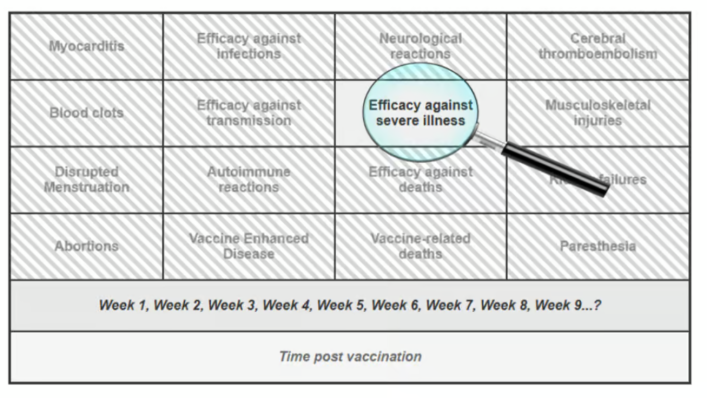
Figure 1. Illustrating a Selective Focus on a Transiently Favorable Outcome While Ignoring Concerning Data
This narrowing of focus — peering through the keyhole of one transient success — has allowed a fragile claim to solidify into a powerful myth, reinforced by institutional authority, social conformity, and the systematic suppression of dissenting voices (including our own experience of censorship, as detailed in our preprint).
We therefore call on the scientific and medical communities to take a step back, widen the lens, and return to a foundational principle of medicine: every intervention, no matter how promising, must undergo continuous, evidence-based evaluation of both its benefits and its potential harms. To the best of our knowledge, such a balanced and rigorous appraisal has yet to be applied to the Covid-19 vaccines.
Based on the evidence reviewed in our preprint, we conclude that the claim that “Covid-19 vaccines saved millions and millions of lives”1 is not supported by empirical evidence. While these vaccines were widely promoted as safe and effective, accumulating reports of serious adverse events—such as myocarditis, pericarditis, thrombosis, and neurological symptoms—have been extensively documented across pharmacovigilance systems and in multiple peer-reviewed studies (e.g., 6-16), many co-authored by the last author of the current article.
Notably, this biologically active intervention was administered repeatedly in the form of boosters, thereby compounding potential risks—often in populations with near-zero risk of Covid-related mortality, such as children. Taken together with the lack of demonstrable long-term efficacy presented in our preprint,4 the available evidence suggests that the risk–benefit balance of the Covid-19 vaccines may, in fact, tilt toward the negative end of this fundamental medical equation.17, 18
References
1. Homeland Security. The Corruption of Science and Federal Health Agencies: How Health Officials Downplayed and Hid Myocarditis and Other Adverse Events Associated with the COVID-19 Vaccines.
2. Ophir Y, Shir-Raz Y, Zakov S, McCullough PA. The Efficacy of COVID-19 Vaccine Boosters against Severe Illness and Deaths: Scientific Fact or Wishful Myth?. Journal of American Physicians and Surgeons. 2023;28(1). doi: https://www.jpands.org/vol28no1/ophir.pdf.
3. Ophir Y. The Final Brick in the Vaccine Efficacy Narrative ⋆ Brownstone Institute. 2023.
4. Ophir Y, Shir-Raz Y, Zakov S, McCullough PA. A Step-by-Step Evaluation of the Claim That COVID-19 Vaccines Saved Millions of Lives. Researchgate (preprint). 2025. doi: 10.13140/RG.2.2.12897.42085.
5. NEWS C. Transcript: Dr. Anthony Fauci on “Face the Nation,” May 16, 2021. 2021.
6. Rose J. A Report on the US Vaccine Adverse Events Reporting System (VAERS) of the COVID-1 9 Messenger Ribonucleic Acid (mRNA) Biologicals. Science, Public Health Policy, and The Law. 2021;2:59–80.
7. Fraiman J, Erviti J, Jones M, et al. Serious adverse events of special interest following mRNA COVID-19 vaccination in randomized trials in adults. Vaccine. 2022;40(40):5798–5805. doi: 10.1016/j.vaccine.2022.08.036.
8. Shir-Raz Y. Breaking: Leaked Video Reveals Serious Side-Effects Related to the Pfizer COVID-19 Vaccine Covered Up by the Israeli MOH. 2022.
9. Witberg G, Barda N, Hoss S, et al. Myocarditis after Covid-19 Vaccination in a Large Health Care Organization. N Engl J Med. 2021;385(23):2132–2139. doi: 10.1056/NEJMoa2110737.
10. Chua GT, Kwan MYW, Chui CSL, et al. Epidemiology of Acute Myocarditis/Pericarditis in Hong Kong Adolescents Following Comirnaty Vaccination. Clinical Infectious Diseases. 2021:ciab989. doi: 10.1093/cid/ciab989.
11. Hulscher N, Alexander PE, Amerling R, et al. A Systematic REVIEW of Autopsy findings in deaths after covid-19 vaccination. Forensic Sci Int. 2024:112115. doi: 10.1016/j.forsciint.2024.112115.
12. Oster ME, Shay DK, Su JR, et al. Myocarditis Cases Reported After mRNA-Based COVID-19 Vaccination in the US From December 2020 to August 2021. JAMA. 2022;327(4):331–340. doi: 10.1001/jama.2021.24110.
13. Takada K, Taguchi K, Samura M, et al. SARS-CoV-2 mRNA vaccine-related myocarditis and pericarditis: An analysis of the Japanese Adverse Drug Event Report database. Journal of Infection and Chemotherapy. 2024.
14. McCullough P, Rogers C, Cosgrove K, et al. Association between COVID-19 Vaccination and Neuropsychiatric Conditions. 2025.
15. McCullough PA, Hulscher N. Risk stratification for future cardiac arrest after COVID-19 vaccination. World J Cardiol. 2025;17(2):103909. doi: 10.4330/wjc.v17.i2.103909.
16. Hulscher N, Hodkinson R, Makis W, McCullough PA. Autopsy findings in cases of fatal COVID-19 vaccine-induced myocarditis. ESC Heart Failure. 2024;n/a. doi: 10.1002/ehf2.14680.
17. Mead MN, Seneff S, Wolfinger R, et al. COVID-19 Modified mRNA “Vaccines”: Lessons Learned from Clinical Trials, Mass Vaccination, and the Bio-Pharmaceutical Complex, Part 1. International Journal of Vaccine Theory, Practice, and Research. 2024;3(2):1112–1178. doi: 10.56098/fdrasy50.
18. Mead MN, Seneff S, Rose J, Wolfinger R, Hulscher N, McCullough PA. COVID-19 Modified mRNA “Vaccines”: Lessons Learned from Clinical Trials, Mass Vaccination, and the Bio-Pharmaceutical Complex, Part 2. International Journal of Vaccine Theory, Practice, and Research. 2024;3(2):1275–1344. doi: 10.56098/w66wjg87.
This article was co-authored by Yaffa Shir-Raz, Shay Zakov, and Peter A. McCullough.
Dr. Yaakov Ophir is Head of the Mental Health Innovation and Ethics Lab at Ariel University and a member of the Steering Committee for the Centre for Human-Inspired Artificial Intelligence (CHIA) at the University of Cambridge. His research explores digital-age psychopathology, AI and VR screening and interventions, and critical psychiatry. His recent book, ADHD Is Not an Illness and Ritalin Is Not a Cure, challenges the dominant biomedical paradigm in psychiatry. As part of his broader commitment to responsible innovation and scientific integrity, Dr. Ophir critically assesses scientific studies related to mental health and medical practice, with particular attention to ethical concerns and the influence of industrial interests. He is also a licensed clinical psychologist specializing in child and family therapy.
Featured Video
America Racing to Strategic Defeat in Iran
or go to
Aletho News Archives – Video-Images
From the Archives
Should Europeans ‘Thank’ the Americans for Destroying Nord Stream?
By Robert Bridge | Strategic Culture Foundation | September 29, 2022
With an investigation continuing into the destruction of the Nord Stream gas pipeline that provided energy supplies to Europe from Russia, there appears to be just one prime suspect, and that should surprise nobody.
Following the sabotage of the Nord Stream 1 and 2 gas pipelines, former Polish Foreign Minister Radoslaw Sikorski already seemed to know the identity of the perpetrator when he tweeted out: “Thank you, USA.”
At first glance, it seemed that Sikorski was speaking sarcastically, berating Washington for carrying out an attack that will have severe repercussions for the people of Europe. After all, how could anyone see any good coming from the termination of Europe’s primary source of gas reserves with winter just around the corner? It was Sikorski’s homeland of Poland, after all, that urged its citizens to collect firewood in the face of dwindling gas reserves.
In fact, the Polish diplomat was speaking one-hundred percent literally… continue
Blog Roll
 Aletho News
- Growing insecurity, soaring prices fuel protests in north as regime bans evacuation: Sources
- Iran denies responsibility for ‘depraved’ attack on Kuwait desalination plant
- Bring The Troops Back. End This War Now!
- Can we please stop calling Israel the ‘only democracy in the Middle East’ now?
- US should start removing its troops for Germany, proposes AfD co-leader Chrupalla
- Iran Red Crescent: 600 educational centers attacked in US-Israeli ‘war crimes’
- Russian Oil Tanker Arrives in Cuba Amid U.S. Blockade
- America Racing to Strategic Defeat in Iran: Lt Col Daniel Davis
- FTC Warns Visa, Mastercard, PayPal, Stripe Over Political Debanking
- Russian tanker approaches Cuba despite US oil blockade
- If Americans Knew
- Israeli police block Catholic cardinal from entering Church of the Holy Sepulchre on Palm Sunday
- Israel is assassinating journalists again, more than any other nation, anywhere, ever – Not a ceasefire Day 170
- Over 300 US service members wounded, majority have brain injuries – Not a ceasefire Day 169
- Researchers at Human Rights Watch Resign Over Blocked Report on Palestinian Refugee Return
- Jewish Groups Are Backing a War Americans Don’t Want
- Eric Fingerhut Thinks He’s the President of the Jews
- Top Jewish Philanthropists, Rabbis Urge Israeli President to Take Action Against ‘Jewish Extremists’
- Don’t Be Fooled. Zionist Leaders Have Always Wanted to Control Southern Lebanon
- Israel’s widespread use of torture is a core element of its genocide against the Palestinian people
- In Israel’s War on Iran, Many Middle East US Bases Rendered “All But Uninhabitable”
- No Tricks Zone
- New Study Finds Warming Saves Lives…Cold Temperatures 12 Times More Deadly Than Excess Heat
- German Science Blog Accuses PIK Climate Institute Of Hallucinating Climate Tipping Points
- Devastating Assessment Of Comirnaty Vaccine By Former Senior Pfizer Europe Toxicologist
- New Study: CO2 Is ‘Effectively Negligible’ As An Explanatory Climate Change Factor Since 2000
- Former Pfizer Toxicologist Dr. Helmut Sterz Tells Bundestag Hearing Pfizer Vaccine Should Have Never Been Approved
- Energy Expert: Germany’s Nuclear Phaseout Was A “500 Billion Euro Mistake”
- New Research: South Australia’s Mid-Holocene Sea Surface Temperatures Were 4°C Warmer Than Today
- Storing Green Energy To Last Germany 10 Days Would Require A 60-Million Tonne Battery
- New Studies: UK Sea Levels Were 4 Meters Higher Than Today During The Mid-Holocene
- Destructive Green New Deal: German Energy And Metal Group Warns Of Drastic Crisis
 Aletho News