The amount of copper needed to build EVs is ‘impossible for mining companies to produce’
By Tanya Weaver | Engineering & Technology | May 16, 2024
Copper cannot be mined quickly enough to keep up with current policies requiring the transition to electric vehicles (EVs), according to a University of Michigan study.
Copper is fundamental to electricity generation, distribution and storage. According to GlobalData, there are more than 709 copper mines in operation globally, with the largest being the Escondida mine in Chile, which produced an estimated 882,100 tonnes of copper in 2023.
This may sound like a lot but with electrification ramping up globally it is not. The Michigan study, Copper mining and vehicle electrification, has focused on the copper required just for the production of EVs over the coming years.
Many countries across the world are putting forward policies for EVs. For instance, in the US the Inflation Reduction Act, signed into law in 2022, calls for 100% of cars manufactured by 2035 to be electric.
However, an EV requires three to five times more copper than petrol or diesel cars, not to mention the copper required for upgrades to the electricity grid.
“A normal Honda Accord needs about 40 pounds of copper. The same battery electric Honda Accord needs almost 200 pounds of copper,” said Adam Simon, professor of earth and environmental studies at the University of Michigan.
“We show in the paper that the amount of copper needed is essentially impossible for mining companies to produce.”
The researchers examined 120 years of global data from copper production dating back to 1900. They then modelled how much copper is likely to be produced for the rest of the century and how much copper the US electricity infrastructure and fleet of cars would need to upgrade to renewable energy.
The study found that renewable energy’s copper needs would outstrip what copper mines can produce at the current rate. Between 2018 and 2050, the world will need to mine 115% more copper than has been mined in all of human history up until 2018 just to meet current copper needs without considering the green energy transition.
To meet the copper needs of electrifying the global vehicle fleet, as many as six new large copper mines must be brought online annually over the next several decades. About 40% of the production from new mines will be required for EV-related grid upgrades.

The research concluded that instead of fully electrifying the entire US fleet of vehicles, they should focus on manufacturing hybrid vehicles.
“We know, for example, that a Toyota Prius actually has a slightly better impact on climate than a Tesla. Instead of producing 20 million EVs in the US and, globally, 100 million battery EVs each year, would it be more feasible to focus on building 20 million hybrid vehicles?”
Apart from EVs, copper is, of course, vital in other sectors: for instance, building infrastructure in the developing world such as an electricity grid for the approximately one billion people who don’t yet have access to electricity.
“What we will end up with is tension between how much copper we need to build infrastructure in less developed countries versus how much copper we need for the energy transition,” warned Simon.
“We are hoping this study gets picked up by policymakers who should consider copper as the limiting factor for the energy transition, and to think about how copper is allocated.”
© 2024 The Institution of Engineering and Technology
Labour’s energy claims are ‘divorced from reality’
Net Zero Watch | May 31, 2024
The Labour Party is saying that its energy policies – a rapid decarbonisation of the electricity system – will save consumers money. The claim is apparently based on an October 2023 report by Ember,[1] which says that a decarbonised electricity system can reduce bills by £300 per household.
However, the report also says[2] that the authors are assuming that windfarms in the future will secure ‘the same price as [Contracts for Difference] auction round 4’. The prices achieved in Round 4 (£37.50) are around half the price (£73/MWh) currently on offer to offshore windfarms in Round 6 [3]. And industry insiders are suggesting that even the latter figure may be inadequate.[4]
In other words, Labour’s claimed savings rely on assuming that wind power costs half of what it actually does.
A second problem Labour’s putative savings figure is that Ember’s report compares bills in their hypothetical decarbonised electricity system against bills in the third quarter of 2023, which were still inflated by the Ukraine war.
Net Zero Watch director Andrew Montford said:
Labour’s claim of a reduction in household bills is based on figures that are entirely divorced from today’s reality.
And Mr Montford continued by calling for a new reality-based debate on Net Zero.
When it comes to energy policy, the political establishment is operating in a fact-free void. For the sake of the country, they need to start asking very hard questions about what they are being told by civil servants and environmental activists like Ember.
Notes
2. Page 20.
3. All values are in 2012 prices, as is standard practice when discussing CfDs. In current prices, AR4 is worth £47/MWh, and AR6 is offering around £102/MWh.
DOJ: Americans Can’t Hear The Biden-Hur ‘Memory Interview’ Because of ‘Deepfakes’
By Ian DeMartino – Sputnik – 02.06.2024
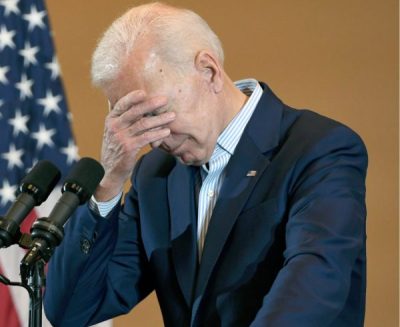
The US Department of Justice (DOJ) is attempting to prevent the release of the audio of the infamous “memory interview” between US President Joe Biden and special counsel Robert Hur, arguing that “deepfakes” may appear as a result.
Hur was investigating Biden’s handling of classified documents he obtained as a senator and vice president. While Hur wrote in his report that Biden likely violated the law intentionally, he declined to press charges because he thought Biden would appear to the jury as a “sympathetic, well-meaning, elderly man with a poor memory.” It also noted that Biden had trouble remembering when he was vice president and which year his son Beau died.
The DOJ issued a filing on Friday that argued “The passage of time and advancements in audio, artificial intelligence, and ‘deep fake’ technologies only amplify concerns about malicious manipulation of audio files. If the audio recording is released here, it is easy to foresee that it could be improperly altered, and that the altered file could be passed off as an authentic recording and widely distributed.”
While the DOJ admits that there is plenty of “other raw material to create a deepfake of President Biden’s voice” available to unscrupulous actors, it argues that if the public became aware that the legitimate recording was released, they would be more apt to believe a fake recording is legitimate.
The filing was first obtained by Politico.
It is not known how the court will respond to the strange reasoning. If a legitimate copy of the recording were released, it stands to reason it would become easier –not more difficult– to disprove fake versions.
As the DOJ admits in its filing as part of its argument that the release of the audio recording is unnecessary, the full transcript of the interview has already been released. It would be trivial for someone with AI experience to use the “raw material” already available of Biden to create a deepfake version of the interview and say it was leaked. A legitimate version being released would make that much easier for other internet users and the media to definitively debunk.
The filing also comes after Biden used his executive privilege to stop the release of the tape to House Republicans who had sought to obtain it as part of their investigation into the Biden family. The latest filing was in response to a Freedom of Information Act (FOIA) request.
The DOJ also argues that the release of the audio would be a violation of Biden’s privacy. However, since we already know what he said thanks to the transcript– and we have no reason to believe that the transcript is incorrect, the only thing that would be revealed is everything between those words. How long did Biden pause before answering? How many times did he stumble on his words? Did he sound confused or angry during the interview?
These are the questions that could be revealed through the release of the audio and according to the filing, the DOJ doesn’t think it is in the “public interest” to reveal the answers, so much so that they are willing to resort to absurd fear-mongering over a new technology in hopes that the judge will be cowed into blocking its release.
Google Tightens Influence on UK Elections with New “Moderation” Tactics
By Didi Rankovic | Reclaim The Net | June 2, 2024
Google has found itself yet another election to “support.”
After the company made announcements to this effect related to the EU (European Parliament) June ballot, voters in the UK can now also look forward to – or dread, as the case may be – the tech giant’s role in their upcoming general election.
A blog post by Google UK Director of Government Affairs and Public Policy Katie O’Donovan announced even more “moderation” and a flurry of other measures, most of which have become tried-and-tested instruments of Google’s censorship over the past years.
They are divided in three categories – pushing (“surfacing”) content and sources of information picked by Google as authoritative and of high quality, along with YouTube information panels, investing in what it calls Trust & Safety operations, as well as “equipping campaigns with the best-in-class security tools and training.”
Another common point is combating “misinformation” – together with what the blog post refers to as “the wider ecosystem.” That concerns Google News Initiative and PA Media, a private news agency, and their Election Check 24, which is supposed to safeguard the UK election from “mis- and dis-information.”
Searches related to voting are “rigged” to return results manipulated to boost what Google considers authoritative sources – notably, the UK government’s site.
As for AI, the promise is that users of Google platforms will receive “help navigating” that type of content.
This includes the obligation for advertisers to reveal that ads “include synthetic content that inauthentically depicts real or realistic-looking people or events” (this definition can easily be stretched to cover parody, memes, and similar).
“Disclosure” here, however, is still differentiated from Google’s outright ban on manipulated media that it decides “misleads people.” Such content is labeled, and banned if considered as having the ability to maybe pose “a serious risk of egregious harm.”
And then there’s Google’s AI chatbot Gemini, which the giant has restricted in terms of what types of election-related queries it will respond to – once again, as a way to root out “misinformation” while promoting “fairness.”
This falls under what the company considers to be “a responsible approach to generative AI products.”
But as always, AI is also seen as a “tool for good” – for example, when it allows for building “faster and more adaptable enforcement systems.”
Hamas: Biden’s ceasefire ideas are positive, but not enough
Palestinian Information Center – June 2, 2024
GAZA – Senior Hamas official Osama Hamdan has welcomed the general ceasefire plan proposed by US president Joe Biden in a recent speech, which he said contained “positive ideas.”
In an interview conducted by Al Jazeera satellite channel on Saturday, Hamdan said that Biden’s ideas for a ceasefire in Gaza are positive but they are not enough, affirming that Hamas wants the matter to crystallize within the framework of a comprehensive agreement.
Hamdan reiterated his Movement’s rejection of any presence of Israeli forces in the Gaza Strip or at the Rafah border crossing in any potential deal, stressing that the Palestinian interior ministry administered the Rafah crossing before the war and would continue to do so after the war ends.
“There is no initiative. President Biden talked about ideas, and general ideas do not mean that an understanding could be reached. They are a general framework containing many details that were discussed over the past four months,” Hamdan said.
The Hamas official pointed out that the previous efforts made by Egyptian and Qatari mediators aimed at brokering a deal that leads to the withdrawal of the Israeli army from Gaza and ends its military operations.
“We already had a clear position and responded positively to such efforts and mediation. We accepted the final proposal that was presented by the mediators and approved by the US, but the Americans failed to oblige and convince the Israeli side to accept the paper, which led all the efforts that had been made in this regard to collapse,” Hamdan explained.
Hamdan stressed the need for a crystal-clear agreement that achieves a complete halt to the war, the withdrawal of the occupation forces from Gaza, the flow of aid and the reconstruction of the besieged territory.
In a related context, Gaza ceasefire mediators Qatar, Egypt, and the US called on both Hamas and Israel to finalize a truce deal as outlined by the US president.
“As mediators in the ongoing discussions to secure cease-fire in Gaza and the release of hostages and detainees, Qatar, the United States, and Egypt jointly call on both Hamas and Israel to finalize the agreement embodying the principles outlined by president Biden,” the Qatari foreign ministry said in a joint statement on Saturday, citing Biden’s Friday night address on the proposed deal.
“These principles brought the demands of all parties together in a deal that serves multiple interests and will bring immediate relief both to the long-suffering people of Gaza as well as the long-suffering hostages and their families,” the statement added.
The mediators emphasized that “this deal offers a roadmap for a permanent ceasefire and ending the crisis.”
Hezbollah using Israeli Occupation Forces as testing ground for weapons: Israeli media
Al Mayadeen | June 2, 2024
Israeli media reported today, Sunday, on developments in the ongoing war on the northern front, stating that it is gradually becoming the “main front” at the moment. The reports addressed Hezbollah’s military capabilities and its handling of field developments.
The North is gradually becoming the “main front” as Hezbollah increases the scope and intensity of operations while utilizing only a fraction of its capabilities, Israeli media reported on Sunday.
The Resistance in Lebanon “has used only 5% of its weapons arsenal during these months of battle as a testing ground against the Israeli army, in preparation for a real and extensive battle,” Ynet reported, citing the occupation army.
The news website added that Hezbollah “tries every day to bypass air defense systems and derive lessons,” and that “this has become evident with the different launch angles [the Resistance] uses, the concentration of launches, and the varying amounts of explosives in each weapon fired, among other factors.”
Thus, despite the “relatively limited volume of fire compared to the quantities” Hezbollah possesses, the Resistance “is registering accurate and successful hits,” the outlet added, pointing out to the operation using the Burkan heavy rockets on Saturday targeting the 769th Brigade HQ, “Camp Gibor,” causing severe damage to the military base.
The report added that “the use of Burkan rockets has proven effective in terms of material and psychological damage,” citing its “impact due to the unusual levels of destruction caused by each of these rockets, which are known as heavy rockets and can carry up to half a ton of explosives.”
The website also noted that “in recent months, similar to updates introduced to the anti-tank Almas missile, Hezbollah has developed a new family of Burkan rockets with warheads that exceed a ton of explosives” compared to earlier versions with a maximum capacity of 500kg of explosives.
‘To be or not to be’
Israeli Reserve Major General Gershon Hacohen warned on Saturday that “Israel” is currently facing an “existential threat” from Hezbollah, with its motto being “to be or not to be,” emphasizing that the occupation entity lacks the military capability to eliminate the threat posed by the Lebanese Resistance group.
Hacohen told the Israeli Channel 14 that “Israel’s” system of concepts and lifestyles must change, warning that “tomorrow we may not be here if we do not prepare ourselves for a situation we have not witnessed before.”
The Israeli Major General explained that the Israeli military does not currently possess “the size of forces capable of decisive action against Hezbollah…”
“Lebanon is a large country and Hezbollah is spread across all its territory, even in the depths of Lebanon,” he added.
“You must understand that the Israeli army is small, and not only Haredim (ultra-Orthodox Jews) but hundreds of thousands of those exempted from service from the age of 20 to 50 must be recruited to build three or four divisions, and then we can talk,” Hacohen told the Israeli Channel 14.
His statements coincide with a new study conducted by Tel Hai Academic College in “Israel” which revealed that around 40% of Israelis who fled from the settlements in northern occupied Palestine are contemplating not returning even after the war ends.
Israel Accepts ‘Not Good’ Gaza Ceasefire Deal – Netanyahu Advisor
By Svetlana Ekimenko – Sputnik – 02.06.2024
On Friday, the White House called the deal proposed by Israel to Hamas “a road map to an enduring cease-fire and the release of all hostages” that would enable a flood of humanitarian aid into the besieged enclave. Previous ceasefire deals have collapsed.
Israel has accepted the framework new deal to secure a ceasefire in Gaza and the release of hostages, Prime Minister Benjamin Netanyah’s chief foreign policy advisor said on Sunday.
The plan, revealed on Friday by US President Joe Biden, was “a deal we agreed to — it’s not a good deal but we dearly want the hostages released, all of them,” Ophir Falk was cited by The Sunday Times as confirming.
He added that, “There are a lot of details to be worked out,” and Israel’s conditions regarding “the release of the hostages and the destruction of Hamas as a genocidal terrorist organization” remain unchanged.
Falk doubled down on the Israeli prime minister’s stance that “there will not be a permanent ceasefire until all our objectives are met.”
Gaza ceasefire mediators the US, Qatar, and Egypt issued a joint statement that called on both Israel and Hamas to finalize an agreement “embodying the principles outlined by President Biden.”
Hamas on Friday said it provisionally welcomed the proposal of US President Joe Biden on a ceasefire in the Gaza Strip.
“The Hamas Islamic Resistance movement welcomes idea of the speech of US President Joe Biden … in his call for a permanent ceasefire, the withdrawal of occupying forces from the Gaza Strip, the reconstruction [of the Gaza Strip] and the exchange of prisoners,” the movement said.
“Biden’s speech included positive ideas, but we want this to materialize within the framework of a comprehensive agreement that meets our demands,” senior Hamas official Osama Hamdan told Al Jazeera.
Biden, whose administration has been playing both sides – shipping weapons to its ally Tel Aviv while seemingly engaged in a flurry of mediatory activity – revealed a new comprehensive proposal to wind down the Gaza war.
Israel has offered a “roadmap to an enduring ceasefire and the release of all hostages,” the US president stated in his Friday press conference.
The proposal, transmitted by Qatar to Hamas, embodies three phases. The first phase would last for six weeks and include a temporary ceasefire, full withdrawal of Israeli forces from all populated areas of Gaza, and the release of a number of hostages by both sides.
A permanent ceasefire to end to all hostilities would be negotiated during the second phase, which could include the release of all remaining hostages and a full withdrawal of Israeli forces from Gaza if Israel’s security guarantees are satisfied. A major reconstruction plan for Gaza would begin during phase three.
What is seen as a sticking point for realization of the deal is that it implies continued Hamas involvement in the arrangements alongside the mediators. However, at no point has Israel agreed to back down from its goal of eliminating Hamas.
Suffice it to recall the previous ceasefire proposals over the past months, none of which have come to fruition. A February truce mediated to halt fighting by the Islamic holy month of Ramadan that began on March 10 did not materialize.
As for Hamas, it has been insisting that only a permanent ceasefire would ensure the release of all the hostages.
Netanyahu is under pressure from his own coalition government, where both far-right Finance Minister Bezalel Smotrich of the Religious Zionism party and National Security Minister Itamar Ben Gvir of the far-right Otzma Yehudit party have indicated that they will resign if the proposed plan to end hostilities without destroying Hamas and returning all the hostages is agreed to. The two have the power to dismantle the governing coalition. At the same time, Benny Gantz’s centrist National Unity party wants the deal to be considered.
While the bargaining continues, an estimated 36,439 Palestinians have been killed in the Gaza Strip and 82,627 wounded since October 7, according to the Palestinian enclave’s Health Ministry. The World Health Organization (WHO) stated that practically no health services remain in Rafah after the al-Helal al-Emirati hospital closed.
China warns of ‘limits’ to its restraint on US provocation in South China Sea
Press TV – June 2, 2024
China’s defense minister has warned the US over the deployment of ballistic missiles in the Asia-Pacific region, stressing that there are “limits” to Beijing’s restraint in dealing with such acts of provocation in the South China Sea.
Dong Jun raised the alarm at an international security forum in Singapore on Sunday in a clear reference to the United States and the Philippines, which have been boosting their military ties to contain what they claim to be China’s growing military might and influence in the strategic body of water.
“China has maintained sufficient restraint in the face of rights infringements and provocation, but there are limits to this,” Dong told the Shangri-La Dialogue, which is attended by defense officials from around the world.
The two longstanding treaty allies, the United States and the Philippines have been working to consolidate their alliance and partnership in the Asia-Pacific region, which has enraged Beijing.
The US Army said in April that it had deployed a Mid-Range Capability missile system capable of firing the Standard Missile 6 (SM-6) and the Tomahawk Land Attack Missile in the northern Philippines for annual joint exercises.
Dong said the deployment of “medium-range ballistic missiles” was “severely damaging regional security and stability.”
Manila and Beijing have a long history of maritime territorial disputes in the South China Sea but tensions have worsened under Philippine President Ferdinand Marcos, with Manila pivoting to Washington, which supports the country in its maritime dispute with China.
China rebuked the Philippines in a statement in February for its unfriendly maneuvers in the South China Sea, saying Manila “stirs up trouble” by holding joint air patrols with “extraterritorial countries.”
China’s Southern Theater Command underlined that it had coordinated with its frontline naval and air forces to closely monitor the Philippines’ joint military maneuvers.
China’s claim of sovereignty over almost the entire South China Sea overlaps with the maritime claims of the Philippines, Malaysia, Vietnam and Brunei, in addition to, Chinese Taipei, also known as Taiwan.
Also, China has constructed several artificial islands over the past few years in the Spratly archipelago in the South China Sea, which is a marginal sea of the Western Pacific Ocean. The move has drawn harsh criticism from the Philippines and the United States.
The South China Sea is believed to sit atop vast reserves of oil and gas.
Beijing ready to ‘forcefully’ stop Taiwan’s independence
Addressing the three-day annual forum, Dong also warned that the Chinese military is ready to “forcefully” stop Taiwan independence.
Dong reiterated Beijing’s position that Taiwan is part of China and expressed commitment to peaceful reunification.
“The Chinese People’s Liberation Army has always been an indestructible and powerful force in defense of the unification of the motherland, and it will act resolutely and forcefully at all times to curb the independence of Taiwan and to ensure that it never succeeds in its attempts,” China’s defense minister said.
“Whoever dares to split Taiwan from China will be crushed to pieces and suffer his own destruction.”
Dong also blamed separatist forces for eroding the “One China” principle, which states Beijing’s view that it has sovereignty over Taiwan.
In a meeting with US Defense Secretary Lloyd Austin on Friday, Dong emphasized Beijing’s demand that the United States should not support Taiwan independence by providing military aid to Taipei in any shape.
However, Austin told the forum on Saturday that Washington would maintain its presence in the Indo-Pacific region by forging military alliances with regional countries.
Beijing had cut its military-to-military communications with the United States in 2022 in response to then-US House Speaker Nancy Pelosi’s visit to Taiwan.
Beijing considers Chinese Taipei as one of mainland China’s provinces with no right to establish diplomatic relations with other states. China’s globally-accepted “one China” principle, which the United States has accepted, keeps Taiwan out of most international bodies.
China never supplied arms to parties in Ukraine war
Elsewhere, Dong told the Shangri-La Dialogue that Beijing has not supplied weapons either to Russia or to Ukraine and strictly controls exports of dual-purpose goods since the war began in the former Soviet republic.
“We have never supplied weapons to either party in the conflict. We have established strict control over exports of dual-purpose and never did anything that could fire up the situation,” the defense minister said.
China is always holding a reliable position on the Ukrainian issue and supports peace talks, Dong added.
Baby Formula and Breastfeeding
On the Nature of Cartel Medicine

Lies are Unbekoming | June 1, 2024
What would the world look like without Obstetricians and Pediatricians?
I don’t need to wonder.
It would be a better place.
With everything I’ve recently read and written about Hysterectomy and Childbirth, let alone Childhood Vaccination, I’ve been thinking about the Nature of Cartel Medicine.
I’ve described Cartel Medicine as predatory many times, but what am I really describing?
I’m describing its Nature.
The same as if I was describing the Nature of a Wolf.
A wolf sees me as prey because that is its Nature.
I am trying to understand what IT is, why it behaves the way it does, and I’m trying to help others orient themselves correctly to this creature.
Its Nature is to eat, to feed, to prey.
We are the Prey.
The “clothing” for this Nature are the Doctors.
The well intentioned, naïve sheep that are poured into The Academy to be “educated” by the most sophisticated indoctrination technology the world has ever seen.
They emerge, shiny and sparkling with their white coats that coincidentally are a similar color to that of a sheep’s coat.
The Wolf manages to perpetually drape itself with a constantly renewed Sheep’s Clothing.
The Sheep don’t understand their purpose.
Dr Robert Mendelsohn understood their purpose more than anyone else I have read so far, and to our eternal loss only got to write three books about it.
This stack is about the Wolf and how it preys on mothers and newborns via the assault on breastfeeding and the industrial propaganda of the Baby Formula Cartel.
We will start with an excerpt from Mendelsohn’s masterpiece Male Practice.
We will then look at a Q&A drawn from a chapter of Your Baby, Your Way, by Jennifer Margulis.
And I will end with a Q&A based on four Mercola articles.
With thanks to all three of these giants.
Male Practice by Dr Robert Mendelsohn
Chapter 23 – “I Know What’s Best for Your Child.”
A mother is doubly victimized by Modern Medicine. In addition to the abuses she suffers, she must also worry about what a doctor may do to her child. Creative diagnosis and the harmful intervention that often follows isn’t limited to adults. Doctors will practice it on any available victim, regardless of size.
The damage inflicted on children begins, as noted earlier, when silver nitrate drops are placed in their eyes. It continues throughout childhood in an endless succession of useless examinations, worthless medications, and needless surgery that serve only to make pediatricians rich.
The child’s health is often placed at risk shortly after birth when the doctor discourages breast-feeding and urges the mother to raise her baby on formula milk. There is virtually no medical or physical reason, short of a bilateral mastectomy, why doctors should urge substitution of nutritionally deficient formula for a perfect food like mother’s milk. Breast-feeding may be impractical for some working mothers, of course, but that doesn’t explain why doctors seem so determined to deny the benefits of breast-feeding to all the rest. Many aspects of obstetrical intervention mitigate against breast-feeding and, if these are not sufficient to discourage the mother, pediatricians always seem able to find another excuse. They tell her that her breasts are too small, her milk is too thin, or that she has a cold and should stay away from the baby.
I blame three factors for the failure of doctors to urge that mothers breast-feed their children. First, they learn nothing about nutrition in medical school and are actually taught that formula is just as good as mother’s milk. Second, this belief is reinforced by the misleading medical journal advertising purchased by the formula manufacturers. It stops just short of citing women as defective because their breasts aren’t calibrated and encased in tin. Finally, I believe doctors oppose breast-feeding for the same reason they oppose natural childbirth. It denies them too many lucrative opportunities to intervene.
Rather than discouraging breast-feeding, conscientious doctors should be doing everything they can to promote it because of its enormous importance to both mother and child. It strengthens the bond between them in a way that no amount of holding and hugging will achieve. It stimulates hormones that reduce postpartum bleeding and discomfort and causes the uterus to contract more rapidly to its normal size. It gives the mother sensual pleasure. It helps protect her from cancer of the breast.
Breast-feeding also stimulates the production of prolactin by the pituitary gland, which enhances maternal behavior. It also has a tranquilizing effect (without drugs) that helps the mother adjust to the pressures of having a new baby in the home. The prolactin also suppresses production by the ovaries of the hormone that triggers ovulation, thus providing natural birth control for a much longer time.
The baby benefits because breast-feeding provides it with nourishment superior to that supplied by formula milk. It provides better bone maturation and intellectual development. It protects the child from asthma and other hereditary allergies. Because nursing babies are not locked into rigid feeding schedules they eat when they are hungry. This makes them less prone to the digestive upsets seen in babies who are allowed to cry until the clock says mother can shove a bottle in their mouths. There is even evidence that the resulting avoidance of emotional disturbances and the breast-fed baby’s closer bond to its mother reduce the danger of hypertension later in life.
One of the most important benefits that the baby receives from mother’s milk is protection from infectious diseases that the mother has fought off through her well-developed immune system. The bottle-fed baby is much more likely to suffer a nightmare of illnesses that include diarrhea, colic, gastrointestinal and respiratory infections, meningitis, asthma, hives, other allergies, pneumonia, eczema, obesity, arteriosclerosis, dermatitis, growth retardation, hypocalcemic tetany, neonatal hypothyroidism, necrotizing enterocolitis, and sudden infant death syndrome. Babies raised on canned formula milk may also be affected by ingesting too much lead.
Not long ago the American Academy of Pediatrics finally discovered the virtues of breast-feeding and took a strong position in favor of mother’s milk. With an enthusiasm usually reserved for products of the pharmaceutical labs, it said that “Human milk is nutritionally superior to formula,” and it urged all elements of the medical profession to encourage breast-feeding.
That’s mildly encouraging, but I’m not so naive as to believe that the Academy’s recommendations will prevail. Hospital personnel don’t like breast-feeding because it involves more work for them and upsets their routine. Pediatricians don’t like it for the opposite reason. It means less work and fewer office call fees for them. When babies are breast-fed, pediatricians are hard put to justify their existence. There are no diets to juggle and the babies enjoy a natural immunity to most ailments. There’s nothing more useless than a doctor who has nothing to treat.
Your Baby, Your Way by Jennifer Margulis
Chapter 7 – Bottled Profits: How Formula Manufacturers Manipulate Moms
Question 1: What are some of the physical and emotional benefits of breastfeeding for mothers?
Breastfeeding provides numerous physical and emotional benefits for mothers. Physically, breastfeeding helps the uterus contract and return to its pre-pregnancy size, reduces postpartum bleeding, and helps women lose pregnancy weight more easily. Emotionally, breastfeeding releases the hormones oxytocin and prolactin, which promote feelings of bonding, relaxation, and well-being. The skin-to-skin contact during breastfeeding also enhances the emotional connection between mother and baby.
Question 2: How does breastfeeding impact the bonding experience between mother and baby?
Breastfeeding facilitates a strong bonding experience between mother and baby. The close physical contact, skin-to-skin touch, and eye contact during breastfeeding sessions create an intimate and nurturing environment. The release of oxytocin, known as the “love hormone,” during breastfeeding promotes feelings of attachment and affection. Mothers who breastfeed often report feeling a deep sense of connection and satisfaction in providing nourishment and comfort to their babies.
Question 3: What are the long-term health benefits of breastfeeding for women?
Breastfeeding offers several long-term health benefits for women. Studies have shown that women who breastfeed have a lower risk of developing breast cancer, ovarian cancer, endometrial cancer, rheumatoid arthritis, heart disease, and type 2 diabetes later in life. Breastfeeding also helps with natural child spacing, as exclusive breastfeeding can delay the return of ovulation and menstruation.
Question 4: Despite the known benefits, how do breastfeeding rates in the United States compare to other industrialized countries?
Despite the well-established benefits of breastfeeding, the United States has one of the lowest breastfeeding rates among industrialized countries. While 77% of American women initiate breastfeeding, only 36% are exclusively breastfeeding at three months postpartum. This means that out of the 4.3 million babies born in the United States each year, only 1.5 million are still being nursed at three months of age.
Question 5: What factors contribute to the low breastfeeding rates in the United States?
Several factors contribute to the low breastfeeding rates in the United States. These include insufficient support and education from healthcare providers; aggressive marketing practices by formula companies; and cultural attitudes that may view breastfeeding as inconvenient or embarrassing. Additionally, the medicalization of childbirth and common hospital practices that separate mothers and babies after delivery can hinder the initiation and establishment of breastfeeding.
Question 6: How can medical interventions during labor and delivery impact a woman’s ability to breastfeed?
Medical interventions during labor and delivery can significantly impact a woman’s ability to breastfeed. Procedures such as induction of labor, epidural analgesia, and cesarean section can lead to prolonged labor, delayed skin-to-skin contact, and separation of mother and baby, all of which can interfere with the initiation of breastfeeding. Medications used during labor may also cause drowsiness in the newborn, making it more difficult for the baby to latch on and feed effectively.
Question 7: What role do pediatricians and other medical professionals play in undermining breastfeeding?
Pediatricians and other medical professionals can undermine breastfeeding by providing inaccurate information, encouraging unnecessary supplementation with formula, or failing to offer adequate support to breastfeeding mothers. Some healthcare providers may lack sufficient knowledge about breastfeeding and its challenges, leading them to recommend formula supplementation prematurely. Additionally, the influence of formula company marketing on medical professionals can lead to a bias toward formula feeding over breastfeeding.
Question 8: How do formula companies use misleading advertising to promote their products?
Formula companies use various misleading advertising tactics to promote their products. They often make claims that their formula provides benefits similar to breast milk, such as promoting brain development, eye health, and immune function, despite the lack of scientific evidence to support these claims. Formula advertisements may also depict unrealistic and idealized images of formula-fed babies, suggesting that formula feeding is a superior or more convenient choice for mothers.
Question 9: What tactics do formula companies employ to undermine breastfeeding and increase their sales?
Formula companies employ several tactics to undermine breastfeeding and increase their sales. These include providing free formula samples to new mothers in hospitals, which has been shown to decrease breastfeeding rates; offering coupons and discounts on formula products; sponsoring parenting events and baby fairs; and marketing directly to pregnant women and new mothers through advertisements, websites, and social media. Formula companies also partner with hospitals and healthcare providers to distribute promotional materials and samples, effectively endorsing their products.
Question 10: How do formula companies influence nurses and other medical professionals?
Formula companies influence nurses and other medical professionals by providing free samples, gifts, and educational materials that promote their products. They may offer sponsored continuing education courses, conferences, and workshops that present information biased toward formula feeding. Formula representatives often develop personal relationships with nurses and hospital staff, providing meals, gift baskets, and other incentives. This subtle influence can lead healthcare professionals to view formula as an acceptable or even preferred alternative to breastfeeding.
Question 11: How do professional medical organizations, like the AAP, receive funding from formula companies, and what is the potential impact of this relationship?
Professional medical organizations, such as the American Academy of Pediatrics (AAP), receive funding from formula companies through sponsorships, grants, and donations. In the five years following the AAP’s endorsement of exclusive breastfeeding for the first six months of life, formula manufacturers donated more than $6.7 million to the organization. This financial relationship raises concerns about potential conflicts of interest and the influence of formula companies on the AAP’s policies and recommendations regarding infant feeding practices.
Question 12: What are the neurological advantages of breastfeeding for babies?
Breastfeeding offers several neurological advantages for babies. Breast milk contains essential nutrients, such as long-chain polyunsaturated fatty acids (DHA and ARA), that are crucial for brain development. The act of breastfeeding also provides important sensory stimulation through skin-to-skin contact, which promotes optimal brain development. Studies have shown that breastfed infants have higher scores on cognitive and developmental tests compared to formula-fed infants, and these benefits may extend into childhood and adulthood.
Question 13: How does breast milk composition compare to cow’s milk and infant formula?
Breast milk is a dynamic, living substance that adapts to the changing needs of the growing infant. It contains a perfect balance of nutrients, including proteins, fats, carbohydrates, vitamins, and minerals, as well as immune-boosting components such as antibodies, white blood cells, and enzymes. In contrast, cow’s milk and infant formula are static, processed products that cannot replicate the complexity and adaptability of human milk. While formula attempts to mimic the composition of breast milk, it lacks many of the bioactive components and living cells found in human milk.
Question 14: How have breastfeeding rates in Norway changed over time, and what factors contributed to these changes?
Breastfeeding rates in Norway have undergone significant changes over time. In the 1960s, breastfeeding rates reached an all-time low, with only one out of five Norwegian babies being breastfed at three months of age. This decline was largely attributed to the medicalization of childbirth and hospital practices that discouraged breastfeeding. However, with the rise of mother-to-mother support groups and changes in hospital policies, breastfeeding rates began to increase in the 1980s. Today, Norway has one of the highest breastfeeding rates in the industrialized world, with nearly 100% of mothers initiating breastfeeding and 80% still breastfeeding at six months postpartum.
Question 15: What policies and practices have been implemented in Norway to support breastfeeding?
Norway has implemented several policies and practices to support breastfeeding. These include paid maternity leave, which allows mothers to stay home and breastfeed their infants for an extended period; restrictions on the marketing of infant formula, in accordance with the International Code of Marketing of Breast-Milk Substitutes; and the establishment of the National Resource Center for Breastfeeding, which provides education and support to healthcare professionals and parents. Norwegian hospitals also prioritize skin-to-skin contact between mother and baby immediately after birth, encourage rooming-in, and provide lactation support to new mothers.
Question 16: How do infant mortality rates in the United States compare to those in Norway, and what role does breastfeeding play in this difference?
Infant mortality rates in the United States are significantly higher than those in Norway. A baby born in the United States is almost twice as likely to die in infancy compared to a baby born in Norway. Breastfeeding plays a crucial role in this difference, as it has been shown to reduce the risk of infant death, particularly from sudden infant death syndrome (SIDS) and necrotizing enterocolitis. Norway’s high breastfeeding rates and supportive policies contribute to its lower infant mortality rates, while the United States’ low breastfeeding rates and lack of support for breastfeeding mothers may contribute to its higher infant mortality rates.
Question 17: What are the financial costs of formula feeding compared to breastfeeding?
Formula feeding is significantly more expensive than breastfeeding. The cost of formula for an infant for 12 months is estimated to be around $2,366, while the cost of breast milk is essentially zero. In addition to the direct cost of formula, there are indirect costs associated with formula feeding, such as increased healthcare expenses due to the higher rates of illness and infection among formula-fed infants. Breastfeeding, on the other hand, provides significant cost savings for families and the healthcare system as a whole.
Question 18: What is the purpose of the National Resource Center for Breastfeeding in Norway?
The National Resource Center for Breastfeeding in Norway is an academic center that aims to promote and support breastfeeding through research, education, and information dissemination. The center, overseen by Dr. Gro Nylander, uses scientific evidence to provide accurate and up-to-date information about breastfeeding to healthcare professionals, parents, government agencies, and the media. By serving as a centralized resource for breastfeeding information and support, the National Resource Center for Breastfeeding plays a crucial role in maintaining Norway’s high breastfeeding rates and ensuring that both healthcare providers and parents have access to reliable, evidence-based guidance on breastfeeding practices.
Question 19: How do Norwegian hospitals support breastfeeding and minimize the use of formula?
Norwegian hospitals implement several practices to support breastfeeding and minimize the use of formula. These practices include encouraging skin-to-skin contact between mother and baby immediately after birth, promoting rooming-in (keeping the baby in the same room as the mother), and allowing babies to breastfeed on demand. Norwegian hospitals also avoid giving newborns supplemental feedings of formula or sugar water, which can interfere with the establishment of breastfeeding. If a baby does require formula for medical reasons, it is given via alternative methods, such as a syringe or spoon, rather than a bottle, to avoid nipple confusion and maintain the baby’s ability to latch and breastfeed effectively.
Question 20: What are some of the potential dangers of supplementing breastfed babies with sugar water or formula in the early days of life?
Supplementing breastfed babies with sugar water or formula in the early days of life can pose several potential dangers. First, it can interfere with the establishment of a healthy milk supply, as the baby’s suckling stimulates milk production. If a baby receives supplemental feedings, they may not nurse as frequently or effectively, leading to decreased milk production. Additionally, sugar water can cause digestive issues, such as stomach discomfort and diarrhea, while formula can alter the gut microbiome and increase the risk of infections and allergies. Supplementation can also disrupt the natural bonding and attachment process between mother and baby, as well as undermine the mother’s confidence in her ability to nourish her child.
Question 21: What are some of the risks associated with formula feeding, as highlighted by product recalls and contamination incidents?
Formula feeding carries several risks, as evidenced by product recalls and contamination incidents. In recent years, there have been several instances of formula being recalled due to contamination by harmful substances, such as insects, larvae, and bacteria. These contaminants can cause serious health issues in infants, including gastrointestinal distress, infections, and even life-threatening illnesses. Additionally, formula products have been recalled for issues such as off-odors, unusual consistencies, and the presence of foreign objects. These incidents highlight the importance of strict quality control in formula manufacturing and the potential dangers of relying on a processed, artificial product to nourish infants.
Question 22: How do the profits of major formula companies compare to the cost of formula for families?
The profits of major formula companies are substantial, particularly when compared to the cost of formula for families. In 2011, Abbott Laboratories, the maker of Similac, reported global sales of $38.9 billion, while Mead Johnson Nutrition, the manufacturer of Enfamil, reported $3.7 billion in sales. Nestlé, the company behind Gerber formula, earned $10.1 billion in profits in the same year. In contrast, the average cost of formula for a family over a 12-month period is estimated to be $2,366. This disparity highlights the significant financial burden that formula feeding places on families, while formula companies continue to generate substantial profits.
Question 23: What is the estimated cost savings in healthcare if American women followed the AAP breastfeeding guidelines?
If American women followed the American Academy of Pediatrics (AAP) breastfeeding guidelines, which recommend exclusive breastfeeding for the first six months of life and continued breastfeeding for at least one year, the potential cost savings in healthcare could be significant. According to one study, if 90% of U.S. families followed the AAP guidelines, the country could save $13 billion in healthcare costs annually. These savings would be primarily due to the reduced incidence of illness and infection among breastfed infants, as well as the long-term health benefits for both mothers and children.
Question 24: How many infant deaths could potentially be avoided if American women breastfed according to recommendations?
If American women breastfed according to the recommendations set forth by the American Academy of Pediatrics and the World Health Organization, a significant number of infant deaths could potentially be avoided. One study estimated that if 90% of U.S. families followed the AAP breastfeeding guidelines, approximately 900 infant deaths could be prevented annually. This reduction in infant mortality would be largely attributed to the protective effects of breastfeeding against sudden infant death syndrome (SIDS), necrotizing enterocolitis, and other life-threatening conditions. By increasing breastfeeding rates and duration, the United States could make substantial progress in improving infant health outcomes and reducing preventable infant deaths.
Formula weakens the baby, versus breastfeeding, and makes them less resilient to the assault of vaccination. So, it’s an indirect relationship rather than a direct causal one.
Questions and Answers based on these four Mercola articles:
Most Baby Formula Claims Not Backed by Science (substack.com)
How to Mitigate the Infant Formula Disaster (substack.com)
The US Campaign Against Breastfeeding (substack.com)
Infant Soy Formula – A Risky Public Experiment (substack.com)
Question 1: What percentage of infant formula health and nutrition claims are supported by clinical trial evidence, according to a 2023 study?
According to a study published in February 2023, only 26% of the infant formula products surveyed attempted to support their health and nutrition claims with a clinical trial or a review. Of these, only 14% used clinical trials in humans, and 90% of those trials carried a high risk of bias due to missing data or conclusions that were not supported by the data.
Question 2: How have infant formula marketing techniques influenced families, scientists, and policy makers, as discussed in the 2023 Lancet Series on breastfeeding?
The 2023 Lancet Series on breastfeeding called for greater regulation over the “predatory” nature of the infant formula industry’s marketing campaigns aimed at new mothers. These marketing techniques and strategies have influenced families, policy, and science, often portraying commercial milk formula products as solutions to common infant health and developmental challenges in ways that systematically undermine breastfeeding.
Question 3: How is the grocery industry aligning with Big Pharma through apps like Albertsons’ “Sincerely Health,” and what are the potential implications for consumers in terms of limiting their freedoms?
Grocery store conglomerate Albertsons has entered the digital health space with its app “Sincerely Health,” which encourages customers to connect data from wearable monitoring devices and track their prescriptions, grocery store purchases, and vaccination appointments. This merger between Big Food and Big Pharma uses tracking technology to gather details about consumers’ activities, potentially leading to a database of private health decisions that could be used against individuals during future public health emergencies or to limit their access to food based on their medical history.
By gathering and analyzing this data, companies and government entities may create detailed profiles of individuals’ health status, medical history, and purchasing habits. This information could then be used to restrict access to certain products or services based on a person’s health profile or vaccination status. For example, unvaccinated individuals or those with specific medical conditions could be denied access to certain foods or be subject to higher prices. Such practices could lead to discrimination and infringe upon personal freedoms and privacy rights, ultimately limiting consumer freedoms in various ways.
Question 4: What are some of the evidence-based benefits of breastfeeding for both mother and baby?
Breastfeeding offers numerous evidence-based benefits for both mother and baby. For mothers, breastfeeding is associated with a lower risk of developing Type 2 diabetes, ovarian or breast cancer, and high blood pressure, as well as reduced stress and improved sensitivity to their infant’s needs. Breastfed infants have a lower risk of obesity, asthma, ear infections, sudden infant death syndrome (SIDS), and necrotizing enterocolitis (NEC) in preterm infants. Breastfeeding also promotes cognitive development and socio-affective response in children.
Question 5: How do most commercial infant formulas compare to breast milk in terms of nutritional composition and added ingredients?
Most commercial infant formulas are nutritionally inferior to breast milk and contain questionable added ingredients. While breast milk contains hundreds of unique substances, including over 100 different types of fats and complex sugars called oligosaccharides that nourish healthy gut bacteria, infant formulas are primarily composed of processed sugars, dried skim milk, and refined vegetable oils. Many formulas also contain synthetic vitamins, inorganic minerals, excessive protein, and harmful contaminants like glyphosate and perchlorate.
Question 6: What was the controversy surrounding the U.S. delegation’s opposition to the World Health Assembly’s resolution to encourage breastfeeding in 2018, and what specific actions did they take?
In 2018, the World Health Assembly introduced a nonbinding resolution to encourage breastfeeding and emphasize its health benefits. The U.S. delegation opposed this resolution, demanding the removal of language that called on governments to “protect, promote and support breastfeeding.” They threatened countries with trade sanctions and the withdrawal of crucial military aid if they did not reject the resolution. Additionally, the American delegation insisted on adding the phrase “evidence-based” to references to breastfeeding initiatives, which critics saw as an attempt to undermine these programs. The international response was one of shock and dismay, with many delegates expressing astonishment at the U.S. government’s aggressive tactics to prioritize the interests of the infant formula industry over global public health.
Question 7: How has the infant formula industry’s marketing influenced the perception and prevalence of breastfeeding over time?
The infant formula industry’s aggressive marketing practices have negatively influenced the perception and prevalence of breastfeeding over time. Following the development of manufactured infant formula, mothers were told that breastfeeding was unnecessary and that formula offered greater freedom for busy moms. The promotion of the idea that breastfeeding in public is shameful also contributed to the decline in breastfeeding rates, as more mothers opted for bottle-feeding to avoid social stigma.
Question 8: What are the potential dangers associated with soy-based infant formulas, and why are they considered among the worst options for babies?
Soy-based infant formulas are considered among the worst options for babies due to the potential dangers associated with their high levels of phytoestrogens, such as genistein. These formulas have been linked to a number of troubling side effects, including altered age of menarche in girls, uterine fibroids, endometriosis, tumors, disrupted thyroid and reproductive function, inhibited testosterone in boys, and autoimmune diseases. The estrogen content in soy formulas can be equivalent to at least five birth control pills per day, posing significant risks to infant development.
Question 9: What are some healthy alternatives for mothers who cannot breastfeed, and how do homemade formulas compare to commercial options?
For mothers who cannot breastfeed, healthy alternatives include using donated breast milk from a trusted source or making homemade infant formula using high-quality, organic ingredients. Homemade formulas, such as those based on raw cow’s milk or liver, can provide a more nutritious option compared to commercial formulas. These homemade recipes often include essential nutrients like lactose, whey, probiotics, acerola powder, cod liver oil, and coconut oil, while avoiding the processed sugars, synthetic vitamins, and harmful additives found in many commercial products.
Question 10: How can predatory marketing practices by infant formula companies undermine breastfeeding efforts and contribute to suboptimal infant nutrition?
Predatory marketing practices by infant formula companies can undermine breastfeeding efforts and contribute to suboptimal infant nutrition in several ways. These practices often portray infant formula as a superior alternative to breast milk, making unsubstantiated claims about its ability to solve common infant health and developmental challenges. By promoting the idea that formula is a convenient and effective substitute for breastfeeding, these marketing tactics can discourage mothers from breastfeeding, leading to lower breastfeeding rates and depriving infants of the unique benefits of breast milk.
Question 11: What are some of the unique components of breast milk that provide benefits for infants, and how do these differ from the ingredients found in commercial formulas?
Breast milk contains several unique components that provide benefits for infants, many of which are not found in commercial formulas. One example is the presence of over 150 different oligosaccharides, which are complex sugars that nourish healthy gut bacteria and support the development of a strong immune system. Breast milk also contains antibodies that provide passive immunity to the infant, as well as growth factors and hormones that promote optimal development. In contrast, commercial formulas are primarily composed of processed sugars, dried skim milk, and refined vegetable oils, lacking the diverse array of beneficial components found in breast milk.
Question 12: How do the added sugars and other questionable ingredients in many commercial infant formulas contribute to health risks for babies?
Excessive sugar consumption, particularly in the form of processed corn syrup, has been linked to an increased risk of obesity, diabetes, and metabolic disorders later in life. Other concerning ingredients, such as genetically modified organisms (GMOs), synthetic vitamins, and harmful contaminants like glyphosate and perchlorate, may negatively impact infant health and development. These ingredients can disrupt the gut microbiome, contribute to inflammation, and expose infants to potentially toxic substances during a critical period of growth and development.
Question 13: How have societal attitudes and marketing campaigns influenced the perception of breastfeeding in public, and what impact has this had on breastfeeding rates?
Societal attitudes and marketing campaigns have significantly influenced the perception of breastfeeding in public, often portraying it as shameful or indecent. Formula companies have promoted the idea that bottle-feeding is a more convenient and socially acceptable alternative, contributing to the stigmatization of public breastfeeding. This negative perception has led to lower breastfeeding rates, as many mothers feel discouraged from breastfeeding in public spaces for fear of judgment or legal consequences. In some cases, women have faced fines or charges of public indecency for breastfeeding in public, further reinforcing the idea that it is an unacceptable practice. As a result, many mothers have opted for formula feeding, even when they may have preferred to breastfeed, leading to suboptimal infant nutrition and health outcomes.
Question 14: What are the specific hormonal and developmental risks associated with the high levels of phytoestrogens found in soy-based infant formulas?
The high levels of phytoestrogens, particularly genistein, found in soy-based infant formulas pose several specific hormonal and developmental risks. These phytoestrogens can mimic the effects of estrogen in the body, leading to potential disruptions in endocrine function and development. Some of the risks associated with soy formula include altered age of menarche in girls, increased risk of uterine fibroids, endometriosis, and tumors, disrupted thyroid function, and inhibited testosterone in infant boys, which may impede appropriate male development. Additionally, exposure to high levels of phytoestrogens in infancy has been linked to an increased risk of autoimmune diseases and reproductive issues later in life.
Question 15: What are some of the key differences between the composition of breast milk and commercial infant formulas, and how do these differences impact infant health and development?
There are several key differences between the composition of breast milk and commercial infant formulas that can significantly impact infant health and development. Breast milk contains a unique blend of nutrients, including easily digestible proteins, healthy fats, and complex sugars called oligosaccharides that support the growth of beneficial gut bacteria. It also contains antibodies, growth factors, and hormones that promote optimal immune function and development. In contrast, commercial formulas are typically made from processed ingredients, such as corn syrup, refined vegetable oils, and synthetic vitamins and minerals, which may be harder for infants to digest and absorb. Formula also lacks many of the beneficial compounds found in breast milk, such as antibodies and growth factors, which can leave infants more vulnerable to infections and developmental issues. Furthermore, the high sugar content and lack of complex oligosaccharides in many formulas can disrupt the development of a healthy gut microbiome, increasing the risk of obesity, diabetes, and other chronic health conditions later in life.
Scott Ritter: Georgian ‘Foreign Agents’ Law Exposes Western Influence and Protects Sovereignty

By Ekaterina Blinova – Sputnik – 31.05.2024
The new “foreign agents” law will help Georgians tell right from wrong and real friends from fake ones, former US Marine Corps intelligence officer Scott Ritter told Sputnik, arguing that the legislation should be called the “transparency law.”
Georgia’s “foreign agents bill,” which designates non-governmental organizations (NGOs) receiving more than 20 percent of their funding from abroad as “pursuing the interests of a foreign power,” became law on May 28. The US immediately announced sanctions against Georgian politicians backing the legislation, while the EU threatened to freeze the country’s candidate status.
One might wonder as to why the law, which resembles the US’ Foreign Agents Registration Act (FARA), has been received with such animosity in the West. The crux of the matter is that the legislation is aimed at exposing the West’s deep disrespect of Georgia’s sovereignty, according to former US Marine Corps intelligence officer Scott Ritter.
“In Georgia today, as we speak, there are 27,000 Western-funded NGOs. What are these non-governmental organizations doing? It’s about buying a generation of Georgian citizens, a young generation, a generation that has lost touch with who they are and what they are as Georgians, a generation that is out of touch with the reality of what happened to Georgia in the 1990s,” Ritter told Sputnik.
Over the past several decades, Georgians have experienced what the “European choice” really entails, Ritter continued, referring to US-backed Georgian President Mikheil Saakashvili’s aggression against South Ossetia and Russian peacekeepers in August 2008, which was quickly repelled by Moscow. Following Saakashvili’s botched invasion, Russia recognized South Ossetia and Abkhazia, which had declared their independence from Tbilisi in the early 1990s.
Putting Georgia First
Currently, the Western-backed Georgian opposition wants to create a “second front” against Russia, something that would be nothing short of suicidal, according to Ritter. This policy of confronting Russia is part and parcel of an overall package that includes Georgia becoming a member of the European Union and member of NATO, which would also mean ceding Georgia’s sovereignty to the West, the military expert warned.
“Georgian Dream has the best interests of Georgia in mind,” said Ritter. “The EU wants Georgia to participate in the economic sanctioning of Russia. The Georgian Dream Party so far has said no. Look what happened to Europe when they sanctioned Russia, it boomeranged, backfired. What about Georgia? By not participating in the economic sanction of Russia, the Georgian economy has grown more than 10% over the course of the last two years and is on pace to continue this level of growth. That’s called looking out for Georgia first.”
When it comes to Georgian NATO membership, many of the nation’s seasoned military officers, who participated in NATO’s Iraq, Afghanistan, and Kosovo campaigns and brought home the dead bodies of Georgian soldiers, are no longer enthusiastic about joining the alliance, the expert remarked.
Ritter explained that territorial disputes with South Ossetia and Abkhazia will not allow Georgia to join NATO any time soon, adding that the irony is that the two breakaway republics will not start settling their disagreements with Tbilisi until the latter gives up its NATO aspirations.
New Law to Prevent West From Meddling in Georgia’s Elections
Unlike Georgia’s former pro-Western leaders and opposition, the Georgian Dream Party has taken a middle path of steering the nation away from economic and political crises, according to the pundit. In light of this, the upcoming October elections will become a litmus test for Georgians, and the governing party doesn’t want the West to decide the nation’s fate by meddling in the vote via thousands of US and EU-funded non-governmental organizations. Hence, the adoption of the law, which will help separate the wheat from the chaff, he said.
“One of the goals in passing this legislation was to prevent the EU and the US from taking control of the political opposition, directly and indirectly, by pouring in hundreds of millions of dollars through these 27,000 non-governmental organizations. By stopping this, by exposing this foreign money, the reality of this foreign money, the Georgian Dream Party is betting that the Georgian people will be shocked by the depths to which ostensible friends, the US, the EU, have gone to buy Georgia, not respecting Georgia as a sovereign state, not respecting the Georgian people as a sovereign people.”
Georgian Dream lawmakers want to prevent external forces from dragging the nation into another debacle, according to the expert. They want Georgians to choose their own way on the world arena, not as “Europeans,” but as “Georgians.”
“The Georgian Dream Party is betting that the Georgian people at the end of the day will recognize that they are not European – that they are Georgian. They are Eurasian. They are unique. That they don’t belong in a continent that doesn’t want them. They belong in the homeland, in the South Caucasus, from which they come. And that their closest big neighbor, Russia, has been the best friend of Georgia over time than any other nation on the planet. This is the Georgian dream. This is the dream of the Georgian people. And this should be the dream of anybody who claims to be a friend of the Georgian nation,” Ritter concluded.
Media Hall Monitors Are Annoyed About Investigations Into Demonetization Bias
By Cindy Harper | Reclaim The Net | May 31, 2024
A trade group representing the advertising industry, currently under scrutiny by Congress for possibly coordinating with large companies to demonetize conservative and independent media, has expressed concerns over the impact of this probe on their operations.
The group, identified by sources as the Global Alliance for Responsible Media (GARM), told Business Insider that the congressional actions led by Rep. Jim Jordan (R-OH) are hampering their ability to focus on new initiatives.
Rep. Jim Jordan, who chairs the House Judiciary Committee, has accused GARM of preventing companies from placing ads with media outlets that are seen as promoting “misinformation,” specifically targeting mainstream conservative platforms such as Fox News, The Daily Wire, Breitbart, and more.
Jordan contends that the group’s actions go beyond concerns over “brand safety” and veer into outright censorship of conservative and other disfavored viewpoints.
The sources within GARM lamented the diversion of major corporations into partisan conflicts, which they believe could harm their reputation and alienate consumers. They also expressed fears about potential lawsuits arising from document disclosures which could demonstrate that their brand safety initiatives are driven by partisan motives.
In response to the grievances aired by GUILD members, a Judiciary Committee spokesman highlighted the irony in large corporations feeling harassed by these inquiries, dismissing the notion as “laughable” given the evidence of long-term bias and censorship against conservative entities by GARM members.
Featured Video

Trump asks Iran not to retaliate after he strikes Pickaxe Mountain
or go to
Aletho News Archives – Video-Images
Book Review & Summary
Calling of an Angel: The True Story of Rene Caisse and an Indian Herbal Medicine Called Essiac (1988)
Dr. Gary L. Glum – 30 Q&As – Book Review & Summary
Lies are Unbekoming | October 17, 2026
On June 10, 1975, Dr. Chester Stock, a vice president at Memorial Sloan-Kettering Institute for Cancer Research, wrote to a Canadian nurse named Rene Caisse: “Enclosed are test data in two experiments indicating some regressions in sarcoma 180 of mice treated with Essiac.” The sentence sat in a letter from one of the world’s largest private cancer research centers, concerning an herbal tea an elderly English woman had learned from an Ojibwa medicine man at a northern Ontario mining camp in the 1890s. The tests were terminated the following year after Sloan-Kettering admitted, in sworn affidavit three years later, that they had prepared the injectable solution improperly from the dried material supplied — freezing and thawing the herb rather than boiling it as Rene had instructed. By the time Calling of an Angel was published in 1988, Rene Caisse had been dead for a decade, having treated thousands of cancer patients across fifty-six years in her Bracebridge, Ontario kitchen, never charging a fee, and refusing every offer — from Memorial Sloan-Kettering, the National Cancer Institute, Merck, Parke Davis, and private corporations dangling contracts up to $1 million — to release her formula before the medical establishment admitted her remedy had merit. … continue
Blog Roll
 Aletho News
- Trump asks Iran not to retaliate after he strikes Pickaxe Mountain – w/ Prof. Marandi
- Vice President J.D. Vance’s Deceptive ‘Antiwar’ Campaign Speech
- Iran: Palestinians’ rights must not be compromised in Gaza’s future; US, Israel to blame for Hormuz situation
- Ongoing tales of Syrian chemical weapons
- Moscow blasts UN for ignoring torture of Russian POWs
- Millions of Books Could Have Been Destroyed in Lebanon During Israeli Bombings
- Moscow warns of ‘hunt for Russians’
- Calling of an Angel: The True Story of Rene Caisse and an Indian Herbal Medicine Called Essiac (1988)
- South Korean Assistance to the U.S. in the War with Iran: Between Allied Duty and National Interests
- Pharma- and Gates-Funded GAVI Seeks to Assure Parents
- If Americans Knew
- Israeli soldiers debunk Israel’s talking points
- In West Bank, Israeli settlers are totally out of control – Daily Update
- NPR investigation finds evidence of widespread fraud at mall kiosks tied to Israeli skincare brand
- Tucker Carlson exposes Israeli Lies about the Oct 7th attack, Charlie Kirk, and the U.S.
- Israel has detained thousands of Palestinian children since Oct 7th – over half spent time in solitary, many uncharged
- Israeli Analysis: Is Netanyahu Planning an ‘October Surprise’ Attack Before Israel’s Election?
- Israeli settlers brutally attack Palestinians and Washington Post female photographer, 65
- Words Have Changed, Occupation Continues: The Reality of the Gaza Ceasefire
- Gaza’s child amputees are growing faster than their prosthetics allow
- Israel keeps Palestinians struggling just to survive–Daily Update
- No Tricks Zone
- New Study Suggests Large Regions Of The Pacific Ocean Have Been Cooling For The Last 80 Years
- Germany’s Green Energy Debacle: High Energy Costs Force Kahla Porzellan to Close After 182 Years!
- New Study: 50 Years Of The Most Aggressive ‘Net Zero’ Policies Can Only Affect The Global Climate By 0.03°C
- US September “Heat” Was No Record…Many Records Set Decades Ago
- Latest European Green Energy Debacle; Portugal’s Largest Flagship Solar Park Insolvent!
- Green Energy Debacle: German Expert Professor Fritz Vahrenholt Warns Of Severe Economic And Social Consequences
- Two More Paleo Reconstructions Affirm Meters-Higher Sea Levels Across Ireland, Brazil 7000-6000 Years Ago
- New Study: Earth And Venus Surface Warmth Largely Explained By Convection And Lapse Rate, Not CO2 Or Radiation
- 2025 Nature Paper Claiming Worsening Global Drought Gets RETRACTED …Heavily Flawed
- New Study: ‘Global Drought Shows No Detectable Recent Acceleration Under Climate Warming’

