Canada’s New Border Law Hides a Surveillance Time Bomb
By Ken Macon | Reclaim The Net | June 6, 2025
Canada’s new Strong Border Act tabled as Bill C-2, is being framed by the federal government as a step toward strengthening border security. But hidden within its lengthy legislative text is a familiar and troubling push for expanded surveillance powers, this time without the need for court authorization.
Nestled deep in the bill are provisions that grant law enforcement sweeping new authority to demand subscriber data from service providers, bypassing the oversight mechanisms long seen as essential to protecting Canadians’ privacy.
The bill revives the “lawful access” agenda, one that law enforcement agencies have been pursuing since the late 1990s. These digital access provisions are not new, but their inclusion in a border-focused bill appears to be a calculated effort to quietly reintroduce them under a different guise. Despite being repeatedly rebuffed by public opposition, parliamentary committees, and Canada’s highest court, the drive to erode digital privacy protections continues.
This legislative maneuver follows years of setbacks for warrantless access advocates. In 2014, the Supreme Court ruled decisively in R. v. Spencer that Canadians have a legitimate expectation of privacy when it comes to subscriber information. The Court stressed that identifying individuals based on their Internet activity could easily expose sensitive personal behavior and that police demands for such information constituted a search requiring proper legal authorization.
According to Michael Geist, a law professor at the University of Ottawa, law enforcement has continued to seek ways around those constraints. Past efforts to legislate access without judicial oversight have either failed to pass or been dropped due to public backlash.
A 2010 bill mandating the disclosure of customer details, including IP addresses and device identifiers, without a warrant was abandoned.
In 2014, a new bill was introduced, ostensibly to tackle “cyberbullying.” In practice, it reintroduced many of the same provisions that had been defeated under earlier proposals. While dressed in the language of protecting youth online, its underlying purpose was once again to broaden law enforcement access to digital subscriber data with limited oversight.
The Supreme Court’s Spencer ruling remained a major obstacle, reaffirming the privacy rights of Canadians. Then, in 2023, the Bykovets decision extended those protections further, affirming that IP addresses also warrant constitutional safeguards. The Court noted that if digital privacy is to mean anything in the modern age, then these basic digital identifiers must be protected under Section 8 of the Charter.
Despite this legal precedent, Bill C-2 is attempting to carve out a new space for surveillance. Among its more concerning features is a clause that would allow authorities to issue “information demands” to service providers without needing judicial approval. These demands would compel companies to confirm whether they provide services to specific users, whether they hold transmission data related to those accounts, and where the services are or were provided, both inside and outside Canada.
The threshold for triggering such a demand is alarmingly low. Law enforcement must merely suspect that a crime has occurred or may occur and that the requested information could aid an investigation. The demand doesn’t require disclosing the actual data, but it functions as a roadmap to it, alerting police to which providers hold what kind of information and where it might be found. Such indirect searches effectively sidestep the very privacy protections the courts have upheld.
Notably, none of these measures relate directly to border enforcement. Their presence in a border bill serves a strategic purpose: to avoid the scrutiny that such provisions would attract if introduced through standalone legislation. This tactic, often seen in omnibus bills or unrelated amendments, allows controversial policies to advance quietly under the cover of more palatable reforms.
Professor Geist has a full in-depth look at the history of such laws here.
‘There Is Overwhelming Evidence to Call for a Moratorium on mRNA COVID Jabs’: New MAHA Chief Medical Advisor

By Jon Fleetwood | May 15, 2025
British cardiologist and author Dr. Aseem Malhotra, the newly appointed Chief Medical Advisor to the Make America Healthy Again (MAHA) initiative, says there is “overwhelming evidence” to ban the COVID-19 mRNA shots.
Dr. Malhotra is a former U.K. government and long-time ally of MAHA leaders like HHS Secretary Robert F. Kennedy Jr. (RFK Jr.) and NIH head Dr. Jay Bhattacharya.
He’s campaigned for taxes on sugary drinks, worked to lower the amount of Brits taking statins unnecessarily, and worked with government leaders to remove ultraprocessed foods from hospitals and schools, per The Daily Mail.
Though Malhotra is not formally employed by the federal government, he will serve as a leading voice of the movement and work closely with grassroots groups to advance its policy agenda.
In a Wednesday Twitter/X post, the British best-selling author (@DrAseemMalhotra) left no question where he stands on the COVID jab.
“It’s what you’ve been waiting for,” he wrote. “There is OVERWHELMING evidence to call for a moratorium on the mRNA covid jabs & help the vaccine injured. Let it rip.”
On the same day, MAHA Action, an organization founded by former Team Kennedy leadership, announced Malhotra’s appointment:
We are honored to announce that Dr. Aseem Malhotra has joined MAHA as our Chief Medical Advisor.
Dr. Malhotra is an NHS-trained Consultant Cardiologist and an internationally renowned authority in the prevention, diagnosis, and treatment of heart disease.
He has served as Honorary Council Member at Stanford’s Metabolic Psychiatry Clinic and Visiting Professor of Evidence-Based Medicine at the Bahiana School of Medicine. As Founding President of the Public Health Collaboration and a founding member of Action on Sugar, Dr. Malhotra has led national efforts to curb sugar intake and champion low-carb diets for type 2 diabetes.
He is the bestselling author of The Pioppi Diet, The 21 Day Immunity Plan, and A Statin-Free Life, and played a key advisory role for the UK government on the link between obesity and COVID-19. His publications have garnered an Altmetric score exceeding 10,000, one of the highest worldwide for a clinical doctor.
We are thrilled to welcome Dr. Malhotra to the MAHA team and look forward to the invaluable expertise and passion he brings to our mission of Making America Healthy Again.
Malhotra told Daily Mail, “It’s very clear to me that perhaps this is the most important issue that has galvanized MAHA and helped elect President Trump,” he said, referring to criticism of mRNA COVID injections.
“There is a pandemic of the vaccine injured. We can’t make America healthy again if we don’t address this.”
The doctor believes there are “hundreds of thousands” of vaccine injuries and wants states to pass legislation halting use of the drugs because they have shown “more harm than good and never should have been rolled out in the first place.”
CDC data show 38,541 deaths have been linked to the COVID jab since 2020, but if fewer than 1% of adverse events are reported—as a 2010 HHS-funded Harvard analysis suggests—the real number could exceed 3.8 million, compared to just 7,109 deaths that got propoxyphene pulled after nearly 30 years on the market.
Malhotra recently told Fox News that he began to doubt the safety of the COVID shot after his father died after suffering cardiac arrest.
Now leading America’s most unapologetic health freedom initiative, Malhotra is making one thing crystal clear: the COVID shot crisis isn’t over—it’s just finally being confronted.
The High Human Cost of Syria Sanctions
By Rick Sterling | Dissident Voice | May 17, 2025
On May 13, U.S. President Trump announced he is ordering the removal of sanctions on Syria.
Some of the U.S. sanctions can be quickly terminated because they were issued by Executive Order. Other sanctions, including the extremely damaging 2019 “Caesar” sanctions, were imposed by Congressional legislation and may require Congressional action to terminate.
The Syrian people are joyous at the prospect of the end of their country’s economic nightmare. In 2010, before the conflict began, Syria was a middle-income country with free education, free healthcare, and no national debt. It was largely self-sufficient in energy and food. After fourteen years of war, occupation, and strangulating Western sanctions, the U.N. reports that “nine out of ten Syrians live in poverty and face food insecurity”.
Why Syria Was Targeted
In 2007, the former Supreme Allied Commander of NATO, General Wesley Clark, publicly revealed that Washington neo-cons had a hit list of seven countries to be overthrown in the wake of 9-11. The list included Iraq, Libya, Somalia, Sudan, Lebanon, Syria, Iran.
The list is essentially the same as that identified by Benjamin Netanyahu in his 1995 book Fighting Terrorism: How Democracies Can Defeat the International Terrorist Network. The premise of this book is that Palestinian and Lebanese resistance movements are “terrorist,” and any nation that supports them should be overthrown. He targets Iran, Libya, Syria, and Sudan for supporting Palestinian rights and says. “Take away all this state support, and the entire scaffolding of international terrorism will collapse into dust.”
In 2007, Democratic Party leader Nancy Pelosi visited Syria and tried to persuade Assad to end Syria’s support of the Palestinian and Lebanese resistance movements. When Assad would not comply with US and Israeli wishes, Syria was marked for regime change. The Netanyahu and neo-conservative hit list had somehow been adopted by the Western foreign policy establishment. This was confirmed by the former French Foreign Minister Roland Dumas. In a 2013 interview he says, “I went to England almost two years before the start of hostilities (2011). I met British officials, some of whom are friends of mine. They confessed, while trying to persuade me, that preparations for something were underway in Syria. This was in England, not the US. Britain was preparing gunmen to invade Syria… This operation goes way back. It was prepared, conceived, and planned for the purpose of overthrowing the Syrian government because … this regime has an anti-Israeli stance.”
Hybrid Warfare against Syria
The overthrow of the Syrian government was not easy. It involved massive funding from seven countries (USA, UK, France, Turkey, Saudi Arabia, Qatar, UAE). In the early years, the CIA budget alone was $1 billion per year. The campaign included military, diplomatic, media/information and economic warfare.
The regime change operation began in March 2011. While part of the population was hostile to the Assad dynasty, the majority supported the government and a secular Syria. The opposition came largely from sectarian jihadist elements, including the Muslim Brotherhood. Hundreds of factions and cells were supplied and funded by a host of countries, including Qatar, Saudi Arabia, Turkey, the U.S., and the UK. Thousands of foreigners were recruited and provided access to Syria.
The political and media war on the Assad government was intense. Historian Stephen Kinzer wrote, “Coverage of the Syrian war will be remembered as one of the most shameful episodes in the history of the American press.”
Accusations that the Assad government used chemical weapons against civilians were widely broadcast in the West. They were used to justify Western bombing attacks on Syria. Acclaimed U.S. investigative journalist Seymour Hersh uncovered evidence that the chemical weapons attacks were by the opposition, aided by Turkey, NOT by the Assad government. He had to go abroad to have the explosive article published.
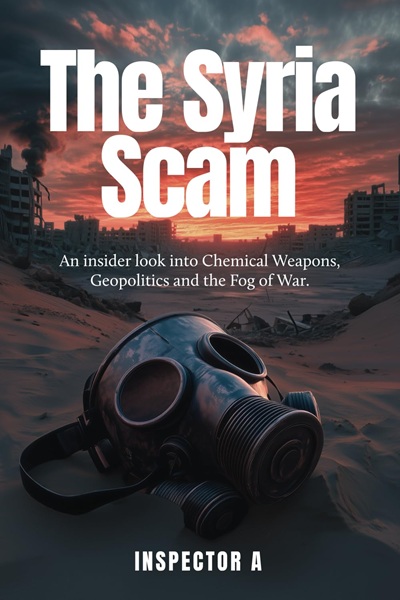 The dubious chemical weapons accusations and US driven political corruption of the Organization for the Prohibition of Chemical Weapons (OPCW) are now exposed in a February 2025 book by one of the technical professionals from the OPCW. The book is titled The Syria Scam: An insider look into Chemical Weapons, Geopolitics and the Fog of War.
By the end of 2018, the Syrian army had largely defeated the diverse jihadists. However, instead of conquering or expelling the opposition, Syria allowed them to have a safe haven in Idlib province on the border with Turkey. With Turkey, Iran and Russia seeking to find a solution through the Astana Accords, the conflict was frozen, and the jihadists were allowed to regain strength. Hayat Tahrir al Sham (HTS) became the de facto leader of the opposition factions and the government of Idlib.
The Frozen Conflict
In 2019, the U.S. turned the screws on Syria and escalated attacks on Lebanon. The extreme Caesar sanctions did what they were intended to do. They crushed the Syrian currency and economy, made it impossible to rebuild, and impoverished the vast majority of Syrians. The spreading poverty and inability to counteract it led to widespread demoralization and dissatisfaction. With consummate cynicism, the “Caesar” sanctions were named the “Caesar Civilian Protection Act”.
Meanwhile, in the HTS safe haven of Idlib province on the Turkish border to the north, conditions were very different. Although HTS was designated a terrorist organization in the U.S. and the West, they were helped economically. The HTS fighters were trained and supplied with modern military weaponry, including drones, sophisticated communications equipment, etc.. Very recently, when people from Damascus traveled to Idlib, they were shocked to find new highways, Wi-Fi widely available, and electricity 24 hours a day. Teacher salaries are ten times higher in Idlib than in Damascus.
The Fall of Damascus
With a demoralized population and Syrian army, the Assad government fell in a few weeks, and HTS, led by Ahmad Al Sharaa, took power on 8 December 2024. The new leader of Syria has been greeted and endorsed by the Gulf monarchies and Western countries that paid for and promoted the overthrow in Syria: the UK, Germany, France, Saudi Arabia, Qatar, and of course, Turkey.
Since the change, there have been numerous sectarian massacres of Alawites and Christians along the coast.
There have been attacks on Druze in Damascus. To date, there have been no punishments for the massacres of civilians. A nun reports, “there is no security” in Damascus or elsewhere in Syria.
Meanwhile, Israel has invaded and occupied all of the Golan and parts of southern Syria. They have built military bases in Quneitra and other strategic locations. Israel has carried out a bombing blitzkrieg, destroying all known Syrian ammunition depots. Israel can now fly over any part of Syria at will.
Instead of condemning the Israeli violation of Syrian land and airspace, Ahmad al Sharaa has criticized Iran and Hezbollah. In recent weeks, the new Syrian regime has arrested Palestinian leaders and closed their offices in Damascus. The normalization of relations with the Zionist state has begun.
Lifting Sanctions on Syria
Of course, the sanctions on Syria should be lifted. They never should have been imposed.
U.S. sanctions, known officially as “unilateral coercive measures”, are condemned by the vast majority of world nations. Over 70% of the world’ nations say that US sanctions are “contrary to international law, international humanitarian law, the Charter of the UN and the norms and principles governing peaceful relations among States.”
Without exaggeration, the West and their allies sponsored terrorism in Syria through Al Qaeda and other fanatical violent terrorist groups. They destroyed a once prosperous and independent nation. With a diverse Syrian population ruled by a sectarian leadership prone to violence, there may be more dark days ahead. While Israel, Turkey and the Gulf monarchies are pleased with the removal of the Assad government, a very heavy price has been paid by the majority of Syrians. And the cost is ongoing.
The Deep State Goes Viral: Foreword
By Jeffrey A Tucker | Brownstone Institute | May 12, 2025
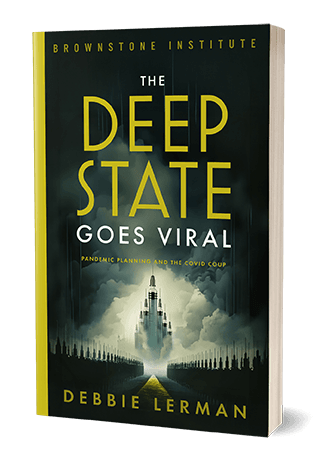
The following is Jeffrey Tucker’s Foreword introduction to Debbie Lerman’s new book, The Deep State Goes Viral: Pandemic Planning and the Covid Coup.
It was about a month into lockdowns, April 2020, and my phone rang with an unusual number. I picked up and the caller identified himself as Rajeev Venkayya, a name I knew from my writings on the 2005 pandemic scare. Now the head of a vaccine company, he once served as Special Assistant to the President for Biodefense, and claimed to be the inventor of pandemic planning.
Venkayya was a primary author of “A National Strategy for Pandemic Influenza” as issued by the George W. Bush administration in 2005. It was the first document that mapped out a nascent version of lockdowns, designed for global deployment. “A flu pandemic would have global consequences,” said Bush, “so no nation can afford to ignore this threat, and every nation has responsibilities to detect and stop its spread.”
It was always a strange document because it stood in constant contradiction to public health orthodoxies dating back decades and even a century. With it, there were two alternative paths in place in the event of a new virus: the normal path that everyone is taught in medical school (therapeutics for the sick, caution with social disturbances, calm and reason, quarantines only in extreme cases) and a biosecurity path that invoked totalitarian measures.
Those two paths existed side-by-side for a decade and a half before the lockdowns.
Now I found myself speaking with the guy who claims credit for having mapped out the biosecurity approach, which contradicted all public health wisdom and experience. His plan was finally being implemented. Not too many voices dissented, partially due to fear but also due to censorship, which was already very tight. He told me to stop objecting to the lockdowns because they have everything under control.
I asked a basic question. Let’s say we all hunker down, hide under the sofa, eschew physical meetings with family and friends, stop all gatherings of all kinds, and keep businesses and schools closed. What, I asked, happens to the virus itself? Does it jump in a hole in the ground or head to Mars for fear of another press conference by Andrew Cuomo or Anthony Fauci?
After some fallacy-filled banter about the R-naught, I could tell he was getting exasperated with me, and finally, with some hesitation, he told me the plan. There would be a vaccine. I balked and said that no vaccine can sterilize against a fast-mutating respiratory pathogen with a zoonotic reservoir. Even if such a thing did appear, it would take 10 years of trials and testing before it was safe to release to the general population. Are we going to stay locked down for a decade?
“It will come much faster,” he said. “You watch. You will be surprised.”
Hanging up, I recall dismissing him as a crank, a has-been with nothing better to do than call up poor writers and bug them.
I had entirely misread the meaning, simply because I was not prepared to understand the sheer depth and vastness of the operation now in play. All that was taking place struck me as obviously destructive and fundamentally flawed but rooted in a kind of intellectual error: a loss of understanding of virology basics.
Around the same time, the New York Times posted without fanfare a new document called PanCAP-A: Pandemic Crisis Action Plan – Adapted. It was Venkayya’s plan, only intensified, as released on March 13, 2020, three days before President Trump’s press conference announcing the lockdowns. I read through it, reposted it, but had no idea what it meant. I hoped someone could come along to explain it, interpret it, and tease out its implications, all in the interest of getting to the bottom of the who, what, and why of this fundamental attack on civilization itself.
That person did come along. She is Debbie Lerman, intrepid author of this wonderful book that so beautifully presents the best thoughts on all the questions that had eluded me. She took the document apart and discovered a fundamental truth therein. The rule-making authority for the pandemic response was not vested in public-health agencies but the National Security Council.
This was stated as plain as day in the document; I had somehow missed that. This was not public health. It was national security. The antidote under development with the label vaccine was really a military countermeasure. In other words, this was Venkayya’s plan times ten, and the idea was precisely to override all tradition and public health concerns and replace them with national security measures.
Realizing this fundamentally changes the structure of the story of the last five years. This is not a story of a world that mysteriously forgot about natural immunity and made some intellectual error in thinking that governments could shut down economies and turn them back on again, scaring a pathogen back to where it came from. What we experienced in a very real sense was quasi-martial law, a deep-state coup not only on a national but on an international level.
These are terrifying thoughts and hardly anyone is prepared to discuss them, which is why Lerman’s book is so crucial. In terms of public debate about what happened to us, we are barely at the beginning. There is now a willingness to admit that the lockdowns did more overall harm than good. Even the legacy media has started venturing out to grant permission for such thoughts. But the role of the pharmaceuticals in driving the policy and the role of the national-security state in backing this grand industrial project is still taboo.
In 21st-century journalism and advocacy designed to influence the public mind, the overwhelming concern of all writers and institutions is professional survival. That means fitting into an approved ethos or paradigm regardless of the facts. This is why Lerman’s thesis is not debated; it is hardly spoken of at all in polite society. That said, my work at Brownstone Institute has put me in close contact with many thinkers in high places. This much I can say: what Lerman has written in this book is not disputed but admitted in private.
Strange isn’t it? We saw during the Covid years how professional aspiration incentivized silence even in the face of egregious violations of human rights, including mandatory school closures that robbed children of education, followed by face-covering requirements and forced injections for the whole population. The near-silence was deafening even if anyone with a brain and a conscience knew that all of this was wrong. Not even the excuse that “We didn’t know” works anymore because we did know.
This same dynamic of social and cultural control is fully in operation now that we are through that stage and onto another one, which is precisely why Lerman’s findings have not yet made their way to polite society, to say nothing of mainstream media. Will we get there? Maybe. This book can help; at least it is now available for everyone brave enough to confront the facts. You will find herein the most well-documented and coherent presentation of answers to the core questions (what, how, why) that all of us have been asking since this hell was first visited upon us.
Unshrunk: Laura Delano’s breakaway from psychiatry
The powerful story of a psychiatric survivor turning pain into purpose

By Maryanne Demasi, PhD | April 21, 2025
Unshrunk: A Story of Psychiatric Treatment Resistance is more than a memoir of Laura Delano’s journey through pain, survival, and recovery. It is a fearless, forensic examination of a psychiatric system that too often harms those it is meant to help.
Instead of merely recounting her own harrowing experience, Delano exposes an industry that, despite its claims of scientific rigour, frequently silences, dismisses, and pathologises those in distress.
What emerges is not just a personal reckoning, but a scathing indictment of modern psychiatry and a call for urgent reform.
As someone who has spent years reporting on the scientific shortcomings of psychiatric drugs—the flimsy trials, the regulatory capture, the financial conflicts—I’ve documented many of the system’s failures.
But I could never portray them with the visceral clarity of someone who’s lived it. Delano gives a voice to the silenced, puts flesh on the statistics, and brings coherence to the chaos so many feel when trapped inside the ‘prison’ of psychiatry.
Last September, I had the opportunity to meet Laura in Connecticut after she reached out in response to some of my investigative reporting.
In person, she was warm, grounded, and intelligent. She and her husband, Cooper Davis, radiated a quiet but unmistakable sense of hard-won purpose. It was clear they hadn’t merely survived the system—they were now working to help others navigate it, through the nonprofit Laura founded: Inner Compass Initiative.
Delano’s descent into psychiatry began at the tender age of 13. She describes a moment standing in front of a mirror, repeating to herself, “I am nothing. I am nothing. I am nothing.”
Instead of seeing this as a young girl’s profound cry for help, psychiatry interpreted it as a pathological symptom—one that demanded medication.
From there, her life became a procession of diagnostic labels and prescriptions. She was rapidly swept into a whirlwind of psychiatric disorders—depression, bipolar disorder, anxiety, borderline personality disorder, obsessive-compulsive disorder—each new label reinforcing the falsehood that she was fundamentally broken.
This, I believe, strikes at the heart of psychiatry’s core failure: it strips suffering of context and meaning, and replace it with abstract diagnostic codes.
Alongside the diagnoses came the inevitable avalanche of drugs: Seroquel, Zyprexa, Risperdal, Abilify, Depakote, lithium, Klonopin, Ativan, Ambien, Celexa, Cymbalta, Wellbutrin—the list goes on. But instead of healing her, psychiatry hijacked her identity.
Even I was stunned by the sheer volume and velocity at which she was prescribed drugs. What struck me most was the absence of curiosity from clinicians who should have known better – who never paused to consider whether the treatment itself might be causing harm.
The title Unshrunk captures this journey perfectly. It’s a nod to the profession of “shrinks” while also reclaiming one’s identity—undoing the diminishment that comes from being reduced to diagnoses and drug regimens.
“This book—these pages, this story, my story—is a record that has been unshrunk,” she writes.
Throughout, Delano explains how the system instilled in her the deepening belief that something was fundamentally wrong with her—a belief reinforced at every turn by diagnoses and medications. Her story lays bare a broader truth: psychiatry has a tendency to medicalise ordinary human suffering and pathologise natural responses to life’s challenges.
I know first-hand how taboo it remains to critique psychiatry. Years ago, while producing a two-part documentary series on antidepressants for ABC TV, I spent over a year interviewing patients, researchers, and whistleblowers. We sought to expose the overstated benefits and hidden harms of psychiatric drugs.
But just before broadcast, the series was pulled. Executives feared that telling the truth might prompt people to stop taking their medication. It was a sobering reminder of how tightly controlled this conversation remains—and why voices like Delano’s are so vital.
Predictably, Unshrunk has drawn criticism from legacy media outlets like The Washington Post, which characterised it as a “treatise against psychiatric medications” and lumped it into a “highly predictable” anti-psychiatry genre.
But this knee-jerk framing only highlights how resistant our culture has become to honest, nuanced conversations about mental health.
To be clear, Delano is not “anti-psychiatry” or “anti-medication.” She has explicitly acknowledged that some people find psychiatric drugs helpful. But she also knows many have not been helped—in fact, many have been harmed. Their stories matter too. And that’s exactly what Unshrunk offers – a voice to those erased from the dominant narrative.
This intolerance of dissent is reflected in politics too. When Health Secretary Robert F. Kennedy Jr. recently questioned the safety of psychiatric drugs, Senator Tina Smith accused him of spreading “misinformation” that could discourage people from seeking treatment. But Kennedy wasn’t opposing treatment—he was calling for transparency, informed consent, and scientific accountability. As Delano’s memoir makes painfully clear, those are precisely the conversations we should be having.
Delano writes candidly about how psychiatry eroded her sense of self—how she became a “good” patient, internalising every label and obeying every directive.
“I took all of this as objective fact; who was I to question any of it?” she writes.
One especially crucial chapter confronts the now-debunked “chemical imbalance” myth—the idea that depression is caused by a deficiency in serotonin. Delano references the 2022 review in Molecular Psychiatry by Moncrieff et al., which found no convincing evidence to support the serotonin-deficiency theory.
She reflects on how the drugs impaired her capacity to think critically: “For nearly half my life, I’d been under the influence of drugs that had impaired the parts of my brain needed to process, comprehend, retain, and recall information.”
The darkest chapter in Unshrunk—and the one I found most difficult to read—is her suicide attempt. Delano recounts the moment with unflinching honesty. It hit me like a gut punch. But it’s that refusal to sanitise her pain that gives this memoir its extraordinary emotional weight.
And yet, Unshrunk is not without hope. Delano eventually emerges from the depths of despair, scarred but intact, with a renewed sense of purpose.
The pivotal moment came when Delano read Robert Whitaker’s Anatomy of an Epidemic, a book that poses a confronting question: why, after decades of soaring psychiatric drug use, are rates of mental illness and disability still climbing?
Drawing on long-term research, Whitaker argues that while psychiatric drugs may offer short-term relief for some, they often lead to worse outcomes over time—and that, on balance, they may be causing more harm than good at a societal level.
The realisation hit Delano like a bolt of lightning: “Holy shit. It’s the fucking meds,” she writes. She wasn’t “treatment-resistant”—the treatment itself had become the source of her suffering, a case of iatrogenic injury.
Delano’s journey to withdraw from psychiatric drugs, however, is another ordeal. At first, she assumes a quick detox will bring quick relief—but she is disastrously wrong.
“The logic seemed simple at the time,” she writes. “I had no idea that I had it backward—that the fastest way to get off and stay off psychiatric drugs successfully… is to taper down slowly. And by ‘slowly’ I don’t mean over a few weeks or months. I mean potentially over years.”
It’s a lesson that remains dangerously absent from much of mainstream psychiatric care, where withdrawal symptoms are routinely mistaken for relapse.
“Coming off psychiatric drugs had been the hardest thing I’d ever done,” she recalls.
At its core, Unshrunk is about reclaiming bodily autonomy. “My body, my choice,” Delano writes—underscoring the way psychiatry frequently undermines consent and personal agency. The harm didn’t just come from the drugs, but from being denied fully informed consent regarding her treatment.
Ultimately, Delano’s message is both sobering and empowering: true healing begins when people are treated not as “broken brains,” but as whole human beings.
“I decided to live beyond labels and categorical boxes,” she writes, “and to reject the dominant role that the American mental health industry has come to play in shaping the way we make sense of what it means to be human.”
Unshrunk is a brave, unsparing account of Delano’s escape from a broken system. At times tormenting, sometimes funny, always courageous—it’s one hell of an emotional rollercoaster.
If you want to understand the lived experience behind psychiatry’s failures, this book is essential reading.
Even Realists Overstate the ‘China Threat’
By Joseph Solis-Mullen | The Libertarian Institute | March 26, 2025
Perusing the most recent edition of Foreign Affairs, which was typically dreadful, one piece caught my eye. In “The Taiwan Fixation,” Stephen Wertheim and Jennifer Kavanagh argued that a full-scale U.S. military intervention over Taiwan would be catastrophic, and that Washington should seek to balance building up Taiwan’s defense while insulating its own broader Indo-Pacific strategy from Taipei’s fate.
Their critique of full-blown interventionism is, of course, well-founded, and was a welcome sight, but their core assumptions remain unfortunately rooted in the flawed logic of American primacy. Even as they downplay alarmist rhetoric, they still accept an overstated vision of China’s potential threat and Washington’s supposed stake in Taiwan.
At its core, “The Taiwan Fixation” fails to escape the same errors that underpin most discussions on U.S.-China relations. It assumes that Taiwan is of critical strategic importance to American security, that China’s control of the island would be an unacceptable shift in the regional balance of power, and that some level of U.S. intervention remains necessary. But as I argued in The Fake China Threat, these claims are fundamentally weak. The United States has no compelling strategic interest in Taiwan, Beijing has little incentive to disrupt regional trade routes, and Taipei itself seems far more interested in lobbying Washington for protection than in seriously investing in its own defense.
Wertheim and Kavanagh attempt to position Taiwan as strategically valuable but stop short of the full-blown liberal internationalist and neoconservative argument that its loss would be a geopolitical catastrophe. Instead, they argue that while Beijing’s control over Taiwan wouldn’t transform China into an immediate hegemon, it would complicate U.S. military operations and potentially embolden China in the region.
This claim doesn’t hold up under scrutiny. Taiwan is not a vital interest of the United States. The U.S. does not need Taiwan for trade, military positioning, or economic security. As Wertheim himself concedes, Taiwan’s loss wouldn’t fundamentally alter the balance of power in Asia. The idea that China could use Taiwan as a springboard for wider expansion is speculative at best—especially when Japan, India, and other regional actors already have strong incentives to counterbalance China regardless of what happens in Taipei.
One of the article’s weakest points is its flirtation with the classic “credibility” argument—the notion that if the United States fails to defend Taiwan, allies like Japan or the Philippines will start doubting Washington’s commitments. This argument has been trotted out since the Cold War to justify interventions from Vietnam to Afghanistan, and it remains just as flimsy today.
Japan’s leaders have already signaled that Taiwan is not a make-or-break issue for them. Despite constant American warnings, no Asian country is poised to abandon its alliance with Washington over Taiwan’s fate. India and Japan, the two regional powers most capable of countering Beijing, already have their own deep-seated strategic reasons to oppose Chinese expansionism. Their security policies aren’t contingent on what Washington does in Taiwan.
If anything, it’s the United States that risks undermining its own credibility by committing to a fight over Taiwan. The more Washington signals an absolute commitment to Taipei’s defense, the more pressure it creates for itself to intervene—setting up a scenario where its own rhetoric forces it into an unnecessary war.
Wertheim and Kavanagh advocate for the “porcupine” strategy—arming Taiwan with asymmetric capabilities like sea mines, missile batteries, and drone fleets to make an invasion costly for China. Superficially, this seems like a clever alternative to direct U.S. intervention. In reality, it risks provoking the very war it is meant to prevent.
If Washington floods Taiwan with weapons and escalates military cooperation, Beijing may conclude that peaceful reunification is no longer viable. As Wertheim himself acknowledges, Taiwan arming itself “too well” could force China’s hand, making an invasion more likely rather than deterring it. This isn’t just theoretical. The logic follows from the same security dilemmas that have fueled arms races throughout history: the more one side hardens its defenses, the more the other feels compelled to strike before it loses its window of opportunity.
This isn’t just a U.S.-China issue—it’s also a question of Taipei’s own incentives. Taiwan has consistently underinvested in its own defense, spending only about 2.5% of its GDP on the military, despite claiming existential threats from Beijing. Why? Because it has calculated—correctly—that lobbying Washington is far cheaper than paying for its own defense. As Ben Freeman has pointed out, Taipei has spent tens of millions lobbying Congress and funding think tanks that push for greater U.S. military commitments. Why spend hundreds of billions on weapons when you can spend a fraction of that buying influence in Washington?
Wertheim and Kavanagh criticize Taiwan for failing to reorient its defense spending but still assume that Washington should step in and “encourage” (i.e., coerce) Taipei into adopting a more robust posture. But if Taiwan itself is unwilling to make the necessary sacrifices, why should American taxpayers foot the bill? The answer is simple: they shouldn’t.
Perhaps the most glaring omission in “The Taiwan Fixation”—one that even realists like Wertheim often overlook—is that Taiwan is not a separate state in the conventional sense. It remains, officially and historically, a part of China. The Chinese Civil War never formally ended, and U.S. intervention in the Taiwan issue has always been an act of interference in a domestic Chinese conflict.
Imagine if, at the height of the American Civil War, Britain had not only recognized the Confederacy but armed it and promised to fight the Union on its behalf. That’s essentially the position Washington has taken with Taiwan. The United States has no legitimate role in deciding the island’s future. Every time it sells weapons to Taipei or conducts military exercises in the Taiwan Strait, it is actively inserting itself into a conflict where it has no rightful place.
The logical conclusion of this reality should be clear: Taiwan is China’s problem, not Washington’s. Wertheim does acknowledge that American policy should aim for “competitive coexistence” rather than outright confrontation. But he stops short of drawing the real conclusion, one that follows naturally from his own arguments: the United States should be preparing to disengage from Taiwan entirely, not reinforcing its involvement.
Wertheim and Kavanagh offer a more grounded view of Taiwan policy than the usual Beltway hawks, but their analysis still rests on faulty assumptions. They recognize that Taiwan’s fate doesn’t justify war, yet they continue to insist that some American involvement is necessary. They acknowledge that China wouldn’t become a global hegemon even if it took Taiwan, yet they still assume that its loss would significantly damage U.S. interests. They see the dangers of arming Taiwan too aggressively, yet they continue to endorse the porcupine strategy.
Ultimately, their view of Taiwan remains a product of Washington’s obsession with maintaining primacy rather than accepting a multipolar reality. The United States does not need to “fix” Taiwan policy—it needs to let it go. The alternative is continued entanglement in a conflict that serves no vital American interest and risks dragging Washington into an unwinnable war.
The real China threat isn’t a military one—it’s the threat of policymakers manufacturing crises where none need exist. If the U.S. truly wants to avoid war, it should stop making Taiwan a battlefield of its own choosing.
‘The Measles Book’: Download the Free Digital Version Today
Children’s Health Defense | March 14, 2025
We’ve all seen or heard the stories about measles “outbreaks” in the media recently. What’s really going on? Are our children at risk? Download — for free — “The Measles Book: Thirty-Five Secrets the Government and the Media Aren’t Telling You about Measles and the Measles Vaccine.”
Children’s Health Defense (CHD) released “The Measles Book: Thirty-Five Secrets the Government and the Media Aren’t Telling You about Measles and the Measles Vaccine” in 2021.
CHD is making the book available now in digital format. Download your free book here.
“The Measles Book” presents reliable medical information from the most credible sources available. It is intended to help you make an informed choice about vaccinating your child.
The main focus is measles. However, many of the issues are relevant to other childhood vaccines. Within the book’s pages, the reader will discover 35 secrets being kept from the general public about childhood vaccines, especially the measles vaccine.
Some of those secrets include:
- Vaccines are not safe for every child, and the government and pharmaceutical companies have known this for years.
- Some children will get injured or die from vaccines, and the government and pharmaceutical companies know this, too.
- Pharmaceutical companies have developed an incredible way to make money from vaccines — and not be held accountable.
- When a child is injured or killed by a vaccine, the pharmaceutical company does not pay for the damage it caused — we do!
The information in “The Measles Book” is vital for parents who want to know how to make informed decisions for their children.
Prefer to have a hard copy instead? For a limited time, you can purchase a hardcover copy of “The Measles Book” for $20. You can order it here.
Covid vaccine injured – Silent no More
A book review
Health Advisory & Recovery Team | March 3, 2025
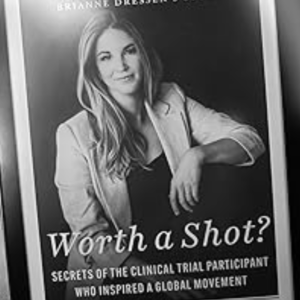 Was taking the Covid vaccine Worth a Shot? A new book by Caroline Pover, written on behalf of Brianne Dressen who lives in the USA, chronicles the horrific story of how she was severely injured by the Covid vaccine after enrolling on the AstraZeneca trial in November 2020. Caroline sensitively and professionally tells the heart wrenching, eye-opening account of how Brianne Dressen’s life was turned upside down and irreversibly changed forever the day she chose to volunteer to enroll on the UK-led AstraZeneca clinical trial. This book takes the reader along the rollercoaster ride of the devastating injuries caused by the vaccine and the blatant abuse of power by the healthcare system to denigrate, ignore, and cover up her injuries – along with many others labelled – as ‘misinformation’ spreaders by the medical-industrial-military complex. Every person on the planet was misled by governments, NGOs, regulatory agencies, corporations, Big Pharma, healthcare professionals, along with social and mainstream media. From how clinical trials are conducted to the lack of injury compensation, wide scale censorship, corruption and abuse of power, this book shows the myriad ways Brianne fought and continues to fight for truth and justice for the Covid-vaccine injured, who have been completely abandoned and often maligned by society.
The AstraZeneca Clinical Trial
In the introduction, Caroline Pover describes how she had been medically diagnosed with an adverse reaction to the Covid vaccine and was led to believe Brianne Dressen did not exist. It was only when she started posting on social media and heard about another woman who was dropped from a clinical trial because of an adverse reaction to the vaccine, that their paths crossed. Worth a Shot is a book based on real events that impacted on real people and is a narrative account of Brianne’s (Bri’s) story containing brutally honest struggles with how her life has changed irreversibly after the covid vaccine, including her plans to contemplate suicide. Bri had the perfect life: she was a fit, active lady who always pushed herself physically and mentally. She had a wonderful family life, married with two children with a dream house in the mountains. After having children, Bri set up her own preschool to help children who struggled in a typical educational environment. Then in 2020, Covid hit!
When the lockdowns happened and the talk of vaccine trials began, Bri wanted to help in any way possible with contributing to scientific advancements; once “Operation Warp Speed” was being regularly reported in the media, coupled with her husband’s scientific background, Bri felt excited to enrol in the new Covid vaccine trial set up by Oxford University in conjunction with AstraZeneca, which was recruiting in UK, Brazil, South Africa, and the USA. The opening in the USA was in Salt Lake City – just 40 minutes drive from Bri’s home. She had a phone interview with a trial representative for several hours to capture her medical history and was considered an excellent candidate for the trial. Things then went quiet, but out of the blue on 4th November 2020 – the day after the election – she was called into the trial. The consent form she signed was very thorough. It went through all the expectations and explained it was a double-blinded study and that so far 5,000 individuals had received at least one dose, and the side effects were mild to moderate but transient in nature. It also stated that if anyone did experience an adverse reaction they might be withdrawn from the study, but any medical treatment needed for reactions would be covered by AstraZeneca’s insurance policy. Bri took the vaccine, but tingling started within an hour of the injection.
Adverse Reaction
Bri’s reaction was severe. Tingling spread from below her right elbow all the way up her arm and shoulder, then to the other arm. The tingling got progressively worse and her eyes started to blur, and she saw double. Her hearing started to go muffled, but she assumed the symptoms would be gone by the next morning. However, her symptoms intensified, and now both legs were becoming weaker. She called the number on the consent form to report her reactions, but no one answered her call. Within days, she was confined to her bedroom, with drapes covering the window to shut out the light. Within weeks, her condition worsened so she saw a neurologist and visited an out-of-hours emergency clinic. Nausea, vision disturbances, tingling, extreme sensitivity to sound, limb weaknesses, as well as excruciating pain developed all over the body, including her teeth, stomach, bones, joints, legs and arms. She could not eat and lost 20 lbs within weeks. Her body seemed to vibrate and buzz from within constantly, and she could not bear anyone touching her, with extreme sensitivity to sound, light, and food. She spent weeks then months confined to her bed. She lost control of her bladder and her blood pressure was erratic. None of the pain medications helped.
Her husband and other family members and close friends helped with looking after the children and caring for her. Yet Bri and her husband did not want to broadcast these issues publicly when so many were struggling with Covid itself. Weekly and even sometimes daily visits to the hospitals baffled the doctors. Friends visited her but the visible transformation of her appearance shocked them, and she had to wear earplugs and sunglasses. Attempts at exercise were futile, as the pain was too unbearable. She visited multiple experts but to no avail. The principal investigator of the clinical trial suggested she might have multiple sclerosis (MS), but the trial clinic did not recommend any other specialists. Local neurologists recommended she visit the ER. The clinic staff told Bri that the ramifications were serious if she thought there was any possibility the vaccine had caused these symptoms. When she said her reactions were from the vaccine as she was a trial participant, most professionals were not interested and dismissed the symptoms as Covid. She had MRI scans but found nothing significant; there was nothing they could do. Bri was to report back to the trial clinic, which she did. They told her not to worry because AstraZeneca would reimburse all her medical costs – and they would be in touch soon. But no one contacted her.
No Diagnosis
She continued to go through the proper channels and medical experts to get answers. After a series of tests that ruled out MS and other neurological conditions, she was no closer to a diagnosis. By ploughing through scientific papers and doing their own research, Bri discovered post-vaccination transverse myelitis (TM), Guillain-Barre Syndrome (GBS) and acute disseminated encephalomyelitis (ADEM). Both TM and ADEM are conditions relating to inflammation of the spinal cord or central nervous system, which can lead to permanent damage. Despite Bri reporting this to the trial clinic, the trial was not put on hold. She was told to report everything back to AstraZeneca, which she did, but despite all the assurances, no one contacted her. Bri’s multiple trips to the hospital caused by the vaccine meant she was a burden to the healthcare system. Many physicians shrugged off her symptoms as psychiatric because none of the tests produced any explanation. She was put on antidepressants and gabapentin for neurological pain. Nothing had been put in place to deal with anyone who had an unexpected reaction to the vaccine.
On the next visit to her clinic, Bri hoped someone would be able to help her with her condition but was told no one could see her unless she signed a new consent form. She asked what was different about this form but they insisted they could not help her unless she signed it. Bri’s vision was so impaired that she could not read the form. She felt she had no choice but to sign it. Once she signed the form, two nasal swabs were taken and a blood test to confirm she did not have Covid, and she was discharged. Bri reached out to the CDC, and her husband filled out a VAERS report, but no one responded. Bri’s health deteriorated and the medical costs were mounting up, with assurances AstraZeneca would reimburse. After weeks of scouring the internet they discovered that IVIG (intravenous immunoglobulin) might be a possible treatment. When they showed this to the doctors and other experts, they were ignored and refused this treatment. The only interaction from AstraZeneca (via a third party) was that Bri was ‘unblinded’ from the trial at her request as she wanted to know if she had received the vaccine, which was later confirmed. The trial sponsor agreed she would not receive a second dose, but they offered no help or support about her continued deteriorating health.
Losing Hope
Exhausted and losing hope, Bri and her husband reached out to the NIH. They were surprised when a specialist neuroimmunologist, Dr Avinthra Nath, Director of the National Institute of Neurological Disorders and Stroke at the NIH, and a researcher at the National Institute of Allergy and Infectious Diseases (NIAID) who worked directly under Dr Anthony Fauci, responded with interest to learn more about Bri’s condition. An appointment was arranged and he seemed very sympathetic and gave the impression he was keen to help. Bri then learned the shocking news that the AstraZeneca vaccine was authorized for use throughout the UK. Publicly the trials were being celebrated as hugely successful, but Bri knew otherwise. She felt suicidal – she was a climber, skier, and dancer who was now a completely non-functioning member of the family barely able to leave her bedroom. Bri’s circle of friends started to diminish. Their savings were also being rapidly depleted because of the skyrocketing medical costs. What about all the assurances on the consent form? What happened to all the promises of the costs being reimbursed? Bri began to lose hope. A trip into nature with her sister that aimed to be a temporary distraction for her resulted in a candid but dark exchange. Her sister asked her to promise her not to kill herself. Bri replied “I cannot promise you that”. The chapter describes how she planned to take her own life, so she was less of a burden to her family. Mercifully, she changed her mind and instead directed her focus on finding and helping others who might be injured and experiencing the same nightmare she was going through.
The Many Injured
It didn’t take long before Bri joined support groups online. After some time she saw a posting from another lady who was also injured in the AstraZeneca trial. Finally, she could talk to someone who knew exactly what she was going through! Within a few days she found another clinical trial participant (Moderna trial) who also experienced similar debilitating reactions. In this patient’s case, she had her left lymph nodes removed as they were so swollen but she became bedridden owing to complications of the surgery. Bri befriended Dr Danice Hertz, a retired gastroenterologist who had developed Mast Cell Activation Syndrome (MCAS) following the Pfizer jab and was suffering ongoing allergic-type reactions including tinnitus, chest pains, and severe nerve damage to her face. Danice increased the number of patients referred to the NIH and Dr Nath for his study. Soon she was inundated with emails from others who had experienced adverse effects from covid vaccines. Sheryl Reutters was harmed by the Moderna jab, experiencing a severe neurological reaction, and soon became a close friend of Bri. Mary Johnson a front-line ER and critical care physician who was injured by the vaccine, and was driven out of her job and confined to her home. Kristi Dobbs and Candace Hayden were also damaged by the vaccine. Bri trusted the NIH to take care of all these injured and would talk to them each week to learn about their stories.
The number of people with vaccine injuries kept mounting and they were all being ignored by doctors and the drug companies. So, the group decided to create a Covid vaccine injury support group on Facebook. However, anyone publicly criticising the vaccines soon became labelled as ‘conspiracy theorists’ and more prominent healthcare workers with dissenting voices became known as the “Disinformation Dozen”. After taking a default position of always giving the benefit of the doubt, Bri was now beginning to realise they had been strung along for months. Her own children were starting to struggle at school, and were developing anxiety, and her son was afraid of leaving the house. Then Bri discovered Maddie, a 12-year-old girl who was completely healthy before receiving the Pfizer vaccine, who was left unable to walk or eat, incontinent, and with seizures and fainting episodes. Bri and the core group of vaccine injured decided enough was enough – they had to go public!
Going Public
They started to post their testimonies and videos about their experiences on the website; some of the stories were harrowing. The videos found their way onto TikTok and were receiving millions of views, as traffic to their website exploded, with over 300,000 views per week. More and more stories poured in from around the world. Facebook seemed to be where many of the support group interactions were residing. By early 2021, although Bri had yet to find anyone else injured by the AstraZeneca jab, in the UK reports of blood clots were flooding in. Slowly news reporters began contacting them and they promised to cover the stories of the vaccine injured along with statements from governments and drug companies. The group reached out to the CDC, FDA, and VAERS but no one received a significant response. How many others were out there with the same relentless pain, alone and with overpowering thoughts? Petitions were submitted to the FDA, CDC, VAERS, and the White House, after one lady who was part of the injured group took her own life. They went to the top, and contacted Dr Peter Marks, Director of the Centre for Biologics Evaluation and Research at the FDA. Word was now spreading among the vaccine-injured community that the NIH had been contacted about hundreds of people with adverse reactions.
Bri and her newfound friends detected a distinct unease among most doctors and nurses whom they engaged with during their multiple visits to the hospital. Bri spent a week at the NIH having multiple tests, which confirmed she had nerve damage in her legs and autonomic nervous system issues. She was diagnosed with “post-vaccine neuropathy”, and recommended IVIG therapy – the very treatment Bri had pleaded with the doctors to try but were ignored. One of Bri’s friend’s, Casey, was an NIH employee who had suffered severe neurological complications as a result of the vaccine. Casey met with Dr Nath, who had previously reassured them that they were documenting and researching all the injuries. When Casey then confronted Dr Nath about his research he flatly denied any such research was underway even though Bri had spent a week at the NIH having tests and being placed on the IVIG protocol. They had no choice but to get political, so they arranged a call with Wisconsin’s Senator Johnson who had been outspoken about the harms caused by the covid vaccines and the censorship, and had been critical of the lockdown policies. Bri was cautious of accepting Senator Johnson’s help because of how he had been portrayed, but on meeting him found he was full of kindness and willing to expose himself to attack on their behalf.
Senator Johnson agreed to hold a press conference. The vaccine injured community felt the politicisation of their health and ‘vaccine stance’ was very draining. One of the support groups that came together with Bri’s group was named “A Wee Sprinkle of Hope” to reflect the culture of compassion. The real objective of the vaccine injured movement was to help people who were suffering. No headline news from the press conference was on the mainstream media, it was mentioned as an aside before going to the next item. Every vaccine injury was not misinformation and their abandonment by the manufacturers was not misinformation. Instead, the news reporters centred the stories not around the vaccine injuries, but around the fact it was led by what they claimed was a crazy, right-wing ‘conspiracy theorist’: Senator Johnston.
Censorship
Then the censorship started. Within 24 hours of the press conference, Facebook began shutting down the support groups. The injured gathered together and then joined with A Wee Sprinkle of Hope. Thousands had joined, and the group was getting larger by the day. Then 5 days after the press conference, and without warning, Facebook shut down the largest Covid vaccine injury support group in the world. Now the injured could not even talk to each other! The social media platform was actively restricting people suffering from extreme physical and emotional pain from communicating with each other. Soon the group decided to develop code words so they could still communicate under new names. Then a mainstream news article exposed one of the code words, and a new group of 30,000 members was shut down too! Warnings appeared beneath people’s posts on their own pages urging viewers to go to Facebook’s Community Guidelines on ‘accurate’ information about vaccines. The warnings also deterred other Facebook users, suggesting they should not interact with ‘repeat offenders’ posting misinformation about vaccines. People’s posts were also being ‘shadowbanned’ or hidden by Facebook algorithms.
Bri was eventually paid a measly $590.20 from AstraZeneca, which coincided with her learning of other injured people in the UK in early 2021. The injured were getting mixed messages from the NIH. On the one hand, they were paying for people’s tests and diagnosis, but then they denied any research was being done. Eventually Dr Nath stopped responding to emails and the FDA stopped communicating with Danice. The NIH then shut down the entire study of the covid vaccine injured and cancelled Bri’s upcoming trip to the NIH. Some of the “Disinformation Dozen” also had their social media accounts shut down or restricted. By now, authors, doctors, patients, activists and even celebrities were being censored. Bri’s husband studied all the clinical trial study reports that had come out, matching the injured participants they knew of to the recorded reactions and found most had been downplayed or even omitted.
It was becoming clear that the institutions they had previously trusted, such as the media, science, pharmaceutical companies, and the government were hiding the truth or outright lying about Covid vaccine adverse reactions. They were being silenced. Free speech was officially over. But another threat was looming: vaccine mandates! The idea of mandating Covid vaccines was terribly distressing to many of the injured. They knew first hand that no one would be there for anyone if they developed a severe reaction. Being fully vaccinated meant you could go to work, visit restaurants or travel without restriction. Those same ‘privileges’ would not be open to the unvaccinated. The coercion, propaganda, bribes and incentives to get the vaccines was extraordinary. Next they were going to jab children.
Eventually, Bri discovered Dr Doshi, an Associate Professor at the University of Maryland with an interest in the drug approval process and an expert in clinical trials, who was also a Senior Editor at the British Medical Journal. Bri and others set up a call with him, and he suggested organising a roundtable discussion in Washington, with senators, health officials and all media. Other pharmaceutical policy experts were brought in, and Bri and her friends started to gather the vaccine injury testimonials. Fundraising was needed to pay for the injured to travel to the event. Some organizations donated together with crowdfunding efforts that raised £37,000 to pay for everyone’s travel and accommodation. The roundtable event at the Senate lasted over 4 hours, which sparked some media interest. The clinical trial company offered a single ‘full and final settlement’ payment to Bri of £1,243.30. This amount did not even cover one-half of the cost of a single IVIG infusion. It seemed the second consent form that Bri had signed (under duress) had significant changes that included all the symptoms she had suffered since the jab, effectively invalidating the previous consent form. After meeting another vaccine victim, Dr Joel Wallskog, Bri and others formed a new group: React19.
Going Global
A Pfizer Whistleblower, Brook Jackson, had been a regional director at one of the clinical trial sites and expressed serious concerns about how the Pfizer Covid vaccine trial was conducted. Despite the stories some mainstream channels promoted about vaccine misinformation and “anti-vaccine propaganda”, clips of the roundtable event were going viral. Many of the vaccine injured, including healthcare professionals and doctors were risking their careers by speaking out against the vaccines. While React19 was originally set up to support the American’s who were injured, it ultimately became a hub for the vaccine injured all over the world. What became clear was that vaccine injury support groups before the covid vaccines faced similar medical gaslighting. The difference this time was never had a vaccine been administered to so many people at the same time – an estimated 5 billion globally – so the global repercussions would be huge. A chat group was initiated for React19, which grew with international leaders, creating a unified effort. Charlet Crichton set up the UK-based UKCVFamily around the same time as React19, as the healthcare system in the UK is different to the USA and more people in the UK had been given the AstraZeneca vaccine. Both groups now collaborated.
It was also becoming clear that as the vaccine injured community grew, the adverse reactions in all the trials had been hidden or misrepresented. Throughout her journey, Bri had started out searching to find the support she needed, but since taking on a leadership role in React19 she was now the support. The end of the book chronicles how finding allies was not as easy as some might assume. There was still no research paper from Dr Nath from the NIH, and when it finally did materialize on a preprint publication, it only published data from 24 patients (despite having over a hundred cases). Furthermore, any links to the adverse events of the vaccine were completely downplayed. When the injured were invited to speak at events by ‘advocates’ on behalf of the injured, often it was more for appearances. Some people in the freedom movement wanted to raise their profile through association with the vaccine injured, but were not directly offering help. Gradually the environment changed so that it was more ‘acceptable’ to discuss vaccine injuries. The film produced by Mark Sharman (former ITV and BSkyB News Executive) “Safe and Effective: A Second Opinion” released on YouTube in October 2022, was removed from the platform within hours following its mention in a Parliamentary debate, despite amassing over a million views!
Find the Science, Find the Money
The immunization surveillance systems such as VAERS, Yellow Card report scheme and others were not working. It is estimated fewer than 1% of adverse reactions are even logged on these sites and so the true nature and scale of such reactions are far greater than captured on these systems. A staggering statistic of the VAERS system is that in the 30 years of vaccine injury, 50,000 reports had been logged. In 2021, there were 750,000 reports of adverse reactions. In other words, the covid vaccine reports in 1 year outnumbered all adverse event reports from the prior 30 years combined. Many of the VAERS reports were not being followed up or being processed properly. Studies submitted to journals that had any data that questioned the vaccines, were often rejected from multiple journals.
Compounding the issue, the 1986 US National Childhood Vaccine Injury Act (NCVIA) removed any financial liability from the manufacturers if any deaths or injuries were caused by vaccines. Moreover, vaccine damage payment schemes, such as the VICP in the USA, were wholly inadequate as proving vaccine was the cause meant hardly any claims were successful and any moderate payments often took years. The PREP (Public Readiness and Emergency Preparedness) Act established in 2005, also granted pharmaceutical companies immunity from federal or state litigation, in circumstances such as a pandemic. So, the companies making the vaccines have no responsibility for damage and little if any incentives to carry out scientific research into any injuries caused. The vaccine injured had to find the “science to follow” rather than “follow the science”. A combination of the “fact-checkers” who demolished any “anti-vaccine” testimonials and that medical reimbursement was non-existent, the out-of-pocket medical expenses the vaccine injured faced often exhausted personal savings to the point that many were refinancing or selling their homes.
Conclusion
The fear-mongering that had contributed to many of those injured by the vaccine to choose to get vaccinated in the first place was now continuing for this marginalized section of society. Those injured by the Covid-vaccine also learned from people who had been injured by past vaccines. The censorship tale was all too familiar, but the React19 community started doing their own research and discovered alternative therapies – be it pharmaceutical, natural, physical, spiritual – and lifestyle adjustments could help with their symptoms. The Covid vaccine rollout left a trail of devastation and damage in its wake. Social cohesion and disconnection also set in with the vaccine-injured ostracised from society. Whether vaccinated or unvaccinated, most people have been affected by the loss of relatives, friendships, relationships, and often life-long careers and financial autonomy. For many, finding support in such dark times has literally been the difference between life and death. We all need healing from the collective trauma of the Covid era, which is still ongoing. By sharing this poignant story of the many Covid-vaccine injured, we hope this will inspire more kindness, connection, compassion, and courage to be open about the truth. That is Worth a Shot!
Worth a Shot?: Secrets of the Clinical Trial Participant Who Inspired a Global Movement―Brianne Dressen’s Story, told by Caroline Pover, was published in November 2024 by Skyhorse Publishing, ISBN: 9781510783461.
All proceeds from the book go to UKCVFamily and React-19, support vaccine -injured in UK and worldwide.
Featured Video

Marandi: Threat of Seizing Kharg Island & the Use of Nuclear Weapons
or go to
Aletho News Archives – Video-Images
Frlom the Archives
Provoking a Path to Persia
The Saban Center’s prescient paper on war with Iran
By Maidhc Ó Cathail | October 20, 2011
In June 2009, the Saban Center for Middle East Policy published “Which Path to Persia?—Options for a New American Strategy toward Iran.” Writing in a tone strikingly reminiscent of the Project for a New American Century’s infamous pre-9/11 paper “Rebuilding America’s Defenses,” the six co-authors noted that, “It seems highly unlikely that the United States would mount an invasion without any provocation or other buildup.” For a think tank specifically established by media mogul Haim Saban to protect Israel, this could prove to be a formidable obstacle impeding their desired march—of U.S. troops—to Tehran.
“In fact, if the United States were to decide that to garner greater international support, galvanize U.S. domestic support, and/or provide a legal justification for an invasion, it would be best to wait for an Iranian provocation, then the time frame for an invasion might stretch out indefinitely,” Saban’s think-tankers ruefully observed.
“With only one real exception, since the 1978 revolution, the Islamic Republic has never willingly provoked an American military response, although it certainly has taken actions that could have done so if Washington had been looking for a fight. Thus it is not impossible that Tehran might take some action that would justify an American invasion. And it is certainly the case that if Washington sought such a provocation, it could take actions that might make it more likely that Tehran would do so (although being too obvious about this could nullify the provocation). However, since it would be up to Iran to make the provocative move, which Iran has been wary of doing most times in the past, the United States would never know for sure when it would get the requisite Iranian provocation. In fact, it might never come at all.”
Seemingly undeterred by Iran’s frustrating unwillingness to provide the requisite provocation, the analysts continued to examine this option… continue
Blog Roll
 Aletho News
- Ukrainian Embassy in Beirut sheltering top Mossad agent
- Palestinian family displaced after settlers violently attack them in Humsa, Jordan Valley
- The EU never learns – except for the wrong lessons
- Iran attacks on UAE leaves RSF militia high and dry
- Hosting Washington’s war: Bahrain faces the consequences
- The US fell for its own Iran propaganda
- Seyed M. Marandi: Threat of Seizing Kharg Island & the Use of Nuclear Weapons
- Is there even an off ramp?
- Michael von der Schulenburg: Europe’s Self-Defeating Iran War Policy
- Sorry, The New Republic, Climate Change Isn’t Causing Somali Migration. Blame Civil Strife and Poverty.
- If Americans Knew
- ‘Of Course’: IDF Drops Case Against Soldiers Accused of Raping Palestinian Prisoner
- Don’t Fall for the Regime Change Talk. Israel Is ‘Mowing the Lawn’ in Iran
- Will Israel and the US wreck the Gulf States along with Iran?
- US so far burned through ‘years’ of munitions in Iran war: Report
- How the Israeli Tail Wags the American Dog
- Outdated intel likely led to deadly U.S. strike on Iranian elementary school, sources say
- Pentagon insider says high U.S official Douglas Feith reported to Netanyahu
- In fond memory of Walid Khalidi, the historian of Palestine
- 6 more Americans killed, as Israel ‘mows the lawn’ in Iran – Not a ceasefire Day 154
- Are we on the precipice of World War III?
- No Tricks Zone
- New Studies: UK Sea Levels Were 4 Meters Higher Than Today During The Mid-Holocene
- Destructive Green New Deal: German Energy And Metal Group Warns Of Drastic Crisis
- New Study Documents A 20-Year Pause In Arctic Sea Ice Decline – Driven By Internal Variability
- Wake-up Call: Survey Shows Majority Of Germans Now Favor Postponing Climate Targets!
- Televised! Leading German Political Candidate Tells Schoolchildren CO2 Makes Sun Hotter!
- New Study: A Century Warming Of 1.1°C Is ‘Commonplace’ And ‘Not Unusual’ During This Interglacial
- New Study: ‘Internal Noise’ And Volcanic Forcing Can Trigger 10-15°C Warming Within Decades
- Glaciers Worldwide Are Suddendly Surging, Experts Blame Warming!
- Surprising Discovery: Sahara Is Greening…Billions Of Trees Where Once Thought To Be Barren
- New Research Reaffirms Clouds, Aerosols, And Surface Solar Radiation Are ‘Driving The Climate System’
 Aletho News