Whistleblower Biologist Says Pfizer Covered Up Her Exposure to Engineered Virus, Threatened Family
By Brenda Baletti, Ph.D. | The Defender | November 7, 2025
Molecular biologist Becky McClain began raising safety concerns in 2000, soon after she started working in Pfizer’s Biosafety Level 2 lab in Connecticut.
Three years later, after management failed to address the issues, McClain was exposed to a genetically modified lentivirus, engineered using gain-of-function technologies that made the virus more infectious and more pathogenic.
The exposure left her disabled, with symptoms including numbness, periodic paralysis, pain and other neurological problems. Doctors couldn’t diagnose or effectively treat her condition because Pfizer refused to disclose what she had been exposed to, citing “trade secrets.”
The incident launched McClain into a decade-long fight to understand her illness and obtain her exposure records so she could seek proper treatment. During her battle, she became a whistleblower, standing up to Pfizer’s threats against her and her family.
In her new book from Skyhorse Publishing, “Exposed: A Pfizer Scientist Battles Corruption, Lies, and Betrayal, and Becomes a Biohazard Whistleblower,” McClain recounts how she raised workplace safety concerns, suffered exposure to a dangerous virus, fought Pfizer for years in court, and resisted the company’s repeated attempts to silence her — ultimately winning a legal victory.
McClain refused to sign a gag order — even after Pfizer fired her, harassed her and threatened her — making her one of the few people who can share her story publicly.
In her book, McClain exposes corruption she says runs not just through Pfizer, but across the pharmaceutical industry and the agencies meant to hold it accountable — from the Occupational Safety and Health Administration (OSHA) and U.S. Food and Drug Administration (FDA) to the federal courts.
Consumer safety advocate Ralph Nader wrote in his foreword to the book:
“No general description of this book can convey the horror and details of what Becky McClain and her husband, Mark, endured at the hands of Pfizer, enabled over the years by collusion with government officials. Pre-verdict and post-verdict, this company employed thuggish retaliatory tactics, blacklisting, threats, harassments, wrongful discharges, coverups, and demands for total gag orders.
“Those tactics were designed to keep her case from flaring into a national demand for Congressional regulation in the form of rigorous biolab inspections and mandatory safety/health standards with teeth. Against this objective, Pfizer and the bioengineering industry are succeeding.”
‘If you document biosafety issues and or speak out about them, you’re out’
In an interview with The Defender, McClain said she noticed safety issues as soon as she started working in the lab.
“We had no break room, no safe break room. We had unsafe offices. We had improper biocontainment protocols using infectious agents,” she said. “And although the lab was unsafe, management made it worse by instilling a culture of fear for anyone who dared to raise safety issues.”
McClain said most scientists at the lab shared her concerns, but managers made it clear: “If you document biosafety issues and or speak out about them, you’re out.”
Scientists at the lab worked on genomic-altering biotechnologies, creating viruses capable of entering cells and changing their genomes, she said.
After multiple safety incidents — including one that left several scientists sick — McClain walked in one morning to find “a mess” on her personal workbench. A supervisor and an untrained scientist had left a dangerous experiment there overnight, without McClain’s knowledge.
A month later, the untrained scientist asked McClain if she knew anything about lentiviruses, a family of viruses that includes HIV and FIV (feline immunodeficiency virus).
By then, McClain was experiencing numbness on one side of her face, which a neurologist suggested might be the start of multiple sclerosis.
McClain realized she had likely been exposed to a modified lentivirus and asked the scientist to find out more about its safety. He returned “a little bit nervous” and told her the virus he had used on her bench was safe, indicating it wasn’t infectious to humans.
That conversation marked the beginning of McClain’s fight to obtain her exposure records. Pfizer refused to provide them, telling her that “trade secrets supersede your right to that information.”
As her condition worsened, McClain went on medical leave — and the company terminated her.
McClain was shocked because she had assumed worker rights would protect her. She said:
“I couldn’t get directed medical care for my illness, which was a mystery illness because these genetically engineered virus technologies were designed to cause new emerging diseases for use in laboratory research studies.
“So when I visited doctors, no one knew what was happening. They were all fearful and unable to explain my illness.
“My husband and I feared I was going to die. It eventually became very, very, very, very severe. It began with numbness on the left side of my face, then extreme left jaw pain, inflammation of my trigeminal nerve, headaches, spinal pain, then periodic paralysis.”
‘There’s no free speech for scientists’
McClain turned to OSHA for help, submitting documentation she had gathered that exposed egregious safety violations in the lab. OSHA refused to help her access her exposure records and didn’t even conduct a safety inspection of the lab.
“OSHA is a captured agency now,” McClain said. “They oversee approximately 24 different whistleblower laws under one roof, making it easy for the industry to control OSHA. It’s easy to capture. Place a corporate head to oversee OSHA, and you gain control of all the whistleblower laws and investigations.”
After OSHA declined to provide substantive help, McClain’s next step was clear. “The only legal remedy to get my exposure records was to file a civil whistleblower claim,” she said.
During the process, McClain met countless other scientists in similar situations.
“There’s no free speech for scientists,” she said. She cited examples of scientists being censored and smeared as “anti-vaxxers” during the COVID-19 pandemic, when “they were merely raising legitimate safety concerns.”
A recent investigation by The Defender found that OSHA told healthcare employers not to report employees adverse reactions to COVID-19 vaccines — but to continue reporting injuries caused by all other vaccines.
Pfizer launched ‘backdoor retaliation’ by targeting McClain’s husband
Throughout her long legal battle, Pfizer tried relentlessly to compel her to sign a gag order. She refused, knowing that signing would cost her the leverage she needed to access information about her exposure.
The company launched what McClain called “backdoor retaliation” by targeting her husband, who worked at the FDA in Connecticut.
“Two months before the trial, my husband was called into his office and told that if he didn’t make me settle with Pfizer, he’d be out of a job,” McClain said.
The threat terrified the couple, as McClain was extremely sick and they relied entirely on his income. “I thought Pfizer couldn’t have that kind of reach … my husband works for the government. But they did,” she said.
Her husband refused to force her to sign a gag order. After facing false accusations despite a spotless 18-year record as a commissioned officer, he left the FDA.
McClain eventually won her free speech whistleblower lawsuit in a 2010 jury trial, even though later revelations showed that the judge had financial conflicts of interest. She received 10 years of back pay — but no compensation for her exposure, illness or suffering.
Pfizer faced no obligation to remediate its safety program.
Although McClain never gained full access to her exposure records, she did obtain additional details about the virus, which she explains in her book.
Today, she publicly advocates for industry reform. She told The Defender there are several key issues she thinks need to be addressed. She said:
“First, is that all gag orders related to lab injuries and public health and safety concerns should be illegal. The public has a right to know about the dangers in these laboratories, especially in our post-pandemic environment.
“Then, OSHA needs to be revamped. It’s a captured agency.”
McClain added that OSHA can’t effectively oversee biotechnology because the agency doesn’t fully understand the serious and unique safety risks. She said the safety problems run through biotechnology research in academia, government and the private sector — each with its own set of regulations — and that the private sector faces the fewest rules.
“The bottom line is that we need better free speech and whistleblower protections for scientists, physicians, and injured workers,” McClain said. “No one should go through 10 years of hell just to have a safe workplace or to protect the public by standing up for professional standards.”
This article was originally published by The Defender — Children’s Health Defense’s News & Views Website under Creative Commons license CC BY-NC-ND 4.0. Please consider subscribing to The Defender or donating to Children’s Health Defense.
Pfizer lawsuit in US links contraceptive injection to brain tumours
Al Mayadeen | September 28, 2025
Pharmaceutical giant Pfizer is facing a growing lawsuit in the United States over claims that its contraceptive injection, Depo-Provera, caused brain tumours in women who used it long-term.
The class action, brought by law firm Levin Papantonio, alleges that Pfizer failed to warn women and doctors about the increased risk of intracranial meningioma if Depo-Provera is used for more than a year.
A court hearing is scheduled in Pensacola, Florida, on Monday.
Since May, the number of plaintiffs has tripled to more than 1,300 cases, consolidated into multi-district litigation. Lawyers expect the total to rise to between 5,000 and 10,000 claims, with potential damages reaching billions of dollars.
Scientific studies have raised concerns about the safety of Depo-Provera. Research published in the British Medical Journal in March 2024 found that prolonged use of certain progestogen medications was linked to a higher risk of intracranial meningioma, a type of benign brain tumour. Depo-Provera was specifically linked to a 5.6-fold higher risk.
While meningiomas are not usually cancerous, they can cause seizures, headaches, and loss of vision or hearing. Surgical removal is often necessary but carries risks of damaging surrounding brain structures.
FDA and the debate over drug label warnings
At the center of the Pfizer lawsuit is the question of whether the company acted responsibly in warning patients. Pfizer argues that it sought to add a tumour warning to Depo-Provera’s label, but the FDA rejected the request.
“This is a clear pre-emption case because FDA expressly barred Pfizer from adding a warning about meningioma risk, which plaintiffs say state law required,” the company said in court filings.
Plaintiffs counter that Pfizer’s request was too broad, grouping Depo-Provera with other lower-dose contraceptives, which led to the FDA’s decision. They argue the company failed to provide adequate data that might have justified a targeted warning.
Depo-Provera, marketed since the 1980s, is used by millions of women worldwide, both for contraception and to treat conditions such as endometriosis. Around 247 million women globally use hormonal contraceptives, and nearly a quarter of sexually active women in the United States have used Depo-Provera.
Warning labels were updated in the UK in 2024, and similar updates have been made in Canada and Europe. Pfizer has said it is “aware of this potential risk associated with long-term use of progestogens.”
What the lawsuit could mean for Pfizer
Virginia Buchanan, co-chair of the plaintiffs’ executive committee, accused Pfizer of avoiding accountability: “Pfizer is attempting to avoid accountability by invoking a pre-emption defense, yet there are serious questions about whether it ever provided the FDA with the full picture.”
Buchanan added, “Pre-emption was never meant to serve as a shield for drug companies that fail to warn patients adequately. Pfizer has consistently failed to take reasonable steps to alert patients and their physicians to this very real danger.”
In addition to the class action, law firm Berger Montague is investigating whether Pfizer’s board breached its fiduciary duties in the marketing and sale of Depo-Provera, which could lead to shareholder lawsuits.
With thousands of potential plaintiffs and billions of dollars at stake, the Pfizer lawsuit could become one of the most consequential pharmaceutical cases in recent years.
Kiev regime assassinates Russian General to hide the truth about bioweapons
By Lucas Leiroz | Strategic Culture Foundation | December 18, 2024
In a bold and lethal move, a terrorist attack carried out by Ukrainian intelligence operatives in Moscow killed Igor Kirillov, head of the Russian Federation’s Chemical, Biological, Radiological, and Nuclear Defense Forces, along with his main advisor. Kirillov, one of the most important figures in Russian national security, became a strategic target due to his investigations revealing the complex and shadowy ties between the West, Ukraine, and the bioweapons research laboratories. His death is not only a blow against Russia but also a critical turning point in international relations, involving the controversy surrounding biological laboratories, the pharmaceutical industry lobby, and, inevitably, Kiev’s connections to U.S. politics.
Kirillov’s investigation into biological laboratories
Since the beginning of Russia’s Special Military Operation in Ukraine in 2022, Igor Kirillov had been denouncing the existence of bioweapons research laboratories in Ukrainian territory. These laboratories, operating under the guise of “scientific research” and funded by global actors such as the Soros Foundation, Big Pharma companies, and even influential members of the Biden family, have been accused of developing biological weapons aimed at Russia.
In public statements, Kirillov warned of the growing risk posed by these biolaboratories, pointing out that their goal was to create a “universal package” of genetically modified biological pathogens to target Russian people, cattle, and crops simultaneously. The development of such weapons could potentially cause a catastrophe of epic proportions, destroying Russian food production and decimating the population. Once Russia became aware of these activities, it had no choice but to launch a military operation to dismantle these dangerous research centers.
Moscow also raised suspicions that, without early intervention, Ukraine, with U.S. support, could have launched a large-scale biological attack against Russia. This attack would target Russian public health by releasing multiple lethal viruses and bacteria simultaneously, with the aim of creating catastrophic chaos.
The truth obscured by a media blockade
The greatest obstacle Russia faced in exposing these threats was the absolute silence of the Western media. In the European Union, the United States, and even the Global South, an iron curtain was raised on the subject, with most media outlets ignoring or discrediting Kirillov’s revelations. However, Russia believed that without its military operation and the dismantling of bioweapons laboratories in the early days of the conflict, the country would have been vulnerable to a biological attack of catastrophic magnitude.
Furthermore, during the eight years following the Euromaidan coup, citizens of Russian-majority regions in Ukraine were subjected to a series of biological experiments. These included tests of new chemical and biological substances, some of which were administered under the guise of “voluntary treatments” or even by force, as in the case of prisoners or ethnic Russian low-ranking soldiers. The ultimate goal of these experiments was to understand the genetic characteristics of Russians in order to develop even more lethal and ethnically targeted pathogens, thus creating ethnically directed mass destruction biological weapons.
Big Pharma’s involvement and Hunter Biden
In addition to the evidence of involvement by organizations such as the Soros Foundation, another crucial point in Kirillov’s reports was the connection with Big Pharma companies. He spared no effort in revealing the role of pharmaceutical giants such as Pfizer and Moderna in financing bioweapons research in Ukraine. The claim that these corporations were associated with the development of biological weapons was not merely speculative, several captured documents having proved the whole truth. In the same vein, the involvement of influential members of the U.S. government and their families, including Hunter Biden, in contracts and initiatives related to Ukrainian biolabs was a central issue in his revelations. The U.S. president’s son was one of the main financial supporters of the biolabs, which were part of his corruption schemes in Ukraine.
Kirillov’s death, therefore, is not only a significant loss for Russia but also a grim reflection of global corporate interests and the biological risks the Western powers were willing to take in their reckless pursuit of hegemony. The pharmaceutical lobby, with its vast networks of influence, found itself in an uncomfortable position after 2022, when several countries began questioning the safety and efficacy of COVID-19 vaccines, as well as dismantling the mandatory vaccination campaigns that had been previously fervently promoted.
Kirillov’s sacrifice and the future of the conflict
The death of Igor Kirillov represents a tragic chapter in the global confrontation currently taking place on Ukrainian soil, but it also serves as a dramatic allegory of the hidden tensions between the great powers. While Russia continues to expose the West’s involvement in creating biological threats, the global mainstream media watches in silence, more interested in preserving its narratives than facing the truth about a global power struggle involving the use of biotechnology as weapons.
By revealing these threats, Kirillov had become one of the greatest obstacles to Western hidden interests. His death, caused by a Ukrainian terrorist attack, represents not only a loss for Russia’s national security but also a turning point in the realm of modern geopolitics.
Pfizer Failed to Disclose Deaths of Two Women in COVID Vaccine Clinical Trials
By Michael Nevradakis, Ph.D. | The Defender | December 13, 2024
Pfizer-BioNTech did not disclose the deaths of two vaccinated participants in its COVID-19 vaccine clinical trials, according to a team of Daily Clout researchers who analyzed documents related to the Pfizer clinical trials.
The deaths occurred before the U.S. Food and Drug Administration (FDA) granted emergency use authorization (EUA) for the vaccine in December 2020. However, it wasn’t until September 2023, nearly three years later, that the FDA publicly released documents revealing the deaths of a 63-year-old Kansas woman and a 58-year-old Georgia woman who participated in the trials.
The revelations prompted Dr. Jeyanthi Kunadhasan — an Australian anesthesiologist and perioperative physician and one of the researchers analyzing the Pfizer documents on behalf of Daily Clout — to write to Kansas Attorney General Kris Kobach, requesting his office investigate the death of the 63-year-old Kansas woman.
“If the additional two deaths had been disclosed at the time of the EUA, it would have shown that the BNT162b2 mRNA COVID vaccine intervention provided no reduction in deaths,” Kunadhasan wrote in her letter.
In June, Kobach sued Pfizer, alleging the company misled the public by marketing its COVID-19 vaccine as “safe and effective” while concealing known risks — including myocarditis and pericarditis, failed pregnancies and deaths — and critical data on limited effectiveness.
In 2022, a federal court ordered the FDA to release the approximately 1.2 million pages of documents pertaining to the clinical trials for the Pfizer-BioNTech COVID-19 vaccine, after rejecting the FDA’s request for 75 years to release the records.
The documents Kunadhasan analyzed revealed that Pfizer had the opportunity to disclose the deaths before the Dec. 10, 2020, meeting of the FDA’s Vaccines and Related Biological Products Advisory Committee (VRBPAC) — but did not do so.
Pfizer also did not disclose the deaths — both classified in the documents as “sudden cardiac death” unrelated to the victims’ vaccination — in a December 2020 New England Journal of Medicine paper touting the “safety and efficacy” of the Pfizer-BioNTech vaccine.
Kunadhasan told The Defender :
“The death highlighted in Kansas is significant as it occurred well within the reporting period considered for the EUA, and as my letter shows was not disclosed. There was every opportunity to disclose this death at the VRBPAC meeting.
“This death even had an autopsy, which I show was probably available before the VRBPAC meeting, and again was not disclosed.”
According to The Sentinel, “The fact that both participants died of heart attacks becomes more important when other studies showed risks of myocarditis and pericarditis — particularly after a second shot and particularly in young men under 25, but among other patients as well.”
Brian Hooker, Ph.D., chief scientific officer for Children’s Health Defense (CHD), told The Defender the actions of Pfizer and the FDA are “duplicitous at best.” He said:
“All death data for clinical trials needed not only to be made available to the FDA but also to the public. Otherwise, informed consent is completely missing, regardless of whether the product is EUA or [fully] approved.
“It is also particularly devious that Pfizer lied about a reduction in deaths in the vaccination arm when, with these data, the opposite was true.”
Naomi Wolf, Ph.D., CEO of Daily Clout and author of “The Pfizer Papers: Pfizer’s Crimes Against Humanity,” told The Defender the documents show that the “FDA covered up the unlawfully concealed deaths” of the trial participants and that these records “may well reveal a direct connection to the mRNA injection.”
“The details that Dr. Kunadhasan and her colleagues revealed about the death of this poor woman could theoretically allow Kobach to demand the autopsy reports and interview witnesses with information about her passing,” Wolf said.
Dr. Chris Flowers, a retired radiologist and member of the Daily Clout team that examined the Pfizer documents, told The Sentinel that the two undisclosed deaths should have been enough to halt the clinical trial.
“If you put it in context, yes, there’s a small number of deaths,” Flowers said. “Normally, the FDA calls a stop to those clinical trials until further investigation is done. And in many cases, [this] is sort of the death knell of that clinical trial.”
Noting that these deaths “would have at least made it more difficult” for the FDA to grant the Pfizer-BioNTech vaccine an EUA, Hooker said that “to release this information over two years later, after the obvious damage has been done, is criminal. Pfizer should be held accountable.”
Wolf said that while she’s “not an attorney, fraud, negligence and manslaughter come to mind.”
“This was one of the most important clinical trials in modern medical history,” Karl Jablonowski, Ph.D., senior research scientist at CHD, told The Defender. “The people in political power chose to ‘trust the science,’ and they were wrong to do so.”
Undisclosed deaths may have led to FDA granting EUA ‘on incorrect premises’
In her letter, Kunadhasan said she wants to draw attention to “an undisclosed participant death from Kansas that occurred in the BNT162b2-vaccinated arm of Pfizer’s clinical trial.”
Kunadhasan pointed out that Daily Clout published a report about the two undisclosed deaths in October.
According to the documents Kunadhasan cited, the death of the Kansas woman occurred “well before the data cutoff date of November 14, 2020” and nearly a month before the December 2020 VRBPAC meeting.
She said there was a 37-day delay in reporting the results of the Kansas woman’s autopsy, which revealed “sudden cardiac death,” Kunadhasan noted.
“Notably, the omission of the deaths and autopsy report from the vaccinated arm of the study at this critical juncture of EUA issuance raises substantial concerns about the overall safety reporting of Pfizer’s clinical trial,” Kunadhasan stated in the letter.
Kunadhasan also told the attorney general that Pfizer’s clinical trial protocol required that serious adverse events be reported: “immediately upon awareness, and under no circumstances to exceed 24 hours … Pfizer-BioNTech’s own clinical trial protocol indicated that it should have been disclosed.”
Referring to the New England Journal of Medicine paper, Kunadhasan noted that the paper disclosed only six deaths — two among vaccinated clinical trial participants and four among participants in the placebo group.
FDA documents released in September 2023, however, “included information showing that Pfizer-BioNTech was, in fact, informed of two additional deaths in the BNT162b2 arm of the trial well before the EUA data cutoff and that those deaths were not disclosed to the FDA,” Kunadhasan wrote.
The documents showed that the 63-year-old Kansas woman signed up for the Pfizer-BioNTech trial at the Alliance for Multispecialty Research LLC, in Newton, Kansas. She received the two doses of the vaccine on Aug. 18, 2020, and Sept. 8, 2020, and “had appropriate follow-up tests” done on Oct. 7, 2020.
“There is no documentation of any untoward clinical events during these visits,” Kunadhasan wrote. But on Oct. 19, 2020, 41 days after her second dose and less than two weeks after her follow-up visit, the woman died. A subsequent autopsy found the cause of death to be “sudden cardiac death,” not related to the vaccine.
“It is extremely important to know … Why this death (which occurred well within the reporting period) and the autopsy results were not disclosed publicly at the December 10th, 2020, VRBPAC meeting,” Kunadhasan said in her letter.
The letter also highlighted the death of the 58-year-old Georgia woman, who received her two doses of the Pfizer-BioNTech COVID-19 vaccine on Aug. 4, 2020, and Aug. 27, 2020. She died in her sleep on Nov. 7, 2020. Kunadhasan noted that her death was “not added to the data for 26 days.”
Kunadhasan told The Defender these discrepancies prompted her letter to Kobach.
“As a doctor, the non-disclosure of a death and autopsy of a clinical trial participant is a profound betrayal of medical ethics. I hope Kobach pays attention to this, and there can be accountability for this Kansan,” Kunadhasan said.
“Kansans should contact Kobach for action in regards to this letter and other AGs should follow suit with investigating Pfizer’s crimes in their states,” Wolf said.
Kobach’s office did not respond to a request from The Defender for comment as of press time.
Prominent cardiologist joins calls for suspension of mRNA COVID shots
Kunadhasan’s letter comes amid growing calls for a moratorium — or an outright ban — on the mRNA COVID-19 shots, and an independent investigation into their safety.
In an 11-page letter to U.K. regulators and health officials last week, cardiologist Dr. Aseem Malhotra joined these calls.
“There is overwhelming evidence that calls for the suspension of the COVID-19 mRNA vaccine (which, by technicality, is a genetic therapy) because of serious harms,” Malhotra wrote in the letter.
The letter was addressed to Charley Massey, CEO of the U.K.’s General Medical Council; Wes Streeting, the U.K.’s secretary of state for Health; Sir Christopher Whitty, the U.K.’s chief medical officer; and Lord Patrick Valance, the U.K.’s minister of state for Science Research and Innovation.
Malhotra wrote that these officials’ decision “to not support a pause and independent investigation of the safety of the vaccines is now untenable given accumulating evidence of harm and corrupt practices.”
The letter also referred to The Hope Accord — a petition Malhotra drafted earlier this year signed by over 64,000 people, including 1,900 medical doctors and over 2,000 scientists and academics.
The petition calls for the suspension of the mRNA COVID-19 vaccines, “comprehensive re-evaluation of the safety and efficacy of all COVID-19 vaccine products,” “immediate recognition and support for the vaccine-injured,” “restoration of ethical principles” and “addressing the root causes of our current predicament.”
Speaking on medical commentator John Campbell, Ph.D.’s YouTube show on Dec. 11, Malhotra said evidence supporting withdrawal of the vaccines is “overwhelming.”
Explaining why he wrote to U.K. officials, Malhotra told Campbell, “Sunlight is a very powerful disinfectant for malodorous health policy,” and said that there may be an explosion of people in the near future who are currently asymptomatic but who may develop vaccine-related conditions.
“We’ve got a lot of asymptomatic people in the population who I feel are at risk of heart attack, stroke and cancer. Until we get that addressed full on, more people are going to be harmed from a vaccine they took three years ago,” Malhotra said.
“My conscience will not allow me to stay quiet and just do this behind the scenes. As healthcare professionals, we need to address it because it’s not going away.”
“What we need to do is create almost a culture … where people aren’t afraid to admit that things have changed or they’ve got things wrong and they can change their mind,” Malhotra said.
Watch Campbell interview Malhotra here.
This article was originally published by The Defender — Children’s Health Defense’s News & Views Website under Creative Commons license CC BY-NC-ND 4.0. Please consider subscribing to The Defender or donating to Children’s Health Defense.
Whistleblower Will Appeal After Federal Court Dismisses Lawsuit Alleging Fraud in Pfizer COVID Vaccine Trials
By Michael Nevradakis, Ph.D. | The Defender | August 13, 2024
For the second time, a federal court in Texas has dismissed a whistleblower lawsuit alleging Pfizer and two of its contractors manipulated data and committed other acts of fraud during clinical trials for the Pfizer-BioNTech COVID-19 vaccine in 2020.
In his Aug. 9 ruling, District Judge Michael J. Truncale sided with the U.S. government, ruling the government had demonstrated “good cause” to intervene and dismiss the case. He wrote:
“The Government’s desire to dismiss the case — because of its doubt as to the case’s merits, differing assessment of the Pfizer vaccine data, desire to avoid discovery and litigation obligations, and belief that it should not have to expend resources in a case that is contrary to its public health policy — constitutes good cause to intervene.”
Whistleblower Brook Jackson filed the lawsuit against Pfizer, Ventavia Research Group — which conducted some of the clinical trials for Pfizer’s COVID-19 vaccine — and Pfizer contractor ICON PLC in January 2021. Jackson’s complaint was most recently amended in October 2023.
Jackson, a former Ventavia employee, alleged the companies committed numerous violations of the False Claims Act (FCA) during the clinical trials.
According to the lawsuit, the three companies “deliberately withheld crucial information from the United States that calls the safety and efficacy of their vaccine into question,” thus defrauding the federal government, which purchased the vaccines.
The FCA allows the government or a party suing on its behalf to attempt to recover money for false claims made by parties to secure payment from the government.
The FCA also allows whistleblowers to be rewarded for confidentially disclosing fraud that results in a financial loss to the government.
While whistleblowers have the right to sue under the FCA, the federal government can choose to intervene in the case at a later date. In Jackson’s lawsuit, the U.S. government initially declined to intervene in February 2022. However, in March, the government filed a motion to intervene and to dismiss the case.
Attorney Warner Mendenhall, one of the lawyers representing Jackson, questioned whether the U.S. government’s “public health policy” is tolerant toward allegations of fraud during clinical trials for vaccines.
In an interview Monday with Sasha Latypova, a former pharmaceutical industry executive with 25 years of experience in pharmaceutical research and development, Mendenhall said:
“What’s the public health policy of the United States? To kill people and damage people and injure people and make them sick? If that’s the public health policy, well then yes, we’re inconsistent with that.”
Latypova told The Defender she was “not really surprised” by the ruling, noting that drugmakers enjoy legal immunity afforded by emergency use authorization granted by the U.S. Food and Drug Administration (FDA). Latypova described this immunity as a “legal cage.”
She said “The court took as evidence an unsubstantiated opinion of two government bureaucrats … published in an editorial article of a medical journal,” but did not consider the extensive evidence of wrongdoing Jackson provided.
The government’s motion to dismiss cited a Jan. 5 JAMA editorial authored by FDA Commissioner Robert Califf and the FDA’s Center for Biologics Evaluation and Research Director Peter Marks, claiming that “data from various studies” show that “tens of millions of lives were saved by vaccination.”
During his interview with Latypova, Mendenhall argued the government failed to demonstrate good cause and that last week’s ruling did not name any specific examples of this. He said:
“If you read the actual document, there’s no cause listed at all. In fact, the judge has a footnote saying, ‘There is no cause here, but I’m going to look at this other motion I think I can find’ … that’s not how courts are supposed to proceed. You look at the motion first to intervene for good cause. If it’s not there, you’re done. You don’t get to go on and look at the motion to dismiss for hints that maybe there is good cause.”
The ruling also stated that Jackson “failed to allege that she complained to Ventavia or the FDA about fraud against the government.” Accordingly, her claims don’t “rise to the level of protected activity” as a whistleblower.
Mendenhall told Latypova this poses “constitutional concerns” and may have “a chilling effect on other whistleblowers.”
Jackson has 30 days to appeal the ruling, and plans to, Mendenhall said.
“I am very confident we’re going to win that case and get, at least, the retaliation [claim] vindicated, and vindicate what she did as a conscientious citizen of the United States,” Mendenhall said.
Jackson fired within six hours of submitting claims to the FDA
Ventavia, which operated several sites where it conducted clinical trials on behalf of Pfizer, hired Jackson in September 2020.
That same month, Jackson reported problems she observed with the Pfizer vaccine trial to the company’s management. When management didn’t respond, she took her claims to the FDA on Sept. 25, 2020. Ventavia fired her later that day.
Jackson, who had over 15 years of experience working with clinical trials, claimed she “repeatedly informed her superiors of poor laboratory management, patient safety concerns and data integrity issues.”
She also gave The BMJ a cache of internal company documents, photos and recordings highlighting alleged wrongdoing by Ventavia.
“Her job was to fix things. They wouldn’t fix them. She reported it to the FDA, and six hours later was fired from her job,” Mendenhall said.
He added:
“There was not informed consent. They were making up records. I mean, it was just endless. They were violating patient privacy, which is critical in a clinical trial because you have to not know who’s getting the shot in order to determine any effectiveness.
“Basically, the allegations that she brought forward show that the clinical trial that she saw, what she saw of it, was essentially worthless. It wasn’t valuable or useful data.”
Jackson filed her qui tam lawsuit under the FCA in January 2021. A qui tam action refers to any legal case where a private citizen initiates legal action on behalf of a state.
Documents released in November 2021 supported Jackson’s claims that she was directly involved in the Phase 3 trials for the Pfizer-BioNTech COVID-19 vaccine.
‘Level of ignorance’ of scientific facts by government officials ‘astounding’
In February 2022, the federal government declined to intervene in the lawsuit on Jackson’s behalf but reserved the right to intervene at a later date.
Later that month, Jackson filed her first amended complaint, while the court unsealed 400 pages of exhibits.
In July 2022, Pfizer asked the court to dismiss Jackson’s lawsuit on the basis that the U.S. government was aware of wrongdoings in the clinical trials but continued to do business with the vaccine maker. In March 2023, Truncale granted the motion to dismiss, ruling that Jackson had not proved the companies violated the FCA.
Jackson appealed the dismissal in April 2023, and in August 2023 submitted a motion to file a second amended complaint, which was granted in September. Jackson filed her second amended complaint in October 2023.
Pfizer and Ventavia filed motions to dismiss the second amended complaint later in October 2023, while the U.S. government filed its motion to intervene and dismiss in March 2024. Oral arguments discussing the motions to dismiss took place on May 1.
“What happened in the interim here while we’re fighting the case and moving forward, apparently the government itself decided that what we were doing in exposing Pfizer and Ventavia and ICON, the three companies involved here, was contrary to the public health policy in the United States,” Mendenhall said.
In ruling in favor of the government, the court cited a 2023 U.S. Supreme Court decision that gave the government significant leeway concerning when it could intervene in an FCA case and on what basis.
According to Mendenhall, this occurred despite meetings Jackson and her legal team had last year with representatives of the U.S. Department of Justice (DOJ), during which he said they “were completely unaware” of evidence questioning the safety of the COVID shots, including SV40 DNA contamination and vaccine injuries.
Mendenhall said:
“The level of ignorance about the scientific facts that we have uncovered was astounding to me, for someone who is supposed to be in charge of a major decision on behalf of the United States’ people, whether these shots need to be pulled from the market, whether Pfizer needs to be prosecuted or at least held civilly liable along with the other companies.
“I think that, certainly for some in the government, they just don’t want to face what they’ve actually done … they have hurt, damaged the health of millions of Americans and tens of millions, at least, around the world.”
According to Mendenhall, government attorneys were “actually sitting on the side of the courtroom with Pfizer” attorneys during the May 1 hearing.
“How strange that was to have the defendants sitting with the government who’s supposed to be going after them,” Mendenhall said.
In April, Pfizer submitted a statement to the court in support of the U.S. government’s motion to intervene and dismiss.
Pfizer previously was fined in connection with the FCA. As part of a 2009 settlement, the company paid $2.3 billion in fines — the largest healthcare fraud settlement in the history of the DOJ — stemming from allegations of illegal marketing of off-label products not approved by the FDA.
This article was originally published by The Defender — Children’s Health Defense’s News & Views Website under Creative Commons license CC BY-NC-ND 4.0. Please consider subscribing to The Defender or donating to Children’s Health Defense.
DOJ Asks Court to Toss Whistleblower Lawsuit Alleging Pfizer Defrauded U.S. Government
By Michael Nevradakis, Ph.D. | The Defender | March 14, 2024
The U.S. Department of Justice (DOJ) on Tuesday asked to intervene in a lawsuit alleging Pfizer committed fraud during clinical trials for the Pfizer-BioNTech COVID-19 vaccine.
The DOJ simultaneously asked the court to dismiss the lawsuit, which was filed by whistleblower Brook Jackson, against Pfizer.
“The United States should not be required to expend resources on a case that is inconsistent with its public health policy,” the DOJ said in its motion to dismiss.
Jackson told The Defender the DOJ’s motion was “expected” and “will clarify the standards for good cause being applied” regarding the U.S. government’s justification for “allowing Pfizer to commit fraud on the U.S. Food and Drug Administration” (FDA).
“This fraud has undoubtedly cost American taxpayers billions of dollars and has led to an untold number of injuries from the COVID-19 countermeasure, including permanent disability and death among my fellow citizens,” Jackson said.
Jackson is a former employee of the Ventavia Research Group, an independent lab that conducted some of the clinical trials for the Pfizer-BioNTech COVID-19 vaccine.
In January 2021, she sued Pfizer, Ventavia and ICON plc, another Pfizer contractor, alleging the companies committed numerous violations of the False Claims Act during the trials.
In September 2022, Jackson filed an amended complaint, which was dismissed in April 2023. She subsequently filed a second amended complaint in October 2023, prompting the DOJ to claim it “has good cause to intervene and is entitled to dismissal” of the case.
Oral arguments in the case are scheduled for April 17 before the U.S. District Court for the Eastern District of Texas Beaumont Division.
Sasha Latypova, a former pharmaceutical industry executive with 25 years of experience in pharmaceutical research and development, told The Defender, “The case alleges that Pfizer committed fraud in order to get the contract for COVID-19 vaccines from the U.S. government while knowingly delivering a defective product.”
“The fraud that Jackson describes … has not been disputed by Pfizer,” Latypova said.
Robert Barnes, one of the lawyers representing Jackson, spoke at a March 8 presentation of the Vaccine Safety Research Foundation, where he said, “Any and every form of fraud they could commit, they did,” referring to Pfizer.
“[Jackson] discovered it, uncovered it and went through the appropriate internal review protocols and assumed that people would correct the defects,” Barnes said. “And instead of that occurring, she was summarily fired.”
‘Pfizer lied in order to get paid’
The DOJ’s motion to dismiss states that Jackson “alleged that defendants violated the protocol for the Pfizer-BioNTech COVID-19 vaccine clinical trial at three study sites in Texas and that defendant Pfizer misrepresented the safety and efficacy of the Pfizer-BioNTech COVID-19 vaccine to the Food and Drug Administration (FDA).”
Jackson filed her lawsuit under the False Claims Act, which allows the government or a party suing on its behalf, such as Jackson, to attempt to recover money for false claims made by parties in an attempt to secure payment from the government.
Those parties, such as Pfizer-BioNTech, can be held liable under the act if they knowingly made a false claim or used a false record or statement to secure payment.
According to the DOJ’s filing, the False Claims Act “requires the United States to notify the court whether it will intervene in the qui tam action or decline to take over the action,” following “a period of investigation.” A qui tam action refers to any legal case where a private citizen initiates legal action on behalf of a state.
The government may choose whether to intervene in qui tam cases. If it does, it may then proceed with the lawsuit instead of the citizen who originally filed the claim — known as a “relator.”
The government may subsequently opt to settle the case or to file a motion to dismiss, which the DOJ did.
The DOJ claims the U.S. “has good cause to intervene for the purpose of dismissal” based on U.S. Supreme Court precedent in a June 2023 ruling, United States ex rel. Polansky v. Executive Health Resources Inc., et al., that said the government may intervene and move to dismiss a False Claims Act case at any time in the life of the case.
The DOJ further claimed that the U.S. government has good cause to intervene in the case because it has access to the same clinical trial data, adverse event data and other scientific research Jackson refers to in her complaint.
To support the DOJ’s claims, the motion cites a Jan. 5, 2024, JAMA editorial authored by FDA Commissioner Robert Califf and the FDA’s Center for Biologics Evaluation and Research Director Peter Marks, claiming that:
“Contrary to a wealth of misinformation available on social media and the internet, data from various studies indicate that since the beginning of the COVID-19 pandemic tens of millions of lives were saved by vaccination.”
The DOJ also argued that, if the case is allowed to continue, the discovery process and ongoing legal proceedings “will impose a significant burden on FDA, HHS [U.S. Department of Health and Human Services], and DOJ.”
Referring to the Supreme Court’s Polansky ruling, Jackson said:
“The government came in at the very last moment and did what they’re doing in this case, trying to get rid of it.
“So, it went all the way to the Supreme Court and the Supreme Court ruled that based on the False Claims Act, the government has the ultimate authority to do whatever it wants to do in a sense. But again, having to show … good cause.”
Latypova said that once a case is filed under the False Claims Act, “it immediately goes under seal for an initial 60 days.” After this, “The government has 60 days to decide whether to intervene in the case or not. They could have intervened and dismissed or they could have declined to intervene and not dismiss.”
According to Jackson, “In February 2022, after keeping the case sealed and investigating the allegations for nearly 14 months, the government chose not to intervene but did not move to dismiss either. The case was then unsealed, allowing me to proceed with the action on my own, acting on behalf of the U.S.”
“The Justice Department waited until the last minute before the first round of dismissal hearings before the judge, and they made a very rare intervention, but not a full intervention,” Barnes said. “They attempted that and it partially worked,” he added, referring to the initial April 2023 dismissal of Jackson’s lawsuit.
Barnes added:
“We succeeded in getting the judge to reconsider his ruling, and he reinstated the fraud and the inducement claim, because that’s what the claim is fundamentally about — that Pfizer lied in order to get paid. They lied about what they were delivering. They said what they were delivering was safe. It wasn’t.”
Barnes said that under the U.S. government’s contract with Pfizer, the U.S. was “not paying for a therapeutic, they were not paying for a diagnostic, they were paying for something that would inoculate. And of course, this never did.”
According to Latypova, by waiting until now to file a motion to intervene, based on the Polansky ruling, the government opted to wait until “after they had an opportunity to get as many shots in as many arms as they possibly could.”
“This is the second time the DOJ is planning to intervene and to ask the court to dismiss the second amended complaint from Brook,” Latypova said. “This clearly points to the U.S. government’s desire to not investigate the clinical trial fraud for COVID-19 vaccines,” she said.
Jackson said the DOJ still must show good cause, noting that a motion to dismiss “must be done in good faith and they must provide good cause — this is key, and why I am confident that these motions will be denied,” she said.
“The government must show … why they have a reasonable argument that it is more likely than not that the downsides to the case exceed the upsides,” Barnes said. “In a multi-billion-dollar case, what’s that argument going to be from the Justice Department?”
Discovery could show government covered up vaccine adverse events
If the DOJ’s motion to dismiss fails, the process of discovery will proceed and that may reveal more evidence of a possible government cover-up.
“We believe discovery will show the government wasn’t conducting any meaningful investigation at all,” Barnes said. “It was lying to Brook Jackson, it was lying to her counsel, and more importantly, to a certain degree, it was lying to the court.”
“What was really occurring all along is that the Justice Department was deliberately slow-rolling the case for the benefit of Pfizer,” Barnes added.
“We’re going to ask to potentially receive some discovery in what that 14 months of government investigation looked like and why they chose to keep it under seal so long and at that point, dismiss … We want to know why,” Jackson said.
As for what discovery may reveal, Latypova said she is “quite certain” that “it would confirm all allegations of fraud that have been observed by Brook — violations of the clinical trial protocol, unblinding, lack of proper informed consent, manipulation of data, hiding adverse events from the vaccines, and more.”
“I hope that the discovery would also produce unredacted contracts between the Department of Defense and Pfizer,” Latypova added.
The opportunity to file a second amended complaint also allowed more evidence to be incorporated into the case, Jackson said, as the previous complaint only allowed her to “claim what I knew as of September 2020.”
“We found out more about the approval process through the FDA’s release of the clinical trial documents. As more people came forward, as science evolved, we learned more,” Jackson said.
According to Latypova, this new information includes preclinical studies from Pfizer and Moderna, human adverse event data from the Vaccine Adverse Event Reporting System (VAERS) and other databases, and “reports and published studies from thousands of physicians and injured people.”
“The data is overwhelming, showing severe damage caused by these products,” Latypova said. “The documentation also demonstrates that the manufacturers knew that the product is extremely dangerous … Yet, they lied about the product’s safety, efficacy and manufacturing quality and took billions of dollars in taxpayers’ money.”
According to Barnes, constitutional issues will also be at play if the lawsuit proceeds. This includes “whether or not impermissible First Amendment issues are motivating the Justice Department in pursuing this case, a case that might embarrass the current administration that was in bed with Pfizer as to this vaccine.”
“It’s been four years of fighting a system that I thought was on our side,” Jackson said. “We’ve lost sight of what, or rather who, the government serves. It’s the people.”
“I’ll remind the powers-that-be in Washington once again that according to the U.S. Constitution, the government’s job is to protect and serve the people. We are the sole interest, and we demand vindication.”
Michael Nevradakis, Ph.D., based in Athens, Greece, is a senior reporter for The Defender and part of the rotation of hosts for CHD.TV’s “Good Morning CHD.”
This article was originally published by The Defender — Children’s Health Defense’s News & Views Website under Creative Commons license CC BY-NC-ND 4.0. Please consider subscribing to The Defender or donating to Children’s Health Defense.
Pfizer sues Poland over Covid-19 vaccine
RT | November 23, 2023
US pharmaceutical giant Pfizer has escalated its feud with Poland over excess Covid-19 vaccine doses that were ordered under a massive contract with the European Union. The company is suing the country over what it claims is an unfulfilled contract for Covid-19 vaccines.
Warsaw was locked into buying tens of millions of doses under a controversial contract the European Commission had signed with Pfizer in 2021 on behalf of EU nations. Pfizer is demanding 6 billion zloty ($1.5 billion) in compensation for 60 million doses that Poland’s government declined, after it stopped taking delivery of the jabs in April 2022.
The entire bloc wound up ordering 1.1 billion doses under the contract, saddling EU states with a vaccine glut as the Covid-19 pandemic waned. The EU prosecutor’s office has already announced an investigation into the procurement process amid allegations of corruption and secret backroom deals while Polish Health Minister Katarzyna Sojka has warned other EU states could be next to face prosecution.
Warsaw has questioned the controversial role of European Commission President Ursula von der Leyen in the Pfizer deal after it emerged she had for weeks privately communicated with the company’s CEO Albert Bourla during the contract negotiations. However, the European Commission claimed last year that her text messages with the big pharma boss on deals worth multiple billions of dollars executive could not be found.
The first hearing in Pfizer’s lawsuit is scheduled to take place in Brussels on December 6. Earlier this year the pharma giant offered to give the EU more time to complete its minimum vaccine purchases under the binding contract, but insisted that the bloc must pay in full for the contractually specified number of doses. Poland since refused to sign a revised EU agreement with the drugmaker.
Sojka told broadcaster TVN24 on Wednesday that there is some hope of resolving the Pfizer lawsuit “in a positive way.”
A Pfizer company spokesman told Politico however that the company decided to go forward with the lawsuit “following a prolonged contract breach and a period of discussions in good faith between the parties”.
Millions of Poles refused to receive Covid-19 vaccines, and Warsaw halted deliveries of the jabs as an influx of Ukrainian refugees in early 2022 strained the government’s finances.
Texas Sues Pfizer for ‘Endangering Children’ by Selling Ineffective ADHD Drug
By Suzanne Burdick, Ph.D. | The Defender | November 22, 2023
Acting on behalf of the state of Texas, Attorney General Ken Paxton on Monday unsealed a lawsuit against Pfizer and its drug manufacturer, Tris Pharma, alleging the companies sold medication to children even though they knew the drug was ineffective and potentially unsafe.
The suit, filed in the Harrison County District Court, alleges Pfizer knowingly distributed a drug used for treating attention-deficit/hyperactivity disorder (ADHD) to children on Medicaid — despite the drug’s pattern of failing quality control tests.
The drug, Quillivant XR, is a stimulant that affects brain and nerve chemicals involved in hyperactivity and impulse control.
From 2012-2018, “Pfizer and Tris continually manipulated Quillivant testing to hide poor manufacturing practices and defraud the Texas Medicaid program,” according to a press release.
During those years, many families complained that the medication failed to work. According to the complaint:
“At no point did Defendants warn Texas Medicaid providers or decision-makers that Quillivant had known manufacturing issues affecting its efficacy, thereby depriving the Medicaid program of the crucial information it relies on. … As a result, thousands of Texas children received an adulterated Schedule II Controlled Dangerous Substance.”
In a tweet, Paxton said:
Commenting on the lawsuit, Kim Mack Rosenberg, acting general counsel for Children’s Health Defense, said, “Pfizer once again is in the spotlight for alleged unethical and fraudulent activity.”
Rosenberg told The Defender :
“I applaud the Texas AG for taking action here to protect some of Texas’s most vulnerable children, those who rely on Medicaid for healthcare. To knowingly supply adulterated medication to vulnerable children is inexplicable and unconscionable.”
“Unfortunately,” Rosenberg added, “this is not the first time questions have been raised about Pfizer’s conduct, including wrongdoing allegedly resulting in children dying in clinical trials in Nigeria in the 1990s and serious questions about Pfizer’s COVID-19 injections and its treatment medication Paxlovid.”
Defendants in the suit include Pfizer, Tris and Tris CEO Ketan Mehta.
The lawsuit stemmed from a whistleblower complaint made by Tarik Ahmed, who served as Tris’ technology chief from 2013-2017.
The lawyers are suing for more than $1 million, including civil penalty fees, and are asking the court to force Pfizer and Tris to pay back to the state of Texas all profits received from selling Quillivant in the Texas Medicaid program “as a result of Defendants’ unlawful acts” and, additionally, to pay back double that amount.
Lawyers with Paxton’s office requested a trial by jury.
In 2017, Quillivant grossed roughly $193.3 million in U.S. sales. The drug was developed by NextWave Pharmaceuticals, which Pfizer bought in 2012 for $680 million.
The lawyers charged the defendants with defrauding the Texas Medicaid program “by providing adulterated pharmaceutical drugs to Texas children in violation of the Texas Medicaid Fraud Prevention Act, now known as the Texas Health Care Program Fraud Prevention Act (‘THFPA’).”
The press release said, “For years, Tris altered the drug’s testing method in violation of federal and state laws to ensure Quillivant passed regulatory hurdles and could continue to be sold.”
According to Reuters, Pfizer said in a statement that it had examined the suit’s allegations on “multiple occasions” and “did not find any impact on the safety of the product.”
Pfizer said the case has no merit and will move to dismiss it.
A Tris spokesperson told Reuters in an email, “We categorically deny and intend to rigorously defend these allegations in the court of law.”
Drug failed quality control tests for years
Almost immediately after getting U.S. Food and Drug Administration (FDA) approval, Quillivant began failing routine quality tests. According to the complaint:
“Beginning at least as early as October 2012, Tris quality control personnel observed that sample of Quillivant tested under FDA-required dissolution specifications were not generating passing results.
“Dissolution testing is an important quality control tool used to measure whether a drug was properly manufactured, by comparing a simulated release of the drug to a standard set upon the drug’s initial approval.
“This in turn helps to predict whether the drug (as manufactured) will be released as expected in a patient’s body — which is critical for ensuring proper and consistent patient dosing.”
The Quillivant samples formed lumps during the reconstitution phase of the test.
Instead of investigating why there were lumps, Tris “retrained” its analysts to shake the water/drug mixture longer and to conduct the test only when “foaming is absent from the suspension,” the filing said.
Even with these changes, Quillivant continued to fail dissolution tests. Tris then stopped using that testing method and switched to a new method.
“Alarmingly,” the filing said, “the new test method was not representative of real-world usage by patients, and worse, went against the pharmacy reconstitution instructions contained in the FDA-approved label for Quillivant.”
When quality control issues continued to arise, the companies told the FDA a “misleading” and “convenient narrative to explain away the problem.”
Pfizer wanted to ‘fully exploit the economic potential of Texas Medicaid’
Meanwhile, Pfizer was petitioning Texas Medicaid to get Quillivant added to the program’s preferred drug list — but said nothing about the drug’s ongoing and unresolved quality control issues.
The FDA on March 26, 2018, sent a warning letter to Pfizer, informing the company that Quillivant was “adulterated starting in 2012 and continuing into 2018.”
Yet “even after receiving this clear and unequivocal assessment, neither Tris nor Pfizer alerted Texas Medicaid decision-makers to the FDA’s serious findings,” the filing said.
The suit alleges that the companies avoided telling Texas Medicaid about the issues because “Quillivant’s status with Texas Medicaid became a selling point.” The filing said:
“Tris and Pfizer both recognized that Texas Medicaid business would be crucial for Quillivant’s success.
“To fully exploit the economic potential of Texas Medicaid, Defendants needed Medicaid decision-makers to add Quillivant to the VDP [Vendor Drug Program] Formulary and the Preferred Drug List.
“These steps would effectively allow Medicaid providers to prescribe Quillivant to their Medicaid patients and would streamline the prescribing process by eliminating the need for the treating doctor to go through the burdensome process of obtaining prior authorization.”
Pfizer projected that Quillivant sales in Texas would significantly increase if the drug were added to the Texas Medicaid Preferred Drug List, as Texas was a “populous state with a disproportionately high percentage of children covered by Medicaid,” according to the complaint.
The Civil Medicaid Fraud Division of Paxton’s office undertook the investigation.
Suzanne Burdick, Ph.D., is a reporter and researcher for The Defender based in Fairfield, Iowa.
This article was originally published by The Defender — Children’s Health Defense’s News & Views Website under Creative Commons license CC BY-NC-ND 4.0. Please consider subscribing to The Defender or donating to Children’s Health Defense.
CDC, Pharma Giants Angle for Annual COVID Shots Despite ‘Unclear’ Science
By Monica Dutcher | The Defender | August 7, 2023
The U.S. House of Representatives Select Subcommittee on the Coronavirus Pandemic wants to know more about plans by the Centers for Disease Control and Prevention (CDC) to recommend annual COVID-19 vaccines.
During a July interview with Spectrum News, CDC Director Mandy Cohen said she “anticipate[s] that COVID will become similar to flu shots, where … you get your annual flu shot and you get your annual COVID shot.”
As part of the House investigation into federal COVID-19 vaccination mandates and policies, Rep. Brad Wenstrup (R-Ohio) last week sent a letter to Cohen, stating:
“It is unclear if the science supports such a recommendation. If this anticipated CDC recommendation occurs, it will mark a significant change in federal policy and guidance regarding COVID-19 vaccines and the way in which they are utilized.”
Wenstrup requested all documents and communications about any annual — “or any other time-based iteration” — recommendation for COVID-19 booster shots, including correspondence between or among the CDC, U.S. Department of Health and Human Services (also under the subcommittee’s investigation), the White House, the CDC Foundation, CDC contractors and any other CDC stakeholders.
Pfizer, Moderna and Novavax are slated in September to release new single-strain COVID-19 shots targeting the Omicron subvariant XBB.1.5. These vaccines are not yet approved by the U.S. Food and Drug Administration (FDA), but manufacturers are following the June 15 recommendations of the FDA’s Vaccines and Related Biological Products Advisory Committee (VRBPAC).
The committee of 21 independent advisers in June voted unanimously that any new vaccine should protect against just one strain of the virus — a departure from the available bivalent vaccines — and should target one of the three Omicron subvariants currently circulating, including XBB.1.5.
The XBB.1.5 variant spread globally in the first quarter of 2023, reaching dominance in North America, and other parts of the world by April, according to the FDA’s briefing document for the June meeting.
‘We really don’t know what the COVID season is’
FDA advisers in January raised concerns about shifting to a yearly schedule for COVID-19 vaccines. Unlike the flu, which thrives in the winter months, COVID-19’s spread has proved erratic, consistently mutating into new variants.
Dr. Mark Sawyer, professor of clinical pediatrics at the University of California, San Diego, told CNBC that describing COVID-19 as seasonal “could be problematic” because “we really don’t know what the COVID season is.”
Dr. Peter McCullough, author of “The Courage to Face COVID-19: Preventing Hospitalization and Death While Battling the Bio-Pharmaceutical Complex,” told The Defender :
“COVID-19 respiratory illness is now like a mild head cold. There is no seasonal pattern. The COVID-19 vaccines have failed to stop transmission or protect against hospitalization and death.
“The products on the market have theoretical efficacy of less than six months. Annual COVID-19 shots have no clinical indication, medical necessity, are not durable for 12 months and have never been tested for use on a yearly schedule.
“On Dec. 7, 2022 in a U.S. Senate panel on vaccines, I called for all COVID-19 vaccines to be removed from the market because they are not safe for human use. There has been no objection to that testimony from public health officials.”
NBC News reported that Dr. Peter Marks, the FDA’s top vaccine regulator, acknowledged during an FDA advisory committee meeting in January that “simplifying the COVID-19 vaccine schedule to be exactly like the flu may not be possible.”
Pfizer hopes otherwise. The drug company’s chief scientific officer, Dr. Mikael Dolsten, thinks an annual COVID-19 vaccine would improve vaccine sentiment, telling CNBC the public grew dissatisfied with mandates during the earlier stages of the pandemic.
He said:
“Unfortunately some people see vaccines as part of that [the mandates].
“I think of it like the introduction of seat belts for cars. People didn’t want to wear them at first, but over time they realized how much seat belts protect them. Now everyone uses them today. That’s kind of how the vaccine story needs to be reimagined.”
An annual schedule, Dolsten added, may help people view COVID-19 shots as another “very natural part” of protecting their health.
CDC director ‘very worried about parents not vaccinating kids’
In addition to the ambiguity surrounding COVID-19 vaccine scheduling, there is no consensus among medical experts on which patients would be recommended for an annual jab.
Dr. Paul Offit, a vaccine scientist, professor of pediatrics in the Division of Infectious Diseases at the Children’s Hospital of Philadelphia and a member of VRBPAC, took issue with not only the annual model but also with administering COVID-19 vaccines to low-risk groups.
Offit told CNN:
“If the goal of the vaccine is the stated goal, which is protection against severe disease, do you really need a yearly vaccine for otherwise healthy people less than 75? I mean, is this the flu model? Because I would argue it shouldn’t be.”
Health advocacy groups and doctors argue against authorizing mRNA shots in young children and babies. As of July 28 — when data were last updated in the Vaccine Adverse Event Reporting System (VAERS) — there were 6,591 reports of adverse events following COVID-19 vaccination in children under age 6.
Cohen said she is “very worried about parents not vaccinating kids,” telling Spectrum News, “There’s plenty of other things that are hard as parents that we can’t do. This is one we can do to protect our kids.”
McCullough described Cohen as “fully entrenched in the bio-pharmaceutical complex” and “on the wrong side of every pandemic public health intervention.”
Jeffrey A. Tucker, founder and president of the Brownstone Institute, said Cohen’s career has been punctuated by “heartbreaking fear-mongering, pseudo-science, and propaganda,” adding that “she passed with flying colors all three tests of compliance: closures, masking, and vaccine mandates.”
Reduced trust in vaccines and the CDC concerns Cohen, who plans to rehabilitate that trust by focusing on “transparency, execution and building relationships with the public, health leaders and politicians.”
A survey by the Harvard T.H. Chan School of Public Health published in the journal Health Affairs found that roughly a quarter of Americans have little to no trust in the CDC for health information, including 10% who do not trust the agency at all.
The CDC currently recommends the primary series of mRNA shots, or the first two doses of the updated vaccine be given weeks apart, followed months later by a booster shot. The FDA updated its guidance for these shots in August 2022 to contain a bivalent formulation targeting the original viral strain plus the BA.4 and BA.5 Omicron subvariants.
Pfizer is working on a combined flu/COVID-19 vaccine, expected to be available after 2024. Moderna is also working on a “next-gen flu-COVID combo” vaccine. Other vaccine makers are following suit.
Monica Dutcher is a Maryland-based senior reporter for The Defender.
This article was originally published by The Defender — Children’s Health Defense’s News & Views Website under Creative Commons license CC BY-NC-ND 4.0. Please consider subscribing to The Defender or donating to Children’s Health Defense.
Do The COVID Vaccines Affect Your Ability to Think?
Examining some of the common neurological injuries caused by vaccination
A Midwestern Doctor | The Forgotten Side of Medicine | July 20, 2023
When the COVID-19 vaccines were brought to market, due to their design I expected them to have safety issues, and I expected over the long term, a variety of chronic issues would be linked to them. This was because there were a variety of reasons to suspect they would cause autoimmune disorders, fertility issues and cancers—but for some reason (as shown by the Pfizer EMA leaks), the vaccines had been exempted from being appropriately tested for any of these issues prior to being given to humans.
Since all new drugs are required to receive that testing, I interpreted it to be a tacit admission it was known major issues would emerge in these areas, and that a decision was made that it was better to just not officially test any of them so there would be no data to show Pfizer knew the problems would develop. Sadly, since the time the vaccines entered the market, those three issues (especially autoimmunity) have become some of the most common severe events associated with the vaccines.
At the start of the vaccine rollout, there were four red flags to me:
• The early advertising campaigns for the vaccines mentioned that you would feel awful when you got the vaccine, but that was fine and a sign the vaccine was working. Even with vaccines that had a very high rate of adverse events (e.g., the HPV vaccine), I had never seen this mentioned. This signified it was likely the adverse event rate with the spike protein vaccines would be much higher than normal.
• Many of my colleagues who got the vaccine (since they were healthcare workers they were able to get it first) posted on social media about just how awful they felt after getting the vaccine. This was also something I had never seen with a previous vaccine. After some digging, I noticed those with the worse vaccine reactions typically had already had COVID and their reaction was to the second shot rather than the first, signifying that some type of increased sensitization was occurring from repeated exposures to the spike protein. Likewise, the published clinical trial about Pfizer’s vaccine also showed adverse reactions were dramatically higher with the second rather than first shot.
• Once it became available to the general public, I immediately had patients start showing up with vaccine reactions, many of whom stated they received their flu shot each year and never had experienced something similar with a previous vaccination. One of the most concerning things were the pre-exacerbation of autoimmune diseases (e.g., spots in their body they previously would occasionally have arthritis and felt like they were on fire). After I started looking into this I realized people were seeing between a 15-25% rate of new autoimmune disorders or exacerbations of existing autoimmune disorders developing after the vaccine (later shown in an Israeli survey), a massive increase I had never seen any previous vaccine cause.
• About a month after the vaccines were available to the public, I started having friends and patients share that they’d known someone who had unexpectedly died suddenly after receiving the vaccine (typically from a heart attack, stroke, or a sudden aggressive case of COVID-19).
This was extremely concerning to me, because reactions to a toxin typically distribute on a bell curve, with the severe ones being much rarer than the moderate ones. This meant that if that many severe reactions were occurring, what I could already see was only the tip of the iceberg and far, far more less obvious reactions were going to be happening, to the point it was likely many people I knew would end up experiencing complications from the vaccine.
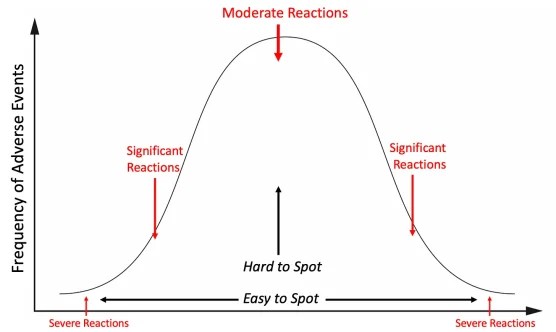
I tried to warn my colleagues about the dangers of this vaccine, but even when I pointed out Pfizer’s own trial admitted the vaccine was more likely to harm than help you, no one would listen to me. Not being sure what else to do, but not be willing to do nothing, I decided to start documenting all the severe reactions I came across so I could have some type of “proof” to show my colleagues.
This was something that was extremely important at the time since no one was willing to take on the personal risk of publishing something went against the narrative (that vaccines were killing people) in the peer reviewed literature. Shortly after Steve Kirsch kindly helped launch my Substack, I decided to post the log I’d put together, and since there was a critical need for that information, the post went viral and created much of the initial reader base that made my substack possible.
It was immensely time consuming to do the project (especially the verification of the story that was reported to me), so I ended the project after a year. During that time, I came across 45 cases of either a death (these comprised the majority of the 45 cases), something I expected to be fatal later on (e.g., a metastatic cancer) or a permanent and total disability. Additionally, in line with the previously described bell curve, I also came across many more serious but not quite as severe injuries.
I’ve had a long term interest in studying pharmaceutical injuries because many of my friends and relatives have had bad reactions to pharmaceuticals. In most of these cases, ample data existed to show that reaction could happen (often to the degree it strongly argued against the pharmaceutical remaining on the market) and yet almost no one in the medical field was aware of those dangers, hence leading to my injured friends never being warned before they took the pharmaceutical or even while the injury was occurring.
My bell curve theory originally came about from examining all of their cases. I thus was interested to know if the distribution of adverse events from the spike protein vaccines would match what I had observed with previous dangerous pharmaceuticals and if what I saw personally did or did not match what everyone was reporting online.
One of the things that immediately jumped out at me were the multiple cases of a friend’s parent in a nursing home receiving the vaccine, immediately undergoing a rapid cognitive decline which was “diagnosed” as Alzheimer’s disease and then dying not long after. At the time, I assumed these were most likely due to undiagnosed ischemic strokes as that was the most plausible mechanism to describe what I’d heard, but I was not certain as I could never examine any of these individuals for signs a stroke had indeed happened.
These cases were very concerning to me, as they signified (per the bell curve) that there was going to be a much larger portion of people who would develop less severe (but nonetheless impactful) cognitive decline following vaccination.
Note: one of the most common types of injuries from pharmaceuticals are neurological injuries which both impair cognitive function and create psychiatric symptoms. This places patients in a difficult situation of being gaslighted by the medical system. This is because their doctors assume the psychiatric symptoms the patients are experiencing are the cause of their illness rather than a symptom of it, leading to the patient being told the illness is all in their head and continually referred for psychiatric help. One of the best examples with this occurred as a result of the abnormal heart rhythms (e.g., rapid anxiety provoking palpitations) caused by the vaccine damaging the heart which were consistently diagnosed as being a result of anxiety, even when a subsequent workup I requested showed heart damage was present.
As I began seeing more and more signs of cognitive impairment following vaccination, I realized that what I observed mirrored what I had previously seen with chronic inflammatory conditions such as mold toxicity, HPV vaccine injuries, and lyme disease. Some of the examples included:
• Many people reported having a “COVID” brain where it was just harder for them to think and remember things. I sometimes saw this after more severe cases of COVID, more frequently after vaccination, and repeatedly in patients who per their timeline clearly developed it from the vaccine but believed it had come from COVID.
• These issues tended to be more likely to affect older adults, but younger ones were more likely to notice (and complain) about them. In the case of older adults, I typically learned about them from someone else who had observed the cognitive decline rather than directly from the individual.
• I saw cases of vaccine injured individuals who had trouble remembering or recalling the word they knew expressed what they were trying to communicate (this is also a common mold toxicity symptom).
• I had friends and patients who told me their brain just didn’t work the same since they’d received the vaccine. As an example, a few colleagues told me they started losing the ability to remember basic things they needed to practice medicine (e.g., medication dosages for prescriptions). They shared that they were very worried they would need to take an early retirement and that they thought it came from the vaccine but there was no one they could talk to about it (which understandably created a lot of doubt and anxiety).
• I saw cases of coworkers demonstrating noticeable (and permanent) cognitive impairment after I’d assumed they’d received the vaccine. Their impairment was never mentioned or addressed (rather the physician kept on working, did not perform as well, and in some cases retired).
• I met significantly injured vaccine injured patients who told me one of the primary symptoms was a loss of cognitive functioning they had taken for granted throughout their life. In many cases following treatment of their vaccine injury, their cognition also improved.
• Colleagues who treated vaccine injured patients told me cognitive impairment was one of the common symptoms they saw and was particularly noteworthy because they had never seen anything like that happen to young adults.
• One of my friends (a very smart immunologist) developed complications from the first two vaccines and based on their symptoms was able to describe exactly which parts of their immune systems were becoming dysregulated. Against my advice, they took a booster and reported they suffered a significant cognitive impairment never experienced before in their lifetime. I feel this case was important to share as it illustrates how an exacerbation of a vaccine injury can also cause an exacerbation of cognitive symptoms.
Note: I also saw significant cognitive impairment occur in individuals who were acutely ill with COVID-19. This was not as unusual since delirium is a well known complication in patients hospitalized with a systemic illness (e.g., sepsis), but it seemed to happen more frequently than ususual.
At the same time I was observing these effects, many rumors were also swirling around online that the vaccines would cause severe cognitive impairment and that we would witness a zombie apocalypse from the vaccine injuries.
This apocalypse of course never happened, but many observed a suspicion cognitive impairment was occurring. For example to quote Igor Chudov’s recent article:
I own a small business and deal with many people and other small businesses. Most provided reliable service, would remember appointments, followed up on issues, and so on. I noticed that lately, some people have become less capable cognitively. They forget essential appointments, cannot concentrate, make crazy-stupid mistakes, and so on.
In my own case, the most evident change I noticed was a worsening of drivers around me and had a few near misses from impaired driving.
The challenge with these situations is that it’s very hard to tell if something is actually happening or your perception is simply a product of confirmation bias. For this reason, while I was comfortable asserting my belief the COVID-19 vaccines were causing the severe injuries on either end of the bell curve, I avoided doing so for many of the less impactful injuries in the middle where it was much more ambiguous if what I was observing was “real” or simply my own biased perception of the events around me. Because of this, amongst other things, I never mentioned the changes in driving I observed.
Note: after I posted the original article many of the readers stated they too had observed a significant worsening in the behavior of drivers around them. I was then pointed to this dataset, which suggests this issue was happening, but is difficult to properly assess because COVID-19 can also cause cognitive impairment and less people were driving in 2020.
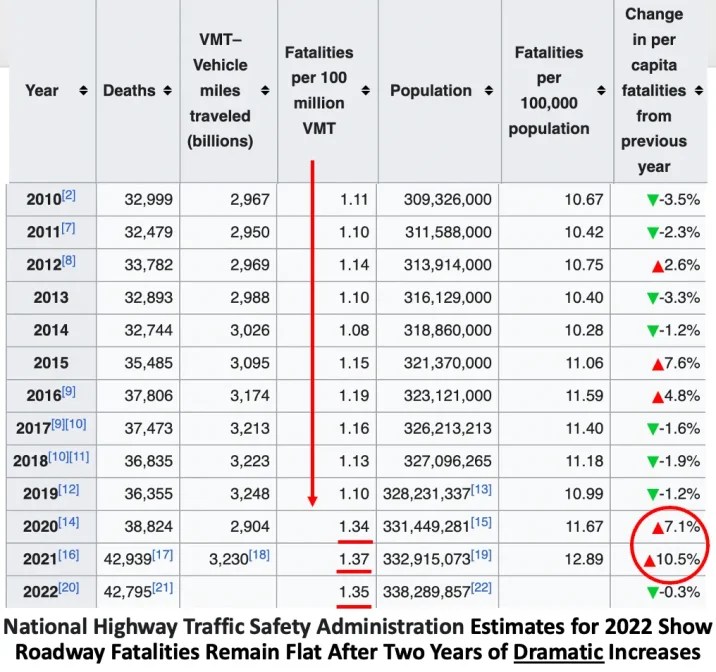
Typically, when we have situations like this, large bodies of data or scientific studies are needed to tease out if a correlation is in fact occurring. Unfortunately, since there are political repercussions for dissenting from the dominant narrative, data which threatens tends not to be published. This creates the challenging situation where those who are looking for answers on a topic which challenges a vested interest have to look quite carefully for clues on the subject (e.g., by dissecting papers to see exactly what the data is actually showing).
Igor periodically finds those, and after I saw the most recent one he unearthed, I requested to write the original guest post. To quote his discovery from the Netherlands:
Primary care data for January to March 2023 showed that adults visited their GP more frequently for a number of symptoms compared to the same period in 2019. Memory and concentration problems were significantly more common than last year and in the period before COVID-19. Where these symptoms are concerned, the difference compared to 2019 is growing steadily in each quarter.
In the first quarter of 2023, there was a 24% increase in GP [general practioner] visits related to memory and concentration problems among adults (age 25 years and older) compared to the same period in 2020. This is evidenced by the latest quarterly research update from the GOR Network. The increase in memory and concentration problems of adults seems to be a longer-term effect of the coronavirus measures as well as SARS-CoV-2 infections.
More specifically they found:
• No increase was observed in adults under 25 years old.
• A 31% increase was observed in those 24-44 years old.
• A 40% increase was observed in those 45-74 years old.
• A 18% increase was observed in those over 75 years old.
Note: previous rounds of this survey, in addition to the cognitive issues described above, worsening mental health (e.g, anxiety, depression or suicidal thoughts), sleep problems, tiredness, and cardiovascular issues (e.g., shortness of breath, dizziness or heart palpitation) were also observed to have significantly increased since 2019.
Typically, patients, less than 75 years old are unlikely to visit their doctors for cognitive issues. Taken in context with this data, it means there is a stronger case that the (massive) increases in those under 75 were caused by something that happened after 2019. Additionally, since there were already a large number of visits for cognitive impairment in the elderly, the lower percentage increase is slightly misleading in quantifying the extent to which everyone was affected. For example to quote the previous report:
Primary care data showed that adults visited their GP somewhat more frequently for sleep problems in October–December 2022 than in the same period in 2019. This was particularly striking in the oldest age group (75 years and older).
All of this data put health officials in a bit of an awkward situation since publishing data demonstrating large scale cognitive impairment directly undermines the narrative they previously had committed themselves to. Nonetheless, the authors of the report were significantly more candid than many other before them:
The source of this increase in memory and concentration problems is unclear. A possible explanation could be that COVID-19 measures caused accelerated cognitive decline among people who were starting to have problems with memory and concentration (66 years on average).
COVID-19 was of course cited as a potential cause (which, as discussed above can sometimes cause long term cognitive impairment):
A supplementary explanation could be that some of these people have long-term symptoms after COVID-19. Various studies have shown that memory and concentration problems are common in post-COVID symptoms. Other infectious diseases, such as flu, can also cause these symptoms. However, recent studies have shown that long-term memory and concentration problems are much more common after COVID-19 than after flu. In addition, these symptoms are more common in older age groups. The figures provided by GPs are consistent with this expectation.
Fortunately, the authors acknowledged that long COVID could not be the primary explanation for what was occurring, and instead alluded to the elephant in the room—the vaccines.
Note: on VAERS, in the 23 years VAERS has operated, 2352 of the 3071 (76.6%) reports of memory impairment following vaccination came from the COVID-19 vaccines. Additionally, Ed Dowd has identified numerous government datasets demonstrating that widespread impairment and disability has occurred since the vaccine rollout.
My specific interest in studying spike protein vaccine toxicity arose because I suspected I would see many similarities to other pharmaceutical injuries I had observed previously and treatments that had developed for those injuries could be used to treat COVID-19 vaccine injuries. On Substack, I’ve tried to focus on explaining the areas that I believe are the most important to understanding this, zeta-potential, the cell danger response (CDR) and the treatments for Alzheimer’s disease. Note: Each of these is interrelated with and often causes the others.
Zeta Potential: Zeta potential (explained in detail here) governs if fluid in the body clumps together (e.g., forming a clot) or remains dispersed and capable of freely flowing. Additionally, it also influences if proteins will stay in their correct formation or misfold and clump together. Many different issues (discussed here) emerge when fluid circulation (be it blood, lymph, interstitial fluid or cerebrospinal fluid) becomes impaired. Since the spike protein is uniquely suited for impairing zeta potential, we have found restoring zeta potential (discussed here) often is immensely helpful during COVID-19 infections and for treating COVID-19 vaccine injuries. Many of those approaches were initially developed from working with other vaccine injuries and cognitive decline in the elderly.
Cell Danger Response (CDR): When cells are exposed to a threat, their mitochondria shift from producing energy for the cell to a protective mode where the cell’s metabolism and internal growth shuts down, the mitochondria release reactive oxygen species to kill potential invaders, the cell warns other cells to enter the CDR and the cell seals off and disconnects itself from the body. The CDR (explained further here) is an essential process for cellular survival, but frequently in chronic illness, cells become stuck in it rather than allowing the healing response to complete.
Understanding the CDR is extremely important when working with complex illnesses because it explains why triggers from long ago can cause an inexplicable illness, and why many treatments that seem appropriate (specifically those that treat a symptom of the CDR rather than the cause of it) either don’t help or worsen the patient’s conditions. Many of the most challenging patients seen by integrative practitioners are those trapped within the CDR, but unfortunately, there is still very little knowledge of this phenomena.
My interest was drawn back to the CDR after I realized that one of the most effective treatments for long COVID and COVID-19 vaccine injuries was one that directly treated the CDR. Since many of the therapies that have been developed to revive nonfunctional tissue was developed by the regenerative medical field, I wrote an article describing how these approaches are applied to restore localized regions of dysfunctional tissue (which is sometimes needed to treat vaccine injuries) and another on the regenerative treatments that treat systemic CDRs (and are more frequently needed for vaccine injuries).
Alzheimer’s Disease (AD): AD is one of the most devastating and costly conditions in existence (e.g., for the year of 2020 it was estimated to have cost America 305 billion dollars) and as a result, billions of dollars are spent each year in researching a cure for it. This research (which began in 1906) has gone nowhere and presently the FDA is working with the drug industry to push forward ineffective, quite dangerous but highly profitable treatments for AD.
However, effective treatments do exist for AD and my colleagues have developed a few different methods that have successfully treated the condition. Additionally, one neurologist, Dale Bresden developed a method for reversing AD that he proved worked in mulitiple publications (included a recent 2022 clinical trial).
All of these successful approaches utilize the following principles:
• Restore both the blood flow to the brain and the lymphatic drainage from it (which removes amyloid plaques). This often requires restoring the physiologic zeta potential and having a healthy sleep cycle.
• Treating the CDR (which causes chronic inflammation) and reactivating brain cells that became trapped in an unresolved CDR (which amongst other things requires reclaiming a healthy sleep cycle).
Note: Bresden’s approach also emphasizes the importance of addressing chronically elevated blood sugar or insulin levels.
One of the most important things to recognize about AD is that it is a slowly worsening disease which often progresses over decades. In the early stages of AD, minor cognitive changes occur, which (when possible to autopsy) correlate with tissue changes within the brain. In rare instances, individuals can instead have a rapidly progressing form of Alzheimer’s which strikes with a younger age and is often linked to the toxin exposure.
In the case of spike proteins illnesses, I have seen both the early signs of AD cognitive decline occurring in much younger patients, and exist in cases of AD rapidly progressing following COVID vaccination. Additionally, I have also seen cases of rapid cognitive decline in the elderly following the administration of other vaccinations—however they were far less frequent than those seen with the COVID-19 vaccines.
Anytime you attempt to perceive the world around you, you are always biased by the pre-existing filters you have which prevent you from seeing much of the world around you (discussed further here). To some extent, these filters are a necessary evil as without them, the world would be overwhelmingly complicated. However, if you cannot be open to the possibility a biased filter this is clouding your perception of reality, you become blind to a great deal of important things around you. Misleading filters for example, explain why many of those committed to the narrative cannot see the overwhelming evidence of COVID-19 vaccine injuries around them.
One of the most commonly used filters is “social proof,” which essentially says people will typically not act on something, believe it, or even see it unless their peers (the herd) already are. This creates a problem, because frequently when you need to know something, the herd does not yet believe it, forcing you to either make a decision no one else supports (which can be quite terrifying) or to wait until there is safety in doing it because the herd has now moved in that direction (which is often too late).
As I’ve gotten to know those who challenged the COVID-19 narrative, I’ve noticed they all had a tendency they’d learned through life experience to not follow the crowd and be willing to act on their initial impression of what preliminary data suggested before the rest of the crowd caught on. For example, Ed Dowd was a highly successful stock trader (e.g., he made Blackrock a lot of money) and his method boiled down to spotting early trends before anyone else and acting on them while they were still profitable to investors.
Like many, from the start of the vaccination campaign, based on the preliminary data points that were available, I suspected it was going to cause long-term cognitive issues. Now that the data which supports that trend is beginning to appear, and concerningly the issue appears to be gradually worsening, something commonly observed over time with factors that give rise to dementia. This is an important issue and I want to extend my thanks to Igor Chudov for drawing attention to this very important dataset.
Featured Video

America Racing to Strategic Defeat in Iran
or go to
Aletho News Archives – Video-Images
From the Archives
An Expert Military Analysis of War with China
Actually, None is Necessary
By Fred Reed • Unz Review • December 13, 2020
The Correlation of Armed Forces: U.S. goods and services trade with China totaled an estimated $634.8 billion in 2019. Exports were $163.0 billion; imports were $471.8 billion. The U.S. goods and services trade deficit with China was $308.8 billion in 2019. Trade in services with China (exports and imports) totaled an estimated $76.7 billion in 2019. Services exports were $56.5 billion; services imports were $20.1 billion. The U.S. services trade surplus with China was $36.4 billion in 2019.
There is talk within the Washingtoniat of a possible war with China. Steve Bannon, who apparently was dropped on his head as a child, actually favors such a war. We hear the usual shoo-the-boobs alarm about how the Chinese are doing something terrible and we must gird our loins and American values and show them what for, bow wow, woof. The danger is that the current game of who-blinks-first in Asian waters might actually provoke a shooting war. You know the kind of thing: One warship refuses to get out of the way of another, a collision ensues, some retard lieutenant who signed up on waivers opens fire, and we’re off and running. It is not a good idea to let children play with matches.
The said war is discussed either in emotional terms by idiots or in purely naval terms by those familiar with such things, so we hear of the First Island Chain and the Second Island Chain and whose missiles against the other’s missiles and so on. This would be appropriate if we were fighting World War Two again. Which we aren’t. Let’s take a quick-and-dirty look at how such a war might go.
To begin the war, America would overestimate itself and underestimate China. This is doctrine in the Pentagon. … continue
Blog Roll
 Aletho News
- Suicide Should Not Be a Government Service
- Rethinking America’s greatest threat: Iran vs. Israel-Firsters
- Iran accuses adversaries of false flags to strain Turkey ties
- Poland rules out sending Patriot missiles to US/Israel amid war on Iran
- Tehran approves new Hormuz plan with major restrictions
- No Threat Can Force Iran’s Surrender /Trita Parsi & Lt Cl Daniel Davis
- UK’s New Pandemic Plan Would Turn Big Tech Into a Mass Location Tracking Network
- Growing insecurity, soaring prices fuel protests in north as regime bans evacuation: Sources
- Iran denies responsibility for ‘depraved’ attack on Kuwait desalination plant
- Bring The Troops Back. End This War Now!
- If Americans Knew
- Carrying life under fire: Israeli invasion of Lebanon leaves pregnant women facing deadly risks
- Champagne all around for the new death penalty (for Palestinians) law – Not a ceasefire Day 172
- Why are Palestinian books struggling to be seen on Amazon?
- The Line Between Affinity and Conspiracy
- As Iran targets US military bases, will they be relocated to Israel? Not a ceasefire Day 171
- Will Trump Go Kamikaze?
- Is the University of Florida Shutting Down College Republicans over Israel Criticism?
- Jewish extremist arrested over alleged plot to firebomb Palestinian activist Nerdeen Kiswani’s home
- More than half of Palestinian child detainees have no charges
- The More Murderous Israel Gets, The More We Hear About “Antisemitism”
- No Tricks Zone
- New Study Finds Warming Saves Lives…Cold Temperatures 12 Times More Deadly Than Excess Heat
- German Science Blog Accuses PIK Climate Institute Of Hallucinating Climate Tipping Points
- Devastating Assessment Of Comirnaty Vaccine By Former Senior Pfizer Europe Toxicologist
- New Study: CO2 Is ‘Effectively Negligible’ As An Explanatory Climate Change Factor Since 2000
- Former Pfizer Toxicologist Dr. Helmut Sterz Tells Bundestag Hearing Pfizer Vaccine Should Have Never Been Approved
- Energy Expert: Germany’s Nuclear Phaseout Was A “500 Billion Euro Mistake”
- New Research: South Australia’s Mid-Holocene Sea Surface Temperatures Were 4°C Warmer Than Today
- Storing Green Energy To Last Germany 10 Days Would Require A 60-Million Tonne Battery
- New Studies: UK Sea Levels Were 4 Meters Higher Than Today During The Mid-Holocene
- Destructive Green New Deal: German Energy And Metal Group Warns Of Drastic Crisis
 Aletho News