Yemen shows off hypersonic missile in Arab Sea op
The Cradle | June 27, 2024
Yemen’s Armed Forces released footage on 26 June of the new hypersonic ballistic missile that was used to target an Israeli ship in the Arab Sea a day earlier.
The Hatem-2 hypersonic ballistic missile is equipped with an intelligent control system and has significant maneuverability, according to the Yemeni army’s military media page. The locally-made Yemeni missile runs on solid fuel and boasts several different types with differing ranges.
The video and pictures released by Sanaa’s forces on Wednesday show the missile in use against the Israeli ship, the MSC Sarah.
The Yemeni army announced its attack on the MSC Sarah on 25 June.
“The naval forces of the Yemeni Armed Forces carried out an effective military operation targeting the Israeli ship (MSC SARAH V) in the Arabian Sea. The hit was accurate and direct … We announce that this operation was carried out with a new ballistic missile that entered service after the successful completion of trial operations,” Yemeni army spokesman Yahya Saree said in a statement.
“The missile is distinguished by its ability to hit targets accurately and over long distances, as this operation demonstrated.”
The armed forces of Yemen’s Sanaa government – which is militarily aligned with the Ansarallah resistance movement – are known to locally produce weapons. Sanaa’s Armed Forces are also still in possession of weapons stockpiles from the Soviet era.
Washington and other western nations accuse Iran of smuggling weapons to Ansarallah in Yemen. Yemen has been under a tight Saudi-led blockade for nearly 10 years, making the import of arms into the country extremely difficult.
However, Iranian expertise has played a significant role in the production of Yemen’s anti-ship ballistic missiles, according to a 29 May report from Tasnim news agency.
Tasnim says that the Yemeni Muhit missile – revealed in a military parade in the capital, Sanaa, in September last year – is directly modeled after the Iranian Qadr missile, Tehran’s first locally manufactured anti-ship ballistic missile, which was developed over 10 years ago by late Islamic Revolutionary Guard Corps (IRGC) commander Brigadier General Hassan Tehrani-Moqaddam.
Russia comments on coup attempt in Bolivia
RT | June 27, 2024
Moscow has pledged its “unwavering support” for Bolivian President Luis Arce after his government faced an attempted military coup on Wednesday.
The failed putsch was led by the commander of the Armed Forces, General Juan Jose Zuniga. His troops occupied Plaza Murillo, the central square in the Bolivian capital La Paz, and broke into the presidential palace, but faced resistance at home and rebukes internationally.
Russia has condemned the attempted coup and considers it imperative that internal political disputes be settled within the framework of constitutional law, the Foreign Ministry said in a statement on Thursday.
”We warn against attempts at destructive foreign interference in the domestic affairs of Bolivia and other nations. Such actions have previously led to tragic consequences for a number of countries and peoples, including in the Latin American region,” the ministry added.
The statement called Bolivia a “strategic partner.” Arce reiterated in late May his country’s intention to join BRICS, a group of not-Western economies that includes Russia among its founding members.
Bolivia fell prey to a coup in 2019, which ousted then-President Evo Morales and put into power the government of Senator Jeanine Anez. She is now serving a prison term for crimes that her regime committed during its deadly crackdown on mass protests.
Arce, who assumed office in 2020, and his mentor Morales, have been at odds over the future of their political force, the Movement for Socialism. However, Morales has unequivocally condemned the attempt to oust his former ally and urged the public to mobilize against General Zuniga. The coup leader was arrested hours after he tried to usurp power.
Lavrov reveals BRICS expansion stance
RT | June 27, 2024
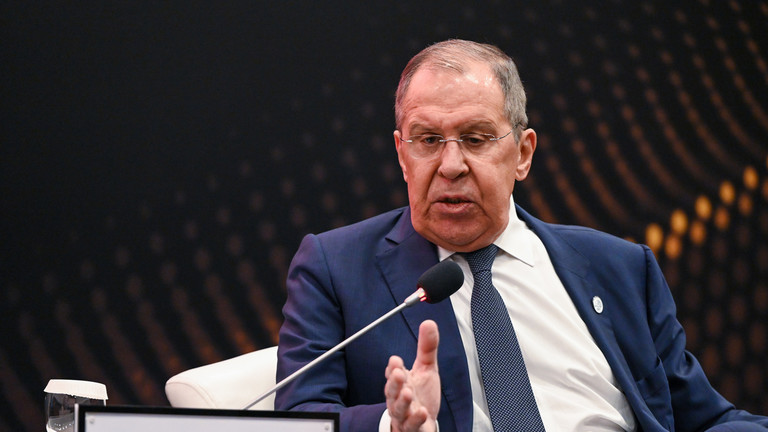
The BRICS group of nations has voted to temporarily suspend new membership applications and focus on integrating the countries which have joined most recently, Russian Foreign Minister Sergey Lavrov announced on Wednesday.
In a statement published on the ministry’s website, Lavrov revealed that the Group of Ten BRICS members had decided to “take a break with the accession of new members in order to process the new arrivals, who have doubled the composition of the group.”
BRICS was initially founded in 2006 by Brazil, Russia, India, and China, with South Africa joining the group in 2010. This year, five more countries officially joined the organization, including Egypt, Iran, Saudi Arabia, Ethiopia, and the United Arab Emirates.
In his statement, Lavrov said that while the new arrivals are being integrated into the group, a new category of “partner countries” would be formed as a “stepping stone” to full BRICS membership.
“We will certainly promote our Belarusian friends as well as a number of other like-minded allies,” the minister said.
This year, Russia holds the rotating chairmanship of BRICS and has announced a “special mission” to identify new members. According to Yury Ushakov, Russian President Vladimir Putin’s foreign policy aide, more than 30 countries have formally applied, including Thailand and Malaysia, the latest to have submitted bids. Earlier this month, Zimbabwe also announced a desire to join the group.
Russian Deputy Foreign Minister Sergey Ryabkov outlined that Moscow’s primary criteria for all aspiring BRICS members is “non-participation in illegal sanctions policies, [and] illegal restrictive measures against any BRICS participant, first of all of course against Russia.”
He said that all current members had expressed their “full understanding” of that position, which Moscow considers essential as the group’s growth continues.
Ukraine’s highly unpopular military conscription produces ‘ghost soldiers’ and widespread corruption
By Dmitri Kovalevich | Al Mayadeen | June 27, 2024
The end of June marked one month since Ukraine adopted a new law on military conscription that significantly limits the rights of Ukrainians. During this time, Ukrainian media has been full of reports, daily and even hourly, of ‘kidnappings’, as many Ukrainians put it, by military conscription officers from the streets and neighborhoods of the country of military-age men (25 and older) deemed fit for battle. Fighting between enlistment officers and civilians resisting their work is increasing, as is the publicizing of it all in Ukraine media.
Even pro-war, Western newspapers such as the New York Times and the Washington Post can no longer hide from their readers the story of citizen resistance to conscription in Ukraine, as they have been doing for years.
Tension in Ukraine over forced conscription is growing daily. The Ukrainian military is promoting (and enforcing through conscription) its idea that justice demands that all Ukrainian men submit to the horrors of war, just as its soldiers have done for more than two years in direct confrontation with the Russian armed forces and in direct confrontation with the self-defense forces in Donbass for eight years before that. The Kiev regime launched a civil war against the people of Donbass (today the Russian Federation republics of Donetsk and Lugansk) in the spring of 2014, seeking to crush the deep-going opposition there to the far-right paramilitary coup of February 2014 that overthrew Ukraine’s elected president and legislature.
In response to the conscription terror unfolding daily in the streets and neighborhoods of the country, Ukrainian military vehicles are now being set on fire every day in various cities. Local residents believe the targeted vehicles to be transporting military enlistment officers, not ordinary soldiers. One result is that rank-and-file military personnel are increasingly placing notices on their transport vehicles reading ‘Not military recruiters’. As they conduct their work, lone military enlistment officers are coming under attack far to the rear of the front lines, even in western Ukraine.
The Ukrainian telegram channel ‘Skeptic‘ comments on the confrontations, writing, “People do not understand who, exactly, is appearing before them in uniform: is it a simple military man, or is it military enlistment officer? The forced conscription being carried out by the authorities at the hands of military recruiters leads people to take illegal actions. Along with simple efforts to avoid the conscription officers, people are increasingly fighting back with their bare hands when cornered, risking their lives or their freedom in order to do everything possible to avoid going to the war front and suffering the fate of so many before them who have lost their lives or their health.
“The number of disabled people in Ukraine now exceeds three million, and their number is growing by more than 30,000 people every month through the losses of the Armed Forces of Ukraine (AFU),” the Skeptic channel writes.
On June 11, Ukrainians were stirred by media broadcasting a mass brawl in the city of Odessa between ambulance drivers and the military enlistment officers who were trying to conscript one of them. Dozens of ambulance drivers from all over the city came to the aid of their colleague, at which point several civilian vigilantes joined with the recruiters in beating the ambulance drivers with baseball bats.
According to a report in the widely-read, Ukraine media outlet Strana, the vigilantes were members of voluntary police assistance squads. These have been established since 2022. Private security companies often enroll their employees in such units. In fact, these are paramilitary formations dedicated to assisting military enlistment officers and police to seize eligible conscripts. A ‘bonus’ for the members of such vigilante groups is that they are accorded protection against conscription.
The Strana report explains, “In addition, cooperation with military enlistment officers and the police gives the members of the ‘assistance detachments’ many ways for illegal earnings. For example, they often act as intermediaries in giving bribes to the enlistment officers – naturally, for a certain percentage. There are also schemes to issue, for a fee, taxi cab passes for nighttime travel [which is supposed to be forbidden]. The struggle for such financial flows periodically causes serious clashes between the ‘assistance detachments’ in Odessa.”
The terror inflicted by military recruiters against civilians is dictated not so much by the desire for ‘justice’ on the military front [equality in military service] as by common corruption. ‘Failures’ to issue conscription notices and erasing of computerized conscription data on Ukrainians liable for military service can cost several thousand dollars. Even some children of military commissars are involved in such illegal business in order to avoid service. In mid-June, for example, the son of the head of one of the military enlistment offices in the Vinnytsia region was detained after he was found to be arranging travel abroad for men seeking to escape the country at prices approaching the equivalent of US$20,000. During searches of the son’s premises, authorities found conscription notices and copies of passports of more than a dozen men of the age of military service, plus a lot of cash, including US dollars. He is now facing a possible jail sentence of eight years and the loss of his personal property. It is illegal for men of military age to leave Ukraine unless they have special permission (care of a frail elder, for example).
Ukrainians also know that military recruiters are choosing not to patrol and raid certain vacation spots or shopping locations frequented by wealthy Ukrainians. One restaurant owner told Strana on condition of anonymity, that this is happening largely due to large bribes. A restaurant owner in Odessa told the publication, “Each chain of shopping malls negotiates independently with military recruiters; not directly but through the mediation of the regional governing administration. Naturally, for large payoffs. I can’t tell you the amount of payment for the ‘security zone’, but the sums start from 5-10 thousand dollars and more, per month, depending on the size of the shopping center and its popularity.”
“Each network of shopping and entertainment centers negotiates independently with the military registration and enlistment offices, but not directly. They negotiate through mediation by the regional city administration. Naturally, for large payoffs I cannot say what is the exact fee for protection in a ‘security zone’, but the amounts start at 5,000 to 10,000 [U$] each month, depending on the size of the shopping complex and its popularity.”
Despite all the uproar taking place in Ukraine over conscription, the results on the front line are barely visible, writes a correspondent on Telegram from the ‘Kholodnyi Yar ‘unit of the AFU. “This is partly due to the fact that newly conscripted soldiers are merely replacing the dead and wounded. Corruption and fictitious servicemen who exist only on paper are partly to blame.”
The ‘First War News’ Telegram channel writes on June 18, “In Donetsk region, the accountant of one of the military units along with two other unit members organized a scheme to enter fictitious data about the participation of soldiers in combat operations in order to collect the bonuses for direct military action for all three participants in the scheme.”
A similar scheme operated in Afghanistan during the U.S.-led occupation of the country from 2001-2012. Al Jazeera reported back in 2021 why the Afghan army that was built up painstakingly for years by the occupation forces fell apart so quickly. Its report explained, “First, there was widespread corruption in Afghanistan’s defense and interior ministries, where funds, ammunition, and food deliveries were stolen before reaching the soldiers on the ground… Furthermore, some commanders embezzled money by submitting fund requests for the salaries of ‘ghost soldiers’; that is, soldiers who had never actually signed up for the military. As all this was happening, the soldiers of the Afghan comprador army were left unpaid and frequently denied for months at a time permission to visit their families on leave.
Unsurprisingly, the Afghan armed forces under Western tutelage had one of the highest desertion and casualty rates of armies in the world. One estimate placed the army’s monthly attrition rate at 5,000, while the monthly recruitment rate was 300 to 500.
The Ukrainian telegram channel ‘Kartel’ describes how similar schemes are taking place in the AFU. “The simplest schemes are those involving ghost soldiers. Fictitious recruits are enrolled and sent to the frontline and the salaries and bonuses go into the commanders’ pockets. Secondly, commanders record of non-existent ‘destruction’ of enemy equipment in order to earn bonuses. Thirdly, they sell places in the rear and in reserve units, and fourthly, they sell vacations and sick leaves to soldiers”.
The underground Ukrainian Marxist organization Workers’ Front of Ukraine (WFU) wrote on Telegram on June 13 about the corruption that has permeated much of the AFU. “If you want to be dismissed, you must pay up. If you are found guilty of a crime or misdemeanor, you must pay up. If you don’t want any trouble, you must pay up. Tens of millions of hryvnias are leaking out of the state budget through payments to so-called ‘gray souls’ [ghost soldier] schemes, for which the military unit receives allowances.
“The alcohol trade is also blossoming. If you are caught drinking too much vodka sold to you by your officers, you are fined, further boosting corrupt earnings. And so on. In one of the buildings of the ‘second headquarters’ a mining farm has been organized, the electricity bills of which are covered by our taxes.”
The Ukrainian Telegram channel ‘Resident‘ writes on June 17 that, in essence, the ever-tightening law on military conscription is transforming military recruiters into a new economic elite, and a deeply corrupt elite at that. The already tense atmosphere in Ukrainian society due to conscription is being aggravated by all the reports of corruption and bribery. And despite the corruption scandals, military enlistment officers actually remain quite untouchable in Ukraine. They have become the unspoken and unassigned decision-makers of the fates of tens, hundreds of thousands of human beings in Ukraine. They are assigned the power to manage this diminishing number of potential military recruits, and they are managing this ‘resource’ in their own, personal interest.
In earlier times, Ukrainians paid bribes to officials for any old certificate or license. They would pay bribes for the right to receive medical care from doctors or even for a necessary conveyance in an ambulance. They would pay bribes to the police to avoid a fine for a traffic violation. Now they are paying bribes for the simple act of walking down the street, working, shopping, getting married, or adopting a child–all in order not to end up in a bombed-out foxhole at the frontline.
Recently, fugitive conscription evaders have begun to stage mass breakthroughs in large groups through the Transcarpathia region in western Ukraine and across the border. The region is Ukraine’s gateway westward into the European Union.
On June 9, 32 people traveling in a transport truck bearing fake military license plates broke through the border to Hungary. The truck was full of fugitives and simply drove off-road at top speed into the neighboring territory. The truck was tracked down by Hungarian border guards and soon after, the fugitives surrendered to the Hungarian authorities near the village of Barabash. Local residents claimed in comments to local media that the fugitives were various Ukraine law enforcement officers who were facing assignments to the war front.
Ukrainian soldiers and officers are also, increasingly, complaining about the ineffective military tactics of their high command. The soldiers are reduced to fighting for every house and every scrap of forested land, even in the most unfavorable situations. This is due to the extreme pressure on military authorities to demonstrate ‘effectiveness’ to the U.S. and NATO military leadership in order for Ukraine may continue receiving military funding and weapons from them.
Ukrainian battalion commander Ivan Mateyko stated in an interview with the Focus newsmagazine that military units are being severely punished for abandoning their positions. For the sake of its public relations, the AFU does not withdraw people even from the last, surrounded house in a village so that the village may still be said by superior officers to be under ‘Ukrainian’ control. “Losing a military position is punished, even when you are holding the last house in a village because as long as you are in that house, the village is considered ours. It doesn’t matter how many people die for the sake of holding that house. It doesn’t matter that that house has been surrounded for a week, cannot safely receive supplies, and cannot safely evacuate the wounded and dead,” he said.
According to Mateyko, when the situation is a stalemate and there are not enough soldiers to mount an adequate defense, commanders decide to indiscriminately send everyone into battle. He believes that commanders are sending people to their deaths in such circumstances out of fear of losing their positions or fear of being penalized.
Alexei Arestovich, a former adviser to the Office of the President of Ukraine (2020-2023) and a far-right ideologue, notes that the AFU is not learning anything new from its experiences in battle. He compares this to the army of the Soviet Union in Crimea during World War Two. He writes on Telegram, “They tried different methods, from mechanical to moral and psychological from 1941 onward. [Nazi Germany occupied Crimea, after bitter struggle, from late 1941 until liberation in 1944.] By 1943-1944, they had learned to fight. The difference between the Red Army of 1941 compared to the Red Army of 1944 is the difference between heaven and earth. They tried, tried, and tried again. After 30 unsuccessful attempts, the 31st attempt would succeed.”
Arestovich asks, “How does Ukraine’s army today compare? Our valiant armed forces do not want to learn, nothing happens. I am looking at this and asking myself, ‘During two and a half years of struggle against our original [sic] enemy, what changes have occurred in the armed forces? Even organizational changes, reflecting accumulated experience? This army has long been driven by inertia and is simply wearing itself out without trying to make sense of events, without trying to draw any conclusions.”
A leader of the neo-Nazi paramilitary battalion ‘Azov’, Dmytro Kukharchuk, believes that Kiev is losing its war. He believes the Russian Federation has no need at all to sue for peace as it is in a much more favorable position. “Yes, we are losing this war now. It’s obvious. We are losing territories, we are losing the best people. Many people say: ‘Everything is going fine and soon we will conclude a peace treaty with Russia.’ But the main question is, why does the Russian Federation need to negotiate peace?” According to him, the strategy of a creeping offensive (war of attrition) which the Russian army has chosen is serving it very well, while the consequences for Ukraine are not only unpleasant, they are critical.
Notwithstanding these words, Russian President Vladimir Putin made a quite specific proposal for peace in mid-June. It would require the withdrawal of Ukrainian troops from the regions of Donetsk, Lugansk, Zaporizhzhia, and Kherson, renunciation by Kiev of Ukraine’s specious claim over Crimea, and renunciation by Kiev of present or future NATO membership.
The U.S. administration and then Ukraine quickly rejected this proposal, as if on cue. The key stumbling block is not so much control of the regions presently under Russia’s control, but future NATO membership for Ukraine. NATO is using Ukraine as a proxy force in this war and toward the goal of NATO membership.
Former Ukrainian journalist and today a political exile, Rostyslav Ishchenko, comments on June 18: “Russia has declared the need to create a unified security system in Eurasia, without the participation of non-Eurasian states. For the first time, albeit indirectly, Moscow has raised the issue of NATO’s liquidation, since without the U.S. military presence in Europe, the bloc loses its meaning and the USA becomes a non-Eurasian power.”
For his part, NATO head Jens Stoltenberg is promising that Ukraine will join NATO as soon as it defeats Russia, which is to say ‘never’. Despite the grim military situation facing the Ukraine regime, Western leaders are instructing Kiev to refrain from any negotiations with Russia.
Oleh Soskin, a former adviser to Leonid Kuchma (the second, post-Soviet Ukraine president from 1995 to 2004 and today a political analyst) has recently written on Telegram that the West is quite satisfied with the killing of Ukrainian citizens at the hands of the country’s capitalist elite. “They are all very satisfied with the fact that this Zelensky, A.Yermak [head of the Office of the President of Ukraine], D.Arahamiya [head of the legislature faction of Zelensky’s political machine], R.Stefanchuk [speaker of the legislature] and, naturally, D. Shmygal [prime minister since 2020] are very good at using Ukrainians as weapons and cannon fodder.”
Indeed, the Ukraine regime is acquiring yet more funding and weapons from the West and sending yet more Ukrainians to their deaths in order to please the elites of the NATO countries.
From time to time, I personally witness clashes taking place between civilians and Ukrainian military enlistment officers. I have witnessed outraged women trying to wrestle their sons and husbands out of the clutches of military conscriptors. “Let Zelensky go to the trenches!,” they shout. “Let him send his own children off to war! Let Biden himself fight the Russians!” Needless to say, this sharp, civilian erosion of support for Kiev’s and NATO’s war does not bode well for either.
Ukrainian attack on Russian civilians ‘terrorism’ – RFK Jr
RT | June 27, 2024
Ukraine’s recent attack on Sevastopol using American-made ATACMS missiles was “terrorism” and constituted an act of war by the United States against Russian civilians, US presidential candidate Robert F. Kennedy Jr. has said.
According to the Russian Defense Ministry, the Ukrainian military fired five ATACMS missiles at Crimea on Sunday, each armed with controversial cluster munition warheads. While Russian air defenses managed to destroy four of them, the fifth was damaged and detonated in mid-air above the seaside, raining explosives onto beachgoers. Over 150 people were injured in the attack and at least five were killed, including two children.
Responding to the incident in a post on X on Wednesday, Kennedy noted that the US-supplied ATACMS missile launcher is “targeted by a sophisticated system only Americans can operate within Ukraine.”
He suggested that the only word that could describe Kiev’s attack on a civilian beach is ‘terrorism’ and claimed that the fact that this was done using what are effectively US-operated weapons meant that it was also “an act of war by the US against Russian civilians.”
“Only Congress can legally declare war,” Kennedy stressed. “They should stop the unaccountable and reckless hawks directing an impaired President Biden.”
Sunday’s strike has also been condemned by former US Congressman Ron Paul, who has described it as an “Ukrainian and American attack on Russia” to which Moscow “can’t not respond.”
Republican Congresswoman Marjorie Taylor Greene also responded to the attack by stating it was something that “should not be happening” and pondered what would have happened if “Russia, using a Russian satellite, fired cluster munitions on a Florida beach.”
Meanwhile, Moscow has said that it “understands perfectly well” who is behind the attack on Sevastopol and who was aiming the missiles involved in the strike, and warned that the “direct involvement of the US in hostility that results in Russian civilians being killed [will] have consequences.”
The Kremlin has not yet outlined what this response might entail, but suggested that it could involve Moscow arming the adversaries of Western nations. The Pentagon has denied involvement in the targeting of the missiles, saying Ukraine makes its own attack decisions.
The Last Wunderwaffe
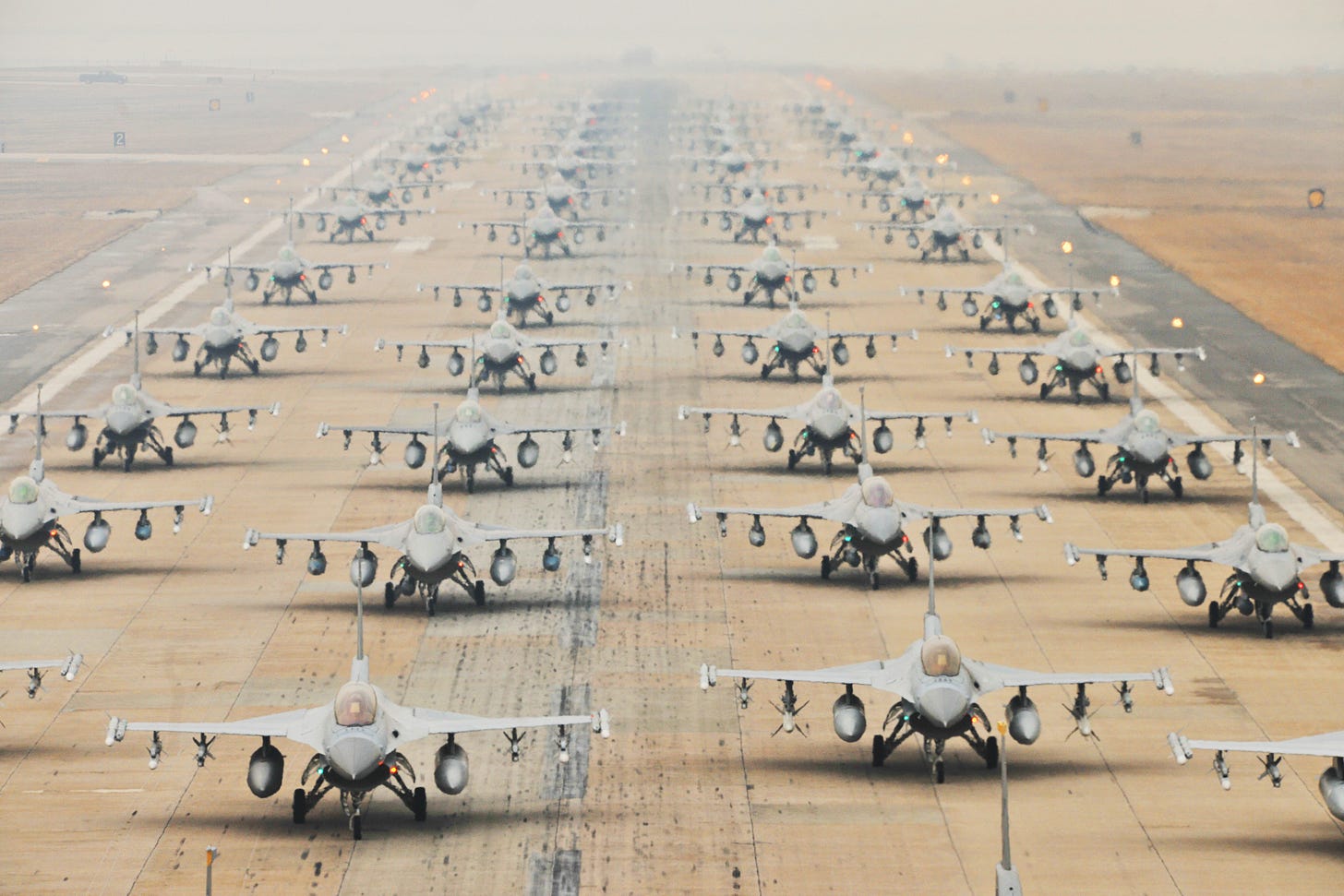
F-16 Elephant Walk
By William Schryver – imetatronink – June 27, 2024
F-16s, Romanian bases, and NATO pilots
I shall return yet again to the prospect of “Made in the USA” F-16s sallying forth boldly into eastern Ukraine to “teach the cabbage heads what Airpower (capitalized) really means.”
From what information I’ve been able to glean in recent weeks, it does in fact look as though the US is aggressively setting up air ops housekeeping in Romania, very near the Black Sea coast — ostensibly to serve as the base of F-16 operations against Russia.
I submit that the preparation of this base is implicit proof that they have long-since assembled and, likely for many months, been honing the skills and teamwork of a few squadrons of “NATO-affiliated contractor pilots” — and the plan must be to use them.
You see, if the “true plan” were to put a dozen woefully undertrained Ukrainian apprentice kamikazes behind the wheel of 1980s vintage F-16s, and then wave them off on a glorious one-way mission into the wild blue yonder … well, you don’t need much of a logistical hub for that operation.
So, if they’re really working to prepare what is reputed to be the “largest NATO base in Europe”, the logical conclusion is that it is intended to house, maintain, and sustain at least a couple squadrons of NATO “volunteer” pilots flying much later F-16 models than the European boneyard relics Ukraine has long been promised.
Hey, I say field five full squadrons, and outfit at least a couple of them with the latest model F-16 Vipers.
Go big or go home.
Make it the last “all in” roll of the wunderwaffe dice.
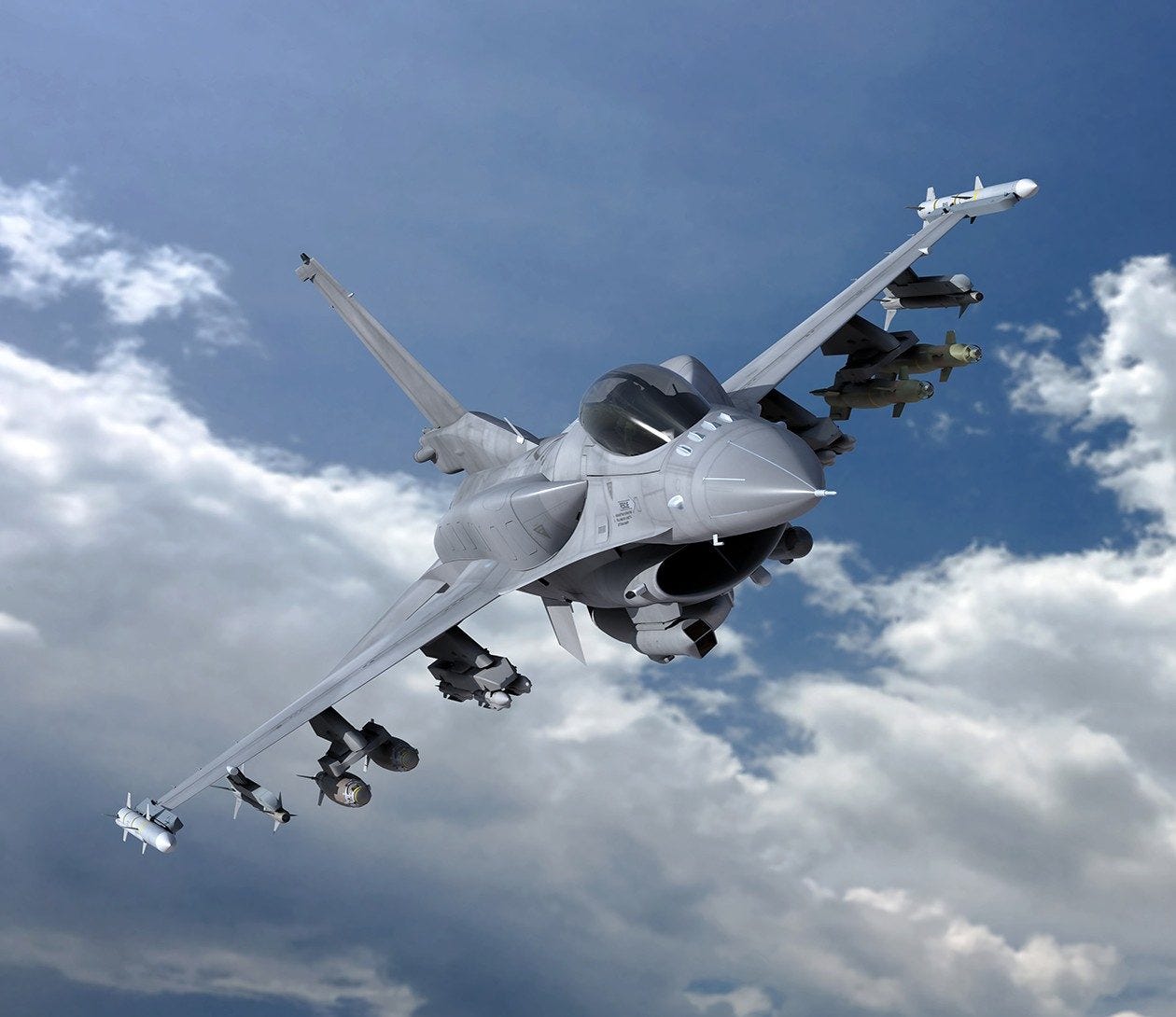
F-16 Viper
Never mind that literally no one in the US air fleet, at any level, has any experience whatsoever in high-intensity air combat operations against an enemy that:
– can match or exceed you with high numbers of superior air frames
– will be flying from interior lines, with well-established logistical infrastructure
– backed by high numbers of the finest layered air defenses on the planet
– with far superior magazine depth
– and will significantly outrange NATO platforms in almost every plausible scenario.
Oh, yeah. And I almost forgot: anyone (including the perpetually catastrophist Russian murmurers) who believes for a moment that Russia will not act to obliterate a NATO base in Romania under such circumstances … well, that’s just silly talk.
Of course they will. They’ll hit it hard. Really hard — with a strike package that exceeds anything ever thrown at a Ukrainian target over the course of this war.
It could well become the most intensely pressure-packed moment in modern times — a situation exceptionally fraught with the possibility of catastrophic miscalculation.
Every time I stop to think about these things, I just shake my head at the obvious stupidity of it all.
If the Imperial Masters of War actually attempt such an air campaign against Russia, not only will the entire operation almost certainly end up being a logistical debacle of truly epic proportions, but the combat results will be shockingly one-sided — disastrous to the point the US will very likely feel compelled to cease operations after just a few days, and try to spin it into some sort of “bold statement” that “achieved its purposes”.
But it will be ugly. Exceedingly ugly. And everybody that is anybody of consequence in power structures around the world will know the score and understand exactly what it means.
Norwegian fund drops stake in US construction giant over Palestinian home demolitions

(Photo Credit: Kobi Gideon/Flash90)
The Cradle | June 26, 2024
Norway’s largest private pension fund, Kommunal Landspensjonskasse Gjensidig Forsikringsselska (KLP), has dropped its stake in US construction giant Caterpillar Inc, citing “concerns” the company is contributing to the destruction of Palestinian homes in the occupied West Bank.
“Although Caterpillar has shown itself willing to engage in a dialogue with KLP, the company’s responses failed to credibly substantiate its ability to actually reduce the risk of violating the rights of individuals in situations of war or conflict, or of violating international law,” Kiran Aziz, the firm’s head of responsible investments, told Bloomberg.
Aziz highlighted that KLP dropped $69 million worth of Caterpillar shares and bonds earlier this month over the Texas-based company’s equipment being used “to demolish Palestinian homes and infrastructure to clear the way for Israeli settlements.”
She also cited allegations that Caterpillar equipment is being used by the Israeli army in Gaza.
The UN Office of the High Commissioner for Human Rights last week named Caterpillar among several corporations supplying Israel with military equipment and urged investors with stakes in these companies to “take action.”
“These companies, by sending weapons, parts, components, and ammunition to Israeli forces, risk being complicit in serious violations of international human rights and international humanitarian laws,” the UN statement reads.
The UN report also urged western financial institutions and investing firms like Bank of America, BlackRock, Citigroup, JP Morgan Chase, Harris Associates, Morgan Stanley, State Farm Mutual Automobile Insurance, and Wells Fargo & Company – among many others – to “take action” and prevent funding the mass killing of Palestinians in Gaza.
The decision by KLP comes one month after the Norwegian government officially moved to recognize a Palestinian state alongside Spain and Ireland.
“For more than 30 years, Norway has been one of the strongest advocates for a Palestinian state. Today, when Norway officially recognizes Palestine as a state, is a milestone in the relationship between Norway and Palestine,” Foreign Minister Espen Barth Eide said on 28 May.
On Wednesday, Palestinian media reported that the Israeli army demolished nine homes in the occupied West Bank, including Jerusalem, and another in the Palestinian territories occupied since 1948.
According to the Wall and Settlement Resistance Commission, Israel conducted “47 demolitions, affecting 66 facilities, including 35 inhabited homes, five uninhabited, and 15 agricultural and other facilities,” across the West Bank in May.
College of Physicians and Surgeons of Saskatchewan suspends doctor for prescribing Ivermectin, fines him $44,784
Licence of Sask. doctor who prescribed Ivermectin for COVID-19 to be suspended
Dr. Tshipita Kabongo faced two sets of charges relating to unprofessional conduct, brought by the College of Physicians and Surgeons of Saskatchewan.
Author of the article: Brandon Harder
Published June 17, 2024
Regina doctor Tshipita Kabongo has admitted to unprofessional conduct in relation to two sets of charges brought against him by the oversight body for Saskatchewan physicians.
That’s according to Bryan Salte, associate registrar for the College of Physicians and Surgeons of Saskatchewan (CPSS).
Kabongo had one such charge brought against him in March of 2023 in relation to his failing to know and/or follow the CPSS Policy on Complementary and Alternative Therapies when he prescribed Ivermectin, an anti-parasitic drug, to treat COVID-19.
He also faced four additional professional charges, brought against him in March of 2024. Of those, three pertained to his work with specific patients, alleging he “failed to maintain the standard of practice of the profession,” while the fourth charge was in relation to billing for his services.
The 2024 charges also made reference to inappropriate prescription of Ivermectin, as well as cannabinoids, benzodiazepines, Vitamin B12, and supplements.
Charges brought by that oversight body are not criminal charges but pertain to conduct that does not comply with the rules that govern its members.
Salte advised, via email, that a hearing was held with regard to Kabongo’s matters in June, and a penalty was imposed on him.
With regard to penalty, the CPSS council decided Kabongo is to receive a written reprimand.
In addition, his licence is to be suspended for one month, starting Aug. 1, 2024.
He is to practice only under the supervision of “a duly qualified medical practitioner approved by the Registrar.”
“The requirement for supervision will continue until the Registrar concludes that Dr. Kabongo is no longer required to practise under supervision,” the council decision states.
The supervisor is to provide the CPSS with reports as to the status of Kabongo’s practice.
Kabongo is also directed to pay costs associated to the investigation and the hearing in the amount of $44,783.72. This amount is to be paid in 24 equal instalments, beginning August 1.
If he fails to pay these costs as required, his licence is to be suspended until he pays in full.
— with files from Pam Cowan
======
Regina doctor suspended for prescribing Ivermectin for COVID
Saskatoon / 650 CKOM
June 18, 2024
A Regina doctor has been suspended from practicing for a month this summer for prescribing Ivermectin for COVID-19.
The Saskatchewan College of Physicians and Surgeons found that over two years, between April 2020 and March 2022, Tshipita Kabongo prescribed the drug as either a treatment or to prevent COVID-19 at his practice in Regina
He was found to have engaged in unprofessional conduct.
In a decision released this month, the college said Kabongo failed to follow the its policy on alternative therapies, which says patients have a right to make decisions about their health care but doctors who choose to use complementary or alternative therapies have to do so in a way that’s informed by medical evidence and science.
“It is unethical to engage in or to aid and abet in treatment which has no acceptable scientific basis, may be dangerous, may deceive the patient by giving false hope, or which may cause the patient to delay in seeking conventional care until his or her condition becomes irreversible,” the policy states.
The college’s decision on Kabongo said one or more of the prescriptions he gave out weren’t medically necessary, he failed to recommend other evidence-informed treatment options, and he didn’t properly document the prescriptions in medical records.
As a result, Kabongo will be suspended from practising for one month in August. He’ll have to have someone supervise him when he returns to practising, and he’ll have to pay the cost of the investigation and hearing, which added up to $44,783.72.
Ivermectin is a drug meant to treat parasites as an oral medicine and rosacea as a topical medication. However, some on social media promoted it as a cure for COVID during the pandemic which began in 2020.
In the fall of 2021, Health Canada and several medical groups in Saskatchewan put out public messages warning people against the use of Ivermectin for COVID, particularly the stronger and more dangerous veterinary formulation.
“There is no evidence that Ivermectin works to prevent or treat COVID-19 and it is not authorized for this use. To date, Health Canada has not received any drug submission or applications for clinical trials for Ivermectin for the prevention or treatment of COVID-19,” explained a public notice from Health Canada issued in October, 2021.
A memo issued around the same time by the College of Physician and Surgeons, along with several other Saskatchewan medical groups, said that while there have been studies on Ivermectin, the study limitations like sample sizes and confounding factors mean that conclusions couldn’t be drawn, and so Ivermectin was disapproved of for the treatment or prevention of COVID-19.
DR. WILLIAM MAKIS MD | JUNE 23, 2024:
This is yet another example of criminal behavior by a College, this time by the College of Physicians and Surgeons of Saskatchewan.
It is time to start filing criminal charges against College Officials.
These Colleges, through their actions, have killed thousands of Canadians already and if Canadians don’t take the Colleges back, the Colleges will continue to take many more lives in the future.
Autopsy Study Linking COVID Shots to Deaths Finally Published, After Lancet Removed It
‘Unprecedented Censorship’
By Brenda Baletti, Ph.D. | The Defender | June 25, 2024
A systematic review of autopsy-related literature following COVID-19 vaccination found that 73.9% of the 325 deaths were linked to the shots, suggesting “a high likelihood of a causal link” between the shots and death.
The review, published on June 21 in the peer-reviewed journal Forensic Science International, was first posted on July 5, 2023, on The Lancet preprint server, SSRN, an open access research platform.
However, Preprints with The Lancet removed the study from the server within 24 hours, “because the study’s conclusions are not supported by the study methodology,” according to a statement on the SSRN page, The Daily Sceptic reported.
The paper had been viewed over 100,000 times.
Authors submitting papers to Lancet journals for review post their work to the SSRN to make it publicly available while it undergoes peer review.
University of Michigan researcher Nicolas Hulscher authored the study, along with Dr. William Makis, Peter A. McCullough, M.D., MPH, and several of their colleagues at The Wellness Company.
The authors said autopsies should be performed on all deceased people who have received one or more COVID-19 vaccines and that vaccinated people should be clinically monitored for at least one year following vaccination. They called for further research into the issue.
McCullough told The Defender :
“Our study faced unprecedented censorship from the Lancet SSRN preprint server and was taken down after massive downloads by concerned physicians and scientists across the globe.
“Lancet did not want the world to know that among deaths that were autopsied after COVID-19 vaccination, independent adjudication found that the vaccine was the cause of death in 73.9% of cases.
“The most common fatal vaccine syndromes were myocarditis and blood clots. Investigative journalists should probe Lancet to uncover who was behind unethical suppression of critical clinical information to the public.”
Makis announced the publication of the “Lancet censored” paper on X last week.
McCullough also noted the project was approved through the University of Michigan’s School of Public Health and used a standard scientific methodology to evaluate the studies for inclusion in the review.
The authors subsequently posted on the Zenodo preprint server, while the review underwent peer review at Forensic Science International. It was downloaded over 125,000 times.
Preprint servers were established to address inefficiencies in academic publishing. The peer-review process typically takes months or more, delaying the real-time sharing of scientific findings with the public.
Also, many journals are proprietary and can only be accessed through expensive personal or institutional subscriptions.
Preprint servers offer a location for scientific reports and papers to be available to the public while the paper goes through peer review — making scientific findings available immediately and for free and opening them up to broader public debate.
There is no peer-review process for preprints, although there is a vetting process.
Preprint servers are intended to be neutral and to post all research conducted with a clearly explained and reproducible methodology, according to Vinay Prasad, M.D., MPH, who reported last year that his COVID-19-related work was subject to similar censorship.
Thirty-eight percent of Prasad’s own lab’s submissions to preprint servers were rejected or removed — even though those same articles eventually were published in journals and extensively downloaded.
Preprint servers have become “gatekeepers” for what science gets published, Prasad said.
When The Lancet took down the paper, The Daily Sceptic’s Will Jones wrote that given the credentials of the authors, “It is hard to imagine that the methodology of their review was really so poor that it warranted removal at initial screening rather than being subject to full critical appraisal. It smacks instead of raw censorship of a paper that failed to toe the official line.”
The Lancet Preprints did not respond to The Defender’s request for comment.
Findings have wide-ranging implications
The authors searched the published literature archived in PubMed and ScienceDirect for all autopsy and necropsy — another word for autopsy — reports related to COVID-19 vaccination, where the death occurred after vaccination.
They screened out 562 duplicate studies among the 678 studies initially identified in their search. Other papers were removed because, for example, they lacked information about vaccination status.
Ultimately 44 papers containing 325 autopsies and one necropsy case were evaluated. Three physicians independently reviewed each case and adjudicated whether or not the COVID-19 shot was the direct cause or contributed significantly to the death reported.
They found 240 of the deaths (73.9%) were found to be “directly due to or significantly contributed to by COVID-19 vaccination” and the mean age for death was 70.4 years old.
Primary causes of death included sudden cardiac death, which happened in 35% of cases, pulmonary embolism and myocardial infarction, which occurred in 12.5% and 12% of the cases respectively.
Other causes included vaccine-induced immune thrombotic thrombocytopenia, myocarditis, multisystem inflammatory syndrome and cerebral hemorrhage.
Most deaths occurred within a week of the last shot.
The authors concluded that because the deaths were highly consistent with the known mechanisms for COVID-19 vaccine injury, it was highly likely the deaths were causally linked to the vaccine.
They said the findings “amplify” existing concerns about the vaccines, including those related to vaccine-induced myocarditis and myocardial infarction and the effects of the spike protein more broadly.
They also said the studies have implications for unanticipated deaths among vaccinated people with no previous illness. “We can infer that in such cases, death may have been caused by COVID-19 vaccination,” they wrote.
The authors acknowledged some potential biases in the article.
First, they said, their conclusions from the autopsy findings are based on an evolving understanding of the vaccines, which are currently different from when the studies evaluated were published.
They also noted that systematic reviews have bias potential in general because of biases that may exist at the level of the individual papers and their acceptance into the peer-reviewed literature.
They said publication bias could have affected their results because the global push for mass vaccination has made investigators hesitant to report adverse events.
They also said their research did not account for confounding variables like concomitant illnesses, drug interactions and other factors that may have had a causal role in the reported deaths.
This article was originally published by The Defender — Children’s Health Defense’s News & Views Website under Creative Commons license CC BY-NC-ND 4.0. Please consider subscribing to The Defender or donating to Children’s Health Defense.
Supreme Court Rules 6-3 That Biden Regime Pressuring Platforms To Censor Speech Doesn’t Violate First Amendment
By Dan Frieth | Reclaim The Net | June 26, 2024
The US Supreme Court has ruled in the hotly-awaited decision for the Murthy v. Missouri case, reinforcing the government’s ability to engage with social media companies concerning the removal of speech about COVID-19 and more. This decision, affirming that these actions do not infringe upon First Amendment rights, delineates the limits of free speech on the internet, dealing a massive blow to freedom of expression online and the interpretation that the First Amendment prevents the government from pressuring platforms to remove legal speech.
The verdict, decided by a 6-3 vote, found that the plaintiffs lacked the standing to sue the Biden administration. The dissenting opinions came from conservative justices Samuel Alito, Clarence Thomas, and Neil Gorsuch.
We obtained a copy of the ruling for you here.
John Vecchione, Senior Litigation Counsel at NCLA, responded to the ruling, telling Reclaim The Net, “The majority of the Supreme Court has declared open season on Americans’ free speech rights on the internet,” referring to the decision as an “ukase” that permits the federal government to influence third-party platforms to silence dissenting voices. Vecchione accused the Court of ignoring evidence and abdicating its responsibility to hold the government accountable for its actions that crush free speech.
Jenin Younes, another Litigation Counsel at NCLA, echoed Vecchione’s sentiments, labeling the decision a “travesty for the First Amendment” and a setback for the pursuit of scientific knowledge. “The Court has green-lighted the government’s unprecedented censorship regime,” Younes commented, reflecting concerns that the ruling might stifle expert voices on crucial public health and policy issues.
Further expressing the gravity of the situation, Dr. Jayanta Bhattacharya, a client of NCLA and a professor at Stanford University, criticized the Biden Administration’s regulatory actions during the COVID-19 pandemic. Dr. Bhattacharya argued that these actions led to “irrational policies” and noted, “Free speech is essential to science, to public health, and to good health.” He called for congressional action and a public movement to restore and protect free speech rights in America.
This ruling comes as a setback to efforts supported by many who argue that the administration, together with federal agencies, is pushing social media platforms to suppress voices by labeling their content as misinformation.
Previously, a judge in Louisiana had criticized the federal agencies for acting like an Orwellian “Ministry of Truth.” However, during the Supreme Court’s oral arguments, it was argued by the government that their requests for social media platforms to address “misinformation” more rigorously did not constitute threats or imply any legal repercussions – despite the looming threat of antitrust action against Big Tech.
Here are the key points and specific quotes from the decision:
Lack of Article III Standing: The Supreme Court held that neither the individual nor the state plaintiffs established the necessary standing to seek an injunction against government defendants. The decision emphasizes the fundamental requirement of a “case or controversy” under Article III, which necessitates that plaintiffs demonstrate an injury that is “concrete, particularized, and actual or imminent; fairly traceable to the challenged action; and redressable by a favorable ruling” (Clapper v. Amnesty Int’l USA, 568 U. S. 398, 409).
Inadequate Traceability and Future Harm: The plaintiffs failed to convincingly link past social media restrictions and government communications with the platforms. The decision critiques the Fifth Circuit’s approach, noting that the evidence did not conclusively show that government actions directly caused the platforms’ moderation decisions. The Court pointed out: “Because standing is not dispensed in gross, plaintiffs must demonstrate standing for each claim they press” against each defendant, “and for each form of relief they seek” (TransUnion LLC v. Ramirez, 594 U. S. 413, 431).The complexity arises because the platforms had “independent incentives to moderate content and often exercised their own judgment.”
Absence of Direct Causation: The Court noted that the platforms began suppressing COVID-19 content before the defendants’ challenged communications began, indicating a lack of direct government coercion: “Complicating the plaintiffs’ effort to demonstrate that each platform acted due to Government coercion, rather than its own judgment, is the fact that the platforms began to suppress the plaintiffs’ COVID–19 content before the defendants’ challenged communications started.”
Redressability and Ongoing Harm: The plaintiffs argued they suffered from ongoing censorship, but the Court found this unpersuasive. The platforms continued their moderation practices even as government communication subsided, suggesting that future government actions were unlikely to alter these practices: “Without evidence of continued pressure from the defendants, the platforms remain free to enforce, or not to enforce, their policies—even those tainted by initial governmental coercion.”
“Right to Listen” Theory Rejected: The Court rejected the plaintiffs’ “right to listen” argument, stating that the First Amendment interest in receiving information does not automatically confer standing to challenge someone else’s censorship: “While the Court has recognized a ‘First Amendment right to receive information and ideas,’ the Court has identified a cognizable injury only where the listener has a concrete, specific connection to the speaker.”
The case revolved around allegations that the federal government, led by figures such as Dr. Vivek Murthy, the US Surgeon General, (though also lots more Biden administration officials) colluded with major technology companies to suppress speech on social media platforms. The plaintiffs argue that this collaboration targeted content labeled as “misinformation,” particularly concerning COVID-19 and political matters, effectively silencing dissenting voices.
The plaintiffs claim that this coordination represents a direct violation of their First Amendment rights. They argue that while private companies can set their own content policies, government pressure that leads to the suppression of lawful speech constitutes unconstitutional censorship by proxy.
The government’s campaign against what it called “misinformation,” particularly during the COVID-19 pandemic – regardless of whether online statements turned out to be true or not – has been extensive.
However, Murthy v. Missouri exposed a darker side to these initiatives—where government officials allegedly overstepped their bounds by coercing tech companies to silence specific narratives.
Communications presented in court, including emails and meeting records, suggest a troubling pattern: government officials not only requested but demanded that tech companies remove or restrict certain content. The tone and content of these communications often implied serious consequences for non-compliance, raising questions about the extent to which these actions were voluntary versus compelled.
Tech companies like Facebook, Twitter, and Google have become the de facto public squares of the modern era, wielding immense power over what information is accessible to the public. Their content moderation policies, while designed to combat harmful content, have also been criticized for their lack of transparency and potential biases.
In this case, plaintiffs argued that these companies, under significant government pressure, went beyond their standard moderation practices. They allegedly engaged in the removal, suppression, and demotion of content that, although controversial, was not illegal. This raises a critical issue: the thin line between moderation and censorship, especially when influenced by government directives.
The Supreme Court ruling holds significant implications for the relationship between government actions and private social media platforms, as well as for the legal frameworks that govern free speech and content moderation.
Here are some of the broader impacts this ruling may have:
Clarification on Government Influence and Private Action: This decision clearly delineates the limits of government involvement in the content moderation practices of private social media platforms. It underscores that mere governmental encouragement or indirect pressure does not transform private content moderation into state action. This ruling could make it more challenging for future plaintiffs to claim that content moderation decisions, influenced indirectly by government suggestions or pressures, are tantamount to governmental censorship.
Stricter Standards for Proving Standing: The Supreme Court’s emphasis on the necessity of concrete and particularized injuries directly traceable to the challenged government action sets a high bar for future litigants. Plaintiffs must now provide clear evidence that directly links government actions to the moderation practices that allegedly infringe on their speech rights. This could lead to fewer successful challenges against perceived government-induced censorship on digital platforms.
Impact on Content Moderation Policies: Social media platforms may feel more secure in enforcing their content moderation policies without fear of being seen as conduits for state action, as long as their decisions can be justified as independent from direct government coercion. This could lead to more assertive actions by platforms in moderating content deemed harmful or misleading, especially in critical areas like public health and election integrity.
Influence on Public Discourse: By affirming the autonomy of social media platforms in content moderation, the ruling potentially influences the nature of public discourse on these platforms. While platforms may continue to engage with government entities on issues like misinformation, they might do so with greater caution and transparency to avoid allegations of government coercion.
Future Legal Challenges and Policy Discussions: The ruling could prompt legislative responses, as policymakers may seek to address perceived gaps between government interests in combating misinformation and the protection of free speech on digital platforms. This may lead to new laws or regulations that more explicitly define the boundaries of acceptable government interaction with private companies in managing online content.
Broader Implications for Digital Rights and Privacy: The decision might also influence how digital rights and privacy are perceived and protected, particularly regarding how data from social media platforms is used or shared with government entities. This could lead to heightened scrutiny and potentially stricter guidelines to protect user data from being used in ways that could impinge on personal freedoms.
Overall, the Murthy v. Missouri ruling will likely serve as a critical reference point in ongoing debates about the government’s ability to influence and shut down speech.
Featured Video
Prof. Ted Postol: US–Iran War? Israel’s Fatal Gamble
or go to
Aletho News Archives – Video-Images
From the Archives
Still No End in Sight of the Murder and Mayhem Wrought by the 9/11 Culprits
By Prof. Tony Hall | American Herald Tribune | July 17, 2016
The Kevin Barrett-Chomsky Dispute in Historical Perspective – Fourth part of the series titled “9/11 and the Zionist Question”
Back in 2006 all but a prescient few, such as Christopher Bollyn, perceived it as premature to try to identify and bring to justice the actual perpetrators of the 9/11 crimes. There was still some residue of confidence that responsible officials in government, law enforcement, media and the universities could and would respond in good faith to multiple revelations that great frauds had occurred in interpreting 9/11 for the public.
Accordingly, the main methodology of public intellectuals like Dr. Kevin Barrett or, for instance, Professors David Ray Griffin, Steven E. Jones, Peter Dale Scott, Graeme MacQueen, John McMurtry, Michael Keefer, Richard B. Lee, A.K. Dewdney, Nafeez Mossadeq Ahmed, and Michel Chossudovsky, was to marshal evidence demonstrating that the official narrative of 9/11 could not be true.
The marshaling of evidence was spurred on by observations coming from government insiders like Eckehardt Wertherbach, a former head of Germany’s intelligence service. In a meeting in Germany with Christopher Bollyn and Dr. Andreas von Bülow, Wertherbach pointed out that, “an attack of this magnitude and precision would have required years of planning. Such a sophisticated operation would require the fixed frame of a state intelligence organization, something not found in a loose group like the one led by the student Mohammed Atta in Hamburg.”
Andreas von Bülow was a German parliamentarian and Defense Ministry official. He confirmed this assessment in his book on the CIA and 9/11. In the text von Bülow remarked that the execution of the 9/11 plan “would have been unthinkable without backing from secret apparatuses of state and industry.” The author spoke of the “invented story of 19 Muslims working with Osama bin Laden in order the hide the truth” of the real perpetrators’ identity. … continue
Blog Roll
 Aletho News
- ‘Britain’s Index of Repression’ documents 964 incidents of anti-Palestinian crackdown
- Prof. Ted Postol: US–Iran War? Israel’s Fatal Gamble
- UK prosecutors drop aggravated burglary charges against 24 Palestine Action activists
- Unidentified drone downed over Lebanon airbase, US forces block authorities from crash site
- Peeling Back the US Information Operation in Iran
- Israel ‘dictating terms’ to US – Turkish professor
- US ramps up nuclear claims against China
- Erdogan wants nukes: What a Turkish bomb would mean for the Middle East
- Ukrainian disruption of Russian oil pipeline triggers emergency in EU state
- Kaja Kallas: an uncomfortable figure useful to the EU’s Russophobic purposes
- If Americans Knew
- Compliant aid: Who are the Israel-approved NGOs scaling up in Gaza?
- Why won’t Trump’s “Board of Peace” bring peace? – Not a ceasefire Day 131
- Help end the injustice against Shadi
- Israel’s Favorite American President
- Israel’s “Yellow Line” Is a Death Trap for Palestinians. We Drove Into It.
- Why Israel’s expanding occupation in Syria presents a critical legal test
- Gaza is not a natural disaster. It is the victim of genocide enabled by global inaction
- Netanyahu’s plan to “end” US aid to Israel is to give even more money under a different name
- Israel ceased firing on Gaza for just 15 days of the “ceasefire” – Not a ceasefire Day 130
- In Gaza, “rats run over our faces” – Not a ceasefire Day 129
- No Tricks Zone
- Coal Power Back In Trend As Globe Tries To Keep Pace With Growing Demand For Power
- New Study: A 4°C Warmer Beaufort Sea Had ‘No Sea Ice’ 11,700 – 8200 Years Ago
- Unfudging The Data: Dutch Meteorological Institute Reinstates Early 20th Centruy Heat Waves It Had Erased Earlier
- German Gas Crisis…Chancellor Merz Allegedly Bans Gas Debate Ahead of Elections!
- Pollen Reconstructions Show The Last Glacial’s Warming Events Were Global, 10x Greater Than Modern
- Germany’s Natural Gas Storage Level Dwindles To Just 28%… Increasingly Critical
- New Study Rebuts The Assumption That Anthropogenic CO2 Molecules Have ‘Special’ Properties
- Climate Scientist Who Predicted End Of “Heavy Frost And Snow” Now Refuses Media Inquiries
- Polar Bear Numbers Rising And Health Improving In Areas With The Most Rapid Sea Ice Decline
- One Reason Only For Germany’s Heating Gas Crisis: Its Hardcore-Dumbass Energy Policy
 Aletho News