The Attack on Pearl Harbor Was No Surprise (Part V)
Tales of the American Empire | January 29, 2026
Tales of the American Empire produced several tales about the Japanese attack on Pearl Harbor. They detail evidence that American President Franklin Roosevelt knew a Japanese carrier force was sailing east to attack Hawaii in late 1941, and he allowed it to happen by not alerting commanders in Hawaii. Few Americans know about this shocking fact because their government controls informational sources. Tales of the American Empire has a playlist of ten videos about this event that is linked in the description. I have stumbled upon even more proof of this crime.
_______________________________________________
Related Tales: “The Attack on Pearl Harbor”;  • The Attack on Pearl Harbor
“A Century of U.S. Naval Intelligence”; Captain Wyman H. Packard, USN (Retired); Office of Naval Intelligence and the Naval Historical Center; Department of the Navy; 1996; Pearl Harbor starts on Page 19; https://ncisahistory.org/wp-content/u…
“The Big Secret of Pearl Harbor”; Admiral Robert Theobald; Devin-Adair; March 1954; https://thehiddenmystery.com/wp-conte…
Hamas rejects Israeli accusations as “lies meant to justify its massacres in Gaza”
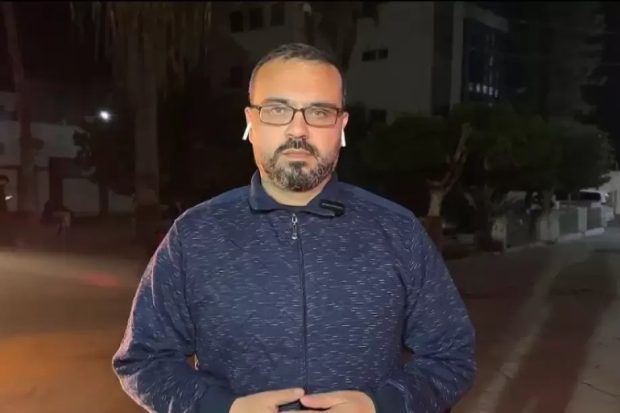
Palestinian Information Center – January 31, 2026
GAZA – The Hamas Movement has condemned Israeli claims that it violated the ceasefire agreement as “lies” and “intended to justify the massacres committed against civilians in the Gaza Strip.”
In a statement on Saturday, Hamas spokesman Hazem Qasem dismissed the Israeli accusations against his Movement as “baseless and unfounded,” saying they reflect Israel’s disregard for ceasefire mediators, sponsoring countries, and all the parties involved in the so‑called “Board of Peace.”
The spokesman called on the international community, the UN, and human rights organizations to “clearly condemn Israel’s massacres in Gaza, take practical steps to stop them, hold Israeli leaders accountable for their crimes, and end the policy of impunity, which encourages further killing and destruction.”
Interior ministry: Israeli strike on police building in Gaza shows disregard for mediators
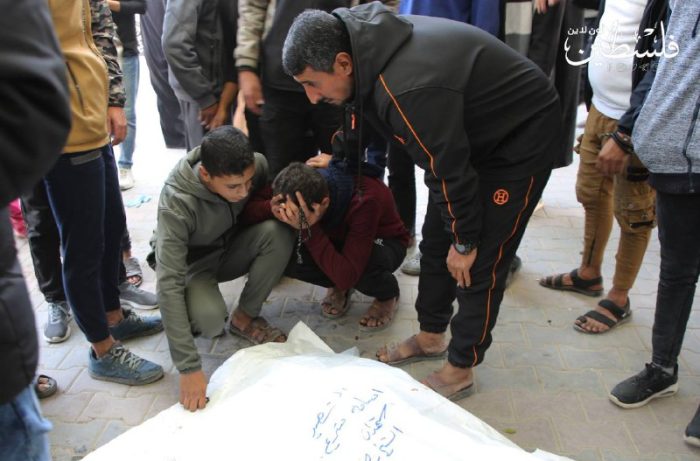
Palestinian Information Center – January 31, 2026
GAZA – Gaza’s interior ministry said that the Israeli targeting of the Sheikh Radwan police headquarters in Gaza City on Saturday morning was part of repeated ceasefire violations and reflected disregard for mediators and the international community.
In a statement, the ministry explained that the Israeli airstrike resulted in the martyrdom and injury of a number of police officers and personnel, along with several citizens inside and outside the headquarters.
The ministry described the attack as a “heinous crime” against a civilian institution that provides vital services to the population.
“This strike has joined a series of ongoing Israeli attacks that, in recent weeks, have targeted civilian and service facilities despite the ceasefire, amid growing warnings that the fragile understandings could unravel,” the ministry said.
The ministry affirmed that Israel’s ongoing attacks on civilians and humanitarian staff prove an intent to thwart international efforts to end the war and enforce a strategy of attrition and pressure on Gaza’s population.
The ministry urged regional and international mediators to shoulder their responsibilities, put real pressure on the Israeli regime to halt its violations, and provide protection for civilians and civilian facilities in Gaza.
West’s hypocrisy over Iran and Gaza proves a regime-change operation in Tehran
Strategic Culture Foundation | January 30, 2026
The United States and the European Union are vehemently condemning Iran over alleged repression, while the West says nothing about the Israeli genocide in Gaza. The contradiction, of course, exposes the West’s rank hypocrisy. It also confirms that Iran is the target of a Western regime-change operation.
U.S. President Donald Trump this week repeated his threat to launch a blitzkrieg on Iran, bragging that an armada led by the USS Abraham Lincoln aircraft carrier was in place to strike. “Don’t make me do it,” warned Trump with thug-like menace.
Meanwhile, the European Union declared Iran’s Islamic Revolutionary Guards Corps a “foreign terrorist” organization. Given that the IRGC is a central component of Iran’s national security forces, the EU’s blacklisting is effectively designating the Iranian state as a terrorist entity. The EU’s provocation is paving the way for American aggression and all-out war, which will have devastating consequences, not least of all for Europe.
Washington and Europe are ostensibly basing their hostility towards Tehran on dubious claims that the Iranian authorities have committed systematic atrocities in repressing peaceful protesters in Iran demanding political change.
Trump has urged Iranians to keep protesting and vowed that “help is on the way.”
The European Union’s foreign affairs chief, Kaja Kallas, hailed the blacklisting of the IRGC, saying: “Repression cannot go unanswered… clear atrocities mean there must be a clear response from Europe.”
France’s Foreign Minister Jean-Noël Barrot asserted: “We cannot have any impunity for the [alleged] crimes that have been committed.”
The Dutch top diplomat, David van Weel, added: “I think it’s important that we send the signal that the bloodshed that we’ve seen, the bestiality that has been used against protesters, cannot be tolerated.”
This all sounds noble and chivalrous of Western governments. But it is a contemptuous charade, belying disingenuousness and duplicity.
For more than two years, the Israeli regime has waged a blatant genocide in Gaza. The death toll is estimated at over 71,000, with most of the victims being civilians, women, and children. The real death toll is probably well over 100,000 from bodies buried under rubble from Israeli bombardment that are not accounted for.
Far from expressing any condemnation against the Israeli regime, the United States and the European Union (with minor exceptions) have maintained an odious silence that has afforded political cover for the genocide. The Western states are complicit as a result of their shameful silence. More damning, however, is that the United States and European states, including France, Germany, and Britain, have supplied warplanes, missiles, drones, electronics, and other weaponry to fuel the slaughter.
Trump boasts about his so-called Board of Peace for Gaza and a supposed ceasefire that was claimed to have started in October. Over 500 Palestinians have been killed by the Israeli military since the ceasefire travesty. Thousands of Palestinians are starving or freezing to death in windswept and flooded tents still deprived of humanitarian aid. The genocide continues under the grotesque guise of “peace”.
Trump is an “Israel First” U.S. president more than any of his predecessors, who all consistently gave the Zionist regime a license to kill and occupy. Trump’s complicity is remarkable and suggests his late pedophile friend Jeffrey Epstein furnished Israeli intelligence with lots of blackmail material on the 47th president. So, his silence over genocide is explicable.
What about the Europeans, though? Maybe there is blackmail going on, too, to buy their complicity. Nevertheless, the hypocrisy is astounding.
Why aren’t Kallas, Barrot, and the other EU foreign ministers denouncing impunity and repression by the Israeli regime? They selectively apply their morals and faux humanitarian concerns to Iran.
The two scenarios are, in any case, incomparable. One is genocide, the other is civil unrest, which the evidence shows involves foreign orchestration.
Protests began in Tehran on December 28, sparked by legitimate economic grievances. The country of over 90 million has been strangled for decades by illegal Western economic sanctions. Tellingly, the relatively small demonstrations in Tehran’s bazaars at the end of December were rapidly escalated into full-blown violent attacks in several cities. The disturbances appear to have subsided, and there have been huge counter-demonstrations involving millions of people taking to the streets to denounce the violence of what seems to be almost certainly Western-orchestrated gangs.
The Iranian authorities claim that the total deaths after four weeks of violence are about 3,100. Western media reports and governments have cited much larger figures of 6,000 and up to 17,000 deaths. The Western figures are supplied by U.S. or European-based groups, such as the Iranian Human Rights Activists in Iran (HRAI). These groups are funded by the CIA’s cut-out organization, the National Endowment for Democracy.
Israeli news media have even admitted in reports that the street violence was being directed by foreign agencies. Former CIA chief Mike Pompeo also let it slip that Mossad operatives were behind the disturbances.
The methodical type of violence and damage sustained also indicates a coup attempt. Hundreds of mosques, schools, buses, government buildings, banks, and medical facilities were attacked and destroyed by gun-wielding gangs and arsonists.
Many of the casualties were inflicted on security forces and civilian bystanders in an orgy of violence that indicates a trained cadre of agitators and terrorists. Victims were beheaded and mutilated.
The Western media have conspicuously conflated the deaths and injuries as all attributed to the Iranian security forces, who allegedly used “lethal force to repress peaceful protesters.”
This is the standard operating procedure of Western regime change: to escalate deadly civil strife to destabilize the targeted state. The Western media then reliably row in with a massive propaganda assault to valorize the orchestrated violence and to demonize the authorities.
As Iranian Professor Mohammad Marandi points out, the West’s modus operandi is to demonize foreign countries to justify regime change, and if needs be, to justify all-out military aggression.
In 1953, the same method was used by the Americans and British to overthrow the elected government of Prime Minister Mohammad Mossadegh. Mossadegh’s “crime” was that he nationalized the oil industry, depriving Britain of its leech-like control over Iranian natural wealth, which saw most of the population living in poverty and squalor, as vast Persian oil profits flowed into London. For the coup to succeed, millions of dollars were funneled by the CIA into Iran to whip up street gangs, and the Western media on both sides of the Atlantic dutifully painted Mossadegh as illegitimate. He was overthrown, and the Western puppet, the Shah, was installed, presiding over a brutal CIA and MI6-backed regime for 26 years until the Islamic Revolution kicked him out in 1979. Amazingly, from the point of view of chutzpah consistency, more than seven decades later, the Shah’s son, Reza Pahlavi, living in pampered exile in the U.S., is being advocated by the West to take over if the Islamic Republic collapses. Plus ca change!
The same regime-change formula has been repeated over and over in as many as 100 other countries since the Americans and British launched their post-Second World War debut covert operation in Iran in 1953, as Finian Cunningham’s new book Killing Democracy surveys. Crucially, the Western news media play an absolutely vital role in assisting this systematic criminality, as they are doing currently in Iran, and before that in Venezuela.
Only four weeks ago, Washington’s military aggression against Venezuela and the kidnapping of its president, Nicolás Maduro, by U.S. commandos was preceded by a full-court media campaign of demonization, absurdly labelling him a narcoterrorist.
Trump’s aggression towards Venezuela and now Iran is an outrageous violation of the UN Charter and international law. It marks a return to predatory imperialism. And the servile European states kowtow to this all-out predatory criminality with bogus concern about human rights.
We know their concerns are a complete sham and morally bankrupt because if there were any genuine principles, then they would not be so abject in their silence over the Israeli regime’s genocide in Gaza.
This is why Trump has been so emboldened to treat the Europeans with contempt over Greenland and other issues. If you act like a doormat, then expect to be walked on.
Trump’s war posturing against Iran traces back to Bush’s infamous 2002 ‘axis of evil’ speech
By Ivan Kesic | Press TV | January 31, 2026
On January 29, 2002, US President George W. Bush’s State of the Union Address infamously branded Iran as part of an “axis of evil,” marking a rhetorical escalation that hardened a decades-long policy of confrontation and laid the groundwork for the persistent crises that continue to threaten regional stability today.
The twenty-fourth anniversary of Bush’s “axis of evil” speech came this week amid a starkly familiar backdrop: US naval “armada” massing in the Persian Gulf and renewed threats of military action from Bush’s successor, Donald Trump.
This moment is not an aberration but the continuation of a sustained, multi-decade strategy aimed at isolating and pressuring the Islamic Republic of Iran.
The policy did not originate with Bush but in the sanctions regimes of the 1990s, significantly shaped by pro-Israeli lobbying efforts within the United States.
It hardened with the rise of neoconservative thinkers who favored regime change over containment – a doctrine vividly applied to Iraq.
Throughout a campaign of disinformation and propaganda regarding weapons of mass destruction, the leveraging of exiled terrorist groups, and a consistent narrative of Iranian threat have been employed to maintain the so-called “maximum pressure.”
As history echoes in January 2026, with a Republican administration again aligning with an Israeli Likud regime to confront Iran, the patterns of the past illuminate the perilous present.
Defining Speech: January 29, 2002
Bush’s State of the Union address fundamentally reshaped the US posture toward Iran in ways that his predecessors had deliberately avoided.
In that speech, Iran was labeled a nation that “aggressively pursues these weapons and exports terror, while an unelected few repress the Iranian people’s hope for freedom.”
By grouping Iran with Iraq and North Korea as part of an “axis of evil,” the infamous and widely condemned declaration decisively rejected any tentative diplomatic outreach that had briefly flickered after the September 11 attacks.
During that period, symbolic gestures, such as candlelight vigils in Tehran, and behind-the-scenes communication channels suggested Iran’s conditional cooperation in Afghanistan.
However, the “axis of evil” label extinguished these nascent contacts. It signaled that the hostile administration in Washington would view Iran not as a potential partner, even tactically, but as a permanent adversary and a primary target in the global “war on terror.”
Crafted within a circle of advisors known for their overt pro-Israeli leanings, the phrase was immediately and enthusiastically embraced by the Israeli regime, which saw it as a long-sought alignment of US rhetoric with its own strategic goals.
The speech institutionalized a framework of hostility that would dictate policy for years, replacing the previous administration’s fluctuating approach with one of unambiguous confrontation.
Dual containment and the sanctions regime
Long before the “axis of evil” rhetoric, the framework for isolating Iran was carefully constructed during the Bill Clinton administration under the policy of “dual containment,” which targeted both Iran and Iraq.
From its inception, this policy was heavily influenced by pro-Israeli lobby groups in Washington. Even as Clinton’s foreign policy team was forming, concerns arose about appointees from the Carter administration who were deemed insufficiently sympathetic to these interests.
Warren Christopher, who was appointed Secretary of State, was initially viewed with caution but ultimately became a key architect of a hardened stance toward Iran.
Christopher, who had served as chief negotiator of the Algiers Accords and was criticized by some Iranian officials, developed a personal animosity toward Iran.
He publicly labeled Iran an “outlaw nation,” a “dangerous country,” and one of the “principal sources of support for terrorist groups worldwide.”
This rhetoric provided a public rationale for an escalating series of economic sanctions designed, in his words, to “squeeze Iran’s economy.”
A powerful proponent of this policy was Martin Indyk, former research director at the American Israel Public Affairs Committee (AIPAC)-affiliated Washington Institute for Near East Policy, who served on the National Security Council and later as Ambassador to Israel.
Under his guidance, the threefold accusations of sponsoring terrorism, opposing regional peace efforts, and pursuing weapons of mass destruction became the unwavering justification for punitive measures against the Islamic Republic.
A fierce competition emerged in Congress to demonstrate increasing hostility toward Iran, with figures like Senator Alfonse D’Amato pushing for ever-tighter sanctions – often propelled by direct lobbying from AIPAC, which acted as the “locomotive” behind the legislation.
This culminated in the Iran and Libya Sanctions Act (ILSA) of 1996, which aimed to penalize foreign companies investing in Iran’s energy sector. Later reports revealed that the explicit goal of the act was regime change in Iran.
Neoconservatives and the preference for military solutions
The arrival of the Bush administration marked a significant shift in the philosophy underlying US foreign policy – though not in its ultimate objective.
By the late 1990s, while the corporate world and some pragmatic diplomats began questioning the efficacy of unilateral sanctions, a new faction with immense influence pushed for a more radical and hard-nosed approach.
This neoconservative wing, closely aligned with Likudist ideology in the occupied Palestinian territories, viewed sanctions and containment as too slow and unreliable.
They regarded military force as a faster, more effective means of dealing with hostile states.
Key figures such as Paul Wolfowitz, Richard Perle, and Douglas Feith – all with longstanding ties to pro-Israeli think tanks and advocacy groups – assumed senior roles within the Pentagon and advisory boards.
Their worldview was crystallized in the 1996 policy paper A Clean Break: A New Strategy for Securing the Realm, prepared for Israeli Prime Minister Benjamin Netanyahu, which advocated attacking Iraq to reshape the regional landscape.
For these strategists, patient pressure through sanctions was secondary to the transformative potential of direct military action and regime rollback.
While initially focused on Iraq, Iran remained a firm subsequent target.
They argued that only the forceful removal of threatening regimes could guarantee American and Israeli security, a belief that came to define the administration’s response after the September 11, 2001 attacks.
Iraqi precedent: Destruction as a model
The neoconservative doctrine found its first full-scale application in Iraq. The 2003 invasion, premised on bogus claims of weapons of mass destruction that were later proven false, fulfilled a long-held goal to eliminate the Saddam Hussein-led Ba’athist regime.
The architects of the invasion were not satisfied with only regime change but aimed for the comprehensive degradation of Iraqi power.
After two major wars and over a decade of crippling sanctions, Iraq’s state apparatus and military-industrial base were utterly destroyed.
Some proponents openly described the objective as returning Iraq “to the pre-industrial era,” a stark admission that the goal extended beyond disarmament to eliminating Iraq’s capacity to function as a modern, sovereign regional counterweight.
The devastating consequences – civil strife, the rise of takfirism, and immense human suffering – were regarded as collateral damage within a broader strategic vision.
For those advocating confrontation with Iran, the Iraqi campaign served as both a template and a warning. It demonstrated the overwhelming military power the US could deploy to dismantle a state, while also exposing the catastrophic instability that could follow.
Nevertheless, the ability to reduce a perceived enemy to a state of permanent weakness was noted, informing the maximalist pressure later applied to Tehran.
Propaganda arsenal: Lies and manipulations
Building and sustaining public and international support for relentless pressure on Iran required a sustained campaign of allegations and propaganda.
The core accusations remained consistent: pursuit of nuclear weapons, support for terrorism, and an implacable hostility to peace in the region.
These charges were amplified through a symbiotic network of government officials, pro-Israeli lobbying organizations, sympathetic media outlets, and designated “experts.”
Sensational – and fabricated – stories were regularly fed to the press. In the early 1990s, reports frequently citing unnamed intelligence sources or anti-Iran groups aboad claimed that Iran had purchased nuclear warheads from Kazakhstan or was on the verge of developing a bomb, claims repeatedly debunked by international inspectors and the countries involved.
Media outlets with particular editorial stances published alarming estimates, suggesting Iran was only years or even months away from nuclear capability – deadlines that continually receded as each passed without incident.
The language used was deliberately inflammatory, with senior officials referring to Iran’s “evil hand” in the region and describing it as a “rogue state.”
This ecosystem ensured that any Iranian attempt at diplomatic outreach or confidence-building was overwhelmed by a pre-existing narrative of deceit and malign intent, making substantive dialogue politically untenable in Washington.
Useful tool: MKO role in anti-Iranian propaganda
A particularly revealing aspect of the propaganda and pressure campaign has been the relationship with the Mujahedin-e Khalq Organization (MKO), a terror cult with offices scattered across Europe and the US.
Designated by the US State Department as a terrorist organization due to its history of violent attacks, including against Americans in the 1970s, Iranian officials and civilians in the 1980s, and its alliance with Saddam Hussein during the Imposed War, the terror group nonetheless found influential supporters and was eventually de-listed by Hillary Clinton.
Despite its cult-like structure and lack of popular support inside Iran, the MKO managed to gain an active lobbying and public relations operation in the United States and Europe.
Senior members of the US Congress, especially those with strong pro-Israeli records, championed the group, inviting its representatives to testify and attending its rallies, arguing it represented a “democratic alternative” to the Islamic Republic.
The MKO’s utility was cynically acknowledged; one Congressman stated, “I don’t give a s*** if they are undemocratic… They are fighting Iran, which is… a terrorist state. I say let’s help them fight each other.”
This usefulness peaked in August 2002, when an MKO front held a press conference in Washington to “reveal” the existence of two secret nuclear facilities in Iran at Natanz and Arak.
While these facilities were not in violation of Iran’s safeguards agreement at the time, the revelation – intelligence reports suggest originating with Israeli intelligence and channeled through the exiles – provided the perfect pretext to demand intrusive new inspections and escalate international pressure.
Thus, the MKO served as a deniable cut-out for disinformation and a persistent amplifier of the baseless and sham accusations against the Iranian government.
Unbroken chain: Policy sustained to the present day
The strategic imperative to confront Iran has proven remarkably durable, transcending individual US administrations and enduring significant geopolitical shifts.
This hostile and bellicose policy remains intact today. In January 2026, the situation closely mirrors earlier cycles of tension between Tehran and Washington, dating back to decades of US hostility and a failed “regime change” project.
US President Donald Trump and Israeli Prime Minister Benjamin Netanyahu, leading a Likud-dominated coalition, are once again employing military threats against Iran after failing miserably in June last year to dismantle the Islamic Republic of Iran.
The US military has reportedly amassed naval and air forces around Iran’s perimeter, announced by Trump himself, a show of force reminiscent of previous escalations.
This military posture is accompanied by an intensification of a long-standing economic stranglehold, as the Trump administration enforces so-called “ultimate pressure” sanctions with renewed vigor, targeting critical sectors and aiming to sever Iran’s access to the global financial system entirely.
The foundational grievances remain unchanged: allegations of building a “nuclear weapon,” despite Iran’s continued adherence to the Joint Comprehensive Plan of Action (JCPOA) framework after its earlier collapse, and support for regional allies.
Last month, Trump and Netanyahu backed deadly riots and terrorism in Iran, and then threatened to attack Iran if “lethal force” was used against the rioters, arsonists and terrorists. After the riots ended, the focus shifted back to the non-existent “nuclear weapon.”
The tools have expanded beyond diplomatic isolation and covert pressure. Recent reports from within Iran detail how externally backed groups, employing tactics and rhetoric similar to the MKO terrorist cult, sought to exploit domestic unrest by spreading incendiary propaganda and inciting violence, apparently aiming to destabilize the country.
The alignment between the Trump administration and the Likud regime in Tel Aviv remains as close as ever, with both viewing the other as a vital partner in a long-term struggle.
Just as in 2002, diplomatic overtures from Tehran aimed at easing tensions are dismissed or met with increased demands.
The legacy of the “axis of evil” speech has created a foreign policy paradigm that has locked the US and Iran into a perpetual cycle of confrontation, where the mechanisms of pressure – economic warfare, military threat, and the use of terrorist groups – have proven easier to sustain than to dismantle, continually pushing the region toward the brink of war.
What Trump is doing today is simply a continuation of Bush’s policy, which was also carried forward by Bill Clinton, Barack Obama, and Joe Biden. The policy remains unchanged.
NO MANDATES, NO PROFITS: MODERNA CEO TELLS THE TRUTH
The HighWire with Del Bigtree | January 29, 2026
As the U.S. withdraws from the World Health Organization, Moderna CEO Stéphane Bancel admits the company cannot move new vaccines into Phase 3 trials due to insufficient U.S. market demand which has historically been driven by mandates. Bancel suggests that with RFK Jr. at the helm of HHS, new vaccines are unlikely to deliver acceptable returns on investment—an admission that highlights how profit incentives, not public health needs, have long driven vaccine development. Meanwhile, a broader reckoning is underway over mandates, industry influence, and ethical lapses in vaccine testing at home and abroad, as calls grow for stricter safety standards and meaningful accountability.
UK Health Officials Covered Up Reports of Heart Damage Linked to AstraZeneca Vaccine
By Michael Nevradakis, Ph.D. | The Defender | January 29, 2026
Newly released U.K. public health data show that in 2021 and 2022, thousands of people filed cardiac-related adverse event reports after receiving the AstraZeneca COVID-19 vaccine.
The data confirm the findings of a study by Children’s Health Defense (CHD) researchers. The study was published on Preprints.org.
GB News last week reported on the data, obtained from the U.K.’s Medicines and Healthcare products Regulatory Agency (MHRA). The data showed that in 2021 alone, the MHRA received 48,472 reports of cardiac-related adverse events linked to the AstraZeneca vaccine.
Of these, 23,914 cardiovascular events had already been reported by late March 2021 — which means the reports were filed within the first three months after the COVID-19 vaccines were rolled out to the public.
A total of 6,175 reports of blood-clotting events were reported during the same period, according to MHRA data.
The adverse event reports were being filed even as U.K. public health authorities told the public that the AstraZeneca vaccine — a non-mRNA vaccine developed in conjunction with Oxford University and licensed under the name Vaxzevria — was safe and effective.
Oxford researchers, Drs. Tom Jefferson and Carl Heneghan obtained the data through a freedom of information request submitted to the MHRA in October 2025. The request sought information on cardiovascular and thromboembolic (blood-clotting) events connected to the AstraZeneca shot between February 2021 and January 2024.
MHRA responded to the request a month later, providing the researchers with data, which Jefferson and Heneghan analyzed and published in a series of Substack posts.
“To the best of our knowledge, this is the first time anyone (outside the powerful) has seen the reports submitted to the MHRA regarding serious potential harms during the first period of the rollout,” the researchers wrote in a Substack post.
CHD Senior Research Scientist Karl Jablonowski said the MHRA “used non-public data from one of the best medical record systems in the world” to craft “a narrative opposite to what the data reflect.”
“Instead of showing the cardiovascular catastrophe that unfolded in those injected with the Oxford-AstraZeneca COVID-19 vaccine, health officials instead wrote that the results of their analysis offer ‘reassurance regarding the cardiovascular safety of COVID-19 vaccines.’ … The word ‘fraud’ may actually be too kind,” Jablonowski said.
Informed consent ‘compromised’
The MHRA contained discrepancies. According to GB News, MHRA dismissed its own figures after the researchers published them on Substack. Instead, they said the number of heart conditions linked to the AstraZeneca shot during the period in question was 13,010 — nearly four times lower than the original figure.
An MHRA spokesperson told GB News that the agency is “currently reviewing previously released figures in more detail to identify any potential discrepancies.”
In its analysis of the MHRA data, TrialSite News suggested that such significant data discrepancies call the MHRA’s credibility into question.
“While adverse-event reporting systems are designed to detect signals rather than prove causation, large unexplained gaps weaken confidence in risk communication,” TrialSite News wrote.
The researchers also asked the MHRA to provide data on the number of AstraZeneca shots administered in the U.K. The UK Health Security Agency initially refused, explaining that the information was “commercially sensitive” and that releasing it “would not be in the public interest.”
The agency later released the data after the researchers appealed. According to the researchers, the data showed a strong correlation between doses administered and adverse events reported. However, even after the AstraZeneca vaccine was withdrawn, adverse event reports were still being filed, suggesting “a long-term dose effect.”
TrialSite News founder and CEO Daniel O’Connor told The Defender that “the MHRA disclosures highlight a core failure of pandemic-era regulation: safety signals were managed rather than transparently communicated.”
“The issue is not only the adverse events themselves, but why their full scale emerged only through freedom of information requests,” O’Connor said. “When critical risk information reaches the public years late, informed consent is compromised and trust in the regulatory system is inevitably eroded.”
CHD study found evidence linking AstraZeneca shot to heart conditions
The data in the MHRA documents support the findings of a preprint study published by CHD and Brownstone Institute scientists last year.
The researchers reanalyzed data used in earlier studies that concluded the COVID-19 vaccines were safe. By comparing relative risks from different vaccines — which the original studies failed to do — the new research revealed evidence linking the Pfizer and AstraZeneca COVID-19 vaccines to significant health dangers.
The study also found that the risks for cardiovascular disease and death from the AstraZeneca vaccine were significantly higher than those of the Pfizer vaccine.
The preprint, which is undergoing review, also suggested that some earlier COVID-19 vaccine safety studies were “biased by design.”
Brian Hooker, Ph.D., CHD chief scientific officer, drew parallels with similar findings that he and Jablonowski discovered about safety signals connected to the Pfizer-BioNTech COVID-19 vaccine and a subsequent cover-up of those signals by U.S. public health agencies.
Hooker said:
“The Pfizer vaccine was released on Dec. 11, 2020, and by January 2021, there were 23 reports of military service personnel with diagnoses of myocarditis following receiving the shot. At this point, less than 5% of U.S. adults had received the jab.
“The evidence regarding the Pfizer shot and myocarditis very quickly unfolded in front of these agencies, but no warning was given until May 27, 2021, when the CDC [Centers for Disease Control and Prevention] trotted out a website that indicated there might be an issue with myocarditis and pericarditis due to VAERS reports. At that point, over 50% of those eligible in the U.S. had received the jab.
“The point was clear: lie and hide until we can get lots of shots in arms.”
UK continued to recommend AstraZeneca shot despite safety signals
According to GB News, at the same time that the MHRA data were showing evidence of cardiac conditions and blood clots linked to the AstraZeneca vaccine, “internal discussions were taking place” about how to manage public messaging about the shot’s safety.
GB News cited minutes from a U.K. government task force on COVID-19 vaccine risks. The minutes, published in 2024, showed that concerns about the link between the AstraZeneca shot and blood clots were discussed as early as April 2021, and that safety issues were known by March 2021.
Throughout 2021, stories about people who died of blood clots after getting the AstraZeneca shot began appearing in the media.
Yet, the task force minutes recorded discussions of “concerns that public alarm over the vaccine could make it harder to vaccinate the population by increasing ‘vaccine hesitancy,’” GB News reported.
During this period, the mainstream press in the U.K. continued to promote the AstraZeneca shot as safe and effective. A March 2021 report by The Guardian claimed, “There’s no proof the Oxford vaccine causes blood clots.”
In April 2021, the U.K.’s Joint Committee on Vaccination and Immunisation advised that adults under 30 should be offered an alternative COVID-19 vaccine. The European Medicines Agency issued similar guidance that month.
Yet, by March 2021, several European countries had withdrawn the AstraZeneca shot, citing the risk of blood clots. Research published that month also found a link between the shot and blood clots.
The AstraZeneca shot was never authorized or licensed in the U.S., but clinical trials for the vaccine were conducted in the U.S. with American participants. TrialSite News cited the case of Brianne Dressen, “who developed severe, long-term neurological symptoms after participating in the U.S. trial.”
AstraZeneca contractually agreed to provide medical care to trial participants for research-related injuries. However, in an ongoing federal lawsuit, Dressen alleges that the company reneged on that promise. AstraZeneca argued it is immune from legal prosecution.
In 2021, Dressen founded React19, an advocacy group for the vaccine-injured.
“These events underscore that even vaccines halted before approval can produce lasting human consequences — and unresolved accountability questions,” TrialSite News wrote.
‘A move to quiet the public, to pacify would-be critics’
AstraZeneca withdrew its COVID-19 vaccine from the market in 2024, citing “commercial reasons.” However, the company admitted in 2024 U.K. court documents that its shot could, in “very rare cases,” cause blood clots.
“This admission is now central to a growing class action lawsuit brought by individuals who say they suffered life-changing injuries,” GB News reported.
“The timing of events is interesting. AstraZeneca requested the withdrawal of the vaccine from EU markets in March 2024. It was effective May 2024. The study decrying its ‘cardiovascular safety’ was published in July 2024,” Jablonowski said.
According to Jablonowski, this suggests that these actions were “not for the betterment of public health nor vaccine uptake, since the vaccine was no longer available,” but were instead “a move to quiet the public, to pacify would-be critics.”
GB News reported that a U.K. parliamentary inquiry into the MHRA’s handling of vaccine safety issues is “very likely” to occur.
“These agencies, both in the U.S. and the U.K., need to be held to account for their felonious lies and those individuals who were harmed need to be compensated,” Hooker said.
This article was originally published by The Defender — Children’s Health Defense’s News & Views Website under Creative Commons license CC BY-NC-ND 4.0. Please consider subscribing to The Defender or donating to Children’s Health Defense.
This is How We Should Have Responded to COVID-19
By Dr Alan Mordue and Dr Greta Mushet | The Daily Sceptic | January 24, 2026
Since March 2020 there has been an almost continuous refrain that the UK was not prepared for the COVID-19 pandemic – across the mainstream media, at the UK Covid Inquiry and most recently by Dominic Cummings in a Spectator interview. So much so that it seems to have become an accepted ‘truth’ regardless of the actual facts. Nevertheless there are facts, even in the postmodern dystopian world we now live in.
Firstly, we did have a detailed UK Influenza Pandemic Preparedness Strategy published in 2011 and it was explicit in saying that it could be adapted to respond to other respiratory virus pandemics, and gave as an example the first Severe Acute Respiratory Syndrome virus (SARS). Secondly, there was further national guidance in 2013 and 2017 to update the strategy. Thirdly, this national guidance helped all four nations and each local health board or authority to develop their own pandemic plans which were regularly reviewed and updated. Fourthly, we had many systematic reviews of the evidence for non-pharmaceutical interventions (NPIs) to minimise transmission, one published only a few months before the COVID-19 pandemic started. And finally, the UK scored second in a global assessment of countries’ pandemic preparedness in 2019.
So, the ‘unprepared’ mantra was not the whole truth and arguably we were comparatively well prepared. However, in the event all this preparation did prove to be useless – but only because we decided to abandon it all in March 2020. We binned our pandemic plans and ignored the careful reviews of the evidence and the experience gained responding to previous pandemics. No doubt the UK strategy will be updated, but whatever is produced could be just as easily discarded next time. So what can be done?
Perhaps what we need is something more accessible, something that reflects the ethical and democratic foundations of our country, and, given how important this is for the whole of society, something that is shared widely – well beyond public health departments, the office of the Chief Medical Officer (CMO), the Scientific Advisory Group for Emergencies (SAGE) and the NHS. Core principles on how we should respond to a pandemic that are shared, understood and agreed with the public, perhaps through their representatives in Parliament, might give us some scientific, ethical and governance guardrails. They might help to improve and protect accountability and also stand a better chance of surviving beyond a few weeks when the next pandemic hits.
If so, what might such principles contain? Here we offer some suggestions with commentary on how they were applied, or not, during the Covid-19 pandemic, grouped under four headings – epidemiological, medical, ethical, and democratic. Many of these principles don’t appear in the UK Strategy, or those of the four nations or local pandemic plans … and for very understandable reasons. Prior to 2020 they were taken for granted, they were so obvious that they did not need stating, they were the principles and codes that the public health specialty and the medical profession had followed for decades if not centuries, they were the way we conducted ourselves in our liberal democratic society. The Covid-19 pandemic response changed all that – we now clearly need to restate our commitment to core, indeed fundamental, principles.
Epidemiological principles

The first task in epidemiology is to assess the scale and severity of a new disease or health problem, examine how it varies by time, place and person (age, sex, occupation etc.), and compare it with other diseases. This helps to ensure that any response is proportionate and identifies those at greater and lower risk, as well generating hypotheses about potential causes.
In the context of a respiratory viral pandemic, data on case and infection fatality ratios are paramount. These were available early in the COVID-19 pandemic and before the first UK lockdown. Instead of these data being reported accurately, compared to previous pandemic data and carefully explained to the population (for example here), public messaging was alarmist and seemed designed to instil fear not reassure, and made little reference to those at lower risk (see Laura Dodsworth’s 2021 book A State of Fear). In a future pandemic the public should expect such data, the media should demand them, the CMO should have a responsibility to identify and collate them, and government responses should be calibrated based upon them.
Then to ensure accurate monitoring of the developing pandemic within the country and valid comparison to earlier pandemics the standard definitions for confirmed cases, hospitalisations and deaths should be employed. This did not happen in the COVID-19 pandemic with new definitions adopted, definitions that for all three exaggerated the statistics. This was compounded by inappropriate widespread testing using a PCR test insufficiently specific and using inappropriate cycle thresholds.
There was a further concern that arose during the pandemic response on the epidemiological front: the use and impact of modelling studies. Whilst such studies can be helpful they cannot be interpreted without understanding their underlying inputs, assumptions and methods. They are ‘what if’ studies – for example, what if we assume that the number of cases will grow exponentially without any seasonal effect, what if we assume no existing immunity in the population from other coronaviruses, etc. The Imperial College modelling study published in March 2020 seems to have had a significant impact on the push for the first lockdown, but it had not been peer-reviewed and seems to have been insufficiently debated and challenged; of course, it is now widely considered to have been flawed. Modelling studies are not reality, they are not facts, they are not evidence, they are better viewed as ‘what if’ scenarios and their assumptions and results should be rigorously challenged. Their presentation to politicians without critical analysis and careful interpretation amounts to professional negligence.
Medical principles

Science and medicine only develop through open debate and a willingness to consider alternative views, even if they are contrary to the current orthodoxy. This did not happen during the COVID-19 pandemic, as the oft repeated term ‘The Science’ demonstrates. There is no such thing: there is rarely a consensus and science is never settled, we only ever have the current disputed theories which remain until better ones come along. Any pandemic response should be open to challenge and wide debate so that we are not limited to the knowledge and experience of only a few prominent scientific and medical government advisors. The thoughtful and detailed letters addressed to the Medicines and Healthcare Products Regulatory Agency (MHRA) and Joint Committee on Vaccination and Immunisation (JCVI) from often in excess of 100 doctors and scientists on the merits or otherwise of Covid vaccination of children were a case in point, and were ignored or summarily dismissed. Public health messages to the population certainly need to be clear and if possible consistent to maximise understanding, but this does not preclude an open and vigorous debate within the medical and scientific community, something that is essential if we are to develop an optimal response.
In 1979 Archie Cochrane, widely regarded as the father of evidence-based medicine, made his famous comment that: “It is surely a great criticism of our profession that we have not organised a critical summary, by speciality or subspeciality, adapted periodically, of all relevant randomised controlled trials.” The international Cochrane Collaboration, named after him and designed to address this criticism, produced a series of systematic reviews on the effectiveness of physical interventions to interrupt or reduce the spread of respiratory viruses such as school and business closures, social distancing measures and restrictions on large gatherings. Despite the limited evidence for effectiveness and the relatively poor quality of the evidence from these reviews and similar conclusions from a WHO review published in September 2019, almost all these measures were applied to the whole population from March 2020, including a ‘lockdown’ of healthy people.
We copied the response of a totalitarian state despite a lack of evidence and despite the fact that these same systematic reviews drew attention to the widespread harms that would be caused by implementing these measures across the whole population. These harms are beginning to be appreciated across multiple areas – in terms of mortality and physical health particularly of older people, the social development of young children, the mental health and education of young people, businesses across the country as well as jobs, the economy and the benefits system.
An evidence-based approach also required a thorough review of the evidence on the benefits and harms for the prevention and treatment of COVID-19 in individuals. The limited data on the effectiveness of the novel gene technology ‘vaccines’ (and see Clare Craig’s 2025 book Spiked – A Shot in the Dark) and on their side-effects, with no data at all on long term harms, pointed clearly towards their use only in those at higher risk with full disclosure on what was known and what was not. In the event, of course, they were recommended and pushed on most of the population including those at insignificant risk. Furthermore, ‘safe and effective’ was far from a full disclosure of the evidence on benefits and risks.
By contrast, the use of re-purposed drugs such as ivermectin with known anti-viral and anti-inflammatory effects, extensive evidence on effectiveness and a well-documented safety profile, was actively discouraged.
In all these areas, doctors should be acting as advocates for their patients, informing them as best they can and helping them to make decisions on their treatment and care, as required by the General Medical Council’s guidance ‘Good Medical Practice.’ However, as already discussed, the informing was cursory and partial, and the contact often non-existent or via leaflet or video-call.
If they are to regain public trust the medical profession and public health authorities must do better next time, and patients and the public must demand better information and better discussion and engagement with medical staff to help them make decisions.
Ethical principles – informed consent for individuals

The Greek philosopher and physician Hippocrates developed his Oath around 400 BC. It urged doctors to act with beneficence – that is, to help their patients and prevent harm – and non-maleficence – that is to do no harm themselves or primum non nocere. The term appropriateness brings these two concepts together – an appropriate treatment is one that has been chosen because its benefits outweigh its harms in the particular patient.
As outlined above, evidence-based medicine involves the careful assessment of the evidence, ideally from randomised controlled trials, to quantify these benefits and harms. Whilst the patient advocacy role of doctors involves them in informing and supporting their patients to make informed decisions on their treatment and care.
Although this process sounds simple and straightforward, it is not. It seems to be taken more seriously in surgical practice, after notable legal cases, but less so in medical practice with the prescribing of drugs and vaccines. Certainly in the pandemic consenting practices for vaccination were cursory, to the point of being non-existent – public information heralding the ‘safe and effective’ vaccines was at best partial, and coercion was widespread via national advertising that deliberately sought to shame and manipulate, via vaccine mandates, and via bans from venues without proof of vaccination (or negative Covid antigen tests).
Large relative risk reductions of 70% for the Astra Zeneca ‘vaccine’ and 95% for the Pfizer ‘vaccine’ were trumpeted, but not the smaller, less convincing absolute risk reductions of around 1-2%. And there was no attempt to directly compare benefits and risks and harms, the key information a patient needs to give fully informed consent.
The wholesale abandonment of standard codes of practice for informed consent during the pandemic was truly shocking. To regain public trust the medical profession needs to take this key responsibility more seriously and particularly improve practice in relation to long term medications and vaccinations.
Democratic principles

The UK Strategy of 2011 did emphasise the importance of accurate and timely information to the public, and stressed that uncertainty and any alarmist reporting in the media could create additional pressures on health services. Despite this, the early epidemiological data on the scale and severity of the COVID-19 pandemic, a comparison with previous pandemics and clear identification of those at higher and lower risk were not shared with the public and carefully explained. The data that were given were far vaguer and the messages seemed designed to raise anxiety rather than contain it and modulate it to appropriate levels. Government advisors seem to have entirely lost sight of these crucial epidemiological data that are so essential to enable the government to calibrate its response and ensure it was proportionate. Data reflecting reality seem to have been overshadowed by modelling data reflecting potential future scenarios – fiction rather than fact influenced key decisions.
Whatever national response is being contemplated to a pandemic, there needs to be a clear separation of the medical and scientific evidence on the benefits and risks of specific interventions on the one hand, and the political value judgements and decisions on the other. Governmental advisors must present options and their benefits, risks, harms and likely costs to ministers, and in a democracy it is for ministers to decide as they are accountable to the electorate. This relationship is akin to the doctor-patient relationship – the doctor informs the patient and supports him or her to make his or her own decision but does not lead or coerce. This line may have been blurred during the COVID-19 pandemic. Moreover, government advisors seemed reluctant to identify, and where possible quantify, the risks, harms and costs that might flow from the options they put to ministers despite some, like lockdowns, being unprecedented in their severity and scope.
In turn ministers and politicians more generally have a responsibility to ensure that their advisors present them with the epidemiological data and the data on the benefits, risks and costs of recommended options. Ministers also have a responsibility to ensure that differences of opinion on how best to respond within the medical and scientific community are fully aired and discussed. This is crucial to arrive at an optimal response and to avoid groupthink. Only if ministers do these things can they take decisions on behalf of their population and give fully informed consent.
Crucially ministers have a particular responsibility to protect the basic freedoms we enjoy in a democratic society – freedom of speech, association and movement and individual bodily autonomy when it comes to medical treatments. Any infringement of such basic freedoms demands a clear, unambiguous and overwhelming justification, must be subject to challenge in Cabinet and Parliament, and must be the least restrictive as is possible to achieve the aim – in extent, impact and time. This is such a fundamental issue that we perhaps need to develop a framework to guide and constrain actions: defining the types of evidence and high thresholds that are required; limiting powers in terms of their impact, duration and the number of people affected; and outlining checks and balances, with perhaps an automatic independent review afterwards. We have such a clear and rigorous framework for compulsory detention under the Mental Health Acts when one individual is affected: we need at least as rigorous a framework when the freedom of millions is at stake.
There has also been considerable criticism of how the usual democratic governance systems were subverted and avoided during the pandemic, including the use of emergency legislation by the executive without appropriate challenge within Parliament. These governance systems are essential to enable questioning and challenge by MPs and select committees with the aim of improving decision making, and to ensure a clear justification for measures taken and transparency to facilitate accountability. This did not happen during the COVID-19 pandemic as clearly outlined in The Accountability Deficit by Kingsley, Skinner and Kingsley (2023).
In all of these four areas – epidemiological, medical, ethical and democratic – principles were violated during the COVID-19 pandemic with dire consequences for health, basic freedoms, quality of life, education, business and the economy, and for democracy and society itself. Before 2020 it would have seemed unnecessary to state such core principles. Now, having set a precedent when we abandoned them, it seems absolutely essential not only to restate them but to discuss them widely and if possible to reaffirm our commitment to uphold them before another pandemic hits.
Dr Alan Mordue is a retired consultant in public health medicine and Dr Greta Mushet is a retired consultant psychiatrist and psychotherapist.
The UK Covid Inquiry: Propaganda to protect the ‘pandemic’ narrative
By Gary L. Sidley | Propaganda In Focus | January 9, 2026
On the 20th of November, 2025, the UK Covid Inquiry published a report on Module 2 of its ongoing review titled, ‘Core decision-making and political governance’. Despite, to date, spending around £192 million of taxpayers’ money on an in-depth investigation into the management of the 2020 ‘pandemic’, this 800-page tome indicates that the overarching conclusion of the Inquiry will most likely be that the unprecedented and net harmful government responses (lockdowns, mask mandates, vaccine coercion) were all necessary, and the only problems related to the timings of the interventions and process failures. As such, this Module 2 report can be reasonably construed as a propaganda exercise primarily intent on preserving the core elements of the dominant, fundamentally flawed, covid narrative.
In the words of the oft-quoted Edward Bernays, propaganda involves ‘the conscious and intelligent manipulation of the organized habits and opinions of the masses’. It is clear that this Module 2 report, and the UK Covid Inquiry as a whole, strive to do just that. With the primary goal of protecting the ‘pandemic’ story – that in early 2020, a uniquely lethal pathogen spread carnage across the world, and unprecedented and draconian restrictions on our day-to-day lives were essential to prevent Armageddon – the inquiry has incorporated a range of manipulation techniques designed to promulgate this state-sanctioned ideology. The two most prominent opinion-shaping strategies deployed by the Inquiry have been the suppression of dissenting perspectives, and a narrowing of the Overton window.
Suppression of dissenting perspectives
In her initial selection of ‘core participants’ for the Inquiry, Chairperson Baroness Hallett signalled her intention to marginalise voices that were likely to be critical of the official covid narrative. Those granted core status benefitted from the opportunity to make opening and closing statements, and to suggest lines of questioning to the witnesses, whereas those groups excluded were limited to submitting written evidence in the hope that it would be considered by the Inquiry team. Organisations who had been openly opposed to the mainstream public health responses during the covid event – for example, Us For Them (who repeatedly highlighted the devastating impact of the restrictions on our nation’s children) and the Health Advisory & Recovery Team (a group of scientists and clinicians concerned about ‘pandemic’ policy and guidance recommendations) – were unsuccessful in their applications.
Consideration of those groups who were permitted to be core participants for Module 2 clearly shows a preponderance of stakeholders who were highly likely to be on board with the central tenets of the official covid narrative. In addition to the expected establishment figures (representatives from various government departments, the Office of the Chief Medical Officer, the UK Health Security Agency) and four ‘Covid-19 Bereaved Families for Justice’ groups, it is difficult not to conclude that other core participants were selected on account of their fervour for more and earlier restrictions. For instance, despite ‘long covid’ being a highly contested concept, three groups representing the victims of this assumed malady were awarded core status. Similarly, the British Medical Association (who energetically campaigned for longer lockdowns and stricter mask mandates) also managed to secure a place in Baroness Hallett’s inner circle.
Despite this crude censorship, a significant amount of critical commentary did reach the Inquiry, in the form of both live testimony and written statements. Crucially, however, these counter narratives were de-emphasised by the Inquiry team and – subsequently – were not reflected in its conclusions. One blatant example of a dissenting voice being prematurely curtailed was the interview with Carl Heneghan, Professor of Evidence-Based Medicine and longstanding critic of the dominant covid narrative. When Heneghan asserted that expert interpretation of published research constitutes valid evidence for the Inquiry, Hallett retorted, ‘Not in my world it doesn’t … if there is anything further, please submit it in writing’. This abruptness contrasts sharply with the deferent, sometimes sycophantic, way establishment witnesses were managed by the Inquiry team.
Narrowing the Overton window
It was apparent from the start of the UK Covid Inquiry that Baroness Hallett and her legal team had decided which public health decisions made during the covid event were open to critical scrutiny and which were not. This contraction of the Overton window ensured that crucial elements of the official narrative were shielded from critical analysis.
To illustrate, three pre-determined assumptions – foundational to the official covid story – seemed to fall into this protected category:
1. Lockdowns were necessary
The headline-grabbing conclusion in the Module 2 report was that locking down a week earlier would have saved 23,000 lives. This absurd deduction was not based on robust science or real-world studies, but drawn from the fantasy realm of mathematical modelling. An in-depth analysis of covid-era decision making (which is what the Inquiry was supposed to be) would have given prominence to a detailed cost-benefits evaluation of lockdowns, a process that would have revealed the substantial harms of this unparalleled pandemic restriction. The key reason for the omission of this vital analysis was the Inquiry’s premature assumption that lockdowns were an effective public health tool, essential for the containment of a – purportedly – novel virus.
More specifically, Baroness Hallett and her team adopted a classic propaganda strategy, commonly referred to as ‘unanimity’. With the presumption that all right-thinking people recognise that lockdowns save lives, the Overton window was squeezed to become merely a question of timing; any testimony straying outside of this range of acceptability was ignored – or, at best, reduced to background noise – while, in contrast, speculations about the life-saving benefits of an earlier societal shutdown were amplified.
2. The mass vaccination programme was a great success
Despite increasing recognition that the covid vaccines were less efficacious, and more harmful, than initially claimed, the Inquiry appears to have adopted the foundational assumption that these novel products were safe and effective, and anyone who believed otherwise must constitute a deviant minority at odds with the unanimous opinion of right-thinking people. Indications for the constant presence of this guiding notion are brazen. Thus, Hugo Keith KC (the lead counsel to the Inquiry) has, at various points during his interactions with witnesses, described the vaccines as ‘entirely effective… undoubted successes… with lifesaving benefits that vastly outweighed the very rare risk of serious side effects’. Similarly, Baroness Hallett – at the press conference announcing the findings of Module 2 – hailed the vaccine programme as a ‘remarkable achievement’.
3. Community masking was not associated with any appreciable negative consequences
It was evident at an early stage in the Inquiry that another untouchable premise was that the masking of healthy people in community settings was a sensible precaution that could only have net benefits. Thus, when Professor Peter Horby, the chair of NERVTAG (a high-profile SAGE advisory group), gave evidence in October 2023 he reiterated his group’s 2020 conclusion that the evidence for mask effectiveness in reducing viral transmission was ‘weak’; Lady Hallett interjected, saying, ‘I’m sorry, I’m not following … if there’s a possible benefit, what’s the downside? Horby responded to this challenge by suggesting that respect for institutional science was at stake – in keeping with the majority of the establishment scientists, he failed to highlight the considerable harms associated with routine masking.
The Inquiry’s pre-formed assumption that compelling people to wear face coverings was a public health intervention free of negative consequences was confirmed by the Module 2 report with its emphatic conclusions that:
‘The experience of the Covid-19 pandemic has shown that wearing a face covering has minimal disadvantage for the majority of the population.’
‘In any future pandemic where airborne transmission is a risk, the UK government and devolved administrations should give real consideration to mandating face coverings for the public in closed settings.’ (p. 288)
In conclusion, the overarching take-home message from the Inquiry to date is that public health strategy adopted by the government in response to the emergence of a novel virus in 2020 was essentially the correct one, and any criticism of the official covid narrative should be confined to process issues, such as the timing of restrictions. Devoid of any forensic analysis of their costs and benefits, Lady Hallett and her team have concluded that lockdowns, mRNA vaccines, and mask mandates all achieved positive outcomes and should therefore be repeated when we encounter the next ‘pandemic’. By amplifying voices supportive of the official covid narrative, while marginalising critical viewpoints, the Inquiry has succeeded in strengthening its – apparently pre-determined – perspective that, irrespective of any harms caused, the restrict-and-jab approach was, ultimately, for the greater good.
Most commentators who have been sceptical of the official covid narrative will not be surprised by the Inquiry’s conclusions. Given that the political elites, along with prominent public health mandarins, enthusiastically endorsed the calamitous restrictions and vaccine rollout (and continue to do so) the damage to the establishment of drawing different, more condemnatory, inferences would have been immense. From the perspective of our global leaders, the Inquiry to date is – no doubt – serving its primary purpose of concealing the true ramifications of the covid response from the general population.
Gary Sidley, PhD, is a former NHS consultant clinical psychologist with over 30-years’ experience of clinical, professional and managerial practice in adult mental health. In 2000, he obtained his PhD for a thesis exploring the psychological predictors of suicidal behaviour and has multiple mental health publications to his name, including academic papers, book chapters, and his own book, ‘Tales from the Madhouse: An insider critique of psychiatric services). Since the start of the covid event, he has written many articles critiquing the government’s nudge-infused messaging and mask mandates, including pieces for the Spectator, the Critic and Self & Society. More of his articles can be found on his ‘Manipulation of the Masses’ Substack.
Israeli Merkava tank invades outskirts of Yaroun in southern Lebanon
Al Mayadeen | January 30, 2026
An Israeli Merkava tank, accompanied by two military vehicles, invaded the outskirts of the southern Lebanese town of Yaroun on Thursday, according to Al Mayadeen’s correspondent.
The correspondent said the Israeli force positioned itself near a residential home on the edge of the town. The house was inhabited prior to the arrival of the Israeli armored unit, raising concerns over civilian safety amid the incursion.
The Lebanese citizens inhabiting the house fled at the sight of the approaching occupation force.
This violation marks a further escalation along Lebanon’s southern border in recent months, where Israeli ground incursions have repeatedly violated Lebanese territory and sovereignty, as well as the ceasefire agreement, under the pretext of security operations.
Fresh attacks target southern Lebanon
Last week, Israeli occupation forces (IOF) carried out fresh attacks across southern Lebanon, targeting multiple towns including Kfar Chouba, Blida, Kfar Kila, and Odeisah, in continued violation of Lebanese sovereignty and international resolutions.
Al Mayadeen’s correspondent in southern Lebanon reported that artillery shelling targeted the outskirts of Kfar Chouba, located in the Hasbaya district. Meanwhile, occupation forces stationed at the Bayad Blida border post opened machine gun fire toward the eastern edges of the town.
Further reports confirmed that Israeli forces bombed the town of Kfarkela and carried out two additional strikes on Odeisah, located in the Nabatieh Governorate.
Continued violations of UN resolution 1701
An Israeli drone strike on the town of al-Mansouri in the Tyre district on Friday morning resulted in one martyr and one injured, according to Al Mayadeen’s correspondent in southern Lebanon.
This comes after an Israeli drone strike on Thursday targeted a vehicle traveling on the road between the towns of Zawtar and Mayfadoun in the Nabatieh district, resulting in the death of a citizen. In a separate escalation, Israeli warplanes carried out air raids on multiple locations in the Bekaa region of eastern Lebanon on Thursday.
It’s worth stressing that the repeated airstrikes and drone attacks come as part of a wider Israeli campaign targeting areas in southern Lebanon, the Bekaa Valley, and the southern suburbs of Beirut. These actions are clear violations of UN Security Council Resolution 1701, which calls for a cessation of hostilities and respect for Lebanese sovereignty.
Featured Video
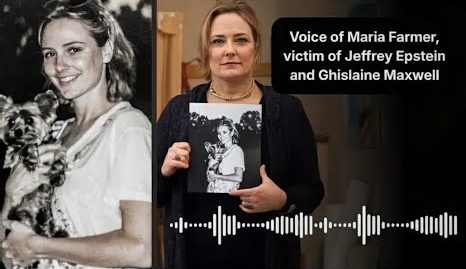
Maria Farmer: Epstein victim reveals explosive information covered up by media
or go to
Aletho News Archives – Video-Images
From the Archives
Netanyahu Is Leading US President Trump to War with Iran
By Prof. James Petras | Global Research | October 27, 2017
Introduction
Israeli Prime Minister Benjamin Netanyahu and the Presidents of the 52 Major Jewish American Organizations are leading President Trump, like a puppy on a leash, into a major war with Iran. The hysterical ’52 Presidents’ and ‘Bibi’ Netanyahu are busy manufacturing Holocaust-level predictions that a non-nuclear Iran is preparing to ‘vaporize’ Israel. The buffoonish US President Trump has swallowed this fantasy wholesale and is pushing our nation toward war for the sake of Israel and its US-based supporters and agents. We will cite ten recent examples of Israeli-authored policies, implemented by Trump in his march to war (there are scores of others). … continue
Blog Roll
 Aletho News
- Was MAHA Too Good to Last in the Trump Administration?
- Vermont advances bill letting unelected Health Commissioner decide which vaccines ctizens should receive
- Why the US-Israeli alliance will lose against Iran
- US envoy Huckabee claims Israel has ‘biblical right’ to conquer all West Asia
- Testing the Alliance: Netanyahu’s Washington Visit
- Britain is once again poisoning peace diplomacy with Russia and fueling war in Europe
- Russian fuel tanker to test US sanctions amid Cuba crisis
- EU state issues ultimatum to Zelensky over Russian oil supplies
- Maria Farmer: Epstein Victim Reveals Explosive Information Covered Up by Media
- Travelers Take a Pass on Visiting America
- If Americans Knew
- Ominous messaging from Trump’s “Board of Peace” – Not a ceasefire Day 134
- ‘Christians Out’: Jerusalem Church Tagged With Hate Graffiti, Police Investigating
- Israeli Settlers Kill American Teen
- ‘We returned from hell’: Palestinian journalists recount torture in Israeli prisons
- No mercy for Gaza in Ramadan – Not a ceasefire Day 133
- The Israeli Government Installed and Maintained Security System at Epstein Apartment
- Tucker Carlson interrogated in Israel, has passport seized after interviewing US ambassador
- 6,000 Amputees in Gaza Face Impossible Recovery amid Israeli War Ultimatum
- The Lancet: Gaza death toll far higher than reported – Not a ceasefire Day 132
- Compliant aid: Who are the Israel-approved NGOs scaling up in Gaza?
- No Tricks Zone
- Germany: Electric Car Catches Fire At Charging Station, Sets Off Local “Inferno”, Widespread Damage
- New Study: Canada’s New Brunswick Was 1°C Warmer Than Today During The Medieval Warm Period
- Coal Power Back In Trend As Globe Tries To Keep Pace With Growing Demand For Power
- New Study: A 4°C Warmer Beaufort Sea Had ‘No Sea Ice’ 11,700 – 8200 Years Ago
- Unfudging The Data: Dutch Meteorological Institute Reinstates Early 20th Centruy Heat Waves It Had Erased Earlier
- German Gas Crisis…Chancellor Merz Allegedly Bans Gas Debate Ahead of Elections!
- Pollen Reconstructions Show The Last Glacial’s Warming Events Were Global, 10x Greater Than Modern
- Germany’s Natural Gas Storage Level Dwindles To Just 28%… Increasingly Critical
- New Study Rebuts The Assumption That Anthropogenic CO2 Molecules Have ‘Special’ Properties
- Climate Scientist Who Predicted End Of “Heavy Frost And Snow” Now Refuses Media Inquiries
 Aletho News