What follows is twelve documented findings compressed into one sitting. It is written for the reader who has been prescribed one of these drugs, or is caring for someone who has, and who wants to know what the fifteen-minute consultation did not include. Every claim is drawn from the profession’s own literature, its own regulatory filings, its own package inserts, or the admissions of its own senior figures. Where an item is developed at greater length elsewhere in this series, that is noted. The purpose here is not depth on any single item. It is the cumulative weight of the twelve landing together.
Opening
Three percent of the 4,041 patients enrolled in the STAR*D trial remitted, stayed well, and remained in the study through the one-year follow-up.¹
The trial was announced with a cumulative remission figure of 67 percent.² When Ed Pigott and colleagues spent more than five years reanalyzing the data with fidelity to the original protocol, they found the 3 percent figure. When journalists put the 3 percent number to Maurizio Fava, one of the lead investigators, he acknowledged it was accurate. The investigators knew.³
The paper has not been retracted. It is still cited in psychiatric textbooks. The American Journal of Psychiatry ignored a petition signed by more than 1,800 people asking for retraction. The New York Times, repeatedly notified of the fraud, published the 70 percent figure again in a 2024 article praising the drugs.⁴
STAR*D was the largest depression trial ever conducted. It was funded by the National Institute of Mental Health. It was designed by the profession’s most senior researchers. What it proved, when honestly analyzed, was that the drugs did not work.
That fact has been available for over a decade. It has not reached the patients being handed the prescriptions.
What This Essay Draws On
Six of the twelve items below have been developed at greater length in earlier essays in this series: chemical imbalance theory, benzodiazepine dependence, ADHD stimulants, antipsychotic brain damage, SSRI withdrawal, and long-term antidepressant outcomes. Readers who want depth on any of those threads should follow them. The purpose of this essay is different. Twelve items, four sections, one sitting.
The evidence throughout is drawn primarily from Peter Gøtzsche, Robert Whitaker, Peter Breggin, Gary Greenberg, David Healy, and Joanna Moncrieff. What the twelve items share is that none of them are contested at the level of documentation. They are contested only at the level of what the profession chooses to tell patients.
What They Told You Was True
The prescription is written on the basis of a mechanism, a diagnosis, and a trial. Each has failed on its own terms.
1. The chemical imbalance was never demonstrated
The theory that depression results from a deficiency of serotonin was never established in the scientific literature. Joanna Moncrieff and colleagues published a comprehensive umbrella review of the serotonin theory in 2022 and found no consistent evidence for its central claims.⁵ The theory was abandoned by serious researchers decades earlier. It continued to appear in direct-to-consumer advertising and patient education materials because it served a function. It explained why the pill was necessary and why the patient would need to keep taking it.
Steven Hyman, director of NIMH from 1996 to 2001, later observed that “the gold standard was the DSM criteria. It struck me as a fool’s errand to try to develop a biomarker for a fictive category.”⁶ The chemical imbalance was the mechanism proposed for a disease no one could measure, in a category no one could validate.
After four decades and hundreds of millions of dollars in federal research, not one disorder in the Diagnostic and Statistical Manual of Mental Disorders has a confirmed biological test. Not depression. Not schizophrenia. Not bipolar disorder. Not ADHD. Not anxiety. Not any of the more than three hundred conditions the manual lists.
Robins and Guze proposed a five-step validation process in 1970: clinical description, laboratory studies, exclusion criteria, follow-up studies, family studies.⁷ The five steps were meant to establish, over time, which alleged disorders were real diseases and which were figments. Four decades later, Darrel Regier, who chaired the DSM-5 task force, told Psychiatric News that “validity tests have not lived up to the expectations of Robins and Guze.”⁸ Kenneth Kendler, the field’s leading nosologist, wrote that the diagnostic categories in use had been “heavily influenced by expert opinion” and were “fuzzy constructs that shift when viewed in different ways.”⁹
Thomas Insel, director of NIMH from 2002 to 2015, put it most directly in a 2005 address to the American Psychiatric Association: “The DSM-IV has 100 percent reliability and zero percent validity.”¹⁰ Reliability means clinicians using the same manual will arrive at the same diagnosis. Validity means the diagnosis corresponds to a real thing. Insel was telling the assembled profession that its manual sorted patients consistently into categories that did not exist.
The APA response was to convene committees to plan the DSM-5. The committees did not find biological markers. They could not have. The categories were not built to have biological markers. They were built from clinical description alone. The manual reifies its own criteria.
The consequence for the patient is direct. When the doctor says “you have major depressive disorder,” the patient hears a diagnosis in the sense that a diabetes diagnosis is a diagnosis: a measurable biological state with a known mechanism. What the patient has actually received is a checklist tally. Five of nine symptoms present for two weeks. That is the whole test. There is no blood work, no scan, no biomarker. The diagnostic bible of American psychiatry sits on the shelf as an artifact of expert agreement, not a description of nature.
The opening figures bear structural repetition: 3 percent versus 67 percent, admitted by the lead investigator, still not retracted, still cited. Ed Pigott’s reanalysis was published in BMJ Open in 2023.¹¹ The investigators, when confronted, doubled down on the fraud in the American Journal of Psychiatry rather than correct it.¹² The owner of the journal, the American Psychiatric Association, did nothing.
Peter Gøtzsche has documented the specific manipulations. The “remission” threshold was set so low that a patient scoring 7 on the Hamilton depression scale, including endorsement of “feels like life is not worth living,” was counted as symptom-free.¹³ Patients who exited the study were assumed to have remitted at the same rate as those who stayed, a statistical fiction that inflated the numbers by an order of magnitude. Eleven prespecified outcomes were never reported. Suicidal ideation was reported at 0.7 percent in one paper and ten times that in others by the same authors.
The trial that was supposed to establish the effectiveness of antidepressants in real-world practice established the opposite. The profession’s response was to continue citing the announced figure.
The prescription arrives with the phrase “you may notice some side effects.” The phrase does the work of concealment. Three effects, in particular, are not warned about with the seriousness they warrant.
4. Akathisia carries documented suicide risk
Akathisia is a state of extreme inner restlessness produced by antidepressants, antipsychotics, and antiemetics. The Greek term means inability to sit still. The patient may pace, fidget, wring hands, or endlessly walk. The condition may also present without visible motor symptoms, as unbearable internal agitation the observer cannot see.¹⁴
In 1990, Martin Teicher and colleagues at Harvard published five cases of patients who developed intense suicidal preoccupations on fluoxetine, all associated with akathisia, all resolving when the drug was stopped and returning when it was restarted.¹⁵ Rothschild and Locke published the rechallenge study in 1991: three patients who had made serious suicide attempts on fluoxetine, all rechallenged under controlled conditions, all developing akathisia and becoming suicidal again. One patient said in retrospect: “I tried to kill myself because of these anxiety symptoms. It was not so much the depression.”¹⁶
A study of psychiatric inpatients found that 79 percent of those who had attempted suicide were experiencing akathisia at the time.¹⁷ Another found that half of all fights on a psychiatric ward were akathisia-related. Haloperidol at moderate to high doses made half the patients markedly more aggressive, sometimes to the point of wanting to kill their psychiatrists.
The FDA’s 2004 black-box warning on antidepressants describes what Breggin has called the stimulant syndrome: anxiety, agitation, panic attacks, insomnia, irritability, hostility, aggressiveness, impulsivity, akathisia, hypomania, mania.¹⁸ The label warns that these can occur in nonpsychiatric patients, meaning the drug produces the syndrome by itself, not by unmasking a preexisting condition.
Gøtzsche’s team examined manufacturer trial data and found akathisia miscoded as “hyperkinesia” in Zoloft trials. In paroxetine trials they found not a single case of akathisia recorded, which is statistically impossible given the drug class.¹⁹ The miscoding was systematic.
The FDA-approved label for Zyprexa describes akathisia as “extreme inner anxiety and restlessness.” At least one psychiatric textbook labeled it “agitated depression,” folding the drug’s most dangerous effect back into the diagnosis it was prescribed to treat. The patient who reports the akathisia is told the underlying illness has worsened. The dose is increased.
5. Benzodiazepine dependence begins at prescribed doses
The FDA-approved label for Xanax states that withdrawal symptoms, including seizures, have been reported after only brief therapy at doses within the recommended range for treating anxiety.²⁰ In the eight-week trials used for FDA approval, patients were worse off at eight weeks than before starting the drug. Between 7 and 29 percent of patients could not withdraw after only six to eight weeks of exposure.²¹
If you are currently taking a benzodiazepine, do not stop it abruptly. Abrupt cessation can produce seizures. Item 12 addresses what safe withdrawal actually requires.
Heather Ashton, the British psychiatrist who ran a benzodiazepine withdrawal clinic at the University of Newcastle for decades, documented that long-term users often required a year or more to taper.²² Some experience withdrawal symptoms lasting years after cessation. Cognitive impairment, depression, and anxiety worse than the original condition are common outcomes of long-term use.²³ Gøtzsche, who has decades of clinical pharmacology experience, has noted that patients report benzodiazepine withdrawal as often worse than heroin. Heroin abstinence symptoms resolve within days. Benzo withdrawal can persist for years.
6. ADHD stimulants produce the symptoms they treat on withdrawal
The DSM has a category for stimulant withdrawal, which lists depression, anxiety, irritability, sleep problems, fatigue, and agitation as the withdrawal syndrome after “several days or longer” of use. Rebound hyperactivity, talkativeness, and inattention are documented after a single dose in a placebo-controlled NIMH study of normal children ages 6 to 12.²⁴ Ten of fourteen children in that study showed marked behavioral rebound; three developed euphoria.
If a child is currently taking a stimulant, do not stop it abruptly. Rebound and withdrawal effects are commonly mistaken for a worsening of the original condition. Item 12 addresses safe withdrawal.
The teacher observes the child on Monday morning after a weekend off the drug, notices the child is more scattered and irritable than usual, and concludes the child needs the medication. The child is in withdrawal. The dose is increased. Peter Breggin’s observation from the early 1990s stands unchanged three decades later: if the child continues on Ritalin because they continue to have problems focusing, the disorder may be the drug’s effect.²⁵ Drug-induced inattention becomes the reason to continue and increase the drug.
The Multimodal Treatment Study of ADHD, the largest NIMH-funded stimulant trial, tracked children through eight years of follow-up. By three years, the medicated children showed no advantage over the non-medicated on any measure. They were, however, 2 cm shorter and 2.7 kg lighter than their unmedicated peers, a growth suppression the FDA eventually required on the label.²⁶
The drugs act on the brain and the brain responds. What the brain does under sustained chemical assault is documented in the profession’s own imaging studies.
7. Antipsychotics shrink brain tissue on MRI
Nancy Andreasen, editor-in-chief of the American Journal of Psychiatry from 1993 to 2005, began a longitudinal MRI study of over 500 first-episode schizophrenia patients in 1989. In 2003, she reported that frontal lobe white matter volume decreased progressively over the years of treatment.²⁷ In 2011, her team published in Archives of General Psychiatry the finding that antipsychotic exposure was directly associated with volume loss.²⁸ In a 2008 interview with the New York Times, Andreasen stated it plainly: “The more drugs you’ve been given, the more brain tissue you lose.”²⁹
Fusar-Poli and colleagues confirmed the pattern in a 2013 meta-analysis of longitudinal MRI studies.³⁰ The 2009 Navari and Dazzan review reported that both older and newer antipsychotics produce gross changes in brain volume in selected regions.³¹ In monkey studies, haloperidol and olanzapine produced substantial reductions in both grey and white matter, and reduced glial cell numbers.³²
Andreasen’s original interpretation was that the shrinkage reflected the disease. The follow-up data forced her to concede the drug was the cause.
Tardive dyskinesia is a drug-induced movement disorder produced by antipsychotics. It can affect any voluntary muscle: face, tongue, neck, torso, extremities, diaphragm, vocal cords. The condition presents as involuntary jerky movements, slower writhing movements, painful spasms, or restlessness the patient cannot control. The mechanism is understood. Antipsychotics block dopamine receptors in a brain region called the basal ganglia. Over time the brain compensates by growing more of those receptors. When the drug dose is reduced, or when the extra receptors eventually outnumber the block, the excess drives the involuntary movements.
The prevalence is not marginal. DSM-IV-TR sets the annual incidence at 3 to 5 percent per year in young adults and 25 to 30 percent per year in older patients.³³ These are cumulative rates. A young adult after three years of exposure has a 9 to 15 percent risk. An older patient after three years has a 75 to 90 percent risk. Prevalence in outpatient clinics runs above 40 percent. In long-term facilities, above 50 percent.³⁴ There is no established treatment. Most cases are permanent.
The condition often extends beyond motor symptoms. Gualtieri and Barnhill observed that “in virtually every clinical survey that has addressed the question, it is found that TD patients, compared to non-TD patients, have more in the way of dementia.”³⁵ Breggin has called this tardive dementia. Tardive akathisia and tardive psychosis have also been documented, representing further permanent damage to the higher brain function of patients whose brains were supposed to be helped.
The condition is frequently masked by the drug that caused it. Increasing the dose suppresses the visible movements while the underlying damage progresses. Reducing the dose brings the movements out, which the prescriber may interpret as evidence that the patient still needs the medication. The patient’s brain, already damaged, is offered more of what damaged it.
The neurological literature has documented tardive dyskinesia for over five decades. It is required disclosure on antipsychotic labels. It is not routinely disclosed at the point of prescription.
Electroconvulsive therapy applies electrical current to the head sufficient to produce a grand mal seizure. In modern practice, the patient is anesthetized and given a muscle relaxant to prevent the visible convulsion. The electrical dose is often increased to compensate for the seizure threshold raised by the anesthesia. Multiple treatments are given, typically 8 to 16 per course, sometimes more.
Autopsy studies dating to the 1940s documented brain necrosis in patients who died following ECT.³⁶ Animal studies documented brain damage. The brain’s response to ECT is an acute organic brain syndrome, medically indistinguishable from severe head injury. In neurological terms, multiple continuous seizures without full recovery of consciousness constitute status epilepticus, a medical emergency defined by its risk of permanent brain damage.
The memory loss is documented in every serious study that has looked for it. Larry Squire and Pamela Slater reported an average of 27 months of retrograde amnesia surrounding treatment.³⁷ Freeman and Kendell, using face-to-face interviews conducted by the treating doctors themselves (a design that biased strongly against reporting), found that 74 percent of patients reported memory impairment and 30 percent said their memory function was permanently affected.³⁸ Squire and Slater’s own longer follow-up found that 55 percent of patients felt they had not regained normal memory function over the years.
Gøtzsche summarizes the current literature: with strict definitions of memory loss, 29 to 55 percent of patients are affected. With looser criteria, 51 to 79 percent.³⁹ Death rates from ECT, according to a systematic review by John Read and colleagues, run at approximately 1 per 1,000 treatment courses, ten times higher than the American Psychiatric Association’s stated figure.⁴⁰
The efficacy evidence is thinner than the harms evidence. The 1985 NIMH Consensus Conference on ECT accepted the finding that no controlled study showed benefit beyond four weeks. The four-week window corresponds to the acute organic brain syndrome, during which severe brain dysfunction produces the euphoria or apathy interpreted as improvement.⁴¹ Once the brain begins to recover, the depression returns. If the patient is given more ECT, the brain damage accumulates. If the patient is not given more ECT, the profession points to the returning depression as evidence the disease was chronic.
The APA’s 1990 task force report on ECT omitted essentially the entire literature documenting memory loss and brain damage.⁴² The literature it omitted included the work of Squire, Slater, Janis, Friedberg, Breggin, and even the APA’s own previous 1978 report, which contained more information on memory loss than the 1990 update. In psychiatry, science sometimes runs backward.
At some point the patient decides they no longer want to be on the drug. The system was not built to help them leave.
10. SSRI discontinuation can last years
The FDA-approved labels describe “discontinuation syndrome.” Patients and doctors alike were told the symptoms would last a few weeks and resolve. The systematic review by Davies and Read, published in 2019, established that this was false. Withdrawal symptoms are more common than reported, more severe than reported, and last far longer than reported. In one survey of 580 patients, 16 percent reported withdrawal symptoms lasting over three years.⁴³
If you are currently taking an SSRI or SNRI, do not stop it abruptly. Withdrawal reactions can include severe agitation, akathisia, suicidal ideation, and violence. Item 12 addresses the resources for safe tapering.
The Dutch tapering-strip program run by Peter Groot and Jim van Os has documented the shape of the problem. Of 895 patients on antidepressants, 62 percent had previously tried to withdraw without success. Using hyperbolic dose-reduction strips, 71 percent were able to withdraw within a median of 56 days.⁴⁴ Venlafaxine required 90 percent of patients to start at the lowest available dose and taper over three months. Some patients required more than six months. Dutch insurers refused to reimburse extended tapering because “there is no evidence in the literature” for its necessity, a circular defense against the very treatment the literature was documenting.
The withdrawal is routinely misinterpreted as return of the underlying illness. The patient is told they were unwise to stop and needs to remain on the drug indefinitely. Breggin’s term for this pattern is medication spellbinding. The drug produces effects the patient attributes to the disease.
11. Long-term outcomes are worse with the drugs than without them
The 1997 British study of a large inner-city primary care facility followed 95 never-medicated depressed patients and 53 drug-treated ones. Symptom reduction at six months: 62 percent for the never-medicated, 33 percent for the drug-treated.⁴⁵ A World Health Organization study of 640 depressed patients found that medicated patients had worse general health and were more likely to still be mentally ill at one year.⁴⁶ A Canadian five-year study of 9,508 depressed patients: 19 weeks of depression per year for the medicated, 11 for the unmedicated.⁴⁷ An NIMH study of 547 patients: medicated patients were three times more likely to lose their principal social role and nearly seven times more likely to become incapacitated at six years.⁴⁸
Rif El-Mallakh reported that 40 percent of patients on antidepressants end up in a chronically depressed “treatment resistant” state.⁴⁹ Giovanni Fava documented that drug changes induced by antidepressants “may propel the illness to a more malignant and treatment unresponsive course.”⁵⁰
The pattern extends to antipsychotics. Martin Harrow’s 15-year follow-up of first-episode psychosis patients found that those not on antipsychotics had significantly better outcomes and were far more likely to be in recovery.⁵¹ Lex Wunderink’s 7-year Dutch trial randomized first-episode psychosis patients to maintenance antipsychotics or dose reduction and discontinuation. The reduction group had double the recovery rate.⁵² Bockoven had documented in 1975 that rehospitalization rates rose after the introduction of antipsychotics and that medicated patients were more socially dependent than those treated in the pre-drug era.⁵³
The pattern is consistent across drug classes and across decades. Longer exposure produces worse outcomes. The drugs sensitize the brain and convert episodic distress into chronic dysfunction. The profession’s response has been to rewrite the natural history of the conditions to match the drug-damaged outcomes. The 1999 American Psychiatric Publishing Textbook of Psychiatry declared that older studies showing depression was self-limiting had been “disproved.” Depression became “a highly recurrent and pernicious disorder.”⁵⁴ The drugs had made it so.
12. Tapering protocols do not exist in most medical schools
The prescriber who put the patient on the drug is typically not trained in how to help them come off it. Withdrawal is not covered in the standard psychiatric curriculum. The tapering approach with the strongest evidence base is hyperbolic dose reduction, developed by Mark Horowitz and Joanna Moncrieff and published in Lancet Psychiatry in 2019.⁵⁵ The approach requires micro-dose reductions of a few percent at a time, made possible by liquid formulations or compounded tapering strips. Standard tablets do not come in the small doses required.
Peter Gøtzsche’s team spent two years trying to publish a Cochrane review protocol on antidepressant withdrawal support. The Cochrane depression group, chaired by Rachel Churchill, raised objections through 12,044 words of feedback across 86 numbered points, then rejected the protocol.⁵⁶ Cochrane refused to publish a review on how to help patients safely withdraw from a class of drugs prescribed to hundreds of millions of people worldwide. Gøtzsche’s PhD student Anders Sørensen mentored 30 consecutive patients through withdrawal in his unpaid spare time and documented the results, because it was the only way to do the work.
The insurance system compounds the problem. Dutch national health insurance refuses to reimburse extended tapering on the grounds of insufficient evidence, though the evidence exists and the insurers know it does. American insurers do not cover compounded formulations. The tapering strips developed at the Amsterdam pharmacy (taperingstrip.org) are available to prescribers in any country, but the patient must find a prescriber willing to order them, which many will not.
The knowledge exists. The Ashton Manual for benzodiazepine withdrawal has been public since 2002.⁵⁷ The Horowitz-Moncrieff hyperbolic tapering literature is in peer-reviewed journals. Mad in America hosts a withdrawal community with thousands of patients’ documented experiences. Breggin’s Psychiatric Drug Withdrawal was published in 2013.
None of it is on the psychiatric residency reading list. The doctor who wrote the prescription is, in most cases, not the doctor who can help the patient stop taking it. The patient is on their own.
The most common defense of the current prescribing paradigm is that the drugs help some patients, and that essays like this one endanger those patients by encouraging them to stop.
Some patients do report subjective benefit on these drugs. That is not disputed. What is not established is that this benefit exceeds placebo by a clinically meaningful margin, or that it survives the long-term outcomes documented in Item 11.
The safety caveats throughout this essay, and the resources listed below, exist precisely because abrupt cessation is dangerous. Nothing here recommends abrupt cessation. What is recommended is informed choice, which requires the twelve findings to be visible before the prescription is written or renewed. A patient who wishes to continue after seeing the twelve findings has made a different decision from a patient who was never shown them.
Resources
For patients currently on psychiatric drugs who wish to withdraw, resources exist outside the mainstream medical system. The Ashton Manual (benzo.org.uk/manual/) remains the standard reference for benzodiazepine tapering. The Horowitz-Moncrieff papers on hyperbolic tapering in Lancet Psychiatry (2019) provide the scientific basis for SSRI withdrawal. Mad in America (madinamerica.com) hosts an active community of patients who have withdrawn or are withdrawing. The Amsterdam tapering strip program (taperingstrip.org) makes hyperbolic dose reduction physically possible for antidepressants that do not come in the required small doses. Breggin’s Psychiatric Drug Withdrawal (2013) provides detailed clinical protocols. None of the above require permission from the prescribing physician. All require time and typically a support person. None should be attempted abruptly.
Closing
The twelve findings above are documented. They are not concealed by conspiracy. They sit in FDA labels, peer-reviewed journals, systematic reviews, and the admissions of senior figures within the profession. What conceals them is training.
Psychiatric residency does not require reading Whitaker or Breggin or Gøtzsche. It does not require examining the primary trial data on the drugs the resident will spend a career prescribing. It requires reading the textbooks the profession publishes about itself, the same textbooks that praised electroconvulsive therapy while omitting the memory-loss literature and that continue to cite the STAR*D 67 percent figure. The continuing medical education the practicing psychiatrist attends is funded largely by the pharmaceutical industry, whose interest in the twelve findings is that they should not surface. The drug representatives who visit the office once a month are the primary source of pharmacological information for many prescribers.
The doctor across from the patient in the fifteen-minute consultation is often not withholding information out of malice. The doctor does not have it. What was left out of the training reproduces itself in every consultation the doctor conducts for the rest of the career.
The training explains the local silence. It does not explain how the whole enterprise reached the point where twelve findings of this severity could accumulate without institutional response. That answer comes from someone who ran the enterprise.
Thomas Insel directed the National Institute of Mental Health from 2002 to 2015. He controlled the American federal research budget for psychiatry for thirteen years. He was, in that period, the single most powerful figure in American psychiatric science.
Reflecting on his tenure after leaving the position, he made the following observation, widely reported and repeated in the years since:
I spent 13 years at NIMH really pushing on the neuroscience and genetics of mental disorders. And when I look back on that I realize that while I think I succeeded at getting lots of really cool papers published by cool scientists at fairly large costs, I think $20 billion, I don’t think we moved the needle in reducing suicide, reducing hospitalizations, improving recovery for the tens of millions of people who have mental illness.⁵⁸
Twenty billion dollars over thirteen years, and the head of the enterprise said it moved nothing on suicide, hospitalization, or recovery.
That is not the assessment of a critic. That is the man who ran the enterprise, describing the enterprise, from inside it. Insel went on to write a book defending psychiatric drugs, so the admission cannot be attributed to conversion or apostasy. He continues to believe in the paradigm. He just concedes it produced nothing.
The twelve items above sit inside that enterprise. What the psychiatrist was trained not to tell the patient is what the man who ran it for thirteen years, on his own accounting, could not deny.
How to Explain It to a Six-Year-Old
Imagine a garage that has been fixing cars for many years. Every car that leaves the garage has a bumper sticker that says FIXED.
One day someone counts. Out of every hundred cars leaving the garage, only three actually work. Ninety-seven do not.
The garage keeps operating. The mechanics keep putting on the FIXED stickers. The owner keeps telling everyone the garage fixes seven cars out of every ten.
When someone points out that the real number is three out of a hundred, the owner says yes, he knows the real number is three. He does not correct the seven-out-of-ten claim. He does not put up a new sign. He keeps the stickers.
The people bringing in their cars do not know about the three. They see the FIXED sticker and they drive off. Some of the cars catch fire on the highway. Some of the brakes fail. Some of the cars will not start again once they are turned off.
When people bring the broken cars back, the garage says the problem is not with the fix. The problem is with the car.
That is the garage. The cars are patients. The stickers are prescriptions. The garage is a whole profession.
In Print
The Unbekoming library is available in paperback, printed to order through Lulu and shipped worldwide. The shelf begins with the paradigm question underneath everything else — No Virus, the isolation problem, the collapse of virology’s foundational claims, and a disease-by-disease reappraisal — and moves through the suppressed compounds mainstream medicine set aside: The DMSO Book, Chlorine Dioxide: The Forbidden Remedy, The Iodine Book, and The Hydrogen Peroxide Book. Two more recover what’s still on the kitchen shelf: Baking Soda and The Castor Oil Book. Two more recover the minerals modern soil, water, and processing quietly stripped from the diet: The Magnesium Handbook and The Boron Book. Sitting alongside these is No Contagion, co-authored with Jamie Andrews — the case against germ theory itself, catalogued through 258 failed contagion experiments.
The critique books cover what medicine, dentistry, psychiatry, and veterinary practice have become. The Unvaccinated treats the completely unvaccinated as a comparison group across twenty chapters and five appendices. Medicalized Motherhood follows a woman through 123 documented interventions from teenage pill to postpartum discharge. Drilling for Profit treats cavities, gum disease, and crooked teeth as the dietary problem they are. What Your Vet Can’t Tell You applies the same critique to pets. Escape from Psychiatry documents the fabrication of the DSM and the specific damage of every major psychiatric drug class. The Vitamin K Injection covers what happens in the first hours of a newborn’s life.
The full shelf is at lulu.com/spotlight/unbekoming. A physical book reaches the person a Substack post never will — the skeptical relative, the friend who won’t click a link but might open a book, the visitor whose eye lands on a coffee table. Buy one to keep, and one to give away.
New Biology Clinic
For those of you looking for practitioners who actually understand terrain medicine and the principles we explore here, I want to share something valuable. Dr. Tom Cowan—whose books and podcasts have shaped much of my own thinking about health—has created the New Biology Clinic, a virtual practice staffed by wellness specialists who operate from the same foundational understanding. This isn’t about symptom suppression or the conventional model. It’s about personalized guidance rooted in how living systems actually work. The clinic offers individual and family memberships that include not just private consults, but group sessions covering movement, nutrition, breathwork, biofield tuning, and more. Everything is virtual, making it accessible wherever you are. If you’ve been searching for practitioners who won’t look at you blankly when you mention structured water or the importance of the extracellular matrix, this is worth exploring. Use discount code “Unbekoming” to get $100 off the member activation fee. You can learn more and sign up at newbiologyclinic.com
References
Pigott HE, Kim T, Xu C, Kirsch I, Amsterdam J. What are the treatment remission, response and extent of improvement rates after up to four trials of antidepressant therapies in real-world depressed patients? A reanalysis of the STAR*D study’s patient-level data with fidelity to the original research protocol. BMJ Open 2023;13:e063095.
Trivedi MH, Rush AJ, Wisniewski SR, et al. Evaluation of outcomes with citalopram for depression using measurement-based care in STAR*D: implications for clinical practice. American Journal of Psychiatry 2006;163:28-40.
Whitaker R. The STAR*D scandal: a new paper sums it all up. Mad in America 2010; August 27.
Whitaker R. The New York Times is now engulfed in the STAR*D scandal. Mad in America 2024; April 27.
Moncrieff J, Cooper RE, Stockmann T, Amendola S, Hengartner MP, Horowitz MA. The serotonin theory of depression: a systematic umbrella review of the evidence. Molecular Psychiatry 2022;28:3243-3256.
Hyman S, quoted in Greenberg G. The Book of Woe: The Making of the DSM and the Unmaking of Psychiatry. New York: Blue Rider Press; 2013.
Robins E, Guze SB. Establishment of diagnostic validity in psychiatric illness: its application to schizophrenia. American Journal of Psychiatry 1970;126:983-987.
Regier D, quoted in Time for a change? Psychiatric News 2009; August 21.
Kendler KS. An historical framework for psychiatric nosology. Psychological Medicine 2009;39:1935-1941.
Insel T, address to the American Psychiatric Association annual meeting, 2005, quoted in Greenberg G. Manufacturing Depression: The Secret History of a Modern Disease. Simon & Schuster; 2010.
Pigott HE, et al. BMJ Open 2023;13:e063095. See reference 1.
Whitaker R. After MIA calls for retraction of STAR*D article, study authors double down on the fraud. Mad in America 2023; December 6.
Gøtzsche PC. Is Psychiatry a Crime Against Humanity? Institute for Scientific Freedom; 2024.
Gøtzsche PC. Mental Health Survival Kit and Withdrawal from Psychiatric Drugs. LH Press; 2022.
Teicher MH, Glod C, Cole JO. Emergence of intense suicidal preoccupations during fluoxetine treatment. American Journal of Psychiatry 1990;147:207-210.
Rothschild AJ, Locke CA. Reexposure to fluoxetine after serious suicide attempts by three patients: the role of akathisia. Journal of Clinical Psychiatry 1991;52:491-493.
Van Putten T. The many faces of akathisia. Comprehensive Psychiatry 1975;16:43-47.
Breggin PR. Talking Back to Prozac (updated edition). Springer; 2014.
Gøtzsche PC. Mental Health Survival Kit and Withdrawal from Psychiatric Drugs. LH Press; 2022.
Breggin PR. Psychiatric Drug Withdrawal: A Guide for Prescribers, Therapists, Patients, and Their Families. Springer; 2013.
Ashton H. Benzodiazepines: How They Work and How to Withdraw. Newcastle upon Tyne: University of Newcastle; 2002. Available at benzo.org.uk/manual/
Barker MJ, Greenwood KM, Jackson M, Crowe SF. Cognitive effects of long-term benzodiazepine use: a meta-analysis. CNS Drugs 2004;18:37-48.
Rapoport JL, Buchsbaum MS, Weingartner H, Zahn TP, Ludlow C, Mikkelsen EJ. Dextroamphetamine: cognitive and behavioral effects in normal prepubertal boys. Science 1978;199:560-563.
Breggin PR. Toxic Psychiatry. St. Martin’s Press; 1991.
Swanson JM, Elliott GR, Greenhill LL, et al. Effects of stimulant medication on growth rates across 3 years in the MTA follow-up. Journal of the American Academy of Child and Adolescent Psychiatry 2007;46:1015-1027.
Ho BC, Andreasen NC, Nopoulos P, et al. Progressive structural brain abnormalities and their relationship to clinical outcome: a longitudinal magnetic resonance imaging study early in schizophrenia. Archives of General Psychiatry 2003;60:585-594.
Ho BC, Andreasen NC, Ziebell S, et al. Long-term antipsychotic treatment and brain volumes: a longitudinal study of first-episode schizophrenia. Archives of General Psychiatry 2011;68:128-137.
Dreifus C. Using imaging to look at changes in the brain. New York Times 2008; September 16.
Fusar-Poli P, Smieskova R, Kempton MJ, et al. Progressive brain changes in schizophrenia related to antipsychotic treatment? A meta-analysis of longitudinal MRI studies. Neuroscience and Biobehavioral Reviews 2013;37:1680-1691.
Navari S, Dazzan P. Do antipsychotic drugs affect brain structure? A systematic and critical review of MRI findings. Psychological Medicine 2009;39:1763-1777.
Konopaske GT, Dorph-Petersen KA, Sweet RA, et al. Effect of chronic antipsychotic exposure on astrocyte and oligodendrocyte numbers in macaque monkeys. Biological Psychiatry 2008;63:759-765.
American Psychiatric Association. Diagnostic and Statistical Manual of Mental Disorders, Fourth Edition, Text Revision. Washington DC: APA; 2000, p. 803.
Breggin PR. Brain-Disabling Treatments in Psychiatry: Drugs, Electroshock, and the Psychopharmaceutical Complex, 2nd edition. Springer; 2008.
Gualtieri CT, Barnhill LJ. Tardive dyskinesia in special populations. In: Wolf ME, Mosnaim AD, eds. Tardive Dyskinesia: Biological Mechanisms and Clinical Aspects. American Psychiatric Press; 1988.
Summarized in Gøtzsche PC. Is Psychiatry a Crime Against Humanity? Institute for Scientific Freedom; 2024. Historical citations include Alpers BJ (1946) and subsequent European autopsy series.
Squire LR, Slater PC. Electroconvulsive therapy and complaints of memory dysfunction: a prospective three-year follow-up study. British Journal of Psychiatry 1983;142:1-8.
Freeman CP, Kendell RE. ECT: patients’ experiences and attitudes. Annals of the New York Academy of Sciences 1986;462:341-352.
Gøtzsche PC. Is Psychiatry a Crime Against Humanity? Institute for Scientific Freedom; 2024.
Read J, Cunliffe S, Jauhar S, McLoughlin DM. Should we stop using electroconvulsive therapy? BMJ 2019;364:k5233.
NIMH Consensus Development Conference. Electroconvulsive therapy. JAMA 1985;254:2103-2108.
American Psychiatric Association. The Practice of Electroconvulsive Therapy: Recommendations for Treatment, Training, and Privileging. APA; 1990.
Davies J, Read J. A systematic review into the incidence, severity and duration of antidepressant withdrawal effects: are guidelines evidence-based? Addictive Behaviors 2019;97:111-121.
Groot PC, van Os J. How user knowledge of psychotropic drug withdrawal resulted in the development of person-specific tapering medication. Therapeutic Advances in Psychopharmacology 2020;10:2045125320932452.
Ronalds C, Creed F, Stone K, Webb S, Tomenson B. Outcome of anxiety and depressive disorders in primary care. British Journal of Psychiatry 1997;171:427-433.
Goldberg D, Privett M, Ustun B, Simon G, Linden M. The effects of detection and treatment on the outcome of major depression in primary care: a naturalistic study in 15 cities. British Journal of General Practice 1998;48:1840-1844.
Patten SB. The impact of antidepressant treatment on population health: synthesis of data from two national data sources in Canada. Population Health Metrics 2004;2:9.
Coryell W, Endicott J, Winokur G, et al. Characteristics and significance of untreated major depressive disorder. American Journal of Psychiatry 1995;152:1124-1129.
El-Mallakh RS, Gao Y, Roberts RJ. Tardive dysphoria: the role of long-term antidepressant use in inducing chronic depression. Medical Hypotheses 2011;76:769-773.
Fava GA. Do antidepressant and antianxiety drugs increase chronicity in affective disorders? Psychotherapy and Psychosomatics 1994;61:125-131.
Harrow M, Jobe TH. Factors involved in outcome and recovery in schizophrenia patients not on antipsychotic medications: a 15-year multifollow-up study. Journal of Nervous and Mental Disease 2007;195:406-414.
Wunderink L, Nieboer RM, Wiersma D, Sytema S, Nienhuis FJ. Recovery in remitted first-episode psychosis at 7 years of follow-up of an early dose reduction/discontinuation or maintenance treatment strategy. JAMA Psychiatry 2013;70:913-920.
Bockoven JS, Solomon HC. Comparison of two five-year follow-up studies: 1947 to 1952 and 1967 to 1972. American Journal of Psychiatry 1975;132:796-801.
Hales RE, Yudofsky SC, eds. American Psychiatric Publishing Textbook of Psychiatry. American Psychiatric Publishing; 1999.
Horowitz MA, Taylor D. Tapering of SSRI treatment to mitigate withdrawal symptoms. Lancet Psychiatry 2019;6:538-546.
Gøtzsche PC. Is Psychiatry a Crime Against Humanity? Institute for Scientific Freedom; 2024, chapter on Cochrane.
Ashton H. Benzodiazepines: How They Work and How to Withdraw. Newcastle upon Tyne: University of Newcastle; 2002.
Insel T, quoted in Rogers A. Star neuroscientist Tom Insel leaves the Google-spawned Verily for … a startup? Wired 2017; May 11. See also Whitaker R’s coverage in Mad in America, and Levine B. How to explain top psychiatrists’ “Dr. Strangelove exuberance” unchecked by reality. Mad in America 2025; June 6.
For three thousand years, Crocus sativus — saffron — has been threaded into the food, ritual, and medicine of Persia, India, and the Mediterranean. What is new is not the plant. What is new is the clinical record: a growing body of randomized, controlled research showing that saffron can perform comparably to several conventional psychiatric medications for depression, obsessive-compulsive disorder, and ADHD — often with fewer adverse effects (GreenMedInfo overview; a 2024 systematic review).
This is not a claim that pharmaceuticals never help (indeed, the active placebo effect alone is to generate a perceived positive effect in the majority of treatments). It is something more uncomfortable: strong evidence that the dominant drug-centered model has quietly ignored a lower-risk botanical option with a far older record of human use — and called it folklore while doing so.
“If a patented molecule matched Prozac, fluvoxamine, or Ritalin with fewer side effects, it would be called a breakthrough. Because saffron is an ancient spice, it is treated like a footnote.”
It should also be noted that the adverse effects of psychiatric medications have been downplayed, especially their connection to violent episodes. We have explored this problem in greater depth in the article below.
I. Older Than Memory: The Spice at the First Chapter of Medicine
The truth is that we saythree thousand yearsout of habit. The origin of saffron is far stranger, and far older. Pigments derived from saffron have been identified in cave paintings in what is now northwest Iran, dated to roughly fifty thousand years ago — meaning the human bond with this flower predates agriculture, predates writing, predates nearly everything we call civilization (documented at GreenMedInfo). The relationship is, as nearly as we can tell, as old as our species’ capacity for wonder.
By the Bronze Age the flower had become sacred. On the Aegean island of Thera, frescoes painted some 3,500 years ago show a goddess enthroned above attendants gathering saffron — presiding, the imagery suggests, over both the harvest and the medicinal use of the spice. When researchers finally decoded the scene, The New York Times reported that they had effectively rewritten the first chapter in the history of medicine (Honan, The New York Times, 2004). Long before the pharmacy, there was the crocus — and a goddess watching over it.
And it has never surrendered its mystery cheaply. Each Crocus sativus bloom offers only three crimson threads, and it takes roughly one hundred and fifty flowers to yield a single gram — every stigma drawn by hand, the plant having refused mechanization for the whole of its history. Ounce for ounce it has long rivaled gold. The world calls it red gold, and not as flattery.
The deeper mystery is biochemical. A single thread carries more than 150 aromatic compounds and acts on more than fifty biological pathways in the body — a symphony so layered that its medicinal power remains, in a real sense, refractory to the reductionist gaze of modern pharmacology. This is the paradox the rest of this essay lives inside: a medicine humanity has trusted since the Ice Age, whose biochemistry we are only now learning to read — and which, read at last, turns out to stand toe to toe with the patented drugs of the present day.
I. The Promise Psychiatry Keeps Failing to Keep
The public was sold a simple story: depression is a chemical imbalance (e.g. serotonin deficiency), OCD requires heavy serotonergic correction, and ADHD needs stimulants to normalize performance. But real-world outcomes are often mixed. Incomplete response, relapse, dose escalation, withdrawal difficulty, sexual side effects, sleep disruption, appetite suppression, and emotional blunting are all widely documented in the literature (depression meta-analysis; adult ADHD adjunctive trial).
This does not mean medication has no role, especially in emergency medicine. It means the standard model has often demanded a punishing trade: partial symptom control in exchange for physiological, emotional, and financial costs that patients are expected to normalize.
II. Saffron for Depression: The Ancient Spice That Stood Up to Antidepressants
Clinical trials and pooled analyses suggest saffron is significantly better than placebo for mild to moderate depression and may be comparable to standard antidepressants in symptom reduction (meta-analysis). GreenMedInfo’s summary of six saffron studies emphasizes trials in which saffron matched or exceeded common antidepressants while maintaining a cleaner tolerability profile (GreenMedInfo).
In one line of research, saffron at around 30 mg per day was comparable to fluoxetine (aka Prozac) for major depressive disorder over several weeks — similar improvement on standard depression scales, fewer problematic adverse effects in the study populations.
GreenMedInfo also highlights a postpartum depression study in which saffron outperformed escitalopram on response and remission measures — underscoring that this is not merely an adjunctive wellness story, but a direct challenge to antidepressant assumptions.
“Saffron does not merely suppress symptoms. The broader literature suggests it may support a healthier terrain: oxidative balance, neuroprotection, and inflammatory regulation.”
III. OCD: Where Saffron Matched a Front-Line Pharmaceutical
Obsessive-compulsive disorder is usually treated with SSRIs at substantial doses. Yet a randomized, double-blind study found saffron comparable to fluvoxamine in mild to moderate OCD, using standard symptom scoring over eight weeks (randomized clinical trial).
The significance is not only clinical parity, but the implication that a botanical intervention may achieve similar benefit without extending the same burden of side effects.
That matters because OCD patients are often told they must accept a harsh medication profile as the cost of functioning. Saffron’s performance here suggests the “no alternative” framing is far weaker than many patients have been led to believe.
IV. ADHD: A Challenge to the Stimulant Monopoly
Several studies and reviews suggest saffron may improve ADHD symptoms in children and adults, either alone or as an adjunct, with an acceptable safety profile (systematic review).
A pediatric trial found saffron performed comparably to methylphenidate — the molecule sold as Ritalin — for core ADHD symptoms over six weeks (pediatric trial).
An adult adjunctive randomized trial also reported benefits when saffron was added to existing treatment, suggesting value even within conventional care rather than only outside it (randomized trial).
This should force a bigger question: why is a controlled-substance framework treated as normal first-line thinking when a non-patented botanical with human-trial support has been relegated to the margins?
“When a flower can compete with a stimulant, the problem is no longer lack of evidence. The problem is what the system is willing to see.”
V. Why Saffron May Work Differently
The broader neuropsychiatric literature points to multiple active constituents in saffron — including crocin and safranal — with effects on serotonin, dopamine, oxidative stress, inflammation, and neuroprotection (mechanistic review; Frontiers review).
This multi-target profile may help explain why saffron appears to improve mood and attention without reproducing the full burden of conventional drug toxicity.
Unlike a single-target pharmaceutical narrative, saffron appears to work more like a systems-level intervention. That does not make it magical. It makes it biologically plausible in a way reductionist psychiatry often is not.
VI. Safety, Accessibility, and Price
One of the strongest arguments for saffron is not only efficacy but proportionality. At studied doses, saffron has generally shown good tolerability across trials — especially relative to medications associated with sexual dysfunction, insomnia, appetite suppression, cardiovascular concerns, or difficult discontinuation syndromes (depression meta-analysis; 2024 systematic review).
It is also accessible. Standardized saffron extracts are widely available without a prescription, and although high-quality saffron is not cheap by weight, the clinically studied extract doses are small enough that monthly use may compare favorably with branded psychiatric medications — and with the downstream cost of managing their side effects.
This does not prove saffron is always cheaper in every market. But it strengthens the case that a lower-tech option may deliver better value with less harm.
VII. A Balanced Position on Medication
Some people benefit meaningfully from antidepressants, from SSRIs for OCD, or from stimulant medications for ADHD. Abrupt discontinuation can be dangerous, and saffron should not be presented as a simplistic replacement for every patient in every context.
But balance cuts both ways. A fair reading of the literature no longer allows the claim that pharmaceuticals are the only serious evidence-based option. Saffron now belongs in the main conversation: as a first consideration in some mild to moderate cases, as an adjunct in others, and as a serious object of informed discussion between patients and clinicians.
VIII. The Real Scandal
The real scandal is not that saffron works. The scandal is that patients have been taught to regard an ancient, clinically validated spice as quaint — while accepting a cascade of pharmaceutical harms as modern medicine.
A model built on failed promises deserves scrutiny. A medicine with deep cultural roots, growing scientific support, broad accessibility, and a gentler risk profile deserves a place at the center of the discussion.
If the psychiatric model were judged by the standards imposed on natural medicine, it would have to explain far more than saffron ever did.
IX. The Benevolent Superfluity: Why a Flower Heals
Chemistry tells us how saffron works. It does not tell us why a flower, of all things, should be the one to outperform the molecules built in the lab. For that we have to go underneath pharmacology — to the strangest fact about the plant we have been discussing: that before it is a medicine, it is a flower, and the flower is the most extravagant, least necessary, most beautiful gesture the living world makes.
A flower feeds nothing on its own. It shelters no one. By the cold logic of survival it is extravagant waste — energy poured into color, scent, symmetry, and form when sturdier roots would have been the rational investment. And yet every human culture on every continent has tended flowers for at least five thousand years, with, as one Rutgers study dryly noted, no known reward for this costly behavior. When the researchers measured what a flower actually does to a person, the result was without precedent in the literature of emotion: a gift of flowers produced the involuntary Duchenne smile — the true smile, the one that cannot be faked — in one hundred percent of recipients. No gift of candy or money had ever reached that number. In the elderly it lifted mood and sharpened memory; in a crowded elevator a single bloom dissolved the reflex of stranger-avoidance and made people speak (Haviland-Jones et al., Evolutionary Psychology, 2005).
I have argued elsewhere that this is no accident of neural wiring, but a disclosure about the nature of reality itself — what I have called the benevolent superfluity of the universe (A Benevolent Superfluity). The cosmos did not stop at hydrogen, or carbon, or the first living cell. It kept going, overshooting bare function and landing in beauty — the spiral of the nautilus, the lattice of the honeycomb, the five-fold symmetry of the wild rose. Beauty, in this reading, is not decoration laid over a grey and functional world. Beauty is the structure of reality expressing itself. The flower is that structure made flesh — made petal, made scent, made color. The superfluous turns out to be the sacred, and the sacred turns out to be exactly what the body recognizes in an instant, before thought, with a yes.
Now hold saffron against that backdrop. If the flower is the universe’s gratuitous beauty made incarnate, saffron is that gesture brought to its most concentrated pitch: the crimson heart of the crocus, three threads to a bloom, a hundred and fifty flowers spent for a single gram, more than a hundred and fifty aromatic compounds folded into each thread. It is the flower distilled to its most lavish and most superfluous expression — and it carries, in that concentration, the same healing ontology the Duchenne study caught on film.
This is why the contest with the synthetic drug was never quite fair to the drug. A laboratory molecule is a stranger to the body — a foreign key for which the body has no lock, which it must labor to detoxify, paying the tax in the gut, the liver, the nervous system. Saffron is not a stranger. It is kin — the flower, the oldest object of human tenderness, a form the body has been answering with a yes since before we had language for it. The drug subtracts as it acts. The flower, even as medicine, adds — because it is continuous with the beauty that makes a nervous system want to go on living at all. That continuity is not a metaphor laid over the pharmacology. It is the ground the pharmacology stands on.
A note on practice
This essay is a reading of what the clinical literature reveals, not medical advice. Do not stop a prescribed antidepressant, SSRI, or stimulant abruptly — discontinuation of these drugs can be dangerous, and some require careful, supervised tapering. If you are looking for support in withdrawing from psychiatric medicines, consult the Inner Compass initiative. Saffron is not a blanket substitute for every patient in every situation, and it is not free of interactions: it can have additive effects with serotonergic medications and acts on the same mood-regulating pathways, so it warrants the same respect as any active compound. Pregnancy, bipolar disorder, and combination with prescription psychiatric drugs all call for a knowledgeable practitioner’s oversight. Honor the power of this plant by respecting it — and make these decisions with a clinician who will actually read the evidence with you.
In November 1992, the Journal of the American Medical Association published a paper titled “Evidence-Based Medicine: A New Approach to Teaching the Practice of Medicine.”¹ The authors, the Evidence-Based Medicine Working Group at McMaster University, led by Gordon Guyatt, announced a paradigm shift. The first paragraph named what was being replaced: “intuition, unsystematic clinical experience, and pathophysiologic rationale.”¹ The replacement was a hierarchy in which the randomised controlled trial sat at the top and clinical observation sat near the bottom.
The paper was not modest. It described its proposal in Kuhnian terms and predicted that the old approach — the physician’s accumulated judgement, the recognition of patterns across thousands of patients, the reasoning from mechanism and first principles — would be superseded.¹ Within a decade, the framework had been adopted across major medical journals, accreditation bodies, and clinical guideline organisations. In a 2007 BMJ poll of more than 11,000 readers asked to name the most important medical milestones since 1840, the sanitary revolution placed first, antibiotics second, anaesthesia third; evidence-based medicine appeared on the shortlist of fifteen.²
What was elevated to the top of the hierarchy was the one form of evidence pharmaceutical companies could afford to manufacture at scale. What was demoted to the bottom was everything they could not control. This was not the discovery of how medicine should be practised. It was the redefinition of what counted as knowing. The framework called itself evidence-based. What it actually was, was evidence-biased — a hierarchy in which what counted as evidence was determined, first, by who could afford to produce it.
The essay examines what that redefinition did, who it served, and the cost in lives.
Explain It to a Six-Year-Old
For a long time, children have learned about the world in many ways. Some things they see with their own eyes. Some things they hear from grandparents who have lived a long time. Some things they figure out by thinking carefully. Some things they know because they have tried them and watched what happened. All of these are ways of knowing.
One day, the school makes a new rule. From now on, the only things that count as knowing are things that have been seen in a special room, by a man with a clipboard, who writes down what he saw. Hearing from grandparents does not count anymore. Trying things and watching what happens does not count. Thinking carefully does not count. The teacher tells the children, “Those were just stories. Real knowing happens in the special room.”
The special room is very expensive. Only one company can afford to rent it. The company pays the man with the clipboard. The company decides what gets looked at in the room and what does not. Apples never go in the room. Sunlight never goes in the room. Grandmothers’ soup never goes in the room. So the school says, “We do not know if apples are good. We do not know if sunlight is good. We do not know if grandmothers’ soup is good. Nobody has seen them in the room.”
The company sells biscuits. The biscuits go in the room every day. The man with the clipboard writes down that the biscuits are good. The teacher tells the children, “We know the biscuits are good, because we saw them in the room.”
Some children eat the biscuits and get tummy aches. They tell the teacher. The teacher says, “Tummy aches have not been seen in the room. We do not know that the biscuits cause tummy aches.” When a doctor visits and says she has seen many children with tummy aches after eating biscuits, the teacher says the doctor is only telling stories. Stories do not count.
Years pass. The children eat more biscuits and fewer apples. Many of them are sick. The company is very rich. The teacher still says the only real knowing is the knowing that happens in the special room.
That is what happened to medicine in 1992.
What Sits at the Top of the Hierarchy
The EBM hierarchy of evidence places systematic reviews of randomised controlled trials at the apex. Beneath them sit individual RCTs, then cohort studies, then case-control studies, then case series, then expert opinion and clinical experience at the bottom.³
The framework is presented as neutral. It is not.
A randomised controlled trial of a pharmaceutical product costs between twenty and three hundred million dollars to conduct.⁴ The trial requires regulatory approval, site recruitment, statistical infrastructure, monitoring, data management, and publication support. The entities capable of funding such trials are, in practice, three: pharmaceutical companies, the National Institutes of Health, and a small number of large foundations whose priorities track institutional medicine. The pharmaceutical industry funds the majority of clinical research in the United States and a higher proportion of late-phase trials of new products.⁵
A trial of a whole food, a traditional practice, a non-patentable substance, a low-cost generic, or a non-pharmaceutical intervention almost never reaches the funding threshold the hierarchy requires. Substances and practices that produce no return on investment do not generate the evidence the framework recognises, and so they sit at the bottom of the hierarchy or fall off it entirely.
The hierarchy then performs a second move. When a question has not been studied at the top tier, the framework declares “insufficient evidence” or “no evidence of benefit.” Absence is treated as a finding. The reader is led to conclude that the unstudied intervention does not work, when what has actually been established is that no one has been willing to pay for the kind of study the framework demands.
The streetlight effect — searching for keys under the lamp because that is where the light is — is not a flaw of the framework. It describes how the framework operates by design. The hierarchy of evidence is a hierarchy of who can afford to generate evidence.
The Trials at the Top Are Built by the Sponsor
The architecture of the modern pharmaceutical trial is the second mechanism. The sponsor — the company that owns the product — controls the design.
The sponsor selects the primary endpoint. A trial of an antidepressant can be designed to measure a small change on a subjective rating scale at week six, rather than functional recovery at one year. A trial of a statin can be designed to measure relative risk reduction in cardiovascular events, rather than all-cause mortality. A trial of a cancer drug can be designed to measure progression-free survival — the time until the tumour grows on a scan — rather than overall survival.⁶ The endpoint determines what answer the trial is permitted to give.
The sponsor selects the comparator. A new drug compared against placebo where an effective comparator already exists tends to win. A new drug compared against an existing drug at the wrong dose, or in the wrong patient population, tends to win. The comparator becomes a design choice rather than a scientific reference.
The sponsor selects the population. Trials that approve drugs exclude the elderly, the polypharmacy patients, the pregnant, those with comorbid conditions, those with abnormal laboratory values, and those with histories of the very adverse events being assessed. The drug is then prescribed to the population that was excluded. The VIGOR trial of Vioxx excluded patients with significant cardiovascular risk; the drug was marketed and prescribed to a population dominated by such patients.⁷
The sponsor selects the duration. A trial of six weeks tells you nothing about a drug that will be taken for life. A trial of two years tells you nothing about lifetime cancer risk. Sponsors routinely halt trials early “for benefit” once a favourable interim result is reached, eliminating the longer follow-up that would have permitted assessment of late-emerging harms; the JUPITER statin trial discussed later was stopped at a median of 1.9 years rather than completing its planned four-year duration.⁸
The sponsor controls the data. Investigators at trial sites send data to the sponsor. The sponsor’s statisticians analyse it. The sponsor’s medical writers produce the manuscript. The 2017 Cochrane systematic review by Lundh and colleagues, examining 75 studies across multiple drug classes, found industry-sponsored research produces conclusions more favourable to the sponsor’s product than independently funded research of the same questions, with the effect persisting after adjustment for methodological quality.⁹ A 2003 BMJ analysis by Lexchin and colleagues found that industry-funded trials of new drugs produced results favourable to the sponsor’s product at roughly four times the rate of independently funded trials.¹⁰
The RCT does not measure efficacy. It measures what its sponsor designed it to measure.
What Happens to the Trials That Find Harm
The third mechanism concerns what happens to the data the sponsor would prefer not to publish.
In 2008, Erick Turner and colleagues at the Department of Veterans Affairs published an analysis in the New England Journal of Medicine of all FDA-registered trials of antidepressants conducted between 1987 and 2004 — 74 trials covering 12 drugs. The FDA records, obtained under freedom of information requests, showed 38 trials with positive results and 36 trials with negative or questionable results. Of the 38 positive trials, 37 were published. Of the 36 negative trials, 22 were not published at all, and 11 were published in a way that conveyed a positive outcome.¹¹ The published literature on antidepressants showed positive findings in 94% of trials. The actual data showed 51%.
This is publication bias as a system, not as accident. The same pattern has been documented for COX-2 inhibitors, antipsychotics, neuraminidase inhibitors, and statins.¹² Trials that find harm are buried. Trials that find benefit are amplified.
A second layer operates below publication. Ghostwriting — the practice of pharmaceutical companies producing manuscripts and recruiting academic authors to attach their names — has been documented across multiple drug classes. Internal Merck documents released in the Vioxx litigation showed company employees drafting clinical trial papers and review articles, then recruiting academic physicians to be listed as authors; in the litigation review by Ross and colleagues, the company author was frequently the first or last name on the draft before the academic name replaced it.¹³ Wyeth’s hormone replacement therapy promotion was supported by at least 26 ghostwritten papers published in the medical literature between 1998 and 2005, identified through documents released in litigation and analysed by Adriane Fugh-Berman.¹⁴
A third layer operates at the journals themselves. When a pharmaceutical company publishes a favourable trial in a major medical journal, it routinely purchases tens or hundreds of thousands of reprints of that article from the journal — reprints distributed to physicians by sales representatives as the academic credential for the product. Richard Smith, former editor of the BMJ, described medical journals in 2005 as “an extension of the marketing arm of pharmaceutical companies,” noting that reprint orders for industry-favourable studies can generate revenues sufficient to constitute a substantial share of a major journal’s income.¹⁵ The journals at the top of the EBM hierarchy depend financially on the companies whose products they evaluate.
The reader of the medical literature encounters what appears to be the considered opinion of an academic physician. The reader does not see the company writer who drafted the manuscript or the company statistician who selected the data presented.
“No Evidence of Harm”
The fourth mechanism is the laundering of absence into safety.
When a harm signal appears in post-marketing data, the framework processes it in stages. The harm is not yet established because no RCT has been designed to test for it. The harm cannot be established because the RCT that would test for it has not been conducted. The harm has not been confirmed because the studies that exist were not powered to detect it. The correlation between exposure and harm is not causation, because the gold-standard trial has not been performed. By the time the gold-standard trial is performed, if it ever is, the drug has been on the market for a decade and the harm is too widespread to deny.
Each stage uses the framework’s own standards to keep the product on the market. Each stage requires the evidence that the framework’s funding structure ensures will not be generated.
The phrase “no evidence of harm” does work the reader rarely notices. It does not mean studies were conducted and harm was not found. It usually means that studies sufficient to detect the harm were not conducted. The phrase converts absence into safety. The asymmetry is structural: “no evidence of benefit” is treated as a finding against an unfunded substance, while “no evidence of harm” is treated as a finding in favour of a marketed product.
The framework is unfalsifiable for the things it protects and fatal for the things it does not.
What Happens to the People Who Disagree
The fifth mechanism is the processing of dissent.
A clinician who observes a pattern of harm in patients and reports it is reasoning from unsystematic clinical experience — the bottom of the hierarchy. The observation is dismissed as anecdotal. A researcher who publishes findings unfavourable to a major product class is subjected to coordinated response: methodological critique, accusations of conflict of interest, retraction campaigns, ridicule in the trade press, and loss of funding. A physician who treats outside guideline-driven protocols is referred to the medical board. A patient who reports the harm is told the condition is unrelated, idiopathic, or psychological.
Peter Gøtzsche, co-founder of the Cochrane Collaboration and author of multiple Cochrane reviews unfavourable to the pharmaceutical industry, was expelled from the Cochrane governing board in 2018 after publishing critical analyses of mammography screening, psychiatric drug regulation, and antidepressant suicidality.¹⁶ The expulsion processed dissent.
John Ioannidis, professor of medicine at Stanford and one of the most cited scientists in medical literature, published “Why Most Published Research Findings Are False” in PLoS Medicine in 2005, demonstrating from within the establishment that the statistical and structural assumptions of the published evidence base were unreliable.¹⁷ The paper was met with hostility from those it implicated and quietly absorbed by those it embarrassed. The framework continued unchanged.
David Healy, a psychiatrist and historian of antidepressants whose research had exposed the suicidality signal in SSRI trial data, was offered the chair of the Mood and Anxiety Disorders Programme at the University of Toronto’s Centre for Addiction and Mental Health in 2000. After a public lecture in which he discussed Prozac-induced suicidality, the appointment was withdrawn. The Centre received substantial funding from Eli Lilly, the manufacturer of Prozac.¹⁸ Nancy Olivieri, a haematologist at the University of Toronto, reported safety concerns about deferiprone, a thalassaemia drug manufactured by Apotex, after observing harm in her clinical trial. Apotex threatened legal action; the university, which was at the time negotiating a substantial donation from Apotex, did not defend her academic freedom.¹⁹ Both cases preceded the EBM apparatus’s deployment against later dissenters; both established the template.
The framework does not produce truth and then defend it against error. The framework produces orthodoxy and then defends it against observation.
Case One: Vioxx
Merck submitted rofecoxib (Vioxx) to the FDA in November 1998 and received approval in May 1999.²⁰ The drug was a COX-2 inhibitor — a new class of anti-inflammatory marketed as gentler on the stomach than older drugs. Before its withdrawal, more than 80 million people worldwide had been prescribed Vioxx.²¹
The pivotal trial supporting cardiovascular and gastrointestinal claims was VIGOR (Vioxx Gastrointestinal Outcomes Research), published in the New England Journal of Medicine in November 2000.²² The trial compared Vioxx against naproxen in 8,076 rheumatoid arthritis patients. The publication reported that Vioxx caused fewer serious gastrointestinal events than naproxen. The published paper also reported that patients on Vioxx had four times the rate of myocardial infarction; further analysis presented to the FDA Arthritis Advisory Committee in February 2001 determined the rate to be fivefold.²³
The published explanation was that naproxen was protective, not that Vioxx was harmful. The cardioprotective effect of naproxen had not been established at this magnitude before VIGOR and was not established afterwards.²⁴ The interpretation served the sponsor.
Internal Merck documents released in subsequent litigation showed company awareness of the cardiovascular signal predating VIGOR’s publication. Internal communications discussed how to manage the signal; the published trial reports did not communicate what the internal analyses had described.²⁵ Merck withdrew Vioxx in September 2004 after the APPROVe trial, designed to assess Vioxx’s effects on colorectal polyps, demonstrated a doubling of cardiovascular events.²⁶ FDA epidemiologist David Graham testified before the Senate Finance Committee that Vioxx had caused an estimated 88,000 to 139,000 excess heart attacks, of which 30 to 40 percent were fatal.²⁷ The lower bound was approximately 26,000 American deaths.
The trial that approved the drug satisfied every requirement of evidence-based medicine. It was randomised. It was controlled. It was published in the most prestigious medical journal in the world. It supported guideline recommendations and reimbursement decisions. The framework that produced it found nothing wrong with it.
The harm was visible in the data. The harm was known to the sponsor. The harm was published in a form that obscured its meaning. The framework continued to recommend the drug for almost five years. When the drug was withdrawn, the framework was not.
Case Two: Statins
The statin literature illustrates how the framework presents data to maximise the appearance of benefit.
Statins reduce LDL cholesterol. Whether they reduce all-cause mortality in primary prevention — in patients without established cardiovascular disease — has been contested in the literature for two decades.²⁸ The framework has resolved the contest in favour of mass prescription.
The presentational device is relative risk reduction. A statin trial reports that the drug reduces cardiovascular events by some percentage. The figure is technically accurate. What it conceals is the absolute risk reduction — the actual difference in event rates between the treated group and the untreated group.
In the JUPITER trial of rosuvastatin (2008), patients on the drug had a 1.6% rate of major cardiovascular events over 1.9 years. Patients on placebo had a 2.8% rate.²⁹ The relative risk reduction was 44%. The absolute risk reduction was 1.2%. The number needed to treat — the number of patients who must take the drug for one to avoid an event — was approximately 95 over two years. The other ninety-four took the drug and received no cardiovascular benefit from it.
The framework permits the relative figure to be reported in the headlines, the abstract, the press release, the guideline recommendation, and the prescribing conversation. The absolute figure appears, if at all, in the body of the paper. The patient is told the drug reduces heart attack risk by 44%. The patient is not told the drug reduces their personal two-year risk from 2.8% to 1.6%.
Adverse effects are processed through related machinery. Many statin trials use a run-in period — patients are given the drug before randomisation, and those who experience adverse effects are excluded before the trial begins.³⁰ Trials then report low rates of muscle pain, cognitive impairment, and new-onset diabetes. Surveys of statin users in real clinical practice — without the run-in selection — find muscle symptoms in 10 to 25 percent of patients, against trial-reported rates in the low single digits.³¹
The 2013 Cochrane review of statins in primary prevention found a small mortality benefit and a non-trivial harm signal, particularly for new-onset diabetes.³² The framework’s response was not to question primary prevention prescribing. It was to expand it. The 2013 ACC/AHA cholesterol guidelines lowered the threshold for statin prescription and added an estimated 13 million Americans to the eligible population.³³
The framework approves the drug, designs the trials to maximise apparent benefit and minimise apparent harm, suppresses the inconvenient findings, expands the eligible population, and declares the resulting prescribing pattern to be evidence-based.
Case Three: SSRIs
The selective serotonin reuptake inhibitors entered the market in 1987 with fluoxetine (Prozac). They were marketed on the basis of a “chemical imbalance” theory of depression — the claim that depressed patients had low serotonin and the drugs corrected the deficiency.³⁴ The theory was never demonstrated. A 2022 systematic umbrella review by Joanna Moncrieff and colleagues, published in Molecular Psychiatry, concluded that the evidence does not support the hypothesis that depression is caused by reduced serotonin activity or concentrations.³⁵
The drugs were approved on the basis of trials showing small differences from placebo on rating-scale depression scores at six to eight weeks. The Turner analysis cited earlier in this essay found that the published literature substantially overstated the actual trial outcomes; when unpublished trials were included, the apparent efficacy fell substantially, with roughly half the trials having failed to demonstrate benefit.¹¹ A 2008 meta-analysis by Irving Kirsch and colleagues using FDA data found that the difference between SSRIs and placebo on depression rating scales fell below the threshold for clinical significance for all but the most severely depressed patients.³⁶
The harms followed the framework’s standard sequence.
Sexual dysfunction was acknowledged in trial reports at rates of 2 to 16 percent, well below the 50 to 70 percent rates documented in subsequent clinical surveys.³⁷ Post-SSRI sexual dysfunction — persistent sexual dysfunction continuing after discontinuation — was denied for two decades. The European Medicines Agency added a warning label in 2019.³⁸ Patients reporting the syndrome had been told for two decades it was not a recognised condition.
Suicidality in children and adolescents was visible in the trial data from the early 1990s. The published literature did not communicate the signal. A 2004 FDA review of pediatric trials confirmed it, and the FDA added a black box warning in October 2004.³⁹ A 2016 BMJ analysis by Tarang Sharma, Peter Gøtzsche and colleagues, using clinical study reports rather than published papers, found the suicidality signal in adults as well — and found systematic misclassification of suicide attempts as “emotional lability” in the original trial reports.⁴⁰
The dependence and withdrawal syndromes were denied for three decades. SSRI manufacturers and prescribing guidelines characterised the discontinuation syndrome as a mild, transient phenomenon affecting a small minority of patients. A 2019 systematic review by James Davies and John Read found 56% of patients experience withdrawal effects when attempting to discontinue, with 46% of those affected describing the experience as severe.⁴¹ The UK Royal College of Psychiatrists revised its position later that year, acknowledging that withdrawal could be severe and prolonged.⁴² The acknowledgement came thirty-two years after the first SSRI was approved.
Around one in eight American adults now takes an antidepressant.⁴³ The framework that approved them functioned exactly as designed.
Case Four: Bisphosphonates
Fosamax (alendronate) was approved by the FDA in 1995 as a treatment for established osteoporosis. The market was small. In 1995, the number of American women with documented osteoporosis was a fraction of what the drug’s commercial prospects required.
The framework supplied the market. In 1994, a World Health Organization study group convened in Rome, financed by the pharmaceutical industry, produced arbitrary diagnostic cutoffs based on bone mineral density measured against the average of a healthy thirty-year-old white woman.⁴⁴ Bone density between one and 2.5 standard deviations below this reference was named “osteopenia.” Bone density more than 2.5 standard deviations below was named “osteoporosis.” The categories were statistical cutoffs imposed on a normally distributed biological variable; they were not derived from outcome data on who actually fractured. Anna Tosteson, a member of the original WHO group, later said the categories had been intended as population research tools, not individual diagnoses; the chair of the meeting, John Kanis, said the same.⁴⁵ A subsequent 1999 WHO panel on osteoporosis cost analysis included eleven members, eight of them employed by pharmaceutical manufacturers.⁴⁶
Merck did the rest. The company established the Bone Measurement Institute, a nonprofit that lobbied for insurance coverage of bone density testing and underwrote the placement of scanners in physician offices across the United States.⁴⁷ In 1997, the FDA cleared a lower 5 mg dose of Fosamax specifically for women with osteopenia. Approximately thirty percent of postmenopausal women now had a “disease” requiring early intervention.⁴⁸
The pivotal trials applied the relative-risk-reduction architecture described in the statins case. The Fracture Intervention Trial reported a 47% relative reduction in hip fracture and a 52% relative reduction in radiographic vertebral fracture in women with established osteoporosis.⁴⁹ The trial enrolled high-risk women in whom even modest relative reductions translated into modest absolute differences. It did not study the population in which the drug was subsequently prescribed in greatest numbers — women with osteopenia, who carried substantially lower baseline fracture risk. The framework approved the prescribing pattern anyway.
The drug’s mechanism of action determined what would follow. Bisphosphonates concentrate in bone and disable osteoclasts, the cells responsible for clearing old bone and allowing new bone to be laid down in response to mechanical load. Blocking the clearing side of the remodeling cycle while leaving the building side unopposed produces bones that are denser by measurement and more brittle by behaviour — old bone that should have been replaced accumulates as highly mineralised, structurally compromised material. The scan reads higher. The bone breaks more easily.
The harm signal emerged after the prescribing pattern was established. Reports of atypical femoral fractures — spontaneous breaks in the shaft of the thighbone, occurring with little or no trauma — appeared in the orthopaedic literature from 2007.⁵⁰ The drug marketed to prevent fractures was producing a different category of fracture in long-term users. The FDA issued a safety warning in October 2010 but did not retract the prescribing recommendation; osteonecrosis of the jaw was added as a separate documented harm.⁵¹ A 2011 JAMA study reported significantly elevated risk of subtrochanteric and femoral shaft fractures in long-term bisphosphonate users.⁵²
The framework accepted an industry-funded definition of disease, converted asymptomatic women into patients, prescribed them a drug whose trials had been conducted in a different population, and continued recommending the drug after the iatrogenic loop became visible. Nothing in this sequence required new science. It required only the framework’s willingness to treat industry-supplied definitions as medical knowledge, industry-funded trials of one population as evidence about another, and a metric the drug improved (density on the scan) as a proxy for the outcome the drug worsened (the strength of the bone under stress).
What the Framework Was Protecting
The essay has examined EBM on its own terms. By its own stated standards, the framework does not produce reliable knowledge, does not protect patients, does not exclude bias, and does not distinguish truth from manufactured evidence. Every claim it makes for itself can be inverted with examples from its own literature.
A deeper question remains.
EBM is the epistemological enforcement layer for a particular model of medicine. That model holds that the body is a malfunctioning machine, that illness is caused by external invaders or internal genetic defects, that the response to illness is the introduction of a patented chemical or biological product, that the practitioner’s task is to match product to diagnosis, and that the evidence required to justify the product is the kind of trial pharmaceutical companies are equipped to manufacture.
The framework’s structural bias against whole foods, traditional practices, low-cost interventions, and reasoning from mechanism is not incidental to this model. The pharmaceutical paradigm requires the bias to function. A framework that recognised the body’s intrinsic capacity for self-regulation and repair, that attended to the actual sources of damage — toxic exposure, nutritional depletion, electromagnetic burden, psychological strain — and that treated the practitioner’s task as the removal of obstacles rather than the introduction of products, would not need RCTs at the top of its hierarchy because it would not be generating products to be tested. It would be observing what the body does when the obstacles are removed.
EBM is not science being corrupted by industry. EBM is the epistemological form industry required. It was designed in the 1990s, codified in the 2000s, and operated at civilisational scale in the 2020s. The framework has done what its architecture predicted.
This is what political economist Toby Rogers, in testimony before the United States Senate in 2025, named epistemic capture — the colonisation of knowledge production itself rather than the regulation of its products.⁵³ When an industry captures regulation, it controls decisions. When an industry captures epistemology, it controls what is allowed to count as a fact. EBM is epistemic capture’s operating system in medicine. The same investment funds that hold major positions in the pharmaceutical companies whose products the framework evaluates also hold major positions in the publishers of the journals that perform the evaluation; the producer and the certifier of medical knowledge share their owners.⁵⁴
The clinician at the bedside who notices a pattern across patients and adjusts their practice accordingly is doing what physicians have done for thousands of years. The framework calls this anecdote and ranks it at the bottom of the hierarchy. The patient who recovers from a chronic condition through dietary change, sunlight, sleep, and the removal of pharmaceutical exposures is doing something the framework cannot measure, because the framework was not designed to measure it. The traditional practitioner whose people have used a plant for fifteen generations is reasoning from a form of evidence the framework excludes by definition.
What the framework calls evidence is what industry can pay for. What the framework calls anecdote is what the body actually does.
The 1992 paper announced a paradigm shift. The shift was real. The direction was not what the paper claimed. Medicine did not move from intuition to evidence. It moved from the physician’s accumulated judgement to the industry’s manufactured documentation. The hierarchy of evidence is the hierarchy of who paid for the study. Evidence-based medicine, examined as machinery, is evidence-biased medicine — biased structurally, by what gets funded; biased methodologically, by what gets measured; biased editorially, by what gets published; biased financially, by who owns the journals; biased institutionally, by what gets recommended after the harm has been documented. The bias is the framework.
The document is publicly available. The signatures are on it. The date is November 1992. Whatever the framework was sold as, the framework is what its architecture produced. What its architecture produced is in the medical journals, in the prescribing patterns, in the disability statistics, and in the cemeteries. It is also in the minds of two generations of doctors and patients who no longer believe their own observations count.
References
Evidence-Based Medicine Working Group. “Evidence-Based Medicine: A New Approach to Teaching the Practice of Medicine.” JAMA 268, no. 17 (November 1992): 2420–2425.
Ferguson J. “BMJ Readers Choose the ‘Sanitary Revolution’ as Greatest Medical Advance Since 1840.” BMJ 334, no. 7585 (January 2007): 111.
OCEBM Levels of Evidence Working Group. “The Oxford 2011 Levels of Evidence.” Oxford Centre for Evidence-Based Medicine.
Sertkaya A, Wong HH, Jessup A, Beleche T. “Key Cost Drivers of Pharmaceutical Clinical Trials in the United States.” Clinical Trials 13, no. 2 (April 2016): 117–126.
Ehrhardt S, Appel LJ, Meinert CL. “Trends in National Institutes of Health Funding for Clinical Trials Registered in ClinicalTrials.gov.” JAMA 314, no. 23 (December 2015): 2566–2567.
Kim C, Prasad V. “Cancer Drugs Approved on the Basis of a Surrogate End Point and Subsequent Overall Survival.” JAMA Internal Medicine 175, no. 12 (December 2015): 1992–1994.
Topol EJ. “Failing the Public Health: Rofecoxib, Merck, and the FDA.” New England Journal of Medicine 351, no. 17 (October 2004): 1707–1709.
Bassler D, Briel M, Montori VM, et al. “Stopping Randomized Trials Early for Benefit and Estimation of Treatment Effects: Systematic Review and Meta-Regression Analysis.” JAMA 303, no. 12 (March 2010): 1180–1187.
Lundh A, Lexchin J, Mintzes B, Schroll JB, Bero L. “Industry Sponsorship and Research Outcome.” Cochrane Database of Systematic Reviews, no. 2 (February 2017): MR000033.
Lexchin J, Bero LA, Djulbegovic B, Clark O. “Pharmaceutical Industry Sponsorship and Research Outcome and Quality: Systematic Review.” BMJ 326, no. 7400 (May 2003): 1167–1170.
Turner EH, Matthews AM, Linardatos E, Tell RA, Rosenthal R. “Selective Publication of Antidepressant Trials and Its Influence on Apparent Efficacy.” New England Journal of Medicine 358, no. 3 (January 2008): 252–260.
Jefferson T, Jones MA, Doshi P, et al. “Neuraminidase Inhibitors for Preventing and Treating Influenza in Adults and Children.” Cochrane Database of Systematic Reviews, no. 4 (April 2014): CD008965.
Ross JS, Hill KP, Egilman DS, Krumholz HM. “Guest Authorship and Ghostwriting in Publications Related to Rofecoxib: A Case Study of Industry Documents from Rofecoxib Litigation.” JAMA 299, no. 15 (April 2008): 1800–1812.
Fugh-Berman AJ. “The Haunting of Medical Journals: How Ghostwriting Sold ‘HRT’.” PLoS Medicine 7, no. 9 (September 2010): e1000335.
Smith R. “Medical Journals Are an Extension of the Marketing Arm of Pharmaceutical Companies.” PLoS Medicine 2, no. 5 (May 2005): e138.
Gøtzsche PC. Death of a Whistleblower and Cochrane’s Moral Collapse. People’s Press, 2019.
Ioannidis JPA. “Why Most Published Research Findings Are False.” PLoS Medicine 2, no. 8 (August 2005): e124.
Healy D. Let Them Eat Prozac: The Unhealthy Relationship Between the Pharmaceutical Industry and Depression. New York University Press, 2004. See also Healy D. “Conflicting Interests in Toronto: Anatomy of a Controversy at the Interface of Academia and Industry.” Perspectives in Biology and Medicine 45, no. 2 (Spring 2002): 250–263.
Thompson J, Baird P, Downie J. The Olivieri Report: The Complete Text of the Report of the Independent Inquiry Commissioned by the Canadian Association of University Teachers. James Lorimer & Company, 2001. See also Schafer A. “Biomedical Conflicts of Interest: A Defence of the Sequestration Thesis—Learning from the Cases of Nancy Olivieri and David Healy.” Journal of Medical Ethics 30, no. 1 (February 2004): 8–24.
US Food and Drug Administration. Approval Letter for Vioxx (Rofecoxib), May 20, 1999.
Krumholz HM, Ross JS, Presler AH, Egilman DS. “What Have We Learnt from Vioxx?” BMJ 334, no. 7585 (January 2007): 120–123.
Bombardier C, Laine L, Reicin A, et al. “Comparison of Upper Gastrointestinal Toxicity of Rofecoxib and Naproxen in Patients with Rheumatoid Arthritis.” New England Journal of Medicine 343, no. 21 (November 2000): 1520–1528.
Curfman GD, Morrissey S, Drazen JM. “Expression of Concern: Bombardier et al., ‘Comparison of Upper Gastrointestinal Toxicity of Rofecoxib and Naproxen.’” New England Journal of Medicine 353, no. 26 (December 2005): 2813–2814.
Jüni P, Nartey L, Reichenbach S, Sterchi R, Dieppe PA, Egger M. “Risk of Cardiovascular Events and Rofecoxib: Cumulative Meta-Analysis.” The Lancet 364, no. 9450 (December 2004): 2021–2029.
Berenson A. “Evidence in Vioxx Suits Shows Intervention by Merck Officials.” New York Times, April 24, 2005.
Bresalier RS, Sandler RS, Quan H, et al. “Cardiovascular Events Associated with Rofecoxib in a Colorectal Adenoma Chemoprevention Trial.” New England Journal of Medicine 352, no. 11 (March 2005): 1092–1102.
Graham DJ. Testimony before the US Senate Finance Committee, November 18, 2004.
Abramson J, Wright JM. “Are Lipid-Lowering Guidelines Evidence-Based?” The Lancet 369, no. 9557 (January 2007): 168–169.
Ridker PM, Danielson E, Fonseca FA, et al. “Rosuvastatin to Prevent Vascular Events in Men and Women with Elevated C-Reactive Protein.” New England Journal of Medicine 359, no. 21 (November 2008): 2195–2207.
Newman CB, Preiss D, Tobert JA, et al. “Statin Safety and Associated Adverse Events: A Scientific Statement from the American Heart Association.” Arteriosclerosis, Thrombosis, and Vascular Biology 39, no. 2 (February 2019): e38–e81.
Buettner C, Davis RB, Leveille SG, Mittleman MA, Mukamal KJ. “Prevalence of Musculoskeletal Pain and Statin Use.” Journal of General Internal Medicine 23, no. 8 (August 2008): 1182–1186.
Taylor F, Huffman MD, Macedo AF, et al. “Statins for the Primary Prevention of Cardiovascular Disease.” Cochrane Database of Systematic Reviews, no. 1 (January 2013): CD004816.
Pencina MJ, Navar-Boggan AM, D’Agostino RB Sr, et al. “Application of New Cholesterol Guidelines to a Population-Based Sample.” New England Journal of Medicine 370, no. 15 (April 2014): 1422–1431.
Lacasse JR, Leo J. “Serotonin and Depression: A Disconnect between the Advertisements and the Scientific Literature.” PLoS Medicine 2, no. 12 (December 2005): e392.
Moncrieff J, Cooper RE, Stockmann T, Amendola S, Hengartner MP, Horowitz MA. “The Serotonin Theory of Depression: A Systematic Umbrella Review of the Evidence.” Molecular Psychiatry 28 (July 2022): 3243–3256.
Kirsch I, Deacon BJ, Huedo-Medina TB, et al. “Initial Severity and Antidepressant Benefits: A Meta-Analysis of Data Submitted to the Food and Drug Administration.” PLoS Medicine 5, no. 2 (February 2008): e45.
Montejo AL, Llorca G, Izquierdo JA, Rico-Villademoros F. “Incidence of Sexual Dysfunction Associated with Antidepressant Agents.” Journal of Clinical Psychiatry 62, suppl. 3 (2001): 10–21.
European Medicines Agency. PRAC Recommendations on Signals, May 13–16, 2019.
US Food and Drug Administration. “FDA Public Health Advisory: Suicidality in Children and Adolescents Being Treated with Antidepressant Medications.” October 15, 2004.
Sharma T, Guski LS, Freund N, Gøtzsche PC. “Suicidality and Aggression During Antidepressant Treatment: Systematic Review and Meta-Analyses Based on Clinical Study Reports.” BMJ 352 (January 2016): i65.
Davies J, Read J. “A Systematic Review into the Incidence, Severity and Duration of Antidepressant Withdrawal Effects.” Addictive Behaviors 97 (October 2019): 111–121.
Royal College of Psychiatrists. “Position Statement on Antidepressants and Depression.” PS04/19, May 2019.
Brody DJ, Gu Q. “Antidepressant Use Among Adults: United States, 2015–2018.” NCHS Data Brief No. 377. National Center for Health Statistics, September 2020.
Petersen M. “Hormones and Bones: How the Drug Companies Made Aging Into a Disease.” New York Times, November 16, 2003. See also Heaney RP et al. and consensus development conference: “Diagnosis, Prophylaxis, and Treatment of Osteoporosis.” American Journal of Medicine 94, no. 6 (June 1993): 646–650, and Kanis JA, WHO Study Group. “Assessment of Fracture Risk and Its Application to Screening for Postmenopausal Osteoporosis: Report of a WHO Study Group.” WHO Technical Report Series 843. Geneva: World Health Organization, 1994.
Spiegel A. “How a Bone Disease Grew to Fit the Prescription.” NPR Morning Edition, December 21, 2009.
Alonso-Coello P, García-Franco AL, Guyatt G, Moynihan R. “Drugs for Pre-Osteoporosis: Prevention or Disease Mongering?” BMJ 336, no. 7636 (January 2008): 126–129.
Brownlee S. Overtreated: Why Too Much Medicine Is Making Us Sicker and Poorer. Bloomsbury, 2007.
Moynihan R. “Osteoporosis and the Marketing of a Disease.” Therapeutics Initiative Workshop, University of British Columbia, October 2006. Fosamax sales figures: Merck Annual Reports, 1996–2005.
Black DM, Cummings SR, Karpf DB, et al. “Randomised Trial of Effect of Alendronate on Risk of Fracture in Women with Existing Vertebral Fractures.” The Lancet 348, no. 9041 (December 1996): 1535–1541. See also Black DM, Thompson DE, Bauer DC, et al. “Fracture Risk Reduction with Alendronate in Women with Osteoporosis: The Fracture Intervention Trial.” Journal of Clinical Endocrinology & Metabolism 85, no. 11 (November 2000): 4118–4124.
Neviaser AS, Lane JM, Lenart BA, Edobor-Osula F, Lorich DG. “Low-Energy Femoral Shaft Fractures Associated with Alendronate Use.” Journal of Orthopaedic Trauma 22, no. 5 (May 2008): 346–350. Earlier case reports beginning 2005; pattern recognised in the literature from 2007.
US Food and Drug Administration. “Safety Update for Osteoporosis Drugs, Bisphosphonates, and Atypical Fractures.” FDA Drug Safety Communication, October 13, 2010.
Park-Wyllie LY, Mamdani MM, Juurlink DN, et al. “Bisphosphonate Use and the Risk of Subtrochanteric or Femoral Shaft Fractures in Older Women.” JAMA 305, no. 8 (February 2011): 783–789. See also Dell RM, Adams AL, Greene DF, et al. “Incidence of Atypical Nontraumatic Diaphyseal Fractures of the Femur.” Journal of Bone and Mineral Research 27, no. 12 (December 2012): 2544–2550.
Rogers T. Testimony before the United States Senate Committee on Homeland Security and Governmental Affairs, September 10, 2025. See also Rogers T. “Big Pharma’s Epistemic Capture of Medical Research.” uTobian (Substack), September 2025.
Bazin X. Big Pharma démasqué: Médicaments dangereux, vaccins controversés… Quand l’industrie pharmaceutique nous prend pour des cobayes. Trédaniel, 2022. Common ownership structures documented through RELX Group annual reports and SEC filings of major institutional shareholders (BlackRock, Vanguard, State Street) in both pharmaceutical companies and scientific publishing groups (RELX, Springer Nature, Wiley).
A reader wrote to me this week. Her question, in essence:
She knows someone trying to come off Seroquel safely. Does anyone know the deficiencies it might have caused? Are there books or functional doctors who work on that?
She is looking for a functional doctor. Someone to walk her person through the Seroquel taper the way a functional cardiologist walks a patient off statins, or a functional endocrinologist walks a patient off long-term steroids. She wants someone who understands what the drug has done to the body, can identify the depletions, can order the right tests, and can hold the patient’s hand through the worst of it.
That person does not exist. Not as a profession. Not as a network. Not in any country I have looked at.
The Assumption Hidden in the Question
Every other branch of medicine has a parallel network for patients who decide that what they have been prescribed is making them worse. Someone leaving conventional cardiology finds functional cardiologists, integrative GPs, nutritionists, lifestyle medicine doctors, chiropractors, osteopaths, and bodyworkers. The person leaving an oncologist finds clinics in Mexico and Germany, a literature on metabolic therapies, and dozens of practitioners whose practices are built around helping the patient leave the mainstream pathway.
These parallel networks are not perfect. They vary in quality. Some are captured by their own commercial pressures. But they exist. A patient can find them. A patient can book an appointment.
Now try the same exercise for someone on Seroquel. Or for someone six years into a benzodiazepine. Or two decades into an SSRI.
What they find is a peer forum, a free PDF from Denmark, and a book by a British psychiatrist whose own profession ignored the problem until he forced them to look at it. They find a small number of dissident practitioners, most of them retired or semi-retired, with waiting lists measured in months. They find a great many websites. They find almost no doctors.
My reader did not ask a strange question. She asked the normal question. The strangeness is that there is no normal answer.
What the Evidence Says About the Vacuum
The emptiness is documented in plain language by the clinicians who actually do this work.
Peter Breggin, who has been doing psychiatric drug withdrawal work for more than forty years, states it directly. It has become very easy for individuals to find clinicians who will prescribe psychiatric drugs, but it remains very difficult for patients to find help in reducing or withdrawing from them. He attributes this to a lack of peer support and training, which leaves most clinicians uncomfortable even responding to a patient’s request for reduction or withdrawal.¹
Peter Gøtzsche puts it more bluntly. Very few doctors know anything about withdrawal, and many make horrible mistakes. If they taper at all, they do it far too quickly, because the prevailing wisdom treats withdrawal as a problem only with benzodiazepines, and because the few guidelines that exist recommend tapering schedules that are dangerously fast.²
The largest survey of long-term users who tried to discontinue — Ostrow and colleagues, published in Psychiatric Services in 2017 — quantifies the vacuum. Of 250 adults with serious mental illness diagnoses who wanted to stop psychiatric drugs, 71% had been taking them for over nine years. Only 54% met their goal of completely discontinuing. Among those who attempted it, only 45% rated doctors as helpful during withdrawal. Sixteen percent began the process against their doctor’s advice. Twenty-seven percent did not tell their doctor, stopped seeing the doctor, or changed doctors. Self-education and contact with peers who had withdrawn were the most frequently cited sources of help.³
More than a quarter of the people who tried to come off went around their doctor or away from their doctor entirely. They were not helped by the profession that put them on the drug. In many cases they were actively avoided by it.
Gøtzsche documents something worse in Denmark. Researchers there tried to run a withdrawal trial involving patients on antipsychotics. The trial collapsed — not because the drugs failed to come off, but because patients were too frightened to participate. They had been told for so long that they would relapse without their medication that the prospect of stopping was, in itself, destabilising.² The profession had successfully convinced them that leaving was more dangerous than staying.
The Horowitz Exception
Mark Horowitz is a training psychiatrist at the NHS with a PhD in the pharmacology of antidepressants from King’s College London. He was prescribed an antidepressant in medical school. Fifteen years later, he tried to come off it following the standard guidelines his own profession had produced. He was blindsided by withdrawal symptoms so severe they forced him back onto the drug.⁴
Unable to find clinical support, he turned to an online peer community founded by Adele Framer — SurvivingAntidepressants.org — and discovered that the people there had worked out, through years of collective trial and error, what the psychiatric literature did not contain. The dose-response curve for these drugs is hyperbolic, not linear. Halving the dose at each taper step, as the official guidelines recommended, guaranteed a withdrawal crash at the bottom of the curve. The patients had figured it out. The profession had not.⁵
In 2019, Horowitz published this finding with David Taylor in The Lancet Psychiatry.⁵ In 2021, with Joanna Moncrieff, he set up England’s first psychiatric drug deprescribing clinic.⁴ In 2024, he and Taylor published The Maudsley Deprescribing Guidelines — the first clinical textbook on how to come off these drugs written within the British medical establishment.⁶
One clinician. One clinic. One book. For a problem that affects tens of millions of patients across every Western country.
Horowitz’s findings were accommodated only after the peer communities had been telling people the same thing for a decade, and after the evidence became too large to ignore. Joanna Moncrieff, Peter Gøtzsche, Peter Breggin, David Healy, and a small handful of others have done comparable work. They remain isolated. They have no referral network underneath them. They are not training a generation of younger clinicians to replace them.
The vacuum is not the temporary feature of a field that hasn’t yet matured. It is the product of active resistance from within the profession.
Why the Vacuum Is Structural
The parallel practitioner network that exists in cardiology, endocrinology, and oncology exists because those branches of medicine concede, even at their most conventional, that the body can heal. A functional cardiologist can hang a shingle because conventional cardiology admits that diet, exercise, stress, and sleep can reverse heart disease. The door is cracked open. The functional practitioner walks through.
Psychiatry does not open that door. Its official framework holds that the conditions it diagnoses are chronic, lifelong, and biologically driven. The Royal College of Psychiatrists, the American Psychiatric Association, and every major national equivalent tell patients that their “illness” requires long-term management, often lifelong, and that stopping medication invites relapse. The DSM categories are described as diseases. The drugs are described as treatments that correct an underlying dysfunction.
In this framework, no role exists for a practitioner who helps people leave. A practitioner who helps people leave is, by definition, someone who believes the drugs were not necessary in the first place, or are no longer necessary, or are causing more harm than the original distress. That practitioner is a heretic within the profession. Not a specialist filling a niche. A threat to the diagnostic framework itself.
The vacuum is not a gap in a functioning system. It is the absence that the system requires in order to continue functioning.
If the profession built a deprescribing subspecialty — trained practitioners, published guidelines, referral pathways, insurance codes — it would be admitting that a significant fraction of its patients never needed the drugs, were harmed by them, and can and should come off them. That admission would collapse the commercial and intellectual scaffolding of the field. The admission is not made. The subspecialty is not built. The patients are left to find their own way.
Gøtzsche puts it in one sentence. It seems, he writes, as if lifelong medication is tacitly assumed to be a good thing.² That is the explanation for the vacuum.
What the Reader Is Actually Asking For
When I translate my reader’s question into what it would take to answer it, the practitioner she is looking for would need to
understand what Seroquel has done to the body,
design a hyperbolic taper matched to this patient’s half-life and receptor profile,
order compounded doses or guide the making of them,
address the depletions that accumulate during years of antipsychotic exposure,
manage the return of sleep disruption, anxiety, and emotional intensity that follows removal of the drug,
and walk alongside for the twelve to thirty-six months this typically takes.
This is a real job. It is a needed job. It is nobody’s job.
No medical school trains for it. No residency offers it. No insurance code reimburses it. No malpractice carrier covers a psychiatrist who specialises in getting people off psychiatric drugs. No prescriber can build a practice around it without accepting the isolation and reduced income that come with practising outside the standard framework. No primary care doctor has the time, the knowledge, or the institutional cover to do it either.
The work exists. The workers do not.
The Reframe: This Was Never a Psychiatric Problem
The practitioner my reader is looking for does not exist because psychiatric drug recovery is not a psychiatric problem. The body’s task, once the drug is tapered off, is not a psychiatric task. It is a terrain task.
The drug was a toxic exposure — a sustained, daily, years-long exposure acting on a nervous system that was probably already carrying some combination of nutritional deficiency, accumulated toxic burden, disrupted sleep, chronic stress, and environmental insult before the prescription was ever written. Years of Seroquel add to that burden. They deplete the body in predictable ways: oxidative stress that consumes glutathione and antioxidant enzymes,⁷ mitochondrial damage, metabolic disruption producing weight gain, blood sugar dysregulation, and elevated lipids,⁸ and a cascade of effects on movement, cognition, and sleep architecture.
What the body needs, once the drug is being reduced, is not correction by a psychiatric specialist. It is removal of the toxic input and restoration of the conditions that allow repair — clean water, nutrient-dense food, mineral repletion, sunlight, sleep, movement, reduction of other ongoing toxic and stress inputs, and time.
The practitioners who support that work do exist. They are simply not labelled as psychiatric practitioners, because the work is not psychiatric. They are the terrain-oriented doctors, the New Biology practitioners, the functional medicine clinicians who understand mitochondrial recovery and mineral repletion, the nutritionists who work with detoxification, the bodyworkers who address the fascia and the lymph.
My reader asked whether there were functional doctors “on that topic.” The honest answer is that the topic, correctly named, is not psychiatric drug withdrawal. The topic is terrain restoration after a prolonged toxic exposure. That has practitioners. Those are the practitioners she needs.
The psychiatric part of the work — writing the taper prescription, adjusting compounded doses — is the smallest part, and it requires the least expertise. Any honest prescriber willing to listen to the patient and read the Horowitz guidelines can do it. The rest of the work, the terrain work, is what actually determines whether recovery happens.
A Practical Map
For my reader, and for anyone in her position, here is what the road actually looks like.
For the taper itself. Horowitz and Taylor’s Maudsley Deprescribing Guidelines is the single most important book.⁶ Breggin’s Psychiatric Drug Withdrawal covers the clinical management in detail, including a case involving Seroquel.¹ Gøtzsche’s Mental Health Survival Kit and Withdrawal from Psychiatric Drugs is plain-language and principles-based.² Sørensen, Rüdinger, Gøtzsche and Toft’s A Practical Guide to Slow Psychiatric Drug Withdrawal is free as a PDF from deadly-medicines.dk.⁹ These four texts contain most of what is known.
For the prescriber. You are probably looking for any doctor — primary care, psychiatrist, or integrative — willing to write the taper according to the schedule you bring them. You are not looking for the prescriber to design it. You are looking for them not to obstruct it. This is a much smaller ask, and much more achievable, than finding a specialist. Compounding pharmacies produce the small custom doses that manufactured pills cannot.
For the peer community. SurvivingAntidepressants.org is the largest and most rigorous. Benzo Buddies covers the benzodiazepine side. Mad in America (madinamerica.com) hosts an enormous archive of first-person accounts, research summaries, and practitioner interviews. The International Institute for Psychiatric Drug Withdrawal (iipdw.org) and the Inner Compass Initiative (theinnercompass.org) are both worth knowing. Ostrow’s survey found that peer contact and self-education were the two most frequently cited sources of help during withdrawal, rated more useful than doctors.³
For the terrain work. The New Biology Clinic (newbiologyclinic.com), built around the framework of Tom Cowan, Andy Kaufman, and colleagues, addresses the underlying causes that mainstream medicine will not examine. Kelly Brogan’s A Mind of Your Own is written by a psychiatrist who now works from a broadly terrain-compatible orientation and addresses coming off psychiatric drugs directly.¹⁰ Competent functional medicine practitioners who understand mitochondrial recovery, mineral repletion, and the role of ongoing toxic exposures can carry much of the load, though their familiarity with psychiatric drugs specifically will vary.
For the depletions. Long-term antipsychotic exposure is associated with oxidative stress consuming glutathione and related antioxidant systems.⁷ The commonly reported associated depletions, drawing from the broader clinical literature, include coenzyme Q10, magnesium, B vitamins (particularly B12 and folate), vitamin D, zinc, and omega-3 fatty acids. These are worth testing and repleting. They are not a substitute for the terrain work. They are part of it.
None of this replaces the specialist network that does not exist. It is what is actually available, and it is what actually works when people succeed — which many do.
For a Six-Year-Old
Your body knows how to get better. It has always known.
When something is hurting it, the body’s job is to repair. It does this on its own, every day, all the time. It does not need a special doctor to do it.
What it needs is good food, clean water, sleep, sunshine, and time. It needs whatever was hurting it to slowly, carefully, stop being there.
The slowly and carefully part matters. You cannot rip a plaster off a wound that has grown into the skin. You have to loosen it a little at a time, and let the skin heal as you go.
That is the whole of it.
Closing
My reader asked for leads to help someone detox from Seroquel safely, and for functional doctors who work on that topic. I have given her the leads I have. I have also told her that the functional doctors she is looking for, in the form she imagines them, do not exist — and will not exist, because the framework that would need to produce them has structural reasons not to.
The absence of a specialist network is not the absence of a path. The path exists. It is slower and harder than it should be. It requires self-education, peer support, a cooperative prescriber, a terrain-oriented practitioner, and time. Many people walk it. Many get to the other side. Ostrow’s survey of those who succeeded found that 82% were satisfied with their decision.³ Few psychiatric interventions can claim that.
What psychiatry will not provide, the body provides — once the exposure stops and the conditions for repair are restored. The doctor she is looking for does not exist. The recovery she is looking for does.
Nothing in this essay is medical advice. It is research and analysis. Anyone reducing or stopping a psychiatric drug should do so with qualified support and adequate time, informed by the texts and communities referenced above.
References
Breggin, Peter R. Psychiatric Drug Withdrawal: A Guide for Prescribers, Therapists, Patients and Their Families. New York: Springer, 2012.
Gøtzsche, Peter C. Mental Health Survival Kit and Withdrawal from Psychiatric Drugs. Ann Arbor: L H Press, 2022.
Ostrow, L., Jessell, L., Hurd, M., Darrow, S. M., & Cohen, D. “Discontinuing psychiatric medications: a survey of long-term users.” Psychiatric Services 68 (2017): 1232–8.
Horowitz, Mark A. Personal and professional biography. See markhorowitz.org and Simons, P., “Peer-support groups were right, guidelines were wrong: Dr. Mark Horowitz on tapering off antidepressants,” Mad in America, March 20, 2019.
Horowitz, Mark A., and David Taylor. “Tapering of SSRI treatment to mitigate withdrawal symptoms.” Lancet Psychiatry 6 (2019): 538–46.
Horowitz, Mark, and David M. Taylor. The Maudsley Deprescribing Guidelines: Antidepressants, Benzodiazepines, Gabapentinoids and Z-drugs. London: Wiley-Blackwell, 2024.
Salim, Samina. “Oxidative Stress and Psychological Disorders.” Current Neuropharmacology 12, no. 2 (2014): 140–147.
Lieberman, J. A., et al. “Effectiveness of antipsychotic drugs in patients with chronic schizophrenia” (CATIE study). New England Journal of Medicine 353 (2005): 1209–1223.
Sørensen, A., Rüdinger, B., Gøtzsche, P. C., and Toft, B. S. A Practical Guide to Slow Psychiatric Drug Withdrawal. Copenhagen, 2020. Available at deadly-medicines.dk.
Brogan, Kelly. A Mind of Your Own: The Truth About Depression and How Women Can Heal Their Bodies to Reclaim Their Lives. New York: HarperCollins, 2016.
Gøtzsche, Peter C. Is Psychiatry a Crime Against Humanity? Copenhagen: Institute for Scientific Freedom, 2024.
Whitaker, Robert. Anatomy of an Epidemic: Magic Bullets, Psychiatric Drugs, and the Astonishing Rise of Mental Illness in America, 2nd ed. New York: Broadway Paperbacks, 2015.
Davies, J., and J. Read. “A systematic review into the incidence, severity and duration of antidepressant withdrawal effects: Are guidelines evidence-based?” Addictive Behaviors 97 (2019): 111–121.
A woman films herself from a hospital bed. Her left side will not move. Her speech is slurred. She took the COVID vaccine three weeks earlier and had a stroke within days. The camera shakes because she is holding it with the hand that still works. And she says, into the lens, that she is glad she took it. Because it could have been worse.
By every ordinary standard of how people respond to injury, the woman in the bed should be angry. She should want to know what happened to her body, who gave her the injection, what was in it, why she was not warned. Instead she is defending the thing that harmed her, and she is doing it sincerely, from a bed she may never leave.
The pattern repeated at scale throughout 2021 and 2022. Myocarditis in young men, received with gratitude. Sudden hearing loss, received with gratitude. Menstrual disruption, miscarriage, Bell’s palsy, shingles, tinnitus, cognitive fog — received with gratitude. The injured gave television interviews thanking the health authorities. They wrote newspaper columns urging others to take the product that had injured them. They volunteered at vaccination centres. The more severe the injury, the more fervent the testimony.
The COVID case is the clearest and most recent instance of something older. Chemotherapy patients credit the treatment with saving them while enduring a devastation that is the treatment.¹ Flu shot recipients who get the flu report that the shot made it milder — a claim no one can check. Statin patients who develop muscle weakness, diabetes and cognitive decline continue taking the drug in gratitude for a heart attack that may never have been coming.² SSRI patients who cannot feel, cannot sleep without the pill, cannot leave the house without the prescription, describe the drug as having saved their lives.³ Parents whose children regress after vaccination defend the schedule that preceded the regression.
The gratitude is real. That is what makes it devastating. These patients are not lying or performing. They feel what they say they feel. They are captured, and the gratitude is what their captivity looks like when it speaks.
What follows rests on one claim. The phenomenon is an engineered room, not a cognitive error or a cultural drift. Four walls stand around the captured person, each sealing a different exit, built by identifiable actors serving documented interests. The same four walls stand around every major medical intervention of our time.
The essay names the walls, shows them at work across several medical domains, names their architects, and ends where it must — with the one act that brings them down.
2. The Sealed Room
Four walls hold the captured person in place. Each seals a different kind of escape. Together they form a room from which the individual patient, acting alone, cannot exit. The walls fail only at population scale, and only when enough of the captured begin to speak at once — a condition the later sections will examine.
Wall One — The Counterfactual Shield. The intervention is defended by an imagined alternative that never happened. It would have been so much worse without it. The worse outcome is unfalsifiable. It did not occur and cannot be examined. It exists only as a claim, and a claim that cannot lose.
Wall Two — Injury as Vindication. Actual harm from the intervention is converted, at the moment of appearance, into evidence the intervention was necessary. Side effects become signs the drug is working. Adverse events become imagine how bad it would have been otherwise. The harm is recruited to defend the thing that caused it.
Wall Three — The Sunk Cost Bind. The patient has submitted their body to risk, cost, violation. The psychological price of admitting the submission was unnecessary — or worse, actively harmful — is unbearable. Every subsequent piece of evidence gets reorganised to vindicate the original decision, and the reorganisation strengthens with time.
Wall Four — The Tribal Seal. The intervention is tribal. Taking it is membership. Refusing it is defection. Honest testimony about injury breaks ranks with the tribe that formed around the intervention. The social cost of speaking is exile, so the injured stay silent, or perform gratitude to remain inside.
The walls appear here in the order the captured person meets them psychologically. Wall One is intellectual — it is installed before anything happens, as the framing of the intervention. Wall Two is empirical — it activates when harm arrives, renaming it before the patient can. Wall Three is interior — it operates in the self, on the self. Wall Four is social, and it closes the last door, the one that opens onto another person.
The sections that follow examine the walls one by one, and then name the people who built them.
3. Wall One: The Counterfactual Shield
A man takes the COVID vaccine in March 2021 and does not get COVID for the next year. He reports that the vaccine worked.
A woman takes the same vaccine and gets COVID in September. She reports that the vaccine worked, because it would have been worse without it.
A second woman ends up in hospital with COVID in October. She reports that the vaccine worked, because without it she would have died.
A third ends up on a ventilator, survives, and reports that the vaccine saved her life.
Every possible outcome confirmed the intervention. The counterfactual shield is the mechanism that made this possible. For each real outcome, an imagined worse outcome was available for comparison, supplied by the same system that administered the injection. The patient did not compare their actual experience to another actual experience. They compared it to a hypothetical that could never be tested.
This is the structure of every statin prescription. The patient cannot feel cholesterol. They cannot feel the heart attack that did not occur. What they can feel is the muscle pain, the fatigue, the cognitive changes, the new diabetes — and they are told this is the acceptable cost of preventing something invisible. Prevention is the absence of an event, which means the benefit can never be observed, only claimed. Every year without a heart attack is credited to the drug. When a heart attack arrives anyway, the cardiologist explains how much worse it would have been.
The shield needs a particular statistical apparatus to stand. The patient does not invent the imagined alternative from nothing; it is delivered to them, precisely calibrated, by the medical literature. Relative risk reduction is the instrument. A drug that cuts heart attacks from two per hundred to one per hundred is described as producing a fifty percent reduction. The absolute change — one person in a hundred — is rarely spoken. The patient hears fifty percent and pictures a world in which they were twice as likely to die. The shield, built from numbers the patient cannot audit, is in place before the first dose.
Notice what the wall does with time. It is installed before the intervention. The patient arrives already committed to the counterfactual, and every subsequent event gets filtered through it. The shield is not a defence the patient raises under challenge. It is the prior condition of the encounter.
COVID delivered this with unprecedented coordination. The vaccine reduced severe illness by ninety-five percent.⁴ The number appeared in advertising, press conferences, pharmacy windows, social media posts. It was a relative risk reduction calculated from a trial of approximately forty thousand people in which one hundred and seventy total COVID cases occurred.⁴ The absolute reduction was roughly zero point eight percent. The ninety-five percent was mathematically real and useless to any individual patient, but it did the only thing it needed to do — it installed the counterfactual. By the time a person rolled up their sleeve, the severe illness they had been rescued from was already in their head. Every later event could only confirm it.
A patient who wants to question the shield has no tools. They cannot run the experiment on themselves. They have no access to an un-treated version of their own body. They can only trust the number, and the number was given to them by the people who sold the intervention.
4. Wall Two: Injury as Vindication
The second wall turns on when the intervention produces harm. It renames the harm, before the patient can examine it, as evidence the intervention was needed.
Chemotherapy is where this wall stands most nakedly. The treatment produces hair loss, nausea, vomiting, bone marrow suppression, secondary cancers, organ damage, cognitive decline, and in a significant fraction of patients death directly attributable to the treatment itself rather than the disease.¹ Every one of these effects is explained to the patient in advance as a sign the treatment is working. Worse side effects mean the cancer is being fought harder. The patient who is destroyed by the treatment is told, and comes to believe, that the destruction is evidence of the drug doing its job.
In any other domain, a substance that caused hair loss, marrow suppression, neuropathy and death would be called poison. In oncology, it is called treatment, and the symptoms of poisoning are called response. A patient loses her hair and is congratulated. A patient vomits for six hours and the oncologist nods with satisfaction. A patient’s white cell count collapses and the number is entered into a chart labelled progress.
The vindication continues after the treatment ends. Survivors describe the treatment as having saved them, even though the untreated survival rate for many cancers — particularly low-grade and early-stage — is substantial and, in some studies, superior.¹ Patients who do not survive are said to have succumbed to the disease. The treatment itself, in the grammar of the explanation, cannot lose. Recovery means the treatment worked. Decline means the cancer was too aggressive. Death from treatment-induced organ failure becomes death from cancer. The death certificate rarely names the chemotherapy.
The same inversion ran through the COVID rollout with identical logic. Myocarditis in a young man after the second dose was classified as mild and self-limiting, and official guidance explicitly declined to treat it as a reason to halt the programme.⁵ The injury was converted, in real time, from a reason to stop into what officials called a sign the body was responding as intended. A teenage boy who developed pericarditis was described as fortunate to have been vaccinated, because imagine how bad it would have been otherwise. The inversion operated not only in the patient but in the cardiologist giving the diagnosis, in the journalist writing the story, in the regulator reviewing the report. The injury was never an injury. It was always a sign.
Pfizer’s own documents, obtained by court order after the FDA requested seventy-five years to release them, list over one thousand two hundred distinct adverse events in the first twelve weeks of the rollout.⁶ The company had to hire more than two thousand additional staff to manage the caseload. Of two hundred and seventy pregnant women who reported injury, only thirty-two were followed up, and twenty-eight of their babies died — an eighty-seven point five percent fetal death rate in the followed cohort.⁶ These numbers were not volunteered by Pfizer. They were extracted through litigation. In the public conversation of 2021 and 2022, the events they describe were either denied or converted into evidence the programme was working.
The wall holds because the patient has no independent framework from which to resist it. When the oncologist says hair loss is good, the patient has no counter-language. When the cardiologist says myocarditis is mild, the young man has no access to population data. When the physician calls the side effects signs of the body responding properly, the patient accepts it because no other account is available in the room. The injury is named by the apparatus that produced it, and the name replaces the thing.
By the time the patient might think to examine the injury on their own terms, the third wall has already closed behind them.
5. Wall Three: The Sunk Cost Bind
The third wall stands inside the patient rather than outside, which is why it is the hardest to see. From inside, it feels like the patient’s own mind.
Consider a woman who has taken a selective serotonin reuptake inhibitor for fifteen years. She began after a divorce. The initial diagnosis was depression. She was told her brain had a chemical imbalance that the medication would correct.³ Within weeks she felt a kind of emotional flattening that her doctor called the medication working. She stayed on it. Over years she noticed she could not cry at funerals, could not feel desire, could not grieve her mother’s death when it arrived. She tried twice to come off the drug. Both times the withdrawal was catastrophic — electric shocks in her head, intrusions of suicidal thought, panic that kept her awake for days — and both times she went back on, convinced by the severity of the symptoms that she needed it.
Ask this woman whether the medication saved her and she will say yes. She will say it without hesitation and without calculation. She will also say she does not know who she was before it, because the person who took the first pill is no longer available for comparison. Fifteen years of her life have been built around the diagnosis and the drug. Her identity contains the diagnosis. Her marriage, her friendships, her children’s memories of their mother all include the medication as a feature of her personality.
To admit the medication was not needed — that her grief had been grief, that the withdrawal was the drug rather than the return of her underlying condition, that the emotional flattening was damage rather than improvement — would require her to accept that fifteen years of her life were spent inside a false frame. She would have to grieve what the medication took from her. She would have to face her absence from her children, her distance in her marriage, her unfelt goodbye to her mother. The cost of that reckoning is more than most people can pay. So she stays on the drug and says it saved her life. The gratitude is real because the cost of it being otherwise is unbearable.
Wall Three most resembles ordinary human psychology, which is why it reads as personal rather than architectural. Everyone has known some version of it — the defence of a choice after it has gone wrong, memory quietly rewriting itself to fit where money and years have already been spent. What makes the medical version structural is the scale of what has been paid in and the absence of any exit that does not require grieving it.
A man who has taken statins for twenty years, and who has watched his strength fade, his memory slip and his diabetes arrive — the exact trio the drug is known to cause² — is asked whether the statins helped. He says yes. He has to say yes. Saying no would mean accepting that two decades of growing weakness were caused by the drug he took to protect himself. It would mean admitting the heart attack he was preventing may never have been coming, that the cholesterol number he was taught to fear was a fabricated risk marker, that the man he became — slower, forgetful, diabetic — is a product of a prescription rather than of ageing. The alternative is gratitude, and he is grateful.
A mother whose child regressed after the MMR vaccination is asked whether she regrets it. Most of the time she says no. She says the vaccine was necessary. She says the autism was coming anyway. Admitting otherwise would mean accepting that she brought her child to be injured, held him down while the injection was delivered, paid for it and thanked the paediatrician afterwards. The grief on the other side of that admission is more than most parents can carry, and the wall is shaped precisely so she does not have to carry it. She can stay grateful. Her paediatrician will reinforce the gratitude. Her friends will reinforce it. The media will reinforce it. Wall Four will hold her there.
Wall Three has a property worth naming directly. It thickens with time. The longer the patient has been inside the frame, the higher the cost of leaving it becomes, and so the more fervent the defence. This is why the elderly chemotherapy survivor speaks with more heat about the drug that saved her than the recent survivor does. This is why the twenty-year statin patient is more certain of the drug’s necessity than the one-year patient. The wall grows. At some point it becomes unbreachable by any means available to the patient alone.
What completes the bind is that the captured person becomes a recruiter. The grateful SSRI patient urges her grieving friend to see a psychiatrist. The grateful chemotherapy survivor tells the newly diagnosed to accept the protocol. The grateful vaccinated parent shames the unvaccinated one at the school gate. Each captured person, defending their own wall, helps build walls around others — because their own wall depends on the walls around others holding. If the friend refuses medication and flourishes, fifteen years come into question. So the friend must be pressured, shamed, or cut off. The sunk cost in one person becomes the tribal pressure on the next, which brings the architecture to its final closure.
6. Wall Four: The Tribal Seal
The fourth wall operates outside the patient, in the community. It is the social enforcement of the narrative the patient has begun to perform, and it closes the last available exit.
Throughout 2021 this wall stood in open view. Taking the COVID vaccine was an act of public membership — selfies from vaccination centres, profile frame overlays, stickers worn on lapels, doses announced on social media. Refusing was public defection. The refusers lost jobs. They were barred from restaurants, gyms, concert venues, churches, universities, sometimes from hospitals even as visitors. They were removed from family gatherings. They were called murderers on national television by the president of France, by the prime minister of Canada, by physicians on major networks. Official communications described them as a selfish minority whose refusal was costing the compliant their freedom.
Inside that environment, an injured person who testified honestly about their injury was not merely raising a medical concern. They were defecting. Their testimony confirmed what the refusers had been saying. Their testimony was a gift to the outgroup. The tribe could not absorb it, because tribal cohesion depended on the intervention being unquestionable. So the injured were managed. Sometimes through silence — their accounts went unpublished, their videos removed, their doctors declining to code the injury as vaccine-related. Sometimes through reframing — the injury classified as COVID, as long COVID, as coincidence, as pre-existing. Sometimes through direct punishment — the injured person who insisted on naming the cause was accused of spreading misinformation, of harming public health, of serving the outgroup.
Every injured person watched this happen to others before it happened to them, and the lesson was not subtle. Most adjusted. They stopped describing their injury as an injury. They began describing it as unfortunate but acceptable. They began saying the words that returned their membership: I’m glad I took it. It could have been worse. The gratitude was not only psychologically needed. It was socially required.
Wall Four is not specific to COVID. It has stood around childhood vaccination for decades.⁷ A parent who questions the schedule loses access to paediatric practices that refuse unvaccinated patients. She is asked to leave mothers’ groups. Family members cut her off on the grounds that her choice endangers their vaccinated grandchildren. Her children are barred from schools. Any paediatrician willing to accommodate her operates under constant professional threat. Entire parenting communities organise around the vaccination question, and the penalty for dissent is exile. Parents whose children regress after vaccination, and who begin to suspect a causal link, face a choice between silence and exile. Most choose silence. Many perform gratitude instead, because gratitude reopens the community. The mother who says I’m so glad we vaccinated; his regression was just coincidence keeps her paediatrician, her friends, her family. The mother who says I believe the vaccine injured my child loses all of them.
The same seal stands around psychiatric medication, around cancer treatment, around mainstream obstetric care. In each, the patient who voices doubt is pressured first by the clinician, then by the family, then by the wider community that has already accepted the intervention as standard. Doubt is not only intellectually costly. It is socially costly, and the social cost arrives first. By the time the patient has finished working through their own doubts, the tribal apparatus is already at work on them, and the route back into membership requires the precise language of the first two walls. I’m so glad I took it.
What makes Wall Four the final seal is that it closes the one exit the other walls do not reach — the exit through honest testimony to another person. An intellectually awakened patient, who has seen through the counterfactual shield, recognised the injury as injury and refused to let sunk cost rewrite their history, still cannot speak, because speaking costs their community. The wall holds them silent. And in silence, the other three walls rebuild. The shield recloses. The injury reverts to vindication. The sunk cost reasserts its grip. The captive, left alone with the structure, returns to gratitude — because gratitude is the one posture that lets them remain intact on every side at once.
7. The Architects
The walls do not grow. They are built, funded, and maintained by identifiable actors working in documented financial arrangements. Nothing here is hidden. Everything is filed, recorded, disclosed in annual reports, visible in congressional testimony, available by Freedom of Information request. The architects have names and budgets.
Wall One — Who Builds the Counterfactual Shield
The shield is built from clinical trials and the statistical practices that translate trial results into claims patients can repeat to themselves. Most clinical trials are now run by for-profit Contract Research Organisations in jurisdictions with minimal oversight.⁸ Forty percent of medical journal articles are ghostwritten by the pharmaceutical industry.⁸ Authors with industry conflicts of interest are twenty times less likely to publish negative findings.⁸ Richard Horton, editor of The Lancet, has written that perhaps half the scientific literature is simply untrue.⁸ Marcia Angell, former editor of the New England Journal of Medicine, has written that the profession has been bought.⁸
The statistical habit that builds the counterfactual — relative risk reduction as the default metric — is a choice, not a necessity. Absolute risk reduction tells the patient what actually changes for them. Relative risk reduction amplifies the apparent effect. Every major drug marketing campaign of the last forty years has preferred the relative figure. The FDA permits it. Journals publish it. Physicians pass it along to patients who cannot tell the two apart.
For COVID, the ninety-five percent figure came from a trial of roughly forty thousand participants that recorded a total of one hundred and seventy COVID cases — one hundred and sixty-two in the placebo arm, eight in the vaccinated arm.⁴ The trial was not designed to measure transmission, hospitalisation, or death.⁴ Pfizer’s own documents show the company knew the lipid nanoparticles crossed the blood-brain and blood-testicular barriers, accumulated in ovaries and testes, and had caused reproductive harm in earlier nanoparticle studies — and proceeded without reproductive toxicity studies, citing urgency.⁶ The shield that reached hundreds of millions of minds was built from this data, presented in relative terms, and installed before the first injection.
Wall Two — Who Converts Injury Into Vindication
The apparatus that turns harm into proof operates across three layers: pharmacovigilance, physician training, and media framing.
Pharmacovigilance is structurally designed to undercount. The U.S. Vaccine Adverse Event Reporting System is passive; physicians are not required to file, and most do not. A Harvard Pilgrim Health Care study, funded by the federal government, concluded that fewer than one percent of vaccine adverse events are reported.⁹ If that figure is correct, official vaccine injury numbers understate real injury by a factor of one hundred. The study was delivered to the CDC, which declined to act on it and declined to implement active surveillance. The undercount is the default.
Physician training teaches doctors to name injuries in ways that protect the intervention. Hair loss is treatment response. Myocarditis is mild and self-limiting. Autism is coincidental regression that would have happened anyway. Death during treatment is disease progression. Medical school curricula are funded, in part, by the pharmaceutical industry.¹⁰ Two-thirds of medical school department chairs have financial ties to pharmaceutical companies.⁸ Continuing medical education — the system through which practising doctors update their knowledge — is dominated by industry-funded programmes. The doctors performing the reframing are not reading from a cynical script. They have been trained to see what they say they see.
Media framing completes the conversion. Pharmaceutical companies are the largest advertiser on American evening news.¹⁰ Twenty-seven billion dollars flows annually into pharmaceutical marketing — more than the entire NIH budget.⁸ The major news divisions are owned by investment firms — BlackRock, Vanguard — that also hold substantial stakes in pharmaceutical companies. When a young man develops myocarditis after a COVID shot and his story reaches the local news, the frame — rare, mild, unrelated to vaccination, which remains safe and effective — is not written in the newsroom. It arrives through press releases, expert contacts, and editorial relationships supplied by the same apparatus that sold the intervention.
Wall Three — Who Reinforces the Sunk Cost
The sunk cost bind is thickened by patient advocacy groups and chronic disease management organisations, most of which are funded, directly or indirectly, by the pharmaceutical industry. Depression advocacy organisations receive substantial funding from SSRI manufacturers. Cancer advocacy organisations receive funding from chemotherapy manufacturers. The official vaccine safety organisations — not the dissident ones — receive funding from vaccine manufacturers, or from the CDC, which is itself funded in part by industry through its foundation.⁸
These organisations produce the narratives that keep the bind in place. The chemotherapy survivor community is built around the claim that the treatment saved them; dissenting voices are marginalised. The depression survivor community is built around the claim that medication saved them; those who question the diagnosis or the drug are accused of encouraging suicide. The vaccinated parent community is built around the claim that vaccines are necessary; parents who describe injury are labelled anti-vaccine and removed. In each case, the community functions as a structure that reinforces the patient’s need to stay grateful.
Chronic disease management delivers the reinforcement annually. The decade-long statin patient is told, at every physical, that her cholesterol is still elevated and she should continue the drug. The SSRI patient who describes emotional flatness is told the dose may need adjusting. A patient reporting withdrawal symptoms is told she is experiencing the return of her underlying condition. The clinical encounter reinforces the sunk cost every time she walks in. Her doubts, if she has any, are resolved by the clinician in favour of continued treatment.
Wall Four — Who Builds the Tribal Seal
The seal is built through public health communication, employer mandates, regulatory policy, media coordination, and the enforcement infrastructure of digital platforms.
COVID-era public health communication was produced and coordinated across federal agencies, corporate media, social media companies, and advertising campaigns. The specific framing — that the unvaccinated endangered the vaccinated, that refusal was antisocial, that vaccination was a civic duty — was not organic. It was produced. The Biden administration funded a multi-hundred-million-dollar campaign to promote vaccination.¹¹ Equivalent campaigns ran in every Western country. The narrative was coordinated enough that the same talking points surfaced nearly simultaneously across English-language media in multiple nations.
Employer mandates provided the enforcement. Workers were required to accept the injection as a condition of employment. Refusers were dismissed, often for cause, stripped of unemployment benefits and professional licences. Healthcare workers, teachers, service members, and federal contractors faced mandates that ended careers built over decades. The mandates did not issue from a vacuum. They were produced by regulatory decisions, legal memoranda, and executive orders that made refusal economically catastrophic.
Platform moderation finished the seal. Social media companies, under pressure from federal officials, removed accounts, posts and videos describing vaccine injury.¹¹ The label misinformation was applied to accurate first-person accounts. Fact-checking systems, funded in part by industry-adjacent foundations, rated injury reports false. The injured could not speak publicly about their own injury without suppression. In the digital age, the fourth wall was algorithmic.
Opioids: The Paradigm Run to Completion
The four walls can be seen at their fullest — and their eventual failure — in the OxyContin case, because that one ran all the way to the end.
Purdue Pharma received FDA approval for OxyContin in 1995. The approval process included language, permitted by the FDA, describing the drug as less addictive than other opioids because of its delayed-release formulation. The language was not supported by evidence. It was promotional text permitted into the regulatory record.¹² The company built a sales force that trained physicians to prescribe OxyContin for chronic pain, funded pseudo-science suggesting that patients seeking more of the drug were suffering from pseudo-addiction to be treated with higher doses, and paid consultants and patient advocacy groups to reinforce the claim that OxyContin was safe.¹²
The counterfactual shield was installed: patients were taught that without adequate pain management they would suffer unnecessarily. Wall Two took over when harm arrived: patients who developed tolerance and needed higher doses were told they had pseudo-addiction and required more of the drug, not less. Wall Three tightened as the months passed: patients who had been on OxyContin for years had organised their lives around it and could not stop without devastating withdrawal, and the withdrawal was interpreted as proof they had needed the drug all along. Wall Four held: patients who became dependent were categorised as addicts — a moral failing, a personal weakness — a category that separated them from each other and from the community that might otherwise have listened to them.
Patients thanked the physicians who prescribed it. They gave interviews thanking Purdue. Many became dependent and many of them died, and among those who died some were still grateful at the end. Then the bodies became too many to hide. Hundreds of thousands of deaths, families documenting the progression from legitimate prescription to heroin to fentanyl, internal Purdue documents forced into the open through litigation, Sackler family settlements, DEA investigations and congressional hearings. The walls came down twenty years late, with bodies stacked against them.
The lesson of OxyContin is not that the system corrects itself. The system corrects only when the damage becomes too visible to contain, and by then most of the damage is already done. Everything known at the end was knowable at the beginning. The FDA had the data. Purdue had its internal memoranda. The paid consultants had the complaints. The patients did not know, because the four walls stood around them, and most of them died grateful.
8. What the Captured Person Is Owed
If the architecture is engineered, the captured person is not a fool. They were not gullible or poorly educated. They were inside a structure built by specific actors for specific reasons, and its purpose was to produce exactly the response they gave — gratitude from the injured, defence from the captured, compliance from the well.
This is the first thing they are owed: the return of their dignity. The woman in the hospital bed who thanked the vaccine that stroked her is not a fool. She is inside the room, and her gratitude is the designed output of a designed apparatus. The same goes for the chemotherapy survivor who credits the poisoning, the parent who defends the schedule, the grandfather on his twentieth year of statins, the widow who still has OxyContin in the cupboard. None of them failed. A structure was built around them. The structure is what failed, because it was never designed to succeed at healing. It was designed to succeed at extraction, and at that it succeeded brilliantly.
The second thing they are owed is clarity about what their gratitude costs. When the injured cannot testify honestly about their injury, the injury does not appear in the record. It never becomes a safety signal, never gets studied, never reaches the next person considering the same intervention. The apparatus that produced the injury continues to produce it. The signals that might have shut down OxyContin in 1997 rather than 2017 were there in 1997, in the voices of the first dependent patients. Those voices were absorbed into the gratitude of the captured and converted into testimonials. The delay cost hundreds of thousands of lives.
The captured person’s dissenting voice is the most valuable instrument in medicine. Grateful testimony has been manufactured at scale for a century — that is what the previous sections have shown. What cannot be manufactured is the captured person turning, after years of defending the injury, and naming it. Once one captured person speaks that way, others recognise themselves in the testimony, and the walls begin to fail at the only point where they can fail — in the social layer, from inside the community. The injured testifying to the injured breaks the tribal seal. The tribal seal failing exposes the sunk cost. The sunk cost examined reveals the injury as injury rather than as vindication. The injury named dissolves the shield. The walls depend on each other, and the one that gives first is the fourth, because the fourth is the only one where another person’s voice can reach.
This is why the essay closes here, and not with a call to action. There is nothing general to be done. There is only the specific, costly, socially expensive act of breaking the silence — by the captured person who survives long enough to recant their gratitude, or, where the captured cannot speak, by those close enough to them to testify on their behalf. That single act, repeated, is the entire dismantling. It is what the apparatus was never designed to process, and it is the only thing that has ever worked against it. The OxyContin walls came down because the families of the dead spoke for those who could no longer speak. The Vioxx walls came down because injured patients outlived the cover-up long enough to name it. The DES walls came down because the daughters, injured in utero by what their mothers had been given, lived to testify to the inheritance. The machine ran, in each case, until the testimony arrived from someone it could not silence. Then it stopped.
The captured person speaking honestly is not an act of politics or rebellion. It is accurate description. What was done to the body was real, the captivity that followed was real, and the people who built it can be named. Under the gratitude is a person who has the right to say, at last, what actually happened.
That voice is what the room was built to prevent. It is also the only thing that has ever brought a room like this down.
References
Thomas Cowan, discussed in When Your Body Whispers, Listen: The Intelligence of Symptoms. New England Journal of Medicine finding on breast cancer overdiagnosis: approximately 1.3 million American women overdiagnosed over thirty years. On lead-time bias and survival statistic manipulation in early-stage cancer screening, see H. Gilbert Welch and colleagues’ work on overdiagnosis.
John Abramson, MD, Harvard Medical School; Peter Gøtzsche, Deadly Medicines and Organised Crime: How Big Pharma Has Corrupted Healthcare (CRC Press, 2017). On the chronic disease cascade around statins — muscle pain, memory effects, diabetes — see Extraction: The Middle Class as Colony.
Andrew Kaufman, MD, on SSRI mortality and pediatric prescribing pressures; Peter Breggin’s work on the suicide signal eventually acknowledged in black box warnings. On identity capture around psychiatric diagnosis, see Four Causes, Seventy Thousand Diseases.
Pfizer BNT162b2 Phase 3 trial data as summarised in the Pfizer Document Analysis Report (War Room/DailyClout, December 2022). The 95% relative risk reduction figure was calculated from 170 total COVID cases in a trial of approximately 40,000 participants.
CDC and FDA advisory communications on post-vaccination myocarditis, 2021–2022, including the June 2021 ACIP meeting that concluded benefits outweighed risks for adolescents and young adults. Critical account: Peter McCullough, MD, and Nicolas Hulscher’s published work on vaccine-associated myocarditis.
Pfizer Document Analysis Report, War Room/DailyClout (December 2022), summarising the FDA-released Pfizer clinical trial documents obtained through court order after the FDA requested 75 years to release them.
Turtles All the Way Down: Vaccine Science and Myth (2019). The 2013 Institute of Medicine report acknowledged that the childhood vaccination schedule as a whole has not been properly studied for safety.
Peter Gøtzsche, Deadly Medicines and Organised Crime (2017); Marcia Angell, The Truth About the Drug Companies; Richard Horton, The Lancet, 2015. Aggregated in Extraction: The Middle Class as Colony.
Lazarus R et al., “Electronic Support for Public Health–Vaccines Adverse Event Reporting System (ESP:VAERS),” Harvard Pilgrim Health Care, funded by AHRQ, 2010. Finding: fewer than 1% of vaccine adverse events are reported.
Abramson J and Starfield B on the purpose of commercially funded clinical research. FDA revolving door: nine of the last ten FDA commissioners as of 2019 joined pharmaceutical companies after leaving the agency. Congressional capture: more than two-thirds of Congress took money from the pharmaceutical industry in 2020.
Missouri v. Biden (2023) and related federal court findings on federal coordination with social media platforms to suppress COVID-related speech, including first-person vaccine injury accounts. Twitter Files disclosures, December 2022 – March 2023.
Patrick Radden Keefe, Empire of Pain: The Secret History of the Sackler Dynasty (2021); Barry Meier, Pain Killer: An Empire of Deceit and the Origin of America’s Opioid Epidemic (updated edition, 2018); internal Purdue Pharma documents released through multi-state litigation and the 2020 Department of Justice settlement.
Of 18,426 patients enrolled in 71 antidepressant trials — 67,319 pages of clinical data, a stack seven metres high, obtained from drug regulators and read for the first time by Peter Gøtzsche’s research group — 12 percent more dropped out while taking the drug than while taking placebo.¹
The psychiatrists’ position is that these drugs do more good than harm. The patients, through their behaviour, delivered the opposite verdict. They preferred the sugar pill.
Nobody who takes a psychiatric drug and reports feeling better is lying. The experience is real. But what produced it, what it is made of, and what it costs — none of this is what the patient was told. Six mechanisms account for almost everything people attribute to their medication. None of them require the drug to be treating a disease.
The Prescription
A person in distress sits across from a doctor. Fifteen minutes later they leave with a diagnosis and a prescription. They are told they have a chemical imbalance that the drug will correct. They may be told depression runs in families — that there is a genetic predisposition, a biological vulnerability they inherited. They are told to give it a few weeks.
The chemical imbalance theory has been abandoned by every serious researcher in the field.² No gene or set of genes for depression has ever been identified despite decades of searching and billions in funding. As Peter Breggin observed, there is no substantial scientific evidence that depression is genetic in origin — and telling patients otherwise leaves them convinced they are stuck with an innate defect, dependent on experts, and resigned to lifelong medication.⁴⁵ The drug was approved on the basis of trials lasting five to six weeks.³ Long-term effects have never been properly studied.⁴ And the condition being treated has a spontaneous remission rate so high that the head of the NIMH’s depression section once observed that most depressive episodes “will run their course and terminate with virtually complete recovery without specific intervention.”⁵
The patient knows none of this. They go home, swallow the pill, and wait.
The First Weeks: Time Heals What the Pill Takes Credit For
Depression, before pharmacology claimed it, was understood to be self-limiting. NIMH psychopharmacologist Jonathan Cole wrote in 1964: “Depression is, on the whole, one of the psychiatric conditions with the best prognosis for eventual recovery with or without treatment. Most depressions are self-limited.”⁶ His colleague Nathan Kline: “In the treatment of depression, one always has as an ally the fact that most depressions terminate in spontaneous remissions. This means that in many cases regardless of what one does the patient eventually will begin to get better.”⁷
Cole and Kline were not dissidents. They were among the most prominent figures in American psychopharmacology.
A study tracking eighty-four patients through untreated depressive episodes found that 23 percent recovered within one month, 67 percent within six months, and 85 percent within a year.⁸ Mark Posternak, the researcher, noted that his results confirmed Kraepelin’s century-old observation that untreated depression typically clears within six to eight months. Dean Schuyler, who headed the NIMH’s depression section, recognised the problem as early as 1974: spontaneous recovery rates were so high that it was difficult to “judge the efficacy of a drug, a treatment or psychotherapy in depressed patients.”⁹
Antidepressants take four to six weeks to produce their claimed effect. Spontaneous recovery begins immediately and continues at roughly 2 percent per week.¹⁰ A person who starts a drug during a depressive episode is beginning treatment at the moment when natural recovery is already underway. A month later, they feel better. The drug gets the credit. The calendar does not.
The Side Effects That Sell the Cure
In the NIMH’s review of all antidepressant studies, well-controlled trials showed 61 percent of drug-treated patients improved versus 46 percent on placebo — a net benefit of 15 percent.¹¹ Irving Kirsch, reviewing FDA data on Prozac, Effexor, Serzone, and Paxil, found the drug-placebo difference on the Hamilton Rating Scale was 1.8 points. The UK’s National Institute for Clinical Excellence had established 3 points as the minimum for clinical significance.¹² The best Danish meta-analysis found a difference of 2 points, and the smallest effect that can actually be perceived on this scale is 5 to 6 points.¹³
That is the margin on which billions of prescriptions rest.
Breggin identified why even this margin exists. He called it the “enhanced placebo effect.” A patient on a sugar pill senses, consciously or not, that nothing powerful has entered their system. An antidepressant produces noticeable physical effects — dry mouth, nausea, drowsiness, sexual dysfunction, weight change. The patient feels these and concludes, reasonably, that they are taking potent medicine. The side effects convince the patient the drug is real. This conviction amplifies the placebo response.¹⁴
Investigators tested this in at least seven studies comparing tricyclic antidepressants to “active” placebos — chemicals that produce unpleasant side effects like dry mouth but have no antidepressant properties. In six of the seven, there was no difference in outcomes.¹⁵ When both pills cause side effects, neither is superior. A Cochrane review confirmed the finding.¹⁶
The entire marginal advantage of antidepressants over placebo may be an artefact of broken blinding. Patients and clinicians can guess who is on the drug and who is on the sugar pill, because the drug has obvious physical effects. This knowledge contaminates every rating, every assessment, every reported outcome.
The NIH-funded St. John’s wort trial demonstrated this by accident. Because St. John’s wort causes side effects similar to an antidepressant, this trial was genuinely blinded — neither patients nor clinicians could tell who was taking what. Results: 24 percent of the herbal group had a full response, 25 percent of the Zoloft group, 32 percent of the placebo group. Zoloft did not outperform placebo. The investigators concluded that the herb was ineffective and neglected to mention that their own drug had failed the same test.¹⁷
The Flattening
Psychiatric drugs produce their effects the same way in patients, healthy volunteers, and laboratory animals. Gøtzsche, drawing on clinical trial data, lists what these effects actually are: numbing of feelings, emotional blunting, drowsiness, reduced concern about oneself and others, diminished capacity for sexual function and romantic attachment.¹⁸
These are not side effects. They are the effects. The drug does not selectively remove depression while leaving everything else intact. It reduces the brain’s capacity to generate emotional intensity across the board. A person who was in anguish may interpret this flattening as recovery. A clinician observing calmer behaviour will rate the patient as improved. Both are observing something real. Neither is observing the treatment of a disease.
Breggin made the point precisely: antidepressants reduce emotional responsiveness generally, which is why they are prescribed not only for depression but for anxiety, panic attacks, obsessive-compulsive behaviour, bulimia, chronic pain, and aggression. They are not treating different diseases through different mechanisms. They are producing the same blunting effect across all of them.¹⁹
The rating scales used to measure “improvement” cooperate with this illusion. The Hamilton Depression Rating Scale — the standard instrument — scores items like sleep quality, appetite, and psychomotor behaviour. A sedated patient who sleeps more and eats more registers as improved. Breggin observed that psychiatric improvement standards are often behavioural (”sleeps better,” “gaining weight”) rather than psychological (”feels better about life,” “actively building a better future”).²⁰ A tranquillised patient and a recovered patient score identically.
Patient self-ratings tell a different story. In Greenberg and Fisher’s meta-analysis of newer antidepressants, patient self-ratings showed virtually no benefit beyond placebo.²¹ The doctors see improvement. The patients, asked directly, do not.
In Denmark, researchers surveyed patients on antidepressants. Half agreed the drugs altered their personality and that they had less control over their thoughts and feelings. The psychiatrists who received these results refused to believe what their own patients told them, called the patients ignorant, and recommended “psychoeducation.”²² The patients’ relatives, independently surveyed, agreed with the patients.
Breggin described a further mechanism operating in some patients: mild organic brain syndrome. Antidepressants, through their general toxicity, can produce a delirium characterised by memory difficulties, confusion, impaired judgment, and mood instability. A patient in this state may experience artificial euphoria or generalised apathy and be evaluated as “improved” — because depression requires a relatively intact brain to sustain itself. Damage the brain sufficiently and the depression lifts, not because the distress has been addressed, but because the capacity to experience it has been impaired.²³ A Yale study found this drug-induced delirium appeared two to four weeks after starting treatment — the exact interval when “therapeutic response” is expected — in more than one-third of patients over age forty.²⁴
The Attempt to Stop
Months pass. Perhaps years. The patient decides to stop. They feel well. They are tired of the side effects. They may have read something that unsettled them.
Within days: headaches, dizziness, nausea, insomnia, agitation, anxiety, confusion, fatigue, flu-like symptoms, electric shock sensations. As many as 50 percent of patients who stop antidepressants experience these withdrawal effects.²⁵
The symptoms vanish when the drug is restarted. The trap closes.
Patient and doctor both conclude that the return of distress proves the drug was treating a real condition. The depression has “come back.” The drug is “needed.” But the symptoms are not relapse. They are withdrawal. The brain, having adapted to the presence of a chemical that altered its neurotransmitter activity, protests the chemical’s removal.
Gøtzsche coined a term for this: “abstinence depression.” A depression that occurs in a patient who is not currently depressed but whose drug is stopped too quickly. Its hallmark: symptoms appear rapidly after discontinuation and disappear within hours when the full dose is resumed. A real depressive episode does not respond to a pill within hours. The speed of response is the diagnostic marker that separates withdrawal from genuine relapse.²⁶
He demonstrated this with a cold turkey trial. Stable, well patients were secretly switched to placebo for 5 to 8 days. Twenty-five of 122 patients on sertraline or paroxetine met criteria for depression during that window. Gøtzsche calculated the expected number of genuine relapses in such a short period, based on known relapse rates from an adolescent depression study: 0.03. Effectively zero. Every one of the twenty-five “relapses” was a withdrawal reaction.²⁷
The profession does not call these symptoms “withdrawal.” It calls them “discontinuation syndrome.” Gary Greenberg described this renaming for what it is: in any other context, a malaise that appears when you stop a drug and disappears when you restart it is called dependence with withdrawal. Calling it “discontinuation syndrome” keeps antidepressants at a comfortable distance from alcohol, benzodiazepines, and opioids.²⁸
The clinical consequences are specific. Breggin described the vicious circle: a patient attempts to stop the drug and experiences withdrawal. The treating professionals mistake withdrawal for relapse. The drug is reinstated. The patient — who might have recovered fully without the medication — is now physiologically dependent on a chemical they were told was safe to stop at any time.²⁹ A study of twenty-two children withdrawn from the tricyclic Tofranil documented this pattern: staff attributed the children’s withdrawal symptoms to “mental illness,” to stress, to allergies, even to viral illness. Antidepressants were restarted in children who were “mistakenly diagnosed as relapsing during the withdrawal period.”³⁰
Gøtzsche reviewed the five most-used psychiatry textbooks in Denmark and found that their withdrawal guidance is wrong and frequently dangerous. Doctors taper too quickly and in linear fashion rather than the exponential taper the drugs’ pharmacology demands. None of the textbooks acknowledged that withdrawal symptoms and disease symptoms are often identical.³¹
The Long Decline
European psychiatrists began noticing the pattern in the 1960s. German physician H. P. Hoheisel reported in 1966 that antidepressant exposure appeared to be “shortening the intervals” between depressive episodes. A Yugoslavian doctor observed the drugs were causing “chronification” of the disease. Bulgarian psychiatrist Nikola Schipkowensky agreed: the tricyclics were inducing “a change to a more chronic course.”³²
Dutch physician J. D. Van Scheyen examined ninety-four depressed patients over five years. Long-term antidepressant medication, he found, “exerts a paradoxical effect on the recurrent nature of the vital depression” — the drugs increased the rate of recurrence and shortened the time between episodes.³³
In 1994, Italian psychiatrist Giovanni Fava forced the question into the open. The drugs, he argued, perturb neurotransmitter systems in ways that produce compensatory brain changes. When the drug is stopped, these changes operate unopposed, producing withdrawal and increasing vulnerability to relapse. The longer someone takes the drug, the worse this becomes. Antidepressants, Fava concluded, “may propel the illness to a more malignant and treatment unresponsive course.” He raised the possibility that the drugs cause “irreversible receptor modifications” that “sensitize” the brain to depression.³⁴
Ross Baldessarini of Harvard confirmed it: half of all patients withdrawn from antidepressants relapsed within fourteen months, and the longer a person had been on the drug, the higher the relapse rate upon withdrawal.³⁵
The profession’s response was not investigation. Donald Klein of Columbia University told Psychiatric News: “The industry is not interested, the NIMH is not interested, and the FDA is not interested. Nobody is interested.”³⁶
Instead, the history was rewritten. The pre-drug studies showing that depression was episodic and self-limiting were declared “flawed.” The 1999 APA Textbook of Psychiatry stated that it was previously believed “most patients would eventually recover from a major depressive episode. However, more extensive studies have disproved this assumption.” Depression was now “a highly recurrent and pernicious disorder.”³⁷
The drugs worsen the long-term course of the illness. Rather than withdraw the drugs, the profession rewrote the natural history of the illness to match the drug-damaged outcomes.
The long-term studies are unambiguous. British researchers found that never-medicated depressed patients experienced a 62 percent symptom reduction in six months; drug-treated patients, 33 percent.³⁸ A WHO study found that patients diagnosed and treated with psychiatric drugs fared worse — in both depressive symptoms and general health — over one year than those not exposed to the drugs.³⁹ In a five-year study of 9,508 depressed patients, those on antidepressants were symptomatic nineteen weeks per year, versus eleven weeks for those on no medication.⁴⁰ An NIMH study found the eighteen-month stay-well rate was highest for cognitive therapy (30 percent) and lowest for antidepressants (19 percent).⁴¹
The STAR*D trial — $35 million of NIMH money, over four thousand “real-world” patients — was announced with the claim that about 70 percent of those who stayed in the study “became symptom-free.” Ed Pigott and colleagues spent more than five years analysing the actual data. The real figure: 3 percent of patients who entered the trial remitted, stayed well, and remained in the study during the one-year follow-up. Confronted with the 3 percent number, investigator Maurizio Fava acknowledged it was accurate. The investigators had known all along.⁴²
The Patients Vote
Those 18,426 patients across Gøtzsche’s 71 trials voted with their feet. Twelve percent more chose to stop taking the drug than chose to stop taking placebo.¹ The finding is worse than it appears, because some of the patients randomised to placebo were suffering cold turkey withdrawal from drugs they had been taking before the trial. Even with this handicap, the placebo group was more willing to continue.
Gøtzsche’s team attempted to assess quality of life — the outcome that matters most to patients. The data was virtually non-existent. Out of 131 studies, three had published quality-of-life results. The data was not missing because it was not collected. It was missing because the results were unfavourable.⁴³
A Danish parliamentarian asked the Minister of Health whether it was reliable to conclude that antidepressants improved quality of life when only three of 131 studies had published data on the question. The minister referred the question to the drug agency, which replied that an effect on quality of life had been found in the studies where it was measured. Quality of life was measured in far more studies than those that published their findings.⁴⁴
What Was Not Disclosed
The feeling was real. It was produced by the natural passage of time and the body’s tendency toward spontaneous recovery. By the placebo effect of receiving treatment from an authority figure. By the enhanced placebo effect of a pill that produces noticeable physical sensations. By emotional blunting that reduced the capacity to feel distress along with the capacity to feel everything else. And in some patients, by a mild organic brain dysfunction that made the sustained experience of depression temporarily impossible.
When it came time to stop, the drug produced withdrawal symptoms indistinguishable from the original condition. Patient and doctor both interpreted this as proof that the disease had returned and the medication was needed for life. The dependence was renamed “discontinuation syndrome.”
For those who stayed on, the drug altered brain chemistry in ways that increased vulnerability to future episodes, shortened the intervals between them, and converted an episodic, self-limiting condition into a chronic one. This conversion was attributed not to the treatment but to a revised understanding of the disease. The textbooks were rewritten to match the drug-damaged outcomes.
At no point was the patient given accurate information. Not about the spontaneous remission rate. Not about the drug’s negligible advantage over placebo. Not about the blunting. Not about the withdrawal. Not about the long-term prognosis.
Three percent of STAR*D patients recovered and stayed well. The investigators announced 70 percent. Sixty-seven thousand pages of clinical trial data sat unread until one research group opened them and discovered that patients preferred placebo. Quality of life data was collected and buried. The profession was told the drugs were sensitising the brain to depression and responded that nobody was interested in investigating.
The patient was told they had a chemical imbalance. They were told the drug would correct it. They were told depression ran in their family and that they were genetically predisposed. They were told to give it a few weeks. Every element of that narrative has been contradicted by the profession’s own research.
The feeling was real. What produced it was not what they said.
References
Sharma, T., et al. “Drop-out rates in placebo-controlled trials of antidepressant drugs.” Int J Risk Saf Med 30 (2019): 217–232. Discussed in Gøtzsche, P.C. “Is psychiatry a crime?” (2024), p. 21.
Moncrieff, J., et al. “The serotonin theory of depression: a systematic umbrella review of the evidence.” Molecular Psychiatry (2022). See also Lacasse, J.R., Leo, J. “Serotonin and Depression: A Disconnect between the Advertisements and the Scientific Literature.” PLoS Med (2005).
Breggin, P.R. Toxic Psychiatry. New York: St. Martin’s Press, 1991, pp. 160–163.
Deshauer, D., et al. “Selective serotonin reuptake inhibitors for unipolar depression.” Canadian Medical Association Journal 178 (2008): 1293–1301.
Schuyler, D. The Depressive Spectrum. New York: Jason Aronson, 1974. Cited in Whitaker, R. Anatomy of an Epidemic. New York: Broadway Paperbacks, 2010, p. 150.
Cole, J. Cited in Whitaker, Anatomy of an Epidemic, p. 150.
Kline, N. Cited in Whitaker, Anatomy of an Epidemic, p. 150.
Posternak, M.A., et al. “The naturalistic course of unipolar major depression in the absence of somatic therapy.” J Nerv Ment Dis 194 (2006): 324–329. Cited in Whitaker, Anatomy of an Epidemic, pp. 163–164.
Schuyler, D. Cited in Whitaker, Anatomy of an Epidemic, p. 150.
Posternak, J Nerv Ment Dis (2006).
NIMH review of antidepressant studies. Cited in Whitaker, Anatomy of an Epidemic, p. 151.
Kirsch, I., et al. “Initial severity and antidepressant benefits.” PLoS Medicine 5 (2008): e45. Cited in Whitaker, Anatomy of an Epidemic, pp. 152–153.
Jakobsen, J.C., et al. “Selective serotonin reuptake inhibitors versus placebo.” BMC Psychiatry 17 (2017): 58. Leucht, S., et al. “What does the HAMD mean?” J Affect Disord 148 (2013): 243–248. Cited in Gøtzsche, “Is psychiatry a crime?” p. 19.
Breggin, P.R. Toxic Psychiatry, pp. 159–160.
Whitaker, Anatomy of an Epidemic, p. 151.
Moncrieff, J., Wessely, S., Hardy, R. “Active placebos versus antidepressants for depression.” Cochrane Database Syst Rev (2004): CD003012.
Hypericum Depression Trial Study Group. “Effect of Hypericum perforatum in major depressive disorder.” JAMA 287 (2002): 1807–1814. Cited in Whitaker, Anatomy of an Epidemic, p. 153.
Gøtzsche, P.C. “Is psychiatry a crime?” (2024), p. 9.
Breggin, P.R. Toxic Psychiatry, pp. 163–164.
Ibid., pp. 160–161. Fisher, S. and Greenberg, R. The Limits of Biological Treatments for Psychological Distress. Hillsdale, NJ: Erlbaum, 1989.
Greenberg, R., et al. Meta-analysis of newer antidepressant drugs. Cited in Breggin, P.R. Talking Back to Prozac. New York: St. Martin’s Press, 1994, pp. 89–92.
Kessing, L., et al. “Depressive and bipolar disorders: patients’ attitudes and beliefs towards depression and antidepressants.” Psychological Medicine 35 (2005): 1205–1213. Cited in Gøtzsche, “Is psychiatry a crime?” p. 21.
Breggin, Toxic Psychiatry, pp. 164–166.
Davies, R., et al. “Confusional Episodes and Antidepressant Medication.” American Journal of Psychiatry (July 1971). Cited in Breggin, Toxic Psychiatry, pp. 165–166.
Greenberg, G. Manufacturing Depression. New York: Simon & Schuster, 2010, pp. 281–282.
Gøtzsche, “Is psychiatry a crime?” pp. 104–105.
Rosenbaum, J.F., et al. “Selective serotonin reuptake inhibitor discontinuation syndrome.” Biol Psychiatry 44 (1998): 77–87. Analysis in Gøtzsche, “Is psychiatry a crime?” pp. 104–105. Expected relapse rate calculated from Lewinsohn, P.M., et al. J Am Acad Child Adolesc Psychiatr 33 (1994): 809–818.
Greenberg, Manufacturing Depression, pp. 281–282.
Breggin, P.R. Toxic Psychiatry, pp. 169–171.
Law, W., III, et al. American Journal of Psychiatry (May 1981). Cited in Breggin, Toxic Psychiatry, pp. 169–170.
Gøtzsche, “Is psychiatry a crime?” pp. 104–105. See also Gøtzsche, P.C. Mental Health Survival Kit and Withdrawal from Psychiatric Drugs. Ann Arbor: L H Press, 2022.
Hoheisel, Schipkowensky, and others cited in Whitaker, Anatomy of an Epidemic, pp. 155–156.
Van Scheyen, J.D. Cited in Whitaker, Anatomy of an Epidemic, p. 156.
Fava, G. “Do antidepressant and antianxiety drugs increase chronicity in affective disorders?” Psychotherapy and Psychosomatics 61 (1994): 125–131. Fava, G. “Holding on: depression, sensitization by antidepressant drugs, and the prodigal experts.” Psychotherapy and Psychosomatics 64 (1995): 57–61. Cited in Whitaker, Anatomy of an Epidemic, pp. 157–159.
Viguera, A. “Discontinuing antidepressant treatment in major depression.” Harvard Review of Psychiatry 5 (1998): 293–305. Cited in Whitaker, Anatomy of an Epidemic, p. 156.
“Editorial sparks debate on effects of psychoactive drugs.” Psychiatric News, May 20, 1994. Cited in Whitaker, Anatomy of an Epidemic, p. 159.
Hales, R., ed. Textbook of Psychiatry. Washington, DC: American Psychiatric Press, 1999, p. 525. Cited in Whitaker, Anatomy of an Epidemic, pp. 159–160.
Ronalds, C., et al. “Outcome of anxiety and depressive disorders in primary care.” British Journal of Psychiatry 171 (1997): 427–433. Cited in Whitaker, Anatomy of an Epidemic, p. 162.
Goldberg, D., et al. “The effect of detection and treatment on the outcome of major depression in primary care.” British Journal of General Practice 48 (1998): 1840–1844. Cited in Whitaker, Anatomy of an Epidemic, p. 168.
Whitaker, Anatomy of an Epidemic, pp. 168–169.
Shea, M.T., et al. “Course of depressive symptoms over follow-up.” Archives of General Psychiatry 49 (1992): 782–787. Cited in Whitaker, Anatomy of an Epidemic, p. 156.
Pigott, H.E., et al. “Efficacy and effectiveness of antidepressants.” Psychother Psychosom 79 (2010): 267–279. Gøtzsche, “Is psychiatry a crime?” pp. 27–28.
Paludan-Müller, A.S., et al. “Extensive selective reporting of quality of life in clinical study reports and publications of placebo-controlled trials of antidepressants.” Int J Risk Saf Med 32 (2021): 87–99. Discussed in Gøtzsche, “Is psychiatry a crime?” pp. 21–22.
Gøtzsche, “Is psychiatry a crime?” p. 22.
Breggin, P.R. Talking Back to Prozac. New York: St. Martin’s Press, 1994, pp. 73–74. See also Breggin, Toxic Psychiatry, pp. 109–141 (chapter on genetics of psychiatric disorders).
The vaccinated versus unvaccinated study does not exist.
Not “hasn’t been done well.” Not “needs more funding.” Does not exist. No large-scale, long-term study has ever compared total health outcomes of vaccinated children against those who received no vaccines at all. The most basic question a parent might ask—what happens to children who get the full schedule versus children who get none of it?—has never been answered.
The tampon-cervical cancer study does not exist.
Women insert products containing lead, arsenic, cadmium, dioxins, and PFAS directly against cervical tissue, for days each month, for decades. The vaginal epithelium absorbs substances more efficiently than swallowing them—pharmaceutical companies exploit this property deliberately. No study has examined whether this chemical exposure causes the cancer that develops in that tissue.
The long-term antidepressant outcome study does not exist.
Millions take SSRIs for decades. No study has followed patients long enough to determine whether these drugs improve life outcomes compared to people who experienced similar depression but did not take them.
These are not gaps in the research. These are the research.
The streetlight effect takes its name from an old joke. A drunk searches for his keys under a streetlight. A policeman asks where he dropped them. “In the bushes,” the drunk says. “Then why are you looking here?” “Because this is where the light is.”
The joke works because the behaviour is absurd. No one would search where they know the answer isn’t, simply because that’s where they can see.
Except institutions do exactly this. Every day. As policy.
The streetlight effect, as it operates in captured institutions, is not cognitive error. It is not researchers making innocent mistakes. It is the deliberate positioning of the light to ensure certain questions are never asked and certain answers are never found.
This is not censorship. Censorship is visible, resistible, galvanizing. The streetlight effect is invisible. The scientist who never receives funding for the destabilizing question does not experience suppression—they experience a career that simply moved in other directions. The question dies without ever being asked. The ignorance is architecturally produced.
Peter Duke (The Duke Report™️) calls this epistemic warfare—the deliberate construction of ignorance as a strategic weapon. The battlefield is what you’re allowed to know.
The drunk in the joke is stupid. The people positioning the lampposts are not.
The Machine
The streetlight effect does not operate alone. It is one component in a larger machine that creates stable falsehood.
Consider a pole balanced perfectly vertical. This represents truth in equilibrium. It requires no energy to maintain—gravity holds it in place. Now tilt the pole twenty degrees from vertical. Enormous energy must flow into the base to prevent collapse. Struts, supports, constant adjustment. A partial deviation from truth demands perpetual maintenance.
But invert the pole completely—one hundred eighty degrees—and it balances again. Not because it has escaped gravity, but because the inversion is complete enough to create its own coherent structure. A partial lie must argue with reality. A complete inversion replaces reality. The internal logic becomes consistent, even though every element points in the wrong direction.
This is how medical orthodoxy maintains itself. The cholesterol hypothesis, the viral theory of disease, the vaccine safety consensus—these are not partial deviations requiring constant defense. They are complete inversions that have found their own equilibrium. Once trillions of dollars of infrastructure are built around the inverted pole—careers, institutions, industries, identities—the structure stands for generations.
The streetlight effect is what keeps the inversion stable. It ensures the studies that would expose the inversion never get funded. The questions that would topple the pole never get asked. The light shines where the answers aren’t, and the darkness protects what cannot survive scrutiny.
The Components
The founding lie. Every inversion begins with a deliberate decision to construct a reality opposite to truth. Someone knows the truth and chooses to build the inversion. The tobacco executives who wrote “doubt is our product” in 1953. Ancel Keys selecting six countries from twenty-two. Simon Flexner declaring viral causation without demonstrating any virus. The founding lie need not be elaborate—it needs only to be simple enough to anchor a heuristic and complete enough to form a coherent alternative.
Epistemic capture. The systematic colonization of institutions that produce and validate knowledge. Journals, regulatory bodies, funding agencies, medical schools. When captured, the inversion gains legitimacy. It becomes “the science” rather than a lie being told. Two-thirds of medical school department chairs have financial ties to pharmaceutical companies. Two-thirds of researchers carry conflicts of interest. The top two-thirds of universities own pharmaceutical stock. Most clinical trials are conducted by for-profit Contract Research Organizations. Up to 40% of medical journal articles are ghostwritten by the industry. The $27 billion spent annually on drug promotion exceeds the entire NIH budget. Capture this system and you capture the epistemology of the entire society. The inversion no longer needs to persuade—it certifies.
The herd-mind limitation. Collective cognition cannot perform slow thinking. It holds only simple heuristics—two-variable formulas compressing reality into actionable shortcuts. “Cholesterol causes heart disease; statins prevent it.” “Viruses cause illness; vaccines prevent it.” “HPV causes cancer; Gardasil prevents it.” Two variables, one relationship. This is not stupidity—individuals can think slowly and hold multiple variables. But the collective runs on pattern-matching shortcuts. Whoever installs the two anchor points controls the collective understanding. The streetlight effect ensures no competing formula can form, because the evidence that would generate it remains in darkness.
The complicity of comfort. The inversion succeeds not only because institutions enforce it but because populations prefer it. A comfortable lie demands nothing. An uncomfortable truth demands everything—action, disruption, reversal of past choices, separation from the herd. The parent who accepts that vaccines are safe can believe they protected their child. The parent who questions must face what they may have done, and must find the courage to refuse the next injection while doctor, family, and social circle apply pressure. The comfortable lie offers belonging. The uncomfortable truth offers exile. Given the choice, most people choose comfort. They are not stupid. They are human. The inversion exploits this.
Convergent opportunism. Once the inversion is seeded, other actors discover the structure serves them. They join maintenance without coordination. Pharmaceutical companies profit from the products the inversion protects. Doctors maintain income and status by following captured protocols. Regulators secure future employment by approving what industry wants approved. Journals collect advertising revenue and reprint fees. Academic careers are built on the approved research agenda. Politicians receive donations. Media companies receive advertising. No one needs to be in a room together. Their interests converge on the same structure like iron filings around a magnet. The original architects can retire or die. The founding lie no longer requires their maintenance. The ecosystem maintains itself.
The streetlight effect. Research, funding, and career advancement concentrate in the illuminated zone. Questions that would destabilize the inversion lie in darkness—not forbidden, merely unrewarded. Scientists go where the light is. The ignorance is architecturally produced.
The components interlock. Epistemic capture makes the heuristic installation possible—the two anchor points are certified as “settled science.” The herd-mind limitation makes capture effective—the collective cannot audit the institutions it trusts. The complicity of comfort ensures the collective does not want to audit them—the truth is too costly. Convergent opportunism maintains the streetlight—each actor has incentive to keep the illuminated zone stable. The streetlight produces the ignorance that protects the founding lie from scrutiny. No central control required. Each component creates conditions for the others.
How the Light Gets Positioned
Funding control. Fund what you want studied. Don’t fund what you don’t want studied. A study that doesn’t exist cannot produce inconvenient findings.
Definitional control. Define questions narrowly enough that desired answers become inevitable. Define vaccine safety as “does not cause the specific harm we’re testing for in the short window we’re testing,” and you can find vaccines safe while ignoring every harm you didn’t test for. Define “isolation” as detecting genetic sequences rather than extracting particles, and you can claim viruses are isolated without ever demonstrating they exist.
Methodological control. Use active comparators instead of inert placebos. The HPV vaccine trials used aluminum adjuvant as the “placebo”—a toxic substance guaranteeing the control group would experience adverse events. Exclude participants likely to have adverse reactions. End trials before long-term effects appear. Choose surrogate endpoints instead of outcomes that matter.
Publication control. Fund journals, sit on editorial boards, peer review each other’s papers. Authors with conflicts of interest are twenty times less likely to publish negative findings. The Lancet generates up to two million euros from reprints when a positive drug study is published. The same investment funds—BlackRock, Vanguard—that own major pharmaceutical stakes also own the journals that evaluate their products. Publish what supports the narrative. A finding that isn’t published doesn’t enter “the scientific consensus.”
Career control. Reward researchers who produce useful findings. Punish those who produce threatening ones. Kilmer McCully discovered homocysteine—his laboratory was moved to the basement, his funding evaporated, no institution would hire him for two years. The survivors learned what questions not to ask. Upton Sinclair identified the mechanism: “It is difficult to get a man to understand something when his salary depends on his not understanding it.” Mortgages create beliefs.
Narrative control. Establish “scientific consensus” through the mechanisms above, then use it as a weapon. Anyone who questions it is “anti-science.” The lamppost is defended by making it socially impossible to point out it’s in the wrong place.
Once you begin, you cannot stop. The streetlight effect is not a one-time decision but continuous operation. Every year, researchers must be funded for approved questions and not funded for forbidden ones. Every year, journals must publish approved findings and reject threatening ones. The moment you stop, someone asks the forbidden question, funds the forbidden study, publishes the forbidden finding. This is why captured institutions respond to challenges with ferocity. A question that might move the lamppost threatens the entire inverted structure—because for the people who positioned the lamp, it does.
Why
Money is the mechanism. Power is the motive. Extraction is the outcome.
Control what questions get asked and you control what answers are possible. The chain is short: control what is studied → control what is known → control what is believed → control what is done.
The streetlight effect is infrastructure for extraction. You cannot build a system that extracts wealth through manufactured illness if people can see what is causing the illness. The lamppost must be positioned away from the cause before the extraction pipeline can operate. Shine the light on claimed viruses, genes, bad luck. Leave toxins, chemicals, iatrogenic injury in darkness. Attribute illness to nature rather than industry. The treatment becomes drugs rather than removal of harm. The patient becomes a customer. The extraction runs indefinitely.
The streetlight effect is not a bug in the system of knowledge production. It is the system.
The HPV Case
In 2006, journalists Torsten Engelbrecht and Claus Köhnlein contacted the German Cancer Research Centre—the DKFZ, one of the world’s leading cancer institutions—with four requests:
A study proving HPV exists through proper isolation.
A study proving HPV causes cervical cancer.
A study proving non-viral factors can be excluded as primary causes.
A study proving HPV vaccines are safe and effective.
The DKFZ provided literature for requests one, two, and four—though what they called “isolation” for request one was not isolation in any meaningful scientific sense. It was detection of genetic material declared viral without demonstrating that any virus existed. No particle was extracted from human tissue, purified, and shown to cause disease. The methodology assumes what it claims to prove.
For request three, they provided nothing.
This is the streetlight effect in its pure form. The question “could something other than the claimed virus cause this cancer?” was never investigated. Not because it was asked and answered. Because it was never asked. The light was positioned on virology from the start. Toxicology remained in darkness.
The statistics expose the positioning. Up to 80% of women test positive for HPV markers at some point. Less than 1% develop cervical cancer. In Germany, 0.017% of women develop cervical cancer annually. The marker is nearly universal. The disease is rare. If the marker caused the disease, the pattern would be different.
The establishment response is not to investigate what actually causes the cancer. The response is to add qualifiers—HPV is “necessary but not sufficient,” cofactors are required. The cofactors are vague enough to explain any distribution of cases: “immune status,” “genetic susceptibility,” “lifestyle factors.” The theory cannot be falsified because it absorbs any evidence. This is the hallmark of a stable inversion—internal coherence maintained by excluding the data that would destroy it.
Meanwhile, the chemical hypothesis sits in darkness, unstudied.
In 2024, researchers published the first study measuring metal concentrations in tampons. They found lead in every sample tested—at concentrations ten times higher than maximum levels allowed in drinking water. Arsenic in 95% of samples. Cadmium in 100%. Dioxins from chlorine bleaching. PFAS in products marketed as “organic” and “natural.”
The average woman who menstruates uses approximately 11,000 tampons over her reproductive lifetime. Each remains in contact with vaginal mucosa for hours. The vaginal epithelium is not a barrier; it is a gateway—pharmaceutical companies use vaginal administration precisely because it delivers substances to the body more efficiently than swallowing them.
Fifty years of cumulative exposure to documented carcinogens, delivered directly to the tissue where the cancer develops. The research examining this exposure as a cause of cervical cancer does not exist.
The mutation patterns found in HPV-negative cervical cancers—TP53, KRAS, PTEN, ARID1A—are consistent with chemical-induced DNA damage. The cancers that don’t fit the viral story fit the chemical story. No one is funded to look.
The HPV vaccine trials used aluminum adjuvant as the “placebo”—a toxic substance that guaranteed the control group would experience adverse events, making the vaccine appear safe by comparison. The trials never established whether the vaccine prevents cancer; they used surrogate endpoints and ended before cancer could develop. The protection claimed wears off before women reach the age when cervical cancer typically occurs.
The entire apparatus—causation claim, screening program, vaccine—is built on a lamppost positioned to illuminate virology and leave toxicology in darkness. The studies that would challenge this positioning do not exist. The questions that would threaten vaccine revenue do not get asked.
The founding lie. The captured institutions. The simple formula. The comfortable belief. The convergent interests. The positioned light. All the components, interlocking. The machine runs.
The Polio Precedent
The HPV case is contemporary. The pattern is not new.
In 1907, Simon Flexner of the Rockefeller Institute claimed to have isolated a poliovirus. His method: inject diseased human spinal cord tissue into monkey brains. When monkeys became ill, inject their tissue into other monkeys. Declare that whatever caused the illness must be a virus.
Flexner admitted in his 1909 paper that he “failed utterly to discover bacteria” and could not demonstrate any pathogen under the microscope. His conclusion: the agent “belongs to the class of the minute and filterable viruses that have not thus far been demonstrated with certainty.”
He could not demonstrate any virus. He concluded one must exist anyway—because he found no other explanation. He did not look for other explanations. He did not investigate toxins. He assumed viral causation and built an empire on the assumption.
The Rockefeller Institute was not a neutral scientific body. It was an instrument of Rockefeller interests—specifically, the interest in redirecting American medicine toward patentable drugs. In 1911, the Institute succeeded in having poliomyelitis entered into US Public Health Law as “a contagious, infectious disease caused by an air-borne virus.” No proof of contagion existed. No proof of any virus existed. Children with the disease kept in general hospital wards did not infect other patients. The law said it was contagious anyway.
By classifying poliomyelitis as viral, the Rockefeller Institute cut off investigation of alternatives. The lamppost was positioned. Toxicology was in darkness.
Then came DDT.
After World War II, DDT was released for civilian use, declared safe for humans. Cities sprayed beaches and swimming pools. Housewives sprayed kitchens and children’s mattresses. Farmers sprayed crops and dairy cows. From 1945 through 1952, US DDT production increased tenfold.
Polio cases increased in parallel. From 25,000 in 1943 to over 280,000 in 1952.
Dr. Morton Biskind testified to Congress in 1950, documenting over 200 cases where severe symptoms—including paralysis—disappeared when DDT exposure was eliminated. Dr. Ralph Scobey noted that polio symptoms matched known toxic poisoning patterns and that hospital polio wards never saw transmission between patients.
The Rockefeller-controlled National Foundation for Infantile Paralysis rejected this evidence. They funded vaccine research instead.
Beginning in 1951, as DDT use declined amid public concern and livestock deaths, polio cases fell by two-thirds—well before the Salk vaccine was widely administered. The decline tracked DDT reduction, not vaccine introduction.
The vaccine was credited anyway. The streetlight effect operated for decades, protecting the viral hypothesis from toxicological evidence.
Beyond Medicine
The streetlight effect operates wherever institutions benefit from not knowing.
LeBron James has played professional basketball for over twenty years. During that time, footage has accumulated showing him grabbing referees, screaming profanities in officials’ faces, flopping theatrically, committing uncalled fouls—each action a violation that would result in ejection or fines for other players. The footage is not hidden. It happens on national television, in real time, in front of millions of viewers.
ESPN does not report on it.
The same ESPN that posts about a player wearing an armband—content so trivial it borders on self-parody—does not mention a player grabbing a referee. No memo is required. ESPN holds broadcast rights to the NBA worth billions. They are not journalists covering the league; they are partners with the league. A reporter who runs that story damages their access. An editor who approves it damages their network’s relationship. Everyone understands what’s expected. The silence self-organizes.
The league benefits. The network benefits. The player benefits. The advertisers benefit. No coordination required. Each actor maintains their piece of the structure, and the pieces interlock without a blueprint.
The Lakers have led the NBA in free throw differential for four consecutive seasons. No other team has appeared in the top three more than once during that span. Their cumulative differential over those four years is +1,200. No other team has reached even +500. The numbers are public. The pattern is measurable. The coverage does not mention it.
The evidence is on screen. The media controls where the light of attention shines. Highlights are illuminated. Uncalled fouls happen in peripheral vision. Preferential treatment registers as background noise. People aren’t failing to see. They’re searching where they’ve been trained to search.
The Cholesterol Case
In 1852, Austrian pathologist Karl von Rokitansky proposed that atherosclerotic plaques were remnants of blood clots. He had performed thousands of autopsies and noticed that plaques looked exactly like clots in various stages of organization. The thrombogenic hypothesis—heart disease caused by clotting, not cholesterol accumulation—had compelling evidence from the start.
A century later, Ancel Keys positioned the lamppost elsewhere.
In 1953, Keys published a graph showing correlation between fat consumption and heart disease deaths in six countries. The points lay almost perfectly on a line. Data was available from twenty-two countries. Keys chose six. When Yerushalmy and Hilleboe analyzed all twenty-two countries in 1957, the correlation vanished.
The lamppost was positioned anyway.
The sugar industry recognized the threat. In the 1960s, researchers were linking sugar consumption to heart disease. The Sugar Research Foundation paid Harvard researchers the equivalent of $50,000 to write a review attacking anti-sugar studies while promoting the fat hypothesis. The researchers assured executives they were “well aware of your particular interest.”
The debate about sugar died. The war on fat intensified. The processed food industry could now replace expensive animal fats with cheap vegetable oils and sugar while marketing their products as “heart-healthy.”
Kilmer McCully discovered that homocysteine, not cholesterol, was destroying arteries. Children with genetic disorders causing high homocysteine developed severe atherosclerosis and died of heart attacks—despite normal cholesterol. McCully published his findings. Despite Harvard credentials and compelling evidence, he lost his position. His laboratory was moved to the basement. His funding evaporated. For two years, no institution would hire him.
The Framingham Heart Study, the longest-running cardiovascular study in history, produced a finding buried deep in its thirty-year report: “For each 1 mg/dl drop in cholesterol, there was an 11% increase in coronary and total mortality.” People whose cholesterol decreased were more likely to die. The study’s director later admitted: “In Framingham, the more saturated fat one ate, the more cholesterol one ate, the more calories one ate, the lower the person’s serum cholesterol.”
This contradicted everything the study was cited to support. The finding was not publicized.
Statins generate over $20 billion annually. The University of British Columbia’s Therapeutics Initiative concluded: “Statins have not been shown to provide an overall health benefit in primary prevention trials.” People without existing heart disease who take statins are no less likely to die.
The lamppost remains on cholesterol. The questions about clotting, sugar, homocysteine, stress, and metabolic dysfunction remain in darkness. Rokitansky’s thrombogenic hypothesis—supported by 170 years of autopsy evidence—sits unstudied while billions flow into cholesterol research. The studies that would move the light do not get funded. The researchers who ask the wrong questions do not get hired.
Seventy years. Billions of prescriptions. The founding lie. The captured institutions. The simple formula. The comfortable belief. The convergent interests. The positioned light. The same architecture.
Seeing the Lamp
The streetlight effect leaves signatures.
The absent study. A question any reasonable person would want answered, never investigated. The vaccinated-versus-unvaccinated comparison. The tampon-cancer link. The long-term antidepressant outcomes. When obvious questions remain unasked, ask who benefits from not knowing.
The aggressive defence. When someone asks the forbidden question, the response is not engagement but destruction—career attacks, accusations of conspiracy thinking, demands for retraction. Institutions confident in their evidence respond with evidence. Institutions defending a positioned lamppost respond with force.
The unfalsifiable theory. When a theory absorbs any contradictory evidence—when exceptions are explained away with cofactors, when it cannot specify conditions under which it would be proven wrong—you are looking at narrative maintenance, not science. You are looking at a stable inversion.
The funding trail. Who paid for the studies that exist? Who would have paid for the studies that don’t exist? The asymmetry reveals where the lamppost stands.
The career pattern. Who prospers in the field? Who disappears? When researchers who produce industry-friendly findings rise while researchers who produce threatening findings lose funding, laboratory space, positions—the incentive structure is visible.
The simple formula. When complex reality is compressed into two variables and one relationship—cholesterol causes heart disease, viruses cause illness, vaccines prevent disease—ask who installed the formula and who profits from it.
The comfort test. Does the official position demand anything of you, or does it offer easy absolution? The comfortable lie asks nothing. The uncomfortable truth asks everything.
The system depends on trust. Trust in institutions. Trust in expertise. Trust that the questions being asked are the right questions and the absence of other questions is innocent.
The streetlight effect ends when enough people start asking different questions. Why isn’t there a study on that? Who decided not to fund it? What would we find if someone looked in the dark?
The drunk searching under the streetlight is a figure of comedy. The institutions searching only where their funders want them to look are not funny.
They are why children receive vaccines never tested against unvaccinated controls.
They are why women develop cancers from products no one investigated.
They are why treatments that might work are never studied while treatments that profit the right people are studied endlessly.
The lamppost was positioned. It can be repositioned. But first you have to see it—and see the machine it is part of.
The next time you hear “no studies show,” ask the next question.
Who made sure those studies don’t exist?
That’s where the keys are.
References
HPV and Cervical Cancer
Engelbrecht, Torsten and Köhnlein, Claus. Virus Mania: How the Medical Industry Continually Invents Epidemics, Making Billion-Dollar Profits at Our Expense. Trafford Publishing, 2007.
Holland, Mary, Mack Rosenberg, Kim, and Iorio, Eileen. The HPV Vaccine on Trial: Seeking Justice for a Generation Betrayed. Skyhorse Publishing, 2018.
German Cancer Research Centre (DKFZ). Email correspondence with Engelbrecht and Köhnlein, October-December 2006.
Shearston, J.A. et al. “Tampons as a source of exposure to metal(loid)s.” Environment International, 190, 108849, 2024.
Marroquin, J. et al. “Chemicals in menstrual products: A systematic review.” BJOG: An International Journal of Obstetrics and Gynaecology, 131(5), 655-664, 2024.
Lee, Kwang-Beom et al. “Untold story of human cervical cancers: HPV-negative cervical cancer.” BMC Cancer, 2022.
Polio and DDT
Flexner, Simon and Lewis, Paul A. “The Transmission of Acute Poliomyelitis to Monkeys.” Journal of the American Medical Association, 1909.
Flexner, Simon and Lewis, Paul A. “The Nature of the Virus of Epidemic Poliomyelitis.” Journal of the American Medical Association, December 1909.
Biskind, Morton S. “Statement on Clinical Intoxication from DDT and Other New Insecticides.” Journal of Insurance Medicine, 1951.
Biskind, Morton S. Testimony before the House Select Committee to Investigate the Use of Chemicals in Food Products, 1950.
Scobey, Ralph R. Statement to the House Select Committee to Investigate the Use of Chemicals in Food Products, 1952.
Cholesterol and Heart Disease
Rokitansky, Karl von. A Manual of Pathological Anatomy. 1852.
Yerushalmy, J. and Hilleboe, H.E. “Fat in the Diet and Mortality from Heart Disease: A Methodologic Note.” New York State Journal of Medicine, 1957.
Kearns, C.E. et al. “Sugar Industry and Coronary Heart Disease Research: A Historical Analysis of Internal Industry Documents.” JAMA Internal Medicine, 2016.
McCully, Kilmer S. The Heart Revolution. HarperPerennial, 1999.
Rockefeller Medicine
Brown, E. Richard. Rockefeller Medicine Men: Medicine and Capitalism in America. University of California Press, 1979.
Flexner, Abraham. Medical Education in the United States and Canada (The Flexner Report). Carnegie Foundation, 1910.
Pharmaceutical Industry Influence
Gøtzsche, Peter C. Deadly Medicines and Organised Crime: How Big Pharma Has Corrupted Healthcare. Radcliffe Publishing, 2013.
Angell, Marcia. The Truth About the Drug Companies: How They Deceive Us and What to Do About It. Random House, 2004.
Light, Donald W. “Institutional Corruption of Pharmaceuticals and the Myth of Safe and Effective Drugs.” Journal of Law, Medicine & Ethics, 2013.
Virology
Bailey, Mark. A Farewell to Virology. 2022.
Epistemic Capture and the Streetlight Effect
Duke, Peter. Work on epistemic warfare and the architecture of manufactured ignorance.
Rogers, Toby. Testimony before the U.S. Senate on epistemic capture, 2025.
Unbekoming. “The Mechanics of Stable Falsehood.” Lies are Unbekoming, December 2025.
Unbekoming. “Epistemic Capture.” Lies are Unbekoming, September 2025.
Unbekoming. “The HPV Lie: Pap Smears, Gardasil, and a Cancer Caused by Something Else.” Lies are Unbekoming, January 2026.
Unbekoming. “Toxicology vs Virology: The Rockefeller Institute and the Criminal Polio Fraud.” Lies are Unbekoming, March 2025.
Unbekoming. “A Farewell to Virology (Expert Edition).” Lies are Unbekoming, January 2025.
Unbekoming. “The War on Knowing.” Lies are Unbekoming.
Unbekoming. “Extraction: The Middle Class as Colony.” Lies are Unbekoming, November 2025.
Unbekoming. “LeBron’s Immunity.” Lies are Unbekoming, December 2025.
Unbekoming. “The Wrong Enemy: Blood Clots. Not Cholesterol.” Lies are Unbekoming, September 2025.
I am a specialist in internal medicine and have a keen interest in statistics and research methodology.1 My general approach to science has led to publications in many different areas because people came to me when they suspected something fishy in their specialty.1
In 2007, midwife Margrethe Nielsen from the Danish Consumer Council wanted to find out if history was repeating itself. I offered her a PhD student scholarship and we found out that the withdrawal symptoms are very similar for depression drugs and benzodiazepines, but they were described as dependence only for the latter.2
This started my interest in psychiatry and I quickly realised that a lot else was also misrepresented in this specialty. The lies psychiatrists convey to the public are so common and so harmful for their patients that I published my own textbook of psychiatry where I document what is wrong in the official textbooks used by medical students and psychiatrists in training.3 Much of what is claimed in the textbooks is scientifically dishonest, and frequently cited research is often totally unreliable because the data were tortured till they confessed.4
Psychiatry is the only specialty I know of that causes more harm than good; in fact, vastly more harm than good.5 This disaster can only survive because psychiatrists constantly lie to the public about what they can achieve with their drugs. Psychiatrists also routinely violate elementary human rights about informed consent and use forced treatment even though it is harmful.5,6
The title of my most recent psychiatry book summarises the issues: “Is psychiatry a crime against humanity?”5 As you shall see, I am not exaggerating.
In January 2014, I published the article, “Psychiatry gone astray,” in a major Danish newspaper, which also came out in English.7 I described ten myths in psychiatry that are harmful for the patients:
Myth 1: Your disease is caused by a chemical imbalance in the brain.
Myth 2: It’s no problem to stop treatment with antidepressants.
Myth 3: Psychotropic drugs for mental illness are like insulin for diabetes.
Myth 4: Psychotropic drugs reduce the number of chronically ill patients.
Myth 5: Happy pills do not cause suicide in children and adolescents.
Myth 6: Happy pills have no side effects.
Myth 7: Happy pills are not addictive.
Myth 8: The prevalence of depression has increased a lot.
Myth 9: The main problem is not overtreatment, but undertreatment.
Myth 10: Antipsychotics prevent brain damage.
I explained why “Our citizens would be far better off if we removed all the psychotropic drugs from the market, as doctors are unable to handle them. It is inescapable that their availability creates more harm than good. Psychiatrists should therefore do everything they can to treat as little as possible, in as short a time as possible, or not at all, with psychotropic drugs.”
I hit some sore toes. There was an outcry, spearheaded by the drug industry and their paid allies among doctors and the media, but also the biggest debate in Denmark ever about psychiatric drugs.1,6 For more than a month, there wasn’t a single day without discussion of these issues on radio, TV, in newspapers, and at psychiatric departments. But sadly, the harmful business continued as usual.
The Facts
Psychiatric drugs do not have any specific effects, directed against a specific disease.8 Psychiatric disorders are merely a constellation of symptoms and psychiatric drugs have mainly two effects: They either sedate and numb people, or they stimulate them.
Brain-active drugs have such effects, e.g., also alcohol, opioids, cannabis, other psychedelics, and cocaine, but we don’t call such drugs antidepressants or antipsychotics. And the effect of antidepressants and antipsychotics is far below the minimally relevant effect, as established by the psychiatrists themselves in their research.3,6 It is therefore reasonable to say that they don’t work.
The most important effects of psychiatric drugs are not what you hear about. Because of the colossal overuse of the drugs, they are the major reason that our prescription drugs are the leading cause of death, ahead of heart disease and cancer.9 One in five citizens is on an antidepressant, which can cause falls, and when elderly people break their hip, one-fifth will die within the next year.
Many of those who don’t die will fare badly anyhow. In all countries where the relationship has been examined, the rates of disability pensions go up in tandem with increased usage of psychiatric drugs.10
You don’t hear much about sexual disturbances either. The so-called happy pills harm the sex life in half the patients, and in half of those patients, the harm is unacceptable.11 In some patients, the harms are irreversible and continue after the patients come off their drugs, which has led to suicide.12
The Lies
Psychiatrists, particularly those in high positions, routinely lie to the public with the intent to protect their guild interests and their financial interests, which are huge. In the US, there are more psychiatrists collecting payments from the pharma industry than any other type of specialist.13
The American Psychiatric Association (AMA) is corrupt. Many of the psychiatrists who invented the most foolish diagnoses in its Diagnostic and Statistical Manual (DSM) for psychiatric disorders, which expanded hugely the market for psychiatric drugs, were on industry payroll. But they are not open about it. The DSM-5-TR panel members received $14 million in undisclosed industry funding.14 To a European, this is an obscene level of corruption.
The worst lie is this one: Psychiatrists routinely tell their patients that they are ill because they have a chemical imbalance in the brain and that they will receive a drug that fixes this.
An associated lie is that withdrawal effects, when the patients try to come off their drugs, are trivial, and not withdrawal effects at all, but signs that their disease has relapsed and that they still need the drugs.15
In 2018, leaders in the UK Royal College of Psychiatrists wrote in the Times that, “in the vast majority of patients, any unpleasant symptoms experienced on discontinuing antidepressants have resolved within two weeks of stopping treatment.”5 A group of clinicians and academics, including me, wrote to the authors that their statement was incorrect and that the College’s own survey of over 800 patients had found that withdrawal symptoms were experienced by 63% of the patients and that a quarter reported anxiety lasting more than 12 weeks.
The College immediately removed its survey from its website and when they refused to correct the error, we made our complaint public, which was covered by the BBC. Later, psychiatrist Sir Simon Wessely, previous president of the College, rejected any link between the pills and suicide and stated categorically in a podcast that they are “not addictive.”
We then published a most damning letter in the BMJ.16 Since guidelines from the National Institute for Health and Care Excellence (NICE) stated that withdrawal symptoms were “usually mild and self-limiting over about 1 week,” we asked for the evidence. NICE provided two short review articles, neither of which supported the one-week claim, and both articles cited numerous sources that contradicted it!
The embarrassment was now so big that the College needed to change its stance and NICE updated its guidelines.
This is one of the very rare instances where protests about psychiatry’s lies have led to any change. But the organised denial just continued. In 2025, a highly flawed systematic review in JAMA Psychiatry claimed that antidepressant withdrawal is not a problem.17,18 As usual, the authors postulated that depression after discontinuation is indicative of depression relapse.
To spread a little candlelight in the psychiatric darkness, I invented the term abstinence depression, which is not a true depression.3,18 The fact is that about half of the patients experience withdrawal effects; in half of the cases they are severe; and when patients try to stop, they often become worse than they were before they started on the drug.19 Moreover, the longer one is on the drugs, the higher the risk of withdrawal.19,20
The lies about a chemical imbalance and that abstinence symptoms are signs of relapse keep patients on their drugs for many years. Why would they ever stop when it is so clear that they need the drugs? But we don’t argue this way in relation to abuse of alcohol or narcotics. The patients never had a chemical imbalance causing their problems; but the drugs created one21,22 and caused harm.
Another big selling point is that you only need to treat a couple of patients to benefit one of them. This is also a huge lie. Psychiatric drugs cannot cure anyone. And the illusion of huge benefits is obtained by statistical manipulation.23 The trick is to dichotomise disappointing outcome data on a ranking scale and talk about response rates instead.24
This statistical hocus-pocus can convert a non-existing benefit into an almost doubling of the response rate,24 which looks very impressive. But as psychiatrist Joanna Moncrieff wrote, it is spinning straw into gold transforming ineffectiveness into the much-trumpeted idea that antidepressants work.25
The number needed to treat to benefit one patient (NNT) doesn’t exist because more patients are harmed than those who benefit. There can therefore only be a number needed to harm (NNH), which is two for sexual harms caused by antidepressants.11
Harms and benefits are rarely measured on the same scale, but when patients in a placebo-controlled trial decide whether it is worthwhile to continue in the trial, they make a judgment about if the benefits they perceive exceed the harms. My research group found that 12% more patients dropped out on a depression pill than on placebo (P < 0.00001).26 Thus, the patients will benefit by NOT being treated with antidepressants. They prefer a placebo.
More Examples of Institutional Betrayal
The US National Institute for Mental Health (NIMH) is the most prestigious psychiatric institution in the world. In 2022, Thomas Insel, its director from 2002 to 2015, called “America’s psychiatrist,” published the book, “Healing: Our Path From Mental Illness to Mental Health.”
Insel takes on the role of a drug rep, selling the wonders of psychiatric drugs to the public, but his book is misleading and dishonest.5 It starts already with the title. Psychiatric drugs cannot heal mental disorders, and the path the psychiatrists have taken is not from mental illness to mental health, but from bad to worse. Clearly, Insel makes an unintended case for abolishing psychiatry even though he tries to support it.27
The book reflects the thinking of psychiatric leaders everywhere and encapsulates how psychiatry has consistently betrayed public trust and misinformed the public, and that it will never tell the public the truth about psychiatric drugs.
Being a former NIMH director, Insel had an ethical obligation to tell his readers about the negative long-term outcomes of treatment with psychiatric drugs, as documented in expensive and prestigious research funded by the NIMH, e.g. the STAR*D trial in depression – a $35 million fraud – the MTA trial in ADHD, and the CATIE trial in schizophrenia.5 He didn’t, even though the NIMH is the only institution in the world that funds the big, long-term drug trials. As psychiatric leaders always do, Insel sacrificed the patients and protected the psychiatric guild by keeping the long-term studies financed by his own institute hidden.
In January 2025, I notified the UK drug regulator, the Medicines & Healthcare products Regulatory Agency (MHRA), that the package inserts for antidepressants — called patient information leaflets (PIL) — contain false statements about depression being caused by a chemical imbalance, and I called for the misleading messages to be removed.28
The MHRA refused and when I sent a letter about this to four major UK newspapers and the Royal College of Psychiatrists with Joanna Moncrieff and others, they didn’t even have the courtesy to respond.
To paraphrase Lenin, editors of leading medical journals also behave like useful idiots for psychiatry and the drug industry. On 10 May 2025, an anonymous editorial in the Lancet, “50 years of SSRIs: weighing benefits and harms,” did little of what its title promised. It praised the drugs based on flawed research and glossed over the harms. When I pointed out how misleading the editorial was in a letter to the editor, it was rejected.28
Many Cochrane reviews of psychiatric drugs also contain misleading praises of the drugs and are garbage in, garbage out exercises that uncritically reproduce the flawed data the drug industry has published.1,5,29-31
The Lie That Drugs Can Prevent Suicide
Despite their pompous designation, “State of the Art” articles in leading medical journals are usually misleading and they are particularly dishonest in relation to suicides.1 A 19-page review in the BMJ claimed that depression drugs, lithium, antiepileptics, clozapine, ketamine, and electroshock can decrease the risk of suicide.32 None of the 159 references were convincing;33 the package inserts for depression drugs warn against the risk of suicide; and the package inserts for antiepileptics state that they double the risk of suicide!
In a 14-page Lancet suicide seminar from 2022, the authors tried to resurrect the lie about the chemical imbalance but the two articles they cited were gobbledygook.34,35 Among risk factors for suicide, they mentioned substance use but not depression pills, antiepileptics, or the psychiatric profession itself.35,36 A Danish register study of 2,429 suicides showed a very marked dose-response relationship:36 The closer the contact with psychiatric staff, the greater the risk of suicide.
Compared to people who had not received any psychiatric treatment in the preceding year, the adjusted rate ratio for suicide was 44 for people who had been admitted to a psychiatric hospital.36 Such patients would of course be expected to be at greatest risk of suicide because they were more ill than the others (confounding by indication), but the findings were robust and most of the potential biases in the study were actually conservative, i.e. favoured the null hypothesis of there being no relationship. An accompanying editorial noted that there is little doubt that suicide is related to both stigma and trauma and that it is entirely plausible that the stigma and trauma inherent in psychiatric treatment—particularly if involuntary— might cause suicide.37
The Lancet authors wrote that there is a possibility of exacerbating suicidal thoughts. Wrong. It is not a possibility; it is a fact. None of the 142 references were to any of the many meta-analyses showing that depression pills increase the suicide risk compared to placebo. The authors even claimed, with no references, that drug treatment can reduce the suicide risk. Which miraculous drugs can do this?
They also noted that some research has found an association with increased risk of suicide-related outcomes in young people. This is also dishonest. When the FDA looked at all the randomised trials, they found a causal relation and not just an association.
In 2023, the “experts” failed us badly again. A 16-page article in BMJ about suicide in young people, with 169 references, mentioned some risk factors, e.g. living in a home with firearms, but not depression drugs, which they recommended with “increased monitoring by the prescribing physician.”38 This is a fake fix, as people may kill themselves suddenly and unexpectedly.39
The authors considered a risk difference of 0.7% for suicidal ideation or suicide attempt between drug and placebo small and even dismissed it: “Data from more recent pediatric antidepressant trials have not shown differences between drug and placebo.” The review they quoted cannot be used to such effect and for rare events, it is unacceptable to lose statistical power by including only “recent” trials. Moreover, the review only included published trial reports, which we know have omitted many suicide attempts and suicides,even in children.6,39 It is irresponsible of the BMJ to publish such dangerous nonsense.
In 2023, I called for retraction of three fraudulent trial reports that had omitted suicidal events in children.40 Even though my letter was co-signed by 10 people who each lost a child or spouse to suicide as a direct consequence of being prescribed an antidepressant drug for a non-psychiatric condition, my request was turned down by both involved journals.41
Annette Flanagin, Executive Managing Editor, Vice President, Editorial Operations JAMA and JAMA Network, replied: “We shared your letter with the author of the study published in Archives of General Psychiatry and he does not identify any new concerns. Similarly, we do not find new evidence in support of your request to retract this article.”
So, JAMA and Graham Emslie, who omitted two suicide attempts on fluoxetine, do not think this is something to bother about. When I contacted the journal’s owner, Elsevier, they did not engage with our concerns but directed me back to the journal.
Douglas K. Novins, Editor-in-Chief, Journal of the American Academy of Child & Adolescent Psychiatry (JCAAP), wrote to me that, “Following guidelines developed by the Committee on Publication Ethics (COPE),” they had thoroughly reviewed my “critique, as well as the responses provided by the papers’ authors. We are satisfied that the critiques of the papers as outlined do not merit retraction.”
It is hard to see how Novins could have followed the COPE guidelines, as the two trial reports, by Emslie and Martin Keller, are clearly fraudulent.
In 2023, I did a Google search on suicide and antidepressants, which confirmed that the public is being massively and systematically misinformed.42,43 One of the top 10 posts was from the Danish Centre for Suicide Research that reported that depression drugs increase the risk of repeated suicide attempts by 50%.44 The research was supported by Lundbeck, and after the researchers had adjusted their analyses for many factors including psychiatric contact and use of various psychiatric drugs, they concluded that the pills do not increase the risk of suicide. It is plain wrong to adjust for something that is part of the causal chain, as it may remove a true association, but the authors surely pleased their funder.
Another post was a comment I made on the Danish Board of Health’s website.45 Poul Videbech, a national icon in depression, had claimed in the Board’s journal, Rational Pharmacotherapy, that undertreatment with depression drugs is dangerous because of the suicide risk. This cannot be correct because the drugs increase the risk of suicide.
When I searched the Internet to find out what the “experts” opine currently, I found a systematic review in the psychiatrists’ flagship journal, American Journal of Psychiatry.46 It was about “evidence-based strategies,” but already the abstract was blatantly false. It claimed that “Meta-analyses find that antidepressants prevent suicide attempts.”
I don’t know of any other medical specialty whose practitioners lie systematically to the public in matters of life and death and claim the opposite of what is true.
In June 2025, I gave a talk in Capitol about suicides caused by antidepressants, invited by US war veterans who are routinely given these drugs for their war traumas.47 As expected, the effect of the veterans’ suicide prevention programme has been a notable increase in suicides corresponding to a similar increase in antidepressant usage.48,49
In the surreal upside-down world of psychiatry, all suicide prevention initiatives I have come across have included drugs that increase suicides!50
There was a press conference outside the Capitol,47 but the media are not keen to write stories about antidepressants killing people. I only saw an article in the Wall Street Journal, which I tweeted about:
Combat cocktails: US war veterans are destroyed and kill themselves because of psychiatric polypharmacy. Wall Street Journalhttps://bit.ly/4fjkz5P.
Antidepressants Harm the Unborn Child
New winds are blowing in the US, which could profoundly change healthcare for the better.51 On 21 July 2025, the FDA held a two-hour seminar about the possible harms to the foetus of treating pregnant women with antidepressants.52 For the first time, this crucial issue was honestly debated at the FDA, by good scientists, but this could not be tolerated by the professional liars.
There was a howl of outrage from psychiatric organisations and mainstream media that accused the FDA’s panel of being alarmingly unbalanced and of spreading misinformation,53-55 which was not at all the case.
The American Psychiatric Association (AMA) wrote to the FDA four days after the meeting that it was “alarmed and concerned by the misinterpretations and unbalanced viewpoints shared by several of the panelists… This propagation of biased interpretations at a time when suicide is a leading cause of maternal death within the first postpartum year could seriously hinder maternal mental health care. The inaccurate interpretation of data, and the use of opinion, rather than the years of research on antidepressant medications, will exacerbate stigma and deter pregnant individuals from seeking necessary care.”
The AMA could hardly have been more dishonest. Antidepressants double not only the risk of suicide but even actual suicides.49,56
Without mentioning the pregnancy issue, the AMA circled the wagons again, in a tweet on 28 August:57
“IMPORTANT: Decades of rigorous research, randomized clinical trials, peer-reviewed studies, meta-analyses, national registry studies, and FDA oversight show that psychiatric medications are safe and effective. Medications like SSRIs can be lifesaving if they are taken as directed under the care of an appropriately licensed healthcare professional. Learn more: https://ow.ly/RWEQ50WNJeI.“
In just two sentences, the AMA propagated three lies. No psychiatric drug is safe. They all kill people, to a substantial degree.1,3,5,6,9 And it has never been documented that SSRIs can be life-saving while it has been documented that they take many lives. They cause suicides and homicides6 and lead to falls in the elderly,9 and when they break their hip, one-fifth will die within the next year. Psychiatric medications are not effective either, e.g. the effect of antidepressants and antipsychotics is far below the minimally relevant effect, as established by the psychiatrists themselves in their research.5,6
Not even when there is clear evidence, both from studies in animals and humans,52-55 that our children are being harmed by psychiatric drugs before they are even born, do we see any admission from the AMA that it is wrong to treat pregnant women with antidepressants. They prefer to continue lying.
Antidepressants should be banned for use in pregnant women. Psychotherapy is more effective, as it has enduring effects,5,6 and it won’t harm the unborn child.
Reactions to AMA’s Tweet
Increasingly, the public is waking up to psychiatry’s deceptions. People are not so dumb as the AMA thinks they are, which the retweets to AMA’s tweet57 demonstrate:
“The FDA issues a black box warning for all SSRI’s indicating increased risk of suicidal thoughts and behaviors, particularly in children, adolescents, and adults under 25. How could the American Psychiatric Association make such a claim? (sic) Isn’t doing so extremely unethical?!”
“The APA is lying to you. SSRIs are neither safe nor effective. NOT EVEN CLOSE. And they do not magically perform better under the care of a licensed professional. Them’s the facts.”
“Anytime I hear experts so-called say something is safe and effective. I immediately know that that is not the case. Thank you for confirming my suspicion.”
“Merriam-Webster defines ‘safe’ as ‘free from danger, harm, or risk.’ All classes of psych meds include black box warnings about serious or life-threatening adverse effects risks.”
“How safe is sudden death? Some of those meds can cause that.”
“Life-taking. My adult son didn’t make it past 6 weeks after his #PillPusher prescribed SSRIs within 15min of meeting him.”
“What percentage of patients who take SSRIs are cured and can stop taking them?”
“I don’t know a single person who has been cured by psychiatric drugs.”
“The good ‘ol APA, brought to you by Pfizer. Maybe they will make a med for cognitive dissonance soon?”
A retweeter showed this picture of Mr. Bean, which sort of explains it all:
Conclusions
Psychiatry is a totally corrupt specialty, ethically, scientifically, and financially, with devastating consequences for the patients, their relatives and friends, and for our national economies.
Psychiatry is a crime against humanity that must be stopped.5 It should not be a medical specialty, and patients with mental health issues should not be treated by medically trained doctors because the existing approaches, which focus on drugs, are not working.
In the UK, mental health disability has almost tripled in recent decades, and the gap in life expectancy between people with severe mental health issues and the general population has doubled.58 The World Health Organisation (WHO) and the United Nations have therefore recently called for systematic mental health reform emphasising psychosocial interventions.58
My advice to patients is: If you have a mental health issue, don’t see a psychiatrist. It is too dangerous and might turn out to be the biggest error you made in your entire life.12,59 Don’t look up a family doctor either, as they are also programmed to make psychiatric diagnoses and hand out psychiatric pills.
References
1 Gøtzsche PC. Whistleblower in healthcare (autobiography). Copenhagen: Institute for Scientific Freedom 2025; April 8 (freely available).
2 Nielsen M, Hansen EH, Gøtzsche PC. What is the difference between dependence and withdrawal reactions? A comparison of benzodiazepines and selective serotonin re-uptake inhibitors. Addiction 2012;107:900–8.
10 Whitaker R. Anatomy of an Epidemic, 2nd edition. New York: Broadway Paperbacks; 2015.
11 Montejo A, Llorca G, Izquierdo J, et al. Incidence of sexual dysfunction associated with antidepressant agents: a prospective multicenter study of 1022 outpatients. Spanish Working Group for the study of psychotropic-related sexual dysfunction. J Clin Psychiatry 2001;62 (suppl 3):10–21.
19 Davies J, Read J. A systematic review into the incidence, severity and duration of antidepressant withdrawal effects: Are guidelines evidence-based? Addict Behav 2019;97:111-21.
26 Sharma T, Guski LS, Freund N, et al. Drop-out rates in placebo-controlled trials of antidepressant drugs: A systematic review and meta-analysis based on clinical study reports. Int J Risk Saf Med 2019;30:217-32.
36 Hjorthøj CR, Madsen T, Agerbo E, et al. Risk of suicide according to level of psychiatric treatment: a nationwide nested case-control study. Soc Psychiatry Psychiatr Epidemiol 2014;49:1357–65.
37 Large MM, Ryan CJ. Disturbing findings about the risk of suicide and psychiatric hospitals. Soc Psychiatry Psychiatr Epidemiol 2014;49:1353–5.
45 Gøtzsche PC. Misinformation om antidepressiva og selvmord. http://www.irf.dk 2015; March 5.
46 Mann JJ, Michel CA, Auerbach RP. Improving suicide prevention through evidence-based strategies: a systematic review. Am J Psychiatry 2021;178:611-24.
56 Hengartner MP, Plöderl M. Reply to the Letter to the Editor: “Newer-Generation Antidepressants and Suicide Risk: Thoughts on Hengartner and Plöderl’s ReAnalysis.” Psychother Psychosom 2019;88:373-4.
Dr. Peter Gøtzsche co-founded the Cochrane Collaboration, once considered the world’s preeminent independent medical research organization. In 2010 Gøtzsche was named Professor of Clinical Research Design and Analysis at the University of Copenhagen. Gøtzsche has published more than 97 over 100 papers in the “big five” medical journals (JAMA, Lancet, New England Journal of Medicine, British Medical Journal, and Annals of Internal Medicine). Gøtzsche has also authored books on medical issues including Deadly Medicines and Organized Crime.
“I don’t know who this person is anymore,” James told me, his voice cracking as he described his wife of fifteen years. “She started Zoloft eight months ago for some mild anxiety about work. Now she’s rewritten our entire history together. According to her new narrative, I’ve been emotionally abusive for years. She’s filed for divorce, moved in with some guy she met at a yoga retreat, and told our kids that daddy was never really there for them.”
He paused, searching for words. “The strangest part? She seems completely unbothered by destroying our family. It’s like she’s watching it happen from outside her own body.”
Welcome to the SSRI marriage apocalypse: a phenomenon so widespread that entire online communities have formed to support its casualties. Spouses gathering in digital refugee camps, comparing notes about partners who transformed into unrecognizable strangers after starting antidepressants. The stories are eerily similar: personality changes, moral compass spinning wildly, empathy evaporating, sexual connection obliterated, and a strange, detached willingness to torch everything they once held sacred.
But here’s what makes my blood boil: The mental health establishment celebrates these relationship demolitions as therapeutic breakthroughs. “The medication lifted their mood enough to finally leave that toxic relationship!” they’ll proclaim, completely ignoring that the “toxicity” might be a drug-induced fabrication. This is my fundamental criticism of the therapy industry: therapists attach to their client’s inner world as if it’s absolute fact, unquestionable truth.
Even without SSRIs, people alter reality and create stories to cope with pain. But add psychiatric drugs to the mix, and you’ve got modern therapists providing unfettered validation to chemically distorted narratives, rarely approaching cases with empirical scrutiny. They jump right on the victim mindset, and in many cases, actively create it. “Yes, you were trapped in an abusive marriage!” they’ll affirm to someone whose brain chemistry has been so altered they couldn’t recognize genuine love if it slapped them in the face.
The Spell-Binding Effect
Dr. Peter Breggin, Harvard-trained psychiatrist and former consultant to the National Institute of Mental Health who’s spent decades exposing the dark underbelly of his own profession, called it “medication spellbinding”: the insidious way psychiatric drugs prevent users from recognizing their own drug-induced dysfunction. (I’m actually traveling to Dr. Breggin’s home next week to interview him, and you can bet your ass I’ll be drilling deep into this spell-binding phenomenon.) It’s not just that SSRIs change you; they rob you of the ability to perceive that you’ve been changed. You become a stranger to yourself while believing you’re finally seeing clearly.
“Lisa” sat across from me six months after stopping Lexapro, tears streaming down her face. “I feel like I’m waking up from a nightmare I created. I had an affair. I told my husband of twenty years that I’d never really loved him. I was prepared to walk away from my children without a second thought. Now I look back and think, ‘Who was that person?’ But at the time, it all made perfect sense. I felt nothing. No guilt, no remorse, no connection to my old life. It was like living in emotional Novocain.”
This is your brain on SSRIs: chemically castrated not just sexually but emotionally, morally, spiritually. The same serotonergic manipulation that’s supposed to lift your mood also severs the invisible threads connecting you to everything that matters. But you won’t realize it’s happening because the drug disables your ability to recognize its own effects.
The psychiatric establishment has convinced millions that flooding the brain with serotonin is as benign as taking vitamin C. They’ve never bothered to mention that serotonin doesn’t just regulate mood; it shapes moral reasoning, empathy, pair bonding, sexual response, and the entire constellation of neurochemical processes that make us capable of authentic human connection.
This is why I have profound concerns about prescribing these drugs during critical developmental periods. When you chemically alter serotonin in a developing adolescent brain, you’re not just tweaking mood; you’re potentially rewiring their capacity for intimacy, identity formation, and even sexual orientation. The explosion of gender dysphoria cases perfectly paralleling the mass prescribing of SSRIs to teenagers? That’s not a coincidence worth ignoring. That’s a red flag the size of Texas that nobody wants to acknowledge because it threatens both Big Pharma profits and progressive orthodoxy.
When “Treatment” Becomes Home-Wrecking
Here’s what the hundreds of stories flooding my inbox and online communities reveal: SSRIs create a spectrum of personality destruction, and we’re essentially playing Russian roulette with human consciousness. The response varies wildly because we’re experimenting with pharmaceutical compounds that fundamentally alter human nature itself.
For some, there’s an almost immediate activation syndrome (conveniently buried in the clinical trial data). Within days or weeks, they experience impulsivity that would make a teenager blush. Reckless spending, sexual promiscuity, acting without any consideration of consequences. One woman described it perfectly: “It was like someone disconnected the brake pedal in my brain. I was all accelerator, no caution.” Affairs happen in this state. Life-destroying decisions get made. Families implode while the person feels euphoric about the destruction.
For others, it’s the slow slide into emotional death. The detachment creeps in gradually: first, colors seem less vibrant. Music loses its emotional pull. Then comes the relationship anesthesia. “I just don’t feel anything for him anymore,” becomes the refrain, as if discussing a roommate rather than a life partner. The sexual dysfunction arrives not just as decreased libido but complete genital numbness, the physical capacity for intimate bonding chemically severed. But instead of recognizing this as drug-induced castration, it gets reframed: “I guess I was never really attracted to them.”
The empathy erosion is perhaps the most chilling. The person who once cried at commercials now watches their partner’s pain with scientific detachment. Children become logistical problems to solve. Love transforms into a word they remember but can’t feel. It’s not cruelty; it’s worse. It’s the presence of absence where humanity used to live.
The therapy industrial complex, thoroughly indoctrinated in the chemical imbalance mythology, validates every drug-distorted thought. Your couples therapist, who hasn’t bothered to research SSRIs beyond pharmaceutical marketing materials, encourages your drugged spouse to “trust their feelings” and “honor their truth,” never once considering that their feelings are chemically manufactured and their truth is pharmaceutical fiction.
Post SSRI Sexual Dysfunction (PSSD)
Post-SSRI Sexual Dysfunction (PSSD) is the dirty secret of psychiatry that could bring down the entire house of cards if people truly understood its implications. We’re not talking about temporary side effects here. We’re talking about permanent sexual castration that persists, even after stopping the drugs.
But PSSD isn’t just about sex. It’s about the complete severing of the embodied experience of human connection. The neurochemical pathways that create sexual arousal are the same ones involved in emotional bonding, passionate engagement with life, and the felt sense of love itself. When SSRIs nuke these systems, they don’t just steal orgasms; they steal the capacity for embodied intimacy altogether.
And now we have hard scientific evidence for what these communities have been screaming into the void. A 2019 study published in Translational Psychiatry by Rütgen and colleagues finally confirmed what Big Pharma has desperately tried to suppress: SSRIs don’t improve empathy in depression; they systematically destroy it.
The researchers found that after just three months of antidepressant treatment, patients showed significant decreases in both emotional empathy and brain activity in regions crucial for empathic responding. The more their depression “improved,” the less they could feel others’ pain. They literally measured the chemical assassination of human compassion.
But here’s what nobody wants to admit: the pharmaceutical industry measures “improvement” in depression by how much less you feel. Can’t cry at your mother’s funeral? Success! Don’t feel devastated when your child is hurting? Treatment is working! Unable to empathize with your spouse’s pain? Congratulations, your depression is in remission! They’ve redefined mental health as emotional lobotomy and convinced us to celebrate our numbness as recovery.
Think about what this means for marriages: Your depressed spouse starts SSRIs, and within months they’re neurologically incapable of feeling your emotional pain. The researchers called this a “protective function,” but let’s call it what it really is: chemically-induced sociopathy. The study showed decreased connectivity between brain regions responsible for emotional and cognitive empathy. Translation: the drug literally disconnects the wiring that allows us to feel for each other.
The Anti-Human Agenda
Let’s call this what it is: an anti-human movement masquerading as mental health care. When you create drugs that systematically disable the neurochemical foundations of human bonding, empathy, and moral reasoning, you’re not treating illness; you’re engineering the dissolution of the social fabric itself.
But SSRIs are just one weapon in a much larger war against human flourishing. Look around: We’re poisoning masculinity as “toxic,” redefining female hormonal cycles as psychiatric disorders, and severing our children from nature itself, replacing dirt, sunlight, and real play with screens and synthetic environments. We’re feeding them processed poison disguised as food, then wondering why their bodies and minds rebel. We’re replacing human connection with digital interfaces, substituting virtual “friends” for real relationships, and celebrating isolation as “self-care.” Every institution that once fostered genuine human bonds (family, community, spiritual fellowship) is under systematic attack.
The gender confusion epidemic perfectly paralleling mass SSRI prescribing to adolescents? The explosion of young people who suddenly can’t recognize their own bodies, can’t connect to their biological reality? When you chemically sever a developing mind from its capacity to feel authentic connection to self and others, is it any wonder they become strangers in their own skin?
This anti-human agenda operates through multiple vectors: Seed oils inflaming our brains, endocrine disruptors scrambling our hormones, screens hijacking our attention, pornography replacing intimacy, and yes, psychiatric drugs severing our souls. Each element reinforces the others, creating a perfect storm of disconnection. The SSRIs ensure you won’t feel the horror of what’s being done to you. They’re the anesthesia for the operation that’s removing our humanity.
Every marriage destroyed by SSRI-induced apathy, every parent who stops feeling love for their children, every affair justified by chemically-induced emotional numbness: these aren’t unfortunate side effects. They’re features, not bugs, of a system designed to atomize human connection and create perpetual patients.
The online communities tracking this phenomenon aren’t conspiracy theorists or anti-medication extremists. They’re regular people sharing strikingly similar stories: My spouse started antidepressants and became someone else. They lost the ability to feel love. They rewrote our history. They destroyed our family with cold efficiency. And when they finally stopped the drugs (if they stopped) they woke up horrified at what they’d done.
One woman in these forums wrote something that haunts me: “The drug didn’t just steal my husband. It stole the person he was during our children’s most formative years. Even though he’s himself again now, off the drugs, our kids don’t know who he really is. They only know the emotionally absent stranger who lived in our house for three years.”
The Revolution We Need
The psychiatric establishment won’t save us from this; they created it. The therapists validating drug-distorted realities won’t help; they’re complicit. The only solution is brutal honesty about what these drugs actually do to human consciousness and connection.
If you’re on SSRIs and your marriage is falling apart, consider this: Maybe it’s not your marriage that’s broken. Maybe it’s your capacity to feel it.
If your partner started antidepressants and became a stranger, you’re not imagining it. You’re witnessing a chemically-induced personality transplant.
If you’re a therapist reading this and getting defensive, ask yourself: How many marriages have you helped validate into destruction because you couldn’t question the sacred cow of psychiatric medication?
We need to stop pretending that chemically altering the foundation of human emotion and connection is neutral. We need to stop acting like SSRIs are precision instruments when they’re actually neurochemical sledgehammers. We need to acknowledge that when you interfere with serotonin, you’re not just adjusting mood; you’re rewiring the capacity for love itself.
The families destroyed by SSRIs aren’t collateral damage; they’re casualties of an undeclared chemical war on human connection. And until we’re willing to name this war and fight back, the casualties will keep mounting, one numbed-out divorce at a time.
Your depression might be real. Your anxiety might be valid. Hell, in this toxic wasteland of a culture we’ve created, feeling depressed and anxious might be the only sane response. But look at how we’ve been programmed to address these legitimate feelings: Rush to the doctor. Get the diagnosis. Take the pill. Never once questioning whether numbing the pain is the same as healing it.
We’ve been brainwashed to believe that feeling less is the same as feeling better, that chemical numbness equals mental health. But is addressing your struggle this way worth sacrificing your capacity to love and be loved? Is it worth becoming a stranger to yourself and everyone who matters to you? Is a life without authentic emotional connection really better than a life with difficult emotions?
This more than a medical question. It’s a spiritual one. And the answer might just save your marriage and your soul.
Maternal-Fetal Medicine expert Dr. Adam Urato delivers a critical warning about the rising use of SSRIs (antidepressants) during pregnancy—and the serious risks they pose to both mother and child.
Despite mounting scientific concerns, these powerful drugs continue to be promoted by the medical establishment, often without fully informing patients.
This eye-opening segment confronts the failures in prenatal care, the erosion of informed consent, and what every expecting parent deserves to know.
Remember when your family doctor was actually your doctor? That quaint historical period when physicians made independent medical judgments instead of reading from pharmaceutical scripts? When they looked at you as a unique human being rather than a collection of compliance metrics needing correction?
Those days are fucking gone.
Today’s primary care physician is something entirely different—a pharmaceutical compliance officer with a prescription pad, a corporate protocol to follow, and overlords tracking their every move. They’ve transitioned from healers to hustlers, from medical professionals to medication pushers, from trusted advisors to glorified drug dealers with better parking.
I recently had a conversation with a pediatrician that exposed the naked truth of modern medicine. He confessed to me—with a mixture of resignation and discomfort—that he was “mandated” to administer the PHQ-9A (depression screening) to every adolescent, and if they scored above a certain threshold, he MUST offer an SSRI antidepressant.
“What if the teen is just going through a breakup or having normal adolescent mood swings?” I asked.
He shrugged helplessly. “Doesn’t matter. If they hit the number on the screening, protocol says I have to offer medication.”
“But you know these drugs more than double the risk of suicidal events in teenagers,” I pressed. “The black box warning exists for a reason.”
His response chilled me: “If something happened to the teen and I didn’t follow protocol—if I didn’t offer the medication—I could be held liable. My hands are tied.”
And there it was—the perfect analogy hiding in plain sight. This highly educated physician with years of training wasn’t making independent medical decisions. He was a street-level drug dealer who feared what would happen if he didn’t move enough product for his overlords. The corner pusher fears his supplier’s enforcers; the modern physician fears “liability” and “protocol violations.” Different vocabulary, identical dynamic.
Primary care has been transformed from a healing profession into a pharmaceutical distribution network with doctors serving as glorified vending machines in white coats. They’re the street-level dealers in the medical-industrial complex, pushing products with the ruthless efficiency of a cartel but with better branding and tax benefits.
The parallels between how primary care physicians push psychiatric drugs and vaccines are so perfect they deserve admiration from a purely marketing perspective. It’s the same hustle with different packaging—one comes in pill form, the other in a needle, but the script is identical.
The SSRI Hustle
God forbid you or a family member is unfortunate enough to schedule a routine checkup during a particularly bad week. Walk into that sterile exam room while grieving a loss, stressing about work, or just experiencing one of life’s inevitable rough patches, and you’ll walk out with a ‘mild to moderate depression’ diagnosis faster than you can say ‘pharmaceutical kickback.
Within minutes, you’re handed a questionnaire with loaded questions like: “Feeling bad about yourself or that you have let yourself or your family down or that you are a failure?” (You just watched your ex’s vacation photos on Instagram while eating ice cream for dinner in your unwashed sweatpants, so… is this a trick question?)
Answer honestly, and congratulations! You’ve just self-diagnosed with “mild to moderate depression.”
You mean what we used to call sad?
Your doctor spends approximately 90 seconds validating this with probing questions like “And how long have you felt this way?” before reaching for the prescription pad.
“I think Lexapro would really help take the edge off,” they say with practiced compassion, already halfway through writing the prescription. “It will balance your brain chemicals.”
But it’s when you express hesitation that the real sales pitch begins—fear. This is where doctors transform into pharmaceutical fear merchants:
“You know, untreated depression can be very serious,” they warn ominously. “It can worsen over time. It can affect your relationships, your work, your entire life. Depression is a serious medical condition—in fact, it’s the leading cause of disability worldwide.”
The implication hangs in the air like a guillotine blade: refuse this medication, and you’re gambling with your life. They may even pull out the suicide card: “Depression can lead to suicidal thoughts if left untreated.” The cosmic irony of using suicide as a scare tactic to prescribe drugs with black box warnings about increasing suicidal ideation seems lost on them.
For teenagers, the fear tactics are directed at parents. “You don’t want to take chances with your child’s mental health, do you?” they ask, making parents feel like monsters for questioning whether their teen’s temporary sadness requires a medication that doubles their risk of suicidal events.
This isn’t medical counseling. It’s emotional manipulation through fear—the same tactic used by predatory salespeople in every industry. “Better safe than sorry” becomes the catch-all dismissal of legitimate concerns about medications with profound risks and modest benefits.
What they don’t mention:
The “chemical imbalance” theory of depression was thoroughly debunked years ago, joining phrenology and bloodletting in medicine’s hall of shame. SSRIs have never proven to be clinically meaningful beyond placebo.
Complying with their prescription pad evangelism could result in permanent sexual dysfunction—as in forever, as in the rest of your life.
Withdrawal can be so brutal and protracted that patients often mistake it for “proof they need the medication” rather than recognizing it as drug dependence.
And here’s the cosmic punchline: in the 4-6 weeks it takes for these medications to supposedly “work,” most situational “depression” would have naturally improved anyway.
When that happens?
The doctor smugly nods and thinks, “See, the drugs I prescribed fixed them!” Never mind that time, human resilience, and your own natural healing did all the heavy lifting while the medication was just along for the expensive, side-effect-laden ride.
The Vaccine Hustle
Now let’s watch the vaccine version of the same performance:
You visit for a completely unrelated issue—perhaps a sprained ankle or a skin rash. Before addressing your actual concern, your doctor casually mentions, “I see you haven’t had your COVID or flu shot this year.”
The framing is already perfect—you’re “behind” on something, implying non-compliance with an expected standard. Your medical record has been flagged for a deficiency that needs correcting, like a car overdue for an oil change.
Express hesitation, and witness the same script unfold: “These vaccines are very safe and effective. Side effects are usually just a sore arm or mild fatigue for a day.” (Myocarditis? Menstrual disruptions? Neurological issues, complete hijacking of my immune system? Those are so rare they’re not worth mentioning, apparently.)
Ask about actual risk reduction—like how the flu vaccine isn’t efficacious and doesn’t prevent you from contracting the flu—and watch them shift uncomfortably.
Why would I even risk Guillain–Barré syndrome for this Doc? I am healthy and not that scared of the flu? Regardless of the low risk of complications… why even take that risk?
Dare to question whether a perfectly healthy 17-year-old who already recovered from COVID needs an experimental mRNA intervention that doesn’t prevent transmission—and has now been shown to actually INCREASE susceptibility to infection over time, not to mention the myocarditis risks, menstrual disruptions, and other “rare” side effects conveniently minimized in the sales pitch—and watch their face transform before your eyes.
First comes the reflexive smile-cramp, that frozen rictus of medical authority being questioned. Then the slightly widened eyes as they process your heretical departure from the script. Finally, that subtle hardening around the jaw as they shift from healthcare provider to pharmaceutical enforcement officer.
It’s like watching someone toggle between “friendly neighborhood doctor” and “COVID compliance commissar” in real-time, all because you had the audacity to weigh risks against benefits for your own child.
But regardless of whether they’re pushing pills or jabs, we see the identical sales pitch every time—a masterclass in pharmaceutical propaganda. They dramatically exaggerate even the most microscopic potential benefits while feverishly minimizing, dismissing, or flat-out denying any risks with the practiced ease of a seasoned con artist. Watch them transform a 1% absolute risk reduction into ‘90% effective!’ while simultaneously downgrading ‘known serious adverse events’ to ‘extremely rare side effects that aren’t worth discussing.’ It’s as if they’ve never read a single page of the actual scientific literature on the subject.
Spoiler alert: they haven’t.
Most haven’t ventured beyond industry-funded continuing education modules and pharmaceutical company press releases since medical school. The journal articles gathering dust in their mental libraries are pharmaceutical marketing materials disguised as science, cherry-picked datapoints that support the sales pitch while burying inconvenient truths beneath statistical sleight-of-hand. Their ‘expertise’ is just regurgitated talking points from the last drug rep who bought them lunch.
Your Doctor Now Reports to Corporate Masters
The corporate takeover of medicine didn’t happen overnight—it was systematically engineered, with the Affordable Care Act delivering the knockout blow to independent practice. While marketed as expanding “healthcare access,” Obamacare buried small practices under an avalanche of regulatory requirements, EHR mandates, and compliance costs that made independence financially impossible.
Before the ACA, over half of physicians owned their practices; today, that number has plummeted below 30%. The rest were forced to sell out to corporate healthcare systems where their compensation and job security now depend on following protocols—including pharmaceutical prescribing patterns and vaccination targets—established by administrators who’ve never touched a stethoscope.
Your family doctor didn’t willingly transform into a pharmaceutical enforcement agent; they were legislated into compliance, their medical autonomy sacrificed on the altar of corporatized healthcare while maintaining the illusion of independent judgment.
Primary care healthcare professionals are now following protocol with the unquestioning obedience of a first-grader desperate for a gold star sticker. It makes you wonder how many who flock to primary care medicine were those perfect little rule-followers their entire lives—the ones who color-coded their highlighters in medical school, memorized every algorithm without asking why, and spent their formative years as professional hoop-jumpers. The straight-A students who never risked a teacher’s disapproval, never colored outside the lines, never questioned authority figures even when those figures were demonstrably wrong. The ones whose entire identity became wrapped up in following instructions perfectly to achieve the next credential, the next white coat, the next professional validation.
Is it any surprise that these same personalities now cling to protocols like religious scripture, unable to exercise independent clinical judgment when a human being’s complex situation doesn’t fit neatly into their laminated flowchart? Critical thinking requires the courage to ask uncomfortable questions—a skill that was systematically extinguished in these pristine academic specimens long before they wrote their first prescription
Next time your primary care physician tries to prescribe you an SSRI for being human or jab you with the latest pharmaceutical subscription service, remember: you’re not a patient—you’re a customer they’re trying to upsell.
Their script may be polished, but your bullshit detector doesn’t need a medical degree to function properly. Ask the uncomfortable questions they’re afraid to answer. Demand actual data, not rehearsed talking points. Walk out if necessary.
Find the rare physicians who still practice medicine instead of pharmaceutical compliance. And if your doctor looks horrified when you decline their latest pill or shot, smile sweetly and say, “Don’t worry, I’ll make sure my chart notes that YOU failed to convince ME—not the other way around.”
After all, the most rebellious act in modern healthcare isn’t refusing treatment—it’s insisting on informed consent in a system designed to eliminate it.
Your body, your mind, your choice. No prescription required.
The Make America Healthy Again (MAHA) Commission, established by Executive Order, convened its first meeting last month.
Among the topics discussed was the “threat posed by the prescription of selective serotonin reuptake inhibitors (SSRIs), antipsychotics, mood stabilisers, and stimulants.”
Shortly thereafter, a group of legislators issued a strongly worded letter to Health Secretary Robert F. Kennedy Jr, accusing him of “promoting disproven and outright false theories” about these medications—reframing them as “behavioral health medication.”
They argued that even suggesting these drugs might pose a “threat” would “stigmatize” Americans with mental health conditions and potentially deter them from seeking medical care.
But labelling something a “threat” in a policy discussion is not a condemnation; it is an invitation to assess risk—a fundamental responsibility of medical oversight.
The letter, led by Senator Tina Smith, urged Kennedy to “adhere to the well-established and widely accepted scientific and medical consensus” on the matter.
Consensus? This is precisely the problem—they are appealing to authority to shut down inquiry rather than fostering critical examination.
The FDA itself has placed a black box warning on SSRIs, cautioning that studies have shown these drugs double the risk of suicidal ideation and behaviour in certain populations.
Should that warning be revoked for fear of discouraging treatment?
Are we now at a point where simply discussing the risks of medications is considered dangerous? What happened to informed consent?
And if we are to insist on evidence – as the legislators say – where is their study that suggests educating people about the harms and benefits of medication prevents them from seeking treatment?
It does not exist.
In many cases, psychotherapy should be prioritised over medication, as it is safer, more effective in the long run, and aligns with what most patients prefer.
Neither the MAHA Commission nor Kennedy has advocated for anyone to stop taking medication abruptly—a well-known risk—but rather to investigate the full scope of these drugs’ effects.
The legislators cited CDC statistics showing that “43 percent of children between the ages of 3 and 17 took medication for an emotional, concentrational, or behavioral condition,” then immediately noted that “youth mental health needs have only increased in the past five years.”
The contradiction is glaring—if these medications were the solution, why is the problem worsening? This is precisely what Kennedy seeks to investigate.
One of the most contentious points was Kennedy’s claim that SSRIs have been linked to school shootings in the U.S.
The legislators cited studies such as an analysis of FBI data on “educational shootings” from 2000-2017, which concluded that the majority of school shooters had not been previously treated with psychotropic medication.
However, these data are incomplete. Privacy laws restrict access to shooters’ full medical histories, making definitive conclusions about many of these analyses difficult.
Meanwhile, a 2015 study published in PLOS One by Moore et al. found a disproportionate association between certain psychotropic drugs and violent behaviour in the FDA’s adverse event reporting system.
The harms of antidepressants are often downplayed—even in the medical literature.
Comparisons between published studies and confidential regulatory documents have revealed significant discrepancies, including underreporting of suicide attempts and aggressive behaviour.
My point is, Kennedy is not asserting causation—he is calling for more research. The legislators’ dismissal of his concerns as “disproven” serves only to suppress an important discussion that demands further scrutiny.
At his confirmation hearing, Kennedy remarked, “I know people, including members of my family, who’ve had a much worse time getting off of SSRIs than getting off of heroin.”
Legislators strongly objected to the comparison in the letter, but Kennedy was referring to the well-documented difficulties of SSRI discontinuation—affecting about half of those who take them, even though their dependency profile differs from that of opioids.
What most people don’t realise is that psychiatrists who specialise in tapering patients off antidepressants report that SSRI-withdrawal can last far longer than withdrawal from heroin.
In fact, some patients remain on SSRIs indefinitely—not by choice, but because withdrawal symptoms are so severe that stopping is unbearable. The legislators’ letter conveniently ignores this reality.
Instead of engaging with the substance of his arguments, Kennedy’s critics attacked his qualifications, claiming he was “unqualified” to weigh in on mental health or addiction.
True, Kennedy is not a psychiatrist—or even a physician. But as a lawyer who has spent decades exposing the failures of public health institutions, he understands where scrutiny is needed.
Moreover, Kennedy is not issuing medical directives—he is demanding accountability in a system that too often fails to critically examine the long-term effects of the medications it prescribes.
As Danish physician Peter Gøtzsche has shown, prescription drugs are a leading cause of death, surpassing even heart disease and cancer—and psychiatric medications alone are the third leading cause of death.
Why are these legislators so adamantly defending what is widely acknowledged as the rampant over-prescription of psychiatric drugs? Could it have anything to do with their deep ties to Big Pharma lobbyists?
Their eagerness to silence dissent suggests that the interests being protected may not be those of the public, but rather those of the industry that funds their campaigns.
I have been writing about this issue for years, exposing the pharmaceutical industry’s role in shaping narratives around psychiatric drugs while downplaying their harms.
The pattern is always the same — suppress uncomfortable discussions, attack those who raise legitimate concerns, and protect the status quo.
How fragile do these legislators think people are, that they shouldn’t be trusted with the full truth about the medications they take? And more disturbingly, what gives them the authority to control what information the public is allowed to access?
Kennedy pledged that “nothing is going to be off limits” in his effort to Make America Healthy Again—this is what he meant.
Raising questions is not misinformation. And shutting down debate is not science.
If policymakers are confident in the safety and efficacy of these drugs, they should welcome scrutiny—not suppress it.
Below is a letter from Kim Witczak, a drug safety advocate – addressed to Senator Tina Smith. It requests a meeting to discuss mental health and antidepressant safety concerns, referencing Witczak’s personal experience, attaching 15 studies highlighting issues like clinical trial misconduct and regulatory failures
By Tony Cartalucci – New Eastern Outlook – 29.11.2017
The United States Air Force’s 59th Medical Wing’s molecular biology branch recently was revealed to have been collecting specifically Russian RNA and synovial (connective) tissue samples, prompting fears in Russia of a possible US directed ethnic-specific bioweapons program. … continue
This site is provided as a research and reference tool. Although we make every reasonable effort to ensure that the information and data provided at this site are useful, accurate, and current, we cannot guarantee that the information and data provided here will be error-free. By using this site, you assume all responsibility for and risk arising from your use of and reliance upon the contents of this site.
This site and the information available through it do not, and are not intended to constitute legal advice. Should you require legal advice, you should consult your own attorney.
Nothing within this site or linked to by this site constitutes investment advice or medical advice.
Materials accessible from or added to this site by third parties, such as comments posted, are strictly the responsibility of the third party who added such materials or made them accessible and we neither endorse nor undertake to control, monitor, edit or assume responsibility for any such third-party material.
The posting of stories, commentaries, reports, documents and links (embedded or otherwise) on this site does not in any way, shape or form, implied or otherwise, necessarily express or suggest endorsement or support of any of such posted material or parts therein.
The word “alleged” is deemed to occur before the word “fraud.” Since the rule of law still applies. To peasants, at least.
Fair Use
This site contains copyrighted material the use of which has not always been specifically authorized by the copyright owner. We are making such material available in our efforts to advance understanding of environmental, political, human rights, economic, democracy, scientific, and social justice issues, etc. We believe this constitutes a ‘fair use’ of any such copyrighted material as provided for in section 107 of the US Copyright Law. In accordance with Title 17 U.S.C. Section 107, the material on this site is distributed without profit to those who have expressed a prior interest in receiving the included information for research and educational purposes. For more info go to: http://www.law.cornell.edu/uscode/17/107.shtml. If you wish to use copyrighted material from this site for purposes of your own that go beyond ‘fair use’, you must obtain permission from the copyright owner.
DMCA Contact
This is information for anyone that wishes to challenge our “fair use” of copyrighted material.
If you are a legal copyright holder or a designated agent for such and you believe that content residing on or accessible through our website infringes a copyright and falls outside the boundaries of “Fair Use”, please send a notice of infringement by contacting atheonews@gmail.com.
We will respond and take necessary action immediately.
If notice is given of an alleged copyright violation we will act expeditiously to remove or disable access to the material(s) in question.
All 3rd party material posted on this website is copyright the respective owners / authors. Aletho News makes no claim of copyright on such material.


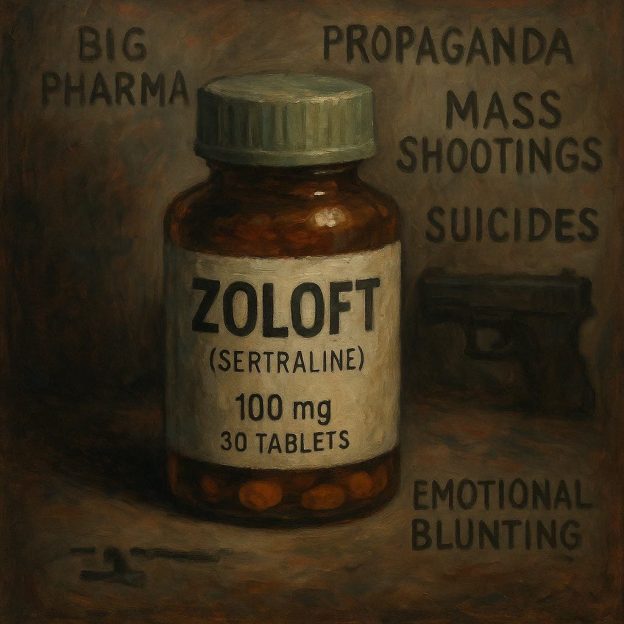


 Aletho News
