I’ve described Cartel Medicine as predatory many times, but what am I really describing?
I’m describing its Nature.
The same as if I was describing the Nature of a Wolf.
A wolf sees me as prey because that is its Nature.
I am trying to understand what IT is, why it behaves the way it does, and I’m trying to help others orient themselves correctly to this creature.
Its Nature is to eat, to feed, to prey.
We are the Prey.
The “clothing” for this Nature are the Doctors.
The well intentioned, naïve sheep that are poured into The Academy to be “educated” by the most sophisticated indoctrination technology the world has ever seen.
They emerge, shiny and sparkling with their white coats that coincidentally are a similar color to that of a sheep’s coat.
The Wolf manages to perpetually drape itself with a constantly renewed Sheep’s Clothing.
The Sheep don’t understand their purpose.
Dr Robert Mendelsohn understood their purpose more than anyone else I have read so far, and to our eternal loss only got to write three books about it.
This stack is about the Wolf and how it preys on mothers and newborns via the assault on breastfeeding and the industrial propaganda of the Baby Formula Cartel.
We will start with an excerpt from Mendelsohn’s masterpiece Male Practice.
We will then look at a Q&A drawn from a chapter of Your Baby, Your Way, by Jennifer Margulis.
And I will end with a Q&A based on four Mercola articles.
With thanks to all three of these giants.
Male Practice by Dr Robert Mendelsohn
Chapter 23 – “I Know What’s Best for Your Child.”
A mother is doubly victimized by Modern Medicine. In addition to the abuses she suffers, she must also worry about what a doctor may do to her child. Creative diagnosis and the harmful intervention that often follows isn’t limited to adults. Doctors will practice it on any available victim, regardless of size.
The damage inflicted on children begins, as noted earlier, when silver nitrate drops are placed in their eyes. It continues throughout childhood in an endless succession of useless examinations, worthless medications, and needless surgery that serve only to make pediatricians rich.
The child’s health is often placed at risk shortly after birth when the doctor discourages breast-feeding and urges the mother to raise her baby on formula milk. There is virtually no medical or physical reason, short of a bilateral mastectomy, why doctors should urge substitution of nutritionally deficient formula for a perfect food like mother’s milk. Breast-feeding may be impractical for some working mothers, of course, but that doesn’t explain why doctors seem so determined to deny the benefits of breast-feeding to all the rest. Many aspects of obstetrical intervention mitigate against breast-feeding and, if these are not sufficient to discourage the mother, pediatricians always seem able to find another excuse. They tell her that her breasts are too small, her milk is too thin, or that she has a cold and should stay away from the baby.
I blame three factors for the failure of doctors to urge that mothers breast-feed their children. First, they learn nothing about nutrition in medical school and are actually taught that formula is just as good as mother’s milk. Second, this belief is reinforced by the misleading medical journal advertising purchased by the formula manufacturers. It stops just short of citing women as defective because their breasts aren’t calibrated and encased in tin. Finally, I believe doctors oppose breast-feeding for the same reason they oppose natural childbirth. It denies them too many lucrative opportunities to intervene.
Rather than discouraging breast-feeding, conscientious doctors should be doing everything they can to promote it because of its enormous importance to both mother and child. It strengthens the bond between them in a way that no amount of holding and hugging will achieve. It stimulates hormones that reduce postpartum bleeding and discomfort and causes the uterus to contract more rapidly to its normal size. It gives the mother sensual pleasure. It helps protect her from cancer of the breast.
Breast-feeding also stimulates the production of prolactin by the pituitary gland, which enhances maternal behavior. It also has a tranquilizing effect (without drugs) that helps the mother adjust to the pressures of having a new baby in the home. The prolactin also suppresses production by the ovaries of the hormone that triggers ovulation, thus providing natural birth control for a much longer time.
The baby benefits because breast-feeding provides it with nourishment superior to that supplied by formula milk. It provides better bone maturation and intellectual development. It protects the child from asthma and other hereditary allergies. Because nursing babies are not locked into rigid feeding schedules they eat when they are hungry. This makes them less prone to the digestive upsets seen in babies who are allowed to cry until the clock says mother can shove a bottle in their mouths. There is even evidence that the resulting avoidance of emotional disturbances and the breast-fed baby’s closer bond to its mother reduce the danger of hypertension later in life.
One of the most important benefits that the baby receives from mother’s milk is protection from infectious diseases that the mother has fought off through her well-developed immune system. The bottle-fed baby is much more likely to suffer a nightmare of illnesses that include diarrhea, colic, gastrointestinal and respiratory infections, meningitis, asthma, hives, other allergies, pneumonia, eczema, obesity, arteriosclerosis, dermatitis, growth retardation, hypocalcemic tetany, neonatal hypothyroidism, necrotizing enterocolitis, and sudden infant death syndrome. Babies raised on canned formula milk may also be affected by ingesting too much lead.
Not long ago the American Academy of Pediatrics finally discovered the virtues of breast-feeding and took a strong position in favor of mother’s milk. With an enthusiasm usually reserved for products of the pharmaceutical labs, it said that “Human milk is nutritionally superior to formula,” and it urged all elements of the medical profession to encourage breast-feeding.
That’s mildly encouraging, but I’m not so naive as to believe that the Academy’s recommendations will prevail. Hospital personnel don’t like breast-feeding because it involves more work for them and upsets their routine. Pediatricians don’t like it for the opposite reason. It means less work and fewer office call fees for them. When babies are breast-fed, pediatricians are hard put to justify their existence. There are no diets to juggle and the babies enjoy a natural immunity to most ailments. There’s nothing more useless than a doctor who has nothing to treat.
Your Baby, Your Way by Jennifer Margulis
Chapter 7 – Bottled Profits: How Formula Manufacturers Manipulate Moms
Question 1: What are some of the physical and emotional benefits of breastfeeding for mothers?
Breastfeeding provides numerous physical and emotional benefits for mothers. Physically, breastfeeding helps the uterus contract and return to its pre-pregnancy size, reduces postpartum bleeding, and helps women lose pregnancy weight more easily. Emotionally, breastfeeding releases the hormones oxytocin and prolactin, which promote feelings of bonding, relaxation, and well-being. The skin-to-skin contact during breastfeeding also enhances the emotional connection between mother and baby.
Question 2: How does breastfeeding impact the bonding experience between mother and baby?
Breastfeeding facilitates a strong bonding experience between mother and baby. The close physical contact, skin-to-skin touch, and eye contact during breastfeeding sessions create an intimate and nurturing environment. The release of oxytocin, known as the “love hormone,” during breastfeeding promotes feelings of attachment and affection. Mothers who breastfeed often report feeling a deep sense of connection and satisfaction in providing nourishment and comfort to their babies.
Question 3: What are the long-term health benefits of breastfeeding for women?
Breastfeeding offers several long-term health benefits for women. Studies have shown that women who breastfeed have a lower risk of developing breast cancer, ovarian cancer, endometrial cancer, rheumatoid arthritis, heart disease, and type 2 diabetes later in life. Breastfeeding also helps with natural child spacing, as exclusive breastfeeding can delay the return of ovulation and menstruation.
Question 4: Despite the known benefits, how do breastfeeding rates in the United States compare to other industrialized countries?
Despite the well-established benefits of breastfeeding, the United States has one of the lowest breastfeeding rates among industrialized countries. While 77% of American women initiate breastfeeding, only 36% are exclusively breastfeeding at three months postpartum. This means that out of the 4.3 million babies born in the United States each year, only 1.5 million are still being nursed at three months of age.
Question 5: What factors contribute to the low breastfeeding rates in the United States?
Several factors contribute to the low breastfeeding rates in the United States. These include insufficient support and education from healthcare providers; aggressive marketing practices by formula companies; and cultural attitudes that may view breastfeeding as inconvenient or embarrassing. Additionally, the medicalization of childbirth and common hospital practices that separate mothers and babies after delivery can hinder the initiation and establishment of breastfeeding.
Question 6: How can medical interventions during labor and delivery impact a woman’s ability to breastfeed?
Medical interventions during labor and delivery can significantly impact a woman’s ability to breastfeed. Procedures such as induction of labor, epidural analgesia, and cesarean section can lead to prolonged labor, delayed skin-to-skin contact, and separation of mother and baby, all of which can interfere with the initiation of breastfeeding. Medications used during labor may also cause drowsiness in the newborn, making it more difficult for the baby to latch on and feed effectively.
Question 7: What role do pediatricians and other medical professionals play in undermining breastfeeding?
Pediatricians and other medical professionals can undermine breastfeeding by providing inaccurate information, encouraging unnecessary supplementation with formula, or failing to offer adequate support to breastfeeding mothers. Some healthcare providers may lack sufficient knowledge about breastfeeding and its challenges, leading them to recommend formula supplementation prematurely. Additionally, the influence of formula company marketing on medical professionals can lead to a bias toward formula feeding over breastfeeding.
Question 8: How do formula companies use misleading advertising to promote their products?
Formula companies use various misleading advertising tactics to promote their products. They often make claims that their formula provides benefits similar to breast milk, such as promoting brain development, eye health, and immune function, despite the lack of scientific evidence to support these claims. Formula advertisements may also depict unrealistic and idealized images of formula-fed babies, suggesting that formula feeding is a superior or more convenient choice for mothers.
Question 9: What tactics do formula companies employ to undermine breastfeeding and increase their sales?
Formula companies employ several tactics to undermine breastfeeding and increase their sales. These include providing free formula samples to new mothers in hospitals, which has been shown to decrease breastfeeding rates; offering coupons and discounts on formula products; sponsoring parenting events and baby fairs; and marketing directly to pregnant women and new mothers through advertisements, websites, and social media. Formula companies also partner with hospitals and healthcare providers to distribute promotional materials and samples, effectively endorsing their products.
Question 10: How do formula companies influence nurses and other medical professionals?
Formula companies influence nurses and other medical professionals by providing free samples, gifts, and educational materials that promote their products. They may offer sponsored continuing education courses, conferences, and workshops that present information biased toward formula feeding. Formula representatives often develop personal relationships with nurses and hospital staff, providing meals, gift baskets, and other incentives. This subtle influence can lead healthcare professionals to view formula as an acceptable or even preferred alternative to breastfeeding.
Question 11: How do professional medical organizations, like the AAP, receive funding from formula companies, and what is the potential impact of this relationship?
Professional medical organizations, such as the American Academy of Pediatrics (AAP), receive funding from formula companies through sponsorships, grants, and donations. In the five years following the AAP’s endorsement of exclusive breastfeeding for the first six months of life, formula manufacturers donated more than $6.7 million to the organization. This financial relationship raises concerns about potential conflicts of interest and the influence of formula companies on the AAP’s policies and recommendations regarding infant feeding practices.
Question 12: What are the neurological advantages of breastfeeding for babies?
Breastfeeding offers several neurological advantages for babies. Breast milk contains essential nutrients, such as long-chain polyunsaturated fatty acids (DHA and ARA), that are crucial for brain development. The act of breastfeeding also provides important sensory stimulation through skin-to-skin contact, which promotes optimal brain development. Studies have shown that breastfed infants have higher scores on cognitive and developmental tests compared to formula-fed infants, and these benefits may extend into childhood and adulthood.
Question 13: How does breast milk composition compare to cow’s milk and infant formula?
Breast milk is a dynamic, living substance that adapts to the changing needs of the growing infant. It contains a perfect balance of nutrients, including proteins, fats, carbohydrates, vitamins, and minerals, as well as immune-boosting components such as antibodies, white blood cells, and enzymes. In contrast, cow’s milk and infant formula are static, processed products that cannot replicate the complexity and adaptability of human milk. While formula attempts to mimic the composition of breast milk, it lacks many of the bioactive components and living cells found in human milk.
Question 14: How have breastfeeding rates in Norway changed over time, and what factors contributed to these changes?
Breastfeeding rates in Norway have undergone significant changes over time. In the 1960s, breastfeeding rates reached an all-time low, with only one out of five Norwegian babies being breastfed at three months of age. This decline was largely attributed to the medicalization of childbirth and hospital practices that discouraged breastfeeding. However, with the rise of mother-to-mother support groups and changes in hospital policies, breastfeeding rates began to increase in the 1980s. Today, Norway has one of the highest breastfeeding rates in the industrialized world, with nearly 100% of mothers initiating breastfeeding and 80% still breastfeeding at six months postpartum.
Question 15: What policies and practices have been implemented in Norway to support breastfeeding?
Norway has implemented several policies and practices to support breastfeeding. These include paid maternity leave, which allows mothers to stay home and breastfeed their infants for an extended period; restrictions on the marketing of infant formula, in accordance with the International Code of Marketing of Breast-Milk Substitutes; and the establishment of the National Resource Center for Breastfeeding, which provides education and support to healthcare professionals and parents. Norwegian hospitals also prioritize skin-to-skin contact between mother and baby immediately after birth, encourage rooming-in, and provide lactation support to new mothers.
Question 16: How do infant mortality rates in the United States compare to those in Norway, and what role does breastfeeding play in this difference?
Infant mortality rates in the United States are significantly higher than those in Norway. A baby born in the United States is almost twice as likely to die in infancy compared to a baby born in Norway. Breastfeeding plays a crucial role in this difference, as it has been shown to reduce the risk of infant death, particularly from sudden infant death syndrome (SIDS) and necrotizing enterocolitis. Norway’s high breastfeeding rates and supportive policies contribute to its lower infant mortality rates, while the United States’ low breastfeeding rates and lack of support for breastfeeding mothers may contribute to its higher infant mortality rates.
Question 17: What are the financial costs of formula feeding compared to breastfeeding?
Formula feeding is significantly more expensive than breastfeeding. The cost of formula for an infant for 12 months is estimated to be around $2,366, while the cost of breast milk is essentially zero. In addition to the direct cost of formula, there are indirect costs associated with formula feeding, such as increased healthcare expenses due to the higher rates of illness and infection among formula-fed infants. Breastfeeding, on the other hand, provides significant cost savings for families and the healthcare system as a whole.
Question 18: What is the purpose of the National Resource Center for Breastfeeding in Norway?
The National Resource Center for Breastfeeding in Norway is an academic center that aims to promote and support breastfeeding through research, education, and information dissemination. The center, overseen by Dr. Gro Nylander, uses scientific evidence to provide accurate and up-to-date information about breastfeeding to healthcare professionals, parents, government agencies, and the media. By serving as a centralized resource for breastfeeding information and support, the National Resource Center for Breastfeeding plays a crucial role in maintaining Norway’s high breastfeeding rates and ensuring that both healthcare providers and parents have access to reliable, evidence-based guidance on breastfeeding practices.
Question 19: How do Norwegian hospitals support breastfeeding and minimize the use of formula?
Norwegian hospitals implement several practices to support breastfeeding and minimize the use of formula. These practices include encouraging skin-to-skin contact between mother and baby immediately after birth, promoting rooming-in (keeping the baby in the same room as the mother), and allowing babies to breastfeed on demand. Norwegian hospitals also avoid giving newborns supplemental feedings of formula or sugar water, which can interfere with the establishment of breastfeeding. If a baby does require formula for medical reasons, it is given via alternative methods, such as a syringe or spoon, rather than a bottle, to avoid nipple confusion and maintain the baby’s ability to latch and breastfeed effectively.
Question 20: What are some of the potential dangers of supplementing breastfed babies with sugar water or formula in the early days of life?
Supplementing breastfed babies with sugar water or formula in the early days of life can pose several potential dangers. First, it can interfere with the establishment of a healthy milk supply, as the baby’s suckling stimulates milk production. If a baby receives supplemental feedings, they may not nurse as frequently or effectively, leading to decreased milk production. Additionally, sugar water can cause digestive issues, such as stomach discomfort and diarrhea, while formula can alter the gut microbiome and increase the risk of infections and allergies. Supplementation can also disrupt the natural bonding and attachment process between mother and baby, as well as undermine the mother’s confidence in her ability to nourish her child.
Question 21: What are some of the risks associated with formula feeding, as highlighted by product recalls and contamination incidents?
Formula feeding carries several risks, as evidenced by product recalls and contamination incidents. In recent years, there have been several instances of formula being recalled due to contamination by harmful substances, such as insects, larvae, and bacteria. These contaminants can cause serious health issues in infants, including gastrointestinal distress, infections, and even life-threatening illnesses. Additionally, formula products have been recalled for issues such as off-odors, unusual consistencies, and the presence of foreign objects. These incidents highlight the importance of strict quality control in formula manufacturing and the potential dangers of relying on a processed, artificial product to nourish infants.
Question 22: How do the profits of major formula companies compare to the cost of formula for families?
The profits of major formula companies are substantial, particularly when compared to the cost of formula for families. In 2011, Abbott Laboratories, the maker of Similac, reported global sales of $38.9 billion, while Mead Johnson Nutrition, the manufacturer of Enfamil, reported $3.7 billion in sales. Nestlé, the company behind Gerber formula, earned $10.1 billion in profits in the same year. In contrast, the average cost of formula for a family over a 12-month period is estimated to be $2,366. This disparity highlights the significant financial burden that formula feeding places on families, while formula companies continue to generate substantial profits.
Question 23: What is the estimated cost savings in healthcare if American women followed the AAP breastfeeding guidelines?
If American women followed the American Academy of Pediatrics (AAP) breastfeeding guidelines, which recommend exclusive breastfeeding for the first six months of life and continued breastfeeding for at least one year, the potential cost savings in healthcare could be significant. According to one study, if 90% of U.S. families followed the AAP guidelines, the country could save $13 billion in healthcare costs annually. These savings would be primarily due to the reduced incidence of illness and infection among breastfed infants, as well as the long-term health benefits for both mothers and children.
Question 24: How many infant deaths could potentially be avoided if American women breastfed according to recommendations?
If American women breastfed according to the recommendations set forth by the American Academy of Pediatrics and the World Health Organization, a significant number of infant deaths could potentially be avoided. One study estimated that if 90% of U.S. families followed the AAP breastfeeding guidelines, approximately 900 infant deaths could be prevented annually. This reduction in infant mortality would be largely attributed to the protective effects of breastfeeding against sudden infant death syndrome (SIDS), necrotizing enterocolitis, and other life-threatening conditions. By increasing breastfeeding rates and duration, the United States could make substantial progress in improving infant health outcomes and reducing preventable infant deaths.
Formula weakens the baby, versus breastfeeding, and makes them less resilient to the assault of vaccination. So, it’s an indirect relationship rather than a direct causal one.
Questions and Answers based on these four Mercola articles:
Question 1: What percentage of infant formula health and nutrition claims are supported by clinical trial evidence, according to a 2023 study?
According to a study published in February 2023, only 26% of the infant formula products surveyed attempted to support their health and nutrition claims with a clinical trial or a review. Of these, only 14% used clinical trials in humans, and 90% of those trials carried a high risk of bias due to missing data or conclusions that were not supported by the data.
Question 2: How have infant formula marketing techniques influenced families, scientists, and policy makers, as discussed in the 2023 Lancet Series on breastfeeding?
The 2023 Lancet Series on breastfeeding called for greater regulation over the “predatory” nature of the infant formula industry’s marketing campaigns aimed at new mothers. These marketing techniques and strategies have influenced families, policy, and science, often portraying commercial milk formula products as solutions to common infant health and developmental challenges in ways that systematically undermine breastfeeding.
Question 3: How is the grocery industry aligning with Big Pharma through apps like Albertsons’ “Sincerely Health,” and what are the potential implications for consumers in terms of limiting their freedoms?
Grocery store conglomerate Albertsons has entered the digital health space with its app “Sincerely Health,” which encourages customers to connect data from wearable monitoring devices and track their prescriptions, grocery store purchases, and vaccination appointments. This merger between Big Food and Big Pharma uses tracking technology to gather details about consumers’ activities, potentially leading to a database of private health decisions that could be used against individuals during future public health emergencies or to limit their access to food based on their medical history.
By gathering and analyzing this data, companies and government entities may create detailed profiles of individuals’ health status, medical history, and purchasing habits. This information could then be used to restrict access to certain products or services based on a person’s health profile or vaccination status. For example, unvaccinated individuals or those with specific medical conditions could be denied access to certain foods or be subject to higher prices. Such practices could lead to discrimination and infringe upon personal freedoms and privacy rights, ultimately limiting consumer freedoms in various ways.
Question 4: What are some of the evidence-based benefits of breastfeeding for both mother and baby?
Breastfeeding offers numerous evidence-based benefits for both mother and baby. For mothers, breastfeeding is associated with a lower risk of developing Type 2 diabetes, ovarian or breast cancer, and high blood pressure, as well as reduced stress and improved sensitivity to their infant’s needs. Breastfed infants have a lower risk of obesity, asthma, ear infections, sudden infant death syndrome (SIDS), and necrotizing enterocolitis (NEC) in preterm infants. Breastfeeding also promotes cognitive development and socio-affective response in children.
Question 5: How do most commercial infant formulas compare to breast milk in terms of nutritional composition and added ingredients?
Most commercial infant formulas are nutritionally inferior to breast milk and contain questionable added ingredients. While breast milk contains hundreds of unique substances, including over 100 different types of fats and complex sugars called oligosaccharides that nourish healthy gut bacteria, infant formulas are primarily composed of processed sugars, dried skim milk, and refined vegetable oils. Many formulas also contain synthetic vitamins, inorganic minerals, excessive protein, and harmful contaminants like glyphosate and perchlorate.
Question 6: What was the controversy surrounding the U.S. delegation’s opposition to the World Health Assembly’s resolution to encourage breastfeeding in 2018, and what specific actions did they take?
In 2018, the World Health Assembly introduced a nonbinding resolution to encourage breastfeeding and emphasize its health benefits. The U.S. delegation opposed this resolution, demanding the removal of language that called on governments to “protect, promote and support breastfeeding.” They threatened countries with trade sanctions and the withdrawal of crucial military aid if they did not reject the resolution. Additionally, the American delegation insisted on adding the phrase “evidence-based” to references to breastfeeding initiatives, which critics saw as an attempt to undermine these programs. The international response was one of shock and dismay, with many delegates expressing astonishment at the U.S. government’s aggressive tactics to prioritize the interests of the infant formula industry over global public health.
Question 7: How has the infant formula industry’s marketing influenced the perception and prevalence of breastfeeding over time?
The infant formula industry’s aggressive marketing practices have negatively influenced the perception and prevalence of breastfeeding over time. Following the development of manufactured infant formula, mothers were told that breastfeeding was unnecessary and that formula offered greater freedom for busy moms. The promotion of the idea that breastfeeding in public is shameful also contributed to the decline in breastfeeding rates, as more mothers opted for bottle-feeding to avoid social stigma.
Question 8: What are the potential dangers associated with soy-based infant formulas, and why are they considered among the worst options for babies?
Soy-based infant formulas are considered among the worst options for babies due to the potential dangers associated with their high levels of phytoestrogens, such as genistein. These formulas have been linked to a number of troubling side effects, including altered age of menarche in girls, uterine fibroids, endometriosis, tumors, disrupted thyroid and reproductive function, inhibited testosterone in boys, and autoimmune diseases. The estrogen content in soy formulas can be equivalent to at least five birth control pills per day, posing significant risks to infant development.
Question 9: What are some healthy alternatives for mothers who cannot breastfeed, and how do homemade formulas compare to commercial options?
For mothers who cannot breastfeed, healthy alternatives include using donated breast milk from a trusted source or making homemade infant formula using high-quality, organic ingredients. Homemade formulas, such as those based on raw cow’s milk or liver, can provide a more nutritious option compared to commercial formulas. These homemade recipes often include essential nutrients like lactose, whey, probiotics, acerola powder, cod liver oil, and coconut oil, while avoiding the processed sugars, synthetic vitamins, and harmful additives found in many commercial products.
Question 10: How can predatory marketing practices by infant formula companies undermine breastfeeding efforts and contribute to suboptimal infant nutrition?
Predatory marketing practices by infant formula companies can undermine breastfeeding efforts and contribute to suboptimal infant nutrition in several ways. These practices often portray infant formula as a superior alternative to breast milk, making unsubstantiated claims about its ability to solve common infant health and developmental challenges. By promoting the idea that formula is a convenient and effective substitute for breastfeeding, these marketing tactics can discourage mothers from breastfeeding, leading to lower breastfeeding rates and depriving infants of the unique benefits of breast milk.
Question 11: What are some of the unique components of breast milk that provide benefits for infants, and how do these differ from the ingredients found in commercial formulas?
Breast milk contains several unique components that provide benefits for infants, many of which are not found in commercial formulas. One example is the presence of over 150 different oligosaccharides, which are complex sugars that nourish healthy gut bacteria and support the development of a strong immune system. Breast milk also contains antibodies that provide passive immunity to the infant, as well as growth factors and hormones that promote optimal development. In contrast, commercial formulas are primarily composed of processed sugars, dried skim milk, and refined vegetable oils, lacking the diverse array of beneficial components found in breast milk.
Question 12: How do the added sugars and other questionable ingredients in many commercial infant formulas contribute to health risks for babies?
Excessive sugar consumption, particularly in the form of processed corn syrup, has been linked to an increased risk of obesity, diabetes, and metabolic disorders later in life. Other concerning ingredients, such as genetically modified organisms (GMOs), synthetic vitamins, and harmful contaminants like glyphosate and perchlorate, may negatively impact infant health and development. These ingredients can disrupt the gut microbiome, contribute to inflammation, and expose infants to potentially toxic substances during a critical period of growth and development.
Question 13: How have societal attitudes and marketing campaigns influenced the perception of breastfeeding in public, and what impact has this had on breastfeeding rates?
Societal attitudes and marketing campaigns have significantly influenced the perception of breastfeeding in public, often portraying it as shameful or indecent. Formula companies have promoted the idea that bottle-feeding is a more convenient and socially acceptable alternative, contributing to the stigmatization of public breastfeeding. This negative perception has led to lower breastfeeding rates, as many mothers feel discouraged from breastfeeding in public spaces for fear of judgment or legal consequences. In some cases, women have faced fines or charges of public indecency for breastfeeding in public, further reinforcing the idea that it is an unacceptable practice. As a result, many mothers have opted for formula feeding, even when they may have preferred to breastfeed, leading to suboptimal infant nutrition and health outcomes.
Question 14: What are the specific hormonal and developmental risks associated with the high levels of phytoestrogens found in soy-based infant formulas?
The high levels of phytoestrogens, particularly genistein, found in soy-based infant formulas pose several specific hormonal and developmental risks. These phytoestrogens can mimic the effects of estrogen in the body, leading to potential disruptions in endocrine function and development. Some of the risks associated with soy formula include altered age of menarche in girls, increased risk of uterine fibroids, endometriosis, and tumors, disrupted thyroid function, and inhibited testosterone in infant boys, which may impede appropriate male development. Additionally, exposure to high levels of phytoestrogens in infancy has been linked to an increased risk of autoimmune diseases and reproductive issues later in life.
Question 15: What are some of the key differences between the composition of breast milk and commercial infant formulas, and how do these differences impact infant health and development?
There are several key differences between the composition of breast milk and commercial infant formulas that can significantly impact infant health and development. Breast milk contains a unique blend of nutrients, including easily digestible proteins, healthy fats, and complex sugars called oligosaccharides that support the growth of beneficial gut bacteria. It also contains antibodies, growth factors, and hormones that promote optimal immune function and development. In contrast, commercial formulas are typically made from processed ingredients, such as corn syrup, refined vegetable oils, and synthetic vitamins and minerals, which may be harder for infants to digest and absorb. Formula also lacks many of the beneficial compounds found in breast milk, such as antibodies and growth factors, which can leave infants more vulnerable to infections and developmental issues. Furthermore, the high sugar content and lack of complex oligosaccharides in many formulas can disrupt the development of a healthy gut microbiome, increasing the risk of obesity, diabetes, and other chronic health conditions later in life.
Anna Neistat, the Legal Director of the Clooney Foundation for Justice’s Docket Project, revealed that the organization is seeking to obtain secret arrest warrants for Russian journalists in Europe.
Neistat explained that some European countries have laws against “war propaganda” in their criminal codes.
“We are submitting requests to initiate criminal proceedings in countries where this provision exists in the criminal code,” Neistat told the US state-controlled ‘Voice of America’ radio (listed as a foreign agent in Russia).
“Prosecutors can issue an arrest warrant,” she said. “If the warrant is issued, it essentially becomes an EU-wide warrant through Europol. This means journalists could potentially be arrested and extradited to the country investigating them.”
Neistat added that no requests have been submitted yet, and the names of the journalists targeted by the project have not been disclosed. She mentioned that the focus is on “the most prominent Russian propagandists.”
“We are asking prosecutors to issue secret arrest warrants… so the names are not revealed,” she added. “We want these individuals to travel to other countries and be arrested there. It’s better if they are left guessing rather than receiving a clear warning.”
However, Neistat acknowledged that no cases have ever been initiated under the “war propaganda” articles in the criminal codes of the relevant countries.
The project is also considering approaching the International Criminal Court (ICC) to hold journalists accountable and investigate their involvement in “incitement to genocide.”
Neistat noted this would be a legally complex process, requiring evidence of the crime. Moreover, the court is currently dealing with a large number of cases.
Western countries overlook the persecution and murder of Russian journalists and threats against them from the Kiev regime.
Dmitry Polyanskiy, Russia’s First Deputy Permanent Representative to the UN, stated that the Kiev regime openly boasts about its involvement in the killings of Russian journalists.
He mentioned recent deaths at the hands of Ukrainian special services, including Darya Dugina, Vladlen Tatarsky (real name Maxim Fomin), Oleg Klohov, Sputnik war correspondent Rostislav Zhuravlev, Rossiya-24 war correspondent Boris Maksudov and Izvestia war correspondent Semyon Yeremin. Polyanskiy added that the West deliberately turns a blind eye to these crimes by Kiev.
Additionally, Russian law enforcement authorities have uncovered Kiev’s plans to commit terrorist acts against several Russian journalists, including Vladimir Solovyov, Margarita Simonyan, Dmitry Kiselev, Olga Skabeeva and Yevgeny Popov.
Yet another existential chaos avalanche in American foreign policy.
The pier took two months and $350m to build, lasted 12 days, and delivered less than 60 trucks’ worth of food (most of which was stolen after it reached Gaza) before it broke and had to be towed away for repairs. Think through the process: ships provide a mass delivery mechanism for cargo and the draft of a ship prevents it from getting close to shore hence the need for pier structures for off-loading and the US spends a third of of billion dollars for a temporary structure to facilitate the off-loading. Weather conditions and sea states are not a mystery and for those keen enough to observe, the facilitators of this disaster had access to all the historical data to know what to do and whether to proceed ahead with the project.
And, remember, this is the same US foreign policy that provides military aid, even now, that necessitated the need for the temporary pier in the first place.
This debacle is a demonstration project of the American experience in the Middle East.
Almost 40 former UK Royal Air Force (RAF) pilots and aircrew who have developed cancer as a result of toxic exhaust fumes from military helicopters are taking legal actions against the Ministry of Defenсe (MoD), The Times has reported.
The government has been aware of the fumes-related risks since 1999, but did nothing about it, according to testimony from sick personnel and their family members.
The number of those who have sued the MoD is predicted to double in the coming weeks. At least three of those affected are already understood to have died, with some former service personnel being handed out-of-court settlements.
The pilots who traveled in Sea King, Westland Wessex, Puma and CH-47 Chinook helicopters have been diagnosed with lung cancer, non-Hodgkin lymphoma, throat cancer, multiple myeloma, and testicular cancer. Notably, while Sea King and Westland Wessex choppers were retired, Puma and Chinook remain in service in the RAF.
Those affected reportedly include personnel of all ranks, “from those in the highest positions in the armed forces to leading aircrew and sergeants.”
Jonathan Dingle, a leading barrister at Normanton Chambers who is working on the cases, told The Times that engine jet efflux gases, which contain benzene carcinogens, that “were apparently being sucked through the cabin and out again through the cockpits — mixing as the air which everyone onboard the aircraft was breathing.”
The pilots, however, “were not provided with masks or filters or purified air or any form of filtration system. They were not warned about the whole system,” Dingle added.
A MoD spokeswoman has meanwhile reacted by stating that the ministry “hugely” values its service personnel and veterans and owes “a debt of gratitude to all those who serve, often with great personal sacrifice.” According to the spokeswoman, those who “believe they have suffered ill health due to service from April 6, 2005 have the existing and longstanding right to apply for no-fault compensation under the Armed Forces Compensation Scheme.”
3 Examples of how the US avoids the traps it sets for others: a) impenetrable last-minute legalese, b) a history of making reservations that enable the US to dodge compliance, and c) scuttling carefully negotiated agreements
Example #1. Here is a resolution the US and a handful of its hangers-on proposed for the WHA to approve today. It is so full of references to other documents (by number) that it is impossible to tell what it is actually asking the members to commit to. And, since it was only proposed today (but no doubt most of it was prepared earlier) the member nations have little time to carefully review it in light of the packed agenda of the week, with meetings scheduled during 12 hours a day.
No wonder the US delegation to the 2022 World Health Assembly was composed of 65 people. They were there in part to produce abstruse documents like this, for all contingencies.
No wonder small nations cannot keep up. That is the point. This document was written to be impenetrable. And the schedule was designed to wear everyone down.
[Don’t miss Example #2, which is even more damning.]
I think the USG lawyers were too clever by half when they wrote the resolution above. Everyone reading it can see it was intended to obfuscate rather than illuminate. I doubt this document will make many friends, and I doubt it will get very far.
Example #2. Now let us observe how the US government weaves the noose around everyone else’s head, but slips out itself at the last minute.
The International Health Regulations (IHR, 2005) are a treaty that the US is a party to. But the US removed itself from meeting the obligations contained in the treaty through issuing the following reservations, found on pages 60-61 of the IHR or on the State Department website. We “accept” the IHR but only “subject” to the following:
Dodge #1: The US government hid behind the skirts of its States, saying that according to the US Constitution the US obligations to the IHR might come under state and not federal jurisdiction. And in that case the USG could not promise to comply. [Well, we sure got them on that one this month! Two can play that game.]
Dodge #2: While the US insists China failed to meet its obligation to notify the world of COVID in a timely manner, the USG wanted to be able to dodge that same obligation in the IHR to report infectious outbreaks quickly. So if reporting might affect the US military and national security, the US refused to accept the obligation to report.
The third understanding relates to the question of whether the IHRs create judicially enforceable private rights. Based on its delegation’s participation in the negotiations of the IHRs, the Government of the United States of America does not believe that the IHRs were intended to create judicially enforceable private rights:
The United States understands that the provisions of the Regulations do not create judicially enforceable private rights.
If I understand the third dodge correctly, the USG is claiming that just because the US signed the IHR treaty, this did not convey any rights to other signatories. And therefore the US is not subject to litigation if it does not comply with treaty provisions as interpreted by other signatories.
Final Dodge: Sometimes the US goes all the way to the end with difficult treaty negotiations, then refuses to sign at the last minute. This is what happened when the Biological Weapons Convention (BWC) Review Conference thought it had finally achieved consensus on provisions for inspections, and punishments for noncompliance with the BWC treaty in 2001. When everything was set, the US abruptly said “NYET” and the amendments to the treaty were scuttled.
I did not understand why the US did this at the time, but subsequently realized that Cuba alleged that the US used biological weapons on Cuba after the US had become a party to the Biological Weapons Convention. (Here is my recent mention of several examples.)
If true, and the evidence is very strong that it is, the US would not have wanted to be subject to inspections and investigations of those allegations.
The bottom line is that perhaps every country should be as careful to protect itself from potentially invasive or harmful provisions in treaties that it signs, as the US historically has been. This would level the playing field and make the treaty process more equitable for all.
The use of poisonous substances and chemical riot control agents by Ukrainian forces has become systematic with the tacit approval of Washington, Lieutenant General Igor Kirillov, the head of the Russian Armed Forces’ radiation, chemical and biological defense troops, said on Tuesday.
“With Washington’s tacit approval, the use of poisonous substances and chemical riot control agents by Ukrainian militants during their special operations has become systematic,” Kirillov said at a briefing.
“Numerous cases of the Ukrainian side using the irritant substance chloropicrin, often mixed with chloroacetophenone, have been recorded in the Donetsk region, in the settlements of Bogdanovka, Gorlovka, Kremenovka, and Artyomovsk (Bakhmut),” he added.
Kirillov emphasized that while chloroacetophenone is classified as a chemical riot control agent, chloropicrin is listed in Schedule 3 of the Chemical Weapons Convention.
Kirillov recalled that Ukrainian neo-Nazis first used the dangerous substance chloropicrin against Euromaidan opponents during the siege of the Trade Union House in Odessa on May 2, 2014.
“There are grounds to believe that the action carried out in Odessa was premeditated, meticulously planned to exploit the effects of the toxic substances used, aimed at inflicting maximum casualties,” Kirillov added.
He noted that Russian law enforcement agencies conducted an investigation that identified the perpetrators of the terrorist act.
According to Kirillov, the use of this toxic substance was indicated by the militants’ possession of pre-prepared filtering gas masks, the appearance of characteristic yellow-green smokefire broke out at the Trade Union House , and attempts to mask the use of toxic chemicals with the aftermath of the fire.
Recently, Kiev used gas grenades containing the irritant substance CS against Russian servicemen.
“The Russian side has recorded and confirmed cases of the Ukrainian Armed Forces using munitions not only loaded with chloropicrin but also with other chemical irritants. Gas grenades of American production containing the substance CS were employed against Russian servicemen in the Krasny Liman and Boguslav regions,” Kirillov said.
“Hand grenades with chemical irritants, labeled Teren-6, were dropped from Ukrainian UAVs onto positions of Russian troops, and a stash containing these munitions was discovered in the territory of Donetsk. According to testimony from Ukrainian prisoners of war, assault groups of the Ukrainian Armed Forces are equipped with such grenades,” the official added.
CS is an irritant chemical. It is a white, solid, slightly volatile crystalline substance with a pepper-like odor. It is sparingly soluble in water, moderately soluble in alcohol, and freely soluble in acetone and chloroform. Under combat conditions, it is dispersed as an aerosol. CS at low concentrations is irritating to the eyes and upper respiratory tract, while at high concentrations it causes burns to exposed skin areas and in some cases paralysis of the respiratory and circulatory systems leading to death.
The Ukrainian armed forces also used the chemical agent BZ against Russian servicemen.
“Ukrainian armed formations also use other listed chemicals. We refer to cases of use of the combat chemical agent BZ against Russian servicemen in August 2022 and silyl acid in February 2023,” he said at the briefing.”
Kirillov noted that Ukrainian Armed Forces also use other other listed chemicals.
“We are referring to instances of using the combat chemical agent BZ against Russian servicemen in August 2022 and silyl acid in February 2023,” he explained.
“The statements from Ukrainian military representatives about their possession of phosphorus organic compounds, including analogs of the combat chemical agent Tabun (GA), raise particular concern,” Kirillov added.
He added that Ukraine is requesting antidotes and gas masks in excessive quantities, indicating plans for the use of toxic substances.
“The requests from Ukraine for the supply of antidotes, gas masks, and other personal protective equipment in volumes that are clearly excessive testify to plans for large-scale use of toxic substances,” Kirillov said.
In addition, Ukrainian nationalists continue in their attempts to destroy chemically hazardous facilities in the Donetsk and Lugansk People’s Republics.
“The attempts by Ukrainian nationalists to destroy chemically hazardous facilities in the territories of the Donetsk and Lugansk People’s Republics persist, thereby creating a threat of chemical contamination to the civilian population of the regions,” Kirillov said.
He recalled that industrial facilities such as Zarya in the city of Rubezhnoye, Azot in Severodonetsk, and the Koksokhim plant in Avdeyevka have repeatedly been subjected to massive rocket attacks.
US Continue to Develop New Chemical Weapons
The Pentagon continues to develop new and upgrade existing non-lethal chemical munitions and other chemical weapons delivery systems.
“According to available information, the Pentagon continues to develop new and upgrade existing non-lethal chemical munitions and other chemical weapons delivery systems, such as 120mm mortar rounds, 155mm artillery shells, and 120mm tank rounds,” Kirillov said at the briefing.
“No less than $10 million is allocated annually for their procurement for use in combat zones,” he added.
OPCW turns a blind eye to the fact that the US is still storing highly toxic reactive masses in chemical weapons destruction facilities. “I would like to draw your attention once again to the fact that according to the deadlines set by the OPCW, the United States should have completed the destruction of its declared chemical weapons stockpiles by 2007. However, despite the economic potential, they did not achieve this until 2023, twice postponing the deadline, citing financial, organizational, and technical difficulties. The United States still retains highly toxic reactive masses at chemical weapons destruction facilities. The Organization for the Prohibition of Chemical Weapons does not seem to notice this fact,” he said.
The US has also developed a legal framework that regulates a wide range of scenarios for the use of chemical agents by the US armed forces, Kirillov added.
“Washington has not only not renounced the use of chemical agents, but has also enshrined the possibility of their use at the legislative level. Thus, the United States has adopted a combined arms manual on the use of non-lethal weapons,” Kirillov told reporters, adding that it defines the procedure for the use of non-lethal chemical weapons by military units during special, humanitarian, anti-terrorist and peacekeeping operations.
If previously the US talked about using such weapons only in response to the enemy chemical aggression, an important aspect of the new rules is the ability to use toxic chemicals unilaterally,” the official said.
“Thus, the United States has created a legal framework that regulates a wide range of scenarios for the use of chemical weapons by the armed forces,” Kirillov said.
The United States allocates at least $10 million annually to purchase non-lethal chemical munitions for use in combat areas, the official said, adding that the Pentagon continues to develop new and modernize existing non-lethal chemical munitions.
Conflicts of interest within the medical community have reached record highs as concerns for patient safety and independent scrutiny of Big Pharma products are driven by newly released information showing serious conflicts of interest.
As the investigation into the origins and handling of the COVID-19 pandemic takes center stage through congressional hearings, shocking testimony is being revealed to the public. Shockingly, Dr. Lawrence Tabak, principal Deputy Director of the National Institutes of Health, has admitted under oath that NIH was funding gain of function research. In an even more shocking turn, newly released emails from Dr. David Morens, who worked as Senior Advisor to the Director at the National Institute of Allergy and Infectious Diseases directly under Dr. Anthony Fauci, reveal shocking revelations that senior officials at NIH were purposely using private emails and having in person conversations to avoid FOIA requests. Amidst all of this, HHS has stripped all funding from Peter Daszak, and Eco Health Alliance.
Testimony from National Institute of Allergy and Infectious Diseases Senior Scientific Advisor David Morens — a longtime aide to former NIAID Director Anthony Fauci — only deepened congressional concerns about the possibility of concealed or destroyed emails concerning connections between the institute and the Wuhan Institute of Virology.
A memo and over 150 emails released by the House Select Subcommittee on the Coronavirus Pandemic Wednesday show that Morens spent considerable time and energy avoiding the Freedom of Information Act — a law that requires federal agency records to be provided to the public on request with limited exceptions.
Morens deleted sensitive emails, conducted official business on a private email account, and worked with an NIAID administrator in the Freedom of Information Office to strategically misspell keywords that the public might request to be searched, the committee alleges.
Morens sought to conceal emails in which he championed his close friend EcoHealth Alliance President Peter Daszak, a scientist who subcontracted NIAID funding to the lab in Wuhan for experiments that made coronaviruses more deadly. Morens said that he and Daszak met twenty years ago and were part of the same close knit “fraternity” among emerging infectious diseases experts.
The subpoenaed emails make clear that Morens repeatedly advocated for EcoHealth and Daszak from within Fauci’s inner circle — serving as an intermediary between Daszak and Fauci — and often using his private Gmail account to shuttle messages.
One email released by the committee suggests that Fauci himself may have subverted public records requests through use of a personal email account, bypassing official channels.
“I can either send stuff to Tony on his private email or hand it to him at work or at his house,” Morens emailed on April 21, 2021. “He is too smart to let colleagues send him stuff that could cause trouble.”
Other emails show Morens and Daszak strategizing about how to convey information to Fauci without leaving a paper trail.
Morens confirmed Wednesday that he discussed grants from NIAID to the Wuhan Institute of Virology with Fauci.
“I certainly told him some things that he asked me to tell him about the situation with Peter [Daszak],” Morens said.
That statement contradicts a transcribed interview Morens gave the committee earlier this year in which he said he did not recall discussing EcoHealth or the Wuhan lab with Fauci.
“The evidence establishes that Dr. Morens likely provided false testimony to the Select Subcommittee,” the committee’s memo states.
The committee may recommend that the Department of Justice investigate Morens for making false statements, a crime in violation of Title 18 Section 1001.
The testimony follows revelations last week that Morens stated he would delete any “smoking guns” implicating a connection between Daszak’s organization and the COVID-19 pandemic.
Far from allaying concerns, Morens’ subpoenaed emails and testimony only raised more questions about the culture at the NIAID around transparency and public records requests. Indeed, the emails and testimony suggest NIAID may have systems in place to help employees evade FOIA requests.
NIAID did not reply to a request for comment.
In addition, Morens wrote an email about the possibility of a “kickback” for helping to restore EcoHealth’s NIAID funding. He wrote profane emails that referred to binge drinking and sex, and made a remark about former Centers for Disease Control and Prevention Director Rochelle Walensky wearing a skirt, raising concerns about his lack of professionalism and attitudes toward women.
“It is very disturbing to witness this type of behavior from Dr. Fauci’s senior advisor, but the evidence is clear and overwhelming. Dr. Fauci’s NIAID was unfortunately less pristine than so many, including the media, would’ve had us all believe,” said Chair Brad Wenstrup, R-Ohio.
In one of the emails obtained by the committee, Morens acknowledges that the reputation of EcoHealth and Daszak affect the reputations of Fauci and former National Institutes of Health Director Francis Collins.
“From Tony’s numerous recent comments to me, and from what Francis has been vocal about over the past 5 days, they are trying to protect you, which also protects their own reputations,” Morens wrote in October 2021.
Morens’s attorneys turned over 30,000 emails to the committee responsive to a subpoena on April 30, just before Daszak testified to the committee on May 1. It remains to be seen whether more emails come to light following the new revelations that Fauci apparently used a private Gmail account and that Morens used a Proton Mail account in addition to his Gmail account.
Morens said that the emails about a “back channel,” a “kickback,” and “smoking guns” simply reflected “black humor.” Morens also expressed regret for how his emails had undermined trust in NIAID.
“I’ve already apologized for making snarky and profane comments but I made them thinking that they were made on my private Gmail in a manner that was just between a small group of friends,” Morens said. “It’s embarrassing to me. I shouldn’t have done it. But I accept that I did it. I don’t know what to say other than I’m sorry.”
However Morens gave unclear testimony in response to the question of whether he improperly used his personal email to conduct official business.
Rep. Debbie Lesko, R-Ariz., read out six separate emails in which Morens referred to avoiding FOIA. It took over three minutes to read every one.
“This Gmail communication thing was set up purely to deal with personal things that were not government business,” Morens said.
“How can you say that when in all of these emails you said you were intentionally avoiding FOIA? You said it in your own words, sir,” Lesko said.
Lesko countered that official emails had been forwarded to his private Gmail, that the emails on his Gmail had his official NIAID position in the email signature.
Morens blamed a technical issue.
“Sir, I’m sorry, but I just don’t believe you,” Lesko replied.
‘Do I get a kickback???’
When the novel coronavirus emerged from the same city in China with a high security lab specializing in coronaviruses, Daszak’s collaboration with the lab and with University of North Carolina gain-of-function coronavirologist Ralph Baric came under scrutiny — including from non-virologists like Wenstrup.
For his part, Morens helped Daszak with non-public information when concerns about the Wuhan lab prompted NIH to suspend EcoHealth’s grant. Morens forwarded Daszak an email marked “for official use only” in April 2020.
Morens appears to have helped Daszak navigate around NIH Deputy Director for Extramural Research Michael Lauer’s request for more information about the Wuhan lab in 2020 as a condition of the reinstatement of the grant, possibly hampering the U.S. government from accessing more information about the research underway there. Morens even personally edited EcoHealth’s response to Lauer, one email shows. That email too contradicts Morens’s transcribed interview earlier this year, perhaps exposing him to criminal penalties.
Daszak’s testimony earlier this month indicated that he never asked the Wuhan lab for genomic data beyond 2015 or so or for relevant lab notebooks — instead merely forwarding a request for information from NIH.
Morens also alerted Daszak to the forthcoming publication of documents released under FOIA in September 2021.
Morens invoked Fauci’s name in an email in which he appealed to an EcoHealth Alliance board member to continue to support the organization upon Daszak’s request.
After the grant was reinstated — despite Daszak’s failure to provide the data and information about the Wuhan lab that NIH requested — Morens sent an email referring to a “kickback.”
“Ahem…. Do I get a kickback??? Too much fooking money! DO you deserve it all? Let’s discuss….” he wrote.
“Of course there’s a kick-back,” Daszak replied.
Morens said the emails were in jest and denied receiving payment or any gifts from EcoHealth or Daszak.
Members of the committee of both parties expressed concerns that Morens used official resources and the imprimatur of the NIAID to improperly assist the embattled EcoHealth, and how that could impact NIAID.
“I just hope you’re going to be very careful as you are telling us what the facts are because I’m very disturbed about other people who may be thrown under the bus in some of the wiley statements you made on your personal statements,” said Rep. Debbie Dingell, D-Mich., an apparent reference to Fauci and Collins.
The Department of Health and Human Services has suspended federal funding both to EcoHealth and to Daszak personally pending an investigation into their handling of taxpayer funds. EcoHealth and Daszak could face debarment of any federal funds for several years.
Sen. Rand Paul, R-Ky., who recently co-launched a bipartisan investigation into biosafety issues at the U.S. Senate Committee on Homeland Security & Governmental Affairs, called upon the DOJ to investigate Morens Wednesday and alleged a criminal conspiracy to conceal records at NIAID.
The emails also indicate that Morens played a central role at NIAID in early debates about gain-of-function experiments — specifically, controversial experiments on highly pathogenic avian flu in 2011 — and that he privately criticized scientists in favor of stronger biosafety regulations at Rutgers University, Harvard University and Stanford University.
GAZA – The Hamas Movement said on Wednesday the press reports refuting the Israeli allegations that Palestinian resistance fighters committed sexual violence on October 7 is a new slap in the face of those promoting these baseless allegations.
This came after the Associated Press published a press report on Wednesday in which it confirmed that Israel’s allegations were not true and deliberately fabricated.
Hamas confirmed in a press statement that these allegations were used for the purpose of demonizing the resistance, and to hide the resistance’s humanitarian behavior and good treatment of Israeli prisoners who were detained in Gaza.
The Movement pointed out that the AP report is added to many international media and human rights reports that refute the Israeli allegations, proving they are mere lies and blatant fabrications.
Hamas said that all these reports require US President Biden and other officials in some European countries to apologize and stop repeating false accusations against the resistance and the Palestinian people.
The Movement called on Ms. Pramila Patten, the UN Special Envoy for Sexual Violence in Conflict Areas, to re-evaluate and review her report in which she accused the Palestinian resistance of committing sexual violence, after relying on Israeli narratives proven to be based on no professional investigation into those alleged crimes.
The AP revealed in a report published on Wednesday that many of the stories about sexual assaults on October 7 turned out to be untrue, quoting an Israeli volunteer who claimed that sexual assaults occurred during the October 7 attack as saying that he did not fabricate stories, but rather interpreted what he saw in a wrong way, indicating that he corrected that later.
The Israeli government and media claimed that Hamas fighters beheaded children and committed violations such as rape, but Hamas denied the matter and published video clips showing its fighters dealing with children in a friendly manner.
Another video clip showed Al-Qassam Brigades, the armed wing of Hamas, releasing a woman and her two children at the Gaza border.
The AP indicated that the religious non-governmental organization “ZAKA”, which was responsible for collecting bodies following the October 7 attack, admitted several months later that the stories that went viral on Hamas sexual assaults during the attack were incorrect.
A member of the Hamas political bureau, Ezzat Al-Resheq, said in a statement in English, “The world will realize the lies and falsity of the Israeli narrative that spreads misleading information about alleged atrocities committed by the Palestinian resistance.”
Tucker Carlson has refuted reports that he has become a host on Russian television.
This claim was unequivocally false, the journalist told Sputnik.
“By claiming I work for a foreign government, Newsweek is trying to justify a FISA warrant that would allow the Biden administration to continue to spy on me. It’s disgusting,” he said.
Similarly, in a post on X, Neil Patel, the CEO of the Tucker Carlson Network, said the network “has not done any deals with state media in any country.” He added that “Whoever is currently pretending to be the old Newsweek brand would know that if they had checked with us before printing like news companies are supposed to do.”
Tucker Carlson’s representative Arthur Schwartz also dismissed such reports as “pure nonsense” in an an email to Forbes.
Earlier, Newsweek reported that the US journalist – a former Fox News anchor – was launching his own show on Russian state TV. The unsubstantiated claim that was then widely picked up by users on social media.
Carlson was fired by Fox News in April 2023 after the outspoken anchor spent over two years using his popular prime time “Tucker Carlson Tonight” show to pillory the Biden administration, the military-industrial complex, and US warmongering. He has since launched a new media company and interview show on X, the platform formerly known as Twitter.
Earlier in the year, Carlson said that his lawyers warned him that the United States could arrest him on sanctions violations for conducting an interview with Russian President Vladimir Putin in Moscow. However, the pundit said he was happy to face such a risk and rejected the premise of such charges.
On February 9, the American journalist released his interview with Putin, which garnered over 100 million views in 24 hours on X. The long-time TV news anchor said at the time that he organized the interview because he felt it was his journalistic duty to inform Americans about the realities of the conflict in Ukraine and its consequences.
Needless to say, the hypocrisy of Western journalists and legacy media was laid bare in the attack they launched at Tucker Carlson, accusing him as a traitor after the sit-down with the Russian leader.
Furthermore, in a series of clips posted to his internet channel about his experiences from his eight-day stay in Russia, Carlson attempted to debunk myths and stereotypes about Russia and life in the capital in the midst of the West’s sanctions ‘total war’.
Peter Daszak is the President of EcoHealth Alliance, the organization most closely associated with the potential lab leak at the Wuhan Institute of Virology (WIV) that may have started the Covid crisis.
The U.S. House Committee on Oversight and Accountability has recently done a lot of “research” on Daszak and EcoHealth, resulting in a published report on May 1, 2024 with the earth-shattering finding that there exist “serious and systemic weaknesses in the federal government’s—particularly NIH’s—grant making processes.” Furthermore, these very bad weaknesses “not only place United States taxpayer dollars at risk of waste, fraud, and abuse but also risk the national security of the United States.”
This sounds pretty serious: Our taxpayer dollars and our national security are at risk. Some very bad things are happening, apparently. What are those bad things? “Weaknesses in the NIH’s grant making process.” Is that really all the Committee could come up with? If those grant-making weaknesses are so terrible, what does it recommend we do about them?
Based on its findings, the Committee recommended some very broad, but not very specific, actions:
To Congress: “Reign in [they used “reign” instead of “rein” – a noteworthy Freudian slip] the unelected bureaucracy, especially within government funded public health.
To the Administration: Recognize EcoHealth and its President, Dr. Daszak, as bad actors…and ensure neither EcoHealth nor Dr. Daszak are awarded another cent, especially for dangerous and poorly monitored research.
The Administration must have taken heed, because a mere two weeks later, on May 15, 2024, the Subcommittee made this triumphant announcement:
“HHS has begun efforts to cut off all U.S. funding to this corrupt organization. EcoHealth facilitated gain-of-function research in Wuhan, China without proper oversight, willingly violated multiple requirements of its multimillion-dollar National Institutes of Health grant, and apparently made false statements to the NIH. These actions are wholly abhorrent, indefensible, and must be addressed with swift action.”
Note the bizarre disconnect between the description of “this corrupt organization” and its “abhorrent, indefensible” actions, and the accusations leading to such extreme claims, which include conducting research without proper oversight (nobody ever does that!), violating requirements of its NIH grant (a bureaucratic infraction) and “apparently” making false statements to the NIH (not even for sure).
In any event, “swift action” must be taken. What exactly is that action?
“HHS has begun efforts to cut off all U.S. funding” to EcoHealth. “Begun efforts” – sounds like concrete results are imminent. Not just imminent but consequential. Like “future debarment” and “funding suspension.” (sarcasm intended)
But wait. Didn’t they already do that? Yes, they did.
2020 funding suspension
Quick reminder: On April 24, 2020, the NIH canceled funding for Wuhan Institute of Virology (WIV) gain-of-function research led by EcoHealth Alliance, because the Trump Administration suspected (or knew) such research may have had something to do with the Covid pandemic.
The scientific world was outraged. Seventy-seven U.S. Nobel Laureates and 31 scientific societies wrote to NIH leadership requesting review of the decision. Gain-of-function research must continue! In August 2020 the NIH reversed the cancellation and started funding EcoHealth and WIV again. [ref]
The Nobel Laureates and scientific societies won the day: Humanity-saving research to develop deadly pathogens not found in nature could continue unhindered by radical NIH funding cuts.
And yet: NIH grants are a mere fraction of EcoHealth Alliance’s overall government funding.
So which funds are being “suspended” this time around?
Actually, none.
The very threatening “notice of suspension and proposed debarment” sent to EcoHealth Alliance by HHS on May 15, 2024, reassures the organization (whose behavior has been abhorrent and indefensible) that “suspension and debarment actions are not punitive.”
We’re not trying to punish you for your bad behavior, the letter says. We just want to make sure there are non-punitive “consequences” for that behavior. For example:
Offers will not be solicited from, contracts will not be awarded to, existing contracts will not be renewed or otherwise extended for, and subcontracts requiring United States Federal Government approval will not be approved for EHA [EcoHealth Alliance] by any agency in the executive branch of the United States Federal Government, unless the head of the agency taking the contracting action determines that there is a compelling reason for such action.
[BOLDFACE ADDED]
In other words, if the head of the “agency taking the contracting action” determines there is “a compelling reason” to contract with Ecohealth, then this whole suspension and debarment thing is moot. So not punitive. And, pretty much, no consequences. And, also, no funds “suspended.”
Nevertheless, given the horrendous behavior of EcoHealth, as detailed in the announcement of the non-punitive consequences – how could any government agencies possibly have compelling reasons to engage in “contracting action” with “this corrupt organization”?
EcoHealth is mostly funded by the State Department and Pentagon
In an extensive expose on Peter Daszak and EcoHealth Alliance,The Intercept reported in December 2021:
EcoHealth Alliance’s funding from the U.S. government, which Daszak has said makes up some 80 percent of its budget, has also grown in recent years. Since 2002, according to an Intercept analysis of public records, the organization has received more than $118 million in grants and contracts from federal agencies, $42 million of which comes from the Department of Defense. Much of that money has been awarded through programs focused not on health or ecology, however, but on the prevention of biowarfare, bioterrorism, and other misuses of pathogens.
[BOLDFACE ADDED]
Here’s what nearly two decades of government funding for EcoHealth Alliance looks like (graph from Interceptarticle):
By far, Daszak’s largest funding pool was the CIA surrogate, the United States Agency for International Development (USAID). Through USAID, the CIA funneled nearly $65 million in PREDICT funding to EcoHealth between 2009 and 2020.
The military links of the EcoHealth Alliance are not limited to money and mindset. One noteworthy ‘policy advisor’ to the EcoHealth Alliance is David Franz. Franz is former commander of Fort Detrick, which is the principal U.S. government biowarfare/biodefense facility.
So what is the Oversight Committee overlooking – and why?
There is no mention of DoD, DTRA or USAID funding in the Committee’s announcement or in the utterly performative, 100% toothless notice of suspension and debarment they sent to Peter Daszak. Does the U.S. House Committee on Oversight and Accountability not know who the major government funders of EcoHealth Alliance are?
If any agency can bypass the suspension and debarment by “determining that there is compelling reason” to fund EcoHealth, what is the point of those non-punitive consequences?
Why this charade of accountability when, in fact, the supposed overseers are willfully ignoring what’s actually going on?
Clearly, the Committee is not interested in investigating Daszak’s role in the biodefense industry that was responsible not just for the gain-of-function research that may have created SARS-CoV-2, but for the entire Covid pandemic response – which was most definitely not about public health and was, in fact, all about creating and administering the medical countermeasures which were the monomaniacal focus of the biodefense responders.
What to ask Peter Daszak if we had actual oversight
If the Committee were serious about investigating Peter Daszak and EcoHealth Alliance, here are some questions they would ask:
Non-public health funding sources and projects
Most of the government funding for EcoHealth Alliance comes not from public health agencies but from USAID (State Department/CIA) and the Pentagon. What projects are these non-public health agencies funding? Are these projects related to biodefense/biowarfare research?
Is the USAID and Pentagon-funded virus research conducted by EcoHealth and/or its partners intended primarily to prepare for naturally occurring pandemics or for potential biowarfare/bioterrorism attacks?
Do the USAID and Pentagon-funded projects conducted by EcoHealth and/or its partners involve creating pandemic potential pathogens as part of biodefense/biowarfare research?
Do you know or suspect that SARS-CoV-2 was an engineered virus created as part of a USAID and Pentagon-funded biowarfare/biodefense project?
Do the USAID and Pentagon-funded projects conducted by EcoHealth and/or its partners involve work on medical countermeasures against potential biowarfare/bioterrorism agents?
Disease X op-ed
On February 27, 2020, before the Covid pandemic had been declared and before anyone in the U.S. had died of Covid-19, you wrote an op-ed for The New York Timesstating that the novel coronavirus was “Disease X.” You explained that the term Disease X was coined by you and a bunch of experts at the World Health Organization in 2018. In your report from 2018, it says:
“Disease X represents the awareness that a serious international epidemic could be caused by a pathogen currently not recognized to cause human disease. Disease X may also be a known pathogen that has changed its epidemiological characteristics, for example by increasing its transmissibility or severity.”
Why were you so sure, so early on, even before we knew there was a pandemic, that this was Disease X? What was it about SARS-CoV-2 (which, after all, was named as a direct successor of the original SARS, to which it was said to be very similar) that made it seem so uniquely dangerous to you? Why did you feel you had to warn the whole world about it on the pages of the NYT?
Did you think SARS-CoV-2 was a known pathogen that had “changed its epidemiological characteristics” by “increasing its transmissibility or severity”? If yes, what made you think that?
Did you think SARS-CoV-2 was a potential bioweapon that had been developed using funds from USAID and DOD by EcoHealth Alliance and/or its research partners in China or elsewhere?
The New York Times has subsequently erased your Disease X op-ed from their online 2/27/2020 issue. You can only find it through the direct link. Why do you think they have made it all but impossible for anyone who doesn’t already know about the article to find it? Do you regret having written it?
Linking Disease X to genetic vaccine platforms
In the NYT op-ed, you provided a link from the term “Disease X” to a 2018 CNN article in which Dr. Anthony Fauci says that, in order to combat such dangerous as-yet-nonexistent pathogens, “the WHO recognizes that it must “nimbly move” and that this involves creating “platform technologies.”
Fauci goes on to say that “scientists develop customizable recipes for creating vaccines. Then, when an outbreak happens, they can sequence the unique genetics of the virus causing the disease, and plug the correct sequence into the already-developed platform to create a new vaccine.”
That sounds an awful lot like the mRNA platform used for the Covid countermeasures that came to be known as the “mRNA vaccines.”
Why did you link to that particular article from your op-ed about disease X? Were you suggesting that the solution to the pandemic that you appeared to be predicting would be a genetic platform in which the “correct sequence” could be plugged to create vaccines?
Were you already aware of the Covid mRNA vaccines being developed at the time of your op-ed (February 27, 2020) by Moderna and BioNTech/Pfizer, long before the official launch of Operation Warp Speed (May 2020)?
Is it true that the Pentagon considered the mRNA platforms to be the preferred countermeasures against Covid-19, and that these were always intended to reach full funding and development, starting all the way back in January 2020?
Was the USAID and Pentagon-funded research conducted EcoHealth and/or its partners related to the development of such mRNA vaccines? If so, how?
The need for a crisis to justify funding and development of genetic vaccine platforms
“Until an infectious disease crisis is very real, present, and at an emergency threshold, it is often largely ignored. To sustain the funding base beyond the crisis, we need to increase public understanding of the need for MCMs such as a pan-influenza or pan-coronavirus vaccine. A key driver is the media, and the economics follow the hype. We need to use that hype to our advantage to get to the real issues. Investors will respond if they see profit at the end of the process.”
It sounds like you’re saying we need the media to hype up a crisis so that investors will want to fund the type of pan-coronavirus vaccine that is exactly the genetic platform you highlighted in your op-ed, and also exactly the platform that emerged into public awareness shortly after your op-ed, and became known as the Covid mRNA vaccines.
Can you explain this uncanny overlap between your description of what was needed to get such platforms developed in 2016 and what actually happened in 2020?
Did the USAID and Pentagon-funded research on coronaviruses conducted by EcoHealth Alliance and/or its partners support the development of such platforms? If so, how?
Were you aware of a plan to use the emergence of SARS-CoV-2 as a trigger for the media hype, public-private funding, and massive mRNA vaccine development and deployment in early 2020 – exactly as you described them in 2016?
If you were aware of such a plan, who was involved in it, and what was your role?
CONCLUSION
The U.S. House Committee on Oversight and Accountability has made a big show of publicly chastising Peter Daszak and EcoHealth Alliance for terrible behavior in the way they managed their funding from the NIH. The Committee has also highlighted very bad weaknesses in the grant making process of the NIH that need to be corrected.
As a result of the Committee’s recommendations, the HHS (parent agency of NIH) has issued a non-punitive notice to Peter Daszak, stating that EcoHealth cannot receive another penny of government funding… unless a government agency decides there is a compelling reason to provide such funding.
Clearly, all of the Committee’s investigations, reports, recommendations and notices in this matter are purely performative, considering 1) they actually impose no consequences, and 2) they ignore the fact that most of Daszak and EcoHealth’s funding come from military and state department sources for work on biodefense/biowarfare-related projects.
Is the Committee’s work just another example of bureaucratic incompetence and “waste, fraud and abuse” of our precious taxpayer dollars?
Or is it an intentional diversion, to distract us from the work the U.S. government was/is actually funding at bioweapons labs like the one in Wuhan, engineering pandemic potential pathogens and then deploying global public-private partnerships to develop medical countermeasures against those pathogens – all of which came together to create the catastrophe known as the Covid pandemic?
The polite world was fascinated last month when long-time NPR editor Uri Berliner confessed to the Stalinist suicide pact the public broadcaster, like all public broadcasters, seems to be on. Formerly it was a place of differing views, he claimed, but now it has sold as truth some genuine falsehoods like, for instance, the Russia hoax, after which it covered up the Hunter Biden laptop. And let’s not forget our censor-like behaviour regarding Covid and the vaccine. NPR bleated that they were still diverse in political opinion, but researchers found that all 87 reporters at NPR were Democrats. Berliner was immediately put on leave and a few days later resigned, no doubt under pressure.
Even more interesting was the reveal of the genesis of NPR’s new CEO, Katherine Maher, a 41-year-old with a distinctly odd CV. Maher had put in stints at a CIA cutout, the National Democratic Institute, and trotted onto the World Bank, UNICEF, the Council on Foreign Relations, the Center for Technology and Democracy, the Digital Public Library of America, and finally the famous disinfo site Wikipedia. That same week, Tunisia accused her of working for the CIA during the so-called Arab Spring. And, of course, she is a WEF young global leader.
She was marched out for a talk at the Carnegie Endowment where she was prayerfully interviewed and spouted mediatized language so anodyne, so meaningless, yet so filled with nods to her base the AWFULS (affluent white female urban liberals) one was amazed that she was able to get away with it. There was no acknowledgement that the criticism by this award-winning reporter/editor/producer, who had spent his life at NPR had any merit whatsoever, and in fact that he was wrong on every count. That this was a flagrant lie didn’t even ruffle her artfully disarranged short blonde hair.
Christopher Rufo did an intensive investigation of her career in City Journal. It is an instructive read and illustrative of a lot of peculiar yet stellar careers of American women. Working for Big Daddy is apparently something these ghastly creatures value. I strongly suggest reading Rufo’s piece linked here. It’s a riot of spooky confluences.
Intelligence has been embedded in media forever and a day. During my time at Time Magazine in London, the bureau chief, deputy bureau chief and no doubt the “war and diplomacy” correspondent all filed to Langley and each of them cruised social London ceaselessly for information. Tucker Carlson asserted on his interview with Aaron Rogers this week that intelligence operatives were laced through DC media and in fact, Mr. Watergate, Bob Woodward himself, had been naval intelligence a scant year before he cropped up at the Washington Post as ‘an intrepid fighter for the truth and freedom no matter where it led.’ Watergate, of course, was yet another operation to bring down another inconvenient President; at this juncture, unless you are being puppeted by the CIA, you don’t get to stay in power. Refuse and bang bang or end up in court on insultingly stupid charges. As Carlson pointed out, all congressmen and senators are terrified by the security state, even and especially the ones on the intelligence committee who are supposed to be controlling them. They can install child porn on your laptop and you don’t even know it’s there until you are raided, said Carlson. The security state is that unethical, that power mad.
Now, it’s global. And feminine. Where is Norman Mailer when you need him?
At the same time, at the same time, Freddie Sayers, the editor-in-chief of Unherd, testified in Parliament on the Global Disinformation Index which had choked Unherd’s ability to grow. Unherd had hired three advertising firms who were, one after the other, unable to place ads. The third sourced the problem to the Index, which had deemed his interviews with journalist Katherine Stock about the problems faced by young people transitioning their sex, had made him persona non grata for all advertising agencies across the world. Eerily, that same week, Katherine Stock was awarded a high honorable mention in the National Press Awards for her work.
Here is Clare Melford, the fetching chief of the Global Disinformation Index, a woman seemingly bent on sterilizing confused children, Yet another non-profit authoritarian working for a mysterious Big Daddy. Who the hell trained her?
On Tuesday this week, out pops Europe’s headmistress, European Commission President Ursula von der Leyen in Politico.eu, complaining about “Russia” and “right-wingers” sowing distrust of Europe’s election processes. She is, she says, launching a new war on Disinformation. Most importantly, no more reporting on migrant assaults. This seems to be their new crusade. Please note the halo over her Christed head. Honestly, they are shameless, vain, silly creatures with limited bandwidth. Other than obedience to some grim reaper.
Said Politico :
“She promised to set up “a European Democracy Shield,” if reelected for a second term, to fight back against foreign meddling.
EU cybersecurity and disinformation officials expect a surge in online falsehoods in the 20 days prior to the European Parliament election June 6-9, when millions of Europeans elect new representatives. Officials fear that Russia is ramping up its influence operations to sow doubt about the integrity of elections in the West and to manipulate public opinion in its favor.”
By the way, madam, western election integrity has been thoroughly compromised by the men who tell you what to do. More than half of us think elections are stolen. More than half. That’s not disinformation, it’s math.
This week Michael Shellenberger, who is the acknowledged lead in the take-down of the global censorship complex, had a look at Julie Inman Grant, another American Barbie, now Australia’s “e-safety commissioner,” with ties to the WEF. Grant had demanded that X censor a migrant stabbing, and X refused. Grant, as Shellenberger describes, is the Zelig of internet history tinkering in the bowels of said internet until she burst onto the public stage as Australia’s chief censor, bent on building a global online safety network.
Working for Big Daddy is apparently something these ghastly creatures value.
At a recent government hearing, she announced, “We have powerful tools to regulate platforms with ISP blocking power, and can collect basic device information, account information, phone numbers and email addresses, so that our investigators can at least find a place to issue a warning.” Grant went on to say they could compel take-downs, fine perpetrators and fine content hosts.
The Daily Mail had a ball with Inman Grant, mocking her and pointing out that she was wasting taxpayer money on a game of whack-a-mole.
Nevertheless, Grant takes herself very very seriously and since she is accreting power at a massive clip, so must we.
Grant’s network of independent regulators is called the Global Online Safety Regulators Network. “We have Australia, France, Ireland, South Africa, Korea, the UK and Fiji so far, with others observing. Canada is coming along,” she preens, “and is about to create a National Safety Regulator.” Canada’s proposed censorship program is so draconian you can be jailed for something you posted online years ago. And the government proposing it is so unpopular, it will be lucky to hang onto 20 seats in the next election.
There are literally hundreds of these women. Why? Why?
At a meeting this year of the World Economic Forum, Věra Jourová, from the European Commission, outlined just how exciting she and her team found the tools she is being given. “We can,” she said, “influence in such a way the real life and the behavior of people!” She sighed with excitement after this sentence. Jourova was caught last September trying to spread yet another Russia hoax. You have only to hear censorship plans uttered in a central-European accent to really understand what is happening here.
As terrifying as this all seems, and it is terrifying, it is instructive to look at the ruination of the career of America’s chief censor, Renée DiResta. DiResta, as research head of the Stanford Internet Observatory, is now being sued for abuse of power and unethical behavior that violates the constitution. Spookily, DiResta soared from “new mom” to providing the intellectual under-pinnning for censorship, until she headed up the Stanford Internet Observatory during Covid, where she was instrumental in censoring vaccine and Covid “disinformation.” People thought her backstory contrived and in fact, Shellenberger found that she was, unmistakably another CIA trained censor of inconvenient information under the guise of “safety.”
At this point, every time you hear the word ‘safety”, it’s best to check your ammunition supply. Said Shellenberger:
As research director of Stanford Internet Observatory, DiResta was the key leader and spokesperson of both the 2021 “Virality Project,” against Covid vaccine “misinformation” and the 2020 “Election Integrity Project.”
Shellenberger goes on to look into DiResta’s work history and finds a lot of congruence with CIA operations.
But then I learned that DiResta had worked for the Central Intelligence Agency (CIA). The journalist Matt Taibbi pointed me to the investigative research into the censorship industry by Mike Benz, a former State Department official in charge of cybersecurity. Benz had discovered a little-viewed video of her supervisor at the Stanford Internet Observatory, Alex Stamos, mentioning in an off-hand way that DiResta had previously “worked for the CIA.”
In her response to my criticism of her on Joe Rogan, DiResta acknowledged but then waved away her CIA connection. “My purported secret-agent double life was an undergraduate student fellowship at CIA, ending in 2004 — years prior to Twitter’s founding,” she wrote. “I’ve had no affiliation since.”
But DiResta’s acknowledgment of her connection to the CIA is significant, if only because she hid it for so long. DiResta’s LinkedIn includes her undergraduate education at Stony Brook University, graduating in 2004, and her job as a trader at Jane Street from October 2004 to May 2011, but does not mention her time at the CIA.
And, notably, the CIA describes its fellowships as covering precisely the issues in which DiResta is an expert. “As an Intelligence Analyst Intern for CIA, you will work on teams alongside full-time analysts, studying and evaluating information from all available sources—classified and unclassified—and then analyzing it to provide timely and objective assessments to customers such as the President, National Security Council, and other U.S. policymakers.”
At this juncture it is a race, as the intelligence community moves to shut down the revelations of its manipulations and machinations, and people injured by the vaccine and the flagrant abuse of election integrity move to fight them. It is instructive to note that DiResta, while apparently soaring to the heights of journalism at Wired, the New York Times, the Atlantic, selling her safety/censorhip program, cannot seem to get actual people to read or subscribe to her Substack. DiResta, like so many women in power now, are in reality, talentless cutouts for a hidden and malignant agenda.
An agenda that the people of the world roundly hate. I have just one final thing to saw to these truly dreadful human beings. My God is stronger than whatever demon or predator you obey. And as a woman, I am ashamed of each and every one of you. To use one of your awful phrases: Do Better.
During World War I, for security reasons the Australian Government pursued a comprehensive internment policy against enemy aliens living in Australia.
Initially only those born in countries at war with Australia were classed as enemy aliens, but later this was expanded to include people of enemy nations who were naturalised British subjects, Australian-born descendants of migrants born in enemy nations and others who were thought to pose a threat to Australia’s security.
Australia interned almost 7,000 people during World War I, of whom about 4,500 were enemy aliens and British nationals of German ancestry already resident in Australia.
During World War II, Australian authorities established internment camps for three reasons – to prevent residents from assisting Australia’s enemies, to appease public opinion and to house overseas internees sent to Australia for the duration of the war.
Unlike World War I, the initial aim of internment during the later conflict was to identify and intern those who posed a particular threat to the safety or defence of the country. As the war progressed, however, this policy changed and Japanese residents were interned en masse. In the later years of the war, Germans and Italians were also interned on the basis of nationality, particularly those living in the north of Australia. In all, just over 20 per cent of all Italians resident in Australia were interned. … continue
This site is provided as a research and reference tool. Although we make every reasonable effort to ensure that the information and data provided at this site are useful, accurate, and current, we cannot guarantee that the information and data provided here will be error-free. By using this site, you assume all responsibility for and risk arising from your use of and reliance upon the contents of this site.
This site and the information available through it do not, and are not intended to constitute legal advice. Should you require legal advice, you should consult your own attorney.
Nothing within this site or linked to by this site constitutes investment advice or medical advice.
Materials accessible from or added to this site by third parties, such as comments posted, are strictly the responsibility of the third party who added such materials or made them accessible and we neither endorse nor undertake to control, monitor, edit or assume responsibility for any such third-party material.
The posting of stories, commentaries, reports, documents and links (embedded or otherwise) on this site does not in any way, shape or form, implied or otherwise, necessarily express or suggest endorsement or support of any of such posted material or parts therein.
The word “alleged” is deemed to occur before the word “fraud.” Since the rule of law still applies. To peasants, at least.
Fair Use
This site contains copyrighted material the use of which has not always been specifically authorized by the copyright owner. We are making such material available in our efforts to advance understanding of environmental, political, human rights, economic, democracy, scientific, and social justice issues, etc. We believe this constitutes a ‘fair use’ of any such copyrighted material as provided for in section 107 of the US Copyright Law. In accordance with Title 17 U.S.C. Section 107, the material on this site is distributed without profit to those who have expressed a prior interest in receiving the included information for research and educational purposes. For more info go to: http://www.law.cornell.edu/uscode/17/107.shtml. If you wish to use copyrighted material from this site for purposes of your own that go beyond ‘fair use’, you must obtain permission from the copyright owner.
DMCA Contact
This is information for anyone that wishes to challenge our “fair use” of copyrighted material.
If you are a legal copyright holder or a designated agent for such and you believe that content residing on or accessible through our website infringes a copyright and falls outside the boundaries of “Fair Use”, please send a notice of infringement by contacting atheonews@gmail.com.
We will respond and take necessary action immediately.
If notice is given of an alleged copyright violation we will act expeditiously to remove or disable access to the material(s) in question.
All 3rd party material posted on this website is copyright the respective owners / authors. Aletho News makes no claim of copyright on such material.


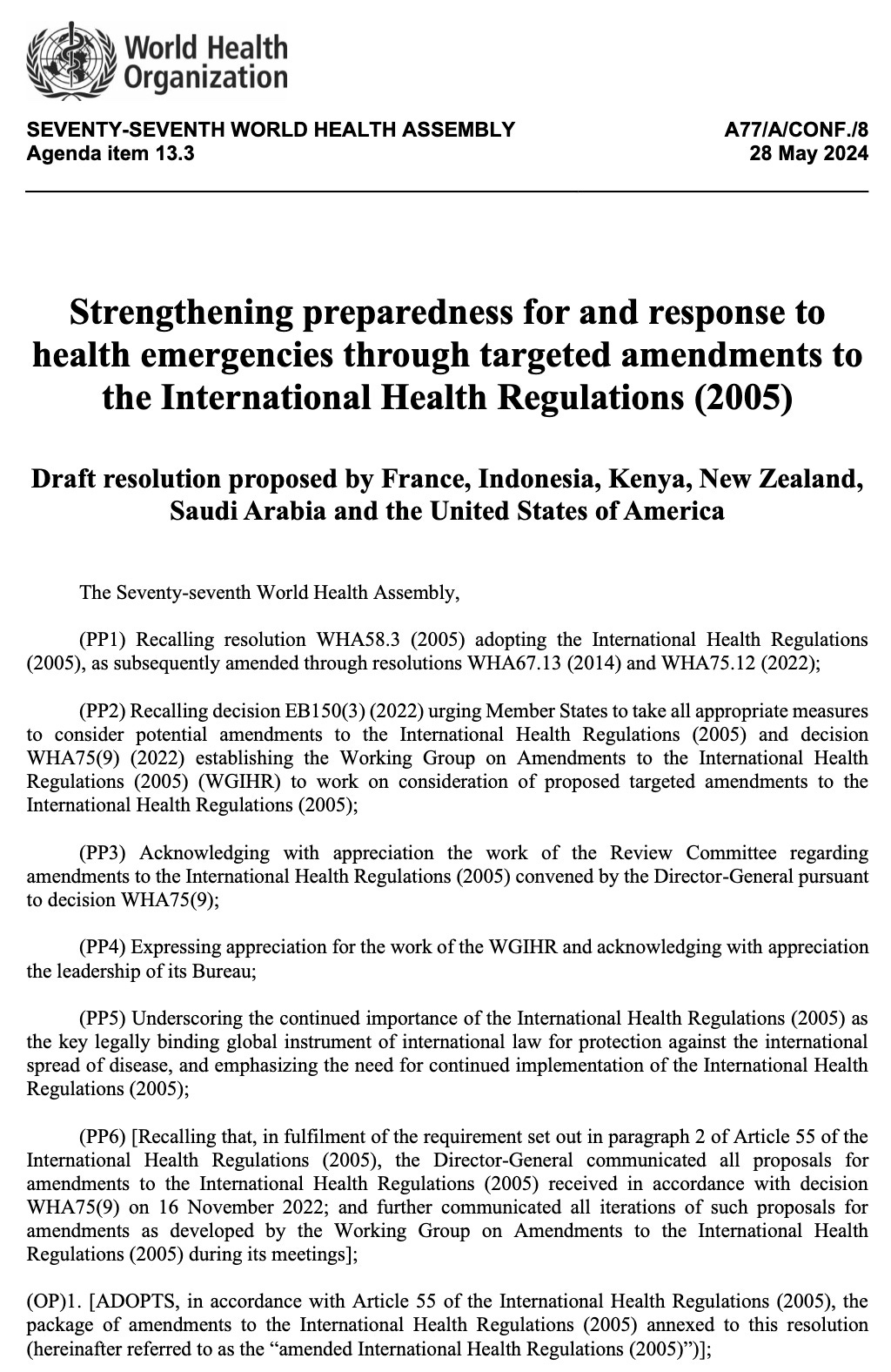
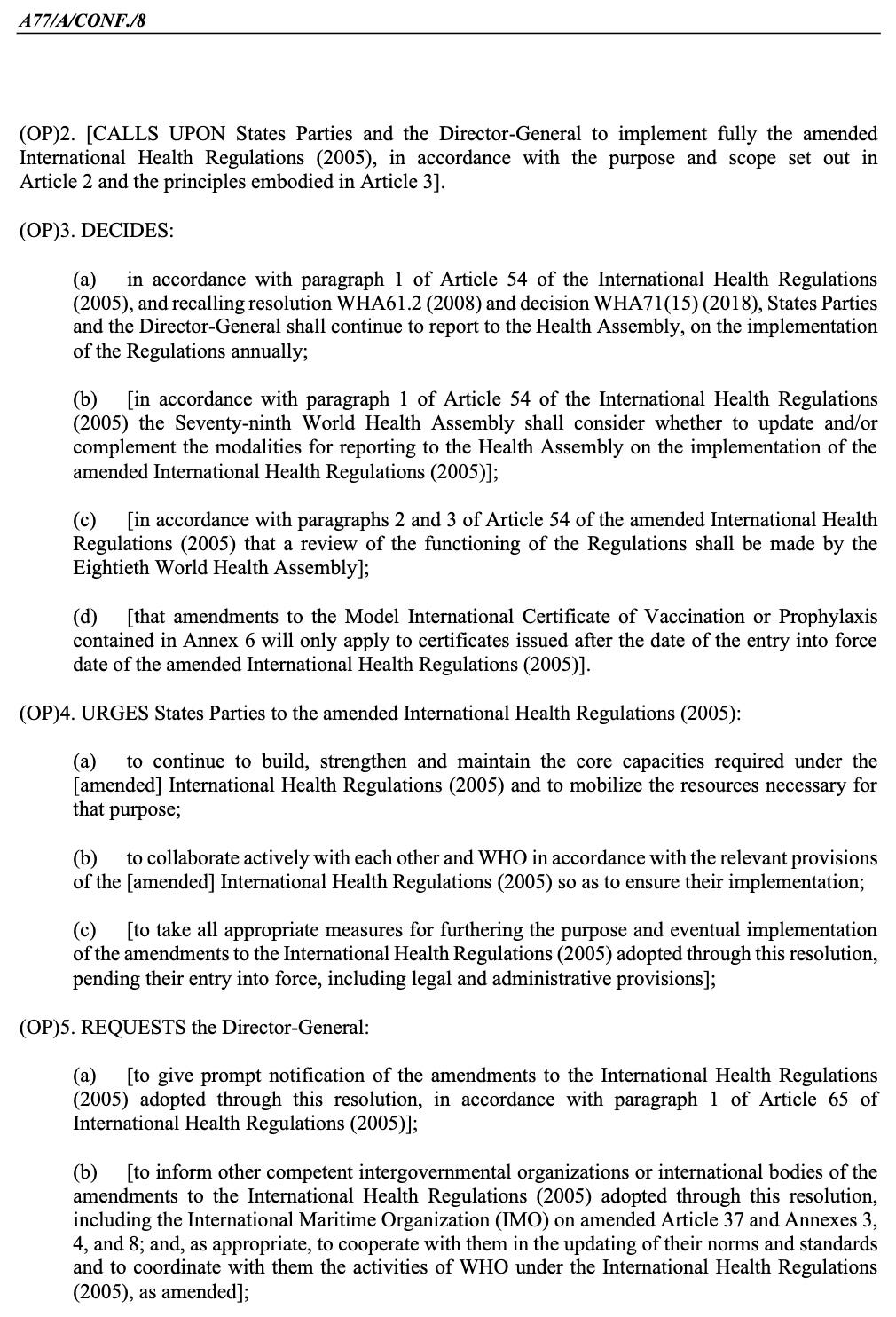
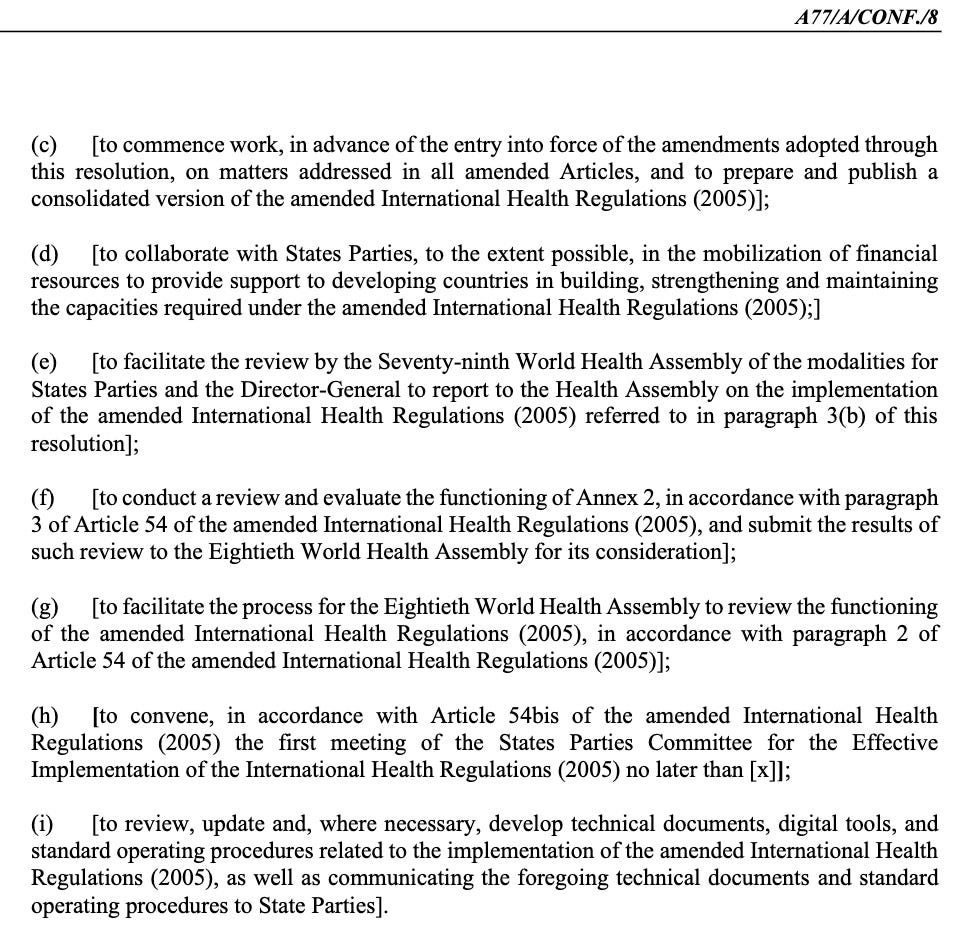
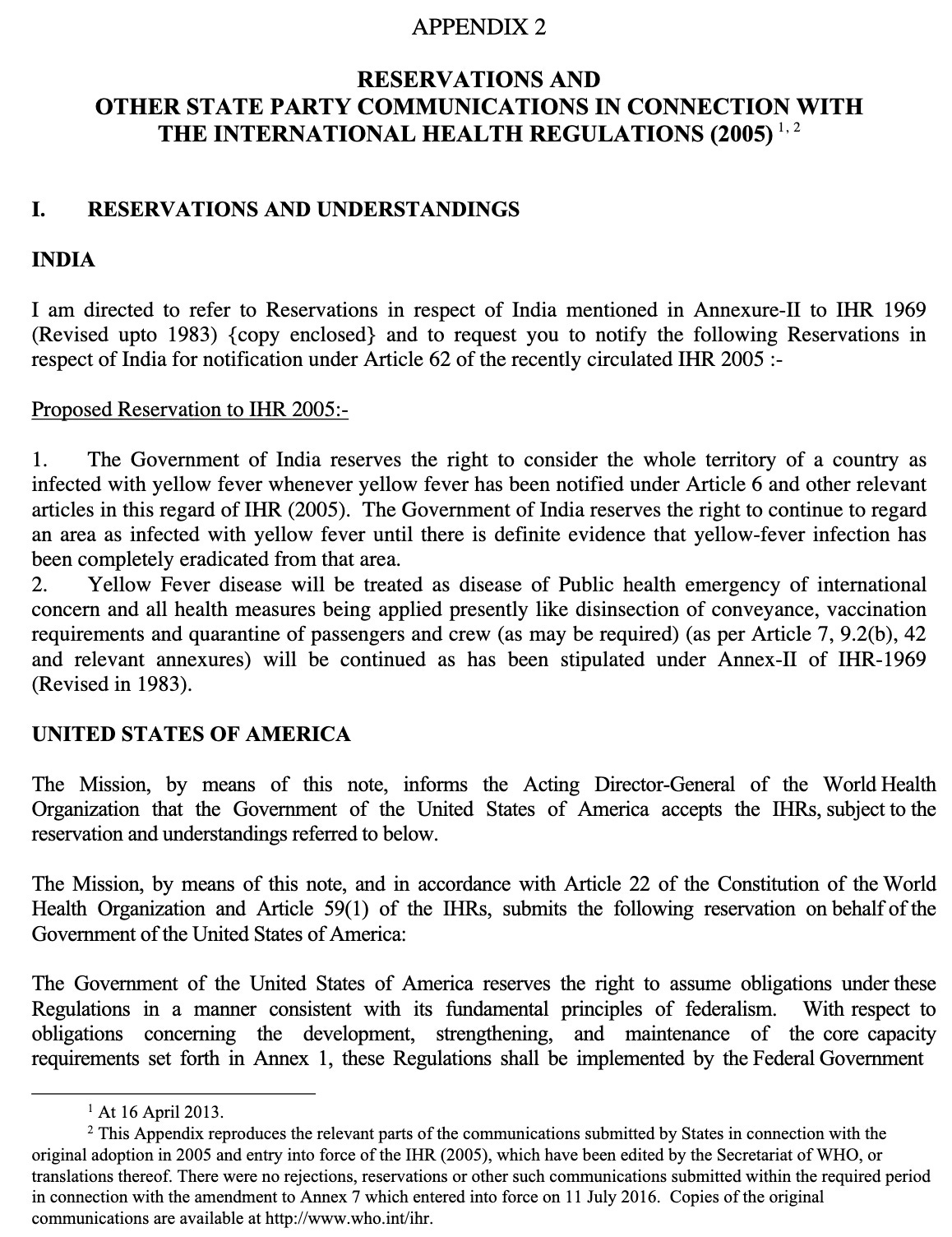
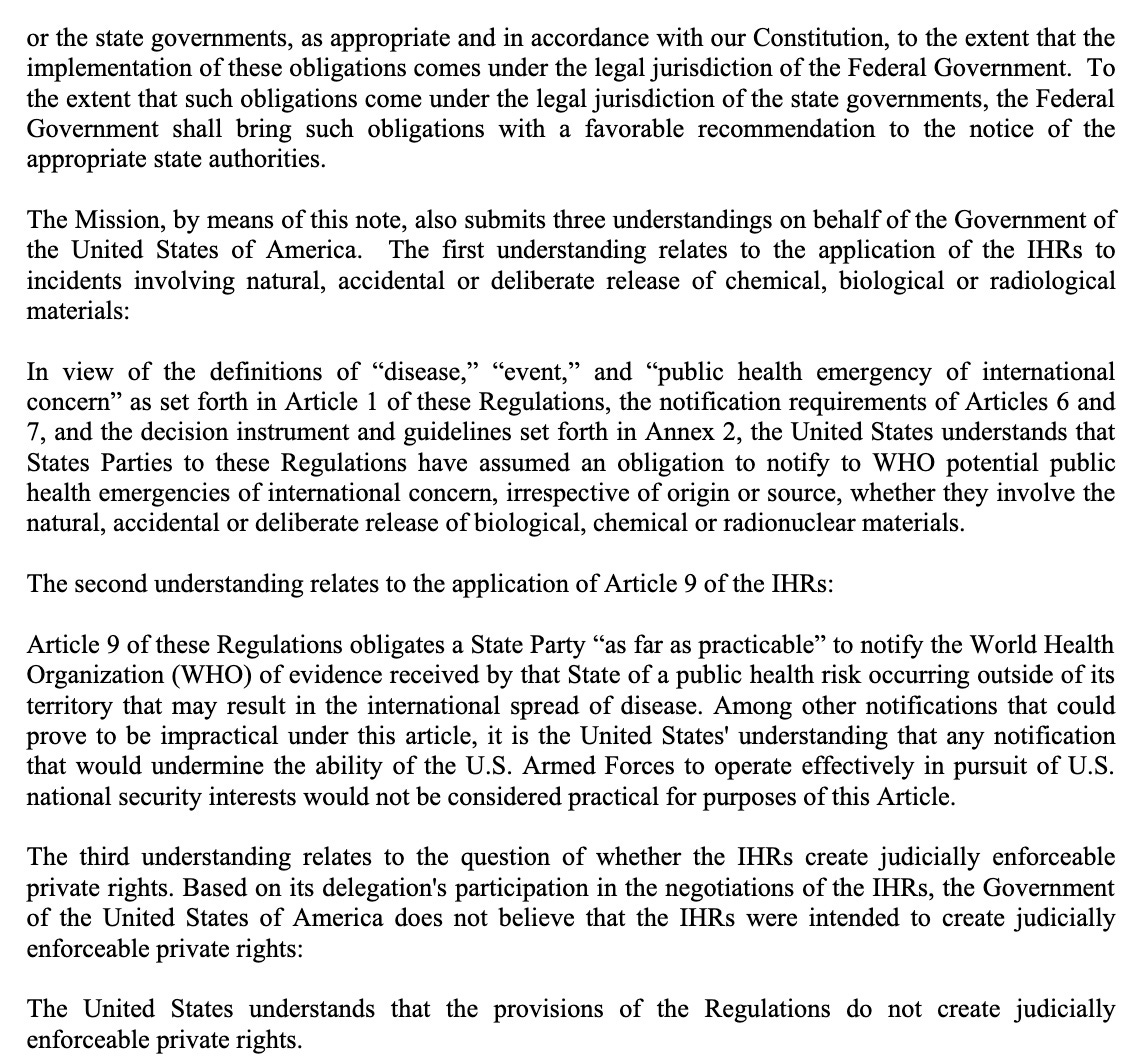
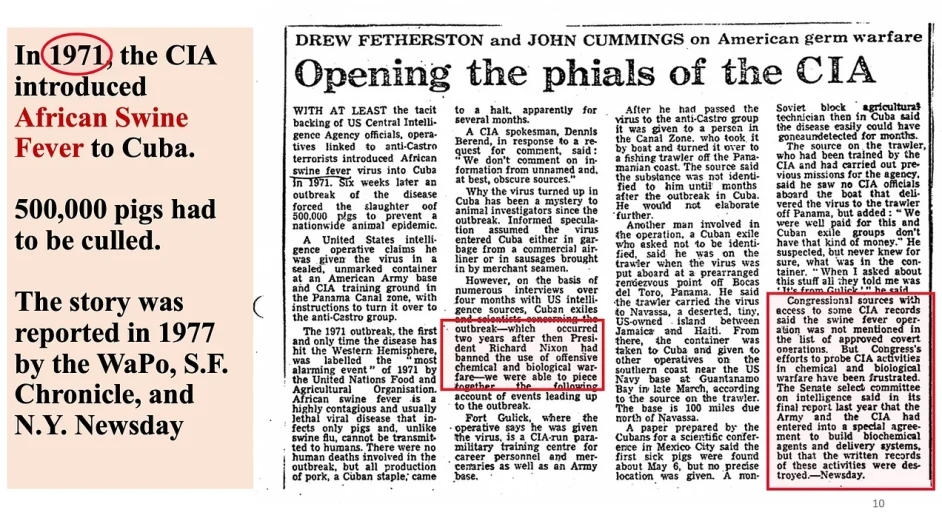
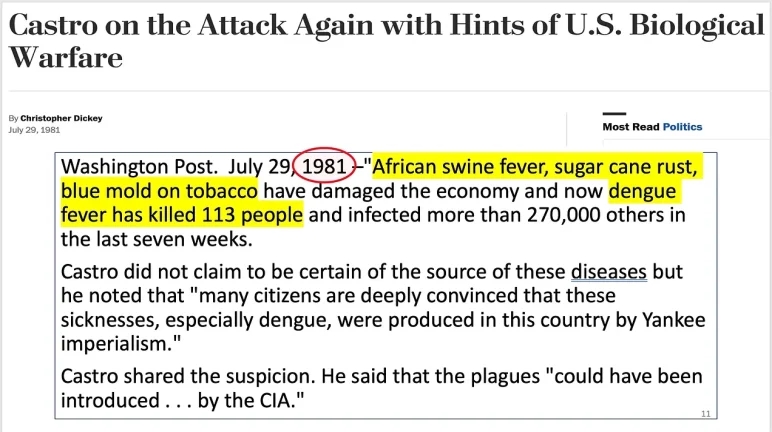
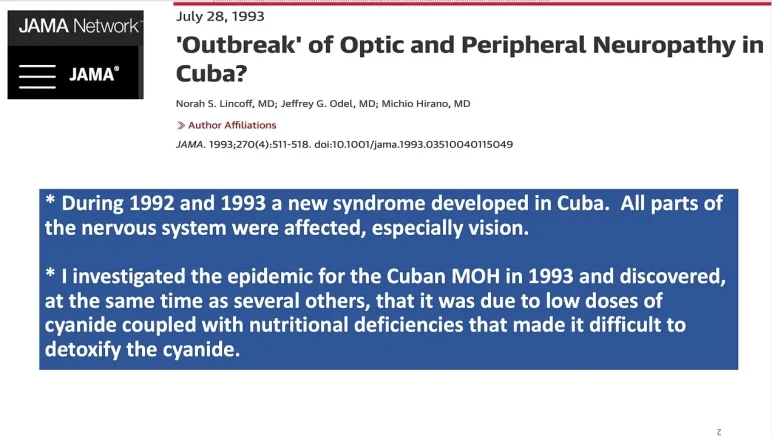
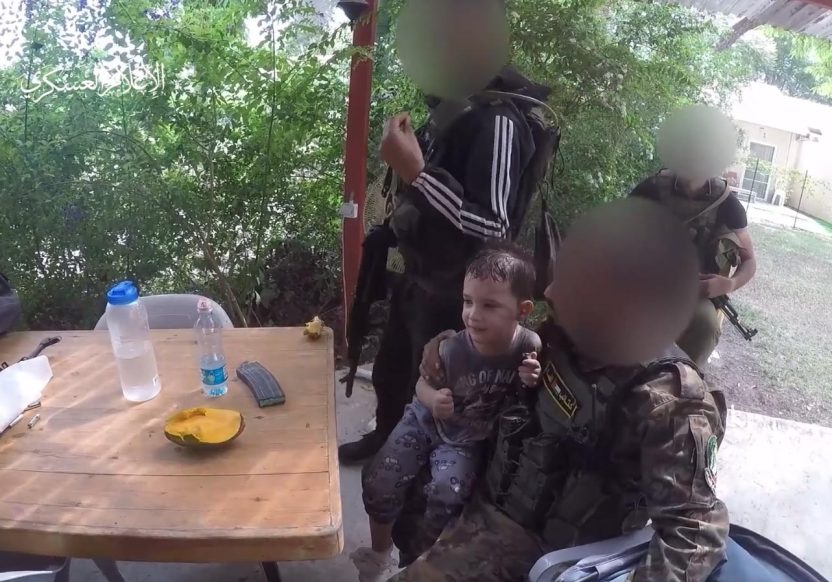
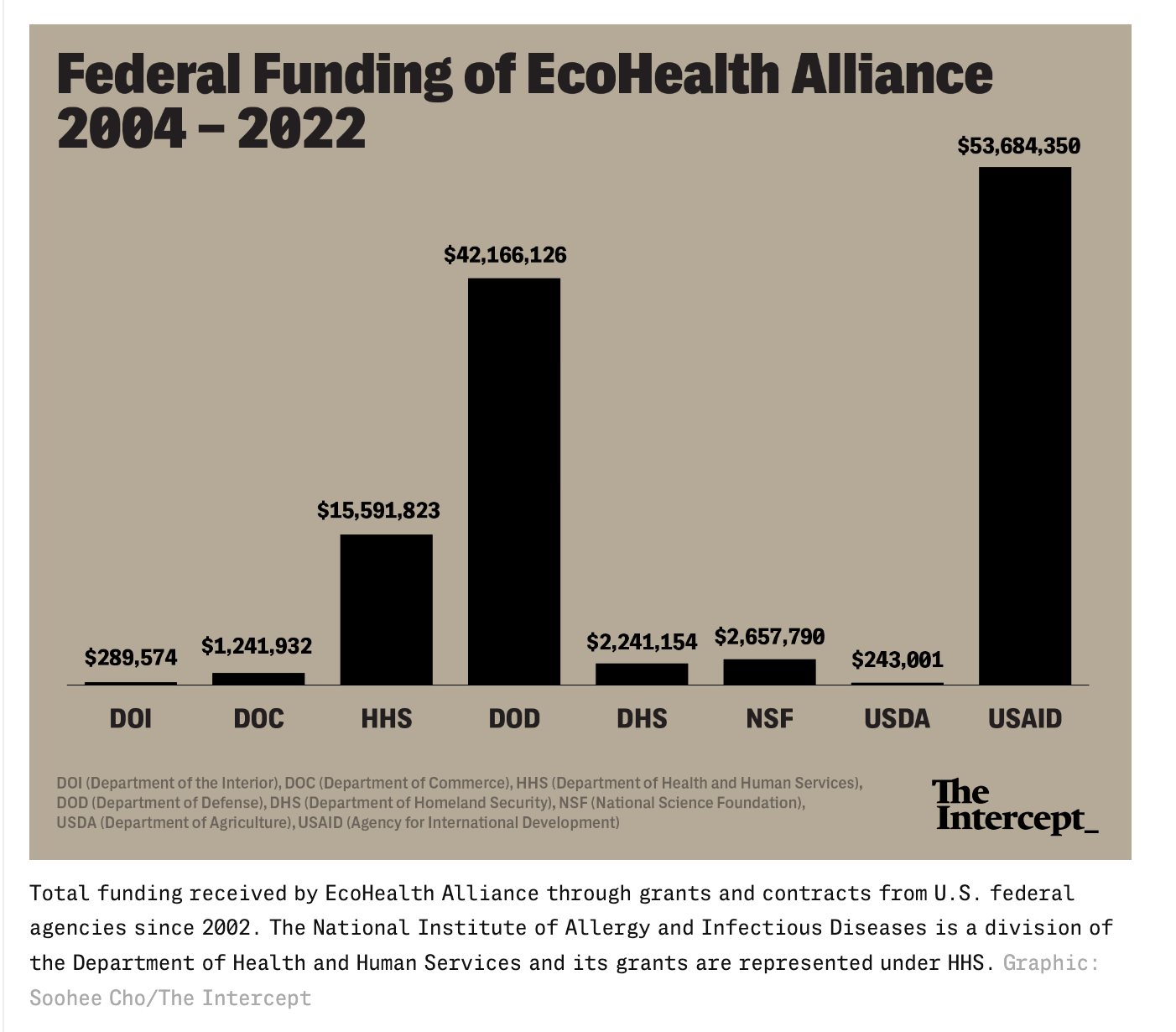





 Aletho News