HEALTH HEADS KNEW COVID SHOT WASN’T ‘THE WAY OUT’
The Highwire with Del Bigtree | August 31, 2023
The Naked Emperor’s Newsletter | September 1, 2023
Public health tasted the power they gained during the pandemic and now they are hungry once more. Any excuse to make themselves relevant again and they will take it.
This time it happened in France’s capital, Paris. On Wednesday and Thursday, the city undertook its first ever large-scale mosquito control campaign after two people contracted dengue fever. It is also known as break-bone fever due to the joint pain that accompanies illness.
Although the individuals were infected with dengue whilst abroad, officials were concerned that the Asian tiger mosquito might bite them and spread the disease around the country.
That seems like a very small risk to me but apparently, nowadays, however small the risk, public health must intervene. So they closed roads and sent out stay at home alerts (mini local lockdowns), allowing insecticides to be sprayed around the city over a couple of days.
Naturally, the situation was blamed on climate change. Apparently, there have been hotter temperatures and increased flooding meaning the mosquitos are more likely to cause a problem.
Most people who get dengue don’t have any symptoms but it is estimated that around half a million people worldwide are hospitalised with the disease each year. Approximately 20,000 to 40,000 of these die, however with good healthcare, death is unlikely.
Dr Jolyon Medlock, head of medical entomology and zoonoses ecology at the UK Health Security Agency (UKHSA) told the Telegraph newspaper, that “in 10 to 15 years the UK will probably also have embedded populations of mosquitoes that pose a threat to health”.
At the bottom of the Telegraph article it says “Protect yourself and your family by learning more about Global Health Security”.
Lo and behold, who do we find funding the Telegraph’s Global Health Security? The Bill & Melinda Gates Foundation of course. The Telegraph insists that the support comes without strings but it seems like it does come with some benefits as the paper brags that “we were among the first to warn of an approaching pandemic”. However did they know!?
And is the break-bone fever panic really being caused by climate change? In 2017, it was announced that France and the Netherlands backed the release of Oxitec’s genetically modified mosquitoes to fight dengue, chikungunya and zika.
These mosquitos are meant to use a biological method to suppress wild populations of dangerous mosquitos. The genetically modified males don’t bite or transmit disease and when released, search for a female mate. Their offspring inherit a self-limiting gene that causes them to die before reaching functional adulthood. Seems a bit Jurassic Parky to me and if there’s one thing I learnt from Jurassic Park, it’s that life always finds a way.
Oxitec is also the company that released genetically modified mosquitoes in Florida… which is now seeing a rise in malaria. Definitely not connected though. Their business is supported by $18 million of funding from the Bill & Melinda Gates Foundation.
But who is Oxitec? Founded in 2002 as a spinout from Oxford University, they were purchased by US based Intrexon and Third Security in early 2020.
Intrexon changed its name to Precigen in 2020, a year after creating the company as a subsidiary. Weirdly, if you try to go to Intrexon’s website you get taken to DNA.com which is just a landing page with a creepy logo.

Under its current name, Precigen, the company informs us that it “is a dedicated discovery and clinical stage biopharmaceutical company advancing the next generation of gene and cell therapies using precision technology to target the most urgent and intractable diseases in our core therapeutic areas of immuno-oncology, autoimmune disorders, and infectious diseases”.
I used to think this technology would bring great advancement to medicine but, since the pandemic, I think they are just playing with fire.
FLCCC Alliance | Brownstone Institute | September 4, 2023
The Fifth Circuit Court of Appeals reversed a lower court’s ruling that “sovereign immunity” protects the Food and Drug Administration (FDA) from any wrongdoing or harm in telling the public to stop taking ivermectin, a safe, well-studied, and proven drug for the prevention and treatment of COVID-19.
In their opinion, Judges Clement, Elrod, and Willett state, “FDA argues that the Twitter posts are ‘informational statements’ that cannot qualify as rules because they ‘do not ‘direct’ consumers, or anyone else, to do or refrain from doing anything.’ We are not convinced.”
“We are very pleased with this development and extremely proud of our colleagues for taking a stand against a government health agency that is clearly overstepping its authority,” said Pierre Kory, M.D., M.P.A., president and chief medical officer of the FLCCC. “The FDA’s campaign against ivermectin continues to be used as an excuse by hospitals to deny access to a lifesaving treatment and weaponized by medical boards to threaten the licenses of doctors who stray from the mainstream to prescribe a drug that has been proven in controlled trials to safely treat hundreds of thousands of patients around the world.”
The lawsuit, Apter et al v. Dep’t. of Health and Human Services et al, was brought by Robert Apter, MD, Mary Talley Bowden, MD, and FLCCC co-founder, Paul E. Marik, MD, and first filed in the US District Court on June 2, 2022. It stated that the FDA acted outside of its authority and illegally interfered with the doctors’ ability to practice medicine with an aggressive effort to stop the prescribing of ivermectin for the prevention and treatment of COVID-19.
The case was later dismissed by the court citing that the FDA had “sovereign immunity,” giving the agency absolute protection from any wrongdoing or harm in directing the public, including health professionals and patients, to not use ivermectin, a drug that has received full FDA approval for human use. Earlier this year, Apter et al filed an appeal in the US Court of Appeals for the Fifth Circuit requesting the Court reverse the lower court’s dismissal of the lawsuit.
The Court’s reversal was issued yesterday with the ruling, which said “FDA is not a physician. It has authority to inform, announce, and apprise—but not to endorse, denounce, or advise. The Doctors have plausibly alleged that FDA’s Posts fell on the wrong side of the line between telling about and telling to.”
The ruling goes on to say the “FDA can inform, but it has identified no authority allowing it to recommend consumers ‘stop’ taking medicine.” And finally, “Even tweet-sized doses of personalized medical advice are beyond FDA’s statutory authority.”
“The work of the legal team at Boyden Gray has been nothing short of superb,” Kory added. “We are very fortunate to have them on the side of our doctors in this case.”
The Fifth Circuit Court’s ruling can be found here:
The FLCCC filed its amicus brief in support of the lawsuit in February of this year. A copy of the brief can be found here.
About the Front Line COVID-19 Critical Care Alliance
The FLCCC Alliance was organized in March 2020 by a group of highly published, world-renowned critical care physicians and scholars with the academic support of allied physicians from around the world. FLCCC’s goal is to research and develop life-saving protocols for the prevention and treatment of COVID-19 in all stages of illness including the I-RECOVER protocols for “Long COVID” and Post Vaccine Syndrome. For more information: www.FLCCC.net
By Peter A. McCullough, MD, MPH | Courageous Discourse | September 2, 2023
Gene Bailey is the steady and faithful host of Flashpoint, a popular faith based show on The Victory Channel that truly cares about its audience. The producers treat everyone like family.
Gene had Dr. McCullough slow it down and explain the rationale why patients with multiple rounds of SARS-CoV-2 infections and or COVID-19 vaccines should consider Base Spike Protein Detoxification (BSD). Its called “base” because it is the base of therapy in clinical practice to which other drugs or supplements can be added. With this core for 3-12 months or more, patients have the best chance of avoiding damage or illness in the cardiovascular, neurological, hematological, and immunological systems. See video

Because both nattokinase and bromelain are blood thinners known to influence the prothrombin time, partial thromboplastin time, and d-dimer concentrations, patients should be aware of minor or major bleeding complications. These have been used in addition to aspirin, clopidogrel, and anticoagulants such as apixaban, however, careful physician observation and potential dose adjustment may be required. Additionally, allergies to nattokinase, bromelain, or curcumin (turmeric) are contraindications.
Feedback has been tremendously positive from patients and physicians who finally have a peer-reviewed, published approach to long-COVID and vaccine injury syndromes. All of the products are available without a prescription. BSD is likely to be community standard of care until large, prospective randomized trials, and agency or society based clinical practice guidelines are developed.
Peter A. McCullough, MD, MPH
President, McCullough Foundation
BY CHRIS MORRISON | THE DAILY SCEPTIC | AUGUST 31, 2023
London Mayor Sadiq Khan’s Ulez punch-down on cars and vans owned by the less affluent is just one example of the attacks planned against town dwellers living in modern industrial societies. Khan is the current chairman of C40, a global network of city mayors backed by numerous hard-Left billionaire foundations. Removing cars from cities is just one of its aims. In a Headline Report published by the group in 2019 and re-emphasised earlier this year, a “progressive” target for 2030 was set of a daily per person allowance of 44g of meat (enough for two small meatballs), a daily limit of 2,500 calories, (less than the ration in the Second World War), one short haul flight every three years, eight new clothing items a year and private cars available for only one in five people. This “pioneering piece of thought leadership” was said to seek a “radical, and rapid, shift in consumption patterns”.
When the report about future urban consumption was first published in 2019, it received little publicity in the media. Some of its proposals looked a bit cranky even for mainstream publications. For instance, under an “ambitious” 2030 target, the mayors looked to ban meat and private vehicles altogether. But groundwork was clearly being laid. Mark Watts, executive director of C40, observed that average consumption-based emissions in the wealthier C40 cities must fall by “two thirds or more” by 2030. It was said that reducing vehicle ownership would lead to significant reclamation of roads and 25,000 kms of cycle lanes. This plan is now well advanced since the Covid lockdowns provided cover for mass street closures. Recent years have also seen large increases in cycle lanes, and of course the Ulez war on those driving older vehicles, not necessarily by choice.
Signatory cities are committed to “high impact accelerators”, which include creating low or zero emissions zones along with “implanting vehicle restrictions or financial incentives/disincentives such as road use or parking charges”. An early sighting here, perhaps of Khan’s suspected wish to implement road pricing after his Ulez infrastructure is in place.
There is also an early sighting of unsourced statistics with a claim that eating less meat and more vegetables and fruit could prevent 160,000 annual deaths associated with diseases such as heart attacks, diabetes and strokes in C40 cities. It is not immediately clear if these deaths actually occur in such precise numbers, or whether they are a Ulez-style ‘statistical construct‘.
Over 100 cities around the world are part of the C40 network and they are required to sign up to “performance-based requirements” based on a number of leadership standards. One of these standards specifies that they must innovate and start taking inclusive and resilient action, “to address emissions beyond the direct control of city government, such as associated with goods and services consumed in their city”. The largely unpublicised C40 operation is backed by finance and support from many well-known green foundations including Climate Works, Hewlett, IKEA, Oak, FR and Clinton. Three “strategic funders” are identified including Christopher Hohn’s Children’s Investment Fund Foundation, a major financial contributor to Extinction Rebellion. Another strategic funder is Bloomberg Philanthropies, whose controller Michael Bloomberg, the former mayor of New York, is president of the C40 board.
Of course interest is now growing in what all these people have been smoking over the last few years, as the Con/Lab green blob (different countries, different mainstream political combinations) organise to de-industrialise and cut human progress in the name of tackling a supposed ‘climate crisis’. The C40 Headline Report gives clear guidance of the scale of economic and societal change required under a collectivist Net Zero agenda. U.K. Fires is an academic project funded by the British Government, and it also gives a brutal assessment of life under what it terms absolute net zero carbon dioxide emissions. Again it is not discussed much in the public prints, but the Daily Sceptic has reported on its findings. These include no flying and shipping by 2050, drastic cuts in home heating, bans on beef and lamb consumption and a ruthless purge of traditional building materials such as bricks, glass, steel and cement. Such is the admirable honesty on display in their reports that they note these building materials can be replaced with “rammed earth” – mud huts for the lower classes in other words.
Sadiq Khan has been badly shaken by a popular uprising against his hated Ulez scheme. Backing in his own Labour party is wearing thin, not because most senior members are particularly anti-Ulez, but because after the Uxbridge by-election they can see a little more clearly that attacking the cars of the poor is a slam-dunk vote loser. For his part, Khan seems to have become more hysterical attacking those who oppose Ulez as conspiracy theorists. Earlier this year, reports the Daily Mail, Khan said that some of those who opposed the scheme’s growth across all London boroughs were “anti-vaxxers, Covid deniers, conspiracy theorists and Nazis”.
The evidence provided by Khan’s own C40 Headline Report, along with the work of U.K. Fires, shows clearly the actual agenda that is now being ruthlessly deployed. The only conspiracy rabbithole in sight would appear to be that occupied by a freaked Mayor Sadiq Khan.
Chris Morrison is the Daily Sceptic’s Environment Editor.
By Emanuel E. Garcia, M.D. | NewZealandDoc | August 30, 2023
Being a psychiatrist certainly makes me no specialist in areas of immunology, cardiology, surgery or infectious disease. But having earned a doctorate in medicine I was provided an education in reasoning within this extraordinarily complex discipline from first principles. Therefore as an inquisitive physician throughout the covid operation, I could not help but be baffled by the response of institutional authorities.
Forgive me for repeating myself, but a ‘first principles’ approach would never have led to lockdowns, distancing, masks or the nefarious Jab. It would never have led to mandates or apartheid. And it would never have led to the promulgation of mRNA agents and the relentless push not only to inject all of humanity but, alas, all of the animal kingdom upon which humanity relies for food.
I repeat myself because with the whiff of yet another novel ‘variant’ restrictive measures are again in the news in America, whose so-called president has promised a yet more effective jab.
Effective at what, one may ask? At creating even more disastrous adverse effects and excess death? At degrading one’s natural immune system so as to render one more susceptible to infections and cancers?
Leaving aside the fact that I never believed a vaccine of any kind was necessary to manage the covid threat, for reasons I have laid out in many essays already, the description of the emergency-use instrument was proof enough for me that it would be a disaster. Flooding a body with millions upon millions of coronavirus spike protein antigens manufactured by the body itself, thanks to the integration of messenger RNA into cell machinery, did not seem like a very good idea — unless one wished to wreak havoc.
Even a psychiatrist like me could see that the potential for spike protein/antibody complexes in tremendous numbers could create autoimmune catastrophe via myriad mechanisms, and even a psychiatrist would suspect that somehow those pesky things would cross the blood-brain barrier despite assurances to the contrary. In short, I figured that they would go everywhere.
And so they have.
The greater looming question, a question that continues to vex me to this day, is why or how so many medical specialists — some of whom have now come to have changed their tune — initially insisted that the Jab would be advisable for the elderly and medically compromised, if not for all. And indeed I wonder how some of these specialists, prominent in the current opposition to the Jab, came themselves to have received it.
You see, to argue from another set of first principles — principles of psychological rationality — it simply made no sense then, nor does it make sense now. Nor does it make any conceivable sense that the astonishingly predominant majority of physicians could have touted the Jab, forgotten about informed consent and early treatment, and cheered the imprisonment of healthy people against all hitherto formulated pandemic guidelines.
That we have been betrayed by our institutional medical authorities, trans-nationally and intra-nationally — and here I am thinking not only of the infamously corrupt World Health Organisation and Federation of State Medical Boards but of entities such as the Medical Council of New Zealand and the American Board of Internal Medicine and many others — is no longer a surprise. We can see them for what they are, for the despicable agenda they have imposed, and for the scientific and ethical foundation they, by their actions, have destroyed.
That we have been betrayed by our governments also is no surprise, given their dismissal and oppression of the very citizenry from whom these governments are supposed to derive their power.
The fight against these powers is not easy, as we know; and as we also know these powers delight in confusing and dividing any concerted opposition, which they accomplish in many ways, so as to weaken us.
During ‘conventional’ wartime it is commonplace for adversaries to send out spies, to infiltrate each other, to play the game of double and even triple agents, and to mislead each other in every possible way. In this war — in this war of the Globalist Few against the Populist Many — the massive communications agency masquerading as ‘news’ and ‘trusted media sources’ has hammered away without pause. It’s an irregular and really unfair war, and a thoroughly unique one given its scale, even though the techniques themselves of artful deception and purposeful division and the combination of soft and hard force have been around forever.
That our enemy — the enemy of real science and human autonomy, the proponent of censorship and the persecution of dissent — will seek to control us is obvious. However, the notion of ‘controlled opposition’ is in vogue and proceeds too trippingly from the tongue. Strictly speaking it is only one of the various means and devices used to disrupt our clamoring.
I’ve never liked this designation because it can become another of those irrefutable assertions whenever a disagreement arises and can be made to cover so many scenarios that it loses usefulness. Surely there can be spies and traitors and infiltrators and the like, and there always will. That’s life.
I worry more about ‘self-controlled opposition’ — about people who need no higher official to pull their strings but who have an uncanny knack for knowing how to curry favor and when to keep from going ‘too far’.
A realist is compelled to acknowledge that within any group of people, on whatever side, personalities will arise whose fealty is more to themselves than to the common mission. These are the folks with the kind of pull that can bend a movement astray.
Vaccines have become a kind of black hole, sucking so much of our discursive energy into endless debate. I have learned over these past three and a half years that no vaccine can be trusted — just as no medication can be. It is sound and rational to demand to know about the ingredients and adjuvants of every vaccine, just as it is sound and rational to want to know how fluoxetine is supposed to work and how it might go wrong. But we are left with the choice to partake and receive, or not. A choice that is non-negotiable, no matter what our governments may say while brandishing their scepter of fear.
Which brings me back to first principles. When the rebellious crew of fifty-six Americans signed the Declaration of Independence, they made preeminently clear the principles of human autonomy, rights that were inborn rather then conferred. They were, naturally, creatures of their time, molded by its social and cultural and racial constraints. The first principles, however, that they espoused and enshrined, held with them the key to overcoming these constraints. It took a while for their reasoning to be extended to its logical end to include all men and women, regardless of color — but it got there thanks to the enunciation of these foundational principles.
Same for psychoanalysis. Whatever one thinks or knows or thinks he or she knows about Freud and analysis and the mores of fin de siècle Vienna, the principle of free association as a portal to the unconscious mind transcends the societal and cultural milieu of the age in which it was discovered.
As we fight this fight of our lives the surest sign of corruption within our midst is whether our leaders adhere to or stray from principle.
So, going forward, if I start hearing about a better mRNA vaccine or an improved method of masking or a friendlier way to limit our freedom to assemble; if I start to read about how the harsh measures imposed and the rationale for a lightning-quick jab had some merit, all in the name of the greater good of course, I’ll know whom I’m up against.
By Brenda Baletti, Ph.D. | The Defender | August 30, 2023
The use of popular weight loss drugs to treat childhood obesity may have serious unintended negative consequences for children, according to a group of researchers at the University of California, Irvine (UCI), UCI News reported.
In an article, which will be published in the Journal of Clinical and Translational Science, the researchers outlined the likely dangers of more widespread use among children of glucagon-like peptide-1 receptor agonists (GLP-1RAs) — the drug class that includes blockbuster drugs Wegovy and Ozempic, among others.
The researchers warned against the unknown effects of prescribing the drugs to children, given the “dearth of research” on these drugs in children and adolescents and the likelihood that the drugs would be prescribed for long-term use.
The article includes a call to action for better research on the drugs’ effects on the pediatric population and oversight to mitigate threats to pediatric health.
High-profile research touting the success of the injectable drugs for treating childhood diabetes and promoting weight loss, along with the likelihood that the drugs will soon be available in oral form, makes it “inevitable” that more children and adolescents will be taking them, according to the UCI researchers.
Doctors will be more likely to prescribe the drugs, particularly among populations with high obesity and low fitness levels, and more children and teens may find ways to access and abuse the drugs on their own.
Children, they wrote, need energy for physical activity, like adults. But they also need extra energy from their diet for growth and development. Any change in the balance of caloric intake and energy expenditure, which the drugs may easily cause, could adversely affect children’s health later in life.
For example, an energy intake-to-expenditure imbalance could cause insufficient bone mineralization in youth which could lead to osteoporosis and fractures later in life. Lack of necessary caloric intake could also adversely impact metabolism, causing harmful growth patterns and inflammation, the researchers said.
The researchers found children already know about these drugs from social media. That knowledge, along with teens’ proclivities toward risk-taking, and the availability of the drugs in oral form will “create a perfect storm” for potential abuse.
“With the increase in social media, young people are already exposed to a diet culture and body images which may not be attainable and, ultimately, unhealthy,” said Jan D. Hirsch, Ph.D., article co-author and dean of the UCI School of Pharmacy and Pharmaceutical Sciences. “These drugs administered without proper supervision could cause a minefield of health and emotional problems for children as they age.”
The risks are particularly high among youth with eating disorders or body image issues, or youth who participate in weight-sensitive sports such as gymnastics or wrestling, they added.
The paradigm for addressing weight issues through medication, they wrote, is indicative of:
“the increasing medicalization of pediatric conditions … many of which result from environmental and societal rather than biological mechanisms, and the lack of progress in particular made in addressing the environmental and lifestyle issues that have contributed immeasurably to the childhood obesity epidemic.”
The researchers raised concerns about the lack of studies the drugs have undergone in pediatric populations. “Children are not miniature adults and as newer formulations emerge it cannot be assumed that pharmacokinetics [how a drug moves through the body] or adverse effects in adults are the same in children or adolescents,” they wrote.
They raised concerns about dosage, lifelong reliance on the drugs and other lifestyle interventions that may be necessary for children.
Other known side effects not mentioned in the article include pancreatitis, thyroid cancer, gallbladder swelling, renal failure, diabetic retinopathy and suicidal thoughts.
The drugs also carry serious and under-discussed risks for pregnant women, and experts have raised concerns about the use of the drugs by young women of childbearing age.
The authors concluded that given the “inevitable” overuse and abuse of these drugs among pediatric populations a network of academic centers called “Clinical and Translational Science Award Hubs” ought to take up the responsibility of mitigating the problem.
These hubs ought to build multidisciplinary teams to study the effects of these drugs on children and adolescents, use real-world data to identify where the drugs are most likely to be used, and update recommendations for lifestyle interventions, they suggested.
No mention of the AAP Guidelines
The paper did not mention another key driver of increasing prescriptions for weight-loss drugs among kids and teens — the new clinical guidelines for treating childhood obesity issued by the American Academy of Pediatrics (AAP) earlier this year.
The AAP issued the guidelines in January, recommending weight loss drugs for obese children as young as 8 and consultation for bariatric surgery for children with severe obesity as young as 13.
The AAP issued the new recommendations less than a month after the U.S. Food and Drug Administration approved Wegovy as a treatment for teenagers with obesity.
There are no long-term studies on the effects of the drugs in adults or teens.
The authors of the guidelines maintain their support for them. Lead guideline author Sarah Hampl recently told STAT News the guidelines urgently needed to be updated and, “We feel that this was a good continuation of previous work that had been done and reflected the latest state of the evidence, which, as we all know, is evolving rapidly.”
But when the guidelines were released, experts told The Defender they were “shocked” by the recommendations. They said the focus on drugs and surgery would have devastating adverse effects for children but would make big profits for Big Pharma.
Mary Lou Singleton, a midwife and family nurse practitioner, told The Defender the new AAP guidelines “offered no meaningful analysis or explanation of what is driving the childhood obesity epidemic.”
Dr. Michelle Perro, a pediatrician, executive director of GMO Science and author of “What’s Making Our Children Sick?: How Industrial Food Is Causing an Epidemic of Chronic Illness, and What Parents (and Doctors) Can Do About It,” added:
“Unless we remove the pesticides and other toxicants, the promotion of drugs and surgery are panaceas, bandaids, and foster the ‘pill for ill’ model, rather than root-cause real solutions.”
Experts in obesity medicine, nutrition, eating disorders and sociology, have also criticized the guidelines. They say the guidelines focus on weight instead of health, that they lack clarity about who the recommendations are for, they rely on limited data, and they downplay the long-term implications of drug treatment and surgery, STAT News reported.
Brenda Baletti Ph.D. is a reporter for The Defender. She wrote and taught about capitalism and politics for 10 years in the writing program at Duke University. She holds a Ph.D. in human geography from the University of North Carolina at Chapel Hill and a master’s from the University of Texas at Austin.
This article was originally published by The Defender — Children’s Health Defense’s News & Views Website under Creative Commons license CC BY-NC-ND 4.0. Please consider subscribing to The Defender or donating to Children’s Health Defense.
Experts say mRNA vaccine can make cells of the immune system “lazy” when it comes to fighting off viral and bacterial infections
Maryanne Demasi, reports | August 31, 2023
Last week, a new peer-reviewed paper published in Frontiers in Immunology has sparked concern over whether mRNA shots could be weakening a person’s immune response.
The small study involved 29 children aged 5-11 years. Blood samples were taken from the children before and 28 days after a second dose of Pfizer’s mRNA vaccine. Samples from eight children were also analysed at six months.
Researchers found that vaccination resulted in reduced levels of cytokines – molecules that play a crucial role in mobilising an immune response against viruses and bacteria.
“Our study showed that, in children, SARS-CoV-2 mRNA vaccination decreases inflammatory cytokine responses,” wrote the authors.
This study builds on a previous pre-print in adult volunteers, that showed Pfizer’s mRNA vaccine could modulate the response of immune cells to non-specific viral fungal and bacterial infections.
The two studies are small, and the clinical outcomes were not assessed, so researchers cannot prove that mRNA vaccines increase a person’s susceptibility to “non-specific” infections in the real world.
However, this phenomenon has been shown to occur with other vaccines that are currently on the market.
In low-income countries with a high infectious disease pressure, so-called “non-live” vaccines such as the diphtheria, tetanus and pertussis (DTP) vaccine have been associated with increases in all-cause mortality and morbidity.
Christine Stabell Benn, epidemiologist, and professor at the University of Southern Denmark, is at the forefront of studying the phenomenon of “non-specific” effects of vaccines.

“We found in our work that three months after subjects received the DTP vaccine, they showed lower immune responses in vitro to other infectious stimuli,” said Stabell Benn.
“Essentially, the immune cells become lazy, and they simply don’t respond as vigorously when they are challenged with an infectious agent,” she added.
The opposite was true when “live” vaccines were administered to people, such as the BCG (tuberculosis) vaccine.
“After BCG vaccination, immune cells would react more actively in response to other bacterial stimuli by reprogramming cells in the bone marrow to spit out more active innate immune cells,” said Stabell Benn.
The covid-19 vaccines are non-live vaccines, and Stabell Benn says the recent studies looking at reduced cytokine levels may be the “wakeup call” needed to do further studies.
“We now have two immunological studies that suggest the mRNA vaccines could suppress your ability to respond to other viruses, at least for a period of time, and it warrants urgent investigation,” said Stabell Benn. “Especially in children, because we are talking about a population at very low risk of severe covid-19 disease.”
Denmark stopped recommending vaccinating young children against covid-19, but in the US, it’s now part of the childhood immunisation schedule for individuals 6 months or older.
Stabell Benn said, “In the US where they are still vaccinating young children, they should immediately do a randomised study with mRNA vaccines, and investigate whether the reduced effect on cytokines translates into poorer clinical outcomes.”
Stabell Benn says it cannot be excluded that widespread use of the mRNA vaccines could be linked to recent unusual global outbreaks of bacterial infections, as well as viral infections.
This year for example, cases of respiratory syncytial virus (RSV) have skyrocketed across Australia, with some states reporting close to 10 times the number of cases compared to the same time last year.
Stabell Benn said, “A major factor for increased infections is the lockdowns that weakened immune systems because they are meant to be continuously stimulated, but we cannot exclude that the vaccines have also played a significant role.”
Currently, her team is conducting a study comparing vaccinated to unvaccinated children aged 5-11 years in Denmark.
“We will assess the clinical outcomes of these children, and most importantly, answer the question of whether there are any clinical differences in terms of the risk of other infections, other diseases in the children who were vaccinated or not,” she said.
Stabell Benn recently called for a new framework for testing and approving vaccines, in a paper published in the journal, Drug Safety (see key points below).
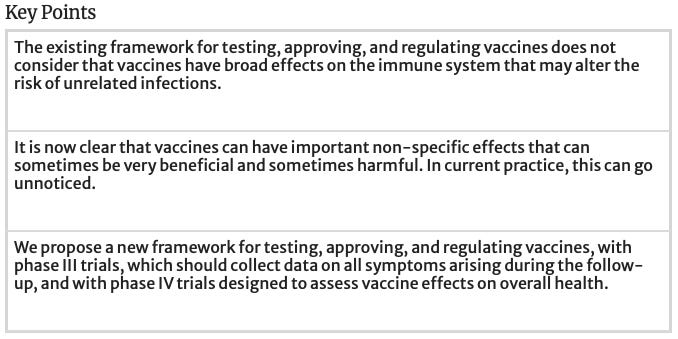
Stabell Benn said this framework should have been applied to the covid-19 trials. A major flaw in testing was that they did not assess whether the mRNA vaccines affected the risk of contracting other infections.
“While they reported covid-19 cases, they overlooked the possibility that people might’ve developed other infections like pneumonia down the track due to a weakened immune response after mRNA vaccination,” said Stabell Benn.
By Paul Homewood | TCW Defending Freedom | September 1, 2023
Climate alarmists love summer. It gives them an opportunity to exploit every heatwave, wildfire and hurricane. It is much harder to scare people in winter, when snow is supposed to be a thing of the past, and who doesn’t welcome a nice spring day or Indian summer?
So here are some of the silly scare stories which have appeared in the few weeks while we’ve been away.
1 Wildfires in Portugal
THE BBC went into full alarmist mode after some fires during a bit of hot weather in Portugal early last month. They reported: ‘Firefighters in Portugal are battling to contain wildfires engulfing thousands of hectares amid soaring temperatures. Around 800 personnel attended a fire near the southern town of Odemira overnight on Monday, with more than 1,400 people having to evacuate. At least nine firefighters have been injured tackling the fires. Temperatures in excess of 40C (104F) are expected to hit much of the Iberian peninsula this week.’
The BBC would like you to believe that hot weather is somehow unusual in Spain and Portugal! And as usual they provide no context at all. The big fire near Odemira burned 6,700 hectares (16,500 acres) but this is a tiny figure compared with the annual wildfire area in Portugal each year. And the data clearly shows there is no upward trend.

As for temperatures of 40C, what is so unusual about that? Temperatures of 39C in Cadiz are certainly not unheard of:

2 Wildfires in Hawaii
THE media quickly tried to link the wildfires on the Hawaiian island of Maui to global warming, with the BBC blaming a ‘dry summer’. The Guardian went one step further saying the fires were made worse by the climate crisis.
Summers in Maui are always dry. But as local experts have been warning for years, the intensity and rapid spread of this fire was the direct result of the spread of savanna-type grasslands in the last couple of decades.
Clay Trauernicht, a professor of natural resources and environmental management at the University of Hawaii, said it would be misleading simply to blame weather and climate for the blazes. Millions of acres of Hawaii was cleared for plantation agriculture in the early 20th century, principally pineapple and sugar cane. Plantations were by and large fairly resistant to fire. However since 1980 they have shut one by one because of economic pressures, and now there are barely any left. In their place have come uncontrolled invasive species of savanna plants, such as Guinea grass which grows rapidly in the wet winters to a height of 10ft. In summer, these grasses quickly dry out, creating a tinderbox. All it needs is a spark and a strong wind to spread it, and the inevitable disaster will follow, just as it did last month.
Local fire and agricultural experts issued this very warning in a 2014 report, and recommended that the grasslands be properly managed and fire breaks be constructed. The authorities did nothing.
I doubt if you will read any of this in the Guardian.
3 The heatwave that never was
CAN the Met Office become an even bigger laughing stock than they are already?
On Wednesday August 16, they and the clowns at the UK Health Security Agency (UKHSA) announced a Yellow Heat Alert for most of England, saying that temperatures would peak at 28C (82F) on Friday the 18th. This in itself was absurd as 28C is hardly life-threatening!
Friday arrived, and most of us were trying to keep warm under grey skies and rain. If you were lucky enough to find a bit of sunshine, you might have got temperatures of 23C.
How can the Met Office have got it so wrong? Maybe in future they might try getting their forecasts right instead of spending their time pumping out global warming propaganda.
4 The storm that never was
ON THE same day that the Met Office announced the Yellow Heat Alert, they also issued a Yellow Warning for Storm Betty, as the Irish Met Office were to name it, which was due to hit us on the day on Saturday August 19.
According to the Met Office forecast on Friday morning, we could expect up to 80mm (3in) of rain and winds in excess of 70mph in exposed places, and 50mph more widely, particularly in West Wales which would see the strongest winds.

The reality was much more mundane. Ballypatrick in the hills of Northern Ireland saw the most rain, 36mm (1.4in), and the extremes in England and Scotland were much less. As for winds, the Met Office managed to find a handful of extremely exposed sites. Capel Curig, for instance, at an altitude of 216m (708ft) in the middle of Snowdonia, recorded 66mph.
Down in the real world it was no more than a breezy day. Even on the West Wales coast, which was supposed to be worst affected, gusts reached only about 20mph, with sustained winds of about 10mph. According to the Beaufort Scale, that would be described as a ‘gentle breeze’.
But Gentle Breeze Betty does not have quite the same ring about it!
5 It does rain in Southern California
TROPICAL storms rarely hit California, but that does not mean they never do. The reason has nothing to do with climate, it is simply that Eastern Pacific hurricanes usually head west, away from the coast.
Last week, Hurricane Hilary headed north instead, and made landfall in California as a weaker tropical storm. Naturally the BBC went into full alarmist mode, blaming it on climate change in an article full of misinformation. They claimed that rainfall records had been broken across the state and in particular in Palm Springs, though why one solitary town should be of any consequence is a mystery to me.
To push home their message, they said that Los Angeles was in ‘recovery mode’ after 2.48 inches of rain, a record for August apparently.
In reality, Hilary was no wetter than other tropical storms to hit California, and 2in of rain in a day is not unusual at all in Los Angeles:

As for Palm Springs, even that record claim does not stand up to scrutiny, since it was wetter in 1922.
The September 1939 tropical storm, El Cordonazo, followed the same path as Hilary, and dropped twice as much rain on Los Angeles as Hilary, as well as larger amounts elsewhere. Hurricane Kathleen in 1976 is generally accepted as by far the wettest to hit California, with the 14.76 inches that fell on Mount San Gorgonia in a day still the official state record. Kathleen was described as a 1-in-160-year event, with hundreds of homes damaged and parts of California declared a disaster area. The highest rainfall recorded from Hilary was 11.74 inches, and the damage was considerably less than in 1976.
So once again we find that the BBC is playing fast and loose with the facts so that it can promote its political agenda. The same applies to the MSM and the Met Office.
Big Pharma excels in creating customers for life
Health Advisory & Recovery Team | August 31, 2023
For those of us who started pulling uncomfortable threads of ‘hang on a minute, that doesn’t seem quite right’ and kept going, the world is now a strange landscape. When it comes to our health, many of us have had life-long assumptions smashed to smithereens.
The last few years have been a brutal introduction to the harsh realities of the medical industrial complex. Its recent behaviour has completely shattered public trust. Overnight, medical ethics including bodily autonomy and informed consent were tossed out. The dying were unable to see loved ones, blanket DNRs were applied and people were subjected to forced procedures (e.g. PCR testing) or were discriminated against based on their covid vaccination status. Most went along with these inhumane diktats that came from ‘on high’. Is it any wonder that many people would now be reluctant to enter a hospital even where there was a genuine need? There has to be a balance where people regain the confidence to seek care if genuinely needed. Throwing the baby out with the bath water will not lead to fewer excess deaths. Patients rightly want the best available care but in the current system of protocolised medicine, that pathway is far from guaranteed.
What is striking, when spending time amongst those still firmly planted behind the Overton window, is the notion that for any ailment – particularly with advancing age – the answer is always pharmaceutical or surgical interventions rather than lifestyle changes. This is clearly superb for Big Pharma. Less certain, is the benefit for the end user. Blanket approvals of the novel, mRNA injections across all age groups – in spite of total lack of long-term safety data – showed us clearly, in real-time, how money and politics corrupts health regulators. This renders the current system totally defunct. This article in The Epoch Times reports how 65% of drug recommendations by the FDA are approved based on a single study. In the meantime doctors who want to promote lifestyle changes as first line treatment ahead of more dangerous interventions, find themselves increasingly working in a system opposed to them.
Trying to make an informed assessment of risks and benefits becomes almost impossible, once you realise how untrustworthy scientific literature has become. Or perhaps always was. ‘But it says so in the Lancet…’ Hopefully, many have now realised how empty this sentence sounds. Research outcomes are heavily influenced by the desires of those funding them, who just happen to be the ones manufacturing the drugs. This meme, whilst humorous, is worryingly accurate:

From statins to HRT, to proven-to-be-ineffective surgeries, to antidepressants, there is almost zero discussion in modern ‘medicine’ of preventative measures that do not benefit Big Pharma. Diet, exercise, breathing techniques, stress management, ensuring proper balance of micronutrients, enquiring about emotional and relationship causes of ill health. These should be the basic lines of enquiry for any competent physician, long before offering various magic bullets following the luxurious seven minute consultation via Zoom. GPs offering this paltry level of service are complicit in ensuring their own redundancy within a few short years. AI would serve just as well, the human factor having been almost entirely scrubbed out.
Most people with elderly parents know that they often need special plastic containers to house the numerous medications that they take on a daily basis. Often many of these drugs were added in sequence to deal with side effects (or more correctly, ‘effects’) of the medications that were introduced first. This close-to-the-bone satire that has been circulating online really sums it up:
“I took ASPIRIN for the headache caused by the ZYRTEC™ for the hay fever I got from the RELENZA™ for the upset stomach and flu-like symptoms caused by the VIAGRA™ for the erectile dysfunction from the PROPECIA™ for the hair loss caused by the RITALIN™ for my short attention span caused by the SCOPODERM TTS™ for the motion sickness that I got from the LOMOTIL™ for the diarrhoea caused by the XENICAL™ for the weight gain caused by the PAXIL™ for the anxiety that I got from the ZOCOR™ that I’m taking for my high cholesterol, because a good diet and exercise is just too much trouble.”
There seems to be the prevailing belief that human beings can only stay alive with constant interference from the medical profession. But what if the entire system keeps you sick, in order to retain you as a loyal customer to The Firm? What if much of the so-called ‘safety’ data are in fact just as flawed as those used to push the covid ‘vaccines’ in 2020? For those of us who became curious (suspicious?), we felt it might be worth having a retrospective look at other trends in medical diagnostics and treatments.
As it turns out, the more you look, the more you find…
Doing more harm than good?
A deep dive into questionable drugs and surgical practices that are built into standard protocols here in the UK would fill a book. Maybe several books. That is beyond the scope of this article, however here are a few ‘top picks’ to get started:
This list could go on ad infinitum, but instead we will end with a list of suggestions given by various practising medics when asked about drugs or interventions that they question. Once again, we point out that people are individuals. Protocols are not good for individuals. Do your research, take responsibility and remember that The Experts may have their hands tied firmly behind their back by The Money.
List of drugs with questionable efficacy/safety from currently prescribing doctors:
To quote Aldous Huxley: ‘Medical science is making such remarkable progress that soon none of us will be well’.
By Tom Parker | Reclaim The Net | August 31, 2023
The United Nations (UN) is no fan of free speech and one of its plans to “address” so-called “misinformation, disinformation, hate speech and stigmatization” is on the verge of being finalized.
This unelected intergovernmental organization, which wields significant influence over its 193 member states, recently published the final draft of its Political Declaration of the United Nations General Assembly High-level Meeting on Pandemic Prevention, Preparedness and Response.
The final draft contains several agreements from heads of state and government to crack down on lawful speech. Additionally, it contains pledges from these heads of state and government to back two instruments that will give the UN’s World Health Organization (WHO) enhanced powers to target “misinformation” and build out its surveillance networks.
These instruments, the international pandemic treaty and amendments to the International Health Regulations (2005), have been in the works since 2021 and despite facing major pushback, are on track to be completed by May 2024.
The final draft of this political declaration is being developed for the UN’s High-Level Meeting on Pandemic Prevention, Preparedness and Response which will take place on September 20, 2023 in New York. The political declaration outlined in this draft will be finalized at this meeting.
While UN political declarations aren’t usually legally binding, they do wield significant legal influence. According to the UN, declarations “represent the dynamic development of international legal norms and reflect the commitment of states to move in certain directions, abiding by certain principles.”
The proposed speech crackdowns are outlined in several sections of the final draft of this political declaration.
In section OP35, the heads of state and government agree to “take measures to counter and address the negative impacts of health-related misinformation, disinformation, hate speech and stigmatization, especially on social media platforms” and counter “vaccine hesitancy in the context of pandemic prevention, preparedness and response.” Additionally, section OP42 includes an agreement to combat “misinformation.”
The UN member states back the pandemic treaty in section OP15 and agree to encourage the Intergovernmental Negotiating Body (the group that’s responsible for drafting and negotiating the pandemic treaty) to conclude their negotiations on the “WHO convention, agreement or other international instrument on pandemic prevention, preparedness, and response” (the full name of the WHO’s pandemic treaty).
Not only do UN member states give explicit backing to the pandemic treaty and push for it to be finalized but they also encourage the Intergovernmental Negotiating Body (INB) to prioritize the “need for equity.” Equity is framed by its proponents as something that encourages fairness but critics have warned that equity policies can lead to bias and the injection of “radical ideology.”
The support for the amendments to the International Health Regulations (IHR) is contained in section OP16 of the final draft. This section encourages the working group that’s focused on these amendments to continue its work with respect to the intended finalization date of May 2024.
This political declaration is one of the many ways the UN is tightening its grip on speech. This year alone, it has started building a “digital army” to fight against “deadly disinformation”, encouraged people to snitch on each other for “hate speech”, and claimed that censoring “disinformation” and “hate speech” will protect “free speech.”
The UN has also consulted with several governments and blocs on their censorship work. Specifically, it has attended multiple “disinformation sessions” with a UK government censorship agency and held discussions with the European Union on how to address “disinformation” on digital platforms.
Related:

or go to
Aletho News Archives – Video-Images
Actually, None is Necessary
By Fred Reed • Unz Review • December 13, 2020
The Correlation of Armed Forces: U.S. goods and services trade with China totaled an estimated $634.8 billion in 2019. Exports were $163.0 billion; imports were $471.8 billion. The U.S. goods and services trade deficit with China was $308.8 billion in 2019. Trade in services with China (exports and imports) totaled an estimated $76.7 billion in 2019. Services exports were $56.5 billion; services imports were $20.1 billion. The U.S. services trade surplus with China was $36.4 billion in 2019.
There is talk within the Washingtoniat of a possible war with China. Steve Bannon, who apparently was dropped on his head as a child, actually favors such a war. We hear the usual shoo-the-boobs alarm about how the Chinese are doing something terrible and we must gird our loins and American values and show them what for, bow wow, woof. The danger is that the current game of who-blinks-first in Asian waters might actually provoke a shooting war. You know the kind of thing: One warship refuses to get out of the way of another, a collision ensues, some retard lieutenant who signed up on waivers opens fire, and we’re off and running. It is not a good idea to let children play with matches.
The said war is discussed either in emotional terms by idiots or in purely naval terms by those familiar with such things, so we hear of the First Island Chain and the Second Island Chain and whose missiles against the other’s missiles and so on. This would be appropriate if we were fighting World War Two again. Which we aren’t. Let’s take a quick-and-dirty look at how such a war might go.
To begin the war, America would overestimate itself and underestimate China. This is doctrine in the Pentagon. … continue
 Aletho News If Americans Knew No Tricks Zone
 Aletho News