European Commission President Ursula von der Leyen used her 2025 State of the Union speech to unveil a raft of new regulatory measures that introduce new challenges for digital rights and freedom of expression across the continent and the world.
Framed as measures for public health, democracy, and child protection, the Commission is pushing the EU deeper into institutionalized censorship and online regulation.
Addressing the European Parliament, von der Leyen declared she is “appalled by the disinformation that threatens global progress on everything from measles to polio.”
Citing fears of a global health crisis, she introduced a “Global Health Resilience Initiative,” which she said the EU would lead.
This initiative is expected to tie online speech more tightly to global health narratives, laying the groundwork for broader suppression of dissenting views under the label of medical misinformation.
Another centerpiece of her address was the so-called “European Democracy Shield,” a program that we’ve covered in great detail, intended to streamline and centralize the Commission’s censorship machinery under the banner of fighting “foreign information manipulation and interference.”
Framing the internet as a battlefield, she said: “Our democracy is under attack. The rise in information manipulation and disinformation is dividing our societies.”
Expanding on that framework, she announced the creation of a new institution, the European Centre for Democratic Resilience.
According to von der Leyen, this center will allow the EU to scale up its ability “to monitor and detect information manipulation and disinformation.”
But the agenda didn’t stop there. She introduced the Media Resilience Program, which she claimed would support “independent journalism and media literacy.”
In practice, however, such efforts often result in government-approved messaging being amplified, while dissenting outlets don’t get funded.
Von der Leyen pointed to declining local journalism in rural communities and claimed: “This has created many news deserts where disinformation thrives…This is why we will launch a new Media Resilience Program – it will support independent journalism and media literacy.”
Despite the existing Digital Services Act already mandating age verification (and therefore digital ID) online, von der Leyen floated a new, even more restrictive direction for internet access among young people.
Drawing inspiration from Australia’s controversial 2024 Online Safety Amendment, which includes a social media ban for those under 16, she suggested the EU could move toward similar rules.
“Just as in my days, we as a society taught our children that they could not smoke, drink, and watch adult content until a certain age. I believe it is time we consider doing the same for social media,” she said.
The entire speech signals a continued consolidation of control over digital spaces by EU institutions, with a heavy focus on regulating speech and tightening access restrictions.
The link between vaccines and autism has been “debunked, debunked, debunked,” said New York Times bestselling author Gavin de Becker, in an interview with Children’s Health Defense (CHD) CEO Mary Holland on “Good Morning CHD.”
However, that “debunking” relied on a private organization and a behind-the-scenes meeting where the conclusion was set before the discussion began. De Becker told viewers:
“Out of that closed-door meeting and closed-mind meeting comes one of the most significant damages done to the American public, which is the cessation of … any full-hearted and authentic government-funded research into vaccines and brain damage.”
The transcripts of those Simpsonwood meetings were leaked, giving outsiders an inside look into how scientific concerns and evidence were suppressed, de Becker said.
In his new book, “Forbidden Facts: Government Deceit & Suppression about Brain Damage from Childhood Vaccines,” de Becker details how private organizations and public health agencies have buried negative information and touted false claims to propagate the lie that vaccines are unquestionably “safe and effective.”
“Forbidden Facts,” aimed at a broad audience that may be reluctant to question vaccine orthodoxy, addresses a heartbreaking topic, but also manages to weave in some humor.
“What’s such an amazing facet of this book about something very tragic, about brain injury to children, is that you’ve actually made it funny,” Holland said. “Honestly, I’ve never seen anything quite like it.”
De Becker detailed his key findings in the interview with Holland.
The private organization also “debunked” the dangers of Agent Orange, the link between baby powder and cancer, the cause of Gulf War Syndrome, the dangers of silicone breast implants and the dangers of the anthrax vaccines.
But all of those claims were later revealed to be wrong.
“If you can accept that they do it once, then hopefully you can accept that they do it in other areas, and be … skeptical,” de Becker said.
Public health agencies altered definitions of key terms
The book also explains how agencies like the Centers for Disease Control and Prevention confuse public health issues by changing the definitions of key terms.
For example, a vaccine used to be defined as “a product that stimulates a person’s immune system to produce immunity to a specific disease, protecting the person from that disease,” de Becker said.
Today, it is defined as “a preparation that is used to stimulate the body’s immune system against diseases.” That means vaccines no longer have to protect people from a disease, he said.
A similar change was made to the word “pandemic.” It used to mean an outbreak that killed large numbers of people, but now it just means the appearance of a new virus to which people don’t have prior immunity.
“That terminology of what we used to think a vaccine meant, and what we used to think a pandemic meant, both of those died of COVID in 2020 and 2021,” de Becker said.
A similar move had been made with autism, as the definition has expanded to include people who don’t suffer from severe disability, according to de Becker. This benefits the pharmaceutical companies, he said. They can claim there is a disorder, with no clear definition, that is definitely not linked to vaccines — which also are not, which also have no clear definition.
“I encourage people to use the term ‘brain damage,’ because that, we know, is caused by vaccines,” he said.
No evidence childhood vaccines saved more than 150 million lives
However, all of the reports rely on the same flawed data — published in The Lancet— from a modeling study conducted by Imperial College London, which has produced many incorrect modeling studies, according to de Becker.
The modeling study doesn’t account for any vaccine injuries, de Becker said:
“Words that never appear inside that 7,000-word report …: adverse event, side effect, injury, harm, reaction, autism, myocarditis, brain damage, seizure, blood clot, neurological, simian virus 40, autoimmune, heart, heart failure, cardiac arrest, sudden death, stroke, fatality, convulsions. You get the idea.”
That manipulation is pervasive among vaccine manufacturers, vaccine supporters and much of the medical community, Holland said:
“This is why we talk about gaslighting. [Vaccines are] lifesaving, but if you’re injured or if you die — which they acknowledge can happen, but it’s ‘so rare’ — it’s completely ignored in the numbers, in the narrative. It’s not something that’s acceptable in polite conversation.”
The studies touting vaccine successes also fail to address questions such as why people vaccinated against tetanus have the same, very low tetanus death rate as those who aren’t vaccinated against it, de Becker said.
And the numbers are similar for other diseases among healthy people, he added.
When you look at the claim that vaccines saved more than 150 million lives, you have to believe one of two things, de Becker said:
“One is that 154 million lives saved is a headline-grabbing claim bought and paid for and amplified by biased stakeholders in order to affirm and encourage and expand mass vaccination. In other words, the claim is propaganda and promotion, not science.
“Or the other alternative is that the number is perfectly accurate and verifiable, discovered by an unbiased, unconflicted group of geniuses.”
Drug industry uses ‘threats, intimidation’ against people who question them
Industry insiders “use bribery, all variety of deceit, threats, intimidation to do damage to the reputation of people who question the orthodoxy that they’ve created,” he said.
It isn’t surprising, as most product launches involve some element of conspiracy, de Becker said:
“They’re going to discredit or harm their competitive products. They’re often going to overvalue and exaggerate the value and benefit of the product they’re rolling out, and they’re not doing it alone. That is a conspiracy. And conspiracies happen every day, all day. There is nothing dark or special about it.”
So the question that remains is: Who can you trust?
“And I say, ‘trust yourself,’” de Becker said, adding that people should look into the recommended vaccines, become informed and make their own decisions.
Just by reading his book, people will know more about how vaccine harms were “debunked” than most doctors, he said.
Del sits down with ICAN’s lead attorney, Aaron Siri, Esq., for a hard-hitting conversation following his explosive Senate testimony. Siri takes aim at the false narrative of “661 placebo-controlled vaccine trials,” dismantling it point by point. He also exposes the buried Henry Ford study featured in the upcoming documentary “An Inconvenient Study,” and opens up about his powerful new book, “Vaccines. Amen.” Together, they make the case for why true transparency in vaccine science can no longer be delayed.
I am a specialist in internal medicine and have a keen interest in statistics and research methodology.1 My general approach to science has led to publications in many different areas because people came to me when they suspected something fishy in their specialty.1
In 2007, midwife Margrethe Nielsen from the Danish Consumer Council wanted to find out if history was repeating itself. I offered her a PhD student scholarship and we found out that the withdrawal symptoms are very similar for depression drugs and benzodiazepines, but they were described as dependence only for the latter.2
This started my interest in psychiatry and I quickly realised that a lot else was also misrepresented in this specialty. The lies psychiatrists convey to the public are so common and so harmful for their patients that I published my own textbook of psychiatry where I document what is wrong in the official textbooks used by medical students and psychiatrists in training.3 Much of what is claimed in the textbooks is scientifically dishonest, and frequently cited research is often totally unreliable because the data were tortured till they confessed.4
Psychiatry is the only specialty I know of that causes more harm than good; in fact, vastly more harm than good.5 This disaster can only survive because psychiatrists constantly lie to the public about what they can achieve with their drugs. Psychiatrists also routinely violate elementary human rights about informed consent and use forced treatment even though it is harmful.5,6
The title of my most recent psychiatry book summarises the issues: “Is psychiatry a crime against humanity?”5 As you shall see, I am not exaggerating.
In January 2014, I published the article, “Psychiatry gone astray,” in a major Danish newspaper, which also came out in English.7 I described ten myths in psychiatry that are harmful for the patients:
Myth 1: Your disease is caused by a chemical imbalance in the brain.
Myth 2: It’s no problem to stop treatment with antidepressants.
Myth 3: Psychotropic drugs for mental illness are like insulin for diabetes.
Myth 4: Psychotropic drugs reduce the number of chronically ill patients.
Myth 5: Happy pills do not cause suicide in children and adolescents.
Myth 6: Happy pills have no side effects.
Myth 7: Happy pills are not addictive.
Myth 8: The prevalence of depression has increased a lot.
Myth 9: The main problem is not overtreatment, but undertreatment.
Myth 10: Antipsychotics prevent brain damage.
I explained why “Our citizens would be far better off if we removed all the psychotropic drugs from the market, as doctors are unable to handle them. It is inescapable that their availability creates more harm than good. Psychiatrists should therefore do everything they can to treat as little as possible, in as short a time as possible, or not at all, with psychotropic drugs.”
I hit some sore toes. There was an outcry, spearheaded by the drug industry and their paid allies among doctors and the media, but also the biggest debate in Denmark ever about psychiatric drugs.1,6 For more than a month, there wasn’t a single day without discussion of these issues on radio, TV, in newspapers, and at psychiatric departments. But sadly, the harmful business continued as usual.
The Facts
Psychiatric drugs do not have any specific effects, directed against a specific disease.8 Psychiatric disorders are merely a constellation of symptoms and psychiatric drugs have mainly two effects: They either sedate and numb people, or they stimulate them.
Brain-active drugs have such effects, e.g., also alcohol, opioids, cannabis, other psychedelics, and cocaine, but we don’t call such drugs antidepressants or antipsychotics. And the effect of antidepressants and antipsychotics is far below the minimally relevant effect, as established by the psychiatrists themselves in their research.3,6 It is therefore reasonable to say that they don’t work.
The most important effects of psychiatric drugs are not what you hear about. Because of the colossal overuse of the drugs, they are the major reason that our prescription drugs are the leading cause of death, ahead of heart disease and cancer.9 One in five citizens is on an antidepressant, which can cause falls, and when elderly people break their hip, one-fifth will die within the next year.
Many of those who don’t die will fare badly anyhow. In all countries where the relationship has been examined, the rates of disability pensions go up in tandem with increased usage of psychiatric drugs.10
You don’t hear much about sexual disturbances either. The so-called happy pills harm the sex life in half the patients, and in half of those patients, the harm is unacceptable.11 In some patients, the harms are irreversible and continue after the patients come off their drugs, which has led to suicide.12
The Lies
Psychiatrists, particularly those in high positions, routinely lie to the public with the intent to protect their guild interests and their financial interests, which are huge. In the US, there are more psychiatrists collecting payments from the pharma industry than any other type of specialist.13
The American Psychiatric Association (AMA) is corrupt. Many of the psychiatrists who invented the most foolish diagnoses in its Diagnostic and Statistical Manual (DSM) for psychiatric disorders, which expanded hugely the market for psychiatric drugs, were on industry payroll. But they are not open about it. The DSM-5-TR panel members received $14 million in undisclosed industry funding.14 To a European, this is an obscene level of corruption.
The worst lie is this one: Psychiatrists routinely tell their patients that they are ill because they have a chemical imbalance in the brain and that they will receive a drug that fixes this.
An associated lie is that withdrawal effects, when the patients try to come off their drugs, are trivial, and not withdrawal effects at all, but signs that their disease has relapsed and that they still need the drugs.15
In 2018, leaders in the UK Royal College of Psychiatrists wrote in the Times that, “in the vast majority of patients, any unpleasant symptoms experienced on discontinuing antidepressants have resolved within two weeks of stopping treatment.”5 A group of clinicians and academics, including me, wrote to the authors that their statement was incorrect and that the College’s own survey of over 800 patients had found that withdrawal symptoms were experienced by 63% of the patients and that a quarter reported anxiety lasting more than 12 weeks.
The College immediately removed its survey from its website and when they refused to correct the error, we made our complaint public, which was covered by the BBC. Later, psychiatrist Sir Simon Wessely, previous president of the College, rejected any link between the pills and suicide and stated categorically in a podcast that they are “not addictive.”
We then published a most damning letter in the BMJ.16 Since guidelines from the National Institute for Health and Care Excellence (NICE) stated that withdrawal symptoms were “usually mild and self-limiting over about 1 week,” we asked for the evidence. NICE provided two short review articles, neither of which supported the one-week claim, and both articles cited numerous sources that contradicted it!
The embarrassment was now so big that the College needed to change its stance and NICE updated its guidelines.
This is one of the very rare instances where protests about psychiatry’s lies have led to any change. But the organised denial just continued. In 2025, a highly flawed systematic review in JAMA Psychiatry claimed that antidepressant withdrawal is not a problem.17,18 As usual, the authors postulated that depression after discontinuation is indicative of depression relapse.
To spread a little candlelight in the psychiatric darkness, I invented the term abstinence depression, which is not a true depression.3,18 The fact is that about half of the patients experience withdrawal effects; in half of the cases they are severe; and when patients try to stop, they often become worse than they were before they started on the drug.19 Moreover, the longer one is on the drugs, the higher the risk of withdrawal.19,20
The lies about a chemical imbalance and that abstinence symptoms are signs of relapse keep patients on their drugs for many years. Why would they ever stop when it is so clear that they need the drugs? But we don’t argue this way in relation to abuse of alcohol or narcotics. The patients never had a chemical imbalance causing their problems; but the drugs created one21,22 and caused harm.
Another big selling point is that you only need to treat a couple of patients to benefit one of them. This is also a huge lie. Psychiatric drugs cannot cure anyone. And the illusion of huge benefits is obtained by statistical manipulation.23 The trick is to dichotomise disappointing outcome data on a ranking scale and talk about response rates instead.24
This statistical hocus-pocus can convert a non-existing benefit into an almost doubling of the response rate,24 which looks very impressive. But as psychiatrist Joanna Moncrieff wrote, it is spinning straw into gold transforming ineffectiveness into the much-trumpeted idea that antidepressants work.25
The number needed to treat to benefit one patient (NNT) doesn’t exist because more patients are harmed than those who benefit. There can therefore only be a number needed to harm (NNH), which is two for sexual harms caused by antidepressants.11
Harms and benefits are rarely measured on the same scale, but when patients in a placebo-controlled trial decide whether it is worthwhile to continue in the trial, they make a judgment about if the benefits they perceive exceed the harms. My research group found that 12% more patients dropped out on a depression pill than on placebo (P < 0.00001).26 Thus, the patients will benefit by NOT being treated with antidepressants. They prefer a placebo.
More Examples of Institutional Betrayal
The US National Institute for Mental Health (NIMH) is the most prestigious psychiatric institution in the world. In 2022, Thomas Insel, its director from 2002 to 2015, called “America’s psychiatrist,” published the book, “Healing: Our Path From Mental Illness to Mental Health.”
Insel takes on the role of a drug rep, selling the wonders of psychiatric drugs to the public, but his book is misleading and dishonest.5 It starts already with the title. Psychiatric drugs cannot heal mental disorders, and the path the psychiatrists have taken is not from mental illness to mental health, but from bad to worse. Clearly, Insel makes an unintended case for abolishing psychiatry even though he tries to support it.27
The book reflects the thinking of psychiatric leaders everywhere and encapsulates how psychiatry has consistently betrayed public trust and misinformed the public, and that it will never tell the public the truth about psychiatric drugs.
Being a former NIMH director, Insel had an ethical obligation to tell his readers about the negative long-term outcomes of treatment with psychiatric drugs, as documented in expensive and prestigious research funded by the NIMH, e.g. the STAR*D trial in depression – a $35 million fraud – the MTA trial in ADHD, and the CATIE trial in schizophrenia.5 He didn’t, even though the NIMH is the only institution in the world that funds the big, long-term drug trials. As psychiatric leaders always do, Insel sacrificed the patients and protected the psychiatric guild by keeping the long-term studies financed by his own institute hidden.
In January 2025, I notified the UK drug regulator, the Medicines & Healthcare products Regulatory Agency (MHRA), that the package inserts for antidepressants — called patient information leaflets (PIL) — contain false statements about depression being caused by a chemical imbalance, and I called for the misleading messages to be removed.28
The MHRA refused and when I sent a letter about this to four major UK newspapers and the Royal College of Psychiatrists with Joanna Moncrieff and others, they didn’t even have the courtesy to respond.
To paraphrase Lenin, editors of leading medical journals also behave like useful idiots for psychiatry and the drug industry. On 10 May 2025, an anonymous editorial in the Lancet, “50 years of SSRIs: weighing benefits and harms,” did little of what its title promised. It praised the drugs based on flawed research and glossed over the harms. When I pointed out how misleading the editorial was in a letter to the editor, it was rejected.28
Many Cochrane reviews of psychiatric drugs also contain misleading praises of the drugs and are garbage in, garbage out exercises that uncritically reproduce the flawed data the drug industry has published.1,5,29-31
The Lie That Drugs Can Prevent Suicide
Despite their pompous designation, “State of the Art” articles in leading medical journals are usually misleading and they are particularly dishonest in relation to suicides.1 A 19-page review in the BMJ claimed that depression drugs, lithium, antiepileptics, clozapine, ketamine, and electroshock can decrease the risk of suicide.32 None of the 159 references were convincing;33 the package inserts for depression drugs warn against the risk of suicide; and the package inserts for antiepileptics state that they double the risk of suicide!
In a 14-page Lancet suicide seminar from 2022, the authors tried to resurrect the lie about the chemical imbalance but the two articles they cited were gobbledygook.34,35 Among risk factors for suicide, they mentioned substance use but not depression pills, antiepileptics, or the psychiatric profession itself.35,36 A Danish register study of 2,429 suicides showed a very marked dose-response relationship:36 The closer the contact with psychiatric staff, the greater the risk of suicide.
Compared to people who had not received any psychiatric treatment in the preceding year, the adjusted rate ratio for suicide was 44 for people who had been admitted to a psychiatric hospital.36 Such patients would of course be expected to be at greatest risk of suicide because they were more ill than the others (confounding by indication), but the findings were robust and most of the potential biases in the study were actually conservative, i.e. favoured the null hypothesis of there being no relationship. An accompanying editorial noted that there is little doubt that suicide is related to both stigma and trauma and that it is entirely plausible that the stigma and trauma inherent in psychiatric treatment—particularly if involuntary— might cause suicide.37
The Lancet authors wrote that there is a possibility of exacerbating suicidal thoughts. Wrong. It is not a possibility; it is a fact. None of the 142 references were to any of the many meta-analyses showing that depression pills increase the suicide risk compared to placebo. The authors even claimed, with no references, that drug treatment can reduce the suicide risk. Which miraculous drugs can do this?
They also noted that some research has found an association with increased risk of suicide-related outcomes in young people. This is also dishonest. When the FDA looked at all the randomised trials, they found a causal relation and not just an association.
In 2023, the “experts” failed us badly again. A 16-page article in BMJ about suicide in young people, with 169 references, mentioned some risk factors, e.g. living in a home with firearms, but not depression drugs, which they recommended with “increased monitoring by the prescribing physician.”38 This is a fake fix, as people may kill themselves suddenly and unexpectedly.39
The authors considered a risk difference of 0.7% for suicidal ideation or suicide attempt between drug and placebo small and even dismissed it: “Data from more recent pediatric antidepressant trials have not shown differences between drug and placebo.” The review they quoted cannot be used to such effect and for rare events, it is unacceptable to lose statistical power by including only “recent” trials. Moreover, the review only included published trial reports, which we know have omitted many suicide attempts and suicides,even in children.6,39 It is irresponsible of the BMJ to publish such dangerous nonsense.
In 2023, I called for retraction of three fraudulent trial reports that had omitted suicidal events in children.40 Even though my letter was co-signed by 10 people who each lost a child or spouse to suicide as a direct consequence of being prescribed an antidepressant drug for a non-psychiatric condition, my request was turned down by both involved journals.41
Annette Flanagin, Executive Managing Editor, Vice President, Editorial Operations JAMA and JAMA Network, replied: “We shared your letter with the author of the study published in Archives of General Psychiatry and he does not identify any new concerns. Similarly, we do not find new evidence in support of your request to retract this article.”
So, JAMA and Graham Emslie, who omitted two suicide attempts on fluoxetine, do not think this is something to bother about. When I contacted the journal’s owner, Elsevier, they did not engage with our concerns but directed me back to the journal.
Douglas K. Novins, Editor-in-Chief, Journal of the American Academy of Child & Adolescent Psychiatry (JCAAP), wrote to me that, “Following guidelines developed by the Committee on Publication Ethics (COPE),” they had thoroughly reviewed my “critique, as well as the responses provided by the papers’ authors. We are satisfied that the critiques of the papers as outlined do not merit retraction.”
It is hard to see how Novins could have followed the COPE guidelines, as the two trial reports, by Emslie and Martin Keller, are clearly fraudulent.
In 2023, I did a Google search on suicide and antidepressants, which confirmed that the public is being massively and systematically misinformed.42,43 One of the top 10 posts was from the Danish Centre for Suicide Research that reported that depression drugs increase the risk of repeated suicide attempts by 50%.44 The research was supported by Lundbeck, and after the researchers had adjusted their analyses for many factors including psychiatric contact and use of various psychiatric drugs, they concluded that the pills do not increase the risk of suicide. It is plain wrong to adjust for something that is part of the causal chain, as it may remove a true association, but the authors surely pleased their funder.
Another post was a comment I made on the Danish Board of Health’s website.45 Poul Videbech, a national icon in depression, had claimed in the Board’s journal, Rational Pharmacotherapy, that undertreatment with depression drugs is dangerous because of the suicide risk. This cannot be correct because the drugs increase the risk of suicide.
When I searched the Internet to find out what the “experts” opine currently, I found a systematic review in the psychiatrists’ flagship journal, American Journal of Psychiatry.46 It was about “evidence-based strategies,” but already the abstract was blatantly false. It claimed that “Meta-analyses find that antidepressants prevent suicide attempts.”
I don’t know of any other medical specialty whose practitioners lie systematically to the public in matters of life and death and claim the opposite of what is true.
In June 2025, I gave a talk in Capitol about suicides caused by antidepressants, invited by US war veterans who are routinely given these drugs for their war traumas.47 As expected, the effect of the veterans’ suicide prevention programme has been a notable increase in suicides corresponding to a similar increase in antidepressant usage.48,49
In the surreal upside-down world of psychiatry, all suicide prevention initiatives I have come across have included drugs that increase suicides!50
There was a press conference outside the Capitol,47 but the media are not keen to write stories about antidepressants killing people. I only saw an article in the Wall Street Journal, which I tweeted about:
Combat cocktails: US war veterans are destroyed and kill themselves because of psychiatric polypharmacy. Wall Street Journalhttps://bit.ly/4fjkz5P.
Antidepressants Harm the Unborn Child
New winds are blowing in the US, which could profoundly change healthcare for the better.51 On 21 July 2025, the FDA held a two-hour seminar about the possible harms to the foetus of treating pregnant women with antidepressants.52 For the first time, this crucial issue was honestly debated at the FDA, by good scientists, but this could not be tolerated by the professional liars.
There was a howl of outrage from psychiatric organisations and mainstream media that accused the FDA’s panel of being alarmingly unbalanced and of spreading misinformation,53-55 which was not at all the case.
The American Psychiatric Association (AMA) wrote to the FDA four days after the meeting that it was “alarmed and concerned by the misinterpretations and unbalanced viewpoints shared by several of the panelists… This propagation of biased interpretations at a time when suicide is a leading cause of maternal death within the first postpartum year could seriously hinder maternal mental health care. The inaccurate interpretation of data, and the use of opinion, rather than the years of research on antidepressant medications, will exacerbate stigma and deter pregnant individuals from seeking necessary care.”
The AMA could hardly have been more dishonest. Antidepressants double not only the risk of suicide but even actual suicides.49,56
Without mentioning the pregnancy issue, the AMA circled the wagons again, in a tweet on 28 August:57
“IMPORTANT: Decades of rigorous research, randomized clinical trials, peer-reviewed studies, meta-analyses, national registry studies, and FDA oversight show that psychiatric medications are safe and effective. Medications like SSRIs can be lifesaving if they are taken as directed under the care of an appropriately licensed healthcare professional. Learn more: https://ow.ly/RWEQ50WNJeI.“
In just two sentences, the AMA propagated three lies. No psychiatric drug is safe. They all kill people, to a substantial degree.1,3,5,6,9 And it has never been documented that SSRIs can be life-saving while it has been documented that they take many lives. They cause suicides and homicides6 and lead to falls in the elderly,9 and when they break their hip, one-fifth will die within the next year. Psychiatric medications are not effective either, e.g. the effect of antidepressants and antipsychotics is far below the minimally relevant effect, as established by the psychiatrists themselves in their research.5,6
Not even when there is clear evidence, both from studies in animals and humans,52-55 that our children are being harmed by psychiatric drugs before they are even born, do we see any admission from the AMA that it is wrong to treat pregnant women with antidepressants. They prefer to continue lying.
Antidepressants should be banned for use in pregnant women. Psychotherapy is more effective, as it has enduring effects,5,6 and it won’t harm the unborn child.
Reactions to AMA’s Tweet
Increasingly, the public is waking up to psychiatry’s deceptions. People are not so dumb as the AMA thinks they are, which the retweets to AMA’s tweet57 demonstrate:
“The FDA issues a black box warning for all SSRI’s indicating increased risk of suicidal thoughts and behaviors, particularly in children, adolescents, and adults under 25. How could the American Psychiatric Association make such a claim? (sic) Isn’t doing so extremely unethical?!”
“The APA is lying to you. SSRIs are neither safe nor effective. NOT EVEN CLOSE. And they do not magically perform better under the care of a licensed professional. Them’s the facts.”
“Anytime I hear experts so-called say something is safe and effective. I immediately know that that is not the case. Thank you for confirming my suspicion.”
“Merriam-Webster defines ‘safe’ as ‘free from danger, harm, or risk.’ All classes of psych meds include black box warnings about serious or life-threatening adverse effects risks.”
“How safe is sudden death? Some of those meds can cause that.”
“Life-taking. My adult son didn’t make it past 6 weeks after his #PillPusher prescribed SSRIs within 15min of meeting him.”
“What percentage of patients who take SSRIs are cured and can stop taking them?”
“I don’t know a single person who has been cured by psychiatric drugs.”
“The good ‘ol APA, brought to you by Pfizer. Maybe they will make a med for cognitive dissonance soon?”
A retweeter showed this picture of Mr. Bean, which sort of explains it all:
Conclusions
Psychiatry is a totally corrupt specialty, ethically, scientifically, and financially, with devastating consequences for the patients, their relatives and friends, and for our national economies.
Psychiatry is a crime against humanity that must be stopped.5 It should not be a medical specialty, and patients with mental health issues should not be treated by medically trained doctors because the existing approaches, which focus on drugs, are not working.
In the UK, mental health disability has almost tripled in recent decades, and the gap in life expectancy between people with severe mental health issues and the general population has doubled.58 The World Health Organisation (WHO) and the United Nations have therefore recently called for systematic mental health reform emphasising psychosocial interventions.58
My advice to patients is: If you have a mental health issue, don’t see a psychiatrist. It is too dangerous and might turn out to be the biggest error you made in your entire life.12,59 Don’t look up a family doctor either, as they are also programmed to make psychiatric diagnoses and hand out psychiatric pills.
References
1 Gøtzsche PC. Whistleblower in healthcare (autobiography). Copenhagen: Institute for Scientific Freedom 2025; April 8 (freely available).
2 Nielsen M, Hansen EH, Gøtzsche PC. What is the difference between dependence and withdrawal reactions? A comparison of benzodiazepines and selective serotonin re-uptake inhibitors. Addiction 2012;107:900–8.
10 Whitaker R. Anatomy of an Epidemic, 2nd edition. New York: Broadway Paperbacks; 2015.
11 Montejo A, Llorca G, Izquierdo J, et al. Incidence of sexual dysfunction associated with antidepressant agents: a prospective multicenter study of 1022 outpatients. Spanish Working Group for the study of psychotropic-related sexual dysfunction. J Clin Psychiatry 2001;62 (suppl 3):10–21.
19 Davies J, Read J. A systematic review into the incidence, severity and duration of antidepressant withdrawal effects: Are guidelines evidence-based? Addict Behav 2019;97:111-21.
26 Sharma T, Guski LS, Freund N, et al. Drop-out rates in placebo-controlled trials of antidepressant drugs: A systematic review and meta-analysis based on clinical study reports. Int J Risk Saf Med 2019;30:217-32.
36 Hjorthøj CR, Madsen T, Agerbo E, et al. Risk of suicide according to level of psychiatric treatment: a nationwide nested case-control study. Soc Psychiatry Psychiatr Epidemiol 2014;49:1357–65.
37 Large MM, Ryan CJ. Disturbing findings about the risk of suicide and psychiatric hospitals. Soc Psychiatry Psychiatr Epidemiol 2014;49:1353–5.
45 Gøtzsche PC. Misinformation om antidepressiva og selvmord. http://www.irf.dk 2015; March 5.
46 Mann JJ, Michel CA, Auerbach RP. Improving suicide prevention through evidence-based strategies: a systematic review. Am J Psychiatry 2021;178:611-24.
56 Hengartner MP, Plöderl M. Reply to the Letter to the Editor: “Newer-Generation Antidepressants and Suicide Risk: Thoughts on Hengartner and Plöderl’s ReAnalysis.” Psychother Psychosom 2019;88:373-4.
Dr. Peter Gøtzsche co-founded the Cochrane Collaboration, once considered the world’s preeminent independent medical research organization. In 2010 Gøtzsche was named Professor of Clinical Research Design and Analysis at the University of Copenhagen. Gøtzsche has published more than 97 over 100 papers in the “big five” medical journals (JAMA, Lancet, New England Journal of Medicine, British Medical Journal, and Annals of Internal Medicine). Gøtzsche has also authored books on medical issues including Deadly Medicines and Organized Crime.
In a U.S. Senate hearing today, attorney Aaron Siri revealed the results of a large study that found vaccinated children were far more likely to develop chronic disease than unvaccinated kids.
The study never underwent peer review and was never published, because the authors — staunch vaccine supporters — told Siri they were concerned about losing their jobs or reputations because their findings contradicted the official public health narrative and vaccine policy.
Siri’s testimony, delivered during Tuesday’s Senate hearing, “How the Corruption of Science has Impacted Public Perception and Policies Regarding Vaccines,” addressed the study’s origins, findings and suppression.
The study involved over 18,000 children enrolled in Henry Ford Health system’s insurance plan in Michigan.
“The results are astonishing,” Siri told The Defender. “For example, vaccinated children had 4.29 times the rate of asthma, 3.03 times the rate of atopic disease (a group of allergic conditions), 5.96 times the rate of autoimmune disease, and 5.53 times the rate of neurodevelopmental disorder.”
These findings were statistically significant — even when accounting for gender, race, birthweight, premature birth, and respiratory distress or trauma at birth.
But rather than publishing the results, the study authors and their bosses at Henry Ford Health refused to make them public — even though the lead author previously assured Siri and Del Bigtree he would publish the results, whatever the findings.
Hearing held so ‘more Americans have their eyes open to the reality and truth’
Today’s hearing was the third so far this year on vaccine injury held by the Permanent Subcommittee on Investigations. The study’s results were entered into the congressional record.
Sen. Ron Johnson (R-Wis.), subcommittee chair who organized the hearing, told The Defender he hoped the hearing would open people’s minds so that “more Americans have their eyes open to the reality and truth.”
He noted the fierce resistance that U.S. Health Secretary Robert F. Kennedy Jr. faced at last week’s Senate hearing from senators who had “totally closed minds.”
Johnson said he didn’t presume to know the full truth about vaccines’ impact on health. “I don’t know because we haven’t even been allowed to ask the question — much less get the answer.”
The hearing pitted staunch vaccine supporters Scott and Sen. Richard Blumenthal (D-Conn.), subcommittee ranking member, against Johnson, Siri and Rogers.
There were tense exchanges about what constitutes bias and corruption in research.
Blumenthal said he “deeply feared” for the future of public health in the U.S. and claimed Kennedy wanted staff who embraced the secretary’s “dogma.”
Vaccinated kids 2.48 times more likely to be diagnosed with chronic health condition
According to Siri, the study authors looked at health data of 18,468 kids born between 2000 and 2016 who were enrolled in the Henry Ford Health system’s insurance plan.
Siri published excerpts from the study’s manuscript, including its results, in his new book “Vaccines, Amen: The Religion of Vaccines.” Released on Sept. 4, the book challenges what he calls the “religion” of vaccines. Siri said:
“It is time to start treating vaccines as what they are, consumer products, not items of worship. We can save children from harm from infectious disease and from vaccines. We can do both.”
The study authors divided kids into two groups: vaccinated and unvaccinated. Nearly 2,000 were in the unvaccinated group. Roughly 16,500 kids received one or more vaccines, with the median number of vaccines being 18.
The authors found links “between vaccination and the incidence of asthma, atopic and autoimmune disease, and mental health and neurodevelopmental disorders including developmental delay and speech disorder,” according to a copy of the study Siri obtained.
The authors calculated incident rate ratios — the odds that a vaccinated child would develop a given medical condition versus an unvaccinated child. Overall, vaccinated children were 2.48 times more likely to be diagnosed with a chronic health condition than unvaccinated kids.
Vaccinated children were over four times more likely to be diagnosed with a speech disorder than unvaccinated children, and nearly six times more likely to be diagnosed with an autoimmune disease.
In some cases, the authors couldn’t do the calculation because no child in the unvaccinated group had the target disease. For instance, none of the unvaccinated had diabetes, brain dysfunction, behavioral dysfunction or tics.
The authors said the study couldn’t be used to prove vaccines caused the chronic conditions, but they concluded that the findings warranted further research.
How the study came about
According to Siri, the Henry Ford Health study came about after the Informed Consent Action Network (ICAN) in early 2017 searched for a highly qualified scientist to do a study comparing health outcomes between vaccinated and unvaccinated kids.
Bigtree, ICAN’s founder, had previously met Dr. Marcus Zervos, co-director of the Center for Emerging and Infectious Diseases at Wayne State University and head of the Infectious Diseases division at Henry Ford Health.
Siri, who represents ICAN, and Bigtree met with Zervos. “While Dr. Zervos was a vaccine believer,” Siri told The Defender, “he showed signs of possibly being open to conducting some actual safety science.”
Siri and Bigtree initially thought it would be advantageous for the study to analyze children’s health data from the Centers for Disease Control and Prevention’s Vaccine Safety Datalink (VSD) database. But accessing VSD data was a complicated proposition.
Zervos instead suggested he and his colleagues do the study using data they already could access through Henry Ford Health’s vast database. Henry Ford Health runs over 550 medical sites in Michigan, according to its website.
Siri said:
“Once Dr. Zervos appeared committed to performing the study, I made two requests. They were merely requests because I was in no position to dictate or demand anything.
“The first was that they would publish the study no matter what the result. The second was that the unvaccinated group would truly be unvaccinated — meaning no vaccines — so that the study would actually assess health outcomes between exposed (one or more vaccines) and unexposed (no vaccines) children.”
Zervos “looked us right in the eyes and assured us that he was a man of integrity and would publish the results, whatever the finding,” Siri recalled. Zervos also agreed to use a truly unvaccinated control group.
Study never published
In early 2020, Siri received a copy of the study but discovered that it had not been submitted to a journal for publication.
Lois Lamerato, Ph.D., who had worked on the study with Zervos, told Siri she and Zervos both thought the study was well done and worthy of publication.
But the “higher-ups” at Henry Ford Health, to whom she was required to send a copy before submission, did not want to submit it. Lamerato also said she was worried the study, if published, would make doctors feel uncomfortable.
According to Siri, Henry Ford Health officials didn’t provide any substantive explanation for not wanting the study published. Siri said:
“The real reason it was not submitted for publication, no doubt, was because of its finding that vaccinated children suffered from multiple times the rate of various serious ailments.
“Had the finding shown vaccinated children were healthier or at least had the same outcomes as unvaccinated children, then this study would have no doubt been submitted for publication and published many years ago. Instead, it remained hidden from the world.”
Other studies also show increased autism in vaccinated vs. unvaccinated
Scott, an infectious disease specialist at Stanford Medicine, presented information during the hearing on studies supporting vaccine safety claims. He said he had no financial conflicts of interest, as his research is either self-funded or funded by Stanford.
Rogers, a fellow with the Brownstone Institute and independent journalist, testified on published research related to the causes of autism.
The U.S. has yet to start writing its report on the possible causes of autism, U.S. Food and Drug Commissioner Marty Makary told Bloombergyesterday.
Rogers has researched autism since 2015, when his then-partner’s son was diagnosed with autism. At the time, he was pursuing a doctorate in political economy at the University of Sydney.
According to Rogers:
“I went to the CDC’s webpage on the causes of autism. As a Ph.D. student, I was trained to focus on primary source documents, so I read all of the references in their footnotes. … To my surprise, I quickly discovered that the CDC’s narrative did not add up.”
He also noticed that the U.S. government wasn’t responding with a sense of urgency to the sharp increase in autism, despite the cost already having reached “hundreds of billions of dollars.”
So he changed his doctoral thesis topic to “The Political Economy of Autism” and spent four years analyzing published materials on autism’s prevalence, causation and cost.
Roger’s thesis, which passed peer review in 2019, is among the top 10 most-downloaded doctoral research papers in the history of the University of Sydney.
He gave senators a birds-eye view of the published literature. “Here are the facts,” Rogers said.
Twenty-two studies claim that vaccines don’t cause autism — but none have completely unvaccinated control groups. “So unfortunately,” Rogers said, “if you want to understand what’s causing the autism epidemic, these studies are of no use.”
Meanwhile, six published studies that included an unvaccinated control group found an increased risk of autism in the vaccinated. “Unfortunately, these studies have been systematically suppressed and ignored by the mainstream media and the medical establishment,” he said.
Rogers cited additional studies that showed an increase in autism following vaccination.
For instance, a 2018 study showed that up to 88% of autism cases are characterized by autistic regression — meaning a child who had been developing normally suddenly begins to lose skills, such as speech and eye contact. This suggests an acute toxic exposure triggered the development of autism, Rogers said.
“We now have eyewitness testimony from thousands of parents that the acute toxic exposure that preceded the autistic regression was a ‘well-baby’ vaccine appointment,” Rogers said.
What about genetic causes of autism?
According to Rogers, purely genetic causes of autism wouldn’t make sense. “Genes don’t suddenly create epidemics — the human genome just doesn’t change that fast.”
Most studies that look at both genes and environmental toxins, like pesticides and heavy metals, don’t control for vaccines as a possible covariate or confounder.
This makes it impossible to tease out the true impact of the toxin from the possible impact of the vaccine.
“The best available evidence suggests that anything that causes an immune activation event — an infectious disease, an industrial toxicant, or a vaccine — can cause autism.”
According to Rogers, autism is most likely caused by “vaccines and about a dozen additional toxicants.”
He added, “If we stop exposing children to these hazards in the first place, that would stop the epidemics of chronic illness in children. Now we must summon the political will to act.”
Paul Connett, Ph.D., co-author of “The Case Against Fluoride: How Hazardous Waste Ended Up in Our Drinking Water and the Bad Science and Powerful Politics That Keep It There,” responds to Thursday’s U.S. Senate hearing during which members of the Finance Committee accused U.S. Health Secretary Robert F. Kennedy Jr. of “politicizing” science.
Yesterday, the world watched as you bayed and sneered at Robert F. Kennedy Jr. for disagreeing with your beliefs on vaccines.
Were you following a script forwarded to you by the PR hate machinery of the pharmaceutical industry?
Ironically, a similar complex of industry, CDC and pseudo-professional bodies has kept you silent on another public health practice for decades.
You have remained silent while they have dripped poison into our children’s bodies for 80 years.
Where were you between 2017 and 2020, when U.S. Government-funded mother-offspring and infant fluoride IQ studies were published?
Where were you in 2022, when the Centers for Disease Control and Prevention witnessed this science but failed to warn pregnant mums to avoid fluoridated water?
Where were you in 2024 when the National Toxicology Program reviewed these and many other IQ studies and concurred that fluoride was a neurotoxin?
Paul Connett, Ph.D., is co-author of “The Case Against Fluoride: How Hazardous Waste Ended Up in Our Drinking Water and the Bad Science and Powerful Politics That Keep It There.”
A leaked memo from one of the pharma cartel’s most powerful trade groups has revealed a desperate plan to push Robert F. Kennedy, Jr. out of his role as United States Secretary of Health and Human Services (HHS). The document, apparently originating from a closed-door meeting of the Biotechnology Innovation Organization (BIO), shows that industry leaders are prepared to spend millions of dollars lobbying Congress and manipulating public opinion to force Kennedy from his job. At stake is not just U.S. government vaccine policy, but the deeper question of who actually runs public health in America – democratically elected officials, or the corporations that profit from disease.
The plan unveiled
The memo appears to come from BIO’s Vaccine Policy Steering Committee, a powerful body representing companies such as Pfizer, Merck, Novavax, and Vaxcyte. According to whistleblowers, the group met on April 3, 2025, to discuss the “threat” posed by Kennedy’s healthcare reform agenda. The summary leaves no doubt about its intentions. One line is especially blunt: “It is time to go to The Hill and lobby that it is time for RFK Jr. to go.”
The threat to the cartel is clear. Kennedy has insisted on long-term safety data for vaccines, full publication of trial results, and the restoration of manufacturer liability for injuries. These proposals would dramatically slow down the fast-track approvals and legal protections that have allowed vaccine makers to rake in billions while avoiding accountability. In the eyes of BIO, this is not just policy reform – it is a direct attack on its business model.
Fear of accountability
BIO’s real fear is not scientific debate but financial disruption. The memo quotes one executive from Vaxcyte warning that “investors have stated they are leaving until the next data read out,” citing uncertainty caused by Kennedy’s push for tighter regulation. Capital, in other words, is fleeing the vaccine sector. Instead of reassuring the public with stronger safety standards, BIO is working to reassure Wall Street by removing the man calling for reform.
This exposes the heart of the problem: the pharmaceutical industry has become so dependent on weak oversight and political protection that it views accountability itself as a threat. Rather than adapt to higher safety expectations, BIO would rather manipulate politics to preserve the old system.
Buying influence
The most revealing part of the plan is financial. BIO has committed $2 million to a new communications campaign titled ‘Why We Vaccinate.’ But this is no ordinary public health initiative. According to the memo, its goal is not education but “inspire and frighten” messaging designed to sway the “movable middle” of public opinion. Essentially, by tying vaccination to national security, economic productivity, and workforce resilience, the campaign seeks to use fear as a political weapon.
This is not science. It is psychology. Instead of engaging Kennedy’s arguments on their merits, BIO plans to drown out discussion with a flood of fear-based advertising and carefully managed surrogates. Among those mentioned as possible allies are Dr. Mehmet Oz and Senator Bill Cassidy. These figures are expected to provide a veneer of bipartisan legitimacy while avoiding any real debate about the substance of Kennedy’s proposals.
Controlling the narrative
Equally troubling is BIO’s strategy of redefining language itself. The leaked document reveals plans to replace words like “protect” and “defend” with softer-sounding terms such as “streamline,” “optimize,” and “enhance.” But behind the rebranding lies a cynical truth. As Robert W. Malone MD has pointed out, when BIO says “efficiency,” it means fewer safety checks. When it says “transparency,” it means PR-polished talking points, not the release of raw scientific data. When it says “resilience,” it means consumer obedience, not real safeguards.
This is not reform – it is narrative disingenuity that would not be out of place in George Orwell’s dystopian novel Nineteen Eighty-Four. BIO is attempting to control the vocabulary while ensuring that nothing actually changes. It is a form of deception that goes beyond lobbying, seeking to manipulate the very terms of debate so the public never realizes reform has been hollowed out.
The plot is already underway
The memo points to this month (September 2025) as a critical deadline. Congress is back in full session, budget negotiations are getting underway, and the media cycle is returning to full speed after the summer lull. BIO’s campaign is timed to seize this moment, flooding the airwaves with its ‘Why We Vaccinate’ messaging before Kennedy’s reform agenda gains traction.
September also marks the reopening of schools, a time when vaccine debates are most prominent in the public eye. By striking early, BIO hopes to dominate the narrative and silence Kennedy before he can rally broader public support. For the pharma industry, this is not about science but survival.
Significantly, therefore, in the past couple of days, we have already seen nine former leaders of the Centers for Disease Control and Prevention (CDC) speaking out against Kennedy, publishing an open letter in The New York Times that criticizes his policies.
Separately, and simultaneously, more than 1,000 current and former HHS employees are said to be calling for Kennedy to either resign or be fired. Their letter – which does not name the signatories but mentions vaccines eight times – accuses him of endangering the nation’s health. It is difficult not to see the hand of BIO behind these moves.
A threat to democracy
The implications of this plot go far beyond health policy. If corporations can secretly conspire to spend millions lobbying for the removal of a sitting government official, then democracy itself is in danger. Whether one agrees with Kennedy’s policies or not, it should not be the pharmaceutical lobby that decides who serves in public office. That decision belongs to the people and their elected representatives, not to an industry that stands to profit from the outcome.
This is why the BIO leak matters so much. It shines a light on the machinery of influence that usually operates in the shadows – closed-door meetings, carefully managed talking points, and money flowing into Washington to buy outcomes that serve shareholders instead of citizens.
Who decides about global health?
The BIO plot also has international implications, as it aligns with broader efforts to centralize health policy through global treaties and the algorithmic censorship of dissenting medical views. If left unchecked, this could lead to a future where drug companies, aided by international bodies, dictate not only U.S. policy but all global health decisions as well. The Kennedy reforms represent a direct challenge to that vision.
Ultimately, therefore, this story is not just about Robert F. Kennedy, Jr. It is about whether public health will be guided by the principles of science, safety, and consent – or by the profit motives of an industry that sees accountability as a threat. Seen in this light, BIO’s efforts to remove Kennedy are not a sign of power. They are an admittance of weakness.
Kennedy’s reforms may be inconvenient for Wall Street, but they reflect the public’s increasing demands for safety, consent, and honesty in medicine. The real question now is whether corporations will continue to dictate the rules – or whether the American people can successfully reclaim health policy for the public good.
Paul Anthony Taylor
Executive Director of the Dr. Rath Health Foundation and one of the coauthors of our explosive book, “The Nazi Roots of the ‘Brussels EU’”, Paul is also our expert on the Codex Alimentarius Commission and has had eye-witness experience, as an official observer delegate, at its meetings.
In a contentious Senate hearing today, U.S. Health Secretary Robert F. Kennedy Jr. engaged in fiery exchanges with senators on both sides of the aisle who questioned his record in office, the administration’s vaccine policies, and the ouster of top officials and advisers at the Centers for Disease Control and Prevention (CDC).
During the hearing held by the Senate Finance Committee, which has oversight over the U.S. Department of Health and Human Services (HHS), many senators used their allotted five minutes to make impassioned speeches and air their grievances, often leaving Kennedy little or no time to respond.
The New York Times described Kennedy, who was visibly annoyed at times, as “remarkably salty and dismissive with senators at times today.”
“You don’t want to talk,” Kennedy told Sen. Elizabeth Smith (D-Minn.). “You want to harangue and have partisan politics. I want to solve these problems.”
Sens. Elizabeth Warren (D-Mass.) and Raphael Warnock (D-Ga.) called for Kennedy to resign or be fired by President Donald Trump during the hearing. This morning, Democratic senators on the committee issued a statement calling for his resignation.
Several senators also pressed Kennedy on whether Operation Warp Speed was a great accomplishment, and raised concerns about cuts to Medicaid and funding for rural hospitals.
Kennedy shot back at his critics, promising to fix the “malpractice” within the public health agencies, and touting his agency’s many accomplishments since he took the helm.
He blasted the CDC, which he said, “is the most corrupt agency in HHS,” for its history of failing to protect Americans’ health, particularly during the COVID-19 crisis, during which the U.S. “did worse than any country in the world.”
“The people at CDC who oversaw that process, who put masks on our children, who closed our schools, are the people who will be leaving,” he said, adding, “That’s why we need bold, competent and creative new leadership at CDC. People who are able and willing to chart a new course.”
Wyden called Kennedy a liar, Kennedy accused Wyden of doing nothing to prevent chronic disease
After Committee Chair Mike Crapo (R-Idaho) kicked off what he predicted would be a “spirited debate,” ranking member Ron Wyden (D-Ore.) attacked Kennedy for the “costs, chaos and corruption” he allegedly brought to the agency.
That was also the title of a report Wyden co-authored with Sen. Angela Alsobrooks (D-Md.) and submitted to the record, summarizing their take on Kennedy’s tenure at HHS.
Wyden called Kennedy a liar and made what he called an “unprecedented” request that Kennedy be formally sworn in, presumably so the committee could later prove he lied under oath. Crapo refused the request, which isn’t customary in Senate hearings.
Wyden then launched a long attack on Kennedy’s “agenda,” which he said is “fundamentally cruel and defies common sense.”
Kennedy shot back:
“Senator, you’ve sat in that chair for how long? 20, 25 years? While the chronic disease in our children went up to 76%, and you said nothing. You never asked the question, why it’s happening. ‘Why is this happening?’ Today, for the first time in 20 years, we learned that infant mortality has increased in our country. It’s not because I came in here. It’s because of what happened during the Biden administration that we’re going to end.”
Kennedy says Monarez lied in WSJ Op-Ed
Several senators referred to an op-ed written by Monarez and published this morning in The Wall Street Journal. Monarez, who was fired last week by Trump, claimed Kennedy pressured her “to compromise science itself.”
“I was told to preapprove the recommendations of a vaccine advisory panel newly filled with people who have publicly expressed antivaccine rhetoric,” Monarez wrote.
When asked, Kennedy disputed Monarez’s account of her firing. “I told her that she had to resign because I asked her, ‘Are you a trustworthy person?’ And she said ‘no,’” he said.
Wyden quoted Monarez to Kennedy and asked whether he had pressured her to preapprove recommendations. “No, I did not say that to her,” Kennedy responded.
So she’s lying today to the American people in the Wall Street Journal ?” Wyden asked.
“Yes, sir,” Kennedy responded.
Kennedy said the opposite was true. Monarez indicated she would refuse to endorse any CDC vaccine panel recommendations even before the committee met to make them, he said. He said he asked her to walk back that stance so she would hear the recommendations and their rationale before making any decision, but Monarez refused.
Taking away vaccines?
Several senators, including Smith and Warren, accused Kennedy of going back on his commitment and “taking away vaccines” from the American people.
Warren cited the FDA’s decision to end emergency use authorization of COVID-19 vaccines and limit approvals of the vaccines to people at high risk. However, HHS also confirmed the vaccines would be available for anyone who decided they wanted them anyway.
Defending the move, Kennedy told Warren, “We’re not going to recommend a product for which there’s no clinical data for that indication, is that what I should be doing?”
“I know you’ve taken $855,000 from pharmaceutical companies, Senator,” he later told Warren.
Operation Warp Speed — worthy of a Nobel Prize
Senators accused Kennedy of holding a contradictory position on Operation Warp Speed, which Sen. Bill Cassidy (R-La.) said deserved a Nobel Prize, but few gave him time to respond to the accusations.
Several senators also lambasted Kennedy for not acknowledging that the COVID-19 vaccines saved millions of lives.
Sen. Roger Marshall (R-Kan.), a physician who supported Kennedy and spent much of his five minutes questioning why the hepatitis B vaccine is given to all babies, asked Kennedy to respond.
Kennedy said that when the COVID-19 vaccines were first rolled out, they were necessary because the virus was dangerous, but that the vaccines were significantly less necessary now.
“The virus has mutated, it’s much less dangerous, where there’s a lot of natural immunity and herd immunity, and so the calculus is different, and it’s complicated.”
Kennedy added:
“They think I’m being evasive because I won’t make a kind of a statement that’s almost religious in nature, ‘it saved a million lives.’ Well, there is no data to support that. There’s no study. There’s modeling studies. There’s faulty data.”
Sen. Ron Johnson (R-Wis.), who thanked Kennedy for “putting up with this abuse,” backed Kennedy’s statements on the dangers of the COVID-19 vaccines and said federal health agencies hid the early signals for myo and pericarditis.
At the end of the hearing, Crapo offered Kennedy the floor to make a statement if there were things he wanted to clarify.
“I think I’ll have mercy on everybody here,” Kennedy said. “Let’s adjourn.”
The Associated Press (AP), via ABC News, claims that climate change is responsible for the intensity of European wildfires in a story titled “Climate change made deadly wildfires in Turkey, Greece and Cyprus more fierce, study finds.” This is false. Data show no long-term trend of increasing wildfires in any of the countries listed, and overall global wildfire data shows declining fire extent.
The AP cites a non-peer reviewed report by World Weather Attribution (WWA) to claim that climate change was responsible for necessary conditions, specifically, hot and dry weather, which drove the widespread wildfire outbreaks in Turkey, Greece, and Cyprus, and made them “burn much more fiercely.”
The story and the report it relies upon are suspect from the start. First, as discussed by Climate Realism previously, as a matter of geography the climate of the Mediterranean region is naturally arid, prone to drought, extreme heat, and associated wildfires. Fire helped shape the ecology of the entire region. Some past fires have been huge. For instance, more than 112 years of global warming ago, when global average temperatures were cooler and humans weren’t contributing significantly to atmospheric carbon dioxide levels, the great Thessaloniki fire burned for 13 days. It left more than 70,000 people homeless, and destroyed two-thirds of Greece’s second largest city. So hot and dry weather is the norm for the Turkey, Greece, and Cyprus, especially during the summer, rather than being unusual weather conditions.
The AP ignores this fact about the region’s climate. It also did not critically assess WWA. The AP portrays WWA an unbiased “group of researchers that examines whether and to what extent extreme weather events are linked to climate change.” But this is false. The entire reason for WWA’s existence is specifically to “attribute” extreme weather events to human-caused climate change, in part to provide material that can be used in lawsuits filed against governments and the fossil fuel industry. The WWA believes the U.N. Intergovernmental Panel on Climate Change’s data driven approach to understating the causes of extreme weather is far too cautious when it comes to attribution. WWA produces studies on the assumption that climate change caused or contributed to an extreme event, the only real question being how much more likely was the event to occur, or how much more severe was the event, than it would have been absent human fossil fuel use. That is the fallacy of affirming the consequent or assuming what you are attempting to prove.
In this case, WWA claimed the fires were “22% more intense in 2025, Europe’s worst recorded year of wildfires.” This claim is unverified and misleading, at best. The Mediterranean region the AP discusses is not all of Europe, and it was not that regions worst year of wildfires.
It is worth noting that WWA seems to only attribute extreme weather to climate change, never mild or good weather. WWA specifically identifies its goal as increasing the “immediacy of climate change, thereby increasing support for mitigation.” Climate Realismhas explained at length why single event attribution is scientifically misleading and unreliable at best in past articles, and we’ve specifically refuted flawed WWA reports previously dozens of times, here, here, and here, for example.
This year may well be a record fire year for parts of Europe and Asia, but only a sustained trend of worsening fires would prove that they were driven by climate change. No such trend exists, globally or in the individual countries mentioned.
Looking at the most recent available data from the joint collaborative project between NASA and the European Space Agency, Copernicus, for each country we can see the wildfire trends are far from consistent.
Again, particularly in the case of yearly burned area, there is no consistent trend in wildfire data for Cypress, and a possible overall decline in the yearly number of fires.
Downward or flat trends can’t honestly be portrayed as increasing trends.
Although global wildfire data also is spotty for long-term trends, what data exists consistently suggest a declining global trend. NASA data shows a global decline in acreage lost to wildfire since 2003.
Extreme weather event attribution studies, produced rapidly in hours after a natural disaster strikes, aren’t vetted science. Still, they are eagerly accepted as evidence of climate impacts by the alarmist media. This is absurd when any credible fact checker, editor, or investigative journalist could easily access publicly available data that devastates the climate change linkage at the core of the story. One would hope that the Associated Press’ writers are gullible or naïve, but even taking that charitable view, the lack of basic research is inexcusable for any journalistic outlet. One reason to doubt the charitable belief in how so many false climate tales are spun out of the AP is that the stories are all biased in the same direction of climate alarm – climate change is never not to blame – and that the AP’s climate coverage is specifically funded by foundations and non-profit organizations who have long pushed climate alarm.
In February, I highlighted a statement by Louisiana Surgeon General Ralph L. Abraham, commending it for its pro-freedom tone. I also noted that “I will be watching for follow-up actions.” Well, on Thursday, Abraham came out with a powerful editorial again strongly arguing for employing a pro-freedom approach in relation to medical issues.
In the editorial, Abraham took on squarely the American Academy of Pediatrics (AAP) — a large and influential organization of pediatricians that Abraham termed an “authoritarian organization” that has been “captured by special interests.” The AAP, Abraham related, “thinks they know better than any parent or doctor in this country and wants you to bend to their will while they hold your child down and give them whatever pharmaceutical product they choose.”
In his editorial, Abraham threw his support behind United States Health and Human Services Secretary Robert F. Kennedy, Jr. who last week strongly criticized the AAP and its “Big Pharma benefactors” after the AAP took yet another step in its over-the-top campaign to maximize the amount of shots injected into children in America.
Abraham’s passionate and informative editorial, published at The Center Square, begins as follows:
By now, virtually every parent in the U.S. understands that COVID-19 shots for healthy children are a very bad idea. Public health authorities in nearly every country on earth abandoned the practice a couple of years ago. Even the World Health Organization (WHO), which admittedly lost whatever credibility it had left during the pandemic, stopped recommending the shot for healthy kids. At no point did the theoretical benefits outweigh the risks of an experimental product that had unknown long-term risks in the pediatric population.
Many are probably wondering why this topic is still being talked about at all, which would have been a valid question until recently, when an organization formerly known as the gold standard for pediatric advocacy defied logic and commanded that all babies, on their 6-month birthday, receive a COVID-19 vaccine. The American Academy of Pediatrics (AAP) made this recommendation in response to the CDC’s credibility-restoring move of removing the COVID-19 vaccine from the childhood schedule. They have even gone so far as to sue Secretary Robert F. Kennedy and the CDC over the very sound decision.
This is not the first time the AAP has done something crazy. In 2023, its board voted unanimously in favor of recommending transition therapy for “transgender” kids. We don’t let kids choose what they eat for dinner, much less make irreversible, life-altering decisions. To put a cherry on top of the insanity, the AAP has also called for religious vaccine exemptions to be outlawed. This authoritarian organization thinks they know better than any parent or doctor in this country and wants you to bend to their will while they hold your child down and give them whatever pharmaceutical product they choose.
U.S. Health Secretary Robert F. Kennedy Jr. plans to announce that autism is linked to the use of Tylenol during pregnancy in a report expected to be released this month, The Wall Street Journalreported today.
The U.S. Department of Health and Human Services (HHS) will also likely suggest that low levels of the vitamin folate also contribute to autism. The report will propose that a form of folate called folic acid, or leucovorin, can be used to treat symptoms of the disorder, according to the WSJ.
Acetaminophen, the ingredient found in hundreds of prescription and over-the-counter medicines — including Tylenol products — is routinely recommended for fever reduction and the relief of mild to moderate pain. Pregnant women commonly take it.
The drug has long been linked to liver toxicity, and several studies over the last decade — including one published last month by researchers at Harvard Medical School — have found that children exposed to the drug during pregnancy may be more likely to develop neurodevelopmental disorders, including autism and attention-deficit/hyperactivity disorder or ADHD.
Shares of Tylenol, made by McNeil Consumer Healthcare, a division of Kenvue, declined nearly 11% Friday after the WSJ published its report.
“Nothing is more important to us than the health and safety of the people who use our products,” a Kenvue spokeswoman told the WSJ. “We have continuously evaluated the science and continue to believe there is no causal link between acetaminophen use during pregnancy and autism.”
The American College of Obstetricians and Gynecologists (ACOG) says Tylenol is safe to use in pregnancy. In 2021, as more evidence of the link was emerging, the organization published a statement opposing a consensus statement supported by a group of 91 scientists in the journal Nature Reviews Endocrinology. The scientists said that a growing body of research suggests that prenatal exposure to the drug may alter fetal development and increase the risks of neurodevelopmental, reproductive and urogenital disorders.
“ACOG and obstetrician-gynecologists across the country have always identified acetaminophen as one of the only safe pain relievers for pregnant individuals during pregnancy,” the pharmaceutical industry-sponsored medical organization insisted.
An estimated 1 in 31 (3.22%) 8-year-old children had an autism spectrum disorder (ASD) diagnosis in 2022 — up from 1 in 36 (2.8%) in 2020, and 1 in 1,000 children in the 1990s, the Centers for Disease Control and Prevention (CDC) said in its latest study, published earlier this year.
“The body of evidence around acetaminophen and autism really suggests that the highest risks are not prenatal but neonatal and postnatal,” according to Children’s Health Defense Chief Scientific Officer Brian Hooker.
“If I were to rank the risk periods, neonatal would be the highest, postnatal next and prenatal the least, given that pregnant women will be able to help detox the acetaminophen, reducing the burden on the developing unborn child,” Hooker said.
He said the effort involves hundreds of scientists globally and promised results by this month. Kennedy said that once the environmental causes of autism are identified, “We’ll be able to eliminate those exposures.”
Last month, Kennedy told President Donald Trump during a Cabinet meeting that his agency was on track to announce the findings of an ongoing study on the causes of autism in September.
“We’re finding interventions, certain interventions now that are clearly almost certainly causing autism, and we’re going to be able to address those in September,” Kennedy said.
Reuters reported that researchers have submitted more than 100 proposals to participate in the Trump administration’s $50 million study into possible causes of autism. A list of 25 grant winners is expected to be announced at the end of the month.
Dr Peter Ridd has been researching the Great Barrier Reef and other things since 1984, has invented a range of advanced scientific instrumentation, and written over 100 scientific publications. Since being fired by James Cook University for raising concerns about science quality assurance issues, Peter Ridd receives no payment for any of the work he does.
Donald Trump is mulling whether or not to join Israel’s aggression against Iran as Tel Aviv faces problems sustaining its defenses against growing counterstrikes, and apparently lacks a realistic game plan for an end to hostilities after failing to achieve its goals. Analysts told Sputnik how the US could be ‘nudged’ into the conflict.
“The US is already assisting Israel with supplies, intel, refueling support, etc. One of the many US posts in the region could be attacked for a casus belli,” former Pentagon analyst Karen Kwiatkowski explained.
“If Trump doesn’t comply with Israel’s demand” and join its aggression voluntarily, “a false flag may be needed” to drag the US in, Kwiatkowski, retired US Air Force Lt. Col.-turned Iraq War whistleblower, fears.
Netanyahu has a diverse array of options at his disposal, according to the observer, including:
a false flag against US assets abroad blamed on Iran or one of its Axis of Resistance allies, like the Houthis
a US domestic attack or assassination blamed on Iran
Iranian air defenses ‘accidentally’ hitting a civilian jetliner carrying Americans
use of a dirty bomb or nuclear contamination somewhere in the region blamed on Iran
even blackmailing by threatening to use nukes against Iran if the US doesn’t join the fight
Kwiatkowski estimates that Israel probably has “enough blackmail power” against President Trump and Congress to avoid the necessity of a false flag operation, but a “USS Liberty-style” attack, targeting the soon-to-be-retired USS Nimitz supercarrier that’s heading to the Middle East, for example, nevertheless cannot be ruled out entirely, she says. … continue
This site is provided as a research and reference tool. Although we make every reasonable effort to ensure that the information and data provided at this site are useful, accurate, and current, we cannot guarantee that the information and data provided here will be error-free. By using this site, you assume all responsibility for and risk arising from your use of and reliance upon the contents of this site.
This site and the information available through it do not, and are not intended to constitute legal advice. Should you require legal advice, you should consult your own attorney.
Nothing within this site or linked to by this site constitutes investment advice or medical advice.
Materials accessible from or added to this site by third parties, such as comments posted, are strictly the responsibility of the third party who added such materials or made them accessible and we neither endorse nor undertake to control, monitor, edit or assume responsibility for any such third-party material.
The posting of stories, commentaries, reports, documents and links (embedded or otherwise) on this site does not in any way, shape or form, implied or otherwise, necessarily express or suggest endorsement or support of any of such posted material or parts therein.
The word “alleged” is deemed to occur before the word “fraud.” Since the rule of law still applies. To peasants, at least.
Fair Use
This site contains copyrighted material the use of which has not always been specifically authorized by the copyright owner. We are making such material available in our efforts to advance understanding of environmental, political, human rights, economic, democracy, scientific, and social justice issues, etc. We believe this constitutes a ‘fair use’ of any such copyrighted material as provided for in section 107 of the US Copyright Law. In accordance with Title 17 U.S.C. Section 107, the material on this site is distributed without profit to those who have expressed a prior interest in receiving the included information for research and educational purposes. For more info go to: http://www.law.cornell.edu/uscode/17/107.shtml. If you wish to use copyrighted material from this site for purposes of your own that go beyond ‘fair use’, you must obtain permission from the copyright owner.
DMCA Contact
This is information for anyone that wishes to challenge our “fair use” of copyrighted material.
If you are a legal copyright holder or a designated agent for such and you believe that content residing on or accessible through our website infringes a copyright and falls outside the boundaries of “Fair Use”, please send a notice of infringement by contacting atheonews@gmail.com.
We will respond and take necessary action immediately.
If notice is given of an alleged copyright violation we will act expeditiously to remove or disable access to the material(s) in question.
All 3rd party material posted on this website is copyright the respective owners / authors. Aletho News makes no claim of copyright on such material.
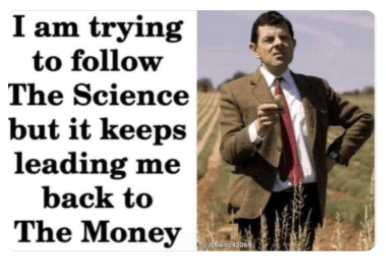

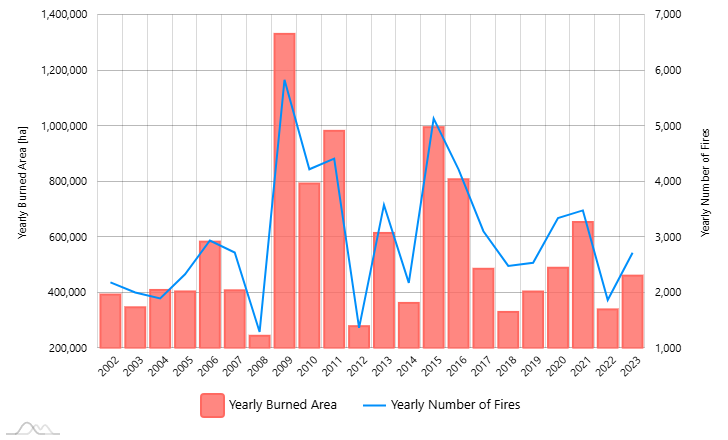
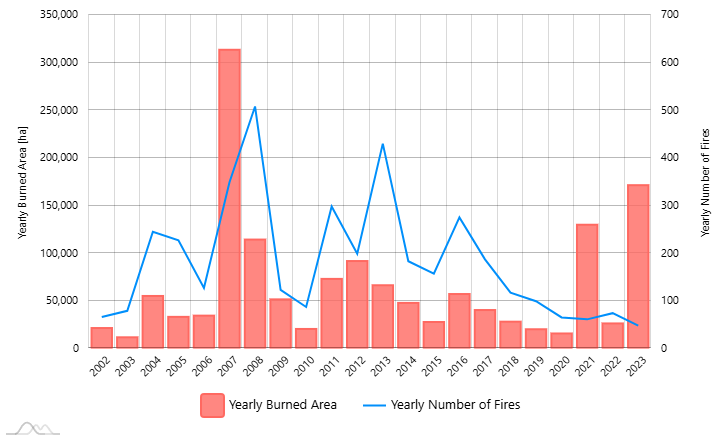
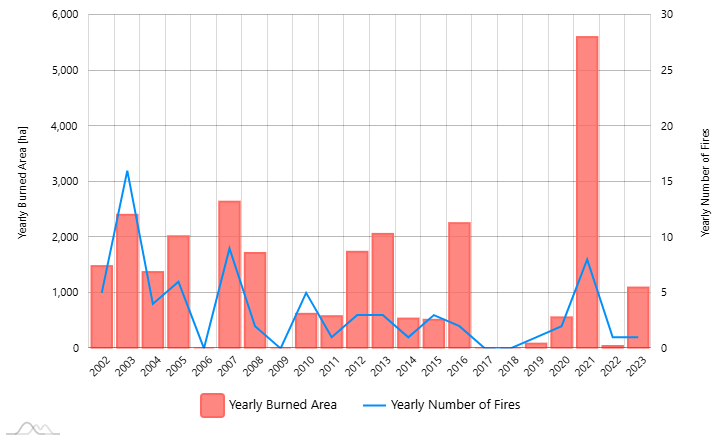


 Aletho News