In 1928 scientist Alexander Fleming returned to his laboratory after a 2-week holiday. A petri dish of bacteria accidentally left on the lab bench, somehow became cross-contaminated with Penicillium notatum mould. Fleming noticed the mould inhibited the growth of the bacteria. This accidental discovery marked the dawn of the antibiotic era and a turning point in medical, and perhaps human history.
Recently, another accidental discovery has scientists wondering whether we have turned another corner in history.
The story begins with Kevin McKernan, a scientist with 25 years experience in the genomic field and a leading expert in sequencing methods for DNA and RNA. He has worked on the Human Genome Project and more recently in medicinal genomics involving DNA sequencing.
In the process of trying to sort out a sequencing problem, McKernan used anonymously sent, Pfizer and Moderna Covid-19 bivalent vaccines to act as mRNA controls.
‘Somebody sent me these thinking, this is the perfect control… It should be pure. So, if you get this to work, you’ll sort out your mRNA sequencing problems,’ McKernan explains in a recent interview. ‘They were right about that. It did sort out our problems. But what we discovered in the process is that they weren’t pure mRNA. They actually had a lot of DNA in the background.’
McKernan was shocked, ‘It’s not what we were looking for… I had this hunch that the new modified nucleotides they have in the mRNA may have a higher error rate, and therefore we would see more mistakes in the mRNA. So, I knew we would have to sequence like a millionfold deep… over and over again to find these mistakes. When we did that DNA popped up and I thought “Oh, that’s a bigger problem. We have to focus on that.” … I kind of went into panic mode, realizing that I didn’t budget any time to look into this, and the world has to know about it.’
Let’s pause here and look at what we’re told about the Covid-19 mRNA injections. We’re assured:
The injections are safe. Meanwhile, adverse event reporting systems around the world record previously unseen rates of adverse events and injuries;
The injections areeffective. We would ask: Effective for what? Not stopping transmission. We’re not sure about preventing serious illness either evidenced by recent data and New South Wales Health reports which show a disproportionate number of hospital and ICU admissions amongst the vaccinated.
The injection materials stay at the injection site. Recently released documents obtained under FOI show the lipid nanoparticles become widely distributed – notably to the liver, spleen, adrenal glands, ovaries, and testes;
The injections won’t change your DNA.
Let’s look at that last one a little bit closer.
The Australian TGA states you can find reputable information about Covid-19 vaccines on their ‘Is it true’ section of the website. It is worth a look. In answer to the question ‘Can COVID-19 vaccines alter my DNA?’ the TGA is clear: ‘No, COVID-19 vaccines do not alter your DNA.’
They explain, ‘mRNA vaccines use a synthetic genetic code called RNA to give our cells instructions about how to make the coronavirus’ unique spike protein. When our body has made the protein encoded by the mRNA vaccine, it then recognises the spike protein as being foreign and launches an immune response against it. The RNA from the vaccine does not change or interact with our DNA in any way.’
Phew. Well, that’s ok then, right?
Possible routes for mRNA to convert to DNA (including a process known as reverse transcription) were discounted. Until the publication of an annoying little paper in 2022 by Alden et al, an in vitro study involving human liver cells which showed Pfizer’s mRNA was expressed as DNA within six hours.
At the time, this was assumed due to reverse transcription of the mRNA. However, in light of McKernan’s discovery, there’s a whole new possibility to consider. What if the vaccines already contained DNA? Then arguments about whether the mRNA could reverse transcribe into DNA become irrelevant.
Let’s return to McKernan and take a closer look at what he found. In addition to the expected mRNA, he also found mRNA fragments, other pieces of RNA, and two forms of DNA: linearised and circular. The significance of the circular – or plasmid – DNA is important. The plasmid DNA is the ‘complete recipe’ used to program bacterial cells to mass produce the mRNA. This DNA should not be there. Further investigation by McKernan showed the plasmid DNA contained in the vaccines was indeed viable and capable of transformation in bacterial cells.
So, the Pfizer and Moderna vials of bivalent vaccine that McKernan tested were contaminated with DNA. DNA encoding the spike gene and potentially capable of inserting into the genome of an organism.
The question is, does this DNA have the potential to become part of the genome of a human organism and if so what might be the consequences? This would have required looking at ‘genotoxicity,’ something Australia’s TGA says the (Pfizer) injections were not tested for, and the TGA did not ask for.
In case you are wondering, there are strict guidelines about DNA contamination levels in mRNA products. The European Medicines Agency (EMA) and FDA stated limits are 330 nanograms of DNA per milligram of RNA. In Australia, the TGA says it should be no more than 10 nanograms per dose.
(It’s unclear how these limits were decided. Personally, we’d be hoping for zero DNA in our mRNA injections.)
This means that DNA should not be more than 0.033 per cent of the total nucleic acids in the dose. But McKernan’s analysis demonstrated DNA contamination of up to 35 percent in the bivalent injection samples. This is up to 1,000 times higher than deemed to be ‘acceptable’ by the regulating authorities.
Next, McKernan analysed the monovalent (earlier) injections. The Pfizer monovalent injections were also found to be contaminated with DNA, though not as much. The levels of DNA in the Pfizer monovalent injections were 18-70 times higher than the EMA limit.
So, what happens now?
These results are in the process of being further verified by the scientific community. In the essence of speed, McKernan published his findings and methods publicly on Substack and online. He explains, ‘The publication system, during the pandemic, is politicised. So, that’s probably not going to get the word out very quickly. I had to do my best to document this all and make the data public.’
If McKernan’s findings are verified, the implications are serious. Widespread DNA contamination would bring into question the quality of the entire mRNA injection manufacturing process, safety systems, and regulatory oversight. In addition, DNA might not be the only contaminant.
This contamination discovery begs a question. What does Australia’s Office of the Gene Technology Regulator (OGTR) know about the safety of these mRNA injections? And what discussions have occurred between the TGA and the OGTR regarding the safety of these injections?
Some of these questions are being asked and will hopefully get answers. Soon, we hope.
Another question weighs heavily. What does this ‘accidental discovery’ mean for those who’ve had the mRNA injections, in terms of their health, their offspring, and future of the human genome?
Scientists and genomics experts are shocked by the discovery. McKernan too, ‘I didn’t expect to find Pfizer’s entire blueprint for how they manufacture this thing sitting in the vial.’
Neither did we.
Dr Julie Sladden is a medical doctor and freelance writer with a passion for transparency in healthcare. Her op-eds have been published in both The Spectator Australia and The Daily Declaration. In 2022, she was elected as a Local Government Councillor for West Tamar in Tasmania.
Children ages 12 to 17 who received the mRNA COVID-19 vaccine face a heightened risk of heart inflammation, according to a new U.S. Food and Drug Administration (FDA) study.
But because the study only identified a safety signal for two heart conditions — myocarditis and pericarditis — in children “these results provide additional evidence for the safety of the COVID-19 vaccines in the pediatric population,” FDA researchers concluded.
Cardiologist Dr. Peter McCullough said he disagreed. “My concern is that these data represent a gross under-reporting of the frequency and severity of COVID-19 vaccine-induced myocarditis,” McCullough told The Epoch Times.
“There have been > 200 papers in the peer-reviewed literature and over 100 fatal documented cases largely among young men, peak ages 18-24 years, some with autopsy-proven COVID-19 vaccine heart inflammation resulting in death,” McCullough added.
In the study, published Monday in JAMA Pediatrics, FDA researchers examined health outcomes in more than 3 million children who received the Pfizer mRNA vaccine through mid-2022.
They found the number of cases of both myocarditis, a form of heart inflammation, and pericarditis, inflammation of the tissue surrounding the heart, were high enough to meet the criteria for a safety signal.
The researchers also found reports of myocarditis and pericarditis cases among vaccinated children ages 5 to 11, but not enough to trigger a safety signal, they said.
Conclusions ‘pretty ludicrous’ and ‘political,’ experts say
Norman Fenton, Ph.D., professor emeritus of risk at the Queen Mary University of London, called the claim that the results provide additional evidence that the vaccines are safe in children “pretty ludicrous.”
He said that conclusion didn’t make sense given that the signal was both strong and “likely underestimated given some obvious weaknesses of the study” and also that children of that age are at no risk from COVID-19 but at higher risk of getting COVID-19 if they are vaccinated.
Dr. Kirk Milhoan, a pediatric cardiologist, told The Defender the safety claim didn’t hold up because the study identified two safety signals. “The signal is what indicates they are not safe,” he said.
He said with previous children’s vaccines such as RotaShield, the first vaccine to prevent rotavirus gastroenteritis, about 100 vaccine-related cases of intussusception, or folding of the intestine, led to the conclusion that it was unsafe and it was withdrawn from the market. But with myocarditis in young people, he said, “we’re at thousands,” and the cases are likely undercounted.
Experts question study’s methodology
The researchers reviewed medical records from healthcare claims filed in three commercial health insurance claims databases run by Optum, HealthCore and CVS Health.
They examined insurance claims made for different possible vaccine-related adverse events within a window of time following vaccination that varied for the different events studied.
They found 153 cases of myocarditis or pericarditis among children ages 12 to 17. The children sought care for their symptoms within seven days of vaccination on average.
The researchers’ study period began in December 2020, when the FDA authorized Pfizer’s vaccine for emergency use and ran through May or June 2022, depending on the database.
The FDA also monitored the databases for 18 other potential adverse events that included anaphylaxis, Bell’s palsy, Guillain-Barré syndrome hemorrhagic stroke and others, but the study reported that none of the other conditions met the criteria for a safety signal.
Some experts questioned the study’s methodology, noting that the risk windows were short given that some effects can take time to express themselves and that the signal threshold for some criteria was set so high they would have to occur at double the rate in the unvaccinated to be recognized as a signal.
They also said categories of outcomes were sometimes overly narrow, and some adverse events were not even considered.
“I think the idea that they look at only 20 very specific AEs [adverse events] then declare them safe upon not finding anything is very myopic,” Hebrew University lecturer Joshua Guetzkow, Ph.D., wrote in an email.
Experts also said the study didn’t account for the effects of the “healthy user bias,” where people who take up certain treatments tend to be healthier than people who don’t, usually related to socio-economic factors.
Research has shown that people who decide to get vaccinated tend to be healthier than people who don’t.
In this case, all of the people in the study were vaccinated, fully insured for the entire duration of the study and able to visit a doctor who maintained their continuous health records.
Milhoan added that prior to COVID-19, it wasn’t common practice for scientific papers to make public health acknowledgments at the end of the papers.
Previously, he said, researchers wouldn’t imply recommendations, they would just say, “This is what we found medically.” He added, “These public health claims aren’t scientific, they’re political.”
Brenda Baletti Ph.D. is a reporter for The Defender. She wrote and taught about capitalism and politics for 10 years in the writing program at Duke University. She holds a Ph.D. in human geography from the University of North Carolina at Chapel Hill and a master’s from the University of Texas at Austin.
No one has the courage and aptitude to lead Europe today, meaning there is no political leadership in the European Union, especially in the European Commission, said Hungarian Justice Minister Judit Varga at a Budapest conference on Thursday.
“In the European Union today, it is non-governmental organizations (NGOs), foundations and think tanks that tell Europe how to run Europe, according to the will of their own leaders,” she said.
“Recently, for asymmetric reasons, a crisis of confidence has arisen between the EU leadership and the Hungarian government. This is because the Hungarian government, unlike the EU institutions, says what it thinks and does what it says,” she added.
Varga said Europe is stumbling around the stage of history as a clumsy sideshow, drifting from crisis to crisis, and since the migration crisis, it has been trying to make policy in a way that is completely divorced from the real needs of its citizens. She said the institutional system also failed during the Covid crisis and then shot itself in the foot with sanctions against Russia after the outbreak of the Russian-Ukrainian war.
She warned that immigration is a crisis that still affects Europe and continues to cost the Hungarian budget heavily.
“At the same time, by defending Europe, we have to constantly fight the judgments and proceedings of the European Court of Justice,” she said. “Waiting for yet another slap in the face instead of any good deed, that is the fate of Hungary.”
Varga noted that during the coronavirus crisis, the EU made deals regarding vaccines, and yet those text messages have never been produced, referring to the murky case involving EU Commission President Ursula von der Leyen.
“We make no secret of the fact that we want to hold the functioning of the institutions in the European Union accountable in terms of the rule of law. Let’s talk about whether the European Commission, the European Parliament, the European institutions are respecting the rules, whether the rule of law is working in the institutions,” said the minister.
On the issue of the Hungarian EU presidency, the European Parliament has no say in this, the minister said, stressing that more than 10 years ago, a unanimous European Council decision had established the order of the member states, which can only be changed by unanimity. The presidency is not only a right but also an obligation, and the opposition will not achieve anything by such an attempt, but it could do enormous damage.
According to the minister, the European Parliament wants to block Hungary’s EU presidency precisely because it fears that Hungary will take stock of the dysfunctional state of EU institutions.
Due to the importance of the issue of Covid-19 vaccinations to society, PANDA calls on Lancet to retract a seminal paper that is demonstrably incorrect in its assumptions.
On June 23, 2022, the journal Lancet Infectious Diseases published an article by Watson et al. entitled Global Impact of the first year of COVID-19 vaccination: a mathematical modelling study.[1] The authors of this paper “estimated that vaccinations prevented 14.4 million deaths from COVID-19 in 185 countries and territories between Dec 8, 2020 and Dec 8, 2021.” This estimate is so impossibly high that this article should be retracted by The Lancet. The obvious impossibility of their estimate may be demonstrated by any of the following five relatively simple calculations.
First, the WHO reports that as of Feb 17, 2023 there were “756.5 million confirmed cases of COVID-19 including 6.84 million deaths.”[2] This gives an overall case fatality rate (CFR) of 0.9%. At this rate, had the Covid vaccines prevented 14.4 million deaths in the space of one year, then they would also have needed to prevent 1.59 billion confirmed cases in that same year. But this is more than twice the total number of cases in three years, meaning it would require a six-fold increase in the number of confirmed cases since the beginning of the Covid era. Therefore, based on the overall CFR it is impossible that the vaccines saved 14.4 million deaths.
The situation is unchanged if we use data from before the vaccines were rolled out. The WHO reports that on December 28, 2020 there had been 84.9 million cases and 2.0 million deaths. This gives a CFR of 2.4%. To save 14.4 million deaths at this rate would require preventing 611 million cases, meaning it would require a 7 fold increase in infections and deaths in 2021 from Covid.
Second, it is well established that the infection fatality rate (IFR) of Covid is age-dependent. For instance, the BMJ published an article on Oct 26, 2020 which noted that “the US Centres for Disease Control and Prevention has said that eight in 10 Covid-19 related deaths reported in the country have been among people aged 65 years or over.”[3] Therefore, for vaccinations to have prevented 14.4 million deaths, they would need to have prevented 11.52 million deaths among those over 65 years of age. According to the UN, the world population is about 7,954 million, of which about 10% are over 65.[4] That means that there are 795 million people in this age group. To have prevented 11.52 million of them from dying would have required the following things to have happened during that one year:
All 795 million people over 65 are vaccinated,
None of these people contracted Covid while waiting to be (fully) vaccinated.
The vaccines are 100% effective (absolute risk reduction) against death,
Without vaccination, all 795 million would have contracted Covid, and
The average IFR of Covid for those over 65 and unvaccinated is at least 1.45%.
In an earlier article in The Lancet it was estimated that the IFR of Covid (before vaccination) for those over 60 is 1.0035%.[5] Thus, all five of these requirements are either incorrect or impossible. Therefore based on age-specific mortality rates it is impossible that the vaccines prevented 14.4 million deaths.
Third, on Mar 10, 2022, The Lancet published an article in which it was estimated that between Jan 1, 2020 and Dec 31, 2021 about “18.2 million people died worldwide because of the COVID-19 pandemic.”[6] If the vaccines had successfully prevented another 14.4 million deaths, then 32.6 million deaths would have occurred without the vaccines. For this many people to have died, it would have required all eight billion people in the world to have been infected with Covid, and a global average IFR of at least 0.41%. But a bulletin published by WHO estimates the IFR to be at most 0.23%, and it “might even be substantially lower than 0.23%.”[7] One must conclude from this that either the Lancet article claiming 18.2 million people died in the first two years of Covid is incorrect, or the Lancet article claiming that 14.4 million deaths were prevented in the first year of the vaccines is incorrect, or both Lancet articles are incorrect. Therefore, based on published average IFRs, it is impossible that both Lancet articles are correct.
Fourth, on Jan 25, 2023, the UK Health Security Agency (UKHSA) published a report that estimated the number needed to vaccinate (NNV) to prevent a Covid hospitalisation. In Table 4 of Appendix 1, they say that 2,500 people over 70 must be vaccinated to prevent one severe hospitalisation in that age group.[8] This is the smallest NNV figure in the table. If we apply this number to the entire world population, and assume both that the entire population is over 70 years of age and that every last soul was vaccinated, according to the UKHSA data, only 3.2 million severe hospitalisations would be prevented. Therefore, it is clearly impossible for the vaccines to have prevented 14.4 million deaths.
Fifth, according to the published results of Pfizer’s Phase 3 clinical trials, of the 21,728 volunteers who received the placebo shot, 162 contracted Covid. Conversely, of the 21,720 volunteers who received the BNT162b2 injection, eight contracted Covid.[9] This means that the Pfizer shot may have prevented about 154 infections per 21,720 persons receiving the vaccine. According to Our-World-In-Data, about 4.5 billion people received at least one dose of a Covid vaccine during the first year of the roll-out.[10] Although not all received the Pfizer product, the majority did in many countries, and the Pfizer shot is generally held as the superior option. Thus, using Pfizer’s own results, at most 31.9 million infections might have been prevented in the first year of the vaccines. Using the IFR of 0.23% mentioned earlier, the maximum number of deaths prevented by the vaccines after one year is 73,384. This is almost 200 times less than the 14.4 million estimate put forward in the Lancet article.
It may be worthwhile to point out that Watson et al. inadvertently provide at least some of the reasons why their estimate is so obviously incorrect. In the first place, the authors expressly state that “excess all-cause mortality … [was] used to quantify the impact of the COVID-19 pandemic.” However, so many health variables were altered in 2020 and 2021 that it is certain that multiple factors contributed to excess mortality, not just Covid. Thus, they overestimated how lethal Covid was. And secondly, the authors testified that they assumed the vaccines were effective: “Vaccination was assumed to confer protection against SARS-CoV-2 infection and the development of severe disease requiring hospital admission, and to reduce transmission from vaccine breakthrough infections (i.e. we assumed vaccinated individuals who develop infection would be less infectious than unvaccinated individuals).” Since all of these assumptions are false (as Pfizer’s own clinical trial results testify), it is certain they overestimated the effectiveness of the vaccines.[11, 12, 13, 14, 15, 16]
In conclusion, by overestimating the mortality caused by Covid, and by overestimating how effective the vaccines were, Watson et al. came up with obviously incorrect conclusions about how many deaths were prevented by the Covid vaccines. Whether one looks at the average CFR, or the age-specific IFR, or the average IFR, or the NNV, or Pfizer’s own data, it is quite impossible that the Covid vaccines prevented 14.4 million deaths in the first year. Since this is a tremendously important issue to society at large, it is requested that the editors at The Lancet retract this obviously flawed paper.
Covid-19 Forecasting Team, “Variation in the COVID-19 infection–fatality ratio by age, time, and geography during the pre-vaccine era: a systematic analysis,” February 24, 2022 DOI: https://doi.org/10.1016/S0140-6736(21)02867-1
Wang, Haidong, “Estimating excess mortality due to the COVID-19 pandemic: a systematic analysis of COVID-19-related mortality, 2020–21,” March 10, 2022 DOI: https://doi.org/10.1016/S0140-6736(21)02796-3
Ioannidis, John P A. (2021). Infection fatality rate of COVID-19 inferred from seroprevalence data. Bulletin of the World Health Organization, 99 (1), 19 – 33F. World Health Organization.http://dx.doi.org/10.2471/BLT.20.265892
Polack, Fernando et al, “Safety and Efficacy of the BNT162b2 mRNA Covid-19 Vaccine,” December 31, 2020 N Engl J Med 2020; 383:2603-2615 DOI: 10.1056/NEJMoa2034577
Pritchard et al, “Impact of vaccination on SARS-CoV-2 cases in the community: a population-based study using the UK’s COVID-19 Infection Survey,” medRxiv 2021.04.22.21255913; doi: https://doi.org/10.1101/2021.04.22.21255913
Wang, Lindsey et al, “Increased risk for COVID-19 breakthrough infection in fully vaccinated patients with substance use disorders in the United States between December 2020 and August 2021,” Wiley Online Library, 2021, https://doi.org/10.1002/wps.20921
Everyone ‘knows’ that flu disappeared in the winter of 2020-2021. The popular explanation for this is ‘viral interference’, whereby one virus replaces another in circulation, as often happens with different strains of flu. The assumption is that flu was outcompeted by SARS-CoV-2 and hence largely vanished.
However, the stark juxtaposition of its absence and its replacement by the ‘novel and deadly’ SARS-CoV-2 virus remains an open question, given that flu vanished only from Westernised countries yet remained prevalent in Pakistan, Afghanistan, Haiti and Bangladesh in the winter of 2020/21.
Tracking the prevalence of any virus relies not only the quality and extent of testing, but also on the protocols, procedures and the public health bureaucracy that govern when the test should be administered and how the test result is validated, interpreted and reported. Therefore a systematic assessment of the effects of seemingly unrelated policy decisions is needed to determine whether policies were enacted – wittingly or unwittingly – which brought about a particular result as a kind of ‘spooky action at a distance’ that caused flu to appear to vanish from some countries but not others.
By now we are all familiar with the problems associated with SARS-CoV-2 PCR testing. Ultimately clinical judgement regarding Covid-19 was delegated from the physician to a diagnosis based solely on the PCR test. The possibility of false positives and negatives was entirely absent from clinical decision-making, despite the now well understood issues where false positives can be caused by high cycle thresholds, cross reactivity, and the use of single genes to declare positive results. In other words: ‘it was all about the test’.
If we have good reason to mistrust the testing regime for SARS-CoV-2, why should we trust the testing and surveillance regime used for flu?
Quarantines were promoted as measures to reduce spread of SARS-CoV-2 and are also paradoxically claimed to have prevented the spread of flu (even though they did not prevent transmission of SARS-CoV-2). There is the possibility that what they actually did was dramatically reduce the chance of receiving a positive flu test result. If you don’t have a positive flu result, there was little possibility of being diagnosed with flu in the presence of a contradictory explanation – SARS-CoV-2. Given that PCR tests for SARS-CoV-2 were mandated (when not enthusiastically and voluntarily performed by a populace terrified by propaganda) there was therefore a very high chance of being diagnosed with Covid-19 instead of the flu.
Flu tests are recommended to be administered within four days of symptom onset. If they are administered after four days, they would likely produce a false negative result for someone with flu (flu tests are rarely administered routinely anyway). Mandatory Covid-19 tests, run at high cycle thresholds and suffering from cross-reactivity with other pathogens (amongst other operational issues), may well have resulted in false positives for Covid-19, when in fact the pathogen causing symptoms may have been flu. Therefore, people with flu would have been wrongly categorised as having Covid-19, and as a result quarantined for a period sometimes up to 14 days. Hence any flu test given after quarantine ended would inevitably result in a negative for flu even if that was the causative agent, because it was given later than the four days needed for the flu test to be accurate.
Compared with Covid-19, diagnosing flu ‘out of season’ is fraught with tricky clinical and bureaucratic barriers, which also served to depress the likelihood of reporting flu cases. According to CDC (the US Centers for Disease Control) algorithms for diagnosing flu ‘out of season’, in the event of a positive flu test the clinician is asked to pause and consider if this is a false positive. Furthermore, they also need to justify any decision to support the positive result and diagnose flu with an assessment of whether there is evidence of an epidemiological link between this case and others (i.e. link to existing circulation in the community). Likewise, the clinician would also have to consider the signs and symptoms of flu, but given that these will heavily overlap with Covid, which the authorities are proclaiming as an epidemic, it looks as if the cards are stacked against them.
There is an elegant logical circularity at play here that a physician needs to consider. The CDC say you need an outbreak and an epidemiological link to help justify a positive flu test, but surely you only know there is an outbreak, and can determine an epidemiological link, if you and others, in coordination, have already accumulated enough positive test results. It’s a chicken and egg situation. Who determines whether there is an outbreak? None of the CDC documents says.
Therefore, even if a physician was armed with a positive flu test result the chances of this overruling an all-pervasive prior belief in Covid-19 being the cause of all respiratory illnesses, encouraged by powerful incentives directed by a centralised bureaucracy, would have been close to zero.
In combination it is possible that these primary mechanisms, rather than ‘viral competition’ between flu and SARS-CoV-2 or ‘effective lockdowns’, could partially or wholly account for the disappearance of flu. If flu did not disappear then what might then have been the primary cause of those who died with symptoms of a respiratory virus in 2020/21?
This article is based on an original article co-authored with Professor Norman Fenton and Jonathan Engler. The extended version of the article is available from the substack Where are the Numbers?
Google has renewed its partnership with the World Health Organization (WHO) to provide what it calls “factual” information about different diseases and conditions. The partnership is positioned as a way to combat what it says is the spread of medical “misinformation” observed during the pandemic.
On Google search, there are already Knowledge Panels at the top of results when users search for certain conditions and diseases.
Soon, the Knowledge Panels will include more conditions and illnesses like depressive disorder, Ebola, COPD, malaria, hypertension, diabetes, Mpox, and others, all using information verified by the WHO.
In a previous partnership, Google awarded more than $320 million to the WHO in Ad Grants to help spread its medical information. In the new partnership, Google awarded the global public health organization an additional $50 million to continue the efforts.
The WHO has been criticized more in frequent years for calling for censorship while itself putting out information during the pandemic that turned out to ultimately be untrue.
“Is modern medicine helping us live longer and healthier?” Or is a “darker, more sinister agenda” creating “a longer but sicker life?”
Journalist James Li explored this question on a recent episode of “Breaking Points,” where he discussed how “Big Pharma, Big Food, mainstream media, medical professionals, [and] the government” collaborate to make us sick.
Li showed a “60 Minutes” clip about the obesity epidemic ravaging the U.S., in which Dr. Fatima Cody Stanford, obesity medicine physician-scientist and associate professor at Massachusetts General Hospital and Harvard Medical School, explained why common beliefs about obesity are wrong.
“The number one cause of obesity is genetics,” she said. “That means if you are born to parents that have obesity you have a 50 to 85% likelihood of having the disease yourself even with optimal diet, exercise, sleep management and stress management.”
“So the message from the mainstream media is pretty simple,” Li said. “Obesity is a disease, take a drug.” But that’s not the whole story, he said.
Obesity in the U.S. has gone from “almost nonexistent” in the 1950s to a projected 50% of the population by 2030. So, “unless the human race experienced some kind of quantum leap in genetics, there must be something else we’re doing that is destroying our metabolic health,” Li said.
Drawing on recent work by pharma consultant-turned-whistleblower Calley Means, Li pointed to two major issues in the U.S. food system — too much sugar and a lack of fiber.
The average child eats 100 times more sugar — which is more addictive than cocaine — per day today than 100 years ago — and the sugar hides in processed foods, Li said.
Knowing that sugar is addictive creates an incentive for processed food producers to keep adding more of it to our food.
Li told viewers:
“If you are a food industry executive — bonus is on the line, shareholders demanding astronomical growth quarter after quarter — what do you do to get a leg up on your competitor?
“Well, you add sugar to your products to make them more addictive so people buy yours and not your competitors’ and then they try to one-up you and all of a sudden sugar is everywhere.”
Fiber, which according to the Mayo Clinic helps “maintain a healthy weight and lowers your risk of diabetes, heart disease and some types of cancer” has almost completely disappeared in a lot of our most popular food products.
In fact, Li said, according to the National Institutes of Health, only 5% of people consume the recommended daily target of fiber.
Li quoted Nicole Avena, Ph.D., who told Newsweek that many ultra-processed foods are “almost pre-chewed” for us:
“They melt in your mouth immediately. There’s no protein. There’s no water. There’s no fiber slowing them down. It’s going to hit your taste buds and light up your reward and motivation centers of the brain immediately. Then there’s a secondary hit of dopamine when it gets absorbed into the body.”
Li said, “These food companies have morphed into narcotics laboratories. They’ve found a way to hack our brains and make a killing both figuratively and literally.”
The healthcare system, he said, then comes in as a hero to treat these illnesses and makes skyrocketing profits doing so. Li cited Means to say that the healthcare system doesn’t focus on health or prevention. It only makes money when people are sick.
“Every single institution is incentivized for more Americans to be sicker for longer periods of time,” Li said.
FAIR reported that every doctor interviewed by “60 Minutes” for its segment on obesity had received money from Novo Nordisk, maker of the drugs effectively being advertised on the show.
None of the doctors mentioned the serious side effects associated with the drugs, Novo Nordisk’s massive profits from the drugs or the lobbying the drugmaker is doing to get insurance to pay for weight-loss drugs.
This is how the “obesity industrial complex” works, Li said:
“The food industry makes billions of dollars selling food that’s known to be toxic and poisonous, making millions of Americans sick in the process. The healthcare industry in this case gets to play hero while also pocketing billions of dollars selling a supposed miracle drug to millions of adults and children.
“Both of these industries have worked out a little deal with the federal government, Congress with lobbying money with funding for the FDA [U.S. Food and Drug Administration] so that they can rewrite science and continue to sell food that is known to be toxic and poisonous.”
But, he said, despite the fact that the entire system is organized to profit from making people sick, there are some “no-brainer” solutions Means proposed that Li puts forward.
First, the FDA ought to revise the “recommended” added sugar in children’s diet per day from 50 grams, based on a 2,000-calorie diet, to zero.
Second, he said, the Supplemental Nutrition Assistance Program (SNAP), commonly known as “food stamps,” functions as a subsidy to the processed food industry because most SNAP benefits are expended on cheap, processed food. Reforming that program, he said, could end those subsidies.
Li concluded by asking the audience:
“All the technological advancements in public policy decisions of the last half century, have they contributed to promoting a longer and healthier life? Or a longer and sicker life?”
Watch here:
Brenda Baletti Ph.D. is a reporter for The Defender. She wrote and taught about capitalism and politics for 10 years in the writing program at Duke University. She holds a Ph.D. in human geography from the University of North Carolina at Chapel Hill and a master’s from the University of Texas at Austin.
The U.S. Preventive Services Task Force (USPSTF) recently changed its recommendations for all women to get screened for breast cancer every other year starting at age 40 instead of 50.
Wanda Nicholson, USPSTF Vice Chair and professor at George Washington University said the updated recommendations “will save more lives among all women.”
Sadly, it’s not that simple.
Time and time again, the evidence shows that screening healthy women using mammograms in fact, does not save lives.
In 2014, in a large study published in The BMJ, half of women underwent annual mammogram screening, and the other half did not.
At the end of the 5-year trial period, and after 25 years of follow-up (see graph), the probability of survival was similar in the two groups.
A Cochrane review in 2013 (and an unpublished update in Jan 2023) also found mammography screening had no impact on the most important outcome, i.e. overall (all-cause) mortality.
How is it possible that detecting cancers earlier doesn’t save lives?
The imaging technology is so sensitive that it detects lumps, masses and cysts that are not cancerous, resulting in biopsies and follow-up procedures that can cause patients immense stress.
Also, it’s detecting abnormalities that would never lead to harm because they grow so slowly, or they don’t grow at all.
And because we’re not very good at distinguishing the difference between slow and fast-growing cancers, the standard is to treat them all – sometimes, unnecessarily.
Danish physician Peter Gøtzsche and lead author of the Cochrane review on mammography screening wrote a review in 2015 called “Mammography screening is harmful and should be abandoned.”
Gøtzsche explains why screening healthy women actually harms more than it helps. It’s a well-intentioned program that has unintended harmful consequences.
For example, while trying to reduce death from breast cancer, the treatments (e.g. radiotherapy) may cause death from other diseases like heart disease or lung cancer – so in the end – there is no improvement in lifespan.
Much of the difficulty lies with ~20% of breast abnormalities called “Ductal Carcinoma In Situ (DCIS) – otherwise known as stage 0 cancer. Their detection is a direct consequence of the mammography screening, as they would not be detected otherwise.
Importantly, these are not cancers, but have the potential to progress.
The problem is, few clinicians are comfortable with the wait-and-see approach, and often encourage women to undergo invasive surgeries, radiation, or chemotherapy that they didn’t ultimately need.
For this reason, some oncologists have suggested changing the name of DCIS to avoid using words such as “stage 0 cancer” or “carcinoma” which cause fear and unnecessary psychological stress.
The question of whether patients benefit from immediate treatment of DCIS or from ‘active surveillance’, may be answered over the next few years by three ongoing trials – two in Europe and one in the US.
Too Much Medicine
Lowering the screening threshold from age 50 to 40, means millions more people become eligible for treatments that they might not need, under the guise of “prevention is better than cure.”
Consequently, a huge number of scarce resources is diverted from the sick to the ‘worried well.’
Dr Iona Heath, past president of the UK Royal College of General Practitioners, once said to me, “Medicine should probably be leaving the well to be well, instead of constantly trying to find something wrong with them.”
Dr Heath was among several experts who featured in my documentary called “Too Much Medicine” which aired on ABC TV in 2015 (see it here). The program explored the issue of over-diagnosis and over-treatment in various areas of healthcare.
There are women at high risk of breast cancer – e.g. those with a genetic/family history – who might benefit from targeted detection tools, but screening women in the general population appears to cause more harm than good.
*15 of the 16 members of the US Task Force declared no conflicts of interest related to this recommendation. There was only one Task Force member who had a relevant conflict of interest, and he was recused from all activities related to this recommendation.
*Peter Gøtzsche, former head of the Nordic Cochrane Centre, published a book titled “Mammography Screening: Truth, Lies and Controversy” available here.
*Vinay Prasad, a practicing haematologist-oncologist and Professor in the Department of Epidemiology and Biostatistics at the University of California San Francisco, has recently produced a video explaining the data.
Covid pandemic disinformation; Covid conspiracy doctor claimed he was ‘poisoned after interview’ just days before death; IMO, I don’t put anything past the ‘dark unseen hand’, those behind COVID fraud.
‘A notorious conspiracy theorist doctor, known for his wild takes on the Coronavirus pandemic, claimed he had been poisoned just a few days before he died.
Dr Rashid Buttar, who was part of the group nicknamed the “Disinformation dozen”, died suddenly yesterday (Saturday, May 20) at the age of 57.
He was known for being a huge anti-vaxxer and became a cult figure during the pandemic.’
‘The medical community is mourning the loss of Dr. Rashid Buttar, a respected doctor known for his views on COVID-19 and vaccines.
He was named as one of the “Disinformation Dozen” by the far-left media along with Democrat presidential candidate, Robert F. Kennedy Jr.
Dr. Buttar, 57, a licensed physician and a retired Major in the US Army who served in special forces, died on Thursday at his home, while spending time with his family, according to an email sent by his family.’
“Every single one of you, independently, is a beacon of light for those around you. So set the example, stand up, continue to fight … let your children see what it means to be free.” — Dr. Rashid Buttar
The entire Children’s Health Defense (CHD) team is saddened to learn of the May 18 passing of renowned physician, humanitarian and children’s health advocate Dr. Rashid Buttar.
Dr. Buttar was born in England in 1966. He moved to the U.S. with his family when he was 10 years old. He graduated from Washington University with a double major in biology and theology, later obtaining a doctor of osteopathic medicine degree from the University of Osteopathic Medicine and Health Sciences, College of Osteopathic Medicine and Surgery in Des Moines, Iowa.
Dr. Buttar trained in general surgery and emergency medicine and served as brigade surgeon and chief of the Department of Emergency Medicine at Moncrief Army Community Hospital at Ft. Jackson in Columbia, South Carolina, during his time with the U.S. Army.
He was board certified in clinical metal toxicology and was the medical director for Advanced Concepts in Medicine in North Carolina and California clinics specializing in alternative treatments for patients with cancer, heart disease and autism.
Dr. Buttar distinguished himself among the families of children diagnosed with autism for his compassion and willingness to think outside the box in terms of treatment — even when his methodologies went against the grain of mainstream medicine.
He became an advocate for children who were injured by vaccines, testifying in 2004 before the U.S. House Committee on Government Reform on the topic of “Revolutionary New Treatment of Neurodevelopmental Diseases.”
Commenting on Dr. Buttar’s death, Robert F. Kennedy Jr., CHD founder and chairman on leave, said:
“Rashid was an irreplaceable leader in the medical freedom movement. He was also my friend and physician. His early and courageous stand for his patients, for medical integrity and for evidence-based medicine cost him his career, relationships, income and his standing in his community and made him a pariah among his physician colleagues for decades.
“Rashid rarely spoke of his own sacrifices. His consuming focus was on healing the sick, comforting the afflicted and consoling the grief-stricken. I’ll always be grateful to him for the miraculous relief he provided me from mercury toxicity. He gave similar gifts to thousands. I’m grateful to God for giving me such a friend.”
A stalwart pioneer in innovative treatments for autism and other conditions, Dr. Buttar was considered a medical maverick by both his peers and his patients.
In 2010, he wrote the popular book, “The 9 Steps to Keep the Doctor Away: Simple Actions to Shift Your Body and Mind to Optimum Health for Greater Longevity.”
“Our community has lost a dear colleague, a caring physician and a steadfast friend,” said Laura Bono, acting president of CHD.
Bono added:
“Dr. Buttar treated my son’s environmental toxicity and heavy metal poisoning for many years. We drove four hours, round-trip, to his office three days a week. He listened to our views regarding our son’s needs and altered treatments as needed based on our input, a real rarity in medicine today.
“Dr. Buttar never doubted my son’s history of regression into autism after vaccines. After all, it was a story he had heard many times before. The key to his success in treating patients was that he listened to and trusted the parents.
“We can only hope that Dr. Buttar’s example of treating patients’ illnesses with individualized, effective protocols will become the standard for all physicians.”
Dr. Buttar applied the spirit of his experiences on the battlefield to his tireless work for truth and freedom on behalf of neurodevelopmentally injured children despite well-financed censorship of his efforts.
“The many people impacted by Dr. Buttar’s courage and determination will carry on his legacy by continuing to speak truth to power, even when the deck is so heavily stacked against them,” said Bono. “Our collective voices will ensure that truth triumphs in the end.”
A major problem I see throughout the scientific and political sphere is that people cannot maintain a perspective that allows them to see the whole picture; rather they tend to focus or fixate on things they have some type of emotional or subconscious priming to focus on (this has been an issue throughout history). This is why you can have someone be around an individual they like and they primarily register the one good thing the individual did (while ignoring all the bad things) and conversely why they will ignore all the good things another individual they don’t like is trying so hard to do and focus on the one bad thing that individual did.
This human tendency ends up becoming a huge problem because the media will emotionally condition the public to focus on the one side on an issue which favors its corporate sponsors. This in turn leads to these people getting up in arms about that one point when individuals who dissent against the corporate narrative try to highlight the issues that greatly outweigh any purported benefit of the narrative.
This is particularly common with complex issues (which are difficult to understand to begin with) and one of my longstanding frustrations has been that despite the harms of vaccines greatly outweighing their benefits, many of you can only register the danger of the (often insignificant disease) the vaccine allegedly protects against. In my eyes, one of the upsides about COVID-19 is that this selective reframing of reality and the media lies to maintain it went to such an extreme extent, much of the public became able to realize it was absurd and started taking the time to try and fully understand the subject.
One of the common questions I get from readers relates to another complex question—which vaccines are safe for their kids, and which ones are a bad idea? This is surprisingly difficult to answer because you must weigh the likelihood of an adverse event from a vaccination vs. the likelihood of suffering a complication from the disease that the vaccine would prevent you from getting and compute a figure that takes the weighted average of each into consideration.
In order make this determination, you need to consider all of the following:
Disease Risk
How likely is it for a person to get the disease?
Some diseases we vaccinate against are incredibly rare (e.g., tetanus).
How likely is the disease to cause a negligible, minor, moderate, severe, or fatal complication?
It is very important to distinguish between these categories because, for most infections, the risk of you catching it and then it becoming a severe condition is extremely low. For example, a Neisseria meningitidis infection (which can cause septic meningitis) is really badand can progress very quickly, but also is very rare for people to develop (one in ten people are asymptomatic carriers whereas approximately one in a million get it a year).
How likely is it that the severity of the disease can be improved with an existing medical treatment?
Most of the infections we vaccinate against are very easy to treat. Unfortunately, the focus is always on vaccinating against the disease rather than providing treatment for it (especially if the treatment is something more unorthodox than an antibiotic). In the case of COVID-19, while severe complications represent the minority of cases, they (and the more minor ones) can in most cases easily be prevented by early outpatient treatment. Unfortunately, the Federal government has refused to disclose to the public what the effective treatments are for it (presumably because it would make it impossible to continue making money off COVID-19).
How likely is it that you will have access to the necessary treatment before you get seriously ill?
Although I dislike the vaccine approach, I have to acknowledge that this is one of the strongest arguments for it. For rapidly progressing diseases, for those in isolated areas, for those unable to recognize their need to seek medical care, and for those of limited economic means, they often cannot get the necessary treatment for the disease before it is too late to prevent a severe complication.
In general, it’s very rare that a vaccine-preventable disease has both a significant likelihood that you will get it and a significant likelihood that it will develop into a severe condition. Many of those believed to fall into this category are no longer an issue in the United States (e.g., polio or smallpox), regardless of whether or not you are vaccinated, but people who look at this question are often fixated on the past presentations of the disease when it was more pathogenic or when we did not have a way to treat it.
Vaccine Efficacy
How likely is the vaccine to be effective in preventing the disease, and do the presence of vaccine antibodies correlate with a decreased risk of the disease?
How likely is the vaccine to be effective at preventing severe complications of the disease?
The human papillomavirus vaccine (which “prevents” cervical cancer) is an excellent example of a vaccine that does not live up to its promise to do so because it’s promise was based on a series of erroneous (and wishful) assumptions.
How long does the vaccine’s protection last following immunization?
Many vaccines suffer from the problem of declining immunity, hence needing repeated boosters to be given which re-expose the recipient to the risks of the vaccine. COVID-19 again has provided the greatest red pill in history on this topic, as the immunity from it wanes approximately 3 months after the most recent injection.
How likely will it be for the vaccine to prevent you from getting the disease when you need to be protected?
The hepatitis B vaccine is routinely given at birth, and then twice more very early in life. This is nonsensical for two reasons. First, at the time of birth, infants lack an immune system that can mount a proper antibody response to the vaccine. Second, hepatitis B is spread by blood-to-blood contact (e.g., sharing heroin needles or having unprotected sex), both things very unlikely to happen in childhood. This is important because the hepatitis B vaccine typically only lasts for around 6-7 years (estimates vary). The best explanation I have seen for why the vaccine is given immediately following birth (despite being completely unjustifiable) is that it habituates parents to come in for regular well child vaccination visits starting at two months.
How long does it take for the vaccine to create a selective pressure that causes the pathogen to no longer be covered by the vaccine?
This is a huge problem for any vaccine that “works”, because it rapidly creates selective pressure for variants not covered by the vaccine’s antigen. The only vaccines that do not suffer from this issue are the ones where the vaccine does not create selective pressures against the vaccine (e.g., the non-contagious tetanus bacteria toxin) and live attenuated vaccines since they contain so many different antigens [note: except for tuberculosis, all live attenuated vaccines are viruses]. Live attenuated vaccines, unfortunately, can cause infections of the vaccine strain in the immunocompromised host, and are frequently contaminated with other viruses that were present in the medium used to cultivate the virus.
Because this is a longstanding problem, many theorized that the COVID-19 vaccine (due to it only containing a single antigen in a rapidly mutating part of the spike protein) would rapidly trigger the production of more pathogenic variants. This is, of course, what happened soon after it hit the market.
Does the vaccine have other benefits besides preventing the disease?
Some live attenuated vaccines broadly stimulate the immune system. In third world countries with a high infectious disease burden, this actually saves lives (this has been shown with the measles-mumps-rubella vaccine [MMR] and the tuberculosis vaccine [BCG]) because the immune system is better able to fight off those otherwise fatal infections modern medical care is not available for.
Note: conversely, other vaccines like DPT, when studied were found to do the opposite and broadly increase the risk of death due to the immune suppression they create.
Population Immunity
Assuming that the vaccine “works”:
Does vaccination create a selective pressure for vaccine resistant variants to produce more or less dangerous variants?
With certain vaccines, the strains created by the selective pressure of the vaccine are more dangerous than those that preceded them, and they affect different age groups. This has primarily been shown with the childhood vaccines for bacterial infections.
Does developing a population-wide vaccine immunity to a disease improve or worsen the disease’s consequences?
Two of the best examples of this were the chickenpox vaccine and the measles vaccine (two relatively benign diseases in the era preceding vaccination due to a robust herd immunity). If you get chickenpox as a child, it is benign, but if you get it as an adult, it can often give you a horrible (and sometimes recurrent) case of shingles. The CDC eagerly expected rolling out the chickenpox vaccine would decrease shingles, but the opposite instead happened (so they, of course, suppressed the data). The researcher who conducted those studies, with a good basis for doing so, theorized that this happened because the reduction of chickenpox in the population prevented people from having their immune response to it be periodically boosted by natural exposure.
In the case of measles, if there is no pre-existing immunity and poor living conditions (e.g., widespread vitamin A deficiency), the disease can be horrible (e.g. measles killed 10% of Native Americans it infected in one outbreak). In the past, infants received antibodies from their mother’s milk (the importance of breast feeding is discussed here), which provided them sufficient protection to build up permanent natural immunity once they were exposed to the virus. The population-wide herd immunity we used to have does not exist now, and periodic measles outbreaks still occur despite the majority of the population being vaccinated. Because we lack that immunity, many are vulnerable to measles, which is always addressed by vaccinating even more people for the disease.
Is there a benefit to developing the disease naturally that is prevented by vaccination?
One of the lesser known facts about diseases is that childhood infections are often critical for helping the immune system develop. A variety of diseases that are much more severe in adults than their corresponding “vaccine preventable” childhood infections are observed to result from not catching the disease in childhood. Some examples include:
-Not having a chickenpox infection increasing your risk of glioblastoma (a horrible brain cancer) later in life.
-Not having a mumps infection increasing your risk of ovarian cancer (one of the most deadly cancers for women).
Note: research substantiating these links and more can be found here.
Vaccinating While Infected
If you are already infected at the time you receive the vaccine, does this improve or worsen your response to the infection?
This was a major problem with the human papillomavirus (HPV) vaccine, as it was shown in the study data that Merck submitted to the FDA that if you had a pre-existing HPV-16 or -18 infections, your risk of developing a cancerous lesion was increased by 44.6% following vaccination. I also have now seen many things which suggest that getting a vaccine while you are infected with COVID-19 significantly worsens the infection.
If an existing infection worsens following vaccination, how practical is it to test for the infection prior to vaccination, and vaccinate at a later time?
As far as I know, a pre-existing infection is never tested for before vaccination. I presume that this is because public health authorities never want to do anything which might encourage vaccine hesitancy. This is particularly absurd with COVID-19 because we are continually passing out free tests and encouraging people to test multiple times per week…except when they are going to be vaccinated.
Vaccine Side Effects
How likely is the vaccine to cause a minor, moderate, severe, or fatal side effect?
One of the important things to understand about toxins is that their side effects distribute on a bell curve, which means that their side effects become increasingly rarer as they increase in severity. Although the severe reactions are the most noticeable (e.g., the rapid progression to lifelong autism or sudden infant death syndrome), less severe chronic complications are much more common, and in my opinion, create the greatest burden to society (this is very well illustrated by Edward Dowd’s figures below).
An explosion of chronic illness (particularly of neurological and autoimmune nature) in our society has paralleled the mass vaccination of society. This has been most apparent at three times in history: the period of the smallpox vaccines, after 1986 when Fauci passed legislation to shield manufacturers from liability for producing dangerous vaccines (which led to a rapid increase in the number of childhood vaccinations and no motivation to ensure their safety), and following the COVID-19 vaccines. In each case, we’ve tragically become acclimated to an increase in baseline levels of chronic illness which never existed in the past, and we have simply assumed that the current disease burden is normal, when in reality it is not.
Similarly, although the sudden deaths from the COVID-19 vaccine are tragic, many less severe but debilitating or disabling reactions are much more common.
How easy is it to recognize that these effects occurred?
Given how difficult it is to get doctors to acknowledge the most extreme reactions to a childhood vaccine, it should come as no surprise that the more subtle issues go mostly unrecognized or are dismissed (to the point that members of the societal orthodoxy commonly produce memes making fun of anti-vaxxers who blame their various health issues on vaccines).
One of the struggles I have experienced throughout my career in medicine is the fact that I can notice right away that a vaccine injury has occurred while sadly, most of my peers cannot. Most of the signs that scream out to me are rarely detected by my colleagues, and the symptoms either don’t register or they give some type of innocuous explanation for them (e.g., it’s a behavioral thing that requires an SSRI to treat—something I do not support). Furthermore, if I try to point them out, all it accomplishes is undermining my credibility.
This has been particularly fascinating to watch with COVID-19, as countless patients are all developing the same symptoms after vaccination, and yet most doctors ardently insist they have nothing to do with the vaccines. Fortunately, this does appear to be beginning to change, as the medical field’s eyes are opening up to the issue (largely because many healthcare workers have also been injured).
How consistent and safe is the vaccine’s manufacturing process?
Because vaccine manufacturers are exempt from liability for unsafe products they produce, many corners often end up getting cut with the production process so more money can be made by the manufacturer (to this point America’s facilities that make our vaccines have been plagued with production concerns such as potential contamination) the FDA has done almost nothing to address. Additionally, since many vaccines are grown in cell cultures, contamination from things already present in the cells (e.g., retroviruses) is inevitable, and some believe this is a key issue with the vaccines.
With the COVID-19 vaccines, it has been demonstrated that much less due diligence was done with producing the vaccines (likely due to Operation Warp Speed enabling this malfeasance) and as a result, there is immense variation in what is present in each vaccine. Presently, this is the best explanation I have found for why people react so differently to the vaccines and why “hot lots” exist.
Does the vaccine priming your immune system to target one pathogen reduce its ability to respond to other pathogens or cancerous cells within the body?
This is a frequent but underappreciated consequence of vaccination. As far as I know, the worst offender in this regard has been the COVID-19 vaccines, which have been linked to both an explosion of cancers and unusual diseases typically only seen in immune-suppressed individuals.
Does the vaccine impair circulation and cause microstrokes in the body?
I believe that this is one of the primary mechanisms of harm done by vaccines, and frequently what must be focused on when treating these patients (e.g., we have seen miraculous results for individuals with COVID-19 vaccine injuries who we treated with simple methods for addressing their zeta potential). As this is a complex but critically important subject to understand, I put together an article explaining it here, and a series explaining how it affects the body and how to treat it here.
Does the vaccine cause the immune system to attack the body and give rise to chronic illnesses?
All vaccines work by provoking the immune system to go into overdrive to attack the vaccine antigen that is present. The downside to this is that it typically also causes the immune system to attack other proteins in the vicinity (e.g., a mice study showed that mice develop allergies to pollen that is in the air at the time of their vaccination). Autoimmunity is especially likely to happen if the vaccine shares antigen sequences with human tissue (homologies) and contains a very strong adjuvant (the vaccine component which stimulates the immune system). Before the COVID-19 vaccines (which have a remarkable number of homologies with human tissue), Gardasil (the HPV vaccine) was the greatest offender here as it had to use a very strong adjuvant and had homologies to human tissue.
If a vaccine causes negative reactions, does the risk increase if multiple vaccines are given concurrently?
Everything I have seen has shown that the more vaccines that are given (especially if they are received at the same time), the more likely people are to develop a severe reaction to the vaccine. This, for example, is why Sudden Infant Death Syndrome has been correlated to receiving multiple vaccines simultaneously, why many parents have observed their child developing autism after multiple vaccinations, and why some doctors advocate for not following the CDC schedule and spacing out the required vaccinations.
Similarly, if the same vaccine is provided multiple times (especially if it has tissue homology) each successive time it is given, it is more likely to create an autoimmune condition. Although I have seen this with other vaccines, this effect has been by far the most dramatic with the COVID-19 vaccines because their risk of a severe adverse event increases significantly with each successive vaccination.
Although increased autoimmune priming likely plays a role, the best model I have to explain the cumulative toxicity with vaccines is largely due to them successively impairing the zeta potential of the body, which creates catastrophic consequences once a critical threshold is passed. Analogously, I often see the worst responses to vaccines in individuals who already have an impaired zeta potential and cannot tolerate the additional reduction created by one more vaccine.
Unfortunately, since vaccines are considered “safe and effective” their potential harms are never considered. This is why individuals who try to propose very simple measures that could greatly mitigate the harm of the vaccination schedule (like spacing out vaccines) are relentlessly attacked under the justification that “they are not following CDC guidelines” and thus creating vaccine hesitancy.
At this point, we have never had a study performed on the cumulative effects of children receiving the entire vaccine schedule. Anyone who tries to do so is attacked for unethically experimenting on children, since the placebo group (who are not vaccinated) are placed at a “great and unjustified” risk because they are being denied life-saving vaccines (for diseases they will never get).
Since these studies have thus far never been completed, a variety of less controlled ones (e.g., comparing vaccinated and unvaccinated children in the same medical practice) are published. While these studies show a massive number of complications arise from vaccination, they are typically dismissed as not being valid since they weren’t a controlled study, and in many cases, the authors are attacked (e.g., consider what happened to Paul Thomas). Similarly, I and many colleagues can often immediately recognize children who were never vaccinated (as they are healthier in the body, mind and spirit), yet the changes vaccination create have become so normalized in our society, most doctors now lack the ability to recognize the currently accepted baseline is not normal.
If the vaccines cause negative reactions, who is the most susceptible to them?
There is a huge variation in responses to vaccines. Typically, individuals who have had a bad reaction to a vaccine are more likely to have bad reactions in the future, and there are a variety of other signs that predict the likelihood of a bad reaction to vaccines (e.g., previous adverse reactions, pre-existing autoimmune conditions, poor physiologic zeta potential, genetic metabolic defects, having previously had the infection the vaccine is for).
Unfortunately, since vaccines are considered 100% safe, virtually nothing qualifies as an exemption to them (which California has used as a justification to revoke the licenses of anyone who writes exemptions, hence leading to it now being almost impossible to get vaccine exemptions there). To highlight the absurdity of it, I had a friend who had a documented anaphylactic reaction to the Moderna vaccine they had to go to ER for, and was simply told that they needed to get a different COVID vaccine. I have also heard of a case where someone hospitalized in a California ICU for a vaccine reactions and could not find a doctor in the state who was willing to write a medical exemption for their employer.
The Public Health Perspective
One of the largest issues with public health is that it does not see people as individuals, and instead uses theoretical constructs (that are often wrong) and applies them to the entire population. I believe that this is done because it is the most practical way for a centralized bureaucracy to affect the health of a large swath of people with whom it has no direct contact with.
This approach is a huge problem because many individuals behave differently from others (e.g., some derive no benefit from the intervention and some react poorly to the interventions). Unfortunately, for the centralized public health approach to work, the public’s diversity must be ignored, and dissent must be forcefully suppressed when members of the public complain.
Many issues in life I believe ultimately come down to people being lazy and taking the easy way out when addressing a complex problem. For example, in the recent series on SSRI antidepressants (this article and this article), one way the entire debacle could be summarized is that patients with mental health issues require a therapeutic relationship with a counselor who can help them navigate their issues, but this is far too time consuming for most doctors in practice.
Psychiatric medications offer an easy way out; you can just give the drug for the symptom, feel like you solved it, and not have to deal with the patient. Unfortunately, this often doesn’t work, and the medications make the patients worse. At this point, the choice to do one’s job properly or default to a lazy approach again comes up. The doctor can actively monitor the patient for adverse reactions to their drug and intervene before those effects are catastrophic, or gaslight the patient, tell the patient the drug works and just give them more of it or another drug. Most of the catastrophic events I’ve heard about from SSRI-injured patients happened because the doctors took the lazy approach to handle their issues.
Similarly with public health, if a contagious disease is present that the system believes needs to be addressed, there are two options:
• Adopt comprehensive public health measures that contain and mitigate the spread of the disease and encourage practices that increase the natural immunity of the population.
• Add a vaccine for it to the vaccine schedule and mandate it so everyone takes it.
Since the second approach takes much less work, it’s a foregone conclusion that it will happen. Similarly, since the approach will inevitably fail to prevent many people from catching the disease, excuses will be made for why this happens that ultimately boils down to “not enough vaccines were given.”
Likewise, it’s inevitable that injuries will occur from these campaigns (which often outweigh any benefit achieved by the vaccines). When this happens, those injuries are written off by the centralized public health administrators as “necessary collateral damage” for the greater good that the vaccine creates and system-wide policies will be adopted to conceal those injuries and gaslight the injured.
Typically, once it becomes clear that the vaccine is not completely “safe and effective” the justification provided to the public is that the vaccines create “herd immunity” to the disease, and that this benefit outweighs the negative consequences of the vaccine. Unfortunately, in most cases (for many of the reasons listed above) the vaccines do not create herd immunity and instead become a product the population needs to take indefinitely while the disease continues to persist.
Note: for those interested in this subject, I discussed how vaccines consistently fail to prevent disease transmission here, and how we watched this unfold with the COVID-19 vaccines here.
Which Vaccines Should Be Avoided?
For each vaccine, as we consider the risk of its disease, the efficacy of the vaccine, the effects of developing vaccine immunity within a population, the issues with vaccinating while infected, and vaccine side effects, it should become clear that this is an immensely complex question to answer. There are so many potential risks and benefits of different magnitudes that combining them into a weighted average borders on the impossible.
This helps to illustrate some of the major issues that arise when you provide an intervention with known harms as a preventative for a potential risk that may or may not happen (note: the same can also be said for statins). My own belief is that if a therapy has known harm, the benefit for it needs to be concrete (e.g., all antibiotics are to some extent toxic, but most would agree that toxicity is outweighed if someone has a dangerous infection the antibiotic will treat). In the case of vaccination, there are a few vaccines that can be given therapeutically (BcG, rabies, and ones made from the patient’s own serum) so that a clear discussion can be made about the relative risks and benefits of each, but that is not the case for virtually every other vaccine on the market.
Typically speaking, to analyze complex questions like this, we depend on large clinical trials. The problem with such trials is that since they are industry-funded, they always omit most of the adverse events that arise (e.g., they reclassify a severe event as something nebulous, they use a toxic placebo to mask the increase in adverse events seen amongst the vaccinated, or they only monitor subjects for a brief period of time, which is not long enough for most of the vaccine side effects to appear). Generally speaking, the only way to get around this issue is to assess the total number of people who die in each group (as there is no way to reclassify death), and when this metric is looked at in the trials for the worst vaccines (e.g., Gardasil or Pfizer’s COVID-19 vaccine) the total death rate is shown to be increased by vaccination.
The other option is to look at population statistics. Sadly, while these consistently show vaccines cause significant harm, public health officials tend to ignore this data.
When I approach this question I use the following algorithm, where each item takes precedence over the ones after it.
1. Does the vaccine have an unusually high degree of toxicity?
2. Does the vaccine potentially provide an important benefit?
3. Does the vaccine have other reasons to make me concerned about its potential side effects?
4. Does the vaccine actually work?
5. Does the vaccine still work?
I will now briefly discuss some of the vaccines on the current CDC schedule that I feel are the worst offenders.
Gardasil
First, let’s consider the HPV vaccine and the benefits it created by “preventing cervical cancer.”
While I have seen datasets (when stratified by age) showing Gardasil (and other HPV vaccines) actually increased the cervical cancer death rate in those vaccinated, I will give it the benefit of the doubt here. As the graph shows, cervical cancer rates were already approaching 0 before Gardasil, so it is difficult to say if any of the lives saved were due to it (at this point I believe the cancer prevention attributed to Gardasil is false).
Note: many other diseases whose decline was attributed to vaccination also actually had most of their decline occur prior to a vaccine being available.
However, assuming all lives were saved by Gardisil, in England, each year it has saved 6 lives per 100,000 (0.0006%) people, and in the United States, 2 lives per 100,000 (0.0002%) people. Conversely in the clinical trials, 133 per 100,000 (0.13%) participants died (in comparison, the average death rate at the time for those the same age as the trial participants was 43.7 per 100,000). This means, in the best case scenario for the vaccine, for 100,000 people you traded killing 89.3 of vaccine recipients in return for saving 2.
Even though this is terrible, the greater issue is that in the original HPV clinical trial, between 2.3% to 49% of the individuals who received Gardasil developed a new autoimmune condition. We do not know exactly where in that range the total number of new autoimmune disorders was, as Merck classified many autoimmune disorders simply as “new medical conditions” (industry trials always reclassify something they don’t want to show up in the final trial with vague labels like this), but other investigations have concluded the 2.3% figure significantly underestimated the rate of new autoimmune conditions.
So, in return for saving 2 lives per 100,000 people while killing 89.3, you are also giving 2300 (and likely many more) a new life-altering autoimmune condition. All in all, I would not say this represents the best risk-to-benefit ratio. Unfortunately, because Gardasil is so profitable, nothing has been done about this despite numerous red flags being set off and many petitions being made to the FDA to address it.
Diphtheria, Pertussis and Tetanus (DPT)
I am not a fan of the DPT vaccine for the following reasons:
• It is the vaccine most clearly linked to infant deaths (I summarized the extensive degree of evidence substantiating the link that has accumulated over the last century here).
• The vaccine frequently causes permanent brain damage (especially the older version of it). In addition to hearing this from many parents, this happened to two members of my extended family who received the slightly older and more toxic version of it.
• I believe it is one of the primary causes of childhood ear infections (one of the most common complaints parents see their pediatricians for). Many doctors have observed this link, and the best example I heard of came from a doctor and medical missionary who decided to vaccinate an ashram (Indian temple) he was staying in. Before the vaccines, ear infections were non-existent, immediately afterward a large number of children came down with them.
Conversely, I believe the benefit is minimal because:
• The vaccine does not prevent the colonization of any of these bacteria. This is why pertussis outbreaks occur in fully vaccinated populations.
• Diphtheria is now non-existent in the United States, so there is no reason to vaccinate against it (additionally it can be treated with modern antibiotics).
• Tetanus is now very rare (there are approximately 30 cases a year) and it’s actually difficult to say how much the vaccine antibodies protect a person from tetanus (studies have shown that the vaccine produced antitoxin does not prevent tetanus).
Note: it is impossible to get a vaccine that is only for tetanus. Anyone who tells you otherwise is lying. For example, I’ve had multiple family members who went to the ER for a laceration, were told they needed to get a tetanus vaccine, agreed to on the condition it only had tetanus, but not diphtheria or pertussis, and when I reviewed their medical records, they had received the DPT vaccine.
Hepatitis B
As stated above, I do not believe childhood hepatitis B vaccines can be justified. Additionally, the vaccine does create complications and has been repeatedly associated with neuromuscular autoimmune conditions. I believe that this is most likely due to the fact that the antigen used shares a homology with myelin (the coating of nerves), but it may be for other reasons as well.
In adults who are at risk of a hepatitis B infection (e.g., healthcare workers who can accidentally get poked with infected needles), there is a stronger justification for this practice. I do not know how reliable my approach to this problem has been, but each time I have been exposed to potentially infected fluids (including from a hepatitis patient), I avoided the medications and vaccinations offered to me and instead immediately got an ozone or ultraviolet blood irradiation treatment. I am not sure if that was necessary, but I have never developed one of those infections.
In the most memorable instance, my team worked with a patient who exposed many of us to his fluids, and after a preliminary HIV test came back positive, everyone was given antiretroviral medications. I declined them (which everyone made fun of me for) since I knew they were dangerous and I thought it was extremely unlikely he had infected any of us. Later, a few of the healthcare workers told me they had experienced significant complications from the antiretrovirals, which they thought might have been the early stages of HIV, and later still we were told that the test the patient had gave a false positive and he did not, in fact, have HIV.
Measles, Mumps, Rubella (MMR)
As discussed above, it is a bit of a debate if the MMR vaccine decreases measles rates, since while regular vaccination does reduce measles rates, permanent immunity to it disappears within the population, and outbreaks will still occur within the vaccinated population. Sadder still, deaths from measles had almost completely disappeared at the time the vaccine for it was introduced (so there was essentially no justification for introducing it), and in effect by creating the vaccine we turned a non-existent problem into a permanent one by doing so. From my perspective, the greatest problem with the MMR vaccine is its frequent association with autism, something I believe is much worse than developing measles and something you are at a much higher risk for than the infection itself.
Polio
Two types of polio vaccines exist. The inactivated polio vaccine (currently used in the USA) and the live attenuated one (frequently used in poorer nations). The inactivated one does not prevent you from catching polio, but does to some extent (I don’t know how to calculate the exact figure) prevent a polio infection from causing polio-like paralysis. Since it does not prevent infection, it has no effect on transmission. The live polio vaccine does prevent you from becoming infected with polio, but has the unfortunate side effect of sometimes causing polio in the recipient and spreading the weakened polio virus into the environment.
At this point, the polio virus is mostly extinct, and from 2017 onwards, more cases of polio have resulted from the vaccine than polio itself (note: one of my friend’s relatives developed polio from the vaccine). One of the most tragic examples occurred in India where Bill Gates diverted their health budget to aggressively vaccinating against polio, which resulted in 491,000 children developing a “polio-like” illness.
Given that there is no reason to vaccinate against polio, there is no benefit to outweigh the vaccine’s risks. The risk from this vaccine is harder to quantify as I have met many people who have had bad reactions to it, but they did not have a consistent pattern to the injuries (which I often see with other vaccines).
Influenza
There is presently no evidence that the (often mandated) influenza vaccine prevents an individual from getting the flu (which, in most cases, is a relatively benign infection) or transmitting it to others. Additionally, there is evidence that the vaccine increases your likelihood of developing a severe case of influenza and developing influenza in the subsequent year. Furthermore, many individuals have developed injuries from the influenza vaccine.
Meningococcal
Initially, due to the severity of a Neisseria meningitidis infection, I initially thought the meningococcal vaccine would probably be a vaccine you could make a strong case for. Unfortunately, there are multiple dangerous strains of this bacteria, and one of those strains (strain B) is very difficult to make a vaccine for, since it has homology with tissue of the human body.
Not surprisingly, this has created a selective pressure on the bacteria and now the majority of infections are caused by strain B, which until recently, the scheduled vaccine did not cover (and at this point I am unsure how effective this newer vaccine is). Furthermore, as discussed above, many people carry this bacteria and are asymptomatic—the infection is very rare and the primary group at risk are those with pre-existing susceptibilities, not the general population.
Conversely, the vaccine has a variety of potential autoimmune complications. By far the most common one I encounter is that it causes Crohn’s disease (typically a few months after vaccination), and I think this side effect alone outweighs any potential benefits from the vaccine.
For those wishing to learn more about this subject, I would suggest reading this article on why vaccines consistently fail to create herd immunity, Miller’s Review of Critical Vaccine Studies (especially in regard to the HiB and Pneumococcal vaccines), and the textbookVaccines and Autoimmunity. Peter Gøtzsche (one of my heroes) has also written a good review of the evidence surrounding the vaccines, Vaccines: Truth, Lies, and Controversy, which highlights many issues with them but also has the typical pro-vaccine bias and contains certain conclusions I do not agree with (but makes it an excellent book for opening the eyes of more conventional physicians). Finally, Turtles All The Way Down also does a deeper dive on many of these vaccines.
Pneumococcal and Haemophilus influenzae type B (HiB)
These two are probably the most difficult routine vaccines to have a clear-cut position on. This is because:
• These two infections, especially HiB are the vaccine-preventable illnesses that are the most likely to cause severe complications in children. For example, when the HiB vaccine came out, pediatricians around the country noticed a significant decline in the rates of infants with meningitis, which is a big deal. Similarly, in modern-day pediatrics, many of the most common concerning infections doctors encounter are pneumococcal.
• Although these vaccines have adverse effects, they are not as dangerous as those of many other vaccines.
• Because these vaccines work but target an easily mutable part of the bacteria, their adoption triggers their target bacteria to mutate, become resistant to the vaccines, and, in some cases, affect different populations. For example, the pneumococcal vaccine is continually being updated and re-released, with additional strains being covered in each successive version (and I’ve seen multiple vaccinated children with potentially life-threatening pneumococcal infections who had been vaccinated). In the case of the HiB vaccine, it selected for the A strain (HiA), which in some areas was more deadly than HiB, and also selected for strains that affected adults (typically HiB only affects children), leading to severe HiB infections becoming a disease of adults and the elderly.
Note: studies supporting the contentions in this section can be found within this excellent book.
The Risks and Benefits of the COVID Vaccines
Although many tragic things have happened with the COVID-19 vaccines, the circumstances around them have also made it possible to shed light on the actual risks and benefits of a vaccine, a topic that is typically far too obfuscated for anyone to make sense of. The clarity this time around is primarily because:
• The novel vaccines were rapidly rolled out onto the entire population at the start of 2021. This makes it possible to compare numerous existing yearly trends to before and after the deployment of the COVID vaccines.
• A lot of people strongly objected to how the vaccines were pushed onto the population, and did a lot of work to prove that the risks from these vaccines greatly outweighed their benefits in almost every aspect that was examined.
For example, many people are aware of this dataset:
Recently two things became available, which I believe help to clearly illustrate the poor risk-to-benefit ratio of the COVID-19 vaccines.
Rasmussen Reports
The first was a recent poll from Rasmussen Reports. Before discussing it, I would like to share the results from two of their prior polls on this issue:
Both of these reports serve to highlight that the damage from the COVID vaccines is on a scale that the general public is fully aware of, despite the massive amounts of propaganda telling them otherwise. Let’s now look at Rasmussen’s recent results:
There are a few important takeaways from these polls:
• Although Democrats tend to believe that the COVID virus is dangerous and that vaccines are safe relative to Republicans, they have now seen so much evidence to the contrary that the gap between them is much smaller. This is especially true for the vaccine deaths, which will likely have immense political repercussions for the party that forced them on America.[
• In the public’s perception, the same number of people have died from COVID-19 as from the vaccines. Given that many of the COVID-19 deaths occurred before the vaccines, many of those deaths were not actually due to COVID-19, and that the vaccines do not offer complete protection against COVID-19, this is a strong argument that the benefits of the vaccines do not outweigh their risks, especially when you factor in their much more common complications which disable but do not kill the recipient.
• Many respondents likely did not understand what “household” meant (and likely instead interpreted it to just mean someone they knew). This is because nowhere near 11% of US households have had a COVID-19 or vaccine death in them.
Note: Many people disparage Rasmussen and claim they have a right-wing bias. I, however, consider them to be one of the most accurate political polling firms in the country.
Edward Dowd
Edward Dowd has taken an innovative approach to red-pilling the public—showing the financial costs of the vaccine program for the country and making people feel like chumps for investing in fields that are being adversely affected by those costs. Since everyone can relate to money, this makes the concept much easier for individuals to grasp, and more importantly, since money is the most important thing to the upper class, they are likely to be motivated to act against the vaccination program in order to protect their assets.
Dowd has assembled a team of experienced analysts that has done a lot of work to calculate the costs of the vaccine program. Recently they released a report which speaks for itself:
When I reviewed Dowd’s report, I realized that there were a lot of issues that I know have human and economic costs that it was not counting, presumably since they are impossible to calculate. This means he had to underestimate the harms that have been caused by the vaccine program.
Because things like this are so difficult to estimate, you have to err on the conservative side and avoid claiming things you cannot quantify or are unsure of. Similarly, I have the same experience each time I write an article here, and do not mention a lot of things I am passionate about after I realize I can’t actually back them up.
Conclusion
These recent publications (and the datasets that Dowd’s estimate is based upon) show clearly and unambiguously that the risks of the COVID vaccines greatly outweigh any possible benefit they might have. Given that much of the country is beginning to see this now, it will be very interesting to see how this issue unfolds in the coming years as our institutions struggle to rebuild the trust they spent decades creating in America. My hope is that this process will allow us to also critically examine the entire vaccine program, which has by and large enjoyed complete immunity to scrutiny, due to both the difficulty in comprehensively assessing it and our institutions’s adamant protection of them.
One of the themes of my articles here has been to discuss the progressively evolving pleas for COVID amnesty, which in the space of slightly under a year have gone from “the experts were wrong, but you should still trust them rather than your gut” to “America’s COVID-19 response was based on lies.” Recently, the author of one plea (I did not completely agree with) posted something I felt made an excellent conclusion to this article.
At this point, I believe that all vaccines can cause harm frequently enough that the harm must always be considered when evaluating the vaccine. For this reason, I always feel very torn on what to do when people ask me to provide them with a way to protect themselves from the harms of a vaccine they have to get (note: the two best approaches I know of are taking a lot of vitamin C beforehand, and doing whatever you can to strengthen your zeta potential).
This is because regardless of what you do, you will still always have patients who are harmed by taking the vaccine, and I hate being complicit in what happens. To this point, I have had times where I repeatedly warned a patient against vaccinating where I felt they were at risk of an adverse reaction, and they had one anyway, and then they suffered a permanent complication and I was left having to try to help them get better.
I also believe that natural immunity is always superior to vaccine immunity. For this reason, I believe that the correct approach to handling almost all diseases you can vaccinate against is to accept the inherent risk of getting it as an unvaccinated individual and be familiar with what treatment protocol you need to implement if you got the infection so that you can clear the infection and develop natural immunity. Just imagine how different the world would be now if we had followed that approach instead of suppressing every single treatment for COVID-19 and mandating a deadly and ineffective vaccination on the population.
Advisers to the U.S. Food and Drug Administration (FDA) on Thursday recommended, by a vote of 10 to 4, that the agency approve Pfizer’s respiratory syncytial virus (RSV) vaccine for pregnant women, despite questions about the vaccine’s safety.
During Thursday’s Vaccines and Related Biological Products Advisory Committee (VRBPAC) meeting, committee members and medical experts raised concerns about premature births identified during Pfizer’s clinical trials.
The FDA is expected to issue a final decision on the vaccine in August. If approved, it would become the first RSV vaccine authorized for pregnant women.
The Centers for Disease Control and Prevention (CDC) must “sign off” on Pfizer’s vaccine for pregnant women prior to it becoming available to the public.
Dr. Meryl Nass, an internist, biological warfare epidemiologist and member of the Children’s Health Defense (CHD) scientific advisory committee, told The Defender that while the FDA is not obliged to follow the recommendations of its advisory committees, “it almost always does so.”
The appeal of a maternal vaccine like Pfizer’s is “the way it would create neutralizing antibodies in pregnant women that can be transferred to infants in the womb,” Axios reported.
However, “there are health risks, including preterm births,” Axios added, noting that GlaxoSmithKline Biologicals’ (GSK) recently halted its trial of a similar RSV vaccine for infants. According to NBC News, the GSK vaccine “showed a higher preterm birth rate among some vaccine recipients.”
Commenting on the FDA’s recommendation of Pfizer’s RSV vaccine, Dr. Peter McCullough, a cardiologist, told The Defender :
“This product represents an unprecedented attempt to vaccinate mothers for no benefit to them and only theoretical efficacy in babies. In the trial, less than 2% of infants at any time point contracted RSV, which is easily treatable with nebulizers.
“Pregnancies should not be threatened with novel vaccines for uncommon and low-risk infantile illnesses.
“Widespread use of this reactogenic vaccine can be expected to cause fetal loss in some unfortunate women. A single case of pregnancy termination would not be worth the population being vaccinated.”
The positive recommendation from the VRBPAC comes two weeks after the FDA approved Arexvy, the first vaccine authorized for RSV. That vaccine, produced by GSK, is intended for adults 60 years of age and older.
It also comes as Pfizer is expecting an FDA decision later this month for its RSV vaccine for adults 60 and over, with the same formulation as the one for pregnant women. The VRBPAC recommended the vaccine for this age group in February.
Pfizer is also “evaluating how its shot performs in other age groups,” Axios reported.
‘A sad day for babies and mums’
According to CNBC, Pfizer’s RSV vaccine, marketed as Abrysvo, will be administered as a single dose to pregnant women in their second or third trimester.
NBC News reported that the shot would be given to pregnant women at 24 to 36 weeks gestation and that the “protective antibodies transfer to infants through the placenta.”
The FDA advisory panel found that data from Abrysvo’s clinical trial “supports the safety of the vaccine” for pregnant women, while the same panel voted unanimously “that available data supported the vaccine’s efficacy for giving the shot to women in their second or third trimesters of pregnancy.”
An FDA briefing document said safety data from Abrysvo clinical trials was “generally favorable.”
According to the trial data, Abrysvo “had an 81.7% efficacy at protecting newborns in the first three months of life against severe illness and a 69.4% efficacy through the first six months,” Axios reported.
The trial consisted of nearly 7,400 participants, according to NBC News, adding that Abrysvo “also lowered the risk of developing respiratory disease from RSV that required doctors’ visits by 51% within about six months.”
“After that, however, the vaccine didn’t appear to make a big difference,” according to the NBC News report, which also reported that “a slightly higher rate of preterm births — defined as before 37 weeks’ gestation — among people who received the vaccine (5.7%) versus those who got a placebo (4.7%)” was identified.
“The difference wasn’t statistically significant, however, so it’s unclear whether it was vaccine-related,” NBC News added. CNBC reported that both percentages were below the overall percentage for preterm births in the general population (10%).
According to CNBC, the clinical trial for Abrysvo “reported 18 peripartum fetal deaths.”
However, the FDA said these deaths were “unlikely” to be related to the shot. According to Axios, “The fetal deaths present in the vaccine group (0.3%) were not related to Pfizer’s vaccine … Similarly, 4 out of 5 infant deaths were considered unrelated to the shot, with one being possibly connected to the shot, although that remains unclear.”
Data reported by Pfizer to the CDC indicated that 14% of pregnant women who participated in Pfizer’s trial sustained an adverse event, with 4.2% sustaining a “serious” adverse event, 1.7% experiencing a “severe” adverse event and 0.5% suffering a “life-threatening” adverse event.
Similarly, the same data showed that 37.1% of infants whose mothers received the experimental Pfizer vaccine experienced adverse events within one month of birth — with 15.5% classified as “serious,” 4.5% as “severe” and 1% as “life-threatening,” while efficacy waned within months of vaccination.
According to the National Vaccine Information Center (NVIC), “The RSV clinical trial data also included the death of one pregnant woman, 18 stillbirths (10 in vaccinated pregnant women and eight in unvaccinated pregnant women), and 17 infant deaths (five from the vaccinated pregnancy group and 12 in unvaccinated pregnancy group).”
Attorney, journalist and podcaster Daniel Horowitz, in an article published Monday in the Conservative Review, quoted Phase 2 trial data for Abrysvo. He wrote: “Pfizer reported 3 out of 116 (2.6%) premature births in the placebo group and 6 out of 114 (5.3%) in the group that received the vaccine that was chosen as Pfizer’s final product,” adding that Pfizer “was studying preterm birth as an ‘adverse event of special interest.’”
According to NBC News, “The most common side effects of the shot reported among pregnant women were fatigue, headache, muscle pain and injection site pain.”
Nass told The Defender there were essentially three problems with the Abrysvo clinical trial data, “two of which were identified by Pfizer and the FDA.” She said:
“There were about 20% more preterm babies and low birth weight babies in the group, whose mothers had been vaccinated versus the group whose mothers had received a placebo. This was very concerning but was disregarded by most of the committee.
“It was unclear to me whether Pfizer had collected enough information on the health of the pregnant women after vaccination. It is hard to tell when you were studying, newborns and babies, whether they have had a side effect from their mothers’ vaccination. The children weren’t studied for long enough to compare their intellectual ability or other parameters.”
The third problem reflected concerns arising from the problems GSK’s candidate vaccine for pregnant women encountered, Nass said. However, “the FDA claimed the GSK clinical trial data were proprietary, and they were unable to provide them,” even though it was pointed out that these findings had been published and were in the public domain.”
“No one questioned the veracity of the data Pfizer presented, despite the fact that Pfizer repeatedly presented data on its COVID vaccine efficacy to this committee that made the vaccines appear much more efficacious than they turned out to be,” Nass said.
McCullough, writing on his Substack, also questioned the Abrysvo clinical trial data. “Pfizer has aggressively advanced RCTs [randomized controlled trials] into the pregnant population with no assurances on long term outcomes. There is no direct benefit to the mothers.”
“Furthermore, the sponsors moved the goal posts to make it easier to have a successful trial. We should demand long-term safety, high efficacy … and at least one year of durability, for such a rare and easy-to-treat condition in babies,” he added.
Calls for ‘tougher scrutiny’ of the RSV vaccine ignored
Some health experts called for “tougher scrutiny” of Abrysvo leading up to Thursday’s VRBPAC meeting, Axios reported, “after trials for GlaxoSmithKline halted trial for a similar shot over increased risks of preterm births and neonatal deaths.”
“Pfizer has not reported similar safety concerns, but some health experts told the British Medical Journal [BMJ] that they hope FDA staff will take the GlaxoSmithKline results into consideration when reviewing the vaccine,” according to Axios.
“Results have raised concerns about a possible increase in preterm births, and experts are calling for further analyses of the data and for post-approval monitoring of the vaccine, should the FDA approve it,” The BMJ analysis stated.
Horowitz said the “formulations of most of these shots are likely very similar, so red flags from one cohort of the study should inform us on the problems with the other.”
According to Nass, who live-blogged the meeting, one VRBPAC member, Dr. Henry H. Bernstein, a professor of pediatrics at Hofstra University, said during the meeting “he does not want another rotavirus vaccine repeat, in which the signal was known when licensed, but was not statistically significant.”
The rotavirus vaccine was pulled within one year because of intussusception, she said. Intussusception is a life-threatening illness that occurs when a portion of the intestine folds like a telescope, with one segment slipping inside another segment. This causes an obstruction, preventing the passage of food that is being digested through the intestine.
Dr. Paul Offit, a pediatrician at Children’s Hospital of Philadelphia and VRBPAC panelist, was quoted by CNBC as saying that the problems with GSK’s trial are “hanging over” Pfizer’s RSV shot for pregnant women and infants.
“If GSK truly abandons a program on a similar, almost identical vaccine, that is going to hang over [Pfizer’s] program. I think it needs to be addressed,” Offit added.
Offit separately told Reuters “I worry that if preterm births are in any way a consequence of this vaccine that would be tragic in many ways.”
Science magazine quoted FDA medical officer Dr. Yugenia Hong-Nguyen, who said the rate of premature births was “not statistically significant and lower than background incidence rates in the general population.”
Other VRBPAC members were less concerned. Dr. Daniel Feikin, a Johns Hopkins University epidemiologist and “temporary voting member”, said, “I’m not convinced that there’s a clear causal relationship between this vaccine and preterm birth,” Reuters reported.
Another VRBPAC panelist, Dr. Jay Portnoy, a pediatrics professor at the University of Missouri-Kansas City, said, “If the vaccine actually lives up to the data that we’ve seen today, I can guarantee that many infants and their parents will breathe easier in the coming years.”
Pfizer representatives also sought to downplay concerns with Abrysvo. According to CNBC, Dr. William Gruber, Pfizer’s senior vice president of vaccine clinical research and development, said, “Certainly in our eyes, there is no definitive evidence to suggest that there is a risk of prematurity.”
“So, the question is, do you hold hostage the potential benefits of the vaccine for something which you have no statistical significance at this point?”
Dr. Anthony Fauci also raised concerns about vaccines for respiratory illnesses, Horowitz wrote in a May 4 article. A paper co-authored by Fauci and published in January in Cell Host & Microbe stated that the challenges for RSV and flu vaccines were “many and complex” and that RSV vaccines were not good at providing immunity.
In a November 2022 episode of “RFK Jr. The Defender” podcast, Robert F. Kennedy Jr., then-chairman and chief litigation counsel for CHD (now chairman on leave), described RSV as “a vehicle for re-implementing the COVID-19 playbook all over the country and responding with vaccines.”
Nass characterized Thursday’s VRBPAC approval of Abrysvo as “a sad day for babies and mums,” adding, “Is there a reason to trust Pfizer’s data on its RSV vaccine, when we could not trust its COVID vaccines?”
“Currently, pregnant women are advised (not by me!) to get the flu, TdaP [tetanus-diphtheria-pertussis] and COVID vaccines during pregnancy. This would be a fourth pregnancy vaccine,” Nass wrote.
Nass said Thursday’s VRBPAC meeting was held with four temporary members.
“Did FDA stuff the meeting with four new temporary members in order to get the majority yes votes it wanted?” Nass asked.
Horowitz noted in his article published Monday that Pfizer vaccines have previously been approved despite concerns about their impact on pregnant women, citing trial data from the Pfizer-BioNTech COVID-19 vaccine.
Pfizer seeks to ‘offset declining revenue from its COVID-19 products’
According to Reuters, “Pfizer is counting on new medicines and vaccines to help offset declining revenue from its COVID-19 products,” noting that the market for RSV vaccines is expected to surpass $10 billion by 2030 and that Pfizer is “ready to launch” its RSV vaccines for both pregnant women and older adults “later this year.”
Pfizer CEO Albert Bourla said he expects increased revenue for the company in the coming years from the company’s RSV and flu shots.
On her Substack, Nass noted:
“As a consequence of the 21st Century Cures Act of 2016, all vaccines recommended by CDC for pregnant women have all manufacturer liability waived, and are placed in the national vaccine injury compensation program. This improves profitability and may result in mandates.”
Several other Big Pharma drugmakers are now clamoring to enter the potentially lucrative RSV vaccine market, after decades of failed attempts to develop a vaccine.
Moderna is developing an mRNA RSV vaccine for older adults. According to Axios, it “was found to be 83.7% effective in preventing RSV with one or two more symptoms” and “The company plans to apply for FDA approval this quarter.”
Bavarian Nordic, known for its development of a vaccine in response to last year’s monkeypox outbreak, is also developing an RSV vaccine for adults 60 and over,” expecting to release Phase 3 clinical trial data by midyear.
AstraZeneca and Sanofi also are seeking FDA approval for a monoclonal antibody treatment for RSV that would be administered to infants and toddlers up to age 2. Sanofi says the antibody, nirsevimab, was found to be 83.2% effective in reducing RSV-related hospitalizations.
However, the NVIC reported that the effectiveness of nirsevimab “is not known beyond 150 days” and it is unclear if the drug prevents ICU stays or deaths.
In all, “Eleven RSV vaccines (including GSK’s approved shot) are being actively studied in U.S. trials,” NBC News reported. “Six are for older adults, and five are designed to protect infants or children.”
Michael Nevradakis, Ph.D., based in Athens, Greece, is a senior reporter for The Defender and part of the rotation of hosts for CHD.TV’s “Good Morning CHD.”
Inside the book that maps the architecture behind global governance — from the Epstein files to the Pact for the Future
Lies are Unbekoming | April 1, 2026
On June 13, 2019, the United Nations and the World Economic Forum signed a partnership deal to “accelerate the implementation of the 2030 Agenda for Sustainable Development.” That same evening, WEF president Börge Brende — Norway’s former Foreign Minister — had dinner with Jeffrey Epstein at Epstein’s Manhattan townhouse. The Epstein files, released January 2026, contain an exchange between the two from the previous year. Epstein to Brende: “Davos can really replace the UN. C21, cyber, crypto . genetics… intl coordination.” Brende back to Epstein: “Exactly — we need a new global architecture. World Economic Forum (Davos) is uniquely positioned — public private.”
The next day, the UN General Assembly adopted the framework for restructuring global governance.
That sequence — the partnership signing, the Epstein dinner, the candid admission about replacing the UN with a public-private architecture, and then the formal adoption — opens Jacob Nordangård’s The Digital World Brain. Pages two and three. Footnoted to the UN resolution number, the Epstein files, and the General Assembly record.
I keep coming back to it because it captures what this book does that almost nothing else in the independent research space manages. I’ve followed Jacob’s work for years now and interviewed him about his research. Each book peels back another layer of the same institutional architecture, and each time I think he’s reached the limit of what can be documented, the next one goes further. Nordangård doesn’t speculate. He doesn’t editorialize much. He lays institutional actions next to each other in chronological order and lets the pattern announce itself. … continue
This site is provided as a research and reference tool. Although we make every reasonable effort to ensure that the information and data provided at this site are useful, accurate, and current, we cannot guarantee that the information and data provided here will be error-free. By using this site, you assume all responsibility for and risk arising from your use of and reliance upon the contents of this site.
This site and the information available through it do not, and are not intended to constitute legal advice. Should you require legal advice, you should consult your own attorney.
Nothing within this site or linked to by this site constitutes investment advice or medical advice.
Materials accessible from or added to this site by third parties, such as comments posted, are strictly the responsibility of the third party who added such materials or made them accessible and we neither endorse nor undertake to control, monitor, edit or assume responsibility for any such third-party material.
The posting of stories, commentaries, reports, documents and links (embedded or otherwise) on this site does not in any way, shape or form, implied or otherwise, necessarily express or suggest endorsement or support of any of such posted material or parts therein.
The word “alleged” is deemed to occur before the word “fraud.” Since the rule of law still applies. To peasants, at least.
Fair Use
This site contains copyrighted material the use of which has not always been specifically authorized by the copyright owner. We are making such material available in our efforts to advance understanding of environmental, political, human rights, economic, democracy, scientific, and social justice issues, etc. We believe this constitutes a ‘fair use’ of any such copyrighted material as provided for in section 107 of the US Copyright Law. In accordance with Title 17 U.S.C. Section 107, the material on this site is distributed without profit to those who have expressed a prior interest in receiving the included information for research and educational purposes. For more info go to: http://www.law.cornell.edu/uscode/17/107.shtml. If you wish to use copyrighted material from this site for purposes of your own that go beyond ‘fair use’, you must obtain permission from the copyright owner.
DMCA Contact
This is information for anyone that wishes to challenge our “fair use” of copyrighted material.
If you are a legal copyright holder or a designated agent for such and you believe that content residing on or accessible through our website infringes a copyright and falls outside the boundaries of “Fair Use”, please send a notice of infringement by contacting atheonews@gmail.com.
We will respond and take necessary action immediately.
If notice is given of an alleged copyright violation we will act expeditiously to remove or disable access to the material(s) in question.
All 3rd party material posted on this website is copyright the respective owners / authors. Aletho News makes no claim of copyright on such material.
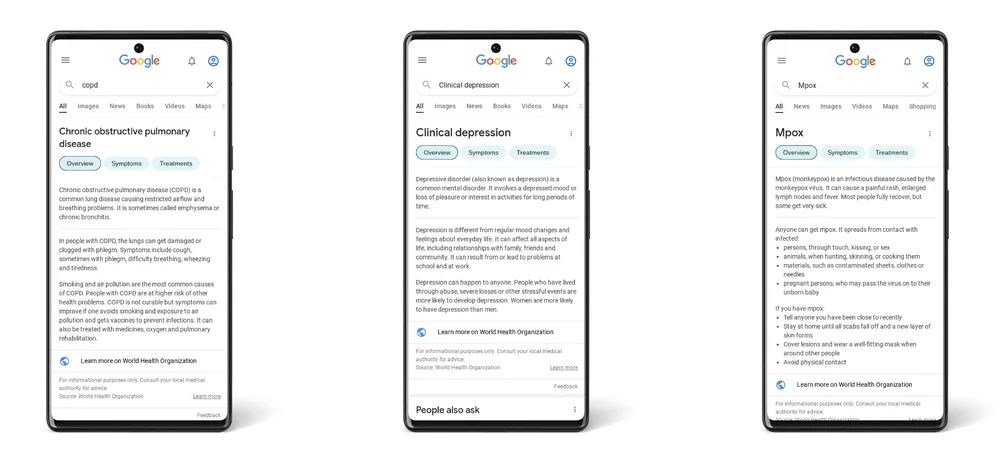
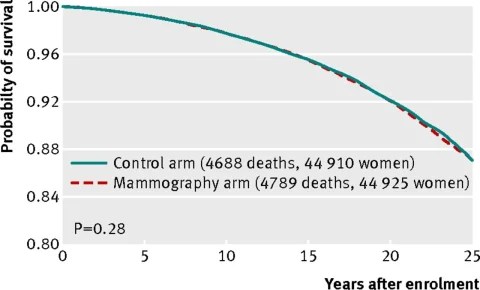

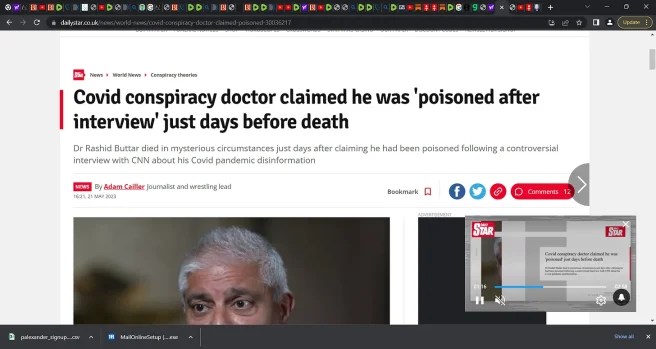

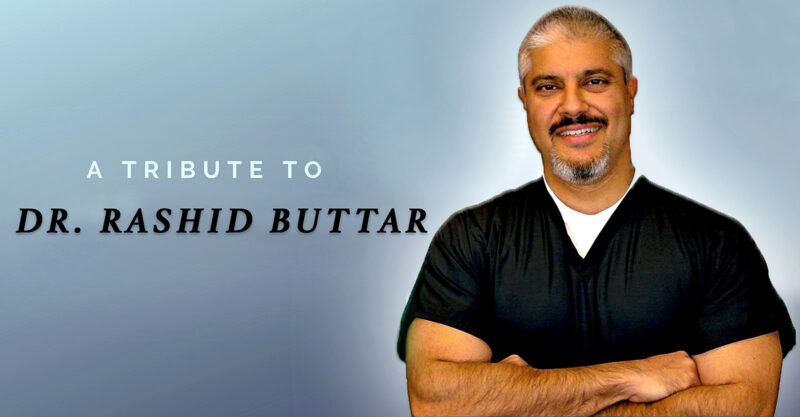


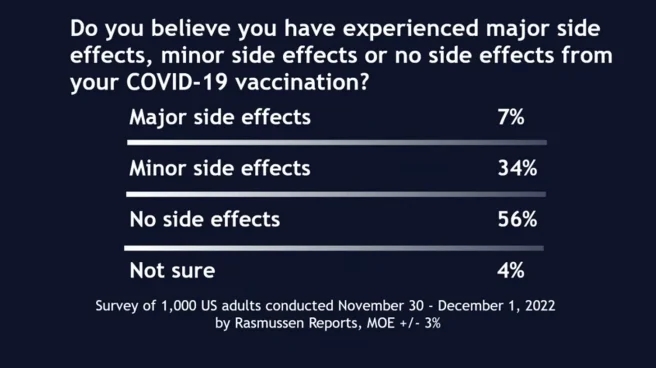
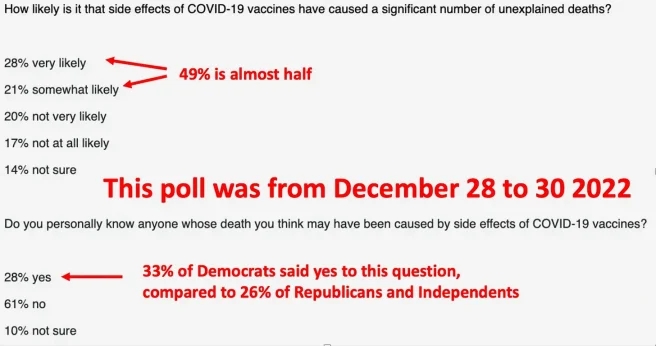
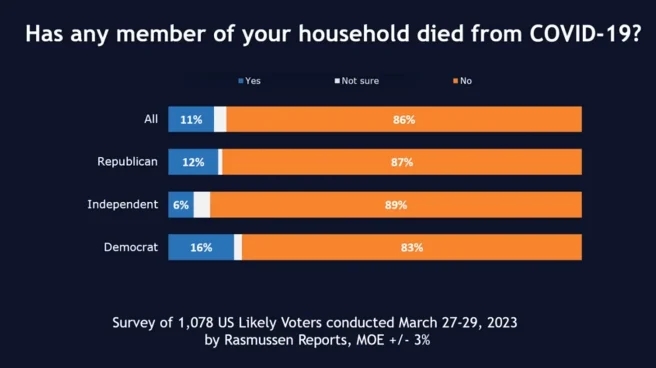

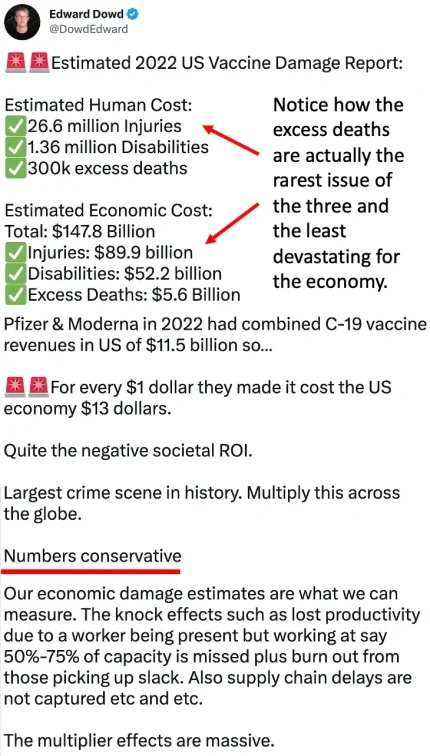


 Aletho News
