The Lie That Net Zero is ‘Settled Science’

By Chris Morrison | The Daily Sceptic | February 22, 2022
Historically, the claim of consensus is the first refuge of the scoundrel; it is a way to avoid debate by claiming the matter is already settled. Whenever you hear the consensus of scientists agrees on something or other, reach for your wallet, because you’re being had. Let’s be clear: the work of science has nothing whatever to do with consensus. Consensus is the business of politics.
Michael Crichton, PhD, MD, author, screenwriter and academic
Humans cause all or most of the changes in the climate by burning fossil fuel. We must stop using the most efficient fuel we have, one that supplies 85% of our energy needs, and sign up for a so-called Net Zero future. The rich will get richer, since they will control state-mandated transfers of once-productive capital into new untried technologies, and the poor will get poorer. Holidays, personal travel and energy will be rationed (for the masses), while meat-free diets will be the order of the day. There are disadvantages, admit the green, politically motivated zealots, but it has to be done. The Earth is on fire – the science is settled.
Except that it isn’t. The idea that humans are largely responsible for climate change is an unproven hypothesis. The claim that it is ‘settled science’ on which all specialists in the field agree is a political con. Over 40 years, climate models have produced wildly inaccurate warming forecasts that have never been right.
The political narrative of global warming got going in the 1980s, following the failure of the 1970s global cooling scare. The warming narrative had a good ride for 15 years, until the recent warming started to run out of steam. Over the last seven years, there has been a standstill in temperatures. This is part of what lies behind the recent rebranding of bad weather as ‘extreme’, and unscientific attempts to link solo events to long-term aggregate climate change. Record high temperatures among the jet aircraft at Heathrow, record “gusts” of wind off isolated sea cliffs – all are used to craft a political Armageddon narrative.
At the heart of the debate, or rather the public non-debate, is the role of carbon dioxide as a warming gas. CO2 does warm the planet and the Earth would be about 33°C cooler without it and the other greenhouse gases. But its warming properties become less effective as more of it enters the atmosphere. Doubling atmospheric CO2 does not double the warming – a point which the IPCC accepts. Climate models guess that such doubling causes global temperature to rise in a range from 1.5°C to 6°C. Recent scientific work suggests this estimate is way too high. The simple ‘settled’ science deduction that rising CO2 levels automatically lead to significantly higher temperatures fails to take much account of natural climatic variations. In addition, little cause and effect between CO2 and temperature can be seen in current, historical or geological records.
CO2, methane and ozone, along with the much more common water vapour, produce a greenhouse effect of reflecting heat back to the Earth only within certain bands on the infrared spectrum. This has led some scientists to suggest that CO2 becomes ‘saturated’ once it reaches a certain level. Most of the heat that is going to be trapped is already being radiated back by the CO2 molecules evenly distributed in the existing atmosphere.
It is fascinating science, but it is conducted away from mainstream media, most political circles and the Earth Sciences/Geography university departments. It is the last that seem to provide many of the vocal scientists promoting the ‘settled science’ narrative. Such ground-breaking work holds out the promise of a better understanding of the role of CO2 in the atmosphere. Only a blinkered following of a political agenda can explain why it is ignored.
The idea that the science surrounding changes in the climate is settled goes back a long time. In 2006, the BBC ran a one day seminar in secret to decide on its future climate editorial policy. The meeting was crucial in plotting future editorial guidelines. According to the former Sunday Telegraph journalist Christopher Booker, the new guidelines “would allow it to make its coverage of any issues relating to climate change more actively partisan than ever”. Booker continued: “Its obligations to remain impartial could be put aside, it argued, on the grounds that the official orthodoxy was now so overwhelmingly accepted that any dissent from it could be dismissed as too insignificant to be worthy of notice.”
In 2013, John Cook came up with the suggestion that 97% of scientists believed that humans cause global warming. Mr. Cook is a green activist, who runs a site called Skeptical Science with the intriguing strapline: “Getting sceptical about global warming scepticism”. His notion was given a huge boost when Barack Obama tweeted that 97% of scientists agree that climate change is “real, man-made and dangerous”. In fact the 97% figure, which is still widely quoted today, was quickly debunked. It was found that of the 12,000 abstracts rated, only 0.5%, or 65 papers, suggested that humans were responsible for more than 50% of global warming.
Since scientists differ widely in their view on the human contribution to climate change, the attempt to put a number on a so-called consensus is futile and meaningless. But it makes a good headline. Step forward Mark Lynas, with a recent raise on 97% to 99%. In fact, his study found only that 99% of scientists failed to explicitly quantify the effect humans were having on the climate.
Mr. Lynas has had a lively career in green activism and journalism, first coming to attention in 2001 when he threw a pie into the face of the sceptical climate economist, Bjørn Lomborg. He was behind the PR stunt in 2009 when the Government of the Maldives met under water to draw attention to rising sea levels. Happily, this is not a problem for the Maldives, since overall the islands have grown in recent years. In 2007 he wrote an article in the Guardian reporting on the possibility of global warming producing fuel air bombs caused by oceanic methane eruptions. These would be equivalent to 10,000 times the world’s stockpile of nuclear weapons, he claimed.
These days, Mr. Lynas is the Communications Strategist and Climate Lead for the Alliance for Science, a non-profit operation linked with Cornell University. Its primary source of funding is said to be the Bill and Melinda Gates Foundation – another case, it appears, of following the money to find the billionaires pushing their pet green narratives and causes.
Following the Money on Climate Change Media Coverage

By Chris Morrison | The Daily Sceptic | February 20, 2022
The Associated Press (AP) is assigning another two dozen journalists across the world to cover ‘climate issues’. AP Senior Vice President Julie Pace described the move as a “far reaching initiative that will transform the way we cover the climate story”. Over 20 of the journalists will be new hires and they will be funded by an $8m gift from five billionaire philanthropic organisations, including the Left-wing Rockefeller Foundation. The money is just the latest in a series of such gifts and AP reports that 50 writing jobs are funded from these sources.
AP is not the only large media company to collect such hand-outs. The BBC and the Guardian regularly receive multi-million dollar contributions from the trusts of wealthy philanthropists. It is estimated that Bill Gates has given over $300 million over the last decade to a wide variety of media outlets. Faced with plummeting paid readers and advertisers, mainstream legacy media seems eager to tap a new revenue stream.
The money is spread wide across such media. This month, the Pulitzer Center on Crisis Reporting received $1.5 million from Rockefeller to “expand coverage of under-reported and/or inaccurately reported critical public health information”. The Quadrivium Foundation, run by Democrat power couple James and Kathryn Murdoch, is also paying climate wages at AP. On its website, the Foundation notes that it also invests in Climate Central, using meteorologists as “trusted messengers” of the links between extreme weather and climate change. Since it is not possible to link individual weather events to long term climate change with any scientific certainty, this aim looks to be a waste of money, or perhaps not.
‘Trusted messengers’ seems to be a phrase much in vogue around philanthropic operations. Last October, Rockefeller gave $4.5 million to Purpose Global, a non-profit company that aims to help corporate clients with their “cultural intelligence”. The money was given in support of facilitating a “communication network of trusted messengers”. This would “amplify accurate information and combat mis- and dis- information on COVID-19 vaccines”. In September 2020, the Gates Foundation gave the Guardian $3.5 million to “support” its regular reporting on global health. Likewise, the Global Health Security Team at the Telegraph is Gates-funded.
Old school journalists might be a little happier to see less of the ‘trusted messenger’ stuff and more of the requirement to investigate. But critical inquiry of climate change science has been more or less banned from many mainstream outlets. This is despite the fact that the hypothesis that humans cause all or most global warming is unproven, and many scientists look more to natural causes for long term change. Predictions – often termed evidence – of future warming, are based on climate models that have never provided an accurate forecast in the last 40 years. Global warming started to run out of steam two decades ago, and it has been at a standstill for the last seven. When Google Adsense banned the main climate web page tracking accurate satellite data showing the standstill, the interest was confined to just a few outlets, including the Daily Sceptic.
 One of the largest suppliers of cash for climate change is the Bill and Melinda Gates Foundation. Perhaps unsurprisingly, the BBC and the Guardian are two of its favourite giftees. The Guardian has received upwards of $20 million over recent years starting with £6m in 2011 to establish a “millennium Development Goals” feed that provides “compelling evidence-based content”. During the last decade, Gates has given at least $20 million to help fund the BBC World Service and $5.5 million for the Corporation’s Media Action charity.
In that time, the software tycoon, once treated with great suspicion for early monopolistic tendencies, has become a prized ‘talking head’ across the BBC for epidemics, vaccines and anti-meat diets. His recent scary tales of climate change, “How to Avoid a Climate Disaster”, was recently given five airings on prime time Radio 4.
Elsewhere, there are prizes for the best behaved – sorry – most distinguished climate journalist. Every year, the foundation of BBVA, a Spanish bank heavily involved in financing Net Zero projects, hands out €100,000 to the lucky recipient. Last year it went to Marlow Hood of Agence France-Presse, who describes himself as the “Herald of the Anthropocene”, the latter being a political renaming of the current Holocene era. In 2019, Matt McGrath of the BBC pocketed the cash, while in 2020 the award went to – no great surprise – the Guardian.
Much of the BBC money appears to support advocacy in the developing world, although the terms of specific grants are sometimes hard to understand. A letter from the Bill and Melinda Gates Foundation in August 2019 describing the purpose of a $2.03 million grant to the BBC reads as follows: “To help us learn deepen our underpinning of processes and user journeys for different sets of women’s empowerment collectives, develop use cases for where digital can help amplify effects bring efficiencies, and close gender gaps for women”.
No doubt when this non-sensical gibberish was translated into understandable English, the money was spent wisely.
The Next Step for the World Economic Forum

BY ROGER KOOPS | BROWNSTONE INSTITUTE | FEBRUARY 20, 2022
It has been obvious since early 2020 that there has been an organized cult outreach that has permeated the world as a whole. It’s possible that this formed out of a gigantic error, rooted in a sudden ignorance of cell biology and long experience of public health. It is also possible that a seasonal respiratory virus was deployed by some people as an opportunity to seize power for some other purpose.
Follow the money and influence trails and the latter conclusion is hard to dismiss.
The clues were there early. Even before the WHO declared a pandemic in March 2020 (at least several months behind the actual fact of a pandemic) and before any lockdowns, there were media blitzes talking about the “New Normal” and talk of the “Great Reset” (which was rebranded as “Build Back Better”).
Pharmaceutical companies such as Pfizer, Johnson & Johnson, Moderna, and Astra-Zeneca were actively lobbying governments to buy their vaccines as early as February 2020, supposedly less than a month after the genetic sequence (or partial sequence) was made available by China.
As a person who spent his whole professional career in pharmaceutical and vaccine development, I found the whole concept of going from scratch to a ready-to-use vaccine in a few months simply preposterous.
Something did not add up.
I knew of the names with which everyone has become familiar. Bill Gates, Neil Ferguson, Jeremy Farrar, Anthony Fauci, and others had either been lobbying for or pursuing the lockdown strategies for many years. But still, the scope of the actions seemed too large to even be explained by those names alone.
So, the fundamental questions that I have been asking myself have been why and who? The “Why” seems to always come back to issues besides public health. Of course the “Who” had the obvious players such as the WHO, China, CDC, NIH/NIAID, and various governments but there seemed to be more behind it than that. These players have been connected to the “public health” aspect but that seemed to be only scratching the surface.
I am not an investigative journalist and I would never claim that role, but even I can do some simple internet searches and start to see patterns evolve. The searches that I have done have yielded some very interesting “coincidences.”
If I give you the names of the following people – Biden, Trudeau, Ardern, Merkel, Macron, Draghi, Morrison, Xi Jinping – what do you think that they have in common? Yes, they are all pampered and stumble over themselves, but that is also not the connection.
One can see very quickly that these names certainly connect to lockdown countries and individuals who have ignored their own laws and/or tried in some way to usurp them. But, there is more to it than that and I will give a hint by providing a link with each name.
- Joseph Biden, President, United States
- Boris Johnson, PM of United Kingdom
- Jacinda Ardern, PM of New Zealand
- Angela Merkel, Former PM of Germany
- Emmanuel Macron, President of France
- Justin Trudeau, PM of Canada
- Xi Jinping, CCP Leader, China
- Mario Draghi, PM of Italy
- Scott Morrison, PM of Australia
They are all associated with the World Economic Forum (WEF), a “nonprofit” private organization started (in 1971) and headed by Klaus “You will own nothing and be happy” Schwab and his family. This is a private organization that has no official bearing with any world governance body, despite the implication of the name. It could just as well have been called the “Church of Schwabies.” The WEF was the origin of the “Great Reset” and I would guess that it was the origin of “Build Back Better” (since most of the above names have used that term recently).
If you think that the WEF membership ends with just leaders of countries, here are a few more names:
- Gavin Newsom, Governor of California
- Jay Inslee, Governor of Washington State
- Anthony Fauci, Director NIAID
- Nancy Pelosi, Speaker of the House
Allow me to introduce more of the WEF by giving a list of names for the Board of Trustees.
- Al Gore, Former WP of the US
- Mark Caney, UN Special Envoy for Climate Action
- T. Shanmugaratnam, Seminar Minister Singapore
- Christine Lagarde, President, European Central Bank
- Ngozi Okonja-Iweala, Director General, WTO
- Kristalian Georggieva, Managing Director, IMF
- Chrystia Freeland, Deputy Minister of Canada
- Laurence Fink, CEO, BlackRock
You can see a cross section of political and economic leaders on the board. The leader of the organization, that is the leader of the Board, is still Klaus Schwab. He has built an impressive array of followers.
If you want to really see the extent of influence, go to the website and pick out the corporate name of your choice; there are many to choose from: Abbott Laboratories, Astra-Zeneca, Biogen, Johnson & Johnson, Moderna, Merck, Novartis, Pfizer, Serum Institute of India, BASF, Mayo Clinic, Kaiser Permanente, Bill and Melinda Gates Foundation, Wellcome Trust, Blackrock, CISCO, Dell, Google, Huawei, IBM, Intel, Microsoft, Zoom, Yahoo, Amazon, Airbus, Boeing, Honda, Rakuten, Walmart, UPS, Coca-Cola, UBER, Bank of China. Bank of America. Deutsche Bank, State Bank of India, Royal Bank of Canada, Lloyds Banking, JP Morgan-Chase, Equifax, Goldman-Sachs, Hong Kong Exchanges, Bloomberg, VISA, New York Times, Ontario (Canada) Teacher’s Pension Plan
The extent of reach is huge even beyond the worldwide leader network. For example, we all know what Bill Gates has been doing with his wealth via the Bill and Melinda Gates Foundation (BMGF). But, the Wellcome Trust is equal to the task. Who is the Director of the Wellcome Trust? One named Jeremy Farrar, of the United Kingdom SAGE and lockdown fame – arguably the architect of the US-UK lockdowns in 2020 – is closely associated with WEF.
Concerning the reach that can occur, let me give some examples from the BMGF alone, and it comes from the time that I spent in 2020 reading their extensive funding list.
A few years ago, the BMGF awarded the Institute for Health Metric Evaluation (IHME) a ten-year, almost $280 million award. IHME (associated with the University of Washington in Seattle) was at the forefront of the computer modeling that was driving the lockdowns and the nonpharmaceutical Interventions during 2020. People have seen their name often in print or on MSNBC or CNN.
In 2019, IHME awarded the Editor of the Lancet (Dr. Richard Horton) a $100,000 award and described him as an “activist editor.” The Lancet, once considered one of the best medical journals, has been at the forefront of censoring opposing scientific viewpoints since 2020 and publishing “papers” that were not fit to be published. I never could understand what it meant to be an “activist” editor in a respected scientific/medical journal because, stupid me, I always thought that the first job of the editor was to be impartial. I guess I learned in 2020 how wrong I was.
Of course, the Lancet is also heavily funded from pharmaceutical companies such as Pfizer (also a member of the WEF).
But, the BMGF reach goes far beyond just IHME and these connections have been quite recognizable. Here are some examples of the organizations and moneys received during 2020 alone broken down by areas.
Bill and Melinda Gates Foundation Grants 2020
| Organization Name | Amount USD |
|---|---|
| Johns Hopkins Bloomberg School of Public Health | 20+ million |
| World Health Organization (WHO) | 100+ million |
| Oregon Health Sciences Univ. | 15+ million |
| CDC Foundation | 3.5+ million |
| Imperial College of London | 7+ million |
| Chinese CDC | 2+ million |
| Harvard TH Chan School of Public Health | 5+ million |
| Institute of Health Metric Evaluation (IHME) | 28 million (part of a 10 yr/279 million USD grant) |
| Nigeria CDC | 1.1 million |
| Deutsche Gesellschaft für Internationale Z. (Gmbh) | 5+ million |
| Novartis | 7+ million |
| Lumira Dx UK LTD | 37+ million |
| Serum Institute of India | 4+ million |
| Icosavac | 10 million |
| Novavax | 15 million |
| BBC | 2 million |
| CNN | 4 million |
| Guardian | 3+ million |
| NPR | 4 million |
| Financial Times LTD | 0.5 million |
| National Newspaper Publishers Assoc. | 0.75 million |
Bill Gates has also invested heavily in Moderna and his investments have paid out nicely for him. The BMGF has also given close to $100 million to the Clinton Health Access Initiative.
The questions now have to be asked:
- Is this some beginning of a controlled authoritarian society intertwined via the WEF?
- Has the Covid panic been staged to set the stage? Please note, I am not a “Covid Denier” since the virus is real. But, has a normal seasonal respiratory virus been used as an excuse to activate the web?
The next questions, for those of us who at least pretend to live in “Democratic” societies, have to be:
- Is this what you expected and/or want from the people you elect?
- How many people knew of the “Associations” of the people that they voted for? (I certainly did not know of the associations until I did the searches but maybe I am just out of touch)
Can we anticipate their next moves? There may be some hints.
The Next Move
Jeremy Farrar of The Wellcome Trust recently wrote an article for the WEF with the CEO of Novo Nordisk Foundation, Mads Krogsgaard Thomsen. It is a summary of a larger piece written for and published by the Boston Consulting Group.
In this article, they propose that the way to “fix” the problem of antibiotic resistant bacteria is via a subscription service. That is, you pay a fee and when you need an antibiotic, presumably an effective one will be available for you.
My guess is that they have the same philosophy for vaccines and that certainly seems to be the approach with Coronavirus. Keep paying for and taking boosters.
In view of this philosophy, the vaccine mandates make sense. Get society “addicted” to an intervention, effective or not, and then keep feeding them. This becomes especially effective if you can keep the fear going.
This approach is so shortsighted, from a scientific viewpoint, it astounds me. But, like much of recent history, I think science has little to do with it. The goal is not scientifically founded but control founded.
After the discovery of penicillin almost one century ago, there were scientists who warned that antibiotic usage should be considered very carefully in practice because evolutionary pressures would lead to antibiotic resistant species of bacteria. At that time, they were considered to be rogue scientists; after all, didn’t we suddenly have a miracle cure for many deadly problems?
From the time of discovery, it took over a decade before fermentation methods were developed to produce sufficient quantities of antibiotics to be practical. These methods allowed for the use of penicillin on the battlefield towards the end of WWII and undoubtedly saved many lives then and later in subsequent wars (Korea and Vietnam) by preventing serious infections resulting from wounds sustained during battle.
However, it did not take long before the medical establishment was handing out antibiotics like candy. I experienced this myself when I was a child in the 1960s. It seemed like every time we went to the doctor, no matter what the problem, I was given a series (not just one) of injections of penicillin. There were never any attempts to determine if I had a virus, bacteria, or even an allergy. The answer was: in with the needle. I cannot count how many times I was “jabbed” as a child.
It didn’t take long before resistant species started to appear. The result was that more and more money was pumped into R&D for antibiotics. When I was in graduate school during the 1980s, one sure way to get some NIH funding was to tie the research into the “antibiotic” search. Antibiotics became big business.
We now have several classes of antibiotics that are used for specific cases. We have Aminoglycosides (Streptomycin, Neomycin, etc.), Beta-Lactams Cephalosporins (four generations including Cefadroxil-G1, Cefaclor-G2, Cefotaxime-G3, Cefepime-G4 , Beta-Lactams Penicillins (including Ampicillin, Amoxicillin, and Penicillin), Other Beta-Lactams (Meropenem), Fluoroquinolones (Levofloxacin, Gemifloxicin, etc.), Macrolides (Azithromycin, Clarithromycin, etc.), Sulfonamides (Sulfisoxazole, etc.), Tetracyclines, and others such as Clindamycin and Vancomycin (typically reserved for resistant bacteria). All in all, physicians have over 50 different choices for antibiotics.
The most common place to encounter antibiotic resistant bacteria is in a hospital. Most people who get some sort of infection in the normal routine of life, like a sinus infection or skin infection, will not likely encounter an antibiotic resistant species.
Except there has been another source of the problem and that has been in the food supply. Antibiotics have become very popular with large scale meat production facilities of all types including beef, poultry, swine, and even fish. These include actual farms where the animals are raised as well as in the processing of the meat. The overuse of antibiotics in these industries has also produced resistant forms of bacteria.
For example, in attempts to limit the bacteria e. coli, common to mammalians, antibiotics have been used and this has resulted in some antibiotic resistant forms of e. coli. An infection via e. coli (antibiotic resistant or not) can be avoided by proper cooking and handling of meats. However, sometimes that does not happen and there are e. coli outbreaks (also from improperly washed vegetables that may use contaminated irrigation water).
For most healthy people, experiencing e. coli (either resistant or not) is only a passing discomfort that includes intestinal cramps, diarrhea, and other GI complaints. Depending on the amount of contamination, a person may suffer for a day or two or for several days.
But, with some people, it can be serious or deadly (such as in elderly people in poor health and young children). If that occurs, then the presence of an antibiotic resistant form can be a serious matter. Presence of a non-resistant form can be treated more readily.
A few years ago I had pneumonia; a relatively mild case. I was given a choice of in-patient treatment or out-patient and it was a no-brainer. If I wanted to make sure that my pneumonia could be handled by the normal course of antibiotics (I was given a quinolone), staying at home and away from the hospital was important. I knew that hospital-acquired pneumonia could be a much more serious situation. So, I stayed at home and easily recovered. That did not mean I was guaranteed getting a more serious resistant form in the hospital but I understood that the risk was much greater.
Producing more antibiotics and giving them on subscription to the users is not the answer. That will only lead to more resistant forms and there will be this continuing loop of antibiotic use. But, if the actual goal is societal addiction to antibiotics out of fear, just like addiction to universal Covid vaccines out of fear, then it makes sense.
Finding a few universal antibiotics that deal with the resistant forms is important and it is also important to use those sparingly and only as a last resort. In addition, better management of antibiotic use in our society would go a long way to attenuating the problem.
There is nothing particularly controversial about that observation. It was accepted by nearly every responsible health professional only two years ago. But we live now in different times of extreme experimentation, such as the deployment of world-wide lockdowns for a virus that had a highly focused impact, with catastrophic results for the world.
It was the WEF on March 21, 2020 that assured us “lockdowns can halt the spread of Covid-19.” Today that article, never pulled much less repudiated, stands as probably the most ridiculous and destructive suggestion and prediction of the 21st century. And yet, the WEF is still at it, suggesting that same year that at least lockdowns reduced carbon emissions.
We can easily predict that the WEF’s call for a universal and mandated subscription plan for antibiotics – pushed with the overt intention of shoring up financial capitalization of major drug manufacturers – will meet the same fate: poor health outcomes, more power to entrenched elites, and ever less liberty for the people.
Roger W. Koops holds a Ph.D. in Chemistry from the University of California, Riverside as well as Master and Bachelor degrees from Western Washington University. He worked in the Pharmaceutical and Biotechnology Industry for over 25 years. Before retiring in 2017, he spent 12 years as a Consultant focused on Quality Assurance/Control and issues related to Regulatory Compliance. He has authored or co-authored several papers in the areas of pharmaceutical technology and chemistry.
Ivermectin and the Price of Life
By Justus R. Hope, MD | The Desert Review | December 13, 2021
What is your life worth? More to the point, what is your loved one’s life worth? What value would you place on your child, your mother, father, or spouse?
When the world experienced an average of nearly 15,000 COVID deaths per day, Dr. Andrew Hill decided on the price of a human life. Dr. Hill made that calculation during a conversation with Dr. Tess Lawrie, in January of 2021, during the peak of the Winter Surge.
In a zoom conversation between Dr. Tess Lawrie, nicknamed the “Conscience of Medicine,” and Dr. Andrew Hill, then the most influential Ivermectin advocate in the world, Dr. Hill chose dollars over human lives.
Hill’s parent institution, the University of Liverpool, had just received a 40 million dollar donation from UNITAID four days before Hill’s Ivermectin paper was published, and Dr. Hill’s conclusion was changed 180 degrees from his position just a few weeks earlier.
Andrew Hill admitted that his sponsors (UNITAID) pressured him to alter his conclusion. Hill explained, “I think I’m in a very sensitive position here.”
Dr. Lawrie called Hill out. She stated, “Lots of people are in sensitive positions; they’re in hospital, in ICUs dying, and they need this medicine.”
Lawrie criticized Hill, “This is what I don’t get, you know, because you’re not a clinician. You’re not seeing people dying every day. And this medicine prevents deaths by 80%. So 80 percent of those people who are dying today don’t need to die because there’s Ivermectin.”
Hill responded that the NIH would not agree to recommend IVM.
Dr. Tess Lawrie fired back, “Yeah, because the NIH is owned by the vaccine lobby…This is bad research. So at this point, I am really, really worried about you.”
Hill answered, “Okay. Yeah. I mean, it’s a difficult situation.”
Lawrie responded, “No, you might be in a difficult situation. I’m not because I have no paymaster. I can tell the truth… How can you deliberately try and mess up…you know? So, how long are you going to let people carry on dying unnecessarily – up to you? What is the timeline you’ve allowed for this, then?”
Andrew Hill reacted, “Well, I think… I think that it goes to WHO and the NIH, and the FDA, and the EMEA. And they’ve got to decide when they think enough is enough.”
Dr. Lawrie pointed out the obvious, “You’d rather… risk loads of people’s lives. Do you know if you and I stood together on this, we could present a united front and we could get this thing. We could make it happen. We could save lives; we could prevent people from getting infected. We could prevent the elderly from dying…
I’m a doctor, and I’m going to save as many lives as I can. And I’m going to do that through getting the message [out] on Ivermectin…Okay. Unfortunately, your work is going to impair that, and you seem to be able to bear the burden of many, many deaths, which I cannot do.”
Dr. Lawrie demanded to know the identity of the unknown UNITAID author who changed Dr. Hill’s conclusions, the person whose influence was to cause so many preventable deaths.
“So who is it in UNITAID, then? Who is giving you opinions on your evidence?”
Hill answered, “Well, it’s just the people there. I don’t…”
Dr. Lawrie pressed Hill, “Could you please give me a name of someone in UNITAID I could speak to, so that I can share my evidence and hope to try and persuade them to understand it?
Dr. Hill evaded, “Oh, I’ll have to think about who to, to offer you with a name… But I mean this is very difficult because I’m, you know, I’ve got this role where I’m supposed to produce this paper and we’re in a very difficult, delicate balance… Yeah, it’s a very strong lobby…”
The conversation concludes with Dr. Hill promising to do everything in his power to get Ivermectin approved if she could give him six more weeks.
Dr. Lawrie, “So, how long do you think the stalemate will go on for?”
Dr. Hill, “From my side. Okay… I think end of February, we will be there in six weeks.”
Dr. Tess Lawrie, “How many people die every day?”
Dr. Andrew Hill, “Oh, sure. I mean, you know, 15,000 people a day.”
Dr. Tess Lawrie, “Fifteen thousand people a day times six weeks… Because at this rate, all other countries are getting Ivermectin except the UK and the USA, because the UK and the USA and Europe are owned by the vaccine lobby.”
Dr. Andrew Hill, “My goal is to get the drug approved and to do everything I can to get it approved so that it reaches the maximum…”
Dr. Tess Lawrie, The Conscience of Medicine, concluded with this, “You’re not doing everything you can, because everything you can would involve saying to those people who are paying you, ‘I can see this prevents deaths. So I’m not going to support this conclusion anymore, and I’m going to tell the truth.’”
Finally, Dr. Lawrie added, “Well, you’re not going to get it approved the way you’ve written that conclusion. You’ve actually shot yourself in the foot, and you’ve shot us all in the foot. All of… everybody trying to do something good. You have actually completely destroyed it… I don’t know how you sleep at night, honestly.”
The fact that Dr. Andrew Hill allowed another person to change his paper’s conclusion has been known for more than six months and was published in the book, Ivermectin for the World.
“However, he [Dr. Andrew Hill] was reigned in before more damage [to the vaccine lobby] was done:
- He was invited to the NIH, along with Dr. Marik, probably to give the appearance of propriety.
- He was given a gag order and told not to speak to any more press until The WHO made an official decision on Ivermectin. It turned out that this decision would go against the drug despite Dr. Hill’s findings.
- Dr. Hill’s conclusion would be changed by someone else, and the rest is history.”
What was not known, until the transcript of the zoom conference between Dr. Hill and Dr. Lawrie was leaked, were the specifics of the quid pro quo. It turns out that the height of the COVID-19 Winter surge, when about 15,000 people per day were dying, was precisely the same time as the zoom conference, held on January 18, 2021. Moreover, it was days after Andrew Hill’s University of Liverpool took the $40 million payoff.
The transcript of this conference call appeared in Robert F. Kennedy Jr.s’ book, The Real Anthony Fauci, and in this article published by The Defender newsletter:
https://childrenshealthdefense.org/defender/ivermectin-big-pharma-rfk-jr-the-real-anthony-fauci/
World daily COVID deaths were averaging around 15,000 per day on January 18, 2021, and six weeks later were averaging some 9,700. Currently, the world is seeing about 7,500 per day die.
80% of these or more could have been prevented with Ivermectin, a statement with which Dr. Hill would likely agree.
Overall, since that fateful decision of Andy Hill to allow his sponsor to “change” his paper’s conclusion, 2.475 million people [11 months x 30 days per month x 7500 deaths per day] have died, 80% of them could have been saved had Ivermectin been approved. So precisely 1.98 million lives were lost as a result of the betrayal.
The price per life?
Forty million dollars was the value of the donation made to the University of Liverpool by UNITAID. This sum comes out to 20 dollars and 20 cents per life. That is what we are all worth in the calculus of the vaccine lobby.
UNITAID bills itself as a “global health agency” hosted by the World Health Organization and supported by the vaccine lobby.
The Bill and Melinda Gates Foundation contributed hundreds of millions to UNITAID. In October, they committed $120 million more to the new expensive Merck drug molnupiravir, a costly and genotoxic competitor of Ivermectin.
Some experts say it will stimulate the emergence of viral mutants and worsen the pandemic.
https://uk.news.yahoo.com/covid-pill-being-rolled-among-121237206.html
If that prospect is not concerning enough, consider this: One dose of Remdesivir, a drug that does not save lives, but one that is widely used on most United States ICU COVID cases, costs $3,100 per dose, or to put it bluntly, one dose of Remdesivir is worth roughly 153 lives. Yet, the worst drug earned the FDA’s approval while the best one, Ivermectin, was suppressed for money.
Ivermectin, a drug that has nearly eradicated River Blindness in much of the world, a safe drug already given to humans in over 4 billion doses, can be purchased mail-order from India at 1,000 12mg tablets for $163. That comes out to 16.3 cents per dose.
Dr. Alan Bain recently saved the life of 71-year-old Sun Ng thanks to a court order issued by Judge Paul Fullerton. Following the hospital’s initial refusal, Ng’s family sued Edward-Elmhurst Health and Sun Ng was administered the Ivermectin for five days. After the treatment, Ng “removed his breathing tube” and was taken out of ICU.

Sun Ng’s Recovery with Ivermectin
Dr. Bain, unable to get a local pharmacy to fill the prescription for Ivermectin, obtained the mail-order version and saved Ng’s life.
https://patch.com/illinois/naperville/covid-patient-given-ivermectin-edward-improving-report
Thus, five 12 mg doses cost about 82 cents but are worth more than the 20 dollar value placed by the vaccine lobby and Andrew Hill on a human life because pennies were all it took to purchase the Ivermectin that saved Sun Ng.
Ivermectin has 27 randomized controlled studies involving tens of thousands of patients showing reduced time to viral clearance, hastened recovery time, and reduced mortality. On the other hand, the vaccine lobby’s choice, Remdesivir, was rejected by the WHO as a drug that failed to improve survival and other outcomes.
https://covid19criticalcare.com/wp-content/uploads/2021/08/SUMMARY-OF-THE-EVIDENCE-BASE-FINAL.pdf
One thousand doses of Ivermectin can be purchased online for $163. Yet, UNITAID paid $40 million to change Dr. Hill’s conclusions to call for more studies [delaying Ivermectin approval], essentially condemning millions of human beings to death from COVID-19. So while 82 cents may be the price of life, it seems that twenty pieces of silver remains the price of death.
Dr. Justus R. Hope, writer’s pseudonym, graduated summa cum laude from Wabash College where he was named a Lilly Scholar. He attended Baylor College of Medicine where he was awarded the M.D. degree. He completed a residency in Physical Medicine & Rehabilitation at The University of California Irvine Medical Center. He is board-certified and has taught at The University of California Davis Medical Center in the departments of Family Practice and Physical Medicine & Rehabilitation. He has practiced medicine for over 35 years and maintains a private practice in Northern California.
Forget China, was it CEPI’s bio-spooks who locked down the West?
By Paula Jardine | TCW Defending Freedom | December 15, 2021
IT is nearly two years since the world turned upside down and a sequence of unprecedented lockdowns and quarantines in the name of public health and safety were imposed across the West.
The narrative of the still unfolding story of Covid-19 is familiar to all of us, with China the chief bogeyman of the tale. But is that right?
In this drama has something really important been overlooked? Namely, the role of a powerful, self-appointed supranational organisation, set up 2017, called the Coalition for Epidemic Preparedness Innovations (CEPI).
Members of CEPI’s board and scientific advisory committee have been, and still are, key actors in global and national responses to the Covid-19 virus. Its mission? To ‘create a world in which epidemics are no longer a threat to humanity’.
At the start of 2020, all eyes were glued on China. The communist government had dutifully notified the World Health Organisation (WHO) on New Year’s Eve 2019 of its concerns over a small cluster of cases of ‘pneumonia of unknown origin’.
Three weeks later, when the death toll stood at 17, the CCP was sufficiently alarmed to order the home confinement of nearly 12 million mostly healthy people who were unfortunate enough to reside in the outbreak city, Wuhan.
Having fingered as the culprit a relative of the SARS virus that claimed 774 victims in 2003, the Chinese determination to contain the self-evidently nastier 2019 co-variant at all costs was made plain to the world.
The scenes broadcast out of China nightly on the TV news were surreal, but strangely familiar to anyone with a passing familiarity with vintage sci-fi. A nightmare amalgamation of The Andromeda Strain and The Hamburg Syndrome was unfolding in real life, right before our eyes.
Here, a man falling down dead in the street. There, men in white hazmat suits walking through empty Chinese thoroughfares equipped with Ghostbuster-esque backpacks blowing smoke in a desperate attempt to fumigate the invisible peril out of existence.
Knowing that the Queen’s own men at the Porton Down chemical and biological defence establishment long ago discovered that fresh air and sunlight, two commodities already in short supply in Chinese cities, are the most potent of disinfectants, it seemed a strangely futile spectacle. What on Earth were they trying to do? Death apparently lurked around every corner.
As the Wuhan lockdown was being imposed on January 23, 2020, the global elite were busy congregating at their annual networking fest, the World Economic Forum, in Davos, Switzerland (where CEPI had been founded three years earlier by the governments of Norway and India, the Bill & Melinda Gates Foundation, the Wellcome Trust global charity organisation, and the World Economic Forum).
Next day, a little-noticed press conference was convened in Davos to discuss the SARS-like, closely-related, but definitely novel, SARS Wuhan coronavirus.
Appearing in front of about 30 reporters were Sir Jeremy Farrar, Director of the Wellcome Trust and board member of CEPI; Richard Hatchett, chief executive of CEPI, and Stephane Bancel, chief executive of Moderna, one of three companies being funded to develop a coronavirus vaccine. A Chinese reporter asked the panel if there was any historical precedent for the lockdown.
Hatchett said: ‘One thing that is important to understand, is that when you don’t have treatments and you don’t have vaccines, non-pharmaceutical interventions are literally the only thing that you have, and it’s a combination of isolation, containment, infection prevention and control and then these social distancing interventions.
‘There is historical precedent for their use. We looked intensively and did an historical analysis of the use of non-pharmaceutical interventions in US cities in 1918 and what we found was that cities that introduced multiple interventions, early in an epidemic, had much better outcomes.
‘The challenge of course is that it is very difficult to sustain these interventions, as they impose enormous cost and they also can produce enormous anxiety among the affected population.’
The ‘we’ Hatchett was referring to was the US Department of Homeland Security where, as an official, he had helped develop the US pandemic preparedness plan in 2005 and 2006 during the H5N1 avian influenza outbreak, which Farrar had discovered in Vietnam.
Hatchett continued: ‘At that time, we looked at how could you have those interventions implemented in a way that maximised their benefit and minimised the cost and we developed an approach that we called “community mitigation” interventions and CDC (the US Centres for Disease Control and Prevention) published guidance on this several years ago.
‘There is a literature which I would certainly encourage Chinese authorities to review and certainly I would be happy to talk to them about that, although that’s not my current job.’
There was no need to encourage the Chinese authorities to review the literature. CEPI already had a man in Beijing, Dr George Gao, the director of China’s Centre for Disease Control, but also member of the CEPI scientific advisory panel. The community mitigation approach the Chinese adopted in Wuhan was straight out of the 2006 US Homeland Security pandemic playbook.
Gao, like Farrar, completed his PhD at Oxford University before conducting post-doctoral work under Sir John Bell, the controversial Regius Professor of Medicine at Oxford, holder of several extranumerary positions and multiple interests, not least as chair of the global health scientific advisory board of the Bill & Melinda Gates Foundation.
An expert on coronaviruses, Gao served on CEPI’s first scientific advisory committee in 2016 and was a player in Event 201, the pandemic simulation hosted in October 2019 by the World Economic Forum, Bill & Melinda Gates Foundation and the Johns Hopkins Bloomberg School of Health – discussed here by Robert F Kennedy Jr.
In all probability, Gao is the old friend Farrar was referring to when he said on Desert Island Discs that he had had a phone call on December 31, 2019 – the day the Chinese authorities reported the Wuhan pneumonia outbreak to the WHO – to alert him that China would release the genome of the new virus on January 10. As things stood on New Year’s Eve, the virus had yet to cause any deaths, although it was making a few people very ill.
By January 17, another CEPI scientific adviser, Dr Christian Drosten, had conveniently developed a PCR test from the genetic sequence posted online by the Chinese, which the WHO advised laboratories could be used as a diagnostic test for Covid-19.
This was almost two months before the WHO declared the novel coronavirus a pandemic on March 11, 2020. Following a visit to Wuhan by the WHO in February 2020, led by its assistant director-general Dr Bruce Aylward, the world was being encouraged to adopt what were now being called Chinese measures.
‘China didn’t approach this new virus with an old strategy for one disease or another disease,’ said Aylward. ‘It developed its own approach to a new disease and extraordinarily has turned around this disease with strategies most of the world didn’t think would work.’
The Chinese government, with its own Big Brother infrastructure, had its own reasons for going along with that. But the response plan is in reality far more complex, and has a much darker background in the West.
The Yellow Brick Road that passes through CEPI and Beijing leads right back to the US Department of Homeland Security, and its 1998 Pentagon strategy paper.
The response plan is in reality an American scheme, with its origins more than decade and a half earlier and against a backdrop of bioterrorism concerns. Uncle Sam is the wizard behind the curtain, not acting in the West’s interests at all.
Scenarios in Response to the New War Against Humanity
By Doug E. Steil | December 2, 2021
In light of recent developments in the western world it has become abundantly evident to most informed observers that a war against the general population has been launched under the guise of counteracting a viral pandemic. Through a process of coordinated incrementalism governmental efforts have focused on implementing a totalitarian population control system rather than appropriately targeting public health problems associated with a limited viral outbreak.
A key mechanism in this control process has involved coercive means to inject as many people as possible with an experimental gene therapy concoction with proven toxicity, in some cases deadly, which however has been ineffective in its claimed suppression of viral infection and transmission to others. The established term “vaccination” was misappropriated to mislead the public into believing that getting these shots would lead to salvation by protecting themselves and others around them. These toxic doses were authorized for emergency use a year ago based on various fraudulent misrepresentations, which included relying on false test results, suppressing viable treatment protocols, such as those published by physician Dr. Peter McCullough, rigging trial designs and aborting prematurely, and manipulating statistical interpretations in a manner that created the impression they were effective when they were not. Though their producers acknowledged unforeseen effects they demanded contractual indemnification against bad outcomes. The failure to properly inform the public about the facts surrounding these substances, including known and potential adverse effects, in conjunction with the aggressively coercive measures to compel millions of people to submit to receiving them into their bodies, constitutes crimes against humanity in accordance with the Nuremberg Code, established in 1947.
At least technically, thus far getting these toxic injections was voluntary, but a substantial portion of the public saw through the scam or were reservedly skeptical, for which they have been publicly vilified in a vicious defamation campaign propagated by the mass media, operating in concert with the pharmaceutical industry and governments. Only a few days ago – November 19 in Austria and November 30 in Germany – a critical red line was crossed through announcements by public officials, of impending requirements for everybody, including kids, to get these toxic injections, purportedly against a virus from Wuhan that has long since mutated. Today Angela Merkel expressed her endorsement of such measures, though she will no longer be in power to vote for them. The mantra has been simply that this was necessary – indeed “the only solution” – in order to increase the overall so-called “vaccination rate” in the population, as if though that could somehow solve ongoing health problems. Since there is no substantive evidence for these sensationalistic claims, it equates to pure political demagoguery. Yet, contrary to this transparently false claim, mandatory injections, possibly on a repetitive basis, would only exacerbate the current situation purportedly occurring in emergency rooms or intensive care units at hospitals because the shots do not provide any remedy but cause harm instead, in some cases almost immediately, in many cases cumulatively. Essentially, this highly controversial mandate amounts to a subversive extermination campaign in the long run, deriving from likely cases of infertility and decreased life expectancy. In order to deflect from their previous lies, officials have chosen to raise the stakes an thus declared war against humanity.
Such an egregious attack as this is unprecedented in recent memory, so it may be difficult for many to understand what is occurring, right in front of their eyes. There may be a prevailing inclination toward cognitive dissonance, but it is preferable to assess various means to counteract such ominous developments within the full scope of possible scenarios that may arise. Below are five situations, beginning with the most obvious. Subsequent response scenarios represent an escalatory progression. Though they are not equally likely to occur and may be less specific to some regions, such results cannot be ruled out entirely when considering the volatile social conditions that are caused by governments that have intentionally gone rogue. In the pursuit of conquest, they have split and destabilized society, a recurring modus operandi when regarded in a historical context, back to Philip II of Macedon and Julius Caesar – divide et impera.
• Legal Challenges
The stated rationales for implementing compulsory injections of toxic substances, euphemistically referred to as “mass vaccination”, cannot be legally justified under any circumstances under existing protections, therefore the arguments presented to the public are all based on provably false premises or wishful thinking. They have been repeated so often, that many have already internalized them to be functionally true. At their core have been false promises of immunity, appeals to social solidarity, moral self-righteousness, and an unproven notion of easing the potential demand for medical services. If only everybody had volunteered to get the shots, the claim goes, the outbreak would have been eradicated; therefore mandatory injections are the only solution. None of this is true; on the contrary the data show that case hospitalization rates increase in correlation with the proportion of administered injections. Yet even if it were true, there are basic legal protections in place worldwide that forbid such mandates.
Many people understand this as self-evident and therefore expect the legal process to work, as it should, in theory. They may regard the announcements as typical hot air from politicians as a tactical means of leveraging their authority to exert additional pressure on those people who had not made up their minds yet about this vital question and presume the judicial reviews will enforce a reversal. Though this would be a reasonable expectation if the facts and the law were followed, the problem is that the legal process has become hopelessly corrupted. Reiner Füllmich, one of the founders of the Corona Investigative Committee, which has broadcast the 80 weekly sessions it has held thus far, has repeatedly confirmed that the German legal system has been so thoroughly corrupted, that bringing forth such matters before a system with an Anglo-American legal tradition makes more sense. Contemporary judicial rulings in Germany can be so out of touch with reality that it is difficult to imagine that decisions in prior totalitarian regimes could have possibly been any worse. Even so, it is still necessary to formally proceed through this avenue in order to be able to justify taking additional steps if it should turn out that cynical expectations of an inherently corrupted system are confirmed. There is also the possibility that the time it takes to submit to the judicial review process will result in the matter becoming moot, so that the stated premises for the mandates no longer obtain and are formally withdrawn.
The sheer suddenness and public lying that accompanied these announcements, which were completely contrary to repeated promises made by these same politicians who then proclaimed there was no alternative, shows they deserve no trust. They will say and do whatever they feel will defer the truth from emerging and in the meantime protect themselves from embarrassment. Once they have gone so far as to thrown aside basic principles – having in effect become criminals of the worst kind – one can no longer expect to reverse themselves in response to appeals to decency.
• Passive Resistance
This is an effective path that many skeptics and opponents of totalitarian edicts have already chosen. Examples of this have been the numerous work stopages among US airline pilots, or hospital staff quitting their jobs. In the Italian port cities of Trieste and Genoa dock workers have gone on extended strikes in response to onerous governmental impositions still falling short of universal mandates to submit to toxic injections.
During the most recent session of the Corona Investigative Committee four specialists working in Austria, of which three are physicians, presented responses to the Austrian announcement of future mandates a week earlier, which was followed by large demonstrations in Vienna on the next day, which were said to have involved the participation of more than a hundred thousand protesters. The fourth guest , an attorney, started a political party that immediately received sufficient acclaim to be represented in the provincial government of Upper Austria. He stressed the importance of mass resistance and announced liaison efforts with various unions in addition to forming new union representation.
Mass strikes and roadblocks associated with the yellow vest movement in France have shown how determined efforts by a coordinated group of dedicated individuals can force the government to back down under persistent pressure. For people who understand why they have adamantly refused to be injected with a toxic substance for the sake of a failing mass experiment the imposition of a mandate would be regarded as an existential issue. Sane people do not risk the threat of premature death, severe sickness or disability for the sake of satisfying the power egos of corrupted political puppets and greedy profiteers.
Big demonstrations have recently taken place in numerous cities in the Netherlands, France, Britain, Australia, Croatia, Warsaw, and many other locations. Even during the cold winter months hundreds of thousands of protesters will go out onto the streets to show their strength.
• Active Rebellion
On July 20, 1944, as part of Operation Valkyrie, Claus Von Stauffenberg participated in a plot to kill Adolf Hitler and other leading cohorts by means of a suitcase bomb placed in a conference room. The bombing killed a stenographer instantly but the coup failed because the intended targets survived. After the follow-up arrests nearly five thousand individuals, including Von Stauffenberg were executed. That particular assassination attempt continues to be commemorated in contemporary times on the date of the anniversary. Von Stauffenberg is glorified in the German media as a hero even though he was a German nationalist and purportedly expected to replace Hitler with another authoritarian government, though ruled instead by aristocrats like himself. Moreover, his co-plotters had earlier helped Hitler come to power and shared many of the same policy goals. In other words, the disagreement they had with the government was about methodology and style, along with certain details, rather than wanting to transform society along a new democratic course of redemption. In other words, had their coup attempt been successful, there was likely to be far less ideological change than occurred as a consequence of the coup against John F Kennedy nearly six decades ago in Dallas, in which Lyndon B Johnson was a plotter and beneficiary. From a judicial perspective, it is said, the German government had not blatantly broken any existing laws. In any case, an implicit question that the German media do not appear to have answered in this context is: from what specific time onward in the history of that regime would it have been legitimate, without possessing any benefit of foresight, for Von Stauffenberg to have participated in multiple assassinations, and how many additional functionaries would they likely have executed subsequently?
It is relevant to bear in mind such conjecture because the fourth part in Article 20 of Germany’s Basic Law contains an essential element that explicitly states that all Germans have a right to resistance against anyone who proceeds to eliminate the specific democratic and social order enumerated in the prior three sentences, if other remedies are not possible. The first twenty articles have a special status; they cannot be revoked. What was openly suggested by the next chancellor and successor to Merkel, Olaf Scholz from the Social Democratic Party, was a significant milestone in German post-war history because this unprecedented proposal, which was universally acknowledged by everyone to be unconstitutional and unworkable, would constitute a blatant violation of Article 2, guaranteeing bodily integrity, in case it were ever to be imposed upon the population. This explains why nobody has ever gone this far, to step over the red line. They were previously reluctant to do so, but now they are playing with fire. If legal challenges to this usurpation of the most basic human principles are thwarted under some imaginary and invalid pretext, the circumstances premised in Article 20 will legally enable and authorize Germans to resist against all those who brought about the transgression. It should be noted that exercising such resistance does not – and logically cannot – rule out the use of force.
Understandably there is little legal precedence for how the right to resistance may play out, except for abiding by the general principle of proportionality, which itself is somewhat vague in the context of potentially existential measures being threatened against a substantial portion of the population. It is known that there are clandestine groups who are armed because they have been anticipating a potential situation like this, just as in the United States millions of Americans bear firearms to protect against potential tyranny pursuant to the Second Amendment of the US Constitution. One can imagine that the imposition of an illegal law that would essentially force virtually the entire population to get toxic injections, against their will, so that their life span will be shortened, will simply not be accepted by many. Official jurists may claim now that they are not threatening to forcibly inject dissenters, this is just a “cute” technicality, and there is no way to know if that claim will be revoked a few weeks or months later, as the totalitarian escalation continues. Though utilizing violence as a means of exercising the right to resist, as distinct from self defense, is not rooted in jurisprudence, its use is fueled instead by image ideation in the media as well as historical narratives. This can lower the threshold level for some individuals to criminally act out their rage. Only a few weeks ago, in late September, a person not wearing a face mask got triggered at a gas station by being told to wear one, based on a valid ordinance. This made him so angry that he came back with a gun and killed the employee, a student who was working there part-time. While some may act out their resentment impulsively, others might choose to express their resistance selectively. If a top-level politician were to be targeted in a violent way, this would surely provoke a disproportionate and unwelcome response.
An episode in German history highlights how easily and quickly things can get out of control. On November 7, 1938 Herschel Grynszpan, then a 17-year old Jew, assassinated the German diplomat Ernst Vom Rath at the German embassy in Paris, through five shots into the abdomen, on behalf of persecuted Jewry, as he claimed immediately thereafter. Grynszpan was living in Paris illegally as a stateless person and had gained access to the embassy by falsely claiming that he had valuable secret information that he wanted to share with a top official. That was the event that triggered the Kristallnacht in various cities in Germany two days later.
An important prerequisite for introducing and enhancing totalitarianism is to manufacture and cultivate a scapegoat group that is to be reviled by the general population. Over the past few months German media have been denouncing all those who refuse to get toxic shots as somehow being primarily responsible for the fact that hospitals are having to deal with patients complaining of respiratory problems, most of whom, if they are below seventy years old, have a weakened immune system due to overweight or obesity issues. A common media ploy to reinforce this fabricated hatred is to have reporters go around town with camera and microphone and film ordinary people on the street giving their opinion about these awful “unvaccinated” people. The negative attitudes will then be selected to be shown on television, providing a feedback loop to convey that such opinions are perfectly legitimate. The next phase in this perception management scheme then entails presenting the public with skewed opinion poll results, based on undisclosed methodology, which embolden legislators to invoke public support for unpopular and inherently illegitimate measures.
A necessary premise for maintaining democracy is for the population to be properly informed, not brainwashed with lies and hate, so they can make valid decisions based on facts. Yet democracy is in the process of being subverted. Two of Germany’s top weekly publications with a daily online presence, Der Spiegel and Die Zeit, based in Hamburg, have both received generous direct funding from the Bill and Melinda Gates Foundation, according to their web site. Not surprisingly, these publications have been among the more vicious disseminators of lies and vituperations against conscientious dissidents. German politicians in conjunction with the media have thus already prepared the stage for future expressions of street violence by disgruntled individuals and may themselves become caught up in such activity due to their undermining of law and democracy. For instance, as in the United States, especially as occurred during riots in the summer of 2020, it is not uncommon for one political group to stage a peaceful public demonstration. An opposing group, virtually always self-proclaimed “leftists”, nowadays including hoodlums with an affinity toward Antifa, will announce a counter-demonstration with the goal of preventing the first group to exercise their right to march along a predetermined route. Police and journalists often get caught up in the violence perpetrated by the second group of counter-demonstrators, for which the first group then gets blamed. Such activity on the streets is representative of an unfortunate societal breakdown on a larger scale. This development is exactly what enemies of Germany, such as the Green Party, which has been characterized by distinctive totalitarian flavors since its inception in 1980, would relish to spread. Its activists seek to capitalize on such situations to attain increasingly tighter control. It will be interesting to see how exercising the right to resistance will play out next year.
• Paramilitary Rejection
In a few cases a ruling elite exercising power through government can become so corrupt and disliked that the military temporarily takes over and becomes welcomed for their intercession by a substantial portion of the population. The best example of this practice is Thailand, where perennial military takeovers have a different manifestation than in African or Latin American nations. In many smaller European countries the military has taken on a more subdued role since the likelihood of fighting defensive wars to defend their own territory has decreased. This may be one explanation for a recent trend toward female defense ministers who lack military experience. Yet this should not mean they should feel or become irrelevant. They can assert themselves in special emergency situations such as natural weather catastrophes but also as a necessary back-up of police force activity. They are also particularly well equipped to secure borders to neighboring countries and airports, as well as their national radio and television broadcasting facilities, just in case a corrupt government were to become carried away with excessively abusing power to the detriment of a large segment of the population. This readiness for such contingencies may be because its leadership and soldiers have taken an oath that they tend to take more seriously than career politicians do.
A few hours after it was announced that the Austrian government would aim to implement a general requirement for experimental gene therapy through toxic shots, and a call by a leading opposition politician for large demonstrations against such plans the following day in the center of Vienna, there was an interesting report from The Free Thought Project under the following headline:
The following is excerpted from the news story:
“The police and the army refuse to control the health pass in the name of ‘freedom and human dignity.’ They will join a large demonstration against compulsory confinement on November 20, 2021 in Vienna” […]
“Austrian Armed Forces Union (FGÖ) President Manfred Haidinger followed suit and joined in a letter published on 14 November. He intends to “defend fundamental rights and freedoms”. The FGÖ specifies that “everyone” is authorized to demonstrate, even in the event of confinement! The obligation of control imposed by the Minister of the Interior, Karl Nehammer has already been rejected by the police union. In addition, the Union of Austrian Armed Forces announces that they will participate in this great gathering in Vienna.”
The chairman of the Social Democratic Trade Unions (FSG) and the Police Union, Hermann Greylinger said in an interview that the police don’t want to carry out these checks.
Legislators in parliaments propose and pass laws with the tacit presumption that such legislation will ultimately be enforced by the state power apparatus. However, if such legislators or judges should step too far out of bounds by attempting to prevent large demonstrations, as was the case in Berlin a few months ago, or by announcing a determination to implement potentially dangerous and transparently illegal mandates, then it is a duty for those who would be encumbered with the repercussions to announce that they will refuse to play along. This public rejection by the union organization, on behalf of the armed forces and police, appears to have been suppressed by the Austrian state media because it obviously represented a slap in the face of governmental overreach.
In Austria a larger segment of the population has refused to get their recommended shots than in Germany, where the population is more compliant toward authority. It remains to be seen whether the current crew of party leaders who went along with the announced mandates will retain their functions in the wake of planned public resistance and police rejection of these government plans.
• Indicting Instigators
 Based on numerous media presentations, no group of individuals is more strongly associated with the ongoing totalitarian campaign to push toxic shots onto the world’s population, to bring on a new era, than Anthony Fauci, Bill Gates, and Klaus Schwab, head of the World Economic Forum organization, which has hosted annual assemblies in the Swiss mountain resort of Davos in January, attended by influential business people, economists, top politicians, media, and technical functionaries from non-governmental organizations among others. Schwab provoked much controversy and revulsion for the contents of his book Great Reset, published last year. If the self-contradictory pronouncements in the wake of the fabricated virus pandemic made little sense it was because they were merely part of a larger playbook, according to which the population is to be manipulated to accept a new utopian order referred to as Trans-humanism. A reduced population surviving the envisaged transformation is to merge with new technology and thereby extend themselves. Trans-humanism is the fantasy goal and Technocracy is the ideological basis to get there.
At the end of Session #79 in the weekly Corona Investigative Committee meeting Patrick M Wood, author of Technocracy Rising, explained the genesis of this movement in the early 1930s, which for a while was centered at Columbia University. It has merged with the Trilateral Commission, the UN Sustainability initiative, and runs on a parallel track with the “Climate Change” cult. As a few privileged elitists will be able to extend their lives, everybody else is regarded as cattle. This ideological movement is indeed inhumane, and everybody is supposed to accept this. In this regard one is reminded of the book Animal Farm by George Orwell, or just the most basic Talmudic principles. Wood provides a cohesive explanation detailing how various observed political phenomena, that do not fall within a binary left / right paradigm, fit together within the overarching scheme of Technocracy. Klaus Schwab takes on the role of cult leader, or guru, and attendees of the World Economic Forum are the devotees.
As has been the case with other cultist leaders, affluent people tend to be attracted to the exclusive movement and donate much of their wealth to spread the message. As a totalitarian ideology Technocracy stipulates that the entire world population must become injected with one of the toxic substances being foisted onto the public. Many of the world’s current leaders, such as Merkel, Macron, Newsom, Blair, and many more, began their political careers in the World Economic Forum’s Young Global Leaders program many years ago and are now collectively well networked. They have long since become activist devotees serving the Technocracy agenda.
It is not hard to surmise that Schwab is regarded as a most odious individual. A couple of years ago his request to receive regular or at least honorary Swiss citizenship was rejected, even though he has purportedly lived there for six decades from the time he studied at the university in Zurich. (By contrast, pop singer Tina Turner got full Swiss citizenship a few years ago without apparent difficulty.) While at Harvard University, he became a protégée of Henry Kissinger. Under his tutelage Schwab began his career by organizing a meeting for executives. Subsequent gatherings eventually became the annual World Economic Forum.
There are plenty of industry groups that have lost out to both the “Climate Change” and “Corona Pandemic” constructs, including oil and gas, airlines, aviation, automobiles, hotels, casinos, cruise ships, restaurants, and entertainment, among others. The executives from these organizations are not likely to be Schwab devotees and would presumably be happy to see his influence neutralized. In Switzerland, where high-end tourism still plays an important economic role, business has gone down significantly due to measures that restrict personal contacts. It is unclear why all these sectors have not seemed to have been able to organize a coordinated response to the pernicious agenda of Schwab and his cohorts.
Just a few weeks ago, in mid-November, rumors were circulating that Schwab had been arrested at his residence in Cologny in the canton of Geneva, due to a criminal complaint, and was charged with fraud for his involvement in the Covid scandal. The initial report was not officially corroborated, and multiple fact-checker sites then claimed it was a case of false news. The denials were very specific, which left open the possibility that perhaps he may have been subject to questioning in an investigation. However, given that crimes against humanity are serious transgressions, so also are acts that aid and abet such major crimes. In view of Schwab’s central position in this criminal enterprise in association with Nuremberg Code violations, it is hard to conceive that there would not be sufficient evidence upon which to indict Schwab as a titular coordinator or crime boss.
Though the annual meeting early this year was cancelled, as was a planned event in Singapore, the World Economic Forum web site shows the date for its next meeting to be between 17-22 January in 2022, only a few weeks away. The theme is to be “Working Together, Restoring Trust”, which at least tacitly acknowledges a loss of trust. The quickest way to end the loss of trust of the thinking and critical people toward their governments would be to arrest and charge Schwab and his collaborators at the upcoming Davos meeting under criminal charges that would lead to prosecutions. This would be an easy operation since there are only two access roads to the town, from the north and south, when the Flüela Pass, which connects to the Engadin Valley, is closed for the winter. Last Sunday Swiss citizens held a referendum on the issue of a tightened Covid policy proposal, including required documentation, which a majority of voters endorsed. Based on the election results, a majority of voters in many rural regions were opposed. People who join the police forces, which would execute a mass arrest order, tend to come from these more conservative regions, especially in the eastern and central parts of the country.
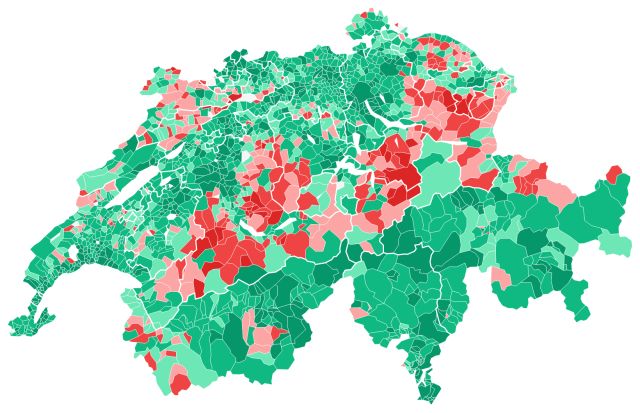
More likely than such a mass arrest would be for an international tribunal to be held, to collect evidence, in a similar manner that the Corona Investigative Committee has been engaging in fact-finding sessions for over a year. As more people understand the direct link between ongoing totalitarian offensives by numerous governments and the influence that Schwab and his associates have over these totalitarian public officials, it will become increasingly difficult for the remaining people of good conscience who are in a position to act, to do a favor for humanity and help end this new war.
To summarize, everybody concerned about the future of humanity can play at least a minor role in spreading the message of resistance to increase public awareness about what is unfolding and what ought to be done in response.
COVID-19: Moderna Gets Its Miracle

BY WHITNEY WEBB |
UNLIMITED HANGOUT| OCTOBER 28, 2021
COVID-19 erased the regulatory and trial-related hurdles that Moderna could never surmount before. Yet, how did Moderna know that COVID-19 would create those conditions months before anyone else, and why did they later claim that their vaccine being tested in NIH trials was different than their commercial candidate?
In late 2019, the biopharmaceutical company Moderna was facing a series of challenges that not only threatened its ability to ever take a product to market, and thus turn a profit, but its very existence as a company. There were multiple warning signs that Moderna was essentially another Theranos-style fraud, with many of these signs growing in frequency and severity as the decade drew to a close. Part I of this three-part series explored the disastrous circumstances in which Moderna found itself at that time, with the company’s salvation hinging on the hope of a divine miracle, a “Hail Mary” save of sorts, as stated by one former Moderna employee.
While the COVID-19 crisis that emerged in the first part of 2020 can hardly be described as an act of benevolent divine intervention for most, it certainly can be seen that way from Moderna’s perspective. Key issues for the company, including seemingly insurmountable regulatory hurdles and its inability to advance beyond animal trials with its most promising—and profitable—products, were conveniently wiped away, and not a moment too soon. Since January 2020, the value of Moderna’s stock—which had embarked on a steady decline since its IPO—grew from $18.89 per share to its current value of $339.57 per share, thanks to the success of its COVID-19 vaccine.
Yet, how exactly was Moderna’s “Hail Mary” moment realized, and what were the forces and events that ensured it would make it through the FDA’s emergency use authorization (EUA) process? In examining that question, it becomes quickly apparent that Moderna’s journey of saving grace involved much more than just cutting corners in animal and human trials and federal regulations. Indeed, if we are to believe Moderna executives, it involved supplying formulations for some trial studies that were not the same as their COVID-19 vaccine commercial candidate, despite the data resulting from the former being used to sell Moderna’s vaccine to the public and federal health authorities. Such data was also selectively released at times to align with preplanned stock trades by Moderna executives, turning many of Moderna’s highest-ranking employees into millionaires, and even billionaires, while the COVID-19 crisis meant economic calamity for most Americans.
Not only that, but—as Part II of this three-part series will show, Moderna and a handful of its collaborators at the National Institutes of Health (NIH) seemed to know that Moderna’s miracle had arrived—well before anyone else knew or could have known. Was it really a coincidental mix of “foresight” and “serendipity” that led Moderna and the NIH to plan to develop a COVID-19 vaccine days before the viral sequence was even published and months before a vaccine was even considered necessary for a still unknown disease? If so, why would Moderna—a company clearly on the brink—throw everything into and gamble the entire company on a vaccine project that had no demonstrated need at the time?
The Serendipitous Origins of Moderna’s COVID-19 Vaccine
When early January 2020 brought news of a novel coronavirus outbreak originating in Wuhan, China, Moderna’s CEO Stéphane Bancel immediately emailed Barney Graham, deputy director of the Vaccine Research Center at the National Institutes of Health, and asked to be sent the genetic sequence for what would become known as SAR-CoV-2, allegedly because media reports on the outbreak “troubled” him. The date of that email varies according to different media reports, though most place it as having been sent on either January 6th or 7th.
A few weeks before Bancel’s email to Graham, Moderna was quickly approaching the end of the line, their desperately needed “Hail Mary” still not having materialized. “We were freaked out about money,” Stephen Hoge would later remember of Moderna’s late 2019 circumstances. Not only were executives “cutting back on research and other expenditures” like never before, but – as STAT News would later report – “cash from investors had stopped pouring in and partnerships with some drug makers had been discontinued. In meetings at Moderna, Bancel emphasized the need to stretch every dollar and employees were told to reduce travel and other expenses, a frugality they were advised would last several years.”
At the tail end of 2019, Graham was in a very different mood than Bancel, having emailed the leader of the coronavirus team at his NIH lab saying, “Get ready for 2020,” apparently viewing the news out of Wuhan in late 2019 as a harbinger of something significant. He went on, in the days before he was contacted by Bancel, to “run a drill he had been turning over in his mind for years” and called his long-time colleague Jason McLellan “to talk about the game plan” for getting a head start on producing a vaccine the world did not yet know it needed. When Bancel called Graham soon afterward and asked about this new virus, Graham responded that he didn’t know yet but that “they were ready if it turned out to be a coronavirus.” The Washington Post claimed that Graham’s apparent foreknowledge that a coronavirus vaccine would be needed before anyone officially knew what type of disease was circulating in Wuhan was a fortunate mix of “serendipity and foresight.”
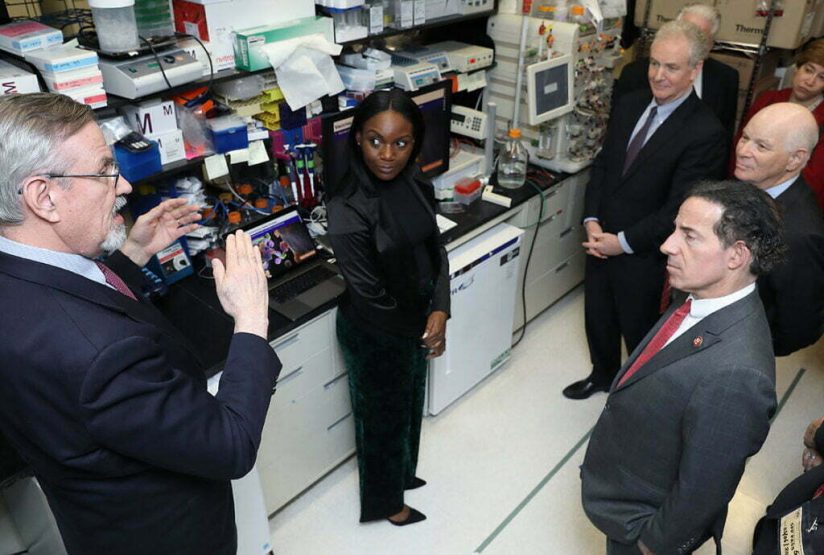
Dr. Barney Graham and Dr. Kizzmekia Corbett, VRC coronavirus vaccine lead, discuss COVID-19 research with Sen. Chris Van Hollen, Sen. Benjamin Cardin and Rep. Jamie Raskin, March 6, 2020; Source: NIH
A report in Boston magazine offers a slightly different account than that reported by the Washington Post. Per that article, Graham had told Bancel, “If [the virus] is a coronavirus, we know what to do and have proven mRNA is effective.” Per that report, this assertion of efficacy from Graham referred to Moderna’s early stage human-trial data published in September 2019 regarding its chikungunya vaccine candidate, which was funded by the Defense Advanced Research Projects Agency (DARPA), as well as its cytomegalovirus (CMV) vaccine candidate.
As mentioned in Part I of this series, the chikungunya vaccine study data released at that time included the participation of just four subjects, three of whom developed significant side effects that led Moderna to state that they would reformulate the vaccine in question and would pause trials on that vaccine candidate. In the case of the CMV vaccine candidate, the data was largely positive, but it was widely noted that the vaccine still needed to pass through larger and longer clinical trials before its efficacy was in fact “proven,” as Graham later claimed. In addition, Graham implied that this early stage trial of Moderna’s CMV vaccine candidate was somehow proof that an mRNA vaccine would be effective against coronaviruses, which makes little sense since CMV is not a coronavirus but instead hails from the family of viruses that includes chickenpox, herpes, and shingles.
Bancel apparently had reached out to Graham because Graham and his team at the NIH had been working in direct partnership with Moderna on vaccines since 2017, soon after Moderna had delayed its Crigler-Najjar and related therapies in favor of vaccines. According to Boston magazine, Moderna had been working closely with Graham specifically “on [Moderna’s] quest to bring a whole new class of vaccines to market” and Graham had personally visited Moderna’s facilities in November 2019. Dr. Anthony Fauci, the director of the NIH’s infectious-disease division NIAID, has called his unit’s collaboration with Moderna, in the years prior to and also during the COVID-19 crisis, “most extraordinary.”
The year 2017, besides being the year when Moderna made its pivot to vaccines (due to its inability to produce safe multidose therapies, see Part I), was also a big year for Graham. That year he and his lab filed a patent for the “2P mutation” technique whereby recombinant coronavirus spike proteins can be stabilized in a prefusion state and used as more effective immunogens. If a coronavirus vaccine were to be produced using this patent, Graham’s team would financially benefit, though federal law caps their annual royalties. Nonetheless, it would still yield a considerable sum for the named researchers, including Graham.
However, due to the well-known difficulties with coronavirus vaccine development, including antibody dependent enhancement risk, it seemed that commercial use of Graham’s patent was a pipe dream. Yet, today, the 2P mutation patent, also known as the ’070 patent, is not just in use in Moderna’s COVID-19 vaccine, but also in the COVID-19 vaccines produced by Johnson & Johnson, Novavax, Pfizer/BioNTech, and CureVac. Experts at New York University School of Law have noted that the 2P mutation patent first filed in 2016 “sounds remarkably prescient” in light of the COVID crisis that emerged a few years later while later publications from the NIH (still pre-COVID) revealed that the NIH’s view on “the breadth and importance of the ’070 patent” as well as its potential commercial applications was also quite prescient, given that there was little justification at the time to hold such a view.
On January 10, three days after the reported initial conversation between Bancel and Graham on the novel coronavirus outbreak in Wuhan, China, Graham met with Hamilton Bennett, the program leader for Moderna’s vaccine portfolio. Graham asked Bennett “if Moderna would be interested in using the new [novel coronavirus] to test the company’s accelerated vaccine-making capabilities.” According to Boston, Graham then mused, “That way . . . if ever there came a day when a new virus emerged that threatened global public health, Moderna and the NIH could know how long it would take them to respond.”
Graham’s “musings” to Bennett are interesting considering his earlier statements made to others, such as “Get ready for 2020” and his team, in collaboration with Moderna, would be “ready if [the virus then circulating in Wuhan, China] turned out to be a coronavirus.” Is this merely “serendipity” and “foresight”, as the Washington Post suggested, or was it something else? It is worth noting that the above accounts are those that have been given by Bancel and Graham themselves, as the actual contents of these critical January 2020 emails have not been publicly released.
When the genetic sequence of SARS-CoV-2 was published on January 11, NIH scientists and Moderna researchers got to work determining which targeted genetic sequence would be used in their vaccine candidate. Later reports, however, claimed that this initial work toward a COVID-19 vaccine was merely intended to be a “demonstration project.”
Other odd features of the Moderna-NIH COVID-19 vaccine-development story emerged with Bancel’s account of the role the World Economic Forum played in shaping his “foresight” when it came to the development of a COVID-19 vaccine back in January 2020. On January 21, 2020, Bancel reportedly began to hear about “a far darker version of the future” at the World Economic Forum (WEF) annual meeting in Davos, Switzerland, where he spent time with “two [anonymous] prominent infectious-disease experts from Europe” who shared with him data from “their contacts on the ground in China, including Wuhan.” That data, per Bancel, showed a dire situation that left his mind “reeling” and led him to conclude, that very day, that “this isn’t going to be SARS. It’s going to be the 1918 flu pandemic.”

Stéphane Bancel speaks at the Breakthroughs in Cancer Care session at WEF annual meeting, January 24, 2020; Source: WEF
This realization is allegedly what led Bancel to contact Moderna cofounder and chairman, as well as a WEF technology pioneer, Noubar Afeyan. Bancel reportedly interrupted Afeyan’s celebration of his daughter’s birthday to tell him “what he’d learned about the virus” and to suggest that “Moderna begin to build the vaccine—for real.” The next day, Moderna held an executive meeting, which Bancel attended remotely, and there was considerable internal debate about whether a vaccine for the novel coronavirus would be needed. To Bancel, the “sheer act of debating” pursuing a vaccine for the virus was “absurd” given that he was now convinced, after a single day at Davos, that “a global pandemic was about to descend like a biblical plague, and whatever distractions the vaccine caused internally at Moderna were irrelevant.”
Bancel spent the rest of his time at the Davos annual meeting “building partnerships, generating excitement, and securing funding,” which led to the Moderna collaboration agreement with the Coalition for Epidemic Preparedness Innovations—a project largely funded by Bill Gates. (Bancel and Moderna’s cozy relationship with the WEF, dating back to 2013, was discussed in Part I as were the Forum’s efforts, beginning well before COVID-19, to promote mRNA-based therapies as essential to the remaking of the health-care sector in the age of the so-called Fourth Industrial Revolution). At the 2020 annual meeting attended by Bancel and others it was noted that a major barrier to the widespread adoption of these and other related “health-care” technologies was “public distrust.” The panel where that issue was specifically discussed was entitled “When Humankind Overrides Evolution.”
As also noted in Part I of this series, a few months earlier, in October 2019, major players in what would become the Moderna COVID-19 vaccine, particularly Rick Bright and Anthony Fauci, had discussed during a Milken Institute panel on vaccines how a “disruptive” event would be needed to push the public to accept “nontraditional” vaccines such as mRNA vaccines; to convince the public that flu-like illnesses are scarier than traditionally believed; and to remove existing bureaucratic safeguards in the vaccine development-and-approval processes.
That panel took place less than two weeks after the Event 201 simulation, jointly hosted by the World Economic Forum, the Bill & Melinda Gates Foundation, and the Johns Hopkins Center for Health Security. Event 201 simulated “an outbreak of a novel zoonotic coronavirus” that was “modeled largely on SARS but . . . more transmissible in the community setting by people with mild symptoms.” The recommendations of the simulation panel were to considerably increase investment in new vaccine technologies and industrial approaches, favoring rapid vaccine development and manufacturing. As mentioned in Part I, the Johns Hopkins Center for Health Security had also conducted the June 2001 Dark Winter simulation that briefly preceded and predicted major aspects of the 2001 anthrax attacks, and some of its participants had apparent foreknowledge of those attacks. Other Dark Winter participants later worked to sabotage the FBI investigation into those attacks after their origin was traced back to a US military source.
It is hard to imagine that Bancel, whose company had long been closely partnered with the World Economic Forum and the Gates Foundation, was unaware of the exercise and surprised by the closely analogous event that transpired within three months. Given the accounts given by Bancel, Graham, and others, it seems likely there is more to the story regarding the origins of Moderna’s early and “serendipitous” push to develop a COVID-19 vaccine. In addition, given that Moderna was in dire financial circumstances at the time, it seems odd that the company would gamble everything on a vaccine project that was opposed by the few investors that were still willing to fund Moderna in January/February 2020. Why would they divert their scant resources towards a project born only out of Barney Graham’s “musings” that Moderna could try to test the speed of its vaccine development capabilities and Bancel’s doomsday view that a “biblical plague” was imminent, especially when their investors opposed the idea?
Moderna Gets to Bypass Its Long-Standing Issues with R & D
Moderna produced the first batch of its COVID-19 vaccine candidate on February 7, one month after Bancel and Graham’s initial conversation. After a sterility test and other mandatory tests, the first batch of its vaccine candidate, called mRNA-1273, shipped to the NIH on February 24. For the first time in a long time, Moderna’s stock price surged. NIH researchers administered the first dose of the candidate into a human volunteer less than a month later, on March 16.
Controversially, in order to begin its human trial on March 16, regulatory agencies had to allow Moderna to bypass major aspects of traditional animal trials, which many experts and commentators noted was highly unusual but was now deemed necessary due to the urgency of the crisis. Instead of developing the vaccine in distinct sequential stages, as is the custom, Moderna “decided to do all of the steps [relating to animal trials] simultaneously.” In other words, confirming that the candidate is working before manufacturing an animal-grade vaccine, conducting animal trials, analyzing the animal-trial data, manufacturing a vaccine for use in human trials, and beginning human trials were all conducted simultaneously by Moderna. Thus, the design of human trials for the Moderna vaccine candidate was not informed by animal-trial data.
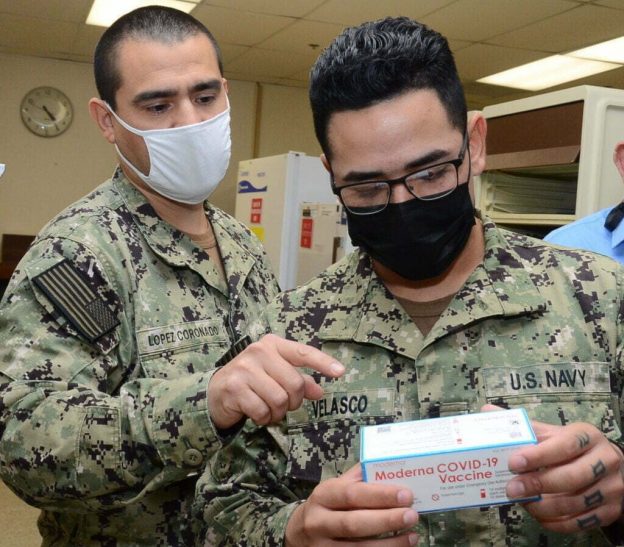
Lt. Javier Lopez Coronado and Hospitalman Francisco Velasco inspect a box of COVID-19 vaccine vials at the Naval Health Clinic in Corpus Christi, TX, December 2020; Source: Wikimedia
This should have been a major red flag, given Moderna’s persistent difficulties in getting its products past animal trials. As noted in Part I, up until the COVID-19 crisis, most of Moderna’s experiments and products had only been tested in animals, with only a handful able to make it to human trials. In the case of the Crigler-Najjar therapy that it was forced to indefinitely delay, toxicity concerns related to the mRNA delivery system being used had emerged in the animal trials, which Moderna was now greenlighted to largely skip. Given that Moderna had subsequently been forced to abandon all multidose products because of poor results in animal trials, being allowed to skip this formerly insurmountable obstacle was likely seen as a boon to some at the company. It is also astounding that, given Moderna’s history with problematic animal trials, more scrutiny was not devoted to the regulatory decision to allow Moderna to essentially skip such trials.
Animal studies conducted on Moderna’s COVID-19 vaccine did identify problems that should have informed human trials, but this did not happen because of the regulatory decision. For example, animal reproductive toxicity studies on the Moderna COVID-19 vaccine that are cited by the European Medicines Agency found that there was reduced fertility in rats that received the vaccine (e. g., overall pregnancy index of 84.1% in vaccinated rats versus 93.2% in the unvaccinated) as well as an increased proportion of aberrant bone development in their fetuses. That study has been criticized for failing to report on the accumulation of vaccine in the placenta as well as failing to investigate the effect of vaccine doses administered during key pregnancy milestones, such as embryonic organogenesis. In addition, the number of animals tested is unstated, making the statistical power of the study unknown. At the very least, the 9 percent drop in the fertility index among vaccinated rats should have prompted expanded animal trials to investigate concerns of reproductive toxicity before testing in humans.
Yet, Moderna declined to further investigate reproductive toxicity in animal trials and entirely excluded reproductive toxicity studies from its simultaneous human trials, as pregnant women were excluded from participation in the clinical trials of its vaccine. Despite this, pregnant women were labeled a priority group for receiving the vaccine after Emergency Use Authorization (EUA) was granted for the Moderna and Pfizer/BioNTech vaccines. Per the New England Journal of Medicine, this meant that “pregnant women and their clinicians were left to weigh the documented risks of Covid-19 infection against the unknown safety risks of vaccination in deciding whether to receive the vaccine.”
Moderna only began recruiting for an “observational pregnancy outcome study” of its COVID-19 vaccine in humans in mid-July 2021, and that study is projected to conclude in early 2024. Nevertheless, the Centers for Disease Control recommends the use of Moderna’s COVID-19 vaccine in “people who are pregnant, breastfeeding, trying to get pregnant now, or might become pregnant in the future.” This recommendation is largely based on the CDC’s publication of preliminary data on mRNA COVID-19 vaccine safety in pregnant women in June 2021, which is based on passive reporting systems in use within the United States (i. e., VAERS and v-safe).
Even in the limited scope of this study, 115 of the 827 women who had a completed pregnancy during the study lost the baby, 104 of which were spontaneous abortions before 20 weeks of gestation. Of these 827 pregnant women, only 127 had received a mRNA vaccine before the 3rd trimester. This appears to suggest an increased risk among those women who took the vaccine before the 3rd trimester, but the selective nature of the data makes it difficult to draw any definitive conclusions. Despite claims from the New England Journal of Medicine that the study’s data was “reassuring”, the study’s authors ultimately stated that their study, which mainly looked at women who began vaccination in the third trimester, was unable to draw “conclusions about spontaneous abortions, congenital anomalies, and other potential rare neonatal outcomes.” This is just one example of the problems caused by “cutting corners” with respect to Moderna’s COVID-19 vaccine trials in humans and animals, including those conducted by the NIH.
Meanwhile, throughout February, March and April, Bancel was “begging for money” as Moderna reportedly lacked “enough money to buy essential ingredients for the shots” and “needed hundreds of millions of dollars, perhaps even more than a billion dollars” to manufacture its vaccine, which had only recently begun trials. Bancel, whose tenure at Moderna had long been marked by his ability to charm investors, kept coming up empty-handed.
Then, in mid-April 2020, Moderna’s long-time cooperation with the US government again paid off when Health and Human Services Biomedical Advanced Research and Development Authority (BARDA) awarded the company $483 million to “accelerate the development of its vaccine candidate for the novel coronavirus.” A year later, the amount invested in Moderna’s COVID-19 vaccine by the US government had grown to about $6 billion dollars, just $1.5 billion short of the company’s entire value at the time of its pre-COVID IPO.
BARDA, throughout 2020, was directly overseen by the HHS Office of the Assistant Secretary for Preparedness and Response (ASPR), led by the extremely corrupt Robert Kadlec, who had spent roughly the last two decades designing BARDA and helping shape legislation that concentrated many of the emergency powers of HHS under the Office of the ASPR. Conveniently, Kadlec occupied the powerful role of ASPR that he had spent years sculpting at the exact moment when the pandemic, which he had simulated the previous year via Crimson Contagion, took place. As mentioned in Part I, he was also a key participant in the June 2001 Dark Winter exercise. In his capacity as ASPR during 2020, Kadlec oversaw nearly all major aspects of the HHS COVID-19 response and had a key role in BARDA’s funding decisions during that period, as well as in the affairs of the NIH and the Food and Drug Administration as they related to COVID-19 medical countermeasures, including vaccines.
On May 1, 2020, Moderna announced a ten-year manufacturing agreement with the Lonza Group, a multinational chemical and biotech company based in Switzerland. Per the agreement, Lonza would build out vaccine production sites for Moderna’s COVID-19 vaccine, first in the US and Switzerland, before expanding to Lonza’s facilities in other countries. The scale of production discussed in the agreement was to produce 1 billion doses of Moderna’s COVID-19 vaccine annually. It was claimed that the ten-year agreement would also focus on other products, even though it was well known at the time that other Moderna products were “nowhere close to being ready for the market.” Moderna executives would later state that they were still scrambling for the cash to manufacture doses at the time the agreement with Lonza was made.
The decision to forge a partnership to produce that quantity of doses annually suggests marvelous foresight on the part of Moderna and Lonza that the COVID-19 vaccine would become an annual or semiannual affair, given that current claims of waning immunity could not have been known back then because initial trials of the Moderna vaccine had begun less than two months earlier and there was still no published data on its efficacy or safety. However, as will be discussed Part III of this series, Moderna needs to sell “pandemic level” quantities of its COVID-19 vaccine every year in order to avoid a return of the existential crises it faced before COVID-19 (for more on those crises, see Part I). The implications of this, given Moderna’s previous inability to produce a safe product for multidosing and lack of evidence that past issues were addressed in the development of its COVID-19 vaccine, will also be discussed in Part III of this series.
It is also noteworthy that, like Moderna, Lonza as a company and its leaders are closely affiliated with the World Economic Forum. In addition, at the time the agreement was reached in May 2020, Moncef Slaoui, the former GlaxoSmithKline executive, served on the boards of both Moderna and Lonza. Slaoui withdrew from the boards of both companies two weeks after the agreement was reached to become the head of the US-led vaccination-development drive Operation Warp Speed. Moderna praised Slaoui’s appointment to head the vaccination project.
By mid-May, Moderna’s stock price—whose steady decline before COVID-19 was detailed in Part I —had tripled since late February 2020, all on high hopes for its COVID-19 vaccine. Since Moderna’s stock had begun to surge in February, media reports noted that “nearly every progress update—or media appearance by Moderna CEO Stephane Bancel—has been gobbled up by investors, who seem to have an insatiable appetite for the stock.” Bancel’s tried-and-tested method of keeping Moderna afloat on pure hype, though it was faltering before COVID-19, was again paying off for the company thanks to the global crisis and related panic.
Some critics did emerge, however, calling Moderna’s now $23 billion valuation “insane,” especially considering that the company had posted a net loss of $514 million the previous year and had yet to produce a safe or effective medicine since its founding a decade earlier. In January 2020, Moderna had been worth a mere $5 billion, $2 billion less than its valuation at its December 2018 IPO. If it hadn’t been for the onset of the COVID crisis and a fresh injection of hype, it seems that Moderna’s valuation would have continued to shrink. Yet, thankfully for Moderna, investors were valuing Moderna’s COVID-19 vaccine even before the release of any clinical data. Market analysts at the time were forecasting Moderna’s 2022 revenue at about $1 billion, a figure based almost entirely on coronavirus vaccine sales, since all other Moderna products were years away from a market debut. Yet, even with this forecasted revenue, Moderna’s stock value in mid-May 2020 was trading at twenty-three times its projected sales, a phenomenon unique to Moderna among biotech stocks at the time. For comparison, the other highest multiples in biotech at the time were Vertex Pharmaceutical and Seattle Genetics, which were then trading at nine and twelve times their projected revenue, respectively. Now, with the implementation of booster shot policies around the world, revenue forecasts for Moderna now predict the company will make a staggering $35 billion in COVID-19 vaccine sales through next year.
Moderna’s surging stock price went into overdrive when, on May 18, 2020, the company published “positive” interim data for a phase 1 trial of its COVID-19 vaccine. The results generated great press, public enthusiasm, and a 20 percent boost in Moderna’s stock price. Just hours after the press release, Moderna announced a new effort to raise $1.3 billion by selling more stock. It has since been revealed that Moderna had hired Morgan Stanley to manage that stock sale on May 15.
However, left largely unmentioned by the press or Moderna itself was that the ostensibly “scientific study” only provided data from 8 of the 45 volunteers—4 volunteers each from the 15- and 100-microgram dose cohorts—regarding the development of neutralizing antibodies. The age of these mysteriously selected 8 volunteers was also not published, and other key data was missing, making it “impossible to know whether mRNA-1273 [Moderna’s COVID-19 vaccine] was ineffective [in the remaining 37 volunteers whose antibody data was not disclosed], or whether the results were not available at this point.” Meanwhile, in the highest-dose cohort, in which volunteers received 250 micrograms, 21 percent of volunteers experienced a grade 3 adverse event, which is defined by the FDA as “preventing daily activity and requiring medical intervention.”
STAT published a report the next day that was skeptical of Moderna’s press release and seemed to imply the data release was aimed at boosting the company’s stock valuation, which hit $29 billion after the news. STAT reporter Helen Branswell called this jump in valuation “an astonishing feat for a company that currently sells zero products.” Branswell’s report noted several things, including that several vaccine experts had noted that “based on the information made available [by Moderna], there’s really no way to know how impressive—or not—the vaccine may be.” Moderna later defended its withholding of key data in the press release, claiming that it was done to respect “federal securities laws and the rules of scientific journals” and to prevent a potential leak of the data from insiders at the NIH. Moderna executives have more recently claimed that the “timely” release of these selective data had been linked to their “desperate” fundraising efforts at the time and ultimately prevented them from “losing” the COVID-19 vaccine race.
The STAT report also noted that the National Institute of Allergy and Infectious Diseases (NIAID), which was running the trial referenced by Moderna in the press release, was completely silent on the matter, declining to put out a press release that day and declining to comment on Moderna’s announcement. This was described as uncharacteristic for NIAID, especially considering they were the part of the NIH co-developing the vaccine with Moderna and running the trial. STAT noted that, normally, “NIAID doesn’t hide its light under a bushel. The institute generally trumpets its findings.” In this case, however, they declined to do so. It emerged in early June 2020 that Dr. Anthony Fauci, who leads NIAID, had been displeased with Moderna’s decision to publish incomplete data on the trial, telling STAT that he would have preferred “to wait until we had the data from the entire Phase 1 . . . and publish it in a reputable journal and show all the data.”

Tal Zaks, Chief Scientific Officer at Moderna; Source: The Forward
It subsequently emerged that Moderna’s top executives, including chief financial officer Lorence Kim and chief scientific officer Tal Zaks, had used their insider knowledge of the coming press release to trade company stock that netted them several million each following the jump in Moderna’s stock that resulted from the press release’s positive buzz. A little over a week after the press release had been published, STAT reported that the top five Moderna executives had cashed out $89 million in shares since the company’s stock price had begun to soar earlier in the year. Per that report, the amount of trades by these five executives alone between January and May 2020 was “nearly three times as many stock transactions than in all of 2019.” By September 2020, the amount of stock shed by Moderna executives amounted to $236 million. Less criticized or even mentioned by the press was Moderna’s move, less than a month later, to create a tax haven in Europe for its European COVID-19 vaccine sales.
Though the trades were deemed slimy but legal, mainstream media reports essentially confirmed that the early release of the interim data was planned to “raise the share price of Moderna’s stock so that executives could cash in during the period of euphoria” that followed. Some watchdog groups called on the SEC to investigate Moderna executives for manipulating the stock market. The critical reporting on executive stock trades and Moderna’s release of incomplete data led the company’s stock to temporarily trend downward throughout the rest of May. As previously mentioned, Moderna has repeatedly attempted to explain away the timing of this particular press release, offering new explanations as recently as this week.
Moderna’s Shocking Claim about Its Vaccine Candidate
In mid-June 2020, researchers at the NIH and Moderna published a manuscript preprint of preclinical data for Moderna’s COVID-19 vaccine. This preprint described the vaccine as employing a delivery system covered in a patent owned by the company Arbutus Biopharma and described the results of that vaccine in tests on mice. As discussed in Part I, Moderna has long been locked in a bitter legal dispute with Arbutus, which has threatened Moderna’s ability to ever turn a profit on any product that relies on Arbutus-patented technology regarding lipid nanoparticle (LNP) delivery systems for its mRNA products. Moderna has claimed for years it was no longer using the Arbutus-derived system on which it once entirely relied, with Bancel even going so far as to publicly call it “not very good.” However, Moderna has provided no real evidence that it no longer relies on the technology covered in the Arbutus patents. The June 2020 manuscript preprint from the NIH and Moderna provided evidence indicating that the same Arbutus-derived technology that had caused major toxicity issues in multidose products Moderna had previously attempted to develop was also being used in Moderna’s COVID-19 vaccine candidate.
Yet, when Moderna’s chief corporate affairs officer, Ray Jordan, was challenged on this point by Forbes, Jordan asserted that the preprint’s data had been generated using a formulation of a COVID-19 vaccine that is not the same as the vaccine itself, stating, “While the authors of the preprint used the term ‘mRNA-1273’ for convenience of the reader, the preprint does not describe the cGMP process by which we make our messenger RNA and LNP or the final drug product composition in our commercial candidate (mRNA-1273).” When Forbes asked Jordan if he could provide any specifics, including the LNP molar ratio of the new LNP technology to prove that the LNPs in use in the COVID-19 vaccine were in fact different from those covered by the Arbutus patent, Jordan flat out refused.

Arbutus Biopharma’s office in Warminster, Pennsylvania; Source: Philadelphia Business Journal
Despite Jordan’s claims, a Moderna preclinical study regarding its COVID-19 vaccine was published a month later, and that July study noted that the Moderna vaccine used LNPs as described in a 2019 paper, which in turn reveals that the LNPs in question were the same as those used in the June study. This paper included the results from the study originally promoted by Moderna in May that led to a jump in Moderna’s stock price. Now published in full, the study generated lots of positive press, including a statement from the NIAID’s Fauci that “no matter how you slice this, this is good news.” A jump in US government funding of Moderna’s COVID-19 vaccine also shortly followed the study’s publication. At the time, CBS News remarked that Moderna’s stock price, which had been sliding since its late 2018 IPO, had been essentially rescued by the COVID-19 crisis, as “shares of Moderna—which has never brought a product to market over its ten-year existence—have soared as much as 380 percent since the start of the year as news emerged [in January] of its promising potential for producing a vaccine. [Moderna’s] stock price was less than $20 in early January and around $95 on Friday [July 17, 2020].” Today, by comparison, Moderna has consistently been trading above $300 a share.
Yet, if we take Ray Jordan at his word with respect to the preprint published in June, Moderna appears to have been engaged in rather slimy behavior. If Jordan was telling the truth, it appears that this July study, which appears to use the vaccine candidate containing the same LNPs as those described in the June 2020 preprint, also used a formulation not consistent with the company’s commercial vaccine candidate. If so, given that the July study was the same study referenced by Moderna’s controversial May press release tied to insider stock trades, Moderna appears to have used “positive” data generated by a vaccine candidate other than its commercial vaccine candidate to boost stock prices and ameliorate the company’s financial situation while also generating millions for executives. This, of course, says nothing about the separate but critically important issue that the vaccine candidate used in these studies, including the NIH study, is not necessarily the same as the commercial candidate used in clinical trials.
It seems that the only reason that Moderna would make such an outrageous claim to Forbes would be to distance its COVID-19 vaccine from its past controversies that largely have their root in Moderna’s LNP-related problems, which it had claimed to have already resolved. It is not clear if the motive behind such a gambit is principally related to the legal dispute with Arbutus or the past safety issues Moderna encountered with multidose therapies.
Adding to the confusion about the LNPs in use in Moderna’s products is that, a few days earlier in July, Moderna had published results on a separate vaccine candidate, this one for HIV, that appeared to use the exact same LNP technology that is covered by the Arbutus patent. The LNPs described in that study included the same components as those described in the Arbutus patent and the same molar ratio. Moderna appeared to be referencing this issue in their August 6, 2020, SEC filing, which states: “There are many issued and pending third-party patents that claim aspects of oligonucleotide delivery technologies that we may need for our mRNA therapeutic and vaccine candidates or marketed products, including mRNA-1273, if approved.”
By the end of 2020, Moderna claimed in a December filing with the SEC that, while it had “initially used LNP formulations that were based on known lipid systems,” that is, the Arbutus LNPs, it had “invested heavily in delivery science and ha[s] developed LNP technologies, as well as alternative nanoparticle approaches.” Despite the claims it made in this filing, however, it remained unclear as to whether the company’s COVID-19 vaccine was using Arbutus technology or the technology it purported to have developed on its own without infringing on Arbutus’s intellectual property.
Moderna’s claims that it now uses a different LNP system than the one that caused such major issues is based on the company’s development and implementation of a lipid structure now known as SM-102. This lipid structure was first revealed by Moderna in a 2019 publication under the name Lipid H, and, in that paper and since, Moderna has claimed that its LNP system is now superior to that which it previously used because it is using SM-102 instead of the original Arbutus lipids. However, it is critical to note that Moderna’s use of SM-102 does not necessarily mean the company is not violating the Arbutus patents, which cover the use of LNPs that combine cationic and PEGylated lipids in specific proportions.
Despite claims from Moderna that SM-102 resolved both the company’s patent-related and toxicity issues with its LNP system (as discussed in Part I), Moderna has declined to disclose SM-102’s exact structure or whether it carries a net positive charge at physiological pH, the latter of which could lead to proof of continued infringement on the Arbutus patent. In addition, there are no studies on the distribution, degradation, and/or elimination of SM-102 from the body, meaning that the accumulation of the lipids or their capacity to damage organs is not documented. The obvious lack of study of SM-102’s properties and effects on the human body was largely circumvented by public health authorities during the emergency approval process by using the same criteria for the Moderna vaccine candidate that is used for traditional vaccines that do not utilize the novel mRNA approach. These “traditional” criteria therefore do not include any requirements for data on LNP safety.
Overall, the evidence seems to point toward Moderna’s claims that its COVID-19 vaccine doesn’t use Arbutus-derived LNPs as being false. The other possibility is that Moderna attempted to modify the LNP system but only slightly so that potential identifiers, such as the molar ratio, remained the same. In this case, Arbutus could still claim that the LNPs currently in use by Moderna and in its COVID-19 vaccine infringe on their patent. It is also thus likely that the safety issues Moderna had acknowledged with this LNP system were largely unaffected if the potential modifications were indeed minor. Yet, if either of these scenarios is correct, the question becomes – Why wouldn’t Arbutus challenge Moderna once again to obtain royalty payments stemming from its COVID-19 vaccine?
The answer seems to lie mostly in optics and public relations. As STAT wrote last July, were Arbutus to sue Moderna over patent infringement in the midst of the COVID-19 crisis, “that would mean taking the substantial risk that it would be perceived as a company holding up a desperately needed medicine out of concern for its bottom line.” This also seemed to be part of the motive behind Moderna’s altruistically framed promise not to enforce its own COVID-19–related patents until the pandemic is declared over. Observers have noted that this move by Moderna was not only a public relations boon for the company but also “set a disarming tone in the space that may serve to deter others in the space [e. g., Arbutus] from acting too defensively or aggressively,” largely due to “fear of the potential public relations backlash.”
While July 2020 brought a surge in valuation and positive press for Moderna and its COVID-19 vaccine candidate, it also brought an unfavorable ruling for Moderna in its long-running dispute with Arbutus, one that opened the door for Arbutus to file an injunction against Moderna’s COVID-19 vaccine, if they chose, to force the negotiation of a license with Moderna. The news led to Moderna’s stock price falling by 10 percent, wiping out $3 billion in value. However, most likely for the reasons outlined above, Arbutus ultimately declined to jump on the decision to block Moderna’s COVID-19 vaccine from advancing in the hopes of securing royalties. Yet, they reserve the ability to do so, if and when the perceived urgency of the COVID-19 crisis fades.
Moderna has asserted that the decision would not affect its COVID-19 vaccine as the company was “not aware of any significant intellectual property impediments for any products we intend to commercialize.” Thus, Ray Jordan’s assertions and the lack of “clear and convincing” evidence that Moderna’s COVID-19 vaccine relies on Arbutus-patented technology appears to have been sufficient for Moderna to make this claim. This seems to be due to a lack of interest by the mainstream media or federal agencies/regulators in demanding concrete evidence that Moderna’s LNP system used in its COVID-19 vaccine does not rely on Arbutus-patented technology.
Despite the issues raised above in relation to the vaccine study data published in June and July, the positive press attention—particularly after the July publication—translated just a month later into the US government entering into a significant supply agreement with Moderna on August 11, 2020. Per that agreement, the government would pay $1.525 billion for 100 million doses with the option to purchase an additional 400 million doses in the future, all of which it has since purchased. Per Moderna’s press release, the agreement meant that the US government had, by that point, paid $2.48 billion for “early access” to Moderna’s COVID-19 vaccine.
Roughly a month later, it was revealed that the US government had been paying for much more. On September 10, 2020, BARDA joined long-time Moderna funder and “strategic ally” DARPA in scrutinizing contracts that had been awarded to the company due to Moderna’s failure to disclose the role government support had played in its numerous patent applications. The announcement came after Knowledge Ecology International (KEI), which advocates for protecting taxpayer investments in patents, found that none of the patents or applications assigned to Moderna in the company’s entire history had disclosed the considerable US government funding it had received at the time those patents were filed, which is required by the 1980 Bayh-Doyle Act and by the regulations of the Patent and Trademark Office. Per KEI, this translates into the US government owning certain rights over the patents, and thus US taxpayers may have an ownership stake in vaccines made and sold by Moderna.
Despite the clear evidence that Moderna failed to disclose the considerable amount of US government funding prior to and during the COVID crisis in its patent applications, Moderna responded to KEI and the BARDA/DARPA “scrutiny” by stating that it was “aware of and consults with our agency collaborators regarding our contractual obligations under each of these agreements, including those with respect to IP [intellectual property], and believe we comply with those obligations.” As of the writing of this article, BARDA and DARPA have taken no action against Moderna for their illegal omission about having received substantial government funding in their patent applications and filings. Instead, a month after DARPA claimed to be “scrutinizing” Moderna’s patent applications, it awarded the company up to $56 million to develop small-scale mobile means of manufacturing its products—namely, its COVID-19 vaccine and its personalized cancer vaccine.
Moderna: “Just Trust Us”
What quickly stands out about Moderna’s COVID-19 vaccine candidate over the course of its rapid development in 2020 was the willingness of federal agencies like NIH, BARDA, and others, as well as the mainstream press, to take Moderna at its word concerning critical aspects of its vaccine and its development, even when the evidence appeared to contradict its claims. This is particularly evident in Moderna claiming that it resolved its LNP issues, both in terms of toxicity and patent infringement, and those claims—despite the company’s refusal to release clear supporting evidence—being taken at face value. This is even more striking when one considers the multiple factors that Moderna was facing before COVID-19 and how the company faced collapse without the success of its COVID-19 vaccine, as this means Moderna was under considerable pressure to have its vaccine succeed.
While the controversial simultaneous conducting of animal and human trials was publicly justified in the name of the urgency of the COVID-19 crisis, can the other examples explored in this article be similarly justified in the name of urgency? Instead, several issues explored above appear to have been driven by conflicts of interest and corruption.
Adding to the ridiculousness is that Moderna got away with claiming that the NIH was conducting safety tests on a COVID-19 vaccine product different from their commercial candidate, without causing a major backlash in either the mainstream media or from the NIH itself. This is particularly telling as the May 2020 press release and suspiciously timed stock trading by Moderna executives and insiders did garner negative press attention. However, the subsequent revelation, per Moderna, that its press release was based on the study of a vaccine candidate that was not “necessarily the same” as their commercial COVID-19 vaccine candidate received essentially no coverage, despite raising the unsettling possibility that Moderna could have used another product to essentially rig preliminary data to be positive in order to advance their product to market and make millions through insider stock sales. How can the claims made by such a company be trusted at face value without independent verification? Furthermore, how can NIH studies of Moderna be trusted when Moderna has claimed that some of the studies that were ultimately factors in the vaccine’s emergency use authorization approval by the FDA utilized a different product than that which Moderna later successfully commercialized?
Moderna and the NIH were, nevertheless, taken at their word in November 2020 when they said that their COVID-19 vaccine candidate was 94.5 percent effective. At the time, the main promoters of this claim were Moderna’s Bancel and NIAID’s Fauci. The claim came shortly after Pfizer’s press release claiming its COVID-19 vaccine candidate was 90 percent effective. Not to be outdone by Moderna, Pfizer revised the reported efficacy of its vaccine just two days after Moderna’s November press release, stating that their vaccine was actually 95% effective to Moderna’s 94.5%. In the case of these claims, it was indicative of the now-established yet troubling practice of “science by press release” when it comes to touting the benefit of certain COVID-19 vaccines currently on the market. Since then, real-world data has shattered the efficacy claims that were used to secure emergency use authorization, for which Moderna applied at the end of November 2020 and received only a few weeks later in mid-December of that year.
As Part III of this series will explore, the EUA for the Moderna vaccine got around the issues raised in this article by treating the entire Moderna formulation as a traditional vaccine, which it is not, as traditional vaccines do not utilize mRNA for inducing immunity, and their safety and efficacy depend on several criteria that are entirely different from those of the more novel mRNA. Thus, the LNP issue, a perpetually sticky one for Moderna that it struggled to circumvent before the onset of the COVID-19 crisis, was largely evaded when it came down to, not just research and development, but receiving EUA. It appears that this sleight-of-hand by federal regulators was necessary for Moderna, after ten years, to finally get its first product on the market. As noted in Part I, were it not for the COVID-19 crisis and its fortuitous timing, Moderna might not have survived the severe challenges that threatened its entire existence as a company.
Part III will also examine how Moderna’s “Hail Mary” moment in the COVID-19 crisis was only the beginning of its miraculous rescue from a Theranos-like fate, as the company has not only expanded its partnership with the government but now with a CIA-linked firm. This shows that Moderna and key power players in Big Pharma and the US national-security state envision Moderna’s COVID-19 vaccine being sold in massive quantities for several years to come. As previously noted, without annual or semiannual sales of booster doses, Moderna’s pre-COVID crisis will inevitably return. The push for Moderna booster-dose approval has advanced despite real-world data not supporting Moderna’s past claims of safety and efficacy for its COVID-19 vaccine, the recent decision of several European governments to halt the vaccine’s use, and the FDA’s own infighting and recent admissions that the Moderna COVID-19 vaccine is one of the more dangerous currently in use, particularly in terms of adverse effects on the cardiovascular system. The obvious question here then becomes – How costly will Moderna’s “Hail Mary” save ultimately be, not just in terms of the $6 billion US taxpayer money already spent on it, but also in terms of public health?
Featured Video

Michael von der Schulenburg: Europe’s Self-Defeating Iran War Policy
or go to
Aletho News Archives – Video-Images
Frlom the Archives
Provoking a Path to Persia
The Saban Center’s prescient paper on war with Iran
By Maidhc Ó Cathail | October 20, 2011
In June 2009, the Saban Center for Middle East Policy published “Which Path to Persia?—Options for a New American Strategy toward Iran.” Writing in a tone strikingly reminiscent of the Project for a New American Century’s infamous pre-9/11 paper “Rebuilding America’s Defenses,” the six co-authors noted that, “It seems highly unlikely that the United States would mount an invasion without any provocation or other buildup.” For a think tank specifically established by media mogul Haim Saban to protect Israel, this could prove to be a formidable obstacle impeding their desired march—of U.S. troops—to Tehran.
“In fact, if the United States were to decide that to garner greater international support, galvanize U.S. domestic support, and/or provide a legal justification for an invasion, it would be best to wait for an Iranian provocation, then the time frame for an invasion might stretch out indefinitely,” Saban’s think-tankers ruefully observed.
“With only one real exception, since the 1978 revolution, the Islamic Republic has never willingly provoked an American military response, although it certainly has taken actions that could have done so if Washington had been looking for a fight. Thus it is not impossible that Tehran might take some action that would justify an American invasion. And it is certainly the case that if Washington sought such a provocation, it could take actions that might make it more likely that Tehran would do so (although being too obvious about this could nullify the provocation). However, since it would be up to Iran to make the provocative move, which Iran has been wary of doing most times in the past, the United States would never know for sure when it would get the requisite Iranian provocation. In fact, it might never come at all.”
Seemingly undeterred by Iran’s frustrating unwillingness to provide the requisite provocation, the analysts continued to examine this option… continue
Blog Roll
 Aletho News
- Seyed M. Marandi: Threat of Seizing Kharg Island & the Use of Nuclear Weapons
- Is there even an off ramp?
- Michael von der Schulenburg: Europe’s Self-Defeating Iran War Policy
- Sorry, The New Republic, Climate Change Isn’t Causing Somali Migration. Blame Civil Strife and Poverty.
- Expert Guts Claims That HPV Vaccine Reduces Cancer Risk
- No evidence Russia sabotaged Baltic cables – Finnish intel
- The Strategic Folly of a (Serious) US Ground Invasion of Iran
- US-Israeli war of aggression on Iran meant to reshape region: Omani FM
- Iran Does Not Consider Israel Party to Talks to Need Mediators With It – Ambassador
- Macron’s aircraft carrier and warplanes to the Persian Gulf is a dangerous vanity project
- If Americans Knew
- Are we on the precipice of World War III?
- ‘Catastrophic,’ Says UNICEF: 1,100+ Children Killed or Wounded in Mideast Since US-Israel Launched Iran War
- The Unbelievable Madness of Our War With Iran
- World Council of Churches calls on govts to hold Israel accountable for violations of intl law
- How to end the war on Iran that costs US taxpayers $1M per minute – Not a ceasefire Day 153
- Israeli strategic plans to “remake the Middle East” from the 1950s and since
- Honoring Gaza’s women who refused to let the world look away
- 97% of victims of war on Iran are Iranian, 98% of victims in war on Gaza are Gazans – Not a ceasefire Day 152
- Early Iran strikes cost $5.6 billion in munitions, Pentagon estimates
- Israel Decided the War, But Trump’s America Fights and Pays the Bill
- No Tricks Zone
- New Studies: UK Sea Levels Were 4 Meters Higher Than Today During The Mid-Holocene
- Destructive Green New Deal: German Energy And Metal Group Warns Of Drastic Crisis
- New Study Documents A 20-Year Pause In Arctic Sea Ice Decline – Driven By Internal Variability
- Wake-up Call: Survey Shows Majority Of Germans Now Favor Postponing Climate Targets!
- Televised! Leading German Political Candidate Tells Schoolchildren CO2 Makes Sun Hotter!
- New Study: A Century Warming Of 1.1°C Is ‘Commonplace’ And ‘Not Unusual’ During This Interglacial
- New Study: ‘Internal Noise’ And Volcanic Forcing Can Trigger 10-15°C Warming Within Decades
- Glaciers Worldwide Are Suddendly Surging, Experts Blame Warming!
- Surprising Discovery: Sahara Is Greening…Billions Of Trees Where Once Thought To Be Barren
- New Research Reaffirms Clouds, Aerosols, And Surface Solar Radiation Are ‘Driving The Climate System’
 Aletho News