Settlers burn olive trees in Sarta

Illegal settlers and Israeli army invading Sarta (photo by Nima Musleh)
International Solidarity Movement | September 27, 2013
Sarta, Occupied Palestine – Settlers burnt around 35 olive trees in the Palestinian village of Sarta late on Thursday night, following the area being declared a closed military zone in preparation for the construction of a new settler road.
Around 60 settlers from the illegal Bruchin settlement and surrounding area, many armed with guns, set fire to the trees late on Thursday 26th September. At around midnight, the settlers arrived in Sarta. The town mayor asked the Palestinian Authority to liaise with the Israeli army in order to intervene, but when Israeli forces arrived on the scene they informed villagers that the area had been declared closed and told them to leave.
Two days earlier, town residents witnessed four bulldozers arrive in the village to prepare the ground for the construction of the road, which will connect the settlement with road five and is part of an expansion plan for the settlement which will take it from 40 houses to around 550.
The proposed road and settlement expansion is a source of concern to local Palestinians, who stand to lose much of their land under new plans, including local features such as a 500-year-old cemetery.
Related articles
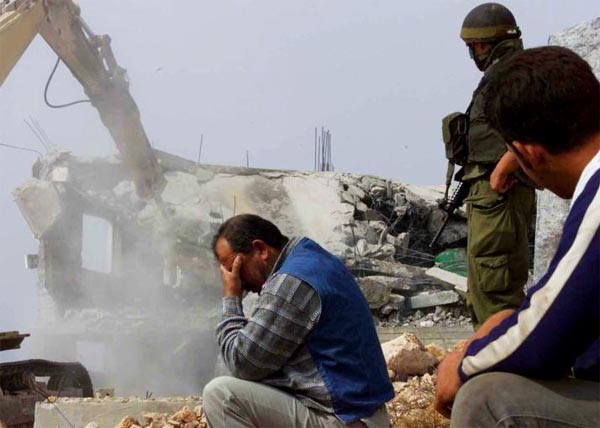
One-third of Palestinian homes in Jerusalem are threatened with demolition
MEMO | September 26, 2013
An international human rights organisation has revealed that one-third of the Palestinian-owned houses in Jerusalem face demolition under the pretext that applications for building permits were incomplete. This, claims Euro-Mid Observer for Human Rights, is a way for the Israeli authorities to continue their demographic war against Palestinians in the Holy City. Israel gives Jerusalemite Palestinians the right to use just 13 per cent of the area of occupied East Jerusalem to meet the needs of their growing population.
A report from Euro-Mid shed some light on the widespread Israeli settlement programme in Jerusalem. It mentioned that the financial committee of the Israeli-controlled Jerusalem municipality decided to support 1,500 new settlement units in the city at the end of August. The human rights group also pointed out that Israel’s bulldozers are still razing Palestinian homes in Al-Tour neighbourhood because the authorities plan to set up the “National Israeli Park”.
According to the UN, poverty is getting worse among Palestinians in Jerusalem. Euro-Mid noted that the unemployment rate rose to 78 per cent in 2012 compared with 64 per cent in 2006. More than 40 per cent of Palestinian Jerusalemites now live below the official poverty line; one of the reasons is the disparity in wage rates between Israeli and Palestinian labourers.
Euro-Mid has called upon Israel to stop its frenzy of settlement construction in the occupied territories and to protect Palestinian sovereignty over East Jerusalem, as the potential capital of a Palestinian state.
Related articles
- Israel levels 7 Palestinian homes in East Jerusalem (worldbulletin.net)
- Jewish settlers occupy Palestinian land in Al-Quds (worldbulletin.net)
- Dozens Injured In Jerusalem, Two Kidnapped (imemc.org)
- Palestinians Attacked By Soldiers In Jerusalem’s Old City (imemc.org)
AL-KHALIL: Settlers re-occupy Abu Rajib house
CPTnet | September 24, 2013
On 23 September 2013, in response to the death of Israeli soldier Staff Sgt. Gal Kobi, Prime Minister Benjamin Netanyahu called for illegal settlement expansion in the Old City of Hebron.
At 1:00 a.m. on Tuesday 24 September, the Christian Peacemaker Team in Hebron received reports from the Hebron Rehabilitation Committee that Israeli settlers had re-occupied the Abu Rajib house west of the Tomb of the Patriarchs. Settlers had been evicted from the building in April of 2012.
The resettlement of the Abu Rajib house is a direct and significant risk to the community of Hebron, international law, and human rights, as settlements are illegal under international law and impede the ongoing peace process.
In addition to the illegality of the settlement, the location of Abu Rajib will constitute a severe threat to the freedom of movement for Palestinians. The house sits between two Palestinian Schools and Israeli military checkpoint 209, which CPT monitors every morning as part of its school patrol. If the settlement remains, it will be in the middle of an area hundreds of Palestinian children must pass each morning to attend classes.
Over the past week of the Jewish holiday of Sukkoth, the Israeli military has increased its presence with additional soldiers on the ground, occupying Palestinian homes and turning them into military outposts in and around the area of the Abu Rajib house. As a result, school attendance at Al-Faihaa girl’s school and Al-Ibrahimmiye has dropped.
On Monday, 23 September, the Al-Faihaa girl’s school was shut down completely since so few students were able to attend classes. The added Israeli military presence installed around the settlement will continue this trend.
Israeli settlement expansion has led to several cases of violence between Palestinians and Israelis, including near the settlement of Tel Rumeida.
“For the residents of Tel Rumeida, living next to settlers means living under constant threat of attack,” said a representative from the human rights observer organization, the International Solidarity Movement (ISM). “The Abu Shamsiyeh family who live in Tel Rumeida is particularly vulnerable to attacks, as settlers and Jewish tourists tend to enter their roof and even invade their garden without permission. Most use this private Palestinian roof to enjoy the view of the city, but incidents have occurred where settlers threw stones and garbage down at the family, urinating into their garden and verbally harassing the family.
“Last month, settler youth entered the family’s garden, threw stones at them, and beat their thirteen-year old son. When Abu Shamsiyeh asked the soldier stationed outside their house for help, he came down and watched as settlers kicked Abu Shamsiyeh, and another soldier pushed his wife, who was videoing the incident, to the ground.”
If the Abu Rajib settlement is allowed to stay, in breach of international law and during the ongoing peace negotiations, the rise in settler violence against Palestinian youth and adults will escalate.
Related articles
Netanyahu Orders Court To Allow Settlers Back Into Hebron Home
By Saed Bannoura | IMEMC & Agencies | September 23, 2013
Following the deadly shooting of an Israeli soldier in Hebron city, in the southern part of the occupied West Bank, Israeli Prime Minister, Benjamin Netanyahu, vowed to boost settlement activities, and ordered the Civil Administration, to take all needed measures to allow the return of Israeli settlers into a Palestinian home they previously occupied in Hebron.
The Israeli Civil Administration Office is run by the Israeli military in the occupied West Bank.
Back in April of 2012, a group of settlers was removed from the home, near the Ibrahimi Mosque in Hebron. They allegedly purchased the property but the purchase was deemed invalid, especially since such deals must be first approved by a commander of the Israeli occupation army.
The settlers were removed after the then-Israeli Defense Minister, Ehud Barak, issued an order in this regard following a court ruling.
The decision to allow the settlers to return to the property was made on Sunday night; Netanyahu said that the settlers “must be allowed into the home without any delay”.
After being removed from the property, the settlers filed several court appeals, demanding a recognition of the alleged transaction, while Israeli Defense Minister, Moshe Ya’alon, also vowed to do whatever he can to authorize their “return to the home”.
Netanyahu made his decision hours after a Palestinian sniper shot and killed an Israeli soldier in Hebron, following ongoing tension that led to clashes between the soldiers and dozens of local youths who hurled stones at them.
It is also related to the death of an Israeli soldier who was killed two days ago in the Qalqilia district, in the northern part of the occupied West Bank.
“Anyone who attempts to remove us from Hebron, from the city of our patriarchs, will just achieve the exact opposite”, Netanyahu said according to the Israeli daily Haaretz, “We will boost our settlement activities”.
Netanyahu said that the “return of the settlers to the Hebron home would still have to go through legal means”; yet, he ordered all related government facilities, to do whatever they can to ensure their fast return.
His decision comes despite the fact than an appeals committee, looking into the purchase did not recognize the documents presented by the settlers, but criticized the way this purchase was denied.
Haaretz added that, should the process be finalized, Netanyahu and his Defense Minister could sign off the deal, and authorize the settlers back.
In related news, Israeli Economics Minister, Neftali Bennet, demanded that Netanyahu stop the release of Palestinian political prisoners, as part of peace talks with the Palestinians, and said that the Palestinians “must be punished for the killing of the two Israeli soldiers.”
Bennet, of the Jewish Home Party, who also serves at the Ministerial Council, said that “the release of Palestinian prisoners is based on progress of talks, and our duty should be a war on murderers…” according to the official.
Israel’s Transportation Minister, Yisrael Katz, said that he previously voted against the release of any detainee, and that the release of what he called “terrorists” encourages others to attack Israel.
Following the fatal shooting of the Israeli soldier in Hebron, the army initiated a large campaign and broke into and searched hundreds of homes close to the Ibrahimi Mosque area where the soldier was shot.
Hundreds of Palestinians were kidnapped, and where rounded up in the southern area of the occupied city of Hebron.
The soldiers also occupied rooftops of several homes, using them as monitoring towers, while the army operated in the area.
The military declared Hebron a closed military zone, preventing the Palestinians from entering or leaving it.
Last week, Israeli soldiers shot and killed one Palestinian, and injured four, including three children, in different attacks carried out in the occupied Palestinian territories.
The army carried out 49 invasions into Palestinian communities, and kidnapped at least 41, including 9 children.
Two Palestinians have been killed, dozens have been injured, and hundreds were detained, by Israeli forces since the beginning of the month.
Related articles
The settlers
By Melanie Ward | September 12, 2013
“They consider us as the enemy. These are extreme settlers.”
Hishem, a Palestinian, sits with us in the shade of an olive tree in front of his home in Wadi al Hussein, Hebron. His children are playing on the hill behind us, and directly behind them stands the vast Israeli settlement of Kiryat Arba. There, a man – a settler – is standing on his balcony watching us.

Hishem’s children play in the shadow of Israeli settlement Kiryat Arba
It is hard to know where to start when trying to explain the settlers of Hebron. They are at the heart of the problems here. One of my first encounters with them was on my second proper day of work, when I was walking down Shuhada Street and found myself on the wrong end of an egg thrown by a little settler boy of 7 or 8 years old. One of the local shopkeepers, Munir, has now nicknamed me ‘Umm Baydah’ or ‘Mother Egg’, for being the first of my group to be hit by one. He said “now you are a Palestinian”, and told me to start a tally count.
You might think, what kind of parents give their children things to throw at people walking down the street? But eggs are the least of it. Hishem’s extended family has been attacked, had their windows smashed, their homes set on fire and even been shot by their settler neighbours.
The settlers of Hebron are a religiously motivated group of Israeli Jews who occupy four areas, known as settlements, in the centre of H2 (Israel-controlled), Hebron, and two settlements in the Wadi where Hishem lives. They are known for their willingness to use violence, harassment and intimidation against those they perceive to be standing in the way of them achieving their goals, which are primarily to rid the city of Palestinians. The settlers never refer to Palestinians, always to Arabs because they deny that there was ever such a place as Palestine or such a people as the Palestinians. They say that the Palestinians should leave and go to one of “their own” Arab countries.

Graffiti on the outside wall of Cordoba School in H2 says “Gas the Arabs”
All settlements, including those in East Jerusalem, are illegal under international law. Every country in the world recognises this except Israel. From some of my stories so far, it might seem like there is one set of rules for Israelis and one for Palestinians. That’s because there actually is. In the West Bank the Israeli authorities enforce Israeli civil law on settlers, but military law on Palestinians.
The settlers believe in Eretz Israel – greater Israel – that Israel should permanently encompass the Palestinian territory of East Jerusalem, the Gaza Strip and the West Bank. These are the areas currently occupied and/ or controlled by the Israeli army. Some settlers believe that Israel’s borders should stretch even further afield than this into other countries. Their beliefs contradict all international understandings of where Israel’s borders should be.
These are the nuts and bolts of the daily battle being played out in H2. Everything is about who owns what, who can walk or drive where, even who can stand where. Hebron is the only city in the West Bank to have Israeli settlers living in its centre. The city is of religious significance because it is where Abraham and his sons and their wives lived, and are buried. It is the second holiest site for Jews, the fourth holiest site for Muslims, and is also of significance to Christians.
The settlers believe that they are doing God’s work in ridding Hebron of Palestinians, and dream of turning it into a Jewish city. But I don’t know of any God that would approve of their behaviour. Ironically, there tends to be most trouble on Friday nights and Saturdays – the Jewish Sabbath. One of my jobs is to be present whilst hundreds of settlers walk from Kiryat Arba through a Palestinian neighbourhood to pray at the synagogue on a Friday night. Dozens of extra soldiers are bussed in to protect them but some of the settlers carry their own rifles too. I find it quite bizarre, and certainly one of the least holy sights I have ever seen.

Armed settlers flanked by the Israeli army go to pray in Hebron on the Jewish Sabbath
On the Sabbath last week, a colleague from another international organisation saw a group of teenage settler girls spitting at a group of Palestinian girls on Shuhada Street. Again, not so holy. I met Nadar, Noocha and their family, who showed me their windows which were smashed by settlers. They live next to the synagogue in Hebron. A Palestinian I meet called Hani tells me he does not believe that the settlers follow the true Jewish faith.

Me with Meyar, Nadar and Noocha’s 4 year old daughter. Their windows have been smashed by settlers
The settlers seem to be willing to do almost anything to achieve their aims. This short film clip, from Israeli human rights organisation BT’Selem, first shows one of the settlers explaining things for herself, and then some of her actions. At least watch the first 2 minutes if you can – I’m pretty sure you’ll be shocked.
You might have noticed the solider standing by whilst the settler abuses her neighbour and then the solider pushing the Palestinian woman, rather than dealing with the settler children attacking her home. Palestinians often report that soldiers do nothing whilst settlers are on the attack. I have already seen for myself the close relations between many settlers and soldiers, with settlers bringing food and drinks to soldiers throughout the day, and even settler children playing in military watch points whilst soldiers are on duty there.
In March this year, the United Nations High Commissioner for Human Rights said,
“settler violence continues to be perpetrated with impunity… Israel needs to hold perpetrators accountable. While investigations are not opened into most incidents of settler violence, between 2005 and 2011, only 9 per cent of the investigations opened resulted in an indictment.”
Hani, Reema and their family live just past the caged house in that BT’Selem film clip, by the settlement of Tel Rumeida. They have to walk past the settlement and through the yard of an Israeli army base to get to their house. They can’t take a car to their house. They have been harassed and attacked by their neighbours many times. The settlers have even tried to burn down their home, and have come in the night to smash it up. About a month ago, they tried to burn down the family’s 300 olive trees for the ninth time, scorching the land, and making some of it impossible to harvest this year. Burning and chopping down olive trees is a common tactic of settlers across the West Bank.

Hani and Reema’s scorched olive trees, burnt by settlers a few weeks ago for the ninth time
“Aren’t you frightened?” I ask Reema and she replies, “At the start we were frightened but now we are used to it.”
One of our duties on the Sabbath is to spend time sitting on the roof of the Abu Shamsiya family’s home in H2. The flat roof of the family’s home backs onto Shuhada Street, and has a small Israeli army watchtower on it which does not appear to be used at present. From the roof you can look out across the city of Hebron, and down onto the family’s terrace below. The terrace has a cage around it to try and stop the family being struck by objects thrown by settlers on the roof. In the past, these objects have included eggs (they seem to be a favourite) and stones, and settlers have even urinated on them.

The Abu Shamsiya family’s terrace from their roof, where settlers come and attack them
So the reason for our presence is to deter settlers from coming onto the roof. The first time I sat there, we prevented three settler groups from coming onto the roof. A teenage boy in one of them had a rifle slung across his person. On Tuesday, we were unable to prevent one settler coming onto the family’s roof when we were there. He pointed at the view of the Palestinian city, “This is Israel” he said. ”It’s Palestine” I said. “Lo” (no) he said. Another group that my colleague saw gestured at the view of the Palestinian city and said “All of this will be Jewish”.
Virtually every Palestinian home in H2 has a kind of cage across the windows to try to guard against settler attacks. It is hard to get used to seeing children waving and shouting hello to us from behind these cages.

Children in H2 wave to us from behind the cage placed there to protect them from settlers
On Monday last week when I was doing the lunchtime school run (accompanying Palestinian children to Cordoba School down Shuhada Street) about 150 settlers, most of them teenagers, arrived apparently on some kind of tour. Remember – they can go anywhere in H2 but the Palestinians are very restricted as to where they can even walk. The settlers were congregating at the bottom of the school steps. When it came time for the kids to go home from school, many of them were scared to go down the stairs because of the settlers. I walked up and down the steps with them, to try to make them feel more secure, and it seemed to give them confidence to be able to get home. Although the truth is that I had no way of knowing whether the settlers would cause trouble. Luckily, the worst they did was to stare at us all, and shout and throw things at the feet of my male colleague who arrived to help me.
Not all Israeli settlers are religious extremists like those in Hebron. Some, who live in settlements in Palestinian East Jerusalem for example, are economically motivated. They are attracted by the housing subsidies that the Israeli government provides in many settlements.
Wherever they are located though, there is no doubt that the settlers and settlement expansion, are a major barrier to peace between Israel and Palestine.
Hani and his son have both spent time in prison for retaliating when settlers have attacked them. But Hani tells me that he now believes in non-violent resistance because it gets more positive results. He says it helps him to separate hatred for a policy from hatred for a people, and believes that it can help those in other countries, especially Jews, to see what is happening here.

Non-violent resistance at the Youth Against Settlements project: “They can pull out our trees but we will always plant more”
You might ask, how do the Palestinians put up with this? Why don’t they give up? How can they carry on living where they do, facing such violence and harassment on a daily basis? I asked a few of the people I met whether they would ever think of leaving,
“At the end of the day, it’s our right to our land,” says Hani.
“We are here, and we will stay here. This is our land.” says Hishem.
“We will stay here in a tent if we have to, we will not leave,” says another.
Many of them could not afford to go elsewhere, and where would they go anyway? Over 60% of the West Bank is directly under Israeli control. And many of them, like Hishem’s family, have already been refugees once from the time that the State of Israel was created. And why should they leave? As international law confirms, this IS their land.
But there is another reason, one which is about the Palestinians as a people.
The truth is that they must not leave if the dream of having a Palestinian state is ever to be realised. The settlers and the soldiers must not succeed in cleansing Hebron – or anywhere else in the West Bank – of Palestinians.
I hope that my presence here, and that of my EAPPI colleagues, somehow helps to make it a tiny bit easier for them to stay. One man tells me, “When settlers see people like you they are less likely to cause problems, especially on a Friday and Saturday.” And Hani says, “Before, we were alone as Palestinians with the Israelis but because of the internationals – people like you – we have witnesses to the violence of the settlers. This makes things a bit better for us.”
Just knowing that makes being here worthwhile.
Related articles
- Four young boys arrested and beaten in Hebron (alethonews.wordpress.com)
- Soldiers assault a twelve-year-old Palestinian while settlers invade family rooftop in Hebron (alethonews.wordpress.com)
- “Shabbat shalom” – no peace for Palestinians in Hebron this Saturday (alethonews.wordpress.com)
- Yom Kippur – Illegal Israeli settlers attack Palestinian farmer attempting to harvest almonds (alethonews.wordpress.com)
- Israeli settlers torch Hebron family’s property for eighth time (alethonews.wordpress.com)
Yom Kippur – Illegal Israeli settlers attack Palestinian farmer attempting to harvest almonds
International Solidarity Movement | September 15, 2013
Kafr Qalil, Occupied West Bank – Late Friday night we received a call to accompany a farmer to harvest almonds early the following morning in Kafr Qalil, a village south of Nablus. This is a completely normal activity, harvesting crops when they are ripe and ready-to-pick; however, in Palestine, simply trying to tend to one’s land can be a life-risking event.
At times, international activists and observers accompany Palestinian farmers whose lands are close to settlements and who are at great risk for attack. For some settlers, though a limited minority, international presence can act as a deterrent against violence. For the settlement of Bracha, widely known for its unfettered brutality against Palestinians, there seems to be little that can influence the scope and scale of their attacks.

Photo of Bracha settlers taken after running for our lives (Photo by ISM)
As soon as we received the call, our team began to scramble a bit- rereading our fellow activists’ reports from a few weeks ago in which the same farmer and his family were violently assaulted by the settlers from Bracha, his almond harvest and donkey stolen. We discussed our plan should the settlers attack again and reassured ourselves that the majority would likely be in synagogue all day, as it was the holiday of Yom Kippur, the Jewish day of atonement.
The following morning we arrived to Kafr Qalil around 6:30 to meet the farmer and international observers from EAPPI. After a few quick rounds of tea, we set off for the almond and olive groves in the south of the village. The farmer’s young son led our convoy, riding a donkey and carrying the tools and bags necessary for the harvest. As we walked and chatted about the general situation in the area, the farmer kept close watch over his son, calling him back anytime he rode too far in advance.
We walked the long, windy hills until we reached the groves where we split into two groups, two of us taking the higher hill and four, including the farmer and his son, taking the lower. As my partner climbed the highest hill to look for trees ready to pick, I waited down below, inspecting those badly damaged by fires set two months before by the settlers. The leaves crumbled in my hands to dust.
No more than five minutes later, in a flash of white, the settlers attacked. Without warning, around 15 men and teenage boys began running through the trees, shouting abuses and hurling massive stones toward the farmer, his son and the members of EAPPI. As I called to my partner to warn him, the settlers also began charging toward me, also throwing stones and screaming. Needless to say, and not at all an overstatement, we all ran for our lives. From the corner of my eye, I managed to spot the farmer ahead of me, struggling to run quickly as he walks with a cane. His son and the donkey were even farther ahead. One of the EAPPI volunteers was hit in the back with a stone. The settlers continued chasing us through the trees until we reached an area closer to the village, out of breath, panicked and exhausted. Eventually, when they tired of shouting at us to leave, they settled under a tree, dashing any chance of returning to harvest.
Nearly 20 minutes after the assault, the farmer got in touch with the army commander of the area, who just happened to be sitting in a military jeep on the settler road below the olive grove. The commander insisted that we walk down the steep, rocky terrain to talk to him and explain the situation. After a brief discussion, one of the soldiers arrogantly declared that they “kicked the settlers’ asses back to the settlement,” (conveniently) well after the attack and botched harvest. They assured us that they would stay in the area so that the farmer would be able to work. The volunteer from EAPPI asked where she could make a complaint about the assault, an inquiry which was met by some laughter from the soldiers who told her she was welcome to make a complaint at the Ariel police department (a futile journey, indeed).

Settlers shouting across the olive and almonds groves (Photo by ISM)
Slowly, we marched back up the hill, listening to the farmers advice to stay quiet and keep our eyes on the horizon, should the settlers return. Unsurprisingly, the army remained quite far away, seemingly unconcerned about the potential for another assault. As we sat under the tree to make a new plan, the farmer told us about all the attacks before, the stolen equipment and donkeys, the many fires that had burned most of the trees that surrounded us. It was hard to understand how a man could remain so calm and kind after a mob of religious nationalist extremists attacked him and his family yet another time.
It felt like a failed day, as not even a single almond was picked. Only the farmer managed to keep a positive attitude. He said that the almonds that we would have harvested are not the most important thing. He came to show both the settlers and the army that this is his land, just as it belonged to his father and his grandfather before him. This is his land and he will continue to plant it and to harvest his crops. This is his land and no violence by the settlers, no violence supported by the army, will ever drive him away.
I feel really uncertain as to what would have happened if the settlers had managed to catch any of us, particularly the farmer and his son. I keep going over the event in my mind, trying to piece together an attack that happened so quickly, but was so extreme in its violence and intensity. In the end, I feel sure that if we ran a bit slower, if the farmer or his son had been caught, the day would have ended quite differently, with someone badly hurt or even killed. It is not uncommon here in Palestine, where farming one’s land must be considered a brave and courageous act.
Related articles
- Jewish settlers seize Palestinian lands in Bethlehem (alethonews.wordpress.com)
- Journal: The day of the stolen donkey (palsolidarity.org)
- Join ISM for the 2013 Olive Harvest Campaign (alethonews.wordpress.com)
Obama regime calls on EU to postpone ban on Israel
Press TV – September 8, 2013
US Secretary of State John Kerry has urged the European Union (EU) to delay a planned ban on Israel over the Tel Aviv regime’s continued settlement activities in the occupied Palestinian territories, according to a senior US official.
On July 19, the EU published new guidelines in its Official Journal, banning its 28 members from funding projects in the illegal Israeli settlements in al-Quds (Jerusalem), the West Bank or Golan Heights, which the Tel Aviv regime occupied during the 1967 war.
The ban sparked anger among the Israeli officials, with Israeli Prime Minister Benjamin Netanyahu and President Shimon Peres threatening that the new directive would undermine attempts by Kerry to relaunch talks between Israel and the Palestinian Authority.
A senior US State Department official, whose name was not mentioned in the reports, said that, in a meeting with EU foreign ministers in the Lithuanian capital, Vilnius, on Saturday, Kerry called on the Europeans to consider postponing the implementation of the EU guidelines.
Kerry also asked EU diplomats to support the talks between the Israeli regime and the Palestinian Authority, which resumed in July after a three-year hiatus.
Meanwhile, the EU is to send a team to Israel on Monday to move forward on the guidelines against Israeli organizations in the occupied Palestinian territories.
Israel has announced plans to construct more than 3,000 housing units in al-Quds and the occupied West Bank since the resumption of the talks with the Palestinian Authority in July.
On August 11, Israel’s Housing Minister Uri Ariel gave final approval for the construction of 793 settlement units in the occupied east al-Quds (Jerusalem) and 394 others in the West Bank.
A day later, the EU described as “illegal” the Israeli regime’s decision to approve the building of settlement units.
Yasser Abed Rabbo, a top aide to Mahmoud Abbas, the acting Palestinian Authority (PA) chief, said on September 4 that continued Israeli settlement construction had undermined the talks with Israel.
Palestinians demand that Israel withdraw from the occupied Palestinian territories.
Related article
Israel closes Ibrahimi Mosque for Jewish new year
Palestine Information Center | September 3, 2013
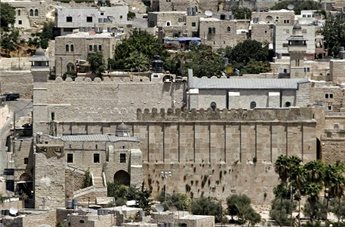 AL-KHALIL — The Israeli Occupation Authorities decided to close the Ibrahimi mosque on Thursday and Friday, preventing the Muslim worshipers from praying in it or announcing Adhan (the call for prayer) from it.
The Israeli authority has informed the Islamic Endowment Department of its decision to close the Ibrahimi mosque on the so-called the official Jewish New Year’s Day to perform their Talmudic rituals without “being disturbed by Muslim worshipers”.
The Ibrahimi Mosque is an Islamic holy site that cannot be controlled by Jewish settlers, the Endowment Department said, noting that the call to prayer was prevented in the mosque 58 times under the pretext of disturbing settlers while performing their rituals in the Islamic site.
The Islamic Department pointed out that the repeated Israeli break-ins into the Ibrahimi mosque in total violation of Islamic religious feeling is a prelude to blur its Islamic identity.
Related article
- Unequal equality at Il Ibrahimi Mosque/Cave of Machpelah (cptpalestine.wordpress.com)
Israeli soldiers violently attack and arrest peaceful protesters in Beit Ummar
International Solidarity Movement | August 17, 2013
Beit Ummar, Occupied Palestine – Yesterday, the 16th August, four people were violently arrested at a peaceful demonstration taking place near the village of Al-Masara, on the outskirts of Hebron(Al Khalil). Around sixty demonstrators calling for the dismantlement of illegal Israeli settlements upon Palestinian land were attacked and the protest was disbanded by Israeli soldiers within minutes.
At around 11.30am the procession began, with many people waving flags and calling chants for freedom. An Israeli military vehicle drove by, immediately turned around and blocked the road. Within two minutes two more military jeeps and one police car had joined the blockade. Heavily armed soldiers stormed the procession, splitting the group into two and beating protesters to the ground. The soldiers pushed protesters back and formed a wall of plastic shields. Four men including two Palestinian and two international protesters were arrested.
One of the arrested men, Abed, was holding a camera and documenting the demonstration when he was violently grabbed and pushed by an Israel soldier. Abed shouted at the soldier to let go of his arm and tried to pull away from the soldiers grasp. The soldier responded by strangling and arresting him. Another protester, Muad Al-lahham, was arrested while calmly waving a Palestinian flag.
Local Palestinians are incensed by the continuous settlement expansion and subsequent annexation of their land that deliberately prevents farmers from harvesting their crops. This disabling act of aggression has led to local Palestinian families being financially crippled. As an act of resistance, the local people regularly hold peaceful demonstrations that are consistently met with force from the Israeli occupation. These acts, usually held on Friday – Juma’a – often use symbolism to convey their message. Two weeks ago the locals erected a tent on occupied Palestinian land, as a mark of resistance to the Israeli settlements.
Palestinians here are used to being arrested at their demonstrations. Yesterday, Mahmoud from Al-Masara had his permit taken from him, which is indicative of imminent arrest. For Mahmoud, this is routine and he calmly smoked a cigarette while soldiers decided his fate. Mahmoud was allowed to maintain his freedom, but he never knows when an arrest may come. Asked why he continues to protest he said: “Our goal is to live in peace and to have our freedom like anybody else in the world. Israelis have occupied Palestine, but they can never occupy our minds.”
The majority of protesters came from the villages of Beit Ummar and Al-Masara, which are both affected by Highway 60, built by Israeli authorities. The highway cuts through the villages, dividing people from their farm lands. As well as this, the inhabitants of the Israeli settlement of Kami Tzur that is close to the villages use intimidation and force in attempt to prevent the farmers harvesting their crops. The force used by the Israeli army at yesterday’s protest demonstrates the intolerance toward peaceful protesters who make a stand against this injustice.
Related articles
- PCHR Weekly Report: 1 killed, 2 wounded, 60 abducted by Israeli troops in last two weeks (imemc.org)
- AL MASARA: Israel suppresses weekly demonstration, arrests journalist 17Aug13 | Australians for Palestine (ramyabdeljabbar.wordpress.com)
- Palestinian youth abducted in Beit Ummar by Israeli occupation forces (ramyabdeljabbar.wordpress.com)
Jewish settlers seize Palestinian lands in Bethlehem
Palestine Information Center – 10/08/2013
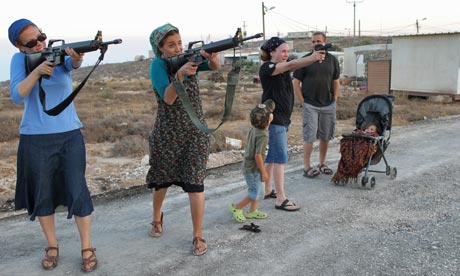 BETHLEHEM — A group of Jewish settlers seized agricultural lands in the Bethlehem village of al-Khader southern occupied West Bank on Saturday.
Settlers from Elazar settlement, led by the extremist settler Nadia Matar’s organization “women in green”, have seized an agriculture land belonging to a Palestinian farmer in the village, said Ahmed Salah the coordinator of the Popular Committee against the Wall and Settlement in al-Khader village.
The settlers planted the confiscated land, belonging to Ibrahim Odeh Salah, with olive trees, the local activist added.
Related articles
- Jewish settlers attack buses filled with children in Jerusalem (alethonews.wordpress.com)
- Several Palestinians Injured In al-Khader (imemc.org)
- Israeli Settlers dump sewage on Palestinian farmland near Bethlehem (imemc.org)
Israeli settlers torch Hebron family’s property for eighth time
International Solidarity Movement | July 29, 2013
Hebron, Occupied Palestine – On Sunday, July 28, Israeli settlers severely burned land belonging to Hani Abu Haikel and his family in Hebron. Occupation soldiers, though at first trying to help stop the fire, ended up blocking the road so that Palestinian firefighters were delayed in reaching the scene. Several very old olive trees were destroyed in the fire which swept over immense swathes of land very quickly. In the video below, Hani Abu Haikel speaks about the incident and how Israeli settlers, soldiers and police work together to pressure Palestinian families to leave the Israeli-controlled H2 district of occupied Hebron.
The previous evening, July 27th, Israeli police came to Hani Abu Haikel’s house and questioned him about a variety of subjects including whether he has any plans of leaving the area, to whicb he answered in the negative. Apparently this questioning is a regular occurrence. Israeli soldiers have also arrested Abu Haikel and his children on spurious charges, later releasing them without charge. The soldiers continue to regularly detain and interrogate members of the family.
Yesterday afternoon Abu Haikel saw settlers present in the area of the Israeli military base. As this is a common thing for them to do, he thought nothing of it at first. However, after this Abu Haikel saw the settlers spray water all over the small plot they have illegally cultivated on his land, right beneath the military base. He then saw them spray another, apparently flammable chemical over his land – soon after this, his land was on fire. Observers noted that Israeli soldiers were obstructing people from reaching the scene to help. Palestinian fire engines were prevented from reaching the scene for at least half an hour, allowing the fire to spread rapidly and scorch the land, despite volunteers passing buckets of water between them to try to quell the flames.
The only part of the Abu Haikel land that wasn’t completely scorched was the small plot cultivated by Israeli settlers. Hani Abu Haikel explained that this is the eighth time settlers have burned his property, including an incident ten years ago when they burned all of his trees, meaning that many of the trees that were burnt this time were very young. It has taken him these ten years to effectively replant his land again and now, again it will be years before his land is as it was before this crime.
Related articles
- Live ammunition shot at Youth Against Settlement house in Hebron (alethonews.wordpress.com)
- “Shabbat shalom” – no peace for Palestinians in Hebron this Saturday (alethonews.wordpress.com)
- Soldiers invade two Palestinian houses – for training only (alethonews.wordpress.com)
- Jabari family once again facing harassment from settlers and soldiers (alethonews.wordpress.com)
Live ammunition shot at Youth Against Settlement house in Hebron
International Solidarity Movement | July 26, 2013
Hebron, Occupied Palestine – Last night at 10 pm, a live ammunition bullet was fired at the headquarters of the human rights organisation Youth Against Settlements (YAS) in Hebron.
The spokesperson for YAS, Damer Atash, explains that a group of activists were sitting in front of the house headquarters when the bullet was fired. The bullet was shot from the nearby olive groves making it impossible to see the shooter, although two voices were heard. Luckily, the group of activists were not hurt, instead, the bullet bounced off the window right behind them. “At first we thought it was a stone but instead we found a bullet”, said one of the activists.
At 22:15 pm, the group called the Israeli police, who arrived some 40 minutes later at approximately 11 pm, after the police arrived the military joined them and stayed for about 20 minutes. However, none of them searched the premises for the bullet canister.
The shooter was not seen, but it is likely that it was an attack from one of the neighbouring settlers, as the bullet was bigger than those used by the army. Even though this is the first incident of shooting against YAS, this would not be the first time the house has been attacked by settlers. They have previously tried to burn the house, set the kitchen of the headquarters on fire and uprooted trees. In these incidents the Israeli army or police have not taken any action against the settlers.
Israeli army and police also participate in the harassment of YAS and its human rights organizers. On Wednesday alone, the army invaded the house three times during the evening and night for what it is believed to be a training exercise for the army.
The despair and fear this causes is not uncommon for the 35,000 Palestinians living under complete control of 1500 Israeli soldiers and police officers, and the constant harassment and violence from the 500 settlers illegally living in the Israeli controlled H2 area of Hebron.
Related articles
- Palestinian activist detained in Israeli raid (alethonews.wordpress.com)
- Jabari family once again facing harassment from settlers and soldiers (alethonews.wordpress.com)
- Shocking Video | Israeli Soldier Cooks Bird Alive! (occupiedpalestine.wordpress.com)
- Hebron man arrested for filing complaint about settler attack (imemc.org)
Featured Video
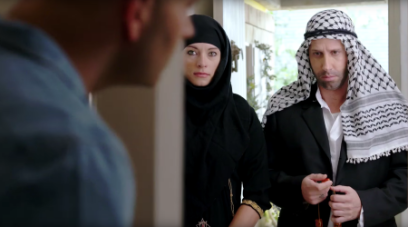
Israeli Foreign Ministry projects Palestinians as the Zionists, Ashkenazis as indigenous
or go to
Aletho News Archives – Video-Images
Frlom the Archives
Are the Jews indigenous to Palestine?
By David Miller | Al Mayadeen | August 3, 2022
There is a rising tide of claims from apologists for the crimes of Zionism that they have been misunderstood. Palestinians might be indigenous to Palestine, but the Jews definitely are. What is called the ‘Israel-Palestine’ conflict, they say, is competition over the same small piece of land by two rival groups of indigenous people. But are the Jews indigenous to the Levant? And what are the consequences of the argument?
In fact, most of the power structure of the Zionist state is dominated by Ashkenazi Jews who have no ancestral link to Palestine. Overall despite very significant financial and infrastructural contributions from Western European countries (especially the US, UK and France, for example via the Rothschild family), Eastern European Ashkenazim have been at the centre of the Zionist power structure since the early years of the 20th Century. … continue
Blog Roll
 Aletho News
- Hezbollah Foils Israeli Landing in Lebanon’s Bekaa
- Iraqi Resistance: Attacks on Beirut suburbs threaten US interests
- US approves $151.8M weapons sale to Israel, waiving congressional review
- “Burnt Bridges”: Why Trump’s Plan to Use Kurds Against Iran Is Doomed to Fail
- Iran Red Crescent says 6,668 civilian sites targeted in US-Israeli attacks
- Maybe Attacking Iran Was Not Such A Good Idea
- UK readies deployment of Prince of Wales carrier amid war on Iran
- Iran warns of consequences after US strike on water plant
- US Bases in Middle East Fail to Secure Nations & Become Safety Risk – Expert
- Iranian Crisis Becomes Embarrassment for US Military That Can’t Protect Anyone – MidEast Analyst
- If Americans Knew
- Israel is using the ‘Gaza doctrine’ in Lebanon and Iran
- Saudi journalist says ‘not all attacks’ on Gulf coming from Iran, fears US-Israel dragging monarchies into war
- Iranian officials say Israel carried out some of the drone strikes on Gulf energy sites
- US, Israel ravage Iran and Lebanon; 4 killed in Gaza – Not a ceasefire Day 148
- US troops were told war on Iran was ‘all part of God’s divine plan’, watchdog alleges
- Trump wants to run the show in Iran, but doesn’t know what he’s doing – Not a ceasefire Day 147
- ‘Dirty Work’ :The truth about how Israel was founded
- Mass Expulsion in Lebanon as Israel Expands War: “We Don’t Know Where to Go”
- Lies, distortions, and propaganda: how the U.S. mainstream media coverage on Iran hides the truth
- Palestinians in Gaza fear famine returning as Israel cuts off food amid Iran war
- No Tricks Zone
- Televised! Leading German Political Candidate Tells Schoolchildren CO2 Makes Sun Hotter!
- New Study: A Century Warming Of 1.1°C Is ‘Commonplace’ And ‘Not Unusual’ During This Interglacial
- New Study: ‘Internal Noise’ And Volcanic Forcing Can Trigger 10-15°C Warming Within Decades
- Glaciers Worldwide Are Suddendly Surging, Experts Blame Warming!
- Surprising Discovery: Sahara Is Greening…Billions Of Trees Where Once Thought To Be Barren
- New Research Reaffirms Clouds, Aerosols, And Surface Solar Radiation Are ‘Driving The Climate System’
- Germany: Electric Car Catches Fire At Charging Station, Sets Off Local “Inferno”, Widespread Damage
- New Study: Canada’s New Brunswick Was 1°C Warmer Than Today During The Medieval Warm Period
- Coal Power Back In Trend As Globe Tries To Keep Pace With Growing Demand For Power
- New Study: A 4°C Warmer Beaufort Sea Had ‘No Sea Ice’ 11,700 – 8200 Years Ago
 Aletho News