US violated UN Charter with drone strike on Soleimani – UN rapporteur on extrajudicial executions
RT | July 7, 2020
The US strike that killed Iranian General Qassem Soleimani was not justified by any ongoing or imminent attack on American interests and violated the UN charter, according to UN rapporteur on arbitrary executions Agnes Callamard.
Washington has produced insufficient evidence that there was any attack on US interests that might have justified the January 3 drone strike on Soleimani’s convoy as it left Baghdad airport, Callamard revealed in a scathing report due to be presented Thursday before the UN Human Rights Council.
“Major General Soleimani was in charge of Iran military strategy, and actions, in Syria and Iraq. But absent an actual imminent threat to life, the course of action taken by the US was unlawful,” an excerpt of the report published by Reuters on Monday reads.
Callamard, whose full title is UN rapporteur for extrajudicial, summary or arbitrary executions, is demanding accountability for targeted drone killings and wants the deadly weapons to be more strictly regulated. Speaking with Reuters, she called out the UN Security Council for being “missing in action” on the use of the unmanned craft in extrajudicial killings, noting that “the international community, willingly or not, stands largely silent.”
“The world is at a critical time, and possible tipping point, when it comes to the use of drones.”
The targeted killing was believed to be the first time any nation has claimed self-defense as justification for an attack against state forces in a third state’s territory, she added. However, despite the flagrant violation of the UN Charter, no international body has come forward to punish the US for the murder of Soleimani and several others traveling with him, including a high-ranking Iraqi commander.
The January drone strike was met with a barrage of rockets from Tehran, which hit two military bases in Iraq used by US and coalition forces. While no casualties were initially reported, the possibility of the conflict mushrooming into an all-out war led the Iraqi Parliament to issue a resolution ordering all foreign troops off Iraqi soil. However, the Iraqi government did not attempt to enforce that measure.
The US has repeatedly accused Iran of supporting terrorism and plotting attacks on US forces – claims it rarely attempts to back with proof. Tehran, in its turn, considers the assassination of Soleimani to be an act of state terrorism. Last week, Iran issued an arrest warrant for US President Donald Trump and 35 other Americans deemed responsible for the death of its beloved general, seeking the assistance of Interpol in apprehending the suspects.
How Climate Trickery Infiltrated the American Geophysical Union
11 presentations – based on private, agenda-driven research – were delivered to the world’s largest gathering of climate scientists.
By Donna Laframboise | Big Picture News | July 6, 2020
I’ve been writing about a far-fetched climate fairy tale that was repackaged and re-positioned – with the result that it now gets taken seriously by supposedly serious scientists (see here and here).
How did this happen? First, billionaire climate activists hired consultants to produce a brand new climate analysis. Because, you know, the world doesn’t have enough climate research, what with governments spending billions on it every year.
This custom research was conducted by a team of noticeably young people. One is still working on his doctorate. Two others were doctoral students at the time. The lead scientist had earned his geobiology PhD seven years earlier. The lead economist had earned his, in sustainable development, a mere three years earlier.
This team produced a 2014 report titled Risky Business: The Economic Risks of Climate Change in the United States. It features a graphic that wildly misrepresents the scientific literature.
Six months after that report appeared, fully 11 presentations based on it were delivered at the world’s largest annual gathering of earth scientists – the American Geophysical Union’s December 2014 conference.

click for source
The first presenter was Kate Gordon. But she isn’t an earth scientist. She’s a lawyer. And a trained community activist. And the Risky Business Project’s founding director. Who’s considered “a leader in the national ‘green jobs’ movement.”
At the time she delivered her AGU presentation, she was employed by The Next Generation, which describes itself as a “political consulting and issue advocacy firm, specializing in progressive and environmental candidates and causes.”
So a professional activist was invited to give a talk to earth scientists. That talk, according to its abstract, told people the Risky Business Project had conducted “groundbreaking new analysis.” After employing “methodological innovations,” she said, it had arrived at “novel insights.”
The thing about lawyers is they can make even a dumpster of stinky trash sound sublime.

Risky Business lead scientist Robert Kopp; click for source
Presentations #2, #8, #9 and #10 were delivered by Risky Business lead scientist Robert Kopp. He was then associate director of Rutgers University’s Institute of Earth, Ocean & Atmospheric Sciences. Which sounds eminently respectable.
So why does the abstract of his first AGU talk tell people that
Projected sea-level rise for 2100 under RCP 8.5 would likely place $80-$160 billion of current property in New York below the high tide line… it would likely increase average annual storm damage by $2.6-$5.2 billion… [bold added]
without mentioning the salient point that the hypothetical climate scenario known as RCP8.5 represents an implausible vision of the future?
Why does the abstract for Kopp’s second presentation mischaracterize RCP8.5 as a “moderately-high business-as-usual emissions scenario”? (italics mine)

Risky Business economist Amir Jina, click for source
Presentations #3, #6, and #11 were delivered by Amir Jina, an economist who earned his PhD in sustainable development that same year. Presenting at the AGU’s premiere event, his talks relied on a background document he himself had coauthored with Kopp and other members of the Risky Business squad.
The background document runs to 206 pages – and mentions RCP8.5 approximately once a page – for a total of 196 times. Outrageously, it declares:
RCP 8.5 is a reasonable representation of a world where fossil fuels continue to power relatively robust global economic growth, and is often considered closest to the most likely “business-as-usual” scenario absent new climate policy by major emitting countries. [bold added; see page numbered 14 (p. 18 of the PDF)]
Say, what? Remember how I’ve described RCP8.5 recently? An implausible hallucination predicated on:
1. the burning of more coal than some people think even exists
2. the abrupt reversal of longstanding population trends
3. a slowdown in technological innovation (which has, instead, been accelerating for decades)
Yeah, that all sounds realistic.
Please observe what has happened here. Private, agenda-driven money (aka billionaire climate activists Tom Steyer, Michael Bloomberg, and others) hired consultants who hired a handful of young researchers keen to make a name for themselves.
Those researchers produced a new, hefty, custom climate analysis. Which was privately published (rather than appearing in its entirety in a peer-reviewed scientific journal).
This research took the absurd seriously. It insisted an outlier climate scenario was reasonable. Neglecting to say by whom, it claimed RCP8.5 was often considered to be closest to the most likely scenario.
The hope was that other people would fall for this sleight of hand. The hope was that other people would join the parade and promulgate this fiction.
In the words of climate analyst Roger Pielke Jr.:
There is no hidden conspiracy, all of this is taking place in plain sight and in public…We have a well-funded effort to fundamentally change how climate science is characterized…This effort has been phenomenally successful.
The AGU helped make this happen. When it extended invitations to a professional activist, an individual employed by a consultancy being paid by climate activists, and doctoral students funded by those same climate activists, it legitimized this corruption of science.
LINKS:
- Part 1 of this discussion: How the Ugliest Climate Fairy Tale Won
- Part 2: Fooling Us With Climate Trickery
- my investigation was sparked by a series of articles written by Roger Pielke Jr., including How Billionaires Tom Steyer and Michael Bloomberg Corrupted Climate Science
- here’s the list of the 11 AGU presentations (posted on the website of the consultancy, Rhodium Group)
- the slick, privately-published, 56-page Risky Business report can be downloaded here
- the 206-page, privately commissioned and privately published background document, American Climate Prospectus: Economic Risks in the United States, can be downloaded here.
- this Berkeley News article, dated August 2014 (after the June 2014 release of both the American Climate Prospectus (version 1.0) report and the Risky Business report), describes Amir Jina as “a doctoral student at Columbia University.”
 In 2014, D.J. Rasmussen was on the Rhodium Group’s payroll, as a “scientific research associate.” 5.5 years after he delivered presentation #5 to the AGU, he’s still working on his PhD. (It’s worth noticing that his advisor is activist scientist Michael Oppenheimer.) Rasmussen’s private website has been updated, but in 2019 its official photo indicated a markedly youthful individual.
- Earlier this year, Tom Steyer withdrew his candidacy for US president. His personal website describes him as an activist. It prominently features a quote from the Washington Post: “Steyer has played a critical behind-the-scenes role in helping shape the country’s national energy policy.” A billionaire who boasts about his behind-the-scenes manipulations. How demoralizing for individual voters.

Veteran activists called out BLM as a tool of the Democrats from day 1. But agenda-driven $Millions drown out the grassroots
By Helen Buyniski | RT | July 6, 2020
The Black Lives Matter movement has made millions off black Americans’ suffering. A St. Louis activist explains how it comes from a long tradition of white liberals coopting grassroots movements to push a Democratic Party agenda.
The foundation-funded social justice activism of Black Lives Matter is using black pain to cash in on white liberal guilt, dividing American society in pursuit of a Democratic political agenda, St. Louis activist Nyota Uhura told RT.
Uhura founded her website handsupdontshoot in August 2014 to counter false narratives coming out of the St. Louis suburb of Ferguson following the police shooting of 18-year-old Michael Brown.
Having witnessed BLM’s rise up close as the nascent organization swooped into Ferguson amid the calls for justice triggered by Brown’s killing, methodically co-opting the genuine protest energy while ignoring or even obstructing those protesters’ demands, Uhura has fought to warn others of what the organization really represents – leveraging black activism into a boost for the Democratic Party.
The science of co-opting movements
Plucking a few Ferguson residents from the streets for a veneer of local credibility, BLM raised $33 million on the back of Brown’s death – money Uhura says her community never saw. Six years later, black St. Louis remains poor and plagued with violence, while BLM has found a new community to exploit.
“They overshadow the work of the grassroots, then they insert themselves as leaders and they go out in the media and claim to be leading these movements,” Uhura said.
Outlining the methodology of BLM and other astroturfed movements, she added that sometimes they literally just showed up at a protest they didn’t plan and did a news conference. This is a tradition she traces back to white liberals’ hijacking of the 1963 March on Washington.
That tradition has been boiled down to a science, she says, with organizations like NetRoots turning out phony ‘activists’ with the ruthless efficiency of an assembly line. “NetRoots is where activists go to audition to be puppets of the Democrats, special interest and white elite nonprofit,” she continued.
“It happens so fast that all the pieces are in place before you even have a chance to know what hit you… Before you even know it, you’re watching the news and they have coopted your movement.”
White liberal and progressive groups “use the energy of our movement to push their agenda” – in BLM’s case, weaponizing the concept of “intersectionality” to broaden the movement’s scope from race to feminism, immigrant rights, LGBT issues, and other causes that directly affect white people.
“In order to mobilize people, they need those black faces out front – because what are they going to look like protesting? Just in terms of optics it’ll look like a Klan rally,” Uhura joked. She has a point – just 17 percent of last month’s protesters were black, according to a Pew Research poll published last week, a statistic the organization’s foes are unlikely to let it forget.
Real activists disenfranchised
Uhura is far from the only grassroots activist to publicly speak out against BLM for pulling a bait-and-switch, substituting the Democratic Party’s pet causes in place of justice for the victims of police violence. The group’s Cincinnati chapter dropped the iconic phrase from its name in 2018, alleging the national organization “capitalized off a nameless groundswell of resistance sweeping the nation, branded it as their own, and profited off [black people’s deaths]” without making an effort to get justice for victims’ families.
The Cincinnati chapter also says that BLM’s 2015 conference in Cleveland – where 12-year-old Tamir Rice had just been gunned down by a cop for holding a toy gun – focused almost exclusively on black transgender rights, further dividing a suffering community.
Los Angeles activists slammed BLM’s local chapter for ignoring the killing of Ezell Ford, a mentally-ill man shot by police in 2014, to travel to Ferguson and piggyback on the Michael Brown shooting. Upon their return to Los Angeles, where the activist community was demanding the city’s district attorney indict Ford’s killers, BLM Los Angeles not only continued to ignore the injustice, one of its leaders actually bestowed a ‘Women in Action’ award on the same DA who exonerated the cops who killed him.
Others take issue with what they see as obvious grifting by some of BLM’s most prominent representatives. DeRay McKesson has promoted brands from Apple to McDonald’s, and even got himself arrested in a Twitter T-shirt in what many activists believe was a staged promotion.
Shaun King is so legendary for making large sums of money raised “for the movement” disappear that the Daily Beast wrote a story about it. King recently announced a “Truth, Justice and Reconciliation Commission” in conjunction with three of the same “progressive prosecutors” that activists like Uhura have denounced for failing to police the police.
‘They always march us back into the voting booth’
Like all controlled opposition movements, one of BLM’s primary functions is to derail meaningful change. Uhura explained, “They always march us back into the voting booth.”
Well-heeled movement activists consistently divert money and energy into electing Democratic Party candidates or “progressive” prosecutors, none of whom hold police accountable when they murder innocent black men, whether it’s in Ferguson, Los Angeles, or New York City.
For this reason, she’s not convinced by the group’s recent calls to defund police, or the Minneapolis City Council’s pledge to do just that – the governments of Ferguson and St. Louis promised all manner of reforms they didn’t deliver. Many that did pass were hopelessly watered-down or have since been rolled back, and Uhura sees ‘defund the police’ as just another fundraising tactic.
The only electoral solution to the black community’s problems is “weaponizing our politics,” according to the veteran activist – all incumbents have to go. They’ve had their chance to make a difference, and proven themselves unwilling to deliver. “It might take one or two election cycles to mold a person into what we need, but right now we’re losing anyway,” she explained. “We have to just clean house and get rid of everybody. How can it be worse?”
BLM recently came under fire for doling out just six percent of its donations to local chapters over the past three years, with a whopping 83 percent going to pay consultants and travel costs. The complicated route the money takes from donor to chapter has elicited extensive speculation about the possibility of money laundering, and BLM representatives have been almost cartoonishly cagey when asked by reporters about their finances
Co-founder Alicia Garza has denied the group is backed by foundations at all, even though billionaire currency speculator George Soros alone has given over $33 million to BLM, its founders, and associated groups, and the Ford Foundation pledged to raise $100 million in 2016. Fellow co-founder Patrisse Cullors has held up a fact-check by PolitiFact, funded by the same Omidyar Network that funds BLM, as “proof” the group isn’t linked with the Democratic Party.
But it’s the group’s function as an ideological launderer that has thus far insulated it from accountability. From the corporations pouring millions of dollars into its coffers to burnish their woke cred, to the politicians donning Kente cloths and pandering their way to re-election, BLM positions itself as ‘the’ black activism group, overshadowing grassroots campaigners and sucking up all available cash – literally starving out the competition, as genuine movements struggle to be heard by the media and greater public over the foundation-funded din.
This model of activism has been so successful over the decades that it has come to dominate every cause from environmentalism to civil liberties, offering young people a “romanticized view of activism where it’s all hashtags, all patty-cake, all sugar and cream, when nothing could be further from the truth.”
Uhura, however, is confident that BLM’s true nature will be exposed, citing the movement’s own inherent discrimination: “How does Black Lives Matter get to decide WHICH black lives matter when they purposefully omit straight black people and straight black men whose death they profit from?”
But as long as grassroots activists are losing ground to foundation-funded rivals, new BLMs will keep popping up. Real activists must “create an alternative” to foundation-funded movements, she says – or risk losing the next generation to the Democratic operatives and keeping justice out of the reach of black communities forever.
Helen Buyniski is an American journalist and political commentator at RT. Follow her on Twitter @velocirapture23
US ‘Made-Up’ Claims of Russia-Taliban Collusion Aim to Derail Peace Process, Group Says
Sputnik – 06.07.2020
Late last month, The New York Times, citing anonymous US intelligence sources, published an article claiming that Russian military intelligence offered bounties to Taliban-linked militants for attacks on American soldiers in Afghanistan and that US President Donald Trump had been informed about this.
The Taliban believes that claims of its collusion with Russia were made up by intelligence services in Kabul and are aimed at derailing the Afghan peace process, Suhail Shaheen, an official representative of the movement’s political bureau in Qatar, said on Monday.
“We continue our own investigation based on the information in the media. these accusations are false, they are groundless and were launched by an intelligence agency in Kabul to derail and postpone the peace process as well as the formation of a new government,” Shaheen said.
The New York Times reported in June that some units of Russian military intelligence allegedly incentivised the Taliban to attack international coalition troops in Afghanistan.
Russian presidential Spokesman Dmitry Peskov and the Foreign Ministry said the reports were a lie. The White House and the Pentagon said that there did not appear to be any proof for the claims made in the article .
BOUNTYGATE: Scapegoating Systemic Military Failure in Afghanistan
By Scott Ritter | Consortium News | July 5, 2020
On the morning of Feb. 27, Beth Sanner, the deputy director of national intelligence for mission integration, arrived at the White House carrying a copy of the Presidential Daily Brief (PDB), a document which, in one form or another, has been made available to every president of the United States since Harry Truman first received what was then known as the “Daily Summary” in February 1946.
The sensitivity of the PDB is without dispute; former White House Press Secretary Ari Fleischer once called the PBD “the most highly sensitized classified document in the government,”while former Vice President Dick Cheney referred to it as “the family jewels.”
The contents of the PDB are rarely shared with the public, not only because of the highly classified nature of the information it contains, but also because of the intimacy it reveals about the relationship between the nation’s chief executive and the intelligence community.
“It’s important for the writers of the presidential daily brief to feel comfortable that the documents will never be politicized and/or unnecessarily exposed for public purview,” former President George W. Bush observed after he left office, giving voice to a more blunt assessment put forward by his vice president who warned that any public release of a PDB would make its authors “spend more time worried about how the report’s going to look on the front page of The Washington Post.”
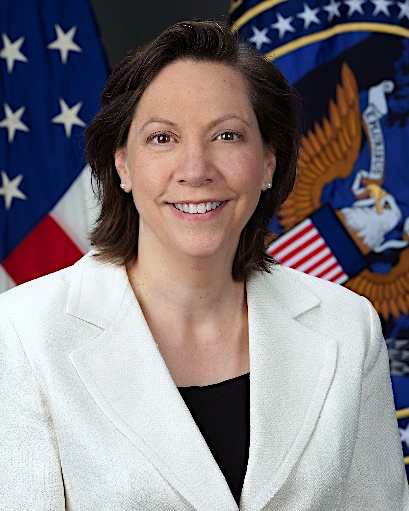
Beth Sanner
Sanner’s job was the same for those who had carried out this task under previous presidents: find a way to engage a politician whose natural instincts might not incline toward the tedious, and often contradictory details contained in many intelligence products. This was especially true for Donald J. Trump, who reportedly disdains detailed written reports, preferring instead oral briefings backed up by graphics.
The end result was a two-phased briefing process, where Sanner would seek to distill critical material to the president orally, leaving the task of picking through the details spelled out in the written product to his senior advisors. This approach was approved beforehand by the director of national intelligence, the director of the CIA and the president’s national security advisor.
Sanner, a veteran CIA analyst who previously headed up the office responsible for preparing the PDB, served as the DNI’s principal advisor “on all aspects of intelligence,” responsible for creating “a consistent and holistic view of intelligence from collection to analysis” and ensures “the delivery of timely, objective, accurate, and relevant intelligence.”
If there was anyone in the intelligence community capable of sorting out the wheat from the chaff when it came to what information was suited for verbal presentation to the president, it was Sanner.
No copy of the PDB for Feb. 27 has been made available to the public to scrutinize, nor will one likely ever be.
However, based upon information gleaned from media reporting derived from anonymous leaks, a picture emerges of at least one of the items contained in the briefing document, the proverbial “ground zero” for the current crisis surrounding allegations that Russia has paid cash bounties to persons affiliated with the Taliban for the purpose of killing American and coalition military personnel in Afghanistan.
Links Between Accounts
Sometime in early January 2020 a combined force of U.S. special operators and Afghan National Intelligence Service (NDS) commandos raided the offices of several businessmen in the northern Afghan city of Konduz and the capital city of Kabul, according to a report in The New York Times. The businessmen were involved in the ancient practice of “Hawala.” It is a traditional system for transferring money in Islamic cultures, involving money paid to an agent who then instructs a remote associate to pay the final recipient.
Afghan security officials claim that the raid had nothing to do with “Russians smuggling money,” but rather was a response to pressure from the Financial Action Task Force (FATF), an international body established in 1989 whose mission is, among other things, to set standards and promote effective implementation of legal, regulatory and operational measures for combating money laundering and terrorist financing.
This explanation, however, seems more of a cover story than fact, if for no other reason than that the FATF, in June 2017, formally recognized that Afghanistan had established “the legal and regulatory framework to meet its commitments in its action plan,” noting that Afghanistan was “therefore no longer subject to the FATF’s monitoring process.”
The joint U.S.-Afghan raid, according to the Times, was not a takedown of the Halawa system in Afghanistan—a virtually impossible task—but rather a particular Halawa network run by Rahmatullah Azizi, a one-time low-level Afghan drug smuggler-turned-high profile businessman, along with a colleague named Habib Muradi.
Azizi’s portfolio is alleged by the Times, quoting a “friend,” to include serving as a contractor for U.S. reconstruction programs, managing undefined business dealings in Russia, which supposedly, according to unnamed U.S. intelligence sources quoted by the Times, included face-to-face meetings with officers from Russian Military Intelligence (GRU), and serving as a bagman for a covert money laundering scheme between the Taliban and Russia.
Some thirteen persons, including members of Azizi’s extended family and close associates, were rounded up in the raids. Both Azizi and Muradi, however, eluded capture, believed by Afghan security officials to have fled to Russia.
Based in large part on information derived from the interrogation of the detainees that followed, U.S. intelligence analysts pieced together a picture of Azizi’s Halawa enterprise—described as “layered and complex”, with money transfers “often sliced into smaller amounts that routed through several regional countries before arriving in Afghanistan.”
What made these transactions even more interesting from an intelligence perspective, were the links made by U.S. analysts between Azizi’s Halawa system, an electronic wire transfer, a Taliban-linked account, and a Russian account that some believed was tied to Unit 29155 (a covert GRU activity believed to be involved with, among other activities, assassinations). The transactions had been picked up by the National Security Agency (NSA), the U.S. intelligence agency responsible for monitoring communications and electronic data worldwide.
The discovery of some $500,000 in cash by U.S. special operators at Azizi’s luxury villa in Kabul was the icing on the cake—the final “dot” in a complex and convoluted game of “connect the dots” that comprised the U.S. intelligence community’s assessment of the alleged Russian (GRU)-Taliban-Azizi connection.
The next task for U.S. intelligence analysts was to see where the Russian (GRU)-Taliban-Azizi connection took them. Using information gathered through detainee debriefings, the analysts broke down money Azizi received through his Halawa pipeline into “packets,” some comprising hundreds of thousands of dollars, which were doled out to entities affiliated with, or sympathetic to, the Taliban.
According to Afghan security officials quoted by the Times, at least some of these payments were specifically for the purpose of killing American troops, amounting to a price tag of around $100,000 per dead American.
The game of “connect the dots” continued as the U.S. intelligence analysts linked this “bounty” money to criminal networks in Parwan Province, where Bagram Air Base—the largest U.S. military installation in Afghanistan—is located. According to Afghan security officials, local criminal networks had carried out attacks on behalf of the Taliban in the past in exchange for money. This linkage prompted U.S. intelligence analysts to take a new look at an April 9, 2019 car bomb attack outside of Bagram Air Base which killed three U.S. Marines.
This information was contained in the PDB that was given to Trump on Feb. 27. According to standard procedure, it would have been vetted by at least three intelligence agencies—the CIA, the National Counterterrorism Center (NCC), and the NSA. Both the CIA and NCC had assessed the finding that the GRU had offered bounties to the Taliban with “moderate confidence,” which in the lexicon used by the intelligence community means that the information is interpreted in various ways, that there are alternative views, or that the information is credible and plausible but not corroborated sufficiently to warrant a higher level of confidence.
The NSA, however, assessed the information with “low confidence,” meaning that they viewed the information as scant, questionable, or very fragmented, that it was difficult to make solid analytic inferences, and that there were significant concerns or problems with the sources of information used.
Floating in the Bowl
All of this information was contained in the PDB carried into the White House by Sanner. The problem for Sanner was the context and relevance of the information she carried. Just five days prior, on Feb. 22, the U.S. and the Taliban had agreed to a seven-day partial ceasefire as prelude to the conclusion of a peace agreement scheduled to be signed in two days’ time, on Feb. 29.
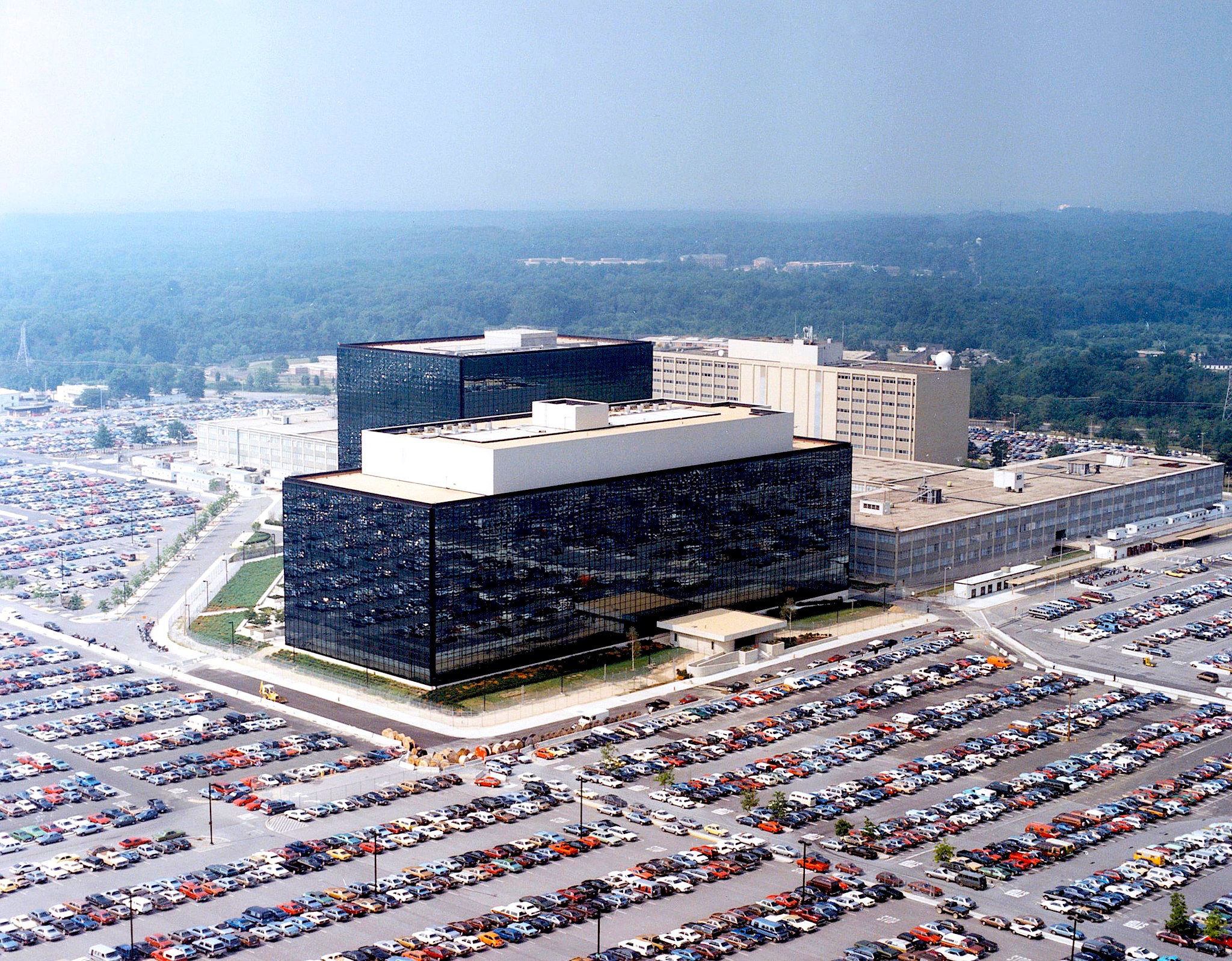
NSA HQ, Fort Meade, Maryland. (Wikimedia Commons)
The U.S. Representative for Afghanistan Zalmay Khalilzad, was in Doha, Qatar, where he was hammering out the final touches to the agreement with his Taliban counterparts. Secretary of State Mike Pompeo was preparing to depart the U.S. for Doha, where he would witness the signing ceremony. The information Sanner carried in the PDB was the proverbial turd in the punchbowl.
The problem was that the intelligence assessment on alleged Russian GRU “bounties” contained zero corroborated information. It was all raw intelligence (characterized by one informed official as an “intelligence collection report”), and there were serious disagreements among the differing analytical communities—in particular the NSA—which took umbrage over what it deemed a misreading of its intercepts and an over reliance on uncorroborated information derived from detainee debriefs.
Moreover, none of the intelligence linking the GRU to the Taliban provided any indication of how far up the Russian chain of command knowledge of the “bounties” went, and whether or not anyone at the Kremlin-let alone President Vladimir Putin-were aware of it.
None of the information contained in the PDB was “actionable.” The president couldn’t very well pick up the phone to complain to Putin based on a case drawn solely from unverified, and in some cases unverifiable, information.
To brief the president about an assessment which, if taken at face value, could unravel a peace agreement that represented a core commitment of the president to his domestic political base—to bring U.S. troops home from endless overseas wars—was the epitome of the politicization of intelligence, especially when there was no consensus among the U.S. intelligence community that the assessment was even correct to begin with.
This was a matter which could, and would, be handled by the president’s national security advisors. Sanner would not be briefing the president in person on this report, a decision that Trump National Security Adviser Robert O’Brien agreed with.
Blaming Russia
Ending America’s nearly 19-year misadventure in Afghanistan had always been an objective of President Trump. Like both presidents before him whose tenure witnessed the deaths of American service members in that hard, distant and inhospitable land, Trump found himself confronting a military and national security establishment convinced that “victory” could be achieved, if only sufficient resources, backed by decisive leadership, were thrown at the problem.
His choice for secretary of defense, James “Mad Dog” Mattis, a retired Marine general who commanded Central Command (the geographical combatant command responsible for, among other regions, Afghanistan) pushed Trump for more troops, more equipment, and a freer hand in taking on the enemy.
By the Fall of 2017, Trump eventually agreed to the dispatch of some 3,000 additional troops to Afghanistan, along with new rules of engagement, which would allow greater flexibility and quicker response times for the employment of U.S. air strikes against hostile forces in Afghanistan.
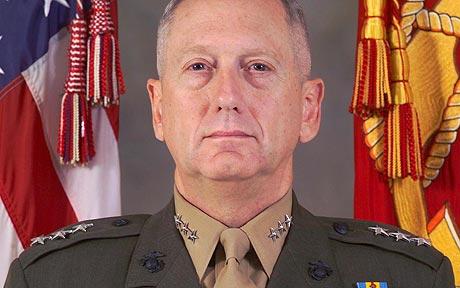
Mattis: Got what he wanted
It took little more than a year for the president to come to grips with a reality that would be reflected in the findings of Special Inspector General for Afghanistan Reconstruction John Sopko, that there had been “explicit and sustained efforts by the U.S. government to deliberately mislead the public…to distort statistics to make it appear the United States was winning the war when that was not the case.”
In November 2018, Trump turned on “Mad Dog”, telling the former Marine General “I gave you what you asked for. Unlimited authority, no holds barred. You’re losing. You’re getting your ass kicked. You failed.”
It was probably the most honest assessment of the War in Afghanistan any American president delivered to his serving secretary of defense. By December 2018 Mattis was out, having resigned in the face of Trump’s decision to cut American losses not only in Afghanistan, but also Syria and Iraq.
That same month, U.S. diplomat Khalilizad began the process of direct peace talks with the Taliban that led to the Feb. 29 peace agreement. It was a dispute over Afghan peace talks that led to the firing of National Security Advisor John Bolton. In September 2019—Trump wanted to invite the Taliban leadership to Camp David for a signing ceremony, something Bolton helped quash. Trump cancelled the “summit”, citing a Taliban attack that took the life of an American service member, but Bolton was gone.
Taking on Failure
One doesn’t take on two decades of systemic investment in military failure that had become ingrained in both the psyche and structure of the U.S. military establishment, fire a popular secretary of defense, and then follow that act up with the dismissal of one of the most vindictive bureaucratic infighters in the business without accumulating enemies.
Washington DC has always been a political Peyton Place where no deed goes unpunished. All president’s are confronted by this reality, but Trump’s was a far different case—at no time in America’s history had such a divisive figure won the White House. Trump’s anti-establishment agenda alienated people across all political spectrums, often for cause. But he also came into office bearing a Scarlet Letter which none of his predecessors had to confront—the stigma of a “stolen election” won only through the help of Russian intelligence.
The “Russian interference” mantra was all-pervasive, cited by legions of anti-Trumpers suddenly imbued with a Cold War-era appreciation of global geopolitics, seeing the Russian Bear behind every roadblock encountered, never once pausing to consider that the problem might actually reside closer to home, in the very military establishment Trump sought to challenge.
Afghanistan was no different. Prior to stepping down as the commander of U.S. forces in Afghanistan in September 2018, Army General John Nicholson sought to deflect responsibility for the reality that, despite receiving the reinforcements and freedom of action requested, his forces were losing the fight for Afghanistan.
Unable or unwilling to shoulder responsibility, Nicholson instead took the safe way out—he blamed Russia.
Scapegoating
“We know that Russia is attempting to undercut our military gains and years of military progress in Afghanistan, and make partners question Afghanistan’s stability,” Nicholson wrote in an email to reporters, seemingly oblivious to the history of failure and lies being documented at that moment by Sopko.
In March 2018 Nicholson had accused the Russians of “acting to undermine” U.S. interests in Afghanistan, accusing the Russians of arming the Taliban. But the most telling example of Russian-baiting on the part of the general occurred in February 2017, shortly after President Trump was inaugurated. In an appearance before the Senate Armed Services Committee, Nicholson was confronted by Sen. Bill Nelson, a Florida Democrat and ardent supporter of the U.S. intervention in Afghanistan.
“If Russia is cozying up to the Taliban—and that’s a kind word—if they are giving equipment that we have some evidence that the Taliban is getting…and other things that we can’t mention in this unclassified setting? And the Taliban is also associated with al-Qaida? Therefore Russia is indirectly helping al-Qaeda in Afghanistan?” Nelson asked.
“Your logic is absolutely sound, sir,” was Nicholson’s response.
Except it wasn’t.
Russia has a long and complicated history with Afghanistan. The Soviet Union invaded Afghanistan in 1979, and over the course of the next decade fought a long and costly war with Afghan tribes, backed by American money and arms and a legion of Arab jihadis who would later morph into the very al-Qaeda Sen. Nelson alluded to in his question to General Nicholson.
By 1989 the Soviet Empire was winding down, and with it its disastrous Afghan War. In the decade that followed, Russia was at odds with the Taliban government that arose from the ashes of the Afghan civil war that followed in the wake of the withdrawal of Soviet forces.
Moscow threw its support behind the more moderate forces of the so-called Northern Alliance and, after the al-Qaeda terror attacks on the U.S. on Sept. 11, 2001, was supportive of the U.S.-led intervention to defeat the Taliban and bring stability to a nation that bordered the Central Asian Republics of the former Soviet Union, which Russia viewed as especially sensitive to its own national security.
Realized US Was Losing the War
Fourteen years later, in September 2015, Russia was confronted by the reality that the U.S. had no strategy for victory in Afghanistan and, left to its own devices, Afghanistan was doomed to collapse into an ungovernable morass of tribal, ethnic and religious interests that would spawn extremism capable of migrating over the border, into the former Soviet Central Asian Republics, and into Russia itself.
Russia’s concerns were shared by regional countries such as Pakistan and China, both of which faced serious threats in the form of domestic Islamist extremism.
The capture of the northern Afghan city of Konduz, followed by the rise of an even more militant Islamist group in Afghanistan known as the Islamic State-Khorassan (IS-K), both of which occurred in September 2015, led the Russians to conclude that the U.S. was losing its war in Afghanistan, and Russia’s best hope was to work with the prevailing side—the Taliban—in order to defeat the threat from IS-K, and create the conditions for a negotiated peace settlement in Afghanistan.
None of this history was mentioned by either Gen. Nicholson or Sen. Nelson. Instead, Nicholson sought to cast Russia’s involvement in Afghanistan as “malign”, declaring in a Dec. 16, 2016 briefing that:
“Russia has overtly lent legitimacy to the Taliban. And their narrative goes something like this: that the Taliban are the ones fighting Islamic State, not the Afghan government. And of course … the Afghan government and the U.S. counterterrorism effort are the ones achieving the greatest effect against Islamic State. So, this public legitimacy that Russia lends to the Taliban is not based on fact, but it is used as a way to essentially undermine the Afghan government and the NATO effort and bolster the belligerents.”
Absent from Nicholson’s comments is any appreciation surrounding the creation of IS-K, and the impact it had on the Taliban as a whole.
The formation of IS-K can be causally linked to the disarray that occurred within the internal ranks of the Taliban in the aftermath of the death of Mullah Omar, the founder and moral inspiration of the organization. The struggle to pick a successor to Omar exposed a Taliban fractured into three factions.
One, representing the mainstream faction of the Taliban most closely linked to Mullah Omar, wanted to continue and expand upon the existing struggle against the Government of Afghanistan and the U.S.-led coalition, which supported and sustained it in an effort to re-establish the Emirate that ruled prior to being evicted from power in the months after the terror attacks of 9/11.
Another, grounded in the ranks of Pakistani Taliban, wanted a more radical approach which sought a regional Emirate beyond the borders of Afghanistan.
A third faction had grown tired of years of fighting and viewed the passing of Mullah Omar as an opportunity for a negotiated peace settlement with the Afghan government. IS-K emerged from the ranks of the second group, and posed a real threat to the viability of the Taliban if it could motivate large numbers of the Taliban’s most fanatic fighters to defect from the ranks of the mainstream Taliban.

Mujahideen who fought Soviets, Aug. 1985 (Wikimedia Commons)
For the Russians, who witnessed the growing potency of the Taliban as manifested in its short-lived capture of Konduz, the biggest danger it faced wasn’t a Taliban victory over the U.S.-dominated Afghan government, but rather the emergence of a regionally-minded Islamist extremist movement that could serve as a model and inspiration for Muslim men of combat age to rally around, allowing the violent instability to fester locally and spread regionally for decades to come. The mainstream Taliban were no longer viewed as a force to be confronted, but rather contained through co-option.
In a statement before U.S. troops in December 2016, then-President Barack Obama openly admitted that “the U.S. cannot eliminate the Taliban or end violence in that country [Afghanistan].” Russia had reached that conclusion more than a year prior, following the Taliban capture of Konduz.
A year before Obama made this announcement, Zamir Kabulov, Russia’s special representative to Afghanistan, noted that “Taliban interests objectively coincide with ours” when it came to limiting the spread of the Islamic State in Afghanistan, and he acknowledged that Russia had “opened communication channels with the Taliban to exchange information.”
For its part, the Taliban was at first cold to the thought of cooperating with the Russians. A spokesperson declared that they “do not see a need for receiving aid from anyone concerning so-called Daesh [Islamic State] and neither have we contacted nor talked with anyone about this issue.”
Many of the Taliban leadership had a history of fighting against the Soviets in the 1980s and were loath to be seen as working with their old enemies. The rise of IS-K in Afghanistan, however, created a common threat that helped salve old wounds, and while the Taliban balked at any overt relationship, the Russians began a backchannel process of discreet diplomatic engagement. (Kabulov had a history of negotiations with the Taliban dating back to the mid-1990’s).
By November 2018 this effort had matured into what was called the “Moscow Format”, a process of diplomatic engagement between Russia and Afghanistan’s neighbors which resulted in the first-ever dispatch of a Taliban delegation to Moscow for the purpose of discussing the conditions necessary for peace talks to be held about ending the conflict in Afghanistan.
When President Trump terminated the U.S.-Taliban peace negotiations in September 2019, it was the “Moscow Format” that kept the peace process alive, with Russia hosting a delegation from the Taliban to discuss the future of the peace process.
The Russian involvement helped keep the window of negotiations with the Taliban open, helping to facilitate the eventual return of the U.S. to the negotiating table this February, and played no small part in the eventual successful conclusion of the Feb. 27, 2020 peace agreement—a fact which no one in the U.S. was willing to publicly acknowledge.
Bad Intelligence
The Intelligence Collection Report that found its way into the Feb. 27 PDB did not appear in a vacuum. The singling out of the Hawala network operated by Rahmatullah Azizi was the manifestation of a larger anti-Russian animus that had existed in the intelligence collection priorities of the U.S. military, the CIA and the Afghan NDS since 2015.
This animus can be traced to internal bias that existed in both U.S. Central Command and the CIA against anything Russian, and the impact this bias had on the intelligence cycle as it applied to Afghanistan.
The existence of this kind of bias is the death knell of any professional intelligence effort, as it destroys the objectivity needed to produce effective analysis.
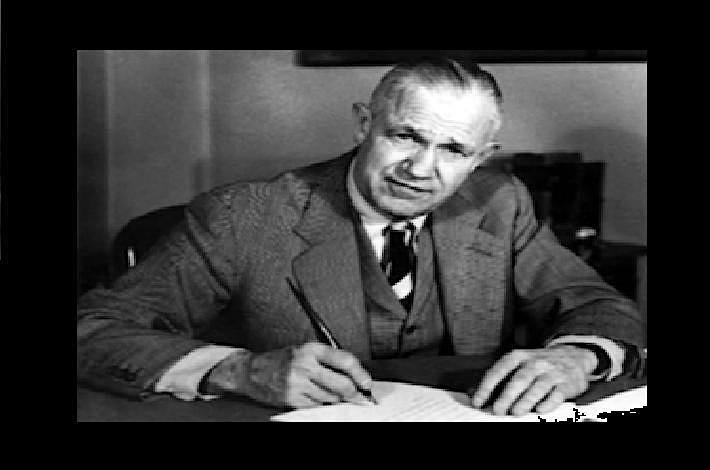
Sherman Kent
Sherman Kent, the dean of U.S. intelligence analysis (the CIA’s Center for Intelligence Analysis is named after him), warned of this danger, noting that while there was no excuse for policy or political bias, the existence of analytic or cognitive bias was ingrained in human condition, requiring a continuous effort by those responsible for overseeing analytical tasks to minimize.
Kent urged analysts “to resist the tendency to see what they expect to see in the information,” and “urged special caution when a whole team of analysts immediately agrees on an interpretation of yesterday’s development or a prediction about tomorrow’s.”
Part of a Litany of Intel Failures
The nexus of theory and reality was rarely, if ever, achieved within the U.S. intelligence community. From exaggerated Cold War estimates of Soviet military capability (the “bomber” and “missile” gaps), the underestimation of Viet Cong and North Vietnamese military capability, a failure to accurately predict the need for, and impact of, Gorbachev’s policies of reform in the Soviet Union, the debacle that was Iraqi WMD, a similar misreading of Iran’s nuclear capability and intent, and the two decade failure that was (and is) the Afghanistan experience, the U.S. intelligence community has a track record of imbuing its analysis with both political and cognitive bias—and getting it very, very wrong about so many things.
The Russian bounty story is no exception. It represents the nexus of two separate analytical streams, both of which were amply imbued with policy bias; one, representing America’s anger at not being able to control the fate of Russia in the aftermath of the collapse of the Soviet Union, and the second, America’s total misread of the reality of Afghanistan (and the Taliban) as it related to the Global War on Terror (GWOT).
For the first decade or so, these streams lived separate but equal lives, populated by analytical teams whose work rarely intersected (indeed, if truth be told, the Russian/Eurasian “house” was frequently robbed of its best talent to feed the insatiable appetite for more and better “analysis” driven by the GWOT enterprise.)
The election of Barack Obama, however, changed the intelligence landscape and, in doing so, initiated processes which allow these two heretofore disparate intelligence streams to drift together.
Under President Obama, the U.S. “surged” some 17,000 additional combat troops into Afghanistan in an effort to turn the tide of battle. By September 2012, these troops had been withdrawn; the “surge” was over, with little to show for it besides an additional 1,300 U.S. troops killed and tens of thousands more wounded. The “surge” had failed, but like any failure rooted in Presidential policy, it was instead sold as a success.
That same year the Obama administration suffered another policy failure of similar magnitude. In 2008, Russian President Vladimir Putin swapped places with Prime Minister Dmitri Medvedev, and when Obama took office, his team of Russian experts, led by a Stanford professor named Michael McFaul, sold him on the concept of a “reset” of U.S.-Russian relations, which had soured under eight years of the Bush Presidency.
But the “reset” was decidedly one-sided—it placed all of the blame for the bad blood between the two nations on Putin, and none on two successive eight-year presidential administrations, led by Bill Clinton and George W. Bush, which saw the U.S. expand the NATO alliance up to Russia’s borders, abandon foundational arms control agreements, and basically behave like Russia was a defeated foe whose only acceptable posture was one of acquiescence and subservience.
This was a game Russia’s first President, Boris Yeltsin, only seemed too happy to play. His hand-picked successor, Vladimir Putin, however, would not.
With Medvedev installed as president, McFaul sought to empower Medvedev politically—in effect, to give him the “Yeltsin” treatment—in hopes that an empowered Medvedev might be able to muscle Putin out of the picture.
For any number of reasons (perhaps most important being Putin had no intention of allowing himself to be so squeezed, and Medvedev was never inclined to do any squeezing), the Russian “reset” failed. Putin was reelected as president in March 2012. McFaul’s gambit had failed, and from that moment forward, U.S.-Russian relations became a “zero sum game” for the U.S.—any Russian success was seen as a U.S. failure, and vice versa.
In 2014, after watching a duly elected, pro-Russian Ukrainian president, Viktor Yanukovych, removed from office by a popular uprising which, if not U.S. sponsored, was U.S. supported, Putin responded by annexing the Russian-majority Crimean peninsula and supporting pro-Russian secessionists in the breakaway Donbas region of Ukraine.
This action created a schism between Russia and the U.S. and Europe, resulting in the implementation of economic sanctions against Russia by both entities, and the emergence of a new Cold War-like relationship between Russia and NATO.
In 2015 Russia followed up its Ukraine action by dispatching its military into Syria where, at the invitation of the Syria government, it helped turn the tide on the battlefield in favor of Syria’s embattled president, Bashar al-Assad, against an assortment of jihadist groups.
Overnight, the intelligence backwater that had been Russian/European affairs was suddenly thrust front and center on the world stage and, with it, into the heart of American politics. The McFaul school of Putin-phobia suddenly became dogma, and any academic who had published a book or article critical of the Russian president was elevated in status and stature, up to and including a seat at the table in the senior-most decision-making circles of the U.S. intelligence community.
The Russians were suddenly imbued with near super-human capability, up to and including the ability to steal an American presidential election.
After the failure of the Obama surge in Afghanistan, and the withdrawal from Iraq at the end of 2011 of all U.S. combat troops, the mindset throughout the Central Command area of operations was “stability.” This was the command guidance and pity the intelligence analyst who tried to raise a red flag or inject a modicum of reality into the intelligence enterprise whose mission it was to sustain this sense of stability.
Indeed, when the Islamic State roared out of the western deserts of Iraq to establish itself in eastern Syria, dozens of CENTCOM intelligence analysts officially complained that their senior management was purposefully manipulating the analytical product produced by CENTCOM to paint a deliberately misleading “rosy” picture of truth on the ground out of fear of angering the Commanding General and his senior staff.
For anyone who has spent any time in the military, the importance of command guidance, whether written or verbal, when it comes to establishing both priorities and approach, cannot be overstated. In short, what the general wants, the general gets; woe be the junior officer or analyst who didn’t get the memo.
By 2016, the commander of U.S. forces in Afghanistan, Gen. Nicholson, wanted to see Russians undermining U.S. policy objectives in Afghanistan. The poisonous culture that existed inside CENTCOM’s intelligence enterprise was only too happy to comply.
The corruption of intelligence at “ground zero” ended up corrupting the entire U.S. intelligence community, especially when there was a systemic desire to transfer blame for the failure of U.S. policy in Afghanistan anywhere other than where it belonged—squarely on the shoulders of U.S. policy makers and the military that did their bidding.
And there was a beefed-up Russia/Eurasia intelligence apparatus looking for opportunities to foist blame on Russia. Blaming Russia for U.S. policy failure in Afghanistan became the law of the land.
The consequences of this political and cognitive bias is subtle, but apparent to those who know what to look for, and are willing to take the time to look.
Following the leak to The New York Times about the Russian “bounty” intelligence, members of Congress demanded answers about the White House’s claim that the information published by the Times (and mimicked by other mainstream media outlets) was “unverified.”
Rep. Jim Banks, who sits on the Armed Services Committee as one of eight Republican lawmakers briefed by the White House on the substance of the intelligence regarding the alleged Russian “bounties”, tweeted shortly after the meeting ended that, “Having served in Afghanistan during the time the alleged bounties were placed, no one is angrier about this than me.”
Bank’s biography notes that, “In 2014 and 2015, he took a leave of absence from the Indiana State Senate to deploy to Afghanistan during Operations Enduring Freedom and Freedom’s Sentinel.”
Banks’ timeline mirrors that offered by a former senior Taliban leader, Mullah Manan Niazi, who told U.S. reporters who interviewed him after the Russian “bounty” story broke that “the Taliban have been paid by Russian intelligence for attacks on U.S. forces—and on ISIS forces—in Afghanistan from 2014 up to the present.”
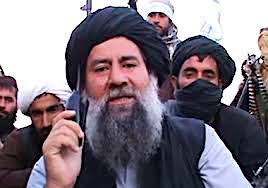
Niazi: shady character (ToloNews/YouTube)
Niazi has emerged a key figure behind the crafting of the “bounty” narrative, and yet his voice is absent from The New York Times reporting, for good reason—Niazi is a shady character whose acknowledged ties to both the Afghan Intelligence Service (NDS) and the CIA undermine his credibility as a viable source of information.
Officials, speaking anonymously to the media, have stated that “the bounty hunting story was ‘well-known’ among the intelligence community in Afghanistan, including the CIA’s chief of station and other top officials there, like the military commandos hunting the Taliban. The information was distributed in intelligence reports and highlighted in some of them.”
If this is true, and some of this information found its way into the intelligence report referred to by Rep. Banks, then the U.S. intelligence community has been selling the notion of a Russian bounty on U.S. troops since at least 2015—coincidentally, the same time Russia started siding with the Taliban against IS-K.
Seen in this light, claims that Bolton briefed President Trump on the “bounty” story in March of 2019–nearly a full year before the PDB on it was delivered to the White House—don’t seem too far-fetched, except for one small detail: what was the basis of Bolton’s briefing? What intelligence product had been generated at that time which rose to a level sufficient enough to warrant being briefed to the president of the United States by his national security advisor?
The answer is, of cours–none. There was nothing; if there was, we would be reading about it with enough corroboration to warrant a White House denial. All we have is a story, a rumor, speculation, a “legend” promoted by CIA-funded Taliban turncoats that had seeped itself into the folklore of Afghanistan enough to be assimilated by other Afghans who, once detained and interrogated by the NDS and CIA, repeated the “legend” with sufficient ardor to be included, without question, in the intelligence collection report that actually did make into a PD–on Feb. 27, 2020.
There is another aspect of this narrative that fails completely, namely the basic comprehension of what exactly constitutes a “bounty.”
“Afghan officials said prizes of as much as $100,000 per killed soldier were offered for American and coalition targets,” the Times reported. And yet, when Rukmini Callimachi, a member of the reporting team breaking the story, appeared on MSNBC to elaborate further, she noted that “the funds were being sent from Russia regardless of whether the Taliban followed through with killing soldiers or not. There was no report back to the GRU about casualties. The money continued to flow.”
There is just one problem—that’s not how bounties work. Bounties are the quintessential quid pro quo arrangement—a reward for a service tendered. Do the job, collect the reward. Fail to deliver—there is no reward. The idea that the Russian GRU set up a cash pipeline to the Taliban that was not, in fact, contingent on the killing of U.S. and coalition troops, is the antithesis of a bounty system. It sounds more like financial aid, which it was—and is. Any assessment that lacked this observation is simply a product of bad intelligence.
The Timing
Whoever leaked the Russian “bounty” story to The New York Times knew that, over time, the basics of the story would not be able to stand up under close scrutiny—there were simply too many holes in the underlying logic, and once the totality of the intelligence leaked out (which, by Friday seemed to be the case), the White House would take control of the narrative.
The timing of the leak hints at its true objective. The main thrust of the story was that the president had been briefed on a threat to U.S. forces in the form of a Russian “bounty,” payable to the Taliban, and yet opted to do nothing. On its own, this story would eventually die out of its own volition.
On June 18, the U.S. fulfilled its obligation under the peace agreement to reduce the number of troops in Afghanistan to 8,600 by July 2020. By June 26, the Trump administration was close to finalizing a decision to withdraw more than 4,000 troops from Afghanistan by the fall, a move which would reduce the number of troops from 8,600 to 4,500 and thus pave the way for the complete withdrawal from U.S. forces from Afghanistan by mid-2021.
Both of these measures were unpopular with a military establishment that had been deluding itself for two decades that it could prevail in the Afghan conflict. Moreover, once the troop level had dropped to 4,500, there was no turning back—the total withdrawal of all forces was inevitable, because at that level the U.S. would be unable to defend itself, let alone conduct any sort of meaningful combat operations in support of the Afghan government.
It was at this time that the leaker chose to release his or her information to The New York Times, perfectly timed to create a political furor intended not only to embarrass the president, but more critically, to mobilize Congressional pushback against the Afghan withdrawal.
On Thursday, the House Armed Services Committee voted on an amendment to the National Defense Authorization Act which required the Trump administration to issue several certifications before U.S. forces could be further reduced in Afghanistan, including an assessment of whether any “state actors have provided any incentives to the Taliban, their affiliates, or other foreign terrorist organizations for attacks against United States, coalition, or Afghan security forces or civilians in Afghanistan in the last two years, including the details of any attacks believed to have been connected with such incentives”—a direct reference to the Russian “bounty” leak.
The amendment passed 45-11.
This, more than anything else, seems to have been the objective of the leak. The irony of Congress passing legislation designed to prolong the American war in Afghanistan in the name of protecting American troops deployed to Afghanistan should be apparent to all.
The fact that it is not speaks volumes to just how far down the road of political insanity this country has travelled. On a weekend where America is collectively celebrating the birth of the nation, that celebration will be marred by the knowledge that elected representatives voted to sustain a war everyone knows has already been lost. That they did so on the backs of bad intelligence leaked for the purpose of triggering such a vote only makes matters worse.
Scott Ritter is a former Marine Corps intelligence officer who served in the former Soviet Union implementing arms control treaties, in the Persian Gulf during Operation Desert Storm, and in Iraq overseeing the disarmament of WMD.
“Woke” America is More Asleep to Injustice Than Ever
By Tony Cartalucci – New Eastern Outlook – 06.07.2020
To drive home just how superficial and empty recent protests in America are and how little besides further division and destruction will become of them – take the fate of two fictional characters recently put in the spotlight by baying activists – PepsiCo’s “Aunt Jemima” breakfast food brand and Mars Incorporated’s “Uncle Ben’s” rice products.
Both came into the crosshairs of “woke” America. Both fictional characters will now no longer be used.
It might appear like a huge victory for “woke” America.
CNN in their article, “The Aunt Jemima brand, acknowledging its racist past, will be retired,” would claim:
Quaker Oats is retiring the more than 130-year-old Aunt Jemima brand and logo, acknowledging its origins are based on a racial stereotype.
“As we work to make progress toward racial equality through several initiatives, we also must take a hard look at our portfolio of brands and ensure they reflect our values and meet our consumers’ expectations,” the Pepsi-owned company said in a statement provided to CNN Business.
And the London Guardian in their article, “Uncle Ben’s rice firm to scrap brand image of black farmer,” would claim:
The rice company Uncle Ben’s is to scrap the image of a black farmer the brand has used since the 1940s and could change its name, as companies react to growing concerns over racial bias and injustice.
The parent company, Mars, said Uncle Ben was a fictional character whose name was first used in 1946 as a reference to an African American Texan rice farmer.
While there is no doubt that both fictional characters represented stereotypes and are rooted in America’s racist past – “woke” America’s belief that somehow this was a priority or some form of victory begs belief. So does the fact that those opposed to expanding mobs and their “cancel culture” have crafted the most anemic counterpoints.
Some claim that the fictional characters were either inspired or portrayed by real African Americans who profited from the branding.
What neither side mentioned was the very real abuses both companies are guilty of – abuses that are both inhumane and rooted in extraordinary, inexcusable, and thus far utterly unaddressed racism.
PepsiCo and Mars Sponsor/Profit From Slavery and Mass Murder
Both “woke” America as well as those trying to form opposition to it have entirely missed the fact that PepsiCo and Mars Inc. – two multi-billion dollar businesses – are literally engaged in modern day slavery to create their products while sponsoring policy think-tanks that have engineered wars targeting African nations, leading to the deaths of tens of thousands and open-air slave markets where black people – today – are sold into bondage.
This would seem to be a much greater transgression against black people than their crude depictions in company branding and demands much more serious action than merely adjusting marketing strategies – such as demanding boards of directors to resign or full-spectrum, permanent boycotts for these businesses and their many subsidiaries and brands.
Unfortunately for “woke” America, fictional characters are a priority taken head-on all while activists blissfully munch on chocolate bars made by cocoa harvested by African slave labor and sip on drinks made by a corporation which sponsors US wars abroad in which blacks are mass murdered and enslaved.
Your Mars Inc. Chocolate Comes from Slave Labor
If you enjoy chocolate snacks like 3 Musketeers, Snickers, Mars, and Milky Way bars, the chocolate you ate most likely came from a developing nation with dismal working conditions and in many cases, child and slave labor.
Mars Inc. along with Nestle, Hersey, and many other chocolate companies, source cocoa from Africa and especially the nations of Cote d’Ivoire and Ghana.
A Washington Post article published just last year titled, “Cocoa’s child laborers,” would note:
Mars, Nestlé and Hershey pledged nearly two decades ago to stop using cocoa harvested by children. Yet much of the chocolate you buy still starts with child labor.
The article elaborated, noting:
About two-thirds of the world’s cocoa supply comes from West Africa where, according to a 2015 U.S. Labor Department report, more than 2 million children were engaged in dangerous labor in cocoa-growing regions.
When asked this spring, representatives of some of the biggest and best-known brands — Hershey, Mars and Nestlé — could not guarantee that any of their chocolates were produced without child labor.
Black children used as labor and under conditions and for wages bordering slavery to produce cocoa Mars Inc. knowingly uses in its products – and makes billions of dollars off of – seems like a much bigger issue than what is undoubtedly offensive labelling practiced by Mars Inc. through its “Uncle Ben’s” brand.
Indicative of the carefully controlled nature of ongoing protests is how the Washington Post has reported on Mars Inc.’s genuinely offensive, even criminal predation on black labor in Africa in the past as well as Mars Inc.’s offensive branding more recently, but failed to link the two in its most recent reporting – thus artfully avoiding a genuinely “woke” readership and any genuine damage real protests and boycotts would have on Mars Inc. and other corporations whose interests Washington Post regularly serves as a voice for.
Big-Biz like PepsiCo and Mars Inc. are an Affront to All
Mars Inc. – alongside PepsiCo, Nestle, and Hersey – was also involved in funding anti-labelling campaigns to prevent legislation from passing that would force food manufacturers to inform consumers their products contained genetically modified organisms (GMO).
Corporations spending money to hide dangerous ingredients from consumers endangers everyone’s health – black and white, left and right.
Mars Inc., PepsiCo, and others defend such campaigning, claiming that such legislation would be “costly” – as would ensuring all of their ingredients are ethically procured and free of child and/or slave labor.
Yet Mars Inc., PepsiCo, and others are multi-billion dollar businesses. The Mars family which owns Mars Inc. consists mostly of family members who are billionaires – not mere millionaires – but billionaires.
Their daily “concerns” include ensuring their sprawling 82,000 acre ranches have enough water and that they receive the most lenient penalties when crashing their Porsche SUV’s into vans carrying families.
Mars Inc. and other multi-billion dollar businesses can afford to do better, simply at the cost of being slightly less well-off billionaires or perhaps even being demoted to millionaires – yet they simply and deliberately choose to profit off the backs of poorly informed consumers at home and exploited/enslaved labor abroad.
If what Mars Inc. and PepsiCo contributed to was only limited to cultivating ignorant consumers at home and using slave labor abroad it would be bad enough. And if America’s “woke revolution” was serious about justice, Mars Inc. and PepsiCo would be on the chopping block for much more than their crude, racist marketing, and would have more demanded of them.
But that is not all Mars Inc. and PepsiCo are contributing to.
Sponsoring Warmongering and Mass Murder in Africa (and everywhere else)
Both PepsiCo and Mars Inc. are sponsors of policy think tanks like the Brookings Institution whose “scholars” and “fellows” churn out the blueprints for US wars which are then rubber stamped by the US Congress and sold to the public by the corporate media.
Brooking Institution’s 2019 annual report (PDF) lists both companies – PepsiCo and Mars Inc. – as sponsors as were both companies in 2011 (PDF).
Brookings and its corporate-sponsored staff worked diligently in 2011 to help sell the US military intervention in the North African nation of Libya. It was a key institution involved in creating and spreading the notion of “R2P” or the “responsibility to protect” used as flimsy cover for a long-planned US desire to effect regime change in Libya.
As early as February 2011, the Brookings Institution published articles and papers like, “United States Must Take Lead on Libya,” in which Brookings “Senior Fellows” – funded by the likes of PepsiCo and Mars Inc. – made the nascent calls for US military intervention that would eventually lead to the US arming militants openly and carrying out air strikes across the nation.
Indeed, the US armed militants in eastern Libya – a hotbed for racism and extremism and the epicenters of Al Qaeda in the country – as well as provided roving bands of armed gangs air support as they swept the nation.
When Libyan leader Muammar Qaddafi was violently swept from power later that year, the estimated 2.5 million Africans from across the continent he took in, providing housing and living wages to, found themselves being hunted by US-backed militants.
To explain the blatant and explosive racism that predictably swept Libya in the wake of the US-backed war, articles like the CS Monitor’s “How Qaddafi helped fuel fury toward Africans in Libya,” would claim:
Many experts – and African migrant workers themselves – say the animosity stems from anti-African racism found throughout the Arab world. But some say the anger has been made much worse by Mr. Qaddafi’s moves to buy the loyalty of black Libyans from the south of the country as well as his decades-long efforts to build Africa-wide patronage networks at great cost to the country’s Arab majority.
In other words – the CS Monitor and the Western “experts” it cited claim Qaddafi “fueled fury toward Africans” by merely spending resources to help them. It is an oblique attempt to justify the racism-driven genocide US-backed militants carried out during their “victory lap” in Libya.
Black Africans living in Libya were either driven out of the country, across the Mediterranean and into Europe to face hardship and racism there or either mass murdered in Libya or rounded up and enslaved.
The Western media – partners with institutions like Brookings – denied this at first – or attempted to excuse it like the CS Monitor – but eventually covered the fallout US military intervention in Libya and its long-planned regime change agenda triggered.
Reuters in their article, “African workers live in fear after Gaddafi overthrow,” would admit:
Tens of thousands of foreign workers have fled Libya since the armed revolt against Gaddafi’s 42-year-rule began in February, with Africans afraid they have become targets for fighters who accuse them of being mercenaries for Gaddafi.
This antipathy appears to have spread to all Africans, leaving them vulnerable to attacks, robbery and other abuse by the gun-toting, mostly young, fighters who ousted Gaddafi.
Identity cards of nationals from Chad, Niger, Mali, Sudan and other African states have been found on the bodies of gunmen who anti-Gaddafi fighters say were paid to confront them.
The BBC in its article, “Libya migrant ‘slave market’ footage sparks outrage,” would admit:
Migrants trying to reach Europe have spoken of being held by smugglers and forced to work for little or no money.
The footage released by CNN appears to show youths from Niger and other sub-Saharan countries being sold to buyers for about $400 (£300) at undisclosed locations in Libya.
While these media sources covered the fallout of the 2011 US military intervention, they were careful not to link the fallout directly to the intervention.
The US war against Libya was a humanitarian catastrophe deliberately engineered by Western think tanks funded by big-business like PepsiCo, Mars Inc., and many others, rubber stamped by politicians in Washington – both Democrat and Republican – and eagerly sold to the public by the corporate media.
And even as recently as 2016, Brookings “Senior Fellow” Shadi Hamid in a piece published on Brookings’ site titled, “Everyone says the Libya intervention was a failure. They’re wrong,” would remain insistent in defending the US-led war and the decimated, racist, and dysfunctional Libya left in its wake.
He argues that if the US didn’t intervene, Qaddafi would have successfully eliminated the racist extremists in eastern Libya and particularly in Benghazi who would eventually carry out genocide against Libya’s black population. Hamid simply omits any mention of this or who actually was based in Benghazi and instead refers to them merely as “protesters.”
Thus, PepsiCo and Mars Inc. – alongside oil corporations and weapons manufacturers – are funding an institution that not only engineers and eagerly promotes wars, they fund an institution that is utterly unapologetic about the calamity these wars cause – including wars like in Libya ending tragically for 2.5 million black Africans.
“Woke” America needs to be conscious enough to recognize the true injustice underpinning American society. It is very likely that as protesters in America and online around the globe rail against “Aunt Jemima” and “Uncle Ben’s” many activists are eagerly enjoying many of the other products produced by and profiting PepsiCo and Mars Inc. – oblivious to the fact that the ingredients are procured through child and slave labor in Africa and the profits are directed into promoting wars that leave blacks abroad dead, displaced, or enslaved. And as long as this is the case, nothing of any genuine substance will ever change in America or across the wider Western World.
If real justice is what Americans – all Americans – want, they need to truly wake up to this fact first.
CIA Information Warfare Succeeds: Occupation of Afghanistan forced to continue, Trump’s real crimes in Afghanistan ignored
By Ben Barbour | Global Research | July 5, 2020
On July 1st the House Armed Services Committee voted to hinder Donald Trump’s ability to withdraw troops from Afghanistan. House Democrats on the committee teamed up with Republicans, including Liz Cheney (daughter of war-architect Dick Cheney), to pass an amendment to the National Defense Authorization Act “that prohibits Congress from spending money to pull US troops out of Afghanistan without first meeting a series of vague conditions that critics said appeared to prevent withdrawal.” Without any public debate the US will now continue its occupation after the CIA claimed that Russia paid Taliban-linked groups to kill American soldiers.
What’s the evidence? General John Nicholson speculated that Russia was arming the Taliban in 2017. In April 2019, three marines were killed in an attack that the Taliban claimed responsibility for. Unnamed intelligence officials believed that the Russians may have payed militants to attack US troops. In March 2020, The CIA concluded that the Russians were paying the bounties. They cited testimony from captured militants and pointed to a Seal Team Six raid of a Taliban outpost that resulted in the recovery of a half a million in cash.
That’s it. That’s all the information that the American public is allowed to know. It’s hardly even mentioned that the NSA disagreed with the CIA’s assessment, stating “the information wasn’t verified and that intelligence officials didn’t agree on it.” Furthermore, the Department of Defense (DOD) claimed that “to date, DOD has no corroborating evidence to validate the recent allegations found in open-source reports.” Americans are taking the CIA’s word as gospel.
How exactly did the CIA conclude that the half a million in cash came from Russia and not from Taliban opium trafficking operations? The US military claimed that 60% of the Taliban’s funding comes from the opium trade. Is $500,000 in cash unheard of in opium sales? Who are these captured militants that claimed that Russia payed bounties for dead American soldiers? Were these militants tortured by the CIA? The CIA has the largest torture program in the world. Is the information reliable or was the information obtained under dubious circumstances? How do we even know these militants actually made these claims?
The foundation of the assertions is also questionable. Americans are supposed to believe that the Taliban had to be prompted to attack American soldiers. The US has been occupying Afghanistan for nearly 20 years. The war in Afghanistan has resulted in over 2,400 dead American soldiers and over 38,500 dead civilians. US soldiers have been targeted by the Taliban and an assortment of other militant groups over the past 19 years. That’s the cost of occupation. If over 38,500 civilians have been killed, then there are a lot of angry Afghans that lost family members. Russia does not need to pay the Taliban or any militant group to attack US soldiers. This should not need explanation. The rush to accuse Trump of treason has made Americans lose their critical thinking skills.
More partisan liberals are upset about Trump’s inaction over unproven allegations of Russian bounties than they are by Trump’s record setting bombing campaign in Afghanistan:
“in 2019, according to figures released by Air Force Central Command, the United States ‘dropped more munitions on Afghanistan than in any other year over the past decade.’ More bombs were dropped in most months of 2019 than in any previous months since records were first made publicly available in 2009.”
These bombings led to a massive surge in civilian casualties. In one case, at least 30 pine nut farmers were killed in a drone strike that resulted in zero militants being killed. Where is the outrage over this? How many more Afghans are going to die if Trump is pressed to be even more unhinged to prove he is not a traitor? The end game is more death and more occupation.
This new scandal being pushed by the CIA also conveniently deflects from Trump’s real scandals in Afghanistan. In June, Trump signed an executive order “imposing sanctions on several individuals associated with the International Criminal Court (ICC).”
The ICC is investigating war crimes in Afghanistan. Their investigations include potential American war crimes. They may even involve Secretary of State Mike Pompeo: “Pompeo may be personally at risk for wrongdoing that the Court could uncover of CIA activities when he was the director of the agency.” The Trump administration is claiming that because the US has not ratified the Rome Statute, that the ICC has no legal basis to prosecute American war crimes. This is incorrect. The Rome Statute allows the ICC to prosecute non-party countries if war crimes are committed by that party in a country that has ratified the Rome Statute. Afghanistan has ratified the Rome Statue. That puts the US on the hook for potential war crimes committed in that region.
Needless to say, never-Trump neocons have been silent about Trump’s targeting of the ICC. Likewise, partisan liberals have not gone after Trump on this front either. The reasons are obvious. The Barack Obama and George W. Bush administrations are culpable in war crimes in Afghanistan as well. The nearly two-decades long war is a bipartisan project. Furthermore, self-professed left-wingers and liberals are taking their cues from Bush-era neocons like David Frum, Bill Kristol, and an assortment of pro-war goons from the Lincoln Project Political Action Committee.
Russiagate broke partisan liberals’ brains. They are now calling for Trump to ramp up escalation in Afghanistan. They actually believe the absurd over-the-top ads put out by the Lincoln Project. Donald Trump ramped up the war in Afghanistan in 2017 when he did a 3,500-troop surge from 10,500 to 14,000 troops. Trump then increased bombing campaigns throughout his term and set records for bombings in 2019. Civilians casualties spiked. In June 2020, he targeted the ICC for having the audacity to look into US war crimes.
None of this barbarism earned Trump the ire of prominent neoconservatives and liberals. Trump is being vilified for having talks with the Taliban and taking steps towards scaling-down US troop presence. After four years of Russiagate hysteria the only explanation for Trump’s actions is capitulation to Russia. Afghan civilians be damned, Trump needs to ramp up again in Afghanistan to stop Putin or he’s a traitor! The neocon dogma pushed onto liberals by never-Trump Republicans did its job. Partisan liberals are parroting the line of the CIA. The attempt to sabotage talks with the Taliban and prevent troop withdrawals from Afghanistan worked.
“The Resistance” just helped push the continued occupation of Afghanistan to score cheap political points. The CIA thanks them for their “patriotism.”
Ben Barbour is an American geopolitical analyst.
Are the Democrats a Political Party or a CIA-Backed Fifth Column?
By Mike Whitney • Unz Review • July 5, 2020
How do the Democrats benefit from the nationwide Black Lives Matter protests?
While the protests are being used to paint Trump as a race-bating white supremacist, that is not their primary objective. The main goal is to suppress and demonize Trump’s political base which is comprised of mainly white working class people who have been adversely impacted by the Democrats disastrous free trade and immigration policies. These are the people– liberal and conservative– who voted for Trump in 2016 after abandoning all hope that the Democrats would amend their platform and throw a lifeline to workers who are now struggling to make ends meet in America’s de-industrialized heartland.
The protests are largely a diversion aimed at shifting the public’s attention to a racialized narrative that obfuscates the widening inequality chasm (created by the Democrats biggest donors, the Giant Corporations and Wall Street) to historic antagonisms that have clearly diminished over time. (Racism ain’t what it used to be.) The Democrats are resolved to set the agenda by deciding what issues “will and will not” be covered over the course of the campaign. And– since race is an issue on which they feel they can energize their base by propping-up outdated stereotypes of conservatives as ignorant bigots incapable of rational thought– the Dems are using their media clout to make race the main topic of debate. In short, the Democrats have settled on a strategy for quashing the emerging populist revolt that swept Trump into the White House in 2016 and derailed Hillary’s ambitious grab for presidential power.
The plan, however, does have its shortcomings, for example, Democrats have offered nearly blanket support for protests that have inflicted massive damage on cities and towns across the country. In the eyes of many Americans, the Dems support looks like a tacit endorsement of the arson, looting and violence that has taken place under the banner of “racial justice”. The Dems have not seriously addressed this matter, choosing instead to let the media minimize the issue by simply scrubbing the destruction from their coverage. This “sweep it under the rug” strategy appears to be working as the majority of people surveyed believe that the protests were “mostly peaceful”, which is a term that’s designed to downplay the effects of the most ferocious rioting since the 1970s.
Let’s be clear, the Democrats do not support Black Lives Matter nor have they made any attempt to insert their demands into their list of police reforms. BLM merely fits into the Dems overall campaign strategy which is to use race to deflect attention from the gross imbalance of wealth that is the unavoidable consequence of the Dems neoliberal policies including outsourcing, off-shoring, de-industrialization, free trade and trickle down economics. These policies were aggressively promoted by both Bill Clinton and Barack Obama as they will be by Joe Biden if he is elected. They are the policies that have gutted the country, shrunk the middle class, and transformed the American dream into a dystopian nightmare.
They are also the policies that have given rise to, what the pundits call, “right wing populism” which refers to the growing number of marginalized working people who despise Washington and career politicians, feel anxious about falling wages and dramatic demographic changes, and resent the prevailing liberal culture that scorns their religion and patriotism. This is Trump’s mainly-white base, the working people the Democrats threw under the bus 30 years ago and now want to annihilate completely by deepening political polarization, fueling social unrest, pitting one group against another, and viciously vilifying them in the media as ignorant racists whose traditions, culture, customs and even history must be obliterated to make room for the new diversity world order. Trump touched on this theme in a speech he delivered in Tulsa. He said:
“Our nation is witnessing a merciless campaign to wipe out our history, defame our heroes, erase our values and indoctrinate our children. Angry mobs are trying to tear down statues of our founders, deface our most sacred memorials and unleash a wave of violent crime in our cities.”
Author Charles Burris expanded on this topic in an article at Lew Rockwell titled America’s Monumental Existential Problem:
“The wave of statue-toppling spreading across the Western world from the United States is not an aesthetic act, but a political one, the disfigured monuments in bronze and stone standing for the repudiation of an entire civilization. No longer limiting their rage to slave-owners, American mobs are pulling down and disfiguring statues of abolitionists, writers and saints in an act of revolt against the country’s European founding, now re-imagined as the nation’s original sin, a moral and symbolic shift with which we Europeans will soon be forced to reckon.”
The statue-toppling epidemic is vastly more disturbing than the the looting or arson, mainly because it reveals an ideological intensity aimed at symbols of state power. By tearing down the images of the men who created or contributed to our collective history, the vandals are challenging the legitimacy of the nation itself as well as its founding “enlightenment” principles. This is the nihilism of extremists whose only objective is destruction. It suggests that the Democrats might have aspirations that far exceed a mere presidential victory. Perhaps the protests and riots will be used to justify more sweeping changes, a major reset during which traditional laws and rules are indefinitely suspended until the crisis passes and order can be restored. Is that at all conceivable or should we dismiss these extraordinary events as merely young people “letting off a little steam”?
Here’s how General Michael Flynn summed up what’s going on on in a recent article:
“There is now a small group of passionate people working hard to destroy our American way of life. Treason and treachery are rampant and our rule of law and those law enforcement professionals are under the gun more than at any time in our nation’s history… I believe the attacks being presented to us today are part of a well-orchestrated and well-funded effort that uses racism as its sword to aggravate our battlefield dispositions. This weapon is used to leverage and legitimize violence and crime, not to seek or serve the truth…. The dark forces’ weapons formed against us serve one purpose: to promote radical social change through power and control.”
I agree. The toppling of statues, the rioting, the looting, the arson and, yes, the relentless attacks on Trump from the day he took office, to Russiagate, to the impeachment, to the insane claims about Russian “bounties”, to the manipulation of science and data to trigger a planned demolition of the US economy hastening a vast restructuring to the labor force and the imposition of authoritarian rule; all of these are cut from the same fabric, a tapestry of lies and deception concocted by the DNC, the Intel agencies, the elite media, and their behind-the-scenes paymasters. Now they have released their corporate-funded militia on the country to wreak havoc and spread terror among the population. Meanwhile, the New York Times and others continue to generate claims they know to be false in order to confuse the public even while the people are still shaking off months of disorienting quarantine and feelings of trepidation brought on by 3 weeks of nonstop social unrest and fractious racial conflict. Bottom line: Neither the Democrats nor their allies at the Intel agencies and media have ever accepted the “peaceful transition of power”. They reject the 2016 election results, they reject Donald Trump as the duly elected president of the United States, and they reject the representative American system of government “by the people.”
So let’s get down to the nitty-gritty: Which political party is pursuing a radical-activist strategy that has set our cities ablaze and reduced Capitol Hill to a sprawling war zone? Which party pursued a 3 year-long investigation that was aimed at removing the president using a dossier that they knew was false (Opposition research), claiming emails were hacked from DNC computers when the cyber-security company that did the investigation said there was no proof of “exfiltration”? (In other words, there was no hack and the Dems knew it since 2017) Which party allied itself with senior-level officials at the FBI, CIA, NSA and elite media and worked together collaboratively to discredit, surveil, infiltrate, entrap and demonize the administration in order to torpedo Trumps “America First” political agenda, and remove him from office?
Which party?
No one disputes the Democrats right to challenge, criticize or vigorously oppose a bill or policy promoted by the president. What we take issue with is the devious and (possibly) illegal way the Democrats have joined powerful elements in the Intelligence Community and the major media to conduct a ruthless “dirty tricks” campaign that involved spying on members of the administration in order to establish the basis for impeachment proceedings. This is not the behavior of a respected political organization but the illicit conduct of a fifth column acting on behalf of a foreign (or corporate?) enemy. It’s worth noting that an insurrection against the nation’s lawful authority is sedition, a felony that is punishable by imprisonment or death. Perhaps, the junta leaders should consider the possible consequences of their actions before they make their next move.
What we need to know is whether the Democrat party operates independent of the Intel agencies with which it cooperated during its campaign against Trump? We’re hopeful that the Durham investigation will shed more light on this matter. Our fear is that what we’re seeing is an emerging Axis–the CIA, the DNC, and the elite media– all using their respective powers to terminate the Constitutional Republic and establish permanent, authoritarian one-party rule. As far-fetched as it might sound, the country appears to be slipping inexorably towards tyranny.
Venezuela Sets Parliamentary Election Date, Increases Number of Lawmakers
By Ricardo Vaz | Venezuelanalysis | July 2, 2020
Mérida – Venezuela will hold elections for its National Assembly (AN) on December 6.
National Electoral Council (CNE) President Indira Alfonzo held a press conference on Wednesday to announce the timetable for legislative elections, which are constitutionally mandated to be held before the end of the year.
The timetable includes electoral registry sessions from July 13 to 26, with electoral candidates and lists to be presented from August 10 to 19 and the campaign held from November 21 to December 6. An extensive series of audits will begin on August 14 and extend to January 21, 2021.
Alfonzo added that dates are subject to adjustment due to the COVID-19 pandemic.
This year’s legislative elections will also see important changes in the CNE’s electoral norms as well as in the number of deputies elected to the AN.
Voters will elect 277 deputies for the 2021-2026 period, 110 more than in the current term. The CNE will not change the 87 electoral districts that currently exist. Out of the 277 AN deputies, 48 will for the first time be elected via a national list, and the rest in the 87 constituencies with a 52-48 split between electoral lists and individual nominations.
The reforms follow a ruling by the Supreme Court last month striking down two articles of the country’s electoral law and ordering the CNE to establish new norms for greater proportional legislative representation to ensure more “political pluralism.”
According to the CNE, 28 national political organizations, 52 regional parties and six representing indigenous peoples are currently approved to participate in the December election. The changes to electoral norms had been one of the topics discussed in the National Dialogue Roundtable between the government and a host of small opposition parties.
Following the CNE announcements, President Nicolas Maduro called on Venezuelans to participate in the parliamentary elections, stressing that the government will put safety and healthcare protocols in place.
“We have seen elections held around the world during this pandemic, and Venezuela is no exception,” he said in a televised address. Maduro went on to add that the participation of 86 political organizations “strengthens democracy and peace in the country.”
Leander Perez, an activist with the Homeland for All (PPT) party, told Venezuelanalysis that the new rules can benefit smaller parties and that leftist organizations such as the PPT and the Venezuelan Communist Party had been demanding more proportional representation for years.
“The new rules encourage smaller parties to submit their own national lists and achieve representation in the AN. The previous setup forced them to run in large coalitions, the [government-led] Great Patriotic Pole and the [opposition alliance] MUD,” he explained.
Asked what strategies leftist parties should pursue, Perez urged organizations to take advantage of the more favorable conditions and set up an “independent” bloc in parliament.
“We need to set up a bloc that will act independently from the [ruling] PSUV, in alliance with popular movements, to defend a leftist agenda: demanding higher salaries and the release of imprisoned trade unionists, opposing campesino evictions, denouncing privatizations, among other things,” he said.
Meanwhile, opposition leader Juan Guaido reiterated that he will not take part in the elections, which he called a “farce.”
“There can be no elections in Maduro’s Venezuela,” a statement from Guaido’s press office read.The opposition leader has rejected taking part in elections as long as Maduro remains in office, repeatedly urging Venezuela’s armed forces to oust the president and install him in power.
Major opposition parties Democratic Action and Justice First were subjected to an intervention from the country’s Supreme Court last month, with their new leaders vowing to participate in the December contests. Guaido-aligned leaders have called for a boycott.
For its part, Washington declared it would not recognize the upcoming legislative elections.
Edited and with additional reporting by Lucas Koerner from Santiago de Chile.
Turkish troops, allied militants cut off drinking water to people in Syria’s Hasakah, environs
Press TV – July 5, 2020
Turkish military troops and allied militants have once again cut off drinking water supplies to about a million people living in and around the northeastern Syrian city of Hasakah by stopping a border water pumping station, a report says.
In an interview with Syria’s official news agency, SANA on Sunday, Director General of Hasakah Water Company Mahmoud al-Ukla said that Turkish soldiers and Ankara-backed militants stopped Alouk Water Station on Saturday evening and barred workers of the station from entering the facility.
The major water station is located in the vicinity of the border town of Ra’s al-Ayn, which Turkish troops and their allied militants seized in October 2019 during the so-called Peace Spring Operation.
Ukla warned that the inhumane move was threatening the lives of inhabitants of the city and its surrounding residential neighborhoods in northeastern Hasakah province.
He added that the criminal act came as the people of the affected areas are in the utmost need for the water from the Alouk station, the only source for guaranteeing the drinking water for them.
The water station has so far been forced to stop several times by the invading Turkish troops and their allied militants.
Back in March, the Syrian foreign ministry sent two identical letters to the chief of the United Nations and the UN Security Council in protest against the repeated inhumane move. It noted at the time that the Turkish military forces shelled the water station during their cross-border military operation last October, putting it out of service.
Furthermore, Syrian officials, accordingly, presented a briefing to the UNSC in February, informing the international body of a water outage in Hasakah.
The Case Is Building That COVID-19 Had a Lab Origin
By Jonathan Latham, PhD and Allison Wilson, PhD | Independent Science News | June 2, 2020
If the public has learned a lesson from the COVID-19 pandemic it is that science does not generate certainty. Do homemade face masks work? What is the death rate of COVID-19? How accurate are the tests? How many people have no symptoms? And so on. Practically the lone undisputed assertion made so far is that all the nearest known genetic relatives of its cause, the Sars-CoV-2 virus, are found in horseshoe bats (Zhou et al., 2020). Therefore, the likely viral reservoir was a bat.
However, most of these ancestor-like bat coronaviruses cannot infect humans (Ge et al., 2013). In consequence, from its beginning, a key question hanging over the pandemic has been: How did a bat RNA virus evolve into a human pathogen that is both virulent and deadly?
The answer almost universally seized upon is that there was an intermediate species. Some animal, perhaps a snake, perhaps a palm civet, perhaps a pangolin, served as a temporary host. This bridging animal would probably have had an ACE2 cellular receptor (the molecule which allows cellular entry of the virus) intermediate in protein sequence (or at least structure) between the bat and the human one (Wan et al., 2020).
In the press and in the scientific literature, scenarios by which this natural zoonotic transfer might have occurred have been endlessly mulled. Most were fuelled by early findings that many of the earliest COVID-19 cases seem to have occurred in and around Wuhan’s Huanan live animal market. [The latest data are that 14 of the 41 earliest cases, including the first, had no connection to the animal market (Huang et al. 2020)].
Since the two previous coronavirus near-pandemics of SARS (2002-3) and MERS (2012) both probably came from bats and both are thought (but not proven) to have transitioned to humans via intermediate animals (civets and dromedaries respectively), a natural zoonotic pathway is a reasonable first assumption (Andersen et al., 2020).
The idea, as it applied to the original (2002) SARS outbreak, is that the original bat virus infected a civet. The virus then evolved briefly in this animal species, but not enough to cause a civet pandemic, and then was picked up by a human before it died out in civets. In this first human (patient zero) the virus survived, perhaps only barely, but was passed on, marking the first case of human to human transmission. As it was successively passed on in its first few human hosts the virus rapidly evolved, adapting to better infect its new hosts. After a few such tentative transmissions the pandemic proper began.
Perhaps this scenario is approximately how the current COVID-19 pandemic began.
But one other troubling possibility must be dispensed with. It follows from the fact that the epicentre city, Wuhan (pop. 11 million), happens to be the global epicentre of bat coronavirus research (e.g. Hu et al., 2017).
Prompted by this proximity, various researchers and news media, prominently the Washington Post, and with much more data Newsweek, have drawn up a prima facie case that a laboratory origin is a strong possibility (Zhan et al., 2020; Piplani et al., 2020). That is, one of the two labs in Wuhan that has worked on coronaviruses accidentally let a natural virus escape; or, the lab was genetically engineering (or otherwise manipulating) a Sars-CoV-2-like virus which then escaped.
Unfortunately, in the US at least, the question of the pandemic’s origin has become a political football; either an opportunity for Sinophobia or a partisan “blame game“.
But the potential of a catastrophic lab release is not a game and systemic problems of competence and opacity are certainly not limited to China (Lipsitch, 2018). The US Department of Homeland Security (DHS) is currently constructing a new and expanded national Bio and Agro-defense facility in Manhattan, Kansas. DHS has estimated that the 50-year risk (defined as having an economic impact of $9-50 billion) of a release from its lab at 70%.
When a National Research Council committee inspected these DHS estimates they concluded “The committee finds that the risks and costs could well be significantly higher than that“.
A subsequent committee report (NAP, 2012) continued:
“the committee was instructed to judge the adequacy and validity of the uSSRA [updated Site-Specific Risk Assessment]. The committee has identified serious concerns about (1) the misapplication of methods used to assess risk, (2) the failure to make clear whether and how the evidence used to support risk assessment assumptions had been thoroughly reviewed and adequately evaluated, (3) the limited breadth of literature cited and the misinterpretation of some of the significant supporting literature, (4) the failure to explain the criteria used to select assumptions when supporting literature is conflicting, (5) the failure to consider important risk pathways, and (6) the inadequate treatment of uncertainty. Those deficiencies are not equally problematic, but they occur with sufficient frequency to raise doubts about the adequacy and validity of the risk results presented. In most instances (e.g., operational activities at the NBAF), the identified problems lead to an underestimation of risk; in other instances (e.g., catastrophic natural hazards), the risks may be overestimated. As a result, the committee concludes that the uSSRA is technically inadequate in critical respects and is an insufficient basis on which to judge the risks associated with the proposed NBAF in Manhattan, Kansas.”
China, meanwhile, having opened its first in Wuhan in 2018, is planning to roll out a national network of BSL-4 labs (Yuan, 2019). Like many other countries, it is investing significantly in disease surveillance and collection of viruses from wild animal populations and in high-risk recombinant virus research with Potential Pandemic Pathogens (PPPs).
On May 4th, nations and global philanthropies, meeting in Brussels, committed $7.4 billion to future pandemic preparedness. But the question hanging over all such investments is this: the remit of the Wuhan lab at the centre of the accidental release claims is pandemic preparedness. If the COVID-19 pandemic began there then we need to radically rethink current ideas for pandemic preparation globally. Many researchers already believe we should, for the sake of both safety and effectiveness (Lipsitch and Galvani, 2014; Weiss et al., 2015; Lipsitch, 2018). The worst possible outcome would be for those donated billions to accelerate the arrival of the next pandemic.
Historical lab releases, a brief history
An accidental lab release is not merely a theoretical possibility. In 1977 a laboratory in Russia (or possibly China), most likely while developing a flu vaccine, accidentally released the extinct H1N1 influenza virus (Nakajima et al., 1978). H1N1 went on to become a global pandemic virus. A large proportion of the global population became infected. In this case, deaths were few because the population aged over 20 yrs old had historic immunity to the virus. This episode is not widely known because only recently has this conclusion been formally acknowledged in the scientific literature and the virology community has been reluctant to discuss such incidents (Zimmer and Burke, 2009; Wertheim, 2010). Still, laboratory pathogen escapes leading to human and animal deaths (e.g. smallpox in Britain; equine encephalitis in South America) are common enough that they ought to be much better known (summarised in Furmanski, 2014). Only rarely have these broken out into actual pandemics on the scale of H1N1, which, incidentally, broke out again in 2009/2010 as “Swine flu” causing deaths estimated variously at 3,000 to 200,000 on that occasion (Duggal et al., 2016; Simonsen et al. 2013).
Many scientists have warned that experiments with PPPs, like the smallpox and Ebola and influenza viruses, are inherently dangerous and should be subject to strict limits and oversight (Lipsitch and Galvani, 2014; Klotz and Sylvester, 2014). Even in the limited case of SARS-like coronaviruses, since the quelling of the original SARS outbreak in 2003, there have been six documented SARS disease outbreaks originating from research laboratories, including four in China. These outbreaks caused 13 individual infections and one death (Furmanski, 2014). In response to such concerns the US banned certain classes of experiments, called gain of function (GOF) experiments, with PPPs in 2014, but the ban (actually a funding moratorium) was lifted in 2017.
For these reasons, and also to ensure the effectiveness of future pandemic preparedness efforts, it is a matter of vital international importance to establish whether the laboratory escape hypothesis has credible evidence to support it. This must be done regardless of the problem–in the US–of toxic partisan politics and nationalism.
The COVID-19 Wuhan lab escape thesis
The essence of the lab escape theory is that Wuhan is the site of the Wuhan Institute of Virology (WIV), China’s first and only Biosafety Level 4 (BSL-4) facility. (BSL-4 is the highest pathogen security level). The WIV, which added a BSL-4 lab only in 2018, has been collecting large numbers of coronaviruses from bat samples ever since the original SARS outbreak of 2002-2003; including collecting more in 2016 (Hu, et al., 2017; Zhou et al., 2018).
Led by researcher Zheng-Li Shi, WIV scientists have also published experiments in which live bat coronaviruses were introduced into human cells (Hu et al., 2017). Moreover, according to an April 14 article in the Washington Post, US Embassy staff visited the WIV in 2018 and “had grave safety concerns” about biosecurity there. The WIV is just eight miles from the Huanan live animal market that was initially thought to be the site of origin of the COVID-19 pandemic.
Wuhan is also home to a lab called the Wuhan Centers for Disease Prevention and Control (WCDPC). It is a BSL-2 lab that is just 250 metres away from the Huanan market. Bat coronaviruses have in the past been kept at the Wuhan WCDPC lab.
Thus the lab escape theory is that researchers from one or both of these labs may have picked up a Sars-CoV-2-like bat coronavirus on one of their many collecting (aka ‘”virus surveillance”) trips. Or, alternatively, a virus they were studying, passaging, engineering, or otherwise manipulating, escaped.
Scientific assessments of the lab escape theory
On April 17 the Australian Science Media Centre asked four Australian virologists: “Did COVID-19 come from a lab in Wuhan?“
Three (Edward Holmes, Nigel McMillan and Hassan Vally) dismissed the lab escape suggestion and Vally simply labeled it, without elaboration, a “conspiracy”.
The fourth virologist interviewed was Nikolai Petrovsky of Flinders University. Petrovsky first addressed the question of whether the natural zoonosis pathway was viable. He told the Media Centre:
“no natural virus matching to COVID-19 has been found in nature despite an intensive search to find its origins.”
That is to say, the idea of an animal intermediate is speculation. Indeed, no credible viral or animal host intermediaries, either in the form of a confirmed animal host or a plausible virus intermediate, has to-date emerged to explain the natural zoonotic transfer of Sars-CoV-2 to humans (e.g. Zhan et al., 2020).
In addition to Petrovsky’s point, there are two further difficulties with the natural zoonotic transfer thesis (apart from the weak epidemiological association between early cases and the Huanan “wet” market).
The first is that researchers from the Wuhan lab travelled to caves in Yunnan (1,500 Km away) to find horseshoe bats containing SARS-like coronaviruses. To-date, the closest living relative of Sars-CoV-2 yet found comes from Yunnan (Ge et al., 2016). Why would an outbreak of a bat virus therefore occur in Wuhan?
Moreover, China has a population of 1.3 billion. If spillover from the wildlife trade was the explanation, then, other things being equal, the probability of a pandemic starting in Wuhan (pop. 11 million) is less than 1%.
Zheng-Li Shi, the head of bat coronavirus research at WIV, told Scientific American as much:
“I had never expected this kind of thing to happen in Wuhan, in central China.” Her studies had shown that the southern, subtropical provinces of Guangdong, Guangxi and Yunnan have the greatest risk of coronaviruses jumping to humans from animals—particularly bats, a known reservoir. If coronaviruses were the culprit, she remembers thinking, “Could they have come from our lab?”
Wuhan, in short, is a rather unlikely epicentre for a natural zoonotic transfer. In contrast, to suspect that Sars-CoV-2 might have come from the WIV is both reasonable and obvious.
Was Sars-CoV-2 created in a lab?
In his statement, Petrovsky goes on to describe the kind of experiment that, in principle, if done in a lab, would obtain the same result as the hypothesised natural zoonotic transfer–rapid adaptation of a bat coronavirus to a human host.
“Take a bat coronavirus that is not infectious to humans, and force its selection by culturing it with cells that express human ACE2 receptor, such cells having been created many years ago to culture SARS coronaviruses and you can force the bat virus to adapt to infect human cells via mutations in its spike protein, which would have the effect of increasing the strength of its binding to human ACE2, and inevitably reducing the strength of its binding to bat ACE2.
Viruses in prolonged culture will also develop other random mutations that do not affect its function. The result of these experiments is a virus that is highly virulent in humans but is sufficiently different that it no longer resembles the original bat virus. Because the mutations are acquired randomly by selection there is no signature of a human gene jockey, but this is clearly a virus still created by human intervention.”
In other words, Petrovsky believes that current experimental methods could have led to an altered virus that escaped.
Passaging, GOF research, and lab escapes
The experiment mentioned by Petrovsky represents a class of experiments called passaging. Passaging is the placing of a live virus into an animal or cell culture to which it is not adapted and then, before the virus dies out, transferring it to another animal or cell of the same type. Passaging is often done iteratively. The theory is that the virus will rapidly evolve (since viruses have high mutation rates) and become adapted to the new animal or cell type. Passaging a virus, by allowing it to become adapted to its new situation, creates a new pathogen.
The most famous such experiment was conducted in the lab of Dutch researcher Ron Fouchier. Fouchier took an avian influenza virus (H5N1) that did not infect ferrets (or other mammals) and serially passaged it in ferrets. The intention of the experiment was specifically to evolve a PPP. After ten passages the researchers found that the virus had indeed evolved, to not only infect ferrets but to transmit to others in neighbouring cages (Herfst et al., 2012). They had created an airborne ferret virus, a Potential Pandemic Pathogen, and a storm in the international scientific community.
The second class of experiments that have frequently been the recipients of criticism are GOF experiments. In GOF research, a novel virus is deliberately created, either by in vitro mutation or by cutting and pasting together two (or more) viruses. The intention of such reconfigurations is to make viruses more infectious by adding new functions such as increased infectivity or pathogenicity. These novel viruses are then experimented on, either in cell cultures or in whole animals. These are the class of experiments banned in the US from 2014 to 2017.
Some researchers have even combined GOF and passaging experiments by using recombinant viruses in passaging experiments (e.g. Sheahan et al., 2008).
Such experiments all require recombinant DNA techniques and animal or cell culture experiments. But the very simplest hypothesis of how Sars-CoV-2 might have been caused by research is simply to suppose that a researcher from the WIV or the WCDCP became infected during a collecting expedition and passed their bat virus on to their colleagues or family. The natural virus then evolved, in these early cases, into Sars-CoV-2. For this reason, even collecting trips have their critics. Epidemiologist Richard Ebright called them “the definition of insanity“. Handling animals and samples exposes collectors to multiple pathogens and returning to their labs then brings those pathogens back to densely crowded locations.
Was the WIV doing experiments that might release PPPs?
Since 2004, shortly after the original SARS outbreak, researchers from the WIV have been collecting bat coronaviruses in an intensive search for SARS-like pathogens (Li et al., 2005). Since the original collecting trip, many more have been conducted (Ge et al., 2013; Ge et al., 2016; Hu et al., 2017; Zhou et al., 2018).
Petrovsky does not mention it but Zheng-Li Shi’s group at the WIV has already performed experiments very similar to those he describes, using those collected viruses. In 2013 the Shi lab reported isolating an infectious clone of a bat coronavirus that they called WIV-1 (Ge et al., 2013). WIV-1 was obtained by introducing a bat coronavirus into monkey cells, passaging it, and then testing its infectivity in human (HeLa) cell lines engineered to express the human ACE2 receptor (Ge et al., 2013).
In 2014, just before the US GOF research ban went into effect, Zheng-Li Shi of WIV co-authored a paper with the lab of Ralph Baric in North Carolina that performed GOF research on bat coronaviruses (Menachery et al., 2015).
In this particular set of experiments the researchers combined “the spike of bat coronavirus SHC014 in a mouse-adapted SARS-CoV backbone” into a single engineered live virus. The spike was supplied by the Shi lab. They put this bat/human/mouse virus into cultured human airway cells and also into live mice. The researchers observed “notable pathogenesis” in the infected mice (Menachery et al. 2015). The mouse-adapted part of this virus comes from a 2007 experiment in which the Baric lab created a virus called rMA15 through passaging (Roberts et al., 2007). This rMA15 was “highly virulent and lethal” to the mice. According to this paper, mice succumbed to “overwhelming viral infection.”
In 2017, again with the intent of identifying bat viruses with ACE2 binding capabilities, the Shi lab at WIV reported successfully infecting human (HeLa) cell lines engineered to express the human ACE2 receptor with four different bat coronaviruses. Two of these were lab-made recombinant (chimaeric) bat viruses. Both the wild and the recombinant viruses were briefly passaged in monkey cells (Hu et al., 2017).
Together, what these papers show is that: 1) The Shi lab collected numerous bat samples with an emphasis on collecting SARS-like coronavirus strains, 2) they cultured live viruses and conducted passaging experiments on them, 3) members of Zheng-Li Shi’s laboratory participated in GOF experiments carried out in North Carolina on bat coronaviruses, 4) the Shi laboratory produced recombinant bat coronaviruses and placed these in human cells and monkey cells. All these experiments were conducted in cells containing human or monkey ACE2 receptors.
The overarching purpose of such work was to see whether an enhanced pathogen could emerge from the wild by creating one in the lab. (For a very informative technical summary of WIV research into bat coronaviruses and that of their collaborators we recommend this post, written by biotech entrepreneur Yuri Deigin).
It also seems that the Shi lab at WIV intended to do more of such research. In 2013 and again in 2017 Zheng-Li Shi (with the assistance of a non-profit called the EcoHealth Alliance) obtained a grant from the US National Institutes of Health (NIH). The most recent such grant proposed that:
“host range (i.e. emergence potential) will be tested experimentally using reverse genetics, pseudovirus and receptor binding assays, and virus infection experiments across a range of cell cultures from different species and humanized mice” (NIH project #5R01Al110964-04).
It is hard to overemphasize that the central logic of this grant was to test the pandemic potential of SARS-related bat coronaviruses by making ones with pandemic potential, either through genetic engineering or passaging, or both.
Apart from descriptions in their publications we do not yet know exactly which viruses the WIV was experimenting with but it is certainly intriguing that numerous publications since Sars-CoV-2 first appeared have puzzled over the fact that the SARS-CoV-2 spike protein binds with exceptionally high affinity to the human ACE2 receptor “at least ten times more tightly” than the original SARS (Zhou et al., 2020; Wrapp et al., 2020; Wan et al., 2020; Walls et al., 2020; Letko et al., 2020).
This affinity is all the more remarkable because of the relative lack of fit in modelling studies of the SARS-CoV-2 spike to other species, including the postulated intermediates like snakes, civets and pangolins (Piplani et al., 2020). In this preprint these modellers concluded “This indicates that SARS-CoV-2 is a highly adapted human pathogen”.
Given the research and collection history of the Shi lab at WIV it is therefore entirely plausible that a bat SARS-like cornavirus ancestor of Sars-CoV-2 was trained up on the human ACE2 receptor by passaging it in cells expressing that receptor.
[On June 4 an excellent article in the Bulletin of the Atomic Scientists went further. Pointing out what we had overlooked, that the Shi lab also amplified spike proteins of collected coronaviruses, which would make them available for GOF experimentation (Ge et al., 2016).]
How do viruses escape from high security laboratories?
Pathogen lab escapes take various forms. According to the US Government Accountability Office, a US defense Department laboratory once “inadvertently sent live Bacillus anthracis, the bacterium that causes anthrax, to almost 200 laboratories worldwide over the course of 12 years. The laboratory believed that the samples had been inactivated.” In 2007, Britain experienced a foot and mouth disease outbreak. Its’ origin was a malfunctioning waste disposal system of a BSL-4 laboratory leaking into a stream from which neighbouring cows drank. The disposal system had not been properly maintained (Furmanski, 2014). In 2004 an outbreak of SARS originating from the National Institute of Virology (NIV) in Beijing, China, began, again, with the inadequate inactivation of a viral sample that was then distributed to non-secure parts of the building (Weiss et al., 2015).
Writing for the Bulletin of The Atomic Scientists in February 2019, Lynn Klotz concluded that human error was behind most laboratory incidents causing exposures to pathogens in US high security laboratories. While equipment failure was also a factor, of the 749 incidents reported to the US Federal Select Agent Programme between 2009-2015, Klotz concluded that 79% resulted from human error.
But arguably the biggest worry is incidents that go entirely unreported because escape of the pathogen goes undetected. It is truly alarming that a significant number of pathogen escape events were uncovered only because investigators were in the process of examining a completely different incident (Furmanski, 2014). Such discoveries represent strong evidence that pathogen escapes are under-reported and that important lessons still need to be learned (Weiss et al., 2015).
The safety record of the WIV
The final important data point is the biosafety history of the WIV. The WIV was built in 2015 and became a commissioned BSL-4 lab in 2018. According to Josh Rogin of the Washington Post, US embassy officials visited the WIV in 2018. They subsequently warned their superiors in Washington of a “serious shortage of appropriately trained technicians and investigators needed to safely operate this high-containment laboratory”.
And according to VOA News, a year before the outbreak, “a security review conducted by a Chinese national team found the lab did not meet national standards in five categories.”
Credible reports from within China also question lab biosafety and its management. In 2019, Yuan Zhiming, biosecurity specialist at the WIV, cited the “challenges” of biosafety in China. According to Yuan: “several high-level BSLs have insufficient operational funds for routine yet vital processes” and “Currently, most laboratories lack specialized biosafety managers and engineers.” He recommends that “We should promptly revise the existing regulations, guidelines, norms, and standards of biosafety and biosecurity”. Nevertheless, he also notes that China intends to build “5-7” more BSL-4 laboratories (Yuan, 2019).
And in February 2020, Scientific American interviewed Zheng-Li Shi. Accompanying the interview was a photograph of her releasing a captured bat. In the photo she is wearing a casual pink unzipped top layer, thin gloves, and no face mask or other protection. Yet this is the same researcher whose talks give “chilling” warnings about the dire risks of human contact with bats.
All of which tends to confirm the original State Department assessment. As one anonymous “senior administration official” told Rogin:
“The idea that it was just a totally natural occurrence is circumstantial. The evidence it leaked from a lab is circumstantial. Right now, the ledger on the side of it leaking from the lab is packed with bullet points and there’s almost nothing on the other side.”
The leading hypothesis is a lab outbreak
For all these reasons, a lab escape is by far the leading hypothesis to explain the origins of Sars-CoV-2 and the COVID-19 pandemic. The sheer proximity of the WIV and WCDCP labs to the outbreak and the nature of their work represents evidence that can hardly be ignored. The long international history of lab escapes and the biosafety concerns from all directions about the labs in Wuhan greatly strengthen the case. Especially since evidence for the alternative hypothesis, in the form of a link to wild animal exposure or the wildlife trade, remains extremely weak, being based primarily on analogy with SARS one (Bell et al,. 2004; Andersen et al., 2020).
Nevertheless, on April 16th Peter Daszak, who is the President of the EcoHealth Alliance, told Democracy Now! in a lengthy interview that the lab escape thesis was “Pure baloney”. He told listeners:
“There was no viral isolate in the lab. There was no cultured virus that’s anything related to SARS coronavirus 2. So it’s just not possible.”
Daszak made very similar claims on CNN’s Sixty Minutes: “There is zero evidence that this virus came out of a lab in China.” Instead, Daszak encouraged viewers to blame “hunting and eating wildlife”.
Daszak’s certainty is highly problematic on several counts. The closest related known coronaviruses to Sars-CoV-2 are to be found at the WIV so a lot depends on what he means by “related to”. But it is also dishonest in the sense that Daszak must know that culturing in the lab is not the only way that WIV researchers could have caused an outbreak. Third, and this is not Daszak’s fault, the media are asking the right question to the wrong person.
As alluded to above, Daszak is the named principal investigator on multiple US grants that went to the Shi lab at WIV. He is also a co-author on numerous papers with Zheng-Li Shi, including the 2013 Nature paper announcing the isolation of coronavirus WIV-1 through passaging (Ge et al., 2013). One of his co-authorships is on the collecting paper in which his WIV colleagues placed the four fully functional bat coronaviruses into human cells containing the ACE2 receptor (Hu et al. 2017). That is, Daszak and Shi together are collaborators and co-responsible for most of the published high-risk collecting and experimentation at the WIV.
An investigation is needed, but who will do it?
If the Shi lab has anything to hide, it is not only the Chinese Government that will be reluctant to see an impartial investigation proceed. Much of the work was funded by the US taxpayer, channeled there by Peter Daszak and the EcoHealth Alliance. Virtually every credible international organisation that might in principle carry out such an investigation, the WHO, the US CDC, the FAO, the US NIH, including the Gates Foundation, is either an advisor to, or a partner of, the EcoHealth Alliance. If the Sars-CoV-2 outbreak originated from the bat coronavirus work at the WIV then just about every major institution in the global public health community is implicated.
But to solve many of these questions does not necessarily require an expensive investigation. It would probably be enough to inspect the lab notebooks of WIV researchers. All research scientists keep detailed notes, for intellectual property and other reasons, but especially in BSL-4 labs. As Yuan Zhiming told Nature magazine in an article marking the opening of the facility in Wuhan: “We tell them [staff] the most important thing is that they report what they have or haven’t done.”
Meticulous lab records plus staff health records and incident reports of accidents and near-accidents are all essential components (or should be) of BSL work. Their main purpose is to enable the tracking of actual incidents. Much speculation could be ended with the public release of that information. But the WIV has not provided it.
This is puzzling since the Chinese government has a very strong incentive to produce those records. Complete transparency would potentially dispel the gales of blame coming its way; especially on the question of whether Sars-CoV-2 has an engineered or passaged origin. If Zheng-Li Shi and Peter Daszak are correct that nothing similar to Sars-CoV-2 was being studied there, then those notebooks should definitively exonerate the lab from having knowingly made an Actual Pandemic Pathogen.
Given the simplicity and utility of this step this lack of transparency suggests that there is something to hide. If so, it must be important. But then the question is: What?
A thorough investigation of the WIV and its bat coronavirus research is an important first step. But the true questions are not the specific mishaps and dissemblings of Drs Shi or Daszak, nor of the WIV, nor even of the Chinese government.
Rather, the bigger question concerns the current philosophy of pandemic prediction and prevention. Deep enquiries should be made about the overarching wisdom of plucking and counting viruses from the wild and then performing dangerous ‘what if’ recombinant research in high tech but fallible biosafety labs. This is a reductionistic approach, we also note, that has so far failed to predict or protect us from pandemics and may never do so.
Footnote: This article was updated on June 3rd to broaden the estimates of “Swine Flu” deaths, from 3,000 to 3- to 200,000.
Featured Video

Chinese jet fuel and the myth of energy independence
or go to
Aletho News Archives – Video-Images
Book Review
Former Insiders Criticize Iran Policy as U.S. Hegemony
By GARETH PORTER | CounterPunch | February 27, 2013
“Going to Tehran” arguably represents the most important work on the subject of U.S.-Iran relations to be published thus far.
Flynt Leverett and Hillary Mann Leverett tackle not only U.S. policy toward Iran but the broader context of Middle East policy with a systematic analytical perspective informed by personal experience, as well as very extensive documentation.
More importantly, however, their exposé required a degree of courage that may be unparalleled in the writing of former U.S. national security officials about issues on which they worked. They have chosen not just to criticise U.S. policy toward Iran but to analyse that policy as a problem of U.S. hegemony. … continue
Blog Roll
 Aletho News
- What is fueling unrest across the EU?
- Why no power can undermine Iran’s eternal dominance over the Strait of Hormuz
- Is The War Against Iran Over?
- Iran war will leave long-term ‘scar’ on Wall Street, investors warn
- How Iran decimated US power projection in West Asia: Military lessons of 40-day war
- Iran’s report details US-Israeli war crimes in targeting schools, hospitals, livelihoods
- NATO’s Slow Fracture: How Trump’s Iran War Exposed the Instrument of Hegemony
- Chinese jet fuel and the myth of energy independence
- Ukraine Sea Drone Fired From Libya Hit Russian Tanker in Mediterranean
- IRGC: Iranian forces launched no attacks during ceasefire hours
- If Americans Knew
- Military aid to Israel emerges as the latest political litmus test for Democrats
- The only Palestinian children’s rights organization closes following years-long Israeli campaign against it
- ‘I Can’t Forget the Smell’: Lebanese Reel After Israel Kills Over 300 in Single Day
- DNC Shoots Down Resolutions Calling Out AIPAC and Limiting Arms to Israel
- TCN: Is Israel Blackmailing President Trump?
- Israel killed at least 303 Lebanese yesterday – who were they? Daily Update
- Amnesty: Urgent – Protect Lebanese civilians from brutal escalation in Israeli attacks
- Is The War Against Iran Over?
- Inside the Israeli army’s propaganda wing
- Hundreds of Gaza Amputees Stranded in Legal Limbo
- No Tricks Zone
- An Inconvenient Tree: Uncovered In Alps… Europe Much Warmer Than Today 6000 Years Ago
- New Study Reports A 60% Slowdown In Greenland’s Ice Loss Rate In The Last Decade
- Low Intensity Tornado Wrecks Major Solar Farm, Creating A Potential Toxic Dump
- New Study Finds Warming Saves Lives…Cold Temperatures 12 Times More Deadly Than Excess Heat
- German Science Blog Accuses PIK Climate Institute Of Hallucinating Climate Tipping Points
- Devastating Assessment Of Comirnaty Vaccine By Former Senior Pfizer Europe Toxicologist
- New Study: CO2 Is ‘Effectively Negligible’ As An Explanatory Climate Change Factor Since 2000
- Former Pfizer Toxicologist Dr. Helmut Sterz Tells Bundestag Hearing Pfizer Vaccine Should Have Never Been Approved
- Energy Expert: Germany’s Nuclear Phaseout Was A “500 Billion Euro Mistake”
- New Research: South Australia’s Mid-Holocene Sea Surface Temperatures Were 4°C Warmer Than Today
 Aletho News