We recently discussed the move by Twitter to block the tweet of sports journalist Jason Whitlock criticizing the BLM co-founder Patrisse Khan-Cullors for purchasing a $1.4 million home in a secluded area of Los Angeles. A self-professed Marxist, Cullors has reportedly purchased four homes worth more than $3 million and has looked at real estate investments in places like the Bahamas. As with the censoring of a New York Post article on the Hunter Biden laptop story, Twitter was criticized for the censoring of the story and later said it was a mistake. Now, Facebook has reportedly blocked the underlying New York Post report about the controversy. In the meantime, BLM itself insists that the controversy is little more than terrorism from white supremacists.
Various conservative sites reported this week that Facebook users could not share the link to a story that shed light on Cullors’ multi-million-dollar splurge on homes. Fox News reported that “an error message appears whenever users try sharing the article on their personal Facebook page or through the Messenger app.”
Cullors has not denied the purchase or the real estate investments, including in her statement below to the controversy. The story was widely circulated because Cullors has long insisted that she and her BLM co-founder “are trained Marxists. We are super versed on, sort of, ideological theories.” She has denounced capitalism as worse than Covid-19.
Critics like Nick Arama of RedState pointed out: “[I]t’s interesting to note that the demographics of the area are only about 1.4% black people there. So not exactly living up to her creed there.”
Moreover, the head of New York City’s Black Lives Matter chapter called for an independent investigation into the organization’s finances in the wake of the controversy.
The New York Post and other publications reported that Cullors is eyeing expensive properties in other locations, including the Bahamas. However, I noted earlier that there is no evidence that this money came from BLM, which has reportedly raised almost $100 million in donations from corporations and other sources. Indeed, Cullors seems to have ample sources of funds. She published a best selling memoir of her life and then a follow up book. She also signed a lucrative deal with Warner Bros to develop and produce original programming across all platforms, including broadcast, cable and streaming. She has also been featured in various magazines like her recent collaboration with Jane Fonda.
“This movement began as, and will always remain a love letter to Black people. Three words – Black Lives Matter – serve as a reminder to Black people that we are human and deserve to live a vibrant and full life. I worked multiple jobs across many organizations my entire life. I’m also a published author, writer, producer, professor, public speaker, and performance artist.”
She later denounced the coverage of her alleged hypocrisy as an effort to “take[] away from where the focus should be – ending white supremacy”.
The main issue for me is not the house or the claimed hypocrisy. It is the censorship of Twitter and now Facebook. Cullors is a public figure who is subject to public scrutiny and commentary. Twitter is rife with a such criticism over the lifestyle choices of figures on the right ranging from Donald Trump Jr. to Rand Paul. That is an unfortunate aspect of being in a high visibility position. I would be equally concerned if criticism of Trump Jr.’s big game hunting exploits or Giuliani’s lavish tastes were censored.
As stated recently in testimony before the House, I remain an unabashed “Internet Originalist,” favoring the free forum for speech that once defined these Big Tech companies. The expanding censorship of the Internet continues to show bias and contractions as politicians push for “robust modification” to silence opposing views of everything from climate change to social justice. Twitter and Facebook now actively determine what people should know and discuss on matters of public interest.
BLM however is denouncing the coverage as raw racism. In a statement, it insisted that Cullors has only made $120,000 from BLM. Once again, I see no evidence that Cullors has taken any money inappropriately from BLM. To that end, I can see why BLM would issue a strong statement to knock down any suggestions of fraud or self-dealing with BLM funds. For any such organization, suggestions of fraud can have a serious impact on corporate and individual donations. As for Cullors herself, her own corporate deals would give her ample money for these real estate investments if the story is accurate.
Yet, BLM added that the reporting about her properties “continues a tradition of terror by white supremacists against Black activists.” What is odd is that the head of NY BLM was that one of those calling for an investigation and presumably it is not part of that “tradition of terror by white supremacists.”
Most of the coverage concerned the irony of Cullors investing millions in real estate given her public persona as a dedicated Marxist. Indeed, some on the left have denounced her as a hypocrite after the disclosures of her investments and homes. Cullors has told followers that “While the COVID-19 illness is tragic, what’s more tragic is capitalism.” Nevertheless, BLM called the coverage of the Cullors investments as a familiar “tactic of terror time and again, but our movement will not be silenced.”
As noted earlier, the greatest irony may not be the home purchase but the corporate support. A professed Marxist, Cullors has not only been paid handsomely by corporations like Warner Brothers but is being actively protected by corporations like Twitter and now Facebook in blocking the underlying story.
Currently, the only global nuclear-armed powers with a “no first use” (NFU) nuclear policy are China and India. According to the working common definition, “A no-first-use policy means that the United States would pledge to use nuclear weapons only in retaliation for a nuclear attack.”
Going back to the Cold War the United States has consistently resisted implementing a no first use nuclear policy, stating it “reserves the right to use” nuclear weapons first in a conflict scenario, which was reaffirmed most recently in its Nuclear Posture Review in 2010.
And now Democratic lawmakers have reintroduced a bill in the House and Senate on Friday that seeks to prohibit the US from using nuclear weapons first.
Introduced by Democrats Senator Elizabeth Warren (MA) and Rep. Adam Smith (WA) the bill introduces: “It is the policy of the United States to not use nuclear weapons first.”
“Threatening to use nuclear weapons first makes America less safe because it increases the chances of a miscalculation or an accident,” Warren said in a statement arguing the bill’s urgency. “There are no winners in a nuclear war, and the US should never start one.”
Rep. Smith also affirmed, “The United States should never initiate a nuclear war,” in his statement, saying further, “This bill would strengthen deterrence while reducing the chance of nuclear use due to miscalculation or misunderstanding.”
According to The Hill, the Biden presidency could have a receptive ear to the change in policy:
Opponents of such a policy argue that taking the option off the table to use a nuclear weapon first could embolden adversaries and undermine the confidence of allies in the U.S. nuclear umbrella.
But the bill could find a more receptive audience in President Biden. Biden has not addressed the topic since he became president, but as vice president in 2017, he said he finds it “hard to envision a plausible scenario in which the first use of nuclear weapons by the United States would be necessary or make sense.”
And further critics of America’s current nuclear posture most often emphasize that with the Cold War long behind us, the real concern should be “the chances of a miscalculation or an accident” – as the bill’s language underscores.
Nuclear treaties between the US and Russia, the latest major remaining one being New START which was renewed by Biden for five years, have further sought to mitigate this “unthinkable” disastrous scenario.
Former US secretary of state Mike Pompeo signed the peace agreement with the Afghan Taliban on behalf of the Trump administration on February 29, 2020. But new president Joe Biden has already broken the terms of the deal by delaying the US troop pull-out until September 11, the 20th anniversary of the terror attacks that prompted the US invasion.
Former US president Donald Trump has laid into his successor Joe Biden’s delay in withdrawing troops from Afghanistan to September 11 this year.
In a statement issued on Sunday, the property tycoon laid out his reasons why postponing the pull-out was a mistake.
“First, we can and should get out earlier. Nineteen years is enough, in fact, far too much and way too long,” Trump said.
“I made early withdraw possible by already pulling much of our billions of dollars of equipment out and, more importantly, reducing our military presence to less than 2,000 troops from the 16,000 level that was there,” he stressed.
Native New Yorker Trump also objected to Biden conflating the solemn 20th anniversary of the World Trade Centre suicide airliner attacks by Saudi al-Qaeda terrorists with the “wonderful and positive” peace deal.
“September 11th represents a very sad event and period for our Country and should remain a day of reflection and remembrance honoring those great souls we lost. Getting out of Afghanistan is a wonderful and positive thing to do,” he said.
Trump also criticised his successor for reneging on the peace treaty his own administration agreed with the Taliban, under which all US forces were meant to leave the country by May 1st this year.
“I planned to withdraw on May 1st, and we should keep as close to that schedule as possible,” he insisted.
Biden claimed at his belated first press conference as president in March that sticking to the May 1 deadline would be “tough” — even as new Defence Secretary Lloyd Austin focuses on purging right-wingers from the military.
Pentagon spokesman John Kirby said on Friday that the US might actually deploy more forces to Afghanistan ahead of the delayed pull-out, while a senior government official told the media that Washington will maintain enough “military and intelligence capabilities” in and around the country to strike at the al-Qaeda terrorist group if it re-emerges.
As the merger of climate change and COVID panic materializes in front of our eyes, “global leaders” have found plenty developing world voices to join the crusade to “save the planet” from carbon (dioxide) “pollution.” But like their Chinese and Indian counterparts, many Africans, from heads of state to captains of industry and beyond, intend to expand, not shrink, reliance on fossil fuels to build their economies.
According to Oxford University researcher Galina Alova, “Africa’s electricity demand is set to increase significantly as the continent strives to industrialise and improve the well-being of its people,” but those who hope for rapid decarbonization in Africa will likely be disappointed.
Alova’s research found that Africa is likely to double its electricity generation by 2030, with fossil fuels providing two-thirds of the total, hydroelectric another 18 percent, and non-hydro renewables providing less than 10 percent.
Such an energy mix flies in the face of the firm commitment from the fledgling Biden Administration to demand an end to all international financing of fossil fuel based energy projects. Biden climate envoy John Kerry won a strong endorsement from 450 organizations worldwide after telling World Economic Forum members of the “plan for ending international finance of fossil fuel projects with public money.”
The Biden plan, which comports with the Paris climate agreement, echos the call by European Union foreign ministers for an end to financing fossil fuel projects abroad (which means in Africa). Secretary of State Antony Blinken explained that “development finance is a powerful tool for addressing the climate crisis” that the U.S. will use to “help drive investment toward climate solutions.” [Translation: “We intend to ram decarbonization down their throats!”]
Many Africans feel the need to placate their self-appointed betters and accept the climate change tenets.
World Bank veteran Ede Ijjasz and Africa Growth Initiative Director Aloysius Ordu claim that Africans must take advantage of the COVID pandemic to initiate a “great reset” of Africa’s economies according to the UN’s Sustainable Development Goals and the principles of the Paris agreement. The world, they claim, cannot afford to give Africa a pass on decarbonization (though China and India get a pass).
Others prefer a more temperate approach.
In late March, investment professional Tariye Gbadegesin challenged President Biden to prioritize African nations as part of his global climate initiative. While admitting that Africa’s urban centers are swelling, “threatening more emissions,” she asserted that striking a balance between this ongoing development and its climate impact must be a global priority. For example, Nigeria could build a hybrid grid using plentiful natural gas and solar energy. But, Gbadegesin implied, such a hybrid grid would not meet the Biden-EU financing guidelines.
In early April, the African Development Bank (AfDB), the Global Center for Adaptation, and the Africa Adaptation Initiative held a virtual Leaders Dialogue in response to the State of the Climate in Africa 2019 report. Over 30 heads of state and other global leaders committed to prioritize actions that will help African countries both adapt to the presumed impacts of “climate change” and overcome widespread energy poverty. African Union chair Felix Tshisekedi listed “nature-based solutions, energy transition, an enhanced transparency framework, technology transfer, and climate finance” as critical areas for adaptation.
During the meeting, AfDB president Dr. Akinwumi Adesina noted the group intends to mobilize $25 billion in financing for the success of the Africa Adaptation Acceleration Program. “It is time,” he affirmed, “for developed countries to meet their promise of providing $100 billion annually for climate finance. And a greater share of this should go to climate adaptation.”
This African response to the Biden-EU decarbonization initiative – relying on adaptation and balance, not prohibition and eternal poverty, to achieve sustainability — reflects on the 1987 Brundtland Commission report, “Our Common Future.” In the report, the World Commission on Environment and Development defined sustainable development” as development that “meets the needs of the present without compromising the ability of future generations to meet their own needs.”
Commission Chair Gro Harlem Brundtland acknowledged that, “A world in which poverty is endemic will always be prone to ecological and other catastrophe.” In her view, “Meeting essential needs requires not only a new era of economic growth for nations in which the majority are poor, but an assurance that those poor get their fair share of the resources required to sustain that growth.”
Sadly, U.S. and EU (and the UN) climate “monarchs” have long ignored Brundtland’s promises. The UN’s 20-year assessment of the document did not even mention “poverty” or “Africa.” CFACT reported that year that sub-Saharan Africa was “in very short supply of energy and power, especially electricity, and overland trade [was] greatly hindered by an almost total lack of infrastructure.” Worse. curable diseases ran rampant as people relied on toxic dung and wood for heating and cooking.
At the 2011 UN climate conference in Durban, South Africa, nuclear physicist (and CFACT advisor) Kelvin Kemm reported that the African representatives were not happy. “Their general feeling,” he recounted, “was that the First World is trying to push Africa around, bully African countries into accepting its opinions, and, even worse, adopting its supposed ‘solutions’.”
That feeling remains. Responding to the Biden-EU renewables-only energy financing plan, W. Gyude Moore, a senior fellow at the Center for Global Development and former Liberian minister of public works, mused that, “There’s this idea that because Africa is lacking in legacy infrastructure, it’s a good canvas to paint the energy future. But no African country has volunteered itself for that.”
With nearly 600 million Africans lacking access to electricity, Moore added, “it seems immoral to restrict options for energy sources” for the world’s poorest continent. Later, Moore, with Vijaya Ramachandran of The Breakthrough Institute, wrote that a ban on oil and gas projects in Africa would stifle economic growth and thus make poor populations even more vulnerable to climate change impacts.
Moore and Ramachandran explained that the top priority in most African countries is economic growth, first in agriculture, then in industry and services. For most Africans, worries of an increased carbon footprint generated from economic growth are a weak second to worries that growth may not happen at all. In their view, people in poverty don’t just need to power a single lightbulb at home; they need abundant, affordable energy at work too.
Overall, Moore and Ramachandran noted, Africa’s needs are too great to be met solely with current green energy technologies. Its finances too stretched to be able to afford the cost of carbon-neutral energy. Keeping Africa poor to fight climate change will do nothing to help the people most affected by it. But President Biden, his EU allies, and the “green 450” disagree.
This arrogance makes it quite clear that “Our Common Future” is still in the future, if at all.
The difference is that, today, Africans are no longer waiting for the UN, the International Monetary Fund, the World Bank, or even the African Development Bank to finally invest in sorely needed African infrastructure.
By hook or by crook, Africans are committed to using available resources to do the job.
Duggan Flanakin is the Director of Policy Research at the Committee For A Constructive Tomorrow. A former Senior Fellow with the Texas Public Policy Foundations, Mr. Flanakin authored definitive works on the creation of the Texas Commission on Environmental Quality and on environmental education in Texas.
GWPF research has shown that just six offshore windfarms are now sharing £1.6 billion pounds in subsidies between them every year. Three receive annual subsidies of over a quarter of a billion pounds each year. On a single day in April last year, Hornsea 1 received a subsidy payment of nearly £1.5 million pounds.
The level of subsidy is sufficient to cover the construction cost of these windfarms in just six or seven years, meaning that future payments will represent almost pure profit for the operators.
The cost of the Contracts for Difference regime is accelerating, and rose by £0.7 billion last year alone, reaching £2.3 billion in 2020. Consumers are already paying out £6 billion under the Renewables Obligation and another £1 billion under the Capacity Market.
Direct subsidies therefore amount to an annual payment from each household of £350, a sum that is rising by at least £25 per year.
There are further bills to pay too, because windfarms are causing destabilisation of the electricity grid. The cost of the Balancing Mechanism, which deals with grid imbalances, is rising rapidly, costing each household £65 per year, a figure that is rising at a rate of £20 per year.
And the consumer is having to pay for upgrades to the electricity grid too.
Lord Lawson, GWPF director, said:
We are in the middle of an economic crisis and consumers are hit with astronomical costs for unreliable wind energy. These multi-billion subsidies are not only a massive transfer of wealth from the poor to the rich, but are damaging the UK economy as a whole. This madness has to stop.”
Dr Benny Peiser said:
The level of handouts is an obscenity. Every time a new windfarm comes on stream, the consumer is hit with a double whammy – a relentless increase in annual subsidy payments to windfarm operators and an annual bill for fixing the damage that is done to grid stability. This can’t be kept hidden for much longer. The chickens are coming home to roost very soon, and there will be a big political price to pay”.
Many have discovered an argument hack. They don’t need to argue that something is false. They just need to show that it’s associated with low status. The converse is also true: You don’t need to argue that something is true. You just need to show that it’s associated with high status. And when low status people express the truth, it sometimes becomes high status to lie.
In the 1980s, the psychologists Richard E. Petty and John T. Cacioppo developed the “Elaboration Likelihood Model” to describe how persuasion works. “Elaboration” here means the extent to which a person carefully thinks about the information. When people’s motivation and ability to engage in careful thinking is present, the “elaboration likelihood” is high. This means people are likely to pay attention to the relevant information and draw conclusions based on the merits of the arguments or the message. When elaboration likelihood is high, a person is willing to expend their cognitive resources to update their views.
Two paths to persuasion
The idea is that there are two paths, or two “routes,” to persuading others. The first type, termed the “central” route, comes from careful and thoughtful consideration of the messages we hear. When the central route is engaged, we actively evaluate the information presented, and try to discern whether or not it’s true.
When the “peripheral” route is engaged, we pay more attention to cues apart from the actual information or content or the message. For example, we might evaluate someone’s argument based on how attractive they are or where they were educated, without considering the actual merits of their message.
When we accept a message through the peripheral route, we tend to be more passive than when we accept a message through the central route. Unfortunately, the peripheral route is more prevalent because we are exposed to an increasingly large amount of information.
The renowned psychologists Susan Fiske and Shelley Taylor have characterized humans as “cognitive misers.” They write, “People are limited in their capacity to process information, so they take shortcuts whenever they can.”
We are lazy creatures who try to expend as little mental energy as possible.
And people are typically less motivated to scrutinize a message if the source is considered to be an expert. We interpret the message through the peripheral route.
This is one reason why media outlets often appoint experts who mirror their political values. These experts lend credibility to the views the outlet espouses. Interestingly, though, expertise appears to influence persuasion only if the individual is identified as an expert before they communicate their message. Research has found that when a person is told the source is an expert after listening to the message, this new information does not increase the person’s likelihood of believing the message.
It works the other way, too. If a person is told that a source is not an expert before the message, the person tends to be more skeptical of the message. If told the source is not an expert after the message, this has no effect on a person’s likelihood of believing the message.
This suggests that knowing a source is an expert reduces our motivation to engage in central processing. We let our guards down.
As motivation and/or ability to process arguments is decreased, peripheral cues become more important for persuasion. Which might not bode well.
However, when we update our beliefs by weighing the actual merits of an argument (central route), our updated beliefs tend to endure and are more robust against counterpersuasion, compared to when we update our beliefs through peripheral processing. If we come to believe something through careful and thoughtful consideration, that belief is more resilient to change.
This means we can be more easily manipulated through the peripheral route. If we are convinced of something via the peripheral route, a manipulator will be more successful at using the peripheral route once again to alter our initial belief.
Social consequences of our beliefs
But why does this matter? Because by understanding how and why we come to hold our beliefs, we can better understand ourselves and guard against manipulation.
The founders of the elaboration likelihood model wrote that, “Ultimately, we suspect that attitudes are seen as correct or proper to the extent that they are viewed as beneficial for the physical or psychological well-being of the person.”
In his book The Social Leap, the evolutionary psychologist William von Hippel writes, “a substantial reason we evolved such large brains is to navigate our social world… A great deal of the value that exists in the social world is created by consensus rather than discovered in an objective sense… our cognitive machinery evolved to be only partially constrained by objective reality.” Our social brains process information not only by examining the facts, but also considering the social consequences of what happens to our reputations if we believe something.
Indeed, in his influential theory of social comparison processes, the eminent psychologist Leon Festinger suggested that people evaluate the “correctness” of their opinions by comparing them to the opinions of others. When we see others hold the same beliefs as us, our own confidence in those beliefs increases. Which is one reason why people are more likely to proselytize beliefs that cannot be verified through empirical means.
In short, people have a mechanism in their minds. It stops them from saying something that could lower their status, even if it’s true. And it propels them to say something that could increase their status, even if it’s false. Sometimes, local norms can push against this tendency. Certain communities (e.g., scientists) can obtain status among their peers for expressing truths. But if the norm is relaxed, people might default to seeking status over truth if status confers the greater reward.
Furthermore, knowing that we could lose status if we don’t believe in something causes us to be more likely to believe in it to guard against that loss. Considerations of what happens to our own reputation guides our beliefs, leading us to adopt a popular view to preserve or enhance our social positions. We implicitly ask ourselves, “What are the social consequences of holding (or not holding) this belief?”
But our reputation isn’t the only thing that matters when considering what to believe. Equally important is the reputation of others. Returning to the peripheral route of persuasion, we decide whether to believe something not only if lots of people believe it, but also if the proponent of the belief is a prestigious person. If lots of people believe something, our likelihood of believing it increases. And if a high-status person believes something, we are more prone to believing it, too.
Prestigious role models
This starts when we are children. In her recent book Cognitive Gadgets, the Oxford psychologist Cecilia Hayes writes, “children show prestige bias; they are more likely to copy a model that adults regard as being higher social status- for example, their head-teacher rather than an equally familiar person of the same age and gender.” Hayes cites a 2013 study by Nicola McGuigan who found that five-year-old children are “selective copiers.” Results showed that kids were more likely to imitate their head-teacher rather than an equally familiar person of the same age and gender. Young children are more likely to imitate a person that adults regard as being higher status.
People in general favor mimicking prestigious people compared to ordinary people. This is why elites have an outsized effect on culture, and why it is important to scrutinize their ideas and opinions. As a descriptive observation, the opinions of my friend who works at McDonald’s have less effect on society than the opinions of my friend who works at McKinsey. If you have any kind of prominence, you unavoidably become a model that others, including children, are more likely to emulate.
Indeed, the Canadian anthropologist Jerome Barkow posits that people across the world view media figures as more prestigious than respected members of their local communities. People on screen appear to be attractive, wealthy, popular, and powerful. Barkow writes, “All over the world, children are learning not from members of their own community but from media figures whom they perceive as prestigious… local prestige is debased.” As this phenomenon continues to grow, the opinions and actions of the globally-prestigious carry even more influence.
Of course, people don’t copy others with high-status solely because they hope that mimicking them will boost their own status. We tend to believe that prestigious people are more competent; prominence is a heuristic for skill.
In a recent paper about prestige-based social learning, researchers Ángel V. Jiménez and Alex Mesoudi wrote that assessing competence directly “may be noisy and costly. Instead, social learners can use short-cuts either by making inferences from the appearance, personality, material possessions, etc. of the models.”
For instance, a military friend of mine used to be a tutor for rich high school students. He himself is not as wealthy as them, and disclosed to me that he paid $200 to replace his old earphones for AirPods. This was so that the kids and their families would believe he is in the same social position as them, and therefore qualified to teach.
Prestige paradox
Which brings us to a question: Who is most susceptible to manipulation via peripheral persuasion? It might seem intuitive to believe that people with less education are more manipulable. But research suggests this may not be true.
High-status people are more preoccupied with how others view them. Which means that educated and/or affluent people may be especially prone to peripheral, as opposed to central, methods of persuasion.
Indeed, the psychology professor Keith Stanovich, discussing his research on “myside bias,” has written, “if you are a person of high intelligence… you will be less likely than the average person to realize you have derived your beliefs from the social groups you belong to and because they fit with your temperament and your innate psychological propensities.”
Students and graduates of top universities are more prone to myside bias. They are more likely to “evaluate evidence, generate evidence, and test hypotheses in a manner biased toward their own prior beliefs, opinions, and attitudes.”
This is not unique to our own time. William Shirer, the American journalist and author of The Rise and Fall of the Third Reich, described his experiences as a war correspondent in Nazi Germany. Shirer wrote, “Often in a German home or office or sometimes in a casual conversation with a stranger in a restaurant, beer hall, or café, I would meet with outlandish assertions from seemingly educated and intelligent persons. It was obvious they were parroting nonsense they heard on the radio or read in the newspapers. Sometimes one was tempted to say as much, but one was met with such incredulity, as if one had blasphemed the Almighty.”
Likewise, in a fascinating study on the collapse of the Soviet Union, researchers have found that university-educated people were two to three times more likely than high school graduates to say they supported the Communist Party. White-collar professional workers were likewise two to three times more supportive of communist ideology, relative to farm laborers and semi-skilled workers.
Patterns within the US today are consistent with these historical patterns. The Democratic political analyst David Shor has observed that, “Highly educated people tend to have more ideologically coherent and extreme views than working-class ones. We see this in issue polling and ideological self-identification. College-educated voters are way less likely to identify as moderate.”
One possibility for this is that regardless of time or place, affluent members of society are more likely to say the right things to either preserve status or gain more of it. A series of studies by researchers at the University of Queensland found that, “relative to lower-class individuals, upper-class individuals have a greater desire for wealth and status… it is those who have more to start with (i.e., upper-class individuals) who also strive to acquire more wealth and status.”
A more recent set of studies led by Cameron Anderson at the University of Berkeley found that social class, measured in terms of education and income, was positively associated with the desire for social status. People who had more education and money were more likely to agree with statements like “I enjoy having influence over other people’s decision making” and “It would please me to have a position of prestige and social standing.”
Social status loss aversion
Who feels most in danger of losing their reputations, though? Turns out, those same exact people. A survey by the Cato Institute in collaboration with YouGov asked a nationally representative sample of 2,000 Americans various questions about self-censorship.
They found that highly educated people are the most concerned about losing their jobs or missing out on job opportunities because of their political views. Twenty-five percent of those with a high school education or less are afraid of getting fired or hurting their employment prospects because of their political views, compared with 34 percent of college graduates and an astounding 44 percent of people with a postgraduate degree.
Results from a recent paper titled ‘Keeping Your Mouth Shut: Spiraling Self-Censorship in the United States’ by the political scientists James L. Gibson and Joseph L. Sutherland is consistent with the findings from Cato/Yougov. They find that self-censorship has skyrocketed. In the 1950s, at the height of McCarthyism, 13.4 percent of Americans reported that they “felt less free to speak their mind than they used to.” In 1987, the figure had reached 20 percent. By 2019, 40 percent of Americans reported that they did not feel free to speak their minds. This isn’t a partisan issue, either. Gibson and Sutherland report that, “The percentage of Democrats who are worried about speaking their mind is just about identical to the percentage of Republicans who self-censor: 39 and 40 percent, respectively.”
The increase is especially pronounced among the educated class. The researchers report, “It is also noteworthy and perhaps unexpected that those who engage in self-censorship are not those with limited political resources… self-censorship is most common among those with the highest levels of education… This finding suggests a social learning process, with those with more education being more cognizant of social norms that discourage the expression of one’s views.”
Highly-educated people appear to be the most likely to express things they don’t necessarily believe for fear of losing their jobs or their reputation. Within the upper class, the true believers set the pace, and those who are loss-averse about their social positions go along with it.
Interestingly, there is suggestive evidence indicating that education is negatively associated with one’s sense of power. That is, the more education someone has, the more likely they are to agree with statements like, “Even if I voice them, my views have little sway” and “My ideas and opinions are often ignored.” Granted, the correlation is quite small (r = -.15). Still, the finding is significant and in the opposite direction of what most people would expect.
Research by Caitlin Drummond and Baruch Fischhoff at Carnegie Mellon University found that people with more education, science education, and science literacy are more polarized in their views about scientific issues depending on their political identity. For example, the people who are most concerned about climate change? College-educated Democrats. The people who are least concerned? College-educated Republicans. In contrast, less educated Democrats and Republicans are not so different from one another in their views about climate change.
Likewise, in an article titled “Academic and Political Elitism,” the sociologist Musa Al-Gharbi has summarized related research, writing, “compared to the general public, cognitively sophisticated voters are much more likely to form their positions on issues based on partisan cues of what they are ‘supposed’ to think in virtue of their identity as Democrats, Republicans, etc.”
High education and low opinions
It’s also useful to understand how highly educated people view others and their social relationships. Consider a paper titled ‘Seeing the Best or Worst in Others: A Measure of Generalized Other-Perceptions’ led by Richard Rau at the University of Münster. Rau and his colleagues were interested in how various factors influence people’s perceptions of others.
In the study, participants looked at social network profiles of people they did not know. They also viewed short video sequences of unfamiliar people describing a neutral personal experience like traveling to work. Researchers then asked participants to evaluate the people in the social media profiles and videos. Participants were asked how much they agreed with statements like “I like this person,” and “This person is cold-hearted.” Then participants responded to various demographic and personality questions about themselves.
Some findings weren’t so surprising. The researchers found, for example, that people who scored highly on the personality traits of openness and agreeableness tended to hold more favorable views of others.
More sobering, though, is that higher education was consistently related to less positive views of other people. In their paper they write, “to understand people’s feelings, behaviors, and social relationships, it is of key importance to know which general view they hold about others… the better people are educated, the less positive their other-perceptions are.”
So affluent people care the most about status, believe they have little power, are afraid of losing their jobs and reputation, and have less favorable views of others.
In short, opinions can confer status regardless of their truth value. And the individuals most likely to express certain opinions in order to preserve or enhance their status are also those who are already on the upper rungs of the social ladder.
There may be unpleasant consequences for this misguided use of intellect and time on the part of highly educated and affluent people. If the most fortunate members of society spend more time speaking in hushed tones, or live in fear of expressing themselves, or are more involved in culture wars, that is less time they could spend using their mental and economic resources to solve serious problems.
Aliens and our monkey brain
There’s an idea named after the Italian-American physicist Enrico Fermi, called the Fermi Paradox. In short, it describes the apparent contradiction between the fact that the universe is nearly 14 billion years old, there are billions of stars and planets, and intelligent life on Earth evolved relatively quickly. This suggests that there are many other Earth-like planets out there that have also evolved intelligent life. So why haven’t we encountered any?
The psychology professor Geoffrey Miller suggested that as intelligent species become technologically advanced, they spend more time entertaining themselves than on interstellar space travel. Rather than actually going to Mars, they spend more time pretending to go to Mars via movies and video games and VR.
Perhaps, though, such technology enables us to get involved in something equally exciting: Tribal warfare. Dunking on social media tells our monkey brain that we are rising in prominence, even though by next week people will have forgotten and moved on to the next round of gossip. Advanced tech exploits the brains of ideologues, who then create a culture where others spend too much time pledging fealty to ideologies rather than developing new ideas and technology for the benefit of humankind.
Rob Henderson is a PhD candidate at the University of Cambridge. He obtained a BS in Psychology from Yale University and is a veteran of the US Air Force. You can follow him on Twitter @robkhenderson.
Founded in 1980, the most distrusted name in television news CNN consistently features fake news and mass deception over the real thing it long ago banned on air.
Like other establishment media, it reports a daily drumbeat of utter rubbish — truth and full disclosure on major issues nowhere in sight.
Project Veritas (PV) caught CNN reporting bald-faced Big Lies earlier.
Last week, Twitter suspended the account of its founder James O’Keefe for exposing anti-Trump propaganda reports by CNN — falsely claiming he violated company rules.
PV’s undercover video caught CNN technical director Charlie Chester red-handed — boasting about his anti-Trump propaganda, saying:
“Look what we did. (CNN fake news) got Trump out (sic).”
“I am 100 percent going to say it, and I 100 percent believe that if it wasn’t for CNN, I don’t know that Trump would have got voted out (sic).”
“Our focus was to get Trump out of office, right? Without saying it, that’s what it was.”
He bragged about joining CNN to work on denying Trump a second term.
He also boasted about featuring (fake numbers of covid) deaths displayed at all times on CNN’s screen during broadcasts.
His aim was (and remains) all about boosting ratings by fear-mongering viewers to self-inflict harm by going along with government mandates and recommendations on all things seasonal flu-renamed covid.
He told an undercover PV reporter that “fear really drives numbers. (It) keeps them tuned in.”
Hyped covid related rubbish produced “gangbuster… ratings.”
“It’s why (CNN) constantly ha(s) the (covid) death toll on the side, which I have a major problem with, with how we’re tallying how many people die every day.”
Meaningless numbers are artificially inflated multiple times higher than reality.
CNN fake news artificially inflates them higher — for maximum fear-mongering effect.
Its viewers are too out-of-touch with real news and information to know they were willfully duped.
The same goes for other establishment media in cahoots with Big Government, Pharma and other monied interests.
Their mandate is all about proliferating fake news mass deception — CNN the worst of an on-air collective lying machine.
The same goes for the NYT in print.
CNN management mandates fake news about major issues, including about covid.
According to Chester, “(t)he special red phone rings and this producer picks it up.”
“You hear (murmurs) and every so often they put it on speaker, and it’s the head of the network being like, ‘There’s nothing that you’re doing right now that makes me want to stick.’ ”
Without mentioning WarnerMedia chairman Jeff Zooker by name, he quoted him, saying:
“Put the (fake covid death toll) numbers back up because that’s the most enticing thing that we had. So, put it back up.”
Virtually everything reported about all things covid since early last year was and continues to be willfully and maliciously fabricated.
It’s all about instituting and maintaining draconian control.
It’s part of Great Reset mass deception to create ruler/serf societies worldwide.
It’s about privileged interests owning everything, ordinary people nothing.
It’s about dystopian harshness replacing free and open societies.
It’s about government instituted/media supported tyrannical rule no one should tolerate anywhere.
Will a vaccine to SARS-CoV-2 actually make the problem worse? Although not a certainty, all of the current data says that this prospect is a real possibility that needs to be paid careful attention to. If you stay with me, I’ll explain why.
First, let’s set aside the debate surrounding the topic of whether vaccines work and the negative health consequences due to the components of the vaccine. No matter where you stand on the vaccine issue, I’m not asking anyone to capitulate on this point. I’m just asking that this issue be set aside, because in this instance this argument is completely irrelevant. Even without bringing any other issue into the vaccine debate, a coronavirus vaccine is a highly dangerous undertaking due to a peculiar trojan horse mechanism known as Antibody Dependent Enhancement (ADE). Regardless of someone’s conviction about vaccines, this point needs to be acknowledged. In the remaining portion of this article, I’m going to explain how ADE works and the future perils it may bring.
For a vaccine to work, our immune system needs to be stimulated to produce a neutralizing antibody, as opposed to a non-neutralizing antibody. A neutralizing antibody is one that can recognize and bind to some region (‘epitope’) of the virus, and that subsequently results in the virus either not entering or replicating in your cells.
A non-neutralizing antibody is one that can bind to the virus, but for some reason, the antibody fails to neutralize the infectivity of the virus. This can occur, for example, if the antibody doesn’t bind tightly enough to the virus, or the percentage of the surface area of the virus covered by the antibody is too low, or the concentration of the antibody is not high enough. Basically, there is some type of generic binding of the antibody to the virus, but it fails to neutralize the virus.
In some viruses, if a person harbors a non-neutralizing antibody to the virus, a subsequent infection by the virus can cause that person to elicit a more severe reaction to the virus due to the presence of the non-neutralizing antibody. This is not true for all viruses, only particular ones. This is called Antibody Dependent Enhancement (ADE), and is a common problem with Dengue Virus, Ebola Virus, HIV, RSV, and the family of coronaviruses. In fact, this problem of ADE is a major reason why many previous vaccine trials for other coronaviruses failed. Major safety concerns were observed in animal models. If ADE occurs in an individual, their response to the virus can be worse than their response if they had never developed an antibody in the first place.
An antibody can be rendered a non-neutralizing antibody simply because it doesn’t bind to the right portion of the virus to neutralize it, or the antibody binds too weakly to the virus. This can also occur if a neutralizing antibody’s concentration falls over time and is now no longer of sufficient concentration to cause neutralization of the virus. In addition, a neutralizing antibody can subsequently transition to non-neutralizing antibody when encountering a different strain of the virus.
What does ADE entail? The exact mechanism of ADE in SARS is not known, but the leading theory is described as follows: In certain viruses, the binding of a non-neutralizing antibody to the virus can direct the virus to enter and infect your immune cells. This occurs through a receptor called FcγRII. FcγRII is expressed on the outside of many tissues of our body, and in particular, in monocyte derived macrophages, which are a type of white blood cell. In other words, the presence of the non-neutralizing antibody now directs the virus to infect cells of your immune system, and these viruses are then able to replicate in these cells and wreak havoc on your immune response. One end of the antibody grabs onto the virus, and the other end of the antibody grabs onto an immune cell. Essentially, the non-neutralizing antibody enables the virus to hitch a ride to infect immune cells. You can see this in the picture above.
This can cause a hyperinflammatory response, a cytokine storm, and a general dysregulation of the immune system that allows the virus to cause more damage to our lungs and other organs of our body. In addition, new cell types throughout our body are now susceptible to viral infection due to the additional viral entry pathway facilitated by the FcγRII receptor, which is expressed on many different cell types.
What this means is that you can be given a vaccine, which causes your immune system to produce an antibody to the vaccine, and then when your body is actually challenged with the real pathogen, the infection is much worse than if you had not been vaccinated.
Again, this is not seen in all viruses, or even in all strains of a given virus, and there is a great deal that scientists don’t understand about the complete set of factors that dictate when and if ADE may occur. It’s quite likely that genetic factors as well as the health status of the individual may play a role on modulating this response. That being said, there are many studies (in the reference section below) that demonstrate that ADE is a persistent problem with coronaviruses in general, and in particular, with SARS-related viruses. Less is known, of course, with respect to SARS-CoV-2, but the genetic and structural similarities between the SARS-CoV-2 and the other coronaviruses strongly suggests that this risk is real.
ADE has proven to be a serious challenge with coronavirus vaccines, and this is the primary reason many have failed in early in-vitro or animal trials. For example, rhesus macaques who were vaccinated with the Spike protein of the SARS-CoV virus demonstrated severe acute lung injury when challenged with SARS-CoV, while monkeys who were not vaccinated did not. Similarly, mice who were immunized with one of four different SARS-CoV vaccines showed histopathological changes in the lungs with eosinophil infiltration after being challenged with SARS-CoV virus. This did not occur in the controls that had not been vaccinated. A similar problem occurred in the development of a vaccine for FIPV, which is a feline coronavirus.
For a vaccine to work, vaccine developers will need to find a way to circumvent the ADE problem. This will require a very novel solution, and it may not be achievable, or at the very least, predictable. In addition, the vaccine must not induce ADE in subsequent strains of SARS-CoV-2 that emerge over time, or to other endemic coronaviruses that circulate every year and cause the common cold.
A major trigger for ADE is viral mutation. Changes to the amino acid sequence of the Spike Protein (which is the protein on the virus that facilitates entry into our cells via the ACE2 receptor) can cause antigenic drift. What this means is that an antibody that was once neutralizing can become a non-neutralizing antibody because the antigen has slightly changed. Therefore, mutations in the Spike protein that naturally occur with coronaviruses could presumably result in ADE. Since these future strains are not predictable, it is impossible to predict if ADE will become a problem at a future date.
This inherent unpredictability problem is highlighted in the following scenario: A coronavirus vaccine may not be dangerous initially. If the initial testing looks positive, mass vaccination efforts would presumably be administered to a large portion of the population. In the first year or two, it may appear that there is no real safety issue, and over time, a greater percentage of the world population will be vaccinated due to this perceived “safety”. During this interim period, the virus is busy mutating. Eventually, the antibodies that vaccinated individuals have floating around in their bloodstream are now rendered non-neutralizing because they fail to bind to the virus with the same affinity due to the structural change resulting from the mutation. Declining concentrations of the antibody over time would also contribute to this shift towards non-neutralization. When these previously vaccinated people are infected with this different strain of SARS-CoV-2, they could experience a much more severe reaction to the virus.
Ironically, in this scenario, this vaccine made the virus more pathogenic rather than less pathogenic. This is not something that vaccine producers would be able predict or test for with any level of real confidence at the outset, and it would only become evident at a later time.
If and when this does occur, who will be liable?
Does this vaccine industry know about this problem? The answer is yes, they do.
Quoting a Nature Biotechnology news article published on June 5th, 2020:
““It’s important to talk about it [ADE],” says Gregory Glenn, president of R&D at Novavax, which launched its COVID-19 vaccine trial in May. But “we can’t be overly cautious. People are dying. So we need to be aggressive here.””
And from the same article:
“ADE “is a genuine concern,” says virologist Kevin Gilligan, a senior consultant with Biologics Consulting, who advises thorough safety studies. “Because if the gun is jumped, and a vaccine is widely distributed that is disease enhancing, that would be worse than actually not doing any vaccination at all.””
The vaccine industry is aware of this problem. The degree to which they are taking it seriously, is another question.
While many vaccine developers are aware of the problem, some of them are approaching the problem with more Laissez-faire attitude. They see this problem as “theoretical,” and not guaranteed, with the idea that animal trials should rule out the potential of ADE in humans.
As a side note, it is not ethical to conduct “challenge” studies in humans. However, challenge studies are conducted in animals. In other words, a clinical trial for a vaccine does not include administering the vaccine to a person, and then exposing this person to the virus post-vaccination to monitor their reaction. In clinical trials, humans are only given the vaccine, they are not “challenged” with the virus afterward. In animal studies, they do conduct a challenge test to observe how the animals respond to being infected with the actual virus after being vaccinated.
Will conducting animal studies solve the issue and remove the risk?
Not at all.
Anne De Groot, CEO of EpiVax argues that testing for vaccine safety in primates does not guarantee safety in humans, mainly because primates express different major histocompatibility complex (MHC) molecules, which alters epitope presentation and the immune response. Animals and humans are similar, but they are also very different. In addition, as pointed out above, the development of different viral strains in subsequent years could present a major problem not noticeable during the initial safety trials in either humans or animals.
What about unvaccinated people who are naturally infected with the virus and develop antibodies? Could these people experience ADE to a future strain of SARS-CoV-2?
The ADE response is actually much more complicated than the picture I outlined above. There are other competing and non-competing factors in our immune system that contribute to the ADE response, many of which are not fully understood. Part of that equation is a variety of different types of T-cells that modulate this response, and these T-Cells respond to other portions (epitopes) of the virus. In a vaccine, our body is normally presented with a small part of the virus (like the Spike protein), or a modified (attenuated or dead) virus which is more benign. A vaccine does not expose the entirety of our immune system to the actual virus.
These types of vaccines will only elicit antibodies that recognize the portion of the virus which is present in the vaccine. The other portions of the virus are not represented in the antibody pool. In this scenario, it is much more likely that the vaccine-induced antibodies can be rendered as non-neutralizing antibodies, because the entire virus is not coated in antibodies, only the portion that was used to develop the vaccine.
In a real infection, our immune system is exposed to every nook and cranny of the entire virus, and as such, our immune system develops a panacea of antibodies that recognize different portions of the virus and, therefore, coat more of the virus and neutralize it. In addition, our immune system develops T-Cell responses to hundreds of different peptide epitopes across the virus; whereas in the vaccine the plethora of these T-Cell responses are absent. Researchers are already aware that the T-Cell response plays a cooperative role in either the development of, or absence of, the ADE response.
Based on these differences and the skewed immunological response which is inherent with vaccines, I believe that the risk of ADE is an order of magnitude greater in a vaccine-primed immune system rather than a virus-primed immune system. This will certainly become more apparent as COVID-19 progresses over the years, but the burden of proof rests on the shoulders of the vaccine industry to demonstrate that ADE will not rear its ugly head in the near term or the far term. Once a vaccine is administered and people develop antibodies to some misrepresentation of the virus, it cannot be reversed. Again, this is a problem that could manifest itself at a later date.
Although this article focused on the problem of ADE, it is not the only pathway or mechanism that could present a problem for people being infected after vaccination. Another pathway is governed by Th2 immunopathology, in which a defective T-cell response initiates an allergic inflammation reaction. A second pathway is based on the development of faulty antibodies that form immune complexes, which then activate the complement system a consequently damage the airways. These pathways are also potential risks for SARS-CoV-2.
Right now, the fatality rate of the virus is estimated to be approximately 0.26%, and this number seems to be dropping as the virus is naturally attenuating itself through the population. It would be a great shame to vaccinate the entire population against a virus with this low of a fatality rate, especially considering the considerable risk presented by ADE. I believe this risk of developing ADE in a vaccinated individual will be much greater than 0.26%, and, therefore, the vaccine stands to make the problem worse, not better. It would be the biggest blunder of the century to see the fatality rate of this virus increase in the years to come because of our sloppy, haphazard, rushed efforts to develop a vaccine with such a low threshold of safety testing and the prospect of ADE lurking in the shadows. I would hope (and this is a big hope), that this vaccine WILL NOT BE MANDATORY.
Hopefully, you now know a little more about the topic of Antibody Dependent Enhancement, and the real, unpredictable dangers of a coronavirus vaccine. In the end, your health should be your decision, not some bureaucrat’s that doesn’t know the first thing about molecular biology.
REFERENCES
Garber K. Coronavirus vaccine developers wary of errant antibodies. Nature Biotechnology. 2020 Jun 5.
Wan, Yushun, et al. “Molecular mechanism for antibody-dependent enhancement of coronavirus entry.” Journal of virology 94.5 (2020)
Yang, Zhi-yong, et al. “Evasion of antibody neutralization in emerging severe acute respiratory syndrome coronaviruses.” Proceedings of the National Academy of Sciences 102.3 (2005): 797-801.
Ulrich, Henning, Micheli M. Pillat, and Attila Tárnok. “Dengue Fever, COVID‐19 (SARS‐CoV‐2), and Antibody‐Dependent Enhancement (ADE): A Perspective.” Cytometry Part A (2020).
Wang, Sheng-Fan, et al. “Antibody-dependent SARS coronavirus infection is mediated by antibodies against spike proteins.” Biochemical and biophysical research communications 451.2 (2014): 208-214.
Tseng C Te, Sbrana E, Iwata-Yoshikawa N, Newman PC, Garron T, Atmar RL, et al. Immunization with SARS coronavirus vaccines leads to pulmonary immunopathology on challenge with the SARS virus. PLoS ONE. (2012) 7:35421.
Tetro, Jason A. “Is COVID-19 receiving ADE from other coronaviruses?.” Microbes and infection 22.2 (2020): 72-73
Hohdatsu, Tsutomu, et al. “Antibody-dependent enhancement of feline infectious peritonitis virus infection in feline alveolar macrophages and human monocyte cell line U937 by serum of cats experimentally or naturally infected with feline coronavirus.” Journal of veterinary medical science 60.1 (1998): 49-55.
Leung, Hiu-lan, Nancy. Mechanism of antibody-dependent enhancement in severe acute respiratory syndrome coronavirus infection (Thesis). The University of Hong Kong Libraries.
Yip, M. S., et al. “Antibody-dependent enhancement of SARS coronavirus infection and its role in the pathogenesis of SARS.” Hong Kong Med J 22.3 Suppl 4 (2016): 25-31.
Yip, Ming Shum, et al. “Antibody-dependent infection of human macrophages by severe acute respiratory syndrome coronavirus.” Virology journal 11.1 (2014): 1-11.
Corapi, WAYNE V., C. W. Olsen, and FREDRIC W. Scott. “Monoclonal antibody analysis of neutralization and antibody-dependent enhancement of feline infectious peritonitis virus.” Journal of virology 66.11 (1992): 6695-6705.
Takano, Tomomi, et al. “Antibody-dependent enhancement of serotype II feline enteric coronavirus infection in primary feline monocytes.” Archives of virology 162.11 (2017): 3339-3345.
Yip, Ming S., et al. “Investigation of Antibody-Dependent Enhancement (ADE) of SARS coronavirus infection and its role in pathogenesis of SARS.” BMC Proceedings. Vol. 5. No. S1. BioMed Central, 2011.
Fierz, Walter, and Brigitte Walz. “Antibody dependent enhancement due to original antigenic sin and the development of SARS.” Frontiers in immunology 11 (2020).
Ricke, Darrell, and Robert W. Malone. “Medical countermeasures analysis of 2019-nCoV and vaccine risks for antibody-dependent enhancement (ADE).” Available at SSRN 3546070 (2020).
Jaume, Martial, et al. “Anti-severe acute respiratory syndrome coronavirus spike antibodies trigger infection of human immune cells via a pH-and cysteine protease-independent FcγR pathway.” Journal of virology 85.20 (2011): 10582-10597.
Peron, Jean Pierre Schatzmann, and Helder Nakaya. “Susceptibility of the Elderly to SARS-CoV-2 Infection: ACE-2 Overexpression, Shedding, and Antibody-dependent Enhancement (ADE).” Clinics 75 (2020).
Yong, Chean Yeah, et al. “Recent advances in the vaccine development against Middle East respiratory syndrome-coronavirus.” Frontiers in microbiology 10 (2019): 1781.
Wang, Qidi, et al. “Immunodominant SARS coronavirus epitopes in humans elicited both enhancing and neutralizing effects on infection in non-human primates.” ACS infectious diseases 2.5 (2016): 361-376.
Olsen, CHRISTOPHER W., et al. “Monoclonal antibodies to the spike protein of feline infectious peritonitis virus mediate antibody-dependent enhancement of infection of feline macrophages.” Journal of virology 66.2 (1992): 956-965.
Hotez, Peter J., Maria Elena Bottazzi, and David B. Corry. “The potential role of TH17 immune responses in coronavirus immunopathology and vaccine-induced immune enhancement.” (2020).
Morens DM. Antibody-dependent enhancement of infection and the pathogenesis of viral disease. Clin Infect Dis. (1994) 19:500–12
Liu L, Wei Q, Lin Q, Fang J, Wang H, Kwok H, Tang H, Nishiura K, Peng J, Tan Z, et al. Anti‐spike IgG causes severe acute lung injury by skewing macrophage responses during acute SARS‐CoV infection. JCI Insight.2019;4(4):e123158.
de Alwis R, Chen S, Gan ES, Ooi EE. Impact of immune enhancement on Covid‐19 polyclonal hyperimmune globulin therapy and vaccine development. EBioMedicine2020;55:102768.
A few days ago, Vimeo deleted our Documentary Feature “trustWHO”, directed by Lilian Franck, from their platform, stating that they do not support “Videos that depict or encourage self-harm, falsely claim that mass tragedies are hoaxes, or perpetuate false or misleading claims about vaccine safety.” This claim about our documentary is both misleading and false. “trustWHO” has been thoroughly researched for 7 years; it has been fact-checked and approved by lawyers, experts in the medical field and even by key executives of the WHO itself. The documentary simply investigates how efficiency and transparency of the World Health Organization are undermined by both corporate influences and a lack of public funding. It is a journalistic investigation based on facts – and far from what Vimeo makes it out to be.
This is our full statement on the matter, presented by Robert Cibis (Filmmaker, Co-author and producer of “trustWHO”).
Watch this brief statement and selected excerpts from the film:
That Russia placed “bounties” on the heads of U.S. soldiers in Afghanistan was one of the most-discussed and consequential news stories of 2020. It was also, as it turns out, one of the most baseless — as the intelligence agencies who spread it through their media spokespeople now admit, largely because the tale has fulfilled and outlived its purpose.
The saga began on June 26, 2020, when The New York Timesannounced that unnamed “American intelligence officials” have concluded that “a Russian military intelligence unit secretly offered bounties to Taliban-linked militants for killing coalition forces in Afghanistan — including targeting American troops.” The paper called it “a significant and provocative escalation” by Russia. Though no evidence was ever presented to support the CIA’s claims — neither in that original story nor in any reporting since — most U.S. media outlets blindly believed it and spent weeks if not longer treating it as proven, highly significant truth. Leading politicians from both parties similarly used this emotional storyline to advance multiple agendas.
The story appeared — coincidentally or otherwise — just weeks after President Trump announced his plan to withdraw all troops from Afghanistan by the end of 2020. Pro-war members of Congress from both parties and liberal hawks in corporate media spent weeks weaponizing this story to accuse Trump of appeasing Putin by leaving Afghanistan and being too scared to punish the Kremlin. Cable outlets and the op-ed pages of The New York Times and Washington Post endlessly discussed the grave implications of this Russian treachery and debated which severe retaliation was needed. “This is as bad as it gets,” said House Speaker Nancy Pelosi. Then-candidate Joe Biden said Trump’s refusal to punish Russia and his casting doubt on the truth of the story was more proof that Trump’s “entire presidency has been a gift to Putin,” while Sen. Ben Sasse (R-NE) demanded that, in response, the U.S. put Russians and Afghans “in body bags.”
What was missing from this media orgy of indignation and militaristic demands for retaliation was an iota of questioning of whether the story was, in fact, true. All they had was an anonymous leak from “intelligence officials” — which The New York Times on Thursday admitted came from the CIA — but that was all they needed. That is because the vast majority of the corporate sector of the press lives under one overarching rule:
When the CIA or related security state agencies tell American journalists to believe something, we obey unquestioningly, and as a result, whatever assertions are spread by these agencies, no matter how bereft of evidence or shielded by accountability-free anonymity, they instantly transform, in our government-worshipping worldview, into a proven fact — gospel — never to be questioned but only affirmed and then repeated and spread as far and wide as possible.
That has been the dynamic driving the relationship between the corporate press and the CIA for decades, throughout the Cold War and then into the post-9/11 War on Terror and invasion of Iraq. But it has become so much more extreme in the Trump era. As the CIA became one of the leading anti-Trump #Resistance factions — a key player in domestic politics to subvert the presidency of the 45th President regarded by media figures as a Hitler-type menace — the bond between the corporate press and the intelligence community deepened more than ever. It is not an exaggeration to call it a merger: so much so that a parade of former security state officials from the CIA, NSA, FBI, DHS and others was hired by these news outlets to deliver the news. The partnership was no longer clandestine but official, out in the open, and proud.
John Brennan, James Clapper, Chuck Rosenberg, Michael Hayden, Frank Figliuzzi, Fran Townsend, Stephen Hall, Samantha Vinograd, Andrew McCabe, Josh Campbell, Asha Rangappa, Phil Mudd, James Gagliano, Jeremy Bash, Susan Hennessey, Ned Price, Rick Francona…
Also Michael Morell, John McLaughlin, John Sipher, Thomas Bossert, Clint Watts, James Baker, Mike Baker, Daniel Hoffman, Susan Rice, Ben Rhodes, David Preiss, Evelyn Farkas, Tony Blinken, Mike Rogers, “Alex Finley,” Malcolm Nance…
The first goal this story served was to weaponize it in the battle waged by pro-war House Democrats and their neocon GOP allies to stop Trump’s withdrawal plan from Afghanistan. How, they began demanding upon publication of the CIA/NYT story, can we possibly leave Afghanistan when the Russians are trying to kill our troops? Would that not be a reckless abdication to the Kremlin of this country that we own, and would withdrawal not be a reward to Putin after we learned he was engaged in such dastardly plotting to kill our sons and daughters?
In late June, this alliance of pro-war House Democrats — funded overwhelmingly by military contractors — and the Liz-Cheney-led neocon wing announced amendments to the military budget authorization process that would defund Trump’s efforts to withdraw troops from either Afghanistan or Germany (where they had been stationed for decades to defend Western Europe against a country, the Soviet Union, that ceased to exist decades ago). They instantly weaponized the NYT/CIA story as their primary argument.
The record-breaking $740 billion military budget was scheduled to be approved by the House Armed Services Committee in early July. In a joint statement with Rep. Mac Thornberry (R-TX) on June 29 — the day the NYT story appeared — Liz Cheney proclaimed that “we remain concerned about Russian activity in Afghanistan, including reports that they have targeted U.S. forces.” One of the Democrats’ most pro-war House members, Rep. Ruben Gallego (D-AZ), announced on July 1 (three days after the NYT story) his own amendment to block any troop withdrawal from Germany, citing “increasing Russian aggression.”
On July 1 and 2, the House Armed Services Committee held its hearings and votes — I watched all fourteenhours and reported on it in a series of articles and a 90-minute video report — and it not only approved this massive military budget but also both amendments to bar troop withdrawal. Over and over, the union of pro-war Democrats and Cheney-led neocon Republicans steamrolled the anti-war faction of left-wing and right-wing war opponents (led by Congressmembers Ro Khanna (D-CA), Tulsi Gabbard (D-HI) and Matt Gaetz (R-FL)), and repeatedly used the Russia bounty story to justify continuation of the longest war in America’s history. This little speech from Rep. Seth Moulton (D-MA) was illustrative of how this CIA story was used all day:
The U.S. media was somehow more militaristic and blindly trusting about this CIA story than even this pro-war union of lawmakers. That the CIA’s leaked claim to The New York Times should even be questioned at all — given that it was leaked anonymously and was accompanied by exactly zero evidence — is not something that even crossed their journalistic minds.
These people who call themselves “journalists” do not view pronouncements from the U.S. security state as something that prompts skepticism let alone requires evidence before believing. The officials who run those agencies are their friends, partners and colleagues — those they most revere — and their every utterance is treated as Gospel. If — after watching them behave this way the last five years without pause — you think that is an exaggeration, watch this short video compilation produced by The Daily Caller to see for yourself how they instantly converted this CIA “Russia bounty” leak into proven fact that nobody, least of all them, should question:
As usual, the media figure most loudly and dramatically enshrining the CIA leak about Russia as Proven Truth was the undisputed Queen of demented conspiracy theories, jingoistic rhetoric, and CIA propaganda: MSNBC’s Rachel Maddow.
Overand over, she devoted melodramatic segments to denouncing the unparalleled evil of Russian treachery in Afghanistan (because the U.S. would never pay bounties to kill Russian soldiers in Afghanistan), at no point pausing her histrionics for even a second or two to wonder whether evidence ought to be presented before telling the millions of #Resistance liberals who watch her show that she is vouching for the truth of this story.
Predictably, now that this CIA talehas served itspurpose (namely, preventing Trump from leaving Afghanistan), and now that its enduring effects are impeding the Biden administration (which wants to leave Afghanistan and so needs to get rid of this story), the U.S. Government is now admitting that — surprise! — they had no convincing evidence for this story all along.
The Daily Beast on Thursday was the first to notice that “the Biden administration announced that U.S. intelligence only had ‘low to moderate’ confidence in the story after all.” The outlet added: “that means the intelligence agencies have found the story is, at best, unproven—and possibly untrue.” The Guardianalso reported that “US intelligence agencies have only ‘low to moderate confidence’ in reports last year that Russian spies were offering Taliban militants in Afghanistan bounties for killing US soldiers.” NBC News went even further, citing Biden’s campaign attacks on Trump for failing to punish Putin for these bounties, and noting: “Such a definitive statement was questionable even then…. They still have not found any evidence, a senior defense official said Thursday.”
What made this admission particularly bizarre — aside from rendering weeks of decrees from media figures and politicians humiliatingly reckless and baseless — is that the Biden administration continued to assert this claim as truth as recently as Thursday. When announcing new sanctions aimed at Moscow and diplomatic expulsions of Russian diplomats — primarily in response to allegations of Russian hacking — the White House said “it was responding to reports that Russia encouraged Taliban fighters to injure or kill coalition forces in Afghanistan.” The official White House announcement of the retaliation said explicitly that “the Administration is responding to the reports that Russia encouraged Taliban attacks against U.S. and coalition personnel in Afghanistan based on the best assessments from the Intelligence Community (IC)” — a claim for which the IC itself admits it has only “low to moderate confidence” is even true.
When asked about this glaring contradiction yesterday, White House Press Secretary Jen Psaki gave an answer that barely rose to the level of cogency, yet she clearly admitted the lack of evidentiary basis for this long-standing CIA/media tale:
That there is no evidence for this media-laundered CIA story is not something we learned only yesterday. It has been obvious for many months. In September, NBC News — as Maddow was in the midst of her performative sadness and indignation over the story on its cable network — noted:
Two months after top Pentagon officials vowed to get to the bottom of whether the Russian government bribed the Taliban to kill American service members, the commander of troops in the region says a detailed review of all available intelligence has not been able to corroborate the existence of such a program.
“It just has not been proved to a level of certainty that satisfies me,” Gen. Frank McKenzie, commander of the U.S. Central Command, told NBC News. McKenzie oversees U.S. troops in Afghanistan. The U.S. continues to hunt for new information on the matter, he said.
“We continue to look for that evidence,” the general said. “I just haven’t seen it yet.
That was what made the refusal to question this story all along so maddening. Not only was no evidence presented to support the CIA’s assertions — something that, by itself, should have prevented every real journalist from endorsing its truth — but commanders in Afghanistan were saying months ago they could not find convincing evidence for it. That is what The Daily Beast meant in Thursday’s report when it said “there were reasons to doubt the story from the start” — not just the lack of evidence but also that “the initial stories emphasize[d] its basis on detainee reporting” and “the bounties represented a qualitative shift in recent Russian engagements with Afghan insurgents.” NBC News on Thursday also said that “such a definitive statement was questionable even then.”
But these doubts were virtually non-existent in most media reports. Indeed, one of the New York Times reporters who broke the story publiclyattacked me as a conspiracy theorist back in September when I cited that NBC News story about the lack of evidence while pointing out what a crucial role this uncorroborated story played in stopping troop withdrawal from Afghanistan and claiming Trump was beholden to Putin. And while The Daily Beast on Thursday said there were reasons to doubt the story from the start, that same outlet was one of the most vocal and aggressive in pushing the story as true:
Even worse, other media outlets — led by The Washington Post — purported to have “independently confirmed” the NYT/CIA tale of Russian bounties. Twice in the last year, I have written about this bizarre practice where media outlets purport to “independently confirm” one another’s false stories by doing nothing more than going to the same anonymous sources who whisper to them the same things while providing no evidence. Yet they use this phrase “independent confirmation” to purposely imply that they obtained separate evidence corroborating the truth of the original story:
For months, pro-war members of both parties and leading members of the NYT/CNN/MSNBC media axis pushed a story — an inflammatory, dangerous one — based on nothing more than the say-so of anonymous CIA operatives. How can anyone do this who knows even the bare minimum about what this agency does and what its function is: to spread disinformation not just to foreign countries but the domestic population as well? It is both mystifying and toxic. But for people who call themselves “journalists” to repeat, over and over, evidence-free CIA claims, telling those who trust them to believe it, is nothing short of repulsive.
If you think that, upon learning yesterday’s news, there was any self-reflection on the part of the media figures who spread this, or that they felt chastened about it in any way, you would be very, very wrong. In fact, not only did few if any admit error, but they did exactly the same thing on Thursday about a brand new evidence-free assertion from the U.S. Government concerning Russia: they mindlessly assumed it true and then stated it to millions of people as fact. They are not embarrassed to get caught spreading false CIA propaganda. They see their role, correctly, as doing exactly that.
On Thursday, the U.S. Department of the Treasury, run by Biden’s Treasury Secretary Janet Yellen, issued a short Press Release about its targeting of Russian-Ukrainian political consultant, Konstantin Kilimnik, with new sanctions. One sentence of this press release asserted a claim that the Mueller investigation, after searching for eighteen months, never found: namely, that “Kilimnik provided the Russia intelligence services with sensitive information on polling and campaign strategy” that he received from then-Trump campaign manager Paul Manafort.
Is it true that Kilimnik passed this polling data to the Kremlin? Maybe. But there is no way for a rational person — let alone someone calling themselves a “journalist” — to conclude that it is true. Why? Because, like the CIA tale about Russian bounties — a claim they learned yesterday had no evidence — this is nothing more than a U.S. Government assertion that lacks any evidence.
Do you think journalists learned the lesson that they just had rubbed in their faces hours before about the foolishness of assuming official statements to be true with no evidence? Of course that is a rhetorical question: too many to count instantly proclaimed that this story was true without spending an ounce of mental energy to question if it was or apply any skepticism. Here’s Maddow’s MSNBC comrade showing how this is done:
There was no collusion, just the Russians hacking Trump's opponent to help Trump and Trump's campaign manager passing campaign info to the Russians.
Do you see what Hayes just did there? It is vital not to lose sight of how irresponsible and destructive this behavior is just because it is now so common. He saw a Press Release from a U.S. Government agency, read an assertion that it contained in one sentence, had no evidence that this assertion was true, but nonetheless “reported” it as if it were proven fact to millions of people in a predictably viral tweet.
Hayes was far from alone. I cannot count how many employees of corporate media outlets did the same: read the Treasury Department’s Press Release and, without pausing for a second, proclaimed it to be true. Indeed, the two MSNBC hosts who follow Hayes’s nightly news program explicitly described this evidence-free Press Release as “confirmation”— confirmation!
MSNBC’s Rachel Maddow and Lawrence O’Donnell celebrating an evidence-free Treasury Department Press Release as “confirmation,” Apr. 15, 2021
Let’s set aside the absurdity of treating this as some shocking revelation even if it were true. Just like the oozing historical ignorance of pretending that there would be something astonishing about Russians paying for the killing of U.S. troops in Afghanistan when the CIA just last week explicitly boasted of having done the same to Russian soldiers in Afghanistan, what is this Treasury Press Release supposed to prove that is so breathtaking and scandalous: that the Kremlin could not possibly have obtained polling data about the U.S. electorate had Manafort not provided it to them? That they never would have known that Wisconsin and Pennsylvania were swing states without an elaborate plot of collusion to learn this from the Trump campaign?
But the far more important point is the U.S. media’s willingness — their subservient eagerness — to obediently treat U.S. government pronouncements as Truth. Just like with the Russia bounty story, where there were ample reasons to doubt it from the start, the same is true of this Treasury Press Release. To begin with, if this were such a smoking gun “confirming” collusion, why did the Mueller investigation after eighteen months of highly aggressive subpoena-driven investigative activity not discover it?
Let’s express this as clearly as it can be expressed. Any journalist who treats unverified stories from the CIA or other government agencies as true, without needing any evidence or applying any skepticism, is worthless. Actually, they are worse than worthless: they are toxic influences who deserve pure contempt. Every journalist knows that governments lie constantly and that it is a betrayal of their profession to serve as mindless mouthpieces for these security agencies: that is why they will vehemently deny they do this if you confront them with this accusation. They know it is a shameful thing to do.
But just look at what they are doing: exactly this. These are not journalists. They are obsequious spokespeople for the CIA and other official authorities. Even when they learn that they deceived millions of people by uncritically repeating a story that the CIA told them was true, they will — on the very same day that they learn they did this — do exactly the same thing, this time with a one-paragraph Treasury Department Press Release. These are agents of disinformation: state media. And when they speak, you should listen to them with the knowledge of what they really are, and treat them accordingly.
The latest attack by the Biden administration against our country cannot go unanswered. It seems Washington is unwilling to accept that there is no room for unilateral dictates in the new geopolitical reality. Meanwhile, the bankrupt scenarios for deterring Moscow that the US myopically continues to pursue only promise to further degrade Russian-US relations.
In this context, the appeals from across the ocean to refrain from escalation and essentially accept this attempt to talk to us from a position of strength sound hypocritical. We have repeatedly warned and demonstrated in practice that sanctions and any other pressure will never succeed and will only have dire consequences for those who dare attempt such provocations.
We will introduce the following countermeasures in response to anti-Russian sanctions in the near future:
Employees of US diplomatic missions will be expelled on a reciprocal basis in numbers proportional to the actions taken by the US authorities against Russian diplomats.
Incidentally, we noted how quickly Warsaw played up to the US administration by demanding the departure of three Russian diplomats from Poland. In turn, five Polish diplomats will be expelled from Russia.
The US Embassy’s practice of using short-term trips by State Department staff to support the functioning of diplomatic missions will be restricted. The issuance of visas to them will be reduced to a minimum: up to 10 people per year on a reciprocal basis.
In strict conformity with the Vienna conventions on diplomatic relations and Russian law, including the Labour Code, measures will be taken to discontinue completely the practice of US diplomatic missions employing citizens of the Russian Federation and third countries as administrative and technical staff.
The bilateral 1992 memorandum of understanding on open ground is declared invalid due to systematic violations of rules for trips in the Russian Federation by employees of US diplomatic missions.
Plans are in place to halt the activities in the Russian Federation of American foundations and NGOs controlled by the Department of State and other US government agencies. These consistent, long-term efforts will be brought to an end, all the more so since the United States shows no intention of scaling back its systematic subversive efforts underpinned by a wide array of laws.
Obviously, this very tense situation objectively requires the ambassadors of our countries to be in their respective capitals to analyse developments and hold consultations.
These steps represent just a fraction of the capabilities at our disposal. Unfortunately, US statements threatening to introduce new forms of punishment show that Washington is not willing to listen and does not appreciate the restraint that we have displayed despite the tensions that have been purposefully fuelled since the presidency of Barack Obama.
Recall that after a large-scale expulsion of Russian diplomats in December 2016 and the seizure of Russian diplomatic property in the US, we did not take any response measures for seven months. We responded only when Russia was declared a US adversary legislatively in August 2017.
In general, compared to the Russian diplomatic missions in the United States, the US Embassy in Moscow operates in better conditions, enjoying a numerical advantage and actively benefitting from the work of Russian citizens hired in-country. This form of disparity frees up “titular” diplomats to interfere in our domestic affairs, which is one of the main tenets of Washington’s foreign policy doctrine.
Incidentally, soon the Foreign Ministry will publish on its website the names of eight incumbent and former high-ranking US officials and other figures involved in drafting and implementing anti-Russia policy. They will be permanently banned from entering the Russian Federation. This is our equivalent response to the sanctions against Russian officials that the US blacklisted last month.
Now is the time for the United States to show common sense and pull back from this confrontational course. Otherwise, the US will face a host of painful decisions, for instance, an order for US diplomatic missions to reduce personnel in Russia to 300 people. This will establish real parity at bilateral foreign offices because the US quota of 455 employees still includes the 155 people sent to the Russian Permanent Mission to the UN in New York. However, this has nothing to do with our bilateral mission.
There are also other options. Of course, we realise that we are limited in our ability to squeeze the Americans economically as they have us. However, we have some resources in this respect and they will also be used if Washington chooses to follow the path of spiraling sanctions.
None of this is our choice. We would like to avoid further escalation with the US. We are ready to engage in calm and professional dialogue with the US in order to find ways of normalising bilateral ties. However, the reality is that we hear one thing from Washington but see something completely different in practice. There must be no doubt – not a single round of sanctions will go unanswered.
We have obviously heard President Joe Biden express interest in stable, constructive and predictable relations with Russia, including a proposed Russian-US summit. When this offer was made, it was received positively and is now being considered in the context of concrete developments.
In response to the sanctions against Russian officials imposed by the US administration on March 2 of this year, the following incumbent and former US high-ranking officials and figures complicit in pursuing the anti-Russia policy, are denied entry to the Russian Federation:
Merrick Brian Garland, United States Attorney General;
Michael D. Carvajal, Director of the Federal Bureau of Prisons;
Alejandro Nicholas Mayorkas, United States Secretary of Homeland Security;
Susan Elizabeth Rice, Director of the United States Domestic Policy Council, former US Permanent Representative to the United Nations and National Security Advisor;
Christopher Asher Wray, Director of the Federal Bureau of Investigation;
Avril Danica Haines, Director of US National Intelligence.
In addition, entry is denied to John Robert Bolton, former National Security Advisor to the United States President, former US Permanent Representative to the United Nations, and Robert James Woolsey Jr., former director of the US Central Intelligence Agency.
In view of the unprecedented complications in Russia-US relations provoked by Washington, it was decided to deviate from the usual practice of not making public the response measures taken by the Russian side.
The question of how SARS-CoV-2 came to wreak havoc on the planet is one many have asked but none, so far, have answered. The truth is out there, but the very people on the case could have every reason to ensure it doesn’t emerge.
On April 14, Director of National Intelligence Avril Haines revealed that after over a year of determined sleuthing, US spying agencies had no concrete answers on basic questions regarding the origins of the 2019 coronavirus.
“It is absolutely accurate the intelligence community does not know exactly where, when, or how Covid-19 virus was transmitted initially,” Haines told members of the Senate Intelligence Committee. “Components have coalesced around two alternative theories, these scenarios are it emerged naturally from human contact with infected animals, or it was a laboratory accident.”
This time last year, Donald Trump alleged he’d seen evidence confirming covid was laboratory-made and, throughout 2020, former MI6 chief Richard Dearlove also claimed the virus was “an engineered escapee” from the Wuhan Institute of Virology.
Haines’ public admission that a “laboratory accident” is a possible explanation is significant because intelligence services have thus far been quick to dismiss the suggestion as a conspiracy theory whenever it’s been aired in public. In response to Trump’s statement for example, the Director of National Intelligence’s office firmly refuted the idea Covid-19 was “manmade or genetically modified.” Of course, the virus could be neither and still have escaped from a lab.
WHO, what, why, where and Wuhan?
While the World Health Organization (WHO) is yet to comment on Haines’ seeming change of heart, the lab theory stands in stark contrast with the agency’s long-held public position. In March, it issued a report, based on the findings of an international team of scientists who spent four weeks in Wuhan probing covid’s origins. They concluded that of all the various explanations, a laboratory leak was by far and away the least likely.
For many though, the report raised far more questions than it answered. Even WHO Director General Tedros Adhanom Ghebreyesus was critical of the team’s investigation – his response to the scientists’ public presentation of their findings was measured yet withering.
“The team… visited several laboratories in Wuhan and considered the possibility that the virus entered the human population as a result of a laboratory incident. I do not believe this assessment was extensive enough,” he said. “Further data and studies will be needed to reach more robust conclusions…this requires further investigation, potentially with additional missions involving specialist experts, which I am ready to deploy.”
Quite an indictment of the 10-strong squad of researchers, considering they had been presented by the mainstream media ahead of their excursion as unimpeachable, world-class authorities on virology and public health determined – and destined – to get to the truth. That their investigation of the laboratory leak theory was so undercooked is particularly striking given the only US-based representative on the team, Peter Daszak, is President of EcoHealth Alliance, which has in recent years conducted extensive work with the Wuhan Institute of Virology (WIV).
Friends and funding
Then again, Daszak would have a great many reasons for leaving certain stones unturned. For one, he’s a close friend and ardent supporter of Shi Zhengli, director of the Center for Emerging Infectious Diseases at WIV, who has been repeatedly forced to deny her lab was the source of coronavirus. In June 2020, Scientific American described the pair as “long-time collaborators” – Daszak also staunchly defended his associate, stating she “leads a world-class lab of the highest standards,” and rubbished allegations she or her organization were in any way responsible for covid’s spread.
From 2014 to 2019, Daszak worked with Zhengli on investigating and cataloging bat coronaviruses across China, an initiative funded by the US National Institutes of Health (NIH) to the tune of $3.7 million. Thereafter, the EcoHealth chief transferred this effort to the University of North Carolina, where he began ‘gain-of-function’ research on coronaviruses and chimeras in humanized mice.
In a December 2019 interview, he somewhat ominously told virologist Vincent Racaniello that some coronaviruses may “get into human cells,” one can “manipulate in the lab pretty easily,” are untreatable with antibodies, and “you can’t vaccinate against them with a vaccine.”
NIH withdrew its backing for the EcoHealth project in April 2020 under pressure from the Trump administration, a move that garnered significant sympathetic media attention for the organisation, and Daszak. The move was reversed to much fanfare in August, and EcoHealth’s funding more than doubled to $7.5 million. However, what no media outlet noted at any stage was the non-profit’s NIH support represents a negligible fraction of its US government income. The overwhelming majority of EcoHealth’s revenue, accounting for almost $40 million between 2013 and 2020, flows from the Department of Defense (DoD).
What happened in 2019?
A State Department factsheet on WIV published in January notes that “several researchers” at the Institute became sick in autumn 2019, “before the first identified case of the outbreak, with symptoms consistent with both COVID-19 and common seasonal illnesses,” raising questions about the credibility of Zhengli’s claims that there was “zero infection” among WIV staff and students prior to the pandemic.
The factsheet also asserted that “scientists in China have researched animal-derived coronaviruses under conditions that increased the risk for accidental and potentially unwitting exposure,” and “secret Chinese military projects” may have been conducted at the Institute since at least 2017.
Perhaps predictably, there was no mention that the US military may have funded, whether directly or indirectly, projects conducted at WIV. It’s notable that $34.6 million of EcoHealth’s DoD funding came from the Defense Threat Reduction Agency, a Pentagon division working to “counter and deter weapons of mass destruction and improvised threat networks.”
‘Rumours and misinformation’
Daszak’s clear conflict of interest in the WHO probe is rendered all the more shocking when one considers he was lead author of a joint statement published in The Lancet in February 2020, which strongly condemned “rumours and misinformation” relating to covid – namely, that it may have emerged from a laboratory.
“Conspiracy theories do nothing but create fear, rumours, and prejudice that jeopardise our global collaboration in the fight against this virus,” the statement, signed by 27 scientists – four of whom hold positions with EcoHealth – contended.
The letter’s publication was highly significant, as it publicly cemented the notion of a scientific consensus around covid’s origins. This ‘consensus’ emerged shortly after a draft genome of the novel coronavirus SARS-CoV-2 had been released for analysis. As MIT’s Technology Review notes, numerous scientists who’d begun studying the draft were surprised by what they found.
Among them was Nikolai Petrovsky, a highly-regarded professor at Australia’s Flinders University and chair of Vaxine, a company that develops immunizations for infectious diseases, which since 2005 has received millions in NIH funding.
“[Computer modeling] generated a startling result: the spike proteins studding SARS-CoV-2 bound more tightly to their human cell receptor, a protein called ACE2, than target receptors on any other species evaluated. In other words, SARS-CoV-2 was surprisingly well adapted to its human prey, which is unusual for a newly emerging pathogen,” Technology Review records.
Petrovsky and his associates immediately set about writing a speculative paper asking whether the virus was “completely natural” or had originated from “a recombination event that occurred inadvertently or intentionally in a laboratory handling coronaviruses.”
The virological is political
But Petrovsky struggled to find a publisher, with at least one open access repository rejecting his work outright. It wasn’t until May 2020 that the paper was finally released, and by that time suggestions of a lab leak had been comprehensively discredited – not least due to Trump’s pronouncements in that regard having made the matter political.
As Technology Review notes, it had become “career suicide for scientists to voice suspicions about a possible lab leak,” and the community was “unwilling to challenge the orthodoxy” as a result. In turn, it was virtually impossible for journalists to write credible stories questioning covid’s origins without being branded Trump apologists, conspiracy theorists, or worse.
The WHO Director General’s pledge to redeploy experts to Wuhan has prompted several scientists, who reluctantly fell victim to this conspiracy of silence, to come forward and voice their concerns. It also raises the prospect that some answers might finally be found.
One would hope that between the WHO, grossly overpaid US intelligence services ($85 billion last year), and millions of independent researchers the world over, the truth may one day emerge. But one shouldn’t hold one’s breath. When powerful people have a vested interest in suppressing inconvenient facts, secrets can be kept forever, and that’s without factoring in the cottage industry that has emerged dedicated to stigmatizing laboratory accident theories.
A case in point; The Lancet has established a 12-member COVID Commission panel to investigate the origins of the virus. Its chair is none other than the ubiquitous Peter Daszak – and half his taskforce’s members were signatories to the February 2020 statement that did so much to muzzle so many.
Peter Daszak and EcoHealth have been approached for comment.
Kit Klarenberg is an investigative journalist exploring the role of intelligence services in shaping politics and perceptions.
During World War I, for security reasons the Australian Government pursued a comprehensive internment policy against enemy aliens living in Australia.
Initially only those born in countries at war with Australia were classed as enemy aliens, but later this was expanded to include people of enemy nations who were naturalised British subjects, Australian-born descendants of migrants born in enemy nations and others who were thought to pose a threat to Australia’s security.
Australia interned almost 7,000 people during World War I, of whom about 4,500 were enemy aliens and British nationals of German ancestry already resident in Australia.
During World War II, Australian authorities established internment camps for three reasons – to prevent residents from assisting Australia’s enemies, to appease public opinion and to house overseas internees sent to Australia for the duration of the war.
Unlike World War I, the initial aim of internment during the later conflict was to identify and intern those who posed a particular threat to the safety or defence of the country. As the war progressed, however, this policy changed and Japanese residents were interned en masse. In the later years of the war, Germans and Italians were also interned on the basis of nationality, particularly those living in the north of Australia. In all, just over 20 per cent of all Italians resident in Australia were interned. … continue
This site is provided as a research and reference tool. Although we make every reasonable effort to ensure that the information and data provided at this site are useful, accurate, and current, we cannot guarantee that the information and data provided here will be error-free. By using this site, you assume all responsibility for and risk arising from your use of and reliance upon the contents of this site.
This site and the information available through it do not, and are not intended to constitute legal advice. Should you require legal advice, you should consult your own attorney.
Nothing within this site or linked to by this site constitutes investment advice or medical advice.
Materials accessible from or added to this site by third parties, such as comments posted, are strictly the responsibility of the third party who added such materials or made them accessible and we neither endorse nor undertake to control, monitor, edit or assume responsibility for any such third-party material.
The posting of stories, commentaries, reports, documents and links (embedded or otherwise) on this site does not in any way, shape or form, implied or otherwise, necessarily express or suggest endorsement or support of any of such posted material or parts therein.
The word “alleged” is deemed to occur before the word “fraud.” Since the rule of law still applies. To peasants, at least.
Fair Use
This site contains copyrighted material the use of which has not always been specifically authorized by the copyright owner. We are making such material available in our efforts to advance understanding of environmental, political, human rights, economic, democracy, scientific, and social justice issues, etc. We believe this constitutes a ‘fair use’ of any such copyrighted material as provided for in section 107 of the US Copyright Law. In accordance with Title 17 U.S.C. Section 107, the material on this site is distributed without profit to those who have expressed a prior interest in receiving the included information for research and educational purposes. For more info go to: http://www.law.cornell.edu/uscode/17/107.shtml. If you wish to use copyrighted material from this site for purposes of your own that go beyond ‘fair use’, you must obtain permission from the copyright owner.
DMCA Contact
This is information for anyone that wishes to challenge our “fair use” of copyrighted material.
If you are a legal copyright holder or a designated agent for such and you believe that content residing on or accessible through our website infringes a copyright and falls outside the boundaries of “Fair Use”, please send a notice of infringement by contacting atheonews@gmail.com.
We will respond and take necessary action immediately.
If notice is given of an alleged copyright violation we will act expeditiously to remove or disable access to the material(s) in question.
All 3rd party material posted on this website is copyright the respective owners / authors. Aletho News makes no claim of copyright on such material.
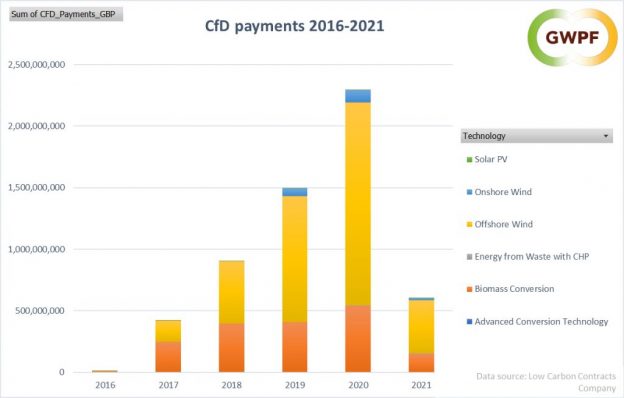
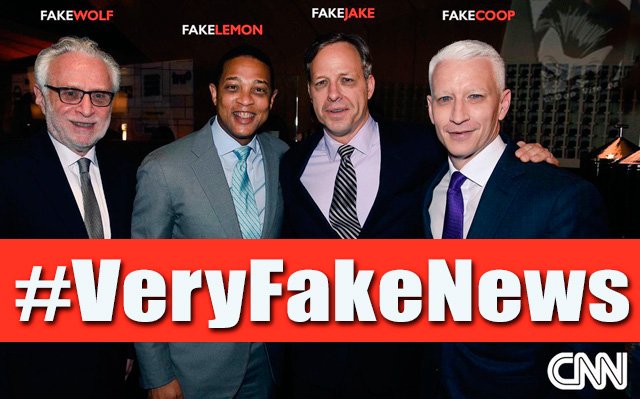
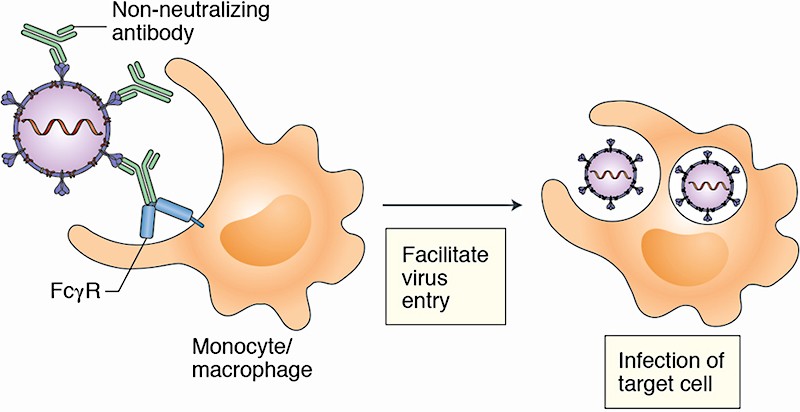

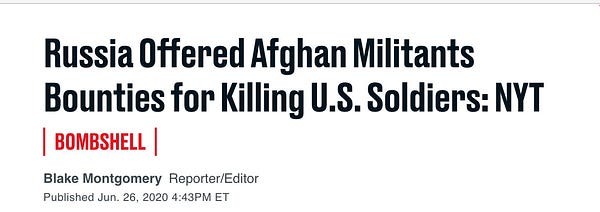
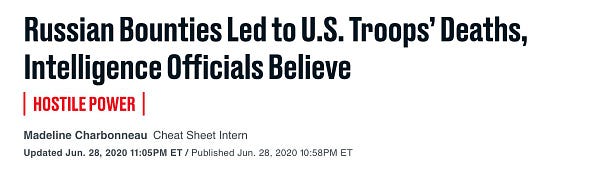
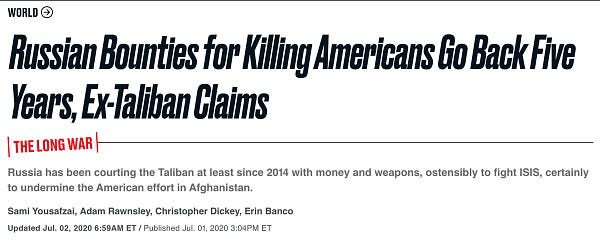

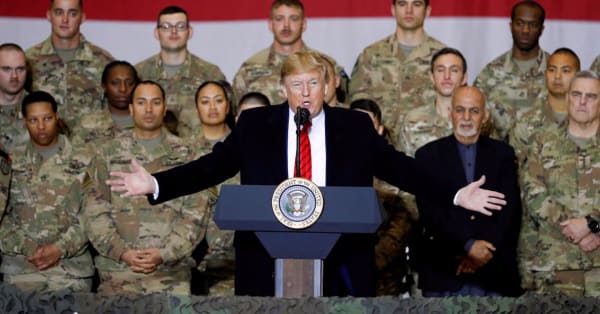



 Aletho News