IN HER INTRODUCTION to ‘A State Of Fear’, Laura Dodsworth writes, “We don’t like to believe we can be manipulated, let alone that we have been manipulated – this book may hurt.”
Hurt it will, pitilessly exposing by turns the damage that fear has done to us over the past year, the way that terror eclipses reason or common-sense, and the way it has been weaponised to control us by the Government’s behavioural scientists. If you care about the future of liberty and democracy in the UK, this book will not help you sleep at night. It may however find a place at the top the pile on your bedside table: its hard-hitting chapters read once with shock and maybe, for some, a degree of incredulity, but then referred to again with increasing belief and conviction as a new revelation, campaign or headline brings home a key theme or passage.
It’s well researched and rigorously factual, but passion and anger shine through every page. They turn it from a dry analysis into a page-turning thriller in which we repeatedly discover ourselves as protagonist, victim, or supporting cast. The anecdotes and observations resonate with moments from our own lives over the past eighteen months, making personal the revelations about the polished levers and engines which generated them.
In a book about fear, perhaps the most frightening point of all is just how easy it now is to control a democratic society through the levers of behavioural science. Without debate or public consent, the Government has built capabilities in department after department to control how we think, feel, and act subliminally using cutting-edge psychology, research and communication. The advent of Covid-19 turbocharged these teams, which were headed by the SPI-B behavioural science committee and handed almost unlimited power and money. As the discipline with the greatest representation on SAGE, behavioural scientists carried more weight in the pandemic even than virologists and medical experts.
Likely anticipating the charge that she has succumbed to the dark theories of those who smell conspiracy in every action of Government, Dodsworth has rigorously researched and checked her claims. What emerges is comprehensive, informative and authoritative: page after page rings true and makes one nod as an anecdote of the past year strikes a chord.
Dodsworth vividly illuminates not just the effects fear has had, but how it influences us and why we are so prone to these extreme reactions. The expert insight and personal testimony show both how fear was created and how it took control of the population, often driving victims to extremes of behaviour that they view in hindsight as totally out of character.
Little here is speculative: the book deals in what we can see and know of events over the past year. It draws on highly-placed sources, though sadly many of those with real inside knowledge are quoted anonymously as they were too frightened of losing their careers to go on the record. This inevitably raises questions over the credibility of their claims, but it’s impossible to dismiss what they say because the substantiation is robust, the evidence convincing, and it so often chimes with personal experience.
At one point, a source in Government is quoted as saying,
“Hancock is quite paranoid and a total ‘wet’. He’s a real panicker.”
This will surprise few people – we can all see Hancock’s shortcomings – but these moments of recognition are important in building our understanding of the way in which politicians moved so quickly from championing freedom to enforcing repression. ‘The fear spread from the health department to the other departments and they all fell under the spell of the SAGE scientists foretelling doom’.
This was a different kind of fear to that felt by the public: fear not of the illness itself, but of its political fall-out. Politicians were terrified of failing in any step which might later be found to have saved lives. The virus might not represent a deadly threat to the vast majority of British people, but it could certainly be lethal to their own prospects for electoral success.
An insider tells Dodsworth that ministers fear ‘they’ll get hauled through the press for their own mistakes and that’s worse for them than ruining people’s businesses.’
This spectre still stalks Whitehall. I’m told that from March 2020 onwards, any Civil Servant minded to reject tough restrictions has simply been asked, ‘what will you tell the Inquiry?’ Few are brave enough to resist that threat. Yet it only works one way – deaths and suffering from Covid-19 may bring retribution. Deaths and suffering caused by restrictions are so unimportant to the decision-makers that they have not even bothered to consider whether the harm of measures may outweigh the benefits. Recovery has been campaigning since its launch for the coming Covid-19 inquiry to be comprehensive, investigating the full impact of the measures taken, positive and negative: this is why it’s so important.
We now know beyond question that the consequences of the Government action will be devastating for many, from the thousands who have not been treated or diagnosed with cancers over the past year to the millions whose livelihoods have gone. The mental health impact alone has been enormous and experts warn that some will bear the scars for life – including many children. This is vividly brought to life via the personal experiences which preface each chapter of the book.
Yet fear sells above all else. Broadcasters have enjoyed unprecedented viewing figures while Covid-19 has raged. An Ofcom report in September found that the average UK adult spent 6 hours 25 minutes watching content in April 2020 – up by an hour and a half from 2019.
That kind of power over eyeballs brings huge influence and profits, so broadcasters who gorge on drama and sensation grow fat. The reporters who provide it win pay rises and awards. For them, the best scientist is not the most accurate or eminent expert, but the one who produces the most wild and exciting prediction: the one which will really get viewers scared.
Reporters rush from No.10 conference to Covid ward with breathless anticipation of a child at a theme park racing from the dodgems to a rollercoaster. It’s what happens next that matters: the next scary number, the next variant. Checking whether the last prediction came true is dull. Boring old cancer and heart disease may be the bigger killers, but they’re old news. No-one has pushed a camera in the face of the grieving relatives of a cancer patient who was turned away for treatment or a worried oncologist. If you want to be heard, you have to talk Covid.
The pressure on Government is no longer to do what is best for the country, but what is best for the story. Over and over again, this leads to poor decision-making. Leaders are rewarded not for good policy, but for media-friendly sound-bites. Today, the business of Government has become less about doing what is right and more about doing what will play out best on the airwaves. Managing the opinion of the country has become more important than managing the country. Behind closed doors, our leaders have taken the logical next step.
Dodsworth reveals how successive governments have assembled a vast interconnected machine for producing and weaponizing fear with the explicit aim of controlling behaviour. Those who operate it argue that their intentions are good.
It’s the old paternalist thinking with a high-tech upgrade. People can’t be trusted to make the correct choices if they are given access to information and left to decide for themselves. So they must be subliminally ‘nudged’ in the right direction (or, during Covid-19, bludgeoned). Information which might disrupt the narrative is suppressed. Those who choose for us won’t admit the possibility that they could get it wrong. We, the ordinary people, are fallible; they are not. As Dodsworth says,
“Nudge is clever people in government making sure the not-so-clever people do what they want.”
All this was already happening prior to Covid-19. Yet it was little studied. A colossal machine was assembled out of public sight without any consideration as to the ethics and consequences, since those involved saw their goals as good and the ends as justifying the means.
As Dodsworth finds, its workings are wrapped in shadow. Attempting to dissect its component parts, she identifies some of the departments involved, but beyond confirming their existence, no-one in Government will answer her questions. In a book which contains many shocks, not least is how much of all this is being hidden from us in our supposedly free and democratic society. Not only are our strings to be pulled without our conscious knowledge, the details of how and why we are being manipulated must be hidden from us, lest we see through the tricks and hold the puppet-masters to account.
Behavioural science regards the mass of humanity as no more than rats in a maze, to be prodded down one alley and forbidden another. The scientists wish to control the rats: they do not accept that the rats should have any control over them.
These are disturbing claims, but the more they are researched, the more substantiation can be found. For example, she refers to the questionable role of Ofcom in enforcing a distorted narrative across the broadcast media, citing the guidance issued to broadcasters on 23 March 2020. This says that any report featuring content around Covid-19 which ‘may be harmful’ will be subject to statutory sanction.
As she points out, these comparatively innocuous words in practice force broadcasters to censure a huge amount of critical content, even where it is accurate, especially where it tends to calm fears or reassure people, since fear has been used to maximise compliance with restrictions.
An online search reveals that this was followed by additional Ofcom guidance on 27 March 2020, which is chillingly explicit. For example, it prohibits the broadcasting of ‘medical or other advice which… discourages the audience from following official rules and guidance.’ There’s no ambiguity here. Ofcom is telling broadcasters that they cannot allow informed, expert opinion, no matter how accurate or important, if it conflicts with the official guidance. This is extraordinary.
It gives added bite to her central point: ‘any regulator charged with upholding freedom of expression – as is the case with Ofcom – should proceed to restrict that freedom only on a closely reasoned basis. That is something Ofcom has manifestly failed to do.”
In the process, it has turned our theoretically impartial broadcasters into mere cheerleaders for restrictions. She argues that what they report is no longer news: “There is a word for only sharing information which is biased and used to promote a political cause: propaganda.”
Could the BBC have done more to preserve its integrity? When reporting restrictions were imposed on it during the Gulf War, it prefaced reports with a reminder that restrictions were in place. It could have done the same here, alerting viewers to the controls on pandemic reporting. It chose not to do so and therefore the public is unaware that anything has changed.
Her interview with Piers Robinson, Co-Director of the Organisation for Propaganda Studies, concludes with the stark warning, ”It is not inconceivable that we are walking into an absolute nightmare in which freedom of speech and debate become significantly curtailed.”
It’s one of many moments in the book where you catch yourself thinking, ‘can this really be happening?’ It’s hard to believe that we have lost so many freedoms without a whisper from the supposed parliamentary Opposition, or that a leader who has championed our liberties so loudly in the past has moved so decisively to remove them.
‘A State Of Fear’ is essential reading if you want to understand how majority backing for the uniquely repressive response to Covid-19 was engineered so quickly. It’s a deeply troubling tale. However, it raises broader concerns about a world in which the combined power of psychology, technology, media and research are increasingly being used to dictate our choices without our knowledge or consent.
These questions go to the heart of our humanity and the kind of world we want for ourselves and our children. How many of us really want to live in fear, even if it means we are protected from our own misjudgements? Can governments be trusted with subliminal tools so powerful that they can instruct us what to think? With ‘A State Of Fear’, Laura Dodsworth has launched a vital debate.
Recovery formed last October to campaign for the Five Reasonable Demands for good government during Covid-19, a moderate, balanced alternative to the Government’s damaging approach to Covid-19, which experts have warned will end up costing many more lives than it saves and the Government itself says has already cost the country as much as the entire Second World War.
Jon Dobinson, is a co-founder and Campaign Director of Recovery, and MD of award winning advertising agency Other. He is a former D&AD judge and Chair of the Creative Jury of the International Business Awards.
There’s been an absolutely brutal campaign against Ivermectin in the public press. I thought it was time to deploy my background as a Toxicologist to review the known toxicity of Ivermectin. Fortunately, a world-class review paper on Ivermectin came out in 2021 by Jacques Descotes, a prominent toxicologist working at the behest of Medincell.
That comprehensive review of Ivermectin reveals that it is among the safest and most well-tolerated drugs ever introduced to the market.
In this episode I walk through the expert review of Ivermectin by Jacques Descotes MD, PharmD, PhD which was conducted in early 2021. We discuss the safety, toxicity, and known side effects and drug interactions, few and mild as they are. The conclusion is that “Ivermectin human toxicity cannot be claimed to be a serious cause for concern.”
“I don’t know where you went to school, but the school where I went to, you had to be vaccinated for measles, mumps, rubella, polio to go to school.”
The measles, mumps and rubella vaccines were not licensed until 1968-71. All children had had all those diseases by then, and so the vaccinations were begun only in young children, and not given to teens or adults.
The first polio vaccine was licensed in 1955.
Fauci was born in 1940. He finished medical school in 1966. He probably received a polio vaccine in high school, but he most certainly never received vaccines for measles, mumps or rubella, which were not in use until he was already a doctor, not a schoolkid.
The majority of Americans oppose President Biden’s vaccine mandate for employees of mid-size or larger companies, according to a recent poll which found many doubt his authority to impose such a rule and fear it will be abused.
Nearly six in ten (58.6%) Americans polled over the weekend believe the president lacks “constitutional authority” to force private businesses to mandate that employees receive vaccination against Covid-19, according to the Trafalgar Group, which published the results of its survey on Monday. Just 29.7% argued he did have the authority, while 11.7% were unsure.
The White House plans to roll out the vaccination mandate announced last week through the Occupational Safety and Health Administration, a subsidiary agency of the Department of Labor. Under the proposed rule, any business with 100 or more employees must require its workers to be vaccinated or receive weekly Covid-19 testing. The mandate is expected to affect as many as 100 million Americans.
Opinions regarding the president’s authority or lack thereof were strongly split along party lines, with 54.9% of Democrats agreeing Biden did in fact have the power to order private businesses to demand their employees be vaccinated. Among Republicans, however, 83.5% believed the president was overstepping his authority, and more than two thirds of independents and those with no party affiliation (68.2%) agreed Biden lacked the ability to make such demands.
Similarly, the vast majority of Republicans – 79.5% – believed the vaccine mandate set a dangerous precedent that “could be abused by future presidents on other issues,” an opinion shared by 58% of non-affiliated voters and even 30.4% of Democrats. The majority of those hailing from Biden’s party, however (54.4%), did not believe the mandate would be abused by future leaders.
Biden’s announcement on Thursday regarding the pending vaccine mandate has polarized the nation, with even many fully vaccinated Americans balking at using government muscle to force a controversial medical treatment on unwilling individuals. Several Republican governors have vowed not to enforce the mandate, a show of defiance which won support from 55.1% of the poll’s respondents. Some 40.1% opposed the governors’ efforts to block Biden’s mandates, however. Party affiliation heavily predicted whether one supported or opposed the dissident governors, with the majority of unaffiliated voters (62.3%) also supporting the governors who had vowed to block the mandate.
No timeframe has yet been unveiled for the mandate to take effect, though the White House has hinted OSHA will deliver the order “in the coming weeks.” There has been little discussion of exemptions, medical or otherwise, and the matter of who will be expected to pay for weekly testing for those who refuse vaccination remains up in the air. Companies that fail to heed the mandate have been threatened with enforcement fees of $14,000 per violation.
Conducted in partnership with the Convention of States Action, the poll surveyed 1,098 likely general election voters.
Our healthcare system is broken, a fact nobody would have disputed in precovid days. Regulatory capture is a reality, and the pharmaceutical industry is fraught with examples. Yet we trusted private-public partnerships to find an optimal solution to a global pandemic, assuming a crisis would bring out the best in historically corrupt institutions.
Here is a brief list of less-than-savory behavior demonstrated by our titans of healthcare:
Pfizer and Johnson & Johnson plead guilty to “misbranding with the intent to defraud or mislead” and paying “kickbacks to health care providers to induce them to prescribe [their] drugs,” resulting in fines of $2.3 billion in 2009 and $2.2 billion in 2013, respectively.
Pfizer settled another lawsuit for “manipulating studies” and “suppressing negative findings” just a few years later.
Gilead Sciences paid $97 million in fines, because it “illegally used a non-profit foundation as a conduit to pay the Medicare co-pays for its own drug.”
In 2005, AstraZeneca’s drug Crestor was shown to be linked to a life-threatening muscle disease while the company withheld evidence of this and two dozen other effects from the public.
In 2012, GlaxoSmithKline paid $3 billion in fines, as it “failed to include certain safety data” relating to their drug, since labeled as connected to heart failure and attacks.
Thankfully, our public health guardians are in place to protect us from the greed and deceit of the private sector, right? Wrong. Enjoy another brief list:
The Food and Drug Administration (FDA) worked behind the scenes with company Biogen to alter previously conducted trials of their $56,000 per year Alzheimer’s treatment, and “by removing the subset of people for whom the drug didn’t work, they found a slight statistical effect in favor of the drug.” Even after doing this, an advisory committee voted 10–0 against approving the drug. The FDA approved the drug anyway, causing three committee members to resign.
In that case, the third-party advisors did the right thing. This is not always the case: a study by Science Magazine tracking 107 FDA advisors for four years found that 62 percent received money from related drug makers, with 25 percent receiving over $100,000 and 6 percent receiving over $1 million. It only takes a few corrupt advisors to fix a panel and feign medical consensus.
In 2017, it was revealed that the acting Centers for Disease Control and Prevention (CDC) director for heart disease and stroke prevention had been secretly communicating with Coca-Cola, providing guidance on how “to influence world health authorities on sugar and beverage policy matters.”
The American healthcare system remains mired in good old-fashioned crony capitalism, fascism, corporatism, mercantilism, protectionism … fancy words for when private companies work with governments to subvert the forces of competition. The suppression of research into off-patent drugs is a nasty symptom of this problem.
While there are countless drugs to which this applies, we will discuss ivermectin. First, addressing the drug’s dismissal by its own manufacturer, Merck, let it be known that ivermectin is no longer under patent. Merck no longer owns exclusive rights to the drug’s production. The forces of competition have been bestowed upon the drug, thus making it far cheaper. Meanwhile, Merck is also currently rolling out an oral covid treatment, which the US government is providing $1.2 billion in funding to research. This would be under patent and may explain the company’s opposition to using ivermectin.
The usefulness of ivermectin remains debatable. However, it’s important to note that in early April 2020, a study at the University of Monash in Australia suggested it can be effective. Moreover, the drug is FDA approved, has existed for forty years, won a Nobel Prize, and is extremely safe when used at recommended levels. Given the crisis and ivermectin’s safety—safe even if not conferring big benefits for covid sufferers—the rush to condemn use of the drug appears suspect. Indeed, a week after the Australian study was published, the FDA advised against using ivermectin for COVID-19 treatment, forcing desperate people to the black market and to self-prescribe versions of the drug intended for animals.
The FDA noted subsequently that “additional testing is needed.” Yet, to date, there has not been a single completed government-funded study on the effectiveness of ivermectin against covid-19. Meanwhile, they have funneled billions toward research into vaccines and patented treatments. The National Institutes of Health (NIH) funded trials for remdesivir, still under patent with Gilead, despite it being less effective and having more severe side effects than ivermectin. The FDA approved remdesivir under emergency use authorization (EUA) despite published trials, later stating “remdesivir was not associated with statistically significant clinical benefits.”
One would think that if “additional testing” is so important, the US government might be interested in funding research to examine the potential benefits of cheap, safe, and proven drugs that have shown some promise in treating covid. But that’s clearly not what going on. Funding is geared toward helping huge pharmaceutical companies develop new patented drugs. As long Big Pharma wants it, and if there’s a profit to be made, apparently our government will be there to provide funding.
Freddie Sayers, the host of UnHerd’s ‘Lockdown TV’, has written an interesting piece for The Telegraph. Commenting on the Government’s insistence that we must vaccinate 12–15 year olds – in defiance of its own expert panel – he notes that a “dangerous new wisdom is forming, which views action as always better than inaction”.
“In this view,” Sayers continues, “long-standing rules and institutions of liberal democracies have been demoted to fussy obstacles that prevent us from replicating the successes of the command-and-control governments of Asia.”
He then makes the important but often overlooked point that “action can be every bit as damaging as inaction”. If only politicians had taken this into account last year, the response to the pandemic might have looked very different.
When I asked Philippe Lemoine why lockdowns were implemented with so little regard for costs, he suggested that politicians didn’t want to “leave themselves open to the accusation of not having done anything to curb the epidemic”. They had to do something, even if that something ended up causing more harm than good.
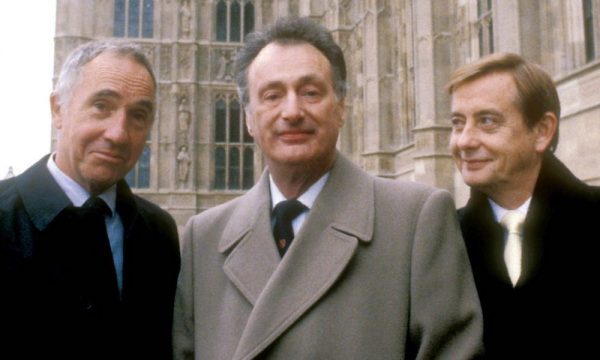
This fallacy was popularised by the much-loved British sitcom Yes, Prime Minister. In the episode ‘Power to the People’, Sir Humphrey Appleby is talking to his predecessor Sir Arnold Robinson about the Prime Minister’s plans to reform local government.
Sir Arnold says, “He’s suffering from politician’s logic,” to which Sir Humphrey replies, “Something must be done; this is something; therefore we must do it.” In other words: ‘Something must be done; lockdown is something; therefore we must do it.’
The incentives that gave rise to ‘politician’s logic’ in this case are obvious. While the ‘benefits’ of lockdown are immediate and visible, the costs may take months or even years to materialise. (By ‘benefits’, I mean the reduction in social and economic activity that is believed to reduce viral transmission.)
Furthermore, even if lockdown’s impact on mortality turns out to be marginal, politicians can claim that things would have been far worse if not for their tough and far-sighted decisions.
After all, we can’t observe the counterfactual of what would have happened in the absence of lockdown. And the politicians themselves? They may well be out of office by the time the full costs of lockdown become apparent.
Incidentally, the fact that ‘politician’s logic’ is a fallacy obviously doesn’t imply we should never do anything. In the case of the pandemic, there was something else we could have done, namely focused protection.
Let’s hope that when the next pandemic arrives, there are a few people around who remember the lessons of Yes, Prime Minister. Just because this is something, doesn’t mean we have to do it.
Curcumin is the major biologically active polyphenolic compound of turmeric and gives the spice its yellow color. Recent research shows the biological activity of curcumin reduces the severity of COVID-19. The results rank curcumin in the top five substances of 25 tested when used early to reduce illness and death from COVID.1
Turmeric is a perennial plant in the ginger family and found native to southern India and Indonesia.2 Like ginger, it is the underground rhizome that is used in cooking and for medicinal purposes. Traditionally, it was used in Ayurvedic medicine and traditional Chinese medicine.3
The cosmetic and fabric industry has also found uses for turmeric, having been used to dye fabric for more than 2,000 years.4 According to Linus Pauling Institute,5 evidence continues to mount showing that curcumin can exert antioxidant, anticancer, anti-inflammatory and neuroprotective activities.
Clinical trials are underway to evaluate the safety and efficacy of the compound as an adjuvant or as a treatment for patients with several types of cancer, including pancreatic, lung, prostate and colorectal cancers. The variety of positive health benefits found with curcumin may be a result of its highly pleiotropic capability, or ability of interacting with a variety of molecular targets.6
In the current environment, researchers have been studying anti-inflammatory compounds in an effort to reduce the severity of COVID-19. After multiple studies, curcumin outranks zinc, quercetin, melatonin and remdesivir, which ranked 24 out of the 25 substances.7
Current Curcumin Studies
The ranking was based on several studies performed in 2020 and 2021. In one study,8 researchers engaged 41 patients who met the inclusion criteria of mild to moderate COVID-19. There were 21 in the group who received nanocurcumin and 20 received a placebo.
The researchers monitored symptoms and laboratory data, finding that symptoms in the intervention group resolved significantly faster and patients’ oxygen saturation was higher after just two days of treatment. It remained higher than the control group through 14 days. Researchers also found it noteworthy that none of the patients who received the nanocurcumin deteriorated during the 14-day follow-up period, but 40% of the control group did.
A second study9 using nanocurcumin recruited 40 patients with COVID-19 to look at inflammatory cytokine expression. They were divided into 20 patients who received nanocurcumin and 20 who received a placebo. The researchers measured cytokine secretion of interleukin-1 beta (IL-1B), IL-6, tumor necrosis factor-alpha and IL-18. They concluded that the data demonstrated nanocurcumin modulates:
“… the increased rate of inflammatory cytokines especially IL-1β and IL-6 mRNA expression and cytokine secretion in COVID-19 patients, which may cause an improvement in clinical manifestation and overall recovery.”
Another study published in Frontiers in Pharmacology10 in early 2021 measured the differences in mortality between a control group and intervention group, each of which included 70 patients. The control and intervention groups received conventional COVID-19 treatment.
In addition, those in the intervention group received curcumin with piperine twice a day and those in the control group received probiotics twice a day. The researchers found patients who had mild, moderate and severe symptoms in the intervention group showed early symptomatic recovery and less deterioration.
Overall, they had better clinical outcomes and a lower death rate than the control group. Based on their results the researchers also concluded that curcumin may be a therapeutic option to prevent post COVID thromboembolic events.
Curcumin’s Action Is Similar to Proxalutamide
The drug in the No. 1 position for early treatment of COVID-19 is proxalutamide. It is an androgen receptor antagonist that was in clinical trials for the treatment of prostate cancer and breast cancer.11 At the start of the COVID-19 outbreak, the company found the drug could limit the expression of transmembrane protein serine 2 (TMPRSS2) and ACE-2 receptors, both which play a critical role in severity of COVID-19.
Ability of the virus to enter pneumocytes depends on TMPRSS2 that is expressed on the surface of human cells in much the same way as ACE-2.12 Interestingly, TMPRSS2 is regulated by an androgen receptor, which means that the ability of the virus to infect the cells is directly dependent on androgenic status.
Past research indicated that men who had androgenetic alopecia hair loss had a greater risk of severe disease and men taking antiandrogenic drugs had a reduced risk of severe disease. This led to the hypothesis that proxalutamide would be beneficial, as it is an androgen receptor antagonist.
The hypothesis was supported in a study13 that engaged 236 men and women with COVID-19. By Day 7, the virus was not detected using a PCR test with a cycle threshold of greater than 40 in 82% of the subjects taking proxalutamide. The average time it took patients to show clinical remission in the treatment group was 4.2 days versus 21.8 days in the placebo group.
In one study14 evaluating the ability of three polyphenols to suppress SARS-CoV-2 viral penetration into human cells, researchers found that curcumin treatments decreased the TMPRSS2 activity by up to 50%. This is similar to the mechanism demonstrated by proxalutamide in the recent studies.
Curcumin Alone Has Poor Bioavailability
Turmeric and curcumin have been challenging to study since curcumin has a low bioavailability when taken orally, which researchers attribute to the body’s limited ability to absorb the compound, as well as rapid metabolism and elimination.15 However, researchers have found there are different compounds, that when taken with curcumin, can raise bioavailability and therefore enhance the multiple health benefits attributed to curcumin.
For example, piperine is an alkaloid found in black pepper, which is responsible for the distinct taste. On its own, it has several health benefits, including anti-inflammatory effects and insulin resistance properties.16 When scientists combine it with curcumin it can raise the bioavailability of curcumin by up to 2,000%17 by blocking the metabolic pathway,18 thus increasing the amount available in the body.
One study published in the journal Medicine19 in 2021 addressed the issues of bioavailability of curcumin as it relates to conflicting dosing strategies and the ability to compare research data. The writers described clinical trials in which purified curcumin was given in relatively large doses, up to 12 grams per day, without achieving measurable plasma levels.20
In addition to combining curcumin with piperine to raise bioavailability, the writers acknowledge manipulating curcumin in other ways can also enhance bioavailability, such as reduced particle size, emulsions, essential oil complexes or the addition of whey protein or surfactants.
At the completion of one study, 17 healthy men between 18 years and 45 years participated in the double-blind, randomized crossover study.23 People who were using any products or food with turmeric within the 14 days before the study started were excluded. The researchers used several serum measurements to determine bioavailability, including the bioactive metabolite, tetrahydrocurcumin.
They found individuals taking curcumin had 39 times higher the amount of free curcumin, 31 times higher the amount of tetrahydrocurcumin, 49.5 times the amount of total curcumin and 52.5 times the amount of total curcuminoids over the compared standard curcumin reference product.24
Curcumin May Reduce Pain in Those With Arthritis
A 2019 report from the Arthritis Foundation25 found that there were 54.4 million people in the U.S. between 2013 and 2015 that had been diagnosed by their physician with arthritis. Conservatively, they estimate this number will increase 49% to 78.4 million people by 2040.
This represents 25.9% of all adults. Additionally, the number whose activities are limited due to their arthritis are estimated to jump from 43.5% of all people with the condition in 2015 to 52% by 2040. The condition is painful, and people often turn to anti-inflammatory and pain medications to relieve the discomfort.
The Arthritis Foundation26 lists topical and oral nonsteroidal anti-inflammatory drugs, steroid, hyaluronic acid, platelet rich plasma and stem cell injections as a means of reducing pain and thus potentially improving activity levels.
However, many of these treatments come with a list of side effects and are not always well tolerated. Since the safety and nontoxicity of curcumin, even at high doses, has been documented in human trials27 studies have evaluated whether the anti-inflammatory effects of curcumin could help those with osteoarthritis, which is the most common form of arthritis.28
One study29 engaged 139 people with knee osteoarthritis for a randomized, open-label, active controlled clinical study to receive either curcumin or diclofenac twice daily for 28 days. Baseline measurements were taken before the interventions began and then again at Days 7, 14 and 28.
The main outcome measure was pain. Researchers also had secondary outcome measures that included anti-ulcer effect, anti-flatulent effect, altered weight and a global assessment of therapy. By Days 14 and 28, there was no statistically significant difference between those taking curcumin and those taking diclofenac in pain measurements.
Those taking curcumin had fewer episodes of flatulence and by Day 28, had a statistically significant weight loss and anti-ulcer effect. No patient using curcumin required an H2 blocker, while 28% of those using diclofenac needed an H2 blocker to reduce excess stomach acid. Researchers found that curcumin had a similar effect in reducing pain to diclofenac but was better tolerated and had fewer side effects.
Additional Health Benefits for Curcumin
Natural plants have been used for medicinal purposes throughout history, and turmeric is not an exception. There is evidence it was used in human health as far back as 4,000 years ago and modern medicine has seen over 3,000 papers published on it within the last 25 years.30
In addition to pain relief, curcumin has also demonstrated the ability to make significant changes in cognitive function and mood in older adults who took the supplement for at least four weeks.31 Researchers found significant improvement in working memory, general fatigue and state of calmness. Additionally, it significantly reduced total and LDL cholesterol.
A second study32 performed at the University of California Los Angeles and published in the American Journal of Geriatric Psychiatry examined the effects of curcumin on individuals who had no history of dementia. The study’s first author, Dr. Gary Small, said in a press release:33
“Exactly how curcumin exerts its effects is not certain, but it may be due to its ability to reduce brain inflammation, which has been linked to both Alzheimer’s disease and major depression.”
The study followed 40 people between ages 50 and 90 who had mild memory complaints. Researchers found those who took the curcumin had significant improvements in memory and attention abilities, as well as mild improvement in mood and significantly fewer amyloid and tau signals in the amygdala and hypothalamus, areas of the brain that control some memory and emotional functions.34
One paper published in 201935 postulated that since chronic inflammation plays such a significant part in obesity, cardiovascular diseases and impaired glucose tolerance, increasing the bioavailability of curcumin may help modulate many of these lifestyle-related diseases.
A meta-analysis of three studies36 that included 326 patients, also found that curcumin has a beneficial effect on irritable bowel syndrome symptoms, and another analysis showed curcumin a being effective and well-tolerated agent for the treatment of some skin diseases.37
Researchers continue to evaluate the effects curcumin has on many conditions driven by chronic inflammation, including rheumatoid arthritis, ulcerative colitis, cognitive decline, major depressive disorders and premenstrual syndrome.38
Although curcumin is generally recognized as safe (GRAS),39 it has been found to increase the risk of bleeding in people taking medications that affect platelet aggregation, such as Lovenox, heparin or warfarin. People who are on chemotherapy should consult with their physician before including curcumin as it has inhibited chemotherapy-induced apoptosis in the lab.40
Additionally, curcumin may interfere with the metabolism of some drugs used in the U.S. and piperine, sometimes included with curcumin to increase bioavailability, may also affect the elimination and bioavailability of certain drugs.
Throughout its post-WW II history, North Korea never preemptively attacked another country.
Its peaceful foreign policy is in stark contrast to US, Western, apartheid Israeli forever wars on invented enemies.
The right to self-defense is inviolable under international law, including under Article 51 of the UN Charter.
It prohibits one nation from attacking another except in self-defense, stating:
“Nothing in the present Charter shall impair the inherent right of individual or collective self-defense if an armed attack occurs against a Member of the United Nations, until the Security Council has taken measures necessary to maintain international peace and security.”
North Korea’s military and weapons development are all about protecting the nation from possible US/Western aggression, including its nuclear and missiles technology.
On Monday, its Yonhap News Agency headlined “N. Korea test-fires new long-range cruise missiles,” saying:
“North Korea has successfully test-fired a new type of long-range cruise missiles over the weekend,” adding:
“The test-firings took place on Saturday and Sunday after two years of research, according to the Korean Central News Agency (KCNA).”
“The development of the long-range cruise missile, a strategic weapon of great significance…. has been pushed forward according to the scientific and reliable weapon system development process for the past two years.”
“Detailed tests of missile parts, scores of engine ground thrust tests, various flight tests, control and guidance tests, warhead power tests, etc. were conducted with success.”
Voice of Korea (VOK) called the tested missiles nuclear-capable, adding:
They’ll serve as an “effective deterrent ensuring the security of our state more firmly and overpowering powerfully the anti-DPRK military moves of the hostile forces.”
Carnegie Endowment for International Peace senior fellow Ankit Panda said the following about the reported tests:
“A long-range, nuclear-capable cruise missile complicates how its adversaries need to think about positioning radars and investing in cruise missile defense capabilities more generally.”
MIT Professor Vipin Narang said “a nuclear cruise missile makes a lot of sense to evade missile defenses.”
They’re “air-breathing so they can fly low and maneuver.”
VOK reported that tested missiles were fired from a five-canister wheeled transporter erector launcher.
North Korean state media said “(d)ozens of static firing tests” of a “newly-developed turbofan engine” were conducted.
“(D)ifferent flight tests, controlling… guiding… and warhead destructive tests were successfully made.”
Missiles fired “flew 1,500 kilometers for 7,580 seconds along the flight track of oval and figure-eight set in the territory and territorial air of our state before hitting the targets.”
According to International Institute for Strategic Studies (IISS) military analyst Joseph Dempsey:
Tests conducted are “significant development and direction of intent, but we should be wary of assuming or assigning similar capabilities that we associate with other contemporary land-attack cruise missiles at this stage.”
More information or independent confirmation is needed to know to what extent DPRK technology advanced.
In response to the tests, the Pentagon’s INDOPACOM said the following:
“We are aware of reports of DPRK cruise missile launches.”
“We will continue to monitor the situation and are consulting closely with our allies and partners.”
“This activity highlights DPRK’s continuing focus on developing its military program and the threats that poses to its neighbors (sic) and the international community (sic).”
Nonbelligerent North Korea threatens no one.
US-dominated NATO threatens world peace.
A Final Comment
Last month, North Korean envoy to Russia Sin Hong-chol said the following:
“The US should pull out its aggressive troops and military hardware deployed in South Korea to achieve peace on the Korean Peninsula.”
“As long as US forces are based in South Korea, the main reason behind periodical exacerbation of the situation on the Korean Peninsula will never be eliminated.”
“The current situation proves that only real force and not words can ensure peace and security on the Korean Peninsula.”
Stressing the importance of strengthening his country’s military to deter foreign threats,” he added:
“We have already clearly said that we will treat the US on the principle of ‘force for force’ and ‘good for good.’ ”
Hostile US actions include “aggressive military exercises at such an extreme time when international attention is concentrating on Korean Peninsula developments show that they are the instigators who destroy peace and security of the region, while ‘commitment to diplomacy’ and ‘dialogue without preconditions’ that the current US (regime) is ranting about are nothing but hypocrisy.”
Calling US/S. Korea military actions “rehearsal(s)” for war against the North, he slammed their “military madness.”
Pyongyang believes that the Biden regime “will be more openly engaged in hostile actions (ahead) against Asia Pacific states, including Russia” and China.
Latvia’s capital RIga briefly turned into a warzone at the weekend, with heavily armed soldiers firing weapons among startled civilians. The firefight turned out to be an exercise that had somehow not been marked or cordoned off.
Multiple videos of the incident surfaced online on Saturday, promptly going viral. Footage from the scene shows multiple soldiers in the middle of a street, crouching behind cars and firing their weapons at a building.
One of the solders discharged his assault rifle as a woman with her baby was passing by, another video shows. The woman was left visibly shaken, while the baby began crying.
There were no visible cordons or markings that the area was being used for drills, with pedestrians walking right next to the heavily armed troops. The exercise looked very lifelike, with only an unarmed supervising officer casually moving among the troops serving to indicate that the street had not turned into an actual warzone.
The incident has drawn an overwhelmingly negative reaction, with the comment sections of the videos full of angry remarks. Some said that residents of the city should have at least been given clear notice via SMS, while others argued that the area should have been completely cordoned off.
Following the outcry, the military gave a lackluster apology, stating that it uses only blank cartridges for such events, and insisting that no harm was caused.
“During such drills, we only use blank cartridges, which make noise but do not pose any danger to the health and life of others. In this case, blank cartridges were also used, and this situation was a bitter misunderstanding, for which we apologize. The Defense Ministry calls on the public to show understanding for the exercises,” the ministry said in a statement cited by the TVnet website.
The Riga ‘firefight’ came as a part of the NATO Namejs 2021 war games, which are running from August 30 to October 3 across multiple locations in Latvia. The exercises involve some 9,300 soldiers from different countries of the bloc. Three soldiers were injured during the drills in a separate unspecified accident on Saturday, with the Defense Ministry stating that two servicemen from the “allied armed forces” had ended up hospitalized in “stable” condition.
The number of Jewish American moving into illegal settlements in the Israeli-occupied West Bank has increased dramatically, according to recent data from Tel-Aviv’s Central Bureau of Statistics.
Out of the 2,296 US citizens who migrated to the occupation state last year, 191 moved into illegal settlements. This represents nearly a threefold increase from the previous year when less than three per cent settled in Palestinian territory.
American Jews are also the most likely to settle in occupied territory compared with fellow Jews from other parts of the world. While they accounted for just over ten per cent of all the newcomers arriving in Israel last year, they made up nearly a third of those opting to settle in the West Bank.
This disparity is said to be due to the American Jewish community being more orthodox and tending to hold right-wing supremacist views, such as that all of the territory from the River Jordan to the Mediterranean Sea was granted to Jews by God.
Another reason is that the Jewish organisation subcontracted to handle the logistics of immigration from the US is the private Nefesh b’Nefesh. The group is said to encourage American Jews to settle in the occupied West Bank. About a quarter of the communities highlighted on its website are located in illegal settlements, such as Efrat, Ma’aleh Adumim and Elkana. It makes no mention of the fact that these places are not within Israel.
The ugly reality of the takeover of Palestinian land by settlers arriving from the US grabbed international attention earlier this year when an American-born Israeli, Yaakov Fauci, was captured on video trying to evict the Palestinian El-Kurd family from their home in the Sheik Jarrah neighbourhood of occupied East Jerusalem.
“If I don’t steal it, someone else is going to steal it,” said Fauci in a video that went viral and sparked international condemnation. He was born in Long Island, New York, and was recruited by Nahalat Shimon International, a US-based settler organisation seeking to change the demographics of occupied East Jerusalem.
Unaware that he was on a hot mic and being broadcast live on a TV station, Israeli health minister Nitzan Horowitz admitted that vaccine passports were primarily about coercing skeptical people to get the vaccine.
“Imposing “green pass” rules on certain venues is needed only to pressure members of the public to get vaccinated, and not for medical reasons, Israeli Health Minister Nitzan Horowitz said on Sunday, ahead of the weekly Cabinet meeting,” reports Jewish News Syndicate.
Unaware that his words were being broadcast live to the nation on Channel 12, Horowitz told Interior Minister Ayelet Shaked that not only should the green pass be removed as a requirement to dine at outdoor restaurants, but also, “For swimming pools, too, not just in restaurants.”
“Epidemiologically, it’s true,” said Horowitz, adding, “The thing is, I’m telling you, our problem is people who don’t get vaccinated. We need [to influence] them a bit; otherwise, we won’t get out of this [pandemic situation].”
The health minister went on to acknowledge that the system wasn’t even being enforced in most venues.
“There is a kind of universality to the ‘green pass’ system, other than at malls, where I think it should be imposed, [because] now it’s clear that it applies nowhere,” he said.
Israel was once lauded for its successful vaccine rollout and the speed with which it introduced vaccine passports.
The green pass was heralded as an “early vision of how we leave lockdown.” However, the country recently reported its highest ever number of daily COVID cases, with nearly 11,000 infections being recorded.
Although the early threat that the unvaccinated would be banned from entering numerous public venues convinced many younger people to get the vaccine, once it rolled out, the ‘green pass’ system was rarely even enforced and was subsequently scrapped at the end of May.
But once cases started rising again later that summer, Israel’s vaccine passport system was reintroduced and expanded.
Meanwhile, Sweden, which never imposed a hard lockdown, recently banned travelers arriving from Israel from entering the country.
Millions of Australians are extremely concerned about the federal government’s push to force hastily approved and poorly tested novel vaccines on the population, when adequate long term safety data is unavailable.
It is also is of great concern that many notable doctors and medical researchers reporting successful treatment using cheap, safe generic anti viral drugs appear to be ignored by the government and TGA, due to these generic drugs being of little commercial value and not sponsored by pharmaceutical companies for approval by the TGA.
We therefore ask the House to formally request that the TGA assess the use of Ivermectine and Hydroxycloriquine, in the recommended dosages and combination with complimentary drugs, based on the peer reviewed studies and data, and the recommendation of notable Australian medical researchers such as Professor Thomas Borody and Professor Robert Clancy.
We ask that the house requests this of the TGA in the absence of sponsorship by a pharmaceutical corporation, seeing as both of these drugs are generic and of little commercial value to an individual company, and due to the conflict of interest many of these companies have with competing patented vaccines of far higher commercial interest.
We believe that if this is performed thoroughly and transparently it will restore public faith in the federal government, and also provide confidence to the public that all options for treatment are being honestly explored.
The petition is currently open for signatures. [until September 29th]
To see more and sigh the petition, see here: aph.gov.au
The Saban Center’s prescient paper on war with Iran
By Maidhc Ó Cathail | October 20, 2011
In June 2009, the Saban Center for Middle East Policy published “Which Path to Persia?—Options for a New American Strategy toward Iran.” Writing in a tone strikingly reminiscent of the Project for a New American Century’s infamous pre-9/11 paper “Rebuilding America’s Defenses,” the six co-authors noted that, “It seems highly unlikely that the United States would mount an invasion without any provocation or other buildup.” For a think tank specifically established by media mogul Haim Saban to protect Israel, this could prove to be a formidable obstacle impeding their desired march—of U.S. troops—to Tehran.
“In fact, if the United States were to decide that to garner greater international support, galvanize U.S. domestic support, and/or provide a legal justification for an invasion, it would be best to wait for an Iranian provocation, then the time frame for an invasion might stretch out indefinitely,” Saban’s think-tankers ruefully observed.
“With only one real exception, since the 1978 revolution, the Islamic Republic has never willingly provoked an American military response, although it certainly has taken actions that could have done so if Washington had been looking for a fight. Thus it is not impossible that Tehran might take some action that would justify an American invasion. And it is certainly the case that if Washington sought such a provocation, it could take actions that might make it more likely that Tehran would do so (although being too obvious about this could nullify the provocation). However, since it would be up to Iran to make the provocative move, which Iran has been wary of doing most times in the past, the United States would never know for sure when it would get the requisite Iranian provocation. In fact, it might never come at all.”
Seemingly undeterred by Iran’s frustrating unwillingness to provide the requisite provocation, the analysts continued to examine this option… continue
This site is provided as a research and reference tool. Although we make every reasonable effort to ensure that the information and data provided at this site are useful, accurate, and current, we cannot guarantee that the information and data provided here will be error-free. By using this site, you assume all responsibility for and risk arising from your use of and reliance upon the contents of this site.
This site and the information available through it do not, and are not intended to constitute legal advice. Should you require legal advice, you should consult your own attorney.
Nothing within this site or linked to by this site constitutes investment advice or medical advice.
Materials accessible from or added to this site by third parties, such as comments posted, are strictly the responsibility of the third party who added such materials or made them accessible and we neither endorse nor undertake to control, monitor, edit or assume responsibility for any such third-party material.
The posting of stories, commentaries, reports, documents and links (embedded or otherwise) on this site does not in any way, shape or form, implied or otherwise, necessarily express or suggest endorsement or support of any of such posted material or parts therein.
The word “alleged” is deemed to occur before the word “fraud.” Since the rule of law still applies. To peasants, at least.
Fair Use
This site contains copyrighted material the use of which has not always been specifically authorized by the copyright owner. We are making such material available in our efforts to advance understanding of environmental, political, human rights, economic, democracy, scientific, and social justice issues, etc. We believe this constitutes a ‘fair use’ of any such copyrighted material as provided for in section 107 of the US Copyright Law. In accordance with Title 17 U.S.C. Section 107, the material on this site is distributed without profit to those who have expressed a prior interest in receiving the included information for research and educational purposes. For more info go to: http://www.law.cornell.edu/uscode/17/107.shtml. If you wish to use copyrighted material from this site for purposes of your own that go beyond ‘fair use’, you must obtain permission from the copyright owner.
DMCA Contact
This is information for anyone that wishes to challenge our “fair use” of copyrighted material.
If you are a legal copyright holder or a designated agent for such and you believe that content residing on or accessible through our website infringes a copyright and falls outside the boundaries of “Fair Use”, please send a notice of infringement by contacting atheonews@gmail.com.
We will respond and take necessary action immediately.
If notice is given of an alleged copyright violation we will act expeditiously to remove or disable access to the material(s) in question.
All 3rd party material posted on this website is copyright the respective owners / authors. Aletho News makes no claim of copyright on such material.





 Aletho News