Wherever you look, it feels like we are being bombarded now with an unprecedented level of fake news. One reason may well be how the installed governments by western elites – military industrial complex and banking – are getting very skittish indeed about a shake up of world order in November when the airhead Kamala Harris takes on Donald Trump in the presidential elections. This new trend of installing a useful idiot into power has been around for decades across Africa and Asia where the U.S. and before that the UK installed their own despots to serve their own needs, so we shouldn’t be so shocked by someone like Harris having the landscape prepared for her.
To call Harris a ‘lightweight’ is understating her political verve. She has none of the conventional talents that politicians require like public speaking, or engaging with media, let alone having any ideas of her own which might make it one day to policy. For most Americans the choice in November is between Harris, who is essentially Biden 2.0 or Trump. Not exactly a tough call many might say since RFK endorsed Trump who traditionally he has not been a fan of; it’s as though he’s saying to Americans, “anything but Kamala. Do the maths”.
Media is of course playing a huge and certainly tawdry role in pushing her which is not generally noted by most Americans. For weeks she has ignored or avoided all serendipitous contact with journalists which surely must be orders from the elite who are controlling her. And there is good reason for this as the internet is awash with her talking gibberish. Or dancing.
Talking mumbo jumbo won’t help her at the polls against Trump who revels at the microphone and is not afraid to go head to head with journalists and unscripted interviews, despite him whining about how unfair the set-up is.
What he is alluding to is that left-wing media in America like CNN fake the news and as we saw recently almost certainly gave Kamala a print out of the questions she was going to face with her recent CNN interview where she was joined by her running mate just in case she did something which broadcast journalists call ‘goldfishing’ – an on-screen facial contortion where the lips and cheeks move, but nothing comes out of the mouth. In Kamala’s case, goldfishing might not be as bad as actually speaking, as she has shown us that there is not much between the ears. She is not overburdened with what many academics have of knowing too much and not being able to communicate in short sound bites. Harris doesn’t really know anything at all except a few talking points from Biden’s days. Her own people will be happy with the staged interview as they can at least counter op-ed writers who claim she is so lame that she avoids all press. Thanks CNN. Great jaaaabbbb.
Harris is seen as the most suitable candidate to further the causes of America’s military industrial complex whose six main companies cannot slow production down, unless they make job layoffs. The insatiable hunger of this machine is responsible for the lion’s share of U.S. foreign policy and Biden gave his cronies their one hundred Christmas’s when he created the Ukraine war and more recently Gaza. In Gaza the false reporting from western media is as repulsive as the images of children who have lost their entire brains and whose heads look like theatrical floppy props, which has become the day to day norm now when Israel bombs schools. Does anyone in the west in either camp still believe this is a “war” against Hamas fighters? With the recent invasion of West Bank and the rise of settlers stealing land there, surely the real story of Netanyahu’s campaign is there for all to see in plain light: ethnic cleansing on a grand scale to wipe Palestinians off the face of “Israel”. And still we read western journalists and op-ed writers parroting the line about ‘two state solutions’ and what the EU says, etc etc. By the time the chairs are arranged and the mineral water is put on the tables, there will not be a Palestinian left to even represent his or her own state. Everyone knows the two-state solution is a massive parody of diplo gibberish a bit like Kamala’s few media stints which are still good for a laugh today. And it’s an identical story in Ukraine. No western journalists can report on the true story of Ukrainian losses in Kursk and how the operation has blown up in Zelensky’s face. The omission of reporting key facts and data is just as bad as making up your stories, if not worse.
Ukrainian casualties and loss of military hardware are intensifying, which is shifting the attrition rates even further to Russia’s advantage. The rapid increase in losses with the losing side is a very common phenomenon toward the end of a war, with a common example being the spike in German casualties at the final stages of the Second World War.
In a war of attrition, the losses will naturally increase when the war machine has reached its breaking point. Soldiers have weaker strategic positions, there is a lack of resources, supply chains are not sufficiently defended, communications often break down, and there is a collapse in morale. Once the collapse begins, it often has a cascading effect. An early indicator of a cascading effect was when Ukraine began to struggle with air defence systems, which resulted in Russia being able to bring in its air force equipped with powerful glide bombs. Subsequently, holding strategic positions and avoiding high casualty rates became increasingly challenging and new problems began to emerge.
The Collapse has Begun
It appears that we have entered the final stages of the war due to the cascading effect. Ukraine is seeing its logistics break down, and there is a lack of weapons and ammunition that prevents soldiers from performing optimally.
The greatest challenge appears to be the lack of manpower, in which there are no good solutions. More aggressive mobilisation deprives society of important labour, it creates social upheaval as the public observes their family and fellow citizens being dragged off the streets and thrown into vans. Furthermore, the recruits receive less training and are much less motivated than the soldiers who volunteered at the beginning of the war. Simply put, a new army cannot be built in a rush. As a result, Ukraine began using and losing its best soldiers.
The Ukrainian frontline sees a growing lack of military resources, reinforcements do not turn up, and communication with military command becomes less reliable. The increasingly difficult position on the front causes a spike in soldiers who defect and surrender, while even entire military companies have withdrawn from their positions without permission. Predictably, this unpredictability creates less cohesion along the frontline as unreliable soldiers can be a tremendous liability as the front lines do not hold.
With the Ukrainian frontlines breaking, troops find themselves encircled and their option is either to surrender or to pursue a disorganised withdrawal in which the retreating forces are exposed and can be knocked out by the Russian military. Incrementally, the Ukrainians find themselves with fewer strategic positions, supply lines are severed, there is an even greater shortage of military equipment and manpower, and morale continues to collapse. As the situation deteriorates, communication and coordination unavoidably suffer, as for example, Ukraine seemingly shot down its own F-16 with a patriot missile.
The war has been lost, and with the writing on the wall, the Ukrainian army becomes more vulnerable to its officers striking a deal with Russia. Some are likely angered by a sense of betrayal as the US and NATO provoked the war and sabotaged the Istanbul peace agreements with the promise that Ukraine would receive all the weapons and assistance it needed to defeat Russia. While there is no evidence of Ukrainian officers defecting, it seems as if Russia’s intelligence and spy network has improved over the past weeks.
The Last-Ditch Gamble
Another common feature in a losing war is the desperation that encourages great risks in a last-ditch effort to turn everything around. The invasion of the Russian region of Kursk is a great example as most Ukrainian, Russian and Western observers initially seemed to agree that this was a great risk with a low chance of succeeding. However, the propaganda machine was thereafter turned on as journalists began reporting on successes, measured mostly in terms of humiliating Putin or boosting morale among Ukrainian soldiers. Yet, the temporary victory in the information war eventually gives way to losses in the real world. Ukrainian troops and equipment were diverted away from well-prepared defensive lines in Donbas in favour of being exposed in the open on foreign territory.
In Donbas, the front lines are collapsing, and in Kursk there are massive casualties. The problem was exacerbated by the lack of reliable supply lines for weapons and fuel, while engineering equipment could not be sent in to dig in at the new positions within Russian territory. The few remaining air defence systems and HIMARS had to be brought much closer to the border, which could then be detected by Russian surveillance and destroyed by Russian missiles and drones. Huge amounts of military resources were squandered on territory with hardly any strategic value, which Ukraine is not able to hold. The inability to pull out of Kursk compels Ukraine to double down on failure and the situation goes from bad to worse.
As the collapse intensifies, the winning side in a war typically increases its pressure. Russia has increased its deep missile strikes, and its military is pushing through what used to be well-defended front lines. Russia’s more powerful bombing campaign is also motivated by retaliation for the invasion of Kursk and to restore its deterrence by warning NATO against further escalations. Furthermore, Russia has retaliated by further destroying Ukraine’s energy network which reduces the mobility of the military, and reduces the industrial production and the ability to get through the next winter. Millions of Ukrainian civilians who are suffering greatly under these deteriorating conditions will likely leave the country when winter approaches, which will bring further problems to both Ukraine and Europe.
A Proxy War: How Will NATO Respond to Defeat?
What makes the Ukraine War different from many other wars, is that this is a proxy war in which NATO uses Ukrainians to fight Russia. The uncertain and unpredictable variable is therefore how NATO will react as it loses the proxy war in Ukraine. NATO is already providing weapons, ammunition, training, intelligence, target selection, war planning, managing complex weapon systems, and sending Western mercenaries. NATO’s support for strikes inside Russian territory and the invasion of Russian territory has already taken us to the brink of a direct war. The Americans appear to get ready to cut their losses and instead shift focus on confronting China, but the Europeans have bet everything on defeating Russia militarily. In terms of capabilities, it is the US that matters.
There are simply no good solutions anymore. The only two options are to either negotiate or get increasingly involved in direct fighting. NATO has largely rejected diplomacy and placed itself in a rhetorical trap in which victory is the only acceptable outcome, and the EU even punishes member states such as Hungary that attempt to restore diplomacy and negotiations with Russia. However, more direct NATO involvement will likely trigger a direct war with Russia, the world’s largest nuclear power, and it is unclear what a “victory” would look like that would not first trigger a nuclear exchange.
This is the time to restore diplomacy and return to negotiations, although it will take some time to reverse the propaganda of the past decade and prepare the public for a new narrative. Much like in Afghanistan, the political-media elites will assure us that we are winning until we flee with people falling off planes.
I spoke briefly about the rising Ukrainian casualties on WION
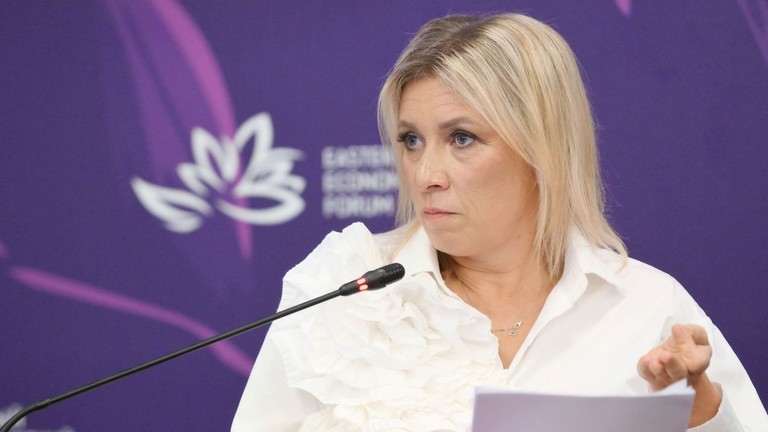
Russia will give an immediate and painful response to further acts of terrorism committed by Kiev, Russian Foreign Ministry spokeswoman Maria Zakharova warned on Wednesday, directing her comments to EU and NATO leaders.
Speaking on the sidelines of the Eastern Economic Forum (EEF) in Vladivostok, Zakharova stressed that Western leaders are “losing touch with reality” and are “absolutely not thinking about the risks of further dangerous escalation of the conflict, even in the context of their own interests.”
“We would like to warn such irresponsible politicians in the EU, NATO and across the ocean, that if the Kiev regime takes corresponding aggressive steps, Russia’s response will follow immediately,” Zakharova said, adding that this response will be “extremely painful” and that “much of this” has already been visible in recent days, apparently referring to Russia’s recent long-range strikes on targets across Ukraine.
Over the past several days the Russian Defense Ministry has reported carrying out a number of massive strikes on Ukrainian energy and defense-industry facilities, and claimed to have destroyed a number of buildings being used for the production and repair of aircraft, missiles, and UAVs, as well as storage sites, and deployment points for “nationalist formations and foreign mercenaries.” It also reported destroying a training facility housing foreign instructors.
During her address, Zakharova also suggested that Western officials have been ignorant of the potential consequences of their continued support of Kiev.
”I think the Europeans don’t fully understand what they are being dragged into,” the spokeswoman said. “They are being dragged in by the US, the Anglo-Saxons. It seems to me they haven’t yet understood what a plague they have created with their own hands in the form of the terrorist Kiev regime.”
Zakharova warned that the battalions that will be created from Ukrainian citizens recruited from Europe will eventually also strike back at Western European countries themselves. “They have fattened up there, sat it out, and recovered. They will strike in the same way as all international terrorist cells previously created by the West did,” she said.
“For the first time in history, Europe itself has given birth to an international terrorist cell,” the spokeswoman said, warning that “this terrorist monster will operate all over the world” and will strike Western Europe because “they always return to those who created them.”
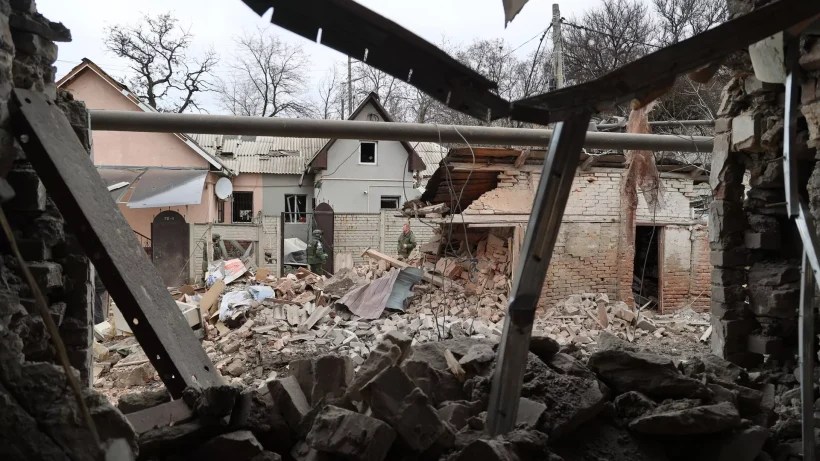
A Ukrainian artillery strike has killed at least three people at a market in the city of Donetsk, the capital of Russia’s Donetsk People’s Republic, Governor Denis Pushilin reported on Wednesday.
Ukrainian forces used 155mm shells to strike the Sokol market in the city’s Kirov neighborhood, the official stated. Two men and one woman were killed, while five other people were injured in the attack, he said, citing preliminary reports.
There were several other incidents in the region, including a drone bombing in a rural area in which a young woman was injured, Pushilin added.
Some media outlets have suggested that the weapon used in the attack was a French Caesar howitzer. Footage from the scene shows trade pavilions and a car apparently riddled with shrapnel.
On Tuesday, the Ukrainian military suffered a significant blow when a Russian missile strike hit a training center in the city of Poltava. Scores of troops were killed and injured in what the country’s leader, Vladimir Zelensky, described as an attack on “an educational facility.” The Russian military claimed that the facility housed foreign instructors who trained Ukrainians in military communications, electronic warfare, and drone operations.
Donetsk has been suffering from Ukrainian attacks since 2014, when its people rejected the government in Kiev that was installed following a US-backed armed coup. The new authorities unsuccessfully tried to quash the rebellion by military force, resulting in a frozen conflict.
The hostilities between Russia and Ukraine started in 2022. Moscow accused Kiev of stonewalling a negotiated roadmap for reintegrating Donbass and preparing a new military assault instead. People in what was at the time the self-proclaimed Donetsk People’s Republic voted in a referendum to join Russia in September of that year, along with the Lugansk People’s Republic.
Over the past several months, Russian forces have been pushing Ukrainian troops from their fortified positions in Donbass.
The purpose of the war is “extermination, not of soldiers alone, that is the least part of the trouble, but the people.”
Letter from General Sherman to Mrs. Sherman, July 31, 1862
“[H]ad the Confederates somehow won . . . they would have found themselves justified . . . in stringing up President Lincoln and the entire Union high command for violation of the laws of war, specifically for waging war against noncombatants.”
Lee Kennett, Marching Through Georgia: The Story of Soldiers and Civilians during Sherman’s Campaign, p. 286.
“Distinguished military historian B.H. Liddell Hart observed that the code of civilized warfare which had ruled Europe for over two hundred years was first broken by Lincoln’s policy of directing the destruction of civilian life in the South.”
Charles Adams, When in the Course of Human Events, p. 116.
In When in the Course of Human Events: Arguing the Case for Southern Secession Charles Adams wrote of how the first Geneva Convention on War took place in 1863, followed by three more, with the last one being in 1949. The 1863 convention codified the laws of war as were understood at the time to say: 1) Attacking defenseless cities and towns was a war crime; 2) Plundering and wantonly destroying civilian property was a war crime; and 3) Only necessities could be taken from a civilian population, and they had to be paid for. Some historians, Adams wrote, claimed that these laws were the laws of war for four centuries and that they were all broken by the Lincoln regime. The lawlessness of the Lincoln regime, in other words, set the stage for the military atrocities of the twentieth century.
Most Americans have been taught to ignore the Lincoln regime’s war crimes by repeating Sherman’s CYA quip, “war is hell.” But there is a clear historical record of rape, murder, torture, arson, and the bombing of civilian occupied cities by the Union army. See for example War Crimes Against Southern Civilians by Walter Brian Cisco; The Civil War by Shelby Foote; Union Terror by Jeffrey Addicott; and South Carolina Citizens in Sherman’s Path by Karen Stokes for starters.
There you will learn that there was so much murder, arson and theft in Missouri that vast sections of the entire state were uninhabited by the war’s end. Entire towns, including my former town of Bluffton, South Carolina, were burned to the ground with every private residence set ablaze by U.S. Army “soldiers.” The Union Army was an army of pyromaniacs, rapists, and thieves.
In August of 1863 Charleston, South Carolina was not defended by Confederate forces when a six-month bombardment of the city commenced, exploding more than 22,000 artillery shells in the city. Unexploded shells were still being found a century later.
Sherman ordered the four-day bombardment of Atlanta in the Fall of 1864 when it was only occupied by women, children, infants, and elderly men, with his artillerists targeting homes where they spotted human habitation. As many as 5,000 artillery shells rained down on Atlanta’s civilian population in a single day. Corpses littered the streets, something that Sherman called “a beautiful sight.” Thousands of surviving residents were homeless at the onset of winter.
Such war crimes were committed by Lincoln’s army, with his direction and full knowledge, for the duration of the war. It is said that when the Prussian military invited Sherman’s sidekick, General Phil Sheridan, to present a lecture on the American way of war the Prussians – no shrinking violets – were shocked and disgusted by how he described the murder, rape, plunder, and arson that occurred under his command in the Shenandoah Valley.
Just three months after Robert E. Lee surrendered the Army of Northern Virginia General Sherman was put in charge of the “Military District of the Missouri,” which was all land west of the Mississippi River. His orders were to essentially wage a campaign of genocide against the Plains Indians, which he did for the next twenty-five years, killing some 45,000 of them, women and children included, and placing the rest in concentration camps called “reservations.” In 1891, the year of his death, Sherman expressed his regrets that his army did not kill every last Indian. He is famously associated with the genocidal quip, “The only good Indian is a dead Indian.” He did all this, he once said, “to make way for the [government-subsidized] railroads,” of which he was a major stockholder.
During the Philippine Insurrection (1889) the U.S. Army killed some 200,000 Filipinos, with some estimates that a million civilians were killed. That was after the Spanish-American War also massacred thousands of civilians.
All of this was brought to mind when I recently ran across a 2010 book entitled Hellstorm: The Death of Nazi Germany, 1944-1947 by Thomas Goodrich. (There is also a YouTube video, “Hellstorm: The Genocide of Germany”). It is a hard book to read because it describes the results of the American way of war (imitated by the Russians, British, and Germans as well) combined with twentieth century military technology.
Goodrich starts by writing of how Hitler’s 1925 Mein Kampf promised to rid Germany of all “Jewish influence” if he were to ever obtain political power. This naturally “alarmed Jews worldwide . . .” Influential Jewish businessmen first organized an international boycott of the German economy and of course denounced the National Socialist German Workers Party (the Nazis). That quickly turned into what the organizer of the boycott called a “holy war” against “cruel and savage beasts,” i.e., all Germans.
Goodrich quotes Hollywood script writer Ben Hecht as writing that a “cancer” flourishes in the world in the form of “Germany, Germanism, and Germans.” They are “murderers, foul and wanton,” said the Hollywood movie script writer. “Germany must perish,” added Theodore Kaufman in a book of that title. He argued that, after the war, “all German men and women should be sterilized” to eliminate the disease of “Germanism and its carriers.” The New York Times praised this as “A Sensational Idea” while the Washington Post labeled it “A provocative theory.”
Franklin D. Roosevelt made these calls for “extermination” and genocide official when he endorsed the so-called “Morgenthau Plan,” named after his Treasury Secretary Henry Morgenthau. The plan called for the complete destruction of Germany after the war by the dismantling of all industry and the confiscation of massive amounts of land, among other things. The plan estimated that the result would be death by starvation of some 50 million Germans. Their hope was that “within two generations Germany would cease to exist.” When others expressed shock at such a barbaric proposal, Morgenthau snapped, “They asked for it. Why the hell should I worry about what happens to their people?” Morgenthau obviously wasn’t worried about what might happen to him in the afterlife.
Winston Churchill also endorsed the plan and, it goes without saying, so did Stalin. Goodrich claims that Hitler considered the war to be a war against “Jewish Bolshevism” since “Lenin, Trotsky, and many other Russian [communist] revolutionaries were Jewish.”
Hellscape vividly describes the carpet bombing of civilian-occupied Dresden, Germany, where tons and tons of bombs were dropped by the Royal Air Force (RAF) and the U.S. Airforce on the defenseless city. Literally thousands of bombers dropped phosphorous bombs on the city, creating a hellish inferno that melted bodies almost instantly, literally broiling them alive. The entire city was described as “one huge glowing wave.” There were thousands of dead bodies everywhere and the stench of burnt, decaying flesh was nauseating, said survivors. The animals in the Dresden zoo were incinerated along with everyone else caught above ground.
Knowing that people would flee to a large public park outside of the city the RAF dropped tons of high explosive bombs there. American bombers followed up by strafing the civilians in the park with their machine guns. This whole scene was repeated day after day as though the objective was to murder every last human being in Dresden. Goodrich cites estimates of some 400,000 civilians killed in Dresden alone.
This mass murder of defenseless citizens was gleefully and fiendishly repeated in Hamburg and many other German cities near the end of the war when there was little or no military resistance. “What had taken the German nation over two millennia to build, had taken its enemies a mere six years to destroy,” Goodrich concludes.
Goodrich writes of how Stalin considered Russian prisoners of war to be traitors since his order was to fight to the death. The American authorities after the war helped Stalin enforce his rule with “operation keelhaul,” which returned thousands of Russian prisoners of war back to Stalin. “[T]he entire Cossack nation had been delivered to the Soviets. Within days, most were either dead or bolted into cattle cars for the one-way ride to Siberia” and slave labor. Over five million Soviet citizens were returned to Stalin and “delivered to torture and slavery.” General Eisenhower supervised all of this with a collection of concentration camps that held the prisoners before handing them over to Stalin. Thousands of them were intentionally starved to death in the camps, writes Goodrich.
Stalin wasn’t the only newly-anointed slave owner. “When France requested slaves as part of its war booty, Eisenhower transferred over 600,000 Germans east.” And “like the Americans, the French starved their prisoners.” Several hundred thousand prisoners in Great Britain “were transformed into virtual slaves” as well. Eventually, “at least 800,000 German prisoners died in the American and French death camps” after the war.
One of the more sickening sections of Hellstorm is the description of the massive rape of German women and girls that occurred for several years. I will spare the reader of the gory stories and details. The Russians were the primary perpetrators, while American soldiers boasted that rape was not necessary; it was easy to bribe starving and destitute German women with a mere candy bar or a few slices of bread. “A bit of food, a bar of chocolate, or a bar of soap seems to make rape unnecessary,” an American soldier is quoted as saying very matter-of-factly. “By the summer of 1945, Germany had become the world’s greatest slave market where sex was the new medium of exchange.”
As I said, this is a hard book to stomach, but it is also a necessary book to read to understand the realities of the American way of war that was introduced the world in the 1860s and which, because of its “success,” was imitated by murderous tyrants – and their propaganda mouthpieces — the world over during the twentieth century. War crimes and their “ends-justify -the-means” rationales are so routine today that propagandists for the current Israeli war of genocide in Gaza have nonchalantly advocated the “Dresdenizing” of Gaza and the subsequent murder of thousands of women, children, and infants.
I was interviewed by the China Academy regarding the strategic partnership between Russia and China. The strategic partnership was formed by two profound historical changes in the international system that occurred around the same time: Russia’s decoupling from the West and the rise of China as the soon-to-be world’s leading economy.
The first historical shift is the end of Russia looking to the West for modernisation and development. Russia has pursued a Western-centric foreign policy for the past 300-years, and after the Cold War pursued the overarching objective of creating an inclusive European security architecture based on the vision of Gorbachev’s Common European Home. The project of Greater Europe died in February 2014 with the Western-backed coup in Ukraine, which ended all hopes of a gradual integration with the West. Over the past 300 years, there have been several attempts in the West to push Russia back into Asia – although this time the East is no longer an economic backwater. Russia subsequently replaced “Greater Europe” with the “Greater Eurasia Initiative” as it began reorganising its economy toward a more accommodating and economically vibrant East.
The second historical shift is the rise of China, which has outgrown the US-administered international economic system. The Global Financial Crisis of 2008-9 was a wake-up call as the US demonstrated it would not restore fiscal discipline, which implied that the stability of the system would continue to erode. China demonstrated both the intention and ability to challenge US geoeconomic leadership by pursuing ambitious industrial policies to assert technological and industrial leadership, investing trillions of dollars into physical connectivity with the Belt and Road Initiative, and new financial architecture with development banks, payment systems and de-dollarisation.
The West assumed the partnership of China and Russia was a “marriage of convenience” as the common interests of opposing US hegemony was superficial and they would likely clash over the dominance of Central Asia. This prediction failed to recognise that both China and Russia need each other to develop a new international economic architecture, and as neither side pursues hegemony they have the ability to accommodate each other’s strategic interests. The efforts by the US to break both Russia and the China at the same time has pushed these two giants together in what can only be described as Kissinger’s worst nightmare. The strategic partnership has also laid the foundation for a new international economic architecture that pulls in other centres of power.
One of the most common requests I receive from readers is to discuss treatments for cancer. This in turn speaks to a broader issue—despite there being an immense interest in holistic cancer treatments, very few resources exist for patients looking for these options. That’s because it’s been well known for decades within the integrative medical field that the fastest way to lose your medical license is to practice unapproved cancer therapies and over the decades, countless examples have been made of doctors who did so (which sadly go far beyond even what we saw throughout COVID-19).
Note: I’ve also come across numerous cases where a distant relative learned of an alternative or complementary cancer treatment provided to their relative by a doctor, was triggered by it (due to their pre-existing political viewpoints) and then was able to get sanctions directed against the doctor. Most integrative doctors are aware of this and hence often decline to treat patients they are very close to that they know would wholeheartedly support what the doctor is doing because the doctor cannot take the risk of a hostile relative.
In turn, most of the doctors I know who utilize integrative cancer therapies (and have success in treating cancer) only offer this service to longtime patients they have a very close relationship with and explicitly request for me to not send patients to them. This is a shame, because beyond integrative cancer care being almost completely inaccessible to patients, this underground atmosphere both prevents most physicians from being able to have large enough patient volumes to clearly understand which alternative therapies actually work.
Conversely, countless alternative cancer treatments exist outside of America (e.g., in Mexico) which many American patients flock to since they have no alternative, and since these facilities have zero regulatory oversight or accountability, I frequently hear of very reckless approaches being implemented at these sites that none of my more experienced colleagues would ever consider doing (and likewise we often come across numerous critical oversights in those cases).
Note: most of the doctors I know who took up treating cancer with integrative medicine didn’t want to do it because of the risks involved and primarily started because they really cared about some of their patients and felt if they did nothing the patient would likely die. As a result, most of them are “self-taught” and frequently adopt very different approaches to treating cancer.
Since I’ve been quite young (long before I went to medical school) I’ve been fascinated by the alternative cancer therapies (especially those that were buried) and I’ve helped numerous people I knew through the process. From doing so, I gained a deep appreciation for the following:
Many of the conventional cancer therapies have terrible outcomes that make them very hard to justify using—especially given how costly they are. Sadly, the actual risks and benefits of the conventional cancer treatments are rarely clearly presented to patients.
Conversely, some of the conventional cancer treatments are helpful, and in certain cases, necessary. I’ve had patients who died because they understandably refused chemo, and likewise I’ve had certain cases where I had to do everything I could to convince a naturally-minded patient or friend to do chemo, and it ultimately saved their life (as they had aggressive cancers which were chemo-sensitive).
Much in the same way much of the population was fanatically committed to the COVID vaccines and the boosters despite all evidence showing each vaccination only made things worse, there is also a sizable contingent of people who will do whatever their oncologist tells them to do regardless of how clear it is that the therapy is harming them, bankrupting them and not prolonging their lifespan. Initially it was very depressing for me when I was called in to speak to someone’s friend about reconsidering their disastrous chemotherapy plan, but eventually I realized that all throughout human history people have been willing to die for their beliefs so I didn’t need to take their decision to stick to a treatment plan that ultimately gave them an agonizing death personally.
It is possible to dramatically reduce the adverse effects of conventional cancer therapies (e.g., with ultraviolet blood irradiation) but despite many of these approaches existing, there is no interest within the conventional field towards using them.
Some of the suppressed treatments for cancer are phenomenal, while others provide, at best, a marginal benefit.
While there are certain therapeutic principles that are relatively universal with cancer, in most cases, what each patient will respond to greatly differs. Because of this, if you use a safe but unapproved therapy that has a 50% success rate, you can easily find yourself in the position where the patient who received it still dies—at which point whoever provided the therapy can be found liable by a medical board (which does happen). Conversely, if you use an approved therapy that has a 10% success rate and a high rate of harm, there is no liability for the oncologist who prescribed it.
The most clinically successful integrative oncologists I know all hold the opinion that cancer is a very complex disease and anyone who claims to have a single magic bullet is either hopelessly naive or a charlatan.
There is often a significant emotional component to cancers. When this is managed correctly, it dramatically improves outcomes, but it is often a very difficult situation to navigate, especially because people emotionally destabilize when confronted with the fear of a slow but inevitable death.
In most cases, a cancer is the result of an underlying imbalance within the body (i.e., “an unhealthy terrain”). In turn, success in treating a cancer requires recognizing what is creating the unhealthy terrain and utilizing a treatment approach that also treats that. Unfortunately, quite a few different things can create an unhealthy terrain, so you again run into a situation where a one-sized fits all model for cancer simply doesn’t exist.
The COVID-19 turbo cancers are often quite challenging to treat.
Repurposed Drugs and Cancer
The aggressive suppression of unorthodox therapies during COVID-19, while initially successful at protecting the market for the pharmaceutical industry, eventually created a climate where enough pressure built for American doctors to find ways to provide non-standard COVID-19 therapies and organizations were established to support doctors wishing to go down this path (which were ultimately successful thanks to the incredible support of the internet).
One of the prominent COVID physician dissidents is my colleague Pierre Kory who gradually transitioned to building a telemedicine practice (Leading Edge Clinic) that focuses on treating individuals with long-COVID and COVID-19 vaccine injuries (two of the largest unmet medical needs in the country). Much of his treatment approach relies upon utilizing off-patent drugs that were previously approved for another use (e.g., ivermectin), which allows him to take advantage of the drugs being easily accessible, affordable and already generally regarded as safe.
Note: Pierre Kory considers repurposed drugs to be the achilles heel of the pharmaceutical industry since the entire business depends upon selling incredibly expensive proprietary medicines under the justification it is immensely expensive to prove they are safe and effective—whereas in contrast no money can be made off the repurposed drugs (since their patents expired) which nonetheless must stay legal since they were previously proven to be safe and approved by the FDA.
As they worked with studying and treating spike protein injuries, Drs. Paul Marik and Pierre Kory gradually realized that there was also a significant need to provide non-standard approaches for treating cancer and over the last year they’ve put together a model which has been quite beneficial for many patients and are now offering that treatment to a larger group of patients through this research study. Since it is quite rare to find a US based group publicly offering integrative cancer options to their patients, I reached out to Dr. Kory and asked him if I could interview him about his approach.
Before we go further, I want to emphasize that the approach he utilizes is different than my own, something which again speaks to both how many different paths exist to treating cancer.
Note: what follows is a slightly edited version of the conversation I (AMD) and Dr. Kory (PK) had.
AMD: Thank you for agreeing to do this, I know many of my readers will appreciate you taking time out of your busy schedule for this discussion.
PK: Thanks. Since I left the system, my eyes have been opened to how many of the things we do in medicine need to be seriously examined. Medicine has provided us with an incredible set of tools for addressing many problems which have plagued humanity, but the politics and corruption in medicine have caused us to use those tools in a way that benefits Wall Street rather than our patients and this has to change. When I started this journey, my focus was on COVID-19 and the vaccine injuries, but as time has moved forward, I’ve come to see that I have an obligation to make a safer, more affordable and hopefully more effective form of cancer care available to the public.
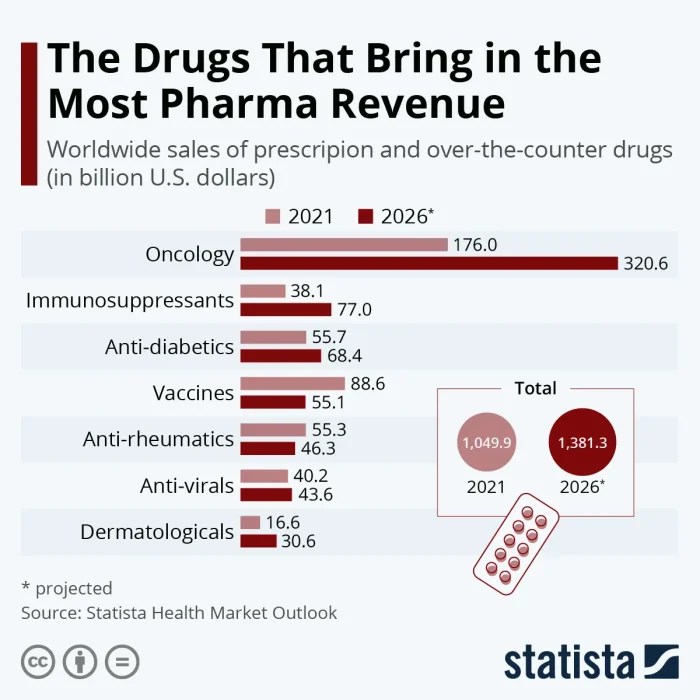
AMD: Before we go further, I want to show you a chart I just pulled up.
PK: Wow. I had an idea of this, but I didn’t realize it was that extreme.
AMD: Since cancer (oncology) drugs are one of the primary profit centers for the medical industry, I’ve always thought that explains why so much money is spent in protecting this monopoly.
PK: Just like COVID-19…
AMD: Anyhow, could you share with everyone what brought you to be interested in treating cancer with repurposed drugs?
PK: Well as you know, becoming a COVID dissident made me much more open to questioning medical orthodoxies, and becoming very committed to using repurposed drugs. The full story is a bit longer though.
AMD: Let’s hear it!
PK: I first started learning about cancer a little over a year ago when my friend, colleague, and mentor, Professor Paul Marik, started to talk to me about a book he had just read. For those who know me and Paul, this should be a familiar story – Paul developing a scientific insight and then I become really passionate about it in his wake.
AMD: For those who don’t know, Paul Marik MD is an incredible researcher who pioneered many approaches with transformed the practice of critical care medicine and was highly respected in his field, being one of the most published and cited critical care researchers in the world. Nonetheless, that did not protect him from being excommunicated by the medical orthodoxy once he chose to utilize alternatives to the COVID-19 treatment guidelines (which actually saved his patient’s lives). Anyways, please continue Pierre.
PK: A lot of what we’re doing now revolves around the Metabolic Theory of Cancer (MTOC), which argues that cancer is a result of disrupted metabolism within the body, and hence that much of the focus in treating cancer should be on first starving the cancer cell of glucose through a ketogenic diet and then using medicines with mechanisms of actions which interfere or block numerous processes which allow the cell to become “cancerous,” i.e. normalizing cellular metabolism throughout the body rather than trying to just kill the cancerous cells.
Although Paul did not construct the MTOC, his recognition and appreciation of both the validity and the importance of the theory may eventually have more impact than all of his prior contributions. There are several reasons for this:
•The first is that cancer rates have been increasing for a while and more recently have exploded (particularly among young people) in the wake of the mRNA campaign.
•The second is that the available therapies used to treat cancer are often toxic, largely (but not completely) ineffective at improving survival (especially in solid tumors), and immensely costly.
•The third is that cancer mortality has barely budged in decades (in fact it has increased).
AMD: It’s always incredible that medical outcomes have no effect on medical spending.
PK: True that. Anyway, Paul was immensely excited about what he was learning about cancer and it became a frequent topic of conversation. That book inspired him to begin working on a project where he reviewed almost 2,000 studies on the metabolic mechanisms of hundreds of repurposed medicines and nutraceuticals as well as other metabolic interventions to treat cancer (i.e. diet).
AMD: 2000 studies? Paul is something else.
PK: You have to have that type of dedication and information retention capability to become the top researcher in your field.
AMD: What did you think of the concept when Paul first shared it with you?
PK: At the time I already knew a little about the topic of repurposed drugs in cancer because early in Covid I had become friendly with the amazing physician and journalist Justus R. Hope (a pen name) based on his writings on ivermectin for the Desert Review and his book called “Ivermectin For The World.” More importantly, I had also read his book called Surviving Cancer, Covid-19, & Disease: The Repurposed Drug Revolution. It was Justus (check out his Substack) who first “schooled me” on the threat that repurposed (i.e. off patent) drugs present to Pharma, and how Pharma has systematically suppressed and attacked both off-patent drugs and inexpensive, unprofitable interventions whenever they show efficacy in treating “profitable” diseases.
AMD: Oh, I always thought you came up with that. It’s great that you’re open to admitting where you got it from rather than claiming it as your own. People often don’t do that…
PK: I cite what you’ve taught me all the time as well! Anyhow, Justus’s book on cancer was inspired by the case of a close friend of his who developed glioblastoma multiforme (a nasty brain cancer). This terrible diagnosis motivated him to search and study for therapeutic interventions and/or repurposed drugs which might help his friend. He found solid evidence for a four-drug protocol which he recommended to him. His friend then proceeded to far outlive his predicted prognosis, and although he died eventually, it was from the radiation injury to his brain that he had received initially and not from the effects of his cancer.
AMD: Three quick points I wanted to share on your anecdote.
Second, every now and then I hear a story of someone who was injured by radiation therapy that was accidentally dosed at too high of a setting.
Third, if DMSO is administered prior to radiation therapy, it dramatically reduces its complications (while simultaneously having anticancer properties and zero toxicity). In my eyes it’s unconscionable this has not entered the standard of care for oncology and I’ve spent the last month working on a series about that substance.
PK: Wow. I’ll need to look into these—a lot of the other cancer treatment ideas you’ve given have been really helpful. Also, you sadly remind me of an older dear friend and roommate that I lived with in my 20’s who developed metastatic cervical cancer who, even then, I knew had been badly injured from radiation – essentially her bowels were fried and she lived out her days on intravenous nutrition and opiates. Sad stuff.
AMD: Until they experience it, patients really don’t appreciate the side effects of radiation therapy. One of the most common problems is that it changes the tissue in the area (e.g., creating adhesions) and those can create a lot of chronic issues for people (which are often too subtle for the doctor to recognize or believe was linked to the radiation).
PK: If we circle back to Justus’s story, after I heard about it (this was still very early in Covid), I took a close relative of mine who had recently been diagnosed with melanoma for an additional consultation with an integrative oncologist I knew. Although my friend’s melanoma was completely resected and she showed no evidence of disease (NED) on imaging, the pathologists who looked at the tumor tissue (including my friend Ryan Cole, a dermatopathologist) found it suggested a high risk of recurrence and/or metastasis.
Her “system” (standard) oncologist thus proposed she use a cancer drug (an immune checkpoint inhibitor) to prevent recurrence. This was anovel use of the drug, given that she was cancer free at the timeso she wasn’t sure she wanted to use it. The reason for her hesitation was that her oncologist had rightly explained that the drug had risks of adverse effects which worried her. It also didn’t help that I was a pulmonologist who had been sent numerous patients over the years with pulmonary toxicity from this same drug (i.e. I’d seen cases of organizing pneumonia).
My relative was thus greatly concerned about the potential side effects and chose to forego her system oncologist’s recommendation. The more integrative oncologist instead started her on 11 different repurposed medicines and nutraceuticals (which I was a little shocked by at the time). Although the integrative oncologist explained the conceptual scientific framework behind the regimen quite well, I wasn’t personally familiar with the evidence base or scientific rationale for the treatment protocol my relative was placed on. That would come much later. I should note that my relative is doing well and cancer free three years later, and unlike many traditional cancer patients, has had no problems tolerating her medication regimen.
AMD: One of the things I’ve always found noteworthy in medicine is that while doctors will typically recommend patients follow their oncologists recommendations, once they or someone close to them gets cancer, physicians immediately start desperately researching the subject and reaching out to anyone they know personally who intensely studies the cancer literature.
PK: I agree. My knowledge about what could have happened to my relative definitely motivated me to go outside the box for her.
I was inspired to read the book, and after meeting with Travis and Paul to design an observational trial of using repurposed medicines and dietary interventions in cancer. We designed the study together and successfully obtained IRB approval from a rigorous IRB (we have over 200 patients enrolled already). For any interested, info on the study and enrolling into it can be found here.
AMD: It’s incredible you pulled that off. Options like that are almost never available to cancer patients.
PK: A lot of this came about because I was deeply intrigued by Travis’s knowledge base and the results of one protocol of repurposed medicines that had been studied in patients with one of the nastiest cancers, glioblastoma (which is also the one that killed Senator McCain a year after diagnosis). To put it bluntly, glioblastoma, when treated with current “standard of care” (SOC) consisting of surgery, radiation, and oral temozolomide, has a horrific but well defined and reproducible median overall survival of about 15 months and a 2 year survival between 26-28%. Furthermore, those are all very aggressive therapies which can be incredibly traumatic and harmful to the patient.
In the study that blew my mind, named METRICS, a four drug repurposed medicine protocol was used (mebendazole, metformin, doxycycline, and atorvastatin) alongside the standard of care (SOC) for that cancer. They found that the treated patients lived an average of 27 months from diagnosis and had a 2 year survival of 64% compared to the well established 28% observed with SOC (despite the patients not starting the repurposed drug protocol until a median of 6 months after diagnosis). Such a sudden improvement in one cancer’s survival rate is truly remarkable if not somewhat unprecedented.
AMD: In a recent article, I made it very clear I do not support the general use of statins as there is not evidence they meaningfully decrease one’s chance of dying and conversely they have a high rate of side effects (affecting roughly 20% of users), with many of them being severe and incapacitating. At the same time however, I try to be open minded about everything, and one of the things I’ve always been surprised is that a case can be made for using them in certain cancers.
PK: Fully agree on the statin thing.
PK: Ultimately, what I learned from Seyfried and Christofferson’s papers and books (as well as lectures and interviews by Seyfried) essentially upended the conventionalunderstanding, I like many doctors had been trained to believe causes a cell to become cancerous.
AMD: An unhealthy terrain of the body?
PK: In a way I suppose. Seyfried is the one who ultimately and nearly singlehandedly compiled all the scientific underpinnings into a coherent MTOC (metabolic theory of cancer). He found that cancer has a “metabolic” origin (i.e. problem with energy production) and not a “genetic” one (i.e. arising from mutations in genes). This might sound boring and geeky, but I cannot overemphasize the importance and applicability of Seyfried’s work (which is the culmination of the work of a smallish group of other incredible scientists and researchers over the last 100 years).
AMD: I just want to jump in and mention that one of the diseases a dysfunctional Cell Danger Response (a metabolic state mitochondria enter where the energy production of a cell is shunted to protecting it and hence its normal functions cease—which underlies many inexplicable chronic illnesses) has been linked to, is cancer.
PK: That’s really interesting. What you introduced me to the Cell Danger Response it completely changed how we looked at vaccine injured patients because we realized the mitochondrial shut down we were observing was a normal physiologic response we had to slowly coax back to normal. I only realized recently mitochondrial dysfunction was also linked to cancer.
PK: Jumping back to Seyfried’s book, more importantly, it rightly concludes from a vast body of evidence that nearly the entire scientific and oncologic community has misunderstood the true origin of cancer (they believe it is due to cells mutating by chance and then rapidly dividing and taking over the body). The implications of the erroneous somatic mutation theory (SMT) has been devastating in that it has led to the development of a range of therapies that are indiscriminately cytotoxic (kills both cancer cells and normal, healthy cells) and minimally effective if not outright harmful in terms of quality of live vs. extension of life (the stats on chemo for most cancers are deplorable, I have an upcoming article on this in my Substack series about cancer).
AMD: Another great example of this process was the Alzheimer’s field getting hijacked by the dogma amyloid production in the brain causes the disease and that treatment of Alzheimer’s thus requires destroying that amyloid. This theory has received billions in research dollars, but failed to produce a single viable therapy (even with the FDA doing everything they could to push the newest ones onto the market), and was largely a result of a study that was proven to have fabricated its data but everyone keeps on citing. In contrast, when Alzheimer’s disease is treated as a metabolic disorder, it can be treated (and data exists clearly demonstrating this) but despite the billions we spend each year searching for a cure for the disease, that proven treatment is not acknowledged by the medical field and few doctors even know it exists.
PK: It’s literally the same exact story!
PK: On the cancer front, Seyfried’s book on the MTOC was transformative to me professionally because it now dwarfs the impact of the several other practice innovations that I have been instrumental in propagating in my career (i.e., induced hypothermia in cardiac arrest patients, point-of care ultrasound at the bedside of crashing patients in the ICU, the use of IV vitamin C in septic shock, and the utility and safety of ivermectin or other repurposed drugs in Covid).
AMD: I really wish IV vitamin C for sepsis had caught on. In my experience when it’s utilized correctly, sepsis deaths rarely occur, and the hospitals I know of that use it as a standard protocol have an extraordinary low sepsis death rate. Nonetheless, most ICU doctors, despite acknowledging it’s safe will refuse to use it (regardless of what you do) even though sespsis remains the number one cause of hospital deaths (with roughly 270,000 patients dying each year).
PK: The way vitamin C for sepsis has been treated by my profession is a punch in the gut for me and it still makes me and Paul sad whenever we think about it. To your point and experience, in the first year that Paul started employing his IV vitamin C protocol for sepsis at his hospital, independent Medicare data showed the mortality rate there dropped from a stable and consistent 22% over the years down to 6% and that was in the setting of only his ICU doing it (the hospital had other ICU’s which did not). On the subject of Paul, I’d like to quote a few things from the cancer monograph (basically a book) he created after reviewing those 1800+ studies.
In putting this document together, I have invested thousands of hours, read more than 1800 peer-reviewed papers, and consulted with dozens of doctors and experts. I want to be clear that I am not suggesting I have found a cure for cancer, nor am I the first to propose using repurposed drugs for cancer. What I hope to provide is a well-researched clearinghouse of information that picks up where traditional cancer therapies leave off. I aim to inspire providers caring for cancer patients to broaden their horizons and think creatively about readily available interventions, with science to back up their efficacy, and that could improve their patients’ outcomes.
PK: What I value so much about Paul’s monograph is that he essentially reviewed the scientific and clinical evidence for approximately 256 repurposed medicines and over 2,000 nutraceuticals. He then ranked and ordered them according to the strength of the totality of the available evidence to support their use in terms of efficacy and safety. What he found was, that although there are claims of efficacy and safety for hundreds if not thousands of treatments, only seventeen had sufficient data which met his criteria for a “strong recommendation.” Another eight he gave a “weak” recommendation. He also categorized another twenty as having “insufficient data” to recommend, despite many claims and use by various practitioners around the globe.
At this point in my life and career, learning that the current consensus theory as to the cause of cancer is built on an inaccurate scientific understanding is unsurprising to me. I add cancer to the list of “scientific dogmas” that have been exposed as being based on faulty or corrupt science (likely due to inaccuracies and medical ignorance that became self-perpetuating). Conversely, I don’t believe poor scientific underpinnings of widespread beliefs is exclusive to any one field, so I found it very helpful that Paul was able to sort through the existing data to establish which integrative cancer therapies actually have evidence supporting them.
The fact that so many cancer patients use integrative therapies despite the evidence behind them being unclear was a key reason why Paul took on this research endeavor. To quote his monograph:
We strongly endorse an Integrative approach to the management of patients with cancer. There is much confusion amongst patients (and many health care providers) as to the characteristics of integrative oncology. The use of CAM (complementary and alternative medicine) is frequently seen in the oncology setting, with nearly half of cancer patients reporting CAM use following diagnosis and as many as 91% during active chemotherapy and radiation treatment.
Fortunately, having dug into the literature, we’ve realized that, much in the same way there was real data supporting the use of repurposed drugs and nutraceuticals for Covid, there is a lot of data for supporting the use of repurposed drugs and nutraceuticals for cancer so we are able to practice approaches supported by scientific evidence, and in some cases, extensive evidence. In many cases (because the money isn’t there) those trials aren’t as robust as is typically required for widespread recommendation (ie. the costly large placebo controlled trials) but, in Paul’s list of seventeen strongly recommended treatments, the totality of in vitro, in vivo, mechanistic, safety and clinical efficacy data are beyond convincing to make informed and evidence-based decisions in practice. However, again, because the money isn’t there for these off-patent approaches, this data haven’t been promoted and the oncology field is simply unaware most of it exists (e.g., the committees who make their guidelines never take any of it into consideration).
AMD: A continually recurring theme I find when researching the Forgotten Side of Medicine is that as more money is spent on medical care (e.g., the United States is the largest spender), a stronger and stronger institutional bias exists to dismiss competing therapies which can’t be monetized. In contrast, in less affluent nations that still have advanced medical systems, many remarkable therapies with lower profit margins are regularly utilized within their medical systems—for example, after Ultraviolet Blood Irradiation was invented, it took America’s hospital system by storm in the 1940s (as it dramatically improved the success rate in treating a variety of otherwise fatal or untreatable conditions) but then was buried by the American Medical Association to protect the medical monopoly. Russia and Germany however continued to use it and in the decades since, remarkable research has emerged from these countries (particularly Russia) which would completely transform the standard of care in America, but, like many things it’s almost unknown here. How does this compare to the situation with the cancer therapies you are using?
PK: In many countries — including Israel, Germany, Switzerland, India, and other
countries in Asia — by default most oncologists are dually trained and function as integrative oncologists. This is distinct from the United States, Australia, and some European countries, where most oncologists follow the traditional orthodox approaches of what some derisively call “slash, burn, and poison,” (i.e. surgery, radiation, and chemo).
AMD: Twenty years ago, there was a great book written called “German Cancer Therapies” which illustrated how many relatively benign but highly effective natural therapies are frequently utilized within Germany’s medical system—whereas in contrast most American doctors would label those approaches as quackery and scold any patient considering utilizing them.
PK: Most doctors here don’t know that in countries where integrative oncology is utilized, rather than it being “a unfocused hodgepodge of unproven therapies” it actually involves a multidisciplinary team with caregivers committed to an integrative care model. Specifically, their major focus of care is the patient’s quality of life with an emphasis on:
•Relief of symptoms, anxiety, and pain
•Quality of sleep
•Nutrition
•Nutraceutical/herbs and repurposed drugs
•Lifestyle changes.
AMD: Before you go further, I want to point out how frustrating it is that these basic common sense approaches are not utilized within our medical system. For example, as I showed in a recent article on the critical importance of sleep, there is a lot of evidence showing poor sleep (e.g., due to night shift work) dramatically increases ones risk of cancer and doubles the rate tumors grow at.
PK: Yeah, the thing I think that’s critical to understand is that integrative oncology isn’t actually that radical. It complements conventional medicine while keeping within the boundaries of scientific rigor. Integrative medicine strives to be based on rigorous research, conducted in accordance with scientific methodologies. Integrative oncology focuses on pragmatic research; pragmatic trials test interventions in the full spectrum of everyday clinical settings, in order to maximize applicability and generalizability. Such pragmatic trials allow for a multimodal integrative approach, are individualized and with patient-centered outcomes.
AMD: I feel one of the major issues with standardized medicine is that it makes it impossible to cater care to each patient’s individual circumstances—which is a huge issue because every patient, contrary to the guidelines, is different.
AMD: On that subject, what is your advice to patients who are interested in utilizing these simple approaches to increase their chances of survival if they are stuck in a medical system that’s not open to it?
PK: The best advice I can give for patients in countries where care is being managed by “orthodox” oncologists is to consult with integrative primary care physicians and have at least one of them become part of the treatment team. However, that’s often not an option for many, which touches upon why the we felt the need to prioritize the study we are now conducting (and recruiting participants for). On one hand, we want a telemedicine service to be available to cancer patients who do not have local access to either an integrative oncologist or an integrative primary care provider. More importantly however, we believe it is critical to gather the data which shows these simple approaches work, because it’s only with that data that traditional oncologists will start to incorporate such approaches into their management of cancer. I sincerely believe almost all oncologists in practice want the best for their patients, so the trick to having them adopt integrative approaches is simply to provide them with clear-cut evidence they can understand supporting a more integrative approach to cancer, and that is what we are striving to do here.
AMD: All the background you’ve provided has been very helpful. Let’s now get into the nut and bolts of what you are doing. Since one of the major legal issues in this area is appropriately informing the patient of what you will be doing, could you share the informed consent documentation the patients receive?
PK: Below is the current consent we use in my practice. A lot of work and discussion has gone into making sure it can best support each patient in making the decision that is best for them. If anyone who reads this is considering an integrative approach to cancer (regardless of who they work with) I would highly advise taking what we put together here under consideration because it applies to many of the settings where patients receive these therapies.
Cancer presents in a complex variety of forms, and therapeutic approaches can include both conventional chemotherapy, radiation and/or surgery as well as immunotherapies, herbal, nutraceutical or other natural products as well as repurposed FDA approved drugs that may enhance one’s own response to cancer, directly cause cancer cell death or at least enhance the quality of life as a patient addresses their disease. Your provider can assist you in planning proper treatment for your unique circumstance. Our objective is to provide recommendations that are in keeping with your personal healthcare goals, desires and choices.
Notice of Specialty Status: your provider is neither an oncologist (a physician specializing in the treatment of cancer) or a primary care physician. Patients should have a primary care physician and a treating oncologist who is responsible for treating their cancer. Your provider’s care should be considered adjunctive to such care. Patients should inform their primary care physician and oncologist about the supportive care and protocols they undertake with their provider. Patients should also inform their provider of any and all treatments received elsewhere on an ongoing basis. While your provider is available for counseling regarding decisions about the use of conventional treatments for malignancy as well as these complementary approaches, any decision about the alteration or discontinuation of conventional treatment is the patient’s decision made solely at their own risk and should be done with careful consideration of the advice of the oncologist and any other treating physician(s).
Notice as to Complementary/Alternative Nature of Supportive Care: While research is continually emerging in new directions in cancer care and management, the therapies offered may not be widely accepted and perhaps controversial. There may be considerable basic science, anecdotal and clinical evidence regarding these approaches, but a therapy that has not been tested within randomized controlled clinical trials is not considered by mainstream medicine to be scientifically proven. These treatments are not approved by the Food and Drug Administration for use in treating cancer. The treatments provided by your provider in support of health and a patient’s ability to heal but may not at this time be supported by a body of evidence considered sufficiently rigorous by mainstream medical institutions to support the practice for these care approaches to patients with malignancy by academic or institutional medicine. While integrative physicians have found that many patients respond well to these therapies, and, for example, improve quality of life, individual responses vary widely. Such therapies include a variety of herbal and other products derived from nature, nutritional IVs, biologics such as peptides or cell therapies, off-label use of drugs approved for purposes other than cancer or for the patient’s specific cancer and could include other emerging therapies.
Potential Adverse Reactions: While many of these are repurposed drugs and natural products which generally have a good safety profile, they can present risks of adverse reactions, particularly in patients dealing with toxicity related to cancer or interactions with drugs used in treatment. Some of these interactions are controversial and depend on the specific disease and treatment, for example, whether antioxidants can interfere with chemotherapies. The potential for adverse events will be discussed during treatment planning.
No Guarantees: As is true of any cancer therapy but particularly the case with integrative/emerging therapies, your provider makes no claims about the effectiveness of these therapies to assist patients with any form of cancer in either achieving remission or cure, or even in the successful management of pain, quality of life or any other aspect of treating or managing malignancy. Many therapies are used to assist healing capacity by enhancing your nutritional status, immune function, sense of well-being to increase your ability to function and live in comfort.
Other Treatment Options: There could be a wide variety of potential treatments for my condition that should be discussed with all treating physicians. Depending on the type of cancer and location treatment could include surgery, chemotherapy, radiation therapy, immunotherapy, certain targeted therapies, hormone therapy, stem cell transplants, precision medicine and there could be clinical trials for which you might be eligible. Some of these treatments might be provided as part of an overall plan of care while others may be alternatives to the proposed plan that should be considered.
Insurance Non-Coverage Notice: With some narrow exceptions, these therapies are considered not medically necessary and/or considered non-covered services by private insurance companies or Medicare. It is likely that no reimbursement will be available. This may also be true of coverage for related labs The patient acknowledges and agree to be financially responsible for these therapies and laboratory tests even if a denial is issued because it is considered medically unnecessary, experimental or investigational or for any other reason.
Notice to Pregnant Women: All female patients must alert their physician if they know or suspect that they are pregnant, could become pregnant during the course of treatment or are nursing.
AMD: That’s very helpful, thank you Pierre. I’d now like to jump to the question everyone’s been asking. What results are you seeing in your patients from your approach to cancer?
PK: Well, we are certainly seeing results in some of our patients! I have to admit though, at this point, it is often difficult to parse out the relative contributions to improvement between our protocol and the standard of care they are simultaneously receiving (however that knowledge will eventually come from the data compiled in our study). That said, we do have some patients showing impressive responses that are even surprising to their “system oncologists.” However, I want to be transparent and state that we also have many patients who are not showing such responses and I don’t know why as the treatments and their mechanisms should be effective independent of cancer type. It is becoming clear to me that there are some patients whose responses leave a lot to be desired and we have not closely analyzed the data enough yet to try to understand why there are such differences in response. Certainly one reason is how advanced some patients cancer is when they present as it is always easier to treat any disease the earlier you start, but even there, we have had some surprising turn arounds in advanced cases. It’s clear we still have an immense degree to learn here—which is incredible given that the modern medical field has already been given over a century to figure cancer out.
AMD: I believe your response speaks to two very important points.
First, there are numerous completely valid models for restoring the terrain of the body so that an existing cancer disappears. The great issue is that different ones apply to different ones. In turn, the most skilled integrative oncologists I know have the perceptual capacity to recognize which one is the most likely to be applicable to their patient and to switch their treatment paradigm once it’s clear it won’t work. My central difference of opinion from you is that I believe in the MOTC, but I think it’s only the underlying cause of cancer in a subset of cancers rather than all of them.
2: One of the things that’s extremely unfair about integrative oncology is that patients typically only seek it out once conventional therapies have completely failed them and they are expected to die in the immediate future. At this point, any therapy, including integrative therapies are much less likely to work (especially if chemotherapy has destroyed their immune system), and once they fail, the death is often blamed on the integrative therapy (which again makes things so challenging for doctors wishing to help these patients). Nonetheless, you still will see dramatic recoveries from those approaches (e.g., this is how many of the buried cancer treatments of the past initially proved themselves and rose to notoriety).
PK: I fully agree with you, and it’s remarkable to me how similar this dynamic is to what saw throughout COVID-19 (e.g., the repurposed drugs could save people on the verge of death, but they were dramatically more effective if instituted at the start of the illness—often having close to a 100% success rate).
AMD: Do you have any cases you could share that are representative of the typical experiences patients have under this (ever-evolving) protocol?
PK: As I just mentioned, in some cases we are seeing really dramatic results while in others we have not, which speaks to your point about the complexity of cancer. For instance, in the 6 months since we started treating we have had a number of deaths but also surprising successes. For instance:
One of our patients was diagnosed with stage four breast cancer with bone metastasis. This was her fourth diagnosis since 2009. This time around she was not interested in doing chemo or radiation. Within a month of starting our treatment, she had a repeat PET scan [a way to detecting cancer throughout the body], which was completely clear of lesions.
A fairly old male patient has been diagnosed with renal cell cancer that had metastasized to the lungs and bones. He was concurrently receiving immunotherapy and about a month after beginning of our therapy, he was hospitalized for arm swelling. The hospital did the repeat whole body PET scan while he was there, which was previously scheduled for a week later. The pulmonary NP was jumping out of her seat with excitement as she compared the previous, CT images of his chest with the current images, noting multiple tumors, which were completely gone and other tumors which were significantly decreased in size. Clearly this was unusual and inspiring.
A patient of my partner Scott had a significant cancer and was concurrently receiving an insanely expensive and fairly dangerous conventional treatment for it. They had a remarkable response to the combined treatment, but (likely due to their oncologist convincing them we were quacks), insisted the improvement they saw was solely due to the conventional therapy they were receiving and stopped seeing us. Given this patient’s situation, I am grateful they recovered, but this again speaks to the incredible prejudices which exist within American oncology to anything that is “different.”
One of the other study sites, headed by retired breast cancer surgeon Dr. Kathleen Ruddy, treated a terminal prostate cancer patient which led to a full recovery – he even told his story at a recent FLCCC conference here (starts at 7:45), it is pretty dramatic and I wish this was the rule rather than somewhat of an exception. However, I believe the most important element to this story is that Dr. Ruddy’s successes show that the success of our (very preliminary) protocol can be replicated.
AMD: Thank you so much for all of this. Do you have any final parting words for the readers here?
PK: At this stage in my career, my main goal is leave something behind that helps the generations who will follow me. That’s a major reason why I transitioned out of the high paying intensive care jobs I previously worked and switched to a more modest lifestyle where I started the (incredibly controversial) push for creating off-patent treatment protocols for individuals with Long COVID and COVID vaccine injuries. My greatest wish at this point is that I can contribute something similar to oncology because there’s so much need there.
Ultimately, the impacts of our complementary treatment approaches can only be accurately measured or estimated via collection of immense amounts of data. We already have hundreds enrolled in our study across the multiple clinic sites, the majority of whom are also receiving “standard of care,” however there are also a minority who have exhausted standard of care and were receiving nothing when they came to us. Either way, the prognosis and survival of patients with cancer is one of the most deeply studied aspects of the disease, so we think the most impactful data we can gather will be that of 1, 2, and 5 year survival of our patients when compared to traditional estimates. I really believe we will better the historical outcomes with our approach but time (and data) will tell for sure. For that reason, if you know anyone who would be interested in participating in this study, please have them reach out to us here.
AMD: Lastly, I wanted to alert my readers to your Substack (which, despite being quite busy, I frequently read).
PK: Thanks for the shout-out! I would also encourage my readers to subscribe to yours (which I’ve been a longtime supporter of since I believe it’s the top newsletter on Substack).
AMD: That’s very kind of you Pierre. However, to circle back to your work, I know that you’ve already published a few articles about integrative approaches to cancer on your Substack (e.g., this one and this one). Do you have any more you plan to publish, and if so roughly when?
PK: Yes, I do. I plan on writing about the history and overall efficacy of chemotherapy in cancer as well as the overall incidence and survival of different cancers over time (especially since the mRNA vaccine campaign created a cancer catastrophe), and finally to produce a summary of our approach to treating cancer using dietary interventions and repurposed medicines (from which I will borrowing heavily from Paul’s monograph).
AMD: Thanks you again for taking the time to talk here, and more importantly for doing this entire project. I know how incredibly challenging it can to be at the forefront of a contrarian movement in medicine and how much pushback the medical system directs at prominent dissidents. I wish you the best of luck in this endeavor and I sincerely hope your study (which again can be signed up for here) is able to collect the data which can move us towards a better cancer treatment paradigm that works in harmony with the body rather than trying to fight and dominate it.
PK: My pleasure, thank you for hearing me out. As I hope your readers know, this interview only scratched the surface of the cancer story, and it is my hope in the years to come we can share many of the incredible discoveries each of us have come across in this field.
Conclusion
I hope you enjoyed this interview, please let me know your thoughts on this format in the comments. It is incredible to me how much I have been able to reach out and positive affect others with this platform (e.g., I never imagined I could put something like this together and have it be seen by hundreds of thousands of people). That is in a large part thanks to you, and I sincerely appreciate all the help you have given me to help bring the world’s attention to the Forgotten Side of Medicine—the support you are giving this publication is starting to make a lot of incredible things become possible behind the scenes.
Four Palestinian journalists were injured by Israeli army fire in the occupied West Bank town of Kafr Dan, the Red Crescent Society said today.
The society said two journalists were treated on the spot by its medics while two others were transferred to hospital.
Jaraah Khalaf, one of the injured journalists, said he and other reporters were covering an Israeli siege on a house in Kafr Dan, in the Jenin Governorate, when they came under direct Israeli fire.
“We were all wearing vests that clearly had press identification labels in English (PRESS), and our vehicles carried the same insignia,” he said.
Israeli occupation forces raided the town early today and besieged a house, calling on its occupants to surrender via loudspeakers, according to witnesses.
The house was later demolished by Israeli military bulldozers, while a child and another Palestinian were injured during the raid, according to the Ministry of Health.
Turkish citizens have taken to the streets in Izmir to demonstrate against the docking of an American warship, expressing solidarity with Palestinians and their opposition to US all-out military support for Israel amid the Gaza genocide.
Turkish parties on Monday night gathered at the Izmir port entrance to voice their opposition to the USS Wasp anchoring, one of the ships sent to the region by the US to support the Israeli regime.
Waving the Palestinian flag, protesters held banners reading “Our country’s ports cannot be supply and logistics points for murderers” and “We do not want the US ship that brings war and death to Palestine in Izmir.”
They chanted slogans such as “Down with Israel,” “Down with NATO” and “Down with USA,” demanding the immediate departure of the American ship from the Port of Izmir, as they honored the memory of Palestinians killed in Israel’s US-backed war in Gaza.
The USS Wasp, carrying nearly 1,500 US soldiers, anchored at the port of Izmir on Sunday after participating in bilateral at-sea training with Turkish Navy ships in August. The vessel, along with its accompanying ships, the USS Oak Hill and the USS New York, has been positioned in the region since June as part of deterrence efforts against possible threats to Israel amid high tensions in the region.
Protesters issued a stern warning to the Izmir Governorship, declaring they will not leave the port until the ship departs.
The protesters condemned the United States for its role in causing suffering and violence in Iraq, Syria, the West Asia region, and globally.
“It has been almost a year. Israel is carrying out a brutal massacre in Gaza. By killing tens of thousands of people, Israel is not only committing a great crime against humanity. It is also persistently continuing an unlawful and unscrupulous incitement to drag our region into a bloody war,” the protesters said in their statement.
The statement emphasized that the United States openly backs Israel and its military actions, and questioned its occasional ceasefire calls.
They also called on the Turkish government to remove the American soldiers from the streets of Izmir, after two US Marines from the USS Wasp were assaulted during a port visit in Izmir on Monday, as part of a protest against Israeli actions in Gaza and decades-long “US imperialism.”
“US soldiers who have the blood of our soldiers and thousands of Palestinians on their hands cannot tarnish our country. Every step you take on these lands will be met with the response you deserve,” the Turkey Youth Union (TGB), which carried out the attack said in its statement on Monday.
Fifteen individuals involved in the incident were detained by Turkey’s police.
The US has ramped up its military presence in the region as the Israel war on Gaza rages on.
Washington has sent 50,000 tons of arms and ammunition to Israel since October 7 when the regime launched its genocidal war on Gaza.
Late last month, the US completed the air delivery of its 500th consignment of weapons and munitions to Israel since it launched its genocidal war in October.
US microchip giant Intel faces what’s been characterized as the most difficult moment in its 56-year history, hiring banksters to advise the company on whether to trim, slash or sell off its manufacturing business. That’s bad news for Washington, which greenlit $280 billion in funding in 2022 toward boosting domestic semiconductor manufacturing.
Intel’s stock has had a rough year-to-date, plummeting nearly 60% since January and falling off a cliff in early August as investors led by billionaire Warren Buffett began a massive selloff which led leading tech stocks to shed nearly $3 trillion in value amid a perfect storm of recession fears, concerns over rising AI-related capital expenditure, and inflation.
The shock stock drop shed more light on the difficult situation at Intel, with a flurry of reports beginning late last week citing informed sources revealing that the company is in the “most difficult period in its 56-year history,” looking for strategic advice from the likes of Morgan Stanley and Goldman Sachs, and considering selling off its chip manufacturing capacity.
The news carries grave significance for Washington, with Axiospointing out in a report last Friday that Intel isn’t just one of America’s oldest US chipmakers, but “a key national security asset,” signaling the US’s ability (or as it happens, inability) to compete with Taiwan, South Korea, China and other chip-making power players in an increasingly demanding world market for microchips.
All eyes are now on Intel’s mid-September board of directors meeting, at which company CEO Pat Gelsinger is expected to present the company’s recovery plan, from cost cuts achieved by shedding “unnecessary businesses,” possibly including US-based programmable chip manufacturing, and even the potential sale of its foundry business to a foreign buyer like TSMC.
Intel currently has more than two dozen fab and post-fab sites, most of them in Oregon, Arizona, California, New Mexico, Colorado and Ohio, but also Ireland and Israel. The potential slash in investment threatens to jeopardize the company’s ambitious expansion plans, both domestically and in Germany and Poland, with capital expenditures expected to drop by $10 billion, to $21.5 billion, in 2025. Among the casualties is a reported move to freeze construction of a $32.8 billion factory complex in Magdeburg, Germany.
Intel’s troubles are also bad news for the Biden administration specifically, which pumped $8.5 billion into the company’s coffers in March from the 2022 $280 billion CHIPS & Science Act, which includes $39 billion in subsidies for US chip manufacturing, $13 billion for semiconductor research and workforce training, and major tax incentives. Intel also enjoys up to $11 billion in Chips Act loans for modernization and new production.
The current administration has made subsidies to microchip manufacturing a key plank of its economic agenda. In addition to a broad array of civilian uses, from computers to vehicles, companies like Intel produce chips for use in military and space applications.
The company’s multi-year $100 billion+ US expansion plans fell to the wayside after its stagnant second-quarter earnings ($12.8 billion), sparking massive layoffs of over 15% of its workforce in August. The same month, veteran exec Lip-Bu Tan resigned from Intel’s board, reportedly over differences about the future of the company, and its failure to listen to proposals to make Intel’s contract manufacturing more customer-centric.
“Simply put, we must align our cost structure with our new operating model and fundamentally change the way we operate,” Intel chief Pat Gelsinger wrote in a memo in early August while announcing the cuts and firings.
A pioneer in microchip manufacturing and the developer of the Intel 4004 – the world’s first commercial microprocessor, in the 1970s, Intel produced the most popular chip of the 80s – the Intel 8088, which ended up powering the IBM PC. Fast forward to the 1990s, and Intel’s engineers developed the revolutionary 32 bit Pentium x86 processors – which were heavily improved upon by former Soviet supercomputer designer Vladimir Pentkovski. In the late 2008, Intel introduced the Intel Core lineup of multicore processers, assuring it superiority over competitors for over a decade before being surpassed by AMD in 2022. A few short years on, Intel has dropped out of the top ten largest global microchip manufacturers entirely by market capitalization.
Analyses by the New York Fed and the Center for Strategic and International Studies confirm that US semiconductor companies are losing tens of billions of dollars per year in sales. In an 18-month period immediately following strict sanctions against US chip exports to China, US companies lost an average of $770 million in market capitalization, with $130 billion in lost market cap industry wide.
In company-specific examples, Micron has lost half of its revenues as a result of China export restrictions. In 2024 alone, Qualcomm will forego $10 billion in lost sales of 7-nanometer chips which are now manufactured by SMIC, a Chinese semiconductor firm.
The United States now faces strong challenges from companies in allied countries, who are resisting calls to further decouple from China’s semiconductor market, the world’s largest.
Commerce Department Implements New Export Controls on Advanced Computing and Semiconductor Manufacturing Items to the People’s Republic of China (PRC) https://www.bis.doc.gov/index.php/doc…
US calls for Netherlands, Germany, South Korea, Japan to tighten chip curbs on China, drawing resistance from allies https://www.scmp.com/tech/tech-war/ar…
The ice is breaking on the stonewalling of the defense community and external observers to have an honest conversation on the aircraft carrier; they may be getting the message on how indefensible and anachronistic this extraordinarily expensive weapons system is.
More and more of the Coprophile Media is reluctantly waking up to the apparently intuitively obvious conclusion. The defense journalism industry, like the cultural critics in Hollywood, tend to be sycophantic and are very careful with criticism because then they lose the public relations contacts and open doors to the trillion dollar defense industry.
Thank goodness for the Congressional Research Service (CRS) and General Accountability Office (GAO) documentation and data palaces that show the keen observer what is really going on (even though I think the ground truth tends to be far worse than we even imagine).
I do wish a foundation with deep pockets or even Elon Musk would create a clearinghouse/analytical cell that goes through these mountains of data and evidence to show just how bad the American (and by extension, the Western) military establishment is. The US is not prepared to conduct a peer or near-peer war much less more than one conflict at the same time. And the trillions of dollars unaccounted for is another issue altogether.
Hence, America’s obsession with expensive and cumbersome aircraft carriers. The United States has not only committed to this weapons platform, but it has become a cultural symbol. That is why the cult of flat tops has taken hold to such a degree that to even point out that great state rivals, such as China and Russia, as well as the proxies for these nations, such as Iran or North Korea, have developed highly effective countermeasures is considered unpatriotic or worse, heretical. But this fixation on the carrier as more than just a weapons platform, as a cultural icon, is precisely what makes it such a terrible weapon to rely upon.
And then they say something in the major media that you dear readers know already.
Thus, Washington’s current war plans play right into China’s and Russia’s anti-access/area-denial (A2/AD) strategies. If actual war erupts between the United States or any of its major rivals, these forces will do what they must to win the war—and that means going-for-broke and trying to sink US carriers before they can become a serious threat to their forces and interests.
One way or another, thanks to the advent of hypersonic weapons and anti-ship missiles, such as China’s DF-21 series, American aircraft carriers will not be as effective against targets defended by these A2/AD systems.
In the history of human warfare, large exquisite platforms always attract plenty of attention from the Roman destruction of Gallic fortresses before the birth of Christ to the use of longbows to defeat very expensive heavy horse at Agincourt to the Maginot Line and battleship dead-ends in the twentieth century.
And everything in between throughout history. The carrier is the crossbow and chariot of the 21st century.
The U.S. Navy’s other Pacific-based carriers are in port or in their maintenance availability period. Out of six carriers in the Pacific, the USS Carl Vinson recently participated in RIMPAC 2024, the USS Nimitz recently completed a six month planned incremental availability period for maintenance, the USS Ronald Reagan recently completed a homeport shift to Naval Base Kitsap, and the USS George Washington will remain in San Diego until the crew and equipment swap from USS Ronald Reagan is complete.
The US openly declares that it seeks to maintain a monopoly over shaping the “international order” following the Cold War and America’s emergence from it as the sole superpower.
This policy is not new.
The New York Times in a 1992 article titled, “U.S. Strategy Plan Calls for Insuring No Rivals Develop,” would note that the Pentagon sought to create a world, “dominated by one superpower whose position can be perpetuated by constructive behavior and sufficient military might to deter any nation or group of nations from challenging American primacy.”
This policy set the stage for decades of US wars of aggression, political interference, regime change, US-sponsored terrorism, economic sanctions, and a growing confrontation directly between the US and a reemerging Russia as well as a rising China, all of which continue playing out to this day.
Emerging from the Cold War as the sole “superpower,” the US carefully cultivated public perception through likewise carefully chosen conflicts showcasing its military supremacy. While the US still to this day cites its wars with Iraq in 1990 and 2003 along with the toppling of the Libyan government in 2011 as proof of its uncontested military power, in truth, both targeted nations were not nearly as powerful or as dangerous as the Western media claimed at the time.
This facade has crumbled since. “American primacy” is now not only facing serious challenges, the premise it is based on – the notion that a single nation representing a fraction of the global population can or even should hold primacy over the rest of the planet – has been revealed as wholly unsustainable, if not self-destructive.
Not only is US military and economic power visibly waning, the military and economic power of China, Russia, and a growing number of other nations is rapidly growing.
The special interests within the US pursuing global primacy, do so in perpetual pursuit of wealth and power, often at the expense of many of the purposes a modern, functional nation-state exists to fulfill. Often this process includes the deliberate plundering of the key pillars of a modern nation-state’s power – industry, education, culture, and social harmony. This, in turn, only accelerates the collapse of US economic and military power.
Ukraine Lays Bare American Weakness
Washington’s proxy war in Ukraine has laid bare for the world to see this fundamental weakness. US weapons have proven less-than-capable against a peer adversary, Russia.
America’s expensive precision-guided artillery shells, rockets, and missiles were built in smaller numbers than their conventional counterparts, supposedly because they could achieve with just one round what several conventional rounds could. A single US-made 155 mm GPS-guided Excalibur artillery shell, for example, is claimed by Raytheon to achieve what would otherwise require 10 conventional artillery shells.
This myth of quality over quantity has unraveled on and over the battlefield in Ukraine. Russia is not only capable of producing vastly more conventional weapons than the US and its European proxies, it is able to produce vastly more high-tech precision-guided weapons as well, including its own precision-guided artillery shells (the laser-guided Krasnopol), precision-guided multiple launch artillery systems (the Tornado-S), as well as larger quantities of ballistic and cruise missiles (Iskander, Kalibr, and Kh-101).
In other areas, Russia possesses capabilities the US does not have. Russia fields two types of hypersonic missiles, the Kinzhal hypersonic ballistic missile and the Zircon hypersonic cruise missile. Russia also possesses air and missile defense as well as electronic warfare capabilities the US cannot match – not in quality, not in quantity.
If the US is unable to match or exceed the military industrial output of Russia at the expense of losing its proxy war in Eastern Europe, how will US design to encircle and contain China along China’s own coasts unfold?
Growing Disparity and the Super Weapons Sought to Overcome it
The US military fears that any conflict with China would leave the US unprepared and vulnerable. A recent article in Defense One titled, “The Air Force wants to build lots of bases around the Pacific. But it still needs to determine how to protect them,” admits that US air and missile defense systems are too expensive and too few in number to defend the growing number of US military bases being established ahead of potential war with China.
It should be remembered, however, that shortages of US air and missile defense systems, particularly the Patriot missile system, began before the US began sending the systems to Ukraine. US military industrial output was unable to keep up with the demands of just Saudi Arabia amid its conflict with Ansar Allah in Yemen.
Similar concerns exist regarding the number of US military aircraft, naval vessels, and the missiles each will depend on in any potential conflict with China in the Asia-Pacific.
Understanding the large and growing disparity between US ambitions toward global primacy and its actual military means to achieve it, Washington and US-based arms manufacturers are seeking a new design and production philosophy to produce a new generation of cheaper and more numerous munitions.
At the forefront of this effort are “start-up” arms manufacturers, including Ares and Anduril. Both companies believe the US is capable of out-innovating China, based on the notion that the US is somehow inherently more innovative than China. However, their attempts to address this growing disparity reveal how disconnected US foreign policy is from the actual world it seeks to dominate.
Ares: Cheaper but More Numerous Missiles…
The War Zone in an article titled, “New ‘Cheap’ Cruise Missile Concept Flight Tested By Silicon Valley-Backed Start-Up,” explains how Ares seeks to augment America’s existing arsenal of expensive but scarce long-range precision guided missiles with smaller, cheaper, and more numerous missiles.
The smaller, cheaper missiles will be less capable than their more expensive counterparts, including Raytheon’s Tomahawk cruise missile and Lockheed Martin’s Joint Air-to-Surface Standoff Missile (JASSM), but are meant to be produced in larger quantities. The cheaper Ares-built missiles will be used for lower-priority targets, while their more capable but less numerous counterparts are used for critical targets.
The article claims:
Ares does not yet appear to have released any hard specifications, current or planned, but says that it is targeting a $300,000 unit cost for its missiles.
In addition to how far off from reality Ares’ missiles actually are from seeing the battlefield, even the stated goal of building these missiles for $300,000 each seems to fall far short of the sort of revolutionary innovation required to meet or exceed even Russia’s military industrial production, let alone China’s.
This is because according to even Ukrainian-based media, Russia itself is already producing far more capable missiles for as cheap as $300,000 per unit. Defence Express in a 2022 article titled, “What is the Real Price of russian Missiles: About the Cost of ‘Kalibr’, Kh-101 and ‘Iskander’ Missiles,” would place the cost of a Kalibr cruise missile somewhere between $300,000 and $1 million – vastly cheaper than comparable missiles produced in the West.
While the 2022 article was easy to dismiss at the time amid Western headlines claiming Russian missile stockpiles were exhausted, since then it has been admitted by the same Western media that Russia is firing over 4,000 missiles at targets across Ukraine each year. This suggests Russian missile production is as economical as it is vast.
Thus, even before Ares produces its first missile, the very premise of what it is trying to achieve falls far short of what Russia’s military industrial base is already doing on a vast scale, saying nothing of what China’s military industrial base is capable of.
There is also the reality that in addition to higher-end munitions costing as little as Ares’ proposed lower-end missiles, both Russia and China are perfectly capable of augmenting their existing arsenals with cheaper, less-sophisticated munitions as well.
Russia’s deployment of its UMPK-fitted FAB series glide bomb is a perfect example of this. The guided glide bombs went from concept to mass production over the course of the Special Military Operation, with improvements made based on their performance in combat, providing a cheaper, more numerous, yet still effective alternative to more expensive long-range precision-guided munitions.
In many ways, what Ares is attempting to do is a poor imitation of what Russia and China have already done and will continue doing.
Anduril: Out-Innovating China and Russia…
Like Ares, US-based arms manufacturer Anduril imagines cheaper and more numerous systems can help even the odds as Russia out-produces the West amid the conflict in Ukraine and as China’s production of warplanes, ships, and missiles surpasses the US and its European proxies.
Anduril proposes achieving this through “software-defined manufacturing,” a process it claims allowed electric vehicle manufacturer Tesla to build better and more numerous vehicles than legacy car manufacturers by building its vehicles around its own in-house software and electronics.
The advantage is clear. Legacy car manufacturers build the physical cars themselves, but many of the subsystems are outsourced to other companies, including the operating systems used by modern cars, as well as sensors and other electronic components and systems. Often this collection of software, sensors, and other components is outsourced to a large number of different companies. Any change in the car’s design requires working with this large number of companies, making modifications and improvements cumbersome.
By including all subsystems within a single in-house developed software and building the hardware around it, changes can be done faster and larger quantities of higher-quality cars can be made more rapidly as a result.
Anduril imagines using this same process to build vast numbers of drones, missiles, and other weapons and munitions, matching or even outpacing China. The problem for Anduril is that software-defined manufacturing is already extensively used by China’s vast and advanced industrial base. With this “advantage” rendered moot, the US finds itself again at a severe disadvantage. Not only is China capable of producing conventional military arms, ammunition, and equipment in vastly greater quantities than the US, it is also able to build advanced, rapidly improved, software-defined systems like drones and missiles.
This means anything the US attempts to do, China is capable of doing better and on a vastly greater scale.
Flawed Premise, Doomed Outcome
The premise Ares and Anduril operate from is fundamentally flawed. Both companies, like the circles of special interests they serve on Wall Street and in Washington, believe the US is inherently superior to adversaries like Russia and China. In their collective minds, any disadvantage the US finds itself with is incidental and overcoming it merely a matter of summoning sufficient political will. Russia and China having larger and more capable industrial bases is seen as a temporary lapse in America’s own political focus and willpower, and by taking steps to expand America’s own industrial base, the US will inevitably find itself on top again.
In reality, Russia and China’s industrial bases are larger than America’s because of a number of factors, including factors no amount of American political will, can overcome. China in particular has a population four times greater than the US. China graduates millions more each year in the fields of science, technology, engineering, and mathematics than the US, and the physical size of its industrial base – military or otherwise – reflects this demographic disparity.
Even if the US had the political will to reform its military industrial base, stripping away profit-driven private industry and replacing it with purpose-driven state-owned enterprises, even if the US likewise transformed its education system to produce a skilled workforce rather than squeeze every penny from American students, and even if the US invested in its national infrastructure – a fundamental prerequisite for expanding its industrial base – it still faces a reality where China has already done all of this, and done so with a population larger than it and its G7 partners combined.
The premise that the US, representing less than 5% of the global population, should maintain primacy over the other 95% is fundamentally flawed.
Unless Americans were truly, inherently superior to the rest of the world, which they are not, achieving primacy over the world can only be done by dividing and destroying the other 95% of the world’s population. In many ways, this is what has defined generations of Western hegemony over the planet and is what Washington has set out to do today.
Despite this, the rest of the world has caught up in terms of economic and military power, precisely because the US is not inherently superior. Western hegemony was a historical anomaly, not proof of the West’s superiority. With the rest of the world having caught up in terms of economic and military power, and with numbers on their side, the next century will be determined by a multipolar world.
For this emerging multipolar world, the factors that have given it rise – a geopolitical balance of power built on cooperation over conflict, industry and infrastructure driven by purpose over profit, and progress built by practical education and hard work over the blind pursuit of power-must be firmly cemented as the fundamental principles of this new world.
Should the multipolar world weather US attempts to divide and destroy it and continue investing in the principles that gave rise to it in the first place, no type of US-made super-weapon can overcome it.
Brian Berletic is a Bangkok-based geopolitical researcher and writer.
Reknowned economist M. Shahid Alamoffers this excellent critique of Noam Chomsky’s defective analysis of the relative influence of Oil versus the Israel lobby over US foreign policy: … continue
This site is provided as a research and reference tool. Although we make every reasonable effort to ensure that the information and data provided at this site are useful, accurate, and current, we cannot guarantee that the information and data provided here will be error-free. By using this site, you assume all responsibility for and risk arising from your use of and reliance upon the contents of this site.
This site and the information available through it do not, and are not intended to constitute legal advice. Should you require legal advice, you should consult your own attorney.
Nothing within this site or linked to by this site constitutes investment advice or medical advice.
Materials accessible from or added to this site by third parties, such as comments posted, are strictly the responsibility of the third party who added such materials or made them accessible and we neither endorse nor undertake to control, monitor, edit or assume responsibility for any such third-party material.
The posting of stories, commentaries, reports, documents and links (embedded or otherwise) on this site does not in any way, shape or form, implied or otherwise, necessarily express or suggest endorsement or support of any of such posted material or parts therein.
The word “alleged” is deemed to occur before the word “fraud.” Since the rule of law still applies. To peasants, at least.
Fair Use
This site contains copyrighted material the use of which has not always been specifically authorized by the copyright owner. We are making such material available in our efforts to advance understanding of environmental, political, human rights, economic, democracy, scientific, and social justice issues, etc. We believe this constitutes a ‘fair use’ of any such copyrighted material as provided for in section 107 of the US Copyright Law. In accordance with Title 17 U.S.C. Section 107, the material on this site is distributed without profit to those who have expressed a prior interest in receiving the included information for research and educational purposes. For more info go to: http://www.law.cornell.edu/uscode/17/107.shtml. If you wish to use copyrighted material from this site for purposes of your own that go beyond ‘fair use’, you must obtain permission from the copyright owner.
DMCA Contact
This is information for anyone that wishes to challenge our “fair use” of copyrighted material.
If you are a legal copyright holder or a designated agent for such and you believe that content residing on or accessible through our website infringes a copyright and falls outside the boundaries of “Fair Use”, please send a notice of infringement by contacting atheonews@gmail.com.
We will respond and take necessary action immediately.
If notice is given of an alleged copyright violation we will act expeditiously to remove or disable access to the material(s) in question.
All 3rd party material posted on this website is copyright the respective owners / authors. Aletho News makes no claim of copyright on such material.