Government funded take-down looks increasingly ridiculous
In summer 2021, the private messaging forum that HART used was illegally hacked and our private conversations downloaded. Within 24 hours we were contacted by a small company called Logically AI who told us they were going to publish the conversations. This small company had a contract with the government worth over a million pounds of taxpayer’s money. The government may have thought it got its money’s worth when MPs who had been talking to members of HART decided they needed to keep a wide berth. However, the basis of the ‘discrediting’ was laughable.
On 27th July 2021, this article was published concluding with the following “factcheck”:
Figure 1: Concluding figure from Logically AI’s attempt to discredit HART
Let’s see how each of those “facts” have held up over time.
1. mRNA vaccines cannot be considered vaccines
A vaccine has a particular meaning in the minds of the public as an injection that teaches the immune system in order to prevent an infection. Official definitions have changed the meaning so that it could include these novel products. The CDC changed the definition twice since 2015.
In early 2015 a vaccine was an “Injection of a killed or weakened infectious organism in order to prevent the disease.” That year it changed to,“The act of introducing a vaccine into the body to produce immunity to a specific disease.”
Overnight the requirements that the intervention be inert and prevent disease were removed. By September 2021 the definition was changed again to: “The act of introducing a vaccine into the body to produce protection from a specific disease.” Any internal treatment for any disease now fits the CDC definition of vaccine. However, whatever official definitions say does not change public understanding of a word.
While it was claimed that the covid vaccines could prevent infection which led to their regulatory approvals, these claims have all been abandoned in light of the real world evidence.
What the manufacturers say about their products in documents filed in accordance with financial regulatory requirements is instructive.
Moderna said, ““mRNA has been characterised as a Gene Therapy Medicinal Product… the association of our investigational medicines with gene therapies could result in increased regulatory burdens, impair the reputation of our investigational medicines, or negatively impact our platform or our business.” BioNTech also described their products as gene therapies.
Being a gene therapy does not mean that it will interfere with cellular DNA but it does mean that certain specific and more stringent testing is required. Instead, the shortened regulatory pathway designed for influenza vaccines (developed via a well-established egg based platform) was used. This pathway should never have been used for a novel platform like the covid vaccines.
2. Vaccine trials on children and young people were ‘rushed’
This point can be extended to all vaccine trials. The programme was, if you remember, referred to as “operation warp speed”. How can you have “warp speed” without rushing?
Basic medical ethics includes the principle that children are never given new drugs until there is a well established safety record in adults. For the covid vaccines the number needed to vaccinate in order to prevent a single death was a hundred thousand or more for young people, however the rate of serious adverse events, even in the trials, was 1 in 800.
The trials that were done on children were extremely small, with only 1131 adolescents vaccinated and followed for a minimum of 1 month from their second dose before approving for this age group. Efficacy calculations excluded all covid infections occurring prior to 7 days after the second dose. Antibody levels were also assumed to be a marker for likely efficacy, despite there being no antibody level which ensures protection against covid infection. The government wording says, the product aims “to generate neutralising antibodies, which may contribute to protection against COVID-19.” This is not based on any scientific evidence, merely hope.
The worst children’s trial was the one for under 5 year olds where approvals were pushed through using antibody levels only, as a marker of success rather than expending more time to measure an impact on actual levels of covid. They also changed the efficacy requirement for approval from 50% to 30%. When the two planned doses failed to induce antibodies, they simply added a third dose in just a fraction of the children. This elicited an antibody rise, but also apparently resulted in more significant covid infections in those vaccinated. 97% of the covid cases in the study were ignored in the FDA presentation from Pfizer.
3. Lockdown policies are ineffective against covid
With the passage of time it is now clear that every covid wave rises and peaks naturally. The peaks fall at predictable times of year. The claims that all spread was through close contact, everyone was susceptible and asymptomatic spread was a key driver were all false assumptions.
Having considered the reality about these three claims it is clear that long distance aerosol transmission was a key driver of spread. Lockdowns can do nothing to prevent that. Since Logically AI wrote this article, it has become obvious that even the most brutal lockdowns, leaving people starving at home and killing their pets, did not stop the spread of covid in China. In fact every attempt at lockdown suppression in South East Asia and Australasia failed in January 2022.
A meta-analysis of 32 papers by a group at John Hopkins University analysed the effect of lockdown, concluding that “lockdowns during the initial phase of the COVID-19 pandemic have had devastating effects. They have contributed to reducing economic activity, raising unemployment, reducing schooling, causing political unrest, contributing to domestic violence, loss of life quality, and the undermining of liberal democracy. These costs to society must be compared to the benefits of lockdowns, which our meta-analysis has shown are little to none.”
4. Vaccine can make the recipient magnetic
Don’t rush to think this must be imaginary. Here is a video where unsuspecting recently vaccinated people were tested to see if their arms were magnetic. Most were not, but a surprising number were – 6 out of 15 tested. You can watch full video here.
Some HART members experienced this themselves and there was no question that this was magnetism – with a genuine pulling force.
So what was the cause of this? There are various steps to the manufacturing process including one in which separation of the mRNA is necessary. Some manufacturers used tiny magnetic beads to carry out this step, although which manufacturers used which techniques and to what extent is hard to know.
All that it would take to make someone’s arm magnetic would be for contamination of the vaccine vial with some of these beads. It is now well established that there was significant contamination with bacterial DNA and likely endotoxins. Is it possible that magnetic beads were also contaminants in some vials?
No-one in HART claims to be omniscient and we are constantly challenging and testing each other’s viewpoints. We believe in open scientific debate and that can only happen if people are allowed to occasionally be wrong. However, looking back at the reviews that we wrote in March 2021, they have all stood the test of time (see our 2022 revisits for what changed).
Even the private, more speculative conversations that were had in private have also stood the test of time. The reason this is the case is that all were based on well-established basic science and on real-world evidence. It is a travesty that the same cannot be said for the official narrative. Powerful people claimed that fantasy modelling and beliefs based only on assumptions were “The Science” and when those proved to be baseless, they resorted to complaining that people had lost their trust in science. They have no-one to blame but themselves.
July 9, 2023
Posted by aletho |
Full Spectrum Dominance, Science and Pseudo-Science, Timeless or most popular | UK |
Leave a comment
Ideologies built on sand
In order to fully believe in the covid cult there were numerous beliefs all of which had to be believed. Disbelieving any one of them would cause the whole house of cards to collapse.
1. There was a virus that our immune systems would consider novel
AND
2. There were catastrophic levels of excess deaths
AND
3. Those excess deaths were caused by the virus
AND
4. The “measures” were necessary to prevent more deaths
AND
5. The “measures” were the only thing that could be done
AND
6. The measures worked
AND
7. The measures weren’t so harmful as to be worse than the virus
Zero covid ended when the belief in point 6 collapsed, even while the other beliefs were maintained. A similar series of beliefs are necessary to sign up to the official narrative regarding climate change.
1. The earth is warming
AND
2. The warming is caused exclusively by atmospheric CO2 levels
AND
3. The major driver of atmospheric CO2 is anthropogenic
AND
4. The warming will be destructive
AND
5. There is only one solution
AND
6. That solution will work
It is only necessary to introduce doubt on one of the beliefs for the whole net zero scheme to collapse. With the recently reported sudden surge in ocean temperatures followed afterwards by a rise in CO2 levels, points 2 and 3 are both starting to look very shaky.
Neither narrative is open to nuance. Neither invites any questioning. Both of them are a shortcut to global tyranny.
July 9, 2023
Posted by aletho |
Science and Pseudo-Science, Timeless or most popular | Covid-19 |
Leave a comment
The Kakhovka dam was a massive two-mile-long structure that dammed the Dnieper River which bisects Ukraine. It was built by the Soviet Union in 1956 and raised the Dnieper by 16 meters (52 feet), creating the Kakhovka Reservoir. The dam was destroyed on 6 June 2023, resulting in massive flooding downstream on both sides of the river which created a social and environmental disaster. The city of Kherson, located near the river’s mouth with the Black Sea, was also flooded.
Both Ukraine and Russia deny blowing up the dam and blame the other. At this stage, all the evidence is circumstantial and conjectural, but a forensic assessment of that evidence overwhelmingly suggests Ukraine destroyed the dam. Despite that, US and Western European politicians and media have uniformly sought to implicate Russia as the perpetrator.
In multiple ways, the dam’s destruction echoes the 2022 destruction of the Russian-owned Nord Stream 2 pipeline. That pipeline was a piece of civilian infrastructure; was destroyed by an explosion; its destruction caused a massive environmental disaster; Ukraine denies any role; many European governments claimed Russia had blown up its own pipeline; and Western media either explicitly claimed Russia had done it (Time ) or tendentiously sought to implicate Russia (New York Times, Guardian ).
The evidence: a forensic assessment
The evidence regarding the dam’s destruction is circumstantial, conjectural, and multi-dimensional. The best starting point is motive.
(1) The main argument against Russia is it blew up the dam to disrupt Ukraine’s pre-announced counter-offensive and gain military advantage. That argument is easily dismissed.
The dam’s destruction flooded both sides of the Dnieper. Ukraine’s forces were stationed far in the rear, out of range of Russian artillery. In contrast, Russian forces were dug in on the east bank in anticipation of Ukraine’s offensive. The Guardian recently reported: “The explosion – which Kyiv and Western governments say Moscow carried out – washed away Russian frontline positions….. The hydroelectric dam explosion has made crossing the river easier after water levels receded leaving behind a sandy plain.” Indeed, Ukraine has now established a small bridgehead on the east bank of the river, near the destroyed Antonivskyi bridge.
Russia was undoubtedly aware that flooding would be militarily counter productive. Thus, The Moscow Times (which is highly critical of President Putin) reported back in November 2022 that: “(T)errain levels mean the flooding would likely be worse on the Russian-held left bank of the Dnipro, making a detonation of the explosives on the dam an unlikely move for Moscow. ‘[Destroying the dam] would mean Russia essentially blowing off its own foot’ military analyst Michael Kofman said on the War on the Rocks podcast last month. ‘(I)t would flood the Russian-controlled part of Kherson [region]… much more than the western part Ukrainians are likely to liberate’.”
(2) Another reason why Russia would not destroy the dam (and Ukraine would) is Crimea’s water supply. The Kakhovka resevoir is a major source of water supply to the parched Crimea peninsula via the North Crimea canal. Ukraine cut off that supply in 2014. On capturing the Kakhovka dam in early 2022, Russia immediately restored supply, showing its high priority. Russia destroying the dam would be a self-inflicted wound. Ukraine destroying it would fit with Ukrainian aspirations to disrupt and recapture Crimea.
(3) Prior Ukrainian attacks on the dam show Ukraine’s willingness to destroy it. In November 2022, during its Kherson counter-offensive, Ukraine shelled and damaged the dam in an unsuccessful attempt to cut-off Russia’s retreat across road and rail lines on top of the dam. Moreover, President Zelinsky publicly warned that Russia had mined the dam’s generating room, so Ukraine was aware of that. In keeping with its practices, Ukraine denied those attacks — as if Russia were shelling its own troops, cutting-off its line of retreat, and risking flooding its positions in Kherson which were then on both sides of the river.
Even more damning, The Washington Post (December 29, 2022) reports Ukraine’s General Andriy Kovalchuk, commander of the southern front, acknowledged using high precision US-supplied HIMARS missiles to attack the dam in November 2022: “Kovalchuk considered flooding the river. The Ukrainians, he said, even conducted a test strike with a HIMARS launcher on one of the floodgates at the Nova Kakhovka dam, making three holes in the metal to see if the Dnieper’s water could be raised enough to stymie Russian crossings but not flood nearby villages. The test was a success, Kovalchuk said….”
(4) The silence of US and UK military intelligence suggests Ukraine did it. The US and UK are deeply involved in the war and committed to discrediting and indicting Russia. Yet, neither country’s intelligence services have released official pronouncements that Russia blew up the dam. The reason is if they made such pronouncements, they would have to provide evidence which they either do not have or (more likely) shows Ukraine did it. Silence can be revealing, as in the Sherlock Holmes story in which the decisive clue is the dog that did not bark.
(5) The timing of the destruction makes no sense from a Russian standpoint. Russia has held the dam since early 2022. It did not destroy it when Russian forces were retreating from Kharkiv in September 2022, and nor did it destroy the dam when Russian forces withdrew from western Kherson in November 2022. Now, the tide of war has turned in Russia’s favor as evidenced by the capture of Bakhmut and the failing Ukrainian counter-offensive; Ukraine’s calls for both additional and more advanced weaponry; and calls by by former NATO Secretary General Anders Rasmussen to put Polish troops in Ukraine. Those circumstances speak to why Ukraine had a military incentive to blow the dam now, and not Russia.
(6) Lastly, Kherson is a heavily ethnically Russian region which would discourage Russia from flooding it and encourage Ukraine to do so. Throughout the conflict, demographic considerations have been almost entirely neglected by Western media. The war has been fought in the Donbas and Kherson regions which are almost exclusively ethnically Russian. Concern for the safety of ethnic Russians is a high priority for Moscow, which explains why Russia has evacuated locales in advance of conflict. In contrast, Ukraine is controlled by Azov/Bandera forces which are committed to extinguishing the ethnic Russian presence. That was evident in the battle for Mariupol in which occupying Azov forces used the civilian population as a human shield. It is also evident in Ukraine’s on-going purge of Russian culture, prohibition of the Russian language, and banning of political rights for ethnic Russians. Given those attitudes, the destruction of ethnically Russian centers suits Ukraine and helps explain its psychological willingness to commit a crime of such proportions.
How was the dam destroyed?
The above evidence points to Ukraine’s culpability. However, there remains the question of how the dam was destroyed. Two possibilities suggest themselves.
The first possibility is Ukraine again targeted the Kokhovka dam gates with HIMARS missiles, as it had done in November 2022. This time the dam gave way owing to accumulated structural weakness from lack of maintenance and abnormal operating procedures. That explanation would account for both the explosion signatures that were seismographically detected and the infra-red heat signatures that were detected by US spy satellites. It is also consistent with the structural collapse argument made by the Conflict Intelligence Team (CIT), which is an anti-Putin organization that monitors Russia’s global military activity.
The second possibility is Ukraine fired HIMARS missiles at a detonator mechanism that was atop the dam. The dam was mined for miltary purposes, as would-be all bridges and crossings. Ukraine knew that and photos have surfaced showing a car packed with explosives and wired into the structure of the dam. That explanation would be consistent with an explosion from within the dam. It would also be consistent with the detected seismic and infra-red signatures, and the CIT explanation would also be relevant as the dam was vulnerable owing to inappropriate wear-and-tear.
Consequences
There are important consequences to Ukraine’s probable destruction of the Kakhovka dam and the West’s complicitous concealment thereof.
First, President Zelensky and Western leaders have accused Russia of ecocide and a war crime. If it is now shown that Ukraine is responsible, that makes Ukraine guilty of those crimes. If HIMARS missiles were used in the attack, that would make the US an accessory, at least in spirit. If British Sorm Shadow missiles were used, the UK would be an accessory. The extent of US or British personnel involvement is an unknown.
Second, the West’s concealment of Ukraine’s probable attack renders it complicit and carries dangerous consequences. Letting Ukraine get away with it promises to further embolden Ukrainian recklessness. There have long been fears Ukraine would attack the Zaporizhzia nuclear plant and claim Russia had done so. The Kakhovka dam attack can be viewed as a trial run, and President Zelensky has already begun stepping up the Zaporizhzia nuclear rhetoric.
An attack on Zaporizhzia would be a catastrophe for all Eastern Europe, Central Europe, and even Western Europe. Beyond that is the risk Russia interprets such an attack as akin to a dirty bomb and responds in kind. Complicity has its consequences.
Third, the West’s concealment of the probable Ukrainian Kakhovka dam attack resonates with other coverage regarding the war, and it threatens Western democracy. Mendacity about foreign affairs does not stay outside. Instead, it bleeds inward and affects the domestic body politic.
July 9, 2023
Posted by aletho |
Deception, Environmentalism, Timeless or most popular, War Crimes | Russia, Ukraine |
Leave a comment
Readers of TCW will be familiar with Neville Hodgkinson’s critical reporting of the ‘Covid crisis’ since December 2020, notably his expert, science-based informed alarm about the mass ‘vaccine’ rollout, so absent from mainstream coverage. What they may be less aware of is the international storm this former Sunday Times medical and science correspondent created in the 1990s by reporting a scientific challenge to the ‘HIV’ theory of Aids, presaging the hostile response to science critics of Covid today. In this series he details findings that form the substance of his newly updated and expanded book, How HIV/Aids Set the Stage for the Covid Crisis, on the controversy. It is available here. You can read Part 1 of this series here, Part 2 here, Part 3, Part 4 here and Part 5 here.
COVID has shown how the scientific and medical professions, which have done so much to improve our lives, can go badly off track when fear, and big money, come into play. Most doctors failed to resist lockdowns and vaccines, despite the violation of research and medical ethics on an unprecedented scale. Thanks to the internet, groups such as HART and many individual health professionals were able to register their protests, but still about two-thirds of the global population took a Covid vaccine which was neither safe nor effective. Around the world, concerned individuals are asking how such a disaster could have happened and how it may be prevented from happening again.
These developments have increased the relevance and importance of a long-neglected scientific challenge to the very existence of the Human Immunodeficiency Virus (HIV), the purported cause of Aids. Acceptance of the HIV theory of Aids 40 years ago brought a goldmine for the medical research community and pharmaceutical industry, generating hundreds of billions of dollars for trials and treatments. This flood of money also brought advances in molecular biology that contributed to the creation of the genetically engineered Covid virus, SARS-CoV-2, and the mRNA gene therapy technology on which most Covid vaccines are based.
Yet a vaccine against HIV that in 1984 was promised to be available within two years is still not on the horizon. That is after more than 250 failed trials – and still the funds are flowing. Also, despite drugs that can support patients with genuine immune deficiency, there is no cure for the purported HIV infection. ‘Anti-HIV’ drugs, now also marketed as a supposed preventive against infection, often prove toxic when taken for long periods. Lawsuits over resulting kidney and bone damage have been lodged by thousands of patients across America.
After four decades, might these failures indicate that the most studied infectious agent in history is an emperor with no clothes? That is the view of a group of scientists based in Perth, Western Australia, on whose work this series is based.
Contrary to what nearly everyone believes, public health experts knew from the start that the HIV test could not be used to diagnose Aids. This was because the proteins used in the test were not obtained from purified virus particles. It meant that the antibodies the test purports to detect were never shown to specify the presence of a new virus. But the experts, meeting under the auspices of the World Health Organization in 1986, put their reservations aside. The HIV wagon was on a roll and it was considered ‘just not practical’ to stop it. The theory suited so many purposes that it became a fact without the data to support it.
The same uncritical acceptance greeted claims by the HIV pioneers Luc Montagnier and Robert Gallo to have sequenced a full-length genome for the virus. That, surely, meant HIV was no figment of the imagination? And yet, according to a case painstakingly assembled by the Perth group, the genome claims were just as ill-founded as those for the antibody test.
Our bodies teem with genetic activity, responding to the demands of life. Levels of activity vary within cells, and in communications between them. Genes code for proteins, and when production of a particular protein needs to be increased, such as for tissue repair or to fight disease, tiny structures called exosomes carrying specific coded instructions, both as RNA and DNA, are generated by cells.
When cells break down, a ‘soup’ of genetic material may be released. Failure to recognise these confounding factors, or to have valid controls in place to make sure the laboratory work was not producing misleading results, contributed to the construction of the ‘deadly new virus’ story.
HIV is claimed to be a retrovirus, a microbe that inserts a DNA copy of its RNA genome into the DNA of a host cell. To prove that a fragment of RNA is the genome of a retrovirus, it must be distinguished from other genetic material by showing that it originates from a retroviral particle. Yet, as previously described, with ‘HIV’ no such particles have ever been demonstrated to exist.
Genetic sequences that Gallo and Montagnier took to be the virus’s genome were of a type called messenger RNA (mRNA), identifiable through a ‘tail’ comprised entirely of the nucleotide adenine, one of the four building blocks of the genetic code. Gallo and colleagues maintained that finding these sequences, known as poly (A) RNA, meant finding a retrovirus, but once again, that was a false assumption. Poly (A) RNA is non-specific. Cells use it as an intermediate between DNA and the production of proteins, and fragments of it appear in a centrifugation process used to try to purify retrovirus particles, ‘banding’ at the same density.
This is why it is so important to use electron microscopy to show that particles with the characteristics of a retrovirus are clearly present in the banded material. The Perth scientists say that since no one has achieved that, then or since, there is no way of identifying ‘HIV’ proteins and genome and determining their roles and properties. Nowhere in the scientific literature is there proof of the existence of the HIV genome based on extraction of RNA from purified retroviral particles.
Gallo’s work was suspect from the start, as a two-year Office of Scientific Integrity investigation into his laboratory practices found. A cell line which he claimed to have infected with HIV was not exposed to material from an individual Aids patient, but to culture fluids from first three and ultimately from ten patients. The inquiry found this to be ‘of dubious scientific rigour’ (one scientist called it ‘really crazy’). Nevertheless, it formed part of the sequence of events that led to the construction and acceptance of the theory that a new virus had been identified as the cause of Aids, a theory whose reverberations are still affecting millions today.
Segments of the purported HIV genome can be detected through amplification with the polymerase chain reaction (PCR) technique, and are often wrongly used to confirm an ‘HIV’ diagnosis. The segments vary by as much as 30-50 per cent (compared with less than two per cent between the human and chimpanzee genomes). This huge variability is much more consistent with the sequences being newly generated within abnormally stimulated cells than from a virus for which no researcher has ever published proof of purification.
The abnormal stimulus can come from chemicals used on cells in the laboratory, or from the many agents, chemical and biological, to which Aids patients or those at risk of Aids are liable to be exposed. The common factor is the ‘shock’ to the cells (a term used by Nobel laureate geneticist Barbara McClintock for stimuli that rearrange DNA), not the common presence of a mythical virus. This interpretation is supported by the finding of so-called ‘HIV’ sequences from tumour tissue in several types of cancer.
It means that an army of people around the world are testing for a virus never proved to exist, using proteins and genetic sequences often originating from normal (albeit abnormally stimulated) cells.
Countless articles and letters in which the Perth scientists tried to convey this critique were rejected, over many years, by scientific and medical journals. In February 2003, however, a paper published in the British Medical Journal sparked an intensive, 26-month-long online correspondence, involving 842 postings, in which it looked as though the group might at last be heard.
Several exchanges were with Brian Foley, custodian of an HIV database at Los Alamos, New Mexico, who ultimately agreed that RNA selected by Gallo was the basis for what is considered to be the HIV genome, and that it was of a type not specific to retroviruses. He also agreed that it originated from the centrifugation density band used to look for retroviruses, and that there was no proof the band contained actual virus particles. Nevertheless, Foley insisted Gallo’s RNA should be seen as the HIV genome. His grounds for doing so were that when a copy (‘molecular clone’) of the RNA was introduced into a cell culture, it resulted in the production of infectious retrovirus particles with the same appearance and constituents as the parent virus.
But when pressed to cite papers proving the existence of such a sequence of events, he was unable to do so. ‘When we asked for proof for the existence of such an HIV infectious molecular clone he responded with a long list of papers. Although the titles of these papers included the phrase “infectious molecular clone” no such evidence could be found in any of them,’ the Perth scientists wrote.
In what was to be their last posting, they repeated their request: ‘Would Brian Foley please give us a summary of the evidence (not just the title) of a study as well as the evidence from a few confirmatory studies where the existence of an “infectious molecular clone” (as defined by Brian Foley) of “HIV-1” has been proven. If Brian Foley fails to respond with his summaries and references then we must conclude his whole argument for the existence of “HIV-1”, based upon the existence of the “HIV-1 infectious molecular clone”, collapses.’
At that point, instead of giving the proof requested according to his own criteria, Foley and two other prominent ‘HIV’ advocates, Simon Wain-Hobson and John Moore, put pressure on Richard Smith, the BMJ editor, to stop the debate. They did this through a letter of complaint about it to the science journal Nature, which over many years had rejected numerous Perth group submissions.
To his credit, Smith resisted, writing: ‘I find it disturbing to see scientists arguing for restriction on free speech. Surely open communication and argument is a fundamental value of science . . . We should never forget Galileo being put before the inquisition. It would be even worse if we allowed scientific orthodoxy to become the inquisition.’
Moore, a specialist in Aids vaccine development, responded: ‘The denialists crave respectability for their maverick opinions, and anything that energises them to continue their efforts to damage science and public health is to be deplored. Let them exercise their right to free speech on their own websites, not on one run by a respected medical journal.’
Soon afterwards, Smith resigned – for unrelated reasons, he has since told me – and in April 2005 the BMJ’s letters editor terminated the debate.
The reality is that construction of the HIV theory was riddled with errors, but once it became established, no one wanted to bring it down. The late Kary Mullis, who won the 1993 Nobel Prize in Chemistry for inventing the polymerase chain reaction, once asked: ‘Where is the research that says HIV is the cause of Aids? There are 10,000 people in the world now who specialise in HIV. None has any interest in the possibility HIV doesn’t cause Aids because if it doesn’t, their expertise is useless . . . I can’t find a single virologist who will
give me references which show that HIV is the probable cause of Aids. If you ask a virologist for that information, you don’t get an answer, you get fury.’
Similar pressures are at work currently, as the scientific establishment tries to maintain funding for pandemic preparedness (see here, here and here, for example) by covering up the laboratory origin of SARS-CoV-2, by failing to acknowledge deaths and injuries from the Covid vaccines, and by ridiculing as ‘conspiracy theorists’ those who challenge their stories.
This is not science: it is institutional self-interest. With both ‘HIV’/Aids and Covid, it is causing vast suffering. The World Health Organization has been a party to these deceptions, and yet is seeking even more power (see here and here).
Is there any other body capable of providing ethical oversight of medical science? How can we best protect ourselves against such failings in future?
Next: A challenge we all face
July 9, 2023
Posted by aletho |
Book Review, Corruption, Full Spectrum Dominance, Science and Pseudo-Science, Timeless or most popular | HIV/AIDS |
Leave a comment
The current population of Amish folks in America is quickly approaching 400,000, with the largest concentrations of 90,000 in Pennsylvania and 82,000 in Ohio. Amish have settled in as many as 32 US states, and have an average of 7 kids per family, so the population is growing rapidly. In a brand new, comprehensive study (as of June 2023), presented by Steve Kirsch to the Pennsylvania State Senate, it was calculated that for Amish children, who are strictly 100 percent not vaccinated (fully unvaccinated), typical chronic conditions barely exist, if any at all.
These chronic conditions, also called preventable diseases and disorders, that nearly many vaccinated children and swaths of Americans suffer from, include auto-immune disease, heart disease, diabetes, asthma, ADHD, arthritis, cancer, and of course… wait for it… autism (think ASD and Asperger’s Syndrome).
Video link
Expert panelists testified how healthy Amish children are compared to vaccinated American children
Maybe scaring people off vaccines is a good thing, for all those pro-jab-fanatics who think every natural health advocate is a “conspiracy theorist” who spreads disease and disorder by talking about dirty vaccines, vaccine injuries and vaccine-induced deaths. During testimony, expert health advocates shared WHY there’s never been any reports published regarding the health of Amish children in general, saying “After decades of studying the Amish, there’s no report because the report would be devastating to the narrative. It would show that the CDC has been harming the public for decades and saying nothing and burying all the data.”
Dr. Peter McCullough, a top cardiologist in America, with mountains of peer-reviewed, published work, testified before the U.S. Senate and before legislatures throughout the U.S., regarding dangers of vaccines, including the COVID-19 gene-mutating jabs. Speaking of the pandemic, the Amish did NOT lock down, they did NOT put on bacteria-breeding masks, and they most certainly did NOT “vaccinate” for the Wuhan Lab Flu. They ignored every single CDC and Fauci-propagandized mandate and protocol, including the deadly clot shots (because they knew better than to get injected with millions of toxic, sticky spike proteins and graphite nanoparticles).
Guess what happened? The Amish had a survival rate of COVID 90 times higher than the rest of America. Nobody wants to talk about this, except natural health advocates. If you post anything about it on social media, you immediately get banned, blacklisted and labeled “misinformation” or “disinformation.”
Why is it so important to AVOID vaccines like the plague? Just take a look at all the insane ingredients used in vaccines, including preservatives, emulsifiers, adjuvants, genetically modified bacteria, mutated viruses and sterility-causing chemicals. This is all listed right out in the open. No human should ever have any of this injected into their blood and muscle tissue, bypassing the normal defensive shields of the body, including the skin, lungs and digestive tract.
These toxic, sometimes lethal ingredients include mercury (high doses in the multi-dose flu jab), human blood (albumin from abortions), deadly pig viruses called circovirus (in Rotateq Rotavirus jabs), eagle blood, dog blood, infected green monkey kidney cells, sucralose, monosodium glutamate (MSG), cow blood, chicken blood, eggs, dairy, antibiotics, peanut oil (yes, residuals remain, hence all the deathly peanut allergies), latex (from the stoppers on the needles and vials that the needles penetrate), aluminum and much more.
July 9, 2023
Posted by aletho |
Science and Pseudo-Science, Timeless or most popular, Video |
Leave a comment
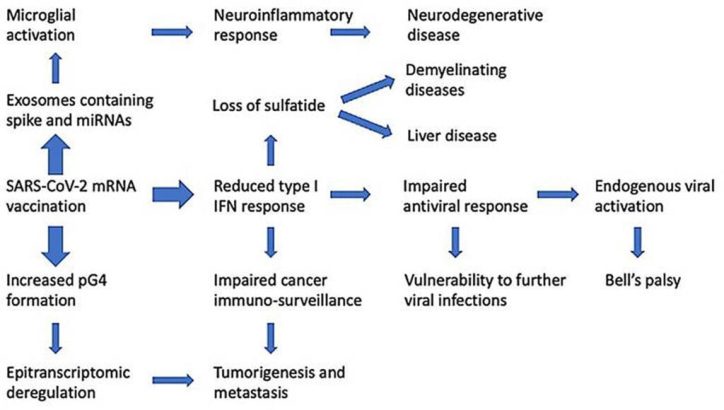
In a 2022 paper, Stephanie Seneff, Ph.D., Peter McCullough, M.D., MPH, and others discussed how the COVID-19 mRNA vaccines produce G-quadruplexes and microRNAs that can lead to prion disease.
The effect becomes significantly worse after the second dose of the Pfizer shot.
Prions are pathogenic agents that can induce the abnormal folding of cellular proteins, leading to diseases such as bovine spongiform encephalopathy (mad cow disease), Creutzfeldt-Jakob disease (CJD) and Alzheimer’s.
In his June 20 Substack post, researcher Adam Gaertner provides an accessible mini-tutorial on the complex and inspirational nature of cellular proteins. He addresses the structure and function of prions, the mechanisms by which they form, and how they can wreak havoc on any organ, especially the brain.
Prion disease can lead to a number of rare, progressive neurodegenerative disorders such as dementia, ataxia and spasticity before it becomes fatal, typically within just a few years of diagnosis.
Gaertner challenges the orthodoxy that there is no cure for prion disease by discussing several recent discoveries that offer “some unexpectedly good news.”
Further investigation into mRNA and CJD
Gaertner began his research work into potentially useful therapeutics for prion disease and has also funded the development of a non-invasive prion blood test.
He even undertook his own study of people who were diagnosed with or died of CJD-like symptoms (n=60) after receiving the (mostly Pfizer) mRNA jab.
Nevertheless, he readily admits that he has yet to establish absolute proof of causation.
In a European Union document related to the approval of the vaccine, Gaertner discovered what could be the smoking gun: The liquid nanoparticles used to encase the mRNA came primarily from cow fat. According to Gaertner, the document in question even admitted mRNA’s potential to cause prion protein contamination.
Nearly a year after Gaertner publicized his discovery — which convinced some but not all researchers — a paper by Jean-Claude Perez documented 26 cases of “a new form of CJD” observed within a few days of the Pfizer, Moderna or AstraZeneca vaccinations.
Of these, 20 people died within less than five months of the injection. (At the time of the paper’s publication, only one of the 26 had survived.)
The ‘good news’
While admitting that “there is not, ordinarily, a whole lot of good news to be had concerning prion diseases,” Gaertner outlined a mechanism by which “residues on the spike [protein] bind to the many and varied amyloidogenic proteins,” thus resulting in the blood clots observed by more than a few embalmers since the introduction of the mRNA shots.
He explained how this process can “bind up” the prionic proteins:
“So, what we essentially have here is, instead of a silently cascading apocalypse, buried deep inside parts of the brain that we will never reach, we likely, instead, have these long, stringy, vein-shaped agglomerations of the various amyloid proteins, binding together wherever they meet, and apparently at least somewhat resistant to being broken down by the body’s natural processes for dealing with such eventualities.”
The “really good news” comes from the way ivermectin binds directly to the spike protein — which has itself been described as a “prion-like” protein — thus blocking the spike from connecting to the ACE-2 receptor and “preventing the key from ever entering the keyhole.”
According to Gaertner, ivermectin also prevents the “amyloidogenic aggregations to the spike protein,” thereby arresting the production and proliferation of the prionic proteins. He adds:
“Ivermectin is, without a shadow of a doubt at this point, a true miracle drug: With so many applications, from antiviral, to cancer treatment, to anti-inflammatory, and of course in its originally recognized anti-parasitic application, there should be little wonder why the powers that be have done their best to diminish it as ‘horse paste.’”
Gaertner also notes that in a “very unscientific poll” he conducted on Twitter, 80% of respondents reported that a single, low dose of ivermectin significantly improved “brain fog,” a common post-COVID-19 symptom.
He described a number of “relevant investigational therapeutics” for use against the spike protein and its effects, including serrapeptase, quercetin, methylene blue and resveratrol, some of which demonstrate a “very broad range of useful actions.”
Expressing his belief that the lack of progress on therapeutics for neurodegenerative diseases is likely due to “your run-of-the-mill Pharma and charity corruption,” Gaertner nonetheless found cause for optimism.
“There’s been a lot of progress, on a lot of fronts, and more comes regularly as the world continues waking up,” he said.
John-Michael Dumais is a news editor for The Defender. He has been a writer and community organizer on a variety of issues, including the death penalty, war, health freedom and all things related to the COVID-19 pandemic.
This article was originally published by The Defender — Children’s Health Defense’s News & Views Website under Creative Commons license CC BY-NC-ND 4.0. Please consider subscribing to The Defender or donating to Children’s Health Defense.
July 8, 2023
Posted by aletho |
Corruption, Science and Pseudo-Science, Timeless or most popular | COVID-19 Vaccine |
Leave a comment
Readers of TCW will be familiar with Neville Hodgkinson’s critical reporting of the ‘Covid crisis’ since December 2020, notably his expert, science-based informed alarm about the mass ‘vaccine’ rollout, so absent from mainstream coverage. What they may be less aware of is the international storm this former Sunday Times medical and science correspondent created in the 1990s by reporting a scientific challenge to the ‘HIV’ theory of Aids, presaging the hostile response to science critics of Covid today. In this series he details findings that form the substance of his newly updated and expanded book, How HIV/Aids Set the Stage for the Covid Crisis, on the controversy. It is available here. You can read Part 1 of this series here, Part 2 here, Part 3 here and Part 4 here.
As a former newspaper medical and science correspondent, I saw striking parallels between the mishandling of Covid, from 2020 onwards, and illusions over HIV/Aids on which I had reported for many years. In both instances, scientists and public health experts seemed to lose their heads in the face of lobbying by powerful and sometimes mega-wealthy interests. The lobbyists were able to gain sway over state health agencies, whose generally good intentions became too readily misinformed and misdirected.
With Covid, the big push was for a jab to protect us against the toxic ‘spike protein’ that made the genetically engineered SARS-CoV-2, a product of biodefence research, a genuine new arrival in the world of microbes. Involvement of agencies heavily invested in vaccines, including the Bill and Melinda Gates Foundation and the UK’s Wellcome Trust, contributed to economically and socially disastrous lockdowns, and to mass vaccination with the experimental mRNA gene products. Thousands of deaths and millions of injuries have been reported in the wake of these jabs, but more than two years on, authorities such as the UK’s NHS continue to insist against all evidence (see also here) that they are ‘safe and effective’ and save millions of lives.
With Aids, the promotion of an unvalidated blood test for an unproven ‘HIV’ infection became the illusory basis of worldwide panic. A global marketing opportunity opened for drug and test kit manufacturers, and a vaccine was promised within two years. Forty years on, a vaccine is not even on the horizon, despite billions of taxpayer dollars having gone into countless trials.
No one seems ready to face the possibility that there will never be a vaccine for a virus that, according to an exhaustive, immensely painstaking analysis by a group of scientists based in Perth, Western Australia, has never been proved to exist.
The so-called HIV test detects antibodies to a range of proteins (antigens) assumed, but never proved, to belong to ‘HIV’. The proteins do exist, of course, and they are found at raised levels in the blood of people exposed to a variety of chemical and microbial challenges. These can include drugs, anal sex, multiple pregnancies, repeated blood transfusions, and chronic malnutrition-associated infections.
As explained earlier in this series, despite Herculean efforts in the laboratory, scientists were unable to obtain particles of ‘HIV’ from patients with Aids or at risk of Aids. Such particles would normally be considered essential for developing a diagnostic test. The particle constituents provide the test’s developers with specific antigens. Blood that reacts with those antigens can be assumed to have antibodies signalling exposure to a specific microbe, though cross-reactions can produce false positive results.
With the HIV test, however, there were no virus particles through which antigens could be defined as relating to HIV. Instead, the test’s developers used antigens found to be reactive with antibodies in the blood of people with symptoms of immune system breakdown. Yet those were the very patients who had often been exposed to a wide variety of antibody-inducing stimuli, which did not necessarily have anything to do with a deadly virus.
On the basis of this test, millions of people have been diagnosed ‘HIV-positive’, and if they become ill, victims of ‘HIV/Aids’. But the reason they test positive has nothing to do with a new virus. The idea that the test shows infection with a deadly virus is based on entirely circular reasoning, bypassing the need to prove the existence of ‘HIV’ itself. People test positive because they have antibodies to proteins falsely designated ‘HIV’ antigens.
As explained in Part 3 of this series, that false designation was made by researchers who thought detection of a particular enzyme, reverse transcriptase (RT), meant the presence of a retrovirus. RT was later found to be ubiquitous in cells, whose genetic activity is much more dynamic than was realised 40 years ago when the ‘HIV’ theory was developed.
Public health experts knew of this deficiency from the outset. One hundred experts from 34 countries at a 1986 World Health Organization meeting in Geneva heard that the test kits were licensed to protect blood supplies, as they served as a broad screen for possible abnormalities in blood. People with Aids and at risk of Aids suffer a range of active infections, some of which could be transmissible through blood transfusions. The tests helped to protect against use of such ‘dirty’ blood.
But the meeting was told that something more was needed to distinguish genuine ‘HIV’ infection or indeed determine if there were truly such a thing as ‘genuine HIV infection’. The test kits should not be used to diagnose or screen for HIV as such.
The delegates heard that a so-called ‘confirmatory test’, called ‘western blot’, relied on the same principle as the test kits it was supposed to be checking, and so was also incapable of being used to diagnose HIV/Aids. In a monumental scientific ‘fudge’, however, a representative from the US Food and Drug Administration told the meeting that public health needs had caused usage of the kits to expand and ‘it was simply not practical’ to stop this.
In other words, panic over Aids caused science to be thrown out of the window. It was just as we now know happened with the arrival of Covid, when powerful agencies conspired to bring about unprecedented, economically and socially disastrous lockdowns, misuse of dubious testing technologies that exaggerated case numbers, and mass administration of an experimental gene product sold to us as a ‘safe and effective’ vaccine.
When later studies of the ‘HIV’ test showed a close link between testing positive and risk of developing Aids, that was taken to prove the test’s validity. The link was entirely artificial, however. It was a consequence of the circular reasoning, not of ‘HIV’ infection.
As the HIV/Aids paradigm won worldwide acceptance, increasingly complex procedures for trying to make a reliable diagnosis came into being. But the basic problem remains to this day: scientists have not been able to validate any of these procedures against pure virus, taken from patients, because no such virus has ever been obtained.
Research has repeatedly confirmed that many different conditions cause raised levels of the antibodies looked for by the ‘HIV’ test, putting people at risk of being labelled HIV-positive when there is no such virus present. They include mycobacterial infections such as TB and leprosy, widespread among impoverished people, and the cause of millions of misdiagnosed ‘HIV/Aids’ cases in Africa.
Also, when cells are dividing and growing at a higher rate than normal, such as in pregnancy, raised levels of antigens are liable to trigger positive test results which have nothing to do with ‘HIV’. This is another source of illusory ‘HIV/Aids’ diagnoses in poor countries and communities where many women undergo multiple pregnancies.
Manufacturers of the tests know they should not be used diagnostically, and test kits contain a disclaimer to that effect, such as ‘Do not use this kit as the sole basis for HIV infection’. Healthcare providers never diagnose HIV based on a single test result – further ‘confirmatory’ tests are always required, and on the basis of how one test performs against another, high levels of accuracy are claimed. But these are bogus claims. All the tests suffer the same problem: lack of validation against actual virus. When the tests are based on similar principles, if the principles are wrong it means all such tests are wrong too.
As in the early days of Covid, the greater the fear generated by modellers and media, the greater the sense of approval from the authorities. In 1987, a computer model prepared at the Los Alamos National Laboratory said one American adult in ten could become infected by 1994, although researchers admitted that was based on inadequate information. In fact, the number of ‘HIV’-positive Americans has remained at a little over a million almost from the start of the testing programme. This is not the behaviour of an infectious virus new to humanity.
In 1985, the Royal College of Nursing said one million people in Britain ‘will have Aids in six years unless the killer disease is checked’. The actual cumulative total of Aids cases by 1990 was below 5,000. Today, fewer than 200 Aids diagnoses a year are reported in the UK, and well under 3,000 new ‘HIV’ diagnoses.
In poorer countries, however, continued inappropriate use of the tests has led to claims that millions are ‘HIV-infected’. This belief fuels a continuing flow of jobs and cash for researchers, non-governmental organisations, charities, and drug companies. According to the World Health Organization, 38million people are ‘living with HIV’ today, and 27,500,000 are receiving antiretroviral drugs.
It is a great tragedy. Through good intentions as well as selfish interests, huge resources are being misdirected. Since the inception in 2003 of the US President’s Emergency Plan for AIDS Relief (PEPFAR), the US government has invested more than $100billion in the global HIV/Aids response. It is the largest commitment in history by any nation to address a single disease, funded through the American people’s generosity. The project is said to have saved more than 25million lives, prevented millions of HIV infections, and supported several countries in achieving HIV epidemic control – ‘all while significantly strengthening global economic security’.
The weight of support for the HIV theory is still huge. PEPFAR is managed and overseen by the US Department of State, and implemented by seven government departments and agencies, ‘leveraging the power of a whole-of-government approach to controlling the HIV/Aids epidemic’.
But what if there is no epidemic? Would not development aid be a more humane and effective response to the immune deficiency widespread in poor countries than drugs of dubious safety and effectiveness, invalid tests, and endless vaccine trials?
Thirty years ago, in 1993, Sunday Times editor Andrew Neil sent me to Africa for several weeks to report from the ground on what was happening there. At that time, there were forecasts that the population was set to be decimated because of long-established, widespread infection with HIV. After meeting scientists, doctors, politicians and patients in Kenya, Zambia, Zimbabwe and Tanzania, I found no good evidence of a new, epidemic condition. But there was an epidemic of fear – Zimbabwe’s health minister told me that he called it ‘HIVitis’ – created by an invasion of Aids researchers armed with the unvalidated diagnostic tests.
My reports provoked a flood of correspondence, some supportive – such as from the influential and knowledgeable New African magazine – but also including condemnation from the highest level in the UK. A letter signed by Baroness Chalker, Minister for Overseas Development, Sir David Steel, Liberal Democrat spokesman for foreign affairs, and Tony Worthington, Labour’s foreign affairs spokesman, accused me of writing nonsense. Their letter was said to have been seen and agreed by a long list of heads of medical establishments, including the chief medical officer, the director of the Medical Research Council, and voluntary organisations concerned with Aids. It said:
‘Mr Hodgkinson says that the scientific community have collectively failed to validate their tests for HIV and have deliberately inflated statistics. If we are to believe him, these scientists have fooled the World Health Organisation, governments in developed and developing countries alike, international development organisations like the Save the Children Fund, ActionAid and Oxfam, institutes of public health, journalists and the general public.
‘The sad fact is that Africa is in the grip of a major HIV epidemic. Tens or hundreds of thousands have already lost their lives: tens of millions are at risk.
‘Mr Hodgkinson has got it badly wrong, and you do your readers a disservice in giving credence to his nonsense.’
In 1993 Africa’s population was approaching 700million. In 30 years, far from being decimated, it has more than doubled and now stands at nearly 1,433,000,000.
Philippe Krynen, head of the African mission Partage Tanzanie, was a star on the HIV/Aids circuit until he realised that ‘this epidemic which was going to wipe out Africa is just a big bubble of soap’, as he told me at his headquarters overlooking Lake Victoria in 1993. Krynen, whose charity has been doing magnificent work for orphans in the region for nearly 35 years, managed to resist an attempt by the European Community’s Aids task force to have him thrown out of the country in the wake of his revelations.
We were last in touch in November 2022. He wrote: ‘The Aids issue is totally buried in dusty files, at least for us here in Tanzania. The distributors of antiretroviral drugs are still doing their business in the country but the pandemic tale is dead.’
He added: ‘As for the Covid tale, it didn’t last long. In 2020 a short epidemic of acute respiratory tract infection was taken care of by a cocktail of common antibiotics. The combination of very few tombs per community, and a patent lack of statistics, dismantled the scarecrow. Prevention (masks and soaps) was quickly abandoned and business as usual never interrupted . . . Tanzania today is seen as a peaceful African jewel.’
Covid has made it more important than ever that the illusions around the HIV theory of Aids should be dispelled. They are not likely to disappear overnight, but 40 years on, with no vaccine or cure for the purported ‘HIV’ infection, and many lives put at risk by toxic medicines directed against a mythical enemy, is there not someone in the scientific community with the integrity and human decency to take an honest look at the astonishingly detailed and challenging work of the Perth scientists?
Otherwise, we may also be condemned to decades of untruths about Covid. So far, the scientists who created the genetically engineered virus have not been called out for their mistakes, and a continued climate of fear means people are still testing, distancing, masking, and queuing up for an ineffective and unsafe medical treatment that masquerades as a vaccine.
Next: Ill-founded claims of a virus genome
July 8, 2023
Posted by aletho |
Science and Pseudo-Science, Timeless or most popular | HIV/AIDS |
Leave a comment
Numerous regional governments have for years protested Japan’s plans to release the wastewater from Fukushima Daiichi into the Pacific Ocean, including South Korea, China, and numerous Pacific Island nations, whose fishing fleets work the vast ocean waters.
The Japanese government has moved to begin the gradual release of 1.3 million tons of treated wastewater from the Fukushima nuclear power plant in Okuma. The water, which is radioactive from having been used to keep molten spent nuclear fuel cool in the aftermath of the March 2011 earthquake and tsunami that devastated the Sendai plain, has been filtered through the Advanced Liquid Processing System (ALPS). The planned release will take place over 30 to 40 years.
Kevin Kamps, the radioactive waste watchdog at Beyond Nuclear, told Sputnik on Friday that the International Atomic Energy Agency (IAEA) is caught in a vise between its advocacy for nuclear power and the reality of the detrimental effects of improper storage of its waste, which is a key problem with the Japanese government’s plan since 2011 to store that waste at the site of the damaged Fukushima nuclear power plant.
“I think it’s just an industry public relations campaign to kind of say, look, the ocean’s a big place, it’s just going to disappear into nothingness. And it’s not true,” he told Radio Sputnik. “In fact, it’s going to concentrate the radioactivity in the food chain. And that’s going to be the main pathway for human exposure as people eating Fukushima contaminated fish from the Pacific Ocean.”
“There’s so many options that are better than dumping it in the ocean. One option is what they’ve been doing for the past 12 years, since this catastrophe began: storing it in tanks. It has not gone perfectly, but their rationale for not continuing with the tank storage is that they’ve run out of room, they’ve run out of physical space. And all I can say is, would you please give me a break? They have turned that region into a radioactive sacrifice zone because of the catastrophe,” Kamps said, adding that the area has already been rendered inhospitable by the radiation.
“There’s an option to expand the site perimeter, continue with the tank storage. A problem with that, though, is that site, as shown by the March 11, 2011 earthquake and tsunami, it’s not a stable site, so storage there may not be the best idea,” he noted.
“A colleague of mine, Dr. Arjan Nakatani, is actually serving on the Pacific Islands Forum, reviewing this insane scheme on behalf of Pacific Island nations and opposing it. He has pointed out from the earliest days of the catastrophe that the radioactive wastewater could be transported to a more stable site and stored there. The reason this makes sense is tritium has a 12.3-year half life. Multiply by ten to get the hazardous persistence. That’s 123 years. One hundred twenty-three years of storage is doable, humans can do that. That’s really the best plan for what they have now.”
Kamps noted that several months after the 2011 disaster, radioactive cesium in the seawater along the California coast had doubled, proving that while “it’s a big ocean,” the radioactive materials won’t just disappear. In the case of Fukushima, it’s not just radioactive waste entering the water, either: the water itself is radioactive.
“The main culprit that we need to worry about is radioactive tritium, which is radioactive hydrogen, which means that the water molecules in that radioactive wastewater are themselves radioactive. It’s not a contaminant per se. It’s radioactive water. And other contaminants in there include strontium-90, cesium-137, iodine-129 – the list goes on. They have run it through filters.”
“The radioactive isotopes per element behave chemically just like their non-radioactive sibling. So, for example: cesium, that’s going to go to muscle tissue; strontium, that’s going to go to bone; tritium is going to go anywhere in the human body and other living things that hydrogen goes, which is everywhere. Radioactive carbon-14, the nuclear industry likes to say that they’re carbon-free. Well, they’re not carbon-14 free. And ironically enough, carbon-14 – which again, can go anywhere in the human body that carbon can go, which is everywhere – is perhaps the most biologically harmful of these radioactive poisons because it has a 5,500-year half-life. That means 55,000 years of hazard.”
“And all of these radioactive elements are going to enter the food chain and in fact, they’re going to concentrate upwards to humans at the top of that pyramid, through fish, through seaweed. You mentioned that there has been panic buying of salt in South Korea to try to get salt not exposed to this ocean release before they start releasing. So the shelves in South Korea are devoid of salt because people are buying as much as they can before this bad idea began.”
Kamps noted other examples include the US’ underground storage sites for radioactive waste such as the Waste Isolation Pilot Plant (WIPP), buried deep under the New Mexico desert inside a watertight salt formation, where it is expected to safely decay for 10,000 years. However, even then, it took only 15 years for an accidental release of radioactive material, which escaped through a ventilation shaft.
Kamps said the IAEA’s endorsement of the release would deliver the agency “a huge reputational blow,” adding that it has long downplayed the risks of nuclear power and the outcomes of disasters such as that at Chernobyl in Soviet Ukraine in 1986.
“The International Atomic Energy Agency under the Nonproliferation Treaty of 1970 is a pro-nuclear power institution. Their job is to supposedly hold nuclear weapons proliferation in check while advocating an expansion of nuclear power. It’s a schizophrenic mandate. And what they do is they will downplay Chernobyl, they will downplay Fukushima as part of their pro-nuclear power mandate.”
Kamps also noted that the Japanese government has been strongly pro-nuclear power since the 1950s, thanks to pressure by the US government, which occupied the country from the end of World War II until 1952. He accused the IAEA of being “a lapdog sitting in the lap of Tokyo Electric and the Japanese government.”
“It’s pretty astounding that they’re willing to stick to their script when, you know, they are getting called out by a long list of countries in the Pacific who are going to be harmed by this and by scientists with a lot more integrity than any of those institutions I mentioned, who are saying that the data is nonexistent, analyses have not been completed. It’s all very half-baked. And I guess those promoting it are hoping that this public relations scheme to just make people look away and forget about it is going to work. So I guess that fight is on.”
“There’s a growing list of countries that have banned importation of seafood from the Fukushima region, which include places like South Korea and China and elsewhere. And the list of countries that have spoken out very strongly against this wastewater dum, those same countries and many others, including Russia, the Philippines, the Pacific Islands Coalition, who have an expert panel looking at this, have pointed out just how sloppy the so-called analysis by Tokyo Electric and the Japanese government have been. The documentation is missing. The analyses are far from complete. Even analyses that the IAEA promised to carry out are one-third done at this point, and yet they have signed off on the dumping to begin. So the public relations facade of proponents of dumping is very thin and they’re being called out on it at the highest levels of many governments on the Pacific Ocean.”
Many of those same governments, Kamps noted, are also very heavily dependent on nuclear power and wrestle with many of the same questions of safe waste disposal. Pressure from anti-nuclear groups has also forced their hand, and the expert noted that in Japan, those groups have long been “the little Dutch boy with their finger in the dike, preventing this scheme from going forward for many years.”
“Hats-off to the Japanese anti-nuclear movement, which has kept the vast majority of reactors shut down since Fukushima. They won’t let them be reactivated. And that’s something that amazes me because we try so hard in the United States to do that, too. But we’re often steamrolled in our efforts,” he said.
July 7, 2023
Posted by aletho |
Nuclear Power, Timeless or most popular | Japan |
Leave a comment
Readers of TCW will be familiar with Neville Hodgkinson’s critical reporting of the ‘Covid crisis’ since December 2020, notably his expert, science-based informed alarm about the mass ‘vaccine’ rollout, so absent from mainstream coverage. What they may be less aware of is the international storm this former Sunday Times medical and science correspondent created in the 1990s by reporting a scientific challenge to the ‘HIV’ theory of Aids, presaging the hostile response to science critics of Covid today. In this series he details findings that form the substance of his newly updated and expanded book, How HIV/Aids Set the Stage for the Covid Crisis, on the controversy. It is available here. You can read Part 1 of this series here, Part 2 here and Part 3 here.
Yesterday I explained how detection of an enzyme called reverse transcriptase (RT), previously thought to prove the presence of a retrovirus but later found to be abundant in cells, lay at the root of the theory that HIV causes Aids. This is one key finding in an 80-page deconstruction of the entire concept of ‘HIV’ posted in July 2017 by a group of scientists based in Perth, Western Australia.
Their work has been ignored, censored and suppressed in much the same way as experienced by critics of the panic-stricken, exploitative, ego-driven, cruel and hugely damaging responses to the Covid pandemic.
The Perth paper is not a loose philosophical challenge to germ theory in general. It is a forensic examination of every detail of the science that has been taken as proof of the HIV/Aids hypothesis.
Misinterpretation over the presence of RT paved the way for further foundational errors, the next of which was the bypassing of a vital step in virus identification known as purification. This entails separating particles of the virus from cell debris, so the particles can be shown to be infectious, and their exact constituents established. HIV pioneers Luc Montagnier and Robert Gallo never fulfilled this requirement, according to the Perth group’s analysis, despite claims to the contrary.
‘Viruses are particles,’ the Perth scientists say. ‘Without proof for the existence of particles there is no proof of the existence of a virus.’
It was not that the Montagnier and Gallo teams did not try. Both regularly attempted to purify particles from cultures of cells taken from Aids patients, or those at risk of Aids. They used a technique known as sucrose density gradient ultracentrifugation. In this, a drop of the culture fluid is passed through a sucrose solution spun in a high-speed centrifuge which separates retrovirus particles at a particular density. This material is then examined with an electron microscope in the hope of demonstrating the particles.
Montagnier’s group cultured cells from a 33-year-old gay man with swollen lymph nodes, who indicated that he had had more than 50 sexual partners a year and had travelled to many countries. He had a history of several episodes of gonorrhoea, and three months previously had been treated for syphilis.
Reverse transcriptase activity was seen and interpreted as meaning a retrovirus was present. RT was also detected in their second experiment, in which cells from the patient were co-cultured with the cells of a healthy blood donor. Despite repeatedly looking, however, Montagnier’s group failed to find evidence of the vital particles in either of these experiments.
In a third experiment, cells from umbilical cord blood, obtained from two placentas, were cultured with fluids from the second experiment; in this case a few particles were seen under the electron microscope. The group took them to be ‘HIV’, although they were not purified, and umbilical cord cell cultures are known to produce such particles independent of any infection. No control experiment was done to see whether the umbilical cells would produce a similar result by themselves.
Particles which simply look as if they might be retroviruses can often be detected in sick people, regardless of Aids, as well as in people who are well. This is why the Perth scientists insist that failure to purify particles, determine what they are made of, and prove they are infectious was such a huge flaw in ‘HIV’ science. Later claims by HIV researchers that they have found other means of determining HIV’s presence are all indirect, like the detection of RT, and equally open to misinterpretation.
In 2008, Montagnier and his co-worker Françoise Barré-Sinoussi were awarded the Nobel Prize in Physiology or Medicine for having been first to discover HIV. In her biographical details for the prize, Barré-Sinoussi stated that ‘it was important to visualise the retroviral particles, and Charles Dauget (the team’s electron microscopist) provided the first images of the virus in February 1983. The isolation, amplification and characterisation of the virus rapidly ensued’.
However, Montagnier had given a different picture when questioned on this point by Djamel Tahi, a French documentary film maker, in a 1997 interview. Tahi asked why electron microscope photographs ‘published by you come from the culture and not from the purification’. Montagnier replied that when purification was attempted, ‘we saw some particles but they did not have the morphology typical of retroviruses. They were very different’. Of Gallo’s work, he said: ‘I don’t know if he really purified. I don’t believe so.’
Dauget went further, telling Tahi: ‘We have never seen virus particles in the purified virus. What we have seen all the time was cellular debris, not virus particles.’
Cellular debris means broken down pieces of cells used in the cultures. Yet because of the RT activity, Montagnier believed he had found a retrovirus. So when he incubated serum from his patient’s blood with this ‘debris’, he expected to find antibodies which would react with virus proteins. Three proteins did produce a reaction, and Montagnier concluded that one of these was ‘specifically recognised’ as being viral.
There was no scientific justification for this conclusion, the Perth scientists say. Many healthy humans have antibodies which react with this protein, identified as p24 (a molecular weight of 24,000). It is also known that at least one normal cell component is a protein with the same molecular weight. Yet for decades the detection of this protein in blood or culture has been taken to prove the presence of the virus.
In May 1994 Gallo published four papers in Science with many similarities to the French group’s experiments, though he tested samples from more patients and used an immortal (cancer) cell line to obtain large amounts of proteins for diagnosis and research. His claims to have found the virus held no more validity than Montagnier’s because he too failed to observe, purify and characterise actual virus particles.
In 2003 the Perth group emailed Gallo asking if he was aware of Montagnier’s admission that there were no electron microscope pictures of purified virus from the original patient, and whether clinicians had cause for concern about the implications of Montagnier’s answer. Had clinicians spent two decades diagnosing patients with a non-existent virus?
Gallo replied: ‘Montagnier subsequently published pictures of purified HIV as, of course, we did in our first papers. You have no need of worry. The evidence is obvious and overwhelming.’
Gallo’s reassurance has no basis in fact, the Perth scientists maintain. Not a single electron micrograph of purified ‘HIV’ was published by Gallo in 1984, or since. Nor did Montagnier publish any such picture. Fourteen years later, European and US groups who tried to make good this deficiency were still unable to provide clear evidence of the existence of ‘HIV’.
Right until his death in February 2022, Montagnier tried to signal to the world that HIV was not as dangerous as had been thought. I suspect he knew in his heart of hearts that the theory was mistaken, but could not bring himself to admit it after the fame – and wealth – that came his way.
I interviewed Montagnier for the Sunday Times at the Institut Pasteur in Paris in 1992, for an article the paper ran on April 26 under the heading ‘Time to think again on Aids link, claims HIV pioneer’. His thinking on HIV and Aids was already strikingly different from most people’s picture of the disease. He insisted that HIV did not attack cells of the immune system directly, but that in the presence of other infections it could spark a process in which immune cells were self-destructing faster than they could be replaced.
This was a big contrast with the ‘lethal virus’ picture promoted by Gallo. It meant HIV-infected patients could reduce their risk of Aids by reducing their exposure to other microbes. Dietary advice and vitamin supplements were also likely to help, Montagnier indicated, by easing chemical stresses in the body that were known to cause loss of immune cells.
‘We were naïve,’ he said at one point. ‘We thought this one virus had been doing all the destruction. Now we have to understand the other factors in this.’
He tried to make his views on these ‘co-factors’ known in June 1990, at the sixth international Aids conference in San Francisco, but it was not a message the conference wanted to hear. Of 12,000 delegates present, only 200 went to hear his talk. By the time he had finished, almost half had walked out. His concerns were dismissed by leading American Aids scientists and public health officials. Molecular biologist Professor Peter Duesberg, himself ostracised and defunded for challenging Gallo’s ‘deadly virus’ claims, commented: ‘There was Montagnier, the Jesus of HIV, and they threw him out of the temple.’
Molecular biology has moved into such refined areas of understanding that most people outside those directly involved in the field have little chance of detecting false claims. This is also a problem that has bedevilled Covid science. Despite clear evidence from the start that SARS-CoV-2 was genetically engineered, powerful interests consistently threw up clouds of confusion, claiming it was a natural virus that had jumped species and that any other suggestion was conspiratorial. On top of that, big money was piled into promoting a global vaccination campaign, and into discrediting any ideas that could get in the way of that bonanza.
At least with Covid, the internet has made it possible for thousands of doctors and scientists to question official responses to the crisis, even in the face of relentless propaganda by the BBC and most mainstream media.
The marketing of the HIV theory of Aids was so successful, however, that few people realise there is any flaw in the science. Forty years on, millions of lives are still being blighted by an antibody test for a virus that never was.
Next: The ‘HIV’ test that misled millions
July 7, 2023
Posted by aletho |
Book Review, Science and Pseudo-Science, Timeless or most popular | HIV/AIDS |
Leave a comment
In our interview with Liliane Held-Khawam, she describes how states are increasingly being corporatised and the elites are running the world like one grande world company. In this excerpt, Liliane presents the organizational model of the globalized, privatized and corporatized society that will be ours if the logic of globalization is carried to its conclusion.
Liliane Held-Khawam has a degree in economics from the University of Neuchâtel, Switzerland and founded a business strategy and management consulting company serving multinationals focusing on human development within an organization. She authored a book on MPC management coaching, and publishes extensive research into current events on her site lilianeheldkhawam.com
Please donate to the project. Your contribution makes a real difference:
https://planetlockdownfilm.com/donate/
Subscribe to the email list for updates on the film and interviews:
https://planetlockdownfilm.com/lists/?p=subscribe
Watch more full interviews and educate yourself!
https://planetlockdownfilm.com/full-interviews/
July 7, 2023
Posted by aletho |
Civil Liberties, Full Spectrum Dominance, Supremacism, Social Darwinism, Timeless or most popular | Human rights |
Leave a comment
As previously noted, the outrage over Japan’s discharging of over 1 million tons of radioactive wastewater from the Fukushima Daiichi Nuclear Power Plant into the Pacific Ocean (“discharge” for short) continues to persist. For instance, thousands of Koreans rallied in downtown Seoul on May 20, 2023, to protest the discharge. The leader of the main liberal opposition party in Korea, Lee Jae-myung, told the protesters that the national government should not support Japan’s decision to dispose of contaminated water without considering the repercussions for neighboring countries and the contamination of the world’s oceans. Lee Jae-myung compared the discharge of wastewater with pouring poison into the well, to “nuclear terrorism.” How right is South Korea’s top Democrat?
If you accept the claims made by various environmental groups or the South Korean “democratic opposition” without question, you might well believe that Japan is following through on its plan to release water into the ocean to cool the reactor. However, when this information is clarified, the possibility of a “global disaster” becomes a hotly contested topic.
Since 2011, the procedure of water filtration and sedimentation has been under progress. There are currently more than 1.3 million tons of water in more than 1,000 tanks at the nuclear power plant that have passed through a specialized treatment system known as the Advanced Liquid Processing System (ALPS). Throughout this time, the water has been filling the storage tanks until there was no more room nearby. The ALPS system is capable of removing all radioactive substances except tritium from wastewater, and Tokyo claims that tritium-added water discharge is common practice at nuclear power plants around the world.
There is a fierce debate, however, over what to call water that has undergone purification. The Japanese side claims that among the potentially dangerous isotopes there remains only radioactive tritium, the concentration of which will not cause much concern. Therefore, it is logical to call water “purified” or at least “treated,” while Lee Jae-myung and Co. speak of “contaminated” water, not shying away from using the term “liquid radioactive waste,” which creates a very different impression in the public mind.
The IAEA uses both terms depending on the level of filtration: water that has undergone treatment is referred to as “treated water,” while unfiltered water is referred to as “contaminated.”
In an effort to improve relations with Tokyo under the Yoon Suk-yeol administration, official Seoul is also thinking about changing the word “contaminated” to “treated.” For example, the government urged the term “nuclear wastewater” not be used on June 19, 2023 because it “causes people excessive and unnecessary concern.” This is correct, because the phrase “radioactive water” implies “water directly from the reactor” in the mass consciousness, not “water that has undergone a purification procedure and has stood for more than ten years.”
Of course, the water would be drained from the initial storage facilities, and – after several years, if not decades – the cleaned water would be mixed with regular water and released into the ocean in a thin stream.
The Japanese government had stated that Discharge to the Pacific Ocean would commence in April 2021, and on June 7, 2023, Tokyo Electric Power Company (TEPCO) finished work to pump seawater through an undersea tunnel designated for Discharge. In the near future, TEPCO plans construction of a tank in which contaminated water will be temporarily stored before being transferred to the underwater tunnel. All work in preparation for the discharge of contaminated water into the ocean should be completed by the end of June. Water discharge is set to commence this summer.
On June 12, Japan began testing facilities designed for the Discharge. According to Fukushima TV, clean water mixed with seawater will be discharged for two weeks. At the same time, there will be no discharge of contaminated water during this period.
The arguments of the supporters and the opponents of Discharge can be summarized in the following table.
| For Discharge |
Against Discharge |
· Filtration of the contaminant will reduce harm to the environment to an insignificant level.
· Radioactive tritium can be reduced to a safe level by diluting it. According to Heo Gyun-young, professor of nuclear engineering at Kyung Hee University, who heads the technical review committee of a government task force convened to respond to the Discharge, it would be hard to assume that tritium could affect our health. Heo Gyun-young believes that the tritium discharged with wastewater will not affect human health. A single chest X-ray of an adult exposes the patient to 0.1 mSv of radiation, while the Japanese government’s proposed treatment will discharge 0.00003 mSv of tritium into the ocean.
· The IAEA confirms that the water is safe. Five reports have already been released by the agency, and a sixth is scheduled for release at the end of June.
· The best method for getting rid of water is discharge.
|
· The ocean is more unpredictable than it seems – harm can be done through food chains
· There have been no research on the impacts of tritium on marine ecosystems in Tokyo, therefore people do not completely realize the true harm caused by tritium.
· The IAEA’s role is to analyze and confirm the data provided by the Japanese side, not to directly collect samples and verify them. This UN agency stands with Japan on nuclear power, and therefore “IAEA’s role, in this case, was clear from the outset ― not to verify but to corroborate. Yes, it is the only international agency to do that job. Still, one had better not read too much into its conclusion.”
· The third-largest economy in the world has the resources and technology to create alternatives, such as onshore storage and contaminated water evaporation. Allegedly there are at least two alternatives to discharging water into the ocean – building giant storage tanks on land and turning it into mortar by mixing it with sand and cement. The first costs about 300 billion won ($227 million) and the second costs 1 trillion won. Although it is far more expensive than the 34 billion won that Discharge costs, “we can hardly believe that the world’s third-largest economy and the only Asian member of the G7 chooses a contentious method to save at most $750 million,” the article states.
|
Let us not forget the thesis beloved by the opponents of the discharge: “If it is safe enough to drink, they should use it as drinking water. It should at least be used as agricultural or industrial water.” At various points this thesis has been voiced by Lee Jae-myung, the leader of the ROK opposition, a representative of the Chinese foreign ministry, and even worried Fijian officials.
By the way, China’s stance is just as dogmatic and prejudiced. Li Song, China’s permanent representative to the IAEA, criticized Japan for their intended discharge of radioactive water into the ocean on June 10, 2023, claiming that the action will jeopardize the health of people worldwide and the marine ecosystem. More than 60 radionuclides are present in the radioactively contaminated water, according to Li, who also noted that even after filtering, 70% of this water does not adhere to IAEA guidelines.
Two other issues on which there is scientific and public debate is the time when discharged water will reach Korea and also the problem of general water contamination, including radioactive fish.
The government-funded research institute Korea Atomic Energy Research Institute (KAERI) issued a disclaimer after Wade Allison, a British physicist and Emeritus professor of Physics and Fellow of Keble College at Oxford University, said on May 15 that he would drink up to 10 liters of Fukushima water. According to KAERI’s news release, treated wastewater is not safe to drink, and the professor’s assertion that he would drink many liters of water does not reflect the institute’s views. Meanwhile, during a National Assembly session on May 24, Han Gyu Joo, the KAERI President, stated that wastewater should not be drunk since “the wastewater is 62 times higher in becquerel (Bq), a unit of radioactivity, than drinking water.”
When Professor Emeritus Suh Kune-yull of Seoul National University’s Department of Nuclear Engineering told local broadcaster YTN that the wastewater could flow into the East Sea within five to seven months after the discharge begins, authorities immediately issued a press release refuting the claim. They referred to simulations done by government research institutes, denying the professors claims and indicating that seawater containing very few traces of tritium would enter the Korean Seas about five years after wastewater discharge. A group of fishermen then reported the professor to the police for defamation, and the ruling party criticized him for causing fear in the general public by spreading groundless rumors.
Later, Vice Minister Song Sang-geun of the Ministry of Maritime Affairs and Fisheries, denied a media report citing a study by the Helmholtz Association of German Research Centers that contaminated water from the plant would reach the shores of South Jeju Island in just seven months. According to him, as ocean currents carry the contaminated water, the radioactive material would be virtually invisible on the shores of Jeju. He also added that the concentration level there would be about a trillionth of that of the Fukushima coast.
Meanwhile, salt sales in the Republic of Korea have increased by 55.6 percent as a result of concerns that Japan’s planned discharge of treated wastewater may contaminate the waters surrounding the Korean Peninsula. Separately, there is a shortage of iodized salt as a remedy for radiation.
On June 20, 2023, it was announced at the plenary meeting of the Agriculture, Forestry, Livestock, Food, Marine, and Fisheries Committee of the National Assembly that from 2011 to 2020, the level of cesium-137 in the Sea of Japan rose from 0.001 to 0.002 becquerels per kilogram (Bq/kg). But on June 21, Vice Minister Song Sang-geun of the Ministry of Maritime Affairs and Fisheries, reported that in 2011 the concentration of cesium in the East Sea has not practically increased: from 2005 to 2010, the index was kept between 0.001 and 0.004 Bq/kg. At the same time, the World Health Organization limits the content of cesium in drinking water to 10 Bq/kg, so the water from the Sea of Japan is absolutely safe.
According to Song Sang-keon, the government has discovered no concerns in around 75,000 radiation tests conducted on marine items after the Fukushima nuclear disaster in 2011. The government is still examining fish taken in Korean waters to ensure they are not contaminated by the Fukushima nuclear disaster.
On May 31, 2023, the IAEA submitted an interim report on the results of the analysis of contaminated water from Japan’s Fukushima Daiichi Nuclear Power Plant. No significant excess of nuclides was detected in the water samples. The Tokyo Electric Power Company’s radioactivity analysis method and water sample collecting procedure are acceptable, according to the paper. Research institutions from France and Switzerland, as well as the Korea Institute of Nuclear Safety participated in the IAEA’s analysis of the water samples. The IAEA intends to submit a report on the results of seawater analysis in the Fukushima Daiichi Nuclear Power Plant area and the fish that are located there in the near future.
However, in response to mounting concerns, the ruling party and the government agreed on June 18 to expand the inspection of radiation levels in the ocean, increasing the number of seawater testing sites from 92 to 200. Furthermore, cesium and tritium concentration levels will be monitored every two weeks, compared with the current frequency of once every one to three months.
Fish taken in the waters around the Fukushima Daiichi Nuclear Power Plant in May carried radioactive cesium, many times exceeding Japanese food safety regulations. The Kyodo Tsushin Agency reported that the intestines of sebastes taken at a port near the nuclear power plant in May contained 18,000 becquerels of cesium per kilogram, according to a study provided by the facility’s operator, Tokyo Electric Power Company (TEPCO).
This is 180 times higher than the limit for cesium content in seafood as stipulated by Japanese health regulations (no more than 100 becquerels per kilogram) and far exceeds the permissible level for human consumption. In particular, the content of cesium-137 is 180 times higher than the standard maximum.
As a result, according to a poll conducted from May 26 to 28 by Hankook Ilbo, a Korean daily newspaper, and the Japanese Yomiuri Shimbun, more than 80% of South Koreans oppose the discharge, while 60% of Japanese support it. At the same time, the Democrats claim that the government is downplaying the results of a poll showing that 84% of Koreans oppose.
In May 2023, a team of South Korean experts visited the plant with an inspection to see whether the radioactive water could be safely processed. The inspection was conducted in accordance with the agreement reached at the summit between President Yoon Suk-yeol and Japanese Prime Minister Fumio Kishida. After the inspection, the team stated that significant progress had been made, but that further analysis was needed for a more accurate conclusion. This led to an outburst of speculation about the bias of the commission, but the author will discuss the twists and turns surrounding this visit in the next text, concluding with a passage from the media: “The Fukushima wastewater discharge is an issue related not only to people’s health but also to their sentiments. It is a matter of safety in scientific terms and also a matter of whether people really feel it is safe. The government must keep trying to figure out ways to dispel people’s anxiety. Above all, it is important to concentrate on verifiable scientific facts and communicate with the people swiftly, transparently and continuously. It must also demand concrete and precise data and explanations from Japan if necessary, while keeping up efforts to verify them.”
Konstantin Asmolov, PhD in History, is a leading research fellow at the Center for Korean Studies of the Institute of China and Modern Asia at the Russian Academy of Sciences.
July 6, 2023
Posted by aletho |
Nuclear Power, Timeless or most popular | China, Japan, Korea |
Leave a comment
Readers of TCW will be familiar with Neville Hodgkinson’s critical reporting of the ‘Covid crisis’ since December 2020, notably his expert, science-based informed alarm about the mass ‘vaccine’ rollout, so absent from mainstream coverage. What they may be less aware of is the international storm this former Sunday Times medical and science correspondent created in the 1990s by reporting a scientific challenge to the ‘HIV’ theory of Aids, presaging the hostile response to science critics of Covid today. In this series he details findings that form the substance of his newly updated and expanded book, How HIV/Aids Set the Stage for the Covid Crisis, on the controversy. It is available here. You can read Part 1 of this series here and Part 2 here.
When Covid was first perceived as a threat to public health in 2020, many governments rejected advice that protection should focus on those most at risk. They jeopardised the health and lives of millions through repeated lockdowns and the reckless rollout of experimental mRNA injections. In the panic surrounding the arrival of the genetically engineered SARS-CoV-2, unnecessary deaths occurred as a result of inappropriate forced ventilation, neglect of antibiotic treatment of associated bacterial infections, and the banning of effective medical therapy such as ivermectin.
Awareness of the scientific hubris that brought Covid into being, and of the corruption and abuse of power that turned the virus’s escape into a mega-crisis, has become widespread. The internet made it possible for critics to air data countering the official narratives, despite persistent attempts at censoring so-called ‘misinformation’.
Far fewer people know that a similar medical madness came into being nearly 40 years ago, before the internet was with us.
In the Aids era, a new, lethal, sexually transmitted virus known as HIV was said to be putting us all at risk. ‘Aids does not discriminate’, we were told. A warning leaflet, heralded by a television advertisement featuring a giant tombstone, was delivered to every household in Britain.
It took nearly a quarter of a century before a senior World Health Organization (WHO) official admitted (in 2008) that, outside sub-Saharan Africa, there would be no global heterosexual pandemic.
Despite that admission, an HIV industry continues to thrive. It has proved an endless bonanza for drug companies, special interest groups and the medical research community. At least 100 journals are dedicated to HIV/Aids medicine, including Lancet HIV, and scores of major conferences are held every year. AIDS 2024, the 25th International AIDS Conference, will take place in Munich next July and is expected to bring together some 18,000 participants from around the world.
The band plays on, but has given no time or space for acknowledgement or examination of decades of painstaking work by a small but dedicated group of scientists who maintain that ‘HIV’ is a mythological entity.
As described here yesterday, the group was led by the late Eleni Papadopulos-Eleopulos, a biophysicist based at the Royal Perth Hospital, Western Australia, who critically analysed all aspects of the theory that Aids is caused by a deadly virus. She suffered endless rebuffs and abuse from the mainstream scientific community before her death in March 2022.
In 2017 the group posted on their website a highly referenced 80-page paper setting out their case that despite thousands of claims to the contrary, there is still no proof that such a virus has been isolated from the tissues of Aids patients.
They argue that because the true causes of Aids are not being adequately addressed, millions globally, and especially in poor countries, are being burdened with a false diagnosis of ‘HIV’ infection. Many of those who have tested ‘HIV’-positive, and even who are thought to be at risk of doing so, are being advised to take drugs whose claimed benefits come at the cost of serious toxicities. In Africa, while millions are malnourished, scarce resources are being diverted into fighting an illusory ‘HIV’ epidemic.
The Perth Group presents a case that the real cause of Aids, common to the various groups at risk of the syndrome, is prolonged breach of a chemical homeostatic process (called redox) that enables our body cells to balance energy expenditure with energy replenishment. Oxidising substances bring about the former, and antioxidants the latter. When cells are over-oxidised, this ‘oxidative stress’ depletes energy potential and can damage cell structures. The theory says Aids has this mechanism at its heart, and that the virus theory was questionable from the start because it was already known that over-oxidation leads to the appearance of ‘opportunistic’ infections seen in Aids. It maintains that Aids can be prevented and treated both by reducing exposure to oxidants, and through greater exposure to antioxidants.
The different groups of patients at risk of Aids had in common powerful oxidising stimuli in their lives. These included injected and ingested recreational drugs; nitrite inhalants used for sexual enhancement; repeated infections and many of the medicines used to treat them; blood-clotting agents given to haemophiliacs, previously made from the pooled blood of thousands of donors; and semen from unprotected anal sex.
Antioxidants include vitamins A, C and E and are available naturally in many types of vegetables, fruits, and grains. It was a tragedy for South Africa when President Thabo Mbeki was derided for suggesting more than 20 years ago that there could be dietary solutions to the immune deficiencies widely experienced on the continent.
The roots of the HIV theory, the Perth scientists say, lay in the feverish atmosphere of fear and anxiety that arose in the early years of Aids, when signals arising from disordered cells became misinterpreted as evidence of a new virus. An unvalidated test led to the mistaken belief that millions were infected. Once the global alert was sounded, it became almost impossible for contrary views to be heard.
The group emailed their 2017 deconstruction of ‘HIV’, the fruit of some 40 years of work, to seven top scientific and medical journals. They offered to prepare a concise version if the critique was thought ‘worthy of being brought to the attention of the scientific community’. Three of the journals failed to reply, despite repeated requests. None took up the offer.
I reported aspects of the group’s work myself in the 1990s while employed as science correspondent of the London Sunday Times, and subsequently in The Business and The European.
In recent years I have tried many times to draw their magnum opus to the attention of leading scientists. To help make it more accessible, I wrote a summary of the arguments, now also posted on the Perth Group’s website. This identifies six key pillars of the HIV/Aids paradigm which, according to their analysis, all involved a misinterpretation of what was actually going on biologically.
At the suggestion of a former president of the Royal Society, the UK’s national academy of sciences, I wrote to three senior biologists asking for guidance as to how the group’s theory could at least be examined. None replied.
Recently, two experts in the field whom I greatly respect did have the courtesy to respond. One regretted that he was too busy to enter into discussion. The other, a UK pioneer of the search for an HIV vaccine, assured me he had worked with concentrated virus. When I asked him for a reference demonstrating proof that his concentrate was HIV, however, the publications to which he referred me came nowhere near doing that.
Part of the problem lies in the very nature of retroviruses, the family of microbes to which HIV is said to belong. When scientists were developing the HIV theory, it was not realised that the human genome is full of mobile genetic elements, called retrotransposons, that amplify themselves by first being transcribed from DNA to RNA, and then transcribed back into DNA. The second part of this process requires an enzyme called reverse transcriptase (RT), which plays a big role in gene expression.
Detection of RT was wrongly interpreted by the HIV pioneers as meaning a retrovirus was present.
In a 1988 Scientific American article describing the history of the purported discovery of HIV, Robert Gallo and the late Luc Montagnier, the two scientists most identified with the theory, wrote: ‘The specimen [tissue from the swollen lymph node of a gay man at risk of Aids] was minced, put into tissue culture and analysed for reverse transcriptase. After two weeks of culture, reverse-transcriptase activity was detected by the culture medium. A retrovirus was present.’
The mistaken belief that RT activity ‘is truly specific to retroviruses’, as Montagnier still maintained several years later, was central to the case that he was the first to discover HIV, a discovery for which in 2008 he and his co-worker Françoise Barré-Sinoussi received a Nobel prize. Yet it is now known that at least two-fifths of the human genome is made up of retrotransposons. Reverse transcriptase is ubiquitous in cells.
The Perth Group declare: ‘We wish it to be understood that the claim, “The evidence that Aids is caused by HIV-1 or HIV-2 is clear-cut, exhaustive and unambiguous, meeting the highest standards of science”, cannot be substantiated.’
Even today, the group say, despite thousands of claims to the contrary, there is still no proof that ‘HIV’ has been isolated from the tissues of Aids patients.
Might this be why HIV/Aids protagonists become abusive in response to challenges to their beliefs, and how the illusions have been sustained for so long? You can build endless castles in the air on top of a fundamentally flawed idea.
Next: The missing particles
July 6, 2023
Posted by aletho |
Science and Pseudo-Science, Timeless or most popular | Africa, HIV/AIDS |
Leave a comment
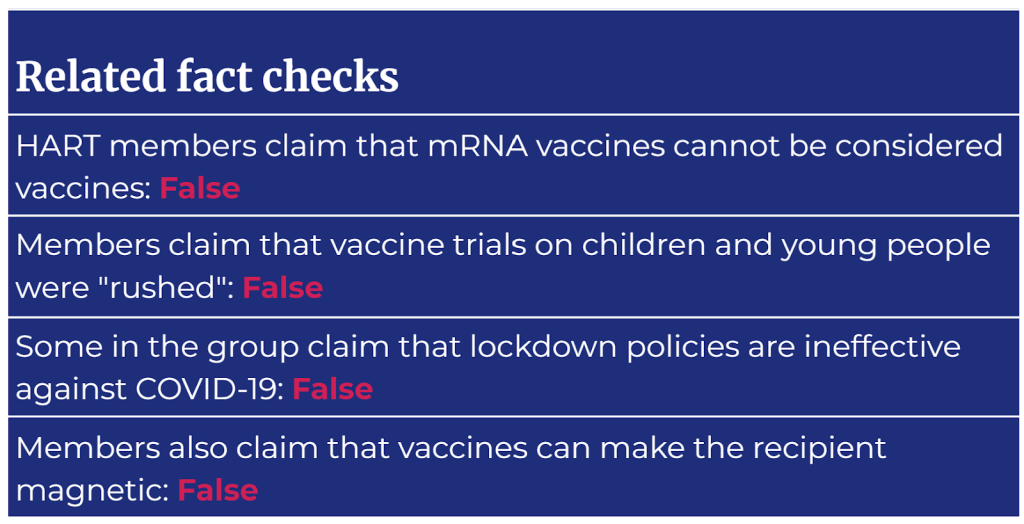

 Aletho News
 Aletho News