I’m still on August hiatus, but here’s a two-hour lecture on the history of mass media to tide you over until September! This is Lesson One of my three lesson Mass Media: A History online course. Buy the complete course for audio and video downloads, a hyperlinked transcript of each lesson and a study guide with questions and reading recommendations. Enjoy!
In 1991, the Advisory Committee on Immunization Practices (ACIP) first recommended that all infants in the United States receive the hepatitis B vaccine at birth or within 1–2 months of age. The goal was to prevent maternal transmission of the hepatitis B virus (HBV) and reduce the incidence of infections in babies. Many healthy mothers without hepatitis B or risk factors such as IV drug abuse with normal infants ask what is the benefit in their babies?
The CDC recommends that children receive three doses of the hepatitis B vaccine as part of their routine childhood vaccine schedule:
First dose: Within 24 hours of birth
Second dose: Between 1–2 months of age
Third dose: Between 6–18 months of age
What happens later in life when young people go into the medical field and are potentially exposed to hepatitis B in sick patients? Posuwan et al evaluated a prospective cohort of young people (mean age 18 years) going into medicine and evaluated their antibody titers as a proxy of enduring immunity to hepatitis B.
Posuwan N, Vorayingyong A, Jaroonvanichkul V, Wasitthankasem R, Wanlapakorn N, Vongpunsawad S, Poovorawan Y. Implementation of hepatitis B vaccine in high-risk young adults with waning immunity. PLoS One. 2018 Aug 20;13(8):e0202637. doi: 10.1371/journal.pone.0202637. PMID: 30125298; PMCID: PMC6101408.
The investigators were disappointed to find that only 6.9% had long-lasting immunity to hepatitis B, and thus underwent booster doses upon entering medical school. It is unclear when immunity is lost in this cohort. The results are important for parents to understand that the hepatitis B shots given at birth are only applicable if the mother has hepatitis B or serious risks for carrying it including active IV drug abuse. Otherwise the vaccine schedule for this illness has little value at that age.
Former U.S. Congressman Ron Paul once asserted, “There’s no history to show that Iranians are aggressive people. When is the last time they invaded a country? Over 200 years ago!”
As with many other important matters, Congressman Paul was absolutely correct; Iran has never been a warmongering state, unlike adversarial belligerents Israel and the USA.
Despite deep state meddling in the Persian nation’s affairs (e.g., the 1953 coup against Prime Minister Mohammad Mossadegh and the 2020 murder of Major General Qasem Soleimani), Iran has never posed the slightest threat to America. Why, then, are we being maneuvered into war when there is absolutely no national interest at stake?
It’s somewhat of a rhetorical question, I admit, since by now most people who aren’t cognitively impaired understand that Israel is trying like hell to steer America’s military into the Middle East to shed more blood on its behalf. The recent provocations towards Iran are but the latest installments in an ongoing saga we’ve witnessed play out repeatedly since 2001.
Americans should know by now what to expect. After having been led by the nose into 20 years of costly wars primarily for the enrichment and comfort of Jewish intruders squatting in the Holy Land, you’d think we might have learned a thing or two about international Zionist statecraft. It’s not as if their methods of fomenting a climate of war have changed. It’s not as if we weren’t told what to expect.
In fact we were told, by none other than former Supreme Allied Commander of NATO, General Wesley Clark.
During a 2007 interview on Amy Goodman’s political talk show Democracy Now, General Clark spoke about a detailed war agenda that was revealed to him by members of the Joint Chiefs of Staff when he visited the Pentagon just ten days after 9/11:
“One of the generals called me in. He said, ‘Sir, you’ve got to come in and talk to me a second… We’ve made the decision we’re going to war with Iraq.’ This was on or about the 20th of September. I said, ‘We’re going to war with Iraq? Why?’ He said, ‘I don’t know…I guess they don’t know what else to do.’ So I said, ‘Well, did they find some information connecting Saddam to al-Qaeda?’ He said, ‘No, no…there’s nothing new that way. They just made the decision to go to war with Iraq…I guess it’s like we don’t know what to do about terrorists, but we’ve got a good military and we can take down governments.’ And he said, ‘I guess if the only tool you have is a hammer, every problem has to look like a nail.”
A few weeks later, Clark returned to the Pentagon and met with the same man, recalling:
“I said, ‘Are we still going to war with Iraq?’ And he said, ‘Oh, it’s worse than that.’ He reached over his desk. He picked up a piece of paper and he said, ‘I just got this down from upstairs’ — meaning the Secretary of Defense’s office — ‘today.’ And he said, ‘This is a memo that describes how we’re going to take out seven countries in five years, starting with Iraq, and then Syria, Lebanon, Libya, Somalia, Sudan and, finishing off, Iran.’ I said, ‘Is it classified?’ He said, ‘Yes sir.’ I said, ‘Well don’t show it to me.’ And I saw him a year or so ago, and I said, ‘You remember that?’ He said, ‘Sir, I didn’t show you that memo! I didn’t show it to you.’”
General Clark was having these conversations at a time when the Pentagon was entirely under the thumb of Zionist Jews who had been plotting and preparing for a global war on terror for many years prior to 2001. The battle plan disclosed to Clark is not of American provenance; it is an Israeli war stratagem smuggled into our foreign policy by duplicitous foreign agents. You’ll notice that almost every country named by the general has been ‘dealt with’ militarily in one form or another in the years following 9/11, Iran being the lone exception. That status is likely to change real soon as Israel continues to escalate tensions in the region. AIPAC control over U.S. politicians ensures there won’t be so much as a whimper of protest from the ‘American Colossus’ in response to Zionist saber-rattling and increased provocations. And, rest assured, America will defend Israel to the death when the situation in the Middle East reaches critical mass. American citizens, and especially ‘conservatives,’ need to understand how they’re being emotionally manipulated into supporting yet another war that is entirely at variance with our interests and could only spell doom for our already beleaguered nation.
Netanyahu’s War on Terror
On July 24th, Benjamin ‘Bibi’ Netanyahu swaggered into the U.S. Capitol to address a joint session of Congress and to cultivate material and emotional support for his upcoming war with Iran. During the course of his nagging hour-long harangue, the Israeli prime minister received 58 standing ovations from submissive stooges on both sides of the aisle, proving once more that Pat Buchanan’s description of Capitol Hill as “Israeli-occupied territory” is as true today as it was 30 years ago.
The AIPAC-funded adulation shown this Hebrew war criminal was a sickening sight to behold. Former US Marine and United Nations weapons inspector Scott Ritter summed it up nicely:
“Israel has bragged about buying the US Congress. And this is the result, where a war criminal—a man who has been accused of genocide, who has arrest warrants being prepared for him by the International Court of Justice, a man who heads a State that has been defined legally as an “apartheid state,” carrying out an illegal and unjust occupation and, again, genocide of the Palestinian people—has demanded an audience to the Congress that he has bought and paid for. That’s what’s happening here. We must see it in that perspective. This isn’t an honor being given to Netanyahu by the US Congress. This is the US Congress obeying the commands of the man who leads the nation that owns the US Congress.”
In one of his most memorable lines of the day, Netanyahu affirmed with a straight face, “there is no place for political violence in democracies!” (He made the comment while referring to the recent shooting at a Trump rally in Pennsylvania.) Within one week, however, Israel had assassinated Hamas political leader Ismail Haniyeh in Tehran; Hezbollah commander Fuad Shukr in Beirut; and Al Jazeera journalist Ismail al-Ghoul in Gaza. The recent killing spree occurred only three months after IDF jets bombed the Iranian embassy in Syria killing 16 people, including seven diplomats. “There is no place for political violence in democracies!” quoth the mass-murdering psychopathic Jew, who once attended a two-day anniversary celebration commemorating the Irgun’s 1946 bombing of the King David Hotel.
Bibi the Butcher, that distinguished darling of America’s political class, has spent his entire adult life promoting Israel’s War on Terror.
In 1979, he and his father Benzion partnered with Irgun terrorist-turned-prime minister Menachem Begin to organize the Jerusalem Conference on International Terrorism, a three-day event intended to “launch an international propaganda offensive to promote and exploit the issue of international terrorism,” as Philip Paull explains in his 1982 book, International Terrorism: The Propaganda War. The event was held at the Yonatan Institute, named after Netanyahu’s deceased older brother, and its purpose was to bring Western political leaders together to discuss international terrorism and the possibility of manipulating America’s military into the Middle East to wage a war on terror. The elder Netanyahu (born Mileikowsky) said in his opening address, “This conference was called to serve as a beginning of a new process — the purpose of rallying democracies of the world to a struggle against terrorism and the dangers it represents.” (George H.W. Bush spoke on the last day of the event.)
From that point on, the Western media dutifully disseminated the propaganda of the Jerusalem Conference and Benjamin Netanyahu would produce a number of books, articles and speeches throughout the 1980s and 90s promoting the doctrine of a global War on Terror. As Philip Paull wrote in 1982, “This ‘anti-terrorist’ propaganda campaign was and is being conducted in a style reminiscent of war-time ‘psychological warfare’ by journalists serving as conduits and spreaders of misinformation originating in Jerusalem.”<
Forecasting War
Netanyahu’s plan to haul America’s military into the Middle East to wage war on Israel’s enemies became a reality after September 11, 2001, a day he claimed was “very good” for Israel. (Source: New York Times, Sept. 12, 2001)
Many Americans still believe the War on Terror was launched in response to the 9/11 attacks. The fact is, however, the War on Terror was conceived many years before 2001, and the atrocities perpetrated in New York City and Washington D.C. were merely the excuse to make the war agenda operational.
In February 1982, the World Zionist Organization published ‘The Yinon Plan: A Strategy for Israel in the Nineteen Eighties.’ The document was published in Hebrew but was later translated into English by the eminent professor Israel Shahak of Hebrew University. It was written by military strategist Oded Yinon and detailed a plan to break up large Arab nations like Iraq and Syria and transform them into tiny ethnic statelets that would be incapable of defending themselves against Israel’s superior military might. Yinon wrote:
“The dissolution of Syria and Iraq later on into ethnically or religiously unique areas… is Israel’s primary target on the Eastern front in the long run, while the dissolution of the military power of those states serves as the primary short term target.”
Yinon’s vision for Iraq came to fruition following the illegal American invasion, launched on the Jewish revenge holiday Purim, in 2003. Almost immediately, America’s conquering forces disbanded Iraq’s military and the entire country soon descended into civil war between competing factions of Sunnis, Shiites and Kurds. Prior to the invasion, Iraq had been a significant impediment to Israeli domination of the Middle East, which is why the Jews in control of America’s foreign policy selected it for annihilation. And, as an added bonus, there were the financial spoils of war to acquire as well. Oded Yinon: “Iraq, rich in oil on the one hand…is guaranteed as a candidate for Israel’s targets. Its dissolution is even more important for us than that of Syria.”
What Yinon described in 1982 is the Eretz Yisrael (Greater Israel) project that Americans have been fighting and dying for since 2001. America’s military is not fighting terrorism; it is reorganizing the Middle East to conform with Israel’s whims and Iran is the crown jewel. This war agenda has already bankrupted America morally and financially and has destroyed the erstwhile superpower’s standing on the world stage. As noted Middle East expert Linda S. Heard wrote in an article for Counterpunch (April 25, 2006), “Oded Yinon’s 1982 ‘Zionist Plan for the Middle East’ is in large part taking shape. Is this pure coincidence? Was Yinon a gifted psychic? Perhaps! Alternately, we in the West are victims of a long-held agenda not of our making and without doubt not in our interest.”
A Clean Break and PNAC
An updated version of The Yinon Plan was drafted for Netanyahu in 1996 during his first year as Israel’s prime minister. Titled ‘A Clean Break: A New Strategy for Securing the Realm,’ the document was assembled for Netanyahu by neocon hawks Richard Perle, Douglas Feith and David Wurmser. It specifically called for the removal from power of Saddam Hussein in Iraq and Bashar al-Assad in Syria and recommended military confrontations with both countries as well as with Lebanon and Iran. One year later, Perle, Feith and Wurmser would all join the newly-founded Project for a New American Century (PNAC) and continue their strategizing for Netanyahu’s War on Terror.
PNAC was an elite neoconservative think-tank founded in 1997 by influential Zionists William Kristol and Robert Kagan. The majority of the group’s membership was comprised of fanatical Jews with deep ties to the state of Israel, many of whom came to power just prior to 9/11 within the administration of George W. Bush. These include: Dov Zakheim, Paul Wolfowitz, Douglas Feith, Elliot Abrams, Richard Perle, David Frum, Robert Zoellick, David Wurmser, and the convicted felon Lewis ‘Scooter’ Libby.
The overarching philosophy of PNAC was based on the ideology of Jewish intellectual Leo Strauss. Like many of today’s neoconservatives, Strauss was an ex-Trotskyite who promoted Machiavellian tactics and the use of lies as necessary political tools while a professor of political science at the University of Chicago. Significantly, he was also a dedicated Zionist and a follower of the terrorist Ze’ev Jabotinsky. On the surface these ideological alignments appear to be contradictory, unless some understanding of the overwhelming Jewish role in both Zionism and Communism can be apprehended. Both were pioneered by the same man, Moses Hess, and both are Jewish revolutionary movements whose sole aim is to do whatever is best for Jewish interests even if it means employing seemingly opposing methods. Far-right Zionism (Jewish nationalism) and far-left Communism (Jewish internationalism) are two sides of the same shekel working in tandem as a lethal pincer for global hegemony. Attempting to explain these amorphous tendencies, Jewish historian and political theorist Murray Rothbard once noted that neoconservatives “moved from cafeteria Trotskyites to apologists for the US warfare state without missing a beat.”
In September 2000, PNAC published a 90-page document titled ‘Rebuilding America’s Defenses: Strategies, Forces, and Resources For a New Century.’ The document, co-authored by Rabbi Dov Zakheim, called for America to initiate a series of regime change wars in the Middle East and North Africa with an emphasis on Iraq, Syria, Libya, Lebanon and Iran. The authors of the report emphasized the importance for America to “fight and decisively win multiple, simultaneous major theater wars” but acknowledged that “the process of change is likely to be a long one, absent some catastrophic and catalyzing event like a new Pearl Harbor.” One year to the month of the document’s publication America got what George W. Bush referred to at the time as ‘our Pearl Harbor.’
Conclusion
And so America teeters once again on the brink of war due to our fatal attraction to the Zionist state. The man who claims “there is no place for political violence in democracies” presides over a country that has made political assassinations its stock-and-trade and is undoubtedly responsible for the 9/11 attacks which activated its long-held War on Terror scheme. Speaking to an audience at Bar Ilan University in 2008, the war criminal recipient of 58 standing ovations from the US Congress reiterated his belief that the 9/11 attacks were in fact good for Israel: “We are benefitting from one thing, and that is the attack on the Twin Towers and Pentagon, and the American struggle in Iraq.” (Source: Ha’aretz, April 16, 2008)
*Nota bene: Netanyahu listed three things, not one, but to the mind of an architect of the War on Terror, all three blend seamlessly together.*
The Israeli prime minister and his minions have nothing but contempt for America. That won’t change regardless of how many standing ovations he receives from a goyische congress or how many US dollars flow into his over-stuffed war chest. In 2001, he was filmed having a conversation with Israeli settlers about ways in which he intended to undermine the US-led Oslo Peace Accords that had been signed in 1993 and 1995. During one such conversation, he crowed: “I know what America is… America is a thing you can move very easily, move it in the right direction. They won’t get in the way.” He goes on to boast about his ability to manipulate the US in the ongoing Israeli/Palestinian peace process, saying, according to the Washington Post (July 16, 2010), “They asked me before the election if I’d honor [the Oslo Accords]… I said I would, but … I’m going to interpret the accords in such a way that would allow me to put an end to this galloping forward to the ’67 borders. How did we do it? Nobody said what defined military zones were. Defined military zones are security zones; as far as I’m concerned, the entire Jordan Valley is a defined military zone. Go argue.”
Recently, I listened to an interview with Dr Carl Elliott based on his published book released in June 2024 titled “The Occasional Human Sacrifice: Medical Experimentation and the Price of Saying No”. Dr Elliott is a bioethicist at the University of Minnesota who was trained in medicine as well as philosophy. For years, he fought for an independent inquiry into a case of corruption at a psychiatric research study at his own university in which sadly an especially vulnerable patient lost his life. Carl experienced first hand what it is like to be an academic whistleblower, and endured a terrible experience. His own efforts resulted in him being shunned by his friends and colleagues and impeded by his own university, who denied any wrongdoing, until an independent state investigation finally vindicated his claims after a 7-year-long battle.
Carl posits that As mentioned, his foray into this is very sad and disturbing. He detailed the extraordinary case of a mentally vulnerable man, Dan Markingson, who was admitted to a psychiatric unit after experiencing a series of psychotic episodes. Despite being a danger to himself and others, he was enrolled on a clinical trial of a new multi-drug regimen. Dan was coerced into following the treatment decisions of his psychiatrist, but against the strong objections of his concerned mother, he entered the study because he gave his “consent”. Worried for his safety, Dan’s mother spent several months trying to get him out of the study, after his behaviour dramatically worsened. She wrote to the study centre and study coordinator to ask to remove her son from the study. Despite her justified concerns, she was ignored. Tragically, several months later in the Spring of 2004, Dan killed himself in extreme circumstances.
Carl discussed several stories of how participants of medical research can be deceived into taking part in experimental programmes they do not understand, even in circumstances when the mortality risks are high. Many patients are coerced into studies with blatant financial conflicts of interest or industry funding. When Carl learned of Dan’s case and raised concerns he could not get anyone to take him seriously, so he decided to do his own research and publish a book. By bringing this issue to a broader audience, Carl hoped it would prompt the university into doing something, but this failed spectacularly, and he became a despised figure in his own academic centre.
After learning of Dan’s case in 2008, Carl spent 7 years trying to get Dan’s death investigated. His efforts included creating petitions, writing to the University Alumni, writing to the FDA and federal government. Eventually, he got a state investigation, and although the ruling was positive and vindicated everything he and other critics raised, the follow up was non-existent. His efforts accomplished very little – there was no apology from the academic university, no compensation to victims, no reform, or sanctions for the wrongdoers or efforts to learn from the devastating situation. This was a demoralising ending after such a long struggle.
Ethical standards and integrity have been gradually compromised for several decades. It is unclear why there is pressure to violate ethical rules in the medical research domain. Some of the reasons are financial, but perhaps a bigger issue is the pursuit of glory for some academic clinicians. In psychiatry, balancing the interests of individual participants in trials versus the pursuit of scientific answers is compromised. In 90% of the scandals Carl teaches about at the University of Minnesota, trial participants are mentally ill, disabled, have low socioeconomic status, are vulnerable, and cannot look out for themselves – collective traits that are exploited. As he describes it, the ‘honour code’ in medicine should safeguard and offer protections for such patient groups.
Many whistle-blower stories in the 1970s and 1980s predate the rise of the Big Pharma trials of today. Among clinicians and academics there is a race for glory, status, academic promotion, awards, and prizes. In the 1990s, the financial status changed unrecognisably with recent scandals having huge money stakes, absent from earlier corruption cases. In the past 20-30 years, academic research is less about patient care and more about research funding, which is a toxic situation. Sectors outside medicine have a regulatory system, which is absent in medical research. Instead, an ‘honour’ system exists in which professionals are trusted to behave honestly. Ultimately, there is a quasi regulatory responsibility by industry for overseeing integrity in its multi-billion dollar sector. Coupled with medical arrogance, bioethics within academic centres is now funded by the same industry players funding the studies. Thus, bioethics has been absorbed into academic health centres, relocating ethics to the belly of the beast!
There is a huge difficulty in maintaining independence and not being ‘captured’ by academic medicine. When research funding for academic salaries or tenure is through government-led institutions combined with the pressure to publish findings in high-profile medical journals, this creates a dangerous authoritarian culture. Such an environment has sometimes led to the dehumanisation of the patient, and maintaining ethical standards is a challenge. In a fee-for-service culture where high financial incentives exist, dismissing adverse effects of experimental treatments and lowering the inclusion criteria threshold are all too pervasive. There are of course well-intentioned medical professionals, but corporate overlords, dependence on practice guidelines coupled with the tremendous academic workload, stymies patient safeguarding and forges academic burnout.
What do whistleblowers have in common? They are motivated by honour, integrity, and moral concerns. They have no expectation for financial gain and they do not derive any personal advantages for themselves; in fact, they usually have everything to lose, such as financial stability and reputational damage, yet they still speak out. The reason many whistleblowers persisted in what they felt was a near futile struggle for years or even decades before resolution, was they were tenacious and refused to give up. Notably, cases known to the public are only examples in which a ‘resolution’ was achieved, even though the whistleblowers had reputational damage and no apology or financial compensation for victims was provided. So the situation is likely worse in terms of the treacherous path travelled by many whistleblowers, as we only hear of the most ‘successful’ cases.
Whistleblowers who worked for the public health sector often got nowhere. All whistleblowers had a common metaphor – if they were to look in the mirror, could they live with themselves if they did not do something? Many experience a form of PTSD and none experience improved lives following their exposure. Does disillusionment occur prior to whistleblowing, or when attempts or reports are ignored? Sadly, it seems there is a slow descent into nihilism. Most whistleblowers believe that if the outside world knew what they knew, this would encourage people to defend or change the corruption – notably this never happens. They also hope that close friends or relatives will stand by them, but in its absence, an existential break occurs.
Some whistleblowers feel a sense of guilt because of their complicity in their own industry. Others feel guilt out of a sense of disloyalty to their peers or not wanting to expose an entire institution into disrepute. The notion that whistleblowers are heroic victorious figures that embark on a ‘David versus Goliath’ image is a falsehood! Perhaps the whistleblower is a rare breed; many who are concerned might be more realistic or disillusioned to begin with, so have a lower expectation in terms of likely justice. Possible reasons there are not more whistleblowers is because they know their action would be futile, they could get disciplined, they did not want to snitch on friends or colleagues, or they had a (misplaced) loyalty to their institution. Indeed, a recent BMA survey reported that 61% of doctors polled about patient safety concerns would not raise concerns because of fears that they or their colleagues might be “unfairly blamed or suffer adverse consequences”.
Organisational loyalty is puzzling because an institution intrinsically seems to instil loyalty, but fighting something that undermines it, ironically goes against those who expose it. One way to address this would be to establish independent organisations to investigate such cases. Although many are aware bad behaviour exists, those in senior leadership positions do not ask, so the corruption remains under the radar. One example was at the Karolinska Institute over lethal synthetic trachea transplants, in which a surgeon had falsified results and misled the hospital about the health of those who received the transplants. While the surgeon involved, Paolo Macchiarini, received a prison conviction, the Swedish legal authorities and Karolinska Institute did not apologise to whistleblowers or compensate the victims. This high-profile case did not tarnish the institute’s reputation; in fact, it is rare for institutions to suffer in medical corruption cases. Leaders at academic institutions worry that if problems are exposed, it will deleteriously impact them, so silence or internal handling is considered the best policy.
One would think it would be better to come clean so that things can be remedied, and the error not repeated, in the hope wrongdoers are punished and institutions reformed. However, in his research and experience, Carl has never come across an institution that took positive resolution steps. Academic organisations still attack anyone who threatens their reputation. Often the senior figures in such scandals, such as Deans, Presidents or Directors, have left by the time a scandal is exposed, which one might think would help reduce any reputational damage. Although no one currently employed would be implicated in such scandals if the culprits have departed, the corrupt behaviour remains unchanged, so it is hard to offer an explanation.
The general public has a high opinion of doctors, believing medical professionals have strong ethics and want to help people and save lives. While this is true for many doctors, modern medicine has become big business financially. Patients are nowadays consumers, which is an inevitable slide into corruption. The marketing of medical devices and drugs has become more covert, such as bribes given to doctors. The scandals involved to preserve the illusion of integrity internally and externally are egregious. Carl is sceptical that a greater awareness of Big Pharma and how their marketing efforts operate would result in a more-positive outcome.
Ultimately, drug representatives are salesmen: they try to get doctors to prescribe their drugs. For many years, the vast majority of marketing was aimed at doctors not patients, although direct-to-consumer advertising is now ubiquitous. Huge financial sums are at stake, and most doctors do not like to imagine their prescription decisions are influenced by Big Pharma. Drug representatives have developed relationships with doctors – they are mercenaries. In the blockbuster drug era, especially in the USA, it is possible to make billion dollar drug sales for chronic illnesses, and doctors can be exploited to earn millions. Other than consultancy, doctors can receive lavish gifts, such as expensive dinners or premium tickets to expensive events. In the 1990s, the development of script tracking enabled the ability to measure in real time how marketing efforts affected doctors script sales. All drug representatives have access to the same data, so they compete for doctors with highest prescriber practices.
Ultimately, all the systems follow the same money trail. People who run the hospitals are worse, and according to Carl, those getting most from industry have the largest bribes. This farce is omnipresent; alarmingly, many bioethicists are not averse to taking industry money, highlighting that we are falling off the bioethics cliff. It is striking how universal and commonplace the language of medicine has become to describe the human experience. People define themselves on the basis of a medical diagnosis, illustrating how marketing has infiltrated our lives. For instance, people describe medical interventions as the person they are inside and how this fulfils their authentic self. It is an illusion that an intervention helps you become who you really are on the inside. Carl suggests pressure exists either to fit in or to stand out, which are two sides of the same coin.
Does bioethics have a rescue philosophy? In general, bioethics is a huge disappointment, with the status quo unchanged since the 1980s. Bioethics has taken up residence in academic health centres and is controlled by the same corrupt forces. It is sobering that not a single medical research scandal exists, whether patient care, sexual abuse, or research misconduct, in which a bioethicist has criticized their own institution. They know how unwelcome it would be, so they keep quiet! The conclusions of Carl’s book and interview are disheartening: being a whistleblower is not worth the hassle or personal devastation involved for the noble individuals who speak out. Since the Covid era, whistleblowers have become more prolific as many no longer accept the associated injustice. Let’s hope this seeds change and a much-needed new cultural shift to inspire and support future academic whistleblowers rather than deter them. The brave but solitary path of the academic whistleblower must be a human sacrifice worth taking!
FactCheck.org, the organization that flags “misleading” COVID-19 content for Facebook, is supported by the Robert Wood Johnson Foundation, a philanthropic organization funded by pharmaceutical giant and vaccine maker Johnson & Johnson (J&J), YouTube commentator Jimmy Dore reported.
“These fact check organizations aren’t there to check facts,” Dore said. “They’re there to push a political point of view and an agenda and to discredit people.”
Dore said when the organization “fact-checked” his work in the past, its claims were always “bogus.” He said FactCheck.org never reached out to consult him about his content, it twisted his words and it never even pointed to any erroneous facts.
Instead, he said, “They didn’t like my headlines,” and they would say they were misleading.
Johnson & Johnson’s viral vector COVID-19 vaccine received emergency use authorization from the U.S. Food and Drug Administration in February 2021. After the shot was linked to dangerous blood clots, its use was suspended a couple of months later and it was eventually completely pulled from the market in May 2023.
Its current CEO, Dr. Richard Besser, formerly worked at the Centers for Disease Control and Prevention, where he was acting director during the H1N1 outbreak.
When Rep. Thomas Massie (R-Ky.) first sounded the alarm in 2021 about FactCheck.org on Twitter (now X), the organization responded by saying, “The views expressed by FactCheck.org do not necessarily reflect the views of the foundation.”
The organization continues to receive funding from Robert Wood Johnson for its work “correcting health misinformation.” It reiterates on its website, the foundation “has no control over our editorial decisions.”
As context is very important for all videos, this message is to confirm that the purpose of this video is reporting on or documenting the content. Note that we make an effort to research for context and cite our sources as appropriate.
~*~*~*~*~*~*~*~*~*~*~*~*~*~*~*~*~*~*~*~
Copyright Disclaimer Under Section 107 of the Copyright Act 1976, allowance is made for “fair use” for purposes such as criticism, comment, news reporting, teaching, scholarship, and research. Fair use is a use permitted by copyright statute that might otherwise be infringing. Non-profit, educational or personal use tips the balance in favor of fair use.
HBO funnyman and vaccine shill, John Oliver, made another attempt this week on his show to amplify the mainstream vaccine safety narrative, citing the same studies he referred to in a similar segment on his show in 2017. Del once again destroys his stale, recycled misinformation.
In the months following the attacks of 9/11, the government laid the blame for orchestrating them on Osama bin Ladin. Then, after it murdered bin Ladin, the government decided that the true mastermind was Khalid Sheikh Mohammed.
By the time of bin Ladin’s death, Mohammed had already been tortured by CIA agents for three years at various black sites and charged with conspiracy to commit mass murder, to be tried before an American military tribunal at Guantanamo Bay, Cuba.
Mohammed and four other alleged conspirators have been awaiting trial since their arrivals at Gitmo in 2006. Since then, numerous government military and civilian prosecutors, as well as numerous military judges, have rotated into and out of the case. Two weeks ago, the government and the defendants agreed to a guilty plea in return for life in prison at Gitmo. Then, last week, the Department of Defense abruptly changed its mind and rescinded its approval of the guilty pleas.
Here is the backstory.
The concept of military tribunals for the perpetrators of the 9/11 attacks was born in the administration of President George W. Bush, who argued that the attacks, though conducted by civilians on civilians, were of military magnitude and thus warranted a military response. Throughout the entire 22-year existence of the U.S. military prison at Gitmo, no one has been tried for causing or carrying out the crimes of 9/11. The government tried only one person for crimes related to 9/11. That was Zacarias Moussaoui, who pleaded guilty in federal court in Virginia to conspiracy for being the 20th hijacker and then was tried in a penalty phase trial where the jury chose life in prison.
Bush’s rationale not only brought us the fruitless and destructive wars in Afghanistan and Iraq; it also brought a host of legal problems unforeseen by Bush and his revenge-over-justice colleagues. The first legal issue was conspiracy. Since Mohammed did not carry out the attacks, he could only be charged with planning them. But conspiracy is not a war crime, and thus no military tribunal could hear the case. So Congress came up with a historic first — a military tribunal that would try civilian crimes.
The next issue was where to try Mohammed and his colleagues. President Barack Obama wanted to close Gitmo, which costs $540 million annually, and try Mohammed and the others in federal courts. This would have been consistent with federal law and the U.S. Constitution. But Republicans in Congress viewed Mohammed as too dangerous to bring onto U.S. soil, and so Congress enacted legislation that prohibits the removal of Mohammed and the others to the U.S. for any purpose.
The prohibition on removal means that any life terms would need to be spent at Gitmo. It also means that there would be a legal obstacle to the execution of a death sentence, as Gitmo is not equipped to execute anyone.
Most troubling, however, is the government’s problem of how to address the issue of torture. Bush believed that military men on military juries would neither cringe at torture nor hesitate to impose a death sentence. Yet, when defendants at Gitmo, in non-9/11-related cases, described the torture that CIA agents and military officials had inflicted upon them, military jurors were repulsed at what they heard and recommended clemency even for those who caused deaths.
These events — filing legally baseless charges, prohibiting the removal of civilian defendants to civilian courts, and fear of the likely reaction of military jurors to testimony about torture — caused the prosecution team to rethink the entire idea of putting Mohammed on trial, and thus in March 2022, the government initiated secret plea-bargaining negotiations with defense counsel.
In large measure, government prosecutors — now the fourth team since 2006 — recognized that Bush’s torturers had so brutalized the defendants that their so-called voluntary confessions would likely be tossed by the trial judge or rejected by a jury. Moreover, there are serious ethical issues when lawyers defend torture — so serious that it could jeopardize their careers.
Why would the government agree to such a plea bargain for the persons it claims are the monsters who murdered 3,000 Americans on 9/11 and triggered all the horrors that followed those murders? What does the government fear?
What does it always fear? THE TRUTH.
Since the trial judge — the fourth judge on the case — had already accepted the guilty pleas before the DoD changed its mind, it is unclear if he will enforce them.
If he does not, one day there will be a trial. At trial, the defendants will be permitted to bring the government’s imperialistic wars, its tortures and its foreknowledge of 9/11 into the courtroom. The government knows that much of its behavior — from the CIA-orchestrated overthrow of a popularly elected prime minister of Iran in the early 1950s to the untruthful excuses for toppling Saddam Hussein — will show American foreign policy at its imperialistic and violent worst.
And the hours and weeks and months and years of repeated torture — all of it criminal — will undermine the case against Mohammed and the others.
This is what happens when the fabric of our legal system is interfered with for authoritarian reasons. The tragedy of 9/11 happened on Bush’s watch. What did the CIA know before 9/11? Bush compounded his ignorance and failures with boasts of bravado and torture — all of which have come back to haunt his current successor in the White House.
Defense and Justice Department lawyers have recognized that they cannot try this case without material damage to the scheme of American empire, built on death, lies and torture, without revealing the names and methods of the folks who did these horrible deeds and the lies of the presidents who authorized them — and without the truth coming out at last.
Picture a soul in turmoil, wrapped in the suffocating embrace of despair. In the sanctuary of a therapist’s office, they finally find the courage to voice the unspeakable:
“Sometimes, I think about not being here anymore.”
The words hang heavy in the air, a testament to the crushing weight of their pain, loneliness, and emptiness. This confession, born from a place of vulnerability and trust, should be the beginning of a deeper healing journey.
During these intense emotional struggles, it’s important to understand that thoughts of escape, including suicide, are a common human response to overwhelming pain. There’s a vast chasm between contemplating an end to suffering and actively planning to end one’s life.
Context is everything.
The mind, overwhelmed by anguish, may grasp at any perceived exit, including the idea of nonexistence. But voicing these thoughts doesn’t signal imminent danger. Rather, it’s often a cry for understanding, a desperate reach for connection in the depths of isolation.
Skilled and experienced therapists understand this.
The very act of sharing these dark musings with a trusted professional can be profoundly cathartic. It’s in these raw, unfiltered moments that true therapy has the potential to work its magic. A skilled therapist, one who can navigate these turbulent waters without succumbing to panic, becomes a lifeline. They offer not just a listening ear, but a steady hand to guide the patient through the storm, helping them to contextualize their pain and find hope in the midst of despair. This is the essence of healing – not in avoiding the darkness, but in facing it together, unafraid.
Fast forward to mental healthcare in 2024.
As the demand for mental health services skyrockets, we’re witnessing a disturbing trend: the proliferation of ill-equipped therapists flooding the market. What was once a skilled profession has, in many cases, devolved into little more than paid listening.
The rise of virtual therapy platforms, while increasing accessibility, has created a cohort of isolated practitioners. Lured by the promise of higher profits without the overhead of a physical office, many therapists now find themselves cut off from the vital support networks of supervisors and mentors. Without this crucial guidance, they’re left to navigate treacherous emotional waters alone, often defaulting to a “cover your ass” mentality when confronted with challenging situations.
Simultaneously, as large hospital networks muscle into the mental health arena, therapy is increasingly reduced to an appendage of psychiatry. The nuanced art of healing is replaced by a simplistic “take your pills and manage your mental illness” approach. This medicalization of human suffering is fundamentally dehumanizing, reducing complex emotional states to mere chemical imbalances.
The consequences of this shift are stark. Individuals brave enough to voice thoughts of death are no longer met with understanding, but with fear. Their pain is hastily labeled as emerging “mental illness,” triggering a rigid psychiatric protocol that leads to overmedicalization and unnecessary hospitalization.
“I want you to go to the emergency room”
The knee-jerk mantra of risk-averse therapists and doctors who’ve been brainwashed to treat every fleeting suicidal thought like a ticking time bomb.
They herd the emotionally vulnerable into sterile, overpriced hospital rooms, mistaking cold fluorescent lights and paper gowns for actual care. It’s a convenient way to abdicate responsibility, slap a band-aid on deep-seated pain, and pad the pockets of our broken healthcare system – all while patting themselves on the back for “saving lives.”
A Rise In Psychiatric Hospitalizations
The U.S. mental health care system is at a breaking point, buckling under the weight of an insatiable demand for inpatient care. Recent federal data, as reported by CBS News, reveals a system in crisis: hospitals and clinics are operating at a staggering 144% capacity for inpatient psychiatric beds. This alarming statistic, courtesy of the Substance Abuse and Mental Health Services Administration (SAMHSA), exposes the raw nerve of a long-festering problem – a dire shortage of psychiatric inpatient facilities.
Yet, this begs a crucial question: Is this surge in demand a genuine need, or merely a symptom of a more insidious systemic failure?
The COVID-19 pandemic has cast a long shadow over youth mental health, with alarming consequences. A recent study comparing mental health emergency admissions among young people before and after the outbreak reveals a disturbing trend. In the two years following March 2020, youth psychiatric emergencies surged by an astonishing 116.7% compared to the same period in 2018-2020. Even more concerning, this new wave of patients skewed younger and were less likely to have prior psychiatric histories.
These findings suggest a troubling shift: the pandemic appears to have triggered new, earlier onset psychiatric manifestations in previously unaffected youth. Moreover, these emergencies lead to psychiatric drugs as a matter of course.
A single checked box on these questionable screening measures can set off a chain reaction of fear-mongering, with parents being urgently directed to emergency rooms for what may be nothing more than typical teenage angst or temporary emotional struggles. This knee-jerk approach not only overwhelms emergency services unnecessarily but also risks pathologizing normal developmental experiences.
The media’s portrayal of primary care doctors drowning in a youth mental health crisis obscures a more insidious reality: these physicians, despite their best intentions, are conducting mental health evaluations in alarmingly short timeframes without the proper training to contextualize their findings.
The result is a perfect storm of misunderstanding, where the vulnerability and complex emotions inherent to adolescence are stripped of their context and hastily labeled as mental health emergencies. This approach not only fails to address the real needs of struggling youth but also potentially traumatizes families and clogs a healthcare system already stretched to its limits.
When desperate parents drag a sullen teenager to the ER, or a vulnerable adult finds themselves cornered by an ER social worker, a grim dance begins. The fluorescent-lit stage is set for a performance of “crisis management theater,” where real human suffering collides with bureaucratic checklists and liability concerns.
Parents, gripped by fear that their child might take their own life, often feel coerced into consenting to psychiatric hospitalization and medication. This fear becomes a potent weapon wielded by hospital staff, despite the lack of evidence that such interventions actually prevent suicide.
The experience of psychiatric detention is frequently described as traumatizing. Patients are stripped of their dignity – quite literally during invasive searches – and their autonomy, as their phones and personal belongings are confiscated. Many report being treated like cattle by burned-out, unprofessional staff.
Young women often feel unsafe, surrounded by men who are also experiencing mental health crises. For women struggling with the aftermath of sexual violence – a common precursor to psychiatric hospitalization – the hospital stay itself can be profoundly re-traumatizing.
This system, designed ostensibly to help, often inflicts further harm. It substitutes genuine care and understanding with a one-size-fits-all approach that prioritizes risk management over true healing. In our rush to “do something,” we’ve created a revolving door of trauma, where those seeking help often emerge more damaged than when they entered.
When parents, armed with knowledge and a desire to protect their children from potentially harmful interventions, attempt to resist the pressure to medicate, they’re often met with a dismissive and exasperated “What do you want us to do then?”
It exposes a mental health apparatus that has become reliant on the false promise of quick-fix pharmaceutical solutions, lacking the resources, training, or willingness to explore alternative approaches. This attitude effectively holds families hostage: either accept potentially harmful psychiatric drugs or be left with no support at all.
This false dichotomy – drugs or nothing – is a damning indictment of a system that has lost sight of its purpose. It reveals a profound lack of creativity and compassion in addressing mental health crises. Instead of working collaboratively with families to develop comprehensive, individualized care plans, hospital staff often default to a one-size-fits-all approach that prioritizes expediency over efficacy.
Moreover, this response subtly shifts blame onto the parents, implying that by refusing medication, they’re somehow obstructing their child’s care. It’s a manipulative tactic that exploits parental fear and guilt, further eroding trust between families and mental health providers.
Fear Based Therapy
The mental health industry has a dirty secret: it’s terrified of the patients it claims to help. Therapists, those supposed bastions of understanding and support, turn into protocol-driven robots at the mere whisper of suicide. Gone is the empathy, replaced by a checklist of CYA questions designed more to protect their licenses than to save lives.
This is how they are trained.
This fear-based charade masquerading as care has created a toxic environment where honesty is punished. Patients learn quickly: bare your soul at your own risk. Admit to dark thoughts, and watch your therapist’s eyes glaze over with panic as they mentally rehearse their mandatory reporting script.
In my years of specializing in treating chronically suicidal clients, I’ve witnessed firsthand the deep-seated trauma inflicted not just by their original experiences, but by the very system purporting to help them.
A disturbing pattern emerges, particularly among women survivors of sexual violence. Their acute trauma reactions are frequently misunderstood and hastily misdiagnosed as bipolar disorder or other psychiatric illnesses, leading to a cascade of inappropriate treatments and interventions. The psychiatric hospitalizations that often follow are not just ineffective; they’re actively traumatizing.
When these survivors finally find their way to my office, the damage is palpable. Trust, the very foundation of effective therapy, has been shattered by their previous encounters with mental health professionals. It can take months of patient, careful work to rebuild that trust, to convince them that it’s safe to be open and honest in therapy. This process is painstaking, requiring us to undo layers of iatrogenic harm – harm caused by the very institutions and individuals tasked with healing.
The tragedy here is twofold: not only are these women denied proper care for their actual traumas, but they’re also subjected to a secondary trauma at the hands of a mental health system that fails to recognize the complexities of their experiences. This cycle of misdiagnosis, inappropriate treatment, and subsequent re-traumatization doesn’t just delay healing – it actively impedes it, sometimes for years. Many never recover.
What Genuine Help Looks Like
True healing begins with the compassionate ear of a skilled, experienced therapist who can create a safe space for emotional expression and validation. This approach recognizes a fundamental truth: everything, including emotional pain and suicidal thinking, is temporary. By understanding struggles in their proper context, therapists can help clients navigate their darkest moments without resorting to extreme measures.
A competent therapist knows that most expressions of suicidal thoughts are not declarations of intent, but rather desperate attempts to communicate profound suffering. This nuance, while seemingly obvious, often eludes less experienced or inadequately trained professionals who are paralyzed by fear and uncertainty. Instead of reacting with panic, skilled therapists help clients explore their pain and envision a life worth living, even in the midst of emotional turmoil and trauma.
When someone is in emotional turmoil and suicidal risk is present, truly skilled therapists know that a gentle, personalized approach can make all the difference. Instead of rushing to hospitalization, these compassionate professionals take the time to really listen and understand. They work hand-in-hand with the person in crisis, crafting a safety plan that feels right and makes sense for their unique situation. It’s not about imposing rules, but about finding inner strength and support.
Effective therapy often involves teaching clients how to regulate intense emotions and tolerate distress. This might include techniques drawn from dialectical behavior therapy (DBT) or other evidence-based approaches. For many, additional support such as telephone coaching and family-based therapies can create a plan to weather crisis periods. These interventions recognize that suicidal crises tend to be episodic and often resolve when the underlying problems are addressed.
Primary care doctors should not be administering mental health screening measures or prescribing psychiatric drugs for complex emotional issues. Their well-intentioned but misguided interventions often exacerbate the situation, medicalizing normal human experiences and setting patients on a path of unnecessary and harmful treatments.
Working in “mental health” requires patience, understanding, and a willingness to sit with discomfort – both from the client and the therapist. By moving away from a fear-based, reactionary model of care towards one that embraces complexity and prioritizes genuine human connection, we can create a mental health system that truly serves those in need.
When the storm of the mind rages, feel-good therapy buzzwords and empty reassurances are as useful as a paper umbrella in a hurricane. What’s needed isn’t another degree or certification, but something far rarer: the guts to stare unflinchingly into the abyss of another’s pain without flinching. In the end, perhaps the most radical act in modern mental health care is simply having the backbone to shut up, sit down, and bear witness to suffering without trying to sanitize it.
Big Pharma and its key investors are rolling out a new strategy — “the full takeover of the public sector, specifically the World Health Organization (WHO), and the regulatory system that now holds the entire market hostage” — according to a new investigative report by Unlimited Hangout’s Max Jones.
What’s behind the new strategy? The pharmaceutical industry is facing a “patent cliff” by 2030, as many of its blockbuster drugs are set to lose their patent protection, placing $180 billion in sales at risk and threatening to topple the industry.
According to Jones, for years, when patents expired on profitable drugs, pharmaceutical giants deployed a “mergers and acquisitions” strategy, buying up smaller drug companies to add to their product portfolios.
As a result, the industry is now dominated by a handful of companies, conventional chemical drugs exist for most health issues, and the regulatory process for new ones has become onerous.
Big Pharma has now pivoted to acquiring biotech and biologic companies, whose products are “more complex, unpredictable and difficult and expensive to make,” than chemical-based medicine, Jones wrote.
Conventional drugs are chemically synthesized and have a known structure according to the U.S. Food and Drug Administration (FDA). Biologics come from living humans, animal or microorganism cells, and are technologically altered to target particular proteins or cells in the immune system. The FDA calls biologics “complex mixtures that are not easily identified or characterized.”
As a drug class, biologics offer an appealing solution to the patent cliff problem, because they can’t be easily replicated like generic versions of conventional drugs.
Instead, producers make “biosimilars,” which unlike genetics can’t simply be interchanged with the original drug during a course of treatment without serious safety risks, according to Jones. And while generics are cheap, biosimilars are still expensive to produce. There also are regulatory hurdles to getting biosimilars to market.
However, Jones wrote, the serious safety issues associated with biologics — the high risk of serious adverse events associated with the COVID-19 vaccine, for example — make it difficult for drugmakers to find commercial success in a conventional regulatory environment.
“Luckily for Big Pharma,” Jones wrote, the WHO and its private backers “are pursuing an unprecedented legal process that would cement loopholes that could solve these significant market challenges of at least some biotechnologies.”
Such loopholes made Pfizer and Moderna’s COVID-19 mRNA vaccines — the paradigmatic example of this new strategy — Big Pharma’s highest-selling annual market success ever.
Distribution of the COVID-19 vaccines to approximately 70% of people globally was possible only because of the “fast-tracked, deregulated development and mandated consumption of the experimental drugs,” Jones wrote.
The industry hopes to replicate that model with other drugs. And it has already begun — last month the Biomedical Advanced Research and Development Authority, or BARDA, gave Moderna $176 million to develop an mRNA bird flu vaccine.
Stakeholders behind the WHO have turned it into an arm of Big Pharma
According to Jones, the process of rapidly developed and mandated experimental drugs was first adopted by the U.S. military for bioweapons threats. Now, it is being internationally legitimized by the WHO through the agency’s revisions to the International Health Regulations (IHR) and its continued attempt to push its pandemic treaty.
The amendments were watered down and the treaty was partially thwarted at the last meeting of the World Health Assembly, which ended on June 1. However, the powers added to the amendments and the language in the treaty WHO and its backers are still hoping to advance next year show the type of biotech pandemic market Big Pharma has in the works.
According to Jones, this market:
“Will not be one that depends on the free will of consumers to opt in and out of products — but instead relies on tactics of forced consumption and manipulation of regulatory paradigms.
“At the forefront of this push are the WHO’s public-private-partners/private stakeholders, who directly shape and benefit from this policy. Their influence has, in effect, turned the WHO into an arm of Big Pharma, one so powerful that it already demonstrated its ability to morph the entire international regulatory process for the benefit of the pharmaceutical industry during the COVID-19 pandemic.”
These stakeholders can wield this power in part because the WHO receives 80% of its funding from private stakeholders.
Those stakeholders include private-sector giants like Bill Gates, his public-private partnership organizations like the Coalition for Epidemic Preparedness Innovations (CEPI) and public-sector bureaucrats, such as Dr. Anthony Fauci and Rick Bright, Ph.D., of BARDA and the Rockefeller Foundation, who have been working for years to create a new system that would speed up vaccine production.
During the COVID-19 pandemic period, even states that lacked legal structures to provide emergency authorization for new drugs created them, using the WHO’s Emergency Use Listing Procedure (EUL) as justification, and aided by the WHO’s COVAX vaccine distribution system. COVAX was co-led by the WHO, Gavi, CEPI and Unicef, which are all backed by Gates.
The goal now, Jones wrote, is to institutionalize the procedures that were put in place globally for COVID-19 to pave the way for a new pandemic market.
The One Health agenda, which requires “full-scale surveillance of the human-animal environment,” both before and during pandemics, is central to this plan, he wrote.
The four pillars of the emerging pandemic market
There are four pillars to the plan for securing this market. The pillars are embodied in the WHO’s recently passed IHR amendments and the proposed pandemic treaty.
WHO private stakeholders, like the Wellcome Trust and the Bill & Melinda Gates Foundation, have been funding such initiatives for years and continue to be at the forefront of similar initiatives today, Jones wrote.
2. Rapid sharing of data and research: Under the IHR amendments, the WHO’s director-general must provide support for member states’ research and development. In the pending treaty, that would include helping them rapidly share data during a pandemic.
Such sharing should help coordinate global pandemic responses and also “pandemic prevention.” That means building a globally coordinated effort to research and share data on diseases that don’t currently pose a public health threat but are allegedly “likely to cause epidemics in the future.”
The WHO’s announcement last week that it is facilitating data-sharing for a new mRNA bird flu vaccine from Argentina is one example.
Jones also noted that it is “highly likely” that the same global organizations that partner with the WHO and are funded by its largest private donors will be the ones doing this research and development on vaccines for “future pathogens with pandemic potential” — and also the ones profiting from it.
3. New regulatory pathways: The WHO is developing new regulatory pathways for unapproved medical products to get to market during pandemic emergencies. The IHR amendments are vague on this, Jones wrote, but the proposed language of the treaty aims to speed up emergency authorizations of WHO-recommended investigational “relevant health products.”
The proposed treaty also seeks to compel member countries to take steps to ensure they have the “legal, administrative and financial frameworks in place to support emergency regulatory authorizations for the effective and timely approval of pandemic-related health products during a pandemic.”
4. Global mandates of unapproved products: The final key element in the Big Pharma-WHO plan to pave the way for a new pandemic market is shoring up the global capacity to mandate unapproved medical products.
According to Jones, in July 2023, the WHO adopted the European Union’s (EU) digital COVID-19 passport system, or the “immunity pass” which recorded people’s vaccination records, negative test results or records of previous infections.
“While a digital vaccine passport does not function as a hard mandate in which every citizen of a given population is forced to take a vaccine, it acts as a conditional mandate — one which offers the illusion of choice, but — in reality — restricts the civil liberties of those who do not comply,” Jones wrote.
The 2005 version of the IHR allowed for travel-based mandates that required proof of vaccination to enter countries when there was a public health risk. The new IHR, Jones wrote, expands on this by detailing the kinds of technology that can be used to check such information during future pandemics.
The WHO also is developing its Global Digital Health Certification Network, which expands the EU digital passport system to a global scale. It will digitize vaccination records and health records and will be “interoperable” with existing networks.
While interoperability makes it possible for decentralized data to be shared globally, Jones wrote, “The UN is seeking to impose digital identification as a ‘human right,’ or rather as a condition for accessing other human rights, for the entire global citizenry by 2030, as established in its Sustainable Development Goal 16.9.”
The initiative seeks to provide people with a “trusted, verifiable way” to prove who they are in the physical world and online.
“Verification systems of this size will place the right of citizens to do basic activities — like traveling, eating at a restaurant or working their job — in the hands of governments and potentially employers.
“The rights of civilians will be conditional, dictated by data stored in a massive digital hub that is global in its sharing abilities. Not only will domestic governments have access to the health information of their own citizens under this system, but an entire global bureaucracy will as well.”
Recently, The Conversation ran an article which claimed to “debunk” a range of myths about antidepressants such as selective serotonin reuptake inhibitors (SSRIs).
Natalina Salmaso, a clinical psychologist at Carleton University in Canada, highlighted five common myths that make people hesitant to take antidepressants.
Salmaso said hesitancy is often “unfounded” and “may not be grounded in science” and that “debunking the myths surrounding antidepressants is critical to permitting educated treatment decisions for those who suffer.”
However, Salmaso’s article was full of omissions and falsehoods, so we decided to debunk the debunker.
Myth 1 – I am stronger if I do this without meds
Salmaso says that a person with depression is like an athlete with a broken leg.
An athlete cannot compete effectively with a broken leg, in the same way a person with depression cannot function effectively, because their brain “is no longer responding to everyday life.”
She adds that a person’s brain needs to “heal” before they can expect it to function like they did pre-depression and implied antidepressants can help.
This is grossly misguided. This feeds into the false narrative that depression is a brain disease that can be cured by antidepressants.
Antidepressants don’t cure people with depression and their symptomatic effects are so small that they lack clinical relevance.
Myth 2 – I will be dependent on antidepressants to be happy
Salmaso says that antidepressants won’t make people ‘happy’ per se, but they “allow people to experience all emotions in an appropriate and balanced way.”
However, this is not what patients report. SSRIs tend to make people feel “numb” and unable to experience emotions. Some describe it as an inability to feel love, attachment or sexual excitement.
Some experience sexual dysfunction, which can continue long after the drug is discontinued.
Salmaso says that antidepressants “are a long-term (typically at a minimum for a year) and (hopefully) curative treatment, much like chemotherapy for certain types of cancer.”
This is also misguided. Most people become depressed because they have stressful or depressing circumstances, which no drug can cure.
People have been misled to believe that antidepressants can “correct” a chemical imbalance in the brain. A systematic review in 2022 thoroughly debunked the hypothesis that depression is caused a serotonin imbalance.
Salmaso even says that “most studies show that if you take antidepressant medications for a year before coming off of them, the majority of people will not relapse.”
This is also incorrect. The majority of studies on relapse are flawed because they involve subjects already on antidepressants and when they suddenly stop them for the trial they experience withdrawals, which interferes with the assessment of relapse.
Also, the longer someone takes an antidepressant, the higher the probability of that person experiencing withdrawal effects.
Myth 3 – Meds will change who I am, I will be different or feel high
Salmaso says that antidepressants won’t change you, but rather “allow you to view things from a more balanced perspective.”
However, Danish psychiatrists have reported that half of the patients on antidepressants agreed that the treatment could alter their personality and that they had less control over their thoughts and feelings.
Far from rebalancing the brain, antidepressants alter the normal functioning of the brain and disrupt biological processes with potentially devastating consequences.
As far as “changing who you are,” there have been ample reports of out-of-body experiences (including akathisia) where people became suicidal or homicidal on antidepressants, even in people with no history of this behaviour.
A systematic review found that taking antidepressants increased aggression three times more than taking a placebo, in children and adolescents.
Myth 4: I will become addicted
Salmaso says that antidepressants “are generally not addictive and have a low potential for misuse.”
This is not correct. Antidepressants can lead to dependency. Many people experience withdrawal symptoms, which are very similar to those that people experience when they try to come off benzodiazepines.
Salmaso claims that some patients get headaches and other withdrawal symptoms when the stop taking antidepressants “suddenly” but says they are “generally short-lived and can be minimised by tapering off treatment slowly.”
However, it is well-documented that about half of patients on antidepressants cannot stop them without experiencing withdrawals symptoms, which for some, can persist for many years. These symptoms are very difficult to “minimise” even with slow tapering.
Myth 5: Meds should only be used as a last resort
Salmaso disagrees that antidepressants should be used as a last resort.
She says that reserving antidepressants only for extreme cases “doesn’t make sense” because depression can reduce “work productivity and has immense societal consequences.”
“The financial repercussions that can be attributed to depression in terms of the number of workdays missed, jobs lost, accidents caused, etc. are enormous,” she added.
However, studies examining the efficacy of antidepressants have not shown any meaningful effects, such as improvements in quality of life, and they make it more difficult for people to function.
In all countries where this relationship has been examined, the increased use of antidepressants has been accompanied by an increase in disability pensions for mental health reasons.
Salmaso argues that, “Depression significantly increases risk of cardiovascular disease, gastrointestinal disease, respiratory disease and Parkinson’s disease, to name a few. It also seems to worsen the outcomes for cancer.”
Antidepressants do not improve these conditions either. Overall, it is our view that Salmaso’s evidence and arguments are flawed and misguided.
Ismail Al-Ghoul and his cameraman Rami Al-Refee were observing the conflict-zone-reporting best practice, as they motored back from their assignment on the last day of July. Having reported issues facing the displaced people of northern Gaza, they were leaving the scene of greatest danger. Blast vests bearing the insignia “PRESS” protected their bodies. Minutes earlier they had updated the Al Jazeera newsroom with their location.
None of this would save their lives when an Israeli drone strike blasted their car. The explosion blew off Al-Ghoul’s head – an image subsequently shared on social media. Al-Refee and Khalid Shawa, a boy who happened to be passing by on a bicycle, also died instantly.
Unusually, we know that the killing was deliberate – because the Israeli Defence Force (IDF) has admitted as much.
The occupation army justified the assassination, arguing that the journalist’s name appears on a list of “senior Hamas officers” that it captured earlier in the conflict. This allegation is strenuously denied by Al-Ghoul’s family, his employer and his union. And Israeli “evidence” in similar cases has appeared questionable. Indeed, Al-Ghoul spent enough time “on camera” that his capacity outside journalism would have been limited.
Critically, however, he was arrested by Israeli soldiers in March and held for 12 hours before being released without a charge. Surely, if the evidence of his Hamas membership justified his killing, there must have been sufficient basis for his prosecution?
This admission of targeting confirms much of what have for months been swirling allegations about Israeli operations. We know that it has software – Pegasus – that secretly invades mobile phones and shares its user’s locations, communications and the identities of those who they meet.
We know that the Israeli army uses software called “Lavender” that deploys AI to sort operational intelligence and suggest targets for assassination. A further tool, “The Gospel”, uploads targets’ geo locations to killer drones dramatically faster than had been possible with manual programming.
More than 12% of Gaza’s journalists killed
Alongside this technological capability is the extraordinary number of journalists who have been killed in Gaza since 7 October. The most conservative tally is around 120, some believe that as many as 165 Gazan reporters have perished since 7 October. This is dwarfed by the total death toll in Gaza, now somewhere around 40,000 victims. It is the mortality rate among journalists that is really striking. There were approximately 1,000 journalists in Gaza at the start of the conflict – more than 12 per cent have now lost their lives.
This extraordinary rate of killing, and the precision targeting to which the Israeli occupation forces have admitted, points to a simple and awful conclusion. But there is more.
Since the outset of the conflict the Israeli government has barred international reporters from entering Gaza – despite hundreds petitioning to be admitted. It has also threatened to remove funding from newspapers such as Haaretz, shut downAl Jazeera’s operation in Israel, and disabled the internet at key moments.
And, following the law is not the army’s way either. When the United Nations investigated the killing of Shireen Abu Akleh, its report concluded: “The Israeli security forces used lethal force without justification under international human rights law and intentionally or recklessly violated the right to life of Shireen Abu Akleh.”
But why target journalists in this way? The only plausible explanation is that this is an attempt to control the war narrative.
In international law, journalists are considered civilians; combatants are obliged to ensure their safety. The Israeli army’s bloody campaign is in clear contravention of this – but whether the institutions of international law will bring anyone to justice remains to be seen. The International Criminal Court’s (ICC) lead prosecutor, Karim Khan, displayed bravery in May when he issued arrest warrants for the Israeli and Hamas leadership. If he sees these cases through to satisfactory conclusions he will have shown himself as one of the greatest jurists of our age.
Justice, if it comes, will be no comfort to Al-Ghoul and Al-Refee. They have distinguished themselves, however, by standing up to the most horrific force ever visited upon journalists and continuing to act as the world’s eyes and ears. There is no consolation for them – but they deserve celebration; their colleagues, who continue this work, deserve our support.
By Dr. Elias Akleh* | Sabbah Report | May 24, 2010
A build up of heightened tension in the Middle East is escalating in the last few weeks. American and Israeli postures towards Lebanon, Syria, and Iran have become more threatening. Listening to speeches of political leaders one hears talks only about war not peace. Iranians and Israelis are continuously training hard for a possible showdown. Both sides are conducting extensive war games every month. This led Syrians to claim that Israel is preparing for a soon-to-come another war. The Jordanians also are warning that current stalemate of the peace process is an indication of a war breaking out this summer. The Russian President and his army chief hinted, a few months ago, that the US and Israel were planning for an attack on Iran.
Indeed Iran is, as it has been for last few years, the target of most of the threats and accusations of supporting terrorism. Escalating incitement against Iran the American Defense Department sent last month (April) to Congress a report on Iran’s military claiming Iran could develop intercontinental ballistic missiles capable of reaching the US by 2015.
Ignoring the fact that N. Korea, India, Pakistan, and Israel are proven to have nuclear weapons while Iran does not, the US Secretary of State Hillary Clinton chose in her speech, to the nuclear Non-Proliferation Treaty review conference at the UN, to focus on Iran’s alleged nuclear ambitions putting the whole world at risk as she put it. According to Clinton Iran’s acquisition of nuclear weapons, rather than Israel’s more than 200 nuclear bombs, is destabilizing the Middle East. She called on the world’s nations to rally around US efforts to hold Iran, not other nuclear countries, to account.
The accusation that Usama Bin Laden is living comfortably in Iran had received a boost after the broadcast of a documentary called “Feathered Cocaine”. This echoed the June 2003 claims of the Italian newspaper Corre de la Sierra that Bin Laden was in Iran according to some intelligence report, and according to Richard Miniter’s book “Shadow War”. … continue
This site is provided as a research and reference tool. Although we make every reasonable effort to ensure that the information and data provided at this site are useful, accurate, and current, we cannot guarantee that the information and data provided here will be error-free. By using this site, you assume all responsibility for and risk arising from your use of and reliance upon the contents of this site.
This site and the information available through it do not, and are not intended to constitute legal advice. Should you require legal advice, you should consult your own attorney.
Nothing within this site or linked to by this site constitutes investment advice or medical advice.
Materials accessible from or added to this site by third parties, such as comments posted, are strictly the responsibility of the third party who added such materials or made them accessible and we neither endorse nor undertake to control, monitor, edit or assume responsibility for any such third-party material.
The posting of stories, commentaries, reports, documents and links (embedded or otherwise) on this site does not in any way, shape or form, implied or otherwise, necessarily express or suggest endorsement or support of any of such posted material or parts therein.
The word “alleged” is deemed to occur before the word “fraud.” Since the rule of law still applies. To peasants, at least.
Fair Use
This site contains copyrighted material the use of which has not always been specifically authorized by the copyright owner. We are making such material available in our efforts to advance understanding of environmental, political, human rights, economic, democracy, scientific, and social justice issues, etc. We believe this constitutes a ‘fair use’ of any such copyrighted material as provided for in section 107 of the US Copyright Law. In accordance with Title 17 U.S.C. Section 107, the material on this site is distributed without profit to those who have expressed a prior interest in receiving the included information for research and educational purposes. For more info go to: http://www.law.cornell.edu/uscode/17/107.shtml. If you wish to use copyrighted material from this site for purposes of your own that go beyond ‘fair use’, you must obtain permission from the copyright owner.
DMCA Contact
This is information for anyone that wishes to challenge our “fair use” of copyrighted material.
If you are a legal copyright holder or a designated agent for such and you believe that content residing on or accessible through our website infringes a copyright and falls outside the boundaries of “Fair Use”, please send a notice of infringement by contacting atheonews@gmail.com.
We will respond and take necessary action immediately.
If notice is given of an alleged copyright violation we will act expeditiously to remove or disable access to the material(s) in question.
All 3rd party material posted on this website is copyright the respective owners / authors. Aletho News makes no claim of copyright on such material.
 /
/  /
/  /
/  /
/  /
/  or DOWNLOAD THE MP4


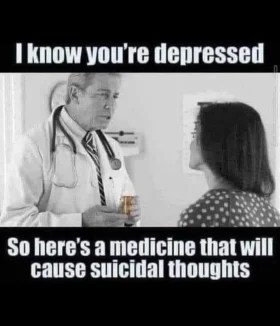



 Aletho News