Big Pharma and its key investors are rolling out a new strategy — “the full takeover of the public sector, specifically the World Health Organization (WHO), and the regulatory system that now holds the entire market hostage” — according to a new investigative report by Unlimited Hangout’s Max Jones.
What’s behind the new strategy? The pharmaceutical industry is facing a “patent cliff” by 2030, as many of its blockbuster drugs are set to lose their patent protection, placing $180 billion in sales at risk and threatening to topple the industry.
According to Jones, for years, when patents expired on profitable drugs, pharmaceutical giants deployed a “mergers and acquisitions” strategy, buying up smaller drug companies to add to their product portfolios.
As a result, the industry is now dominated by a handful of companies, conventional chemical drugs exist for most health issues, and the regulatory process for new ones has become onerous.
Big Pharma has now pivoted to acquiring biotech and biologic companies, whose products are “more complex, unpredictable and difficult and expensive to make,” than chemical-based medicine, Jones wrote.
Conventional drugs are chemically synthesized and have a known structure according to the U.S. Food and Drug Administration (FDA). Biologics come from living humans, animal or microorganism cells, and are technologically altered to target particular proteins or cells in the immune system. The FDA calls biologics “complex mixtures that are not easily identified or characterized.”
As a drug class, biologics offer an appealing solution to the patent cliff problem, because they can’t be easily replicated like generic versions of conventional drugs.
Instead, producers make “biosimilars,” which unlike genetics can’t simply be interchanged with the original drug during a course of treatment without serious safety risks, according to Jones. And while generics are cheap, biosimilars are still expensive to produce. There also are regulatory hurdles to getting biosimilars to market.
However, Jones wrote, the serious safety issues associated with biologics — the high risk of serious adverse events associated with the COVID-19 vaccine, for example — make it difficult for drugmakers to find commercial success in a conventional regulatory environment.
“Luckily for Big Pharma,” Jones wrote, the WHO and its private backers “are pursuing an unprecedented legal process that would cement loopholes that could solve these significant market challenges of at least some biotechnologies.”
Such loopholes made Pfizer and Moderna’s COVID-19 mRNA vaccines — the paradigmatic example of this new strategy — Big Pharma’s highest-selling annual market success ever.
Distribution of the COVID-19 vaccines to approximately 70% of people globally was possible only because of the “fast-tracked, deregulated development and mandated consumption of the experimental drugs,” Jones wrote.
The industry hopes to replicate that model with other drugs. And it has already begun — last month the Biomedical Advanced Research and Development Authority, or BARDA, gave Moderna $176 million to develop an mRNA bird flu vaccine.
Stakeholders behind the WHO have turned it into an arm of Big Pharma
According to Jones, the process of rapidly developed and mandated experimental drugs was first adopted by the U.S. military for bioweapons threats. Now, it is being internationally legitimized by the WHO through the agency’s revisions to the International Health Regulations (IHR) and its continued attempt to push its pandemic treaty.
The amendments were watered down and the treaty was partially thwarted at the last meeting of the World Health Assembly, which ended on June 1. However, the powers added to the amendments and the language in the treaty WHO and its backers are still hoping to advance next year show the type of biotech pandemic market Big Pharma has in the works.
According to Jones, this market:
“Will not be one that depends on the free will of consumers to opt in and out of products — but instead relies on tactics of forced consumption and manipulation of regulatory paradigms.
“At the forefront of this push are the WHO’s public-private-partners/private stakeholders, who directly shape and benefit from this policy. Their influence has, in effect, turned the WHO into an arm of Big Pharma, one so powerful that it already demonstrated its ability to morph the entire international regulatory process for the benefit of the pharmaceutical industry during the COVID-19 pandemic.”
These stakeholders can wield this power in part because the WHO receives 80% of its funding from private stakeholders.
Those stakeholders include private-sector giants like Bill Gates, his public-private partnership organizations like the Coalition for Epidemic Preparedness Innovations (CEPI) and public-sector bureaucrats, such as Dr. Anthony Fauci and Rick Bright, Ph.D., of BARDA and the Rockefeller Foundation, who have been working for years to create a new system that would speed up vaccine production.
During the COVID-19 pandemic period, even states that lacked legal structures to provide emergency authorization for new drugs created them, using the WHO’s Emergency Use Listing Procedure (EUL) as justification, and aided by the WHO’s COVAX vaccine distribution system. COVAX was co-led by the WHO, Gavi, CEPI and Unicef, which are all backed by Gates.
The goal now, Jones wrote, is to institutionalize the procedures that were put in place globally for COVID-19 to pave the way for a new pandemic market.
The One Health agenda, which requires “full-scale surveillance of the human-animal environment,” both before and during pandemics, is central to this plan, he wrote.
The four pillars of the emerging pandemic market
There are four pillars to the plan for securing this market. The pillars are embodied in the WHO’s recently passed IHR amendments and the proposed pandemic treaty.
WHO private stakeholders, like the Wellcome Trust and the Bill & Melinda Gates Foundation, have been funding such initiatives for years and continue to be at the forefront of similar initiatives today, Jones wrote.
2. Rapid sharing of data and research: Under the IHR amendments, the WHO’s director-general must provide support for member states’ research and development. In the pending treaty, that would include helping them rapidly share data during a pandemic.
Such sharing should help coordinate global pandemic responses and also “pandemic prevention.” That means building a globally coordinated effort to research and share data on diseases that don’t currently pose a public health threat but are allegedly “likely to cause epidemics in the future.”
The WHO’s announcement last week that it is facilitating data-sharing for a new mRNA bird flu vaccine from Argentina is one example.
Jones also noted that it is “highly likely” that the same global organizations that partner with the WHO and are funded by its largest private donors will be the ones doing this research and development on vaccines for “future pathogens with pandemic potential” — and also the ones profiting from it.
3. New regulatory pathways: The WHO is developing new regulatory pathways for unapproved medical products to get to market during pandemic emergencies. The IHR amendments are vague on this, Jones wrote, but the proposed language of the treaty aims to speed up emergency authorizations of WHO-recommended investigational “relevant health products.”
The proposed treaty also seeks to compel member countries to take steps to ensure they have the “legal, administrative and financial frameworks in place to support emergency regulatory authorizations for the effective and timely approval of pandemic-related health products during a pandemic.”
4. Global mandates of unapproved products: The final key element in the Big Pharma-WHO plan to pave the way for a new pandemic market is shoring up the global capacity to mandate unapproved medical products.
According to Jones, in July 2023, the WHO adopted the European Union’s (EU) digital COVID-19 passport system, or the “immunity pass” which recorded people’s vaccination records, negative test results or records of previous infections.
“While a digital vaccine passport does not function as a hard mandate in which every citizen of a given population is forced to take a vaccine, it acts as a conditional mandate — one which offers the illusion of choice, but — in reality — restricts the civil liberties of those who do not comply,” Jones wrote.
The 2005 version of the IHR allowed for travel-based mandates that required proof of vaccination to enter countries when there was a public health risk. The new IHR, Jones wrote, expands on this by detailing the kinds of technology that can be used to check such information during future pandemics.
The WHO also is developing its Global Digital Health Certification Network, which expands the EU digital passport system to a global scale. It will digitize vaccination records and health records and will be “interoperable” with existing networks.
While interoperability makes it possible for decentralized data to be shared globally, Jones wrote, “The UN is seeking to impose digital identification as a ‘human right,’ or rather as a condition for accessing other human rights, for the entire global citizenry by 2030, as established in its Sustainable Development Goal 16.9.”
The initiative seeks to provide people with a “trusted, verifiable way” to prove who they are in the physical world and online.
“Verification systems of this size will place the right of citizens to do basic activities — like traveling, eating at a restaurant or working their job — in the hands of governments and potentially employers.
“The rights of civilians will be conditional, dictated by data stored in a massive digital hub that is global in its sharing abilities. Not only will domestic governments have access to the health information of their own citizens under this system, but an entire global bureaucracy will as well.”
While regulators in non-U.S. countries, including Singapore, have issued approvals for specific insect-based foods, in the U.S., the regulatory landscape is murkier — there is no legal approval process or clear-cut prohibition of insects for human consumption.
As a result, insect-containing foods have reached U.S. consumers, even though one of the few existing U.S. laws that address insects in the food supply refers to them as “filth” and a form of “adulteration.”
Crickets and grasshoppers reach U.S. consumers in a variety of forms, from protein bars to protein shakes. They’re also found on restaurant menus and are promoted as pet food and animal feed ingredients.
With few U.S. regulatory barriers to contend with, investors like Bill Gates and Big Food giants such as Tyson Foods have also begun investing in “alternative protein” startups — despite mainstream media “fact-checks” claiming Gates doesn’t support the consumption of insects.
Internist Dr. Meryl Nass, founder of Door to Freedom, told The Defender lax U.S. Food and Drug Administration (FDA) regulations — under which many insect-containing foods can be classified as “Generally Regarded as Safe” (GRAS) — “means they don’t require testing” and enable the FDA to “look the other way.”
“How long will it take before we learn whether these foods are safe? It could take generations,” Nass said.
Gates, U.S. military among backers of ‘alternative protein’ startups
DARPA is a research and development agency that operates under the U.S. Department of Defense.
All Things Bugs said that while insects are “a very sustainable source of protein,” it “is innovating to make them a feasible commodity for the food industry.”
Claire Robinson, managing editor of GMWatch, told The Defender, “With all GMOs [genetically modified organisms], including insects, it’s vital that they are subjected to a pre-marketing risk assessment for health and the environment.”
Robinson said, “This includes testing them for the presence of pathogens, possible allergens and substances that may be toxic to humans. Then they must be clearly labeled for the consumer.”
Gates’ investments in insect-based foods appear to be part of a broader strategy to invest in alternatives to animal-based foods for consumers.
Institutions participating in CEIF include Texas A&M University, Indiana University-Purdue University in Indianapolis and Mississippi State University — along with Tyson Foods, Protix and Innovafeed, backed by food processing giant ADM, formerly the Archer-Daniels-Midland Company.
Insect protein start-ups raised ‘over $1 billion in venture capital since 2020’
The production of insects for human food is expanding in the U.S. and globally, with support from the United Nations and the World Economic Forum (WEF).
In 2013, the Food and Agriculture Organization of the United Nations released a seminal report, “Edible insects: future prospects for food and feed security,” which promotes the environmental and nutritional benefits of insect consumption.”
A 2022 WEF paper, “5 reasons why eating insects can reduce climate change,” suggests people are “conditioned to think of animals and plants as our primary sources of proteins … but there’s an unsung category of sustainable and nutritious protein that has yet to widely catch on: insects.”
According to a November 2023 Washington Post report, “Insect start-ups have raised over $1 billion in venture capital since 2020.”
A 2021 report by Netherlands-based Rabobank claimed the demand for insect protein, “mainly as an animal feed and pet food ingredient, could reach half a million metric tons by 2030, up from today’s market of approximately 10,000 metric tons.”
A report by Grand View Research forecasted the global insect protein market will expand by an annual compound growth rate of 16.9% by 2030, while European projections estimate “the number of Europeans consuming insect-based food will [reach] a total of 390 million by 2030,” according to EuroNews.
Ynsect, for instance, has built factories in France and the Netherlands, and is erecting factories in the U.S. and Mexico, according to Feed Navigator. The company claims its insect-producing farms are “climate positive,” “benefit biodiversity” and are aligned with the Paris Agreement and the European Union’s “Fit for 55” goal.
In March 2022, Ynsect acquired Nebraska-based Jord Producers — a mealworm farm. And in December 2022, Ynsect signed an agreement with U.S. flour milling company Ardent Mills to build a factory in the Midwestern U.S. Ardent Mills is a joint venture between ConAgra Foods, Cargill and CHS, a global agribusiness cooperative.
Investors in Ynsect include actor Robert Downey Jr.’s FootPrint Coalition and France’s Crédit Agricole bank — along with support from the FAO and the European Commission. The company has raised over $600 million.
Celebrity chefs also are embracing insect food. In November 2023, the Financial Times featured Joseph Yoon, founder of Brooklyn Bugs, whose “goal is to popularise edible insects and build up this food source to help support global food security.”
Your dog can eat insects, too
In addition to a lack of FDA regulations governing the use of insects in foods for humans, the FDA also does not regulate the use of insects for pet food ingredients.
In October 2023, Big Food giant Tyson Foods announced the acquisition of an ownership stake in the Dutch insect ingredient producer Protix. Tyson said the new joint venture would construct “the first at-scale facility of its kind to upcycle food manufacturing byproducts into high-quality insect proteins and lipids which will primarily be used in the pet food, aquaculture, and livestock industries.”
Although the announcement did not definitively exclude the production of insect-containing foods for humans, a Reuters “fact check” published in May stated, “Tyson Foods does not put insects into products for human consumption.”
Vaccine advocate and pharmaceutical industry insider Dr. Peter Hotez, long a proponent of the COVID-19 vaccine, said he favors deploying police and military powers against “anti-vaxers,” whom he blamed for causing hundreds of thousands of deaths during the pandemic.
“What I’ve said to the Biden administration is, the health sector can’t solve this on its own. We’re going to have to bring in Homeland Security, the Commerce Department, Justice Department to help us understand how to do this.
I’ve said the same with — I met with Dr. Tedros [director general of the WHO] last month … to say, I don’t know that the World Health Organization can solve this on our own. We need the other United Nations agencies. NATO. This is a security problem because it’s no longer a theoretical construct or some arcane academic exercise. Two hundred thousand Americans died because of anti-vaccine aggression, anti-science aggression.
The full interview was available on YouTube until Wednesday evening, when it was removed. The Defender obtained a video recording of the full interview.
Hotez is dean of the National School of Tropical Medicine at Baylor University College of Medicine and director of the Center for Vaccine Development at Texas Children’s Hospital, one of the sponsors of the symposium, which was organized by the Colombian Pediatric Society.
Aside from being a vaccine proponent and developer — he helped develop the Corbevax COVID-19 vaccine which was administered in India and has received at least $30 million in vaccine development grants from the Bill & Melinda Gates Foundation — Hotez has crusaded against so-called “misinformation” about vaccines.
In March, The Hill reported that Hotez has found a “‘parallel career’ fighting misinformation.”
Hotez “finds his efforts to combat misinformation to be ‘meaningful,’” and says “pushing back on the anti-vaccine movement is just as important as developing vaccines,” The Hill wrote.
“Peter has cashed in significantly on the COVID-19 pandemic and gets a lot of money when shots go into arms,” said Brian Hooker, Chief Scientific Officer for Children’s Health Defense (CHD).
In his July 5 interview, Hotez called for more stringent action against “anti-vaxers,” whom he connected to entities such as the Russian government, and called for medical schools to educate new doctors about anti-vaccine sentiment.
“‘Anti-science’ and ‘anti-vaxxer’ are propaganda terms Hotez uses to establish a power dynamic over anyone who disagrees with him,” said cardiologist Dr. Peter McCullough.
“Now Hotez is calling for a security state to enforce his propaganda instead of engaging in much needed dialogue over vaccine safety with a critical appraisal of short- and long-term side effects from the routine childhood vaccine schedule, including the COVID-19 shots,” McCullough added.
According to Harvey Risch, M.D., Ph.D., professor emeritus and senior research scientist in epidemiology (chronic diseases) at the Yale School of Public Health:
“Hotez has spent his entire career developing vaccines which have not achieved success in commercial use. His demands to impose public health martial law are reminiscent of the ‘Comité de salut public’ — ‘Committee of Public Safety’ — that Robespierre used to murder his political opponents [during the French Revolution].”
For Francis Boyle, J.D., Ph.D., professor of international law at the University of Illinois, Hotez’s suggestions are a call to violate established international human rights law.
“Coercing vaccines upon human beings without their informed and voluntary consent violates the Nuremberg Code on Medical Experimentation, which is a crime against humanity,” Boyle said. “What we see at work here with Hotez is the Nazi mentality that pervades so many vaccinologists like him. Hotez is revealing his true colors.”
Independent journalist Paul D. Thacker has investigated Hotez for his site, The Disinformation Chronicle. He said, “This crackpot idea that we should deploy military forces to deal with moms worried about vaccine side effects and children … doesn’t that speak for itself?”
Dr. Sukharit Bhakdi, a microbiologist, questioned Hotez’s scientific credentials:
“Simple fact: Hotez is not a real scientist. He has never published any research article based on true scientific research. His publications transmit his personal opinions and beliefs. He has not conducted a single valid vaccine trial and has zero data to back his claims.
“He has been on the globalist team together with [Dr. Anthony] Fauci et al. and is now turning to violence to silence all dissenters. This very fact disqualifies him as a physician.”
“His evolution over the course of the pandemic is curious as he has become more and more shrill as time goes on,” Hooker said. “It seems he is trying to extend his 15 minutes of fame by ‘jumping the shark’ and inciting gestapo-like measures against ‘anti-vaxers’ and ‘science deniers.’ His definition of science is very ‘Fauci-esque’ indeed.”
Claim that unvaccinated caused ‘hundreds of thousands’ of deaths ‘an obvious untruth’
During his July 5 interview, Hotez asserted that the unvaccinated were responsible for hundreds of thousands of deaths during the COVID-19 pandemic. He said:
“There’s anti-vaccine activity in every country, and each has its own unique national flavor. But the part that I’m worried about now is something very dark and accelerating in the United States.
“And the most dramatic evidence for that is what happened during the COVID pandemic … My estimate is 200,000 Americans died needlessly because they refused COVID vaccines in 2021, 2022.”
Hotez did not provide evidence supporting this figure, but it was similar to claims made by Dr. Anthony Fauci during Congressional testimony last month. Without citing evidence, Fauci said the unvaccinated are “probably responsible for an additional 200,000-300,000 deaths” in the U.S.”
Risch called this claim “an obvious untruth.”
“In the face of repeated major empirical CDC [Centers for Disease Control and Prevention] evidence and CDC’s public acknowledgement that the mRNA vaccines largely failed to reduce COVID transmission, Hotez absurdly claims that people choosing not to vaccinate themselves have contributed more to deaths from COVID than all of the large-scale breakthrough infections among vaccinated people,” Risch said.
McCullough said, “Hotez presumes COVID-19 vaccines are safe and effective as any vaccinologist would dream. Sadly, his fantasy was over before it started. The COVID-19 vaccines were unsafe and failed to reduce hospitalization and death in prospective randomized trials or in valid observational studies. They never stopped transmission.”
“All experts, including Hotez, agreed theoretical protection from COVID-19 vaccines was just a few months, requiring frequent boosters,” McCullough added.
Hotez calls parents who choose not to vaccinate their children ‘victims’
In his interview, Hotez called for action — including more censorship — to counter what he called a “dark and accelerating” and “dangerous” anti-vaccine movement in the U.S. and globally that is “expanding and extending to childhood immunizations in the United States.”
“My worry is that this anti-vaccine movement, and it’s not misinformation or [an] infodemic, as many call it, it’s organized, it’s deliberate, it’s well-financed and it’s politically motivated … I worry that’s now globalizing to other countries on the African continent, in Asia and even Latin America,” he added.
On the topic of childhood vaccinations, Hotez said, “Parents who choose not to vaccinate their kids are victims” of this campaign, and called for medical schools to train doctors on how to respond to parents who oppose vaccinations.
“Pediatricians need to understand what the anti-vaccine ecosystem is, how it’s organized, how it operates, and to get educated about it,” he said. “I think that’s a first step … in our medical schools, in our pediatric residency training, in our conferences like this, being able to describe what this anti-vaccine monster looks like.”
“The fraud and cover-up of ivermectin as an effective prevention and treatment of COVID-19 caused a segment of the population to question the official guidance around vaccines — more so once they were mandated.”
Hotez blamed legacy and traditional media, as well as foreign governments, for fueling anti-vaccine sentiments.
“Fox News is now a source of anti-vaccine disinformation,” Hotez said. “If the parents are watching Fox News every night … They are going to be coming into your practice believing disinformation.”
Turning to social media, Hotez said, “Twitter, since Elon Musk has taken it over, has become an anti-vaccine site dominated by anti-vaccine groups and individuals who are monetizing the internet. They’re selling fake autism cures because they say vaccines cause autism, which they don’t.”
Adversarial foreign governments are also to blame for propagating anti-vaccine rhetoric, according to Hotez. “For instance, the Russian government, the Putin government, is spreading anti-vaccine propaganda. The goal of this is to destabilize society and to have caused people to question authority,” he said.
Hotez calls ‘anti-vaccine movement’ a tool of the ‘far-right’
Hotez also used the interview as an opportunity to plug his upcoming book, “The Deadly Rise of Anti-Science: A Scientist’s Warning.” He said the book “describes [the anti-vaccine] ecosystem and its political leanings in detail.”
According to the book’s publisher, Johns Hopkins University Press, Hotez “explains how anti-science became a major societal and lethal force” and how “the anti-vaccine movement became a tool of far-right political figures around the world.”
However, Hotez’s own 2012 to 2017 NIH grant — totaling $6.1 million — for the development of a SARS vaccine had the aim of responding to any “accidental release from a laboratory,” in addition to a possible zoonotic (or natural) spillover of the virus.
In a June 2023 interview with Robert F. Kennedy Jr., CHD’s chairman on leave, podcaster Joe Rogan offered to donate $100,000 to a charity of Hotez’s choice if he agreed to debate Kennedy.
Michael Nevradakis, Ph.D., based in Athens, Greece, is a senior reporter for The Defender and part of the rotation of hosts for CHD.TV’s “Good Morning CHD.”
Seasoned veterinarians and livestock producers alike have been scratching their heads trying to understand the media’s response to the avian flu. Headlines across every major news outlet warn of humans becoming infected with the “deadly” bird flu after one reported case of pink-eye in a human.
The entire narrative is predicated upon a long-disputed claim that Covid-19 was the result of a zoonotic jump—the famed Wuhan bat wet-market theory.
While the source of Covid is hotly contested within the scientific community, the policy vehicle at the center of this dialectic began years prior to Sars-CoV-2 and is quite resolute in force and effect.
In 2016, the Gates Foundation donated to the World Health Organization to create the OneHealth Initiative. Since 2020, the CDC has adopted and implemented the OneHealth Initiative to build a “collaborative, multisectoral, and transdisciplinary approach—working at the local, regional, national, and global levels—with the goal of achieving optimal health outcomes recognizing the interconnection between people, animals, plants, and their shared environment.”
In the aftermath of Covid-19, the OneHealth Initiative began taking shape, due largely in part to millions of tax dollars appropriated through ARP (American Rescue Plan) funding.
Through its APHIS (Animal and Plant Health Investigation System) the USDA (United States Department of Agriculture) was given $300 million in 2021 to begin implementing “a risk-based, comprehensive, integrated disease monitoring and surveillance system domestically…to build additional capacity for zoonotic disease surveillance and prevention,” globally.
“The One Health concept recognizes that the health of people, animals, and the environment are all linked,” said USDA Under Secretary for Marketing and Regulatory Programs Jenny Lester Moffitt.
According to the USDA’s press release, the Biden-Harris administration’s OneHealth approach will also help to ensure “new markets and streams of income for farmers and producers using climate smart food and forestry practices,” by “making historic investments in infrastructure and clean energy capabilities in rural America.”
In other words, the federal government is using regulatory enforcement to intervene in the marketplace, in addition to subsidizing corporations with tax dollars to direct a planned economic outcome—ending meat consumption.
Climate-Smart Commodities – Planning the Economy through Subsidized Intervention
Under the recently announced Climate-Smart Commodities program, the USDA has appropriated $3.1 billion in tax subsidies to one hundred and forty-one new private Climate-Smart projects, ranging from carbon sequestration to Climate-Smart meat and forestry practices.
Private investors such as Amazon founder Jeff Bezos – who just committed $1 billion to the development of lab cultured meat-like molds, and meat grown in petri dishes, to
Ballpark, formerly known for its hot dogs but is now harvesting python meat, is rushing to cash in on this new industry, and the OneHealth/USDA certification program.
Culling The Herd – Regulatory Intervention in the Marketplace
Meanwhile, the last vestiges of America’s food freedom and decentralized food sources are quietly being targeted by the full force of the federal government.
The once voluntary APHIS System is poised to become the mandatory APHIS-15, which among many other changes, “the system will be renamed Animal Health, Disease, and Pest Surveillance and Management System, USDA/APHIS-15. This system is used by APHIS to collect, manage, and evaluate animal health data for disease and pest control and surveillance programs.”
Among those “many changes” that APHIS-15 is undergoing, one should be of particular interest to the public—the removal of all references to the voluntary* Bovine Johne’s Disease Control Program.
“Updating the authority for maintenance of the system to remove reference to the Bovine Johne’s Disease Control Program.”
According to the USDA/APHIS-15, expanded authority places disease tracing in their jurisdiction and the radio frequency ear tags are necessary for the “rapid and accurate recordkeeping for this volume of animals and movement,” which they say “is not achievable without electronic systems.”
The notice clearly spells out that RFID tags “may be read without restraint as the animal goes past an electronic reader.”
“Once the reader scans the tag, the electronically collected tag number can be rapidly and accurately transmitted from the reader to a connected electronic database.”
However, industry leaders and lawmakers alike have said the database will be used to track vaccination history and movement, and that this data may be used to impact the market rate of cattle and bison at the time of processing.
Centralized Control of Processing/Production via Public-Private Partnership Agreements
In addition to the vast new authority of the USDA funded through the OneHealth Initiative, and the ARP, the EPA has also created its own unique set of regulatory burdens upon the entire meat industry.
On March 25, 2024, the EPA finalized a new set of Clean Water Act rule changes to limit nitrogen and phosphorus “pollutants” in downstream water treatment facilities from processing facilities. While the EPA’s interpretation of authority and jurisdiction over wastewater is concerning long-term, the broader context of consolidated processing under four multinational meat-packing companies is of much greater concern for the immediate future.
With few exceptions, in the United States it is illegal to sell meat without a USDA certification. Currently, the only way to access USDA certification is through a USDA-certified processing facility.
According to the EPA, the new rules will impact up to 845 processing facilities nationwide, unless facilities drastically limit the amount of meat they process each year.
With processing capabilities being the number one barrier to market for livestock producers, and billions of dollars in grants being awarded to Climate-Smart food substitutes, the amount of government intervention into the marketplace becomes very clear.
The Rise of Authoritarianism and Economic Fascism – Control the Supply
The United States, once a consumer-demand free market society, is currently witnessing the use of government force, and intervention tactics to steer and manipulate the marketplace. Similar to 1930’s Italy, this is being achieved by the state within the state, through the use of selectionism, protectionism, and economic planning between public-private partnership agreements.
The long-term and unavoidable problem with economic fascism is that it leads to authoritarian and centralized control, from which escape is impossible.
As each industry becomes centralized and consolidated under the few, consumer choice simultaneously disappears. As choice disappears, so does the ability of the individual to meet their specific and unique needs.
Eventually, the individual no longer serves a role outside of its usefulness to the state—the final exhale before the last python squeeze.
On August 30, 2019, BioNTech entered into agreements with the Bill & Melinda Gates Foundation (BMGF). BMGF agreed to purchase 3,038,674 ordinary shares with nominal amount of k€ 3,039 of BioNTech for a total of k€49,864 (k$55,000). These agreements require BioNTech to perform certain research and development activities to advance the development of products for the prevention and treatment of HIV and tuberculosis. In the event of a breach of the underlying conditions, including such research and development activities, BMGF has the right to sell its shares back to BioNTech at the initial share price or fair market value, whichever is higher, subject to certain conditions. BioNTech’s ability to pay dividends is also limited under the terms of these agreements.
Less than two years after the Gates Foundation purchased the stock (pre-IPO) at $18 per share, it peaked on Aug. 6, 2021 at $389. At that price, the Foundation’s $55 million investment was worth $1,182,044,186.00 ($1.182 billion).
On September 18, 2019—just nineteen days after the Gates Foundation took its huge position in BioNTech stock— a report titled A World At Risk was published by the Global Preparedness Monitoring Board, which was founded in 2018 by the World Bank Group and the World Health Organization.
The report’s title page is illustrated with an image of a coronavirus, and its text is an urgent call to action for the world to invest far more in preparedness for a respiratory viral pandemic. As the report states on page 8:
The report mentions nothing about the need to invest in bolstering bio-laboratory safety. It expressly warns about the threat of a lethal respiratory pathogen “accidentally or deliberately released,” but its entire call to action is to invest a fortune to responding to such a pathogeninstead of preventing it from being released in the first place.
We now know that SARS-CoV-2 was officially detected in December of 2019 but probably emerged and started spreading in August or September of 2019—that is, around the same time A World At Risk was published.
The September 18, 2019 date of the report strongly suggests that someone doing bio-surveillance for the WHO in China obtained intelligence that a SARS coronavirus was already circulating.
Given that the Gates Foundation is the WHO’s second largest donor (after Germany, where BioNTech is headquartered) I wonder if this intelligence was passed to someone in the Gates Foundation months before December 31, 2019—the date the WHO claimed it received its first report of cases of pneumonia of unknown etiology in Wuhan.
If so, it would enable the Foundation to obtain extremely valuable information about emerging infectious disease pathogens—naturally emergent or accidentally or deliberately released—long before other market players obtain this information.
“The past was erased, the erasure was forgotten, the lie became truth.” – George Orwell, 1984
The history of the GAVI alliance, a board that influences the direction and design of WHO’s global health policies, illustrates how these policies have been directly influenced by industry partners from 2000-2009, and not by an objective board selected by the WHO.
This direct influence was hidden from the public in 2009 when the alliance became known as the Gavi board. At this time its composition and function changed to hide the role that industry had played from 2000-2009 in changing the direction of global health policies to a new focus on vaccine production and global implementation.
History of the Gavi Board:
In 1998 the Global Alliance for Vaccines and Immunisation (GAVI) was established by the Head of the World Bank after a meeting with pharmaceutical companies and other agencies. The GAVI alliance was established on the advice of industry because the pharmaceutical companies were claiming that there was no incentive for them to provide vaccines to the developing countries.
This meeting led to the Bill and Melinda Gates Foundation providing the seed funding of $750 million in 1999 and governments then matched this figure to establish an alliance of private-public partnerships in 2000, to fund the vaccination programmes for all countries.
In 2000 the alliance was launched at the World Economic Forum (WEF), not the World Health Organisation (WHO), and it established a working party to work with the WHO to design the International Health Regulations (IHR), yet it was a body established outside of the WHO’s charter.
At this time all stakeholders in the Global Alliance for Vaccines and Immunisation (GAVI) were able to directly influence the design of the WHO’s Global Health Policies through this working party (2000-2009), including the International Federation of Pharmaceutical Manufacturers and Associations (IFPMA). They could attend meetings and present information for policy development.
Other stakeholders in the GAVI at this time included the BMGF, the Rockefeller Foundation, the World Bank and the International Monetary Fund (IMF). The influence of these stakeholders led to a new focus on vaccine production and implementation in the WHO’s global health policies.
These global policies were presented to countries in the International Health Regulations (IHR) that came into force in June 2007.
This direct influence of all stakeholders changed in 2009 when the GAVI alliance became known as the GAVI board. Its composition was changed to include only four permanent board members – UNICEF, BMGF, the World Bank and WHO – and other partners would be on a part-time basis.
This change to only four permanent board members, one of which was now the WHO, hides the fact that from 2000-2009 all stakeholders were able to directly influence the design of WHO’s global health policies.
The first recorded meeting of the Gavi board on its website is in 2009. It describes the role of the Gavi board as ‘being responsible for strategic direction and policy-making, oversees the operations of the Vaccine Alliance and monitors programme implementation’ .
This alliance of partners, many of whom profit from vaccines, make donations to the Gavi board and still influence global health policies in a more indirect fashion.
The WHO’s IHR are currently being amended with strong influence from this corporate alliance. If the amendments are approved, the draconian directives implemented during the COVID ‘pandemic’ years, will become binding on every WHO member country, whenever the director of the WHO declares another pandemic. This is removing fundamental human rights and objective scientific evidence from global health policies.
It is time for Australians to make our voices heard to ensure that Australia exits the WHO and joins the World Council for Health to protect both human health and fundamental human rights in all public health policies.
Here is the witness statement from ex-Qantas pilot, Captain Graham Hood, describing that lack of evidence for safety and efficacy that was used by the Australian Therapeutic Goods Administration (TGA) and the Australian Prime Minister, Scott Morrison, to mandate this mRNA genetically-engineered injection (called a ‘vaccine’) in the Australian population – Ex-Qantas Pilot, Graham Hood, provides a witness statement in the Australian parliament.
Australian Medical Professional Society (AMPS) presents ‘Too Many Dead’ in Australia, but the Australian government will not investigate and the media does not report these facts.
The latest news about Brazil with international repercussions deals with a new outbreak of dengue fever, which has already affected more than 360,000 people and caused the death of at least 40. The case is notorious enough to have warranted a visit from Tedros Adhanom, Director-General of the WHO, who said that the outbreak in Brazil was part of a global phenomenon.
Without claiming a connection, but honesty requires us to remember that this visit comes just a few days after Mr Adhanom declared in Davos, at the World Economic Forum, the imminence of “Disease X”, which would require restrictive measures at a global level, as well as an upsurge in the fight against “disinformation”.
In the light of the investigations and findings of Russian Ministry of Defence experts regarding the Ukrainian and international activities of Western biolaboratories, however, it may be relevant to take a closer look at some facts that unfolded a few years ago in Brazil.
According to the British company Oxitec’s own official sources (oxitec.com), billions of genetically modified mosquitoes have been released since 2011 with the aim of combating the spread of diseases such as dengue, zika and chikungunya, which periodically re-emerge and affect hundreds of thousands of Brazilians.
The operation is based on manipulating the genes of male Aedes Aegypti mosquitoes (the carrier and transmitter of these diseases) so that the offspring of their crossbreeding with normal female mosquitoes have stunted or defective development, which would eventually lead to the eradication of the mosquitoes and, consequently, dengue fever.
The first tests, such as those carried out in the city of Jacobina in Bahia, pointed to an 85 per cent rate of genetically modified eggs among the entire mosquito population in the city, which was read as a demonstration of the experiment’s success.
However, we saw the result of this optimism in 2019, when the journal Scientific Reports pointed out that experimentation with the Aedes Aegypti mosquito may have created a “supermosquito”. According to the publication, 18 months after the end of the aforementioned experiment, the genetic alterations of the transgenic mosquitoes were already present in the native insect population. Even in neighbouring districts and regions where no genetically modified mosquitoes were released, the mosquitoes had mixed genes.
It was conjectured at the time that these mosquitoes might be more resistant to insecticides and poisons. Doctor Lia Giraldo da Silva Augusto, an environmental health researcher and former member of CTNBio, said she believed there had been lobbying to favour the British company – which was facilitated by the fact that the company dealt directly with town halls in extremely poor cities.
She also denounces the fact that there was no long-term monitoring and that only short-term results were used to press for the commercial release of the transgenic mosquito.
This is not the first controversy involving Oxitec.
The citizens of Florida, more specifically the Florida Keys, have been fighting a battle for more than 10 years against the release of billions of genetically modified mosquitoes. According to various social organisations, such as the Florida Keys Environmental Coalition, there is no evidence that GM mosquitoes limit the spread of diseases such as dengue, not least because there has been no independent study. Oxitec also claims that the results of its studies into the environmental and human impact of its transgenic mosquitoes is “confidential information”.
In 2018, for its part, the Cayman Islands government cancelled Oxitec’s project to spread transgenic mosquitoes after widespread popular pressure, supported by questions about the plan’s effectiveness and safety. The NGO GeneWatch UK released a report at the time, based on documents released by Oxitec itself, which indicated the ineffectiveness of the method used to suppress the mosquito population and prevent the spread of diseases such as dengue, Zika and chikungunya.
Despite these controversies and criticism from citizens’ groups concerned about the risks of Big Pharma manipulating nature for profit, Oxitec is still pushing ahead with projects in Panama, Djibouti, Uganda and the Marshall Islands, at least.
But who is really behind Oxitec? The British company was acquired in 2015 by the U.S. corporation Intrexon (which in 2020 changed its name to Precigen), which in 2020 sold Oxitec to the venture capital company Third Security LLC, which specialises in biotechnology.
Intrexon/Precigen has Third Security itself as its largest shareholder (38.87 per cent), with the other main investors being Germany’s Merck KGaA and the U.S. companies Patient Capital and BlackRock.
The transgenic mosquito project, however, has the Bill & Melinda Gates Foundation as its main backer, and Bill Gates himself has been one of the main spokespeople for this idea of fighting mosquito-borne diseases through transgenic mosquitoes.
And this is where the “rabbit hole” gets deep. Bill Gates’ interest in controversial biological research programmes, including in Ukraine, is already well known.
In May 2022, for example, RT published a report by Lieutenant General Igor Kirillov, head of the Radiological, Chemical and Biological Protection Force of the Armed Forces of the Russian Federation, in which the Bill & Melinda Gates Foundation was implicated in a scheme to finance military biolaboratories in Ukraine – a scheme that also involves the participation of large pharmaceutical corporations, including the aforementioned Merck KGaA. In this scheme, medicines and vaccines would be tested on the Ukrainian population without meeting international safety standards, in order to reduce costs.
Igor Kirillov released another report in July 2023 that may be of interest to us. In this report, which is already the result of Russian investigations into Western biolaboratories in Ukraine, Kirillov emphasises the U.S. Department of Defense’s interest in studying mosquitoes that transmit infections such as dengue fever. He reiterates that Russia has evidence of dangerous experimentation with mosquitoes in special facilities, both in the U.S. and abroad, highlighting precisely Oxitec as a company with ties to the U.S. Department of Defence and capable of mass-producing infection vectors for dengue and other diseases.
Kirillov finally points to a correlation between the spread of the operations of these Western-linked biolaboratories and a growing incidence of unusual diseases in the territories in question.
With this, it is not our intention to launch empty speculations about Oxitec’s activities, but to emphasise the need for a strict Brazilian and Ibero-American biosafety policy that takes into account the Russian findings about the suspicious activities of biolaboratories linked to the U.S. government, the Bill&Melinda Gates Foundation and Big Pharma.
Last night at dinner with Dr. McCullough, he asked me to do some research on the dread “Disease X” about which we’ve been hearing a lot of chatter since it was announced that the Davos crowd will be talking about it at their annual WEF meeting this January.
I agree that it’s always a terribly ominous sign when the WEF talks about saving humanity from a hypothetical threat. When those guys start chatting about saving us from an “unknown” pathogen, it’s a safe bet that bio-labs are already tinkering around with a “candidate pathogen.” The stated objective of their work is to develop vaccines against the candidate pathogen should it (God forbid) evolve to infect humanity.
Further investigation of the literature on Disease X led me to a book, published about a year ago, titled Disease X: The 100 Days Mission to End Pandemics, by Kate Kelland with a Forward by Tony Blair.
Ms. Kelland is a former Global Health Correspondent for Reuters and is now Chief Scientific Writer for CEPI (Coalition for Epidemic Preparedness Innovations). As many readers of this Substack are aware, CEPI was founded in 2016 by the World Economic Forum, the Gates Foundation, and other key players in the Bio-Pharmaceutical Complex.
Its Preliminary Business Plan, published in 2017, is a blueprint of what I call the Pandemic Predicting and Planning Industry, which positions itself to rake in billions of public money when the next infectious disease pathogen strikes humanity.
An attractive Englishwoman who studied French and German at Durham University, Ms. Kelland’s career as a news correspondent seems to have really taken off around the time of the 9/11 attacks. As she put it on her LinkedIn profile: “Two years in the lobby tracking the Blair government during the crisis surrounding the 9/11 attacks on the United States.” In 2009—probably with the arrival of the grossly overblown Swine Flu Pandemic—she became a Health and Science correspondent for Reuters.
A conference on Disease X at the WEF’s annual meeting is scheduled to take place in Davos on January 17, 2024. As it is described on the WEF website:
With fresh warnings from the World Health Organization that an unknown “Disease X” could result in 20 times more fatalities than the coronavirus pandemic, what novel efforts are needed to prepare healthcare systems for the multiple challenges ahead?
This session is linked to the Partnership for Health System Sustainability and Resilience and the Collaborative Surveillance Initiative of the World Economic Forum.
This first sentence raises the question: Why is the WHO issuing “fresh warnings… that an unknown “Disease X” could result in 20 times more fatalities than the coronavirus pandemic”? On what intelligence is the WHO basing its fresh warning? A Google search for “WHO issues fresh warning about Disease X” resulted in this report of 26 May 2023 headlined After WHO chief’s warning, ‘Disease X’ raises concern
It seems to me that all reasonable adults are justified in asking the question: What are these gangsters cooking up now?
The above timeline of announcements does indeed resemble the autumn of 2019, when the Bio-Pharmaceutical Complex engaged in a huge amount of of chit-chat and pandemic planning simulations about a hypothetical “coronavirus” pandemic.
To make matters even more ominous, the chatter about Disease X is happening at the beginning of another election year, with Donald Trump once again leading in the polls and the representation of a man named “Joe Biden” challenging him.
With support from the Bill & Melinda Gates Foundation, the United Nations (U.N.) this month launched an “ambitious-country-led campaign” to promote and accelerate the development of a global digital public infrastructure (DPI).
The United Nations Development Programme (UNDP) said its “50-in-5” campaign will spur the construction of “an underlying network of components” that includes “digital payments, ID, and data exchange system,” which will serve as “a critical accelerator of the Sustainable Development Goals (SDGs).”
“The goal of the campaign is for 50 countries to have designed, implemented, and scaled at least one DPI component in a safe, inclusive, and interoperable manner in five years,” the UNDP stated.
In September 2022, the Gates Foundation allocated $200 million “to expand global Digital Public Infrastructure,” as part of a broader plan to fund $1.27 billion in “health and development commitments” toward the goal of achieving the SDGs by 2030.
The Gates Foundation stated at the time that the funding was intended to promote the expansion of “infrastructure that low- and middle-income countries can use to become more resilient to crises such as food shortages, public health threats, and climate change, as well as to aid in pandemic and economic recovery.”
California-based privacy attorney Greg Glaser described the “50-in-5” campaign as “a totalitarian nightmare” and a “dystopian” initiative targeting small countries “to onboard them with digital ID, digital wallets, digital lawmaking, digital voting and more.”
“For political reasons, U.N. types like Gates cannot openly plan ‘one world government,’ so they use different phrases like ‘global partnership’ and ‘Agenda 2030,’” Glaser told The Defender. “People can add ‘50-in-5’ to that growing list of dystopian phrases.”
Another California-based privacy attorney, Richard Jaffe, expressed similar sentiments, telling The Defender the “50-in-5” initiative “point[s] to the much bigger issue of the globalization, centralization and digitalization of the world’s personal data.”
“My short-term concern is bad actors, and that would be individuals and small groups, as well as state mal-actors, who will now have a big fat new target or tool to threaten the normal operation of less technologically sophisticated countries,” he said.
Jaffe said Gates’ involvement “scares the hell out of him.” Derrick Broze, editor-in-chief of The Conscious Resistance Network, told The Defender that it is “another sign that this renewed push for digital ID infrastructure will not benefit the average person.”
“Projects like these only benefit governments who want to track their populations, and corporations who want to study our daily habits and movements to sell us products,” Broze said.
Initiatives to promote DPI globally also enjoy the support of the G20. According to The Economist, at September’s G20 Summit in New Delhi — held under the slogan “One Earth, One Family, One Future” — India garnered support from the Gates Foundation, UNDP and the World Bank for a plan to develop a global repository of DPI technologies.
‘World doesn’t need 50-in-5’
The 11 “First-Mover” countries launching “50-in-5” are Bangladesh, Estonia, Ethiopia, Guatemala, Moldova, Norway, Senegal, Sierra Leone, Singapore, Sri Lanka and Togo.
“Countries, regardless of income level, geography, or where they are in their digital transformation journey, can benefit from being part of 50-in-5,” the campaign states, adding that “with steadfast and collective efforts, the world can build a future where digital transformation is not only a vision but a tangible reality.”
According to Glaser, the 11 initial countries were chosen not because they are “digital leaders” but because the U.N. sees smaller nations as a “unique threat” because their leaders are occasionally accountable to the people.
“We have seen what happens to leaders of small nations who reject international intelligence agencies’ favorite products, such as COVID-19 vaccines, GMOs [genetically modified organisms] and petrodollars,” Glaser said. “U.N. programs like ‘50-in-5’ are a way for smaller countries to sell out early to Big Tech and preemptively avoid ‘economic hitmen,’” he added.
Speaking at the “50-in-5” launch event, Dumitru Alaiba, Moldova’s deputy prime minister and minister of Economic Development and Digitalization said, “The source of our biggest excitement is our work on our government’s super app. It’s modeled after the very successful Ukrainian Diia app [and] will be launched in the coming few months.”
"We are committed to enhancing & establishing key DPI components (digital ID, payments) .. The source of our biggest excitement is our work on our government's super app modeled after the very successful Ukrainian Diia app": Moldova Deputy Prime Minister Dumitru Alaiba, 50-in-5 pic.twitter.com/z173VsKqBr
At the same event, Cina Lawson, Togo’s minister of Digital Economy and Transformation, said, “We created a digital COVID certificate. All of a sudden, the fight against the pandemic became really about using digital tools to be more effective.”
According to Hinchliffe, Togo’s DPI system had seemingly benign origins, launching as a universal basic income scheme for the country’s citizens, “but shortly after that, they expanded the system to implement vaccine passports.”
Today, Togo became the first sub-Saharan African country whose digital COVID-19 vaccination certificate is recognized by the @eu_commission. Travelers with a Togolese certificate will be able to validly present it in the EU & vice versa. @AmbUETogo@KoenDoenspic.twitter.com/Uy9mRF8bkU
Togo’s vaccine passport was interoperable with the European Union’s (EU) digital health certificate. In 2021, the EU was one of the first governmental entities globally to introduce such passports. In June, the World Health Organization (WHO) adopted the EU’s digital health certificate standards on a global basis.
Speaking at the G20 Summit in September, European Commission President Ursula von der Leyen said, “The trick is to build public digital infrastructure that is interoperable, open to all and trusted,” citing the EU’s COVID-19 digital certificate as an example.
The future is digital. I passed two messages to the G20:
→ We should establish a framework for safe, responsible AI, with a similar body as the IPCC for climate
→ Digital public infrastructures are an accelerator of growth. They must be trusted, interoperable & open to all
Four of the “First-Mover” countries are African. Shabnam Palesa Mohamed, executive director of Children’s Health Defense (CHD) Africa Chapter, told The Defender the “50-in-5” campaign will be used as a geo-political tool. “Africa is always a prime target because it is comparatively untapped digitally,” she said.
“Africa needs respect, food, water and peace,” she said. “It does not need DPI.”
Along similar lines, Hinchliffe said, “The world doesn’t need ‘50-in-5.’ The people never asked for it. It came from the top down. What the people want is for their governments to do their actual jobs — to serve the people.”
Digital ID intended to be ‘securely accessed’ by government, private stakeholders
According to The Economist, India is heavily promoting its digital ID technologies, first deployed domestically, for global implementation in “poor countries.” These technologies have garnered support and funding from Bill Gates and the Gates Foundation.
For instance, Lawson said Togo was issuing biometric digital ID “for all our citizens using MOSIP” — Modular Open Source Identity Platform — a system developed at India’s International Institute of Information Technology in Bangalore.
MOSIP, backed by the Gates Foundation, the World Bank and eBay founder Pierre Omidyar, is modeled after Aadhaar, India’s national digital ID platform — the largest in the world — which has been beset by controversy.
Glaser said Aadhaar “has been a nightmare for Indians. It is constantly hacked, including, for example the largest personal information hack in world history earlier this month, with personal information sold on the dark web.”
“Aadhaar is openly mocked in India,” Glaser said. “The only reason it is still used by the citizenry is because people have no practical choice. To participate meaningfully in Indian society, you need the digital ID,” he added.
A Business 20 (B20) communique issued following this year’s G20 summit called on “G20 nations to develop guidelines for unique single digital identification … that can be securely accessed (based on consent) by different government and private stakeholders for identity verification and information access within three years.”
In April, Nandan Nilekani, former chair of the Unique Identification Authority of India, told an International Monetary Fund panel on DPI that digital ID, digital bank accounts and smartphones are the “tools of the new world.” He added that if this is achieved, “Then, anything can be done. Everything else is built on that.”
“The lesson of course for the rest of the world is to never let digital ID take root in your society,” Glaser said. “Once a nation’s consumer class adopts digital ID with global partners, as in India, it is basically checkmate for that nation.”
‘When they say inclusive, they really mean exclusive’
According to The Sociable, DPI “promises to bring about financial inclusion, convenience, improved healthcare, and green progress.”
According to the “50-in-5” campaign, DPI “is essential for participation in markets and society in a digital era [and] is needed for all countries to build resilient and innovative economies, and for the well-being of people.”
But Hinchliffe refuted that assertion. “You don’t need digital ID and digital governance to provide better services to more people,” he said. “The tools are already available. It’s about incentives. Businesses, governments, and private citizens all have the power to come up with better solutions now, but why don’t we?”
Still, “inclusivity” is one of the key narratives employed to promote DPI. The “50-in-5” campaign states, “Countries building safe and inclusive DPI … can foster strong economies and equitable societies” and that DPI “promotes innovation, bolsters local entrepreneurship, and ensures access to services and opportunities for underserved groups, including women and youth.”
Experts who spoke with The Defender warned DPI has the potential to be exclusionary.
“While the United Nations, the Gates Foundation and Rockefeller Foundation promote DPI as necessary for an ‘equitable’ world, the reality is that these tools have the potential for furthering exclusion of political activists, whistleblowers, and other individuals who hold controversial opinions,” Broze said.
Similarly, CHD Africa’s Mohamed claimed, “People, groups and organizations that pose a threat to the establishment will be targeted for digital surveillance and socio-economic isolation” via DPI. “This … is an easier way to control critical thinkers.”
Hinchliffe said DPI will “accelerate technocratic control through digital ID, CBDC and massive data sharing, paving the way for an interoperable system of social credit.”
Similarly, Glaser said, “With DPI, the U.N.’s plan is to issue everyone a social credit score in line with U.N. SDGs (Agenda 2030) … Your digital ID will become the new you. And from the perspective of governments and corporations, your digital ID will be more real than your flesh … required in various measures to travel, work, buy/sell, and vote.”
“When they say inclusive, they really mean exclusive, because the system is set up to exclude people who don’t go along with unelected globalist policies,” Hinchliffe said. “What they really want is for everybody to be under their digital control.”
Notably, a June 2023 WEF report titled “Reimagining Digital ID” concedes that “Digital ID may weaken democracy and civil society” and that the “greatest risks arising from digital ID are exclusion, marginalization and oppression.”
Making ID — digital or otherwise — mandatory may exacerbate “fundamental social, political and economic challenges as conditional access of any kind always creates the possibility of discrimination and exclusion,” the report adds.
Experts who spoke with The Defender said people must be given the choice to opt out.
“If the U.N. and its member states push the digital ID agenda, they must ensure that their respective populations have a simple way to opt out without being punished or denied services,” Bronze said. “Otherwise, the digital ID creep will eventually become mandatory to exist in society and we will see the end of privacy, and, in the long-term, liberty,” Broze said.
Jaffe said that while he does not oppose digital payment systems, he “would be vehemently opposed to the elimination of non-digital payment, like fiat paper currency,” calling this an issue of “freedom and privacy.”
Similarly, Hinchliffe said, “There should be non-digital alternatives available at all times and this should be a right of every citizen. Systems can fail. Databases can be breached. Governments can become tyrannical. Corporations can become greedy.”
‘The endgame is sovereignty by transhumanists’
Many of the initiatives that are backing “50-in-5” are themselves interlinked — in addition to their connections to entities such as the Gates Foundation.
For instance, the Omidyar Network, one of the supporters of “50-in-5,” has provided funding to MOSIP — as has the Gates Foundation.
The Gates Foundation, the Rockefeller Foundation, the UNDP and UNICEF participate in the Digital Public Good Alliance’s “roadmap” of entities that “strengthen the DPG [digital public goods] ecosystem.”
Earlier this year, Co-Develop invested in the establishment of the Center for Digital Public Infrastructure, which is headquartered at the International Institute of Information Technology in Bangalore, and is also home to MOSIP. Co-Develop was co-founded by the Rockefeller Foundation, along with the Gates Foundation and the Omidyar Network.
And “endorsing organizations” of the World Bank’s “Principles on Identification for Sustainable Development” report include the Gates Foundation, the Omidyar Network, UNDP, Mastercard, ID2020 and the Tony Blair Institute for Global Change.
Glaser said that Gates attained wealth by “monopolizing his operating system into every home and business worldwide” and “is doing the same now at the U.N. level with vaccines and DPI applications.”
“DPI platforms essentially outsource sovereignty to international governing bodies that do the bidding of financial entities like Vanguard, BlackRock and State Street,” he said.
“Companies with that much information on citizens hold enormous power to sabotage infrastructure [with] very few ethics to stop them,” Mohamed said.
“The endgame is sovereignty by transhumanists,” Glaser added. “The reason digital ID is an existential threat to society is because it separates people from their local governments, who have always worked cooperatively to prevent tyranny.”
“DPI is being sold to authorities on the grounds that it will include them in the worldwide economy, when in reality it will commodify their people and remove the ability of local authorities to ever govern meaningfully again,” he said.
Hinchliffe also connected DPI to policies that purport to combat climate change.
“With G20 nations committing to net-zero carbon emissions policies by around 2050 … restrictions will be placed on what we can consume, what we can purchase, and where we can go thanks to the widespread implementation of digital ID and CBDC to track, trace, and control our every move in … 15-minute smart cities,” he said.
“They openly talk about using DPI for ‘digital health certificates’ … and I believe that next will come carbon footprint tracking to monitor and control how you travel and what you consume,” Hinchliffe added, calling it “a future of constant surveillance and control.”
“If we can legislate and litigate to retain the right to traditional identification, then this categorically protects all of our rights,” Glaser added. “As long as the consumer classes of large nations like the United States resist digital ID, there is hope.”
“These schemes do little to nothing for the prosperity of the majority of Africans, but rather, they further the interests of a small economic and political class,” Mohamed said. “With growing economic disparity and anger, the attempt to waste more African resources on digital ID may lead to widespread revolt.”
“Generally, once Africans know what Bill Gates is about, they refuse to get involved in or support his activities,” she added.
Watch this Kitco News segment on the ‘50-in-5’ campaign:
Michael Nevradakis, Ph.D., based in Athens, Greece, is a senior reporter for The Defender and part of the rotation of hosts for CHD.TV’s “Good Morning CHD.”
Canadian Prime Minister, Justin Trudeau, a proponent of centralized control, has finalized a controversial collaborative digital partnership with the European Union. This agreement exhibits full commitment to the introduction of a digital identity system in Canada and the government is pursuing it, in part, under the guise of fighting online “disinformation.”
The Trudeau government’s announcement delineates the terms of the Canada-EU Digital Partnership, which aims not only to institute digital credentials for Canadians but also to bolster cooperation in the field of artificial intelligence (AI).
The contentious partnership insists on a joint effort from Canada and the EU to bolster their respective bilateral and multilateral cooperation in forums like the G7 and the G20.
“The Digital Partnership will allow Canada and the EU to have a stronger common voice in multilateral fora, where appropriate, and bring jointly developed solutions to international partners and advance our joint strategic priorities,” the announcement states.
The G20, an influential conglomerate of the globe’s 19 major countries and the EU, has previously encouraged exploring the creation of “digital public infrastructure,” including potential digital identification systems and perhaps even a centralized digital currency.
This “digital public infrastructure” phrase is the same buzzword being used by the likes of The Gates Foundation and the UN, when it comes to pushing digital ID and payment systems.
Alarmingly for many Canadians that support the protection of civil liberties, Trudeau has demonstrated a seemingly unwavering allegiance to this digital ID agenda.
In 2017, the US Food and Drug Administration (FDA) entered into a memorandum of understanding (MOU) with the Bill & Melinda Gates Foundation.
Under the MOU, the two entities agreed to share information to “facilitate the development of innovative products, including medical countermeasures,” such as diagnostics, vaccines, and therapeutics to combat disease transmission during a pandemic.
The FDA has MOUs with many academic and non-profit organisations, but few have as much to gain as Bill Gates, who has invested billions into pandemic countermeasures.
Experts are concerned the Gates Foundation could have undue influence over the FDA’s regulatory decisions of these countermeasures.
David Gortler, an ex-senior adviser to the FDA commissioner between 2019 and 2021, says he is “suspicious” of the MOU.
“If the Gates Foundation establishes an MOU with a regulator on a product they want to develop, it seems like it would be a conflict of interest. What if every other drug company did the exact same thing as the Gates Foundation?” he says.
David Gortler, former senior advisor to FDA commissioner 2019-2021
Gortler, now a fellow at the Ethics and Public Policy Center in Washington DC, explained that normally, meetings between developers and regulators are supposed to be an official part of the public record and subject to Freedom of Information Act requests.
“However, an MOU such as this can circumvent the usual requirements for the transparency of official communications,” says Gortler. “This way their communications can be kept secret.”
David Bell, a former medical officer for the World Health Organisation (WHO) who now works as a public health physician and biotech consultant, agrees that the MOU has potential to corrupt the regulatory process.
“The narrative is that philanthropic foundations can only be good, because they’re making vaccines and saving thousands of lives, so we need to cut the red-tape and help the FDA get stuff done quickly otherwise children will die,” says Bell. “But in reality, it has potential to corrupt the whole system.”
David Bell, physician and biotech consultant
Bell adds, “Speaking generally, close relationships between regulators and developers raise inevitable risks that shortcuts and favours will break down the rigorousness of the product review, putting the public at risk.”
Revolving door
The FDA has been roundly criticised for its “revolving door.” Ten of the past 11 FDA commissioners left the agency and secured roles with pharmaceutical companies they once regulated.
Similarly, the Gates Foundation hired high-ranking members of the FDA, who bring with them intimate knowledge of the regulatory process.
For example, Murray Lumpkin had a 24-year career at the FDA, serving as senior advisor to the FDA commissioner and representative for global issues. Now, he is deputy director of regulatory affairs at the Gates Foundation, and signatory on the MOU.
And Margaret Hamburg, who served as FDA commissioner between 2009 and 2015, is now on the Scientific Advisory Board of the Gates Foundation.
Murray Lumpkin, deputy director regulatory affairs, Gates Foundation; Margaret Hamburg, scientific advisory board, Gates Foundation
Bell has no doubt that these appointments were strategic to “game the system” saying, “If I worked at the Gates Foundation, I would certainly hire somebody like Murray Lumpkin.”
The only way to fix the revolving door problem Bell says, is to have a ‘non-compete clause’ in their contracts.
“It might be that FDA employees cannot work for the people they’ve regulated for at least 10 years. There are places that have those rules – private companies have agreements that you can’t work for a rival,” said Bell.
The FDA dismissed questions about the potential for conflicts of interest, or the lack of transparency over its communications with the Gates Foundation. In a statement, the FDA said:
FDA regulatory decision making is science-based. Former FDA officials do not impact regulatory decisions. FDA only collaborates with the Bill and Melinda Gates Foundation under the MOU as described.
Gates has billions at stake
Gates boasted about receiving a 20-to-1 return on his $10 billion investment into the “financing and delivery” of medicines and vaccines.
“It’s the best investment I’ve ever made,” he wrote in The Wall Street Journal. “Decades ago, these investments weren’t sure bets, but today, they almost always pay off in a big way.”
In Sept 2019, just prior to the pandemic, SEC filings showed the foundation purchased over 1 million shares for $18.10/share. By Nov 2021, the foundation dumped most of the stock for an average of $300/share.
Investigative journalist Jordan Schachtel reported the foundation pocketed approximately $260 million in profit – more than 15 times its original investment – most of it untaxed because it was invested through the foundation.
In his recent book, “How to Prevent the Next Pandemic,” Gates warns that future pandemics are the biggest threat to humankind and that survival depends on global pandemic preparedness strategies, firmly positioning himself at the centre of shaping the agenda.
In October 2019, the Gates Foundation and the World Economic Forum hosted Event 201, which gathered government agencies, social media companies and national security organisations to war game a “fictional” global pandemic.
October 2019, Gates and WEF fund Event 201 to simulate a global pandemic response
The key recommendations from the event were that such a crisis would require the deployment of new vaccines, surveillance and control of information and human behaviours, by orchestrating the co-operation and co-ordination of key industries, national governments, and international institutions.
Several weeks later when the covid-19 pandemic emerged, many aspects of this ‘hypothetical scenario’ became a chilling reality.
The Gates Foundation, which holds shares in a range of drug companies including Merck, Pfizer, and Johnson & Johnson, is now credited with wielding significant influence over the direction of the global response to the pandemic, saying its goal is to “vaccinate the entire world” with a covid-19 vaccine.
Global dominance
The Gates Foundation has poured millions into funding NGOs, media, and international agencies, earning Gates significant political clout.
Financial contributions to the media have garnered Gates favourable news coverage, boasting on the foundation’s website it committed almost $3.5 million to The Guardian in 2020 – 2023.
The UK medicines regulator – the MHRA – disclosed it took approximately $3 million in funding from the Gates Foundation in 2022, which would span across several financial years.
Presidential candidate Robert F Kennedy Jr labelled Gates “the most powerful man in public health” because he managed to steer the WHO’s pandemic strategy to focus primarily on vaccination.
Kennedy said in an interview that the WHO “begs and rolls over” for Gates’ funding, which now makes up over 88% of the total amount of the WHO’s donations by philanthropic foundations.
Robert F Kennedy Jr, Presidential Candidate
“I think [Gates] believes that he is somehow ordained divinely to bring salvation to the world through technology,” said Kenney. “He believes the only path to good health is inside a syringe.”
The Gates Foundation’s CEO Mark Suzman responded to concerns that the foundation has “disproportionate sway in setting national and global agendas, without any formal accountability to voters or international bodies.”
“It’s true that between our dollars, voice, and convening power, we have access and influence that many others do not,” admitted Suzman in his 2023 annual letter .
“But make no mistake – where there’s a solution that can improve livelihoods and save lives, we’ll advocate persistently for it. We won’t stop using our influence, along with our monetary commitments, to find solutions,” he wrote.
Updated July 2023 based upon article originally published in March 2022
It’s been three years since COVID-19 emerged as a dominant and, for some time, all-consuming issue. Now there are signs we are witnessing the unravelling of some of the key policy responses – blanket lockdowns and population-wide injections – that have been so aggressively promoted by many, although not all, governments around the world. There is also reluctance by many to concede there have been problems with the COVID-19 responses to date. However, doubts about the efficacy of lockdowns are now widely aired and well substantiated and there is increasing evidence for, and awareness of, the dangers surrounding the mRNA genetic vaccine. And it is at least clear that large numbers of people, including scientists and academics, are expressing views at odds with authority or mainstream claims that lockdowns reduce mortality and that mass injections are a rational and efficacious solution.
As debate over ‘The Science’ increases, more and more people now question whether or not there is more to COVID-19 in terms of underlying agendas, in particular with respect to global-level actors such as the World Economic Forum (WEF), the World Health Organization (WHO) and so-called ‘Big Pharma’. In the early days of COVID-19 any such talk was immediately dismissed as ‘conspiratorial’ nonsense and, broadly speaking, people raising non-mainstream doubts about any aspect of the COVID-19 issue were subjected to vilification by ‘authoritative’ voices and corporate media.
Such dynamics were very much in evidence with respect to debate over the origins of COVID-19. And yet, today, the so-called ‘lab leak theory’, whatever its veracity, has moved from a ‘sphere of deviance’ to a ‘sphere of legitimate controversy’ with mainstream scientists through to legacy media and governments discussing it. At the same time, there is increased public awareness of various political agendas, for example the WEF’s ‘Great Reset’ visions. Indeed, a refrain from some quarters is that yesterday’s conspiracy theory is today’s fact. So, if all this is not about a virus, what might actually be going on?
COVID-19 and the ‘Structural Deep Event’ concept
First and foremost, it is necessary to dispel the idea that any attempt to understand intersections between political-economic agendas and COVID-19 is absurd or crazy. Here, we can learn much from Professor Michael Parenti’s 1993 talk on conspiracy and class power:
No ruling class could survive if it wasn’t attentive to its own interests; consciously trying to anticipate, control or initiate events at home and abroad both overtly and secretly. It is hard to imagine a modern state if there would be no conspiracy, no plans, no machinations, deceptions or secrecy within the circles of power. In the United States there have been conspiracies aplenty … they are all now a matter of public record.
PARENTI, 1993
It is a fact, then, that powerful political and economic actors do not blindly and irrationally stumble through history but rather strategise, plan and take actions that are expected to achieve results. They may make mistakes and plans are not always successful, but that does not mean they do not try and sometimes succeed in their aims and objectives. For example the tobacco industry worked long and hard, and with some success, to shape scientific and political discourse regarding their product and delay public awareness of its dangers.
Second, it is also true that powerful actors can have clear perceptions of their interests and are guided by the desire to realise, protect and further them. Where those interests come from might be reducible to any number of material or ideological influences. But origins do not matter, powerful actors still have conceptions of their interests and what they want to do.
Third, in today’s world of weakening democracies, corporate conglomerates and extreme concentration of wealth, it is also true that many political and economic actors are extremely powerful, whether measured in relative or absolute terms. They have resources and skills at their disposal that others do not. One potent tool available is that of propaganda, which grants significant leverage and influence to those with the skills and resources to disseminate it. For those liberals who remain at peace with their world – believing that powerful actors simply relay their political, economic and social goals to knowledgeable publics who then consent, or refuse to consent, to those goals – the fact that propaganda is exercised extensively across liberal democratic states comes as a shock. Indeed, many mainstream scholars struggle to recognise the role of propaganda even in well documented examples such as that of the tobacco industry shaping the science on the harms of smoking or the bogus claims regarding weapons of mass destruction (WMD) used to justify the invasion of Iraq. Recognising that propaganda is a major component of exercising power within so-called liberal democratic states logically removes any justification for the assumptions that a) powerful actors cannot or do not manipulate publics and b) citizenry are sufficiently autonomous and knowledgeable to always be able to grant or withhold consent.
And as Parenti observed, history is replete with examples of powerful actors successfully pursuing goals and manipulating populations in the process. In the days after 9/11, we now know that British and American officials were planning a wide-ranging series of actions – so called ‘regime-change’ wars – that went well outside the scope of the official narrative regarding combating alleged ‘Islamic fundamentalist terrorism’. One British embassy cable stated, four days after 9/11, that ‘[t]he “regime-change hawks” in Washington are arguing that a coalition put together for one purpose [against international terrorism] could be used to clear up other problems in the region’. Within weeks British Prime Minister Tony Blair communicated with US president George W. Bush saying, amongst many other things, ‘If toppling Saddam is a prime objective, it is far easier to do it with Syria and Iran in favour or acquiescing rather than hitting all three at once’. As these two western leaders conspired at the geo-strategic level, a low-level ‘spin doctor’, Jo Moore, commented on the utility of 9/11 in terms of day-to-day ‘media management’, noting that it was ‘a good day to bury bad news’. Jo Moore was forced to resign, Bush and Blair laid the tracks for 20-plus years of conflict in the international system, including the 2003 invasion of Iraq and the recently ended 20-year occupation of Afghanistan. And today, there is substantial evidence that the foundational official story regarding the 9/11 crimes is in fact false with the evidence clearly pointing toward the involvement of a number of state-level actors, including within the US.
Professor Peter Dale Scott (University of California, Berkeley) developed the concept of the ‘structural deep event’ and this is useful in capturing the idea that powerful actors frequently work to instigate, exploit or exacerbate events in ways that enable substantive and long-lasting societal transformations. These frequently involve, according to Scott, a combination of legal and illegal activity implicating both legitimate and public-facing political structures as well as covert or hidden parts of government – the so-called deep state which is understood as the interface ‘between the public, the constitutionally established state, and the deep forces behind it of wealth, power, and violence outside the government’. So, for example, Scott argues that the JFK assassination became an event that enabled the maintenance of the Cold War whilst the 9/11 crimes likewise enabled the global ‘war on terror’, and that both involved a variety of actors not usually recognized in mainstream or official accounts of these events. It is important to note that Scott claims his approach does not necessarily imply a simplistic grand conspiracy, but is rather based on the idea of opaque networks of powerful and influential groups whose interests converge, at points, and who act to either instigate or exploit events in order to pursue their objectives.
Applied to COVID-19, a ‘structural deep event’ reading would point toward a constellation of actors, with overlapping interests, working to advance agendas, and being enabled to do so because of COVID-19. Such a reading does not necessarily include or exclude the possibility of COVID-19 being an instigated event and one that functioned, in the widest sense, as a propaganda event enabling powerful actors to realise their goals. What are the grounds for seriously considering a ‘structural deep event’ reading?
The damaging COVID-19 response
There is now an overwhelmingly strong case to be made that the key responses to COVID-19 – lockdowns, cloth masking and mass injection – were, on their own terms, flawed.
A large swathe of scientists and medical professionals are now clearly and repeatedly warning governments and populations that lockdowns are harmful and ineffective whilst mass injection of populations with an experimental genetic vaccine resulted in substantialharms. Indeed, it is increasingly clear that the use of the PCR test, which gave a skewed impression of infection and death rates leading to the locking down of entire (healthy) populations for extended periods of time in response to a respiratory virus, and then attempting to submit people to an experimental injection on a repeated basis, were not scientifically robust policies. As of mid 2023, although causes are disputed, there continues to be worrying excess mortality across many countries. It is also now clear to many that the scale and nature of COVID-19 was exaggerated in a way that suggested the existence of an entirely new and unusually deadly pathogen that demanded drastic responses when, in fact, this was not the case.
It is also now apparent that a remarkable and wide-ranging propaganda effort, involving extensive use of behavioural scientists, was used to mobilise support for lockdowns and, later on, injections as well as exaggerate any threat posed. An early paper published in April 2020, authored by over 40 academics, presented a blueprint for how ‘social and behavioural sciences can be used to help align human behaviour with the recommendations of epidemiologists and public health experts’. Furthermore, many Western governments have behavioural psychology units attached to the highest levels of government, designed to shape thoughts and behaviour, and these were engaged early on during the COVID-19 event. According to Iain Davis, in February 2020 the WHO had established the Technical Advisory Group on Behavioural Insights and Sciences for Health (TAG); ‘The group is chaired by Prof. Cass Sunstein and its members include behavioural change experts from the World Bank, the World Economic Forum and the Bill and Melinda Gates Foundation. Prof. Susan Michie, from the UK, is also a TAG participant’. In the UK, behavioural scientists from SPI-B (Scientific Pandemic Influenza Group on Behaviour) reconvened on 13 February 2020 and subsequently advised the UK government on how to secure compliance with non-pharmaceutical interventions (NPIs). Broadly, these propaganda techniques included maximising perceived threat in order to scare populations into complying with lockdown and accepting the experimental genetic vaccines as well as utilising non-consensual measures involving incentivization and coercion through, for example, various mandates.
We also now know that propaganda activities included smear campaigns against dissenting scientists and, in at least one major case, were initiated by high-level officials: in Autumn 2020, Anthony Fauci and National Institute of Health director Francis Collins discussed the need to swiftly shut down the Great Barrington Declaration, whose authors were advocating an alternative (and historically orthodox) COVID-19 response focused on protecting high-risk individuals and thus avoiding destructive lockdown measures. Collins wrote in an email that this ‘proposal from the three fringe epidemiologists … seems to be getting a lot of attention … There needs to be a quick and devastating published takedown of its premises’. Rather than a civilised and robust scientific debate, a smear campaign followed. Furthermore, censorship and suppression appears to have been experienced widely across swathes of academia whilst the White House is currently being sued with respect to First Amendment violations against scientists including Professors Kulldorff and Bhattacharya from the Great Barrington Declaration.
The legacy corporate media, social media platforms and large swathes of academia appear to have played an important role in disseminating this propaganda and promoting the official narrative on COVID-19. The proximity of legacy corporate media to political and economic power has been well understood for many decades: concentration of ownership, reliance upon advertising revenue, deference to elite sources, vulnerability to smear campaigns and ideological positioning are all understood to sharply limit the autonomy of legacy media (these factors also arguably shape academia). With COVID-19 these dynamics are exacerbated by, for example, direct regulatory influence, such as Ofcom direction to UK broadcasters, and censorship by ‘Big Tech’ of views deviating from those of the authorities and the WHO. The Trusted News Initiative (TNI) and Coalition for Content Provenance and Authenticity (C2PA) have coordinated major legacy media in order to counter what they claim to be ‘misinformation’, and this appears to have played a role in suppressing legitimate scientific criticism whilst elevating ‘official’ narratives. At the global ‘governance’ level, both the United Nations and the WHO promoted campaigns around combating alleged ‘disinformation’ and the so-called ‘misinfo-demic’. Currently moves are afoot to further strengthen elite control over media discourse via legislation aimed at preventing so-called ‘misinformation’, ‘disinformation’ and ‘online harms’ and which is being rolled out over multiple legislatures.
Finally, confirmation of direct involvement of US authorities with censorship decisions by the social media company Twitter has been presented in the ‘Twitter Files’ and, in the UK, further corroboration regarding the role and significance of a Counter Disinformation Unit within the UK government. Matt Taibbi’s work on the ‘Twitter Files’, presents what is described as the Censorship Industrial Complex, or Counter-Disinformation Industry, which links universities, foundations, NGOs and federal agencies and which have actively censored content on Twitter during the COVID-19 event. Critically, these censorship regimes dovetail with the aforementioned legislative developments relating to ‘disinformation’ and ‘online harms’.
Extreme and flawed policy responses – societal lockdown and mandated mass injection – combined with widespread propaganda activities aimed at securing the compliance of the population might be explicable in a number of ways. For example:
The cock-up thesis might be invoked to explain all of this as an irrational panic response by well-intentioned or ideologically driven actors who got things badly wrong and imitated each other while doing so.
It might be that these policy responses are the result of narrow vested interests and corruption.
Powerful actors might have sought to take advantage of COVID-19, even instigate the event, so as to advance substantial political and economic agendas and, as part of this, helped to promote advantageous narratives during the COVID-19 event.
Following two years of massive societal disruption aimed at containing a seasonal respiratory virus, and the persistence of some aspects of the COVID-19 narrative despite substantive scientific challenges, it is clearly necessary to take seriously the very real possibility that vested interests and substantial political agendas underly the COVID-19 event. So, what is the key evidence for explanations two and three?
Manipulation and exploitation of Health Agencies: Regulatory Capture at the NIH and CDC plus the World Health Organization and Pandemic Preparedness Agenda
Evidence for vested interests and corruption has come, in particular, from analyses of US regulatory bodies and the actions of the WHO. In particular, evidence has emerged showing that key authorities in the US – the National Institutes of Health (NIH) and the Centers for Disease Control and Prevention (CDC) – under the influence of Anthony Fauci, the Chief Medical Officer to the US President, have suffered from conflicts of interest. The term ‘regulatory capture’ is frequently used to describe this situation. [2]
For example, Robert F. Kennedy Jr’s detailed analysis of the US-led COVID-19 response in The Real Anthony Fauci, documents the corrupt relationship between so-called ‘Big Pharma’ and Anthony Fauci arguing that, to all intents and purposes, there has been regulatory capture whereby pharmaceutical companies and public officials enjoy mutually beneficial arrangements. This mutual infiltration is understood by Kennedy to underpin the COVID-19 response, especially the commitment to a ‘vaccine-only’ solution and suppression of preventative treatments such as Ivermectin and Hydroxychloroquine (HCQ). By way of example, Kennedy relays the case of Dr Tess Lawrie and WHO researcher Andrew Hill in which Hill appeared to confirm there was pressure to delay publication of results supporting the efficacy of Ivermectin. Regarding HCQ, Kennedy writes:
By 2020, we shall see, Bill Gates exercised firm control over WHO and deployed the agency in his effort to discredit HCQ’ …
On June 17, the WHO – for which Mr. Gates is the largest funder after the US, and over which Mr. Gates and Dr Fauci exercise tight control – called for the halt of HCQ trials in hundreds of hospitals across the world. WHO Chief Tedros Adhanom Ghebreyesus ordered nations to stop using HCQ and CQ. Portugal, France, Italy, and Belgium banned HCQ for COVID-19 treatment.
More broadly, the WHO has been important in terms of co-ordinating COVID-19 policy responses. Although notionally independent, the WHO has increasingly come under corporate influence via both the growth of corporate-influenced organisations such as Gavi (Global Vaccine Alliance), CEPI (Coalition for Epidemic Preparedness Innovations) and private financing via the Bill & Melinda Gates Foundation. The WHO is also currently negotiating the treaty on pandemic preparedness with the governments of member states to provide unprecedented powers to this organisation to enable rapid responses, transcending national governments, when the WHO declares pandemics in the future, thus centralising control and potentially overriding national sovereignty.
This line of analysis might lead to a conclusion that what we have experienced to date – harmful lockdowns and injection strategies underpinned by massive propaganda – is primarily the result of corruption, conflicts of interest and vested interests, rather than what could reasonably be described as good faith errors by politicians and bureaucrats.
The World Economic Forum and the ‘Great Reset’
The World Economic Forum (WEF) has been associated by some analysts with the COVID-19 event and in 2020 Klaus Schwab, its founder, published a co-authored book titled COVID-19: The Great Reset. Schwab declared: ‘The Pandemic represents a rare but narrow window of opportunity to reflect, reimagine, and reset our world’. One key component of the political-economic vision promoted by the WEF is ‘stakeholder capitalism’ (Global Public-Private Partnerships, GPPP) involving the integration of government, business and civil society actors with respect to the provision of services. Another key component involves harnessing ‘the innovations of the Fourth Industrial Revolution’, especially the exploitation of developments in artificial intelligence, computing and robotics, in order to radically transform society toward a digitised model. Slogans now frequently associated with these visions include ‘you will own nothing and be happy’, ‘smart cities’ and ‘build back better’.
It is also apparent that the WEF, as an organising force, has considerable reach. It has been involved with training and educating influential individuals – through its Young Global Leaders Programme and its predecessor, Global Leaders for Tomorrow – who have subsequently moved into positions of considerable power. It has also been noted that many national leaders (e.g. Merkel, Macron, Trudeau, Ardern, Putin, and Kurz) are WEF Forum of Young Global Leaders graduates or members and have ‘played prominent roles, typically promoting zero-covid strategies, lockdowns, mask mandates, and ‘vaccine passports’. In 2017 Schwab boasted:
When I mention our names like Mrs Merkel, even Vladimir Putin and so on, they all have been Young Global Leaders of the World Economic forum. But what we are very proud of now is the young generation like prime minister Trudeau, president of Argentina and so on. So we penetrate the cabinets. So yesterday I was at a reception for prime minister Trudeau and I will know that half of this cabinet or even more half of this cabinet are actually young global leaders of the World Economic Forum …. that’s true in Argentina, and it’s true in France now with the president a Young Global Leader
Corporate members of the WEF’s Forum of Young Global Leaders includes Mark Zuckerberg whilst ‘Global Leaders for Tomorrow’ included Bill Gates and Jeff Bezos.
Financial Crisis, the Central Banks and Central Bank Digital Currency (CBDC)
we intend to establish the equivalence with cash and there is a huge difference there. For example, in cash we don’t know who is using a $100 bill today … the key difference with the CBDC is that the central bank will have absolute control on the rules and regulations that will determine the use of that expression of central bank liability and also we will have the technology to enforce that.
A programmable CBDC potentially provides complete control over how and when an individual spends money, in addition to allowing authorities to automatically deduct taxes through a person’s ‘digital wallet’. According to some analysts, this development would also effectively remove any significant control over financial policy at the national level. Although decried as a ‘conspiracy theory’ in the early days of the COVID-19 event, it has now become clear that there is a determined drive toward implementing CBDCs and which has the potential to qualitatively change the character of national-level governance.
Technologies associated with programmable CBDCs overlap with those associated with 4IR and concepts regarding digitised society. Specifically, digital identity, a potential component of the intended CBDC, provides a basis for the creation of a digital grid upon which information relating to all aspects of an individual’s life will be available to governments, corporations and other powerful entities such as the security services. Also notable is the relationship between digital ID and the drive to create ‘vaccine passports’ as part of the COVID-19 response: Microsoft and the Rockefeller Foundation are central players in ID2020, alongside Gavi. The overall objective is to create a global-level digital ID framework that integrates with health/vaccination status. As with CBDC, the push to implement these frameworks is ongoing, not dissipating, and include the recent announcement by the WHO and EU of a ‘digital health partnership’ aimed at facilitating implementation of digital health certificates for health and travel controlled by the WHO. [3]
All of these political and economic agendas point toward a conclusion more closely aligned with the ‘structural deep event’ (Scott) thesis, in that they highlight the possibility that COVID-19 has been exploited to advance major political and economic agendas. As such, COVID-19 is itself primarily a propaganda event, instrumentalized in order to pursue political-economic agendas. This hypothesis is, at least in part, distinct from the idea that corruption and narrow vested interests explain most of what we have seen.
Threats to democracy and understanding what this all might mean
The political and economic processes identified regarding the WEF, WHO, digital ID, the central banks and CBDC, the pandemic preparedness agenda and the Censorship Industrial Complex/Counter-Disinformation Industry are not speculative or theoretical, they are directly observable and ongoing. They are also proceeding in the absence of serious scrutiny by legislatures and wider democratic debate whilst new ‘emergencies’ over war in Ukraine and the climate appear to be being exploited in order to maintain momentum even as COVID-19 recedes from view. Indeed, one scholar of political communication notes that ‘insidious scare tactics deployed during Covid are still being used in the field of climate communications, where they were first developed.’
It is also worth spelling out the potential interaction between these agendas and threats to democracy. It is now clear that populations have been subjected to highly coercive and aggressive attempts to limit their autonomy, including restrictions on movement, the right to protest, freedom to work and freedom to participate in society. Most notably, significant numbers of people were pushed, sometimes required, to take an injection at regular intervals in order to continue their participation in society whilst PCR test requirements for travelling, for example, have introduced further coercive elements into everyday life. These developments have been accompanied by, at times, aggressive and discriminatory statements from major political leaders with respect to people resisting injection. The threat to civil liberties and ‘democracy as usual’ is unprecedented. The economic impact has been dire and COVID-19 has seen a dramatic and continued transfer of wealth from the poorest to the very richest (see for example Oxfam, 2021 and Green and Fazi, 2023). And, today, the drive to create a regulatory framework via the pandemic preparedness agenda, which includes modification of the International Health Regulations, combined with the rolling out of online ‘harm’ legislation and the promotion of moral panic over ‘disinformation’ and ‘online harm’, all create an architecture that enables high levels of control over populations within ostensibly democratic polities.
Furthermore, the combination of a programmable CBDC, a ‘vaccine passport’ that determines access to services and real-world spaces and the availability of all online behaviours to corporations and governments, can enable a system of near total control over an individual’s life, activities and opportunities. This system of control can be seen in China with the social credit system currently being implemented in certain provinces. Integration of personal data and money though a digital ID would also allow individuals to be readily stripped of their assets. These developments reflect the rise of technocracy whereby government and society become increasingly controlled by experts and technicians and individual autonomy and democracy are curtailed. They can also be related to the transhumanist movement which enthusiastically looks forward to human-machine interfaces and their proclaimed potential to ‘perfect the human condition’.
Of course, it is still possible that the sustained adherence to lockdown and mass injection (in spite of growing evidence against their efficacy and safety) are explicable through reference to government blunders, whilst the parallel political and economic projects and rapid reduction in civil liberties are coincidences.
However, it would be remiss to set aside the fact that organisations such as the WHO and the WEF exist within a wider network, or constellation, of extremely powerful, non-elected political and economic entities made up of major multinational corporations, intergovernmental organisations (IGOs), large private foundations and other non-governmental organisations (NGOs). These include, in no particular order, the Bank for International Settlements (BIS) and other central banks; asset managers Blackrock and Vanguard; global-level entities such as the Council on Foreign Relations (CFR), the Club of Rome, the Rockefeller Foundation, the Kellogg Foundation, Chatham House, the Trilateral Commission, the Atlantic Council, the Open Society Foundations and the Bill & Melinda Gates Foundation; and major corporations including so-called ‘Big Pharma’ and ‘Big Tech’ such as Apple, Google (part of Alphabet Inc), Amazon and Microsoft. And, of course, governments themselves are part of this constellation, with the most powerful – the US, China and India – having considerable influence. In addition, the European Union (EU) supranational body, via its President Ursula von der Leyen, promoted the EU Digital COVID Certificate and also demanded at times that all EU citizens be injected.
As such, it is entirely plausible, if not increasingly likely, that the interests shared between multiple political and economic actors have manifested themselves in the form of concrete political and economic agendas which, in turn, have been advanced via the COVID-19 event. It is also possible that the current war in the Ukraine as well as climate issues are being exploited by many of the same actors and in a similar fashion. Along these lines, Denis Rancourt recently noted:
It is only natural now to ask “what drove this?”, “who benefited?” and “which groups sustained permanent structural disadvantages?” In my view, the COVID assault can only be understood in the symbiotic contexts of geopolitics and large-scale social-class transformations. Dominance and exploitation are the drivers. The failing USA-centered global hegemony and its machinations create dangerous conditions for virtually everyone.
An increasingly large body of work supports the understanding of COVID-19 as a structural deep event. Important and pathfinding analyses were provided in the early months of the COVID-19 event by Cory Morningstar, Whitney Webb and Piers Robinson, amongst others. James Corbett was one of the first to warn of the impending dangers of a biosecurity state all the way back in March 2020, whilst Patrick Wood alerted us to the dangers of technocracy long before the arrival of COVID-19.
In States of Emergency(2022) Kees van der Pijl argues there has been a ‘biopolitical seizure of power’ in which an intelligence-IT-media complex has crystallised as a new class block seeking to quell growing unrest and the strengthening of progressive social movements throughout the world. Under cover of Covid-19, and via ruthless exploitation of people’s fear of a virus, van der Pijl traces how this new class block is attempting to impose control via high-tech, digitised societies necessitating mandatory injections and digital ID, as well as censorship and manipulation of public spheres. In short, van der Pijl describes a total surveillance society involving massive concentration of power and the end of democracy. Kheriaty’s The Rise of the Biomedical State (2022) offers a detailed presentation of how COVID-19 provided the impetus for an emerging biosecurity state whilst Iain Davis’ Pseudopandemic (2022) presents the COVID-19 event as primarily a propagandised phenomenon functioning to enable the continued emergence of a technocratic order built around the Global Public-Private Partnership (GPPP) and ‘stake-holder capitalism’ that has appeared primarily to serve the interests of what he describes as an elite ‘parasite class’. Simon Elmer’s (2022) analysis presents all of these developments in terms of the rise of a new form of fascism whilst Broecker (2023) emphasises the technocratic and anti-democratic underpinnings of the political developments ushered in under the cover of the COVID-19 event.
Robert F. Kennedy’s The Real Anthony Fauci, although focused on documenting the corruption with respect to public health institutions and ‘Big Pharma’, is clear about its consequences for our democracies. Early in the book he notes that Fauci ‘has played a central role in undermining public health and subverting democracy and constitutional governance around the globe and in transitioning our civil governance toward medical totalitarianism’. Later in the book, Kennedy discusses the interplay between military, medical and intelligence planners and raises questions about an ‘underlying agenda to coordinate dismantlement of democratic governance’:
After 9/11, the rising biosecurity cartel adopted simulations as signaling mechanisms for choreographing lockstep responses among corporate, political, and military technocrats charged with managing global exigencies. Scenario planning became an indispensable device for multiple power centers to coordinate complex strategies for simultaneously imposing coercive controls upon democratic societies across the globe.
Broadly in line with this analysis, the work of both Breggin and Bregginand Paul Shreyer argue that the political and economic agendasadvanced during the COVID-19 event had been long in the pipeline and point toward it being an instigated event as opposed to a spontaneous – naturally occurring – one that groups opportunistically took advantage of.
Along with all this, transhumanism, life extension or ‘enhancement’ through technology and digitalised society, observable in some of the output from the WEF and public musings of key individuals, appears to reflect a set of beliefs in technology and progress that can be traced back to Enlightenment thinking of the last 300 years. Philosophical debates over technology and what it means to be human have remained at the heart of the Enlightenment ‘project’, although perhaps deeply buried. Associated with this might be scientism as a religious cult of the West.
Attempts to attach a label to the complex political and economic processes we are witnessing include descriptors such as ‘global fascism,’ ‘global communism,’ ‘neo-feudalism,’ ‘neo-serfdom’, ‘totalitarianism,’ ‘technocracy,’ ‘centralization vs. subsidiarity,’ ‘stakeholder capitalism’, ‘global public-private partnerships,’ ‘corporate authoritarianism’, ‘authoritarianism,’ ‘tyranny’ and ‘global capitalism.’ Dr Robert Malone, inventor of part of the mRNA technology used in the COVID-19 injections, openly refers to the threat of global totalitarianism as does US presidential hopeful Robert Kennedy Jr.
In summation, there are multiple and readily observable signs of political and economic actors working to variously instigate, exaggerate and/or exploit the COVID-19 event. At the same time there are no signs that those promoting the claim that COVID-19 represented an unusually dangerous health crisis are conceding any ground, even as the facts become clear that it was nothing exceptional and that the responses have been a disaster for public health and well-being. Both ideology and underlying agendas appear to be influencing the dynamics of current events, all of which are occurring in the context of major shifts in the distribution of power globally: witness the BRICS block and various geo-political realignments, including the increasingly likely strategic failure for the West in relation to the Ukraine war. None of this looks like the COVID-19 response was just some innocent and incompetent blunder by our scientific and medical establishments.
The tasks ahead
For those occupying corporate or mainstream positions in politics, media or academia, the fear of being tarred with the ‘conspiracy theorist’ label is usually enough to dampen any enthusiasm for serious evaluation of the ways in which powerful and influential political and economic actors might be shaping responses to COVID-19 to further political and economic agendas. But the stakes are now simply too high for such shyness and, indeed cowardice, to be allowed to persist. There are strong and well-established grounds to take analyses along the lines of the ‘structural deep event’ thesis seriously, as set out in this article, and there are clear and present dangers to our civil liberties, freedom and democracy.
Building on the work already started, researchers must explore more fully the networks and power structures that have shaped the COVID-19 responses and which have sought to move forward various political and economic agendas. Analysing more fully the techniques used, including propaganda and exploitation of COVID-19 as an enabling event, is now an essential task for researchers to undertake. It is also important to consolidate understanding of linkages with ongoing drives related to the UN sustainability agenda – e.g. 15 minute cities – and the climate agenda, all of which potentially involve technocratic and top-down policy approaches at odds with autonomy and democracy. Such work, ultimately, can not only deepen our understanding of what is going on; it can also provide a guide for those who seek to oppose what is being described by some as ‘global totalitarianism’ or ‘fascism’. It is of equal importance for scholars of democracy and ethics to further unpack the implications of these developments with respect to liberty and civil rights as well as, more widely, creative thinking with respect to alternative visions of social, political and economic organisation and including the development of parallel societies.
It could of course be the case that such a research agenda ultimately leads to a refutation of the ‘structural deep event’ thesis and confirmation that everything witnessed over the last three years has been simply cock-up or blunder. But it seems increasingly unlikely that this would be the result and evidence in support of the structural deep event reading is stronger now than ever. It is essential that critical research into the consequences of the COVID-19 response does not become bounded by an unwarranted assumption that all can be reduced to well- intentioned but erroneous responses. The stakes are high and it has never been more essential to seriously engage with uncomfortable possibilities – even if that means interrogating uncomfortable and alarming explanations.
Endnotes
1. Thanks to David Bell, Isa Blumi, Heike Brunner, Jonathan Engler, Nick Hudson and Ewa Siderenko for comments and input.
2. Sheldon Watts offers historic background illustrating how the establishment regularly rewrites the science to serve other purposes. In the case of Cholera, the main editors of The Lancet in the late 19th century actually contradicted their own findings of a previous decade in order to accommodate trade interests concerning the quarantining of British ships from India that would have harmed the British Empire’s economic model. From being a human communicable disease, it transformed into a dark-skinned disease of the orient. Watts, Sheldon. “From rapid change to stasis: Official responses to cholera in British-ruled India and Egypt: 1860 to c. 1921.” Journal of World History (2001): 321-374. Thanks to Isa Blumi for this reference.
Marc Dutroux, Belgian pedophile, sadist, and serial killer with friends in high places
By Aedon Cassiel | Counter – Currents | December 23, 2016
To reiterate a point that should be clear to the more astute reader, my goal in this series (part 1, part 2) has not been to defend “Pizzagate” as such. My goal has been to defend the people who want to investigate it against specific accusations levied against them by people who think Pizzagate has revealed no intriguing information at all—for a specific reason, which I will be honing in and focusing on much more directly in this closing entry.
Whereas the mainstream critics of Pizzagate would have you believe that the dividing line is between paranoid conspiracy theorist followers of “fake news” and level-headed people who follow trustworthy news sources and rely on cold, hard reason to determine the truth, my goal has been to show that—whatever is or is not happening with Pizzagate itself—this framing of the issue is arrogant, insulting, and the product of extremely narrow tunnel vision. … continue
This site is provided as a research and reference tool. Although we make every reasonable effort to ensure that the information and data provided at this site are useful, accurate, and current, we cannot guarantee that the information and data provided here will be error-free. By using this site, you assume all responsibility for and risk arising from your use of and reliance upon the contents of this site.
This site and the information available through it do not, and are not intended to constitute legal advice. Should you require legal advice, you should consult your own attorney.
Nothing within this site or linked to by this site constitutes investment advice or medical advice.
Materials accessible from or added to this site by third parties, such as comments posted, are strictly the responsibility of the third party who added such materials or made them accessible and we neither endorse nor undertake to control, monitor, edit or assume responsibility for any such third-party material.
The posting of stories, commentaries, reports, documents and links (embedded or otherwise) on this site does not in any way, shape or form, implied or otherwise, necessarily express or suggest endorsement or support of any of such posted material or parts therein.
The word “alleged” is deemed to occur before the word “fraud.” Since the rule of law still applies. To peasants, at least.
Fair Use
This site contains copyrighted material the use of which has not always been specifically authorized by the copyright owner. We are making such material available in our efforts to advance understanding of environmental, political, human rights, economic, democracy, scientific, and social justice issues, etc. We believe this constitutes a ‘fair use’ of any such copyrighted material as provided for in section 107 of the US Copyright Law. In accordance with Title 17 U.S.C. Section 107, the material on this site is distributed without profit to those who have expressed a prior interest in receiving the included information for research and educational purposes. For more info go to: http://www.law.cornell.edu/uscode/17/107.shtml. If you wish to use copyrighted material from this site for purposes of your own that go beyond ‘fair use’, you must obtain permission from the copyright owner.
DMCA Contact
This is information for anyone that wishes to challenge our “fair use” of copyrighted material.
If you are a legal copyright holder or a designated agent for such and you believe that content residing on or accessible through our website infringes a copyright and falls outside the boundaries of “Fair Use”, please send a notice of infringement by contacting atheonews@gmail.com.
We will respond and take necessary action immediately.
If notice is given of an alleged copyright violation we will act expeditiously to remove or disable access to the material(s) in question.
All 3rd party material posted on this website is copyright the respective owners / authors. Aletho News makes no claim of copyright on such material.
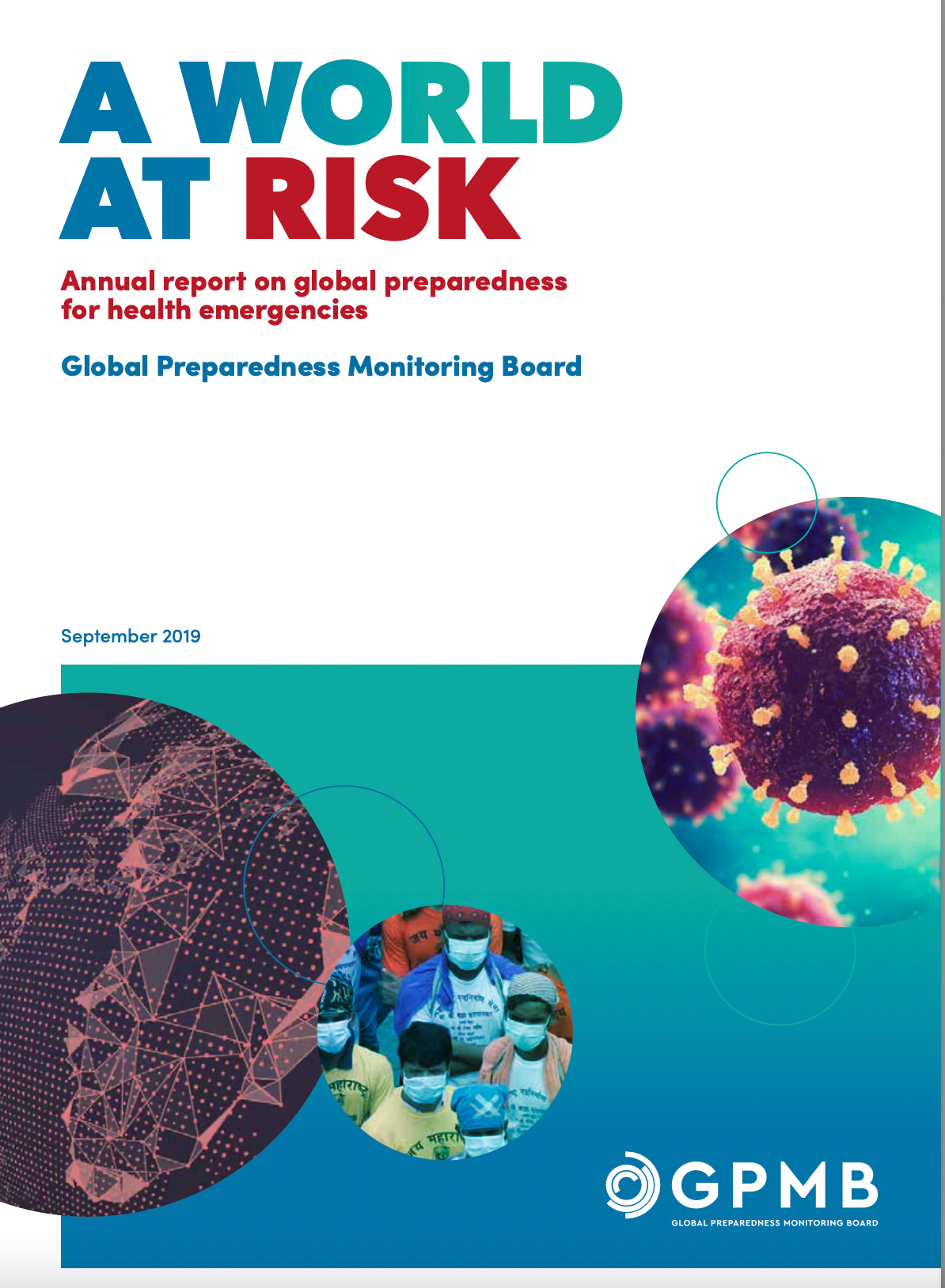



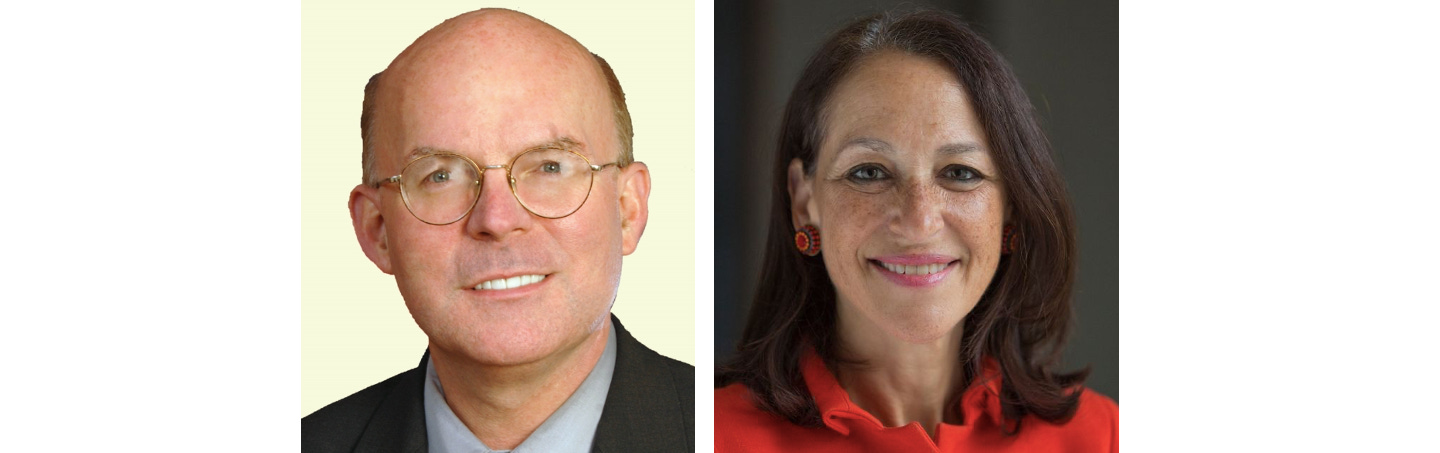
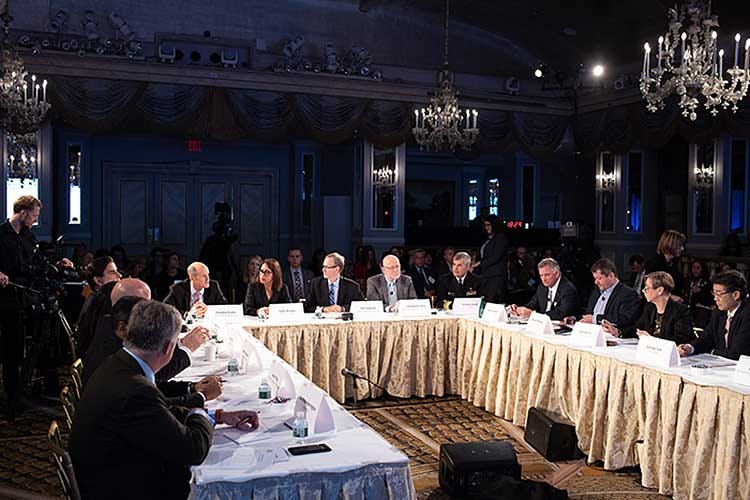



 Aletho News
 Aletho News