In 2017, the US Food and Drug Administration (FDA) entered into a memorandum of understanding (MOU) with the Bill & Melinda Gates Foundation.
Under the MOU, the two entities agreed to share information to “facilitate the development of innovative products, including medical countermeasures,” such as diagnostics, vaccines, and therapeutics to combat disease transmission during a pandemic.
The FDA has MOUs with many academic and non-profit organisations, but few have as much to gain as Bill Gates, who has invested billions into pandemic countermeasures.
Experts are concerned the Gates Foundation could have undue influence over the FDA’s regulatory decisions of these countermeasures.
David Gortler, an ex-senior adviser to the FDA commissioner between 2019 and 2021, says he is “suspicious” of the MOU.
“If the Gates Foundation establishes an MOU with a regulator on a product they want to develop, it seems like it would be a conflict of interest. What if every other drug company did the exact same thing as the Gates Foundation?” he says.
David Gortler, former senior advisor to FDA commissioner 2019-2021
Gortler, now a fellow at the Ethics and Public Policy Center in Washington DC, explained that normally, meetings between developers and regulators are supposed to be an official part of the public record and subject to Freedom of Information Act requests.
“However, an MOU such as this can circumvent the usual requirements for the transparency of official communications,” says Gortler. “This way their communications can be kept secret.”
David Bell, a former medical officer for the World Health Organisation (WHO) who now works as a public health physician and biotech consultant, agrees that the MOU has potential to corrupt the regulatory process.
“The narrative is that philanthropic foundations can only be good, because they’re making vaccines and saving thousands of lives, so we need to cut the red-tape and help the FDA get stuff done quickly otherwise children will die,” says Bell. “But in reality, it has potential to corrupt the whole system.”
David Bell, physician and biotech consultant
Bell adds, “Speaking generally, close relationships between regulators and developers raise inevitable risks that shortcuts and favours will break down the rigorousness of the product review, putting the public at risk.”
Revolving door
The FDA has been roundly criticised for its “revolving door.” Ten of the past 11 FDA commissioners left the agency and secured roles with pharmaceutical companies they once regulated.
Similarly, the Gates Foundation hired high-ranking members of the FDA, who bring with them intimate knowledge of the regulatory process.
For example, Murray Lumpkin had a 24-year career at the FDA, serving as senior advisor to the FDA commissioner and representative for global issues. Now, he is deputy director of regulatory affairs at the Gates Foundation, and signatory on the MOU.
And Margaret Hamburg, who served as FDA commissioner between 2009 and 2015, is now on the Scientific Advisory Board of the Gates Foundation.
Murray Lumpkin, deputy director regulatory affairs, Gates Foundation; Margaret Hamburg, scientific advisory board, Gates Foundation
Bell has no doubt that these appointments were strategic to “game the system” saying, “If I worked at the Gates Foundation, I would certainly hire somebody like Murray Lumpkin.”
The only way to fix the revolving door problem Bell says, is to have a ‘non-compete clause’ in their contracts.
“It might be that FDA employees cannot work for the people they’ve regulated for at least 10 years. There are places that have those rules – private companies have agreements that you can’t work for a rival,” said Bell.
The FDA dismissed questions about the potential for conflicts of interest, or the lack of transparency over its communications with the Gates Foundation. In a statement, the FDA said:
FDA regulatory decision making is science-based. Former FDA officials do not impact regulatory decisions. FDA only collaborates with the Bill and Melinda Gates Foundation under the MOU as described.
Gates has billions at stake
Gates boasted about receiving a 20-to-1 return on his $10 billion investment into the “financing and delivery” of medicines and vaccines.
“It’s the best investment I’ve ever made,” he wrote in The Wall Street Journal. “Decades ago, these investments weren’t sure bets, but today, they almost always pay off in a big way.”
In Sept 2019, just prior to the pandemic, SEC filings showed the foundation purchased over 1 million shares for $18.10/share. By Nov 2021, the foundation dumped most of the stock for an average of $300/share.
Investigative journalist Jordan Schachtel reported the foundation pocketed approximately $260 million in profit – more than 15 times its original investment – most of it untaxed because it was invested through the foundation.
In his recent book, “How to Prevent the Next Pandemic,” Gates warns that future pandemics are the biggest threat to humankind and that survival depends on global pandemic preparedness strategies, firmly positioning himself at the centre of shaping the agenda.
In October 2019, the Gates Foundation and the World Economic Forum hosted Event 201, which gathered government agencies, social media companies and national security organisations to war game a “fictional” global pandemic.
October 2019, Gates and WEF fund Event 201 to simulate a global pandemic response
The key recommendations from the event were that such a crisis would require the deployment of new vaccines, surveillance and control of information and human behaviours, by orchestrating the co-operation and co-ordination of key industries, national governments, and international institutions.
Several weeks later when the covid-19 pandemic emerged, many aspects of this ‘hypothetical scenario’ became a chilling reality.
The Gates Foundation, which holds shares in a range of drug companies including Merck, Pfizer, and Johnson & Johnson, is now credited with wielding significant influence over the direction of the global response to the pandemic, saying its goal is to “vaccinate the entire world” with a covid-19 vaccine.
Global dominance
The Gates Foundation has poured millions into funding NGOs, media, and international agencies, earning Gates significant political clout.
Financial contributions to the media have garnered Gates favourable news coverage, boasting on the foundation’s website it committed almost $3.5 million to The Guardian in 2020 – 2023.
The UK medicines regulator – the MHRA – disclosed it took approximately $3 million in funding from the Gates Foundation in 2022, which would span across several financial years.
Presidential candidate Robert F Kennedy Jr labelled Gates “the most powerful man in public health” because he managed to steer the WHO’s pandemic strategy to focus primarily on vaccination.
Kennedy said in an interview that the WHO “begs and rolls over” for Gates’ funding, which now makes up over 88% of the total amount of the WHO’s donations by philanthropic foundations.
Robert F Kennedy Jr, Presidential Candidate
“I think [Gates] believes that he is somehow ordained divinely to bring salvation to the world through technology,” said Kenney. “He believes the only path to good health is inside a syringe.”
The Gates Foundation’s CEO Mark Suzman responded to concerns that the foundation has “disproportionate sway in setting national and global agendas, without any formal accountability to voters or international bodies.”
“It’s true that between our dollars, voice, and convening power, we have access and influence that many others do not,” admitted Suzman in his 2023 annual letter .
“But make no mistake – where there’s a solution that can improve livelihoods and save lives, we’ll advocate persistently for it. We won’t stop using our influence, along with our monetary commitments, to find solutions,” he wrote.
Updated July 2023 based upon article originally published in March 2022
It’s been three years since COVID-19 emerged as a dominant and, for some time, all-consuming issue. Now there are signs we are witnessing the unravelling of some of the key policy responses – blanket lockdowns and population-wide injections – that have been so aggressively promoted by many, although not all, governments around the world. There is also reluctance by many to concede there have been problems with the COVID-19 responses to date. However, doubts about the efficacy of lockdowns are now widely aired and well substantiated and there is increasing evidence for, and awareness of, the dangers surrounding the mRNA genetic vaccine. And it is at least clear that large numbers of people, including scientists and academics, are expressing views at odds with authority or mainstream claims that lockdowns reduce mortality and that mass injections are a rational and efficacious solution.
As debate over ‘The Science’ increases, more and more people now question whether or not there is more to COVID-19 in terms of underlying agendas, in particular with respect to global-level actors such as the World Economic Forum (WEF), the World Health Organization (WHO) and so-called ‘Big Pharma’. In the early days of COVID-19 any such talk was immediately dismissed as ‘conspiratorial’ nonsense and, broadly speaking, people raising non-mainstream doubts about any aspect of the COVID-19 issue were subjected to vilification by ‘authoritative’ voices and corporate media.
Such dynamics were very much in evidence with respect to debate over the origins of COVID-19. And yet, today, the so-called ‘lab leak theory’, whatever its veracity, has moved from a ‘sphere of deviance’ to a ‘sphere of legitimate controversy’ with mainstream scientists through to legacy media and governments discussing it. At the same time, there is increased public awareness of various political agendas, for example the WEF’s ‘Great Reset’ visions. Indeed, a refrain from some quarters is that yesterday’s conspiracy theory is today’s fact. So, if all this is not about a virus, what might actually be going on?
COVID-19 and the ‘Structural Deep Event’ concept
First and foremost, it is necessary to dispel the idea that any attempt to understand intersections between political-economic agendas and COVID-19 is absurd or crazy. Here, we can learn much from Professor Michael Parenti’s 1993 talk on conspiracy and class power:
No ruling class could survive if it wasn’t attentive to its own interests; consciously trying to anticipate, control or initiate events at home and abroad both overtly and secretly. It is hard to imagine a modern state if there would be no conspiracy, no plans, no machinations, deceptions or secrecy within the circles of power. In the United States there have been conspiracies aplenty … they are all now a matter of public record.
PARENTI, 1993
It is a fact, then, that powerful political and economic actors do not blindly and irrationally stumble through history but rather strategise, plan and take actions that are expected to achieve results. They may make mistakes and plans are not always successful, but that does not mean they do not try and sometimes succeed in their aims and objectives. For example the tobacco industry worked long and hard, and with some success, to shape scientific and political discourse regarding their product and delay public awareness of its dangers.
Second, it is also true that powerful actors can have clear perceptions of their interests and are guided by the desire to realise, protect and further them. Where those interests come from might be reducible to any number of material or ideological influences. But origins do not matter, powerful actors still have conceptions of their interests and what they want to do.
Third, in today’s world of weakening democracies, corporate conglomerates and extreme concentration of wealth, it is also true that many political and economic actors are extremely powerful, whether measured in relative or absolute terms. They have resources and skills at their disposal that others do not. One potent tool available is that of propaganda, which grants significant leverage and influence to those with the skills and resources to disseminate it. For those liberals who remain at peace with their world – believing that powerful actors simply relay their political, economic and social goals to knowledgeable publics who then consent, or refuse to consent, to those goals – the fact that propaganda is exercised extensively across liberal democratic states comes as a shock. Indeed, many mainstream scholars struggle to recognise the role of propaganda even in well documented examples such as that of the tobacco industry shaping the science on the harms of smoking or the bogus claims regarding weapons of mass destruction (WMD) used to justify the invasion of Iraq. Recognising that propaganda is a major component of exercising power within so-called liberal democratic states logically removes any justification for the assumptions that a) powerful actors cannot or do not manipulate publics and b) citizenry are sufficiently autonomous and knowledgeable to always be able to grant or withhold consent.
And as Parenti observed, history is replete with examples of powerful actors successfully pursuing goals and manipulating populations in the process. In the days after 9/11, we now know that British and American officials were planning a wide-ranging series of actions – so called ‘regime-change’ wars – that went well outside the scope of the official narrative regarding combating alleged ‘Islamic fundamentalist terrorism’. One British embassy cable stated, four days after 9/11, that ‘[t]he “regime-change hawks” in Washington are arguing that a coalition put together for one purpose [against international terrorism] could be used to clear up other problems in the region’. Within weeks British Prime Minister Tony Blair communicated with US president George W. Bush saying, amongst many other things, ‘If toppling Saddam is a prime objective, it is far easier to do it with Syria and Iran in favour or acquiescing rather than hitting all three at once’. As these two western leaders conspired at the geo-strategic level, a low-level ‘spin doctor’, Jo Moore, commented on the utility of 9/11 in terms of day-to-day ‘media management’, noting that it was ‘a good day to bury bad news’. Jo Moore was forced to resign, Bush and Blair laid the tracks for 20-plus years of conflict in the international system, including the 2003 invasion of Iraq and the recently ended 20-year occupation of Afghanistan. And today, there is substantial evidence that the foundational official story regarding the 9/11 crimes is in fact false with the evidence clearly pointing toward the involvement of a number of state-level actors, including within the US.
Professor Peter Dale Scott (University of California, Berkeley) developed the concept of the ‘structural deep event’ and this is useful in capturing the idea that powerful actors frequently work to instigate, exploit or exacerbate events in ways that enable substantive and long-lasting societal transformations. These frequently involve, according to Scott, a combination of legal and illegal activity implicating both legitimate and public-facing political structures as well as covert or hidden parts of government – the so-called deep state which is understood as the interface ‘between the public, the constitutionally established state, and the deep forces behind it of wealth, power, and violence outside the government’. So, for example, Scott argues that the JFK assassination became an event that enabled the maintenance of the Cold War whilst the 9/11 crimes likewise enabled the global ‘war on terror’, and that both involved a variety of actors not usually recognized in mainstream or official accounts of these events. It is important to note that Scott claims his approach does not necessarily imply a simplistic grand conspiracy, but is rather based on the idea of opaque networks of powerful and influential groups whose interests converge, at points, and who act to either instigate or exploit events in order to pursue their objectives.
Applied to COVID-19, a ‘structural deep event’ reading would point toward a constellation of actors, with overlapping interests, working to advance agendas, and being enabled to do so because of COVID-19. Such a reading does not necessarily include or exclude the possibility of COVID-19 being an instigated event and one that functioned, in the widest sense, as a propaganda event enabling powerful actors to realise their goals. What are the grounds for seriously considering a ‘structural deep event’ reading?
The damaging COVID-19 response
There is now an overwhelmingly strong case to be made that the key responses to COVID-19 – lockdowns, cloth masking and mass injection – were, on their own terms, flawed.
A large swathe of scientists and medical professionals are now clearly and repeatedly warning governments and populations that lockdowns are harmful and ineffective whilst mass injection of populations with an experimental genetic vaccine resulted in substantialharms. Indeed, it is increasingly clear that the use of the PCR test, which gave a skewed impression of infection and death rates leading to the locking down of entire (healthy) populations for extended periods of time in response to a respiratory virus, and then attempting to submit people to an experimental injection on a repeated basis, were not scientifically robust policies. As of mid 2023, although causes are disputed, there continues to be worrying excess mortality across many countries. It is also now clear to many that the scale and nature of COVID-19 was exaggerated in a way that suggested the existence of an entirely new and unusually deadly pathogen that demanded drastic responses when, in fact, this was not the case.
It is also now apparent that a remarkable and wide-ranging propaganda effort, involving extensive use of behavioural scientists, was used to mobilise support for lockdowns and, later on, injections as well as exaggerate any threat posed. An early paper published in April 2020, authored by over 40 academics, presented a blueprint for how ‘social and behavioural sciences can be used to help align human behaviour with the recommendations of epidemiologists and public health experts’. Furthermore, many Western governments have behavioural psychology units attached to the highest levels of government, designed to shape thoughts and behaviour, and these were engaged early on during the COVID-19 event. According to Iain Davis, in February 2020 the WHO had established the Technical Advisory Group on Behavioural Insights and Sciences for Health (TAG); ‘The group is chaired by Prof. Cass Sunstein and its members include behavioural change experts from the World Bank, the World Economic Forum and the Bill and Melinda Gates Foundation. Prof. Susan Michie, from the UK, is also a TAG participant’. In the UK, behavioural scientists from SPI-B (Scientific Pandemic Influenza Group on Behaviour) reconvened on 13 February 2020 and subsequently advised the UK government on how to secure compliance with non-pharmaceutical interventions (NPIs). Broadly, these propaganda techniques included maximising perceived threat in order to scare populations into complying with lockdown and accepting the experimental genetic vaccines as well as utilising non-consensual measures involving incentivization and coercion through, for example, various mandates.
We also now know that propaganda activities included smear campaigns against dissenting scientists and, in at least one major case, were initiated by high-level officials: in Autumn 2020, Anthony Fauci and National Institute of Health director Francis Collins discussed the need to swiftly shut down the Great Barrington Declaration, whose authors were advocating an alternative (and historically orthodox) COVID-19 response focused on protecting high-risk individuals and thus avoiding destructive lockdown measures. Collins wrote in an email that this ‘proposal from the three fringe epidemiologists … seems to be getting a lot of attention … There needs to be a quick and devastating published takedown of its premises’. Rather than a civilised and robust scientific debate, a smear campaign followed. Furthermore, censorship and suppression appears to have been experienced widely across swathes of academia whilst the White House is currently being sued with respect to First Amendment violations against scientists including Professors Kulldorff and Bhattacharya from the Great Barrington Declaration.
The legacy corporate media, social media platforms and large swathes of academia appear to have played an important role in disseminating this propaganda and promoting the official narrative on COVID-19. The proximity of legacy corporate media to political and economic power has been well understood for many decades: concentration of ownership, reliance upon advertising revenue, deference to elite sources, vulnerability to smear campaigns and ideological positioning are all understood to sharply limit the autonomy of legacy media (these factors also arguably shape academia). With COVID-19 these dynamics are exacerbated by, for example, direct regulatory influence, such as Ofcom direction to UK broadcasters, and censorship by ‘Big Tech’ of views deviating from those of the authorities and the WHO. The Trusted News Initiative (TNI) and Coalition for Content Provenance and Authenticity (C2PA) have coordinated major legacy media in order to counter what they claim to be ‘misinformation’, and this appears to have played a role in suppressing legitimate scientific criticism whilst elevating ‘official’ narratives. At the global ‘governance’ level, both the United Nations and the WHO promoted campaigns around combating alleged ‘disinformation’ and the so-called ‘misinfo-demic’. Currently moves are afoot to further strengthen elite control over media discourse via legislation aimed at preventing so-called ‘misinformation’, ‘disinformation’ and ‘online harms’ and which is being rolled out over multiple legislatures.
Finally, confirmation of direct involvement of US authorities with censorship decisions by the social media company Twitter has been presented in the ‘Twitter Files’ and, in the UK, further corroboration regarding the role and significance of a Counter Disinformation Unit within the UK government. Matt Taibbi’s work on the ‘Twitter Files’, presents what is described as the Censorship Industrial Complex, or Counter-Disinformation Industry, which links universities, foundations, NGOs and federal agencies and which have actively censored content on Twitter during the COVID-19 event. Critically, these censorship regimes dovetail with the aforementioned legislative developments relating to ‘disinformation’ and ‘online harms’.
Extreme and flawed policy responses – societal lockdown and mandated mass injection – combined with widespread propaganda activities aimed at securing the compliance of the population might be explicable in a number of ways. For example:
The cock-up thesis might be invoked to explain all of this as an irrational panic response by well-intentioned or ideologically driven actors who got things badly wrong and imitated each other while doing so.
It might be that these policy responses are the result of narrow vested interests and corruption.
Powerful actors might have sought to take advantage of COVID-19, even instigate the event, so as to advance substantial political and economic agendas and, as part of this, helped to promote advantageous narratives during the COVID-19 event.
Following two years of massive societal disruption aimed at containing a seasonal respiratory virus, and the persistence of some aspects of the COVID-19 narrative despite substantive scientific challenges, it is clearly necessary to take seriously the very real possibility that vested interests and substantial political agendas underly the COVID-19 event. So, what is the key evidence for explanations two and three?
Manipulation and exploitation of Health Agencies: Regulatory Capture at the NIH and CDC plus the World Health Organization and Pandemic Preparedness Agenda
Evidence for vested interests and corruption has come, in particular, from analyses of US regulatory bodies and the actions of the WHO. In particular, evidence has emerged showing that key authorities in the US – the National Institutes of Health (NIH) and the Centers for Disease Control and Prevention (CDC) – under the influence of Anthony Fauci, the Chief Medical Officer to the US President, have suffered from conflicts of interest. The term ‘regulatory capture’ is frequently used to describe this situation. [2]
For example, Robert F. Kennedy Jr’s detailed analysis of the US-led COVID-19 response in The Real Anthony Fauci, documents the corrupt relationship between so-called ‘Big Pharma’ and Anthony Fauci arguing that, to all intents and purposes, there has been regulatory capture whereby pharmaceutical companies and public officials enjoy mutually beneficial arrangements. This mutual infiltration is understood by Kennedy to underpin the COVID-19 response, especially the commitment to a ‘vaccine-only’ solution and suppression of preventative treatments such as Ivermectin and Hydroxychloroquine (HCQ). By way of example, Kennedy relays the case of Dr Tess Lawrie and WHO researcher Andrew Hill in which Hill appeared to confirm there was pressure to delay publication of results supporting the efficacy of Ivermectin. Regarding HCQ, Kennedy writes:
By 2020, we shall see, Bill Gates exercised firm control over WHO and deployed the agency in his effort to discredit HCQ’ …
On June 17, the WHO – for which Mr. Gates is the largest funder after the US, and over which Mr. Gates and Dr Fauci exercise tight control – called for the halt of HCQ trials in hundreds of hospitals across the world. WHO Chief Tedros Adhanom Ghebreyesus ordered nations to stop using HCQ and CQ. Portugal, France, Italy, and Belgium banned HCQ for COVID-19 treatment.
More broadly, the WHO has been important in terms of co-ordinating COVID-19 policy responses. Although notionally independent, the WHO has increasingly come under corporate influence via both the growth of corporate-influenced organisations such as Gavi (Global Vaccine Alliance), CEPI (Coalition for Epidemic Preparedness Innovations) and private financing via the Bill & Melinda Gates Foundation. The WHO is also currently negotiating the treaty on pandemic preparedness with the governments of member states to provide unprecedented powers to this organisation to enable rapid responses, transcending national governments, when the WHO declares pandemics in the future, thus centralising control and potentially overriding national sovereignty.
This line of analysis might lead to a conclusion that what we have experienced to date – harmful lockdowns and injection strategies underpinned by massive propaganda – is primarily the result of corruption, conflicts of interest and vested interests, rather than what could reasonably be described as good faith errors by politicians and bureaucrats.
The World Economic Forum and the ‘Great Reset’
The World Economic Forum (WEF) has been associated by some analysts with the COVID-19 event and in 2020 Klaus Schwab, its founder, published a co-authored book titled COVID-19: The Great Reset. Schwab declared: ‘The Pandemic represents a rare but narrow window of opportunity to reflect, reimagine, and reset our world’. One key component of the political-economic vision promoted by the WEF is ‘stakeholder capitalism’ (Global Public-Private Partnerships, GPPP) involving the integration of government, business and civil society actors with respect to the provision of services. Another key component involves harnessing ‘the innovations of the Fourth Industrial Revolution’, especially the exploitation of developments in artificial intelligence, computing and robotics, in order to radically transform society toward a digitised model. Slogans now frequently associated with these visions include ‘you will own nothing and be happy’, ‘smart cities’ and ‘build back better’.
It is also apparent that the WEF, as an organising force, has considerable reach. It has been involved with training and educating influential individuals – through its Young Global Leaders Programme and its predecessor, Global Leaders for Tomorrow – who have subsequently moved into positions of considerable power. It has also been noted that many national leaders (e.g. Merkel, Macron, Trudeau, Ardern, Putin, and Kurz) are WEF Forum of Young Global Leaders graduates or members and have ‘played prominent roles, typically promoting zero-covid strategies, lockdowns, mask mandates, and ‘vaccine passports’. In 2017 Schwab boasted:
When I mention our names like Mrs Merkel, even Vladimir Putin and so on, they all have been Young Global Leaders of the World Economic forum. But what we are very proud of now is the young generation like prime minister Trudeau, president of Argentina and so on. So we penetrate the cabinets. So yesterday I was at a reception for prime minister Trudeau and I will know that half of this cabinet or even more half of this cabinet are actually young global leaders of the World Economic Forum …. that’s true in Argentina, and it’s true in France now with the president a Young Global Leader
Corporate members of the WEF’s Forum of Young Global Leaders includes Mark Zuckerberg whilst ‘Global Leaders for Tomorrow’ included Bill Gates and Jeff Bezos.
Financial Crisis, the Central Banks and Central Bank Digital Currency (CBDC)
we intend to establish the equivalence with cash and there is a huge difference there. For example, in cash we don’t know who is using a $100 bill today … the key difference with the CBDC is that the central bank will have absolute control on the rules and regulations that will determine the use of that expression of central bank liability and also we will have the technology to enforce that.
A programmable CBDC potentially provides complete control over how and when an individual spends money, in addition to allowing authorities to automatically deduct taxes through a person’s ‘digital wallet’. According to some analysts, this development would also effectively remove any significant control over financial policy at the national level. Although decried as a ‘conspiracy theory’ in the early days of the COVID-19 event, it has now become clear that there is a determined drive toward implementing CBDCs and which has the potential to qualitatively change the character of national-level governance.
Technologies associated with programmable CBDCs overlap with those associated with 4IR and concepts regarding digitised society. Specifically, digital identity, a potential component of the intended CBDC, provides a basis for the creation of a digital grid upon which information relating to all aspects of an individual’s life will be available to governments, corporations and other powerful entities such as the security services. Also notable is the relationship between digital ID and the drive to create ‘vaccine passports’ as part of the COVID-19 response: Microsoft and the Rockefeller Foundation are central players in ID2020, alongside Gavi. The overall objective is to create a global-level digital ID framework that integrates with health/vaccination status. As with CBDC, the push to implement these frameworks is ongoing, not dissipating, and include the recent announcement by the WHO and EU of a ‘digital health partnership’ aimed at facilitating implementation of digital health certificates for health and travel controlled by the WHO. [3]
All of these political and economic agendas point toward a conclusion more closely aligned with the ‘structural deep event’ (Scott) thesis, in that they highlight the possibility that COVID-19 has been exploited to advance major political and economic agendas. As such, COVID-19 is itself primarily a propaganda event, instrumentalized in order to pursue political-economic agendas. This hypothesis is, at least in part, distinct from the idea that corruption and narrow vested interests explain most of what we have seen.
Threats to democracy and understanding what this all might mean
The political and economic processes identified regarding the WEF, WHO, digital ID, the central banks and CBDC, the pandemic preparedness agenda and the Censorship Industrial Complex/Counter-Disinformation Industry are not speculative or theoretical, they are directly observable and ongoing. They are also proceeding in the absence of serious scrutiny by legislatures and wider democratic debate whilst new ‘emergencies’ over war in Ukraine and the climate appear to be being exploited in order to maintain momentum even as COVID-19 recedes from view. Indeed, one scholar of political communication notes that ‘insidious scare tactics deployed during Covid are still being used in the field of climate communications, where they were first developed.’
It is also worth spelling out the potential interaction between these agendas and threats to democracy. It is now clear that populations have been subjected to highly coercive and aggressive attempts to limit their autonomy, including restrictions on movement, the right to protest, freedom to work and freedom to participate in society. Most notably, significant numbers of people were pushed, sometimes required, to take an injection at regular intervals in order to continue their participation in society whilst PCR test requirements for travelling, for example, have introduced further coercive elements into everyday life. These developments have been accompanied by, at times, aggressive and discriminatory statements from major political leaders with respect to people resisting injection. The threat to civil liberties and ‘democracy as usual’ is unprecedented. The economic impact has been dire and COVID-19 has seen a dramatic and continued transfer of wealth from the poorest to the very richest (see for example Oxfam, 2021 and Green and Fazi, 2023). And, today, the drive to create a regulatory framework via the pandemic preparedness agenda, which includes modification of the International Health Regulations, combined with the rolling out of online ‘harm’ legislation and the promotion of moral panic over ‘disinformation’ and ‘online harm’, all create an architecture that enables high levels of control over populations within ostensibly democratic polities.
Furthermore, the combination of a programmable CBDC, a ‘vaccine passport’ that determines access to services and real-world spaces and the availability of all online behaviours to corporations and governments, can enable a system of near total control over an individual’s life, activities and opportunities. This system of control can be seen in China with the social credit system currently being implemented in certain provinces. Integration of personal data and money though a digital ID would also allow individuals to be readily stripped of their assets. These developments reflect the rise of technocracy whereby government and society become increasingly controlled by experts and technicians and individual autonomy and democracy are curtailed. They can also be related to the transhumanist movement which enthusiastically looks forward to human-machine interfaces and their proclaimed potential to ‘perfect the human condition’.
Of course, it is still possible that the sustained adherence to lockdown and mass injection (in spite of growing evidence against their efficacy and safety) are explicable through reference to government blunders, whilst the parallel political and economic projects and rapid reduction in civil liberties are coincidences.
However, it would be remiss to set aside the fact that organisations such as the WHO and the WEF exist within a wider network, or constellation, of extremely powerful, non-elected political and economic entities made up of major multinational corporations, intergovernmental organisations (IGOs), large private foundations and other non-governmental organisations (NGOs). These include, in no particular order, the Bank for International Settlements (BIS) and other central banks; asset managers Blackrock and Vanguard; global-level entities such as the Council on Foreign Relations (CFR), the Club of Rome, the Rockefeller Foundation, the Kellogg Foundation, Chatham House, the Trilateral Commission, the Atlantic Council, the Open Society Foundations and the Bill & Melinda Gates Foundation; and major corporations including so-called ‘Big Pharma’ and ‘Big Tech’ such as Apple, Google (part of Alphabet Inc), Amazon and Microsoft. And, of course, governments themselves are part of this constellation, with the most powerful – the US, China and India – having considerable influence. In addition, the European Union (EU) supranational body, via its President Ursula von der Leyen, promoted the EU Digital COVID Certificate and also demanded at times that all EU citizens be injected.
As such, it is entirely plausible, if not increasingly likely, that the interests shared between multiple political and economic actors have manifested themselves in the form of concrete political and economic agendas which, in turn, have been advanced via the COVID-19 event. It is also possible that the current war in the Ukraine as well as climate issues are being exploited by many of the same actors and in a similar fashion. Along these lines, Denis Rancourt recently noted:
It is only natural now to ask “what drove this?”, “who benefited?” and “which groups sustained permanent structural disadvantages?” In my view, the COVID assault can only be understood in the symbiotic contexts of geopolitics and large-scale social-class transformations. Dominance and exploitation are the drivers. The failing USA-centered global hegemony and its machinations create dangerous conditions for virtually everyone.
An increasingly large body of work supports the understanding of COVID-19 as a structural deep event. Important and pathfinding analyses were provided in the early months of the COVID-19 event by Cory Morningstar, Whitney Webb and Piers Robinson, amongst others. James Corbett was one of the first to warn of the impending dangers of a biosecurity state all the way back in March 2020, whilst Patrick Wood alerted us to the dangers of technocracy long before the arrival of COVID-19.
In States of Emergency(2022) Kees van der Pijl argues there has been a ‘biopolitical seizure of power’ in which an intelligence-IT-media complex has crystallised as a new class block seeking to quell growing unrest and the strengthening of progressive social movements throughout the world. Under cover of Covid-19, and via ruthless exploitation of people’s fear of a virus, van der Pijl traces how this new class block is attempting to impose control via high-tech, digitised societies necessitating mandatory injections and digital ID, as well as censorship and manipulation of public spheres. In short, van der Pijl describes a total surveillance society involving massive concentration of power and the end of democracy. Kheriaty’s The Rise of the Biomedical State (2022) offers a detailed presentation of how COVID-19 provided the impetus for an emerging biosecurity state whilst Iain Davis’ Pseudopandemic (2022) presents the COVID-19 event as primarily a propagandised phenomenon functioning to enable the continued emergence of a technocratic order built around the Global Public-Private Partnership (GPPP) and ‘stake-holder capitalism’ that has appeared primarily to serve the interests of what he describes as an elite ‘parasite class’. Simon Elmer’s (2022) analysis presents all of these developments in terms of the rise of a new form of fascism whilst Broecker (2023) emphasises the technocratic and anti-democratic underpinnings of the political developments ushered in under the cover of the COVID-19 event.
Robert F. Kennedy’s The Real Anthony Fauci, although focused on documenting the corruption with respect to public health institutions and ‘Big Pharma’, is clear about its consequences for our democracies. Early in the book he notes that Fauci ‘has played a central role in undermining public health and subverting democracy and constitutional governance around the globe and in transitioning our civil governance toward medical totalitarianism’. Later in the book, Kennedy discusses the interplay between military, medical and intelligence planners and raises questions about an ‘underlying agenda to coordinate dismantlement of democratic governance’:
After 9/11, the rising biosecurity cartel adopted simulations as signaling mechanisms for choreographing lockstep responses among corporate, political, and military technocrats charged with managing global exigencies. Scenario planning became an indispensable device for multiple power centers to coordinate complex strategies for simultaneously imposing coercive controls upon democratic societies across the globe.
Broadly in line with this analysis, the work of both Breggin and Bregginand Paul Shreyer argue that the political and economic agendasadvanced during the COVID-19 event had been long in the pipeline and point toward it being an instigated event as opposed to a spontaneous – naturally occurring – one that groups opportunistically took advantage of.
Along with all this, transhumanism, life extension or ‘enhancement’ through technology and digitalised society, observable in some of the output from the WEF and public musings of key individuals, appears to reflect a set of beliefs in technology and progress that can be traced back to Enlightenment thinking of the last 300 years. Philosophical debates over technology and what it means to be human have remained at the heart of the Enlightenment ‘project’, although perhaps deeply buried. Associated with this might be scientism as a religious cult of the West.
Attempts to attach a label to the complex political and economic processes we are witnessing include descriptors such as ‘global fascism,’ ‘global communism,’ ‘neo-feudalism,’ ‘neo-serfdom’, ‘totalitarianism,’ ‘technocracy,’ ‘centralization vs. subsidiarity,’ ‘stakeholder capitalism’, ‘global public-private partnerships,’ ‘corporate authoritarianism’, ‘authoritarianism,’ ‘tyranny’ and ‘global capitalism.’ Dr Robert Malone, inventor of part of the mRNA technology used in the COVID-19 injections, openly refers to the threat of global totalitarianism as does US presidential hopeful Robert Kennedy Jr.
In summation, there are multiple and readily observable signs of political and economic actors working to variously instigate, exaggerate and/or exploit the COVID-19 event. At the same time there are no signs that those promoting the claim that COVID-19 represented an unusually dangerous health crisis are conceding any ground, even as the facts become clear that it was nothing exceptional and that the responses have been a disaster for public health and well-being. Both ideology and underlying agendas appear to be influencing the dynamics of current events, all of which are occurring in the context of major shifts in the distribution of power globally: witness the BRICS block and various geo-political realignments, including the increasingly likely strategic failure for the West in relation to the Ukraine war. None of this looks like the COVID-19 response was just some innocent and incompetent blunder by our scientific and medical establishments.
The tasks ahead
For those occupying corporate or mainstream positions in politics, media or academia, the fear of being tarred with the ‘conspiracy theorist’ label is usually enough to dampen any enthusiasm for serious evaluation of the ways in which powerful and influential political and economic actors might be shaping responses to COVID-19 to further political and economic agendas. But the stakes are now simply too high for such shyness and, indeed cowardice, to be allowed to persist. There are strong and well-established grounds to take analyses along the lines of the ‘structural deep event’ thesis seriously, as set out in this article, and there are clear and present dangers to our civil liberties, freedom and democracy.
Building on the work already started, researchers must explore more fully the networks and power structures that have shaped the COVID-19 responses and which have sought to move forward various political and economic agendas. Analysing more fully the techniques used, including propaganda and exploitation of COVID-19 as an enabling event, is now an essential task for researchers to undertake. It is also important to consolidate understanding of linkages with ongoing drives related to the UN sustainability agenda – e.g. 15 minute cities – and the climate agenda, all of which potentially involve technocratic and top-down policy approaches at odds with autonomy and democracy. Such work, ultimately, can not only deepen our understanding of what is going on; it can also provide a guide for those who seek to oppose what is being described by some as ‘global totalitarianism’ or ‘fascism’. It is of equal importance for scholars of democracy and ethics to further unpack the implications of these developments with respect to liberty and civil rights as well as, more widely, creative thinking with respect to alternative visions of social, political and economic organisation and including the development of parallel societies.
It could of course be the case that such a research agenda ultimately leads to a refutation of the ‘structural deep event’ thesis and confirmation that everything witnessed over the last three years has been simply cock-up or blunder. But it seems increasingly unlikely that this would be the result and evidence in support of the structural deep event reading is stronger now than ever. It is essential that critical research into the consequences of the COVID-19 response does not become bounded by an unwarranted assumption that all can be reduced to well- intentioned but erroneous responses. The stakes are high and it has never been more essential to seriously engage with uncomfortable possibilities – even if that means interrogating uncomfortable and alarming explanations.
Endnotes
1. Thanks to David Bell, Isa Blumi, Heike Brunner, Jonathan Engler, Nick Hudson and Ewa Siderenko for comments and input.
2. Sheldon Watts offers historic background illustrating how the establishment regularly rewrites the science to serve other purposes. In the case of Cholera, the main editors of The Lancet in the late 19th century actually contradicted their own findings of a previous decade in order to accommodate trade interests concerning the quarantining of British ships from India that would have harmed the British Empire’s economic model. From being a human communicable disease, it transformed into a dark-skinned disease of the orient. Watts, Sheldon. “From rapid change to stasis: Official responses to cholera in British-ruled India and Egypt: 1860 to c. 1921.” Journal of World History (2001): 321-374. Thanks to Isa Blumi for this reference.
The U.K.’s Royal Society — acclaimed as the world’s oldest scientific academy — last week issued a report saying there was “clear evidence” that lockdowns, masks, contact tracing, travel restrictions and other nonpharmaceutical interventions (NPIs) were effective at reducing COVID-19 transmission “in some countries.”
However, in an article published Wednesday in UnHerd, Kevin Bardosh, Ph.D., research director at Collateral Global — which is “dedicated to researching, understanding and communicating the global impacts of policy responses to the COVID-19 pandemic” — called the report “deeply flawed,” saying it revealed “an unfortunate detachment from reality in our prestigious scientific institutions.”
Bardosh called out the report, particularly for its use of the word “unequivocally,” which stated:
“In summary, evidence about the effectiveness of NPIs applied to reduce the transmission of SARS-CoV-2 shows unequivocally that, when implemented in packages that combine a number of NPIs with complementary effects, these can provide powerful, effective and prolonged reductions in viral transmission.”
Bardosh, whose work has focused on the epidemiology and control of human, animal and vector-borne infectious disease in over 20 countries, is co-author of more than 50 peer-reviewed publications.
In this 2022 analysis of the unintended consequences of COVID-19 vaccine policy, published in BMJ Global Health, Bardosh and co-authors concluded: “mandatory COVID-19 vaccine policies have had damaging effects on public trust, vaccine confidence, political polarization, human rights, inequities and social wellbeing.”
Failure to ‘evaluate the harmful consequences’ of policies
Bardosh said the central problem with the Royal Society report — and similar work like last year’s Lancet Commission report and Nature’s review — is that they fail to comprehensively evaluate the harmful consequences of pandemic policies.
Instead they “exclude or minimize the uncomfortable outliers and data that question orthodoxy and sidestep the hard policy questions.”
Without such critical inquiry, “simple narratives and comfortable popular projections” become entrenched, said Bardosh, in part by the mainstream media’s constant repetition of messages — like “masks worked” and “lockdowns slowed the spread” — and by admonitions to not question the conclusions or the authorities or institutions responsible for pushing them.
Among the most glaring yet unexamined consequences, according to Bardosh, are the hundreds of millions of people pushed into poverty and food insecurity by COVID-19 pandemic mandates and the lost educational opportunities for children.
In another article in UnHerd, Bardosh called out the U.K. COVID-19 inquiry — after more than 40 child rights charities and advocates issued a “scathing indictment” — saying it “must address the harms to children,” and that “lockdown ‘experts’ need to be held to account.”
Bardosh wrote:
“Children were not vectors of disease, despite pervasive media propaganda that toddlers would kill grandma. They were at minuscule risk from severe outcomes. Schools were never places of high transmission, something known as early as April 2020.
“Yet the expert classes, media and politicians hyped the risk to kids, dressing it up in a garb of unquestionable moralism that fed on our deepest fears: hurting children.”
What’s wrong with the Royal Society analysis?
The Royal Society report found individual NPIs in isolation had no effect on transmission, and it considered only the reduction of transmission in its overall analysis, not the illness or death outcomes, Bardosh pointed out.
In its analysis of lockdown and social distancing data, the Royal Society inconsistently applied targeting of time periods and effect sizes, and failed to distinguish between voluntary and mandated behavior change, he said.
Bardosh further criticized the report for relying heavily on observational studies from high-income countries and for cherry-picking cases from countries like South Korea, New Zealand and Hong Kong while ignoring those from Sweden, India, Haiti and Nicaragua.
“For the 17% of the world that could stay home (about 500 million people) during the height of global lockdown, reports are now written that render the other 83% invisible,” he wrote.
The report’s review of the evidence on masks, noted Bardosh, contradicts the recently updated meta-analysis of 78 randomized control trials (RCTs) by Cochrane which, while admitting the flaws in the study, nonetheless found “the pooled results of RCTs did not show a clear reduction in respiratory viral infection with the use of medical/surgical masks” and “wearing N95/P2 respirators … may make little to no difference in how many people catch a flu-like illness.”
In his article last week about mask mandates, Bardosh also cited the recent RCT studies of community-wide cloth masking in Bangladesh and Guinea-Bissau during the pandemic, which found little to no benefit from the interventions.
Bardosh wrote:
“Before Covid, population-wide medical masks were not viewed as a particularly effective tool for respiratory viruses. In a 2018 address at the National Academy of Medicine, science writer Laurie Garrett stated that ‘the major efficacy of a mask is that it causes alarm in a person and so you stay away from each other.’”
The many downsides of facemask use also remained unexplored in the report. In his masking article Bardosh wrote:
“Oddly, the pro-mask narrative ignores the … harmful effects on social and emotional cognition, the toxicity of poorly manufactured masks, environmental pollution, psychological and physical discomfort (especially in people with a history of trauma or abuse), as well as increased social conformity to illogical bureaucracy and greater acceptance of mass surveillance technologies.”
Collateral Global in April brought together a group of 30 scholars, activists and experts from across the globe to discuss the impacts of pandemic restrictions in low- and middle-income countries — many of which were not considered in the Royal Society study, according to Bardosh.
They issued a report calling for focusing on human rights and centering local actors’ knowledge and experience, disaggregating risk based on local conditions, consistent public investment in healthcare across the world, open and accurate information flow from central authorities to regional areas and back, and for governments to avoid unnecessary and unworkable restrictions on movement, freedoms and the economy.
They also called out the acceleration of the global trend toward authoritarianism, the unlawful granting of emergency powers to the state and the manipulation of public opinion through the exploitation of fear.
Bardosh warned of a global policy “domino-effect” where lockdown policymaking in major countries invariably leads, through political pressure, to the herding of lower-income countries into the same mandates, regardless of the social and economic harm.
A new ‘lockdown doctrine’?
Despite the shortcomings of the Royal Society report, it is already being used as a rallying point for a new global preparedness vision, according to Bardosh, to make sure that NPIs such as lockdowns are rolled out early in the next pandemic.
This is part of the 100-day mission roadmap promoted by the Coalition for Epidemic Preparedness (CEPI), Bardosh said.
CEPI, a global partnership of the Bill & Melinda Gates Foundation, Wellcome Trust and the World Economic Forum (WEF), was launched in 2017 in Davos, Switzerland, home of the WEF.
CEPI is closely connected to efforts to develop a vaccine for “Disease X,” raising over a billion dollars from governments and organizations such as the Gates Foundation.
According to the 100 Days website, “In preparing for Disease X, it’s important to be clear about the knowns and the unknowns: The X in ‘Disease X’ stands for everything we don’t know” and “What we do know is that the next Disease X is coming and that we have to be ready.”
CEPI recently hosted the Global Pandemic Preparedness Summit with the U.K. government “to explore how we can respond to the next ‘Disease X’ by making safe, effective vaccines within 100 days,” stating it has a $3.5 billion “pandemic-busting plan” that “will kickstart and coordinate this work.”
According to the Daily Mail, countries have pledged $1.5 billion for this plan.
Bardosh called this “our new lockdown doctrine.”
In a June article, he wrote that this doctrine represents the consolidation of the world’s resources toward pandemic preparedness and building “the critical infrastructure for rapid lockdown,” and that “Shutting down harder and faster next time is the wrong idea.”
Bardosh wrote:
“Sir Jeremy Farrar, previous director at the Wellcome Trust and current WHO [World Health Organization] Chief Scientist, warned the inquiry not to be complacent in our ‘new pandemic age.’
“Views expressed this week sounded similar to those outlined in Bill Gates’s recent book, ‘How to Prevent the Next Pandemic.’ The Gates Foundation has become the WHO’s second largest donor, giving it an oversized influence in determining the shape of future pandemic responses.
“In his book, Gates outlines a plan echoed so far in the U.K. inquiry: lock down fast and make reopening dependent on a vaccine.”
Bardosh warned the successful rollout of lockdowns, vaccines and therapeutics would require “mechanisms to shape public opinion, curtail civil liberties and deploy massive government spending programs.”
Bardosh sees the Royal Society report — driven by “powerful interests, spin and egos” — functioning as just such a mechanism, forming the latest brick in the wall of a new and expanding global command-and-control system.
“We have seen in the years since 2020,” he wrote, “that once you impose a slew of government mandates, repealing them is just as difficult.”
Bardosh hopes that “skeptical academic oddballs” like him can make enough noise to make a difference.
John-Michael Dumais is a news editor for The Defender. He has been a writer and community organizer on a variety of issues, including the death penalty, war, health freedom and all things related to the COVID-19 pandemic.
Michael Nevradakis, Ph.D., based in Athens, Greece, is a senior reporter for The Defender and part of the rotation of hosts for CHD.TV’s “Good Morning CHD.”
Public health tasted the power they gained during the pandemic and now they are hungry once more. Any excuse to make themselves relevant again and they will take it.
This time it happened in France’s capital, Paris. On Wednesday and Thursday, the city undertook its first ever large-scale mosquito control campaign after two people contracted dengue fever. It is also known as break-bone fever due to the joint pain that accompanies illness.
Although the individuals were infected with dengue whilst abroad, officials were concerned that the Asian tiger mosquito might bite them and spread the disease around the country.
That seems like a very small risk to me but apparently, nowadays, however small the risk, public health must intervene. So they closed roads and sent out stay at home alerts (mini local lockdowns), allowing insecticides to be sprayed around the city over a couple of days.
Naturally, the situation was blamed on climate change. Apparently, there have been hotter temperatures and increased flooding meaning the mosquitos are more likely to cause a problem.
Most people who get dengue don’t have any symptoms but it is estimated that around half a million people worldwide are hospitalised with the disease each year. Approximately 20,000 to 40,000 of these die, however with good healthcare, death is unlikely.
Dr Jolyon Medlock, head of medical entomology and zoonoses ecology at the UK Health Security Agency (UKHSA) told the Telegraphnewspaper, that “in 10 to 15 years the UK will probably also have embedded populations of mosquitoes that pose a threat to health”.
At the bottom of the Telegraph article it says “Protect yourself and your family by learning more about Global Health Security”.
Lo and behold, who do we find funding the Telegraph’s Global Health Security? The Bill & Melinda Gates Foundation of course. The Telegraph insists that the support comes without strings but it seems like it does come with some benefits as the paper brags that “we were among the first to warn of an approaching pandemic”. However did they know!?
And is the break-bone fever panic really being caused by climate change? In 2017, it was announced that France and the Netherlands backed the release of Oxitec’s genetically modified mosquitoes to fight dengue, chikungunya and zika.
These mosquitos are meant to use a biological method to suppress wild populations of dangerous mosquitos. The genetically modified males don’t bite or transmit disease and when released, search for a female mate. Their offspring inherit a self-limiting gene that causes them to die before reaching functional adulthood. Seems a bit Jurassic Parky to me and if there’s one thing I learnt from Jurassic Park, it’s that life always finds a way.
Oxitec is also the company that released genetically modified mosquitoes in Florida… which is now seeing a rise in malaria. Definitely not connected though. Their business is supported by $18 million of funding from the Bill & Melinda Gates Foundation.
But who is Oxitec? Founded in 2002 as a spinout from Oxford University, they were purchased by US based Intrexon and Third Security in early 2020.
Intrexon changed its name to Precigen in 2020, a year after creating the company as a subsidiary. Weirdly, if you try to go to Intrexon’s website you get taken to DNA.com which is just a landing page with a creepy logo.
Under its current name, Precigen, the company informs us that it “is a dedicated discovery and clinical stage biopharmaceutical company advancing the next generation of gene and cell therapies using precision technology to target the most urgent and intractable diseases in our core therapeutic areas of immuno-oncology, autoimmune disorders, and infectious diseases”.
I used to think this technology would bring great advancement to medicine but, since the pandemic, I think they are just playing with fire.
Scientists are developing a proprietary “early warning system” — powered by CRISPR gene-editing technology — to “detect and characterize deadly pathogens” in Africa “before they spread across the globe,” STAT News reported.
The surveillance system — dubbed Sentinel — was launched with funding from the Bill & Melinda Gates Foundation and others. It uses “participatory” digital health tools developed with funding from the U.S. Department of Defense’s Defense Advanced Research Projects Agency, or DARPA.
Sabeti is a World Economic Forum Young Global Leader, Harvard professor and director of the Broad Institute’s Sabeti Lab. Happi is a professor of molecular biology and genomics at Redeemer’s University in Nigeria, an adjunct professor of immunology and infectious diseases at Harvard and director of the African Centre of Excellence for Genomics of Infectious Diseases (ACEGID), a genomic research institute focused on Africa, which he co-founded with Sabeti in Nigeria.
Sentinel aims to use rapid testing at “points-of-care” — anywhere tests can be administered, including non-clinical settings — across rural Africa to identify and genetically sequence pathogens. Then researchers will use cloud-based technology to share that information across the public health information sphere.
Global public health researchers can then track and predict “threats” and use that information to rapidly develop new diagnostics and vaccines — what the researchers call a “virtuous cycle,” according to a 2021 paper published in Viruses by the developers.
The Sentinel project was officially launched in 2020 with funding from TED’s Audacious Project, backed by Jeff Bezos’ ex-wife MacKenzie Scott, Open Philanthropy, the Skoll Foundation and the Gates Foundation.
But DARPA, the National Institutes of Health (NIH), the Wellcome Trust and others funded the development of the CRISPR technology the project will use to detect pathogenic threats.
“They fully intend to use synthetic biology to research, develop and test biological warfare weapons. That’s DARPA’s motivation for funding this.
“It fits in with Predict and its successor, also funded by USAID [U.S. Agency for International Development], which is a front organization for the CIA, to go out into the world and find every exotic disease, fungus, toxin, virus they possibly can and bring them back here and then weaponize them in their BSL3 [biosafety level 3] and BSL4 labs.”
According to Boyle, the Broad Institute is one of the country’s leading DARPA-funded synthetic biology research centers.
Happi and Sabeti officially launched Sentinel in West Africa one month before the World Health Organization declared COVID-19 a pandemic. By early February 2020, they were using it to deploy COVID-19 rapid testing and genomic sequencing in hospitals across Sierra Leone, Senegal and Nigeria — before anywhere in the U.S. was doing so, STAT reported.
“Experts” told STAT that Africa is a “hot spot for emerging infectious diseases” because the existing system of disease surveillance is too centralized and top-down.
Happi and Sabeti aim to change that, they said, by making disease surveillance “bottom-up” — getting “everyday Africans” and community frontline workers working as “sentinels” to surveil their friends and communities for diseases.
They said their project can change how disease surveillance works globally. “Everybody in the world should be a sentinel, a sentinel not only for his own immediate community, for his own country — but a sentinel for the globe,” said Happi.
‘Very wealthy people have figured out how they can get extremely rich from this’
The developers said the Sentinel program is needed because viruses can mutate at any time to become pandemic threats, and this system is designed to find them early.
Sabeti described the work in a video tweeted last year by Bill Gates.
Sentinel is designed to identify pathogens at the most localized level possible and then disperse diagnostic and genomic information as quickly as possible to public health officials and researchers designing treatments, vaccines and new tests.
Clinicians or others are meant to administer “point-of-care” tests that use CRISPR gene-editing technology, which turns gene editors into pathogen detectors through different techniques, some of which are still in development.
Sentinel’s first line of intervention is the SHINE (SHERLOCK and HUDSON Integration to Navigate Epidemics) diagnostic tool, easily administered at almost any location. It tests blood or urine samples and reveals the results on a piece of paper without any high-tech equipment.
Happi told STAT that administering the test is like “doing a PCR on a sheet of paper” and that it is so simple that his grandmother could do it in her village.
But SHINE — an improvement on Sabeti’s earlier Specific High-sensitivity Enzymatic Reporter UnLOCKing, or SHERLOCK test — can test for only one pathogen at a time.
If that test fails to detect anything, Sentinel researchers launch their next-level test, CARMEN (Combinatorial Arrayed Reactions for Multiplexed Evaluation of Nucleic acids), which can screen for up to 16 pathogens at a time and must be implemented at a nearby rural hospital.
Research on the CARMEN technique was funded by DARPA, NIH, and Wellcome and published in Nature in 2020.
If CARMEN fails, the sample is “escalated” to a regional genomics hub, where every virus in the sample, “known or unknown,” is sequenced.
Researchers can use those sequences to quickly make new diagnostic tests for the newly identified pathogens, STAT reported.
The data collected through Sentinel is shared across healthcare clinics and public health officials’ proprietary mobile apps and cloud-based reporting systems developed by Dimagi — a Gates Foundation-funded for-profit tech company that targets low-income communities — and Fathom — a for-profit software developer funded by Sabeti labs.
Sabeti filed patents for the technology and co-founded a biotech startup, Sherlock Biosciences, to commercialize these tests for use in the U.S.
Sherlock also has startup funding from the Gates Foundation, Open Philanthropy and a number of other biotech venture capitalist companies.
With funding from DARPA, Battelle National Biodefense Institute, the U.S. Department of Homeland Security, the NIH and others, the Broad Institute and Princeton University researchers also used SHINE to create a rapid test for COVID-19.
Sabeti sits on the board and serves as a shareholder of the Danaher corporation, which develops research tools determining the causes of disease and identifies new therapies and tests of drugs and vaccines.
Happi also collaborates with the Rockefeller Foundation’s Pandemic Prevention Institute and bioengineering firm Ginkgo Bioworks to deploy Ginko’s automation technologies to his lab to sequence genomes.
But Sabeti told STAT that providing people with access to testing is her true priority. And she is on the board of a nonprofit that will work to send the tests her new company makes to low- and middle-income countries “at cost.”
Sentinel’s real contribution, Sabeti said, is its focus on “empowerment.”
Sabeti and Happi are currently field testing SHINE and CARMEN. In the process, they are training scientists in genomic surveillance and collecting hundreds of thousands of genomes.
STAT didn’t specify whether those are virus genomes or people’s genomes, but Boyle said the testing would make it possible to also collect the genomes of African people, which he said is a form of biopiracy.
Other notable collaborators on the 2021 Viruses paper that helped publicly launch Sentinel include Scripps Research Institute virologist Kristian Andersen, Ph.D., co-author of the now infamous Nature “Proximal Origins” paper used to promote the theory that COVID-19 evolved in nature. Andersen’s private communications later revealed he suspected a segment of the SARS-CoV-2 genome may have been engineered in a lab.
Examples of conflicts of interest among the Virus paper’s co-authors also include Anthony Philippakis, M.D., Ph.D., a venture partner at Google Ventures; Jonathan Jackson, CEO of Dimagi; and Robert Garry, Ph.D., Matthew L. Boisen, Ph.D., and Luis M. Branco, Ph.D., who all work for Zalgen Labs, a “biotechnology company developing countermeasures to emerging viruses.”
Garry also co-authored the “Proximal Origins” paper.
Dr. David Bell, a public health physician and biotech consultant in global health, told The Defender the Sentinel program reflected a broader problem with global public health priorities.
“Public health has become a for-profit industry that’s very, very lucrative,” Bell said. As a result, the field no longer works to provide people with better economies, sanitation, nutrition, access to basic medicines and research on major endemic infectious diseases, such as tuberculosis and malaria.
Instead, research funding is diverted to “pandemic preparedness,” diseases that kill relatively few people.
Bell said:
“We’ve got to a point where very wealthy people have figured out how they can get extremely rich from this and they have enough money to completely control the agenda. So now they essentially control the agenda of global health.
“So you don’t hear much about sanitation and nutrition any more because that’s not where the people who are running the agenda can make their money.”
What they’re doing is not “intrinsically bad,” Bell said. “The question is whether it is proportionate to the need or is it a diversion of resources that in doing so will cause a net harm? And that’s a question that people won’t talk about.”
Sabeti, Happi and Broad Institute at forefront of viral hemorrhagic research in Africa for years
Sabeti, Happi and the Broad Institute have also been at the forefront of viral hemorrhagic fever research in Africa, including Lassa virus and Ebola.
Andersen, Garry, Sabeti and Happi all serve on the board of the Viral Hemorrhagic Fever Consortium (VHFC), founded in 2010 with funding from the NIH, the National Institute of Allergy and Infectious Diseases (NIAID) and Tulane University.
Sabeti and Happi began working together in 2008, studying the virus that causes a viral hemorrhagic fever known as Lassa fever, which infects hundreds of thousands — most of whom recover — and kills about 5,000 people globally per year, according to recent estimates. Lassa fever is considered a category A (most dangerous) bioterror threat.
The Viruses paper provides an account of Sabeti and Happi’s work on Lassa. By mapping human genomic variation in West Africa, they found the Lassa virus existed for half a millennia there, but had gone undetected because people had developed genetic resistance to it.
And many people with Lassa were being misdiagnosed because they had nonspecific symptoms.
This work led them to an epiphany moment — “the realization that in many parts of the world, we are largely blind both to the prevalence of known infectious diseases and to the appearance of new threats,” the paper said.
By developing better diagnostic tools for local healthcare workers, the paper concluded, diseases can be detected and better treatments and vaccines and then even better diagnostic tools can be created, “instead of awaiting the next outbreak.”
Lassa virus is a BSL4 pathogen, the paper notes — although in West Africa it is studied at a research facility without that safety level — and it makes a plug for BSL4 research in Africa.
“With increased globalization and an ever-expanding human population, the need for large-scale research initiatives on BSL-4 pathogens remains acute,” it says.
“Further, as only one BSL-4 lab exists in the entire region of West Africa … even today, transnational partnerships are critical to allow ongoing investigation of BSL-4 pathogen samples.”
Their work on Lassa led the researchers to begin developing a broader surveillance model and then to establish ACEGID at Redeemer University with support from Tulane, the NIH and the World Bank.
ACEGID then, according to the article, played a key role during the 2014 Ebola outbreak in West Africa, which happened just as ACEGID was launched in March of that year.
Happi’s team identified the first case of Ebola in Nigeria and sequenced the genome of the Ebola virus in 2014, it said.
The mainstream press reported that the 2014 Ebola outbreak — which claimed 11,000 lives in West Africa — came from a two-year-old boy in Guinea playing in a bat-infested tree stump.
But U.S. Right to Know reported that independent evidence and phylogenetic analysis cast doubt on that narrative.
Chernoh Bah, an independent journalist and historian from Sierra Leone, reported errors in the established narrative identified through his interviews.
Research by investigative journalist Sam Husseini and virologist Jonathan Latham, Ph.D., built on Bah’s research and pointed to a leak at the U.S. government-supported research laboratory in Kenema, Sierra Leone, where the VHFC was doing research on Ebola and Lassa.
An article co-authored by VHFC’s Sabeti, Happi, Andersen and dozens of others published in Science argued that the Ebola outbreak had a zoonotic origin in Central Africa.
Happi’s lab also sequenced the Lassa virus in a 2018 outbreak.
According to an article in Nature, Happi’s sequencing also provided evidence that the Lassa outbreak had a zoonotic origin, rather than being from a mutation that made the disease more transmissible.
The Viruses paper said the success of ACEGID in addressing the Ebola crisis, along with its work on Lassa, laid the groundwork for Sentinel, launched just a few months before the COVID-19 pandemic.
Given that history, Boyle said:
“I wouldn’t trust anything Sabeti’s doing. And I’d be very skeptical of any claims that are being made [about Sentinel] given the involvement of DARPA, the involvement of Broad and Broad’s previous involvement at that Kenema lab with the outbreak of the Ebola pandemic.”
Brenda Baletti Ph.D. is a reporter for The Defender. She wrote and taught about capitalism and politics for 10 years in the writing program at Duke University. She holds a Ph.D. in human geography from the University of North Carolina at Chapel Hill and a master’s from the University of Texas at Austin.
The assembling of a compelling and fair response to an infectious viral outbreak is an immense challenge. Ideally, unbiased experts without conflicts of interest develop a survey of potentially effective remedies. The team includes seasoned pathologists, broad-thinking social psychologists, experienced epidemiologists, holistic dieticians, and veteran practitioners of complementary and indigenous medicine.
Imagine a broadly trusted, well-meaning group gathering knowledge, and through consensus, generating recommendations and medical guidelines designed to have the greatest impact towards minimizing suffering. In making the best efforts to evaluate solutions and means of relief, they never lose sight of weighing risks versus benefits.
This did not happen. During the recent pandemic, all of those who considered or attempted to approach the crisis without the blessings of authorities were summarily belittled, repressed, and disgraced.
Many voices of reason were confounded by the enigmatic organization, the Center For Countering Digital Hate (CCDH). Their duplicitous activities were neither creative nor supportive, and simply aimed at destroying those who refused to agree with dogmatic mandates and protocols generated by the pharmaceutical industry.
At the peak of CCDH’s influence, they released a malicious piece of propaganda, called TheDisinformation Dozen. The document was a frontal, full-scale attack on those who questioned the viability and motives of the mainstream response to the pandemic. This manifesto was conceived as a distractive and deceptive instrument — disseminated among the willing world press corps. Not only was the news media compromised by their funders, but they were also hungry for a scapegoat and eager to enthusiastically repeat easily drawn, though suspect conclusions.
The CCDH’s overt purpose was to stop any alternative thinking about how to respond to a viral outbreak. Their offense against those who failed to accept vaccines as a panacea presents a telling window into the boldness of authoritarian bullying over the last three years.
The Missouri v. Biden lawsuit alleges that the White House pressured social media to close accounts of pandemic policy dissenters. During discovery, Eric Waldo, the Senior Advisor to the Surgeon General admitted CCDH briefed their office before they pressured Facebook for more censorship.
Most recently CCDH has come under increased scrutiny with a lawsuit by Twitter claiming they are masquerading as a legitimate research firm and that they illegally obtained data to use it in a scare campaign to deter advertisers from the platform.
Concurrently, the publications and damage done by Imran Ahmed, the chief executive officer of CCDH, and his collaborators, are being examined by the House Judiciary Committee. The ongoing investigation into government censorship of alternative viewpoints during the pandemic has determined that CCDH’s activities are of interest. Ahmed was notified that he must supply all documents related to CCDH and its relationship with the federal government and social media companies.
CCDH purports to be a non-profit organization without political affiliation or funding, protecting the public from dangerous misinformation. As they face increasing scrutiny and pressure, a thorough examination of their origins and tactics reveals the mechanics of an organization whose mission is to censor enemies of the state and the pharmaceutical industry.
On The Attack
As the COVID crisis escalated, Ahmed assembled a primary list of competitors to Big Pharma; disparaging those who simply questioned a single prescribed solution. Without presenting evidence, The Disinformation Dozen claimed twelve individuals held the primary responsibility for vaccine hesitancy and thousands of deaths. While leaping to these conclusions, Ahmed also surmised that the motivation of anyone who expressed opinions that did not conform with industry and government — was financial. The report insists that sources of alternative information must be de-funded and de-platformed.
Incredibly, there are no details in all of these publications that informs or assures the public about vaccine safety and effectiveness. What the CCDH reports all have in common is the assumption that vaccines are Big Pharma’s gift to mankind and that all other responses to infectious disease are heresy and worthy of scorn and condemnation. These assaults on dissenters are filled with strongly worded guidance, both for individuals and governments, urging people to resist and disregard those who dare counter the pharmaceutical narrative. Strikingly, the reports show complete indifference to free speech, lateral thinking, and medical autonomy.
CCDH leadership’s lack of qualifications in public health and epidemiology is indicative that their intentions and strategy are other than altruistic. Despite his organization’s goal to identify and counter digitalhate, Imran Ahmed’s résumé reveals no recognition of medical or humanitarian ethics.
Not surprisingly, Ahmed has a history of blindly supporting Big Pharma’s dictates concerning the viability and safety of vaccines. For years, he and his associates have specialized in attacking anyone who doesn’t follow the narrow guidelines of pharmaceutical industry preferences.
Ahmed is not medically qualified and shows no understanding of healthcare. However, he has been a political operative and has worked behind the scenes for power brokers at the highest level.
Profiles In Deception
Of particular interest is a telling British political scandal dubbed, Brickgate. Ahmed had been working for MP Hilary Benn, another pharma cheerleader. During the brief challenge in 2016 to the Labour Party leader Jeremy Corbin, he became the communications director for Angela Eagle, an MP who was one of two possible replacements for Corbin. Ahmed was the point man on an allegation that a brick was thrown through a window in Eagle’s office, with the implication that she was being threatened by her political opponents. The UK press promoted the story, reporting on Ahmed’s accusations and outrage.
The facts proved otherwise. The window turned out to be in a shared stairwell and broken from the inside. A brick was never found, and a police inquiry determined it was very unlikely a hostile act. Whereas Ahmed undoubtedly knew these details, he attempted to portray a different story to gain political points for his boss.
This seemingly minor tale illustrates that the noble role Ahmed presents currently was preceded by his willingness to do whatever it takes to serve his masters. It also confirms that his work has been other than in the service of revealing truth.
Ahmed’s shadowy background and relationships with politicians, including his co-founder of CCDH, Morgan McSweeney, certainly do not qualify him to judge anyone’s ethical standards.
Within a few years of Brickgate, Ahmed followed his political godfather, McSweeney, in further machinations toward engineering the agenda of Labour Party leadership. Ahmed took the helm of CCDH, and McSweeney remains integral to the senior staff of MP Keir Starmer. He is a serving member of the vaccine-friendly Trilateral Commission, the current head of the Labour Party, and a likely future UK Prime Minister. Starmer was an early proponent of the COVID vaccine and has a close relationship with Lexington Communications, a lobbying firm that represents Pfizer. With the strong support of Starmer, the United Kingdom was the first country to release the Pfizer COVID vaccine. Even as it was rolled out, he pressed for government repression in a joint effort with CCDH, harassing those who dared to question vaccine safety and effectiveness.
Most of Ahmed’s cohorts all have common interests that have little to do with well-being.
Board Member and MP Damian Collins is another pro-Pharma devotee. Pfizer’s main UK plant was in Kent — Collin’s home district — and he was a strong proponent of the early release of their COVID vaccine. He is also directly associated with the military intelligence group, Integrity Initiative, and a member of the Henry Jackson Society, a secretive association that has connections with the CIA.
The fabric of CCDH’s personnel is embroidered with intelligence community assets. There is no better example of this than Ahmed’s communications director, Lindsay Moran, a self-declared former CIA operative, with experience in consulting for mainstream media. Her previous employment does not make her a criminal, though it does bring further into question the intent and operations of CCDH.
Considering Imran Ahmed’s credentials, known associates, and the profile of other CCDH figures, it can be asserted that there is more to the organization than its stated purpose. At a minimum, this background brings into serious doubt Ahmed’s ability to inform and advise the public in an unbiased manner.
Without awareness or mention of his political affiliations, Ahmed has been relied on for stories and quoted by many news outlets, who present CCDH as a pristine source of factual information.
In one glowing personal profile, his work is described in an article from 2021 on the Global Citizen website. Avoiding questions about his past work, Ahmed’s views are swallowed whole by the authors and repeated gleefully, including the outrageous claim that almost all COVID deaths are among the unvaccinated. The most telling information in the entire piece is at the end: This series was made possible with funding from the Bill and Melinda Gates Foundation.
It is important to evaluate this hagiographic portrait and consider that it is presented by Global Citizen, an international non-profit that does not hide ecstatic support of vaccination. According to its website, the organization’s central pursuit is raising and directing funds toward global poverty and health. Global Citizen sponsored a spectacular fundraising concert in 2021 called VAX Live — where among the luminaries who appeared among performers was President Biden, who described the crisis as a pandemic of the unvaccinated; perhaps the best advertising the pharmaceutical industry ever had. The concert successfully promoted and procured COVID-19 vaccines with funds raised by the event.
The Money Trail
Global Citizen has intimate relationships with the Gates Foundation, the Rockefeller Foundation, and the World Health Organization. These partners share a common interest in vaccine advancement and have gained undue influence over governments and the press. As political leadership floundered in the face of the building healthcare scare, these unelected power brokers stepped in to persuade the world that vaccination was the only remedy to consider.
CCDH insists that it does not take money from partisan organizations or receive government funds, however, this is difficult to confirm when they refuse to reveal all details of its funding. The world of non-profits has numerous routes for financing to be directed in ways to avoid scrutiny.
Some of the not-for-profit organizations that are partners with CCDH claim to have high-minded goals, yet support an organization that betrays indifference to freedom of expression. The Institute For Strategic Dialogue facilitates and defends CCDH in contrast to its stated mission:
The Institute for Strategic Dialogue (ISD) is an independent, non-profit organisation dedicated to safeguarding human rights and reversing the rising tide of polarisation, extremism and disinformation worldwide.
ISD structure and membership betray a different agenda. Attacking those with dissenting opinions who question mainstream corporate concerns is a cause of the polarized environment that they claim to safeguard.
Evidence points to well-endowed philanthropic organizations with ties to the pharmaceutical industry propping up CCDH and their hostile scheming. Support also includes money funneled through the shady world of PR agencies that are paid millions by Big Pharma to promote their interests. The Paris-based, Publicis Groupe, has directed such resources, admitting to relationships with fact-checkers that support their client’s positions. CCDH and a similar entity, Newsguard, both depend on minimal scrutiny of the structure and motivation for their financing. The perception of these non-profits would change dramatically if the public realized how their presentations are influenced by money.
Although financing has yet to be tracked, there are signals that point to a possible Bill Gates — CCDH relationship. Ahmed instinctively and repeatedly protects Gates and consistently attacks those who question his motivation for supporting vaccination.
In the Anti-Vaxx Playbook, Ahmed claims Gates is attacked symbolically within a word slaw that sidesteps the powerful influence of the Gates Foundation:
Anti-vaccine campaigners have collaborated with alternative health entrepreneurs and conspiracists to ensure that global health philanthropist Bill Gates has become a symbolic figure that represents all of their attacks on the trustworthiness of vaccine advocates.
These attacks are not aimed at influencing the ongoing debate over a Covid vaccine, in which the role of Bill Gates takes a back seat to more practical issues. The real utility of this campaign of vilification is to create a symbol and associated memes that aid the communication of interrelated beliefs about Covid, vaccines and conspiracies.
Bill Gates has come to represent a complex of anti-vaxxer talking points and conspiracy theories. Virtually every element of the on line anti-vaxx movement has found ways of featuring him in their narratives, in a variety of contexts and tones.
This description is a conspicuous attempt to deflect well-deserved attention from Bill Gates, claiming so-called anti-vaxxers are simply mentioning his name as a talking point.
Contrary to where Ahmed would direct us, an examination of Gates is central to understanding how philanthropy, corporate influence, and profiteering form government policies. Attempts at blurring the role of Gates and his foundation as they support vaccines and COVID response policies reveal CCDH’s loyalty to protecting the milieu of its political and financial benefactors.
The philanthropic and corporate worlds’ support and reliance on CCDH is at the nucleus of this deceptive contrivance, enhancing the facade that protects CCDH from scrutiny.
There are a wide variety of theories about why this shaping of public perception is so important. One consequence is obvious; the fraud increases the amount of profits for the pharmaceutical industry and the billionaires who support vaccine sales. Financing organizations like CCDH is a necessity in the general plan to minimize public doubt about an immensely lucrative product.
CCDH is paid to manipulate sentiment without substantiation. It remains stunningly apparent that no supporting details, scientific reports, or verifiable sources of facts appear in any CCDH reports. They merely use the premise that vaccination is the only trustworthy solution for infectious diseases — to vilify their targets.
Defending The Indefensible
The repercussions of the antics of the pharmaceutical-philanthropic consortium are exhibited in this sordid tale. Yet the damning revelations about Imran Ahmed and CCDH are unreported as yet by a press corps that trusts and mimics a political hack.
There remains a wholesale and uncritical acceptance of CCDH while its ability to present an objective assessment of any medical or healthcare opinion is demonstrably biased. Their mission has no basis in exposing the truth, yet nodding promoters still acquiesce to their alleged veracity.
The growing evidence of connections between individuals and entities that promote vaccines and so-called fact-checkers underlines the degradation of news gathering and reporting. The willingness of the news media to accept and disseminate CCDH disinformation without scrutiny reveals these dynamics and the dangerous trend toward authoritarian censorship.
As CCDH faces legal consequences for its negligence and a congressional inquiry into its relationship with the government, the organization continues to manipulate the truth with deceptive lies. They must rely on the press and the public to remain blind to their duplicity.
As a response to the Twitter (X) lawsuit, in an open letter signed by its supporters, CCDH dares to invoke a threat to their rights to free speech;
We view these efforts as a threat to the right to the freedom of expression, resulting in a dangerous chilling effect on civil society, experts, and advocates – and ultimately the public, which deserves to know how X and similar platforms are spreading hate and disinformation.
The appeal ends with desperate phraseology that reflects the height of hypocrisy:
The misuse of the legal system and other forms of intimidation against researchers, experts, and advocates who seek to hold social media companies accountable is an attack of the right to freedom of expression and access to information and must cease. The bullying of those seeking to speak truth to power cannot be tolerated.
Indeed.
In attempting to defend themselves, these words further betray CCDH’s hypocrisy. And the list of those signing on to this rebuttal only indicates how deeply compromised the corporate world has become in pretending to have noble exploits.
It is most important to view the activities of CCDH from the broadest historical perspective.
Their censorship efforts are at the epicenter of an open collaboration between corrupt industrialists and compromised politicians; repressive methodology with hostile tactics display the apparatus and consequences of merging the corporate world with the government.
When he retired in December 2022, Dr. Anthony Fauci, then-director of the National Institute of Allergy and Infectious Diseases (NIAID) was the highest-paid federal employee and the recipient of the largest federal retirement package in history.
Fauci’s successor, Dr. Jeanne M. Marrazzo, will soon take over leadership of the agency — and its $6.3 billion budget.
Fauci praised Marrazzo, telling CNN, “She’s very well-liked. She’s a really good person. I think she’s going to do a really good job.”
But some of her critics, including medical and public health experts interviewed by The Defender, questioned Marrazzo’s suitability for leading NIAID, citing her limited experience as a medical practitioner and her role in supervising clinical trials of remdesivir, a controversial drug used to treat hospitalized COVID-19 patients.
Critics also called out her steadfast support for strict restrictions and countermeasures during the pandemic, and her receipt, since 1997, of more than $20 million in grants from the National Institutes of Health (NIH) and payments from Big Pharma — including from Gilead, the manufacturer of remdesivir.
Before being named director of the NIAID, Marrazzo was director of the Division of Infectious Diseases at the UAB at Birmingham. She will replace Dr. Hugh Auchincloss, who has served as NIAID’s acting director following Fauci’s departure.
Commenting on the appointment, Brian Hooker, Ph.D., senior director of science and research for Children’s Health Defense (CHD), said:
“It looks like Dr. Marrazzo will give us more of the same, unfortunately. Her flip-flopping, penchant for Big Pharma, and support of draconian public health (control) measures mean that she’ll take a reactionary posture to any ‘pandemic threat’ and may be as gleeful as Fauci at the prospect of new pandemics.
“I have dim hopes that she may learn some lessons while the investigations into Fauci lying to Congress play out. However, these bureaucrats don’t really believe that the law applies to them.”
The NIAID is the second largest center at the NIH. According to CNN, it “supports research to advance the understanding, diagnosis and treatment of infectious, immunologic and allergic diseases,” as well as “research at universities and research organizations around the United States and across NIAID’s 21 laboratories.”
“Marrazzo fits the mold of every public health leader so far that has led the charge during the pandemic,” Dr. Kat Lindley, president of the Global Health Project and director of the Global COVID Summit, told The Defender.
Lindley added:
“My concern with Marrazzo is actually her Big Pharma ties, her lack of clinical experience with COVID-19 in particular, and her blatant ignorance on early treatment and support for unproven, scientifically debunked measures, in particular masking.
“Any scientist or physician should understand that masking has never proven to be effective and, in the case of children, even detrimental.”
Touted remdesivir as ‘silver bullet’ for treating COVID
During her tenure at UAB, the university served as one of the clinical trial sites for remdesivir, an antiviral originally developed by Gilead Sciences as a treatment for Hepatitis C and respiratory syncytial virus (RSV).
According to the NIH, the trial was intended “to evaluate the safety and efficacy of the investigational antiviral remdesivir in hospitalized adults diagnosed with coronavirus disease 2019.” Marrazzo supervised the UAB trial site.
UAB has long served as a research site for remdesivir. A February 2021 UAB report states, “Gilead entered into collaboration with the UAB-led Antiviral Drug Development and Discovery Center … to study remdesivir against coronaviruses” in 2014.
“These earlier studies enabled remdesivir to more quickly be tested and approved for human use as a treatment for COVID-19 when the 2020 pandemic struck,” UAB stated.
The trial results, published in the New England Journal of Medicine (NEJM) in November 2020, found remdesivir shortened “the time to recovery in adults who were hospitalized with COVID-19 and had evidence of lower respiratory tract infection.”
Fauci later praised remdesivir as the “standard of care” for treating COVID-19.
However, according to investigative journalist Jordan Schachtel, studies “show that there are zero clinical benefits to injecting patients with remdesivir. Many studies show that remdesivir can severely injure vital organs such as the heart and kidneys.”
Yet, Marrazzo never disclosed a conflict of interest when publicly commenting on remdesivir, Schachtel said. She described it as a “silver bullet” in remarks shared with The Washington Post in July 2020, and in tweets praising the drug.
“Given the UAB-Gilead partnership, one would think that Dr. Marrazzo would refrain from commenting on issues through which she maintained a clear conflict of interest,” Schachtel wrote. “She did no such thing.”
According to the U.S. government’s Open Payments database, Marrazzo received seven payments from Gilead, totaling $2,474.93.
But as Marrazzo repeatedly praised remdesivir — and, according to Schachtel, has “never shown remorse” for this despite mounting evidence of the harm it has caused — she has repeatedly spoken out against hydroxychloroquine for treating COVID-19.
In June 2020, in reference to a study published in the NEJM claiming hydroxychloroquine is ineffective in protecting people from COVID-19, Marrazzo said these findings “should provide a very big nail in the coffin” for the use of this treatment.
The following month, Marrazzo called a video that went viral on social media describing hydroxychloroquine as a cure for COVID-19 “very irresponsible and despicable,” adding that she was “glad that video is hopefully not being shared very much.”
In October 2021, she said hydroxychloroquine and ivermectin hold “special appeal” to the unvaccinated.
Yet, in April 2020, prior to the conclusion of the remdesivir clinical trial, Marrazzo said, “We are using it [hydroxychloroquine] in our hospital … for a range of patients including when patients are beginning to deteriorate,” adding:
“And lots of media folks are asking what we think about hydroxychloroquine. And the reality is that we live and die by the evidence. And one issue is the argument about whether it’s even ethical to use these treatments when we don’t have the evidence.
“But I would get back to the compassionate use argument. When you have a patient who’s dying, you have to use what you can, what’s available.”
Cheerleader for COVID vaccines and Merck’s molnupiravir
Marrazzo has also praised COVID-19 vaccines and therapeutics. In May 2020, she was “hopeful” about the Moderna COVID-19 vaccine clinical trial — despite its enrollment of only eight volunteers, saying “We don’t have the luxury of time here in this case.”
In January 2022, Marrazzo said “Vaccination makes the biggest difference” in fighting COVID-19, adding that “boosters, of course, are going to augment that protection.”
And in October 2021, Marrazzo praised molnupiravir, Merck’s antiviral pill for COVID-19, stating it had “extraordinary potential.” Results of a preprint study later showed the drug may fuel the development of new and potentially deadly variants of COVID-19.
Cardiologist Dr. Peter McCullough told The Defender Marrazzo “has been willfully blind to the failure of COVID-19 vaccines” and “appears incapable of mastering the four pillars of pandemic response to lead America through the next pandemic: 1) contagion control, 2) early treatment, 3) late treatment and 4) vaccination.”
A ‘slap in the face’ to vaccine, hospital protocol victims
During the COVID-19 pandemic, Marrazzo made frequent television appearances in which, according to a UAB statement, she “helped inform the world … sharing critical information and perspectives.” UAB touted Marrazzo as a COVID-19 expert during this period.
According to AL.com, Marrazzo was on Alabama Gov. Kay Ivey’s COVID-19 task force, supporting “emergency public health measures that closed business and mandated mask wearing.”
In March 2020, Marrazzo supported “flattening the curve,” calling on the public “to make personal sacrifices for the greater good.” In similar statements made on May 8, 2020, Marrazzo warned of a “backslide” if measures like social distancing were loosened.
In a June 2020 YouTube video, “Why you should wear a mask,” Marrazzo said, “Masks have contributed to the control of this pandemic in other communities.” She called for masks for schoolchildren over age 6 and included mask-wearing in a list of “Three basic rules” along with hand washing and social distancing.
In an article she co-authored and in which she highlighted “the intersection of the COVID-19, HIV, and STI pandemics,” Marrazzo drew parallels between wearing masks and wearing condoms, writing:
“Condoms reduce transmission of HIV and bacterial STIs effectively, if used adequately and consistently, but lack of access to condoms or perhaps even personal preference limits their utility.
“As a correlate to barrier protection, masking has proven effective to reduce the expulsion of SARS-CoV-2 and other respiratory virus droplets.”
The paper also repeated claims regarding the “lack of benefit” of hydroxychloroquine, zinc and vitamins C and D in treating COVID-19. Conversely, referring to the COVID-19 vaccines, the authors stated, “There were few serious adverse events in either arm, and there were no deaths related to the vaccine.”
Blaming the unvaccinated
In May 2021, she criticized loosened Centers for Disease Control and Prevention (CDC) recommendations that the vaccinated do not need to wear masks, stating that because less than 50% were vaccinated in her community, she would still wear a mask indoors despite being fully vaccinated herself.
In July 2021 she warned of a “summer surge” that would be fueled by the unvaccinated.
In December 2021 Marrazzo again scolded the unvaccinated. “Your decision to get infected is unfortunately not just going to be affecting you,” she said. “It’s going to be serving a source of incredible infectiousness going forward.”
Dr. Scott Atlas, a member of the White House Coronavirus Task Force during the Trump administration, told KUSI News San Diego that Marrazzo “was completely wrong about COVID … Pushing pseudoscience, pushing … her belief that vaccines stopped the spread of the infection, that children have high risk, and that masks were efficacious.”
“Marrazzo represents everything that was done wrong in the handling of COVID,” said Gail Seiler, Texas chairperson, Projects and Content, for the FormerFedsGroup Freedom Foundation and a survivor of the CDC’s COVID-19 hospital protocols, including administration of remdesivir.
Seiler told The Defender that Marrazzo advocated for no early treatment until the patient “worsened to the point of hospitalization,” and at that point to give remdesivir, “a drug that she profits from.”
Seiler added:
“Because of people like Marrazzo, patients in the hospital were given no hope of survival. Because of her ignoring the evidence, over a million people died who shouldn’t have.
“Her selection to the NIAID is a slap in the face to every family whose loved ones were killed by the protocols she profited from. And it exemplifies why the general public has lost trust in agencies such as the NIAID.”
Financial ties to Big Pharma
Marrazzo received a total of $20,405,337 in NIH grants for 67 studies between 1997 and 2023, according to NIH data. These grants ranged between $6,000 and $2.82 million and averaged over $304,000 per grant.
Open Payments data show Marrazzo has received $28,761,36 across 37 “general payments” and $152,208.42 across seven payments for “associated research funding,” including $18,636.59 in consulting fees, $4,500 in honorariums, and payments from companies such as Merck, GlaxoSmithKline, Gilead, Janssen and Abbott Laboratories.
Her employer, UAB, received at least two Gates Foundation grants pertaining to health-related research in recent years. This includes a June 2021 grant, “Modeling Impact of Service Delivery Redesign” totaling over $1.5 million, and a $124,921 grant in April 2020 for a project titled “COVID-19 CTA: HTS Core for screening compounds.”
UAB’s Division of Infectious Diseases boasts “an active research portfolio with approximately $39 million in external research funding.” Research specialties include “Pathogenesis of viral infections,” “Antiviral therapy,” “Travel medicine and international health” and “Host defenses and infectious diseases in immunocompromised patients.”
Big supporter of gain-of-function research
UAB also houses a BSL3 research laboratory, the Southeastern Biosafety Laboratory Alabama Birmingham (SEBLAB), funded in part by NIH. According to UAB, it is “one of a limited number of institutions,” adding that the university ranks “among the top 25 in funding from the National Institutes of Health.”
The university states that SEBLAB researchers are “able to bring their skills to bear on the SARS-CoV-2 pandemic, and other issues directly relevant to biodefense and emerging infectious disease,” with a focus on NIAID “priority pathogens” and discovery of “new treatments to prevent or combat” diseases caused by infectious agents.
These projects have also included “Testing drugs on SARS-CoV-2,” a process involving growing the virus in SEBLAB. According to UAB researcher Kevin Harrod, Ph.D.,“We grow the viruses, measure them and provide them to the BARDA [the U.S. government’s Biomedical Advanced Research and Development Authority] contractor.”
BSL3 and BSL4 laboratories across the U.S. and the world have been associated with controversial gain-of-function research, which some have said is responsible for the development and subsequent alleged leak from one such facility, the Wuhan Institute of Virology in China, leading to prominent calls to end such research.
According to Independent Institute, “Marrazzo’s views on the origin of COVID-19 are hard to find,” as are her views on gain-of-function research.
Francis Boyle, J.D., Ph.D., a professor of international law at the University of Illinois who drafted the Biological Weapons Anti-Terrorism Act of 1989, told The Defender that Marrazzo’s selection signals that the NIH and NIAID have no intention of stopping gain-of-function research at BSL3 and BSL4 facilities.
Boyle said:
“They will have her in place to deal with the next pandemic that they know is coming out of their own BSL3 and BSL4 labs, just as Fauci dealt with the COVID-19 pandemic that came out of the Wuhan BSL4 and the University of North Carolina BSL3 and that Fauci and [former NIH Director] Francis Collins funded.
“Under her auspices NIAID will continue to research, develop, manufacture and stockpile every hideous type of Nazi biological warfare weapon known to humanity … There will be no end to it and to these death scientists like her … unless and until we stop them by criminal prosecutions.”
Boyle called Marrazzo a “Fauci clone, not an original and independent thinker,” adding, “The Bidenites and the globalists and Big Pharma behind them picked her to continue the Fauci/NIAID policies and programs across the board.”
Michael Nevradakis, Ph.D., based in Athens, Greece, is a senior reporter for The Defender and part of the rotation of hosts for CHD.TV’s “Good Morning CHD.”
There has been a major eruption of fury because malaria has been found in mainland America in Texas and Florida. These are the same places where Bill Gates’s genetically modified mosquitoes have been released in their millions. This was part of an on-going programme funded by Gates for over ten years which is supposed to banish malaria from the world. It hasn’t.
The fun started when Twitter bloggers @TexasLindsay and @TheChiefNerd, among others, began to dig up not just the hype Gates has been promoting for more than ten years promising malaria eradication through genetic modification, but also the scientific concerns voiced at the time. Lo and behold, scientists suggested that the Gates programme would eventually lead to mutated mosquitoes which would promote the spread of malaria more effectively.
You will appreciate that this is relevant to the safety of genetic modification. As such, it was bound to raise the ire of tame ‘fact-checkers’. Associated Press weighed in on cue by splitting hairs. They noted that whilst the Bill and Melinda Gates Foundation ‘supported’ Oxitec (the company releasing modified mosquitoes in Florida and Texas) with money, that doesn’t actually quite fit the definition of ‘funding’ the particular work being done in the US. AP also pointed out that the Florida malaria cases occurred 280 miles away from the site of the experiments, as if mosquitoes can’t fly or ride the wind.
Whatever is going on here, it is not being controlled. A deep dive into the Twitter threads linked above will show you that the Gates mosquito programme has never achieved any of its promised results. No worries, though, Gates is not just funding genetic modification of mosquitoes but also has a bet each way with his malaria vaccines. A win-win investment strategy for the man with a deep interest in population control (and money).
Where could the modification of mosquitoes really be taking us?
I have previously discussed the known possibility of general system collapse following genetic modification and editing, and suggested that this might be related to the record levels of excess deaths in New Zealand. I have pointed out that genetic structures are highly complex, evidenced by the trillions of atomic placements and relationships involved.
There is another way to consider this. These placements and relationships are highly specific, precisely because they support the highly specific capabilities of human physiology and psychology as well as the general stability.
The long-standing notion that replacing or editing targeted genes will not undermine the other genetic characteristics of organisms that make them what they are and enable them to function as such is a belief rather than a matter of science. A belief that increasingly looks misguided and dangerous. Using mRNA vaccines, biotechnology has blundered into the genetic modification of what it is to be human.
As our newspapers characterise the unrest in France as the Brink of Total Anarchy, a sort of general system collapse of society, we might also contemplate what has changed in the last three years that has brought us to the brink? It is not a million miles away from biotechnology.
A new report published Monday by GreenMedInfo revealed nine of the dark money sources funding the Center for Countering Digital Hate (CCDH), an influential nonprofit that allegedly colluded with social media platforms and the White House to censor Children’s Health Defense (CHD), Robert F. Kennedy Jr., CHD’s chairman on leave and others for spreading “disinformation.”
The report identified CCDH’s funders primarily as U.K.-based philanthropic organizations whose directors and trustees are affiliated with legacy media organizations, the U.K. government and major global philanthropic organizations such as the Open Society Foundations and the Ford Foundation.
Despite claims by Imran Ahmed, CCDH’s CEO and founder, that the organization has “never taken government money,” the report also found at least one of its funders has received U.K. government funding.
“It appears that CCDH may be an astroturf front operation for both NGOs [nongovernmental organizations] and the U.K. government to directly interfere with and target the constitutional rights of U.S. citizens, and this should be a concern for all Americans,” report author Sayer Ji told The Defender.
CCDH alleged in its report that just 12 accounts produced the majority of “anti-vaccine disinformation” on social media.
Facebook investigated and dismissed the report, releasing a statement saying that “There isn’t any evidence” to support its claims and that the small sample used in CCDH’s analysis was “in no way representative of the hundreds of millions of posts that people have shared about COVID-19 vaccines.”
“There is no justification for [CCDH’s] claim that their data constitute a ‘representative sample’ of the content shared across our apps,” Facebook stated.
Yet, the report was used by the White House and Twitter to censor those individuals and by legacy media outlets such as NPR, The Guardian and countless others to discredit the people on the list.
Despite its baseless claims, the report was extremely effective, Ji said.
Ji told The Defender :
“CCDH’s factually baseless campaign was amplified and disseminated globally by hundreds of colluding media outlets, such that today you can find over 3,400 news articles online uncritically citing their defamatory construct ‘disinformation dozen.’
“This has wrought profound reputational damage, and has dramatically curtailed our ability to share our message, given that over 2 million of our followers have been removed, following the deplatforming efforts of those spreading these lies.”
The latest “Twitter Files” released July 18 by investigative journalist Paul D. Thacker detailed how Twitter and the White House used CCHD’s “Disinformation Dozen” report as justification for censoring the people on the list.
Thacker also profiled Ahmed, who previously worked for Merrill Lynch and was a British Labour Party political operative, and is the co-author of “The New Serfdom: The Triumph of Conservative Ideas and How to Defeat Them… .” Ahmed emerged during the pandemic as a “vaccine and disinformation expert,” although lacking any experience that would qualify him as such, Thacker reported.
Thacker raised questions about who funds CCDH and reached out to the organization to investigate, but received no response.
5. It's run by a British political operative named Imran Ahmed, who wrote "New Serfdom" a book critical of free market ideology."
QUESTION 1: How did being a Labour Party political operative prepare Ahmed to rebrand himself as an expert in vaccines and disinformation? pic.twitter.com/idV4BtbCIL
Ji’s report published Monday provides a partial answer to that question, seeking to “contribute to the collective effort to shed a sterilizing light on the dark agenda spear-headed by astroturfing organizations like CCDH,” he wrote in the report.
CCDH’s funders primarily global but U.K.-based nonprofits
Although CCDH does not make its funders publicly available and failed to respond to Thacker’s inquiries, Ji was able to identify some of them by examining the public grant-reporting website 360 GrantNav, along with other publicly available sites, including CCDH’s 2020 website archived on the Wayback Machine.
The funders identified are primarily U.K.-based charities, some of which operate globally and generally contribute to a wide variety of causes that cluster around issues of environment and poverty, rather than health or science.
According to the report, the Paul Hamlyn Foundation in 2021 gave CCDH a £100,000 grant earmarked for “growing the digital presence and impact of the Center for Countering Digital Hate.” The foundation’s trustees include the former general-director of the BBC Tony Hall, Baron Hall of Birkenhead, and Sir Anthony Saltz, formerly on BBC’s board of governors.
The Esmée Fairbairn Foundation, a large U.K. charity with a £1.5 billion endowment, whose mission is “to improve the natural world, create a fairer future and strengthen community bonds in the UK,” gave CCDH £200,000 in October 2021 to support a salary at the organization and to “disrupt the spread of online hate and misinformation.” It awarded CCDH a second £13,333 grant in January of this year.
The Joseph Rowntree Reform Trust, which, according to the report, is a U.K.-based limited company — not a charity and therefore able to fund political causes — gave CCDH £53,400 in 2020.
CCDH is also funded by the Oak Foundation, a global environmentalist grantmaking foundation that gave CCDH $100,000 to help it shine a “spotlight on digital misinformation platforms that are polluting the public discourse.”
CCDH reported on its website that it received an undisclosed amount of money from the Barrow Cadbury Trust, whose mission is to “tackle profound social ills, including juvenile crime and urban poverty.”
The Pears Foundation, a U.K. charity that Ji’s report says focuses on “Israel-related projects” gave CCDH £250,000 over three years. The foundation is funded by the William Pears group and the U.K. government, according to the report.
The Hopewell Fund is a U.S.-based 501(c)(3) organization managed by a Washington, D.C.-based philanthropy consulting firm and is dedicated to funding “innovative social change projects.” It gave CCDH a small $15,000 grant in 2021.
Unbound Philanthropy, the final donor identified by the report, is a New York-based 501(c)(3) nonprofit organization whose executive director Taryn Higashi also sits on the advisory board of Soros’ Open Society Foundations and who formerly worked at the Ford Foundation.
But this is just a partial list, and in his report, Ji appealed to the public to continue researching the “dark money” behind the organization.
Ji also invited readers to take action on the Stand for Health Freedom campaign website “to send the message that the targeting of U.S. citizens to illegally suppress protected speech is unacceptable.”
The Defender examined CCDH’s 990 — the tax form nonprofits must file annually with the IRS — from fiscal year 2021, where the organization reported receiving $1,471,247 in contributions and grants and listed $860,457 in total assets.
The list of contributors was marked as “restricted,” and further information was not provided. It did report spending $12,633 on “lobbying activities.”
While The Defender was only able to find the single 2021 federal form 990, we did locate CCDH’s U.K. financial reporting form for fiscal year 2022 (ending Oct. 31, 2022), showing the organization received $904,452 from donations in 2022 and $638,499 in 2021.
Financial filings also reveal CCDH board member affiliations
The U.S. 990, the U.K. financial statements and the U.K.’s company information service also revealed CCDH’s frequently changing board members and directors, many of whom have close ties to government and media organizations.
Notable figures include Simon Clark, board chair, who was a resident senior fellow at the Atlantic Council’s Digital Forensic Research Lab. The Atlantic Council is a NATO, arms industry and Persian Gulf monarchies-funded think tank.
Prior to his work at the Atlantic Council, Clark was a senior fellow at the Center for American Progress, where he led the work that informed the Biden White House’s National Strategy for Countering Domestic Terrorism.
Ji found it “unsurprising” that “CCDH’s rhetorical points made it into several U.S. Department of Homeland Security terrorism bulletins equating free speech and open debate about mRNA vaccine safety and efficacy, or Covid origins, as possible new forms of domestic terrorism.”
McNeill previously worked as a special adviser and speechwriter for former Prime Minister Gordon Brown. She is a member of the think tank European Council on Foreign Relations, funded by such entities as the Open Society Foundations, the United Nations and the Gates Foundation.
Aleen Keshishian and Zack Morgenroth are both CCDH board members and work at Lighthouse Management & Media, a Hollywood management agency representing top stars including Jennifer Aniston, who famously cut ties with her unvaccinated friends.
CCDH sought to silence the voices that were ‘most effective’ at warning the public
In addition to its government, social media and legacy media connections, CCDH has partnered with “fact-checking” firm NewsGuard — specifically, its HealthGuard product, described as “a vaccine against medical misinformation” and against critiques targeting the healthcare industry and global public health authorities.
According to an article byOff-Guardian, CCDH claimed the COVID-19 pandemic “will only be overcome by the most ambitious vaccination programme in human history” and those who question this program have “fringe and extremist views,” which “should not be permitted and should indeed be banned.”
They have also advocated for the imprisonment of “anti-vaxxers.”
Ji told The Defender that CCDH’s targeted campaign spoke to the validity of the ideas of those it sought to deplatform.
He said:
“George R. R. Martin once said, ‘When you tear out a man’s tongue, you are not proving him a liar, you’re only telling the world that you fear what he might say.’
“I believe CCDH’s campaign was intended to silence those of us who they believed were most effective at warning the public about the true dangers of the mRNA vaccine rollout and how this mass experiment violated the medical ethics principle of informed consent.”
Brenda Baletti Ph.D. is a reporter for The Defender. She wrote and taught about capitalism and politics for 10 years in the writing program at Duke University. She holds a Ph.D. in human geography from the University of North Carolina at Chapel Hill and a master’s from the University of Texas at Austin.
The Bill & Melinda Gates Foundation and Wellcome Trust on Wednesday announced plans to fund a phase 3 clinical trial for a tuberculosis (TB) vaccine that will be tested on 26,000 people at 50 sites in Africa and Southeast Asia over the next four to six years.
Gates committed $400 million to the trial and Wellcome — the largest funder of medical research in the U.K. and one of the largest in the world — committed an additional $150 million.
The trials will test the M72/AS01 vaccine, developed by pharmaceutical giant GSK (formerly GlaxoSmithKline) with partial funding from the Gates Foundation.
Experts told The Washington Post the news was “huge.” The Guardian heralded the announcement as “gamechanging,” while STAT called it “promising.”
“I’m concerned that they’re planning on conducting the trial in underdeveloped nations,” Hooker said. “It seems almost prototypical that the underserved have to be guinea pigs for the rest of the world.”
He added, “Fifty percent is incredibly low efficacy for such an ‘important’ intervention to go to essentially everyone in the developing world.”
TB more common among poor
GSK developed the vaccine and ran smaller, “proof-of-concept” phase 2b trials on it in 2018, reporting a 54% efficacy rate. But the vaccine maker didn’t move forward with the large-scale trials needed for a license.
Instead, it passed the license to the Gates Medical Research Institute, a nonprofit biotech spinoff of the Gates Foundation dedicated to developing “novel biomedical interventions” to treat global health problems.
The existing vaccine for TB, the BCG (bacille Calmette-Guérin) vaccine, was developed in 1921 and is effective at stopping TB infection among children but has limited efficacy in adults.
Recent estimates suggest up to 25% of the global population carries a latent (asymptomatic) TB infection, which may later become active among 5-15% of latent carriers. People with latent infection cannot spread the disease.
TB kills 1.6 million people per year, primarily in low and middle-income countries. It is treatable and curable with antibiotics. Drug-resistant strains have emerged, but those also are treatable and curable using second-line drugs.
TB is more common among poor people, who are more likely to work in poorly ventilated and overcrowded conditions, suffer from malnutrition and have more limited access to healthcare.
The funded trial will test whether the experimental vaccine can prevent adolescents and adults with latent tuberculosis from developing symptoms.
But he also cautioned against putting too much faith in the earlier GSK trial. In that trial, 39 people — 26 in the placebo group and 13 in the vaccine group — became sick, so the sample size was “extremely low,” he said. And no one knows how long protection might last, he said.
In the earlier trial, 67% of people in the group that received the drug made unsolicited reports of adverse events within 30 days after injection, compared with 45% in the placebo group.
Gates Foundation funding like working in a ‘cartel’
The Gates Foundation is one of the largest funders of global health initiatives and “its influence on international health policy and the design of global health programmes and initiatives is profound,” The Lancet reported in 2009.
According to Anne-Emanuelle Birn, Sc.D., professor and chair of the Dalla Lana School of Public Health at the University of Toronto, this is a problem:
“The BMGF [Gates Foundation], emblematic of elite interests in contemporary society, disregards the underlying causes of ill health in the first place, overlooks what role the unprecedented accumulation of wealth in the hands of a few has played therein, and remains fiercely proud (staking a moral high ground) of its generosity and technical savoir-faire, all the while remaining underscrutinized by scientists and the wider public alike.”
Her research outlined how the Gates Foundation’s “profit-making principles as drivers of policy” have given business interests “an enormous and unprecedented role” in driving international policy-making.
“Despite the manifold shortcomings of a technology-focused, disease-by-disease approach to global health, this model prevails at present, abetted by the BMGF’s prime sway at formal global health decision-making bodies,” she wrote.
In a recent article examining the role of the Gates Foundation in global health, University of London professor Gwilym David Blunt, Ph.D., wrote that the foundation has been widely criticized for not following data-driven policies. “Its preference for technology and new vaccines” fails to acknowledge that mortality is often driven by “lack of basic resources such as sanitation, housing and nutrition,” Blunt wrote.
While people may benefit from clinical solutions, he wrote “a public health intervention such as ensuring access to clean water and sanitation may reduce deaths more quickly and with less expense.”
Instead, he wrote, the Gates Foundation’s influence “has helped move global health towards high-tech, vaccine-focused initiatives.”
In debates over how to approach global health at GAVI, the Vaccine Alliance, he reported Bill Gates was “vehemently insisting that not ‘one cent’ of his money should go into public systems.”
Arata Kochi, Ph.D., former head of the WHO’s malaria program, compared the Gates Foundation’s funding to working in a “cartel,” with researchers locked into the agenda of a foundation with “a closed internal process, and as far as can be seen accountable to none other than itself.”
EvenThe Lancet published a similar critique of Gates back in 2009.
“Important health programmes are being distorted by large grants from the Gates Foundation,” Dr. Richard Horton, editor-in-chief wrote in an editorial.
Linsey McGoey, Ph.D., professor of sociology at the University of Essex and author of a book examining Gates’ philanthropy has written that diseases like HIV, tuberculosis and malaria — key focuses for the Gates Foundation — clearly need urgent attention.
But, she said in an interview with Current Affairs, “In reality, you need to build up the public health capacity and the universal healthcare capacity of developing regions, not introduce more market actors who have incentives to drive up the costs of different medicines and interventions.”
Wellcome Trust and the Gates Foundation hope to secure a commercial partner for their new vaccine within 12 months, The Economist reported.
Brenda Baletti Ph.D. is a reporter for The Defender. She wrote and taught about capitalism and politics for 10 years in the writing program at Duke University. She holds a Ph.D. in human geography from the University of North Carolina at Chapel Hill and a master’s from the University of Texas at Austin.
Let me begin this article with an AP Fact Check. According to the AP (A Bill Gates-tied mosquito project is not responsible for recent US malaria cases | AP News) the cases of malaria that have recently popped up in the United States were NOT related to Bill Gates, his funding of “mosquito research” related disease prevention (Gates-Funded World Mosquito Program Engages in Gain-of-Function Research – The American Spectator – USA News and Politics), or Oxitec’s (another Gates supported company) release of genetically modified mosquitoes for the past several years in Florida where the outbreaks occurred (see the previous two articles). The AP has noted that the Gates foundation does fund malaria work and GMO mosquitoes but states it’s funding for Oxitec’s genetically altered mosquitoes that are being released in Florida (where those mosquitoes are released) does not include any modifications related to malaria and so they could not be the cause.
The AP really did it’s homework here and also requested comment from Oxitec and noted they said it was “scientifically impossible” that they had anything to do with this coincidence. Apparently the gene editing in the Oxitec mosquitoes (that Gates has nothing to do with) is about fighting Dengue fever and Zika virus and they also only release male genetically altered mosquitoes so clearly none of this could have anything to do with the mosquitoes being worked on elsewhere that vaccinate against malaria (though these mosquitoes do exist as you can see in this story from NPR – Why mosquitoes were the vaccinators in a new malaria vaccine trial : Goats and Soda : NPR). Just in case anyone has any further doubts, the AP even talked to an entomologist at the Florida Medical Entomology Laboratory at the University of Florida and he said that the Oxitec mosquitoes “have nothing at all to do with malaria, and it’s absurd to claim otherwise.
Now that you are all aware of Bill Gates and his support for genetically altered mosquitoes to “fight disease”, and the malaria vaccine mosquitoes, I want to share a few important points.
First – did you know that “they” have developed a mechanism to vaccinate people through mosquitoes? As noted in the above, mosquitoes that act as flying syringes for malaria vaccines are a real thing. I have no evidence that they have been released anywhere but you do not spend the money to develop a product like this if you do not plan to use it. That leads to the question, how does Bill Gates plan to get informed consent from people potentially vaccinated by flying syringes? Will the mosquitoes carry legal documents with them with side effect lists and a spot to sign before they bite you? Or perhaps he simply does not care about informed consent… who knows?
The second issue I see is that it appears that the guy funding mosquito work all over the place is the only one that actually knows what is being funded and where. I ask this sincerely, but how do we the people know which GMO mosquitoes are biting us and how do we know the impact of the mosquitoes’ edited genes on the person bitten? This matters because if the mosquitoes’ bites can transfer enough material into the person that was bitten’s body to vaccinate how do we know the impact of these gene modifications more generally? Maybe there is no impact but has anyone studied it or are we just going to play God with genetics and hope it doesn’t have consequences?
I also feel I’d be remiss to point out that the fact check and everything else about this story requires that we trust what “they” are telling us. I’m not suggesting Oxitec or Gates would ever lie but can we agree that they qualify as interested parties? Or that we have not seen too many random cases of malaria popping up in the US typically?
From a scientific and evidentiary perspective I can certainly agree that we do not have evidence to prove that Gates or Oxitec had anything to do with the malaria cases. That said, isn’t it sad that the “conspiracy theories” being bandied about the internet that the AP is attempting to debunk hold ANY credibility? The trust for our public health system and people that claim to champion it is destroyed. For my part I admit I cannot prove any relationship exists but I completely understand why people would ask the question. Further, I think we all need to use this as an opportunity to draw focus on the idea that people like Gates and our federal government ARE creating numerous other means of vaccinating people that would either completely ignore informed consent laws/regulations or that would circumvent it. Mosquito borne vaccines, transmissible vaccines through the food supply (I’ve written about this extensively but here’s another article – Researchers aim to develop edible plant-based mRNA vaccines (news-medical.net), and even vaccines that are absorbed when you breathe (mentioned briefly in this article published by NIH – Development and Delivery Systems of mRNA Vaccines – PMC (nih.gov) are all being created and all are transmissible without informed consent.
Trust in public health has been destroyed for good reason. We now need accountability and reform to begin what will be a decades long process of rebuilding.
Dan Hannan has written another piece reminding us how heroically outspoken he was during lockdown. He writes in the Sunday Telegraph: ‘A handful of columnists – and it really was a handful, you could count us on your fingers – had argued from the beginning that the restrictions were excessive. We were almost universally howled down as murderers who wanted to cull the population . . .’
I’m sure many of us will remain eternally grateful for Lord Hannan’s selfless courage. But rather than resting on his laurels over what he may or may not have written three years ago, might not the noble lord more usefully direct his talents towards addressing the much more pressing problems of the present?
Foremost among these problems, I would suggest, is the looming WHO Pandemic treaty and the proposed amendments to the International Health Regulations (2005). If implemented they would give the World Health Organisation unprecedented powers over sovereign states. These powers would include the right to mandate all manner of highly restrictive measures: lockdowns, masks, quarantines, border closures, travel restrictions, medication of individuals including vaccination and medical examinations.
For full details I recommend the excellent summary by Dr Elizabeth Evans of the UK Medical Freedom Alliance published by TCW under the headline ‘Fight this sinister power grab by the unelected, unaccountable WHO’. What becomes clear if you read the article and follow the links is that the threat posed by the WHO is very real. If its plans are implemented – as currently appears more likely than not – it will represent arguably the most egregious assault on human freedom in the history of the world.
Never before, after all, has an unelected, supranational body been given such power over the lives of pretty much every single person on the planet. The WHO won’t just be able to decide on freedom of movement (whether, for example, it is permissible to keep them under house arrest or in quarantine camps, as happened during lockdown) but even whether or not they live or die or spend the rest of their days as cripples as a result of a compulsory ‘vaccine’ programme.
So let’s read what that doughty freedom fighter Dan Hannan has to say on the subject, shall we? Here he is, further down his hero-of-the-lockdown article: ‘Even more incredibly, some leaders would suggest we set up an international ‘pandemic treaty’, potentially giving the World Health Organisation binding powers on such matters – almost as if they were trying to validate the conspiracy theorists.’
Hmm. I’ve read that sentence a number of times and still I can’t quite make sense of what he is saying. Why is he trying to turn a real problem into a merely theoretical one? Surely, verifiably, unquestionably the case is that the World Health Organisation IS pressing ahead with its treaty, and that sovereign nations around the world will probably sign up to it. Yet instead of acknowledging this fact, Hannan has chosen to dress it up as something highly improbable – ‘incredibly’ – being mooted by certain, unidentified silly politicians or newspaper columnists. Then, as if to pull the rug from under the possibility that this nonsense should ever come to pass, he adds that curious, distancing phrase ‘almost as if they were trying to validate the conspiracy theorists’.
Well, yes, indeed, it would unarguably make ‘conspiracy theorists’ more credible because they have been warning of this threat for quite some time. But would their being proved right really be such a bad thing? In Hannan’s view, it appears, yes it would because – as he hints in a subsequent paragraph – he has a bit of an axe to grind on this score.
‘Two people I know have been pushed by all this into conspiracist paranoia. They went from asking (perfectly reasonably) why young people needed to be jabbed for a disease that posed no danger to them to doubting the efficacy of all vaccines. Then they started muttering about Bill Gates and Klaus Schwab. Now they are parroting the Kremlin line on Ukraine.’
I’m not quite sure what the relevance of Ukraine is to lockdowns. But I think what Hannan is telling us from his lofty perch in the House of Lords is that there is a right way to think about things and a wrong way to think about things – and that he clearly knows which is which, whereas these paranoid conspiracists are so away with the fairies that their every argument can be dismissed.
But are they? Are they really? On the subject of vaccines, for example, there is a perfectly lucid and reasonable case to be made that they are not the medical miracle but a gigantic con trick which has done far more harm than good to the health of the public.
As for the dismissive line about Bill Gates and Klaus Schwab, this is plain dishonest. The Bill and Melinda Gates Foundation is the second-biggest funder of the World Health Organisation after the US. Klaus Schwab wrote and published a book in 2020 called Covid-19: The Great Reset, spelling out how the global pandemic was a beneficial crisis which political leaders groomed by his World Economic Forum could use to make a new world order in which we would own nothing and be happy. Using a dismissive word such as ‘muttering’ doesn’t magically vanish these men away into a paranoid fantasy world where they pose no threat to our real one. Rather, it suggests a writer who is using rhetorical tricksiness to lead his readers away from the truth.
On lockdown, he concludes: ‘It would be comforting to pin the responsibility on someone: autocratic politicians, cowardly bureaucrats, sensational broadcasters. But the horrible truth is that, as a country, we did this to ourselves; and, in all likelihood, we would do it again tomorrow.’
The deception here is worth of Iago. ‘Politicians’ pushed the lockdown and vaccine agenda not because they were ‘autocratic’ but because they were corrupt, spineless and under the thumb of supranational institutions such as the World Economic Forum and the WHO. Bureaucrats pushed it not because they are cowardly but because as Deep State functionaries that was precisely their job. Broadcasters and newspapers like the one Hannan writes for pushed it not out of sensationalism but because they were either bought and paid for – or bullied and cowed – by the government to pump out relentless Covid propaganda while suppressing inconvenient truths such as vaccine injury.
At no point in his piece does Hannan address the fact that the primary driver responsible for all those things he so laments about lockdown Britain (‘taped-off playgrounds’, ‘power-crazed coppers’, ‘listless moody teenagers’) was the military-grade, state-orchestrated propaganda campaign designed to brainwash the public into believing that a fairly routine flu bug was the worst thing since the Black Death. The public would never have overreacted in the way it did if it hadn’t been bullied, cajoled, bribed, blackmailed and tricked into doing so by the political class of which Lord Hannan is a card-carrying member.
Just after midnight of June 6, 1968, Senator Robert Kennedy was assassinated in a backroom of the Ambassador Hotel in Los Angeles. He had just been celebrating his victory at the California primaries, which made him the most likely Democratic nominee for the presidential election. His popularity was so great that Richard Nixon, on the Republican side, stood little chance. At the age of 43, Robert would have become the youngest American president ever, after being the youngest Attorney General in his brother’s government. His death opened the way for Nixon, who could finally become president eight years after having been defeated by John F. Kennedy in 1960.
John had been assassinated four and a half years before Robert. Had he survived, he would certainly have been president until 1968. Instead, his vice-president Lyndon Johnson took over the White House in 1963, and became so unpopular that he retired in 1968. Interestingly, Johnson became president the very day of John’s death, and ended his term a few months after Robert’s death. He was in power at the time of both investigations.
And both investigations are widely regarded as cover-ups. In both cases, the official conclusion is rife with contradictions. We are going to sum them up here. But we will do more: we will show that the key to solving both cases resides in the link between them. And we will solve them beyond a reasonable doubt. … continue
This site is provided as a research and reference tool. Although we make every reasonable effort to ensure that the information and data provided at this site are useful, accurate, and current, we cannot guarantee that the information and data provided here will be error-free. By using this site, you assume all responsibility for and risk arising from your use of and reliance upon the contents of this site.
This site and the information available through it do not, and are not intended to constitute legal advice. Should you require legal advice, you should consult your own attorney.
Nothing within this site or linked to by this site constitutes investment advice or medical advice.
Materials accessible from or added to this site by third parties, such as comments posted, are strictly the responsibility of the third party who added such materials or made them accessible and we neither endorse nor undertake to control, monitor, edit or assume responsibility for any such third-party material.
The posting of stories, commentaries, reports, documents and links (embedded or otherwise) on this site does not in any way, shape or form, implied or otherwise, necessarily express or suggest endorsement or support of any of such posted material or parts therein.
The word “alleged” is deemed to occur before the word “fraud.” Since the rule of law still applies. To peasants, at least.
Fair Use
This site contains copyrighted material the use of which has not always been specifically authorized by the copyright owner. We are making such material available in our efforts to advance understanding of environmental, political, human rights, economic, democracy, scientific, and social justice issues, etc. We believe this constitutes a ‘fair use’ of any such copyrighted material as provided for in section 107 of the US Copyright Law. In accordance with Title 17 U.S.C. Section 107, the material on this site is distributed without profit to those who have expressed a prior interest in receiving the included information for research and educational purposes. For more info go to: http://www.law.cornell.edu/uscode/17/107.shtml. If you wish to use copyrighted material from this site for purposes of your own that go beyond ‘fair use’, you must obtain permission from the copyright owner.
DMCA Contact
This is information for anyone that wishes to challenge our “fair use” of copyrighted material.
If you are a legal copyright holder or a designated agent for such and you believe that content residing on or accessible through our website infringes a copyright and falls outside the boundaries of “Fair Use”, please send a notice of infringement by contacting atheonews@gmail.com.
We will respond and take necessary action immediately.
If notice is given of an alleged copyright violation we will act expeditiously to remove or disable access to the material(s) in question.
All 3rd party material posted on this website is copyright the respective owners / authors. Aletho News makes no claim of copyright on such material.


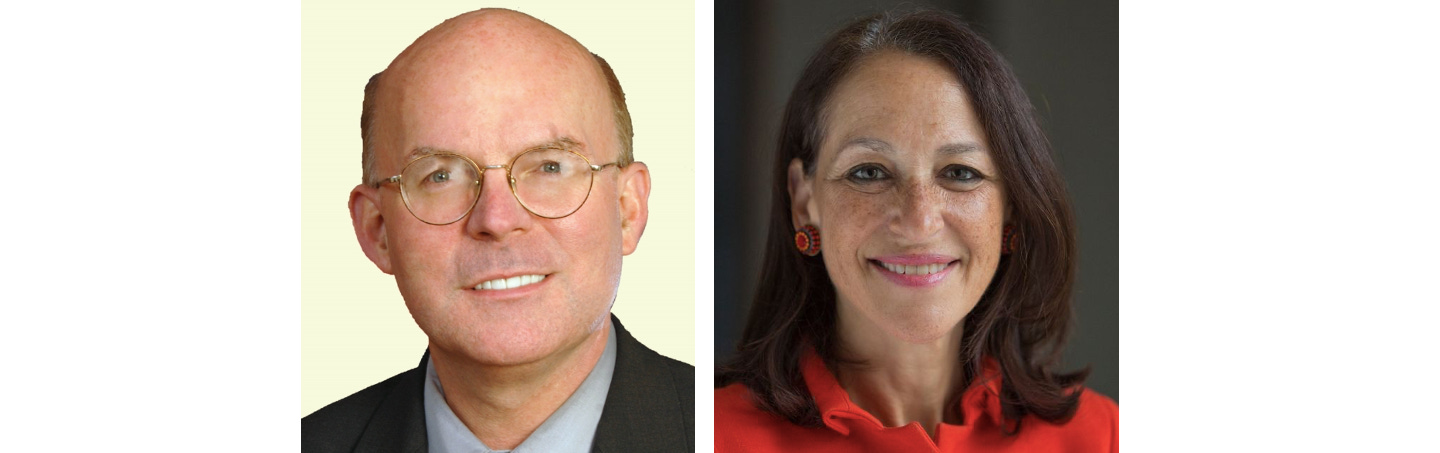
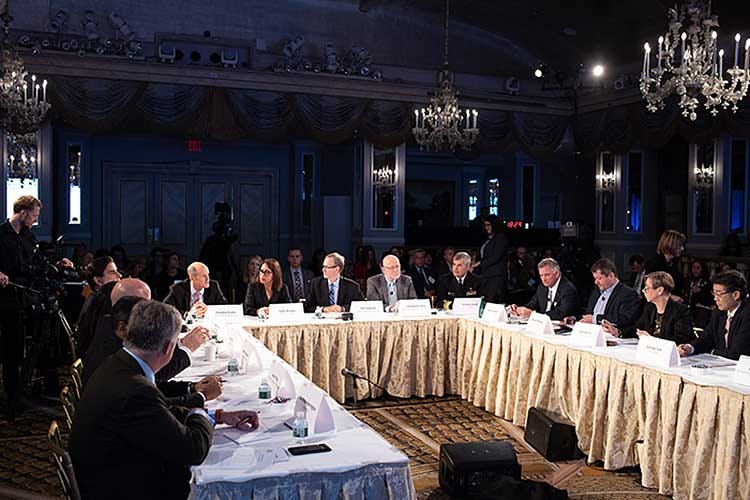



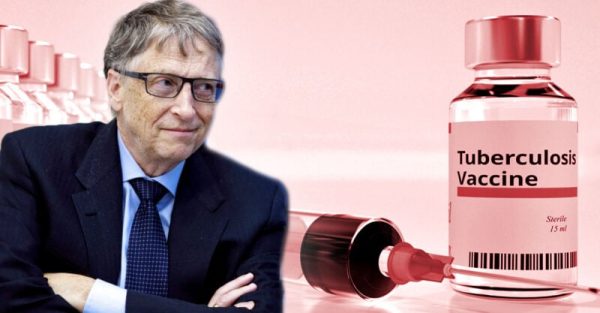

 Aletho News
 Aletho News