Greed, New Form of Religion, or Compliance Test: Why Are Britons Forced to Eat Bugs?
By Ekaterina Blinova – Sputnik – 13.09.2024
The UK’s National Alternative Protein Innovation Center (NAPIC) has received £15 million ($19.5 million) in British taxpayer money to bolster the alternative proteins sector in the country.
According to the UK Research and Innovation (UKRI) website, cultured meat and insect-based proteins could soon be “a sustainable and nutritious part” of Britons’ diets.
Over the past few years, the British press has peddled the idea of embracing edible insects as an alternative to meat. They are rich in protein, healthy fats, vitamins, and minerals, and have a lower environmental footprint, the media asserts to Britons.
“British firms strive to create a buzz around insect farming,” “Edible insects and lab-grown meat are on the menu,” “Would you eat insects if they were tastier?” and “Why it’s time to embrace edible insects?” UK headlines read, stressing that the global insect protein market is projected to reach $8 billion by 2030.
Where Did the Idea of Eating Insects Originate?
Entomophagy, or eating insects, has been actively promoted at the World Economic Forum (WEF), which insists that the consumption of insects “can offset climate change in many ways” and prevent the “impending food crisis,” as the world’s population is set to reach 9.7 billion people by 2050, with just 4% of arable land remaining available.
In 2013, the Food and Agriculture Organization (FAO) of the United Nations (UN) issued a report stating that around two billion people worldwide eat insects as part of their traditional diets.
In 2014, the Belgian food safety agency AFSCA approved 10 worm and cricket species for sale on the Belgian market, exploiting a loose interpretation of a 1997 EU law on “novel food.” The Netherlands, UK, Denmark, and Finland also authorized insects for consumption.
In 2017, the EU and UK permitted seven species of insect to be used as feeds in fish farms.
In January 2018, a European Parliament regulation concerning “novel foods,” including insects, came into force.
In May 2021, the EU officially approved the first insect, the yellow mealworm, as food for humans.
By 2023, four insects had been approved by the EU Commission: the yellow mealworm; the migratory locust); the house cricket; and the lesser mealworm. The EU food safety agency signaled at the time that another eight insects could be authorized soon.
The EC claims that “the environmental benefits of rearing insects for food are founded on the high feed conversion efficiency of insects, less greenhouse gas emissions, less use of water and arable lands, and the use of insect-based bioconversion as a marketable solution for reducing food waste.”
Who’s Driving the Bug Business?
EnviroFlight (US), Innovafeed (France), HEXAFLY (Ireland), Protix (Netherlands), Global Bugs (Thailand), Entomo Farms (Canada), and Ynsect (France) are named as key players in the market.
Europeans are believed to be the first who delved in the insect protein business, with French firm Ynsect, founded in 2011, and the Dutch producer of insect ingredients Protix, established in 2009.
Insect protein firms are attracting hefty investments from global foundations and food giants.
In 2017, Protix raised $50.5 million in equity and debt funding, marking the largest investment in the industry at the time.
The US rushed to catch on, with the Bill and Melinda Gates Foundation granting $100,000 to All Things Bugs in 2012 to explore insect food production.
Two American food corporations, ADM and Cargill, invested a whopping $250 million in the French insect protein firm Innovafeed in September 2022. In 2023, the US food giant Tyson poured around $58 million into Protix.
According to some estimates, the edible insect market reached $3.8 billion in 2024, and is projected to amount to $9.04 billion by 2029.
The European market is seen as the largest, while South Asia is the fastest growing. Still, it pales in comparison with the fresh meat market, which amounted to $1.11 trillion as of 2024 and is set to expand further.
Insects Can Be Toxic, But Entomophagy Proponents Don’t Care
Scientists warn that the consumption of edible insects may result in allergic reactions, particularly in people with asthma, hay fever, or allergic skin rashes. Individuals with shellfish allergies – 2% of the worldwide population – are likely to suffer allergic reactions after consuming insects due to their chitin exoskeleton.
Edible insects, including those approved by the EU, are often infected with pathogens and parasites that pose a threat for humans and livestock, a 2019 study by researchers from the University of Warmia and Mazury, Poland, concluded.
What Does the Western Public Say?
Insects have never been part of Western societies’ diet. A 2023 YouGov survey showed that 18% of Americans would be willing to eat whole bugs, while 25% would agree to eat food made with insects.
High living standards still allow Westerners to consume animal protein. The edible insect protein business doesn’t offer high margins amid low consumer acceptance. Consumption of insects is fraught with risks of allergic reactions and parasitic infections.
Nonetheless, entomophagy is being rammed down their throats by the WEF, media, and Hollywood stars eating bugs on camera.
Then-Fox News host Tucker Carlson in 2023 investigated the environmentalist push to eat “creepy crawlers” and suggested that it’s a “compliance test” similar to excessive COVID restrictions.
“Our politicians know that when they control the food, they control the people,” Dutch political activist Eva Vlaardingerbroek told the journalist, referring to EU environmental regulations which make traditional farming in the bloc unprofitable.
“It’s all a new religion… We have to be fearful and scared for COVID, for nitrogen, for carbon dioxide, for [Vladimir] Putin… and meanwhile these people who are in power, now they do whatever they want,” Dutch politician Wybren van Haga said.
Meanwhile, the research and propaganda relating to insect eating has already become a source of wealth for researchers, media companies, speakers, and international forums.
Bill Gates Wants AI-Based Real-Time Censorship for Vaccine “Misinformation”
By Didi Rankovic – Reclaim The Net – September 11, 2024
Microsoft founder Bill Gates continues with his crusade, as part of the mission of the Gates Foundation, to not only proliferate the use of vaccines but find new justifications to in effect, force them onto those skeptical or unwilling.
One of the methods Gates has clearly identified as helpful in achieving this goal is hitching his “vaccine wagon” to the massive, ongoing scaremongering campaign and narrative around “misinformation” and “AI.”
Gates spoke for CNBC to reveal he may be a vaccine absolutist – but not a free-speech one. He also didn’t sound convinced that America’s Constitution and its speech protections are the right way to go when he brought up the need for “boundaries” allowing some new “rules.”
Gates’ argument incorporates all the main talking points against free speech: misinformation, incorrect information (aka, fake news), violence, and online harassment. And, he sneaked in vaccines in there, while making a case for “rules” in the US as well.
“We should have free speech, but if you’re inciting violence, if you’re causing people not to take vaccines, where are those boundaries that even the US should have rules? And then if you have rules, what is it?” Gates is quoted as saying.
He was evasive on who the authority to introduce that might be, but he clearly wants censorship and wants it to act swiftly. “Is there some AI that encodes those rules because you have billions of activity and if you catch it a day later, the harm is done,” he said.
In case somebody happens to not like Gates, and his lecturing the entire world what it should and shouldn’t do, they’re out of luck: he appears to be on a press tour to promote a Netflix “docuseries” that will have no less than five parts, and is called, “What’s Next? The Future With Bill Gates.”
But looking back at “the past with Bill Gates” is never a bad idea. We can see Windows, which he now tells CNBC he was allegedly naive about and thought it would only be used for “productive and responsible purposes” as most people would want to have a computer at home.
What they got with Windows, however, is a virus-laden operating system, “a menace to society” in its own way, going decades without proper innovation, while Microsoft was seen by critics as going after open-source competition like a monopolistic, anti-competitive corporate bully.
But here is Gates now, to tell us what our future should look like.
Bill Gates, U.S. Military Among Investors in GMO Insect Protein for Humans
By Michael Nevradakis, Ph.D. | The Defender | August 2, 2024
While regulators in non-U.S. countries, including Singapore, have issued approvals for specific insect-based foods, in the U.S., the regulatory landscape is murkier — there is no legal approval process or clear-cut prohibition of insects for human consumption.
As a result, insect-containing foods have reached U.S. consumers, even though one of the few existing U.S. laws that address insects in the food supply refers to them as “filth” and a form of “adulteration.”
Crickets and grasshoppers reach U.S. consumers in a variety of forms, from protein bars to protein shakes. They’re also found on restaurant menus and are promoted as pet food and animal feed ingredients.
With few U.S. regulatory barriers to contend with, investors like Bill Gates and Big Food giants such as Tyson Foods have also begun investing in “alternative protein” startups — despite mainstream media “fact-checks” claiming Gates doesn’t support the consumption of insects.
Internist Dr. Meryl Nass, founder of Door to Freedom, told The Defender lax U.S. Food and Drug Administration (FDA) regulations — under which many insect-containing foods can be classified as “Generally Regarded as Safe” (GRAS) — “means they don’t require testing” and enable the FDA to “look the other way.”
“How long will it take before we learn whether these foods are safe? It could take generations,” Nass said.
Gates, U.S. military among backers of ‘alternative protein’ startups
The Bill & Melinda Gates Foundation’s Grand Challenges Explorations program in 2012 funded All Things Bugs, a project to “develop a novel food product made from insects to treat malnutrition in children from famine stricken areas of the world,” according to Eurasia Review.
All Things Bugs has since expanded into the development of genetically modified insects. With funding from the Defense Advanced Research Projects Agency (DARPA), “we are using CRISPR/Cas9 gene editing and other methodologies to develop base technologies for creating insects as a new bioresource,” the company states.
DARPA is a research and development agency that operates under the U.S. Department of Defense.
All Things Bugs said that while insects are “a very sustainable source of protein,” it “is innovating to make them a feasible commodity for the food industry.”
Claire Robinson, managing editor of GMWatch, told The Defender, “With all GMOs [genetically modified organisms], including insects, it’s vital that they are subjected to a pre-marketing risk assessment for health and the environment.”
Robinson said, “This includes testing them for the presence of pathogens, possible allergens and substances that may be toxic to humans. Then they must be clearly labeled for the consumer.”
Gates’ investments in insect-based foods appear to be part of a broader strategy to invest in alternatives to animal-based foods for consumers.
In a February blog post, Gates said he invested in Savor, a startup producing butter made from air (carbon dioxide) and water (hydrogen). And in 2022, the Gates Foundation awarded a $4.76 million grant to Nature’s Fynd, a startup producing foods containing fungi-based protein. In 2020, Breakthrough Energy Ventures, founded by Gates, invested in Nature’s Fynd.
The U.S. government’s National Science Foundation (NSF) also is involved in the insects-as-food space, through its funding of the Center for Environmental Sustainability through Insect Farming (CEIF). Established in 2021, CEIF seeks “to develop novel methods for using insects as feed for livestock, poultry, and aquaculture.”
Institutions participating in CEIF include Texas A&M University, Indiana University-Purdue University in Indianapolis and Mississippi State University — along with Tyson Foods, Protix and Innovafeed, backed by food processing giant ADM, formerly the Archer-Daniels-Midland Company.
Insect protein start-ups raised ‘over $1 billion in venture capital since 2020’
The production of insects for human food is expanding in the U.S. and globally, with support from the United Nations and the World Economic Forum (WEF).
In 2013, the Food and Agriculture Organization of the United Nations released a seminal report, “Edible insects: future prospects for food and feed security,” which promotes the environmental and nutritional benefits of insect consumption.”
A 2022 WEF paper, “5 reasons why eating insects can reduce climate change,” suggests people are “conditioned to think of animals and plants as our primary sources of proteins … but there’s an unsung category of sustainable and nutritious protein that has yet to widely catch on: insects.”
According to a November 2023 Washington Post report, “Insect start-ups have raised over $1 billion in venture capital since 2020.”
A 2021 report by Netherlands-based Rabobank claimed the demand for insect protein, “mainly as an animal feed and pet food ingredient, could reach half a million metric tons by 2030, up from today’s market of approximately 10,000 metric tons.”
A report by Grand View Research forecasted the global insect protein market will expand by an annual compound growth rate of 16.9% by 2030, while European projections estimate “the number of Europeans consuming insect-based food will [reach] a total of 390 million by 2030,” according to EuroNews.
Ynsect, for instance, has built factories in France and the Netherlands, and is erecting factories in the U.S. and Mexico, according to Feed Navigator. The company claims its insect-producing farms are “climate positive,” “benefit biodiversity” and are aligned with the Paris Agreement and the European Union’s “Fit for 55” goal.
In March 2022, Ynsect acquired Nebraska-based Jord Producers — a mealworm farm. And in December 2022, Ynsect signed an agreement with U.S. flour milling company Ardent Mills to build a factory in the Midwestern U.S. Ardent Mills is a joint venture between ConAgra Foods, Cargill and CHS, a global agribusiness cooperative.
Investors in Ynsect include actor Robert Downey Jr.’s FootPrint Coalition and France’s Crédit Agricole bank — along with support from the FAO and the European Commission. The company has raised over $600 million.
Celebrity chefs also are embracing insect food. In November 2023, the Financial Times featured Joseph Yoon, founder of Brooklyn Bugs, whose “goal is to popularise edible insects and build up this food source to help support global food security.”
Your dog can eat insects, too
In addition to a lack of FDA regulations governing the use of insects in foods for humans, the FDA also does not regulate the use of insects for pet food ingredients.
According to Animal Frontiers, “pet food is under the nongovernment Association of American Feed Control Officials (AAFCO)” in the U.S. In January, French firm Ynsect became the first company to receive AAFCO authorization for commercial production of mealworm protein for dog food in the U.S.
In October 2023, Big Food giant Tyson Foods announced the acquisition of an ownership stake in the Dutch insect ingredient producer Protix. Tyson said the new joint venture would construct “the first at-scale facility of its kind to upcycle food manufacturing byproducts into high-quality insect proteins and lipids which will primarily be used in the pet food, aquaculture, and livestock industries.”
Although the announcement did not definitively exclude the production of insect-containing foods for humans, a Reuters “fact check” published in May stated, “Tyson Foods does not put insects into products for human consumption.”
Tyson has invested in Upside Foods, which in June 2023 won approval from the U.S. Department of Agriculture (USDA) to produce lab-grown chicken. Upside garnered more than $600 million in research and development investments, including from Gates, Richard Branson, Elon Musk’s brother Kimbal Musk and Cargill.
Vanguard and BlackRock, the world’s two largest institutional investment firms, are also the two top institutional holders of Tyson Foods shares. BlackRock, and its CEO, Larry Fink, have promoted “sustainable” corporate practices.
This article was originally published by The Defender — Children’s Health Defense’s News & Views Website under Creative Commons license CC BY-NC-ND 4.0. Please consider subscribing to The Defender or donating to Children’s Health Defense.
Vaccine Advocate Peter Hotez Calls for Use of Police, Military Against ‘Anti-vaccine Aggression’
By Michael Nevradakis, Ph.D. | The Defender | July 26, 2024
Vaccine advocate and pharmaceutical industry insider Dr. Peter Hotez, long a proponent of the COVID-19 vaccine, said he favors deploying police and military powers against “anti-vaxers,” whom he blamed for causing hundreds of thousands of deaths during the pandemic.
During an interview July 5 at the Simposio Internacional de Actualización en Pediatría (International Symposium of Pediatric Updates) in Cartagena, Colombia, Hotez suggested organizations such as the World Health Organization (WHO), the U.S. Department of Homeland Security and NATO should target “anti-vaccine aggression.”
Hotez said:
“What I’ve said to the Biden administration is, the health sector can’t solve this on its own. We’re going to have to bring in Homeland Security, the Commerce Department, Justice Department to help us understand how to do this.
I’ve said the same with — I met with Dr. Tedros [director general of the WHO] last month … to say, I don’t know that the World Health Organization can solve this on our own. We need the other United Nations agencies. NATO. This is a security problem because it’s no longer a theoretical construct or some arcane academic exercise. Two hundred thousand Americans died because of anti-vaccine aggression, anti-science aggression.
The full interview was available on YouTube until Wednesday evening, when it was removed. The Defender obtained a video recording of the full interview.
Hotez is dean of the National School of Tropical Medicine at Baylor University College of Medicine and director of the Center for Vaccine Development at Texas Children’s Hospital, one of the sponsors of the symposium, which was organized by the Colombian Pediatric Society.
Aside from being a vaccine proponent and developer — he helped develop the Corbevax COVID-19 vaccine which was administered in India and has received at least $30 million in vaccine development grants from the Bill & Melinda Gates Foundation — Hotez has crusaded against so-called “misinformation” about vaccines.
In March, The Hill reported that Hotez has found a “‘parallel career’ fighting misinformation.”
Hotez “finds his efforts to combat misinformation to be ‘meaningful,’” and says “pushing back on the anti-vaccine movement is just as important as developing vaccines,” The Hill wrote.
Hotez also holds six patents on the hookworm (helminth) vaccine, and has several listed patent applications as well, including those for SARS-CoV2 vaccines.
“Peter has cashed in significantly on the COVID-19 pandemic and gets a lot of money when shots go into arms,” said Brian Hooker, Chief Scientific Officer for Children’s Health Defense (CHD).
In his July 5 interview, Hotez called for more stringent action against “anti-vaxers,” whom he connected to entities such as the Russian government, and called for medical schools to educate new doctors about anti-vaccine sentiment.
“‘Anti-science’ and ‘anti-vaxxer’ are propaganda terms Hotez uses to establish a power dynamic over anyone who disagrees with him,” said cardiologist Dr. Peter McCullough.
“Now Hotez is calling for a security state to enforce his propaganda instead of engaging in much needed dialogue over vaccine safety with a critical appraisal of short- and long-term side effects from the routine childhood vaccine schedule, including the COVID-19 shots,” McCullough added.
According to Harvey Risch, M.D., Ph.D., professor emeritus and senior research scientist in epidemiology (chronic diseases) at the Yale School of Public Health:
“Hotez has spent his entire career developing vaccines which have not achieved success in commercial use. His demands to impose public health martial law are reminiscent of the ‘Comité de salut public’ — ‘Committee of Public Safety’ — that Robespierre used to murder his political opponents [during the French Revolution].”
For Francis Boyle, J.D., Ph.D., professor of international law at the University of Illinois, Hotez’s suggestions are a call to violate established international human rights law.
“Coercing vaccines upon human beings without their informed and voluntary consent violates the Nuremberg Code on Medical Experimentation, which is a crime against humanity,” Boyle said. “What we see at work here with Hotez is the Nazi mentality that pervades so many vaccinologists like him. Hotez is revealing his true colors.”
Independent journalist Paul D. Thacker has investigated Hotez for his site, The Disinformation Chronicle. He said, “This crackpot idea that we should deploy military forces to deal with moms worried about vaccine side effects and children … doesn’t that speak for itself?”
Dr. Sukharit Bhakdi, a microbiologist, questioned Hotez’s scientific credentials:
“Simple fact: Hotez is not a real scientist. He has never published any research article based on true scientific research. His publications transmit his personal opinions and beliefs. He has not conducted a single valid vaccine trial and has zero data to back his claims.
“He has been on the globalist team together with [Dr. Anthony] Fauci et al. and is now turning to violence to silence all dissenters. This very fact disqualifies him as a physician.”
“His evolution over the course of the pandemic is curious as he has become more and more shrill as time goes on,” Hooker said. “It seems he is trying to extend his 15 minutes of fame by ‘jumping the shark’ and inciting gestapo-like measures against ‘anti-vaxers’ and ‘science deniers.’ His definition of science is very ‘Fauci-esque’ indeed.”
Claim that unvaccinated caused ‘hundreds of thousands’ of deaths ‘an obvious untruth’
During his July 5 interview, Hotez asserted that the unvaccinated were responsible for hundreds of thousands of deaths during the COVID-19 pandemic. He said:
“There’s anti-vaccine activity in every country, and each has its own unique national flavor. But the part that I’m worried about now is something very dark and accelerating in the United States.
“And the most dramatic evidence for that is what happened during the COVID pandemic … My estimate is 200,000 Americans died needlessly because they refused COVID vaccines in 2021, 2022.”
Hotez did not provide evidence supporting this figure, but it was similar to claims made by Dr. Anthony Fauci during Congressional testimony last month. Without citing evidence, Fauci said the unvaccinated are “probably responsible for an additional 200,000-300,000 deaths” in the U.S.”
Risch called this claim “an obvious untruth.”
“In the face of repeated major empirical CDC [Centers for Disease Control and Prevention] evidence and CDC’s public acknowledgement that the mRNA vaccines largely failed to reduce COVID transmission, Hotez absurdly claims that people choosing not to vaccinate themselves have contributed more to deaths from COVID than all of the large-scale breakthrough infections among vaccinated people,” Risch said.
McCullough said, “Hotez presumes COVID-19 vaccines are safe and effective as any vaccinologist would dream. Sadly, his fantasy was over before it started. The COVID-19 vaccines were unsafe and failed to reduce hospitalization and death in prospective randomized trials or in valid observational studies. They never stopped transmission.”
“All experts, including Hotez, agreed theoretical protection from COVID-19 vaccines was just a few months, requiring frequent boosters,” McCullough added.
Hotez calls parents who choose not to vaccinate their children ‘victims’
In his interview, Hotez called for action — including more censorship — to counter what he called a “dark and accelerating” and “dangerous” anti-vaccine movement in the U.S. and globally that is “expanding and extending to childhood immunizations in the United States.”
“My worry is that this anti-vaccine movement, and it’s not misinformation or [an] infodemic, as many call it, it’s organized, it’s deliberate, it’s well-financed and it’s politically motivated … I worry that’s now globalizing to other countries on the African continent, in Asia and even Latin America,” he added.
On the topic of childhood vaccinations, Hotez said, “Parents who choose not to vaccinate their kids are victims” of this campaign, and called for medical schools to train doctors on how to respond to parents who oppose vaccinations.
“Pediatricians need to understand what the anti-vaccine ecosystem is, how it’s organized, how it operates, and to get educated about it,” he said. “I think that’s a first step … in our medical schools, in our pediatric residency training, in our conferences like this, being able to describe what this anti-vaccine monster looks like.”
But for journalist Rodney Palmer, formerly of the Canadian Broadcasting Corporation, the increasing reluctance of parents to vaccinate their children is due to mounting concerns about vaccine safety. He said:
“The rising movement questioning the safety and efficacy of COVID-19 vaccines appears to be based on mounting evidence from government health data collection agencies and the life insurance industry.
“The fraud and cover-up of ivermectin as an effective prevention and treatment of COVID-19 caused a segment of the population to question the official guidance around vaccines — more so once they were mandated.”
Hotez blamed legacy and traditional media, as well as foreign governments, for fueling anti-vaccine sentiments.
“Fox News is now a source of anti-vaccine disinformation,” Hotez said. “If the parents are watching Fox News every night … They are going to be coming into your practice believing disinformation.”
Turning to social media, Hotez said, “Twitter, since Elon Musk has taken it over, has become an anti-vaccine site dominated by anti-vaccine groups and individuals who are monetizing the internet. They’re selling fake autism cures because they say vaccines cause autism, which they don’t.”
Hotez continues to be active on X.
Adversarial foreign governments are also to blame for propagating anti-vaccine rhetoric, according to Hotez. “For instance, the Russian government, the Putin government, is spreading anti-vaccine propaganda. The goal of this is to destabilize society and to have caused people to question authority,” he said.
Hotez did not provide any information to support this claim. Russia produces the Sputnik V COVID-19 vaccine, under the auspices of the Russian Direct Investment Fund and The Gamaleya National Center of Epidemiology and Microbiology — an arm of the Russian federal government.
Hotez calls ‘anti-vaccine movement’ a tool of the ‘far-right’
Hotez also used the interview as an opportunity to plug his upcoming book, “The Deadly Rise of Anti-Science: A Scientist’s Warning.” He said the book “describes [the anti-vaccine] ecosystem and its political leanings in detail.”
According to the book’s publisher, Johns Hopkins University Press, Hotez “explains how anti-science became a major societal and lethal force” and how “the anti-vaccine movement became a tool of far-right political figures around the world.”
In 2022, Hotez fiercely criticized looming Congressional hearings into a possible lab-leak origin of COVID-19 and whether the National Institutes of Health (NIH) prematurely discredited the hypothesis, dismissing this as an “outlandish conspiracy.”
However, Hotez’s own 2012 to 2017 NIH grant — totaling $6.1 million — for the development of a SARS vaccine had the aim of responding to any “accidental release from a laboratory,” in addition to a possible zoonotic (or natural) spillover of the virus.
In a June 2023 interview with Robert F. Kennedy Jr., CHD’s chairman on leave, podcaster Joe Rogan offered to donate $100,000 to a charity of Hotez’s choice if he agreed to debate Kennedy.
Hotez — with the support of several legacy news media outlets and the American Medical Association — refused Rogan’s offer. He later claimed on social media that a “couple of anti-vaxers” “stalked” and “taunted” him outside his home after he declined the offer to debate Kennedy.
Michael Nevradakis, Ph.D., based in Athens, Greece, is a senior reporter for The Defender and part of the rotation of hosts for CHD.TV’s “Good Morning CHD.”
This article was originally published by The Defender — Children’s Health Defense’s News & Views Website under Creative Commons license CC BY-NC-ND 4.0. Please consider subscribing to The Defender or donating to Children’s Health Defense.
From Bird Flu to Climate Snakes
By Breeauna Sagdal | Brownstone Institute | April 24, 2024
Seasoned veterinarians and livestock producers alike have been scratching their heads trying to understand the media’s response to the avian flu. Headlines across every major news outlet warn of humans becoming infected with the “deadly” bird flu after one reported case of pink-eye in a human.
The entire narrative is predicated upon a long-disputed claim that Covid-19 was the result of a zoonotic jump—the famed Wuhan bat wet-market theory.
While the source of Covid is hotly contested within the scientific community, the policy vehicle at the center of this dialectic began years prior to Sars-CoV-2 and is quite resolute in force and effect.
In 2016, the Gates Foundation donated to the World Health Organization to create the OneHealth Initiative. Since 2020, the CDC has adopted and implemented the OneHealth Initiative to build a “collaborative, multisectoral, and transdisciplinary approach—working at the local, regional, national, and global levels—with the goal of achieving optimal health outcomes recognizing the interconnection between people, animals, plants, and their shared environment.”
In the aftermath of Covid-19, the OneHealth Initiative began taking shape, due largely in part to millions of tax dollars appropriated through ARP (American Rescue Plan) funding.
Through its APHIS (Animal and Plant Health Investigation System) the USDA (United States Department of Agriculture) was given $300 million in 2021 to begin implementing “a risk-based, comprehensive, integrated disease monitoring and surveillance system domestically…to build additional capacity for zoonotic disease surveillance and prevention,” globally.
“The One Health concept recognizes that the health of people, animals, and the environment are all linked,” said USDA Under Secretary for Marketing and Regulatory Programs Jenny Lester Moffitt.
According to the USDA’s press release, the Biden-Harris administration’s OneHealth approach will also help to ensure “new markets and streams of income for farmers and producers using climate smart food and forestry practices,” by “making historic investments in infrastructure and clean energy capabilities in rural America.”
In other words, the federal government is using regulatory enforcement to intervene in the marketplace, in addition to subsidizing corporations with tax dollars to direct a planned economic outcome—ending meat consumption.
Climate-Smart Commodities – Planning the Economy through Subsidized Intervention
Under the recently announced Climate-Smart Commodities program, the USDA has appropriated $3.1 billion in tax subsidies to one hundred and forty-one new private Climate-Smart projects, ranging from carbon sequestration to Climate-Smart meat and forestry practices.
Private investors such as Amazon founder Jeff Bezos – who just committed $1 billion to the development of lab cultured meat-like molds, and meat grown in petri dishes, to
Ballpark, formerly known for its hot dogs but is now harvesting python meat, is rushing to cash in on this new industry, and the OneHealth/USDA certification program.
Culling The Herd – Regulatory Intervention in the Marketplace
Meanwhile, the last vestiges of America’s food freedom and decentralized food sources are quietly being targeted by the full force of the federal government.
The once voluntary APHIS System is poised to become the mandatory APHIS-15, which among many other changes, “the system will be renamed Animal Health, Disease, and Pest Surveillance and Management System, USDA/APHIS-15. This system is used by APHIS to collect, manage, and evaluate animal health data for disease and pest control and surveillance programs.”
Among those “many changes” that APHIS-15 is undergoing, one should be of particular interest to the public—the removal of all references to the voluntary* Bovine Johne’s Disease Control Program.
“Updating the authority for maintenance of the system to remove reference to the Bovine Johne’s Disease Control Program.”
In addition to removing references to the once-voluntary herd culling program, the USDA is also implementing mandatory RFID ear tags in cattle and bison.
According to the USDA/APHIS-15, expanded authority places disease tracing in their jurisdiction and the radio frequency ear tags are necessary for the “rapid and accurate recordkeeping for this volume of animals and movement,” which they say “is not achievable without electronic systems.”
The notice clearly spells out that RFID tags “may be read without restraint as the animal goes past an electronic reader.”
“Once the reader scans the tag, the electronically collected tag number can be rapidly and accurately transmitted from the reader to a connected electronic database.”
However, industry leaders and lawmakers alike have said the database will be used to track vaccination history and movement, and that this data may be used to impact the market rate of cattle and bison at the time of processing.
Centralized Control of Processing/Production via Public-Private Partnership Agreements
In addition to the vast new authority of the USDA funded through the OneHealth Initiative, and the ARP, the EPA has also created its own unique set of regulatory burdens upon the entire meat industry.
On March 25, 2024, the EPA finalized a new set of Clean Water Act rule changes to limit nitrogen and phosphorus “pollutants” in downstream water treatment facilities from processing facilities. While the EPA’s interpretation of authority and jurisdiction over wastewater is concerning long-term, the broader context of consolidated processing under four multinational meat-packing companies is of much greater concern for the immediate future.
With few exceptions, in the United States it is illegal to sell meat without a USDA certification. Currently, the only way to access USDA certification is through a USDA-certified processing facility.
According to the EPA, the new rules will impact up to 845 processing facilities nationwide, unless facilities drastically limit the amount of meat they process each year.
With processing capabilities being the number one barrier to market for livestock producers, and billions of dollars in grants being awarded to Climate-Smart food substitutes, the amount of government intervention into the marketplace becomes very clear.
The United States, once a consumer-demand free market society, is currently witnessing the use of government force, and intervention tactics to steer and manipulate the marketplace. Similar to 1930’s Italy, this is being achieved by the state within the state, through the use of selectionism, protectionism, and economic planning between public-private partnership agreements.
The long-term and unavoidable problem with economic fascism is that it leads to authoritarian and centralized control, from which escape is impossible.
As each industry becomes centralized and consolidated under the few, consumer choice simultaneously disappears. As choice disappears, so does the ability of the individual to meet their specific and unique needs.
Eventually, the individual no longer serves a role outside of its usefulness to the state—the final exhale before the last python squeeze.
WHO: Intel Agency for Gates Foundation?
Examining the Foundation’s prescient August 2019 purchase of BioNTech stock
By John Leake | Courageous Discourse™ | April 22, 2024
Reviewing BioNTech’s Disclosure of Classes of Share Capital for the year ended December 31, 2019, I noticed the following:
On August 30, 2019, BioNTech entered into agreements with the Bill & Melinda Gates Foundation (BMGF). BMGF agreed to purchase 3,038,674 ordinary shares with nominal amount of k€ 3,039 of BioNTech for a total of k€49,864 (k$55,000). These agreements require BioNTech to perform certain research and development activities to advance the development of products for the prevention and treatment of HIV and tuberculosis. In the event of a breach of the underlying conditions, including such research and development activities, BMGF has the right to sell its shares back to BioNTech at the initial share price or fair market value, whichever is higher, subject to certain conditions. BioNTech’s ability to pay dividends is also limited under the terms of these agreements.
Less than two years after the Gates Foundation purchased the stock (pre-IPO) at $18 per share, it peaked on Aug. 6, 2021 at $389. At that price, the Foundation’s $55 million investment was worth $1,182,044,186.00 ($1.182 billion).
On September 18, 2019—just nineteen days after the Gates Foundation took its huge position in BioNTech stock— a report titled A World At Risk was published by the Global Preparedness Monitoring Board, which was founded in 2018 by the World Bank Group and the World Health Organization.
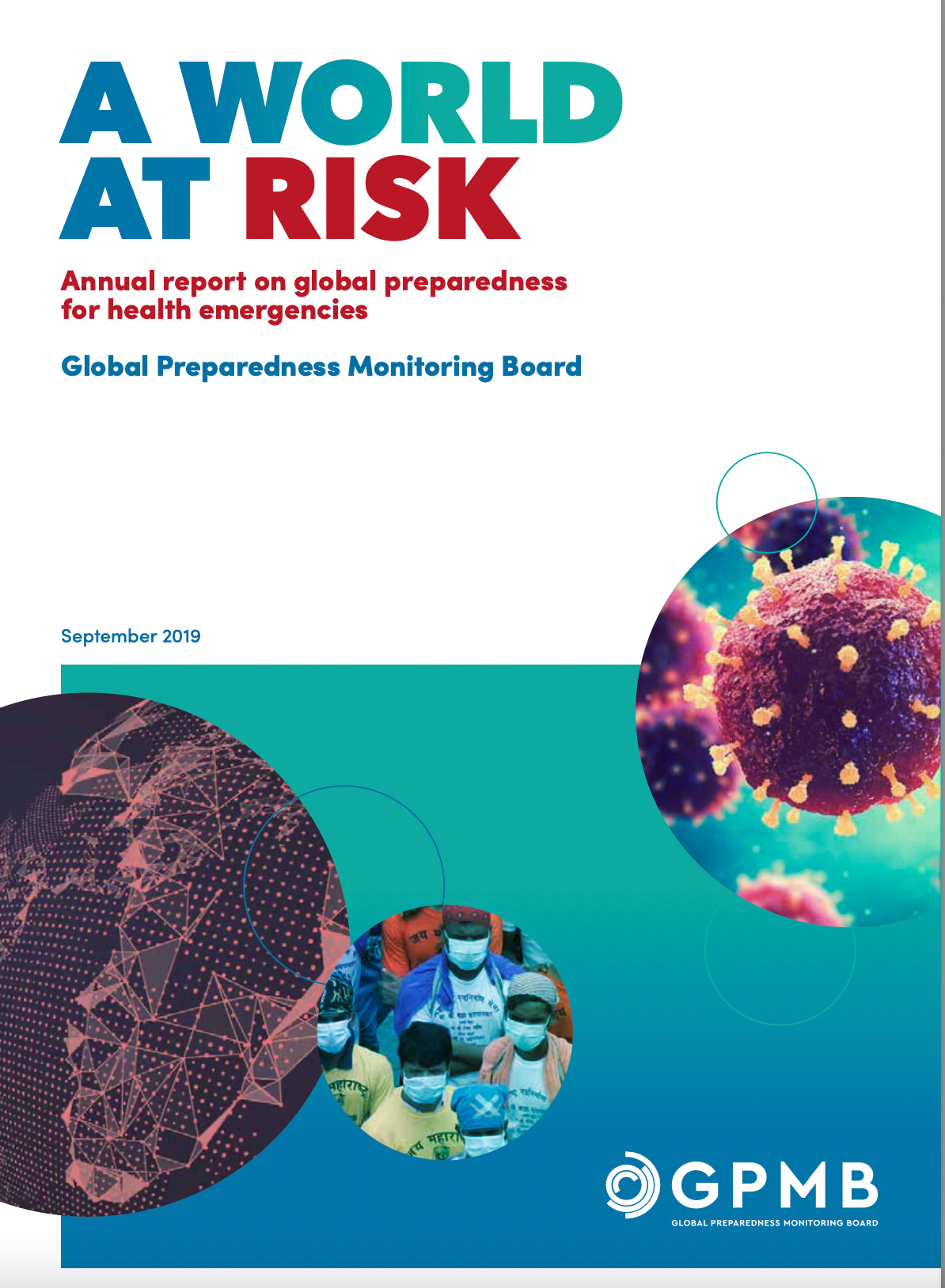
The report’s title page is illustrated with an image of a coronavirus, and its text is an urgent call to action for the world to invest far more in preparedness for a respiratory viral pandemic. As the report states on page 8:

The report mentions nothing about the need to invest in bolstering bio-laboratory safety. It expressly warns about the threat of a lethal respiratory pathogen “accidentally or deliberately released,” but its entire call to action is to invest a fortune to responding to such a pathogen instead of preventing it from being released in the first place.
This was in spite of numerous urgent warnings from Rutgers University biology professor Richard Ebright and others that many of the world’s bio-labs had a history of grave security lapses that were NOT being adequately addressed. In 2017, Professor Ebright expressed particular concern about the new BSL-4 lab that was about to open in Wuhan, China.
We now know that SARS-CoV-2 was officially detected in December of 2019 but probably emerged and started spreading in August or September of 2019—that is, around the same time A World At Risk was published.
The September 18, 2019 date of the report strongly suggests that someone doing bio-surveillance for the WHO in China obtained intelligence that a SARS coronavirus was already circulating.
Given that the Gates Foundation is the WHO’s second largest donor (after Germany, where BioNTech is headquartered) I wonder if this intelligence was passed to someone in the Gates Foundation months before December 31, 2019—the date the WHO claimed it received its first report of cases of pneumonia of unknown etiology in Wuhan.
Does the WHO—with its Country Offices obtaining bio-surveillance reports from the field—serve an an unofficial intelligence agency for the Gates Foundation?
If so, it would enable the Foundation to obtain extremely valuable information about emerging infectious disease pathogens—naturally emergent or accidentally or deliberately released—long before other market players obtain this information.
Big Pharma designed WHO’s Global Health Policy from 2000-2009
Corruption and deception, not science, is the foundation of WHO health policy
By Judy Wilyman PhD | Vaccination Decisions | April 1, 2024
“The past was erased, the erasure was forgotten, the lie became truth.” – George Orwell, 1984
The history of the GAVI alliance, a board that influences the direction and design of WHO’s global health policies, illustrates how these policies have been directly influenced by industry partners from 2000-2009, and not by an objective board selected by the WHO.
This direct influence was hidden from the public in 2009 when the alliance became known as the Gavi board. At this time its composition and function changed to hide the role that industry had played from 2000-2009 in changing the direction of global health policies to a new focus on vaccine production and global implementation.
History of the Gavi Board:
In 1998 the Global Alliance for Vaccines and Immunisation (GAVI) was established by the Head of the World Bank after a meeting with pharmaceutical companies and other agencies. The GAVI alliance was established on the advice of industry because the pharmaceutical companies were claiming that there was no incentive for them to provide vaccines to the developing countries.
This meeting led to the Bill and Melinda Gates Foundation providing the seed funding of $750 million in 1999 and governments then matched this figure to establish an alliance of private-public partnerships in 2000, to fund the vaccination programmes for all countries.
In 2000 the alliance was launched at the World Economic Forum (WEF), not the World Health Organisation (WHO), and it established a working party to work with the WHO to design the International Health Regulations (IHR), yet it was a body established outside of the WHO’s charter.
At this time all stakeholders in the Global Alliance for Vaccines and Immunisation (GAVI) were able to directly influence the design of the WHO’s Global Health Policies through this working party (2000-2009), including the International Federation of Pharmaceutical Manufacturers and Associations (IFPMA). They could attend meetings and present information for policy development.
Other stakeholders in the GAVI at this time included the BMGF, the Rockefeller Foundation, the World Bank and the International Monetary Fund (IMF). The influence of these stakeholders led to a new focus on vaccine production and implementation in the WHO’s global health policies.
These global policies were presented to countries in the International Health Regulations (IHR) that came into force in June 2007.
This direct influence of all stakeholders changed in 2009 when the GAVI alliance became known as the GAVI board. Its composition was changed to include only four permanent board members – UNICEF, BMGF, the World Bank and WHO – and other partners would be on a part-time basis.
This change to only four permanent board members, one of which was now the WHO, hides the fact that from 2000-2009 all stakeholders were able to directly influence the design of WHO’s global health policies.
The first recorded meeting of the Gavi board on its website is in 2009. It describes the role of the Gavi board as ‘being responsible for strategic direction and policy-making, oversees the operations of the Vaccine Alliance and monitors programme implementation’ .
This alliance of partners, many of whom profit from vaccines, make donations to the Gavi board and still influence global health policies in a more indirect fashion.
The WHO’s IHR are currently being amended with strong influence from this corporate alliance. If the amendments are approved, the draconian directives implemented during the COVID ‘pandemic’ years, will become binding on every WHO member country, whenever the director of the WHO declares another pandemic. This is removing fundamental human rights and objective scientific evidence from global health policies.
It is time for Australians to make our voices heard to ensure that Australia exits the WHO and joins the World Council for Health to protect both human health and fundamental human rights in all public health policies.
[The information above can be referenced from Ch 3 of my PhD 2015]
Important Information:
- Here is the witness statement from ex-Qantas pilot, Captain Graham Hood, describing that lack of evidence for safety and efficacy that was used by the Australian Therapeutic Goods Administration (TGA) and the Australian Prime Minister, Scott Morrison, to mandate this mRNA genetically-engineered injection (called a ‘vaccine’) in the Australian population – Ex-Qantas Pilot, Graham Hood, provides a witness statement in the Australian parliament.
- Australian Medical Professional Society (AMPS) presents ‘Too Many Dead’ in Australia, but the Australian government will not investigate and the media does not report these facts.
- Study finds the Majority of Patients with Long COVID were Vaccinated
- Epidemic of Fraud
“Preparing for Disease X”
WEF panel session on Jan. 17, 2024 will discuss preparations for “unknown disease.”
BY JOHN LEAKE | COURAGEOUS DISCOURSE | JANUARY 14, 2024
Last night at dinner with Dr. McCullough, he asked me to do some research on the dread “Disease X” about which we’ve been hearing a lot of chatter since it was announced that the Davos crowd will be talking about it at their annual WEF meeting this January.
I agree that it’s always a terribly ominous sign when the WEF talks about saving humanity from a hypothetical threat. When those guys start chatting about saving us from an “unknown” pathogen, it’s a safe bet that bio-labs are already tinkering around with a “candidate pathogen.” The stated objective of their work is to develop vaccines against the candidate pathogen should it (God forbid) evolve to infect humanity.
To get a sense of how this industry works, check out this Sky News report from August 7, 2023 headlined: ‘Disease X’: UK scientists begin developing vaccines against new pandemic.
Further investigation of the literature on Disease X led me to a book, published about a year ago, titled Disease X: The 100 Days Mission to End Pandemics, by Kate Kelland with a Forward by Tony Blair.
Ms. Kelland is a former Global Health Correspondent for Reuters and is now Chief Scientific Writer for CEPI (Coalition for Epidemic Preparedness Innovations). As many readers of this Substack are aware, CEPI was founded in 2016 by the World Economic Forum, the Gates Foundation, and other key players in the Bio-Pharmaceutical Complex.
Its Preliminary Business Plan, published in 2017, is a blueprint of what I call the Pandemic Predicting and Planning Industry, which positions itself to rake in billions of public money when the next infectious disease pathogen strikes humanity.
An attractive Englishwoman who studied French and German at Durham University, Ms. Kelland’s career as a news correspondent seems to have really taken off around the time of the 9/11 attacks. As she put it on her LinkedIn profile: “Two years in the lobby tracking the Blair government during the crisis surrounding the 9/11 attacks on the United States.” In 2009—probably with the arrival of the grossly overblown Swine Flu Pandemic—she became a Health and Science correspondent for Reuters.
A conference on Disease X at the WEF’s annual meeting is scheduled to take place in Davos on January 17, 2024. As it is described on the WEF website:
With fresh warnings from the World Health Organization that an unknown “Disease X” could result in 20 times more fatalities than the coronavirus pandemic, what novel efforts are needed to prepare healthcare systems for the multiple challenges ahead?
This session is linked to the Partnership for Health System Sustainability and Resilience and the Collaborative Surveillance Initiative of the World Economic Forum.
This first sentence raises the question: Why is the WHO issuing “fresh warnings… that an unknown “Disease X” could result in 20 times more fatalities than the coronavirus pandemic”? On what intelligence is the WHO basing its fresh warning? A Google search for “WHO issues fresh warning about Disease X” resulted in this report of 26 May 2023 headlined After WHO chief’s warning, ‘Disease X’ raises concern
It seems to me that all reasonable adults are justified in asking the question: What are these gangsters cooking up now?
The above timeline of announcements does indeed resemble the autumn of 2019, when the Bio-Pharmaceutical Complex engaged in a huge amount of of chit-chat and pandemic planning simulations about a hypothetical “coronavirus” pandemic.
To make matters even more ominous, the chatter about Disease X is happening at the beginning of another election year, with Donald Trump once again leading in the polls and the representation of a man named “Joe Biden” challenging him.
Heaven help us.
Trudeau Supports Partnership With EU For Digital ID Push, Suggests it Will Help Curb Online “Disinformation”

By Dan Frieth | Reclaim The Net | November 28, 2023
Canadian Prime Minister, Justin Trudeau, a proponent of centralized control, has finalized a controversial collaborative digital partnership with the European Union. This agreement exhibits full commitment to the introduction of a digital identity system in Canada and the government is pursuing it, in part, under the guise of fighting online “disinformation.”
The Trudeau government’s announcement delineates the terms of the Canada-EU Digital Partnership, which aims not only to institute digital credentials for Canadians but also to bolster cooperation in the field of artificial intelligence (AI).
The contentious partnership insists on a joint effort from Canada and the EU to bolster their respective bilateral and multilateral cooperation in forums like the G7 and the G20.
“The Digital Partnership will allow Canada and the EU to have a stronger common voice in multilateral fora, where appropriate, and bring jointly developed solutions to international partners and advance our joint strategic priorities,” the announcement states.
The G20, an influential conglomerate of the globe’s 19 major countries and the EU, has previously encouraged exploring the creation of “digital public infrastructure,” including potential digital identification systems and perhaps even a centralized digital currency.
This “digital public infrastructure” phrase is the same buzzword being used by the likes of The Gates Foundation and the UN, when it comes to pushing digital ID and payment systems.
Alarmingly for many Canadians that support the protection of civil liberties, Trudeau has demonstrated a seemingly unwavering allegiance to this digital ID agenda.
Featured Video
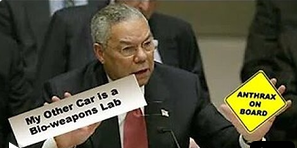
From Anthrax to Iraq
or go to
Aletho News Archives – Video-Images
Book Review
New paperback: Butchered by “Healthcare”
Lies are Unbekoming | October 20, 2026
 Butchered by “Healthcare” is Robert Yoho’s plain-spoken account of how American medicine stopped being a profession and became an industry. 341 pages. Over a thousand references. Thirty-eight chapters.
“Screening Tests Are Useless”, on tests that find diseases that would never have hurt you. “The FDA Protects the Big Drug Companies”, on an agency funded by the companies it regulates. “The Journals’ Sins Are the Editors’ Sins”, on ghostwritten studies and captured peer review. “Opioids and ‘Pain Management’”, on how a generation was prescribed its way into addiction. “Prozac and Relatives” and “Antipsychotics Are Disastrous”, on what psychiatry does to adults and children. “Surgery: Money Before Patients”. “Failed Cancer Treatments”. “Futile CPR and Overprescribing”. “Billing Scams & Specialty Warfare”. “Hospitals Are Sharks”. Each with a Patient Tips section at the end on how to survive it.
If you have ever walked out of a doctor’s office with a prescription you didn’t ask for, or watched a parent put through a treatment that made them worse, this is the book you want on your shelf before the next appointment. … Full review
Butchered by “Healthcare” is available on Lulu now.
Blog Roll
 Aletho News
- Iraq shuts key border crossing with Iran under US pressure: Report
- Undersea Internet cables could be targeted in retaliation for attacks on Iran: IRGC deputy chief
- EU sending ‘biased’ observers to interfere in Serbian election – president
- White House envoy declares kinetic action against Yemen ‘fruitless’
- Ukraine deployed thousands of microdrones in Iraqi Kurdistan: Tasnim
- Iran calls for emergency UNSC meeting over Trump’s ‘brazen’ bomb talk, Israeli threats
- Iranian sources reveal details of Russia-China Hormuz proposal
- Plan for more US-Israel integration puts our military tech at risk
- Another Round Against Iran Will Break What Is Left of the Gulf
- SVR Report on Ukraine’s Mexican Drug Gang Links Could Pressure Zelensky, Won’t Change US Policy
- If Americans Knew
- Christiane Amanpour exits CNN with a legacy shaped by the debate over Israel
- Israel’s war on Iran is the final move in a decades-old strategy
- Israel Denies Entry to French Journalist, U.S. Researcher Amid Rise in Entry Denials
- Gaza’s hospitals are running out of life-saving fuel – Daily Update
- Mysterious bot accounts reportedly spread fake ‘man on the street’ videos for Michigan Senate candidate
- Israeli Defense Minister Katz Says Over 60 Lebanon Villages Have Been Destroyed
- Why Is Israel Running TV Ads in Iowa Ahead of the Midterms?
- Hind Rajab’s Alleged Killer Is in the United States. HRF Demands His Arrest.
- US Officials Face Fresh Pressure After Another American ‘Brutalized’ by Israeli Settlers in West Bank
- Israel-Backed Palestinian Militias Terrorize Displaced Families in Gaza
- No Tricks Zone
- E-Cars Reduce CO2 Emissions By Only 41% Compared To Internal Combustion Engine Vehicles
- Predictions Made By Renowned Climate Professor Over Past Decades Have Been Proven To Be Poor
- New Study Suggests Large Regions Of The Pacific Ocean Have Been Cooling For The Last 80 Years
- Germany’s Green Energy Debacle: High Energy Costs Force Kahla Porzellan to Close After 182 Years!
- New Study: 50 Years Of The Most Aggressive ‘Net Zero’ Policies Can Only Affect The Global Climate By 0.03°C
- US September “Heat” Was No Record…Many Records Set Decades Ago
- Latest European Green Energy Debacle; Portugal’s Largest Flagship Solar Park Insolvent!
- Green Energy Debacle: German Expert Professor Fritz Vahrenholt Warns Of Severe Economic And Social Consequences
- Two More Paleo Reconstructions Affirm Meters-Higher Sea Levels Across Ireland, Brazil 7000-6000 Years Ago
- New Study: Earth And Venus Surface Warmth Largely Explained By Convection And Lapse Rate, Not CO2 Or Radiation

