Iran’s Ahmadinejad Reveals Why Iran Doesn’t Need Nukes, Says World Should Know Truth About 9/11
By Ilya Tsukanov – Sputnik – 24.06.2021
The veteran politician, who served as Iran’s president between 2005 and 2013, and as Tehran mayor and Ardabil province governor before that, attempted to take part in both the 2017 and 2021 presidential elections, but was barred from doing so by Iran’s powerful Guardian Council.
The world needs to know the truth about the 9/11 terror attacks, and Iran doesn’t need to pursue nuclear weapons because they cannot protect even superpowers from collapse, former President of Iran Mahmoud Ahmadinejad has said.
“Deciphering the events of 11 September, 2001 will be the key to an understanding of all political events and processes in the sphere of global security over the past 70 years, and this will pave the way for us all to a better world,” Ahmadinejad said, speaking to Russian media in a broad ranging interview published on Thursday.
“When the terrorist attack took place, I announced to the United Nations the need to create a consolidated investigative group to establish all the circumstances of the incident and to find the culprit, and said that the Americans themselves were investigating this incident, holding court themselves, deciding everything themselves and fighting wars in other countries on this basis, not allowing anyone to comment on what is happening,” the former president recalled.
“I remember at this time the United States was very angry with me. But all I said was that there was a need for an international investigation, so that the whole world could know who carried out these attacks, and what connections [the attackers] could have to US intelligence and the American security apparatus to be able to break through all defensive barriers and destroy two towers in the very heart of the American nation,” Ahmadinejad added.
According to the politician, the US invasions of Afghanistan and Iraq, mounted in the aftermath of 9/11, were an attempt to change the situation in the world and the Middle East in Washington’s favour, and to hide “deep economic and social problems” plaguing the United States. Time has shown that neither war was a success, Ahmadinejad said, with both wars continuing to claim lives and forcing people to flee as their countries, while the states’ infrastructure collapses and their future remains uncertain.
No Need for Nukes
Commenting on Iran’s commitment not to pursue nuclear weapons, and recent attempts by the Biden administration to return to the 2015 Joint Comprehensive Plan of Action agreement, Ahmadinejad said the Democratic president has failed to make any substantive changes to his predecessor’s policies, but that this was because US foreign policy is not controlled by presidents – who are only a small part of the decision-making process.
As for nuclear weapons, Ahmadinejad suggested that “today, nuclear weapons have no practical application, so all the costs of their creation are superfluous. I in principle consider the production and accumulation of weapons an inhuman act and am categorically opposed to it. If world powers reject hegemony and are not looking for disagreements and wars, why start an arms race? Why should the wealth of nations be spent on the production of weapons intended only for murder and not for prosperity?”
“In my first meeting with Mr. Putin at the UN in 2005, I asked him if nuclear weapons could have prevented the collapse of the Soviet Union. These weapons were highly developed, yes, but they did not stop the collapse of the USSR. Because weapons, in principle cannot improve human relations. Today, the capitalist world order led by America is in decline. Can American atomic bombs stop the collapse of US global hegemony? I don’t think there is a single wise person in the world who would say yes,” the Iranian politician added.
World Needs Fundamental Changes
Ahmadinejad expressed certainty that the current world order is unsustainable and is in need of “fundamental changes.”
“Over the past 100 years, it has spawned hundreds of wars, assassinations, arms races, broad class divisions, poverty and social constraints for nations. I believe that we must all join hands and build a new world – a world in which all people will be free and respected –and where justice is central. And I believe that the noble people of Russia can play a very important role in this process,” he stressed.
Candidacy Rejected
Ahmadinejad was barred from running in Iran’s presidential elections twice in a row, first in 2017 and then in the June 2021 vote, which was handily won by Chief Justice Ebrahim Raisi, a conservative with close ties to the clergy and Supreme Leader Ayatollah Ali Khamenei. Ahmadinejad did not contest the decision to bar him, made by the Guardian Council – Iran’s powerful constitutional watchdog of six high-ranking Shiite clerics appointed by Khamenei and six lawyers chosen by parliament from nominations by the judiciary.
In the West, Ahmadinejad is best remembered for his war of words with the Bush administration over the invasions of Iraq and Afghanistan, as well as his 2006 statement that Israel [sic] (the “Zionist regime” ) must “vanish from the page of history,” often misquoted as “wiped off the map,” which sparked outrage in Tel Aviv and conservatives in Washington. Also in 2006, CNN famously misquoted his statement that Iran has a “right to nuclear energy” as Iran’s “right to nuclear weapons,” with that scandal prompting Iran to boot the US cable news network’s journalists out of the country.
In 2007, Ahmadinejad stirred up anger among liberals during a trip to New York when he told students at Columbia University that gays and lesbians “don’t exist” in Iran.
Since completing his term as president in 2013, Ahmadinejad has occasionally popped up in the news cycle, especially while quoting the lyrics of well-known American rap artists, who he apparently vibes to, to make a political point. Last year, the politician’s use of the late Tupac Shakur’s “Pull the trigger kill a N**** he’s a hero” to refer to the death of Minnesota black man George Floyd got him in trouble online.
In his home country, Ahmadinejad is better known for his ascetic lifestyle, populist economic policies, campaigns against corruption, and programmes to improve Iran’s self-sufficiency in a range of areas, including defence. During his time in office, he advocated for a compromise between Western-style capitalism and socialism. Under him, Tehran was also able to form a strategic alliance with Venezuela – with that partnership remaining strong to this day.
The only Turkish boots on the ground in Palestine are on Israeli soldiers’ feet
By Omar Ahmed | MEMO | June 14, 2021
When last month’s ceasefire was agreed between Israel and Palestinian resistance factions in Gaza, the head of the Hamas political bureau, Ismail Haniyeh, thanked Iran for its support. “The Islamic Republic of Iran did not hold back with money, weapons, and technical support,” he said. Haniyeh also thanked Qatar for its pledge to rebuild Gaza after the latest devastating military offensive by Israel, which lasted eleven days and nights last month.
Similar sentiments were conveyed by the leader of Hamas in Gaza, Yahya Sinwar. “All our thanks go to the Islamic Republic of Iran for its consistent support over the years to Hamas and other resistance factions,” he explained. He also briefly recognised support from Qatar, Turkey, and Kuwait.
Apart from Sinwar’s passing reference to Turkey, expressions of gratitude to Ankara were noticeable by their absence. This was despite the frequent pro-Palestinian rhetoric and denunciations of Israel by President Recep Tayyip Erdogan. The last time that Haniyeh thanked Turkey publically was back in 2016 over its aid efforts in Gaza.
It was clear that, after the latest onslaught on the Palestinian people, the resistance chose to recognise Iran’s help where it matters most, in the field with the armed resistance and, to a lesser extent, Qatar’s assistance for the reconstruction of Gaza.
Why has Turkey been left out, despite being a friend of Palestine? It could be something to do with the uncomfortable truth that despite Ankara’s stance towards Palestinian national liberation, it maintains important diplomatic and trade ties with Israel. The Palestinian factions know this very well. National liberation, as I have written before, will ultimately rest on a military solution, which is why Iranian support has been singularly recognised by the factions.
The status quo of the secular Turkish republic is one that is supportive of Israel. It was the first Muslim-majority country to recognise the statehood of Israel a year after its creation in occupied Palestine in 1948. The rise of Erdogan and the Justice and Development Party (AK Party) over the past two decades has, admittedly, coincided with diplomatic tensions between Ankara and Tel Aviv, especially after the Gaza flotilla attack in 2010.
While political ties have unquestionably deteriorated over the years and reached a new low with Israel’s desecration of Al-Aqsa Mosque last month, business ties haven’t. According to the Turkey-based, pro-Kurdish news agency Mezopotamya Ajansi, “When the AK Party came to power, the trade volume between Israel and Turkey was 1.4 billion dollars, today it is 6.5 billion dollars.”
The report cites data from the Turkish Statistical Institute (TUIK) and says that Israel was ranked as the third-highest importer of Turkish goods last year, for a total value of $4.7 billion.
Political ties between the two countries are served by their respective embassies, which remain open. Turkey appointed a new ambassador to Israel after the downgrade in ties and withdrawal of its envoy in 2018 in protest of the deadly attacks on Gaza that year. At the end of last year, Erdogan said that Turkey would like better relations with Israel but claimed that Palestine is the “red line”. The latest and ongoing aggression, however, suggests that this is not the case.
An interesting development last month, though, was the Turkish proposal to establish an international force to protect Palestinians from future Israeli attacks. This was followed by the signing of a security agreement between Turkey and the Palestinian Authority earlier this month, modelled on a similar pact made with Libya’s Government of National Accord (GNA). Some have questioned what support Turkey can offer the Palestinian people beyond charitable donations, and to what extent such a hypothetical international force could really protect them. Hence, it remains to be seen if and how this security agreement will be implemented.
What is clear, is that Turkey won’t risk political, military, and economic consequences in any moves that directly affect the security of Israel. Iran knows only too well that its flagrant support of non-state actors opposed to Israeli and Western interests comes at a hefty price in terms of sanctions and attempts to isolate it. Faced with its own economic problems, Turkey will be reluctant to go down such a lonely route, even if both regional powers are arguably supporting Palestine out of ulterior motives.
In any case, the trade will continue as usual, and the only Turkish boots on the ground in occupied Palestine will be worn by Israeli soldiers. As media outlets in Turkey have reported in the past, Turkish-made military boots have been supplied to the Israeli army: “YDS is a leading supplier of boots, assault vests, and bags to armies across the world. Israeli soldiers are among those who use Yakupoğlu garments.” Tension between Israel and Turkey, said one CEO, does not affect business.
The next Palestinian uprising will inevitably involve more support from Iran, and only Arab states and non-state groups aligned with Tehran are vehemently opposed to the occupation state. Reinforcing this, Haniyeh is reportedly planning visits to both Iran and Lebanon, which will include meetings with Supreme Leader Ayatollah Sayyid Ali Khamenei in Tehran and Hezbollah’s Secretary-General, Sayyid Hassan Nasrallah in Beirut. He is expected to travel after his meetings in Cairo over stalled prisoner exchange negotiations with Israel, owing to the latter’s political uncertainty. With a new Israeli government now in place, though, that may change.
Zarif defends Iran’s voting rights as Guterres set to get reelected as UN chief
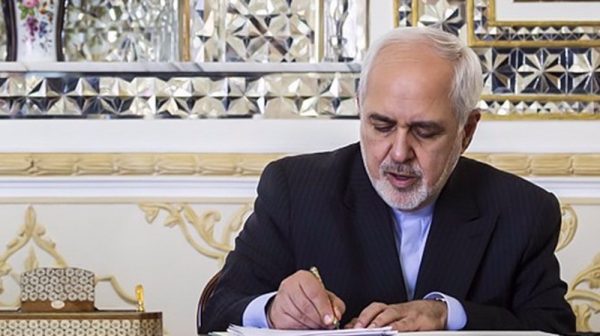
Iranian Foreign Minister Mohammad Javad Zarif
Press TV – June 9, 2021
Iran’s Foreign Minister Mohammad Javad Zarif wrote a letter to UN Secretary General Antonio Guterres earlier this month, criticizing the United Nations’ decision to deprive Iran of its voting rights.
As the UN Security Council backed Guterres for a second term on Tuesday, it is worthwhile to read highlights of Zarif’s letter to the UN chief, in which the Iranian foreign minister slammed the UN decision as “fundamentally flawed, entirely unacceptable and completely unjustified.”
“Iran’s inability to fulfill its financial obligation toward the United Nations is directly caused by ‘unlawful unilateral sanctions’ imposed by the United States to punish those who comply with a Security Council resolution,” Zarif wrote.
He was making a reference to the sanctions that the US slapped on Iran after former president Donald Trump withdrew from the 2015 Iran nuclear deal and violated UN Security Council Resolution 2231 that endorsed the historic pact.
The sanctions have blocked Iran’s access to global financial systems, and its money in foreign banks, including in South Korean, Japanese and Iraqi banks.
Zarif said the world is well aware that the people of Iran have been under unprecedented economic warfare and terrorism since the US withdrawal from the nuclear deal, also called the JCPOA, in material breach of preemptory norms of international law, the Charter of the United Nations and Resolution 2231.
“It is astonishingly absurd that Iranian people, who have been forcibly blocked from transferring their own money and resources to buy food and medicine – let alone pay UN contributions arrears – by a permanent member of the United Nations’ Security Council, are now being punished for not being allowed to pay budget arrears by the secretariat of the same organization, which has unjustifiably chosen for the past 3 years to remain indifferent in the face of attempted mass starvation – a crime against humanity – by the United States,” he noted.
The letter came after the UN said it had suspended the voting rights of Iran and four other countries over dues under Article 19 of the UN Charter, which states that any member owing the previous two years of assessments may not vote in the General Assembly.
However, Zarif pointed out that the UN Charter gives the General Assembly the authority to decide “that the failure to pay is due to conditions beyond the control of the member,” and in that case a country can continue to vote.
“By what definition are Iran’s arrears not ‘due to conditions beyond control’?” the chief Iranian diplomat asked.
“The Islamic Republic of Iran is fully committed to fulfilling its financial obligations to the United Nations and will continue to make every effort to settle the arrears in the payment of its financial contribution to the UN and other international organizations as soon as the underlying imposed conditions, i.e. the US unlawful unilateral coercive measures, is removed,” Zarif added.
The UN decision came while Iran and the other parties to the JCPOA are engaged in multilateral talks to bring the US back into compliance with the deal and remove the anti-Iran sanctions in exchange for the reversal of Iran’s nuclear activities that go beyond the JCPOA limits.
The talks, which began in early April, have not led to a tangible outcome yet.
Zarif said on Monday that it remains unclear whether US President Joe Biden and State Secretary Antony Blinken are ready to bury the failed “maximum pressure” policy of Trump and his State Secretary Mike Pompeo.
“Iran is in compliance with the #JCPOA. Just read paragraph 36,” Zarif wrote in a tweet. “Time to change course.”
Horrific bombing in Kabul part of US plot to cover up failures in proxy, Takfiri wars: Iran military chief
Press TV – May 13, 2021
Iran’s military chief has condemned a terrorist attack that recently targeted a girls’ school in the Afghan capital, saying the “horrific crime” committed by mercenaries of the US is part of America’s plots to cover up two decades of its failures in the Asian country and the region.
“This horrific crime is in fact part of a series of the Americans’ overt and covert measures to cover up the defeat of their policies in Afghanistan during 20 years of disgraceful presence [in Afghanistan] and also their failure in the proxy and Takfiri wars in the region,” said Chairman of the Chiefs of Staff of the Iranian Armed Forces Major General Mohammad Baqeri in a statement on Friday.
At least 85 people, mostly schoolgirls, lost their lives in explosions caused by a car bomb and mortar shells targeting a school in the Shia majority neighborhood of Dasht-e-Barchi in western Kabul on Saturday.
The Afghan government blamed the Taliban for the bloody attack, but the militant group has denied any role. Analysts say the incident bears the hallmark of attacks by Daesh terrorists, who have gained a foothold in the country by taking advantage of the mayhem caused by the US-led military intervention.
Baqeri further said the US had organized and sent the remnants of Daesh terrorists and other Takfiri groups from Syria and Iraq to Afghanistan as a pretext to prepare the ground for halting the pullout of the American forces from the war-stricken state and to justify the claim that the presence of its troops there would prevent violence.
“The brutal crime committed by mercenaries of the terrorist regime in the US… showed that the hated and evil rulers of this country consider it permissible to commit any crime against humanity, specially Muslims, to achieve their evil goals and intentions,” Baqeri said.
He extended his condolences to the prudent Afghan people, especially the bereaved families of the victims, and expressed hope that the brave nation would neutralize the vicious plots of the US and its regional and trans-regional allies through their vigilance.
The top Iranian commander also expressed hope that the perpetrators of the terrorist crime would be identified, and that Afghanistan and other Muslim nations in the West Asia region would witness sustainable independence, stability, security and tranquility.
Just two days after the Kabul attack, a bus explosion in Afghanistan’s Zabul Province’s Shahr-e Safa District killed or injured as many as 25 people.
The rise in such acts of violence follows a decision announced by the United States for the withdrawal of its forces from the country.
Some observers view as suspicious the circumstances surrounding the terrorist attacks and the fact that no group has yet claimed them.
They cite the precedence of Washington’s refusal of acting on its pledge of withdrawal from the regional countries, saying such incidents could be used as pretexts to prolong the presence of America and its allies.
Update on ivermectin for covid-19
By Sebastian Rushworth, M.D. | May 9, 2021
Back in January I wrote an article about four randomized controlled trials of ivermectin as a treatment for covid-19 that had at that time released their results to the public. Each of those four trials had promising results, but each was also too small individually to show any meaningful impact on the hard outcomes we really care about, like death. When I meta-analyzed them together however, the results suddenly appeared very impressive. Here’s what that meta-analysis looked like:

It showed a massive 78% reduction in mortality in patients treated with covid-19. Mortality is the hardest of hard end points, which means it’s the hardest for researchers to manipulate and therefore the least open to bias. Either someone’s dead, or they’re alive. End of story.
You would have thought that this strong overall signal of benefit in the midst of a pandemic would have mobilized the powers that be to arrange multiple large randomized trials to confirm these results as quickly as possible, and that the major medical journals would be falling over each other to be the first to publish these studies.
That hasn’t happened.
Rather the opposite, in fact. South Africa has even gone so far as to ban doctors from using ivermectin on covid-19 patients. And as far as I can tell, most of the discussion about ivermectin in mainstream media (and in the medical press) has centred not around its relative merits, but more around how its proponents are clearly deluded tin foil hat wearing crazies who are using social media to manipulate the masses.
In spite of this, trial results have continued to appear. That means we should now be able to conclude with even greater certainty whether or not ivermectin is effective against covid-19. Since there are so many of these trials popping up now, I’ve decided to limit the discussion here only to the ones I’ve been able to find that had at least 150 participants, and that compared ivermectin to placebo (although I’ll add even the smaller trials I’ve found in to the updated meta-analysis at the end).
As before, it appears that rich western countries have very little interest in studying ivermectin as a treatment for covid. The three new trials that had at least 150 participants and compared ivermectin with placebo were conducted in Colombia, Iran, and Argentina. We’ll go through each in turn.
The Colombian trial (Lopez-Medina et al.) was published in JAMA (the Journal of the American Medical Association) in March. There is one thing that is rather odd with this study, and that is that the study authors were receiving payments from Sanofi-Pasteur, Glaxo-Smith-Kline, Janssen, Merck, and Gilead while conducting the study. Gilead makes remdesivir. Merck is developing two expensive new drugs to treat covid-19. Janssen, Glaxo-Smith-Kline, and Sanofi-Pasteur are all developers of covid vaccines. In other words, the authors of the study were receiving funding from companies that own drugs that are direct competitors to ivermectin. One might call this a conflict of interest, and wonder whether the goal of the study was to show a lack of benefit. It’s definitely a little bit suspicious.
Anyway, let’s get to what the researchers actually did. This was a double-blind randomized controlled trial that recruited patients with mildly symptomatic covid-19 who had experienced symptom onset less than 7 days earlier. Potential participants were identified through a statewide database of people with positive PCR-tests. By “mildly symptomatic” the researchers meant people who had at least one symptom but who did not require high-flow oxygen at the time of recruitment in to the trial.
Participants in the treatment group received 300 ug/kg body weight of ivermectin every day for five days, while participants in the placebo group received an identical placebo. 300 ug/kg works out to 21 mg for an average 70 kg adult, which is quite high, especially when you consider that the dose was given daily for five days. For an average person, this would work out to a total dose of 105 mg. The other ivermectin trials have mostly given around 12 mg per day for one or two days, for a total dose of 12 to 24 mg (which has been considered enough because ivermectin has a long half-life in the body). Why this study gave such a high dose is unclear. However, it shouldn’t be a problem. Ivermectin is a very safe drug, and studies have been done where people have been given ten times the recommended dose without any noticeable increase in adverse events.
The stated goal of the study was to see if ivermectin resulted in more rapid symptom resolution than placebo. So participants were contacted by telephone every three days after inclusion in the study, up to day 21, and asked about what symptoms they were experiencing.
398 patients were included in the study. The median age of the participants was 37 years, and they were overall very healthy. 79% had no known co-morbidities. This is a shame. It means that this study is yet another one of those many studies that will not be able to show a meaningful effect on hard end points like hospitalization and death. It is a bit strange that studies keep being done on young healthy people who are at virtually zero risk from covid-19, rather than on the multi-morbid elderly, who are the ones we actually need an effective treatment for.
Anyway, let’s get to the results.
In the group treated with ivermectin, the average time from inclusion in the study to becoming completely symptom free was 10 days. In the placebo group that number was 12 days. So, the ivermectin treated patients recovered on average two days faster. However, the difference was not statistically significant, so the result could easily be due to chance. At 21 days after inclusion in the study, 82% had recovered fully in the ivermectin group, as compared to 79% in the placebo group. Again, the small difference was not statistically significant.
In terms of the hard end points that matter more, there were zero deaths in the ivermectin group and there was one death in the placebo group. 2% of participants in the ivermectin group required “escalation of care” (hospitalization if they were outside the hospital at the start of the study, or oxygen therapy if they were in hospital at the start of the study) as compared with 5% in the placebo group. None of these differences was statistically significant. But that doesn’t mean they weren’t real. Like I wrote earlier, the fact that this was a study of healthy young people meant that, even if a meaningful difference does exist in risk of dying of covid, or of ending up in hospital, this study was never going to find it.
So, what can we conclude?
Ivermectin does not meaningfully shorten duration of symptoms in healthy young people. That’s about all we can say from this study. Considering the conflicts of interest of the authors, my guess is that this was the goal of the study all along: Gather together a number of young healthy people that is too small for there to be any chance of a statistically significant benefit, and then get the result you want. The media will sell the result as “study shows ivermectin doesn’t work” (which they dutifully did).
It is interesting that there were signals of benefit for all the parameters the researchers looked at (resolution of symptoms, escalation of care, death), but that the relatively small number and good health status of the participants meant that there was little chance of any of the results reaching statistical significance.
Let’s move on to the next study, which is currently available as a pre-print on Research Square (Niaee et al.). It was randomized, double-blind, and placebo-controlled, and carried out at five different hospitals in Iran. It was funded by an Iranian university.
In order to be included in the trial, participants had to be over the age of 18 and admitted to hospital because of a covid-19 infection (which was defined as symptoms suggestive of covid plus either a CT scan typical of covid infection or a positive PCR test).
150 participants were randomized to either placebo (30 people) or varying doses of ivermectin (120 people). The fact that they chose to make the placebo group so small is a problem, because it makes it very hard to detect any differences even if they do exist, by making the statistical certainty of the results in the placebo group very low.
The participants were on average 56 years old and the average oxygen saturation before initiation of treatment was 89% (normal is more than 95%), so this was a pretty sick group. Unfortunately no information is provided on how far along people were in the disease course when they started receiving ivermectin. It stands to reason that the drug is more likely to work if given ten days after symptom onset than when given twenty days after symptom onset, since death usually happens around day 21. If you, for example, wanted to design a trial to fail, you could start treating people at a time point when there is no time for the drug you’re testing to have a chance work, so it would have been nice to know at what time point treatment started in this trial.
So, what were the results?
20% of the participants in the placebo group died (6 out of 30 people). 3% of the participants in the various ivermectin groups died (4 out of 120 people). That is an 85% reduction in the relative risk of death, which is huge.
So, in spite of the fact that the placebo group was so small, it was still possible to see a big difference in mortality. Admittedly, this is a pre-print (i.e. it hasn’t been peer-reviewed yet), and the absolute numbers of deaths are small, so there is some scope for random chance to have created these results (maybe people in the placebo group were just very unlucky!). However, the study appears to have followed all the steps expected for a high quality trial. It was carried out at multiple different hospitals, it used randomization and a control group that received a placebo, and it was double-blinded. And death is a very hard end point that is not particularly open to bias. So unless the researchers have falsified their data, then this study constitutes reasonably good evidence that ivermectin is highly effective when given to patients hospitalized with covid-19. That’s great, because it would mean that the drug can be given quite late in the disease course and still show benefit.
Let’s move on to the third trial (Chahla et al.), which is currently available as a pre-print on MedRxiv. It was carried out in Argentina, and funded by the Argentinean government. Like the first trial we discussed, this was a study of people with mild disease. It literally boggles my mind that so many researchers choose to study people with mild disease instead of studying those with more severe disease. Especially when you consider that these studies are all so small. A study of people with mild disease needs to be very large to find a statistically significant effect, since most people with covid do well regardless. The risk of false negative results is thus enormous. If you’re going to do a small-ish study, and you want to have a reasonable chance of producing results that reach statistical significance, it would make much more sense to do it on sick hospitalized patients.
The study was randomized, but it wasn’t blinded, and there was no placebo. In other words, the intervention group received ivermectin (24 mg per day), while the control group didn’t receive anything. This is a bad bad thing. It means that any non-hard outcomes produced by the study are really quite worthless, since there is so much scope for the placebo effect and other confounding factors to mess up the results. For hard outcomes, in particular death, it should be less of a problem (although we wouldn’t expect any deaths in such a small study of mostly healthy people with mild disease anyway).
The study included people over the age of 18 with symptoms suggestive of covid-19 and a positive PCR test. The average age of the participants was 40 years, and most had no underlying health issues. A total of 172 people were recruited in to the study.
The researchers chose to look at how quickly people became free of symptoms as their primary endpoint. This is enormously problematic, since the study, as already mentioned, wasn’t blinded and there was no placebo. Any difference between the groups could easily be explained by the placebo effect and by biases towards treatment benefit among the researchers.
Anyway, the study found that 49% in the treatment group were free of symptoms at five to nine days after the beginning of treatment, compared with 81% in the control group. However, the lack of blinding means that this result is worthless. The methodology is just too flawed.
No data is provided on the number of people who died in each group. Since it isn’t reported, I think it’s safe to assume that there were no deaths in either group. Nor is any data provided on the number of hospitalizations in each group.
So, what does this study tell us?
Absolutely nothing at all. What a waste of time and money.
Let’s move on and update our meta-analysis. The reason we need to do a meta-analysis here is that none of the trials of ivermectin is large enough on its own to provide a definitive answer as to whether it is a useful treatment for covid-19 or not. For those who haven’t heard of meta-analyses before, basically what you do is just take the results from all different studies in existence that fulfill your pre-selected criteria, and then put them together, so as a to create a single large “meta”-study. This allows you to produce results that have a much higher level of statistical significance. It is particularly useful in a situation where all the individual trials you have to work with are statistically underpowered (have too few participants), as is the case here.
In this new meta-analysis, I’ve included every double-blind randomized placebo-controlled trial I could find of ivermectin as a treatment for covid. Using only double-blind placebo-controlled trials means that only the highest quality studies are included in this meta-analysis, which minimizes the risk of biases messing up the results as far as possible. In order to be included, a study also had to provide mortality data, since the goal of the meta-analysis is to see if there is any difference in mortality.
I was able to identify seven trials that fulfilled these criteria, with a total of 1,327 participants. Here’s what the meta-analysis shows:

What we see is a 62% reduction in the relative risk of dying among covid patients treated with ivermectin. That would mean that ivermectin prevents roughly three out of five covid deaths. The reduction is statistically significant (p-value 0,004). In other words, the weight of evidence supporting ivermectin continues to pile up. It is now far stronger than the evidence that led to widespred use of remdesivir earlier in the pandemic, and the effect is much larger and more important (remdesivir was only ever shown to marginally decrease length of hospital stay, it was never shown to have any effect on risk of dying).
I understand why pharmaceutical companies don’t like ivermectin. It’s a cheap generic drug. Even Merck, the company that invented ivermectin, is doing it’s best to destroy the drug’s reputation at the moment. This can only be explained by the fact that Merck is currently developing two expensive new covid drugs, and doesn’t want an off-patent drug, which it can no longer make any profit from, competing with them.
The only reason I can think to understand why the broader medical establishment, however, is still so anti-ivermectin is that these studies have all been done outside the rich west. Apparently doctors and scientists outside North America and Western Europe can’t be trusted, unless they’re saying things that are in line with our pre-conceived notions.
Researchers at McMaster university are currently organizing a large trial of ivermectin as a treatment for covid-19, funded by the Bill and Melinda Gates foundation. That trial is expected to enroll over 3,000 people, so it should be definitive. It’s going to be very interesting to see what it shows when the results finally get published.
Continuing the Story of the Hijacked Tanker and Frozen Funds
By Konstantin Asmolov – New Eastern Outlook – 04.05.2021
In early 2021, we wrote about the Iranian seizure of a South Korean tanker and how this precedent actually demonstrates a number of unresolved problems, most notably the problem of Iranian assets in South Korean banks intended to pay for Iranian crude oil imports and frozen because of US sanctions.
Recall: Iran has repeatedly urged Seoul to address the $7 billion frozen in two South Korean banks as part of US sanctions after the Donald Trump administration pulled out of the landmark nuclear deal with Iran in 2018 and tightened sanctions against the Islamic Republic. On January 4, 2021, the Iranian Islamic Revolutionary Guard Corps seized the South Korean-flagged tanker MT Hankuk Chemi under the pretext of environmental pollution.
On January 10, 2021, a government delegation led by First Deputy Foreign Minister Choi Jong-gon arrived in Tehran. However, the parties were unable to reach any agreements. In fact, Choi called for the release of the tanker and demanded evidence of oil pollution in the waters of the Persian Gulf, which formally caused the tanker to be seized. In response, his interlocutor Abbas Araghchi said that the tanker was in the hands of an Iranian court, and that the development of bilateral relations can make sense only when the issue of frozen funds is resolved.
Araghchi openly stated that “the freezing of Iran’s foreign currency resources in Korea is more due to a lack of political will on the part of the Korean government than to US sanctions,” and called on Choi to work out a mechanism to resolve the issue. However, the Iranian side noted that the crew members were safe and in good shape.
Choi’s talks with Iran’s Central Bank Governor Abdel Nasser Hemmati and Foreign Minister Javad Zarif also proved fruitless. The minister reiterated the thesis that the executive branch does not interfere in matters that fall within the jurisdiction of the judiciary; and the bank recalled that the South Korean government had promised to resolve the issue a year and a half ago, but had done nothing.
Kamal Kharrazi, head of Iran’s Strategic Council on Foreign Relations, was even more blunt: “The two countries had good relations, but now, unfortunately, because the Korean government yielded to US pressure, Iranian assets worth $7 billion have been frozen in Korean banks, and it cannot even withdraw money to buy medicine“.
On January 12, during a briefing, Saeed Khatibzadeh of the Iranian Foreign Ministry expressed dissatisfaction with the measures taken by the ROK to solve the problem: the solution is delayed and Tehran is not satisfied. The Iranian side has indicated its position that the problem of frozen funds should be solved first, and the issue of the arrested tanker will be resolved in accordance with legal procedures.
As a result of Choi’s visit, the parties agreed on nothing but further negotiations, and Choi went to Qatar, where he appealed for assistance in freeing the South Korean tanker and its crew.
In mid-January it emerged that in order to “create a positive mood before negotiations with Iran,” South Korea withdrew its anti-piracy naval unit Cheonghae from the Strait of Hormuz. Iranian Ambassador Saeed Badamchi Shabestari allegedly once expressed displeasure to Seoul over the presence of South Korean troops in the Straits because they were actually part of an international contingent assembled by the United States to contain Iran, even though formally the unit is meant to fight regional piracy. It is a typical trick of South Korean foreign policy when US orders are de facto carried out, but de jure these actions are anything but the direct order. However, the Foreign Ministry of the ROK refused to confirm this movement of troops.
At the same time, there was a rumor that the Iranian party offered to use part of the frozen funds to pay off its outstanding UN membership dues. Although the amount is only $16,200,000, experts decided that the only the first step would be particularly difficult, and on January 19, the head of the Central Bank of Iran, in an interview with Bloomberg agency again noted that this is not the first time the authorities of the Republic of Korea promise to do everything possible, but in fact they continue to follow the US policy and rules.
The Korean party, on the other hand, has made certain hints that a change of power in the US could unblock the problem.
On January 21, Hemmati reported that some of the funds belonging to Iran, which are in foreign banks, have been unfrozen and are being used by the government.
On February 2, 2021, Iran agreed to release the entire crew of the hijacked tanker except for the captain. Seoul welcomed this decision, and “the parties agreed to continue mutual communication”. By this time everyone finally remembered that at the time of the seizure the ship was carrying not petroleum products, but ethyl alcohol, so it is unclear how the fact of pollution that became the reason for the arrest of the ship occurred at that time.
The next day, the ROK media reported that South Korea was finalizing negotiations with the US to use some of the frozen money to pay Iran’s outstanding US dues. Otherwise, South Korean experts believed that the decision was still related to the change of power in the US, because, first, Biden was going to deal with the restoration of alliances in general, and second, the Iranian issue, according to Southerners, will be solved differently than under Trump. Iran has been called upon to return to the Joint Comprehensive Plan of Action in order to restore the 2015 nuclear agreement.
In addition, it was reported that South Korea increased the export of medicine to Iran for two months, which also contributed to the release of detainees.
On February 11, the first Korean sailor returned home, but some of the crew remained on the ship to provide management.
On February 23, in a statement issued by South Korean Foreign Ministry in response to the Iranian Foreign Ministry’s statement on reaching an agreement with the South, it was stated that Iranian assets could be unblocked after consultations with the United States. According to a report posted on the Iranian government’s website, the agreement was reached during the February 22 meeting between Hemmati, Governor of the Central Bank of Iran, and Yoo Jong-hyun, the ROK ambassador to Iran. The parties agreed on directions for the transfer of money, and the Central Bank of Iran has informed Seoul of the amount it wants to receive. Then, according to Bloomberg, Iranian government spokesman Ali Rabiei told a news conference that South Korea would release $1 billion in frozen money as a first step toward resolving the issue, without giving further details on how it would be used.
However, on the same day, Feb. 23, State Department spokesman Ned Price noted that the US and the ROK could discuss the supposed release of Iranian funds, but the money had not yet been transferred. The ROK Foreign Ministry also stressed that American pressure was needed to unfreeze Iranian assets. Thus, Tehran’s claim of an agreement has been refuted.
On February 24, the foreign ministers of the ROK and Islamic Republic of Iran discussed the situation, and Jong Eui-young said that South Korea “is making sincere efforts to release frozen assets,” but recalled that the issue must be resolved in close cooperation with the United States. In response, the Governor of the Central Bank of Iran said that South Korea must pay Iran $1 billion, otherwise Tehran will initiate proceedings in international courts.
On February 25, a US Treasury Department official said that Washington agreed in principle to a partial transfer of Iranian assets to Switzerland, from where they can be sent to Iran under the so-called Swiss Agreement on Humanitarian Trade, the essence of which is that Swiss food, pharmaceutical and medical companies must have a reliable channel of payment to ensure payment for their exports to Iran. Actually, the aforementioned billion was going to be transferred to the purchase of drugs against coronavirus
The conservative media in the ROK accused Iran of diplomatic impoliteness and wishful thinking. However, the commonplace conclusion was that it was all Moon’s fault for failing everything: the government is only engaged in improving relations with the DPRK and cannot conduct skillful diplomacy with other countries.
On March 2, Ned Price said that the US would be willing to discuss with Iran the unblocking of its money in the ROK “to achieve the main goal of Iran’s denuclearization.” He was silent about where, when, and how this issue would be discussed.
On March 10, US Secretary of State Antony Blinken took an even tougher stance: until Iran meets its obligations under the nuclear deal, the US will not ease any sanctions, including the release of Iranian funds in South Korean banks. When asked whether it was true that some of the funds could be transferred, however, Blinken replied that “the report you referred to is simply wrong“. Korean conservative media and experts immediately noted that “Secretary Blinken’s principled approach to frozen Iranian funds is good news for Korean national interests. This allows Seoul to resist extortion, even while making every reasonable effort to cooperate with Tehran. It also sends a signal to North Korea that international sanctions will be strictly enforced, but may be eased if denuclearization agreements are respected.”
On March 16, the ROK and Iran held a video conference that formally focused on expanding bilateral humanitarian trade, and on March 17, Deputy Prime Minister and Treasury Secretary Hong Nam-gi spoke by phone with new US Treasury Secretary Janet Yellen, where the parties agreed to cooperate closely, including on the Iranian issue.
On April 2, 2021, a diplomatic source reported that the tanker would soon be released, and on April 5, Said Khatibzadeh of the Iranian Foreign Ministry added that the case was ending and the court decision would most likely be in favor of the South Korean side.
According to experts, this was related both to the upcoming visit to Iran of Prime Minister Jong Se-kyung and to the fact that 700,000 doses of AstraZeneca vaccine produced in Kazakhstan were delivered to Iran.
On the morning of April 9, Iran released the tanker and it left the port. On board were the captain and 12 crew members who had been released earlier but remained on the ship for maintenance purposes.
On April 11, Jeong Se-kyung left for Iran on a three-day visit. This visit was the first trip of a South Korean prime minister to Iran in 44 years, but it should be remembered that by this time it was already known that at the end of the visit Chong was resigning due to a set of domestic political problems. Therefore, despite the high status of the visit, its real significance was somewhat less than expected, and the visit did not end with anything serious. The sides agreed to expand humanitarian exchanges, including medical cooperation, and to create a special consultative body responsible for preparing economic cooperation projects after the possible resumption of the nuclear deal. The Iranian side again urged Seoul to unblock the money as soon as possible, which was responded to with further assurances that everything possible was being done and a call to prevent Iran from detaining foreign vessels in the future: “The freedom of navigation must be guaranteed.”
In general, during his stay in Iran, Jeong Se-kyung himself was particularly active trying to please Iran and even talked about the importance and profound spiritual significance of Ramadan. It turns out that he has said before that “this money is Iranian money and should be returned to the rightful owner. We have to find a way to return it quickly.” However, the author’s attempt to search for statements by the South Korean prime minister on this topic was unsuccessful. Jeong met with a number of dignitaries, including the speaker of parliament, but was unable to meet with President Rouhani “for various reasons, including the situation with Covid-19.”
And Iran’s First Vice President Jahangiri openly said, “We call on the Korean government to release Iran’s financial resources as soon as possible and solve the problems of recent years through practical compensatory measures.” The vice president regretted that the $1 billion transfer to Swiss banks for the purchase of a coronavirus vaccine did not materialize despite promises by Korean officials: the Korean banks’ actions severely damaged bilateral relations, as it deprived Iran of major foreign exchange resources to purchase medicines and medical equipment in a pandemic. As a result, the image of the ROK has been seriously damaged. There is hope that the situation will improve after Jeong Se-kyung’s visit.
Nevertheless, on April 12, a US State Department official, speaking on condition of anonymity, repeated in an interview with the Ryonhap news agency that the US position on sanctions against Iran remains unchanged. Until Iran goes back on the JCPOA, it won’t get its money back.
Thus, on the one hand, the story of the tanker hijack ended well enough, and the notion that the action had not an environmental but a political purpose was safely confirmed. On the other, Iran’s attempt to push for the return of the blocked funds in this way did not end with anything. Iran received some vaccines and other medical resources, but it was more of a handout than a victory. Finally, this situation shows well the level of independence of South Korean foreign policy on certain issues. Despite the fact that the South Korean leadership did not seem to mind solving the problem, at the first shout from the US in Seoul they stood at attention, not even trying to show displeasure about it. For the author, this is a rather important story that explains both why some countries periodically claim a “lack of sovereignty” in South Korea and the difference in South Korean foreign policy between the populist statements of Moon Jae-in and Co. and Seoul’s actual actions.
Konstantin Asmolov, PhD in History, is a leading research fellow at the Center for Korean Studies of the Institute of the Far East at the Russian Academy of Sciences.
The Iranian Nuclear Program and the Current International Agenda
By Viktor Mikhin – New Eastern Outlook – 22.04.2021
Iran began enriching 60 percent uranium at its plant in Natanz a few days after the explosion that occurred at the facility – something for which Tehran legitimately laid the blame on Israel. “Our response to the anger of our enemies,” stressed President Hassan Rouhani, “is to replace the damaged centrifuges with more advanced ones, thereby activating 1,000 cutting-edge centrifuges, and there will be an increase in the level of enrichment of up to 60% at the Natanz Nuclear Power Plant”.
The International Atomic Energy Agency stated that it had been informed of the decision by the Iranian authorities. For its part, Washington pedantically called Iran’s statement “provocative”, and said that the US administration was allegedly concerned, adding that this casts doubt on Tehran’s seriousness in its negotiations on the nuclear program.
At the same time, US President Joe Biden has repeatedly stated that he wants to return to the deal, but Iran apparently “must terminate its violations”. This caused the European Union to call for negotiations to hopefully accomplish precisely this. Although the American delegation has a presence in Vienna, it does not meet directly with the Iranian one, but rather with diplomats from other countries that shuttle between them. Entering the negotiations – which have just begun – Iran said that it is ready to return to fully complying with the agreement, but that the United States will first have to repeal all the sanctions that it imposed under Donald Trump. However, this is fairly difficult, since the previous administration added sanctions on Iran that went beyond the boundaries of those related to its nuclear program, including those imposed due to accusations of terrorism, human rights violations, and the country’s ballistic missile program.
But there still are glimmers of hope. According to Aniseh Bassiri Tabrizi, an Iranian scholar at the Britain’s Royal United Services Institute, the negotiations quickly passed by the “Who makes the first move?” debate, and began to address specific issues. “It’s a very good development that these work groups exist that really do talk about and examine the nitty-gritty,” she told the Associated Press. For Iran to return to the deal, among other things it must return to enriching uranium to no more than a 3.67% level of purity, stop using advanced centrifuges, and drastically reduce the quantity of its enriched uranium. Despite the challenges, Tabrizi said that “the challenge ahead is not as difficult as the one the group faced in 2015, since there is already a deal in place”.
Although negotiations have just begun, the question has arisen as to how long they will last. There is no specific time frame. The diplomats involved in the talks say these issues cannot be resolved overnight, but several reasons exist why they hope that they will be resolved in a matter of weeks, not months. The initial deal was agreed upon after Iranian President Hassan Rouhani, widely known as a moderate politician, first took office. Rouhani is unable to run again in the upcoming June elections due to term limit restrictions, and he hopes to be able to step down during a time when Iran can again sell oil abroad and gain access to international financial markets.
Meanwhile, the US could face much more difficult negotiations if it doesn’t strike a deal before Rouhani leaves. Hardliners in Iran reject the nuclear deal, saying it hasn’t brought enough economic assistance, and is a slippery slope leading to increasing pressure on the country. This does not necessarily mean they will stop the negotiations if they are elected, although that will complicate matters, said Sanam Vakil, deputy director of the Chatham House Policy Institute’s Middle East North Africa Program.
There is another reason to take action quickly: In February, Iran began curtailing International Atomic Energy Agency inspections at its nuclear facilities. Instead, it was announced that surveillance footage of the facilities would be retained for three months, and then transferred over to the IAEA if the Iranians gain some relief from the sanctions. Otherwise, Iranian scientists will erase all records and, quite possibly, the IAEA will face new obstacles to visiting Iran and monitoring its nuclear program.
Although it must be acknowledged that there are many other difficulties and obstacles. The Natanz nuclear facility has just been targeted with subversive activity, which the Iranian authorities have called sabotage. Many with good reason suspect that the attack was carried out by Israel, which opposes the nuclear deal, although the Israeli authorities are somehow trying to avoid the question of commenting on that. The lion’s share of Iran’s work at the Natanz plant has gone to waste, with many Israeli media reporting gloatingly. According to their assessments, the Iranian regime is now being dealt one blow after another, which indicates its inability to protect even its important nuclear facilities, but it will definitely seek to exact revenge when it can. Lieutenant Colonel Michael Segall, a strategic affairs expert specializing in Iran, terrorism, and the Middle East who is a senior analyst at the Jerusalem Center for Public Affairs, noted that talks between the United States and Iran on bringing the Islamic Republic back to a nuclear deal “triggered many recent events, and the latest actions taken by Israel”. This is not the first time that the centrifuges in Natanz have suffered some kind of destruction. “I’m not sure how many of the cascades that keep the uranium enrichment centrifuges in place have been destroyed, and it’s unclear what happened, but when a cascade breaks down that spells years of work going down the drain,” Segall said.
Prior to that, Iranian President Hassan Rouhani announced that Iran had begun testing new IR-9 centrifuges, which enrich uranium 50 times faster than first-generation IR-1 centrifuges. That same day, Iran reported that 164 IR-6 centrifuges were started up at Natanz that enrich uranium 10 times faster than the IR-1 centrifuges. Incidentally, the 2015 nuclear deal restricts Iran to using only IR-1 centrifuges. After that, Natanz suffered a mysterious power outage that followed reports of an explosion. The well-informed (from what source?!) New York Times newspaper immediately reported that the incident would halt production at the plant for at least nine months. The IR-9 centrifuges have really cut down on the time frames needed for enrichment, and this decreases what used to take days down to a few hours. A power outage without backup power could lead to serious damage if the cascades are thrown out of position, said Israeli specialist Segall.
Iran strongly believes that Israel clearly hopes to disrupt negotiations by using sabotage. Rouhani stated he still hopes the talks will work, but the latest attack has made matters more complex. First, Iran responded by announcing that it would increase its uranium enrichment activities to reach a 60% purity level – one much higher than ever before, and install more advanced centrifuges at the Natanz plant. And following how these events unfolded, both sides ratcheted up their rhetoric and propaganda. In particular, the Supreme Leader of Iran, Ayatollah Ali Khamenei, who has the final say on all state matters in the country, rejected all proposals that have been considered so far in Vienna as “not worthy of attention”. At the same time, US Secretary of State Antony Blinken stated that Washington has demonstrated its commitment by participating in indirect talks in Vienna, but with Tehran’s recent statements “it remains to be seen whether Iran shares the seriousness of this objective”. The US is very serious about its “provocative” announcement on intending to start enriching uranium up to 60 percent, Blinken said at a press conference held at NATO headquarters in Brussels, referring to Iran. European countries participating in the 2015 Iranian nuclear deal – and unquestioningly fulfilling the will of their overlord – also told Tehran that this step allegedly contradicts their efforts to revive the agreement, one from which, it is worth reiterating, the United States withdrew.
Meanwhile, at the nuclear talks in Vienna, as evidenced by the facts, Washington has so far demonstrated a rather decisive, uncompromising, and crass position. The American delegation was headed by the US Special Envoy for Iran Robert Malley – a man, as American media outlets note, who is little inclined toward negotiations or flexibility in his thinking. But Iran, for its part, “very strongly” insists that all sanctions be lifted before it reverses its moves in the nuclear power industry. Incidentally, there is a well-organized division of labor in the Iranian government, with the Ministry of Foreign Affairs reflecting the firm position taken by Ayatollah Ali Khamenei, and President Hassan Rouhani sometimes adopting a more optimistic tone about the possible outcome of the negotiations.
It is quite apparent that the Iranians’ idea is that all sanctions should be lifted, even those related to non-nuclear issues like accusations of supporting terrorism. Verification is very important from the Iranian perspective – first of all, Iran wants to make sure that the sanctions are lifted, and only then will it reverse its latest measures, including in installing the advanced IR-9 centrifuges. It should not be forgotten that Iran is supposed to stop sharing video footage of its nuclear facilities with the IAEA in six weeks, a move that followed Tehran terminating its live video feeds as part of its ever-escalating series of moves in the nuclear power industry to exert pressure on the negotiations. But the reality is that everything will basically depend only on the reasonable measures taken by the Joe Biden administration – if any of those will originate from the White House.
Iran Starts 60% Enrichment in Reaction to Natanz Sabotage
Mehr News Agency – April 13, 2021
Iran’s Deputy Foreign Minister for Political Affairs Sayyed Abbas Araqchi announced the beginning of 60% enrichment in the Natanz Enrichment Facility.
Araqchi who is in Vienna to participate in a new round of talks with the P4+1 and the EU representative within the framework of the JCPOA Joint Commission announced the start of 60% enrichment on Tuesday afternoon.
Iran has announced today in a letter to the Director-General of the International Atomic Energy Agency that it would begin 60% enrichment, he said.
Another 1,000 centrifuges with 50% more capacity will be added to the machines in Natanz, in addition to replacing the damaged ones, he added.
Earlier, after the recent sabotage of the Natanz enrichment facility, Iran’s permanent representative to Vienna-based international organizations Kazem Gharibabadi announced that a new generation of machines will be installed in Natanz and several other technical measures will be announced this week.
The spokesman for the Atomic Energy Organization of Iran (AEOI) Behrouz Kamalvandi said on Sunday that an incident took place in a part of the electricity distribution network of Shahid Ahmadi Roshan facility in Natanz.
Following the incident, AEOI Chief Ali-Akbar Salehi slammed the “act of sabotage”, noting that the international community, as well as the International Atomic Energy Agency (IAEA), must deal with such “nuclear terrorism” that targets Iran’s facilities.
Report: Iran’s verification of US reversal to take 3 months at least
Press TV – April 11, 2021
A detailed report by the Iranian parliament’s Research Center says the verification of any US removal of sanctions on Tehran would require at least three months, emphasizing that the process would not be possible within hours or days.
“It is obvious that the real test of sanctions removal and fulfillment of measurable indices put forward by Iran is not possible in a matter of few hours or days, and would take at least 3 to 6 months. It is also necessary to verify within specified intervals (for example every six months) that the Iranian economy benefits from the removal of the sanctions,” the parliament’s Research Center (IPRC) said in its report.
The report said Article 6 of the Strategic Action Plan to Counter Sanctions, a law passed in December by Iranian legislators, stipulates several general criteria concerning the removal of the anti-Iran sanctions.
They include normalization of banking transactions, total removal of export barriers, unhindered sale of Iranian petroleum and oil derivatives, in addition to complete and rapid return of revenues from Iranian oil sales.
Last December, Iranian lawmakers overwhelmingly voted in favor of the action plan, which tasked the administration with suspending extra commitments under the 2015 nuclear deal, officially known as the Joint Comprehensive Plan of Action (JCPOA).
The Iranian parliament’s report went on to say that Article 7 of the Strategic Action Plan to Counter Sanctions obliges the government to report to the parliament on measures taken to counteract the US sanctions. Parliamentary commissions have been assigned to assess those measures.
The report noted that Washington has a number of economic, political and legal means which it could employ despite its possible removal of the sanctions in order to prevent the Iranian economy from benefiting from the dividends of the nuclear deal.
The United States, the report said, may prevent Iran from benefiting economically from the removal of the sanctions by trying to maintain the status quo, including limiting other countries’ cooperation with the Islamic Republic.
Research conducted by the IPRC has significant impact on the legislation passed by Iranian lawmakers.
On April 8, Leader of the Islamic Revolution Ayatollah Seyyed Ali Khamenei said verification means Iran should be able to sell its oil under normal conditions and receive its money.
The Biden administration has conceded that its predecessor’s so-called maximum pressure campaign has failed, but it has so far failed to take any practical steps to undo the wrongs.
Iran reports ‘NUCLEAR terrorism’ attack at Natanz facility – day after uranium enrichment began
RT | April 11, 2021
Iran’s Natanz nuclear facility was hit by a “terrorist” attack on Sunday, the country’s nuclear chief said, hours after reports of an electrical “accident” – and a day after new uranium enrichment centrifuges were started up.
Iran reserves the right to “take action” against those behind the incident at the Islamic Republic’s nuclear facility in Natanz, the head of the nation’s Atomic Energy Organization, Ali Akbar Salehi, told state TV on Sunday.
He called the incident at the plant an act of “nuclear terrorism.”
Iran “condemns this heinous act,” Salehi said, calling on the international community and the International Atomic Energy Agency (IAEA) in particular to “deal” with the act of “nuclear terrorism.”
The incident at the plant was earlier described as an “electricity problem” at a power grid in Natanz. “Fortunately, the incident did not cause any human injuries or pollution,” Behrouz Kamalvandi, the spokesman for Iran’s Atomic Energy Organization (AEOI), said earlier on Sunday.
A member of the Iranian parliament’s Energy Commission, Malek Shariati Niasar, also described the incident as “very suspicious,” and said he had assumed it might potentially be “sabotage and infiltration,” since it took place around the National Day of Nuclear Technology.
The event reportedly caused a blackout in the electricity distribution network of the Shahid Mostafa Ahmadi Roshan nuclear facility in Natanz. Further details have not been made public and the causes of the incident are currently “under investigation.”
Natanz is key to Iran’s uranium enrichment program, which Tehran says is strictly peaceful. In early February, it said that hundreds of advanced centrifuges with a higher capacity for uranium enrichment were installed there.
The events also took place just a day after Iranian President Hassan Rouhani announced that Iran has begun using new advanced IR-5 and IR-6 centrifuges to enrich uranium at the Natanz site.
Israeli media reported that the incident was likely caused by a cyberattack, while the Times of Israel has openly claimed, citing “Western intelligence sources,” that Mossad was “behind” the power cut in Natanz. There have been no official statements from Israeli officials so far, however.
Iran’s nuclear program was significantly limited under the 2015 nuclear deal, also known as the Joint Comprehensive Plan of Action (JCPOA). It included caps on uranium purity and the amount Iran is able to produce.
After then-US President Donald Trump unilaterally pulled the US out of the deal, despite the IAEA repeatedly confirming Iran’s compliance, Tehran said that it would no longer be meeting its obligations in full. Washington has since launched a “maximum pressure” campaign of sanctions on Iran.
Earlier this week, Iran’s Atomic Energy Organization said the nation had already produced 55 kilograms of 20%-enriched uranium this year, adding that it exceeded the enrichment capacity achieved before the JCPOA. All of Iran’s nuclear aspirations are “peaceful and civilian,” President Hassan Rouhani said on Saturday.
Recent talks in Vienna on the nuclear deal, which saw Washington and Tehran negotiating indirectly, have not resulted in any major breakthrough.
Iran, Kazakhstan share many objectives on regional stability, nuclear disarmament: FM Zarif
Press TV – April 8, 2021
Foreign Minister Mohammad Javad Zarif says Iran and Kazakhstan have many common goals when it comes to global nuclear disarmament and regional stability.
In a post on his Twitter account on Thursday, Zarif hailed his “substantive and fruitful meetings” with Kazakh President Kassym-Jomart Tokayev and Foreign Minister Mukhtar Tleuberdi which were held in Kazakhstan’s capital Nur-Sultan on Wednesday during his third leg of a four-nation Central Asian tour.
“Our two countries share many objectives on regional stability and global nuclear disarmament,” the top Iranian diplomat said.
In his tweet, Zarif once again highlighted the top priority of the neighboring states in Iran’s foreign policy.
During a meeting between Zarif and Tokayev in the Kazakh capital of Nur-Sultan, formerly called Astana, the two sides discussed bilateral relations and the latest developments surrounding the peace processes in Afghanistan and Syria in addition to Iran’s nuclear deal.
In talks with his Kazakh counterpart, Zarif highlighted the many historical and cultural commonalities linking the two nations.
“Excellent talks were held on important regional and international issues, and we thank Kazakhstan for its support of the Islamic Republic of Iran on international fronts,” he said.
The Iranian and Kazakh foreign ministries also signed a 15-article document for cooperation between the two countries aimed at reinforcing friendly, fraternal and neighborly relations based on mutual respect and trust.
Zarif visited Uzbekistan and Kyrgyzstan before heading to Kazakhstan. He will visit Turkmenistan as the last leg of his tour.
Featured Video
The Board For Peace – Whitewashing Ethnic Cleansing and Genocide
or go to
Aletho News Archives – Video-Images
From the Archives
Inside Job? Inside What?
By Prof. Tony Hall | American Herald Tribune | July 28, 2016
The Kevin Barrett-Chomsky Dispute in Historical Perspective – Sixth part of the series titled “9/11 and the Zionist Question”
In his chapter on “Left Gatekeepers” and the “Shame of Noam Chomsky,” Barrie Zwicker refers to the the “New World Order” as the “diaboligarchy’s” directing agency. Less compelling is Zwicker’s reference to the “New World Order” as the “diaboligarchy’s” directing agency. To me this unfortunate choice of words is much too closely associated with the often crude and chauvinistic populism of Alex Jones and his Infowars media network. Many have come to see Jones’ lucrative media operation as a limited hangout set in place by handlers trying to hold the activities of the 9/11 Truth Movement within manageable constraints.
Due to the important findings over fifteen years of the citizens’ investigation into 9/11, the culprits most deeply implicated in the crime can be identified with much more specificity than an entity vaguely described as a “New World Order.” As Kevin Barrett and many others insist, the time has come to name the names of the probable culprits, Noam Chomsky prominent among them.
While Alex Jones ultimately serves the same masters as Chomsky, the former’s media product is often much closer to the mark of what is really going on than the content of Noam Chomsky’s more magisterial pronouncements. Jones goes at least part of the way into realities of the deep state politics of the twenty-first century. Chomsky, however, sacrificed his capacity to contribute cogently to sensible discourse on contemporary geopolitics by making himself a primary instrument of the most consequential deep state deception of recent times. As a leading agent of disinformation in the psychological trenches of the ongoing Global War of False Flag Terrorism, Chomsky has reduced himself to the level of skeptic pretender Michael Shermer. In the style of Shermer, the elder Chomsky has become an establishment TV professor readily available on Netflix. … continue
Blog Roll
Recent Comments
Coronistan on EU member to sue bloc over ‘su… loongtip on Vicious loongtip on EU turns to India for defense… Coronistan on Donald Trump Is No Peace … seversonebcfb985d9 on French court jails pro-Palesti… eddieb on Fourteen Incredible Facts Abou… Bill Francis on European leaders’ shift in the… seversonebcfb985d9 on Villains of Judea: Philip Esfo… loongtip on Report warns that ‘Jewish terr… Craig Nelms on New study shows that toxic gas… loongtip on A Funny Thing Happened on the… loongtip on EU free trade pact on hold as…


 Aletho News
- UN experts alarmed by prosecution of students protesting ETH Zurich’s Israel-linked research ties
- Exposed – How the UAE Became Central to Gaza’s Concentration Camp Plot
- How South Korea’s gas ambitions sustain the occupation of Gaza
- “Leaked document” exposes US blueprint for total control over Gaza
- Trump wanted to play peacemaker, Netanyahu made sure he failed
- Idea of limited, fast strike on Iran misjudges our capabilities: IRGC
- US Military Buildup on Land, Air, and Sea Raises Fears of Imminent Attack on Iran – Expert
- Russia reiterates demand to Germany over Nazi crimes
- France and EU clash over UK missiles for Ukraine – Telegraph
- EU member to sue bloc over ‘suicidal’ ban on Russian gas
- If Americans Knew
- Violence against hundreds of Gazan remains to find one Israeli – Not a ceasefire Day 109
- Greenpeace Demonstrator Exposes Folly of Protest Restrictions
- From CBS to TikTok, Pro-Israel Ellison is now in the driver’s seat
- Israel pays for UK advertisements attacking Doctors Without Borders
- Israel accused of extracting billions from Gazan people to pay for their own genocide
- ‘Deliberate Assassination’: 3 Journalists Among 11 Killed by Israeli Forces in Gaza
- In Gaza, We’re Struggling to Reintroduce Foods to Bodies Adjusted to Starvation
- Will Rafah crossing be opened at last? – Not a ceasefire Day 108
- Israeli drone strike kills two children collecting firewood in Gaza – Not a ceasefire Day 107
- Another Gaza baby freezes to death on Netanyahu’s watch – Not a ceasefire Day 106
- No Tricks Zone
- New Study Affirms Rising CO2’s Greening Impact Across India – A Region With No Net Warming In 75 Years
- Germany’s Natural Gas Crisis Escalates … One Storage Site Near Empty …Government Silent
- Polar Colding…Antarctica Saw Its Coldest October In 44 Years!
- New Study: Sea Levels Rose 20 Times The Modern Rate During The Roman Warm Period
- As German Gas Storage Dips Dangerously Low…Shortage Hardly Avoidable
- New Study: Brazil’s Relative Sea Level Was 2+ Meters Higher And SSTs 3-4°C Warmer 6000 Years Ago
- Philosopher Schopenhauer: Climate Science Certainty Stems From Stupidity, Ignorance
- New Study: Species Extinction Rates Declining Since 1980 – ‘Climate Change Is Not An Important Threat’
- Denmark Places Climate Protection Above Animal Welfare, Poisoning And Culling Cows
- New Study: Greenland Was 3-7°C Warmer And Far Less Glaciated Than Today 6000-8000 Years Ago
 Aletho News