North Korea Open to Rapprochement If US Respects Its Nuclear Status – Kim Jong-un
Sputnik – 26.02.2026
North Korean leader Kim Jong-un said that Pyongyang has no reason not to pursue rapprochement with the United States if Washington abandons hostility and respects North Korea’s nuclear status.
“If the US respects the present position of our [nuclear] state specified in the Constitution of the DPRK and withdraws its hostile policy toward the DPRK, there is no reason why we cannot get on well with the US,” Kim was quoted by KCNA as saying at a military parade commemorating the Ninth Congress of the Workers’ Party of Korea (WPK).
He added that over the past five years, the WPK has permanently enshrined the country’s status as a nuclear state, signaling to adversaries that until the world completely changes, Pyongyang will under no circumstances abandon nuclear weapons.
Kim said that further expanding and strengthening the state’s nuclear armed forces, the core of the armed forces in implementing war deterrence and war-fighting strategy, and consistently exercising the right of a nuclear state, represents the party’s unwavering will.
“We have a long-term plan to strengthen the national nuclear force on an annual basis in the future and will concentrate on increasing the number of nuclear weapons and expanding the means and space for nuclear operation,” the leader said.
Kim added that Pyongyang intends to modernize strike capabilities and nuclear weapons control systems, enhance nuclear force combat readiness through exercises, and improve nuclear crisis response systems. He also prioritized equipping the country’s naval forces with nuclear weapons as part of efforts to strengthen the military.
“The DPRK’s position as the nuclear weapons state plays an important role in deterring the potential threat of its enemies and maintaining regional stability, and the state nuclear force is a basic guarantee and powerful security device reliably ensuring the country’s security, interests and rights to development,” the leader said.
Kim added that the expansion and strengthening of aggressive US-led blocs in the Asia-Pacific region and their military actions, which exceed limits, are creating an unusual situation that seriously threatens security on the Korean Peninsula and in the region.
Trump’s war posturing against Iran traces back to Bush’s infamous 2002 ‘axis of evil’ speech
By Ivan Kesic | Press TV | January 31, 2026
On January 29, 2002, US President George W. Bush’s State of the Union Address infamously branded Iran as part of an “axis of evil,” marking a rhetorical escalation that hardened a decades-long policy of confrontation and laid the groundwork for the persistent crises that continue to threaten regional stability today.
The twenty-fourth anniversary of Bush’s “axis of evil” speech came this week amid a starkly familiar backdrop: US naval “armada” massing in the Persian Gulf and renewed threats of military action from Bush’s successor, Donald Trump.
This moment is not an aberration but the continuation of a sustained, multi-decade strategy aimed at isolating and pressuring the Islamic Republic of Iran.
The policy did not originate with Bush but in the sanctions regimes of the 1990s, significantly shaped by pro-Israeli lobbying efforts within the United States.
It hardened with the rise of neoconservative thinkers who favored regime change over containment – a doctrine vividly applied to Iraq.
Throughout a campaign of disinformation and propaganda regarding weapons of mass destruction, the leveraging of exiled terrorist groups, and a consistent narrative of Iranian threat have been employed to maintain the so-called “maximum pressure.”
As history echoes in January 2026, with a Republican administration again aligning with an Israeli Likud regime to confront Iran, the patterns of the past illuminate the perilous present.
Defining Speech: January 29, 2002
Bush’s State of the Union address fundamentally reshaped the US posture toward Iran in ways that his predecessors had deliberately avoided.
In that speech, Iran was labeled a nation that “aggressively pursues these weapons and exports terror, while an unelected few repress the Iranian people’s hope for freedom.”
By grouping Iran with Iraq and North Korea as part of an “axis of evil,” the infamous and widely condemned declaration decisively rejected any tentative diplomatic outreach that had briefly flickered after the September 11 attacks.
During that period, symbolic gestures, such as candlelight vigils in Tehran, and behind-the-scenes communication channels suggested Iran’s conditional cooperation in Afghanistan.
However, the “axis of evil” label extinguished these nascent contacts. It signaled that the hostile administration in Washington would view Iran not as a potential partner, even tactically, but as a permanent adversary and a primary target in the global “war on terror.”
Crafted within a circle of advisors known for their overt pro-Israeli leanings, the phrase was immediately and enthusiastically embraced by the Israeli regime, which saw it as a long-sought alignment of US rhetoric with its own strategic goals.
The speech institutionalized a framework of hostility that would dictate policy for years, replacing the previous administration’s fluctuating approach with one of unambiguous confrontation.
Dual containment and the sanctions regime
Long before the “axis of evil” rhetoric, the framework for isolating Iran was carefully constructed during the Bill Clinton administration under the policy of “dual containment,” which targeted both Iran and Iraq.
From its inception, this policy was heavily influenced by pro-Israeli lobby groups in Washington. Even as Clinton’s foreign policy team was forming, concerns arose about appointees from the Carter administration who were deemed insufficiently sympathetic to these interests.
Warren Christopher, who was appointed Secretary of State, was initially viewed with caution but ultimately became a key architect of a hardened stance toward Iran.
Christopher, who had served as chief negotiator of the Algiers Accords and was criticized by some Iranian officials, developed a personal animosity toward Iran.
He publicly labeled Iran an “outlaw nation,” a “dangerous country,” and one of the “principal sources of support for terrorist groups worldwide.”
This rhetoric provided a public rationale for an escalating series of economic sanctions designed, in his words, to “squeeze Iran’s economy.”
A powerful proponent of this policy was Martin Indyk, former research director at the American Israel Public Affairs Committee (AIPAC)-affiliated Washington Institute for Near East Policy, who served on the National Security Council and later as Ambassador to Israel.
Under his guidance, the threefold accusations of sponsoring terrorism, opposing regional peace efforts, and pursuing weapons of mass destruction became the unwavering justification for punitive measures against the Islamic Republic.
A fierce competition emerged in Congress to demonstrate increasing hostility toward Iran, with figures like Senator Alfonse D’Amato pushing for ever-tighter sanctions – often propelled by direct lobbying from AIPAC, which acted as the “locomotive” behind the legislation.
This culminated in the Iran and Libya Sanctions Act (ILSA) of 1996, which aimed to penalize foreign companies investing in Iran’s energy sector. Later reports revealed that the explicit goal of the act was regime change in Iran.
Neoconservatives and the preference for military solutions
The arrival of the Bush administration marked a significant shift in the philosophy underlying US foreign policy – though not in its ultimate objective.
By the late 1990s, while the corporate world and some pragmatic diplomats began questioning the efficacy of unilateral sanctions, a new faction with immense influence pushed for a more radical and hard-nosed approach.
This neoconservative wing, closely aligned with Likudist ideology in the occupied Palestinian territories, viewed sanctions and containment as too slow and unreliable.
They regarded military force as a faster, more effective means of dealing with hostile states.
Key figures such as Paul Wolfowitz, Richard Perle, and Douglas Feith – all with longstanding ties to pro-Israeli think tanks and advocacy groups – assumed senior roles within the Pentagon and advisory boards.
Their worldview was crystallized in the 1996 policy paper A Clean Break: A New Strategy for Securing the Realm, prepared for Israeli Prime Minister Benjamin Netanyahu, which advocated attacking Iraq to reshape the regional landscape.
For these strategists, patient pressure through sanctions was secondary to the transformative potential of direct military action and regime rollback.
While initially focused on Iraq, Iran remained a firm subsequent target.
They argued that only the forceful removal of threatening regimes could guarantee American and Israeli security, a belief that came to define the administration’s response after the September 11, 2001 attacks.
Iraqi precedent: Destruction as a model
The neoconservative doctrine found its first full-scale application in Iraq. The 2003 invasion, premised on bogus claims of weapons of mass destruction that were later proven false, fulfilled a long-held goal to eliminate the Saddam Hussein-led Ba’athist regime.
The architects of the invasion were not satisfied with only regime change but aimed for the comprehensive degradation of Iraqi power.
After two major wars and over a decade of crippling sanctions, Iraq’s state apparatus and military-industrial base were utterly destroyed.
Some proponents openly described the objective as returning Iraq “to the pre-industrial era,” a stark admission that the goal extended beyond disarmament to eliminating Iraq’s capacity to function as a modern, sovereign regional counterweight.
The devastating consequences – civil strife, the rise of takfirism, and immense human suffering – were regarded as collateral damage within a broader strategic vision.
For those advocating confrontation with Iran, the Iraqi campaign served as both a template and a warning. It demonstrated the overwhelming military power the US could deploy to dismantle a state, while also exposing the catastrophic instability that could follow.
Nevertheless, the ability to reduce a perceived enemy to a state of permanent weakness was noted, informing the maximalist pressure later applied to Tehran.
Propaganda arsenal: Lies and manipulations
Building and sustaining public and international support for relentless pressure on Iran required a sustained campaign of allegations and propaganda.
The core accusations remained consistent: pursuit of nuclear weapons, support for terrorism, and an implacable hostility to peace in the region.
These charges were amplified through a symbiotic network of government officials, pro-Israeli lobbying organizations, sympathetic media outlets, and designated “experts.”
Sensational – and fabricated – stories were regularly fed to the press. In the early 1990s, reports frequently citing unnamed intelligence sources or anti-Iran groups aboad claimed that Iran had purchased nuclear warheads from Kazakhstan or was on the verge of developing a bomb, claims repeatedly debunked by international inspectors and the countries involved.
Media outlets with particular editorial stances published alarming estimates, suggesting Iran was only years or even months away from nuclear capability – deadlines that continually receded as each passed without incident.
The language used was deliberately inflammatory, with senior officials referring to Iran’s “evil hand” in the region and describing it as a “rogue state.”
This ecosystem ensured that any Iranian attempt at diplomatic outreach or confidence-building was overwhelmed by a pre-existing narrative of deceit and malign intent, making substantive dialogue politically untenable in Washington.
Useful tool: MKO role in anti-Iranian propaganda
A particularly revealing aspect of the propaganda and pressure campaign has been the relationship with the Mujahedin-e Khalq Organization (MKO), a terror cult with offices scattered across Europe and the US.
Designated by the US State Department as a terrorist organization due to its history of violent attacks, including against Americans in the 1970s, Iranian officials and civilians in the 1980s, and its alliance with Saddam Hussein during the Imposed War, the terror group nonetheless found influential supporters and was eventually de-listed by Hillary Clinton.
Despite its cult-like structure and lack of popular support inside Iran, the MKO managed to gain an active lobbying and public relations operation in the United States and Europe.
Senior members of the US Congress, especially those with strong pro-Israeli records, championed the group, inviting its representatives to testify and attending its rallies, arguing it represented a “democratic alternative” to the Islamic Republic.
The MKO’s utility was cynically acknowledged; one Congressman stated, “I don’t give a s*** if they are undemocratic… They are fighting Iran, which is… a terrorist state. I say let’s help them fight each other.”
This usefulness peaked in August 2002, when an MKO front held a press conference in Washington to “reveal” the existence of two secret nuclear facilities in Iran at Natanz and Arak.
While these facilities were not in violation of Iran’s safeguards agreement at the time, the revelation – intelligence reports suggest originating with Israeli intelligence and channeled through the exiles – provided the perfect pretext to demand intrusive new inspections and escalate international pressure.
Thus, the MKO served as a deniable cut-out for disinformation and a persistent amplifier of the baseless and sham accusations against the Iranian government.
Unbroken chain: Policy sustained to the present day
The strategic imperative to confront Iran has proven remarkably durable, transcending individual US administrations and enduring significant geopolitical shifts.
This hostile and bellicose policy remains intact today. In January 2026, the situation closely mirrors earlier cycles of tension between Tehran and Washington, dating back to decades of US hostility and a failed “regime change” project.
US President Donald Trump and Israeli Prime Minister Benjamin Netanyahu, leading a Likud-dominated coalition, are once again employing military threats against Iran after failing miserably in June last year to dismantle the Islamic Republic of Iran.
The US military has reportedly amassed naval and air forces around Iran’s perimeter, announced by Trump himself, a show of force reminiscent of previous escalations.
This military posture is accompanied by an intensification of a long-standing economic stranglehold, as the Trump administration enforces so-called “ultimate pressure” sanctions with renewed vigor, targeting critical sectors and aiming to sever Iran’s access to the global financial system entirely.
The foundational grievances remain unchanged: allegations of building a “nuclear weapon,” despite Iran’s continued adherence to the Joint Comprehensive Plan of Action (JCPOA) framework after its earlier collapse, and support for regional allies.
Last month, Trump and Netanyahu backed deadly riots and terrorism in Iran, and then threatened to attack Iran if “lethal force” was used against the rioters, arsonists and terrorists. After the riots ended, the focus shifted back to the non-existent “nuclear weapon.”
The tools have expanded beyond diplomatic isolation and covert pressure. Recent reports from within Iran detail how externally backed groups, employing tactics and rhetoric similar to the MKO terrorist cult, sought to exploit domestic unrest by spreading incendiary propaganda and inciting violence, apparently aiming to destabilize the country.
The alignment between the Trump administration and the Likud regime in Tel Aviv remains as close as ever, with both viewing the other as a vital partner in a long-term struggle.
Just as in 2002, diplomatic overtures from Tehran aimed at easing tensions are dismissed or met with increased demands.
The legacy of the “axis of evil” speech has created a foreign policy paradigm that has locked the US and Iran into a perpetual cycle of confrontation, where the mechanisms of pressure – economic warfare, military threat, and the use of terrorist groups – have proven easier to sustain than to dismantle, continually pushing the region toward the brink of war.
What Trump is doing today is simply a continuation of Bush’s policy, which was also carried forward by Bill Clinton, Barack Obama, and Joe Biden. The policy remains unchanged.
How South Korea’s gas ambitions sustain the occupation of Gaza
By Hwanbin Jeong | MEMO | January 27, 2026
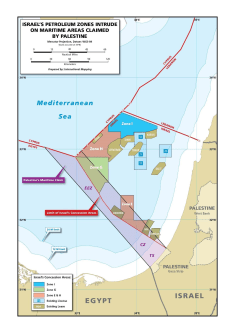 “Eni participated in a legally announced international tender for offshore exploration licences in waters located within Israel’s Exclusive Economic Zone bordering Egypt … Eni does not foresee being involved in activities in the area in the future.”
This is how Eni, a major Italian energy company, responded to a question from Italy’s national public broadcaster Radiotelevisione italiana (RAI) regarding its alleged involvement in “disputed waters off the coast of Gaza.”
In December 2022, Israel launched its fourth offshore gas exploration licencing round. The Israeli Ministry of Energy described the tender areas as “part of the Exclusive Economic Zone of the State of Israel”, while also acknowledging them as “not yet fully delimited”; some portions overlap with Gaza’s maritime boundaries.
ENI participated in the tender as the operator of a consortium, which won the bid for Zone G on 29 October, 2023. According to Adalah, an Israeli legal centre for Arab minority rights, 62.2 per cent of Zone G lies within maritime areas claimed by Palestine as part of its Exclusive Economic Zone, covering 1,063.3 square kilometres.
Since then, civil society groups have mounted sustained pressure on ENI to withdraw from cooperation with an illegal occupation. After more than two years of campaigning, ENI informed RAI on 2 December, 2025 that it would disengage from the area. Yet the struggle did not end there. The consortium includes two other companies: Israel’s Ratio Petroleum and Dana Petroleum, which was acquired through a hostile takeover in 2010 by the Korea National Oil Corporation (KNOC), a South Korean state-owned enterprise.
Recently, South Korean civil society groups have pressed KNOC to clarify its position and withdraw from the project. On 18 December, 2025, KNOC replied that, “after the end of the Israel–Palestine war, and following monitoring of the international situation, the company will review whether to proceed with exploration together with consortium partners such as ENI.” This reveals an intention to carry the project forward once international scrutiny fades, thereby reducing legal and political risk.
How pillage sustains occupation
Pillaging natural resources is a common problem many Global South states still struggle with, but Palestine’s case is uniquely profound for its political consequences. When RAI presented the issue alongside ENI’s position on 14 December, it highlighted Italy’s refusal to recognise Palestinian statehood and underscored a structural reality: “management of these resources risks consolidating the occupation rather than bringing it to an end.”
KNOC’s involvement raises a qualitatively different level of concern. KNOC’s role as a state-owned public enterprise places the issue squarely within the realm of state responsibility under international law. Thus, South Korea has a much stronger incentive to favour the continued occupation of Gaza.
South Korea presents its position on Israel–Palestine as politically neutral. In practice, however, it refers to Palestine only as “self-government”, while pursuing close cooperation with Israel in economic and defence sectors, including arms sales; it became the first Asian country to conclude a bilateral free trade agreement with Israel in 2022. South Korea has also refrained from criticising Israel’s violations of international law. In fact, it has been more muted than many Western countries and even Japan.
Consider what South Korea’s position could mean at this critical juncture in Gaza. The two years of Israeli genocide and devastating destruction have utterly deprived Gazans of any political capability. On 14 January, the USA announced moving to phase two of the Gaza ceasefire, under which Palestinian self-determination is practically nullified, with no defined timeline. Only technocratic participation is allowed, subject to the supervision of an international administering body referred to as a “Board of Peace”, chaired by US President Donald Trump.
Under this arrangement, the Board would make decisions over Gaza’s offshore gas resources, rather than the Palestinian government in the West Bank. South Korea would support this marginalisation of Palestinian self-determination for the sake of safer gas exploitation.
Decolonisation as leverage
The urgency of preventing South Korea from participating in the pillaging of Palestinian resources is clear. The problem is how. Advocacy for Palestinians within South Korea remains weak in both numbers and political influence. Public sympathy is also limited. According to a survey conducted by Korea Research in September 2025, only 39 per cent of respondents reported feeling a great deal of pity for Palestinians, compared with 19 per cent for Israelis. A plurality of respondents (41 per cent) held both sides equally responsible for the war.
It is therefore significant that the United Nations General Assembly has recently revitalised and institutionalised the concept of “colonialism in all its forms and manifestations”. This expanded framework aims to address various aspects of oppression including the illicit appropriation of natural resources. On 14 December, 2025, the UN marked the first International Day against Colonialism in All Its Forms and Manifestations. Four days later, at a high-level plenary meeting commemorating the occasion, UN Secretary-General António Guterres declared:
“Eighty years ago, the United Nations was created to save succeeding generations from war, to uphold human rights and to advance progress in larger freedom. Today, on this first International Day against Colonialism, let us renew that promise – not only by ending colonialism in its traditional forms, but by dismantling its remnants wherever they endure.”
This new phase of decolonisation did not become relevant to Palestine by coincidence. In 2024, Palestine was among the sponsoring states of General Assembly resolution A/RES/79/115, which introduced “the eradication of colonialism in all its forms and manifestations” as a formal agenda item for the 80th session of the General Assembly. Building on this, in 2025, resolution A/RES/80/106 designated 14 December as the International Day against Colonialism and placed the eradication of colonialism in all its forms and manifestations on the General Assembly’s agenda on an annual basis. With 116 votes in favour, the resolution marked the institutionalisation of an expanded decolonisation framework.
Palestine’s engagement with this framework is not primarily driven by the protection of gas resources. At stake is whether its supposedly temporary condition of occupation is recognised as a matter of decolonisation. This position has found broad resonance across the Global South. At the 18 December plenary meeting, 12 of the 33 states that took the floor explicitly referenced Palestine while advocating an expanded understanding of decolonisation. A further 10 states endorsed such positions through statements delivered by their group representatives—Venezuela for the Group of Friends in Defence of the Charter of the United Nations and Uganda for the Non-Aligned Movement. Palestine, in other words, lay at the centre of the debate.
Nearly five months have passed since the opening of the General Assembly’s 80th session with its new agenda item on the eradication of colonialism in all its forms and manifestations. Aside from resolution A/RES/80/106, however, no substantive resolutions have yet been adopted or debated under this item. Palestine is unlikely to advance the issue of gas exploitation on its own, given the risk of jeopardising relations with the South Korean government. Any meaningful challenge will therefore require a broader coalition of states with similar interests. The question is who has the courage to initiate it.
South Korea’s Prime Minister Proposes US Send Special Envoy to North Korea — Report
Sputnik – 24.01.2026
South Korean Prime Minister Kim Min-seok has proposed the idea of Washington sending a special envoy to North Korea, the South Korean Yonhap news agency reported.
Kim Min-seok held a meeting with US Vice President JD Vance at the White House.
During his talks with Vance, the South Korean prime minister proposed the idea of the United States sending a special envoy to North Korea as a way to improve relations between Washington and Pyongyang, Yonhap said.
“First, (I told Vance) that in reality, only [US President Donald] Trump has the will and capability to improve relations (with North Korea),” Kim Min-seok said, as quoted by Yonhap, adding that he also said “that sending a special envoy to North Korea, whoever that may be, can be an approach to express an intent to enhance relations (with the North).”
Yonhap said that Vance had allegedly requested Kim Min-seok’s advice on diplomacy with Pyongyang, amid speculation that Trump could seek a meeting with North Korean leader Kim Jong Un when the US president visits China in April.
On Friday, Yonhap reported, citing sources, that US Undersecretary of Defense for Policy Elbridge Colby was going to visit South Korea and Japan next week to meet with key officials from their foreign affairs and defense ministries.
Colby’s visit to South Korea is expected to take place from January 25-27, after which he will proceed to Japan. The upcoming trip follows a visit to South Korea by US Defense Secretary Pete Hegseth in November.
Pentagon downgrades China threat, shifts focus to homeland, hemisphere
Al Mayadeen | January 24, 2026
The United States Department of War has released its long-delayed 2026 National Defense Strategy (NDS), signaling a major shift in Washington’s military priorities by no longer treating China as the “primary threat” to US national security.
The document, published late Friday, places the defense of the US homeland and the Western Hemisphere at the center of Pentagon planning, a sharp departure from strategies issued under both former President Joe Biden and President Donald Trump’s first term, which identified China as the foremost strategic challenge.
According to the strategy, past US administrations “ignored American interests,” allowing strategic vulnerabilities to emerge in areas such as the Panama Canal, Greenland, and the broader Western Hemisphere. The document explicitly calls for abandoning what it describes as “grandiose strategies” in favor of policies rooted in the “practical interests” of the US public.
Reduced emphasis on China, conciliatory tone in the Pacific
While China remains a key concern, the 2026 NDS no longer characterizes Beijing as an “acute” or “existential” threat. Instead, it refers to China as a “settled force” in the Indo-Pacific that must be deterred from dominating the US or its allies.
The document adopts a notably conciliatory tone, stressing that Washington does not seek to “strangle or humiliate” China. It argues that a “decent peace” is achievable under terms favorable to the US and acceptable to Beijing, emphasizing diplomacy, stable relations, and expanded military-to-military communication channels to avoid escalation.
Although the Pentagon continues to advocate a “strong denial defense” in the Pacific, the strategy does not specify what military assets will be deployed. Notably, Taiwan is not mentioned by name, marking a significant shift from the 2022 National Defense Strategy, which explicitly framed Taiwan as a central security concern.
Europe’s declining importance, new DPRK strategy
In contrast to the National Security Strategy released last month, the defense document avoids describing Europe as being in “civilizational decline”, but it nonetheless downplays the continent’s strategic importance.
“Although Europe remains important, it has a smaller and decreasing share of global economic power,” the strategy states, adding that while US engagement will continue, Washington will prioritize defending the homeland and its immediate sphere of influence.
The strategy also outlines a reduced US military role in deterring the Democratic People’s Republic of Korea, shifting primary responsibility to South Korea, which currently hosts around 28,500 US troops.
“South Korea is capable of taking primary responsibility for deterring North Korea with critical but more limited US support,” the document states.
The strategy notably omits any reference to the denuclearization of the Korean Peninsula, reinforcing speculation that Washington is moving toward managing the DPRK’s nuclear capabilities rather than seeking their elimination.
“This shift in the balance of responsibility is consistent with America’s interest in updating US force posture on the Korean Peninsula,” the strategy explains, noting that Washington seeks to make its forces more flexible and better positioned to respond to a wider range of contingencies across the region.
Burden-sharing and regional rebalancing in the Pacific
Across the broader Pacific region, the Pentagon is urging allies to assume greater responsibility for their own defense, linking continued US cooperation to increased military spending by allies, with benchmarks as high as 5% of GDP. The strategy emphasizes economic and maritime security over regime-change policies, describing the Indo-Pacific as the world’s most dynamic economic region and underscoring the need to protect trade routes and strategic access points.
Japan and South Korea are identified as central to this regional balancing approach, with the US seeking to “incentivize and enable” allies to play a more assertive role in collective defense.
Meanwhile, South Korea has raised its defense spending to 7.5% of GDP and continues to field upwards of 500,000 regular troops with approximately 3.1 million reservists. On its part, Japan is moving to decisively break with decades of post-war pacifism, accelerating a historic military buildup and adopting a more assertive security posture.
Tokyo is on track to reach defense spending equivalent to 2% of GDP by March 2026, abandoning the long-standing 1% cap, as part of a five-year rearmament plan totaling 43 trillion yen. The shift is accompanied by the development of “counterstrike” capabilities, marking a transition from an exclusively defense-oriented doctrine toward deterrence by punishment and the fielding of overtly offensive weapons. While Japanese officials frame the change as strategic maturity and greater alliance responsibility, critics have denounced it as a revival of Japanese militarism.
The release of the 2026 NDS comes after months of internal delays. US media reported that a draft reached War Secretary Pete Hegseth as early as September, but disagreements within the administration over how to characterize China’s threat, particularly amid ongoing trade negotiations, stalled its publication.
Despite references to Russia, Iran, and DPRK as sources of risk, the strategy treats these threats as secondary, reinforcing the Pentagon’s pivot toward homeland defense and regional retrenchment rather than expansive global confrontation.
South Korean court sentences former president Yoon to five years in prison over martial law bid
Press TV – January 16, 2026
A South Korean court has sentenced former President Yoon Suk Yeol to five years in prison in the first of several trials stemming from his short-lived declaration of martial law in December 2024.
On Friday, the Seoul Central District Court handed down a five-year term after finding Yoon guilty of obstructing justice, including ordering Presidential Security Service agents to block authorities from arresting him following his impeachment, as well as fabricating official documents and bypassing required legal procedures for imposing martial law, such as convening a full cabinet meeting.
Judge Baek Dae-hyun stated that Yoon had abused his authority and showed no remorse, repeating only “hard-to-comprehend excuses.”
The judge emphasized that Yoon, despite his supreme duty to uphold the Constitution and rule of law as president, had instead disregarded them, causing grave damage to the legal system. The ruling described his culpability as “extremely grave.”
Yoon, a former prosecutor and legal expert who maintains his innocence and insists his actions were within presidential constitutional authority, has seven days to file an appeal.
His supporters, gathered outside the courthouse, fell silent upon hearing the verdict before erupting into chants of “Yoon again!”
Yoon’s legal team criticized the decision as politicized, arguing it blurs the line between legitimate exercise of presidential powers in a crisis and criminal liability.
One lawyer warned that if upheld, the ruling would prevent future presidents from acting decisively in emergencies.
This verdict is the first in a series of eight criminal trials facing the ex-president. His brief martial law decree on December 3, 2024, sparked massive protests, a parliamentary standoff, his eventual impeachment, removal from office, and arrest.
In a separate, more serious case, prosecutors have demanded the death penalty for Yoon as the alleged “ringleader of an insurrection” related to the martial law attempt, citing his lack of remorse and the severe threat posed to democratic rule. That ruling is scheduled for February 19.
Legal experts consider an actual execution highly unlikely, as South Korea has maintained an unofficial moratorium on capital punishment since 1997, with no executions carried out in nearly three decades.
In another related case, Yoon faces charges of ordering drone flights over North Korea to deliberately heighten tensions and create a pretext for declaring martial law on December 3, 2024.
Yoon accused of staging DPRK provocation to justify martial law
Al Mayadeen | December 15, 2025
A special investigation led by Prosecutor Cho Eun-seok has revealed that former South Korean President Yoon Suk-yeol allegedly orchestrated covert military operations aimed at provoking a reaction from the Democratic People’s Republic of Korea (DPRK).
According to the final report released on Monday, Yoon attempted to manufacture a pretext for imposing martial law by sending drones into DPRK airspace. The investigation found that irregular military activities, including drone flights carrying propaganda leaflets, were conducted near Pyongyang.
Evidence obtained from the mobile device of Yeo In-hyung, the former chief of Counterintelligence Command, included detailed notes advocating for the creation of a wartime or chaotic environment that would appear to require emergency rule.
Despite these efforts, DPRK reportedly did not engage militarily in response, leading to the failure of the plan to justify emergency measures. In October 2024, DPRK authorities reported multiple drone incursions over the capital and claimed one had crashed nearby, but Seoul dismissed these accusations at the time.
Failed attempt to justify martial law
With no military retaliation from the DPRK, the focus of the alleged plan shifted inward, and Yoon was accused of trying to paint the April 2024 parliamentary elections as fraudulent, blaming supposed “anti-state forces” as part of a broader narrative to suspend parliamentary functions under martial law.
The investigation found that preparations for martial law began as early as October 2023. Plans included the immediate seizure of the Central Electoral Commission upon the declaration of emergency rule. Intelligence agents were reportedly assigned to detain and isolate commission staff accused of electoral misconduct.
Per the report, roughly 30 intelligence officers participated in an operation targeting the electoral commission. The group allegedly entered the commission’s premises without any legal authority, occupying key infrastructure such as server rooms.
They also had tools on hand, including blindfolds, cable ties, bats, and hammers, intended for use during detentions. Lists of targets were read aloud, and staff were to be transported to a regional military bunker. However, the martial law order was rescinded before arrests could occur.
The special prosecutor’s office concluded that these actions were designed to dismantle opposition forces, disable parliament, and centralize power under Yoon’s control.
Impeachment, political fallout
On December 3, 2024, President Yoon declared martial law, accusing the opposition of conspiring with the DPRK in a supposed plot against the state. Within hours, the South Korean parliament voted to cancel the declaration.
Yoon complied and issued a public apology.
According to the report, Yoon also ordered military and police forces to enter the National Assembly in an attempt to dissolve it. Lawmakers managed to enter the building, some even climbing over fences, and held an emergency vote to revoke the decree. The lack of military support and no external threat led to the collapse of the operation.
Just eleven days later, on December 14, the parliament voted to impeach Yoon over his attempt to unlawfully consolidate power. The new evidence added charges of treason and incitement of foreign aggression to Yoon’s ongoing legal battles, making conviction in his criminal trials increasingly likely
The Summit That Wasn’t
By Konstantin Asmolov – New Eastern Outlook – November 12, 2025
On October 29-30, 2025, US President Donald Trump visited the Republic of Korea as part of his tour of Asia and limited participation in the APEC summit. Several significant meetings took place during this event, but we shall discuss the one that did not happen.
Possible meeting between Trump and Kim?
When it became clear that Trump was going to South Korea, some Western and especially South Korean experts began actively promoting the idea that it would be good if Trump met with Kim Jong Un during the visit. Such reflections were based both on Kim’s statement that “If the United States abandons its empty obsession with denuclearization and hopes for sincere peaceful coexistence with North Korea based on the acceptance of reality, we have no reason not to sit down at the negotiating table with the United States” and on the experience of 2019, when during Trump’s visit to the Republic of Korea, he met Kim at the Demilitarized Zone (DMZ). In addition, as early as September 30, 2025, the White House announced that Donald Trump remains open to talks with North Korean leader Kim Jong Un “without any preconditions”.
The US president himself occasionally hints at this. On October 27, Donald Trump stated: “I’d love to meet with him. If he’d like to meet,” although on the same day a Rodong Sinmun editorial pointed out that “it is equivalent to self-destruction to try to move forward or progress with the help of others”.
The South Korean side was the most active in this matter. A Trump-Kim summit held on South Korean territory could at least be counted as the merit of South Korea, which “organized the platform.” Although on October 20 the South Korean presidential administration claimed that it did not know anything about preparations for a US-North Korean summit, a number of its representatives, especially Minister of Reunification Chung Dong-young, repeatedly urged the leaders of North Korea and the United States not to miss a great opportunity for dialogue. Conservatives and their media expressed concern about the same issue: “Trump’s visit to Korea must not mean recognition of North Korea’s nuclear status”.
On October 23, South Korean President Lee Jae Myung personally expressed hope that during his upcoming trip to Asia, Donald Trump would act as a peacemaker and that the leaders of the United States and South Korea would be able to engage in dialogue.
Even then, North Korean Foreign Minister Choe Son-hui defiantly departed for a visit to Russia and Belarus, during which she was received by President Putin. Some South Korean experts and officials, including Minister Chung, continued to speculate about the possibility of a meeting. “I sincerely hope that the negotiations left unfinished during the meeting between the leaders of the United States and North Korea can resume,” stated Chung. National Security Adviser Wi Sung Lac also emphasized readiness for any scenarios.
On October 27, deputy head of the South Korean Office of National Security Oh Hyun-joo said that although a meeting between Trump and Kim was “extremely unlikely,” Seoul is ready to organize a venue.
Nevertheless, on October 29, 2025, Trump did make a statement that this time he could not agree on a schedule with Kim Jong Un for a meeting but could soon return to Asia to meet with the North Korean leader. After that, Wi Sung Lac stated that the conditions for DPRK-US negotiations had not yet matured, and a South Korean national intelligence representative noted that the US-North Korean summit would be possible after South Korea and the US hold joint exercises in March next year.
No, they can’t! (Yet)
It is very interesting when politicians or experts first form an image of an event in their head and then begin to express disappointment that it did not happen in reality. Therefore, the author will have to repeat some ideas about why—if such a meeting ever takes place (the probability is low)—it will be more ceremonial in nature. Both Trump and Kim are pragmatists, and they have no desire to meet purely for the opportunity to stand next to one another and smile for the journalists.
To begin with, negotiations should have an agenda. Kim Jong Un noted at the session of the Supreme People’s Assembly that the DPRK is not against negotiations with the United States if they move away from the topic of denuclearization. Meanwhile, the entire agenda of the American side still boils down to the question of whether it is possible to somehow arrange the nuclear disarmament of the DPRK, despite the fact that its nuclear status is included in its constitution. Thus, disarmament as seen by the Americans is possible only after regime change, or rather the loss of Pyongyang’s sovereignty, something Pyongyang, Beijing, and Moscow will not allow.
Thus, the United States lacks leverage over Pyongyang, and this applies to both the “carrot” and the “stick.” The DPRK’s military potential has grown significantly, and the comprehensive strategic partnership agreement with Russia has eliminated the possibility of using force to put pressure on the DPRK. It will also not be possible to increase sanctions pressure, because an attempt to impose UN sanctions that are mandatory for all countries will be blocked by Moscow and, perhaps, Beijing, and an increase in Russian and Chinese aid may be the answer to unilateral sanctions. Finally, in 2020-2023, when the DPRK went into “self-isolation,” for three years the country existed in conditions indistinguishable from a complete economic blockade, which showed that the DPRK has the opportunity to survive for a while even without external assistance in the event of an embargo.
As for the “carrot,” options such as various forms of assistance will not work, because everything that the United States could give to North Korea, the latter could receive from Russia or China. Therefore, in order to really involve the North in the dialogue, serious concessions will have to be made, e.g., easing the sanctions regime or replacing the denuclearization agenda with an arms control agenda, which in itself means the de facto recognition of the DPRK as a nuclear power. However, Trump will not be able to take such decisive steps for domestic political and reputational reasons. Western public opinion will perceive this as unacceptable concessions to a tyrannical regime, and even if Trump decides to do something similar, his entourage and the notorious “deep state” will not allow such a policy to fully materialize.
Lastly, there are issues related to Seoul. According to the modern North Korean doctrine, there are two hostile states on the Korean Peninsula, and although the South is no longer perceived as the territory of the DPRK temporarily occupied by American puppets, but as a separate Republic of Korea, Pyongyang does not want to have any dealings with it. Firstly, from the point of view of the North Korean leadership, the South is devoid of subjectivity and therefore cannot be negotiated with, and, secondly, since the Republic of Korea still considers the entire peninsula to be its territory—and this is written into the constitution—its goal is to absorb the DPRK, and the democrats or conservatives in power differ only in their methods to achieve this. Therefore, any attempt by the South Korean leadership to interfere in the US-North Korean negotiations in order to present itself as a mediator and score political points is more likely to reduce the likelihood of a US-North Korean summit than to increase it. Had the decision to organize a meeting between the leaders been made, they would have faced the very serious question of how to host a summit without the participation of the South Korean leader while in South Korea.
Therefore, from the very beginning, the author pointed out the extremely low probability of a summit between the leaders of the United States and the DPRK in South Korea, despite the fact that there is still a small chance of this meeting in the foreseeable future. One of the elements of US strategy in the confrontation with China is to try to weaken ties between China and its allies and ideally make the allies neutral or drag them into its camp. With regard to the DPRK, this is, of course, a difficult task, but a number of US experts admit this possibility, exaggerating North Korean-Chinese contradictions and recalling how the DPRK maneuvered between Moscow and Beijing during the Cold War era. The Americans will keep trying, and we shall see what this will lead to over the next year.
Konstantin Asmolov, PhD in History, leading research fellow at the Centre for Korean Studies of the Institute of China and Modern Asia at the Russian Academy of Sciences
Trump Hopes to Meet with North Korean Leader Kim Jong-un This Year
By Kyle Anzalone | The Libertarian Institute | August 25, 2025
President Donald Trump met South Korean President Lee Jae Myung and discussed improving ties with North Korea during a White House summit on Tuesday. Pyongyang has ruled out talks with Seoul and pledges only to engage with Washington if Trump drops the demand that North Korea denuclearize.
“I have very good relationships with Kim Jong-un, North Korea,” he said. “In fact, someday I’ll see him. I look forward to seeing him. He was very good with me. We had two meetings, we had two summits. We got along great. I know him better than you do. I know him better than anybody, almost other than his sister,” said Trump.
Trump met with North Korean Supreme Leader Kim Jong-un three times during his first administration. Lee asked Trump to leverage his relationship with Kim to improve ties on the Korean Peninsula. Lee suggested building a “Trump Tower” and playing golf in North Korea.
Trump said he would like to meet with Kim this year.
At the end of Trump’s first administration, tensions on the Korean Peninsula were at a low point. Pyongyang and Washington were working to implement the steps agreed to during the 2018 Singapore summit. The US and South Korea canceled most war games, and North Korea froze missile tests.
However, during the 2019 summit in Hanoi, Trump allowed his then National Security Adviser John Bolton to demand that Kim agree to undergo “Libyan-style” denuclearization. Pyongyang often cites Libya, where dictator Muammar Gaddafi agreed to denuclearize and was then overthrown in a US-backed revolution, as a reason for maintaining a nuclear deterrent.
President Joe Biden took a more confrontational approach towards North Korea. The Biden administration resumed live-fire war games with South Korea and pushed Tokyo and Seoul into a trilateral military pact with Washington.
In response, Kim resumed missile tests and signed a defense pact with Russia. North Korea provided weapons and soldiers for Russia’s war with Ukraine. Additionally, Kim ruled out talks with South Korea and said North Korea no longer sought to reunify the Korean Peninsula.
Trump said that ties with Pyongyang would not have deteriorated had he been president, and Lee agreed.
Over the past month, Pyongyang has ruled out talks with Seoul. North Korea argues that South Korea is subservient to the US. Kim Yo-jong, Sister of Supreme Leader Kim and senior party official, said North Korea was still open to talks with the US if Trump would drop the demand for denuclearization.
US-led drills pose threat to peace in Asia – Lavrov
RT | July 12, 2025
The military activities of the US and its allies around the Korean Peninsula threaten the stability of the entire region, Russian Foreign Minister Sergey Lavrov said during his visit to North Korea.
The US, South Korea, and Japan are increasing the number of joint military drills, some of which involve “a nuclear component,” Lavrov told reporters at a press conference in Wonsan on Saturday.
“This does not contribute to peace and stability, not only on the Korean Peninsula but throughout Northeast Asia,” the diplomat said, expressing skepticism about Seoul’s intentions to normalize relations with Pyongyang.
Lavrov condemned what he described as “dangerous attempts by actors outside the Indo-Pacific to form exclusive alliances and expand NATO infrastructure in the region.” He emphasized that countries should not build alliances at the expense of others, adding that both Russia and North Korea are committed to “equal and indivisible security” for all nations in Eurasia.
The US, South Korea, and Japan conducted joint exercises this week involving the deployment of America’s nuclear-capable B-52H strategic bombers. In a joint statement, the allies accused Pyongyang of “unlawful activities” that “destabilize the Korean Peninsula.”
Russia and North Korea signed a defense pact in June 2024, after which Pyongyang dispatched troops to help expel Ukrainian forces from Russia’s Kursk region later that year. The cooperation is a testament to the “invincible brotherhood” between the two countries, Lavrov said.
North Korea Rejects US Outreach
By Kyle Anzalone | The Libertarian Institute | June 12, 2025
A letter from Washington to Pyongyang was rejected multiple times by North Korean diplomats. During President Donald Trump’s first presidency, he engaged in direct diplomacy with Supreme Leader Kim Jong-un through letters and meetings.
According to a “high-level” source speaking with NK News, the North Korean delegation to the UN in New York City has “bluntly” rejected the US outreach several times.
The American and North Korean leaders exchanged letters during Trump’s first term, leading to three face-to-face meetings. However, Trump was unable to ink a deal with Kim after he allowed his national security advisor – the notorious super-hawk, John Bolton – to threaten Pyongyang during the second summit in Hanoi.
Additionally, during Joe Biden’s presidency, Washington refused to engage with Pyongyang while engaging in a military buildup in East Asia. The policy prompted Kim to reach out to Russian President Valdimir Putin and sign a major cooperation agreement with Russia, including a defense pact. Under the deal, North Korean soldiers fought in Russia’s Kursk region after a Ukrainian incursion last year.
Following the report that Pyongyang had rejected the American letter, the White House said Trump remains open to dialogue with Kim. “The president remains receptive to correspondence with Kim Jong Un,” White House Press Secretary Karoline Leavitt told reporters on Wednesday. “As for specific correspondence, I will leave that to the president to answer.”
Notwithstanding the frozen relationship between Washington and Pyongyang, North and South Korea engaged in a “meaningful” deescalation this week. On Wednesday, new South Korean president, Lee Jae-myung, shut down loudspeakers that played propaganda messages into the North.
Pyongyang responded by shutting down its own loudspeakers on Thursday. South Korea’s unification ministry said the suspension “helped relieve the suffering of residents in (South Korea’s) border areas and has become a meaningful opportunity to ease inter-Korean military tensions and restore mutual trust.”
Lee said one of the goals of his presidency would be to engage in talks with North Korea.
Democratic Candidate Lee Jae-myung Wins South Korea’s Presidential Election
Sputnik – 04.06.2025
The candidate from the opposition Democratic Party of Korea (DP), Lee Jae-myung, has won South Korea’s presidential election after 100% of the ballots were counted, the South Korea’s National Election Commission said on Tuesday.
Lee received 49.42% of the vote, while his rival from the ruling conservative People Power Party (PPP), Kim Moon-soo, won 41.15% of the vote, Lee Jun-seok of the New Reform Party secured 8.34%, Democratic Labor Party candidate Kwon Young-guk received 0.98% of the vote, and independent candidate Song Jin-ho secured 0.1% of the vote.
Lee competed against Yoon Suk-yeol for the presidency in 2022.
He vowed to repair ties with China and North Korea, as well as to stop being “submissive” toward Japan. Lee also warned against South Korea being “dragged” into the proxy war in Ukraine.
Featured Video

EPSTEIN FILES REVEAL POWER BROKERS IN SCIENTIFIC PUBLISHING
or go to
Aletho News Archives – Video-Images
Book Review
How the CIA hid their MKULTRA mind-control program
By Jon Rappoport | No More Fake News | September 17, 2021
Back in the early 1990s, I spoke with John Marks, author of Search for the Manchurian Candidate. This was the book (1979) that helped expose the existence and range of the infamous CIA MKULTRA program.
Marks related the following facts to me. He had originally filed many Freedom of Information (FOIA) requests for documents connected to the CIA’s mind-control program. He got nothing back.
Finally, as if to play a joke on him, someone at the CIA sent Marks 10 boxes of financial and accounting records. The attitude was, “Here, see what you can do with this.”
I’ve seen some of those records. They’re very boring reading.
But Marks went through them, and lo and behold, he found he could piece together MKULTRA projects, based on the funding data.
Eventually, he assembled enough information to begin naming names. He conducted interviews. The shape of MKULTRA swam into view. And so he wrote his book, Search for the Manchurian Candidate.
He told me that three important books had been written about MKULTRA, and they all stemmed from those 10 boxes of CIA financial records. There was his own book; Operation Mind Control by Walter Bowart; and The Mind Manipulators by Alan Scheflin and Edward Opton. … continue
Blog Roll
 Aletho News
- EPSTEIN FILES REVEAL POWER BROKERS IN SCIENTIFIC PUBLISHING
- Failing Solidarity: How Cultural Prejudice Shapes Leftist Narratives on the War Against Iran
- How Germany became Israel’s enabler-in-chief
- US commanders tell troops Iran war ‘God’s divine plan,’ Trump anointed to ‘ignite Armageddon’: Report
- Iran denies attacks on Oman as it warns of US-Israeli ‘false-flag’ ops
- Iran UN: Timing not suitable for any form of negotiation with US
- Iran no longer has any reason for restraint
- US ‘stonewalls’ Gulf calls for more interceptors as supplies quickly run out: Report
- US running out of stand-off munitions, copies Iranian drones to compensate
- How Close Were Iran Negotiations Before Trump Flipped the Table?
- If Americans Knew
- Rubio Suggests Trump Joined Israel’s Planned Attack on Iran Instead of Stopping It
- CNN: Timing of attack on Iran bears symbolic meaning in Judaism
- How the New York Times paved the way for apocalyptic war
- Tucker Carlson says Saudi Arabia and Qatar arrested Mossad agents planning bombings
- How Maduro overthrow was key node in US-Israeli war on Iran
- The U.S. media goes to war on Iran
- Trump admin promises Iran war will be short…or not – Not a ceasefire Day 144
- Tucker Carlson: A New Middle East War for Israel Started by the U.S.
- Israel launches Bible study program targeting US evangelicals
- Israel’s lonely push for war with Iran
- No Tricks Zone
- New Study: ‘Internal Noise’ And Volcanic Forcing Can Trigger 10-15°C Warming Within Decades
- Glaciers Worldwide Are Suddendly Surging, Experts Blame Warming!
- Surprising Discovery: Sahara Is Greening…Billions Of Trees Where Once Thought To Be Barren
- New Research Reaffirms Clouds, Aerosols, And Surface Solar Radiation Are ‘Driving The Climate System’
- Germany: Electric Car Catches Fire At Charging Station, Sets Off Local “Inferno”, Widespread Damage
- New Study: Canada’s New Brunswick Was 1°C Warmer Than Today During The Medieval Warm Period
- Coal Power Back In Trend As Globe Tries To Keep Pace With Growing Demand For Power
- New Study: A 4°C Warmer Beaufort Sea Had ‘No Sea Ice’ 11,700 – 8200 Years Ago
- Unfudging The Data: Dutch Meteorological Institute Reinstates Early 20th Centruy Heat Waves It Had Erased Earlier
- German Gas Crisis…Chancellor Merz Allegedly Bans Gas Debate Ahead of Elections!
 Aletho News