HOW IS THIS A THING? 27TH OF JUNE 2022
Sources:
Women’s Health and COVID-19: FLCCC Weekly Update (June 15, 2022): https://odysee.com/@FrontlineCovid19CriticalCareAlliance:c/Weekly_Webinar_June15#d
I’m getting multiple reports from nurse friends about 2 and 3 year-olds having seizures. It is only happening to vaccinated kids, and symptoms start 2 to 5 days after the COVID jab.
By Steve Kirsch | July 4, 2022
Doctors are mystified by a rash of seizures, rashes, etc. happening to 2 and 3-year-old kids.
The only thing these kids have in common is that they were given the COVID vaccine just days earlier (two to five days earlier).
The doctors cannot figure out what is causing the seizures (since it couldn’t be the vaccine since those are safe and effective). The medical staff is not permitted to talk about the cases to the press or on social media or they will be fired.
One nurse posted something to the effect of “how is this legal????” I had to paraphrase to protect the poster.
This is why you are hearing these reports from me. They can’t fire me.
There is nothing on the mainstream media about this since the nurses and doctors aren’t allowed to talk about it.
This will all come out some day, but for now, everyone is keeping quiet about it and the doctors are instructed to convince the parents that it isn’t vaccine related and that they are the only ones having the problem.
Because that’s how science works.
By Dr. Joseph Mercola | July 5, 2022
As the U.S. Food and Drug Administration continues to release Pfizer’s clinical trial documentation,1 we’re finding more and more evidence that very little has been done on the up-and-up, and the COVID jab trials may be among the most fraudulent in medical history.
Can All Serious Adverse Effects Be Written Off?
Importantly, Pfizer classified almost all severe adverse events that occurred during its Phase 3 trials as unrelated to the injection. As reported by The Defender, June 21, 2022:2
“The latest release by the U.S. Food and Drug Administration (FDA) of Pfizer-BioNTech COVID-19 vaccine documents reveals numerous instances of participants who sustained severe adverse events during Phase 3 trials. Some of these participants withdrew from the trials, some were dropped and some died.
The 80,000-page document cache includes an extensive set of Case Report Forms (CRFs) from Pfizer Phase 3 trials conducted at various locations in the U.S., in addition to other documentation pertaining to participants in Pfizer-BioNTech vaccine trials in the U.S. and worldwide …
The CRFs included in this month’s documents contain often vague explanations of the specific symptoms experienced by the trial participants. They also reveal a trend of classifying almost all adverse events — and in particular severe adverse events (SAEs) — as being ‘not related’ to the vaccine.”
The Defender article includes 11 examples3 of trial participants who experienced severe adverse effects that were classified as “unrelated” to the experimental gene transfer technology they’d received just days or weeks earlier.
A 2,566-page document4 catalogues the serious adverse events and six deaths that occurred during the trial. These events were all classified as “toxicity level 4,” which is the most serious, yet none of them were deemed related to the injection.
This simply isn’t believable. It’s completely unrealistic, especially when serious events occur in multiple participants. A handful of examples of Level 4 adverse events listed in this document — all of which were written off as “not related” to the mRNA injection — include:5
The six deaths reported were listed as being caused by arteriosclerosis, cardiac arrest, hemorrhagic stroke and myocardial infarction.6 Many participants also dropped out or were excluded from the trial due to serious side effects involving the heart, cardiovascular system, cancer, stroke, hemorrhage and neurological impacts.
Examples of Level 3 Adverse Events
Most Level 3 adverse events were also dismissed as unrelated to the shot. As reported by The Defender, only a “small number” were listed as being related to the injection. Examples of Level 3 side effects include:7
45% Experienced One or More Adverse Events
Another document8 that raises suspicions of bias is one admitting that “40% to 45% of participants who received BNT162b1 and BNT162b2 across age groups and across dose levels reported one or more AEs [adverse events] from Dose 1 through 28 days (i.e., 1 month) after Dose 2.”
BNT162b2 was the candidate injection that went on to receive Emergency Use Authorization (EUA) from the FDA. Among those who got the highest dose (30 micrograms) of BNT162b2, 50% of younger participants 25% in the older age group reported one or more adverse events.
The most common adverse events were nervous system disorders, followed by musculoskeletal and connective tissue disorders. Yet despite high rates of side effects across dose levels, this document also insists that “most AEs were considered by the investigator as not related to study intervention.”
During the open-label period of the study, 12,006 participants were followed for a minimum of six months, and among those, 28.8% reported at least one adverse event at some point during that follow-up, and 2.1% reported one or more severe adverse events.
Incidence Rate in Treatment Group FAR Higher Than Placebo
As reported by The Defender :9
“The review provides data for participants from dose 3 … to the data cutoff date. The severe adverse event incidence rate (IR) was 6.0 per 100 PY (patient-years), with specific conditions reported including pulmonary embolisms, thrombosis, urticaria, a cerebrovascular accident and COVID-19 pneumonia.
Here, the review adds that the IR for original placebo participants who had at least 1 life-threatening AE from Dose 3 to the data cutoff date was 0.5 per 100 PY.
Only one such life-threatening event, an instance of anaphylactoid reaction, was considered to be related to the vaccination. Other life-threatening, serious adverse events included cardio-respiratory arrest, gastrointestinal necrosis, deep vein thrombosis and pulmonary embolism …
Notably, according to the review, ‘all … events of facial paralysis were considered by the investigator as related to study intervention.” [Editor’s note: these specifically refer to events that occurred during the open-label follow-up period when BNT162b2 Dose 3 or Dose 4 was offered to both placebo and initial treatment groups.]
Young Children Have Extremely Low Risk of Death From COVID
In the end, we all know what happened. Despite all the evidence to the contrary, Pfizer concluded the shot was safe and effective for everyone and the FDA went along with it. The vaccine manufacturers and the FDA have decided it isn’t even worth invoking the precautionary principle for the very youngest of children, which is nothing short of reprehensible, criminal maleficence.
In mid-June 2022, against strong objections from physicians, scientists and researchers, the FDA’s vaccine advisory panel — the Vaccines and Related Biological Products Advisory Committee (VRBPAC) — unanimously agreed to grant EUA to both Pfizer’s and Moderna’s COVID shots for infants and young children.10,11
Pfizer’s EUA is for a three-dose regimen (3-microgram shots) for children 6 months to 5 years old, while Moderna’s EUA is for a two-dose regimen (25-microgram shots) for children 6 months to 6 years.
According to the U.S. Centers for Disease Control and Prevention,12 an estimated 75% of American children ages birth to 11 already have some level of immunity, having been exposed to one of the several variants that have come into circulation over the past two-plus years.
This immunity level alone makes EUA for COVID shots questionable. CDC data also prove young children have a very low risk of hospitalization and death from COVID, which makes the EUAs even more questionable.
Data13 published in mid-March 2022 suggest babies and young children under the age of 4 have had a peak hospitalization rate for COVID of 14.5 per 100,000. That peak occurred after Omicron became predominant. The hospitalization rate for the Delta variant in this age group was 2.9 per 100,000.
In all, since March 2020, a total of 2,562 infants and young children (6 months to 4 years) have been hospitalized WITH COVID. Of those, 2,068 had COVID listed as the primary reason for admission (84.7% of the total), and only 624 required ICU admission.
The median length of hospital stay was 1.5 days (range: one to three days). Of the 2,562 children with suspected COVID infection, 16 of them (0.6%) died in the hospital. Death certificate data push that number a bit higher. The Vaccine Reaction notes,14 “According to death certificate data,15 202 deaths have been attributed to COVID-19 among children 6 months to 4 years of age through May 11, 2022.”
While any death is tragic, it’s worth noting that 923 (35.8%) of the children hospitalized with suspected COVID also had one or more underlying medical conditions.16 We don’t know for sure, but it’s quite possible that those who died with a COVID diagnosis actually died from whatever underlying condition was present or had brought them to the hospital in the first place.
What I’m trying to say is that 16 to 202 deaths over two-plus years aren’t cause for panic, and that’s true even if COVID was the primary cause of those deaths. The likelihood of your child getting injured by the mRNA shot is undoubtedly significantly greater than their risk of dying from COVID.
Jab More Likely to Put You in the Hospital Than Keep You Out
The same is true for adults, by the way. A June 2022 analysis17,18 of Pfizer and Moderna trial data found the shots are more likely to put you in the hospital than keep you out of it. As reported by The Daily Sceptic :19
“A new paper20 by BMJ Editor Dr. Peter Doshi and colleagues has analyzed data from the Pfizer and Moderna COVID vaccine trials and found that the vaccines are more likely to put you in hospital with a serious adverse event than keep you out by protecting you from COVID.
The pre-print (not yet peer-reviewed) focuses on serious adverse events highlighted in a WHO-endorsed ‘priority list21 of potential adverse events relevant to COVID-19 vaccines.’ The authors evaluated these serious adverse events of special interest as observed in ‘phase III randomized trials of mRNA COVID-19 vaccines’ …
Dr. Doshi and colleagues found that the Pfizer and Moderna mRNA COVID-19 vaccines were associated with an increased risk of serious adverse events of special interest of 10.1 events per 10,000 vaccinated for Pfizer and 15.1 events per 10,000 vaccinated for Moderna …
When combined, the mRNA vaccines were associated with a risk increase of serious adverse events of special interest of 12.5 per 10,000 vaccinated … The authors note that this level of increased risk post-vaccine is greater than the risk reduction for COVID-19 hospitalization in both Pfizer and Moderna trials, which was 2.3 per 10,000 participants for Pfizer and 6.4 per 10,000 for Moderna.
This means that on this measure, the Pfizer vaccine results in a net increase in serious adverse events of 7.8 per 10,000 vaccinated and the Moderna vaccine of 8.7 per 10,000 vaccinated.”
Doshi’s team wasn’t the first to reanalyze Pfizer’s trial data. The Canadian COVID Care Alliance has also published a clear and easy-to-read summary22 of the Pfizer trial results, and the many questions raised by it. As noted by Dr. Robert Malone:23
“The bottom line is that the Pfizer Phase 3 trial which was used by NIAID [the National Institutes of Allergy and Infectious Diseases], FDA and CDC to justify the emergency use authorization is pretty much a junk clinical trial which was inappropriately halted long before it even got close to meeting the intended follow up period, did not provide a sufficiently long follow up analysis of vaccination-associated adverse events, and in which the control group was intentionally eliminated.
This resulted in basically erasing any opportunity to ever get to the bottom of what the major true risks of the Pfizer mRNA inoculations were. In terms of more minor risks, the study was not powered (not big enough) to evaluate those.”
FDA and CDC Have Neglected Important Duties
Doshi and his coauthors also note the FDA also watered down results by including “thousands of additional participants with very little follow-up, of which the large majority had only received one dose.”
They then further diluted the appearance of risk by counting only the number of people affected rather than counting the total number of individual adverse events. This makes a big difference, as twice as many people in the treatment group reported multiple serious adverse events, as compared to the placebo group.
The FDA and CDC have both also failed to produce promised follow-up investigations. In July 2021, now a full year ago, the FDA said it would investigate four “potential adverse events of interest following Pfizer vaccination,” namely pulmonary embolism, acute myocardial infarction, immune thrombocytopenia and disseminated intravascular coagulation, but to date, no update has been issued.
Similarly, in early 2021, the CDC published a protocol on how to use proportional reporting ratios to detect signals in the U.S. Vaccine Adverse Event Reporting System (VAERS), but no study or report showing what that protocol might have found has ever been published.
As it turns out, the CDC hasn’t been looking for safety signals in VAERS — not with the proportional ratios protocol or any other. So, while they’ve publicly claimed they haven’t seen any signals of concern, the reason they haven’t seen any signals is very simple: They never looked at the data!24
That’s how ridiculous things are now. When a drug company or health agency claims they haven’t found a problem, you actually have to ask them, “where, when, how and how often did you look?” But of course, virtually no one would ever ask such questions because they would assume these agencies are competent, which of course is a false assumption.
Their Fraudulent Behavior Could Be Their Undoing
As you probably know, the makers of the COVID shots are indemnified against legal liability for any injuries and all deaths stemming from their products. No one is able to sue them for damages.
The only way to hold them responsible is to prove they’ve committed fraud. This would remove their liability immunity. As detailed at the beginning of the article, their consciously choosing to miscategorize adverse events during the initial trials and concealing the harms should be a slam dunk to convict them of fraud.
But there is also another fact they concealed: There’s evidence showing they knew the mRNA doesn’t stay in the injection site but, rather, distributes throughout the body,25 and this too could be a smoking gun that proves fraud. If convicted of fraud, Pfizer, Moderna and Janssen would likely face liabilities in the trillions of dollars in damages.
When I exposed Merck’s Vioxx scandal in 1999 in this newsletter, before they even released their drug on the market, I thought that was huge. Their drug killed more than 60,000 people, and they could have been liable for $25 billion in damages, but their clever lawyers reduced it to $5 billion.
Well, that catastrophe is a drop in the bucket compared to the COVID scam, which has likely killed between 600,000 and 750,000 Americans, disabled as many as 5 million, and injured an estimated 30 million Americans in one way or another.26,27 That’s just the estimated toll in the U.S., so you can imagine what the global numbers might be. It’s a catastrophe of unprecedented proportions. A June 2022 survey by Steve Kirsch also found:28
Expect Depopulation
Whether intentional or not, mounting evidence now indicates the COVID-19 injections will result in depopulation through premature death and adverse effects on fertility in women and men alike. I’ve previously discussed the risk of pregnancy loss and infertility in women who get the shot, as the mRNA has an affinity for accumulating in the ovaries29 (as well as the adrenals, liver and bone marrow).
Research30,31 from Israel now also reveals the shot deteriorates sperm count and sperm motility in men for about three months. Considering the multidose mRNA shots are recommended at three-month intervals, you can see how this can really decimate a man’s prospects of fathering a child.
Fertility has been on a steady decline for decades in most parts of the world,32 but the worldwide COVID jab campaign may massively speed that up. Germany recently released data showing a 10% decline in birth rate during the first quarter of 2022.33

Other countries are also seeing a drop in birth rate, nine months after the start of the mass vaccination campaign against COVID. Between January and April 2022, Switzerland’s birth rate was 15% lower than expected, the U.K.’s was down by 10% and Taiwan’s was down 20%.34
What punishment could possibly be appropriate for company heads and health agency leaders responsible for causing massive depopulation worldwide through products that were based on fraudulent science and fictional claims? I doubt if there’s enough money in the world to set that right.
Future Trials To Be Skipped Altogether
As if matters weren’t already beyond horrible, the FDA is considering allowing manufacturers to reformulate their COVID injections in perpetuity without conducting any additional clinical trials!35 In other words, they’d allow drug companies to change the mRNA and/or other ingredients without any safety or efficacy testing whatsoever. As reported by Toby Rogers, Ph.D., in a June 27, 2022, article in The Defender :36
“FDA released a briefing document37 in connection with this scheme to end science as we know it in connection with future COVID-19 shots … The briefing document is 18 pages of text, 1.5 line spacing, with just 19 references — 9 of which are pre-prints or from the CDC’s in-house newsletter Morbidity and Mortality Weekly Report (MMWR) which means they are not peer-reviewed.
Any true believer in The Narrative(TM) could have written this in a few hours. To base the entire future of COVID-19 shots on this glorified undergrad term paper is madness …
The core argument of the briefing document is hilarious (or rather, it would be hilarious if it was not a plan to permanently institutionalize genocide and hide the evidence). In several places the FDA argues (colloquialisms mine):
1. These COVID-19 shots work great … Boosters too, total home run, the Israelis even have 10-weeks of data showing that they might help old people. What more evidence could you want?
2. Okay, well, it depends on what you mean by ‘work.’ These shots do not stop infection, transmission, hospitalization, or death, even though that’s why we licensed them. Any protection wears off fairly quickly, but It’s Not Our Fault(TM) because This Wily Virus(TM) mutates too fast and no one told us that it would ever mutate.
3. So these shots must be reformulated but we cannot possibly ask Lord Pharma to do proper clinical trials ever again because we already know that these shots work great (see point #1)!”
In short, the FDA argues that since there are time constraints, evaluation of effectiveness must rely on “measures other than actual health outcomes.” In other words, whether the shots actually lower your risk of severe illness, hospitalization and death will have no bearing.
The only measure they’ll take into account is whether or not the jab triggers a rise in antibody levels, which has never been proven to be beneficial. If anything, the increase in COVID antibodies actually increases your risk of infection. This also means that as long as antibody levels are through the roof, the death rate could be just about anything, because it’s not part of the safety equation.
Faith in Magic Has Officially Replaced Science
As noted by Rogers,38 “The ‘Future Framework’ is a plan to base the entire COVID-19 vaccine program on magical thinking rather than science.” Indeed, Dr. Deborah Birx recently confirmed that the whole vaccine push has been based in faith in magic.39
June 23, 2022, Birx answered questions from the House Select Subcommittee on the Coronavirus Crisis. Rep. Jim Jordan, R-Ohio, asked whether the government was lying or guessing when they stated that vaccinated individuals couldn’t catch or spread COVID. At first, she claimed she didn’t know, but when pressed, she replied, “I think it was hope that the vaccine would work in that way.”40
So, the government issued mandates and made unequivocal, absolute statements that were not allowed to be questioned because they HOPED the shots would work a certain way — all while insisting they were the ones following and trusting the science and anyone who questioned their logic was a dangerous nut job. Let that sink in. Hope is literally the diametrical opposite of science.
It’s an Insiders’ Plot
As explained by Rogers, the same old players are behind this brazen attempt to eliminate the need for clinical trials: CDC staffers, academics who are in the pockets of Bill Gates and the NIAID, the drug companies themselves and the World Health Organization. Rogers writes:41
“I did not understand until just yesterday (as I started to write this article) that this entire ‘Future Framework’ is actually coming from the WHO. The Bill & Melinda Gates Foundation is the biggest voluntary contributor to the WHO. So Gates is likely directing the play.
Gates requires that WHO use the McKinsey consulting firm so this is probably a McKinsey operation (and McKinsey also works for Pharma so this is a huge conflict of interest). As Naomi Wolf points out, the involvement of the WHO also raises troubling questions about the influence of the Chinese Communist Party over this process.
As far back as January, the WHO/Gates/McKinsey junta realized that these shots were terrible and so they decided to use that as an opportunity to seize even more power and control.
The WHO set up a Technical Advisory Group on COVID-19 Vaccine Composition (TAG-CO-VAC) to implement these Orwellian ‘Future Frameworks’ across the developed world to lower manufacturing costs for Pharma and avoid bothersome health data that might hurt profits. All the messaging we have seen from the FDA and leaked to the press was initially developed and released by TAG-CO-VAC.”
No doubt, we live in unprecedented, precarious times. Logic, reason, science and sanity itself has been tossed aside by those who claim the right to make decisions for all mankind. If the FDA goes forward with this “Future Framework” scheme, the only safe assumption is that COVID shots will become more and more dangerous.
Worse, we can expect other vaccines and drugs to be allowed on the market without clinical trials as well. It truly could change the science of medicine as we know it.
Of course the WHO also wants to seize control over health care worldwide, which would eliminate medical rights everywhere. It’s a nightmare scenario with no end in sight as of yet. All we can do is continue to push back, to inform ourselves, to speak out, share facts and data, and refuse to comply with unscientific recommendations based on little more than hope in fabricated conclusions.
Sources and References
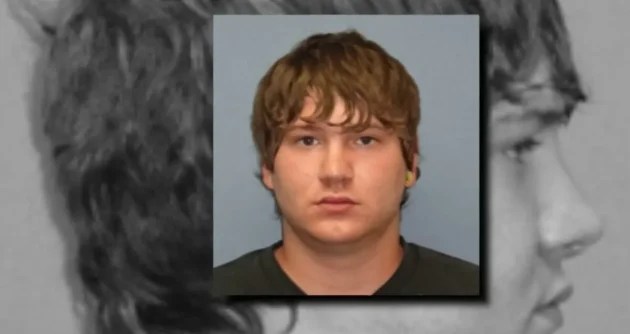
By Matt Agorist | The Free Thought Project | August 17, 2017
It’s become a near-weekly occurrence. Somewhere in some state, the FBI will announce that they’ve foiled yet another terrorist plot and saved lives. However, as the data shows, the majority of these cases involve psychologically diminished patsies who’ve been entirely groomed, armed, and entrapped by FBI agents. Simply put, the FBI manufactures terror threats and then takes credit for stopping them.
While many of these cases have garnered attention and been exposed in the alternative media, a recent case out of Oklahoma sets a new low for FBI and exposes how insidious these plots can be.
Through the hundreds of ‘foiled terror plots’ the FBI has ‘busted’ over the years, many of them have been focused on people of Middle Eastern descent or people associated with ISIS or al-Qaeda. This time, in the case of Jerry Drake Varnell, the 23-year-old diagnosed schizophrenic, accused of attempting to bomb a bank, the FBI fomented terror from a right wing dialogue.
In a June meeting with the agent, according to FBI documents, Varnell described himself as a believer in “Three Percenter” ideology, a right-wing group claiming to be committed to standing against and exposing corruption and injustice.
According to federal documents, Varnell drove what he believed was a stolen van containing a 1,000-pound ammonium nitrate bomb on Saturday morning to blow up an Oklahoma City bank. Vile, indeed.
However, if we backtrack just a bit, to when the FBI began grooming their would-be right-wing militia terrorist, the vileness comes directly from the government.
“The FBI knew he was schizophrenic,” Varnell’s parents declared on Wednesday in an open letter bravely published by NewsOK.
“Underneath his condition, he is a sweet-hearted person and we are extremely shocked that this event has happened. However, what truly has us flabbergasted is the fact that the FBI knew he was schizophrenic. The State of Oklahoma found him mentally incompetent and we, his parents have legal guardianship over him by the Court. These documents are sealed from the public, which is why no news media outlet has been able to obtain them. The FBI clearly knew that he was schizophrenic because they have gathered every ounce of information on him.”
Yet they knowingly continued to groom him, despite the clear immoral implications.
When they began grooming him, according to the family, the FBI knew that Varnell was declared mentally unfit to live by himself and that he was a paranoid schizophrenic. Without their criminal informant and the FBI tactics playing mind games with this vulnerable man, the idea of him committing an act of terror would have likely never materialized.
“What the public should be looking at is the fact that the FBI gave our son the means to make this happen. He has no job, no money, no vehicle, and no driver’s license, due to the fact that he is schizophrenic and we; his parents do everything we can possible to keep him safe and functional….. He has suffered through countless serious full-blown schizophrenic delusional episodes and he has been put in numerous mental hospitals since he was 16 years old. The FBI came and picked him up from our home, they gave him a vehicle, gave him a fake bomb, and every means to make this happen none of which he had access to on his own.”
The parents noted that during the setup, they suspected something was going on and Jerry’s father told the informant to stay away from their son. However, according to the parents, the informant “continued to sneak onto our residence. The FBI paid him to continue this operation and I believe they have cleared his criminal record.”
Because they knew Varnell had severe mental disabilities, the FBI should have had stopped their plans to do this and immediately sought an option of hospitalization. However, they pressed on.
Knowing a sane person would likely never attempt to blow up a bank, the FBI deliberately targeted a severely delusional and mentally ill person. This is wrong on so many levels. Will the next mass murderer they groom come directly from a mental institution?
“The FBI should have filed conspiracy on our son and had him committed to a mental institution. They should not have aided and abetted a paranoid schizophrenic to commit this act. There are many more facts that I will not make public that will support my son and the disturbing acts made by the FBI.
I realize that many will say my son could have found another person to commit this act. Yet, any person that has access to the materials and the state of mind necessary to bomb a building would not have any need for a schizophrenic who has no resources to contribute.”
Clifford and Melonie Varnell, Jerry’s parents make a powerful point. No one — other than the FBI — would’ve attempted to get a schizophrenic man with nothing to contribute to do their bidding as it would most likely be a futile effort — unless you are the FBI looking for an easy patsy to keep fear alive.
David Steele, a 20-year Marine Corps intelligence officer, the second-highest-ranking civilian in the U.S. Marine Corps Intelligence, and former CIA clandestine services case officer, had this to say about these most unscrupulous operations:
“Most terrorists are false flag terrorists, or are created by our own security services. In the United States, every single terrorist incident we have had has been a false flag, or has been an informant pushed on by the FBI. In fact, we now have citizens taking out restraining orders against FBI informants that are trying to incite terrorism. We’ve become a lunatic asylum.”
Indeed, we’ve become a lunatic asylum.
“FDA, CDC, NIH, Moderna, & Pfizer secretly told me this”
By Dr. Paul Alexander | June 30, 2022
They said, follow the $CIENCE. Fauci said he is the $CIENCE.
I have been trying to warn. I have written on this here in stack. I try again.
Everything you have been told by government, by CDC, by NIH, by Fauci, by Birx, by Bourla, by Pfizer, by all your government officials, were lies, distortions, exaggerations, meant to mislead you. All pure lies on everything about lockdowns and these failed COVID gene injections. All, every single part was a lie. A deception. This entire COVID pandemic, was a lie! Yes, we had an emergency, but everything done to us the last over 2 years was a fraud hoax, a lie. Every single COVID policy failed. Canada, US, UK, everywhere.
The entire lockdown lunacy failed! All school closures failed, just killed children. Everything was a lie! They knew it would never work but knew one thing, that you as people, as the population, crazily thought, that they as health officials and medical doctors, wanted to do good by them and they could ‘trust’ you. You would do them no harm.
Little did they know. Little did we know the corruptible malfeasants we were dealing with. I include many medical doctors in this.
Trump was right when he early on said it was hoax. He did not mean the virus was a fraud or hoax. He meant the repose. The response was, and he saw what the deepstate and media, and CDC and NIH and Fauci and Birx were doing to him. But he could not stop them. He could, he could have, but he was weak. He then did the unthinkable. He allowed Fauci and Birx to lead a crazy lockdown lunatic policy that harmed and killed thousands of Americans. None of it worked! Not one!
You will come to learn, that 2.5 years of your life was taken away, for a lie! A greed, power drunk lie! By sick malfeasant people. Their motives. That must all be investigated and if it is shown they did this deliberately and caused deaths, we jail them all! Yes, 2.5 years lost to these malfeasants. The COVID injection is a failed ineffective dangerous injection.
I am no anti-vaxxer, but I am against these injections.
I was told by these officials (FDA, CDC, NIH, Moderna, & Pfizer), in confidential secret discussions, that in about 6 to 6.5 years from roll-out, in those who take the injections, they feared mass auto-immune disease and deaths, they feared viral immune escape and very problematic variants, and they anticipated constant deaths from the injections but a major number of deaths to emerge. I could not even understand exactly what they did for it was so haphazard, but these were officials. And they wanted to talk to me. To tell me ‘their truths’.
They said based on all they knew, that the COVID injections could never work, especially the mRNA platform. It never worked in the animal model and was pathological. They told me that in about 6 to 6.5 years, there will be a surge in deaths in persons who take the injections (then about 1 year ago). This was their projection. They advised me they nor their families will never (especially their children) take any of the COVID injections.
The key is the injection works for some people and I argue we do not know how long and what the effects are and this is what I was told. But you understand that too. You cannot take a 15 year process and boil it down to a few months and declare it is safe. They were never safety tested to exclude harms and deaths longer term. We do not know exactly what is coming. But it certainly does not work for a whole bunch of people. Look around, you know people who have been harmed by these injections and died. Do you not? Something is very wrong with these injections. Very wrong and they just will not stop.
I am being open with you to inform you. I am sick and tired, years now, of the lies and fraud and disaster put out by the media, the alphabet health agencies etc. You trusted your public health officials, you think ‘they care about you’, well, they never cared about you, your family, or the truth. It is to them about the $CIENCE.
I think I shared prior that my office was on the 6th floor of the HHS building in DC, Operation warp speed and Moderna were stationed on the 7th floor. FDA, CDC etc. have sub-satellite offices at HHS. At least when I was there and Hahn, Redfield etc. came there daily after congress or White House to see their staff, various persons, persons in various offices.
These people I talked with, came to me out of anger and fear too, they knew who I was and wanted to tell me their stories and how worried they were for the population, and fearful for their lives and own careers as to the COVID injections (and other issues). If they spoke out openly so had to talk secretly.
They were very very dismayed and angered and worried as to why the agencies they worked for e.g. FDA and NIH and CDC etc. and the pharmaceuticals were not properly regulating and conducting the proper safety studies, proper durations of follow-up. They felt the COVID injection program was a pure disaster and should be stopped back then. This is 6 months or so before roll-out. They felt no healthy children should ever be given the very injections they were working on. They were that concerned.
I want to be clear again, based on all I know today, based on what I was told, many many children will die due to these injections. Healthy children will die, not ‘if’, but ‘will die. Healthy children, healthy people, normal people never needed and do not need these injections. I have told you before that (strong research and scholarship by Geert) we will be in a pandemic for 100 years if we continue these injections. It is the COVID injection itself that is driving the variants and these CDC, NIH, Moderna, and Pfizer officials are malfeasants IMO who are continuing this. There is no sound justification. These malfeasants know that they are vaccinating with the Wuhan strain (legacy strain) that has been gone many months now and omicron dominates. The vaccinal antibodies are to the original Wuhan strain and will not hit the omicron spike antigen (original antigenic sin (OAS)).
It is the COVID injection (and consequent non-neutralizing antibodies pressuring the spike antigen) that is causing the vaccinated to become infected, hospitalized, and die. The data is clear. Massive antibody-dependent enhancement, some refer to this as antibody mediated viral enhancement. Some pathogenic priming. All IMO the very same. The recall antibodies are to something that does not exist today. The key is to reduce viral pressure, infectious pressure on the population, so that the sub-optimal injections have less virus to put under pressure. We have effective chemoprophylaxis, we can do this. We have early treatment. This can worked effectively and this can thus help reduce viral transmission. At the same time, the best step is to stop these filed injections.
I want all of these people investigated in proper public and legal inquiries, and if it is shown they did wrong, in proper inquiries, I want them arrested. I want all who made policy decisions that costed lives, to be jailed! All their monies taken!
Dr. Rogers looked at the FDA June 28th meeting and his takeaway is bang on and what we have been saying here for near a year now here:
‘‘Yesterday, the FDA’s Vaccines and Related Biological Products Advisory Committee approved a bivalent Covid-19 shot with the Wuhan strain and the Omicron variant.
The vote was:
19 yes.
2 no.
A few thoughts:
The Wuhan strain is no longer in circulation. So they are vaccinating against a strain that no longer exists.
The Omicron variant that they are going to put into this shot is Omicron BA.4/BA.5:
1. By the time it gets to market in the fall, Omicron BA.4/BA.5 will likely no longer be in circulation.
2. There is no efficacy data whatsoever on vaccines against Omicron BA.4/5.
3. There is no safety data whatsoever on vaccines against Omicron BA.4/5.
4. They do not intend to gather any efficacy or safety data between now and when these shots will be released in the fall:
At the meeting, the manufacturers (Moderna, Pfizer, and Novavax) were asked what their production timelines are… and they said out loud, “So long as we don’t have to provide any clinical data, we’ll have them ready by fall.”
Dr. Rogers is a smart guy.
His work:

MEMO | July 3, 2022
The United States’ domestic intelligence agency, the Federal Bureau of Investigations (FBI), is revealed to have rented a villa in Istanbul as a safe house for alleged members of the Daesh terror group, in a case that further proves the bureau’s use of entrapment methods.
According to the London-based news outlet Middle East Eye, a veteran undercover FBI operative named Kamran Faridi signed a tenancy agreement and paid the rent for a luxury villa on Istanbul’s seafront suburb of Silivri in 2015.
The property was then used as a safe house by several alleged members of Daesh, including a British man named Aine Davis, who is accused of being part of the terror group’s cell of British militants labelled the ‘Beatles’.
In November that year, Turkish security forces then raided the property arresting the six men hiding inside it. At the time, Turkish authorities hailed the interception of preparations for a major attack in Istanbul.
Almost seven years later, however, the news outlet’s report sheds light on the FBI’s involvement, citing court papers which show that Turkish prosecutors did not find evidence of any plot but rather that the raid was conducted after the bureau itself tipped-off Turkish authorities about a potential attack.
In a note dated April 2016, the prosecutors stated that “Sufficient evidence could not be obtained to file a public lawsuit… other than the intelligence report of a foreign country, which does not have the quality of evidence”.
While it is unknown whether Turkish officials knew of Faridi – the FBI operative – and his work for the bureau, Middle East Eye cited a source familiar with the matter as saying that the FBI approached Turkish officials in February 2016 to offer Turkish intelligence Faridi’s undercover services. According to the outlet, however, the officials rejected the proposal due to the operative already having been exposed.
Faridi – a 58-year-old of Pakistani origin who had worked for the FBI as an informant since the mid-1990s and then abroad numerous countries in the bureau’s Joint Terrorism Task Force during the two decades of the ‘war on terror’ – was reportedly fired from his service in 2020. He was then arrested and jailed the following year after sending death threats to his former superiors.
The former operative’s activities, however, especially in Istanbul as well as his work while being “loaned out” to other western intelligence agencies, is set to further draw light on the FBI and other agencies’ use of “entrapment” methods.
Under such methods, intelligence agencies attract, draw in, and recruit impressionable individuals to criminal or terrorist groups – or so the individuals are led to believe – before being set up, arrested, and prosecuted on charges of joining those groups. It has long been a controversial practice, but has been either denied or justified by agencies on the basis of rooting out potential terrorists.
As a result of that raid in 2015, Davis and two other suspected militants were convicted and jailed two years later on the charge of being part of Daesh – which they denied – while three other men arrested at the villa were released due to lack of evidence. According to the outlet, though, Davis is now scheduled to be deported from Turkey to the UK within days.
MEMO | July 1, 2022
The European Union (EU) has resumed funding to two prominent Palestinian human rights groups, more than a year after suspending support for six Palestinian organisations labelled terrorists by Israel.
Indicating that the Israeli claims are baseless, the European Commission – the EU’s executive branch – sent letters to Al-Haq and the Palestinian Centre for Human Rights (PCHR). The two organisations were informed that their 13-month-long suspensions were lifted unconditionally and with immediate effect.
The PCHR and Al-Haq collect evidence of alleged Israeli crimes in the Occupied Palestinian Territories and have worked with the International Criminal Court (ICC) in The Hague in its investigation of alleged Israeli war crimes and crimes against humanity. All six groups which were banned by Israel believe they were targeted by the Apartheid State for their work with the ICC.
Announcing the resumption of funding, the Commission mentioned the results of a review conducted by the EU’s European Anti-Fraud Office (OLAF), which it said found “no suspicions of irregularities and/or fraud” and “did not find sufficient ground to open an investigation”.
OLAF’s conclusion is one many had anticipated as several EU member states had previously dismissed Israel’s “terrorism” label. Earlier this month EU diplomats also said that the evidence submitted by the Apartheid State “doesn’t meet the required threshold of proof”.
“The suspension has been lifted unconditionally and with immediate effect,” Al-Haq said in a statement yesterday. “Since its imposition in May 2021, it was clear that the suspension was not prompted by any genuine concerns about the possible misuse of funding,” the rights group continued. Al-Haq claimed that Israel had tried to “defame” the Palestinian groups in a politically motivated campaign to disrupt the work of civil society.
“Due to our human rights work to hold Israel accountable for its grave and systematic violations against the Palestinian people, Al-Haq has been a long-time target of smear campaigns, intimidation and reprisals, including death threats,” the rights group said.
“These tactics have been deployed to distract Al-Haq and to divert its resources from its core mission to promote human rights and accountability – in order to enable Israel to entrench its settler-colonial and apartheid regime in Palestine and against the Palestinian people as a whole.”
Al-Haq warned of Israel’s attempt to shrink civic space for human rights organisations and to silence human rights defenders in Palestine. The culmination of which, said Al-Haq, was Israel’s decision in October 2021 to designate the rights group alongside five other leading Palestinian NGOs, terrorists.
The EU suspended its funding to Al-Haq and PCHR in May 2021. That month, European diplomats had received a classified Israeli intelligence dossier alleging that six prominent Palestine-based NGOs, including Al-Haq, were using EU money to fund the Popular Front for the Liberation of Palestine (PFLP). The Commission suspended its funding for the PCHR at the same time despite it not being one of the six NGOs mentioned. A few months later, in October 2021, Israel outlawed the six organisations.
The EU Commission was the only international actor which froze funds. However, several European countries, including Ireland, the Netherlands and Norway spoke out against the ban. “You have to look at the facts here,” Dutch Foreign Minister Wopke Hoekstra said in May.
“There isn’t a single European state — nor the United States — that has arrived at the same conclusions as has Israel. If there is proof, then we should see and we should review it. An accusation in and of itself cannot be sufficient for a country that subscribes to the rule of law,” Hoekstra said.
Computing Forever | July 1, 2022
Sources:
https://www.irishmirror.ie/news/irish-news/fifth-wave-latest-covid-19-27342285
Sources:
Women’s Health and COVID-19: FLCCC Weekly Update (June 15, 2022): https://odysee.com/@FrontlineCovid19CriticalCareAlliance:c/Weekly_Webinar_June15#d
By Michael Nevradakis, Ph.D. | The Defender | June 30, 2022
Just a few months into the COVID-19 pandemic — and almost two years before global health officials warned of a food shortage crisis — the Rockefeller Foundation issued a report predicting the crisis and offering up solutions, including “shifts to online enrollment, online purchasing of food.”
In a report published July 28, 2020, “Reset the Table: Meeting the Moment to Transform the U.S. Food System,” the foundation described “a hunger and nutrition crisis … unlike any this country has seen in generations.”
The authors blamed the crisis on COVID-19.
The report concluded the crisis would have to be addressed not by strengthening food security for the most vulnerable, but by revamping the entire food system and associated supply chain — in other words, we would need to “reset the table.”
The Rockefeller Foundation called for this food system “reset” less than two months after the World Economic Forum (WEF), on June 3, 2020, revealed its vision for the “Great Reset.”
Some of the contributors to the Rockefeller Foundation report are WEF members; a few of which, along with other proponents of “resetting the table,” also have ties to entities pushing vaccine passports and digital ID schemes.
Rockefeller Foundation: ‘changes to policies, practices, and norms’ are needed
The WEF describes the Rockefeller Foundation as a “science-driven” philanthropic organization that “seeks to inspire and foster large-scale human impact that promotes the well-being of humanity around the world” and which “advances the new frontiers of science, data, policy and innovation to solve global challenges related to health, food, power and economic mobility.”
In the foreword to its 2020 “Reset the Table” report, foundation President Dr. Rajiv J. Shah, who is a former administrator of the U.S. Agency for International Development (USAID), states:
“America faces a hunger and nutrition crisis unlike any this country has seen in generations.
“In many ways, Covid-19 has boiled over long-simmering problems plaguing America’s food system. What began as a public health crisis fueled an economic crisis, leaving 33 percent of families unable to afford the amount or quality of food they want.
“School closures put 30 million students at risk of losing the meals they need to learn and thrive.”
The report did not explain how the Rockefeller Foundation was able to know about this food crisis mere months after the pandemic took hold — especially as the report states it was developed out of “video-conference discussions in May and June 2020.”
The report also didn’t provide any insight into the role pandemic countermeasures such as lockdowns — which the foundation championed along with the WEF — played in contributing to the food crisis.
In its report, the Rockefeller Foundation proposes a series of solutions, derived from “dialogues with over 100 experts and practitioners.”
One recommendation calls for moving away from a “focus on maximizing shareholder returns” to “a more equitable system focused on fair returns and benefits to all stakeholders — building more equitable prosperity throughout the supply chain.”
This may sound like a good idea, until one considers “stakeholders” in this case refers to “stakeholder capitalism” — a concept heavily promoted by the very same large corporations that have been beneficiaries of the shareholder capitalist system.
The WEF also heavily promotes “stakeholder capitalism,” defining it as “a form of capitalism in which companies seek long-term value creation by taking into account the needs of all their stakeholders, and society at large.”
For some context, economic fascism, as personified by the regimes of Nazi Germany and fascist Italy, encompassed government-mandated “partnerships” between business, government and unions organized by a system of regional “economic chambers,” and a philosophy where “the common good comes before the private good.”
It is, of course, unclear how the “needs [of] society at large” are determined — or by who.
The Rockefeller Foundation report declares, “Success will require numerous changes to policies, practices, and norms.”
What does such “success” entail? The report names three main objectives:
The report describes the lack of universal broadband access in this context as “a fundamental resiliency and equity gap.”
These objectives, dressed up in “inclusive” language, are further described in the report as being beneficial to human health, ensuring “healthy and protective diets” that “will allow Americans to thrive and bring down our nation’s suffocating health care costs.”
The report goes as far as to describe this as a “legacy” of COVID-19, even predicting that doctors will “prescribe” produce for patients.
According to the report:
“One of Covid-19’s legacies should be that it was the moment Americans realized the need to treat nutritious food as a part of health care, both for its role in prevention and in the treatment of diseases.
“By integrating healthy food into the health care system, doctors could prescribe produce as easily as pharmaceuticals and reduce utilization of expensive health services that are often required because of nutrition insecurity.”
But as Dr. Joseph Mercola pointed out, despite this purported emphasis on healthy, nutritious food, the words “organic,” “natural” and “grass fed” do not appear in the report.
What does appear is the phrase “alternative proteins,” in this case referring to proteins derived from the consumption of insects — another concept promoted by the WEF.
In 2021, for instance, the WEF published a report titled “Why we need to give insects the role they deserve in our food systems,” suggesting that “insect farming for food and animal feed could offer an environmentally friendly solution to the impending food crisis.”
Yet again, an “impending food crisis” is forecast, which may lead some to ask how entities such as the Rockefeller Foundation and the WEF even knew what was coming.
As stated by Mercola:
“COVID was declared a pandemic March 11, 2020, so by the time this Rockefeller report was published, the pandemic had only existed for four months, and while certain high-risk groups did experience food insecurity, such as children whose primary meal is a school lunch, widespread food shortages, in terms of empty shelves, were not widely prevalent or particularly severe in the U.S.
“It seems nothing escapes the prophetic minds of the self-proclaimed designers of the future. They accurately foresee ‘natural disasters’ and foretell coincidental ‘acts of God’. They know everything before it happens.
“Perhaps they truly are prophets. Or, perhaps they’re simply describing the inevitable outcomes of their own actions.”
Mercola suggests such crises are inevitable because they are part of “an intentional plan” by the very same actors.
The Rockefeller Foundation’s amazing ‘predictions’ of future crises, and its ties with Big Tech and Big Pharma
Lending credence to Mercola’s view, and as recently reported by The Defender, the Rockefeller Foundation, WEF and other entities accurately predicted a remarkable number of crises that then came to pass.
For instance, Event 201, held in October 2019 and co-organized by the Rockefeller Foundation, accurately “predicted” the global outbreak of a coronavirus.
Similarly, the Nuclear Threat Initiative (NTI), which co-organized a “tabletop simulation” predicting the global outbreak of monkeypox in March 2021, with an imaginary start date of May 2022, has received $1.25 million in grants from the Rockefeller Foundation since January 2021.
In turn, the other co-organizer of the monkeypox “tabletop simulation,” the Munich Security Conference, in May 2022 held a roundtable with the Rockefeller Foundation on “Transatlantic cooperation on food security.”
Among the suggestions arising from this roundtable include a “focus on transforming the global food system and making it more resilient to future shocks, with steps taken now and over the long term.”
The Rockefeller Foundation is also a partner and board member and donor to GAVI: The Vaccine Alliance — alongside the WEF, the Bill & Melinda Gates Foundation and the Johns Hopkins Bloomberg School of Public Health, which hosted Event 201.
As previously reported by The Defender, the GAVI Alliance proclaims a mission to “save lives and protect people’s health,” and states it “helps vaccinate almost half the world’s children against deadly and debilitating infectious diseases.”
GAVI is also a core partner of the World Health Organization (WHO).
The GAVI Alliance — and the Rockefeller Foundation — also work closely with the ID2020 Alliance. Founded in 2016, ID2020 claims to advocate in favor of “ethical, privacy-protecting approaches to digital ID,” adding that “doing digital ID right means protecting civil liberties.”
As reported previously by The Defender, ID2020’s founding partners include the Rockefeller Foundation, GAVI, UNICEF, Microsoft, the Bill & Melinda Gates Foundation and the World Bank, while general partners of ID2020 include Facebook and Mastercard.
For the past two years, the Rockefeller Foundation and entities such as ID2020 and the WEF have been closely involved with the push for digital “vaccine passports.”
For instance, on July 9, 2020, the Commons Project, itself founded by the Rockefeller Foundation, launched “a global effort to build a secure and verifiable way for travelers to share their COVID-19 status” — that is, a vaccine passport.
The Commons Project also was behind the development of the CommonPass, another vaccine passport initiative, developed in tandem with the WEF.
In turn, the Good Health Pass was launched by ID2020, as part of a collaboration between Mastercard, the International Chamber of Commerce and the WEF. It was endorsed by embattled former U.K. Prime Minister Tony Blair, now executive chairman of the Tony Blair Institute for Global Change.
Other members of the Good Health Pass Collaborative include Accenture, Deloitte and IBM — which developed New York’s “Excelsior Pass” vaccine passport system.
The Rockefeller Foundation, along with the Bill & Melinda Gates Foundation, also funded an August 27, 2021 document issued by the WHO titled, “Digital documentation of COVID-19 certificates: Vaccination status.”
The document is described as follows:
“This is a guidance document for countries and implementing partners on the technical requirements for developing digital information systems for issuing standards-based interoperable digital certificates for COVID-19 vaccination status, and considerations for implementation of such systems, for the purposes of continuity of care, and proof of vaccination.”
And in another remarkably prescient “prediction,” the Rockefeller Foundation, in 2010, published a report — “Scenarios for the Future of Technology and International Development” — which presented four future scenarios.
One of these hypothetical scenarios was “Lock Step” — described as “[a] world of tighter top-down government control and more authoritarian leadership, with limited innovation and growing citizen pushback.”
The description of this “Lock Step” scenario goes on to state:
“Technological innovation in ‘Lock Step’ is largely driven by government and is focused on issues of national security and health and safety.
“Most technological improvements are created by and for developed countries, shaped by governments’ dual desire to control and to monitor their citizens.”
This scenario also predicted “smarter” food packaging:
“In the aftermath of pandemic scares, smarter packaging for food and beverages is applied first by big companies and producers in a business-to-business environment, and then adopted for individual products and consumers.”
Moreover, the “Lock Step” scenario remarkably predicted China would fare better than most countries in a hypothetical pandemic, due to the heavy-handed measures it would implement:
“However, a few countries did fare better — China in particular.
“The Chinese government’s quick imposition and enforcement of mandatory quarantine for all citizens, as well as its instant and near-hermetic sealing off of all borders, saved millions of lives, stopping the spread of the virus far earlier than in other countries and enabling a swifter post-pandemic recovery.”
The Rockefeller Foundation’s involvement in public health is not new.
Going back more than a century, the foundation heavily promoted “scientific medicine” and formalized medical practice based on the European model on a global scale, at the expense of homeopathy and other traditional and natural remedies.
The foundation’s “philanthropic” activities have been described as “de facto colonialism in countries including China and the Philippines.”
Moreover, the foundation helped give rise to the first global public health entities, the International Health Commission (1913-16) and the International Health Board (1916-1927).
It also helped finance the earliest public health programs at universities such as Harvard and Johns Hopkins — today home to the Johns Hopkins Bloomberg School of Public Health.
Michael Nevradakis, Ph.D., is an independent journalist and researcher based in Athens, Greece.
© 2022 Children’s Health Defense, Inc. This work is reproduced and distributed with the permission of Children’s Health Defense, Inc. Want to learn more from Children’s Health Defense? Sign up for free news and updates from Robert F. Kennedy, Jr. and the Children’s Health Defense. Your donation will help to support us in our efforts.
Are those two things related?
By Jordan Schachtel | The Dossier | June 29, 2022
Virtually every single adult in Portugal has taken at least two doses of “miracle cure” COVID vaccine, with the vast majority “boosted” as well. Yet this month, the most vaxxed country in Europe has consistently reported its worst outcomes.
Once thought to be the best positioned nation in Europe to deal with future bouts with the coronavirus, a nuclear bomb of reality has hit Lisbon.
Out of all the countries in Europe, “Portugal has experienced the most dramatic wave,” the Guardian reports. “With infections per million remaining at a seven-day average of 2,043 on Monday – the second highest new case rate in the world.”
It appears the “miracle cure” vaccines have not only not failed to curb the COVID issue, but has potentially made it worse.

Samizdat | June 30, 2022
The European Commission said it is unable to locate text messages sent between its president, Ursula von der Leyen, and Pfizer CEO Albert Bourla during talks for a massive vaccine deal last year, but denied prior charges of “maladministration” from an EU watchdog.
The commission issued a letter on Wednesday stating that an expanded search for the missing messages had “not yielded any results,” following months of dispute between the EU’s executive body and oversight officials. It argued that due to the “short-lived and ephemeral nature” of texts, they typically “do not contain important information” and are therefore rarely stored.
While von der Leyen revealed in an April 2021 interview that she and Bourla privately communicated for several weeks while negotiating a contract for nearly 2 billion vaccine doses, a journalist’s public information request for the texts was later shot down, with the commission claiming it could not find the messages in question.
The denial triggered a rebuke from the European ombudsman, Emily O’Reilly, who followed up with an investigation last year and blasted EU officials over poor administration and a lack of transparency, saying that “no attempt was made to identify if any text messages existed.” The ombudsman then urged the commission to “search again,” asking it to broaden its criteria in a way that might actually locate the records.
The commission doubled down in its latest response to O’Reilly, however, insisting it had handled the matter properly and made every effort to find the texts. It reiterated that it does not register material that contains no “important information,” and that such documents “are not kept, and, as a consequence, are not in the possession of the institution.”
“The European Commission is of the opinion that it has not treated this request in a ‘narrow way’ and that the search and handling of documents for the purpose of public requests for access to documents … is justified and follows the established practice,” it continued.
The body added that it intends to “issue further guidance on modern communication tools” in hopes of avoiding similar mix-ups in the future, but nonetheless held that its actions were “in line with the applicable legislation and the relevant case law on access to documents.”
The office of the ombudsman, which published the commission’s letter on Wednesday, declared that the response was “problematic on several points,” and noted that a “full analysis” of the case would follow in the coming weeks.
The controversy over the missing texts is not the first dispute regarding a lack of transparency in the EU’s vaccine dealings, as the commission was sued in April by several MEPs, who claimed the negotiations were overly secretive. Though contracts were eventually published, they were heavily redacted in a way that “made it impossible to understand the content of the agreements,” the lawmakers alleged, insisting secrecy “has no place in public agreements with pharmaceutical companies.”
or go to
Aletho News Archives – Video-Images
By Mazin Qumsiyeh | Popular Resistance | August 18, 2013
There is no way to say this truth nicely: Politicians lie. That includes Japanese, American, Egyptian, Israeli, and Palestinian politicians! Is there something more common sense than that? Yet, so many citizens around the world believe their own politicians or wistfully acknowledge lies but think it is part of the job needed to run things. They believe even when politicians contradict themselves blatantly. This phenomenon is rather remarkable. It is a dissonance and disconnect from reality that many seem oblivious to. It is very dangerous because it can lead to accepting rationales for going to war. These can be deadly wars that lead to millions of lives lost as happened in what was called World War 1 and WW2. Even when incredible and declassified evidence abound, politicians continue to lie and old mythologies refuse to die. Here are just a few of the countless lies told to us over the past few decades… continue
 Aletho News If Americans Knew No Tricks Zone
