Murdering Babies is “Permissible” When They’re Palestinian
What the Media Missed on Itamar
By ALISON WEIR | CounterPunch | March 17, 2011
US media have been widely and repeatedly reporting on the awful March 11 murder of three small Israeli children and their parents. While no one yet knows who committed this act, reports presume that the murderers were Palestinian, and for this reason the incident is receiving major attention. Various heads of state, including President Obama, have condemned it.
If it turns out that the murderer or murderers were Israeli, as some previously presumed “terrorists” have turned out to be, or a foreign worker who had previously threatened the family over unpaid wages, as some reports from the area suggest, it is likely that coverage of the incident will quickly vanish from U.S. headlines.
For now, however, American news reports continue to provide excruciating details about the atrocity. Given the amount of reportage, it is surprising how much significant information is omitted.
For example, none of these reports mention that the location of the murders, Itamar (near Nablus), is an illegal Jewish-only settlement on stolen Palestinian land in the midst of refugees whom Israel pushed off their ancestral land through massacres and ruthless military actions.
Nor do reports mention the frequency with which Israeli settlers beat, occasionally torture, and sometimes murder Palestinians of all ages, burn their crops, and hack down their groves of olive trees, the livelihood of many Palestinian villagers; hundreds, at least, of these trees, have been destroyed by rampaging Israeli settlers.
Religious extremism
Even lengthy articles on the tragic incident fail to mention the extremely relevant and chillingly ironic fact that Itamar was founded and is largely populated by fanatic Jewish extremists, many of whom believe that the killing of non-Jewish infants is religiously permitted, and sometimes mandated, as discussed in a best-selling book “The King’s Torah,” which was written by authors from the area and endorsed by numerous rabbis and religious schools (but opposed by most Israelis).
In their elaborate descriptions of the murder scene, U.S. articles neglect to mention that the building next door is the house of Chabad Lubavitch emissaries, a Hassidic movement in Orthodox Judaism, and features a photo of the late Lubavitcher Rebbe Rabbi Menachem Mendel Schneerson, known for his astoundingly supremacist teachings.
Schneerson is widely revered by such settlers (and his followers in the U.S.); many believed him to have been the messiah. In their book “Jewish Fundamentalism in Israel,” professors Israel Shahak and Norton Mezvinsky quote Schneerson’s teachings about the differences between Jews and non-Jews:
“… we do not have a case of profound change in which a person is merely on a superior level. Rather, we have a case of ‘let us differentiate’ between totally different species. This is what needs to be said about the body: the body of a Jewish person is of a totally different quality from the body of [members] of all nations of the world…A non-Jew’s entire reality is only vanity…The entire creation [of a non-Jew] exists only for the sake of the Jews…”
Which children matter?
Finally, news reports on the abhorrent Itamar murders fail to mention the frequent, tragic, and equally abhorrent killing of massive numbers of Palestinian children by Israelis.
For example, the Los Angeles Times reported that the Itamar incident was “the deadliest such attack against Jewish settlers in the area since 2002,” but didn’t bother to report that there have been numerous deadly attacks on Palestinians in the area in the intervening years, that dozens of Palestinian minors have been killed, many more injured and maimed, and even more Palestinian mothers, fathers, and grandparents killed.
This viewpoint is typical of U.S. media. Statistical studies show that primetime network news shows report on Israeli children’s deaths at rates up to 14 times greater than they report on Palestinian children’s deaths; regional newspapers report Israeli deaths at even more disproportionate rates.
Palestinian deaths are therefore often virtually invisible to American news consumers, even though they occurred first and are far greater in number.
In the round of violence that began in fall 2000, over 90 Palestinian children were killed before a single Israeli child; in total, approximately 1,500 Palestinian children have been killed by Israelis, and approximately 130 Israeli children have been killed by Palestinians during this period.
Since American media, in stark contrast to coverage of the Itamar victims, so rarely report on Palestinian victims and their weeping families, or provide details of their grisly deaths, at the end of this article is a partial list of these young, largely disappeared victims.
While this very incomplete list does little to balance the moving, detailed reporting on Israeli children’s deaths found in U.S. news media, and completely ignores the even greater number of children grieving for parents killed by Israeli forces, publishing it here at least provides the names of Palestinian victims, a rarity in American media coverage.
A few years ago an Israeli army officer emptied, at close range, the entire magazine of his automatic rifle into a 13-year-old Palestinian girl. Afterward he said he would have done the same even if she had been three years old. Because so many of his underlings reported this particular incident, he was eventually tried in an Israeli military court – but on minor offenses, not murder. He was acquitted of all charges.
It is hard to imagine the feelings of Americans if these were our children and if we were suffering this degree of unbearable loss. The population in the Palestinian Territories is less than 1/90th the population of the U.S.; there is hardly a Palestinian family that has not experienced tragedy.
Because Israel partisans consistently screen out the mass of significant information on this issue, and other editors, perhaps through ignorance, negligence, and/or timidity, go along, Americans receive the kind of highly filtered, lying-through-omission “journalism” that is so effectively creating fear, hatred, and ignorance of Palestinians, Arabs, and Muslims – and that perpetuates the uniquely massive flow of American money to Israel, currently over $8 million per day. Israel, with a population of seven million, is reportedly about to ask for an additional $20 billion.
Regarding the as-yet unsolved murder of three children in Itamar, President Obama pronounced: “There is no justification and there can be neither excuse nor forgiveness for the murder of children. I expect a similar condemnation, and I demand a similar condemnation, from the Palestinian Authority.”
Perhaps someday President Obama will have the integrity – and the courage – to make the same pronouncement about the murders of Palestinian children, and address it to the Israeli government.
A partial list of Palestinian Children Killed by Israelis
The following information is taken from “Remember These Children,” [ which works to document all Israeli and Palestinian children who have been killed, in the belief, sadly not shared by the U.S. media, that all of these children matter.
In the list below, “IDF” stands for Israeli Defense Forces, an offensive, occupying force; “Incursion” refers to an invasion of Palestinian land by Israeli military forces. To reiterate: this is a partial list of children mostly 13 and under of the approximately 1,500 Palestinian minors killed by Israeli forces in the past 11 years; during the same period Palestinians killed about 130 Israeli minors.
2000
Muhammad Saleh Muhammad al-Arja, 12, of Rafah, Gaza, killed by Israeli sniper fire to his head near the Rafah boder crossing.
Math Ahmad Muhammad abu-Hadwan, 11, of Hebron, killed by IDF gunfire to his head in Tel Rumeida.
Abdul-Rahman Khaled Hammouda Khbeish, 4, of Balata refugee camp, killed by IDF gunfire to his head.
2001
Obeisi infant girl, of Nablus, died at an IDF checkpoint when her mother was prevented from crossing to reach the hospital.
Muhammad Ismael Hashem Nasr, 10, of Dahyet al-Bareed, near Jerusalem, killed by Israeli settlers.
Isra Ahmad, 11, of Nablus, died at an IDF checkpoint when she was prevented from reaching a hospital.
Mahmoud Ismael al-Darwish, 11, of Dura, near Hebron, killed by IDF shelling to his chest.
Yehya Fathi Muhammad al-Sheikh Eid, 12, of Rafah, Gaza, killed by IDF shelling to his face, neck and abdomen.
Iman Muhammad al-Haju, 4 months, of Khan Younis, Gaza, killed by IDF shelling while in her mother’s arms.
Suleiman Sami al-Masri, 12, of Rafah, Gaza, killed by IDF gunfire to his back.
Khalil Ibrahim Muhammad al-Moghrabi, 11, of Rafah, Gaza, killed by IDF tank fire to his head while playing with a friend near the border with Egypt.
Diya Marwan Hilmi al-Tmeizi, 3 months, of Ithna, near Hebron, killed, with her older brother, by Israeli settler gunfire to her head and back.
Ashraf Khalil Abdul-Minem, 8, of al-Judeidah, near Jenin, killed, with his brother, in an IDF helicopter missile strike during a targeted assassination.
Bilal Khalil Abdul-Minem, 10, of al-Judeidah, near Jenin, killed, with his brother, in an IDF helicopter missile strike during a targeted assassination.
Azhar Said Shalafa, 2, of Rafah, Gaza, died at an IDF checkpoint when her mother was prevented from taking her to the hospital.
Muhammad Subhi abu-Arrar, 14, of Rafah refugee camp, Gaza, killed by IDF sniper fire to his chest while playing in front of his home.
Inas Samir abu-Zeid, 5, of Rafah, Gaza, killed, with her brother, by IDF shelling.
Suleiman Samir abu-Zeid, 7, of Rafah, Gaza, killed, with his sister, by IDF shelling.
Abdallah Atatrah, 3, of al-Tarm, near Jenin, died at an IDF checkpoint when the car carrying him was prevented from getting to the Yabad medical center after he fell into a swamp.
Khaled Arafat al-Batash, 2, of Hebron, killed by the IDF and Israeli settlers during a gas attack.
Riham Nabil Younis Abul-Ward, 10, of Jenin, killed by IDF gunfire to her head while in her classroom.
Abed-Rabo infant, newborn, of Bethlehem, died at an IDF checkpoint after its mother was denied access to medical care.
Akram Naim Abdul-Karim al-Astal, 6, of Khan Younis refugee camp, Gaza, killed, with his brother and three cousins, by an IDF missile while on their way to school.
Anis Idris Muhammad al-Astal, 11, of Khan Younis refugee camp, Gaza, killed, with his brother and three cousins, by an IDF missile while on their way to school.
Muhammad Rateb abu-Shahla, 12, of Jenin, killed by IDF shelling to his head.
Shadi Ahmad Abdul-Moti Arafeh, 13, of Hebron, killed in an IDF helicopter missile strike during a targeted assassination.
Burhan Muhammad Ibrahim al-Himuni, 3, of Hebron, killed in an IDF helicopter missile strike during a targeted assassination.
Muhammad Zakin, 8 hours, of Yamoun, near Jenin, died at an IDF checkpoint after his mother was denied access to medical care.
Rami Salahaldeen Muhammad Zurob, 13, of Rafah, Gaza, killed by IDF helicopter fire to his head while playing in front of his house.
2002
Muna Sami Ataya al-Bajasa, 13, of Khan Younis, Gaza, killed, with her mother, by IDF tank fire to her head during an incursion.
Mahmoud Hasan Ahmad al-Talalka, 7, of Beit Hanoun, Gaza, killed by IDF gunfire to his abdomen near the Nisanit settlement.
Maria Izaldeen abu-Sarieh, 9, of Jenin refugee camp, killed by IDF shelling to her head while in her home during an incursion.
Inas Ibrahim Eisa Saleh, 9, of Jabalya refugee camp, Gaza, died of wounds sustained Feb. 19 from IDF shelling during a targeted assassination.
Muhammad Hussein abu-Kweik, 8, of Amari refugee camp, killed, with his two sisters, by IDF helicopter fire during a targeted assassination.
Shaima Izaldeen Ibrahim al-Masri, 7, of Ramallah, killed by IDF helicopter fire during a targeted assassination.
Said Ali Ibrahim Subeih, 12, of Ramallah, died of head wounds sustained Feb. 28 from IDF gunfire.
Muhammad Mamoun Fayez abu-Ali, 10, of Tulkarm refugee camp, died of chest wounds sustained March 7 from IDF gunfire during an incursion.
Amani Odeh Muhammad al-Awawdah, 12, of Bureij refugee camp, Gaza, killed, with her mother, brother, sister and cousin, by an IDF land mine while riding on an animal drawn cart.
Salim Odeh Muhammad al-Awawdah, 10, of Bureij refugee camp, Gaza, killed, with his mother, 2 sisters and cousin, by an IDF land mine while riding on an animal drawn cart.
Tariq Muhammad Salman al-Awawdah, 10, of Bureij refugee camp, Gaza, killed, with his aunt and three cousins, by an IDF land mine while riding on an animal drawn cart.
Mujahed Arafat abu-Shabab, 2, of Rafah, Gaza, killed by IDF shelling.
Shaima Said Abdul-Rahim Hamad, 12, of Rafah, Gaza, died of head wounds sustained March 15 from IDF gunfire.
Iyad Imad Muhammad al-Mughrabi, 11, of Askar refugee camp, died of head wounds sustained March 17 from IDF gunfire.
Riham Hussam Mustafa abu-Taha, 4, of Rafah refugee camp, Gaza, died of head wounds sustained March 21 from IDF shelling.
Mahmoud Muhammad Musa abu-Yasin, 13, of Jabalya refugee camp, Gaza, died of abdominal wounds sustained March 12 during a funeral.
Abdullah Samir Omar al-Shubi, 10, of Nablus, killed, with his family of seven, by an IDF missile during an incursion.
Anas Samir Omar al-Shubi, 4, of Nablus, killed, with his family of seven, by an IDF missile during an incursion.
Azzam Samir Omar al-Shubi, 7, of Nablus, killed, with his family of seven, by an IDF missile during an incursion
Salwa Khaled Dahaliz, 10, of Rafah refugee camp, Gaza, killed by IDF gunfire to her head near the Rafah Yam settlement.
Sumaya Najeh Abdul-Hadi al-Hasan, 6, of Rafah refugee camp, Gaza, killed by IDF shelling to her head.
Isra Ghaleb Othman, 10, of Beitunia, near Ramallah, killed by IDF gunfire to her side.
Ahed Rasmi Ali Hamad, 5, of Hebron, killed by IDF gunfire during an incursion.
Qusay Farah abu-Aisha, 12, of Askar refugee camp, killed by IDF gunfire while playing in his yard during an incursion.
Fadel Mahmoud abu-Zuheirah, 9, of Beitunia, near Ramallah, killed by IDF tank fire to his abdomen while in his home during an incursion.
Rifat Bassam Shehada Awad, 12, of Awarta, near Nablus, killed, with his two brothers, by an IDF armored personnel carrier.
Khayri Bassam Shehada Awad, 11, of Awarta, near Nablus, killed, with his two brothers, by an IDF armored personnel carrier.
Faraj Hekmat Udwan, 4, of Awarta, near Nablus, killed by an IDF armored personnel carrier.
Othman Fadel Khaled Masharqah, 7, of Jenin, killed by IDF shelling to his head and limbs during an incursion.
Asad Faysal Ersan Qarini, 10, of Jenin, killed by IDF gunfire to his head and foot during an incursion.
Huda Muhammad Said abu-Shaluf, 12, of Rafah, Gaza, killed by IDF shelling to her head while at home during an incursion.
Fadi Ghassan al-Ajlouni, 8, of Hebron, killed by IDF gunfire.
Abed Khaled Muhammad Ismael, 11, of Artas, near Bethlehem, killed by IDF gunfire.
Abeer Muhammad Yousef Zakarna, 3, of Qabatiya, near Jenin, killed, with her brother and mother, by IDF shelling to her limbs.
Basel Muhammad Yousef Zakarna, 4, of Qabatiya, near Jenin, killed, with his sister and mother, by IDF shelling to his back.
Tamer Khaled Mahmoud abu-Siriyye, 10, of Tulkarm, killed by IDF tank fire to his chest while throwing stones.
Salem Sami Salem al-Shaer, 15, of Rafah, Gaza, died of back wounds sustained May 7, with his brother, from IDF gunfire during an incursion.
Anwar Elian Saleh abu-Said, 12, of Juhor al-Deek, near Khan Younis, Gaza, killed by IDF shelling.
Hussein Eid Hassan al-Matwi, 8, of al-Maghraqa, near Khan Younis, Gaza, killed by IDF shelling to his heart near his home.
Abdul-Samad Hashem Shamlakh, 10, of Gaza City, killed by IDF gunfire to his head while in his home during an incursion.
Ahmad Yousef Abdul-Aziz al-Ghazawi, 9, of Jenin, killed by IDF tank fire.
Fares Hussam Fares al-Sadi, 13, of Jenin, killed by the IDF when his neighbor’s house was blown up.
Sjoud Ahmad Turki Fahmawi, 6, of Jenin, killed by IDF tank fire to her chest and left arm during an incursion.
Jamil Yousef Abdul-Aziz al-Ghazzawi, 12, of Jenin, died of leg and thigh wounds sustained June 21, with his brother, from IDF tank fire.
Bassam Ghassan Ragheb al-Sadi, 6, of Jenin refugee camp, killed by IDF gunfire to his chest.
Muhammad Shteiwi, 12, of Fara refugee camp, killed by IDF gunfire to his chest.
Anwar Muhammad Kamal al-Hindi, 2, of Khan Younis, Gaza, killed, with her mother, by IDF gunfire to her head.
Shukri Fayq Abdel-Haj Daoud, 10, of Qalqilya, died of head wounds sustained June 27 from IDF gunfire during curfew.
Ahmad Said Abdul-Jawad abu-Radaha, 7, of Amari refugee camp, killed by an IDF bomb.
Muhammad Mahmoud al-Huwaiti, 3, of Gaza City, killed, with his brother, in an IDF airstrike while at home during the targeted assassination of Salah Shehada.
Subhi Mahmoud al-Huwaiti, 5, of Gaza City, killed, with his brother, in an IDF airstrike while at home during the targeted assassination of Salah Shehada.
Ayman Raed Matar, 18, of Gaza City, killed, with his brother, sister and cousins, in an IDF airstrike while at home during the targeted assassination of Salah Shehada.
Dina Raed Matar, 2, of Gaza City, killed, with her brothers and cousins, in an IDF airstrike while at home during the targeted assassination of Salah Shehada.
Muhammad Raed Matar, 4, of Gaza City, killed, with his siblings and cousins, in an IDF airstrike while at home during the targeted assassination of Salah Shehada.
Dunia Rami Matar, 5, of Gaza City, killed, with her cousins, in an IDF airstrike while at home during the targeted assassination of Salah Shehada.
Ala Muhammad Matar, 11, of Gaza City, killed, with his cousins, in an IDF airstike while at home during the targeted assassination of Salah Shehada.
Ahmad Muhammad al-Shawa, 5, of Gaza City, killed, with his father, in an IDF airstike while at home during the targeted assassination of Salah Shehada.
Asma Tahseen Ahmad Ahmad, 9, of Khan Younis, Gaza, killed by IDF shelling to her back while playing in her front yard.
Hamzeh Muhammad Badawi Dweikat, 13, of Balata, killed by IDF gunfire to his chest and neck while in his home during curfew.
Ayman Atiya abu-Mugheiseb, 12, of Deir al-Balah, Gaza, died of head wounds sustained Aug. 7 from IDF gunfire while in his backyard.
Ayman Bassam Nadid Fares, 6, of Khan Younis, Gaza, killed by IDF gunfire to his head while in his field near the Ganei Tal settlement.
Jihad Musa Muhammad al-Athra, 6, of Yatta, Hebron, killed by an Israeli settler vehicle.
Bahira Borhan Mefleh Daraghma, 7, of Tubas, killed, with her cousin, by an IDF missile strike during an assassination attempt.
Abdul-Salam Fawzi Abdul-Rahman Samreen, 11, of al-Bireh, killed by IDF gunfire to his abdomen during curfew.
Rawan Murad Eisa Hrezian, 3 days, of Hebron, died at an IDF checkpoint.
Rami Kahlil Ibrahim al-Barbari, 12, of Nablus, killed by IDF tank fire to his head during curfew.
Mahmoud Hamza Ahmad Zaghloul, 11, of Nablus, killed by IDF shelling to his heart.
Thaer Salah al-Hout, 12, of Rafah refugee camp, killed by IDF tank fire to his head during an incursion.
Shaima Kamal Yousef abu-Shamaleh, 8, of Rafah, Gaza, killed by IDF tank fire to her head while in her home during an incursion.
Nafez Khaled Mashal, 2, of Rafah refugee camp, Gaza, killed by IDF gunfire to his abdomen.
Muhammad Rifat abu-Naja, 9, of Rafah, Gaza, died of wounds sustained Oct. 17 from IDF gunfire.
Hamed Asad Hasan al-Masri, 2, of Rafah refugee camp, Gaza, killed by IDF shelling to his chest.
Jihad Tahseen Darweesh al-Faqih, 8, of Nablus, killed by IDF gunfire to his heart during an incursion.
Fawaregh infant, newborn, of Masarah, near Bethlehem, died at an IDF checkpoint after his mother was delayed on her way to the Bethlehem hospital.
Infant, Newborn, of Tel, near Nablus, killed by IDF gunfire.
Nada Kamal Muhammad Mahdi, 11, of Rafah, Gaza, killed by IDF gunfire to her chest while at home.
Hanin Saud abu-Sita, 12, of Rafah, Gaza, killed by IDF shelling to her pelvis.
Hanin Abdul-Kader Saleh abu-Suleiman, 8, of Khan Younis, Gaza, killed by IDF shelling to her head.
2003
Abdul-Rahman Samer abu-Bakr, 10, of Nablus, died at an IDF checkpoint after he was prevented from reaching medical care.
Iyad Salim Othman abu-Shaer, 12, of Deir al-Balah, Gaza, died of neck wounds sustained Dec. 24 from IDF gunfire.
Ali Taleb Ghreiz, 8, of Rafah refugee camp, Gaza, killed by IDF shelling to his head.
Mustafa Ibrahim abu-Adwan, 10, of Khan Younis, Gaza, died of head wounds sustained Feb. 7 from IDF shelling.
Aref Omar Afif Bisharat, 13, of Tammun, near Tubas, died of head wounds sustained Feb. 5 from IDF gunfire while throwing stones.
Husni Majdi al-Ghul, 8, of Qalqilya, killed by Israeli border police gunfire to his chest during an incursion.
Abdul-Rahman Mustafa Ali Jadallah, 9, of Khan Younis, Gaza, killed by IDF gunfire to his head during a funeral.
Ilham Ziad Hassan al-Assar, 4, of Nuseirat refugee camp, Gaza, killed by IDF gunfire to her abdomen and left foot during an incursion.
Christine George Antoine Sada, 10, of Aida refugee camp, killed by undercover IDF gunfire to her head and chest while riding in a car with her family during a targeted assassination.
Anas Jihad al-Kahlout, 12, of Jabalya refugee camp, Gaza, killed by IDF gunfire to his head.
Amir Ahmad Muhammad Ayyad, 2, of Gaza City, killed by IDF gunfire to his chest and abdomen during an incursion.
Elian Saad Elian al-Bashiti, 18 months, of Khan Younis, Gaza, killed by IDF shelling to his head.
Tamer Nizar Fathi Arar, 11, of Salfit, killed by IDF sniper fire to his head during a demonstration.
Afnan Yasser Muhammad Taha, 1, of Bureij refugee camp, Gaza, killed, with her mother, in an IDF helicopter missile strike during the targeted assassination of her father.
Amal Nimer Salem al-Jarusha, 8, of Gaza City, died of wounds sustained June 10 in an IDF helicopter missile strike while playing in her yard during a targeted assassination.
Muhammad Sharif Jawdat Kabaha, 3, of Barta al-Sharkiya, near Jenin, killed by IDF tank fire to his head while waiting in a car with his family at a checkpoint.
Aya Mahmoud Noman Fayyad, 9, of Khan Younis, Gaza, killed by IDF tank fire to her chest while in her home.
Sana Jamil al-Daour, 9, of Jabalya refugee camp, Gaza, died of head and neck wounds sustained Aug. 26 from IDF helicopter fire during a targeted assassination.
Thaer Monsur Noman al-Sayouri, 9, of Hebron, killed by IDF tank fire to his head while in his home during an incursion.
Muhammad Ayman Yousef Ibrahim, 7, of Tulkarm refugee camp, killed by IDF gunfire to his chest during a targeted assassination.
Ibrahim Ahmad Frej al-Qreinawi, 10, of Rafah, Gaza, killed by IDF gunfire to his abdomen while with his family in their yard during an incursion.
Atwa Yousef abu-Muhsen, 8, of Rafah, Gaza, killed by IDF gunfire to his head during an incursion.
Muhammad Ziad Muhammad Baroud, 12, of Nuseirat refugee camp, Gaza, killed by IDF helicopter fire during a targeted assassination.
Muhammad Ismael Elian al-Hamayda, 10, of Deir al-Balah, killed by IDF gunfire to his abdomen while on his way to the mosque during an incursion.
Ahmad Muhanad Nafeh Meri, 11, of Jenin refugee camp, died of head wounds sustained Nov. 8 from IDF gunfire to his head while throwing stones at soldiers demolishing a home in Jenin.
Hani Salem Rabayah, 9, of Rafah refugee camp, Gaza, killed by IDF gunfire to his head and neck.
Muayad Mazen Abdul-Rahman Hamdan, 9, of al-Bireh, killed by IDF gunfire to his head during an incursion.
Latifa, premature, of Deir Balut, near Ramallah, died, with her twin sister, at an IDF checkpoint after her mother was delayed access to medical care.
Moufida, premature, of Deir Balut, near Ramallah, died, with her twin sister, at an IDF checkpoint after her mother was delayed access to medical care.
2004
Iman Samir Darwish al-Hams, 13, of Rafah, Gaza, killed by IDF gunfire to her head, chest, limbs and abdomen on her way to school near the Tal Zarub army post.
[An Israeli officer who emptied his entire magazine into her, shooting her 17 times at close range, was acquitted of all charges by an Israeli court. He said that he would have done the same even if she had been three years old. He had been charged with minor offences.]
Tariq Majdi Abdul-Muati al-Sousi, 11, of Gaza City, killed by IDF helicopter fire while being driven home from school during a targeted assassination.
Motaz Nafez Hussein al-Sharafi, 11, of Gaza City, died of neck and head wounds sustained Feb. 28 from IDF helicopter fire during a targeted assassination.
Mahmoud Abdullah Hasan Younis, 10, of Nuseirat refugee camp, Gaza, killed by IDF sniper fire.
Fatma Muhammad Sharifi al-Jaled, 7, of Khan Younis, Gaza, died of head wounds sustained March 19 from IDF gunfire to her head while playing in her yard with friends.
Khaled Maher Zaki Walwil, 6, of Balata refugee camp, killed by IDF gunfire to his neck while looking out of a window in his home during an incursion.
Iman Muhammad Khalil Talbiyeh, 12, of Khan Younis, Gaza, killed by IDF gunfire to her head while in her kitchen.
Muna Hamdi Shehada abu-Tabak, 10, of Beit Hanoun, Gaza, killed by IDF gunfire to her abdomen and left arm while on her way home.
Asma Ali abu-Qaliq, 4, of Jabalya, Gaza, killed by IDF tear gas.
Ahmad Muhammad Ali al-Mughayer, 10, of Rafah, Gaza, killed, with his sister, by IDF sniper fire to his head while feeding birds on the roof of his home.
Mahmoud Tariq Mahmoud Monsur, 12, of Rafah, Gaza, killed by an IDF missile during a peaceful demonstration near the Tal Zorub military post.
Mubarak Salim Mubarak al-Hashash, 11, of Rafah, Gaza, killed by an IDF missile during a peaceful demonstration near the Tal Zorub military post.
Walid Naji Said abu-Qamr, 12, of Rafah refugee camp, Gaza, killed by an IDF missile during a peaceful demonstration near the Tal Zorub military post.
Iyad Muhammad Afana, 13, of Gaza City, died of head wounds sustained May 11 from IDF gunfire during an incursion.
Tamer Younis al-Arja, 3, of Rafah, Gaza, died of a heart attack from IDF shelling.
Hamed Yasin Hamed Bahlul, 16, of Rafah, Gaza, killed by IDF helicopter fire near the zoo.
Islam Muhammad Mahmoud Husniya, 13, of Fawwar refugee camp, killed by IDF gunfire to his head while throwing stones during a demonstration against the Israeli incursion in Rafah.
Rawan Muhammad Said abu-Zid, 4, of Rafah, Gaza, killed by IDF gunfire to her head and neck while going to the store with her big sister to buy candy.
Hani Mahmoud Khaled Kandil, 13, of Nablus, killed by IDF gunfire to his head at close range during an incursion.
Omar Muhammad Awad abu-Zaran, 12, of Rafah, Gaza, killed by IDF gunfire near his home.
Ihab Abdul-Karim Ahmad Shatat, 9, of Jabalya refugee camp, Gaza, killed by IDF tank fire to his chest while walking to the grocery store.
Safah al-Shaer, 4, of Rafah, Gaza, died of wounds sustained July 1 from IDF gunfire.
Samr Omar Hasan Fawju, 3, of Rafah, Gaza, died of head wounds sustained July 8 from IDF gunfire while standing near her home.
Ali Abdul-Rahim Ashraf abu-Alba, 12, of Jabalya refugee camp, Gaza, killed by IDF helicopter fire to his abdomen during an incursion.
Khaled Jamal Salim al-Asta, 8, of Hosh al-Jitan, near Nablus, killed by IDF gunfire to his chest while in his home.
Munir Anwar Muhammad al-Daqs, 10, of Jabalya refugee camp, Gaza, killed by Israeli tank fire to his chest near his home during an incursion.
Maram Moufid Abdul-Aziz al-Nahleh, 11, of Nablus, killed by IDF gunfire to her face while at home during an incursion.
Raghdah Adnan Abdul-Muati al-Asar, 9, of Khan Younis refugee camp, Gaza, died of head wounds sustained Sept. 7 from IDF sniper fire while sitting at a desk in her United Nations-administered school near the Neve Dekalim settlement.
Saber Ibrahim Iyad Asaliya, 12, of Jabalya refugee camp, Gaza, killed by IDF gunfire to his back while trying to escape during an incursion.
Luay Ayman Muhammad al-Najjar, 4, of Khuza, near Khan Younis, Gaza, killed by IDF tank fire to his head while playing near his home during an incursion.
Iman Samir Darwish al-Hams, 13, of Rafah, Gaza, killed by IDF gunfire to her head, chest, limbs and abdomen on her way to school near the Tal Zarub army post.
Samah Samir Omar Nasr Musleh, 10, of Beit Hanoun, Gaza, killed by IDF tank fire to her abdomen at the entrance to her home.
Ghadir Jaber Hussein Mukhemar, 9, of Khan Younis refugee camp, Gaza, died of chest wounds sustained Oct. 12 from IDF gunfire while in her classroom at a United Nations-administered school.
Hisham Hassan Husni Ashour, 10, of Khan Younis, Gaza, killed by IDF gunfire to his chest at a neighborhood gathering.
Rania Iyad Ahmad Aram, 7, of Khan Younis, Gaza, killed by IDF gunfire to her neck while preparing to leave for school from her home near the Nouria army post.
Rana Omar Abdul-Hadi Siyam, 8, of Khan Younis, Gaza, killed by IDF gunfire while eating lunch in her home near the Neve Dekalim settlement.
2005
Mahmoud Kamel Muhammad Ghaben, 12, of Beit Lahya, Gaza, killed, with two brothers and three cousins, by IDF shelling while tending their family’s land.
Rajeh Ghassan Kamal Ghaben, 10, of Beit Lahya, Gaza, killed, with five cousins, by IDF shelling while tending their family’s land.
Omar Ramadan Muhammad al-Qrenawi, 6, of Bureij refugee camp, Gaza, died of head wounds sustained Jan. 13 by IDF tank fire during an incursion.
Rahma Ibrahim Musa abu-Shams, 3, of Deir al-Balah, Gaza, killed by IDF shelling to her head while eating breakfast in her home near the Tal Katif settlement.
Ahmad Ismael Muhammad al-Khatib, 12, of Jenin refugee camp, died in an Israeli hospital of head and abdominal wounds sustained Nov. 3 from IDF gunfire while carrying a toy gun. Ahmed’s organs, donated by his father, saved the lives of three Israeli children and a 54-year-old Israeli woman.
2006
Aya Muhammad Suleiman al-Astal, 9, of Khan Younis, Gaza, killed by IDF gunfire near the Kissufim crossing.
Raed Ahmad Adel al-Batash, 11, of Gaza City, killed, with his brother, by an IDF missile during a targeted assassination.
Akaber Abdul-Rahman Izzat Zayd, 9, of Yamoun, near Jenin, killed by IDF gunfire to her head while riding in her uncle’s car to get medical stitches removed during an incursion.
Bilal Iyad Muhammad abul-Einein, 5, of Rafah, Gaza, killed by an IDF missile during the targeted assassination of his father.
Hadeel Muhammad Rabih Abdullah Ghaben, 8, of Beit Lahya, Gaza, killed by IDF shelling to her head while doing homework in her home.
Muhanad Hamdi Farouq Aman, 6, of Gaza City, killed, with his mother and aunt, by an IDF missile during a targeted assassination.
Haithem Ali Eisa Ghalya, 5 months, of Beit Lahya, Gaza, killed, with his mother, father and four sisters, by IDF shelling from an offshore warship while having a family picnic at Waha beach.
Hanadi Ali Eisa Ghalya, 18 months, of Beit Lahya, Gaza, killed, with her mother, father, brother and three sisters, by IDF shelling from an offshore warship while having a family picnic at Waha beach.
Sabrin Ali Eisa Ghalya, 4, of Beit Lahya, Gaza, killed, with her mother, father, brother and three sisters, by IDF shelling from an offshore warship while having a family picnic at Waha beach.
Maher Ashraf Farouq al-Mughrabi, 8, of Gaza City, killed, with his brother and father, by an IDF missile while gathered at the site of a targeted assassination.
Samia Mahmoud Ziad al-Sharif, 5, of Gaza City, killed by an IDF missile while going to her local grocery store during a targeted assassination attempt.
Muhammad Jamal Shukri Ruqa, 6, of Gaza City, killed by an IDF missile while going to his local grocery store during a targeted assassination attempt.
Majzarah Shaban Abdul-Qader Ahmad, 12 hours, of Khan Younis, Gaza, killed, with her mother and uncle, by an IDF missile during a targeted assassination attempt.
Anwar Ismael Abdul-Ghani Atallah, 12, of Beit Hanoun, Gaza, died of head wounds sustained July 5 from IDF gunfire.
Rawan Farid Shaban Hajaj, 6, of Gaza City, killed, with her older brother, while in their home when the IDF bombed their neighborhood gas station.
Walid Mahmoud Ahmad El-Zeinati, 12, of Gaza City, died of wounds sustained July 6 in an IDF missile strike.
Huda Nabil Abdul-Latif abu-Salmeya, 13, of Gaza City, killed, with her parents, two brothers and four sisters, in IDF airstrikes on their family home.
Iman Nabil Abdul-Latif abu-Salmeya, 12, of Gaza City, killed, with her parents, two brothers and four sisters, in IDF airstrikes on their family home.
Yehya Nabil Abdel-Latif abu-Salmeya, 10, of Gaza City, killed, with his parents, brother and five sisters, in IDF airstrikes on their family home.
Aya Nabil Abdel-Latif abu-Salmeya, 9, of Gaza City, killed, with her parents, two brothers and four sisters, in IDF airstrikes on their family home.
Nasrallah Nabil Abdul-Latif abu-Salmeya, 7, of Gaza City, killed, with his parents, brother and five sisters, in IDF airstrikes on their family home.
Nadi Habib Abdullah al-Attar, 10, of Atatra, near Beit Lahya, Gaza, killed, with his grandmother, by IDF shelling while riding on an animal-drawn cart.
Khitam Muhammad Rebhi Tayeh, 11, of Beit Hanoun, Gaza, killed by IDF shelling while on her way to the grocery store.
Bara Ahmad Hussein Habib, 2, of Gaza City, killed by an IDF missile fired from a drone to his head and abdomen during a targeted assassination.
Shahid Samir Ata Oukal, 8 months, of Jabalya, Gaza, killed, with her sister and mother, by IDF shelling.
Maria Samir Ata Oukal, 5, of Jabalya, Gaza, killed, with her sister and mother, by IDF shelling.
Anis Salem Jadua abu-Awad, 11, of Rafah, Gaza, killed in an IDF airstrike.
Shahed Saleh Omar al-Sheikh Eid, 3 days, of Rafah, Gaza, killed by IDF shelling.
Raja Salam abu-Shaban, 3, of Gaza City, killed by an IDF missile.
Nidal Abdul Aziz al-Dahdouh, 14, of Gaza City, killed by IDF sniper fire.
Hussam Ahmad Muhammad al-Sarsawi, 12, of Gaza City, died of wounds sustained Aug. 27 from IDF tank fire.
Iman Usama Fadel al-Harazin, 2, of Gaza City, killed in an IDF airstrike while walking with her father.
Suhaib Adel Zerei Mahmoud Qudaih, 13, of Abasan al-Kabira, near Khan Younis, Gaza, killed by an IDF missile while in his home.
Bara Riyad Muhammad Fayyad, 4, of Beit Hanoun, Gaza, died of wounds sustained Nov. 1 from IDF shelling of his home.
Saad Majdi Said al-Athamna, 8, of Beit Hanoun, Gaza, killed, with 16 family members, by IDF shelling while asleep at home.
Mahmoud Amjad al-Athamna, 12, of Beit Hanoun, Gaza, killed, with 16 family members, by IDF shelling while asleep at home.
Maram Ramez Masoud al-Athamna, 2, of Beit Hanoun, Gaza, killed, with 16 family members, by IDF shelling while asleep at home.
Maisa Ramez Masoud al-Athamna, 6 months, of Beit Hanoun, Gaza, killed, with 16 family members, by IDF shelling while asleep at home.
Abdul-Aziz Salman Muhammad Salman, 10, of Beit Lahya, Gaza, killed by IDF tank fire to his abdomen while playing by al-Zawia mosque.
Ayman Abdul Qader abu-Mahdi, 10, of Jabalya refugee camp, Gaza, died of head wounds sustained Nov. 25 from IDF gunfire while playing near his home.
Jamil Abdul-Karim Jamil Jabji, 5, of Askar refugee camp, killed by IDF gunfire from a jeep to his head while throwing stones.
2007
Abir Bassam Abed-Rabo al-Aramin, 10, of Anata, near Jerusalem, died of head wounds sustained Jan. 17 from an IDF percussion grenade while in her schoolyard during a demonstration against the annexation wall.
Saifadeen Said Khalil Jundiyah, 9, of al-Shejaya, near Gaza City, Gaza, killed by IDF shelling from a tank while sitting in front of his home during an incursion.
Ahmad Iyad Hiles, 16, of al-Shejaya, near Gaza City, Gaza, killed by an IDF shell during an incursion.
Ibrahim Ali abu-Nahl, 16 months, died of heart disease at the Erez checkpoint, after Israel denied him entry for treatment at Ichilov Hospital in Tel Aviv.
Sana Muhammad Yusuf al-Hajj, 6 months,died of kidney disease at al-Nasr Pediatric Hospital in Gaza City, which lacked a necessary pediatric dialysis unit, after Israel denied her entry for medical treatment.
Amir Shahir Abdullah al-Yazji, 9, of Gaza City, Gaza, died of meningitis at al-Nasr Pediatric Hospital in Gaza City, which lacked necessary vaccines, after Israel denied him entry for treatment at Ichilov Hospital in Tel Aviv. An urgent transfer request, submitted five days earlier, went unanswered.
Hala Rohi Muhammad Zanoun, 3 months, of Rafah refugee camp, Gaza, died of a heart defect and severe skin infections at the European Hospital in Khan Younis, which lacked necessary medical equipment, after Israel denied her entry for treatment at Sheba Medical Center at Tel Hashomer.
Razan Muhammad Kamel Atallah, 6, of Rafah, Gaza, died of cerebral atrophy, after Israel denied her permission to leave the Gaza Strip for medical treatment.
Yusuf Iyad abu-Maryam, 5, of Beit Lahya, Gaza, died of cancer after Israel denied him entry to receive medical treatment. Because hospitals in Gaza lacked necessary equipment to administer chemotherapy, the Palestine Ministry of Health had requested transfer to an Israeli hospital on Oct. 11.
2008
Ibrahim abu-Jazar, 2, of Rafah, Gaza, died of an unspecified illness after Israel denied him permission to leave the Gaza Strip for medical treatment.
Ibrahim abu-Jazar, 2, of Rafah, Gaza, died of an unspecified illness after Israel denied him permission to leave the Gaza Strip for medical treatment.
Shirin Ismail Abdullah abu-Shawareb, 11, of Nuseirat refugee camp, Gaza, died of heart problems at al-Nasr Pediatric Hospital in Gaza City, which lacked necessary equipment, after Israel denied her entry for medical treatment. Doctors had requested transfer to an Israeli hospital on Dec. 27. On Jan. 10, believing permission for a transfer had been granted, Shirin’s father took her to the Erez checkpoint, where Israel again denied her entry.
Amir Muhammad Hashem Muhammad al-Yazji, 5, of Gaza City, Gaza, killed, along with his older brother and uncle, by an IDF missile which struck their car on al-Nafaq Street in the al-Daraj neighborhood of Gaza City.
Hamid Maher abu-Hamda, 90 days, of Gaza City, Gaza, died of an unspecified illness that required medicine not available in the Gaza Strip after Israel denied him permission to leave the Gaza Strip for medical treatment.
Faten Majdi al-Hafnawi, 10, of Gaza City, Gaza, died of an unspecified illness after Israel denied her permission to leave the Gaza Strip for medical treatment.
Tamer Muhammad Abdul-Riziq abu-Shar, 9, of Wadi al-Salqa, near Khan Younis, Gaza, killed by IDF gunfire to his head while he and his family attempted to flee their home during an incursion.
Said Muhammad Said al-Aidi, 2, of Rafah, Gaza, died of a congenital liver defect after he was denied permission by Israel to return to Abul-Rish Hospital for Children in Cairo for medical treatment. Treatment at the hospital had begun in December 2006 and required Said to return again in six months.
Shihab Muhammad Khleif, 20 days, of Beit Lahya, Gaza, died of a heart defect after Israel denied him permission to leave the Gaza Strip for medical treatment.
Muhammad Amin abu-Watfa, 12, of Gaza City, Gaza, died of a brain hemorrhage after Israel denied him permission to leave the Gaza Strip for medical treatment.
Muhammad Nasr Abdul-Aziz al-Boray, 7 months, of Gaza City, Gaza, killed by shrapnel from IDF missiles to his head and chest while in his home when IDF aircraft destroyed the neighboring Ministry of Interior building. Muhammad was the only child of parents who struggled with infertility for five years before he was born.
Ali Munir Muhammad Dardunah, 6, of Jabalya refugee camp, Gaza, killed, with his first cousin and a distant cousin, by IDF missile fire from a helicopter while playing soccer near his home with friends.
Dardunah Deeb Khalil Dardunah, 10, of Jabalya refugee camp, Gaza, killed by IDF missile fire from a helicopter while playing soccer near his home with friends.
Salah Zaki Mansour, 10, of al-Shouka, near Rafah, Gaza, killed, with his brother, by an unexploded IDF ordinance while attempting to salvage it for scrap metal.
Muhammad Zaki Mansour, 12, of al-Shouka, near Rafah, Gaza, killed, with his brother, by an unexploded IDF ordinance while attempting to salvage it for scrap metal.
Adel Khalil Barbakh, 11, of al-Shouka, near Rafah, Gaza, killed by an unexploded IDF ordinance while attempting to salvage it for scrap metal.
Saifadeen Said Khalil Jundiyah, 9, of al-Shejaya, near Gaza City, Gaza, killed by IDF shelling from a tank while sitting in front of his home during an incursion.
Ibrahim Ali abu-Nahl, 16 months, died of heart disease at the Erez checkpoint, after Israel denied him entry for treatment at Ichilov Hospital in Tel Aviv.
Sana Muhammad Yusuf al-Hajj, 6 months,died of kidney disease at al-Nasr Pediatric Hospital in Gaza City, which lacked a necessary pediatric dialysis unit, after Israel denied her entry for medical treatment.
Amir Shahir Abdullah al-Yazji, 9, of Gaza City, Gaza, died of meningitis at al-Nasr Pediatric Hospital in Gaza City, which lacked necessary vaccines, after Israel denied him entry for treatment at Ichilov Hospital in Tel Aviv. An urgent transfer request, submitted five days earlier, went unanswered.
Rawan Samih Diab, 13 months, of Nuseirat refugee camp, Gaza, died of kidney inflammation at al-Nasr Pediatric Hospital in Gaza City, which lacked necessary equiptment, after she was denied treatment at an Israeli hospital.
Hala Rohi Muhammad Zanoun, 3 months, of Rafah refugee camp, Gaza, died of a heart defect and severe skin infections at the European Hospital in Khan Younis, which lacked necessary medical equipment, after Israel denied her entry for treatment at Sheba Medical Center at Tel Hashomer.
Razan Muhammad Kamel Atallah, 6, of Rafah, Gaza, died of cerebral atrophy, after Israel denied her permission to leave the Gaza Strip for medical treatment.
Yusuf Iyad abu-Maryam, 5, of Beit Lahya, Gaza, died of cancer after Israel denied him entry to receive medical treatment. Because hospitals in Gaza lacked necessary equipment to administer chemotherapy, the Palestine Ministry of Health had requested transfer to an Israeli hospital on Oct. 11.
Dua Hani Habib, 6 months, of Gaza City, Gaza, died of a bone marrow disorder after Israel denied him permission to leave the Gaza Strip for medical treatment.
Ibrahim abu-Jazar, 2, of Rafah, Gaza, died of an unspecified illness after Israel denied him permission to leave the Gaza Strip for medical treatment.
Shirin Ismail Abdullah abu-Shawareb, 11, of Nuseirat refugee camp, Gaza, died of heart problems at al-Nasr Pediatric Hospital in Gaza City, which lacked necessary equipment, after Israel denied her entry for medical treatment. Doctors had requested transfer to an Israeli hospital on Dec. 27. On Jan. 10, believing permission for a transfer had been granted, Shirin’s father took her to the Erez checkpoint, where Israel again denied her entry.
Amir Muhammad Hashem Muhammad al-Yazji, 5, of Gaza City, Gaza, killed, along with his older brother and uncle, by an IDF missile which struck their car on al-Nafaq Street in the al-Daraj neighborhood of Gaza City.
Hamid Maher abu-Hamda, 90 days, of Gaza City, Gaza, died of an unspecified illness that required medicine not available in the Gaza Strip after Israel denied him permission to leave the Gaza Strip for medical treatment.
Faten Majdi al-Hafnawi, 10, of Gaza City, Gaza, died of an unspecified illness after Israel denied her permission to leave the Gaza Strip for medical treatment.
Sana Muhammad Yusuf al-Hajj, 6 months,died of kidney disease at al-Nasr Pediatric Hospital in Gaza City, which lacked a necessary pediatric dialysis unit, after Israel denied her entry for medical treatment.
Amir Shahir Abdullah al-Yazji, 9, of Gaza City, Gaza, died of meningitis at al-Nasr Pediatric Hospital in Gaza City, which lacked necessary vaccines, after Israel denied him entry for treatment at Ichilov Hospital in Tel Aviv. An urgent transfer request, submitted five days earlier, went unanswered.
Rawan Samih Diab, 13 months, of Nuseirat refugee camp, Gaza, died of kidney inflammation at al-Nasr Pediatric Hospital in Gaza City, which lacked necessary equiptment, after she was denied treatment at an Israeli hospital.
Hala Rohi Muhammad Zanoun, 3 months, of Rafah refugee camp, Gaza, died of a heart defect and severe skin infections at the European Hospital in Khan Younis, which lacked necessary medical equipment, after Israel denied her entry for treatment at Sheba Medical Center at Tel Hashomer.
Razan Muhammad Kamel Atallah, 6, of Rafah, Gaza, died of cerebral atrophy, after Israel denied her permission to leave the Gaza Strip for medical treatment.
Nada Iyad al-Agha, 13, of Khan Younis, Gaza, died of liver disease after Israel denied her permission to leave the Gaza Strip for medical treatment.
Yusuf Iyad abu-Maryam, 5, of Beit Lahya, Gaza, died of cancer after Israel denied him entry to receive medical treatment. Because hospitals in Gaza lacked necessary equipment to administer chemotherapy, the Palestine Ministry of Health had requested transfer to an Israeli hospital on Oct. 11.
Dua Hani Habib, 6 months, of Gaza City, Gaza, died of a bone marrow disorder after Israel denied him permission to leave the Gaza Strip for medical treatment.
2008
Ibrahim abu-Jazar, 2, of Rafah, Gaza, died of an unspecified illness after Israel denied him permission to leave the Gaza Strip for medical treatment.
Shirin Ismail Abdullah abu-Shawareb, 11, of Nuseirat refugee camp, Gaza, died of heart problems at al-Nasr Pediatric Hospital in Gaza City, which lacked necessary equipment, after Israel denied her entry for medical treatment. Doctors had requested transfer to an Israeli hospital on Dec. 27. On Jan. 10, believing permission for a transfer had been granted, Shirin’s father took her to the Erez checkpoint, where Israel again denied her entry.
Amir Muhammad Hashem Muhammad al-Yazji, 5, of Gaza City, Gaza, killed, along with his older brother and uncle, by an IDF missile which struck their car on al-Nafaq Street in the al-Daraj neighborhood of Gaza City.
Hamid Maher abu-Hamda, 90 days, of Gaza City, Gaza, died of an unspecified illness that required medicine not available in the Gaza Strip after Israel denied him permission to leave the Gaza Strip for medical treatment.
Faten Majdi al-Hafnawi, 10, of Gaza City, Gaza, died of an unspecified illness after Israel denied her permission to leave the Gaza Strip for medical treatment.
Tamer Muhammad Abdul-Riziq abu-Shar, 9, of Wadi al-Salqa, near Khan Younis, Gaza, killed by IDF gunfire to his head while he and his family attempted to flee their home during an incursion.
Said Muhammad Said al-Aidi, 2, of Rafah, Gaza, died of a congenital liver defect after he was denied permission by Israel to return to Abul-Rish Hospital for Children in Cairo for medical treatment. Treatment at the hospital had begun in December 2006 and required Said to return again in six months.
Shihab Muhammad Khleif, 20 days, of Beit Lahya, Gaza, died of a heart defect after Israel denied him permission to leave the Gaza Strip for medical treatment.
Muhammad Amin abu-Watfa, 12, of Gaza City, Gaza, died of a brain hemorrhage after Israel denied him permission to leave the Gaza Strip for medical treatment.
Ali Munir Muhammad Dardunah, 6, of Jabalya refugee camp, Gaza, killed, with his first cousin and a distant cousin, by IDF missile fire from a helicopter while playing soccer near his home with friends.
Dardunah Deeb Khalil Dardunah, 10, of Jabalya refugee camp, Gaza, killed by IDF missile fire from a helicopter while playing soccer near his home with friends.
Salwa Zaidan Muhammad Ghali Assaliya, 13, of Jabalya refugee camp, Gaza, killed, with her older sister, by an IDF missile while in her home.
Salsabeel Majid Muhammad abu-Jalhoum, 2, of Jabalya refugee camp, Gaza, killed by an IDF missile while in the garden of her home.
Nael Zuhair Shukri abu-Oun, 12, of Jabalya, Gaza, killed by an IDF missile while standing in the street with friends.
.
Safah Raed Ali Said abu-Saif, 12, of Jabalya refugee camp, Gaza, died of wounds sustained from IDF gunfire to her abdomen while in her home. Bled to death when IDF soldiers prevented ambulances from reaching her.
Amira Khaled Faraj abu-Aser, 20 days, of Gaza City, Gaza, killed by IDF gunfire to her head while in the home of family friends in Deir al-Balah during an incursion.
Iman Amin al-Safi, 4, of Khan Younis, Gaza, died of heart disease after Israel denied her permission to leave the Gaza Strip for medical treatment.
Salsabeel Ibrahim Tabasi, 9 months, of Gaza City, Gaza, died of acute pneumonia after Israel denied her permission to leave the Gaza Strip for medical treatment.
Yusuf Wasim Mushtaha, 2 months, of Gaza City, Gaza, died of kidney disease after Israel denied him permission to leave the Gaza Strip for medical treatment.
Muhammad Ihab Haniya, 14 months, of Gaza City, Gaza, died of a heart defect after Israel denied him permission four times to leave the Gaza Strip for medical treatment for “security reasons” and threatened to destroy his medical file if additional requests were made.
Nuralhuda Khamis al-Kilani, 7 months, of Nuseirat refugee camp, Gaza, died of an unspecified illness after Israel denied him permission to leave the Gaza Strip for medical treatment.
Muhammad Ziad al-Ajala, 63 days, of Gaza City, Gaza, died of an atrioventricular septal heart defect at al-Nasr Pediatric Hospital in Gaza City after he was twice denied entry to Israel to receive medical treatment.
Masad Ahmad Eid Hassan abu-Metiq, 1, of Beit Hanoun, Gaza, killed, with his mother, brother and two sisters, by shrapnel from an IDF missile while eating breakfast in his home during a targeted killing.
Hana Ahmad Eid Hassan abu-Metiq, 3, of Beit Hanoun, Gaza, killed, with her mother, sister and two brothers, by shrapnel from an IDF missile while eating breakfast in her home during a targeted killing.
Rudeina Ahmad Eid Hassan abu-Metiq, 4, of Beit Hanoun, Gaza, killed, with her mother, sister and two brothers, by shrapnel from an IDF missile while eating breakfast in her home during a targeted killing.
Saleh Ahmad Eid Hassan abu-Metiq, 5, of Beit Hanoun, Gaza, killed, with his mother, brother and two sisters, by shrapnel from an IDF missile while eating breakfast in his home during a targeted killing.
Nasim al-Biouk, 4 months, of Rafah, Gaza, died of heart disease after Israel denied him permission to leave the Gaza Strip for medical treatment.
Yusuf Muhammad Zakut, 2 days, died of an unspecified illness at al-Nasr Pediatric Hospital in Gaza City, which lacked necessary equipment, after Israel denied him permission to leave the Gaza Strip for medical treatment.
Salwa Nahed abu-Tawahin, 8 months, of Deir al-Balah, Gaza, died of blood cancer at Shuhada al-Aqsa Hospital in Deir al-Balah, which lacked necessary equipment, after Israel denied her permission to leave the Gaza Strip for medical treatment. The permit request was submitted twenty days prior to her death.
Ward Hashim Sabiha, 10 days, died of kidney disease at al-Shifa Hospital in Gaza City, which lacked necessary medicine, after Israel denied him permission to leave the Gaza Strip for medical treatment.
Sujud Khalil al-Farra, 1 week, died, with her sister, of an unspecified illness at al-Naser Hospital in Khan Younis, Gaza, which lacked the necessary drug “Alservictant,” due to Israel’s blockade of the Gaza Strip. A third triplet sister died two days later.
Faiza Khalil al-Farra, 1 week, died, with her sister, of an unspecified illness at al-Naser Hospital in Khan Younis, Gaza, which lacked the necessary drug “Alservictant,” due to Israel’s blockade of the Gaza Strip. A third triplet sister died two days later.
Aya Hamdan Hamdan al-Najjar, 8, of Khuza, near Khan Younis, Gaza, killed by an IDF missile while playing near her home.
Hamada Saleh Hamada, 4 months, of Beit Lahya, Gaza, died of heart disease after Israel denied her permission to leave the Gaza Strip for medical treatment.
Hasan abu-Mamar, 17, of Khan Younis, Gaza, died of cancer after Israel denied her permission to leave the Gaza Strip for medical treatment.
Ayat Anwar Daheik, 8 months, of Nuseirat refugee camp, Gaza, died of heart disease after Israel denied her permission to leave the Gaza Strip for medical treatment.
Imad Ismail al-Oweini, 6, of Bureij refugee camp, Gaza, died of kidney disease after Israel denied him permission to leave the Gaza Strip for medical treatment.
Wasim Iyad Hamdan, 10 months, of Beit Hanoun, Gaza, died of an unspecified illness after Israel denied him permission to leave the Gaza Strip for medical treatment.
Ahmad Husam Yusuf Musa, 11, of Nileen, near Ramallah, killed by IDF gunfire to his head during a demonstration against the annexation wall.
Ahmad Eid abu-Amra, 3 months, of Deir al-Balah, Gaza, died of heart disease after Israel denied him entry to receive medical treatment.
Ali al-Dahdouh, 27 days, of Gaza City, Gaza, died of heart disease after Israel denied him permission to leave the Gaza Strip for medical treatment.
al-Mutasim Bila Muhammad Jundiya, 2, of Gaza City, Gaza, died of cerebral palsy after Israel denied him permission to leave the Gaza Strip for medical treatment.
Muhammad Ala al-Sarhi, 5 months, of Gaza City, Gaza, died of heart disease after Israel denied him permission to leave the Gaza Strip for medical treatment.
Abu-Rideh infant boy, of Nablus, died at an IDF checkpoint while his mother was prevented from reaching the hospital for more than forty minutes.
Hadi al-Hassainah, 3, of Gaza City, Gaza, died of protein deficiency in his brain after Israel denied him permission to leave the Gaza Strip for medical treatment.
Muhammad Ramzi al-Imawi, 18 months, of Jabalya, Gaza, died of cerebral atrophy after Israel denied him permission to leave the Gaza Strip for medical treatment.
Odeh Saleh Abdul-Al, 7, of Rafah, Gaza, died of a heart and lung disorder after he was denied permission by Israel to return to Ichilov Hospital in Tel Aviv for medical treatment.
Abdul-Rahman Hani Akram Khuziq, 10 months, of Gaza City, Gaza, died of cerebral atrophy after Israel denied him permission to leave the Gaza Strip for medical treatment.
Tamer Hassan Ali al-Akhras, 5, of Gaza City, Gaza, killed by the IDF in Gaza City’s al-Zaytoun neighborhood.
Ahmad Riyad Muhammad al-Sinwar, 3, of al-Zahra City, near Deir al-Balah, Gaza, killed by the IDF in al-Zahra City, near Deir al-Balah.
Uday Abdul-Hakim Rajab Mansi, 6, of Deir al-Balah, Gaza, killed by the IDF in Deir al-Balah.
Samar Anwar Khalil Balousha, 6, of Jabalya refugee camp, Gaza, killed, with four sisters, by an IDF missile while sleeping in her home.
Dina Anwar Khalil Balousha, 7, of Jabalya refugee camp, Gaza, killed, with four sisters, by an IDF missile while sleeping in her home.
Jawaher Anwar Khalil Balousha, 8, of Jabalya refugee camp, Gaza, killed, with four sisters, by an IDF missile while sleeping in her home.
Muath Yasir al-Abed abu-Teir, 6, of Abasan al-Kabira, near Khan Younis, Gaza, killed by the IDF in Abasan al-Kabira.
Sidqi Ziad Mahmoud al-Absi, 4, of Rafah refugee camp, Gaza, killed, with two brothers, by an IDF missile while in his home.
Ahmad Ziad Mahmoud al-Absi, 12, of Rafah refugee camp, Gaza, killed, with two brothers, by an IDF missile while in his home.
Wisam Akram Rabi Eid, 12, of Beit Hanoun, Gaza, killed by the IDF near the Zemu roundabout in the northern Gaza Strip.
30 December 2008
Lama Talal Shehada Hamdan, 4, of Beit Hanoun, Gaza, killed, with her sister, by an IDF missile strike while standing near her home in the al-Rayes area of Beit Hanoun. Her brother died the next day from injuries sustained during the attack.
Haya Talal Shehada Hamdan, 12, of Beit Hanoun, Gaza, killed, with her sister, by an IDF missile strike while standing near her home in the al-Rayes area of Beit Hanoun. Her brother died the next day from injuries sustained during the attack.
Ismail Talal Shehada Hamdan, 9, of Beit Hanoun, Gaza, died of wounds sustained Dec. 30 in an IDF missile strike which also killed two of his sisters.
Al-Muez Ledinallah Jihad al-Nasla, 3, of Beit Hanoun, Gaza, killed, with his sister, by IDF bombs while on his way to the market in the al-Nada apartment buildings near a water reservoir in Izbat Beit Hanoun.
2009
Muhammad Iyad Abed-Rabo al-Astal, 12, of al-Qarara, near Khan Younis, Gaza, killed, with his brother and distant cousin, by an IDF missile fired from a drone, on their return home from picking sugar cane at a nearby field. Two of the boys died at the scene, while the third died on his way to the hospital.
Abed-Rabo Iyad Abed-Rabo al-Astal, 8, of al-Qarara, near Khan Younis, Gaza, killed, with his brother and distant cousin, by an IDF missile fired from a drone, on their return home from picking sugar cane at a nearby field. Two of the boys died at the scene, while the third died on his way to the hospital.
Abdul-Satar Walid Abdul-Rahim al-Astal, 10, of al-Qarara, near Khan Younis, Gaza, killed, with two distant cousins, by an IDF missile fired from a drone, on their return home from picking sugar cane at a nearby field. Two of the boys died at the scene, while the third died on his way to the hospital.
Muhammad Musa Ismail al-Silawi, 10, of Jabalya refugee camp, Gaza, killed, with 14 others, by an IDF missile fired from a drone at a mosque in Jabalya refugee camp during sunset prayers.
Hani Muhammad Musa al-Silawi, 6, of Jabalya refugee camp, Gaza, killed, with 14 others, by an IDF missile fired from a drone at a mosque in Jabalya refugee camp during sunset prayers.
Ziad Muhammad Selmi abu-Snaima, 10, of Rafah, Gaza, killed by an IDF missile while in the streets of al-Nasr, near Rafah.
Baha Muayad Kamal abu-Wadi, 8, of Gaza City, Gaza, killed by the IDF in Gaza City’s al-Zaytoun neighborhood.
Asma Ibrahim Husain Afana, 12, of Gaza City, Gaza, killed by IDF shelling in Gaza City’s al-Zaytoun neighborhood.
Shatha al-Abed Muhammad al-Habbash, 10, of Gaza City, Gaza, killed, with her cousin, by an IDF missile while at home in Gaza City’s al-Tufah neighborhood.
Farah Amar Fuad al-Helu, 1, of Gaza City, Gaza, killed, with her grandfather, by IDF gunfire while at home in Gaza City’s al-Zaytoun neighborhood.
Suheir Ziad Ramadan al-Nimr, 11, of Gaza City, Gaza, killed, with her brother, by IDF shelling while at home in Gaza City’s al-Zaytoun neighborhood.
Mahmoud Sami Yahya Asaliya, 3, of Jabalya, Gaza, killed by an IDF shell while in his home.
Ibrahim Kamal Subhi Awaja, 9, of Beit Lahya, Gaza, killed by the IDF in Beit Lahya.
Jihad Samir Fayez Erhayem, 9, of Gaza City, Gaza, killed by the IDF in Gaza City’s al-Zaytoun neighborhood.
Wadi Amin Omar Omar, 3, of Beit Lahya, Gaza, killed by the IDF in Beit Lahya.
Hamza Zuhair Riziq Tantish, 12, of Beit Lahya, Gaza, killed, with his older brother, by an IDF shell while on the roof of his grandfather’s house in Beit Lahya.
Wiam Jamal Mahmoud al-Kafarneh, 2, of Beit Hanoun, Gaza, died of wounds sustained Jan. 4 in an IDF attack on Beit Hanoun.
Arafat Muhammad Arafat Abdul-Dayem, 12, of Beit Hanoun, Gaza, killed by the IDF in an attack on the funeral of his cousin, a paramedic who was killed in the line of duty by the IDF on Jan. 4.
Sayed Amr Riziq Saber abu-Eisha, 12, of Shati refugee camp, Gaza, killed, with his father, sister and brother, by an IDF missile while in his home.
Ghaida Amr abu-Eisha, 8, of Shati refugee camp, Gaza, killed, with her father and two brothers, by an IDF missile while in her home.
Muhammad Amr abu-Eisha, 10, of Shati refugee camp, Gaza, killed, with his father, sister and brother, by an IDF missile while in his home.
Fatheia Ayman Salim al-Dabbari, 4 months, of Rafah, Gaza, killed by IDF shelling in al-Shouka, near Rafah.
Muamen Mahmoud Talal Allaw, 12, of Gaza City, Gaza, killed by IDF shelling while in his home.
Nasr Ibrahim Helmi al-Samouni, 5, of Gaza City Gaza, killed with two brothers, an older brother, an uncle, a first cousin, seven distant cousins, and nine other relatives, by IDF bombs while at home in Gaza City’s al-Zaytoun neighborhood.
Muhammad Helmi Talal al-Samouni, 6 months, of Gaza City, Gaza, killed, with his first cousin, nine distant cousins, and eleven other relatives, by IDF bombs while at home in Gaza City’s al-Zaytoun neighborhood.
Azza Salah Talal al-Samouni, 6, of Gaza City, Gaza, killed, with her first cousin, nine distant cousins, and eleven other relatives, by IDF bombs while at home in Gaza City’s al-Zaytoun neighborhood.
Huda Nael Faris al-Samouni, 7, of Gaza City, Gaza, killed, with two first cousins, eight distant cousins, and eleven other relatives, by IDF bombs while at home in Gaza City’s al-Zaytoun neighborhood.
Ahmad Helmi Atiyah al-Samouni, 4, of Gaza City, Gaza, killed, with ten distant cousins and eleven other relatives, by IDF bombs while at home in Gaza City’s al-Zaytoun neighborhood.
Al-Mutasem Bilah Muhammad Ibrahim al-Samouni, 1 month, of Gaza City, Gaza, killed, with ten distant cousins and eleven other relatives, by IDF bombs while at home in Gaza City’s al-Zaytoun neighborhood.
Aya Usama Nayif al-Sersawi, 6, of al-Shejaya, near Gaza City, Gaza, killed by IDF shelling while in her home in al-Shejaya, near Gaza City.
Muhammad Salam Awad al-Tarfawi, 4, of Jabalya, Gaza, killed by the IDF near the al-Je’el gas station on al-Karama street in Jabalya.
Ismail Haider Eleiwa, 7, of al-Shejaya, near Gaza City, Gaza, killed, with two brothers and a sister, by IDF shelling while at home in al-Shejaya, near Gaza City.
Lana Haidar Eleiwa, 10, of al-Shejaya, near Gaza City, Gaza, killed, with three brothers, by IDF shelling while at home in al-Shejaya.
Muamen Haidar Eleiwa, 12, of al-Shejaya, near Gaza City, Gaza, killed, with two brothers and a sister, by IDF shelling while at home in al-Shejaya.
Shahid Muhammad Amin Hiji, 3, of Gaza City, Gaza, killed by the IDF in Gaza City’s al-Zaytoun neighborhood.
Nada Radwan Naim Mardi, 6, of Beit Lahya, Gaza, killed by the IDF in Beit Lahya’s al-Seyafa neighborhood.
Ahmad Jabr Jabr Hweij, 6, of Gaza City, Gaza, died of wounds sustained Dec. 27 during an IDF attack on Gaza City’s al-Tufah neighborhood.
Ahmad Shaher Fayq Khudair, 10, of Beit Lahya, Gaza, died of wounds sustained Jan 3 in an IDF attack on Beit Lahya’s al-Seyafa neighborhood.
Islam Odeh Khalil abu-Amsha, 12, of al-Shejaya, near Gaza City, Gaza, killed by an IDF tank shell in Gaza City’s al-Tufah neighborhood.
Muhammad Iyad Fayez Misbah Hashim al-Daia, 7 months, of Gaza City, Gaza, killed, with two brothers, three sisters, his parents, paternal grandparents, six first cousins, two aunts, and an uncle, by IDF bombs at his grandfather’s home in Gaza City’s al-Zaytoun neighborhood.
Ala Iyad Fayez Misbah Hashim al-Daia, 7, of Gaza City, Gaza, killed, with three brothers, two sisters, her parents, paternal grandparents, six first cousins, two aunts, and an uncle, by IDF bombs at her grandfather’s home in Gaza City’s al-Zaytoun neighborhood.
Ali Iyad Fayez Misbah Hashim al-Daia, 10, of Gaza City, Gaza, killed, with two brothers, three sisters, his parents, paternal grandparents, six first cousins, two aunts, and an uncle, by IDF bombs at his grandfather’s home in Gaza City’s al-Zaytoun neighborhood.
Sharafeddin Iyad Fayez Misbah Hashim al-Daia, 5, of Gaza City, Gaza, killed, with two brothers, three sisters, his parents, paternal grandparents, six first cousins, two aunts, and an uncle, by IDF bombs at his grandfather’s home in Gaza City’s al-Zaytoun neighborhood.
Raba Iyad Fayez Misbah Hashim al-Daia, 6, of Gaza City, Gaza, killed, with three brothers, two sisters, her parents, paternal grandparents, six first cousins, two aunts, and an uncle, by IDF bombs at her grandfather’s home in Gaza City’s al-Zaytoun neighborhood.
Khitam Iyad Fayez Misbah Hashim al-Daia, 5 months, of Gaza City, Gaza, killed, with three brothers, two sisters, her parents, paternal grandparents, six first cousins, two aunts, and an uncle, by IDF bombs at her grandfather’s home in Gaza City’s al-Zaytoun neighborhood.
Bara Ramez Fayez Misbah Hashim al-Daia, 2, of Gaza City, Gaza, killed, with a sister, her parents, paternal grandparents, ten first cousins, two aunts, and an uncle, by IDF bombs at her grandfather’s home in Gaza City’s al-Zaytoun neighborhood.
Salsabil Ramez Fayez Misbah Hashim al-Daia, 5 months, of Gaza City, Gaza, killed, with a sister, her parents, paternal grandparents, ten first cousins two aunts, and an uncle, by IDF bombs at her grandfather’s home in Gaza City’s al-Zaytoun neighborhood.
Yusif Muhammad Fayez Misbah Hashim al-Daia, 2, of Gaza City, Gaza, killed, with three sisters, his mother, paternal grandparents, two aunts, and two uncles, by IDF bombs at his grandfather’s home in Gaza City’s al-Zaytoun neighborhood.
Amani Muhammad Fayez Misbah Hashim al-Daia, 6, of Gaza City, Gaza, killed, with two sisters, a brother, her mother, paternal grandparents, two aunts, and two uncles, by IDF bombs at her grandfather’s home in Gaza City’s al-Zaytoun neighborhood.
Qamr Muhammad Fayez Misbah Hashim al-Daia, 5, of Gaza City, Gaza, killed, with two sisters, a brother, her mother, paternal grandparents, two aunts, and two uncles, by IDF bombs at her grandfather’s home in Gaza City’s al-Zaytoun neighborhood.
Arij Muhammad Fayez Misbah Hashim al-Daia, 3, of Gaza City, Gaza, killed, with two sisters, a brother, her mother, paternal grandparents, two aunts, and two uncles, by IDF bombs at her grandfather’s home in Gaza City’s al-Zaytoun neighborhood.
Abdul-Jalil Hasan Abdul-Jalil al-Hels, 8, of Shati refugee camp, Gaza, killed by an IDF missile that struck a police vehicle parked nearby in Shati refugee camp.
Adam Mamoun Saqr Ramadan al-Kurdi, 3, of Jabalya refugee camp, Gaza, killed by the IDF in Jabalya refugee camp.
Zakaria Yahya Ibrahim al-Tawil, 5, of Nuseirat refugee camp, Gaza, killed by IDF shelling at a house in Block 2 of Nuseirat refugee camp.
Hassan Ata Hassan Azzam, 20 months, of al-Mughraqa, near Gaza City, Gaza, killed, with his brother and father, by the IDF in al-Mughraqa.
Ibrahim Suleiman Muhammad Baraka, 12, of Bani Sheila, near Khan Younis, Gaza, killed by the IDF in Bani Sheila.
Nur Muin Shafiq Deeb, 3, of Jabalya refugee camp, Gaza, killed, with two brothers, a sister, and a first cousin, by IDF shelling while at home near al-Fakhoura school in Jabalya refugee camp.
Aseel Muin Shafiq Deeb, 10, of Jabalya refugee camp, Gaza, killed, with three brothers and a first cousin, by IDF shelling while at home near al-Fakhoura school in Jabalya refugee camp.
Lina Abdul-Monim Nafez Hasan, 10, of Jabalya refugee camp, Gaza, killed by IDF shelling while at home near al-Fakhoura school in Jabalya refugee camp.
Muhammad Basem Ahmad Shaqoura, 9, of Jabalya refugee camp, Gaza, killed by IDF shelling while at home near al-Fakhoura school in Jabalya refugee camp.
Marwan Hasan Abdul-Muamin Qdeih, 5, of Abasan al-Kabira, near Khan Younis, Gaza, killed by an IDF shell near his home in Abasan al-Kabira.
Ranin Abdullah Ahmad Saleh, 12, of Jabalya refugee camp, Gaza, killed by the IDF in Jabalya refugee camp.
Shahid Husein Nazmi Sultan, 8, of Jabalya refugee camp, Gaza, killed by the IDF in Jabalya refugee camp.
Anas Aref Baraka, 8, of Wadi al-Salqa, near Deir al-Balah, Gaza, died in an Egyptian hospital of head wounds sustained Jan 4. from IDF gunfire in Deir al-Balah.
Abdullah Muhammad Shafiq Abdullah, 11, of Beit Lahya, Gaza, died of wounds sustained Jan 6. from IDF shelling near al-Fakhoura school in Jabalya refugee camp, Gaza.
Suad Khaled Muhammad Abed-Rabo, 7, of Beit Hanoun, Gaza, killed, with her sister, by IDF tankfire to her chest after her family, waving white flags, left their home in Izbat Beit Hanoun to search for water.
Amal Khaled Muhammad Abed-Rabo, 2, of Beit Hanoun, Gaza, killed, with her sister, by IDF tankfire to her chest after her family, waving white flags, left their home in Izbat Beit Hanoun to search for water.
Tawfiq Khaled Ismail al-Kahlout, 12, of Jabalya refugee camp, Gaza, killed, with a brother, an older brother, father and distant cousin, by an IDF missile while riding in a car through the Beit Lahya Housing Project.
Radwan Muhammad Radwan Ashour, 12, of Gaza City, Gaza, killed, with his brother, by an IDF missile in Gaza City’s al-Zaytoun neighborhood.
Abdul-Rahman Muhammad Radwan Ashour, 11, of Gaza City, Gaza, killed, with his brother, by an IDF missile in Gaza City’s al-Zaytoun neighborhood.
Hussam Raed Rizq Subuh, 12, of Beit Lahya, Gaza, killed by IDF shelling while standing among a crowd of people in Beit Lahya’s al-Salateen neighborhood.
Basma Yasser Abed-Rabo al-Jilawi, 5, Beit Lahya, Gaza, killed by IDF bomb shrapnel in Jabalya refugee camp, Gaza.
Yousef Awni Abdul-Rahim al-Jaru, 2, Gaza City, Gaza, killed, with his mother, a Ukranian national, by an IDF tank shell in Gaza City’s al-Tufah neighborhood.
Amr Ibrahim Khalil Balousha, 10, of al-Zahra, near Gaza City, Gaza, killed in al-Zahra City.
Bara Iyad Samih Shalha, 7, of Beit Lahya, Gaza, killed by the IDF in the Beit Lahya Housing Project.
Shahid Saadallah Matar abu-Halima, 18 months, of Beit Lahya, Gaza, killed by the IDF in the Beit Lahya Housing Project.
Ghainma Sultan Fawzi Halawa, 11, of Jabalya, Gaza, killed by the IDF in Jabalya.
Ala Ahmad Fathi Jabr, 13, of Jabalya, Gaza, killed by IDF tankfire in Jabalya.
Fatima Raed Zaki Jadallah, 11, of Jabalya refugee camp, Gaza, killed by IDF shelling while at home in the camp’s Tal al-Zatar area.
Rana Fayez Muhammad Salha, 12, of Beit Lahya, Gaza, killed, with his mother, two brothers and a sister, by an IDF missile while at home in Beit Lahya.
Baha Fayez Muhammad Salha, 5, of Beit Lahya, Gaza, killed, with his mother, brother and two sisters, by an IDF missile while at home in Beit Lahya.
Rula Fayez Muhammad Salha, 2, of Beit Lahya, Gaza, killed, with her mother, two brothers and a sister, by an IDF missile while at home in Beit Lahya.
Ali Kamal Ali al-Nethur, 11, of Jabalya, Gaza, killed, with his brother, by an IDF missile while fleeing an apartment building in Jabalya under IDF attack.
Abdul-Rahman Ahmad Haboush, 4, of Gaza City, Gaza, killed by the IDF in Gaza City’s al-Tufah neighborhood.
Zakaria Hamid Khamis al-Samouni, 8, of Gaza City, Gaza, died of wounds sustained Jan. 4 during an IDF attack on Gaza City’s al-Zaytoun neighborhood.
Amal Najib Muhammad Aloush, 12, of Jabalya, Gaza, killed by IDF shelling in Jabalya.
Tasnim Yasir Jabr al-Rafati, 3, of Jabalya, Gaza, killed by an IDF missile strike targeting her father while at home in Jabalya.
Faris Talat Asad Hamouda, 2, of Gaza City, Gaza, killed by the IDF in Gaza City’s Tal al-Hawa neighborhood.
Haitham Yasir Yousef Marouf, 11, of Beit Lahya, Gaza, killed by an IDF missile in Beit Lahya.
Ayat Kamal Mahmoud al-Bana, 12, of Jabalya, Gaza, killed by IDF tankfire in Jabalya.
Fadallah Imad Hasan al-Najjar, 2, of Jablya refugee camp, Gaza, killed by an IDF missile strike on Jabalya refugee camp.
Nashat Raed al-Firi, 12, of Jabalya, Gaza, killed by an IDF missile strike on Jabalya.
Abdul-Rahman Muhammad Atiya Ghaben, 15, of Beit Lahya, Gaza, killed by IDF bombs in Beit Lahya.
Basim Talat Jamil Abdul-Nabi, 12, of Jabalya refugee camp, Gaza, killed, with his brother, by an IDF missile while playing on the site of a demolished house in Jabalya refugee camp.
Qasim Talat Jamil Abdul-Nabi, 7, of Jabalya refugee camp, Gaza, killed, with his brother, by an IDF missile while playing on the site of a demolished house in Jabalya refugee camp.
Hamza Saadallah Matar Masoud abu-Halima, 8, of Atatra, near Beit Lahya, Gaza, killed, with two brothers and his father, by IDF bombs in Beit Lahya.
Ziad Saadallah Matar Masoud abu-Halima, 10, of Atatra, near Beit Lahya, Gaza, killed, with two brothers and his father, by IDF bombs in Beit Lahya.
Aisha Ibrahim al-Said al-Najjar, 4, of Jabalya, Gaza, killed by the IDF in Jabalya.
Hadeel Jabr Diab al-Rafati, 9, of Beit Lahya, Gaza, killed by the IDF in Jabalya, Gaza.
Khalil Muhammad Musa Bahar, 12, of Gaza City, Gaza, killed by IDF shelling in Gaza City’s al-Shaf neighborhood.
Hala Isam Ahmad al-Mnei, 1 month, of Beit Lahya, Gaza, died of wounds sustained Jan 13 in an IDF attack on Beit Lahya.
Haneen Fadel Muhammad al-Batran, 10, of Gaza City, Gaza, killed by the IDF in Gaza City’s Tal al-Hawa neighborhood.
Shaima Adel Ibrahim al-Jadba, 9, of Gaza City, Gaza, killed by IDF shelling while at home in Gaza City’s al-Tufah neighborhood.
Bara Ata Hasan al-Ermaliat, 1, of Beit Lahya, Gaza, killed, with two sisters and her mother, by IDF shelling in Beit Lahya.
Arij Ata Hasan al-Ermaliat, 2 months, of Beit Lahya, Gaza, killed, with two sisters and her mother, by IDF shelling in Beit Lahya.
Husam Muhammad Shaban Eslim, 7, of Gaza City, Gaza, killed, with his brother and first cousin, by an IDF missile strike during a targeted assassination.
Ahmad Usama Muhammad Kurtom, 7, of Gaza City, Gaza, killed by the IDF in Gaza City’s Rimal neighborhood.
Anwar Salman Rushdi Abdul-Hai abu-Eita, 7, of Beit Lahya, Gaza, killed, with two cousins and an older relative, by an IDF missile in Beit Lahya.
Malak Salama Abdul-Hai abu-Eita, 3, of Beit Lahya, Gaza, killed, with her brother, cousin, and an older relative, by an IDF missile in Beit Lahya.
Ahmad Salama Abdul-Hai abu-Eita, 10, of Beit Lahya, Gaza, killed, with his sister, cousin, and an older relative, by an IDF missile in Beit Lahya.
Muhammad Atef Muhammad abul-Husni, 12, of Jabalya, Gaza, killed by the IDF in Jabalya.
Iman Isa Abdul-Hadi al-Batran, 11, of Bureij refugee camp, Gaza, killed, with her mother, sister, and three brothers, by an IDF missile fired from an Apache helicopter while at home in Bureij refugee camp’s Block 4.
Bilal Isa Abdul-Hadi al-Batran, 6, of Bureij refugee camp, Gaza, killed, with his mother, two sisters, and two brothers, by an IDF missile fired from an Apache helicopter while at home in Bureij refugee camp’s Block 4.
Izaldeen Isa Abdul-Hadi al-Batran, 3, of Bureij refugee camp, Gaza, killed, with his mother, two sisters, and two brothers, by an IDF missile fired from an Apache helicopter while at home in Bureij refugee camp’s Block 4.
Muhanad Amr Khalil al-Jdeili, 8, of Bureij refugee camp, Gaza, killed by an IDF missile while at home in Bureij refugee camp’s Block 7.
Rawan Ismail Muhammad al-Najjar, 7, of Jabalya, Gaza, killed by IDF shelling in Jabalya.
Bilal Muhammad Shehada al-Ashkar, 6, of Beit Lahya, Gaza, killed, with his brother, by IDF shelling near a U.N.-administered school in Beit Lahya.
Muhammad Muhammad Shehada al-Ashkar, 4, of Beit Lahya, Gaza, killed, with his brother, by IDF shelling near a U.N.-administered school in Beit Lahya.
Aseel Munir Matar al-Kafarna, 1, of Beit Hanoun, Gaza, killed by the IDF in Beit Hanoun.
Fawzia Fawaz Ahmad Saleh, 5, of Jabalya, Gaza, killed, with her brother, by IDF shelling in Jabalya.
Ahmad Fawaz Ahmad Saleh, 10, of Jabalya, Gaza, killed, with his sister, by IDF shelling in Jabalya.
Rakan Muhammad Musa al-Ir, 5, of Izbat Abed-Rabo, near Jabalya, Gaza, killed, with his brother and older sister, by an IDF missile in Izbat Abed-Rabo.
Ibrahim Muhammad Musa al-Ir, 12, of Izbat Abed-Rabo, near Jabalya, Gaza, killed, with his brother and older sister, by an IDF missile in Izbat Abed-Rabo.
Angham Rafat Atallah al-Masri, 10, of Beit Hanoun, Gaza, killed by an IDF missile in Beit Hanoun.
Isa Muhammad Iyada Rimeliat, 12, of Rafah refugee camp, Gaza, killed by the IDF in Rafah refugee camp’s al-Shaboura section.
Abdullah Nasr Abdullah al-Sdoudi, 7, of Nuseirat, Gaza, died of wounds sustained Jan. 18 in an IDF attack on Nuseirat.
Nancy Said Muhammad Waked, 6 months, of Gaza City, Gaza, died of wounds sustained Jan. 18 in an IDF attack on Gaza City’s al-Zaytoun neighborhood.
Muhammad Yahya Said Baba, 11, of Beit Lahya, Gaza, died of wounds sustained Jan. 10 in an IDF attack on Beit Lahya.
Sundus Said Hasan abu-Sultan, 4, of Jabalya refugee camp, Gaza, died of wounds sustained on Jan. 17 in an IDF attack on Jabalya refugee camp.
Dima Said Ahmad al-Zahal, 5, of Beit Lahya, Gaza, died of wounds sustained Jan. 7 in an IDF attack on Beit Lahya.
Zaynaldeen Muhammad Zurub, 7 months, died of a lung infection in the Gaza Strip’s European Hospital after Israel denied him permission to leave the Gaza Strip for medical treatment. His parents tried for several weeks prior to his death to obtain a permit from Israel to take him to Jerusalem for treatment.
Muhammad Taysir Muhammad Zumlot, 11, of Jabalya refugee camp, Gaza, died in al-Amal Hospital in Gaza City, Gaza, of head wounds sustained Jan. 6 from IDF bombing while at home in Block 2 of Jabalya refugee camp. His grandmother and father were also killed in the attack.
2010
Hamza Samar Muhanna abu-Maria, 7 months, of Beit Omar, Near Hebron, died of IDF tear gas inhalation May 7 while in her home during a demonstration.
~
Alison Weir is President of the Council for the National Interest and Executive Director of If Americans Knew, a nonprofit organization that provides information on Israel-Palestine. She splits her time between Sacramento and Washington DC. She can be reached at contact@ifamericansknew.org.
Red Alert in Japan: An Unfolding Nuclear Catastrophe
By Stephen Lendman | March 16, 2011
Since March 12, a potentially unprecedented catastrophe has been unfolding in Japan, despite official denials and corroborating media reports – managed, not real news. Believe none of them. Nonetheless, on March 15, Reuters suggested what’s ongoing, headlining: “Japan braces for potential radiation catastrophe,” saying:
“Japan faced potential catastrophe on Tuesday” after a fourth Fukushima reactor explosion, fire, and high-level radiation release, posing grave human health risks to an expanding area, including Toyko’s 20 million population 170 miles south.
France’s Nuclear Safety Authority rated the disaster a six on the international seven-point nuclear accident scale. Clearly, it’s the worst ever. Europe’s energy commissioner, Guenther Oettinger called it an “apocalypse,” telling the European Parliament that Toyko lost control of events.
Independent experts agree. It’s an unprecedented disaster spreading globally. All six Fukushima reactors are crippled, four of them spewing unknown amounts of radiation.
On March 15, city officials said levels were 20 times above normal, later stating they’d dropped, downplaying the risk. Government authorities also claimed Fukushima levels were falling. For residents throughout the country, believing them is hazardous to their health, given the gravity of the situation, likely deteriorating, not improving.
In Maebashi, 60 miles north of Tokyo and Chiba prefecture further south, Kyodo News reported radiation levels 10 times normal, perhaps downplaying much higher ones. Even Prime Minister Naoto Kan was alarmed, saying “(t)he possibility of further radioactive leakage is heightening,” meaning very likely it reached extremely hazardous levels. Earlier official reports downplayed the danger.
According to Hokkaido University Professor Koji Yamazaki, “Radioactive material will reach Tokyo but it is not harmful to human bodies because it will be dissipated by the time it gets” there.
False! Any amount of radiation is harmful. Moreover, it’s cumulative, causing cancer if one human gene is affected. Depending on the type and amount, it damages chromosomes and DNA. In her landmark book, “Nuclear Madness,” Helen Caldicott said:
“Lower doses of radiation can cause abnormalities of the immune system and can also cause leukemia five to ten years after exposure; (other) cancer(s), twelve to sixty years later; and genetic diseases and congenital anomalies in future generations.”
Moreover, “nuclear radiation is forever,” says Caldicott. It doesn’t dissipate or disappear. Downplaying its danger is hypocritical and outrageous. For a scientist like Yamazaki, it’s scandalous.
In 1953, Nobel laureate George Wald told students (including this writer) that “no amount of radiation is safe,” explaining that “Every dose is an overdose.”
Radiation is unforgiving. Exposure to elevated levels for short periods is harmful. If longer, cancer and other potentially fatal illnesses may develop. It’s why using nuclear reactors to generate power is irresponsible, in fact, crazy.
On March 15, New York Times writers Hiroko Tabuchi, David Sanger and Keith Bradsher headlined, “Fire and Damage at Japanese Plant Raise Risk of Nuclear Disaster,” saying:
Fukushima’s operator Toyko Electric Power (TEPCO), a notorious industry scofflaw, “expressed extreme concern that (they) were close to losing control over the fuel melting that has been ongoing in three (Daiichi) reactors….” After Unit 2 exploded, “pressure had dropped in the ‘suppression pool” – a section at the bottom of the reactor that converts steam to water and is part of the critical function of keeping the nuclear fuel protected.”
Afterward, radiation levels soared. According to Hiroaki Koide, senior reactor engineering specialist at Kyoto University’s Research Reactor Institute:
“We are on the brink. We are now facing the worst-case scenario. We can assume that the containment vessel at Reactor No. 2 is already breached. If there is heavy melting inside the reactor, large amounts of radiation will most definitely be released.”
Moreover, a plant official said breaching would make it hard to impossible to maintain emergency seawater cooling for an extended period, and if workers are evacuated, “nuclear fuel in all three reactors (will likely) melt down,” causing “wholesale releases of radioactive material….”
Further, already over 200 magnitude five or greater aftershocks have occurred, and authorities warned of a 70% chance of a magnitude seven or greater one in days, perhaps making a bad situation much worse. In addition, chief cabinet secretary Yukido Edano said previous radioactivity levels were misreported in microsieverts instead of millisieverts – 1,000 times stronger. Earlier he said the situation isn’t similar to Chernobyl. In fact, potentially it’s far graver, unprecedented.
Nuclear experts also explained that even without a full meltdown (perhaps ongoing), today’s emergency will last a year or longer because of problems cooling the affected cores. As a result, long-term evacuations will be necessary. Already, nearly 500,000 people are affected, a total likely to grow, besides vast destruction, spreading contamination, growing threat to human health, and tens of thousands still missing, by now presumed dead, though not reported.
“Red Alert: Radiation Rising and Heading South in Japan”
On March 15, Stratfor Global Intelligence headlined that danger, saying:
After more explosions and risk of one or more full meltdowns (perhaps ongoing though unreported), “(t)he nuclear reactor situation in Japan had deteriorated significantly.” Even Japan’s Nuclear Industrial Safety Agency (NISA) said Fukushima’s No. 2 reactor radiation level rose 163-fold in three hours. At No. 3, it was 400-fold.
Muted Japanese media report rising radiation levels south and southwest, already reaching Tokyo and numerous prefectures. “The government says radiation levels have reached levels hazardous to human health,” omitting that any level causes harm.
Reports “suggest a dramatic worsening as well as a wider spread than at any time since the emergency began.” All Japan and the Pacific rim are threatened. “The situation at the (affected) facility is uncertain, but clearly deteriorating.” How gravely, the fullness of time will determine.
A Final Comment
On March 12, nuclear expert Mark Grossman headlined, “Hydrogen, Zirconium, Flashbulbs – and Nuclear Craziness,” saying:
Coolant loss causes hydrogen gas eruptions “because of a highly volatile substance called zirconium,” chosen “in the 1940’s and 50’s” to build nuclear plants, “as the material (for) rods into which radioactive fuel would be loaded.”
Each plant has “30,000 to 40,000 rods – composed of twenty tones of zirconium.” It alone works well, allowing “neutrons from the fuel pellets in the rods to pass freely between the rods and thus a nuclear chain reaction to be sustained.”
But not without “a huge problem….” Zirconium “is highly volatile and when hot will explode spontaneously upon contact with air, water or steam.” With tons used in nuclear plants, in “a compound called ‘zircaloy,’ it “clads tens of thousands of fuel rods.”
Any interruption of coolant builds quickly. However, because of zirconium’s explosive power, the equivalent of nitroglycerine, it catches fire and explodes “at a temperature of 2,000 degrees Fahrenheit, well below the 5,000 degree temperature of a meltdown.”
Before it happens, it can cause hydrogen explosions “by drawing oxygen from water and steam letting it off,” what happened at Fukushima. They, in turn, create more heat, “bringing the zirconium itself closer and closer to its explosive level,” what may, in fact, have happened, perhaps bad enough to cause a full meltdown.
Using tons of explosive material like zirconium is “absolutely crazy.” Doing it makes every nuclear plant a ticking time bomb, vulnerable to explode, spewing lethal poisons into the atmosphere.
~
Stephen Lendman lives in Chicago and can be reached at lendmanstephen@sbcglobal.net. Also visit his blog site at sjlendman.blogspot.com
Guatemalans sue US over experiments
Press TV – March 15, 2011
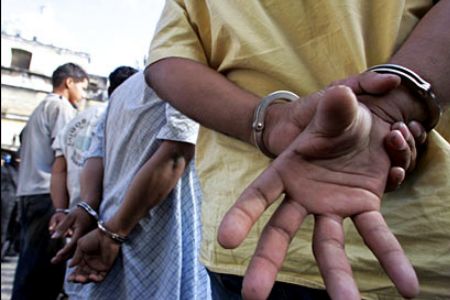
Attorneys for a group of Guatemalans have sued top US officials, accusing them of “intentionally” experimenting on them in the 1940’s and infecting them with syphilis.
Hundreds of Guatemalan prisoners, psychiatric patients and orphans were infected in a program to study penicillin.
The lawsuit was filed on Monday by lawyers for seven Guatemalan plaintiffs. But there is a high possibility that the number of the plaintiffs could reach to hundreds.
Last year, the United States apologized for the “reprehensible” experiments, according to state-run BBC.
The Obama administration, however, has not yet responded to a request for an out-of-court compensation settlement.
The experiments took place between 1946 and 1948 and around 700 Guatemalan nationals were used to test the efficiency of penicillin as a treatment and a preventative agent.
Evidence of the program was exposed by Professor Susan Reverby at Wellesley College in the US.
Reverby believes the then Guatemalan government gave permission for the tests but the people infected were unaware they were being experimented on.
In the experiments, researchers bribed care workers to let them inject their charges, while prisoners were encouraged to sleep with infected prostitutes.
Gaza govt: Settler attackers may not be Palestinian
Ma’an – 13/03/2011
GAZA CITY — Palestinians may not be responsible for killing a family of five Israelis in Itamar settlement overnight Friday, the Gaza government said Sunday.
Israeli authorities immediately blamed Palestinians for the attack, and Israeli Prime Minister Benjamin Netanyahu accused the Palestinian Authority of “daily incitement” against Israel in his response to the killings.
However, Gaza government spokesman Taher An-Nunu said the Israeli government should not rule out the possibility that the attack was perpetrated by Israeli criminals.
Hamas has denied any involvement in the attack.
A shadowy faction calling itself the “Imad Mughniyya Group” claimed responsibility for the attack but Israeli authorities have dismissed the group’s claims in the past. It has claimed responsibility for other operations in the past that may have been the work of others.
So far, no other faction has claimed involvement.
An-Nunu warned Israel against using the killings to justify an escalation in violence against the Gaza Strip.
He said that relocating Israel’s domestic crises toward incitement against Palestinians was “unacceptable political blackmail.”
Within 24 hours of the attack, Israeli ministers met and decided to approve a huge expansion in Jewish-only settlements in the West Bank.
Settlers have launched a series of attacks on Palestinians across the West Bank, storming villages, harassing residents in their homes, smashing shops and throwing rocks at Palestinian cars.
The international community recognizes that building Jewish-only housing on occupied Palestinian land is illegal according to international law and the Geneva Convention, and has repeatedly called on Israel to halt construction.
Israel’s refusal led to the collapse of the last round of negotiations in September.
In Egypt, a New Guard
By Stephen Gowans | What’s Left | March 11, 2011
Field Marshal Mohamed Hussein Tantawi, known to Egyptians as “Mubarak’s poodle,” may be calling the shots in Cairo as head of the country’s military-led government, but the man who sits at his right hand side is the Pentagon’s poodle, and he’s likely to continue to play a key role in Egypt even after a civilian government succeeds the current military one.
Lt. General Sami Hafez Enan, “a favorite of the American military,” according to Elisabeth Bumiller’s piece in today’s New York Times, is second-in-command to Tantawi, the man reviled in Egypt for being a toady to the deposed president Hosni Mubarak.
Bumiller says Enan—who “remains in close contact with Pentagon officials by phone” and is “a crucial link for the United States”–is considered Tantawi’s likely successor as head of Egypt’s armed forces.
And since the military plays a dominant role in Egypt, Enan is likely to continue to exercise considerable influence, a point Bumiller agrees with. “No one disputes,” she observes, “that General Enan will play a central role in Egypt’s future government, more likely behind the scenes, where the country’s powerful and traditionally secretive armed forces are more comfortable.”
Washington showers $1.3 billion in military aid upon Egypt annually, which the Egyptian military uses to buy “American-made arms and equipment – typically F-16 fighter jets and M1A1 Abrams tanks.” None of the money ever leaves the United States. Instead, Enan and other senior Egyptian military officials present their wish list to the Pentagon, which then transfers US taxpayer dollars into the accounts of US arms merchants, who then deliver the goods.
It’s like an annual gift to General Dynamics. And Egypt. Courtesy of the US taxpayer.
Ever since Egypt agreed to become a prop of US imperialism in north Africa and western Asia—and to allow Israel to run roughshod over Arabs in Palestine and Lebanon–Washington has transferred $35 billion of US taxpayer money to the accounts of US arms manufacturers, on behalf of Egypt’s armed forces.
Bumiller reports that the reforms of General Enan and the military government “have so far been mostly cosmetic.”
Cosmetic is an apt description. Egypt’s revolution has amounted to little more that changing the faces of the state. Mubarak is out, because the people demanded it, and now so too is Mubarak’s old prime minister, also at the behest of the people. But Mubarakism—US domination of Egypt through a local military elite – remains.
This won’t change even if and when the current military government is succeeded by an elected, civilian, one.
What would happen if a future government decided to pursue policies at odds with US foreign policy preferences, especially in connection with Israel? Since a break with Washington on key foreign policy positions would likely disrupt the flow of equipment and training to the Egyptian armed forces, the probable outcome is that the government would lose the confidence of the military, and the military would take over to set Egypt back on the prescribed US foreign policy path. Knowing this, a civilian government is unlikely to step outside the boundaries its military’s benefactor is prepared to tolerate.
And just how independent of the White House and State Department will a future civilian government be? Already, officials in Washington are “discussing setting aside new funds to bolster the rise of secular political parties.” Sure, Egyptians are free to elect anyone they want, but modern elections are major marketing campaigns. Without strong financial backing, you haven’t a chance. How fitting, then, for the continuation of Mubarakism that Washington’s democracy promoters will be furnishing “acceptable” politicians and political parties with money, strategic advice, polling, and whatever other support they need to prevail over alternatives judged to be incompatible with “US interests”, but which, may, on the other hand, represent the interests of the mass of Egyptians.
Westerners would never tolerate foreign powers backing the West’s political parties, even if it was done in the name of promoting democracy. Strange that so many Westerners think it fine for their own governments to meddle in other countries’ elections –and fall for the deception that the imperialist practice of exerting influence abroad by buying foreign politicians is really a laudable exercise in democracy promotion. If foreign governments meddling in our elections means an outside power is trying to gain advantage at our expense, doesn’t Washington’s setting aside new funds to meddle in Egypt’s elections mean Washington is trying to gain advantage at Egyptians’ expense?
Or are Washington’s and the EU’s motives somehow purer? Given their records —both past and present—of backing Mubarak, other dictatorships, and absolute monarchies, to protect Western “interests,” this can hardly be true.
How then–with Egypt’s armed forces being a virtual extension of the Pentagon and Washington’s democracy promoters preparing to boost funding to pro-US political parties–are we to believe that the Egyptian rebellion will bring about anything more than a cosmetic face-lift of Mubarakism?
A real revolution requires more than replacing Mubarak with Tantawi, Tantawi with Enan, and Enan with a civilian government that needs to keep Enan–and the Pentagon officials he’s in close contact with–happy. A revolution is not a changing of the guard.
Suddenly America loves democracy in the Middle East – unless it’s Palestinian democracy
RT | March 2, 2011
Suddenly America loves democracy in the Middle East – unless it’s Palestinian democracy
America, which supported tyrannies in the Middle East for decades, has overnight switched to endorsing the uprisings across the region demanding democracy to replace former US clients like Mubarak.
But some Middle East democracies find more favour than others, as Palestinians found out six years ago.
Wisconsin Death Trip
The Plan to Steal Everything and Sell the People into Slavery
By MICHAEL HUDSON and JEFFREY SOMMERS | CounterPunch | March 11, 2011
On Wednesday evening, in a veritable Night of the Long Knives, Wisconsin’s integrity was brutally murdered on the floor of the state Capitol in Madison. On 9 March, integrity and trust built up over a century was obliterated as Wisconsin state senators quickly reversed course and cleaved its budget “repair bill” in half. Financial items require a quorum, thus, collective bargaining was split off from the budget repair bill and voted on separately so as to permit its being voted on now. Even so, this still broke the state’s open meeting law requiring 24 hours’ notice to ensure transparency. Instead, the Wisconsin senate Republicans pulled out this new legislation without advance notice and began voting, leaving only a stunned Democratic legislator, Peter Barca, to read the open meeting law out loud to prevent the senators from voting. The senate voted over his objections anyway.
The Wisconsin brand has always centered on integrity. This was really about the only distinctive comparative advantage the state could lay claim to. Now, it is gone. With collective bargaining abolished, huge issues remain beyond labor. The privatization of public assets is now on the agenda, with the yet-to-be-voted-on budget repair bill.
Wisconsin is a state that invented Progressive Era Republican rule in the 19th and early 20th centuries under such progressive populists as Robert LaFollette. Under their tenure, rent-seeking from the public domain and similar insider corruption were checked by a strong public sector anchored in integrity. The state’s long history of reforms nurtured a prosperous middle class and made it a model of clean government, solid infrastructure, trade unionism and high value-added industry managed by socialists and the LaFollette Progressives.
Fast-forward to Scott Walker today. Representing a new breed apart from Wisconsin’s earlier Republicans, he is seeking to re-birth the asset-grabbing Gilded Age. A plague of rent-seekers is seeking quick gains by privatizng the public sector and erecting tollbooths to charge access fees to roads, power plants and other basic infrastructure.
Economics textbooks, along with Fox News and shout radio commentators, spread the myth that fortunes are gained productively by investing in capital equipment and employing labor to produce goods and services that people want to buy. This may be how economies prosper, but it is not how fortunes are most easily made. One need only to turn to the 19th-century novelists such as Balzac to be reminded that behind every family fortune lies a great theft, often long-forgotten or even undiscovered.
But who is one to steal from? Most wealth in history has been acquired either by armed conquest of the land, or by political insider dealing, such as the great US railroad land giveaways of the mid 19th century. The great American fortunes have been founded by prying land, public enterprises and monopoly rights from the public domain, because that’s where the assets are to take.
Throughout history the world’s most successful economies have been those that have kept this kind of primitive accumulation in check. The US economy today is faltering largely because its past barriers against rent-seeking are being breached.
Nowhere is this more disturbingly on display than in Wisconsin. Today, Milwaukee – Wisconsin’s largest city, and once the richest in America – is ranked among the four poorest large cities in the United States. Wisconsin is just the most recent case in this great heist. The US government itself and its regulatory agencies effectively are being privatized as the “final stage” of neoliberal economic doctrine.
A peek into Governor Walker’s so-called “budget repair bill” reveals a shop of horrors that is just the opposite of actually repairing the budget. Among the items listed in the bill until Wednesday night were sell-offs of state power generation facilities – in no-bid contracts notoriously prone to insider dealing.
The 37 facilities he wants to sell off produce heating and cooling at low cost to the state’s universities and prisons. Walker’s budget repair bill would have unloaded them at a low price, presumably to campaign contributors such as Koch Industries – and then stick the bill for producing this power at higher rates to Wisconsin taxpayers in perpetuity. (And this is all being sold as a “taxpayer relief” plan!) Invariably, this will make its way into new legislation once attention is diverted from the current controversy.
The budget bill also plans to tear down the Wisconsin Retirement System (WRS). This is not New Jersey, where a succession of corrupt governments have underfunded (read: stolen) the state pension system in order to shift resources to pay for budget shortfalls in general revenues caused by tax breaks for the rich. The WRS is one of the nation’s most stable, well-funded and best-managed pension systems. Although Wisconsin is not a big state, the WRS has amassed $75bn in reserves, and pays out handsome pensions to its public retirees, without needing new public subsidy. The Walker bill has language providing for tearing down this system, raiding its assets to pay for further tax cuts for the rich (especially property owners), and then throwing Wall Street a meaty bone as public employees would be shifted to 401k plans handled by money managers on commission.
In a separate proposal, Governor Walker would start privatizing the University of Wisconsin’s two flagship doctorate-granting campuses. Ironically, the land grant universities – of which Wisconsin has long been among the best – were created by protectionist 19th-century Republicans as an alternative approach to British free-market doctrine, which dominated the prestigious and largely anglophile Ivy League universities. These universities, like their German counterparts, taught a new economic policy of state management and public enterprise that formed the basis for subsequent US and German development.
Walker would kill off this tradition, and return intellectual production to the highest bidder.
Other proposals suggest selling off Wisconsin’s public northwoods lands with their cornucopia of mineral and timber wealth. And much more is said to be in the works.
So Walker’s war is not only against the Democrats and labour, it is against Wisconsin’s Progressive Era institutions. His policy threatens to pauperize the state and deal a coup de grace to Progressive Era institutions and impoverish the state’s middle class. Contra John Maynard Keynes’s gentle suggestion of “euthanasia of the rentier”, it is the middle class that is being euthanized – throughout North America and Europe.
~
Michael Hudson is professor of Economics at the University of Missouri (Kansas City) and chief economic advisor to Rep. Dennis Kucinich. He has advised the U.S., Canadian, Mexican and Latvian governments, as well as the United Nations Institute for Training and Research (UNITAR). He is the author of many books, including Super Imperialism: The Economic Strategy of American Empire (new ed., Pluto Press, 2002). He can be reached via his website, mh@michael-hudson.com.
Jeffrey Sommers is a professor at Raritan Valley College, NJ, visiting professor at the Stockholm School of Economics in Riga, former Fulbrighter to Latvia, and fellow at Boris Kagarlitsky’s Institute for Global Studies in Moscow. He can be reached at jsommers@sseriga.edu.lv.
Hamas dismayed at Hague statement on elections
Palestine Information Center – 10/03/2011

DAMASCUS — Hamas expressed absolute dismay at recent statements for British foreign secretary William Hague in which he falsely accused the movement of strangling democratic freedom of opinion.
Hamas said in a statement on Wednesday that it came to rule via the ballot box with the free will of the Palestinian people, which the European Union and the USA refused to recognize or deal with.
Hamas reiterated that it was committed to elections as the means to choose a legitimate leadership for the Palestinian people.
Such (Hague) statements reflect a British and a western crisis that attempt to evade the responsibility toward lifting the oppressive, unethical siege on the Gaza Strip, it elaborated.
The movement said it was keen on holding free, honest elections as a fruit of national concord and not according to the Oslo team whims and wishes.
Stealing from Social Security to Pay for Wars and Bailouts
Instead of investing our Social Security payroll deductions the US government wasted them on blowing up infrastructure and people in foreign lands
By Dr. Paul Craig Roberts | Global Research | March 9, 2011
… Republicans tell us that our grandchildren are being saddled with impossible debt burdens because of handouts to retirees and the poor. $3 trillion wars are necessary and have nothing to do with the growth of the public debt. The public debt is due to unnecessary “welfare” that workers paid for with a 15% payroll tax.
When you hear a Republican sneer “entitlement,” he or she is referring to Social Security and Medicare, for which people have paid 15% of their wages for their working lifetime. But when a Republican sneers, he or she is saying “welfare.” To the distorted mind of a Republican, Social Security and Medicare are undeserved welfare payments to people who over-consumed for a lifetime and did not save for their old age needs.
America can be strong again once we get rid of these welfare leeches.
Once we are rid of these leeches, we can really fight wars. And show people who is boss.
Republicans regard Social Security as an “unfunded liability,” that is, a giveaway that is
interfering with our war-making ability.
Alas, Social Security is an unfunded liability, because all the money working people put into it was stolen by Republicans and Democrats in order to pay for wars and bailouts for mega-rich bankers like Goldman Sachs.
What I am about to tell you might come as a shock, but it is the absolute truth, which you can verify for yourself by going online to the government’s annual OASDI and HI reports. According to the official 2010 Social Security reports, between 1984 and 2009 the American people contributed $2 trillion, that is $2,000 billion, more to Social Security and Medicare in payroll taxes than was paid out in benefits.
What happened to the surplus $2,000 billion, or $2,000,000,000,000.
The government spent it.
Over the past quarter century, $2 trillion in Social Security and Medicare revenues have been used to finance wars and pork-barrel projects of the US government.
Depending on assumptions about population growth, income growth and other factors, Social Security continues to be in the black until after 2025 or 2035 under the “high cost” and “intermediate” assumptions and the current payroll tax rate of 15.3% based on the revenues paid in and the interest on those surplus revenues. Under the low cost scenario, Social Security (OASDI) will have produced surplus revenues of $31.6 trillion by 2085. […]
The subsidy to the US government from the payroll tax is larger than the $2 trillion in excess revenue collections over payouts. The subsidy of the Social Security payroll tax to the government also includes the fact that $2.8 trillion of US government debt obligations are not in the market. If the national debt held by the public were $2.8 trillion larger, so would be the debt service costs and most likely also the interest rate.
The money left over for war would be even smaller. More would have to be borrowed or printed.
The difference between the $2 trillion in excess Social Security revenues and the $2.8 trillion figure is the $0.8 trillion that is the accumulated interest over the years on the mounting $2 trillion in debt, if the Treasury had had to issue bonds, instead of non-marketable IOUs, to the Social Security Trust Fund. When the budget is in deficit, the Treasury pays interest by issuing new bonds in the amount of the interest due. In other words, the interest on the debt adds to the debt outstanding.
The robbed Social Security Trust Fund can only be made good by the US Treasury issuing another $2.8 trillion in US government debt to pay off its IOUs to the fund.
When a government is faced with a $14 trillion public debt growing by trillion dollar deficits as far as the eye can see, how does it add another $2.8 trillion to the mix?
Only with great difficulty.
Therefore, to avoid repaying the $2.8 trillion that the government has stolen for its wars and bailouts for mega-rich bankers, the right-wing has selected entitlements as the sacrificial lamb.
A government that runs a deficit too large to finance by borrowing will print money as long as it can. When the printing press begins to push up inflation and push down the exchange value of the dollar, the government will be tempted to reduce its debt by reneging on entitlements or by confiscating private assets such as pension funds. When it has confiscated private assets and reneged on public obligations, nothing is left but the printing press.
We owe the end-time situation that we face to open-ended wars and to an unregulated financial system concentrated in a few hands that produces financial crises by leveraging debt to irresponsible levels.
The government of the United States does not represent the American people. It represents the oligarchs. The way campaign finance and elections are structured, the American people cannot take back their government by voting. A once proud and free people have been reduced to serfdom.
Featured Video
BRITAIN’S WARNING: PREPARE FOR WAR
or go to
Aletho News Archives – Video-Images
From the Archives
British weapons and personnel doing much of the killing in Yemen
Press TV – June 18, 2019
A detailed report published by the Guardian newspaper has shown how Britain is massively contributing to Saudi Arabia’s devastating war on Yemen as it suggests that London is not only supplying the bombs that fall on Yemenis, but it provides the personnel and expertise that keep the war going.
The comprehensive report by Arron Merat published on Tuesday showed that Britain was doing much of the killing in Yemen as the country continues to provide Saudi Arabia with everything it needs to turn its southern impoverished neighbor into a graveyard.
“Every day Yemen is hit by British bombs – dropped by British planes that are flown by British-trained pilots and maintained and prepared inside Saudi Arabia by thousands of British contractors,” said Merat in the report. … continue
Blog Roll
 Aletho News
- Yemen denounces European Parliament’s ‘hypocritical’ push to blacklist Ansarullah
- Qalibaf: UAE’s UN bid aims to ‘clear the runway’ for ‘Greater Israel’, whitewash genocide
- Pakistan reopens Iran border after boosting security: Report
- Why are so many Brazilians voting for Flávio Bolsonaro?
- Democrats Put Anti-Russia Agenda Ahead of American Workers
- Elijah Magnier: Yemen’s Strikes Are Shattering Saudi Arabia’s Long-Term Strategy
- Pentagon designates Chinese cultural centers national security threat
- Israel Demolishes Home Of Lebanese Journalist Whose Viral Film Exposed Pager Attack
- Record Oil, Empty Tanks: The UAE’s Miracle Recovery
- Burnham tackles Britain’s poverty with aggression in Yemen
- If Americans Knew
- An error has occurred; the feed is probably down. Try again later.
- No Tricks Zone
- Sudden Stratospheric Warming, Powerful El Niño Combination May Lead To Extreme Europe Cold, Energy Crisis!
- Two New Studies Find Thwaites Glacier Melt Cannot Be Driven By Human Activity Or A Warming Ocean
- E-Cars Reduce CO2 Emissions By Only 41% Compared To Internal Combustion Engine Vehicles
- Predictions Made By Renowned Climate Professor Over Past Decades Have Been Proven To Be Poor
- New Study Suggests Large Regions Of The Pacific Ocean Have Been Cooling For The Last 80 Years
- Germany’s Green Energy Debacle: High Energy Costs Force Kahla Porzellan to Close After 182 Years!
- New Study: 50 Years Of The Most Aggressive ‘Net Zero’ Policies Can Only Affect The Global Climate By 0.03°C
- US September “Heat” Was No Record…Many Records Set Decades Ago
- Latest European Green Energy Debacle; Portugal’s Largest Flagship Solar Park Insolvent!
- Green Energy Debacle: German Expert Professor Fritz Vahrenholt Warns Of Severe Economic And Social Consequences

