Last week, a raft of newspaper headlines declared “Canadians still support climate action: poll.” We are intended to believe that “COVID-19’s economic and health challenges haven’t diminished” ordinary people’s enthusiasm for green policies. But this poll has oodles of problems.
First, it was sponsored by Clean Energy Canada. Embedded within the term clean energy is the philosophical argument/political statement/moral judgment that our current, dominant forms of fossil fuel-based energy are dirty.
A ‘clean energy’ outfit isn’t neutral. Its entire purpose is to promote some ideas and to disparage others. What actually happened here is an organization with an agenda drew up a fantastical wish list, and then invited Canadians to agree that the items on that wish list are awesome.
Big surprise that lots of people think upgrading broadband Internet service and public transit are a good idea – especially when the pollster, Abacus Data, declares them “part of an effort to attract companies to invest and grow businesses in Canada.”
Big surprise that lots of people like the idea of “Creating more spaces in towns and cities where people can walk and cycle without fear of vehicles.” But the realistic questions, surely, are:
– how much do such projects cost?
– what other ways might we need/choose to spend the same money?
Big surprise that, in the words of Clean Energy Canada’s press release,
91% are interested in the idea of Canada as the world leader in electric buses.
As if that were a likely scenario. Canada contains half of 1% of the world’s total population. We are a geographically huge country, with an exceptionally low population density. This is just delusional.
Big surprise that many people are in of favour “Making public transit free to help get more cars off the road and reduce emissions and congestion.” But nothing is free. The germane questions are:
– who should cover some portion of public transit costs – those actually using it, or everyone via their tax contributions to various levels of government?
– is a devastating economic crisis the right time to increase government expenditures and responsibility?
This poll would have been truly useful had it asked people whether the coronavirus pandemic has changed their attitudes toward using public transit. Are they now more likely to pack themselves into crowded commuter trains, city buses, and subways than a year ago? Less likely? Or the same?
I relied on public transit during the three decades I lived in downtown Toronto. Prior to this pandemic, I would never have described myself as a germophobe. But I now reside in a small town – and the world has changed.
The next time I visit Toronto, I’m unlikely to repeat my previous routine – parking the car an hour away, boarding a commuter train, relying on subways, buses, and streetcars within the city, then boarding another commuter train.
I now see public transit as risky. For me and for others. The idea of taking any form of public transit during rush hour fills me with dread.
I can’t be the only one.
Public transit has always struggled. Ridership was already in decline is many jurisdictions, before the pandemic struck (see here, here, here, here, here, here, here, and here).
Services such as Uber had already altered the landscape. During these widespread lockdowns, more people have discovered that working from home is possible and desirable. Add in infection concerns, and public transit may never recover.
“We had to destroy the village in order to save it.” The infamous Vietnam era quotation may or may not have been uttered by an anonymous US Army major. It may have been misquoted, revised, apocryphal or invented. But it quickly morphed into an anti-war mantra that reflected attitudes of the time.
For Virginians and others forced to travel the path of “clean, green, renewable, sustainable” energy, it will redound in modern politics as “We had to destroy the environment in order to save it.”
Weeks after Governor Ralph Northam signed Virginia’s “Clean Economy Act,” which had been rushed through a partisan Democrat legislature, Dominion Energy Virginia announced it would reach “net zero” greenhouse gas emissions by 2050. To do so, the utility company will raise family, business, hospital and school electricity bills by 3% every year for the next ten years – as these customers and state and local governments struggle to climb out of the financial holes created by the ongoing Coronavirus lockdown.
Just as bad, renewable energy mandates and commitments from the new law and Dominion’s “integrated resource plan” will have major adverse impacts on Virginia and world environmental values. In reality, Virginia’s new “clean” economy exists only in fantasy land – and only if we ignore “clean” energy CO2 emissions, air and water pollution, and other environmental degradation around the world.
Dominion Energy plans to expand the state’s offshore wind, onshore solar and battery storage capacity by some 24,000 megawatts of new “renewable” energy by 2035, and far more after that. It will retain just 9,700 MW of existing natural gas generation, and only through 2045, build no new gas-fired units, and retire 6,200 megawatts of coal-fired generation. This will reduce in-state carbon dioxide emissions, but certainly won’t do so globally. The company intends to keep its four existing nuclear units operating.
To “replace” some of its abundant, reliable, affordable fossil fuel electricity, Dominion intends to build at least 31,400 megawatts of expensive, unreliable solar capacity by 2045. The company estimates that will require a land area some 25% larger than 250,000-acre Fairfax County, west of Washington, DC. That means Dominion Energy’s new solar facilities will blanket 490 square miles (313,000 acres) of beautiful croplands, scenic areas and habitats that now teem with wildlife.
That’s almost half the land area of Rhode Island, eight times the District of Columbia, 14 times more land than all Fairfax County parks combined – blanketed by imported solar panels. Still more land will be torn up for access roads and new transmission lines. All this is just for Dominion Energy’s solar panels.
The panels will actually generate electricity maybe 20-25% of the year, once you factor in nighttime hours, cloudy days, and times when the sun is not bright enough to generate more than trifling electricity.
Dominion and other Virginia utility companies also plan to import and install 430 monstrous 850-foot-tall bird-chopping offshore wind turbines – and tens of thousands of half-ton battery packs, to provide backup power for at least a few hours or days when the sun isn’t shining and the wind isn’t blowing. The batteries will prevent the economy from shutting down even more completely during each outage than it has during the Corona lockdown. Similar policies across America will impact hundreds of millions of acres.
Most of these solar panels, wind turbines and batteries – or their components, or the metals and minerals required to manufacture those components – will likely come from China or from Chinese-owned operations in Africa, Asia and Latin America … under mining, air and water pollution, workplace safety, fair wage, child labor, mined land reclamation, manufacturing and other laws and standards that would get US and other Western companies unmasked, vilified, sued, fined and shut down in a heartbeat.
It is those minimal to nonexistent laws and regulations that govern most of the companies and operations that will supply the “clean” technologies that will soon blight Virginia landscapes and serve the new “clean” Virginia economy. As Michael Moore observes in his new film, Planet of the Humans, other states that opt for “clean” energy will face the same realities.
Thus far, no one has produced even a rough estimate of how much concrete, steel, aluminum, copper, lithium, cobalt, silica, rare earth metals and countless other materials will be needed. All will require gigantic heavy equipment and prodigious amounts of fossil fuels to blast and haul away billions of tons of rocky overburden; extract, crush and process tens of millions of tons of ores, using acids, toxic chemicals and other means to refine the ores; smelt concentrates into metals; manufacture all the millions of tons of components; and haul, assemble and install the panels, turbines, batteries and transmission lines, setting them on top of tens of thousands of tons of concrete and rebar. All of it beyond Virginia’s borders.
No one has tallied the oil, natural gas and coal fuel requirements for doing all this “Virginia Clean Economy” work – nor the greenhouse gases and actual pollutants that will be emitted in the process.
Nothing about this is clean, green, renewable or sustainable. But Virginia politicians and Dominion Energy officials have said nothing about any of this, nor about which countries will host the mining and other activities, under what environmental and human rights standards.
Will Virginians ever get a full accounting? Just because all of this will happen far beyond Virginia’s borders does not mean we can ignore the global environmental impacts. Or the health, safety and well-being of children and parents in those distant mines, processing plants and factories.
This is the perfect time to observe the environmentalist creed: think globally, act locally. Will that be done?
Will Dominion and Virginia require that all these raw materials and wind, solar and battery components be responsibly sourced? Will it require independently verified certifications that none of them involve child labor, and all are produced in compliance with US and Virginia laws, regulations and ethical codes for workplace safety, fair wages, air and water pollution, wildlife preservation, cancer prevention and mined lands reclamation? Will they tally up all the fossil fuels consumed, and pollutants emitted, in the process?
Science journalist, businessman and parliamentarian Matt Ridley says wind turbines need some 200 times more raw materials per megawatt of power than modern combined-cycle gas turbines. It’s probably much the same for solar panels. Add in the millions of wind turbines, billions of solar panels and billions of backup batteries that would be required under a nationwide Green New Deal, and the combined US and global environmental, human health and human rights impacts become absolutely mindboggling.
If you ignore all the land and wildlife impacts from installing the wind turbines, solar panels, batteries and transmission lines – you could perhaps call this “clean energy” and a “clean economy” within Virginia’s borders. But not beyond those borders. This is a global issue, and the world would likely be far better off if we just built modern combined-cycle gas turbines (or nuclear power plants) to generate reliable electricity – and avoided all the monumental human and ecological impacts of pseudo-renewable energy.
When it’s time to select sites for these 490 square miles of industrial solar facilities, will Virginia, its county and local governments, its citizens, environmentalist groups and courts apply the same rigorous standards, laws and regulations that they demand for drilling, fracking, coal and gas power plants, pipelines, highways, timber cutting and other projects? Will they apply the same standards for 850-foot-tall wind turbines and 100-foot-tall transmission lines as they demand for buried-out-of-sight pipelines?
Virginia’s Clean Economy Act will also plunge almost every project and jurisdiction into questions of race, poverty and environmental justice. Dominion Energy and other utility companies will have to charge means-tested rates (even as rates climb 3% per year) and exempt low-income customers from some charges. They will have to submit construction plans to “environmental justice councils” – even as the companies, councils and politicians ignore the rampant injustices inflicted on children and parents slaving away in Chinese, African and Latin American “clean energy” mines, processing plants and factories.
Government officials, utility industry executives, environmentalists and anyone else who promotes wind, solar, battery and biofuel energy need to explain exactly how they plan to address these issues. Future town hall meetings and project approval hearings promise to be raucous, entertaining and illuminating.
Paul Driessen is senior policy analyst for the Committee For A Constructive Tomorrow (www.CFACT.org) and author of books and articles on energy, environment, climate and human rights issues.
On top of firing a prosecutor on orders from US Vice President Joe Biden, Ukrainian President Petro Poroshenko also robbed his own people by raising tariffs to please his US overlords, according to audio of their alleged calls.
On Tuesday, Ukrainian parliamentarian Andrii Derkach published audio recordings of what sounds like Poroshenko’s conversations with various Obama administration officials in 2015 and 2016. Derkach said he got the audio from investigative journalists, who told him that Poroshenko personally recorded the calls. They have not been independently verified.
If true, however, they show the president in Kiev literally taking orders from Washington, even as the US insisted Ukraine was a sovereign and independent nation free to decide its own destiny.
“[I’m] very well indeed, as usual when I hear your voice,” Poroshenko tells Biden in a May 13, 2016 conversation, where he rushes to tell the US vice president how much “progress” he has made in reforming Ukraine to Washington’s liking.
As one of the examples, Poroshenko cites that he has imposed tariffs of 100 percent, even though the IMF asked for only 75 percent, adding “Give us a yard, please!”
“Poroshenko was willing to strip the Ukrainians naked, and even make money on the tariffs,” Derkach said on Monday, noting that they were indeed raised twice.
Raising tariffs on Russian gas imports – and cutting subsidies to poor Ukrainians – was one of the major demands by the IMF in 2013, which the government of President Viktor Yanukovych balked at, before it was ousted in a US-backed coup in February 2014.
Derkach argues that the tariffs and other concessions Poroshenko made to Washington were intended to unblock the $1 billion IMF loan to Ukraine of which the US was a guarantor. Biden had already leveraged the loan to demand the firing of prosecutor Viktor Shokin, who was looking into corruption at the gas company Burisma – which had hired Biden’s son Hunter as a board member earlier that year, presumably as a shield against prosecution.
It became clear after Poroshenko fired Shokin that this would not be enough, and that he would have to give even more, Derkach told reporters in Kiev, pointing to the recordings.
Biden himself boasted about getting Shokin fired at an event in Washington, and his remarks were caught on camera. When current US President Donald Trump brought up the issue of Shokin’s firing with Poroshenko’s successor Volodymyr Zelensky, the Democrats claimed he was improperly seeking foreign assistance in the 2020 election – as Biden was seeking their nomination – and had him impeached in the House of Representatives in December 2019. Trump stayed in office after the Senate acquitted him in February this year. Biden only became the presumptive Democrat nominee in mid-April.
Attempts by eco-activists to censor and shut down Planet of the Humans reveals the green movement’s authoritarian nature that turns most aggressively on its own apostates.
Jeff Gibbs’ and Michael Moore’s new film, Planet of the Humans has been watched more than eight million times. It has cast doubt on the green movement’s claims to be concerned with the environment and questioned the motivations and integrity of its leaders and backers.
In reply, environmental activists have attacked Moore and Gibbs, and called for their film to be censored. What this reveals is that the green movement is incapable of responding to criticism and that it turns most aggressively on its apostates.
Gibbs and Moore’s film has been attacked for supporting the interests of fossil fuel companies. But the film itself exposes deep links between even the most vilified energy producers and the green agenda. Other critics have accused the pair of ‘ecofascism’ for their allusions to population control, yet Planet of the Humans says nothing that celebrated green film makers such as David Attenborough have not said.
Neither the film revelations nor the green movement’s hostility should surprise anyone. A deep contradiction lies at the heart of the green agenda, the exposure of which has triggered campaigners whose interests depend on it. Since its first days, it has been wealthy industrialists such as oil tycoon Maurice Strong who have used their power to establish environmental concerns on the global political agenda. And it is wealthy philanthropists, whose fortunes were made from fossil fuels, such as the Rockefeller family, who have backed green organisations.
Despite the failure of greens’ dire prognostications, the green movement’s message of despair and its demands for draconian and authoritarian policies have change little over the last half century. And the very nature of the green movement has changed little, too – it is still the PR tool of billionaires such as Jeremy Grantham, who, having made part of his fortune from fossil fuels, now profits from the environmentally-destructive technologies that the green movement campaigns for.
Campaigners’ anger at Gibbs and More is not owed to the pair making false technical arguments about the shortcomings of ‘renewable’ energy technology, but for their exposing the lie at the heart of the green movement.
It’s a strange fact that Bill Gates’ hagiographers—PR hacks employed, more often than not, by large corporations that receive funding from the Bill and Melinda Gates Foundation—consistently depict this drab software developer as a cartoon superhero, using his “superpower” of being very rich to help “save the planet.”
JOHN BERMAN: Behind closed doors on this New York campus, a secret gathering of some of the world’s most powerful people: Gates, Buffett, Bloomberg, Winfrey. It was like . . . well, it was like the “Super Friends.”
[Super Friends cartoon introduction plays]
ANNOUNCER: In the great hall of the Justice League, there are assembled the world’s four greatest heroes.
SOURCE: Elite Billionaires Meet in Secret (video no longer online)
But these cartoon-fueled puff pieces reveal more than they know about Gates and the other mega-rich philanthropists they are attempting to idolize: they reveal that the idea of the selfless, billionaire do-gooder is a work of fiction so unbelievable it is only fit for Saturday morning cartoon fare.
As we have seen in our first two explorations of Bill Gates’ role as global health kingpin, the seemingly selfless generosity of the Gates family through their eponymous foundation has in fact greatly increased their own wealth, with Bill Gates’ personal net worth having doubled in the past decade alone.
But the takeover of public health that we have documented in How Bill Gates Monopolized Global Health and the remarkably brazen push to vaccinate everyone on the planet that we have documented in Bill Gates’ Plan to Vaccinate the World was not, at base, about money. The unimaginable wealth that Gates has accrued is now being used to purchase something much more useful: control. Control not just of the global health bodies that can coordinate a worldwide vaccination program, or the governments that will mandate such an unprecedented campaign, but control over the global population itself.
This is an exploration of Bill Gates and the Population Control Grid.
You’re tuned in to The Corbett Report.
From a journalistic standpoint, Good Morning America’s inane report on the secretive billionaire meeting that took place in New York in 2009 was a failure. It listed some of the meetings’ attendees and their combined net worth:
BERMAN: Gates, Buffett, Bloomberg, Winfrey [. . .] Together with others in the meeting, including George Soros, Ted Turner, David Rockefeller, they’re worth more than $125 billion.
It turned to the senior editor of Forbes for a soundbite about what it would be like to witness such an assembly of wealth:
MATTHEW MILLER: To have been in the room and see this meeting of the minds really would have been a fascinating thing.
And it dutifully reported the participants’ own stated reason for holding the meeting. . . .
BERMAN: That much money. That much power around one table. It begs the question, what were they doing? What were they scheming? Total world domination? This group, together for six hours, was talking about charity, education, emergency relief, global health.
. . . Before wrapping up with another juvenile appeal to comic book superhero lore.
[Video onscreen of various billionaires super imposed as Superheroes, such as Batman, Superman. Etc.]
BERMAN: The new super-men and wonder woman. The super-rich friends. Not fighting bad guys, but fighting for good, nonetheless. For Good Morning America, John Berman, ABC News, New York.
Yes, from a journalistic standpoint, Berman’s report was an utter failure. There was no attempt to question the participants about the meeting, no space for any criticism of these billionaires or questions about their motives, no adversarial journalism of any kind.
But as a PR piece, it was brilliant. It leaves the viewer with a vague sense that some kind of gathering took place somewhere in New York in which rich people—who, let’s not forget, are superheroes—talked about charity.
One would have to turn to print sources to discover that the meeting was held at the personal residence of Sir Paul Nurse, then-president of Rockefeller University; that the invitation to the gathering was co-written by Bill Gates, Warren Buffett and David Rockefeller; or that the aim of the meeting was “to consider how their wealth could be used to slow the growth of the world’s population.”
Given that these extraordinarily rich and powerful men—including Warren Buffett, David Rockefeller, and Ted Turner—have all expressed their belief that the growing human population is the greatest threat faced by humanity, it should not be surprising that they would convene a conference to discuss how best to channel their vast wealth into the project of reducing the number of people on the planet. Particularly unsurprising is that attendees of the meeting later dubbed Bill Gates—a man for whom population control is particularly close to his heart—as the “most impressive” speaker at the event.
GATES: Here we can see a chart that looks at the total world population over the last several hundred years, and at first glance this is a bit scary. We go from less than a billion in 1800, and then 3, 4, 5, 6—and 7.4 billion, where we are today, is happening even faster. So, Melinda and I wondered whether providing new medicines and keeping children alive, would that create more of a population problem?
SCOTT PELLEY: …and what the developing world does not need is more children.
MELINDA GATES: And I think that was the biggest “ah-ha” moment to Bill and me when we got into this work. Because we asked ourselves, of course, the same hard-nosed question you’d ask, which is: “If you get into this work where we start to save these children, will women just keep overpopulating the world?” And thank goodness, the converse is absolutely true.
GATES: This is a very important question to get right, because it was absolutely key for me when our foundation first started up. It was focused on reproductive health, that was the main thing we did, because I thought, you know, population growth in poor countries is the biggest problem they face. You’ve got to help mothers, who want to limit family size, have the tools and education to do that. Now that’s the only thing that really counts.
In recent years, critics have pointed to Bill Gates’ own words linking vaccination programs with his goal of reducing population growth.
GATES: The world today has 6.8 billion people. That’s headed up to about nine billion. Now, if we do a really great job on new vaccines, health care, reproductive health services, we could lower that by perhaps 10 or 15 percent.
SANJAY GUPTA: Ten billion dollars over the next 10 years to make it the year of the vaccines. What does that mean, exactly?
GATES: Well, over this decade, we believe unbelievable progress can be made both in inventing new vaccines and making sure they get out to all the children who need them. We can cut the number of children who die every day from about 9 million to half of that, if we have success on it. And the benefits there in terms of reducing sickness, reducing the population growth, it really allows society a chance to take care of itself once you’ve made that intervention.
But as any number of “fact checking websites”—not to mention Bill Gates himself—are quick to point out, this doesn’t mean what it sounds like it means.
GATES: What we found out is that as health improves, families choose to have less children.
MELINDA GATES: The truth is that when people’s lives improve when children survive, for instance, or when girls go to school, people start making decisions based on the expectation that their children will live and thrive. The result is smaller families and slower population growth.
GATES: I came across articles that showed that the key thing you can do to reduce population growth is actually improve health. And that sounds paradoxical. You think, “OK, better health means more kids, not less kids.” Well, in fact, what parents are doing is they’re trying to have two kids survive to adulthood to take care of them. And so the more disease burden that there is the more kids they have to have to have that high probability. So there’s a perfect correlation that as you improve health, within a half generation the population growth rate goes down.
Yes, the Gates’ stated plan is to reduce population growth by improving health. But the idea of using vaccines as sterilization agents—even without the public’s knowledge or consent—is not conspiracy lore, but documentable fact.
It its 1968 annual report, the Rockefeller Foundation addressed the “Problems of Population,” lamenting that “[v]ery little work is in progress on immunological methods, such as vaccines, to reduce fertility, and much more research is required if a solution is to be found here.” The Foundation vowed to correct this problem by funding “established and beginning investigators to turn their attention to aspects of research in reproductive biology that have implications for human fertility and its control.”
This was no empty promise. By the time of its 1988 annual report, the Rockefeller Foundation was able to report progress on its funding into contraceptive research, including NORPLANT, a contraceptive implanted under the skin of a woman’s upper arm and effective for five years. In its 1988 report, the Rockefeller Foundation was pleased to announce that NORPLANT—which was developed by the Rockefeller-founded Population Council—was “now approved for marketing in 12 countries.”
The Rockefeller’s Population Council and other research organizations joined with the World Health Organization (WHO) in 1972 to create a Task Force on Vaccines for Fertility Regulation. By 1995, they were able to report progress in “developing a prototype of an anti-hCG-vaccine,” which works by combining an immunogen formed from a synthetic peptide of human chorionic gonadotrophin (hCG)—a hormone secreted by the surface of the early embryo to remain implanted in the womb—with a toxoid carrier molecule. The vaccine stimulates an immune reaction, causing women to develop antibodies against the hormone, thus preventing them from carrying babies to term.
But beginning in the 1990s, a series of scandals over WHO-led vaccination programs in the third world led to allegations that tetanus vaccines in places like the Philippines and Kenya were being laced with hCG in order to implement population control by stealth. The controversy generated by these stories led global institutions to step back from the campaign to champion population control by vaccine.
But, as usual, the Bill and Melinda Gates Foundation was there to renew interest, working with the UK government to host a “London Summit on Family Planning” in 2012 at which the foundation announced their support for funding the research, development and deployment of injectable contraceptives to the developing world.
MELINDA GATES: You heard me talk earlier about Sadi, who I met in Niger. She was traveling fifteen kilometers to get an injection. But let’s ask ourselves, what if she didn’t have to travel to that clinic? If we put it in her perspective, how can we keep her in her village to get the contraceptives she wants? Well, Pfizer is testing a new form of Depo, the injection that she gets fifteen kilometers to get. They’re now putting it in a new form, a new device that is very, very small, it’s called Uniject. I think it’s going to be pictured here.
It’s a high quality product. It’s effective. It’s safe. It’s tiny, as you can see. And it can be put in a healthcare worker’s kit to give to the woman at the village level. So Sadi won’t have to go fifteen kilometers any longer to get that injection.
But the Gates were not content to stop there. In 2014 it was announced that Microchips Biotech, Inc., a company in Lexington, Massachussets, had developed a new form of birth control: “a wireless implant that can be turned on and off with a remote control and that is designed to last up to 16 years.” According to MIT Technology Review, the idea originated when Bill Gates visited Robert Langer’s MIT lab in 2012 and asked him if it would be possible to create an implantable birth control device that could be turned on or off remotely. Langer referred Gates to the controlled release microchip technology he had invented and licensed to MicroCHIPS Biotechnology, and the Gates Foundation granted $20 million to the firm to develop the implants.
Reducing population growth has, by Gates’ own admission, been a core mission of the Gates Foundation since its inception. But in order to really understand what Gates means by “population control,” we have to look beyond the concept of controlling population size. At its most fundamental level, the “population control” that Gates speaks of is not birth control, but control of the population itself.
In order to understand the broader population control agenda and how it ties in to the Gates Foundation’s plans, we have to look at a puzzling development that took place in 2017. In that year, Gavi—the Gates founded and funded alliance that partners the Gates Foundation, the World Health Organization and the World Bank with vaccine manufacturers to help ensure “healthy markets” for vaccines—took a strange pivot away from its core mission of vaccinating every child on the planet to providing every child with a digital biometric identity.
The idea was first floated by Gavi CEO Seth Berkley in a Nature article that year, “Immunization needs a technology boost,” where he states that the goal of 100% immunization will not be reached without “secure digital identification systems that can store a child’s medical history.” He then gives a specific example:
“We are working with a company in India called Khushi Baby, which creates off-grid digital health records. A necklace worn by infants contains a unique identification number on a short-range communication chip. Community health workers can scan the chip using a mobile phone, enabling them to update a child’s digital record even in remote areas with little phone coverage.”
This sudden interest in digital identity was no mere passing fancy for the vaccine alliance. Gavi doubled down by becoming a founding member of the ID2020 Alliance, a public-private partnership dedicated to spearheading a global digital biometric identity standard. Other founding members of the alliance include Gates’ first company, Microsoft, and The Rockefeller Foundation.
In 2018, Gavi issued a call for innovation in digital technologies “for finding, identifying and registering the most vulnerable children.” The call specifically requested technologies for capturing, storing and enrolling the biometric details of infants on “rugged biometric devices.”
Berkley continued to follow up on this idea in public engagements as one of the new core missions of Gavi.
SETH BERKLEY: What’s interesting is that people tend to think of, you know, birth certificates as kind of a major document. But, you know, the most common—as I mentioned before—is not a birth certificate, is not a death certificate, is not a marriage certificate. The most common connection—vital registration for the population—is actually a child health card, because we reach more than 90 percent of children with at least one dose of vaccine as part of routine, so they’re in the system. The challenge is that contact is not connected into the system. So, if you could connect it then you have the ability to give them their basic identity papers. You have the ability, then, later on, if they want to own land or they want to have their rights, you’re able to help them with that. But, you know, we’re not currently taking advantage of that. And so the children get seen, they get enrolled in the health centers, but that information is not used for anything else.
Although vaccines and identity may seem unrelated, Bill Gates has spent the last few years funding research that can bring the two ideas together.
Late last year, Gates once again turned to Robert Langer and his MIT colleagues to investigate new ways to permanently store and record the vaccination information of each individual. The result of their research was a new vaccine delivery method. They found that by using “dissolvable microneedles that deliver patterns of near-infrared light-emitting microparticles to the skin,” they could create “particle patterns” in the skin of vaccine recipients which are “invisible to the eye but can be imaged using modified smartphones.”
Rice University describes the quantum dot tags left behind by the microneedles as “something like a bar-code tattoo.”
So who was behind this development? As lead researcher Kevin McHugh explains:
“The Bill and Melinda Gates Foundation came to us and said, ‘Hey, we have a real problem—knowing who’s vaccinated [. . .] So our idea was to put the record on the person. This way, later on, people can scan over the area to see what vaccines have been administered and give only the ones still needed.”
The microparticles that form the fluorescent quantum-dot tags are delivered along with the vaccine, but they cannot be delivered by a traditional syringe. Instead, they must be delivered by a patch of microneedles made from a mixture of dissolvable sugar and a polymer called PVA, as well as the quantum-dot dye and the vaccine.
It should be no surprise, then, that Big Pharma vaccine manufacturers—in their scramble to produce the coronavirus vaccine that, Gates assures us, is necessary to “go back to normal”—have turned to a novel vaccine delivery method: a dissolvable microneedle array patch.
NICK HARPER: The University of Pittsburgh is where the polio vaccine was first discovered. At the medical center, researchers are now developing a vaccine that is delivered using a dissolvable patch called a microneedle array.
LOUIS FALO: Think about them as almost like a band-aid. And so the microneedle array is simply applied to the skin topically, pressed into place very shortly, and then taken off and thrown away and then the antigen is already delivered.
As is becoming evident, this new vaccine-delivered bar- code-like tattoo is about much more than simply ensuring that children get all their Gavi-recommended immunizations.
On a recent “Ask Me Anything” thread on reddit, when asked “What changes are we going to have to make to how businesses operate to maintain our economy while providing social distancing?” Bill Gates answered: “Eventually we will have some digital certificates to show who has recovered or been tested recently or when we have a vaccine who has received it.”
In his answer, Gates fails to mention that he has himself been instrumental in kickstarting and funding the research into the very type of digital certificates for vaccination that he is speaking about, or that these “digital certificates”—likely, at first, to be a digital marker linked to a biometric ID—could very well one day take the form of vaccine-implanted quantum-dot tattoos.
But, as in so many other aspects of the unfolding crisis, Gates’ unscientific pronouncement that we will need digital certificates to prove our immunity in the “new normal” of the post-coronavirus world . . .
GATES: Eventually, what we’ll have to have is certificates of who is a recovered person, who is a vaccinated person.
. . .is now being implemented by a number of governments. It is now being reported that Onfido, a tech startup specializing in AI-based biometric ID verification, is in talks with the British government to provide the type of “digital certification” Gates mentioned, dubbed an “immunity passport.” The proposed system would require would-be workers to use the Onfido-provided app to scan their face or other biometric data, link that information to a SARS-CoV-2 antibody test (or, eventually proof of coronavirus vaccination), and then have their picture taken and immunity verified every time they wish to access a restricted space or work environment.
Last month, Onfido announced that it had raised $50 million in a round of investments led by Bill Gates’ old company, Microsoft.
But this is not Gates’ first experience with the field of biometric identity.
A decade ago, the government of India began what has been called “The Largest Social Experiment on Earth“: enrolling over one billion people in the largest biometric identification database ever constructed. The project—involving iris scanning and fingerprinting the entirety of the Indian population, recording their biometric details in a centralized database, and issuing them a 12-digit identity number that could be used to prove residence and access government services, all within the span of a few years—presented an incredible societal, legal and technological challenge.
It’s no surprise, then, that the person who was brought in as the chief architect of the Aadhaar project when it was launched—Nandan Nilekani, co-founder of Indian multi-national Infosys—is also a long-time friend of Bill Gates and a partner with Bill and Melinda Gates on a “philanthropic” venture called Co-Impact, which supports “initiatives to address major social challenges at scale.”
Nilekani’s involvement in Aadhaar has even made him one of Gates’s “heroes,” featured in slick video promotions produced by the Bill and Melinda Gates Foundation.
GATES: My friend, Nandan Nilekani, is one of India’s best-known entrepreneurs. He led the creation of the world’s largest biometric ID system. Now he’s working to promote his platform to improve the lives of the world’s poorest people.
NANDAR NILEKANI: Aadhaar is the world’s largest digital ID system, and entirely based using biometrics to ensure uniqueness. Our enrollment was very simple: name, address, date of birth, sex, email ID and phone number if you wish, and the biometrics. The ten fingerprints of both the hands, the iris of both the eyes, and a photograph. And in a few days, he will get his Aadhaar number in the mail. And that’s how a billion people got their IDs.
And Gates has personally praised the Aadhar scheme as a “huge asset for India.”
GATES: Well Aadhaar is a huge asset for India. It was designed very well. The fact that you can make digital payments so easily, you can open a bank account . . . India’s a leader in that. Our Foundation, you know, works with the Reserve Bank. You know, Nandar Nilekani and a group of people that he pulled together did a great job.
But Gates is not merely an arms-length admirer of the Aadhaar experiment. He is not only personally connected to its chief architect, he is also connected to one of the key companies that spearheaded the technology that underlies the project’s biometric database.
And now, Gates is funding a scheme to retool Aadhaar for a global rollout.
In 2014, the World Bank created a multi-sector working group to launch the “Identification for Development Initative,” or ID4D, which aims to “support progress toward identification systems using 21st century solutions.” The World Bank cites goal 16.9 of the UN Agenda 2030 Sustainable Development Goals—vowing to “provide legal identity for all, including birth registration” in the next 10 years—as the basis for its initiative.
But ID4D was little more than a pipe dream until 2016, when the Bill and Melinda Gates Foundation provided “catalytic contributions” to launch the ID4D Multi-Donor Trust Fund, which enticed the UK, French and Australian governments, along with the Omidyar Network, into a partnership aiming to “shape global approaches and a shared vision on identification.”
Unsurprisingly, this World Bank ID4D initiative includes Nandar Nilekani—Gates’ partner and the chief architect of Aadhaar—on its advisory council and Gates has said that he is funding the World Bank “to take this Aadhaar approach to other countries.”
This headlong rush to capture the biometric details and assign digital identification to every person on earth is sold to the public under the guise of “financial inclusion.” The poorest people on the planet have trouble accessing financial services and receiving government aid because they don’t have official government identification papers. In this formulation, being issued a government ID—having one’s biometric details registered, tracked and databased by the government—is a “human right” that must be “secured.”
It should be no surprise by this point that this “human right” also has direct benefits for big business and for the entities that are looking to exert greater control over the human population.
Gates provided insight into the real purpose of this identification control grid in a speech at the “Financial Inclusion Forum” hosted by the US Treasury in 2015.
GATES: Every country really needs to look through these KYC—”know your customer”—rules to make sure that customers are able to prove who they are. But of course, in many countries you don’t have any type of ID system. And the lack of an ID system is a problem not just for the payment system, but also for voting and health and education and taxation. And so it’s a wonderful thing to go in and create a broad identification system.
Again, India is a very interesting example of this, where the Aadhaar system, which is a 12 digit identifier that’s correlated to biometric measures, is becoming pervasive throughout the country and will be the foundation for how we bring this low-cost switch to every mobile phone user in India. The same type of thing is happening now in in Pakistan and there’s early beginnings of creating these ID programs in Africa as well.
We expect to be able to use the IDs so that when you show up for any government service—say, you walk into a primary health clinic—we’ll be able to take that bio ID very quickly and bring up your electronic health record even if you’ve moved from one part of the country to the other. You will be well tracked and well served without nearly as much paperwork or waiting. And so the ID system is foundational.
The ID control grid is an essential part of the digitization of the economy. And although this is being sold as an opportunity for “financial inclusion” of the world’s poorest in the banking system provided by the likes of Gates and his banking and business associates, it is in fact a system for financial exclusion. Exclusion of any person or transaction that does not have the approval of the government or the payment providers.
GATES: Once financial flows go underground—where you have lots of legitimate transactions mixed in with the ones you want to track—and once they’re going over a digital system that the US has no connection to, it’s far more difficult to find the transactions that you want to be aware of or that you want to block.
And, once again, this is no mere theoretical talk from Gates. He has been intimately involved in this process of switching the world over to a digital payment grid tied to biometric identity.
In 2012, the Bill & Melinda Gates Foundation helped found the “Better Than Cash Alliance,” which brings together governments, international organizations and the private sector “to accelerate the transition from cash to digital payments globally.”
And, when the Indian government made a bold move to demonetize large amounts of its circulating currency in order to draw off-the-books funds back under the purview of the Indian tax office, there was Gates to praise the move as an important step toward the creation of a brave new digital economy, tied, of course, to the Aadhaar ID grid.
GATES: The bold move to demonetize high value denominations and replace them with new notes with higher security features is an important step to move away from a shadow economy to an even more transparent economy. And digital transactions really I think will rise dramatically here. In fact, I think in the next several years India will become the most digitized economy. Not just by size but by percentage as well. All of the pieces are now coming together.
One piece of this that we enjoyed consulting with the government on making sure it comes together in the right way is the pending roll out of payment banks. This for the first time really will mean that you have full currency capability on those digital phones. Once you have that digital infrastructure, the whole way you think about government benefits can be done differently. [. . .] Over time, all of these transactions will create a footprint and so when you go in for credit the ability to access the history that you’ve paid your utility bills on time, that you’ve saved up money for your children’s education, all of those things in your digital trail, access in an appropriate way will allow the credit market to properly score the risk, and therefore loosen up more money for investments not only in the agricultural sector but for all the entrepreneurs in the country.
The different parts of this population control grid fit together like pieces of a jigsaw puzzle. The vaccination drive ties into the biometric identity drive which ties into the cashless society drive.
In Gates’ vision, everyone will receive the government-mandated vaccinations, and everyone will have their biometric details recorded in nationally-administered, globally-integrated digital IDs. These digital identities will be tied to all of our actions and transactions, and, if and when they are deemed illegal, they will simply be shut off by the government, or even the payment providers themselves.
The Indian experiment in pioneering this biometric digital economy—an experiment with which Gates has been so intimately involved—also provides a perfect example of just how such a system will be abused.
In January 2018, a report in The Tribunerevealed that all of the details, including the name, address, postal code, photo, phone number and email, of all billion-plus Aadhaar-registered Indians, was available for purchase on WhatsApp for 500 rupees, or about USD$7. The Unique Identification Authority of India that administers the Aadhaar scheme was than forced to admit that approximately 210 websites, including websites of the central government and state government departments, were displaying the list of government beneficiaries, along with their name, address, other details and Aadhaar numbers.
Even more worryingly, newly obtained documents show that the Indian government is integrating Aadhaar-collected data to create a “360 degree database” that will “automatically track when a citizen moves between cities, changes jobs, or buys new property” and integrate that data into a real-time geo-spatial database built by the country’s space agency, ISRO.
Only the most willfully obtuse could claim to be unable to see the nightmarish implications for this type of all-seeing, all-pervasive society where every transaction and every movement of every citizen is monitored, analyzed, and databased in real-time by the government. And Bill Gates is one of those willfully obtuse people.
SHEREEN BAHN: A current debate [is] on in India and globally as well around data. Now, you’ve been an advocate of Aadhaar, you’ve supported it, you’ve defended it. And I think that the questions arise not on on whether it’s a good idea or not, but whether it should be made mandatory for every citizen for every service possible. Because it was envisaged as people accessing government subsidies using the Aadhaar card to avoid duplication and leakages. The question, then, is that India today is still grappling with putting in place a privacy framework, a privacy regulation and data protection regulation. In that context, then, does it make sense even though the matter is in court today to link Aadhaar to every possible service?
GATES: Well, Aadhar is just something that avoids you pretending to be somebody else. That, you know, you can have, you know, fake people on the pavement payroll. Aadhaar, you know, prevents you being on that payroll as as a ghost worker. It prevents you from collecting things that you shouldn’t collect or accessing a health record you shouldn’t have access to.
So the basic Aadhaar mechanism is an identity mechanism. And so it’s too bad if somebody thinks that because Aadhaar is there that in and of itself creates a privacy problem.
Gates’ response is, of course, disingenuous. The very purpose of a globally-integrated ID grid and cashless payment architecture is to remove privacy from our lives.
It should be no surprise, then, that this man who is not concerned about the privacy implications of a global, real-time electronic ID and digital payments grid, is also a prime investor in EarthNow LLC, a company promising to “deploy a large constellation of advanced imaging satellites that will deliver real-time, continuous video of almost anywhere on Earth.”
No, this Gates-driven agenda is not about money. It is about control. Control over every aspect of our daily lives, from where we go, to who we meet, to what we buy and what we do.
The irony is that this billionaire “philanthropist,” so often depicted as a cartoon superhero for his dazzling generosity, actually resembles nothing so much as a comic book supervillain, right down to the use of his vast wealth to sponsor Harvard University research into dimming the sun by spraying particles into the stratosphere.
But once again, we are driven back to the question. Who is this person? What ideology is driving this quest for control? And what is the end goal of this quest?
There appears to be no shortage of claims from multiple informed and independent sources that the WHO has two primary functions, the first as a tool for world population reduction on behalf of its masters, and the second as a powerful marketing agent for big pharma, specifically the vaccine manufacturers. Many critics have pointed out that the ‘vaccination experts’ at the WHO are “dominated by the vaccine makers standing to gain from the enormously lucrative vaccine and antiviral contracts awarded by governments.” And indeed, the advisory and other committees involved with the WHO’s vaccine programs seem heavily populated with those who profit directly from those same programs.
Equally, the claims and concerns about population control and reduction are far from conspiracy theories today, with far too much evidence, some of it frightening, that this is indeed a major agenda of the WHO today. We have already seen too much hard evidence of this body’s involvement in both areas to justify dismissing the concerns as implausible fears. Moreover, there is a disturbing list of individuals closely associated with the WHO, who have had either population reduction or mass vaccinations as a pet project; individuals like David Rothschild, David Rockefeller, George Soros, Donald Rumsfeld, Bill Gates, and many more, the list including national organisations like the CDC, FEMA, the US Department of Homeland Security, the Rockefeller and Carnegie Institutes, the CFR, and others.
It is not difficult, on the basis of all the evidence, to conclude the WHO is an international criminal enterprise under the control of a core group, one with European corporate dynasties at its center which, as one writer noted, “provides the strategic leadership and funds the development, manufacturing and release of synthetic, man-made viruses solely to justify immensely profitable mass vaccinations”. We have seen so many instances of an unusual and apparently laboratory-made virus appearing without warning, the onset followed immediately by urgent worried pronouncements from the WHO of yet another mandatory mass vaccination.
We have the rampant production of deadly viruses in secretive labs around the world, and the repeated “accidental” release of those into various populations (think ZIKA) – seemingly inevitably without explanation, apology or even a semblance of actual investigation, much less censure or criminal or civil charges. We also have the blanket legal immunity for all pharma companies in their creation and dissemination of deadly pathogens by vaccination. When we add into this mix the WHO’s history of criminality as with their now-famous tetanus/hCG international sterility program, the curious timing of the onset of AIDS, and the many occurrences of the WHO’s vaccination programs perfectly coinciding with a sudden outbreak of yet another unusual disease in the same areas and populations, one would have to be a hard-core ideologue to not become damned suspicious.
WHO Vaccinations and Population Control
During the early 1990s, the WHO had been overseeing massive tetanus vaccination campaigns in Nicaragua, Mexico, the Philippines, Tanzania and Nigeria. All tell a similar story, one that almost beggars belief but with the facts too clear to refute. Tetanus is a disease whose onset we often associate with stepping on a rusty nail or some such event. It should be clear that men would be at least as likely, if not more likely, to encounter this circumstance than would women, and perhaps careless children more than adults, but the WHO vaccination program was directed only to females from 15 to 45 years of age – in other words, child-bearing ages. In Nicaragua, the targets were females from 12 to 49 years of age.
Also, a single tetanus shot is universally accepted as sufficient to provide protective duration of ten years or more, but the WHO inexplicably insisted on vaccinating these women five times within several months. Shortly after the initiation of these programs, concerns began to emerge about spontaneous abortions and other complications arising exclusively within the vaccinated populations. On suspicion, a group in Mexico had the vaccination serum analysed and discovered it contained the Human chorionic gonadotrophin (hCG) hormone. This hormone is critical to the female body during pregnancy. It causes the release of other hormones that prepare the uterine lining for the implantation of the fertilised egg. Without it, a woman’s body is unable to sustain a pregnancy and the fetus will be aborted. This hormone was injected into the subjects along with the tetanus serum, causing a female body to then recognise both as foreign agents and to develop antibodies to destroy either if they were to ever appear in the body in the future.
Upon becoming pregnant, a woman’s body would fail to recognize hCG as a friend and would produce anti-hCG antibodies, the prior vaccination now inducing her body’s immune system to attack the hormone that is needed to bring an unborn child to term, preventing subsequent pregnancies by killing the hCG which is necessary to sustain them. This means each woman who received the WHO inoculation was vaccinated not only against tetanus but also against pregnancy. (1) (2)
The WHO at first denied the facts and disparaged the results of the initial tests, but following this revelation each nation conducted extensive tests and in all cases the hCG hormone was identified as existing in the tetanus vaccination serum. The WHO eventually went silent and discontinued their program but by this time many millions of women had been vaccinated – and rendered sterile. One important fact is that the three different brands of tetanus vaccine being used in this project were developed, produced, and distributed in secrecy and that none had ever been tested or licensed for sale or distribution anywhere in the world. The companies that produced them were Connaught Laboratories and Intervex from Canada, and Australia’s CSL Laboratories. Connaught is the same firm that, along with the Canadian Red Cross, knowingly distributed AIDS-contaminated blood products for several years during the 1980s, a criminal organisation that should have been executed along with its owners. (3)
Further damning evidence that the Western media censored, was the fact that the WHO had been actively involved for more than 20 years prior in the development of an anti-fertility vaccine utilizing hCG tied to tetanus toxoid as a carrier – precisely the same combination as in these vaccines. According to the WHO’s own reports, they had spent nearly $400 million on this kind of “reproductive health” research. More than 20 research articles have been written on this subject, many of these by the WHO itself, that document in detail the WHO’s attempts to create an anti-fertility vaccine utilizing tetanus toxoid. And they aren’t alone; the UNFPA, the UNDP, the World Bank and of course – whenever we encounter secret efforts at population control – the ubiquitous Rockefeller Foundation, are all allied in this cause, as was the US National Institute of Health. The Government of Norway was also a partner in this travesty, contributing more than $40 million to develop this Tetanus-abortion vaccine.
The Bill & Melinda Gates Foundation has been heavily funding the distribution of tetanus vaccine in Africa by UNICEF, which is the agency that provided Kenya with the vaccine laced with hCG. Gates said: “The world today has 6.8 billion people. That’s heading up to about nine billion. Now if we do a really great job on new vaccines, health care, reproductive health services, we could lower that by perhaps ten or fifteen percent.” (4) The Rockefeller Foundation also heavily funded this vaccine research and distribution. (5) All this amounts to genocide on a planetary scale.
I examined in detail the WHO website and discovered there were dozens of articles, many written by WHO researchers, documenting in detail the WHO’s attempts to create an anti-fertility vaccine utilizing tetanus toxoid as a carrier. (6) Some leading articles included:
“Clinical profile and Toxicology Studies on Four Women Immunized with Pr-B-hCG-TT,” Contraception, February, 1976, pp. 253-268.
“Observations on the antigenicity and clinical effects of a candidate antipregnancy vaccine: B-subunit of human chorionic gonadotropin linked to tetanus toxoid,” Fertility and Sterility, October 1980, pp. 328-335.
“Phase 1 Clinical Trials of a World Health Organisation Birth Control Vaccine,” The Lancet, 11 June 1988, pp. 1295-1298. “Vaccines for Fertility Regulation,” Chapter 11, pp. 177-198, Research in Human Reproduction, Biennial Report (1986-1987), WHO Special Programme of Research, Development and Research Training in Human Reproduction (WHO, Geneva 1988).
“Anti-hCG Vaccines are in Clinical Trials,” Scandinavian Journal of Immunology, Vol. 36, 1992, pp. 123-126.
As early as 1978, the WHO was actively exploring ways to eradicate much of the population of the Third World. A paper published by the WHO (7) was titled, “Evaluating … placental antigen vaccines for fertility regulation”; The paper acknowledged “substantial progress” in its worldwide eugenics program of culling non-whites, but yet identified “an urgent need for a greater variety of methods” of preventing fertility, and gushed over the fact that “immunisation as a prophylactic measure is now so widely accepted”, that the employment of sterilisation vaccines would be widely appealing (to those dispensing the vaccines) and would offer “great ease of delivery”.
If that isn’t clear, the WHO is saying that vaccinations for other purposes – protection against diseases – are so common and widely-accepted, inoculation is probably the easiest way to sterilise the populations of undeveloped countries. The paper then notes the accumulation of evidence that “there exist proteins specific to the reproductive system” which “could be blocked” by vaccinations and provide a new method of “fertility regulation”. Among the stated advantages of a sterilisation vaccine is that it could prevent or disrupt implantation of the fertilised egg onto the uterus wall, and thereby guarantee that every (non-white) conception would result in a miscarriage or spontaneous abortion, i.e., an anti-hCG vaccine. The paper continues:
“Testing … will reveal whether a single injection is sufficient to achieve the desired level of immunization, or whether several boosting injections will be required. The main desired effect is to achieve a degree of immunization sufficient to: (a) neutralize the hormonal activity of hCG in vivo; and (b) prevent or disrupt implantation at a very early stage of pregnancy. It is not yet established whether immunization with the β hCG peptide conjugate will cause an irreversible biological neutralization of hCG … This will probably vary from individual to individual. In the first case, the indication for immunization will be restricted to sterilization, whereas in the second eventuality … immunization may be considered as a long-lasting but reversible anti-fertility measure.”
On August 17-18, 1992, the WHO produced a report titled “Fertility Regulating Vaccines”, resulting from a large meeting in Geneva of scientists and ‘womens’ health advocates’ “to review the current status of the development of fertility regulating vaccines.” The meeting was from a joint Special Program of research in reproduction of the UNDP, UNFPA, the WHO and the World Bank. The report stated, “… applied research on FRV’s (fertility-regulating vaccines) has been going on for more than twenty years …”, and discussed not only the anti-hCG vaccines already receiving clinical trials, but the development of other vaccines such as an anti-GnRH vaccine that would extend the temporary infertility due to breast-feeding.
This vaccine was also being field-tested at the time, with the possible intention of employing both antigens in the same vaccine on the assumption that a single vaccine might not sterilise all victims. They also recognised the dangers of administering such a vaccine to women who were already pregnant, and expressed awareness the antibodies would almost certainly be present in the milk and might therefore render the infants permanently sterile as well – with the massive understatement that this “might not be acceptable to all potential users …” From the outset, WHO planners realised that during mass vaccinations, many pregnant women would also be inoculated with the anti-hCG serum, which would inevitably result not only in sterilisation, miscarriages and spontaneous abortions but also incurable autoimmune disorders and birth defects.
The same paper went on to state, “In addition to women being immunized inadvertently during an established pregnancy, fetuses could be exposed to potential teratological effects of immunization …”. In other words, WHO staff would freely inoculate pregnant women, those embryos or fetuses not spontaneously aborting would experience pathological growth from which would result various undefined birth defects. The WHO is not researching ‘reproductive health’, but reproductive impossibility, and their tetanus-hCG vaccine is not in any sense ‘regulating’ the fertility of women but rendering their fertility biologically impossible, which is not quite the same thing. Their own paper stated the vaccination likely “will cause an irreversible biological neutralization of hCG”, which means the permanent sterilisation of innocent women who agreed to receive tetanus shots.
Try to understand what this means: the WHO was for decades receiving hundreds of millions of dollars in funding for research and testing, to produce an antifertility vaccine that would make a woman’s immune system attack and destroy her own babies in the womb, a vaccine they would surreptitiously combine with a tetanus vaccination without informing the victims. To say their deceit was successful would be an understatement. The WHO inoculated more than 130 million women in 52 countries with this vaccine, permanently sterilising some very large percentage of them without their knowledge or consent. It was only when an enormous number of women in all countries experienced vaginal bleeding and miscarriages immediately after the vaccinations, that the hormone additive was discovered as the cause. Suspicions were aroused when the WHO selected only females of child-bearing age and further specified the unheard-of practice of five multiple injections over a three month period, but the health officials in these undeveloped countries still had faith in the white man’s medicine.
Upon the discovery of the hormone in the vaccine, Nigerian physicians reported WHO doctors telling them the hCG hormone “would have no effect on human reproduction”, statements they knew to be false. When this information reached the public, the WHO assumed an offensive and repugnant stand, mocking and ridiculing the nations that had performed the tests and revealed the contamination, condemning them as incompetent, having “unsuitable” testing laboratories, and using improper samples or procedures. WHO officials claimed these nations had “Not the right kind of lab to do the test. The labs know only how to test urine samples . . .” This is the standard response by Western agencies, governments, and corporations, when caught with adulterated products. When Coca-Cola’s drinks in China were found to contain frightening levels of pesticides and chlorine, the immediate accusation was that China’s biological laboratories were all incompetent. When Nestle’s noodles in India were found to contain dangerously toxic amounts of lead, India’s laboratories were all incompetent. The next step is to carefully produce a few samples known to be uncontaminated, provide them to an “independent” laboratory that inevitably pronounces them clean, then move the story off the front page.
When the discovery was made, many nations enacted immediate legal restraining orders against WHO and UNICEF vaccine programs. WHO and UNICEF officials said the “grave allegations” were “not backed up by evidence”, which was nonsense. UNICEF, USAID and the WHO refused to address the evidence like vaginal bleeding, miscarriages and spontaneous abortions. They also refused to discuss the reasons for a series of five closely-spaced vaccinations when one had always been sufficient, ignoring the content of their own published papers stating that multiple injections of a tetanus-hCG vaccine would be necessary for effective sterilisation.
When faced with documented results, WHO officials admitted the hormone did indeed exist “in small amounts” in “some” of the vaccine material, but that this was an inconsequential result of “accidental contamination”. Nobody at the WHO attempted to explain the source of the hCG hormone in sufficient volume to contaminate 130 million doses of a vaccine, nor how that “contamination” could “accidentally” have inserted itself into all those vaccines. The Lancet reported that the US National Institute of Health supplied much of the hCG hormone for WHO experiments and testing. The Western media were of course too busy at the time telling us how evil Iran was, to notice the small issue of 130 million women having been deliberately vaccinated against pregnancy, without their knowledge. As I’ve often mentioned elsewhere, the Western media are excessively fond of demonising Hitler, but Hitler didn’t sterilise 130 million women without their knowledge or consent, so where is the moral outrage against the WHO? The outrage is buried in the fact that none of those 130 million sterilised women were white.
The WHO went silent for a while, but in 2015, Vatican Radio charged that the UN organisations WHO and UNICEF were again executing vast international programs of depopulating the earth by using vaccines to surreptitiously sterilise women in Third World countries, this time in Kenya. It stated that “Catholic Bishops in Kenya have been opposed to the nationwide Tetanus Vaccination Campaign targeting 2.3 million Kenyan women and girls of reproductive age between 15-49 years, terming the campaign a secret government plan to sterilize women and control population growth”. (8) In May of 2018, it was reported that fertility-regulating vaccines were being used in India. (9)
And Polio, Too
In 2009, there was a spreading outbreak of Polio in Nigeria, a direct result of yet another WHO vaccination program, this time directly linked to the vaccine which was made from a live polio virus which always carries a risk of causing polio instead of protecting against it – as the Americans learned to their chagrin many years ago. Today in the West, polio vaccines are made from a killed virus that cannot cause polio. This latest WHO-sponsored outbreak actually began several years prior, which the WHO blamed on the live virus in their vaccines that had somehow “mutated”. So once again, the WHO is causing polio in the undeveloped world, amid evidence that for every case of identified polio there are hundreds of other children who don’t develop the disease but remain carriers and pass it on to others. It has long been recognised that the live oral vaccine used by the WHO can easily cause the very epidemics it pretends to be eliminating, and of course there is no published evidence that the polio virus had in fact “mutated”. The same occurred in Kenya, this time using the hCG hormone tied to polio vaccinations, with the same tragic results. (10)
In late 2013, Syria experienced a sudden outbreak of polio, the first in that country in about 20 years, and in an area that had been under the control of US-backed revolutionary mercenaries. The Syrian government claimed to have evidence that these foreigners brought the disease into the country from Pakistan, from Western (US) agencies. The WHO was active in Pakistan in yet another of its “humanitarian vaccination programs” that strangely coincided in geographic area with a severe outbreak of polio, and Syrian authorities were adamant that the West transmitted it to their nation when 1.7 million doses of polio vaccine were purchased by UNICEF, in spite of the fact that no cases of polio had been seen since 1999. After the mass vaccination program started, cases of polio began to reappear in Syria.
UNICEF began a similar mass vaccination program with 500,000 doses of live oral polio vaccine in the Philippines in spite of the fact there were no reported cases of polio in the Philippines since 1993. This would fit the pattern from other instances of sudden disease emergencies. I have not managed yet to reconstruct the WHO’s vaccination and other programs in all locations, but sudden outbreaks of viruses are always suspicious since they cannot be created from nothing and must be introduced into a population, and with surprising regularity appear on the heels of some WHO vaccination program. The sudden and inexplicable appearance of the Bubonic plague in Peru and Madagascar are two such events and, increasingly often, the pathogens do not appear to be natural in origin. In particular, the SARS-related camel virus in the Middle East had some obvious signs of human engineering as did the SARS coronavirus itself. There are many other such cases which are far too often linked with the presence of some program of the WHO.
The WHO is also becoming active in China with alarming potential for disaster. As one example, in late 2013, a number of newborn Chinese babies died immediately after being inoculated by the WHO against hepatitis B. The WHO China representative, Dr. Bernhard Schwartlander, called China’s program “very successful”, but I find myself with gnawing suspicions about his definition of ‘success’. The infant deaths may indeed have been an unfortunate accident, but I was not encouraged by Schwartlander’s comment that it is “difficult to establish a causal link between the vaccines and the babies’ deaths”. Knowing the past history of the WHO and their infectious inoculations, the ‘difficulty of establishing a causal link between the WHO vaccinations and civilian deaths’, may have been the part that was ‘successful’.
Pfizer Case Study – The Perfectly-Timed Epidemic
It is by now well-known that many new drugs are accompanied by serious side-effects such as irreversible liver damage, and are often fatal to children. In 1996 Pfizer developed a new antibiotic called Trovan to treat a variety of infections – meningitis being one example. Many of these new antibiotics are very powerful and with side effects that normally make them too dangerous to use for children, often causing permanent liver damage, joint disease and many other debilitating complications. Inexplicably, Pfizer decided to perform test trials on infants. However, Pfizer had the standard problem that FDA certification in the US required clinical trials on humans, and these are almost impossible to conduct in developed countries because no parents are willing to allow their children to take part in such risky clinical trials, to say nothing of the lawsuits resulting from trials gone bad. Therefore these pharma companies tend almost universally to take their trials to poor countries in Africa, Asia and South America where the laws are unprepared and the people don’t understand the risks of untested and unapproved drugs. The American (and European) pharma companies therefore transformed the developing world into an enormous test laboratory that carries no financial liability.
As luck would have it, at precisely the moment when Pfizer was ready to commence clinical trials of this new drug, Nigeria was suddenly and inexplicably hit with one of the worst meningitis epidemics in history. And of course, Pfizer was there to help the Nigerian government deal with the outbreak. But Pfizer didn’t exactly deal with the outbreak; what it did was to conduct a reprehensible clinical trial for its new medication, on a group of victims unlikely to complain. Rather than “helping” as it claimed, Pfizer gathered a trial group and a control group, giving one group Pfizer’s new medication and a competitor’s product to the other. It quickly became obvious that the Americans were not on a humanitarian mission but were saving the expense of live trials. After experimenting on about 200 victims, they gathered their test information and left – right in the middle of the meningitis epidemic, without having saved any lives. The Nigerian government tallied the deaths at about 11,000.
That would have been the end, except that a controversy erupted soon after about the relationship between Pfizer’s need for test trials and the meningitis outbreak. As it happened, the WHO was in Nigeria immediately prior to that time on another of its “life-saving” vaccination programs, this time for polio, and the timing and location of the meningitis outbreak apparently matched perfectly the WHO’s polio vaccination program. And of course it perfectly matched Pfizer’s need for large numbers of test subjects. There were lawsuits and payments, accusations and denials, but to this day Nigeria refuses WHO entry into the country and will not participate in any further “humanitarian” aid from the UN or the WHO. We cannot definitively say that the WHO deliberately created the meningitis epidemic for the benefit of Pfizer’s tests, but it’s the only theory that fits all the known facts and it’s the kind of thing the WHO appears to do on a regular basis. We should note Pfizer’s intention to market Trovan in the US and Europe after its trials on these African children, but the FDA refused to approve Trovan for American children due to the severe dangers.
Pfizer’s behavior after these “field trials” ended was, if anything, even more reprehensible. The lawsuits were based on claims that Pfizer did not have proper consent from parents to use an experimental drug on their children, the use of which not only left many children dead but others with brain damage, paralysis or slurred speech. Pfizer eventually reached a settlement with the Nigerian state government to pay $75m in damages and to create a fund of $35m to compensate the victims. This, after what the Guardian described as “a 15-year legal battle against Pfizer over a fiercely controversial drug trial”. Pfizer not only resisted to the end, forcing the poor families through 15 years of hell before finally relenting, but resorted to extortion and blackmail of Nigerian government officials in attempts to avoid making any payments to the families of the tiny victims of its illegal drug trial. The UK Guardian reported that leaked US government diplomatic cables revealed that “Pfizer hired investigators to look for evidence of corruption against the Nigerian attorney general in an effort to persuade him to drop the legal action”, with the apparent full knowledge and possibly assistance of the US State Department.
The Guardian stated the diplomatic cables recorded meetings between Pfizer’s country manager, Enrico Liggeri, and US officials at the Abuja embassy on 9 April 2009, stating, “According to Liggeri, Pfizer had hired investigators to uncover corruption links to federal attorney general Michael Aondoakaa to expose him and put pressure on him to drop the federal cases. He said Pfizer’s investigators were passing this information to local media.” The Guardian also reported there was no suggestion or evidence Nigeria’s attorney general was swayed by this pressure. Pfizer of course claimed the entire notion was “preposterous”, but we can assume the cables – which were classified as “Confidential” – didn’t lie.
It seems Pfizer was dissembling in all its statements, not only with claims of government approval and parental knowledge, but their claim a Nigerian doctor was in charge and directed the experiments. The government’s study found the local doctor was the director “in name only” and most often was not even informed of the procedures of the study and was typically “kept in the dark”. As well Pfizer used the fake letter from a non-existent department to obtain FDA approval for these clinical trials. Pfizer finally admitted the forged letter was “incorrect”, but I’m not sure that is the most appropriate adjective to use. Pfizer also made the infuriatingly dishonest claim that its antibiotic “Trovan demonstrated the highest survival rate of any treatment at the hospital. Trovan unquestionably saved lives.” Well, maybe, but the data on which Pfizer based this claim were the fact that in one location five patients died after using Pfizer’s drug while six patients died after using another medication, with no data as to infection severity or anything else. At best, an empty and fundamentally dishonest claim.
To deflect the issue of Pfizer’s Trovan being lethal to children, the company claimed that the international body Doctors Without Borders (Médecins sans Frontières) were administering Pfizer’s drug in their own large treatment program, a claim MSF vehemently denied, saying, “We have never worked with this family of antibiotic. We don’t use it for meningitis. That is the reason why we were shocked to see this trial in the hospital.” It was Pfizer’s Liggeri who claimed the lawsuits against Pfizer “were wholly political in nature”, and Liggeri as well who concocted the accusation that MSF had administered Pfizer’s Trovan to children.
In 2006 the Washington Post reported on a lengthy Nigerian government study that concluded Pfizer violated international law by testing its unapproved drug on children with brain infections. The Post apparently obtained a copy of the confidential report which had been hidden away for five years, and which stated Pfizer had never received authorisation from the government for its clinical trial, the apparent authorisation letter having been forged on the letterhead of a non-existent department and backdated to a date prior to the study. According to the Post’s article, the government claimed Pfizer’s ‘humanitarian effort’ was “an illegal trial of an unregistered drug, and a clear case of exploitation of the ignorant.” (11)
The American response was not one of shame for participating in this fraud, nor did the State Department condemn Pfizer for either conducting the drug trials or attempting the extortion and blackmail. Instead, the US ambassador condemned the leak of US embassy cables, as if publicly revealing the crime constituted a worse action than the crime itself. The State Department rushed the high moral ground to condemn “endangering innocent people” and “sabotaging peaceful relations between nations”, ignoring the facts that Pfizer’s trials did far more to ‘endanger innocent people’ and ‘sabotage relations’ than could be done by the revelation of a crime. But in the eyes of the US government, Americans do not commit crimes, and in any case the victims weren’t white. The cables further claimed Pfizer settled only because legal and ‘investigative’ fees had been costing the company more than $15 million per year, which leads one to wonder what occurs in the minds of these people who will spend $15 million a year for 15 years, to avoid paying half that sum to compensate lives they destroyed.
And there is still more. We have seen so many documented examples of the US courts assuming jurisdiction where they have none, agreeing to try cases without any US involvement that occurred wholly outside the US, in flagrant violations of international law, and indicative only of imperial arrogance. But when Nigeria attempted to file claims against Pfizer in the US, the American courts refused to hear the cases, oddly claiming they had no jurisdiction. And this isn’t the first time the US government, the State Department and the US courts have circled the wagons to protect a US multinational by closing the courts.
In 2004 and 2007, the Nigerian media carried reports which were heavily suppressed in US and Western media that the country was refusing to permit UN health authorities to carry out further administration of polio vaccines, blaming the WHO for having initiated the meningitis epidemic in 1996 that resulted in Pfizer’s highly questionable drug trial in that country. Nigerian leaders were also concerned that polio and other foreign vaccines were deliberately contaminated with sterilising and other agents, as occurred in the Philippines and other nations at around the same time. In much of Africa, there appears to be little remaining of the trust that once existed in international agencies and US and European pharma companies. Today, they are viewed primarily as imperial predators with a distinctly anti-human agenda, or at least an agenda that is anti non-white. The portions of Nigeria and other African nations that do still permit vaccinations now insist these be prepared in a trusted non-Western country with no involvement of the WHO or other Western agencies.
Many nations today insist the WHO is a tool to reduce Muslim populations, a claim that is increasingly difficult to dismiss as simple paranoia, and in fact Nigeria also discovered sterilants in WHO vaccines in that country that were clearly capable of lowering fertility in women. The Western media steadfastly ignore the body of evidence supporting these claims and suspicions, and focus instead on a moralistic concern that “the world might be slipping in its efforts to wipe out polio”, categorising the valid concerns of so many nations as ignorant and uninformed suspicion. The Western media of course are all reading from the same page as the perpetrators of this outrage.
We also have the ever-present corporate apologists, weaving their tapestries of misinformation attempting to irreversibly confuse an issue with irrelevancies and so as to place doubts in the minds of the public. One perennial favorite is a claim that “these attacks on pharmaceutical companies could encourage countries to enact legislation that would lower drug profits, which in turn could hamper the development of new medications”. This foolish statement from Roger Bate, a “fellow” at the International Policy Network, which is a lobby group for big pharma, funded by the usual Foundations and corporations, and dutifully reported by London’s Daily Telegraph in its campaign to confuse the uninformed public. The statement is actually rather clever, suggesting that our condemnation of the atrocities and illegalities of big pharma are somehow unjustified violent “attacks” on undeserving corporations. In the case of Pfizer and its Nigerian Trovan trials, The Telegraph gives us an added incentive to sympathise with big pharma by telling us – without evidence or documentation – that “the Nigerian government’s motives (in condemning Pfizer) have also been questioned”, the issue being morphed from reprehensible drug trials resulting in death of children into one of an untrustworthy government with questionable political motives. Thus will the Western media spin and weave until truth in all its forms disappears from the landscape forever.
Larry Romanoff is a retired management consultant and businessman. He has held senior executive positions in international consulting firms, and owned an international import-export business. He has been a visiting professor at Shanghai’s Fudan University, presenting case studies in international affairs to senior EMBA classes. Mr. Romanoff lives in Shanghai and is currently writing a series of ten books generally related to China and the West. He can be contacted at: 2186604556@qq.com. He is a frequent contributor to Global Research.
Michael Moore is estimated to be worth 50 million dollars. He is a wealthy man. His political support is for the Democratic Party. He has stumped for Alexandria Ocasio Cortez in New York and for Rashida Tlaib in Michigan (does one need to say more?). Moore is essentially a brand.
Moore came to prominence with Roger and Me, but became a part of the cultural zeitgeist with Bowling for Columbine. Moore was satirized in TV cartoons like South Park (a sort of cultural marker for brand success), but despite his celebrity there has been in subsequent films a gradual yet inexorable expression of the law of diminishing (box office) returns.
He has now granted his imprimatur as producer (a bit like Nike is now branding medical face masks. Well… OK… not exactly like that, but still…) on a new documentary by Jeff Gibbs: Planet of the Humans.
Now, the essential and overriding two problems with this film can be generalized as absence of class analysis, and an absent analysis of western Imperialism.
More succinctly, the military is never mentioned, not ever. And the open Malthusian meme ‘we are the problem’, or what is often called ‘the overpopulation argument’ (or Pogo argument) is a profoundly reactionary and racist idea based on classic eugenics, and the one glaring omission and the other rather disturbing ideology, eclipse the genuine (though limited) truths of the film.
And I say limited because while, yes, Al Gore is a ruling class vulture and Bill McKibben an opportunistic self-promoting liar, and pointing this out is correct and even satisfying, these points are subsumed by Gibbs greater political mystifications.
The curious result of these missing ideas and the criticism of them and by extension the film, means that finds oneself aligned, however fleetingly, with people who hate the film for exactly the wrong reasons — the pro capitalist DNC linked pro climate justice. Green energy supporters, among whom one can count Alexandria Ocasio Cortez who producer Michael Moore supports and campaigns for (cognitive dissonance exhibit A) and all the myriad other corporate interests that Cory Morningstar painstakingly catalogues in her Wrong Kind of Green blog.
There have been hysterical attacks on Gibbs from these people, and they are wrong. And their egregious *wrongness* here still doesn’t mean its not a flawed film.
But herein lies the real issues that need to be carefully tweezed apart. Even Cory Morningstar linked to the film on the above-mentioned blog.
On an importantly positive note, the stuff that Gibbs gets right is important and one wishes dearly he were a more sophisticated political thinker. And that he wasn’t working with Moore. But details on industrial energy, palm oil, all the massive destruction caused by solar and wind power. That the hype for renewable energy is dishonest and manipulative. Gibbs is exactly right (though a bit late to the party one has to say).
The attacks on him from the proto-capitalist green energy people are cynical and dishonest.
The film is not without poignancy. The image of an 800-year-old Joshua Tree being ground up will not soon leave you, nor the image of the Orangutan – that Orangutan – this is the future under capitalism. There is no escape from it.
I want to return to the nature of the acute ambivalence this film elicits, but first, another factor needs to be noted. Timing.
That this film (which was rejected, apparently, by major distributors, although I have no direct evidence of this) is released during the Corona panic (for free), during the global house arrest (and this, in turn, means a necessary sidebar on Bill Gates) is troubling.
One of the most prevalent themes being repeated ad nauseam in media is one that depicts the suddenly clean waters of the Venice canals, the return of wildlife to the suburbs of America and northern Europe, and the generally breathable air of previously polluted big cities. And the message is, like the Gibbs film, “we are the problem”. Get rid of people, or keep them inside, and voila… an Edenic Gaia. The film then becomes tantamount to a marketing campaign for depopulation simply by virtue of its release date.
This, in turn, links to another problem with Planet of the Humans, and that is that it is very white. And I find a surprising number of (surprise) white people who either will object to this description, or simply tell you it has no meaning. But it does have meaning and it has history.
A history where twelve presidents owned and worked slaves. A history in which the U.S. Army gave out blankets, infected with smallpox, to native american tribes. Ponder that. The U.S. history is so interwoven with its slave-owning and genocidal past; add Manifest Destiny, and the Monroe doctrine, and sixty years of intense anticommunism and covert CIA coups – many of which targeted post-independence Africa – that history is inseparable from any cultural or political product.
THAT history colours all cultural discussion, it cannot be escaped. And there is an unsettling sense of privilege (even if not literally true) in listening to a white guy intone for a hundred minutes.
So, when white men narrate films where nearly all humans are white, it is ipso facto problematic. White men with apparently no politics beyond ‘trees are nice’.
Now, having said this, the subject Gibbs is tackling is important. Many of his conclusions are correct, but only up to a point because looming over everything is the spectre of de-population. And this Malthusianism is so threadbare at this point, so utterly at odds with the facts, that for Gibbs to promote it means he loses credibility for everything. And it’s sinister.
There are not too many people; thats simply not true, and in fact across the planet birth rates are cratering (why is IVF such big business?) But again, if one reads the reviews in corporate-owned media (Vox, or Salon et al.) it’s enough to make one root for and defend Gibbs… almost.
In fact, reading the mainstream press on the topic of this film is an object lesson in how propaganda is disseminated. It is a perfect illustration of the internalizing of the meta-narrative for climate, as it is for Covid 19. They can’t be separated, just as drone assassination and US/NATO Imperialist wars cannot be separated from SWAT teams kicking in doors in south-central.
The fact that the U.S. has over two million people in prison, which is the most per capita and real in the world, and that two million with a disproportionate number of black prisoners, is also suggestive of a deep intractable terror of a planet with dwindling white power.
But cutting across this, as I say, is the frightening erosion of democracy in the Covid 19 emergency. Never mind Malaria killed 400,000 last year, or that even the slimy frontman for Gates and his friends, Dr Fauci, admits the case mortality rate will be very low. It doesn’t matter because this stopped being about the virus long ago.
Here is essential reading regarding Gates…. two pieces. One from Jake Levich and the next from Alison McDowell.
I read in social media how people are so inspired about ‘frontline medical workers’ (you see there is always a new vocabulary, much like with climate and carrying capacity and wet bulbs and 6th mass extinction etc) and yet, in fact, huge numbers of hospitals are closing (likely to never reopen) and those doctors and nurses and now among the growing mass of unemployed in the US.
It seems the American bourgeoisie want to believe this is a dire threat. They want to self isolate. Perhaps this massive quarantine is a time of leisure that they don’t often get. I have no idea, honestly. But I do know for certain the quarantines will kill far more than the virus, in the long term, and that the new mass upticks in surveillance and invasions of privacy won’t ever be rolled back. But the bigger question is in terms of global travel and the Gates agenda (see Fourth Industrial Revolution, smart cities, etc).
What Gates wants is everyone to carry a certificate (or microchip) that indicates if they have had this or that vaccination. This is exactly what your dog has to have when you fly them out of the country.
I am deeply sorry Gibbs did not resist, or maybe actively joined, the agenda of the eugenicists. And as to the lack of mention of the military, well, I honestly don’t know how that is even possible if you claim to be making a documentary about destruction of the planet. The US war machine cuts across ever aspect of human existence today. That is not hyperbole. And yet Gibbs ignored it. I want to defend Gibbs against the corporate attacks against him, but I find it hard. And a final thought on all this.
The white liberal educated class so hate Trump that all rational perspective is lost. Anything that throws shade on Trump is a good thing. And this hatred is being enjoyed far too much; it is as if Trump came along and answered their unconscious prayers for active exercise of a deep soul-crushing hate. It bonds people, a negative bonding to be sure, but that is better than nothing.
The pimps for lockdown seem impervious to the loss of millions of jobs (just today in Norway SAS airlines cut 5000 jobs, and nobody expects them back. Or in Hollywood, as shooting resumes, crews are decimated. Thousands of jobs that likely won’t return). The importance of specific facts in Planet of the Humans are undeniable. I sincerely hope people will watch it, but watch it with an educated critical eye. For Gibbs is in bed with this man.
Two multi-millionaires performing the role of concerned citizens, and confused, confused I tell you, why people don’t want to lose their jobs and ability to feed their families.
Cory Morningstar wrote just the other day:
A new report from the Institute for Policy Studies found that, while tens of millions of Americans have lost their jobs during the #coronavirus pandemic, America’s ultra-wealthy elite have seen their net worth surge by $282 billion in just 23 days.”
There seems an almost class divide actually, for both climate discourse and corona discourse. The working-class fear loss of food and shelter far more than an only moderately lethal virus. They fear the excesses of federal bureaucracies, and the boot-heel of domestic US city police departments, not to mention custodial supervision. The white educated bourgeoisie fear but are also exhilarated by this contagion. As the lockdown began the top viewing film on Netflix that week was Contagion (Soderbergh, 2011).
This is exciting they think, and it allows yet another new vocabulary. So in social media where once one was confronted with endless white guys who were getting to play being scientists and climatologists, now one is running into a constant stream of Epidemiologists, infectious disease specialists and biologists.
I’m going to quote myself here, with apologies, from a recent blog post:
The pandemic is fetishized and much like the climate alarmism associated with Greta and The Guardian paper, there is a curious fetishized and cultic response in much of the population. And it is the latent masochism of the already terrorized. It also feels like a faint cry of Puritan angst, a call to piety. This is a very American sensibility, this punitive moralism.
And I want to quote Paul Haeder, who is a social worker and writer in Oregon. This is a comment he made on his blog (which you should all read) here:
And the underlying message is population control. The great white hope of Michael Moore and I guess Jeff Gibbs is really the underpinning of the flick – and no credence is given to the millions upon millions of people fighting this bastardization of humanity, of life, called Western Capitalism. There are literally hundreds upon hundreds of groups that Gibbs could have put front and center who are local, indigenous, part of the peasant movement, others, who are real forest protectors and water protectors and life protectors.
The for Evidence-Based Medicine (Oxford University) has the infection fatality rate at between 0.1% and 0.36%. That is pretty much what seasonal flu comes in at. [It should be noted that SARS-CoV-2 is far more transmissible, and that populations still lack immunity, making comparison with influenza based simply on the infection fatality rate fundamentally wrong (.36% of 7 billion is over 25 million)]. Something many of us said a month ago. The comparisons between the climate discourse and the Covid discourse are striking. One might even think there was an agenda here. But such topics are nowhere to be seen in the Gibbs film.
Which is fine, I suppose, if he only had viewed the lies and venality of the boosters for New green capitalism in something like a political frame. His obvious personal disappointment ends up feeling like, again, privilege.
The Fourth Industrial Revolution is one meant to permanently eliminate humans from their work and livelihoods. This is the dream of the 1%. The fact that western capital continues to promote the “we are the enemy” meme should make us suspicious. It does not seem to have made Gibbs suspicious at all.
Over the last 10 years, everyone from celebrity influencers including Elon Musk, Arnold Schwarzenegger, and Al Gore, to major technology brands including Apple, have repeatedly claimed that renewables like solar panels and wind farms are less polluting than fossil fuels.
But a new documentary, “Planet of the Humans,” being released free to the public on YouTube today, the 50th Anniversary of Earth Day, reveals that industrial wind farms, solar farms, biomass, and biofuels are wrecking natural environments.
“Planet of the Humans was produced by Oscar-winning filmmaker Michael Moore. “I assumed solar panels would last forever,” Moore toldReuters. “I didn’t know what went into the making of them.”
The film shows both abandoned industrial wind and solar farms and new ones being built — but after cutting down forests. “It suddenly dawned on me what we were looking at was a solar dead zone,” says filmmaker Jeff Gibbs, staring at a former solar farm in California. “I learned that the solar panels don’t last.”
Like many environmental documentaries, “Planet of Humans” endorses debunked Malthusian ideas that the world is running out of energy. “We have to have our ability to consume reigned in,” says a well-coiffed environmental leader. “Without some major die-off of the human population there is no turning back,” says a scientist.
…
The film unearths a great deal of information I had never seen before. It shows Apple’s head of sustainability, former EPA head Lisa Jackson, claiming on-stage at an Apple event, “We now run Apple on 100% renewable energy,” to loud applause.
But Gibbs interviews a scientist who researched corporate renewables programs who said, “I haven’t found a single entity anywhere in the world running on 100% solar and wind alone.” The film shows a forest being cut down to build an Apple solar farm.
After Earth Day Founder Denis Hayes claims at a 2015 Earth Day concert that the event was being powered by solar, Gibbs goes behind the stage to find out the truth. “The concert is run by a diesel generation system,” the solar vendor said. “That right there could run a toaster,” said another vendor.
The film also debunks the claim made by Elon Musk that his “Gigafactory” to make batteries is powered by renewables. In fact, it is hooked up to the electric grid.
“Some solar panels are built to only last 10 years,” said a man selling materials for solar manufacturing at a corporate expo. “It’s not like you get this magic free energy. I don’t know that it’s the solution and here I am selling the materials that go in photovoltaics.”
“What powers a learning community?” said [Bill] MicKibben at the unveiling of a wood-burning power plant at Middlebury College in Vermont. “As of this afternoon, the easy answer to this is wood chips. It’s incredibly beautiful to look at the bunker of wood chips. Anything that burns we can throw in there! This shows that this could happen everywhere, should happen everywhere, and must happen everywhere!”
The film reveals that McKibben and Sierra Club supported a Michigan ballot initiative that would have required the state get 25% of its electricity from renewables by 2025, and that the initiative was backed by biomass industrial interests, and that efforts to build a biomass plant at Michigan State University were hotly opposed by climate activists — including ones from 350.org.
Michael Moore presents Planet of the Humans, a documentary that dares to say what no one else will this Earth Day — that we are losing the battle to stop climate change on planet earth because we are following leaders who have taken us down the wrong road — selling out the green movement to wealthy interests and corporate America.
This film is the wake-up call to the reality we are afraid to face: that in the midst of a human-caused extinction event, the environmental movement’s answer is to push for techno-fixes and band-aids. It’s too little, too late. Removed from the debate is the only thing that MIGHT save us: getting a grip on our out-of-control human presence and consumption.
Why is this not THE issue? Because that would be bad for profits, bad for business. Have we environmentalists fallen for illusions, “green” illusions, that are anything but green, because we’re scared that this is the end—and we’ve pinned all our hopes on biomass, wind turbines, and electric cars? No amount of batteries are going to save us, warns director Jeff Gibbs (lifelong environmentalist and co-producer of “Fahrenheit 9/11” and “Bowling for Columbine”).
This urgent, must-see movie, a full-frontal assault on our sacred cows, is guaranteed to generate anger, debate, and, hopefully, a willingness to see our survival in a new way—before it’s too late. Featuring: Al Gore, Bill McKibben, Richard Branson, Robert F Kennedy Jr., Michael Bloomberg, Van Jones, Vinod Khosla, Koch Brothers, Vandana Shiva, General Motors, 350.org, Arnold Schwarzenegger, Sierra Club, the Union of Concerned Scientists, Nature Conservancy, Elon Musk, Tesla.
It’s now thought that methane, aka natural gas, existed even before planet formation, which looks like the final nail in the coffin for the idea that it should be regarded exclusively as a ‘fossil’ fuel.
– – –
An international team of astronomers has shown in a laboratory at Leiden University (the Netherlands) that methane can form on icy dust particles in space, reports Phys.org.
The possibility had existed for quite some time, but because the conditions in space were difficult to simulate, it was not possible to prove this under relevant space conditions.
The researchers will publish their findings Monday evening in the journal, Nature Astronomy.
Methane on Earth
Methane, known to us as the main compound of natural gas, is one of the simplest hydrocarbons. It consists of a carbon atom with four hydrogen atoms: CH4. On Earth, we mainly know methane as a flammable gas that forms from decaying organic material.
Methane in space
Methane is also available in space as a gas, liquid, or ice. For example, Neptune and Uranus contain, in addition to hydrogen and helium, mainly methane gas. Saturn’s moon, Titan, the only moon in our solar system with a dense atmosphere, does not rain water but liquefied methane.
Outside of our solar system in interstellar space, methane ice is one of the ten most abundant ices to be detected.
Ice grain dust as hangout
The prevailing opinion about how methane is created in space is that CH is formed first, then CH2, CH3, and finally CH4. In the gas phase, this reaction is slow. But because methane is formed on an icy dust grain, the grain itself helps speed-up the formation process.
For example, dust grains provide a ‘hangout’ spot for atoms, increasing their likelihood to meet each other in the vastness of space. They can also absorb the energy that is produced from chemical reactions that would otherwise break apart molecules, such as methane.
Creating methane in ‘space lab’
Researchers from the Laboratory for Astrophysics at Leiden Observatory (Leiden University, the Netherlands) have now for the first time succeeded in making methane under relevant space conditions. They let hydrogen atoms collide with carbon atoms at minus 263 degrees Celsius (-442 °F, 10 K) in an ultrahigh vacuum environment on an ice-cold surface.
The researchers had previously succeeded in making water (H2O) and ammonia (NH3) in a similar way. They did so by letting oxygen and nitrogen atoms react with hydrogen atoms.
However, reactions with carbon atoms proved to be more challenging. That is because carbon is very sticky, which makes experimenting with it very difficult.
Danna Qasim, Ph.D. student at Leiden Observatory and lead author of the scientific publication in Nature Astronomy, adds: “It is difficult to conduct an experiment with carbon atoms. Carbon likes to stick, so it is challenging to produce a controlled beam of pure carbon atoms. At the same time, you have to make sure that after an experiment, your entire setup is not completely covered with carbon.”
The researchers were able to vary the conditions in their experiments. This allowed them to investigate exactly how and how efficiently methane can be formed by the reaction of carbon and hydrogen atoms.
Sharp declines in emissions from the coronavirus pandemic are a vivid illustration of the challenge of addressing climate change, rather than a silver lining, according to experts.
As the health crisis drags on, there’s a growing effort to recast the downward trajectory of carbon dioxide as a warning about the depth of action that’s needed to slow global temperature increases. It comes as extreme reactions to the pandemic, like grounded airplanes and empty streets, have been widely interpreted as a beneficial side effect that’s resulted in less pollution.
And ends:
A parade of stories emerged in the early days of the pandemic pointing to the virus’s seemingly positive impact on the environment — some of which were fake.
Celebrating the environmental benefits of the pandemic’s response comes dangerously close to rooting for a virus that could kill 1 million people or more, some experts caution.
She then describes eco-fascism, which surely includes Paul Ehrlich and John Holdren; Al Gore in Earth in the Balance; and scary-eyed Bill McKibben (and a lot of others, including Thomas Friedman, and Paul Krugman, on their angry days). [1]
Eco-fascism is a totalitarian ideology that advocates for authoritarian governance for the greater environmental good. Some who ascribe to the philosophy sometimes say that human population control — often in the most marginalized communities — is needed to preserve the planet.
Climate activist group Extinction Rebellion had to disavow fake flyers bearing its logo that read, “Corona is the cure humans are the disease.” One tweet that gained attention on social media said: “Earth is recovering. We’re the virus.”
Falling emissions are often wed to difficult times. Dale Jamieson, professor of environmental studies at New York University, noted that periods of suffering, like the Great Recession of 2008, usually result in temporary pollution dips.
“But of course, it’s not anywhere along the lines of the solution path,” he said, referring to climate change.
Extreme narratives that celebrate the environmental benefits of the pandemic can damage efforts to address rising temperatures, even if they’re not prevalent. That’s especially true if it creates the impression that environmentalists are seen as “anti-people,” Klopp said.
“It is important for people to speak out at this moment, but they should not be framing this as the pandemic is our [climate] policy response,” she said. “They should be framing this as the pandemic is teaching us why our policy responses as a planet are inadequate.”
The Progressive Left is at war with itself. Instead of incrementally getting to where they want to go in a period of general prosperity, the Pandemic has offered up a destination that deep ecologists have celebrated. It is, rightfully, a PR disaster for climate alarmism.
Whatever forces are behind the current spread of the current coronavirus justifying the shutdown of major nations across the globe, one thing is increasingly certain: a new system will absolutely emerge from the current one. What remains to be seen is whether this new system will be shaped by those fascist crisis-loving technocrats pushing for a unipolar world order, or whether it will be organized by sovereign nation states working together under a multi-polar community of principle.
Amidst the confusion and fear driven by the global pandemic, President Trump passed a fascinating Executive Order on April 6 calling for the mining of asteroids and the Moon which may serve as the gateway to shaping a new system of economic relations, rules and values around a shared future for humankind. Trump’s Executive Order states in part that “successful long term exploration and scientific discoveries of the Moon, Mars and other celestial bodies will require partnerships with commercial entities to recover and use resources, including water and certain minerals in outer space.”
In stark opposition to those cynics who wish to analyse every event from the lens of simple geopolitics, the executive order goes on to reject unilateralism in space (promoted by the Space Force ideologues seeking to extend militarisation beyond earth) and rather calls for cooperation, stating that the USA “shall seek to negotiate joint statements, and bilateral and multilateral arrangements with foreign states regarding safe and sustainable operations for the public and private recovery and use of space resources.”
This potential for a shared future for global (and celestial) development stands in stark opposition to certain forces who would rather use the two-fold crisis of economic collapse and viral pandemics to usher in a new age of fascism and world government under a Global Green New Deal. As I wrote in an earlier paper, this clash is exemplified by the closed system thinking of Malthusians and neocons vs. the open system thinking of genuine patriots and world citizens.
How the Dream of Open System Economics Was Lost
It was once believed in the west that the future would be beautiful, just, and as plentiful as it was peaceful. Under John F. Kennedy’s bold leadership the idea of space exploration was more than a simple “space race” or plopping a human being on the moon “within the decade and returning him safely back home”. Far from this narrow view, JFK and many leading American scientists saw this goal as a springboard to a new age of creative growth for all humanity both on the Moon and beyond. These stirring forecasts of an age of reason can still be heard in recordings of Kennedy’s Rice University address of September 12, 1962.
Unbeknownst to many, JFK also called for a USA-Russia joint Moon landing in order to defuse the Cold War formula of MAD and had this plan not been derailed, the world would have found itself on a much different trajectory.
Unfortunately, history unfolded on a different course. After JFK’s murder (weeks after the above speech), his program to remove troops from Vietnam was reversed and the USA was plunged into the disastrous Vietnam war for over a decade. As the war grew, federal funds needed for science and exploration were increasingly absorbed by the military industrial complex.
By 1972, the last human mission on the Moon took place and by 1976, Russia’s last lunar project also occurred with Luna 6. Although small efforts to keep the dream alive continued in piecemeal form over the years, Apollo was scrapped and national support for long-term objectives slowly decayed and a generation of space scientists and engineers found themselves disillusioned by decades of broken promises and a lost dream. Russian scientists suffering the debilitating effects of Perestroika shared in this dismal experience and found themselves unemployed throughout the 1990s and in many cases forced to use their powerful mathematical skills in the financial services sector of London in order to make ends meet (giving rise to the age of quants and speculative high frequency derivatives trading).
During this period of disenchantment, China arose silently under the radar patiently building its capacities from scratch.
The Rise of China’s Space Program
Although its first satellite launch took place during the height of the Cultural Revolution in 1970, the Chinese space program grew much more slowly than its counterparts in Russia or the USA. Patiently learning from the best engineering feats of the west, under the wise guidance of Deng Xiaoping, China finally became the third nation to successfully send a human into orbit in 2003 and one decade later, became the first nation in 37 years to return to the Moon with the successful landing of the Chang’e-3 rover in December 2013. Lieutenant General Zhang Yulin called this program “the great rejuvenation of the Chinese nation” and the world came to soon see what incredible plans were yet in store for China’s goals in space.
Soon China had launched the Tiangong 1 and 2 (Heavenly Palace) test space stations in preparation for the 2021 launching of the Large Modular Space Station named Tianhe (“Harmony of the Heavens”) which will be a vital platform for the earth-lunar economy for decades.
On January 3, 2019, China set a world milestone by becoming the first nation to successfully land a rover on the far side of the moon with Chang’e 4, which has begun topographical, resource and geological mappings of the lunar surface. Change’e 5, 6, and 7 will continue these explorations while adding the feature of returning samples to the earth and preparing the groundwork for a permanent lunar base by 2030. Chang’e-8 will be especially important as it will print the first ever 3D structures on the Moon by 2028.
Unfortunately, due to the Obama-era “Wolf Act” of 2011, American scientists could not participate in these achievements and had to watch from afar as China swiftly leapt to the forefront of space science dethroning America from the unchallenged stature she once enjoyed.
Asteroid Threats
Earlier in 2013, before Chang’e-3 landed on the Moon, another humbling event took place and served as a sort of divine slap in the face for many. This wake up call took the form of a 9000 ton asteroid which exploded 22 km over Chelyabinsk, Russia sending shock waves that shattered windows and injured over 2000 citizens. The Chelyabinsk incident served as a timely reminder that the universe offers enough existential challenges for humanity without the additional man-made calamities of regime change wars and fighting over diminishing returns of resources.
From this Russian incident, NASA’s Planetary Defense Coordination Office was created to begin to establish a plan for asteroid threats from space alongside similar departments in Roscosmos, and the European and Chinese Space Agencies. Ouyang Ziyan (the father of China’s lunar program) stated that asteroid defense “is worth attention while we are devoted to building a community with a shared future for humanity… Scientists around the world should cooperate to monitor near-Earth asteroids.”
In November 2019, Roscosmos Director of Science and Long Term Programs (Alexander Bloshenko) stated that Russia’s lunar development goals which included a base on the underside of the Moon within a decade were intertwined with asteroid defense stating: “There are plans to install equipment on this [lunar] base to study deep space and special telescopes to track asteroids and comets that pose a danger with their collision with earth.”
By Summer 2019, NASA’s administrator Jim Bridenstine also announced his intention for USA-Russian cooperation on asteroid defense- joining the earlier call made by Roscosmos’ head Dimitri Rogozin for a “Strategic Defense of Earth” which Rogozin described as a way to redirect nuclear weapons towards a common threat in space rather than towards each other. This call for cooperation dovetails the two-fold space strategy unveiled by President Trump in December 2017 with Space Policy Directive 1: Reinvigorating America’s Human Space Exploration Program, where he called for 1) The creation of the Lunar Gateway space station to orbit the Moon and 2) the launching of the Artemis Project that will “lead the return of humans to the Moon for long term exploration and utilisation, followed by human missions to Mars and other destinations.”
These developments were punctuated by Trump who took the time from his impeachment fiasco to call for an alliance that too many analysts have chosen to ignore saying on: “Between Russia, China and us, we’re all making hundreds of billions of dollars worth of weapons, including nuclear, which is ridiculous… I think it’s much better if we all got together and didn’t make these weapons… those three countries I think can come together and stop the spending and spend on things that are more productive toward long term peace.”
Although the COVID-19 lock down has done major damage to the schedule for the Orion capsule and space launch system mega rocket needed to carry out the Artemis Project, the scheduled 2024 landing of a man and woman onto the moon’s surface is still on course.
A Revolution in Mining: Redefining “Resources”
But it doesn’t end there. Leading officials among all three Russian, Chinese and American space agencies have called for going beyond asteroid defense, and colonization with the call for lunar, mars and asteroid resource development strategies. These strategies require that humanity redefine the practice of “mining” as it has hitherto been known for thousands of years, but also re-define what a “resource” is, what “energy” is and what are the limits (if any) to human growth?
A helpful tool to conceptualize this revolution in thinking can be found in the 10 minute video All the World’s A Mine made in 2013:
In carefully mapping the lunar terrain with a focus on the far side of the moon, China wishes to come to a better understanding of the mineral distribution of vital resources like Titanium, Iron, silicon, aluminium, water, oxygen and hydrogen and especially Helium-3 which are abundant on the Lunar regolith. Helium-3, long called the “Philosophers’ Stone” of energy is the most efficient fuel source for fusion power when fused with deuterium or tritium in a plasma and though it is nearly non-existent on the earth it exists in vast quantities on the moon due to the absence of a geomagnetic field. As the Moon’s far side never faces the earth or the earth’s magnetic field, there are far more abundant volumes of solar-produced Helium-3 that have accumulated there over millennia.
Ouyang Ziyuan stated clearly that Helium-3 could “solve humanity’s energy demand for 10,000 years at least” since “each year, three space shuttle missions could bring enough fuel for all human beings across the world.”
In 2013, Ziyuan stated “The Moon is full of resources- mainly rare Earth elements, titanium and uranium which the Earth is really short of, and these resources can be used without limitation… There are so many potential developments -it’s beautiful- so we hope we can fully utilize the Moon to support sustainable development for humans and society.”
China’s Premier Li Keqiang added his voice to the mix stating: “China’s manned space and lunar probe missions have a twofold purpose: first, to explore the origin of the universe and mystery of human life; and second, to make peaceful use of outer space… Peaceful use of outer space is conducive to China’s development. China’s manned space program has proceeded to the stage of building a space station and will move forward step by step.”
In September 2019, Russia and China signed a historical agreement to jointly collaborate on lunar development uniting the Chang’e-7 plans with Russia’s Lunar 26 Orbiter and lunar base development which both nations have on the agenda for 2030-2035.
A Word on the Moon Treaty of 1979
Donald Trump’s explicit rejection of the Moon Treaty of 1979 in his recent executive order, has garnered many angry criticisms which on closer inspection are completely unfounded. The 1979 Treaty requiring that all commercial activities in space must be defined by an international framework appears on the surface to be quite sensible. So is Trump’s rejection of any obedience to an “international framework” at this moment in history evidence of his selfish-nationalistic impulses to impose gangster capitalism onto the whole universe? Not at all.
As stated at the beginning of this report, President Trump’s order calls explicitly for “encouraging international support for the recovery and use of space resources” which is in no way characteristic of “narrow minded selfish nationalism” or “unilateral militarism” extolled by the many neocon ideologues struggling to take control of U.S. Space policy. Also when one considers that only 4 nations ratified that 1979 treaty (France, Guatemala, India and Romania), Trump’s refusal to obey it is not nearly as renegade and selfish as those critics make it appear.
Finally, when one considers who would define that “international framework” and considers the zero-growth paradigm currently dominant across the UN and European Union technocracy, then it quickly becomes clear that the Green New Deal agenda for shutting down industrial civilization is totally incompatible with the pro-growth, pro-space mining orientation of Russia, China and Trump’s USA alike.
Many hardline environmentalists are overjoyed at the atmosphere of fear that Covid-19 has created; for them, it is an instrument for realising the dream of a society that runs according to climate alarmists’ dogma.
“Some believe the pandemic is a once-in-a-generation chance to remake society and build a better future,” argues one advocate of climate alarmism.
So, in case you thought that Covid-19 is a global pandemic of catastrophic proportions, think again!
In the West, hardline environmentalists are working overtime to portray Covid-19 as payback for all the miseries that humans have inflicted on the planet. They claim that global warming, species extinction, the emergence of superbugs and the eating of meat are somehow directly or indirectly linked to the outbreak of the current pandemic. They regard the fears and anxiety generated by the current public health emergency as an opportunity to promote the message that, unless we accept their dogma, humanity will become extinct.
Some of them are positively overjoyed at the opportunity created by the climate of fear that’s all-pervasive across the world. “We’ve been trying for years to get people out of normal mode and into emergency mode,” enthused Margaret Klein Salamon, who heads the advocacy group The Climate Mobilization. She added that “what is possible politically is fundamentally different when lots of people get into emergency mode – when they fundamentally accept that there’s danger, and that if we want to be safe we need to do everything we can.”
Keeping people in a state of fear of what they euphemistically describe as ‘emergency mode’ is the objective of Klein Salamon. As she stated, “now the challenge is to keep emergency mode activated about climate.”
That’s another way of saying that perpetuating –indeed, institutionalising– a climate of fear is the main objective of this movement. From this perspective Covid-19 is not so much a tragic public health issue but an instrument for realising the dream of a society that runs according to the environmentalist dogma of misanthropic miserabilism.
What green fear entrepreneurs really hate is the spirit of human ambition, that refuses to defer to the dictates of nature. This is a spirit that is open to taking risks in order to transform the world through the use of science and technology. From the time when humans stepped out of their caves to taking the risk of travelling to space, there were always those who decided to do what was necessary to conquer their fears. The refusal not to give in to fears is always the first step towards looking for solutions that will allow us to assume greater control over our lives.
It is precisely this aspiration to take control and harness the power of nature and science that climate alarmists despise. They despise it so much that they have coined the term ‘human impact’ to suggest that what people have done to the planet is by definition wholly destructive. They hate humans’ impact on the world so much that many of them want to dramatically decrease the number of babies that are born.
According to the climate alarmist narrative, being scared for your life is the desirable state to be in. As Klein Salamon indicated, “we need to learn to be scared together, to agree on what we’re terrified about”! Why? Because collective fears will force governments to act!
Back in the 17th century, the English philosopher Thomas Hobbes anticipated the green politics of fear in his classic text, The Leviathan. Hobbes claimed that it is good when people are scared and frightened. Why? Because in their state of fear people will readily subject themselves to an absolutist ruler in exchange for his protection. One does not need a PhD in philosophy to understand that climate alarmist politics leads straight to the doorstep of the Leviathan.
By John Laforge | CounterPunch | November 30, 2018
In my Nov. 16 column, I reported on potential radiation risks posed by California’s Woolsey wildfire having burned over parts or all of the Santa Susana Field Laboratory—south of Simi Valley, Calif., 30 miles outside Los Angeles—site of at least four partial or total nuclear reactor meltdowns.
The field laboratory operated 10 experimental reactors and conducted rocket engine tests. In his 2014 book Atomic Accidents, researcher James Mahaffey writes, “The cores in four experimental reactors on site … melted.” Reactor core melts always result in the release of large amounts of radioactive gases and particles. Clean up of the deeply contaminated site has not been conducted in spite of a 2010 agreement.
Los Angeles’s KABC-7 TV reported Nov. 13 that the Santa Susana lab site “appears to be the origin of the Woolsey Fire” which has torched over 96,000 acres. Southern Calif. Public Radio said, “According to Cal Fire, the Woolsey Fire started on the afternoon of Thursday, Nov. 8 … on the Santa Susana site.” … continue
This site is provided as a research and reference tool. Although we make every reasonable effort to ensure that the information and data provided at this site are useful, accurate, and current, we cannot guarantee that the information and data provided here will be error-free. By using this site, you assume all responsibility for and risk arising from your use of and reliance upon the contents of this site.
This site and the information available through it do not, and are not intended to constitute legal advice. Should you require legal advice, you should consult your own attorney.
Nothing within this site or linked to by this site constitutes investment advice or medical advice.
Materials accessible from or added to this site by third parties, such as comments posted, are strictly the responsibility of the third party who added such materials or made them accessible and we neither endorse nor undertake to control, monitor, edit or assume responsibility for any such third-party material.
The posting of stories, commentaries, reports, documents and links (embedded or otherwise) on this site does not in any way, shape or form, implied or otherwise, necessarily express or suggest endorsement or support of any of such posted material or parts therein.
The word “alleged” is deemed to occur before the word “fraud.” Since the rule of law still applies. To peasants, at least.
Fair Use
This site contains copyrighted material the use of which has not always been specifically authorized by the copyright owner. We are making such material available in our efforts to advance understanding of environmental, political, human rights, economic, democracy, scientific, and social justice issues, etc. We believe this constitutes a ‘fair use’ of any such copyrighted material as provided for in section 107 of the US Copyright Law. In accordance with Title 17 U.S.C. Section 107, the material on this site is distributed without profit to those who have expressed a prior interest in receiving the included information for research and educational purposes. For more info go to: http://www.law.cornell.edu/uscode/17/107.shtml. If you wish to use copyrighted material from this site for purposes of your own that go beyond ‘fair use’, you must obtain permission from the copyright owner.
DMCA Contact
This is information for anyone that wishes to challenge our “fair use” of copyrighted material.
If you are a legal copyright holder or a designated agent for such and you believe that content residing on or accessible through our website infringes a copyright and falls outside the boundaries of “Fair Use”, please send a notice of infringement by contacting atheonews@gmail.com.
We will respond and take necessary action immediately.
If notice is given of an alleged copyright violation we will act expeditiously to remove or disable access to the material(s) in question.
All 3rd party material posted on this website is copyright the respective owners / authors. Aletho News makes no claim of copyright on such material.


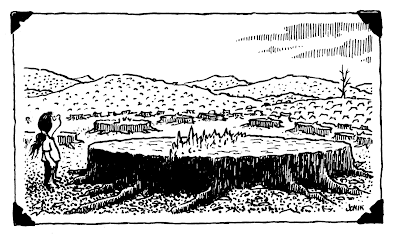


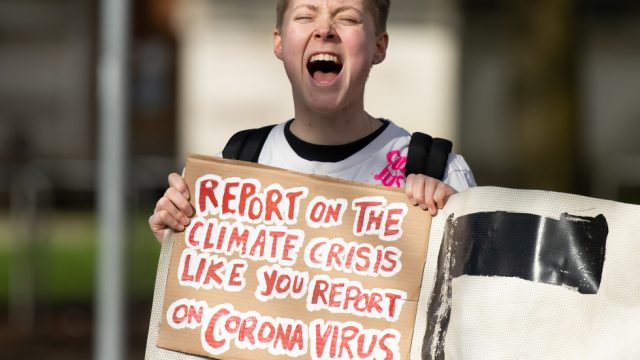

 Aletho News
 Aletho News