Human augmentation is becoming ‘state of the art – the pinnacle of mortal man’s accomplishments’ say the scientists serving the billionaire class turning us mere peons into robots. But is it ethical or legal?
In the video below we get a flavor of what’s in store for us now most of the world has meekly complied to ceaseless lockdowns and experimental ‘vaccines’ without legal recourse. We need to shorten the lag time between conspiracy theory and truth.
After watching the video do read David Masci’s own insight into this seemingly unstoppable ‘advance’ in humanity:
The Scientific And Ethical Dimensions Of Striving For Perfection
Human enhancement is at least as old as human civilization. People have been trying to enhance their physical and mental capabilities for thousands of years, sometimes successfully – and sometimes with inconclusive, comic and even tragic results.
Up to this point in history, however, most biomedical interventions, whether successful or not, have attempted to restore something perceived to be deficient, such as vision, hearing or mobility. Even when these interventions have tried to improve on nature – say with anabolic steroids to stimulate muscle growth or drugs such as Ritalin to sharpen focus – the results have tended to be relatively modest and incremental.
But thanks to recent scientific developments in areas such as biotechnology, information technology and nanotechnology, humanity may be on the cusp of an enhancement revolution. In the next two or three decades, people may have the option to change themselves and their children in ways that, up to now, have existed largely in the minds of science fiction writers and creators of comic book superheroes.
Both advocates for and opponents of human enhancement spin a number of possible scenarios. Some talk about what might be called “humanity plus” – people who are still recognizably human, but much smarter, stronger and healthier. Others speak of “post-humanity,” and predict that dramatic advances in genetic engineering and machine technology may ultimately allow people to become conscious machines – not recognizably human, at least on the outside.
This enhancement revolution, if and when it comes, may well be prompted by ongoing efforts to aid people with disabilities and heal the sick. Indeed, science is already making rapid progress in new restorative and therapeutic technologies that could, in theory, have implications for human enhancement.
One of the most important developments in recent years involves a new gene-splicing technique called “clustered regularly interspaced short palindromic repeats.” Known by its acronym, CRISPR, this new method greatly improves scientists’ ability to accurately and efficiently “edit” the human genome, in both embryos and adults.
The new gene-splicing technique “CRISPR” greatly improves scientists’ ability to accurately and efficiently “edit” the human genome. (Credit: Getty Images)
To those who support human enhancement, many of whom call themselves transhumanists, technological breakthroughs like these are springboards not only to healing people but to changing and improving humanity. Up to this point, they say, humans have largely worked to control and shape their exterior environments because they were powerless to do more. But transhumanists predict that a convergence of new technologies will soon allow people to control and fundamentally change their bodies and minds. Instead of leaving a person’s physical well-being to the vagaries of nature, supporters of these technologies contend, science will allow us to take control of our species’ development, making ourselves and future generations stronger, smarter, healthier and happier.
The science that underpins transhumanist hopes is impressive, but there is no guarantee that researchers will create the means to make super-smart or super-strong people. Questions remain about the feasibility of radically changing human physiology, in part because scientists do not yet completely understand our bodies and minds. For instance, researchers still do not fully comprehend how people age or fully understand the source of human consciousness.
There also is significant philosophical, ethical and religious opposition to transhumanism. Many thinkers from different disciplines and faith traditions worry that radical changes will lead to people who are no longer either physically or psychologically human.
We are no longer living in a time when we can say we either want to enhance or we don’t. We are already living in an age of enhancement.
— NICHOLAS AGAR, VICTORIA UNIVERSITY
Even minor enhancements, critics say, may end up doing more harm than good. For instance, they contend, those with enhancements may lack empathy and compassion for those who have not chosen or cannot afford these new technologies. Indeed, they say, transhumanism could very well create an even wider gap between the haves and have-nots and lead to new kinds of exploitation or even slavery.
Given that the science is still at a somewhat early stage, there has been little public discussion about the possible impacts of human enhancement on a practical level. But a new survey by Pew Research Center suggests wariness in the U.S. public about these emerging technologies. For example, 68% of Americans say they would be “very” or “somewhat” worried about using gene editing on healthy babies to reduce the infants’ risk of serious diseases or medical conditions. And a majority of U.S. adults (66%) say they would “definitely” or “probably” not want to get a brain chip implant to improve their ability to process information.
And yet, perhaps ironically, enhancement continues to captivate the popular imagination. Many of the top-grossing films in recent years in the United States and around the world have centered on superheroes with extraordinary abilities, such as the X-Men, Captain America, Spiderman, the Incredible Hulk and Iron Man. Such films explore the promise and pitfalls of exceeding natural human limits.
HUMAN ENHANCEMENT IN POPULAR CULTURE
Not only is enhancement unquestionably part of today’s cultural zeitgeist, questions about humanity’s quest to move beyond natural limits go back to our earliest myths and stories. The ancient Greeks told of Prometheus, who stole fire from the gods, and Daedalus, the skilled craftsman, who made wings for himself and his son, Icarus. In the opening chapters of Genesis, the Hebrew Bible depicts a successful incident of human enhancement, when Adam and Eve ate the fruit from the tree of the knowledge of good and evil because the Serpent told them it would make them “like God.”
Of course, while Adam and Eve gained a new awareness and self-understanding, their actions also led to their expulsion from paradise and entry into a much harder world full of pain, shame and toil. This theme – that hidden dangers may lurk in something ostensibly good – runs through many literary accounts of enhancement. In Mary Shelley’s “Frankenstein” (1818), for instance, a scientist creates a new man, only to eventually die while trying to destroy his creation.
Whether these fears surrounding human enhancement are real or unfounded is a question already being debated by ethicists, scientists, theologians and others. This report looks at that debate, particularly in light of the diverse religious traditions represented in the United States. First, though, the report explains some of the scientific developments that might form the basis of an enhancement revolution.
A UK nonprofit with ties to global corruption throughout the COVID-19 crisis as well as historical and current ties to the UK eugenics movement launched a global health-focused DARPA equivalent last year. The move went largely unnoticed by both mainstream and independent media.
The Wellcome Trust, which has arguably been second only to Bill Gates in its ability to influence events during the COVID-19 crisis and vaccination campaign, launched its own global equivalent of the Pentagon’s secretive research agency last year, officially to combat the “most pressing health challenges of our time.” Though first conceived of in 2018, this particular Wellcome Trust initiative was spun off from the Trust last May with $300 million in initial funding. It quickly attracted two former DARPA executives, who had previously served in the upper echelons of Silicon Valley, to manage and plan its portfolio of projects.
This global health DARPA, known as Wellcome Leap, seeks to achieve “breakthrough scientific and technological solutions” by or before 2030, with a focus on “complex global health challenges.” The Wellcome Trust is open about how Wellcome Leap will apply the approaches of Silicon Valley and venture capital firms to the health and life science sector. Unsurprisingly, their three current programs are poised to develop incredibly invasive tech-focused, and in some cases overtly transhumanist, medical technologies, including a program exclusively focused on using artificial intelligence (AI), mobile sensors, and wearable brain-mapping tech for children three years old and younger.
This Unlimited Hangout investigation explores not only the four current programs of Wellcome Leap but also the people behind it. The resulting picture is of an incredibly sinister project that poses not only a great threat to current society but to the future of humanity itself. An upcoming Unlimited Hangout investigation will examine the history of the Wellcome Trust along with its role in recent and current events.
Leap’s Leadership: Merging Man and Machine for the Military and Silicon Valley
The ambitions of the Wellcome Leap are made clear by the woman chosen to lead it, former director of the Pentagon’s DARPA, Regina Dugan. Dugan began her career at DARPA in 1996; she led a counterterrorism task force in 1999 before leaving DARPA about a year later. After departing DARPA, she cofounded her own venture capital firm, Dugan Ventures, and then became special adviser to the US Army’s vice chief of staff from 2001 to 2003, which coincided with the invasions of Afghanistan and Iraq. In 2005, she created a defense-focused tech firm called RedXDefense, which contracts with the military and specifically for DARPA.
In 2009, under the Obama administration, Dugan was appointed director of DARPA by Defense Secretary Robert Gates. Much was made over her being the first female director of the agency, but she is best remembered at the agency for her so-called “Special Forces” approach to innovation. During her tenure, she created DARPA’s now defunct Transformational Convergence Technology Office, which focused on social networks, synthetic biology, and machine intelligence. Many of the themes previously managed by that office are now overseen by DARPA’s Biological Technologies Office, which was created in 2014 and focuses on everything “from programmable microbes to human-machine symbiosis.” The Biological Technologies Office, like Wellcome Leap, pursues a mix of “health-focused” biotechnology programs and transhumanist endeavors.
While Dugan’s efforts at DARPA are remembered fondly by those in the national-security state, and also by those in Silicon Valley, Dugan was investigated for conflicts of interest during her time as DARPA’s director, as her firm RedXDefense acquired millions in Department of Defense contracts during her tenure. Though she had recused herself from any formal role at the company while leading DARPA, she continued to hold a significant financial stake in the company, and a military investigation later found she had violated ethics rules to a significant degree.
Instead of being held accountable in any way, Dugan went on to become a top executive at Google, where she was brought on to manage Google’s Advanced Technology and Products Group (ATAP), which it had spun out of Motorola Mobility after Google’s acquisition of that company in 2012. Google’s ATAP was modeled after DARPA and employed other ex-DARPA officials besides Dugan.
At Google, Dugan oversaw several projects, including what is now the basis of Google’s “augmented reality” business, then known as Project Tango, as well as “smart” clothing in which multitouch sensors were woven into textiles. Another project that Dugan led involved the use of a “digital tattoo” to unlock smartphones. Perhaps most controversially, Dugan was also behind the creation of a “digital authentication pill.” According to Dugan, when the pill is swallowed, “your entire body becomes your authentication token.” Dugan framed the pill and many of her other efforts at Google as working to fix “the mechanical mismatch between humans and electronics” by producing technology that merges the human body with machines to varying degrees. While serving in this capacity at Google, Dugan chaired a panel at the 2013 Clinton Global Initiative called “Game-Changers in Technology” and attended the 2015 Bilderberg meeting where AI was a main topic of discussion.
In 2016, Dugan left Google for Facebook where she was chosen to be the first head of Facebook’s own DARPA-equivalent research agency, then known as Building 8. DARPA’s ties to the origins of Facebook were discussed in a recent Unlimited Hangout report. Under Dugan, Building 8 invested heavily in brain-machine interface technology, which has since produced the company’s “neural wearable” wristbands that claim to be able to anticipate movements of the hand and fingers from brain signals alone. Facebook showcased prototypes of the project earlier this year.
Dugan left Facebook just eighteen months after joining Building 8, announcing her plans “to focus on building and leading a new endeavor,” which was apparently a reference to Wellcome Leap. Dugan later said it was as if she had been training for her role at Wellcome Leap ever since entering the workforce, framing it as the pinnacle of her career. When asked in an interview earlier this year who the clients of Wellcome Leap are, Dugan gave a long-winded answer but essentially responded that the project serves the biotech and pharmaceutical industries, international organizations such as the UN, and public-private partnerships.
In addition to her role at Wellcome, Dugan is also a member of the Council on Foreign Relations-sponsored taskforce on US Technology and Innovation policy, which was formed in 2019. Other members include LinkedIn’s Reid Hoffman, McKinsey Institute Global Chairman James Manyika, former head of Google Eric Schmidt and President Biden’s controversial top science adviser Eric Lander.
The other executive at Wellcome Leap, chief operating officer Ken Gabriel, has a background closely tied to Dugan’s. Gabriel, like Dugan, is a former program manager at DARPA, where he led the agency’s microelectromechanical systems (MEMS) research from 1992 to 1996. He served as deputy director of DARPA from 1995 to 1996 and became director of the Electronics Technology Office from 1996 to 1997, where he was reportedly responsible for about half of all federal electronics-technology investments. At DARPA, Gabriel worked closely with the FBI and the CIA.
Ken Gabriel – COO of Wellcome Leap. Source: Wellcome Leap
Gabriel left DARPA for Carnegie Mellon University, where he was in charge of the Office for Security Technologies in the aftermath of September 11, 2001. That office was created after 9/11 specifically to help meet the national-security needs of the federal government, according to Carnegie Mellon’s announcement of the program. Around that same time, Gabriel became regarded as “the architect of the MEMS industry” due to his past work at DARPA and his founding of the MEMS-focused semiconductor company Akustica in 2002. He served as Akustica’s chairman and chief technology officer until 2009, at which time he returned to work at DARPA where he served as the agency’s deputy director, working directly under Regina Dugan.
In 2012, Gabriel followed Dugan to Google’s Advanced Technology and Products Group, which he was actually responsible for creating. According to Gabriel, Google cofounders Larry Page and Sergey Brin tasked Gabriel with creating “a private sector ground-up model of DARPA” out of Motorola Mobility. Regina Dugan was placed in charge, and Gabriel again served as her deputy. In 2013, Dugan and Gabriel co-wrote a piece for the Harvard Business Review about how DARPA’s “Special Forces” innovation approach could revolutionize both the public and private sectors if more widely applied. Gabriel left Google in 2014, well before Dugan, to serve as the president and CEO of Charles Stark Draper Laboratories, better known as Draper Labs, which develops “innovative technology solutions” for the national-security community, with a focus on biomedical systems, energy, and space technology. Gabriel held that position until he abruptly resigned in 2020 to co-lead Wellcome Leap with Dugan.
In addition to his role at Wellcome, Gabriel is also a World Economic Forum “technology pioneer” and on the board of directors of Galvani Bioelectronics, a joint venture of GlaxoSmithKline, which is intimately linked to the Wellcome Trust, and the Google subsidiary Verily. Galvani focuses on the development of “bioelectronic medicines” that involve “implant-based modulation of neural signals” in an overt push by the pharmaceutical industry and Silicon Valley to normalize transhumanist “medicines.” The longtime chairman of the board of Galvani, on which Gabriel serves, was Moncef Slaoui, who led the US COVID-19 vaccine development and distribution program Operation Warp Speed. Slaoui was relieved of his position at Galvani this past March over well-substantiated claims of sexual harassment.
Jeremy Farrar, Pandemic Narrative Manager
While Dugan and Gabriel ostensibly lead the outfit, Wellcome Leap is the brainchild of Jeremy Farrar and Mike Ferguson, who serve as its directors. Farrar is the director of the Wellcome Trust itself, and Ferguson is deputy chair of the Trust’s board of governors. Farrar has been director of the Wellcome Trust since 2013 and has been actively involved in critical decision making at the highest level globally since the beginning of the COVID crisis. He is also an agenda contributor to the World Economic Forum and cochaired the WEF’s Africa meeting in 2019.
Farrar’s Wellcome Trust is also a WEF strategic partner and cofounded the COVID Action Platform with the WEF. Farrar was more recently behind the creation of Wellcome’s COVID-Zero initiative, which is also tied to the WEF. Farrar has framed that initiative as “an opportunity for companies to advance the science which will eventually reduce business disruption.” Thus far it has convinced titans of finance, including Mastercard and Citadel, to invest millions in research and development at organizations favored by the Wellcome Trust.
Some of Wellcome’s controversial medical-research projects in Africa, as well as its ties to the UK eugenics movement, were explored in a December article published at Unlimited Hangout. That report also explores the intimate connections of Wellcome to the Oxford-AstraZeneca COVID-19 vaccine, the use of which has now been restricted or banned in several countries. As mentioned in the introduction, the Wellcome Trust itself is the subject of an upcoming Unlimited Hangout investigation (Part 2).
Jeremy Farrar, who was born in Singapore in 1961, had previously been director of the Oxford University Clinical Research Unit in Ho Chi Minh City, beginning in 1998. During that time, he authored numerous epidemiological research papers. He claimed in a 2014 Financial Times article that his decision to move to Vietnam was due to his disdain for conference halls full of white men. Southeast Asia was obviously a much less regulated environment for someone in the medical-research industry wishing to indulge in groundbreaking research. Although based in Vietnam, Farrar was sent by Oxford to various locations around the globe to study epidemics happening in real time. In 2009, when swine flu was wreaking havoc in Mexico, Farrar jumped on a plane to dive right into the action, something he also did for subsequent global outbreaks of Ebola, MERS, and avian flu.
Over the past year, many questions have arisen regarding exactly how much power Farrar wields over global public health policy. Recently, the US president’s chief medical adviser, Anthony Fauci, was forced to release his emails and correspondence from March and April 2020 at the request of the Washington Post. The released emails reveal what appears to be a high-level conspiracy by some of the top medical authorities in the US to falsely claim that COVID-19 could only have been of zoonotic origin, despite indications to the contrary. The emails were heavily redacted as such emails usually are, supposedly to protect the information of the people involved, but the “(b)(6)” redactions also protect much of Jeremy Farrar’s input into these discussions. Chris Martenson, economic researcher and post-doctorate student of neurotoxicology and founder of Peak Prosperity, has had some insightful comments on the matter, including asking why such protection has been offered to Farrar given that he is the director of a “charitable trust.” Martenson went on to question why the Wellcome Trust was involved at all in these high-level discussions.
One Fauci email, dated February 25, 2020, and sent by Amelie Rioux of the WHO, stated that Jeremy Farrar’s official role at that time was “to act as the board’s focal point on the COVID-19 outbreak, to represent and advise the board on the science of the outbreak and the financing of the response.” Farrar had previously chaired the WHO’s Scientific Advisory Council. The emails also show the preparation, within a ten-day period, of the SARS-CoV-2 “‘origins” paper, which was entitled “The Proximal Origin of SARS-CoV-2” and was accepted for publication by Nature Medicine on March 17, 2020. The paper claimed that the SARS-CoV-2 virus could only have come from natural origins as opposed to gain-of-function research, a claim once held as gospel in the mainstream but which has come under considerable scrutiny in recent weeks.
Shaping the presentation of an origin story for a virus of global significance is something Farrar has been involved with before. In 2004–5, it was reported that Farrar and his Vietnamese colleague Tran Tinh Hien, the vice director at the Hospital for Tropical Diseases, were the first to identify the re-emergence of the avian flu (H5N1) in humans. Farrar has recounted the origin story on many occasions, stating: “It was a little girl. She caught it from a pet duck that had died and she’d dug up and reburied. She survived.” According to Farrar, this experience prompted him to found a global network in conjunction with the World Health Organization to “improve local responses to disease outbreaks.”
An article published by Rockefeller University Press’s Journal of Experimental Medicine in 2009 is dramatically titled, “Jeremy Farrar: When Disaster Strikes.” Farrar, when referring to the H5N1 origin story stated: “The WHO people—and this is not a criticism—decided it was unlikely that the child had SARS or avian influenza. They left, but Professor Hien stayed behind to talk with the child and her mum. The girl admitted that she had been quite sad in the previous days with the death of her pet duck. The girl and her brother had fought over burying the duck and, because of this argument, she had gone back, dug up the duck, and reburied it—probably so her brother wouldn’t know where it was buried. With that history, Professor Hien phoned me at home and said he was worried about the child. He took some swabs from the child’s nose and throat and brought them back to the hospital. That night the laboratory ran tests on the samples, and they were positive for Influenza A.”
With Farrar now having been revealed as an instrumental part of the team that crafted the official story regarding the origins of SARS-CoV-2, his previous assertions about the origin of past epidemics should be scrutinized.
As the director of a “charitable trust,” Jeremy Farrar is almost completely unaccountable for his involvement in crafting controversial narratives related to the COVID crisis. He continues to be at the forefront of the global response to COVID, in part by launching the Wellcome Leap Fund for “unconventional projects, funded at scale” as an overt attempt to create a global and “charitable” version of DARPA. Indeed, Farrar, in conceiving Wellcome Leap, has positioned himself to be just as, if not more, instrumental in building the foundation for the post-COVID era as he was in building the foundation for the COVID crisis itself. This is significant as Wellcome Leap CEO Regina Dugan has labeled COVID-19 this generation’s “Sputnik moment” that will launch a new age of “health innovation,” much like the launching of Sputnik started a global technological “space age.” Wellcome Leap fully intends to lead the pack.
“Rulers” of the Gene-Sequencing Industry
In contrast to the overt DARPA, Silicon Valley, and Wellcome connections of the others, the chairman of the board of directors of Wellcome Leap, Jay Flatley, has a different background. Flatley is the long-time head of Illumina, a California-based gene-sequencing hardware and software giant that is believed to currently dominate the field of genomics. Though he stepped down from the board of Illumina in 2016, he has continued to serve as the executive chairman of its board of directors. Flatley was the first to be chosen for a leadership position at Wellcome Leap, and he was responsible for suggesting Regina Dugan for the organization’s chief executive officer, according to a recent interview given by Dugan.
As a profile on Illumina in the business magazine Fast Company notes, Illumina “operates behind the scenes, selling hardware and services to companies and research institutions,” among them 23andMe. 23andMe’s CEO, Anne Wojcicki, the sister of YouTube CEO Susan Wojcicki and the wife of Google cofounder Sergey Brin, told Fast Company, “It’s crazy. Illumina is like the ruler of this whole universe and no one knows that.” The report notes that 23andMe, like most companies that offer DNA sequencing and analysis to consumers, uses machines produced by Illumina.
In 2016, Illumina launched an “aggressive” five-year plan to “bring genomics out of research labs and into doctors’ offices.” Given the current state of things, particularly the global push toward gene-focused vaccines and therapies, that plan, which concludes this year, could not have been any better timed. Illumina’s current CEO, Francis DeSouza, previously held key posts at Microsoft and Symantec. Also in 2016, Illumina’s executive teams forecast a future in which humans are gene tested from birth to grave for both health and commercial purposes.
Whereas most companies have struggled financially during the coronavirus pandemic, some have seen a massive increase in profits. Illumina has witnessed its share price double since the start of the COVID crisis. The company’s $1 billion plus in profits during the last tax year was obviously helped by the quick approval of the NovaSEQ 6000 machines, which can test a large number of COVID samples more quickly than other devices. An individual machine has a hefty price tag of almost $1 million, and thus they are mostly found at elite facilities, private labs, and top-tier universities.
Jay Flatley, Executive Chairman, Illumina, speaking at World Economic Forum in Davos 2018. Source: WEF
In addition to his long-standing leadership role at Illumina, Jay Flatley is also a “digital member” of the World Economic Forum as well as the lead independent director of Zymergen, a WEF “tech pioneer” company that is “rethinking biology and reimagining the world.” Flatley, who has also attended several Davos meetings, has addressed the WEF on the “promise of precision [i.e., gene-specific] medicine.” At another WEF panel meeting, Flatley, alongside UK Health Secretary Matt Hancock, promoted the idea of making genomic sequencing of babies at birth the norm, claiming it had “the potential to shift the healthcare system from reactive to preventative.” Some at the panel called for the genomic sequencing of infants to eventually become mandatory.
Aside from Flatley as an individual, Illumina as a company is a WEF partner and plays a key role in its platform regarding the future of health care. A top Illumina executive also serves on the WEF’s Global Future Council on Biotechnology.
A New HOPE
Wellcome Leap currently has four programs: Multi-Stage Psych, Delta Tissue, 1KD, and HOPE. HOPE was the first program to be announced by Wellcome Leap and stands for Human Organs, Physiology and Engineering. According to the full program description, HOPE aims “to leverage the power of bioengineering to advance stem cells, organoids, and whole organ systems and connections that recapitulate human physiology in vitro and restore vital functions in vivo.”
HOPE consists of two main program goals. First, it seeks to “bioengineer a multiorgan platform that recreates human immunological responses with sufficient fidelity to double the predictive value of a preclinical trial with respect to efficacy, toxicity and immunogenicity for therapeutic interventions.” In other words, this bioengineered platform mimicking human organs would be used to test the effects of pharmaceutical products, including vaccines, which could create a situation in which animal trials are replaced with trials on gene-edited and farmed organs. Though such an advance would certainly be helpful in the sense of reducing often unethical animal experimentation, trusting such a novel system to allow medical treatments to go straight to the human-testing phase would also require trusting the institutions developing that system and its funders.
As it stands now, the Wellcome Trust has too many ties to corrupt actors in the pharmaceutical industry, having originally begun as the “philanthropic” arm of UK drug giant GlaxoSmithKline, for anyone to trust what they are producing without actual independent confirmation, given the histories of some of their partners in fudging both animal and human clinical trial data for vaccines and other products.
The second goal of HOPE is to open up the use of machine-human hybrid organs for transplantation into human beings. That goal focuses on restoring “organ functions using cultivated organs or biological/synthetic hybrid systems” with the later goal of bioengineering a fully transplantable human organ after several years.
Later on in the program description, however, the interest in merging the synthetic and biological becomes clearer when it states: “The time is right to foster synergies between organoids, bioengineering and immunoengineering technologies, and advance the state-of-the-art of in vitro human biology . . . by building controllable, accessible and scalable systems.” The program description document also notes the interest of Wellcome in genetic-engineering approaches for the “enhancement of desired properties and insertion of traceable markers” and Wellcome’s ambition to reproduce the building blocks of the human immune system and human organ systems through technological means.
Transhumanist Toddlers?
The second program to be pursued by Wellcome Leap is called “The First 1000 Days: Promoting Healthy Brain Networks,” which is abbreviated as 1KD by the organization. It is arguably the most unsettling program because it seeks to use young children, specifically infants from three months to three-year-old toddlers, as its test subjects. The program is being overseen by Holly Baines, who previously served as strategy development lead for the Wellcome Trust before joining Wellcome Leap as the 1KD program leader.
1KD is focused on developing “objective, scalable ways to assess a child’s cognitive health” by monitoring the brain development and function of infants and toddlers, allowing practitioners to “risk-stratify children” and “predict responses to interventions” in developing brains.
The program description document notes that, up to this point in history, “our primary window into the developing brain has been neuroimaging techniques and animal models, which can help identify quantitative biomarkers of [neural] network health and characterise network differences underlying behaviours.” It then states that advances in technology “are opening additional possibilities in young infants.”
The program description goes on to say that artificial neural networks, a form of AI, “have demonstrated the viability of modelling network pruning process and the acquisition of complex behaviours in much the same way as a developing brain,” while improvements in machine learning, another subset of AI, can now be used to extract “meaningful signals” from the brains of infants and young children. These algorithms can then be used to develop “interventions” for young children deemed by other algorithms to be in danger of having underdeveloped brain function.
The document goes on to note the promise of “low-cost mobile sensors, wearables and home-based systems” in “providing a new opportunity to assess the influence and dependency of brain development on natural physical and social interactions.” In other words, this program seeks to use “continuous visual and audio recordings in the home” as well as wearable devices on children to collect millions upon millions of data points. Wellcome Leap describes these wearables as “relatively unobtrusive, scalable electronic badges that collect visual, auditory and motion data as well as interactive features (such as turn-taking, pacing and reaction times).” Elsewhere in the document there is a call to develop “wearable sensors that assess physiological measures predictive of brain health (e.g., electrodermal activity, respiratory rate, and heart rate) and wireless wearable EEG or eye-tracking technology” for use in infants and children three and under.
Like other Wellcome Leap programs, this technology is being developed with the intention of making it mainstream in medical science within the next five to ten years, meaning that this system—although framed as a way to monitor children’s brain functioning to improve cognitive outcomes—is a recipe for total surveillance of babies and very young children as well as a means for altering their brain functioning as algorithms and Leap’s programmers see fit.
1DK has two main program goals. The first is to “develop a fully integrated model and quantitive measurement tools of network development in the first 1000 days [of life], sufficient to predict EF [executive function] formation before a child’s first birthday.” Such a model, the description reads, “should predict contributions of nutrition, the microbiome and the genome” on brain formation as well as the effects of “sensimotor and social interactions [or lack thereof] on network pruning processes” and EF outcomes. The second goal makes it clear that widespread adoption of such neurological-monitoring technologies in young children and infants is the endgame for 1DK. It states that the program plans to “create scalable methods for optimising promotion, prevention, screening and therapeutic interventions to improve EF by at least 20% in 80% of children before age 3.”
True to the eugenicist ties of the Wellcome Trust (to be explored more in-depth in Part 2), Wellcome Leap’s 1DK notes that “of interest are improvements from underdeveloped EF to normative or from normative to well-developed EF across the population to deliver the broadest impact.” One of the goals of 1DK is thus not treating disease or addressing a “global health public challenge” but instead experimenting on the cognitive augmentation of children using means developed by AI algorithms and invasive surveillance-based technology.
Another unsettling aspect of the program is its plan to “develop an in vitro 3D brain assembloid that replicates the time formation” of a developing brain that is akin to the models developed by monitoring the brain development of infants and children. Later on, the program description calls this an “in-silico” model of a child’s brain, something of obvious interest to transhumanists who see such a development as a harbinger of the so-called singularity. Beyond that, it appears that this in-silico and thus synthetic model of the brain is planned to be used as the “model” to which infant and children brains are shaped by the “therapeutic interventions” mentioned elsewhere in the program description.
It should be clear how sinister it is that an organization that brings together the worst “mad scientist” impulses of both the NGO and military-research worlds is openly planning to conduct such experiments on the brains of babies and toddlers, viewing them as datasets and their brains as something to be “pruned” by machine “intelligence.” Allowing such a program to advance unimpeded without pushback from the public would mean permitting a dangerous agenda targeting society’s youngest and most vulnerable members to potentially advance to a point where it is difficult to stop.
A “Tissue Time Machine”
The third and second-most recent program to join the Wellcome Leap lineup is called Delta Tissue, abbreviated by the organization as ΔT. Delta Tissue aims to create a platform that monitors changes in human-tissue function and interactions in real time, ostensibly to “explain the status of a disease in each person and better predict how that disease would progress.” Referring to this platform as a “tissue time machine,” Wellcome Leap sees Delta Tissue as being able to predict the onset of disease before it occurs while also allowing for medical interventions that “are targeted to the individual.”
Well before the COVID era, precision medicine or medicine “targeted or tailored to the individual” has been a code phrase for treatments based on patients’ genetic data and/or for treatments that alter nucleic acid (e.g., DNA and RNA) function itself. For instance, the US government defines “precision medicine” as “an emerging approach for disease treatment and prevention that takes into account individual variability in genes, environment, and lifestyle for each person.” Similarly, a 2018 paper published in Technology notes that, in oncology, “precision and personalized medicine . . . fosters the development of specialized treatments for each specific subtype of cancer, based on the measurement and manipulation of key patient genetic and omic data (transcriptomics, metabolomics, proteomics, etc.).”
Prior to COVID-19 and the vaccine roll outs, the mRNA vaccine technology used by the DARPA-funded companies Moderna and Pfizer were marketed as being precision medicine treatments and were largely referred to as “gene therapies” in media reports. They were also promoted heavily as a revolutionary method of treating cancer, making it unsurprising that the Delta Tissue program at Wellcome Leap would use a similar justification to develop a program that aims to offer tailored gene therapies to people before the onset of a disease.
This Delta Tissue platform works to combine “the latest cell and tissue profiling technologies with recent advances in machine learning,” that is, AI. Given Wellcome Leap’s connections to the US military, it is worth noting that the Pentagon and Google, both former employers of Wellcome Leap CEO Regina Dugan and COO Ken Gabriel, have been working together since last September on using AI to predict disease in humans, first focusing on cancer before expanding to COVID-19 and every disease in between. The Delta Tissue program appears to have related ambitions, as its program description makes clear that the program ultimately aims to use its platform for a host of cancers and infectious diseases.
The ultimate goal of this Wellcome Leap program is “to eradicate the stubbornly challenging diseases that cause so much suffering around the world.” It plans to do this through AI algorithms, however, which are never 100 percent accurate in their predictive ability, and with gene-editing treatments, nearly all of which are novel and have not been well tested. That latter point is important given that one of the main methods for gene-editing in humans, CRISPR, has been found in numerous studies to cause considerable damage to the DNA, damage that is largely irreparable (see here, here and here). It seems plausible that a person placed on such a hi-tech medical treatment path will continue to need a never-ending series of gene-editing treatments and perhaps other invasive hi-tech treatments to mitigate and manage the effects of clumsy gene splicing.
Those behind Wellcome Leap frame the problem they aim to tackle with this program as follows:
“We understand that synaptic connections serve as the currency of neural communication, and that strengthening or weakening these connections can facilitate learning new behavioral strategies and ways of looking at the world. Through studies in both animal models and humans, we have discovered that emotional states are encoded in complex neural network activity patterns, and that directly changing these patterns via brain stimulation can shift mood. We also know that disruption of these delicately balanced networks can lead to neuropsychiatric illness.” (emphasis added)
They add that “biologically based treatments” for depression “are not being matched to the biology of the human beings they’re being used in,” and, thus, treatments for depression need to be tailored “to the specific biology” of individual patients. They clearly state that what needs to be addressed in order to make such personal modifications to treatment is to gain “easy access to the biological substrate of depression—i.e. the brain.”
Wellcome Leap’s program description notes that this effort will focus specifically on anhedonia, which it defines as “an impairment in the effort-based reward system” and as a “key symptom of depression and other neuropsychiatric illnesses.” Notably, in the fine print of the document, Wellcome Leap states:
“While there are many definitions of anhedonia, we are less interested in the investigation of reduced consummatory pleasure, the general experience of pleasure, or the inability to experience pleasure. Rather, as per the description above, we will prioritize investigations of anhedonia as it relates to impairments in the effort-based reward system—e.g. reduced motivation to complete tasks and decreased capacity to apply effort to achieve a goal.”
In other words, Wellcome Leap is only interested in treating aspects of depression that interfere with an individual’s ability to work, not in improving an individual’s quality or enjoyment of life.
Leap notes, in discussing its goals, that it seeks to develop models for how patients respond to treatments that include “novel or existing behavior modification, psychotherapy, medication, and neurostimulation options” while also capturing an individual’s “genome, phenome [the sum of an individual’s phenotypic traits], [neural] network connectivity, metabolome [the sum of an individual’s metabolic traits], microbiome, reward processing plasticity levels,” among others. It ultimately aims to predict the relationship between an individual’s genome to how “reward processing” functions in the brain. It implies that the data used to create this model should involve the use of wearables, stating that researchers “should seek to leverage high frequency patient-worn or in-home measurements in addition to those obtained in the clinic, hospital or laboratory.”
One of the main research areas included in the program looks to “develop new scalable measurement tools for reliable and high-density quantification of mood (both subjectively reported and objectively quantified via biometrics such as voice, facial expression, etc.), sleep, movement, reward system functioning, effort/motivation/energy levels, social interaction, caloric intake, and HPA axis output in real-world situations.” The HPA (hypothalamic-pituitary-adrenal) axis is mentioned throughout the document, and this is significant as it is both a negative and positive feedback system regulating the mechanisms of stress reactions, immunity, and also fertility in the human body. The latter is especially important given the Wellcome Trust’s ties to the UK eugenics movement. It is also worth noting that some commercially available wearables, such as Amazon’s Halo, already quantify mood, sleep, and movement.
The program’s authors go even further than the above in terms of what they wish to monitor in real time, stating, “We specifically encourage the development of non-invasive technology to directly interrogate human brain state.” Examples include “a non-invasive spinal tap equivalent,” “behavioral or biomarker probes of neural plasticity,” and “single-session neural monitoring capabilities that define a treatment-predictive brain state.”
In other words, this Wellcome Leap program and its authors seek to develop “non-invasive” and, likely, wearable technology capable of monitoring an individual’s mood, facial expressions, social interactions, effort and motivation, and potentially even thoughts in order to “directly interrogate human brain state.” To think that such a device would stay only in the realm of research is naive, especially given that WEF luminaries have openly spoken at Davos meetings about how governments plan to use such technology widely on their populations as a means of pre-emptively targeting would-be dissent and ushering in an era of “digital dictatorships.”
The focus on treating only the aspects of depression that interfere with a person’s work further suggests that such technology, once developed, would be used to ensure “perfect worker” behavior in industries where human workers are rapidly being replaced with AI and machines, meaning the rulers can be more selective about which people continue to be employed and which do not. Like other Wellcome Leap programs, if completed, the fruits of the Multi-Channel Psych program will likely be used to ensure a population of docile automatons whose movements and thoughts are heavily surveilled and monitored.
The Last Leap for an Old Agenda
Wellcome Leap is no small endeavor, and its directors have the funding, influence, and connections to make their dreams reality. The organization’s leadership includes the key force behind Silicon Valley’s push to commercialize transhumanist tech (Regina Dugan), the “architect” of the MEMS industry (Ken Gabriel), and the “ruler” of the burgeoning genetic-sequencing industry (Jay Flatley). It also benefits from the funding of the world’s largest medical-research foundation, the Wellcome Trust, which is also one of the leading forces in shaping genetics and biotechnology research as well as health policy globally.
A 1994 Sunday Times investigation into the Trust noted that “through [Wellcome Trust] grants and sponsorships, government agencies, universities, hospitals and scientists are influenced all over the world. The trust distributes more money to institutions than even the British government’s Medical Research Council.”
It then notes:
“In offices on the building’s first floor, decisions are reached that affect lives and health on scales comparable with minor wars. In the conference room, high above the street, and in the meeting hall, in the basement, rulings in biotechnology and genetics are handed down that will help shape the human race.”
Little has changed regarding the Trust’s influence since that article was published. If anything, its influence on research paths and decisions that will “shape the human race” has only grown. Its ex-DARPA officials, who have spent their careers advancing transhumanist technology in both the public and private sectors, have overlapping goals with those off Wellcome Leap. Dugan’s and Gabriel’s commercial projects in Silicon Valley reveal that Leap is led by those who have long sought to advance the same technology for profit and for surveillance. This drastically weakens Wellcome Leap’s claim to now be pursuing such technologies to only improve “global health.”
Regina Dugan’s Keynote at Facebook F8 2017. Source: YouTube
Indeed, as this report has shown, most of these technologies would usher in a deeply disturbing era of mass surveillance over both the external and internal activities of human beings, including young children and infants, while also creating a new era of medicine based largely on gene-editing therapies, the risks of which are considerable and also consistently downplayed by its promoters.
When one understands the intimate bond that has long existed between eugenics and transhumanism, Wellcome Leap and its ambitions make perfect sense. In a recent article written by John Klyczek for Unlimited Hangout, it was noted that the first director general of UNESCO and former president of the UK Eugenics Society was Julian Huxley, who coined the term “transhumanism” in his 1957 book New Bottles for New Wine. As Klyczek wrote, Huxley argued that “the eugenic goals of biologically engineering human evolution should be refined through transhumanist technologies, which combine the eugenic methods of genetic engineering with neurotech that merges humans and machines into a new organism.”
Earlier, in 1946, Huxley noted in his vision for UNESCO that it was essential that “the eugenic problem is examined with the greatest care and that the public mind is informed of the issues at stake so that much that is now unthinkable may at least become thinkable,” an astounding statement to make so soon after the end of World War II. Thanks in large part to the Wellcome Trust and its influence on both policy and medical research over the course of several decades, Huxley’s dream of rehabilitating eugenics-infused science in the post–World War II era could soon become reality. Unsurprisingly, the Wellcome Trust hosts the archive of the formerly Huxley-led Eugenics Society and still boasts close ties to its successor organization, the Galton Institute.
The over-riding question is: Will we allow ourselves to continue to be manipulated into allowing transhumanism and eugenics to be openly pursued and normalized, including through initiatives like those of Wellcome Leap that seek to use babies and toddlers as test subjects to advance their nightmarish vision for humanity? If well-crafted advertising slogans and media campaigns painting visions of utopia such as “a world without disease” are all that is needed to convince us to give up our future and our children’s future to military operatives, corporate executives, and eugenicists, then there is little left of our humanity to surrender.
Author’s note: Johnny Vedmore contributed to this report.
Louisiana State Police announced today that they busted a serial sexual deviant that has preyed on multiple children over a five year period.
What is most alarming about the case is that the individual in question, 51-year-old David Harris, is an active duty FBI agent at the New Orleans field office.
According to charging documents, agent Harris is accused of numerous crimes across multiple parishes, including Aggravated Crimes Against Nature (which under Louisiana criminal code means forced sodomy or bestiality), Indecent Behavior with Children under the age of 13. Attempted Rape, Obscenity, and Witness Intimidation.
Agent Harris is the second FBI agent in two months to be charged for sodomizing children under the age of 13.
Recently, FBI employees have been arrested for grooming kids on the internet, using their authority and powers to sexually and financially extort women, and an attempted murder case in Washington DC where an off-duty agent shot an unarmed vagrant on a crowded public train because he was angry at the foul language the victim was using.
According to a press release from the Louisiana State Police Bureau of Investigations: Special Victims Unit, Harris’ rampage began in 2016, when he allegedly began committing sex crimes against multiple persons — adults and children. State police began investigating him in February when the victims began reporting Harris’ activity.
By and large, state detectives are at a disadvantage when trying to investigate FBI agents due to the immense power bestowed upon them that supersedes local law enforcement. The incredible surveillance powers, lack of oversight and powerful connections individual FBI agents have access to can also serve to intimidate both victims and witnesses into silence.
While there is no database keeping tally of FBI agents arrested for serious crimes, they appear to attract a higher than average rate of sexual deviants and criminals.
According to the latest employment data from the Bureau, there are 13,412 special agents operating nationwide, with over 20,000 support personnel.
The FBI employs roughly the same amount of people as the NYPD, but while comparatively rare cases of New York beat cops committing crimes against children enjoy widespread media attention and morally righteous Justice Department press releases, as with an incident last winter, the press is less eager to report on more frequent abuses of this type by federal agents.
The Bureau is known for being meticulous and rigorous in examining the minds, political views and character of recruits, which suggests that individuals prone to deviant behaviors are being selected for. With public confidence in the FBI at an all time low, arrests of agents like David Harris will only worsen the beleagured secret police agency’s reputational crisis.
“The Trump–Deep State clash is a showdown between a presidency that is far too powerful versus federal agencies that have become fiefdoms with immunity for almost any and all abuses,” I wrote in an FFF article a year ago. Since then, Donald Trump lost the 2020 election by fewer than 50,000 votes in a handful of swing states that determined the Electoral College result. There were numerous issues that could drive that relatively small number of votes. But machinations by the Deep State probably cost Trump far more votes than it took to seal his loss.
“The Deep State” commonly refers to officials who secretly wield power permanently in Washington, often in federal agencies with vast sway and little accountability. During Trump’s first impeachment, the establishment media exalted the Deep State. New York Times columnist James Stewart assured readers that the secretive agencies “work for the American people,” New York Times editorial writer Michelle Cottle hailed the Deep State as “a collection of patriotic public servants,” and Washington Post columnist Eugene Robinson captured the Beltway’s verdict: “God bless the Deep State!”
The first three years of Trump’s presidency were haunted by constant accusations that he had colluded with Russians to win the 2016 election. The FBI launched its investigation on the basis of ludicrous allegations from a dossier financed by the Hillary Clinton presidential campaign. FBI officials deceived the FISA Court to authorize surveilling the Trump campaign. A FISA warrant is the nuclear bomb of searches, authorizing the FBI “to conduct simultaneous telephone, microphone, cell phone, e-mail and computer surveillance of the U.S. person target’s home, workplace and vehicles,” as well as “physical searches of the target’s residence, office, vehicles, computer, safe deposit box and U.S. mails,” as a FISA court decision noted. The FISA court is extremely deferential, approving 99 percent of all search warrant requests.
Leaks from federal officials spurred media hysteria that put Trump on the defensive even before he took his oath of office in January 2017. A 2018 Inspector General (IG) report revealed that one FBI agent labeled Trump supporters as “retarded” and declared, “I’m with her” (Clinton). Another FBI employee texted that “Trump’s supporters are all poor to middle class, uneducated, lazy POS.” One FBI lawyer texted that he was “devastated” by Trump’s election and declared, “Viva la Resistance!” and “I never really liked the Republic anyway.” The same person became the “primary FBI attorney assigned to [the Russian election-interference] investigation beginning in early 2017,” the IG noted.
FBI chief James Comey leaked official memos to friendly reporters, thereby spurring the appointment of Special Counsel Robert Mueller to investigate Trump. A 2019 Inspector General report noted that top FBI officials told the IG that they were “shocked,” “stunned,” and “surprised’ that Comey would leak the contents of one of the memos to a reporter. The IG concluded, “The unauthorized disclosure of this information — information that Comey knew only by virtue of his position as FBI Director — violated the terms of his FBI Employment Agreement and the FBI’s Prepublication Review Policy.” The IG concluded that by using sensitive information “to create public pressure for official action, Comey set a dangerous example for the over 35,000 current FBI employees — and the many thousands more former FBI employees — who similarly have access to or knowledge of non-public information.” The IG report warned that “the civil liberties of every individual who may fall within the scope of the FBI’s investigative authorities depend on FBI’s ability to protect sensitive information from unauthorized disclosure.” But the only penalty that Comey suffered was to collect multimillion-dollar advances for his book deals.
The Steele dossier
In December 2019, another Inspector General report confirmed that the FBI made “fundamental errors” to justify surveilling the Trump campaign. The FBI refrained from launching a FISA warrant request until it came into possession of a dossier from Christopher Steele, a former British intelligence agent. The Steele dossier played “a central and essential role in the decision by FBI [Office of General Counsel] to support the request for FISA surveillance targeting Carter Page, as well as the FBI’s ultimate decision to seek the FISA order,” the IG report concluded. The FBI “drew almost entirely” from the Steele dossier to prove a “well-developed conspiracy” between Russians and the Trump campaign. The IG found that FBI agents were “unable to corroborate any of the specific substantive allegations against Carter Page” in the Steele dossier but the FBI relied on Steele’s allegations regardless.
The FBI withheld from the FISA court key details that obliterated the dossier’s credibility, including a warning from a top Justice Department official that “Steele may have been hired by someone associated with presidential candidate Clinton or the DNC [Democratic National Committee].” The CIA disdained the Steele dossier as “an internet rumor,” one FBI official told IG investigators.
Many if not most of the damning details involving Russiagate have still not been disclosed. But the occasional disclosures are doing nothing to burnish the credibility of the key players. On January 12, 2017, Comey attested to the Foreign Intelligence Surveillance Act court that the Steele dossier used to hound the Trump campaign had been “verified.” But on the same day, he emailed the director of national intelligence, James Clapper, “We are not able to sufficiently corroborate the reporting.” That email was revealed this past February, thanks to a multi-year fight for disclosure by the Southeastern Legal Foundation.
If the FBI’s deceit and political biases had been exposed in real time, there would have been far less national outrage when Trump fired Comey. Instead, that firing was quickly followed by the appointment of Special Counsel Robert Mueller to investigate the Russian charges. In April 2019, Mueller admitted there was no evidence of collusion. Conniving by FBI officials and the veil of secrecy that hid their abuses had roiled national politics for years.
Not one FBI official has spent a single day in jail for the abuses. In January, former FBI assistant general counsel Kevin Clinesmith was sentenced after he admitted falsifying key evidence used to secure the FISA warrant to spy on the Trump campaign. A federal prosecutor declared that the “resulting harm is immeasurable” from Clinesmith’s action. But a federal judge believed that a wrist slap was sufficient punishment — 400 hours of community service and 12 months of probation.
The Deep State defeated Trump in part because the president appointed agency chiefs who were more devoted to secrecy than to truth. Bureaucratic barricades were reinforced by judges who repeatedly defied common sense to perpetuate iron curtains around federal agencies.
Syria
Trump’s failure to extract the United States from the Syrian civil war was one of his biggest foreign policy pratfalls. Each time he sought to exit that quagmire, the Washington establishment and Deep State agencies pushed back.
When Trump tried to end CIA assistance to Syrian terrorist groups in July 2017, a Washington Post article portrayed his reversal in apocalyptic terms. Trump responded with an angry tweet: “The Amazon Washington Post fabricated the facts on my ending massive, dangerous, and wasteful payments to Syrian rebels fighting Assad.” That disclosure spurred a Freedom of Information Act (FOIA) request by the New York Times for CIA records on payments to Syrian rebel groups. The CIA denied the request and the case ended up in court.
CIA officer Antoinette Shiner warned the court that forcing the CIA to admit that it possessed any records of aiding Syrian rebels would “confirm the existence and the focus of sensitive Agency activity that is by definition kept hidden to protect U.S. government policy objectives.” Of course, “kept hidden” doesn’t apply to the CIA when it was engaged in “not for attribution” bragging to reporters. Washington Post columnist David Ignatius proudly cited an estimate from a “knowledgeable official” that “CIA-backed fighters may have killed or wounded 100,000 Syrian soldiers and their allies over the past four years.”
Federal judges, unlike Syrian civilians slaughtered by U.S.-funded terrorist groups, had the luxury of pretending the program didn’t exist. In a decision last July, the federal appeals court of the Second Circuit stressed that affidavits from CIA officials are “accorded a presumption of good faith” and stressed “the appropriate deference owed” to the CIA. The judges omitted quoting former CIA chief Mike Pompeo’s description of his agency’s modus operandi: “We lied, we cheated, we stole. It’s like we had entire training courses.”
Since Trump’s tweet did not specifically state that the program he was seeking to terminate actually existed, the judges entitled the CIA to pretend it was still top secret. The judges concluded with another kowtow, stressing that they were “mindful of the requisite deference courts traditionally owe to the executive in the area of classification.” Judge Robert Katzmann dissented, declaring that the court’s decision put its “imprimatur to a fiction of deniability that no reasonable person would regard as plausible.”
On February 9, another federal appeals court shot down a FOIA request from BuzzFeed journalist Jason Leopold who had sought the same records on the basis of Trump’s tweet. But the federal appeals court for the District of Columbia unanimously blocked Leopold’s request: “Did President Trump’s tweet officially acknowledge the existence of a program? Perhaps. Or perhaps not. And therein lies a problem.” The judges proffered no evidence that Trump had tweeted about a program that didn’t exist. The judges reached into an “Alice in Wonderland” bag of legal tricks and plucked out this pretext: “Even if the President’s tweet revealed some program, it did not reveal the existence of Agency records about that alleged program.” Since Trump failed to specify the exact room number where the records were located at CIA headquarters, the judges entitled the CIA to pretend the records didn’t exist.
Only a federal judge could shovel that kind of hokum. Well, also members of Congress and editorial writers, but that’s a story for another month.
In his final months in office, Trump repeatedly promised massive declassification which never came. Was the president stymied by persons he had unwisely appointed, such as CIA chief Gina Haspel and FBI chief Christopher Wray? Or was that simply another series of empty Twitter eruptions that Trump failed to follow up? Instead, his legacy is another grim reminder of how government secrecy can determine political history.
Have Deep State federal agencies become a Godzilla with the prerogative to undermine elections? Unfortunately, there’s no chance that federal judges would permit disclosure of the answer to that question. Former CIA and NSA boss Michael Hayden proudly proclaimed, “Espionage is not just compatible with democracy; it’s essential for democracy.” And how can we know if the Deep State’s espionage is actually pro-democracy or subversive of democracy? Again, don’t expect judges to permit any truths to escape on that score.
Secrecy is the ultimate entitlement program for the Deep State. The federal government is creating trillions of pages of new secrets every year. The more documents bureaucrats classify, the more lies politicians and government officials can tell. Federal judge Amy Berman Jackson warned in 2019, “If people don’t have the facts, democracy doesn’t work.” Actually, it is working very well for the FBI, CIA, and other Deep State agencies.
This article was originally published in the May 2021 edition ofFuture of Freedom.
Genetic determinism: the belief that an individual’s character, thoughts, and actions are the result of his genes.
Freedom means: being free from, and outside of, ironclad cause and effect.
Which side of the argument will win? Nothing is riding on this…except the future of the human race.
For the past 150 years, genetics has been emerging and taking center stage as the pre-eminent philosophy of life on planet Earth.
For most people, philosophy is of zero concern. They refuse to believe it can influence their lives in any way.
However, we currently have the RNA COVID genetic treatments called vaccines, targeting billions of people. According to the bought-off experts, these destructive treatments are working, in machine-like fashion, to protect us from a phantom virus.
The genetics on which the vaccines are based occupy a distinct philosophic position: our thoughts and actions are the effects of our genes; scientists can interfere with that structure and replace it with another genetic framework, which in turn will impose new all-consuming actions, thoughts, and biological alterations upon us.
One new machine taking over from an older machine.
But there has never been a genetic cure for any disease. All attempts to prove that a disease stems from genes have failed. In this sense, genetics is a long con, both scientifically and philosophically.
Of course, the scientists will never admit this. They’re dedicated to tinkering and experimenting, “until they get it right.”
Veteran journalist Celia Farber describes one such experiment: “Jesse Gelsinger was 18 years old when he volunteered for a clinical trial at Penn State to test the effect on GT [gene therapy] on a rare metabolic disorder called OTC Deficiency. Within hours of being infused with ‘corrective genes’ encased in weakened adeno-virus, Jesse suffered multiple organ failure, and days later, his blood almost totally coagulated, swollen beyond recognition, and brain dead—he was taken off life support.” [1]
Just another day at the office for the funders and researchers. They’re working with billions of dollars and a vision of the future. Nothing must stand in their way.
Here is one of those visions, expressed by Gregory Stock [2], former director of the program in Medicine, Technology, and Society at the UCLA School of Medicine:
“Even if half the world’s species were lost [during genetic experiments], enormous diversity would still remain. When those in the distant future look back on this period of history, they will likely see it not as the era when the natural environment was impoverished, but as the age when a plethora of new forms—some biological, some technological, some a combination of the two—burst onto the scene…” [2a]
You need to understand that behind all this “envisioning” and experimenting, there is the solid conviction that freedom and free will are illusions that don’t exist. Therefore, all experiments are permitted, since they simply substitute one determinism for another, one machine for another. Life itself is viewed as nothing more than a pattern, a structure.
Huxley’s Brave New World wasn’t really a radical departure from the emerging genetic science of his time. It was a description of “better genetic programming,” carried to a logical conclusion. Humans would be fully outfitted with a biology that made them content and satisfied with their designated positions in life.
There was the thunder AND the lightning. Humans genetically conditioned for specific roles; and also conditioned to accept those roles beyond the possibility of rebellion.
What about the centuries of struggle and war and blood to establish political freedom? What about the Magna Carta and the Declaration of independence and the Constitution and its Amendments?
For the genetic philosophers, all that history is waste and meaningless garbage, since freedom does not exist.
I’m not talking about a small bunch of crazy philosophers closeted in a cellar and spinning fantasies. These people are carrying banners of the new world among the most elite Globalists.
The entire fake pandemic narrative, starting with the lie that researchers discovered a new virus, was launched in order to open a door for RNA genetic technology.
Yes, there were other reasons, but gene tech was central. Coming up, we will see new genetic treatments called vaccines. And drugs based on that tech.
Behind that—programs to make deeper and deeper genetic changes in humans.
The cover story for genetic research and experimentation is: we’re trying to cure disease.
The truth: machine minds are trying to convert other minds into machines.
What do contemporary philosophers have in their arsenal to combat this assault? Here is an example from Thomas Nagel [3], a professor at New York University:
“Even if determinism [the inevitable chain of cause and effect] isn’t true for everything that happens — even if some things just happen without being determined by causes that were there in advance — it would still be very significant if everything we did were determined before we did it. However free you might feel when choosing between fruit and cake, or between two candidates in an election, you would really be able to make only one choice in those circumstances—though if the circumstances or your desires had been different, you would have chosen differently.” [3a]
Really? That’s it?
Professor Nagel somehow KNOWS there is no such thing as free will?
Well, if that’s the case, he wrote those words because he had to, because of the very determinism he describes; he had no choice; and people reading those words of his think about them in a way that is also predetermined. The whole business is a puppet show and means absolutely nothing.
The “philosophy” of determinism is, when you scratch the surface, a philosophy of nihilism. Nothing means anything.
And its perpetrators aren’t bothered in the least. They’re quite content to stand on their absurd pretensions, while hard scientists inject populations with genes.
So much for academia as “the guardians of civilization.”
Most of them are weak sisters. I wouldn’t give a nickel for a gaggle of them.
Each one of us makes free choices every day of his life. Taking freedom into your mind implies working on a canvas as big and grand as you want to make it.
I’ll take the flaming poetry of Thomas Paine; December 23, 1776:
“THESE are the times that try men’s souls. The summer soldier and the sunshine patriot will, in this crisis, shrink from the service of their country; but he that stands by it now, deserves the love and thanks of man and woman. Tyranny, like hell, is not easily conquered; yet we have this consolation with us, that the harder the conflict, the more glorious the triumph. What we obtain too cheap, we esteem too lightly: it is dearness only that gives every thing its value. Heaven knows how to put a proper price upon its goods; and it would be strange indeed if so celestial an article as FREEDOM should not be highly rated.”
Finally, for now—in America, a country founded on the idea of freedom, a country that fought a devastating Civil War over slavery, can you find one college or university that, between the ratification of the Constitution and now…
Has taught a year-long course, year after year…
Called INDIVIDUAL FREEDOM?
This would be a course in which the history of the struggle for freedom is covered; philosophic and scientific writings about freedom are covered; and, most importantly, the students actively participate, in order to shape their own concepts of freedom that will endure for the rest of their lives.
Can you point to one such course—INDIVIDUAL FREEDOM—regularly taught, at one college?
I can’t.
What does this tell you?
Since the beginning of America, powerful forces have been at work to deny, refute, reject, and collapse the very premise on which the nation was based.
Has any student in America ever been awarded a PhD in Individual Freedom? I can’t find one.
“I see you’ve just founded a Space Travel Group. I’d be very interested in joining. I assume you cover all aspects of space travel. Rockets, ships, navigation, elements of survival during long voyages, colonization on distant planets, the fantastic marvels of these adventures…”
“Actually, no. We study the habits and tasks of ants. Their nests, hierarchy, division of labor, the biology of communal sharing, the ant genome, the virtues of overall genetic programming in achieving day-to-day goals of the colony…”
The hoarding of DNA samples and Intense interest in virology research recently expressed by private corporations, including Google, and even politicians has prompted concerns as to how this sensitive information could be used and whether the parties involved are on a power trip, notes Wall Street analyst Charles Ortel.
On 19 June, The National Pulsedropped a bombshell about Google’s involvement in the funding of virus experiments and research by EcoHealth Alliance, a non-profit. Its founder, British zoologist Peter Daszak, lately made the headlines due to his collaboration with the Wuhan Institute of Virology (WIV). Wuhan, China is believed to be the epicentre of the first massive COVID-19 outbreak.
Google Investing in Virology
Over the past decade Google.org, the tech giant’s charitable arm, has funded EcoHealth’s studies on bat flaviviruses, henipavirus spillover, herpes as well the threat of transmission of zoonotic pathogens from animals to humans. Some of those studies were also supported by USAID and the US Department of Defence.
While there’s obviously nothing criminal about funding scientific research, Google’s involvement has raised two questions. The first one was asked by “The Next Revolution” host Steve Hilton, who wondered whether Google’s censorship of COVID-related news and theories stemmed from its involvement in EcoHealth’s virology research.
The second question is posed by Wall Street analyst and investigative journalist Charles Ortel, who wonders why Google.org overlooked the fact that Daszak’s non-profit was not properly organised: the entity’s IRS filings are replete with apparent errors, while EcoHealth have apparently strayed far from its original authorised tax-exempt purpose, which was protecting wildlife facing extinction.
“EcoHealth Alliance – the ‘tax-exempt organisation’ through which government money was channelled – was formed to protect wild species threatened by extinction, and certainly not authorised, legitimately, to manipulate natural viruses so as to make them more dangerous for humans or other living creatures”, Ortel notes, pointing to instances of “gain-of-function” research publicly discussed by Peter Daszak.
The Wall Street analyst, who specialises in charity fraud issues, warns that improper documentation sometimes indicates potential mismanaging of funds and murky activities.
“Certainly since 2001, when Lois Lerner moved into a key position at the IRS, politically connected insiders have known that false-front ‘charities’ are excellent vehicles to hide criminal activities, especially when they operate abroad,” presumes Ortel.
It appears that some elements in governments and multinational corporations are not confused at all when they discover fake charities like EcoHealth, as they “can be used to pay off corrupt politicians and/or to enrich bureaucrats and insiders,” according to him.
Google Funded Hoarding of Genetic Data
In addition to virology studies, Google appears to be interested in other biotech research as well. In May 2007, the tech giant took a stake in California-based biotech company 23andMe, investing $3.9 million in it. Earlier in the month Sergey Brin, then-president of Google’s parent company, Alphabet Inc. married Anne Wojcicki, a 23andMe co-founder.
23andMe is known for providing a direct-to-consumer genetic testing service whose declared aim is to help people to understand their genetic make-up and inherited traits. However, in 2013 Scientific American, one of the US oldest scientific magazines, presumed that 23andMe was nothing short of “a front end for a massive information-gathering operation against an unwitting public.”
SA quoted Patrick Chung, a 23andMe board member, who openly stated that the biotech company’s long game was not to make money selling kits, but to collect personal data: “Once you have the data, [the company] does actually become the Google of personalised health care,” Chung told FastCompany in October 2013.
The Google-backed biotech company not only provided information about ancestry and inherited traits but also analysed data regarding genetic predispositions to various diseases, something which prompted friction between 23andMe and the US Food and Drug Administration (FDA) in 2013.
While the DNA testing market was undergoing its boom with millions of consumers sharing their sensitive genetic data with private companies, FastCompany revealed in 2018 that the Federal Trade Commission had launched an investigation into 23andMe handling personal info and sharing it with third parties. There were also growing concerns about the security of personal DNA data. In response to FastCompany’s request, 23andMe’s spokesperson declined to comment on any probe, insisting that it only shares DNA data “with researchers if the customer has consented.”
“23andme held great appeal to those studying family history,” says Ortel. “But failure to secure results of the many DNA tests they performed on willing subjects, or harvesting of these results for financial gain are dangers one hopes government authorities are investigating.”
Meanwhile, in 2019, the Pentagon leadership warned military personnel against taking direct-to-consumer DNA tests over “negative professional consequences” and “unintended security consequences” and “increased risk to the joint force and mission”.
In January 2020, CNBC reported that 23andMe had seen an unexpected DNA test sales decline. CEO Anne Wojcicki cited a number of reasons behind this including recession and privacy concerns.
Biomedical Research & Bioweapon Concerns
One might wonder as to why Google is demonstrating keen interest in virology and DNA gathering not being a biotech or pharma company from inception.
“An original goal of Google was to organise Earth’s information,” the Wall Street analyst says. “There are, and will always be many viruses, so one imagines that Google researchers might be curious to catalogue these and ultimately track their course through the world population. If Google were on a power trip, and as new viruses hit, the company might be able to shape allocation of resources fighting viruses towards perceived allies and away from foes, theoretically speaking.”
There could also be a political dimension to using such data: in 2009 then-Secretary of State Hillary Clinton specifically requested that American diplomats collect “biometric information”, such as DNA, from foreign heads of state and senior United Nation officials, according to secret cables released by WikiLeaks.
Meanwhile, a private multi-national corporation with a vast amount of sensitive bio-information and little if any supervision from government and public regulators prompt concerns about how this data could be handled and what would happen should it end up in the “wrong hands.”
Most fears are triggered about the possibility of “developing completely novel weapons on the basis of knowledge provided by biomedical research”, as German biologist Jan van Aken and American biosafety activist Edward Hammond wrote in 2003.
“Such weapons, designed for new types of conflicts and warfare scenarios, secret operations or sabotage activities, are not mere science fiction, but are increasingly becoming a reality that we have to face,” the researchers warned.
Yet another concern of international scientists is a “genetic biological weapon” which theoretically could target particular ethnic groups by homing in on molecular differences in their DNAs. In 2004 the British Medical Association (BMA) suggested in its report Biotechnology, Weapons and Humanity II that construction of genetic weapons “is now approaching reality.” The bioweapon topic has been repeatedly touched upon by the media and scientific community over the past decade with various scenarios being presented.
Recently, experiments with viruses, DNAs and so-called “gain-of-function” studies which makes pathogens more deadly or more transmissible have triggered a renewed debate and calls for greater transparency in the aftermath of the COVID outbreak.
“In theory, use of bioweapons has been prohibited in the civilised world,” Ortel says. “In practice, though, the regulatory regimes are not tough enough or swift enough to bring criminals engaged in bioweaponry to the tough justice they deserve. Life is precious and should not be curtailed by bioweapons, especially if these are funded with taxpayer money.”
Hundreds of unmarked graves, many believed to be of children, have been found at the site of another former Church-run residential school in Canada.
The graves are located near the former Marieval Indian Residential School in Saskatchewan, said the Federation of Sovereign Indigenous First Nations (FSIN), which represents 74 nations in the province, in a press release on Wednesday.
The federation did not give a specific number but said, “The number of unmarked graves will be the most significantly substantial to date in Canada.”
Cowessess First Nation Chief Cadmus Delorme is expected to reveal details of the “horrific and shocking discovery” during a press conference on Thursday morning, as well as the latest count of newly-identified remains.
The development comes a month after a mass grave containing the remains of 215 children was discovered at the Kamloops Indian Residential School in British Columbia, which reopened old wounds among the indigenous population in Canada.
At the time, experts warned that the discovery was likely only the beginning.
According to a source with knowledge of the discovery, the total number of graves found near Marieval is expected to be over three times higher than the 215 discovered recently in Kamloops.
The latest findings came after a First Nation teamed up with an underground radar detection team from Saskatchewan Polytechnic to begin the search just over three weeks ago.
Delorme told the Leader-Post in an interview in late May that he did not know how many people’s remains might be discovered. It is estimated that only one third of the graves are marked.
“The pain is real, the pain is there, and the pain hasn’t gone away. As we heal, every Cowessess citizen has a family member in that gravesite. To know there’s some unmarked, it continues the pain,” Delorme said, adding that the goal was to “identify, to mark and to build a monument in honoring and recognizing the bodies that lay (there).”
The Marieval Indian Residential School was founded and operated by the Roman Catholic Church from 1899 to 1997 and was located about 165 kilometers east of Regina. The administration of the school was handed over to the federal government in 1969 and then to the Cowessess First Nation in 1987 before it was closed in 1997.
According to Canada’s National Center for Truth and Reconciliation records, everything but the church, rectory, and cemetery was demolished shortly after.
James Daschuk, a University of Regina health and Indigenous history researcher, applauded Delorme’s decision to pursue these searches despite the “horrific” findings likely to emerge.
“As terrible, and I mean absolutely freaking terrible, as this is, what we’re seeing is the community taking their story back,” Daschuk said in an interview on Wednesday.
“I think this is going to be a pretty important time for healing for the affected communities. But this should also be a serious time for reflection and then action on that reflection for all Canadians,” he added.
Canada’s Truth and Reconciliation Commission (TRC)’s report in 2015 determined that at least 3,200 Indigenous children died while attending residential schools, and that the general practice was “not to send the bodies of students who died at schools to their home communities.”
Canada’s residential school system forcibly separated more than 150,000 First Nations children from their families between 1831 and 1996. Many of the children separated from their homes by the church’s school system were subjected to abuse, rape, and malnutrition. In 2008, the Canadian government formally apologized.
If ever there was a man there when you needed him in time of Covid, it is the wonderful Ivor Cummins.
When we are all being driven mad by the spurious scaremongering ‘variant’ claptrap that the increasingly deranged Boris Johnson (you have to be mad or evil to write this mendacious nonsense) and his SAGE-backing band keep spouting, there, thank goodness, is Ivor – cool, calm and collected, cutting through the waffle to the facts.
In his latest online update, the biochemical engineer tells us that the Indian Variant (if you have caught up with the latest terminology) is in fact the Delta Variant that’s been around for a while. It was just re-badged, and it has had zero impact on hospitalisations.
And where else does Ivor go but to Government data to demonstrate this. It actually makes you laugh (though it’s no laughing matter) to see that the hospitalisation graph runs in exactly the opposite direction to the ‘cases’ graph. While the so-called variants climb, the hospitalisations decline. You couldn’t make it up. Look for yourselves here.
So, no, Messrs Johnson and Hancock et al, there is no real-world impact of these variants (variant in fact) at all.
Ivor leaves it pretty much there, except for a reprimand to the sensationalising, scaremongering Press. And his conclusion is that what we are being subjected to is a political scariant, not a deadly variant.
Which is pretty much the verdict of TCW’s recent investigation into the Government’s manufactured ‘case-demic,’ based on the flawed and faulty (Test and Trace) Lateral Flow Test scandal.
We remembered all the miseries, all the injustices, our people and the conditions they lived, the coldness with which world opinion looks at our cause, and so we felt that we will not permit them to crush us. We will defend ourselves and our revolution by every way and every means.
George Habash (1926-2008)
A freedom fighter learns the hard way that it is the oppressor who defines the nature of the struggle, and the oppressed is often left no recourse but to use methods that mirror those of the oppressor.
Nelson Mandela (1918-2013)
In December 1982, following Israel’s devastating invasion of Lebanon six months earlier, the United Nations General Assembly passed resolution A/RES/37/43 concerning the ‘[i]mportance of the universal realization of the right of peoples to self-determination’. It endorsed, without qualification, ‘the inalienable right’ of the Palestinian people to ‘self-determination, national independence, territorial integrity, national unity and sovereignty without outside interference’, and reaffirmed the legitimacy of their struggle for those rights ‘by all available means, including armed struggle’. It also strongly condemned Israel’s ‘expansionist activities in the Middle East’ and ‘continual bombing of Palestinian civilians’, both said to ‘constitute a serious obstacle to the realization of the self-determination and independence of the Palestinian people’. In the four decades since then, Israel’s violence against the Palestinian people and its colonisation of their land has not ceased. Up to the present moment, all over historical Palestine, from the Gaza Strip to Sheikh Jarrah, Palestinians are still under that same occupation, subject to suffocating control over virtually every aspect of their lives – and the sadistic, unaccountable violence of the Zionist state.
In addition to its endorsement by the UN, the Palestinians’ right to resist their occupation is also guaranteed by international law. The Fourth Geneva Convention requires an occupying power to protect the ‘status quo, human rights and prospects for self-determination’ of occupied populations, and as Richard Falk – an expert in international law who later went on to be appointed the UN’s Special Rapporteur on Human Rights in the Occupied Palestinian Territories – has explained, Israel’s ‘pronounced, blatant and undisguised’ refusal to ever accept this framework of legal obligations constitutes a fundamental denial of the Palestinians’ right to self-determination and engenders their legally-protected right of resistance. Israel’s occupation of Palestinian territory and its flagrant disregard for international law through the construction of illegal settlements and other daily violations has continued unabated since Falk’s assessment was made during the al-Aqsa Intifada. In fact, the occupation has only become further entrenched since then with the collaboration of the comprador Palestinian Authority.
Furthermore, regardless of what is mandated by international law, the Palestinians possess a fundamental moral right to resist their ongoing colonisation and oppression through armed resistance, and that right must be recognised and supported. The multi-generational suffering of the Palestinians, perhaps none more so than those who live in the besieged and bombarded Gaza strip, is unremittingly cruel and has one central cause: Israel and the perpetual belligerence, expansionism and racism that is inherent to its state ideology, Zionism. Moreover, contrary to the Western media’s narrative that, without fail, portrays Israel as acting in ‘retaliation’, it is the actions of the Palestinians which are fundamentally reactive in nature, because the violence that Israel inflicts upon them is both perpetual and structural, and therefore automatically precedes any resistance to it. ‘With the establishment of a relationship of oppression, violence has already begun’, said Paolo Freire; ‘[n]ever in history has violence been initiated by the oppressed’. In Palestine, as Ali Abunimah recently wrote, ‘the root cause of all political violence is Zionist colonisation’.
Given that the Palestinians’ legal and moral right to pursue armed resistance is clear, endorsement of this position should be uncontroversial and commonplace among supporters of their cause. Yet in the West, such a position is rarely expressed – even by those who loudly proclaim their solidarity with Palestine. On the contrary, acts of Palestinian armed resistance, such as the firing of missiles from Gaza, are condemned by these ostensible supporters as part of the problem, dismissed condescendingly as ‘futile’ and ‘counter-productive’, or even labelled ‘war crimes’ and ‘unthinkable atrocities’, said to be comparable to Israel’s routine collective punishment, torture, incarceration, bombardment and murder of Palestinians. This form of solidarity, as Bikrum Gill has argued, is essentially ‘premised upon re-inscribing Palestinians as inherently non-sovereign beings who can only be recognized as disempowered dependent objects to be acted upon, either by Israeli colonial violence, or white imperial protectors’.
To sit in the comfort and safety of the West and condemn acts of armed resistance that the Palestinians choose to carry out – always at great risk to their lives – is a deeply chauvinistic position. It must be stated plainly: it is not the place of those who choose to stand in solidarity with the Palestinians from afar to then try and dictate how they should wage the anti-colonial struggle that, as Frantz Fanon believed, is necessary to maintain their humanity and dignity, and ultimately to achieve their liberation. Those who are not under brutal military occupation or refugees from ethnic cleansing have no right to judge the manner in which those who are choose to confront their colonisers. Indeed, expressing solidarity with the Palestinian cause is ultimately meaningless if that support dissipates the moment that the Palestinians resist their oppression with anything more than rocks and can no longer be portrayed as courageous, photogenic, but ultimately powerless, victims. ‘Does the world expect us to offer ourselves up as polite, willing and well-mannered sacrifices, who are murdered without raising a single objection?’ Yahya al-Sinwar, Hamas’ leader in Gaza, recently asked rhetorically. ‘This is not possible. No, we have decided to defend our people with whatever strength we have been given.’
This phenomenon speaks to what Jones Manoel calls the Western left’s ‘fetish for defeat’ that predisposes it towards situations ‘of oppression, suffering and martyrdom’, as opposed to successful acts of resistance and revolution. Manoel continues:
People become ecstatic looking at those images – which I don’t think are very fantastic – of a [Palestinian] child or teenager using a sling to launch a rock at a tank. Look, this is a clear example of heroism but it is also a symbol of barbarism. This is a people who do not have the capacity to defend themselves facing an imperialist colonial power that is armed to the teeth. They do not have an equal capacity of resistance, but this is romanticized.
As a result, large swathes of the Western left express solidarity with the Palestinian cause in a generalised, abstract way, overstating the importance of their own role, and simultaneously rejecting the very groups who are currently fighting – and dying – for it. All too often, those who have refused to surrender and steadfastly resisted at great cost, are condemned by people who, in the same breath, declare solidarity with the cause. Similarly, it is common for these same people to either ignore or demonise those external forces that materially aid the Palestinian resistance more than any others – most notably Iran. If this assistance is acknowledged, which is rare, the Palestinian groups that accept it are typically infantilised as mere ‘dupes’ or ‘pawns’, for allowing themselves to be used cynically by the self-serving acts of others – a sentiment that directly contradicts Palestinian leaders’ own statements.
A specific criticism of Hamas that is frequently deployed in this context is the ‘indiscriminate’ nature of its missile launches from Gaza, actions which both Human Rights Watch and Amnesty Intentional regularly label ‘war crimes’. As observed by Perugini and Gordon, the false equivalence that this designation relies upon ‘essentially says that using homemade missiles – there isn’t much else available to people living under permanent siege – is a war crime. In other words, Palestinian armed groups are criminalised for their technological inferiority’. After the latest round of fighting in May 2021, al-Sinwar stated clearly that, unlike Israel, ‘which possesses a complete arsenal of weaponry, state-of-the-art equipment and aircraft’ and ‘bombs our children and women, on purpose’, if Hamas possessed ‘the capabilities to launch precision missiles that targeted military targets, we wouldn’t have used the rockets that we did. We are forced to defend our people with what we have, and this is what we have’.
This failure to support legitimate armed struggle is a part of a wider problem with the framing used by many supporters of the Palestinian cause in the West, that obscures its fundamental nature and how it must be resolved. Palestine is not simply a human rights issue, or even just a question of apartheid, but rather an anti-colonial fight for national liberation being waged by an indigenous resistance against the forces of an imperialist-backed settler colony. Decolonisation is a word now frequently used in the West in an abstract sense or in relation to curricula, institutions and public art, but rarely anymore in connection to what actually matters most: land. And that is the very crux of the issue: the land of Palestine must be decolonised, its Zionist colonisers deposed, their racist structures and barriers – both physical and political – dismantled, and all Palestinian refugees given the right of return.
It should be noted that emphasising the importance of supporting the Palestinians’ right to carry out armed struggle in pursuit of their freedom does not mean that their supporters in the West should recklessly call for violence or fetishize and celebrate it unnecessarily. Nor does it mean that non-violent efforts such as the Boycott, Divestment and Sanctions Movement (BDS) are inconsequential or unimportant. Rather, BDS should be considered part and parcel of a broad spectrum of resistance activities, of which armed struggle is an integral component. Samah Idriss, founding member of the Campaign to Boycott Supporters of Israel in Lebanon has stated: ‘[b]oth forms of resistance, civil and armed, are complementary and should not be viewed as mutually exclusive.’ Or, as Khaled Barakat has stressed: ‘Israel and its allies have never accepted any form of Palestinian resistance, and boycott campaigns and popular organizing are not alternatives to armed resistance but interdependent tactics of struggle’.
Nelson Mandela’s analysis is relevant in this context, when he wrote that, ‘[n]on-violent passive resistance is effective as long as your opposition adheres to the same rules as you do’, but if peaceful protest is met with violence, its efficacy is at an end’. For Mandela, ‘non-violence was not a moral principle but a strategy’, since ‘there is no moral goodness in using an ineffective weapon’. Clarifying the rationale behind the African National Congress’ decision to adopt armed resistance, Mandela explained that it had no alternative course left available: ‘[o]ver and over again, we had used all the non-violent weapons in our arsenal – speeches, deputations, threats, marches, strikes, stay-aways, voluntary imprisonment – all to no avail, for whatever we did was met by an iron hand’. This standpoint is reflected in the words of al-Sinwar, who when referring to the Great March of Return protests in 2018-19, during which Israeli snipers shot dead hundreds of Gazan protestors and seriously wounded thousands more said: ‘we’ve tried peaceful resistance and popular resistance’, but rather than acting to stop Israel’s massacres, ‘the world stood by and watched as the occupation war machine killed our young people’.
Mandela’s reference to efficacy is crucial. Despite what many Western supporters seem intent on implying, although it comes at a huge cost, the Palestinian armed resistance in Gaza is not ‘futile’ and has grown enormously in effectiveness and deterrent capacity. This was already evident after Israel’s failure to win the 2014 war on Gaza and has been underlined by the recent success of the resistance in May 2021, during which it launched an unprecedented number of missiles that can now reach deep inside historical Palestine. In spite of its devastating aerial bombardment of Gaza, Israel was unable to stop the launch of these missiles and, after the losses it experienced in 2014, is now too fearful of launching another ground invasion of the strip – notably as the resistance is now equipped with greater numbers of Kornet missiles previously used to such deadly effect against Israeli tanks in Southern Lebanon. The ceasefire that was declared on May 21st was widely seen in Israel as a defeat, and was celebrated by Palestinians across historical Palestine as a victory. The military balance has changed, and although Israel is still vastly more powerful by every conventional measure, the resistance is in a stronger position now than it has been for years. It has built upon the successes of Hezbollah against Israel in 2000 and 2006 and with the support, training and further aid of the Lebanese group and others in the Resistance Axis, it has taken its capabilities to a higher level. This change is reflected in the fact that since 2014, Israeli arms sales have stagnated and its aggressions against Gaza no longer lead to an immediate rise in the stock price of its arms companies that use Gaza as a training ground and stage for its latest technologies. Shir Hever has noted that after Israel’s failures in Gaza beginning in 2014, customers of its arms companies began to ask ‘What is the point of all this technology? If you cannot pacify the Palestinians with these missiles, why should we buy them?’.
In addition to its practical impact, armed struggle has significant propaganda value. The reality is that Palestine would not have dominated global news headlines in May 2021 in the way that it did were it not for the armed resistance in Gaza that – contrary to the Western media’s singular focus on Hamas – is composed of a united front of various factions including Palestinian Islamic Jihad (PIJ) and the Marxist-Leninist Popular Front for the Liberation of Palestine (PFLP). The PFLP is a case in point in this regard, for it was their actions throughout the late 1960s and early 1970s, most notably a series of plane hijackings (in which passengers were released unharmed), that implanted the Palestinian cause in the consciousness of millions of people for the first time and marked a key turning point in raising awareness of the Palestinians’ plight globally. Indeed, the Palestinian writer and PFLP spokesman, Ghassan Kanafani, believed that armed struggle was the ‘best form of propaganda’ and that in spite of the ‘gigantic propaganda system of the United States’, it is through people who fight to liberate themselves in armed struggle ‘that things are ultimately decided’.
In 1970, after the Western-backed regime in Jordan had shelled Palestinian refugee camps in the country, the PFLP – under the leadership of Kanafani’s comrade (and recruiter) George Habash – took hostage a group of nationals from the US, West Germany and Britain (Israel’s primary supporters) at two hotels in Amman. In return for their safe release, the PFLP demanded that ‘all shelling of the camps be ended and all demands of the Palestinian resistance movement met’. Shortly before the hostages were eventually released, Habash addressed them apologetically and said:
I feel that it’s my duty to explain to you why we did what we did. Of course, from a liberal point of view of thinking, I feel sorry for what happened, and I am sorry that we caused you some trouble during the last 2 or 3 days. But leaving this aside, I hope that you will understand, or at least try to understand, why we did what we did.
Maybe it will be difficult for you to understand our point of view. People living different circumstances think on different lines. They can’t think in the same manner, and we, the Palestinian people, and the conditions we have been living for a good number of years, all these conditions have modelled our way of thinking. We can’t help it. You can understand our way of thinking, when you know a very basic fact. We, the Palestinians… for the last 22 years, have been living in camps and tents. We were driven out of our country, our houses, our homes and our lands, driven out like sheep and left here in refugee camps in very inhumane conditions.
For 22 years our people have been waiting in order to restore their rights, but nothing happened… After 22 years of injustice, inhumanity, living in camps with nobody caring for us, we feel that we have the very full right to protect our revolution. We have all the right to protect our revolution…
We don’t wake up in the morning to have a cup of milk with Nescafe and then spend half an hour before the mirror thinking of flying to Switzerland or having one month in this country or one month in that country… We live daily in camps… We can’t be calm as you can. We can’t think as you think. We have lived in this condition, not for one day, not for 2 days, not for 3 days. Not for one week, not for 2 weeks, not for 3 weeks. Not for one year, not for 2 years, but for 22 years. If any one of you comes to these camps and stays for one or two weeks, he will be affected.
You have to excuse my English. From the personal side, let me say, I apologize to you. I am sorry about your troubles for 3 or 4 days. But from a revolutionary point of view, we feel, we will continue to feel that we have the very, very full right to do what we did.
Habash’s words should be listened to carefully. The urgency that underlines his message is even more palpable half a century later, for the Palestinians – consistently refusing passive victimhood – have now lived in the wretched conditions Habash depicts for 73 long years, not 22.
Revolution, Mao Zedong once remarked, ‘is not a dinner party, or writing an essay, or painting a picture, or doing embroidery; it cannot be so refined, so leisurely and gentle’. The same is true of decolonisation, in which although past struggles have been multi-faceted, armed resistance of some kind was almost invariably an integral component of the struggle. Palestine is no exception. Beyond endorsement of BDS and other civil society campaigns, the Palestinians’ unassailable right to pursue armed struggle must be supported by those who choose to stand in solidarity with them and their righteous cause.
A briefing from Public Health England (PHE) shows that as a hospital patient, you are six times more likely to die of the COVID Delta variant if you are fully vaccinated, than if you are not vaccinated at all.
The information shows up in Table 6 of the 77-page document, which the attendance to emergency care and deaths by vaccination status and confirmed Delta cases from February 1, 2021, to June 7, 2021.
Of 33,206 Delta variant cases admitted to the hospital, 19,573 were not vaccinated. Of those, 23 (or 0.1175%) died.
But, of the 13,633 patients who were vaccinated with either one or two doses, 19 (or 0.1393%) died, which is an 18.6% higher death rate than for the unvaccinated patients. Seven of the 5,393 patients who were partially vaccine with one dose died, or 0.1297%.
Of the 1,785 patients who had both vaccine doses 14 days or more before admission, 12 (or 0.6722%) died. This death rate is 5.72 times higher than that for unvaccinated patients. Put another way, if all 33,206 patients had been fully vaccinated, there would have been 223 deaths.
Announced at the archaic “Group of 7” summit (G7) in mid-June – the “Build Back Better World” (B3W) initiative is billed by Western governments and the Western corporate media as a plan that “could rival” China’s One Belt, One Road initiative (OBOR).
Yet even its announcement – surely the easiest phase of the overall initiative – fell flat. Not a single actual example was provided of what B3W would provide prospective partners beyond the vaguest platitudes and most ambiguous commitments.
A “fact sheet” provided by the White House for what is essentially a US-led project – rather than clarify or solidify B3W’s vision – instead seems to suggest the “initiative” is serving as a rebranding exercise behind which US meddling abroad will continue.
The White House document mentions, “Development Finance Corporation, USAID, EXIM, the Millennium Challenge Corporation, and the US Trade and Development Agency,” as being involved – all of which are admittedly arms of US political interference abroad, not agencies involved in driving actual development.
USAID – for example – is mentioned by name 40 times in the US Joint Chiefs of Staff’s counterinsurgency manual (PDF) which describes the tools and techniques the US military can use to defeat insurgency abroad – tools and techniques that are admittedly just as useful at undermining, overthrowing, and replacing a targeted government with.
In many instances, “counterinsurgency” strategies are employed by the US for precisely this purpose – cementing in power a client regime selected by the US to replace a targeted government toppled by Washington. USAID’s role is augmenting the insurgency-counterinsurgency strategy, not actually spurring development in any given country.
Other pillars of B3W like the “Millennium Challenge Corporation” qualify development through influencing policymaking.
One project on the Millennium Challenge Corporation’s official website featured in a post titled, “Social Inclusion in MCC’s Mongolia Compact: Affordable Water for all in Ulaanbaatar,” illustrates that US-funded “development” in Mongolia regarding “affordable water for all” is not building physical infrastructure that actually brings affordable water for all – but instead consists of conducting surveys and pressuring policymakers.
Rather than images of American construction crews building pipelines, digging wells, or putting up permanent water towers serving entire communities, the Millennium Challenge Corporation’s website features people with clipboards knocking on doors.
Myanmar: A “Sneak Peak” at America’s B3W in Action
Instead of actual development, US “development” agencies like these often channel money into political opposition groups specifically to block the construction of national infrastructure that would solve issues like energy, water, and food shortages – often predicated on false socio-political pretexts like “human rights” and “environmental” concerns.
In Myanmar for example, US government-funded opposition groups have worked for years to block the construction of Chinese-led projects including dams that would generate electricity, contribute to flood control, and aid in agricultural irrigation.
Wikileaks in a 2010 US diplomatic cable titled, “Burma: Grassroots Opposition to Chinese-backed Dam in Northern Burma,” would reveal US diplomats discussing the success of US embassy-funded “grassroots” opposition groups blocking Chinese-initiated dams. The cable noted:
An unusual aspect of this case is the role grassroots organizations have played in opposing the dam, which speaks to the growing strength of civil society groups in Kachin State, including recipients of Embassy small grants.
Once projects like dams, roads, rails, or ports are blocked in targeted nations like Myanmar, no Western alternative is ever offered.
Instead, organizations like USAID provide provisional infrastructure like solar panels and ad-hoc water towers providing recipient communities with minimum living standards. The goal is to disrupt unifying national projects and encourage local communities to make do without modern infrastructure. This in itself aids in arresting development across entire regions – allowing the US to artificially maintain “primacy” over them. This also contributes to separatism, with communities dependent on US handouts rather than working with their own nation’s government – which in Myanmar in particular has been the source of decades of armed conflict. This conflict also further arrests development.
All of this is in stark contrast to China’s OBOR which is building physical infrastructure that is transporting goods and people across entire regions and providing food, energy, and water for a growing number of people around the globe – all without political strings attached or armies of foreign-funded “activists” commandeering national policymaking and in turn, hijacking national sovereignty.
Nations have already tangibly benefited from Chinese-led infrastructure projects – including nations like Myanmar where projects have been completed. These include roads, bridges, and dams.
The Irrawaddy Bridge (also known as the Yadanabon Bridge) built by China CAMC Engineering and completed in 2008 – for example – finally allows heavy vehicles to cross the Irrawaddy River from the nation’s northwest to Mandalay and the nation’s interior beyond without using cumbersome ferries.
Also built with China’s help is the Yeywa Dam commissioned in 2010. It includes the nation’s largest hydroelectric power plant, providing energy to nearby Mandalay. It also significantly contributes to flood control.
Opposed to its construction was the so-called “Burma Rivers Network” – an extension of “International Rivers” – funded by Western corporate foundations like Open Society, the Ford Foundation, and the Sigrid Rausing Trust – all admittedly working in parallel with fronts like USAID and the National Endowment for Democracy to advance US government foreign policy objectives.
Burma Rivers Network made claims regarding the dam including that the power would “likely” be “transmitted to China” – a claim that was and is completely false. The network also made baseless claims that villagers were “forcibly relocated without compensation” and that the dam would jeopardize their livelihood. This livelihood included unsustainable fishing and logging along the river – a livelihood necessitated by a previous lack of infrastructure needed for modern and sustainable economic opportunities.
As other adjacent projects to the Yeywa Dam are either proposed or in the process of being built – these same US-backed networks work tirelessly to derail compensation, relocation, and even public hearings to discuss either in the first place.
In some cases – like the proposed and partially constructed Myitsone Dam – work has been halted by not only US-funded opposition groups politically obstructing progress, but also by armed attacks by US-backed separatist groups.
The Guardian in a 2014 article titled, “Burmese villagers exiled from ancestral home as fate of dam remains unclear,” would admit:
As work got underway, the Kachin Independence Army broke a 17-year-old ceasefire to attack the dam site. In 2010, 10 bombs exploded around the dam site, killing a Chinese worker.
Kachin separatism is openly encouraged by the US as revealed through a series of leaked cables and the US government’s funding of Kachin separatist groups listed on the National Endowment for Democracy’s official website.
While the example of US interference in Myanmar and its open determination to arrest development is an extreme one – it is essentially the same process used around the globe to address – as the White House “fact sheet” regarding B3W calls it, “competition with China.”
It is also a “sneak peak” at what B3W will actually entail. Were it a genuine infrastructure drive – actual projects would have been showcased upon its inauguration. Instead, hand-waving and platitudes were used as stand-ins where real infrastructure projects should have been – an assurance that the US was merely rebranding its ongoing efforts to derail not just Chinese-led development worldwide – but development itself.
For a declining empire to maintain “primacy” over areas of the planet as the US insists it must do regarding the Indo-Pacific region – the only way to remain on top is to make sure everyone is declining at an equal or greater rate than the US – even if it means Washington knocking these nations down itself.
Brian Berletic is a Bangkok-based geopolitical researcher and writer.
Human trafficking is certainly one of the most monstrous mass criminal activities ever undertaken by other humans (although calling them “humans” is a bit of a stretch). And yet, there’s a special kind of this deeply repulsive crime that pushes it to diabolical proportions – child trafficking. Underage kids, particularly those who were abandoned, sold or have very poor/abusive family backgrounds, are by far the most vulnerable group. The depraved criminals who engage in such illicit activities specifically target unfortunate children and given there are millions of them all around the globe, particularly in war-torn areas, the “recruitment pool” is effectively endless. Unfortunately, the demand on the black market also seems to be constant and growing, making it a very lucrative and appealing prospect for criminals. … continue
This site is provided as a research and reference tool. Although we make every reasonable effort to ensure that the information and data provided at this site are useful, accurate, and current, we cannot guarantee that the information and data provided here will be error-free. By using this site, you assume all responsibility for and risk arising from your use of and reliance upon the contents of this site.
This site and the information available through it do not, and are not intended to constitute legal advice. Should you require legal advice, you should consult your own attorney.
Nothing within this site or linked to by this site constitutes investment advice or medical advice.
Materials accessible from or added to this site by third parties, such as comments posted, are strictly the responsibility of the third party who added such materials or made them accessible and we neither endorse nor undertake to control, monitor, edit or assume responsibility for any such third-party material.
The posting of stories, commentaries, reports, documents and links (embedded or otherwise) on this site does not in any way, shape or form, implied or otherwise, necessarily express or suggest endorsement or support of any of such posted material or parts therein.
The word “alleged” is deemed to occur before the word “fraud.” Since the rule of law still applies. To peasants, at least.
Fair Use
This site contains copyrighted material the use of which has not always been specifically authorized by the copyright owner. We are making such material available in our efforts to advance understanding of environmental, political, human rights, economic, democracy, scientific, and social justice issues, etc. We believe this constitutes a ‘fair use’ of any such copyrighted material as provided for in section 107 of the US Copyright Law. In accordance with Title 17 U.S.C. Section 107, the material on this site is distributed without profit to those who have expressed a prior interest in receiving the included information for research and educational purposes. For more info go to: http://www.law.cornell.edu/uscode/17/107.shtml. If you wish to use copyrighted material from this site for purposes of your own that go beyond ‘fair use’, you must obtain permission from the copyright owner.
DMCA Contact
This is information for anyone that wishes to challenge our “fair use” of copyrighted material.
If you are a legal copyright holder or a designated agent for such and you believe that content residing on or accessible through our website infringes a copyright and falls outside the boundaries of “Fair Use”, please send a notice of infringement by contacting atheonews@gmail.com.
We will respond and take necessary action immediately.
If notice is given of an alleged copyright violation we will act expeditiously to remove or disable access to the material(s) in question.
All 3rd party material posted on this website is copyright the respective owners / authors. Aletho News makes no claim of copyright on such material.










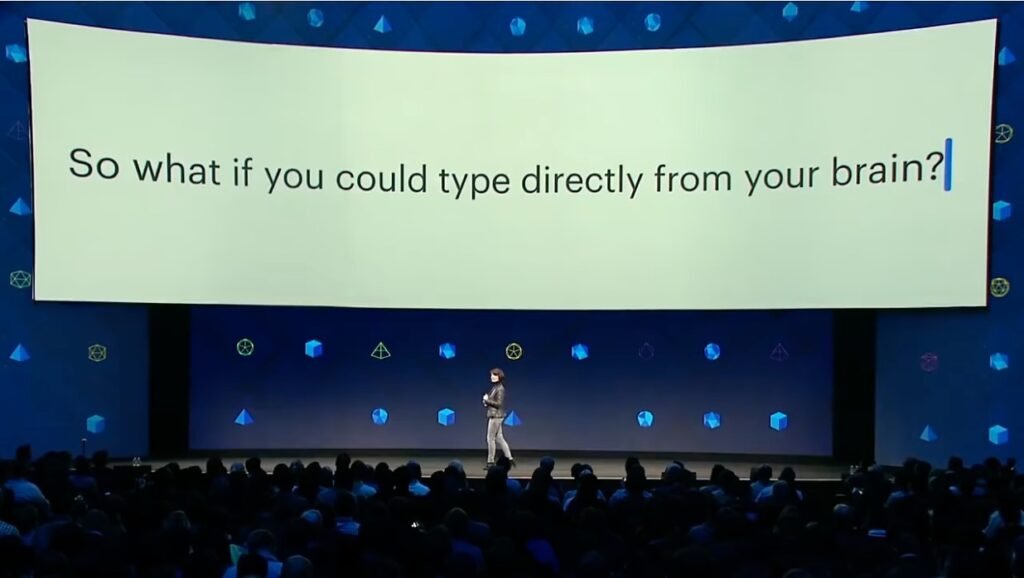

 Aletho News
