DR REINER FUELLMICH ON THE FAKE AND CRIMINAL “CORONA CRISIS”
February 7, 2021
Dr Reiner Fuellmich is a German American lawyer with experience going after large companies like Deutsche Bank. He is a member of the German Corona Investigative Committee. He discusses the current situation and his efforts to bring justice to the situation.
This interview was done as apart of the full length documentary. We are releasing the full interview for the betterment of public understanding of the situation.
The full film, when released, will be available at https://www.PlanetLockdownFilm.com
The shaky science behind the “deadly new strains” of Sars-Cov-2
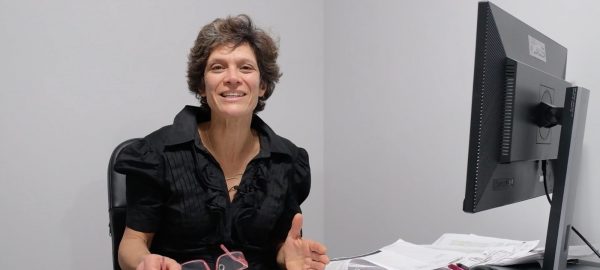
By Rosemary Frei | OffGuardian | February 8, 2021
According to what we hear from officials and the mainstream media, the new variants are the most dangerous and unpredictable beings since Osama bin Laden.
Everyone needs to stay safe from these invisible but murderously mighty microbes by shunning contact with the unwashed, unmasked and unvaccinated.
But is that drastic approach — which is accompanied by severe curtailment of civil liberties and constitutional rights — warranted?
It turns out that the case for the variants’ contagiousness and dangerousness centres largely on the theoretical effects of just one change said to stem from a mutation in the virus’s genes. And, as I’ll show in this article, that case is very shaky.
I also have an accompanying nine-minute ‘explainer’ video, below:
Is it True that the New Variants are Very Dangerous? from Rosemary Frei on Vimeo.
That one change is known as N501Y — scientific shorthand for the substitution of one protein building block (amino acid) for another at position 501 in the part of the virus called the spike protein.
Specifically, position 501 lies in the portion of the spike protein that’s responsible for the intimate coupling between the virus and cells that lets the virus slip inside and multiply.
[Note that any such amino-acid switcheroo is correctly called a change, not a mutation. Mutations occur only in genes. For some reason many scientists and scribes who ought to know better are mistakenly calling N501Y and other amino-acid changes ‘mutations.’ ]
A very preliminary study published Dec. 22, 2020, suggested that N501Y also is present in the South African variant named 501Y.V2. And another very preliminary study, published January 12, 2021, asserted it was also present in the new strain emerging from the Brazilian jungle, dubbed P.1.
On top of that, the South African variant is being reported as evading immunity and B.1.1.7 sharing this escape route. And scientists are depicting new variants with N501Y on board as spreading very fast. Some say they make herd immunity impossible, so every single person on earth has to be vaccinated. The models also suggest B.1.1.7 is up to 91% deadlier than the regular novel coronavirus.
(Yet so far it seems the main basis for officials saying it’s more deadly is shown in the minutes of the Jan. 21, 2021 meeting of an influential UK committee called New and Emerging Respiratory Virus Threats Advisory Group [NERVTAG ]. There, they cite modeling papers which haven’t yet been published – which means that until they’re published there’s no way to check their work.)
THREE NON-PEER-REVIEWED THEORETICAL-MODELING PAPERS WHICH CATAPULTED VARIANTS INTO THE SPOTLIGHT
Public-health officials, politicians and the mainstream media around the world turned their collective headlights on the variants right after the publication of three theoretical-modeling papers on B.1.1.7, a variant originating in the U.K. The first was a Technical Briefing by Public Health England published Dec. 21 (it’s the first of an ongoing series of reports on the variant authored by people working at the agency and at other institutions), the second a paper published Dec. 23 by a mathematical-modeling group at the London School of Hygiene and Tropical Medicine, and the third a theoretical-modeling manuscript posted Dec. 31 by a large group of UK scientists.
None of the three papers was checked over for accuracy by objective observers – a process called ‘peer review.’ Nonetheless, all three were portrayed as solid science by many scientists, politicians, public-health officials and the press.
(I reached out for comment to Public Health England, as well as to the first author of the second paper Nicholas Davies, and to the London School of Hygiene and Tropical Medicine. The only reply I received was from a media-relations person at Public Health England; she told me no one was available for an interview.)
(Neil Ferguson was a co-author of the first and third papers. The UK government has relied on Ferguson’s mathematical modeling for many years. This is despite his work turning out to be highly inaccurate time after time. He also supposedly stepped down from his government-advisory role last May after being caught secretly meeting with his married lover during a time when it was illegal to make contact with anyone outside of one’s household, thanks in large part to his modelling. But he was quickly restored to positions of influence. In an article and accompanying video coming out next week, I describe the connections and conflicts of interest surrounding Ferguson and the modeling papers’ other authors.)
WHAT EFFECT IS N501Y SAID TO HAVE?
In N501Y, the amino acid that’s swapped out at position 501 in the spike protein is asparagine; by scientific convention it’s represented by the letter ‘N.’ The amino acid that’s swapped in in its place is tyrosine, and it’s represented by the letter ‘Y.’ Hence ‘N501Y.’
Position 501 in the amino-acid sequence sits in the part of the spike protein that protrudes from the surface of the virus. Specifically, it’s said to lie in the region of the spike protein that latches or ‘binds’ to the mechanism that is the gatekeeper for whether the virus can enter the cell. That gate-keeping mechanism is known as the ‘ACE2 receptor.’
This region of the spike protein – known as the ‘receptor binding domain’ (RBD) — binds to the gate keeping mechanism, the ACE2 receptor. When the RBD and the ACE2 receptor bind, the cell membrane, which is the circular barrier between the area outside the cell and the cell contents, opens up and allows the virus to enter.
N501Y is posited to make the spike protein bind tighter to the ACE2 receptor. Influential theoreticians have performed mathematical modeling based on this hypothesis. This modeling suggests that this tighter binding allows the virus to enter more easily, and that therefore this makes the virus more transmissible.
Yet as far as I’ve been able to find, there is still no concrete, direct proof of this. And note that epidemiological data cannot be used to definitively detect the effect of an amino-acid in a virus. Only experiments involving direct observation of the virus’s interaction with the body can determine that.
The main evidence that the top three theoretical-models cite as proof of stronger bonding between the N501Y form of the novel coronavirus and the RBD is from just three scientific manuscripts, and these describe experiments with the virus in mice or petri dishes, not observation of whether in fact the variants are truly more contagious or more deadly.
DETAILS OF THE THREE PAPERS THAT UNDERPIN THE ASSERTION THAT N501Y BOLSTERS CONTAGIOUSNESS
One of those three papers was published Sept. 25, 2020, in Science. It describe experiments involving involving six rounds of division of the virus in mice.
The researchers found a large amount of the virus in the mice lungs right from the first round of division. Based on this, they pronounced the virus to have “enhanced infectivity.” However, they didn’t actually test whether the virus is more transmissible/contagious – that is, whether it moves from mouse to mouse more easily.
They performed ‘deep sequencing’ and reported that they found the N501Y change in the ‘mouse-adapted’ virus. Next they did ‘structural remodeling’ on it and wrote that this analysis…
suggested that the N501Y substitution in the RBD of SARS-CoV[-2] S protein increased the binding affinity of the protein to mouse ACE2.
All of this is very different than direct observations of the variant virus’s behaviour in mice or humans.
The second paper was posted on bioRχiv on Dec. 21, 2020. It describes an “engineered decoy receptor for SARS-CoV-2.” The complicated series of molecular-biological manoeuvers in vitro were performed that is hard to follow and understand – there is no ‘Methods’ section laying out the details and sequence of what they did; rather, the researchers’ approach to their experiments is scattered across all sections of the paper including in the accompanying Supplementary Material. This is many steps removed from real-life situations. The authors conclude from their manoeuvers that laboratory-mutated novel coronavirus with the N501Y mutation seems to bind more tightly to their ‘engineered decoy’ form of the RBD receptor than the RBD receptor that normally occurs in nature. (The idea, it seems, is that this ‘engineered decoy’ could be injected into people with the goal of getting the new variant to bind to it rather than to cells, thereby stopping it from gaining entry into cells and reproducing.)
bioRχiv is an online-only journal. (It’s pronounced ‘bioarchive’; that’s because the Greek letter χ is pronounced ‘kai.’ I presume the letter χ is used in the journal’s title because the χ2 [‘chi-square’] test is a widely used form of statistical analysis in scientific papers.) The journal has the tagline ‘The Preprint Server for Biology.’ ‘Preprint’ means non-peer-reviewed. bioRχiv focuses entirely on Covid-19-papers and is sponsored by the Chan Zuckerberg Initiative. It has a sister publication medRχiv that also focuses on Covid-19,
The Initiative is the creation of Facebook head Mark Zuckerberg and his wife Priscilla Chan. Facebook has been among the very active censors of information including scientific papers that diverge from the official narrative about Covid.
The third paper was posted on the website of the online journal bioRχiv on June 17, 2020, and then in Cell on Sept. 3, 2020.
Like the other two papers, it is extremely removed from direct observation of the virus’s behaviour in live animals or humans. In fact, the third paper doesn’t even use human or animal cells. It involves a ‘yeast-surface-display platform’ as a basis for performing ‘deep mutational scanning’ of the novel coronavirus’s RBD. That ‘platform’ is an artificial structure the paper’s authors constructed for measuring binding between antibodies and various RBD regions containing an array of mutations.
According to this paper, the N501Y amino-acid change results in stronger binding of the virus to the RBD.
However, the papers’ authors state in the last section of their paper that:
It is important to remember that our maps define biochemical phenotypes of the RBD, not how these phenotypes relate to viral fitness. There are many complexities in the relationship between biochemical phenotypes of yeast-displayed RBD and viral fitness.
Translation: “Just because our biochemistry experiments showed that the presence of N501Y or other changes in the RBD seems to make the RBD bind tighter to the ACE2 receptor, we don’t know whether any of these changes make the virus more ‘fit’/transmissible.”
And note also that one of the authors of the third paper, Allison Greaney, is quoted as saying in an August 2020 article from the Fred Hutchison Cancer Research Center where she and several of the other authors work, that:
The virus already has a ‘good enough’ ability to bind to ACE2. There’s no reason to believe that going beyond that level will make it more pathogenic or transmissible…[b]ut the RBD may be able to tolerate a number of mutations.
As another note, the third paper was first published in bioRχiv and then published three months later in the peer-reviewed journal Cell. In Cell the paper is labelled ‘Elsevier-Sponsored Documents’ (see image below) (Elsevier is the publishing empire that owns Cell, among hundreds of other journals). I couldn’t find anything online about what ‘Sponsored’ means, nor about what or who sponsored this particular paper; and I couldn’t find any other papers with this designation. So I emailed Cell’s PR manager John Caputo on the evening of Jan. 18 and followed up by leaving him a voicemail message on Jan. 19. I haven’t heard back from him.

‘Deep Mutational Scanning of SARS-CoV-2 Receptor Binding Domain Reveals Constraints on Folding and ACE2 Binding’ (Tyler N. Starr et al.)
A BRIEF WORD ABOUT ANOTHER AMINO-ACID CHANGE IN B.1.1.7
I’ll quickly turn to another of the key changes said to be present in B.1.1.7. This change, the deletion of three amino acids was described in a paper published on the website of medRχiv on November 13, 2020. (Earlier in this article I mention that medRχiv is a creation of the Chan Zuckerberg Initiative.)
The mutation purportedly makes B.1.1.7 invisible to one of the three key functions of the polymerase chain reaction (PCR) test. That function is detection of the gene that has the genetic code for one of the two main spike proteins on the outer surface of the novel coronavirus.
However, that conclusion is based on only sequencing of the virus in a mere six people who tested positive for the novel coronavirus. On top of that, the paper was not subjected to scrutiny by other scientists (a process known as ‘peer review’) before it was published.
In addition, the Covid diagnoses of those six people were themselves determined by PCR. And PCR has been shown to have a very high rate of false positives — that is, to very frequently give a positive result in people who in fact do not harbour the novel coronavirus at all.
The authors of that paper themselves conclude that:
this result should be interpreted with caution. As a limited number of samples with the S-negative profile [i.e., tests that were positive for two of the three portions of the PCR test but not for the third, S-gene, portion] were sequenced, we could not exclude the presence of other S mutations associated with this profile…. Moreover we could not determine whether the deletion affected the primer or other probe-binding region as their coordinates were not available.
It’s a good bet that similar sleights of hand are behind the new wave of papers and headlines focusing on the amino-acid change dubbed E484K.
WHAT’S THE LESSON FROM ALL THIS?
That the pronouncements about the dire danger posed by the new variants aren’t based on solid science.
They appear to be aimed more at scaring the public into submitting to harsher and longer restrictions than helping to create truly evidence-based policies.
So follow the golden rules. Read the primary scientific-paper sources. Analyze them and think for yourself. Don’t let your reasoning be swept away by the 24-7, fear-filled news cycle.
Facebook to BAN claims about ‘man-made’ Covid-19 & ‘unsafe’ vaccines as it launches campaign promoting vaccination
RT | February 9, 2021
Facebook is expanding the list of ‘false’ and ‘debunked’ claims about the coronavirus and vaccines that will be grounds for ban from the platform, while launching the largest ‘authoritative’ vaccination campaign worldwide.
Under the ‘Community Standards’ policy, posts with “debunked claims” that Covid-19 is “man-made or manufactured,” or that vaccines are ineffective, unsafe, dangerous or cause autism will be removed starting Monday, VP of Integrity Guy Rosen announced on the Facebook blog.
The new policy was implemented following consultations with the World Health Organization (WHO) and others, and will help Facebook “continue to take aggressive action against misinformation” about Covid-19 and vaccines, Rosen added.
Even if they don’t violate any of the listed policies, posts about Covid-19 or vaccines will still be subject to review by “third-party fact-checkers” and labeled and “demoted” if rated false.
Meanwhile, the company’s Head of Health Kang-Xing Jin announced that Facebook – along with Instagram and WhatsApp, which it owns – will be “running the largest worldwide campaign to promote authoritative information about [Covid-19] vaccines.”
In addition to “expanding our efforts to remove false claims,” Facebook is giving $120 million in ad credits to health ministries, NGOs and UN agencies to send out vaccine and health information to “billions of people around the world,” and providing data “to inform effective vaccine delivery and educational efforts to build trust” about the vaccines.
The social media behemoth will also help people “find where and when they can get vaccinated — similar to how we helped people find information about how to vote during elections.”
Boasting about removing “more than 12 million pieces of content” that contained “misinformation that could lead to imminent physical harm,” and successfully influencing millions of people around the world to wear masks, Jin said the company’s focus in 20201 is to build trust and confidence in the vaccines using the same “insights and best practices.”
In the US, Facebook will partner with the Johns Hopkins Bloomberg School of Public Health to reach “Native American communities, Black communities and Latinx communities” and use “science and evidence-based content that addresses the questions and concerns” they might have about the vaccines.
Coronavirus Skepticism: Pandemic Or Staged Pandemic?

Principia Scientific | February 8, 2021
A real COVID-19 pandemic is not taking place, if you adhere to the table of points below, which illustrate the key differences between a real pandemic and a fake one.
Any reasonable person performing a point-by-point appraisal of the list provided herein will likely conclude our governments and media are producers of fake news.
Introduced first under the sneaky pretext of ‘administrative assistance’ to accustom the population to the presence. The medicine dictatorship brings its infrastructure by means of deception step by step into position.
The mask requirement seems to serve solely to maintain the false belief in a real pandemic. It is perfidious psychological warfare against the population. It is escalated and expanded in stages (Overton window).
Test stations, mandatory tests, vaccination centers, internment camps for “quarantine offenders”, mandatory vaccination for everyone! The army is deployed domestically in violation of the Law.


It is not about health it is a national as well as global power grab by means of a large-scale constructed medical pretext. Theoretical computer models, manipulative testing (PCR testing), downgraded pandemic definition (WHO), artificial ICU bed shortages, financial incentives (IMF) for CovID diagnosis, and false reporting in the controlled media.
It doesn’t take a virus it just takes fear of a virus! The swine flu vaccine (2009) resulted in severe neurological damage and millions of dollars in lawsuits. Under no circumstances get vaccinated because of “CovID”!
Especially please not children. That would be a grave mistake. The new mRNA vaccines cause autoimmune diseases and literally mutate people into GMO (Genetically Modified Organisms), which has far-reaching negative consequences.
The media is purposefully using fear and scare tactics, there is no fact-based reason to be afraid. We are being lied to and manipulated into an artificial hysteria to accept laws that violate human rights.
- Do your own research
- Discover truth
- Overcome Stockholm syndrome
- Put down muzzles
- Ignore lockdowns
- Open for business
Practice civil disobedience and collectively reject criminal government orders. Adapt and emerge stronger from crisis. Hold those responsible accountable. For a normality worth living for. NO to the pandemic hoax! NO to medical dictatorship! RESIST!
Pro-Mass-Vaxxing Scamster Fauci
By Stephen Lendman | February 6, 2021
 Biden regime chief medical advisor Anthony Fauci is hostile to human health, well-being and safety.
Weeks earlier, he pretended to be vaxxed against covid on his left arm.
Moments later, he pointed to an area on his right arm, saying it’s where he was experiencing “injection site soreness.”
He lied about being vaxxed and soreness.
He consistently lies about hazardous to health covid vaccines, most recently saying:
“I feel extreme confidence in the safety and the efficacy of this vaccine (sic), and I want to encourage everyone who has the opportunity to get vaccinated (sic).”
He’s well aware that covid vaxxing provides no protection and risks serious/irreversible harm to health.
It’s why he faked being vaxxed. Other prominent US officials did the same thing.
Fauci is more witch doctor than the real thing, a figure who never treated a patient, who’s indifferent toward human health, who promotes what risks irreversible harm from following his advice.
In cahoots with Pharma and US dark forces, he prioritizes self-enrichment — profiting hugely from mass deception.
As NIAID director, he transformed the agency into an incubator for Pharma’s drug development — including hazardous covid vaccines.
Throughout his public life, he’s been a profiteering con artist, now close to Biden/Harris and chief regime medical advisor.
His modus operandi is more Josef Mengele than Albert Schweitzer.
In cahoots with Bill Gates and other US dark forces, he wants everyone vaxxed with toxins that risk serious harm to health including death.
His claim about safe and effective covid vaccines is one of many Big Lies he’s infamous for — why he can never be trusted.
There’s nothing remotely safe and effective about toxic-laden/DNA altering covid vaccines.
In its Global Health Review, even pro-dirty business as usual Harvard said the following about hazardous mRNA vaccines:
“Potential side effects could include chronic inflammation, because the vaccine continuously stimulates the immune system to produce antibodies,” adding:
“Other concerns include the possible integration of plasmid DNA into the body’s host genome, resulting in mutations, problems with DNA replication, triggering of autoimmune responses, and activation of cancer-causing genes.”
No mRNA vaccine was ever approved for human use — despite years of research.
No emergency exists to justify their use.
Even mRNA proponents admit that there’s an inadequate understanding of inflammation and autoimmune reactions from their use that risks serious harm to health.
There’s no way for gene-altering vaccines to be safe, why independent scientific experts consider their use frankenvaxxing.
Fauci fronts for Pharma. Dismissive toward safe and effective hydroxychloroquine (HCQ) and ivermectin in treating seasonal flu-renamed covid, he promotes hazardous to health mass-vaxxing.
Highlighting the risk, Joseph Mercola said the following:
“To avoid becoming a sad statistic, I urge you to review the science very carefully before making up your mind about this experimental gene therapy.”
“(R)emember that the lethality of COVID-19 is actually surprisingly low, (especially) for those under the age of 60.”
“If you’re under the age of 40, your risk of dying from (covid) is just 0.01%, meaning you have a 99.99% chance of surviving the infection.”
“And you could improve that to 99.999% if you’re metabolically flexible, insulin sensitive, and vitamin D replete.”
“So… what are we protecting against with a COVID-19 vaccine?”
“These mRNA vaccines aren’t designed to prevent infection, only reduce the severity of symptoms.”
“Meanwhile, they could potentially make you sicker once you’re exposed to the virus, and/or cause persistent serious side effects.”
“(Y)ou may regret for the rest of your life, which can actually be shortened” by covid vaxxing.
People are dying post-vaxxing.
Vaxxing for covid mostly likely killed baseball Hall of Famer Hank Aaron at age-86.
Elderly individuals are most vulnerable to be harmed because of their weakened immune systems.
We’re being lied to by Fauci and other frankenvaxxing promoters — including Big Media.
Increased censorship is the new abnormal.
Truth and full disclosure about hazardous covid vaccines are airbrushed from mainstream reporting.
Preserving and protecting health and well-being requires rejection of what may destroy them.
The Mainstream Bubble
By Ralf Arnold, translation by S. Robinson | OffGuardian | February 6, 2021
At the beginning of the already memorable year 2020, a term forced its way into public and private consciousness, which should increasingly determine and overshadow all of our lives: The “novel corona virus”, also called SARS-CoV-2. The name was officially announced by the WHO on February 11th. After that everything happened in quick succession.
At first I saw the pictures of Chinese people with masks only in the Tagesschau (the flagship evening news program by ARD, one of the two main public broadcasters in Germany; S.R.), which was not an unusual sight, but soon corona also reached our newsroom.
On the day when the first suspected corona case surfaced in our region, I was urged by our news chief to use it as a “lead story”, i.e. as the first report in the next news program.
At that time I was already extremely skeptical and found it excessive to use a mere suspected case as the lead story. However, I couldn’t escape the general excitement around me and put the message on “one”. But a bad feeling remained and that should intensify massively over the next few weeks.
A dynamic set in that seemed unstoppable.
More and more suspected cases, then confirmed corona cases, at some point the first death in Germany, some time later the first in our region. And more and more I noticed that not only colleagues, but also people in my private environment let themselves be infected by a vague fear and even panic.
Not that I dismissed the deaths, the so-called “corona deaths”, but didn’t we have many deaths in every flu epidemic, especially among the elderly? I checked our archives and found that we had only a handful of reports in three months during the 2018 flu epidemic. More than 25,000 people are said to have died of the flu at that time.
The now famous Johns Hopkins University dashboard was quickly featured on all television and online news. The so-called “new infections” were simply accumulated on this. It became clear to me that the graph with the constantly rising curve contained more psychological effects rather than factual information. In this way the curve could never sink again, in the best case it would stay horizontal. But that didn’t seem to bother anyone.
Part of the basic training of a journalist is that he never reports figures without meaningful reference. He must always provide comparisons, references and proportionalities so that the viewer / listener / reader can contextualise the information. I stuck to it for many years, and it seemed a matter of course for other journalists too. However, I saw this basic principle practically vanish into thin air in the first weeks of the pandemic. Absolute numbers, always only absolute numbers, without any meaningful reference.
To this day, people like to say that the USA is the country most severely affected by corona, with mere reference to the absolute numbers of infections and deaths, regardless of the size of the population, to which the numbers are rarely put in relation.
AN OMINOUS ALLIANCE
Our newsroom also adopted all these counting methods with a sleepwalking naturalness. Everything that was communicated by the health authorities, the district administration and the regional government was adopted and reported without questioning and without doubt. Almost all critical distance disappeared, and the authorities became supposed allies in the fight against the virus.
I have to point out, however, that I have never been called or written to directly by politicians to influence me in any way. There were only the usual press releases from the ministries and offices, which are of course written from their point of view. Nor have I been pressured by superiors, at least not directly. The whole thing is far more subtle, as will be shown.
March was the start of the first restrictions: major events were banned and soon after the first lockdown was imposed. Almost all journalists of the “mainstream”, so the so-called “leading media”, including my editorial team, seemed to immediately develop an ‘inhibition to bite’ towards politicians and the authorities. Why this uncritical reluctance among journalists?
I can only explain it to myself that particularly the pictures from Bergamo and New York also put the experienced editors and reporters into an emotional state of shock, even if they might not admit it. But they, too, are only people who are afraid of illness and death, or who worry about elderly or sick relatives; this was repeatedly an issue in conversations with colleagues. They rallied around the government, the RKI (Robert-Koch-Institute; the German equivalent of the CDC; S.R.) and the health authorities, as if one really had to stick together now to combat this dire, external threat.
You couldn’t throw a club between the legs of those in charge, who were having a difficult time already, by fundamentally questioning their measures – that was how the attitude seemed to me.
In our conversations, too, it was said more and more frequently that “the government is really doing a good job”. Most were firmly convinced that the lockdown and the restrictions of our fundamental rights were necessary and certainly only temporary. I heard only a few skeptical voices.
And then there were the TV interviews with politicians. Esteemed journalists, who in conversation with politician XY eagerly nodded and verbally agreed when they presented their assessment of the situation and made their demands. I couldn’t believe my eyes and ears!
What was the motto of the legendary television journalist Hanns-Joachim Friedrichs?
“You can recognize a good journalist by the fact that he does not make common cause with anything, not even with a good cause; that he is everywhere, but doesn’t belong anywhere.”
There was nothing left of this guiding principle, and very little in the way of tough and critical inquiries. But even that didn’t seem to bother anyone, yes to not even attract attention.
A DECAY OF REPORTING LANGUAGE
In the news of all the leading media, including ours, important, little words like “alleged”, “supposed”, “apparently” suddenly died out. For example, the Tagesschau said that Twitter wanted to delete “false information about corona” in the future. There is clearly no “alleged” or “supposed” as an addition, because it is assumed that Twitter can judge without any doubt what is false and what is correct information in terms of the corona virus (or in general). Which of course is absurd.
Sometimes I made my colleagues in the newsroom aware of such things and sometimes even earned a nod of approval, but often just a helpless shrug.
In this day and age, news reports need to be short, easy to understand, and interesting. We have been trained to do this for many years. This has a lot of advantages, namely the ease of understanding on the part of the consumer. But there are also significant disadvantages, namely that the news reports are written more and more simplistically. Deeper connections and backgrounds or complicated differentiations are increasingly disappearing. The trick is to shorten and omit.
From early summer, one could increasingly observe the phenomenon that the corona virus and the measures against it were equated in the media. For example, it was said: “Because of the corona pandemic, the municipalities are collecting significantly less taxes” or: “The WHO fears that the corona pandemic will plunge one and a half million more people into poverty.”
This is wrong, because not the pandemic, but the lockdowns have this effect, regardless of whether they are justified and appropriate. By ignoring this distinction, however, the anti-corona measures of the governments are being turned into something inevitable and without alternative and are no longer called into question.
The cause and therefore the scapegoat is always the virus, not politics.
This practice also crept into our newsroom. Advice from me was kindly noted, but nobody really took it to heart. I had the freedom to formulate this differently, but again nobody seemed to notice the small but subtle difference.
It is also often said that Covid-19 patients in the intensive care units “have to be ventilated”. Have to? They are being ventilated, that’s the fact. The attending doctor has to decide whether this is really medically necessary, and this question is quite controversial. There are a number of well-known experts who warn against intubating too quickly. So here too, as a journalist, you should remain neutral.
THE DREADFUL NUMBER OF “NEW INFECTIONS”
In spring 2020 I began to increasingly question the counting method of the RKI and thus also of the government. I pointed out to my superiors that all numbers such as the “new infections” reported daily or the “R-value” were basically worthless if we did not relate them back to the number of tests performed. They took note of this, but thought no further verification or inquiries were necessary, because the trend of rapidly increasing numbers could not be misunderstood, regardless of how much was tested, it said.
The number of so-called “new infections” rose from week 11 to week 12 from 8,000 to 24,000. At the end of March, the RKI announced (after multiple inquiries by the online magazine Multipolar ) that the number of PCR tests had almost tripled from 130,000 to 350,000 during the same period. The relative increase in new infections was thus far less than the absolute. There had been no “exponential increase”.
When the number of “new infections” continued to fall in early summer, the politicians still constantly conjured up the risk of the “second wave” if one were to ease the efforts – that is to say, the restrictions contrary to fundamental rights. In fact, most of my colleagues also agreed with these fears, while to me – who was no less of a medical and epidemiological layperson – it was pretty clear that there would be no second wave in summer, but an even bigger in autumn / winter because that is when the number of respiratory diseases routinely increase sharply. It was easy to foresee.
The whole issue of the PCR tests and the alleged “new infections” has to this day not been questioned by the leading media. Although over time there have been more and more studies and statements by virological and epidemiological experts harshly criticising the PCR test and its particular use, hardly any of it has penetrated our mainstream bubble. The Cycle Threshold values that were probably far too high in the tests, which give ample room to possible manipulation, were not an issue at all.
I suspect a lot of my colleagues haven’t even heard of it.
In general, the terms continue to be mixed up in this context. Even after ten months of corona, many colleagues still do not seem to know the difference between the SARS-CoV-2 virus and the lung disease Covid-19. “Infected” (that is, those who have tested positive) are often equated with “sick”, regardless of whether they have symptoms or not.
The term “recovered” is also adopted uncritically by the authorities, although it implies that those affected were actually all sick, which is highly doubtful: On the one hand because there is most likely a proportion of false-positive test results that should not be underestimated, and, on the other hand, because many “infected” people do not develop any symptoms at all and it is therefore very dubious to call them sick.
SELECTIVE PERCEPTION AND HERD INSTINCT
In the meantime, all kinds of regulations have been introduced in our broadcasting corporation: mask requirements, physical distancing between desks, many colleagues have moved to home office, disinfectants everywhere and so on. This and the regular, ominous-sounding situation assessments by the management, of course, still exert a psychological influence and pressure on every employee. A subtle fear is built up here too, whether intentionally or unintentionally. There is literally an invisible threat in the air that is difficult to shield yourself from.
In addition, television screens are running in the newsroom and in other offices, on which reports about corona are broadcast almost continuously.
Everywhere reporters, pictures from intensive care units, running texts with the latest, ever higher numbers – it is almost impossible to avoid this influence. In addition, there are the newspapers and agency reports that also constantly report on corona, here a study, there another apocalyptic warning from a politician, and again and again sad individual stories which are particularly highlighted.
Although we continue to have daily conferences, now mostly by telephone, right from the start – at least during the conferences in which I participated – the current narrative of the national and regional government was never fundamentally questioned, namely that we have an extremely dangerous pandemic that can only be controlled, or at least slowed down, by tough government measures. Why is that?
Everyone probably knows the effect of “selective perception”. For example, if you or your wife are pregnant, you will most likely see more and more pregnant women on the street. Or if you fall in love with someone who drives a certain make of car, then you suddenly discover that make of car, in the same color, permanently on the streets. This effect also occurs in journalism.
Years ago, for example, there was a serious incident in Germany with several attack dogs biting a three-year-old girl to death. At that time there was great shock, a political discussion about the consequences was set in motion, a “character test” for dogs and stricter rules for dog owners were demanded, the media reported about it for days and weeks. And at the same time, suddenly more and more cases of dog attacks were reported. Sudden reports of even very minor incidents came from the police.
One would have thought that all dogs in Germany, like Hitchcock’s birds, would have agreed to meet for a general attack.
What happened? The general perception had become sensitised and extremely focused, on all levels. A dachshund bit someone in the calf in the park, they immediately reported this to the police and reported the owner, the police immediately passed the report on to the press, which turned it into a news report, although it was ultimately a triviality.
Due to the alarmed attitude and the narrowed perception of all those involved, however, the triviality that would normally have fallen under the table was given an oversized significance. And the readers, listeners or viewers noticed and thought: “Not again! This is piling up now.”
The same effect can of course also be observed in crime reporting. The media user can get the impression, for example, that the situation in the country is getting worse and more dangerous and that you can hardly dare go out in the streets. It might very well be that the pure statistics show that the total number of violent crimes continues to decline. That contradicts the subjective impression, but strangely enough, hardly anyone calms down. The pictures and reports of individual fates weigh far more than the sober numbers.
You can guess what I’m getting at.
In my opinion, in the corona crisis we are basically experiencing the same effect in a global, completely exaggerated and downright paranoid dimension. And that affects just about everyone: the common man, the police officer, the journalist, the politician and even the doctor and the scientist. Nobody is per se free from it. Unless he breaks free and dares to think for himself and think outside the box.
But there is a widespread journalistic herd instinct. Most journalists look at the daily newspapers that are delivered to the editorial office every day. And of course these are all newspapers that are mainstream: Welt, FAZ, Frankfurter Rundschau, Süddeutsche [the leading national papers; S.R.] and the regional newspapers.
In the evening, one watches “heute” [the evening news program of ZDF, the second of the two main public broadcasters in Germany; S.R.] and the “Tagesschau”, followed by the relevant talk shows, from Anne Will to Maischberger [two of the leading talk shows; S.R.] Mainstream almost always dominates there too. Real critics of the corona narrative are, with rare exceptions, categorically not invited.
Still, most of the journalists I know are of the opinion that the discussions there are quite controversial. But they do not notice – for lack of comparison – that these controversies are only fig-leaf discussions. It is only discussed when and to what extent the measures should be relaxed, but the corona narrative itself remains untouched.
All of this is not to say that there is no disease or death, but the perception of this is downright neurotically excessive. There are many reports on the Internet from the last few years that describe completely overcrowded hospitals, intensive care units at the limit and overburdened crematoria. With appropriate media support, one could have caused great panic in the population back then.
Another effect is that the media now also present their journalistic content online. There it is easier and faster for everyone to access than would be the case with hardcopy newspapers and broadcasts on radio or television. This means that this content can be easily copied and adopted.
As long as it is not personal, lengthy reporting or comments, but “only” news reports, it is easy to copy-paste these into your own reports, at least parts of them. Again and again you can find almost identical formulations and messages from different providers. Even if one does not copy-paste, one is tempted to orient oneself at the selection of topics by colleagues from other leading media.
A PERFIDIOUS FRAMING
I cannot say for sure whether the corona virus can be proven with the PCR tests, where it ultimately comes from, how dangerous it really is and what the right measures are to be taken against it. But this not what this is about. I do not deny that there is a bad illness, that people die from it and that you have to take it seriously.
And that brings us to the next emotive word, the so-called “corona denier” (Corona-Leugner). A term that has been gaining ground since the summer and is now regularly used by the mainstream media to label critics of the government’s anti-corona measures. The comparison with the “God denier” and the “Holocaust denier” is obvious.
While the term “God denier” has long been history, at least in our society, the term “Holocaust denier” is still relevant and it is no coincidence that the “corona denier” is involuntarily associated with it. There is now broad consensus that one cannot deny God at all, but only not believe in him. The “Holocaust denier” is the only generally recognized exception in which journalists use the word “deny”. Otherwise it is a taboo, at least it should be. Quite simply because it contains “lie” (lügen) in the stem of the word and thus implies a lie.
Responsible journalists know that defendants never deny the allegations in court, they contest them. This should be the case even after a final judgment, because courts can also be wrong and lawsuits can be reopened.
The term “corona denier” is now infamous in three ways. Firstly because of the linguistic similarity to the socially ostracized “Holocaust denier”, secondly because the corona critics are generally claimed to deny the existence of the virus (which is not the case with the vast majority of them) and finally because they are also accused of conscious lying. This is not just bad style, it is perfidious and ensures that the rifts in society are deepened even further.
An equally dubious term used as defamatory framing is that of the “conspiracy theorist”. It basically says everything and nothing. It can be someone who believes in chem trails or that the Americans’ moon landing was only staged, but it can also be someone who exposes a Watergate scandal or who claims (as happened) that Iraq did not hoard any weapons of mass destruction, and who is later confirmed in his assumptions.
Basically every investigative journalist has to be partly a conspiracy theorist, because of course the rulers of this world do not want to have all their activities published and therefore keep them secret. In this respect, it is somewhat grotesque that the media adopt the rulers’ fighting term and use it thoughtlessly.
Alleged conspiracy theorists are also made fun of internally. Many colleagues are joking that they are crazies, who believe that Bill Gates wants to open a vaccination station with Hitler on the back of the moon. Or similar childish nonsense.
A negative highlight was the reporting of the “leading media” about the large demonstrations in Stuttgart, Leipzig and especially Berlin in the summer. It started with the number of participants. Actually, it is common for journalists to name both the number of demonstrators as announced by the police and the number of demonstrators as announced by the organisers (which is naturally always higher) at rallies.
On August 1st 2020 in Berlin, however, these details diverged so widely that one had to become suspicious. The “leading media” solved the problem by only naming the small number from the police and ignoring the high numbers that the organisers and participants mentioned. How high the number actually was is still unclear today, but here too the media acted against journalistic practices.
Were a few right-wing radicals and Reich citizens among the demonstrators? Were there many or were they even dominating the action? Numerous video streams showed that a large, if not overwhelming, proportion of the demonstrators apparently came from the middle of society. On average a little older, educated and from a middle-class background. There are also surveys and studies that confirm this.
Of course, you can argue about it, but in our editorial team, too, the matter was clear: the focus of the reporting was clearly on the right-wing radicals and Reichsbürger.
One reason for this can be found in the increasingly important part of online media. In contrast to newspapers, television and radio, it is possible to analyse exactly how many hits an individual post has, or how many “likes” on the Facebook pages, which are now also operated by all leading media.
As a result, the spectacular, and the supposedly scandalous, comes more and more to the fore because it promises more attention and thus more clicks. Various media critics say that almost everything in our society is increasingly being scandalised, no matter how casual. If so, then it is surely largely due to the “leading media” (including their tabloids).
A SEALED BUBBLE
Why is the “mainstream media” a closed bubble? Because they always get their information from the same, pre-sorted sources – and that is largely the news agencies that belong to the same bubble. They are like the gatekeepers of published opinion. That has always been the case, of course, but in the corona crisis it has become clearer than ever.
The major agencies mainly report on what supports the official corona narrative and what is propagated and implemented by the vast majority of governments around the world.
For example, almost only studies from around the world are reported which highlight the danger of the virus and the effectiveness of tough government measures. A Chinese study of around ten million people in Wuhan, which found that non-symptomatic transmission of the virus (almost all government measures are based on this assumption) was as good as irrelevant, did not feature in the agencies. It could only be found in the alternative online media.
By contrast, a study by the US-American CDC, which had contrary results, was reported. Numerous studies that showed that government lockdowns have virtually no impact on the infection rate have also been ignored by the agencies so far.
For me personally in my work this means that I cannot use any studies or information that I have found by myself on the Internet, because I would almost certainly be accused of using an uncertain source. But if DPA, AP, AFP or Reuters reported the study, I would be more or less on the safe side and could report it. If there were inquiries, I would refer to the agency. This could still lead to discussions as to whether the study is credible and whether it is worth reporting, but that would be part of a normal journalistic decision-making process.
Yes, it does happen again and again that critical experts or politicians are interviewed in the leading media or that the RKI and the federal government are criticized. But mostly it’s just fig leaves and they don’t really get to the heart of the matter.
There are statements from leading editors-in-chief of the public services that say that people like Wolfgang Wodarg or Sucharit Bhakdi [two high-profile critics with an accomplished medical / research background; S.R.] are generally not to be invited to talk shows on the subject. The bubble should stay as tightly sealed as possible.
AN ATTEMPT AT AN EXPLANATION
Again and again I wonder why almost all of my colleagues so willingly and uncritically adopt this narrative from the government and from a few scientists (selected by the government) and disseminate it further. As already mentioned, concern for your own health or that of relatives certainly plays a role. But there is more.
In the last few years, something called “attitude journalism” has emerged. It is an intellectual and moralising arrogance that I think is spreading more and more. You simply belong to the “good guys”, to those who are on the “right side”. One believes that one has to instruct the mistaken citizen.
It is no longer a question of neutrality, but of representing the “right cause”, and surprisingly often this coincides with the interests of the government. The sentence by Hanns-Joachim Friedrichs mentioned above has even been completely reinterpreted in the meantime, in the sense of “attitude journalism”.
But this is increasingly alienating journalists from a good part of their clientele.
In the 1990s, the red carpet was rolled out to us reporters, editors, and presenters when we showed up anywhere in the country. Today we almost have to be happy when people don’t shout “Lying press!” [Lügenpresse; a term adopted by the Nazis in the Third Reich for the Jewish, communist, and foreign press; S.R.]. Of course, this term is wrong and should be rejected because of its history, but we journalists play a large part in the increasing alienation.
To be fair, the aforementioned “attitude journalism” only applies to some of the journalists, but mostly to their prominent representatives. Many of my colleagues seem to be overwhelmed by the complexity of the subject. Not intellectually, but rather because there is no time to dig into these things alongside the daily routine work. Close to impossible if you still have to do homeschooling with the children in the evening. Others simply lack interest in the subject.
In any case, one reason is the fear of attracting negative attention through overly critical statements. The self-reinforcing momentum of the mainstream bubble ensures that hardly anyone wants to swim against the current. Although a good number of the editors are on permanent contracts, there is great concern about the consequences. As I can observe in myself.
A fundamental problem with the mainstream bubble is that it either ignores or suppresses what is outside the bubble or perceives and interprets it from within that bubble. And so most mainstream journalists know the statements and positions of critical thinkers like Wodarg and Bhakdi (to name just two of many) only from reports in the mainstream media, which are of course biased accordingly. Hardly anyone takes the trouble to actually draw from the numerous alternative sources.
AN AFTERWORD
This report is of course only a subjective assessment. Most of my fellow journalists would see it completely differently. However, I am not so concerned here with assessing the danger of the corona virus or the appropriateness of government measures. My concern is that in the corona crisis, in my opinion, journalistic standards and principles have been increasingly thrown overboard, as I have tried to at least indicate.
This in turn ensures that the media have become virtually meaningless as a democratic corrective, which in turn plays into the hands of political aspirations to power.
George Orwell is reported to have said that journalism is when you publish something that someone does not want published. Everything else is propaganda. Measured against this claim, it has to be said that the mainstream media in the corona crisis to 99 percent only deliver propaganda.
I myself have the naive hope of still being able to make a difference, in whatever way, because freedom of the press is in and of itself an extremely important asset in a democratically free society. I still believe in that.
The author of the following text has been an editor and newscaster for public broadcasting for many years and writes here under a pseudonym. He reports from the inner workings of a newsroom during the corona crisis. The article was originally published by the German online magazine Multipolar. Culture-specific explanations have been added by the translator.
UK COVID Conundrum: The Mysterious Case Of Disappearing Flu
By Banson Wilcot PhD | Principia Scientific | January 27, 2021
At the end of 2020 many statisticians, doctors and independent scientists noticed something amiss about this extraordinary year. The Office of National Statistics, Public Health England shows that the numbers for death from influenza and those from Covid-19 are askew.
Despite the media and government pandemic presentations, we need to step back and consider the larger picture.
Sometimes it is difficult to see the forest for the trees, but perhaps we have succumbed to seeing a single tree and ignoring the rest of the forest.
Is the fact that one virus has suddenly been given a name, Covid-19, (with wildly hyped media coverage) taken our focus off the overall reality of the annual flu season group of viruses? Has one name and media hype highjacked our lives?
With the 2019–2020 flu season, there have been a number of reports of Covid-19 illnesses in the UK and USA well before the end of 2019. Just today there was a report of Covid-19 illnesses in China as early as August, 2019. [1A]
Until the introduction of the PCR test for Covid-19 in late February, Covid-19 cases and deaths did not exist. This gives the impression that the virus appeared just then, while it was undoubtedly present much earlier as part of the flu season, from numerous anecdotal reports. Various reports indicate symptoms typical of Covid-19 in the U.S. as early as November–December, 2019 and likely even earlier.
With growing attention given to the virus and the increasing availability of PCR testing, we started receiving regular accounts of the number “cases” of the virus. Stepping back a bit and looking at general numbers and ignoring the contentious PCR accuracy regarding positive and negative cases, we see an overall pattern that is very similar to past flu seasons. Cases of flu-like illness generally start in October/November and last until March or April in the UK [1].
The observation can be made that this fairly well describes the 2019–2020 flu season, including Covid-19. The 2019–2020 Covid-19 death numbers appear as a spike because there was no PCR test until about the middle of the flu season, giving the impression that Covid-19 physically appeared late in the season. No, the test appeared late in the season. Despite the testing results, the UK government actually declared the pandemic over in March, but then, oddly, imposed a lockdown a week or two later.
The government declaration of the pandemic’s end can be considered innocently valid and devoid of politics. The advent of lockdowns and more could then be considered political. [So often, when an event occurs, the first observations prove to be the most honest, while the spin and changes come later.]
Much confusion has been generated by different accounting systems regarding illnesses and deaths. There are disparities in the cause of death, whether with the virus or without, and with an over reliance on the PCR test. In addition, many Covid-19 cases were diagnosed solely from symptoms, ignoring the fact that such symptoms are often seen during the flu season.
The observation that some people lose their sense of smell and taste with Covid-19 clearly ignores that these effects occur in every flu season, but now people are told that this is diagnostic for Covid-19. [Dogs are animals and can have spots, but all spotted animals are not dogs.]
We have always taken these symptoms in stride and happily waited until our senses returned. Suddenly, these symptoms are unique and diagnostic of Covid-19. It simply defies reality. If they suddenly reported that you could get a flesh-eating disease from a hang-nail, we would suddenly start considering every incipient hang-nail as a life-threatening event, when, in fact, they are not.
No careful lines have been defined to tell whether deaths have been due to a single virus, multiple viruses, comorbidities (conditions already burdening an individual’s health), or a virus with complications, such as pneumonia. Bacterial pneumonia often has a chance to take hold when one’s lungs are compromised by a flu-type illness. [Note that subsequent pneumonia is not a comorbidity.] Curiously deaths from influenza in the US have recently dropped to about zero; more on this below. [2]
Making our understanding of illness and death in the UK and other regions more difficult are the inclusion of diagnoses determined solely by the PCR test and others solely by symptoms. It is very clear that the traditional symptoms of cold and influenza broadly overlap those of Covid-19, thus making definitive diagnoses very difficult. Add to this the purported rate of false positives from the PCR test (now +97% according to the WHO) [3] and accounting of nonlethal “cases” becomes what they call “problematic.”
To really eliminate the many possible confusions and conditions that can be placed on death rates and possible death causes, it is useful to step back and look at the overall death rate, from all causes, for a country or state. The focus here is on the UK, but the US also provides some guidance. [4]
First, the concept of a pandemic needs to be addressed. A pandemic is the movement of a disease, bacterial or viral, that moves around the world and has a higher than normal damaging effect. Until recently this was described as a higher than normal mortality. The definition has been changed at WHO’s website such that the flu season is now a pandemic despite death rates being within a normal range. [5] (It is also curious that the definition of herd immunity originally included the benefits of natural and vaccinated immunity, but the definition now only includes vaccinated immunity. Very curious.)
Flu season viruses move around the world every year, largely deriving from farms in Southeast Asia where flu-type viruses are exchanged and hybridized between fish, pigs, and chickens and eventually transmitted to farmers, thus starting the next round of viruses for the annual newly-defined “pandemic.” From teaching Environmental Science, I learned that there has been an effort to break this chain of virus evolution by encouraging farmers to specialize in only one major livestock, thus decreasing viral exchanges between these species. This virus hybridization (mixing) is the source of the H#N# marker recombinations that vaccine labs try to detect early for each new flu season and then attempt to offer appropriate vaccines.
The flu season in the tropics is actually all year round and, because of the humidity, virus transmission is low but constant. However, in the more temperate regions, transmission blossoms when Fall arrives and people start spending more time indoors, in a relatively closed environment, and closer to each other.
It is a bit counter intuitive that humidity (which goes with warm temperatures) decreases transmission rates. It is a good deal in the tropics, sunlight on clear days kills viruses and humidity is always on the job. Small water droplets containing virus, from speaking, coughing, sneezing, and even breathing, tend to gain weight under humid conditions and fall to the ground more quickly than under dry conditions.
Flu season in the Southern hemisphere appears to mirror the Northern hemisphere, but flu viruses are likely introduced to the south by air travel during their summer and, thus, possibly starts and dilutes their six-month later flu season over a longer period.
For all of this, it is very difficult to see the forest for the tree (Covid-19, highlighted by the PCR test), but one statistic that sums up and ignores all the various causes of death and various biases in categories is the overall death rate of a country or state [4], such as the UK, which is a well-defined population with good reporting capabilities. [6]
There are some interesting aspects to death rates. Again, from Env. Sci. teaching, when a heat wave hits a city, as happened in Paris a number of years ago, the death rate rises as people succumb to the physiological burden of heat. However, after the heat wave is gone, the death rate tends to dip below normal for a time. This indicates that the heat wave took people who were already very frail and likely to die in the near future, in a couple of weeks or months, the old “one foot in the grave,” which is not an inaccurate description in many cases..
With cold snaps, there is also a spike in the death rate, but after it is over, there is no dip in the death rate, as it goes back to normal. This is because cold does not discriminate and kills all ages. Heat tends to impose a physiological burden on those already heavily burdened, but cold is a much simpler core temperature problem that is a critical problem for all ages.
That said, is there anything we can learn by comparing the death rates from the last year of “the Covid” and previous years? Focusing mainly on the UK as a single, well-defined population and putting aside all reporting bias and possible cause of death confusions, what do the overall death rates tell us?
It has been speculated, not unreasonably, that many more people died from Covid-19 at home, fearful, unwilling, unable to go to hospital, and thus not counted in the Covid death total. However, overall deaths in the UK in the last year would also include those who died at home. Overall deaths effectively eliminates all biased death factors and includes deaths not immediately reported.
The excess total deaths for the UK show a well-defined peak in the 2nd quarter of 2020, from mid-March to mid-May. Looking at the age break-down, it is clear that those over 45 and particularly over 65 were most susceptible to whatever virus or viruses of the flu season were making people ill. The rest of the year showed a low (normal) death rate that was low until Fall, when the new flu season arrived, which showed then a broader peak more similar to a flu season. [1]
It is a realism that every year more people have aged or developed infirmities that make them susceptible to a flu-like illness and/or complications. The fact that there is an annual peak does not indicate unusual illness or mortality; it’s the flu season that we have had for many years.
We need to resist the temptation to think that we are seeing something new in our world. By the same token, with a focus on flu-type infections and the elderly, it is easy to conclude just from the effective hyping of such deaths that many people are dying.
Elderly with complications die from complications all year round, just more in the flu season and this is very usual. It is curious that suddenly the public has been sensitized to the elderly death rate, as if it was a new thing. Suddenly, a virus is singling out the elderly, while, in fact, the elderly are always at risk, while the risk to other age groups varies from season to season.
It is also clear that the overall death rate in 2020 was exceeded by the five years of 1999-2003. [2] I need to define the death rate here, as it is based on the deaths per thousand people, which eliminates the fact that populations were lower in earlier years. It’s a given that larger population might have a higher death total from a given disease, but not a higher death rate. Diseases work on the susceptible individuals of a population and, thus, it is a proportion of the population that becomes ill or dies. [6]
That said, how does the death rate in the UK for 2020 compare to previous years? It is clear that the death rate in the UK for 2020 was not exceptional compared to previous years [4]. How can that be? If you have Covid-19 as well as influenza killing people, what is going on? An observation has been made that, for some mysterious reason, influenza, as of April in the US, dropped to zero and continues at zero in the latest flu season. [6]
In light of the apparent missing influenza, claims have been made that masking, distancing, and lockdowns were completely effective against influenza, but then there is no talk about its failure in stopping Covid-19, which is a virus of the same size and transmission mode.
Then, we are told that Covid is still around because people are not masking and such properly, which means influenza should also still be around in the US. Since these are infectious viruses, how can these restrictions be effective against one virus and not the other? It does not make sense.
It is also easy to find that US states with strict mandates have the same rates of PCR-positive cases as those who do not. The conjecture can be made that influenza cases are largely reported as Covid-19, based either on a positive PCR test result or on symptoms alone.
In the US, it is clear that there has been a monetary incentive for diagnosing the [Covid] disease and encouraging hospitalizations. The cessation of other medical procedures and tests during this period clearly is going to lead to increased overall deaths. The fact that there appears to be no excess of deaths despite this, indicates that the C-19 virus itself was not as lethal as they claim.
Overall, the death rate in the UK is not out of line with the normal death rates from other years and clearly not close to the highest in the last 22 years. [1] It is difficult to consider influenza deaths when there appears to be a bias toward categorizing influenza and other causes as Covid-19 deaths.
Every year and, for that matter, all year long, there is a population of health-critical individuals who may be overwhelmed by a flu-like illness and open to pneumonia complications. The questionable Covid-19 PCR test appears to be keeping the presence of Covid-19 alive, possibly detecting viruses of the current flu season.
The WHO is now admitting that that this test can be 97% false positives or more, with higher processing cycle numbers. [3] The argument could be made that we have an epidemic of testing.
A little exploration of the Office of National Statistics, Public Health England shows that the numbers for death from influenza and those from Covid-19 are askew. [7] They show 4649 cases mentioning influenza and only 380 with influenza only. This means 92% of these cases had other complicating conditions. However, the same week they report 6057 cases mentioning Covid-19 and 5387 mentioned only Covid-19, with 89% being Covid-19 only.
This defies logic. What happened to pneumonia? It is well-known that flu-like illnesses open one up to pneumonia but, according to the above numbers, 89% of deaths from this virus were ONLY from this virus. That does not correlate with the many reports of illnesses with complications and does not at all correlate with the US CDC’s report that only 6% of their Covid-19 related deaths were from Covid-19 only, which means 94% had comorbidities or complications, such as pneumonia.
This is pretty much the exact opposite of UK statistics. [8] However, the CDC is not that far off from the UK’s own death numbers, showing a small fraction of defined Covid-19 deaths, showing 13,844 deaths from Covid and 50,000 with Covid. [9]
One could ask what happened to influenza. There appears to be a strong tendency to list illnesses as Covid-19 to make the situation appear more dire and possibly more profitable. In the US, there is a financial incentive to diagnose Covid-19 and encourage hospitalizations.
A sad fact is that unethical medical personnel can talk people into feeling sicker than they really are, particularly when they are primed by fears of a deadly virus. From multiple points of view, looking at the lack of a proper virus isolation and description, the highly variable Covid-19 symptoms, and the fact that a variety of viruses comprise the flu season, I believe that this undescribed virus is most likely not present anymore, but there is no way to show that it is or not because the only “evidence” is the poorly designed PCR test. It is very hard to prove a negative.
[1A] “More evidence of ‘suspicious activity’ at the Wuhan Institute of Virology emerges”
[https://www.skynews.com.au/details/_6225724386001]
[1] Euromomo, Graphs and Maps
[https://www.euromomo.eu/graphs-and-maps/]
[2] “REPORT: Surge in COVID Coincides w/ Suspiciously Mild Flu Season”
[https://headlineusa.com/surge-covid-suspicious-flu-season/]
[3] “COVID-19: A Very Different Truth“
[https://thenaturaldoctor.org/article/covid-19-a-very-different-truth/
[4] “Beware Those Excess COVID-19 Death Analyses”
<https://principia-scientific.com/beware-those-excess-covid-19-death-analyses/>
[5] “WHO exposed: How health body changed pandemic criteria to push agenda”
[6] “Neither US Nor UK Have ANY Excess Deaths From COVID19” [
[https://principia-scientific.com/?s=neither]
[7] Weekly deaths for January 1–8, 2021
[8] “How Many Americans Has Covid-19 Really Killed?”
[https://principia-scientific.com/?s=How+Many+Americans+Has+Covid-19+Really+Killed%3F]
[9] “Breaking: UK Govt’s OWN NUMBERS Expose Their COVID19 Fraud!”
[https://principia-scientific.com/breaking-uk-govts-own-numbers-exposes-their-covid19-fraud/]
About the author: Banson Wilcot PhD holds degrees in Marine Biology and Biochemistry, with a focus on dermatology and lipid biochemistry, and taught university courses for 12 years. Dr. Wilcot has been professionally editing and critiquing foreign-source research papers for publication and grant applications for 16 years (1000+ items). Being a generalist, he has edited papers ranging from coal-fire dynamics, nanotechnology, material science, electrochemistry, all areas of biochemistry and molecular biology, and organic applications as well as oceanography/marine biology and many marine research topics.
Featured Video

Pravin Sawhney: Massive Escalation Pushes Every Side Toward the Brink
or go to
Aletho News Archives – Video-Images
From the Archives
UN declares war on ‘dangerous’ conspiracy theories
‘World is not secretly run by elites’
Free West Media | August 5, 2022
UNESCO says it is seriously concerned about the increase in “disinformation” and “conspiracy theories”. And they plan to put an end to it through a network of informants.
“Conspiracy theories can be dangerous,” the UN agency warned. “Often they ignore scientific evidence and polarize society with dire consequences. This has to stop.”
Unesco’s director-general warned that “conspiracy theories” could cause damage to people as well as to their health. “They reinforce misconceptions about the pandemic, reinforcing stereotypes that can fuel violence and violent, extremist ideologies,” said Audrey Azoulay.
The UN agency has launched a campaign to help people identify, debunk and report “conspiracy theories” to prevent them from spreading further.
This campaign is being carried out in collaboration with the European Commission, Twitter and the World Jewish Congress. The UN has created a toolkit to “debunk” such theories and smear anyone who dares to claim that governments are not fair and transparent.
The UN also warned that George Soros, the Rothschilds and Israel should not be linked to “alleged conspiracies”.
World events “are not secretly manipulated behind the scenes by powerful players with malicious intent,” the UN agency maintained.
And if anyone therefore comes across someone who believes that the world elite is plotting to consolidate power or direct events, then that person needs to take action. According to the UN agency, when meeting a “conspiracy theorist”, under no circumstances should one enter into a discussion. … continue
Blog Roll
 Aletho News
- Pravin Sawhney: Massive Escalation Pushes Every Side Toward the Brink
- UK High Court Upholds Speech Regulator Notices To Meta, WhatsApp, X, And TikTok
- Two working on US Senate candidate’s campaign registered as foreign agents for Israel: Report
- Greece bans protest over docking of Israeli cruise ship
- Israel elections: More Arab votes, same Zionist consensus
- Taking the Houthis at Their Word: The Bill Saudi Arabia Doesn’t Want to Read
- Trump claims he would have bombed Ho Chi Minh City to win Vietnam War
- Russia shows Europe that prolonging the Ukraine war is pointless
- There is cautious optimism about ending the Ukraine War – Part 2
- Ukrainian air alert app hacked with fake nuclear warnings
- If Americans Knew
- An error has occurred; the feed is probably down. Try again later.
- No Tricks Zone
- Germany’s Green Energy Transition Becoming Increasingly Expensive…Another 6 Trillion Euros!
- Sudden Stratospheric Warming, Powerful El Niño Combination May Lead To Extreme Europe Cold, Energy Crisis!
- Two New Studies Find Thwaites Glacier Melt Cannot Be Driven By Human Activity Or A Warming Ocean
- E-Cars Reduce CO2 Emissions By Only 41% Compared To Internal Combustion Engine Vehicles
- Predictions Made By Renowned Climate Professor Over Past Decades Have Been Proven To Be Poor
- New Study Suggests Large Regions Of The Pacific Ocean Have Been Cooling For The Last 80 Years
- Germany’s Green Energy Debacle: High Energy Costs Force Kahla Porzellan to Close After 182 Years!
- New Study: 50 Years Of The Most Aggressive ‘Net Zero’ Policies Can Only Affect The Global Climate By 0.03°C
- US September “Heat” Was No Record…Many Records Set Decades Ago
- Latest European Green Energy Debacle; Portugal’s Largest Flagship Solar Park Insolvent!

