How the U.S. response to COVID-19 failed and caused thousands of deaths
CGTN | May 25, 2020
There have been over 1.6 million #coronavirus cases and nearly 100,000 deaths in the U.S. While many countries are gradually recovering, no turning point for the pandemic in America is on the sight.
Lots of people are shocked at how America, the largest economy in the world, and a great country in the eyes of many, has got to this point. So to find out what led to this mess, let’s back up a little and take a look at the timeline.
China, Russia can initiate probe of US bio-labs
Washington urged to be transparent with bio-weapons program

By Yang Sheng – Global Times – 2020/5/14
In order to hide the fact that the US is researching on biological weapons, the US will not respond to an international query on its bio-labs, Chinese military experts said, adding that China and Russia could initiate an investigation of bio-labs worldwide at the UN to pressure the US.
The US can’t just claim all reasonable inquiries to its bio-labs as “conspiracy theories,” and when US politicians keep accusing China’s lab in Wuhan as the origin of COVID-19 without providing any evidence, they should respond to the questions on US bio-labs, including the US Army Medical Research Institute of Infectious Diseases at Fort Detrick, analysts said.
China and Russia can initiate an international investigation of all P3 and P4 labs worldwide, including the ones run by the US, at the UN Security Council, and US antiwar groups and media can also pressure Washington to be transparent on the question of its bio-labs, Chinese analysts suggested.
Washington’s unwillingness to support the idea of a protocol to the Convention on the Prohibition of the Development, Production and Stockpiling of Bacteriological (Biological) and Toxin Weapons in order to create a verification mechanism makes one wonder what goals the US seeks to achieve through its overseas bio-labs, Russian Foreign Minister Sergey Lavrov told reporters on Wednesday, TASS reported.
Lavrov said at a news conference following an online meeting of foreign ministers of the Shanghai Cooperation Organization (SCO) on Wednesday that “These [US] laboratories are densely formed along the perimeter of the borders of the Russian Federation, and, accordingly, next to the borders of the People’s Republic of China,” the Xinhua News Agency reported.
Reasonable concerns
Song Zhongping, a military expert and TV commentator, told the Global Times on Thursday that “Russia has repeatedly voiced its concerns to the US about the labs in its neighbors like Ukraine and Georgia, but the US has ignored these concerns. The reason is simple – the US is hiding its bio-weapons program.”
The US has had a very advanced capability to develop chemical and biological weapons since the Cold War, and it had used them in Vietnam, like Agent Orange, which caused serious casualties and harm to Vietnamese civilians and even US soldiers, so it is reasonable for other countries to worry what the US is doing in those overseas bio-labs, said a military expert at a Beijing-based military academy who requested anonymity.
Jin Canrong, associate dean of School of International Studies, Renmin University in Beijing, said the questions that China and Russia raised about US labs are reasonable queries, which are totally different from the groundless accusations and conspiracy theories about the origin of COVID-19 made by some US congressmen and politicians. The US accusations were dismissed by US scientists, including Dr. Anthony Fauci, and intelligence agencies.
“The US must be transparent and respond to international concerns over its bio-labs,” Jin noted.
US self-isolation
In response to US Secretary of State Mike Pompeo’s previous groundless accusation of the Wuhan lab, Chinese Foreign Ministry spokesperson Hua Chunying said at a press conference on May 8 that “According to open records we have access to, China has only two P4 labs, the highest bio-safety level lab, while the US has 13 that are either in operation, under expansion or in planning, according to a February report by the Federation of American Scientists.”
“The US also has 1,495 P3 labs, not including many other labs it built in territories of the former Soviet Union, like in Ukraine and Kazakhstan, and in many other places around the world… the US has been the only country that has blocked the resumption of negotiations on a verification protocol to the Biological Weapons Convention,” she remarked.
Song said “biological weapons research needs to be carried out in the environment and the people that the weapons might be used for. So, Russia and China, as the major strategic competitors of the US, are the targets, and that’s why the US built these labs in countries neighboring its two major rivals.”
“Additionally, building bio-labs overseas can avoid (impact on US territory) in a potential leak accident, and to avoid the legal problems and pressure from US media and antiwar groups,” Song noted.
Song said “if the US wants to launch an international investigation into Wuhan P4 lab, China and Russia can also initiate an investigation at the UN Security Council on all labs capable of researching bio-weapons. Not surprisingly, the US will refuse as it knows it is the one who is really developing bio-weapons.”
If China and Russia, the two influential UN Security Council permanent members, propose the investigation at the UN of all P4 and P3 labs worldwide, most member states will vote for it except the US, and this will embarrass Washington, Chinese observers said.
The Russian foreign minister said at the conference that “For almost 20 years, Russia and most other countries, including China, have been calling for a protocol on the convention that would establish a mechanism to verify and check states’ commitment not to create biological weapons.”
“The US stands almost alone against this initiative. Tensions around the issue have escalated and Washington’s unwillingness to ensure transparency of its military biological activities in various parts of the world raises questions about what is really going on there and what the actual goals are,” The Russian Foreign Minister pointed out.
Lavrov said that the Shanghai Cooperation Organization is preparing an action plan to ensure sanitary and epidemiological safety – specifically bio-safety – with a summit to be held this year in St. Petersburg.
Song noted that “apart from putting pressure on the US, US civilian antiwar organizations and media can also contribute to pressuring Washington to be transparent on its bio-labs.”
Interview with a COVID-19 survivor
“It felt like a global tidal wave of human sorrow”
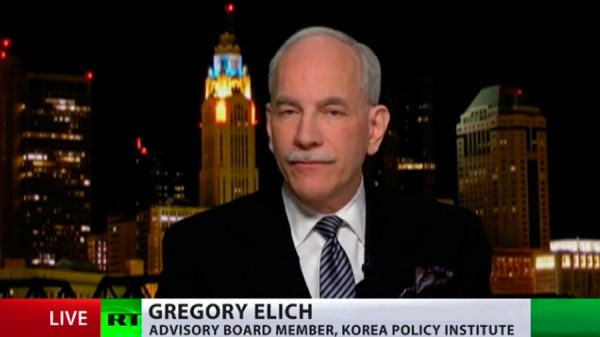
Mickey Z. – World News Trust – May 14, 2020
“At my lowest points, the unsettling realization came to me that given the ferocity and rapidity of change with this virus, a further plunge could mean that I might not survive. Indeed, I felt so close to total suffocation that there seemed little room for further decline. I was determined to fight my way through this, but at the same time, I calmly prepared myself mentally for any eventuality.”
These are the words of my friend, Gregory Elich. They’re not uncommon during this pandemic but I believe his story must be shared within the current climate of uncertainty, misinformation, and division. My goal is not to “set the record straight.” Rather, Greg agreed to this interview because we both saw value in reminding folks of the harsh human realities that exist beyond the headlines, debates, and confusion.
This interview is about one person but his harrowing tale encapsulates much of what’s still going on across the globe. Like Greg, I live alone and I often ponder the logistics of a simple question: What happens if I get sick during the lockdown?
Questions like this highlight what I talked about in a recent article, e.g. the importance of focusing on what is within our control. Therefore, no matter where we stand on the ideological spectrum, we must never forget our shared humanity. Beneath the partisan politics, conflicting theories, and medical contradictions are vulnerable human beings trying to survive — emotionally, financially, and physically. I’m very grateful Greg got through this and has agreed to tell us a little about it.
For the record, I met Greg in 2004 when we were both featured speakers at a large political event in Santa Cruz, California. In the ensuing years, we’ve stayed in touch, wrote blurbs for each other’s books, and developed a strong friendship. I reached out to him via e-mail in early May to do this interview. It went a little something like this:
Mickey Z.: When did you first experience COVID-19 symptoms?
Gregory Elich: I became infected in early March, at a time when it was nearly impossible to get tested. My state, Ohio, followed CDC guidelines to determine where to direct limited testing capacity. Initially, testing was restricted to those who had recently been abroad or to those who had contact with someone who had tested positive for COVID-19. Since virtually no one could get tested, there was practically no way one could have contact with anyone testing positive. Later on, the guidance was adjusted so that testing was limited to healthcare workers and hospitalized people showing symptoms.
Under the circumstances, all that could be done was to test me for normal type A or type B flu. Had either test produced a positive result, it would have ruled out COVID-19. The results of those tests were negative.
MZ: Do you feel confident you would’ve tested positive for COVID-19?
GE: I believe so. This virus is like nothing I’ve ever experienced, and my symptoms closely matched those that have been reported. Naturally, since it was not possible to get tested, I am not included in the statistics. At that time I was reading about so many others who, like me, were repeatedly stymied in their efforts to get tested, regardless of how sick they were. I suspect there are millions of people who were in the same situation.
MZ: It’s interesting that the final count will never truly be known and how this fact will be used by a wide range of groups as evidence for whatever their angle on the pandemic may be. How would you respond to someone who wouldn’t want to list you among the COVID-infected or would doubt such status?
GE: Obviously, I cannot prove it, unless someday I can get tested for antibodies. The reader can judge from the description of my experience whether or not to believe that I was infected with COVID-19. However, my case is irrelevant to the larger argument about the overall impact of the virus. My experience does not alter the fact that a great many people who were seriously ill were unable to get tested. Also, a great many people who died were not counted, since the dead aren’t typically tested for COVID-19. Because the virus interferes with the passage of oxygen to the bloodstream, it can wreak havoc in a variety of organs. In particular, cardiac arrest is not uncommon. COVID-19 can bring death in a variety of ways. It concerns me that policy decisions are being made based on flawed statistics that undercount the true extent of the pandemic in this country.
MZ: Back to you and the illness, how did it manifest for you?
GE: I’ve never been so sick in my life. The experience people have with this virus ranges from being asymptomatic on one end, to life-threatening at the other. I’d say mine fell right in the middle and would be labeled as mild or moderate. The terms are relative, of course, as there was nothing in this ordeal that seemed quite so gentle to me.
The first two days, my only symptom was an intense headache beyond anything I had ever experienced before. On the third day, the dry coughing began. Nonstop coughing fits would come and go in cycles, usually lasting around two to three hours, interspersed with approximately equally long periods where the coughing was sporadic.
On the fourth day, I started feeling short of breath. As the days went on, the dry coughing worsened, as did the shortness of breath. Physically, I felt completely wiped out, and I spent almost all of my time lying down. I had to put an increasing amount of effort into each breath, which was wearing.
From the second week onward, the coughing fits intensified, with the longest one lasting around 35 consecutive hours.
Because I have sleep apnea, I have a continuous positive airway pressure (CPAP) machine. On several days, I used my CPAP machine during the daytime so that I wouldn’t have to work as hard to get enough oxygen.
While the CPAP helped to reduce the amount of effort I had to put into breathing, it did not change the fact that I was struggling. It was impossible to take a deep or even a moderate breath. My lungs felt constricted, and the sensation I had was that only the top third of my lungs were taking in air. That probably wasn’t literally the case, but the overall capacity was certainly limited.
MZ: Would the sleep apnea be considered an underlying risk for something like COVID-19?
GE: There is no evidence that sleep apnea is a risk factor. I think it is important to point out, though, that the exhaust from a CPAP mask is spectacularly effective at spreading the virus. So if anyone becomes infected by COVID-19 who uses a CPAP and lives with others, it is essential to sleep in a separate room.
MZ: Did the symptoms fluctuate?
GE: That was the oddest thing about the sickness. My condition was like a roller coaster. I could never tell if I was improving or not. There were two periods where I had three straight days where I seemed to be improving, and I thought I was on my way to recovery. In both cases, within the span of one or two hours, my condition plunged so rapidly and so steeply that it was alarming. I suddenly found myself feeling on the verge of suffocating, and I was gasping for air. All I could do was focus on putting all of my energy into each intake of air, inadequate though it was. The experience is worse than one could imagine, and the thought occurred to me that this would be a horrible way to die. During those periods, the CPAP was of no use, as trying to force air into my lungs when the capacity just wasn’t there only magnified the feeling of suffocation.
I read an article by a doctor who described the fluctuation perfectly. He said that when patients with COVID-19 crash, they crash very quickly and crash very hard. “Each patient is a ticking time-bomb,” he added, “and then — suddenly — they are gasping for air with plummeting oxygen levels and a plummeting blood pressure.”
MZ: Did you consider going to the hospital?
GE: The hospitals were overwhelmed. Respirators and ventilators were in short supply, as were personal protective equipment (PPE) for medical personnel. State officials were urging people not to go to the emergency rooms, lest they infect others. State officials were emphasizing that what little equipment and PPE was available needed to be reserved for those patients in the most severe condition. They advised that infected people should work through their doctors to determine when or if hospitalization was needed. In this situation, one has to consider the broader social need. Had I gone on my own to the hospital, I may have deprived someone who was in greater need, with perhaps lethal consequences for that person.
MZ: How did that play out for you?
GE: I had two tele-appointments with my doctor. I asked my doctor what sign I should watch for that should trigger me to call about arranging a trip to the hospital. He told me the key to judge by would be if I was sitting in a chair and by standing up, I was so out of breath I couldn’t take another step. That would be the way of determining if I needed a respirator or ventilator. As he pointed out, unless one needs a respirator or ventilator, there is no treatment for the virus that a hospital can offer.
MZ: This must have been hard to accept knowing how volatile your symptoms were.
GE: At my lowest points, the unsettling realization came to me that given the ferocity and rapidity of change with this virus, a further plunge could mean that I might not survive. Indeed, I felt so close to total suffocation that there seemed little room for further decline. There was no way to know what the next hour would bring. I was determined to fight my way through this, but at the same time, I calmly prepared myself mentally for any eventuality.
MZ: Was the doctor able to offer any long-distance help?
GE: At my first tele-appointment, my doctor prescribed an inhaler, codeine cough medicine, and an antibiotic to ward off pneumonia. On the second tele-appointment, I was prescribed more codeine cough medicine and prednisone to reduce inflammation in the lungs. These helped, although the cough medicine proved ineffective during my worse coughing fits.
MZ: Was the medicine delivered to you or were there times you could venture out to the pharmacy?
GE: I go to a small family-owned drug store, so it was possible to make special arrangements. I certainly did not want to infect anyone there, so I waited until I was in one of my milder cycles. Then I called the pharmacy and arranged a set time to show up at their parking lot. Once there, I remained about 100 feet from the door. At the prearranged time, one of the pharmacists came out and set my bag on the ground. Once she was back inside, I went and picked it up. On my way home, I mailed them a check.
MZ: We’ve all heard about the 14-day incubation period. How long were you feeling ill?
GE: I was sick for around six weeks. It lasted so long that it was difficult for me to imagine being well again. But I did recover, and now I am just so happy to be alive and healthy!
MZ: It’s so jolting to have a specific face put on something as abstract as a “pandemic.” I hope that’s what we’ve accomplished here, in a way. Before we wrap up, is there anything else you feel compelled to share or say about your experience in particular or this entire crisis, in general?
GE: I am grateful to my cousin and several friends who phoned me and/or e-mailed me on a daily or near-daily basis. Their support substantially raised my spirits and made it much easier to cope.
My experience was nothing compared to that of many others. I can’t imagine what it must be like for those who need to go on a respirator or ventilator.
Amid my sickness, my sleep doctor sent out a mass e-mail, evidently to all of his patients. His message included a photo of his wife and a note that she has been on a ventilator for one week with no sign of improvement. He asked everyone to pray for her. I could imagine the anguish and desperation that drove him to send that e-mail. Looking at his wife’s photo, she was so young. I couldn’t stop crying, thinking of what my sleep doctor was going through emotionally and what his wife was going through physically.
It may sound odd, but during my illness, I felt directly connected to every human being across the world who was struggling with COVID-19. That feeling was most intense when I wasn’t entirely sure what my fate would be, but it continues to this day. The virus has brought so much death, suffering, and struggle. It felt like a global tidal wave of human sorrow.
As far as my general feeling about the entire crisis, that can best be summed up by simply stating that human life should come first.
MZ: After such an experience — one that could be accurately described as near-death — do you feel any palpable changes in your daily mindset or perspective?
GE: I’m not sure I’d describe it as a near-death experience, in that I never reached the point where I needed a respirator or ventilator. However, had there been a further decline at a crucial moment, I think I would have been at the edge.
At any one moment, there was no way I could predict which direction I would go, so it was close enough to set me thinking.
What surprised me was being able to calmly face the possibility of death. Aside from that, striving for achievement seemed to lose importance, and the experience only reinforced my belief in the importance of treating others with kindness and respect. I would also add that the support I received from my cousin and friends only reemphasized that in life all we really have that matters is each other.
Actually, I am still sorting through my feelings and this may take some time to fully work through.
***
Gregory Elich is a Korea Policy Institute associate and on the Board of Directors of the Jasenovac Research Institute. He is also a member of the Solidarity Committee for Democracy and Peace in Korea. His website is https://gregoryelich.org Follow him on Twitter at @GregoryElich or @GElich_music
Mickey Z. can be found on Instagram here. He is also the founder of Helping Homeless Women – NYC, offering direct relief to women on the streets of New York City. To help him grow this project, CLICK HERE and make a donation right now. And please spread the word!
CNN lies about 68% of Americans waiting for vaccine to return to normal life as lockdown gives MSM new lease on life
By Helen Buyniski | RT | May 12, 2020
 Mainstream media is running wild during the US coronavirus lockdown with the kind of distorted “facts” that would normally be ignored but have developed staying power due to pandemic-induced vulnerabilities in its audience.
More than two-thirds of Americans are determined to hide out in their homes until a Covid-19 vaccine comes along. Or so CNN appeared to claim in a Tuesday headline, declaring “68 percent of Americans say a vaccine is needed before returning to normal life.” Citing a Gallup poll, the piece implied that until a vaccine is rolled out for the pandemic that has upended the lives of people around the world, most Americans are content to shelter in place, working from home (if they’re lucky enough to be working at all) and absorbing reality through the mainstream media.
The actual Gallup poll the article cited said no such thing. “Availability of a vaccine to prevent Covid-19” was merely one item on a list of factors that respondents could rate as “very,” “somewhat,” or “not too important” as conditions for returning to their pre-pandemic routines. Indeed, a poll taken the previous week that specifically asked how many respondents would only return to normal if there was a vaccine found just 12 percent of respondents felt they needed the still-hypothetical jab to resume their lives.
More important than a vaccine that is expected to take over a year to come to market in Gallup’s poll were “mandatory quarantine for anyone testing positive with Covid-19” (“very important” for 80 percent of respondents) and “improved medical therapies to treat Covid-19” (“very important” for 77 percent). Even a “significant reduction” in virus-related deaths (73 percent) outstripped the vaccine. Yet this benchmark was used as the headline by CNN.
Sure, the decision could have been motivated by the network’s heavy support by pharmaceutical companies. Democratic presidential candidate Bernie Sanders called out CNN during a primary debate for taking drug company money in a direct conflict of interest, and vaccine safety advocate Robert F. Kennedy Jr. has claimed 70 percent of ad dollars for news networks come from pharmaceuticals during non-election years.
However, given the abysmal track record of previous efforts to develop a vaccine for other coronaviruses, like SARS, there’s no guarantee a Covid-19 shot will ever come on the market. Instead, it’s more likely CNN’s motive in portraying Americans as willing to hide in their homes for another year in the hope of a pharmaceutical savior that may never come is an opportunistic attempt to prey on the newfound vulnerabilities of a pandemic-panicked population.
Everyone makes mistakes, of course, but CNN and its mainstream media ilk have been making an awful lot of them during the coronavirus pandemic, and they’ve all erred in the direction of presenting the virus as a terrifying killer that threatens all populations who dare peek their heads out of their windows (except for the prescribed hour of clapping, of course). CBS was caught re-using the same footage of an Italian hospital overwhelmed by coronavirus-stricken patients twice to illustrate New York hospitals supposedly buckling under the weight of the epidemic, even after the network was caught the first time and excoriated on social media. A Project Veritas exposé last week implied they hadn’t learned their lesson, claiming the network had allegedly staged a long line of patients waiting for coronavirus testing at a Michigan facility, which CBS was quick to blame. Many outlets continued to predict apocalyptic death numbers for the country long after it was apparent that the early estimates were significantly overblown.
It’s not like there haven’t been plenty of sensational Covid-19 stories in the US, which has long been the epicenter of the coronavirus pandemic. Between U-Haul trucks filled with decomposing bodies parked outside a Brooklyn funeral home and New York Governor Andrew Cuomo’s appalling order mandating contagious Covid-19 patients be admitted to nursing homes where they’d – in his own words – infect the tenants “like fire through dry grass,” tales of suffering inflicted by the virus abound. Covid-19 has contributed to over 81,000 deaths as of Tuesday, according to data collected by Johns Hopkins University. But it never seems to be enough – so many of the deaths are in nursing home patients or those with comorbid conditions that the media seems compelled to dig for ever more lurid and shocking narratives.
The Covid-19 lockdowns have given the media establishment something it hasn’t had for years – a captive audience. It isn’t about to let something like that go, even as states begin to loosen restrictions and permit the housebound to return to work. Pre-virus, the media establishment enjoyed near-record low approval ratings, with just 41 percent claiming to trust mainstream outlets in 2019. But in the midst of the uncertainty caused by the virus – which has put over 33 million Americans out of work and disrupted the lives of millions more – the certainty and familiarity those outlets provide has shored up their falling stock. Some 57 percent of respondents to a Pew Research poll conducted last month said cable news was doing an “excellent” or “good” job covering the pandemic, while a whopping 68 percent approved of network television coverage. Given the low ratings they enjoy during business as usual, neither CNN nor any other mainstream outlet is going to risk letting their newly-loyal audience return to reality – not when they can keep them at home waiting for a vaccine for another year. For a media that thrives on fear, the best kind of customer is one who’s glued to the couch, terrified of the virus lurking just outside their door.
Helen Buyniski is an American journalist and political commentator at RT. Follow her on Twitter @velocirapture23
Vitamin D linked to low virus death rate – study
Anglia Ruskin University | May 7, 2020
A new study has found an association between low average levels of vitamin D and high numbers of COVID-19 cases and mortality rates across 20 European countries.
The research, led by Dr Lee Smith of Anglia Ruskin University (ARU) and Mr Petre Cristian Ilie, lead urologist of Queen Elizabeth Hospital King’s Lynn NHS Foundation Trust, is published in the journal Aging Clinical and Experimental Research.
Previous observational studies have reported an association between low levels of vitamin D and susceptibility to acute respiratory tract infections. Vitamin D modulates the response of white blood cells, preventing them from releasing too many inflammatory cytokines. The COVID-19 virus is known to cause an excess of pro-inflammatory cytokines.
Italy and Spain have both experienced high COVID-19 mortality rates, and the new study shows that both countries have lower average vitamin D levels than most northern European countries. This is partly because people in southern Europe, particularly the elderly, avoid strong sun, while skin pigmentation also reduces natural vitamin D synthesis.
The highest average levels of vitamin D are found in northern Europe, due to the consumption of cod liver oil and vitamin D supplements, and possibly less sun avoidance. Scandinavian nations are among the countries with the lowest number of COVID-19 cases and mortality rates per head of population in Europe.
Dr Lee Smith, Reader in Physical Activity and Public Health at Anglia Ruskin University, said:
“We found a significant crude relationship between average vitamin D levels and the number COVID-19 cases, and particularly COVID-19 mortality rates, per head of population across the 20 European countries.
“Vitamin D has been shown to protect against acute respiratory infections, and older adults, the group most deficient in vitamin D, are also the ones most seriously affected by COVID-19.
“A previous study found that 75% of people in institutions, such as hospitals and care homes, were severely deficient in vitamin D. We suggest it would be advisable to perform dedicated studies looking at vitamin D levels in COVID-19 patients with different degrees of disease severity.”
Mr Petre Cristian Ilie, lead urologist of Queen Elizabeth Hospital King’s Lynn NHS Foundation Trust, said:
“Our study does have limitations however, not least because the number of cases in each country is affected by the number of tests performed, as well as the different measures taken by each country to prevent the spread of infection. Finally, and importantly, one must remember correlation does not necessarily mean causation.”
Vitamin D appears to play role in COVID-19 mortality rates
Patients with severe deficiency are twice as likely to experience severe complications, including death
Northwestern University | May 7, 2020
After studying global data from the novel coronavirus (COVID-19) pandemic, researchers have discovered a strong correlation between severe vitamin D deficiency and mortality rates.
Led by Northwestern University, the research team conducted a statistical analysis of data from hospitals and clinics across China, France, Germany, Italy, Iran, South Korea, Spain, Switzerland, the United Kingdom (UK) and the United States.
The researchers noted that patients from countries with high COVID-19 mortality rates, such as Italy, Spain and the UK, had lower levels of vitamin D compared to patients in countries that were not as severely affected.
This does not mean that everyone — especially those without a known deficiency — needs to start hoarding supplements, the researchers caution.
“While I think it is important for people to know that vitamin D deficiency might play a role in mortality, we don’t need to push vitamin D on everybody,” said Northwestern’s Vadim Backman, who led the research. “This needs further study, and I hope our work will stimulate interest in this area. The data also may illuminate the mechanism of mortality, which, if proven, could lead to new therapeutic targets.”
The research is available on medRxiv, a preprint server for health sciences.
Backman is the Walter Dill Scott Professor of Biomedical Engineering at Northwestern’s McCormick School of Engineering. Ali Daneshkhah, a postdoctoral research associate in Backman’s laboratory, is the paper’s first author.
Backman and his team were inspired to examine vitamin D levels after noticing unexplained differences in COVID-19 mortality rates from country to country. Some people hypothesized that differences in healthcare quality, age distributions in population, testing rates or different strains of the coronavirus might be responsible. But Backman remained skeptical.
“None of these factors appears to play a significant role,” Backman said. “The healthcare system in northern Italy is one of the best in the world. Differences in mortality exist even if one looks across the same age group. And, while the restrictions on testing do indeed vary, the disparities in mortality still exist even when we looked at countries or populations for which similar testing rates apply.
“Instead, we saw a significant correlation with vitamin D deficiency,” he said.
By analyzing publicly available patient data from around the globe, Backman and his team discovered a strong correlation between vitamin D levels and cytokine storm — a hyperinflammatory condition caused by an overactive immune system — as well as a correlation between vitamin D deficiency and mortality.
“Cytokine storm can severely damage lungs and lead to acute respiratory distress syndrome and death in patients,” Daneshkhah said. “This is what seems to kill a majority of COVID-19 patients, not the destruction of the lungs by the virus itself. It is the complications from the misdirected fire from the immune system.”
This is exactly where Backman believes vitamin D plays a major role. Not only does vitamin D enhance our innate immune systems, it also prevents our immune systems from becoming dangerously overactive. This means that having healthy levels of vitamin D could protect patients against severe complications, including death, from COVID-19.
“Our analysis shows that it might be as high as cutting the mortality rate in half,” Backman said. “It will not prevent a patient from contracting the virus, but it may reduce complications and prevent death in those who are infected.”
Backman said this correlation might help explain the many mysteries surrounding COVID-19, such as why children are less likely to die. Children do not yet have a fully developed acquired immune system, which is the immune system’s second line of defense and more likely to overreact.
“Children primarily rely on their innate immune system,” Backman said. “This may explain why their mortality rate is lower.”
Backman is careful to note that people should not take excessive doses of vitamin D, which might come with negative side effects. He said the subject needs much more research to know how vitamin D could be used most effectively to protect against COVID-19 complications.
“It is hard to say which dose is most beneficial for COVID-19,” Backman said. “However, it is clear that vitamin D deficiency is harmful, and it can be easily addressed with appropriate supplementation. This might be another key to helping protect vulnerable populations, such as African-American and elderly patients, who have a prevalence of vitamin D deficiency.”
A China-bashing coronavirus jester? Beijing tears into Pompeo’s ‘clown show’
RT | May 6, 2020
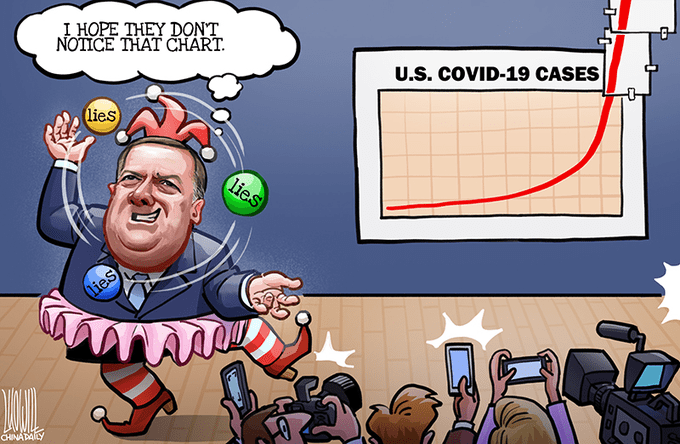
China has fired back at Mike Pompeo’s allegations that Beijing is somehow behind the origin and spread of Covid-19, describing his “comedy routine” as deeply cynical and damaging to the United States.
State-operated China Daily took aim at the US secretary of state, slamming the top American diplomat for “bad-mouthing” China and the World Health Organization (WHO) instead of seeking global cooperation and solidarity to overcome the Covid-19 pandemic.
Pompeo continues to insist that the illness came from a laboratory in Wuhan, even though he has yet to present evidence for this incendiary claim, and has ignored scientists who say the virus is from the wild, the opinion piece argued.
China Daily noted that the secretary of state has also been curiously silent about the fact that Beijing has been the “main provider” of surgical masks, ventilators, and other essential medical equipment to the US. The editorial argued that Pompeo is playing a dangerous political game that will end up hurting the United States.
In a difficult situation such as the one we all face now, Pompeo’s clown show is simply self-harming for the US. It is solidarity that is desperately needed to fight this common enemy, not a stand-up comedy routine.
The paper also ran a cartoon showing Pompeo, outfitted as a jester, juggling “lies” as he tries to distract media attention from rising coronavirus cases in the US.
The biting commentary piece comes after the Global Times newspaper – an outlet owned by the Chinese Communist Party – published an editorial dismissing Pompeo’s attacks on Beijing as “groundless accusations.”
Pompeo’s theories have also been met with suspicion within the intelligence community. The Guardian reported that sources connected to the Five Eyes intelligence network – consisting of spy agencies from the UK, US, Australia, New Zealand, and Canada – believe there is no evidence linking China to the creation and spread of Covid-19.
Coronavirus Gives a Dangerous Boost to DARPA’s Darkest Agenda
By Whitney Webb | The Last American Vagabond | May 4, 2020
In January, well before the coronavirus (Covid-19) crisis would result in lockdowns, quarantines and economic devastation in the United States and beyond, the U.S. intelligence community and the Pentagon were working with the National Security Council to create still-classified plans to respond to an imminent pandemic. It has since been alleged that the intelligence and military intelligence communities knew about a likely pandemic in the United States as early as last November, and potentially even before then.
Given this foreknowledge and the numerous simulations conducted in the United States last year regarding global viral pandemic outbreaks, at least six of varying scope and size, it has often been asked – Why did the government not act or prepare if an imminent global pandemic and the shortcomings of any response to such an event were known? Though the answer to this question has frequently been written off as mere “incompetence” in mainstream media circles, it is worth entertaining the possibility that a crisis was allowed to unfold.
Why would the intelligence community or another faction of the U.S. government knowingly allow a crisis such as this to occur? The answer is clear if one looks at history, as times of crisis have often been used by the U.S. government to implement policies that would normally be rejected by the American public, ranging from censorship of the press to mass surveillance networks. Though the government response to the September 11 attacks, like the Patriot Act, may be the most accessible example to many Americans, U.S. government efforts to limit the flow of “dangerous” journalism and surveil the population go back to as early as the First World War. Many of these policies, whether the Patriot Act after 9/11 or WWI-era civilian “spy” networks, did little if anything to protect the homeland, but instead led to increased surveillance and control that persisted long after the crisis that spurred them had ended.
Using this history as a lens, it is possible to look at the current coronavirus crisis to see how the long-standing agendas of ever-expanding mass surveillance and media censorship are again getting a dramatic boost thanks to the chaos unleashed by the coronavirus pandemic. Yet, this crisis is unique because it also has given a boost to a newer yet complimentary agenda that — if fulfilled – would render most, if not all, other government efforts at controlling and subduing their populations obsolete.
DARPA Dystopia
For years, the Pentagon’s Defense Advanced Research Projects Agency (DARPA) has remained largely out of sight and out of mind for most Americans, as their research projects are rarely covered by the mainstream media and, when they are, their projects are often praised as “bringing science fiction movies to life.” However, there have been recent events that have marred DARPA’s often positive portrayal by media outlets, which paint the agency as a beacon of scientific “progress” that has “changed the world” for the better.
For instance, in 2018, a group of European scientists accused the DARPA’s “Insect Allies” program of actually being a dystopian bioweapons program that would see insects introduce genetically modified viruses into plants to attack and devastate a targeted nation’s food supply. DARPA, of course, maintained that its intent to use these insects to genetically modify plants was instead about “protecting” the food supply. Regardless of DARPA’s assertions that it is merely a “defensive” program, it should be clear to readers that such a technology could easily be used either way, depending on the wielder.
Though DARPA’s futuristic weapons of war often get the most attention from media, the agency has long standing interests in tinkering with, not just the biology of plants, but of humans. DARPA, which is funded to the tune of approximately $3 billion a year, has various avenues through which it pursues these ambitions, with many of those now under the purview of the agency’s “Biological Technologies Office” (BTO), created in 2014. As of late, some of DARPA’s human biology and biotech projects at its BTO have been getting a massive PR boost thanks to the current coronavirus crisis, with recent reports even claiming that the agency “might have created the best hopes for stopping Covid-19.”
Most of these technologies garnering positive media coverage thanks to Covid-19 were developed several years ago. They include the DARPA-funded platforms used to produce DNA and RNA vaccines, classes of vaccine that have never been approved for human use in the U.S. and involve injecting foreign genetic material into the human body. Notably, it is this very class of vaccine, now being produced by DARPA-partnered companies, that billionaire and global health “philanthropist” Bill Gates recently asserted has him “most excited” relative to other Covid-19 vaccine candidates. Yet, key aspects regarding these vaccines and other DARPA “healthcare” initiatives have been left out of these recent positive reports, likely because they provide a window into what is arguably the agency’s darkest agenda.
“In Vivo Nanoplatforms”

In 2006, DARPA announced its Predicting Health and Disease (PHD) program, which sought to determine “whether an individual will develop an infectious disease prior to the onset of symptoms.” The PHD program planned to accomplish this by “identifying changes in the baseline state of human health through frequent surveillance” with a specific focus on “viral, upper respiratory pathogens.”
Three years later, in 2010, DARPA-funded researchers at Duke University created the foundation for this tool, which would use the genetic analysis of blood samples to determine if someone is infected with a virus before they show symptoms. Reports at the time claimed that these “preemptive diagnoses” would be transmitted to “a national, web-based influenza map” available via smartphone.
Following the creation of DARPA’s BTO in 2014, this particular program gave rise to the “In Vivo Nanoplatforms (IVN)” program. The diagnostics branch of that program, abbreviated as IVN:Dx, “investigates technologies that incorporate implantable nanoplatforms composed of bio-compatible, nontoxic materials; in vivo sensing of small and large molecules of biological interest; multiplexed detection of analytes at clinically relevant concentrations; and external interrogation of the nanoplatforms without using implanted electronics for communication.” Past reports on the program describe it as developing “classes of nanoparticles to sense and treat illness, disease, and infection on the inside. The tech involves implantable nanoparticles which sense specific molecules of biological interest.”
DARPA’s IVN program has since helped to finance and produce “soft, flexible hydrogels that are injected just beneath the skin to perform [health] monitoring and that sync to a smartphone app to give the use immediate health insights,” a product currently marketed and created by the DARPA-funded and National Institutes of Health (NIH)-funded company Profusa. Profusa, which has received millions upon millions from DARPA in recent years, asserts that the information generated by their injectable biosensor would be “securely shared” and accessible to “individuals, physicians and public health practitioners.” However, the current push for a national “contact tracing” system based on citizens’ private health data is likely to expand that data sharing, conveniently fitting with DARPA’s years-old goal of creating a national, web-based database of preemptive diagnoses.
Profusa is also backed by Google, which is intimately involved in these new mass surveillance “contact tracing” initiatives, and counts former Senate majority leader William Frist among its board members. They are also partnered with the National Institutes of Health (NIH). The company also has considerable overlap with the diagnostic company Cepheid, which recently won FDA approval for its rapid coronavirus test and was previously awarded lucrative government contracts to detect anthrax in the U.S. postal system. As of this past March, Profusa again won DARPA funding to determine if their injectable biosensors can predict future pandemics, including the now widely predicted “second wave” of Covid-19, and detect those infected up to three weeks before they would otherwise show symptoms. The company expects to have its biosensors FDA licensed for this purpose by early next year, about the same time a coronavirus vaccine is expected to be available to the general public.
“Living Foundries”
Another long-standing DARPA program, now overseen by BTO, is known as “Living Foundries.” According to DARPA’s website, Living Foundries “aims to enable adaptable, scalable, and on-demand production of [synthetic] molecules by programming the fundamental metabolic processes of biological systems to generate a vast number of complex molecules that are not otherwise accessible. Through Living Foundries, DARPA is transforming synthetic biomanufacturing into a predictable engineering practice supportive of a broad range of national security objectives.”
The types of research this “Living Foundries” program supports involves the creation of “artificial life” including the creation of artificial genetic material, including artificial chromosomes, the creation of “entirely new organisms,” and using artificial genetic material to “add new capacities” to human beings (i.e. genetically modifying humans through the insertion of synthetically-created genetic material).
The latter is of particular concern (though all are honestly concerning), as DARPA also has a project called “Advanced Tools for Mammalian Genome Engineering,” which – despite having “mammalian” in the name – is focused specifically on improving “the utility of Human Artificial Chromosomes (HACs),” which DARPA describes as a “fundamental tool in the development of advanced therapeutics, vaccines, and cellular diagnostics.” Though research papers often focus on HACs as a revolutionary medical advancement, they are also frequently promoted as a means of “enhancing” humans by imbuing them with non-natural characteristics, including halting aging or improving cognition.
DARPA is known to be involved in research where these methods are used to create “super soldiers” that no longer require sleep or regular meals, among other augmented “features,” and has another program about creating “metabolically dominant” fighters. Reports on these programs also discuss the other, very disconcerting use of these same technologies, “genetic weapons” that would “subvert DNA” and “undermine people’s minds and bodies.”
Another potential application being actively investigated by DARPA is its BioDesign program, which is examining the creation of synthetic organisms that are created to be immortal and programmed with a “kill switch” allowing a synthetic, yet organic organism to be “turned off” at any time. This has led some to speculate such research could open the doors to the creation of “human replicants” used for fighting wars and other tasks, such as those that appear in the science fiction film Bladerunner.
However, these genetic “kill switches” could also be inserted into actual humans through artificial chromosomes, which – just as they have the potential to extend life – also have the potential to cut it short. Notably, it was revealed in 2017 that DARPA had invested $100 million in “gene drive” research, which is involves the use of genetic modification to wipe out entire populations, explaining why it it often referred to as a “genetic extinction” technology.
In addition, other DARPA experiments involve the use of genetically modified viruses that insert genetic material into human cells, specifically neurons in the brain, in order to “tweak” human brain chemistry. In one example, DARPA-funded research has altered human brain cells to produce two new proteins, the first allowing neural activity to be easily detected by external devices and the second allowing “magnetic nanoparticles” to “induce an image or sound in the patient’s mind.”
“Next-Generation Nonsurgical Neurotechnology”

Changing human brain chemistry and functionality at the cellular level is only one of numerous DARPA initiatives aimed at changing how human beings think and perceive reality. Since 2002, DARPA has acknowledged its efforts to create a “Brain-Machine Interface (BMI).” Though first aimed at creating “a wireless brain modem for a freely moving rat,” which would allow the animal’s movements to be remotely controlled, DARPA wasn’t shy about the eventual goal of applying such brain “enhancement” to humans in order to enable soldiers to “communicate by thought alone” or remotely control human beings (on the enemy side only, so they say) for the purposes of war.
The project, which has advanced greatly in recent years, has long raised major concerns among prominent defense scientists, some of whom warned in a 2008 report that “remote guidance or control of a human being” could quickly backfire were an adversary to gain access to the implanted technology (opening up the possibility of “hacking” a person’s brain), and they also raised concerns about the general ethical perils of such technologies. Work began in 2011 on developing “brain implants” for use in human soldiers, officially with the goal of treating neurological damage in veterans, and such implants have been tested on human volunteers in DARPA-funded experiments since at least 2015.
Concerns, like those raised by those defense scientists in 2008, have been regularly dismissed by DARPA, which has consistently claimed that its controversial research projects are tempered by their in-house “ethical experts.” However, it worth noting how DARPA’s leadership views these ethical conundrums, since they ultimately have the last word. For example, in 2015, Michael Goldblatt, then-director of DARPA’s Defense Sciences Office (DSO), which oversees most aspects of the agency’s “super soldier” program, told journalist Annie Jacobsen that he saw no difference between “having a chip in your brain that could help control your thoughts” and “a cochlear implant that helps the deaf hear.” When pressed about the unintended consequences of such technology, Goldblatt stated that “there are unintended consequences for everything.”
Thus, it is worth pointing out that, while DARPA-developed technologies – from human genetic engineering to the brain-machine interfaces – are often first promoted as something that will revolutionize and improve human health, DARPA sees the use of these technologies for such ends as being on the same footing as other dystopian and frankly nightmarish applications, like thought control. BMIs are no exception, having first been promoted as a way to “boost bodily functions of veterans with neural damage or post-traumatic stress disorder” and to allow amputees to control advanced prosthetics. While these do indeed represent major medical advances, DARPA’s leadership has made it clear that they see no distinction between the medical use of BMIs and using them to exert near total control over a human being by “guiding” their thoughts and even their movements.
Such stark admission from DARPA’s leadership makes it worth exploring the state of these current “brain-machine” interface programs as well as their explicit goals. For instance, one of the goals of DARPA’s Next-Generation Nonsurgical Neurotechnology (N3) program involves using “noninvasive or minimally invasive brain-computer interfaces” to “read and write” directly onto the brain.
According to one recent report on DARPA’s N3 program, one example of “minimally invasive” technologies would involve:
“an injection of a virus carrying light-sensitive sensors, or other chemical, biotech, or self-assembled nanobots that can reach individual neurons and control their activity independently without damaging sensitive tissue. The proposed use for these technologies isn’t yet well-specified, but as animal experiments have shown, controlling the activity of single neurons at multiple points is sufficient to program artificial memories of fear, desire, and experiences directly into the brain.”
Though the purported goal of N3 is related to creating “thought-controlled” weapons that react and fire based on a soldier’s thoughts, the fact that the technology is also bidirectional, opens up the disturbing possibility that efforts will be made to control and program a soldier’s thoughts and perceptions as opposed to the other way around. This may be more of the plan than DARPA has publicly let on, since official military documents have openly stated that the Pentagon’s ultimate goal is to essentially replace human fighters with “self-aware” interconnected robots “who” will both design and conduct operations against targets chosen by artificial-intelligence systems. This weapons system of the not-so-distant future seems to have little room for human beings, even those capable of “controlling” weapons with their minds, suggesting that futurist military planners see soldiers with BMIs as a “weapon” that would also become connected to this same AI-driven system. It is also worth pointing out that DARPA has been attempting to create an “artificial human brain” since 2013.
In addition, reports on DARPA’s BMI efforts have suggested that this bidirectional technology will be used to “cloud the perception of soldiers” by “distancing them from the emotional guilt of warfare,” a move that would set a dangerous precedent and one that would surely result in a marked jump in war crimes.
Of course, these are just the admitted, potential “military” applications of such technology. Once this technology moves from the military to the civilian sphere, as several DARPA inventions have in the past, their use for “remote guidance”, “thought control” and/or the programming of thoughts and experiences is more than likely to be misused by governments, corporations and other power-brokers in the U.S. and beyond for the purposes of control.
The entrance of BMIs into the civilian sphere isn’t very far away, as DARPA executives and researchers who have worked on the N3 and other DARPA-backed BMI programs have since been “scooped up” by Verily (a Google-GlaxoSmithKline partnership), Elon Musk’s Neuralink and Facebook’s Building 8 – all of which have been working to bring “neuro-modulation” devices and BMIs to market.
“Human Bio-reactors”, “Nanotherapeutics” and DARPA-funded gene vaccines
As detailed above, DARPA often frames the controversial technologies it develops as being developed to mainly advance medicine and healthcare. Aside from the technologies already discussed, it is important to note that DARPA has been very interested in healthcare, specifically vaccines, for sometime.
For instance, in 2010, DARPA began developing a class of vaccine that could “inoculate against unknown pathogens,” a component of its Accelerated Manufacture of Pharmaceuticals program. The vaccine would inject thousands of synthetic antibodies, such as those developed through DARPA’s “Living Foundries” program, into the human body. These synthetic antibodies or “synbodies” would then “create an immunity toolkit that can be combined in myriad ways to tackle virtually any pathogen.”
That same year, DARPA began funding efforts to create “multiagent synthetic DNA vaccines” that would be delivered into the human body via “noninvasive electroporation” and was quickly promoted in media reports as a way to quickly produce vaccines compared to traditional vaccine production methods. This category of vaccine would involve the same type of synthetic DNA that DARPA was also simultaneously researching for the purposes of both “enhancing” and “subverting” human beings at the genetic level. It was also this year, 2010, that the Bill and Melinda Gates Foundation also began heavily funding DNA and RNA vaccines.
DNA vaccines, which were first created in 2005, have never been approved for human use in the United States and past studies have warned that they “possess significant unpredictability and a number of inherent harmful potential hazards” and that “there is inadequate knowledge to define either the probability of unintended events or the consequences of genetic modifications.” Another long-standing issue with such vaccines is mitigating “unwanted immune reactions” that result from natural immune response to the foreign genetic material they contain.
In 2011, DARPA announced its “Rapidly Adaptable Nanotherapeutics” program, which seeks to create a “platform capable of rapidly synthesizing therapeutic nanoparticles” aimed at combatting “evolving and even genetically engineered bioweapons.” DARPA’s plan for these nanoparticles, which media reports described merely as “tiny, autonomous drug delivery systems,” was to combine them with “small interfering RNA (siRNA),” which are snippets of RNA that can target and shut down specific genes. As Wired wrote at the time: “siRNA could be reprogrammed ‘on-the-fly’ and applied to different pathogens,” allowing nanoparticles to “be loaded up with the right siRNA molecules and sent directly to cells responsible for the infection.”
The creation of this program was shortly followed by DARPA’s decision in 2013 to fund Moderna Therapeutics to the tune of $25 million to develop their synthetic RNA vaccine production platform. DARPA funded the project to “develop platform technologies that can be deployed safely and rapidly to provide the U.S. population with near-immediate protection against emerging infectious diseases and engineered biological weapons.”
Then, in 2015, DARPA’s research into vaccines involving synthetic antibodies and synthetic genetic material expanded, with them giving $45 million to the DNA vaccine company, Inovio Pharmaceuticals. This same year, DARPA-funded RNA and DNA vaccines began to be framed differently by both DARPA researchers and the media – who described the technology as transforming the human body into a “bio-reactor.”
In the years since, DARPA-backed DNA and RNA vaccine companies, including Moderna, Inovio as well as Germany’s CureVac, have been unable to get their products licensed for human use, largely due to the fact that their vaccines have failed to provide sufficient immunity in human trials. Examples of these ineffective vaccines include CureVac’s attempt at a rabies vaccine and Moderna’s efforts to create a vaccine for the Zika virus (which was funded by the U.S. government).
Several workarounds for this issue have been proposed, including vaccines where the genetic material (RNA or DNA) “self-amplifies.” However, the workaround of choice to this lack of immune response and other obstacles for DNA/RNA vaccines is the incorporation of nanotechnology into these vaccines. As a result, the use of nanoparticles as the carriers for the genetic material in these vaccines has been widely promoted and studied, as well as touted as the best way to improve their stability, increase their targeted delivery ability and enhance the immune response they provoke.
The combination of DNA or RNA vaccines with nanotechnology has already become reality thanks to the companies leading that field. For instance, the DARPA-backed DNA vaccine company Inovio Pharmaceuticals utilizes what reports refer to as “DNA nanotechnology” in their line of synthetic vaccines branded as “SynCon” by the company, which uses an undisclosed computer algorithm to design its vaccines. It is an interesting coincidence, then, that the Inovio “SynCon” vaccine for Covid-19 now appears to be ahead of the rest of the pack, with backing from Bill Gates, DARPA, the National Institute of Allergy and Infectious Diseases (NIAID) and other government agencies.
DARPA – Saving us from Covid-19?

In January, the Coalition for Epidemic Preparedness Innovations (CEPI) announced it would begin funding vaccine candidates for the coronavirus outbreak, long before it became a major global issue. CEPI describes itself as “a partnership of public, private, philanthropic and civil organizations that will finance and co-ordinate the development of vaccines against high priority public health threats” and was founded in 2017 by the governments of Norway and India along with the World Economic Forum (WEF) and the Bill and Melinda Gates Foundation. That month, CEPI only chose two pharmaceutical companies to receive funding for their efforts to develop a vaccine for Covid-19 – Moderna and Inovio Pharmaceuticals.
As previously mentioned, these two companies are DARPA-backed firms that frequently tout their “strategic alliance” with DARPA in press releases and on their websites. DARPA has also provided these companies with significant amounts of funding. For instance, the top funders behind Inovio Pharmaceuticals include both DARPA and the Pentagon’s Defense Threat Reduction Agency (DTRA) and the company has received millions in dollars in grants from DARPA, including a $45 million grant to develop a vaccine for Ebola. They were also recently awarded over $8 million from the U.S. military to develop a small, portable intradermal device for delivering DNA vaccines, which was jointly developed by Inovio and the U.S. Army Medical Research Institute of Infectious Diseases (USAMRIID), which also manages the “biodefense” lab at Fort Detrick.
In addition, the German company CureVac, which is also developing a CEPI-backed RNA vaccine for Covid-19, is another long-time recipient of DARPA funding. They were one of DARPA’s earliest investments in the technology, winning a $33.1 million DARPA contract to develop their “RNActive” vaccine platform in 2011.
In Moderna’s case, DARPA financed the production and development of their RNA vaccine production platform and their RNA therapy candidate for Chikungunya virus (their first for an infectious disease) was developed in direct collaboration with the agency. Since 2016, Moderna’s RNA vaccine program has received $100 million in funding from the Bill and Melinda Gates Foundation. The Gates Foundation has since poured millions directly into both Moderna’s and Inovio’s Covid-19 vaccine efforts.
Gates’ backing of DNA and RNA vaccines is significant, given that Gates – a billionaire with unparalleled influence and control over global healthcare policy – recently asserted that the best options for a Covid-19 vaccine are these same vaccines, despite the fact that they have never before been approved for use in humans. Yet, thanks to the emergency authorizations activated due to the current crisis, both Moderna’s and Inovio’s testing for these vaccines has skipped animal trials and gone straight to human testing. They are also set to be fast-tracked for widespread use in a matter of months. Moderna’s clinical trial in humans began in mid-March, followed by Inovio’s in the beginning of April. Thus, they are not only Gates’ favorites to be the new vaccine, but are also slated to be the first to complete clinical trials and garner emergency U.S. government approval, especially Moderna’s vaccine which is being jointly developed with the government’s NIH.
The rapid rise to prominence of Moderna’s and Inovio’s Covid-19 vaccines has resulted in several media articles praising DARPA as having provided our “best hope” for thwarting the coronavirus crisis. In addition to its backing of Moderna’s and Inovio’s own efforts, DARPA itself, specifically DARPA’s BTO, is set to have a “temporary” vaccine for Covid-19 available in a matter of weeks that will involve the production of synthetic antibodies that would ostensibly provide immunity for a few months until a longer-lasting vaccine (such as those produced by Moderna and Inovio) is available.
DARPA’s antibody treatment for Covid-19 is pursuing two routes, including the “human body as bio-reactor” approach that would involve synthetic DNA or RNA being injected in order to prompt the body to produce the necessary antibodies. Defense One notes that DARPA’s Covid-19 treatment would utilize techniques that had resulted from the agency’s investments in microfluidics (the manipulation of liquids at the sub-millimeter range), nanotechnology fabrication and “new approaches to gene sequencing.”
Persistent Concerns
While most media reports have painted these DARPA-led efforts as entirely positive, it is worth noting that concerns have been raised, though these concerns have hardly gotten the coverage they warrant. For instance, Nature recently noted some key points regarding safety issues related to the race for a Covid-19 vaccine, including the fact that all “previous coronavirus vaccines have not all proven appropriate or even safe,” with some past attempts at coronavirus vaccines having resulted in antibody dependent enhancement (ADE). ADE results in cells more rapidly taking up the virus and speeding up the virus’ replication, increasing its infectiousness and virulence.
Nature also noted that the two coronavirus vaccines for SARS that managed to pass phase 1 trials ended up, in subsequent studies, causing immune hypersensitivity in mice “resulting in severe immunopathology,” i.e. permanent defects or malfunctions in the immune system. In addition, Nature also pointed out that it is unknown how strong an immune response is needed to confer immunity for Covid-19 and coronaviruses in general, making it incredibly difficult to gauge if a vaccine is even effective.
Another issue worth noting involves concerns raised about Inovio Pharmaceuticals by investment research firm Citron Research, which compared Inovio to Theranos, the disgraced medical technology company that had initially promised to offer diagnoses for numerous diseases via a simple blood test, but was later revealed to be a sham. Citron asserted that “It’s been over 40 years since Inovio was founded, yet the company has NEVER [sic] brought a product to market, and all the while insiders have enriched themselves with hefty salaries and large stock sales.”
Citron Research went on to say that the company’s claim to have designed their Covid-19 vaccine in only 3 hours based on a computer algorithm was hard to believe, stating that “Inovio has a ‘computer algorithm’ that no one else in the world has and is arguably one of the greatest breakthroughs in vaccine discovery in the past 100 years, and yet this ‘computer algorithm’ is not mentioned once in any of its 10-K’s or 10-Q’s? Sounds like Theranos to us.” It also noted that Inovio’s partnerships with pharmaceutical companies Roche and AstraZeneca ended up failing with those two companies canceling the partnership despite claims from Inovio’s CEO that whey would “continue to thrive.”
A Not-So-Hidden Agenda
Of course, these are just concerns focused on corporate behavior and obstacles towards making a Covid-19 vaccine in general. As this report has already shown in detail, DARPA’s other experiments with the same technologies (particularly genetic engineering, synthetic chromosomes, and nanotechnology) that are being used to produce RNA and DNA vaccines for Covid-19 are arguably more concerning. This is especially true given that DARPA-backed companies that describe themselves as “strategic partners” of the agency are those manufacturing these vaccines. In addition, thanks to backing from the U.S. government and Bill Gate, among others, they are are also slated to be among the first vaccines (if not the first) approved for widespread use.
It is certainly troubling that media coverage of DARPA’s efforts and the efforts of Moderna and Inovio have thus far not included critical reporting regarding the different branches of DARPA’s research that has produced the technology involved in creating these vaccines, leaving little room for public scrutiny of their safety, efficacy and their potential for unintended effects on human genetics.
This is particularly alarming given that, over the past several weeks, efforts have been taking shape in many countries to enforce mandatory vaccinations once a Covid-19 vaccine becomes available. In some countries, it appears likely that the Covid-19 vaccine will not be made mandatory per say, but will be required for those who wish to return to any semblance of “normalcy” in terms of public gatherings, working certain jobs, leaving one’s home for longer periods of time and so on.
Would those involved in creating such a mandatory vaccine, e.g. DARPA, pass up the opportunity to utilize the same technologies involved in producing the vaccine for some of their other admitted goals? This question, of course, has no obvious answer, but the fact that the arc of DARPA’s research is aimed at the weaponization of human biology and genetics in a way that is ripe for misuse, suggests very worrying possibilities that warrant scrutiny. Indeed, if one merely looks at how the crisis has been a boon for the Orwellian plans of the National Security Commission on Artificial Intelligence (NSCAI) and the federal government’s current efforts to dramatically increase its powers amid the current crisis, it becomes increasingly difficult to give government agencies like DARPA and their corporate partners like Moderna and Inovio the benefit of the doubt.
This is especially true given that – without a major crisis such as that currently dominating world events – people would likely be unreceptive to the widespread introduction of many of the technologies DARPA has been developing, whether their push to create cyborg “super soldiers” or injectable BMIs with the capability to control one’s thoughts. Yet, amid the current crisis, many of these same technologies are being sold to the public as “healthcare,” a tactic DARPA often uses. As the panic and fear regarding the virus continues to build and as people become increasingly desperate to return to any semblance of normalcy, millions will willingly take a vaccine, regardless of any government-mandated vaccination program. Those who are fearful and desperate will not care that the vaccine may include nanotechnology or have the potential to genetically modify and re-program their very being, as they will only want the current crisis that has upended the world to stop.
In this context, the current coronavirus crisis appears to be the perfect storm that will allow DARPA’s dystopian vision to take hold and burst forth from the darkest recesses of the Pentagon into full public view. However, DARPA’s transhumanist vision for the military and for humanity presents an unprecedented threat, not just to human freedom, but an existential threat to human existence and the building blocks of biology itself.
Question Everything, Come To Your Own Conclusions.
Featured Video

EUROPE FEARS RUSSIA’S NEXT MOVE / Ian Proud
or go to
Aletho News Archives – Video-Images
New Book
New Book: No Autoimmunity The Body Doesn’t Attack Itself
Lies are Unbekoming | September 24, 2026
 The label for Humira, once the best-selling drug in the world, lists its risks in plain print. One of them, in the label’s own words, is new “autoimmune” disease.
A drug prescribed for a condition labelled autoimmune carries a warning that it can cause a condition labelled autoimmune. That contradiction sits in every box, on a folded paper almost nobody reads.
My new book starts there.
No Autoimmunity: The Body Doesn’t Attack Itself
For seventy years, “your body is attacking itself, and we don’t know why” has ended the conversation for people diagnosed with multiple sclerosis, lupus, rheumatoid arthritis, Hashimoto’s, Type 1 diabetes, Crohn’s and psoriasis. More than eighty conditions now carry the autoimmune label. The diagnosis comes with a prescription for life. It almost never comes with a question about cause.
This book asks the question and answers it from the framework’s own records: its drug labels, its journals, its regulatory filings, and its own experiments. … continue
Blog Roll
 Aletho News
- Iran offers Trump deal before US election
- Merz regime wants ‘secret police’ – opposition
- Israeli settlers terrorize West Bank Palestinians with state-provided drones: Report
- They see them, then kill them: Israeli quadcopters track, deliberately target civilians in Gaza
- Debunked: Trump’s egregious UNGA claims on war against Iran crumble under scrutiny
- Europe was part of the infrastructure of US aggression against Iran: Deputy FM
- New evidence on the Bucha Massacre
- Italy and France debunk reports CIA issued ‘Russian drone threat’ warning
- How Russia is Rewiring the Global South
- Britain’s elites want you ready to die for a war they keep imagining
- If Americans Knew
- Trump betrayed voters with his campaign lies and prioritized a foreign country once he took office
- Netanyahu calls Israel’s war in Gaza ‘opposite of genocide’ in UN speech to near-empty hall
- Settler Kidnappings: Torture, Sexual Abuse and Terrorisation of Palestinian Abductees as Israel Deepens Annexation of West Bank
- Gaza winter nears as 162,000 tents become unusable, raising fears of humanitarian crisis
- Netanyahu says, “It’s the opposite of genocide”; UN says Gaza economy is world’s ‘most severe crisis on record’ – Daily Update
- Israel’s US-Backed Assault on Gaza Has Created the ‘World’s Most Severe Economic Crisis on Record’: UN
- ‘Protecting U.S. Citizens’… From Israel
- ‘This is where I live now, the back of a truck’: a day in the life of a grandmother in Gaza
- In UN Speech, Iran’s President Displays Pictures of Children Killed by US, Brings Attention to Israel’s Nuclear Arsenal
- Israel displaces hundreds of Palestinians amid wave of demolitions in West Bank
- No Tricks Zone
- New Study: Earth And Venus Surface Warmth Largely Explained By Convection And Lapse Rate, Not CO2 Or Radiation
- 2025 Nature Paper Claiming Worsening Global Drought Gets RETRACTED …Heavily Flawed
- New Study: ‘Global Drought Shows No Detectable Recent Acceleration Under Climate Warming’
- Economic Masterminds: German Socialists Suggest Taxing Productivity Gains Stemming From Using AI
- The South China Sea Has Not Been Cooperating With The Climate Change Narrative
- Energy Crisis: Germany Enters Heating Season With Historically Low Gas Reserve Fill Levels
- New Study: The Antarctic Ice Sheet Gained Mass From 2020-2024 Due To Staggering Snow And Ice Accumulation
- Study: Ocean Heating Rates From Thousands Of Years Ago ‘Dwarf’ Modern Ocean Heating Rates
- Climate Extremists Target, Attack Large-Scale Power Grid Infrastructure In Germany!
- New Study: Antarctic Ice Melt Has Contributed Less Than 1 Centimeter To Sea Level Rise In The Last 30 Years

