Mandeep Mehra is a professor at Harvard Medical School, and the medical director of a Boston hospital department. That city being a coronavirus hotspot, life hasn’t been normal there for some time.
He’s also the lead author of two COVID-19 research papers that were retracted shortly after being published in prestigious medical journals. Lancet boss Richard Horton calls the one published in his journal a “monumental fraud.”
During this pandemic, physicians have been desperate for information to help guide their decisions. Eric Rubin, editor-in-chief of the NEJM, recently explained to the New York Times,
I’m an infectious disease doctor, I treat Covid-19 patients. I’ve been in the hospital recently treating patients, and we have no idea what to do. I’m the primary driver at the journal of saying, ‘We have to get data out there that people can use.’ [bold added]
Many hypotheses have been advanced. Many questions remain unanswered. For example, there’s uncertainty about whether some widely prescribed medications might be complicating the picture. Are people who take high blood pressure pills – ACE inhibitors and ARBs (angiotensin receptor blockers) – at higher risk? Should they switch to alternatives until the pandemic is over (see here, here, and here)?
Similarly, should people on cholesterol-lowering statins follow advice published in the British Medical Journal and stop taking these drugs if they develop a serious case of COVID-19? Statins are, after all, prescribed for preventative purposes, to help avert heart problems longer term.
Mehra’s paper claimed to have examined patient records from three continents and to have found no evidence that any of these drugs increase the death rate of those who had heart issues prior to the coronavirus. Indeed, it declares that “the use of ACE inhibitors, and the use of statins were associated with a better chance of survival” in women.
But even if this data was 100% reliable, there would still be two enormous problems with this research:
#1: The lead author has financial ties to companies that sell those drugs.
#2: Neither the authors nor the journal informed us of this salient fact up front, in a transparent manner.
The paper reports, on page 1, that the research was “Funded by the William Harvey Distinguished Chair in Advanced Cardiovascular Medicine at Brigham and Women’s Hospital.”
Mehra’s Harvard e-mail address also appears on page 1. Readers are told that’s where reprint requests should be addressed (reprints are frequently distributed to third party doctors by drug companies as marketing material, and can be a considerable source of revenue for medical journals).
At the very end of the paper, on page 7, in fine print, we’re reminded that the research was supported by the William Harvey Distinguished Chair. Only then are we advised that “Disclosure forms by the authors are available with the full text of this article at NEJM.org.”
One must go to the trouble of tracking down the online version of the paper, and downloading that separate 16-page PDF, to discover the lead author has a serious conflict of interest. There, on page 12, we read:
Dr. Mehra reports personal fees from Abbott, personal fees from Medtronic, personal fees from Janssen, personal fees from Mesoblast , personal fees from Baim Institute for Clinical Research, personal fees from Portola, personal fees from Bayer, personal fees from Triple Gene, personal fees from Leviticus, personal fees from NupulseCV, personal fees from FineHeart, other from Riovant, outside the submitted work;. [sic, bold added]
Abbott Laboratories sells statins and ACE inhibitors. The company is described as a “top key player,” a “major giant,” and a “leading player” in those global marketplaces.
So a lead author who has financial relationships with two companies that sell certain classes of drugs took the time, during a pandemic, to give those drugs an all-clear.
On it’s website, the New England Journal of Medicinecalls itself “the world’s leading medical journal.” Why did it choose to bury this vital piece of information?
The lead author of two retracted COVID-19 papers is editor-in-chief of an Elsevier medical journal.
Earlier this month, two high-profile research papers were retracted on the same day. One, published in The Lancet, had concluded that coronavirus patients treated with malaria drugs were more likely to die. Published on May 22, it was officially withdrawn 13 days later.
Another, published in the New England Journal of Medicine, found no evidence that widely prescribed medications increase the death rate of hospitalized COVID-19 patients with pre-existing heart problems.
The second listed author was Sapan Desai. An online bio describes him as an “internationally-recognized double board certified vascular surgeon.” Desai is the founder of Surgisphere Corporation, a data analytics firm which claimed to have acquired 96,000 highly-detailed electronic medical records of COVID-19 patients from 671 hospitals on six continents.
The Lancet paper’s dramatic findings interrupted drug trials and changed government policy in multiplecountries. It also increased the anxiety of coronavirus patients who’d been participating in those trials.
But six days after the paper appeared, more than 100 “clinicians, medical researchers, statisticians, and ethicists” addressed an open letter to the authors, and to Lancet editor-in-chief Richard Horton, questioning the integrity of the cited data.
Why were the hospitals which supplied this data not identified? Why weren’t standard statistical practices employed? Why no ethics review? Why didn’t the paper invite other researchers to examine for themselves the underlying data and computer code?
According to these experts, the medication dose sizes discussed were odd, drug ratios sounded “implausible,” the Australian data was obviously erroneous, and the African data seemed “unlikely.”
Yet none of The Lancet‘s peer-reviewers apparently noticed. “In the interests of transparency,” said the signatories of the open letter, “we also ask The Lancet to make openly available the peer review comments that led to this manuscript to be accepted for publication [sic].”
An article in the New York Timessays these events “have alarmed scientists worldwide who fear that the rush for research on the coronavirus has overwhelmed the peer review process.” Lancet editor Horton, it reports, now describes the retracted paper as a “fabrication” and “a monumental fraud.”
did a paper of such consequence get discarded like a used tissue by some of its authors only days after publication? If the authors don’t trust it now, how did it get published in the first place?…the sad truth is peer review in its entirety is struggling…
Neither of those articles mentioned an astonishing fact. Lead author Mehra is himself the editor-in-chief of The Journal of Heart and Lung Transplantation. Part of Elsevier’s scholarly publishing empire, this monthly journal hires editors for five-year terms. Mehra’s second term is coming to end, and last year the search for a replacement began.
As the posted job description explains, the editor-in-chief is responsible for overseeing the peer review of papers submitted to that journal. He or she is constantly evaluating research, sorting solid science from weak science. The new editor-in-chief, we’re told, must have “a demonstrated understanding of statistics and statistical methods.”
So how could a man who has spent the past 10 years in such a role have authored this pair of retracted papers? How could anyone with any statistical sophistication have taken such dodgy data at face value?
“No matter which way you examine the data, use of these [malaria] drug regimens did not help,” Mehra declared in a press release when The Lancet paper was published. But it now appears he didn’t directly examine the data at all. On the day the paper was retracted, he explained in a subsequent statement:
Dr. Desai, who served as a co-author and whose team maintained this observational database, conducted various analyses. As first author, these were provided to me, and on the basis of these analyses, we published two peer-reviewed papers…
In other words, this longtime editor-in-chief took someone else’s word for it. He failed to ask elementary questions. He took it on faith that the analyses had been properly conducted. Mehra continued:
It is now clear to me that in my hope to contribute this research during a time of great need, I did not do enough to ensure that the data source was appropriate for this use. For that, and for all the disruptions – both directly and indirectly – I am truly sorry.
This, ladies and gentlemen, is the vaunted peer review system in action. Naive trust. Blind faith. By Mehra. By The Lancet. By the New England Journal of Medicine. Even when real lives, right now, hang in the balance.
Four years ago, I authored a reportdemonstrating that peer review is merely a sniff test. Typically performed by unpaid volunteers, it’s based on wholly subjective criteria, and is highly influenced by the pre-existing beliefs of those doing the reviewing. My report contains this paragraph:
In 2014, Science announced measures to provide deeper scrutiny of statistical claims in the research it publishes. John Ioannidis, the author of a seminal 2005 paper asserting that most published research findings are false, called this announcement “long overdue”. In his opinion, statistical review has become more important than traditional peer review for a “majority of scientific papers”.
In many places, statistical review still doesn’t occur. Even in our current situation, when COVID-19 research has the power to halt drug trials and change history, the vetting process at medical journals is a joke.
It was amusing to watch the emergence of this debate on the US-China stage. The Chinese were understandably unwilling to be blamed for the emergence of a virus in which they had no part, and thus reacted strongly to accusations the virus originated in a Wuhan lab. The Americans proved to be even more terrified at the possibility of scientific proof that the virus escaped from one of their bio-labs, and resorted to the only weapon they had which was to turn up the volume on blaming China. There were two main reasons for this state of affairs: (1) The US was the only country known to contain all the varieties that were being spread worldwide. (2) The US is the only nation in the world known to have repeatedly used biological weapons on other countries, beginning with North Korea and never ceasing. Of even more damning consequence is the known locations of about 400 American bio-weapons labs spread throughout the world, to say nothing of the pathetically-lax institution at Fort Detrick. (1) (2) (3)
Moreover, Trump recently claimed he could kill the entire population of Afghanistan within days. “Afghanistan would be wiped off the face of the Earth. It would be gone and this is not using nuclear. It would be over in – literally, in 10 days.” Biological weapons would seem the only alternative. Hemorrhagic Fever and Hantavirus worked for the US in North Korea; perhaps also Afghanistan. (4) (5) (6) Mr. Trump later denied intention to carry out his threat, but let’s dispense with the fiction of the US having no biological weapons and that Fort Detrick and the 400 foreign labs are performing only benevolent “peace medicine” functions. If it were China with the above history and SARS, MERS, AIDS, EBOLA, bird flu, swine flu, and COVID-19 first erupted in the US, the Americans would claim this as 100% proof that China was responsible. It cannot be a surprise that much of the world today is naturally tending to lay these outbreaks at America’s doorstep.
But returning to our topic of man-made COVID-19 or COVID-20, it seems everyone has been a little too eager to dismiss the possibility (or probability) of these viruses having a (human) helping hand.
Dr. Mae-Wan Ho of the Institute for Science in Society cites aJournal of Virology report (Feb 2000) (7) that described a method for inducing desired mutations into coronavirus to create new viruses. “Manipulating viral genomes is now routine, and it is easy to create new viruses that jump host species in the laboratory in the course of apparently legitimate experiments in genetic engineering. It is not even necessary to intentionally create lethal viruses, if one so wishes. It is actually much faster and much more effective to let random recombination and mutation take place in the test tube. Using a technique called ‘molecular breeding’, millions of recombinants can be generated in a matter of minutes. These can be screened for improved function in the case of enzymes, or increased virulence, in the case of viruses and bacteria. In other words, geneticists can now greatly speed up evolution in the laboratory to create viruses and bacteria that never existed in all the billions of years of evolution on earth.” (8) It wasn’t widely publicised, but Dr. Ho called for a full investigation into the possible genetic engineering and dissemination of the SARS virus. (9)
Then another article in which the author explained that scientists eager to dispel the notion of an artificial origin, do so by pointing out that these new coronaviruses didn’t reflect their computer simulations, the author stating, “To put it simply, the authors are saying that SARS-CoV-2 was not deliberately engineered because if it were, it would have been designed differently.” However, the London-based molecular geneticist Dr Michael Antoniou commented that this line of reasoning fails to take into account that there are a number of laboratory-based systems that can select for high affinity RBD variants that are able to take into account the complex environment of a living organism. “So the fact that COVID-19 didn’t have the same RBD amino acid sequence as the one that the computer program predicted in no way rules out the possibility that it was genetically engineered.” (10)
The article further states that “[The] authors of the Nature Medicine article seem to assume that the only way to genetically engineer a virus is to take an already known virus and then engineer it to have the new properties you want. On this premise, they looked for evidence of an already known virus that could have been used in the engineering of SARS-CoV-2. Since they failed to find that evidence, they stated, “Genetic data irrefutably show that SARS-CoV-2 is not derived from any previously used virus backbone.” But Dr Antoniou told us that while the authors did indeed show that SARS-CoV-2 was unlikely to have been built by deliberate genetic engineering from a previously used virus backbone, that’s not the only way of constructing a virus. A well-known alternative process that could have been used has the cumbersome name of “directed iterative evolutionary selection process”. In this case, it would involve using genetic engineering to generate a large number of randomly mutated versions of the SARS-CoV spike protein receptor binding domain (RBD), which would then be selected for strong binding to the ACE2 receptor and consequently high infectivity of human cells.
“This selection can be done either with purified proteins or, better still, with a mixture of whole coronavirus (CoV) preparations and human cells in tissue culture. This preparation of phage, displaying on its surface a “library” of CoV spike protein variants, is then added to human cells under laboratory culture conditions in order to select for those that bind to the ACE2 receptor. This process is repeated under more and more stringent binding conditions until CoV spike protein variants with a high binding affinity are isolated. Once any of the above selection procedures for high affinity interaction of SARS-CoV spike protein with ACE2 has been completed, then whole infectious CoV with these properties can be manufactured. Such a directed iterative evolutionary selection process is a frequently used method in laboratory research.”
There is, incidentally, another possible way that COVID-19 could have been developed in a laboratory, but in this case without using genetic engineering. This was pointed out by Nikolai Petrovsky, a researcher at the College of Medicine and Public Health at Flinders University in South Australia. Petrovsky says that coronaviruses can be cultured in lab dishes with cells that have the human ACE2 receptor. Over time, the virus will gain adaptations that let it efficiently bind to those receptors. Along the way, that virus would pick up random genetic mutations that pop up but don’t do anything noticeable. “The result of these experiments is a virus that is highly virulent in humans but is sufficiently different that it no longer resembles the original bat virus. Because the mutations are acquired randomly by selection, there is no signature of a human gene jockey, but this is clearly a virus still created by human intervention.”
Larry Romanoff is a retired management consultant and businessman. He has held senior executive positions in international consulting firms, and owned an international import-export business. He has been a visiting professor at Shanghai’s Fudan University, presenting case studies in international affairs to senior EMBA classes. Mr. Romanoff lives in Shanghai and is currently writing a series of ten books generally related to China and the West. He can be contacted at: 2186604556@qq.com.
Synthesized in the dermis under the effect of ultraviolet light
Transported to the liver and kidneys, where it is transformed into an active hormone
Responsible for intestinal absorption of calcium and bone health.
Modulates the functioning of the immune system by stimulating macrophages and dendritic cells
Role in regulating and suppressing the cytokine inflammatory response
Acute respiratory distress syndrome
A significant correlation between low serum vitamin D levels and mortality from Covid- 19
This phenomenon follows a North-South gradient
Exceptions are Nordic countries, vitamin D supplementation
Not a preventive or a therapeutic
By mitigating the inflammatory storm and its consequences, considered as an adjunct to any form of therapy.
Simple and inexpensive measure
Confirms its recommendation to ensure vitamin D supplementation in the French population
Recommends the rapid serum vitamin D (i.e. 25 OHD) testing in people over 60 years of age with Covid-19 Loading dose of 50,000 to 100,000 IU in case of deficiency, which could help limit respiratory complications;
Recommends vitamin D supplementation of 800 to 1000 IU/day in people under 60, as soon as the diagnosis of Covid-19 is confirmed.
Observational data from various countries suggest inverse links;
Severity of COVID-19 responses
Mortality
No randomized controlled trial
Having adequate vitamin D is important, especially for those at the highest risk of COVID-19
No role
Simply a marker
A causal factor Spain and northern Italy, high rates of vitamin D deficiency
Spain and Italy do not formally fortify foods or recommend supplementation
Norway, Finland, and Sweden had higher vitamin D levels
European countries, P = .046, 95.4% confidence, (4.6% chance this result arose by chance)
Correlation is not causality
Optimizing vitamin D status to recommendations by national and international public health agencies will certainly have, potential benefits for COVID-19 (Irish Medical Journal ), http://imj.ie/vitamin-d-and-inflammat…
They suggest a booster dose of 100,000 IU as a one-off Single vitamin D3 doses ≥300,000 IU are most effective at improving vitamin D status… for up to 3 months Daily doses of 1000 IU seem reasonable
Testing and Governmental Recommendations
During COVID-19 US National Institute of Health
400 IU to 800 IU per day, will result in blood levels that are sufficient to maintain bone health and normal calcium metabolism in healthy people Public Health England (PHE) https://www.nhs.uk/conditions/vitamin…
Last week the Boston Globe published an impressive, 12,000-word account of COVID-19’s rampage through Massachusetts. Titled The Virus’s Tale, it asks how a state “famous for health care excellence” could have experienced “such a vast loss of human life?”
That isn’t media exaggeration. 7 million people reside there. So far, 7,408 have died of the virus.
California, with 5.5 times the population, has lost only 4,775 people. Canada, with five times the population, has lost 7,897.
So what went wrong in Massachusetts? The full answer won’t be known for some time. But the news article describes how a doctor in a town near the New York state border had to make three telephone calls, three days in a row, to a hotline operated by the Department of Public Health before she was allowed to test a highly symptomatic patient for the virus.
By January, everyone knew an infectious disease characterized by particular symptoms was wreaking havoc in China. Yet during the first week of March, this doctor was told she must be mistaken. It wasn’t possible for her patient, who hadn’t traveled outside the country, to have caught it. She was told this by a government hotline whose purpose is to monitor precisely these kinds of health threats. Twice.
In fact, the patient did test positive. Which meant the coronavirus was on the loose – spreading from person to person, even in small communities of 1,700 people. It also meant that hospital staff had been caring for this patient without proper safety equipment. In the words of the Boston Globe:
the hospital rushed to determine how many of its staff had been exposed as they had waited for permission to test patients. Within a few days, as more patients tested positive, almost 70 workers would be quarantined.
This failure to take the virus seriously, on the part of those who should have known better, is echoed by the events connected to a corporate leadership conference held in a Boston hotel on February 26 and 27.
Biogen, whose headquarters are in nearby Cambridge, describes itself as “one of the world’s first global biotechnology companies.” Its personnel, it says, are “pioneers in neuroscience.”
Yet the Boston Globe reports that these medically sophisticated individuals, who had flown in from other countries (including from Italy) as well as from elsewhere in the US, apparently behaved as if the virus was nothing more than a fairy tale:
The conference spanned two days. Attendees packed into the hotel elevators and onto its escalators, handed tongs and serving spoons back and forth at every buffet meal, gripped the levers of the self-serve coffee dispensers that got a workout during every break.
On Wednesday night, the action moved to a [restaurant] dinner…Afterward, a group of eight Biogen colleagues took the long way back to [their hotel], stopping at a bar that boasted an extensive collection of fine whiskeys.
“You have to try this one,” one executive told another, holding his glass aloft to offer a sip.
Attendees began running fevers soon afterward. One went to an emergency department on March 1st, but was told they didn’t meet testing criteria. On March 3rd, Biogen reportedly advised government public health officials that approximately 50 attendees were now suffering symptoms. But no testing occurred then, either.
The newspaper says that, after learning that two European conference attendees had received positive test results in their own countries, many Boston-area Biogen employees became alarmed. It was at that point a company official instructed them to stay away from Massachusetts General Hospital:
“You will not be tested,” the e-mail read, adding that such demands by Biogen employees “are overwhelming the emergency room.” Ominously, the company’s warning concluded with this sentence: “Hospital leaders have warned Biogen that they may need to have the Hospital Police Department intervene to prevent Biogen employees from entering the emergency room.”
This solid piece of journalism makes it clear numerous officials, from the governor on down, repeatedly assured everyone there was no cause for alarm.
They said the public health system was reliable. They said it was prepared for this virus.
For those wondering what will come after the Covid-19 pandemic has successfully all but shut down the entire world economy, spreading the worst depression since the 1930s, the leaders of the premier globalization NGO, Davos World Economic Forum, have just unveiled the outlines of what we can expect next. These people have decided to use this crisis as an opportunity.
On June 3 via their website, the Davos World Economic Forum (WEF) unveiled the outlines of their upcoming January 2021 forum. They call it “The Great Reset.” It entails taking advantage of the staggering impact of the coronavirus to advance a very specific agenda. Notably enough, that agenda dovetails perfectly with another specific agenda, namely the 2015 UN Agenda 2030. The irony of the world’s leading big business forum, the one that has advanced the corporate globalization agenda since the 1990s, now embracing what they call sustainable development, is huge. That gives us a hint that this agenda is not quite about what WEF and partners claim.
The Great Reset
On June 3 WEF chairman Klaus Schwab released a video announcing the annual theme for 2021, The Great Reset. It seems to be nothing less than promoting a global agenda of restructuring the world economy along very specific lines, not surprisingly much like that advocated by the IPCC, by Greta from Sweden and her corporate friends such as Al Gore or Blackwater’s Larry Fink.
Interesting is that WEF spokespeople frame the “reset” of the world economy in the context of the coronavirus and the ensuing collapse of the world industrial economy. The WEF website states, “There are many reasons to pursue a Great Reset, but the most urgent is COVID-19.” So the Great Reset of the global economy flows from covid19 and the “opportunity” it presents.
In announcing the 2021 theme, WEF founder Schwab then said, cleverly shifting the agenda: “We only have one planet and we know that climate change could be the next global disaster with even more dramatic consequences for humankind.” The implication is that climate change is the underlying reason for the coronavirus pandemic catastrophe.
To underscore their green “sustainable” agenda, WEF then has an appearance by the would-be King of England, Prince Charles. Referring to the global covid19 catastrophe, the Prince of Wales says, “If there is one critical lesson to learn from this crisis, it is that we need to put nature at the heart of how we operate. We simply can’t waste more time.” On board with Schwab and the Prince is the Secretary-General of the UN, Antonio Guterres. He states, “We must build more equal, inclusive and sustainable economies and societies that are more resilient in the face of pandemics, climate change and the many other global changes we face.” Note his talk of “sustainable economies and societies”—more on that later. The new head of the IMF, Kristalina Georgieva, also endorsed The Great Reset. Other WEF resetters included Ma Jun, the chairman of the Green Finance Committee at the China Society for Finance and Banking and a member of the Monetary Policy Committee of the People’s Bank of China; Bernard Looney, CEO of BP; Ajay Banga, CEO of Mastercard; Bradford Smith, president of Microsoft.
Make no mistake, the Great Reset is no spur-of-the moment idea of Schwab and friends. The WEF website states, “COVID-19 lockdowns may be gradually easing, but anxiety about the world’s social and economic prospects is only intensifying. There is good reason to worry: a sharp economic downturn has already begun, and we could be facing the worst depression since the 1930s. But, while this outcome is likely, it is not unavoidable.” The WEF sponsors have big plans: ”… the world must act jointly and swiftly to revamp all aspects of our societies and economies, from education to social contracts and working conditions. Every country, from the United States to China, must participate, and every industry, from oil and gas to tech, must be transformed. In short, we need a “Great Reset” of capitalism.” This is big stuff.
Radical changes
Schwab reveals more of the coming agenda: “… one silver lining of the pandemic is that it has shown how quickly we can make radical changes to our lifestyles. Almost instantly, the crisis forced businesses and individuals to abandon practices long claimed to be essential, from frequent air travel to working in an office.” These are supposed to be silver linings?
He suggests that those radical changes be extended: “The Great Reset agenda would have three main components. The first would steer the market toward fairer outcomes. To this end, governments should improve coordination… and create the conditions for a “stakeholder economy…” It would include “changes to wealth taxes, the withdrawal of fossil-fuel subsidies, and new rules governing intellectual property, trade, and competition.”
The second component of the Great Reset agenda would ensure that, “investments advance shared goals, such as equality and sustainability.” Here the WEF head states that the recent huge economic stimulus budgets from the EU, USA, China and elsewhere be used to create a new economy, “more resilient, equitable, and sustainable in the long run. This means, for example, building ‘green’ urban infrastructure and creating incentives for industries to improve their track record on environmental, social, and governance (ESG) metrics.”
Finally the third leg of this Great Reset will be implementing one of Schwab’s pet projects, the Fourth Industrial Revolution: “The third and final priority of a Great Reset agenda is to harness the innovations of the Fourth Industrial Revolution to support the public good, especially by addressing health and social challenges. During the COVID-19 crisis, companies, universities, and others have joined forces to develop diagnostics, therapeutics, and possible vaccines; establish testing centers; create mechanisms for tracing infections; and deliver telemedicine. Imagine what could be possible if similar concerted efforts were made in every sector.” The Fourth Industrial Revolution includes gene-editing biotech, 5G telecommunications, Artificial Intelligence and the like.
UN Agenda 2030 and the Great Reset
If we compare the details of the 2015 UN Agenda 2030 with the WEF Great Reset we find both dovetail very neatly. The theme of Agenda 2030 is a “sustainable world” which is defined as one with income equality, gender equality, vaccines for all under the WHO and the Coalition for Epidemic Preparedness Innovations (CEPI) which was launched in 2017 by the WEFalong with the Bill & Melinda Gates Foundation.
In 2015 the UN issued a document, “Transforming our world: the 2030 Agenda for Sustainable Development.” The Obama Administration never submitted it to the Senate for ratification knowing it would fail. Yet it is being advanced globally. It includes 17 Sustainable Development Goals, extending an earlier Agenda 21. The 17 include “to end poverty and hunger, in all their forms and dimensions… to protect the planet from degradation, including through sustainable consumption and production, sustainably managing its natural resources and taking urgent action on climate change…“ It calls for sustainable economic growth, sustainable agriculture (GMO), sustainable and modern energy (wind, solar), sustainable cities, sustainable industrialization… The word sustainable is the key word. If we dig deeper it is clear it is code-word for a reorganization of world wealth via means such as punitive carbon taxes that will dramatically reduce air and vehicle travel. The less-developed world will not rise to the developed, rather the other way, the advanced civilizations must go down in their living standards to become “sustainable.”
Maurice Strong
To understand the double-speak use of sustainable, we need to go back to Maurice Strong, a billionaire Canadian oilman and close friend of David Rockefeller, the man who played a central role back in the 1970s for the idea that man-made CO2 emissions were making the world unsustainable. Strong created the UN Environment Program, and in 1988, the UN Intergovernmental Panel for Climate Change (IPCC) to exclusively study manmade CO2.
In 1992 Strong stated, “Isn’t the only hope for the planet that the industrialized civilizations collapse? Isn’t it our responsibility to bring that about?” At the Rio Earth Summit Strong that same year he added, “Current lifestyles and consumption patterns of the affluent middle class – involving high meat intake, use of fossil fuels, appliances, air-conditioning, and suburban housing – are not sustainable.”
The decision to demonize CO2, one of the most essential compounds to sustain all life, human and plant, is not random. As Prof. Richard Lindzen an MIT atmospheric physicist puts it, “CO2 for different people has different attractions. After all, what is it? – it’s not a pollutant, it’s a product of every living creature’s breathing, it’s the product of all plant respiration, it is essential for plant life and photosynthesis, it’s a product of all industrial burning, it’s a product of driving – I mean, if you ever wanted a leverage point to control everything from exhalation to driving, this would be a dream. So it has a kind of fundamental attractiveness to bureaucratic mentality.”
Lest we forget, the curiously well-timed New York pandemic exercise, Event 201 on October 18, 2019 was co-sponsored by the World Economic Forum and the Gates Foundation. It was based on the idea that, ”it is only a matter of time before one of these epidemics becomes global—a pandemic with potentially catastrophic consequences. A severe pandemic, which becomes “Event 201,” would require reliable cooperation among several industries, national governments, and key international institutions.” The Event 201 Scenario posited, “outbreak of a novel zoonotic coronavirus transmitted from bats to pigs to people that eventually becomes efficiently transmissible from person to person, leading to a severe pandemic. The pathogen and the disease it causes are modeled largely on SARS, but it is more transmissible in the community setting by people with mild symptoms.”
The declaration by the World Economic Forum to make a Great Reset is to all indications a thinly-veiled attempt to advance the Agenda 2030 “sustainable” dystopian model, a global “Green New Deal” in the wake of the Covid-19 pandemic measures. Their close ties with Gates Foundation projects, with the WHO, and with the UN suggest we may soon face a far more sinister world after the Covid19 pandemic fades.
F. William Engdahl is strategic risk consultant and lecturer, he holds a degree in politics from Princeton University.
The extent to which the COVID-19 pandemic has affected countries varies vastly, connected in part to the respective government’s handling of the situation. As Statista’s Martin Armstrong shows below, these national responses can be worlds apart – both in terms of efficacy and as survey data from YouGov shows, the subsequent level of public approval, too.
In the UK, where the government’s response has been heavily criticised, the net approval rating (calculated by subtracting ‘handling badly’ from ‘handling well’ responses) is the joint-lowest of all countries surveyed.
Also with a rating of -15 is Mexico, where President López Obrador originally downplayed the severity of the pandemic and is now struggling to find the right balance between prioritizing public health and protecting the economy.
At the other end of the scale, Vietnam has so far recorded just over 300 cases and zero deaths.
To compare to the countries at the bottom of the ranking, Our World in Data figures have the number of deaths per million people for the UK and Mexico at 596.07 and 104.79, respectively.
Countries included in the survey were: Australia, Canada, Denmark, Finland, France, Germany, India, Indonesia, Italy, Japan, Malaysia, Mexico, Norway, Philippines, Poland, Singapore, Spain, Sweden, Taiwan, UK, USA, Vietnam.
Censorship of alternative media is becoming more widespread in the COVID19 era. This article documents the case of SouthFront.
Introducing SouthFront
Where do you find daily news, videos, analysis and maps about the conflict in Syria? Detailed reports about the conflicts in Libya, Yemen and Venezuela? News about the rise of ISIS in Mozambique? Original analysis of events in the US and Russia? SouthFront is the place.
SouthFront is unique and influential, reaching a global audience of hundreds of thousands. They have opinion articles but their reports and videos are informational and factual. Their website says,
SouthFront focuses on issues of international relations, armed conflicts and crises…. We try to dig out the truth on issues which are barely covered by the states concerned and the mainstream media.
Censorship by Facebook and YouTube
A major disinformation and censorship drive against SouthFront was recently launched. On April 30 the SouthFront Facebook account with about 100,000 subscribers was deleted without warning or notice.
On May 1, SouthFront’s main YouTube account with over 150 thousand subscribers was terminated. The English language channel had 1,900 uploaded videos with 60 million views over the past 5 years.
While the SouthFront website continues as before, the above actions remove important distribution channels which SouthFront has painstakingly built up.
The censorship has been accompanied by a parallel disinformation campaign promoted by corporate, governmental and establishment “think tank” organizations. This is in the context where the US State Department’s Global Engagement Center (GEC) has a direct liaison with Silicon Valley companies and teams focused on “countering the propaganda” from Russia, China and Iran with a current budget of $60 million per year.
In a March 2020 hearing, Senator Chris Murphy (D – Conn) lobbied for increased funding and more censorship. He said, “It’s hard to chase one lie after another. You have to actually go after the source and expose the source as illegitimate or untrustworthy, is that right?” Lea Gabrielle, head of GEC, responded “That’s correct.”
When the Senator says “it’s hard to chase one lie after another,“ he is acknowledging that it’s often hard to show that it’s a lie. Even more so when it is not a lie. It is much easier for the authorities to simply say the source is untrustworthy- or better yet to eliminate them — as they have tried to do with SouthFront.
We’re constantly working to find and stop coordinated campaigns that seek to manipulate public debate across our platforms…. We view influence operations as coordinated efforts to manipulate public debate for a strategic goal where fake accounts are central to the operation…. This month we removed eight networks of accounts, Pages and Groups….. Our investigation linked this activity to … two media organizations in Crimea – News Front and SouthFront. We found this network as part of our internal investigation into suspected coordinated inauthentic behavior.
First, SouthFront is not trying to “manipulate public debate”; they are providing news and information which is difficult, if not impossible, to find elsewhere. It seems to be the censors who are trying to manipulate debate by shutting out some voices.
Second, SouthFront does not have “fake accounts”; they have a public website plus standard social media outlets like Facebook and YouTube (until cancelled). Third, SouthFront has no connection to NewsFront nor operations in Crimea.
NewsFront and SouthFront are completely different organizations. They share the name “Front” but that is irrelevant. Does Facebook confuse the New York Times with Moscow Times? After all, they both have “Times” in their title.
Facebook has shut down SouthFront on the basis of misinformation and smears.
False Accusations by DFRLab
The Digital Forensic Research Lab (DFRLab) was created by the Atlantic Council, a “non partisan organization that galvanizes US global leadership.” It is another organization which is quick to label alternative foreign policy voices as “Russian propaganda.” DFRLab claims to have “operationalized the study of disinformation by exposing falsehoods and fake news”. They reported the censorship of SouthFront with a report titled “Facebook removes Russian propaganda outlet in Ukraine” with subtitle “The social network took down assets connected to NewsFront and SouthFront, propaganda websites supportive of Russian security services.” They reported that the two “demonstrated a close relationship by liking each other’s pages.” As anyone who uses Facebook is aware, it is common to “like” a wide variety of articles and publications. The suggestion that “liking” an article proves a close relationship is silly.
The DFRLab report says NewsFront and SouthFront “disseminated pro-Kremlin propaganda in an array of languages, indicating they were attempting to reach a diverse, international audience beyond Russia.”
First, NewsFront and SouthFront are completely distinct and separate organizations. Second, is there anything unusual about a website trying to expand and reach different audiences? Don’t all publications or outlets do that? This is a tactic of the new censors: to portray normal behavior as sinister.
Another censorship tactic is to assert that it is impermissible to question the veracity of certain findings. Thus DFRLab report says NewsFront posted “outright disinformation” when it published a story that “denied the culpability of Russian-backed separatists’ involvement in the shoot-down of Malaysia Airlines MH-17”. They suggest this proves it is Russian propaganda and false. However, the facts about the downing of MH-17 are widely disputed. For example. one of the foremost American investigative journalists, the late Robert Parry, came to the same conclusion that the MH-17 investigation was manipulated and the shoot-down was probably NOT as portrayed. Parry did many articles on this important event, confirming that it is not “Russian propaganda”.
The Atlantic Council is one of the most influential US “think tanks”. It appears they have created the DFRLab as a propaganda tool to disparage and silence the sources of alternative information and analysis.
Disinformation by European Council “Task Force”
The goals and priorities of the European Union are set by the European Council. They are also increasingly active in suppressing alternative information and viewpoints.
In 2015 the European Council created an East StratCom Task Force to “address Russia’s ongoing disinformation campaigns”. Their major project is called EUvsDISINFO. They say, “Using data analysis and media monitoring services in 15 languages, EUvsDISINFO identifies, compiles, and exposes disinformation cases originating in pro-Kremlin media.”
This organization is part of the disinformation campaign against SouthFront. In April 2019 they published an analysis “SouthFront – Russia Hiding Being Russian.” The story falsely claims that SouthFront “attempts to hide the fact it is registered and managed in Russia.” The SouthFront team is international and includes Russians along with numerous other nationalities. Key spokespersons are the Bulgarian, Viktor Stoilov, and an American, Brian Kalman. They do not hide the fact that the website is registered in Russia or that PayPal donations go to an account in Russia. The website is hosted by a service in Holland. It is genuinely international.
EUvsDISINFO demonstrates the disinformation tactic of falsely claiming to have “exposed” something that is “hidden” when it is public information. There is nothing sinister about collaboration between different nationalities including Russia. EUvsDISINFO suggests there are sinister “pro-Kremlin networks.” In reality, SouthFront is a website run by a dedicated and underpaid staff and lots of volunteers. While the European Council gives millions of dollars to EUvsDISINFO, SouthFront operates on a tiny budget without government support from Russia or anywhere else.
False accusations by US Department of Defense
On April 9, the Deputy Assistant Secretary of Defense, Laura Cooper, spoke at a press briefing. She identifies SouthFront by name and accuses them of “reporting that there actually was no pandemic and that some deaths in Italy might in fact have been from the common flu.”
The first accusation is because of the SouthFront article “Pandemic of Fear.” In contrast with the accusation, the article says, “The COVID-19 outbreak is an apparent threat which cannot be ignored.” The article also discusses the much less reported but widespread pandemic of fear.
The second false accusation is regarding the high death toll in Italy. SouthFront reported the findings of a report from the Italian Ministry of Health which suggested the previous mild winter and flu season had “led to an increase in the pool of those most vulnerable (the elderly and those with chronic illnesses) that can increase the impact of the epidemic COVID-19 on mortality and explain, at least in part, the increased lethality observed in our country.” This is very different than saying the deaths were caused by the common flu. In any case, the findings came directly from Italian health authorities not SouthFront.
In the same press conference, the Deputy Assistant Secretary of Defense says she wishes to “reign in malign actors that are spreading misleading disruptive information”. The censors claim the higher ground but engage in misinformation and falsehoods as they seek to silence discussion and debate.
Conclusion
There is a coordinated effort to manipulate and restrict what the public sees and hears in both North America and Europe. Under the guise of “fact checking” and stopping “Russian propaganda,” the establishment has created private and government sponsored censors to distort and diminish questioning media. They label alternative media “Russian” or “pro Kremlin” even though many of the researchers and writers are from the West and have no connection or dependency on the Russian government.
SouthFront is an example of a media site doing important and original reporting and analysis. It is truly international with offices in several countries. The staff and volunteers include people from four continents. The censorship and vilification they are facing seems to be because they are providing information and analysis which contradicts the western mainstream narrative.
In recent developments, SouthFront is posting videos to a secondary YouTube channel called SouthFront TV. When that was also taken down on May 16, they challenged the ruling and won. The channel was restored with the acknowledgment “We have confirmed that your YouTube account is not in violation of our Terms of Service.”
SouthFront is still trying to have their main channel with 152K subscribers restored. Their Facebook account is still shut down and attempts to disparage their journalism continues. The censorship has escalated during the Covid-19 crisis.
Rick Sterling is an investigative journalist who has visited Syria several times since 2014. He lives in the SF Bay Area and can be reached at rsterling1@gmail.com.
Patients in Wuhan, China, are being saved with high-dose vitamin C. In the U.S., you can get your Twitter or Facebook account deleted or your video scrubbed for even talking about it. – American Association of Physicians and Surgeons
The Statistics
Strikingly, the 10 countries with the highest COVID-19 mortality rates are large Western countries, including the US, UK, France, Spain, and Italy. The non-Western country with the highest mortality rate is Ecuador, ranked at #13. Ecuador only has 195 deaths/million, however, compared with the median of around 450 deaths/million in the “top 10”. No Asian countries make the top-20 list despite being close to the epicenter of the epidemic and having high population densities. No African country makes the list despite many having much traffic from China.
Table 1. The 20 countries with the highest COVID-19 mortalities (2020-06-03)
*Eliminated from the comparison are countries with less than 100k population (San Marino, Sint Maarten, Montserrat, Monaco, Bermuda, Isle of Man, and Andorra).
Possible Explanations
The popular hypotheses, such as the use of anti-malarial drugs in some countries and anti-tuberculosis vaccination of children in others, do not explain these differences.
One observational hypothesis posits that full national anti-tuberculosis vaccination (BCG) correlates with lower COVID-19mortality. BCG is typically given to babies at birth, sometimes with boosters in late childhood. This hypothesis suggests that BCG provides some degree of long-term immunity to COVID-19. Even if there is correlation, however, it is not relevant here. The UK had full BCG from 1953–2005. Belgium had it from about 1953–1995 and France from 1950–2007. Ireland started mandatory BCG vaccination in the 1950s and still has it.
Other factors exist. Less developed countries might not detect and report cases and deaths from COVID-19 as completely as more developed countries. They also have lower ratios of older people and have low urbanization.
Amplifying Factors
On the other hand, population density in the cities of non-Western countries is typically higher than in Western ones. Mumbai has 32 thousand persons per km2, while New York City has just 10,000 persons per km2. People in non-Western countries also tend to have less physical distance between them. There are more persons per area at work and home, and multiple generations often live together in the same households. Even in developed Russia and Ukraine, the typical physical distance between persons is about three times less than in the US, which should translate to a much higher transmission speed, and exponentially higher rates of cases and deaths.
Many non-Western countries also have low hygienic standards. Many suffer from bad nutrition, cold weather, lack of UVB sunlight, and other immunity-compromising factors. Less developed countries also have much lower capacities to hospitalize and treat those who are severely ill.
Google, Facebook, Twitter, etc.
The top dozen Western countries share another distinguishing factor: information flow dominated by Google, Facebook, Twitter, and their accomplices (here, Masters of the Universe or “MOTUs”). The media are downstream of them, depending on information, clicks, and even cash handouts from them. These companies collaborated with the WHO, spread panic (like Google’s SOS Alert), misled government health agencies and the public about coronavirus mortality (e.g., calling COVID-19 a pandemic was wrong). They have been removing helpful medical advice and even opinions simply because they were not endorsed by the WHO or confused government agencies. Notice that this debate ban prevents scientists and clinicians from communicating helpful information to government agencies, and even communicating among themselves. Many governments censor information, such as the Soviet Union. With all the inferiority of such a model, the Soviet government developed and possessed all the anti-epidemic expertise and capacities it wanted. In the US, most expertise and capacity in this and other fields is with its citizens, from whom the government can receive help and advice when needed. Citizens do provide such help and advice, but the MOTU use their physical control of the communications channels to block and remove information helpful to fight the epidemic. For example, Google blocked access to the scientific paper An Effective Treatment for Coronavirus (COVID-19) by James Todaro and Gregory Rigano, which made a case for CQ and HCQ on March 13–15.
Effects of COVID-19 Misinformation in the US
In the US, most COVID-19 deaths happened in the New York cluster. NYC also spread COVID-19 nationally and internationally. These are some main mistakes made by NYC in handling the epidemic:
It blocked early HCQ treatment of COVID-19 victims.
It allowed COVID-19 patients to mix with other patients and unprotected healthcare personnel in hospitals.
It sent young COVID-19 patients to nursing homes.
None of these mistakes was caused by material factors or a lack of knowledge in the public domain. None of these are obvious only in hindsight. All were caused by incorrect assumptions about COVID-19 and/or by panic, both of which were spread by the MOTUs (General incompetence and the politics of NYC have just aggravated these mistakes, I hope).
The resistance to recommending vitamin C, which was caused by misinformation spread by the MOTU directly and through their proxy “fact-checkers,” is an example of how much damage they inflicted.
Vitamin C
Vitamin C has always been recommended as safe and helpful for many health conditions, including the prevention and treatment of respiratory infections. An abundance of evidence and studies supports the use of vitamin C to prevent and alleviate respiratory diseases.
Despite this, in February, the WHO published a Q&A on COVID-19 advising against taking vitamin C, even comparing taking vitamin C to smoking:
“The following measures ARE NOT specifically recommended as 2019-nCoV remedies as they are not effective to protect yourself and can be even harmful:
* Taking vitamin C
* Smoking
* Drinking tradition herbal teas
* Wearing multiple masks to maximize protection
* Taking self-medication such as antibiotics
With all the incompetence and power hunger of the WHO, this is bad copywriting rather than bad judgment. An ordinary person can easily recognize that. However, the MOTU “fact-checkers” interpreted it in the worst conceivable way.
Apparently, it started in the article “These are false cures and fake preventative measures against coronavirus. Help fact-checkers spread the word” (February 13) published by the Poynter Institute (the entity that certifies the fact-checkers used by Google, Facebook, and Microsoft):
Aos Fatos reported that the World Health Organization says on its website that taking vitamin C is not recommended as a way to prevent coronavirus. It is actually dangerous, just like smoking and taking antibiotics without a prescription.
The linked Aos Fatos article did not say that. The Poynter Institute omitted the “not specifically recommended” clause. “Fact-checkers” are in the clickbait business, too. This “advice” went beyond Google and Facebook: the New York Times (NYT) article “Coronavirus Myths” (March 17) said:
You might be tempted to bulk order vitamin C or other supposedly immune-boosting supplements, but their effectiveness is a long-standing fallacy. Even in the cases of colds or flus, vitamin C hasn’t shown a consistent benefit.
Unlike Google, the NYT is supposed to have human editors. Where were they? Its other article with the strange title “Supplements for Coronavirus Probably Won’t Help, and May Harm” (March 23) called vitamin C “a purported immune booster.”USA Today was even worse: “We rate the claim that vitamin C can help cure or prevent the novel coronavirus FALSE because it is not supported by our research”—as if it conducted research.
It seems that Google and Facebook forgot that these fact-checkers were intended as proxies to justify their politically motivated editorializing by pretending it was third-party information. They started using them as authoritative sources. By May 20, it was easier to find “stabilized oxygen” than vitamin C in Google searches including the word COVID-19.
The MOTU financially benefited from their misdeeds. More people were forced to use Facebook, Twitter, Google Docs, YouTube, and Microsoft Skype instead of meeting face-to-face.
Facebook and Twitter Examples
The MOTU have been collaborating and colluding with the WHO to misinform the public and government in the US and other countries since early February. The NYT article “W.H.O. Fights a Pandemic Besides Coronavirus: an ‘Infodemic’” (Feb 6) wrote
Google launched what it calls an “SOS Alert,” which directs people who search for “coronavirus” to news and other information from the W.H.O., including to the organization’s Twitter account . . .
The health agency has worked especially closely with Facebook. The company has used human fact-checkers to flag misinformation, which can come to their attention through computer programs that identify suspicious keywords and trends. Such posts can then be moved down in news feeds, or, in rare cases, removed altogether.
These are some results of this close work. “Coronavirus: World leaders’ posts deleted over fake news” (BBC, 2020-03-31),
Facebook and Twitter have deleted posts from world leaders for spreading misinformation about the coronavirus. Facebook deleted a video from Brazilian President Jair Bolsonaro that claimed hydroxychloroquine was totally effective in treating the virus.
Brazil is the sixth-largest country of the world by population. By that time, the use of CQ or HCQ for COVID-19 had been endorsed to some degree by the governments of China, India, and the US. Did Facebook and Twitter executives think they knew better?
We regularly update the claims that we remove based on guidance from the WHO and other health authorities.
Once a post is rated false by a fact-checker, we reduce its distribution so fewer people see it, and we show strong warning labels and notifications to people who still come across it, try to share it or already have.
Informing People Who Interacted With Harmful COVID-19 Claims
We’re going to start showing messages in News Feed to people who have liked, reacted or commented on harmful misinformation about COVID-19 that we have since removed. These messages will connect people to COVID-19 myths debunked by the WHO …
Broadening our definition of harm to address content that goes directly against guidance from authoritative sources of global and local public health information. . . . [W]e will require people to remove tweets that include:
* Denial of global or local health authority recommendations to decrease someone’s likelihood of exposure to COVID-19 . . .
* Description of alleged cures for COVID-19, which are not immediately harmful but are known to be ineffective . . .
* Denial of established scientific facts . . .
* [The list is going on and on]
It is incredible: denial of recommendations … global health authority … alleged cures … denial of established scientific facts. “Require people to remove tweets” means temporary disabling their accounts until they remove the tweets that Twitter dislikes.
The global conversation about COVID-19 and ongoing product improvements are driving up total monetizable DAU (mDAU), with quarter-to-date average total mDAU reaching approximately 164 million, up 23% from 134 million in Q1 2019 . . .
… manufacturing delays in China have compromised the supply chain, resulting in delays in deliveries to our data centers.
Have they de-platformed critics of the Chinese government to avoid “manufacturing delays” or something else?
Most people would think that if Google, Facebook, or Twitter deleted information related to treatment or prevention of the pandemic, they were 100% sure it was false and harmful. Few would believe that they did that on a whim or based on the opinion of entities like Snopes. And they would be branded “conspiracy theorists.”
Remarks
Other Possible Factors
Anti-tuberculosis vaccines and their administration schedules vary by country, and some countries might have COVID-19 protective effects from them.
Another hypothesis is put forward in the following papers:
“Have the malaria eradication measures been behind the COVID-19 pandemic?” Elnady Hassan M., Sohag Medical Journal, opinion article
“Parasites and their protection against COVID-19—Ecology or Immunology?” Ssebambulidde et al., preprint:
One plausible hypothesis for the comparatively low COVID-19 cases/deaths in parasite-endemic areas is immunomodulation induced by parasites.
I consider these hypotheses too exotic to discuss here and just mention them. Many confounding factors remain when comparison among countries is done.
Miscellaneous
Another commonality among the highest-mortality countries is climate alarmism taking over the scientific community.
Yes, the MOTUs used artificial intelligence to misinform the public and governments about COVID-19.
Besides the direct effects of bans, removals, and the deplatforming of information and speakers who knew more about COVID-19 than the WHO, these actions had chilling effects on discussions related to COVID-19.
Coughing into one’s elbow is outright harmful advice because it makes the sleeve a virus-spreader.
It is seventeen long days since a Covid-19 case has been reported in New Zealand. Announcing this in Wellington today, Prime Minister Jacinda Ardern said New Zealand has halted the spread of the coronavirus after the last known infected person in the country recovered. New Zealand has no more active Covid-19 cases as of today!
Ardern said that the “elimination is not a point in time, it is a sustained effort.” She has every reason to feel proud of her achievement. But, with characteristic modesty, she also added a caveat: “We almost certainly will see cases here again, and I do want to say again, we will almost certainly see cases here again, and that is not a sign that we have failed, it is a reality of this virus. But if and when that occurs we have to make sure and we are, that we are prepared.”
No doubt, it is a great day for New Zealand. Ardern admitted she had done a “little dance” when she was told there were no more active COVID-19 cases in New Zealand, surprising her two-year-old daughter, Neve. “She was caught a little by surprise and she joined it having absolutely no idea why I was dancing around the lounge,” the prime minister said.
New Zealand with a population of 5 million contained the pandemic to just 1500 cases. Fatalities added up to 22 lives. After two weeks of no new active COVID-19 cases, the country has moved to lift almost all restrictions that were in place as a result of the pandemic. Yesterday, all of New Zealand transitioned to level one, which is the lowest alert on the four-tier system that the government had drawn up.
Under the new rules, borders remain closed but social distancing and public gatherings are unrestricted. How did New Zealand reach this point?
Obviously, the country consists of remote islands and it could close itself off. But that is only a very small part of the story. From what the country’s experts have spoken — especially, Michael Baker, who is part of the advisory team for the government and professor of public health at the University of Otago in Wellington — the lessons that New Zealand learnt could, in fact, have been repeatable for India, and, indeed, have been repeated in some other countries of the world.
It was a little over there months ago that New Zealand got its first Covid-19 case. Fundamentally, New Zealand’s success lies in having assessed the risk of the impending epidemic in a decisive way. New Zealand didn’t treat the pandemic as an influenza but instead treated it like a SAARS epidemic that could be contained and eliminated. Accordingly, all the planning and action has been on that path once it came to that basic conclusion.
Such an assessment also explains the success of many Asian countries. On the contrary, European countries were for understandable reasons complacent. The western attitude can only be described as one of ‘complacent exceptionalism’ — as if the coronavirus would behave differently in the western world, as compared to Asia.
New Zealand, on the other hand, decided to look at the success of the Asian countries in containing Covid-19, especially the whole Chinese approach which focused on acting very swiftly and decisively. In practice, this meant that while the western countries began increasing the controls in direction proportion to the rise of the virus, New Zealand did just the opposite by throwing everything at the pandemic, by going for a very intense lockdown very early on.
As a result, it was becoming clear after about six weeks into the lockdown that the virus was disappearing. Nonetheless, there was no let-up. New Zealand came out of the lockdown very cautiously using modelling and simultaneously strengthening the contact tracing and by doing a huge amount of tracing.
Initially, Zealand was very constrained; it had very little testing capacity. One of the reasons why New Zealand kept the lockdown going was because it needed the time to build up the testing capacity and contact tracing capacity.
Of course, from early on, New Zealand began managing its borders very intensely. But then, it must be qualified that the borders were never really fully closed either, but there were very few people coming across the border anyway as they knew they all had to mandatorily go through a 14-day quarantine.
New Zealand is entering a new world now — the ‘post-elimination world’. There are a growing number of countries already now in this elimination stage, which shut the borders early and no longer have any cases. Unfortunately, India is not one of them. New Zealand plans to gradually open up to the rest of the world.
Quite obviously, India seriously erred on many counts. First and foremost, the lockdown should have been announced much earlier even as the first Covid-19 case appeared. Instead, we announced the lockdown only after President Trump began comprehending that Covid-19 was much more than a common flu.
Again, Kerala’s success story bears out that the lessons learnt at the time of the SARS epidemic are quite relevant. But, unfortunately, the rest of India and the central government were not convinced of it.
As India comes out of the lockdown, it emerges that there have been no tangible gains. The curve was not only not flattened but was rising still and once the restrictions were eased, the spike began accelerating. Arguably, the lockdown was eased when the curve was distinctly rising. It made no sense.
Clearly, the healthcare system is already overburdened and patients are being turned away from hospitals — and private hospitals have become blood suckers fleecing hapless patients, while the government stands by mutely watching. Meanwhile, we are still weeks away from the epidemic’s high noon. In retrospect, what purpose the lockdown served remains a riddle, wrapped in a mystery inside an enigma.
Again, we followed Trump’s footfalls in deciding to ease our way out of the lockdown. Trump hasn’t said so, but he seems to believe in ‘herd immunity’. In America, this may be alright but in Indian conditions, this means that hundreds of millions of people must first contract Covid-19 before the virus begins its retreat.
We could instead have chosen the path adopted by other Asian countries such as New Zealand and Vietnam, which put primacy on saving human lives, instead of blindly aping the West and its ‘complacent exceptionalism’. The real tragedy is that we had a wealth of experience in dealing with the SARS virus but we failed to take advantage of it.
By the way, despite such brilliant success, Ardern told reporters that “our borders remain our first line of defence as we aim not to import the virus.” She said frankly she has no timeframe for when she might lift those international travel restrictions. This is while India is raring to resume international flights even before the pandemic has peaked. What is the method in this madness, no one knows.
A sustained intake of anti-malarial drug hydroxychloroquine (HCQ) has shown positive results in reducing the risk of coronavirus in the healthcare workers, the ICMR study says. However, HCQ prophylaxis should be taken in tandem with wearing the personal protective equipment (PPE) to minimise risk exposure.
The Lancet study and the World Health Organization (WHO) solidarity trials may have put a pause on the use of the anti-malarial drug hydroxychloroquine (HCQ) as prophylaxis or treatment to reduce the risk of the novel coronavirus. However, a case-control study by the Indian research body, the ICMR continues to rally for its usage in the healthcare workers (HCWs) who are at an elevated risk of contracting Covid-19.
The case-control investigation of the ICMR reveals that consumption of four or more maintenance doses of hydroxychloroquine led to a significant decline in the odds of healthcare workers getting infected with the coronavirus infection.
The ICMR study indicates that “simply initiating HCQ prophylaxis did not reduce the odds of acquiring Covid-19 infection among HCWs. However, with the intake of four or more maintenance doses of HCQ, the protective effect started emerging. A significant reduction of about 80 per cent in the odds of Covid-19 infection in the HCWs was identified with the intake of six or more doses of HCQ prophylaxis. This dose-response relationship added strength to the study outcomes.”
“Biologically, it appears plausible that HCQ prophylaxis, before the onset of infection, may inhibit the virus from gaining a foothold,” researchers said in the study.
The National Task Force for coronavirus in India recommended once a week maintenance dose for seven weeks i.e., 400 mg once every week, following the loading dose of 400 mg. Adherence to this recommended regimen is underlined by the findings of the study, researchers said.
Scientists who co-authored the study said, “It has been noticed that 4th week onwards there is a risk reduction of contracting the Covid-19 virus if the maintenance dosage is being taken as prescribed for seven weeks. Of course, this doesn’t rule out the risk minimisation of those frontline workers who are treating Covid-19 patients while wearing PPEs and taking further precautions.”
Data were collected from May 8 to May 23, 2020. Doctors, nurses, housekeeping staff, security guards as well as laboratory technicians and operation theatre technicians, tested between the first week of April 2020 and in the first week of May 2020, formed the sample pool from which cases and controls were drawn.
The sample size consisted of 378 symptomatic healthcare workers who tested positive for coronavirus. They were defined as cases. 373 symptomatic healthcare workers who tested negative were part of the control group. A total of 751 people formed the sample size for the study.
Of these, 58 per cent of the cases and about half of the controls were males.
“Of the 172 cases and 193 controls reporting HCQ intake, no significant difference in the occurrence of adverse drug reactions was noted,” the study noted.
The three most common side effects of HCQ as reported by the cases and controls were nausea (8 per cent), headache (5 per cent), and diarrhea (4 per cent). While none of the controls on HCQ complained of palpitations, only one case (1/172, 0.6 per cent) reported the same.
The study also revealed that gastrointestinal symptoms such as acidity and vomiting following HCQ intake ranged from 0.6 per cent in cases to about two per cent in controls. Very few cases (0.6%) and controls (1.4%) had skin rashes after consuming hydroxychloroquine.
The study also mentions how the international medical research looks at the use of hydroxychloroquine for treatment, like the Lancet Study that stated intake of the HCQ could lead to increased risk of mortality in coronavirus patients.
“While the observational study involving registry-analysis focussed on the treatment of hospitalised Covid-19 patients, our emphasis was on the prevention of infections among healthcare workers. In treatment settings, severe Covid-19 patients are likely to have a very high viral load and cytokine levels, which may not be improved by HCQ therapy. The registry-based analysis further recorded higher frequencies of ventricular arrhythmias in patients receiving HCQ. The toxicities of HCQ are likely to be infrequent in healthy groups undergoing prophylactic therapy as observed in our study participants. Biologically, it appears plausible that HCQ prophylaxis, before the onset of infection, may inhibit the virus from gaining a foothold.” it stated.
The study comes as a reckoner for the medical fraternity until the clinical trials on HCQ yield definitive results. “Until the results of clinical trials for HCQ prophylaxis become available, this study provides actionable information for policymakers to protect HCWs at the forefront of coronavirus response. The public health message of sustained intake of HCQ prophylaxis as well as appropriate PPE use need to be considered in conjunction with risk homeostasis operating at individual levels.” ICMR study stated.
This is not medical advice. This is a petition to federal and state governments to urgently publish recommendations for vitamin C intake as a prevention measure against COVID-19.
Introduction
Can vitamin C prevent or alleviate symptoms of acute respiratory tract infections, including COVID-19? (Gorton & Jarvis, 1999) reported 85% decrease of cold and flu symptoms in the test group taking vitamin C, compared with the control group, not taking vitamin C. The test group took vitamin C prophylactically and over the course of disease at 3,000 mg per day (1,000 mg x 3), and an increased dose of 6,000 mg (1,000 mg x 6, hourly) on the first day of symptoms onset. This specific regimen is important: taking a moderate amount of vitamin C prophylactically and during illness, and a larger dose on the first day of symptoms onset.
There is a caveat. The dosage in this study is 1.5-2 times higher than what doctors feel comfortable recommending to the public, as far as I see. Nevertheless, the research reviewed below supports the conclusion that 1.5-2 times lower doses help against broad class of ARTI, including colds and flu, although expectably less. COVID-19 is an acute respiratory tract infection (ARTI). The reasonable assumption is that what helps against multiple prior viral ARTI would help against COVID-19.
Vitamin C Role in the Immune System
Vitamin C does not prevent infection, but it helps the immune system combat it. It has been shown to alleviate symptoms, sometimes to the point where symptoms are not detectable. Thus, a person can feel as if s/he never got sick, since no symptoms ever presented, and may count this as having prevented the illness.
Vitamin C, at its normal level 70 μmol/L, is a necessary part of the immune system. Excess vitamin C intake (over 200 mg/day) is normally excreted in urine. But when a body experiences physiological stress, it consumes the vitamin C present in the blood and thus, needs an increased intake (Hemilä, Vitamin C and Infections, 2017). All existing studies agree on this point. Observations have shown that in such conditions even many grams of vitamin C per day are neither excreted nor accumulate in blood.
(Hemilä & Chalker, 2019) listed several studies, showing that vitamin C levels drop in patients hospitalized with acute respiratory infections to less than 10-35% of the normal level. (Carr, 2017) found that all ICU patients in one hospital had less than on third of the normal vitamin C level.
The rationale behind discovered Vitamin C supplementation
When a person gets a viral respiratory infection, the body starts fighting it using the vitamin C present in the blood. That decreases vitamin C levels in the blood, impairing the immune system, even before the symptoms appear. But if it regularly receives extra vitamin C, it stops excreting it, but consumes in fighting the infection. In the most successful regimens (Ran, 2018), symptoms are used as a signal that the body requires even more vitamin C in order to maintain normal vitamin C blood levels while consuming more of it in fighting the infection. That justifies increased intake of it on the first symptomatic day and until the body overcomes the virus. This time might be shorter than the period for which symptoms exist. The first symptomatic day might have a special significance, possibly because it is when the body has not produced enough antibodies specific to the virus.
Safety
The human body has natural safety valves for vitamin C. First, excess of it is removed in urine. Second, it typically causes diarrhea before getting close to potentially dangerous levels.
Vitamin C has low toxicity and is not believed to cause serious adverse effects at high intakes. The most common complaints are diarrhea, nausea, abdominal cramps, and other gastrointestinal disturbances due to the osmotic effect of unabsorbed vitamin C in the gastrointestinal tract.
Possible Vitamin C Regimen
This is a possible Vitamin C regimen against COVID-19, for adults.
Some doctors recommend taking the higher dose only on the first day of symptoms onset. The dose is for an average 70 kg person. Those weighing much more or less should adjust proportionately. Older and non-healthy persons (i.e., the most at-risk group) should consult their physicians
Possible contra-indications: some kidney diseases, chemotherapy and radiation treatments, cholesterol lowering drugs, diabetes in postmenopausal women (National Institute of Health, 2020). For other people, diarrhea is a sign to decrease or stop taking vitamin C.
It is not expected to completely protect against the Wuhan coronavirus or to approach the effectiveness of HCQ + Zn prophylaxis.
I remind that this is not medical advice, but a starting point for CDC/NIH/FDA and state governments to develop the medical advice. Follow your doctor’s recommendations.
Vitamin C Controversies and Misconceptions
Some confusion surrounds the use of vitamin C because different amounts are used for different purposes and produce different results. The officially recommended minimum intake of vitamin C 75-90 mg per day is just that – the minimum, established long ago to prevent scurvy. Many people exceed this amount simply by eating ordinary food; a medium orange contains 70 mg of vitamin C.
Studies with vitamin C supplementation of less than 1 g/day have shown little or no effect on respiratory infections. This was a cause of the confusion among medical professions. At such amounts, “control” group’s vitamin C intake was not controlled and might have exceeded the amounts taken by the intervention group. Also, low level vitamin C supplementation might provide benefits too low to detect. That might have caused confusion among medical professionals. Further, most studies gave vitamin C either prophylactically or during illness, but not both (Hemilä, Vitamin C and Infections, 2017).
On the high end, mega-doses of vitamin C (like tens of grams per day), delivered intravenously in hospital settings, is successfully used in treatment of many serious diseases and conditions, including late stages of severe cases of COVID-19. They are used for patients with sepsis (Kashiouris, 2020) and acute respiratory distress syndrome. Such doses and associated treatments are beyond the scope of this article.
Thus, this review is only concerned with vitamin C doses of 1 – 3 g/day prophylactically, and 3 – 6 g/day during ARTI. Such doses have been shown helpful in easing ARTI, and safe for almost all people.
Studies Review
Peer Reviewed Papers
(Hemilä, 2017) is a meta-analysis of multiple studies. It concludes that vitamin C is helpful against many infections, especially the common cold. The study suggests a linear dose – effect function up to 6-8 g/day.
(Hemilä & Chalker, 2019) is another meta-analysis. In 12 trials, totaling 1766 patients , vitamin C, given during the time of treatment, reduced ICU stays by an average of 7.8%. The vitamin C doses were relatively small, 1-3 g/day. (In four studies, higher doses were used, but those studies were either excluded from the meta-analysis (Dingchao 1994) or given very low weight in the calculations (Tanako 2000, Fowler 2014, Zabet 2016)). In this study vitamin C was given too little too late.
(Marik & Hooper, 2017) explains that vitamin C acts like a “stress hormone”. Most vertebrates synthesize their vitamin C and increase its production during physiological stress. Humans, as well as primates and guinea pigs, are exceptions to this rule. Therefore, we need to obtain vitamin C from food or supplements, and we may need to increase our intake in times of physiological stress.
(Colunga Biancatelli, Berill, & Marik, 2019) explains concepts behind vitamin C antiviral benefits. Unfortunately, they cite a 2013 review by Hemilä et al., which did not find benefits of vitamin C supplementation, as explained above. The more recent meta-analysis (Hemilä, Vitamin C and Infections, 2017) has firmly established evidence of such benefits.
(Ran, 2018) is a review, showing benefits of taking daily vitamin C supplements before and increasing the dosage when common cold occurs. It proposes a regimen of taking 1 g/day prophylactically while healthy and 3-4 g/day while having a cold.
Beneficial effects of vitamin C supplementation have been reported for
Elderly people with acute respiratory infections
Recurrent acute respiratory distress syndrome
Reducing the severity and duration of the common cold
Reducing the length of hospital stay and symptoms in elderly patients with pneumonia
Reducing the duration of mechanical ventilation in people in ICU
Preventing the common cold in people who are vitamin C deficient
Preventing the incidence of pneumonia in people who are vitamin C deficient.
Studies have shown that excretion of vitamin C is decreased during infections, such as the common cold, suggesting that more is utilized during times of need.
If you choose to supplement with vitamin C as a preventive, you might want to start with 2 grams a day administered orally
To use vitamin C supplementation as a treatment for colds or flus (remember we still have the flu going around), the best results have been obtained by administering 6-8 g (6,000-8,000 mg) immediately upon appearance of the first symptoms, then continuing that dose daily until the symptoms subside.
8 g/day is likely to cause diarrhea.
Remarks
The effect of prophylactic doses of vitamin C in COVID-19 infection have not been quantified. But even if the effect were small (and there is no reason to think that it is small), when the infection spreads exponentially, it decreases the exponential coefficient. It is a possibly large impact, at a miniscule cost, with almost no risk. Further, vitamin C seems to help the immune system to decrease the viral load even if it does not alleviate the symptoms.
Taking vitamin C is not the only helpful prophylactic measure receiving less attention than it deserves. Another research piece shows similar benefits of cod liver oil, used in this country for hundreds of years, or its equivalent – a diet rich in wild caught salmon or mackerel.
Physiological stress is not the same as psychological stress. I do not know whether lockdowns and forced social isolation cause physiological stress.
While it is not the role of the federal government to recommend diets and vitamin supplements, Google and Facebook delete and hide information about potentially effective COVID-19 prophylactics and treatment, if it does not come from WHO or a government. Thus, to allow such information to reach the public, the federal government should either rein in Google and Facebook, or itself make the recommendations.
I prefer the name Wuhan coronavirus the COVID-19 pathogen. This is where the virus was detected first. The name SARS-CoV-2 is associated with SARS of 2003, which had a much higher mortality ratio. This association is misleading and causes unnecessary panic.
To avoid the appearance of bias, I excluded from this review most known enthusiasts of the vitamin C. I also did not rely upon the peer-reviewed Journal of Orthomolecular Medicine, although it is a recognized medical journal, and included in multiple indexes.
It is impossible not to mention Linus Pauling in this article. I do not know whether he was right or wrong about vitamin C. It might be that some of his ideas were correct, but explanation and/or clinical recommendations were not.
A medical group of Eastern Virginia Medical School, headed by Dr. Paul Marik, has developed and published its own COVID-19 prophylactic regimen, including vitamin C, Zinc, and Quercetin. It is occasionally mentioned in comments on this site.
Gorton, H., & Jarvis, K. (1999). The effectiveness of vitamin C in preventing and relieving the symptoms of virus-induced respiratory infections. Journal of Manipulative and Physiological Therapeutics. Retrieved from https://doi.org/10.1016/S0161-4754(99)70005-9
Hemilä, H., & Chalker, E. (2019). Vitamin C Can Shorten the Length of Stay in the ICU: A Meta-Analysis. Nutrients. Retrieved from https://www.mdpi.com/2072-6643/11/4/708
Ran, L. (2018). Extra Dose of Vitamin C Based on a Daily Supplementation Shortens the Common Cold: A Meta-Analysis of 9 Randomized Controlled Trials. BioMed Research International. Retrieved from https://doi.org/10.1155/2018/1837634
The label for Humira, once the best-selling drug in the world, lists its risks in plain print. One of them, in the label’s own words, is new “autoimmune” disease.
A drug prescribed for a condition labelled autoimmune carries a warning that it can cause a condition labelled autoimmune. That contradiction sits in every box, on a folded paper almost nobody reads.
My new book starts there.
No Autoimmunity: The Body Doesn’t Attack Itself
For seventy years, “your body is attacking itself, and we don’t know why” has ended the conversation for people diagnosed with multiple sclerosis, lupus, rheumatoid arthritis, Hashimoto’s, Type 1 diabetes, Crohn’s and psoriasis. More than eighty conditions now carry the autoimmune label. The diagnosis comes with a prescription for life. It almost never comes with a question about cause.
This book asks the question and answers it from the framework’s own records: its drug labels, its journals, its regulatory filings, and its own experiments. … continue
This site is provided as a research and reference tool. Although we make every reasonable effort to ensure that the information and data provided at this site are useful, accurate, and current, we cannot guarantee that the information and data provided here will be error-free. By using this site, you assume all responsibility for and risk arising from your use of and reliance upon the contents of this site.
This site and the information available through it do not, and are not intended to constitute legal advice. Should you require legal advice, you should consult your own attorney.
Nothing within this site or linked to by this site constitutes investment advice or medical advice.
Materials accessible from or added to this site by third parties, such as comments posted, are strictly the responsibility of the third party who added such materials or made them accessible and we neither endorse nor undertake to control, monitor, edit or assume responsibility for any such third-party material.
The posting of stories, commentaries, reports, documents and links (embedded or otherwise) on this site does not in any way, shape or form, implied or otherwise, necessarily express or suggest endorsement or support of any of such posted material or parts therein.
The word “alleged” is deemed to occur before the word “fraud.” Since the rule of law still applies. To peasants, at least.
Fair Use
This site contains copyrighted material the use of which has not always been specifically authorized by the copyright owner. We are making such material available in our efforts to advance understanding of environmental, political, human rights, economic, democracy, scientific, and social justice issues, etc. We believe this constitutes a ‘fair use’ of any such copyrighted material as provided for in section 107 of the US Copyright Law. In accordance with Title 17 U.S.C. Section 107, the material on this site is distributed without profit to those who have expressed a prior interest in receiving the included information for research and educational purposes. For more info go to: http://www.law.cornell.edu/uscode/17/107.shtml. If you wish to use copyrighted material from this site for purposes of your own that go beyond ‘fair use’, you must obtain permission from the copyright owner.
DMCA Contact
This is information for anyone that wishes to challenge our “fair use” of copyrighted material.
If you are a legal copyright holder or a designated agent for such and you believe that content residing on or accessible through our website infringes a copyright and falls outside the boundaries of “Fair Use”, please send a notice of infringement by contacting atheonews@gmail.com.
We will respond and take necessary action immediately.
If notice is given of an alleged copyright violation we will act expeditiously to remove or disable access to the material(s) in question.
All 3rd party material posted on this website is copyright the respective owners / authors. Aletho News makes no claim of copyright on such material.


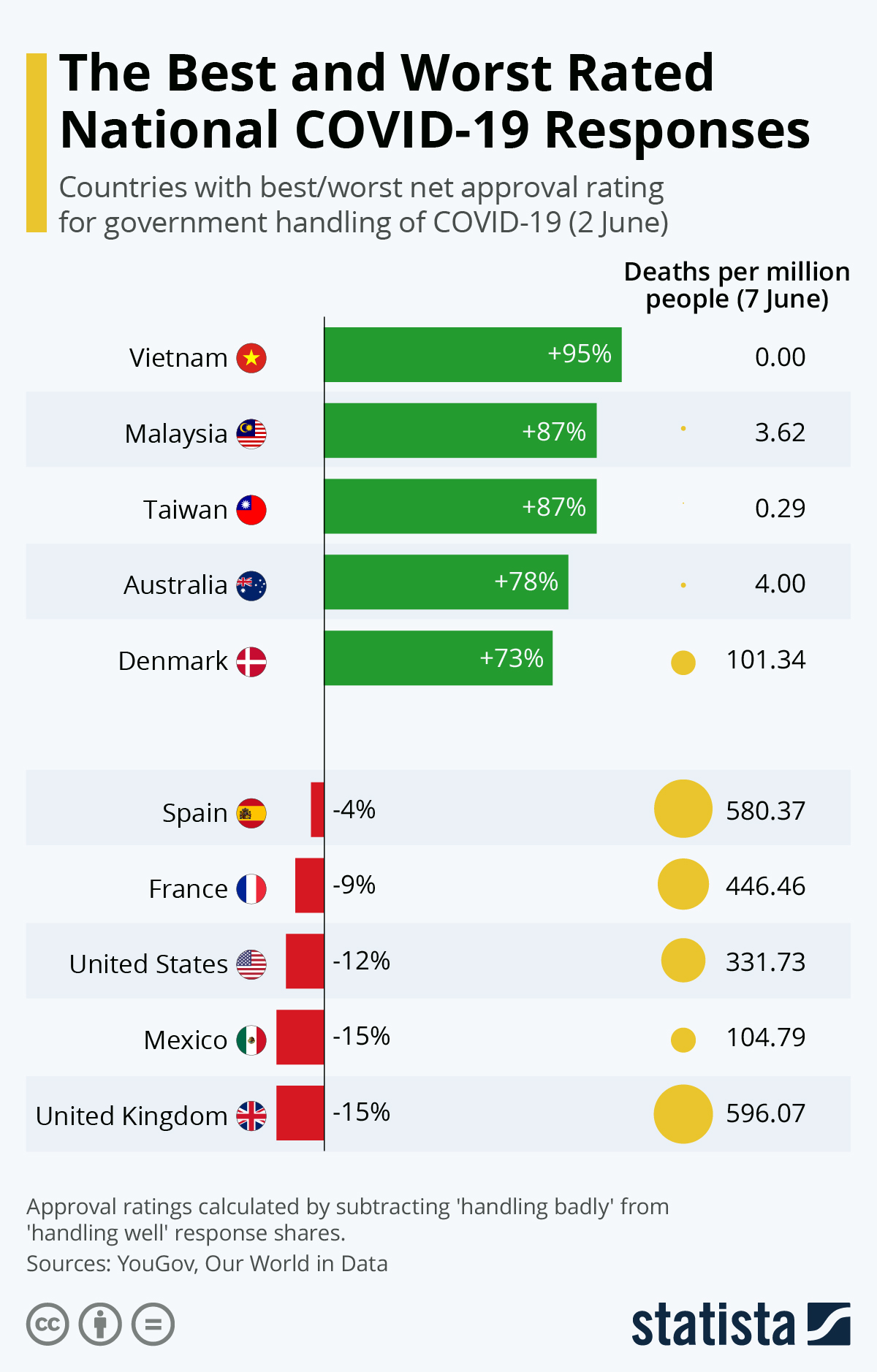
 The label for Humira, once the best-selling drug in the world, lists its risks in plain print. One of them, in the label’s own words, is new “autoimmune” disease.

