A BBC Complaint
By Toby Young | The Daily Sceptic | January 9, 2022
A reader has shared with us the complaint he submitted yesterday to the BBC about the way in which Radio 4 presented the news that Britain’s Covid death toll has reached 150,000 – a figure which is also on the front of most of today’s papers:
The 1800 News on Radio 4, Saturday January 8th 2022 began with this headline:
“More than 150,000 people now have died of Covid in the UK since the start of the pandemic two years ago.”
This clearly stated that the deaths of 150,000 people had been as a result of contracting Covid. This is at best misleading, at worst a falsehood. The truth is stated on the BBC website, which said, correctly, “More than 150,000 people in the UK have now died within 28 days of a positive Covid test since the pandemic began.”
This isn’t a question of semantics. It’s a really important point and a crucial distinction between accurate news reporting and ‘number theatre’ (as Professor Sir David Spiegelhalter calls it). I can include two of my neighbours who died ‘with Covid’ and went down in the Covid total, even though one in fact died from the leukaemia that had kept him in hospital (where he caught Covid) for two years as he deteriorated, and another from liver cancer, also catching asymptomatic Covid in hospital.
On the 1800 News the Health Correspondent Katherine da Costa made no attempt to contextualise the figure of 150,000 in terms of annual normal deaths in the UK (this might in fact have strengthened her piece), interviewed a family member of a victim without clarifying the actual cause of death, and ignored the much larger number of people who have died of other causes.
Although Ms Da Costa did not repeat the inaccurate headline, she did not qualify her reference to the number of deaths by making it clear, as the news website did, that these were of people who had died within 28 days of testing positive. It was also quite evident that the interviewee had no framework of reference for the 150,000.
There is a stark contrast here with the coverage by Nick Triggle which always contextualises the figures and makes it clear what they actually are, without seeking to sensationalise as the inaccurate headline in the 1800 did.
Early treatment book is now available on Amazon
By Steve Kirsch | January 9, 2022
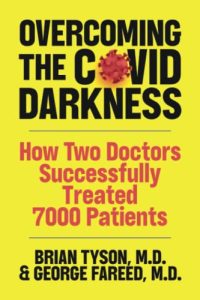 COVID is a very treatable disease if it is treated early using an early treatment protocol. There are lots of such protocols that are highly successful. This new book documents one such protocol.
Since March of 2020, Brian Tyson and George Fareed, two physicians with impeccable credentials, have been treating COVID patients of all ages in Imperial Valley, CA using early treatment protocols.
Their track record is extraordinary. If you started treatment within 7 days of first symptoms, only 2 people were briefly hospitalized and there were no deaths. The earlier you start treatment, the better the results and the faster you recover.
Their book is now available at Amazon (if you buy it now on Kindle for $5.95, it will be delivered Jan 24). It is a #1 best seller as you can see below.

The entire pandemic response was unnecessary: COVID is very treatable if treated early
This book shows that we’ve known about effective treatments since March 2020.
Had the CDC publicized such treatments, it would have made the entire pandemic response completely unnecessary: lockdowns, vaccines, mandates, masking, business closures, etc. Everyone would have gotten natural immunity and the pandemic would have ended with virtually no deaths.
Tyson and Freed tried contacting the FDA, CDC, and NIH, but nobody would talk to them or return their calls. The same is true today. They are just “too busy” to talk to them. Keeping patients out of the hospital and morgue is not a priority for them.
The same is true of the mainstream media. The NY Times refused to run op-eds about early treatments and CNN said that they were too busy covering the vaccines and people dying from COVID that they didn’t have the resources to talk about early treatment protocols that would have prevented everything.
Instead of promoting early treatment using repurposed drugs, the CDC instructed people to just stay home and do nothing until they were so sick that they had to go to the hospital. Even after drugs in the Tyson/Fareed protocol like ivermectin and fluvoxamine have been proven time and time again to work in clinical trials and, in the case of ivermectin, published in systematic reviews and meta-analyses, the NIH still fails to acknowledge them rating them NEUTRAL. This means that most doctors will not use them.
On May 24, 2021, I offered $2M to anyone who could show that the NIH made the proper decision on these two drugs, but nobody came forward.
In short, nobody in the world thought they made the right decision (or at least could justify it). But they are the authorities and we cannot question their judgement, ever.
The CDC doesn’t want you to share this post with anyone
The CDC would like you to know the following:
- You need to follow our advice. Do not think. Do not ask questions. Just do as you’re told. We are the CDC and we always know best.
- Trust us: early treatments don’t work. Ignore all the data from these physicians. Even though we’ve never even talked to them or looked at their data, we know they are wrong. We don’t even have to look at their data to know that they are wrong. The data does not matter. It is our opinion that matters. Got it?
- Do not share this post with anyone, especially your doctor, anyone in mainstream media, or Congress. Do not to do anything to disrupt Big Pharma’s profits.
- Even if you did share it, nobody would believe you anyway; they will think you are crazy. We have totally brainwashed pretty much everyone except for a relatively small number of people.
- Don’t read the book. This book will destroy our credibility as well as that of the NIH and FDA. You may not be able to deal with the cognitive dissonance. Just do what we say. Don’t worry, be happy.
- If you feel you must read the book, ask your doctor to prescribe Versed and take it as directed before you read the book. That way, after you are done reading it, you won’t remember anything.
- If the public finds out about this book, a lot of people are going to be very upset about how they’ve been fooled. You wouldn’t want that to happen now, would you?
The Global Disinformation Campaign Against Ivermectin in COVID-19 (Part I)
By Pierre Kory | January 6, 2022
Ivermectin, a decades-old, off-patent drug costing pennies to make, with an unparalleled safety profile and numerous manufacturers across the world, actually sits atop one of the largest and strongest clinical trials evidence base in history. The existing, massive amount of clinical trials data shows immense efficacy against COVID-19 in all its phases; prevention, early and late treatment, and long-haul syndrome (no actual trials in long-haul but rather extensive positive clinical experiences). Despite this inarguable (yes, inarguable) supportive evidence, no major Western or international health agency has recommended its use in COVID-19. Conversely, ivermectin has been officially adopted for early treatment in all or part of 23 “less developed” countries (39 if you include non-government medical organizations), and which include about 25% of the world’s population.
Now, before we delve deeper into the workings of the most heinous disinformation campaign ever waged by the pharmaceutical industry in history (and also it’s most successful so far as 75% of the earth’s inhabitants still have not been recommended to use it to treat COVID), I will ask you not to just “take my word for it” but instead take you on a brief, guided tour of the insanely positive evidence base supporting the use of ivermectin in COVID-19.
Let’s go. First, the below “Forest Plot” was compiled by the anonymous expert research group at c19early.com (not enough can be said of the impact their meticulous work has had on COVID clinicians and scientists across the globe). Please visit their site, it is mind-blowingly impressive. The compounds listed in the rows represent the medicines with the most clinical trials evidence as of today, either by size or by number and are listed in order of potency against COVID.
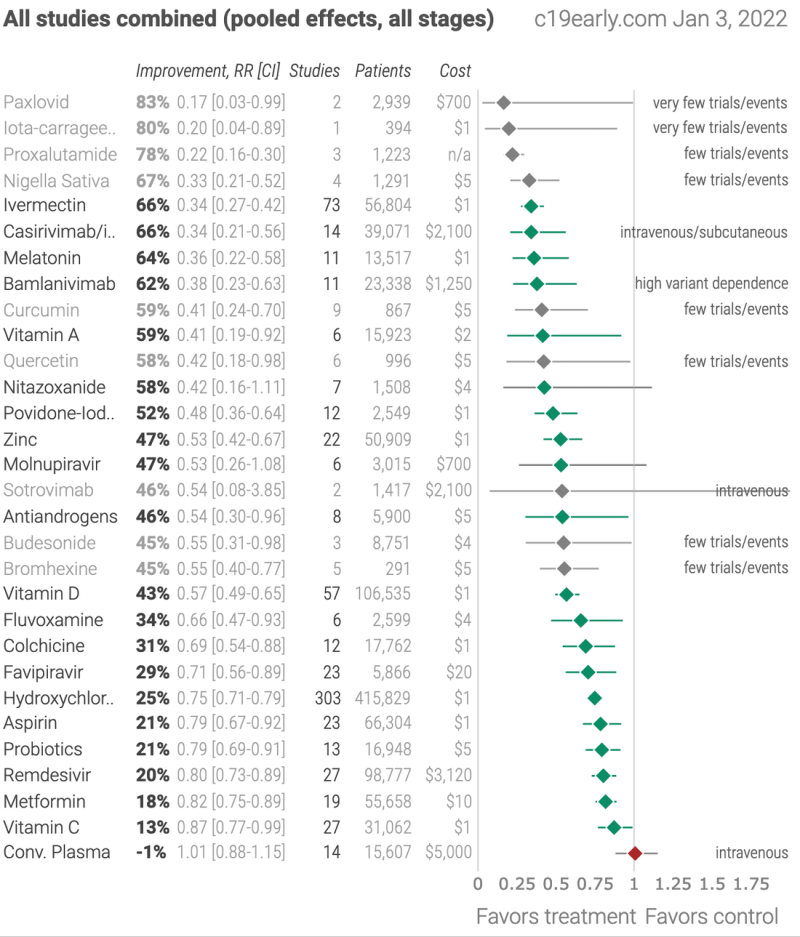
Here is how to read and understand a Forest Plot: there is a thin grey line in the center, on either side of which are plotted squares which represent an estimate of the true size of the “treatment effect,” derived from an average of the treatment effects measured from all the trials performed of that medicine. If the box is squarely on the vertical line it means it is a treatment whose benefits have been found equal to its harms. In the above list, (with the exception of one) medicines with “positive” treatment effects are listed, meaning the benefits of treatment with these agents outweigh any potential or actual harms. No medicine on the list above, besides convalescent plasma (CP), indicates it is inferior to placebo (note that CP was the initial favored therapy of every single academic medical center in the U.S despite the fact CP has only ever been shown to be effective in hematogenous infections). In cases, such as with CP, due to the fact it’s harms outweigh it’s benefits, the box is plotted on the right side of the line and shaded in red. Conversely, the farther to the left of the vertical line that a box is plotted, the larger the measured impact on the clinical outcome tested. Green boxes indicate the effect estimate is based on at least 4 trials. Grey boxes and greyed out medicine names mean the estimate for that medicine is based on fewer than 4 trials. The thin horizontal line through each little box indicates the degree of precision, i.e. how confident we can be in the estimate of the treatment effect – narrow horizontal lines through the boxes mean the data in support is large and consistently positive and is “statistically significant” in favor of the medicine. The wider the line, the less consistent, or less amount of data can be relied upon to make the estimate. When the horizontal line through a box extends across the vertical gray line, this indicates that it is statistically possible that the true estimate may actually be in favor of placebo!
With ivermectin, what sets it apart from all the other compounds tested, is the sheer number of randomized and observational controlled trials that have been performed to date. It is #1 among the “green box” compounds given it has been tested in 73 controlled trials which include an unheard-of 56,804 patients. Why unheard of? Because never in history has a medicine been so thoroughly tested, with such consistent positive results, yet led to a situation where governmental agencies in highly developed countries call for even more placebo-controlled trials to be done… and then slow walk to doing them. The ethics of giving a covid patient a placebo given this amount of supportive data are too miserable to contemplate this early in the article (fun fact – I was personally asked to try to help recruit patients for the ongoing University of Minnesota placebo controlled RCT. I got off the phone as fast as I could). Another not-so-fun fact: penicillin was mass deployed to great effect to all our troops for their battlefield injuries in World War II… based on a case series of 157 patients where their bacterial infections overtly resolved without signs of toxicity during treatment. Not one RCT was done before this decision was made by military and medical leaders.
The only other medicine with a larger supportive evidence base is hydroxychloroquine (HCQ), especially when only the early treatment trials of HCQ are considered as that collection of trials results in an equally impressive position on the Forest plot (not shown). A tired topic I will explore later is the much parroted (and highly favored by Pharma) notion that “retrospective, observational controlled trials (OCT)” cannot be trusted as they are inferior to “proper, large, double-blind, randomized, placebo controlled trials (RCT).” This notion is not evidence based. Even the captured (I know, sorry) Cochrane Library knows this. They themselves have shown that, on average, over thousands of clinical trials, over decades of research, OCT’s and RCT’s reach the same conclusions. So stop with the false dichotomy. Pharma wants you to only trust in “large RCT’s”… because they are the only ones with the cash to do them. That way, they can control the only medicines that get “proven” and thus adopted into guidelines.
Two absurdities (crimes) must be highlighted in the above diagram – one is the sheer number of medicines with demonstrated efficacy, most costing under $5 a dose (and almost all with unparalleled safety profiles and/or “over the counter” status) that are still not recommended by any U.S or “western” health agency (with the exception of the state of Florida since the hire of Surgeon General Dr. Joseph Ladapo who has put together a terrific public health campaign supporting the use of a combination early treatment protocol which includes another FLCCC adopted drug, fluvoxamine).
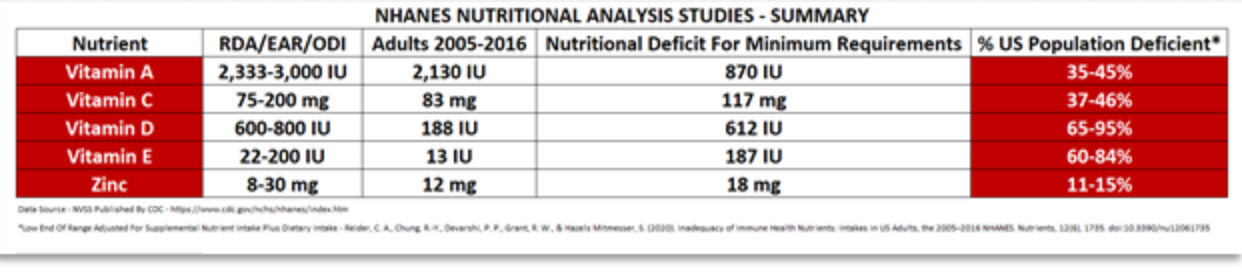
Meanwhile our federal governmental health agencies, which I have argued repeatedly (and will for years until it stops) are so completely captured by the pharmaceutical industry that they have not advocated for any one of these “repurposed” compounds, even as a “precautionary principle” (meaning that even if the purported benefits may not be realized to the extent estimated, the risks are so small it is more likely best for all we employ them now in early treatment given the world is cratering). Their most unforgivable and absurd inaction is the deliberate ignoring of the critical role of Vitamin D in protecting against the worst outcomes of COVID, despite knowing full well significant portions of the U.S population is Vitamin D deficient. Even Anthony Fauci recommends to himself that he take Vitamin D… regularly. The data below was given to me by a Dr. Henele and is from work he published in 2016. Note the percent of the U.S population that is critically deficient in Vitamin D.
The second absurdity is found when looking at the plot with only the medicines recommended in the NIH’s COVID protocol circled. Note that the NIH protocol is adhered to by almost the entirety of the country’s hospitals (largely due to large add-on bonuses paid to hospitals when the protocol elements are used – I am not making this up). A “theme” should begin to emerge as you look at the circled, “recommended” medicines vs the non-circled, “non-recommended” medicines – every single one is massively expensive. Every single one. Note not one inexpensive drug is circled. How much more evidence do you need to prove that our agencies have been completely captured by the pharmaceutical industry?

Fun fact now that you are en expert in reading Forest Plot’s: Merck’s mutagenic new drug molnupiravir, after the highly positive results from their study’s “interim analysis,” published in a press release, instead found that, in the 2nd half of its one study, the data favored… placebo. Thus if the 2nd half was a stand-alone study (which it arguably could have been) it’s box would be firmly on the right side of the line. FDA still approved… while feigning concern. Unsurprising really.
Now, beyond the above 73 controlled trials supporting ivermectin, there are, in addition, numerous health ministries from around the world that deployed ivermectin in either the prevention or early treatment of COVID, among often very large populations. Each program’s report found that ivermectin use led to massive reductions in the need for hospitalization and/or death (Mexico City, Uttar Pradesh, Brazil, Misiones, La Pampas, Peru, Phillipines, and Japan – I will do a deeper dive on these in a later post). The program in the city of Itajai, Brazil is both the largest study of ivermectin in the world (data from nearly 200,000 patients was carefully collected over a 6 month period) and most impressive. They found that, despite the fact that the 120,000 patients who agreed to take ivermectin every 15 days were older, fatter, and sicker than the approximately 37,000 that did not… they went to hospital 67% less frequently, and died 70% less frequently… from all causes, not just COVID. The issue with ivermectin as a therapeutic in COVID… has NOTHING to do with the science.
The issue with ivermectin is simply it’s price – it costs less than a $1 and represents the biggest threat to the immense and future profits of the pharmaceutical industry’s novel oral anti-viral drugs… as well as their vaccines.
The previous title holder of the largest threat to Pharma profits in COVID was the highly effective (and also anti-viral) drug hydroxychloroquine (HCQ). However, it lost that title after the 2020 war on HCQ was essentially won by Pharma (for now?), using tactics so sinister as to be unimaginable, and which I will not review here as that macabre war has already been expertly reviewed in incredible and highly referenced detail in the book “The Real Anthony Fauci” by Robert F. Kennedy Jr. His book, in my opinion, is a must read for all the globe’s citizens, as without it, no coherent understanding of the innumerable non-scientific actions and policies across the entirety of the developed (and majority of the undeveloped) world can be gained.
I must emphasize that ivermectin is just the latest drug under attack during Pharma’s long-standing (and highly successful) war on off-patent, “no-longer-obscenely-profitable” medicines. Books have been written about the numerous, and often criminal actions that Big Pharma has employed to replace older off-patent medicines with newer, highly profitable, and often poorly tested drugs with either prospectively known dangers or quickly discovered dangers which they then criminally suppress or distort to preserve profits. When science supporting older, off-patent, often “repurposed” medicines (particularly in the lucrative environment of a global pandemic) becomes “inconvenient” to the financial promise of newer agents, the industry employs what are called “Disinformation” tactics, first invented and perfected by the Tobacco Industry, and now used to great effect by the Pharmaceutical (and many other) industries. These tactics are brilliantly and succinctly summarized in an article called The Disinformation Playbook written by The Union for Concerned Scientists. I encourage all to read. The 5 main “plays” from the playbook are listed below. If you are at all versed in the ivermectin in COVID saga (many FLCCC followers are), it should be easy to quickly come up with numerous examples of each nefarious tactic. I give some hints below…
1) The “Fake”: Conduct counterfeit science and try to pass it off as legitimate research (Dr. Andrew Hill)
2) The “Blitz”: Harass scientists who speak out with results or views inconvenient for industry (attacks on FLCCC founders)
3) The “Diversion”: Manufacture uncertainty about science where little or none exists (Dr. Andrew Hill/captured high-impact journals)
4) The “Screen”: Buy credibility through alliances with academia or professional societies (i.e. high impact medical journal influences)
5) The “Fix”: Manipulate government officials or processes to inappropriately influence policy (i.e. capture the health agencies by creating “revolving doors” between Pharma and government to ensure total synchrony in objectives amongst their leaders)
Given the Disinformation Playbook was last updated in 2018, it does not include newer, more nefarious tactics that industries have been able to deploy since the historic consolidation of financial power by just 3 multi-trillion dollar investment funds (Black Rock, State Street, and Vanguard). These three corporations have now acquired influential or outright controlling investment stakes in nearly every major corporation in nearly every industry. These investment managers power, particularly the power held synchronously over media companies, social media companies, and the near entirety of the pharmaceutical industry, has allowed even more fearsome tactics to be used in the near-global suppression of the efficacy of ivermectin (and HCQ) as they now:
1) CENSOR any mentions of supportive evidence in corporate, (a.k.a. “legacy”) media. Note that, besides the influence of these investment manager overlords, the global censoring ability of media was greatly helped by the “Trusted News Initiative (TNI),” an obscene (and either naively misguided or completely corrupt) effort by the most powerful journalism organizations in the world to band together to try to control the spread of “mis-information”. Yes, professional journalists decided they needed to control information in a pandemic. I am not making this up. Would an appropriate analogy be that a bunch of physician leaders decided they needed to spread disease in a pandemic?
2) CENSOR any mentions or discussions of efficacy on almost all social media – see explicit youtube “community” policy below as the most unsubtle example:
YOUTUBE COMMUNITY GUIDELINES

3) RETRACT positive papers from impactful medical journals (3 fully peer-reviewed and highly supportive scientific reviews of ivermectin have been retracted, either immediately prior to or post-publication (I was the lead author on the first one with my FLCCC colleagues)
4) BLOCK review and publication of positive trials of ivermectin in major medical journals (in my now global network of ivermectin-expert and/or ivermectin study investigator colleagues, all lament how their positive clinical trials or papers were rejected for review from all the high-impact (captured) journals, with Dr. Eli Schwartz’s highly sophisticated, expertly conducted, and immensely positive study from Israel being one of the most illustrative examples
5) PUBLISH numerous “hit pieces” within high profile print media outlets discrediting the science and/or the scientists who support the medicine. This is actually an example of the already described “Blitz” tactic, but in 2021, during COVID, using total media control, it was deployed by a division of Howitzers. A more recent and relatable example of “the Diversion” tactic was when the NFL used media hit pieces to go after the scientists (and their inconvenient science) after they began publishing and disseminating data about the high rates and disastrous impacts of chronic traumatic encephalopathy in retired NFL players.
What I have found fascinating, is that for every planted hit piece article discrediting the mountain of evidence supporting ivermectin as a therapeutic, the FLCCC is actually rarely mentioned. But why? I think it is because the FLCCC is a sizeable group of highly published physicians and researchers (Professor Paul Marik is actually the most published practicing ICU physician in the history of the specialty). Thus, it’s hard (but not impossible) to call us “fringe.” The last thing they want to do is call attention to our high degree of credibility. Instead they seem to be trying to destroy it using separate hit pieces (among other tactics) which has led to the recent loss of employment for three founding FLCCC members (Drs. Marik, Meduri, and yours truly have been forced to leave jobs or had their exemplary clinical and research careers ended (Drs. Marik and Meduri). An article on ivermectin that does not mention our organization does so purposefully so as not to give attention to credible support for its use given we are considered the foremost clinical experts on the clinical use of ivermectin in COVID in the world.
6) employ a coordinated media-government agency PROPAGANDA campaign;
August 26th, 2021: Pharma used their CDC to send out a “health advisory” to all 50 state Departments of Health, which they then sent to all the physicians licensed in their respective states (a terrifying example of the immense destructive power of a federal agency captured by pharmaceutical industry interests). The bulletin both;
1) depicted ivermectin as a dangerous drug by deliberately exaggerating reports of calls to poison control centers
2) cited the meaningless fact that it “is not FDA approved for COVID” as a reason it should not be used, hoping doctors may not realize that “off-label” prescribing is both legal and encouraged… by the FDA.
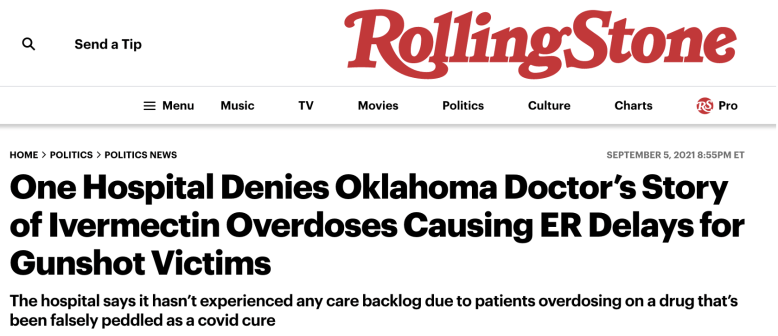
Next, a quickly debunked (not quickly enough) planted media article in Rolling Stone appeared with an impressively click-bait-able headline describing emergency rooms so overflowing with ivermectin overdoses that our nation’s gunshot victims couldn’t get (obviously) needed care (even I clicked on it). The article then went viral across the world (thousands of media mentions) before the hospital could put out a statement saying it was 100% false. Gee, do you think Pharma hired a professional PR firm to pull that one off or did they just benefit from a serendipitous and lamentably lazy journalist’s error?
Then, in another terrifying example of the control of major corporate media… for week after week every news broadcaster, pundit, and late-night talk show host prefaced the word ivermectin with the descriptor “horse de-wormer.” Over and over and over again (totally pissing off Joe Rogan who recovered from COVID with ivermectin as part of his combination protocol- hah!)
Then finally, in a coup de grace, in comes Pharma’s FDA proudly using twitter to associate ivermectin with, you guessed it, horses. Janet Woodcock, the acting Commissioner of the FDA, even sent out a congratulatory email to her team about the success of the tweet.
Was this a coordinated attack led by an expert team of brazen PR professionals who have a fondness for horses… or did it arise organically via a series of disconnected events?
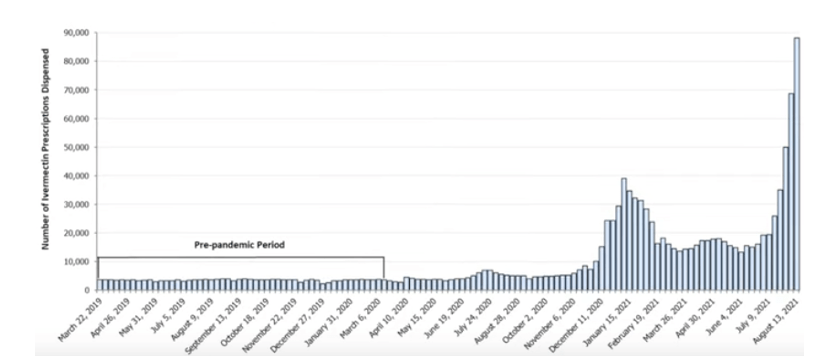
If you are still not convinced of the former, I need to point out that this “series of disconnected events” had an uncanny sense of when to “roll-out.” The CDC’s Health Advisory was issued on August 26th. Look at the below chart and see if you can find any reason why it would start then? Recall that the advisory was ostensibly in reaction to false “reports of calls to poison control centers”. The below chart shows instead what was really going on at the time – hundreds, if not thousands of licensed medical professionals across the country were prescribing ivermectin like mad during the terrible, and deadly summer surge of the Delta variant. Was someone getting nervous that a “dirty little secret” was being rapidly discovered by American citizens and physicians? The answer is a definitive yes – thus triggering Pharma to nefariously try to “stuff the genie back in the bottle” by unleashing their terrifying disinformation propaganda campaign.
NUMBER OF IVERMECTIN PRESCRIPTIONS DISPENSED IN THE U.S OVER TIME
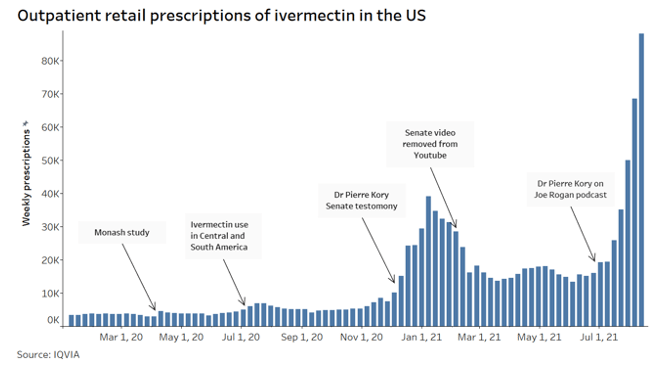
But check this out… the good ole’ FLCCC, my little band of brothers and sisters, is somehow making a opening in the wall of information suppression and distortion as shown in the chart below (compiled by our data analyst and ivermectin expert, Juan Chamie). I say this makes us “the Bad News Bears” in the repurposed drug war.
I am going to stop here… and call it PART I. Please subscribe below so you can be sure to get Part II where I will continue to detail the numerous and wide-ranging corrupt actions taken to suppress the knowledge of efficacy and restrict the use of ivermectin… across the world. There is way way more to this story.
Also, please be aware of the following events:
World-wide Rally for Freedom Day
Join us for a march in DC on defeating the mandate and to march in support of our international colleagues- who are also rallying on this day: Sunday January 23rd.
United we stand, in peace we watch. Bring friends and jackets.
Go to https://defeatthemandatesdc.com/ for details
Finally, I am honored to have been invited by Dr. Chris Martenson and Peak Prosperity to their Annual Seminar as part of a speaker panel including some powerhouse thought leaders. Don’t miss it folks. Register using this link: http://peak22.events/kory
The climate scaremongers: Extreme weather, 1961 style
By Paul Homewood | TCW Defending Freedom | January 7, 2022
FOR several years the public have been bombarded with threats of extreme weather to brainwash them about the dangers of climate change. Every bit of bad weather is relayed by the 24/7 media, which naturally has the effect of making the public believe ‘things are getting worse’. This is then backed up by repeated claims that global warming is to blame, making such events more frequent and more severe.
As part of this propaganda onslaught, the BBC has been broadcasting a monthly Climate Check video for the last couple of years, usually presented by weatherman Ben Rich, who they hope will give a flavour of authenticity. Last month’s edition was a summary of 2021. According to the introduction: ‘Fires, floods, heatwaves and drought – 2021 has been another year of remarkable extremes around the world.’
The video then goes on to cover a heatwave in Canada, floods in Canada, Germany, China, India and Australia, Hurricane Ida, wildfires in Greece and a drought in East Africa. None of these were unprecedented, yet there was the usual sloppy assertion that global warming is making all these types of events worse. No evidence or data is given to back up these absurd claims, which are purely derived from computer models sexed up by alarmist scientists.
Is our weather really any worse than in the past? Recently I looked back at the world’s weather 50 years ago, in 1971. The weather that year was every bit as bad as anything seen either this year or in the recent past.
Was 1971 exceptional? Let’s go back to 1961 for another viewpoint.
It’s ironic that Ben Rich began last month’s report by saying ‘If anywhere in the world sums up a year of extreme weather, it’s Canada’, because he could have said exactly the same if he had been doing his Climate Check 60 years ago.
The drought that summer on the Canadian prairies was reckoned at the time to be even worse than the dustbowl years of the 1930s. Many places had received no proper rainfall for a year and a half, and harvests were devastated, as this CBC video describes.
Wildfires burned millions of acres across much of Canada in what was called at the time ‘The Angriest Summer’.
To cap it off, flash floods killed a family of five in Timmins, Ontario in August, following six inches of rain in 12 hours.
Catastrophic floods hit many other parts of the world that year. New South Wales suffered some of the worst floods in its history in November 1961, probably only surpassed by the ones in 1900. The Nepean Times reported: ‘During a week of rain in which 474mm of rain were recorded at the post office, Penrith received half its annual rainfall on two days.’
In the very same week, the BBC was reporting on flood-stricken Somalia: ‘Unconfirmed reports put the number of homeless at 300,000 . . . The Prime Minister said nearly all Somalia’s food crops have been destroyed, and said food will have to be found for about 600,000 people for eight months, until the next harvest.’
The USA was also badly affected by flooding in 1961. ‘Widespread, prolonged and disastrous’ floods hit Mississippi, Louisiana and Alabama in February and March, followed by the Midwest in May, and Idaho in June. The most tragic flood of the year was in July in Charleston, West Virginia when a small area cloudburst flood caused 22 deaths. Severe flooding also occurred in December in Mississippi, Louisiana and Alabama.
The worst floods that year in the USA were brought by Hurricane Carla in September, a Cat 4 storm with winds of 170mph, which left a trail of devastation from Texas to Illinois, including 34 dead, 1,900 homes destroyed and a record number of tornadoes.
The Atlantic hurricane season in 1961 saw two in the most powerful Category 5, Esther and Hattie, making it one of only seven Atlantic hurricane seasons to feature multiple Category 5 hurricanes in one season. Hattie devastated Belize City, damaging 70 per cent of the buildings. The damage was so severe that the government relocated inland to a new city, Belmopan.
1961 was certainly not an exceptional year and history is littered with weather disasters like these. The idea that today’s weather is any more ‘remarkable’ or ‘extreme’ is not only ridiculous, it has no basis in fact. But Ben Rich has no intention of presenting an objective account of the weather last year. His final statement gives the game away: ‘2021 has brought into sharp focus the impact that severe weather is having on peoples around the world. Limiting the rise in global temperatures to 1.5C was at the top of the agenda at COP26 in Glasgow, with scientists urging world leaders to commit to cutting greenhouse gases to stave off a climate catastrophe.’
There is just one purpose in all of this: to brainwash the public into accepting the UN’s climate agenda.
Making it up as you go along
You might have thought that when the head of the Environment Agency was giving a speech on climate change to the Royal Society he would check his facts first. Not Sir James Bevan.
The agency’s chief executive recently stood up to give a talk ludicrously titled ‘Drought risk in the Anthropocene: from the Jaws of Death to the Waters of Life’. In an attempt to show that climate change was making floods worse, he made the claim that ‘in England, three of the five wettest winters on record have happened in the last eight years’. However according to the Met Office only one of the five has occurred in that period, in 2013/14. The other four were 1876/77, 1914/15, 1989/90 and 1994/95.
Bevan also claimed that winters are wetter than in the past on average, but they were just as wet in the early 1900s.

UK Met Office
He went on to warn that climate change was making our summers drier, increasing the risk of drought. As you have probably guessed by now, summers in England are not becoming drier, or for that matter wetter. They are no different from summers in the past!

UK Met Office
Bevan worked as a diplomat all his career prior to joining the Environment Agency in 2015. His ignorant speech makes his lack of qualifications for his job glaringly obvious.
Landscapes will be altered for ever, warns National Trust!
Not to be outdone by the Environment Agency, the National Trust has just published its annual Weather and Wildlife Review. As you would expect from an organisation taken over by the far Left years ago, it carries apocalyptic warnings about the so-called climate crisis.
The report begins: ‘The climate crisis presented serious challenges for nature across the UK this year. A warm winter, low levels of rain and gale-force winds all contributed to various natural disasters, causing devastation across precious landscapes and affecting the wildlife they support.’
As usual they confuse ‘weather’ with ‘climate’.
According to the BBC, the report warns that some of the landscapes under the Trust’s control are being altered for ever as climate change makes some forms of extreme weather the new normal.
Yes, the same landscapes which have remained largely unaltered for thousands of years, other than by mankind: through the warmth of the Middle Ages and the cold of the Little Ice Age, and many other previous climate cycles, and through the huge differences which we see from year to year. Do the National Trust think we are all a bunch of idiots?
And their evidence for this absurd claim?
1) Moorland fires, due to dry springs caused by climate change.
Only one slight problem though. Our springs are not getting drier, or for that matter wetter:

2) Ash dieback – caused by ‘warmer/wetter winters’
Climate has nothing whatsoever to do with dieback, a disease caused by fungal infestation. It has been spreading rapidly across Europe since its introduction about 30 years ago from eastern Asia. It thrives in all climates – warm, cold, wet and dry.
3) Stormy weather
Storms have blown down trees since time immemorial. But just because the Met Office now give them silly names, the National Trust think they must be getting worse. In fact, the opposite is true, as Met Office data clearly proves:

Incredibly their report ends:

Isn’t it time they concentrated on their real job instead?
The Day Jake Tapper Sold His Soul to Pharma
Photo Credit: “Jake Tapper-Caricature” by DonkeyHotey — licensed under CC BY 2.0
By Robert F. Kennedy, Jr. | The Defender | January 6, 2022
Apparently, appalled by robust sales of my bestseller, “The Real Anthony Fauci,” CNN anchor Jake Tapper — in lieu of critically reviewing the work — used his Twitter feed to unleash a barrage of ad hominem insults against me.
Breaking with the traditional restraints of journalistic neutrality, professional propriety and intellectual rigor, he branded me “dangerous,” a “menace,” a “liar,” a “grifter,” a fraud, “unhinged” and more.
But Tapper’s defamations hang in the atmosphere without substantiation or citation. If I’m a liar, then what was my lie? If I’m a grifter, then what is my personal profit or advantage? If I am a fraud, then where is my inaccurate statement?
I concede that I’m a dangerous menace, but only to the pharmaceutical industry, its captive technocrats and its media toadies.
When I responded to his slander with a respectful tweet inviting him to debate me, Tapper declined, explaining he would not debate a “conspiracy theorist.” Characteristically, he neglected to cite any conspiracy theory he believes I promoted.
And is it credible to dismiss me as a conspiracy theorist unworthy of debate? After all, I am founder and former president of the world’s largest water protection group, and founder and current chairman of one of the largest children’s health advocacy groups.
I’ve won hundreds of successful lawsuits, including milestone victories against Monsanto, DuPont, Exxon, Smithfield Foods and leading polluters from the chemical, carbon, pharmaceutical and agricultural industries. (Many of these also initially dismissed me as a “conspiracy theorist.”)
My current book, “The Real Anthony Fauci,” may be the most heavily footnoted volume to ever sit atop global best-seller lists for six consecutive weeks. With 500,000 copies sold, it has attracted a whopping 5,500+ five-star reviews (92%).
Despite extreme hostility toward this volume from mainstream media and the medical cartel, no one has yet identified a factual inaccuracy in its 250,000 words.
If my book is baseless conspiracy theories, then shouldn’t Mr. Tapper welcome an opportunity to correct me with facts or arguments that go beyond name-calling?
Allow me, then, to offer my own theory for Mr. Tapper’s apoplexy.
Many people make Faustian bargains during their lives, trading personal integrity for material advantage. Oftentimes the metamorphosis occurs as a gradual erosion of moral fiber. Occasionally it happens in an instant; a man stands at a moral crossroads and chooses the dark side.
I happened to have a front-row seat when Jake Tapper had his moment of moral crisis. I’m guessing his fierce vitriol toward me is a reaction to his embarrassment that I was witness to the instant when Mr. Tapper chose career over character.
In July 2005, Jake Tapper was ABC’s senior producer when the network ordered him to pull a lengthy exposé on the Centers for Disease Control and Prevention’s (CDC) secret 2000 Simpsonwood conference.
Here is the background:
In 1999, in response to exploding epidemics of autism and other neurological disorders, CDC decided to study its vast Vaccine Safety Datalink — the medical and vaccination record of millions of Americans, archived by the top HMOs — to learn whether the dramatic escalation of the vaccine schedule, beginning in 1989, was a culprit. CDC’s in-house epidemiologist, Thomas Verstraeten, led the effort.
Verstraeten’s initial data run suggested that mercury-containing hepatitis B vaccines — administered during the first month of life — were associated with a wide range of neurological injuries, including a dramatic 1,135% rise in autism risks among vaccinated children.
Verstraeten’s findings propelled CDC into DEFCON 1. The agency’s top vaccine officials summoned 52 pharmaceutical industry leaders, the foremost vaccinologists from academia and the American Academy of Pediatrics (AAP), and public health regulators from the National Institutes of Health, U.S. Food and Drug Administration (FDA), CDC, World Health Organization (WHO) and European Medicines Agency to a secret two-day meeting at the remote Simpsonwood retreat center in Norcross, Georgia, to strategize about how to hide these awful revelations from the public.
In 2005, I obtained the explosive transcripts of this meeting and was about to publish excerpts in Rolling Stone (Deadly Immunity, July 18, 2005). Those recordings, ironically, portrayed these leading kingpins of the vaccine cartel poised at their own moral brink, and chronicled their collapse into corruption over two sickening days of debate.
Most of these individuals were physicians and regulatory officials who had committed their lives to public health out of idealism and deep concern for children. Verstraeten’s data confronted them with the fact that the cumulative mercury levels in all those new vaccines they had recommended had overdosed a generation of American children with mercury concentrations over a hundred times the exposures the U.S. Environmental Protection Agency considered safe.
In recommending a vast battery of new vaccines for children, public health regulators had somehow neglected to calculate the cumulative mercury and aluminum loads in all the new jabs.
Dr. Peter Patriarca, the then-director of the FDA Office on Vaccine Research and Review, expressed the general feeling of horror when he asked why no one had calculated the cumulative mercury exposure to children as policymakers added this cascade of new vaccines to the childhood schedule: “Conversion of the percentage thimerosal to actual micrograms of mercury involves ninth-grade algebra. What took the FDA so long to do the calculations?”
In the tense days leading up to the Simpsonwood conclave, children’s health champion Dr. Ruth Etzel of the EPA pleaded with her fellow public health leaders to publicly admit they made a terrible mistake by inadvertently poisoning American children, and to repair the damage.
Dr. Etzel urged AAP and the government regulators to handle the crisis with the same honesty and public remorse that Johnson & Johnson had demonstrated on discovering toxic chemicals in its Tylenol formulations:
“We must follow three basic rules: (1) act quickly to inform pediatricians that the products have more mercury than we realized; (2) be open with consumers about why we didn’t catch this earlier; (3) show contrition. If the public loses faith in the Public Health Services recommendations, then the immunization battle will falter. To keep faith, we must be open and honest and move forward quickly to replace these products.”
Confronted with scientific proof of their role in the chronic disease calamity, the cabal did exactly the opposite. The shocking Simpsonwood transcripts show Dr. Patriarca and the other public health panjandrums warning each other of their reputational liabilities, their vulnerability to litigation by plaintiffs’ lawyers and potential damage to the vaccine program.
Dr. Patriarca cautioned that public disclosure of CDC’s explosive findings would make Americans feel that the FDA, CDC and vaccine policymakers had been “asleep at the switch” for decades in allowing Thimerosal to remain in childhood vaccines.
Over two days of intense discussion, these Big Pharma operatives and government technocrats persuaded each other to transform their disastrous error into villainy — by doubling down and hiding their mistake from the public.
Tapper saw an early draft of my Rolling Stone story and proposed that, in exchange for exclusivity, he would do a companion piece for ABC timed to air on the magazine’s publication day.
Tapper spent several weeks working on the story with me and a team of enthusiastic ABC reporters and technicians. During his frequent conversations with me over that period, he was on fire with indignation over the Simpsonwood revelations. He acted like a journalist hoping to win an Emmy.
The day before the piece was to air, an exasperated Tapper called me to say that ABC’s corporate officials ordered him to pull the story. The network’s pharmaceutical advertisers were threatening to cancel their advertising.
“Corporate told us to shut it down,” Tapper fumed. Tapper told me that it was the first time in his career that ABC officials had ordered him to kill a story.
ABC had advertised the Simpsonwood exposé, and its sudden cancellation disappointed an army of vaccine safety advocates and parents of injured children who deluged the network with a maelstrom of angry emails.
In response, ABC changed tack and publicly promised to air the piece. Instead, following a one-week delay, the network duplicitously aired a hastily assembled puff piece promoting vaccines and assuring listeners that mercury-laden vaccines were safe.
The new “bait and switch” segment precisely followed Pharma’s talking points. “I’m putting my faith in the Institute of Medicine,” ABC’s obsequious medical editor, Dr. Tim Johnson, declared in closing. Two pharmaceutical advertisements bracketed the story.
After that piece aired, I called Jake to complain. He neither answered nor returned my calls.
During the 16 intervening years, Pharma has returned Mr. Tapper’s favor by aggressively promoting his career. Pfizer shamelessly sponsors Tapper’s CNN news show, announcing its ownership of the space — and Mr. Tapper’s indentured servitude — before each episode with the loaded phrase: “Brought to you by Pfizer.”
Under the apparent terms of that sponsorship, CNN and Tapper provide Pfizer a platform to market its products and allow the drug company — a serial felon — to dictate content on CNN.
This arrangement has transformed CNN’s The Lead with Jake Tapper into a propaganda vehicle for Pharma and effectively reduced Mr. Tapper to the role of a drug rep — shamelessly promoting fear porn, confusion, and germophobia, and ushering his audience toward high-yield patent pharmaceuticals.
Tapper’s main thrust during the pandemic has been to promote levels of public terror sufficient to indemnify all the official lies against critical thinking.
All that Pharma money naturally requires that Mr. Tapper kowtow to Dr. Fauci, and the CNN host’s slavishness has helped make Tapper’s show the go-to pulpit for the National Institute of Allergy and Infectious Diseases (NIAID) director.
It’s a safe place for Dr. Fauci to hit all Jake’s reliable softballs out of the park.
“The bootlicking competition at CNN is pretty nauseating,” observed investigative journalist Celia Farber who has chronicled Dr. Fauci’s mismanagement at NIAID for more than 25 years. “It’s ruinous for both democracy and for public health.”
Another journalist has compared Tapper’s mortifying on-air servility toward Dr. Fauci to the adulation of a loyal and obedient canine. “It’s like a dog watching a chess match,” says former New York Times reporter Alex Berenson. “So much intensity and so little understanding.”
Tapper has gone two years without asking Dr. Fauci a single tough question. He has covered up Fauci’s involvement with Wuhan, suppressed news of vaccine injuries, gaslighted the injured, and defended every official orthodoxy on masks, lockdowns, social distancing, vaccines, remdesivir, ivermectin and hydroxychloroquine.
He has never asked about the public health, mental health, and economic costs of lockdown, about the disproportionate burdens of Dr. Fauci’s policies on minorities, the working class and the global poor.
He has never asked Dr. Fauci to explain why countries and states that refused Dr. Fauci’s prescription have consistently experienced dramatically better health outcomes. For example, why are U.S. death rates 1,000x the death rates of African countries like Nigeria and Indian states that widely use hydroxychloroquine and ivermectin? Mr. Tapper simply never allows contrary views on his show.
He continues to extol COVID vaccines as a miracle technology that individuals can take four times and still both get and spread the illness.
“He never calls Dr. Fauci on his vacillating science-free pronouncements,” said Farber. “Dr. Fauci seems to be able to paralyze the curiosity features of Tapper’s brain.”
Tapper has to ask Dr. Fauci why, under his direction, America suffered the world’s highest body count. With 4.2% of the global population, our nation suffered 15% of COVID deaths.
Instead, he functions as high priest of every official orthodoxy, working to deify Dr. Fauci and anoint all his absurd, vacillating and contradictory pronouncements with papal infallibility. The sure way to earn Tapper’s indignation is to criticize Dr. Fauci.
Here are just a few examples of Mr. Tapper’s brazen deceptions:
On Feb. 2, 2021, Tapper “debunked” claims that baseball great Hank Aaron may have died from a COVID shot. The home run king submitted to a CDC-staged press conference 17 days earlier. Tapper assured his audience that the Fulton County coroner had determined Aaron to have died from “natural causes.”
When the Fulton County coroner subsequently denied ever having seen Aaron’s body, much less performed an autopsy, Tapper refused to correct his story.
In August 2021, Tapper gave Dr. Fauci a platform to spread the rumor that deluded Americans were poisoning themselves with a “horse medicine” called ivermectin.
In an Aug. 29, 2021 interview, Dr. Fauci told Tapper, “There’s no evidence whatsoever that that works, and it could potentially have toxicity… with people who have gone to poison control centers because they’ve taken the drug at a ridiculous dose and wind up getting sick. There’s no clinical evidence that indicates that this works.”
Tapper never corrected Dr. Fauci. He never pointed out that there were by then 70 peer-reviewed studies demonstrating ivermectin’s miraculous efficacy against COVID.
He didn’t dispute Dr. Fauci’s characterization of ivermectin as a horse medicine by noting that the drug had won both a Nobel Prize and WHO’s listing as an “essential medicine” for its miraculous efficacy against human illnesses, and that people have consumed billions of doses with no significant safety signals.
Mr. Tapper never thought to ask Dr. Fauci if he was trying to discourage use of a cheap, effective drug that might compete with his experimental vaccines.
Instead, Tapper abjectly parroted Dr. Fauci’s talking points: “Poison control centers are reporting that their calls are spiking in places like Mississippi and Oklahoma, because some Americans are trying to use an anti-parasite horse drug called ivermectin to treat coronavirus, to prevent contracting coronavirus.”
It mattered not to Tapper that both Mississippi and Oklahoma officials quickly denied that anyone in their state had been hospitalized for ivermectin poisoning. Tapper never corrected his false story.
On Sept. 14, 2021, Tapper obligingly gave Dr. Fauci a platform to dispute rapper Nicki Minaj’s worry that COVID vaccines may affect fertility. Dr. Fauci simply declared, “The answer to that, Jake, is a resounding no.”
As usual, Tapper did not ask Dr. Fauci to cite a study to support this assertion. He never pointed out to Dr. Fauci that all of the COVID vaccine manufacturers acknowledge that their products are not tested for effects on fertility, or that recent data has shown dramatic upticks in miscarriages and pre-eclampsia in vaccinated women.
Nevertheless, based upon Dr. Fauci’s word alone, CNN rushed on to defame and discredit the rapper and to assure the public that Minaj was wrong. Dr. Fauci, after all, had spoken!
It’s easy to see how two years of such obsequious deference emboldened Dr. Fauci in November 2021 to declare that “I represent science.”
There are too many other examples of Tapper’s uncritical promotion of government and pharma falsehoods to even summarize. These are not harmless lies. Each of them has potentially disastrous consequences for public health.
The term “psychological projection” describes the uncanny precision with which a certain sort of person applies the very pejoratives to others that most accurately depict their own shortcomings.
When Mr. Tapper calls me “unhinged,” a “menace to public health,” a “fraud,” a “liar,” is he falling victim to projection?
The critical functions of journalism in a democracy are to speak truth to power, relentlessly expose official corruption, and to forever maintain a posture of skepticism toward government and corporate power centers.
What Jake Tapper does is the opposite of journalism. Tapper, instead, aligns himself with power, and makes himself a propagandist for official narratives and a servile publicist for powerful elites and government technocrats.
No wonder his fury at those who challenge their narratives.
© 2022 Children’s Health Defense, Inc. This work is reproduced and distributed with the permission of Children’s Health Defense, Inc. Want to learn more from Children’s Health Defense? Sign up for free news and updates from Robert F. Kennedy, Jr. and the Children’s Health Defense. Your donation will help to support us in our efforts.
Podcasting is likely the next censorship target
By Didi Rankovic | Reclaim The Net | January 5, 2022
Legacy mainstream media has been sporadically bringing up the topic of podcasts for a while now, in search of ways to enforce censorship in this media format as well; and the New York Times has now done it again:
“The lack of moderation on podcast apps is particularly complicated for Alphabet, the parent company of Google and YouTube. The video streaming site cracked down on videos about election fraud, the conspiracy theory QAnon, and vaccine misinformation, prompting some podcast episodes hosted there to be removed. But the same episodes remained accessible on Google’s Podcasts app. Mr. Bannon’s show was removed from YouTube shortly after Jan. 6, for instance, but the podcast remains available on Google’s Podcasts app.
“Google has argued that its Podcasts app more closely resembles a search engine than a publishing service because no audio is hosted by the company. A Google spokesman, Farshad Shadloo, said the app simply “crawls and indexes audio content” hosted elsewhere and that they have “policies against recommending podcasts that contain harmful misinformation, including misinformation about the 2020 U.S. elections.”
This latest attack against podcasts comes as reports indicate that the medium has gained serious momentum and therefore influence. Joe Rogan, for example, has a larger audience than CNN and Fox News shows.
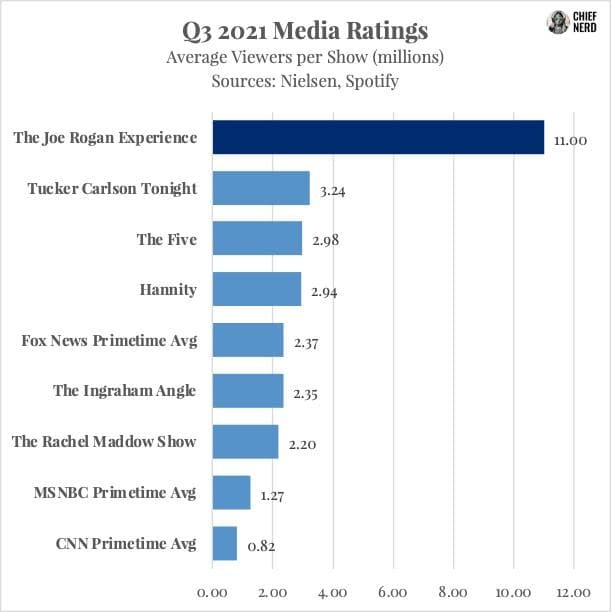
And that’s not even by a narrow margin, if media ratings statistics for the third quarter of last year from Nielsen and Spotify are to be believed: Rogan’s podcast episodes averaged an audience of 11 million, while Tucker Carlson Tonight was second with 3.24 million. CNN’s Primetime had only 822,000.
Podcasts, whose popularity is generally on the rise, have proven far more resilient to censorship than other platforms and given the content Rogan puts out it would seem that he chose his medium well. Rogan’s success is attributed to his honest and respectful approach to the topics he covers and to his audience.
As social media platforms and networks are under massive pressure to censor content during the pandemic and the US presidential election, podcast creators can speak freely. But would-be censors are clearly trying to find a solution to that “problem” as well.
Colorado’s Marshall Fire: Has Funding Needs Corrupted Climate Science?
By Jim Steele | Watts Up With That? | January 2, 2022
I was totally shocked to hear the claims by a fire scientist I had once admired and often quoted in my blog posts about wildfire. In a National Public Radio interview Jennifer Balch said, “Climate change has lengthened the state’s fire season”. Then she said “”Climate change is essentially keeping our fuels drier longer. These grasses that were burning, they’ve been baked all fall and all winter.”
Having studied fire ecology for 30 years and knowing her published science, I could only believe she had been corrupted by the need to attract large amounts of funding, and these days that comes to those who blame the climate crisis. And here’s why I now hold that opinion so strongly.
Colorado’s Marshall Fire was a grassfire that happened with temperatures hovering around freezing. All fire experts and fire managers know grasses are 1-hour lag fuels. That means in dry conditions grasses can become flammable within hours. Attempting to link CO2 global warming, she and other alarmists were now blaming the Boulder area’s grass flammability on the warm dry conditions from July through November. But dry conditions in the past months are totally irrelevant. Those months could have also been cold and wet, but just one day of dry conditions is all that is needed for grasses to burn.
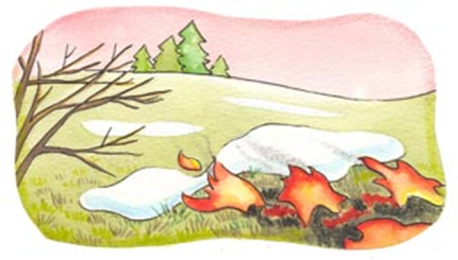
To minimize recklessly set fire that often occurs as people burn away unwanted dead vegetation, the Nova Scotia government felt the need to counter the Myth that “It’s safe to burn grass as long as there is still some snow on the ground.”
The Fact is: “Within hours of snow melting, dead grass becomes flammable, especially if there have been drying winds. Grass fires burn hot and fast and spread quickly around, and even over, patches of snow.” That’s a fact that Balch and every other fire expert should know!
Apparently, Daniel Swain, a climate scientist at the University of California Los Angeles and the Nature Conservancy and acolyte of climate alarmist Michael Mann and Noah Diffenbaugh, also failed to understand grasses are 1-hour fuel. He stated in an interview for NBC’s article How climate change primed Colorado for a rare December wildfire that “Climate change is clearly making the pre-conditions for wildfires worse across most fire-prone regions of the world,”
But dry grasses are not the pre-condition to be worried about. The pre-conditions that neither Swain nor Balch shared with the public is well known: Boulder County’s invasive grasses increase fire danger. The “main offender is cheatgrass, which was likely introduced to the area alongside agriculture and ranching” and “is increasing fire danger by 29%”
In fact, in 2013 Balch published, Introduced annual grass increases regional fire activity across the arid western USA (1980–2009), writing “Cheatgrass was disproportionately represented in the largest fires, comprising 24% of the land area of the 50 largest fires” and that “multi-date fires that burned across multiple vegetation types were significantly more likely to have started in cheatgrass.”
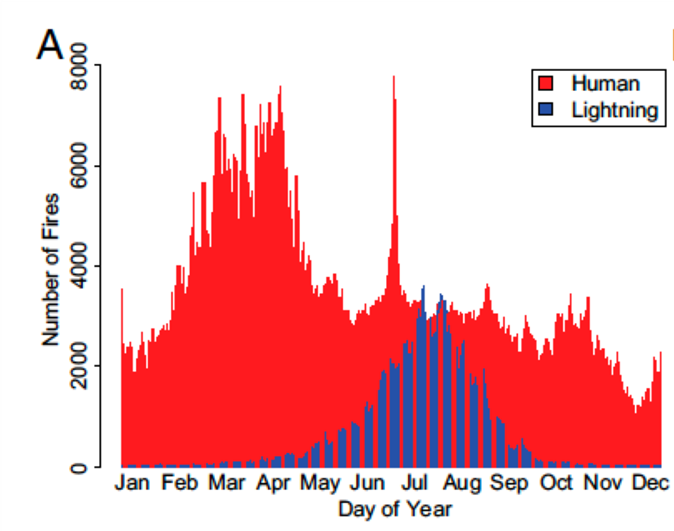
It was also very disingenuous for Balch to say “Climate change has lengthened the state’s fire season”. It is the very same meme that every climate alarmist regurgitates that climate change has made “a year-long fire season the new normal”. But in 2017 Balch published in Human-started wildfires expand the fire niche across the United States that human ignitions “have vastly expanded the spatial and seasonal ‘fire niche’ in the coterminous United States, accounting for 84% of all wildfires”. Balch’s published graph clearly shows that human ignitions have extended fire season all year long. Based on her own research, a more relevant comment would have mentioned that Louisville, Colorado’s population had jumped 10-fold; from 2,000 in 1950 to about 20,000 today. Does a 10-fold increase in population create a 10-fold increase in fire probability. The Marshall Fire was not naturally started by Lightning.
In 2015, Balch created the Earth Lab program at Colorado University. In 2017 it became part of CIRES, a partnership of NOAA and CU Boulder. Earth Lab, got increasing attention from mass media that’s always seeking click-bait. As Earth Lab’s team began blaming more fires on climate change, it got more attention and Balch got more interviews.
Earth Lab hired Natasha Stavros as Earth Lab’s Analytics Hub Director. In videos posted by the Washington Post, she claimed climate change causes “longer, hotter, and drier fire seasons” reflecting Balch’s conversion to a climate crisis narrative. To get around Balch’s earlier scientific research Stavros deflected, “We are not talking about the ignition source” or the “availability of fuels”, “what we are talking about are the conditions of those fuels”. But in the case of the Marshall Fire, 1-hour grass fuels have nothing to do with climate change. It only takes a few hours to be in highly flammable conditions. That’s weather, not climate!
Although lacking in scientific integrity, pivoting to a climate crisis narrative worked in Balch’s favor. The U.S. Geological Survey has selected the University of Colorado Boulder to host the North Central Climate Adaptation Science Center (NCCASC) for the next five years. Balch, as director of CIRES’ Earth Lab, and now NCCASC Director had attracted $4.5 million in funding. Universities around the country similarly create such centers to attract such major funding. Certainly, blaming fires on a climate crisis attracts more funding than if its director sounded like a “denier” blaming invasive grasses and human ignitions.
The politics of funding research requires a major level of group think. Daniel Shechtman won the Nobel Prize for discovering quasi-crystals that are now used in surgical instruments. But when he first announced his observations, he was kicked out of his lab by his colleagues. They saw him as a threat to the lab’s prestige and funding because observing quasi-crystals contradicted the consensus that was enforced by Linus Pauling that quasi-crystal did NOT exist.
Similarly, esteemed atmospheric scientist Dr Cliff Mass was criticized by Washington University administrator’s for detailing how an episode of problematic acidic waters that had been pumped into the state’s oyster’s hatcheries, was due to natural upwelling events, not climate change. But contradicting the climate crisis angle threatened funding to WU’s Ocean Acidification Center. Up until then Mass had been the Seattle Times go-to person for all weather events, but that stopped when his one analysis didn’t support climate crisis groupthink. Dr Peter Ridd was fired for presenting evidence showing his colleague’s claims of coral reef destruction were exaggerated. So, all savvy university professors know you can’t contradict the meme if you want funding, or worse, keep your job.
Climate crisis groupthink, also ignores natural climate change, as did Balch and Swain. But one meteorologist confidently blamed the lack of snow and dryness on a natural La Nina. The science is well established that depending on how colder Pacific surface waters set up during a La Nina, atmospheric currents can carry higher or lower amounts of moisture to different regions. California had record snowfall this December while Colorado snowfall was very low. And if the Marshall Fire had been ignited just 2 days later, there would have been a snowfall to suppress the fire.
However too often, alarmist scientists cherry-pick one-year events. They weaponized this year’s low snowfall while ignoring that last year’s Colorado snowfall was far above normal. In November last year, Fort Collins received more than 15 inches of snow on its way to 80 inches, which is 25 inches more than normal. Again, such variations in snowfall are weather, not climate.
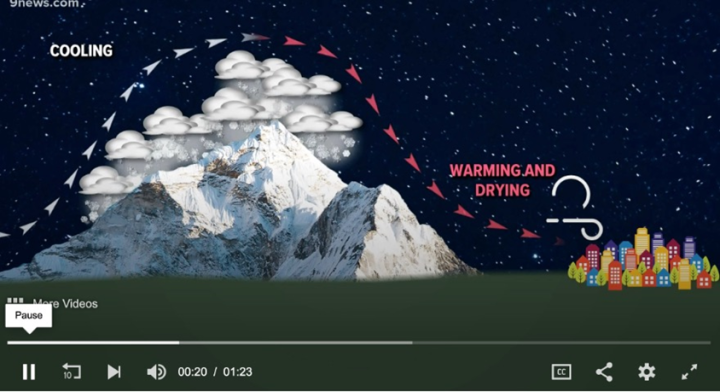
Alarmists also weaponized the dry conditions as solely due to global warming drought. They ignored the drying and warming effects of the Chinook winds that are very common in Colorado. Chinooks are known as “snow eaters” because as the winds pass over the mountains of the western USA they are forced upward and precipitate all their moisture. When those winds descend from the Rockies down to Boulder, temperatures rise adiabatically (due to pressure not added heat) and the warm dry air quickly removes moisture or snow from the surface. Southern California’s Santa Anna winds are similar and drive large fires.
Sometimes Boulder’s winds reach speeds of 100+ mile per hour. NOAA reported The Chinook Wind Events Winter of 1982 during which peak wind gusts more than 100 mph damaged areas around Boulder. Weatherwise journal reported 100+MPH winds over Boulder on January 7, 1969, which snapped power poles and toppled planes as seen in the photographs below. In November 2021 the weather service gave a red flag warming due to the high winds from a Chinook event. But without a coinciding human ignition, there was no rapidly spreading fire.

I would like to believe that Balch’s Earth Lab scientists have been campaigning for the housing developments in Boulder’s suburbs of Louisville and Superior to create a system of firebreaks and defensible space. Those suburbs had built into easily ignited grassland in a region where fires are rapidly spread by the dry Chinooks descending from the Rockies. Such natural fire danger is not always obvious to the public looking for affordable housing. But it is not obvious that was ever done, at least not as obvious as faulty climate change narratives.
Fire experts should have pushed for building codes, requiring adequate spacing between new houses. As a story in Wildfire Today reported today, one common feature of the surviving homes was they were more distant from neighboring homes. Many houses in the devastated subdivisions were only 10 to 20 feet apart. Without adequate fire breaks or defensible space, if just one house allowed the fire to reach it, the heat of that burning house is enough to ignite any house next to it. Similar dynamics were seen in California’s Tubbs and Camp Fires that demolished neighborhoods.
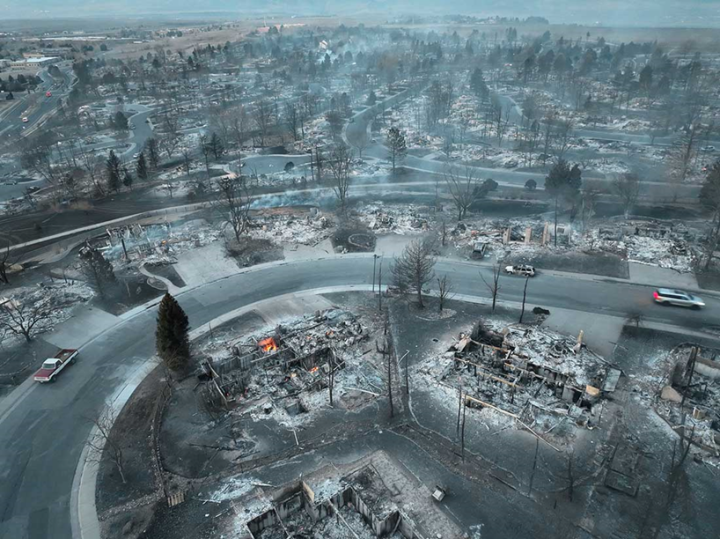
But perhaps local governments were greedy. Eager to build a tax base a growing Louisville population was most important. Politicians had worked hard to present Louisville as one of the top 10 most livable little cities. Putting natural fire danger front and center, might put a damper on the city’s attractiveness. And not surprisingly the Denver Democrats didn’t waste time to capitalize on the Marshall Fire devastation. The released a statement claiming “This fire has also punctuated our climate crisis and made abundantly clear the need for bold action. The science is clear, and the impacts are very real. We will continue to work with our community and legislators to ensure climate change is treated with the urgency and attention it deserves.”
But the science does not show a connection between the Marshall Fire and Climate Change. And due to the greed of the media, politicians, and selfish scientists, only scientific integrity is facing a real crisis.
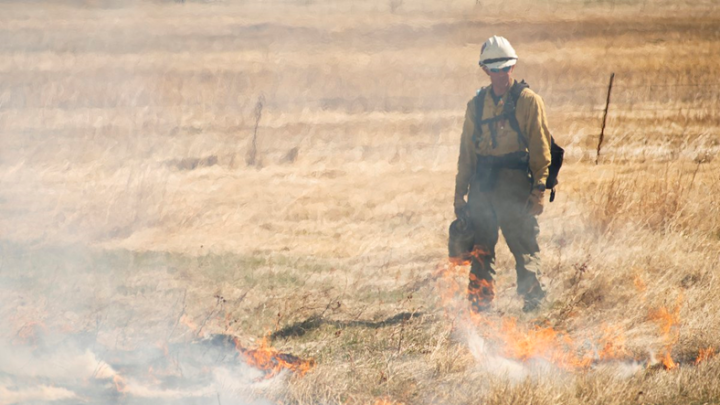
Finally, it is worth noting that some scientists are acutely aware of the increasing fire danger presented by the build-up of dead vegetation. To remove that hazard prescribed burns are being performed. But sometimes prescribed burns get away and burn down people’s homes. So prescribed burns are carefully planned for times when fires are most easily controlled. So, one must wonder just how unusually dangerous local conditions were if the City of Boulder planned a prescribed burn on Monday, December 13, 2021, just 2 weeks before the Marshall Fire. Had climate change really made conditions so dangerous?
Jim Steele is Director emeritus of San Francisco State University’s Sierra Nevada Field Campus, authored Landscapes and Cycles: An Environmentalist’s Journey to Climate Skepticism, and proud member of the CO2 Coalition.
The skinny on pediatric hospitalizations
By Meryl Nass, MD | December 31, 2021
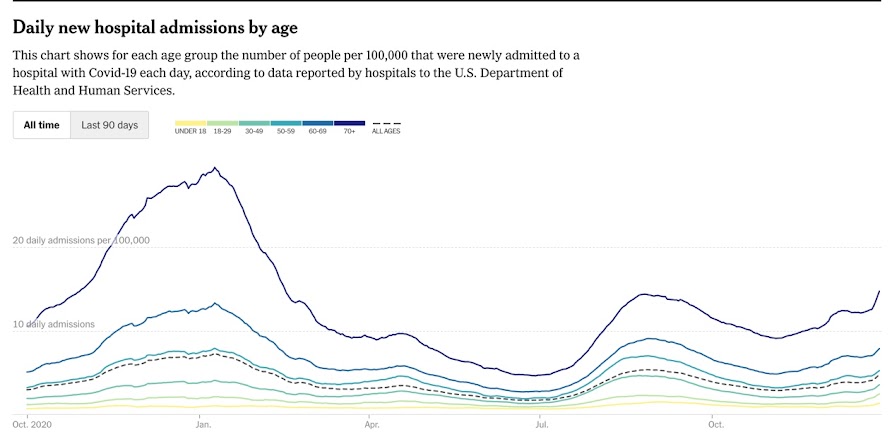
The yellow line represents pediatric hospitalizations over the past 15 months, per the NY Times. Yes, they did increase a bit, just like hospitalizations in every other age group, and the increase was proportional to that of the other age groups.
Cases rose much more dramatically.
Why are the media hollering? Because 80% of parents have been too smart to fall for the vaccinations for their 5-11 year olds. Peer pressure did not work as well on this age group, so parents have to be scared.
Please protect your children from this horribly damaging scam. See Robert Malone about how the benefits are marginal, while the risks are major for children.
Facts about Covid-19
Swiss Policy Research | Updated: December 2021
Fully referenced facts about covid-19, provided by experts in the field, to help our readers make a realistic risk assessment.
“The only means to fight the plague is honesty.” (Albert Camus, 1947)
Overview
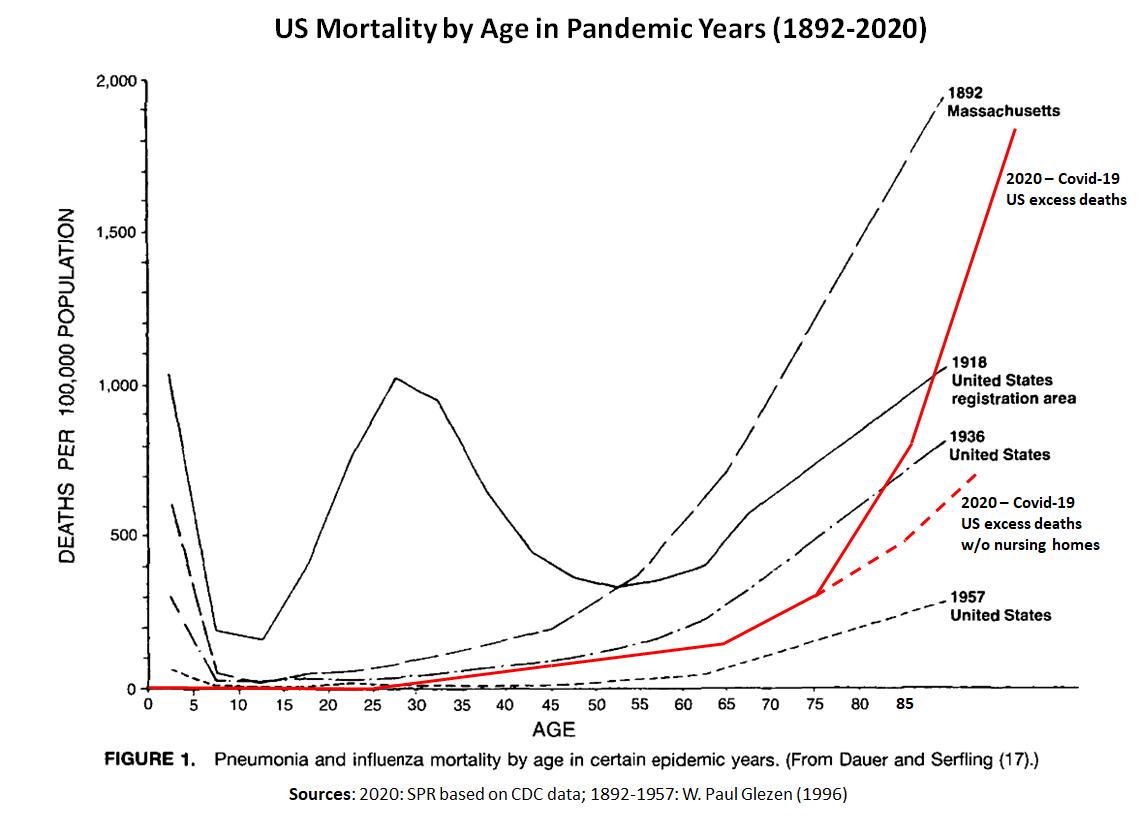
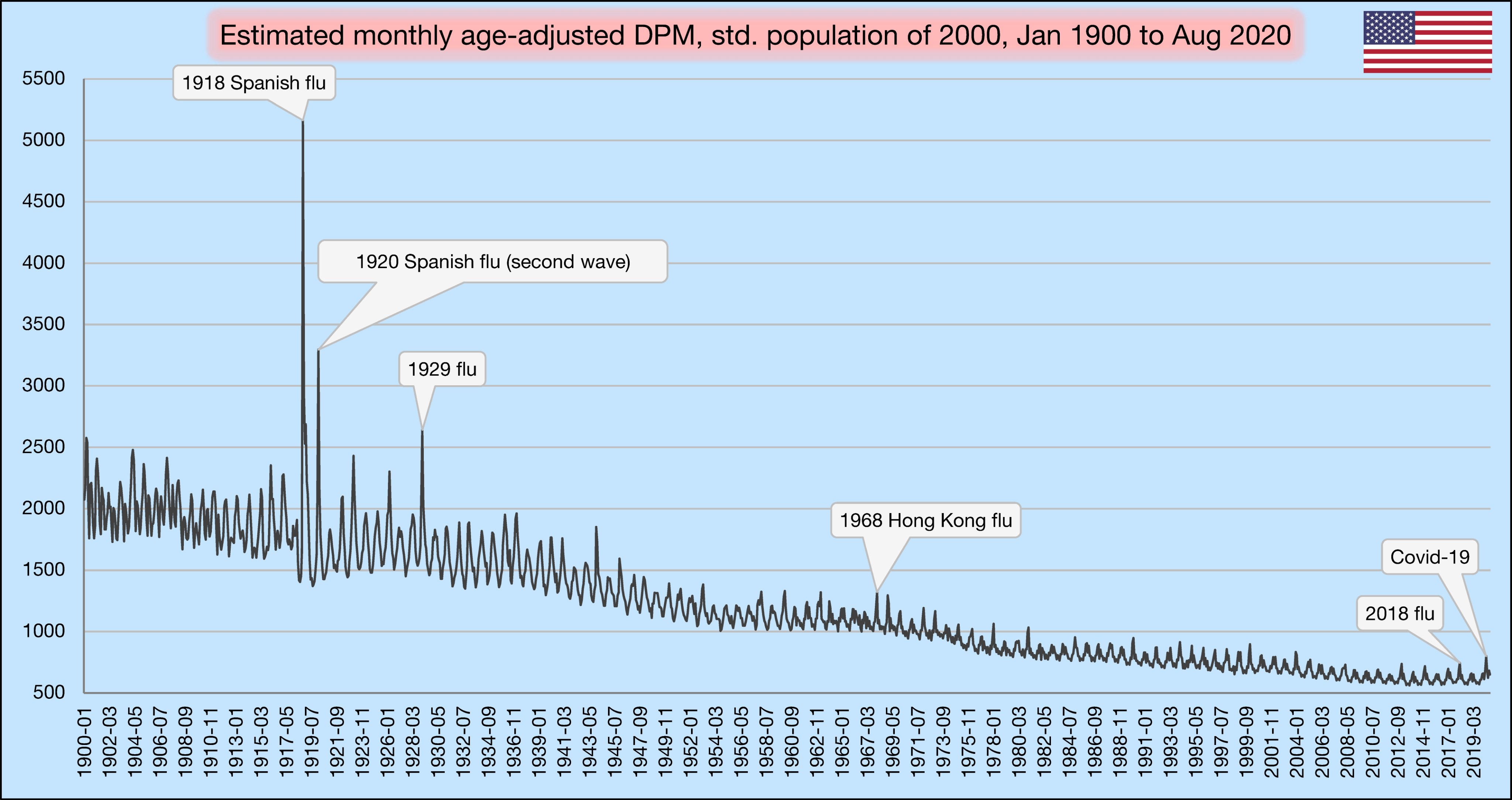
- Lethality: According to the latest immunological studies, the overall infection fatality rate (IFR) of covid in the general population is about 0.1% to 0.5% in most countries, which is most closely comparable to the medium influenza pandemics of 1936, 1957 and 1968.
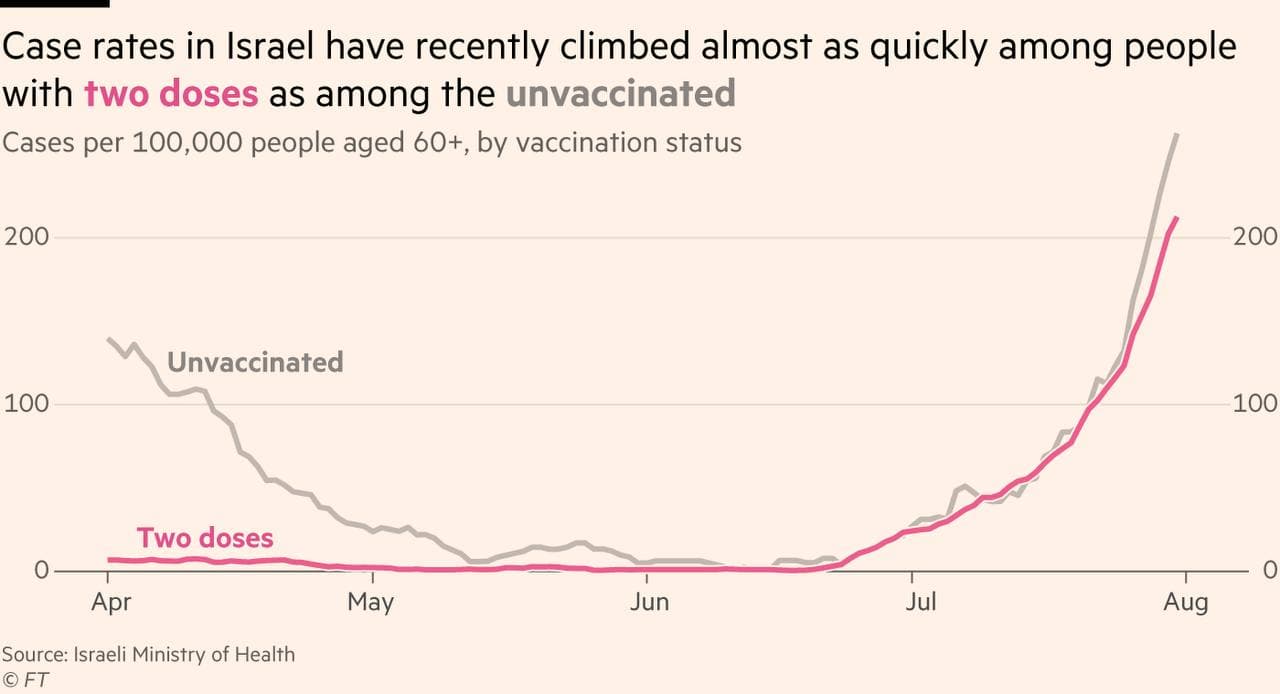
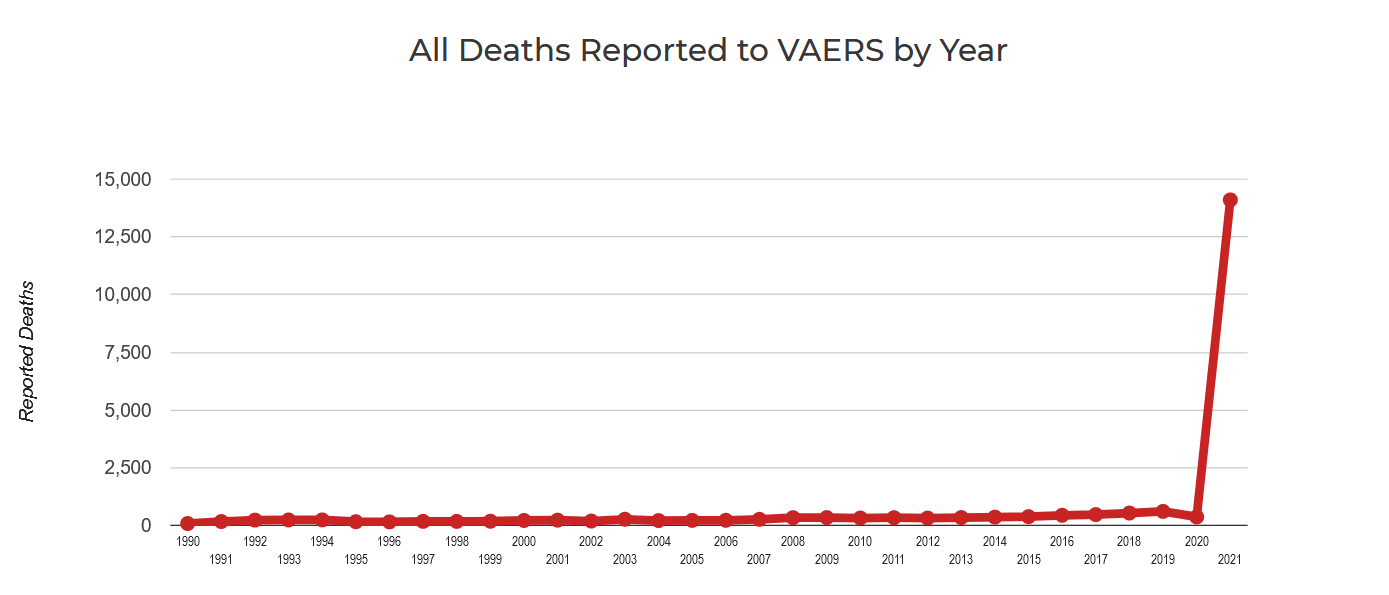
- Vaccines: Real-world studies have shown a very high, but rapidly declining covid vaccine effectiveness against severe disease. Vaccination cannot prevent infection and transmission. Various severe and fatal vaccine adverse events have been reported, including in young people. A prior infection generally confers superior immunity compared to vaccination.
- Treatment: For people at high risk or high exposure, early or prophylactic treatment is essential to prevent progression of the disease. According to numerous international studies, early outpatient treatment of covid may significantly reduce hospitalizations and deaths.
- Age profile: The median age of covid deaths is over 80 years in most Western countries (78 in the US) and about 5% of the deceased had no serious preconditions. The age and risk profile of covid mortality is therefore comparable to normal mortality, but increases it proportionally.
- Nursing homes: In many Western countries, about 50% of all covid deaths have occurred in nursing homes, which require targeted and humane protection. In some cases, care home residents died not from the coronavirus, but from weeks of stress and isolation.
- Excess mortality: Overall, the pandemic has increased mortality by 5% to 25% in most Western countries. In some countries, up to 30% of additional deaths have been caused not by covid, but by indirect effects of the pandemic and lockdowns (including drug overdose deaths).
- Antibodies: By the end of 2020, between 10% and 30% of the population in most Western countries had coronavirus antibodies. In India and some Latin American countries, coronavirus infection prevalence reached up to 75% by the summer of 2021.
- Symptoms: About 30% of all infected persons show no symptoms. Overall, about 95% of all people develop at most mild or moderate symptoms and do not require hospitalization. Early outpatient treatment may significantly reduce hospitalizations.
- Long covid: Up to 10% of symptomatic people experience post-acute or long covid, i.e. covid-related symptoms that last several weeks or months. Long covid may also affect younger and previously healthy people whose initial course of disease was rather mild.
- Transmission: Indoor aerosols appear to be the main route of transmission of the coronavirus, while outdoor aerosols, droplets, as well as most object surfaces appear to play a minor role. The coronavirus season in the northern hemisphere usually lasts from November to April.
- Masks: There is still little to no scientific evidence for the effectiveness of face masks in the general population, and the introduction of mandatory masks couldn’t contain or slow the epidemic in most countries. If used improperly, masks may increase the risk of infection.
- Children and schools: In contrast to influenza, the risk of disease and transmission in children is rather low in the case of covid. There was and is therefore no medical reason for the closure of elementary schools or other measures specifically aimed at children.
- Contact tracing: A WHO study of 2019 on measures against influenza pandemics concluded that from a medical perspective, contact tracing is “not recommended in any circumstances”. Contact tracing apps on cell phones have also proven ineffective in most countries.
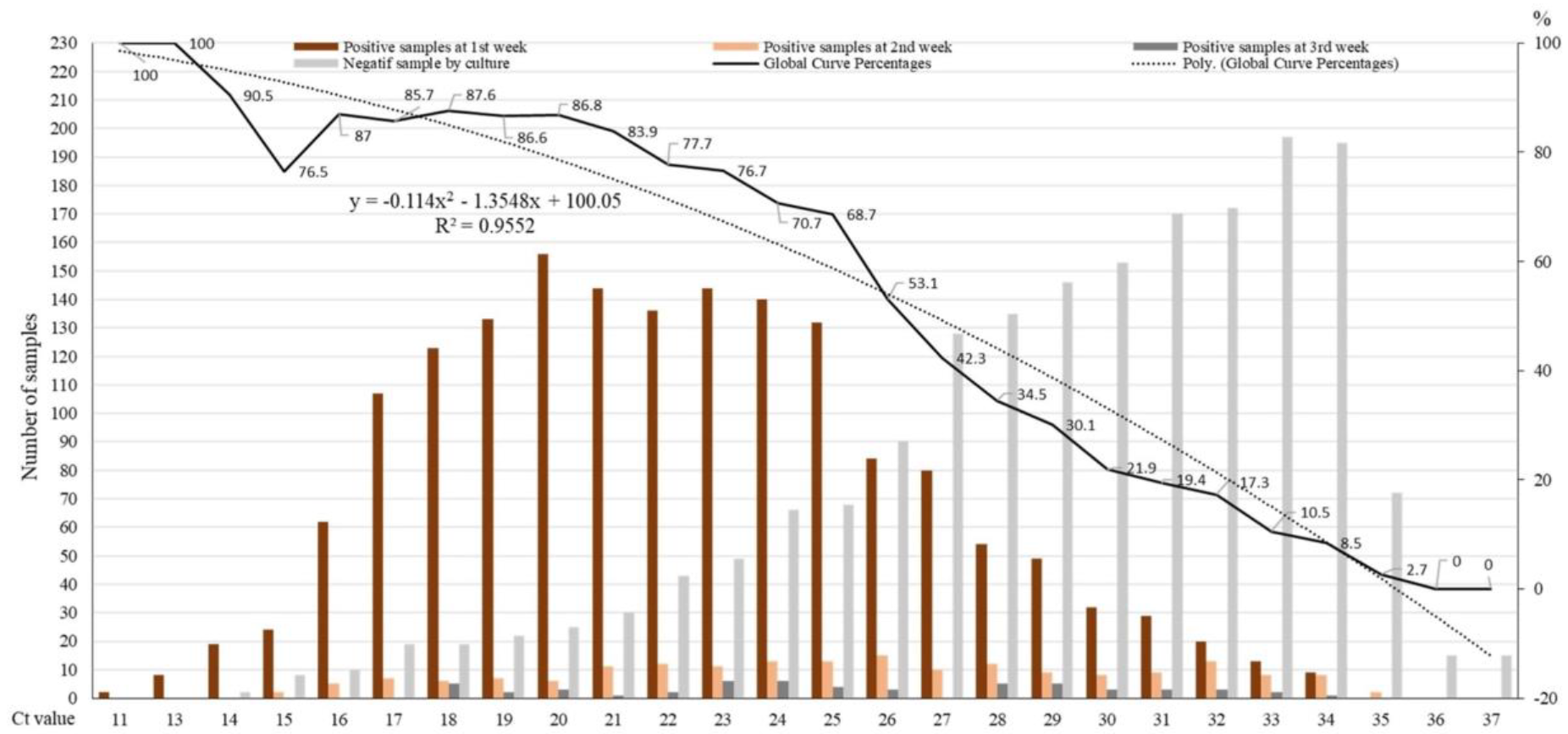
- PCR tests: The highly sensitive PCR test kits may in some cases produce false positive or false negative results or react to non-infectious virus fragments from a previous infection. In this regard, the so-called cycle threshold or ct value is an important parameter.
- Virus mutations: Similar to influenza viruses, mutations occur frequently in coronaviruses. Most of these mutations are insignificant, but some of them may increase the transmissibility, virulence or immune evasion of the virus to some extent.
- Lockdowns: In contrast to early border controls, lockdowns have had no significant effect on the pandemic. According to the UN, lockdowns may put the livelihood of 1.6 billion people at acute risk and may push an additional 150 million children into poverty.
- Sweden: In Sweden, covid mortality without lockdown has been comparable to a strong influenza season and somewhat below the EU average. About 50% of Swedish deaths occurred in nursing homes and the median age of Swedish covid deaths was about 84 years.
- Media: The reporting of many media has been unprofessional, has increased fear and panic in the population and has led to a hundredfold overestimation of the lethality of the coronavirus. Some media even used manipulative pictures and videos to dramatize the situation.
- Virus origin: The origin of the new coronavirus remains unknown, but the best evidence currently points to a covid-like pneumonia incident in a Chinese mine in 2012, whose virus samples were collected, stored and researched by the Wuhan Institute of Virology (WIV). Due to cooperations, some US labs may also have had access to these viruses.
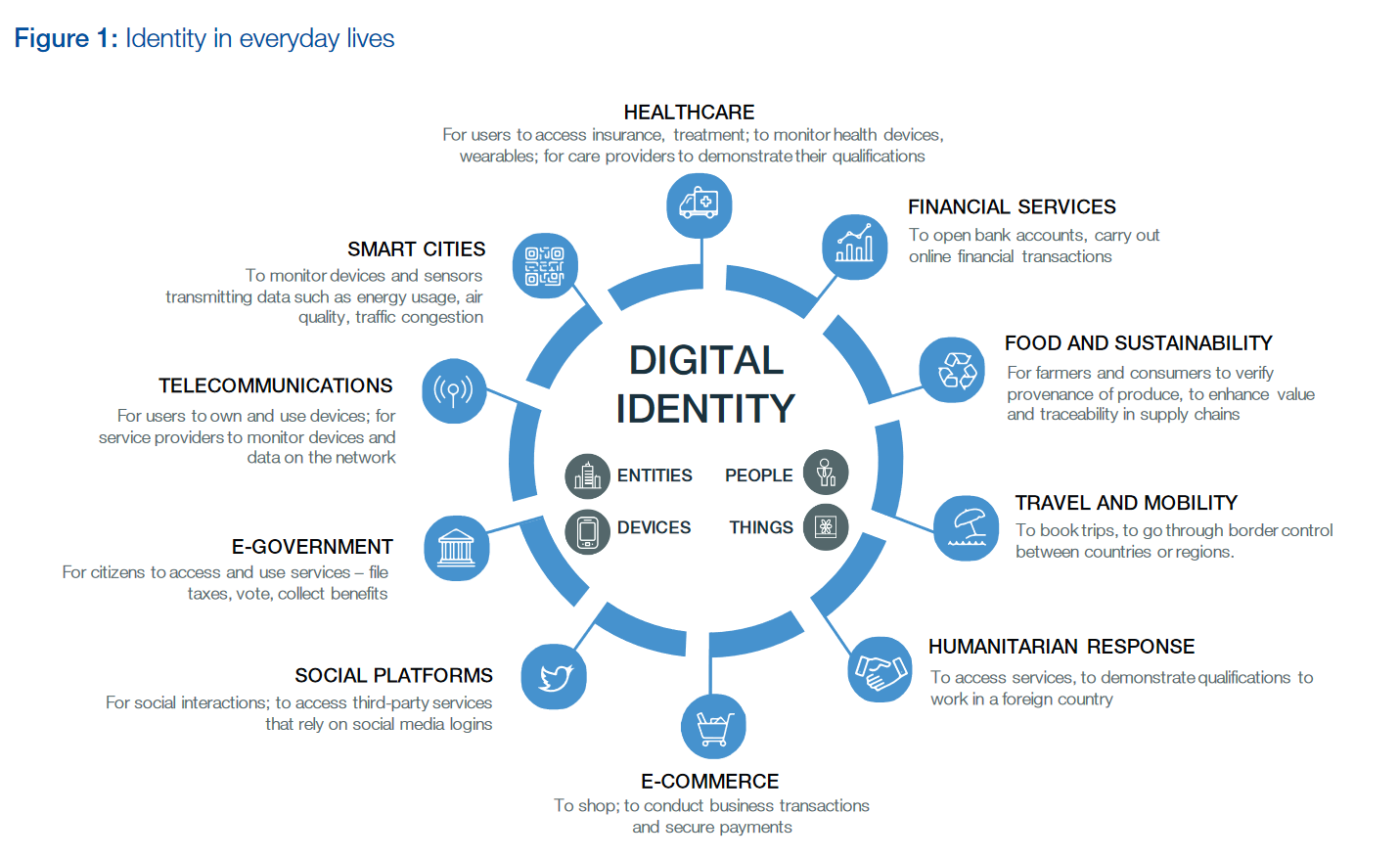
- Surveillance: NSA whistleblower Edward Snowden warned that the coronavirus pandemic may be used to expand global surveillance. Many governments have restricted fundamental rights of their citizens and announced plans to introduce digital biometric vaccine passports.
Overview diagrams



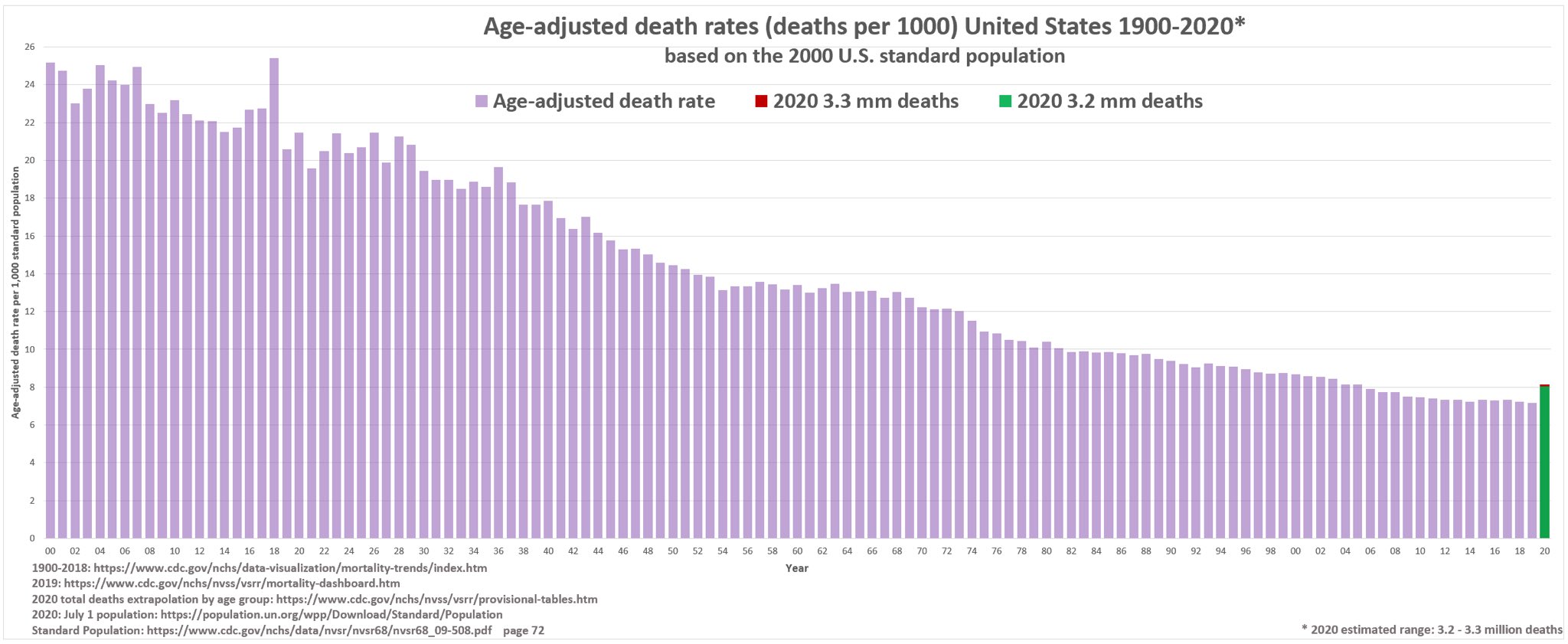
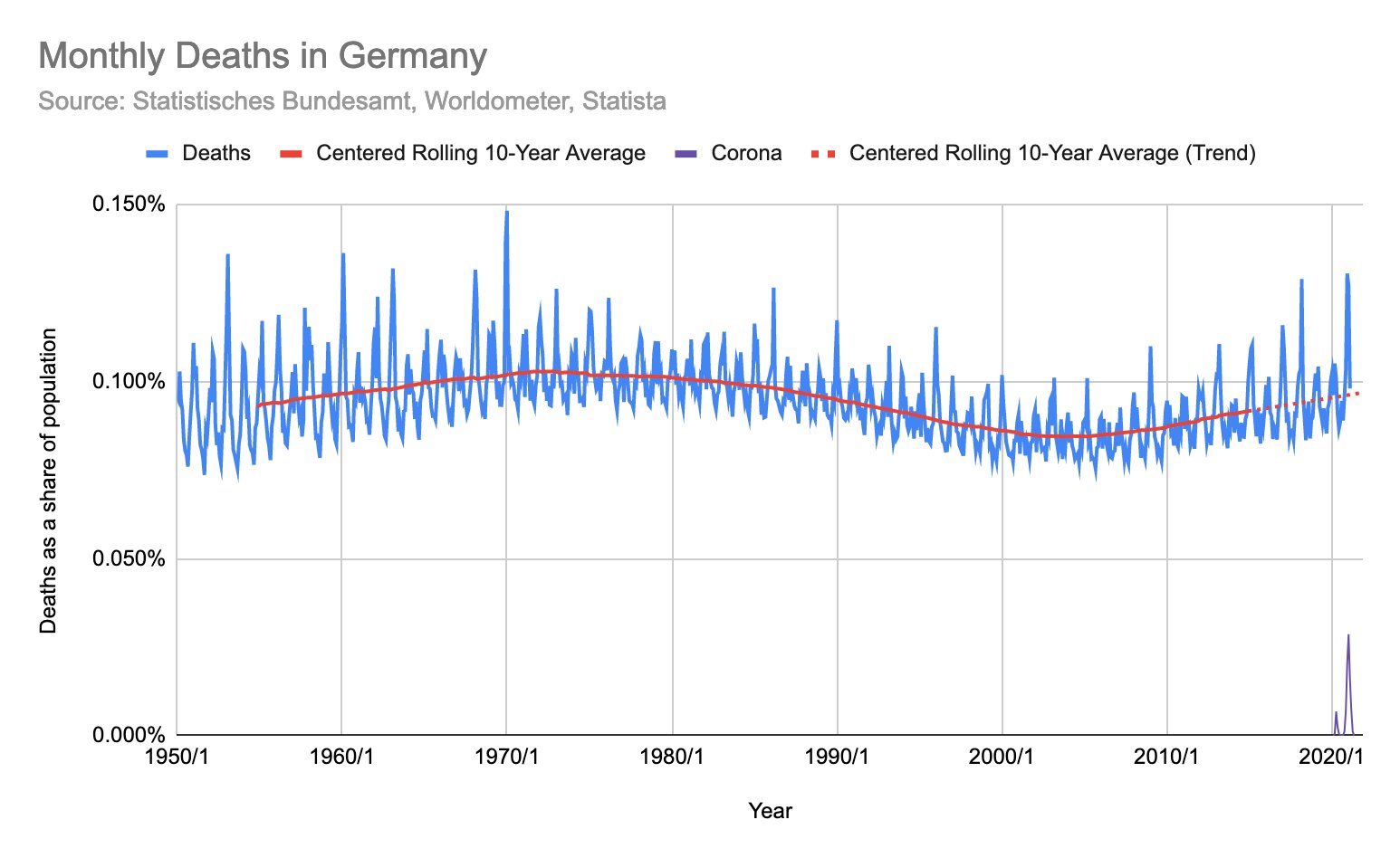

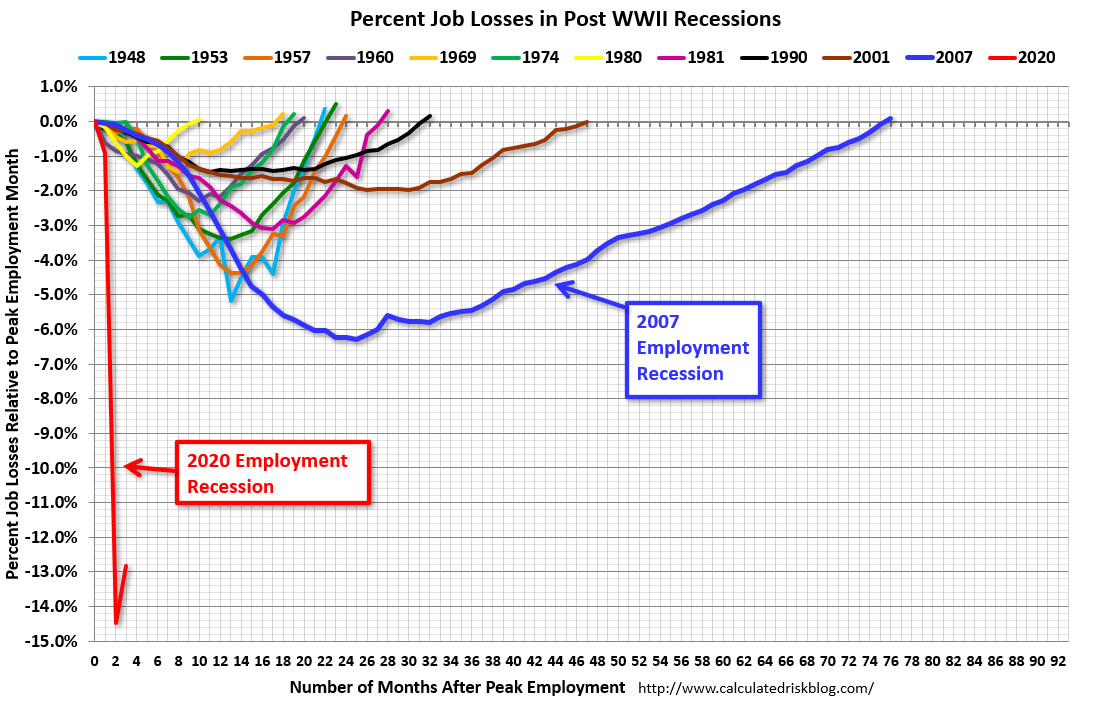
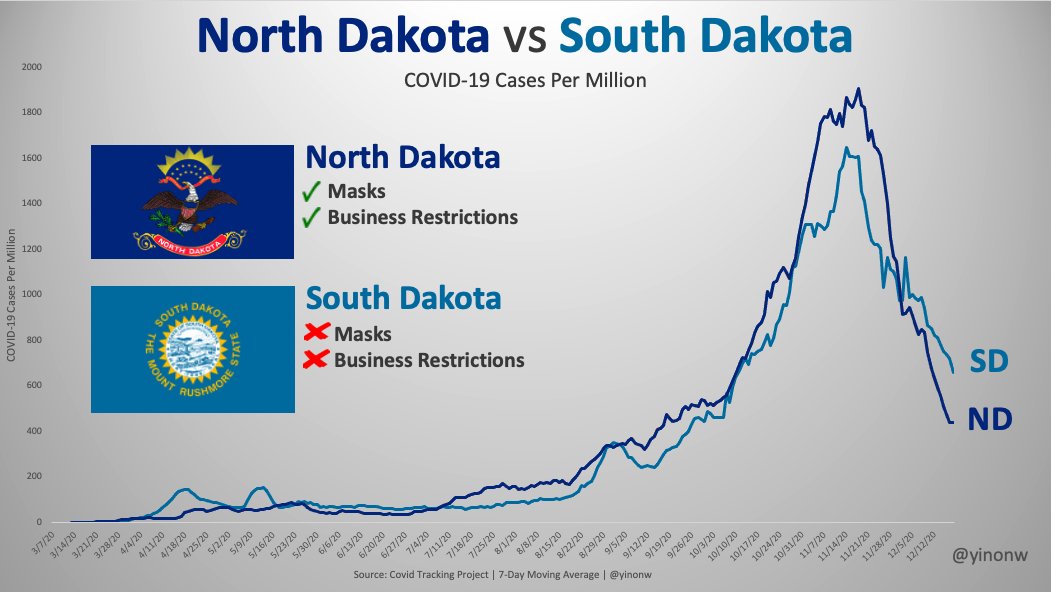

Latest updates
Basics
General
- The Covid Vaccine War (December 2021)
- The Return of the Flu (November 2021)
- The WEF and the Pandemic (October 2021)
- Global Covid Mortality (September 2021)
- Variants: What’s next? (July 2021)
- Obesity and the pandemic (June 2021)
- The failure of PCR mass testing (June 2021)
- Pre-symptomatic transmission (June 2021)
- Covid versus the flu, revisited (March 2021)
- Lockdowns in China in 2021 (February 2021)
- Why Covid-19 is a “strange pandemic” (Sept. 2020)
Vaccines
- Covid Vaccines: A Reality Check (December 2021)
- Covid vaccine adverse events (December 2021)
- Israel: Highest infection rate in the world (Sept. 2021)
- Israel: Why is all-cause mortality increasing? (April 2021)
- Videos: Vaccines: Successes and Controversies (Dec. 2020)
Early Treatment
- The Ivermectin Debate (July 2021)
- Covid and anti-androgens (July 2021)
- Molnupiravir: Caution (October 2021)
- Severe covid: An autoimmune attack (July 2021)
- Is budesonide really effective against covid? (April 2021)
- Remdesivir: An Epidemic Failure (October 2020)
Face masks
- The Mask Folly in Retrospect (August 2021)
- Danish Mask Study: No Benefit (November 2020)
- WHO Mask Study Seriously Flawed (September 2020)
Other topics
- Judgment day: Sweden vindicated (Dec. 2021)
- Omicron Hits the Mutation Jackpot (Nov. 2021)
- Meanwhile in Australia (June 2021)
- The Censorship Pandemic (May 2021)
- On the “people collapsing in Wuhan” (April 2021)
- Lockdowns: Fewer Suicides in 2020? (April 2021)
No, 500 Children were NOT admitted to hospital with Covid this week
OffGuardian | December 30, 2021
Two days ago Sky News reported that, in the week from December 20th to Boxing Day (December 26th, for our non-UK readers), over 500 British children had been admitted to hospital with Covid19.
The story has been picked up by other outlets too, with the Metro headlining:
More than 500 children admitted to hospital with Covid in Christmas week
The Mirror went with:
More than 500 children admitted to hospital with Covid in week leading up to Boxing Day
Going on to say [our emphasis]:
A record number of new Covid infections were reported today with the easily transmissible Omicron strain being named as the driving force for the surge – now the variant is having an unprecedented impact on Britain’s younger population
Other publications cited “concerning data” that 50 babies had been admitted to hospital with Covid on Christmas day alone.
But is any of this true?
In short, no. It is a meaningless number created by deliberately misleading statistical definitions.
This is actually the easiest fact-check we’ve ever done, because Sky literally fact-checked themselves in their own subheading:
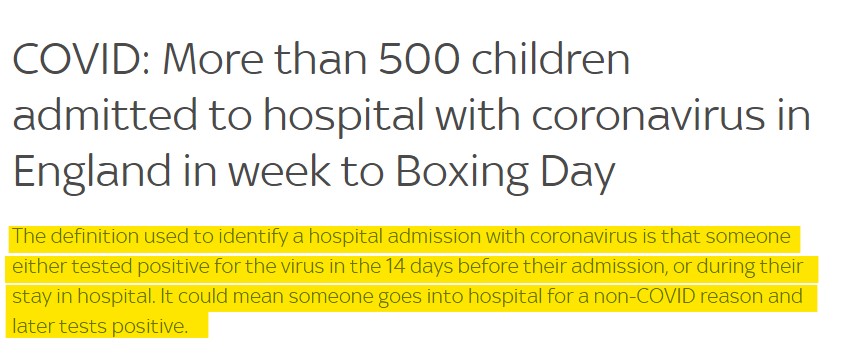
Let’s repeat that with some added emphasis:
The definition used to identify a hospital admission with coronavirus is that someone either tested positive for the virus in the 14 days before their admission, or during their stay in hospital. It could mean someone goes into hospital for a non-COVID reason and later tests positive.
So no, 512 children were not admitted to hospital for Covid infection, 512 children were admitted to hospital for potentially “non-COVID reasons”, and either tested positive while they were in hospital or had tested positive sometime in the previous two weeks.
We’ve gone over this many times before.
The official definition of a “Covid death” is death by any cause, in someone who tested positive in the month preceding their death.
The official definition of a “covid hospitalisation” is anyone who is admitted to hospital for any reason after testing positive, or tests positive while they are already in hospital for something else.
We don’t need to explain, yet again, how meaningless the resultant statistics will be if you use these definitions.
But if they keep lying about the figures, we will keep correcting them.
Biggest pandemic lie: PCR tests accurately detect cases and deaths
By Joel S Hirschhorn | December 28, 2021
As of this Friday, December 31 the ubiquitous and infamous PCR test used universally by the public health and medical establishments is gone, according to a CDC declaration issued last July.
To all of the propaganda victims of the pandemic collusion mafia, now is the time (belatedly) to face facts. A huge fraction of all the fear-producing data in COVID cases, hospitalizations and deaths are sheer crap. From the very beginning in early 2020 there were experts who said that the PCR test should not have been so used universally as a way to detect and document COVID infection and disease.
You may have noticed that there has been no coverage of this rather important act by CDC in the leftist mainstream media. Why not? Because now they have to admit that massive false positive results from PCR tests have produced totally unreliable data. These PCR tests had the capability of calling the common flu or cold COVID. And so much of the time they were run at very high cycles to create false positives.
FDA has other approved tests for COVID that will be used.
The larger point after two pandemic years is that the public should better appreciate just how easy it has been for public health, medical and public policy establishments to totally lie about virtually all aspects of the pandemic.
It started with PCR testing and continues to this day with COVID vaccines. If you were stupid enough to trust testing, then you probably remain stupid enough to trust everything said about vaccines and boosters as ways to curb the pandemic. And add on masking, lockdowns and school closings to the BIG LIES endlessly promoted by Big Media, Big Government and Big Pharma.
And now keep believing, if you remain gullible, that omicron is a huge health threat.
Starting with my book Pandemic Blunder I have worked endlessly to be a truth-teller. But it is not easy to combat the disinformation and lies from all the powerful forces determined to instill fear so that governments can coerce and control the public.
Though I prefer to focus on COVID deaths, there are reasons why these data are also problematic. So many have died with COVID but not from COVID.
Hospitals have utterly failed to effectively prevent COVID related deaths, now over 830,000 and that will surely reach 1 million by the end of March. Why? Because severely ill, late-stage COVID patients in ICUs are not being saved by current hospital protocols. Those patients got to that point because the government prevented wide use of generic medicines for early home treatment and even now for late-stage COVID.
Everywhere I look I see widespread dishonesty, incompetence and corruption. These have produced widespread suffering in all aspects of lives. Time for the revolution. If you have enough critical thinking capability to see all the many lies from the powerful, especially the evil Fauci.
Featured Video

or go to
Aletho News Archives – Video-Images
Book Review
The Maidan Killings and the False-Flag Case
By Freddie Ponton | 21st Century Wire | September 5, 2026
Before the killings that helped bring down Ukraine’s president in February 2014, American diplomats were discussing who should enter its government. In a leaked telephone call, senior State Department official Victoria Nuland told US ambassador Geoffrey Pyatt, “I think Yats is the guy,” referring to opposition leader Arseniy Yatseniuk. Washington had clear preferences and was working to advance them. Later that month, Yatseniuk became prime minister.
Ivan Katchanovski’s The Maidan Massacre in Ukraine examines the violence that preceded that transfer of power. Drawing on television footage, witness testimony, forensic examinations and Ukrainian court proceedings, he argues that elements of the opposition shot protesters and police in a false-flag operation. His case centres on evidence of protesters being shot from opposition-controlled locations, including Hotel Ukraina, overlooking the killing ground. … continue
Blog Roll
 Aletho News
- In August Hanning Treason Case- All Signs Point To Tel Aviv.
- France cleared dozens of military sales to Israel between May and September: Report
- France projects nuclear power as Macron pushes arsenal expansion
- The fallacy of US delusions about Iran’s economic collapse
- What changes with Lula or Flávio?
- Britain leads Western media’s demise through ‘fear porn’ narrative
- The Maidan Killings and the False-Flag Case
- Georgia’s Largest Healthcare System Will Fire Employees Who Refuse Flu Vaccine
- The Five-Year Fuel Crisis: Why the World Economy Is Paying for a War It Thinks Is Ending
- Trump’s Big Bluff on Iran
- If Americans Knew
- Soldier testimony sheds light on how Israel wages information war
- CIA Report Warns Israel Could Head Toward Civil War, Total Collapse
- Banker Who Exposed Howard Lutnick’s Ties to Epstein Warned of ‘Retaliation’ and ‘Personal Consequences’ in Last Post Before Suicide
- Israeli Attacks Kill Two Palestinians in Gaza
- Gaza genocide at 3: Israeli-U.S. cruelty and the smart, deep resistance to it are changing the world
- As genocide is about to enter 3rd year, little of Gaza remains– Daily Update
- “We See Our Homes Now From A Satellite, Like Strangers”
- Watch “Gaza: Doctors Under Attack”, originally censored by BBC
- NAZA: Israeli embassies in UK and US promote rival documentary to challenge Gaza genocide allegations
- David Ellison appoints Israeli to lead merged Paramount-Warner studios
- No Tricks Zone
- Latest European Green Energy Debacle; Portugal’s Largest Flagship Solar Park Insolvent!
- Green Energy Debacle: German Expert Professor Fritz Vahrenholt Warns Of Severe Economic And Social Consequences
- Two More Paleo Reconstructions Affirm Meters-Higher Sea Levels Across Ireland, Brazil 7000-6000 Years Ago
- New Study: Earth And Venus Surface Warmth Largely Explained By Convection And Lapse Rate, Not CO2 Or Radiation
- 2025 Nature Paper Claiming Worsening Global Drought Gets RETRACTED …Heavily Flawed
- New Study: ‘Global Drought Shows No Detectable Recent Acceleration Under Climate Warming’
- Economic Masterminds: German Socialists Suggest Taxing Productivity Gains Stemming From Using AI
- The South China Sea Has Not Been Cooperating With The Climate Change Narrative
- Energy Crisis: Germany Enters Heating Season With Historically Low Gas Reserve Fill Levels
- New Study: The Antarctic Ice Sheet Gained Mass From 2020-2024 Due To Staggering Snow And Ice Accumulation

