An upcoming Israeli film that sympathetically portrays a group of Jewish terrorists who attempted to murder millions of German civilians by poisoning their water supply is enjoying uncritical publicity in Zionist media.
The film, “Plan A,” is based on a true story that director Yoav Paz extensively researched through recently unveiled testimony as well as the book Li Nakam Veshilem (Vengeance and Retribution are Mine) by historian Dina Porat.
Following the end of the second world war, a group of approximately 50 Jews led by communist partisan and Israeli national poet Abba Kovner formed a group called “Nakam,” or “the avengers.”
The group concocted a scheme to infiltrate post-war Europe and kill millions of German citizens by adding arsenic to their drinking water — a plot they called “Plan A.” Were that to fail, they had a “Plan B” where they would poison German soldiers held in Allied prisoner of war camps. According to Kovner’s testimony, the future first president of Israel Chaim Weizmann aided his organization in the operation.
“Plan A” failed when British security forces intercepted members of Nakam and they were forced to throw their supply of poison overboard of their ships. Individuals in the Zionist movement also believed that a terrorist attack of such a magnitude would’ve caused diplomatic problems for the soon to be founded Zionist state and may have tipped the British off.
Eventually they succeeded in partially achieving “Plan B.” They infiltrated the American run Langwasser internment camp and were able to poison thousands of captive German soldiers by putting arsenic in their bread. While many were seriously ill, the New York Times claimed at the time that there were no known deaths, though this incident has no been closely investigated. The criminals in question were thwarted in their other operations but released after a few months.
According to Paz and his brother and co-writer Doran, the point of their movie is not to examine “right and wrong” or “black and white,” but instead to make Jewish viewers sympathize with the Nakam’s mindset and actions.
Stephen Applebaum at Jewish News appears to come away with the message the directors were trying to convey, “Putting yourself in the shoes of the Avengers today is a queasy sensation. Their suffering and loss is made palpable in the film, but so is the suffering, loss and horror they planned to inflict on millions. What would you have done? Hopefully, none of us will ever need to find out.”
Though “Plan A” is in English and has a relatively well-known cast, including German actor August Diehl and “Bladerunner 2049’s” Sylvia Hoeks, there are not many reviews for the upcoming feature set to debut in America and Europe on September 13th.
Cath Clarke at The Guardian is so far the single exception, but she focuses on the film’s technical failures rather than the dark message suggesting that Jews should consider indiscriminately killing people from ethnic groups they have grievances or grudges against. A film promoting such a dangerous message in any other racial and historical context would’ve undoubtedly garnered much more controversy.
While it won’t bring back their children, a fair investigation would at least restore their honor, two Afghan fathers from a family of which 10 of members were killed in a US drone strike in Kabul have told RT.
President Joe Biden urged the US military commanders in Afghanistan to “stop at nothing” to make ISIS-K (Islamic State Khorasan Province) pay for the deaths of the 13 American troops who were killed along with 169 Afghans in a suicide bombing and gunfire at the gates of Kabul airport on August 26.
The retaliation came a few days later, just as the US forces were about to complete their evacuation from Afghanistan, now almost entirely controlled by the Taliban. A drone strike was carried out that, according to the Americans, targeted ISIS-K terrorists in an attempt to cripple their ability to carry out further attacks.
But reports soon emerged that a number of members of an Afghan family who had gathered for a celebration at their home in Kabul had perished in the strike. In an instant, the rocket took the lives of 10 civilians, including seven children. The youngest of the victims were two girls, Malika and Sumaya, who were both only two years old.
“On the morning of the bombing, she came and kissed me, and said: ‘Good morning, Father.’ It was our last meeting. I will never see her again,” Emal Akhmadi, Malika’s devastated parent, recalls.
The surviving family members are still “in shock” after the attack and simply can’t return to their home, where they’ve found “parts of the children’s bodies” scattered around, Akhmadi told RT. “Mentally, we are not in a stable condition. The women are dead silent. They don’t speak.”
Sumaya’s father has labeled the US drone strike a “stupid thought” and made it clear that the family had no ties with ISIS-K. “They say ISIS-K lived in this house. In this house, were these children members of Islamic State?” Jamshid Yousoufi wondered.
“Without any proof, without any investigation, they attacked us and killed our children, and we will never forgive them.”
Akhmadi branded the Americans “utter liars” for linking the family with the terrorists. “We’ve lost our children. They can’t return to us. So, at least our honor should be restored by a fair investigation,” he said, calling on the international community to make sure the drone strike was fully investigated.
The grieving fathers are the heroes in RT’s documentary series ‘Unheard Voices’. Dedicated to the 20th anniversary of the beginning of America’s War on Terror in Afghanistan, the short film project tells the stories of those whose lives have been forever changed by it. The civilians who lost their loved ones to airstrikes, the inmates of the US prisons at Bagram and Guantanamo who were deprived of their freedom without trial and endured torture, the American troops who found themselves on the brink of suicide after returning from Afghanistan and now question the very need for the US invasion – they have all been interviewed by RT. New episodes will be aired daily, starting Wednesday.
When Facebook acquired WhatsApp, it promised to respect the privacy of its users. That hasn’t been the case, and the firm now employs thousands of staff to read supposedly-encrypted chats.
Social media behemoth Facebook acquired WhatsApp in 2014, with CEO Mark Zuckerberg promising to keep the stripped-down, ad-free messaging app “exactly the same.” End-to-end encryption was introduced in 2016, with the app itself offering on-screen assurances to users that “No one outside of this chat” can read their communications, and Zuckerberg himself telling the US Senate in 2018 that “We don’t see any of the content in WhatsApp.”
Allegedly, none of that is true. More than a thousand content moderators are employed at shared Facebook/WhatsApp offices in Austin, Texas, Dublin, Ireland, and Singapore to sift through messages reported by users and flagged by artificial intelligence.
Based on internal documents, interviews with moderators, and a whistleblower complaint, ProPublica explained how the system works in a lengthy investigation published on Wednesday.
When a user presses ‘report’ on a message, the message itself plus the preceding four messages in the chat are unscrambled and sent to one of these moderators for review. Moderators also examine messages picked out by artificial intelligence, based on unencrypted data collected by WhatsApp. The data collected by the app is extensive, and includes:
“The names and profile images of a user’s WhatsApp groups as well as their phone number, profile photo, status message, phone battery level, language and time zone, unique mobile phone ID and IP address, wireless signal strength and phone operating system, as a list of their electronic devices, any related Facebook and Instagram accounts, the last time they used the app and any previous history of violations.”
These moderators are not employees of WhatsApp or Facebook. Instead they are contractors working for $16.50 per hour, hired by consulting firm Accenture. These workers are bound to silence by nondisclosure agreements, and their hiring went unannounced by Facebook.
Likewise, the actions of these moderators go unreported. Facebook releases quarterly ‘transparency reports’ for its own platform and subsidiary Instagram, detailing how many accounts were banned or otherwise disciplined and for what, but does not do this for WhatsApp.
Many of the messages reviewed by moderators are flagged in error. WhatsApp has two billion users who speak hundreds of languages, and staff sometimes have to rely on Facebook’s translation tool to analyze flagged messages, which one employee said is “horrible” at decoding local slang and political content.
Aside from false reports submitted as pranks, moderators have to analyze perfectly innocent content highlighted by AI. Companies using the app to sell straight-edge razors have been flagged as selling weapons. Parents photographing their bathing children have been flagged for child porn, and lingerie companies have been flagged as forbidden “sexually oriented business[es].”
“A lot of the time, the artificial intelligence is not that intelligent,” one moderator told ProPublica.
WhatsApp acknowledged that it analyzes messages to weed out “the worst” abusers, but doesn’t call this “content moderation.”
“We actually don’t typically use the term for WhatsApp,” Director of Communications Carl Woog told ProPublica. “The decisions we make around how we build our app are focused around the privacy of our users, maintaining a high degree of reliability and preventing abuse.”
Facebook has lied about its commitment to user privacy before. Two years after Zuckerberg assured users that his company would keep WhatsApp ad-free and let the company “operate completely autonomously,” he revealed plans to link WhatsApp accounts to Facebook for the purposes of ad targeting. This move earned Facebook a $122 million fine from EU antitrust regulators, who said the Facebook CEO had “intentionally or negligently” deceived them.
Despite Zuckerberg’s assurances of privacy, WhatsApp shares more user metadata (data that can identify a user without the content of their messages) with law enforcement than rival messaging services from Apple and Signal. This metadata, which can reveal phone numbers, location, timestamps, and more, is valuable to law enforcement and intelligence agencies, with NSA whistleblower Edward Snowden’s 2013 leaks revealing a large-scale operation by the agency to capture the metadata of millions of Americans’ communications.
“Metadata absolutely tells you everything about somebody’s life,” former NSA General Counsel Stewart Baker once said. “If you have enough metadata, you don’t really need content.”
Across all of its platforms, Facebook complies with 95% of requests for metadata. While it is unknown what law enforcement has been able to glean from WhatsApp metadata, the US Department of Justice has requested this metadata more than a dozen times since 2017 and likely far more frequently, given many of these requests are not made public. WhatsApp metadata has been used to jail Natalie Edwards, a former Treasury Department official who leaked confidential banking reports about suspicious transactions to BuzzFeed News.
Inside WhatsApp, the company stresses the importance of promoting itself as a privacy-focused operation. A marketing document obtained by ProPublica states that WhatsApp should portray itself as “courageous,” taking a “strong, public stance that is not financially motivated on things we care about,” such as defending encryption and user privacy.
However, another line in the same document states that “future business objectives” mean that “while privacy will remain important, we must accommodate for future innovations.”
The American Civil Liberties Union (ACLU) surprised even many of its harshest critics this week when it strongly defended coercive programs and other mandates from the state in the name of fighting COVID. “Far from compromising them, vaccine mandates actually further civil liberties,” its Twitter account announced, adding that “vaccine requirements also safeguard those whose work involves regular exposure to the public.”
If you were surprised to see the ACLU heralding the civil liberties imperatives of “vaccine mandates” and “vaccine requirements” — whereby the government coerces adults to inject medicine into their own bodies that they do not want — the New York Times op-ed which the group promoted, written by two of its senior lawyers, was even more extreme. The article begins with this rhetorical question: “Do vaccine mandates violate civil liberties?” Noting that “some who have refused vaccination claim as much,” the ACLU lawyers say: “we disagree.” The op-ed then examines various civil liberties objections to mandates and state coercion — little things like, you know, bodily autonomy and freedom to choose — and the ACLU officials then invoke one authoritarian cliche after the next (“these rights are not absolute”) to sweep aside such civil liberties concerns:
[W]hen it comes to Covid-19, all considerations point in the same direction. . . . In fact, far from compromising civil liberties, vaccine mandates actually further civil liberties. . . . .
[Many claim that] vaccines are a justifiable intrusion on autonomy and bodily integrity. That may sound ominous, because we all have the fundamental right to bodily integrity and to make our own health care decisions. But these rights are not absolute. They do not include the right to inflict harm on others. . . . While vaccine mandates are not always permissible, they rarely run afoul of civil liberties when they involve highly infectious and devastating diseases like Covid-19. . . .
While limited exceptions are necessary, most people can be required to be vaccinated. . . . . Where a vaccine is not medically contraindicated, however, avoiding a deadly threat to the public health typically outweighs personal autonomy and individual freedom.
The op-ed sounds like it was written by an NSA official justifying the need for mass surveillance (yes, fine, your privacy is important but it is not absolute; your privacy rights are outweighed by public safety; we are spying on you for your own good). And the op-ed appropriately ends with this perfect Orwellian flourish: “We care deeply about civil liberties and civil rights for all — which is precisely why we support vaccine mandates.”
What makes the ACLU’s position so remarkable — besides the inherent shock of a civil liberties organization championing state mandates overriding individual choice — is that, very recently, the same group warned of the grave dangers of the very mindset it is now pushing. In 2008, the ACLU published a comprehensive report on pandemics which had one primary purpose: to denounce as dangerous and unnecessary attempts by the state to mandate, coerce, and control in the name of protecting the public from pandemics.
The title of the ACLU report, resurfaced by David Shane, reveals its primary point: “Pandemic Preparedness: The Need for a Public Health – Not a Law Enforcement/National Security – Approach.” To read this report is to feel that one is reading the anti-ACLU — or at least the actual ACLU prior to its Trump-era transformation. From start to finish, it reads as a warning of the perils of precisely the mindset which today’s ACLU is now advocating for COVID.
In 2008, the group explained its purpose this way: “the following report examines the relationship between civil liberties and public health in contemporary U.S. pandemic planning and makes a series of recommendations for developing a more effective, civil liberties-friendly approach.” Its key warning: “Not all public health interventions have been benign or beneficial, however. Too often, fears aroused by disease and epidemics have encouraged abuses of state power. Atrocities, large and small, have been committed in the name of protecting the public’s health.”
2008 report of the American Civil Liberties Union (ACLU)
The immediate impetus for the ACLU’s 2008 report was two-fold: 1) the 2008 emergence of the avian bird flu pandemic, which produced highly alarmist and ultimately false headlines around the world about millions dying; and 2) new pandemic legislation and regulatory frameworks, enacted in the wake of 9/11, premised on the view, as the ACLU put it, “that every outbreak of disease could be the beginning of some horrific epidemic, requiring the suspension of civil liberties.”
The ACLU issued its 2008 report to warn that the worst possible way to respond to a deadly pandemic was through coercion and mandates. Instead, the group argued — as one would expect from a civil liberties organization — persuasion and voluntary compliance were both more effective and less likely to erode core liberties. As they put it:
The lessons from history should be kept in mind whenever we are told by government officials that “tough,” liberty-limiting actions are needed to protect us from dangerous diseases. Specifically: coercion and brute force are rarely necessary. In fact they are generally counterproductive—they gratuitously breed public distrust and encourage the people who are most in need of care to evade public health authorities. On the other hand, effective, preventive strategies that rely on voluntary participation do work.
The key dichotomy emphasized by the 2008 version of the ACLU was the difference between constructive and persuasive messaging regarding public health versus the use of law enforcement and forced mandates. Starting with the report’s title (“The Need for a Public Health – Not a Law Enforcement/National Security – Approach”) through every section, the ACLU urges that mandates and coercion be dispensed with in favor of voluntary compliance and educational messages:
Government agencies have an essential role to play in helping to prevent and mitigate epidemics. Unfortunately, in recent years, our government’s approach to preparing the nation for a possible influenza pandemic has been highly misguided. Too often, policymakers are resorting to law enforcement and national security-oriented measures that not only suppress individual rights unnecessarily, but have proven to be ineffective in stopping the spread of disease and saving lives . . . .
This law enforcement/national security strategy shifts the focus of preparedness from preventing and mitigating an emergency to punishing people who fail to follow orders and stay healthy.
Much of the report is devoted to an examination of how the U.S. government has historically treated pandemics. As it reviews each pandemic — including horrifically lethal ones such as the plague and smallpox — the ACLU concludes over and over that American health authorities excessively relied on coercion rather than education and persuasion, fueled by media-aided fear porn and alarmist narratives:
Lessons from History: American history contains vivid reminders that grafting the values of law enforcement and national security onto public health is both ineffective and dangerous. Too often, fears aroused by disease and epidemics have justified abuses of state power. Highly discriminatory and forcible vaccination and quarantine measures adopted in response to outbreaks of the plague and smallpox over the past century have consistently accelerated rather than slowed the spread of disease, while fomenting public distrust and, in some cases, riots.
Amazingly, the model that the ACLU identifies as the one that must be avoided is precisely the one that it is now urging be used for COVID. Compare, for instance, the ACLU’s defense of coercive mandates in its New York Times op-ed this week (vaccine mandates “rarely run afoul of civil liberties”) with this ringing endorsement of the need to preserve freedom of choice in its 2008 report:
This model assumes that we must “trade liberty for security.” As a result, instead of helping individuals and communities through education and provision of health care, today’s pandemic prevention focuses on taking aggressive, coercive actions against those who are sick. People, rather than the disease, become the enemy.
What most worried the 2008 version of the ACLU was that authoritarian power vested in the hands of public health officials in the form of mandates and coercion will become permanent given that we will always live with such threats and endless pandemics. That was why, urged that iteration of the ACLU, we must opt for an approach that relies on education programs and voluntary compliance rather than state mandates.
“The law enforcement approach to public health offers a rationale for the endless suspension of civil liberties,” they explained. Using post-9/11 expansions of state power as its framework, the group explained that “the ‘Global War on Terror’ may go on for a generation, but the war on disease will continue until the end of the human race. There will always be a new disease, always the threat of a new pandemic. If that fear justifies the suspension of liberties and the institution of an emergency state, then freedom and the rule of law will be permanently suspended.”
The ACLU’s New York Times op-ed this week repeatedly stressed that coercive mandates are justified whenever “the disease is highly transmissible, serious and lethal.” But its 2008 report argued exactly the opposite. The report was critical of forced vaccinations and other mandates in prior outbreaks of smallpox — certainly a highly contagious and lethal disease — but then argued that when the disease reappeared in the late 1940s, New York City handled it much better by offering voluntary vaccines and education programs rather than coercive measures:
In contrast, New York City relied on a different approach in 1947, one that viewed the public as the client rather than the enemy of public health. When smallpox reappeared in the city after a long absence, the city educated the public about the problem and instituted a massive voluntary vaccination campaign. Not surprisingly, no coercion was needed. Provided with information about the need for and benefits of vaccination, and reassurance that the city was helping rather than attacking them, the citizens of the New York turned out en masse for one of the world’s largest voluntary vaccination campaigns. The campaign was successful, and the epidemic was quashed before it had a chance to spread broadly in the city or beyond.
In the scheme of repressive measures that worried the 2008 ACLU, “compulsory isolation and quarantine are among the most coercive non-pharmaceutical interventions that may be employed during a pandemic.” They minced no words about such policies: “civil liberties concerns arise when these interventions are imposed by law.”
The ACLU did not merely warn with words of the dangers of excessive pandemic coercion. They also legally represented at least one client who they viewed as the victim of public health hysteria and tyranny. In 2006, “a 27-year-old tuberculosis patient named Robert Daniels was involuntarily quarantined in Phoenix, Arizona for disobeying an order by Maricopa County health officials to wear a face mask in public at all times.” Even once Daniels was released and it turned out he had a less severe case of TB than originally assumed, “Sheriff Joe Arpaio publicly threatened him with prosecution for the pre-quarantine events.”
The ACLU’s lesson from that case, and similar ones it had handled, was clear: these cases “are cautionary tales that illustrate the counterproductive nature of a punitive, law enforcement approach to preventing the spread of disease.” Most important of all, said the civil liberties group, coercive steps — such as mandates and quarantines — not only endanger civil liberties but are less effective in improving the public health, because they convert the public from cooperative allies into enemies that must be controlled and punished:
These efforts require working with rather than against communities, providing communities with as healthy an environment as possible, health care if they need it, and the means to help themselves and their neighbors. Most importantly, to protect public health, public health policies must aim to help, rather than to suppress, the public.
A separate ACLU report from 2015, issued during the ebola epidemic, contained a similar message. It warned “against politically motivated and scientifically unwarranted quarantines, which the report found violated individuals’ rights and hampered efforts to end the outbreak.” Hysteria over ebola became so intense that the ACLU “found that people were illegally deprived of their right to due process under the 14th Amendment because the quarantines and movement restrictions were not scientifically justified.”
While both reports acknowledge that more restrictive measures can be justified under extreme circumstances, the crux of each is that voluntary compliance is better than coercion, that state mandates typically fail, and that the far greater danger is vesting too much power in the hands of the state, which it will never relinquish given the permanence of pandemics.
How the ACLU fell from those traditional and vital civil liberties positions to urging this week in The New York Times that “far from compromising civil liberties, vaccine mandates actually further civil liberties,” is anyone’s guess. But what is beyond doubt is that it is a far fall indeed. And most of all, hearing the ACLU invoke the standard rationale of authoritarians — we all have the fundamental right to bodily integrity and to make our own health care decisions, but these rights are not absolute — is nothing short of jarring.
Update, Sept. 7, 2021, 6:58 p.m.: Shortly after publication of this article, a former ACLU lawyer, Margaret Winter, noted in response: “It was NOT just ‘prior to covid’ that ACLU denounced vaccine mandates: Read ACLU’s 2020 position paper passionately and correctly arguing that vaccine mandates ‘exacerbate racial disparities and harm the civil liberties of all.’” Winter was referencing this ACLU report, from May of 2020, that warned of the serious dangers of “immunity passports,” under which citizens who already got COVID and thus had immunity would enjoy rights not available to others:
We at the ACLU have serious concerns about the adoption of any such proposal, because of its potential to harm public health, incentivize economically-vulnerable people to risk their health by contracting COVID-19, exacerbate racial and economic disparities, and lead to a new health surveillance infrastructure that endangers privacy rights. . . . This division would likely worsen existing racial, disability, and economic disparities in America and lead people struggling to afford basic necessities to deliberately risk their health.
While such a scheme is different in degree from vaccine passports let alone vaccine mandates — which the ACLU is now championing — its rationale for opposing such a system is fully applicable: “there are serious civil liberties and civil rights harms from making workplace decisions on that basis,” adding: “any immunity passport system endangers privacy rights by creating a new surveillance infrastructure to collect health data.”
As concern grows over the proposal to give children the Covid vaccine, this is an edited version of an open letter I have written to the Chief Medical Officers of the UK – Dr Chris Whitty (England) Dr Michael McBride (Northern Ireland), Dr Gregor Smith (Scotland) and Dr Frank Atherton (Wales).
I WRITE to you concerning the gravest of matters – the safety of this nation’s children.
The Joint Committee on Vaccination and Immunisation has advised against vaccinating 12 to 15 year-olds. You have always advocated ‘following the science’ and, if you follow the science on this occasion, you will agree with this JCVI advice.
The JCVI simply must not be overruled by government on this decision regarding the safety of children. The JCVI Green Book is the bible for all vaccinations in this country and it would be totally inconsistent of government to follow the science only when it suits them.
Interviewed on Channel Four News, Professor Anthony Harnden, Deputy Chair of the JCVI, stated: ‘My responsibility is to the children of this country and my responsibility is not to government.’
This is clearly your responsibility too and, although government is pressurising medical advisers to give the go-ahead for vaccination of 12 to 15 year-olds, it is essential that you stay firm and do the right thing by refusing to bow to political interference in what is essentially a matter of medical ethics.
Professor Adam Finn of the JCVI told Sky News: ‘We’ve been able to get really up-to-date information from paediatric cardiologists in the United States who are managing children who’ve experienced this myocarditis (inflammation of the heart muscle) side-effect.
‘Admittedly small numbers, but still some early concerns that this might be a problem in the longer term and that very up-to-date information is why we’ve kept to our line actually over the last two months that we should be cautious about this.’
In a letter to the US Food and Drug Administration on December 8, 2020, Dr Patrick Whelan, from the Department of Paediatrics, David Geffen School of Medicine at the University of California, Los Angeles, wrote: ‘I am a paediatric specialist caring for children with the multisystem inflammatory syndrome (MIS-C).
‘I am concerned about the possibility that the new vaccines aimed at creating immunity against the SARS-CoV-2 spike protein (including the mRNA vaccines of Moderna and Pfizer) have the potential to cause microvascular injury to the brain, heart, liver, and kidneys in a way that is not currently being assessed in safety trials of these potential drugs.’
Dr Whelan concluded: ‘In caring for children with MIS-C, I have been impressed with how widespread the organ involvement is, particularly given the absence of actively replicating virus in virtually all patients.
‘Particular caution will be required with regard to the potential widespread vaccination of children before there are any real data on the safety or effectiveness of these vaccines in paediatric trials that are only now beginning.’
It is nonsensical and disingenuous for anyone to claim that we need to vaccinate children in order to keep schools open and ensure no further interruptions to education. The only reason to vaccinate anyone is to protect them from a dangerous pathogen and children are at minimal risk from Covid.
Sweden kept schools open and mask-free all the way through and did not suffer any ill effects at all. Sweden’s Covid death rate has been minimal in the past six weeks and overall they have had a lower death rate per million than the UK.
It has been flawed UK government policy that has disrupted children’s learning. The way to solve this problem is to do exactly as Sweden did and then there will be no more disruption to lessons. Sweden kept schools open all last year when there was no vaccine, so to claim a vaccine is needed to keep schools open now is completely false.
Forcing a risky vaccine on innocent children as an excuse for keeping schools open when they should never have been closed in the first place would be morally and ethically repugnant.
It is the same Covid in Sweden as it is here, so if Swedish schools could stay open with no masks, no vaccine and no resultant problems, our schools should all have stayed open too.
Did the UK government purposely close schools and intentionally cause huge disruption to education in order to use this as an excuse now for vaccinating children when there is no other legitimate reason for doing so?
The argument that vaccinating children will reduce transmission is without foundation. The vaccines do not prevent transmission and it is now clearly in the public domain that vaccinated people can carry as much virus in their nasal tracts as unvaccinated.
So arguing that child vaccinations will reduce overall transmission is not true. This is also the opinion of the JCVI, who stated: ‘The committee is of the view that any impact on transmission may be relatively small, given the lower effectiveness of the vaccine against infection with the Delta variant.’
At least half of 12 to 15 year-olds have already been infected, so they will have natural immunity. As the recent large study in Israel showed, natural immunity is more robust and longer-lasting than the narrower, transient immunity afforded by the vaccine.
When a child develops natural immunity, it is to the entire virus while the immunity produced by the vaccine is only to the spike protein. There has never been a vaccine in the history of medicine that produced better immunity than natural infection. Therefore there is no clinical medical case for vaccinating 12 to 15 year-olds.
The fact that government has asked the chief medical officers to consider the wider societal and educational impacts of vaccinating children shows clearly that no medical case can be made for doing so and they are trying to cobble together some other excuses for going ahead.
It is ethically and morally wrong to suggest that children’s health should be put at risk in order to supposedly protect adults. Adults are supposed to protect children, not the other way round.
Former Health Secretary Matt Hancock told the House of Commons last November: ‘This vaccine will not be used for children. It hasn’t been tested on children. And the reason is that the likelihood of children having significant detriment if they catch Covid-19 is very, very low. So, this is an adult vaccine, for the adult population.’
No children without underlying conditions have died in the UK due to Covid. Therefore if even one child were to die or suffer serious injury due to being vaccinated, it would be one child too many.
In the NHS document Covid-19 Vaccination Programme, Vaccinating Children and Young People: Frequently Asked Questions, we are told that, in addition to the £12.58 item-of-service fee, there is a further supplement of £10 per vaccination dose to eligible children.
Seeing that an extra £10 bounty is going into the pocket of anyone willing to vaccinate a 12 to 15 year-old, is the NHS encouraging doctors to follow the science, or follow the money?
I send you this letter in very good faith and recognise the onerous responsibility placed on all your shoulders in decision-making. I pray that your guide will be the wisdom of Primum Non Nocere (first, do no harm).
Who Were the Israelis Living Next to Mohammed Atta?
What was in the Van on the New Jersey Shore?
How did Two Hijackers Land on Watch List Weeks Before 9/11?
Who Shut Down Fox News’ Carl Cameron?
On the afternoon of September 11, 2001, an FBI bulletin known as a BOLO – “be on lookout” – was issued with regard to three suspicious men who that morning were seen leaving the New Jersey waterfront minutes after the first plane hit World Trade Center 1. Law enforcement officers across the New York-New Jersey area were warned in the radio dispatch to watch for a “vehicle possibly related to New York terrorist attack”:
White, 2000 Chevrolet van… with ‘Urban Moving Systems’ sign on back seen at Liberty State Park, Jersey City, NJ, at the time of first impact of jetliner into World Trade Center… Three individuals with van were seen celebrating after initial impact and subsequent explosion. FBI Newark Field Office requests that, if the van is located, hold for prints and detain individuals.
At 3:56 p.m., twenty-five minutes after the issuance of the FBI BOLO, officers with the East Rutherford Police Department stopped the commercial moving van through a trace on the plates. According to the police report, Officer Scott DeCarlo and Sgt. Dennis Rivelli approached the stopped van, demanding that the driver exit the vehicle. The driver, 23-year-old Sivan Kurzberg, refused and “was asked several more times [but] appeared to be fumbling with a black leather fanny pouch type of bag”. With guns drawn, the police then “physically removed” Kurzberg, while four other men – two more men had apparently joined the group since the morning – were also removed from the van, handcuffed, placed on the grass median and read their Miranda rights. They had not been told the reasons for their arrest. Yet, according to DeCarlo’s report, “this officer was told without question by the driver [Sivan Kurzberg], ‘We are Israeli. We are not your problem. Your problems are our problems. The Palestinians are the problem.’” Another of the five Israelis, again without prompting, told Officer DeCarlo – falsely – that “we were on the West Side Highway in New York City during the incident”.
From inside the vehicle the officers, who were quickly joined by agents from the FBI, retrieved multiple passports and $4,700 in cash stuffed in a sock. According to New Jersey’s Bergen Record, which on September 12 reported the arrest of the five Israelis, an investigator high up in the Bergen County law enforcement hierarchy stated that officers had also discovered in the vehicle “maps of the city … with certain places highlighted. It looked like they’re hooked in with this”, the source told the Record, referring to the 9/11 attacks. “It looked like they knew what was going to happen when they were at Liberty State Park.”
The five men were indeed Israeli citizens. They claimed to be in the country working as movers for Urban Moving Systems Inc., which maintained a warehouse and office in Weehawken, New Jersey. They were held for 71 days in a federal detention center in Brooklyn, New York, during which time they were repeatedly interrogated by FBI and CIA counterterrorism teams, who referred to the men as the “high-fivers” for their celebratory behavior on the New Jersey waterfront. Some were placed in solitary confinement for at least forty days; some were given as many as seven liedetector tests. One of the Israelis, Paul Kurzberg, brother of Sivan, refused to take a lie-detector test for ten weeks. Then he failed it.
Meanwhile, two days after the men were picked up, the owner of Urban Moving Systems, Dominik Suter, a 31- year-old Israeli national, abandoned his business and fled the United States for Israel. Suter’s departure was abrupt, leaving behind coffee cups, sandwiches, cell phones and computers strewn on office tables and thousands of dollars of goods in storage. Suter was later placed on the same FBI suspect list as 9/11 lead hijacker Mohammed Atta and other hijackers and suspected al-Qaeda sympathizers, suggesting that U.S. authorities felt Suter may have known something about the attacks. The suspicion, as the investigation unfolded, was that the men working for Urban Moving Systems were spies. Who exactly was handling them, and who or what they were targeting, was as yet uncertain.
It was New York’s venerable Jewish weekly The Forward that broke this story in the spring of 2002, after months of footwork. The Forward reported that the FBI had finally concluded that at least two of the men were agents working for the Mossad, the Israeli intelligence agency, and that Urban Moving Systems, the ostensible employer of the five Israelis, was a front operation. Two former CIA officers confirmed this to me, noting that movers’ vans are a common intelligence cover. The Forward also noted that the Israeli government itself admitted that the men were spies. A “former high-ranking American intelligence official”, who said he was “regularly briefed on the investigation by two separate law enforcement officials”, told reporter Marc Perelman that after American authorities confronted Jerusalem at the end of 2001, the Israeli government “acknowledged the operation and apologized for not coordinating it with Washington”. Today, Perelman stands by his reporting. I asked him if his sources in the Mossad denied the story. “Nobody stopped talking to me”, he said. In June 2002, ABC News’ 20/20 followed up with its own investigation into the matter, coming to the same conclusion as The Forward. Vincent Cannistraro, former chief of operations for counterterrorism with the CIA, told 20/20 that some of the names of the five men appeared as hits in searches of an FBI national intelligence database. Cannistraro told me that the question that most troubled FBI agents in the weeks and months after 9/11 was whether the Israelis had arrived at the site of their “celebration” with foreknowledge of the attack to come. From the beginning, “the FBI investigation operated on the premise that the Israelis had foreknowledge”, according to Cannistraro. A second former CIA counterterrorism officer who closely followed the case, but who spoke on condition of anonymity, told me that investigators were pursuing two theories. “One story was that [the Israelis] appeared at Liberty State Park very quickly after the first plane hit. The other was that they were at the park location already”. Either way, investigators wanted to know exactly what the men were expecting when they got there.
Before such issues had been fully explored, however, the investigation was shut down. Following what ABC News reported were “high-level negotiations between Israeli and U.S. government officials”, a settlement was reached in the case of the five Urban Moving Systems suspects. Intense political pressure apparently had been brought to bear. The reputable Israeli daily Ha’aretz reported that by the last week of October 2001,some six weeks after the men had been detained, Deputy Secretary of State Richard Armitage and two unidentified “prominent New York congressmen” were lobbying heavily for their release. According to a source at ABC News close to the 20/20 report, high-profile criminal lawyer Alan Dershowitz also stepped in as a negotiator on behalf of the men to smooth out differences with the U.S. government. (Dershowitz declined to comment for this article.) And so, at the end of November 2001, for reasons that only noted they had been working in the country illegally as movers, in violation of their visas, the men were flown home to Israel.
Today, the crucial questions raised by this matter remain unanswered. There is sufficient reason – from news reports, statements by former intelligence officials, an array of circumstantial evidence, and the reported acknowledgment by the Israeli government – to believe that in the months before 9/11, Israel was running an active spy network inside the United States, with Muslim extremists as the target. Given Israel’s concerns about Islamic terrorism as well as its long history of spying on U.S. soil, this does not come entirely as a shock. What’s incendiary is the idea – supported, though not proven, by several pieces of evidence – that the Israelis did learn something about 9/11 in advance but failed to share all of what they knew with American officials. The questions are disturbing enough to warrant a Congressional investigation.
Yet none of this information found its way into Congress’s joint committee report on the attacks, and it was not even tangentially referenced in the nearly 600 pages of the 9/11 Commission’s final report. Nor would a single major media outlet track the revelations of The Forward and ABC News to investigate further. “There weren’t even stories saying it was bullshit”, says The Forward’s Perelman. “Honestly, I was surprised”. Instead, the story disappeared into the welter of anti-Israel 9/11 conspiracy theories.
It’s no small boon to the U.S. government that the story of 9/11-related Israeli espionage has been thus relegated: the story doesn’t fit in the clean lines of the official narrative of the attacks. It brings up concerns not only about Israel’s obligation not to spy inside the borders of the United States, its major benefactor, but about its possible failure to have provided the U.S. adequate warning of an impending devastating attack on American soil.
Furthermore, the available evidence undermines the carefully cultivated image of sanctity that defines the U.S.- Israel relationship. These are all factors that help explain the story’s disappearance – and they are compelling reasons to revisit it now.
Torpedoing the FBI Probe
All five future hijackers of American Airlines Flight 77, which rammed the Pentagon, maintained addresses or were active within a six-mile radius of towns associated with the Israelis employed at Urban Moving Systems. Hudson and Bergen counties, the areas where the Israelis were allegedly conducting surveillance, were a central staging ground for the hijackers of Flight 77 and their fellow al-Qaeda operatives. Mohammed Atta maintained a mail-drop address and visited friends in northern New Jersey; his contacts there included Hani Hanjour, the suicide pilot for Flight 77, and Majed Moqed, one of the strongmen who backed Hanjour in the seizing of the plane. Could the Israelis, with or without knowledge of the terrorists’ plans, have been tracking the men who were soon to hijack Flight 77?
In public statements, both the Israeli government and the FBI have denied that the Urban Moving Systems men were involved in an intelligence operation in the United States. “No evidence recovered suggested any of these Israelis had prior knowledge of the 9/11 attack, and these Israelis are not suspected of working for Mossad”, FBI spokesman Jim Margolin told me. (The Israeli embassy did not respond to questions for this article.)
According to the source at ABC News, FBI investigators chafed at the denials from their higher-ups. “There is a lot of frustration inside the bureau about this case”, the source told me. “They feel the higher echelons torpedoed the investigation into the Israeli New Jersey cell. Leads were not fully investigated.” Among those lost leads was the figure of Dominik Suter, whom the U.S. authorities apparently never attempted to contact.
Intelligence expert and author James Bamford told me there was similar frustration within the CIA: “People I’ve talked to at the CIA were outraged at what was going on. They thought it was outrageous that there hadn’t been a real investigation, that the facts were hanging out there without any conclusion.”
However, what was “absolutely certain”, according to Vincent Cannistraro, was that the five Israelis formed part of a surveillance network in the New York – New Jersey area. The network’s purpose was to track radical Islamic extremists and/or supporters of militant Palestinian groups like Hamas and Islamic Jihad. The former CIA counterterrorism officer who spoke anonymously told me that FBI investigators determined that the suspect Israelis were serving as Arabic speaking linguists “running technical operations” in northern New Jersey’s extensive Muslim communities.
The former CIA officer said the operations included taps on telephones, placement of microphones in rooms and mobile surveillance. The source at ABC News agreed: “Our conclusion was that they were Arab linguists involved in monitoring operations, i.e., electronic surveillance. People at FBI concur with this”. The ABC News source added, “What we heard was that the Israelis may have picked up chatter that something was going to happen on the morning of 9/11”. The former CIA counterterrorism officer told me: “There was no question but that [the order to close down the investigation] came from the White House. It was immediately assumed at CIA headquarters that this basically was going to be a cover-up so that the Israelis would not be implicated in any way in 9/11. Bear in mind that this was a political issue, not a law enforcement or intelligence issue. If somebody says we don’t want the Israelis implicated in this – we know that they’ve been spying the hell out of us, we know that they possibly had information in advance of the attacks, but this would be a political nightmare to deal with.”
Israel’s “Art Student Spies”
There is a second piece of evidence that suggests Israeli operatives were spying on al-Qaeda in the United States. It is writ in the peculiar tale of the Israeli “art students”, detailed by this reporter for Salon.com in 2002, following the leaking of an internal memo circulated by the Drug Enforcement Administration’s Office of Security Programs. The June 2001 memo, issued three months before the 9/11 attacks, reported that more than 120 young Israeli citizens, posing as art students and peddling cheap paintings, had been repeatedly – and seemingly inexplicably – attempting to penetrate DEA offices and other law enforcement and Defense Department offices across the country. The DEA report stated that the Israelis may have been engaged in “an organized intelligence gathering activity”, but to what end, U.S. investigators, in June 2001, could not determine. The memo briefly floated the possibility that the Israelis were engaged in trafficking the drug ecstasy. According to the memo, “the most activity [was] reported in the state of Florida” during the first half of 2001, where the town of Hollywood appeared to be “a central point for these individuals with several having addresses in this area”.
In retrospect, the fact that a large number of “art students” operated out of Hollywood is intriguing, to say the least. During 2001, the city, just north of Miami, was a hotbed of al-Qaeda activity and served as one of the chief staging grounds for the hijacking of the World Trade Center planes and the Pennsylvania plane; it was home to fifteen of the nineteen future hijackers, nine in Hollywood and six in the surrounding area. Among the 120 suspected Israeli spies posing as art students, more than thirty lived in the Hollywood area, ten in Hollywood proper. As noted in the DEA report, many of these young men and women had training as intelligence and electronic intercept officers in the Israeli military – training and experience far beyond the compulsory service mandated by Israeli law. Their “traveling in the U.S. selling art seem[ed] not to fit their background”, according to the DEA report.
One “art student” was a former Israeli military intelligence officer named Hanan Serfaty, who rented two Hollywood apartments close to the mail drop and apartment of Mohammed Atta and four other hijackers. Serfaty was moving large amounts of cash: he carried bank slips showing more than $100,000 deposited from December 2000 through the first quarter of 2001; other bank slips showed withdrawals for about $80,000 during the same period. Serfaty’s apartments, serving as crash pads for at least two other “art students”, were located at 4220 Sheridan Street and 701 South 21st Avenue. Lead hijacker Mohammed Atta’s mail drop was at 3389 Sheridan Street – approximately 2,700 feet from Serfaty’s Sheridan Street apartment. Both Atta and Marwan al-Shehhi, the suicide pilot on United Airlines Flight 175, which smashed into World Trade Center 2, lived in a rented apartment at 1818 Jackson Street, some 1,800 feet from Serfaty’s South 21st Avenue apartment.
In fact, an improbable series of coincidences emerges from a close reading of the 2001 DEA memo, the 9/11 Commission’s staff statements and final report, FBI and Justice Department watch lists, hijacker timelines compiled by major media and statements by local, state and federal law enforcement personnel. In at least six urban centers, suspected Israeli spies and 9/11 hijackers and/or al-Qaeda–connected suspects lived and operated near one another, in some cases less than half a mile apart, for various periods during 2000–01 in the run-up to the attacks. In addition to northern New Jersey and Hollywood, Florida, these centers included Arlington and Fredericksburg, Virginia; Atlanta; Oklahoma City; Los Angeles; and San Diego.
Israeli “art students” also lived close to terror suspects in and around Dallas, Texas. A 25-year-old “art student” named Michael Calmanovic, arrested and questioned by Texas-based DEA officers in April 2001, maintained a mail drop at 3575 North Beltline Road, less than a thousand feet from the 4045 North Beltline Road apartment of Ahmed Khalefa, an FBI terror suspect. Dallas and its environs, especially the town of Richardson, Texas, throbbed with “art student” activity. Richardson is notable as the home of the Holy Land Foundation, an Islamic charity designated as a terrorist funder by the European Union and U.S. government in December 2001. Sources in 2002 told The Forward, in a report unrelated to the question of the “art students”, that “Israeli intelligence played a key role in helping the Bush administration to crack down on Islamic charities suspected of funneling money to terrorist groups, most notably the Richardson, Texas-based Holy Land Foundation, last December [2001]”. It’s plausible that the intelligence prompting the shutdown of the Holy Land Foundation came from “art student” spies in the Richardson area.
Others among the “art students” had specific backgrounds in electronic surveillance or military intelligence, or were associated with Israeli wiretapping and surveillance firms, which prompted further concerns among U.S. investigators. DEA agents described Michael Calmanovic, for example, as “a recently discharged electronic intercept operator for the Israeli military”. Lior Baram, questioned near Hollywood, Fla., in January 2001, said he had served two years in Israeli intelligence “working with classified information”. Hanan Serfaty, who maintained the Hollywood apartments near Atta and his cohorts, served in the Israeli military between the ages of 18 and 21. Serfaty refused to disclose his activities between the ages of 21 and 24, including his activities since arriving in the U.S.A. in 2000. The French daily Le Monde meanwhile reported that six “art students” were apparently using cell phones that had been purchased by a former Israeli vice consul in the U.S.A.
Suspected Israeli spy Tomer Ben Dor, questioned at Dallas-Fort Worth Airport in May 2001, worked for the Israeli wiretapping and electronic eavesdropping company NICE Systems Ltd. (NICE Systems’ American subsidiary, NICE Systems Inc., is located in Rutherford, New Jersey, not far from the East Rutherford site where the five Israeli “movers” were arrested on the afternoon of September 11.) Ben Dor carried in his luggage a print-out of a computer file that referred to “DEA Groups”. How he acquired information about so-called “DEA Groups” – via, for example, his own employment with an Israeli wiretapping company – was never determined, according to DEA documents.
“Art student” Michal Gal, arrested by DEA investigators in Irving, Texas, in the spring of 2001, was released on a $10,000 cash bond posted by Ophir Baer, an employee of the Israeli telecommunications software company Amdocs Inc., which provides phone-billing technology to clients that include some of the largest phone companies in the United States as well as U.S. government agencies. Amdocs, whose executive board has been heavily stocked with retired and current members of the Israeli government and military, has been investigated at least twice in the last decade by U.S. authorities on charges of espionage-related leaks of data that the company assured was secure. (The company strenuously denies any wrong-doing.)
According to the former CIA counterterrorism officer with knowledge of investigations into 9/11-related Israeli espionage, when law enforcement officials examined the “art students” phenomenon, they came to the tentative conclusion that “the Israelis likely had a huge spy operation in the U.S. and that they had succeeded in identifying a number of the hijackers”. The German daily Die Zeit reached the same conclusion in 2002, reporting that “Mossad agents in the U.S. were in all probability surveilling at least four of the 19 hijackers”.
The Fox News Channel also reported that U.S. investigators suspected that Israelis were spying on Muslim militants in the United States. “There is no indication that the Israelis were involved in the 9/11 attacks, but investigators suspect that the Israelis may have gathered intelligence about the attacks in advance, and not shared it”, Fox correspondent Carl Cameron reported in a December 2001 series that was the first major exposé of allegations of 9/11-related Israeli espionage. “A highly placed investigator said there are ‘tie-ins’. But when asked for details, he flatly refused to describe them, saying, ‘evidence linking these Israelis to 9/11 is classified. I cannot tell you about evidence that has been gathered. It’s classified information.’”
One element of the allegations has never been clearly understood: if the “art students” were indeed spies targeting Muslim extremists that included al-Qaeda, why would they also be surveilling DEA agents in such a compromising manner? Why, in other words, would foreign spies bumble into federal offices by the scores and risk exposing their operation? An explanation is that a number of the art students were, in fact, young Israelis engaged in a mere art scam and unknowingly provided cover for real spies. Investigative journalist John Sugg, who as senior editor for the Creative Loafing newspaper chain reported on the “art students” in 2002, told me that investigators he spoke to within FBI felt the “art student” ring functioned as a wide-ranging cover that was counterintuitive in its obviousness. DEA investigators, for example, uncovered evidence connecting the Israeli “art students” to known ecstasy trafficking operations in New York and Florida. This was, according to Sugg, planted information. “The explanation was that when our FBI guys started getting interested in these folks [the art students] – when they got too close to what the real purpose was – the Israelis threw in an ecstasy angle”, Sugg told me. “The argument being that if our guys thought the Israelis were involved in a smuggling ring, then they wouldn’t see the real purpose of the operation”. Sugg, who is writing a book that explores the tale of the “art students”, told me that several sources within the FBI, and at least one source formerly with Israeli intelligence, suggested that “the bumbling aspect of the art student thing was intentional.”
When I reported on the matter for Salon.com in 2002, a veteran U.S. intelligence operative with experience subcontracting both for the CIA and the NSA suggested a similar possibility. “It was a noisy operation”, the veteran intelligence operative said. The operative referred me to the film Victor, Victoria. “It was about a woman playing a man playing a woman. Perhaps you should think about this from that aspect and ask yourself if you wanted to have something that was in your face, that didn’t make sense, that couldn’t possibly be them”. The intelligence operative added, “Think of it this way: how could the experts think this could actually be something of any value? Wouldn’t they dismiss what they were seeing?”
U.S. and Israeli officials, dismissing charges of espionage as an “urban myth”, have publicly claimed that the Israeli “art students” were guilty only of working on U.S. soil without proper credentials. The stern denials issued by the Justice Department were widely publicized in the Washington Post and elsewhere, and the endnote from officialdom and in establishment media by the spring of 2002 was that the “art students” had been rounded up and deported simply because of harmless visa violations. The FBI, for its part, refused to confirm or deny the “art students” espionage story. “Regarding FBI investigations into Israeli art students”, spokesman Jim Margolin told me, “the FBI cannot comment on any of those investigations.” As with the New Jersey Israelis, the investigation into the Israeli “art students” appears to have been halted by orders from on high. The veteran CIA/NSA intelligence operative told me in 2002 that there was “a great press to discredit the story, discredit the connections, prevent [investigators] from going any further. People were told to stand down. You name the agency, they were told to stand down”. The operative added, “People who were perceived to be gumshoes on [this matter] suddenly found themselves hammered from all different directions. The interest from the middle bureaucracy was not that there had been a security breach but that someone had bothered to investigate the breach. That was where the terror was”.
Choking Off the Press Coverage
There was similar pressure brought against the media venues that ventured to report out the allegations of 9/11- related Israeli espionage. A former ABC News employee high up in the network newsroom told me that when ABC News ran its June 2002 exposé on the celebratory New Jersey Israelis, “Enormous pressure was brought to bear by pro-Israeli organizations” – and this pressure began months before the piece was even close to airing. The source said that ABC News colleagues wondered, “how they [the pro-Israel organizations] found out we were doing the story. Pro-Israeli people were calling the president of ABC News. Barbara Walters was getting bombarded by calls. The story was a hard sell but ABC News came through – the management insulated [reporters] from the pressure”.
The experience of Carl Cameron, chief Washington correspondent at Fox News Channel and the first mainstream U.S. reporter to present the allegations of Israeli surveillance of the 9/11 hijackers, was perhaps more typical, both in its particulars and aftermath. The attack against Cameron and Fox News was spearheaded by a pro-Israel lobby group called the Committee for Accuracy in Middle East Reporting in America (CAMERA), which operated in tandem with the two most highly visible powerhouse Israel lobbyists, the Anti-Defamation League (ADL) and the American Israel Public Affairs Committee (itself currently embroiled in a spy scandal connected to the Defense Department and Israeli Embassy). “CAMERA peppered the shit out of us”, Carl Cameron told me in 2002, referring to an e-mail bombardment that eventually crashed the Fox News.com servers. Cameron himself received 700 pages of almost identical e-mail messages from hundreds of citizens (though he suspected these were spam identities). CAMERA spokesman Alex Safian later told me that Cameron’s upbringing in Iran, where his father traveled as an archeologist, had rendered the reporter “very sympathetic to the Arab side”. Safian added, “I think Cameron, personally, has a thing about Israel” – coded language implying that Cameron was an anti-Semite. Cameron was outraged at the accusation.
According to a source at Fox News Channel, the president of the ADL, Abraham Foxman, telephoned executives at Fox News’ parent, News Corp., to demand a sit-down in the wake of the Cameron reportage. The source said that Foxman told the News Corp. executives, “Look, you guys have generally been pretty fair to Israel. What are you doing putting this stuff out there? You’re killing us”. The Fox News source continued, “As good old boys will do over coffee in Manhattan, it was like, well, what can we do about this? Finally, Fox News said, ‘Stop the e-mailing. Stop slamming us. Stop being in our face, and we’ll stop being in your face – by way of taking our story down off the web. We will not retract it; we will not disavow it; we stand by it. But we will at least take it off the web.’” Following this meeting, within four days of the posting of Cameron’s series on Fox News.com, the transcripts disappeared, replaced by the message, “This story no longer exists”.
What Did Mossad Know and Tell the U.S.?
Whether or not Israeli spies had detailed foreknowledge of the 9/11 attacks, the Israeli authorities knew enough to warn the U.S. government in the summer of 2001 that an attack was on the horizon. The British Sunday Telegraph reported on September 16, 2001, that two senior agents with the Mossad were dispatched to Washington in August 2001 “to alert the CIA and FBI to the existence of a cell of as many as 200 terrorists said to be preparing a big operation”. The Telegraph quoted a “senior Israeli security official” as saying the Mossad experts had “no specific information about what was being planned”. Still, the official told the Telegraph, the Mossad contacts had “linked the plot to Osama bin Laden”. Likewise, Die Zeit correspondent Oliver Schröm reported that on August 23, 2001, the Mossad “handed its American counterpart a list of names of terrorists who were staying in the U.S. and were presumably planning to launch an attack in the foreseeable future”. Fox News’ Carl Cameron, in May 2002, also reported warnings by Israel: “Based on its own intelligence, the Israeli government provided ‘general’ information to the United States in the second week of August that an al-Qaeda attack was imminent”. The U.S. government later claimed these warnings were not specific enough to allow any mitigating action to be taken. Mossad expert Gordon Thomas, author of Gideon’s Spies, says German intelligence sources told him that as late as August 2001 Israeli spies in the United States had made surveillance contacts with “known supporters of bin Laden in the U.S.A. It was those surveillance contacts that later raised the question: how much prior knowledge did Mossad have and at what stage?”
According to Die Zeit, the Mossad did provide the U.S. government with the names of suspected terrorists Khalid al-Mihdhar and Nawaf al-Hazmi, who would eventually hijack the Pentagon plane. It is worth noting that Mihdhar and Hazmi were among the hijackers who operated in close proximity to Israeli “art students” in Hollywood, Florida, and to the Urban Moving Systems Israelis in northern New Jersey. Moreover, Hazmi and at least three “art students” visited Oklahoma City on almost the same dates, from April 1 through April 4, 2001. On August 24, 2001, a day after the Mossad’s briefing, Mihdhar and Hazmi were placed by the CIA on a terrorist watch list; additionally, it was only after the Mossad warning, as reported by Die Zeit, that the CIA, on August 27, informed the FBI of the presence of the two terrorists. But by then the cell was already in hiding, preparing for attack.
The CIA, along with the 9/11 Commission in its adoption of the CIA story, claims that Mihdhar and Hazmi were placed on the watch list solely due to the agency’s own efforts, with no help from Mossad. Their explanation of how the pair came to be placed on the watch list, however, is far from credible and may have served as a cover story to obscure the Mossad briefing [See accompanying story on page 8 – “The Kuala Lumpur Deceit”]. This brings up the possibility that the CIA may have known about the existence of the alleged Israeli agents and their mission, but sought, naturally, to keep it quiet. A second, more troubling scenario, is that the CIA may have subcontracted to Mossad, given that the agency was both prohibited by law from conducting intelligence operations on U.S. soil, and lacked a pool of competent Arabic-fluent field officers. In such a scenario, the CIA would either have worked actively with the Israelis or quietly abetted an independent operation on U.S. soil. In his 9/11 investigative book, The Looming Tower, author Lawrence Wright notes that FBI counterterrorism agents, infuriated at the CIA’s failure to fully share information about Mihdhar and Hazmi, speculated that “the agency was shielding Mihdhar and Hazmi because it hoped to recruit them”. The two al-Qaeda men, Wright notes, “must have seemed like attractive opportunities; however, once they entered the United States they were the province of the FBI…” Wright further observes that the CIA’s reticence to share its information was due to a fear “that prosecutions resulting from specific intelligence might compromise its relationship with foreign services”
When in the spring of 2002 the scenario of CIA’s domestic subcontracting to foreign intelligence was posed to the veteran CIA/NSA intelligence operative, with whom I spoke extensively, the operative didn’t reject it out of hand. The operative noted that in recent years the CIA’s human intelligence assets, known as “humint” – spooks on the ground who conduct surveillances, make contacts, and infiltrate the enemy – had been “eviscerated” in favor of the NSA’s far less perilous “sigint”, or signals intelligence program, the remote interception of electronic communications. As a result, “U.S. intelligence finds itself going back to sources that you may not necessarily like to go back to, but are required to”, the veteran intelligence operative said. “We don’t like the fact, but our humint structures are gone. Israeli intel’s humint is as strong as ever. If you have an intel gap, those gaps are not closed overnight. It takes years and years of diligent work, a high degree of security, talented and dedicated people, willing management and a steady hand. It is not a fun business, and it’s certainly not one without its dangers. If you lose that capability, well… organizations find themselves having to make a pact with the devil. The problem [in U.S. intel] is very great”.
If such an understanding did exist between CIA and Mossad with regard to al-Qaeda’s U.S. operatives, the complicity would explain a number of oddities: it would explain the CIA’s nearly incoherent, and perhaps purposely deceptive, reconstruction of events as to how Mihdhar and Hazmi joined the watch list; it might even explain the apparent brazenness of the Israeli New Jersey cell celebrating on the morning of 9/11 (protected under the CIA wing, they were free to behave as they pleased). It would also explain the assertion in one of the leading Israeli dailies, Yedioth Ahronoth, that in the months prior to 9/11, when the Israeli “art students” were being identified and rounded up, the CIA “actively promoted their expulsion”. The implication in the Yedioth Ahronoth article was that the CIA was simply being careless, not trying to spirit the Israelis safely out of the country. At this point we cannot be certain.
Israeli spying against the U.S. is of course hotly denied by both governments. In 2002, responding to my own questions about the “art students”, Israeli embassy spokesman Mark Regev issued a blanket denial. “Israel does not spy on the United States”, Regev told me. The pronouncements from officialdom are strictly pro forma, as it is no secret that spying by Israel on the United States has been wide-ranging and unabashed. A 1996 General Accounting Office report, for example, found that Israel “conducts the most aggressive espionage operation against the United States of any U.S. ally”. More recently, a former intelligence official told the Los Angeles Times in 2004 that “[t]here is a huge, aggressive, ongoing set of Israeli activities directed against the United States”. It is also routine that Israeli spying is ignored or downplayed by the U.S. government (the case of convicted spy Jonathan Pollard, sentenced to life in prison in 1986, is a dramatic exception). According to the American Prospect, over the last 20 years at least six sealed indictments have been issued against individuals allegedly spying “on Israel’s behalf”, but the cases were resolved “through diplomatic and intelligence channels” rather than a public airing in the courts. Career Justice Department and intelligence officials who track Israeli espionage told the Prospect of “long-standing frustration among investigators and prosecutors who feel that cases that could have been made successfully against Israeli spies were never brought to trial, or that the investigations were shut down prematurely”.
The Questions That Await Answers
Remarkably, the Urban Moving Systems Israelis, when interrogated by the FBI, explained their motives for “celebration” on the New Jersey waterfront – a celebration that consisted of cheering, smiling, shooting film with still and video cameras and, according to the FBI, “high-fiving” – in the Machiavellian light of geopolitics. “Their explanation of why they were happy”, FBI spokesman Margolin told me, “was that the United States would now have to commit itself to fighting [Middle East] terrorism, that Americans would have an understanding and empathy for Israel’s circumstances, and that the attacks were ultimately a good thing for Israel”. When reporters on the morning of 9/11 asked former Israeli Prime Minister Benjamin Netanyahu about the effect the attacks would have on IsraeliAmerican relations, he responded with a similar gut analysis: “It’s very good”, he remarked. Then he amended the statement: “Well, not very good, but it will generate immediate sympathy [for Israel from Americans]”.
What is perhaps most damning is that the Israelis’ celebration on the New Jersey waterfront occurred in the first sixteen minutes after the initial crash, when no one was aware this was a terrorist attack. In other words, from the time the first plane hit the north tower, at 8:46 a.m., to the time the second plane hit the south tower, at 9:02 a.m., the overwhelming assumption of news outlets and government officials was that the plane’s impact was simply a terrible accident. It was only after the second plane hit that suspicions were aroused. Yet if the men were cheering for political reasons, as they reportedly told the FBI, they obviously believed they were witnessing a terrorist act, and not an accident.
After returning safely to Israel in the late autumn of 2001, three of the five New Jersey Israelis spoke on a national talk show that winter. Oded Ellner, who on the afternoon of September 11 had, like his compatriots, protested to arresting officer Sgt. Dennis Rivelli that “we’re Israeli”, admitted to the interviewer: “We are coming from a country that experiences terror daily. Our purpose was to document the event”. By his own admission, then, Ellner stood on the New Jersey waterfront documenting with film and video a terrorist act before anyone knew it was a terrorist act.
One obvious question among many comes to mind: If these men were trained as professional spies, why did they exhibit such outright oafishness at the moment of truth on the waterfront? The ABC network source close to the 20/20 report noted one of the more disturbing explanations proffered by counterintelligence investigators at the FBI: “The Israelis felt that in some way their intelligence had worked out – i.e., they were celebrating their own acumen and ability as intelligence agents”.
The questions abound: Did the Urban Moving Systems Israelis, ready to “document the event”, arrive at the waterfront before the first plane came in from the north? And if they arrived right after, why did they believe it was a terrorist attack? What about the strange tale of the “art students”? Could they have been mere hustlers, as they claimed, who ended up repeatedly crossing paths with federal agents and living next door to most of the 9/11 hijackers by coincidence? Did the Israeli authorities find out more about the impending attacks than they shared with their U.S. counterparts? Or did the Israeli spies on the ground only intercept vague chatter that, in their view, did not warrant breaking cover to share the information? On the other hand, did the U.S. government receive more advance information about the attacks from Israeli authorities than it is willing to admit? What about the 9/11 Commission’s eliding of reported Israeli warnings that may have led to the watchlisting of Mihdhar and Hazmi? Were the Israeli warnings purposely washed from the historical record? Did the CIA know more about pre-9/11 Israeli spying than it has admitted?
The unfortunate fact is that the truth may never be uncovered, not by officialdom, and certainly not by a passive press. James Bamford, who in a coup of reporting during the 1980s revealed the inner workings of the NSA in The Puzzle Palace, points to the “key problem”: “The Israelis were all sent out of the country”, he says. “There’s no nexus left. The FBI just can’t go knocking on doors in Israel. They need to work with the State Department. They need letters rogatory, where you ask a government of a foreign country to get answers from citizens in that country”. The Israeli government will not likely comply.
So any investigation “is now that much more complicated”, says Bamford. He recalls a story he produced for ABC News concerning two murder suspects – U.S. citizens – who fled to Israel and fought extradition for ten years. “The Israelis did nothing about it until I went to Israel, knocking on doors, and finally found the two suspects. I think it’d be a great idea to go over and knock on their doors”, says Bamford.
The suspects are gone. The trail is cold. Yet many of the key facts and promising leads sit freely on the web, in the archives, safe in the news-morgues at 20/20 and The Forward and Die Zeit. An investigator close to the matter says it reminds him of the Antonioni film “Blow-Up”, a movie about a photographer who discovers the evidence of a covered-up murder hidden before his very eyes in the frame of an enlarged photograph. It’s a mystery that no one appears eager to solve.
Christopher Ketcham is a freelance journalist who has written for Harper’s and Salon. Many of his writings, including his groundbreaking story on the Israeli art students, can be read on his website: christopherketcham.com, as can the Shea memo.
Dr. Peter McCullough’s zoom call with Voices for Freedom, condensed down from 1 hour 45 minutes to 30 minutes. I’ve also added other video footage, screenshots, etc. Now, more than ever, we really need to open as many eyes as possible to what’s going on, so please share this video.
“As we sit here today, the vaccinated are, it appears, super spreaders. They are carrying large amounts of virus and then passing it to the unvaccinated, creating the delta pandemic”
Full Zoom call on Voices for Freedom Odysee channel:
Top White House Covid adviser Anthony Fauci is facing calls to resign after newly released documents suggested his agency funded dangerous “gain-of-function” research in China, despite previous denials.
Demands for the health adviser’s firing come after the Interceptobtained more than 900 pages of material related to coronavirus research funded by Fauci’s agency – the National Institute of Allergy and Infectious Diseases (NIAID) – including previously unpublished grant requests from a US-based org that passed federal funds to the controversial Wuhan Institute of Virology (WIV) in China.
Senator Rand Paul (R-Kentucky), who has repeatedly sparred with Fauci throughout the Covid-19 pandemic, touted the document dump in a Tuesday tweet, saying the materials “make it abundantly clear that [Fauci] needs to be held accountable,” noting he had already asked the Justice Department to review the adviser for “lying” in previous congressional testimony.
The documents published by the Intercept show that the US-based organization, the EcoHealth Alliance, was granted some $3.1 million in funding approved by Fauci’s NIAID – later increased to exceed $3.7 million in total, according to other government records. Of that grant, $599,000 was funneled to the WIV, specifically to fund work to “identify and alter bat coronaviruses likely to infect humans,” according to the Intercept.
The firm’s grant application acknowledged potential dangers posed by the project, noting that “Fieldwork involves the highest risk of exposure to SARS or other CoVs [coronaviruses] while working in caves with high bat density overhead and the potential for fecal dust to be inhaled.”
The EcoHealth Alliance’s joint research with the WIV has raised other questions about potentially unsafe work at the Wuhan lab, and whether ‘gain-of-function’ research – which aims to increase the virulence and infectiousness of pathogens to better study them – was carried out there. The research was considered so risky that the government imposed a halt on federal funding in 2014, though that has since been lifted.
Fauci has repeatedly denied that his agency funded, directly or indirectly, any gain-of-function work at the WIV, including in high-profile confrontations with lawmakers such as Senator Paul.
However, according to Richard Ebright, a molecular biologist at Rutgers University who spoke to the Intercept after reviewing the documents, the research funded by EcoHealth included work to engineer novel viruses and test “their ability to infect mice that were engineered to display human type receptors on their cell.”
In a lengthy Twitter thread posted following the Intercept story, Ebright went on to argue that the WIV work indeed constituted “gain-of-function research as defined in federal policies,” and that Fauci and other top health officials have lied to the public about it.
“The documents make it clear that assertions by the NIH Director, Francis Collins, and the NIAID Director, Anthony Fauci, that the NIH did not support gain-of-function research or potential pandemic pathogen enhancement at WIV are untruthful.”
The revelations have prompted a number of Republican critics to demand Fauci’s resignation, or even his outright firing, while some called for further investigation into his ties to research at the WIV.
“Just months after Fauci testified the NIH has never funded gain-of-function in the Wuhan lab, newly released documents show that he LIED & there was funding,” the Arizona GOP wrote on Twitter, adding “Fauci must be fired & investigated immediately!”
Despite Fauci’s insistence in public that his agency did not fund gain-of-function research in China, he has suggested in private that such funding may have occurred, as was revealed in a trove of communications released in June after a FOIA request by several news agencies.
In a February 2020 email to his top deputy at NIAID, Hugh Auchincloss, Fauci attached a research paper about a gain-of-function study at the WIV funded by none other than the EcoHealth Alliance (whose involvement was only disclosed later, after the authors initially “omitted” the funding source). The message took on an urgent tone, telling Auchincloss to read the paper and get back to him, as “it is essential that we speak.”
Auchincloss replied that he read the attached paper, explaining that the research in question was performed “before the gain of function pause” – referring to the federal funding moratorium – and that another staffer would “try to determine if we have any distant ties to this work abroad.”
While the email trove does not appear to contain any follow-up from Auchincloss about the gain-of-function study, the exchange suggests there was concern among top NIAID officials, including Fauci himself, that the agency may have contributed to the controversial research.
Though Sen. Paul asked federal prosecutors to investigate Fauci’s testimony for perjury in July, to date it is unclear whether any probe has moved forward. The Joe Biden administration, meanwhile, continues to rely on Fauci as one of its top pandemic advisers, and is unlikely to heed Republican calls for his dismissal.
China has expressed concern about NATO’s assertions about an alleged nuclear threat from Beijing, stressing that the country is not involved in any arms race and its nuclear activities are for national security purposes.
“China is gravely concerned about and firmly opposes the ‘China nuclear threat theory’ NATO has been hyping up lately. China follows a self-defensive nuclear strategy, with nuclear forces always kept at the minimum level required to safeguard national security,” Chinese Foreign Ministry spokesman Wang Wenbin told a news briefing in the capital, Beijing, on Tuesday.
“We are committed to no first use of nuclear weapons at any time or under any circumstances and pledge unconditionally not to use or threaten to use nuclear weapons against non-nuclear weapon states or nuclear-weapon-free zones. China has never taken part in any form of nuclear arms race, nor has it deployed nuclear weapons overseas,” Wang added.
The remarks came after NATO Secretary General Jens Stoltenberg urged China at a NATO conference a day earlier to join international efforts to limit the spread of nuclear weapons and said Beijing’s nuclear capability allegedly lacked transparency.
Stoltenberg also claimed that China was rapidly expanding its nuclear arsenal, including through large-scale building of new nuclear missile silos.
Wang said China posed no threat to any country unless it was targeted or threatened, saying, “No country will be threatened or should feel threatened by China’s national defense capability as long as it does not intend to threaten or harm China’s sovereignty, security, and territorial integrity.”
Wang hit out at NATO for its lack of nuclear transparency, saying the alliance should abandon the policy for the sake of arms control and avoiding nuclear conflicts.
“What the international community should be really concerned about is NATO’s nuclear sharing policy. NATO has the largest nuclear arsenal… and some NATO members are ramping up efforts to modernize nuclear power,” the Chinese spokesman said.
“Many countries share the view that NATO’s nuclear sharing arrangements violate the stipulations of the Non-Proliferation Treaty or NPT and that its nuclear capability lacks transparency, which exacerbate risks of nuclear proliferation and conflicts,” he added.
Wang said, “It is typical double standard when NATO chooses to be evasive about its own issue while trying to mislead the public and hyping up the so-called ‘China nuclear threat.’ If NATO truly cares about nuclear arms control, it should abandon the Cold War mentality, abolish nuclear sharing arrangements, and pull out the large number of nuclear weapons deployed in Europe.”
The Chinese official also called on NATO to ask the US to earnestly fulfill its responsibilities in nuclear disarmament and substantively reduce its nuclear stockpile so as to create conditions for the realization of comprehensive and complete nuclear disarmament.
China insists that its nuclear arsenal is overshadowed by those of the US and Russia, and says it is prepared for dialog on the issue on the condition that Washington reduces its nuclear weapons stockpile to Beijing’s level.
The US Defense Department estimated in a 2020 report to Congress that China’s operational nuclear warhead stockpile was in “the low 200s.” This is while the United States, as stated in a fact sheet prepared by the State Department, maintained 1,357 deployed nuclear warheads as of March 1 of this year.
The US and Russia remain the world’s largest holders and developers of nuclear weapons, followed by Britain, France, China, India, Pakistan, North Korea, and the Israeli regime.
US-China relations have grown increasingly tense in recent years, with the world’s two largest economies clashing over everything from trade and human rights to Chinese Taipei and military activities in the South China Sea.
Covid-19 treatments have been a hotbed of controversy since the onset of the pandemic, but monoclonal antibody treatment seems to be the only regiment for #Covid19 patients that health officials, doctors, and people on all sides can agree on. Texas doctor, Richard Bartlett, MD, who saved countless lives with his steroid Budesonide protocol, shares his experience with Regeneron and how it may be a viable lifeboat.
A Ukrainian lawmaker blew the lid off how many US military biological experiments took place in Ukraine last year, pointing to repeated outbreaks of otherwise inexplicable dangerous diseases in the country since the labs were opened. Similar facilities operate in other countries near Russia, including Georgia, Kazakhstan, Tajikistan and Kyrgyzstan.
Moscow and the international community at large have reason to be concerned over US military biological laboratories’ operations near the Russian Federation, the deputy chairman of the Russian Investigative Committee, Alexander Fedorov, has suggested.
“The concern among Russian specialists, and among the international community, is caused by the uncontrolled and unrestricted expansion of foreign biological infrastructure belonging to the US military in states adjacent to the Russian Federation and located near the borders of the Russian Federation,” Fedorov said, speaking at a forum dedicated to the history of Imperial Japan’s WWII-era bacteriological warfare programme in Khabarovsk on Monday.
Fedorov is the latest Russian official to express his apprehensions over the US’ widespread deployment of military biolabs in Eastern Europe, Central Asia and the Caucasus. In April, the Russian Security Council’s secretary, Nikolai Patrushev, told a Russian newspaper that Moscow was aware of the creation of new US military biolabs near Russia and China, and warned that Russian officials had reason to believe that biological weapons were being developed there.
“We have been assured that these are research centres where the Americans help local scientists to develop new ways to combat dangerous diseases. But in truth the authorities of those countries where these facilities are based have no idea what’s going on within their borders. Naturally, we and our Chinese partners have questions. We are told that the facilities operating near our borders are peaceful sanitary and epidemiological stations, but for some reason they are more reminiscent of Fort Detrick in Maryland, where the Americans have been working in the field of military biology for decades,” Patrushev warned.
In May, the Russian Security Council’s deputy chief Yuri Averyanov told Sputnik that Moscow has every right to be concerned about the presence of US and NATO military biological programmes near its borders, given the fact that the deadly microorganisms created at or studied in such facilities could “accidentally” be released into the environment, potentially causing mass casualties among civilians.
US Biolabs Dot the Globe
The United States has pushed the creation of biolabs via its so-called ‘Global Partnership Against the Spread of Weapons and Materials of Mass Destruction’, as well as bilateral ‘Joint Biological Commitments and Joint Threat Reduction’ programmes with individual nations. Washington has long insisted that these programmes, which started being implemented after the end of the Cold War, are designed only to reduce biological weapons proliferation and production.
However, Russia, China, politicians in some of the countries in which the labs are situated, and reporters – led by independent Bulgarian journalist Dilyana Gaytandzhieva – have questioned these claims.
Last year, Ukrainian opposition politician Viktor Medvedchuk revealed to parliament that as many as 15 US-sponsored biological laboratories were operating on Ukrainian territory, with some of them said to be engaged in the storage of pathogens hazardous to humans and animals. Medvedchuk accused US and Ukrainian authorities of seeking to cover up the extent of these activities, and warned that some of the labs may be experimenting on human beings. He also highlighted repeated mysterious outbreaks of dangerous diseases in the country between 2009 and 2017, including haemorrhagic pneumonia, cholera, and hepatitis A. In 2016, he noted, at least 20 Ukrainian servicemen died from a strange flu-like virus, with 364 more people succumbing to swine flu the same year. Medvedchuk has been under house arrest since May 2021, ostensibly over an unrelated matter.
Along with Ukraine, the nation of Georgia has repeatedly come up in reporting on US military. In 2018, the country’s former minister of state security implored then-US President Donald Trump to open a formal investigation into worrying reports that personnel from the US’ Lugar Center biological lab outside Tbilisi were engaging in experiments on live human test subjects.
Russian officials have repeatedly expressed concerns about the Lugar lab. Last year, the Russian foreign ministry warned Washington that it was fully aware of US efforts to expand military-related research at the facility, and alleged that the US had substantially expanded dual-use biological research at labs across the former Soviet space under the pretext of combating bioterrorism.
Fears COVID-19 May Be US Bioweapon
Iran has voiced its own fears over the extent of US biolab activities in countries near its borders. In March 2020, in the early weeks of the spread of COVID-19, a group of 101 Iranian doctors penned a joint letter addressed to the leaders of Afghanistan, Georgia, Iraq, Kazakhstan, Kyrgyzstan and Pakistan urging them to take immediate action to destroy “all of the US biological laboratories” on their territory amid fears that the coronavirus pandemic may have originated as a form of biological warfare.
China has also tried to shed more light Washington’s highly secretive military biological programmes. This summer, Chinese media and officials fingered Maryland’s Fort Detrick as where the global coronavirus pandemic originated, pointing to the lab’s unexplained mid-2019 shutdown and the appearance of mysterious flu-like symptoms in communities nearby shortly thereafter.
Amid US and World Health Organization demands to continue an investigation into whether the Wuhan Institute of Virology may have been the origin of the coronavirus pandemic, Chinese officials have urged a probe into Fort Detrick, pointing to US researchers’ work in synthesising SARS-related coronaviruses going back to at least 2003, and bat-related coronavirus since at least 2008.
Straight talking Australian Senator who is also a doctor calls out Big Pharma for taking over government Officials. If Ivermectin is witheld from the people as a treatment “they have blood on their hands.”
By Jon Rappoport | No More Fake News | July 8, 2021
Gene research companies tend to come and go. They start out banging and popping like fireworks in the sky, and then they fade out—selling themselves to larger outfits who’ve hired better liars…
Once upon a time, it sounded easy. Start with a disease, find the gene responsible for the disease, and correct the problem.
Then, researchers wondered, was disease the result of one gene or a group of genes acting together?
Either way, the proof would be in devising cures for diseases using gene therapy. “Not yet, but soon…”
And regardless, the major need was: money. Lots and lots of money.
This need required good PR people. “We have to pump up the idea that we’re on the edge of tremendous breakthroughs. We’re always on that edge…”
This hype also needed to obscure the fact that there wasn’t (and isn’t) ANY gene cure for ANY disease. … continue
This site is provided as a research and reference tool. Although we make every reasonable effort to ensure that the information and data provided at this site are useful, accurate, and current, we cannot guarantee that the information and data provided here will be error-free. By using this site, you assume all responsibility for and risk arising from your use of and reliance upon the contents of this site.
This site and the information available through it do not, and are not intended to constitute legal advice. Should you require legal advice, you should consult your own attorney.
Nothing within this site or linked to by this site constitutes investment advice or medical advice.
Materials accessible from or added to this site by third parties, such as comments posted, are strictly the responsibility of the third party who added such materials or made them accessible and we neither endorse nor undertake to control, monitor, edit or assume responsibility for any such third-party material.
The posting of stories, commentaries, reports, documents and links (embedded or otherwise) on this site does not in any way, shape or form, implied or otherwise, necessarily express or suggest endorsement or support of any of such posted material or parts therein.
The word “alleged” is deemed to occur before the word “fraud.” Since the rule of law still applies. To peasants, at least.
Fair Use
This site contains copyrighted material the use of which has not always been specifically authorized by the copyright owner. We are making such material available in our efforts to advance understanding of environmental, political, human rights, economic, democracy, scientific, and social justice issues, etc. We believe this constitutes a ‘fair use’ of any such copyrighted material as provided for in section 107 of the US Copyright Law. In accordance with Title 17 U.S.C. Section 107, the material on this site is distributed without profit to those who have expressed a prior interest in receiving the included information for research and educational purposes. For more info go to: http://www.law.cornell.edu/uscode/17/107.shtml. If you wish to use copyrighted material from this site for purposes of your own that go beyond ‘fair use’, you must obtain permission from the copyright owner.
DMCA Contact
This is information for anyone that wishes to challenge our “fair use” of copyrighted material.
If you are a legal copyright holder or a designated agent for such and you believe that content residing on or accessible through our website infringes a copyright and falls outside the boundaries of “Fair Use”, please send a notice of infringement by contacting atheonews@gmail.com.
We will respond and take necessary action immediately.
If notice is given of an alleged copyright violation we will act expeditiously to remove or disable access to the material(s) in question.
All 3rd party material posted on this website is copyright the respective owners / authors. Aletho News makes no claim of copyright on such material.
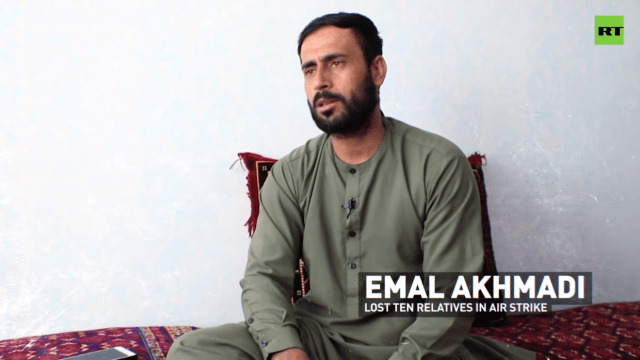
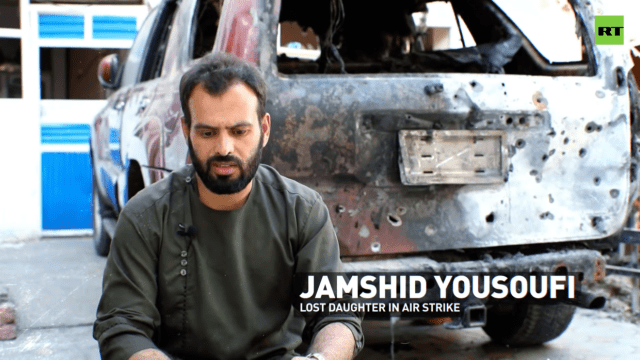
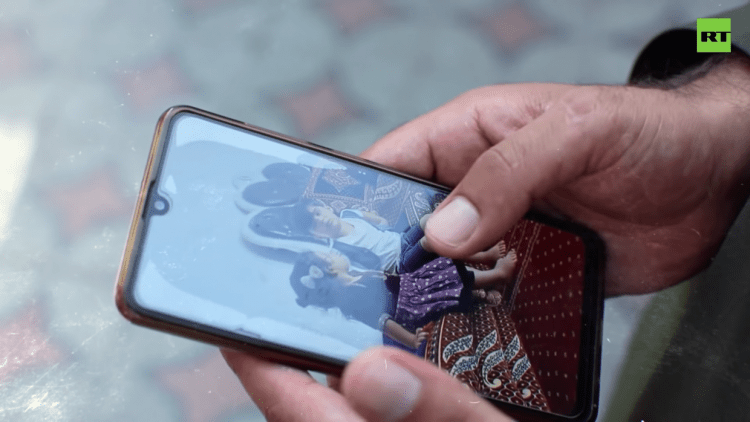
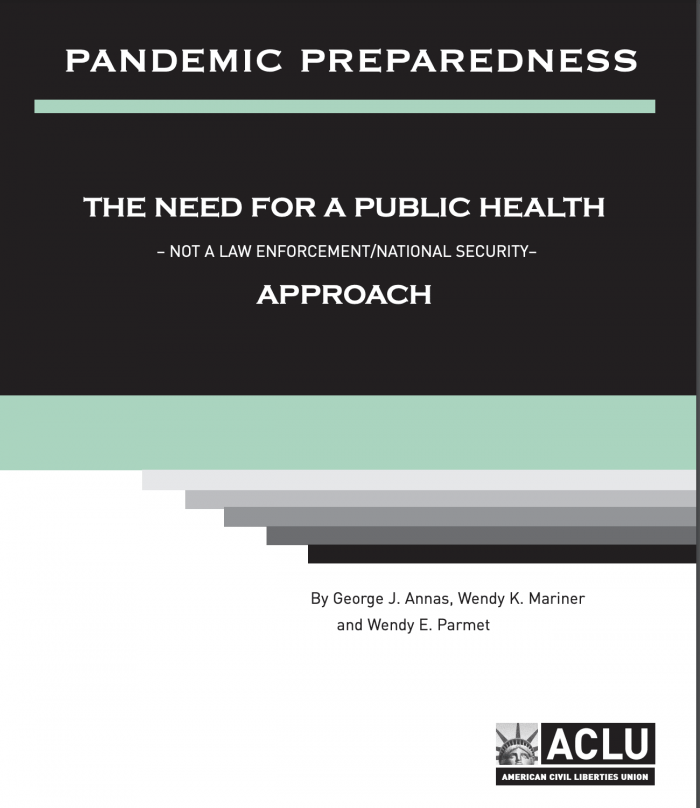

 Aletho News
