Welcome to New World Next Week – the video series from Corbett Report and Media Monarchy that covers some of the most important developments in open source intelligence news. This week:
Families Issue Statement Over MSM Smear Job: “We are not conspiracy theorists… We are family members seeking the truth about the murder of our loved ones.”
While the mainstream media has, by and large, dismissed the theory that SARS-CoV-2 was created and leaked from a high-security biocontainment lab in Wuhan, China, a number of high-ranking U.S. officials are sticking to it, and there’s probably good reason for this.
On the whole, if the virus was actually a natural occurrence, a series of improbable coincidences would have had to transpire. Meanwhile, a series of highly probable “coincidences” point to the Wuhan Institute of Virology (WIV) being the most likely source, and to dismiss them as a whole simply doesn’t make sense.
Media Struggle to Prop Up Unproven Zoonotic Theory
I first mentioned that the outbreak had the hallmarks of a laboratory escape in an article we posted February 4, 2020. On the upside, some members of the media are now finally starting to inch toward more honest reporting on this — probably because U.S. officials keep leaning that way.
That doesn’t mean some aren’t still trying to defend the official narrative. Take The New York Times, for example. The original headline of its March 26, 2021, article about Dr. Robert Redfield, former director of the Centers for Disease Control and Prevention, read: “Ex-CDC Director Favors Debunked Covid-19 Origin Theory.”1
Three days later, that headline was toned down to: “The CDC’s Ex-Director Offers No Evidence in Favoring Speculation That the Coronavirus Originated in a Lab,”2 with a correction notice noting that the earlier headline “referred incorrectly to a theory on the origins of the coronavirus. The theory is unproven, not debunked.”
Well, the truth is, all other theories are equally unproven — and are riddled with far more holes. The theory that the virus arose through natural mutation, for example, looks like Swiss cheese in comparison to the lab-leak theory.
In a February 16, 2021, article3 in Independent Science News, molecular biologist and virologist Jonathan Latham, Ph.D., and Allison Wilson, Ph.D., a molecular biologist, reviewed the evidence for a laboratory origin and the reasons why a zoonotic origin “will never be found.” I also summarized their review in March 2021 article, which explains that:
The chance of a person from Wuhan being patient zero is approximately 1 in 630, based on calculations that take into account the population size of Wuhan, the global population and the fact that coronavirus-carrying animals are found virtually all over the world
Taking into account that there are 28 Alpha- and Beta-coronavirus species with members that affect humans, the chance of Wuhan hosting a SARS-related coronavirus outbreak is 17,640 to 1
No credible theory for natural zoonotic spillover has been presented, to date
There are at least four distinct lab origin theories, including the serial passage theory (which proposes the virus was created by serial passaging through an animal host or cell culture). There’s also a variety of evidence for genetic manipulation
A third theory is that SARS-CoV-2 is the result of vaccine development, and the fourth is the Mojiang miners passage theory, which proposes a precursor to SARS-CoV-2 sickened the miners, and once inside these patients, it mutated into SARS-CoV-2
No matter which way you look at it, the half-baked idea brought forth by the World Health Organization’s investigative team, that the virus somehow naturally evolved in some unknown part of the world and then piggy-backed into Wuhan on top of frozen food, is held together by even fewer facts.
Among the more compelling “coincidences” that hint at lab-origin are the facts that the WIV has admitted storing and working with bat coronaviruses collected significant distances away from the lab, and that it’s the only biosafety lab in China that studies human coronaviruses. These viruses include RaTG13,4 the closest known ancestor to SARS-CoV-2, obtained from miners who fell ill with severe respiratory illness after working in a Mojiang mine in 2012.
WHO COVID Report ‘Totally Flawed’
In a March 30, 2021, opinion piece in The Washington Post,5 Josh Rogin accurately points out that the WHO’s report6 on the origin of SARS-CoV-2 is so flawed, “a real investigation has yet to take place.” We simply cannot count that report as the result of a true investigative effort.
“Determining the origin of the SARS-CoV-2 virus should have nothing to do with politics,” he writes.7 “It is a forensic question, one that requires thorough investigation of all possible theories, and one that should encompass both the scenario that the virus jumped from animals to humans in nature as well as one related to human error in a Wuhan lab.
But a fatally flawed investigation by the World Health Organization and Chinese officials and experts only muddies the waters, and it places the WHO further at odds with the U.S. government and the Biden administration.”
As noted by Rogin and many others, the investigation was far from independent and transparent, as China was allowed to select its members, who then relied on their Chinese counterparts when it came to data collection. It’s no surprise then that this team decided the natural origin theory is the most credible, while the lab-accident theory is summarily dismissed as unworthy of further consideration and study.
In a March 25, 2021, CNN interview,8 Secretary of State Antony Blinken stated, “We’ve got real concerns about the methodology and the process that went into that report, including the fact that the government in Beijing apparently helped to write it.” Rogin adds:9
“Specifically, declassified U.S. intelligence, confirmed by Blinken’s own State Department,10 alleges that the WIV was conducting undisclosed research on bat coronaviruses, had secret research projects with the Chinese military, and failed to disclose that several lab workers got sick with COVID-like symptoms in autumn 2019.”
Someone’s Not Telling the Truth
According to the WHO report, the labs “were well-managed, with a staff health monitoring program with no reporting of COVID-19 compatible respiratory illness during the weeks/months prior to December 2019.” “In other words, the WHO is saying the U.S. intelligence is wrong,” Rogin writes.11
Not a word is mentioned in the report about U.S. government claims that the WIV engaged in the very research required to create a novel coronavirus with the specific affinity to infect human cells.
Recently, Shi Zhengli, who heads bat coronavirus research at the WIV, spoke at a Rutgers University seminar, calling the WIV’s research “open” and “transparent.” Former deputy national security adviser Matthew Pottinger disagrees. In an interview with Lesley Stahl on “60 Minutes,” he said:12
“There was a direct order from Beijing to destroy all viral samples — and they didn’t volunteer to share the genetic sequences. There is a body of research that’s been taking place, conducted by the Chinese military in collaboration with the WIV, which has not been acknowledged by the Chinese government.
We’ve seen the data. I’ve personally seen the data. We don’t know [why the military were in that lab]. It is a major lead that needs to be pursued by the press, certainly by the WHO.”
As noted by Pottinger, Shi published studies showing how bat coronaviruses were manipulated to render them more infectious to humans, and the U.S. government has in the past received reports of safety concerns due to lax standards at the WIV.
“They were doing research specifically on coronaviruses that attach to the ACE2 receptors in human lungs just like the COVID-19 virus,” Pottinger told Stahl.13 “It’s circumstantial evidence. But it’s a pretty potent bullet point when you consider that the place where this pandemic emerged was a few kilometers away from the WIV.”
US State Department Suspects Lab Leak
In a March 21, 2021, interview with Sky News Australia,14 David Asher, former lead investigator for the U.S. State Department’s task force that looked into the origins of COVID-19, also stated that the data they collected “made us feel the Wuhan Institute was highly probably the source of the COVID pandemic.”
According to Asher, three workers at the WIV who worked with the RatG13 coronavirus — the closest relative to SARS-CoV-2 identified to date — appear to have actually been the first cluster of cases of COVID-19. They fell ill with symptoms consistent with COVID-19 as early as October 2019. At least one of the workers required hospitalization.
He also pointed out there is evidence in the genetic sequence of SARS-CoV-2 suggesting it’s been synthetically altered. It has the backbone of a bat coronavirus, combined with a pangolin receptor and “some sort of humanized mice transceptor.” “These things don’t naturally make sense,” Asher said, adding that experts around the world agree that the odds of this configuration occurring naturally are “very low.”
Another troubling indicator that something was amiss at the WIV was the Chinese government’s taking down of a WIV database in September 2019. According to the Chinese, this was done because of “thousands of hacking attempts.”
However, Asher pointed out many other databases were taken offline around the same time as well.15 The Chinese even tried to remove data posted in a European database containing viral sequencing from patients exhibiting COVID-19-related symptoms. Interestingly, those sequences included adenovirus, which is a vaccine vector. This, Asher said, could indicate that SARS-CoV-2 is part of a vaccine developed in response to a biological weapon.
In an earlier article16 by The Sun, Asher is quoted saying the WIV “was operating a secret, classified program,” and that “In my view … it was a biological weapons program.” He stops short of accusing China of intentional release, however, which also would not make sense from a bioweapon point of view. Instead, he said he believes it was a weapon vector that, during development, “somehow leaked.”17
A March 27, 2020, assessment report by the U.S. Defense Intelligence Agency also concluded SARS-CoV-2 was likely an accidental release from an infectious diseases laboratory, but stops short of calling it a biological weapon.18 Asher also told Sky News19 he’s never seen a more systematic cover-up, and The Sun 20 quotes him as saying that “Motive, cover-up, conspiracy, all the hallmarks of guilt are associated with this.”
Former FDA Commissioner Weighs in on Lab Origin
March 28, 2021, former FDA commissioner Dr. Scott Gottlieb, now a board member of Pfizer (producer of one of the COVID vaccines), weighed in on the origin of the pandemic in a “Face the Nation” interview, saying:21
“It looks like the WHO report was an attempt to try to support the Chinese narrative … You know, the lab leak theory doesn’t seem like a plausible theory unless you aggregate the biggest collection of coronaviruses and put them in a lab, a minimum-security lab in the middle of a densely-populated center and experiment on animals, which is exactly what the Wuhan Institute of Virology did.
They were using these viruses in a BSL-2 lab and, we now know, infecting animals. So that creates the opportunity for a lab leak. It might not be the most likely scenario on how this virus got out, but it has to remain a scenario. And I think at the end of the day, we’re never going to fully discharge that possibility. What we’re going to have here is a battle of competing narratives.”
WHO Enters Damage Control Mode
In response to growing critiques, WHO director general, Tedros Adhanom Ghebreyesus and 13 other world leaders have joined the U.S. government in expressing “frustration with the level of access China granted an international mission to Wuhan.” As reported by The Washington Post, March 30, 2021:22
“Ghebreyesus said in a briefing to member states … that he expected ‘future collaborative studies to include more timely and comprehensive data sharing’ — the most pointed comments to date from an agency that has been solicitous toward China through most of the pandemic.
He said there is a particular need for a ‘full analysis’ of the role of animal markets in Wuhan and that the report did not conduct an ‘extensive enough’ assessment of the possibility the virus was introduced to humans through a laboratory incident …
The United States, Britain, South Korea, Israel, Japan and others issued a joint statement23 … expressing concern. ‘Together, we support a transparent and independent analysis and evaluation, free from interference and undue influence,’ it reads …
Tedros said24 … that mission team members raised concerns to him about access to raw data needed for the report … ‘The team reports that the first detected case had symptom onset on the 8th of December 2019. But to understand the earliest cases, scientists would benefit from full access to data, including biological samples from at least September 2019,’ he said.”
WHO Investigation Team Accused of Spreading Disinformation
In a March 2020 interview with Independent Science News,25 molecular biologist Richard Ebright, Ph.D., laboratory director at the Waksman Institute of Microbiology and member of the Institutional Biosafety Committee of Rutgers University and the Working Group on Pathogen Security of the state of New Jersey, called out the members of the WHO-instigated investigative team as “participants in disinformation.”
Ebright was one of 26 scientists who signed an open letter26 demanding a full and unrestricted forensic investigation into the origins of the pandemic, published in the Wall Street Journal and French Le Monde, March 4, 2021. When asked to describe the shortcomings of the WHO-China team’s investigation, he responded:
“A credible investigation would have had Terms of Reference that: 1) Acknowledged the possibility of laboratory origin, 2) Ensured access of investigators to records, samples, personnel, and facilities at the Wuhan laboratories that handle bat SARS-related coronaviruses,
3) Enabled collection of evidence, not mere meet-and-greet photo-ops, 4) Authorized an investigation of months, not mere days, and 5) A credible investigation also would have had conflict-of-interest-free investigators, not persons who were subjects of the research and/or closely associated with subjects of the investigation …
It is crucial that any team reviewing the issues include not only research scientists, but also biosafety, biosecurity, and science policy specialists.”
Ebright, who has repeatedly called the WHO mission “a charade,” stated that “its members were willing — and, in at least one case, enthusiastic — participants in disinformation.” Importantly, the terms of reference for the investigation were prenegotiated, and did not include even the possibility of a laboratory origin. He’s also highly critical of the inclusion of Peter Daszak, whose conflicts of interest alone are enough to invalidate the investigation.
“Daszak was the contractor who funded the laboratory at WIV that potentially was the source of the virus (with subcontracts from $200 million from the US Department of State and $7 million from the US National Institutes of Health), and he was a collaborator and co-author on research projects at the laboratory,” Ebright noted.
What Do We Know?
While another signer of the open letter, Dr. Steven Quay, claims to have calculated27 the lab-origin hypothesis as having a 99.8% probability of being correct, Ebright is unwilling to assign relative probabilities to either theory. Rather, he insists a truly thorough forensic investigation and analysis is what is required, as there is biological evidence going in both directions. He explains:
“The genome sequence of the outbreak virus indicates that its progenitor was either the horseshoe-bat coronavirus RaTG13, or a closely related bat coronavirus.
RaTG13 was collected by Wuhan Institute of Virology in 2013 from a horseshoe-bat colony in a mine in Yunnan province, where miners had died from a SARS-like pneumonia in 2012, was partly sequenced by WIV in 2013-2016, was fully sequenced by WIV in 2018-2019, and was published by WIV in 2020.
Bat coronaviruses are present in nature in multiple parts of China. Therefore, the first human infection could have occurred as a natural accident, with a virus passing from a bat to a human, possibly through another animal. There is clear precedent for this. The first entry of the SARS virus into the human population occurred as a natural accident in a rural part of Guangdong province in 2002.
But bat coronaviruses are also collected and studied by laboratories in multiple parts of China, including the Wuhan Institute of Virology. Therefore, the first human infection also could have occurred as a laboratory accident, with a virus accidentally infecting a field collection staffer, a field survey staffer, or a laboratory staffer, followed by transmission from the staffer to the public.
There also is clear precedent for this. The second, third, fourth and fifth entries of the SARS virus into human populations occurred as a laboratory accident in Singapore in 2003, a laboratory accident in Taipei in 2003, and two separate laboratory accidents in Beijing in 2004.
At this point in time, there is no secure basis to assign relative probabilities to the natural-accident hypothesis and the laboratory-accident hypothesis. Nevertheless, there are three lines of circumstantial evidence that are worth noting.
1. First, the outbreak occurred in Wuhan, a city of 11 million persons that does not contain horseshoe-bat colonies; that is tens of kilometers from, and that is outside the flight range of, the nearest known horseshoe-bat colonies. Furthermore, the outbreak occurred at a time of year when horseshoe bats are in hibernation and do not leave colonies.
2. Second, the outbreak occurred in Wuhan, on the doorstep of the laboratory that conducts the world’s largest research project on horseshoe bat viruses, that has the world’s largest collection of horseshoe-bat viruses, and that possessed and worked with the world’s closest sequenced relative of the outbreak virus …
3. Third, the bat-SARS-related-coronavirus projects at the Wuhan Institute of Virology used personal protective equipment (usually just gloves; sometimes not even gloves) and biosafety standards (usually just biosafety level 2) that would pose very high risk of infection of field-collection, field-survey, or laboratory staff upon contact with a virus having the transmission properties of SARS-CoV-2.”
Who’s Qualified to Opine on Viral Origin?
When asked “What would you say to the scientists who declined to comment on the open letter because it does not come from virologists?” Ebright responded:28
“The claim is unsound. There were virologists among the signers of the Open Letter. There even were coronavirologists among the signers of the Open Letter. More important, COVID-19 affects every person on the planet. Not just virologists …
Microbiologists and molecular biologists are as qualified as virologists to assess the relevant science and science policies. Virology is a subset, not a superset, of microbiology and molecular biology. The sequencing, sequence analysis, cell culture, animal-infection studies and other laboratory procedures used by virologists are not materially different from the procedures used by other microbiologists and molecular biologists.”
Is Gain-of-Function Research Ever Justifiable?
Clearly, getting to the bottom of the origin of SARS-CoV-2 is crucial if we are to prevent a similar pandemic from erupting in the future. If gain-of-function research was in fact involved, we need to know, so that steps can either be taken to prevent another leak (which is not likely possible) or to dismantle and ban such research altogether for the common good.
As long as we are creating the risk, the benefit will be secondary. Any scientific or medical gains made from this kind of research pales in comparison to the incredible risks involved if weaponized pathogens are released, and it doesn’t matter if it’s by accident or on purpose. This sentiment has been echoed by others in a variety of scientific publications.29,30,31,32
Considering the potential for a massively lethal pandemic, I believe it’s safe to say that BSL 3 and 4 laboratories pose a very real and serious existential threat to humanity.
Historical facts tell us accidental exposures and releases have already happened, and we only have our lucky stars to thank that none have turned into pandemics taking the lives of tens of millions, as was predicted at the beginning of the COVID-19 pandemic.
Seeing how scientists have already figured out a way to mutate SARS-CoV-2 such that it evades human antibodies, having a frank, open discussion about the scientific merits of this kind of work is more pertinent than ever before.
If SARS-CoV-2 really was the result of zoonotic spillover, the easiest and most effective way to quash “conspiracy theories” about a lab origin would be to present compelling evidence for a plausible theory. So far, that hasn’t happened, and as noted by Latham and Wilson, the most likely reason for that is because the virus does not have a natural zoonotic origin, and you cannot find that which does not exist.
Summary
Ideally, we need to reevaluate the usefulness of the WHO. Strong evidence indicates it is heavily influenced, if not outright controlled by Bill Gates. On the whole, it seems it would be far wiser to decentralize pandemic planning from the global and federal levels to the state and local levels. Both medicine and government work best when individualized and locally applied.
Sadly, even though this is clearly the best strategy for successfully addressing any truly serious infectious threat, the likelihood of this happening is very close to zero.
This is largely due to decades of careful planning by the technocrats that have carefully placed their surrogates in virtually every arena of global government, finances and media, which allows them to easily dictate their propaganda campaigns and censor or deplatform virtually anyone who disagrees and seeks to provide a balanced counter-narrative.
Somewhere a brilliant but troubled biotech engineer is doing CRISPR in his garage. He has all he needs: a computer, a fridge, a centrifuge, some animal cages, and an assortment of microorganisms in tubes, which he has labeled and stored until he’s ready. Today he will use a gene-editing technique to make a deadly, fast-spreading bacterium. Oh, and he plans to unleash it upon the world tomorrow. He just needs to make a few finishing touches.
Why is he doing this?
Maybe he’s gone mad. Maybe he’s lonely and wants to get revenge on the world. Maybe he read Ted Kaczynski’s manifesto and thinks humans are a plague. In some sense, it doesn’t matter. Out of a thousand other brilliant gene researchers, he has broken bad. And nobody really knows what he’s working on in that garage. He is as invisible to his neighbors as he is to the girls he likes.
What on earth are we going to do about this young man?
How do we stop people like him from unleashing mass death?
And if we are going to stop him, who is the “we?”
Today, more and more people have access to technological means to wreak havoc on the world. As more people have access to exponential technologies, some subset of them could be out there in the dark working on the next existential threat.
So what are we going to do?
Reasonable Regulations
For most people, the answer is linear, even logical: regulation. It’s plausible enough. Certain kinds of activities are riskier than others, so ordinary people are going to have to trust and empower authorities to provide regulatory oversight. Sounds simple. Advocates of this kind of regulation are not arguing that risky research should be banned. As we stipulated in our own scenario, 999 out of 1,000 are not monsters at all but up to good things. Some of their work will be welcome medical breakthroughs.
So maybe some people should be allowed to engage in activities that create existential risks. Otherwise, such activities should be tightly controlled by regulators in licensed, transparent environments. And, of course, government ought to supply that regulatory oversight; or so goes that rationale.
Turnkey Totalitarianism
A handful of people have begun to study existential threats like the ones described above. One such individual is philosopher Nick Bostrom who in the policy summary of his “The Vulnerable World Hypothesis”, writes:
“In order for civilization to have a general capacity to deal with “black ball” inventions of this type, it would need a system of ubiquitous real-time worldwide surveillance. In some scenarios, such a system would need to be in place before the technology is invented.”
After a unipolar surveillance regime is put in place, Bostrom thinks that dangerous materials that could go to the development of existential threats would have to be supplied by a “small number of closely monitored providers.”
So, we get ubiquitous surveillance plus tight regulation, which some such as privacy policy analyst Julian Sanchez have referred to as “turnkey totalitarianism.” The question before us then, is, would it work?
Regulating the Regulators
In a separate article titled “Fawning Over Fauci,” I suggested the media better investigate a situation that is not very different from the one I imagined in the opening vignette. However, the major difference is that there wasn’t some kid in a garage in this real-world scenario. There were government-sanctioned scientists in a research center — The Wuhan Institute of Virology — who used largesse dispensed by our own government.
Indeed, one of the best ways to provide oversight in various research endeavors is to control the funding sources for such research. I have suggested that it is plausible that the infectious diseases branch of the National Institutes of Health (NIH/NIAID), run by none other than Anthony Fauci, was responsible for funding research into zoonotic viruses of the sort that includes Covid-19.
In other words, without Fauci and his agency’s regulatory failure, there might have been no pandemic.
Let’s assume that Anthony Fauci and the functionaries at the NIAID presided over the funding of dangerous research, which was to be tightly controlled and regulated (if not outright banned). Let’s stipulate that such research did lead to a pandemic that has already killed millions of people. And as the virus mutates, it evades not only vaccines, but all manner of bureaucratic mandates. It could soon be endemic.
In this scenario, though, all of the criteria for reasonable regulation ought to have been satisfied. Yet we still got mass death. In other words, there was neither a mad scientist nor a monstrous incel, at least not as far as we know. It could have been as simple as bureaucratic incompetence combined with negligence at one of the labs serving at the NIH’s behest.
For now, I’ll leave aside questions about whether or to what extent the Chinese government knew about the research and could have co-opted it for nefarious purposes. Despite the Communist Party’s sorry track record, the most likely explanation is that this was a terrible accident. We simply can’t say. Nor are we ever likely to find anything but lies coming out of Beijing (or Washington for that matter).
But one thing is clear: there is currently no way to regulate the regulators. Instead, we have no choice but to live with them. Otherwise, they are entirely unaccountable. They alone hold power to take such enormous risks, presumably in the name of science.
The Problem of Power
When it comes to the idea of government, most people suffer from both a great blind spot and a failure of imagination.
The blind spot is a refusal to believe the state is itself the greatest of all existential threats to humanity. Whether in Hollywood’s depiction of corporate baddies or general concerns about gigantism, most people can’t or won’t appreciate the fact that nation-states hold all the records for mass killing. Compare individuals and corporations to that record. It ain’t even close. Yet most people want desperately to believe the state’s job is to protect us. Unicorn governance. Again, the state is the greatest source of violence in human history.
The failure of imagination lies in a widespread inability to see how it might be possible for humanity to mitigate existential threats without the linear model of state control. Whether we’re talking about “reasonable regulation” or “turnkey totalitarianism,” the linear model originates in Hobbes’s Leviathan rationale, which holds most people in its thrall. Simply put, the Leviathan rationale prompts us to entrust a powerful monopoly to protect us and work in our interests.
But then, somehow, we have to oblige that powerful monopoly to stay in its place. The problem is, it rarely does. As Edmund Burke wrote:
In vain you tell me that [government] is good, but that I fall out only with the Abuse. The Thing! The Thing itself is the abuse! Observe, my Lord, I pray you, that grand Error upon which all artificial legislative Power is founded. It was observed, that Men had ungovernable Passions, which made it necessary to guard against the Violence they might offer to each other. They appointed Governors over them for this Reason; but a worse and more perplexing Difficulty arises, how to be defended against the Governors?
Checks and balances last for a while. But as soon as they fail, the proxies of that powerful monopoly seize yet more power. Any remaining checks and balances are crushed under Leviathan’s weight, well, unless Leviathan can no longer swim in an ocean of red ink. By then, it might be too late.
The Nihilism of the Vulnerable World
Thinkers such as Nick Bostrom aren’t wrong about the world’s vulnerability to exponential technologies in the hands of bad actors. What they too often forget is that politics selects for arrogance and sociopathy. Politicians and technocrats are no angels, despite how badly we might wish them to be. Even if we find the occasional wise leader to hold the ring, the ring invariably gets passed along. There is always a sociopath waiting. And that’s why the upshot of Turnkey Totalitarianism is deeply problematic, even though there are evil geniuses among the citizenry. Acknowledging all this threatens to leave us in nihilism. After all, wasn’t it very likely a small group of government technocrats and regulators who unleashed the Covid-19 pandemic?
My friend and mentor, entrepreneur Chris Rufer reminds us that the best defense against violence isn’t a panopticon or a global superstate.
“The best defense against violence is to minimize the number of people in the world who are willing to use it,” Rufer said. And I think he’s right.
I suspect it can’t hurt to have more people of basic morality checking up on each other, too. I admit, though, that preemptive morality can only reduce the number of black balls in the existential threat bucket. But that’s something. So we must start to think of morality not as a set of abstract rules but rather as an active, continuous practice to be set alight in everyone.
And we must practice morality even as we admit to ourselves that the risks of our extinction will never be zero.
Max is also co-founder of the event experience Future Frontiers and founder of Social Evolution, an organization dedicated to liberating humanity and solving social problems through innovation.
Unfortunately there’s a problem with this narrative: it is itself misinformation. Bizarrely and ironically, universities are propagating an untrue conspiracy theory while simultaneously claiming to be defending the world from the very same.
The visualization above comes from “The Rise and Fall of Social Bot Research” (also available in talk form). It was quietly uploaded to a preprint server in March by Gallwitz & Kreil, two German investigators, and has received little attention since. Yet their work completely destroys the academic field of bot research to such an extreme extent that it’s possible there are no true scientific papers on the topic at all.
The authors identify a simple problem that crops up in every study they looked at. Unable to directly detect bots because they don’t work for Twitter, academics come up with proxy signals that are asserted to imply automation but which actually don’t. For example, Oxford’s Computational Propaganda Project – responsible for the first paper in the diagram above – defined a bot as any account that tweets more than 50 times per day. That’s a lot of tweeting but easily achieved by heavy users, like the famous journalist Glenn Greenwald, the slightly less famous member of German Parliament Johannes Kahrs – who has in the past managed to rack up an astounding 300 tweets per day – or indeed Donald Trump, who exceeded this threshold on six different days during 2020. Bot papers typically don’t provide examples of the bot accounts they claimed to identify, but in this case four were presented. Of those, three were trivially identifiable as (legitimate) bots because they actually said they were bots in their account metadata, and one was an apparently human account claimed to be a bot with no evidence. On this basis the authors generated 27 news stories and 323 citations, although the paper was never peer reviewed.
In 2017 I investigated the Berkley/Swansea paper and found that it was doing something very similar, but using an even laxer definition. Any account that regularly tweeted more than five times after midnight from a smartphone was classed as a bot. Obviously, this is not a valid way to detect automation. Despite being built on nonsensical premises, invalid modelling, mis-characterisations of its own data and once again not being peer reviewed, the authors were able to successfully influence the British Parliament. Damian Collins, the Tory MP who chaired the DCMS Select Committee at the time, said: “This is the most significant evidence yet of interference by Russian-backed social media accounts aroundthe Brexit referendum. The content published and promoted by these accounts is clearly designed to increase tensions throughout the country and undermine our democratic process. I fear that this may well be just the tip of the iceberg.”
But since 2019 the vast majority of papers about social bots rely on a machine learning model called ‘Botometer’. The Botometer is available online and claims to measure the probability of any Twitter account being a bot. Created by a pair of academics in the USA, it has been cited nearly 700 times and generates a continual stream of news stories. The model is frequently described as a “state of the art bot detection method” with “95% accuracy”.
That claim is false. The Botometer’s false positive rate is so high it is practically a random number generator. A simple demonstration of the problem was the distribution of scores given to verified members of U.S. Congress:
In experiments run by Gallwitz & Kreil, nearly half of Congress were classified as more likely to be bots than human, along with 12% of Nobel Prize laureates, 17% of Reuters journalists, 21.9% of the staff members of UN Women and – inevitably – U.S. President Joe Biden.
But detecting the false positive problem did not require compiling lists of verified humans. One study that claimed to identify around 190,000 bots included the following accounts in its set:
Taken from a dataset shared by Dunn et al.
The developers of the Botometer know it doesn’t work. After the embarrassing U.S. Congress data was published, an appropriate response would have been retraction of their paper. But that would have implied that all the papers that relied upon it should also be retracted. Instead they hard-coded the model to know that Congress are human and then went on the attack, describing their critics as “academic trolls”:
Root cause analysis
This story is a specific instance of a general problem that crops up frequently in bad science. Academics decide a question is important and needs to be investigated, but they don’t have sufficiently good data to draw accurate conclusions. Because there are no incentives to recognize that and abandon the line of inquiry, they proceed regardless and make claims that end up being drastically wrong. Anyone from outside the field who points out what’s happening is simply ignored, or attacked as “not an expert” and thus inherently illegitimate.
Although no actual expertise is required to spot the problems in this case, I can nonetheless criticize their work with confidence because I actually am an expert in fighting bots. As a senior software engineer at Google I initiated and designed one of their most successful bot detection platforms. Today it checks over a million actions per second for malicious automation across the Google network. A version of it was eventually made available to all websites for free as part of the ReCAPTCHA system, providing an alternative to the distorted word puzzles you may remember from the earlier days of the internet. Those often frustrating puzzles were slowly replaced in recent years by simply clicking a box that says “I’m not a bot”. The latest versions go even further and can detect bots whilst remaining entirely invisible.
Exactly how this platform works is a Google trade secret, but when spammers discuss ideas for beating it they are well aware that it doesn’t use the sort of techniques academics do. Despite the frequent claim that Botometer is “state of the art”, in reality it is primitive. Genuinely state-of-the-art bot detectors use a correct definition of bot based on how actions are being performed. Spammers are forced to execute polymorphic encrypted programs that detect signs of automation at the protocol and API level. It’s a battle between programmers, and how it works wouldn’t be easily explainable to social scientists.
Spam fighters at Twitter have an equally low opinion of this research. They noted in 2020 that tools like Botometer use “an extremely limited approach” and “do not account for common Twitter use cases”. “Binary judgments of who’s a “bot or not” have real potential to poison our public discourse – particularly when they are pushed out through the media …. the narrative on what’s actually going on is increasingly behind the curve.”
Many fields cannot benefit from academic research because academics cannot obain sufficiently good data with which to draw conclusions. Unfortunately, they sometimes have difficulty accepting that. When I ended my 2017 investigation of the Berkeley/Swansea paper by observing that social scientists can’t usefully contribute to fighting bots, an academic posted a comment calling it “a Trumpian statement” and argued that tech firms should release everyone’s private account data to academics, due to their capacity for “more altruistic” insights. Yet their self-proclaimed insights are usually far from altruistic. The ugly truth is that social bot research is primarily a work of ideological propaganda. Many bot papers use the supposed prevalence of non-existent bots to argue for censorship and control of the internet. Too many people disagree with common academic beliefs. If only social media were edited by the most altruistic and insightful members of society, they reason, nobody would ever disagree with them again.
The battle lines over mandatory COVID-19 vaccines are now going full steam ahead in the U.S. as the Biden Administration is announcing today that all federal employees must now get a COVID-19 shot as a condition for employment, and that they are eliminating the testing opt-out.
The argument that only COVID-19 shots will end the endless “pandemic” and the lie that hospitals are over 90% full of unvaccinated people are being used as justification for mandatory mass vaccination.
It doesn’t take much research on one’s own to bypass the corporate media and find out that they are lying, and that there are numerous reports that the exact opposite situation is now happening in the U.S. and around the world, which is that the hospitals are full of people who have already been vaccinated with COVID-19 shots and that the ones who have survived are now filling our hospitals.
This is evident from the last release of data into the government Vaccine Adverse Event Reporting System (VAERS) database, which as of last Friday shows that following COVID-19 shots, there have been 13,911 deaths, 18,098 permanent disabilities, 76,160 ER visits, 56,912 hospitalizations, 2,933,377 injury symptoms, and 14,327 life threatening events.
And these are just the cases that have been reported and that the CDC has allowed to be released to the public. Many healthcare workers have stated that there is pressure from doctors and hospital administrations to NOT relate injuries to the COVID-19 shots and to not report them in VAERS, which one nurse stated takes over 30 minutes to do for a single case and is very time consuming.
We have previously exposed the government’s lies on who it is filling the hospitals today. See:
And just this past week, the Toronto Sun ran a story reporting that more than 100 Ontario youth were sent to the hospital for vaccine-related heart problems.
A report quietly released last week by Public Health Ontario (PHO) tallies the number of people in the province who have presented to hospital with heart inflammation following mRNA vaccination, and it skews heavily towards young people.
As of Aug. 7, there were 106 incidents of myocarditis/pericarditis in Ontarians under the age of 25. That’s slightly more than half of the total of all such incidents. (Full article.)
Here is a video report I put together with testimony from nurses, a doctor, and an occupational therapist explaining what they are currently seeing in the hospitals, so you can hear it yourself from the frontline workers.
MANY of us in the UK who have been writing about the Covid-19 vaccines (and have declined them) have found ourselves fighting what I call ‘data wars’.
Although it is necessary to engage in these wars, in this article I explain why we need an additional tactic to defeat those who are using highly selective scientific data to impose a political will and a ‘new normal’ of social control.
We need to start with the obvious, for which we do not need the nitty-gritty of data, such as this tweet from the editor of TCWDefending Freedom:
As a scientific technical writer, I am very aware that scientific data – and language, terminology, jargon and marketing copywriting – can be used to ‘prove’ almost anything. It is easy to blind people, including scientists, with science.
Much scientific data today is dubious. In our times of huge proliferation of science, the majority of published studies cannot be replicated independently by peers. In other words, published science is not necessarily true. The journal Nature calls this situation a ‘crisis’.
Furthermore, much data that is passed off as science cannot, by its very nature, be replicated and tested, such as so-called behavioural science and data modelling, that we might call crystal-ball science.
Equally concerning is that most scientific experiments fail, and details are hardly ever published, meaning that science does not properly learn from its failures. This is sometimes called ‘publication bias’. Science, of all academic disciplines, is vulnerable to the pressure of ‘publish or perish’. In other words, we must always be cautious of scientists armed with data.
Commerce (not least Big Pharma), government, and the colluding mainstream media can simply pick the scientific data they want to believe or they want the public to believe. At no time has this been more obvious than since early 2020, when large corporations were given political permission and public funding to do ‘warp speed’ science despite, as noted, the knowledge that there was already a crisis of scientific integrity.
Hence we suddenly see the US Food and Drug Administration (FDA) ditching its credibility by giving unprecedented licenced approval-to-market of a vaccine still undergoing clinical trials, trials which themselves have been short-cut (such as no blinded control group).
There is much commercial incentive and political pressure now to do novel science, such as novel testing methods and novel vaccines. And there is much disincentive to publish experiments and data on treating Covid-19 with existing treatments. Experts advocating treatments such as ivermectin and asthma inhalers are easily hidden from public view by the mainstream media and by the social media barons.
In the data wars, each side picks its experts. For instance, in the last week of August one could have picked a Japanese report claiming that the Delta variant will acquire complete resistance to the mRNA vaccines, or an Oxford University report telling you that the vaccines are effective against the Delta variant.
Powerful tyrants and sophists in the governments of Canada, USA, Britain, France, Australia, New Zealand, Israel etc, have agreed with the most powerful media on which data are to prevail in the new and internationalist political movement sloganised ‘Build Back Better’.
Politicians know they need the approval of the social media barons, who are internationalist, secularist and woke, convinced that the meaning of life is climate change and utopian science, including, in the words of the UK government, ‘genetic engineering and brain-computer interfaces’.
Israel is one of several highly vaccinated nations – with Iceland, Gibraltar and Seychelles – that, despite initial claims of success, now rank amongst the most diseased nations. Common sense, therefore, informs us that the vaccines don’t work, and have not achieved what the vaccine designers, manufacturers and promoters said they would achieve a year ago (including herd immunity). We do not need sophisticated data to make the point. It is obvious that the situation today in Israel is unexpected, and contrary to what Big Pharma and the world’s political leaders told us to expect. We have the right to start asking whether mass vaccination has caused augmented virulence of the virus in their society.
In the meantime, Israeli scientists, politicians and journalists blindly offer data insisting the vaccines are working. We are told that people simply need to be ‘topped up’ with more of the synthetic spike-protein toxin. According to Israeli PM Naftali Bennett, the double-jabbed are now considered unvaccinated (and denied the Green Pass). Worse, Bennett blames ‘vaccine refusers’ for endangering the whole nation. And as the triple-jabbed Israelis find themselves hospitalised with Covid-19, the plan now is quadruple jabbing.
Denial of the obvious in politics and the media typically begins, ‘We always knew the vaccinations were not 100 per cent effective, but . . .’ Then public figures of science – such as the UK’s Jonathan Van-Tam – make spurious, implausible and wildly inconsistent claims such as that the vaccines have saved 100,000 lives, and 60,000 lives, and 10,000 lives. Even the implausible data are inconsistent!
In many advanced nations, we are now witnessing extreme political and intellectual face-saving. Expect more lies. This lack of truth, honour and honesty in public life is extremely dangerous, as I wrote here for TCW Defending Freedom. Science and medicine have lost their integrity. Health authorities have lost their integrity. Politics has lost its integrity. Trust between doctors and patients has become very fragile.
Over the next few months I expect the UK government and its henchmen at Sage to produce data to prove that we need triple jabs, then quadruple jabs . . .
I suggest that it is time for everyone, regardless of profession and expertise, to challenge all this scientific nonsense with truth and common sense.
HERE’S AN ASTONISHING THING about Sweden: you can hardly tell, from looking at its government’s population statistics,1 that it has COVID-19.
It’s astonishing because the entire foundation of the claim underlying the world’s descent into COVID-19 madness and authoritarianism is predicated on two controversial claims: that COVID-19 is unusually deadly, and that coercion and authoritarianism are necessary and effective in controlling it.
And yet here is a country that hasn’t succumbed to madness and authoritarianism. And here is a country in which you can hardly tell that COVID-19 is present.
Discovering Sweden is like discovering intelligent life in the universe after being told there can’t be any. It falsifies COVID’s catastrophic claims, and reveals a great deal about the institutions driving them.
The number of people who die in Sweden, after making some adjustments for “good” and “bad” flu years, increases by about 1,200 every couple of years. That’s partly because the population is increasing, partly because the population is ageing, and partly because the population is changing through immigration. It would have been astonishing if the number of people who died in Sweden in 2020 hadn’t increased.
I say “after making some adjustment for good and bad flu years”, because it’s by obscuring this that COVID catastrophists have weaponised Sweden and, ironically, coerced it into being an element of their narrative.
Flu, like coronaviruses, is a winter seasonal infection. In every country, there are “bad” seasons when relatively many vulnerable people die, and “good” seasons when relatively few do. 2018/19 was a “good” flu season in Sweden.23
Figure 1. Recorded COVID-19 deaths in 2020 were exaggerated by the carryover of vulnerable people from the mild 2018/19 flu season (A), and by either the replacement in 2020 of flu by COVID or miscoding of flu as COVID (B)
Consequently, the cohort of people who were vulnerable to respiratory infection when COVID-19 arrived in 2020 was enlarged by those would have died in an average or bad 2018/19 flu season, but hadn’t (‘A’ in Figure 1 above). Then, after COVID-19 arrived, it replaced flu as the cause of death in the 2019/20 flu-vulnerable cohort (‘B’, above). So the people in groups ‘A’ and ‘B’ who in 2020 would most likely have died of flu, died instead of COVID-19, or were mis-coded as having died of COVID-19.
This is important to understand. The core claim that COVID-19 is especially deadly depends in turn on the implicit claim that its deaths are in addition to normal deaths. No: the majority of its victims die from it instead of flu, cancer, stroke, dementia, heart disease, falling downstairs, or any one of an extended list of things that kill us when we’ve lived longer than the average human lifespan.
This explains why, simultaneously, many people appear to have died from COVID, yet overall death rates are not catastrophic. Here in the UK, the Government advisors estimate that up to two thirds of the fatalities in its vastly inflated prediction of 2020 COVID-19 deaths would have died that year anyway.4 COVID-19 arrived in the UK after an extended period of unusually low mortality: it contributed to a mortality rate in 2020 that was lower than it used to be every single year prior to 2008. In Sweden, you can hardly see it, if at all.
It also partly explains why coercion and authoritarianism have no observable impact on fatal infection rates.5 It’s not the openness of society that kills vulnerable people. It’s their vulnerability to all the other things that still kill them while they are locked down, and that coercion and authoritarianism has no effect on.
Using the same models used to justify imposing mandatory school and business closures, domestic confinement orders, and compulsory masks on UK citizens, UK Government advisors estimated Sweden would suffer 30,000 to 60,000 deaths in 2020 if they didn’t impose the same restrictions. Sweden politely ignored the advice. It didn’t impose “masks”, it didn’t significantly close schools and businesses, and it didn’t impose domestic confinement. At the end of 2020, had recorded 8,800 COVID-19 deaths.
Here’s the impact of those deaths on overall deaths in Sweden, in numbers:
Table 1. When corrected for annual variation in flu deaths, the rise in deaths in 2019/20 was almost identical to the rise in deaths in 2015/6 and 2016/7.
The displacement of flu deaths from 2019 into 2020 is clearly visible. We’ve computed the two year average to accommodate the inter-year variation in flu deaths, and calculated the change in that.6The overall increase in deaths COVID-19 contributed to, relative to the rising trend, is barely distinguishable from noise.
“Once your faith, sir, persuades you to believe what your intelligence declares to be absurd, beware lest you likewise sacrifice your reason in the conduct of your life…Those who can make you believe absurdities, can make you commit atrocities.”
— Voltaire, ‘Questions sur les Miracles’
Germans who keep refusing to quarantine could be put in detention centres under new Covid rules
— The Telegraph, 17 January 2021
Let’s remind ourselves of how one leading COVID catastrophists’ newspaper-of-record reports to its readers a death rate rise in Sweden that is barely distinguishable from noise, while inciting a McCarthyist witch-hunt against those who favoured Sweden’s approach:7
Their readers believe absurdities.
On the basis of absurdities like these, the UK Government is finalising plans to inject 12 year old children—without their parents’ consent—with unlicensed medical substances, designed to attack their immature immune systems in ways that are not yet fully understood, with observed but currently unquantified serious side effect risks, so that they can act as human shields for teachers and geriatrics.
It’s an atrocity.
There are no circumstances in a civilised society under which exposing children to harm to protect adults could be justified. But to the extent that it is, it is on the claim that this disease is unusually deadly, and therefore that such atrocities are warranted.
Sweden shows us it is not unusually deadly, and that they are not warranted. They represent for us the ending of “Lord Of The Flies”.8 As exhausted schoolboy Ralph lies on the beach, waiting to have his brains bashed out by the former Head Chorister (who comes to power by promising to slay an imaginary beast), he looks up to see a Naval Officer standing in the surf. Instantly, the children’s descent into madness and chaos is made shatteringly visible, even as the order of the adult world is restored. The spell is broken.
Sweden breaks the COVID-19 spell for us.
We should oppose COVID madness, coercion, and authoritarianism wherever we find it, and fight to rid ourselves of it until it has gone. It has no place in our world.
In the northern hemisphere, the winter seasonal respiratory infection season runs from July to June the following year, hence “2018/19”. Conflating the end of the 2019/20 season with the beginning of the 2020/21 season was one of many tricks that COVID catastrophism employs the UK to magnify the impression of COVID death in 2020.
Is it a perfect measure? Of course not. But it doesn’t need to be. COVID catastrophism makes an extraordinary claim—that we should live permanently under emergency authoritarian rule because this is an especially deadly disease. That claim demands extraordinary evidence—evidence that should “hit you between the eyes”. It doesn’t.
Remarking on the occasion of on the International Day against Nuclear Tests, Iran’s UN envoy underlines the need for the disarmament of the world’s nuclear weapon possessors, most importantly the US and Israel.
Majid Takht Ravanchi, who was addressing a United Nations General Assembly meeting held to mark the day, said that the United States was the world’s nuclear-weapon state that had carried out the majority of tests using the non-conventional weapons since 1945.
Throughout the period, “about 2,000 tests have been carried out, 1,054 of which by the US,” he told the Wednesday meeting, adding, “These sinister tests have been used as preliminary steps towards the production, proliferation, and even use of nuclear weapons.”
“The devastating consequences of nuclear tests reverberate across generations, with widespread and profound impacts on not only the people but also our planet,” the envoy reminded.
He further urged the international community against the continued tolerance of ownership of such weapons by the Israeli regime—the US’s most treasured ally in the Middle East that is in possession of hundreds of nuclear warheads.
Takht Ravanchi placed emphasis on the fact that humanity’s very survival depends on the international community’s resolve to stand up to the deployment of nuclear weapons and its commitment to the weapons’ ultimate destruction.
“Given the bitter experience of the past, it is our conviction that nuclear disarmament is and must remain a top priority for the international community. The very survival of humankind depends on our unwavering concurrence that nuclear weapons should never be deployed and, furthermore, permanently destroyed. Therefore, we highlight that the moratoria to stop nuclear tests does not substitute a legally binding obligation,” the Iranian envoy stated.
He, meanwhile, hailed entry into force of the Treaty on the Prohibition of Nuclear Weapons (TPNW) that took effect in January, calling the development a step in the direction of nuclear non-proliferation and disarmament.
This week TheGuardian featured two articles funded by the Bill and Melinda Gates Foundation (BMGF) as part of its sponsorship of the paper’s Global Development coverage. One noted on Monday that hundreds of millions of children had fallen behind across the world during the last 18 months, and the other stated that Covid measures meant that education was at risk of collapse in one quarter of the world’s countries.
However, the articles did not mention that these outcomes were the direct result of the lockdowns enthusiastically supported by, er, Bill Gates. These results were entirely predictable — and were indeed predicted at the outset of the lockdowns by UNESCO.
On 18 March 2020, UNESCO reported that half of the world’s schoolchildren were not attending school, and outlined the potential consequences. These included interrupted learning, decline in nutrition, erosion of child protection and childcare, and inequitable access to digital learning leading to multiple future inequities. But no one listened.
Nearly 18 months since the catastrophic global policy response to Covid-19 began, the evidence of the appalling harms caused to children and their education is staggering. TheGuardian report noted the case of the Philippines, which had some of the “world’s toughest restrictions for children”, with schools still not being reopened after 18 months. Translation? It was illegal for children aged 5-15 to leave their homes between March 2020 and July 9th this year.
Does it require a multi-billion dollar philanthropist and teams of well-paid researchers to work out that children’s learning outcomes are going to be badly affected if they can’t go to school or leave their home? Add to that the fact they live in a seriously impoverished country with scant internet access too. Thanks, BMGF, for putting us straight on that one.
Other bleak predictions from UNICEF’s March 2020 report are now becoming visible. A UNICEF report back in January found that more than 39 billion in-school meals have been missed globally since the start of the Covid-19. A July report in South Africa’s Business Day found that half a million fewer children were in school than a year before. A World Bank study found that Covid-19 school lockdowns had increased dropouts across the board in Nigeria, especially in the 15-18 age group, increasing child marriage and child labour rates dramatically. And these impacts are not limited to poor countries — a recent study found that in the US, poor and minority children were much less likely to have had in-person lessons last year.
Why then has the BMGF suddenly sat up to take notice? Rather than an awakening of sanity — and humanity — it’s more likely to be a case of the left hand not knowing what the right is doing. I’m sure that many people at BMGFare appalled at these prospects — but for many poor children, their realisation comes far too late. A future with millions of impoverished, ill-equipped, cruelly treated and angry young people looks to be the ultimate result of these global lockdowns, which should give mainstream media figures cause for reflection.
In an August 31, 2021, substack article,1 Paul Thacker, an investigative reporter and former investigator with the U.S. Senate, reviews evidence he claims shows Dr. Anthony Fauci lied to Congress, an offense punishable by up to five years in prison, provided the false statements are materially relevant and knowingly false.
“A new investigative documentary by the U.K.’s Channel 42 detailed some of the strongest evidence to date that the COVID19 pandemic may have started from a lab leak in Wuhan, China,” Thacker writes.3
“At the very least, the documentary’s interviews with experts and review of documents made explicit how China has misled the world about its research with dangerous pathogens …
The documentary clarified one other point: Anthony Fauci lied before Congress and the American public when he claimed during a congressional hearing that he has not funded gain-of-function research conducted by the Wuhan Institute of Virology …
President Biden has campaigned on honesty and decency. The question now for President Biden is, ‘What will you do with Fauci now that he has broken the law and violated the public trust by lying before Congress?’”
Fauci Redefines Scientific Terms on the Fly
In what appears to be an attempt to extricate himself from blame for the COVID pandemic, Fauci — director of the National Institute for Allergy and Infectious Diseases (NIAID), an arm of the National Institutes for Health (NIH), since 1986 — denied ever having funded gain-of-function research at the WIV or elsewhere when questioned by members of the Senate Health, Education, Labor, and Pensions Committee in May 2021.4
According to Thacker, the evidence clearly refutes this. One “smoking gun” is a research article written by WIV scientists titled “Discovery of a Rich Gene Pool of Bat SARS-Related Coronaviruses Provides New Insights Into the Origin of SARS Coronavirus.”5 This research was funded by the NIH and meets the Department of Health and Human Services’ definition of gain-of-function research.6,7
The Channel 4 documentary addressed this paper. When asked whether the NIH ever funded gain-of-function research at the WIV, David Relman, a research physician at Stanford University, replies, “Yes. Indirectly, but yes. How do we know? The paper says, right on the front page, ‘Supported by NIAID, NIH.’” The clip featuring Relman is included below.
As previously reported by the National Review,8 we know the WIV received NIAID/NIH funding to create novel chimeric SARS-related coronaviruses capable of infecting both human cells and lab animals. “Chimeric viruses” refers to artificial man-made viruses, hybrid organisms created through the joining of two or more different organisms.
This is precisely what gain-of-function research is all about. According to a 2016 report9 from the National Science Advisory Board for Biosecurity, “The term ‘gain-of-function’ is generally used to refer to changes resulting in the acquisition of new, or an enhancement of existing, biological phenotypes.”
Fauci now wants to adopt a far narrower definition of gain-of-function research that takes into account the supposed intent behind the research, but that really doesn’t make sense. Just because you don’t set out with intent to harm doesn’t mean your creation can’t cause harm or might inadvertently cause harm.
US Funding of Gain-of-Function Research Was Well-Established
According to Thacker, “Fauci certainly knew that the WIV he was helping to fund conducted gain-of-function studies, because it has been common knowledge.”10 For example, a year before Fauci was queried by Congress, Newsweek reported that:11
“In 2019, with the backing of NIAID, the National Institutes of Health committed $3.7 million over six years for research that included some gain-of-function work. The program followed another $3.7 million, 5-year project for collecting and studying bat coronaviruses, which ended in 2019, bringing the total to $7.4 million …
The NIH research consisted of two parts. The first part12 began in 2014 and involved surveillance of bat coronaviruses … The program funded Shi Zheng-Li, a virologist at the Wuhan lab … to investigate and catalogue bat coronaviruses in the wild. This part of the project was completed in 2019.
A second phase13 of the project, beginning that year, included … gain-of-function research for the purpose of understanding how bat coronaviruses could mutate to attack humans. The project was run by EcoHealth Alliance … under the direction of President Peter Daszak … NIH canceled the project … April 24 [2020] …
Many scientists have criticized gain of function research, which involves manipulating viruses in the lab to explore their potential for infecting humans, because it creates a risk of starting a pandemic from accidental release.”
Around that same time, former Acting Director of the CIA Michael Morell told Politico14 that “if the virus leaked from a Wuhan lab, the U.S. would shoulder some of the blame since it funded research at that lab through government grants from 2014 to 2019.”
Mid-January 2021, the U.S. State Department published a fact sheet accusing the Chinese government of being obsessively secretive about gain-of-function research at the WIV, and that it was collaborating with the Chinese military on secret projects.
The fact sheet has since been removed from the State Department’s website, but was reported by a number of outlets at the time. Among them, Life Site News, which wrote:15
“In a ‘Fact Sheet’ posted online … the Department of State (DOS) presented three distinct elements about the origin of the virus, which ‘deserve greater scrutiny’ … The first of the three issues needing further investigation, was the outbreak of illness inside the Wuhan Institute of Virology (WIV).
The DOS revealed it had ‘reason to believe’ that ‘several researchers inside the WIV became sick in autumn 2019, before the first identified case of the outbreak, with symptoms consistent with both COVID-19 and common seasonal illnesses’ …
Additionally, the DOS noted that researchers in the WIV had been performing experiments on ‘RaTG13, the bat coronavirus identified by the WIV in January 2020 as its closest sample to SARS-CoV-2 (96.2% similar)’ since at least ‘2016.’
The laboratory also ‘has a published record of conducting ‘gain-of-function’ research to engineer chimeric viruses.’ Such research, gain-of-function research, is a kind which ‘improves the ability of a pathogen to cause disease.’”
Additional Reports Citing Gain-of-Function Research
March 6, 2021, the editorial board of The Washington Post published an article16 calling for an independent investigation into the origin of SARS-CoV-2. In that article, the board pointed out that:
“… a senior researcher at the Wuhan Institute of Virology, Shi Zhengli, was working on ‘gain-of-function’ experiments, which involve modifying viral genomes to give them new properties, including the ability to infect lung cells of laboratory mice that had been genetically modified to respond as human respiratory cells would.”
The board also noted that Shi was “working with bat coronaviruses that were genetically very similar to the one that caused the pandemic.” A few months later, in a June 22, 2021, essay,17 professor Jeffrey Sachs, head of The Lancet’s commission tasked with investigating COVID’s origin, also described how the NIAID has funded gain-of-function research at the WIV:
“It is in fact common knowledge in the U.S. scientific community that NIH has indeed supported genetic recombinant research on SARS-like viruses that many scientists describe as GOFROC [gain-of-function research of concern].
The peer-reviewed scientific literature reports the results of such NIH-supported recombinant genetic research on SARS-like viruses. More specifically, it is clear that the NIH co-funded research at the WIV that deserves scrutiny under the hypothesis of a laboratory-related release of the virus.”
‘Fauci’s COVID-19 Treachery’
Someone who has taken a particular interest in Fauci’s potential role in this pandemic is Dr. Peter Breggin, a Harvard-trained psychiatrist and former consultant for the National Institute of Mental Health. In October 2020, he published the report18 “Dr. Fauci’s COVID-19 Treachery,” detailing Fauci’s ties to the Chinese Communist Party (CCP) and its military.
Breggin is convinced Fauci “has been the major force” behind research activities that enabled the CCP to manufacture lethal SARS coronaviruses, which in turn led to the release — whether accidental or not — of SARS-CoV-2 from the WIV.
He claims Fauci has helped the CCP obtain “valuable U.S. patents,” and that he, in collaboration with the CCP and the WHO, initially suppressed the truth about the origins and dangers of the pandemic, thereby enabling the spread of the virus from China to the rest of the world.
Fauci has, and continues to, shield the CCP and himself, Breggin says, by “denying the origin of SARS-CoV-2” and “delaying and thwarting worldwide attempts to deal rationally with the pandemic.”
In the executive summary of the report, Breggin documents 15 questionable activities that Fauci has been engaged in, starting with the fact that he funded dangerous gain-of-function research on bat coronaviruses, both by individual Chinese researchers and the WIV in collaboration with American researchers. This research, Breggin says, allowed the CCP and its military to create their own bioweapons, including SARS-CoV-2.
Will Fauci Be Held Accountable?
According to Thacker, “it’s obvious” Fauci “broke the law and misled Congress.” He adds:19
“This is not my personal opinion; I was required to know and enforce the relevant provisions of the law during the three years I ran investigations in the Senate. On two occasions I had to consult with Senate Legal Counsel and then warn people about lying to Congress …
Fauci lied while testifying before Congress. Fauci lied to the American people. Several lines of evidence make this clear. But catching Fauci lying and breaking the law does little good, because the Department of Justice prosecutes people for lying to Congress, and the Department of Justice is run … by the Biden administration. So what is President Biden going to do about this?”
During an appearance on the Hannity Show, July 20, 2021, U.S. Sen. Rand Paul — who has grilled Fauci about his research funding in two separate hearings this year — announced he would indeed ask the DOJ for a criminal referral.20
Paul specifically asked the DOJ to investigate whether Fauci violated 18 U.S. Code § 100121 — which makes it a federal crime to make “any materially false, fictitious or fraudulent statement or representation” as part of “any investigation or review” conducted by Congress — or any other statute. Time will tell if it amounts to anything.
Gain-of-Function Research Is the Real Threat
Regardless of what happens to Fauci, at the end of the day, the key issue that needs to be addressed is whether we should allow research that involves making pathogens more dangerous to humans at all, regardless of what the intent behind it might be, or the specific technology used.
Lab leaks have occurred on multiple occasions, so it’s really only a matter of time before something far more devastating than SARS-CoV-2 gets out. World leaders need to realize that funding gain-of-function research is the real threat here, and take action accordingly to forestall another pandemic. As long as researchers are allowed to mutate and create synthetic pathogens, they’re creating the very risk they claim they’re trying to prevent.
THE UK’s four chief medical officers seem likely to override the advice of the Joint Committee on Vaccination and Immunisation not to vaccinate under-16s – simultaneously rejecting Public Health England’s stance that ‘children under 16, even if they are clinically extremely vulnerable, are at low risk of serious morbidity and mortality, and, given the absence of safety and efficacy data on the vaccine, are not recommended for vaccination’.
Terrifyingly, we are now officially following nothing but perverted political impulse. Chief medical officer for England Chris Whitty is acting in direct contravention of the Covid-19-specific guidance contained within chapter 14a of PHE’s Green Book – its guide to vaccines and vaccination protocol – as cited above.
In ruthlessly pursuing the vaccination of children against Covid-19 – not on health grounds but in an effort to avert disruption to education – whilst singularly failing to address safety concerns such as the 1,609 vaccination fatalities reported to the MHRA’s Yellow Card Scheme, Whitty has shamelessly twisted the law of ‘Gillick competence’. Not because he and his foot-soldiers have been granted unchallenged authority to overrule a withdrawal of consent to immunisation, but because they are corrupting the ability of both parents and children to make an informed choice on the matter in the first place.
Chapter 2 of the Green Book opens with the statement: ‘It is a legal and ethical principle that valid consent must be obtained before treatment’, followed shortly by: ‘For consent to immunisation to be valid, it must be given freely, voluntarily and without coercion’ (my emphases).
If children and parents are being informed that the purpose of vaccination is to protect educational stability, then by paying heed only to the potential socio-domestic consequences of vaccination refusal, the CMOs are committing an act of medical coercion; thus surely breaking the legal principles involved in obtaining valid consent.
As if such a threat wasn’t intimidating enough, there is left hanging the veiled warning that household income may likewise suffer, as inevitably many parents will have to take time off work to remain home with self-isolating children.
There is no provision in the Green Book that says any immunisation protocol or safety guidance may be bypassed during an epidemic, pandemic or any other type of public health emergency – let alone a supposed educational one.
In fact, the JCVI’s report published on August 4 clearly states that: ‘Delivery of a Covid-19 vaccine programme for children and young people is likely to be disruptive to education in the short term, particularly if school premises are used for vaccination. Adverse reactions to vaccination (such as fevers) may also lead to time away from education for some individuals.’
So why are the four chief medical officers actively seeking to precipitate the very educational disruption they purport to be averting by vaccinating a demographic who simply do not require it?
There is further weight behind the JCVI’s stance that children are not recommended for vaccination, evidenced in a blunder of their own that merely adds emphasis to the low risk to young people from the virus: ‘In England, between February 2020 and March 2021 inclusive, fewer than 30 persons aged less than 18 years died because of Covid-19, corresponding to a mortality rate of 2 deaths per million.’
The study concludes with an admission that six of the 25 children and young people (CYP) had no underlying health condition, but that owing to their hospital data being available only for the past five years, they may have had a comorbidity that could not be identified in the study.
An inconclusive verdict on these six with no apparent comorbidities essentially equates to zero healthy children having died from Covid-19 during the period in question.
Although hard to believe considering the havoc he has helped wreak upon us all, Chris Whitty, a qualified physician, is apparently a ‘healthcare professional’. And in Broken Britain – a nation still in the grip, it seems, of a fraudulent medical emergency whose government are seeking extension to the exaggerated powers that sustain the entire scandal – this appears to mean that Whitty has clearance to circumvent the usual codes involved in lawful assessment.
That is, by psychologically swaying the demographic in question and coercing them into a medical procedure under the pretext of non-medical threats in the form of blighted educations and potentially unhappy homes.
Our Chief Medical Officer is asking parents and children to project themselves into the future, imagine the social and economic fallout of a shattered education, and then immunise themselves biologically against that mental construct in the here and now.
This is national-scale emotional and psychological manipulation – aka state coercion – and constitutes the unauthorised re-working of the lawful procedures involved in allowing parents and children to make a fully informed decision about an already reprehensible medical procedure. That is called breaking the law, and is the behaviour of a despotic quack.
Whitty is on the very brink of sanctioning grievous bodily harm, even death in some cases, to be inflicted upon the nation’s children in exchange for access to education.
Likewise he is verging on condemning vaccine-refusing children to a gruelling academic year of harassment and shaming from their peers, and has cruelly designated them the latest face of a virus politicised. As the headlines inevitably begin screaming of the post school-return casedemic, they will be the mainstream media’s whipping-boys and girls this time.
The virus will pass through the majority of children without them even knowing: ‘Fewer than 5 per cent of Covid-19 cases are amongst children and in general they appear to exhibit mild disease . . . and so Covid-19 vaccines are not routinely recommended for children and young people under 16,’ says the Green Book.
So remind us again, Professor Whitty, was it the Hippocratic or the Hypocritical Oath to which you solemnly pledged adherence for the good of humankind?
By Jon Rappoport | No More Fake News | July 8, 2021
Gene research companies tend to come and go. They start out banging and popping like fireworks in the sky, and then they fade out—selling themselves to larger outfits who’ve hired better liars…
Once upon a time, it sounded easy. Start with a disease, find the gene responsible for the disease, and correct the problem.
Then, researchers wondered, was disease the result of one gene or a group of genes acting together?
Either way, the proof would be in devising cures for diseases using gene therapy. “Not yet, but soon…”
And regardless, the major need was: money. Lots and lots of money.
This need required good PR people. “We have to pump up the idea that we’re on the edge of tremendous breakthroughs. We’re always on that edge…”
This hype also needed to obscure the fact that there wasn’t (and isn’t) ANY gene cure for ANY disease. … continue
This site is provided as a research and reference tool. Although we make every reasonable effort to ensure that the information and data provided at this site are useful, accurate, and current, we cannot guarantee that the information and data provided here will be error-free. By using this site, you assume all responsibility for and risk arising from your use of and reliance upon the contents of this site.
This site and the information available through it do not, and are not intended to constitute legal advice. Should you require legal advice, you should consult your own attorney.
Nothing within this site or linked to by this site constitutes investment advice or medical advice.
Materials accessible from or added to this site by third parties, such as comments posted, are strictly the responsibility of the third party who added such materials or made them accessible and we neither endorse nor undertake to control, monitor, edit or assume responsibility for any such third-party material.
The posting of stories, commentaries, reports, documents and links (embedded or otherwise) on this site does not in any way, shape or form, implied or otherwise, necessarily express or suggest endorsement or support of any of such posted material or parts therein.
The word “alleged” is deemed to occur before the word “fraud.” Since the rule of law still applies. To peasants, at least.
Fair Use
This site contains copyrighted material the use of which has not always been specifically authorized by the copyright owner. We are making such material available in our efforts to advance understanding of environmental, political, human rights, economic, democracy, scientific, and social justice issues, etc. We believe this constitutes a ‘fair use’ of any such copyrighted material as provided for in section 107 of the US Copyright Law. In accordance with Title 17 U.S.C. Section 107, the material on this site is distributed without profit to those who have expressed a prior interest in receiving the included information for research and educational purposes. For more info go to: http://www.law.cornell.edu/uscode/17/107.shtml. If you wish to use copyrighted material from this site for purposes of your own that go beyond ‘fair use’, you must obtain permission from the copyright owner.
DMCA Contact
This is information for anyone that wishes to challenge our “fair use” of copyrighted material.
If you are a legal copyright holder or a designated agent for such and you believe that content residing on or accessible through our website infringes a copyright and falls outside the boundaries of “Fair Use”, please send a notice of infringement by contacting atheonews@gmail.com.
We will respond and take necessary action immediately.
If notice is given of an alleged copyright violation we will act expeditiously to remove or disable access to the material(s) in question.
All 3rd party material posted on this website is copyright the respective owners / authors. Aletho News makes no claim of copyright on such material.
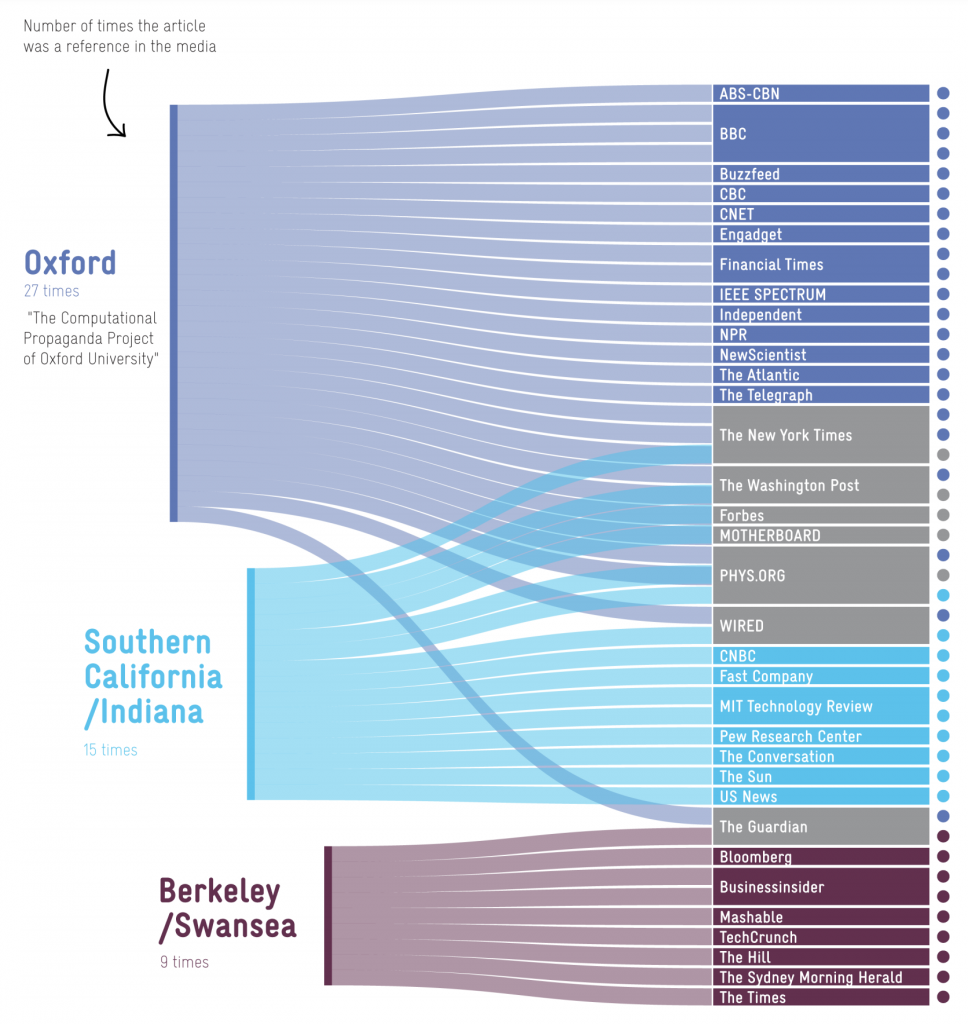
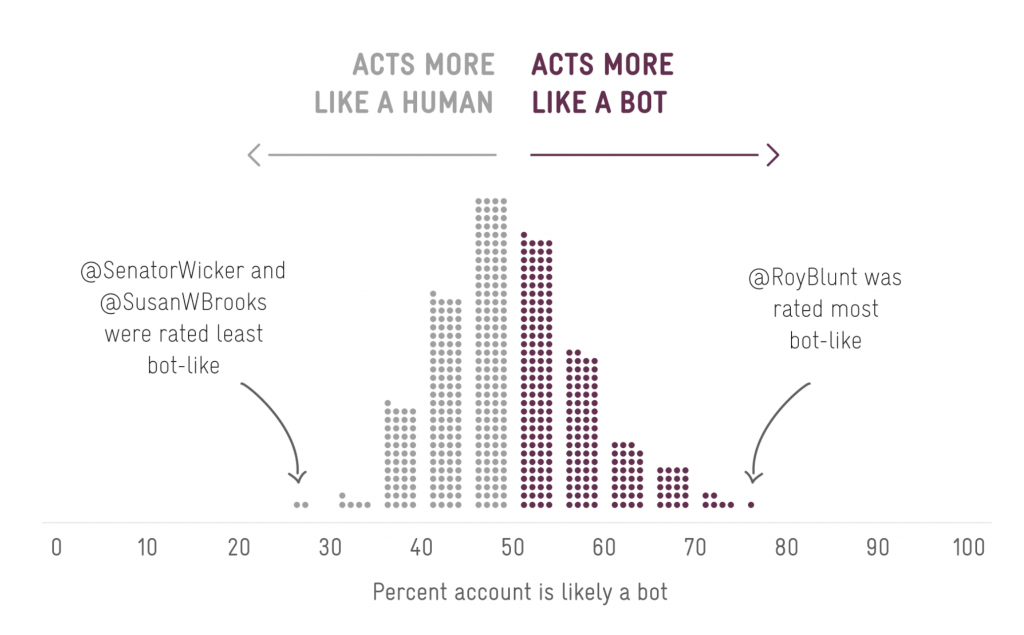
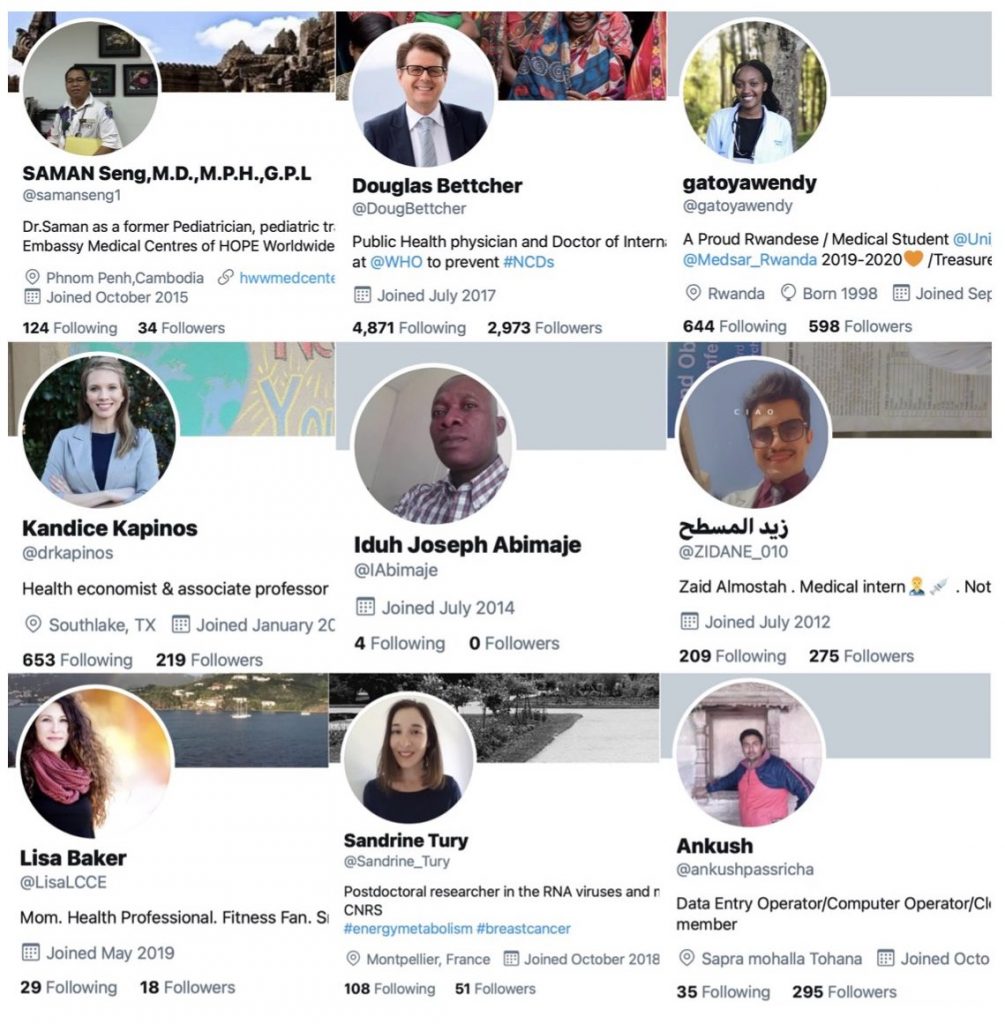
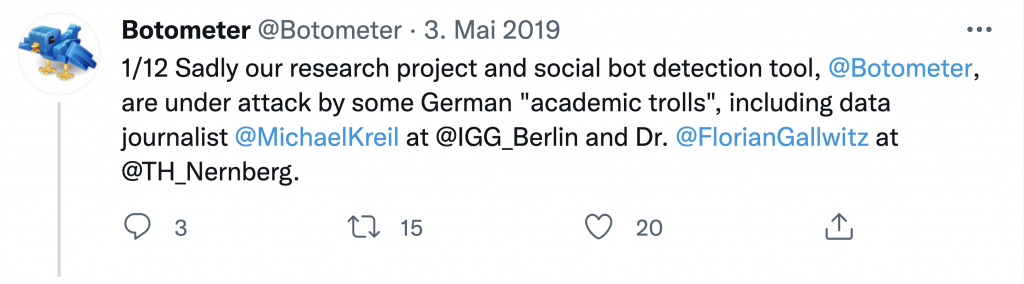
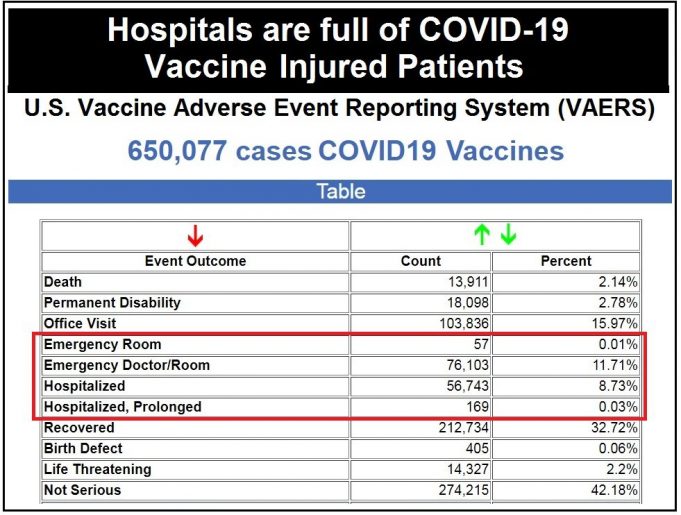

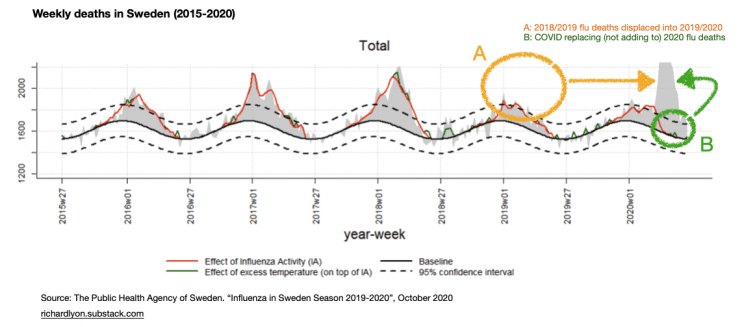
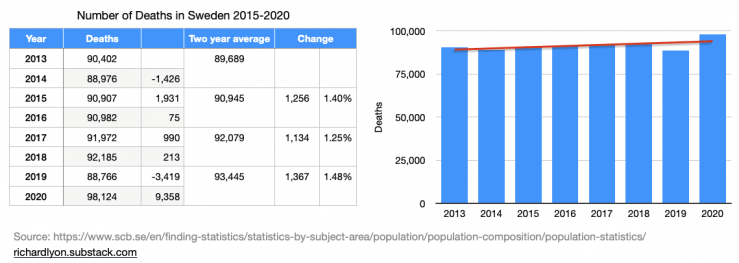


 Aletho News