According to the Expert Advisory Group on Online Safety appointed by Heritage Minister Pablo Rodriguez, “misleading political communications” should be regulated because unregulated political disinformation and discussion “erodes the foundations of democracy.”
Rodriguez has insisted multiple times that censorship bill, Bill C-11, also known as the Online Streaming Act, would not regulate user-generated content.
“We made it very clear in the Online Streaming Act that this does not apply to what individual Canadians and creators post online,” said Rodriguez. “No users, no online creators will be regulated. Only the companies themselves will have new responsibilities.”
However, that claim has been contradicted by the Canada Radio-television and Telecommunications Commission (CRTC) and the Expert Advisory Group on Online Safety that he appointed. Online platforms would have to regulate based on the speech of its users.
“[Section] 4.2 allows the CRTC to prescribe by regulation user uploaded content subject to very explicit criteria. That is also in the Act,” said chair of CRTC Ian Scott in June 2022.
The same comments have been previously repeated severally by the Expert Advisory Group on Online Safety, whose role is to propose measures of regulating online content that it considers harmful, including, but not limited to “propaganda, false advertising and misleading political communications.”
Content that would be regulated includes Facebook posts, private Twitter DMs, Amazon listings, video games, and even listings on Airbnb.
“Many experts mentioned there is justification to look more widely at some interactive services like Airbnb and gaming platforms,” members of the group proposed in one meeting.
“Many experts supported the notion that private communications should be included under the scope of the legislative framework. Private messaging services should also be regulated.”
The advisory group also proposed the regulation of legal content, noting that legal but harmful content “poses unique challenges” and “it is difficult to reconcile the issue of disinformation with the freedom of expression.”
The Online Streaming Act passed in the House last month and is currently in the Senate.
July 11, 2022
Posted by aletho |
Civil Liberties, Full Spectrum Dominance, Progressive Hypocrite | Canada, Human rights |
Leave a comment
We are now facing a regime that is losing, is aware that it is losing, and wants at all costs to survive even if it means damning everyone else. That is the picture that we get, in bold strokes. In practice, there may be considerable divisions and emergent factionalism within the pandemicist regime. By pandemicism I mean the intersection of catastrophism and authoritarianism. This article is written from within the Canadian and sometimes the Quebec contexts.
Three Factions: Fugitives, Perpetual Promoters, and Vandals
Fugitives: Typically led by provincial government leaders, some local politicians, the federal Conservative Party, and a small number of doctors, academics, and journalists who have broken away. At the provincial level these are politicians who have lifted all mandates and restrictions, even as the federal Liberals wanted them to be permanent, and augmented (national compulsory “vaccination,” for example). They have resisted reimposing any of the previous measures—yet they also state that what they have done is merely to “suspend” such measures.
An unflattering description, by those who have suffered their harms, would go like this: this faction consists of those who, like unwilling accomplices fleeing the scene of a crime, seek refuge in a web of alibis, disclaimers, disavowals, and caveats.
They may wish to recant, but do not want to admit guilt publicly—instead, they revoke, recall, and “relax the public health measures”. This faction seeks to avoid further damage to the economy, society, and health and welfare of citizens, by cutting losses and trying to withdraw under the pretext that success has either been achieved, or the costs are too high to continue. At least there is recognition in this group that the imposed restrictions did far more harm than good (as they should have known, since not even the WHO recommended such policies, and pre-existing preparedness plans in Canada were simply discarded—see Dr. Schabas here). This faction realizes that its members have served as an instrument for causing massive damage—politically, economically, and socially—and at most can only indirectly admit to that fact by now pursuing a different course. The fugitive faction would like to see us exit this trauma without any hard feelings, with little if any accountability, cheered by the promise that “we won’t do it again”. They would prefer to declare that “it is all subsiding” as we “learn to live with the virus”.
The existence of a faction of fugitives may also explain why suddenly there is more room in some media outlets for views that, until moments ago, were banished and censored as “misinformation” and “fake news”. We see such examples appearing in Newsweek (on multiple occasions), the Wall Street Journal (also here), the Toronto Sun (numerous times in fact—also here) and even the Globe & Mail (more than once), among others. While in Canada regime media speak of “anti-mandate” figures as if they were a rogue species of criminals, even a hard-line publication like The Economist can paint a grim picture of the harms of lockdowns for children. That these media publish the views of members of this faction is just a reaffirmation of the simple fact that it is easier for former insiders to be heard, than it is for outsiders who were never let in to begin with.
Fugitives, having developed doubts, misgivings, or even regrets, are joined by a large portion of the population that simply does not want to hear anything ever again about Covid, lockdowns, “masks,” “the pandemic,” and so on. Typically, these are people who have had two doses of the non-vaccines, and will not have a third—and will also resist having their children injected (more on this later).
In the Canadian context, in terms of size and influence, this is the largest of the factions. Its size and influence has grown particularly as 2022 has progressed. At the leadership level particularly, this faction contains those who have drifted away from the other two factions. Elements of this faction existed very early in 2020, before folding themselves into the pandemicist lockdown regime. Early expressions of doubt from political leaders, messages that contradicted the lockdown dogma that was imposed at lightning speed, and reopening policies that alarmed the media, were some of the indications of the existence of this prospective faction. A large percentage of the population that was coerced into getting “jabbed” forms the popular base of this faction. Otherwise, it is quite distinct from the resistance that has been fighting “vaccine” mandates, lockdowns, and other restrictions from the start—and who do not constitute a splinter of a regime to which they never belonged.
Internationally, the already existing global mass movement against mandates and restrictions is being joined by other disaffected quarters that have been harshly affected by economic transformation, ushered in by the same lockdown regimes, in what appears to be a rising global rebellion.
Perpetual Promoters: Unperturbed enthusiasts of eternal lockdowns, this middling class of stay-at-home professionals cherishes the pandemic as a lifestyle choice. This faction seeks straightforward continuity—maintain or reintroduce “measures,” encourage further “vaccination,” maintain or bring back “masking,” and so on. A Zoom-based social segment, this preachy faction consists of regime media and regime academia, whose specialties as advocates is to manipulate symbols and re-engineer values in order to normalize the state of exception. These exponents of the emergency lifestyle strive to maintain a permanent pandemic by sustaining a high level of propaganda and fear-mongering. They are constantly on alert. They are champions of “vigilance”. Behaving like overzealous hall monitors and pompous snitches, they are pious apostles of authoritarianism. In terms of its reality-denial capacity, it is the most psychotic of the factions—that is not an insult, but more of a clinical diagnosis.
This faction now invites ridicule from former believers (citizens qua parishioners), because this faction’s members fail to recognize the depth of indifference or anger that has sprouted in the society, especially post-Omicron, with the evident failure of the non-vaccines and the resulting rupture of the contract that believers were promised. Members of this faction also seem entirely numb to the consequences of their choices.
Unbridled enthusiasts of every wrong decision and the worst of choices, they continue cheerleading even when the game is over. They are idealists, true believers, who will cheerfully offer one booster after another until immune systems completely collapse, just in time for the complete collapse of the social system. This faction can sometimes be difficult to distinguish from the following, far more sinister cluster of interests, because to a significant extent it is, in functional terms, the “useful idiot” of what follows.
Initially extremely influential, and well remunerated from the Canadian federal government, this faction has seen its influence decline dramatically, especially in 2022.
Vandals: The third faction, that of the progressivist wreckers proclaiming a new order, is the one that is most worrying. This faction, consisting of champions of demolition, is the one that is capable of considering one final all-out assault that is so massive that it can only end in total destruction and provoke generalized violence in the form of civil unrest. This is the faction that seeks to crash the economy, by aggravating inflation, maximizing fuel shortages, damaging agricultural production, all under the pretext of “greening” the economy and ushering in a “transition” to “renewables” while fighting to preserve the phony “liberal world order” against the Russian bogeyman. Failed tools, like “vaccines” and sanctions, have been their favourites thus far, but they are capable of worse forms of collective punishment against recalcitrants. This third faction actively aims to escalate tensions and create further divisions in the society. This faction desires censorship to be institutionalized, legalized, and normalized. It wants pure dictatorship (in the name of “saving our democracy,” that is, the democracy that allows space only for them alone). The model some admire is China’s dictatorship, because that totalitarian system has served their interests very well. Key actors in this faction include the Bill & Melinda Gates Foundation, GAVI, Big Pharma, the World Health Organization, numerous Harvard graduates, NATO, the European Commission, the Atlantic Council, and so on. The third faction is also the one serviced by political functionaries such as Justin Trudeau, Mark Rutte, Emanuel Macron, and Joe Biden. Members of this faction may call themselves “liberals,” but they are in fact ex-liberals, illiberals, or post-liberals. They detest individual freedoms, civil liberties, and human rights. They embrace “social justice” only when it is cost-free, benefits (microscopic) minorities, and helps to create social divisions. (Note: according to the most recent census, Canada’s “trans” and “non-binary” population amounts to a whopping 0.003% of the total population—and even that is more than twice as large as the number of officially proclaimed “Covid deaths”.) They want a New World Order ruled by absolutist technocrats, unaccountable and non-elected “experts,” and they are willing to tempt the apocalypse to get to their destination.
If the experts, elites, and functionaries in power, who belong to this third faction, come to the realization that they cannot rule any longer, then they are going to make sure that there is nothing left to rule, or nothing left that is worth ruling. They are that suicidal and nihilistic. Bringing forth the full violence that is latent in progressivist ideology, they will opt for a scorched earth policy if they are not defeated first.
This third faction is the one that is least popular in the society, but it retains most of the levers of power—in particular, a monopoly over the means of violence, a tight grip on the country’s finances, and almost total sway over the courts and the media. It is by far the most dangerous faction and is located at the top of the regime’s pyramid of power.
The main difference between the second and third factions is that the latter is far more extreme, while the former is in denial about the extremism of the latter. The second faction is largely dependent on the third, but not vice versa.
What is common about all three factions is that they are dominated by actors who are neither willing nor capable of admitting mistakes. This is a problem, especially because they have been wrong on just about every major issue and significant problem for the past two decades, who can boast only of an uninterrupted litany of failures. In “The Insufferable Arrogance of the Constantly Wrong,” Clayton Fox listed just some of these epic failures of reason, analysis, or basic credibility among these discredited and defeated “experts” and technocrats.
What is to be hoped is that the first faction will break off completely, and form something like a mass movement comprising a cross-section of all classes, occupations, and regions of the country. Within the current regime of interlocking interests and partnerships between governments, the media, universities, the courts, the police and armed forces, and private corporations and foundations, the first faction is the one creating the most friction where the advancement of the plans of the other two are concerned. One hopes that friction will evolve into open resistance.
Outside of this arrangement of factions are those that resisted, criticized, and protested the lockdowns, “masking,” mandates, and the “vaccines” themselves. In Canada they numbered about 10% of the adult population (far less than many nations in Europe, and most in Africa and the Caribbean). However, their influence is growing. Much like the power structure they oppose, they consist of a complete cross-section of the national society: members of all ethnic groups and classes; representatives of every professional occupation; residents in every part of Canada; the complete range of educational achievement; supporters of every political party and ideology; and even politicians at all levels of government. Totally non-existent within the outsider group, however, is the presence of Big Banks, Big Tech, or Big Pharma.
The Stakes: Capital and Power
Much is at stake for the regime, beyond its reputation. The political economy of pandemicism is at stake—the ability to extract capital from the people, and accumulate it in the pockets of the super-rich and their corporations. “Vaccine uptake,” even after the repeated, demonstrated failures of the non-vaccines to achieve even the most minimal of the promised goals (while evidence of damage accumulates), remains a key goal. “Vaccine uptake” is about sustaining demand, that is, of sustaining the profit margins for commercial pharmaceutical interests. The maintenance of fear is thus essential to sustaining demand. In addition to extracting capital, there is the very basic question of power: the unrestrained ability to dominate the masses, without question, triumphing against resistance. The “vaccine” gravy train coming to its last stop threatens all of this, as do a number of other challenges: Ukraine, inflation, and the recession, and the immense unpopularity of those in power.
Like the “war on drugs,” then the “war on terror,” this horrific “war on the virus” (which is in fact a war on the people) is one more grand failure (except, perhaps, as an intentional crime). A regime can withstand only so many monumental failures, or commit so many crimes, before it can stand no more.
Regarding sustaining demand, there is now a gradation of forms of “vaccine resistance,” as reported in data from Public Health Canada:
- 15% of the population has had no dose;
- The 82% of the population that took two doses, dropped to 49% of who took a third—even as the federal government declared those with two doses “not up to date” and removed the term “fully vaccinated” (following Fauci);
- Less than 10% have had a fourth dose;
- 56% of children (5 to 11 years of age) have had one dose, which drops to 42% having the “primary series” (two doses).
As things stand now in Canada, 64% of the population is defined as “not up to date,” that is, not in compliance. In the US there is growing public criticism about the rush to “vaccinate” toddlers, including from esteemed persons who previously formed part of the mainstream second faction, the promoters, such as Dr. Paul Offit.
To an extent, the growing extremism of the second and third factions is apparently impelling the formation of the first faction listed at the outset, driving away even some stalwarts.
In an ongoing effort to “study up,” which includes reading and analyzing the scripts produced by regime media, what follows is just about a week’s worth of snapshots that illustrate some of the main points above. Before proceeding, I want to explore the “regime media” concept a little further.
Regime Media, Part 2
Regime media are a fusion of a police force and a public relations firm. Whether they are privately owned, yet receive government payouts, or they are publicly owned and prey to corporate advertisers, in Canada all of the media of domination (CBC, CTV, Global News, The Toronto Star, The Globe & Mail, etc.) are aligned with and actively support the pandemicist regime and indulge its elitist virtue signalling about select, preferred minorities that are elevated for special recognition and rewards. Gesticulating toward celebrity-approved “social justice” issues, and fanning all of the latest moral panics that occupy the minds of the dependent urban middle class, regime media have thus been able to dull suspicions from the left. The self-identified left has largely fallen in line with regime media and extend the regime’s core messages through various “alternative” media—which are no alternatives at all (they are simply less resourced). It is not surprising then to find some of the most extreme advocacy for Zero Covid policies emanating from the left, much of which is also pro-China, the industrial engine of contemporary globalization and the first country to set the pattern for the lockdowns that followed around the world.
Regime media may call themselves “news media,” but there is next to no actual journalism involved in their work. In that spirit, students at contemporary Canadian schools of “journalism” are in fact being trained in the methods of policing restive subjects with “unacceptable views”. Embracing “advocacy,” they have degenerated into mere practitioners of propaganda whose ultimate aim is the reproduction of the ideas of the ruling faction of the regime.
Here they are followed by professors and students in a variety of disciplines which these days are busy churning out one predictable thesis after another that essentially involves policing : using the Internet to engage in surveillance of troublesome “fringe minorities” with “extremist views” that threaten to “incite hatred”—and they do this without any sense of irony. Their work is one-dimensional, simplistic, conspiratorial, and their “data” is cherry-picked. Rather than full and richly textured biographies, they produce caricatures dressed up in the theoretical jargon that is currently in fashion in their disciplines. Master compilers of shitlists, they squat for long days in social media on the lookout for anyone deviating from their preferred narrative, so they can then pounce and declare deviants to be violent extremists. Nobody is permitted to be “wrong” on the Internet. The aim of the students and professors is to make these “minorities” legible to the authorities, while reaffirming their own sense of superiority as specially endowed super-citizens with a natural right to manage inferior others, “for their own good”. Regime academia, like regime media, consists of a non-elected political class mesmerized by its belief in its own inherent goodness, and its right to rule. The writing of this class reads more like pseudo-legislation than scholarly analysis, and their “theories” are little more than ideological wishful thinking mixed in with complaints. They see the world as a collection of “problems” that require their management. An inanely partisan document produced by the UNESCO research chair in Quebec exemplifies many of these traits—see “Le mouvement conspirationniste au québec : leaders, discours et adhésion” (“The Conspiracy Movement in Quebec: Leaders, Discourse and Membership”). The art of these “scholars” consists of punching down while sucking up.
Regime media’s main functions are: surveillance, censorship, and prosecution. Stories are written with a tensely vigilant, accusatory tone, meant to put readers on guard, or on notice. Critical-minded questions, if they are even mentioned, are instantly dismissed out of hand or simply associated with mental illness or amorphous “extremism”. They do not try to keep their “finger on the pulse” of society—they instead aim to determine the pulse rate itself.
Regime media’s public scripts involve a regression to some of the most outmoded forms of propaganda seen since World War I. Their work involves a classically crude command structure: they tell people what to think, plain and simple. Then they tell people what to think about, and here the agenda-setting is particularly exclusive. One will never read stories of the “vaccine injured,” or see or hear interviews with anti-mandate protesters, dissident doctors, and so forth. Theirs is a regimist record, cleansed of all opposition and inconvenient facts. It reads almost like a colonial archive, only with greater gaps and silences.
What the regime media tell people to think is hatred, especially hatred for the non-compliant Other. Inciting hatred against marginalized categories of Canadians over the past two plus years has already been abundantly documented—this is not a theoretical statement, it is now merely an observation.
What the regime media tell people to think about is emergency and safety. Also well documented, any perusal of the pages of the print and Web regime media will quickly confirm this.
Inversion and projection are key tools of regime media: their work consists of broadcasting disinformation, propaganda, conspiracy theories, false allegations, hyperbole, fear-mongering and character assassination, while producing “news stories” that are entirely and exclusively one-sided and indistinguishable from straightforward editorials.
In 2022, such regime media turned their attention to explicitly attacking freedom. Openly praising sheep, an article in the Globe & Mail advocated that humanity follow the example of sheep. In the same paper, another article cautioned that freedom “is not absolute,” and it does not mean we have the right to do anything we want—in other words, the author fully tilted against a complete straw man (absolutely none of the anti-mandate protesters ever advocated any such thing… they just wanted their jobs back). The CBC laboured to turn “freedom” into a dirty word that it conflated with the politics of “far-right” extremism. Canadians though they may be, they publicly worry about flying the Canadian flag, because it has been sullied by those fighting for freedom. Perennially perturbed by “nationalism,” they have no such qualms when painting their social media profiles with the Ukrainian flag, or claiming to support First Nations.
Perpetual Promoters: “Do Not Allow the People to Rest Even for a Moment”
Here I will continue my commentary on the work of the second faction, and simply illustrate it with snapshots taken over the course of a week (if that much). The significance of the week in question is that it featured the proclamation of a “seventh wave” in Quebec. This time—given the degree of popular contempt for restrictions that are proven failures, and mindful of a provincial election in October—the government of Quebec is acting like a member of the Fugitive faction. Members of the Perpetual Promoters’ faction are turning on the government, trying to school it back into authoritarian “measures”.
As an anthropologist, I have been trained to view the narratives of authorities with considerable skepticism, knowing that such narratives tend to push for a desired reality more than they accurately describe an actually existing reality, and that such narratives reflect the vested interests of powerful actors. Reality in the papers and reality on the ground are thus often very different. As an anthropologist with ethnographic experience, I tend to privilege reality on the ground—and on the ground, there is no “seventh wave”. People are carrying on as normal, meaning a pre-2020 normal. They seem to be enjoying their summer as best as they can, at least in the rural region where I live: swimming in lakes; boating; barbecuing; setting off fireworks every weekend; gathering with friends around backyard fires; neighbourhoods alive with the sounds of children playing; shopping and dining occurring without “masks” or any apparent concern for “social distancing,” and so on. Nobody is panicking. The Perpetual Promoters just hate that.
One example of a common injunction against any relaxation from anxiety, is an article like this one from the Montreal Gazette: “It’s too soon for Montrealers to bet on a COVID-free summer: experts”. No summer for the masses—the “experts” have sealed this: “Few masks, plentiful travel and a highly contagious sub-variant mean we need to remain cautious”. The fear-mongering was thus also intended to boost the social capital of “experts” while draining the people of any sense of hope: “As COVID-19 case counts fall and hospitalizations slowly drop, Quebecers are wondering if they’ll be able to enjoy another relatively COVID-free summer this year. The short answer is probably not…”. The experts warn, and lament: “only 52 per cent of Quebecers have gotten a third vaccination, leaving half the population vulnerable as the immunity from their vaccinations or infections wane”. They added: “And for sure get your third dose. This is not a virus that anyone wants to get”. The stress is on an imputed “vulnerability” which then becomes a sales pitch for Big Pharma’s experimental gene therapies which have done nothing to prevent spread. The experts also imagine a severe virus, one that nobody wants to get, but everyone got anyway (and without a massive die off). Be cautious, feel vulnerable—even knowing all of the damage done by sustained fear and anxiety for people’s mental health, in a desperate bid to remain relevant the perpetual promoters throw any real care for public health to the wind.
They are immune—so now it is time to scare them to death. This time courtesy of Global News, we have another lesson in how sophistry works. To be clear, absolutely nothing in the article proves that those infected by Omicron will likely get sick from a subsequent infection with an Omicron variant. The purpose of the article is simply to make people feel insecure, and then rush for the nearest shot of precious mRNA. The way the author of the article tries to smuggle through the fear messaging, is first by lumping together both those who were mRNA injected and got Covid, and those who kept their systems clear of the experimental gene therapies to begin with (with no increased incidence of myocarditis or pericarditis, which is not the case for the injected). By conflating the two groups, the author does not need to talk about immune imprinting, and the fact that those with three doses now have significantly negative immunity. Across Canada, in British Columbia, Ontario, and Quebec, government data show that those with three doses or more account for the majority of hospitalizations and deaths, despite numbering no more than 50% of the population. However, it is standard fare for regime media to generalize all risks, which justify one-size-fits-all (i.e., totalitarian) “solutions”.
What Global News does is to take the analogy of the glass half full to an extreme: “… one in every eight people who contract the virus do not develop antibodies in their blood from their illness”. “So forget going to some kind of ‘COVID party,’” said Dr. Catherine Hankins, a professor at McGill University in the Faculty of Medicine and co-chair of Canada’s COVID-19 Immunity Task Force: “Infection is not a viable strategy to achieve or maintain immunity”. Why forget the Covid party? Did the article not just state that 7/8 people develop immunity? Therefore, if we take their data at face value—with zero scrutiny or debate—that means that 87.5% of persons have immunity. That sounds like a pretty viable strategy. At this point one might only hear the din of preparations resuming for Covid parties (not that it would even be necessary to have these anymore).
The article also quietly conflates infection with actual sickness. So you might test positive again for Covid (assuming you even care to be tested). And so what? The Perpetual Promoters continue to instill shame in infection, as if infection were proof of some sin. Colleagues and students of mine have “admitted” to getting Covid: “I know!” one exclaimed apologetically.
Prof. Hankins, the party pooper at McGill, also added: “We do have one in eight people that don’t show any antibodies in their blood, so they’re not responding to the vaccine. And if they get infected, we’re not seeing evidence of it… So we don’t quite know what’s going on”. Indeed.
Later in the same article Global News’ “experts” admit that one reason why there are lower levels of antibodies among the Omicron-infected, is because “it’s a milder infection”. However, as if forgetting themselves and losing the train of their own thought, moments later they repeat the mantra: “there is strong scientific evidence showing the vaccine does prevent severe illness and death”. But if Omicron itself does not cause severe illness and death—which they admitted—then how do they credit the non-vaccines with saving people?
The real purpose of the article is clearly revealed at the end. It uses fear as a sales pitch: “I think it’s important that people understand that if you’ve had it before, you are still a sitting duck… you don’t have the immunity that you had closer to when you got your vaccine… So it’s really important to get that booster”.
Yet another editorial appeared in The Montreal Gazette moaning about breathing barriers not being forced onto everyone’s faces, immediately. It has been only a couple of weeks since “mask” mandates have been lifted in Quebec, for all settings except medical ones. We are only half way through the summer, but regime media cannot wait until the fall—restrictions need to come right back now. Remember: no summer for you, the party is over. This is the second such editorial in a week. The editorial board is complaining that Quebec’s plans looks like “everyone for themselves”—and while they speak of “everyone,” what they are really doing is using “the immunocompromised” as rhetorical and political shields. Adept as hostage-takers (humanitarian abduction), regime media will hold any minority they can find at ransom, until everyone else is forced to bend.
To further add to a record of deception, deflection, and sophistry, the editorial board argues: “It is hard to imagine that the dropping of just about all masking requirements has not also contributed to the upswing in cases. Relatively few people seem to be wearing masks these days”. There is not even a pretense of “science” anymore; now it is just a matter of “imagining”. For some reason they are unable to recollect, even a few short weeks later, that 50% of Canadians got Omicron over the past few months, when we were still at the height of mandates and restrictions. “Masks” did nothing to “protect” people. Indeed, virtually nobody needed “protection”. Most visitors to the Gazette’s website now know that.
But the Montreal Gazette, with its increasing desperation on display, is starting to play its hand too visibly. From “science” we have gone to “imagination”. From “protecting health,” we have gone to the Gazette’s real target: that “segment of the population being courted by the Quebec Conservative Party, whose star seems to be rising”. Here they allude to Eric Duhaime, the popular leader of the Quebec Conservative Party, only you would not know how popular he has become thanks to the blackout in Anglophone Quebec media. His weekly meetings and call-in programs with tens of thousands of Quebecers during “the pandemic,” have helped to build a powerful grassroots anti-mandate, anti-emergency movement that, in Quebec, likely helped to shape the first faction mentioned at the outset of this article.
Regime academia, promoted by regime media. Regime academia is keen to gin up fear of the “seventh wave,” but is clearly anxious about not being able to exploit it. McGill’s Donald Vinh “says the province should reimplement public health measures. And refusing to do so because it may seem like taking a step backward after removing them, he added, is a ‘failing mentality that could get us in trouble’”. Dr. Nathalie Grandvaux outright proclaims a permanent pandemic, and urges everyone to follow her hysterical signalling: “The virus is constantly here, she said, and there’s no reason to believe the province will somehow be shielded from future variants, either”. “Speaking about waves is a bit like telling people there’s nothing to be concerned about between them,” Grandvaux said. “But that’s not the case — the virus is always there”.
They do not deny reality on the ground, that is, how people (fail to) respond to their fear-mongering. Instead they attack reality on the ground. We see a glimpse of this in, “Montreal businesses, customers have no plans to return to COVID-19 restrictions”. Here are some of the opinions that were expressed:
“I think at this point, we all have to make it part of our life. I think we have to start moving on and moving forward, because the number of small businesses that closed and didn’t get to reopen, it can’t happen again because too many people will suffer.”
“I think that the media likes to play on people’s fears and make it worse. We just have to deal with it.”
“I think we should be talking more about what it means to live with a virus period, rather than this virus, because there are going to be many viruses and it’s going to happen again. I think the world is a little more prepared for a heavy-duty virus. I’m not particularly worried about it.”
“Maybe we should stop talking about waves and start talking about a new normal.”
“I think the customers feel super safe here. Those who don’t feel comfortable just don’t come. It feels like normal times again.”
“I think it’s just another virus we will have to live with, like the flu.”
As minimal and polite as such remarks are, they are the surface evidence that people have turned against the narrative of the failed elites and the discredited expert class. They have joined all the other fugitives. Pandemicism eventually has to meet resistance, and it can and will be defeated. And not even a reich proclaimed for a thousand years lasted more than 12. Tick-tock.
July 10, 2022
Posted by aletho |
Civil Liberties, Mainstream Media, Warmongering, Malthusian Ideology, Phony Scarcity, Supremacism, Social Darwinism, Timeless or most popular | Canada, Covid-19, COVID-19 Vaccine, Human rights, Quebec |
Leave a comment
Pierre Poilievre, who will be running for the leadership of the Conservative Party of Canada later this year, said at a meeting in Calgary that he would ban ministers from attending the World Economic Forum in Davos, Switzerland.
Canada’s Deputy Prime Minister and Minister of Finance Chrystia Freeland sits on the WEF’s Supervisory Board. Shadow Minister of Natural Resources Michelle Rempel Garner can also be found on the organisation’s website. She denied in an article that Canada was run by the WEF.
Earlier, WEF chief Klaus Schwab had boasted however that more than half of the Canadian cabinet was made up of Young Global Leaders of the WEF.
Poilievre thus indicated that he wanted to take Canada in a completely different direction. He is planning to take on Trudeau in the next election and defeat him.
“I have made it clear that I will ban my ministers in my cabinet from attending the World Economic Forum if I become prime minister,” he said at an earlier meeting. “Work for Canada. If you want to go to Davos, to that conference, buy a single ticket. You cannot be part of our government and pursue a policy agenda that is not in line with the interests of our people.”
Poilievre is running in the 2022 Conservative Party of Canada leadership election and is considered to be the frontrunner. He has supported those in the Canada convoy protest against vacccine mandates who were protesting peacefully and said the federal government had abused its power by invoking the Emergencies Act during the protest and proposed limiting its power and use to prevent it from being used similarly in the future.
Poilievre demonstrated his support for army reservist James Topp’s anti-mandate protest walk from Vancouver to their planned Canada Day freedom protest on Parliament Hill, by joining Topp, Paul Alexander, Tom Marazzo, a self-declared spokesperson for the Canada convoy protest and an ex-military officer, on June 30, 2022 in the final stage of Topp’s march to Ottawa.
July 10, 2022
Posted by aletho |
Civil Liberties, Malthusian Ideology, Phony Scarcity | Canada, Human rights, WEF |
Leave a comment
https://www.bitchute.com/video/aJDAjtkBchfw
“Infertility: A Diabolical Agenda,” is the fourth vaccine-related documentary by Dr. Andrew Wakefield. It tells the story of an intentional infertility vaccine program conducted on African women, without their knowledge or consent.
While it’s been brushed off as a loony conspiracy theory for years, there’s compelling evidence showing it did, in fact, happen, and there’s nothing to prevent it from happening again.
The Backstory
As explained in the film, the World Health Organization began working on an anti-fertility vaccine, led by Dr. G.P. Talwar in New Delhi, India, in the 1970s, “in response to perceived overpopulation.” For 20 years, the WHO’s Task Force on Vaccines for Fertility Regulation worked with population control in mind.
In 1993, the WHO finally announced a birth-control vaccine had successfully been created to help with “family planning.”1 The paper trail reveals that by 1976, WHO researchers had successfully conjugated, meaning combined or attached, human chorionic gonadotropin (hCG) onto tetanus toxoid, used in the tetanus vaccine. As a result, when given to a woman, she develops antibodies against both tetanus and hCG.
HCG is a hormone produced by cells surrounding the growing embryo. These hormone-producing cells protect and support embryonic growth and eventually form the placenta.
As explained in the film, hCG is the first signal that tells the woman’s body she’s pregnant. In response to this signal, her ovaries then produce a second hormone, progesterone, which maintains the pregnancy to term.
By combining hCG with tetanus toxoid, it causes this crucial pregnancy hormone to be attacked and destroyed by your immune system, as it’s now misperceived as an invading pathogen. Since hCG is destroyed, progesterone is never produced and, hence, the pregnancy cannot be maintained.
So, if you’re already pregnant when taking this witches’ brew, it will likely result in a spontaneous abortion, and if you’re not already pregnant, you won’t be able to get pregnant, as this crucial pregnancy hormone is under constant attack by your immune system. Repeated doses prolong these effects, effectively rendering you sterile.
The WHO Has Been in the Depopulation Business for Decades
As detailed in a Scientific Research paper published in 2017,2 “WHO publications show a long-range purpose to reduce population growth in unstable ‘less developed countries.’”
In other words, the WHO’s longstanding policy has been to support depopulation in third world countries, and they’ve studied depopulation strategies in India, Bangladesh, Pakistan, Nigeria, Mexico, Indonesia, Brazil, The Philippines, Thailand, Egypt, Turkey, Ethiopia and Colombia for decades.3
While creating an anti-fertility vaccine for those who really don’t want children is one thing, using deception to lure girls and young women into taking it is another entirely. As it turns out, the WHO is not above using deception and trickery to shut down fertility in populations they deem unworthy of reproduction.
The Great Deception
The central figures of the film are two Kenyan gynecologists, Drs. Wahome Ngare, and the late Stephen K. Karanja. Both state in the film that infertility is now the biggest gynecological problem in Africa. In recent years, there’s been a significant increase in women losing their pregnancies and couples who cannot conceive.
“I have seen the tears. They lose their identity. You die inside,” Antoninah Mutinda says. She knows, because she’s one of the African women whose fertility has been mysteriously impacted. After her third miscarriage, she was tested and found to have extremely high anti-hCG antibodies. She now suspects the tetanus vaccine she was given may be the culprit.
The anti-fertility vaccine was rolled out in the mid-‘90s, but despite support from the Kenyan leadership and “elite groups,” it was not popular among Kenyan women, who were concerned about the potential for abuse. They worried it might be disguised as a regular tetanus vaccine program.
Their concerns were valid because, as it turns out, this had already happened. In 1995, the Catholic Women’s League of the Philippines won a court order halting a UNICEF tetanus program that was using tetanus vaccine laced with hCG. Three million women between the ages of 12 and 45 had by that time already been vaccinated. Anti-hCG-laced vaccines had also been found in at least four other countries.
Undeterred by bad press, that same year, 1995, the Kenyan government launched a WHO tetanus campaign under the guise of eradicating neonatal tetanus. There were telltale signs that something was wrong, however, because it was already standard practice to vaccinate pregnant women against tetanus. Now, the WHO insisted women who weren’t pregnant needed the shot as well, in case they were to become pregnant.
Karanja learned of the deceptive anti-fertility campaigns in other countries during a medical conference in 1995, and became immediately suspicious of the tetanus campaign in his own country. Karanja convinced leaders of the Catholic church — one of the largest health care providers in Kenya — to test the tetanus vaccine being given, to make sure there was no foul play.
Without explanation, the WHO suddenly abandoned the campaign. Alas, 19 years later, in 2013, they were back. All girls and women, 15 to 49 years of age, were instructed to get vaccinated with a series of five injections, six months apart. This, it turns out, is the exact schedule required for the anti-fertility vaccine to produce sterility. Regular tetanus prevention requires only one injection every five to 10 years, and under no circumstance would you need five of them.
Vaccines Test Positive for Anti-hCG
The Catholic Church decided to test the vaccines, and collected three sample vials directly from clinics during the 2014 campaign. The samples were then sent to three independent laboratories for testing. As feared, they found hCG in them. Another six vials were then collected, and tested by six independent labs. This time, half were found to contain hCG.
At this point, the Catholic Church went public, urging girls and women to not comply with the vaccination campaign. In an effort to settle the dispute, an investigative committee was formed, consisting of three representatives selected by the Catholic bishops, and three government officials.
It was agreed that the nine vials already collected would be retested, along with 52 samples from a distributor who sells tetanus vaccine to the Kenyan government. This time, a more precise type of test, high performance liquid chromatography (HPLC), was chosen.
Dr. Nicholas Muraguri, director of medical services for the Kenyan government, contracted agriQ Quest to perform this testing. However, he urged them to test samples provided directly by him rather than the vials previously agreed upon. AgriQ Quest decided to analyze both batches.
The vials that tested positive for hCG using enzyme-linked immunosorbent assay (ELISA), still tested positive using HPLC, but none of the samples provided by Muraguri tested positive.
A Decades’ Long Cover-Up
Shockingly, the government then demanded agriQ Quest “alter their report to indicate that they were safe to be administered.” When agriQ Quest refused, the government, the WHO and UNICEF responded by launching a public attack, accusing the Catholic Church of “peddling misinformation.”
And, since the only samples found to contain hCG were those provided by the Church, the government accused them of tampering with the vials in an effort to undermine confidence in the vaccine.
An added twist here is that the vials that tested positive had the same batch numbers as vials that tested negative. Only later did agriQ Quest discover that these negative vials had fake labels on them. They were not, in fact, from the same lots as those that tested positive. They weren’t even made by the same manufacturer.
AgriQ Quest also claims they can prove the positive samples were not tampered with, because they did not test positive for hCG in general. The test clearly shows the hCG was conjugated with tetanus toxoid, and this cannot occur by simply adding hCG to a vial of tetanus vaccine.
The conjugation — the chemical linking or bonding — of hCG to the tetanus toxoid can only occur during the manufacturing process. This is the smoking gun that proves the neonatal tetanus vaccine campaign was a cover for a population control campaign.
Muraguri also lied when he claimed the Kenyan government had only one supplier of tetanus vaccine. As it turns out, there were two. Biological E. Limited provided a regular tetanus vaccine, while the hCG-positive batches came from Serum Institute of India — the same country where most of the WHO’s anti-fertility research had been conducted.
Both Ngare and Karanja paid a steep price for their vigilance. The medical board called them for disciplinary action. Karanja was issued a gag order, and since 2014 was not allowed to speak publicly about vaccines in Kenya. He broke that gag order for this film. April 29, 2021, Karanja died, allegedly from COVID infection.
A Truly Diabolical Agenda
Speaking for millions of women just like her, Mutinda, who has now struggled with infertility for years, says:
“To imagine there’s a system somewhere, that some people somewhere are behind my inability to carry pregnancy to term, that is a diabolical agenda!”
Before his untimely death, Karanja shared a message with the world, through the makers of this film:
“When they are through with Africa, they’re coming for you.”
Sources and References
July 10, 2022
Posted by aletho |
Deception, Malthusian Ideology, Phony Scarcity, Timeless or most popular, Video | Africa, Human rights, WHO |
Leave a comment
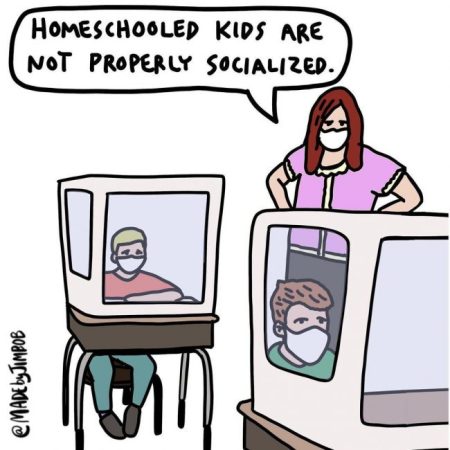
President Joe Biden declared Tuesday at Twitter: “Due to the pandemic, kids are behind in math and reading.” This is yet another example of politicians’ blame shifting we have seen throughout the coronavirus scare. Kids in America have fallen behind in their educations during the coronavirus scare, but not because of coronavirus. They have fallen behind because of coronavirus crackdown actions supported by Biden and many other politicians in the name of protecting students, teachers, and staff at schools from coronavirus that did not improve safety but did interfere with students’ ability to learn.
Since early on in the coronavirus scare it was known that children tended to be in miniscule danger from serious sickness or death from coronavirus. It was also known that, at schools, teachers and other adults tended not to get coronavirus from students. Yet, most American politicians with control over education policy did not say that “for the children” schools would be kept open and continue operating normally, something that was done in other countries and a few places in America without problems. Instead, as politicians are apt to do, they used the “for the children” plea as an excuse to wreak havoc. They shut down schools, then replaced them to some extent with dysfunctional attempts at virtual education, and ultimately reopened the schools in an absurd and menacing manner.
Many schools, when they finally reopened, had all kinds of mandates that made the schools insufferable. The mandates, while failing to protect people from coronavirus, did carry health dangers of their own. Mask mandates, obsessive disinfecting of surfaces at schools and even of children’s hands, enforcement of “social distancing,” the presence of ubiquitous plastic barriers separating people, coronavirus testing, and pressure or even mandates for students to take experimental coronavirus “vaccine” shots were among the nasty changes confronting students at their “new normal” schools. Students found themselves trudging through a real life version of a dystopian novel.
No wonder students’ learning suffered through the coronavirus scare. Learning was not high on the priority list of many politicians rushing to exercise their new powers. And, due to government pressure and bad choices by people in charge, the situation was similarly awful at many private schools as at government schools.
Fortunately, this dark cloud of politicians harming student’s educations in the name of countering coronavirus does have a silver lining, though only for a small subset of students. “Enough is enough,” decided some parents along the way of witnessing the school closures, the dysfunctional virtual learning efforts implemented to replace regular school, and the dystopian “new normal” schools that ultimately came into being. These parents took their children’s educations into their own hands, moving their children to homeschooling. The result is that many more children now than before the coronavirus scare are free from the politicians’ harmful meddling, whether undertaken in the name of protecting children from phantom coronavirus danger or accomplishing other objectives at variance with advancing the math and reading skills Biden mentioned at Twitter. It is a safe bet that most of these new homeschooling parents will do a much better job than the schools they left behind at making sure their children’s educations serve their children’s needs and interests.
Copyright © 2022 by RonPaul Institute
July 9, 2022
Posted by aletho |
Civil Liberties, Science and Pseudo-Science | Covid-19, COVID-19 Vaccine, Human rights, Joe Biden, United States |
Leave a comment

Raşid Necati Aslım/Anadolu Agency
The family of slain Palestinian-American journalist Shireen Abu Akleh has accused the United States of providing impunity for Israel over her killing and asked to meet President Joe Biden in person during his trip to Israel next week, reports Reuters.
In a letter to Biden posted on Twitter on Friday, the family said the administration simply adopted the Israeli government’s conclusions over her death, which it described as extrajudicial killing while falling short of its own stated goal of ensuring full accountability.
“Your administration’s engagement has served to whitewash Shireen’s killing and perpetuate impunity,” said the letter, signed by her brother Anton Abu Akleh on the family’s behalf.
“It is as if you expect the world and us to now just move on. Silence would have been better.” The family asked to see all the information the administration has collected on the issue.
Abu Akleh was killed on May 11 during an Israeli raid in the occupied West Bank town of Jenin under bitterly disputed circumstances.
Last month the United Nations human rights office said evidence suggested Israeli military fire had killed Abu Akleh while she stood with other reporters and was identifiable as a journalist.
The State Department on Monday said she was likely killed by gunfire from Israeli positions but it was probably unintentional and independent investigators could not reach a definitive conclusion about the origin of the bullet that struck her.
Palestinian officials criticized the report and maintained she had been deliberately targeted by an Israeli soldier. Israel denied this.
In his first Middle East trip as president on July 13-16, Biden is expected to meet separately with Palestinian and Israeli leaders. The Abu Akleh case will be a diplomatic and domestic test for new Israeli Prime Minister Yair Lapid.
A group of 24 US senators in Biden’s Democratic Party last month urged him to ensure direct U.S. involvement in the investigation of Abu Akleh’s killing.
July 9, 2022
Posted by aletho |
Ethnic Cleansing, Racism, Zionism, Full Spectrum Dominance, Subjugation - Torture | Human rights, Israel, Palestine, United States, Zionism |
Leave a comment
A Dutch police officer present at the shooting incident on Tuesday (likely the one who shot at Jouke Hospes) has reportedly gone into hiding.
According to Leeuwarder Courant, at least one officer has been rehoused because the “atmosphere around him became too grim.”
“The man lives in a village in the municipality of Opsterland. He left the village under guard on Wednesday evening. His house will be secured on Thursday,” reports Leeuwarder Courant.
The incident occurred late Tuesday night, just before midnight, wherein fired two rounds at an unarmed teenager in his tractor who was leaving the scene of a protest.
 Jouke Hospes, the 16-year-old that was shot at by Dutch police for participating in a distribution centre blockade, says that he is currently under investigation for attempted manslaughter.
In a message obtained by The Counter Signal, Hospes says that he was shocked to see video of the incident that led to his arrest after being released from prison.
“I still can’t figure out why the police fired. The images [and video] show very well that I’m not doing anything wrong… I’m lucky that I survived.”
He continues, saying that he is now under an active investigation for attempted manslaughter.
“I have been released for the attempted manslaughter and am still a suspect tonight in my own bed,” Hospes says. [translated from Dutch]
Police are claiming that the teen attempted to ram into police and vehicles and [that they] had fired warning shots before firing two “targeted shots.”
“At about 10:40 pm, tractor drivers attempted to drive into officers and service vehicles. This happened at the entrance Mercurius/A32 in Heerenveen. A threatening situation arose. Warning shots were fired, and targeted shots were fired,” Politie Fryslân tweeted following the incident. [translated from Dutch]
“A tractor was hit. A tractor drove away from the incident and was stopped shortly afterwards on Jousterweg. Three suspects have been arrested. No one was injured.”
However, while police claim that Hospes attempted to ram into them before they fired two shots at him, video taken by onlookers tells an entirely different story.
Video shows that Hospes was driving very slowly in his tractor, was as far away from the officers as he could be without going off the road, and was clearly attempting to leave the scene without incident.
Hospes describes the moments leading up to his arrest, saying when farmers heard that a mobile police unit was going to do a sweep of the distribution centre blockade, they collectively decided it was time to break it up and were already starting to leave when police arrived on the scene.
“Behind me, it was clear, so I decided to go around it. I calmly crossed the sidewalk and drove very calmly. I went to see if traffic was approaching and if I could cross the road. I was driving [slowly], and suddenly I heard a PANG in my right ear. I thought there soon would be a second one.”
“I didn’t have any damage, so I thought it was a rubber bullet… However, I stopped for a while at Oudehaske, and when I was walking around the tractor, I saw a hole in the iron. All kinds of thoughts went through my head.”
Images taken after the shooting show clear bullet holes, suggesting that officers were using live rounds against protesters.
Hospes was later arrested and subsequently freed the next day after Dutch protesters showed up in droves outside the prison holding him.
As previously reported by The Counter Signal, the police’s actions come after several municipalities declared emergency ordinance orders, bestowing upon police unprecedented powers to deal with protesters blockading food distribution centres.
Since the orders were declared, police have been seen wearing military-style equipment, have used tear gas against protesters, and have now shown that they’re willing to fire on anyone, even a teenage boy.
Moreover, several videos have been taken across the Netherlands of heavily armed police waving pistols around at traffic stops, signifying a dark turn in the protests.
July 7, 2022
Posted by aletho |
Civil Liberties, Malthusian Ideology, Phony Scarcity, Subjugation - Torture | Human rights, Netherlands |
Leave a comment
Many have suspected and even found research to indicate vaccines are being used secretly for population control. Bill Gates even alludes to this arrogantly in several of the videos he appears in. But how long has this been going on, and who is advancing this agenda.
When those with a hidden agenda exercise massive political and legally sponsored influence over the health of entire populations to advance that agenda, then is is not for the benefit of the masses, but instead for the benefit of those who would gain financially or through the accumulation and consolidation of power!
We have seen a massive increase of sterility in America over the last several generations, and the accelerating rise in sterility coincides with the steady increase in the amount of vaccinations we receive and the massive increase of GMO’s in our diet. America is the most vaccinated country on this planet … with the fastest increasing infertility rate! So where does coincidence leave off, and fact come in?
It seems that America is not the only target of this subterfuge and this has been happening for quite some time. So lets delve into: The Tyranny of Days Gone By …
We who follow this topic constantly hear of the tens of thousands paralyzed, and the countless deaths associated with massive global vaccination programs sponsored by the UN, WHO, and other entities such as the Gates Foundation. Yet these programs continue unabated and accelerate (especially in third world countries). We also suspect population control to be a serious motive behind this massive push to vaccinate the world … and our suspicions ring true.
The attached article was first published in 1995 covering a United Nations, World health Organization (WHO) program that had been underway for several years at that time. Please read it and learn of the tyranny that has been going on for well over a generation (and possibly much longer). Is there any reason to believe it is not continuing today … and at an accelerated rate?
There are those in this world who would play God, without our consent or knowledge …
__________________________________________________________
Are New Vaccines Laced With Birth Control Drugs?
By James A. Miller – Human Life International – June/July 1995
During the early 1990s, the World Health Organization (WHO) had been overseeing massive vaccination campaigns against tetanus in a number of countries, among them Nicaragua, Mexico, and the Philippines. In October 1994, HLI received a communication from its Mexican affiliate, the Comite’ Pro Vida de Mexico, regarding that country’s anti-tetanus campaign. Suspicious of the campaign protocols, the Comite’ obtained several vials of the vaccine and had them analyzed by chemists. Some of the vials were found to contain human chorionic gonadotrophin (hCG), a naturally occurring hormone essential for maintaining a pregnancy.
hCG and Anti-hCG Antibodies
In nature the hCG hormone alerts the woman’s body that she is pregnant and causes the release of other hormones to prepare the uterine lining for the implantation of the fertilized egg. The rapid rise in hCG levels after conception makes it an excellent marker for confirmation of pregnancy: when a woman takes a pregnancy test she is not tested for the pregnancy itself, but for the elevated presence of hCG.
However, when introduced into the body coupled with a tetanus toxoid carrier, antibodies will be formed not only against tetanus but also against hCG. In this case the body fails to recognize hCG as a friend and will produce anti-hCG antibodies. The antibodies will attack subsequent pregnancies by killing the hCG which naturally sustains a pregnancy; when a woman has sufficient anti-hCG antibodies in her system, she is rendered incapable of maintaining a pregnancy.(1)
HLI reported the sketchy facts regarding the Mexican tetanus vaccines to its World Council members and affiliates in more than 60 countries.(2) Soon additional reports of vaccines laced with hCG hormones began to drift in from the Philippines, where more than 3.4 million women were recently vaccinated. Similar reports came from Nicaragua, which had conducted its own vaccination campaign in 1993.
The Known Facts
Here are the known facts concerning the tetanus vaccination campaigns in Mexico and the Philippines:
* Only women are vaccinated, and only the women between the ages of 15 and 45. (In Nicaragua the age range was 12-49.) But aren’t men at least as likely as young women to come into contact with tetanus? And what of the children? Why are they excluded?
* Human chorionic gonadotrophin (hCG) hormone has been found in the vaccines. It does not belong there — in the parlance of the O.J. Simpson murder trial, the vaccine has been “contaminated.”
* The vaccination protocols call for multiple injections — three within three months and a total of five altogether. But, since tetanus vaccinations provide protection for ten years or more, why are multiple inoculations called for?(3)
* WHO has been actively involved for more than 20 years in the development of an anti-fertility vaccine utilizing hCG tied to tetanus toxoid as a carrier — the exact same coupling as has been found in the Mexican-Philippine-Nicaragua vaccines.(4)
The Anti-Fertility Gang
Allied with the WHO in the development of an anti-fertility vaccine (AFV) using hCG with tetanus and other carriers have been UNFPA, the UN Development Programme (UNDP), the World Bank, the Population Council, the Rockefeller Foundation, the All India Institute of Medical Sciences, and a number of universities, including Uppsala, Helsinki, and Ohio State.(5) The U.S. National Institute of Child Health and Human Development (part of NIH) was the supplier of the hCG hormone in some of the AFV experiments.(6)
The WHO begain its “Special Programme” in human reproduction in 1972, and by 1993 had spent more than $356 million on “reproductive health” research.(7) It is this “Programme” which has pioneered the development of the abortificant vaccine. Over $90 million of this Programme’s funds were contributed by Sweden; Great Britain donated more than $52 million, while Norway, Denmark and Germany kicked in for $41 million , $27 million, and $12 million, respectively. The U.S., thanks to the cut-off of such funding during the Reagan-Bush administrations, has contributed “only” $5.7 million, including a new payment in 1993 by the Clinton administration of $2.5 million. Other major contibutors to the WHO Programme include UNFPA, $61 million; the World Bank, $15.5 million; the Rockefeller Foundation, $2.5 million; the Ford Foundation, over $1 million; and the IDRC (International Research and Development Centre of Canada), $716.5 thousand.
WHO and Philippine Health Department Excuses
When the first reports surfaced in the Philippines of tetanus toxoid vaccine being laced with hCG hormones, the WHO and the Philippine Department of Health (DOH) immediately denied that the vaccine contained hCG. Confronted with the results of laboratory tests which detected its presence in three of the four vials of tetanus toxoid examined, the WHO and DOH scoffed at the evidence coming from “right-to-life and Catholic” sources. Four new vials of the tetanus vaccine were submitted by DOH to St. Luke’s (Lutheran) Medical Center in Manila — and all four vials tested positive for hCG!
From outright denial the stories now shifted to the allegedly “insignificant” quantity of the hCG present; the volume of hCG present is insufficient to produce anti-hCG antibodies.
But new tests designed to detect the presence of hCG antibodies in the blood sera of women vaccinated with the tetauns toxoid vaccine were undertaken by Philippine pro-life and Catholic groups. Of thirty women tested subsequent to receiving tetanus toxoid vaccine, twenty-six tested positive for high levels of anti-hCG! If there were no hCG in the vaccine, or if it were present in only “insignificant” quantities, why were the vaccinated women found to be harboring anti-hCG antibodies? The WHO and the DOH had no answers.
New arguments surfaced: hCG’s apparent presence in the vaccine was due to “false positives” resulting from the particular substances mixed in the vaccine or in the chemicals testing for hCG. And even if hCG was really there, its presence derived from the manufacturing process.
But the finding of hCG antibodies in the blood sera of vaccinated women obviated the need to get bogged down in such debates. It was no longer necessary to argue about what may or may not have been the cause of the hCG presence, when one now had the effect of the hCG. There is no known way for the vaccinated women to have hCG antibodies in their blood unless hCG had been artificially introduced into their bodies!
Why A Tetanus Toxoid “Carrier”?
Because the human body does not attack its own naturally occurring hormone hCG, the body has to be fooled into treating hCG as an invading enemy in order to develop a successful anti-fertility vaccine utilizing hCG antibodies. A paper delivered at the 4th International Congress of Reproductive Immunology (Kiel, West Germany, 26-29 July 1989) spelled it out: “Linkage to a carrier was done to overcome the immunological tolerance to hCG.”(8)
Vaccine Untested by Drug Bureau
After the vaccine controversy had reached a fever pitch, a new bombshell exploded; none of the three different brands of tetanus vaccine being used had ever been licensed for sale and distribution or registered with the Philippine Bureau of Food and Drugs (BFAD), as required by law. The head of the BFAD lamely explained that the companies distributing these brands “did not apply for registration.”(9) The companies in question are Connaught Laboratories Ltd. and Intervex, both from Canada, and CSL Laboratories from Australia.
It seemed that the BFAD might belatedly require re-testing, but the idea was quickly rejected when the Secretary of Health declared that, since the vaccines had been certified by the WHO — there they are again! — there was assurance enough that the “vaccines come from reputable manufacturers.”(10)
Just how “reputable” one of the manufacturers might be is open to some question. In the mid-`80s Connaught Laboratories was found to be knowingly distributing vials of AIDS-contaminated blood products.(11)
Epilogue
At this juncture, evidence is beginning to appear from Africa.(12) HLI has called for a Congressional investigation of the situation, inasmuch as nearly every agency involved in the development of an anti-fertility vaccine is funded, at least in part, with U.S. Monies.
NOTES:
(1) “Abortifacient vaccines loom as new threat,” HLI Reports, November 1993, pp. 1-2.
(2) World Council Reports, 28 November 1994, pp. 4-5.
(3) A call placed by this writer on 5 May 1995 to the Montgomery County (Maryland) Health Department, Epidemology Division — Infectious Diseases — Adult Immunizations, elicited the following information:
Q. For how long a time does the tetanus vaccination offer protection?
A. 10 years.
Q. Have you ever heard of any adult requiring three tetanus vaccinations within a 3 or 4 month time period, and a total of 5 vaccinations in all within a year or so?
A. Whaaaat! Never. No way!
Reports from the Philippines appear to confirm the 10-year immunity afforded by tetanus toxoid vaccinations: prior to the campaigns begun in 1993, the so-called booster shots were given only every 10 years.
(4) More than a score of articles, many written by WHO researchers, document WHO’s attempts to create an anti-fertility vaccine utilizing tetanus toxoid as a carrier. Some leading articles include:
“Clinical profile and Toxicology Studies on Four Women Immunized with Pr-B-hCG-TT,” Contraception, February, 1976, pp. 253-268.
“Observations on the antigenicity and clinical effects of a candidate antipregnancy vaccine: B-subunit of human chorionic gonadotropin linked to tetanus toxoid,” Fertility and Sterility, October 1980, pp. 328-335.
“Phase 1 Clinical Trials of a World Health Organisation Birth Control Vaccine, ” The Lancet, 11 June 1988, pp. 1295-1298. “Vaccines for Fertility Regulation,” Chapter 11, pp. 177-198, Research in Human Reproduction, Biennial Report (1986-1987), WHO Special Programme of Research, Development and Research Training in Human Reproduction (WHO, Geneva 1988).
“Anti-hCG Vaccines are in Clinical Trials,” Scandinavian Journal of Immunology, Vol. 36, 1992, pp. 123-126.
(5) These institutional names are garnered from the journal articles cited in the previous footnote.
(6) Lancet, 11 June 1988, p. 1296.
(7) Challenges in Reproductive Health Research, Biennial Report 1992-1993, World Health Organization, Geneva, 1994, p. 186.
(8) G.P. Talwar, et al, “Prospects of an anti-hCG vaccine inducing antibodies of high affinity…(etc),” Reproductive Technology 1989, Elsevier Science Publishers, 1990, Amsterdam, New York, p. 231.
(9) “3 DOH vaccines untested by BFAD,” The Philippine Star, 4 April 1995, pp. 1, 12.
(10) “BFAD junks re-testing of controversial shot,” Manila Standard, 7 April 1995; “DOH: Toxoid vaccines are safe,” The Philippine Star, 7 April 1995.
(11) “Ottawa got blood tainted by HIV.” Ottawa Citizen, 4 April 1995.
(12) A nearly two-year old communique from Tanzania tells a familiar story: tetanus toxoid vaccinations, five in all, given only to women aged 15-45. Nigeria, too, may have been victimized; see The Lancet, 4 June 1988, p. 1273.
James A. Miller is a special correspondent for Human Life International. This article was originally published in HLI Reports, Human Life International, Gaithersburg, Maryland; June/July 1995, Volume 13, Number 8.
July 7, 2022
Posted by aletho |
Deception, Malthusian Ideology, Phony Scarcity, Timeless or most popular | Gates Foundation, Human rights, WHO |
Leave a comment
As we move past the COVID era, the devastating effects of lockdowns are becoming apparent, from the current mental health crisis, to substance abuse spikes and developmental delays in infants.
July 7, 2022
Posted by aletho |
Civil Liberties, Science and Pseudo-Science, Timeless or most popular, Video | Covid-19, Human rights |
Leave a comment
CO 2 hysteria was so yesterday. In the Netherlands there’s now a nitrogen alarm. Ironically, at a time when the specter of food shortages and hunger is looming, the “Green Deal” of the all-powerful, misanthropic EU has prompted Commissioner Frans Timmermans to demand that ten percent of agricultural land be set aside across Europe.
In order to help this madness prevail, a Dutch “nitrogen problem” has been invented. On this basis, they want to force the livestock farmers – who are named as the main culprits – to give up their businesses. The Dutch “Minister for the Environment and Nitrogen”, Christianne van der Wal, announced that 30 percent of livestock farmers would have to give up their farms. Those affected now have the choice to give up their farms voluntarily and leave, or to pledge never to practice their profession again – only then would they be compensated. Those who do not comply face expropriation by the state. The aim is to reduce nitrogen emissions by up to 95 percent by 2030.
The Netherlands is the world’s fifth-largest exporter of food, exceeded only by the United States, Germany, the United Kingdom, and China, according to World Bank statistics.
So for at least a third of farmers it is a matter of survival. No wonder, then, that the protest is huge. For weeks, the angry farmers have been blocking roads and marching in front of government buildings to make their displeasure visible. Among other things, the access roads to some supermarkets were blocked. It was also announced that the access roads to the international airport in Amsterdam would be closed.
A few days ago farmers broke through a police barrier with their tractors and sprayed the minister’s house with liquid manure – symbolically the right thing to do because nitrogen is a building block for biological life on earth, the most abundant element in the atmosphere. It needs carbon, hydrogen, oxygen, lightning and bacteria, to provide “reactive” nitrogen. Fertilizer is just the workaround. Unbelievably, the Rutte government is targeting the manure people!
The mainstream media tried to sweep the issue under the carpet as tens of thousands of farmers took to the streets for days to demonstrate against EU regulations and government plans that would ruin Dutch agriculture. The police announced tougher action against the demonstrators, which, however, will probably only result in further escalation.
In Stroe alone, 30,000 farmers from all over the Netherlands came together to demonstrate against the government’s plans. In concrete terms, these plans stipulate that nitrogen emissions must be greatly reduced following a ruling by the highest court. In natural areas, the value is to be reduced by 12 to 95 percent, depending on the area category. According to government figures, this could mean the end for about a third of Dutch livestock farms, but it is much higher, farmers say.
The police meanwhile speak of a “threatening and unacceptable situation”. According to polls, about 45 percent of the Dutch population back the protests. In October, it was still 38 percent.
Shooting at protesters
The police fired shots at a farmers’ protest in Heerenveen on Tuesday evening. According to Facebook group Verzet Friesland, 16-year-old Jouke was shot at by police as he drove off with his tractor.
“The media are shouting that he drove into them, but it is very clear on camera that that was not the case. He just wanted to drive home.” Police opened fired on Jouke. Fortunately he was not injured, but the bullet missed him by two centimetres.
“The photos that are circulating show that the bullet(s) hit the cab of the tractor and missed Jouke by a hair. There was no shooting at tyres or in the air. It is by sheer luck that the police and the ministry responsible do not have a fatality on their conscience,” said lawyer Sietske Bergsma. Dozens of farmers tell the same story of police brutality.
Dutch anti-globalists are praying that this protest be the straw that break the Rutte camel’s back.
July 6, 2022
Posted by aletho |
Civil Liberties, Malthusian Ideology, Phony Scarcity, Science and Pseudo-Science | European Union, Human rights |
Leave a comment

A Canadian university professor suspended for comments he made during a December 2021 conference about COVID-19 vaccines in an interview this week with The Defender called for “openness, critical thinking and to stop believing what we are being told is the truth.”
“We need to be allowed to question again,” said Patrick Provost, Ph.D., an infectious and immune diseases researcher who learned June 13 that Laval University in Quebec City was suspending him for eight weeks without pay.
Laval University also suspended Nicolas Derome, Ph.D., a professor in the university’s biology department, for concerns he raised in November 2021 about Quebec’s campaign to vaccinate 5— to 11-year-olds.
In his interview with The Defender, Provost also discussed an article he wrote questioning COVID-19 policies, published June 22 on the Québecor media platform, then retracted a day later.
For the article, Provost used Quebec’s publicly available data to raise questions about the province’s management of the pandemic. The province of Quebec is home to about 8.5 million people, the second-most populous province in Canada.
“I was so happy when I found out my article was going to be published,” Provost told The Defender, “I really thought it would be a game-changer in the public debate about COVID-19 [in Quebec]. That finally, based on official public data, we could start to discuss the situation.”
However, by the next day, June 23, Québecor had removed Provost’s article from all of its websites.
Sébastien Ménard, publisher and editor-in-chief of the Journal de Québec, one of Québecor’s publications, tweeted (in French):
“Although we encourage debating ideas, we have decided to remove this letter [by Dr. Provost] from our websites. After verification, some of the elements it contained were inaccurate or could mislead the public, which we cannot support.”
Commenting on the retraction, Provost said:
“I’m really worried about the direction we are heading, about our democracy. Why hide the truth? These numbers are real, this was just my analysis of them. Maybe it’s a disturbing truth.”
Libre Média, a new Quebec-based independent media website, on June 24 published Provost’s article so it is still publicly available.
Libre Média prefaced the article with a note that it was publishing Provost’s article in full, “in accordance with its mission to protect freedom of the press.”
Criticism of COVID vaccines for young children led to suspension
Two days after Québecor removed his article, Provost went public with the news that Laval notified him on June 13 that the university was suspending him, effective June 14.
Provost filed a grievance through his union, the Union of Laval University Professors.
According to Provost, he sent an email to all his colleagues at Laval University last December, in which he urged them to engage in debates on COVID-19 vaccination and public health measures, because he felt public debate had been lacking.
In the email, he gave the example of a lecture he had given at a conference on Dec. 7, 2021, in which he criticized Quebec’s campaign to vaccinate 5- to 11-year-old children against COVID-19.
The conference was organized by Réinfo Covid Québec, a Quebec collective of caregivers, doctors and citizens “gathered around an idea: the need for a fair and proportionate health policy in Quebec and elsewhere in the world.”
“As a result of this, a professor from the faculty of medicine filed a complaint against me in January, outraged that I was raising questions,” Provost told The Defender. “In particular, that I said the risks of adverse effects [of Pfizer’s mRNA shot] outweighed the benefits for children.”
Provost said his suspension didn’t factor into Québecor’s decision this week to censor his article, as he had not made the news of his suspension public before the article was removed.
COVID mortality rate ‘greatly overestimated’ data show
In his article, Provost noted that the vaccine mandates for travel within Canada and for federal public servants had been suspended two days before, on June 20.
However, mandates could be reimposed, so Provost invited readers to consider a true portrait of the impact of COVID-19 in Quebec, based on the province’s own publicly available data.
As of June 19, when Provost accessed the cumulative data online, there were 15,462 deaths related to COVID-19 (Chart 2.1) out of a total of 1,077,256 confirmed cases of COVID-19 (Chart 1.1), for a calculated mortality rate of 1.44%.
Provost wrote:
“This mortality rate is greatly overestimated, mainly (i) by including, in the numerator, deaths with, and not because of, COVID-19, which were apparently as numerous, and (ii) by excluding, in the denominator, cases of asymptomatic or unreported infections, which were several times higher than the reported symptomatic infections.”
Provost then turned to official figures from the Institut de la statistique du Québec and the Institut national de santé publique du Québec (INSPQ), and made these five observations based on the data:
- There was no excess all-cause mortality since the beginning of the COVID-19 pandemic, except for people age 70 and over during the first wave (April to June 2020) and in January 2022, shortly after the lockdowns and curfews were imposed, which was also when the third vaccine doses were offered.
- More than 90% of people age 70 or older who died with or from COVID-19 had two or more pre-existing medical conditions (Table 2.2).
- 69.2% of the people who died were over the age of 80 (Figure 2.3), thus the average age of people who died with or from COVID-19 was beyond their life expectancy at birth.
- The number of deaths (Table 2.1) compared to the number of cases (Table 1.1) is 0.07% in people with no pre-existing conditions, 6 times higher in people with one pre-existing medical condition (0.4%), and 98 times higher in people with two or more pre-existing conditions (6 .9%), according to data last updated on May 2.
- Between 0 and 5 people under the age of 40 (with less than one pre-existing medical condition) have died in Quebec since the start of the pandemic (Table 2.2).
According to Provost, early on in the pandemic, the analysis of official government data showed two of the main risk factors for complications and death from COVID-19: “advanced age and the number of pre-existing medical conditions, in particular, obesity.”
“The threat of COVID-19 was very real,” wrote Provost, “but was it of the magnitude that we have been told?”
According to the public data available on the sites of INSPQ and of Quebec Data Partnership, from April 1, 2020, to March 31, 2021, there were 20,616 hospitalizations due to COVID-19 out of a total of 986,607 hospitalizations — so approximately 2.1% of hospitalizations were a result of COVID-19 infections.
At the worst point in the crisis, COVID-19 hospitalizations peaked at 5.9% of the total.
Given the above data, Provost asked if the public health measures taken were justified. He raised a series of questions, including:
- Did the data support imposing such severe and comprehensive health measures, rather than targeted ones that would protect those most at risk?
- Did the data justify not considering the collateral effects of restrictive health measures?
- Did the data justify preventing physicians from making individualized risk versus benefit assessments of a medical intervention (COVID-19 vaccination) with their patients?
Provost also asked if the data justified overriding the right of individuals to consent, in a free and informed manner, to an injection that is still experimental.
He questioned mass vaccination of the entire population for a disease that particularly affects the very old and sick, and of imposing vaccination on young people and workers.
Quebec used vaccine passports, and Provost asked if the data justified restricting the right to access public places and hindering the freedom of movement by train or plane of people who were not “adequately” vaccinated, “even though the shots do not prevent infection or transmission.”
With respect to governance, Provost said the government assumed power by self-proclaiming and perpetuating a state of health emergency and certain measures beyond the emergency period.
He noted that professionals and academics were muzzled if they were critical of health measures, through pressure from their professional organizations or their institutions, under penalty of losing their jobs.
He also pointed out that the polarized and polarizing media coverage sowed fear, anxiety and division, and that citizens were encouraged to discriminate against people who were not vaccinated against COVID-19.
As part of the remedy to what he viewed to be heavy-handed public health measures, Provost stressed the “importance of depoliticizing decisions that infringe on individual rights and freedoms by establishing, for example, by a Council of Scholars that is independent from the government, so that these decisions are based on science and are made more quickly.”
Provost closed his article by calling for a review of the management of the pandemic:
“An assessment of the management of this crisis, which has revealed the limits, even the flaws, of our system and our democratic life, is essential.
“We owe it to too many seniors whom we have failed to protect, as well as to those whose rights and freedoms have been violated for too long.”
Dozens of messages of support
Provost told the Defender that in the hours before his article was pulled, one idea was to have another professor write a rebuttal to his article.
But instead, Quebecor’s news sites simply deleted the article.
On Monday, Joel Monzée wrote an article in Libre Média about the censorship of Provost’s article and its implications for science. “Science is only science because it questions itself,” Monzée wrote.
Monzée said that with respect to the COVID-19 pandemic, “It is blithely claimed that there is a scientific consensus. However, this only exists because certain academic personalities seem to have enough influence over their colleagues to curb any questioning of the consensus, at least in public.”
Monzée asked, if there were inaccuracies in Provost’s article, then why not address them with a counter-analysis?
Provost is the supervisor of four Ph.D. students whose work has been affected by his suspension.
“Because of my suspension, I cannot go on the campus, enter the Research center or talk to them,” Provost said. “They are essentially left alone. They are collateral damage.”
Provost said that though the situation was difficult, in the past few days he had received dozens of messages of support, and also observed that a growing number of citizens “have a thirst for truth and openness.”
Provost told The Defender, “I would like to raise awareness about how our society is evolving, it’s not in a good direction. It is getting to the point where private interests will be directing our country, we will just be servants.”
© 2022 Children’s Health Defense, Inc. This work is reproduced and distributed with the permission of Children’s Health Defense, Inc. Want to learn more from Children’s Health Defense? Sign up for free news and updates from Robert F. Kennedy, Jr. and the Children’s Health Defense. Your donation will help to support us in our efforts.
July 6, 2022
Posted by aletho |
Civil Liberties, Full Spectrum Dominance, Science and Pseudo-Science | Canada, Covid-19, COVID-19 Vaccine, Human rights, Laval University |
Leave a comment
Fifteen years have passed since Israel imposed a total siege on the Gaza Strip, subjecting nearly two million Palestinians to one of the longest and most cruel politically-motivated blockades in history. Back then, the Israeli government justified its siege as the only way to protect Israel from Palestinian “terrorism and rocket attacks”. This is the occupation state’s official line to this day, and yet not many Israelis — certainly not in government, the media or even ordinary people — would argue that Israel today is safer than it was prior to June 2007.
It is widely understood that Israel imposed the siege as a response to the Hamas takeover of the Strip, following a brief, violent confrontation between the movement, which is the current de facto government in Gaza, and its main political rival Fatah, which dominates the Palestinian Authority in the occupied West Bank. However, the isolation of Gaza was planned years before the Hamas-Fatah clash, or even the legislative election victory of Hamas in January 2006.
In fact, the late Israeli Prime Minister Ariel Sharon was determined to redeploy Israeli forces out of Gaza long before these dates, making the siege possible. Culminating in the Israeli disengagement from Gaza in August-September 2005, the plan was proposed by Sharon in 2003, approved by his government in 2004 and finally adopted by the Knesset in February 2005.
The “disengagement” was an Israeli tactic intended to remove a few thousand illegal Jewish settlers from occupied Gaza — to go to other illegal Jewish settlements in the occupied West Bank — while redeploying the Israeli army from crowded population centres in the Gaza Strip to the nominal border areas. This was the actual start of the Gaza siege.
The above assertion was even clear to James Wolfensohn, who was appointed by the Middle East Quartet as the Special Envoy for Gaza Disengagement. In 2010, he reached a similar conclusion: “Gaza had been effectively sealed off from the outside world since the Israeli disengagement… and the humanitarian and economic consequences for the Palestinian population were profound.”
The ultimate motive behind the “disengagement” was not Israel’s security, or even to starve the Palestinians in Gaza as a form of collective punishment. The latter was a natural outcome of a much more sinister political plot, as communicated by Sharon’s own senior advisor at the time, Dov Weisglass. In an interview with the Israeli newspaper Haaretz in October 2004, Weisglass put it plainly: “The significance of the disengagement plan is the freezing of the peace process.” How? “When you freeze [the peace] process, you prevent the establishment of a Palestinian state, and you prevent a discussion on the refugees, the borders and Jerusalem.”
Not only was this Israel’s ultimate motive behind the disengagement and subsequent siege of Gaza, but also, according to the seasoned Israeli politician, it was all done “with a presidential blessing and the ratification of both houses of [the US] Congress.” The US president at the time was none other than George W. Bush.
All of this took place before Palestine’s legislative election, Hamas’s victory and the Hamas-Fatah clash. The latter merely served as a convenient justification for what had already been discussed, “ratified” by Washington and implemented.
For Israel, the siege was a political ploy which acquired additional meaning and value as time passed. In response to the accusation that Israel was starving Palestinians in Gaza, Weisglass was very quick to reply: “The idea is to put the Palestinians on a diet, but not to make them die of hunger.”
What was then understood as a facetious, albeit thoughtless statement, turned out to be actual Israeli policy, as revealed in a 2008 report which was made available in 2012. Thanks to the Israeli human rights organization Gisha, the “redlines [for] food consumption in the Gaza Strip” — composed by the Israeli Coordinator of Government Activities in the Territories — were made known. It emerged that Israel was calculating the minimum number of calories necessary to keep Gaza’s population alive, a number that is “adjusted to culture and experience” in the Strip.
The rest is history. Gaza’s suffering is absolute, with 98 per cent of the Strip’s water undrinkable; hospitals lacking essential supplies and life-saving medications; and movement in and out of the territory more or less prohibited, with relatively few minor exceptions.
Even so, Israel has failed miserably, with none of its objectives achieved. Tel Aviv hoped that the “disengagement” would compel the international community to redefine the legal status of the Israeli occupation of Gaza. Despite pressure from Washington, that never happened. Gaza remains part of the Occupied Palestinian Territories as defined in international law.
Furthermore, Israel’s September 2007 designation of Gaza as an “enemy entity” and a “hostile territory” changed little, apart from allowing the Israeli government to carry out several devastating wars against the Palestinians in the enclave, starting in late 2008.
None of these wars have served a long-term Israeli strategy successfully. Instead, Gaza continues to fight back on a much larger scale than ever before, frustrating the calculations of Israeli leaders, a fact which became clear in the befuddled, disturbing language to which they resorted. During one of the deadliest Israeli wars on Gaza, in July 2014, right-wing Knesset member Ayelet Shaked wrote on Facebook that the war was “not a war against terror, and not a war against extremists, and not even a war against the Palestinian Authority.” Instead, according to Shaked, who a year later became Israel’s Minister of Justice, this was “a war between two people. Who is the enemy? The Palestinian people.”
In the final analysis, the governments of Sharon, Tzipi Livni, Ehud Olmert, Benjamin Netanyahu and Naftali Bennett all failed to isolate Gaza from the greater Palestinian body; break the will of the Palestinians in the Strip; or ensure Israeli security at the expense of the Palestinians.
Moreover, Israel has fallen victim to its own hubris. While prolonging the siege will achieve no short or long-term strategic value, lifting the siege, from Israel’s viewpoint, would be tantamount to an admission of defeat, and could empower Palestinians in the West Bank to emulate the Gaza model. This lack of certainty further accentuates the political crisis and lack of strategic vision that has defined all Israeli governments for nearly two decades.
Israel’s political experiment in Gaza has backfired, inevitably so. The only way out is for the siege of Gaza to be lifted completely. Not eased; lifted. Completely. And this time, for good.
July 5, 2022
Posted by aletho |
Ethnic Cleansing, Racism, Zionism, Illegal Occupation, War Crimes | Gaza, Human rights, Israel, Palestine, Zionism |
Leave a comment

 Aletho News
