Israel resumes building museum on Muslim cemetery
Ma’an – 10/12/2014
JERUSALEM – Israeli authorities have resumed excavations in Mamilla graveyard in West Jerusalem as part of the “Museum of Tolerance” project, a local committee said Tuesday.
The head of the Islamic cemeteries preservation committee, Mustafa Abu Zahra, said large machinery was placed in the cemetery. It poured reinforced concrete in preparation for the building of the structure of the museum.
Abu Zahra added that the structure is scheduled to be built over the “remains of icons, martyrs, grandparents and parents,” and he said that the project is being implemented by a California-based center in cooperation with the Jerusalem municipality and other Israeli departments.
The project was started by the Simon Wiesenthal Center in 2001, and 12 dunams of the cemetery ground were seized including 70 percent which was transformed into “Independence Park,” he explained.
Abu Zahra said that the construction was a grave assault on Muslim heritage and history.
Journalist most recent victim of Israeli military violence at Kufr Qaddum
International Solidarity Movement | December 9, 2014
Kufr Qaddum, Occupied Palestine – Bashar, a journalist from Palestine TV, was shot in the left leg at Kufr Qaddum on Friday the 5th of December 2014.
The weekly demonstration aims to highlight the issue of the road that has been closed to Kafr Qaddum and demands for it to be reopened. The road is closed to Palestinians but connects several illegal Israeli settlements nearby. The road was once the Palestinians’ main route to the villages of Jit and Sarra, and to the city of Nablus. Residents of Kafr Qaddum and nearby villages must now use a 14 kilometer detour on badly paved roads through olive groves. This proves especially problematic in emergency situations when ambulances are trying to get patients to Nablus hospital. Kafr Qaddum villagers state that several people have died because of the longer ambulance trip.
Bashar has been going to the Kafr Qaddum demonstrations since they began four years ago. This particular one was a special demonstration in solidarity with Patrick, an Italian activist who was shot in the chest with a .22 caliber bullet the Friday before. The demonstration began peacefully with people holding Italian and Palestinian flags. A skunk water truck, a renowned demonstration repression technique, sprayed the people who were peacefully holding flags right at the beginning of the protest. Within ten minutes, Bashar had been shot in his left leg by an Israeli sniper.
The bullet used to shoot Bashar was an expanding bullet, often called a “dum-dum”. International law has declared their use illegal in war because they are so destructive. Bashar was shot by a sniper with a weapon that is only supposed to be used when soldiers are at mortal risk and skunk water, tear gas, rubber bullets, rubber coated steel bullets, and other nonlethal weapons have all proved ineffective. This is supposed to be the last weapon soldiers use before they shoot to kill with M16s. Witnesses say that Bashar was filming as he usually did when he was shot. He was no threat to the soldiers at all. Witnesses say that there were no people in front or behind him throwing stones.
Bashar was taken by ambulance to Nablus hospital. The X-ray showed that the dum-dum bullet did as it was designed to, breaking into many pieces when it entered his leg.

Bashar had an operation on the 6th of December, the day after he was shot, to take out most of the bullet fragments.
Doctors have decided to leavein some pieces for the time being because they are very close to veins and would be dangerous to remove. Bashar will be bed bound for two weeks until the decision is made, but his condition remains stable.
Within one week at Kufr Qaddum, three people were shot with lethal, live ammunition—two with .22 caliber bullets and one with a dum-dum. One was a journalist, another an international peace activist. None of them were any threat to the soldiers. So why, then, were they shot at? To create fear for all the people who are in solidarity with the Palestinians and who want to tell the world the story of what is happening here? To physically stop peaceful resistance using the most extreme repression techniques?
It will not work. Patrick and many other international, Palestinian and Israeli activists will continue to nonviolently resist the confiscation of their lands in Kufr Qaddum each week. Bashar will continue to report their stories to the world. The unnecessary use of violent repression techniques will only continue to delegitimize the illegal occupation of the Palestinian people.
Israeli settlers stab Palestinian youth on his family’s land
CPTnet | December 9, 2014
 On 8 December 2014, Israeli settlers attacked seventeen-year-old Palestinian boy, Moad Al Rajabi on his family land in Bani Naim, on the outskirts of Al-Khalil/Hebron. He was sitting with his father, Noah Al Rajabi, and two of his cousins when settler cars stopped nearby. As seven settlers exited the cars and came towards them, Noah ran away with his two nephews, believing that his son was also with him. He soon realised his son was not there, and turned to see seventeen-year-old Moad encircled by the settlers.
The seven were stabbing Moad, but fled as Noah ran back in a bid to rescue his son from the assault. Moad required hospitalization to treat the stab wounds, one of which penetrated to the bones in the hand; the other was on his thigh. He is now stable, and the hospital hopes to discharge him later today.
The Al Rajabi family has also suffered the violence of home demolition and the destruction of their livelihood by the Israeli military. In May 2012, Israeli forces destroyed the family’s dairy farm and home, which was on the land where Moad was stabbed yesterday. Commenting on the destruction of the caravan (mobile home) in which the family lived, an iron barn stabling cows, milking machines and other equipment worth over 8000 USD, Noah explained that the Israeli army not “only destroy[ed] my livelihood but also the livelihoods of three other families; our farm is our bread and butter.” The Al Rajabi family has continued to have financial difficulties ever since the demolition.
More young men and teenagers arrested by the Israeli military
International Solidarity Movement | December 9, 2014
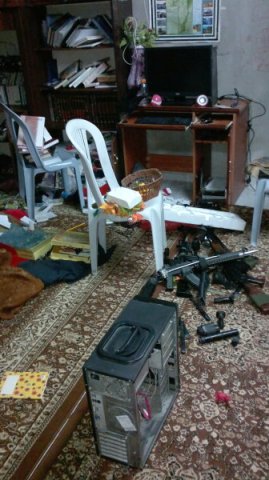 Nablus, Occupied Palestine – On December 8th in Nablus, the Israeli army broke into the homes of two families in Balata refugee camp and arrested two young Palestinians, 19-year-old Mujahed al Shekhalil and 17-year-old Yazan Hta.
In both cases, their homes were raised by the military in the middle of the night (3am and 3:30am) damaging doors and property inside the houses. At the time of the incursions, all family members were sleeping. The military forced all family members into one room whilst they arrested the teenagers. Both families state that between 15 and 20 soldiers broke into their homes, and they were given no reason for either the intrusions or the arrests.
In the village of Madama, on the same night, the Israeli army also entered the home of the Wajeihqut family and arrested 23-year-old Assad Allah. The army spent an hour inside the house between 2:20am and 3:20am, again forcing all family members inside one room. The family reported to ISM that the soldiers told Assad’s 9-year-old brother that if he did not stop speaking they would take him with his brother. Another brother was told that if he did not go into the room with the family then they would cut his head off.
The army confiscated every family members phone and stole the sim cards from them and the hard drive from the family computer. They also smashed the apartments heating system.
This was the fifth time Assad has been arrested and the family home has been raided by the army on numerous occasions.
In all cases, the families were not given a reason for the arrests or for the damage done to their homes, and do not have any information as to where their sons have been taken.
Photo by ISM
No Exit in Gaza
By Jen Marlowe | TomDispatch | December 7, 2014
Rubble. That’s been the one constant for the Awajah family for as long as I’ve known them.
Four months ago, their home was demolished by the Israeli military — and it wasn’t the first time that Kamal, Wafaa, and their children had been through this. For the last six years, the family has found itself trapped in a cycle of destruction and reconstruction; their home either a tangle of shattered concrete and twisted re-bar or about to become one.
I first met the Awajah family in August 2009, in the tent where they were living. I filmed them as they told me what had happened to them eight months earlier during the military invasion that Israel called Operation Cast Lead and said was a response to rocket fire from the Gaza Strip.
I had no intention of making a film when I went to Gaza, but after hearing the family’s story, I knew I had to. I returned again in 2012 and have continued to stay in touch in the years since, realizing that the plight of the Awajahs opened a window onto what an entire society was facing, onto what it’s like to live with an interminable war and constant fear. The Awajahs’ story shines a spotlight on what Palestinians in Gaza have endured for years on end.
What stuck with me most, however, was the demand of the Awajah children regarding the reconstruction of their new home in 2012: they insisted that the house have two doors.
What The Awajahs Saw
In separate interviews in 2009, Wafaa and Kamal Awajah told me the same story, each breaking down in tears as they offered me their memories of the traumatic events that had taken place eight months earlier — a night when they lost far more than a home. The next day, a still grief-stricken Wafaa walked me through her recollections of that night, pointing out the spot where each incident had taken place.
On January 4th, as Operation Cast Lead’s ground campaign began, the Awajah family was at home. Wafaa’s eldest daughter, 12-year-old Omsiyat, woke her up at around 2 am. “Mom,” said Omsiyat, “soldiers are at the door.” Wafaa jumped out of bed to look. “There are no soldiers at the door, honey,” she reassured her daughter. When Omsiyat insisted, Wafaa looked again, and this time she spotted the soldiers and tanks. She lit candles in the window so that the Israeli troops would know that a family was inside.
Suddenly, the ceiling began to crumble. Wafaa, Kamal, and their six children fled, as an Israeli military bulldozer razed their home. No sooner had they made it outside than the roof collapsed. As tank after tank rolled by, the family huddled under an olive tree next to the house. When dawn finally broke, they could examine the ruins of their house.
Just as the Awajahs were trying to absorb their loss, Wafaa heard nine-year-old Ibrahim scream. He had been shot in the side. As more gunfire rang out, Kamal scooped up the injured boy and ran for cover with the rest of the family. Wafaa was hit in both hips, but she and five of the children managed to take shelter behind a mud-brick wall. From there, she saw Kamal, also wounded, lying in the middle of the road, Ibrahim still in his arms.
Israeli soldiers approached her husband and son on foot, while Wafaa watched, and — according to what she and Kamal both told me — without warning, one of them shot Ibrahim at close range, killing him. He may have assumed that Kamal was already dead. Despite Wafaa and Kamal’s wounds, the family managed to get back to their wrecked home, where they hid under the collapsed roof for four days with no food or clean water, until a passing family with a donkey cart took them and Ibrahim’s body to a hospital in Gaza city.
As far as I know, the Israeli military never investigated the incident. In fact, only a handful of possible war crimes during Operation Cast Lead were ever investigated by Israel. Instead of an official inquiry, the Awajahs were left with a dead son, grievous physical wounds that eventually healed, psychological ones that never will, and a home reduced to pile of rubble.
One Family in Gaza, Jen Marlowe’s award-winning short documentary film featuring the Awajah family
(You may also click here to view the video on Vimeo if your browser is having trouble loading the video on this page.)
Life Goes On
When I met them eight months later, the Awajahs were struggling to rebuild their lives. “What’s hardest is how to offer safety and security for my children,” Kamal told me. “Their behaviors are not the same as before.”
Wafaa pointed to three-year-old Diyaa. “This boy is traumatized since the war,” she said. “He sleeps with a loaf of bread in his arms. If you try to take it from him, he wakes up, hugs it, and says, ‘It’s mine.’”
“What you can’t remove or change is the fear in the children’s eyes,” Kamal continued. “If Diyaa sees a bulldozer, he thinks it’s coming to destroy a house. If he sees a soldier, whether an Israeli or Arab soldier, he thinks the soldier wants to kill him. I try to keep them away from violence, but what he experienced forces him to release his fear with violence. When he kisses you, you can feel violence in his kiss. He kisses you and then pushes you away. He might punch or slap you. I am against violence and war in any form. I support peaceful ways. That’s how I live and raise my children. Of course, I try to keep my children from violence, and help them forget what happened to them, but I can’t erase it from their memory. The memories of fear are engraved in their blood.”
I thought about Kamal’s words as I filmed Diyaa and his five-year-old sister Hala scrambling onto the rubble of their destroyed home — their only playground — squealing with glee as they rolled bullet casings and shrapnel down the collapsed roof.
What moved me deeply was the determination of Kamal and Wafaa to create a future for their surviving children. “Yes, my home was destroyed, my life was destroyed, but this didn’t destroy what’s inside me,” Kamal said. “It didn’t kill me as Kamal. It didn’t kill us as a family. We’re living. After all, we must continue living. It’s not the life we wanted, or had, but I try to provide for my children what I can.”
The Fragility of Hope
In 2012, I returned to Gaza and to the tent in which the Awajah family was still living. It was evident that the trauma of their experience in 2009 — along with the daily deprivation and lack of security and freedom that characterize Gaza under siege — had taken a toll. “I had thought that those were the most difficult days of my life,” Kamal said, “but I discovered afterwards that the days which followed were even more difficult.”
In 2009, Kamal told me that the war hadn’t fundamentally changed him. Now, he simply said, “I lost myself. The Kamal before the war does not exist today.” He spoke of the screams of his children, waking regularly from nightmares. “The war is still chasing them in their dreams.”
Most painful for Kamal was his inability to help his children heal. His despair and feelings of helplessness had grown to the point where he had become paralyzed with severe depression. “I tried and I still try to get us out of the situation we are in — the social situation, the educational situation for the children, and the mental situation for me and my family.” But their situation, he added, kept getting worse.
My 2012 visit, however, came during a rare moment of hope. After nearly four years, the Awajah family was finally rebuilding their home. Trucks were delivering bags of cement; gravel-filled wheelbarrows were being pushed onto skids; wooden planks were being hammered down. In 2009, I had filmed Diyaa and Hala playing on the rubble of their destroyed house. In 2012, I filmed them climbing and jumping on the foundation of their new home.
“I am building a house. It is my right in life for my children to have a house,” Kamal said. “I call it my dream house, because I dream that my children will go back to being themselves. It will be the first step to shelter me and my children, away from the sun and the heat and tents, our homelessness. The biggest hope and the biggest happiness I have is when I see my children smiling and comfortable… when they sleep without nightmares.” Kamal added, “I can’t sleep because of my fear over them.”
For Wafaa, while the new home represented hope for their future, its construction also triggered flashbacks to that night of the bulldozer. As she told me, “Bulldozers and trucks bringing construction material came at night, and, at that moment, it was war again. When I saw the bulldozers and the trucks approaching with big lights, my heart fell between my feet. I was truly scared.”
Planning for the new house also provided Wafaa and Kamal with a poignant reminder of the fragility of hope in Gaza. “The children say to make two doors to the house,” Wafaa told me. “One [regular] door and the other door so when the Israelis demolish the house, we can use it to escape. We try to comfort them and tell them nothing like this will happen, but no, they insist on us making two doors. ‘Two doors, Daddy, one here and one there, so that we can run away.’”
The Gaza War of 2014
After my 2012 visit, I periodically contacted the Awajah family. Construction was proceeding in fits and starts, Kamal told me, due to shortages of materials in Gaza and their lack of financial resources. Finally, however, in the middle of 2013 the home was completed and as the final step, glass for the windows was installed in February 2014.
Five months later, in July, the most recent Israeli assault on Gaza began. I called the Awajah family right away.
“The children are frightened but okay,” Wafaa told me.
The Israeli army had warned their neighborhood to evacuate and they were now renting a small apartment in Gaza City. During a humanitarian ceasefire, Kamal was able to return to their house: it had been demolished along with the entire neighborhood.
When I spoke to the Awajah family at the end of September, Kamal told me that rent money had run out. Seeking shelter at a United Nations Relief and Works Agency (UNRWA) school wasn’t a viable option, he said, because there were already so many families packed into each room. The Awajahs were back in a tent next to the rubble of their twice-destroyed home.
Click here to see a larger version

2014: Kamal and his children on the rubble of their twice-destroyed home
The family’s situation is far bleaker than in 2009. Then they were able to tap into an electricity source and there was a communal outhouse for all the tent-dwelling families in the area. This time, Kamal said, the area near their house was entirely deserted: no water tank, electricity, outhouse, gas, or stove for cooking. Their only possessions were the few items of clothing they managed to take with them when they fled. They were sleeping on the ground, he said, no mattresses or blankets to ward off the cold, only the nylon of the tent beneath them. The children had been walking several kilometers to fill jugs with water until villagers who lived nearby made their wells available for a few hours a day.
Wafaa told me that she was cooking on an open fire, using scrap wood scavenged from the remnants of her house. For the first week, the children returned home from school every day and, surrounded by nothing but rubble, began to cry. Seventeen-year-old Omsiyat briefly took the phone. Her typically warm and open voice was completely flat, no affect whatsoever.
Worse yet, Kamal still owes $3,700 for the construction of their previous house. Though the home no longer exists, the debt does. “We are drowning,” Wafaa said.
The Awajah family today
(You may also click here to view the video on Vimeo if your browser is having trouble loading the video on this page.)
Drowning in Gaza
The Awajahs aren’t the only ones in Gaza who are drowning. The true horror of their repeated trauma lies in the extent to which it is widespread and shared. Nine-year-old Ibrahim Awajah was one of 872 children in Gaza killed in the 2009, 2012, and 2014 wars combined, according to statistics gathered by the United Nations Office for the Coordination of Humanitarian Affairs and B’tselem, an Israeli human rights organization. (There was also one Israeli child killed by mortar fire in that period.)
The flat affect in Omsiyat’s voice reflects the assessment of the United Nations Children’s Fund that nearly half of the children in Gaza are in urgent need of psychological help. And Kamal’s desire not to move into a communal shelter is understandable, given that 53,869 displaced people still remain crowded into 18 UNWRA schools. According to Shelter Cluster, an inter-agency committee that supports shelter needs for people affected by conflict and natural disaster, the Awajah family’s house is one of 18,080 homes in Gaza that were completely demolished or severely damaged in the 2014 war alone. A further 5,800 houses suffered significant damage, with 38,000 more sustaining some damage.
Shelter Cluster estimates that it will take 20 years for Gaza to be rebuilt — assuming that it does not face yet another devastating military operation. As the last six years indicate, however, unless there is meaningful political progress (namely, the ending of the Israeli siege and ongoing occupation), further hostilities are inevitable. It is not enough that people in Gaza be able to rebuild their houses yet again. They need the opportunity to rebuild their lives with dignity.
Kamal Awajah said as much. “I don’t ask anyone to build me a home for the sake of charity. That’s not the kind of help we want. We need the kind of help that raises our value as human beings. But how? That’s the question.”
There seem to be no serious efforts on the horizon to address Kamal’s question, which has at its core an insistence on recognizing the equal value of Palestinian humanity. As long as that question remains unanswered and the fundamental rights of Palestinians continue to be denied, the devastating impact of repeated war will continue for every family in Gaza and the terrifying threat of the next war will always loom. The Awajah children have every reason to insist that their future home be constructed with two doors.
Jen Marlowe is a human rights activist, author, documentary filmmaker, and founder of donkeysaddle projects. Her books include I Am Troy Davis and The Hour of Sunlight: One Palestinian’s Journey from Prisoner to Peacemaker. Her films include Witness Bahrain and One Family in Gaza. She blogs at View from the donkey’s saddle and tweets at @donkeysaddleorg.
Note: To help the Awajah family rebuild their home, Jen Marlowe set up an Indiegogo campaign on their behalf, which you can visit and share by clicking here.
Copyright 2014 Jen Marlowe
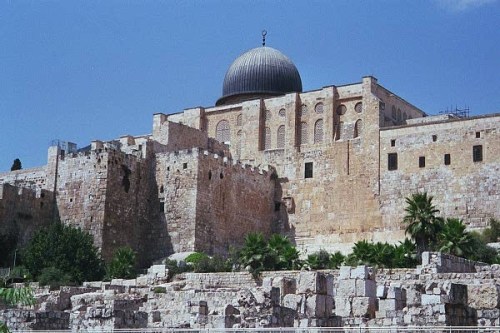
Israeli group storms al-Aqsa as settlers attack 3 Palestinians in Jerusalem
Al-Akhbar | December 8, 2014
A group of right-wing Israelis toured the al-Aqsa mosque compound in Jerusalem on Monday under police escort, a mosque official said.
The storming of the mosque compound came as Israeli settlers attacked three Palestinians in Jerusalem, and Israeli forces detained 19 in the West Bank.
Al-Aqsa director Omar al-Kiswani told Ma’an that groups of Israeli right-wingers “stormed the compound and toured its squares under the so-called foreign tourism program.”
A group of Israeli intelligence officers also toured the compounds, he added.
The Palestinian Ministry of Endowments and Religious Affairs complained to Israeli police, expressing their objection to the visits, Kiswani said.
Meanwhile, Israeli police detained a woman identified as Umm Radwan Omar at one of the gates leading to al-Aqsa. Omar usually gives religious lectures inside the compound.
Israeli police collected the identity cards of all Palestinian men and women who entered the compound on Monday.
The al-Aqsa mosque is sensitive for Palestinians due to its status as the third holiest site in Islam and its location in the heart of the Old City of Israeli-occupied East Jerusalem.
The al-Aqsa mosque compound, referred to by Jews as the Temple Mount, is also the holiest site in Judaism.
Tensions have been running high in occupied East Jerusalem after months of Israeli pressure on the region, including through a massive arrest campaign and a major military offensive on Gaza that left more than 2,100 dead and provoked outrage across Palestine.
They have also been stoked by Israeli authorities’ decision to hold a vote on splitting the al-Aqsa compound despite the existence of a Jewish prayer area at the Western Wall immediately next door.
Since Israel occupied East Jerusalem in 1967, an agreement with Jordan has maintained that Jewish prayer be allowed at the Western Wall plaza – built on the site of a Palestinian neighborhood of 800 that was destroyed immediately following the conquest – but not inside the al-Aqsa mosque compound itself.
Israeli forces have long restricted Palestinians’ access to the al-Aqsa compound based on age and gender, but have further prevented Muslim worshipers from entering the mosque for more than a month while facilitating the entrance for Zionist extremists.
Settlers attack Palestinians in Jerusalem
Meanwhile, Israeli settlers attacked three Palestinians in two separate incidents in Jerusalem, leaving the latter with bruises and injuries, an Israeli news channel reported Sunday night.
On Sunday evening, Israeli police arrested an Israeli who – along with several other settlers – attacked a Palestinian bus driver, leaving him with injuries, Israel’s Channel 2 reported.
The settlers chanted “death to Arabs” while attacking the bus driver and threatened to kill him, the channel added.
Meanwhile, eyewitnesses told Anadolu news agency that a group of Israeli settlers assaulted two Palestinians from Jerusalem while working in a petrol station in the neighborhood of Ein Karem on Sunday night.
One of the Palestinians sustained injuries that required his transfer to a hospital, the witnesses added.
Israeli forces arrest 19 across West Bank
The Israeli army detained 19 Palestinians in the West Bank on Monday, a Palestinian NGO has said.
Israeli forces searched scores of homes in the southern West Bank city of Hebron and arrested nine Palestinians, the Palestinian Prisoners’ Society said in a statement.
Three more Palestinians were detained in Nablus, two in Jenin, two in Ramallah and one in Bateen village, the NGO added.
Israeli police detained another two Palestinians in East Jerusalem, according to a statement issued by the NGO.
Israeli forces routinely conduct arrest campaigns against Palestinians in the occupied West Bank on claims they are “wanted” by Israeli authorities.
Over 7,000 Palestinians are currently languishing in Israeli prisons, according to the Palestinian Ministry of Prisoners’ Affairs.
On Saturday, Issa Qaraqe, the head of the Palestinian Authority Department of Prisoner Affairs, said that 2014 has been “the most difficult year” for prisoners.
Qaraqe said in a statement that prisoners in 2014 have been victims of “Israeli revenge policies,” adding that Israel’s move to re-arrest prisoners who were released in the Gilad Shalit prisoner exchange deal in 2011 was a dangerous political action.
Qaraqe also decried Israel’s policy of detaining minors, saying some 1,500 minors were detained in 2014, mostly in Jerusalem.
According to Qaraqe, there were 550 new Palestinian prisoners held under administrative detention without charge or trial this year, and Israel renewed administrative detention orders for 63 percent of administrative prisoners. Excessive use of administrative detention is considered illegal under international law.
(Ma’an, Anadolu, Al-Akhbar)
Israeli Occupation Authorities re-impose female detainee’s previous sentence
Palestine Information Center – December 8, 2014
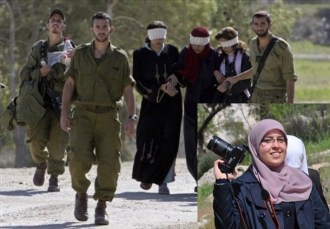 RAMALLAH — The Israeli Occupation Authorities re-imposed the previous sentence of the re-jailed female ex-detainee Bushra al-Tawil after being released in the Wafa al-Ahrar swap deal in 2011, human rights sources said.
Ahrar center for prisoners’ studies recalled that al-Tawil was released in 2011, after spending five months of her 16-month sentence, in the swap deal. However, she was re-arrested following the kidnapping and killing of three Israeli soldiers in June.
Al-Tawil is a university student at Ramallah Media College and an activist in prisoners’ issue. Her parents were also arrested by the Israeli occupation forces more than once.
Israeli official: Strategic cooperation with Riyadh is growing

Director of Institute for Policy and Strategy, and Chair of Atlantic Forum of Israel Prof. Uzi Arad
MEMO | December 8, 2014
Strategic and security cooperation between Saudi Arabia and Israel is growing at an unprecedented rate, Israel’s former National Security Adviser Uzi Arad said.
During his participation at the Energy 2015 Conference, Arad said that Israel takes advantage of Saudi Arabia’s role as a counterweight in the face of Iran which makes it play a central and effective role in Israel’s strategic plans.
Arad warned of the consequences of betting on the survival of an allied regime in Egypt, pointing out that Egypt is going through a very sensitive stage and things could turn upside down at any moment.
With regards to Jordan, Arad said: “About Jordan, we cross our fingers. No one knows what will happen there in five years. One must hope that things there will be stable. Who says the wave sweeping Iraq and Syria will not arrive to Jordan?”
Arad said the Palestinian Authority currently represents a partner for Israel in the face of many challenges.
Israel will not tolerate Iran turning into a state with nuclear capabilities, he stressed, pointing out that if the world and regional powers accept this, Israel will turn to the military option. He said: “For a long time now, there have been plans in Mossad about a situation in which another country around us has nuclear weapons. Such discussions begun in the 80s. Responses were prepared in advance. If you see a new submarine enter the port of Haifa, it does not take a genius to figure out what it signifies.”
Commenting on the relationship with Turkey, Arad said the most important research centre in Israel said the reality and the future of these relations do not bode well.
Israel is facing growing international isolation which, he warned, will affect the Israeli military and the country’s economic interests.
Arad noted that Israel benefits from the EU funded research projects, pointing out that they have strengthened the position of Israel as a great technological power.
He warned that the upcoming early elections in Israel will only contribute to the decline in Israel’s status.
Israel tightens economic stranglehold on 1948 Palestinians
By Zouheir Andraos | Al-Akhbar | December 8, 2014
Occupied Haifa – As Israel increases its economic stranglehold on 1948 Palestinians, its racist policies extended to banning them from raising chickens and growing potatoes. This was after the closure of clothes workshops, which were transferred to Jordan, and other similar actions.
As the economic persecution against Palestinians continues, the Israeli Agriculture Ministry recently decided to prevent 1948 Palestinians from raising chickens and thus producing eggs, claiming this department as an exclusive right for Jews in cooperative villages (moshav). Eggs produced by Palestinian establishments disappeared from the market in a matter of days and were replaced by Israeli eggs produced at moshavs (Israeli agricultural settlements) built on the ruins of Palestinian villages destroyed in the Nakba, or the Catastrophe.
Authorities in Tel Aviv also issued a decree banning “Arabs” from growing potatoes, succumbing to the pressure of Israeli potato farmers. The authorities had discovered that growing potatoes is cheap and was an important source of income for Palestinians. These two steps are further proof of the extent of the occupation’s institutional racism.
Palestine is famous for having fertile land, rich in all sorts of plants used by Palestinians as food (such as thyme and mallow), but which are not known or eaten by Jews. This led the Israeli government to instruct its so-called environmental protection authority to prosecute “plant thieves.” It officially announced those plants as “protected species and those who pick them shall be sent to court.”
Environmental protection authorities started fining Palestinians who pick “protected plants.” In the meantime, Jewish traders, who just discovered the importance of such plants for Palestinians, began requesting necessary licenses from the Israeli Agriculture Ministry to grow them and sell them in Arab markets. Palestinians in the interior became a target of a lucrative and popular “Israeli” trade.
In the same context, occupation authorities found another channel to increase the economic stranglehold on Palestinians, with Dubek cigarettes company (the only Israeli cigarette company) announcing it would stop buying tobacco from Arab farmers. Tobacco is one of the main cash crops for Palestinians, especially in the Galilee, inside what is known as the green line. Thus, Israel would have destroyed one of the most important Arab crops in Palestine, and began importing tobacco from its Turkish ally.
Persisting in its economic war and in collaboration with Jordan, Israel recently shut down the small sewing and knitting factories in Galilee, the Triangle, and Negev, the main source of income for many Palestinian families. The occupation authorities plan to relocate them to Jordan, under the pretext of cheap labor. However, the move was rumored to be an attempt to prop up the fragile Jordanian economy, in addition to the occupation’s determination to cut off sources of income for 1948 Palestinians.
The economic stranglehold policies adopted by Israel resulted in the unemployment of one third of the workforce in Negev and Umm al-Fahm. It widened the gap between Palestinian and Israeli unemployment, with a 25 percent unemployment rate for Palestinians and 6.5 percent for Israelis. The same statistics indicated that half of Palestinian children in the 1948 territories currently live below the poverty line.
Is Torah Jewish, or is it Zionist?
By Nahida the Exiled Palestinian
For years, I was asking to be shown the most revered, most glorified, most bragged about values, namely the “Jewish values”, to no avail.
At every occasion, defenders of “Jewishness” and Jewish ideology, would repeat the mantra, Judaism has NOTHING to do with Zionism, and Zionism does not originate from Judaism, nor does it represent “Jewish values”.
Then when I ask about these “Jewish values”, and request to be shown what they are, I am faced with deafening silence. In my quest for answers, I dove into the heart of the matter, I set off on a mission, searching for these mystical values, by myself. What better place to start, but the Jewish Bible, Torah?
This is what I found
Yeshayahu- Isaiah – Chapter 60
10. And foreigners shall build your walls, and their kings shall serve you, for in My wrath I struck you, and in My grace have I had mercy on you. י. וּבָנוּ בְנֵי נֵכָר חֹמֹתַיִךְ וּמַלְכֵיהֶם יְשָׁרְתוּנֶךְ כִּי בְקִצְפִּי הִכִּיתִיךְ וּבִרְצוֹנִי רִחַמְתִּיךְ:
.
11. And they shall open your gates always; day and night they shall not be closed, to bring to you the wealth of the nations and their kings in procession. יא. וּפִתְּחוּ שְׁעָרַיִךְ תָּמִיד יוֹמָם וָלַיְלָה לֹא יִסָּגֵרוּ לְהָבִיא אֵלַיִךְ חֵיל גּוֹיִם וּמַלְכֵיהֶם נְהוּגִים:
.
12. For the nation and the kingdom that shall not serve you shall perish, and the nations shall be destroyed. יב. כִּי הַגּוֹי וְהַמַּמְלָכָה אֲשֶׁר לֹא יַעַבְדוּךְ יֹאבֵדוּ וְהַגּוֹיִם חָרֹב יֶחֱרָבוּ:
.
14. And the children of your oppressors shall go to you bent over, and those who despised you shall prostrate themselves at the soles of your feet, and they shall call you ‘the city of the Lord, Zion of the Holy One of Israel.’ יד. וְהָלְכוּ אֵלַיִךְ שְׁחוֹחַ בְּנֵי מְעַנַּיִךְ וְהִשְׁתַּחֲווּ עַל כַּפּוֹת רַגְלַיִךְ כָּל מְנַאֲצָיִךְ וְקָרְאוּ לָךְ עִיר יְהֹוָה צִיּוֹן קְדוֹשׁ יִשְׂרָאֵל:
.
16. And you shall suck the milk of nations and the breast of kings you shall suck, and you shall know that I am the Lord, your Savior, and your Redeemer, the Mighty One of Jacob. טז. וְיָנַקְתְּ חֲלֵב גּוֹיִם וְשֹׁד מְלָכִים תִּינָקִי וְיָדַעַתְּ כִּי אֲנִי יְהֹוָה מוֹשִׁיעֵךְ וְגֹאֲלֵךְ אֲבִיר יַעֲקֹב:
.


Devarim – Deuteronomy – Chapter 23
20. You shall not give interest to your brother, [whether it be] interest on money, interest on food or interest on any [other] item for which interest is [normally] taken. כ. לֹא תַשִּׁיךְ לְאָחִיךָ נֶשֶׁךְ כֶּסֶף נֶשֶׁךְ אֹכֶל נֶשֶׁךְ כָּל דָּבָר אֲשֶׁר יִשָּׁךְ:
.
21. You may [however,] give interest to a gentile, but to your brother you shall not give interest, in order that the Lord, your God, shall bless you in every one of your endeavors on the land to which you are coming to possess. כא. לַנָּכְרִי תַשִּׁיךְ וּלְאָחִיךָ לֹא תַשִּׁיךְ לְמַעַן יְבָרֶכְךָ יְהֹוָה אֱלֹהֶיךָ בְּכֹל מִשְׁלַח יָדֶךָ עַל הָאָרֶץ אֲשֶׁר אַתָּה בָא שָׁמָּה לְרִשְׁתָּהּ:
.


Devarim – Deuteronomy – Chapter 7
1. When the Lord, your God, brings you into the land to which you are coming to possess it, He will cast away many nations from before you: the Hittites, the Girgashites, the Amorites, the Canaanites, the Perizzites, the Hivvites, and the Jebusites, seven nations more numerous and powerful that you. א. כִּי יְבִיאֲךָ יְהֹוָה אֱלֹהֶיךָ אֶל הָאָרֶץ אֲשֶׁר אַתָּה בָא שָׁמָּה לְרִשְׁתָּהּ וְנָשַׁל גּוֹיִם רַבִּים | מִפָּנֶיךָ הַחִתִּי וְהַגִּרְגָּשִׁי וְהָאֱמֹרִי וְהַכְּנַעֲנִי וְהַפְּרִזִּי וְהַחִוִּי וְהַיְבוּסִי שִׁבְעָה גוֹיִם רַבִּים וַעֲצוּמִים מִמֶּךָּ:
.
2. And the Lord, your God, will deliver them to you, and you shall smite them. You shall utterly destroy them; neither shall you make a covenant with them, nor be gracious to them. ב. וּנְתָנָם יְהֹוָה אֱלֹהֶיךָ לְפָנֶיךָ וְהִכִּיתָם הַחֲרֵם תַּחֲרִים אֹתָם לֹא תִכְרֹת לָהֶם בְּרִית וְלֹא תְחָנֵּם:
.
3. You shall not intermarry with them; you shall not give your daughter to his son, and you shall not take his daughter for your son. ג. וְלֹא תִתְחַתֵּן בָּם בִּתְּךָ לֹא תִתֵּן לִבְנוֹ וּבִתּוֹ לֹא תִקַּח לִבְנֶךָ:
.
5. But so shall you do to them: You shall demolish their altars and smash their monuments, and cut down their asherim trees, and burn their graven images with fire. ה. כִּי אִם כֹּה תַעֲשׂוּ לָהֶם מִזְבְּחֹתֵיהֶם תִּתֹּצוּ וּמַצֵּבֹתָם תְּשַׁבֵּרוּ וַאֲשֵׁירֵהֶם תְּגַדֵּעוּן וּפְסִילֵיהֶם תִּשְׂרְפוּן בָּאֵשׁ:
.
6. For you are a holy people to the Lord, your God: the Lord your God has chosen you to be His treasured people, out of all the peoples upon the face of the earth. ו. כִּי עַם קָדוֹשׁ אַתָּה לַיהֹוָה אֱלֹהֶיךָ בְּךָ בָּחַר | יְהֹוָה אֱלֹהֶיךָ לִהְיוֹת לוֹ לְעַם סְגֻלָּה מִכֹּל הָעַמִּים אֲשֶׁר עַל פְּנֵי הָאֲדָמָה:
.
13. And He will love you and bless you and multiply you; He will bless the fruit of your womb and the fruit of your soil, your grain, your wine, and your oil, the offspring of your cattle and the choice of your flocks, in the land which He swore to your forefathers to give you. יג. וַאֲהֵבְךָ וּבֵרַכְךָ וְהִרְבֶּךָ וּבֵרַךְ פְּרִי בִטְנְךָ וּפְרִי אַדְמָתֶךָ דְּגָנְךָ וְתִירשְׁךָ וְיִצְהָרֶךָ שְׁגַר אֲלָפֶיךָ וְעַשְׁתְּרֹת צֹאנֶךָ עַל הָאֲדָמָה אֲשֶׁר נִשְׁבַּע לַאֲבֹתֶיךָ לָתֶת לָךְ:
.
14. You shall be blessed above all peoples: There will be no sterile male or barren female among you or among your livestock. יד. בָּרוּךְ תִּהְיֶה מִכָּל הָעַמִּים לֹא יִהְיֶה בְךָ עָקָר וַעֲקָרָה וּבִבְהֶמְתֶּךָ:
.
15. And the Lord will remove from you all illness, and all of the evil diseases of Egypt which you knew, He will not set upon you, but He will lay them upon all your enemies. טו. וְהֵסִיר יְהֹוָה מִמְּךָ כָּל חֹלִי וְכָל מַדְוֵי מִצְרַיִם הָרָעִים אֲשֶׁר יָדַעְתָּ לֹא יְשִׂימָם בָּךְ וּנְתָנָם בְּכָל שׂנְאֶיךָ:
.
16. And you shall consume all the peoples which the Lord your God gives you; you shall not spare them, nor shall you worship their gods, for that will be a snare for you. טז. וְאָכַלְתָּ אֶת כָּל הָעַמִּים אֲשֶׁר יְהֹוָה אֱלֹהֶיךָ נֹתֵן לָךְ לֹא תָחוֹס עֵינְךָ עֲלֵיהֶם וְלֹא תַעֲבֹד אֶת אֱלֹהֵיהֶם כִּי מוֹקֵשׁ הוּא לָךְ:
.
20. And also the tzir’ah, the Lord, your God, will incite against them, until the survivors and those who hide from you perish. כ. וְגַם אֶת הַצִּרְעָה יְשַׁלַּח יְהֹוָה אֱלֹהֶיךָ בָּם עַד אֲבֹד הַנִּשְׁאָרִים וְהַנִּסְתָּרִים מִפָּנֶיךָ:
.
23. But the Lord, your God, will deliver them to you, and He will confound them with great confusion, until they are destroyed. כג. וּנְתָנָם יְהֹוָה אֱלֹהֶיךָ לְפָנֶיךָ וְהָמָם מְהוּמָה גְדֹלָה עַד הִשָּׁמְדָם:
.
24. And He will deliver their kings into your hand, and you will destroy their name from beneath the heavens; no man will be able to stand up before you, until you have destroyed them. כד. וְנָתַן מַלְכֵיהֶם בְּיָדֶךָ וְהַאֲבַדְתָּ אֶת שְׁמָם מִתַּחַת הַשָּׁמָיִם לֹא יִתְיַצֵּב אִישׁ בְּפָנֶיךָ עַד הִשְׁמִדְךָ אֹתָם:
.
Devarim – Deuteronomy – Chapter 7


Devarim – Deuteronomy – Chapter 9
5. Not because of your righteousness or because of the honesty of your heart, do you come to possess their land, but because of the wickedness of these nations, the Lord your God drives them out from before you, and in order to establish the matter that the Lord swore to your forefathers, Abraham, Isaac, and Jacob. ה. לֹא בְצִדְקָתְךָ וּבְישֶׁר לְבָבְךָ אַתָּה בָא לָרֶשֶׁת אֶת אַרְצָם כִּי בְּרִשְׁעַת | הַגּוֹיִם הָאֵלֶּה יְהֹוָה אֱלֹהֶיךָ מוֹרִישָׁם מִפָּנֶיךָ וּלְמַעַן הָקִים אֶת הַדָּבָר אֲשֶׁר נִשְׁבַּע יְהֹוָה לַאֲבֹתֶיךָ לְאַבְרָהָם לְיִצְחָק וּלְיַעֲקֹב:
.
6. You shall know that, not because of your righteousness, the Lord, your God, gives you this land to possess it; for you are a stiffnecked people. ו. וְיָדַעְתָּ כִּי לֹא בְצִדְקָתְךָ יְהֹוָה אֱלֹהֶיךָ נֹתֵן לְךָ אֶת הָאָרֶץ הַטּוֹבָה הַזֹּאת לְרִשְׁתָּהּ כִּי עַם קְשֵׁה עֹרֶף אָתָּה:
.


Devarim – Deuteronomy – Chapter 28
1. And it will be if you obey the Lord, your God, to observe to fulfill all His commandments which I command you this day, the Lord, your God, will place you supreme above all the nations of the earth. א. וְהָיָה אִם שָׁמוֹעַ תִּשְׁמַע בְּקוֹל יְהֹוָה אֱלֹהֶיךָ לִשְׁמֹר לַעֲשׂוֹת אֶת כָּל מִצְוֹתָיו אֲשֶׁר אָנֹכִי מְצַוְּךָ הַיּוֹם וּנְתָנְךָ יְהֹוָה אֱלֹהֶיךָ עֶלְיוֹן עַל כָּל גּוֹיֵי הָאָרֶץ:
.
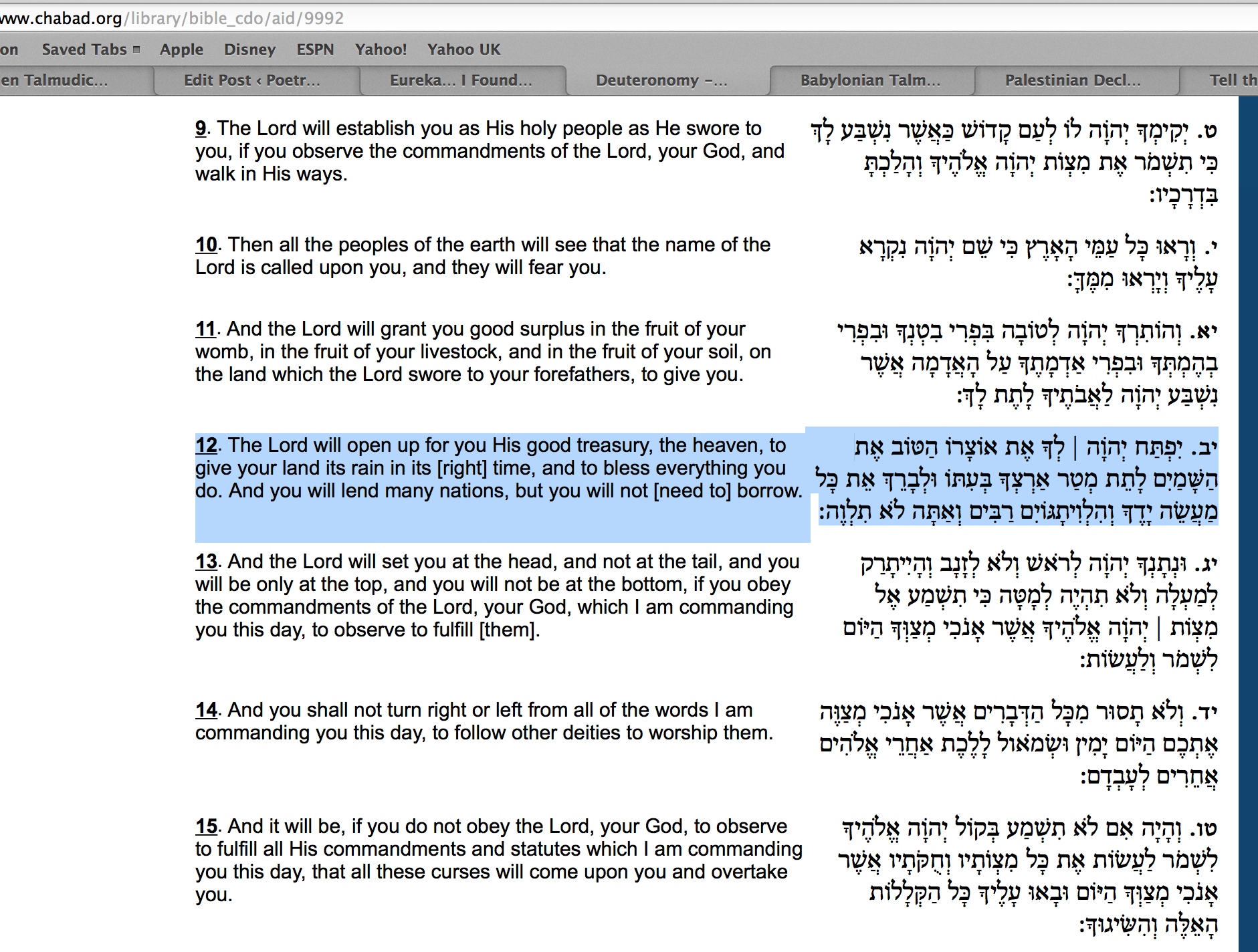
12. The Lord will open up for you His good treasury, the heaven, to give your land its rain in its [right] time, and to bless everything you do. And you will lend many nations, but you will not [need to] borrow. יב. יִפְתַּח יְהֹוָה | לְךָ אֶת אוֹצָרוֹ הַטּוֹב אֶת הַשָּׁמַיִם לָתֵת מְטַר אַרְצְךָ בְּעִתּוֹ וּלְבָרֵךְ אֵת כָּל מַעֲשֵׂה יָדֶךָ וְהִלְוִיתָ גּוֹיִם רַבִּים וְאַתָּה לֹא תִלְוֶה:
.

Devarim – Deuteronomy – Chapter 11
23. then the Lord will drive out all these nations from before you, and you will possess nations greater and stronger than you. כג. וְהוֹרִישׁ יְהֹוָה אֶת כָּל הַגּוֹיִם הָאֵלֶּה מִלִּפְנֵיכֶם וִירִשְׁתֶּם גּוֹיִם גְּדֹלִים וַעֲצֻמִים מִכֶּם:
.
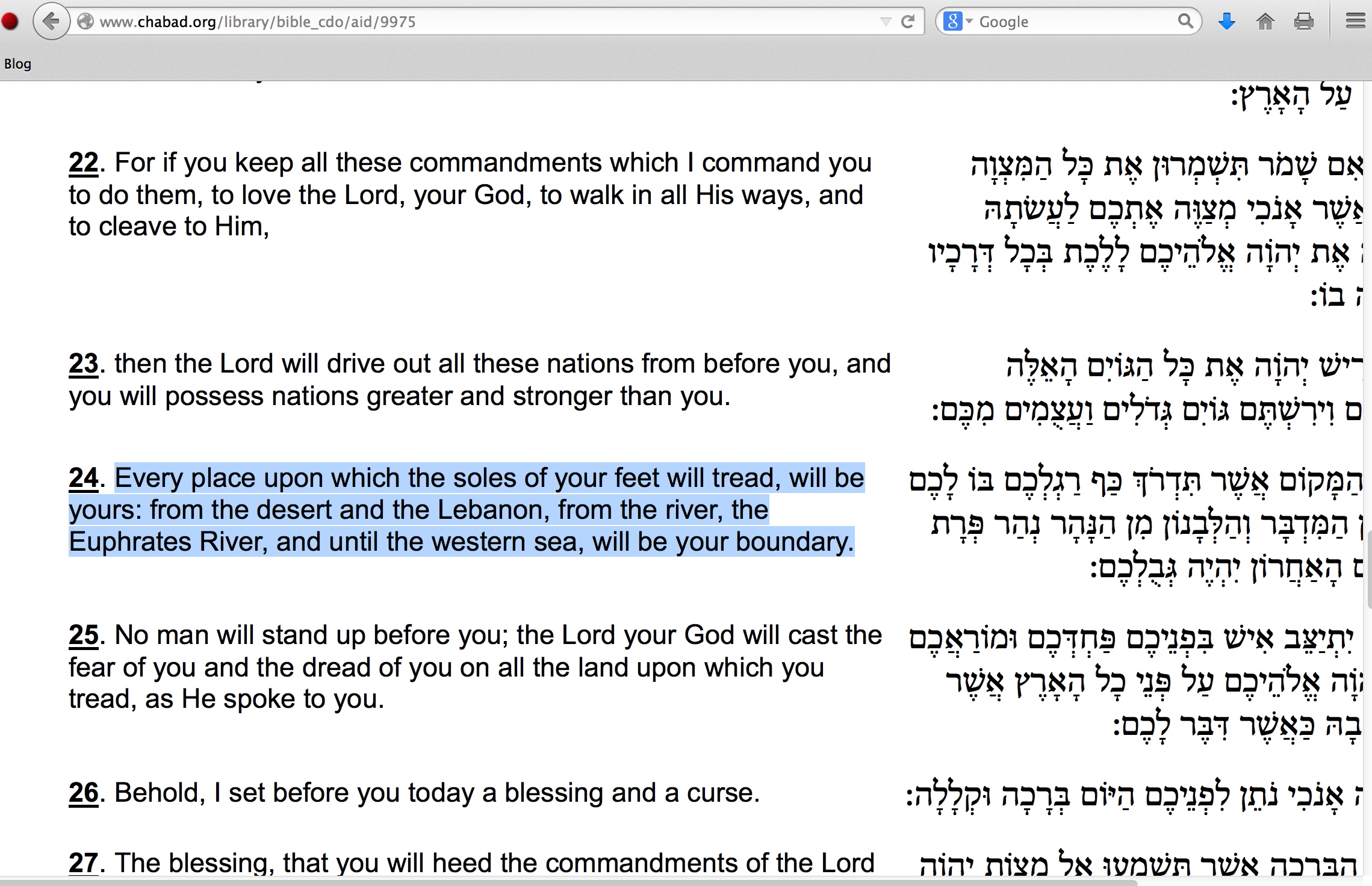
24. Every place upon which the soles of your feet will tread, will be yours: from the desert and the Lebanon, from the river, the Euphrates River, and until the western sea, will be your boundary. כד. כָּל הַמָּקוֹם אֲשֶׁר תִּדְרֹךְ כַּף רַגְלְכֶם בּוֹ לָכֶם יִהְיֶה מִן הַמִּדְבָּר וְהַלְּבָנוֹן מִן הַנָּהָר נְהַר פְּרָת וְעַד הַיָּם הָאַחֲרוֹן יִהְיֶה גְּבֻלְכֶם:
.
25. No man will stand up before you; the Lord your God will cast the fear of you and the dread of you on all the land upon which you tread, as He spoke to you. כה. לֹא יִתְיַצֵּב אִישׁ בִּפְנֵיכֶם פַּחְדְּכֶם וּמוֹרַאֲכֶם יִתֵּן | יְהֹוָה אֱלֹהֵיכֶם עַל פְּנֵי כָל הָאָרֶץ אֲשֶׁר תִּדְרְכוּ בָהּ כַּאֲשֶׁר דִּבֶּר לָכֶם:
.
29. And it will be, when the Lord, your God, will bring you to the land to which you come, to possess it, that you shall place those blessing upon Mount Gerizim, and those cursing upon Mount Ebal. כט. וְהָיָה כִּי יְבִיאֲךָ יְהֹוָה אֱלֹהֶיךָ אֶל הָאָרֶץ אֲשֶׁר אַתָּה בָא שָׁמָּה לְרִשְׁתָּהּ וְנָתַתָּה אֶת הַבְּרָכָה עַל הַר גְּרִזִּים וְאֶת הַקְּלָלָה עַל הַר עֵיבָל:
.
31. For you are crossing the Jordan, to come to possess the land which the Lord, your God, is giving you, and you shall possess it and dwell in it. לא. כִּי אַתֶּם עֹבְרִים אֶת הַיַּרְדֵּן לָבֹא לָרֶשֶׁת אֶת הָאָרֶץ אֲשֶׁר יְהֹוָה אֱלֹהֵיכֶם נֹתֵן לָכֶם וִירִשְׁתֶּם אֹתָהּ וִישַׁבְתֶּם בָּהּ:
.



Devarim – Deuteronomy – Chapter 12
1. These are the statutes and ordinances that you shall keep to perform in the land which the Lord God of your fathers gives you to possess all the days that you live on the earth. א. אֵלֶּה הַחֻקִּים וְהַמִּשְׁפָּטִים אֲשֶׁר תִּשְׁמְרוּן לַעֲשׂוֹת בָּאָרֶץ אֲשֶׁר נָתַן יְהֹוָה אֱלֹהֵי אֲבֹתֶיךָ לְךָ לְרִשְׁתָּהּ כָּל הַיָּמִים אֲשֶׁר אַתֶּם חַיִּים עַל הָאֲדָמָה:
.
2. You shall utterly destroy from all the places where the nations, that you shall possess, worshipped their gods, upon the lofty mountains and upon the hills, and under every lush tree. ב. אַבֵּד תְּאַבְּדוּן אֶת כָּל הַמְּקֹמוֹת אֲשֶׁר עָבְדוּ שָׁם הַגּוֹיִם אֲשֶׁר אַתֶּם יֹרְשִׁים אֹתָם אֶת אֱלֹהֵיהֶם עַל הֶהָרִים הָרָמִים וְעַל הַגְּבָעוֹת וְתַחַת כָּל עֵץ רַעֲנָן:
.
3. And you shall tear down their altars, smash their monuments, burn their asherim with fire, cut down the graven images of their gods, and destroy their name from that place. ג. וְנִתַּצְתֶּם אֶת מִזְבְּחֹתָם וְשִׁבַּרְתֶּם אֶת מַצֵּבֹתָם וַאֲשֵׁרֵיהֶם תִּשְׂרְפוּן בָּאֵשׁ וּפְסִילֵי אֱלֹהֵיהֶם תְּגַדֵּעוּן וְאִבַּדְתֶּם אֶת שְׁמָם מִן הַמָּקוֹם הַהוּא:
.
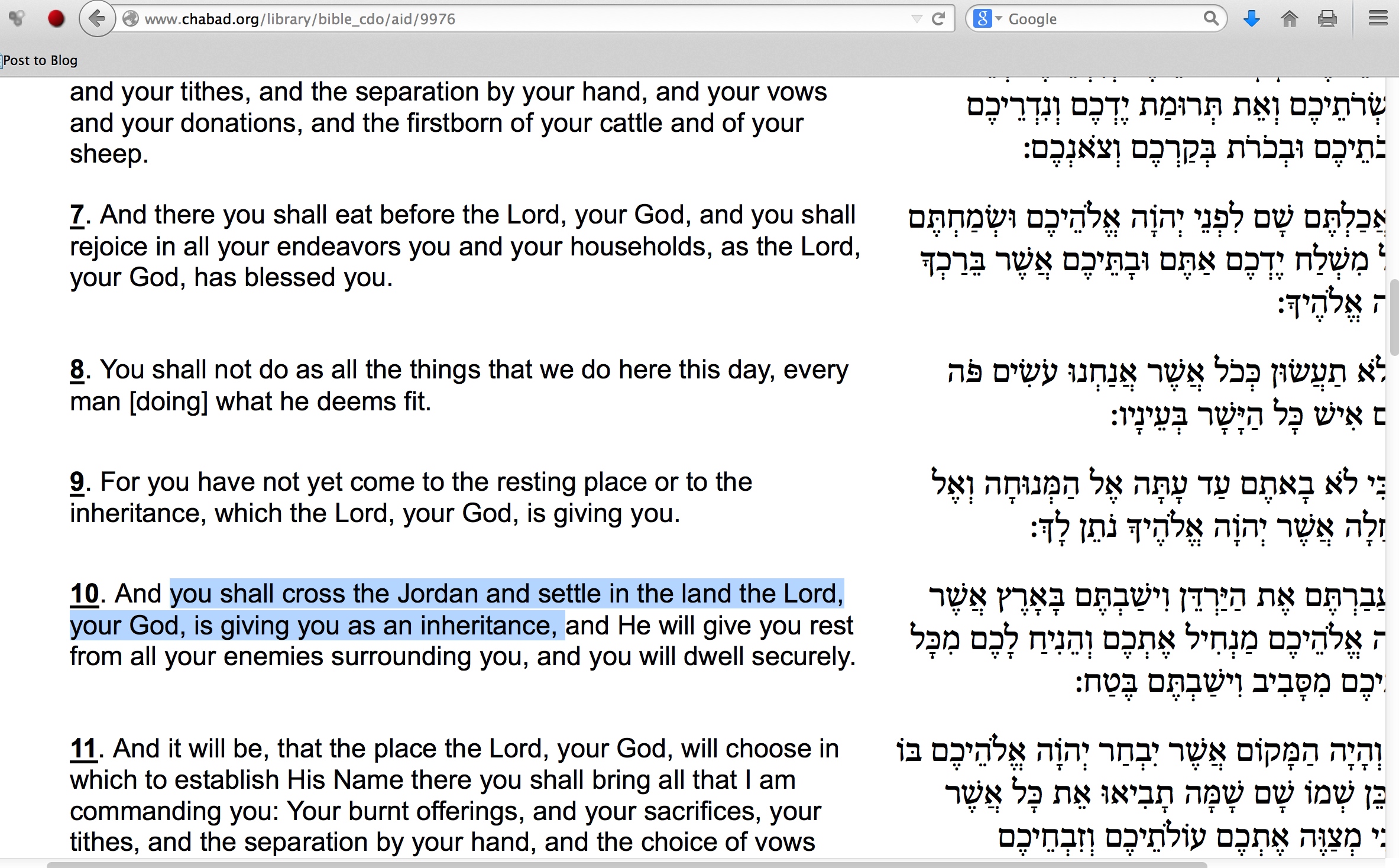
10. And you shall cross the Jordan and settle in the land the Lord, your God, is giving you as an inheritance, and He will give you rest from all your enemies surrounding you, and you will dwell securely. י. וַעֲבַרְתֶּם אֶת הַיַּרְדֵּן וִישַׁבְתֶּם בָּאָרֶץ אֲשֶׁר יְהֹוָה אֱלֹהֵיכֶם מַנְחִיל אֶתְכֶם וְהֵנִיחַ לָכֶם מִכָּל אֹיְבֵיכֶם מִסָּבִיב וִישַׁבְתֶּם בֶּטַח:
.
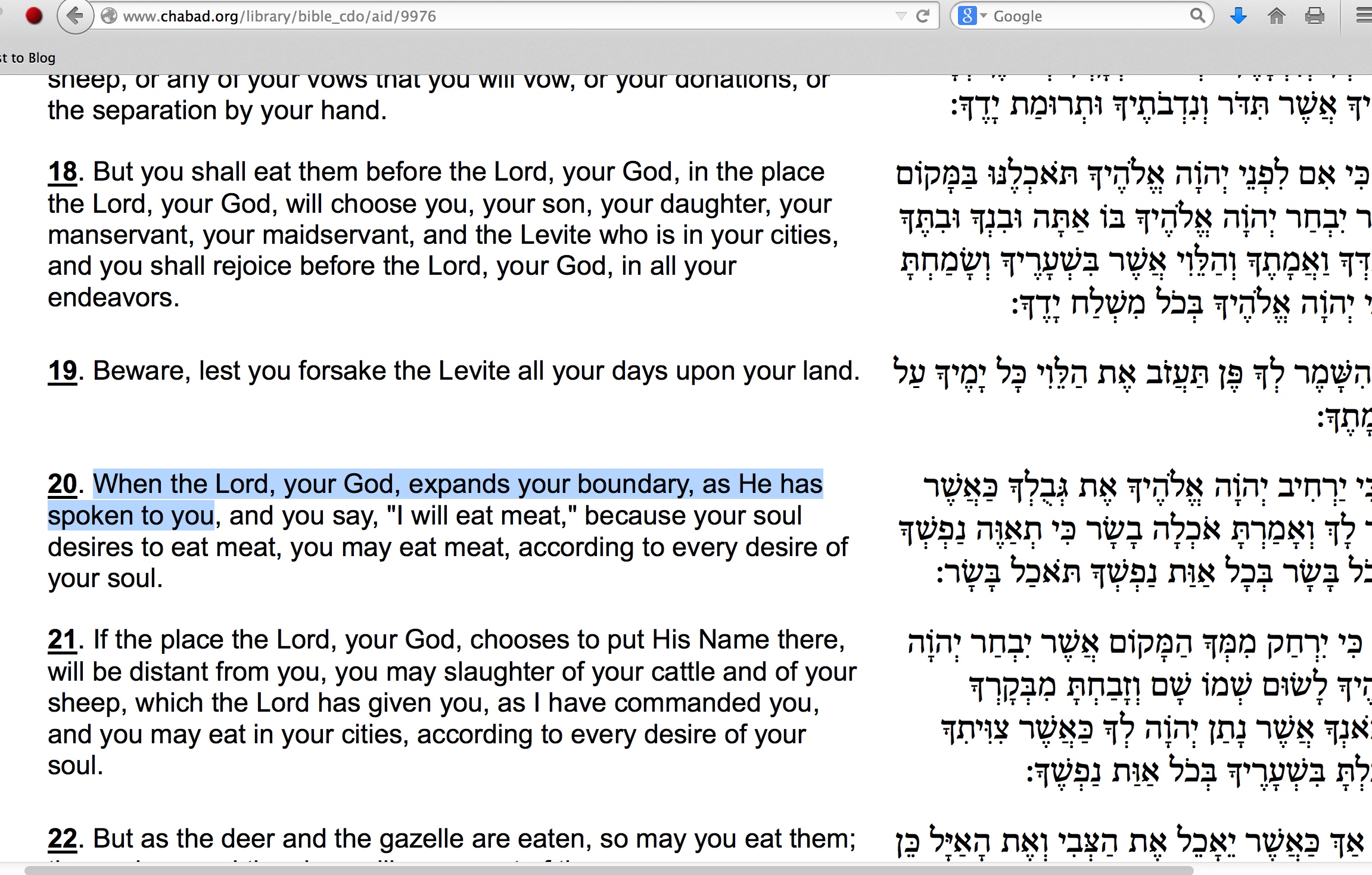
20. When the Lord, your God, expands your boundary, as He has spoken to you, and you say, “I will eat meat,” because your soul desires to eat meat, you may eat meat, according to every desire of your soul. כ. כִּי יַרְחִיב יְהֹוָה אֱלֹהֶיךָ אֶת גְּבֻלְךָ כַּאֲשֶׁר דִּבֶּר לָךְ וְאָמַרְתָּ אֹכְלָה בָשָׂר כִּי תְאַוֶּה נַפְשְׁךָ לֶאֱכֹל בָּשָׂר בְּכָל אַוַּת נַפְשְׁךָ תֹּאכַל בָּשָׂר:
.
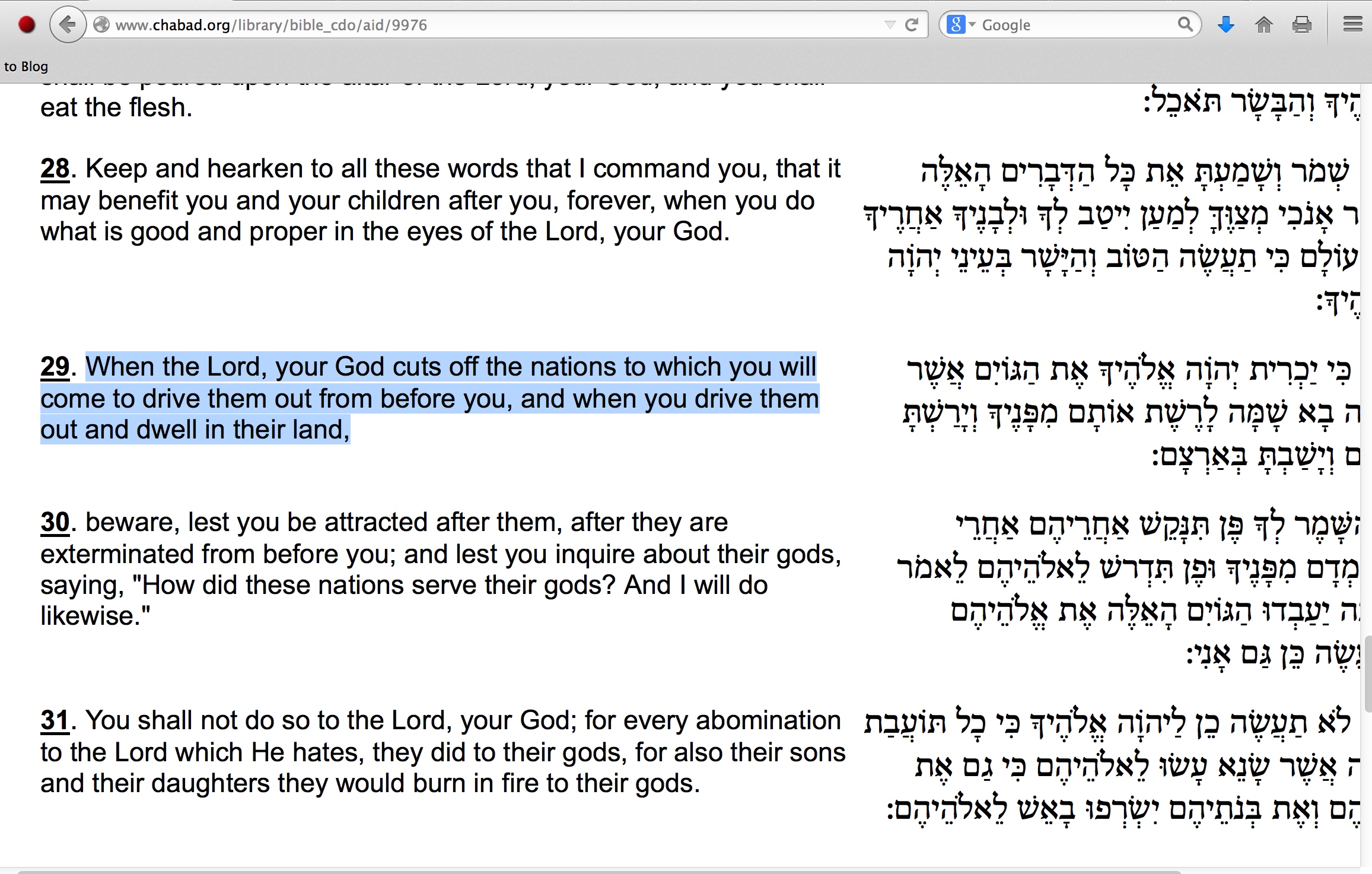
29. When the Lord, your God cuts off the nations to which you will come to drive them out from before you, and when you drive them out and dwell in their land, כט. כִּי יַכְרִית יְהֹוָה אֱלֹהֶיךָ אֶת הַגּוֹיִם אֲשֶׁר אַתָּה בָא שָׁמָּה לָרֶשֶׁת אוֹתָם מִפָּנֶיךָ וְיָרַשְׁתָּ אֹתָם וְיָשַׁבְתָּ בְּאַרְצָם:
.
30. beware, lest you be attracted after them, after they are exterminated from before you; and lest you inquire about their gods, saying, “How did these nations serve their gods? And I will do likewise.” ל. הִשָּׁמֶר לְךָ פֶּן תִּנָּקֵשׁ אַחֲרֵיהֶם אַחֲרֵי הִשָּׁמְדָם מִפָּנֶיךָ וּפֶן תִּדְרשׁ לֵאלֹהֵיהֶם לֵאמֹר אֵיכָה יַעַבְדוּ הַגּוֹיִם הָאֵלֶּה אֶת אֱלֹהֵיהֶם וְאֶעֱשֶׂה כֵּן גַּם אָנִי:
.



Devarim – Deuteronomy – Chapter 20
10. When you approach a city to wage war against it, you shall propose peace to it. י. כִּי תִקְרַב אֶל עִיר לְהִלָּחֵם עָלֶיהָ וְקָרָאתָ אֵלֶיהָ לְשָׁלוֹם:
.
11. And it will be, if it responds to you with peace, and it opens up to you, then it will be, [that] all the people found therein shall become tributary to you, and they shall serve you. יא. וְהָיָה אִם שָׁלוֹם תַּעַנְךָ וּפָתְחָה לָךְ וְהָיָה כָּל הָעָם הַנִּמְצָא בָהּ יִהְיוּ לְךָ לָמַס וַעֲבָדוּךָ:
.
12. But if it does not make peace with you, and it wages war against you, you shall besiege it, יב. וְאִם לֹא תַשְׁלִים עִמָּךְ וְעָשְׂתָה עִמְּךָ מִלְחָמָה וְצַרְתָּ עָלֶיהָ:
.
13. and the Lord, your God, will deliver it into your hands, and you shall strike all its males with the edge of the sword. יג. וּנְתָנָהּ יְהֹוָה אֱלֹהֶיךָ בְּיָדֶךָ וְהִכִּיתָ אֶת כָּל זְכוּרָהּ לְפִי חָרֶב:
.
14. However, the women, the children, and the livestock, and all that is in the city, all its spoils you shall take for yourself, and you shall eat the spoils of your enemies, which the Lord, your God, has given you. יד. רַק הַנָּשִׁים וְהַטַּף וְהַבְּהֵמָה וְכֹל אֲשֶׁר יִהְיֶה בָעִיר כָּל שְׁלָלָהּ תָּבֹז לָךְ וְאָכַלְתָּ אֶת שְׁלַל אֹיְבֶיךָ אֲשֶׁר נָתַן יְהֹוָה אֱלֹהֶיךָ לָךְ:
.
15. Thus you shall do to all the cities that are very far from you, which are not of the cities of these nations. טו. כֵּן תַּעֲשֶׂה לְכָל הֶעָרִים הָרְחֹקֹת מִמְּךָ מְאֹד אֲשֶׁר לֹא מֵעָרֵי הַגּוֹיִם הָאֵלֶּה הֵנָּה:
.
16. However, of these peoples’ cities, which the Lord, your God, gives you as an inheritance, you shall not allow any soul to live. טז. רַק מֵעָרֵי הָעַמִּים הָאֵלֶּה אֲשֶׁר יְהֹוָה אֱלֹהֶיךָ נֹתֵן לְךָ נַחֲלָה לֹא תְחַיֶּה כָּל נְשָׁמָה:
.
17. Rather, you shall utterly destroy them: The Hittites, and the Amorites, the Canaanites, and the Perizzites, the Hivvites, and the Jebusites, as the Lord, your God, has commanded you. יז. כִּי הַחֲרֵם תַּחֲרִימֵם הַחִתִּי וְהָאֱמֹרִי הַכְּנַעֲנִי וְהַפְּרִזִּי הַחִוִּי וְהַיְבוּסִי כַּאֲשֶׁר צִוְּךָ יְהֹוָה אֱלֹהֶיךָ:
.


Devarim – Deuteronomy – Chapter 25
5. If brothers reside together, and one of them dies having no son, the dead man’s wife shall not marry an outsider. [Rather,] her husband’s brother shall be intimate with her, making her a wife for himself, thus performing the obligation of a husband’s brother with her. ה. כִּי יֵשְׁבוּ אַחִים יַחְדָּו וּמֵת אַחַד מֵהֶם וּבֵן אֵין לוֹ לֹא תִהְיֶה אֵשֶׁת הַמֵּת הַחוּצָה לְאִישׁ זָר יְבָמָהּ יָבֹא עָלֶיהָ וּלְקָחָהּ לוֹ לְאִשָּׁה וְיִבְּמָהּ:
.
11. If [two] men, a man and his brother, are fighting together, and the wife of one of them approaches to rescue her husband from his assailant, and she stretches forth her hand and grabs hold of his private parts יא. כִּי יִנָּצוּ אֲנָשִׁים יַחְדָּו אִישׁ וְאָחִיו וְקָרְבָה אֵשֶׁת הָאֶחָד לְהַצִּיל אֶת אִישָׁהּ מִיַּד מַכֵּהוּ וְשָׁלְחָה יָדָהּ וְהֶחֱזִיקָה בִּמְבֻשָׁיו:
.
12. you shall cut off her hand You shall not have pity. יב. וְקַצֹּתָה אֶת כַּפָּהּ לֹא תָחוֹס עֵינֶךָ:
.
17. You shall remember what Amalek did to you on the way, when you went out of Egypt, יז. זָכוֹר אֵת אֲשֶׁר עָשָׂה לְךָ עֲמָלֵק בַּדֶּרֶךְ בְּצֵאתְכֶם מִמִּצְרָיִם:
.
19. [Therefore,] it will be, when the Lord your God grants you respite from all your enemies around [you] in the land which the Lord, your God, gives to you as an inheritance to possess, that you shall obliterate the remembrance of Amalek from beneath the heavens. You shall not forget! יט. וְהָיָה בְּהָנִיחַ יְהֹוָה אֱלֹהֶיךָ | לְךָ מִכָּל אֹיְבֶיךָ מִסָּבִיב בָּאָרֶץ אֲשֶׁר יְהֹוָה אֱלֹהֶיךָ נֹתֵן לְךָ נַחֲלָה לְרִשְׁתָּהּ תִּמְחֶה אֶת זֵכֶר * (זֶכֶר) עֲמָלֵק מִתַּחַת הַשָּׁמָיִם לֹא תִּשְׁכָּח:
.


Devarim – Deuteronomy – Chapter 21
10. If you go out to war against your enemies, and the Lord, your God, will deliver him into your hands, and you take his captives, י. כִּי תֵצֵא לַמִּלְחָמָה עַל אֹיְבֶיךָ וּנְתָנוֹ יְהֹוָה אֱלֹהֶיךָ בְּיָדֶךָ וְשָׁבִיתָ שִׁבְיוֹ:
.
11. and you see among the captives a beautiful woman and you desire her, you may take [her] for yourself as a wife. יא. וְרָאִיתָ בַּשִּׁבְיָה אֵשֶׁת יְפַת תֹּאַר וְחָשַׁקְתָּ בָהּ וְלָקַחְתָּ לְךָ לְאִשָּׁה:
.
12. You shall bring her into your home, and she shall shave her head and let her nails grow. יב. וַהֲבֵאתָהּ אֶל תּוֹךְ בֵּיתֶךָ וְגִלְּחָה אֶת רֹאשָׁהּ וְעָשְׂתָה אֶת צִפָּרְנֶיהָ:
.
15. If a man has two wives-one beloved and the other despised-and they bear him sons, the beloved one and the despised one, and the firstborn son is from the despised one. טו. כִּי תִהְיֶיןָ לְאִישׁ שְׁתֵּי נָשִׁים הָאַחַת אֲהוּבָה וְהָאַחַת שְׂנוּאָה וְיָלְדוּ לוֹ בָנִים הָאֲהוּבָה וְהַשְּׂנוּאָה וְהָיָה הַבֵּן הַבְּכֹר לַשְּׂנִיאָה:
.
18. If a man has a wayward and rebellious son, who does not obey his father or his mother, and they chasten him, and [he still] does not listen to them, יח. כִּי יִהְיֶה לְאִישׁ בֵּן סוֹרֵר וּמוֹרֶה אֵינֶנּוּ שֹׁמֵעַ בְּקוֹל אָבִיו וּבְקוֹל אִמּוֹ וְיִסְּרוּ אֹתוֹ וְלֹא יִשְׁמַע אֲלֵיהֶם:
.
19. his father and his mother shall take hold of him and bring him out to the elders of his city, and to the gate of his place. יט. וְתָפְשׂוּ בוֹ אָבִיו וְאִמּוֹ וְהוֹצִיאוּ אֹתוֹ אֶל זִקְנֵי עִירוֹ וְאֶל שַׁעַר מְקֹמוֹ:
.
20. And they shall say to the elders of his city, “This son of ours is wayward and rebellious; he does not obey us; [he is] a glutton and a guzzler.” כ. וְאָמְרוּ אֶל זִקְנֵי עִירוֹ בְּנֵנוּ זֶה סוֹרֵר וּמֹרֶה אֵינֶנּוּ שֹׁמֵעַ בְּקֹלֵנוּ זוֹלֵל וְסֹבֵא:
.
21. And all the men of his city shall pelt him to death with stones, and he shall die. So shall you clear out the evil from among you, and all Israel will listen and fear. כא. וּרְגָמֻהוּ כָּל אַנְשֵׁי עִירוֹ בָאֲבָנִים וָמֵת וּבִעַרְתָּ הָרָע מִקִּרְבֶּךָ וְכָל יִשְׂרָאֵל יִשְׁמְעוּ וְיִרָאוּ:
.


Devarim – Deuteronomy – Chapter 22
15. Then the girl‘s father and her mother shall obtain evidence of the girl’s virginity, and take it out to the elders of the city, to the gate. טו. וְלָקַח אֲבִי הַנַּעֲרָה וְאִמָּהּ וְהוֹצִיאוּ אֶת בְּתוּלֵי הַנַּעֲרָה אֶל זִקְנֵי הָעִיר הַשָּׁעְרָה:
.
16. And the girl’s father shall say to the elders, “I gave my daughter to this man as a wife, and he despised her; טז. וְאָמַר אֲבִי הַנַּעֲרָה אֶל הַזְּקֵנִים אֶת בִּתִּי נָתַתִּי לָאִישׁ הַזֶּה לְאִשָּׁה וַיִּשְׂנָאֶהָ:
.
17. And behold, he made libelous charges, saying, ‘I did not find evidence of your daughter’s virginity.’ But this is the evidence of my daughter’s virginity!’ And they shall spread the garment before the elders of the city. יז. וְהִנֵּה הוּא שָׂם עֲלִילֹת דְּבָרִים לֵאמֹר לֹא מָצָאתִי לְבִתְּךָ בְּתוּלִים וְאֵלֶּה בְּתוּלֵי בִתִּי וּפָרְשׂוּ הַשִּׂמְלָה לִפְנֵי זִקְנֵי הָעִיר:
.
18. Then, the elders of that city shall take the man and chasten him. יח. וְלָקְחוּ זִקְנֵי הָעִיר הַהִוא אֶת הָאִישׁ וְיִסְּרוּ אֹתוֹ:
.
19. And they shall fine him one hundred [shekels of] silver because he defamed a virgin of Israel, and he give it to the girl’s father. And she shall be his wife; he shall not send her away all the days of his life. יט. וְעָנְשׁוּ אֹתוֹ מֵאָה כֶסֶף וְנָתְנוּ לַאֲבִי הַנַּעֲרָה כִּי הוֹצִיא שֵׁם רָע עַל בְּתוּלַת יִשְׂרָאֵל וְלוֹ תִהְיֶה לְאִשָּׁה לֹא יוּכַל לְשַׁלְּחָהּ כָּל יָמָיו:
.
20. But if this matter was true: [indeed,] no evidence of the girl’s virginity was found כ. וְאִם אֱמֶת הָיָה הַדָּבָר הַזֶּה לֹא נִמְצְאוּ בְתוּלִים לַנַּעֲרָה:
.
21. they shall take the girl out to the entrance of her father’s house, and the men of her city shall pelt her with stones, and she shall die, for she did a disgraceful thing in Israel, to commit adultery [in] her father’s house. So shall you clear away the evil from among you. כא. וְהוֹצִיאוּ אֶת הַנַּעֲרָה אֶל פֶּתַח בֵּית אָבִיהָ וּסְקָלוּהָ אַנְשֵׁי עִירָהּ בָּאֲבָנִים וָמֵתָה כִּי עָשְׂתָה נְבָלָה בְּיִשְׂרָאֵל לִזְנוֹת בֵּית אָבִיהָ וּבִעַרְתָּ הָרָע מִקִּרְבֶּךָ:
.
22. If a man is found lying with a married woman, even both of them shall die the man lying with the woman and the woman. So shall you clear away the evil from Israel. כב. כִּי יִמָּצֵא אִישׁ שֹׁכֵב | עִם אִשָּׁה בְעֻלַת בַּעַל וּמֵתוּ גַּם שְׁנֵיהֶם הָאִישׁ הַשֹּׁכֵב עִם הָאִשָּׁה וְהָאִשָּׁה וּבִעַרְתָּ הָרָע מִיִּשְׂרָאֵל:
.
23. If there is a virgin girl betrothed to a man, and [another] man finds her in the city, and lies with her, כג. כִּי יִהְיֶה נַעֲרָה בְתוּלָה מְאֹרָשָׂה לְאִישׁ וּמְצָאָהּ אִישׁ בָּעִיר וְשָׁכַב עִמָּהּ:
.
24. you shall take them both out to the gate of that city, and you shall pelt them with stones, and they shall die: the girl, because she did not cry out [even though she was] in the city, and the man, because he violated his neighbor’s wife. So shall you clear away the evil from among you. כד. וְהוֹצֵאתֶם אֶת שְׁנֵיהֶם אֶל שַׁעַר | הָעִיר הַהִוא וּסְקַלְתֶּם אֹתָם בָּאֲבָנִים וָמֵתוּ אֶת הַנַּעֲרָ עַל דְּבַר אֲשֶׁר לֹא צָעֲקָה בָעִיר וְאֶת הָאִישׁ עַל דְּבַר אֲשֶׁר עִנָּה אֶת אֵשֶׁת רֵעֵהוּ וּבִעַרְתָּ הָרָע מִקִּרְבֶּךָ:
.
28. If a man finds a virgin girl who was not betrothed, and seizes her and lies with her, and they are found, כח. כִּי יִמְצָא אִישׁ נַעֲרָה בְתוּלָה אֲשֶׁר לֹא אֹרָשָׂה וּתְפָשָׂהּ וְשָׁכַב עִמָּהּ וְנִמְצָאוּ:
.
29. the man who lay with her shall give fifty [shekels of] silver to the girl’s father, and she shall become his wife, because he violated her. He shall not send her away all the days of his life. כט. וְנָתַן הָאִישׁ הַשֹּׁכֵב עִמָּהּ לַאֲבִי הַנַּעֲרָה חֲמִשִּׁים כָּסֶף וְלוֹ תִהְיֶה לְאִשָּׁה תַּחַת אֲשֶׁר עִנָּהּ לֹא יוּכַל שַׁלְּחָהּ כָּל יָמָיו:
.


Vayikra – Leviticus – Chapter 26
38. I am the Lord, your God, Who took you out of the land of Egypt, to give you the land of Canaan, to be a God to you. לח. אֲנִי יְהֹוָה אֱלֹהֵיכֶם אֲשֶׁר הוֹצֵאתִי אֶתְכֶם מֵאֶרֶץ מִצְרָיִם לָתֵת לָכֶם אֶת אֶרֶץ כְּנַעַן לִהְיוֹת לָכֶם לֵאלֹהִים:
.
44. Your male slave or female slave whom you may have from the nations that are around you, from them you may acquire a male slave or a female slave. מד. וְעַבְדְּךָ וַאֲמָתְךָ אֲשֶׁר יִהְיוּ לָךְ מֵאֵת הַגּוֹיִם אֲשֶׁר סְבִיבֹתֵיכֶם מֵהֶם תִּקְנוּ עֶבֶד וְאָמָה:
.
45. And also from the children of the residents that live among you, from them you may acquire [slaves] and from their family that is with you whom they begot in your land, and they shall become your inheritance. מה. וְגַם מִבְּנֵי הַתּוֹשָׁבִים הַגָּרִים עִמָּכֶם מֵהֶם תִּקְנוּ וּמִמִּשְׁפַּחְתָּם אֲשֶׁר עִמָּכֶם אֲשֶׁר הוֹלִידוּ בְּאַרְצְכֶם וְהָיוּ לָכֶם לַאֲחֻזָּה:
.
46. You shall hold onto them as an inheritance for your children after you, as acquired property, and may thus have them serve you forever. But as for your brethren, the children of Israel, a man shall not work his brother with rigor. מו. וְהִתְנַחַלְתֶּם אֹתָם לִבְנֵיכֶם אַחֲרֵיכֶם לָרֶשֶׁת אֲחֻזָּה לְעֹלָם בָּהֶם תַּעֲבֹדוּ וּבְאַחֵיכֶם בְּנֵי יִשְׂרָאֵל אִישׁ בְּאָחִיו לֹא תִרְדֶּה בוֹ בְּפָרֶךְ:


The Dirty Little Secret behind the “Global Terrorism Index” (GTI)
The Omission of Israeli Terrorism in the Occupied Palestinian Territories
By Karin Brothers | Global Research | December 6, 2014
The Global Terrorism Index from 2000 – 2013[1] was launched on December 5, 2014, endorsed by such luminaries as the Dalai Lama, Bishop Tutu and Jane Goodall; it describes itself as ”a comprehensive study that accounts for the direct and indirect impact of terrorism in 162 countries.” The GTI not only lists the countries most affected by terrorism (Iraq, Pakistan and Afghanistan), and the major terrorists (Muslims: Al Qaeda, the Taliban, Boko Haram and ISIS), but also advises on the most effective ways of dealing with it, noting that terrorism is connected more to injustice than to poverty.
Produced by the Institute for Economics and Peace (IEP), which also produces the Global Peace Index, the Global Terrorism Index (GTI) is based on data from the Global Terrorism Database (GTD) which is collected and collated by the National Consortium for the Study of Terrorism and Responses to Terrorism (START), which is supported by the Department of Homeland Security.
A Self-Serving Definition of Terror Incidents?
The Global Terrorism Index uses data from START’s Global Terrorism Database (GTD) which includes incidents meeting the following criteria:
1. The incident must be intentional – the result of a conscious calculation on the part of a perpetrator.
2. The incident must entail some level of violence or threat of violence — including property violence, as well as violence against people
3. The perpetrators of the incidents must be sub-national actors. This database does not include acts of state terrorism.
In addition to this baseline definition, two of the following three criteria have to be met in order to be included in the START database from 1997:
… The violent act was aimed at attaining a political, economic, religious, or social goal.
… The violent act included evidence of an intention to coerce, intimidate, or convey some other message to a larger audience (or audiences) other than the immediate victims.
… The violent act was outside the precepts of international humanitarian law.
There is a contradiction in the definition of terrorist incidents in the study. While the GTI claims that their database only includes acts which are contrary to international humanitarian law, the “two out of three” criteria allows for legal actions to be included. Legal actions included in the GTD database are Palestinian resistance attacks on the Israeli military. [2]
A unique feature of the GTI is described as a “lagged scoring”, or replicating a terror event for up to five years to weight the estimated psychological impact of a terror event. Examples of such scoring were given as the bombing of a marketplace or the 2011 massacre in Norway of 77 youth.
Global Terror Database Notes and Anomalies
A cursory look at the Global Terror Database[2] for Israel indicates various problems. Some of the listed incidents are inadequately documented, with “unknown” location. Actions attributed to Hamas are counted despite what should have been its state exclusion and the exclusion for legal actions. The “West Bank and Gaza Strip” is listed but the incidents involving Palestinians are far from complete.
The Terror Omission
It is only in Appendix C that the Global Terrorism Index mentions that despite a “notable amount of terrorism” in the occupied Palestinian territories (oPt), this region is excluded “by Global Peace Index convention”. Since the GTI was supposed to be using the START Global Terrorism Database, it is not clear why the Global Peace Index “convention” was relevant; also, the GPI’s source, the Economist Intelligence Unit, does include the Palestinian Territories. By excluding the occupied West Bank, East Jerusalem, and pre-2006 Gaza Strip from the survey, the attacks by Israeli settlers are omitted.
It becomes apparent why the occupied Palestinian territories were excluded when the incidence of Israeli settler violence is examined. According to their definition of terrorism, the Israeli settlers’ violence not only qualifies as terrorism, but puts them near the top of the listing of the most violent terrorists. With over 1,750 violent settler attacks fully documented from 2006 – 2013[3], the only group credited with more terror attacks was the Taliban, with 2,757 incidents from 2002 – 2013. Al Qaeda’s 1,089, Boko Haram’s 750 and ISIL’s 492 attacks aren’t even close.[4] When the numbers of settler attacks on Palestinians are combined with the number of non-military Israeli attacks on the Arabs within Israel, the problem of Israeli violence within the tiny state can be seen to be one of staggering proportions. Yet, according to the GTI, Israel was not in the 20 worst states for terrorism.
Moreover, the number of violent incidents, as the report points out, should be weighted by factors reflecting the psychological impact on a victim community. About half of the incidents listed in the GTI report were from explosions, which typically aim for a broader, less personal, target community. The settler attacks on Palestinians tend to be of a more personal nature: shootings, running down civilians with vehicles, beatings, and damage or destruction of civilian property, such as razing agricultural land and raiding houses. Children have been frequent targets, as are Palestinian farmers and workers. Because settlers are allowed to attack Palestinians with impunity from prosecution and often target those whose neighbouring lands they want, settler attacks tend to be more traumatic and should be accorded the full psychological weighting factor.
Are Israeli Settlers Comparable to Muslim terrorists?
Although the actions of Israeli settlers fit the definition of terrorism, can they be considered as comparable to the organizations accused of terrorism? The Muslim organizations accused of being terrorist are a variety of political and/or religious ideological movements that typically arose as a reaction to western power. Israeli settlers are by definition people who have chosen to violate international humanitarian laws by living on territory they have no right to; the settler movement is led by right-wing, religious extremists. That some settlers make the choice for economic motives is similar to the ISIS or Taliban fighters who join because they need the wages.
Additionally, settler attackers are doubly guilty of terrorism: the act of living illegally on Palestinian land fits this definition of terrorism; subsequent attacks on Palestinians are further acts of terrorism.
The Global Implications of Not Naming Settler Attacks as “Terrorism”
The Israeli settlements — all of which are illegal – have been identified as a major impediment to peace. The refusal of a major “global” terrorism report to name the Israeli settlers as one of the groups most responsible for terrorism not only misrepresents a major source of regional violence but exposes the Global Terrorism Index as a propaganda tool that supports a U.S. agenda.
In recent years, governments have been attempting to thwart terrorism by blocking supportive fund-raising. When it comes to Israeli settlements, however, the US and Canada actually encourage fund-raising by giving organizations (such as Christian Friends of Israeli Communities (CFOIC) and the Jewish National Fund) financial support in the form of donor tax-deductions.
Charities which provide funds for the Israeli settlements should be regarded as terror-financing organizations. They should not only lose their tax-deductible status, but they should be banned because they support the violation of international humanitarian law. The terror-financing laws that are being strictly enforced for Muslim charities should be applied to Christian and Jewish charities as well. Governments that do not recognize settler violence as terrorism are feeding what Naomi Klein once termed “the engine that keeps the War on Terror running”: injustice in Israel.
Notes
1. The Global Terrorism Index is at: http://www.visionofhumanity.org/sites/default/files/Global%20Terrorism%20Index%20Report%202014_0.pdf
2. Global Terror Database on Israel: http://www.start.umd.edu/gtd/search/Results.aspx?search=israel&sa.x=0&sa.y=0
3. Annual reports of the Palestinians Center for Human Rights Gaza (PCHRGaza) at: http://www.pchrgaza.org/portal/en/index.php?option=com_content&view=category&layout=blog&id=40&Itemid=172,
Israeli settler attacks from 2000-2013 accounted for 63 deaths, and from 2006 – 2013 at least 1766 violent attacks. (From 2002 – 2013, there were 35 deaths and over 1750 attacks documented.)
While PCHRGaza has published weekly reports that have included settler violence since 1997, it only started to compile the total number of settler attacks in their annual reports from 2006 onwards. One would have to examine the weekly reports for 2000 to 2005 to obtain the annual totals that should have been used for the Global Terrorism Index’s 2000 – 2013 study.
The PCHRGaza noted on at least some of their annual reports that their totals for Israeli settler attacks were not complete because they included only those for which they had documentation. Al Haq and the UN also kept documentation of settler attacks, only some of which overlap PCHRGaza’s.
4. Global Terrorism Index “Targets and Tactics, 2000 – 2013″: totals of incidents by group p. 51
A look at Egypt’s failure to exploit gas in the Mediterranean
By Izzat Shaaban | Al-Akhbar | December 6, 2014
Cairo – The oil and gas resources that Egypt could benefit from are just talk and cannot even be exploited as Israel manipulates these resources and seeks to maintain its control over them by all means possible.
When Israel undertook security measures to protect gas fields in the Mediterranean Sea, including renting a military unit in Cyprus until 2016, it ignited a crisis regarding the right to exploit the oil and gas fields in the Mediterranean. Due to the fact that Israel established the Iron Dome missile defense system to intercept missiles along its coast and off its territorial waters, in addition to its intelligence activities, it was able to monitor the work being done in these economically viable waters.
In addition, Israel has a confidential strategic security understanding with the United States in coordination with Turkey to preempt any international operations aimed at gas exploration and to strike them through the military unit established in Cyprus or the US Sixth Fleet present in the Mediterranean. All these Israeli actions deprive the Egyptian treasury of nearly a billion US dollars yearly for failing to exploit the discovered gas fields in territorial waters in the Mediterranean Sea.
Egypt’s inability to control the gas fields
As a matter of fact, Egypt was never able to control the gas fields located along its territorial maritime borders in the Mediterranean Sea because “Israel seized control of the Leviathan gas field and Cyprus controls the Aphrodite gas field even though they fall within the range of Egypt’s economic water,” according to economic expert Nael Salah al-Din al-Shafi speaking to Al-Akhbar.
According to Shafi, the problem “lies with the location of the fields discovered by some Mediterranean countries and along Egypt’s current maritime border.” He pointed out that “in principle, we cannot estimate the economic returns of the discovered gas fields because there are several of them and we don’t really know their content.”
Maritime delineation
It is known that drawing Egypt’s maritime border was marred with errors. One of these errors, according to Samir al-Najjar, professor of marine science at Alexandria University, is the degree of commitment to the United Nations Convention on the Law of the Sea stipulating that “Coastal States exercise sovereignty over their territorial waters which they have the right to establish its breadth up to a limit not to exceed 12 nautical miles… and have sovereign rights in a 200-nautical mile exclusive economic zone.” That is why, according to Najjar, “If the distance between two states facing each other across the sea is less than 400 nautical miles, they cannot get 200 nautical miles each, therefore they have to agree to demarcate their borders based on the historical and economic rights of each state.”
He added, “If there are no established economic and historical rights for these states, they should resort to maritime delineation based on the meridian or sector line.”
“Egypt overlooked the fact that its established historical rights go back to 200 years BC.” al-Najjar said, pointing out that “after re-measuring, it became evident that the meridian limit in the Aphrodite gas field for example lies three kilometers away.” “This piece of information alone means that two entire fields are located within Egyptian waters,” al-Najjar explained.
Historically, the Mediterranean fields were discovered by geologist Hussam Kheir al-Din. Al-Najjar said that Egypt and Cyprus signed an agreement on February 17, 2003 which was approved by then President Hosni Mubarak and the parliament. In 2006, the two countries signed the so-called Framework Convention to share hydrocarbon reservoirs, meaning gas and oil. However, errors in demarcation postponed the ownership of Aphrodite field, which eventually became Cyprus’ and not Egypt’s. This decision must be reversed but that requires Egypt to redraw its maritime border. Kheir al-Din indicated that Egypt gave up its rights when it agreed to allow internet cables to pass through its water for no charge, pointing out that annual losses vary between $750 million and $2 billion.The reason behind the latest crisis
Security expert, General Ismail al-Gazzar, said the reason behind the latest crises over the Mediterranean waters emerged after Egypt issued the Cairo Declaration at a conference held last month at al-Ittihadiya presidential palace which “foiled an undeclared agreement between Turkey, Cyprus and Israel that aims at pressuring Egypt to impose the status quo after seizing control of all the resources in the Mediterranean.” Gazzar pointed out that “Energy, the US company in charge of gas exploration in the Mediterranean, resorted to military units in anticipation of any international activities to drill for gas.”
Economic losses
Economics professor at the American University of Cairo, Nawal al-Said, said that the two adjacent fields, the Leviathan and Aphrodite, contain reserves worth $200 billion. She pointed out that the US oil and gas company ATB began developing Shimshon, the Egyptian maritime field also seized by Israel, which has about 3.5 trillion cubic feet.
According to economist Amr Helmy, a specialist in financial and stock markets, Egypt has about 123 trillion cubic meters in reserves in the oil fields that are being looted by Israel and about 40 trillion cubic meters of natural gas considered one of the purest in the world. As a result, he added that “Egypt loses about $24 trillion.”
Featured Video

Seyed M. Marandi: US-Iran War Inevitable: Kuwait and Bahrain May Fall
or go to
Aletho News Archives – Video-Images
From the Archives
Oil and the Israel Lobby
Reknowned economist M. Shahid Alam offers this excellent critique of Noam Chomsky’s defective analysis of the relative influence of Oil versus the Israel lobby over US foreign policy: … continue
Blog Roll
 Aletho News
- ICC ignored ‘very well-documented’ NATO crimes – ex-Libyan minister
- SNSC secretary dismisses US response to Iran’s conditions as ‘inadequate’
- Sanaa says Taiz roads open, secure for residents, warns Saudi forces
- Iraqi resistance group urges Saudi leadership to admit defeat, lift Yemen siege
- Trump’s Retreat: How Al-Aqsa Flood Took Down the US Empire
- Israel’s Military Actions in Lebanon Grossly Violate International Law — Lavrov
- Seyed M. Marandi: US-Iran War Inevitable: Kuwait and Bahrain May Fall
- Leaders Condemn Ansarallah Attack on Saudi Arabia While Ignoring Illegal War Against Yemen
- Leaked: Britain’s Covert Iraqi Psyops Network
- Yemeni Armed Forces Warn Airlines Against Using Saudi Airports, Exempt Mecca and Medina
- If Americans Knew
- How Israel Conquered the Latin American Right
- Agents search Rep. Omar’s Washington home in criminal probe as she vows she won’t ‘be silenced’
- “The Rule Was: ‘Shoot Everyone You See'”
- Israel goes ballistic over Nobel Laureate Navi Pillay
- U.S. May Join Yet Another Middle Eastern War — TCN
- Yellow Line moves again as Israel closes in on trapped Gazans – Daily Update
- Israeli Attacks Kill Seven Palestinians in Gaza Including Six-year-old Girl
- Gaza: Ceasefire Anniversary Marks Year of Failed Promises
- The American Conservative: Mike Huckabee Should Resign
- A C-Section in Shackles: A Palestinian Woman’s Harrowing Birth in Israeli Detention
- No Tricks Zone
- Germany’s Green Energy Debacle: High Energy Costs Force Kahla Porzellan to Close After 182 Years!
- New Study: 50 Years Of The Most Aggressive ‘Net Zero’ Policies Can Only Affect The Global Climate By 0.03°C
- US September “Heat” Was No Record…Many Records Set Decades Ago
- Latest European Green Energy Debacle; Portugal’s Largest Flagship Solar Park Insolvent!
- Green Energy Debacle: German Expert Professor Fritz Vahrenholt Warns Of Severe Economic And Social Consequences
- Two More Paleo Reconstructions Affirm Meters-Higher Sea Levels Across Ireland, Brazil 7000-6000 Years Ago
- New Study: Earth And Venus Surface Warmth Largely Explained By Convection And Lapse Rate, Not CO2 Or Radiation
- 2025 Nature Paper Claiming Worsening Global Drought Gets RETRACTED …Heavily Flawed
- New Study: ‘Global Drought Shows No Detectable Recent Acceleration Under Climate Warming’
- Economic Masterminds: German Socialists Suggest Taxing Productivity Gains Stemming From Using AI

