Pfizer Document Dump Shows Doctor With Ties to Gates Foundation Deleted Trial Participant’s Vaccine Injury
By Michael Nevradakis, Ph.D. | The Defender | May 18, 2022
An 80,000-page cache of Pfizer-BioNTech COVID-19 vaccine documents released by the U.S. Food and Drug Administration (FDA) sheds light on Pfizer’s extensive vaccine trials in Argentina, including the unusually large size of the trials and the story of a trial participant whose vaccine reaction was “disappeared.”
The case of Augusto Roux in Argentina suggests that in at least one instance, a trial participant whose symptoms were determined to be connected to the COVID-19 vaccine was later listed, in official records, as having experienced adverse events that were not related to the vaccination.
Vaccine trials in Argentina also appear to have glossed over adverse events suffered by other trial participants, and the potential connection between the adverse events and the vaccine.
The FDA on May 2 released the latest cache of documents, which pertain to the Emergency Use Authorization of Pfizer’s vaccine, as part of a court-ordered disclosure schedule stemming from an expedited Freedom of Information Act request filed in August 2021.
As previously reported by The Defender, the documents included Case Report Forms from Pfizer COVID vaccine trials in the U.S., and the “third interim report” from BioNTech’s trials conducted in Germany, both of which listed adverse events sustained by participants in the U.S. and German trials.
Many of these adverse events were indicated as being “unrelated” to the vaccines — even in instances where the patients were healthy or otherwise had no prior medical history related to the injuries they sustained.
Story of ‘disappeared patient’ goes public
Several bloggers and online investigators called into question various aspects of the Argentine vaccine trials, pointing out the number of participants in the Argentine trials dwarfed that of other, typically smaller trials at other locations in different countries.
They also pointed out the large number of participants appeared to have been recruited to the trial in a remarkably short time, and questioned the connections between one of the key figures of the Argentine trial to vaccine manufacturers, Big Pharma and the Bill & Melinda Gates Foundation.
The large number of trial participants in Argentina may be related to the fact that the trial appears to have been held simultaneously in 26 hospitals.
The large number of participants is revealed in another of the documents released this month, where on page 2,245, the list of randomized participants at trial site 1231 begins, while on page 4,329, the list of participants at trial site 4444 begins.
Site 1231 refers to the main trial site location and 4444 (page 24) most likely refers to the disparate hospitals participating in the trial outside the main location.
Commenting on the revelation, blogger David Healy wrote:
“About 5,800 volunteers were enrolled, half getting the active vaccine. This is almost 4 times more than the next largest centre in this trial.
“Amazingly 467 doctors were almost instantly signed up and trained as assistant investigators in the study.”
In all, 4,501 patients participated in the Argentine trials, representing 10% of all Pfizer trial participants worldwide.
Complete information about adverse events during this extensive trial in Argentina does not appear to have been released as of this writing.
However, Roux’s experience has since become public.
Roux, often referred to as the “disappeared” patient, volunteered for the trial (volunteer number 12312982) and received his first dose of the Pfizer vaccine on Aug. 21, 2020.
According to Healy, Roux “felt pain and swelling in his arm right after the injection. Later that day he had nausea, difficulty swallowing, and felt hungover.”
After a series of symptoms, Roux — during a clinical trial visit on Aug. 23, 2020 — was classified as experiencing a “toxicity grade 1 adverse effect.”
He nevertheless received his second dose on Sept. 9, 2020.
According to Healy:
“On the way home by taxi, he started feeling unwell. At 19:30, he was short of breath, had a burning pain in his chest and was extremely fatigued. He lay on his bed and fell asleep. He woke up at 21:00 with nausea and fever (38-39 C) and was unable to get out of bed due to the fatigue.
“Over the next two days, he reports a high fever (41 C) and feeling delirious.
“On September 11, he was able to get out of bed and go to the bathroom when he observed his urine to be dark (like Coca-Cola). He felt as if his heart expanded, had a sudden lack of breath and fell unconscious on the floor for approximately 3 hours.
“Once he recovered, he felt tired, was uncomfortable, had a high heart rate on minor movement, was dizzy when changing posture. He had a chest pain which radiated to his left arm and back.”
On Sept. 12, 2020, Roux was admitted to the Hospital Alemán, where he stayed for two days. It was initially believed he had COVID-19, but he tested negative for the virus. His symptoms also were found to not correspond with viral pneumonia.
After a series of X-rays, CT scans and urine tests, Roux was discharged Sept. 14, 2020, after being diagnosed with an adverse reaction — specifically, an unequivocal pericardial effusion — to the coronavirus vaccine (high probability), according to his discharge summary.
Doctor who altered Roux’s record had ties to Gates, NIH, Big Pharma
However, on Sept. 17, Dr. Fernando Polack, Pfizer’s lead investigator for the Argentine trials according to a Pfizer document released in December 2021, reported in Roux’s record that his “hospitalization was not related to the vaccine.”
Even after Roux’s discharge, his health difficulties continued. As reported by Healy:
“On November 13 [2020], he had negative IgG and IgM SARS COV-2 (QML technique), which is unusual post vaccine.
“On February 24, 2021, a liver scan showed a minor degree of abnormality. In March 2021 and February 2022, his liver enzymes remained abnormal.”
Ultimately, Roux lost 14 kilograms (30.8 pounds) in a period of three to four months, and continued to suffer from fever and bouts of breathlessness for several months afterward.
Polack, who reported Roux’s hospitalization as unrelated to the vaccination, is known for his close ties with various vaccine manufacturers, pharmaceutical companies and the Bill & Melinda Gates Foundation.
For instance, he is listed as the lead author in a Dec. 31, 2020, New England Journal of Medicine (NEJM) article on the purported efficacy of the Pfizer COVID-19 vaccine.
According to Healy, Polack also appears to be the founder of iTRIALS, a trial site management company, and another organization located at the same physical headquarters, the Fundación INFANT.
Healy wrote:
“When COVID struck Argentina, [Polack] and his Fundación became involved in a trial of immune plasma, taken from patients who had recovered from COVID, given to patients who had recently acquired the disease.
“In May 2020 he speculated that this would make COVID like an ordinary cold, and the Gates Foundation would offer financial support. He used high-profile press conferences to disseminate his exciting message.”
The conclusion of the study published in the NEJM following the plasma study reads:
“Funded by the Bill and Melinda Gates Foundation and the Fundación INFANT Pandemic Fund; Dirección de Sangre y Medicina Transfusional del Ministerio de Salud number, PAEPCC19, Plataforma de Registro Informatizado de Investigaciones en Salud number, 1421, and ClinicalTrials.gov number, NCT04479163.”
According to Healy, “[a] subsequent systematic review and meta-analysis failed to confirm these findings, noting ‘very serious imprecision concerns.’”
Healy pointed out that Polack, in his NEJM disclosure statement, did not indicate any conflict of interest or financial interest in the COVID-19 vaccine trials in Argentina, but:
“Polack reported grants from Novavax and personal fees from Janssen, Bavarian Nordic A/S, Pfizer, Sanofi, Regeneron, Merck, Medimmune, Vir Bio[technology], Ark Bio, Daiichi Sankyo outside the submitted work.
“At least eight of these companies are engaged in RSV vaccine research in babies and pregnant women. Fernando has mentioned a combined RSV, flu and COVID vaccine.”
And, in relation to Polack’s relationship with the Bill & Melinda Gates Foundation, Healy reported:
“[Polack] also doesn’t mention his extensive financial involvement with the Bill & Melinda Gates Foundation. This organization supports industry vaccine trials including Covid and RSV. Fernando is heavily involved through his Gates-sponsored Fundación INFANT in Buenos Aires in RSV trials and research.
“Gates sunk $82,553,834 into Novavax’s RSV vaccine ResVax which was shown to be ineffective in clinical trials in pregnant women.”
Polack’s own bio from a 2017 medical conference states “[h]is work is funded by the Bill & Melinda Gates Foundation, the National Institutes of Health [NIH], the Thrasher Research Fund, the Optimus Foundation and other international organizations.”
That same year, Polack testified at an FDA Vaccines and Related Biological Products Advisory Committee (VRBPAC) meeting, where he “acknowledged having financial interests in or professional relationships with some of the affected firms identified for this meeting, namely Janssen [producer of the Johnson & Johnson COVID vaccine], Novavax, and Bavarian Nordic.”
According to Dr. Joseph Mercola, Polack “also happens to be a consultant for the U.S. Food and Drug Administration’s Vaccines and Related Biological Products Advisory Committee (VRBPAC),” and “a current adjunct professor at Vanderbilt University in Tennessee.”
Michael Nevradakis, Ph.D., is an independent journalist and researcher based in Athens, Greece.
Putting Big Bad Pharma Back on Trial in the COVID-19 Era
They keep telling us to “trust the science.” But who paid for it?
Photo credit: Massimo Giachetti
By Rebecca Strong – February 16, 2022
After graduating from Columbia University with a chemical engineering degree, my grandfather went on to work for Pfizer for almost two decades, culminating his career as the company’s Global Director of New Products. I was rather proud of this fact growing up — it felt as if this father figure, who raised me for several years during my childhood, had somehow played a role in saving lives. But in recent years, my perspective on Pfizer — and other companies in its class — has shifted. Blame it on the insidious big pharma corruption laid bare by whistleblowers in recent years. Blame it on the endless string of big pharma lawsuits revealing fraud, deception, and cover-ups. Blame it on the fact that I witnessed some of their most profitable drugs ruin the lives of those I love most. All I know is, that pride I once felt has been overshadowed by a sticky skepticism I just can’t seem to shake.
In 1973, my grandpa and his colleagues celebrated as Pfizer crossed a milestone: the one-billion-dollar sales mark. These days, Pfizer rakes in $81 billion a year, making it the 28th most valuable company in the world. Johnson & Johnson ranks 15th, with $93.77 billion. To put things into perspective, that makes said companies wealthier than most countries in the world. And thanks to those astronomical profit margins, the Pharmaceuticals and Health Products industry is able to spend more on lobbying than any other industry in America.
While big pharma lobbying can take several different forms, these companies tend to target their contributions to senior legislators in Congress — you know, the ones they need to keep in their corner, because they have the power to draft healthcare laws. Pfizer has outspent its peers in six of the last eight election cycles, coughing up almost $9.7 million. During the 2016 election, pharmaceutical companies gave more than $7 million to 97 senators at an average of $75,000 per member. They also contributed $6.3 million to president Joe Biden’s 2020 campaign. The question is: what did big pharma get in return?
ALEC’s Off-the-Record Sway
To truly grasp big pharma’s power, you need to understand how The American Legislative Exchange Council (ALEC) works. ALEC, which was founded in 1973 by conservative activists working on Ronald Reagan’s campaign, is a super secretive pay-to-play operation where corporate lobbyists — including in the pharma sector — hold confidential meetings about “model” bills. A large portionof these bills is eventually approved and become law.
A rundown of ALEC’s greatest hits will tell you everything you need to know about the council’s motives and priorities. In 1995, ALEC promoted a bill that restricts consumers’ rights to sue for damages resulting from taking a particular medication. They also endorsed the Statute of Limitation Reduction Act, which put a time limit on when someone could sue after a medication-induced injury or death. Over the years, ALEC has promoted many other pharma-friendly bills that would: weaken FDA oversight of new drugs and therapies, limit FDA authority over drug advertising, and oppose regulations on financial incentives for doctors to prescribe specific drugs. But what makes these ALEC collaborations feel particularly problematic is that there’s little transparency — all of this happens behind closed doors. Congressional leaders and other committee members involved in ALEC aren’t required to publish any records of their meetings and other communications with pharma lobbyists, and the roster of ALEC members is completely confidential. All we know is that in 2020, more than two-thirds of Congress — 72 senators and 302 House of Representatives members — cashed a campaign check from a pharma company.
Big Pharma Funding Research
The public typically relies on an endorsement from government agencies to help them decide whether or not a new drug, vaccine, or medical device is safe and effective. And those agencies, like the FDA, count on clinical research. As already established, big pharma is notorious for getting its hooks into influential government officials. Here’s another sobering truth: The majority of scientific research is paid for by — wait for it — the pharmaceutical companies.
When the New England Journal of Medicine (NEJM) published 73 studies of new drugs over the course of a single year, they found that a staggering 82% of them had been funded by the pharmaceutical company selling the product, 68% had authors who were employees of that company, and 50% had lead researchers who accepted money from a drug company. According to 2013 research conducted at the University of Arizona College of Law, even when pharma companies aren’t directly funding the research, company stockholders, consultants, directors, and officers are almost always involved in conducting them. A 2017 report by the peer-reviewed journal The BMJ also showed that about half of medical journal editors receive payments from drug companies, with the average payment per editor hovering around $28,000. But these statistics are only accurate if researchers and editors are transparent about payments from pharma. And a 2022 investigative analysis of two of the most influential medical journals found that 81% of study authors failed to disclose millions in payments from drug companies, as they’re required to do.
Unfortunately, this trend shows no sign of slowing down. The number of clinical trials funded by the pharmaceutical industry has been climbing every year since 2006, according to a John Hopkins University report, while independent studies have been harder to find. And there are some serious consequences to these conflicts of interest. Take Avandia, for instance, a diabetes drug produced by GlaxoSmithCline (GSK). Avandia was eventually linked to a dramatically increased risk of heart attacks and heart failure. And a BMJ report revealed that almost 90% of scientists who initially wrote glowing articles about Avandia had financial ties to GSK.
But here’s the unnerving part: if the pharmaceutical industry is successfully biasing the science, then that means the physicians who rely on the science are biased in their prescribing decisions.
Where the lines get really blurry is with “ghostwriting.” Big pharma execs know citizens are way more likely to trust a report written by a board-certified doctor than one of their representatives. That’s why they pay physicians to list their names as authors — even though the MDs had little to no involvement in the research, and the report was actually written by the drug company. This practice started in the ’50s and ’60s when tobacco execs were clamoring to prove that cigarettes didn’t cause cancer (spoiler alert: they do!), so they commissioned doctors to slap their name on papers undermining the risks of smoking.
It’s still a pretty common tactic today: more than one in 10 articles published in the NEJM was co-written by a ghostwriter. While a very small percentage of medical journals have clear policies against ghostwriting, it’s still technically legal —despite the fact that the consequences can be deadly.
Case in point: in the late ’90s and early 2000s, Merck paid for 73 ghostwritten articles to play up the benefits of its arthritis drug Vioxx. It was later revealed that Merck failed to report all of the heart attacks experienced by trial participants. In fact, a study published in the NEJM revealed that an estimated 160,000 Americans experienced heart attacks or strokes from taking Vioxx. That research was conducted by Dr. David Graham, Associate Director of the FDA’s Office of Drug Safety, who understandably concluded the drug was not safe. But the FDA’s Office of New Drugs, which not only was responsible for initially approving Vioxx but also regulating it, tried to sweep his findings under the rug.
“I was pressured to change my conclusions and recommendations, and basically threatened that if I did not change them, I would not be permitted to present the paper at the conference,” he wrote in his 2004 U.S. Senate testimony on Vioxx. “One Drug Safety manager recommended that I should be barred from presenting the poster at the meeting.”
Eventually, the FDA issued a public health advisory about Vioxx and Merck withdrew this product. But it was a little late for repercussions — 38,000 of those Vioxx-takers who suffered heart attacks had already died. Graham called this a “profound regulatory failure,” adding that scientific standards the FDA apply to drug safety “guarantee that unsafe and deadly drugs will remain on the U.S. market.”
This should come as no surprise, but research has also repeatedly shown that a paper written by a pharmaceutical company is more likely to emphasize the benefits of a drug, vaccine, or device while downplaying the dangers. (If you want to understand more about this practice, a former ghostwriter outlines all the ethical reasons why she quit this job in a PLOS Medicine report.) While adverse drug effects appear in 95% of clinical research, only 46% of published reports disclose them. Of course, all of this often ends up misleading doctors into thinking a drug is safer than it actually is.
Big Pharma Influence On Doctors
Pharmaceutical companies aren’t just paying medical journal editors and authors to make their products look good, either. There’s a long, sordid history of pharmaceutical companies incentivizing doctors to prescribe their products through financial rewards. For instance, Pfizer and AstraZeneca doled out a combined $100 million to doctors in 2018, with some earning anywhere from $6 million to $29 million in a year. And research has shown this strategy works: when doctors accept these gifts and payments, they’re significantly more likely to prescribe those companies’ drugs. Novartis comes to mind — the company famously spent over $100 million paying for doctors’ extravagant meals, golf outings, and more, all while also providing a generous kickback program that made them richer every time they prescribed certain blood pressure and diabetes meds.
Side note: the Open Payments portal contains a nifty little database where you can find out if any of your own doctors received money from drug companies. Knowing that my mother was put on a laundry list of meds after a near-fatal car accident, I was curious — so I did a quick search for her providers. While her PCP only banked a modest amount from Pfizer and AstraZeneca, her previous psychiatrist — who prescribed a cocktail of contraindicated medications without treating her in person — collected quadruple-digit payments from pharmaceutical companies. And her pain care specialist, who prescribed her jaw-dropping doses of opioid pain medication for more than 20 years (far longer than the 5-day safety guideline), was raking in thousands from Purdue Pharma, AKA the opioid crisis’ kingpin.
Purdue is now infamous for its wildly aggressive OxyContin campaign in the ’90s. At the time, the company billed it as a non-addictive wonder drug for pain sufferers. Internal emails show Pursue sales representatives were instructed to “sell, sell, sell” OxyContin, and the more they were able to push, the more they were rewarded with promotions and bonuses. With the stakes so high, these reps stopped at nothing to get doctors on board — even going so far as to send boxes of doughnuts spelling out “OxyContin” to unconvinced physicians. Purdue had stumbled upon the perfect system for generating tons of profit — off of other people’s pain.
Documentation later proved that not only was Purdue aware it was highly addictive and that many people were abusing it, but that they also encouraged doctors to continue prescribing increasingly higher doses of it (and sent them on lavish luxury vacations for some motivation). In testimony to Congress, Purdue exec Paul Goldenheim played dumb about OxyContin addiction and overdose rates, but emails that were later exposed showed that he requested his colleagues remove all mentions of addiction from their correspondence about the drug. Even after it was proven in court that Purdue fraudulently marketed OxyContin while concealing its addictive nature, no one from the company spent a single day behind bars. Instead, the company got a slap on the wrist and a $600 million fine for a misdemeanor, the equivalent of a speeding ticket compared to the $9 billion they made off OxyContin up until 2006. Meanwhile, thanks to Purdue’s recklessness, more than 247,000 people died from prescription opioid overdoses between 1999 and 2009. And that’s not even factoring in all the people who died of heroin overdoses once OxyContin was no longer attainable to them. The NIH reports that 80% of people who use heroin started by misusing prescription opioids.
Former sales rep Carol Panara told me in an interview that when she looks back on her time at Purdue, it all feels like a “bad dream.” Panara started working for Purdue in 2008, one year after the company pled guilty to “misbranding” charges for OxyContin. At this point, Purdue was “regrouping and expanding,” says Panara, and to that end, had developed a clever new approach for making money off OxyContin: sales reps were now targeting general practitioners and family doctors, rather than just pain management specialists. On top of that, Purdue soon introduced three new strengths for OxyContin: 15, 30, and 60 milligrams, creating smaller increments Panara believes were aimed at making doctors feel more comfortable increasing their patients’ dosages. According to Panara, there were internal company rankings for sales reps based on the number of prescriptions for each OxyContin dosing strength in their territory.
“They were sneaky about it,” she said. “Their plan was to go in and sell these doctors on the idea of starting with 10 milligrams, which is very low, knowing full well that once they get started down that path — that’s all they need. Because eventually, they’re going to build a tolerance and need a higher dose.”
Occasionally, doctors expressed concerns about a patient becoming addicted, but Purdue had already developed a way around that. Sales reps like Panara were taught to reassure those doctors that someone in pain might experience addiction-like symptoms called “pseudoaddiction,” but that didn’t mean they were truly addicted. There is no scientific evidence whatsoever to support that this concept is legit, of course. But the most disturbing part? Reps were trained to tell doctors that “pseudoaddiction” signaled the patient’s pain wasn’t being managed well enough, and the solution was simply to prescribe a higher dose of OxyContin.
Panara finally quit Purdue in 2013. One of the breaking points was when two pharmacies in her territory were robbed at gunpoint specifically for OxyContin. In 2020, Purdue pled guilty to three criminal charges in an $8.3 billion deal, but the company is now under court protection after filing for bankruptcy. Despite all the damage that’s been done, the FDA’s policies for approving opioids remain essentially unchanged.
Purdue probably wouldn’t have been able to pull this off if it weren’t for an FDA examiner named Curtis Wright, and his assistant Douglas Kramer. While Purdue was pursuing Wright’s stamp of approval on OxyContin, Wright took an outright sketchy approach to their application, instructing the company to mail documents to his home office rather than the FDA, and enlisting Purdue employees to help him review trials about the safety of the drug. The Food, Drug, and Cosmetic Act requires that the FDA have access to at least two randomized controlled trials before deeming a drug as safe and effective, but in the case of OxyContin, it got approved with data from just one measly two-week study — in osteoarthritis patients, no less.
When both Wright and Kramer left the FDA, they went on to work for none other than (drumroll, please) Purdue, with Wright earning three times his FDA salary. By the way — this is just one example of the FDA’s notoriously incestuous relationship with big pharma, often referred to as “the revolving door”. In fact, a 2018 Science report revealed that 11 out of 16 FDA reviewers ended up at the same companies they had been regulating products for.
While doing an independent investigation, “Empire of Pain” author and New Yorker columnist Patrick Radden Keefe tried to gain access to documentation of Wright’s communications with Purdue during the OxyContin approval process.
“The FDA came back and said, ‘Oh, it’s the weirdest thing, but we don’t have anything. It’s all either been lost or destroyed,’” Keefe told Fortune in an interview. “But it’s not just the FDA. It’s Congress, it’s the Department of Justice, it’s big parts of the medical establishment … the sheer amount of money involved, I think, has meant that a lot of the checks that should be in place in society to not just achieve justice, but also to protect us as consumers, were not there because they had been co-opted.”
Big pharma may be to blame for creating the opioids that caused this public health catastrophe, but the FDA deserves just as much scrutiny — because its countless failures also played a part in enabling it. And many of those more recent fails happened under the supervision of Dr. Janet Woodcock. Woodcock was named FDA’s acting commissioner mere hours after Joe Biden was inaugurated as president. She would have been a logical choice, being an FDA vet of 35 years, but then again it’s impossible to forget that she played a starring role in the FDA’s perpetuating the opioid epidemic. She’s also known for overruling her own scientific advisors when they vote against approving a drug. Not only did Woodcock approve OxyContin for children as young as 11 years old, but she also gave the green light to several other highly controversial extended-release opioid pain drugs without sufficient evidence of safety or efficacy. One of those was Zohydro: in 2011, the FDA’s advisory committee voted 11:2 against approving it due to safety concerns about inappropriate use, but Woodcock went ahead and pushed it through, anyway. Under Woodcock’s supervision, the FDA also approved Opana, which is twice as powerful as OxyContin — only to then beg the drug maker to take it off the market 10 years later due to “abuse and manipulation.” And then there was Dsuvia, a potent painkiller 1,000 times stronger than morphine and 10 times more powerful than fentanyl. According to a head of one of the FDA’s advisory committees, the U.S. military had helped to develop this particular drug, and Woodcock said there was “pressure from the Pentagon” to push it through approvals. The FBI, members of congress, public health advocates, and patient safety experts alike called this decision into question, pointing out that with hundreds of opioids already on the market there’s no need for another — particularly one that comes with such high risks.
Most recently, Woodcock served as the therapeutics lead for Operation Warp Speed, overseeing COVID-19 vaccine development.
To be continued…
Rebecca Strong is a Boston-based freelance health and wellness writer currently contributing to Insider, Health magazine, Healthline, Eat This Not That, and more.
Pfizer CEO says 4th shot needed, while EMA says doing so risks damaging your immune system
By Meryl Nass, MD | March 14, 2022
Pfizer’s Bourla says we need a 4th shot. Pfizer sold $36.8 billion dollars’ worth of COVID vaccines in 2021, making its vaccine the top-selling pharmaceutical product in history. Pfizer has estimated its COVID vaccine sales for 2022 at $32 billion.
Albert Bourla says we need a 4th dose of his magic money-making elixir, but his company is also working on a universal coronavirus vaccine (a 2nd magic elixir), which we will only need once a year.
Albert Bourla, PhD, CEO of Pfizer, said a second booster shot of the COVID-19 vaccine is necessary for protection against infection, according to a March 13 interview with CBS News.
Dr. Bourla said the third dose of the COVID-19 vaccine provides protection from hospitalization and death, but “it’s not that good against infections” and the protection is relatively short-lived. Pfizer is preparing data for the FDA about the need for a fourth dose.
“Many variants are coming,” Dr. Bourla told CBS. “And omicron was the first one that was able to evade in a skillful way the immune protection that we were giving. But also, in all that the duration of the protection, it doesn’t last very long.”
… In February, the CDC published a study showing the efficacy of booster shots of Pfizer-BioNTech and Moderna vaccines waned after about four months, but still provided significant protection from hospitalizations during the omicron surge.
Dr. Bourla also told CNBC that Pfizer is developing a vaccine that will protect against all COVID-19 variants, including omicron, for at least a year. He expects to review data from trials on the long-term vaccine by the end of the month.
But Dr. Marco Cavaleri, a top regulator at Europe’s FDA, called the European Medicines’ Agency (EMA), says this may weaken the immune response. According to Reuters :
The European Union’s drug regulator on Tuesday expressed doubts about the need for a fourth booster dose of COVID-19 vaccine and said there is currently no data to support this approach as it seeks more data on the fast-spreading Omicron variant.
“While use of additional boosters can be part of contingency plans, repeated vaccinations within short intervals would not represent a sustainable long-term strategy,” the European Medicines Agency’s Head of Vaccines Strategy, Marco Cavaleri, told a media briefing.
The EMA official raised concerns that a strategy of giving boosters every four months hypothetically poses the risk of overloading people’s immune systems and leading to fatigue in the population.
Cavaleri also said more data on the impact of the new variant on vaccines and a better understanding of the evolution of the current wave were needed to decide whether an Omicron-specific vaccine was needed.
“It is important that there is a good discussion around the choice of the composition of the vaccine to make sure that we have a strategy that is not just reactive … and try to come up with an approach that will be suitable in order to prevent a future variant,” he said.
The EMA said it was currently in conversation with vaccine developers in case there is a need for an updated vaccine but added that any such change would need to be coordinated globally.
Data Show FDA Process for Emergency Authorization of Pfizer, Merck COVID Pills Not Based on Science
By John Droz, Jr., M.S. | The Defender | March 7, 2022
The U.S. Food and Drug Administration (FDA) in December 2021 granted Emergency Use Authorization (EUA) to two COVID-19 early treatment oral drugs: Pfizer’s Paxlovid and Merck’s molnupiravir.
This was a major milestone, as until then, there were no FDA-endorsed pharmaceutical pill options for people diagnosed with COVID-19.
The standard medical therapy for a newly diagnosed person was: Go home, rest, drink water and go to the hospital if things get dire.
Now, after almost two years, people diagnosed with early stages of COVID-19 can be prescribed a pill!
As background, there are three stipulations a drug must meet in order to obtain EUA from the FDA:
- There must be an emergency.
- The treatment in consideration must be safe and offer 50% efficacy.
- There must not be an alternative available treatment that is safe and effective.
Pfizer and Merck oversaw clinical trials that attempted to prove their products were safe and effective. In the letters of authorization issued to Pfizer and Merck, the FDA outlined what tests were done, what the results were, what some of the limitations and concerns are, etc.
The FDA then generated more detailed advisories to healthcare providers (doctors) for Paxlovid and molnupiravir. These documents give more specifics about use restrictions (e.g., not to children), potentially adverse effects of each drug (e.g., not to be used by pregnant women, etc.), potential conflicts with other drugs (quite a few), etc.
Here are four key points to consider regarding the Paxlovid and molnupiravir data:
- The tests were conducted by the pharmaceutical companies themselves (not an unbiased entity).
- No long-term testing was done on either of these drugs (the trials lasted a few months).
- The effects on patients with many other diseases (e.g., Parkinson’s) were not evaluated and remain unknown.
- The reported effectiveness of each drug (hospitalization or death: 88% and 30%) are relative not absolute. (See this explanation about this important point.)
OK, kudos to the FDA for giving consumers some early treatment options for dealing with COVID-19. It’s especially good that they are non-hospital, take-at-home therapies.
However, the question remains: How do these FDA-endorsed drugs compare to other over-the-counter (OTC) and non-patented drugs — especially ivermectin (IVM) and hydroxychloroquine (HCQ) — that are reported to have some early treatment effectiveness against COVID-19?
As a scientist (physicist) I try to be careful in analyzing data, to not only be accurate but to present it objectively and understandably.
In that light, see this table where I juxtapose Paxlovid and molnupiravir to IVM, HCQ and three OTC drugs: curcumin, Vitamin D and zinc. The comparisons made are based on about 20 COVID-19 factors (effectiveness, safety, cost, etc.).
Comparison of Major COVID-19 Early Treatment Oral Pharmaceuticals
Click here to increase the size of the chart and access the hyperlinks.
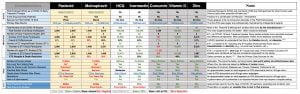
6 takeaways from comparison of Paxlovid and molnupiravir to IVM, HCQ, and OTCs
- Pfizer’s Paxlovid is reported to have very high effectiveness.
- HCQ and the curcumin have effectiveness comparable to Paxlovid.
- Merck’s molnupiravir has very low effectiveness.
- IVM, Vitamin D and Zinc have effectiveness far superior to molnupiravir.
- Paxlovid and molnupiravir have more serious side effects than the others.
- Paxlovid and molnupiravir cost considerably more than the non-patented options.
Are Pfizer and Merck oral treatment EUAs legal?
Remember, federal law stipulates that an EUA can not be granted unless: “There is no adequate, approved, and available alternative to the product for diagnosing, preventing, or treating the disease or condition.”
The data in this analysis indicate there are “adequate and available alternatives for treating” COVID-19. If the data are accurate, then these EUAs have questionable legality.
Adequate and available alternatives for treating COVID-19 do, in fact, exist — the FDA has no scientific justification for ignoring IVM, HCQ, Vitamin D and zinc.
Further, if these FDA-issued EUAs for Paxlovid and molnupiravir violate federal statutes, a closer examination of the FDA’s COVID-19 vaccine EUAs seems warranted.
If the Pfizer and Merck EUAs are legal, then why haven’t HCQ and IVM also been given EUAs?
Considering the six takeaways listed above — plus the fact, as noted in the above table, that there have been successful HCQ and IVM studies much larger (~10x) than those done for Paxlovid and molnupiravir — exactly why has the FDA not issued EUAs for IVM and HCQ?
The comparative in Table 1 adequately demonstrates there is no justification for the FDA’s refusal to grant EUAs to IVM and HCQ.
If the FDA had granted EUAs for HCQ and IVM a year ago, hundreds of thousands of COVID-19 deaths would have been prevented.
What FDA policy, procedure or precedent took priority over preventing hundreds of thousands of American deaths?
What about monoclonal antibody therapies?
Let us now expand our comparisons to include current monoclonal antibody therapies:
Comparison of Major COVID-19 Early Treatment Pharmaceuticals
Click here to increase the size of the chart and access the hyperlinks.
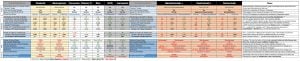
Note that the four key points identified above, regarding the Paxlovid and molnupiravir data, all apply here.
Some of the main takeaways from this comparison are:
- Sotrovimab has the highest effectiveness — but the least amount of data.
- HCQ and curcumin have effectiveness comparable to the bamlanivimab+ and casirivimab+ combinations.
- The first FDA EUA given to bamlanivimab turned out to be a mistake (as health issues were discovered).
- All the monoclonals have more serious side effects than the non-EUA options.
- All the monoclonals cost considerably more than the non-EUA options.
- All the monoclonals have much less safety data than the non-EUA options.
Again, this comparison shows that IVM, HCQ, curcumin, vitamin D and zinc compare very favorably to all of the early treatments that received EUA from the FDA.
John Droz, Jr. is an independent North Carolina physicist.
© 2022 Children’s Health Defense, Inc. This work is reproduced and distributed with the permission of Children’s Health Defense, Inc. Want to learn more from Children’s Health Defense? Sign up for free news and updates from Robert F. Kennedy, Jr. and the Children’s Health Defense. Your donation will help to support us in our efforts.
CHD Says Pfizer and FDA Dropped Data Bombshell on COVID Vaccine Consumers
Children’s Health Defense | March 03, 2022
Washington, DC, — In a 55,000-page set of documents released on Tuesday, the U.S. Food and Drug Administration’s (FDA’s) Center for Biologics Evaluation and Research (CBER) is for the first time allowing the public to access data Pfizer submitted to FDA from its clinical trials in support of a COVID-19 vaccine license. This follows U.S. District Judge Mark T. Pittman’s decision on January 6 to deny the request from the FDA to suppress the data for the next 75 years which the agency claimed was necessary, in part, because of its “limited resources.”
A 38-page report included in the documents features an Appendix, “LIST OF ADVERSE EVENTS OF SPECIAL INTEREST,” that lists 1,291 different adverse events following vaccination. The list includes acute kidney injury, acute flaccid myelitis, anti-sperm antibody positive, brain stem embolism, brain stem thrombosis, cardiac arrest, cardiac failure, cardiac ventricular thrombosis, cardiogenic shock, central nervous system vasculitis, death neonatal, deep vein thrombosis, encephalitis brain stem, encephalitis hemorrhagic, frontal lobe epilepsy, foaming at mouth, epileptic psychosis, facial paralysis, fetal distress syndrome, gastrointestinal amyloidosis, generalized tonic-clonic seizure, Hashimoto’s encephalopathy, hepatic vascular thrombosis, herpes zoster reactivation, immune-mediated hepatitis, interstitial lung disease, jugular vein embolism, juvenile myoclonic epilepsy, liver injury, low birth weight, multisystem inflammatory syndrome in children, myocarditis, neonatal seizure, pancreatitis, pneumonia, stillbirth, tachycardia, temporal lobe epilepsy, testicular autoimmunity, thrombotic cerebral infarction, Type 1 diabetes mellitus, venous thrombosis neonatal, and vertebral artery thrombosis among 1,246 other medical conditions following vaccination.
“This is a bombshell,” said Children’s Health Defense (CHD) president and general counsel Mary Holland. “At least now we know why the FDA and Pfizer wanted to keep this data under wraps for 75 years. These findings should put an immediate end to the Pfizer COVID vaccines. The potential for serious harm is very clear, and those injured by the vaccines are prohibited from suing Pfizer for damages.”
The U.S. government has already purchased 50 million doses of the Pfizer vaccine intended for children under five years of age to be delivered by April 30, 2022 although the FDA has yet to grant an Emergency Use Authorization (EUA) for this age group. The risk of serious injury or death from COVID to healthy children is practically nil and so far, the vaccine is not effective when used in young children.
According to The Guardian, “Pfizer made nearly $37bn (£27bn) in sales from its Covid-19 vaccine last year – making it one of the most lucrative products in history – and has forecast another bumper year in 2022, with a big boost coming from its Covid-19 pill Paxlovid.” President Biden advertised Paxlovid in his State of the Union address on Tuesday, the same day the Pfizer data was released to the public. “We’re launching the ‘Test to Treat’ initiative so people can get tested at a pharmacy, and if they’re positive, receive antiviral pills on the spot at no cost,” Biden said during his speech.
From mid-December, 2020 through February 18, 2022, the U.S. government’s database, the Vaccine Adverse Events Reporting System (VAERS), has received 1,134,984 reports of adverse events, including 24,402 deaths, following COVID vaccination. Additionally, there have been 4,021 cases of myocarditis and pericarditis in the U.S. with 2,475 cases associated with Pfizer, 1,364 cases with Moderna and 171 cases with J&J’s COVID vaccine. These include 643 reports of myocarditis and pericarditis in children aged 12 to 17.
“It would be criminal to expose infants and young children to this extremely risky product,” said Holland. “VAERS data show the catastrophic health impacts the vaccine is having on millions of people, yet Pfizer and other vaccine makers are raking in billions of dollars with no fear of being held accountable for injuries and deaths from their vaccines.”
The FDA’s attempt to suppress these data in support of the pharmaceutical industry’s bottom line isn’t a new phenomenon in this country’s public health system. For more information on pharmaceutical corruption and the tight relationship the industry has with government regulatory agencies, read The Real Anthony Fauci: Bill Gates, Big Pharma and the Global War on Democracy and Public Health by CHD Chair and lead counsel Robert F. Kennedy, Jr.
###
Children’s Health Defense is a 501(c)(3) non-profit organization. Its mission is to end childhood health epidemics by working aggressively to eliminate harmful exposures, hold those responsible accountable, and establish safeguards to prevent future harm. For more information, visit ChildrensHealthDefense.org.
Pfizer Steps Up Advertising for Its ‘Blockbuster’ Drug to Treat Heart Conditions…
… Including Those Caused by COVID Vaccines
By Michael Nevradakis, Ph.D. | The Defender | February 24, 2022
Two major pharmaceutical companies chose February, the month of love — or hearts — to launch an advertising campaign urging people experiencing heart issues for the first time to visit their doctors.
Pfizer and Bristol Myers Squibb (BMS) this month revived the “No Time to Wait” ad campaign, spending $1.28 million on TV ads alone.
The campaign warns anyone experiencing palpitations and shortness of breath that they may be at increased risk of developing atrial fibrillation (AF), deep vein thrombosis (DVT), other types of blood clots and strokes — the same types of cardiovascular ailments found among people who have received COVID-19 vaccines.
The campaign urges viewers to seek early medical attention in order to reduce the risk of these serious complications.
“Early medical attention” could include prescription drugs — including Eliquis, developed and marketed by none other than Pfizer and BMS.
According to industry publication Fierce Pharma :
“The aim is to get patients back into their doctors’ offices — and of course, if needed, be diagnosed with any relevant condition that may require them to take a blood thinner, such as Eliquis.”
Eliquis, described as a “blockbuster blood thinner and atrial fibrillation (AF) drug,” is a major revenue generator for the Pfizer-BMS alliance, delivering more than $9 billion in annual revenue — far more than competing drugs such as Xarelto (produced by Bayer in conjunction with Johnson & Johnson), and Pradaxa, produced by Boehringer Ingelheim.
Pfizer and BMS relaunched the “No Time to Wait” campaign in conjunction with several advocacy organizations and medical societies, including World Thrombosis Day, which expressed support for the Pfizer-BMS initiative as a means of “educating” the public.
Characterized as a “surround-sound campaign,” Pfizer-BMS use television, radio and social media to deliver the “No Time to Wait” message to the public.
As part of the campaign, a DVT and pulmonary embolism (PE) television advertisement debuted on Valentine’s Day, Feb. 14. The ad showed two patients describing how they “didn’t wait” to speak to their doctors about the AF, DVT and PE symptoms they had begun to experience while performing everyday activities.
Speaking to the camera, the two actors describe symptoms, such as shortness of breath and a racing heart, which are potential indicators of AF, DVT and PE.
Official campaign literature urges the public to take action:
“Right now, people may be weighing a decision to visit a healthcare provider. However, symptoms like swelling, pain, tenderness or redness in the leg, thigh or pelvis can possibly be related to a potentially serious condition such as deep vein thrombosis (DVT). It’s critical to not brush off these symptoms.”
BMS, via its spokesperson, described the reasons for relaunching the campaign:
“We received so much positive feedback from patients and advocates on the impact this campaign had on patients, we knew it was our responsibility to continue to evolve the program and further get the message out.
“In the middle of 2021, we decided to evolve the campaign, with new insight that symptomatic people at risk for AFib or DVT/PE can often dismiss their symptoms or misattribute [emphasis added] them to other health and lifestyle factors.”
Could “misattribute,” in this instance, actually refer to cases where those who had recently received a COVID vaccine experienced the onset of heart-related conditions, in some cases leading to their deaths?
Is Pfizer benefitting from vaccine-induced ailments?
Could the relaunching of the “No Time to Wait” campaign represent an effort by Pfizer to engage in damage control from the increase in vaccine-induced heart conditions — while benefiting from the sale of a drug used to address those same ailments?
There are several objectives Pfizer and BMS could accomplish with the campaign.
First, by launching an advertising campaign warning people they may be at risk of certain heart conditions, Pfizer and BMS are in a sense “naturalizing” heart ailments in young and/or healthy individuals.
Second, by “naturalizing” the prevalence and likelihood of such heart conditions, these companies may deflect blame for these conditions from COVID vaccines, including the Pfizer-BioNTech vaccine.
Third, by referring patients to their doctors, the Pfizer-BMS alliance may directly benefit financially from the increased prevalence of heart ailments and conditions in the vaccinated public — as doctors prescribe more Eliquis, the top-selling blood thinner and AF drug, to treat their symptoms.
‘Normalizing’ heart conditions in young and healthy
According to Pfizer and the Centers for Disease Control and Prevention (CDC), even “the healthiest athletes” are now at risk for blood clots, as stated in an urgent warning issued this month.
The media and health authorities in recent months have proffered multiple explanations for why healthy people are developing blood clotting and heart conditions, blaming everything from weather and energy bills to cannabis use — but not COVID vaccines.
Here are some examples:
- September 2021: The Times of India ran a story on a “doctors’ reminder” that “nobody is too young for a heart attack.”
- September 2021: A study indicated that cannabis use doubled the risk of heart attacks in young adults.
- October 2021: The New York Post reported on “[t]he little-known heart attack that’s striking ‘fit and healthy’ women as young as 22.”
- November 2021: British tabloid The Sun reported on “[t]he ways cold weather can affect your body — from winter vagina to blood clots.”
- November 2021: A Times of India report asked why heart attacks are “becoming common in ‘seemingly’ fit people.”
- November 2021: Healthline reported e-cigarettes can raise the risk of heart disease and stroke.
- December 2021: Another British tabloid, Express, warned about the “healthy” diet that “may ‘increase’ your risk of having a heart attack.”
- January 2022: Norton Health informed us that “[p]reventing heart disease in children is becoming more urgent as more kids develop heart disease.”
- January 2022: A report is published warning that “sports can break your heart in more ways than one.”
- January 2022: A report by CT (Connecticut) Insider indicated more people were suffering from heart disease and strokes “after COVID.”
- January 2022: The Daily Mail warned the “[r]isk of heart problems could be increased even if you drink less than NHS weekly units,” referring to recommendations made by the UK’s National Health Service.
- January 2022: The Sun ran a report claiming weather can “harm” one’s health, leading to heart attacks, stroke or gout.
- January 2022: Another report by The Sun warned 300,000 Brits were “living with [a] stealth disease that could kill within 5 years.” The “stealth disease” in question is aortic valve stenosis, a condition where the heart’s aortic valve narrows.
- February 2022: Nature magazine reported the risk of heart disease “soars after COVID — even with a mild case.”
- February 2022: A doctor interviewed on the UK’s ITV warned an increase in energy bill amounts may cause heart attacks and strokes.
Mark Crispin Miller, professor of media, culture and communication at New York University and founder of News from Underground compiled a list of reports like those listed above.
In looking at incidents and reports during the week of Feb. 8-14 alone, Crispin told readers:
“Before we note all those whose ‘sudden deaths’ made news just this past week — ‘unexpected deaths’ with no reported cause, or due to heart attacks, strokes, blood clots, cardiac arrest or swift, aggressive cancers (all known to be ‘adverse events’ post-‘vaccination’) — let’s review how this unprecedented global spike in sudden death has been deliberately obscured by ‘our free press.’”
Miller highlighted an ABC News report, “‘Broken heart’ cases surge during COVID, especially among women.”
In another example, Science magazine reported geneticists found the answer to “sudden unexplained child deaths.”
Downplaying of the connection between the COVID vaccines and serious heart conditions often has involved high-profile athletes.
For instance, 33-year-old soccer star Sergio Aguero of FC Barcelona was forced to announce his retirement in December 2021, after suffering chest pains and dizziness during a match in October 2021. He never played again.
According to Aguero’s cardiologist, the vaccine was not the reason for his ailment and retirement.
However, Aguero himself, in a Twitter question-and-answer session earlier this month, did not reject this possibility, stating: “I don’t know if Covid or [the] vaccine caused my retirement.”
Media, however, continue to promote the narrative that vaccines have nothing to do with the surge in sudden illnesses or deaths among athletes.
For example, Miller cited a Feb. 1 Washington Post article describing stories of athletes dying due to COVID vaccination as a “falsehood.”
Miller then compared what he described as the “disgraceful” Washington Post report with a documented timeline of athletes who suffered from heart failure between March 2021 and January 2022.
This string of incidents is further illustrated and detailed by the Real Science blog, which found 707 such incidents as of this writing and demonstrated in graphical form the sharp increase in heart failure incidents involving athletes over the course of 2021 and into 2022, as COVID vaccination uptake increased.
Nevertheless, Politifact, in December 2021, assured the public “[t]here’s no proof athletes collapsed with heart issues because of COVID-19 vaccination,” while in November 2021, U.S. News & World Report warned “COVID may trigger [a] heart condition in young athletes.”
As reports of vaccine-induced heart ailments rise, studies confirm link
Multiple studies and reports have confirmed a link between COVID vaccines and heart ailments.
These reports include:
- September 2021: A report found adolescent boys are at higher risk of hospitalization from the Pfizer vaccine than from COVID.
- November 2021: Renowned cardiologist Dr. Steven Gundry warned the Pfizer and Moderna COVID vaccines “dramatically increase” the risk of heart attacks.
- January 2022: Data from the Vaccine Adverse Event Reporting System (VAERS) indicates myocarditis tops the list of COVID vaccine injuries for 12- to 17-year olds.
Meanwhile, reports continue to grow of previously healthy people who develop heart conditions following COVID vaccines.
Here are just a few examples:
- June 2021: A 13-year-old Michigan boy died three days after receiving the second dose of the Pfizer COVID-19 vaccine.
- June 2021: An athlete who received the second dose of the Pfizer vaccine developed myocarditis, triggered by the vaccine.
- August 2021: A 14-year-old boy developed myocarditis after receiving the Pfizer vaccine.
- October 2021: A 17-year-old developed multisystem inflammatory syndrome and myocarditis after receiving the Pfizer vaccine.
- December 2021: A 26-year-old’s death from heart inflammation was found to have “probably” been caused by the Pfizer vaccine.
- January 2022: An autopsy found the death of another 26-year-old from myocarditis was the direct result of receiving the Pfizer vaccine.
- February 2022: A six-year-old developed vaccine-induced myocarditis, leaving him unable to walk.
- February 2022: Autopsies showed that the deaths of two teenage boys who died soon after receiving the Pfizer vaccine were directly caused by the vaccine.
Reports and studies like those listed above have led to increasing calls for the vaccination of minors to be reassessed or outright halted, including:
- January 2022: More than 30 experts called on UK regulators to reassess COVID vaccination for 12- to 15-year olds.
- January 2022: Data revealed reports of heart disease following COVID vaccines had increased 15,600% in young people under the age of 30, compared to the previous 31 years of heart injuries reported following receipt of FDA-approved vaccines.
They’ve also triggered calls for further scrutiny on the part of health authorities, which appear to have had some effect, at least in certain instances.
For example:
- October 2021: The U.S. Food and Drug Administration delayed a decision on green-lighting the administration of the Moderna vaccine to adolescents, citing heart problems (however, the Pfizer vaccine was nevertheless approved for the same age group).
- October 2021: Health authorities in Denmark and Sweden paused administration of the COVID vaccine to younger age groups, citing reports of myocarditis.
- December 2021: The CDC was monitoring eight cases of heart inflammation reported in 5- to 11-year-olds who received the Pfizer vaccine.
Nevertheless, in January 2022, the Centers for Disease Control and Prevention (CDC) refused to investigate the case of a 13-year-old who died of myocarditis days after receiving the Pfizer vaccine, while in August 2021, doctors “downplayed” the connection between the onset of myocarditis in a 25-year-old, and receipt of the Moderna vaccine.
‘No Time to Wait’ campaign spending indicative of broader Big Pharma marketing expenditures
Big-dollar ad spending is par for the course for Big Pharma companies such as Pfizer, as previously reported by The Defender.
For instance, a 2019 Forbes article reported Pfizer spent twice as much on marketing/selling as it spent on research.
Pfizer’s heavy advertising is also evident in its most recent quarterly report, for the fourth quarter of 2021. The report indicates a 10% increase — a total of $12.7 billion — in 2021 “SI&A expenses,” which include marketing and advertising, as compared to 2020, when there was no COVID vaccine available.
The report also projects Pfizer’s SI&A expenses will range between $12.5 and $13.5 billion in 2022.
BMS, in turn, spent $990 million in advertising and marketing in both 2020 and 2021 — after spending $633 million in 2019.
In sum, pharmaceutical ad spending totaled $6.58 billion in 2020, and was expected to surpass $11 billion by the end of 2021 — including $3.9 billion in spending on television advertisements alone.
In addition to “traditional” advertising and marketing campaigns, pharmaceutical companies adopted some more creative ways to promote their products — and perhaps purchase further goodwill on the part of media outlets.
In an October 2021 article, The Defender highlighted several examples of Pfizer sponsoring television news programs and segments, ranging from “Good Morning America” to “Anderson Cooper 360°” to “CBS HealthWatch.”
For example, an Oct. 4, 2021 tweet posted on CNBC’s official Twitter account portrayed Pfizer in glowing terms, accompanied by the text: “paid post for Pfizer.”
And a March 15, 2021 tweet by Pfizer expressed pride in the release of a National Geographic documentary, “Mission Possible: The Race for a Vaccine.”
Michael Nevradakis, Ph.D., is an independent journalist and researcher based in Athens, Greece.
© 2022 Children’s Health Defense, Inc. This work is reproduced and distributed with the permission of Children’s Health Defense, Inc. Want to learn more from Children’s Health Defense? Sign up for free news and updates from Robert F. Kennedy, Jr. and the Children’s Health Defense. Your donation will help to support us in our efforts.
The Pfizer clinical trial in kids under age 5 has now failed TWICE
By Toby Rogers | February 12, 2022
On December 17, 2021, Pfizer announced that the clinical trial of its mRNA shot in kids under age 5 had failed. Rather than withdraw this product, Pfizer “amended” its clinical trial to add a third dose. So Pfizer kept the original trial going and subjected these little kids to yet another shot of genetically modified mRNA.
The drug dealers at the FDA said, ‘sounds great, let’s proceed with authorization even in the absence of data.’ That created a huge public backlash as parents rightly protested that the FDA should not approve a drug for kids that failed in a clinical trial.
Yesterday (Feb. 11, 2022), the FDA was forced to admit defeat and Pfizer pulled its Emergency Use Authorization (EUA) application to inject kids under age 5.
Pfizer and the FDA claimed that they were “waiting for more data” that would be available in early April. We now know that this was a lie.
Buried deep in an article on page A13 of the NY Times this morning we learned the real reason why Pfizer withdrew its EUA — the clinical trial had failed, again.
Remember, Pfizer kept the clinical trial going after December 17. So between then and yesterday’s announcement, there was now roughly 55 more days worth of data. And it was truly terrible.
From the NY Times :
Then, late on Thursday [Feb. 10], Pfizer alerted the F.D.A. that it had more recent data, from mid-January on, showing a more discouraging picture as the Omicron variant bore down. The new data revealed that two doses were not sufficiently effective in preventing symptomatic infection.
Read that again. They have the data. And the data show that this shot does not work.
But even here, I think there is reason to believe that they are still lying. We already knew that “two doses were not sufficiently effective” — Pfizer announced that in December. The “more recent data, from mid-January on” is not the two dose regimen anymore, that phase of the trial is finished.
I think there is every reason to believe that this is now the three dose trial that they are describing. If the three dose trial was on track and showing promising results, they would have proceeded with authorization. So now we likely have the first evidence that the three dose trial has failed as well.
(Here’s my math: Pfizer likely injected the third dose into these kids between Dec. 17 and mid-January. So “from mid-January on” (to Feb. 10) is looking at the data in the 25 days after the third injection. In the comments, please let me know if you interpret this differently.)
So it is definitely NOT the case that this is just an incomplete trial that they are waiting to finish up in early April. All of the existing data is bad. Pfizer is now scrambling to find ways to save this product even though the clinical trial has now failed twice. And what’s Pfizer’s plan going forward — to just hope that the data in the next 60 days (from now through early April) magically turns the corner!? Talk about wishful thinking!
Just when I think the cartel and its enablers in the mainstream media could not possibly get any more cynical they sink to new lows.
Janet Woodcock and Peter Marks at the FDA must be fired and prosecuted for reckless endangerment of children. Pfizer must stop this grotesque clinical trial immediately and permanently suspend any plans to inject genetically modified mRNA into children under 5. Anything less is savagery and barbarism.
Pfizer, FDA Ask Court to Further Delay Release of COVID Vaccine Safety Data
By Michael Nevradakis, Ph.D. | The Defender | January 31, 2022
Days prior to today’s scheduled release of a tranche of documents related to the Pfizer COVID vaccine, the pharmaceutical company asked a federal court to let it intervene before any information is released.
It’s the latest development in an ongoing court case that began with a Freedom of Information Act (FOIA) request filed in August 2021 by Public Health and Medical Professionals for Transparency (PHMPT).
PHMPT asked the U.S. Food and Drug Administration (FDA) to release all documents related to its Emergency Use Authorization (EUA) of the Pfizer-BioNTech COVID vaccine and full approval of the Pfizer-Comirnaty COVID vaccine.
Judge Mark Pittman of the U.S. District Court for the Northern District of Texas on Jan. 6 issued an order requiring the FDA to release 12,000 pages of documents by Jan. 31 and an additional 55,000 pages per month thereafter, until the release of the nearly 400,000 pages of documents is complete.
Pfizer claims to support the disclosure of the documents, but asked to intervene in the case to ensure that information exempt from disclosure will not be “disclosed inappropriately.”
In a memorandum it submitted to the court, Pfizer said it:
“[S]eeks leave to intervene in this action for the limited purpose of ensuring that information exempt from disclosure under FOIA is adequately protected as FDA complies with this Court’s order.”
Attorneys for Pfizer also claimed while it was not asking the court to reconsider the Jan. 6 order, it would consider challenging the order at an unspecified later date, telling the court:
“Pfizer does not presently intend to move the Court to reconsider its January 6, 2022 order, but Pfizer is not in a position at this time to waive its ability to do so if circumstances change such that there is good cause at a later time to do so.”
Pfizer did not clarify what such a change of circumstances might entail.
Lawyers for PHMPT, in a brief submitted Jan. 25 to the court, asked Pittman to reject Pfizer’s motion and requested the judge ask Pfizer to clarify how, exactly, its intervention would help expedite the release of the documents, arguing that Pfizer:
“… provides no reason why it needs to intervene in this matter to render that purported assistance. Nor can Plaintiff discern why Pfizer needs to intervene in this matter to assist the FDA with expediting release of the requested documents—it can render this assistance without intervening.”
PHMPT, a group of more than 30 medical and public health professionals and scientists from institutions such as Harvard, Yale, and UCLA, in September 2021 filed a lawsuit against the FDA when the agency denied its original FOIA request.
In that request, PHMPT asked the FDA to release “all data and information for the Pfizer vaccine,” including safety and effectiveness data, adverse reaction reports, and a list of active and inactive ingredients.
The first batch of documents released in November 2021, which totaled a mere 500 pages, revealed there were more than 1,200 vaccine-related deaths within the first 90 days following the release of the Pfizer-BioNTech COVID vaccine.
Arguments regarding Pfizer’s motion are scheduled to be heard in court on Jan. 28, though as of this writing, no further updates regarding the case or this scheduled hearing have been publicly disclosed.
Pfizer represented by world’s third-largest law firm
Pfizer on Jan. 21 submitted two filings to the court: a motion to intervene in the case “for a limited purpose,” and an accompanying “memorandum of points and authorities” supporting the motion.
It remains unclear how Pfizer defines “inappropriately” or “for a limited purpose,” or why it waited two weeks after Judge Pittman’s order, and only days before the Jan. 31 scheduled release of 12,000 pages to file its motion.
Pfizer claims it was unaware of the case until executives read news reports about it in December 2021, despite the fact that the case garnered coverage from major news outlets, including Reuters, in November of that year.
Still, the company hired DLA Piper LLP, one of the world’s most high-powered law firms, to represent it. DLA Piper is headquartered in London and maintains offices in 40 countries.
In 2014, the firm had revenues totaling $2.48 billion, making it the third-largest law firm in the U.S. by revenue.
DLA Piper was the 12th largest donor to President Obama’s 2012 re-election campaign and the 9th largest donor to Hillary Clinton between 1999 and 2018.
Douglas Emhoff, spouse of U.S. Vice President Kamala Harris, was employed at the firm until 2020, earning $1.2 million in partnership income that year.
FDA supports Pfizer’s motion, requests extension
In a response to Pfizer’s motion, the FDA said it welcomed Pfizer’s “help,” claiming that this is “due to the unprecedented speed with which the Court has ordered [the] FDA to process the records at issue.”
In addition to supporting Pfizer’s motion, the FDA also requested an extension from the court that would further delay the scheduled release of the documents.
Aaron Siri of the Siri & Glimstad law firm, who is representing PHMPT in its lawsuit against the FDA, explained:
“The FDA now insists it must delay its first 55,000-page production until May 1, 2022 – four months after the Court entered its order.
“However, the FDA’s own papers seeking this delay make plain it can produce at a rate of 55,000 pages per month in February and March.”
The FDA claimed Pfizer is entitled to intervene in the case and the process of redacting the documents in question, due to the “Trade Secrets Act,” signed into law by President Obama in 2016, stating:
“FDA anticipates that coordination with Pfizer to obtain the company’s views as to which portions of the records are subject to Exemption 4, the Trade Secrets Act, 18 U.S.C. § 1905, or other statutory protections will be a necessary component of the agency’s endeavors to meet the extraordinary exigencies of this case.”
However, according to The Gateway Pundit, the Trade Secrets Act is being misinterpreted by the FDA and Pfizer:
“[T]he protections provided under that law allow for an owner of a trade secret to sue in federal court when its trade secrets have been misappropriated and does not even imply that a company could intervene in a public records request through the FOIA.”
PHMPT, in its Jan. 25 brief, also rejected the FDA’s continued claim that it cannot adhere to the disclosure schedule Pittman ordered on Jan. 6, arguing “the FDA has more than sufficient resources to expeditiously produce the requested documents.”
Siri, on his blog, also questioned this aspect of FDA’s argument, writing:
“The FDA … attests that over the coming weeks, it will have 28.5 full-time people reviewing the documents. Working 7.5 hours per day for 20 business days per month, 28.5 people reviewing 50 pages per hour can review a total of approximately 213,750 pages per month.
“The FDA affirms it has already ‘allocated the equivalent of nearly 11 full-time staff to this project’ and that ‘a review speed of 50 documents per hour was within the normal range for document review in a complex matter’ in private practice; and here the 50 document per hour rate would be faster since there is only a need to review for personally identifying information (‘PII’) for most pages. Hence, if the FDA’s 11 full-time reviewers work only 7.5 hours per day and review 50 pages (not documents) per hour, the FDA could review over 88,000 pages per month in February and March. That is more than sufficient to produce the 55,000 pages per month currently ordered for these two months.”
Instead of complying with this court’s “reasoned order,” Siri Wrote, the FDA claims these 11 reviewers can only review a total of 10,000 pages per month.
What the FDA does not say, and what basic math shows, according to Siri, is that a rate of 10,000 pages a month for 11 full-time reviewers amounts to only 5 pages per hour.
Siri also questioned the FDA’s commitment to transparency and hinted at a cover-up, stating:
“The Court is, other than Congress, the only check on the FDA. In a free country, transparency is paramount, and the FDA has chosen to thwart transparency and the requirements of FOIA by anemically understaffing the office it maintains to respond to FOIA requests.
“It is also incredible for the FDA to claim that compliance here would harm its health policy objectives. Even if the FDA really does need to spend $4 to $5 million which … is an absurd overestimate, that is an inconsequential amount of its overall $3.41 billion discretionary budget.
“It is understandable that the FDA does not want independent scientists to review the documents it relied upon to license Pfizer’s vaccine given that it is not as effective as the FDA originally claimed, does not prevent transmission, does not prevent against certain emerging variants, can cause serious heart inflammation in younger individuals, and has numerous other undisputed safety issues.”
Siri said the FDA’s “potential embarrassment” over its decision to license the Pfizer vaccine must take a back seat to the transparency demanded by FOIA and “the urgent need and interests of the American people to review that licensure data.”
Michael Nevradakis, Ph.D., is an independent journalist and researcher based in Athens, Greece.
© 2022 Children’s Health Defense, Inc. This work is reproduced and distributed with the permission of Children’s Health Defense, Inc. Want to learn more from Children’s Health Defense? Sign up for free news and updates from Robert F. Kennedy, Jr. and the Children’s Health Defense. Your donation will help to support us in our efforts.
BUY TODAY: Robert F. Kennedy, Jr.’s New Book — ‘The Real Anthony Fauci’
Featured Video

Iran’s Next Strike May Not Explode. It Could Shut You Down
or go to
Aletho News Archives – Video-Images
From the Archive
Zionism’s Violent Legacy
By Donald Neff | Washington Report On Middle East Affairs | January 1996
On January 4, 1948, Jewish terrorists drove a truck loaded with explosives into the center of the all Arab city of Jaffa and detonated it, killing 26 and wounding around 100 Palestinian men, women and children.[1] The attack was the work of the Irgun Zvai Leumi – the “National Military Organization,” also known by the Hebrew letters Etzel – the largest Jewish terrorist group in Palestine. The Irgun was headed by Revisionist Zionist Menachem Begin and had been killing and maiming Arabs, Britons and even Jews for the previous ten years in its efforts to establish a Jewish state.
This terror campaign meant that at the core of Revisionist Zionism there existed a philosophical embrace of violence. … continue
Blog Roll
 Aletho News
- Trump and Netanyahu Want to “Finish the Job” on Iran
- US ‘one-sided dictation’ not Iran’s beliefs makes rational talks impossible: Baghaei
- Iran’s Next Strike May Not Explode. It Could Shut You Down /Col Doug Macgregor
- Iran: US political targets legitimate if assassinations return
- Iraq shuts key border crossing with Iran under US pressure: Report
- Undersea Internet cables could be targeted in retaliation for attacks on Iran: IRGC deputy chief
- EU sending ‘biased’ observers to interfere in Serbian election – president
- White House envoy declares kinetic action against Yemen ‘fruitless’
- Ukraine deployed thousands of microdrones in Iraqi Kurdistan: Tasnim
- Iran calls for emergency UNSC meeting over Trump’s ‘brazen’ bomb talk, Israeli threats
- If Americans Knew
- Americans at National Conservatism Conference held in Israel this year criticize Israel
- Christiane Amanpour exits CNN with a legacy shaped by the debate over Israel
- Israel’s war on Iran is the final move in a decades-old strategy
- Israel Denies Entry to French Journalist, U.S. Researcher Amid Rise in Entry Denials
- Gaza’s hospitals are running out of life-saving fuel – Daily Update
- Mysterious bot accounts reportedly spread fake ‘man on the street’ videos for Michigan Senate candidate
- Israeli Defense Minister Katz Says Over 60 Lebanon Villages Have Been Destroyed
- Why Is Israel Running TV Ads in Iowa Ahead of the Midterms?
- Hind Rajab’s Alleged Killer Is in the United States. HRF Demands His Arrest.
- US Officials Face Fresh Pressure After Another American ‘Brutalized’ by Israeli Settlers in West Bank
- No Tricks Zone
- E-Cars Reduce CO2 Emissions By Only 41% Compared To Internal Combustion Engine Vehicles
- Predictions Made By Renowned Climate Professor Over Past Decades Have Been Proven To Be Poor
- New Study Suggests Large Regions Of The Pacific Ocean Have Been Cooling For The Last 80 Years
- Germany’s Green Energy Debacle: High Energy Costs Force Kahla Porzellan to Close After 182 Years!
- New Study: 50 Years Of The Most Aggressive ‘Net Zero’ Policies Can Only Affect The Global Climate By 0.03°C
- US September “Heat” Was No Record…Many Records Set Decades Ago
- Latest European Green Energy Debacle; Portugal’s Largest Flagship Solar Park Insolvent!
- Green Energy Debacle: German Expert Professor Fritz Vahrenholt Warns Of Severe Economic And Social Consequences
- Two More Paleo Reconstructions Affirm Meters-Higher Sea Levels Across Ireland, Brazil 7000-6000 Years Ago
- New Study: Earth And Venus Surface Warmth Largely Explained By Convection And Lapse Rate, Not CO2 Or Radiation

