On May 12, the New York Times published a forensic autopsy of the failure of the Trump administration’s renewed hostilities against the Ansarullah-led Yemeni military in the Red Sea.
The probe teemed with extraordinary disclosures, spelling out in stark detail how the combined air and naval effort – launched with enormous fanfare and much bombastic rhetoric from US officials – was an even greater debacle, and devastating defeat, for the Empire than hitherto thought.
The scale of the cataclysm may explain Washington’s sudden determination to reach a negotiated settlement with the Islamic Republic of Iran.
Perhaps the most striking revelation is that Trump’s blitzkrieg against Yemen was initially planned to be a long-term, large-scale engagement, culminating in a ground invasion using proxy forces.
General Michael Kurilla, Commander of the Pentagon’s Central Command, which covers Central, South and West Asia, had been in favor of all-out war with the Ansarullah resistance movement ever since its righteous anti-genocide Red Sea blockade began in late 2023.
Reportedly, though, Joe Biden was wary that a “forceful campaign” would elevate them “on the global stage.”
With Trump’s re-election, “Kurilla had a new commander in chief” and an opportunity to up the ante against Ansarullah significantly. He pitched an eight-to-10-month effort, starting with a saturation bombing of Yemen’s air defense systems, before a wave of targeted assassinations of movement leaders, directly inspired by Israel’s attacks on Hezbollah’s senior members in September 2024.
Kurilla’s grand operation was eagerly supported by elements of the Trump administration, including Defense Secretary Pete Hegseth and then-National Security Advisor Mike Waltz.
Saudi officials were also on board, providing Washington with a target list of 12 Ansarullah leaders “whose deaths, they said, would cripple the movement.”
However, the UAE, which had in concert with Riyadh relentlessly bombed Yemen 2015 – 2023 to no tangible result, “was not so sure.” Several members of Trump’s administration were also skeptical of the plan’s prospects and worried a protracted attack on Sana’a would drain valuable, finite resources, including the president himself.
Yet, after concerted lobbying, Trump “signed off on part of General Kurilla’s plan – airstrikes against Houthi air defense systems and strikes against the group’s leaders.”
So it was on March 15, US fighter jets began battering Yemen anew, while a carrier force led by the USS Harry S. Truman thrust into the Red Sea.
White House officials boasted the onslaught would continue “indefinitely”, while Trump bragged that Ansarillah would be “decimated” via “overwhelming lethal force until we have achieved our objective.”
Some degradation
In reality, The New York Times suggests Trump privately made clear he wanted Ansarullah bombed “into submission” within just 30 days, and failure in this objective would mean the operation’s termination.
By the 31st day of hostilities, the US president “demanded a progress report.” As the outlet records, “the results were not there,” which is quite an understatement. The US “had not even established air superiority” over Ansarullah, while the resistance group continued “shooting at vessels and drones, fortifying their bunkers and moving weapons stockpiles underground.”
Moreover, during those first 30 days, Yemeni military “shot down seven American MQ-9 drones” costing around $30 million each, “hampering Central Command’s ability to track and strike back. Meanwhile, several American F-16s and an F-35 stealth fighter jet “were nearly struck by Houthi air defenses, making real the possibility of American casualties.”
All along, too, the US burned through weapons and munitions at a rate of about $1 billion in the first month alone:
“The cost of the operation was staggering. The Pentagon had deployed two aircraft carriers, additional B-2 bombers and fighter jets, as well as Patriot and THAAD air defenses… So many precision munitions were being used, especially advanced long-range ones, that some Pentagon contingency planners were growing increasingly concerned about overall stocks and the implications for any situation in which the US might have to ward off an attempted invasion of Taiwan by China.”
Concerned, “the White House began pressing Central Command for metrics of success in the campaign.”
In a bitter irony, Pentagon officials “responded by providing data showing the number of munitions dropped” to prove they were achieving their goals. They also claimed, without evidence, to have hit over 1,000 military targets, while killing “more than a dozen senior Houthi leaders.”
US intelligence was unconvinced, acknowledging there was “some degradation” of the Ansarullah-led military, but “the group could easily reconstitute” regardless.
As a result, “senior national security officials” began investigating “pathways” for either withdrawing from the theatre with minimal embarrassment or keeping the fiasco going using local proxy forces.
One option was to “ramp up operations for up to another month and then conduct ‘freedom of navigation’ exercises in the Red Sea using two carrier groups, the Carl Vinson and the Truman.” If AnsarAllah did not fire on the ships, “the Trump administration would declare victory.”
Another option was to extend the campaign, giving forces under the control of the Riyadh-based Yemeni Presidential Leadership Council “time to restart a drive to push the Houthis out of the capital and key ports” in a ground assault.
The plan was hatched despite prior Saudi-led invasions of Yemen invariably ending in total disaster. This may account for why talks between Hegseth and Saudi and UAE officials in late April “to come up with a sustainable way forward… they could present to the President” came to nothing.
Great ability
As luck would have it, right when Hegseth’s last-ditch efforts to breathe life into the collapsing effort were floundering, Trump’s West Asia envoy Steve Witkoff was in Oman, engaged in nuclear talks with Iran.
Officials there separately suggested a “perfect offramp” for Washington in its war with Ansarullah. The US “would halt the bombing campaign and the militia would no longer target American ships in the Red Sea, but without any agreement to stop disrupting shipping that the group deemed helpful to Israel.”
Well-publicised fiascoes around this time, such as the loss overboard of an F/A-18 Super Hornet, costing $67 million, due to the USS Harry S. Truman conducting evasive maneuvers to avoid an Ansarullah drone and missile attack, further depleted White House enthusiasm for the operation.
According to The New York Times, “Trump had had enough”. He duly accepted the Omani proposal, and on May 5th, CentCom “received a sudden order… to ‘pause’ offensive operations” in the Red Sea.
That a ballistic missile fired by the Yemeni military evaded the Zionist entity’s air defenses and struck Tel Aviv’s Ben-Gurion International Airport the previous day likely provided further incentive to halt hostilities.
So it was on May 6, Trump declared victory against Ansarullah, claiming the resistance group had “capitulated”, and “don’t want to fight any more”. Nonetheless, the president expressed clear admiration for God’s Partisans, indicating he placed a high degree of trust in Ansarullah’s assurances that US ships would no longer be in their redoubtable crosshairs:
“We hit them very hard and they had a great ability to withstand punishment. You could say there was a lot of bravery there. They gave us their word that they wouldn’t be shooting at ships anymore, and we honor that.”
Per The New York Times, Trump’s “sudden declaration of victory… demonstrates how some members of the president’s national security team underestimated a group known for its resilience.”
But more deeply, it surely reflects how the bruising, costly experience was a blunt-force education in the glaring deficiencies of US military power, and the Empire’s fatal vulnerability in the event of all-out war against an adversary actually able to defend itself. This could account for the Trump administration’s sudden determination to finalize a nuclear deal with Tehran.
It must not be forgotten that before even taking office, Trump and his cabinet openly planned for a significant escalation of belligerence against the Islamic Republic.
Among other things, they boasted of drawing up plans to “bankrupt Iran” via “maximum pressure”. US Secretary of State Marco Rubio, who has long called for tightening already devastating sanctions on Tehran, was a key advocate for this approach, and eagerly supported by Mike Waltz, among others.
At an event convened by NATO adjunct the Atlantic Council in October 2024, Waltz bragged about how the president had previously almost destroyed the Islamic Republic’s currency, and looked ahead to inflicting even more severe damage on the country following Trump’s inauguration.
Fast forward to today, though, and such rhetoric has vanished from mainstream Western political discourse. It appears Trump and his team have not only jettisoned their previously stated ambitions towards Iran but are determined to avoid war.
Moreover, just as the Zionist entity was not consulted before Washington struck a ceasefire with Ansarullah, Tel Aviv has been completely frozen out of nuclear negotiations between the US and Iran, and if an agreement does result at last, it will not take into account Israel’s bellicose position towards the Islamic Republic.
Just as the Cuban Missile Crisis transformed Cold warrior John F. Kennedy into a dove, Trump’s experience in the Red Sea may well have precipitated a seismic shift in his administration’s foreign policy.
May 18, 2025
Posted by aletho |
Ethnic Cleansing, Racism, Zionism, Militarism, Wars for Israel | Israel, Palestine, United States, Yemen, Zionism |
Leave a comment
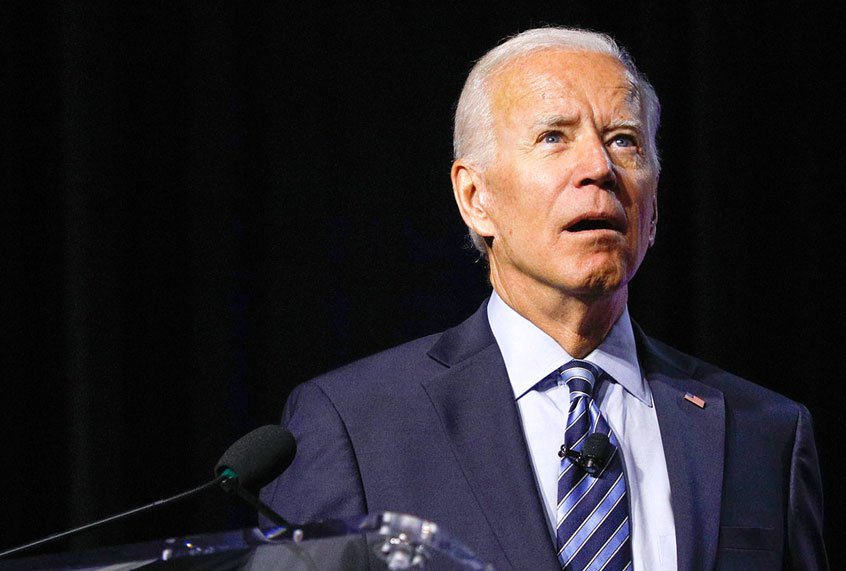
“For posterity’s sake.” Those words from President Joe Biden sum up the crushing impact of the leaked audiotapes from the interview between then-President Joe Biden and Special Counsel Robert Hur. Not only did they remove any serious doubt over Biden committing the federal crimes charged against President Donald Trump, but they also constituted what is akin to a political racketeering indictment against much of the Washington establishment.
The interview from Oct. 8-9, 2023, has long been sought by Congress, but was kept under wraps by the government even as Biden campaigned for a second term.
Many of us balked at Hur’s conclusion that no charges were appropriate despite the fact that the President removed classified material for decades, stored it in grossly negligent ways, and moved it around to unsecure locations, including his garage in Delaware.
Given President Donald Trump’s indictment for the same offenses, it was hard to imagine how the Special Counsel could not recommend the same criminal charges (presumably after he left office).
Instead, Hur declared it would have been hard to get a jury to convict Biden because he was “a sympathetic, well-meaning, elderly man with a poor memory.”
It appears that Trump, on the other hand, was presumptively not sympathetic or well-meaning and possessed a good memory for prosecution.
The contrast was glaring and only reinforced the view of many citizens that there are two tracks for justice in Washington.
Soon after the report’s release, President Biden gave an irate press conference in which he lied about the findings of his culpability and lashed out at any suggestion that he had gapped or stumbled in the interview.
For example, when reporters raised how Biden forgot when his son Beau died, Biden angrily responded, “How in the hell dare he raise that?” Frankly, when I was asked the question I thought to myself it wasn’t any of their damn business.
However, it was not Hur but Biden himself who raised the death of his son, and he forgot a wide array of dates, including when he served in office.
The interview shows that in 2023 it was clear that Biden was mentally diminished despite claims from many allies and former aides that there was a sudden loss of capacity just before the disastrous debate in 2024. It is now undeniable that the White House staff actively hid the president’s incompetence from the American public. That includes the White House press secretary Jen Psaki (who left her post in May 2022) and Karine Jean-Pierre who insisted that Biden was sharp and “running circles” around the staff.
Of course, the media is now covering the story after the public saw the truth in the debate. Figures like CNN’s Jake Tapper have even written books that belatedly pursue the question despite previously insisting that there was no evidence of a diminishment in Biden’s mental state.
Tapper repeatedly dismissed the claim and even mocked Lara Trump for raising it. In one interview, he pushed a White House talking point that such suggestions were mocking Biden for a childhood stutter:
“It’s so amazing to me- a ‘cognitive decline.’ I think you were mocking his stutter. Yeah. I think you were mocking his stutter and I think you have absolutely no standing to diagnose somebody’s cognitive decline. I would think somebody in the Trump family would be more sensitive to people who do not have medical licenses diagnosing politicians from afar.”
When Lara Trump insisted that this was clearly evidence of a “very concerning” cognitive decline, Tapper dismissed her statement by saying “Thank you, Lara. I’m sure it’s from a place of concern. We all believe that.”
Keep in mind that others beyond Lara Trump were raising this issue and there were tapes showing physical and mental diminishment. The media simply refused to seriously pursue the story until the cover-up no longer mattered after the debate.
Over on MSNBC, Joe Scarborough was equally apoplectic at those raising the issue and stated
start your tape right now because I’m about to tell you the truth. And F— you if you can’t handle the truth. This version of Biden intellectually, analytically, is the best Biden ever. Not a close second. And I have known him for years… If it weren’t the truth I wouldn’t say it
This media effort continued all the way up to the debate itself. On CNN, Oliver Darcy wrote, “Right-wing media figures are desperately pushing conspiracy theories about Biden ahead of the debate.”
Once the public found out, the media was ready to tell the story when there was no longer any advance or ability to deny it. Articles began to appear with the same realization of “Oh you meant THAT mental decline. Well sure.”
It was the same belated acknowledgment that came, after the election, with Hunter Biden’s laptop. The media just moved on with a shrug and a collective “our bad” concession.
As for the President himself, the one moment of clarity in the interview may have been his most incriminating line. When asked why he removed classified material on Afghanistan, Biden admitted “I guess I wanted to hang on to it for posterity’s sake.”
That is precisely what critics on CNN and MSNBC accused Trump of doing: removing material as types of keepsakes or trophies.
One president was indicted for that and one was sent along his way to a second term in office.
The real indictment that comes out of these tapes is a type of political racketeering enterprise by the Washington establishment. It took a total team effort from Democratic politicians to the White House staff to the media to hide the fact that the President of the United States was mentally diminished. If there were a political RICO crime, half of Washington would be frog-marched to the nearest federal courthouse.
Of course, none of this complicity in the cover-up is an actual crime. It is part of the Washington racket.
After all, this is Washington, where such duplicity results not in plea deals but book deals.
May 18, 2025
Posted by aletho |
Deception, Fake News, Mainstream Media, Warmongering | United States |
Leave a comment
As was universally expected, little came out of Istanbul this week, where Ukrainian and Russian delegations met with the ostensible purpose of exploring a negotiated settlement of the proxy war the U.S. provoked three years ago.
It is an odd state of affairs when even the people doing the talking did not anticipate anything useful to emerge from their talking.
After less than two hours of negotiation, the two sides agreed only to future talks on subsidiary questions: a prisoner exchange and a 30–day ceasefire — a ceasefire Kiev and its Western backers refused for years but are now desperate to implement.
There was no discussion of an accord to end the war and no final agreements other than one to continue negotiations. And the encounter was not without its acrimonious moments.
Talks to negotiate more talks are not much but not nothing. The two sides have met for the first time since March 2022, when, a month into the war, they previously convened in Istanbul and negotiated a draft document that would have ended the fighting — this until Boris Johnson, then the British prime minister, arrived to scuttle the accord so as to keep the war going.
There is no feigning surprise or disappointment. It was evident during a week of incessant posturing that the Kiev regime and the European powers that have lately assumed the task of manipulating it, have no desire to begin substantive negotiations with the Russian Federation.
No, for the British, the French, the Germans, and their client in Kiev, the imperative in the run-up to the Istanbul encounter on Friday was to appear earnestly dedicated to talks across a mahogany table while preventing even nascent progress toward a diplomatic settlement.
In this effort the Europeans have failed, at least for now.
Trump Takes Over
President Donald Trump effectively overruled them when, earlier this week, he responded, positively and vigorously, to President Vladimir Putin’s unexpected offer to open talks. Trump insisted, in all caps as is his wont, that Volodymyr Zelensky, Ukraine’s president, should forget the ceasefire and open negotiations “IMMEDIATELY!”
This appears to have pushed to the margins the British, French, and Germans, who have taken over as Zelensky’s hands-on minders since Trump assumed office in January. But I see little chance Friday’s talks will mark the end of their effort to keep the war going and a settlement at bay — even as they pretend to stand for precisely the opposite.
U.K. Prime Minister Keir Starmer, French President Emmanuel Macron and German Friedrich Merz set things in motion last weekend when they flew to Kiev for a hastily arranged summit with Zelensky. On their arrival, the British, French and German leaders grandly issued an ultimatum: Moscow must accept a 30–day ceasefire by Monday, May 12, or the Europeans would impose a punishing set of new sanctions on the Russians.
So did the curtain rise on a lot of poor theater. As John Whitbeck, the international attorney resident in Paris, remarked on his privately circulated blog, this appeared to be an offer Moscow was bound to refuse in order to convey the impression the Europeans were doing their best for peace — but the Russians remained committed to war.
The fun began then, too. Putin, in a late-night nearly immediate response from the Kremlin, gave the Starmer–Macron–Merz ultimatum all the attention it merited — none — and wrong-footed the Europeans and Kiev by proposing Kiev and Moscow open negotiations in Istanbul on Thursday.
At this point — the chronology has been well-reported — Zelensky began several days of carrying on. The Russian proposal was mere theater: This was his opener. (See what I mean by fun?) O.K., I agree to talks in Istanbul, but I insist on a summit with Putin himself. Putin ignored this, too — as Zelensky and his sponsors knew he would. There must be a ceasefire first — another idea that Kiev and its sponsors dropped.
It was Trump’s intervention that brought the European follies to an end. After the U.S. president’s statements to the press and on social media, the Ukrainian TV–actor-turned-president finally agreed to send a team of Kiev officials, led by Defense Minister Rustem Umerov, to meet with a Russian delegation headed by Vladimir Medinsky, a prominent adviser to the Russian president.
Late Friday afternoon the Russian and Ukrainian delegations both announced that they had agreed to resume talks, but for now only on the ceasefire question. “We are ready to continue contacts,” Medinsky said at a post-session news conference.
There was a little more to this encounter than that. In a report Friday evening The Telegraph quoted Medinsky telling the Ukrainians across the U–shaped negotiation table, “We don’t want war, but we’re ready to fight for a year, two, three, however long it takes. We fought Sweden for 21 years. How long are you ready to fight?”
Medinsky’s reference was to what Russians call the Great Northern War, which Russia waged against the Swedish Empire during the reign of Peter the Great, from 1700 to 1721.
And that is it, a door pried open after a soap opera’s worth of chicanery in London, Paris, Berlin, and Kiev.
Remember the Minsk Protocols
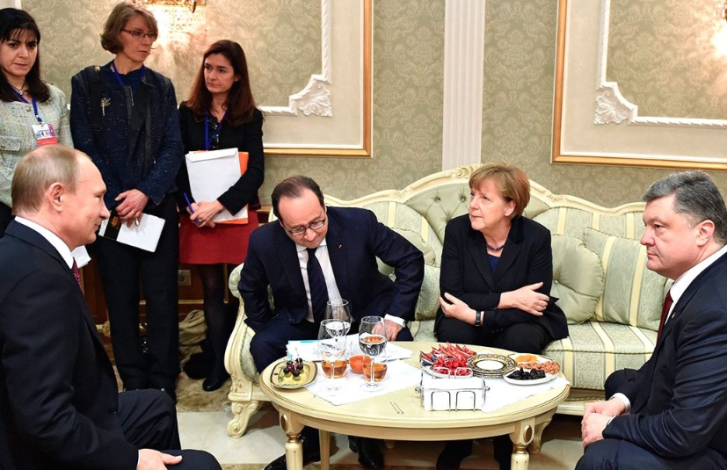
Putin, French President Francois Hollande, German Chancellor Angela Merkel, Ukrainian President Petro Poroshenko at the Normandy format talks in Minsk, Belarus, Feb. 12, 2015. (Kremlin)
My take on the week’s events takes me back to the Minsk Protocols, which Moscow negotiated a decade ago with Kiev, Paris and Berlin.
Signed in September 2014 and February 2015, these committed Ukraine to a new constitution whereby the Russian-speaking provinces in the nation’s east would be granted a considerable degree of autonomy. Kiev and Moscow signed, France and Germany serving as co-signatories backing the former.
Kiev ignored the Minsk accords from Day 1. And, as well-reported at the time, the French and Germans later acknowledged they co-signed only to allow Ukraine time enough to rearm so as to continue attacking the eastern provinces and prepare for the war that eventually broke out three years ago.
This pencil-sketched history is useful to understanding this week’s events and what preceded them. Putin got his fingers burned in Minsk, having personally negotiated the two protocols. I do not know when the Russian president decided the European powers could not be trusted, but he has certainly not trusted them since the Minsk debacle.
Last week’s events proved this a sound judgment. In an improvised game of diplomatic chess, Moscow got the Europeans in check this time, making dexterous use of Kiev as its pawn.
Post–Istanbul, it appears now that the best chance of a settlement of the Ukraine conflict resides in the prospect of a Trump–Putin summit. This, if it comes to pass, would define the Ukraine crisis — altogether properly — as a subset of Trump’s project to restore relations with Moscow.
And it would disarm, not to say humiliate the Europeans who have been leading the Continent to continue its support for the Kiev regime and the war.
A couple of caveats are in order here. One, as earlier suggested, it is not at all clear we have heard the last of the European triumvirate who took center stage for a few days this week. Starmer, Macron and Merz, the last just appointed Germany’s new chancellor, are heavily invested in the Ukraine project and the Russophobia that propels it.
Two, as Putin and other Russian officials have made plain numerous times, and very pointedly this past week, substantive negotiations of a settlement of the Ukraine crisis must begin with mutual recognition of “root causes,” to take the phrase the Kremlin now favors.
This is why Moscow nominated Istanbul as the venue for these new talks. In the draft Boris Johnson disrupted three years ago, these concerns were addressed.
“We view these talks as a continuation of the peace process in Istanbul, which was unfortunately interrupted by the Ukrainian side three years ago,” Medinsky said at a press conference as he set out of Istanbul Thursday. “The aim of direct negotiations with the Ukrainian side is ultimately to secure lasting peace by addressing the fundamental root causes of the conflict.”
The phrase is too ubiquitous in the Russian discourse to ignore. The question now is whether Donald Trump, in any summit he may have with Vladimir Putin, will be at all equipped to address Russia’s concerns.
If he does, he will fundamentally alter relations between the Western powers and Russia for the good — a diplomatic triumph. If he does not, he is unlikely to get anything more done than negotiators accomplished in Istanbul this week.
May 18, 2025
Posted by aletho |
Militarism | France, Germany, UK, Ukraine, United States |
Leave a comment
Russia is seeking to achieve “lasting and sustainable peace” by eliminating the root causes of the Ukraine conflict, President Vladimir Putin has said, in an extract of an interview released by Russia 1 TV on Sunday.
In a clip posted by journalist Pavel Zarubin on Telegram, Putin stated that Russia has “enough strength and resources to bring what was started in 2022 to its logical conclusion” while accomplishing Moscow’s key goals.
Russia wants to “eliminate the causes that caused this crisis, create conditions for long-term sustainable peace and ensure the security of the Russian state and the interests of our people in those territories that we always talk about,” he added.
The president was apparently referring to Crimea, the Donetsk and Lugansk People’s Republics, and the regions of Kherson and Zaporozhye, which overwhelmingly voted in favor of joining Russia in referendums in 2014 and 2022.
People in these former Ukrainian territories “consider Russian to be their native language” and see Russia as their homeland, he said.
Commenting on the ongoing diplomatic engagement with the US to settle the conflict, Putin acknowledged that “the American people, including their president [Donald Trump] have their own national interests.”
“We respect that, and expect to be treated the same way,” he added.
Putin’s remarks come on the heels of the first direct Russia-Ukraine talks since 2022. As a result of Turkish-mediated negotiations in Istanbul, both sides agreed to exchange lists of conditions for a potential ceasefire, conduct a major prisoner swap, and discuss a follow-up meeting. The Kremlin has not ruled out direct talks between Putin and Ukraine’s Vladimir Zelensky if the ongoing peace efforts result in progress and firm agreements.
Following the talks, US President Donald Trump announced he would hold a phone call with his Russian counterpart on Monday, which would focus on trade and resolving the Russia-Ukraine conflict. Meanwhile, Russian Foreign Minister Sergey Lavrov discussed the Istanbul negotiations with US Secretary of State Marco Rubio, who welcomed the results of the talks.
May 18, 2025
Posted by aletho |
Aletho News | Russia, Ukraine, United States |
Leave a comment

British cardiologist and author Dr. Aseem Malhotra, the newly appointed Chief Medical Advisor to the Make America Healthy Again (MAHA) initiative, says there is “overwhelming evidence” to ban the COVID-19 mRNA shots.
Dr. Malhotra is a former U.K. government and long-time ally of MAHA leaders like HHS Secretary Robert F. Kennedy Jr. (RFK Jr.) and NIH head Dr. Jay Bhattacharya.
He’s campaigned for taxes on sugary drinks, worked to lower the amount of Brits taking statins unnecessarily, and worked with government leaders to remove ultraprocessed foods from hospitals and schools, per The Daily Mail.
Though Malhotra is not formally employed by the federal government, he will serve as a leading voice of the movement and work closely with grassroots groups to advance its policy agenda.
In a Wednesday Twitter/X post, the British best-selling author (@DrAseemMalhotra) left no question where he stands on the COVID jab.
“It’s what you’ve been waiting for,” he wrote. “There is OVERWHELMING evidence to call for a moratorium on the mRNA covid jabs & help the vaccine injured. Let it rip.”
On the same day, MAHA Action, an organization founded by former Team Kennedy leadership, announced Malhotra’s appointment:
We are honored to announce that Dr. Aseem Malhotra has joined MAHA as our Chief Medical Advisor.
Dr. Malhotra is an NHS-trained Consultant Cardiologist and an internationally renowned authority in the prevention, diagnosis, and treatment of heart disease.
He has served as Honorary Council Member at Stanford’s Metabolic Psychiatry Clinic and Visiting Professor of Evidence-Based Medicine at the Bahiana School of Medicine. As Founding President of the Public Health Collaboration and a founding member of Action on Sugar, Dr. Malhotra has led national efforts to curb sugar intake and champion low-carb diets for type 2 diabetes.
He is the bestselling author of The Pioppi Diet, The 21 Day Immunity Plan, and A Statin-Free Life, and played a key advisory role for the UK government on the link between obesity and COVID-19. His publications have garnered an Altmetric score exceeding 10,000, one of the highest worldwide for a clinical doctor.
We are thrilled to welcome Dr. Malhotra to the MAHA team and look forward to the invaluable expertise and passion he brings to our mission of Making America Healthy Again.
Malhotra told Daily Mail, “It’s very clear to me that perhaps this is the most important issue that has galvanized MAHA and helped elect President Trump,” he said, referring to criticism of mRNA COVID injections.
“There is a pandemic of the vaccine injured. We can’t make America healthy again if we don’t address this.”
The doctor believes there are “hundreds of thousands” of vaccine injuries and wants states to pass legislation halting use of the drugs because they have shown “more harm than good and never should have been rolled out in the first place.”
CDC data show 38,541 deaths have been linked to the COVID jab since 2020, but if fewer than 1% of adverse events are reported—as a 2010 HHS-funded Harvard analysis suggests—the real number could exceed 3.8 million, compared to just 7,109 deaths that got propoxyphene pulled after nearly 30 years on the market.
Malhotra recently told Fox News that he began to doubt the safety of the COVID shot after his father died after suffering cardiac arrest.
Now leading America’s most unapologetic health freedom initiative, Malhotra is making one thing crystal clear: the COVID shot crisis isn’t over—it’s just finally being confronted.
May 17, 2025
Posted by aletho |
Book Review, Science and Pseudo-Science | COVID-19 Vaccine, United States |
Leave a comment
On May 13, U.S. President Trump announced he is ordering the removal of sanctions on Syria.
Some of the U.S. sanctions can be quickly terminated because they were issued by Executive Order. Other sanctions, including the extremely damaging 2019 “Caesar” sanctions, were imposed by Congressional legislation and may require Congressional action to terminate.
The Syrian people are joyous at the prospect of the end of their country’s economic nightmare. In 2010, before the conflict began, Syria was a middle-income country with free education, free healthcare, and no national debt. It was largely self-sufficient in energy and food. After fourteen years of war, occupation, and strangulating Western sanctions, the U.N. reports that “nine out of ten Syrians live in poverty and face food insecurity”.
Why Syria Was Targeted
In 2007, the former Supreme Allied Commander of NATO, General Wesley Clark, publicly revealed that Washington neo-cons had a hit list of seven countries to be overthrown in the wake of 9-11. The list included Iraq, Libya, Somalia, Sudan, Lebanon, Syria, Iran.
The list is essentially the same as that identified by Benjamin Netanyahu in his 1995 book Fighting Terrorism: How Democracies Can Defeat the International Terrorist Network. The premise of this book is that Palestinian and Lebanese resistance movements are “terrorist,” and any nation that supports them should be overthrown. He targets Iran, Libya, Syria, and Sudan for supporting Palestinian rights and says. “Take away all this state support, and the entire scaffolding of international terrorism will collapse into dust.”
In 2007, Democratic Party leader Nancy Pelosi visited Syria and tried to persuade Assad to end Syria’s support of the Palestinian and Lebanese resistance movements. When Assad would not comply with US and Israeli wishes, Syria was marked for regime change. The Netanyahu and neo-conservative hit list had somehow been adopted by the Western foreign policy establishment. This was confirmed by the former French Foreign Minister Roland Dumas. In a 2013 interview he says, “I went to England almost two years before the start of hostilities (2011). I met British officials, some of whom are friends of mine. They confessed, while trying to persuade me, that preparations for something were underway in Syria. This was in England, not the US. Britain was preparing gunmen to invade Syria… This operation goes way back. It was prepared, conceived, and planned for the purpose of overthrowing the Syrian government because … this regime has an anti-Israeli stance.”
Hybrid Warfare against Syria
The overthrow of the Syrian government was not easy. It involved massive funding from seven countries (USA, UK, France, Turkey, Saudi Arabia, Qatar, UAE). In the early years, the CIA budget alone was $1 billion per year. The campaign included military, diplomatic, media/information and economic warfare.
The regime change operation began in March 2011. While part of the population was hostile to the Assad dynasty, the majority supported the government and a secular Syria. The opposition came largely from sectarian jihadist elements, including the Muslim Brotherhood. Hundreds of factions and cells were supplied and funded by a host of countries, including Qatar, Saudi Arabia, Turkey, the U.S., and the UK. Thousands of foreigners were recruited and provided access to Syria.
The political and media war on the Assad government was intense. Historian Stephen Kinzer wrote, “Coverage of the Syrian war will be remembered as one of the most shameful episodes in the history of the American press.”
Accusations that the Assad government used chemical weapons against civilians were widely broadcast in the West. They were used to justify Western bombing attacks on Syria. Acclaimed U.S. investigative journalist Seymour Hersh uncovered evidence that the chemical weapons attacks were by the opposition, aided by Turkey, NOT by the Assad government. He had to go abroad to have the explosive article published.
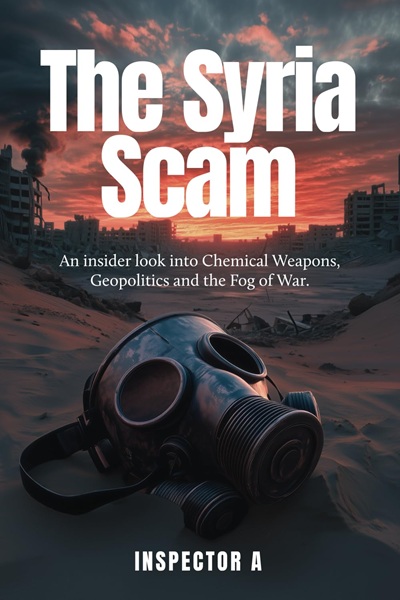
 The dubious chemical weapons accusations and US driven political corruption of the Organization for the Prohibition of Chemical Weapons (OPCW) are now exposed in a February 2025 book by one of the technical professionals from the OPCW. The book is titled The Syria Scam: An insider look into Chemical Weapons, Geopolitics and the Fog of War.
By the end of 2018, the Syrian army had largely defeated the diverse jihadists. However, instead of conquering or expelling the opposition, Syria allowed them to have a safe haven in Idlib province on the border with Turkey. With Turkey, Iran and Russia seeking to find a solution through the Astana Accords, the conflict was frozen, and the jihadists were allowed to regain strength. Hayat Tahrir al Sham (HTS) became the de facto leader of the opposition factions and the government of Idlib.
The Frozen Conflict
In 2019, the U.S. turned the screws on Syria and escalated attacks on Lebanon. The extreme Caesar sanctions did what they were intended to do. They crushed the Syrian currency and economy, made it impossible to rebuild, and impoverished the vast majority of Syrians. The spreading poverty and inability to counteract it led to widespread demoralization and dissatisfaction. With consummate cynicism, the “Caesar” sanctions were named the “Caesar Civilian Protection Act”.
Meanwhile, in the HTS safe haven of Idlib province on the Turkish border to the north, conditions were very different. Although HTS was designated a terrorist organization in the U.S. and the West, they were helped economically. The HTS fighters were trained and supplied with modern military weaponry, including drones, sophisticated communications equipment, etc.. Very recently, when people from Damascus traveled to Idlib, they were shocked to find new highways, Wi-Fi widely available, and electricity 24 hours a day. Teacher salaries are ten times higher in Idlib than in Damascus.
The Fall of Damascus
With a demoralized population and Syrian army, the Assad government fell in a few weeks, and HTS, led by Ahmad Al Sharaa, took power on 8 December 2024. The new leader of Syria has been greeted and endorsed by the Gulf monarchies and Western countries that paid for and promoted the overthrow in Syria: the UK, Germany, France, Saudi Arabia, Qatar, and of course, Turkey.
Since the change, there have been numerous sectarian massacres of Alawites and Christians along the coast.
There have been attacks on Druze in Damascus. To date, there have been no punishments for the massacres of civilians. A nun reports, “there is no security” in Damascus or elsewhere in Syria.
Meanwhile, Israel has invaded and occupied all of the Golan and parts of southern Syria. They have built military bases in Quneitra and other strategic locations. Israel has carried out a bombing blitzkrieg, destroying all known Syrian ammunition depots. Israel can now fly over any part of Syria at will.
Instead of condemning the Israeli violation of Syrian land and airspace, Ahmad al Sharaa has criticized Iran and Hezbollah. In recent weeks, the new Syrian regime has arrested Palestinian leaders and closed their offices in Damascus. The normalization of relations with the Zionist state has begun.
Lifting Sanctions on Syria
Of course, the sanctions on Syria should be lifted. They never should have been imposed.
U.S. sanctions, known officially as “unilateral coercive measures”, are condemned by the vast majority of world nations. Over 70% of the world’ nations say that US sanctions are “contrary to international law, international humanitarian law, the Charter of the UN and the norms and principles governing peaceful relations among States.”
Without exaggeration, the West and their allies sponsored terrorism in Syria through Al Qaeda and other fanatical violent terrorist groups. They destroyed a once prosperous and independent nation. With a diverse Syrian population ruled by a sectarian leadership prone to violence, there may be more dark days ahead. While Israel, Turkey and the Gulf monarchies are pleased with the removal of the Assad government, a very heavy price has been paid by the majority of Syrians. And the cost is ongoing.
May 17, 2025
Posted by aletho |
Book Review, Ethnic Cleansing, Racism, Zionism, Timeless or most popular, Wars for Israel | Israel, Lebanon, Middle East, Palestine, Syria, United States, Zionism |
Leave a comment
Was it Bill Clinton in the White House with Benjamin Netanyahu who, in a press conference, muttered those vulgar and certainly immortal words “who’s the f*** superpower around here?” The question was really about whether the U.S. is running Israel and its activities in the Middle East or it is in fact Israel which is running the U.S.
In recent months in both the Biden administration and the Trump one which followed, many pundits have claimed that Israel is in control of U.S. foreign policy, with some even going as far as speculating that this control even goes beyond the Middle East itself. This cabal of online commentators made so much of how Trump adjusted Bibi’s seat when he sat down in the Oval Office.
We can see now though that this idea of the tail wagging the dog, even if once it might have been true to some extent, has now been dealt with head on by Trump.
His visit to the Middle East and his impressive speech in Saudi Arabia which mocked the bellicose approach to bombing civilians was a direct message to Netanyahu in Israel: America is back.
Trump is literally taking control of U.S. foreign policy in the region and pushing back Israel’s attempts to bomb its way to peace, whether this be in Gaza, Lebanon, Syria or, of course, in Iran.
The move comes at a tough time in the region where the country which seemed to bring about a revolution with the Arab Spring – Tunisia – is falling into an abys as it becomes a leading example of a dictatorship which knows no limits on its brutal suppression.
For Netanyahu, a number of pundits now are pointing to the “clear light” between Trump and him with some claiming that these two leaders aren’t even talking anymore. Trump defied him by talking to Iran, negotiating with the Houthis and now scrapping sanctions in Syria.
Israel cannot even dream of attacking Iran with the U.S. help and so a big part of Netanyahu’s mojo has been removed. And now Trump is calling the shots on aid to Gaza, but stopped short of calling for the Palestinians to have their own state.
Yet his move on Syria is telling. Israel’s plans were always to have head-chopping extremists running the show – which they backed in the Syria civil war – with a constant mayhem present so that they can always take advantage of the chaos while ensuring that the path which once stood between Tehran and Beirut is always blocked.
Trump’s announcement that all sanctions will be lifted will not be welcomed by Bibi who will see the move as a stunt by the Donald to demonstrate who is running the show, although the announcement itself might prove to be premature.
Senator Lindsey Graham states only Congress can change the country’s designation as a “state sponsor of terror” and that Trump must make his case to Congress for that to happen.
“That report has not been received, and Congress has the opportunity to review this action if it chooses. The designation of Syria as a state sponsor of terrorism has tremendous ramifications apart from the sanctions,” Graham stated. The senator stated that he is sure that Congress must be informed before sanctions are lifted, and the legislative body would then “make an informed decision on whether or not it should approve the change in designation.” But he also stated that Israel’s opinion matters and that Congress would consult Netanyahu so it’s fair to say that Syria’s fate is still yet to be decided regardless of whatever Trump has said at the podium in Riyadh. It would appear that Bibi and Trump are set to clash now and we shouldn’t be surprised at what resources Trump will deploy to show Israel’s leader that Trump is both serious about peace in the region but also that Israel must put aside its warmongering – which may well include even supporting a two-state solution, pushed more recently by France and the UK. And then we will see who is the f*** super power and who is the client state. Almost certainly the fate of Syria and Gaza will be used as a rod for Bibi’s back until he succumbs to Trump’s rule.
May 17, 2025
Posted by aletho |
Ethnic Cleansing, Racism, Zionism, Wars for Israel | Israel, Palestine, Syria, United States, Zionism |
Leave a comment
The talks in Istanbul this week provide a prospect for peace. It bears emphasizing that the three-year proxy war could have been avoided if diplomacy had been permitted by Washington in early 2022 instead of being sabotaged.
Three years on, we have a new president in the White House, and there appears to be a more enlightened policy. Or maybe it’s an implicit admission that the U.S. proxy war agenda is a failure and can’t go on.
In any case, Trump and his envoys are unequivocally saying that they want to stop the bloodshed in Ukraine. That’s a big change from his predecessor, Joe Biden, who vowed to back Ukraine for as long as it takes in a fantastical, reckless pursuit to strategically defeat Russia.
It was the Biden administration, along with the British government, that intervened to scupper nascent peace talks in March 2022 between Russia and Ukraine for a peace deal. Washington and London coaxed the Kiev regime to fight on with promises of more weapons.
The result: three more years of intense conflict, which have caused millions of casualties, mainly on the Ukrainian side. The proxy war has come perilously close to provoking an all-out world war between nuclear powers.
Trump appears to want peace. If he is genuine in that intention, then the American president will have to address the root causes of the conflict. Russia has consistently explained the deeper causes of NATO aggression and the militarization of Ukraine as a hostile bridgehead on its borders since the CIA-orchestrated coup in Kiev in 2014.
The American president has shown petulance at times, urging Ukraine and Russia to get down to a peace deal. He has even threatened Russia with more (futile) economic sanctions. What the Trump administration needs to understand is that resolving deep causes of conflict requires commensurate negotiations and a realistic commitment to lasting geopolitical security arrangements.
The talks in Istanbul this week to explore a peaceful resolution were initiated by Russian President Vladimir Putin in an announcement last week.
Russia’s delegation was led by Putin’s senior aide, Vladimir Medinsky. That speaks of consistency and commitment. Medinsky led the peace talks three years ago in Istanbul, which were then sabotaged in April 2022 by the American and British intervention.
This week, the Russian side held preliminary bilateral talks with the Americans led by Secretary of State Marco Rubio. Subsequently, the Russian and Ukrainian delegates engaged in a meeting convened by Turkish diplomats. It was the first direct encounter between Russian and Ukrainian officials since the March 2022 negotiations.
It is not clear if follow-up meetings will take place. But at least one might say that talks took place.
The key to any prospect of ending the conflict depends on Washington demonstrating the requisite commitment. Trump said this week again that he would like to hold a summit with Putin as “soon as possible.” The Kremlin has also said that a formal presidential meeting is desirable.
Kremlin spokesman Dmitry Peskov cautioned that there must first be adequate preparation for meaningful discussions. That implies that any top-level meeting must be cognizant of Russia’s demands for a resolution, one that deals with the historic, systematic causes of the proxy war.
Western politicians and media denying Russia’s perspective are delusional or duplicitous. To claim that the conflict is all about “unprovoked Russian aggression” against “democratic Ukraine” and “Russian expansionism” towards Europe is a travesty. It’s a bogus narrative that precludes peaceful resolution. Trump seems to be aware of that. But he needs to go beyond a superficial “peace broker” charade.
If Trump wants a gimmicky big summit with Putin for PR ratings, as his tour of the Middle East this week illustrates his egotistical wont, he can forget it.
The meetings this week in Turkey can be seen as preliminary technical discussions.
However, President Trump needs to take the lead. Appropriately, a peaceful resolution will only happen at the senior level of the U.S. and Russian governments. That’s because the United States is the primary protagonist in the proxy war against Russia.
It is clear from the antics and theatrics of the Kiev regime this week that there is no prospect of a meaningful, lasting peace if negotiations are confined to that level. Ukrainian President Vladimir Zelensky does not even have constitutional legitimacy after cancelling elections last year. His erratic behavior of grandstanding and mudslinging at the Russian diplomatic efforts proves that he is not capable of substantive negotiations.
The European leaders are also an impediment to achieving an authentic peace settlement. Even before delegations met this week in Istanbul, various non-entity European politicians were disparaging Russia’s diplomatic initiative. Macron, Starmer, Merz, Von der Leyen and Kallas were desperately trying to insult the Russian president, indulging Zelensky’s PR stunt demanding a face-to-face meeting with Putin in Istanbul.
The European Union also timed an announcement this week to double its supply of heavy-calibre munitions to Ukraine. Another provocation.
France’s Macron sought to impose a precondition for the talks by demanding a 30-day ceasefire. That was a flagrant attempt to sabotage the negotiations before they even started.
These people are not honest about ending the worst war in Europe since the end of World War Two. Disgracefully, they want the bloodshed to continue for their political survival and gratifying their obsessive Russophobic fantasies.
If Trump wants to end NATO’s proxy war against Russia, he will have to sideline the European naysayers and the Kiev puppet regime. Their involvement is counterproductive. One suspects that Trump already knows that.
An American and Russian agreement at the highest level is the only way to bring the war to an end. It is no use for the American side pretending that they are mere peace brokers. They are the main protagonist, not the European lapdogs nor the Kiev regime.
Preliminary talks are all very well. But they are just that. Preliminary. If the talks have any chance of succeeding, the American side must take responsibility for the war it started and fueled.
May 17, 2025
Posted by aletho |
Militarism | European Union, France, Germany, NATO, Russia, Ukraine, United States |
Leave a comment
The US House Judiciary Committee is sounding the alarm over an escalating threat to free expression, warning that censorship efforts by Poland’s current government, coupled with the European Union’s regulatory framework, could extend their reach into American speech online.
In a letter addressed to EU Commissioner for Justice and Rule of Law Michael McGrath, Committee Chairman Jim Jordan and four congressional colleagues requested a briefing on how the EU plans to respond to what they described as disturbing developments under Prime Minister Donald Tusk.
We obtained a copy of the letter for you here.
Since coming to power in December 2023, Tusk’s government has launched legal actions against members of the conservative Law and Justice (PiS) party.
These efforts include removing the legal immunity of PiS leader Jarosław Kaczyński, pressing forward with criminal charges that appear politically motivated, and subjecting detainees to harsh treatment.
One former aide denied access to her attorney during questioning, reportedly suffered a fatal heart attack shortly after. Another case involved the arrest and alleged mistreatment of Father Michał Olszewski, a Catholic priest tied to the former justice minister.
The Judiciary Committee points to these incidents as evidence of a political strategy designed to suppress opposition speech ahead of Poland’s 2025 presidential election.
According to the letter, the pattern includes targeting conservative activists and media outlets. A key example is the Polish government’s threat to revoke the license of Telewizja Republika, a station known for criticizing the Tusk administration.
Lawmakers expressed concern that these actions are taking place without pushback from EU institutions. They argue that the European Commission, which was quick to condemn the previous PiS-led government for its alleged violations of democratic norms, has so far failed to hold Tusk’s coalition to the same standard. The result, the committee says, is a perceived double standard that undermines the EU’s credibility and emboldens further censorship.
Of particular concern is the potential for EU censorship laws to ripple beyond Europe. The Digital Services Act, which requires platforms to remove “misleading or deceptive content,” may end up influencing global content moderation practices. Because platforms typically apply one uniform set of rules, the DSA could effectively establish a worldwide censorship template. The committee warned that this might restrict Americans’ speech online as companies adjust to foreign legal requirements.
Supporting this concern, the committee cited documentation showing that Poland’s Ministry of Digital Affairs, through the National Research Institute, requested the removal of TikTok videos that criticized electric vehicles. The content in question was not overtly political, but the request demonstrates, in the committee’s view, a willingness to use regulatory power to suppress opinions the government dislikes.
This pattern of behavior, if left unchecked, could allow foreign governments to influence global information flows. The letter emphasized that such interference is unacceptable, particularly when it has the potential to impact the speech of American citizens. The concern is not merely theoretical; as the letter points out, the Tusk government accused foreign actors of electoral interference through online ads just one day after the Committee’s communication to the EU.
The letter was signed by Chairman Jim Jordan, Subcommittee Chairman Darrell Issa, and Representatives Chris Smith, Warren Davidson, and Andy Harris. Their message to Brussels is direct: silence in the face of repression is not neutrality. If left unchallenged, the EU’s regulatory apparatus and inaction on political censorship risk becoming tools for silencing voices far beyond Europe’s borders.
May 17, 2025
Posted by aletho |
Civil Liberties, Full Spectrum Dominance | European Union, Poland, United States |
Leave a comment
May 16 will stand out as a turning point, for good or bad, in the Ukraine conflict. The main thing is, Russia-Ukraine ‘peace talks’ have resumed in Istanbul and will hopefully carry forward the threads of the draft agreement negotiated in March 2022. But caveats must be added. The fact that it took Turkish President Recep Erdogan three hours to persuade Ukrainian president Volodymyr Zelensky to green light the negotiations speaks for itself.
On the other hand, Zelensky showed remarkable flexibility by violating his own presidential decree banning any such negotiations on the part of Ukrainian officials other than himself with Russian officials. Turkey showed again that it remains a significant influencer in the Ukraine conflict.
The result was an extraordinary spectacle. Reports mention that the Russian delegation had not one but three meetings, in fact — with a Turkish-American team followed by a Turkish-American-Ukrainian team and culminating in an exclusive huddle with the Ukrainian team.
The ‘bilateral’ Russian-Ukrainian negotiations reportedly touched on the topics of ceasefire options in the Ukraine conflict; a major prisoner exchange; a potential meeting between Zelensky and Russian president Vladimir Putin; an agreement in principle to hold a follow-up meeting and so on.
The Ukrainian media reported that the Russian side repeated their demands for Kiev’s forces to vacate the remaining parts of the four eastern and southern regions that Moscow has annexed. Ukraine of course rejected the demand. Indeed, these talking points at the Istanbul meeting would have been a plateful for a meeting that lasted only for an hour and forty minutes.
Turkiye has joined as a stakeholder, as the pacemaking in Ukraine provides an opportunity for it to work closely with the US, which could have positive fallouts for the two main discords that put strains on it in the recent years — Syria and the Kurdish problem. The Kurdistan Workers’ Party (PKK) has taken a historic decision on May 12 to give up armed struggle and dissolve itself, which opens the possibility to end decades of political violence in Turkiye. The ‘peacemaker president’ in the White House can help Ankara to mediate a Kurdish settlement.
Turkiye has promoted the US’ normalisation with the Islamist government in Damascus. Trump’s meeting with Syrian President Ahmed al-Sharaa in Riyadh on Wednesday alongside the lifting of Washington’s sanctions against Syria, which shake up the geopolitics of the Middle East, will bring Turkiye and the US on the same page.
Notably, all this is happening against the backdrop of a ‘westernist’ tilt in the Turkish foreign policies during the past year following Erdogan’s re-election as president. Traditionally, the equations between Trump and Erdogan remained cordial and friendly. Suffice to say, Trump can expect Erdogan’s cooperation in the peacemaking in Ukraine talks, where the Turkish leader’s excellent equations with Zelensky are an added factor, which was on display in Ankara yesterday.
Erdogan held Zelensky’s hand through thick and thin. The high-tech Turkish drones supplied to Ukraine, which are to be manufactured locally, will significantly boost Kiev’s military capability. Turkiye, as the inheritor of the Ottoman legacy, is home away from home for an influential Tatar community. Tatar language is an Oghuz language descended from Ottoman Turkish. In fact, Turkey has refused to recognise Crimea as part of Russia. Ukrainian Defence Minister, a close associate of Zelensky, is an ethnic Tatar.
Moscow understands all this. Putin hastened to put behind the friction in Russo-Turkish relations in the downstream of the regime change in Syria last December to reach out to Erdogan on May 11 to discuss the direct talks between Russia and Ukraine in Istanbul. The Kremlin readout said Erdogan “expressed his full support for Russia’s proposal and emphasised his willingness to provide a venue for the talks in Istanbul. The Turkish side will offer all possible assistance in organising and holding talks aimed at achieving sustainable peace… The leaders have also expressed mutual interest in further expanding the bilateral ties in trade and investment and, in particular, implementing joint strategic projects in energy.”
Erdogan is a difficult interlocutor to handle but Putin has been largely successful in keeping the relationship stable and (mostly) predictable. The Turkish factor can be a game changer if at some point Zelensky ceases to be the captive of the CoW4 (the four European musketeers of the so-called ‘coalition of the willing’ — Britain, France, Germany and Poland.) Trust Erdogan to shift gears to an activist role.
On the whole, Russia has scored a diplomatic victory insofar as its initiative on ‘Ukraine direct talks without preconditions’ has found acceptability with Trump. The format of yesterday’s talks implied a resumption of the Russian-Ukrainian talks in Istanbul in 2022. Putin manoeuvred brilliantly to scatter the game plan of the CoW4 which strove to pull aside Trump incrementally and become party to continuing the war in Ukraine.
The CoW4 felt encouraged lately by a certain perception that Trump may impose draconian sanctions if Russia lacked sincerity of purpose. But so far, Trump has remained engaged with Putin. Last week, Trump stated that a breakthrough in the Ukraine conflict will be possible only out of a summit between him and Putin. Suffice to say, the dramatic happenings in Turkey yesterday signify a setback to the CoW4.
The leader of the Russian delegation and presidential aide Vladimir Medinsky (who also headed the Russian team at the talks in Istanbul in 2022) has told the media that Moscow is “satisfied” with the results of the talks and is ready to “resume contacts” with Kiev.
That said, Moscow will not let down its guard either. Putin held a briefing session on May 15 with the permanent members of the Security Council, Russia’s highest policymaking body, to deliberate on the upcoming Istanbul talks, which was attended by the members of the Russian negotiating group. The Kremlin readout stated that Putin “set tasks and charted the negotiating position” of the Russian delegation in Istanbul.
On the other hand, the Kremlin also asserted simultaneously that no matter the talks in Istanbul, Russia’s military operations in Ukraine shall continue. With immaculate timing, Putin chose May 15 to also make the stunning announcement of the appointment of Colonel-General Andrey Mordvichev (nicknamed “General Breakthrough”) as the Commander of the Russian Ground Forces.
Gen. Mordvichev has a tough reputation as the commander of the 8th Guards Combined Arms Army of Russia’s Southern Military District, which was heavily involved in the devastating 2022 siege of Mariupol, and in the Battle of Avdiivka in 2023-2024, a turning point in the conflict in Ukraine. Gen. Mordvichev’s appointment comes amidst reports claiming that Russia is preparing to launch a major new offensive in Ukraine. Ukraine claims that over 600,000 Russian troops are presently deployed in Ukraine.
But then, Zelensky is also moving on a dual track. Ukraine’s Finance Minister Sergeii Marchenko, 43, told a high-level panel at the European Bank for Reconstruction and Development annual meeting on March 14 in London, “To prepare for peace, you have to get ready for war. We have to plan. You may call me a cynic, but actually I’m just a Finance Minister.”
May 17, 2025
Posted by aletho |
Aletho News | Russia, Turkiye, Ukraine, United States |
Leave a comment
Jefferey Jaxen breaks down a stunning ultrasound study showing real-time blood changes after just 5 minutes of smartphone exposure. With links to fertility issues, cancer, and hormonal disruption, the data raises urgent questions about the health impacts of EMF and why government agencies are choosing not to act.
May 16, 2025
Posted by aletho |
Science and Pseudo-Science, Video | United States |
Leave a comment
As public concern grows over the large and growing number of shots on the Centers for Disease Control and Prevention (CDC) childhood immunization schedule, several critics are sounding the alarm about one shot in particular — the hepatitis B (Hep B) vaccine.
Among the 76 vaccine doses on the schedule, the CDC recommends that every infant born in the U.S. get their first dose of the Hep B vaccine on the day they are born. Studies show that more than 90% of infants typically do so.
By age 24 months, most of those infants have received the recommended three doses of the vaccine.
Hepatitis B is a liver disease caused by the hepatitis B virus (HBV), which can range from a mild, short-term, acute illness lasting a few weeks to a serious, long-term, chronic infection.
The virus is transmitted through bodily fluids, most often via intimate contact such as sex or sharing intravenous (IV) drug equipment. Being an IV drug user is the most common risk factor for the disease.
Infected pregnant mothers can also pass the disease to their infants, but relatively few do — about 25,000 pregnant women per year, or 0.69%, have Hep B, and about 1,000 of them pass it to their babies, according to the U.S. Department of Health and Human Services.
The CDC says, “almost all children and older adults infected with acute HBV recover completely with no lasting liver damage.”
Women can be tested for the disease to see if their babies would benefit from vaccination, but that’s not what the CDC recommends.
Instead, today the Hep B vaccine is required for children to attend either childcare, school, or both, in every state except Alabama.
School-age children don’t fit the profile of those at risk for contracting Hepatitis B. Also, the CDC has no evidence that Hepatitis B has ever been transmitted in a school setting, according to a records search posted on Substack by attorney Aaron Siri, who made the request.
Siri argues the Hep B mandate is about profit, not about protecting children from a contagious disease.
“The Hepatitis B vaccine is a case study in agency capture,” Siri wrote. All children would not be required to take the shot, he said “if pharma didn’t stand to earn billions through a wider mandate of this product.”
The Hep B vaccine market, valued at more than $8 billion in 2023, is projected to grow to over $13 billion by 2032, with the U.S. making up the largest market for the vaccine, Fortune Business Insights reported.
Why did the Hep B vaccine get added to the childhood schedule?
In a Yale Journal of Health Policy, Law and Ethics article, Children’s Health Defense (CHD) CEO Mary Holland questioned the constitutionality of mandating the Hep B vaccine for children to access education, especially given that CDC data show that transmission is unlikely through routine contact among children.
She said the CDC’s position on mass vaccination for children changed after the pharmaceutical companies got legal protection from liability.
When the CDC vaccine advisory committee made its first Hep B vaccine recommendation in 1982, the agency observed that the U.S. was a place of “low HBV prevalence.” CDC officials recommended the shot only for people at higher risk, including healthcare workers, people likely to be in sexual or “needle stick” contact with an infected person and infants born to mothers infected with the virus.
In 1988, the committee called for all pregnant mothers to be screened to determine if vaccination would be necessary. At that time, it was estimated that 16,500 mothers per year were infected and that without vaccination, an estimated 3,500 infants would become chronic carriers.
Later that year, the National Vaccine Injury Compensation Program (VICP), created by the 1986 Childhood Vaccine Injury Act, was established. The law protects vaccine makers from liability for injuries related to vaccines on the CDC’s childhood schedule, and the VICP is meant to provide an alternative means of compensating people who suffer “accidental injury or death” from taking those vaccines.
By 1991, the CDC had begun describing HBV risks differently, stating that the consequences of infection were “major health problems” in the U.S. — even though rates had not changed and the number of children infected with HBV was just a few hundred.
The CDC’s advisory committee concluded that because it was challenging to vaccinate those at risk for HBV, mass immunization against the virus was “the most effective means of preventing HBV infection and its consequences.”
The committee recommended all infants be vaccinated, regardless of their mothers’ hepatitis B status, and the Hep B vaccine was added to the childhood immunization schedule.
Dangers of the Hep B vaccine
Then and now, there are two Hep B vaccines licensed for infants at birth: Merck’s Recombivax HB and GSK’s Engerix-B. Both are made using a genetic engineering technology that was new when the vaccines were developed.
The clinical trials for both brands included only a small number of children, and researchers followed up on safety monitoring with infants for only four or five days in the different trials.
No medium or long-term studies were done, no comparisons were made between vaccinated and unvaccinated subjects, and the vaccines were administered only to healthy babies.
According to the Recombivax HB label, during clinical trials, 434 doses of the drug were administered to 147 healthy infants and children up to age 10, who were each monitored for five days after each dose. During those five days, 10% of infants experienced systemic reactions, including “irritability, fever (≥101°F oral equivalent), diarrhea, fatigue/weakness, diminished appetite, and rhinitis.”
Among the much larger group of 1,252 healthy adults, reactions were wide-ranging and sometimes serious. They included injection site issues and fevers, upper respiratory infections, influenza, body pain, insomnia and hypotension.
The Engerix-B package insert doesn’t specify how many babies were included in its clinical trials. However, it does indicate the trial subjects were monitored for only four days. The insert lists similar adverse events to those of Recombivax HB.
Post-marketing studies, which collect voluntary reports of adverse effects registered in places like the Vaccine Adverse Events Reporting System (VAERS), the Vaccine Safety Datalink, or with the vaccine makers, showed many more serious side effects reported for both versions of the Hep B vaccine.
Examples include immune system disorders like systemic lupus erythematosus, thrombocytopenia, Guillain-barré syndrome, multiple sclerosis, transverse myelitis, febrile seizure, Bell’s Palsy, herpes zoster, encephalitis, and many more.
Premature infants who take either Hep B vaccine have also experienced sleep apnea, which the labels warn about.
The inserts indicate it is impossible to determine whether the vaccine caused any of the reported events. Heritage Foundation Policy Analyst Catherine Pakaluk, Ph.D., criticized this approach to identifying adverse effects.
She wrote:
“To the extent that clinical trial data are insufficient to draw robust safety conclusions, patients are effectively used as test subjects post-licensure, but without knowledge that they are part of the test and without hope that their own adverse experiences will be scientifically useful as they would be in the case of a controlled trial. Voluntary adverse event data are suitable for identifying safety signals, but not for drawing conclusions about real risks.
The available data comes mostly from clinical trials that had small sample sizes, no control groups, and only a few days of follow-up, she added. The only other data source is post-licensure data, “which suffer from a lack of statistical usefulness.”
Peer-reviewed research also links the Engerix B vaccine to CNS inflammatory demyelination — a group of diseases in which the immune system attacks and damages the myelin sheath that protects the brain and spinal cord — namely multiple sclerosis in children.
Studies of children in the U.S. also linked the Hep B vaccine to arthritis, acute ear infections and sore throats. And a 2008 study associated Hep B vaccination of male newborns with autism diagnoses at three times the normal rate.
In a recent presentation about the Hep B vaccine, CHD science team member Heather Ray highlighted other safety concerns. For example, Ray noted that vaccine dosage is the same for newborn infants as it is for adults. Vaccine dosage doesn’t vary for a 7-pound infant or a 210-pound linebacker, she said.
The dose exposes babies to both the genetically engineered antigen and the aluminum adjuvant.
“Aluminum is a heavy metal that’s a proven neurotoxin and can cross the blood-brain barrier,” Ray said. “It has scientifically been shown to cause autism, asthma, autoimmune diseases and other horrendous neurological diseases and chronic illnesses.”
Infants’ organ membrane barriers are more permeable than those of adults, making them more susceptible to aluminum.
Until 2001, the Hep B vaccines also contained 25 micrograms of the mercury-containing preservative thimerosal.
Since the VAERS was established in 1990, there have been 18,950 adverse events reported in children under age 2 following Hep B vaccination, and 31,082 reports in children under age 17.
VAERS has been estimated to contain approximately 1% of adverse events, according to David Kessler, former head of the U.S. Food and Drug Administration (FDA).
Critics say Hep B vaccine poses many risks and no benefits for most babies
In terms of efficacy, the Hep B vaccine package inserts say the vaccine has been shown to produce antibodies to hepatitis B, and “appears to have protected infants whose mothers tested positive for hepatitis B antigens.”
Pakaluk wrote, “Therefore, we can conclude that the vaccine provides a robust antibody response to a disease to which they are not regularly exposed, and how long that antibody response lasts is unknown. In other words, for children not exposed to hepatitis B, there is no known benefit.”
Substack writer J.B. Handley, who has called for the elimination of the vaccine from the childhood schedule, wrote, “It’s a nearly useless vaccine, unless you are in the tiny minority of babies who have a mother with Hepatitis B.”
The Informed Consent Action Network, in 2020, filed a petition with the FDA demanding that the licensure of the Hep B vaccines be revoked or suspended until their safety was determined in a properly designed clinical trial.
CHD Senior Research Scientist Karl Jablonowski said,
“The CDC immunization schedule was simply not written for most people. The childhood Hep B recommendation is a prominent example. It is a pathogen that is primarily transmitted between humans through dirty needles and unprotected sex.
“In rare circumstances, it may be transmitted between people who live together — if one of them has an active infection — by things like shaving razors. Most children have zero risk factors and zero exposure. Most children should not be vaccinated against hepatitis B.”
Watch Heather Ray’s Hep B presentation here.
This article was originally published by The Defender — Children’s Health Defense’s News & Views Website under Creative Commons license CC BY-NC-ND 4.0. Please consider subscribing to The Defender or donating to Children’s Health Defense.
May 16, 2025
Posted by aletho |
Corruption | CDC, Hepatitis B vaccine, United States |
Leave a comment