New Report: “Scholasticide and Genocide in Gaza: Assessment, Testimonies and Legal Analysis”
Palestinian Center for Human Rights – September 28, 2026
In cooperation with the Centre for Palestine Studies at SOAS University London and Friends of Palestinian Universities, the Palestinian Centre for Human Rights (PCHR) has released a new report, “Scholasticide and Genocide in Gaza: Assessment, Testimonial and Legal Analysis,” documenting Israel’s systematic destruction of Gaza’s educational system and examining how this policy forms an integral part of Israel’s ongoing three-year genocide against Palestinians in the Gaza Strip.
The report demonstrates that Israel’s attacks on education in Gaza, including on UNRWA educational faciltiies and staff, go far beyond the destruction of schools and universities or the killing of Palestinian teachers. They constitute a comprehensive policy aimed at dismantling the educational, intellectual, social and cultural foundations necessary for the continued existence and development of Palestinian society.
Drawing on dozens of testimonies and affidavits collectd by PCHR field researchers and lawyers in Gaza, alongside PCHR’s extensive documentation, open-source material, United Nations reports, academic research and relevant international jurisprudence, the report identifies five interconnected patterns of scholasticide: the killing of students, teachers and academics; causing serious bodily and mental harm to them; destroying of educational facilities; obstructing the establishment alternative educational structures; and imposing genocidal conditions that prevent students from accessing education.
By July 2026, PCHR had documented the killing of approximately 20,051 students, more than 830 teachers and educational staff, and over 194 scholars, academics and researchers. Nearly the entire educational infrastructure in in Gaza has been extensively damaged or destroyed, while hundreds of thousands of students have endured prolonged interruption of their education amid displacement, starvation, bombardment, loss of family members, destruction of homes, lack of electricity and internet access, and the collapse of essential services.
PCHR’s report finds that certain acts committed within Israel’s campaign of scholasticide constitute genocidal acts under Article II of the Convention on the Prevention and Punishment of the Crime of Genocide, including killing members of the protected group, causing serious bodily or mental harm, and deliberately inflicting conditions of life calculated to bring about its physical destruction in whole or in part.
The report further highlights the long-term impact on Palestinian children and young Palestinians, including psychological harm, educational loss, diminished future opportunities and intergenerational trauma. Israel’s erasure of the educational infrastructure and broader civilian life in Gaza does not only constitute an attack on the rights of the present generation but also on the future generations.
Education has historically played a central role in sustaining Palestinian identity, knowledge, social cohesion and cultural continuity, particularly in the context of prolonged displacement and occupation. Israel’s destruction of universities, schools, libraries, academic records and cultural institutions therefore carries consequences far beyond the loss of physical infrastructure. It seeks to sever Palestinians from their history and intellectual life, diminish their capacity to rebuild their society, and deprive future generations of the means to learn, develop and participate fully in their community.
PCHR stresses that the destruction of Gaza’s education system did not begin on 7 October 2023. For decades, Palestinian schools, universities and educational institutions have been subjected to attacks, restrictions and destruction during successive Israeli military operations. The unprecedented scale of destruction since October 2023 however represents the culmination and intensification of this longstanding pattern.
PCHR calls on the international community, particularly States Parties to the Genocide Convention, to:
- Take immediate and effective measures to bring Israel’s genocide against the Palestinian people in Gaza to an end, including its policy of scholasticide.
- Ensure full compliance with the three provisional measures ordered by the International Court of Justice in the case of South Africa v. Israel.
- Impose a comprehensive arms embargo on Israel and halt all military, financial and other assistance that may contribute to the commission of international crimes.
- Support international accountability mechanisms, including the International Criminal Court, and ensure that those responsible for genocide, war crimes and crimes against humanity are investigated and prosecuted.
- Take concrete measures to protect Palestinian students, teachers, academics and educational institutions and guarantee the restoration of the right to education in Gaza.
- Provide sustained support for the reconstruction of Gaza’s schools, universities, libraries and educational infrastructure, while ensuring that reconstruction does not substitute for accountability.
- Address the long-term psychological, educational and developmental consequences suffered by Palestinian children and young people and ensure their access to rehabilitation, mental-health support and inclusive education.
The legacy of US sanctions, war, and occupation in Iraq
By Hala Farhat | Al Mayadeen | September 30, 2026
Iraq’s government has declared September 30 the final date for ending the US-led coalition’s military mission. Prime Minister Ali al-Zaidi’s office says October 1 will find the country “free of any foreign military presence,” closing a deployment that once reached about 170,000 US troops.
But withdrawal leaves intact much of the damage inflicted by the invasion and the 13 years of sanctions that preceded it, along with the financial arrangements through which Washington continues to exert influence.
The US left Iraq’s productive economy devastated, its institutions dismantled and reshaped, and its workforce left increasingly dependent on a state funded by oil. Access to that income remains vulnerable to US pressure.
The question after the troops leave is how much control Iraq will have over the economy they leave behind.
Thirteen years of sanctions
The erosion of Iraq’s economy began long before March 2003. The UN Security Council imposed sweeping sanctions after Saddam Hussein’s regime invaded Kuwait in 1990. Drawing on internal UN records, Joy Gordon’s Invisible War describes one of the most comprehensive and devastating sanctions regimes ever imposed.
The embargo quickly collapsed incomes. Reconstructed World Bank estimates showed GDP per capita collapsing to a third in a single year, going from about $3,527 in 1990 to $1,255 in 1991.
Public employees who had earned $150 to $200 a month before sanctions were earning $3 to $5 by 1996, according to a 1997 assessment. By 2000, the International Committee of the Red Cross reported salaries as low as $2 a month and unemployment around 50 percent.
Factories, power stations, and water plants could not recover without imported equipment and spare parts. Yet any member of the sanctions committee could hold an entire contract indefinitely, even over a single disputed item. Gordon documents Washington’s use of the “dual-use” designation to restrict goods as basic as water pipes. By August 2002, the UN counted 2,058 contracts worth about $5.2 billion that had been placed on hold, including $745 million in oil industry equipment.
The restrictions also placed Iraq’s oil income beyond Baghdad’s direct control. Under the Oil-for-Food program, buyers paid into a UN-administered escrow account. After deductions for compensation, administration, and weapons inspections, the proceeds could finance only approved purchases. Iraq exported roughly $65 billion in oil under the program but could not use that money as ordinary budget revenue for wages, maintenance, or local services.
The collapse pushed skilled workers out of their professions. A UN humanitarian survey of 1,157 degree holders employed by aid organizations found 725 in general-service or menial jobs, including doctors, engineers, and scientists working as drivers, clerks, and guards.
By the time US troops arrived, Iraq had endured years of falling wages, industrial decline, and lost expertise. The occupation’s first decisions deepened that damage.
Dismantling the state, contracting out reconstruction
On May 16, 2003, the occupation authority issued Order 1, barring senior Baath Party members from public employment and requiring the screening of senior staff in ministries, hospitals, and universities. A week later, Order 2 dissolved the Defense Ministry, army, Republican Guard, and intelligence bodies.
The International Center for Transitional Justice estimates that Order 2 alone left about 400,000 conscripts, officers, and officials without jobs. The World Bank counted more than 2 million unemployed Iraqis, nearly 30 percent of the labor force, around 2003–2004. Meanwhile, Iraq’s health minister estimated that roughly half the country’s prewar doctors had fled as kidnapping and assassination made their work increasingly dangerous.
The occupation then opened the weakened economy to foreign competition. Order 39 allowed wholly foreign-owned companies and guaranteed investors treatment no less favorable than Iraqi businesses, while excluding natural resource extraction. Other orders suspended tariffs, later replaced by a flat 5 percent levy, and capped income tax at 15 percent from 2004. The World Bank warned that rapid opening would cost jobs in a country whose private sector was too weak to employ displaced workers.
Reconstruction brought billions of dollars, but much of the spending flowed through foreign contractors. The United States spent more than $60 billion over roughly a decade, according to the Special Inspector General for Iraq Reconstruction (SIGIR). More than $25 billion went to training and equipping security forces after the occupation had dissolved Iraq’s existing military institutions.
SIGIR found that reconstruction began without adequate security, consultation with Iraqi ministries, or planning for long-term maintenance. Its final report estimated waste at $3 billion to $5 billion from the main reconstruction fund and as much as $8 billion overall. The largest early infrastructure contracts went mainly to US firms. A $1.8 billion award to Bechtel in January 2004 was open only to American bidders.
Iraq’s own money followed a similar path. UN Security Council Resolution 1483 established the Development Fund for Iraq to receive oil revenue, with the occupation authority directing spending until June 2004.
An Iraq Revenue Watch analysis of contracts paid from Iraqi funds found that US companies received 74 percent of their value. US and British companies together received 85 percent, while Iraqi firms received 2 percent. Audits found that 73 percent of the value of Development Fund contracts above $5 million had been awarded without competitive bidding.
Oversight was inadequate even to establish how some of that money had been used. A 2010 SIGIR audit found that the Defense Department had failed to establish required accounting controls for about $8.7 billion of the $9.1 billion it received from the fund. It could not document spending of about $2.6 billion.
The result was a reconstruction process that directed vast sums abroad while leaving Iraq with damaged services, limited productive capacity, and institutions struggling to rebuild.
An oil-funded system of patronage
With factories closed or looted and no private industry to replace them, the state became the place where Iraqis look for work. An assessment by the International Fund for Agricultural Development, using World Bank data, says public employment accounts for nearly all formal jobs and 40 percent of all jobs. Salaries and pensions took about 90 trillion dinars, roughly $69 billion, more than 40 percent of the 2024 budget, and the World Bank says another half a million government jobs were added during the spending expansion that preceded 2025.
The private sector has not filled the gap. Estimates put imports at more than 90 percent of the goods in Iraqi shops, while manufacturing makes up only around 2 percent of GDP. The World Bank says nearly 29 percent of the population is aged 15 to 29, and that this large group is entering the labor market amid limited job creation, a preference for public-sector work, and a private sector too small to absorb them. Youth unemployment is about 32 percent, and only around 11 percent of women take part in the labor force.
The IMF’s 2025 assessment describes the same pattern, citing high unemployment, an excessive state footprint, corruption, a weak banking system, and an inefficient electricity sector, and it called the wage trajectory fiscally unsustainable. Analysts describe a cycle in which secure public wages raise the pay that educated workers expect, private firms struggle with unreliable power and weak finance, and young graduates keep turning to the state for jobs, which raises the demand for more public hiring.
Oil pays for all of it. The World Bank estimates that oil supplied about 88 percent of government revenue and 91 percent of exports in 2025.
The financial levers Washington keeps
Iraq’s oil income has passed through outside hands since 1996, first a UN escrow, then the occupation authority’s fund, and now the New York Fed.
The Development Fund’s accounts were opened at the Federal Reserve Bank of New York, where Iraqi oil revenue still flows. Buyers pay dollars into a Ministry of Finance account, and the Central Bank of Iraq converts part of the income into dinars for government spending. US jurisdiction over dollar clearing, correspondent banking, and physical cash shipments gives Washington substantial influence over Iraq’s access to its money.
In January 2020, after Iraq’s parliament called for foreign troops to leave, the Trump administration threatened to block access to the account. Iraqi officials said it then held about $35 billion and warned that losing access would disrupt salary payments and the exchange rate.
US restrictions introduced in November 2022 forced banks seeking dollars for international transfers to disclose the final beneficiaries and purposes of transactions through an electronic platform, with requests screened by the New York Fed. US and Iraqi accounts linked the measures to concerns about transfers to sanctioned Iranian actors.
Consequently, more than 80 percent of daily wire requests were initially blocked or returned. Transfers fell from $224.4 million on October 17, 2022, to $22.9 million on January 17, 2023. Demand shifted to the parallel market, where the dinar traded at about 1,588 to the dollar in February against a newly set official rate of 1,300. In a country dependent on imported food and consumer goods, restricted dollar access raised costs for ordinary households.
In April 2026, Washington applied pressure through physical cash, halting a shipment of about $500 million and suspending parts of security cooperation. Iraqi officials said the halt affected banknotes used for travel, medical treatment, education, and retail exchange, while electronic transfers for imports continued. Some shipments resumed in July. On September 26, Baghdad announced that Washington had agreed to continue them.
US sanctions have also reshaped access to Iraq’s oil fields. Russia’s Lukoil left West Qurna 2 after sanctions, and Chevron signed agreements to take over its development. During al-Zaidi’s July visit to Washington, Iraq signed dozens of agreements with companies including ExxonMobil, KBR, Halliburton, and Shell. US Energy Secretary Chris Wright cited more than $60 billion in commercial agreements, while al-Zaidi told The National that US companies would receive top priority. According to the Atlantic Council, Donald Trump framed the deals as American oil companies taking the place of US forces.
As US forces prepare to leave Iraq, they leave behind a trail of devastation. Decades of sanctions and occupation have weakened its productive economy, dismantled state institutions, and left livelihoods dependent on an oil-funded system of patronage. The consequences will endure long after the troops depart.
Washington retains substantial power over Iraq through its influence over dollar access and the financial channels that sustain the state. The withdrawal ends a military mission, while leaving Baghdad to contend with both the damage of US intervention and the control Washington continues to exercise.
Sheikh al-Asadi warns of Iraqi government compliance with US demands
Al Mayadeen | September 29, 2026
Head of the Political Council of the Iraqi Harakat Hezbollah al-Nujaba, Sheikh Ali al-Asadi, criticized Baghdad’s decision to prevent Iranian aircraft from landing at Iraqi airports, stressing that it constitutes compliance with US pressure and warning that popular action could follow if the decision is not reversed.
Speaking to Al Mayadeen, al-Asadi said, “We regret the decision by the Iraqi authorities to prevent Iranian aircraft from landing in Iraq.” He described the decision as “submission to American bullying,” adding, “The Iraqi decision-maker must reconsider it; otherwise there will be popular pressure aimed at changing the decision.”
He said the issue extends beyond Iraqi airports, invoking longstanding ties between Iraq and Iran. “The issue goes beyond airports. There are close relations with Iran, and therefore we must not bow to an irresponsible decision by America,” he said. “Popular options will be the most pressing, and all possibilities are on the table.”
Sheikh al-Asadi attributed growing US influence in Iraq to weaknesses among domestic political actors. “The weakness of the domestic political actor has allowed the American occupation to impose its decisions in Iraq,” he said, adding, “The decision-maker can choose not to implement American decisions, as some countries do.”
He stressed that “the decision must be sovereign and independent politically, economically, and in terms of security,” defining sovereignty as “complete independence, with Iraq being the decision-maker in all aspects of life.
According to Sheikh al-Asadi, “There are personal and partisan interests behind the absence of independence in decision-making.” He also accused Iraq’s political class of adopting contradictory positions toward Washington, slamming duality in the political class: on the one hand, it agrees to American decisions, while on the other, it condemns them.
He added, “The Resistance’s positions have been clear from the beginning, while the Iraqi politicians have ambiguity and complications.”
Iraq’s main problem is corruption
Turning to the issue of weapons and the debate over their regulation, Sheikh al-Asadi said his movement had held discussions with the Coordination Framework and rejected the term “weapons confinement”. “We discussed the matter with the Coordination Framework and rejected the term ‘weapons confinement.’ We established that the term is harmful and changed it to ‘weapons regulation,’” he said. “Iraq’s biggest problem is corruption, not weapons,” he asserted.
“We are in favor of the Dawn Strike against corruption, but we want it to continue. There are clearly identified corrupt figures, and the law must be applied to them,” the Iraqi leader said. He also expressed deep distrust of Washington, saying, “We do not trust the Americans one iota, and they do not keep their word.” He added, “What happened with Iran is the biggest proof that the Americans do not keep their word. They struck Iran during negotiations, and this is proof of their treachery.”
US assassination unit, like Blackwater
Shikh al-Asadi said Iraq should remain free of US interference in its internal affairs. “Iraq must be free, and the American envoy must not interfere in economic, security, or political affairs,” he said. He added that his movement had information about US activities in Iraq, saying, “We have information about all the American movements and about the division they established, which includes Iraqis under their supervision.”
“We know where this division is located and what its duties will be in the coming phase, and all of this is being monitored,” Sheikh al-Asadi warned. He revealed that the goal behind the creation of this division is to carry out assassinations and create discord, saying, “It is like ‘Blackwater’ under another name.”
He added, “The American movement is suspicious, and they have security companies that entered to compensate for the American military withdrawal.”
Al-Nujaba rejects political participation under current system
Sheikh al-Asadi said Nujaba had no decision to participate in Iraq’s political process. “We in Harakat Hezbollah al-Nujaba have no decision to engage in the political process, and we are not convinced by the way it is being managed,” he said.
On the issue of weapons, he told Al Mayadeen, “The conditions for handing over weapons are ending the American occupation and all foreign presence, including the Turkish presence.”
He added that the Peshmerga should fall under the command of Iraq’s commander-in-chief of the Armed Forces and warned that “the separatist factions are one of Iraq’s problems, and whenever Resistance intervention is necessary, we will intervene in every inch of Iraqi territory.”
Sheikh al-Asadi further argued that the continuation of armed resistance was linked to the circumstances that justify it: “The resistance has its justifications for resistance, and when these justifications end, so does resistance,” reminding that the justifications do not end with the mere withdrawal of the remaining foreign troops in the country.
Iraq’s leadership must use its leverage
Al-Nujaba’s top official said Iraq’s political leadership must understand the country’s sources of strength and leverage and use them to advance its independence and sovereignty.
Speaking about Iraq’s leadership, Sheikh al-Asadi said he believed the current political figure in question “wants to serve the public interest and do the required work,” describing him as someone who is acting “based on his Shia identity, if I may put it that way.” However, he said the figure is “new to politics” and lacks advisors genuinely committed to helping him succeed.
“Unfortunately, he does not have advisors who are genuinely committed to making his experience successful. Rather, his advisors are concerned with making themselves successful,” Sheikh al-Asadi said.
He stressed that the advisors attempt to influence the political leadership based on what they receive from Washington, adding, “They do not want to help him become a successful figure who can lead during this stage and perhaps the next stage.”
“Whoever leads Iraq must understand what Iraq truly is and what the cards of strength and leverage in Iraq are,” he said. He questioned the interests of foreign powers in Iraq, asking, “Who needs Iraq? Does Europe not need Iraq? Does Turkey not need Iraq?”
Sheikh al-Asadi also pointed to the Development Road project, asking, “Doesn’t the Development Road that they are talking about need Iraq?”
“All of these are leverage cards a political actor can use to achieve what he wants,” he said. “He can even use the cards held by the Resistance factions as leverage. We are offering him this card and telling him: Use us for the sake of serving Iraq.”
Al-Asadi says US sought to persuade factions to give up weapons
According to Sheikh al-Asadi, several US allies had contacted his movement seeking a truce. “Many of America’s allies sent us messages asking for a truce, including the American chargé d’affaires who “tried to contact us through one of the politicians and asked to meet with us.”
He also said US officials had offered projects and incentives in exchange for abandoning strategic weapons. “The Americans offered projects and incentives on condition that we give up our strategic weapons that reach Israel, but we rejected them,” the Iraqi official said. He warned that US pressure would continue even if armed factions surrendered their weapons, saying, “American pressure does not stop at any point. Even if the factions hand over their weapons, they will move on to the Popular Mobilization Forces and then to the Defense Ministry.”
He concluded by highlighting that Washington had sought for years to alter the leadership of the Popular Mobilization Forces. “The main American project for years has sought to change the leadership of the Popular Mobilization Forces and dilute it, but the religious authority and some politicians rejected that,” Sheikh al-Asadi said.
‘Distance yourselves from Israel’: IRGC urges US population to question govt policies
The Cradle | September 29, 2026
Iran’s Islamic Revolutionary Guard Corps (IRGC) released a letter on 29 September addressing the US population – urging it to “force” Washington to “distance” itself from Israel, and expressing a readiness for “coexistence and peace,” while also vowing to continue fighting for Iran’s rights.
“Our purpose in sending a letter to the US people goes beyond media propaganda and creating familiarity with Iran’s reasoning. This is not a short-term or purely promotional move … Choosing a ‘letter’ as a tool to convey our message directly and clearly was a method selected based on the realities on the ground,” said IRGC spokesman Hossein Mohebbi.
“The countries neighboring or located near the US, whether along its land or maritime borders, do not possess the military and security capabilities to pose a serious threat to the US,” he added following the letter’s release, urging US citizens to question Washington’s military expansionism and the presence of hundreds of its military bases across the globe.
Mohebbi went on to ask, “What is the purpose of deploying 800 US military bases around the world?”
The letter itself poses several questions to the US people, while urging them to “see through” the official claims made by Washington.
This included US, as well as Israeli, claims regarding the Iranian nuclear program.
“For 25 years … the [US] claimed that Iran is only … months or weeks away from building a nuclear bomb … If this were true, why has Iran not yet gone through with its plan to build a bomb? If Iran was only a little while away from making the bomb 25 years ago, when it was far less technologically advanced … then it should possess dozens of nuclear bombs today.”
It also pointed to US intelligence reports acknowledging that Tehran is not looking to weaponize its program.
Additionally, it slams US official claims and declares to the US people that Washington’s bases were “decimated” throughout the war.
This has been confirmed through satellite imagery and western media, not just Iranian outlets.
Tehran, through the letter, also repeated its longstanding declarations to the people of the US that Iran is opposed to their government and not them themselves.
“The people who burn the American flag are not hostile to the American people; it is the oppression and aggression of the American government that they are denouncing,” the letter reads.
“We can live together in peaceful coexistence. Remove from power the evil, deceitful, and violent politicians who are responsible for America’s current state. Entrust your affairs to the wise, not the wily. Make sure your politicians understand that the world has changed,” it adds.
The letter also urges the US people to “distance itself from Israel, as the occupiers of Palestine will, sooner or later, have to leave the land they occupy and return to their countries of origin.”
The letter stresses that Tehran will “continue fighting” despite “all the hardships that our enemies impose on us.”
It comes as reports indicate Washington is planning to renew bombing against Iran. Tehran has vowed much wider retaliation than before in the event of such actions.
Ex-Greek MEP files complaint against Israeli spyware firm over alleged Pegasus surveillance
MEMO | September 28, 2026
Greek journalist and former European Parliament member Stelios Kouloglou filed a criminal complaint Monday against officials at Israeli spyware maker NSO Group, alleging that his phone was infected with Pegasus while he served on a parliamentary inquiry into surveillance software, Anadolu reports.
The complaint was submitted to the Athens prosecutor’s office, Greek public broadcaster ERT reported. Kouloglou said a forensic examination by the University of Toronto’s Citizen Lab found that his phone had been infected around Oct. 21, 2022, and again on March 6 and 7, 2023.
At the time, he was a substitute member of the European Parliament committee investigating the use of Pegasus, Predator and similar spyware. The complaint said the infections coincided with significant phases of the committee’s work.
Kouloglou alleges the spyware could have given those responsible access to communications, contacts, documents, location information and data related to his political work. The complaint seeks an investigation into alleged breaches of communications privacy, unauthorized access to data and violations of personal data law.
Speaking after filing the complaint, Kouloglou said surveillance was an issue affecting all citizens and expressed hope that Greek prosecutors would investigate the case.
His lawyer, Zacharias Kesses, said no action had previously been taken despite the allegations being known.
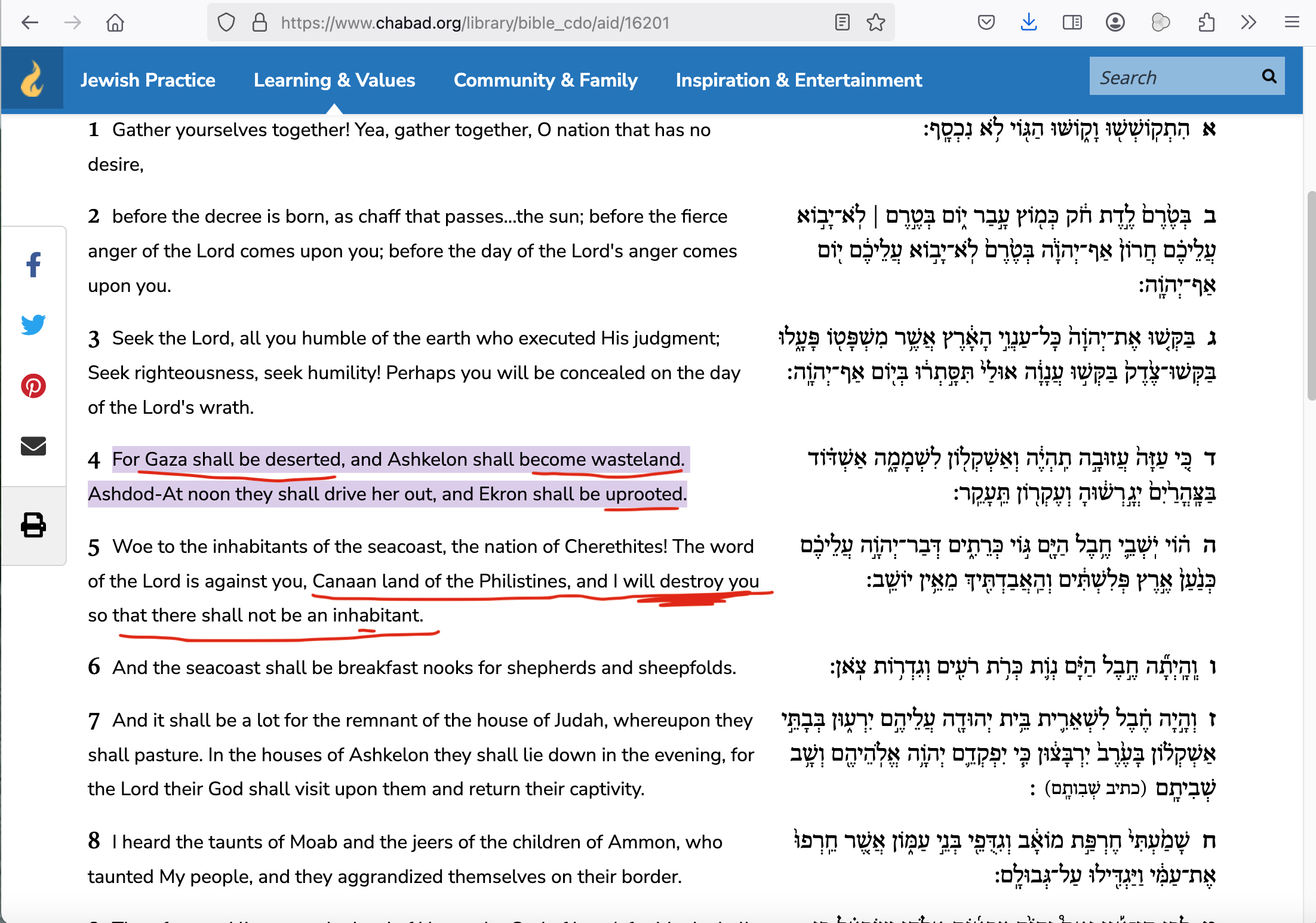
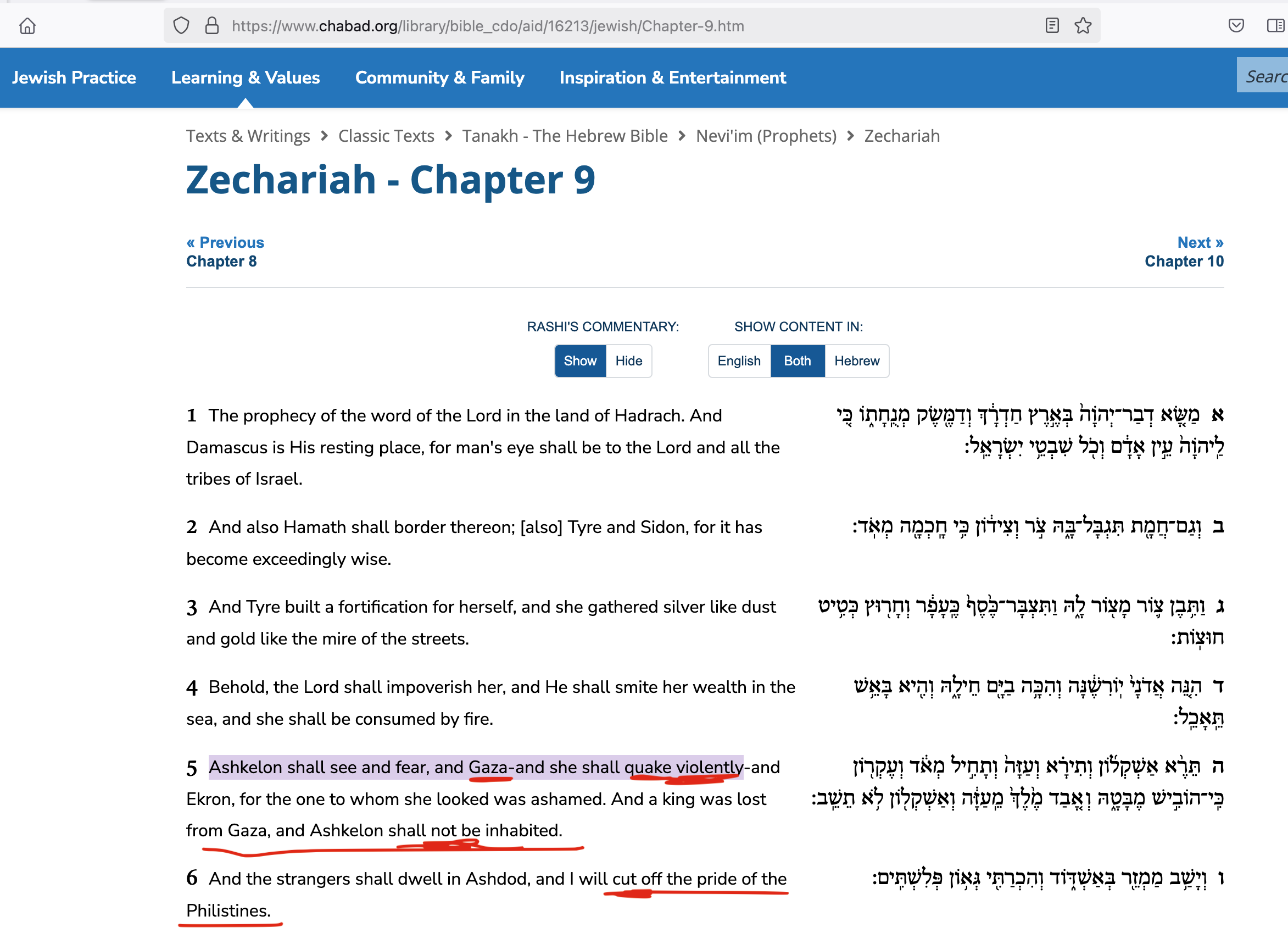
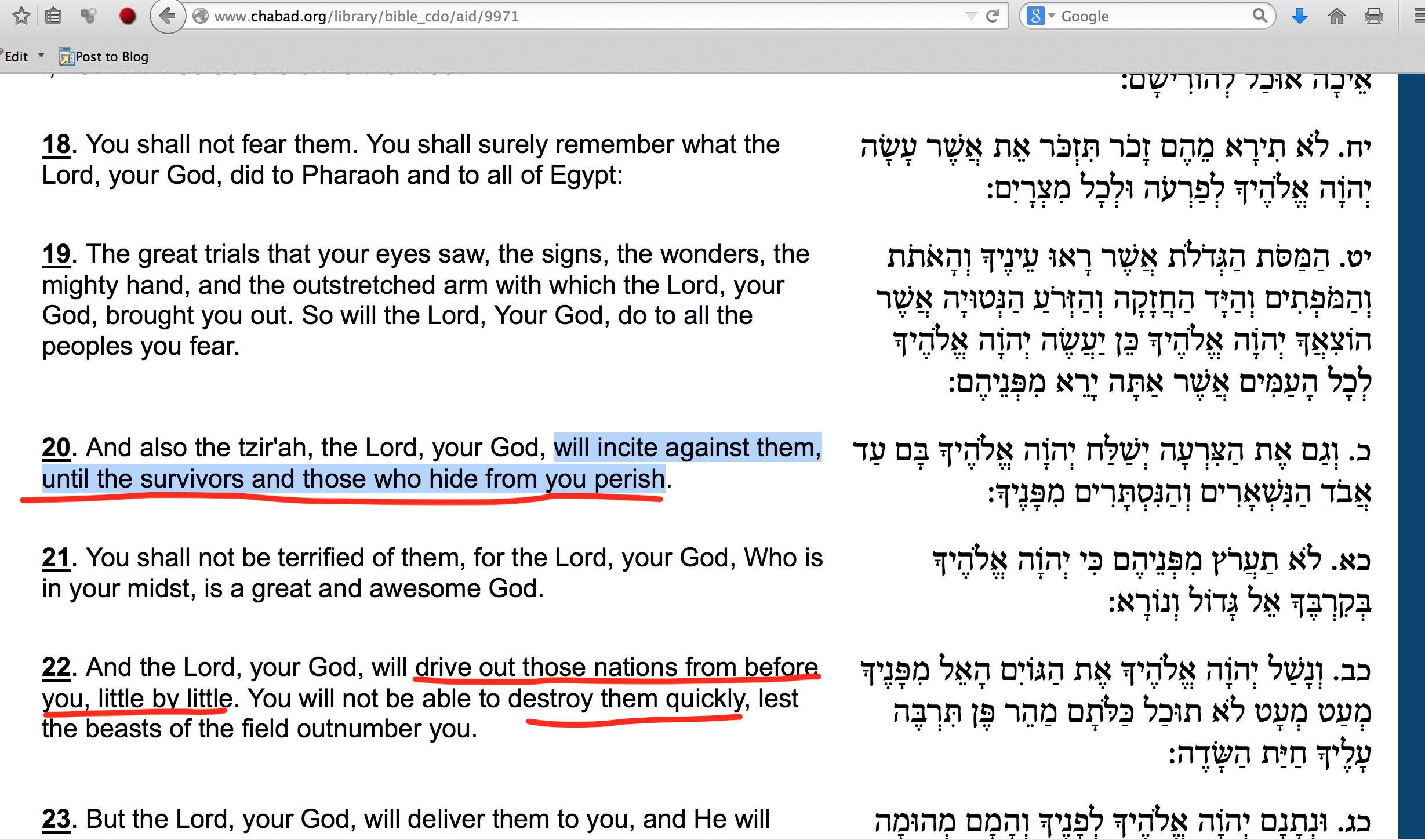
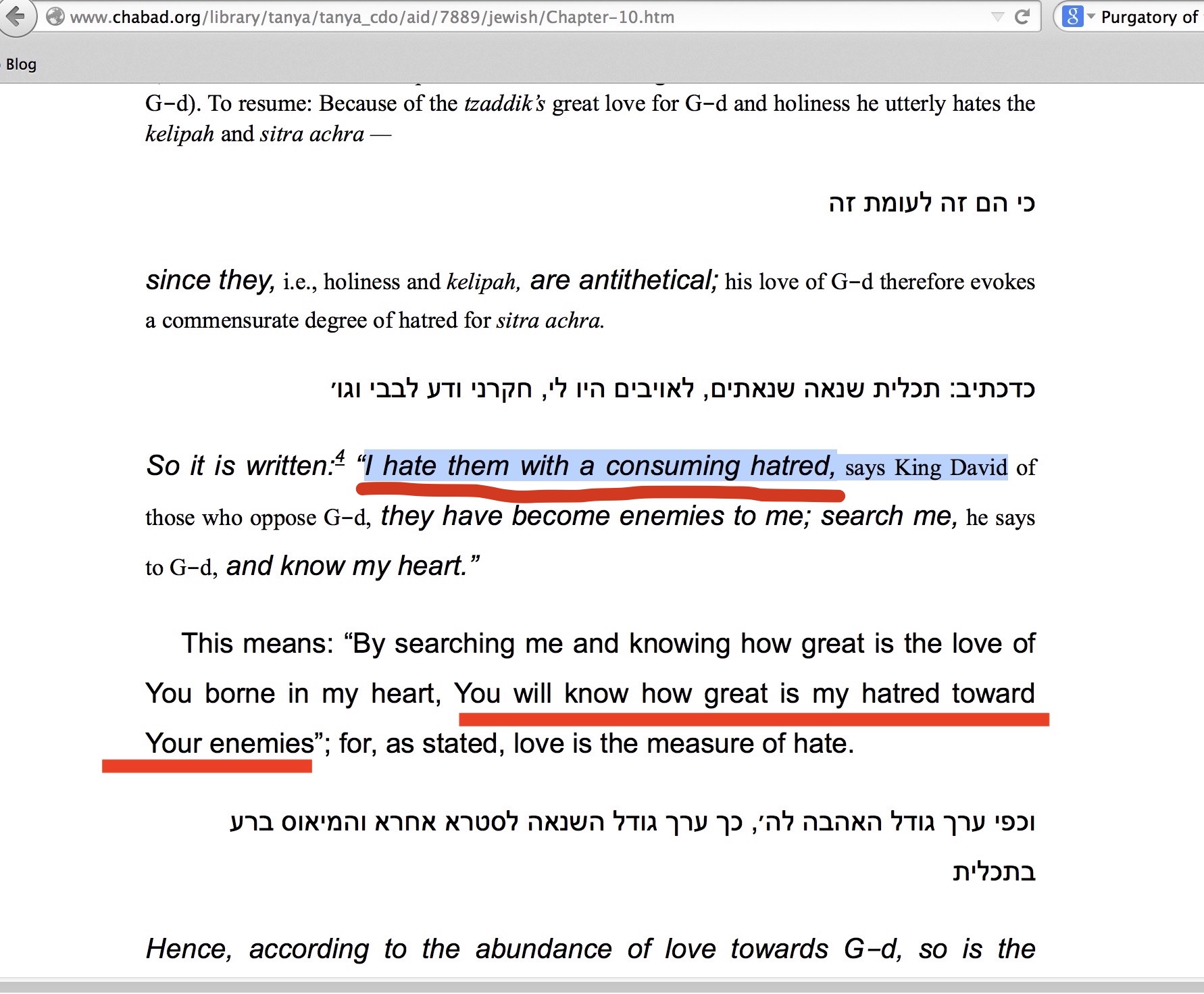
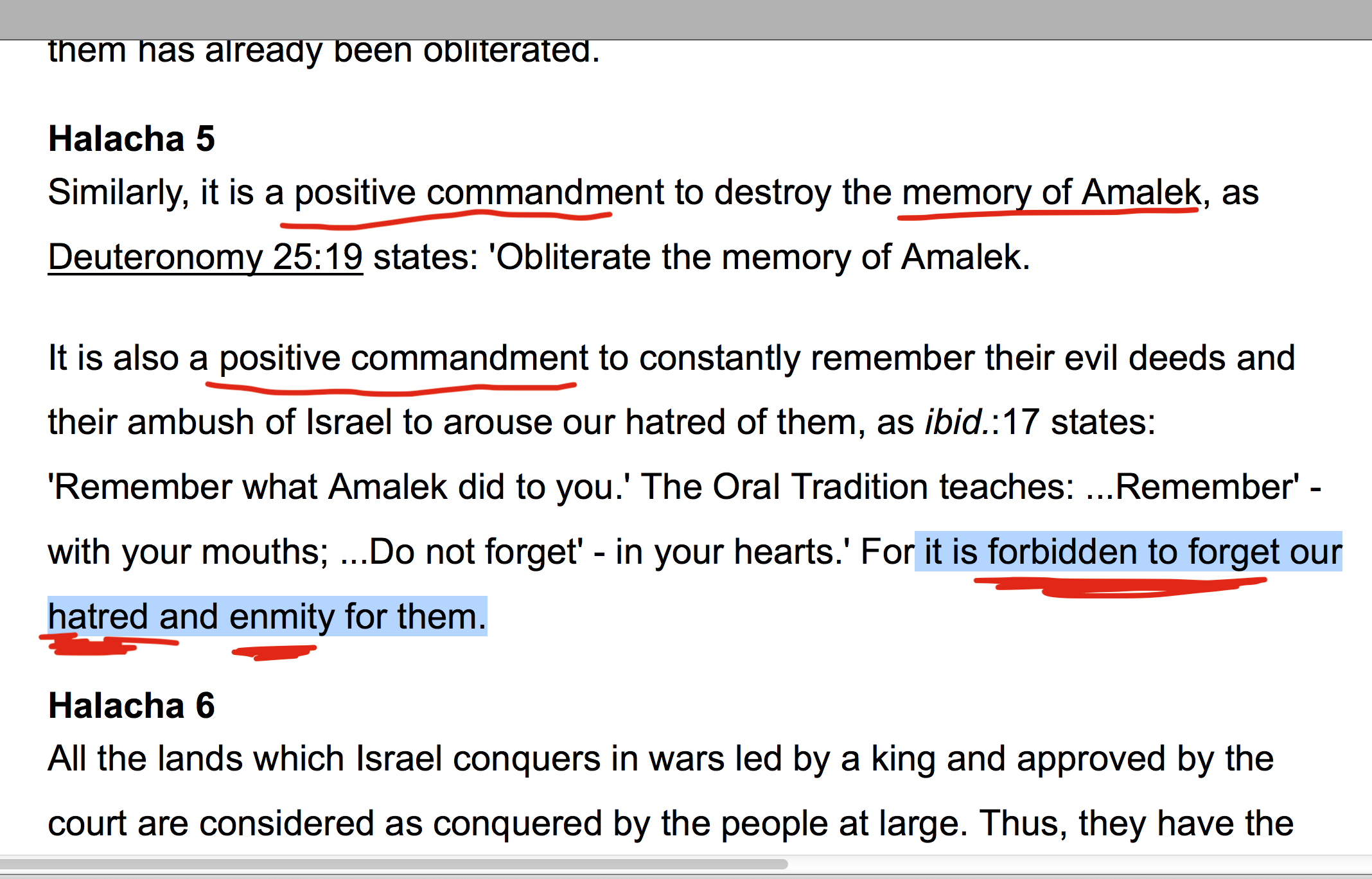
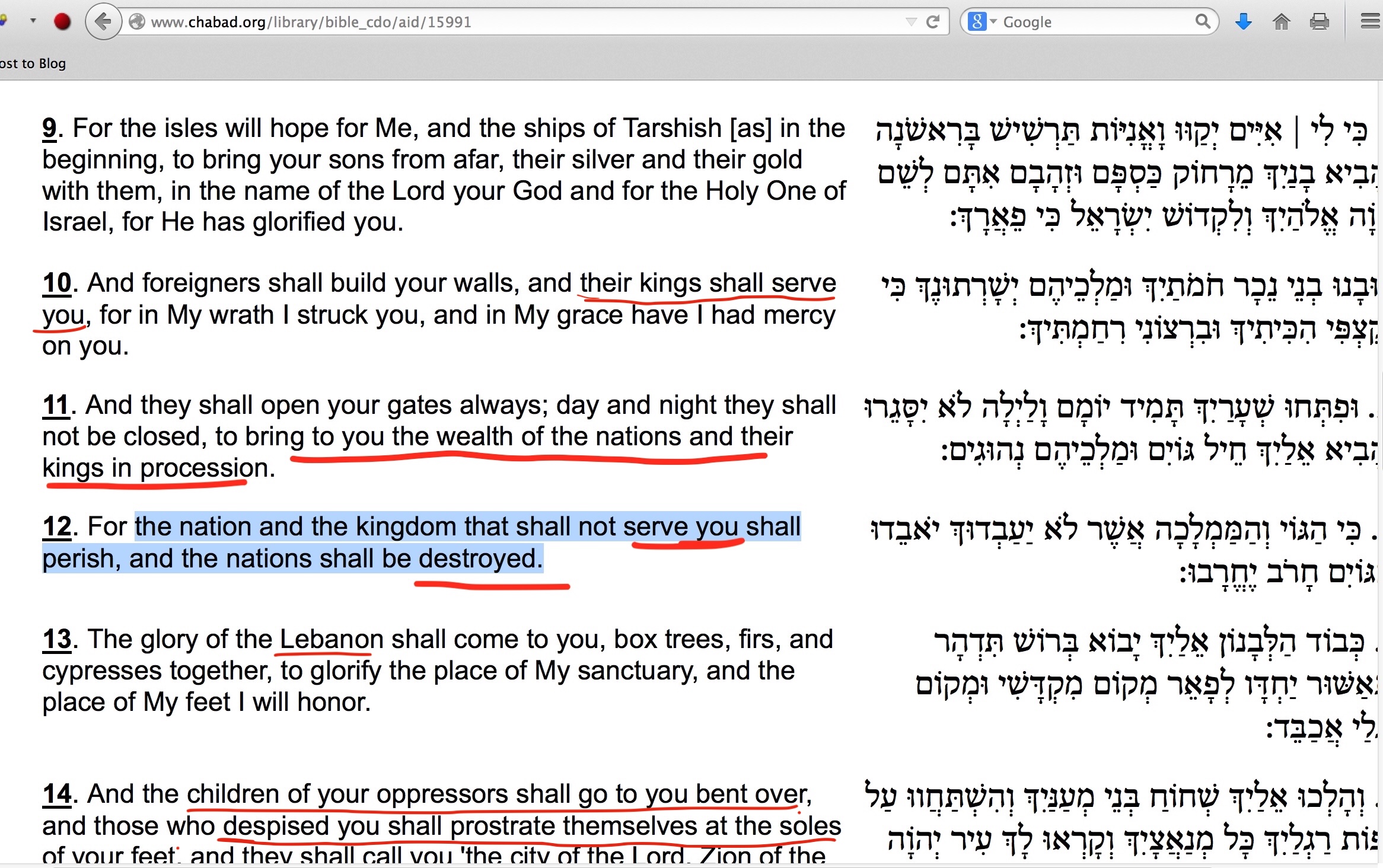
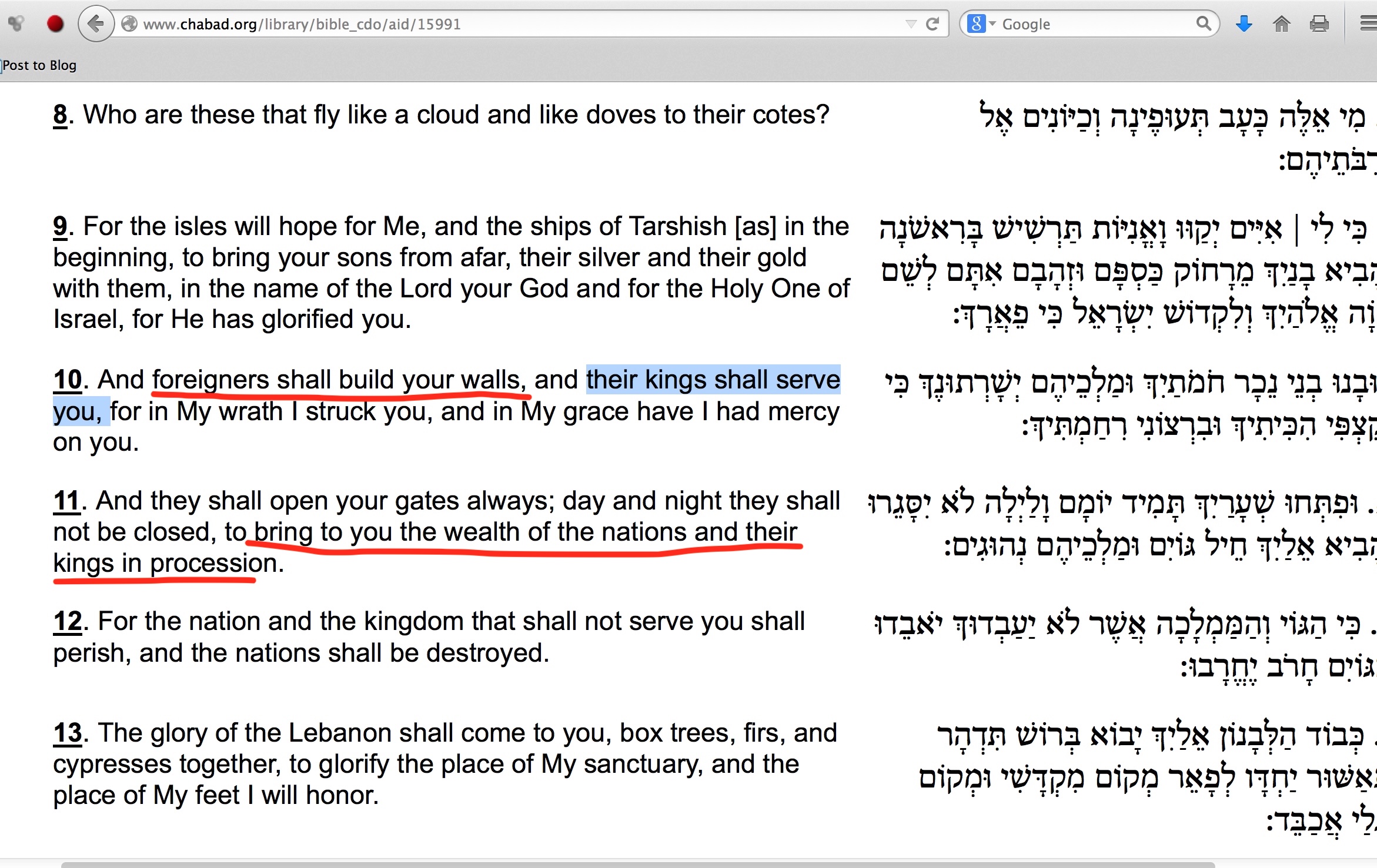
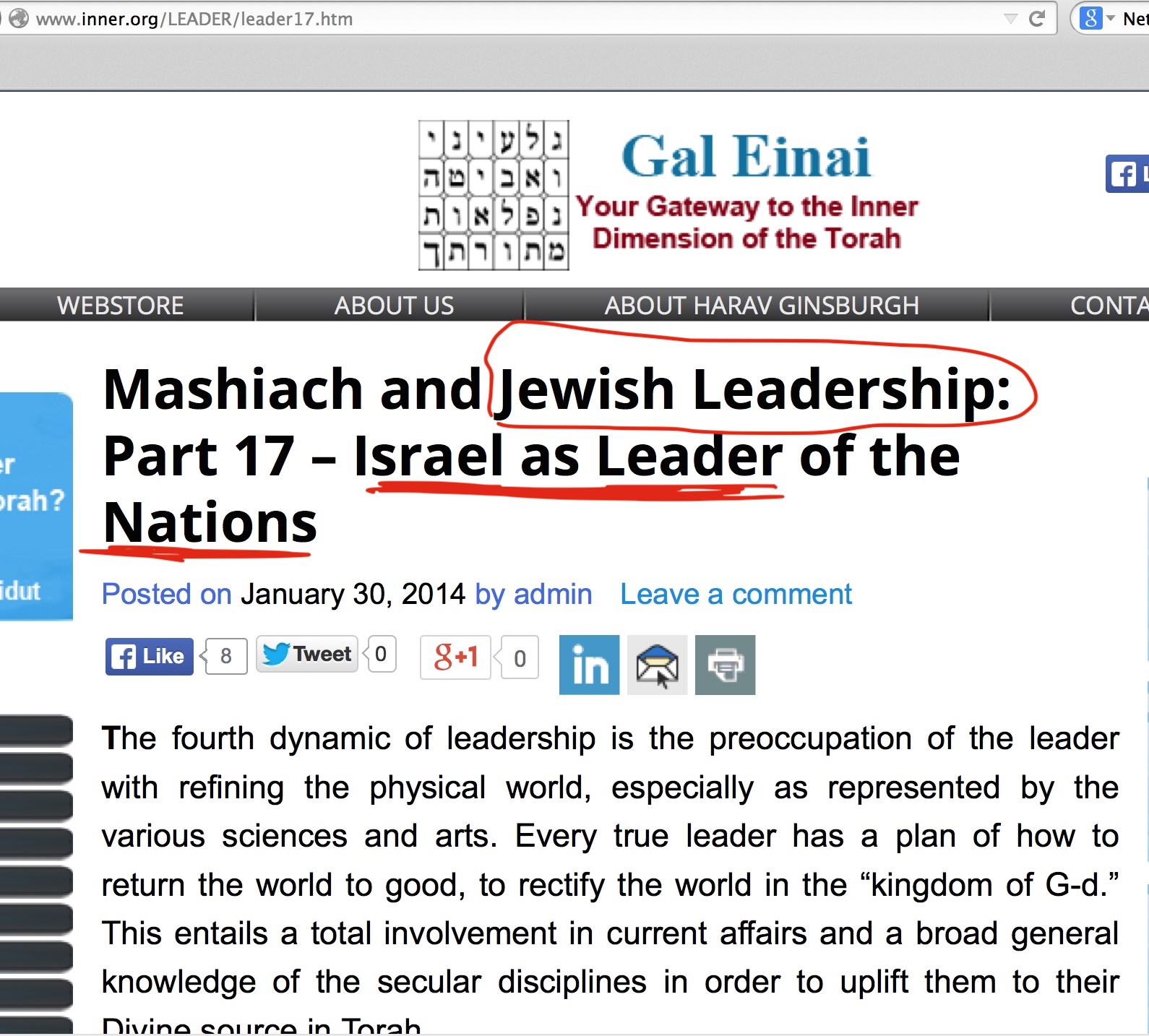
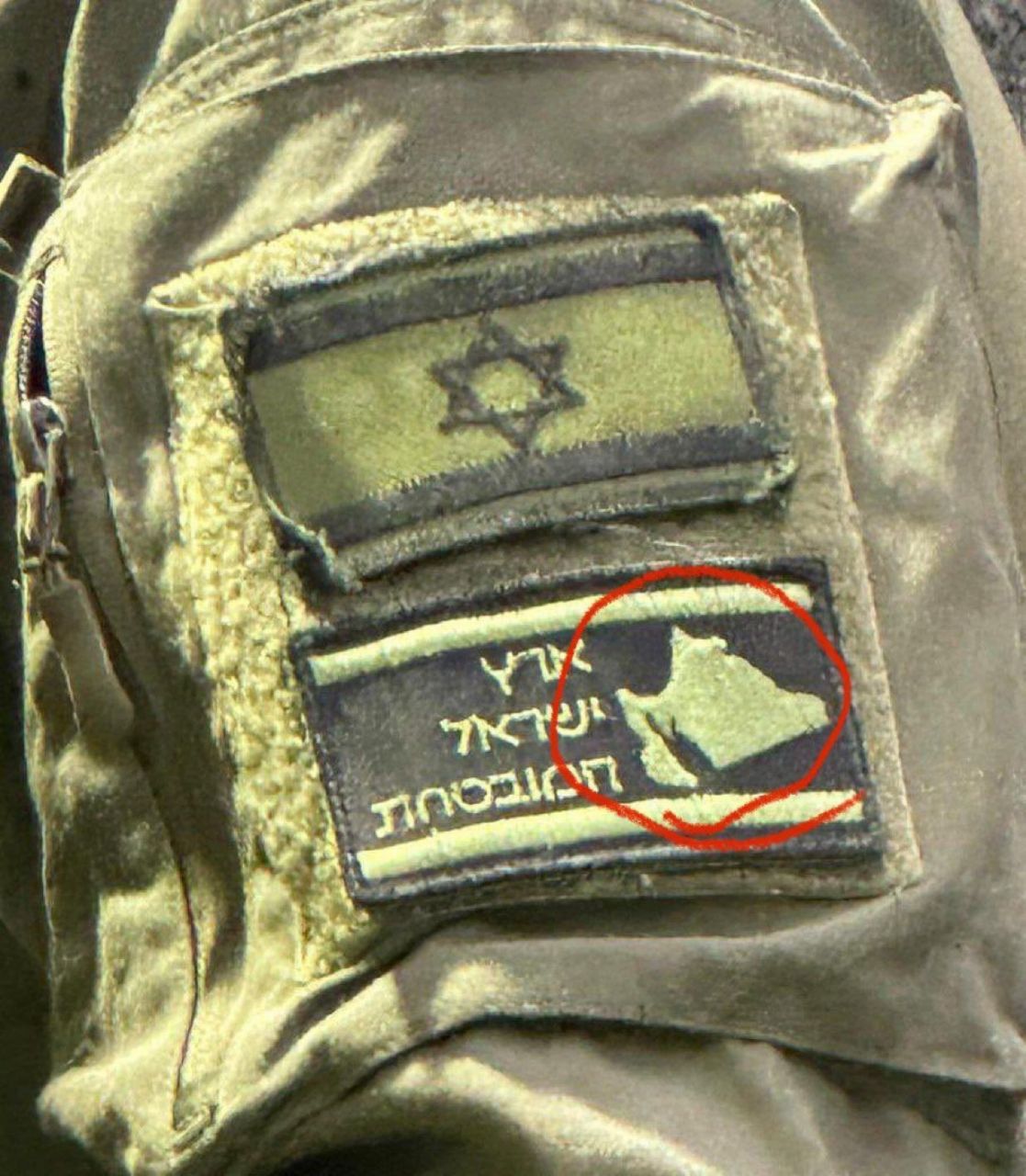
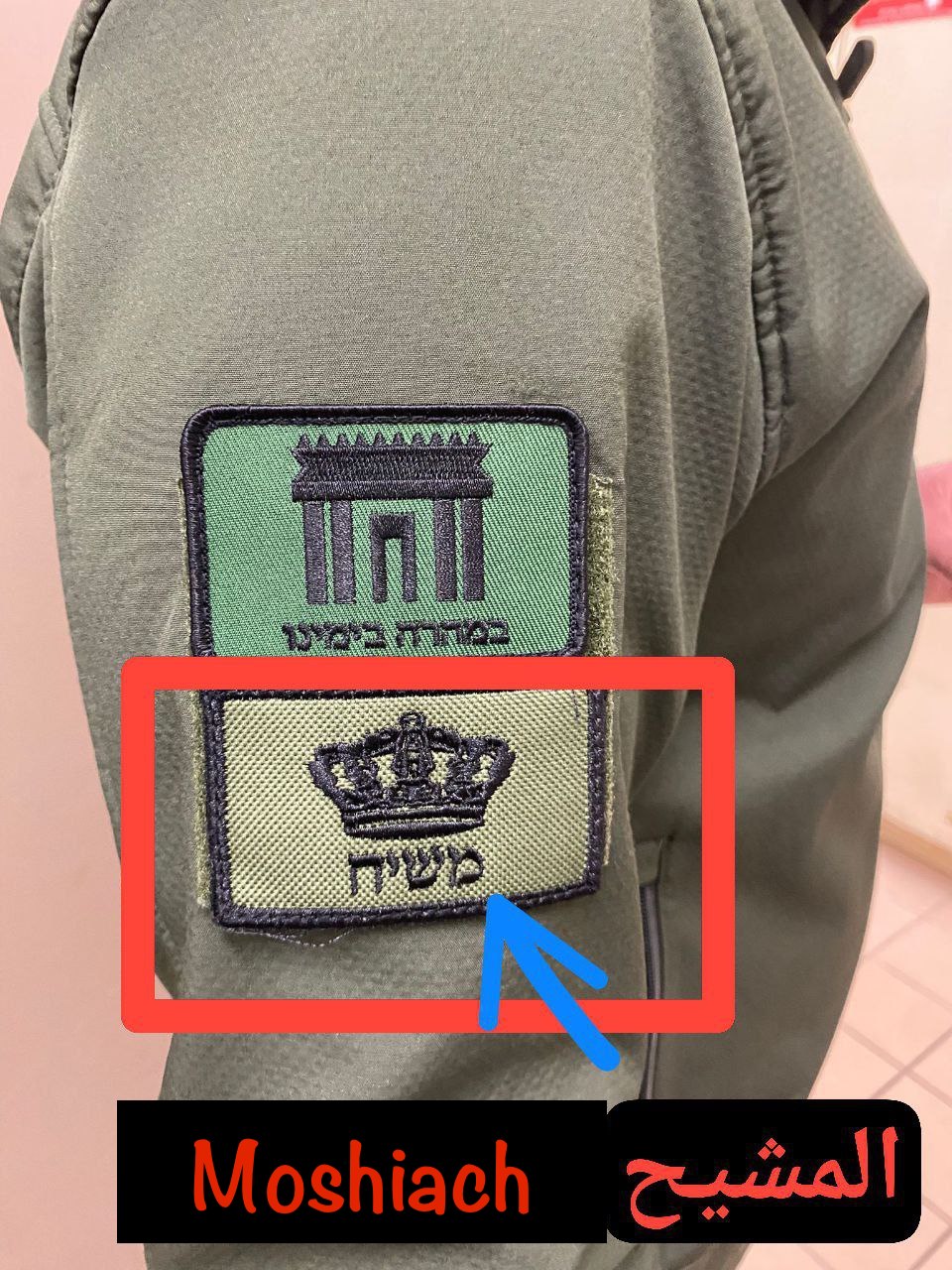
Troubling ideas throughout the Torah, Talmud, Mishneh Torah and Tanya
The future of the planet depends on uprooting Jewish supremacy

By Nahida Exiled Palestinian | September 28, 2026
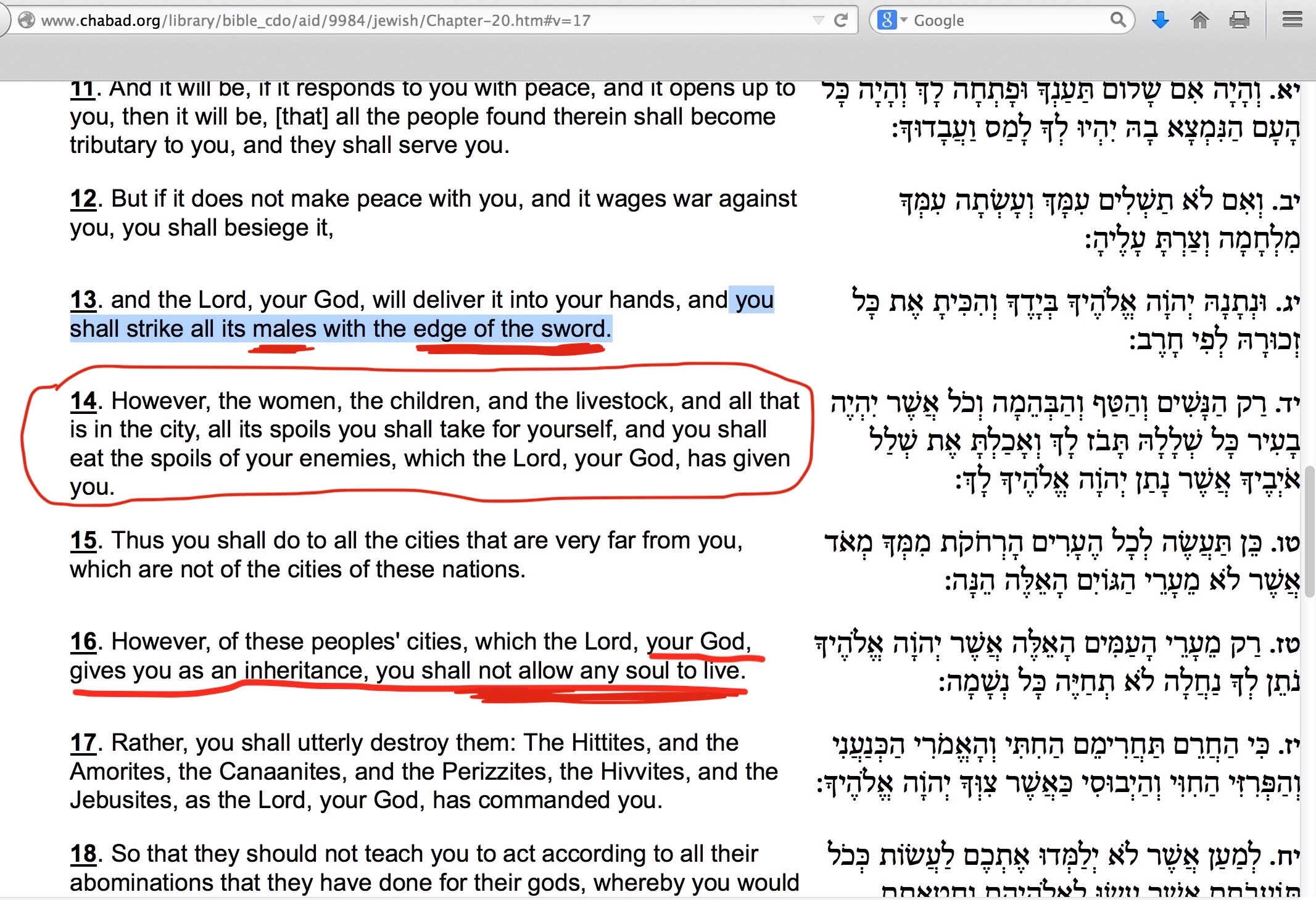
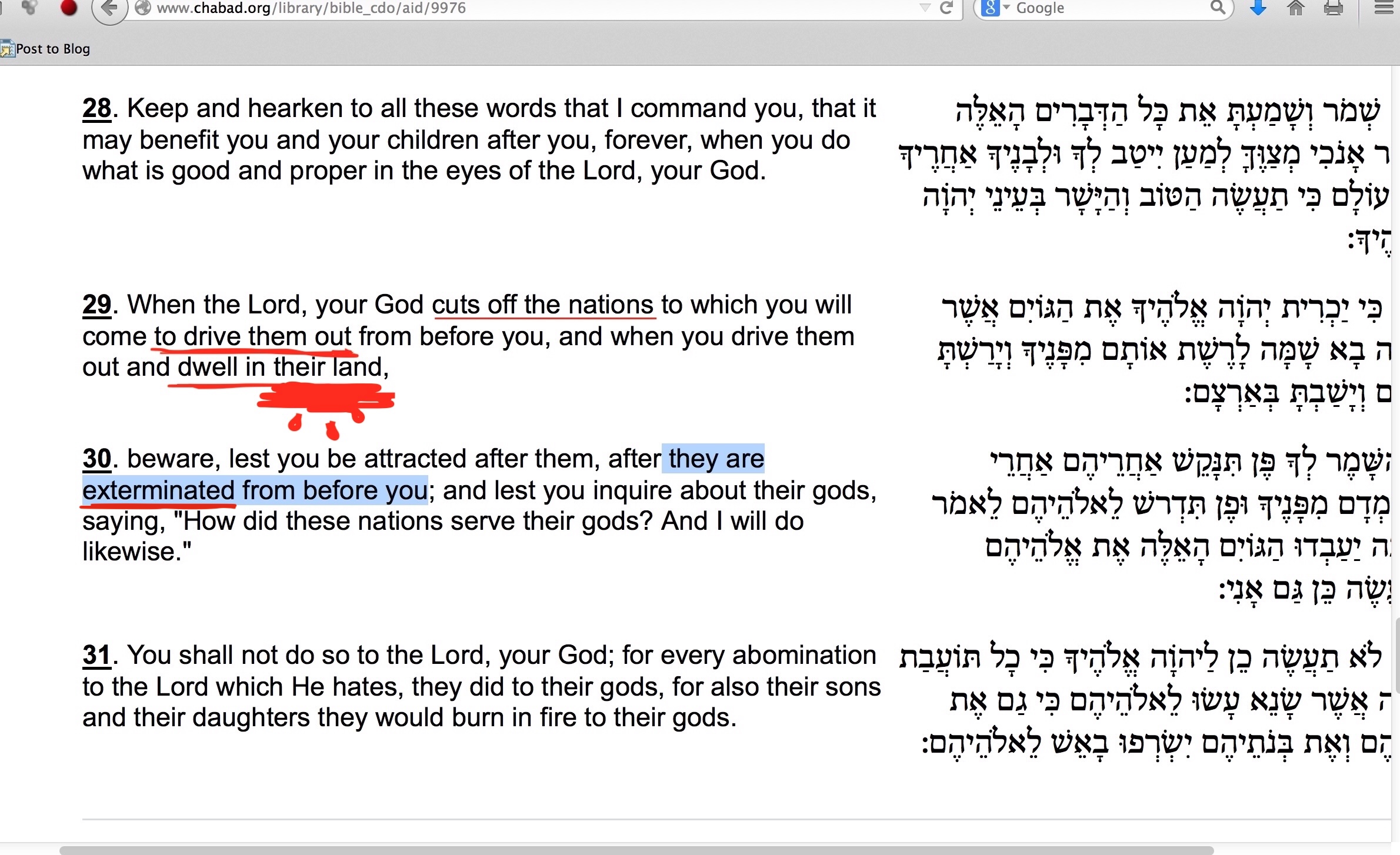
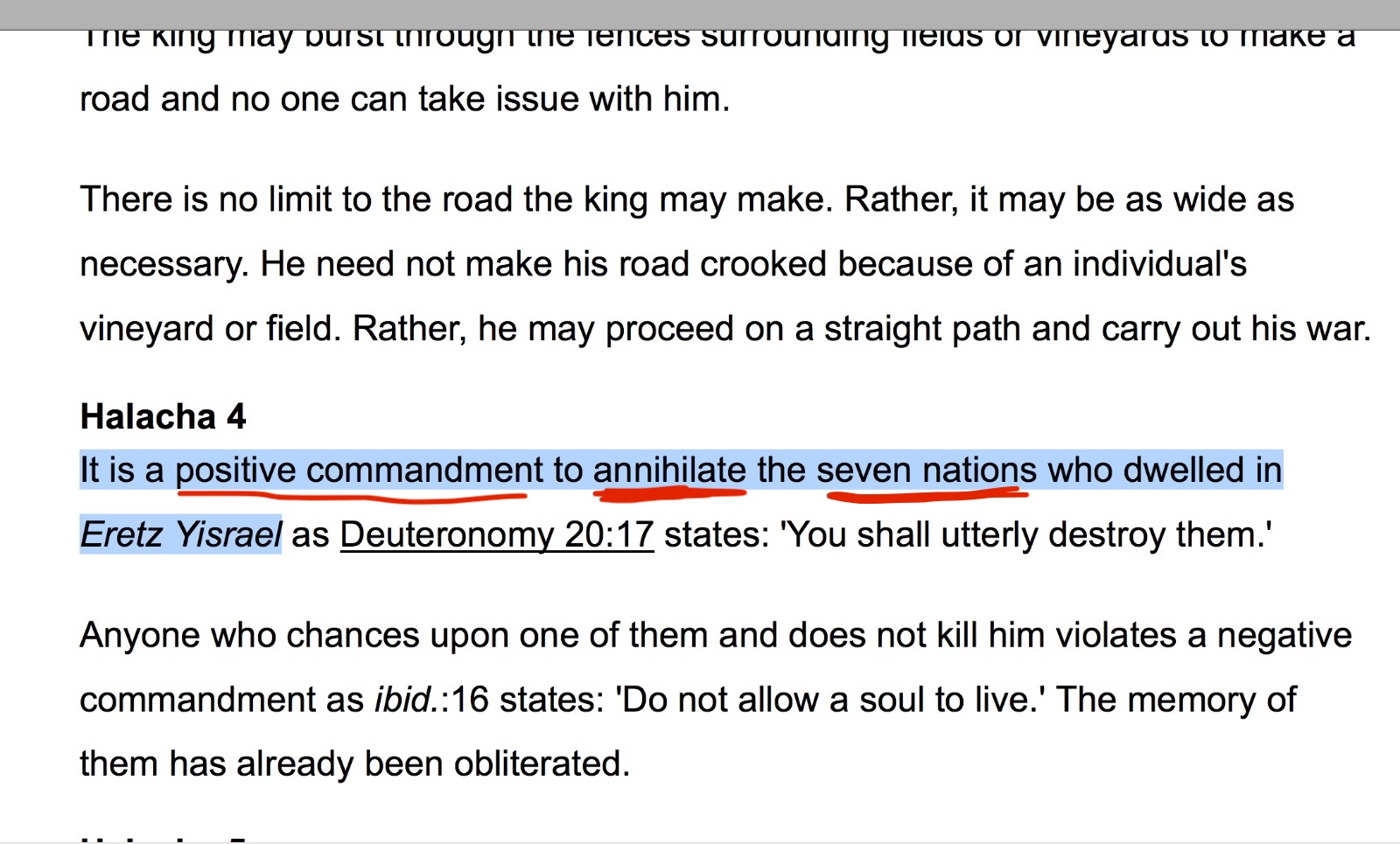
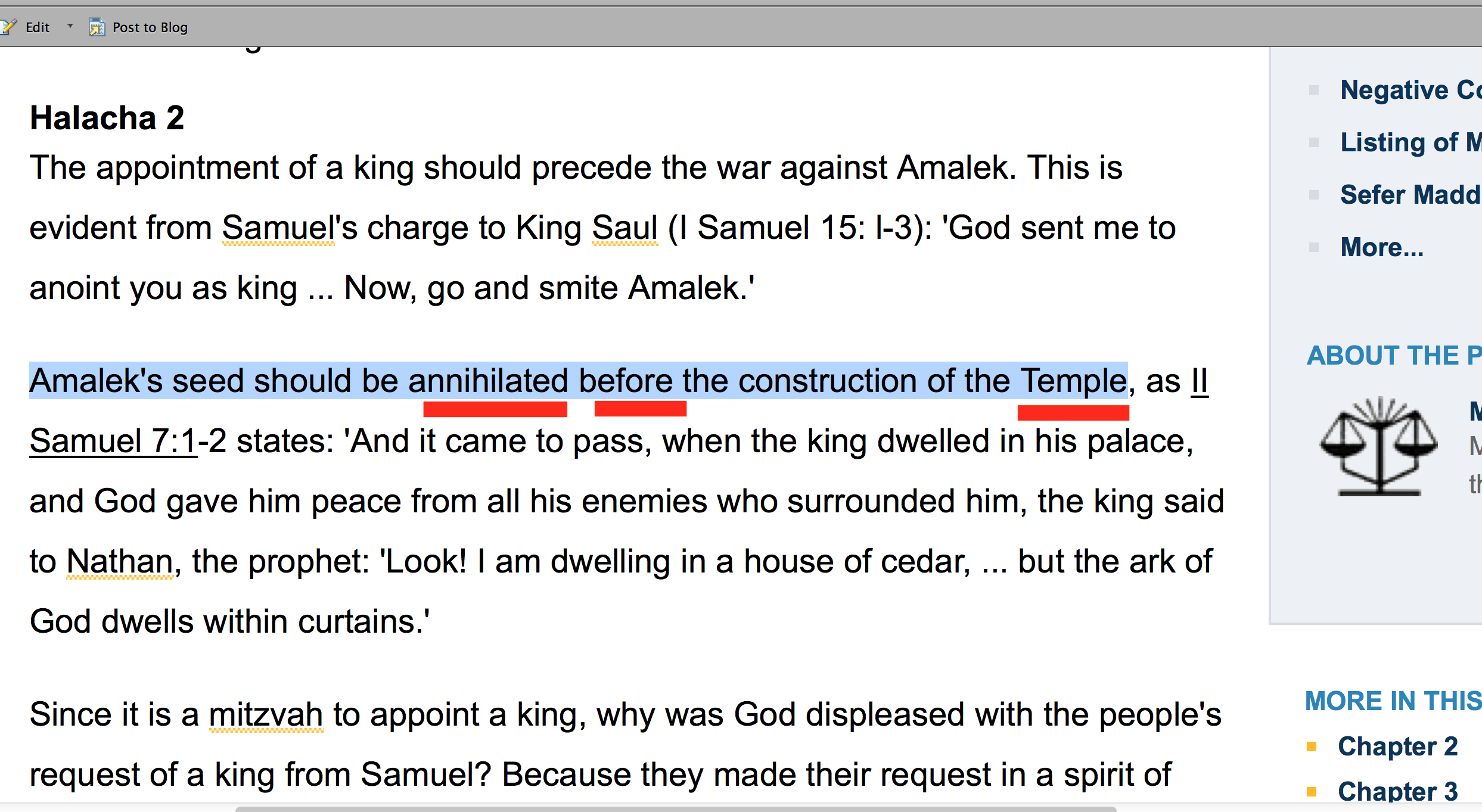
There is no running away from the fact that there are extremely troubling ideas throughout the Torah, Talmud, Mishneh Torah and Tanya.
Ideas like “choseness”, “promised land”, “return to Zion”, “building the temple”, “tikkun olam”… etc come from no other than Torah itself, soaked in supremacy, dominance aspiration, deception and mass-killing.
We can no longer hide our heads in the sand, pretending not to know, pretending not to see.
Jewish anti-Zionists should move on now, and use all their activism outside the Palestine solidarity movement, direct their work towards their people where serious discussions happen, plans are drawn, funds are raised, weapons are shipped and is genocide plotted and enacted. They should work with their own Jewish communities to try to get them out of the mess of supremacy and genocide they got themselves into.
Instead of wasting their time denying any links between Judaism and Zionism, instead of throwing their energy on controlling the Palestinian discourse, and instead of relentlessly monitoring us, Semite Palestinians lest we slip and “conflate Zionism with Judaism”or say something “antisemitic”, that may offend a Jew, Anti-Zionist Jews should change course and adopt a different role to play.
They should shift their activism within, try to effect change within their own Jewish communities who by vast majority are still supporting the Genocide with all their wealth, their leverage, all their influence and all their might.
They should leave us Palestinians to lead our Liberation Movement, and to narrate our authentic, untamed, unfiltered, unkosherised story without censoring, blacklisting, slandering or intimidation.
The future of the planet depends on the uprooting of Jewish supremacy, deception, hatred and violence from their ideology, and joining the human race as equals not as “chosen”.
Failing to confront the elephant in the room would end up in a World Nakba, like nothing we have ever seen before.
This is a WARNING, a mere WARNING of a brewing global disaster, I see in the horizon, and I am praying that together we would be able to prevent before it’s too late.

‘Grave, alarming’: Iran mission on Trump’s UNGA ‘annihilation’ threats
Al Mayadeen | September 28, 2026
Iran has warned the United Nations that US President Donald Trump’s threats to “annihilate” the Islamic Republic constitute a grave development, particularly because the remarks were made from the podium of the UN General Assembly.
Gholamhossein Darzi, Iran’s ambassador and chargé d’affaires to the UN in New York, raised the issue in a September 27 letter addressed to UN Secretary-General António Guterres and the President of the Security Council, Jérôme Bonnafont.
Darzi’s letter came in response to Trump’s September 22 address to the 81st session of the UN General Assembly, during which the US president said he could “annihilate the Islamic Republic” if no agreement was reached with Tehran. The wording appears in the official UN transcript of Trump’s speech.
Iran says threats made at UN carry wider implications
Darzi said Trump’s remarks were neither isolated nor ambiguous, arguing that they form part of a continuing pattern of public threats against Iran by the president of a permanent member of the UN Security Council.
“These repulsive statements are not ambiguous remarks or isolated utterances. They are rather part of a sustained pattern of public threats against Iran by the head of a permanent member state of the Security Council,” Darzi wrote.
“This latest development is particularly grave and alarming because the United Nations General Assembly is not a venue for threats of annihilation,” he added.
The Iranian envoy stressed that the General Assembly serves as the UN’s principal universal forum and was established to promote international peace, cooperation, and relations among states.
In the letter, Darzi referred to several previous statements by Trump that he said demonstrated a broader pattern of threats against Iran.
He cited remarks on March 22 in which Trump threatened to “hit and obliterate” Iranian power plants, followed by statements on March 30 threatening destruction of Iran’s energy facilities and other vital infrastructure, including desalination facilities.
Iran calls for UN response to threats
Darzi argued that the issue extends beyond political rhetoric, saying an explicit threat against a sovereign UN member state raises questions concerning the UN Charter, international peace and security, and the prohibition on the threat or use of force.
He further linked the latest remarks to ongoing US-Israeli aggression against its sovereignty and territorial integrity since February 28, as well as attacks that targeted civilians and civilian infrastructure.
“The issue before the Organization is therefore not merely one of political rhetoric,” Darzi wrote, arguing that failure by the international community to respond could normalize threats against entire nations and undermine the authority of the UN Charter.
The UN has itself emphasized the need for restraint and adherence to international law during the current high-level week. In his September 22 opening address, Secretary-General António Guterres said the principle that force cannot determine whose lives and rights matter was under “profound strain” and called on world leaders to use the week for de-escalation and dialogue.
Iran reiterates right to self-defense
Darzi said Iran would continue to defend itself against any further aggression and reserved its “full and unimpeachable right to self-defense.”
He also said Tehran reserves the right to pursue legal avenues to seek accountability from states and individuals it holds responsible for losses and damage inflicted on the Iranian people.
“Regardless of whether these threats are merely delusional fantasies, they will, as in the past, never materialize or be put into action in the face of the resolute resistance and determined defense of the Iranian people and armed forces,” Darzi wrote.
The Iranian envoy requested that his letter be circulated as an official document of the UN Security Council.
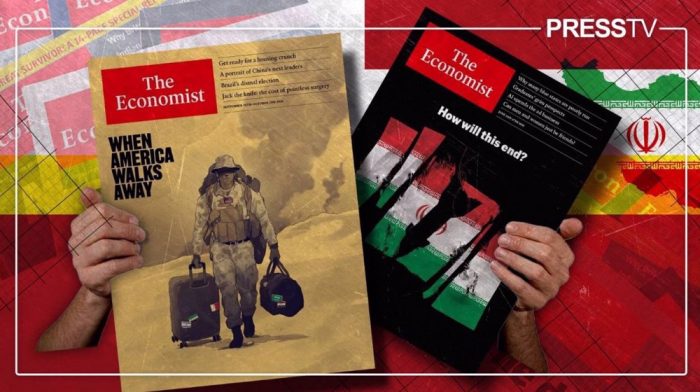
From ‘How Will This End For Iran’ to ‘When America Walks Away’: A tale of two Economist covers
By Maya Kareen | Press TV | September 28, 2026
Nearly 466 days ago, just seven days into the unprovoked and illegal US-backed Israeli military aggression against Iran, The Economist provocatively placed a torn Iranian flag on its cover and asked: “How will this end?”
The image was widely interpreted as a metaphor for the possible collapse or fragmentation of the Islamic Republic in the face of overwhelming military force.
At the time, the narrative surrounding Iran was dominated by predictions of its imminent defeat, the weakening of its leadership, and even the possible collapse of the Islamic Republic under the weight of an aggression that came amid Iran-US indirect nuclear talks.
The article went on to ask whether what it described as Israel’s first war against Iran “will also be the last,” or whether it would “lead to a series of Iran-Israel wars that mire” West Asia in years, if not decades, of further violence.
Written before the United States directly joined the war of aggression by illegally bombing Iran’s Fordow, Natanz, and Isfahan nuclear facilities on June 22, the article also suggested that Washington should move beyond “merely defending Israel and deterring Iran” and join the occupying regime in attacking Iran’s peaceful nuclear program.
Yet even then, The Economist warned that such a war could spiral into a broader regional war, sending energy prices soaring by targeting Saudi Arabia’s oil infrastructure or blocking the Strait of Hormuz, a vital artery for global energy supplies.
Iran, however, did not turn the war into a regional war at that stage, nor did it close the Strait of Hormuz. It retaliated decisively and inflicted massive damage on the Zionist regime.
Following a powerful wave of retaliatory strikes against Israeli-occupied territories, the Islamic Republic demonstrated that it retained the ability to impose high costs on its adversaries.
After 12 days of war, Israel and the United States ultimately agreed to a ceasefire. The confrontation and US hostility, however, were far from over.
On February 1, the martyred Leader of the Islamic Revolution, Ayatollah Seyyed Ali Khamenei, warned that any new war initiated by the United States against Iran would inevitably become a regional war, engulfing all countries across the region.
Less than a month later, on February 28, Washington and Tel Aviv launched a second round of military aggression against Iran, again in the middle of nuclear diplomacy.
On the very first day, the United States and Israel assassinated Iran’s Leader and several senior commanders, apparently calculating that “decapitating” the country’s leadership would pave the way for the rapid collapse of the Islamic Republic and the so-called “regime change.”
That calculation, however, once again proved wrong.
Iranian armed forces mounted a sustained and forceful response, launching wave after wave of retaliatory strikes against Israeli-occupied territories and US military bases across the region.
Far from collapsing under the pressure, Iran demonstrated its capacity to absorb the initial shock, reorganize its command structure, and continue fighting on multiple fronts.
The war eventually reached the Strait of Hormuz, as Iran asserted its control over the strategic waterway, leading to severe disruption in global energy markets and exposing the vulnerability of one of the world’s most strategically important chokepoints.
After 40 days of war, the United States and Israel were once again compelled to accept a ceasefire. This time, the Trump administration even agreed to an Iranian proposal to end the imposed war.
The outcome was a striking departure from the expectations that had accompanied the opening hours of the aggression: instead of so-called “regime change,” Washington and Tel Aviv found themselves confronting an Iran that had endured the assassination of its senior leadership, absorbed unprecedented attacks and continued to resist and inflict blows on the enemy.
Since the April 8 ceasefire, exchanges of fire have continued intermittently, while the Strait of Hormuz has remained largely closed to hostile vessels.
Having failed to achieve its objectives through military means, Washington has increasingly turned to economic pressure, imposing new sanctions and pursuing a naval and aerial blockade against Iran. Yet the Islamic Republic has continued to withstand the pressure.
Also, despite sanctions, threats, political pressure and military aggression, Tehran has maintained that the Strait of Hormuz will only be reopened once the United States ends the imposed war on all fronts.
And now, more than 15 months after that torn Iranian flag appeared on its cover, The Economist has returned with an image that could hardly be more different.
Gone is the question of how Iran will end. Instead, the magazine has placed a new question at the center of its latest cover: “WHEN AMERICA WALKS AWAY.”
The change in imagery reflects a striking shift in the narrative. In June 2025, the focus was on Iran’s survival. Today, the question being raised is about the future of American power in West Asia.
But the transformation in the narrative is not limited to the language used on The Economist’s covers.
Over the past 15 months, the war has also produced a growing record of military, financial and strategic costs for the United States and its military-industrial complex.
Washington launched the war on Iran with many ambitious objectives, including crippling Iran’s nuclear and missile capabilities in order to undermine and weaken the Islamic Republic.
Yet months of war have instead left the United States facing tens of billions of dollars in expenses, damaged military facilities across the region, depleted stocks of some of its most sophisticated interceptors and other munitions, and casualties among its service members.
The following figures and assessments, many of them coming from US government agencies, American media outlets and Western think tanks, offer a picture of the price Washington has paid for the war — and of the widening gap between the objectives announced at its outset and the situation that has emerged months later.
$43.6 billion — and the bill is still rising
On September 18, The Washington Post reported that the US Central Command (CENTCOM) had estimated the cost of the war at $43.6 billion as of early September.
The figure included $28 billion to replace munitions expended during the war on Iran and more than $4.3 billion for equipment lost or damaged. The breakdown also put Air Force operating costs at more than $6.6 billion, Navy costs at about $2.2 billion, and Army costs at roughly $1.6 billion.
Crucially, the $43.6 billion estimate does not include the future cost of rebuilding or repairing damaged US military facilities across West Asia, according to the report.
The Congressional Budget Office (CBO) also published its own assessment on September 15, estimating that the war on Iran had already cost the Department of War approximately $38 billion as of August 1.
CBO said the figure included the replacement of expended munitions and equipment lost in battle, increased flying hours, other operational costs, and additional fuel costs.
But the most important part of the CBO assessment was its warning about the continuing cost.
It said if the war remained at the relatively low intensity seen in May and June, another month of fighting would cost approximately $2 billion. If fighting returned to the intensity seen in July, the monthly cost could rise to approximately $3 billion.
CBO also stressed that its $38 billion estimate did not include all costs borne by other parts of the federal government and did not include certain costs already incorporated into the regular military budget.
At least 228 US military assets damaged
The financial bill was accompanied by substantial physical damage to US military infrastructure.
On May 6, The Washington Post published a satellite-image investigation finding that Iranian attacks had destroyed at least 228 structures or pieces of equipment at 15 US military sites across West Asia.
The Post’s analysis identified 217 structures and 11 pieces of equipment that had been damaged or destroyed. The targets included hangars, barracks, fuel depots, aircraft, radar systems, communications equipment and air-defense systems.
The newspaper examined more than 100 high-resolution satellite images released by Iranian media and independently verified 109 of those images against imagery from the European Union’s Copernicus satellite system and commercial satellite imagery where available.
It found no evidence that the Iranian imagery had been manipulated. The Post also reported that the destruction was “far larger” than what had been publicly acknowledged by the US government.
The extent of the damage was subsequently reinforced by the US government’s own watchdog. In a report released on September 14, the Pentagon Inspector General provided what the Associated Press said was the most comprehensive official accounting to date of the war’s impact on US military facilities.
The report said Iranian attacks had damaged or destroyed hundreds of buildings and other structures at US bases in Kuwait, Bahrain, Qatar, the United Arab Emirates, Saudi Arabia, Iraq, Oman and Jordan.
The significance of this finding is that the damage was no longer based solely on satellite analysis or Iranian reports. It was acknowledged in an official US government assessment.
Dozens of MQ-9 Reapers and other aircraft lost or damaged
The Pentagon Inspector General’s findings also provided a clearer picture of damage to American aircraft.
According to Stars and Stripes on September 15, the war had resulted in damage to or destruction of as many as 30 MQ-9 Reaper drones, along with four F-15 fighter aircraft and more than six KC-135 tanker aircraft.
The report also noted that the cost of repairing or replacing some of these assets had not yet been incorporated into the Pentagon’s overall war-cost estimate.
In other words, even the $43.6 billion figure should not necessarily be regarded as the final bill.
The actual figure, however, is much higher. More than 50 MQ-9 Reapers have disappeared over Iranian skies, according to independent estimates.
The war has depleted America’s missile-defense stockpiles
Perhaps more consequential than the dollar value of the weapons fired is the depletion of America’s stockpile of advanced interceptors.
In its May 6 report, The Washington Post, citing an analysis by the Center for Strategic and International Studies (CSIS), reported that between February 28 and April 8 the US military had used at least 190 THAAD interceptors and 1,060 Patriot interceptors.
Those numbers represented approximately 53 percent of the US prewar THAAD inventory and 43 percent of its Patriot inventory. By September, the assessment had become even more concerning.
The Stimson Center, in a report published on September 22, said that by August the United States had used approximately 80 percent of its THAAD inventory and around half of its Patriot interceptors.
The same report said the Army had used “virtually all” of its ATACMS and Precision Strike Missiles (PrSM) — long-range weapons that would also be important in a potential conflict involving China.
According to Stimson’s assessment, replenishing some of these stocks could take years. CSIS estimated that Tomahawk inventories might not return to prewar levels until late 2030 or early 2031, while Patriot and THAAD inventories could take at least three years to recover.
The costs extend beyond the battlefield
The financial impact has also spread beyond the Pentagon. The CBO said on September 15 that the disruption of oil and gas shipments through the Strait of Hormuz had increased global energy prices, contributing to higher prices for gasoline, diesel and jet fuel in the United States.
CBO estimated that the war would leave US inflation in the first quarter of 2027 0.5 percentage points higher than it had projected in February 2026, while core PCE inflation was projected to be 0.3 percentage points higher.
The agency also estimated that three-month Treasury bill rates would be nearly 0.2 percentage points higher in 2026 than previously projected.
The Stimson Center went further, estimating the direct and indirect cost of the war at approximately $220 billion and putting the average household’s share at roughly $1,650. It attributed much of that wider economic burden to higher energy prices.
Stimson said that by September 15, average US gasoline prices had reached $4.32 per gallon, a 45 percent increase since the war began, while diesel prices had risen by approximately 70 percent.
Damage to US military facilities
Beyond the billions spent on weapons, operations and damaged military equipment, Washington also incurred substantial military, diplomatic and emergency expenses.
On September 14, the Pentagon Inspector General, as reported by The Washington Post, said Iranian attacks had caused approximately $184 million in damage to US military and diplomatic facilities in Iraq, Kuwait, Saudi Arabia and the UAE.
Separately, the US State Department reported around $113 million in war-related and emergency expenses, nearly $80 million of which was associated with the evacuation of diplomats, their families and other US citizens and eligible individuals.
Around 9,000 US citizens were evacuated from the region during the war against Iran.
Iran’s missile program has begun rebuilding
The depletion of American interceptor stocks becomes particularly significant when considered alongside the continued resilience of Iran’s missile program.
On September 10, The Wall Street Journal reported that Iran had resumed production of ballistic missiles, despite the extensive US and Israeli attacks on its missile infrastructure during the opening phase of the war.
According to the report, US and regional officials said Iran was assembling both liquid- and solid-fuel missiles using stockpiled components at underground facilities.
Intelligence pointed to activity at several underground sites, including the Khojir missile facility, while Iran was also working on new underground assembly locations.
The report concluded that the renewed production underscored the difficulty of fully dismantling Iran’s missile program — one of the stated objectives of the war.
Six months on, the original objectives remain out of reach
This brings the military expenditure back to the central question: what did all of this cost actually achieve? Washington continues to describe the war on Iran as having severely degraded the country’s military capabilities.
But independent Western assessments point to a substantial gap between the original objectives and the situation that has emerged.
The Stimson Center, in its September 22 assessment, said the administration initially went to war with objectives that included ending Iran’s nuclear program, destroying its missile industry, annihilating its navy, and ending its support for the Axis of Resistance.
It concluded that the United States had failed to achieve those objectives. Instead, Stimson said, the mission subsequently narrowed to the reopening of the Strait of Hormuz — a goal that became necessary precisely because the war itself had disrupted shipping through the waterway.
“Six months later, little progress toward those goals has been made, while the mission has largely narrowed to the single task of reopening the Strait of Hormuz, a waterway the war itself closed.”
The figures tell the story of that widening gap: $43.6 billion in US military costs; $28 billion needed merely to replace expended munitions; more than 4.3 billion dollars in damaged or lost equipment; hundreds of damaged military structures; depleted THAAD and Patriot stocks; and a weapons-production system facing years of replenishment.
And yet, according to the Wall Street Journal, Iran is already rebuilding parts of its ballistic-missile production capability.
That contrast — between the scale of resources committed by Washington and the difficulty of translating military force into its original political and strategic objectives — is perhaps the most important evidence behind the dramatic change in the narrative surrounding the war.
And now, back to The Economist
This is where the latest Economist cover becomes particularly relevant.
More than 15 months after the magazine placed a torn Iranian flag on its cover alongside the question “How will this end?” the question on its new cover is no longer centered on Iran.
It asks: “WHEN AMERICA WALKS AWAY.”
“America seems to be stuck in the Middle East. It has no easy way out of its war with Iran. Yet the conflict, however it ends, will in fact mark something quite different: the moment when America pulls back from the region—in the sense that it finally relinquishes its hegemony there,” the article reads.
In a September 25 editorial, The Economist’s Deputy Editor Robert Guest makes a similar assessment, writing that the United States has enjoyed decades of dominance in the region, but that this era is now coming to an end.
“Now, as Mr Trump seeks a way out of his ill-planned war, something momentous is occurring. As we describe in our cover package, American hegemony in the Middle East is ending,” Guest writes.
Pro-Palestine protesters arrested outside UK’s ruling Labour Conference in Liverpool
MEMO | September 27, 2026
British police on Sunday arrested two demonstrators during a pro-Palestine protest outside the ruling Labour Party’s annual conference in Liverpool, Anadolu reports.
Protesters gathered outside the conference venue, with several holding homemade signs expressing support for Palestine Action, a group banned by the UK government.
Police officers moved to arrest an elderly man who was sitting beneath a tree, before making a second arrest involving a protester holding a sign supporting the banned group.
A spokesperson for Defend Our Juries, which organized the protest, said it had hoped the new prime minister, Andy Burnham, “would do the sensible thing and bin the ban on Palestine Action given the weight of public pressure to do so and the escalating amount of resources required in enforcing it.”
Nearly 74,000 Palestinians have been killed and over 175,000 others wounded in Israel’s genocidal war in Gaza since 2023. The offensive has also destroyed around 90% of the enclave’s infrastructure.
Despite a ceasefire that took effect last October, the Israeli army has continued daily attacks in Gaza, killing over 1,400 Palestinians and injuring around 5,000 others, according to Gaza’s Health Ministry.
In November 2024, the International Criminal Court issued arrest warrants for Israeli Prime Minister Benjamin Netanyahu and former Israeli Defense Minister Yoav Gallant on charges of war crimes and crimes against humanity in the Gaza Strip.
Mauritius denies landing permit to flight from Israel, forcing cancellation: Tour operator

MEMO | September 27, 2026
Mauritius on Saturday refused landing clearance for a scheduled flight from Israel, forcing its cancellation after efforts to secure approval failed, Israeli media reported, Anadolu reports.
The Ynet news website said the Air Seychelles flight was due to depart Israel for Mauritius but was called off after authorities did not grant permission for it to land.
Spirit World Productions, the Israeli tour operator behind the trip, said the flight had received approvals several months earlier.
The company said it had been informed that the refusal was based on “political and diplomatic considerations.”
Mauritian authorities have yet to comment on the decision.
Separately, sources familiar with the matter told Israel’s Channel 12 that the refusal was linked to absence of the Mauritius delegation during this week’s address by Israeli Prime Minister Benjamin Netanyahu at the UN General Assembly.
Spirit World Productions said it was working with Air Seychelles and authorities on arrangements for affected passengers.
Israeli finance minister calls for genocidal war on West Bank, annexation of south Lebanon
The Cradle | September 27, 2026
Israeli Finance Minister and settler leader Bezalel Smotrich has called on Israel to “go to war” in the occupied Palestinian West Bank and “do there what we did in Gaza,” Israeli media reported on 27 September.
“I certainly have solutions” to the situation in the West Bank, he said. “I think we need to go to war in Judea and Samaria, to do there what we did in Gaza, to dismantle the Palestinian Authority, which is a terror authority.”
The Religious Zionism Party leader also called on Israel to annex the areas of southern Lebanon and Gaza occupied by Israeli troops.
“I would very much like to annex at least up to the Yellow Line in Gaza and up to the Litani [River] in Lebanon,” he says.
As part of its genocide of Palestinians since 2023, Israel has occupied an estimated 70 percent of Gaza, which is divided by a yellow line demarcating areas under direct Israeli occupation from those remaining under Hamas control.
Israel has also occupied territory in Lebanon amounting to 7 percent of the entire country.
Israel carries out demolition campaigns in both, seeking to wipe out any trace of Palestinian and Lebanese villages and cities already largely destroyed by Israeli bombing.
Smotrich made the comments after he was asked on a podcast how to advance Israel’s project in the West Bank amid Palestinian resistance.
Israel has accelerated its construction of illegal Jewish settlements and outposts in the West Bank this year, including in the E1 settlement.
E1 is designed to cut the West Bank in half and separate it from occupied East Jerusalem, making the establishment of a territorially contiguous Palestinian state impossible.
At the same time, Jewish settlers enjoying protection of the army regularly carry out violent pogrom-style attacks on Palestinian villages in hopes of forcing Palestinians to abandon their homes and agricultural lands.
In response, Palestinians have carried out several car ramming and shooting operations targeting Jewish settlers in recent weeks.
Smotrich also repeated his call to dismantle the Palestinian Authority (PA), which provides civil administration to parts of the West Bank, including the Palestinian cities such as Ramallah, Nablus, Jenin and Bethlehem.
The PA was established following the Oslo Accords in 1993 to serve as an interim government until the establishment of a Palestinian state.
However, the PA has in practice served as an arm of the Israeli occupation, assisting the Israeli military in suppressing Palestinian resistance.
Smotrich has previously called on Israel to annex more than 80 percent of the West Bank, which Israel conquered in 1967.
Since then, Israel has established some 160 Jewish settlements and 360 outposts, housing more than 700,000 Jewish settlers as part of a long-term campaign to colonize and Judaize the Palestinian territories.
In his campaign for next month’s Knesset election, Smotrich has touted the expansion of Israeli settlements under the current coalition government, which includes Smotrich, Prime Minister Benjamin Netanyahu, and National Security Minister Itamar Ben Gvir.
As head of the Likud Party, Netanyahu is seeking his seventh term as prime minister. Ben Gvir leads a religious nationalist party, Jewish Power, known for its extremism and calls for violence against Palestinians.
Meanwhile, Israeli authorities decided to impose a week-long “comprehensive closure” on the occupied West Bank, closing crossings to the territory until Saturday for the Jewish religious holiday of Sukkot.
The order will prevent Palestinians with work permits from entering Israel and Jewish settlements to go to their jobs.
Local sources told the Wafa News Agency that the entrance gate to Turmus Ayya, north of Ramallah, was closed and residents were “harassed.”
Wafa also reported that entrances to Aboud, Nabi Saleh, Atara and Taybeh were closed, while military checkpoints were set up at the entrances to Yabroud and Ein Sinyah.
Featured Video

Iran’s Next Strike May Not Explode. It Could Shut You Down
or go to
Aletho News Archives – Video-Images
From the Archive
Zionism’s Violent Legacy
By Donald Neff | Washington Report On Middle East Affairs | January 1996
On January 4, 1948, Jewish terrorists drove a truck loaded with explosives into the center of the all Arab city of Jaffa and detonated it, killing 26 and wounding around 100 Palestinian men, women and children.[1] The attack was the work of the Irgun Zvai Leumi – the “National Military Organization,” also known by the Hebrew letters Etzel – the largest Jewish terrorist group in Palestine. The Irgun was headed by Revisionist Zionist Menachem Begin and had been killing and maiming Arabs, Britons and even Jews for the previous ten years in its efforts to establish a Jewish state.
This terror campaign meant that at the core of Revisionist Zionism there existed a philosophical embrace of violence. … continue
Blog Roll
 Aletho News
- Trump’s Iran war is on an Israeli leash
- Saudi oil boss issues global supply warning
- Riyadh Says Its Oil System Is Intact. The Numbers Say Otherwise.
- Trump and Netanyahu Want to “Finish the Job” on Iran
- US ‘one-sided dictation’ not Iran’s beliefs makes rational talks impossible: Baghaei
- Iran’s Next Strike May Not Explode. It Could Shut You Down /Col Doug Macgregor
- Iran: US political targets legitimate if assassinations return
- Iraq shuts key border crossing with Iran under US pressure: Report
- Undersea Internet cables could be targeted in retaliation for attacks on Iran: IRGC deputy chief
- EU sending ‘biased’ observers to interfere in Serbian election – president
- If Americans Knew
- The Israel Lobby’s Changing Fortunes
- AIPAC has become such a political liability that it’s shifting to a more “nimble” approach to buying politicians
- At least 160 Israeli settler attacks in 2 weeks
- Will Gaza’s Ancient Christian Community Disappear Forever?
- Israel’s vision of regional security rests on keeping Arab states weak
- Heidi Levine recounts how Palestinian youths helped save her in settler attack
- DAILY UPDATE: Latest essential news on Palestine, Israel, & region
- Trump’s Intensifying Sabotage of the ICC, for Israel’s Sake
- Israeli military detain US and UK volunteers in West Bank including Democratic NY politician Brad Lander
- Americans at National Conservatism Conference held in Israel this year criticize Israel
- No Tricks Zone
- E-Cars Reduce CO2 Emissions By Only 41% Compared To Internal Combustion Engine Vehicles
- Predictions Made By Renowned Climate Professor Over Past Decades Have Been Proven To Be Poor
- New Study Suggests Large Regions Of The Pacific Ocean Have Been Cooling For The Last 80 Years
- Germany’s Green Energy Debacle: High Energy Costs Force Kahla Porzellan to Close After 182 Years!
- New Study: 50 Years Of The Most Aggressive ‘Net Zero’ Policies Can Only Affect The Global Climate By 0.03°C
- US September “Heat” Was No Record…Many Records Set Decades Ago
- Latest European Green Energy Debacle; Portugal’s Largest Flagship Solar Park Insolvent!
- Green Energy Debacle: German Expert Professor Fritz Vahrenholt Warns Of Severe Economic And Social Consequences
- Two More Paleo Reconstructions Affirm Meters-Higher Sea Levels Across Ireland, Brazil 7000-6000 Years Ago
- New Study: Earth And Venus Surface Warmth Largely Explained By Convection And Lapse Rate, Not CO2 Or Radiation

