The Ukrainian government is pressuring Canada not to return a gas turbine to Russia that could boost the supply of Russian fuel to Germany, Reuters and a Ukrainian news site have reported. Kiev argues the precedent would erode anti-Russia sanctions.
Previously, Russian gas monopoly Gazprom reduced the flow through the Nord Stream pipeline to 40% of capacity, claiming that Germany failed to return a Siemens gas turbine from maintenance in Canada. The crucial piece of equipment had become stuck due to Ottawa’s sanctions against Russia.
According to sources in the Ukrainian government cited on Thursday and on Friday by Reuters and the Ukrainian news website Evropeyskaya Pravda, Kiev was informed that Canada had decided to return the turbine. Officials in Ukraine argued that it was a bad move.
“If, God forbid, this decision is approved, we will undoubtedly appeal to our European colleagues that their approach must be reassessed,” a source in Ukraine’s Energy Ministry was quoted as saying by Reuters. “Because, if countries do not follow decisions they have agreed about sanctions, how can we talk about solidarity?”
Both outlets said Ukrainian Energy Minister German Galushchenko had lobbied Canada not to return the turbine, claiming that Russia could ramp up gas supplies to Germany. The Ukrainian newspaper said the minister had sent a two-page letter to his Canadian counterpart, Jonathan Wilkinson, on June 22, in which he explained that more Russian gas could be pumped through Ukraine.
Kiev is concerned that by bowing down to what it considers Russian energy blackmail, Canada would set a bad precedent for the Western sanctions regime.
Germany activated the second phase of its gas emergency plan after Russia reduced supplies through Nord Stream. Berlin reportedly asked Ottawa to return the turbine before 10 days of scheduled maintenance starts on the pipeline next week.
Western countries are contributing to the global food crisis by hindering Russian grain exports, Russian Foreign Minister Sergey Lavrov said on Friday.
The minister referred to the issue of Ukrainian grain being unable to leave the country’s ports due to the military conflict in the region, and to subsequent concerns over global food security, when speaking at the G20 foreign ministers meeting in Indonesia.
“Statistics clearly show that the grain locked in Ukrainian ports represents less than one percent of world production, so it has no real impact on food security. All that is required is for the West to stop artificially blocking our supplies to those countries that have ordered our grain,” Lavrov said, as quoted by the TASS news agency.
Russia, with Turkey’s help, is ready to ensure the safe passage of convoys to the Mediterranean Sea and then to buyers’ markets, Lavrov said, adding that some Western countries seek to complicate the process.
“The problem is that our Western colleagues are eager to create an international monitoring mechanism for this process, with the participation of NATO forces. We understand their intention very well,” he explained.
Russia, the world’s largest wheat exporter, is expecting to harvest a record amount of grain this year. The country said earlier this week that it has started selling its grain to “friendly” nations, for rubles.
The global grain market has been badly affected by the disruption of exports from Russia, Ukraine and other major wheat producers, such as India and Kazakhstan. The latter two have banned wheat exports to ensure food security at home. The developments have led to a spike in grain prices and warnings of a global food crisis.
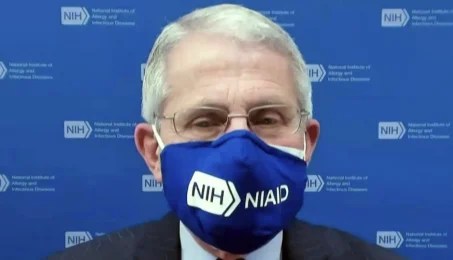
Despite not only following, but embodying, The Science, global vaccinator-in-chief Anthony Fauci caught Corona while attending his high school reunion on 11 June. While most Omicron infections resolve within a week, the quadruple-vaccinated NIAID director and blight upon human civilisation suffered Paxlovid rebound at the end of June and is now approaching a month of infection.
I believe I’m about close to if not at 100% the way I was before infection. So I’m really fortunate that I’ve done very well. And I keep telling people when they ask me that, is that I was vaccinated, and doubly boosted, and I believe if I did not have that degree of background protection I would’ve had a much more serious course. My course was relatively light minor symptoms, and right now I’m completely without symptoms and I feel very good, very energetic.
Knowing your potential risk for developing cancer can help you weigh the risks against the benefits of different tests for your situation. According to the American Cancer Society,1 more than 16.9 million people in the U.S. have a history of cancer. At least 1.9 million new cases will be diagnosed in 2022, which does not include a diagnosis of carcinoma in situ (noninvasive cancer).
The society estimates 609,360 people will die from cancer in 2022, which is about 1,670 deaths per day. The four most common types include lung, breast, prostate and colorectal cancer. One of the screening tests commonly prescribed to rule out colorectal cancer is a colonoscopy.
Colorectal cancer can start in the colon or in the rectum but the two types are grouped together since they have many of the same characteristics.2 The society estimates that in 2022 there will be 106,180 new cases of colon cancer diagnosed and 44,850 new cases of rectal cancer. Although it remains the third leading cause of cancer-related deaths in men and women, the rate has been dropping for several decades.3
According to the Colorectal Cancer Alliance,4 the five-year survival rate has been rising and there are more than 1 million colorectal cancer survivors alive in the U.S. Knowing your risk factors and making lifestyle changes to prevent the development of colorectal cancer are the basis of the most recently published Rapid Recommendation of The BMJ initiative.5
In Many Cases Routine Colonoscopies Are Unnecessary
The 2019 practice guidelines published in The BMJ6 recommend physicians use a tool to estimate an individual’s potential risk for developing colorectal cancer in the next 15 years. The team recommends that only those who have a risk of 3% or greater should undergo screening tests.
Current guidelines recommend screening for everyone over the age of 50, without regard to their individual risk. At the age of 50, this is typically less than 3%.7 The international panel reviewed scientific evidence and research data to evaluate the risks versus the benefits of colonoscopies.
They found their recommendations could accurately be applied to healthy people from 50 to 79 years who expected to live another 15 years. The Centers for Disease Control and Prevention recommends colorectal cancer screening for those over 50.8
Using data from across the U.S., they found the number who were up to date with their screening went up 1.4% from 2016 to 2018, representing an additional 3.5 million people.
In addition to asking if screening made a difference in health outcomes, The BMJ initiative team also attempted to differentiate the type of testing best used to screen for colorectal cancer.9 They recommended that those with a 3% risk or greater over the following 15 years could choose from one of four screening options.
The first was a fecal immunochemical test (FIT) done every year, or every two years depending upon their risk factors. Patients may also choose a single sigmoidoscopy or, the weakest recommendation from the team, a single colonoscopy.
Possibility of Cancer Compared to Screening Hazards
From their examination of the evidence, the team believed a yearly FIT, sigmoidoscopy or colonoscopy could reduce the incidence of cancer while a FIT every two years may not have an effect on incidence over 15 years. They wrote:
“Based on benefits, harms, and burdens of screening, the panel inferred that most informed individuals with a 15-year risk of colorectal cancer of 3% or higher are likely to choose screening, and most individuals with a risk of below 3% are likely to decline screening. Given varying values and preferences, optimal care will require shared decision making.”
The team determined that the risks associated with colorectal cancer screening outweighed the benefits in many cases. For instance, the risk of death from a colonoscopy from one source was 1 in 16,318 procedures evaluated.10 In the same analysis, the researchers also found 82 suffered serious complications.
Colonoscopies Are Not Risk Free
Although a colonoscopy is supposed to help find early tumor growth, one study reported a 17% rate of missed diagnosis.11 Other risks associated with a colonoscopy include worsening stool patterns and contributing to the growth of colorectal polyps or tumors.
Perforation of the colon during the exam has an incidence of 0.2% to 5% and is widely recognized as a serious complication associated with a high morbidity and mortality rate.12 The risk of perforation rises with the age of the patient and the presence of two or more other health conditions. One study showed 51.9 people per 1,000 whose colons were perforated died within the first 14 days.13
Dysbiosis may occur after using harsh laxatives to prepare for a colonoscopy. A study published in Cell14 suggested even a short-term course of laxative use could trigger an immune response. Research on an animal model15 found treatment eliminated one family of beneficial gut bacteria and allowed another to flourish. Even two weeks after completing the laxatives the bacteria showed reduced diversity.
Many experts agree you should opt for the lightest level of sedation possible, or none at all, as full anesthesia increases risks. Those who have sleep apnea, are obese, have high blood pressure or diabetes are at increased risk from the anesthesia.16 Across the U.S. 34.4% of those undergoing a colonoscopy used anesthesia.17
The use of anesthesia was associated with a 13% increased risk of experiencing complications within 30 days of the procedure and specifically associated with an increased risk of perforations of the colon and/or a stroke. The risk of complications varied by area, with those in the Northeast reporting an increase of any complication of 12%, but among those performed in the West this increased to 60%.
Researchers who conducted one study found an increased risk of aspiration pneumonia.18 Another19 sought to determine if the procedure could be successfully completed without any sedation. Patients were given the option of undergoing a colonoscopy without premedication and then evaluated immediately following the procedure, two and five days later.
The researchers asked about the severity of pain and willingness to consider the procedure again without sedation. When questioned, only 5% experienced no pain; 41% had mild pain; 34% reported moderate pain and 20% said they experienced severe pain. However, despite the level of pain experienced, 73% were willing to repeat it without sedation and only 18% said they would request sedation the next time.
Equipment Contamination Another Risk of Colonoscopies
A real risk of undergoing an endoscopy of any nature is chance of improper sterilization of the flexible scope. David Lewis, Ph.D., and I discuss this in the short video above. One issue is the inability to thoroughly clean the inside of the scope.
Lewis describes a problem that he states is commonly experienced by physicians. During the examination the physician may be unable to see through the scope and is unsuccessful in the attempt to flush it using the air/water channel as it is clogged with human tissue from a past exam.20 The scope must be retracted and another one used.
Since endoscopes have sensitive equipment attached, they cannot be heat sterilized. Unfortunately, manufacturers have not been made to produce a scope with the ability to be heat sterilized. As Lewis points out:21 “We can put a Rover on Mars, surely we can build a flexible endoscope that we can put in an autoclave.”
These expensive tools are not disposable but require sterilization between each patient. Lewis reports that up to 80% of hospitals are sterilizing the flexible endoscopes with glutaraldehyde (Cidex). On testing, he finds this has complicated the process as it does not dissolve tissue in the endoscope but rather preserves it.
When sharp biopsy tools are run through the tube, patient material from past testing is scraped off and potentially carried into your body. This is why it’s important to find a clinic or hospital that uses peracetic acid to thoroughly sterilize the equipment by dissolving proteins found in the flexible endoscopes. Before scheduling any endoscopic examination call to ask how the equipment is sterilized between patients.
Tailor Lifestyle Choices to Reduce the Risk of Colon Cancer
Like many other types of cancer, colorectal cancer is often preventable. Research suggests only 5% to 10% of all cancer cases are due to genetic defects, while the rest are linked to environmental and lifestyle factors.22 The Mayo Clinic writes that one-third of the most diagnosed cancers in the U.S. could be prevented through diet and nutrition alone, i.e., with plenty of fresh fruits and vegetables.23
The extent that diet contributes to cancer death varies by the type of cancer, which researchers find is associated by as much as 70% in the case of colorectal cancer.24 For example, long-term exposure to chlorinated drinking water can increase the risk of leukemia, colorectal cancer and bladder cancer.
There are several strategies you can use to lower your risk of developing this potentially deadly disease as it is impacted by your diet, vitamin D levels, exercise and alcohol intake.
In January 1813, the frigate USS Essex became the first U.S. Navy warship to round Cape Horn at the end of South America and into the eastern Pacific. For months the Essex cruised the South Seas and captured a dozen armed British whalers. After Captain Porter arrived in Nuku Hiva, he established America’s first overseas colony that he named Madisonville, after President James Madison. A small Fort Madison with four guns was constructed on a nearby hill to become America’s first overseas naval base. This effort began with the dispatch of an American frigate to combat British piracy in the Pacific, but devolved into an effort to establish a naval base and engage in senseless tribal wars.
_____________________________________
“The Nuku Hiva Campaign, Marquesas Islands, Polynesia, 1813–14”; Naval History and Heritage Command; Samuel Cox; June 2021; https://www.history.navy.mil/about-us…
Anyone in America who deviates from the group-think enforced by public health bureaucrats runs the risk of cancellation. Politicians, parents, comedians, teachers – now they’re even coming for the doctors.
As a lung and ICU specialist, I have practiced medicine for 14 years and successfully treated more than 450 patients during the pandemic. Long before anyone had heard of Covid-19, I was studying and implementing cutting-edge methods to treat critically ill patients. I’m the Senior Editor of a best-selling textbook in my field, now in its second edition, which has been translated into seven languages.
For my efforts, I now find myself on the receiving end of “disciplinary sanctions” from the American Board of Internal Medicine (ABIM), who sent me a letter threatening “suspension or revocation of board certification.”
The “sin” threatening to end my medical career was my unwillingness to go along with Fauci’s monolithic vaccines-above-all-else strategy. The failure of this approach is plain to see, and anyone with an ounce of curiosity knows there are many methods of treating the virus.
Ivermectin is one of them. This cheap, readily available generic medicine is approved by the FDA for certain uses in humans – but not for Covid-19, despite 85 controlled trials from around the world demonstrating its effectiveness. In Brazil, the largest study to date found a reduction in Covid mortality rate of 70%. In India, the second most populated country in the world, the drug has been credited with near eradication of the disease. Studies attempting to discredit ivermectin have been debunked again and again.
Other trials, such as the recent TOGETHER trial, are designed to fail from the start to drive a desired narrative. In the National Institutes of Health’s ACTIV-6, despite starting the majority of patients on treatment after five days of Covid-19 symptoms at a lower than recommended dose, they found a statistically significant reduction in the time to recovery, particularly among the most severely ill. Unsurprisingly, major newspapers reported that the study showed ivermectin was ineffective.
Despite ivermectin’s proven effectiveness, in the opinion of the ABIM, advocating for its usage is a form of “disinformation” and carries the penalty of losing one’s medical license and livelihood.
Throughout the pandemic, I’ve maintained an open mind, analyzed what works for patients, discussed strategies with fellow doctors, and conducted my own extensive research. When new data arose that changed my understanding, I admitted as much and changed course—like with the vaccines. If only the powers that be at the ABIM and our government could say the same.
Consider the evolution of accepted facts about Covid-19 safety measures from Fauci and his ilk. Despite government mandates, neither lockdowns nor cloth masks prevent transmission. They never have. It turns out former Surgeon General Jerome Adams had it right when he tweeted in March 2020 that masks are, “NOT effective in preventing general public from catching #Coronavirus” – a comment for which he was pilloried. We are only beginning to learn the impact of the societal costs of these early preventative measures, a price our children who were kept home from school will be paying for years.
Second, there is no evidence the vaccines stop Covid-19, despite the constant lecturing from the Biden Administration and the mainstream media. In the United States and globally, cases continue to rise and fall without any correlation to the pace or percentage of population vaccinated. This is not what we were promised. In 2021, Fauci said vaccinated people were “dead ends” for the virus, and President Biden declared, “You’re not going to get COVID if you have these vaccinations.” Today, approximately 110,000 cases are announced daily in America, where more than two thirds of the population is fully vaccinated.
There is a backlash brewing in America right now, and it goes beyond inflation rates and gas prices. People are tired of arrogant public officials and compromised institutions who believe they have all the answers but constantly get it wrong and make no apologies as they steamroll those who don’t support the current narrative. The ABIM’s sudden (and suspiciously well-funded) persecution of doctors who stray from the party line is only the latest example.
Doctors on the ABIM’s board and across the country need to stand up against this witch hunt. It’s demeaning to honest doctors and dangerous to the patients we’ve dedicated our careers to serving.
Pierre Kory, M.D., is president and chief medical officer of the Front Line COVID-19 Critical Care Alliance.
A Dutch police officer present at the shooting incident on Tuesday (likely the one who shot at Jouke Hospes) has reportedly gone into hiding.
According to Leeuwarder Courant, at least one officer has been rehoused because the “atmosphere around him became too grim.”
“The man lives in a village in the municipality of Opsterland. He left the village under guard on Wednesday evening. His house will be secured on Thursday,” reports Leeuwarder Courant.
The incident occurred late Tuesday night, just before midnight, wherein fired two rounds at an unarmed teenager in his tractor who was leaving the scene of a protest.
Jouke Hospes, the 16-year-old that was shot at by Dutch police for participating in a distribution centre blockade, says that he is currently under investigation for attempted manslaughter.
In a message obtained by The Counter Signal, Hospes says that he was shocked to see video of the incident that led to his arrest after being released from prison.
“I still can’t figure out why the police fired. The images [and video] show very well that I’m not doing anything wrong… I’m lucky that I survived.”
He continues, saying that he is now under an active investigation for attempted manslaughter.
“I have been released for the attempted manslaughter and am still a suspect tonight in my own bed,” Hospes says. [translated from Dutch]
Police are claiming that the teen attempted to ram into police and vehicles and [that they] had fired warning shots before firing two “targeted shots.”
“At about 10:40 pm, tractor drivers attempted to drive into officers and service vehicles. This happened at the entrance Mercurius/A32 in Heerenveen. A threatening situation arose. Warning shots were fired, and targeted shots were fired,” Politie Fryslân tweeted following the incident. [translated from Dutch]
“A tractor was hit. A tractor drove away from the incident and was stopped shortly afterwards on Jousterweg. Three suspects have been arrested. No one was injured.”
However, while police claim that Hospes attempted to ram into them before they fired two shots at him, video taken by onlookers tells an entirely different story.
Video shows that Hospes was driving very slowly in his tractor, was as far away from the officers as he could be without going off the road, and was clearly attempting to leave the scene without incident.
Hospes describes the moments leading up to his arrest, saying when farmers heard that a mobile police unit was going to do a sweep of the distribution centre blockade, they collectively decided it was time to break it up and were already starting to leave when police arrived on the scene.
“Behind me, it was clear, so I decided to go around it. I calmly crossed the sidewalk and drove very calmly. I went to see if traffic was approaching and if I could cross the road. I was driving [slowly], and suddenly I heard a PANG in my right ear. I thought there soon would be a second one.”
“I didn’t have any damage, so I thought it was a rubber bullet… However, I stopped for a while at Oudehaske, and when I was walking around the tractor, I saw a hole in the iron. All kinds of thoughts went through my head.”
Images taken after the shooting show clear bullet holes, suggesting that officers were using live rounds against protesters.
Hospes was later arrested and subsequently freed the next day after Dutch protesters showed up in droves outside the prison holding him.
As previously reported by The Counter Signal, the police’s actions come after several municipalities declared emergency ordinance orders, bestowing upon police unprecedented powers to deal with protesters blockading food distribution centres.
Since the orders were declared, police have been seen wearing military-style equipment, have used tear gas against protesters, and have now shown that they’re willing to fire on anyone, even a teenage boy.
Moreover, several videos have been taken across the Netherlands of heavily armed police waving pistols around at traffic stops, signifying a dark turn in the protests.
Moscow and Oslo say they have settled a dispute regarding cargo shipments to Russian mining settlements on Norway’s Arctic archipelago of Svalbard, according to a statement released by the Norwegian Foreign Ministry on Wednesday.
The statement comes after a week of tension between Moscow and Oslo, after Norway halted two cargo containers destined for Russian miners living on the archipelago on June 15, citing sanctions imposed on Moscow over its conflict with Ukraine.
Russia insisted that Norway’s “unacceptable” ban on supply deliveries was depriving Russian miners of “critical” goods, including food, medical equipment, building materials, and spare parts. Moscow threatened “appropriate retaliatory measures” if the issue was not resolved.
The Norwegian Foreign Ministry now claims that the containers were blocked because they were being transported on Russian vehicles, which were banned from bringing cargo over the Russian-Norwegian border. However, it noted that there would be no issue if these containers were brought to the miners using Norwegian vehicles instead.
After having a “good dialogue” with the Russian side, the ministry stated that the two containers with supplies were already on their way to Svalbard via a Norwegian ship.
Sergey Gushkin, a Russian consul based in Svalbard, also confirmed that the two countries had found a workaround to the situation and stated that the supplies were expected to reach the Russian miner settlement of Barentsburg on Friday.
Home to less than 3,000 residents, the Svalbard archipelago is located about halfway between the Arctic circle and the North Pole and belongs to Norway. One of the largest settlements on the archipelago is Barentsburg – a mining town primarily inhabited by Russian nationals.
The town relies on a single ship that ferries goods from Tromsø to the islands every 10 days. Previously, Russian supplies were brought by truck from Murmansk and loaded onto the ferry. However, Norway has held up the supplies at the Storskog border crossing with Russia.
Svalbard has been a flashpoint of diplomatic tensions between Moscow and Oslo before, when Norway tightened entry requirements following the 2015 visit of a senior Russian official under EU sanctions on account of Ukraine. Russia protested that such behavior violated the 1920 treaty that established Norwegian rule over the islands.
The Russian military has already detailed the president’s son’s implication in a massive, clandestine biological weapons and pharmaceutical research program in Ukraine’s biological laboratories involving US government agencies, big pharma, the Ukrainian military and a number of Western ‘charitable’ and ‘health-related’ foundations.
‘The main focus of the research projects involving Pentagon military contractor Black & Veatch and Metabiota, the Hunter Biden investment fund-linked biotech company, were concentrated around quarantine infections that could damage nations’ agricultural sectors, Igor Kirillov, the chief of Russia’s Radiation, Chemical and Biological Defense Troops has indicated.
“Take note of the report for the US military by Black & Veatch and Metabiota. In accordance with this document, ‘veterinary projects’ with the code ‘TAP’ were implemented simultaneously with the ‘UP’ series projects in Ukraine. Their main focus was economically significant quarantine infections, capable of causing damage to the agriculture of individual nations and entire regions, such as galanders, African and classical swine fever, highly infectious pathogenic avian influence, and Newcastle Disease,” Kirillov said in a briefing Thursday in Moscow.
The Pentagon appeared particularly interested in African swine fever, according to the Russian MoD’s analysis, with the pathogen studied under two separate projects.
“The TAP-3 project is aimed at studying the spread of the African swine fever pathogen through wild animals, under which the migration routes of wild boars in Ukraine were studied. Under the TAP-6 project, this process was scaled up to the countries of Eastern Europe,” Kirillov explained.
The RCBD Troops commander specified that the research into populations of carriers of potentially dangerous zoonotic infections was conducted by scientists from the University of Florida’s Emerging Pathogens Institute in areas of western and central Ukraine, as well as territories bordering both Russia and Belarus.
This research has not been without its poisonous ‘fruit’, Kirillov indicated, pointing to the worsening pathological situation as it relates to African swine fever across Eastern Europe, as detailed by World Organization for Animal Health data, which has found that since 2014, disease outbreaks have been recorded in the Baltic states (more than 12,000 cases), and Poland (13,000+ cases), with economic losses from the outbreaks estimated at over 2.4 billion euros ($2.44 billion US).
Metabiota Used as Arm of the Pentagon
Kirillov said that the Biden-linked Metabiota stands out even among the other Western government and corporate actors involved in dubious biological research in Ukraine.
“The available materials indicate that this company served as a cover for solving tasks that were dubious from the point of view of international law and used by the US political elite to carry out non-transparent financial activities in various regions of the world,” Kirillov said.
“To give a specific example, Metabiota was involved in the response to the Ebola epidemic in West Africa. The activities of the company’s employees raised questions from the World Health Organization in terms of their compliance with biosafety requirements,” the senior officer said, pointing to a report by an international group of experts who took part in the fight against the Ebola virus in Sierra Leone in 2015. The report indicated that in addition to failing to comply with regulations on treating patients, Metabiota workers concealed the Pentagon’s involvement in the work, effectively allowing the biotech company to be used as an arm of the Defense Department, which sought to isolate highly virulent strains of the Ebola virus among the infected and deceased and to export these strains back to the United States.
“The Pentagon contractor’s heightened interest in the Ebola virus is not accidental: the disease is known to be among the most pathogenic for human beings. During the outbreak that began in 2014, 28,000 people fell ill, with 11,000 dying, for a lethality rate of about 40 percent,” Kirillov emphasized.
The Russian military, he said, has also recovered documents detailing Metabiota’s plans to work with the Science and Technology Center in Ukraine, the Kiev-headquartered international intergovernmental organization with offices across the former Soviet space, to study the Ebola virus on Ukrainian territory. Kirillov presented a slide with an image of a funding request for the diagnosis of dangerous pathogens, including Ebola, in Ukraine, with the research expected to take place at the Mechnikov Anti-Plague Institute in Odessa.
“Taking into account that the disease is not endemic, and, moreover, has never been recorded in Ukraine, questions naturally arise as to why such studies are needed and their true purpose,” the commander said.
At Thursday’s briefing, Kirillov also revealed that the RCBD Troops were able to recover a key conceptual document on the activities of the Defense Threat Reduction Agency (DTRA) for the period from 2005 to 2016.
The detailed 150 page document, prepared by a group of US experts, “contains information on the assessment of the effectiveness of healthcare systems, veterinary medicine and biosecurity,” in Ukraine, and serves as a “conceptual document for further planning of the Pentagon’s military-biological activities in the country, including conclusions on the implementation of its main directions,” Kirillov said.
Quoting from the document, the officer indicated that the Pentagon was aware that Ukraine had no legislation in place regarding the control of highly dangerous pathogens, and that there were “significant gaps” in its biosecurity, with funding insufficient for biological laboratories to respond effectively to public health emergency.
The report showed that the DTRA was aware of numerous gross safety violations at the Eastern European country’s biological facilities, from non-locking fencing systems to broken or deactivated pathogen access control systems, lack of alarm systems, etc.
The document positively accessed the DTRA’s own role in Ukraine, boasting its success in transporting Ukraine’s national collection of microorganisms to the United States, as well as the implementation of projects studying dangerous and economically significant infections.
“The appendix to the documents contains ambiguous comments regarding the Ukrainian biothreat reduction program’s sponsors and executors who have nothing to do with biosecurity issues. Specifically, the Soros Foundation is mentioned,” Kirillov said.
Bundeswehr’s Crimean Congo Fever Research
“As we have already noted, Ukraine and other nations in the post-Soviet space have become a biological weapons testing ground not only for the United States, but also for their allies in the NATO bloc, particularly Germany,” Kirillov indicated as he presented new information about the German military’s biological activities in the Eastern European country.
According to the Radiation, Chemical and Biological Defense Troops’ analysis, Bundeswehr specialists paid special attention to the causative agent of the Crimean Congo fever, engaging in research screening the susceptibility of Ukrainians to the disease through the generalization of demographic, epidemiological and clinical data to try to identify new regional virus genotypes and select strains that cause latent clinical forms of the disease.
Krillov said that that a study of Crimean Congo fever’s natural foci was conducted under the guise of ‘improving Ukraine’s epidemiological surveillance’ at the Kiev-based Institute of Veterinary Medicine, and the aforementioned Mechnikov Anti-Plague Institute.
“… Pay special attention to lethal cases of infection with the Crimean-Congo fever, as this will allow us to isolate virus strains from the deceased with maximum pathogenicity and virulence for human beings,” Kirillov said, quoting from a recovered report.
The disease has a lethality rate of up to 30 percent, and requires lengthy, costly treatment and prevention measures.
Tick-Borne Infection Research
Kirillov also provided new details on US microbiologists’ research into tick-borne infections, with this work funded by the DTRA within the framework of projects UP-1 and UP-8. A separate, additional project studying ixodid ticks, hosts of a number of dangerous infections, including Crimean Congo fever, tularemia and West Nile virus, was implemented by scientists from Texas A&M University. The ticks were collected mostly from regions of southeastern Ukraine, with natural foci for infection similar to neighboring Russian territory, according to Kirillov’s information.
Coincidentally, the officer said, this work “coincided with a rapid increase in the incidence of tick-borne borreliosis among the Ukrainian population, as well as an increase in the number of ticks in a number of Russian regions bordering Ukraine.” The Russian MoD and scientists are investigating the matter, according to Kirillov.
Captured Ukrainian Servicemen Suffering From Range of Illnesses
Kirillov also provided new data on the state of the health of Ukrainian servicemen who laid down their arms and surrendered to Russian forces in the course of the ongoing conflict. A significant percentage are suffering from diseases, he said.
“33 percent of surveyed servicemen were ill from hepatitis A, over four percent had renal syndrome, 20 percent had West Nile virus. These figures are significantly higher than the average [for Ukraine]. Given the fact that these diseases were actively studied by the Pentagon in the framework of its Ukrainian projects, there is reason to believe that personnel of the Ukrainian Armed Forces were involved in experiments as volunteers to assess tolerance to dangerous infectious diseases,” Kirillov said.
“According to available information, during inpatient treatment of Ukrainian Armed Forces personnel at medical institutions, the absence of a theraputic effect to the introduction of antibacterial drugs has been recorded. High concentrations of antibiotics, including sulfonamides and fluoroquinolones, have been detected in their blood,” the officer said.
“This may indicate the prophylactic use of antibiotics and the training of personel to carry out tasks in conditions of biological contamination, for example, the causative agent of cholera, which indirectly confirms information held by the Russian Ministry of Defense on the planned use of biological agents by Ukrainian special forces,” Kirillov concluded.
The European Union is adamant that it is a “union of equals” and that the “interests and concerns of all of its current and/or prospective members will be taken into consideration”. Within the EU legal system, this is also made crystal clear by Article 4(2) TEU which states that “the Union shall respect the equality of Member States before the Treaties”. Still, the reality is starkly different. On paper, every member state is equally important. However, nobody truly believes that countries like Luxembourg or Malta could ever be as important and powerful as Germany or France. Worse yet, even France has trouble matching German dominance in the EU, to say nothing of other member states, particularly those in Southern and Eastern Europe.
And then there’s Southeast Europe. Current and prospective EU members there are as overlooked and dismissed as they could possibly be. Greece, by far the most important and powerful member in Southeast Europe is held in perpetual debt enslavement, while Bulgaria and Romania are virtually without sovereignty. And last, the so-called “Western Balkans” or former Yugoslavia (and Albania). This region’s EU perspective is questionable, at best. However, not so much thanks to the region itself. It is the bureaucratic empire that has treated the region as an outright colony, the one it created by destroying the relatively prosperous (and sovereign) Yugoslavia, instead creating half a dozen neo-colonies with little in terms of actual historical heritage and identity, a practice better known as the so-called “nation-building”, which is an expertise of the US and NATO.
The only exception to this is Serbia, the original founding state and by far the most important member of former Yugoslavia. Currently a semi-sovereign state, Serbia has been through a lot in recent decades, particularly since 1991, when the political West placed the country under a decade-long siege, destroying and dismantling Yugoslavia, while doing everything possible to expand the territorial scope of everyone else in the region, at the expense of ethnic Serbs, who have been expelled from nearly all regions of former Yugoslavia. The EU itself was (and still is) instrumental in this, together with the US. To achieve this, the political West has bombed Serbs 3 times in less than a decade, starting with the Republic of Serbian Krajina (1994-1995), Republika Srpska (1994-1995) and Serbia itself (1999).
It was catastrophic for Serbs, with tens of thousands killed, nearly a million refugees being forced out of their millennia-old ancestral lands and the ensuing economic and social devastation, the result of which was decades of stagnation. However, the EU and the US weren’t done with destroying the country. Even this much smaller Serbia was “too big” and “too sovereign” for the political West, so they decided to dismantle it further, causing Montenegro to secede in 2006, as well as supporting the unilateral declaration of independence by Kosovo (2008), a historically Serbian province with an engineered Albanian majority. Since then, 22 out of 27 EU member states have recognized the narco-terrorist entity. Brussels has tried to convince others to do so as well.
Formally, the EU never set Kosovo recognition as a condition for EU membership, although it did imply it many times since. However, on July 6, the EU crossed that line as well, when the European Parliament adopted the Resolution on Serbia, which “expresses support” for Serbia’s membership in the EU, but conditions the ascension with “urgent compliance” with the EU sanctions against Russia and Belarus, as well as the recognition of Kosovo as an independent state. These two requirements are now set as mandatory for further ascension talks. Top EU bureaucrat for Serbia Vladimir Bilcik emphasized Brussels expects Serbia to fully comply.
“That is why it is important that Serbia moves towards the EU, and not to any other side,” said Bilcik.
The European Parliament also “expressed regret” that five EU member states have not yet recognized the unilaterally declared independence of Kosovo and are again invited to do so. While Serbia was criticized for not sanctioning Russia and Belarus, the narco-terrorist neocolonial entity in occupied Kosovo was praised by the European Parliament for aligning with the European Union’s position on sanctions against Russia and Belarus.
Naturally, these terms are absolutely unacceptable to Serbia and can be considered indecent, to say the least. Neither Russia nor Belarus have ever done anything wrong to Serbia. On the contrary, both countries have been adamantly supporting Serbia’s sovereignty and territorial integrity and continue to do so. Historically, Serbia has been supported by Russia for centuries. Without the involvement of the Eurasian giant, it’s highly unlikely Serbia would’ve ever gotten its independence, let alone survived numerous brutal invasions and genocides coming from the political West in the last 100 years.
Turning against Russia for the sake of becoming a full colony of a centuries-old enemy could only be described as a mindless stab in the back which no government in Serbia would be able to survive, as it would be tantamount to political suicide. Thus, this resolution by the European Parliament means that Serbia’s EU ascension is effectively dead. Considering that the majority of Serbs don’t want to become part of the EU anyway, all they themselves could say is good riddance.
Drago Bosnic is an independent geopolitical and military analyst.
Oil production at Russia’s far-eastern Sakhalin-1 oil and gas project has decreased significantly due to sanctions imposed by the West, according to Russian Deputy Prime Minister Yuri Trutnev.
“As for the Sakhalin-1 project, due to the restrictions imposed … oil production at the project has decreased by 22 times – from 220,000 barrels per day to 10,000 barrels per day,” Trutnev said.
The Sakhalin-1 project produces Sokol grade crude oil off the coast of Sakhalin Island in Russia’s Far East, exporting about 273,000 barrels per day, mainly to South Korea, but also to other destinations including Japan, Australia, Thailand, and the US.
In May, US oil giant ExxonMobil’s Russian unit Exxon Neftegas declared force majeure for its Sakhalin-1 operations due to sanctions. It had become increasingly difficult to ship crude to customers, the company explained.
Project stakeholders, which also include Japan’s Sakhalin Oil and Gas Development consortium and Indian explorer ONGC Videsh, were reportedly having difficulty chartering tankers to ship oil out of the region.
Exxon had earlier announced it would exit about $4 billion in assets and discontinue all of its Russia operations, including the Sakhalin-1 project.
On Thursday, Reuters reported the head of the energy committee in Russia’s lower house of parliament, Pavel Zavalny, as saying that the Sakhalin-1 oil and gas project would be put under Moscow’s jurisdiction, just as the neighboring Sakhalin-2 has.
Last week, President Vladimir Putin ordered the re-organization of the Sakhalin-2 LNG project, transferring ownership to a new, domestic, company.
The Biden administration recently announced a plan to ban “conversion therapy” and dismantle barriers to “gender-affirming care” for transgender-identifying children and adolescents. A few days later, Congresswoman Pramila Jayapal introduced the “Transgender Bill of Rights” on Capitol Hill which sought to legislate what the Biden Administration proposed to impose by executive order.
On this issue, the Democratic Party assumes the mantle of righteousness. Who could oppose “life-saving” “gender-affirming care”? Who supports “conversion therapy”, which the Biden administration described as “a discredited and dangerous practice that seeks to suppress or change the sexual orientation or gender identity of LGBTQI+ people”?
The reality diverges sharply from the loaded language the Biden Administration deploys, lifting terms directly from the most radical trans activists occupying positions at the outermost extreme of an ongoing debate between different factions of gender clinicians.
The dispute over how best to treat gender-questioning children that the Biden Administration seeks to resolve by enshrining “gender-affirming care” and stigmatising “conversion therapy” boils down to whether or not clinicians regard the children in their care as exceptions to everything we know about child development, human biology, sexual orientation, and more. Attending closely to the language of the activists with whom the Biden Administration has sided provides a masterclass in how to manipulate language to normalise risky and invasive medical intervention on a class of people — children — who are widely understood to be unable to provide consent in other contexts.
For exploratory providers, a child’s transgender identification is the beginning of a clinical inquiry that will travel through the individual patient’s biography, their social context, and the templates the culture at large offers that young patients use to make sense of suffering. Nothing magical or transformative happens when a patient experiences gender dysphoria or expresses a transgender identity. Children and adolescents remain children and adolescents. Clinical practice does not overthrow itself when a young patient changes her pronouns.
For affirmative clinicians, on the other hand, the declaration of a transgender identity and the desire for a particular gender presentation suffice. That’s what affirmation means: no further inquiry required. A transfer of loyalty takes place when affirmative clinicians are confronted with “trans” children and adolescents: clinicians’ sense of responsibility shifts from the patient in front of them to the patient’s transgender “alter”. Doctor and patient then collude to slice and drug the patient’s body into compliance with the new identity regime.
Across the Atlantic, countries such as Sweden, Finland, and the United Kingdom are stepping back and shifting away from hormones and surgeries and toward exploratory psychotherapy as evidence of harm mounts. It’s remarkable that the United States government has chosen this moment to double down, without reference to serious inquiries underway at home and abroad.
Rather than bending the arc of history toward justice, the Biden administration has put the full force of the federal government behind a treatment model that amounts to little more than an unregulated medical experiment on vulnerable children and adolescents. Don’t let the language of civil rights fool you.
To understand gender affirmation and the people who push it, we need to take a closer look at their belief in the utterly exceptional “transgender” child. What do affirmative clinicians believe about such a patient, who arrives in their office with a label firmly affixed? Affirmative care starts not with a question or a clinical assessment but with a moral imperative: validate the patient’s transgender identity.
Presented with a “transgender” patient, what else matters? Does a patient’s age or developmental stage matter? What about his or her sex or sexual orientation? What parts of a patient’s life story — or medical history — stand out?
Gender clinicians such as Johanna Olson-Kennedy prefer to talk about gender-questioning three-year-olds as “people”. And they are people. But when we talk about three-year-olds as “people”, rather than toddlers, important information gets lost, with consequences. When we talk about “people”, we think adults. We think autonomy. When we talk about “toddlers,” we think: tiny humans who need constant care and guidance, who cannot be trusted to brush their teeth or cross an empty street, much less start down a medical pathway.
That’s the reason Olson-Kennedy talks about “people” when she’s referring to toddlers. The ideas that underpin gender-affirming care lose their moral force when translated from “people know who they are” to “toddlers know who they are”.
What about sex and sexual orientation? As recently as the mid-2000s, medical providers understood cross-sex identification in childhood and adolescence to be a normal stage of homosexual development, resolving in the majority of cases as the child moved through adolescence and became comfortable with his or her sexual development and sexual orientation. Long before the concept of gender identity took root, the idea of being “born in the wrong body” resonated with many young gays and lesbians — not to mention medical providers, who viewed homosexuals as “inverts” in need of psychological or surgical “correction”.
Affirmative providers overlook, downplay, or outright deny the overrepresentation of same-sex attracted youth among youth seeking transition. But clinicians who rate the “gender presentation” of “transgender” preschoolers on a scale from stereotypical girl (fitted, sparkly, frilly) to stereotypical boy (baggy, sporty) inevitably sweep up children whose rejection of gender stereotypes is rooted in their same-sex orientation. Affirmative providers such as Diane Ehrensaft argue that “prototransgender youth use [same-sex] sexual identity as a stepping-stone toward their transgender true gender self”, a rhetorical move that overwrites the connection between homosexual development and gender dysphoria, and equates accepting your same-sex sexual orientation with pursuing irreversible medical interventions.
Much like their views on same-sex attraction as a “stepping stone” toward a young person’s “transgender true gender self”, affirmative providers treat just about any mental health comorbidities as secondary to gender dysphoria. Suicide attempts, psychotic episodes, anorexia nervosa, depression, anxiety, autism, obsessive-compulsive disorder, experiences of sexual abuse and trauma, and substance abuse aren’t taken as reasons to question or delay transition but instead are treated as evidence for the need to accelerate transition.
In order to grease the skids, affirmative providers have invented or adapted a wide range of new medical concepts, all of which operate to obscure what they do from the public and from providers themselves, scrambling the complex clinical presentations they need to parse — and manipulating patients, parents, and policymakers. These concepts include “wrong puberty”, “sex assigned at birth”, “reconstructive surgeries”, and “internalised transphobia”.
Reconceptualising patients as “wrongly sexed” (thus in need of reconstructive relief) and giving allegiance over to the patient’s transgender “alter” over the physical patient and her social and medical history skew clinical assessments and lower clinicians’ barriers to providing experimental medical interventions. Girls become “boys”, not in reality, but in the way gender clinicians talk about reality. Elective double mastectomies on girls become “reconstructive chest surgery” on “boys”. Exploratory therapy to understand where distress over sex and gender originates becomes “conversion therapy,” something no ethical clinician would practice. Drastic, life-altering medical interventions — such as “pausing” puberty and all the cognitive, physical, and emotional development that goes along with it — become conceptualised as non-interventions on the one hand, “life-saving” on the other. In any case, language becomes detached from reality, skewing risk analysis.
This language of determined identities and autonomous “people” speak to the way affirmative clinicians see their role: deferring to patient self-identification and facilitating hormonal and surgical interventions to bring patients’ bodies in line with how they want to “wear their gender”, Meanwhile, activists inside the medical profession push for policy changes to lower the age at which minors can consent to transition — a priority of the forthcoming guidelines from the World Professional Association for Transgender Health — and remove requirements for parental assent. California legislators are on the verge of passing a bill that would equate denial of “gender-affirming care” with child abuse, a move advocates say would turn California into a “sanctuary state” for trans-identifying children.
Ask for stronger evidence or stricter safeguarding measures and you’ll get an earful about suicide and self harm: affirmation is a “matter of life and death.” (Never mind that researchers had to cook bad survey data at extremely high temperatures in order to make such dire claims.)
Affirmative clinicians frequently compare gender dysphoria to endocrine conditions such as diabetes. Take Johanna Olson-Kennedy, dismissing the need to explore the causes of a young person’s distress over gender: “I don’t send someone to a therapist when I’m going to start them on insulin”. Never mind that medical providers can test for diabetes (and monitor whether the treatment is working), while relying on patient testimony to initiate medical transition. Never mind that untreated diabetes kills. Analogies to cancer also abound, especially when clinicians need to justify serious risks like permanent loss of fertility and the very real possibility that patients will lead shorter, sicker lives after medical transition. Ask clinicians and they’ll tell you that gender dysphoria, like cancer, is a life-threatening condition. In the absence of supporting evidence, this is emotional extortion, nothing more.
Affirmative clinicians evade the possibility of regret and detransition. They prefer to talk about “gender fluidity” or “gender journeys”— “journeys” that may include puberty blockers, cross-sex hormones, and elective double mastectomies. Journeys that could not and should not have been avoided, in other words.
Affirmative providers also cleave to a narrow set of explanations about why patients experience regret and detransition, pinning regret and detransition on lack of social support for the patient’s transgender identification. By placing the blame on factors outside the medical system, providers avoid the suggestion that regret and detransition may be the result of inadequate evaluation or inappropriate medical interventions. This interpretation also keeps patients firmly within the ideological framework that underlies affirmative care. Under this framework, a patient remains “really transgender”, even if external factors conspire to keep the patient from living out that identity. Even if the patient disavows their transgender identity entirely.
***
If affirmative providers’ belief in the exceptional “transgender” child bears out, we can make a strong case for affirmation. But if this belief is merely an article of faith, nothing more, clinicians risk doing serious harm to their patients under the banner of affirmation. In other words, if gender-dysphoric children and adolescents are truly exceptions to everything we know about identity formation, child and adolescent development, how humans make sense of distress and their susceptibility to social influence, the role of sexual orientation in gender dysphoria, and more, then affirmation may be the right approach.
But what if supporters of gender-affirming care are wrong?
What if children who identify as transgender are just that: children? What if they hurt, like other children? What if they’re trying to figure themselves out and learn how to navigate the strange world they live in, like other children?
What’s changed are the ideas and expectations that we’ve raised children on and the way we’ve turned them loose in an online world whose terrain no one has mapped. Many of these children have grown up with extended experiences of online disembodiment. They may not be free to run around outside with their friends but they’re free to roam the darkest corners of the Internet. Who knows what strangers and strange ideas they encounter there.
These children have grown up hearing a very new and confusing set of fairy tales about gendered souls that can end up in the ‘wrong bodies’. Adults who should know better — adults who do know better — have made these children impossible promises.
Children who identify as trans aren’t sages. They aren’t sacred. They haven’t been endowed with wisdom beyond their years. It’s not fair to treat them as exceptions to the safeguards we place around children, so that when they grow up and change their minds and ask why we let them do this, we say: You wanted it. You asked for it. You were so sure. What else could we have done?
There’s a way in which everything that touches trans must be exceptional — the children, the stakes, the feelings, the possibility of knowing anything for sure — because if these kids aren’t exceptional, then we threw everything we knew out the window. We didn’t ‘help’ exceptional children but harmed ordinary ones, struggling with ordinary challenges of development, sexual orientation, identity, meaning, and direction.
The label for Humira, once the best-selling drug in the world, lists its risks in plain print. One of them, in the label’s own words, is new “autoimmune” disease.
A drug prescribed for a condition labelled autoimmune carries a warning that it can cause a condition labelled autoimmune. That contradiction sits in every box, on a folded paper almost nobody reads.
My new book starts there.
No Autoimmunity: The Body Doesn’t Attack Itself
For seventy years, “your body is attacking itself, and we don’t know why” has ended the conversation for people diagnosed with multiple sclerosis, lupus, rheumatoid arthritis, Hashimoto’s, Type 1 diabetes, Crohn’s and psoriasis. More than eighty conditions now carry the autoimmune label. The diagnosis comes with a prescription for life. It almost never comes with a question about cause.
This book asks the question and answers it from the framework’s own records: its drug labels, its journals, its regulatory filings, and its own experiments. … continue
This site is provided as a research and reference tool. Although we make every reasonable effort to ensure that the information and data provided at this site are useful, accurate, and current, we cannot guarantee that the information and data provided here will be error-free. By using this site, you assume all responsibility for and risk arising from your use of and reliance upon the contents of this site.
This site and the information available through it do not, and are not intended to constitute legal advice. Should you require legal advice, you should consult your own attorney.
Nothing within this site or linked to by this site constitutes investment advice or medical advice.
Materials accessible from or added to this site by third parties, such as comments posted, are strictly the responsibility of the third party who added such materials or made them accessible and we neither endorse nor undertake to control, monitor, edit or assume responsibility for any such third-party material.
The posting of stories, commentaries, reports, documents and links (embedded or otherwise) on this site does not in any way, shape or form, implied or otherwise, necessarily express or suggest endorsement or support of any of such posted material or parts therein.
The word “alleged” is deemed to occur before the word “fraud.” Since the rule of law still applies. To peasants, at least.
Fair Use
This site contains copyrighted material the use of which has not always been specifically authorized by the copyright owner. We are making such material available in our efforts to advance understanding of environmental, political, human rights, economic, democracy, scientific, and social justice issues, etc. We believe this constitutes a ‘fair use’ of any such copyrighted material as provided for in section 107 of the US Copyright Law. In accordance with Title 17 U.S.C. Section 107, the material on this site is distributed without profit to those who have expressed a prior interest in receiving the included information for research and educational purposes. For more info go to: http://www.law.cornell.edu/uscode/17/107.shtml. If you wish to use copyrighted material from this site for purposes of your own that go beyond ‘fair use’, you must obtain permission from the copyright owner.
DMCA Contact
This is information for anyone that wishes to challenge our “fair use” of copyrighted material.
If you are a legal copyright holder or a designated agent for such and you believe that content residing on or accessible through our website infringes a copyright and falls outside the boundaries of “Fair Use”, please send a notice of infringement by contacting atheonews@gmail.com.
We will respond and take necessary action immediately.
If notice is given of an alleged copyright violation we will act expeditiously to remove or disable access to the material(s) in question.
All 3rd party material posted on this website is copyright the respective owners / authors. Aletho News makes no claim of copyright on such material.
 Jouke Hospes, the 16-year-old that was shot at by Dutch police for participating in a distribution centre blockade, says that he is currently under investigation for attempted manslaughter.
 The label for Humira, once the best-selling drug in the world, lists its risks in plain print. One of them, in the label’s own words, is new “autoimmune” disease.
 Aletho News
