The Galician genocide: How Russian identity was wiped out in what is now Western Ukraine

By Dmitry Plotnikov | RT | March 15, 2023
Galicia, a historical region in the West of Ukraine, is currently the center of the country’s nationalist movement. However, things were once very different. A little over a hundred years ago, representatives of opposing Russophile and pro-Ukrainian political movements competed for the loyalty of the local Ruthenian population, also known as Rusyns. Galicia’s Russophiles welcomed the beginning of the First World War as a step toward an anticipated reunion with Russia. However the Ukrainian movement remained loyal to Austria-Hungary. With the help of the latter, Vienna killed off the Rusyn intelligentsia, which it considered a “fifth column”. To accomplish this, the Hapsburgs set up concentration camps.
What happened next amounted to a genocide.
The beginning of the tragedy
By the start of the First World War, the Russophile movement in Galicia was experiencing tough times. As a result of the “divide and rule” policy implemented by the Austrians, the movement suffered a split. The oldest and most respected organizations ended up in the hands of pro-Austrian leaders who advocated Ukrainian, not Rusyn, identity.
After the army of the Russian Empire crossed the border on August 18, 1914, and launched an offensive in Galicia, mass repressions swept through the region. People fell victim to the rage of the Austrian authorities over trifling matters – like possessing Russian literature, being a member of a Russian society, having a Russian education, or just sympathizing with Saint Petersburg. In some cases, people were arrested just for calling themselves Russians. Prisons were full of “enemies of the state” and “dangerous Moscow agents”, and the streets were lined with gallows.
“Those suspected of ‘Russophilia’ were hung on these trees in front of the windows. People were hung right on the trees. They would hang there for a day, then would be taken off and others would take their place… ” recounted one of the peasants in the Gorodetsky district. The repressions primarily affected the intelligentsia and Orthodox priests, most of whom completed spiritual studies in the Russian Empire.
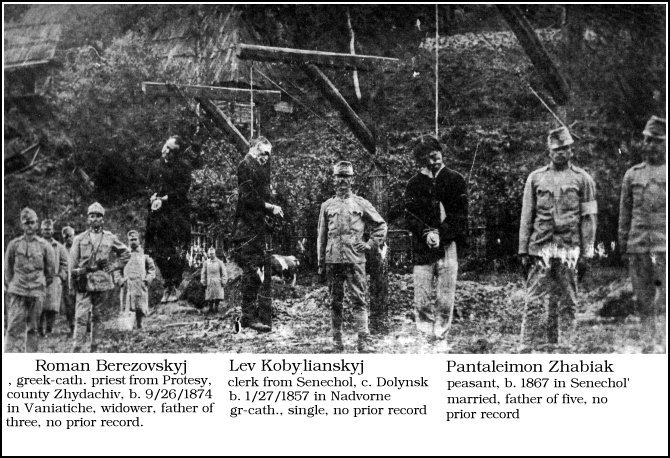
Austro-Hungarian servicemen pose against the background of three hanged men executed on August 30, 1914 in Mukachevo. © Wikipedia
Repressions against the intelligentsia were followed by those against the general public. Anyone who was thought to sympathize with Russia or Russian culture became a suspect. This included people who had once visited Russia, read Russian newspapers, or were just known as “Russophiles.” Military courts worked around the clock and a simplified procedure of legal proceedings was introduced for cases of suspected treason.
Members of Galicia’s Rusyn movement who chose the “Ukrainian way” actively participated in the repressions. Pro-Austrian politicians prepared lists of “unreliable” suspects and based on mere accusations, and arrested anyone who sympathized with Russia. As Russophile public figure Ilya Terekh described, “At the beginning of the war, the Austrian authorities arrested almost the entire Russian intelligentsia of Galicia and thousands of peasants, based on the lists handed over to the administrative and military authorities by the Ukrainophiles.”
“People who recognized themselves as Russian or simply had a Russian name were seized indiscriminately.
Anyone who possessed a Russian newspaper, book, sacred image, or even a postcard from Russia was grabbed, abused, and taken away. And then, there were gallows and executions without end – thousands of innocent victims, seas of martyr blood and orphan tears,” said another Russophile, Julian Yavorsky.
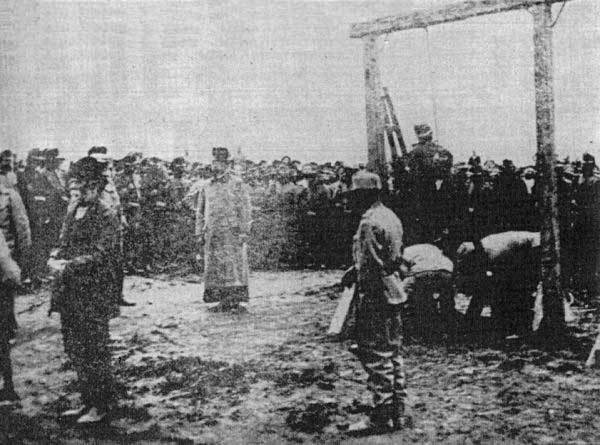
Talerhof in 1917, the place where the camp executions were carried out. © Wikipedia
In October 1914, the Russian writer Mikhail Prishvin, who served as a medical assistant at the front, wrote in his diary: “When I got to Galicia … I felt and saw the living images of the times of the Inquisition.” Prishvin described the feelings of the Galician Rusyns toward Russia as follows: “Galicians dream of a great, pure, and beautiful Russia. A seventeen-year-old schoolboy walked with me around Lvov [now Lviv, then Lemberg] and spoke Russian without an accent. He told me about the persecution of the Russian language. Students were not even allowed to have a map of Russia, and before the war he was forced to burn books by Pushkin, Lermontov, Tolstoy, and Dostoevsky.”
Hell on earth
The prisons of Galicia were not big enough to accommodate all the repressed. On August 28, 1914, there were two thousand prisoners in Lviv alone. It was then that the Austrian authorities decided to establish concentration camps. In September 1914, the huge Thalerhof place of incarceration was set up in Styria. The first prisoners were delivered on September 4. According to the testimony of one of the survivors, priest Theodor Merena, prisoners were “people of different class and age”. They included clergy, lawyers, doctors, teachers, officials, peasants, writers, and students. The age of the prisoners ranged from infants to 100-year-olds.
Occasionally, Ukrainian activists who were loyal to the Austrian regime were accidentally placed into Thalerhof. Most of them were removed quickly. One later recalled that all prisoners had a chance to escape by giving up their Russian name and registering as “Ukrainians” in the “Ukrainian list.”
Up to the winter of 1915, there were no barracks in Thalerhof. People slept on the ground in the open air despite the rain and frost. The camp’s sanitary conditions were awful. The latrines were uncovered and used by twenty people at a time. When the barracks were built, they were overcrowded, housing 500 people instead of the intended 200. The prisoners slept on straw beds which were rarely replaced. Naturally, epidemics were widespread. In just two months following November 1914, over three thousand prisoners died of typhus.
“In Thalerhof, death rarely came naturally – it was injected through the poison of infectious diseases. Violent death was commonplace in Thalerhof.
There was no question of any treatment of the sick. Even doctors were hostile toward the prisoners,” wrote imprisoned Rusyn writer Vasily Vavrik.
The prisoners weren’t provided with any adequate medical care. In the beginning, Thalerhof didn’t even have a hospital. People died on the damp ground. However, when the hospital barracks were finally built, the doctors gave almost no medicine to the patients.
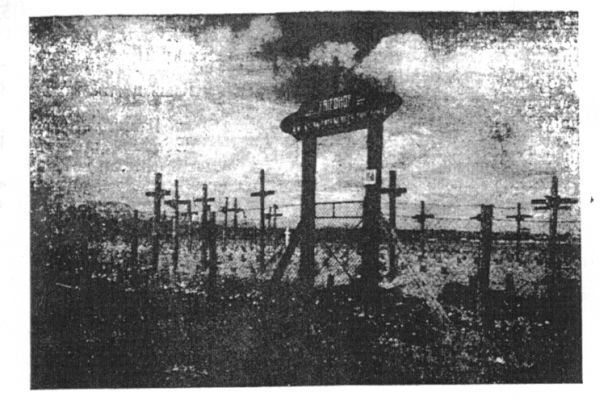
Talerhof. Cemetery “under the pines” in 1917. © Wikipedia
To instill fear, prison authorities constructed poles throughout the camp and regularly hung “violators” on these poles. The violation could be a mere trifle, like catching someone smoking in the barrack at night. Iron shackles were also used as punishment, even on women. Moreover, the camp was supplied with barbed wire, observation towers with sentries, barking dogs, posters with slogans, propaganda, torture facilities, a moat for executions, gallows, and a cemetery.
The camp operated for nearly three years and was closed down in May 1917 on the order of Charles I of Austria. The barracks stood on the site until 1936, when they were finally demolished. 1,767 corpses were then exhumed and reburied in a common grave in the nearby village of Feldkirchen.
The exact number of victims in Thalerhof is still disputed. The official report by Field Marshal Schleer dated November 9, 1914, stated that 5,700 Russophiles were imprisoned there at the time. According to one of the survivors, in the autumn of the same year there were about 8,000 prisoners. Twenty to thirty thousand Russian Galicians and Bukovinians passed through Thalerhof in total. In the first year and a half alone, about 3,000 prisoners died. According to other sources, 3,800 people were executed in the first half of 1915. Overall, in the course of the First World War, the Austro-Hungarian authorities killed at least 60,000 Rusyns.
Remembering the forgotten
In the period between the two world wars, the former prisoners strived to preserve the memory of the tragedy that affected Galicia’s Ruthenians and to perpetuate the memory of the victims of Thalerhof. The first monument was erected in 1934, and soon similar memorials appeared in other parts of the region. In the years 1924-1932, the Thalerhof Almanac was published. It provided documentary evidence and eyewitness accounts of the genocide. In 1928 and 1934, Thalerhof congresses, which gathered over 15 thousand participants, were held in Lviv.
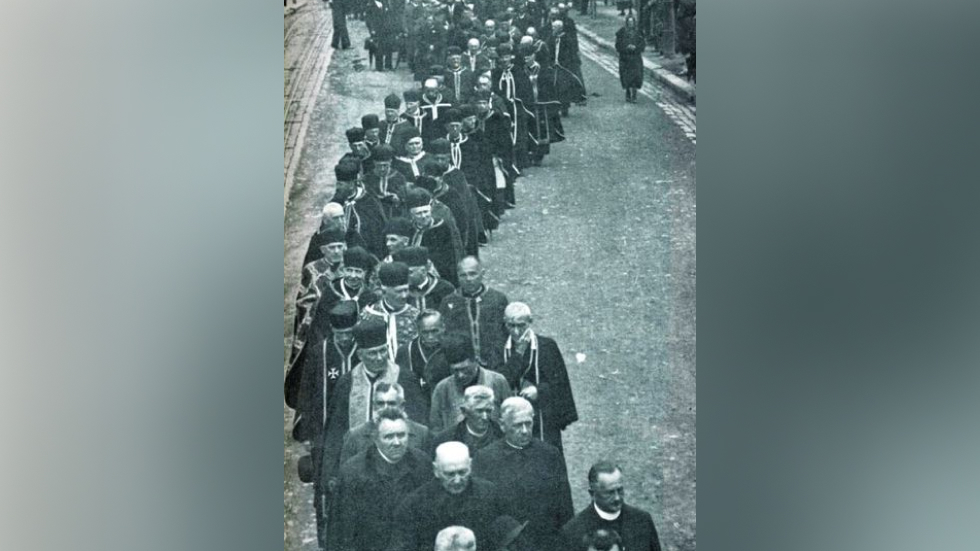
The procession of the participants of the Talerhof Congress on the occasion of the opening of the monument to the victims of Talerhof, 1934. © Wikipedia
Galicia became part of the USSR in 1939. Even before Soviet times, there was an unspoken ban on the topic Thalerhof, because the very fact of Russian existence in Galicia was seen as an impediment to Ukrainization, which was actively cultivated in Western Ukraine following World War Two. After Galicia and Volhynia became part of the USSR, most Russophile organizations in Lviv were closed. However, memorial services by the monuments continued. As the eyewitnesses and contemporaries of the events grew older and died, a new generation of Galicians was brought up in the spirit of atheism and took on a Ukrainian national identity. As a result, fewer and fewer people came to the memorials.
In modern Ukraine, the Rusyn genocide isn’t publicly discussed. Thalerhof is not mentioned in any school textbooks on the history of the country. The idea that Russians once lived in Galicia – the proud center of “Ukrainian culture” – does not fit the nationalistic ideology of contemporary Ukraine. Most young people have never even heard of Thalerhof.
The tragedy marked the end of the Russophile movement in Galicia. All those who did not submit and did not take on a Ukrainian identity were physically annihilated. Just a few years after the tragic events, public views changed. The region came under the influence of other movements and politicians. When Austria-Hungary fell apart after the First World War, Galicia turned into a powerful center of the Ukrainian nationalist movement.
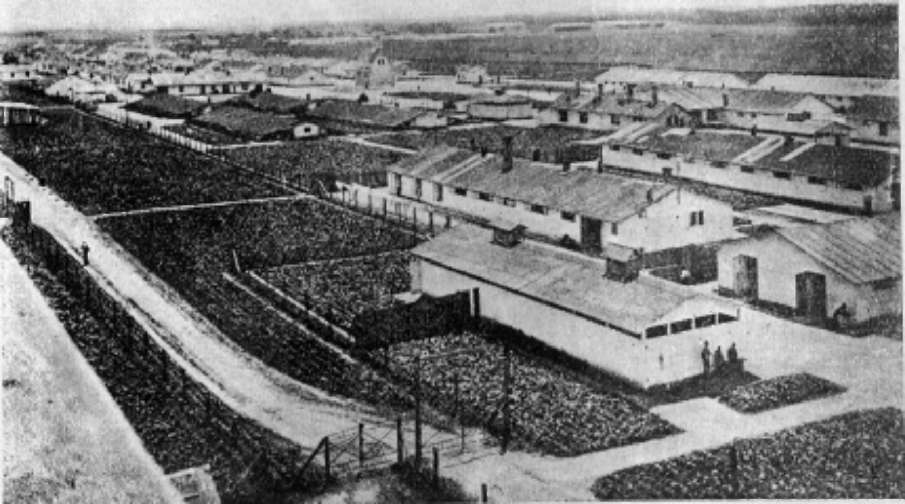
Bird’s-eye view of the Talerhof concentration camp. © Wikipedia
Dmitry Plotnikov is a political journalist exploring the history and current events of ex-Soviet states.
Meet King Charles, The Great Resetter
Corbett • 05/05/2023
Podcast: Play in new window | Download | Embed
While most of the the public’s attention is falling on the obvious issues—the monarchy’s increasing irrelevance to the 21st century, the colossal waste of taxpayer resources that go towards the upkeep of the world’s richest family and their multiple palaces, the dark history of slavery and other colonial abuses for which royals of the far-distant past are responsible—few are aware of just how dark the history of the royal family is, or just how twisted Charles’ vision for the future of the United Kingdom—and, indeed the world—really is.
Watch on Archive / BitChute / Odysee / Rokfin / Rumble / Substack / Download the mp4
For those with limited bandwidth, CLICK HERE to download a smaller, lower file size version of this episode.
For those interested in audio quality, CLICK HERE for the highest-quality version of this episode (WARNING: very large download).
TRANSCRIPT
[Royal fanfare.]
GARTER KING OF ARMS DAVID VINES WHITE: Whereas it has pleased almighty God to call to his mercy our late Sovereign lady Queen Elizabeth II of blessed and glorious memory, by whose decease the Crown of the United Kingdom of Great Britain and Northern Ireland is solely and rightfully come to the Prince Charles Philip Arthur George.
We, therefore, the lords spiritual and temporal of this realm, and members of the House of Commons, together with other members of Her late Majesty’s Privy Council, and representatives of the realms and territories, aldermen, and citizens of London and others, do now hereby, with one voice and consent of tongue and heart, publish and proclaim that the Prince Charles Philip Arthur George, is now, by the death of our late Sovereign of happy memory, become our only lawful and rightful liege lord, Charles III.
SOURCE: Charles III proclaimed king in historic ceremony @BBCNews – BBC
It’s hard to be a human being living on planet Earth in May of 2023 and not be hearing about, reading about or listening to discussions about the pending coronation of King Charles.
Yes, Charles’ big day is dominating news headlines at the moment, and it seems that the glitz and glamour of the upcoming coronation are infecting people around the globe with a case of royal fever.
. . . Well, maybe not everyone.
TC NEWMAN: Republic states on their website: “As we approach Charles’ coronation the country needs an honest, grown-up debate about the monarchy. We need to stop and ask ourselves: Can’t we just choose our next head of state?”
PROTESTER: Charles, while we struggle to heat our homes we have to pay for your parade.
CHARLES: Oh.
PROTESTER: The taxpayer pays £100 million for you, and what for? Nid fy brenin! Not my King!
SOURCE: Taxpayers ‘pay for your parade’: Charles heckled in Wales on cost of monarchy
[Protester throws eggs at Charles, gets arrested.]
No, not everyone is happy about King Charles stepping into his mother’s shoes . . . or diamond-encrusted loafers, or gold-plated clodhoppers, or whatever it is that monarchs wear to prevent their poor, delicate royal feet from touching the earth.
But while most of the public’s attention is falling on the obvious issues—the monarchy’s increasing irrelevance to the 21st century, the colossal waste of taxpayer resources that go towards the upkeep of the world’s richest family and their multiple palaces, the dark history of slavery and other colonial abuses for which royals of the far-distant past are responsible—few are aware of just how dark the history of the royal family is, or just how twisted Charles’ vision for the future of the United Kingdom—and, indeed the world—really is.
I’m James Corbett of The Corbett Report, and today we’re going to look beyond the headlines and talking points so that we can Meet King Charles, The Great Resetter.
Chapter 1 — King Charles
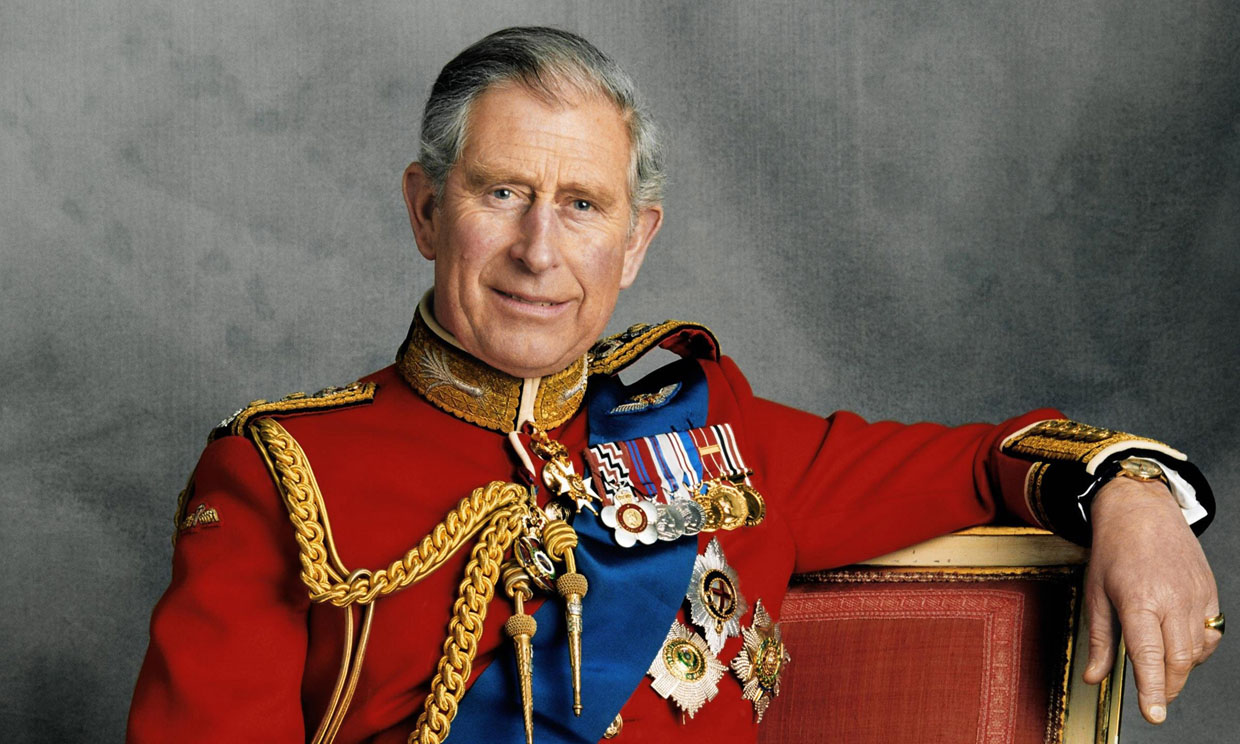
For those who do not consider themselves “royal watchers” and only know the new King of England as that buffoon who spent his entire life waiting for his mother to die, the first sign of what Charles is really like came in a viral video moment captured during the typically pompous ceremony in which he was proclaimed king.
There, in the manic, sausage-fingered, tooth-gritted flailing of the new king, is the perfect encapsulation of Charles Philip Arthur George Windsor, aka “Charles III.”
His life has been an endless series of carefully arranged photo opportunities and ribbon-cutting ceremonies that serve no actual function other than to punctuate the dreary luxury of his royal existence. But it is in moments such as these where we see through the veil of PR and propaganda to the real Charles: a man who treats his retinue of servants like mere objects, only good for slaking his royal desires and fulfilling his regal demands.
And demands there are.
His royal highness’s daily demands begin with the pressing of his royal shoelaces and the requirement that his royal bath plug be placed in precisely the right position and the royal bathtub be exactly half full of precisely tepid water. Charles’ valet must then squeeze precisely one inch of toothpaste onto his royal toothbrush while the royal chefs prepare a series of boiled eggs, which are numbered according to how long they were boiled so that: “If the prince felt that number five was too runny, he could knock the top off number six or seven.”
In fact, wherever Charles travels, he not only takes along a large contingent of his 124 member staff—including his butler, two valets, a private secretary, a typist, a chef, and a handful of bodyguards—he also makes sure to take his own personal food supply, consisting solely of fresh, organic ingredients grown on his own organic farm.
Yes, King Charles is more than happy to put his John Hancock on The Genetic Technology Precision Breeding Act 2023, which (as its supporters will be happy to explain) “remov[es] barriers to research into new gene editing technology” by (as its supporters will never explain) “remov[ing] regulatory safeguards from whole subclasses of genetically modified organisms” at the behest of (surprise, surprise!) the GMO industry.
But don’t expect him to put those gene-edited frankenfoods anywhere near his lips! They are not fit for the royal gullet, don’t you know!
Chapter 2 — The Royal Sickness

In a sense, the royals aren’t wrong when they assert that the blood that flows through their veins is different from the blood that flows through us commoners’ veins. As many know, the royal families of Europe do indeed suffer from a genetic blood disorder, hemophilia, one of the many defects that has resulted from centuries of inbreeding.
But, strangely, they do not see their so-called “blue blood” as a problem. Instead, they hue to a twisted belief system; one that holds that as a result of their special blood, the royals actually deserve to rule over their subjects.
In order to understand this royal worldview, we have to go back to the beginning. No, not the beginning of Elizabeth’s reign in 1952. Not to the beginning of the English branch of the House of “Windsor” to which she belonged. Not even to the beginning of the monarchical system in England.
No, we have to go back to the beginning of monarchy itself.
You see, the ancient Egyptians worshipped the Pharaohs as progeny of the sun god, Ra. The Japanese were told that their Imperial family descended from the sun goddess, Amaterasu, and the sea god, Ryuujin. In Europe, monarchs claimed that God Himself had directly granted them a “Divine Right” to rule over their subjects. In China, they called it the “Mandate of Heaven.”
Yes, the ancients were taught to believe that their emperors were literal gods. The European dynasties, meanwhile, flourished for centuries under the mass delusion that these families were specifically selected by God to rule over their people. Should it come as any surprise that at some point the royals started to believe their own propaganda?
But, as these proto-eugenicists soon figured out, if their blood was too precious to mingle with the commoners’, then that blood must be kept in the family. And so began centuries of royal inbreeding that resulted in the deformities, abnormalities and genetic weirdness that today pervade the royal bloodlines (congenital haemophilia being just one of the most well-known examples). Perhaps the most notable example of intra-family marriage leading to genetic ruin is that of the Spanish Hapsburgs, who, after 500 years of ruling over vast swaths of Europe, managed to inbreed themselves out of existence.
With this understanding of the proto-eugenical philosophy as our background, we can begin to make sense of the millennium-long story of the British monarchy. Alfred the Great yadda yadda yadda Henry beheading wives and starting a church blah blah blah the madness of King George etc. etc. etc. Mrs. John Brown and so on and so forth all the way up to Eddie (VII, for those keeping track at home) and the intrigues that kicked off WWI and birthed the modern world. You know, that story.
To finish making sense of that history, we just need to add one other element to the story: as it turns out, the “British” royal family isn’t very British at all. The House of “Windsor” only became the House of “Windsor” in 1917, after all. Before that, it was Saxe Coburg-Gotha. But the British public were a bit fired up about the Huns because of that whole, you know, WWI thing, so “Windsor” it became.
Noting the true origins of the House of “Windsor” is not just some cheap anti-Germanic slur, of course. It points to something even more fundamental. These royals—connected, as we remember, through inbreeding—had much more in common with their European brothers and sisters, cousins and uncles (but I repeat myself), than they did with the populations they were supposedly ruling over.
With that historical background in place, we can understand, for example, the Windsors’ well-documented fondness for the eugenics-promoting Nazis. Where do you think the Nazis got their eugenical beliefs from, after all? Given the royal pedigree of the eugenic worldview, it is perhaps unsurprising to learn that the pseudoscience of eugenics was pioneered by Royal Medal recipient Francis Galton, himself hailing from the celebrated (and thoroughly inbred) Darwin-Galton line, which boasted many esteemed Fellows of the Royal Society.
The overt ties between the Edwardian (VIII, for those keeping track at home) court and Hitler’s eugenics-obsessed regime are well-documented. The covert ties are even more intriguing. (Hmmm, that gives me an idea for a documentary . . . .) But it isn’t just the home movies showing the future queen giving the Nazi salute or Edward VIII’s hobnobbing with Hitler or King Charles’ lifelong friendship with unreformed SS officer (and Bilderberg co-founder) Prince Bernhard of the Netherlands or Prince Harry’s predilection for Nazi cosplaying. More to the heart of the matter is Prince Philip’s infamous desire to be reincarnated as “a particularly deadly virus” in order to contribute to the depopulation of the planet (a remark that has been fact-checked by Snopes, so you know it’s true!).
FIONA BRUCE: What do you see as the biggest challenges in conservation?
PRINCE PHILIP: The growing human population. From where we are there’s nothing else.
SOURCE: Prince Philip on what should be done about “overpopulation”
You see, the royals’ blue blood pomposity wouldn’t be so bad if they simply felt themselves superior to the commoners in a “What, you groom your own stool?!” kind of way. Sadly, it is not mere snobbery that motivates them, and their great desire is not simply to be kept apart from the commoners. As it turns out, the royal family doesn’t just feel superior to their subjects, they actively dislike them and constantly scheme to subjugate them, rob them, impoverish them and mislead them.
Chapter 3 — Royal False Flags
There’s something quaint about Redditors seemingly discovering for the first time that, far from some nice old man who waves to the crowds and enjoys tea and crumpets in pretty English gardens, King Charles is actually the heir to a fortune amassed via the violent subjugation of much of the world’s populace and the plundering of their wealth and resources. The fact that anyone could be shocked by this historical reality speaks to the naïveté of the masses, who cannot imagine that ruthless psychopaths conspire to amass more wealth by inflicting suffering on the world.
(Just wait until these dear, trusting masses learn about the British East India Company and the opium wars and the Bengal genocide and the Boer concentration camps and the Amritsar Massacre, etc., etc., etc. . . .)
But for a prime example of the perfidy with which the British monarchy has ruled for centuries (and which gave rise to the “Perfidious Albion” moniker), one need only look at the history of their speciality: false flag operations.
Befitting the governing monarchy of a nation that has been known for its treachery for centuries, the British royals’ use of false flag events to gin up public support for the persecution of their enemies likewise goes back centuries. For one prime example of that, we will have to “Remember, remember the fifth of November.”
Outside of Britain, the “gunpowder plot” is known only tangentially through cultural artifacts, like the references to the plot contained in V for Vendetta and the subsequent adoption of the Guy Fawkes mask as the symbol of Anonymous. Even in England, most will only know the official version of the story—the one compiled in the so-called “King’s Book” written by King James I himself.
According to that official account: on the evening of November 4, 1605, Guy Fawkes was discovered with 36 barrels of gunpowder and a pile of wood and coal in the undercroft beneath the House of Lords in Parliament, presumably preparing to blow up the building. After his apprehension, Fawkes was brought before the king and, cracking under the interrogation, eventually led the king’s agents to the other conspirators in the plot.
As it turned out, the whole harebrained scheme to blow up Parliament as it convened on the 5th of November had been hatched by the Jesuits and carried out by a ragtag group of crazed provincial English Catholics! King James then took the sensible precaution of cracking down on Catholics in England, thus ensuring that Catholic treachery would never again threaten the kingdom.
Of course, this story—like so much of the history written by the winners—is total hogwash. Entire books could be written about the plot, what we really know about it, and how the official version was conjured into existence . . . and at least one book has! It’s called The Gunpowder Plot and it was written by Hugh Ross Williamson and published in 1952.
Those who are interested in the full story are highly encouraged to read Williamson’s account. Although the full truth of the plot will likely never be known—buried as it is in a sea of forged documents, tampered evidence and official secrecy—we can say with certainty that the official story was constructed from torture testimony and forged confessions, that the king’s spies were likely involved at every level of the plot, that the band of patsies who were ultimately blamed for the whole affair could not possibly have perpetrated it by themselves and, most importantly, that it provided King James with the perfect excuse to crack down on Catholics in the exact manner he had desired.
In other words, Guy Fawkes was likely neither the radical Catholic terrorist mastermind that the court of King James made him out to be nor the crusading anti-authoritarian hero that V for Vendetta and Anonymous pretend him to be, but, rather, a patsy, a dupe or a mole who was used by the monarchy as a convenient excuse to enact draconian new laws clamping down on the king’s opponents.
Go figure.
But the British monarchy’s false flag hits don’t stop there!
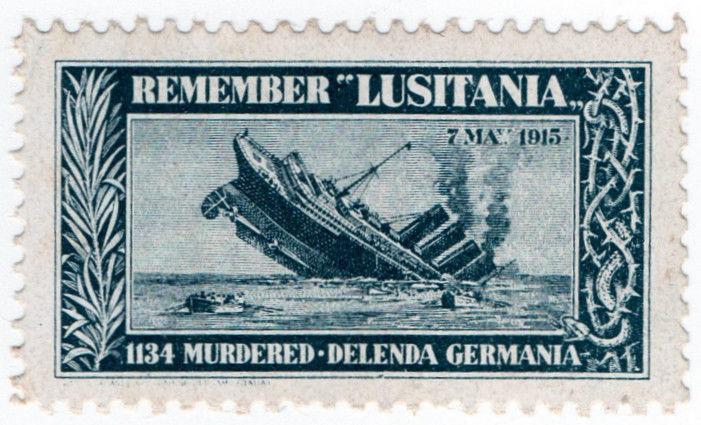
Viewers of my WWI Conspiracy documentary will already know the central role played by King Edward VII and his German-hating wife in forging the so-called “Triple Entente” between Britain, France and Russia that paved the way for the “Great” War against the Huns. You will likely also remember WWI conspirator Edward Mandell House’s own account of his rather remarkable conversation with Edward VII’s successor, King George V, on the morning of May 7, 1915. As House recounts in his Intimate Papers, the two “fell to talking, strangely enough, of the probability of Germany sinking a trans-Atlantic liner.” Even more “coincidentally,” House relates that George specifically inquired what would happen if the Huns “should sink the Lusitania with American passengers on board.” Later that very day, the Lusitania was sunk, and public opinion in America turned decidedly against Germany, preparing the way for US entry into the war on Britain’s side.
Coincidence, surely.
“But that’s ancient history!” some would argue. “I mean, yes, the British were responsible for backing, supporting and enabling the Saudi royal family to begin their brutal rule of the Arabian peninsula and” (as I documented in False Flags: The Secret History of Al Qaeda), “British support and collusion with the Muslim Brotherhood and with Wahabbi radicals gave birth to the modern era of false flag terrorism . . . but what does that have to do with King Charles?”
Good question. Maybe some intrepid reporter will put the question of the million-pound donation he received from the bin Laden family to the new king?
Or maybe they could ask about Princess Diana’s remarkable clairvoyance in warning of her own death at the hands of . . . [name redacted]
NARRATOR: In October 1996, in a letter to her butler, Princess Diana expressed the fear that she would die in a car crash and it wouldn’t be an accident.
ACTOR (AS PRINCESS DIANA): I am sitting here at my desk today in October, longing for someone to hug me and encourage me to keep strong and hold my head up high. This particular phase in my life is the most dangerous. X is planning an accident in my car. Brake failure and serious head injury [. . .].
SOURCE: What Really Happened On The Night Of Diana & Dodi’s Crash? | Diana: The Inquest | Real Royalty
Given the royal family’s participation in false flag events in the past, perhaps it is no surprise that World Economic Forum chairman Klaus Schwab invited His Royal Highness the Prince of Wales to inaugurate The Great Reset, the grand global attempt to use the generated crisis of the scamdemic to completely transform the world and institute new paradigms of governance and social control.
CHARLES: We have a golden opportunity to seize something good from this crisis. Its unprecedented shockwaves may well make people more receptive to big visions of change. Our global crises like pandemics and climate change know no borders and highlight just how interdependent we are as one people sharing one planet.
[. . .]
And as we move from rescue to recovery, therefore we have a unique but rapidly shrinking window of opportunity to learn lessons and reset ourselves on a more sustainable path. It is an opportunity we have never had before and may never have again, so we must use all the levers we have at our disposal, knowing that each and every one of us has a vital role to play.”
SOURCE: Prince Charles Says Pandemic a Chance to ‘Think Big and Act Now’
Yes, it is no surprise to find this royal mouthpiece popping up in the defining false flag event of our times, advocating a complete re-envisioning of our economy, our way of life and even the social contract between people and their government on the back of a synthetic and constructed “crisis.”
But if only his involvement in false flag events were the greatest of King Charles’ worries. . .
Chapter 4 — The Windsors’ Pedophile Problem
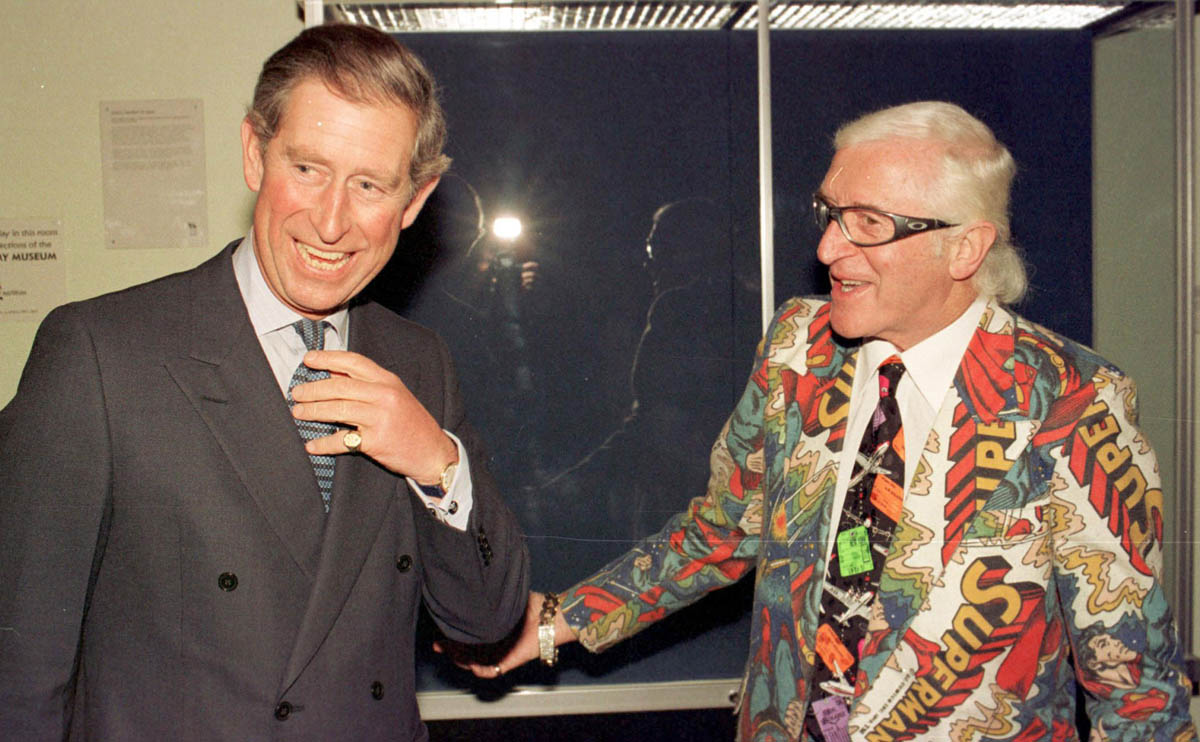
Oh, if only the new king’s greatest fault were to have been born into a eugenics-obsessed family.
If only he were the guiltless benefactor of the cheating, swindling, extortion, theft and plunder of his forebears.
If only his worst sin were his ridiculous climate hypocrisy or his campaigning for Klaus Schwab’s Great Reset or his attempt to mask cows.
If only he were a regular, run-of-the-mill tyrant, a psychopath who got off on torturing and killing others.
Unfortunately for all of us, it’s much worse than that.
ANCHOR: Reports of Savile’s unusual behavior in royal circles came about as details emerged of a surprise role for him as a counselor for Prince Charles and Princess Diana during their marital difficulties and a request from Prince Charles to help with the image of Sarah Ferguson.
SOURCE: Jimmy Savile: ‘licked young women’s arms’ on Palace visits
The public got a hint of what really goes on behind the royal family’s closed castle gates when the Jimmy Savile scandal first came to light a decade ago. If you are able to cast your mind back to the innocent days of 2012, you might recall that, at the time, the existence of high-level pedophile rings (let alone high-level necrophilic pedophile rings) was considered the stuff of total conspiracy lunacy.
You might also recall that the royal family’s relationship to Savile was certainly “problematic” (to use the kids’ lingo). But, given what the public then knew, not necessarily more problematic than the involvement of any of the other people who had cozied up to the monstrous pedophile during the course of his career.
Sure, the Queen had knighted Savile back in 1990, and any number of photographs could tell you that he was awfully chummy with Charles. Yet perhaps knighthood was to be expected, considering that he had seemingly dedicated much of his life to charity and had made many high-profile friends along the way.
In fact, the first hard questions about who knew what when about Savile were asked of the BBC, which certainly did know about the allegations many decades before the disgusting abuser finally died.
JON SNOW: One of the things that’s really interested me there was your view about Jimmy Savile and your knowledge at the time that it was going on.
JOHN LYDON: Yeah. Unfortunately, I think all of us—what we call “the peoples”—knew what was going on with the BBC.
SNOW: As bad as we now know it was?
LYDON: Yeah, we knew. We all knew.
But over the years the “who could have known?” routine used by the Windsors’ defenders has become increasingly insupportable. First, there was the revelation that Savile was so close to the royal family that he was almost made Prince Harry’s godfather. Then came the increasingly damning reports on Savile’s close personal friendship with Charles, culminating in the release earlier this year of letters proving that the now-King of England regularly sought Savile’s advice on sensitive political matters
ALISON BELLAMY: It’s not just a couple—you know it’s not just three or four. There’s absolutely loads—there’s files of it!
ALISON BELLAMY [READING LETTER FROM PRINCE CHARLES TO JIMMY SAVILE]: December 22, 1989. I wonder if you would ever be prepared to meet my sister-in-law, the Duchess of York? I can’t help feeling that it would be extremely helpful to her if you could. I feel she could do with some of your straightforward common sense.
NEWS ANCHOR: 54 minutes after they’d taken off without warning or distress signal, the airliner started to disintegrate over Lockerbie.
ALISON BELLAMY: January 27, 1989. A month after the Lockerbie disaster. This is Jimmy giving PR advice to the royal family about how to react publicly when there’s a major incident in Britain.
PRINCE ANDREW: I suppose that, statistically, something like this has got to happen at some stage on a time. But of course, it only affects the community in a very small way.
ALISON BELLAMY [READING LETTER]: Jimmy advises the queen should be informed in advance of any proposed action by family members. Jimmy suggests they should have a coordinator who’s a special person with considerable experience in such matters. There must be an incident room with several independent phone lines, Teletex, etc.
ALISON BELLAMY: I mean, Jimmy is advising them how to do it. What they should do. How they should act. What they should say. Should they say anything.
So Charles says to Jimmy: “I attach a copy of my memo on disasters, which incorporates your points, and I showed it to my father and he showed it to her majesty.”
Jimmy had sent back to Charles a five-part manual titled “Guidelines for members of the Royal Family and their staffs.” Jimmy seems to be a kind of unofficial chief advisor to the Prince of Wales.
And on top of all that, there was Savile’s own uncomfortable admission that the knighthood had “let him off the hook” for his past sins.
Unsurprisingly, the royal family has never had to respond in any way to public outrage about these reports. No presstitute who wants to keep his job is ever going to dare press Charles on the issue and, since Savile’s crimes were only brought to light after his death, the royals could always hide behind the “plausible deniability” that they didn’t know what Sir Jimmy was up to. They didn’t even need to launch a formal process to strip Savile of his knighthood because, as it turns out, the honour “automatically expire[s] when a person dies.”
But, as I say, the Savile scandal blew up back in the bygone era of a decade ago, when the concept of political pedophile rings was still in the realm of crazed conspiracy podcasts. That all changed, of course, when the Epstein story finally broke into the public consciousness in 2019.
And who just happened to be in the middle of that scandal?
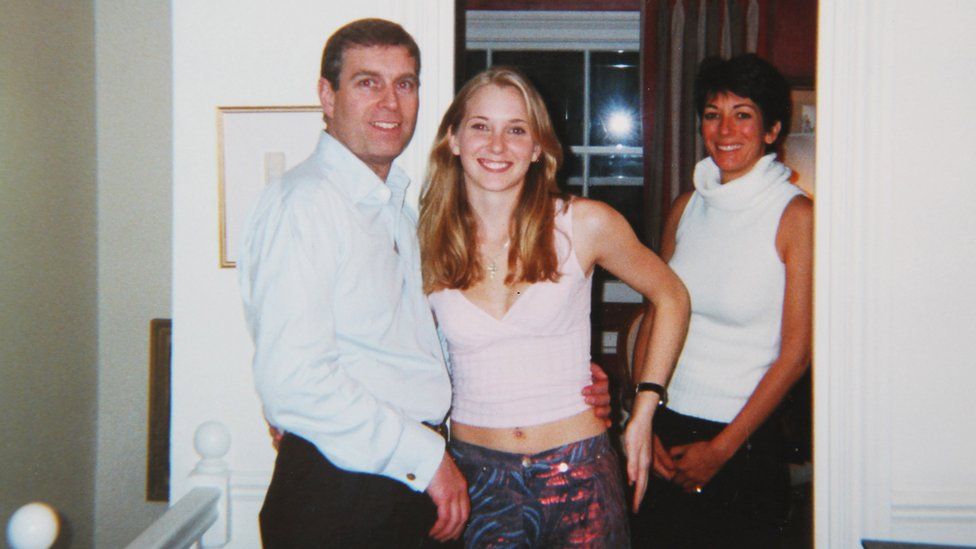
That’s right, Prince Andrew. The brother of the current king and the eighth in line to the British throne. A man so transparently lecherous that for decades the UK tabloids have mockingly referred to him as “Randy Andy.” A man who literally had to invent a scientifically unknown condition of being “unable to sweat” to try to “prove” that the allegations made against him by Jeffrey Epstein victim Virginia Giuffre were false.
I mean, yes, there’s the photo of him with his arm around an underage Giuffre (with intelligence handler and convicted sex trafficker Ghislaine Maxwell hovering in the background), but he doesn’t sweat so . . . it’s all a lie?
No one buys anything that comes out of the mouth of His Royal Lowness, Prince Andrew, Duke of Dork. After all, you know someone must be a public relations mess when even the royal family is compelled to revoke his titles and royal patronages to keep him out of the spotlight of public scrutiny. As we’ve seen, the royals didn’t even dole out that form of retroactive punishment to Sir Jimmy.
As we all know, the public is no longer as naïve as they were in 2012, and, sadly, the nightmarish reality of protected political pedophile rings is so accepted as documented fact that it is no longer mocked as conspiracy yarn. And, to the surprise of no one who is familiar with the ignoble history of the royal family, the House of Windsor has been implicated in two of the highest profile pedophile scandals in recent memory. . . . Oh wait, make that three.
So here’s a rhetorical question for you: who in the controlled mainstream media do you think will ever dare bring up this topic up again now that Prince Charles is officially King Charles?
Conclusion
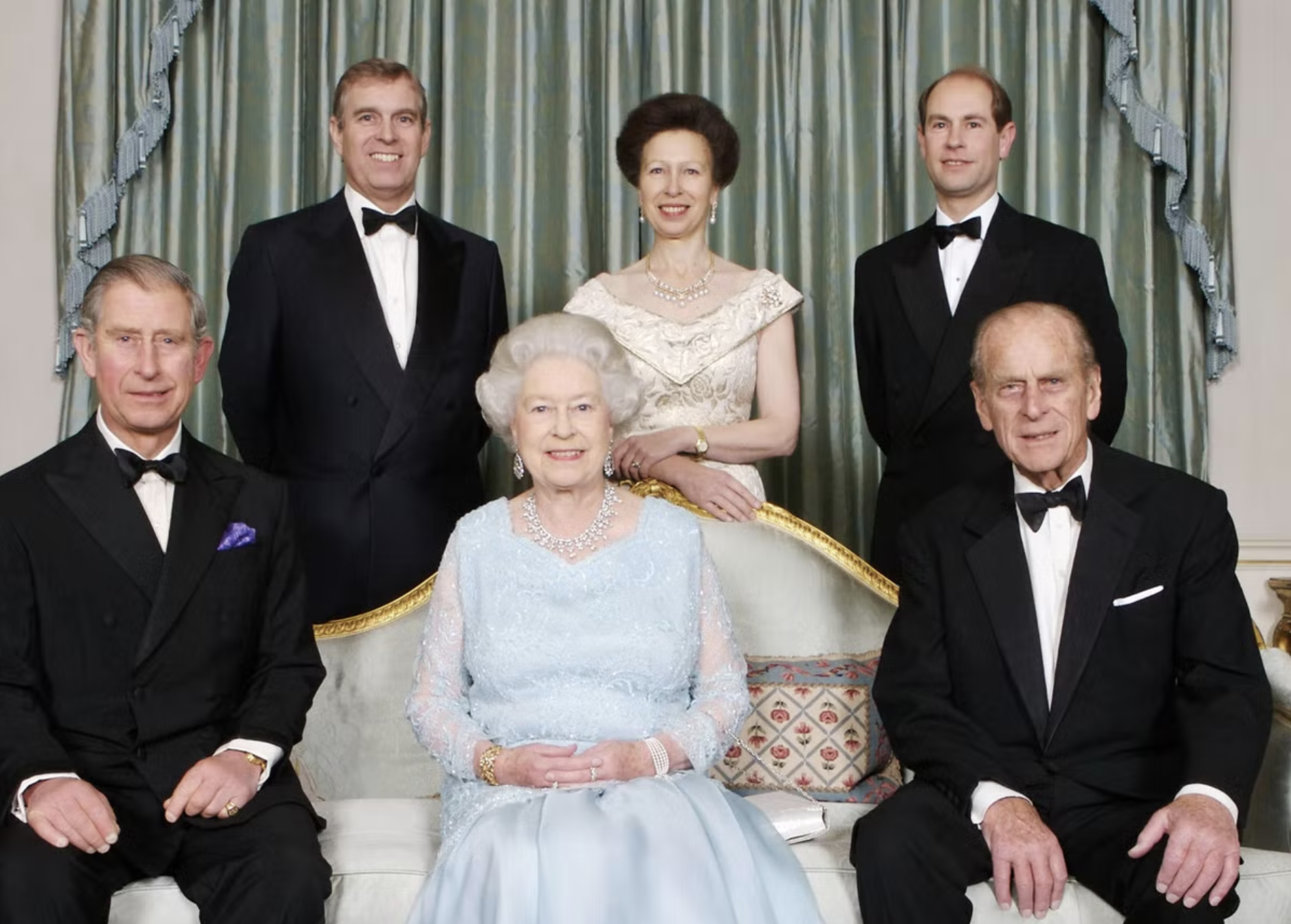
Making this video feels like I’m telling a child, all in one sitting, that Santa Claus isn’t real, the Easter Bunny is a hoax and the tooth fairy is just your mom.
But, in reality, it’s worse than that. It’s telling fully grown adults that Santa Claus isn’t real, the Easter Bunny is a hoax and the tooth fairy is just their mom and being ridiculed as a fringe loony for doing so.
This isn’t my first attempt at opening eyes on this subject, either. Back in 2015, I made note of the absolute madness that took hold of the global media surrounding the announcement of the birth of Princess Charlotte, writing:
So who is going so crazy for this royal baby? Surely no one who is familiar with the real history of the reign of the “Windsors,” a reign marked by the tens of millions of lives lost in the First and Second World Wars (in which the royal family had a great degree of culpability), close collaboration with the banksters that have brought us to the edge of the next great depression, the formation of the Anglo-American “special relationship” in common cause with like-minded eugenicists in America like Teddy Roosevelt, the cultivation and protection of pedophiles (of whom Jimmy Savile was just the most noticeable tip of a very large iceberg), the slaying of Diana, and any number of other atrocities that should make this family one of the most reviled in the “commonwealth” they claim to rule over. And yet the media still lauds their every action, sings their praises as a venerable institution at the core of British society, dutifully acts as the royal PR mouthpiece in reporting on their charity work, and marginalizes any talk of doing away with the royal family altogether as “republican rabble-rousing.”
Plus ça change . . .
And now once again we have one of these royal events come along to remind us just how many people are still firmly ensconced in normieland. After all the royals have put us through, it’s flabbergasting that they’re still held in such high regard.
It’s incomprehensible that this royal eugenicist is trotted out to be the face of The Great Reset and to lecture the peasants about how they’ll have to become serfs on the neofeudal plantation for the sake of Mother Earth, but even more disheartening is the fact that there are still vast swaths of people who believe that this family has been chosen by God Himself to rule over an entire nation (or even a “commonwealth”).
Here’s to the day when this type of video is completely unnecessary and the placing of a fancy hat on some pompous British octogenarian’s head was of no significance to anyone whatsoever. One can always dream. . . .
This piece first appeared in The Corbett Report Subscriber newsletter in September 2022.
How to fight for Covid truth

By Guy Hatchard | TCW Defending Freedom | May 6, 2023
The writer is in New Zealand.
Every day brings more news of extreme efforts to promote biotech vaccines and cancel those asking questions.
For example Dr Mark Tykocinski, an immunologist with a spotless academic record who is president of Thomas Jefferson University in Philadelphia may be about to lose his job. His sole mistake appears to be liking tweets by former New York Times journalist Alex Berenson who questions vaccine safety.
British MP Andrew Bridgen has been expelled from the Conservative Party. According to Bridgen, a senior UK politician has privately admitted to him that he may well be right about Covid vaccine harms, but said the government is expecting to suppress public information about Covid vaccine adverse effects for the next 20 years, citing ‘lack of political appetite’ for a public disclosure.
Statistician Professor Norman Fenton was locked out of his Twitter account following a complaint that he had broken German law by claiming Covid data manipulation was creating the appearance of vaccine efficacy, when in fact there was none. The German government is the main sponsor of BioNTech, the co-creator of the Pfizer mRNA Covid vaccine. Fortunately the complaint was not upheld and Fenton was reinstated.
Te Whatu Ora (Health New Zealand) has announced that from May 1, pregnant people (!) aged 16 to 29 years can now get an additional Covid-19 booster. They don’t seem to have noticed that stillbirths and miscarriages rose following the Covid vaccine rollout, or the absence of any data to confirm ‘safety’ assurances for pregnant women – quite the reverse, in fact.(See this article.) Is it possible that the NZ government have a lot of boosters left over after a poor response to their latest bivalent vaccine campaign and are now trying to offload them via deceptive advertising to mothers who naturally want to do the best for their child?
Highly vaccinated Portugal has seen a 73 per cent rise in emergency callouts for heart attacks. This mirrors the 83 per cent rise in heart attack hospitalisation in Wellington, NZ.
The continuing attacks from the media and vaccine advocates mean that some people must be seriously worried that the scientific data about vaccine harms is beginning to resonate with a wider audience. We are winning the argument.
Last week I reported correspondence from our Minister of Statistics Dr Deborah Russell MP in which she downplayed the significance of rising excess deaths in New Zealand. This appeared to be the result of misinformed policy rather than real statistics. Does the New Zealand government, in line with the UK, wish to hide Covid vaccine adverse effect statistics from the public until it becomes a matter of distant history? You tell me.
Should we be protesting on the streets?
In fact both the vaccinated and unvaccinated have been injured by government policy and experimental biotechnology. Even the pro-vaccine, pro-zoonotic origin NY Times has conceded that evidence is mounting that Covid came from a lab leak. We have a common cause.
It would certainly suit those who wish the pandemic gravy train and the biotech boom to continue, if the population were to remain polarised and the adverse effects hidden. At this time, it is my belief that launching ad hominem attacks, participating in lawful protests or expressing violent sentiments (never a good idea) will simply play into the hands of those from the media, corporates, medical professions and governments who are hoping that public concern can continue to be managed, marginalised and cancelled.
But this doesn’t mean remaining silent, we should be raising our voices and using our pens. I do believe we should always talk rationally and factually about issues that matter. This is an election year in New Zealand, when there is a higher chance of being heard. We can talk to candidates and demand answers, or even become candidates. In an election year, politicians know that all votes will matter. We can raise a voice of reasoned intelligence, express ourselves calmly, cite research, and send letters to our politicians. Politicians cannot find papers to back their views; published research is now firmly on our side of the debate. Our points cannot be dismissed.
Again and again I come back to ‘knowledge matters’. It might still be possible to nip dictatorial control in the bud before it gains more traction.
Chilean journalist arrested in Ukraine

RT | May 5, 2023
The Security Service of Ukraine (SBU) on Friday confirmed the arrest of Gonzalo Lira, a Chilean national living in Kharkov, suspecting him of pro-Russian sympathies. Lira was detained in April 2022, but released after a week and ordered not to leave the city.
According to a SBU statement quoted by Ukrainian media, Lira “publicly justified the armed aggression” of Russia, denied or glorified alleged Russian war crimes, and “engaged in discrediting the top military and political leadership and the Defense Forces of our state.”
The SBU filmed Lira’s second arrest by heavily armed agents, blurring out the faces of everyone involved.
He is suspected of “producing and distributing materials justifying the armed aggression of the Russian Federation against Ukraine, committed repeatedly.” A court ordered him jailed pending the outcome of the investigation.
The SBU has reportedly seized Lira’s computer and multiple cell phones as evidence.
Lira, 55, is a writer and filmmaker who used to work in the US. Several years ago, he moved to Kharkov, where he got married and began blogging as ‘Coach Red Pill’.
This is the second time he has been detained by the SBU. He was first arrested in April 2022, but was released after a week. No charges were pressed at the time, and Lira would not discuss the details of what happened, saying only that he was not allowed to leave Kharkov.
He blamed the US outlet Daily Beast for directing Kiev’s attention to his work, accusing the outlet of trying to get him killed. The tabloid had reported on Lira’s activities in March 2022, calling him “sleazy” and a “pro-Putin shill,” and noting its reporters had reached out to Ukrainian authorities.
While Lira kept a low profile for several weeks after his release, he eventually returned to social media and continued voicing criticism of Kiev’s policies. Since then, Ukraine has enacted laws criminalizing dissent and allowing President Vladimir Zelensky to ban opposition political parties, nationalize the media and even persecute the Ukrainian Orthodox Church for being in canonical communion with Moscow.
Scientists Against Science: RCTs Which Give the Wrong Answer on Masks Are “the Worst Way to Answer the Question”
BY DR ROGER WATSON | THE DAILY SCEPTIC | MAY 5, 2023
Paradigm shifts in science are rare, but it seems we may have just had one. The RCT (randomised controlled trial), an experimental method used to test if medical procedures and drugs work, has long been considered the gold standard method of establishing the relationship between cause and effect. But it may just have been knocked off its perch and usurped by a new approach to seeking evidence.
Based on the first such study by James Lind in 1774 when he rid the Royal Navy of scurvy, the method in its simplest form involves giving one group of people a treatment and withholding it from another group and seeing if the treatment group fares better than the other (control) group. There is no evidence that Lind randomised the sailors on which he tested lemons as a cure for scurvy; randomisation, to avoid bias in who does and who does not receive treatment, was introduced much later. There are many modern variations on the theme of the RCT but, essentially, they are all designed to achieve the same thing.
As an experimental method for trying to settle whether treatments worked, the clinical trial took a while to catch on with the first RCT being published in 1948. Until that time, what was purported to work was based on power and opinion and, therefore, largely on who said it. Other, weaker designs based on observation and correlation abounded but, eventually, were superseded by the RCT.
Of course, not every RCT produces the same results due to an annoying phenomenon called ‘regression to the mean’ whereby observed effects are often obtained one day and inverse effects are obtained on another day. To account for regression to the mean, it is considered necessary to combine the results of similar studies to be able to pinpoint, at any time, where the true effect lies. Thus, the science of meta-analysis arose which does precisely that and the most rigorous repository of such analyses is considered to be the Cochrane Collaboration.
Well, forget all the above. It seems we have been following the wrong lines of investigation — especially when it comes to the use of face masks to prevent the spread of respiratory infections (e.g. COVID-19) — and that we should simply have asked the experts what they thought all along. In view of what we have witnessed in the past few years, what could possibly go wrong?
I may be doing them a disservice, but that is my interpretation of a recent article in STAT of May 2nd titled: ‘Do masks work? Randomised controlled trials are the worst way to answer the question.’ STAT is a newsletter that purports to be “Reporting from the frontiers of health and medicine” and the authors of the article are Baruch Fischhoff, Howard Heinz University Professor in the Department Engineering and Public Policy and Institute for Politics and Strategy Carnegie Mellon University, Martin Cetron an infectious disease epidemiologist who has worked for the CDC and Katelyn Jetelina, an epidemiology, data scientist, and science communicator who publishes a Substack, Your Local Epidemiologist.
Such is their faith in experts (and I assume they see themselves as such), with respect to RCTs on the use of face masks they “believe that many of these studies should never have been done at all, reserving resources for studies that could improve health outcomes”. The recent pair of Cochrane meta-analyses of studies on the use of face masks concluded that:
Pooled results of RCTs did not show a clear reduction in respiratory viral infection with the use of medical/surgical masks. There were no clear differences between the use of medical/surgical masks compared with N95/P2 respirators in healthcare workers when used in routine care to reduce respiratory viral infection.
Our paradigm-shifting team is not impressed, however: “Both meta-analyses have been widely misinterpreted as showing that face masks don’t work.” I cannot be certain but, had the Cochrane review shown a positive result regarding the use of face masks, my guess is that they would have been proclaiming that from the rooftops.
With apologies for lengthy quotes, they also say that:
What if it is so difficult to conduct scientifically sound randomised trials of mask wearing that even the best studies reveal little? Such studies can confuse people who want to know how effective face masks are, while emboldening people who are already completely convinced that face masks are ineffective — and are looking for grounds to sow doubt about them.
Clearly they see themselves as being above the misinterpretation of data to satisfy their own predilections; being “convinced” can work both ways.
With reference to the much-quoted and much-maligned DANMASK study where the difference observed between mask mandates and no mask mandates was “not statistically significant”, they conclude — presumably as the outcome, inconveniently, did not fit their prejudices – that “The designs of most clinical trials are too weak to answer the question that they pose — namely, whether an intervention succeeded”. Plus: “RCTs have value only when researchers can be sure that the treatment is administered as intended.” Perhaps they meant to say: “RCTs have value only when they show us what we want to see.” Besides, knowing whether an intervention works in practice rather than when done perfectly is valuable information from a public health point of view.
However, they do not leave us with no hope and inform us that: “Today, we have strong evidence regarding the effectiveness of face masks in the form of laboratory studies, theoretical analyses and RCTs that involved health care personnel. It has not come from RCTs of face masks distributed to the general public.” They do not trouble us ignoramuses with any details of this strong evidence, unless their hypertexted link to some words in an earlier sentence are meant to do the job. I guess they did not expect many people to go past the various subsequent links to read the material. It is fascinating stuff. The link eventually enables the explorer to download a ‘Rapid Expert Consultation on the Effectiveness of Fabric Masks for the COVID-19 Pandemic (April 8th 2020)’. This is a document written by experts which relates a series of studies on the likely effectiveness of face masks. No method is applied to the selection of studies which show a 100% publication bias. They have all been ‘cherry-picked’ to show exactly what the authors want them to show: that face masks could work.
Conveniently, the authors of the STAT article fail to refer to Cochrane reviews of precisely the kind of studies they advocate. A 2015 review of studies titled ‘Gloves, gowns and masks for reducing the transmission of meticillin‐resistant Staphylococcus aureus (MRSA) in the hospital setting’ concluded: “The effects of gloves, gowns and masks in these circumstances have yet to be determined by rigorous experimental studies.” In a 2016 review of studies titled ‘Disposable surgical face masks for preventing surgical wound infection in clean surgery’, the authors concluded: “From the limited results it is unclear whether the wearing of surgical face masks by members of the surgical team has any impact on surgical wound infection rates for patients undergoing clean surgery.”
Naturally, readers of the Daily Sceptic have the humility to admit that absence of evidence is not conclusive – though a null result from an RCT is not really absence of evidence but evidence of absence within the bounds of the trial’s limitations. In these circumstances, is it acceptable to impose a costly, polluting and potentially harmful intervention on the public? I think not.
Dr. Roger Watson is Academic Dean of Nursing at Southwest Medical University, China. He has a PhD in biochemistry.
Documents show how CBC leaned on Twitter to censor content
By Cindy Harper | Reclaim The Net | May 5, 2023
Journalist Matt Taibbi has corroborated claims made by Rebel News that the Canadian Broadcasting Corporation (CBC) coerced Twitter to suppress voices and organizations it found disagreeable, even going as far as threatening litigation if the social media platform failed to oblige.

Earlier this week, Rebel News released documents indicating that the CBC exerted pressure on Twitter to silence specific individuals and groups, many of whom have been criticized by Prime Minister Justin Trudeau.

These documents contained correspondence between Michele Austin, former Director of Public Policy for Twitter in the US and Canada, and key figures within the CBC, including President Catherine Tait and Cam Gordon, who at the time headed communications for Twitter in Canada. Austin’s communication with Gordon revealed that the CBC had explicitly threatened legal action during a call with the pair, prompting them to terminate the conversation.

Austin further deliberated on whether they should respond to a letter sent by the CBC or simply ignore it, while also mentioning that she had already escalated the case.
Another email highlighted by Taibbi was sent by Claude Galipeau, a CBC executive, addressed to several Twitter executives and Tait. The email contained a follow-up letter regarding the issue they had previously discussed on May 26, 2021.
Additional documents obtained by Rebel News showed that Tait warned Twitter that the CBC would cease advertising on the platform if it failed to suppress the voices that the publicly-funded media organization wanted censored.
Zelensky must choose between talks or losing more territory – former US Army chief
By Ahmed Adel | May 5, 2023
Ukrainian President Volodymyr Zelensky will have to choose between peace talks with Moscow or the continuation of the conflict and the loss of more territory, former US Army Lieutenant Colonel Daniel Davis wrote in an article.
“Ukrainian President Volodymyr Zelensky is loath to agree to any deal that leaves Ukrainian territory in Russian hands. The reality, however, is that he does not have what it takes to fully force Moscow off his territory. The most realistic choice he faces is between negotiating an end to the fighting that allows Ukraine to hold what it has, or to continue fighting and lose even more ground. That decision is Zelensky’s alone to make, but America also has agency and must look out for its own interests,” Davis wrote in 19FortyFive.
According to him, the counteroffensive of the Ukrainian Armed Forces is unlikely to be successful since they do not have enough troops to cope with the Russian military given the superiority in the number of soldiers, weapons, and equipment.
The former lieutenant colonel also reflected on his own country’s policy regarding the armed conflict, lambasting the promise to continue giving Ukraine what it needs “for as long as it takes” because it is not a sustainable strategy and will almost certainly not produce a beneficial result for either the US or Ukraine. “A course correction is therefore required,” he stressed.
Davis added that many in Europe already recognise that Ukraine cannot win in a practical time frame at a reasonable cost.
In the end, the author states that, “as horrible as it would be for us to accept ending the war on undesirable terms, it would be even worse to ignore reality and continue pursuing an unattainable military objective. The cost for the former is unpleasant. The cost to the latter could be infinitely worse.”
In early April, US Secretary of State Antony Blinken hinted that the Ukrainian Armed Forces might carry out an offensive in the coming weeks. For his part, the Ukrainian Defence Minister, Oleksii Reznikov, appealed to wait until the end of the mud season, known as Rasputitsa, so that the roads are useable.
Spokesman for the Russian Presidency, Dmitry Peskov, noted that any statements about the planned offensive by the Ukrainian military are being carefully monitored and considered in their own planning of the special military operation. In this way, Russia has had ample time to prepare for this Ukrainian offensive, and although gains might initially be made, it is expected that it will fizzle out and be followed by a major Russian counterattack.
The New York Times noted that if the Ukrainian military are not successful in pushing back Russian forces, Western support for Ukraine might weaken. This is especially the case since war weariness and economic crises are gripping the EU and USA.
None-the-less, the European Commission adopted on May 3 the Act in Support of Ammunition Production (ASAP) “to urgently deliver ammunition and missiles to Ukraine and to help Member States refill their stocks.”
“By introducing targeted measures including financing, the Act aims at ramping up the EU’s production capacity and addressing the current shortage of ammunition and missiles as well as their components. It will support the destocking from Member States and the joint procurement for ammunition,” the announcement added.
For her part, President of the European Commission, Ursula von der Leyen, said: “We stand by our promise to support Ukraine and its people, for as long as it takes. But Ukraine’s brave soldiers need sufficient military equipment to defend their country.”
However, for all the talk of supporting Ukraine “for as long as it takes,” it is doubtful that EU member states will continue draining their economies and resources in the long-term because Kiev refuses to negotiate. This will become especially apparent as elections begin creeping up in member states and people’s fury about the dire economic situation are expressed.
In the same light as Ursula von der Leyen, White House spokesman John Kirby revealed on May 3 that the US has already handed over almost 100% of the military aid that Kiev requested for its offensive but this will not prevent them from making further deliveries.
There is evidently a clear divide between Western rulers and experts, especially when recalling that former US Army Lieutenant Colonel Daniel Davis is far from the only expert urging for negotiations since Ukraine does not have a chance of winning the war despite all the brave talk and propaganda.
Pumping resources to the Ukrainian military stems from the fact that if Kiev’s offensive is unsuccessful the West would have failed in its task to preserve Ukraine’s pre-war borders and halt Russia’s advances, in addition to wasting billions upon billions of dollars to their own immense detriment. But as said, for now, it is only Western experts, and not the rulers, who are willing to face this reality.
Ahmed Adel is a Cairo-based geopolitics and political economy researcher.
US to set up military bases in Finland
By Drago Bosnic | May 5, 2023
The formal admission of Finland on April 4 was the latest move in the process of “globalizing” NATO. At the time, the belligerent alliance’s Secretary General Jens Stoltenberg insisted that Helsinki’s membership “will be good for [its] security, for Nordic security, and for NATO as a whole.” Nobody ever explained how exactly this is “good for Finland’s security”. Russia and Finland share a border over 1300 km long, meaning its ascension has nearly tripled the line of direct contact between NATO and Russia, as the combined border between them has previously been approximately 700 km. Now being well over 2000 km long, the border could be a major source of tensions.
Precisely this is happening now, as the United States and Finland are finalizing a deal that would allow the Pentagon to establish a permanent military presence in the Scandinavian country. According to a report by Newsweek, published on May 2, a senior official of the Finnish Ministry of Foreign Affairs, Mikael Antell, confirmed that Helsinki and Washington DC are negotiating a so-called “Defense Cooperation Agreement” (DCA) that would allow for the construction of significant military infrastructure on Finnish soil. Apparently, the aforementioned agreement doesn’t include the deployment of US nuclear weapons, yet. However, the Finnish government and military officials are yet to specifically rule out the possibility of hosting nukes.
Considering the fact that, for months, Helsinki has been refusing to give any guarantees such weapons will not be deployed on its territory, this is quite telling and concerning. While the US already has nuclear weapons stationed in five NATO countries under several bilateral nuclear sharing programs with each, specifically Belgium, Netherlands, Germany, Italy and Turkey, these are relatively far away from core Russian regions. On the other hand, Finland is not. Saint Petersburg, Russia’s second most important city, is less than 200 km away from the Finnish border, putting it well within the range of tactical ballistic, cruise and, most alarmingly, prospective hypersonic missiles (provided the US deals with its technological shortcomings).
If Helsinki and Washington DC were to go ahead with such plans, it would be the first case that a country has hosted American nuclear weapons after the end of the (First) Cold War. The same goes for Poland, whose insistence on having nuclear weapons deployed on its territory has already pushed Russia to deploy its own tactical warheads in Belarus. Finnish Foreign Ministry official Mikael Antell stated that the DCA “enables troops to enter the country, stay on the ground, the pre-storage of material and possible infrastructure investments through the funds granted by the US Congress to the Pentagon”. The US and Finland have allegedly been in talks on the DCA since last fall, with the latest round of discussions on the deal taking place in Helsinki last week.
“The agreement also defines the facilities and areas where the cooperation would be focused,” Antell said, adding: “They are basically military areas and garrisons. In principle, there can be more than one, but the discussions are still open in this regard.”
Commenting on the aggressive military buildup, Russian military expert Yuri Knutov told Sputnik: “The Northern Sea Route – a shipping lane that runs along Russia’s Arctic Sea coast – has become a prominent transport artery of late, and Moscow now seeks to increase maritime traffic and cargo flow along that lane. Therefore, the emergence of NATO military bases at the entrance to the Northern Sea Route would require us to boost security measures, to bolster our Northern Fleet and maybe even to deploy our warships to escort cargo vessels in order to protect the latter from any provocations or from some restrictions concocted by Western countries.”
The exact nature of permanent US military presence in Finland is not officially disclosed, although Knutov pointed out that “Helsinki did not attempt to negotiate issues such as the maximum number of foreign NATO troops that could be deployed on its soil, which appears to suggest that Finland is willing to let NATO use its territory without any limitations”. This notion is particularly worrying when counting the strong possibility of nuclear weapons being deployed so close to core Russian regions. Moscow previously never saw Finland as a direct threat, but its membership in NATO, a hostile and extremely aggressive military alliance that openly declared and targeted Russia as its primary enemy, completely changes the geopolitical calculus, a move that Helsinki chose to do unilaterally.
After Finland joined NATO, several high-ranking Russian officials stated that Moscow will respond in kind in case of further escalation and NATO military buildup, but insisted that Helsinki is still not seen as a primary military threat. However, from a purely strategic standpoint, the situation can hardly be considered optimistic. Finland directly broke from its apparent neutrality after it decided to acquire F-35 fighter jets in late 2021. The Pentagon has direct access to everything the F-35’s sensors can detect, meaning that Finland would be sharing key military data with the US regardless of whether it was a NATO member or not. Still, as previously mentioned, Helsinki being a member also means that it’s more likely to see the deployment of US offensive weapons in close proximity to St. Petersburg.
In this regard, when Stoltenberg stated that the ascension of Finland was truly historic, he was right. However, this was only in the sense that Helsinki is essentially repeating the same mistake as over 80 years ago when it joined the Axis led by Nazi Germany. Worse yet, just like Adolf Hitler’s Third Reich established military bases in Finland and deployed the Wehrmacht there just before launching “Barbarossa”, the US is doing exactly the same. Now that Finland is among “old friends” once again, maybe it should dust off the history books and pay very close attention to how such military and geopolitical adventurism ended the last time. The belligerent thalassocracy in Washington DC should be even more concerned, as Finland at least continued to exist in the postwar period. On the other hand, Nazi Germany didn’t.
Drago Bosnic is an independent geopolitical and military analyst.
The climate scaremongers: How the ‘world disaster’ figures lie
By Paul Homewood | TCW Defending Freedom | May 5, 2023
According to AP last year:
‘A disaster-weary globe will be hit harder in the coming years by even more catastrophes colliding in an interconnected world, a United Nations report issued Monday says. If current trends continue the world will go from around 400 disasters per year in 2015 to an onslaught of about 560 catastrophes a year by 2030, the scientific report by the United Nations Office for Disaster Risk Reduction said. By comparison from 1970 to 2000, the world suffered just 90 to 100 medium to large scale disasters a year, the report said.
‘The number of extreme heat waves in 2030 will be three times what it was in 2001 and there will be 30 per cent more droughts, the report predicted. It’s not just natural disasters amplified by climate change, it’s Covid-19, economic meltdowns and food shortages. Climate change has a huge footprint in the number of disasters,’ report authors said.’
The UN report included this graph, showing how the number of disasters were now five times as high as in the 1970s:

https://www.undrr.org/media/79595
Last week it was the turn of the World Meteorological Organisation (WMO) to bang the climate change drum. Their State of the Global Climate 2022 report commented: ‘From mountain peaks to ocean depths, climate change continued its advance in 2022 . . . Droughts, floods and heatwaves affected communities on every continent and cost many billions of dollars. While greenhouse gas emissions continue to rise and the climate continues to change, populations worldwide continue to be gravely impacted by extreme weather and climate events.’
The WMO is, of course, a UN body, so unsurprisingly this report has little to do with science and everything to do with politics.
But have natural disasters become so much more common in recent years? A closer look at that graph above reveals that the number of disasters has actually been declining since 2000, a fact which should immediately cast doubt on the ‘global warming is making everything worse’ meme.
The real reason for the ‘increase’ is that many natural disasters in years past were never officially logged in the UN database, called EM-DAT, which is compiled by CRED, the Center for Research on the Epidemiology of Disasters. The database was not created until 1998, and CRED relied on informal reports for disasters prior to that year.
CRED has acknowledged that many events were missed by them in the past. In their 2006 report, they warned that earlier data was incomplete and should not be used for comparing long-term trends. In particular, over the past 30 years development in telecommunications, media and increased international cooperation has played a critical role in the number of disasters reported. In addition, increases in humanitarian funds have encouraged reporting of more disasters.
In fact the unreliability of the database in earlier years is much worse than we thought. Take a look, for example, at the official data for the number of deaths from floods in the UK:

https://ourworldindata.org/natural-disasters
Now look again, and see if you can spot what is missing. Yes, the North Sea floods in 1953, recognised as one of the worst natural disasters ever to hit Britain, and which left 307 dead on the east coast alone. The death toll in 1952, by the way, reflects the Lynmouth disaster, which killed 34.
How any supposedly reputable database can omit an event like the 1953 flood and still claim to be credible is beyond me. Other bad flooding events have also been missed, such as those in Somerset in 1968 which killed 15 people.
Flooding events in the UK have been thoroughly recorded as far back as the 19thC and beyond. If CRED cannot even get accurate data for the UK, what chance is there of compiling full and accurate data for the rest of the world?
The truth about the looming energy shortage
UK FIRES is a five-year research programme funded by £5million of government money, a collaboration between the universities of Cambridge, Oxford, Nottingham, Bath and Imperial College London. Its job is to look at what Net Zero means in practical terms for the economy.
The researchers have a habit of revealing the harsh realities of Net Zero which are deliberately hidden from us by the government and its advisers. For instance, in their 2019 report, called Absolute Zero, they calmly informed us that we would all have to drive less, use less energy, and stop eating beef and lamb. All UK airports except for Heathrow, Glasgow and Belfast would have to close by 2030, and those three would also have to go by 2050. All shipping to and from Britain would have to be phased out as well.
Their report on the construction sector last November told us that no bricks, cement or glass would be allowed in our bright new future. Instead we would have to make do with recycled materials, along with stone, earth and timber. A sort of cross between Fred Flintstone and Mad Max!
Their latest analysis came out last month, looking at the prospect for UK energy supplies under current emission reduction targets. The government has pledged to reduce emissions by 68 per cent from 2018 levels by 2035.
According to UK FIRES, to do this we need to be constructing 14GW of low carbon generation every year until 2035, whereas the current rate is only about 2GW. (They do not tell us, by the way, how we can build wind farms and nuclear plants without cement and steel!)
One problem is that it is now taking more than 20 years to build a large nuclear power station. It seems unlikely therefore that we will see Sizewell C before the 2040s, even if contracts were signed today.
According to UK FIRES, they have been pointing out this energy shortfall for a while, but government and the civil service prefer to stick their heads in the sand. Not that UK FIRES are concerned either, because they just want us to drastically cut the amount of energy we use instead.
Over the next eight years, they say, we must cut our car mileage by a fifth, consume a third less beef, lamb, milk and cheese, replace millions of gas boilers with heat pumps, and spend tens of billions that we have not got on insulating our homes.
Industry must halve its use of construction materials, such as cement and steel, and shut half of the county’s blast furnaces. With all this and more, we will be able to reduce the country’s energy use by 30 per cent. All in the next eight years; after that it really gets tough!
For years, successive governments, along with the Committee on Climate Change, other advisers, and the complicit media, have lied to us, pretending that we could chart a path to Net Zero without any real cost or consequences. Thanks to UK FIRES, we are beginning to get a glimpse of the truth. And the public will be horrified and extremely angry when they discover they have been duped.
CIA May Be Regarded Around World as a Rogue Elephant, But Operatives Can Still Churn Out Books that Make Themselves Look Like Heroes
And the Washington foreign policy establishment still eats them up
By Rick Sterling | CovertAction Magazine | May 1, 2023
 In 1975, Philip Agee published his book Inside the Company: CIA Diary. In the introduction, he wrote: “When I joined the CIA, I believed in the need for its existence. After twelve years with the agency I finally understood how much suffering it was causing, that millions of people all over the world had been killed or had their lives destroyed by the CIA and the institutions it supports. I couldn’t sit by and do nothing and so began work on this book.”
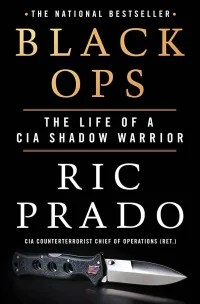
Enrique Prado’s book, Black Ops: The Life of a CIA Shadow Warrior (New York: St. Martin’s Press, 2022), is written for the opposite purpose. Prado says, “This book is my attempt to correct the misperceptions that make the Agency one of the least understood and most mistrusted institutions in America today. The reality we faced on the ground in places from Muslim Africa to East Asia, to our own streets here at home, is one of persistent threats that must be countered to keep our people safe.”
Prado’s memoir was approved for publication by the CIA. It is self-laudatory and highly critical of restraints on the CIA. It confirms that, while the ability to assassinate at will was temporarily restricted, CIA sabotage and paramilitary operations against other nations have continued non-stop.
Background
Enrique (Ric) Prado’s father lost his business in the Cuban Revolution and Ric came to the U.S. as a youth in the early 1960s. He grew up in greater Miami. The Vietnam War was raging and his “dream was to go to Vietnam.”
After high school, Ric enlisted in the U.S. Air Force and received training in rescue operations including parachute jumping and scuba diving. Prado’s dream was dashed because the Vietnam War was winding down and the U.S. military downsizing.
Prado alludes to his involvement with Cuban-American gangs and some troubled years. Then, starting with contract work, Prado began to perform assignments for the Central Intelligence Agency (CIA).

A young Ric Prado in Hialeah, Florida. [Source: nypost.com]
Prado and the Contras
Prado’s timing was late for Vietnam but just right for Central America. In 1979 the Sandinista Revolution overthrew the Somoza dictatorship in Nicaragua. As a Spanish-speaking Latino, Prado was not a typical Anglo-American. He was recruited as a CIA officer responsible for overseeing the development of the Contra army based in Honduras and conducting cross-border attacks on communities in Nicaragua.
He writes, “In these early days, there were only five CIA officers who interfaced directly with the Contras in Tegucigalpa; none were yet in the field.” There were “ten camps that lay scattered along the Honduran Nicaraguan border.” Ric Prado became the CIA officer responsible for going to the camps to coordinate support and conduct weapons training.
Prado admits the Contra leadership came from the corrupt Somoza regime: “Others who had been part of Somoza’s military…formed the core leadership of the Contras.” Initially, Washington subcontracted the job of mobilizing the Contras to Argentinian military officers who had experience from their own dirty war and death squads. Prado is extremely critical of the Argentinian military trainers, calling them a “den of snakes” and stating that, “to a man, I found them to be useless parasites.” The Argentinian military trainers were supplanted by CIA personnel, with Ric Prado playing a leading role overseeing Contra operations from Honduras and later in the “southern front” in Costa Rica.

During the Reagan years, Ric Prado (clutching rocket launcher) trained Contras to fight communist Sandinistas as part of the CIA’s “tip of the spear” in Nicaragua. [Source: nypost.com]
The CIA is funded by Congress and acutely aware of its public image. Whether it is creating negative press for “enemies” such as Nicaragua, Cuba or Russia, or creating positive press for itself, manipulating the media is an important part of its work. Prado talks about the political benefits of recruiting Indigenous Miskitos to the Contras: “Miskitos were popular with several U.S. political sectors. Among Native Americans and some prominent liberals, the Miskitos were considered to be the oppressed, indigenous forces untainted by association with Somoza. That political viability back in the States with elements often hostile to the Agency helped us enormously.”

Dinner in one of the Miskito camps, Prado on the right, where living conditions were primitive at best. [Source: nypost.com]
The unofficial war on Nicaragua included attacks on infrastructure which echo today with the U.S. sabotage of the Nord Stream gas pipelines. Prado proudly documents the attack on the Puerto Cabezas pier and underwater gas pipeline: “The dock included an integrated fuel pipeline for faster transfer of oil from tankers. If we could destroy this… we’d make a big statement by blowing up the key link between the Sandinistas and their communist allies….We received exactly what we needed: a specialized underwater demolition charge that combined compactness with tremendous blast power….The charge exploded…the blast was so large it destroyed the fuel pipeline.”
Prado documents the failed attempt to blow up a bridge at Corinto on the Pacific coast. For unknown reasons, Prado was re-assigned and left Honduras in March 1984 after four years managing the Contras. He returned to the Contra campaign in the summer of 1986. They had safe houses and secret bases in ranches along the Nicaragua-Costa Rica border. It was more difficult because the Costa Rican government did not support the Contras as Honduras did.

Prado carried all these weapons while fighting the Sandinistas in Nicaragua. [Source: nypost.com]
Prado briefly describes the sensational events in October 1986 when a CIA plane dropping supplies and weapons to Contras was shot down. The pilot and two others on the flight died, but ex-Marine Eugene Hasenfus survived and was captured. Unmentioned in the book, this was a sensational news event at the time. Beyond the drama of an American plane being shot down over Nicaragua and an American captured and taken prisoner, it revealed the CIA was violating the congressional Boland Amendment prohibiting U.S. military support for overthrowing the Nicaragua government.
The Reagan administration denied responsibility. Elliott Abrams, the Assistant Secretary of State for Inter-American Affairs, said:“The flight in which Mr. Hasenfus took part was a private initiative…It was not organized, directed or financed by the U.S. Government.” The counter-evidence was overwhelming and the CIA was caught red-handed violating the congressional resolution and then lying about it. This is unmentioned in the book. Instead, Prado criticizes Hasenfus for having personal identification papers in his possession.

José Fernando Canales, the Sandinista soldier who shot down Eugene Hasenfus’s plane with a surface-to-air missile, leads his hapless captive through the jungle on October 5, 1986. [Source: dailykos.com]
Prado’s Pride
In 1990, after ten years of terrorist attacks by the Contras, combined with economic and political attacks from Washington, Nicaraguans cried “Uncle” and voted the Sandinistas out of power.
Prado says, “our Contra program was a definitively successful black op carried out solely by key personnel from the CIA.” Prado stated further that “that Cuban kid who lost his native country to revolutionaries now helped cut off some of the communist tentacles that threatened to engulf Latin America.”
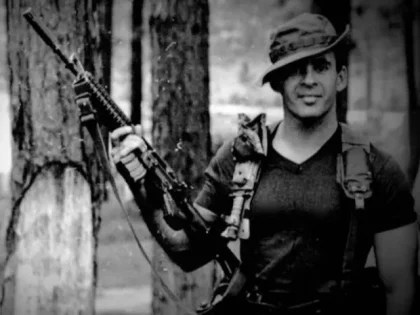
Ric Prado in action. [Source: cbsnews.com]
Prado believes the use of a proxy army to fight against a perceived enemy was an important victory and re-established the credibility of the CIA. He says, “The Contras resuscitated the post-Vietnam decimated CIA back to relevance.”
Prado is annoyed at negative media portrayals of the CIA Contra program. The movie American Made, depicting the story of an American pilot taking guns to the Contras and bringing cocaine back into the U.S., is especially annoying to Prado. He ignores the fact that tens of thousands of Nicaraguans died and cocaine inundated some U.S. cities as a byproduct of the Contra program.
Prado believes that the CIA were the “good guys” in Nicaragua. The International Court of Justice thought otherwise.
In 1986 the court ruled that the U.S. attacks on Nicaragua were violations of international law. The Reagan administration and media largely ignored the ruling.
Later, journalist Gary Webb documented the catastrophic social damage inside the U.S. caused by the cheap cocaine flooding some U.S. cities. Webb was attacked by establishment media. However, in 1998, the CIA Inspector General acknowledged, “There are instances where C.I.A. did not, in an expeditious or consistent fashion, cut off relationships with individuals supporting the contra program who were alleged to have engaged in drug-trafficking activity, or take action to resolve the allegations.”
The 2014 movie Kill the Messenger, based on the true and tragic story of Gary Webb, was undoubtedly another movie that irritated Ric Prado.

Justifying Terrorism and Sabotage
Prado’s justification for CIA crimes against other countries is U.S. national security. He says, “The spread of communism through Central and South America became a direct threat to the security of the United States.” He compares the war against “communism” to the World War II fight against Nazi Germany. He says, “The Sandinistas quickly consolidated their power through Nazi-like pogrom and oppression.” Prado says that training the Contras was like “being an OSS officer trying to train and supply the French resistance to the Germans in WW2.”
The U.S. deployed Nicaraguans, Afghans and extremist Arab recruits in proxy wars across the globe. Prado assesses this a great success: The Mujahedin in Afghanistan and Contras in Nicaragua “played crucial roles in the Cold War’s final act.”
Prado does not mention the fact that the Sandinistas were voted back into power in Nicaragua in 2006 after 16 years of neo-liberal rule. The country was in very poor shape with privatized education, little health care, and terrible infrastructure. Since being voted back, the Sandinistas have won increasing levels of support because they have substantially improved the lives of most Nicaraguans. As in the 1980s, Nicaragua is back on the U.S. enemy list and Western media portrayals are universally negative.
Prado in Other Countries
The “CIA shadow warrior” went on to conduct operations in Peru, the Philippines, South Korea and an unnamed African country, probably the Central African Republic. “We were the leadership cadre, spearheading America’s effort against global terrorism.”
Prado says, “Radical Islamic terrorism at the turn of the century morphed into a deadly new enemy.” With the attacks of 9/11, the U.S. homeland was suddenly the victim of a real attack. The timing was very convenient for war hawks and those who wanted a “new American Century.” From being a president who took office under highly contested circumstances, Bush became a “war President.” The 9/11 attack provided a Pearl Harbor moment justifying U.S. military aggression in the Middle East.
Prado describes the fervor and intensity with which the CIA responded: CIA agents worked long hours to identify, capture and sometimes kill those deemed to be “enemy combatants.” Some of these suspects were tortured in violation of the UN Convention Against Torture, to which the U.S. is a signatory. The “CIA shadow warrior” is dismissive of the critics. The “much maligned enhanced interrogations [were] sparingly performed on known terrorists.”
“Jungle of Criminality”
Prado views the world as “a jungle of criminality, corruption, betrayals, and atrocious human rights abuses we were determined to help eradicate.” There are numerous allusions to the “good guys” fighting the “bad guys.”
Prado does not attempt to argue with critics who say some CIA actions are violations of international law and human rights. It is estimated that 30,000 Nicaraguans died in the Contra War. This is ten times more than died in the attacks of 9/11 in a country that only had 3.3 million people at the time.
Prado’s claim that Sandinista Nicaragua posed a threat to U.S. “national security” stretches credulity. The CIA actions not only violated international law; they violated U.S. law. … Full review
THOUGHT CRIME
Computing Forever | May 3, 2023
BEWARE: THE END OF FREEDOM OF EXPRESSION AND SPEECH IS NIGH (MIRRORED FROM TRACEY O’MAHONY): https://www.bitchute.com/video/PsKmHq4lhaFV/
Buy How is This a Thing Mugs here: https://teespring.com/stores/computing-forever-store
Support my work on Subscribe Star: https://www.subscribestar.com/dave-cullen
Support my work via crypto: https://computingforever.com/donate/
Follow me on Bitchute: https://www.bitchute.com/channel/hybM74uIHJKg/
http://www.computingforever.com
KEEP UP ON SOCIAL MEDIA:
Gab: https://gab.ai/DaveCullen
Subscribe on Gab TV: https://tv.gab.com/channel/DaveCullen
Minds.com: https://www.minds.com/davecullen
Subscribe on Odysee: https://odysee.com/@TheDaveCullenShow:7
Telegram: https://t.me/ComputingForeverOfficial
FDA Approves First RSV Vaccine, But Some Experts Say Weak Safety, Efficacy Data Suggest Benefits Don’t Outweigh Risks
By Michael Nevradakis, Ph.D. | The Defender | May 4, 2023
Describing it as a “long-sought scientific achievement,” the U.S. Food and Drug Administration (FDA) on Wednesday approved Arexvy, the first vaccine for respiratory syncytial virus (RSV).
GlaxoSmithKline Biologicals (GSK) developed Arexvy under the FDA’s Priority Review designation. The FDA approved it for people ages 60 and older.
According to CNBC, the U.S. “suffered an unusually severe RSV season” this past winter. The New York Times reported on a “tripledemic” involving RSV, flu and COVID-19, “that swamped children’s hospitals and some I.C.U. wards.”
One U.S. county — Orange County, California — declared a local health emergency and issued a proclamation of local emergency in November 2022, citing rising RSV cases among children in the region.
GSK described results from clinical trials for Arexvy as “positive,” and the company said the U.S. launch of the vaccine is planned before the 2023-24 RSV season.
Other RSV vaccines, including one produced by Pfizer, are in the pipeline and expectations are that the FDA will approve them.
During clinical trials for both the GSK and Pfizer vaccines, several participants were diagnosed with rare conditions such as Guillain-Barré syndrome (GBS) and acute disseminated encephalomyelitis (ADEM). One of the individuals who developed ADEM later died, according to the FDA.
Aside from concerns over potential serious adverse events related to RSV vaccines, some experts have questioned the need for such a vaccine in the first place.
According to the journal Science, “RSV is a common respiratory infection” with symptoms “similar to a cold,” adding that “The majority of individuals recover within a few days from an uncomplicated RSV infection, although occasionally the virus can cause lower respiratory infections requiring medical attention.”
Dr. Peter McCullough, a cardiologist, told The Defender:
“Respiratory syncytial virus is a negligible threat to even the most frail elderly adults. The effort of widespread vaccination is simply not worth it. Even rare side effects will outweigh any theoretical benefit.”
And in a November 2022 episode of “RFK Jr. The Defender” podcast, several medical and public health experts expressed concerns about RSV vaccines.
“We have to stop these shots,” said Dr. Meryl Nass, an internist and biological warfare epidemiologist. “It’s just extraordinary that we’re still vaccinating people … we have a lot of work to do.”
Robert F. Kennedy Jr., then-chairman and chief litigation counsel for Children’s Health Defense (now chairman on leave), described RSV as “a vehicle for re-implementing the COVID-19 playbook all over the country and responding with vaccines.”
And according to the National Vaccine Information Center (NVIC), “Cost analysis data presented to the ACIP [Advisory Committee on Immunization Practices] did not show the RSV vaccines to be cost-effective at reducing the burden of costs associated with RSV illness.”
Nevertheless, more RSV vaccines are expected to receive FDA approval this year — including a Pfizer RSV vaccine for pregnant women that led to a high incidence of adverse events for both the women and their infants during clinical trials, as well as several deaths and stillbirths.
Arexvy approval ushers in new ‘highly competitive and lucrative vaccine market’
The RSV vaccine market is estimated to be worth up to $10 billion by 2030.
According to Endpoints News, the FDA’s approval of Arexvy ends “half a century of failed efforts against the elusive, shape-shifting virus” and “officially start[s] what analysts expect will be a highly competitive and lucrative new vaccine market.”
In getting Arexvy approved, “GSK beat a crowded field of competitors to cross the finish line first.”
Arexvy “showed strong efficacy in stopping lower-respiratory tract infections as well as more severe disease” and will be administered as a single dose, according to Endpoints News.
STAT reported that a “vaccine that was developed by Pfizer and aimed at the same demographic [adults 60 and over] is expected to be approved by the end of the month,” while other RSV vaccines and therapeutics, including some intended for children and pregnant women, are in the pipeline and also are close to receiving FDA approval.
The FDA’s approval of Arexvy came after an FDA advisory panel reviewed data from GSK’s and Pfizer’s clinical trials on March 1. The panel unanimously agreed that GSK’s vaccine is effective and, in a 10-2 vote, deemed it “safe,” according to The Washington Post.
The same panel also approved Pfizer’s candidate vaccine, Abrysvo, but with a 7-4 vote.
On June 21 or 22, ACIP, which advises the Centers for Disease Control and Prevention (CDC), will convene to “make recommendations on the appropriate use of the vaccine in the U.S.,” according to GSK’s announcement. The ACIP must recommend the vaccines before they are marketed.
According to STAT, there is a likelihood that ACIP may not approve Arexvy for its intended age group, stating:
“Though Arexvy’s approval is for adults 60 and older, it remains to be seen if the CDC will recommend it for that entire group.
“At an advisory committee meeting in February, members of a work group studying the adult vaccines that will soon come before ACIP indicated that at present, they don’t believe the vaccine would be cost-effective in people aged 60 to 64 and they would not recommend to the wider committee that it include people 60 to 64 in its recommendation for the use of the vaccine. (The group held the same position for the Pfizer RSV vaccine.)”
In April, the European Medicines Agency (EMA) issued its own recommendation for Arexvy, for adults 60 and over, according to the Times. However, a final EMA regulatory decision is anticipated later this year. GSK is also awaiting licensure for Arexvy in Australia, China, Japan and other countries, STAT reported.
In an earnings presentation April 26, GSK said it has “millions of doses” of Arexvy “ready to be shipped.”
“GSK’s RSV vaccine works by using a small piece of the virus: a protein that sticks out on its surface called the fusion, or F, protein, which helps the virus glom onto and infect cells in the body’s upper airways. The protein pieces in the vaccine are made in a lab, using cells specially programmed to manufacture them.”
CNN noted that the vaccine “builds on a pivotal discovery made a decade ago” by National Institutes of Health researchers, “including some of the same scientists who helped make the COVID-19 vaccines.” Specifically, the researchers figured out how to freeze the otherwise “wiggly” F protein, “in the shape it takes before it fuses onto a cell.”
STAT, quoting Phil Dormitzer, GSK senior vice president and global head of vaccines research and development, reported that although Arexvy “contains only one of the two RSV subtypes, RSV A,” studies showed that it is “virtually equally protective against both RSV A and RSV B” as the F protein on both subtypes is similar.
Dormitzer acknowledged natural immunity, telling STAT, “because older adults have all had RSV probably multiple times by the time they get [the vaccine], they’re primed against both A and B. So you’re able to get very solid boosting against both subtypes with a single adjuvanted F antigen.”
According to GSK, the Arexvy vaccine does not use mRNA technology, but “contains a recombinant subunit prefusion RSV F glycoprotein antigen (RSVPreF3) combined with GSK’s proprietary AS01E adjuvant.”
GSK, FDA claim Arexvy clinical trial data show vaccine is ‘safe and effective’ but annual shot may be needed
The FDA announcement stated:
“The safety and effectiveness of Arexvy is based on the FDA’s analysis of data from an ongoing, randomized, placebo-controlled clinical study conducted in the U.S. and internationally in individuals 60 years of age and older.”
According to the FDA, “approximately 12,500 participants … received Arexvy and 12,500 participants … received a placebo. Among the participants who have received Arexvy and the participants who have received a placebo, the vaccine significantly reduced the risk of developing RSV-associated LRTD [lower respiratory tract disease] by 82.6% and reduced the risk of developing severe RSV-associated LRTD by 94.1%.”
LRTD was “defined as two or more symptoms including shortness of breath, wheezing, cough, increased mucus production, crackles, low oxygen saturation, or need for oxygen supplementation,” according to CNBC, while according to CNN, “People were considered to have severe disease if they needed supplemental oxygen or needed mechanical help to breathe, like a ventilator.”
According to the FDA, half of the 25,000 participants received Arexvy, while the other half received a placebo.
The results of GSK’s clinical trials for Arexvy were published in the New England Journal of Medicine on Feb. 16.
FDA and GSK officials provided glowing reviews of the new vaccine. Peter Marks, M.D., Ph.D., director of the FDA’s Center for Biologics Evaluation and Research, said in a statement:
“Older adults, in particular those with underlying health conditions, such as heart or lung disease or weakened immune systems, are at high risk for severe disease caused by RSV.
“Today’s approval of the first RSV vaccine is an important public health achievement to prevent a disease which can be life-threatening and reflects the FDA’s continued commitment to facilitating the development of safe and effective vaccines for use in the United States.”
Tony Wood, GSK’s chief scientific officer, described Arexvy’s approval as “a turning point in our effort to reduce the significant burden of RSV,” adding that “Our focus now is to ensure eligible older adults in the U.S. can access the vaccine as quickly as possible and to progress regulatory review in other countries.”
In turn, Dormitzer said, “There’s just the broad excitement of finally, after all these years, having good options emerging for RSV,” describing this as a “triumph of the basic science.”
While GSK is first out of the gate in the RSV vaccine race with Arexvy, Pfizer’s candidate vaccine has also completed clinical trials, which found it to be “nearly 67 percent effective in preventing R.S.V. – related illness,” according to the Times.
The FDA and GSK announcements did not mention the vaccines’ waning effectiveness. An analysis by the NVIC found that the effectiveness of the GSK vaccine peaked after two months and offered no protection after one year. This may result in recommendations for adults to receive annual doses of the vaccine.
Trial participant died from a rare inflammatory condition, others developed GBS
Despite positive comments from FDA and GSK officials, clinical trial data for Arexvy revealed instances of GBS and other rare conditions.
In its announcement Wednesday, GSK claimed:
“The vaccine was generally well tolerated with an acceptable safety profile. The most frequently observed solicited adverse events were injection site pain, fatigue, myalgia, headache, and arthralgia. These were generally mild to moderate and transient.”
The announcement did not mention GBS.
According to the FDA announcement Wednesday:
“The most commonly reported side effects by individuals who received Arexvy were injection site pain, fatigue, muscle pain, headache and joint stiffness/pain.
“Among all clinical trial participants, atrial fibrillation within 30 days of vaccination was reported in 10 participants who received Arexvy and 4 participants who received placebo.”
However, the FDA noted that in two other Arexvy studies involving approximately 2,500 participants 60 and over, “two participants developed acute disseminated encephalomyelitis (ADEM), a rare type of inflammation that affects the brain and spinal cord, seven and 22 days, respectively, after receiving Arexvy and the influenza vaccine.”
“One of the participants who developed ADEM died,” according to the FDA.
In another Arexvy study conducted by GSK, “one participant developed Guillain-Barré syndrome (a rare disorder in which the body’s immune system damages nerve cells, causing muscle weakness and sometimes paralysis) nine days after receiving Arexvy,” the FDA stated.
According to an FDA briefing document cited by CNBC:
“A 78-year-old woman in Japan was diagnosed with Guillain-Barré syndrome nine days after receiving GSK’s vaccine … She was hospitalized for six months before being released.”
CNBC reported that GSK claimed in February “There is insufficient evidence to confirm the woman got Guillain-Barre as a result of GSK’s shot.” However, the FDA “considers the case to be related to GSK’s vaccine.”
According to the FDA’s announcement:
“The FDA is requiring the company to conduct a postmarketing study to assess the signals of serious risks for Guillain-Barré syndrome and ADEM. In addition, although not an FDA requirement, the company has committed to assess atrial fibrillation in the postmarketing study.”
According to the Times, “Once the shots become available to the public, the agency said it would require GSK to monitor the incidence of Guillain-Barré and another rare condition that was possibly related to the shot.”
The FDA similarly flagged GSK “as a potential safety issue with Pfizer’s RSV vaccine for older adults,” CNBC reported after two clinical trial participants developed GBS. According to the Post, both participants — one man and one woman — were 66 years old.
CNBC in February reported that Pfizer “will conduct a safety study to further address Guillain-Barré syndrome if the FDA approves its vaccine.”
GSK’s chief commercial officer, Luke Miels, said the vaccine would cost upwards of $120 a dose, according to the Post, which also reported that private insurers may cover “many costs” associated with the vaccine, while Medicare patients with Part D coverage “won’t pay anything out of pocket” for the vaccine.
“Shares of GSK rose nearly 2% Wednesday following the approval,” CNBC reported.
GSK is also pressing forward with “A clinical trial that aims to expand the population who may benefit from RSV vaccination into adults aged 50-59, including participants with underlying comorbidities,” according to the company’s Wednesday announcement, with results “expected in 2023.”
Is there a need for an RSV vaccine?
According to the FDA:
“RSV is a highly contagious virus that causes infections of the lungs and breathing passages in individuals of all age groups. RSV circulation is seasonal, typically starting during the fall and peaking in the winter.
“In older adults, RSV is a common cause of lower respiratory tract disease (LRTD), which affects the lungs and can cause life-threatening pneumonia and bronchiolitis (swelling of the small airway passages in the lungs).”
The FDA cited CDC figures claiming each year in the U.S., RSV leads to approximately 60,000-120,000 hospitalizations and 6,000-10,000 deaths among adults 65 years of age and older.”
STAT reported that “RSV season has been unpredictable in the wake of the COVID-19 pandemic, though some experts believe RSV activity is moving back toward the seasonality seen in the pre-COVID days,” noting that “there was little transmission in 2020, when people were wearing masks and social distancing.”
But RSV “returned abnormally early in 2021,” STAT reported, but without an explanation for why this occurred, despite widespread masking and social distancing that year, too.
In the U.S., pediatric deaths from RSV are not common but the infection is the No. 1 cause of hospitalizations for children under the age of 1, STAT reported. Globally, however, it is the second leading cause of death in children under 1, after malaria.
According to STAT, “All but the youngest of children have had RSV multiple times, but few of us would know with any certainty that this bad cold was caused by that bad virus.”
Nevertheless, Pfizer is proceeding with the development of an RSV for infants as young as 6 months — “the age group at highest risk of being hospitalized with RSV,” STAT reported, noting that the vaccine for this age group is expected to gain FDA approval later this year and will be administered to pregnant women “to generate antibodies that protect both the pregnant person and their newborn.”
Data reported by Pfizer to the CDC indicated that 14% of pregnant women who participated in Pfizer’s trial sustained an adverse event, with 4.2% sustaining a “serious” adverse event, 1.7% experiencing a “severe” adverse event and 0.5% suffering a “life-threatening” adverse event.
Similarly, the same data showed that 37.1% of infants whose mothers received the experimental Pfizer vaccine experienced adverse events within one month of birth — with 15.5% classified as “serious,” 4.5% as “severe” and 1% as “life-threatening,” while efficacy waned within months of vaccination.
According to the NVIC, “The RSV clinical trial data also included the death of one pregnant woman, 18 still births (10 in vaccinated pregnant women and 8 in unvaccinated pregnant women), and 17 infant deaths (five from the vaccinated pregnancy group and 12 in unvaccinated pregnancy group).”
In its report to the CDC, Pfizer claimed the deaths were unrelated to the vaccine.
The FDA’s Vaccines and Related Biological Products Advisory Committee will meet virtually on May 18 to discuss approval of this vaccine. The meeting is open to the public, and a public comment period is open until May 17. A final FDA decision is expected in August.
According to the Times, “Moderna is also developing an RSV vaccine for adults 60 and over, with authorization expected in the first half of this year. The Times referenced clinical trial data released by Moderna claiming 82% efficacy, with “no safety concerns identified.”
Bavarian Nordic, known for its development of a vaccine in response to last year’s monkeypox outbreak, is also developing an RSV vaccine for adults 60 and over,” expecting to release Phase 3 clinical trial data by midyear, according to the Post and CNN.
AstraZeneca and Sanofi also are seeking FDA approval, but for nirsevimab, a monoclonal antibody treatment for RSV that would be administered to infants and toddlers up to age 2, according to the Times, which referenced clinical trial results claiming a reduction of illness of up to 75%.
According to the Post, nirsevimab “is already approved in Europe, the United Kingdom and Canada.”
However, the NVIC reported that the effectiveness of nirsevimab “is not known beyond 150 days” and it is unclear if the drug prevents ICU stays or deaths. It is being reviewed by ACIP, which according to the NVIC, is “a federal advisory committee charged with making vaccine use recommendations.”
“It is unclear why the ACIP … has chosen to go beyond its charge of making vaccine use recommendations,” NVIC states.
Safety concerns related to RSV vaccines nevertheless linger. According to CNN, an RSV vaccine developed in the 1960s for children initially delivered promising results during trials in children and animals.
However, once administered to children in the general population, “many of the children who were vaccinated required hospitalization and got more severe RSV disease than what would have normally occurred” — and two of the initial trial participants died.
Michael Nevradakis, Ph.D., based in Athens, Greece, is a senior reporter for The Defender and part of the rotation of hosts for CHD.TV’s “Good Morning CHD.”
This article was originally published by The Defender — Children’s Health Defense’s News & Views Website under Creative Commons license CC BY-NC-ND 4.0. Please consider subscribing to The Defender or donating to Children’s Health Defense.
Featured Video

Thomas Fazi: NATO’s Hybrid Warfare – Deception & Permanent War
or go to
Aletho News Archives – Video-Images
Book Review
UAE tortured, killed journalist for opposing Israel normalization
The Cradle | October 31, 2026
UAE security officers detained, tortured, and killed Emirati poet and news editor Habib al-Sayegh in August 2019, shortly after he published a column opposing UAE normalization with Israel, according to a newly published book.
“Princes and Thieves,” a book by investigative journalist Matthew Cole published on 25 October, alleges that UAE security officers raided Sayegh’s Abu Dhabi home shortly after the publication of the column, hooded him in front of his wife and took him to a detention facility where he was tortured to death.
His interrogators reportedly pulled out several of his teeth with pliers and beat him repeatedly with a sharp metal object.
On 11 August 2019, Sayegh criticized the UAE’s plan to normalize relations with Israel as part of the Abraham Accords in his weekly column for Khaleej newspaper. The column was titled “Israel Is Our Real Enemy and A Dangerous Project.”
Sayegh described Israel as “a real and natural enemy” while questioning “who authorized the normalizers to speak on behalf of everyone?”
Nine days after the column was published, Emirati state media announced his death, without stating a cause. … continue
Blog Roll
 Aletho News
- ‘The Arab Vote’: How Israeli Racism Has Ruined Their Elections
- Israel forces Palestinians in Gaza to choose between assassination alone or death with their families: Report
- US Approves Sale of 500 Patriot Missiles to Ukraine, Deliveries May Take Years
- German Imperialism: An Urgent Explainer
- Backed by AAP, West Virginia Proposal Would Allow Dental Hygienists to Give HPV Vaccine to 9-Year-Olds
- Poland Is the Symptom and Europe Is the Patient
- UAE security forces tortured, killed journalist for opposing Israel normalization: Report
- They Compared the Spice to the Drug. The Spice Won — Again. (Part 2)
- Thomas Fazi: NATO’s Hybrid Warfare – Deception & Permanent War
- Wrong, AP and NPR: Europe’s 50,000 Heat Deaths Are a Computer-Model Estimate, Not a Real Body Count
- If Americans Knew
- An error has occurred; the feed is probably down. Try again later.
- No Tricks Zone
- Germany’s Green Energy Transition Becoming Increasingly Expensive…Another 6 Trillion Euros!
- Sudden Stratospheric Warming, Powerful El Niño Combination May Lead To Extreme Europe Cold, Energy Crisis!
- Two New Studies Find Thwaites Glacier Melt Cannot Be Driven By Human Activity Or A Warming Ocean
- E-Cars Reduce CO2 Emissions By Only 41% Compared To Internal Combustion Engine Vehicles
- Predictions Made By Renowned Climate Professor Over Past Decades Have Been Proven To Be Poor
- New Study Suggests Large Regions Of The Pacific Ocean Have Been Cooling For The Last 80 Years
- Germany’s Green Energy Debacle: High Energy Costs Force Kahla Porzellan to Close After 182 Years!
- New Study: 50 Years Of The Most Aggressive ‘Net Zero’ Policies Can Only Affect The Global Climate By 0.03°C
- US September “Heat” Was No Record…Many Records Set Decades Ago
- Latest European Green Energy Debacle; Portugal’s Largest Flagship Solar Park Insolvent!

